


Abstract
Cross-ecosystem transmission of plant pathogens from crops to natural forests is increasingly recognized as a key factor in disease emergence and biodiversity loss. Agricultural systems serve as major sources of inoculum, with landscape interfaces—such as crop–forest edges, riparian zones, abandoned orchards, and nursery–wildland transitions—acting as active epidemiological gateways. Biological vectors, abiotic dispersal, and human activities collectively enable pathogen movement across these boundaries. Host-range expansion, recombination, and hybridization allow pathogens to infect both cultivated and wild hosts, leading to generalist and recombinant lineages that survive across diverse habitats. In natural ecosystems, such introductions can alter community composition, decrease resilience, and intensify the impacts of climate-driven stress. Advances in molecular diagnostics, genomic surveillance, environmental DNA, and remote sensing–GIS (Geographic Information System) approaches now enable high-resolution detection of pathogen flow across landscapes. Incorporating these tools into interface-focused monitoring frameworks offers a pathway to earlier detection, better risk assessment, and more effective mitigation. A One Health, landscape-based approach that treats agro–wild interfaces as key control points is essential for reducing spillover risk and safeguarding both agricultural productivity and the health of natural forest ecosystems.
1. Introduction
The expansion of agriculture and increased land use are gradually erasing the ecological boundaries that once separated managed and natural ecosystems. As a result, new contact zones have formed, allowing plant pathogens to transfer from crops to wild plants. This process, called cross-ecosystem transmission, is similar to the well-documented pathogen spillover seen in animal systems [1,2]. However, in plants, it remains a less studied and poorly monitored phenomenon. Understanding and monitoring these transmissions is essential because they directly impact biodiversity, forest health, and the stability of natural ecosystems.
Recent studies indicate that agricultural activities can serve as sources of pathogen emergence in wild plant communities. Susi and Laine [3] showed that land use for farming reduces the natural ability of plant biodiversity to buffer viral infections, resulting in increased disease prevalence in wild populations near farms. Likewise, Fetters et al. [4] found that the diversity of plant viruses in pollen rises in landscapes dominated by agriculture, implying that pollinators may help transfer pathogens from crops to wild hosts. In another example, Pope et al. [5] demonstrated that the evolutionary history of a wild squash pathogen has been shaped by agricultural expansion, providing clear evidence that crop cultivation influences pathogen adaptation in nearby wild populations. Overall, these studies suggest that farming systems can continuously supply inoculum and create environments that encourage the evolution of generalist pathogen lineages capable of infecting wild plants.
Similar patterns are now being identified for fungal and bacterial pathogens. Makiola et al. [6] showed that land-use intensity heavily influences the alpha-diversity of plant-associated fungi and bacteria, with agricultural systems supporting a wider and more abundant pathogen community than natural forests. Similarly, Fulcher et al. [7] reported that Fusarium graminearum—a key cereal pathogen—frequently appears in wild grasses near croplands, suggesting possible spillover from cultivated hosts. Species of Phytophthora are increasingly found in plant nurseries, irrigation systems, and nearby natural habitats, demonstrating how horticultural and agricultural trade networks can help their spread into forest ecosystems [8,9]. The widespread contamination of nursery soils and water highlights how agroecosystems can serve as persistent reservoirs of inoculum [10,11]. Similarly, the soil-borne bacterium Ralstonia solanacearum has been detected infecting wild Solanum dulcamara L. populations along rivers near potato fields, indicating that wild plants serve as long-term environmental reservoirs for agricultural pathogens [12]. Members of Xanthomonas show similar ecological adaptability: they have been found on wild and weedy crucifers around crop fields and on non-crop hosts like dandelions and other wild herbs [13].
Additional evidence comes from forest systems hosting pathogens traditionally linked to orchards and crop fields. Venturia inaequalis, the cause of apple scab, has recently been found in wild Malus sieversii forests in Central Asia [14], demonstrating that Venturia populations can survive and evolve outside managed orchards. Likewise, Erwinia amylovora, the causal agent of fire blight, has been repeatedly detected not only on cultivated fruit crops but also on wild and ornamental woody species, including Crataegus monogyna Jacq., Crataegus laevigata (Poir.) DC., Sorbus aucuparia L., Sorbus aria (L.) Crantz, Pyracantha coccinea M.Roem., Cotoneaster spp., and Mespilus germanica L. [15], which are widespread in forest and semi-natural vegetation of Eurasia and North Africa [16,17]. The presence of the pathogen in these species indicates its ability to maintain viable populations beyond cultivated fruit plantings and to form natural reservoirs of inoculum. Moreover, the growing convergence of global-change drivers, including landscape simplification, biodiversity loss, nutrient enrichment, and trade-mediated movement of plant material, further increases the risk of pathogen spill-in from agriculture into wild systems [18,19]. Plant disease risk is modified by multiple global change drivers [20], highlighting how shifts in host diversity, spatial structure, and abiotic conditions significantly change disease dynamics in natural plant-pathogen systems. Building integrated plant health surveillance: a proactive research agenda for anticipating and mitigating disease and pest emergence [21] advocates for the urgent modernization of surveillance across agro-wild interfaces, emphasizing multi-matrix monitoring (soil, water, air), molecular diagnostics, and cross-sector collaboration. These approaches demonstrate that pathogen transmission between agriculture and wild ecosystems cannot be controlled exclusively within agroecosystems. A landscape-scale, proactive approach is required, grounded in One Health principles, in which agroecosystems and natural ecosystems are considered critical nodes in pathogen dissemination networks, and protection requires a comprehensive, integrated approach. Without such systems, emerging cross-ecosystem pathogen movements may go unnoticed until they have already established in wild populations, reducing the opportunity for effective intervention.
2. Mechanisms and Pathways of Cross-Ecosystem Pathogen Transmission
Cross-ecosystem transmission of plant pathogens happens through a complicated interplay of ecological interfaces, biological and abiotic vectors, human activities, and climate factors. Landscape transition zones like crop–forest edges, riparian corridors, and abandoned orchards serve as epidemiological gateways where pathogens transfer between managed and wild hosts. Insects, wind, water, and soil act as key modes of dispersal, broadening the spread of inoculum beyond cultivated areas. Modern agricultural practices, such as irrigation water reuse, soil transport, and green-waste disposal, together with nursery trade and other plant movement pathways, further increase landscape connectivity, while inadequate biosecurity allows inoculum to escape into adjacent vegetation. On top of these local processes, climate variability and long-term warming change temperature, moisture, and extreme events, speeding up infection cycles and expanding pathogen ranges. Collectively, these mechanisms turn agro-wild interfaces into active zones of pathogen exchange, highlighting the importance of integrated monitoring and climate-aware management across agricultural and natural ecosystems. For ease of presentation, Table 1 provides a concise summary of the content of Section 2.
Table 1.
Key mechanisms driving cross-ecosystem transmission of plant pathogens and their dominant pathways.
2.1. Landscape Interfaces as Pathways for Pathogen Movement
In this study, landscape interfaces are defined as spatially confined transitional zones between different types of land use and ecosystems, where agricultural, semi-natural, and natural landscape elements are in direct contact and form increased ecological connectivity. Such interfaces include ecotones at the crop–forest boundary, field margins, riparian and linear corridors, abandoned or unmanaged agroecosystems, as well as zones of interaction between nurseries and wild vegetation, and are characterized by an increased probability of contacts among pathogens, alternative hosts, and vectors [10,22].
A foundational synthesis by Plantegenest et al. [22] showed that “ecotones between land uses” have higher contact rates between pathogens and new host species than uniform habitats, making these boundary zones crucial sites for pathogen exchange. Subsequent research has expanded on this idea by providing empirical and modeling evidence that landscape heterogeneity influences pathogen movement across agro-ecological interfaces.
For example, Burdon et al. [41] highlighted that pathogen spillover between crops and wild hosts most often occurs in fragmented landscapes where crop fields border remaining natural vegetation. These edge zones promote the selection of generalist pathogen lineages capable of infecting both host types. Likewise, Papaïx et al. [42], using a spatially explicit simulation framework, found that the probability of pathogen emergence increases non-linearly with the proportion of edge habitat. They also showed that greater connectivity between cultivated and natural patches speeds up the evolution of pathogen aggressiveness and dispersal traits. Field studies support these findings: Susi and Laine [3] revealed that agricultural land use lowers the buffering capacity of host diversity in wild Plantago populations, resulting in 25%–30% higher viral infection rates near cultivated fields compared to interior wild populations.
Recent evidence from Laine [20] confirms that decreased host diversity, altered spatial arrangements, and shifts in abiotic conditions—especially at agro-wild interfaces—significantly increase the risk of pathogen emergence in wild plant communities.
Together, these studies show that ecotones are not just passive transition zones but active epidemiological frontiers, where landscape features, biodiversity loss, and management intensity interact to influence the flow of pathogens between managed and natural systems.
Beyond natural edges, microbial ecology studies emphasize that unmanaged vegetation patches, plant residues, and abandoned fields serve as ecotonal reservoirs that sustain viable pathogen populations, linking agricultural systems with surrounding habitats [43]. In citrus-growing regions like Brazil and Australia, abandoned or poorly managed orchards are known to serve as long-lasting sources of inoculum for Xanthomonas citri and other citrus pathogens, maintaining disease hotspots over time [23,24,25]. In Florida, however, abandoned citrus groves are primarily recognized as reservoirs for huanglongbing (HLB), caused by Candidatus Liberibacter asiaticus, and its vector Diaphorina citri, which has prompted the establishment of the state-level Abandoned Grove Initiative aimed at removing unmanaged host trees and reducing vector habitats. Abandoned Grove Initiative available online [44].
Although direct empirical data remain limited, an increasing number of landscape-level studies suggest that abandoned or poorly managed agroecosystems can serve as long-term pathogen reservoirs. The microbiome and structural makeup of these areas sustain conditions that favor pathogen persistence and vector activity [45,46]. From a broader socio-ecological perspective, uneven phytosanitary enforcement and fragmented management practices across regions create persistent transboundary corridors that maintain pathogen sources and enable their re-emergence in both agricultural and wild vegetation.
Therefore, monitoring efforts should focus on interface zones and unmanaged agricultural landscapes—the physical, ecological, and human-made boundaries where pathogen transmission is most likely to take place. Enhanced surveillance at these ecotones will facilitate early detection of cross-ecosystem movement, prevent pathogen establishment in wild hosts, and support coordinated management strategies that involve the agricultural, forestry, and conservation sectors.
2.2. Vectors and Vehicles of Transfer (Insects, Pollinators, Wind, Water, and Soil Dispersal Mechanisms)
Vectors and vehicles beyond direct plant-to-plant contact play a crucial role in the cross-ecosystem spread of plant pathogens. Biotic vectors such as insects, as well as abiotic vehicles including wind, water, and soil, not only facilitate dispersal but also determine the geographic extent and persistence of inoculum across agro–wild interfaces. These mechanisms work together, creating multidirectional pathways that link agricultural and natural ecosystems.
Insect vectors are among the most effective biological means of transferring pathogens. Hemipteran insects—such as aphids, psyllids, and leafhoppers—are responsible for transmitting over 70% of known plant viruses with identified vectors [26,27,28]. They can also co-transmit bacteria and viruses through the same feeding process, emphasizing the significance of shared vector pathways [47,48]. Mechanical transmission by beetles, thrips, and other chewing insects is also notable: they carry viable fungal spores and bacterial cells on mouthparts and in digestive secretions, remaining infectious for days after feeding [49]. One of the most thoroughly studied examples of insect-mediated transmission of forest pathogens is the bark beetle–fungus complex in coniferous trees. Large-scale outbreaks of Dendroctonus ponderosae in North America were accompanied by the active spread of phytopathogenic fungi, primarily Grosmannia clavigera [50].
Abiotic vehicles—wind, water, and soil—further extend the transmission potential beyond biological vectors. Airborne spores of Puccinia, Fusarium, and Alternaria can travel tens to hundreds of meters beyond crop edges, entering forest understories and infecting wild grasses and herbs [32,33,34,35]. Rain splash and surface runoff distribute bacterial and oomycete propagules (Xanthomonas, Phytophthora) along riparian corridors and low-lying edges [29,30,31]. Soil plays a dual role as both a reservoir and a vehicle: residues and rhizosphere microbiomes in agro-wild ecotones can harbor viable pathogen propagules for months, maintaining an inoculum bridge that links cultivated and wild hosts [43,51,52].
Together, these biological and abiotic pathways turn interface zones into epidemiological frontiers, where the chances of pathogen exchange, adaptation, and establishment are greatest. Insects cross field margins and riparian corridors; pollinators link floral resources between croplands and wild vegetation; wind and water carry inoculum from nurseries and fields into nearby habitats; and soil and crop residues keep pathogens alive in abandoned or unmanaged plots.
2.3. Anthropogenic Factors and Agricultural Practices Facilitating Transmission
Human activities and modern agricultural practices create multiple interconnected pathways that reduce ecological barriers and enable pathogens to move from crop systems into nearby natural vegetation. Evidence from global horticultural supply chains indicates that the international trade in plants remains a major pathway, with interception datasets showing significant contaminant loads in ornamental plant consignments and highlighting ongoing biosecurity risks despite mitigation efforts [53]. In production systems, large multi-site surveys reveal a high prevalence and diversity of Phytophthora in nursery stock, substrates, and drainage water, demonstrating that nurseries can act as amplifiers and sources of inoculum leakage into surrounding landscapes when sanitation is inadequate [54]. Phytophthora ramorum is the causal agent of Sudden Oak Death. Although the first large-scale epiphytotics were recorded in coastal forests of the western United States, subsequent phytosanitary surveys revealed a widespread and persistent presence of P. ramorum in nursery and ornamental planting material, including consignments of seedlings intended for interregional trade. Importantly, these detections were made in regions where the disease had not previously been recorded in natural forest ecosystems [55].
Surveys of Christmas tree plantations and nurseries revealed a wide range of pathogens of the genus Phytophthora (P. cambivora, P. cinnamomi, P. abietivora, among others). Most of the detected Phytophthora species were associated with symptoms of root and collar rot, including needle chlorosis, growth suppression, and sudden tree mortality [56]. A classic example of pathogen spread driven by anthropogenic intervention is the pandemic of Cryphonectria parasitica. The initial epidemic of chestnut blight in North America was substantially amplified by human-mediated factors, primarily the movement of infected seedlings, planting material, and wood [57].
Water management further enhances cross-ecosystem connectivity: studies in commercial nurseries have identified multiple pathogenic Phytophthora taxa in stored, recycled, and runoff irrigation water—often overlapping with taxa recovered from symptomatic plants—highlighting how irrigation reuse and drainage return flows can spread inoculum from managed fields to riparian and wooded edges unless proper disinfestation procedures are implemented [36].
Heavy vehicles and road networks transport infest soil and plant debris between managed and semi-natural habitats. Recent network-based modeling using truck movement data shows that vehicles can effectively spread forest pests and pathogens to new areas, breaching ecological boundaries [37].
Landscape context and management intensification increase these risks: monocultures and simplified land-use mosaics boost inoculum production, limit host genetic diversity, and diminish natural regulation. These patterns are supported by syntheses and empirical studies linking agricultural landscape simplification to higher pest pressure and weaker enemy networks at habitat edges [38].
Organic matter streams are also important: green waste and improperly sanitized compost from nurseries can harbor viable oomycete propagules, including high-impact Phytophthora species, with documented assemblages that vary among sites in ways that reflect biosecurity practices [58].
Human mobility at the field–forest boundary introduces another pathway; controlled tests of hygiene measures demonstrate that contaminated footwear can hold infectious soil under realistic conditions and that only properly implemented cleaning methods (such as effective footbaths) significantly lower the risk. This justifies installing boot-cleaning stations for workers and visitors at busy interfaces [59].
The epidemic of rapid mortality of Metrosideros polymorpha Gaudich in Hawaiʻi illustrates how a combination of human movement, forestry activities, and animal vectors (including wild pigs as disseminators of spores and infected material) can enable rapid local and landscape-scale spread of a novel pathogen [60]. This case shows that management measures (biobarriers, access control, restriction of animal movements, and phytosanitary inspection of planting material) are critical for limiting anthropogenically mediated corridors of spread.
Finally, emerging seed-borne risks and evolving standards for seed health emphasize the need to incorporate sensitive testing and standardized protocols across sectors so that agricultural propagule flows do not introduce new pathogen foci in nearby natural areas vegetation.
Taken together, these human activities—such as plant trade and nursery practices; irrigation and drainage systems; machinery and soil movement; landscape simplification; organic waste flows; and human mobility—create a complex transmission network that increases the likelihood of cross-ecosystem spillover. They also highlight the need for integrated surveillance and mitigation efforts involving agricultural and forestry stakeholders.
2.4. Environmental and Climatic Drivers of Pathogen Spread
Climate variability and long-term warming are changing the environmental factors that influence plant pathogen dynamics across agro-forest interfaces by affecting temperature patterns, atmospheric moisture, total and extreme precipitation, wind fields, and hydrological connectivity. The IPCC (Intergovernmental Panel on Climate Change) AR6 defines these physical changes as climatic impact-drivers (CIDs)—climate conditions and extremes that directly impact ecosystems and society [61]. In different regions, authoritative summaries report shifts in the latitudinal and elevational distribution of plant pests, pathogens, and related vectors, consistent with warming and changing rainfall, while also noting variability and attribution challenges specific to each system [62]. At the crop–forest boundary, these drivers operate through three main mechanisms—rate (faster reproduction or shorter latent periods), range (expansion into previously unsuitable climates), and connectivity (more frequent or intense events moving inoculum across habitats) [63]. Recent reviews show that warming and humidity changes are already affecting disease incidence and severity, with implications for ecosystem services and food security. Temperature and moisture limitations are key: studies from lab, modeling, and field work indicate that rising temperatures and changes in humidity or leaf wetness duration shift infection peaks, extend seasonal periods, and can speed up epidemic spread for many fungal and oomycete diseases. Conversely, drought or heat may reduce epidemics or, through host stress, worsen outcomes [64]. In nearby forests and semi-natural areas, water-balance disturbances—long droughts interrupted by heavy rainfall—alter host susceptibility and soil oxygen levels; when intense rain reconnects water flow among fields, drains, and riparian woodlands, conditions may favor water mold pathogens like Phytophthora. Recent nursery studies and surveys identify multiple pathogenic Phytophthora taxa in stored, recycled, or runoff irrigation waters, with overlaps to taxa found in symptomatic plants. This highlights hydrological connectivity risks if water treatment is not implemented [36]. Importantly, climate–pathogen interactions are non-additive: a 2024 global meta-analysis shows that combined drought–pathogen impacts often differ from the sum of individual stressors. This emphasizes the need to model interactions rather than only main effects [65].
Range expansion and vector ecology provide an alternative pathway. IPPC/FAO (Food and Agriculture Organization) and IPCC-aligned assessments emphasize climate-driven redistribution of plant pests, pathogens, and their vectors, which affects their likelihood to establish and causes outbreaks in different regions [62]. For Xylella fastidiosa, assessments across Europe show significant current and future climatic suitability; earlier species-distribution models already revealed that the climatically suitable area in Europe is larger than the current invaded range [39]. Climate envelopes also influence the potential ranges of xylem-feeding vectors. For the glassy-winged sharpshooter Homalodisca vitripennis—not yet established in the EU (European Union)—recent modeling studies predict potential suitability and northward shifts under future climate scenarios, with particularly favorable conditions in irrigated Mediterranean areas [40]. These findings highlight the importance of preparedness even where current establishment does not occur.
Extremes and circulation anomalies are becoming an increasingly important third driver. Tropical cyclones, typhoons, and convective storms can transport spores, vectors, and infected debris over long distances, re-seeding inoculum across habitat boundaries; the emerging field of disaster plant pathology combines event-driven surges of invasive plant pathogens and pests and emphasizes the need for targeted post-storm surveillance and management [66]. ENSO (El Niño–Southern Oscillation) phase shifts reorganize rainfall and heat-stress patterns at continental scales, with well-documented hydrometeorological impacts that likely lead to altered plant-disease pressure through moisture pulses, temperature anomalies, and wildfire regimes in both agricultural frontlines and nearby natural vegetation [67]. Additionally, compound events (drought followed by extreme rain) amplify surface runoff and bankfull flows, temporarily connecting otherwise isolated pathogen reservoirs across fields, drainage systems, and forested riparian corridors—patterns consistent with observed irrigation and runoff links for Phytophthora [36].
Environmental and climatic forces simultaneously increase background inoculum production in croplands by extending favorable periods, broaden the climatic range for pathogens and vectors to inhabit transitional habitats, and raise the frequency of “natural transport” events (floods, storms, downslope flows, gust fronts) that cross the agro-forest boundary. Current syntheses (2023–2025) predict increasing disease significance for many pathosystems through 2100, with warning signs already appearing in vulnerable regions [68]. Actionable monitoring: guidance now recommends integrating plant-health surveillance into climate-service workflows—using seasonal forecasts and CID projections to prompt intensified sampling, deploying eDNA/metabarcoding in storm-affected waterways, and coordinating vector trapping with heat-/moisture-based risk periods. The IPPC (FAO) 2024 technical resource explicitly urges implementing preventive, mitigation, and adaptation strategies based on climate-change impacts on pest infectivity, severity, and distribution [62].
3. Ecological and Genetic Consequences of Cross-Ecosystem Pathogen Flow
Host range expansion and adaptation to new environments are increasingly recognized as key evolutionary processes shaping pathogen dynamics in both agricultural and natural ecosystems. Modern genomic research shows that host range is not a fixed list of susceptible plant species but a flexible, quickly changing trait influenced by alterations in effector repertoires, plant immunity genes, and environmental conditions. Data from current pathogen–host interaction databases and population-genomic studies consistently indicate that even small genetic changes—such as mutations, gene losses or gains, and horizontal gene transfers—can enable pathogens to infect new hosts or weaken previous infection barriers. Host range expansion results from the interaction of pathogen genome dynamics and human-driven ecological changes, including plant trade, land-use intensification, and habitat connectivity. Understanding how virulence factors evolve and how hosts are distributed in the landscape is therefore crucial for assessing cross-ecosystem spillover risks and predicting pathogen movement at agricultural–forest boundaries.
3.1. Host Range Expansion and Adaptation to New Environments
Host range expansion and adaptation to new environments are now recognized as central mechanisms linking agricultural and wild plant health at landscape scales, rather than as rare anomalies. As illustrated in Figure 1, which depicts the most broad host-range plant pathogens currently documented, many of the world’s most impactful plant pathogens, including fungi, bacteria, and viruses, are capable of infecting hundreds to thousands of plant species across taxonomic groups, highlighting the ecological relevance of broad host ranges. The extensive range of host associations emphasizes the potential for pathogen spillover between managed and natural ecosystems.
Figure 1.
The broadest host-range plant pathogens currently documented with high cross-ecosystem disease risk. Gray denotes fungal pathogens, light orange indicates viruses, and light green represents bacterial species.
Contemporary genomic resources like Pathogen–Host Interactions database (PHI-base) show that many high-impact plant pathogens carry suites of virulence factors effective across multiple host taxa, and that small numbers of mutations, gene gains or losses, or horizontal acquisitions in these loci can unlock new hosts or relax previous constraints on infection [69]. This perspective aligns with recent conceptual work on bacterial plant pathogens, which describes host range not as a fixed list of susceptible species but as a dynamic trait influenced by effector repertoires, host immunity genes, and environmental factors [70].
Bacterial pathogens of crops provide some of the clearest examples of mechanisms. Population-genomic analyses of Xanthomonas euvesicatoria pv. perforans—a major cause of bacterial spot in solanaceous crops—show that lineages originally limited to tomato have developed the ability to infect pepper, effectively expanding their host range across the crop interface. This expansion correlates with changes in type III effector gene content, including the loss of avirulence determinants recognized by pepper resistance genes, and diversification of other virulence factors [70]. These studies support the broader conclusion that relatively small shifts in effector repertoires can allow bacterial populations to colonize new cultivated hosts that are often grown next to or rotated with their original host species [70].
Fungal pathosystems demonstrate host jumps and subsequent adaptation along crop–wild gradients. Research on the wheat blast lineage of Magnaporthe oryzae showed that a South American population originally associated with pasture grasses gained the ability to infect wheat by losing specific effector genes that previously triggered resistance in this host [71]. More recent genomic studies on M. oryzae highlight that expansions or contractions of effector families, often driven by transposable elements, enable rapid adjustment of host specificity and aggressiveness. Some clonal lineages are now adapted to particular cereal hosts in specific agro-climatic regions [72]. Together, these findings emphasize how effector turnover can facilitate both distinct host jumps and finer-scale adaptation to locally dominant cultivars at the agro-forest margin.
Broad-host-range xylem-colonizing bacteria reveal another aspect of host range expansion at the intersection of cultivated and natural vegetation. X. fastidiosa is now identified on hundreds of herbaceous and woody hosts worldwide; a natural host range of the pathogen exceeds 700 plant species and notes that this list grows as the bacterium invades new areas [73,74]. Recent research from northern Portugal, where X. fastidiosa has established multiple demarcated zones, shows infection across various Mediterranean hosts, including olive, citrus, laurel, ornamental shrubs, and climbers. This highlights how a single pathogen can connect agricultural plantings, ornamental landscapes, and semi-natural vegetation within a relatively small region [75]. In such mosaics, vector communities and plantings of native and non-native hosts create overlapping epidemiological networks, with host range expressed across both wild and managed environments.
Beyond X. fastidiosa, several other broad-host-range plant pathogens demonstrate how multi-host infection ability increases cross-ecosystem transmission risks. Phytophthora cinnamomi—one of the most damaging soilborne oomycetes worldwide—is known to infect thousands of plant species, with biodiversity studies in Australia documenting over 2000 native hosts vulnerable to it, and global estimates often exceeding 3000 species, Figure 2 [76,77,78]. Phytophthora cinnamomi infects thousands of tree and shrub species worldwide, including Quercus, Castanea, Eucalyptus, and numerous endemic forest taxa. Studies show that the introduction of this pathogen into natural ecosystems leads to long-term degradation of forest and shrubland communities [76,79]. Botrytis cinerea, a widespread necrotroph, is confirmed to infect more than 1400 plant hosts [80,81]. Among viruses, Cucumber mosaic virus has the broadest known host range of any plant virus, consistently reported to infect more than 1000 plant species across many families [82,83,84].
Figure 2.
Molecular Techniques for Detecting Phytopathogens. The most common methods for each technique are described. The basic flow of the methods and how results are presented are shown. ELISA—Enzyme-Linked Immunosorbent Assay; PCR—Polymerase Chain Reaction; qPCR—quantitative Polymerase Chain Reaction; LAMP—Loop-Mediated Isothermal Amplification; SHERLOCK—Specific High-sensitivity Enzymatic Reporter unlocking; DETECTR—DNA Endonuclease Targeted CRISPR Trans Reporter; RPA—Recombinase Polymerase Amplification; RT-RPA—Reverse Transcription Recombinase Polymerase Amplification; IVT—In Vitro Transcription; NGS—Next-Generation Sequencing.
Other major generalist pathogens also show broad and not fully understood host ranges. Sclerotinia sclerotiorum infects over 600 plant species, as shown in both classical and modern molecular surveys [85,86]. The Ralstonia solanacearum species complex (RSSC) infects more than 450 plant species across over 50 botanical families, with genomic studies confirming ongoing additions to host range [87,88]. Alternaria alternata, a widely distributed foliar pathogen, has been documented on more than 380 host species worldwide [89,90]. Rhizoctonia solani (sensu lato) is reported to infect around 250 plant species across many families, including Poaceae, Fabaceae, Solanaceae, and others [91,92].
These broadly polyphagous pathogens demonstrate how infecting multiple hosts can sustain ongoing transmission across agricultural, ornamental, and semi-natural vegetation, even when crop species are absent or seasonally rotated. Their ability to exploit diverse plant communities means spillover and spillback can occur repeatedly, maintaining inoculum in landscape mosaics and complicating eradication or containment efforts. Building on this, highly transmissible plant viruses add an extra layer of complexity because their host range can expand even faster through international plant trade, movement of propagation material, and protected cultivation systems.
Tomato brown rugose fruit virus (ToBRFV), a tobamovirus first found in Middle Eastern tomato production, is now established across greenhouse and open-field systems on several continents. Authoritative reviews show that ToBRFV infects tomato and pepper cultivars that carry resistance genes which previously provided durable protection against related tobamoviruses, effectively breaching existing genetic barriers in both crops [93]. Experimental host range studies and field surveys further demonstrate infection of numerous solanaceous and non-solanaceous weeds in and around tomato crops, indicating that wild and ruderal plants can serve as additional reservoirs once the virus enters a new region [93]. These features—resistance-breaking in crops and extensive infection of non-crop hosts—make ToBRFV a clear example of host range expansion with direct implications for cross-ecosystem transmission.
Community-level studies of foliar fungi and other generalist pathogens demonstrate that host range expansion is not limited to just a few prominent species. In grassland systems where native and exotic grasses grow together, surveys of culturable foliar fungi reveal that exotic grasses share most of their foliar pathogen and endophyte communities with native grasses, and many of the dominant taxa act as generalists capable of infecting multiple grass hosts [94]. These findings suggest that when new hosts are introduced into an area—whether as crops, forage grasses, or ornamental plants—they frequently become part of existing pools of generalist pathogens rather than escaping them. Such generalists can then take advantage of the increased connectivity and resource availability at field margins, abandoned pastures, and other interface habitats to migrate between cultivated and wild plants [95].
In forest ecosystems, host range expansion has particularly pronounced long-term consequences, as infection of new tree species can lead to structural reorganization of forest stands and persistent changes in ecosystem functions. Population-genomic studies have shown that the introduction of the chestnut blight pathogen, Cryphonectria parasitica, was accompanied by multiple independent introductions and rapid spread in natural forests of Europe and North America, where it infects tree species of the genus Castanea. The genetic structure of populations indicates high adaptive potential of the pathogen and its ability to persist and evolve in forest communities, far beyond the scope of the initial agricultural introductions [57,96,97].
Oomycetes of the genus Phytophthora provide some of the most illustrative examples of host range expansion in woody plants at the interface between managed and natural ecosystems. Phytophthora ramorum infects a broad range of tree and shrub hosts, with different species playing distinct epidemiological roles—from asymptomatic reservoirs to highly susceptible victims. Large-scale surveys of forests in North America and Europe have shown that the spread of P. ramorum is closely associated with the trade in ornamental plants and the subsequent transfer of inoculum into natural forests, where the pathogen causes substantial mortality of oaks and tanoaks and alters forest community structure [98].
Host range expansion is also well documented for pathogens of the genus Armillaria, which cause root rots in a wide range of woody plants. Armillaria ostoyae and related species infect coniferous and broadleaf trees in managed and natural forests, and population studies demonstrate the pathogen’s ability to persist for decades in soil and woody debris and to shift among different hosts as stand composition changes. This ecological strategy makes Armillaria a key element of cross-ecosystem pathogen transmission in forest landscapes [99,100].
Taken together, these examples show that host range expansion and adaptation to new environments result from interacting genetic and ecological processes: changes in virulence and effector genes, recombination and hybridization in pathogen populations, reshaping of vector and host communities, and strong human-driven factors such as plant trade and landscape simplification. The outcome is an increasing number of pathogen lineages capable of infecting both crops and nearby wild vegetation, highlighting the need for cross-ecosystem surveillance that specifically tracks host range, not just pathogen presence, when evaluating spillover risks at agro-forest interfaces.
3.2. Genetic Recombination and Emergence of Novel Pathogen Strains
Genetic recombination is now recognized as a fundamental driver of innovation in plant pathogen populations, affecting viruses, bacteria, fungi, and oomycetes, and frequently linked to the emergence of new, epidemiologically significant strains (Table 2).
Table 2.
Genetic recombination and hybridization as drivers of the emergence of new plant pathogen strains.
The pathogens discussed here were chosen because they are among the most well-documented and experimentally confirmed cases where recombination, hybridization, or other forms of genome exchange have been definitively shown using modern molecular, phylogenomic, or population-genetic methods. Unlike many plant pathogens where host expansion or emergence is suggested but not fully explained mechanistically, these viruses, bacteria, fungi, and oomycetes have clear evidence of recombination events that directly led to the formation of new lineages, changes in host specificity, or loss of resistance. This makes them especially useful model systems for studying how recombination creates ecologically important diversity and influences pathogen emergence at agricultural and forest interfaces.
For plant RNA viruses, recent summaries highlight that high mutation rates combined with frequent recombination create new genomic combinations capable of evading host immunity, expanding host ranges, or changing transmission efficiency.
Mixed-infection studies show that begomoviruses transmitted by Bemisia tabaci often undergo inter-genomic recombination during co-infection, resulting in new variants with different host and vector interactions and expanding the range of susceptible hosts.
Within the Cucumber mosaic virus (CMV) complex, population-level analyses using high-throughput sequencing consistently detect recombination breakpoints among isolates from vegetable crops, and comparative studies on CMV in various cultivated hosts conclude that recombination is a key mechanism enabling adaptation to new hosts and contributing to the emergence of resistance-breaking strains [101,102,103].
Similar patterns are observed for tomato yellow leaf curl virus (TYLCV), where full-genome comparisons in commercial tomato crops reveal that recombination among co-circulating isolates creates new genomic mosaics and is explicitly identified as a key factor in virus diversity and emergence [104,105,106,107,108].
At the same time, genomic surveillance of “new” quarantine viruses shows that emergence does not always involve extensive recombination. In the case of tomato brown rugose fruit virus (ToBRFV), global reviews and regional population-structure studies indicate relatively low nucleotide diversity and limited evidence of recombination across available genomes, suggesting that its pandemic spread has so far been primarily driven by mutation, seed and plant trade, and protected cultivation rather than frequent recombination events [109,110,111,112,113].
Together, these contrasting viral examples highlight that recombination is a powerful but not universal pathway to emergence: in some lineages, it reshapes genomes faster than point mutations, while in others, the main concern is the spread of already fit genotypes.
In bacterial plant pathogens, homologous recombination and horizontal gene transfer are frequently involved in the emergence of new pathogenic variants and the breakdown of host resistance. Meta-analysis of whole-genome data from the Ralstonia solanacearum species complex (RSSC) reveals that recombination rates in many lineages are high enough to blur the distinction of strictly clonal population structures, with evident recombination hotspots impacting both core genes and accessory regions linked to host interaction and environmental adaptation [114,115,116,117,118,119].
Recent genomic studies on epidemic RSSC lineages causing bacterial wilt in solanaceous crops further show that emerging lineages possess recombinant genomic regions introducing new genes and effector variants, supporting the idea that gene flow among divergent backgrounds directly contributes to host-range expansion and local outbreaks in new environments. For clarity, the material is presented in Table 2.
These findings are consistent with broader frameworks of bacterial pathogen evolution, where recombination in effector repertoires, secretion systems, and mobile genetic elements is a key mechanism for populations to bypass host resistance, adapt to new host species, and respond to changing agroecosystems [114,115,116,117,118,119,120,121,122,123].
For filamentous fungi and oomycetes, both sexual recombination and interspecific hybridization have been directly linked to the emergence of new, often more aggressive, plant pathogen lineages. Comprehensive studies of Phytophthora evolution note that hybrid taxa are now documented in multiple clades, with phylogenomics revealing natural hybrids between resident and introduced species that infect multiple hosts and can display altered host range and aggressiveness compared to their parents [124,125,126,127,128,129,130,131].
Forest-health studies offer clear examples: in temperate forests, hybrid Phytophthora lineages created through homoploid hybridization have been identified as new pathogens with unique ecological niches and host preferences, demonstrating how recombination between different genomes can create new threats at the agricultural and forest interface [142,143]. Genomic works on oomycete plant pathogens further shows that recombination landscapes and karyotypic variation are tightly linked, with regions of high meiotic recombination coinciding with dynamic effector repertoires and accessory chromosomes—structures that facilitate rapid assembly of new virulence combinations.
For fungal tree pathogens, genetic recombination also plays a central role in the emergence of new forms. In the chestnut blight pathogen Cryphonectria parasitica, population-genomic studies have revealed a combination of clonal reproduction and sexual recombination, which contributes to the maintenance of genetic diversity and adaptive potential in natural forest populations. These processes allow the pathogen to persist and evolve for decades after introduction, as well as to interact with hypoviruses, which further modify its virulence [95,96].
Another illustrative example is Hymenoscyphus fraxineus, in which a high frequency of sexual reproduction and recombination has been demonstrated in European populations. Genomic data indicate that recombination facilitates rapid reshuffling of alleles associated with virulence and adaptation to climatic conditions, thereby accelerating pathogen spread across different forest types and increasing its evolutionary potential in newly colonized regions [144,145]. In bacterial tree pathogens, recombination is also directly linked to the emergence of novel pathogenic variants. Within the Pseudomonas syringae complex, whole-genome comparisons reveal high levels of homologous recombination and horizontal gene transfer affecting secretion systems. These processes enable individual lineages to shift between herbaceous and woody hosts, including Prunus, Aesculus, and Populus, and to form new pathovars with altered host specificity [146,147].
Hybridization and non-sexual genetic exchange also support some of the most emblematic emergent fungal diseases. Genomics of Puccinia graminis f. sp. tritici lineage Ug99 shows that this highly virulent race developed through somatic hybridization and nuclear exchange between dikaryotic ancestors, rather than through stepwise mutation alone, providing direct evidence that parasexual recombination can create pandemic pathotypes [139,140,141].
In cereal blast disease, comparative genomics of Magnaporthe/Pyricularia oryzae lineages that infect rice and wheat has revealed extensive gene flow and effector reshuffling; these processes are repeatedly invoked to explain the emergence and spread of wheat blast from South America to South Asia and Africa [135,136,137,138].
Population-genetic studies of Zymoseptoria tritici, the wheat septoria blotch pathogen, similarly show that a mixture of clonal and sexual reproduction maintains high genetic diversity, with sexual recombination after each growing season reshuffling virulence alleles and speeding up the emergence of strains capable of overcoming host resistance used in cultivar mixtures [132,133,134].
It is important to emphasize that recombination contributes not only to host range expansion but may also increase the likelihood of ecological establishment of pathogens in natural ecosystems. After escaping agroecosystems, pathogens are subjected to multistage selection, including filters of transmission, persistence, and competitive interactions. Recent studies show that recombination and hybridization increase the probability of fixation of genotypes possessing sufficient ecological robustness to persist in sparse and heterogeneous natural ecosystems, withstand abiotic variation, and compete with resident microbial communities. Such genotypes are more likely to become established in forest and semi-natural ecosystems, forming long-term inoculum reservoirs and strengthening the epidemiological corridor between agricultural and natural landscapes [22,148,149,150,151].
Across viral, bacterial, and filamentous systems, recent high-throughput and landscape-scale studies converge on a common conclusion: recombination—in the form of intra- and inter-genomic RNA exchange, homologous recombination, and gene flow in bacteria, meiotic recombination, and hybridization in fungi and oomycetes—acts as a major source of new genotypes that can quickly surpass fitness thresholds imposed by host immunity, pesticides, and environmental factors. In diverse landscapes where crops, orchards, ornamentals, and wild vegetation coexist, such recombinant genotypes are immediately exposed to a variety of hosts and management practices, increasing the likelihood that rare, high-fitness recombinants will be captured and amplified. This makes genetic recombination a crucial mechanistic link between micro-evolutionary processes within pathogen populations and the larger-scale emergence of new strains capable of crossing agro-forest boundaries and altering disease risks at the ecosystem level.
3.3. Impacts on Biodiversity and Resilience of Natural Ecosystems
Plant diseases are increasingly recognized as major factors driving change in natural plant communities, not just in agriculture. Recent studies highlight that pathogens can alter species composition, decrease local and regional biodiversity, and disrupt key ecosystem services such as carbon storage, soil protection, and habitat provision [151,152]. In natural systems, selective death of dominant or foundational species often causes cascading effects throughout the food web and physical environment [153,154]. Classic examples like chestnut blight in North America or sudden oak death and ash dieback in Europe show how losing a single tree species can change understory makeup, light and moisture patterns, related fungi and invertebrate communities, and ultimately, landscape diversity and function [155].
For forests, emerging pests and pathogens are now recognized as a major threat to ecosystem resilience and the long-term provision of services. A 2023 assessment on “world forests, global change, and emerging pests and diseases” concludes that invasions by non-native forest pathogens can cause ongoing declines in productivity, structural complexity, and regeneration, weakening the capacity of forests to recover from future disturbances and to support biodiversity under climate change [156].
Similarly, a study on the global forest health crisis highlights how repeated pathogen introductions—often mediated by trade in plants and wood—have shifted many temperate and boreal forests into states characterized by higher tree mortality, increased dominance of opportunistic or disturbance-adapted species, and reduced functional diversity [155]. These changes reduce resistance, the capacity of forests to limit damage during a new outbreak, as well as resilience, which describes the speed and trajectory of post-disturbance regeneration and ecosystem reorganization. Recent work has started to clarify how biodiversity itself influences disease impacts and resilience. Forest management strategies indicate that increasing tree species diversity is one of the few interventions with consistent empirical evidence supporting its role in enhancing both forest resistance and resilience to pathogens—by decreasing host density for specialist pathogens and reducing continuous “fuel” for epidemics [157].
Experimental and observational studies in temperate forests similarly show that mixed-species stands suffer less pathogen damage than monocultures and that losing tree diversity can raise foliar disease severity, especially during dry or climate-stressed conditions [158].
More broadly, climate–pathogen research shows that diverse plant communities tend to reduce disease emergence and spread, while ecosystem simplification and biodiversity loss increase vulnerability to outbreaks, including those caused by generalist pathogens capable of infecting multiple hosts [68].
At the same time, pathogen impacts on biodiversity depend on the context. Endemic, co-evolved pathogens can serve beneficial roles by thinning dense stands, encouraging gap dynamics, and supporting species coexistence; low-to-moderate disease levels can thus help increase spatial heterogeneity and structural diversity [159]. In contrast, invasive or newly emerged pathogens introduced from other ecosystems—often through nurseries, ornamental plantings, or crop–forest interfaces—tend to exert disproportionately negative effects because native hosts lack effective resistance and natural enemies. Recent studies of plant disease impacts emphasize that such invasions can lead to the local extinction of susceptible species, favor resistant but functionally redundant taxa, and ultimately homogenize communities across landscapes [153].
These biodiversity effects directly influence ecosystem functioning and resilience. Disease-related tree mortality changes canopy structure, microclimate, and fuel loads, impacting fire regimes, carbon cycling, and hydrology; large-scale dieback events in conifer and hardwood forests are now explicitly included in global assessments of carbon–climate–disturbance interactions [160].
Loss of key hosts or mutualists can also disrupt pollination networks, seed dispersal, and below-ground mycorrhizal associations, further weakening ecosystems’ ability to reorganize after disturbance. These interacting pressures can push some systems toward alternative stable states dominated by disturbance-tolerant or non-native species, with reduced resilience and a diminished capacity to support native biodiversity [68].
From a cross-ecosystem perspective, the spillover of pathogens from crops, nurseries, or plantations into nearby natural vegetation increases these risks. Studies on the ecological impacts of plant diseases indicate that human-mediated movement of inoculum, especially through global trade in plants and planting material, has repeatedly introduced aggressive pathogens into previously naïve forest communities, where they can alter species composition and weaken resilience over decades [153].
Emerging European initiatives such as HOMED (Holistic Management of Emerging Forest Pests and Diseases) explicitly identify invasive pests and pathogens as major threats to forest biodiversity and long-term ecosystem resilience across fragmented, multi-use landscapes [161]. HOMED applies an integrated framework combining plant pathology, forest ecology, and biosecurity, with emphasis on early detection, risk assessment, and management of human-mediated pathways, including plant trade and nursery systems. The initiative aims to limit pathogen establishment and spread while strengthening forest resistance and resilience under global change [162].
Invasive and emerging plant pathogens can serve as significant drivers of biodiversity loss and destabilization in natural ecosystems, especially where climate change and land-use intensification already weaken community resilience. Simultaneously, maintaining and restoring diversity—of species, genotypes, and age classes—appears to be one of the most effective strategies for reducing disease impacts and preserving the adaptive capacity of forests and other natural plant communities in pathogen-rich, human-altered landscapes.
4. Monitoring and Detection Approaches to Control Pathogen Spreading
4.1. Molecular and Genomic Tools for Pathogen Tracing
Molecular and genomic tools have transformed pathogen tracing from simple presence/absence diagnostics to methods capable of reconstructing transmission pathways, host jumps, and cross-ecosystem spillover with near-strain resolution. Standard molecular diagnostics—such as qPCR, RT-qPCR (Reverse Transcription quantitative Polymerase Chain Reaction), LAMP, ELISA, and Sanger sequencing—continue to serve as the foundation for large-scale surveillance (Figure 2). qPCR and RT-qPCR offer sensitive, quantitative detection for a wide variety of pathogens and environmental samples [163,164,165]. Digital PCR enhances quantification in inhibitor-rich samples like soil and woody tissues [166,167,168,169]. Isothermal LAMP assays provide rapid, field-deployable detection for high-risk pathogens, including X. fastidiosa, Phytophthora spp., and others [170,171,172,173]. ELISA remains useful for high-throughput virus screening, and traditional PCR with Sanger sequencing supports species confirmation and lineage identification when full WGS (Whole Genome Sequencing) is not needed [174,175,176,177,178]. These molecular tools achieve their full potential when integrated into genomic surveillance systems that combine sequence data with metadata on location, time, hosts, climate, and land use.
Recent studies show that NGS and related bioinformatics now support most advanced plant pathogen surveillance systems, supplementing and sometimes replacing traditional culture-based and serological techniques [179,180,181,182,183,184]. In plant systems, these tools are especially effective at agro–forest interfaces, where traditional surveys find it difficult to track the same pathogen across crops, ornamentals, and wild areas vegetation.
Whole-genome sequencing and population genomics offer the highest resolution currently accessible for pathogen tracking [180]. For bacterial plant pathogens, WGS-based population genomics has become the standard method for defining lineages, measuring gene flow, and tracing transmission routes [185,186].
High-density SNP (Single Nucleotide Polymorphism) datasets and core-genome phylogenies allow discrimination between closely related strains and can reveal whether outbreaks in different orchards or regions reflect local persistence, repeated introductions, or long-distance jumps. In X. fastidiosa, for example, comparative genomics and genomic epidemiology have been used to reconstruct introduction events and spread in Europe, linking particular sequence types to invasion foci and supporting risk assessments for adjacent natural vegetation [187,188,189,190].
A recent CABI (Centre for Agriculture and Bioscience International) review on genomic surveillance stresses that this type of high-resolution phylogenomics is now central to tracking emerging plant diseases such as wheat blast, enabling authorities to connect field outbreaks to global movement of seeds, grain, and inoculum [191].
Long-read sequencing and metagenomic approaches extend these capabilities to complex samples where pathogens are present at low abundance or co-occur with diverse microbial communities. More broadly, metagenomic sequencing is increasingly applied to mixed infections, nursery irrigation water, and rhizosphere samples, allowing reconstruction of pathogen communities and identification of cryptic or novel lineages that may act as cross-ecosystem bridges [192,193,194,195,196].
These methods are particularly relevant at crop–forest boundaries, where latent infections in asymptomatic hosts or environmental reservoirs may be missed by targeted assays.
Alongside WGS, targeted molecular genotyping remains important for operational tracing. High-throughput SNP panels, multi-locus sequence typing, variable-number tandem repeat schemes and amplicon sequencing are widely used to subtype bacterial and fungal plant pathogens in routine surveillance [197,198,199,200].
Such schemes offer lower cost and faster turnaround than full genomes while still supporting inferences about clonal complexes, migration routes, and host-associated differentiation—attributes valuable for tracing pathogen movement between cultivated and wild hosts. For many quarantine-relevant pathogens, including Phytophthora spp. and bacterial wilt agents, curated genotyping frameworks have been integrated into diagnostic networks and web tools, providing interoperable strain identifiers that link field isolates to global diversity datasets [201,202,203]. Web-based platforms for genomic epidemiology and phylogeography, such as those already used for X. fastidiosa and other bacterial pathogens, allow real-time visualization of lineages and movement pathways, and have been highlighted as models for plant health applications [204,205].
Environmental DNA (eDNA) and metabarcoding approaches add a complementary layer focused on detecting pathogens in air, water, and other environmental matrices rather than in obvious host tissues. A recent forest study demonstrated that metabarcoding of eDNA from rainwater collected in canopies can detect multiple regulated and emerging plant pathogens, including Phytophthora and foliar fungi, and proposed this as a minimally invasive tool for plant health surveillance in forests [206,207,208].
Similar work in forest nurseries used DNA metabarcoding of airborne spores from spore traps to characterize temporal dynamics of airborne fungi, showing that high-throughput sequencing can capture fine-scale shifts in pathogen assemblages in response to season and management [209,210,211].
These studies, together with broader eDNA research, support the idea that atmospheric and hydrological sampling combined with metabarcoding can reveal pathogen presence and movement across habitat boundaries well before symptomatic hosts are detected.
In this context, molecular and genomic tools for pathogen tracing are not just diagnostic add-ons but essential parts of landscape-scale early-warning systems: by linking genotypes sampled in crops, nurseries, forests, and waterways, they enable the identification of cross-ecosystem transmission routes, help quantify spillover and spillback, and assist in prioritizing interventions at high-risk interfaces.
4.2. Remote Sensing and GIS-Based Monitoring of Landscape Interfaces
Recent studies show that remote sensing has evolved from simple stress detection in individual fields to multi-scale surveillance of plant health across landscapes and regions. Optical and thermal sensors, combined with GIS, now enable the observation of disease processes from leaf to landscape levels and their explicit connection to epidemiological models [212]. Remotely observable environmental proxies (vegetation indices, water and temperature metrics, land cover, connectivity) are increasingly used to develop risk maps for pathogen emergence and spread, emphasizing the potential to treat disease risk as a spatially continuous surface rather than just a collection of point observations [213].
Within forest systems, a rapidly growing area of research focuses on biotic mortality agents such as pine wilt disease (PWD), bark beetles, and other wood-boring pests, which can function as direct pathogens or vectors. Applications of multi-sensor remote sensing (multispectral, hyperspectral, LiDAR—Light Detection and Ranging, SAR—Synthetic Aperture Radar) and platforms (UAVs—Unmanned Aerial Vehicles, aircraft, satellites) for early monitoring of wood-boring pests show that the temporal trajectories of vegetation indices and canopy reflectance are more informative than single-date images for detecting “green-attack” stages before the crown becomes clearly affected discoloration [214].
For PWD, time-series Landsat imagery in Google Earth Engine was used to develop a new conifer-focused vegetation index (NDFI) and combine it with NDVI (Normalized Difference Vegetation Index) and climatic/edaphic covariates in a random forest model to map infection probability across Anhui province, effectively generating a regional risk surface for disease spread [215].
Complementary UAV-based hyperspectral studies employ 3D convolutional neural networks and other deep-learning architectures to detect early PWD symptoms at the individual-tree level, exploiting subtle changes in red-edge and near-infrared regions that precede visible crown decline [216].
Together, these works demonstrate a hierarchy of spatial products—from high-resolution tree-level stress maps to provincial-scale risk models—that can be integrated in GIS to track infection fronts across forest landscapes.
Beyond individual pathogens, remote sensing methods for mapping tree mortality and linking mortality patterns to carbon and water cycle models were shown [217].
The studies show that combinations of NDVI-type greenness indices, water-sensitive indices (e.g., NDWI), structural metrics from LiDAR, and, increasingly, radar backscatter can quantify both gradual decline and abrupt die-off. Although most case studies attribute mortality to drought or insects, the same pipelines are applicable where fungal or bacterial pathogens trigger canopy loss along specific edges—riparian buffers, shelterbelts or contact zones with agricultural land. In this sense, RS-derived mortality and decline maps provide a natural basis for identifying “hot interfaces” where pathogen pressure, host susceptibility and microclimate interact.
Parallel studies on invasive plants are directly concerned with species that bridge ecosystem boundaries. Studies discussed the use of remote sensing to detect invasive plants in coastal ecosystems, highlighting how indices like NDVI, GNDVI, red-edge, and texture measures from high-resolution images help identify invasive vegetation along coastal–inland and wetland–upland gradients [218].
Recent research on remote sensing, machine learning, and deep learning for invasive alien plant detection highlights that spectral indices alone are rarely enough. Instead, top-performing models typically combine NDVI-like indices with spatial information such as proximity to roads, rivers, and disturbed land, along with landscape-scale covariates in RF (Random Forest), SVM, or CNN (Convolutional Neural Network) architectures [219]. In the Pacific Islands, institutional and logistical constraints were discussed, along with proposals for regional RS/GIS frameworks to map invasion pathways and prioritize management across island mosaics [220].
Collectively, these studies treat invasive plants as mobile agents exploiting habitat edges and corridors—an ecological situation analogous to crop pathogens that colonize semi-natural vegetation and then spill into native forests.
Studies focused on plant pathogens, including global and regional PWD monitoring, indicate that time-series vegetation indices (like NDVI, red-edge NDVI, and disease-specific indices such as NDFI) and phenology-based models effectively distinguish disease-related canopy decline from typical seasonal changes and abiotic stress [216]. At the orchard level, combined field assessments and remote sensing analyzed Erwinia amylovora outbreaks on quince, demonstrating how multispectral imagery and vegetation indices can detect spatial variations in symptom severity and link them to microtopography and canopy structure [221]. Although their research concentrates on orchards instead of forests, the same method—combining dense ground truth data with RS-based stress mapping—could be applied across orchard–forest ecotones. This would help determine if disease outbreaks tend to cluster near specific landscape interfaces, such as hedgerows, riparian zones, or abandoned orchards adjacent to natural woodland.
Several methodological patterns are relevant for cross-ecosystem transmission across these various systems. Initially, NDVI and similar greenness indices continue to serve as the standard for large-scale vegetation stress detection. However, numerous studies on forest diseases and invasive plants indicate that red-edge indices, green NDVI (GNDVI), and water-sensitive indices enhance the detection of early stress signs prior to visible chlorosis [212]. Secondly, time-series analysis—utilizing archives from Landsat, Sentinel-2, and commercial constellations—is essential. By modeling the expected phenological patterns of NDVI/GNDVI and related indices for each pixel, it becomes possible to distinguish deviations caused by disease or invasion from typical seasonal changes. Long et al. explicitly apply this approach through time-series index construction on GEE (Google Earth Engine), whereas PWD and bark-beetle studies tend to combine multi-temporal indices with change-detection algorithms or temporal CNNs [215].
Third, almost all recent studies combine spectral data with spatially explicit environmental predictors—such as host distribution, land cover, elevation, and proximity to roads or plantations—using machine learning or deep learning frameworks. These models are then projected in GIS to create continuous risk maps and corridor analyses [214].
From the perspective of cross-ecosystem transmission between crops and natural forest vegetation, current research remains surprisingly compartmentalized: forest health studies rarely consider agricultural areas as explicit pathogen sources, while invasive-plant and infectious-disease ecology studies emphasize the importance of landscape connectivity but include relatively few plant-pathogen case studies that examine managed and natural systems together [213].
This gap indicates a clear opportunity for future research. The same RS/GIS workflows that currently map disease hotspots and invasive host plants within individual land-use types could be redesigned around “landscape interfaces” as the main unit of analysis—measuring how NDVI/GNDVI dynamics, canopy structure, and host composition vary along crop–forest ecotones and how these gradients relate to observed pathogen prevalence in both areas. Risk models could consider cropland patches and forest stands as interconnected nodes within a spatial network, with remotely sensed indices and environmental factors determining edge weights and transmission probabilities.
Remote sensing and GIS-based spatial modeling have advanced to the point where large-area, multi-temporal maps of plant stress, host distribution, and habitat connectivity are routinely generated for forests, invasive plants, and some crop pathogens. The challenge—and opportunity—for cross-ecosystem plant pathology is to explicitly adapt these tools to monitor the “seams” between agricultural and natural vegetation, using NDVI/GNDVI-based time series, higher-order spectral indices, and machine-learning risk models to identify where pathogen spillover from crops into natural forests (and vice versa) is most likely to occur. It is important to emphasize that the examples described represent predominantly local or experimental implementations and do not constitute coordinated, scalable systems of cross-ecosystem surveillance.
Prasanna et al. (2024) emphasize that molecular methods provide high diagnostic specificity but are characterized by limited spatial representativeness and difficulties in scaling, whereas remote sensing effectively detects landscape-level patterns of plant stress but does not reliably distinguish between biotic and abiotic causes of degradation [222]. As a result, each approach on its own provides only a partial view of phytosanitary conditions, limiting their predictive value and applicability for early warning systems. Only the integration of molecular data with spatially continuous RS/GIS observations can provide reproducible, scalable, and cross-ecosystem–comparable monitoring of plant community health.
5. Future Perspectives and Research Priorities
Future research on cross-ecosystem transmission of plant pathogens should shift from simply documenting individual spillover events to developing predictive, interface-focused frameworks. A key priority is to regard agro–wild boundaries (such as crop–forest edges, riparian strips, abandoned orchards, and nursery–wildland transitions) as specific epidemiological units. These interfaces should be mapped and measured using common landscape metrics (like edge density, connectivity, host composition, management intensity) and linked to infection data to enable comparison of interface types across regions and identify those that consistently serve as high-risk gateways. Simultaneously, molecular and genomic tools need to be integrated into routine surveillance at these sites. Structured sampling of crops, nurseries, ornamentals, wild hosts, and environmental matrices (water, air, soil), along with high-throughput diagnostics, genotyping, and WGS, would facilitate real-time monitoring of host-range expansion, recombination events, and the movement of specific lineages between agricultural and forest environments. Environmental DNA and metabarcoding methods are especially promising for uncovering “invisible” reservoirs in irrigation water, runoff, forest streams, and canopy air that link managed and natural vegetation long before symptoms emerge.
Remote sensing and GIS should be intentionally repurposed for spillover risk assessment rather than solely for within-system disease mapping. Time-series NDVI/GNDVI and related indices, combined with phenology-based and machine learning models, can be used to characterize gradients in canopy health, host distribution, and microclimate across interfaces and to create climate-informed risk maps that incorporate land-use and extreme-event scenarios. Ultimately, these technological advances will only lower spillover risk if supported by governance and capacity building across sectors. Joint surveillance programs, shared data standards, and coordinated management of abandoned orchards, nursery biosecurity, and buffer zones are vital, especially in biodiversity-rich regions with limited monitoring capacity. In essence, future research and policy should align with a One Health approach, where agro–wild interfaces are monitored as critical nodes in landscape-scale pathogen networks, and where protecting forest resilience and agricultural production becomes a unified, integrated goal.
6. Conclusions
Cross-ecosystem transmission of plant pathogens from crops into natural forest vegetation is no longer just a theoretical concern but an observable result of how we use land, move plants, and alter climates. The evidence reviewed here shows that agriculture continually serves as a source of inoculum and a dynamic environment for evolution: intensive land use, plant trade, and simplified landscapes promote the development of generalist and recombinant pathogen lineages that can infect both cultivated and wild hosts. Landscape interfaces—such as crop–forest edges, riparian corridors, abandoned orchards, and transitions between nurseries and wildlands—act as active frontiers for disease spread, where biological vectors, abiotic dispersal, and human activities come together, enabling pathogens to cross former ecological boundaries. Simultaneously, climate warming and increasing extremes speed up reproduction, expand climate ranges, and periodically connect otherwise isolated reservoirs, increasing the chances of spillover and spillback events.
Ecologically and genetically, these processes have significant implications. Host-range expansion, recombination, and hybridization create pathogen lineages that can move easily across mosaics of crops, ornamentals, and native vegetation, blurring the traditional lines between “agricultural” and “forest” pathogens. In natural systems, repeated introductions and ongoing disease pressure can decrease biodiversity, change species composition, and weaken the resistance and recovery ability of forests and other plant communities, especially where diversity has already been reduced by land-use changes and climate stress. However, the same evidence also shows that maintaining and restoring diversity (of species, genotypes, and stand structures) is still one of the most effective ways to protect against severe disease impacts.
Methodologically, plant health science now has the tools needed to address cross-ecosystem transmission, but they are rarely used in an integrated way at agro–wild interfaces. Molecular diagnostics, population genomics, and environmental DNA approaches can identify transmission pathways and hidden reservoirs at near–strain level, while remote sensing and GIS offer multi-temporal views of host distribution, stress, and connectivity at landscape scales. The challenge is to incorporate these tools into coherent surveillance frameworks that explicitly focus on interfaces as key nodes in pathogen networks, connect genomic and spatial data to climate and land-use information, and provide real-time management insights.
Overall, this review emphasizes that managing plant health cannot be limited to fields or forests. Preventing and reducing cross-ecosystem transmission requires a One Health-oriented, landscape-scale approach that integrates agriculture, forestry, and conservation sectors. By recognizing agro–wild interfaces as key control points, incorporating high-resolution genomic and remote-sensing data, and coordinating surveillance with climate and land-use planning, it should be possible to lower spillover risks while protecting both agricultural productivity and the resilience of natural forest ecosystems.
Author Contributions
Conceptualization, D.G.; writing—original draft preparation, M.K., A.P., G.N., V.K. and Y.K.; writing—review and editing, D.G.; visualization, M.K. and A.P.; supervision, D.G.; project administration, D.G.; funding acquisition, D.G. All authors have read and agreed to the published version of the manuscript.
Funding
This research was funded by the Science Committee of the Ministry of Science and Higher Education of the Republic of Kazakhstan, BR28712539 “Molecular-genetic patterns in the development of economically valuable traits and biological characteristics of major agricultural crops”.
Data Availability Statement
No new data were created or analyzed in this study.
Conflicts of Interest
The authors declare no conflicts of interest.
References
- Alexander, K.A.; Carlson, C.J.; Lewis, B.L.; Getz, W.M.; Marathe, M.V.; Eubank, S.G.; Sanderson, C.E.; Blackburn, J.K. The Ecology of Pathogen Spillover and Disease Emergence at the Human-Wildlife-Environment Interface. In The Connections Between Ecology and Infectious Disease; Springer: Cham, Switzerland, 2018; Volume 5, pp. 267–298. [Google Scholar] [CrossRef] [Scilit]
- Borremans, B.; Faust, C.; Manlove, K.R.; Sokolow, S.H.; Lloyd-Smith, J.O. Cross-Species Pathogen Spillover across Ecosystem Boundaries: Mechanisms and Theory. Philos. Trans. R. Soc. Lond. B Biol. Sci. 2019, 374, 20180344. [Google Scholar] [CrossRef] [Scilit]
- Susi, H.; Laine, A.-L. Agricultural Land Use Disrupts Biodiversity Mediation of Virus Infections in Wild Plant Populations. New Phytol. 2021, 230, 2447–2458. [Google Scholar] [CrossRef] [Scilit]
- Fetters, A.M.; Cantalupo, P.G.; Wei, N.; Robles, M.T.S.; Stanley, A.M.; Stephens, J.D.; Pipas, J.M.; Ashman, T.-L. The Pollen Virome of Wild Plants and Its Association with Variation in Floral Traits and Land Use. Nat. Commun. 2022, 13, 523. [Google Scholar] [CrossRef] [Scilit]
- Pope, N.S.; Singh, A.; Childers, A.K.; Kapheim, K.M.; Evans, J.D.; López-Uribe, M.M. The Expansion of Agriculture Has Shaped the Recent Evolutionary History of a Specialized Squash Pollinator. Proc. Natl. Acad. Sci. USA 2023, 120, e2208116120. [Google Scholar] [CrossRef] [Scilit]
- Makiola, A.; Dickie, I.A.; Holdaway, R.J.; Wood, J.R.; Orwin, K.H.; Glare, T.R. Land Use Is a Determinant of Plant Pathogen Alpha- but Not Beta-Diversity. Mol. Ecol. 2019, 28, 3786–3798. [Google Scholar] [CrossRef] [Scilit] [PubMed]
- Fulcher, M.R.; Winans, J.B.; Quan, M.; Bergstrom, G.C. The Incidence of Fusarium Graminearum in Wild Grasses Is Associated with Rainfall and Cumulative Host Density in New York. Plant Dis. 2020, 104, 2681–2687. [Google Scholar] [CrossRef] [Scilit] [PubMed]
- Barwell, L.J.; Purse, B.V.; Green, S.; Hardy, G.; Scott, P.; Williams, N.; Cooke, D.E.L.; Perez-Sierra, A.; Burgess, T.I.; Chapman, D. Trait-Mediated Filtering of Phytophthora Pathogen Invasions through Global Horticultural Trade Networks. New Phytol. 2025, 248, 2480–2497. [Google Scholar] [CrossRef] [Scilit]
- Horta Jung, M.; Maia, C.; Mora-Sala, B.; Abad-Campos, P.; Schena, L.; Mosca, S.; Carella, G.; Moricca, S.; Nechwatal, J.; Dionísio, L.; et al. High Diversity of Phytophthora Species in Natural Ecosystems and Nurseries of Portugal: Detrimental Side Effect of Plant Introductions from the Age of Discovery to Modern Globalization. Plant Pathol. 2025, 74, 330–362. [Google Scholar] [CrossRef] [Scilit]
- Jung, T.; Orlikowski, L.; Henricot, B.; Abad-Campos, P.; Aday, A.G.; Aguín Casal, O.; Bakonyi, J.; Cacciola, S.O.; Cech, T.; Chavarriaga, D.; et al. Widespread Phytophthora Infestations in European Nurseries Put Forest, Semi-Natural and Horticultural Ecosystems at High Risk of Phytophthora Diseases. For. Pathol. 2016, 46, 134–163. [Google Scholar] [CrossRef] [Scilit]
- Parke, J.L.; Grünwald, N.J. A Systems Approach for Management of Pests and Pathogens of Nursery Crops. Plant Dis. 2012, 96, 1236–1244. [Google Scholar] [CrossRef] [Scilit]
- Sebastià, P.; de Pedro-Jové, R.; Daubech, B.; Kashyap, A.; Coll, N.S.; Valls, M. The Bacterial Wilt Reservoir Host Solanum Dulcamara Shows Resistance to Ralstonia Solanacearum Infection. Front. Plant Sci. 2021, 12, 755708. [Google Scholar] [CrossRef] [Scilit]
- Dia, N.C.; Morinière, L.; Cottyn, B.; Bernal, E.; Jacobs, J.M.; Koebnik, R.; Osdaghi, E.; Potnis, N.; Pothier, J.F. Xanthomonas Hortorum-Beyond Gardens: Current Taxonomy, Genomics, and Virulence Repertoires. Mol. Plant Pathol. 2022, 23, 597–621. [Google Scholar] [CrossRef] [Scilit] [PubMed]
- Li, Y.; Wang, C.; Shi, W.; Xu, Z.; Li, L.; Ma, R. Study on the Identification and Incidence Pattern of the Pathogen Causing Apple Scab in Wild Apple Forests of Ili, Xinjiang. Agriculture 2025, 15, 2199. [Google Scholar] [CrossRef] [Scilit]
- EPPO. PM 7/20 (3) Erwinia amylovora. EPPO Bull. 2022, 52, 198–224. [Google Scholar] [CrossRef] [Scilit]
- Talhi, L.; Barbé, S.; Navarro-Herrero, I.; Sebaihia, M.; Marco-Noales, E. Intraspecific Diversity of Erwinia amylovora Strains from Northern Algeria. BMC Microbiol. 2024, 24, 389. [Google Scholar] [CrossRef] [Scilit] [PubMed]
- Mendes, R.J.; Regalado, L.; Rezzonico, F.; Tavares, F.; Santos, C. Deciphering Fire Blight: From Erwinia amylovora Ecology to Genomics and Sustainable Control. Horticulturae 2024, 10, 1178. [Google Scholar] [CrossRef] [Scilit]
- Power, A.G.; Mitchell, C.E. Pathogen Spillover in Disease Epidemics. Am. Nat. 2004, 164, S79–S89. [Google Scholar] [CrossRef] [Scilit]
- Records, A.; Lapitan, N.; Bertram, R. Emerging Plant Diseases Threaten Global Food Security. In Emerging Plant Diseases and Global Food Security; The American Phytopathological Society: St. Paul, MN, USA, 2020; pp. 3–11. ISBN 978-0-89054-638-3. [Google Scholar]
- Laine, A.-L. Plant Disease Risk Is Modified by Multiple Global Change Drivers. Curr. Biol. 2023, 33, R574–R583. [Google Scholar] [CrossRef] [Scilit]
- Soubeyrand, S.; Estoup, A.; Cruaud, A.; Malembic-Maher, S.; Meynard, C.; Ravigné, V.; Barbier, M.; Barrès, B.; Berthier, K.; Boitard, S.; et al. Building Integrated Plant Health Surveillance: A Proactive Research Agenda for Anticipating and Mitigating Disease and Pest Emergence. CABI Agric. Biosci. 2024, 5, 72. [Google Scholar] [CrossRef] [Scilit]
- Plantegenest, M.; Le May, C.; Fabre, F. Landscape Epidemiology of Plant Diseases. J. R. Soc. Interface 2007, 4, 963–972. [Google Scholar] [CrossRef] [Scilit]
- European Food Safety Authoritzy (EFSA); Vos, S.; Camilleri, M.; Diakaki, M. Pest Survey Card on Xanthomonas citri Pv. citri and Pv. aurantifolii. EFSA Support. Publ. 2019, 16, 1587E. [Google Scholar] [CrossRef] [Scilit]
- Behlau, F.; Amorim, L.; Belasque, J., Jr.; Bergamin Filho, A.; Leite, R.P., Jr.; Graham, J.H.; Gottwald, T.R. Annual and Polyetic Progression of Citrus Canker on Trees Protected with Copper Sprays. Plant Pathol. 2010, 59, 1031–1036. [Google Scholar] [CrossRef] [Scilit]
- Ference, C.M.; Gochez, A.M.; Behlau, F.; Wang, N.; Graham, J.H.; Jones, J.B. Recent Advances in the Understanding of Xanthomonas citri Ssp. citri Pathogenesis and Citrus Canker Disease Management. Mol. Plant Pathol. 2018, 19, 1302–1318. [Google Scholar] [CrossRef] [Scilit]
- Wu, W.; Shan, H.-W.; Li, J.-M.; Zhang, C.-X.; Chen, J.-P.; Mao, Q. Roles of Bacterial Symbionts in Transmission of Plant Virus by Hemipteran Vectors. Front. Microbiol. 2022, 13, 805352. [Google Scholar] [CrossRef] [Scilit]
- Garzo, E.; Moreno, A.; Plaza, M.; Fereres, A. Feeding Behavior and Virus-Transmission Ability of Insect Vectors Exposed to Systemic Insecticides. Plants 2020, 9, 895. [Google Scholar] [CrossRef] [Scilit]
- Shanker, P.; Swain, S.K.; Borah, P.; Sharma, D.; Aditya, S.; Baviskar, G.S.; Vairagar, V.G.; Naan, T.; Majumdar, N.; Sharma, R. Insects as Vectors and Emerging Trends in Plant Disease Transmission. Int. J. Res. Agron. 2025, 8, 851–860. [Google Scholar] [CrossRef] [Scilit]
- Bregant, C.; Rossetto, G.; Sasso, N.; Montecchio, L.; Maddau, L.; Linaldeddu, B.T. Diversity and Distribution of Phytophthora Species Across Different Types of Riparian Vegetation in Italy with the Description of Phytophthora heteromorpha sp. Nov. Int. J. Syst. Evol. Microbiol. 2024, 74, 006272. [Google Scholar] [CrossRef] [Scilit]
- Fitt, B.D.L.; McCartney, H.A.; Walklate, P.J. The Role of Rain in Dispersal of Pathogen Inoculum. Annu. Rev. Phytopathol. 1989, 27, 241–270. [Google Scholar] [CrossRef]
- Kastelein, P.; Krijger, M.; Czajkowski, R.; van der Zouwen, P.S.; van der Schoor, R.; Jalink, H.; van der Wolf, J.M. Development of Xanthomonas fragariae Populations and Disease Progression in Strawberry Plants After Spray-Inoculation of Leaves. Plant Pathol. 2014, 63, 255–263. [Google Scholar] [CrossRef] [Scilit]
- Mohaimin, A.Z.; Krishnamoorthy, S.; Shivanand, P. A Critical Review on Bioaerosols—Dispersal of Crop Pathogenic Microorganisms and Their Impact on Crop Yield. Braz. J. Microbiol. 2023, 55, 587–628. [Google Scholar] [CrossRef] [Scilit]
- Roelfs, A.P.; Singh, R.P.; Saari, E.E. Rust Diseases of Wheat: Concepts and Methods of Disease Management; CIMMYT: Mexico City, Mexico, 1992; ISBN 978-968-6127-47-8. [Google Scholar]
- Hoffmann, A.; Funk, R.; Müller, M.E.H. Blowin’ in the Wind: Wind Dispersal Ability of Phytopathogenic Fusarium in a Wind Tunnel Experiment. Atmosphere 2021, 12, 1653. [Google Scholar] [CrossRef] [Scilit]
- Rodríguez-Fernández, A.; Blanco-Alegre, C.; Vega-Maray, A.M.; Valencia-Barrera, R.M.; Molnár, T.; Fernández-González, D. Effect of Prevailing Winds and Land Use on Alternaria Airborne Spore Load. J. Environ. Manag. 2023, 332, 117414. [Google Scholar] [CrossRef] [Scilit]
- Watson, D.C. Balancing Water Recycling and Plant Health in Nurseries|UC Nursery and Floriculture Alliance. Available online: https://ucnfa.ucdavis.edu/news/balancing-water-recycling-and-plant-health-nurseries (accessed on 11 November 2025).
- Carlin, T.F.; Herron, D.A.; Buddenhagen, C.E.; Mason, N.W.H.; Meurisse, N. Modelling Vehicles as Vectors of Forest Pest and Pathogen Spread. J. For. Res. 2025, 36, 134. [Google Scholar] [CrossRef] [Scilit]
- Marrec, R.; Brusse, T.; Caro, G. Biodiversity-Friendly Agricultural Landscapes—Integrating Farming Practices and Spatiotemporal Dynamics. Trends Ecol. Evol. 2022, 37, 731–733. [Google Scholar] [CrossRef] [Scilit] [PubMed]
- European Food Safety Authority (EFSA); Nougadère, A.; Tramontini, S.; Gilioli, G.; Rzepecka, D.; Scala, M.; Baldassarre, F.; Sánchez, B.; Vos, S.; Council for Agricultural Research and Economics (CREA); et al. Xylella fastidiosa Pest Report to Support the Ranking of EU Candidate Priority Pests. EFSA Support. Publ. 2025, 22, 9244E. [Google Scholar] [CrossRef] [Scilit]
- Rossi, J.-P.; Rasplus, J.-Y. Climate Change and the Potential Distribution of the Glassy-Winged Sharpshooter (Homalodisca vitripennis), an Insect Vector of Xylella fastidiosa. Sci. Total Environ. 2023, 860, 160375. [Google Scholar] [CrossRef] [Scilit] [PubMed]
- Burdon, J.J.; Thrall, P.H. Pathogen Evolution across the Agro-Ecological Interface: Implications for Disease Management. Evol. Appl. 2008, 1, 57–65. [Google Scholar] [CrossRef] [Scilit] [PubMed]
- Papaïx, J.; Burdon, J.J.; Zhan, J.; Thrall, P.H. Crop Pathogen Emergence and Evolution in Agro-Ecological Landscapes. Evol. Appl. 2015, 8, 385–402. [Google Scholar] [CrossRef] [Scilit]
- Kerdraon, L.; Laval, V.; Suffert, F. Microbiomes and Pathogen Survival in Crop Residues, an Ecotone Between Plant and Soil. Phytobiomes J. 2019, 3, 246–255. [Google Scholar] [CrossRef] [Scilit]
- Florida Department of Agriculture and Consumer Services (FDACS). Abandoned Grove Initiative. Citrus Health Response Program. Available online: https://www.fdacs.gov/Agriculture-Industry/Pests-and-Diseases/Plant-Pests-and-Diseases/Citrus-Health-Response-Program/Abandoned-Grove-Initiative (accessed on 29 December 2025).
- Somera, T.S.; Mazzola, M. Toward a Holistic View of Orchard Ecosystem Dynamics: A Comprehensive Review of the Multiple Factors Governing Development or Suppression of Apple Replant Disease. Front. Microbiol. 2022, 13, 949404. [Google Scholar] [CrossRef] [Scilit]
- de Paz, V.; Asís, J.D.; Holzschuh, A.; Baños-Picón, L. Effects of Traditional Orchard Abandonment and Landscape Context on the Beneficial Arthropod Community in a Mediterranean Agroecosystem. Insects 2023, 14, 277. [Google Scholar] [CrossRef] [Scilit]
- Tamborindeguy, C.; Hata, F.T.; de Oliveira Molina, R.; de Carvalho Nunes, W.M. A New Perspective on the Co-Transmission of Plant Pathogens by Hemipterans. Microorganisms 2023, 11, 156. [Google Scholar] [CrossRef] [Scilit] [PubMed]
- Perilla-Henao, L.M.; Casteel, C.L. Vector-Borne Bacterial Plant Pathogens: Interactions with Hemipteran Insects and Plants. Front. Plant Sci. 2016, 7, 1163. [Google Scholar] [CrossRef] [Scilit] [PubMed]
- Wielkopolan, B.; Jakubowska, M.; Obrępalska-Stęplowska, A. Beetles as Plant Pathogen Vectors. Front. Plant Sci. 2021, 12, 748093. [Google Scholar] [CrossRef] [Scilit] [PubMed]
- Cale, J.A.; Collignon, R.M.; Klutsch, J.G.; Kanekar, S.S.; Hussain, A.; Erbilgin, N. Fungal Volatiles Can Act as Carbon Sources and Semiochemicals to Mediate Interspecific Interactions Among Bark Beetle-Associated Fungal Symbionts. PLoS ONE 2016, 11, e0162197. [Google Scholar] [CrossRef] [Scilit]
- Schuster, M.L.; Coyne, D.P. Survival Mechanisms of Phytopathogenic Bacteria. Annu. Rev. Phytopathol. 1974, 12, 199–221. [Google Scholar] [CrossRef] [Scilit]
- Karlsson, I.; Persson, P.; Friberg, H. Fusarium Head Blight from a Microbiome Perspective. Front. Microbiol. 2021, 12, 628373. [Google Scholar] [CrossRef] [Scilit]
- Hinsley, A.; Hughes, A.C.; van Valkenburg, J.; Stark, T.; van Delft, J.; Sutherland, W.; Petrovan, S.O. Understanding the Environmental and Social Risks from the International Trade in Ornamental Plants. BioScience 2025, 75, 222–239. [Google Scholar] [CrossRef] [Scilit]
- Green, S.; Cooke, D.E.L.; Barwell, L.; Purse, B.V.; Cock, P.; Frederickson-Matika, D.; Randall, E.; Keillor, B.; Pritchard, L.; Thorpe, P.; et al. The Prevalence of Phytophthora in British Plant Nurseries; High-Risk Hosts and Substrates and Opportunities to Implement Best Practice. Plant Pathol. 2025, 74, 696–717. [Google Scholar] [CrossRef] [Scilit]
- Grünwald, N.J.; Goss, E.M.; Press, C.M. Phytophthora Ramorum: A Pathogen with a Remarkably Wide Host Range Causing Sudden Oak Death on Oaks and Ramorum Blight on Woody Ornamentals. Mol. Plant Pathol. 2008, 9, 729–740. [Google Scholar] [CrossRef] [Scilit]
- McKeever, K.M.; Chastagner, G.A. A Survey of Phytophthora spp. Associated with Abies in U.S. Christmas Tree Farms. Plant Dis. 2016, 100, 1161–1169. [Google Scholar] [CrossRef] [Scilit] [PubMed]
- Rigling, D.; Prospero, S. Cryphonectria parasitica, the Causal Agent of Chestnut Blight: Invasion History, Population Biology and Disease Control. Mol. Plant Pathol. 2018, 19, 7–20. [Google Scholar] [CrossRef] [Scilit]
- Schiffer-Forsyth, K.; Frederickson Matika, D.; Hedley, P.E.; Cock, P.J.A.; Green, S. Phytophthora in Horticultural Nursery Green Waste—A Risk to Plant Health. Horticulturae 2023, 9, 616. [Google Scholar] [CrossRef] [Scilit]
- Liew, E.C.Y.; Phelan, M.; McDougall, K.L. The Efficacy of a Range of Hygiene Measures for Boot Cleaning to Protect Natural Vegetation from Phytophthora cinnamomi. Sci. Rep. 2023, 13, 5825. [Google Scholar] [CrossRef] [Scilit]
- Barnes, I.; Fourie, A.; Wingfield, M.J.; Harrington, T.C.; McNew, D.L.; Sugiyama, L.S.; Luiz, B.C.; Heller, W.P.; Keith, L.M. New Ceratocystis Species Associated with Rapid Death of Metrosideros polymorpha in Hawai’i. Persoonia-Mol. Phylogeny Evol. Fungi 2018, 40, 154–181. [Google Scholar] [CrossRef] [Scilit]
- IPCC. Chapter 12: Climate Change Information for Regional Impact and for Risk Assessment. In Climate Change 2021: The Physical Science Basis; IPCC: Geneva, Switzerland; Available online: https://www.ipcc.ch/report/ar6/wg1/chapter/chapter-12/ (accessed on 13 November 2025).
- Hossain, M.M.; Sultana, F.; Mostafa, M.; Ferdus, H.; Rahman, M.; Rana, J.A.; Islam, S.S.; Adhikary, S.; Sannal, A.; Al Emran Hosen, M.; et al. Plant Disease Dynamics in a Changing Climate: Impacts, Molecular Mechanisms, and Climate-Informed Strategies for Sustainable Management. Discov. Agric. 2024, 2, 132. [Google Scholar] [CrossRef] [Scilit]
- Kumar, D.; Mukhopadhyay, R. Climate Change and Plant Pathogens: Understanding Dynamics, Risks and Mitigation Strategies. Plant Pathol. 2025, 74, 59–68. [Google Scholar] [CrossRef] [Scilit]
- Lahlali, R.; Taoussi, M.; Laasli, S.-E.; Gachara, G.; Ezzouggari, R.; Belabess, Z.; Aberkani, K.; Assouguem, A.; Meddich, A.; El Jarroudi, M.; et al. Effects of Climate Change on Plant Pathogens and Host-Pathogen Interactions. Crop Environ. 2024, 3, 159–170. [Google Scholar] [CrossRef] [Scilit]
- Gallego-Tévar, B.; Gil-Martínez, M.; Perea, A.; Pérez-Ramos, I.M.; Gómez-Aparicio, L. Interactive Effects of Climate Change and Pathogens on Plant Performance: A Global Meta-Analysis. Glob. Change Biol. 2024, 30, e17535. [Google Scholar] [CrossRef] [Scilit] [PubMed]
- Etherton, B.A.; Choudhury, R.A.; Alcalá Briseño, R.I.; Mouafo-Tchinda, R.A.; Plex Sulá, A.I.; Choudhury, M.; Adhikari, A.; Lei, S.L.; Kraisitudomsook, N.; Buritica, J.R.; et al. Disaster Plant Pathology: Smart Solutions for Threats to Global Plant Health from Natural and Human-Driven Disasters. Phytopathology 2024, 114, 855–868. [Google Scholar] [CrossRef] [Scilit]
- World Meteorological Organization (WMO). El Niño Weakens But Impacts Continue. Available online: https://wmo.int/news/media-centre/el-nino-weakens-impacts-continue (accessed on 13 November 2025).
- Singh, B.K.; Delgado-Baquerizo, M.; Egidi, E.; Guirado, E.; Leach, J.E.; Liu, H.; Trivedi, P. Climate Change Impacts on Plant Pathogens, Food Security and Paths Forward. Nat. Rev. Microbiol. 2023, 21, 640–656. [Google Scholar] [CrossRef] [Scilit]
- Urban, M.; Cuzick, A.; Seager, J.; Nonavinakere, N.; Sahoo, J.; Sahu, P.; Iyer, V.L.; Khamari, L.; Martinez, M.C.; Hammond-Kosack, K.E. PHI-Base—The Multi-Species Pathogen–Host Interaction Database in 2025. Nucleic Acids Res. 2025, 53, D826–D838. [Google Scholar] [CrossRef] [Scilit]
- Timilsina, S.; Iruegas-Bocardo, F.; Jibrin, M.O.; Sharma, A.; Subedi, A.; Kaur, A.; Minsavage, G.V.; Huguet-Tapia, J.C.; Klein-Gordon, J.; Adhikari, P.; et al. Diversification of an Emerging Bacterial Plant Pathogen; Insights into the Global Spread of Xanthomonas euvesicatoria Pv. perforans. PLoS Pathog. 2025, 21, e1013036. [Google Scholar] [CrossRef] [Scilit]
- Inoue, Y.; Vy, T.T.P.; Yoshida, K.; Asano, H.; Mitsuoka, C.; Asuke, S.; Anh, V.L.; Cumagun, C.J.R.; Chuma, I.; Terauchi, R.; et al. Evolution of the Wheat Blast Fungus through Functional Losses in a Host Specificity Determinant. Science 2017, 357, 80–83. [Google Scholar] [CrossRef] [Scilit]
- Sampaio, A.M.; Croll, D. Transposable Elements Create Distinct Genomic Niches for Effector Evolution Among Magnaporthe oryzae Lineages. BMC Biol. 2025, 23, 282. [Google Scholar] [CrossRef] [Scilit]
- IPPC Secretariat. Facing the Threat of Xylella fastidiosa Together, 1st ed.; FAO: Rome, Italy, 2017. [Google Scholar]
- Bernat-Ponce, S.; García-García, R.; Aure, C.M.; Nieves, L.; Bouvet, J.P.; Beitia, F.J.; Monzó, C. More than Just Host Plant Preferences for the Two Main Vectors of Xylella fastidiosa in Europe: Two Insect Species and Two Different Behaviors. Insects 2025, 16, 416. [Google Scholar] [CrossRef] [Scilit] [PubMed]
- Loureiro, T.; Serra, L.; Martins, Â.; Cortez, I.; Poeta, P. Xylella fastidiosa Dispersion on Vegetal Hosts in Demarcated Zones in the North Region of Portugal. Microbiol. Res. 2024, 15, 1050–1072. [Google Scholar] [CrossRef] [Scilit]
- Hardham, A.R.; Blackman, L.M. Phytophthora Cinnamomi. Mol. Plant Pathol. 2017, 19, 260–285. [Google Scholar] [CrossRef] [Scilit]
- Ramírez-Gil, J.G.; Morales-Osorio, J.G.; Peterson, A.T. The Distribution of Phytophthora cinnamomi in the Americas Is Related to Its Main Host (Persea americana), but with High Potential for Expansion. Phytopathol. Mediterr. 2021, 60, 521–534. [Google Scholar] [CrossRef] [Scilit]
- Del Castillo-González, L.; Soudani, S.; De La Cruz-Gómez, N.; Manzanera, J.A.; Berrocal-Lobo, M. An Improved Method to Study Phytophthora cinnamomi Rands Zoospores Interactions with Host. BMC Plant Biol. 2024, 24, 508. [Google Scholar] [CrossRef] [Scilit] [PubMed]
- Burgess, T.I.; Scott, J.K.; Mcdougall, K.L.; Stukely, M.J.C.; Crane, C.; Dunstan, W.A.; Brigg, F.; Andjic, V.; White, D.; Rudman, T.; et al. Current and Projected Global Distribution of Phytophthora cinnamomi, One of the World’s Worst Plant Pathogens. Glob. Change Biol. 2017, 23, 1661–1674. [Google Scholar] [CrossRef] [Scilit]
- Cheung, N.; Tian, L.; Liu, X.; Li, X. The Destructive Fungal Pathogen Botrytis Cinerea—Insights from Genes Studied with Mutant Analysis. Pathogens 2020, 9, 923. [Google Scholar] [CrossRef] [Scilit]
- Chen, H.; He, S.; Zhang, S.; A, R.; Li, W.; Liu, S. The Necrotroph Botrytis cinerea BcSpd1 Plays a Key Role in Modulating Both Fungal Pathogenic Factors and Plant Disease Development. Front. Plant Sci. 2022, 13, 820767. [Google Scholar] [CrossRef] [Scilit] [PubMed]
- ICTV. Genus: Cucumovirus. Available online: https://ictv.global/report/chapter/bromoviridae/bromoviridae/cucumovirus (accessed on 14 November 2025).
- Apalowo, O.A.; Adediji, A.O.; Balogun, O.S.; Fakolujo, T.I.; Archibong, J.M.; Izuogu, N.B.; Abdelgawad, M.A.; Ghoneim, M.M.; Mustapha, S.; Qashqari, F.S.I.; et al. Genetic Structure of Cucumber Mosaic Virus from Natural Hosts in Nigeria Reveals High Diversity and Occurrence of Putative Novel Recombinant Strains. Front. Microbiol. 2022, 13, 753054. [Google Scholar] [CrossRef] [Scilit]
- Shehata, W.F.; Iqbal, Z.; Abdelbaset, T.E.; Saker, K.I.; El Shorbagy, A.E.; Soliman, A.M.; Sattar, M.N.; El-Ganainy, S.M. Identification of a Cucumber Mosaic Virus from Cucurbita Pepo on New Reclamation Land in Egypt and the Changes Induced in Pumpkin Plants. Sustainability 2023, 15, 9751. [Google Scholar] [CrossRef] [Scilit]
- Derbyshire, M.C.; Newman, T.E.; Khentry, Y.; Owolabi Taiwo, A. The Evolutionary and Molecular Features of the Broad-Host-Range Plant Pathogen Sclerotinia Sclerotiorum. Mol. Plant Pathol. 2022, 23, 1075–1090. [Google Scholar] [CrossRef] [Scilit]
- Walker, P.L.; Ziegler, D.J.; Giesbrecht, S.; McLoughlin, A.; Wan, J.; Khan, D.; Hoi, V.; Whyard, S.; Belmonte, M.F. Control of White Mold (Sclerotinia sclerotiorum) Through Plant-Mediated RNA Interference. Sci. Rep. 2023, 13, 6477. [Google Scholar] [CrossRef] [Scilit] [PubMed]
- Geng, R.; Cheng, L.; Cao, C.; Liu, Z.; Liu, D.; Xiao, Z.; Wu, X.; Huang, Z.; Feng, Q.; Luo, C.; et al. Comprehensive Analysis Reveals the Genetic and Pathogenic Diversity of Ralstonia solanacearum Species Complex and Benefits Its Taxonomic Classification. Front. Microbiol. 2022, 13, 854792. [Google Scholar] [CrossRef] [Scilit] [PubMed]
- Ding, S.; Ma, Z.; Yu, L.; Lan, G.; Tang, Y.; Li, Z.; He, Z.; She, X. Comparative Genomics and Host Range Analysis of Four Ralstonia pseudosolanacearum Strains Isolated from Sunflower Reveals Genomic and Phenotypic Differences. BMC Genom. 2024, 25, 191. [Google Scholar] [CrossRef] [Scilit]
- DeMers, M. Alternaria Alternata as Endophyte and Pathogen. Microbiology 2022, 168, 001153. [Google Scholar] [CrossRef] [Scilit]
- Geng, X.; Mvchir, H.; Liu, J.; Hua, K.; Miao, Q.; Shu, J. Molecular Characterization and Pathogenicity Analysis of Alternaria alternata Associated with Leaf Spot Disease of Toona sinensis in China. Horticulturae 2025, 11, 279. [Google Scholar] [CrossRef] [Scilit]
- Senapati, M.; Tiwari, A.; Sharma, N.; Chandra, P.; Bashyal, B.M.; Ellur, R.K.; Bhowmick, P.K.; Bollinedi, H.; Vinod, K.K.; Singh, A.K.; et al. Rhizoctonia Solani Kühn Pathophysiology: Status and Prospects of Sheath Blight Disease Management in Rice. Front. Plant Sci. 2022, 13, 881116. [Google Scholar] [CrossRef] [Scilit]
- Kalboush, Z.A.; Mazrou, Y.S.A.; Hassan, A.A.; Sherif, A.; Gabr, W.E.; Ali, Q.; Nehela, Y. Revisiting the Emerging Pathosystem of Rice Sheath Blight: Deciphering the Rhizoctonia Solani Virulence, Host Range, and Rice Genotype-Based Resistance. Front. Plant Sci. 2024, 15, 1499785. [Google Scholar] [CrossRef] [Scilit]
- Zhang, S.; Griffiths, J.S.; Marchand, G.; Bernards, M.A.; Wang, A. Tomato Brown Rugose Fruit Virus: An Emerging and Rapidly Spreading Plant RNA Virus That Threatens Tomato Production Worldwide. Mol. Plant Pathol. 2022, 23, 1262–1277. [Google Scholar] [CrossRef] [Scilit] [PubMed]
- Visscher, M.; Allen, W.; Dickie, I. Native and Exotic Grasses Share Generalist Foliar Fungi in a Canterbury High Country Grassland. N. Z. J. Ecol. 2021, 45, 23. [Google Scholar] [CrossRef] [Scilit]
- Schmidt, R.; Auge, H.; Deising, H.B.; Hensen, I.; Mangan, S.A.; Schädler, M.; Stein, C.; Knight, T.M. Abundance, Origin, and Phylogeny of Plants Do Not Predict Community-Level Patterns of Pathogen Diversity and Infection. Ecol. Evol. 2020, 10, 5506–5516. [Google Scholar] [CrossRef] [Scilit]
- Prospero, S.; Rigling, D. Invasion Genetics of the Chestnut Blight Fungus Cryphonectria parasitica in Switzerland. Phytopathology 2012, 102, 73–82. [Google Scholar] [CrossRef] [Scilit] [PubMed]
- Stauber, L.; Badet, T.; Feurtey, A.; Prospero, S.; Croll, D. Emergence and Diversification of a Highly Invasive Chestnut Pathogen Lineage Across Southeastern Europe. eLife 2021, 10, e56279. [Google Scholar] [CrossRef] [Scilit] [PubMed]
- Frankel, S.J.; Alexander, J.M. Proceedings of the Seventh Sudden Oak Death Science and Management Symposium: Healthy Plants in a World with Phytophthora; General Technical Report PSW-GTR-268; United States Department of Agriculture: Washington, DC, USA, 2020.
- Worrall, J.J.; Sullivan, K.F.; Harrington, T.C.; Steimel, J.P. Incidence, Host Relations and Population Structure of Armillaria ostoyae in Colorado Campgrounds. For. Ecol. Manag. 2004, 192, 191–206. [Google Scholar] [CrossRef] [Scilit]
- Anderson, J.B.; Ullrich, R.C. Biological Species of Armillaria mellea in North America. Mycologia 1979, 71, 402–414. [Google Scholar] [CrossRef] [Scilit]
- Yin, Z.; Zieniuk, B.; Pawełkowicz, M. Climate Change Effects on Cucumber Viruses and Their Management. Agriculture 2024, 14, 1999. [Google Scholar] [CrossRef] [Scilit]
- Ouedraogo, R.S.; Pita, J.S.; Somda, I.P.; Traore, O.; Roossinck, M.J. Impact of Cultivated Hosts on the Recombination of Cucumber Mosaic Virus. J. Virol. 2019, 93, e01770-18. [Google Scholar] [CrossRef] [Scilit]
- Mrkvová, M.; Hančinský, R.; Predajňa, L.; Alaxin, P.; Achs, A.; Tomašechová, J.; Šoltys, K.; Mihálik, D.; Olmos, A.; Ruiz-García, A.B.; et al. High-Throughput Sequencing Discloses the Cucumber Mosaic Virus (CMV) Diversity in Slovakia and Reveals New Hosts of CMV from the Papaveraceae Family. Plants 2022, 11, 1665. [Google Scholar] [CrossRef] [Scilit]
- Granier, M.; Faize, M.; Passera, S.; Urbino, C.; Peterschmitt, M. Population Shifts in Begomoviruses Associated with Tomato Yellow Leaf Curl Disease in Western Mediterranean Countries. Peer Community J. 2025, 5, e108. [Google Scholar] [CrossRef] [Scilit]
- Fiallo-Olivé, E.; Trenado, H.P.; Louro, D.; Navas-Castillo, J. Recurrent Speciation of a Tomato Yellow Leaf Curl Geminivirus in Portugal by Recombination. Sci. Rep. 2019, 9, 1332. [Google Scholar] [CrossRef] [Scilit] [PubMed]
- Al-Ali, E.; Al-Hashash, H.; Akbar, A.; Al-Aqeel, H.; Al-Shayji, N.; Alotaibi, M.; Ben Hejji, A. Genetic Recombination Among Tomato Yellow Leaf Curl Virus Isolates in Commercial Tomato Crops in Kuwait Drives Emergence of Virus Diversity: A Comparative Genomic Analysis. BMC Res. Notes 2023, 16, 71. [Google Scholar] [CrossRef] [Scilit]
- Iqbal, Z. Spatial Distribution and Genetic Diversity of TYLCV in Saudi Arabia. Cell. Mol. Biol. 2025, 71, 50–59. [Google Scholar] [CrossRef] [Scilit]
- Fortes, I.M.; Díaz-Martínez, L.; Moriones, E.; Grande-Pérez, A. Virus–Host Interactions and Genetic Exchange in Mixed Infections of Tomato Yellow Leaf Curl Virus (TYLCV), Tomato Leaf Curl New Delhi Virus (ToLCNDV), and Tomato Chlorosis Virus (ToCV). Agronomy 2025, 15, 1006. [Google Scholar] [CrossRef] [Scilit]
- Baharvand, L.; Pakbaz, S.; Rakhshandehroo, F.; Sanjarian, F.; Hasanvand, E. Occurrence of Tomato Brown Rugose Fruit Virus in Lorestan Province Tomato Greenhouses: A First Report. J. Genet. Resour. 2025, 11, 41–49. [Google Scholar] [CrossRef]
- Kubota, K.; Takeyama, S.; Ishibashi, K.; Matsushita, Y.; Tomitaka, Y.; Matsuyama, M.; Shinosaka, H.; Ohsaki, K. Host Range and Pathogenicity of Tomato Brown Rugose Fruit Virus. Jpn. J. Phytopathol. 2023, 89, 225–234. [Google Scholar] [CrossRef] [Scilit]
- Salem, N.M.; Jewehan, A.; Aranda, M.A.; Fox, A. Tomato Brown Rugose Fruit Virus Pandemic. Annu. Rev. Phytopathol. 2023, 61, 137–164. [Google Scholar] [CrossRef] [Scilit]
- Salem, N.M.; Abumuslem, M.; Turina, M.; Samarah, N.; Sulaiman, A.; Abu-Irmaileh, B.; Ata, Y. New Weed Hosts for Tomato Brown Rugose Fruit Virus in Wild Mediterranean Vegetation. Plants 2022, 11, 2287. [Google Scholar] [CrossRef] [Scilit]
- Zamora-Macorra, E.J.; Ochoa-Martínez, D.L.; Chavarín-Camacho, C.Y.; Hammond, R.W.; Aviña-Padilla, K. Genomic Insights into Host-Associated Variants and Transmission Features of a ToBRFV Isolate from Mexico. Front. Plant Sci. 2025, 16, 1580000. [Google Scholar] [CrossRef] [Scilit]
- Li, Y.; Feng, J.; Liu, H.; Wang, L.; Hsiang, T.; Li, X.; Huang, J. Genetic Diversity and Pathogenicity of Ralstonia solanacearum Causing Tobacco Bacterial Wilt in China. Plant Dis. 2016, 100, 1288–1296. [Google Scholar] [CrossRef] [Scilit] [PubMed]
- Greenrod, S.T.E.; Stoycheva, M.; Elphinstone, J.; Friman, V.-P. Global Diversity and Distribution of Prophages Are Lineage-Specific within the Ralstonia solanacearum Species Complex. BMC Genom. 2022, 23, 689. [Google Scholar] [CrossRef] [Scilit]
- Yahiaoui, N.; Chéron, J.-J.; Ravelomanantsoa, S.; Hamza, A.A.; Petrousse, B.; Jeetah, R.; Jaufeerally-Fakim, Y.; Félicité, J.; Fillâtre, J.; Hostachy, B.; et al. Genetic Diversity of the Ralstonia solanacearum Species Complex in the Southwest Indian Ocean Islands. Front. Plant Sci. 2017, 8, 2139. [Google Scholar] [CrossRef] [Scilit]
- Hu, X.; Cai, W.; Zhang, L.; Zhu, Z.; Okita, T.W.; Tian, L. Molecular Dialog of Ralstonia solanacearum and Plant Hosts with Highlights on Type III Effectors. Int. J. Mol. Sci. 2025, 26, 3686. [Google Scholar] [CrossRef] [Scilit]
- Feurtey, A.; Lorrain, C.; McDonald, M.C.; Milgate, A.; Solomon, P.S.; Warren, R.; Puccetti, G.; Scalliet, G.; Torriani, S.F.F.; Gout, L.; et al. A Thousand-Genome Panel Retraces the Global Spread and Adaptation of a Major Fungal Crop Pathogen. Nat. Commun. 2023, 14, 1059. [Google Scholar] [CrossRef] [Scilit] [PubMed]
- Zou, J.; Lin, G.; Gao, J.; Li, D.; Cui, Y.; Kong, B.; Xie, K.; Liu, Y.; Chen, X. Complete Genome Sequence Analysis of the Bacterial Wilt Disease Pathogen Ralstonia pseudosolanacearum Strain MLY158. Front. Biosci.-Landmark 2025, 30, 46230. [Google Scholar] [CrossRef] [Scilit]
- Vanhove, M.; Retchless, A.C.; Sicard, A.; Rieux, A.; Coletta-Filho, H.D.; De La Fuente, L.; Stenger, D.C.; Almeida, R.P.P. Genomic Diversity and Recombination Among Xylella fastidiosa Subspecies. Appl. Environ. Microbiol. 2019, 85, e02972-18. [Google Scholar] [CrossRef] [Scilit] [PubMed]
- Kung, S.H.; Almeida, R.P.P. Natural Competence and Recombination in the Plant Pathogen Xylella fastidiosa. Appl. Environ. Microbiol. 2011, 77, 5278–5284. [Google Scholar] [CrossRef] [Scilit] [PubMed]
- Kandel, P.P.; Almeida, R.P.P.; Cobine, P.A.; De La Fuente, L. Natural Competence Rates Are Variable Among Xylella fastidiosa Strains and Homologous Recombination Occurs In Vitro Between Subspecies Fastidiosa and Multiplex. Mol. Plant-Microbe Interact. 2017, 30, 589–600. [Google Scholar] [CrossRef] [Scilit] [PubMed]
- Kandel, P.P.; Lopez, S.M.; Almeida, R.P.P.; De La Fuente, L. Natural Competence of Xylella fastidiosa Occurs at a High Frequency Inside Microfluidic Chambers Mimicking the Bacterium’s Natural Habitats. Appl. Environ. Microbiol. 2016, 82, 5269–5277. [Google Scholar] [CrossRef] [Scilit]
- Babarinde, S.; Burlakoti, R.R.; Peters, R.D.; Al-Mughrabi, K.; Novinscak, A.; Sapkota, S.; Prithiviraj, B. Genetic Structure and Population Diversity of Phytophthora Infestans Strains in Pacific Western Canada. Appl. Microbiol. Biotechnol. 2024, 108, 237. [Google Scholar] [CrossRef] [Scilit] [PubMed]
- Coomber, A.; Saville, A.; Ristaino, J.B. Evolution of Phytophthora Infestans on Its Potato Host since the Irish Potato Famine. Nat. Commun. 2024, 15, 6488. [Google Scholar] [CrossRef] [Scilit]
- Fry, W.E. Phytophthora Infestans: New Tools (and Old Ones) Lead to New Understanding and Precision Management. Annu. Rev. Phytopathol. 2016, 54, 529–547. [Google Scholar] [CrossRef] [Scilit]
- Danies, G.; Small, I.M.; Myers, K.; Childers, R.; Fry, W.E. Phenotypic Characterization of Recent Clonal Lineages of Phytophthora Infestans in the United States. Plant Dis. 2013, 97, 873–881. [Google Scholar] [CrossRef] [Scilit]
- Dale, A.L.; Feau, N.; Everhart, S.E.; Dhillon, B.; Wong, B.; Sheppard, J.; Bilodeau, G.J.; Brar, A.; Tabima, J.F.; Shen, D.; et al. Mitotic Recombination and Rapid Genome Evolution in the Invasive Forest Pathogen Phytophthora Ramorum. mBio 2019, 10, e02452-18. [Google Scholar] [CrossRef] [Scilit]
- Jung, T.; Horta Jung, M.; Webber, J.F.; Kageyama, K.; Hieno, A.; Masuya, H.; Uematsu, S.; Pérez-Sierra, A.; Harris, A.R.; Forster, J.; et al. The Destructive Tree Pathogen Phytophthora ramorum Originates from the Laurosilva Forests of East Asia. J. Fungi 2021, 7, 226. [Google Scholar] [CrossRef] [Scilit]
- Cauldron, N.C.; Press, C.M.; Weisberg, A.J.; Horta Jung, M.; Corcobado, T.; Webber, J.F.; Kageyama, K.; Hieno, A.; Masuya, H.; Uematsu, S.; et al. Intraspecific Variation and Recent Loss of Ancient, Conserved Effector Genes in the Sudden Oak Death Pathogen Phytophthora ramorum. Mol. Plant-Microbe Interact. 2025, 38, 440–453. [Google Scholar] [CrossRef] [Scilit]
- Hamelin, R.C.; Bilodeau, G.J.; Heinzelmann, R.; Hrywkiw, K.; Capron, A.; Dort, E.; Dale, A.L.; Giroux, E.; Kus, S.; Carleson, N.C.; et al. Genomic Biosurveillance Detects a Sexual Hybrid in the Sudden Oak Death Pathogen. Commun. Biol. 2022, 5, 477. [Google Scholar] [CrossRef] [Scilit] [PubMed]
- Tucho, A.; Mekonnen, T.; Ghadamgahi, F.; Ghosh, S.; Muleta, D.; Tesfaye, K.; Wang, E.S.; Alemu, T.; Vetukuri, R.R. Analysis of Genetic Diversity of Zymoseptoria tritici Populations in Central and South-Eastern Ethiopia. Front. Plant Sci. 2025, 16, 1505455. [Google Scholar] [CrossRef] [Scilit]
- Chedli, R.B.H.; Aouini, L.; M’Barek, S.B.; Bahri, B.A.; Verstappen, E.; Kema Gerrit, H.J.; Rezgui, S.; Yahyaoui, A.; Chaabane, H. Genetic Diversity and Population Structure of Zymoseptoria tritici on Bread Wheat in Tunisia Using SSR Markers. Eur. J. Plant Pathol. 2022, 163, 429–440. [Google Scholar] [CrossRef] [Scilit]
- Rad, S.H.; Ebrahimi, L.; Croll, D. Virulence Associations and Global Context of AvrStb6 Genetic Diversity in Iranian Populations of Zymoseptoria tritici. Phytopathology 2023, 113, 1924–1933. [Google Scholar] [CrossRef] [Scilit]
- Gladieux, P.; Condon, B.; Ravel, S.; Soanes, D.; Maciel, J.L.N.; Nhani, A.; Chen, L.; Terauchi, R.; Lebrun, M.-H.; Tharreau, D.; et al. Gene Flow Between Divergent Cereal- and Grass-Specific Lineages of the Rice Blast Fungus Magnaporthe oryzae. mBio 2018, 9, e01219-17. [Google Scholar] [CrossRef] [Scilit]
- Rahnama, M.; Condon, B.; Ascari, J.P.; Dupuis, J.R.; Del Ponte, E.M.; Pedley, K.F.; Martinez, S.; Valent, B.; Farman, M.L. Recent Co-Evolution of Two Pandemic Plant Diseases in a Multi-Hybrid Swarm. Nat. Ecol. Evol. 2023, 7, 2055–2066. [Google Scholar] [CrossRef] [Scilit]
- Liu, S.; Lin, G.; Ramachandran, S.R.; Daza, L.C.; Cruppe, G.; Tembo, B.; Singh, P.K.; Cook, D.; Pedley, K.F.; Valent, B. Rapid Mini-Chromosome Divergence Among Fungal Isolates Causing Wheat Blast Outbreaks in Bangladesh and Zambia. New Phytol. 2024, 241, 1266–1276. [Google Scholar] [CrossRef] [Scilit] [PubMed]
- Farman, M.L.; Ascari, J.P.; Rahnama, M.; Ponte, E.M.D.; Pedley, K.F.; Martinez, S.; Fernandes, J.M.C.; Valent, B. A Reevaluation of Phylogenomic Data Reveals That Current Understanding in Wheat Blast Population Biology and Epidemiology Is Obfuscated by Oversights in Population Sampling. Phytopathology 2024, 114, 220–225. [Google Scholar] [CrossRef] [Scilit]
- Li, F.; Upadhyaya, N.M.; Sperschneider, J.; Matny, O.; Nguyen-Phuc, H.; Mago, R.; Raley, C.; Miller, M.E.; Silverstein, K.A.T.; Henningsen, E.; et al. Emergence of the Ug99 Lineage of the Wheat Stem Rust Pathogen Through Somatic Hybridisation. Nat. Commun. 2019, 10, 5068. [Google Scholar] [CrossRef] [Scilit]
- Sperschneider, J.; Hewitt, T.; Lewis, D.C.; Periyannan, S.; Milgate, A.W.; Hickey, L.T.; Mago, R.; Dodds, P.N.; Figueroa, M. Nuclear Exchange Generates Population Diversity in the Wheat Leaf Rust Pathogen Puccinia triticina. Nat. Microbiol. 2023, 8, 2130–2141. [Google Scholar] [CrossRef] [Scilit] [PubMed]
- Guo, Y.; Betzen, B.; Salcedo, A.; He, F.; Bowden, R.L.; Fellers, J.P.; Jordan, K.W.; Akhunova, A.; Rouse, M.N.; Szabo, L.J.; et al. Population Genomics of Puccinia graminis f. sp. tritici Highlights the Role of Admixture in the Origin of Virulent Wheat Rust Races. Nat. Commun. 2022, 13, 6287. [Google Scholar] [CrossRef] [Scilit]
- Husson, C.; Aguayo, J.; Revellin, C.; Frey, P.; Ioos, R.; Marçais, B. Evidence for Homoploid Speciation in Phytophthora alni Supports Taxonomic Reclassification in This Species Complex. Fungal Genet. Biol. 2015, 77, 12–21. [Google Scholar] [CrossRef] [Scilit]
- Van Poucke, K.; Haegeman, A.; Goedefroit, T.; Focquet, F.; Leus, L.; Jung, M.H.; Nave, C.; Redondo, M.A.; Husson, C.; Kostov, K.; et al. Unravelling Hybridization in Phytophthora Using Phylogenomics and Genome Size Estimation. IMA Fungus 2021, 12, 16. [Google Scholar] [CrossRef] [Scilit]
- Marçais, B.; Giraudel, A.; Husson, C. Ability of the Ash Dieback Pathogen to Reproduce and to Induce Damage on Its Host Are Controlled by Different Environmental Parameters. PLoS Pathog. 2023, 19, e1010558. [Google Scholar] [CrossRef] [Scilit] [PubMed]
- McMullan, M.; Rafiqi, M.; Kaithakottil, G.; Clavijo, B.J.; Bilham, L.; Orton, E.; Percival-Alwyn, L.; Ward, B.J.; Edwards, A.; Saunders, D.G.O.; et al. The Ash Dieback Invasion of Europe Was Founded by Two Genetically Divergent Individuals. Nat. Ecol. Evol. 2018, 2, 1000–1008. [Google Scholar] [CrossRef] [Scilit]
- Poncheewin, W.; van Diepeningen, A.D.; van der Lee, T.A.J.; Suarez-Diez, M.; Schaap, P.J. Classification of the Plant-Associated Lifestyle of Pseudomonas Strains Using Genome Properties and Machine Learning. Sci. Rep. 2022, 12, 10857. [Google Scholar] [CrossRef] [Scilit]
- Baltrus, D.A.; Nishimura, M.T.; Romanchuk, A.; Chang, J.H.; Mukhtar, M.S.; Cherkis, K.; Roach, J.; Grant, S.R.; Jones, C.D.; Dangl, J.L. Dynamic Evolution of Pathogenicity Revealed by Sequencing and Comparative Genomics of 19 Pseudomonas Syringae Isolates. PLoS Pathog. 2011, 7, e1002132. [Google Scholar] [CrossRef] [Scilit] [PubMed]
- Holdenrieder, O.; Pautasso, M.; Weisberg, P.J.; Lonsdale, D. Tree Diseases and Landscape Processes: The Challenge of Landscape Pathology. Trends Ecol. Evol. 2004, 19, 446–452. [Google Scholar] [CrossRef] [Scilit] [PubMed]
- Desprez-Loustau, M.-L.; Aguayo, J.; Dutech, C.; Hayden, K.J.; Husson, C.; Jakushkin, B.; Marçais, B.; Piou, D.; Robin, C.; Vacher, C. An Evolutionary Ecology Perspective to Address Forest Pathology Challenges of Today and Tomorrow. Ann. For. Sci. 2016, 73, 45–67. [Google Scholar] [CrossRef] [Scilit]
- McCann, H.C. Skirmish or War: The Emergence of Agricultural Plant Pathogens. Curr. Opin. Plant Biol. 2020, 56, 147–152. [Google Scholar] [CrossRef] [Scilit]
- Liebhold, A.M.; Brockerhoff, E.G.; Kalisz, S.; Nuñez, M.A.; Wardle, D.A.; Wingfield, M.J. Biological Invasions in Forest Ecosystems. Biol. Invasions 2017, 19, 3437–3458. [Google Scholar] [CrossRef] [Scilit]
- Ellison, A.M.; Bank, M.S.; Clinton, B.D.; Colburn, E.A.; Elliott, K.; Ford, C.R.; Foster, D.R.; Kloeppel, B.D.; Knoepp, J.D.; Lovett, G.M.; et al. Loss of Foundation Species: Consequences for the Structure and Dynamics of Forested Ecosystems. Front. Ecol. Environ. 2005, 3, 479–486. [Google Scholar] [CrossRef]
- Sinha, D.; Rao, S. Ecological Impacts of Plant Diseases on Natural and Managed Ecosystems. Int. J. Hortic. Food Sci. 2023, 5, 112–115. [Google Scholar] [CrossRef] [Scilit]
- Garbelotto, M.; Pautasso, M. Impacts of Exotic Forest Pathogens on Mediterranean Ecosystems: Four Case Studies. Eur. J. Plant Pathol. 2011, 133, 101–116. [Google Scholar] [CrossRef] [Scilit]
- Williams, G.M.; Ginzel, M.D.; Ma, Z.; Adams, D.C.; Campbell, F.; Lovett, G.M.; Pildain, M.B.; Raffa, K.F.; Gandhi, K.J.K.; Santini, A.; et al. The Global Forest Health Crisis: A Public-Good Social Dilemma in Need of International Collective Action. Annu. Rev. Phytopathol. 2023, 61, 377–401. [Google Scholar] [CrossRef] [Scilit]
- Guégan, J.-F.; de Thoisy, B.; Gomez-Gallego, M.; Jactel, H. World Forests, Global Change, and Emerging Pests and Pathogens. Curr. Opin. Environ. Sustain. 2023, 61, 101266. [Google Scholar] [CrossRef] [Scilit]
- Roberts, M.; Gilligan, C.A.; Kleczkowski, A.; Hanley, N.; Whalley, A.E.; Healey, J.R. The Effect of Forest Management Options on Forest Resilience to Pathogens. Front. For. Glob. Change 2020, 3, 7. [Google Scholar] [CrossRef] [Scilit]
- Field, E.; Hector, A.; Barsoum, N.; Koricheva, J. Tree Diversity Reduces Pathogen Damage in Temperate Forests: A Systematic Review and Meta-Analysis. For. Ecol. Manag. 2025, 578, 122398. [Google Scholar] [CrossRef] [Scilit]
- Robertson, G.; Linser, S.; Köhl, M. Forest Disturbance and Damage: Perspectives for Forest Monitoring and Reporting. For. Monit. 2024, 1, 39–65. [Google Scholar] [CrossRef] [Scilit]
- Dye, A.W.; Houtman, R.M.; Gao, P.; Anderegg, W.R.L.; Fettig, C.J.; Hicke, J.A.; Kim, J.B.; Still, C.J.; Young, K.; Riley, K.L. Carbon, Climate, and Natural Disturbance: A Review of Mechanisms, Challenges, and Tools for Understanding Forest Carbon Stability in an Uncertain Future. Carbon Balance Manag. 2024, 19, 35. [Google Scholar] [CrossRef] [Scilit]
- Green, S.; Dehnen-Schmutz, K.; Drakulic, J.; Eschen, R.; Orazio, C.; Douma, J.C.; Lundén, K.; Colombari, F.; Jactel, H. Awareness, Detection and Management of New and Emerging Tree Pests and Pathogens in Europe: Stakeholders’ Perspectives. NeoBiota 2023, 84, 9–40. [Google Scholar] [CrossRef] [Scilit]
- Pensoft.Net HOMED. Available online: http://homed-project.eu/ (accessed on 30 December 2025).
- Grosdidier, M.; Aguayo, J.; Marçais, B.; Ioos, R. Detection of Plant Pathogens Using Real-Time PCR: How Reliable Are Late Ct Values? Plant Pathol. 2017, 66, 359–367. [Google Scholar] [CrossRef] [Scilit]
- Ibekwe, M.A.; Murinda, S.E.; Park, S.; Obayiuwana, A.; Murry, M.A.; Schwartz, G.; Lundquist, T. Comparative Use of Quantitative PCR (qPCR), Droplet Digital PCR (ddPCR), and Recombinase Polymerase Amplification (RPA) in the Detection of Shiga Toxin-Producing E. coli (STEC) in Environmental Samples. Water 2020, 12, 3507. [Google Scholar] [CrossRef] [Scilit]
- Mirmajlessi, S.M.; Loit, E.; Mänd, M.; Mansouripour, S.M. Real-Time PCR Applied to Study on Plant Pathogens: Potential Applications in Diagnosis—A Review. Plant Prot. Sci. 2015, 51, 177–190. [Google Scholar] [CrossRef] [Scilit]
- Gutiérrez-Aguirre, I.; Rački, N.; Dreo, T.; Ravnikar, M. Droplet Digital PCR for Absolute Quantification of Pathogens. In Plant Pathology: Techniques and Protocols; Lacomme, C., Ed.; Springer: New York, NY, USA, 2015; pp. 331–347. ISBN 978-1-4939-2620-6. [Google Scholar]
- Liu, Y.; Li, J.; Guo, Z.; Feng, C.; Gao, Y.; Liu, D.; Wang, D. Development and Validation of a Droplet Digital PCR Assay for Sensitive Detection and Quantification of Phytophthora nicotianae. Front. Plant Sci. 2025, 16, 1573949. [Google Scholar] [CrossRef] [Scilit]
- Morcia, C.; Ghizzoni, R.; Delogu, C.; Andreani, L.; Carnevali, P.; Terzi, V. Digital PCR: What Relevance to Plant Studies? Biology 2020, 9, 433. [Google Scholar] [CrossRef] [Scilit]
- Mehraj, I.; Mehraj, I.; Iralu, N.; Kawoosa, F.; Wani, S.; Saleem, S.; Hamid, A. Application of Digital PCR (dPCR) in Plant Virus Detection|Springer Nature Experiments. Available online: https://experiments.springernature.com/articles/10.1007/978-1-0716-4390-7_26?utm (accessed on 26 November 2025).
- Luchi, N.; Migliorini, D.; Pecori, F.; Santini, A. Real-Time Portable LAMP Assay for a Rapid Detection of Xylella fastidiosa In-Field. Methods Mol. Biol. 2023, 2659, 51–60. [Google Scholar] [CrossRef] [Scilit]
- Megariti, M.; Panagou, A.; Patsis, G.; Papadakis, G.; Pantazis, A.K.; Paplomatas, E.J.; Tzima, A.K.; Markakis, E.A.; Gizeli, E. Rapid Real-Time Quantitative Colorimetric LAMP Methodology for Field Detection of Verticillium dahliae in Crude Olive-Plant Samples. Plant Methods 2024, 20, 139. [Google Scholar] [CrossRef] [Scilit] [PubMed]
- Muthukumar, G.; Kamalakannan, A.; Johnson, I.; Kamaraj, P.; Muthuvel, I.; Varanavasiappan, S. Loop-Mediated Isothermal Amplification and Its Limit of Detection for Diagnostics of Plant Pathogens. Plant Prot. Sci. 2025, 61, 1–20. [Google Scholar] [CrossRef] [Scilit]
- Aglietti, C.; Benigno, A.; Cacciola, S.O.; Moricca, S. LAMP Reaction in Plant Disease Surveillance: Applications, Challenges, and Future Perspectives. Life 2024, 14, 1549. [Google Scholar] [CrossRef] [Scilit]
- Wang, Y.M.; Ostendorf, B.; Gautam, D.; Habili, N.; Pagay, V. Plant Viral Disease Detection: From Molecular Diagnosis to Optical Sensing Technology—A Multidisciplinary Review. Remote Sens. 2022, 14, 1542. [Google Scholar] [CrossRef] [Scilit]
- EPPO. PM 7/125 (1) ELISA Tests for Viruses. EPPO Bull. 2015, 45, 445–449. [Google Scholar] [CrossRef] [Scilit]
- Shinde, S. Molecular Tools: PCR, Elisa and Next-Gen Sequencing. In Phytopathology Uncovered: The Science of Sick Plants; Paper Trail Publication: Atlanta, GA, USA, 2025; pp. 144–166. ISBN 978-93-49472-91-4. [Google Scholar]
- Feau, N.; Herath, P.; Hamelin, R.C. DNA-Barcoding Identification of Plant Pathogens for Disease Diagnostics. Methods Mol. Biol. 2023, 2659, 37–49. [Google Scholar] [CrossRef] [Scilit] [PubMed]
- Zhang, Y.; Wei, Z.; Zhang, J.; Chen, C.; Liu, F. Application of PCR and PCR-Derived Technologies for the Detection of Pathogens Infecting Crops. Physiol. Mol. Plant Pathol. 2025, 136, 102589. [Google Scholar] [CrossRef] [Scilit]
- Aragona, M.; Haegi, A.; Valente, M.T.; Riccioni, L.; Orzali, L.; Vitale, S.; Luongo, L.; Infantino, A. New-Generation Sequencing Technology in Diagnosis of Fungal Plant Pathogens: A Dream Comes True? J. Fungi 2022, 8, 737. [Google Scholar] [CrossRef] [Scilit]
- Ogbuji, N.G.; Agogbua, J.U. Genomics in Plant Pathogen Identification and Control. Front. Plant Sci. 2025, 16, 1661432. [Google Scholar] [CrossRef] [Scilit]
- Nafea, A.M.; Wang, Y.; Wang, D.; Salama, A.M.; Aziz, M.A.; Xu, S.; Tong, Y. Application of Next-Generation Sequencing to Identify Different Pathogens. Front. Microbiol. 2024, 14, 1329330. [Google Scholar] [CrossRef] [Scilit]
- Rott, M.; Xiang, Y.; Boyes, I.; Belton, M.; Saeed, H.; Kesanakurti, P.; Hayes, S.; Lawrence, T.; Birch, C.; Bhagwat, B.; et al. Application of Next Generation Sequencing for Diagnostic Testing of Tree Fruit Viruses and Viroids. Plant Dis. 2017, 101, 1489–1499. [Google Scholar] [CrossRef] [Scilit]
- Trippa, D.; Scalenghe, R.; Basso, M.F.; Panno, S.; Davino, S.; Morone, C.; Giovino, A.; Oufensou, S.; Luchi, N.; Yousefi, S.; et al. Next-Generation Methods for Early Disease Detection in Crops. Pest Manag. Sci. 2024, 80, 245–261. [Google Scholar] [CrossRef] [Scilit] [PubMed]
- Nizamani, M.M.; Zhang, Q.; Muhae-Ud-Din, G.; Wang, Y. High-Throughput Sequencing in Plant Disease Management: A Comprehensive Review of Benefits, Challenges, and Future Perspectives. Phytopathol. Res. 2023, 5, 44. [Google Scholar] [CrossRef] [Scilit]
- Straub, C.; Colombi, E.; McCann, H.C. Population Genomics of Bacterial Plant Pathogens. Phytopathology 2021, 111, 23–31. [Google Scholar] [CrossRef] [Scilit]
- Timilsina, S.; Goss, E.M.; Koebnik, R.; Potnis, N.; Jones, J.B. Editorial: Population and Comparative Genomics of Plant Pathogenic Bacteria. Front. Microbiol. 2022, 13, 1012034. [Google Scholar] [CrossRef] [Scilit]
- Uceda-Campos, G.; Feitosa-Junior, O.R.; Santiago, C.R.N.; Pierry, P.M.; Zaini, P.A.; de Santana, W.O.; Martins-Junior, J.; Barbosa, D.; Digiampietri, L.A.; Setubal, J.C.; et al. Comparative Genomics of Xylella fastidiosa Explores Candidate Host-Specificity Determinants and Expands the Known Repertoire of Mobile Genetic Elements and Immunity Systems. Microorganisms 2022, 10, 914. [Google Scholar] [CrossRef] [Scilit] [PubMed]
- Castillo, A.I.; Tsai, C.-W.; Su, C.-C.; Weng, L.-W.; Lin, Y.-C.; Cho, S.-T.; Almeida, R.P.P.; Kuo, C.-H. Genetic Differentiation of Xylella Fastidiosa Following the Introduction into Taiwan. Microb. Genom. 2021, 7, 000727. [Google Scholar] [CrossRef] [Scilit]
- Moralejo, E.; Gomila, M.; Montesinos, M.; Borràs, D.; Pascual, A.; Nieto, A.; Adrover, F.; Gost, P.A.; Seguí, G.; Busquets, A.; et al. Phylogenetic Inference Enables Reconstruction of a Long-Overlooked Outbreak of Almond Leaf Scorch Disease (Xylella fastidiosa) in Europe. Commun. Biol. 2020, 3, 560. [Google Scholar] [CrossRef] [Scilit]
- Trkulja, V.; Tomić, A.; Iličić, R.; Nožinić, M.; Milovanović, T.P. Xylella fastidiosa in Europe: From the Introduction to the Current Status. Plant Pathol. J. 2022, 38, 551–571. [Google Scholar] [CrossRef] [Scilit] [PubMed]
- Islam, T. Genomic Surveillance for Tackling Emerging Plant Diseases, with Special Reference to Wheat Blast. CABI Rev. 2024, 19. [Google Scholar] [CrossRef] [Scilit]
- Van Goethem, M.W.; Osborn, A.R.; Bowen, B.P.; Andeer, P.F.; Swenson, T.L.; Clum, A.; Riley, R.; He, G.; Koriabine, M.; Sandor, L.; et al. Long-Read Metagenomics of Soil Communities Reveals Phylum-Specific Secondary Metabolite Dynamics. Commun. Biol. 2021, 4, 1302. [Google Scholar] [CrossRef] [Scilit] [PubMed]
- Knobloch, S.; Salimi, F.; Buaya, A.; Ploch, S.; Thines, M. RAPiD: A Rapid and Accurate Plant Pathogen Identification Pipeline for on-Site Nanopore Sequencing. PeerJ 2024, 12, e17893. [Google Scholar] [CrossRef] [Scilit]
- Theologidis, I.; Karamitros, T.; Vichou, A.-E.; Kizis, D. Nanopore-Sequencing Metabarcoding for Identification of Phytopathogenic and Endophytic Fungi in Olive (Olea europaea) Twigs. J. Fungi 2023, 9, 1119. [Google Scholar] [CrossRef] [Scilit]
- Zisi, Z.; Ruiz Movilla, I.; Basler, N.; Close, L.; Ghijselings, L.; Van der Hoeven, R.; Papadaki, M.I.; Rabbinowitsch, E.; Van Reeth, F.; Swinnen, J.; et al. Metagenomics Study of the Commercial Tomato Virome Focused on Virus Species of Epidemiological Interest. Viruses 2025, 17, 1334. [Google Scholar] [CrossRef] [Scilit]
- Shami, A.; Jalal, R.S.; Ashy, R.A.; Abuauf, H.W.; Baz, L.; Refai, M.Y.; Barqawi, A.A.; Baeissa, H.M.; Tashkandi, M.A.; Alshareef, S.; et al. Use of Metagenomic Whole Genome Shotgun Sequencing Data in Taxonomic Assignment of Dipterygium glaucum Rhizosphere and Surrounding Bulk Soil Microbiomes, and Their Response to Watering. Sustainability 2022, 14, 8764. [Google Scholar] [CrossRef] [Scilit]
- Maiden, M.C.J.; van Rensburg, M.J.J.; Bray, J.E.; Earle, S.G.; Ford, S.A.; Jolley, K.A.; McCarthy, N.D. MLST Revisited: The Gene-by-Gene Approach to Bacterial Genomics. Nat. Rev. Microbiol. 2013, 11, 728–736. [Google Scholar] [CrossRef] [Scilit]
- Pruvost, O.; Magne, M.; Boyer, K.; Leduc, A.; Tourterel, C.; Drevet, C.; Ravigné, V.; Gagnevin, L.; Guérin, F.; Chiroleu, F.; et al. A MLVA Genotyping Scheme for Global Surveillance of the Citrus Pathogen Xanthomonas citri Pv. citri Suggests a Worldwide Geographical Expansion of a Single Genetic Lineage. PLoS ONE 2014, 9, e98129. [Google Scholar] [CrossRef] [Scilit] [PubMed]
- Forcelini, B.B.; Lee, S.; Oliveira, M.S.; Peres, N.A. Development of High-Throughput SNP Genotyping Assays for Rapid Detection of Strawberry Colletotrichum Species and the G143A Mutation. Phytopathology 2018, 108, 1501–1508. [Google Scholar] [CrossRef] [Scilit] [PubMed]
- Landa, B.B.; Castillo, A.I.; Giampetruzzi, A.; Kahn, A.; Román-Écija, M.; Velasco-Amo, M.P.; Navas-Cortés, J.A.; Marco-Noales, E.; Barbé, S.; Moralejo, E.; et al. Emergence of a Plant Pathogen in Europe Associated with Multiple Intercontinental Introductions. Appl. Environ. Microbiol. 2020, 86, e01521-19. [Google Scholar] [CrossRef] [Scilit] [PubMed]
- Ivors, K.L.; Martin, F.; Coffey, M.; Makalowska, I.; Geiser, D.M.; Kang, S. Introducing the Phytophthora Database: An Integrated Resource for Detecting, Monitoring, and Managing Phytophthora Diseases. In Proceedings of the Sudden Oak Death Third Science Symposium; General Technical Report PSW-GTR-214; Department of Agriculture, Forest Service, Pacific Southwest Research Station: Albany, CA, USA, 2008; pp. 83–84. [Google Scholar]
- Martin, F.N.; Abad, Z.G.; Balci, Y.; Ivors, K. Identification and Detection of Phytophthora: Reviewing Our Progress, Identifying Our Needs. Plant Dis. 2012, 96, 1080–1103. [Google Scholar] [CrossRef] [Scilit]
- Patarroyo, C.; Dupas, S.; Restrepo, S. A Machine Learning Algorithm for the Automatic Classification of Phytophthora infestans Genotypes into Clonal Lineages. Appl. Plant Sci. 2024, 12, e11603. [Google Scholar] [CrossRef] [Scilit]
- Corallo, A.; Filieri, F.; Latino, M.; Menegoli, M.; Sarcinella, M.L. An Internet Platform to Monitor Plant Pathogens Spread: The Italian Case of Xylella. J. Commun. 2021, 16, 204–209. [Google Scholar] [CrossRef] [Scilit]
- Johnson, M.A.; Liu, H.; Bush, E.; Sharma, P.; Yang, S.; Mazloom, R.; Heath, L.S.; Nita, M.; Li, S.; Vinatzer, B.A. Investigating Plant Disease Outbreaks with Long-Read Metagenomics: Sensitive Detection and Highly Resolved Phylogenetic Reconstruction Applied to Xylella fastidiosa. Microb. Genom. 2022, 8, 000822. [Google Scholar] [CrossRef] [Scilit]
- McLaughlin, K.E.; Belaouni, H.A.; McClure, A.; McCullough, K.; Craig, D.; McKeown, J.; Stevenson, M.A.; Carmichael, E.; Dalzell, J.; O’Hanlon, R.; et al. Using Environmental DNA as a Plant Health Surveillance Tool in Forests. Forests 2025, 16, 632. [Google Scholar] [CrossRef] [Scilit]
- Randall, E.; Keillor, B.; Cooke, D.E.L. The Use of eDNA Metabarcoding to Detect and Identify Phytophthora in Water Samples. Methods Mol. Biol. 2025, 2892, 117–138. [Google Scholar] [CrossRef] [Scilit]
- Riddell, C.E.; Frederickson-Matika, D.; Armstrong, A.C.; Elliot, M.; Forster, J.; Hedley, P.E.; Morris, J.; Thorpe, P.; Cooke, D.E.; Pritchard, L.; et al. Metabarcoding Reveals a High Diversity of Woody Host-Associated Phytophthora Spp. in Soils at Public Gardens and Amenity Woodlands in Britain. PeerJ 2019, 7, e6931. [Google Scholar] [CrossRef] [Scilit] [PubMed]
- Banchi, E.; Ametrano, C.G.; Stanković, D.; Verardo, P.; Moretti, O.; Gabrielli, F.; Lazzarin, S.; Borney, M.F.; Tassan, F.; Tretiach, M.; et al. DNA Metabarcoding Uncovers Fungal Diversity of Mixed Airborne Samples in Italy. PLoS ONE 2018, 13, e0194489. [Google Scholar] [CrossRef] [Scilit] [PubMed]
- Pilo, P.; Lawless, C.; Tiley, A.M.M.; Karki, S.J.; Burke, J.I.; Feechan, A. Comparison of Microscopic and Metagenomic Approaches to Identify Cereal Pathogens and Track Fungal Spore Release in the Field. Front. Plant Sci. 2022, 13, 1039090. [Google Scholar] [CrossRef] [Scilit] [PubMed]
- Žilka, M.; Hrabovský, M.; Dušička, J.; Zahradníková, E.; Gahurová, D.; Ščevková, J. Comparative Analysis of Airborne Fungal Spore Distribution in Urban and Rural Environments of Slovakia. Environ. Sci. Pollut. Res. Int. 2024, 31, 63145–63160. [Google Scholar] [CrossRef] [Scilit]
- Oerke, E.-C. Remote Sensing of Diseases. Annu. Rev. Phytopathol. 2020, 58, 225–252. [Google Scholar] [CrossRef] [Scilit]
- Teitelbaum, C.S.; Ferraz, A.; De La Cruz, S.E.W.; Gilmour, M.E.; Brosnan, I.G. The Potential of Remote Sensing for Improved Infectious Disease Ecology Research and Practice. Proc. Biol. Sci. 2024, 291, 20241712. [Google Scholar] [CrossRef] [Scilit]
- Luo, Y.; Huang, H.; Roques, A. Early Monitoring of Forest Wood-Boring Pests with Remote Sensing. Annu. Rev. Entomol. 2023, 68, 277–298. [Google Scholar] [CrossRef] [Scilit]
- Long, L.; Chen, Y.; Song, S.; Zhang, X.; Jia, X.; Lu, Y.; Liu, G. Remote Sensing Monitoring of Pine Wilt Disease Based on Time-Series Remote Sensing Index. Remote Sens. 2023, 15, 360. [Google Scholar] [CrossRef] [Scilit]
- Shi, H.; Chen, L.; Chen, M.; Zhang, D.; Wu, Q.; Zhang, R. Advances in Global Remote Sensing Monitoring of Discolored Pine Trees Caused by Pine Wilt Disease: Platforms, Methods, and Future Directions. Forests 2024, 15, 2147. [Google Scholar] [CrossRef] [Scilit]
- Ni, M.; Wu, Q.; Li, G.; Li, D. Remote Sensing Technology for Observing Tree Mortality and Its Influences on Carbon–Water Dynamics. Forests 2025, 16, 194. [Google Scholar] [CrossRef] [Scilit]
- Villalobos Perna, P.; Di Febbraro, M.; Carranza, M.L.; Marzialetti, F.; Innangi, M. Remote Sensing and Invasive Plants in Coastal Ecosystems: What We Know So Far and Future Prospects. Land 2023, 12, 341. [Google Scholar] [CrossRef] [Scilit]
- Rakgoale, P.B.; Ngetar, S.N. Detecting Invasive Alien Plant Species Using Remote Sensing, Machine Learning and Deep Learning. J. Sens. 2024, 2024, 8854675. [Google Scholar] [CrossRef] [Scilit]
- Chan, C.M.H.; Owers, C.J.; Fuller, S.; Hayward, M.W.; Moverley, D.; Griffin, A.S. Capacity and Capability of Remote Sensing to Inform Invasive Plant Species Management in the Pacific Islands Region. Conserv. Biol. 2025, 39, e14344. [Google Scholar] [CrossRef] [Scilit]
- Baciu, C.; Șumălan, R.-M.; Beinșan, C.; Ciulca, S.; Șumălan, R. Remote Sensing and Field Analysis of Erwinia amylovora on Quince. Not. Bot. Horti Agrobot. Cluj-Napoca 2025, 53, 14657. [Google Scholar] [CrossRef] [Scilit]
- Prasanna, N.L.; Choudhary, S.; Kumar, S.; Choudhary, M.; Meena, P.K.; Samreen; Saloni, S.; Ghanghas, R. Advances in Plant Disease Diagnostics and Surveillance—A Review. Plant Cell Biotechnol. Mol. Biol. 2024, 25, 137–150. [Google Scholar] [CrossRef] [Scilit]
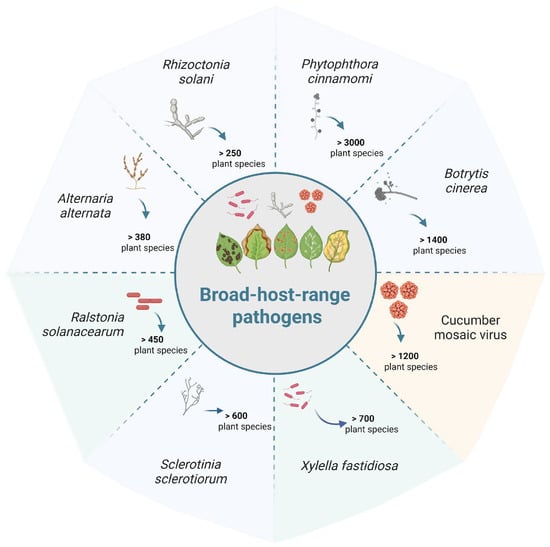
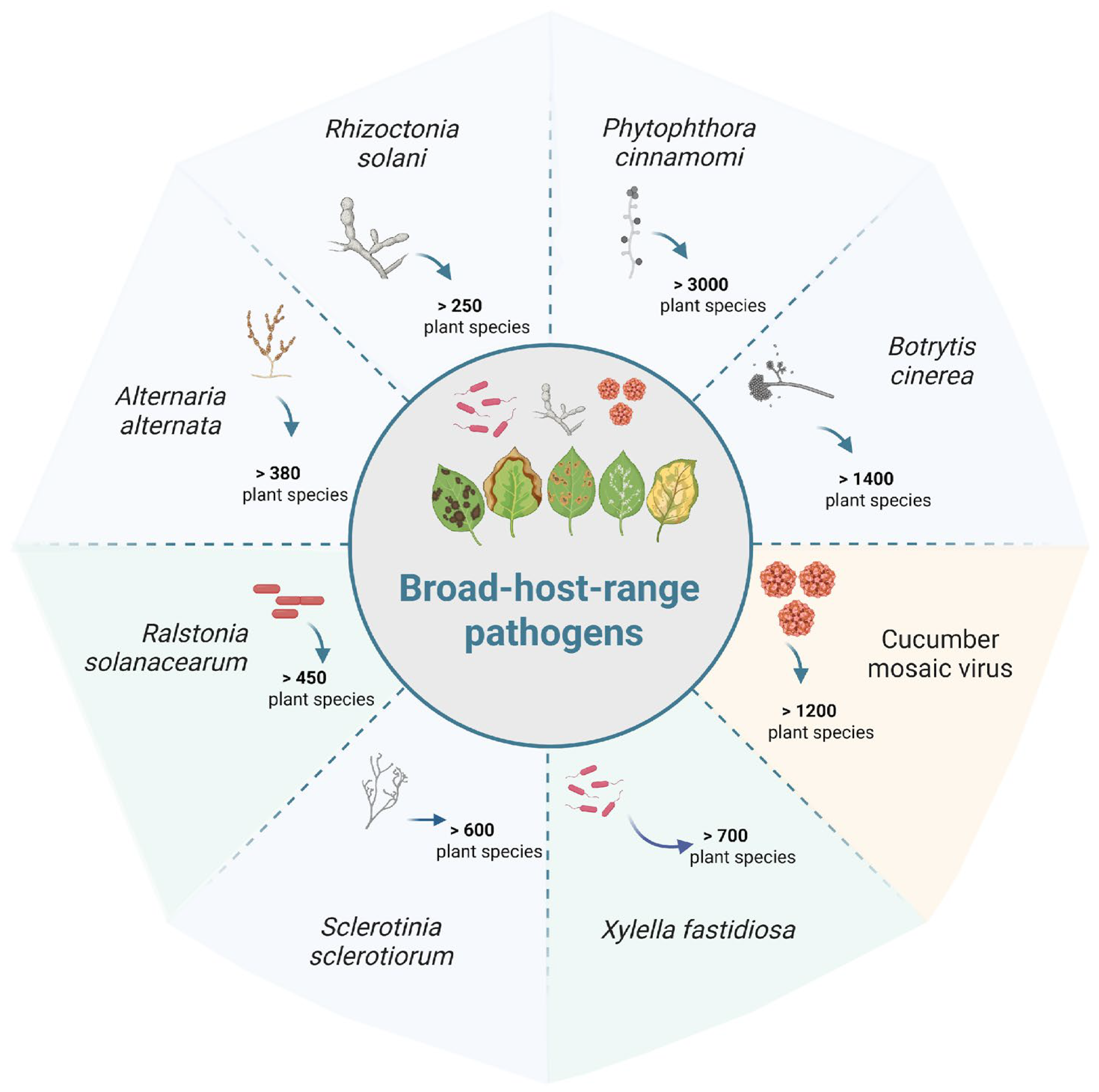
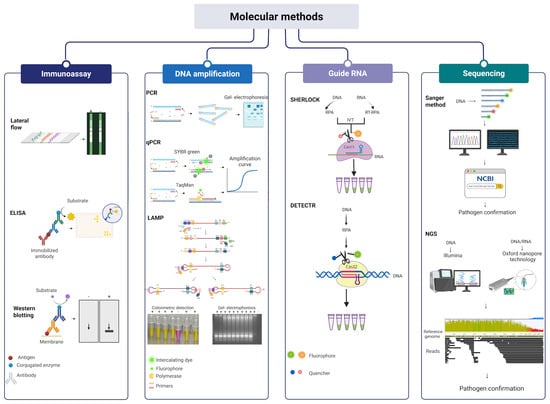
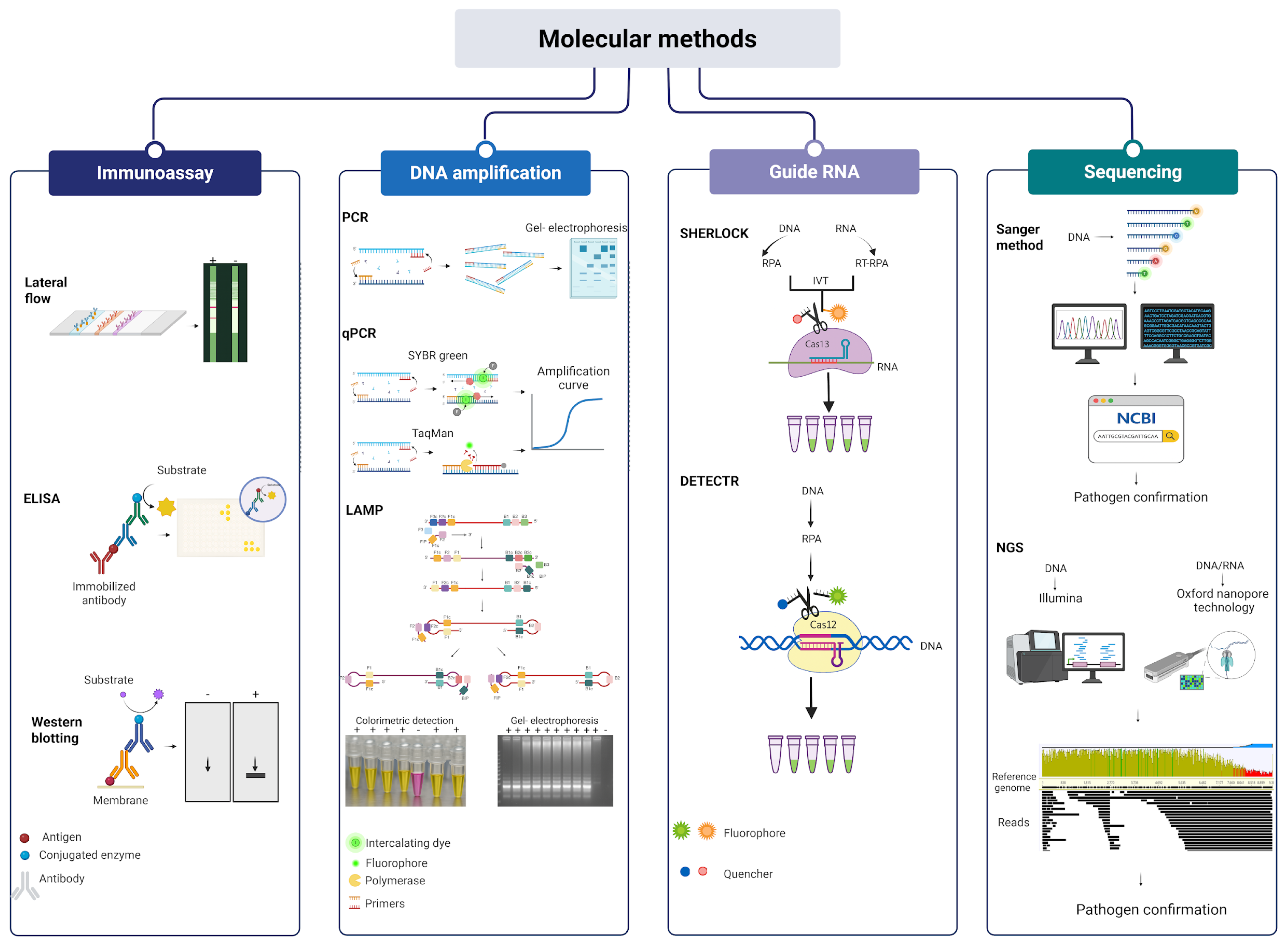

Disclaimer/Publisher’s Note: The statements, opinions and data contained in all publications are solely those of the individual author(s) and contributor(s) and not of MDPI and/or the editor(s). MDPI and/or the editor(s) disclaim responsibility for any injury to people or property resulting from any ideas, methods, instructions or products referred to in the content. |
© 2026 by the authors. Licensee MDPI, Basel, Switzerland. This article is an open access article distributed under the terms and conditions of the Creative Commons Attribution (CC BY) license.