


Abstract
Wrought aluminum–lithium (Al-Li) alloys are critical lightweight structural materials for high-end equipment due to their low density, high elastic modulus, and high specific strength. However, plastic forming processes such as extrusion, rolling, and forging inevitably introduce macroscopic deformation inhomogeneity, arising from geometric constraints, interfacial friction, and non-uniform thermal boundary conditions. This inhomogeneity manifests as non-uniform strain, stress, and temperature fields, which in turn generate microstructural gradients and ultimately lead to heterogeneous mechanical properties. Forging is particularly susceptible because complex die geometries, localized filling flow, die chilling, and deformation heating combine to produce pronounced strain and temperature gradients, affecting precipitation of key phases such as T1 (Al2CuLi) and inducing property gradients that compromise structural integrity. This review provides a critical synthesis of process-induced inhomogeneity in wrought Al-Li alloys. It first overviews the generational evolution, forming methods, and aging–precipitation strengthening of these alloys. It then characterizes the general forms of inhomogeneity—covering macroscopic deformation, microstructure, and mechanical properties—before focusing on the process-intrinsic origins in forging and evaluating mitigation strategies from process optimization and heat treatment perspectives. Finally, future research directions are outlined. This review is expected to inspire innovations toward homogeneous high-performance forged Al-Li components.
1. Introduction
In high-end equipment such as airplanes, rockets, spacecraft, and robots, reducing weight is a key means of achieving higher transport efficiency, lower energy consumption, and longer endurance. Optimizing structural design and developing lightweight materials are two important directions in weight-reduction technology [1]. Lithium is the lightest metal found in nature, with a density of just 0.534 g/cm3. Therefore, it is the most effective alloying element for reducing material weight [2]. Adding 1 wt.% Li to an aluminum alloy reduces overall density by approximately 3% and increases its elastic modulus by about 6% [3,4]. Generally, a binary or multi-element Li-containing aluminum alloy is called an Al-Li alloy [3]. Compared with conventional 2××× and 7××× high-strength aluminum alloys, Al-Li alloys offer low density, high elastic modulus and specific strength, as well as low fatigue crack propagation rates and excellent low-temperature properties [5,6,7,8]. Moreover, the material, labor, and manufacturing costs for Al-Li alloys are all lower than those of composite materials [3,9]. As the engineering application potential of Al-Li alloys continues to grow, attention is increasingly directed toward their manufacturing technology [10].
Among the various manufacturing routes used to shape these alloys into structural components, plastic forming processes such as extrusion, rolling, and forging play a central role [11]. Forging, in particular, is indispensable for producing complex-geometry, load-bearing parts such as aircraft wing ribs, landing gear components, and fuselage structural components. However, forging is a representative process that inherently involves non-uniform deformation, driven by geometric constraints, interfacial friction, and complex thermal boundary conditions [12]. These factors collectively produce pronounced spatial variations in strain, stress, and temperature within the workpiece.
The macroscopic deformation inhomogeneity may produce microstructural and mechanical property heterogeneity [13,14]. In wrought Al-Li components, non-uniform strain and temperature fields lead to heterogeneous distributions of stored energy, which in turn govern recovery, recrystallization, grain growth, and precipitation during subsequent heat treatment. This is especially critical for Al-Li alloys because their principal strengthening precipitates, such as the T1 (Al2CuLi) phase, are highly sensitive to local defects and thermal history [15,16,17]. Consequently, regions that experience different deformation conditions develop distinct precipitate characteristics varying in phase type, number density, size, and spatial distribution, which ultimately translate into dispersity of mechanical properties. Such property dispersity can compromise structural integrity, reduce design allowables, and hinder the reliable application of wrought Al-Li components.
Despite extensive research on Al-Li alloys over the past decades, most reviews have focused on alloying, precipitation behavior, general process-microstructure-property relationships, or mechanical behavior, with limited attention devoted specifically to the issue of process-induced inhomogeneity in wrought components. A recent review links the origins of inhomogeneity in general aluminum forgings to mitigation strategies, yet it does not delve into the specific metallurgical responses of Al-Li alloys [12]. Similarly, other notable reviews on Al-Li alloys focus predominantly on general strengthening mechanisms, anisotropic behavior, or specific forming processes like hot extrusion [18,19]. A systematic and critical synthesis of the origins, manifestations, and mitigation strategies for inhomogeneity in wrought Al-Li alloys is therefore still lacking. This review aims to fill that gap by providing a focused review in the aerospace application context, because Al-Li alloys have been most extensively adopted in aircraft, launch vehicles, and spacecraft, and the process-induced inhomogeneity discussed here is particularly critical for large, complex, and safety-critical aerospace components. The scope of this review encompasses wrought Al-Li alloys processed through different manufacturing routes, including extrusion, rolling, and forging, because these methods share similar manifestations of macroscopic deformation inhomogeneity and resulting microstructural and mechanical property gradients. The review then focuses on forging as a representative and particularly complex case, in which complex die geometry, localized die filling, die chilling, and deformation heating combine to produce pronounced inhomogeneity. This focused treatment allows the process-intrinsic origins of inhomogeneity and the corresponding mitigation strategies to be analyzed in depth, while the general principles remain applicable to other wrought Al-Li products.
To ensure a rigorous review, the literature search covered publications from the 1980s, when extensive early reports on Al-Li alloys began, up to the present, with a primary focus on the last three decades to capture the development of third-generation alloys. The inclusion criteria prioritized articles that directly address the processing, precipitation, microstructural evolution, and mechanical properties of wrought Al-Li alloys. However, given the specific focus of this review on process-induced inhomogeneity, it must be acknowledged that direct experimental data and quantitative simulations of macroscopic strain and temperature fields in wrought Al-Li alloys remain scarce. Consequently, selected studies on other metallic systems such as conventional aluminum alloys have been incorporated. These non-Al-Li studies are included to illustrate either (i) continuum-mechanics analogies for fundamental physical mechanisms of plastic forming, or (ii) universal metallurgical mechanisms shared across aluminum alloy systems (e.g., recrystallization, GP zone formation, and critical-strain grain growth). They are not used to infer phase-specific metallurgical behaviors unique to Al-Li alloys, such as T1 precipitation, which are discussed exclusively based on Al-Li literature. While the general principles of deformation inhomogeneity are shared, the extreme complexity of the forging process—combined with Al-Li-specific metallurgical mechanisms—demands a more targeted discussion. This review distinguishes itself not merely by summarizing general mitigation strategies, but by explicitly identifying and linking the Al-Li-specific metallurgical mechanisms of inhomogeneity formation directly to targeted process optimization and mitigation routes. Specifically, it highlights unique mechanisms—such as the dislocation/substructure-sensitive nucleation of the T1 phase and surface Li depletion during heat treatment—that are critical for forged Al-Li components but absent from existing reviews. Therefore, this review aims to provide a critical and focused synthesis that bridges fundamental deformation physics with Al-Li forgings.
In this review, the necessary background is established first by briefly summarizing the generational evolution driven by aerospace and high-performance applications, primary forming routes for wrought Al-Li components, and aging–precipitation strengthening of Al-Li alloys. It then characterizes the general forms of process-induced inhomogeneity commonly observed in these wrought Al-Li alloys, covering macroscopic deformation inhomogeneity, microstructural inhomogeneity, and mechanical property inhomogeneity. Building on this foundation, the review narrows its focus to the representative case of forging, identifying the process-intrinsic sources of inhomogeneity and summarizing mitigation strategies from both forging process optimization and post-deformation heat treatment perspectives. Finally, it proposes promising directions for future research to achieve homogeneous high-performance wrought Al-Li components.
2. Fundamentals of Wrought Al-Li Alloys
2.1. Generational Evolution Driven by Aerospace and High-Performance Applications
The first-generation Al-Li alloys emerged from early exploratory work. In 1924, German researchers developed the first Al-Li alloy—the Scleron alloy (Al-12Zn-3Cu-0.6Mn-0.1Li) [3]. However, the alloy received little attention at the time. With the increasing demand for lightweight components in aviation, greater attention came with the 2020 alloy (Al-4.5Cu-1.2Li-0.5Mn-0.2Cd) developed in the United States in the 1950s and the 1420 (Al-5.2Mg-2.1Li-0.11Zr) and 1421 (Al-5.2Mg-2.1Li-0.11Zr-0.17Sc) alloys developed in the Soviet Union in the 1960s [3]. These are regarded as first-generation Al-Li alloys. The 1420 alloy was used in aircraft fuselages for one modification of the MiG-29 M aircraft, reducing fuselage weight by about 10% [20]. The 2020 alloy replaced 7075 alloy in the wing skin and vertical tail of the RA-5C military early warning aircraft, saving 6% weight per aircraft and remaining in service for 20 years [7]. However, first-generation Al-Li alloys suffered from high Fe and Si contents, leading to low plasticity and toughness, high notch sensitivity, processing difficulty, and high cost [3]. They failed to meet the aviation requirements and thus did not gain further application.
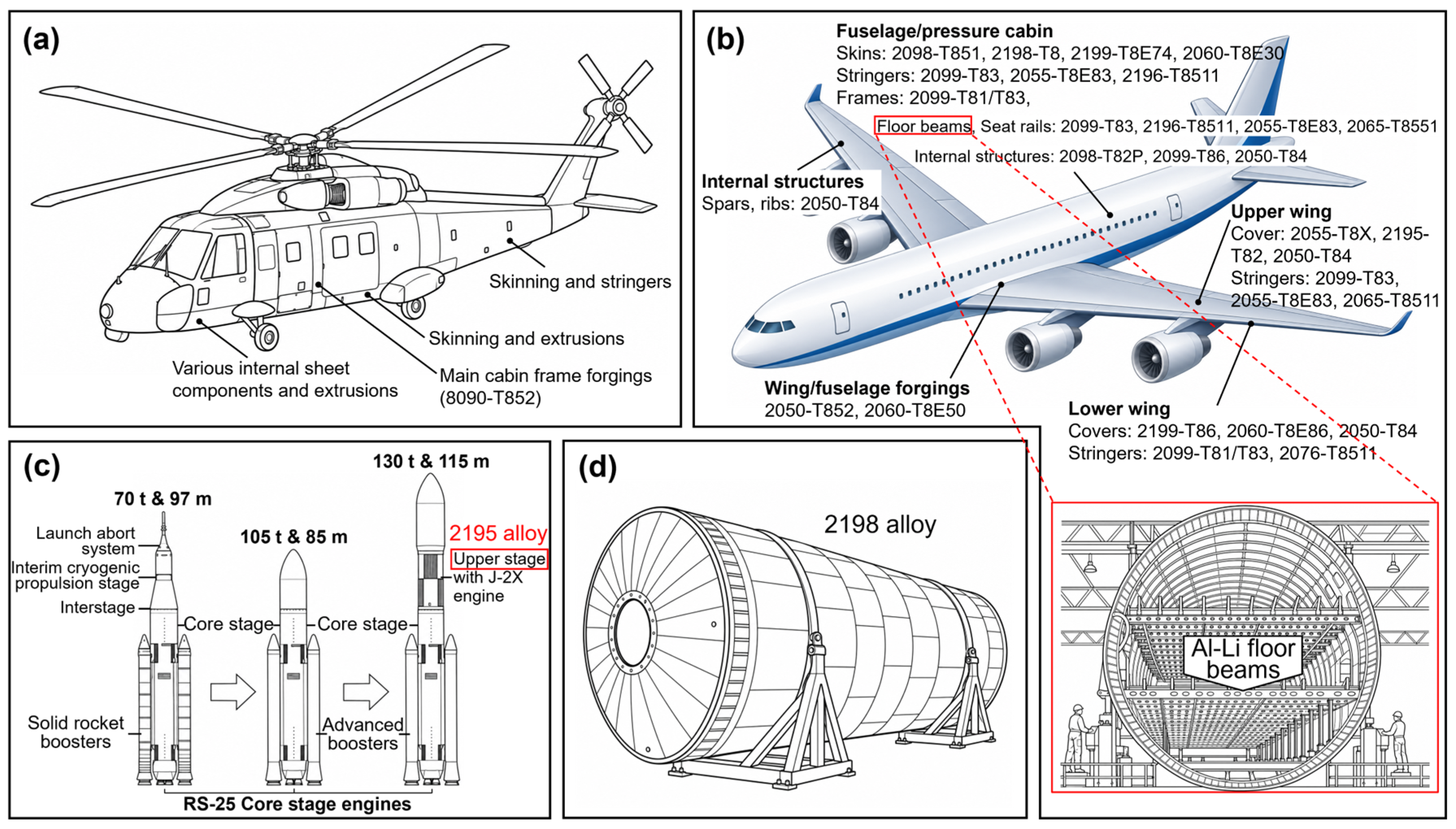
The 1970s energy crisis sharply increased oil prices, driving the development of lighter aerospace materials to reduce fuel consumption and promoting second-generation Al-Li alloys, which typically contain no less than 2 wt.% Li [2]. Representative alloys include 2090 (Al-2.7Cu-2.1Li-0.11Zr) from the United States, 2091 (Al-2.0Cu-2.0Li-1.3Mg-0.11Zr) from France, and 8090 (Al-2.4Li-1.2Cu-0.8Mg-0.11Zr) from the United Kingdom [3]. These alloys offer low density and high elastic modulus and have found practical applications. For instance, 2090 alloy is used in the tow fittings on Boeing-747 front landing gear struts and the floor beams of MD-11 transports [21]. The 8090 alloy is used extensively in the fuselage of the European EH101 helicopter (Figure 1a) [22], where nearly all aluminum components are made from this alloy to make the structure as lightweight as possible, ultimately reducing weight by 8~10% [3]. However, second-generation Al-Li alloys tend to form strong crystallographic textures during deformation, leading to mechanical property anisotropy and delamination during part manufacturing. They also suffer from poor weldability, low ductility, low short-transverse toughness, and poor thermal stability [7,23,24]. Consequently, their application remains limited, mostly to secondary load-bearing aircraft structures.
Since the 1990s, a deeper understanding of composition, melt purity, and microstructure has enabled the third generation of Al-Li alloys. By lowering Li (generally ≤2 wt.%), increasing Cu, adding microalloying elements such as Ag, Zn, Zr, and Mn, and strictly controlling Fe and Si impurities, along with new forming and heat-treatment technologies, alloys with improved damage tolerance and strength–ductility balance were developed. Representative grades include 2195, 2196, 2198, 2099, 2050, 2055, 2060, 2076, etc. [18]. Compared with second-generation Al-Li alloys, they offer higher strength and toughness, better damage resistance, lower anisotropy, and good weldability, enabling further aerospace applications shown in Figure 1b–d [3,25,26]. For instance, 2195 alloy replaced 2219 alloy in space shuttle cryogenic fuel tanks, saving 3405 kg in combination with structural redesign, and is proposed for use in rocket upper stages (Figure 1c) [3,25]. The 2198 alloy is used in the fuel tanks of the Falcon 9 launch vehicle [26] and the skins of the A350 passenger aircraft [27]. Alcoa’s 2099 alloy is widely used in the Airbus A380, including 2099-T83 extruded parts for the fuselage, floor beams, and seat slides, 2099-T8E67 extrudates for wing longitudinal beams, and 2099-T8511 extrusions for auxiliary guides and emergency cabin floors [3].
The placement of Al-Li alloys in different alloy series is based primarily on the principal alloying element and historical nomenclature. Alloys such as 2020, 2090, and 2195 belong to the 2××× series because Cu is the principal alloying element, with Li acting as an additional major alloying element in the Al-Cu-Li system. In contrast, alloys such as 8090 and 8091 are classified in the 8××× series, which includes alloys whose principal alloying elements do not fall within the established 2×××–7××× series or whose historical designation reflects Li as the dominant or characteristic alloying addition. In summary, the development trend of Al-Li alloys is gradually decreasing Li content. The fact that all third-generation Al-Li alloys registered with the Aluminum Association belong to the 2××× series supports this point to some extent. This indicates that the new generation of Al-Li alloys targeting aerospace applications no longer blindly pursues low density, but pays more attention to comprehensive performance matching while maintaining a reasonable lightweight advantage.
Figure 1.
Application of Al-Li alloys (Data from [3,22,26]): (a) Application of the second-generation Al-Li alloy (8090 alloy series) in the EH101 helicopter; (b) Recommended application of the third-generation Al-Li alloy in the main structural area of transport aircraft; (c) Proposed application of 2195 alloy for the upper stage of NASA’s Space Launch System; (d) Application of 2198 alloy in first-stage tank barrel and dome sections of the Falcon 9.
2.2. Primary Forming Routes for Wrought Al-Li Components
Most aerospace structural aluminum alloy components are made from direct-chill cast (DC) ingots, which universally require thermomechanical processing (e.g., hot extrusion, hot rolling, hot forging, etc.) [8]. However, compared with conventional Al alloys, Al-Li alloys exhibit poor room-temperature formability, primarily due to low ductility caused by planar slip and strong crystallographic texture [3,28]. Consequently, the thermomechanical forming of Al-Li alloys demands more stringent control of processing conditions to improve workability and reduce viscous/semi-viscous flow, especially for components with complex structures [29,30]. Thermomechanical processing of engineering alloys is used not only to achieve the desired shape, but also to induce macro- and/or microstructural changes, thereby achieving the best performance after subsequent heat treatment. The main thermomechanical processing methods for Al-Li alloys include extrusion [19], rolling [31], and forging [13], and the corresponding forming methods are usually selected based on the characteristics of the formed components.
Extrusion is a process in which a blank is formed into a constant cross-section profile through a die hole in a closed extrusion cylinder (Figure 2a). Its stress state is tri-directional compression, which can significantly improve plasticity and is suitable for forming long straight parts with the same cross-section [32,33]. It features a simple forming process, flexible cross-section, high production efficiency, good surface quality, and near-net forming [34,35,36]. The microstructure of extruded products is fibrous along the extrusion direction. Strength along the extrusion direction (ED) is prominent, but transverse and thickness-direction properties are relatively low, resulting in mechanical property anisotropy [37,38].
Figure 2.
Main thermomechanical processing methods: (a) extrusion [19]; (b) rolling; (c) forging.
Rolling applies pressure to a slab by rotating rolls to make it thinner and longer (Figure 2b). It mainly produces plates and strips, and is suitable for covering large-area wall panel components such as machine body skins and cabin walls. During hot rolling, the deformation zone is under compressive stress but is far from triaxial equivalence [39,40]. There is a shear component at the roll gap, resulting in uneven deformation in the thickness direction. Al-Li alloy rolled plates often form a strong plate texture, and the thickness-direction microstructure is partitioned between the surface shear texture and the central rolled texture, which challenges microstructure distribution and property uniformity [41].
Forging uses equipment such as forging hammers or hydraulic machines to plastically deform billets under overall or local pressure, thereby obtaining the desired shape and structure (Figure 2c). Compared with other methods, forging has irreplaceable and unique advantages in manufacturing load-bearing structural components:
(1) Integral near-net-shape forming: Large and complex aircraft structural components such as frames, beams, and joints can be formed as a whole through die forging, generating continuous grain flow that follows the component contours, which enhances fatigue resistance, damage tolerance, and overall mechanical integrity compared with machined-from-plate or cast alternatives [12];
(2) Flexibility in microstructural regulation: Forging can flexibly design deformation paths (unidirectional compression, multi-directional forging (MDF), repeated upsetting and drawing, etc.). By controlling the distribution of deformation in each direction, the grain flow lines and texture types can be regulated to meet different load-bearing design requirements. For instance, for forgings that require near-isotropic mechanical properties, multi-directional forging combined with substructure retention can suppress strong texture formation [42].
Therefore, a significant proportion of large key load-bearing aircraft components, such as the frame, wing ribs, and landing gear beams, are made of forgings [5,43]. However, due to the fact that the deformation in forging is far more complex than in extrusion and rolling, current research on the mechanical properties of wrought Al-Li alloys mainly focuses on the latter two.
2.3. Aging–Precipitation Strengthening
The mechanical properties of Al-Li alloys largely depend on the types, sizes, volume fractions, and distributions of the grain boundary precipitates (GBPs) and intragranular precipitates formed during aging treatment [44]. Precipitation behavior, in turn, depends on the alloy’s chemical composition, grain boundary characteristics, and processing methods such as hot deformation and heat treatment. Table 1 presents the main precipitate types of different series of Al-Li alloys [3,45,46,47,48]. In binary Al-Li alloys, the contribution of Li to strength mainly comes from two aspects: the solid solution strengthening of Li atoms and the formation of metastable δ′ (Al3Li) phases that exhibit a coherent relationship with the matrix. Adding Cu and Mg elements to the binary Al-Li alloy will increase the types of precipitates [3]. For instance, the addition of Cu can introduce the θ′-Al2Cu phase and the T1 phase [45]; the addition of Mg can introduce the S1-Al2MgLi phase [46]; and the simultaneous addition of Cu and Mg can introduce the S′-Al2CuMg phase [47]. To refine the grains and inhibit recrystallization, Zr is usually added to introduce the β′-Al3Zr phase that is fully coherent with the matrix. From the perspective of composition, the third-generation Al-Li alloy belongs to the Al-Cu-Li-Mg-Zr series. Besides the above-mentioned precipitated phases, equilibrium phases such as δ (AlLi), TB (Al7.5Cu4Li), S (Al2CuMg), and T2 (Al6CuLi3) may also occur in the alloys [48]. The third-generation Al-Li alloys usually contain a certain amount of Mn, which may lead to the formation of the T (Al20Cu2Mn3) phase. Figure 3 present the morphology/distribution diagrams [3,7,49] and Transmission Electron Microscopy (TEM) images of the main precipitates [50,51] in the Al-Li alloys, respectively. It can be seen that there are many types of precipitates in Al-Li alloys. The quantity, size, and distribution of these phases greatly affect the alloy properties.
Table 1.
Main precipitates of different series of Al-Li alloys (Data from [3,45,46,47,48]).
Figure 3.
Morphology and distribution of the main precipitates in Al-Li alloys: Schematic diagram of the main precipitated phases in (a) cast Al-Li alloys [49] and (b) wrought Al-Li alloys (Data from [3,7]); (c1–c9) TEM images (centered dark-field (CDF), high-angle annular dark-field (HAADF), bright-field (BF), and energy-dispersive spectroscopy (EDS) mapping images) of precipitates, including sources from both cast and wrought Al-Li alloys [50,51].
3. Process-Induced Inhomogeneities in Wrought Al-Li Alloys
3.1. Macroscopic Deformation Inhomogeneity
During plastic forming processes such as extrusion, rolling, and forging, the interaction between the workpiece and the tooling inevitably produces non-uniform distributions of effective strain, stress, and temperature. Generally, higher effective strain and temperature occur near the die wall in extrusion [52] and near the roll surface in rolling [53] for simple profiles, primarily due to interfacial friction and the associated shear deformation. As the workpiece flows through the extrusion die, or between the rolls, friction at the tool–workpiece interface restricts near-surface material motion relative to the interior. This velocity gradient produces an intense shear layer adjacent to the tool surface, where the effective strain is substantially higher than in the central region. The shear layer converts accumulated plastic work into heat. Because the deformation is highly localized and the thermal diffusion time is limited, the temperature also rises sharply near the interface. Consequently, both the effective strain and temperature exhibit maximum values at or just beneath the die wall or roll surface, while the workpiece interior, which experiences relatively homogeneous flow, displays lower strain and temperature. The general trends in strain distribution are well supported by numerical simulations of the complex-section 2195 Al-Li alloy extrusion [54]. The temperature distribution on complicated sections, however, exhibits more complex behavior. At relatively low extrusion speeds, the temperature in thin-walled regions is typically lower than that in thick-walled regions, and the temperature gradient between the surface and the interior of the extruded profile remains minimal [55]. As the extrusion speed increases, the temperature difference between the thin- and thick-walled regions narrows, while the surface temperature gradually exceeds the interior temperature and the surface-to-interior temperature gradient becomes increasingly pronounced [55].
In hot compression (upsetting), a typical forging step, the deformation inhomogeneity differs fundamentally from that observed in extrusion and rolling. During upsetting, the workpiece is compressed between two flat dies, and friction at the die–workpiece interfaces strongly constrains the radial material flow near the top and bottom surfaces, leading to the formation of dead-metal zones with minimal strain. This frictional constraint generates a complex triaxial compressive stress state within the central region (large deformation zone) of the workpiece, where the material is simultaneously squeezed axially by the dies and confined laterally by the surrounding metal [56]. The opposing frictional forces on the upper and lower contact surfaces also introduce significant shear stress components into the central zone. The central region of the workpiece experiences more intense plastic deformation and a higher local strain rate. Consequently, the equivalent stress reaches a maximum in the mid-region. In contrast, the free surfaces and the bulged periphery (free deformation zone) experience much less lateral constraint; the stress state there approaches uniaxial compression or is characterized by relatively small principal stress differences [56].
The finite element analysis (FEA) results of ring rolling exhibit larger effective strain near the outer surfaces, while the temperature is higher in the interior of the ring workpiece [57]. This can be explained by the localized and cyclic nature of deformation in this process, combined with differing thermal boundary conditions at the surface and in the interior. During ring rolling, the rolls contact only a small portion of the ring at any instant, and severe plastic deformation is concentrated in the near-surface layers adjacent to the inner and outer roll–workpiece interfaces. The interfacial friction and high contact pressure generate intense shear deformation in these surface regions, leading to higher effective strain than in the ring interior. However, the temperature distribution is governed primarily by heat generation, conduction, and dissipation. Although the surface layers undergo more severe deformation and therefore generate more deformation heat locally, they are in direct contact with the relatively cold rolls, which extract heat rapidly through conduction [58]. Additionally, after each pass through the roll gap, the surface regions are exposed to the surrounding air or coolant, further enhancing heat loss [58]. In contrast, the interior of the ring is thermally insulated by the surrounding material, limiting heat dissipation. As a result, the interior temperature gradually rises and can exceed the surface temperature, despite the equivalent strain being lower there due to friction-induced shear localization at the surfaces.
The lack of direct, quantitative experimental data on deformation and temperature fields during plastic forming of Al-Li alloys is a critical research gap. It should be noted that the studies on other alloy systems cited in this subsection are used solely to illustrate the continuum-mechanics principles of macroscopic strain and temperature fields, rather than the specific metallurgical responses of Al-Li alloys. The collective FEA results for extrusion, rolling, forging, and ring rolling reveal a fundamental and unavoidable characteristic of plastic forming processes: macroscopic deformation inhomogeneity is an intrinsic outcome, regardless of process or loading configuration. Although the detailed distributions of effective strain, stress, and temperature differ among these processes, they all stem from the same underlying physical factors: geometric constraints, interfacial friction, and complex thermal boundary conditions. Friction at the workpiece–die or workpiece–roll interfaces restricts material flow near the surface, promoting shear localization and the formation of dead metal zones, while interior regions undergo relatively uniform deformation, thereby generating pronounced through-thickness strain gradients. Concurrently, temperature fields become inhomogeneous because of localized deformation heating in regions of intense shear, conductive heat loss to colder tooling, and limited time for thermal equilibration. These thermal gradients, in turn, modify the local flow stress and further amplify strain localization. In addition, process-specific asymmetries—such as the complex material flow patterns in extrusion, differential reduction across the billet thickness in rolling, and non-uniform die filling in forging—further contribute to persistent non-uniform strain paths. Collectively, these factors create macroscopically heterogeneous deformation states that directly precede the microstructural and mechanical property inhomogeneities discussed in the following sections.
3.2. Microstructural and Mechanical Property Inhomogeneity
The macroscopic deformation inhomogeneity discussed above can directly translate into spatial heterogeneity of the deformed microstructure. Non-uniform strain and temperature fields produce pronounced variations in grain size across the cross-section. Regions subjected to intense deformation develop fine grains, whereas regions with lower strain usually retain coarser grains [59,60]. Similarly, in rolled plates, the through-thickness gradients in strain and temperature produce correspondingly inhomogeneous distributions of (immobile) dislocation density, subgrain size, stored energy, and nucleation site density [61]. Near-surface layers, characterized by higher shear strain, exhibit higher dislocation densities, smaller subgrains, greater stored energy, and a higher density of potential recrystallization nuclei, while the central regions display the opposite [61]. In addition, the varied stored energy resulting from inhomogeneous deformation provides a distinct driving force for recrystallization at different locations, inducing different recrystallized microstructures [62]. Along the thickness direction of a 2195 Al-Li alloy spun tube, the recrystallization fraction gradually decreases from the outer layer to the inner layer, corresponding to the larger strain in the region contacting the roller [63]. Quasi-in situ annealing experiments demonstrate that static recrystallization nucleates preferentially in regions with high stored strain energy, particularly near shear bands and grain boundaries (GBs) of deformed grains, thereby exhibiting pronounced spatial heterogeneity (Figure 4) [64]. These microstructural inhomogeneities directly reflect underlying deformation inhomogeneity and establish the structural basis for mechanical property gradients.
Figure 4.
Schematic of the inhomogeneous recrystallization mechanisms during high-temperature annealing of wrought Al alloys.
Figure 5 reveals process-induced microstructural and mechanical property inhomogeneities in 6082 Al alloy fabricated by room-temperature MDF [65]. The samples taken from the center to the surface are RTF-1 to RTF-6 in sequence (Figure 5a). As the investigation progressed from the surface to the center, the grains were fragmented into smaller ones, and the crystallographic orientation gradually changed, forming a texture gradient. In addition, the hardness and microscopic characteristics such as micro-strain, dislocation density, and stacking fault probability gradually increase from the surface to the center (Figure 5b). The specimens extracted from the center exhibit higher strength and lower ductility than those from the surface. These variations are consistent with the macroscopic inhomogeneities of the MDF process, revealing inherent multi-scale inhomogeneity in the wrought alloys. Direct manifestations of microstructural inhomogeneity in forged Al-Li alloys were also reported. For instance, during the MDF of 2195 alloy, noticeable spatial variations in grain structure and dislocation distribution are observed between the edge and center regions of the forging [13]. Additionally, the spatial distribution of coarse secondary phases within the forged matrix is often non-uniform, leading to inhomogeneous grain structure and mechanical differences [14].
Figure 5.
Process-induced microstructural and mechanical property inhomogeneity in 6082 Al alloy processed through room-temperature MDF (Data from [65]): (a) Sample positioning in MDF sample for analysis; (b) microscopic characteristics and hardness at different locations (the number of hardness measurements and standard deviation were not reported in the source [65]).
As for Al-Li alloys, the aforementioned process-induced inhomogeneity in plastic processing has a significant “amplification” effect on the microstructure and properties. On the one hand, differences in stored deformation energy across regions of the workpiece directly lead to zoning of the static recrystallization degree during solution treatment (ST), forming a mixed-grain structure. More crucially, the T1 phase in Al-Li alloys relies strongly on dislocations and substructures for nucleation [15,16]. Differences in recrystallization degree change the dislocation/substructure configuration and lead to significant variation in T1 phase density and distribution across regions, converting the macroscopic strain gradient into a gradient of strengthening effects and ultimately resulting in zonal and severely dispersed mechanical properties in deformed components. This inhomogeneity has become a significant difficulty in simultaneously controlling the forming and properties of wrought Al-Li alloys. To date, the literature has rarely reported successful cases in wrought Al-Li alloys. Consequently, this remains a key challenge for controlling deformation uniformity and optimizing microstructure.
The dispersion of microstructure and mechanical properties along the thickness direction of a 100 mm thick Al-Cu-Li alloy plate has been reported [66]. The grain sizes at different thickness positions T, T/4, and T/2 show certain variation patterns. The grain size in the L direction gradually decreases from the outside to the inside, while the grain sizes in the LT and ST directions gradually increase from the outside to the inside. The volume fraction and average size of the T1 phase are the largest at the T/2 position and the smallest at the T position. These microstructural differences lead to yield-strength differences of more than 5% across thickness positions, and elongation can vary by up to 40% [66]. In addition, the uneven distribution of microstructure along the thickness direction of Al-Li alloy plates can also affect corrosion resistance [67,68]. For specific engineering applications, designers must determine the minimum performance supported by statistical data when adhering to standards. The dispersion of performance greatly affects the application of Al-Li alloys. Therefore, for the plastic deformation of large-sized components, it is necessary to enhance the uniformity of the microstructure and mechanical properties in the components.
4. Origins and Potential Mitigation Strategies of Inhomogeneity in Forged Al-Li Alloys
4.1. Process-Intrinsic Origins of Inhomogeneity
The inhomogeneity of wrought Al-Li alloys often originates from solidification. Zirconium, which is added to form Al3Zr dispersoids for grain boundary pinning, segregates during casting, resulting in a heterogeneous distribution of Al3Zr particles. As demonstrated by Tsivoulas, Zr-depleted interdendritic regions are less effectively pinned and thus recrystallize preferentially during subsequent thermomechanical processing [69]. This inherited microstructural heterogeneity creates a non-uniform grain structure even before forging.
Forged Al-Li alloys inherit the general origins of deformation inhomogeneity discussed in Section 3—geometric constraints, interfacial friction, and non-uniform thermal boundary conditions—yet these factors are amplified and further complicated by the specific characteristics of the forging process itself. Unlike extrusion, where die geometry imposes a relatively steady axisymmetric flow pattern, or rolling, where deformation is essentially continuous and generally two-dimensional, forging involves complex, three-dimensional material flow within a closed or semi-closed die cavity [11]. Friction effects, die chilling, and unconstrained flow at free surfaces combine to form a three-zone structure—large deformation zone, dead metal zone, and free deformation zone—where strain differences can reach several times. In other words, forging usually exhibits the most pronounced deformation inhomogeneity among the three processes. This distinction leads to additional forging-specific sources of inhomogeneity.
- (1)
- Complex die geometry and non-uniform material flow
The geometric complexity of forging dies—featuring ribs, webs, bosses, and varying section thicknesses—imposes severe constraints on material flow that vary dramatically from region to region within the same workpiece [70]. Material adjacent to narrow ribs or thin webs must flow through restricted channels, experiencing high shear strain and rapid strain rate changes, while material in thicker, more open sections deforms under comparatively mild conditions. At corners, fillets, and geometric transitions, the local stress and strain states deviate sharply from those in the bulk, producing localized regions of intense deformation adjacent to regions of relative stagnation. The result is a highly heterogeneous strain field that cannot be homogenized by simple adjustments to the overall forging load or speed.
- (2)
- Die filling and localized intense flow
Another distinctive feature of forging is that complete die filling is an explicit process requirement. In regions where the die cavity is filled last—typically at the extremities of ribs, at corner radii, or in thin sections far from the flash—the material must undergo additional, localized flow to conform to the die geometry [70]. This filling-driven flow often concentrates in narrow zones under high constraint, generating strain localization and elevated strain rates that are not encountered in the bulk of the workpiece. Materials in these filling zones may experience effective strains several times higher than those in the central regions, creating sharp strain discontinuities. Furthermore, because filling occurs progressively as the die closes, different regions of the workpiece experience different strain paths, further compounding the inhomogeneity [71].
- (3)
- Die chilling, deformation heating, and thermal gradient
In hot or warm forging, the dies typically cool down faster than the workpiece because of their large contact area with the colder environment. This temperature difference produces pronounced chilling of the workpiece surface layers [72]. The resulting thermal gradient modifies the local flow stress, making surface regions stronger and less deformable than the interior, which in turn redistributes strain toward the hotter core. At the same time, deformation heating in regions of intense plastic flow can raise the local temperature significantly, creating internal thermal gradients that are superimposed on the die-chilling effect. The interaction between external chilling and internal heating produces a complex, transient temperature field that evolves throughout the forging cycle and directly influences both the deformation behavior and the subsequent precipitation kinetics.
The non-uniform strain and temperature fields described above induce spatially varying stored deformation energy within the forged workpiece. Regions that experience high strain and high strain rates—such as filling zones, shear bands, and layers adjacent to die walls in die forging or core position in MDF—accumulate a high density of dislocations and vacancies, and therefore possess high stored energy. In contrast, regions that deform less severely, such as dead metal zones or free deformation zones, retain lower dislocation densities and lower stored energy. This heterogeneous stored energy has profound consequences for the precipitation behavior of Al-Li alloys during subsequent artificial aging.
The T1 phase, which is the principal strengthening precipitate in Al-Cu-Li alloys, exhibits a strong dependence on defects with high stored energy, such as dislocations, GBs, and substructures, for nucleation. Figure 6 shows the origins of precipitation inhomogeneity in Al-Li alloy [73,74]. In solution-treated Al-Cu-Li samples, a majority of dislocations are annihilated due to recovery and recrystallization (Figure 6a). Therefore, a lot of T1 precipitates nucleated along the boundaries, as shown in the peak-aged (PA) sample (Figure 6b). Conversely, in low-stored-energy intragranular regions, T1 nucleation is sparse, and these precipitates are larger and heterogeneously distributed. On the other hand, the T8 treatment (ST + pre-stretching (PS, T8x51)/pre-compression (T8x52) + artificial aging) is usually adopted for wrought Al-Li alloys. PS led to a higher dislocation density in the ST-PS samples compared to the ST samples, and the dislocations tend to accumulate at the GBs because there are no precipitates in the matrix to hinder their movement (Figure 6c) [73]. Additionally, dislocation cells around the boundaries induce precipitation-free cells because the T1 phase preferentially precipitates around the dislocation cells during aging (Figure 6c,d) [74]. The formation of precipitation-free cells further reduces the uniformity of precipitate distributions. Similar effects apply to other precipitates, including θ′ and S′, whose nucleation and growth kinetics are also sensitive to local defect structure [75,76]. The result is a spatially heterogeneous precipitate architecture—varying in phase type, number density, size, and spatial distribution—that mirrors the underlying deformation inhomogeneity. Because these precipitates control strength, ductility, and fracture toughness, the mechanical property dispersity in forged Al-Li components can be traced directly back to the process-intrinsic sources of inhomogeneity described above.
Figure 6.
Origins of precipitation inhomogeneity in Al-Cu-Li alloy [73,74]: (a,b) defect-induced inhomogeneous T1 phase precipitation; (c,d) formation of precipitation-free cell.
Specific forging parameters may exacerbate these intrinsic origins. During the MDF of 2195 Al-Li alloy, low-temperature deformation (below 400 °C) causes heterogeneous dislocation proliferation, characterized by severe tangling and pile-ups at phase and grain boundaries, along with the aggregation of crystal phase particles [13]. This leads to locally higher accumulated dislocations and stored energy, which directly results in non-uniform static recrystallization nucleation and subsequent abnormal local grain growth during ST [13]. Furthermore, the spatial distribution of coarse secondary phases in forged Al-Li alloys is inherently non-uniform. The uniformity of coarse phase distribution in multi-directionally forged 2195 alloy is reported to be highly dependent on forging schedule; without homogenization and adequate forging passes, coarse phases remain aggregated and unevenly distributed, leading to microstructural heterogeneity [14].
In addition, due to the inhomogeneous deformation in forging, certain regions may experience local strains that fall at critical strain levels. When subsequently solution-treated, these zones can undergo abnormal grain growth, resulting in an extremely coarse grain structure that sharply contrasts with the fine grains [77,78]. This critical-strain grain growth is further complicated by texture gradients: near-surface regions subjected to intense shear develop shear textures, while the mid-thickness retains plane-strain textures, probably leading to pronounced mechanical differences.
A distinct composition-induced inhomogeneity can also develop during ST in air. The depletion of Li at the surface is governed by a diffusion-controlled loss mechanism, in which Li diffuses to the surface and reacts with the atmosphere, as documented by Papazian et al. [79]. This Li-depleted surface layer possesses a lower Li content than the bulk, which significantly alters the local precipitation sequence. Consequently, the volume fraction of Li-containing phases is reduced in the near-surface region, creating a compositional and mechanical property gradient across the surface.
Quench sensitivity constitutes another critical factor driving through-thickness inhomogeneity in Al-Li alloys. During quenching from the ST temperature, the cooling rate at the surface is significantly faster than in the mid-thickness. Deformation-induced through-thickness heterogeneity can readily persist after solution treatment as grain-structure heterogeneity, manifesting as spatial variations in recrystallized fraction, high-angle GB fraction, and grain size [54]. Together, these factors lead to spatial variation in quenching sensitivity. Wang et al. [54] reported that GBPs were more pronounced near boundaries with relatively high misorientation, while T1 precipitates occurred frequently at dislocation-wall regions. These microstructural features may further compromise the through-thickness homogeneity of mechanical properties.
As established in this section, the inhomogeneities in forged Al-Li alloys are complex and multi-scaled. To achieve homogeneous forged Al-Li components, mitigation strategies should address both mechanical and metallurgical heterogeneities. The following sections review these strategies, focusing on homogenizing strain and temperature fields through process optimization, as well as mitigating specific microstructural heterogeneities through heat treatments.
4.2. Potential Strategies for Process Optimization and Deformation Homogenization
Before deformation, optimized homogenization treatments are required to achieve more uniform Al3Zr precipitation. Due to the strong micro-segregation of Zr solute within a dendrite during casting [69,80], the practical objective of homogenization is not to eliminate the segregated Zr, but rather to promote a more uniform nucleation and controlled growth of Al3Zr dispersoids. Two-stage homogenization treatments, typically including a low-temperature stage followed by a high-temperature stage, are proven more effective than single-stage homogenization in promoting dense and uniform Al3Zr precipitation for Al-Li alloys [81,82]. In the low-temperature stage, the matrix retains a high Zr supersaturation and thus exhibits strong precipitation kinetics, facilitating dense and relatively uniform nucleation of Al3Zr [19]. Another mitigation strategy is optimizing the homogenization heating rate. Studies on 2195 Al-Li alloys demonstrate that a slower heating rate (30 °C/h vs. 60 °C/h) promotes finer and denser Al3Zr dispersoids [83]. Applying such controlled heating strategies to Al-Li alloys may effectively mitigate deformation inhomogeneity during forging through improved Al3Zr uniformity. In addition, homogenization under external physical fields that thermodynamically enhance the local supersaturation of Zr solutes may further promote homogeneous precipitation of Al3Zr dispersoids [84].
Based on the above analysis of the origins of deformation heterogeneities, corresponding measures such as optimizing die structure, billet geometry, and process parameters can improve homogeneity [72,85,86,87]. For forgings formed using conical-shaped and arc-shaped dies, plastic strain distributions are generally similar for both geometries, yet flow line evaluation revealed more homogeneous material flow in the “leg” region with the arc-shaped die, indicating improved strain accommodation and die cavity filling [85]. To quantitatively evaluate strain uniformity, the Inhomogeneity Factor (IF) is frequently employed. For instance, in the radial forging of tubes, this metric has been applied to compare six different circular die configurations [88], defined as follows:
where IFouter and IFinner are, respectively, the IF at the outer and inner diameter of the tube, εouter and εinner are the strain at the surfaces contacting the die and mandrel, respectively, and εmin is the minimum strain in the radial direction of the tube. To minimize inhomogeneity, a convex or three-slope shape should be chosen. Additionally, increasing the die angle is beneficial for reducing IF in both the outer and inner layers of the radially forged tube [88].
Beyond die structure, optimizing the initial billet geometry is a highly effective strategy to improve strain distribution and material flow during die forging. To achieve this, multi-objective optimization algorithms have been employed to determine optimal billet designs for complex components, yielding comprehensive solution sets for multi-rib parts [86] (as shown in the left panel of Figure 7). The X-axis shows the sum of the mean and variance of the underfilling rate, while the Y-axis shows that of the strain homogeneity. Generally, the multi-objective optimization solution was not unique, owing to a set of balanced solutions called the Pareto-optimal front [86]. Any solution in the set represented by green circles is better than solutions in other regions. Nevertheless, a conflict and constraint exist between the two objectives, so that multi-objective optimization cannot simultaneously achieve desirable die filling and strain homogeneity to the maximum extent [86]. In multi-objective optimization problems, the goal is to find the best solution that balances multiple conflicting objectives simultaneously. Solutions that achieve an excellent trade-off between these objectives are known as Pareto-optimal solutions. To prevent objectives with different scales or units from dominating the distance calculation, the objective functions are first normalized. The minimum distance method is then applied to find the best compromise among the normalized objectives, which is expressed as follows [86]:
where U denotes the number of objectives, is the normalized value of the τ-th objective function, and is the normalized ideal (utopia) value of the τ-th objective. The optimal solution balancing the two objectives can be determined by the shortest line segment between the utopia solution point and the solution set in the normalized objective space (as shown in Figure 7). After billet geometry optimization, the homogeneity of effective strain and material flow pattern obtains significant improvements (as shown in the right panel of Figure 7).
Figure 7.
Billet geometry optimization for improving deformation homogeneity of Ti alloy [86].
Process parameters are vital factors influencing deformation homogeneity during plastic forming. These parameters primarily comprise temperature, strain, and strain rate. Deb et al. used the finite element method to simulate strain and temperature distributions in MDF processes of pure aluminum with different combinations of forging temperature and passes [72]. Relatively uniform strain and temperature distributions appear around 150 °C and the 6th pass, indicating that selecting an appropriate temperature and increasing the number of MDF passes may partially help solve the homogeneity problem [72,89]. However, arbitrarily increasing the number of passes may lead to a redundant increase in manufacturing cost and time, making the determination of optimal accumulated strain essential. Achieving this requires the systematic optimization of multiple process parameters. For instance, multi-parameter optimization strategies have been successfully applied to minimize strain inhomogeneity in radially forged components, such as hollow gear shafts [90].
Concurrently, precise thermal management is equally critical; maintaining optimal temperatures within the die cavities is fundamental to promoting uniform material flow and deformation [70]. Temperature optimization during MDF serves as an effective strategy to mitigate these microstructural gradients. For the 2195 Al-Li alloy, performing MDF at 500 °C (compared with 480 °C) has been shown to yield a more uniform grain structure and dislocation distribution from the edge to the center of the forging, indicating a more homogeneous deformation state [13]. Additionally, optimizing the forging schedule itself can significantly improve microstructural uniformity. It has been demonstrated that applying a two-stage homogenization treatment before MDF, combined with increasing the forging passes from three-upsetting-three-stretching to six-upsetting-six-stretching, can effectively diminish, break down, and uniformly distribute the coarse phases in 2195 alloy, thus mitigating the microstructural inhomogeneity [14]. In industrial forging, non-contact temperature measurements, such as thermal imaging and pyrometry, combined with numerical modeling, enable precise real-time assessment of temperature distributions without interfering with the process, allowing identification of local thermal non-uniformities and optimization of heating strategies [70].
Moreover, in the hot compression process of titanium alloys at relatively low strain rates, the temperature difference is smaller [87], offering insights for improving deformation homogeneity in Al-Li alloys. It was also found that inhomogeneity decreases when the back-push force and friction factor are reduced [88]. In addition, process optimization should avoid local strains falling into the range of critical-strain grain growth. In this case, adopting FEA can help predict the strain field, thereby assisting in optimizing process parameters to prevent critical-strain grain growth.
Notably, a considerable part of these optimizations relies on FEA because it is a powerful tool for predicting trends and narrowing the experimental parameter range through high-throughput simulations. Only a small number of experiments are needed for validation, saving time and cost. Therefore, FEA plays a major role in improving macroscopic deformation homogeneity.
4.3. Post-Deformation Heat Treatments for Microstructure Homogenization
After forging, heat treatments are indispensable for the age-hardenable Al-Cu-Li alloys. To mitigate lithium loss from the near-surface region during ST, a protective atmosphere (e.g., argon) is recommended to suppress Li evaporation [79]. Alternatively, a sufficient machining allowance should be left on the forged component prior to heat treatment, so that the Li-depleted surface layer can be removed after processing.
During ST, static recovery and recrystallization generally alter grain morphology and structure, which may improve or degrade microstructural homogeneity. In some cases, ST-induced static recrystallization can form a large number of fine equiaxed grains, improving the homogeneity of the quantity, size, and distribution of deformed microstructure features such as dislocations and subgrains. For hot-spun 2195 Al-Li alloy after different spinning passes followed by ST (525 °C for 1 h), the grain structures in the outer and inner layers of the solution-treated 6th-pass spun tube reveal that the microstructure inhomogeneity is severe in the spun tube [63]. Notably, because static recrystallization and abnormal grain growth occur simultaneously, microstructural heterogeneity is more evident in the inner thickness layer. When the thickness reduction is further increased to 84% (8th-pass spinning), the grain heterogeneity of the solution-treated spun tube is weakened [63]. It can be concluded that when heat treatment is carried out with insufficient deformation, the grain distribution is uneven. In particular, the grain size in the inner layer with insufficient deformation varies greatly, which is related to its insufficient recrystallization. When the cumulative strain reaches a certain level, ST can achieve a more uniform grain structure distribution. However, an inappropriate ST may deteriorate the grain structure uniformity [91]. Therefore, ST does not inherently improve or degrade grain uniformity; rather, its effect depends on the local deformation history and microstructural state. During quenching from the ST temperature, step-quenching or interrupted quenching can be employed to reduce the thermal gradient and suppress grain-boundary precipitation in thick sections.
To improve the homogeneity of precipitation during aging of Al-Cu-Li alloys, moderate pre-stretching is used to reduce precipitate enrichment at grain boundaries [92]. By providing a certain density of heterogeneous nucleation sites like dislocations, pre-stretching (compared with no pre-stretching) promotes intragranular T1 precipitation, thereby improving the overall uniformity of the precipitate distribution. However, excessive pre-stretching can indeed cause severe dislocation tangling and localization [74]. A combinatorial pretreatment (CPT) was proposed to homogenize the dislocations that serve as precipitate nucleation sites [74]. Compared with conventional T8 treatment, CPT includes a low-temperature pre-aging treatment after ST and before PS. Figure 8a shows the evolution of dislocation configuration with or without pre-aging. As the ST samples undergo higher PS levels, the dislocations become more localized and heterogeneous [74]. In contrast, as PS increases, CPT-treated samples feature denser dislocations with a more homogeneous configuration. Pre-aging promotes the formation of numerous GP zones, which then homogenizes the dislocation configuration during pre-stretching (Figure 8b) [74]. It is well known that GP zones are thermodynamically metastable, and their internal bonding forces among solutes are weak; hence, they can rearrange and/or redissolve when interacting with dislocations [93]. On the other hand, GP zones can also inhibit dislocation motion [94,95]. The multiple interactions between GP zones and dislocations alter the free propagation paths of dislocations and result in a uniform distribution of dislocations [96]. When adopting the pre-aging treatment for an extruded Al-Cu-Li alloy, it not only shows fewer GBPs, but also does not exhibit obvious precipitate-free cells, indicating more homogeneous precipitation behavior (Figure 8c).
Figure 8.
(a) Dislocation configuration evolution in pre-stretched Al-Cu-Li alloy with or without pre-aging [74]; (b) Schematic diagram of microstructure in pre-stretched Al-Cu-Li alloy with or without pre-aging [74]; (c) Peak-aged microstructure of the ST, ST-8%, and CPT-8%PS samples in (a) [74].
For thick-section die forgings, mechanical stretching is generally not feasible due to geometric complexity. Instead, cold compression [97] before artificial aging may be adopted. Similarly to pre-stretching, cold compression introduces dislocation substructures. Furthermore, combining pre-aging with cold compression may also yield a homogenization effect on precipitate distribution.
To provide a consolidated perspective on the intertwined factors governing process-induced inhomogeneity in forged Al-Li alloys, Table 2 systematically synthesizes the core findings of this review. The table is structured to establish a direct causal chain: it links each primary origin of inhomogeneity to its mechanism, the resulting consequence, and the corresponding mitigation strategies. Crucially, the table explicitly categorizes the evidence level for each mechanism—distinguishing between high-confidence direct Al-Li evidence, moderate evidence from closely analogous forged Al alloys or other wrought Al-Li alloys (e.g., extrusion, rolling, etc.), and lower-confidence continuum-mechanics analogies from other forged materials (e.g., steel, Ti, Mg alloys, etc.) or non-forged wrought conventional Al alloys. This classification not only clarifies the current state of the art but also identifies critical research gaps, such as the lack of validated T1 data for cold compression pre-treatment. It thereby provides a structured roadmap for future research aimed at achieving homogeneous, high-performance forged Al-Li components.
Table 2.
Linking origins of inhomogeneity to mechanisms along with evidence level, consequences, and mitigation strategies in forged Al-Li alloys.
5. Future Research Directions
Despite significant progress in understanding process-induced inhomogeneity in wrought Al-Li alloys, several critical challenges remain unresolved for wrought components, particularly for forged ones.
First, the precipitation behavior in cold-compressed die forgings requires systematic quantification. While cold compression (e.g., T852 temper) is increasingly employed for thick-section components that cannot be stretched, the quantitative relationship between local compressive strain fields and the nucleation, growth, and spatial distribution of T1 precipitates remains poorly understood. Future studies should combine local strain mapping with high-resolution precipitate characterization to establish predictive models linking compressive strain to T1 homogeneity.
Second, future research should prioritize the development of predictive, multi-scale models that couple process-scale finite element simulations with microstructure evolution and precipitation kinetics. Such integrated models would enable the quantitative prediction of through-thickness gradients in strain, temperature, stored energy, and precipitate characteristics, thereby allowing process parameters to be optimized before physical trials. Achieving this goal requires a deeper fundamental understanding of how local deformation conditions, such as temperature, strain, and strain rate, govern the nucleation, growth, and spatial distribution of key strengthening phases, especially under the complex non-monotonic strain paths typical of forging.
Third, experimental advances are equally essential. In situ characterization techniques, including synchrotron X-ray diffraction, digital image correlation at elevated temperatures, and electron microscopy coupled with focused ion beam serial sectioning, can provide unprecedented insight into the dynamic evolution of deformation and microstructural heterogeneities. These methods should be combined with high-throughput mechanical testing to map property gradients with high spatial resolution, thereby establishing robust process-microstructure-property relationships. Machine learning and data-driven approaches can then be employed to identify the most influential process variables and to accelerate the optimization of forging processes, die designs, and heat treatment schemes.
Fourth, for forging specifically, while advanced techniques such as isothermal [98,99], cryogenic [100,101], and vibration-assisted (multi-directional) forging [102,103] have been successfully applied to other alloy systems (e.g., Ti, Mg, and conventional Al alloys) to homogenize strain and temperature fields, their adaptation, applicability, and validation for Al-Li alloys remain largely unexplored and warrant further investigation. Additionally, the development of forging-specific constitutive models that account for dynamic precipitation and its feedback on flow behavior is needed to improve simulation accuracy. A critical research gap remains in the direct quantitative experimental characterization of deformation and temperature fields during Al-Li forging.
Finally, standardized industrial protocols for characterizing inhomogeneity, along with certification frameworks that account for property gradients, will be essential for the reliable deployment of wrought Al-Li components in safety-critical applications. By addressing these challenges, the field can move toward the goal of producing wrought Al-Li parts with homogeneous microstructure and consistent mechanical properties, thereby fully exploiting the weight-saving potential of these advanced alloys in next-generation high-end equipment.
6. Conclusions
This review first outlines the fundamentals of Al-Li alloys and then examines the manifestations of process-induced inhomogeneity in wrought Al-Li products. On this basis, forging is selected as a representative process for analyzing the origins of inhomogeneity and the corresponding mitigation strategies, owing to its particularly complex flow and thermal conditions. The main conclusions are as follows:
(1) Macroscopic deformation inhomogeneity is an intrinsic feature of plastic forming processes. Geometric constraints, interfacial friction, and non-uniform thermal boundary conditions inevitably generate spatial gradients in equivalent strain, stress, and temperature. While the detailed patterns differ among extrusion, rolling, and forging, the underlying mechanisms are common, and forging exhibits particularly pronounced inhomogeneity because complex die geometry, localized die filling, die chilling, and deformation heating act simultaneously.
(2) Macroscopic deformation inhomogeneity directly propagates into microstructural and mechanical property inhomogeneity. Non-uniform strain and temperature fields produce heterogeneous stored energy, which in turn leads to gradients in recovery, recrystallization, grain structure, and precipitate characteristics. This is especially important for Al-Li alloys, because the nucleation and distribution of key strengthening phases such as T1 are highly sensitive to local dislocation structures and thermal history. The resulting spatial variations in precipitate number density and matrix structure ultimately translate into gradients in mechanical properties.
(3) Mitigating inhomogeneity in forged Al-Li alloys requires an integrated approach. Process optimization, including homogenization, die and billet design, lubrication, thermal management, and forging schedule, can reduce macroscopic strain and temperature gradients, while post-deformation heat treatment can reduce the microstructural sensitivity to unavoidable deformation inhomogeneity. These strategies are complementary rather than alternative.
By framing process-induced inhomogeneity as a central and unifying challenge, the review clarifies how processing conditions govern the spatial distribution of microstructure and properties in wrought Al-Li alloys, and it provides a structured basis for developing more homogeneous and reliable forged Al-Li components. The mitigation strategies proposed for forged Al-Li alloys are also likely to apply to other wrought Al-Li alloys because plastic forming processes share similar fundamental sources of inhomogeneity, and the causal chain from macroscopic deformation inhomogeneity to microstructural and property inhomogeneity is common to wrought Al-Li products. This synthesis is expected to provide insights for enhancing the reliability and exploiting the full weight-saving potential of Al-Li alloys in safety-critical applications.
Author Contributions
K.W.: Writing—original draft, Investigation, Conceptualization. X.T.: Supervision, Investigation, Methodology, Writing—review and editing, Funding acquisition. G.W.: Supervision, Investigation, Resources, Funding acquisition. L.Z.: Investigation, Funding acquisition. Q.L.: Investigation, Data curation. W.Z.: Investigation, Data curation. A.H.: Investigation, Data curation. X.X.: Investigation, Resources. L.L.: Investigation, Resources. All authors have read and agreed to the published version of the manuscript.
Funding
This work was financially supported by the National Natural Science Foundation of China (No. 52475380), Yichun Municipal Science and Technology Program, and Jiangxi Ganpo Outstanding Talents Program (No. gpjc20260102).
Data Availability Statement
No new data were created or analyzed in this study. Data sharing is not applicable to this article.
Conflicts of Interest
Authors Wenfeng Zhu, Ankang Huang, Xunman Xiong, and Liangbin Li were employed by the company Ganfeng Lithium Group Co., Ltd. The remaining authors declare that this research was conducted in the absence of any commercial or financial relationships that could be construed as a potential conflict of interest.
References
- Czerwinski, F. Current Trends in Automotive Lightweighting Strategies and Materials. Materials 2021, 14, 6631. [Google Scholar] [CrossRef] [Scilit] [PubMed]
- Starke, E.A.; Sanders, T.H.; Palmer, I.G. New approaches to alloy development in the Al-Li system. JOM 1981, 33, 24–33. [Google Scholar] [CrossRef] [Scilit]
- Prasad, N.E.; Gokhale, A.A.; Wanhill, R.J.H. Aluminum-Lithium Alloys: Processing, Properties, and Application; Butterworth-Heinemann: Oxford, UK, 2014. [Google Scholar] [CrossRef] [Scilit]
- Gomiero, P.; Brechet, Y.; Louchet, F.; Tourabi, A.; Wack, B. Microstructure and mechanical properties of a 2091 Al-Li alloy-II. Mechanical properties: Yield stress and work hardening. Acta Metall. Mater. 1992, 40, 857–861. [Google Scholar] [CrossRef] [Scilit]
- Williams, J.C.; Starke, E.A. Progress in structural materials for aerospace systems. Acta Mater. 2003, 51, 5775–5799. [Google Scholar] [CrossRef] [Scilit]
- Wanhill, R.J.H. Status and prospects for aluminium-lithium alloys in aircraft structures. Int. J. Fatigue 1994, 16, 3–20. [Google Scholar] [CrossRef] [Scilit]
- Rioja, R.J.; Liu, J. The evolution of Al-Li base products for aerospace and space applications. Metall. Mater. Trans. A 2012, 43, 3325–3337. [Google Scholar] [CrossRef] [Scilit]
- Starke, E.A.; Staley, J.T. Application of modern aluminum alloys to aircraft. Prog. Aeronaut. Sci. 1996, 32, 131–172. [Google Scholar] [CrossRef] [Scilit]
- Lavernia, E.J.; Grant, N.J. Aluminium-lithium alloys. J. Mater. Sci. 1987, 22, 1521–1529. [Google Scholar] [CrossRef] [Scilit]
- Tong, X. High-performance lightweight alloy materials and their advanced forming technologies. Materials 2026, 19, 2859. [Google Scholar] [CrossRef] [Scilit] [PubMed]
- Bhaduri, A. Mechanical Properties and Working of Metals and Alloys; Springer: Berlin, Germany, 2018. [Google Scholar] [CrossRef] [Scilit]
- Wang, H.; Quan, G.; Pan, C.; Dong, X.; Zhou, J. Flow-line evolution, defect formation, and structure-property relationships in aluminum alloy forging: A review. Materials 2026, 19, 1665. [Google Scholar] [CrossRef] [Scilit] [PubMed]
- Tong, D.; Yi, Y.; He, H.; Huang, S.; Fu, Y. Dynamic recrystallization and crystal phase evolution and its influence on static recrystallization and three-dimensional mechanical properties of the multi-directionally forged 2195 Al-Li alloy. Mater. Sci. Eng. A 2025, 923, 147707. [Google Scholar] [CrossRef] [Scilit]
- Tang, J.; Yi, Y.; He, H.; Huang, S.; Wang, H.; Zhang, J. Effect of forging pretreatment on the microstructures and mechanical properties of the Al-Cu-Li alloy. J. Alloys Compd. 2023, 965, 171379. [Google Scholar] [CrossRef] [Scilit]
- Wang, G.; Liu, L.; Liu, F.; Li, K.; Su, K.; Guo, E.; Chen, Z.; Kang, H.; Xu, Y.; Zhang, Z.; et al. Optimizing mechanical properties of Al-Li alloys through synergistic regulation of dislocations and precipitates during creep aging. J. Mater. Sci. Technol. 2026, 256, 68–83. [Google Scholar] [CrossRef] [Scilit]
- Han, J.; Wang, H.; Xu, A.; Niu, K. Enhanced matrix precipitation of T1 (Al2CuLi) phase in AA2055 Al-Li alloy during stress aging process. Mater. Sci. Eng. A 2021, 827, 142057. [Google Scholar] [CrossRef] [Scilit]
- Chen, L.; Liu, C.; Ma, P.; Wei, S.; Zhong, J. Thermo-mechanical history governs cryogenic ductility and deformation mechanisms in an Al-Cu-Li alloy. Int. J. Plast. 2026, 201, 104699. [Google Scholar] [CrossRef] [Scilit]
- Abd El-Aty, A.; Xu, Y.; Guo, X.; Zhang, S.; Ma, Y.; Chen, D. Strengthening mechanisms, deformation behavior, and anisotropic mechanical properties of Al-Li alloys: A review. J. Adv. Res. 2018, 10, 49–67. [Google Scholar] [CrossRef] [Scilit] [PubMed]
- Wang, Y.; Zhao, G. Hot extrusion processing of Al-Li alloy profiles and related issues: A review. Chin. J. Mech. Eng. 2020, 33, 64. [Google Scholar] [CrossRef] [Scilit]
- Lukin, V.I.; Skupov, A.A.; Ioda, E.N. Investigation of the weldability of an aluminium-lithium alloy. Weld. Int. 2018, 32, 214–218. [Google Scholar] [CrossRef] [Scilit]
- Peters, M.; Bunk, W. Low density, high-stiffness, aluminum-lithium materials. J. Aircr. 1990, 27, 456–458. [Google Scholar] [CrossRef] [Scilit] [PubMed]
- Pasang, T.; Symonds, N.; Moutsos, S.; Wanhill, R.J.H.; Lynch, S.P. Low-energy intergranular fracture in Al-Li alloys. Eng. Fail. Anal. 2012, 22, 166–178. [Google Scholar] [CrossRef] [Scilit]
- Sugamata, M.; Blankenship, C.P.; Starke, E.A. Predicting plane strain fracture toughness of Al-Li-Cu-Mg alloys. Mater. Sci. Eng. A 1993, 163, 1–10. [Google Scholar] [CrossRef] [Scilit]
- Li, Q.; Wang, Q.; Xu, Y.; Sun, P.; Wang, K.; Tong, X.; Wu, G.; Zhang, L.; Xu, Y.; Ding, W. Welding of advanced aluminum-lithium alloys: Weldability, processing technologies, and grain structure control. Materials 2026, 19, 738. [Google Scholar] [CrossRef] [Scilit] [PubMed]
- Niedzinski, M.; Rubadue, J. MMPDS handbook: A key element in aircraft and aerospace design. Light Met. Age 2013, 71, 38–40. [Google Scholar]
- Niedzinski, M.; Thompson, C. Airware 2198 backbone of the Falcon family of SpaceX launchers. Light Met. Age 2010, 68, 6–7. [Google Scholar]
- Knüwer, M.; Schumacher, J.; Ribes, H.; Eberl, F.; Bes, B. 2198—Advanced Aluminium-Lithium Alloy for A350 Skin Sheet Application. In Proceedings of the 17th Advanced Aerospace Materials & Processes Conference and Exposition, Seattle, WA, USA, 15–18 May 2006; pp. 1–27. [Google Scholar]
- Fan, X.; He, Z.; Lin, P.; Yuan, S. Microstructure, texture and hardness of Al-Cu-Li alloy sheet during hot gas forming with integrated heat treatment. Mater. Des. 2016, 94, 449–456. [Google Scholar] [CrossRef] [Scilit]
- Zheng, X.; Luo, P.; Chu, Z.; Xu, J.; Wang, F. Plastic flow behavior and microstructure characteristics of light-weight 2060 Al-Li alloy. Mater. Sci. Eng. A 2018, 736, 465–471. [Google Scholar] [CrossRef] [Scilit]
- Wang, X.; Li, Q.; Wu, R.; Zhang, X.; Ma, L. A review on superplastic formation behavior of Al alloys. Adv. Mater. Sci. Eng. 2018, 2018, 7606140. [Google Scholar] [CrossRef] [Scilit]
- Li, S.; Zhao, Y.; Bian, L.; Wang, T.; Li, J.; Li, L.; Liang, W. Enhanced particle redistribution and texture weakening in 2055 Al-Li alloy by corrugated-flat rolling. J. Mater. Res. Technol. 2026, 41, 1381–1395. [Google Scholar] [CrossRef] [Scilit]
- Tan, M.; Liu, Z.; Quan, G. Effects of hot extrusion and heat treatment on mechanical properties and microstructures of AZ91 magnesium alloy. Energy Procedia 2012, 16, 457–460. [Google Scholar] [CrossRef] [Scilit]
- Zhou, M.; Cao, J.; Yu, F.; Wei, X. Evaluation of Magnesium Extrusion Production. Mater. Sci. Forum 2005, 488, 483–486. [Google Scholar] [CrossRef] [Scilit]
- Cho, K.K.; Chung, Y.H.; Lee, C.W.; Kwun, S.I.; Shin, M.C. Effects of grain shape and texture on the yield strength anisotropy of Al-Li alloy sheet. Scr. Mater. 1999, 40, 651–657. [Google Scholar] [CrossRef] [Scilit]
- Jiang, N.; Gao, X.; Zheng, Z. Microstructure evolution of aluminum-lithium alloy 2195 undergoing commercial production. Trans. Nonferrous Met. Soc. China 2010, 20, 740–745. [Google Scholar] [CrossRef] [Scilit]
- Xie, Y.; Deng, Y.; Wang, Y.; Guo, X. Effect of asymmetric rolling and subsequent ageing on the microstructure, texture and mechanical properties of the Al-Cu-Li alloy. J. Alloys Compd. 2020, 836, 155445. [Google Scholar] [CrossRef] [Scilit]
- Chen, X.; Zhao, G.; Xu, X.; Wang, Y. Effects of heat treatment on the microstructure, texture and mechanical property anisotropy of extruded 2196 Al-Cu-Li alloy. J. Alloys Compd. 2021, 862, 158102. [Google Scholar] [CrossRef] [Scilit]
- Li, Y.; Zhao, G.; Ma, X.; Liu, L.; Wang, G.; Cao, S.; Sun, Y. Research on the anisotropy of microstructure, mechanical properties, and residual stress of 7055 aluminum alloy profile with complex section. Mater. Charact. 2025, 222, 114782. [Google Scholar] [CrossRef] [Scilit]
- Li, X.; Liu, J.; Zhao, L.; Shi, X.; Liu, S.; Li, Z.; Tang, Y.; Liang, J. Effect of shear strain on the deformation behaviour and microstructure of longitudinal corrugated–flat rolling process for AZ31B Mg alloy. Mater. Today Commun. 2025, 48, 113590. [Google Scholar] [CrossRef] [Scilit]
- Zhao, C.; Huang, Z.; Zhang, H.; Li, P.; Wang, T.; Huang, Q. Research on edge defects suppression of Mg/Al composite plate rolling: Development of embedded rolling technology. J. Magnes. Alloy. 2025, 13, 3751–3767. [Google Scholar] [CrossRef] [Scilit]
- Wu, P.; Deng, Y.; Zhang, J.; Fan, S.; Zhang, X. The effect of inhomogeneous microstructures on strength and fatigue properties of an Al-Cu-Li thick plate. Mater. Sci. Eng. A 2018, 731, 1–11. [Google Scholar] [CrossRef] [Scilit]
- Zhong, C.; Li, Y.; Ma, M.; Li, X.; Shi, G.; Yuan, J.; Sun, Z.; Zhang, K. Optimization of multidirectional forging parameters of Mg-Gd-Y-Zn-Zr alloy based on a 3D hot processing map. J. Mater. Eng. Perform. 2026, 35, 2567–2580. [Google Scholar] [CrossRef] [Scilit]
- Wang, X.; Zhang, D.; Li, A.; Yi, D.; Li, T. A Review on Traditional Processes and Laser Powder Bed Fusion of Aluminum Alloy Microstructures, Mechanical Properties, Costs, and Applications. Materials 2024, 17, 2553. [Google Scholar] [CrossRef] [Scilit] [PubMed]
- Xu, X.; Chen, H.; Tang, L.; Wang, L.; Fu, X.; Ran, H.; Wu, D.; Zhou, H.; You, G. A review on ultra-high-strength aluminum alloys for aerospace applications: Forming, microstructure, and mechanical properties. Materials 2026, 19, 1809. [Google Scholar] [CrossRef] [Scilit] [PubMed]
- Sun, J.; Wu, G.; Zhang, L.; Liu, W.; Zhang, J.; Shi, C.; Li, W. Role of Cu on the mechanical properties and microstructures evolution of Al-xCu-1Li-0.4Mg-1Zn-0.1Zr alloys. Mater. Sci. Eng. A 2020, 792, 139833. [Google Scholar] [CrossRef] [Scilit]
- Qin, S.; Lee, S.; Tsuchiya, T.; Matsuda, K.; Horita, Z.; Kocisko, R.; Kvackaj, T. Aging behavior of Al-Li-(Cu, Mg) alloys processed by different deformation methods. Mater. Des. 2020, 196, 109139. [Google Scholar] [CrossRef] [Scilit]
- Wang, S.; Starink, M.J. Precipitates and intermetallic phases in precipitation hardening Al-Cu-Mg-(Li) based alloys. Int. Mater. Rev. 2005, 50, 193–215. [Google Scholar] [CrossRef] [Scilit]
- Zhang, X.; Zhang, L.; Wu, G.; Shi, C.; Zhang, J. Influences of Mg content on the microstructures and mechanical properties of cast Al-2Li-2Cu-0.2Zr alloy. J. Mater. Sci. 2019, 54, 791–811. [Google Scholar] [CrossRef] [Scilit]
- Wu, G.; Guo, Y.; Qi, F.; Zhang, S.; Wang, Y.; Tong, X.; Zhang, L. Role of alloying and heat treatment on microstructure and mechanical properties of cast Al-Li alloys: A review. China Foundry 2024, 21, 445–460. [Google Scholar] [CrossRef] [Scilit]
- Qi, F.; Wu, G.; Zhang, L.; Tong, X.; Xu, X.; Guo, Y. Microstructure and mechanical properties of cast Al-Li-Mg alloy: Role of Cu addition and heat treatment. J. Mater. Sci. Technol. 2024, 199, 1–16. [Google Scholar] [CrossRef] [Scilit]
- Zeng, X.; Wu, G.; Tong, X.; Li, L.; Xiong, X.; Zhang, L.; Qi, F.; Xu, X.; Guo, Y. Optimizing recrystallization behavior induced by Mn micro-alloying for reduced anisotropy in rolled Al-Cu-Li alloys. Mater. Sci. Eng. A 2024, 909, 146831. [Google Scholar] [CrossRef] [Scilit]
- Eivania, A.R.; Jafariana, H.R.; Zhou, J. Simulation of peripheral coarse grain structure during hot extrusion of AA7020 aluminum alloy. J. Manuf. Process 2020, 57, 881–892. [Google Scholar] [CrossRef] [Scilit]
- Seyed Salehi, M.; Serajzadeh, S. Simulation of static softening behavior of an aluminum alloy after cold strip rolling. Comput. Mater. Sci. 2013, 69, 53–61. [Google Scholar] [CrossRef] [Scilit]
- Wang, X.; Zhao, G.; Yu, J.; Ge, X. Linking extrusion-induced deformation heterogeneity to quenching sensitivity in Al-Li alloy extrusion profiles. J. Mater. Process. Technol. 2026, 354, 119397. [Google Scholar] [CrossRef] [Scilit]
- Wang, Y.; Zhao, G.; Chen, X.; Xu, X. Cracking behavior and prediction criterion of spray-deposited 2195 Al-Li alloy extrusion profile. Int. J. Adv. Manuf. Tech. 2022, 120, 5969–5984. [Google Scholar] [CrossRef] [Scilit]
- Xia, Y.; Shu, X.; Zhang, Q.; Pater, Z.; Li, Z.; Xu, H.; Ma, Z.; Xu, C. Modified Arrhenius constitutive model and simulation verification of 2A12-T4 aluminum alloy during hot compression. J. Mater. Res. Technol. 2023, 26, 1325–1340. [Google Scholar] [CrossRef] [Scilit]
- Zhou, J.; Wang, F.; Wang, M.; Xu, W. Study on forming defects in the rolling process of large aluminum alloy ring via adaptive controlled simulation. Int. J. Adv. Manuf. Tech. 2011, 55, 95–106. [Google Scholar] [CrossRef] [Scilit]
- Tseng, A.A.; Lin, F.H.; Gunderia, A.S.; Ni, D.S. Roll cooling and its relationship to roll life. Metall. Trans. A 1989, 20, 2305–2320. [Google Scholar] [CrossRef] [Scilit]
- Foydl, A.; Segatori, A.; Ben Khalifa, N.; Donati, L.; Brosius, A.; Tomesani, L.; Tekkaya, A.E. Grain size evolution simulation in aluminium alloys AA 6082 and AA 7020 during hot forward extrusion process. Mater. Sci. Technol. 2013, 29, 100–110. [Google Scholar] [CrossRef] [Scilit]
- Xu, L.; Zhou, D.; Xu, C.; Zhang, H.; Qu, W.; Xie, P.; Li, L. Microstructure evolution, constitutive modeling and forming simulation of AA6063 aluminum alloy in hot deformation. Mater. Today Commun. 2023, 34, 105138. [Google Scholar] [CrossRef] [Scilit]
- Sherstnev, P.; Melzer, C.; Sommitsch, C. Prediction of precipitation kinetics during homogenisation and microstructure evolution during and after hot rolling of AA5083. Int. J. Mech. Sci. 2012, 54, 12–19. [Google Scholar] [CrossRef] [Scilit]
- Radhakrishnan, B.; Sarma, G.B.; Zacharia, T. Modeling the kinetics and microstructural evolution during static recrystallization—Monte Carlo simulation of recrystallization. Acta Mater. 1998, 46, 4415–4433. [Google Scholar] [CrossRef] [Scilit]
- Yang, G.; Jin, X.; Zhang, W.; Chong, B.; Shan, D.; Guo, B.; Xu, W. Strain-dependent heterogeneity of microstructure and mechanical properties of 2195 Al-Li alloy during power spinning and heat treatment. Mater. Sci. Eng. A 2024, 908, 146689. [Google Scholar] [CrossRef] [Scilit]
- Wei, D.; Zhao, G.; Han, L.; Deng, K. Quasi-in-situ investigation of heterogeneous recrystallization behavior in cryogenic multi-directional forged Al-Zn-Mg-Cu alloys. Mater. Today Commun. 2025, 48, 113690. [Google Scholar] [CrossRef] [Scilit]
- Kumar, N. An exploration of microstructural in-homogeneity in the 6082 Al alloy processed through room temperature multi-axial forging. Mater. Charact. 2021, 176, 111134. [Google Scholar] [CrossRef] [Scilit]
- Zhao, G.; Li, H.; Jin, D.; Bao, X.; Yao, Y.; Zheng, Z. Effect of microstructural inhomogeneity on mechanical anisotropy of Al-Cu-Li alloy plate. J. Mater. Res. Technol. 2024, 29, 634–643. [Google Scholar] [CrossRef] [Scilit]
- Zhao, K.; Liu, J.; Yu, M.; Li, S. Through-thickness inhomogeneity of precipitate distribution and pitting corrosion behavior of Al-Li alloy thick plate. Trans. Nonferrous Met. Soc. China 2019, 29, 1793–1802. [Google Scholar] [CrossRef] [Scilit]
- Li, Y.; Meng, X.; Li, Y.; Dong, Z.; Zhang, X. Microstructural heterogeneity and localized corrosion evolution of Al-Cu-Li alloy extrusion: Role of grain-stored energy. Corros. Commun. 2026, 22, 112–127. [Google Scholar] [CrossRef] [Scilit]
- Tsivoulas, D.; Robson, J. Heterogeneous Zr solute segregation and Al3Zr dispersoid distributions in Al-Cu-Li alloys. Acta Mater. 2015, 93, 73–86. [Google Scholar] [CrossRef] [Scilit]
- Hawryluk, M.; Dudkiewicz, Ł.; Kustroń, P.; Trusz, A.; Suliga, M. Stage-oriented monitoring of industrial hot die forging using non-invasive methods and FEM simulations. Int. J. Adv. Manuf. Technol. 2026, 145, 2465–2489. [Google Scholar] [CrossRef] [Scilit]
- Dhondapure, P.; Rajakrishnan, N.; Nayak, S.; Champliaud, H.; Morin, J.B.; Jahazi, M. Influence of deformation path on microstructure evolution during the open die forging of large size ingot of high strength steel: Experiments and FE analysis. Int. J. Adv. Manuf. Technol. 2024, 134, 3733–3750. [Google Scholar] [CrossRef] [Scilit]
- Deb, S.; Abhilash, M.B.; Immanuel, R.J.; Panigrahi, S.K. Improved structural uniformity and specific strength of commercially pure aluminum through variable temperature multi axial forging: Finite element analysis and experimental study. Int. J. Lightweight Mater. Manuf. 2023, 6, 434–449. [Google Scholar] [CrossRef] [Scilit]
- Xu, X.; Wu, G.; Tong, X.; Zhang, L.; Wang, C.; Qi, F.; Guo, Y.; Zeng, X. Enhancing strength-ductility synergy in an extruded Al-Cu-Li-Mg-Ag alloy via homogeneous GP zones and dislocation configuration. Mater. Des. 2024, 239, 112766. [Google Scholar] [CrossRef] [Scilit]
- Xu, X.; Wu, G.; Tong, X.; Zhang, L.; Wang, C.; Qi, F.; Zeng, X.; Guo, Y. Achieving superior strength-ductility balance by tailoring dislocation density and shearable GP zone of extruded Al-Cu-Li alloy. Int. J. Plast. 2024, 182, 104135. [Google Scholar] [CrossRef] [Scilit]
- Gumbmann, E.; Lefebvre, W.; De Geuser, F.; Sigli, C.; Deschamps, A. The effect of minor solute additions on the precipitation path of an Al-Cu-Li alloy. Acta Mater. 2016, 115, 104–114. [Google Scholar] [CrossRef] [Scilit]
- Skrotzki, B.; Shiflet, G.J.; Starke, E.A. On the effect of stress on nucleation and growth of precipitates in an Al-Cu-Mg-Ag alloy. Metall. Mater. Trans. A 1996, 27, 3431–3444. [Google Scholar] [CrossRef] [Scilit]
- Liu, L.; Zhao, G.; Li, Y.; Lv, Z. Formation and evolution mechanisms of the peripheral coarse-grain layer in Al-Zn-Mg-Cu alloy extrusion profile: Synergistic effects of strain, stored energy, and grain boundary. J. Mater. Sci. Technol. 2026, 252, 253–272. [Google Scholar] [CrossRef] [Scilit]
- Weroński, W.; Gontarz, A.; Pater, Z. The reasons for structural defects arising in forgings of aluminium alloys analysed using the finite element method. J. Mater. Process. Technol. 1999, 92, 50–53. [Google Scholar] [CrossRef] [Scilit]
- Papazian, J.; Schulte, R.; Adler, P. Lithium depletion during heat treatment of aluminum-lithium alloys. Metall. Trans. A 1986, 17, 635–643. [Google Scholar] [CrossRef] [Scilit]
- Sigli, C.; Maenner, L.; Sztur, C.; Shahani, R. Phase Diagram, Solidification and Heat Treatment of Aluminum Alloys. In Proceedings of the ICAA-6: 6th International Conference on Aluminium Alloys, Toyohashi, Japan, 5–10 July 1998; pp. 87–98. [Google Scholar]
- Xu, J.; Jiang, M. Homogenization Treatment to Optimize the Microstructures of the Al-3.5Cu-1.5Li Alloy and Analysis of Al3Zr Precipitates. Mater. Sci. Forum 2018, 921, 195–201. [Google Scholar] [CrossRef] [Scilit]
- Xiong, C.; Jiang, M.; Xu, J. Effects of homogenization process on precipitation of Al3Zr and recrystallization resistance in Al-Cu-Li-Zr alloy. IOP Conf. Ser. Earth Environ. Sci. 2018, 186, 012051. [Google Scholar] [CrossRef] [Scilit]
- Fu, R.; Huang, Y.; Liu, Y.; Li, H.; Wang, Z. Influence of homogenization treatment on microstructure and recrystallization behavior of 2195 Al-Li alloy. Trans. Nonferrous Met. Soc. China 2023, 33, 2255–2271. [Google Scholar] [CrossRef] [Scilit]
- Xu, A.; Han, J.; Wang, H.; Zheng, W.; Niu, K. Progress in dispersoids distribution precipitating during homogenising Zr-containing Al-Cu-Li and Al-Zn-Mg alloys. Mater. Sci. Technol. 2020, 36, 1903–1921. [Google Scholar] [CrossRef] [Scilit]
- Gronostajski, Z.; Hawryluk, M.; Jaśkiewicz, K.; Niechajowicz, A.; Polak, S.; Walczak, S.; Woźniak, A. Application of physical and mathematical modelling to analysis of different forging processes of constant velocity joint body. Comput. Methods Mater. Sci. 2007, 7, 231–236. [Google Scholar] [CrossRef] [Scilit]
- Ding, T.; Wei, K.; Hou, Y.; Dong, X.; Huang, L.; Lee, M. Enhancing the robustness of rib-groove filling and strain homogeneity in the isothermal forging of titanium alloy multi-rib components. Chin. J. Mech. Eng. 2024, 37, 98. [Google Scholar] [CrossRef] [Scilit]
- Xiao, H.; Fan, X.G.; Zhan, M.; Liu, B.C.; Zhang, Z.Q. Flow stress correction for hot compression of titanium alloys considering temperature gradient induced heterogeneous deformation. J. Mater. Process. Technol. 2021, 288, 116868. [Google Scholar] [CrossRef] [Scilit]
- Sanjari, M.; Saidi, P.; Karimi Taheri, A.; Hossein-Zadeh, M. Determination of strain field and heterogeneity in radial forging of tube using finite element method and microhardness test. Mater. Des. 2012, 38, 147–153. [Google Scholar] [CrossRef] [Scilit]
- Goel, S.; Bhardwaj, V.; Rao, P.N.; Singh, D.; Jayaganthan, R.; Rastogi, S.; Rajoria, C.S.; Bhushan, A.; Bhamu, J.; Ram, S.C. Investigating the microstructural evolution and homogeneity in Al 6061 alloy processed through multidirectional forging at cryogenic temperature. J. Mater. Eng. Perform. 2025, 34, 10309–10322. [Google Scholar] [CrossRef] [Scilit]
- Li, H.; Wang, K.; Luo, R.; Zhu, Z.; Deng, S.; Luo, R.; Zhang, J.; Fang, F. Influence of radial forging process on strain inhomogeneity of hollow gear shaft using finite element method and orthogonal design. J. Cent. South Univ. 2020, 27, 1666–1677. [Google Scholar] [CrossRef] [Scilit]
- Dorin, T.; Deschamps, A.; De Geuser, F.; Robaut, F. Impact of grain microstructure on the heterogeneity of precipitation strengthening in an Al-Li-Cu alloy. Mater. Sci. Eng. A 2015, 627, 51–55. [Google Scholar] [CrossRef] [Scilit]
- Xu, X.; Wu, G.; Zhang, L.; Tong, X.; Zhang, X.; Sun, J.; Li, L.; Xiong, X. Effects of heat treatment and pre-stretching on the mechanical properties and microstructure evolution of extruded 2050 Al-Cu-Li alloy. Mater. Sci. Eng. A 2022, 845, 143236. [Google Scholar] [CrossRef] [Scilit]
- Zhang, P.; Shi, K.; Bian, J.; Zhang, J.; Peng, Y.; Liu, G.; Deschamps, A.; Sun, J. Solute cluster evolution during deformation and high strain hardening capability in naturally aged Al-Zn-Mg alloy. Acta Mater. 2021, 207, 116682. [Google Scholar] [CrossRef] [Scilit]
- Liu, J.; Hu, R.; Zheng, J.; Zhang, Y.; Ding, Z.; Liu, W.; Zhu, Y.; Sha, G. Formation of solute nanostructures in an Al-Zn-Mg alloy during long-term natural aging. J. Alloys Compd. 2020, 821, 153572. [Google Scholar] [CrossRef] [Scilit]
- Wan, L.; Deng, Y.; Ye, L.; Zhang, Y. The natural ageing effect on pre-ageing kinetics of Al-Zn-Mg alloy. J. Alloys Compd. 2019, 776, 469–474. [Google Scholar] [CrossRef] [Scilit]
- Zou, Y.; Cao, L.; Wu, X.; Tang, S.; Guo, M. Synergetic effect of natural ageing and pre-stretching on the ageing behavior in T′/η′ phase-strengthened Al-Zn-Mg-Cu alloys. J. Mater. Sci. Technol. 2023, 146, 240–251. [Google Scholar] [CrossRef] [Scilit]
- SAE Standard AMS 4357A; Aluminum Alloy, Die Forgings, 3.5Cu-1.0Li-0.04Mg-0.35Mn-0.45Ag-0.12Zr (2050-T852), Solution Heat Treated, Cold Worked and Artificially Aged. SAE International Material Specification: Warrendale, PA, USA, 2026. [Google Scholar] [CrossRef] [Scilit]
- He, H.; Huang, S.; Yi, Y.; Guo, W. Simulation and experimental research on isothermal forging with semi-closed die and multi-stage-change speed of large AZ80 magnesium alloy support beam. J. Mater. Process. Technol. 2017, 246, 198–204. [Google Scholar] [CrossRef] [Scilit]
- Chu, S.; Huang, W.; Liang, G.; Meng, Q.; Zhou, X.; Mao, B. Research trends in isothermal near-net-shape forming process of high-performance titanium alloys. Materials 2025, 18, 578. [Google Scholar] [CrossRef] [Scilit] [PubMed]
- Wang, H.; Yang, Y.; Li, Z.; Liu, W.; Pei, D.; Yuan, X.; Long, X.; Peng, X.; Jiang, B. Effects of cryogenic multidirectional forging passes on the 3D microstructure, mechanical properties, and anisotropy of 7A09 aluminum alloy. Mater. Sci. Eng. A 2026, 966, 150261. [Google Scholar] [CrossRef] [Scilit]
- Lokesh Vendra, S.S.; Goel, S.; Kumar, N.; Jayaganthan, R. A study on fracture toughness and strain rate sensitivity of severely deformed Al 6063 alloys processed by multiaxial forging and rolling at cryogenic temperature. Mater. Sci. Eng. A 2017, 686, 82–92. [Google Scholar] [CrossRef] [Scilit]
- Nie, X.; Sun, M.; Chen, Z.; Guo, L.; He, H.; Ma, X.; Li, L.; Luo, X.; Zhao, C.; Pan, J.; et al. Elimination of inhomogeneous microstructures in β/γ TiAl alloys by superdislocation induction during vibration-assisted forging. Mater. Sci. Eng. A 2026, 974, 150800. [Google Scholar] [CrossRef] [Scilit]
- Sedaghat, H.; Xu, W.; Zhang, L. Ultrasonic vibration-assisted metal forming: Constitutive modelling of acoustoplasticity and applications. J. Mater. Process. Technol. 2019, 265, 122–129. [Google Scholar] [CrossRef] [Scilit]
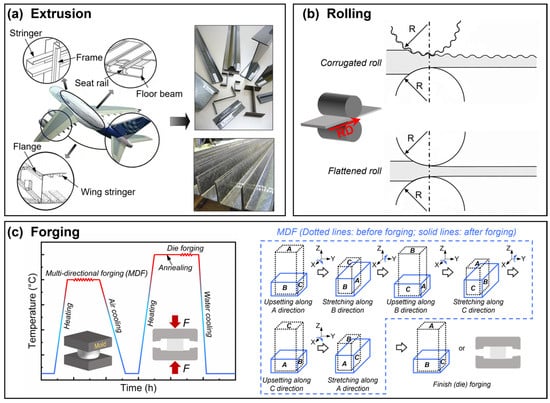
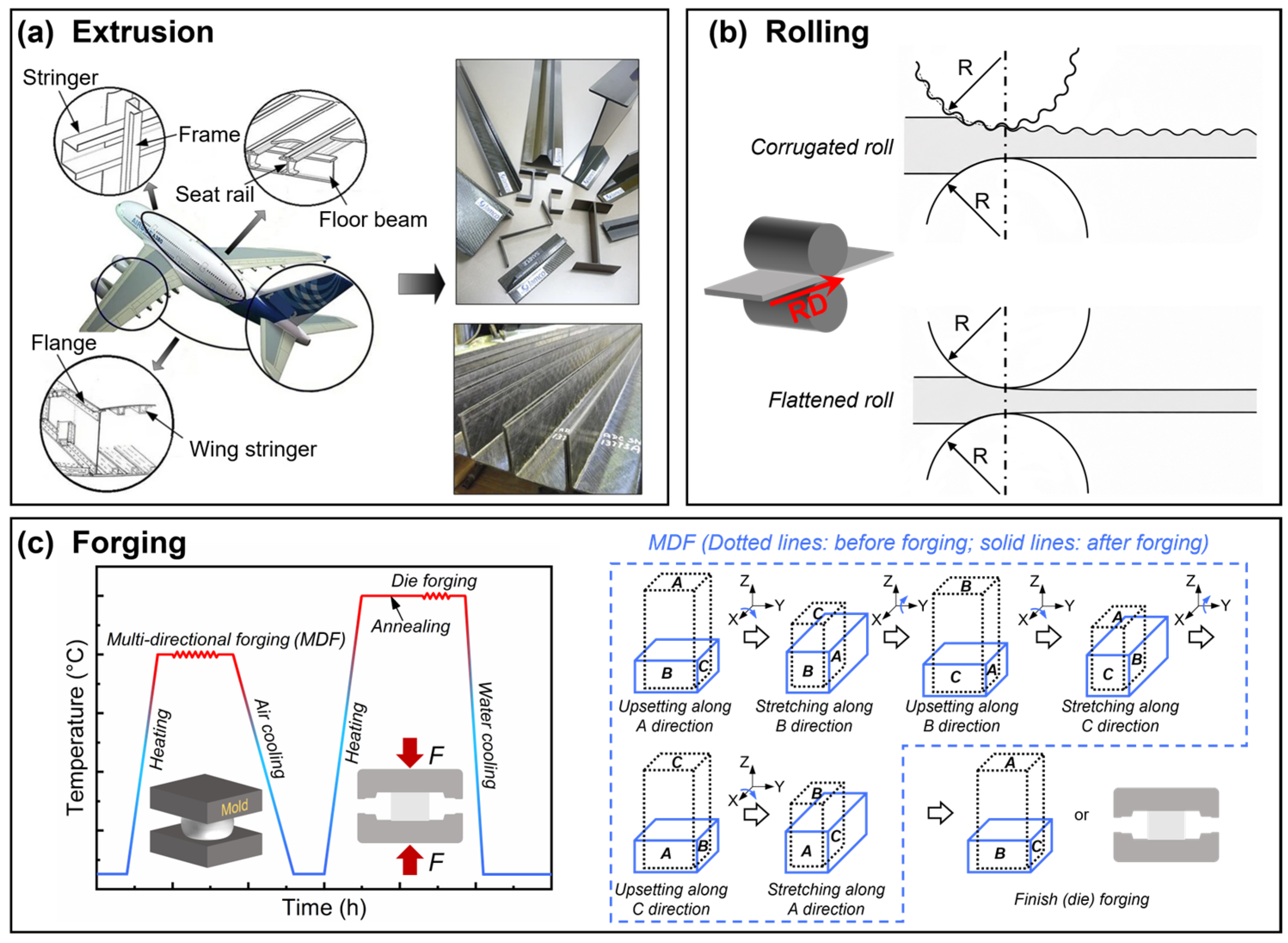
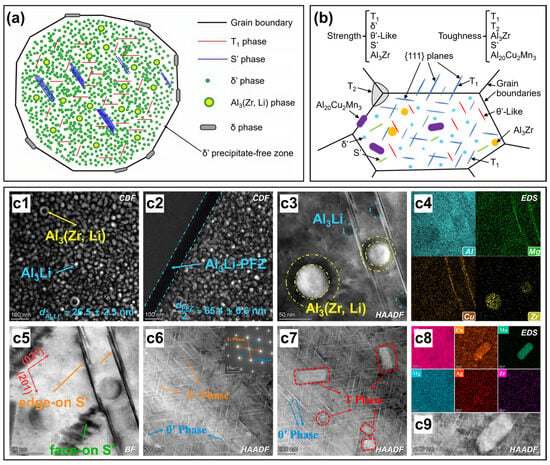
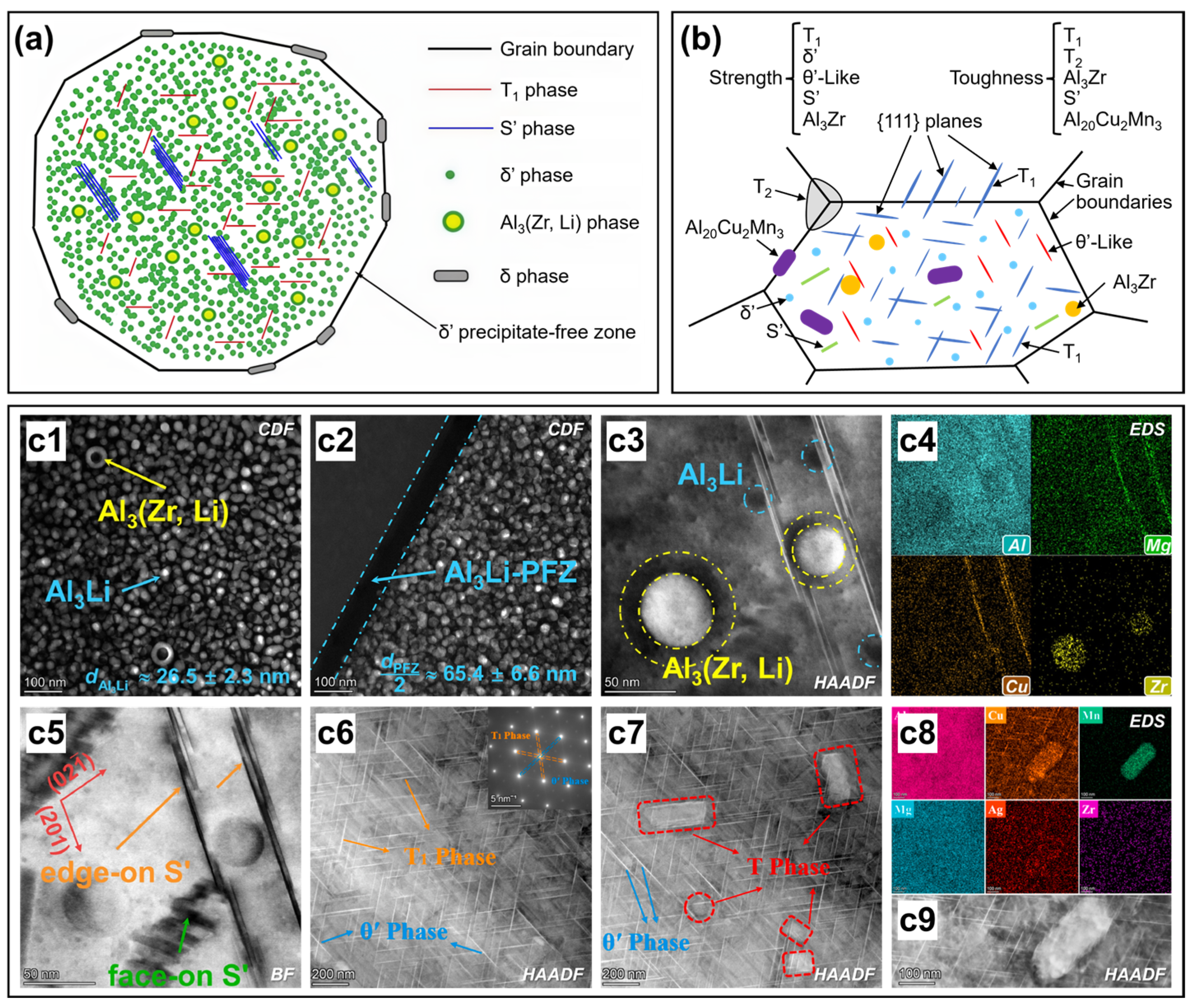
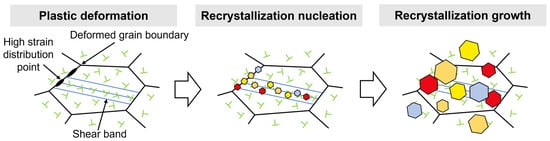
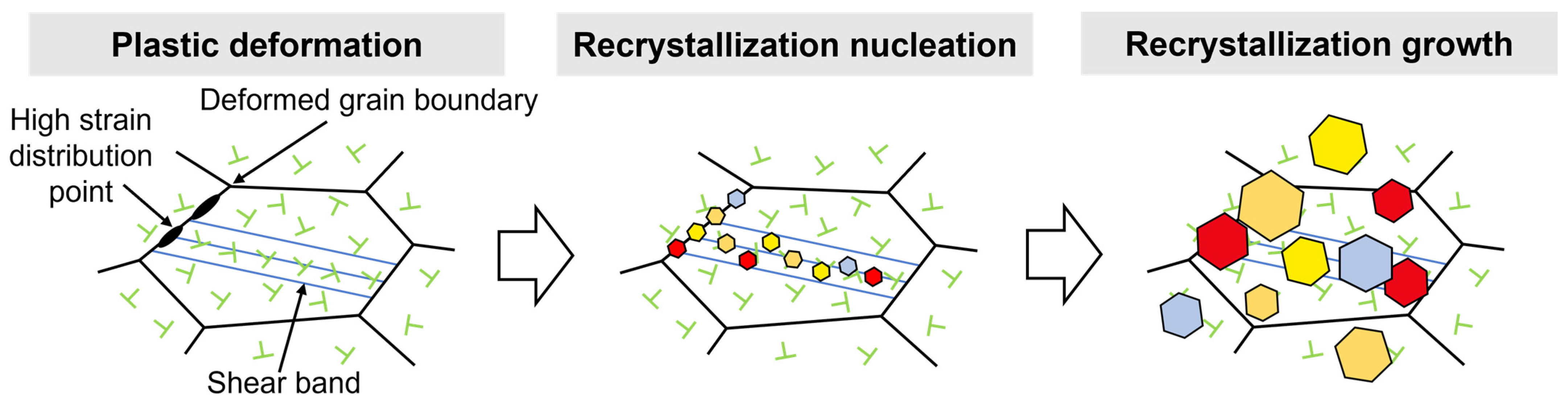
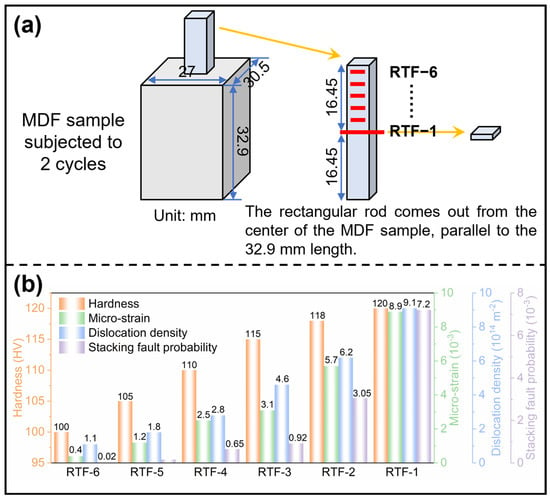
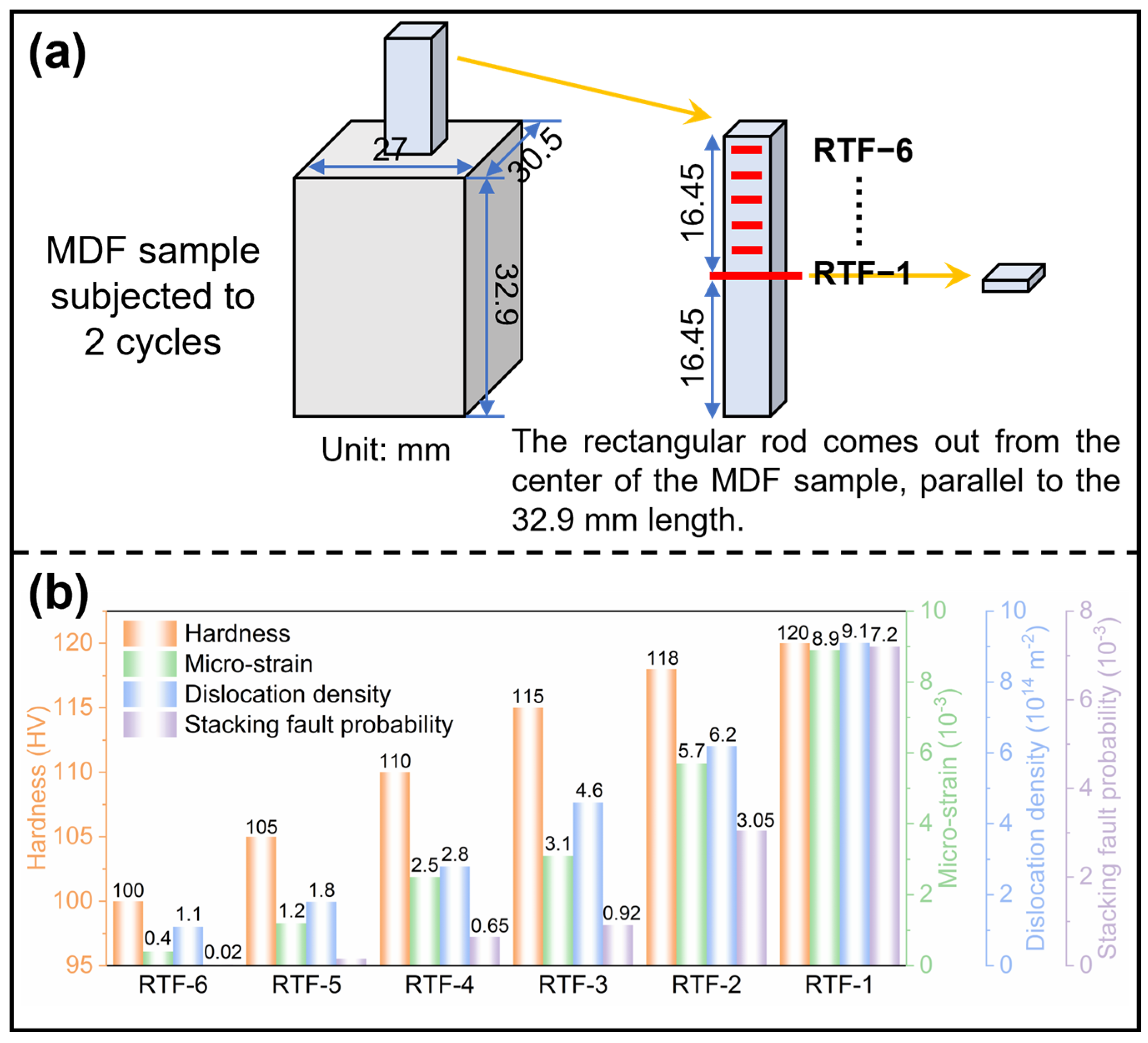
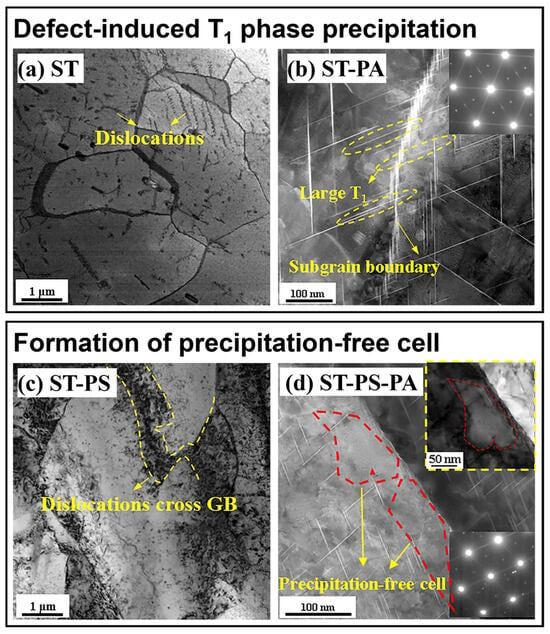
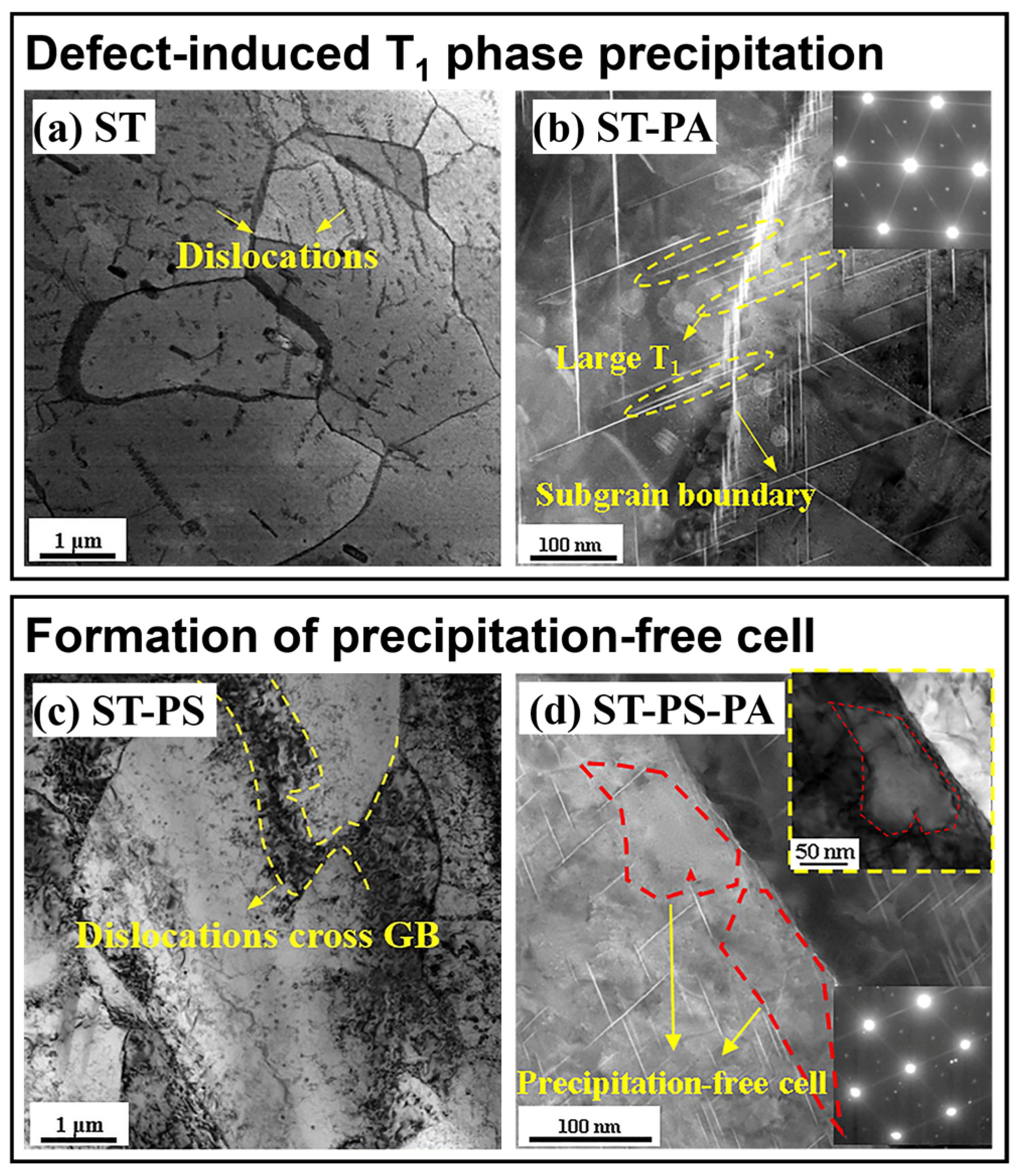
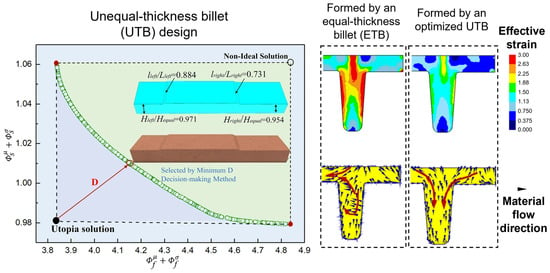
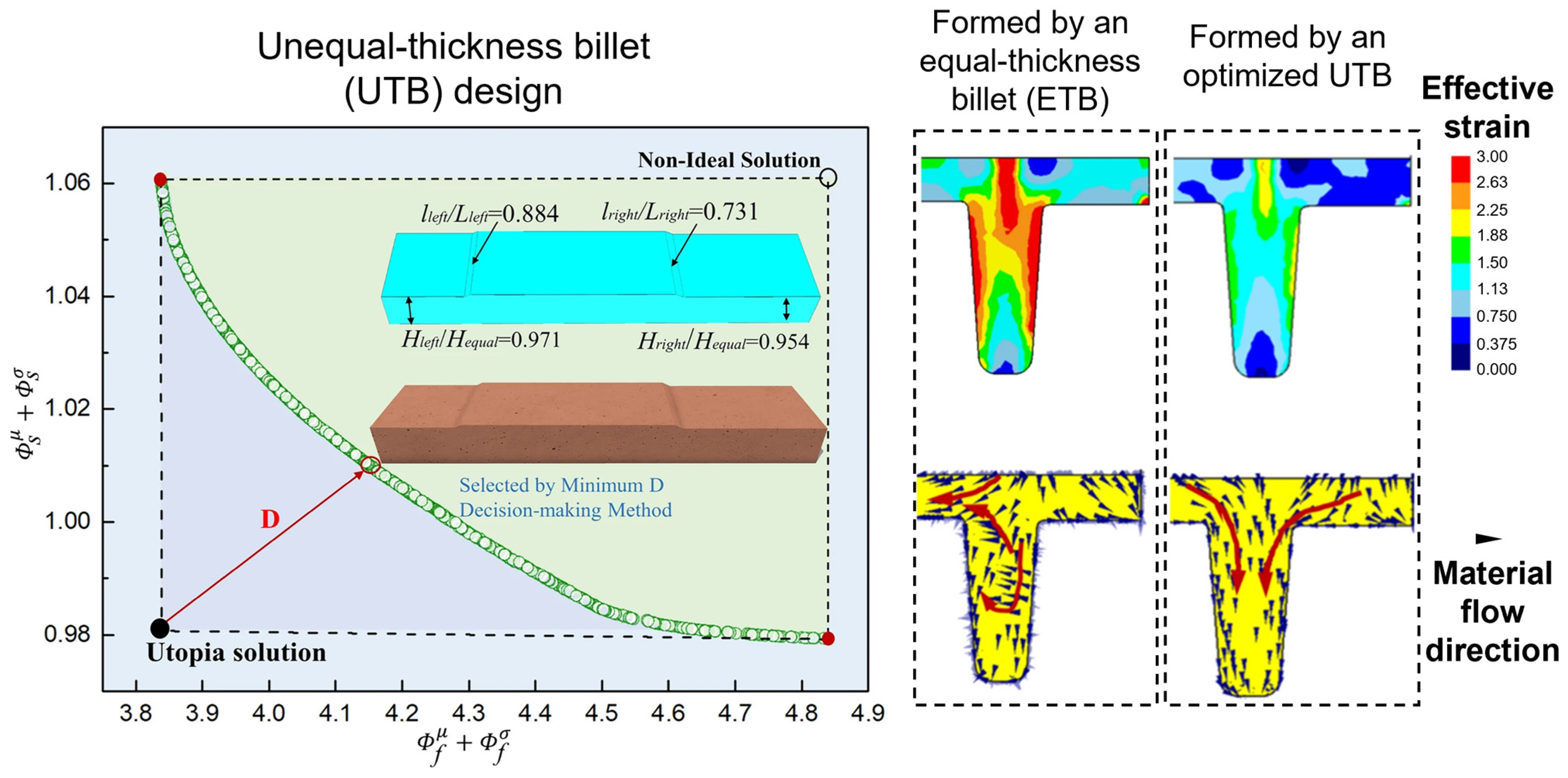
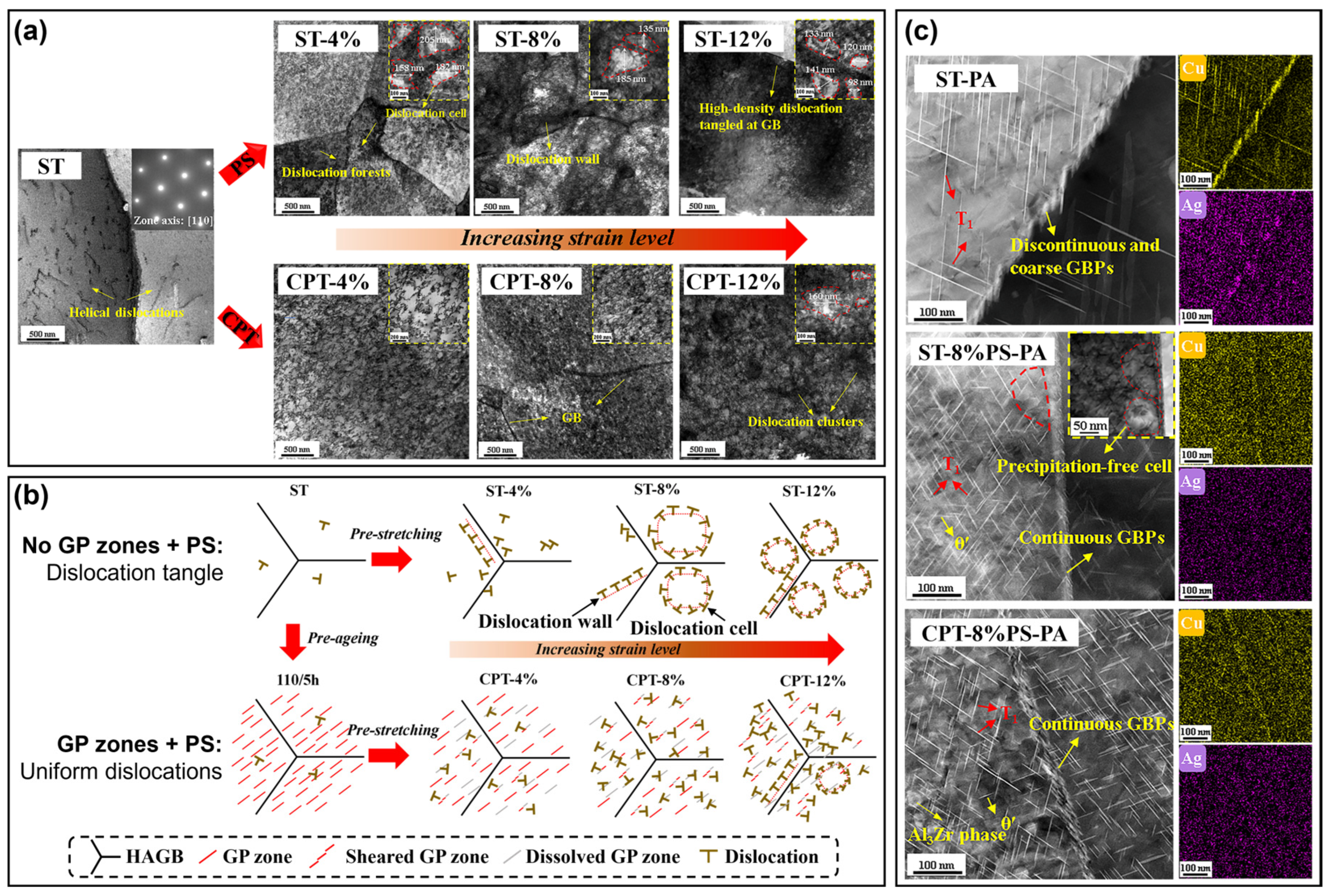

Disclaimer/Publisher’s Note: The statements, opinions and data contained in all publications are solely those of the individual author(s) and contributor(s) and not of MDPI and/or the editor(s). MDPI and/or the editor(s) disclaim responsibility for any injury to people or property resulting from any ideas, methods, instructions or products referred to in the content. |
© 2026 by the authors. Licensee MDPI, Basel, Switzerland. This article is an open access article distributed under the terms and conditions of the Creative Commons Attribution (CC BY) license.