Article

Oxide Removal Mechanism and Process Optimization During Integrated Pulsed-Continuous Laser Cleaning of Q235B Carbon Steel

1
School of Mechanical Science and Engineering, Huazhong University of Science and Technology, Wuhan 430074, China
2
School of Materials Science and Engineering, Huazhong University of Science and Technology, Wuhan 430074, China
3
School of Automotive Engineering, Wuhan University of Technology, Wuhan 430070, China
4
School of Physics and Electronic Information, Luoyang Normal University, Luoyang 471934, China
*
Author to whom correspondence should be addressed.
Materials 2025, 18(6), 1247; https://doi.org/10.3390/ma18061247
Submission received: 6 February 2025 / Revised: 4 March 2025 / Accepted: 7 March 2025 / Published: 12 March 2025
(This article belongs to the Special Issue Laser and Multi-Energy Field Processing of High-Performance Materials)

Abstract

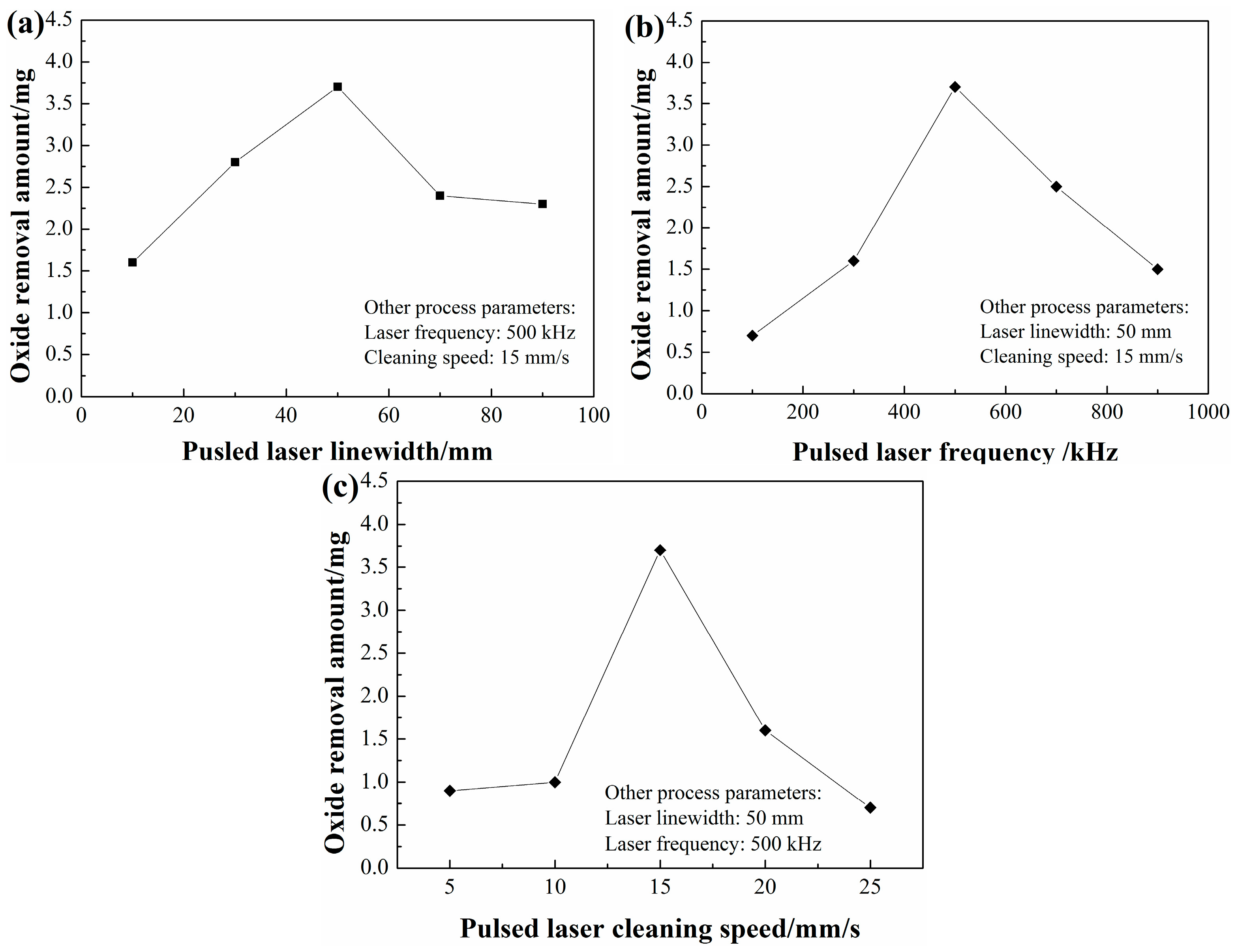
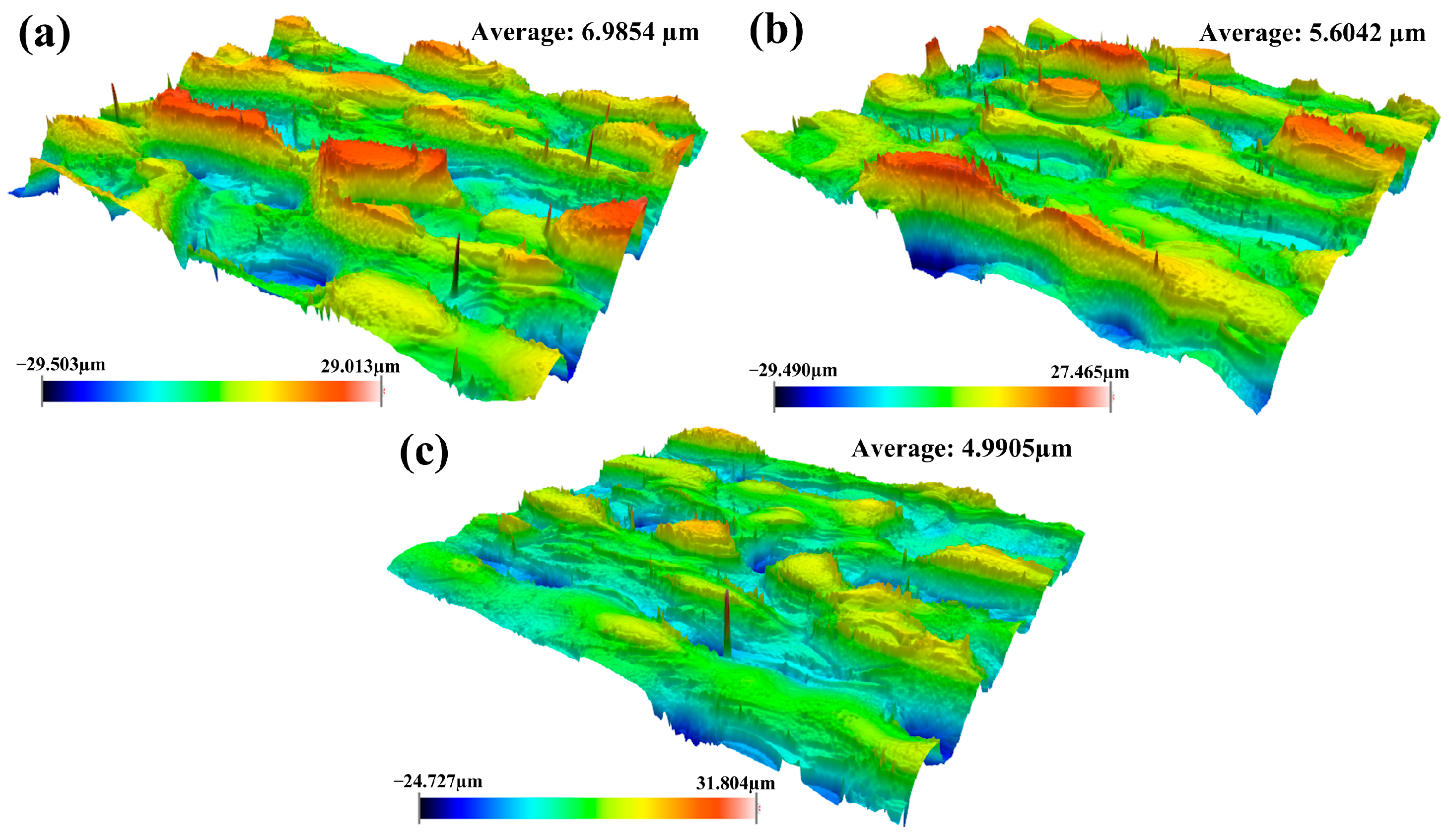
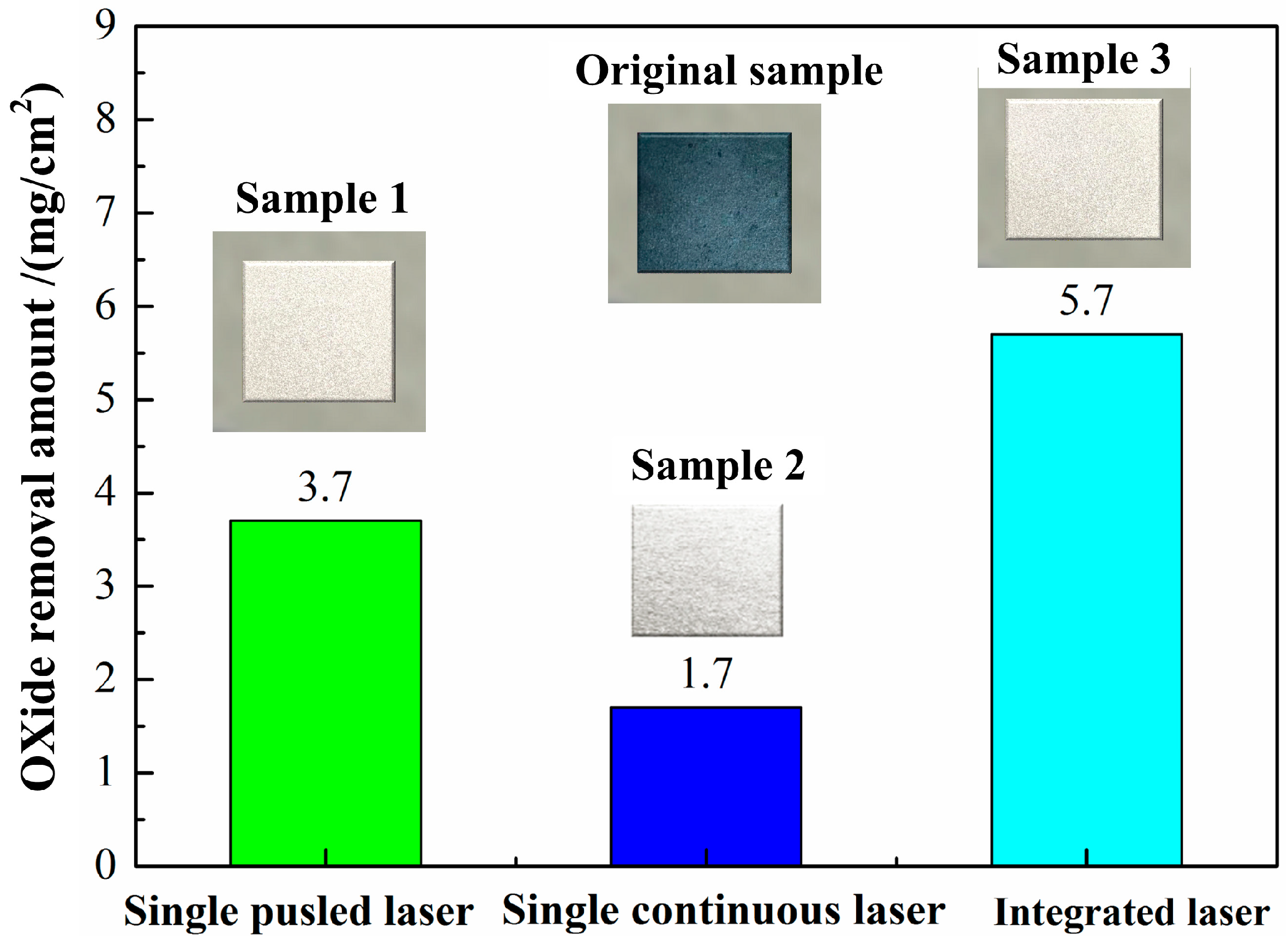
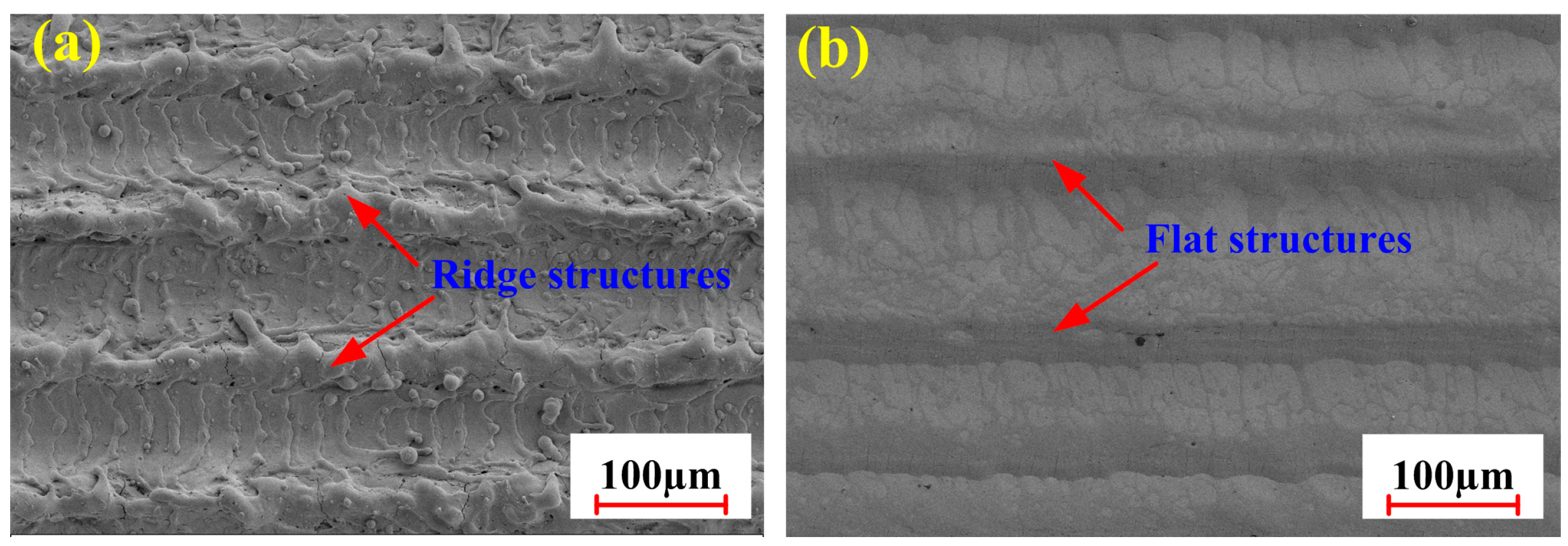
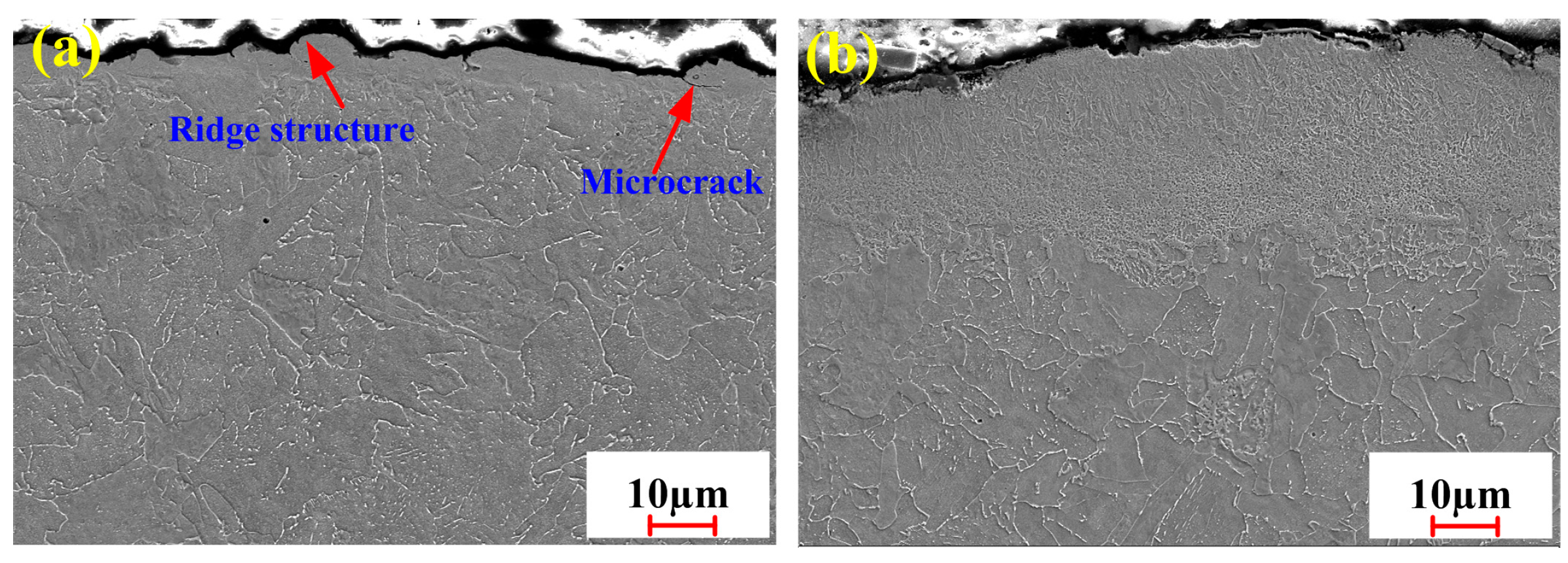
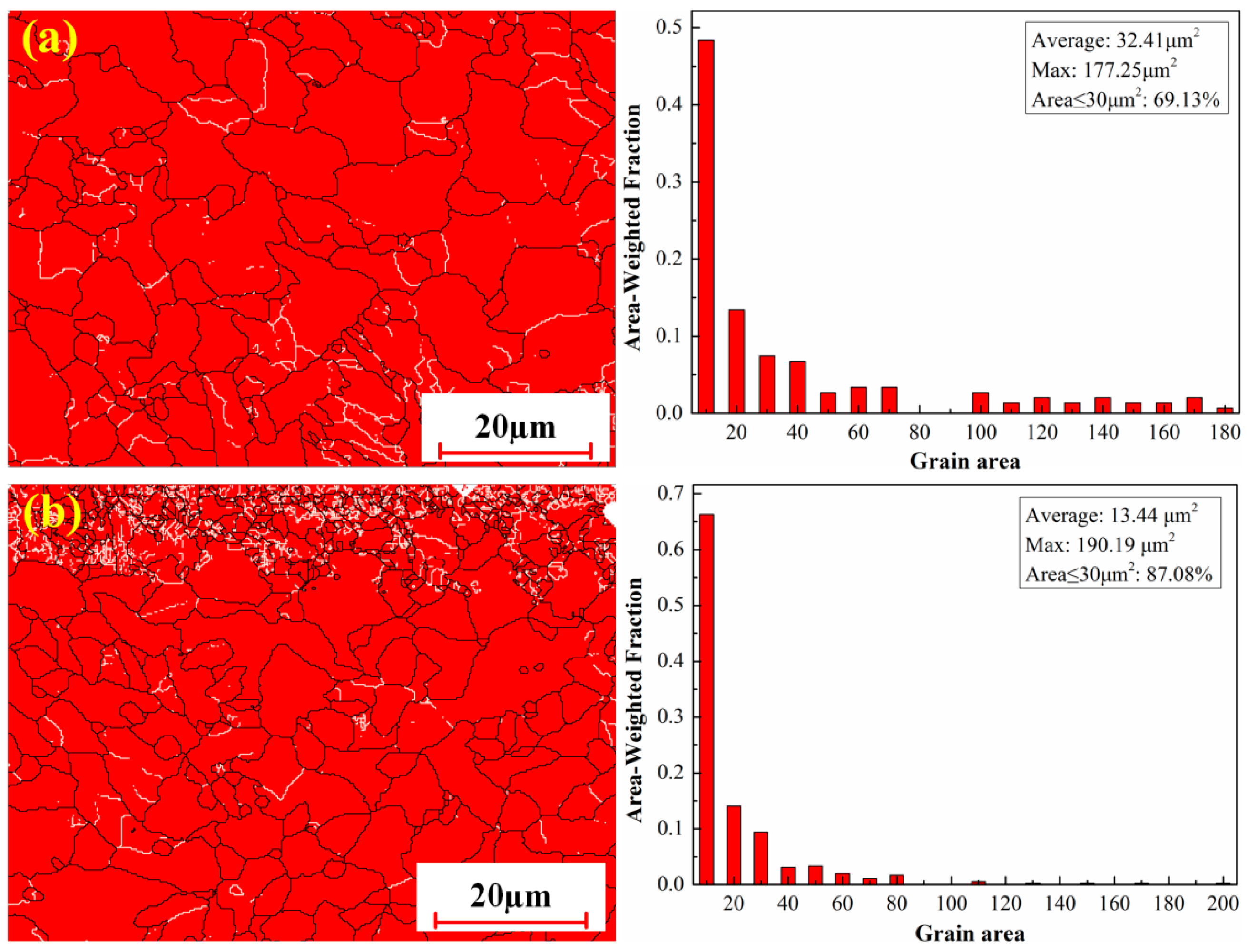
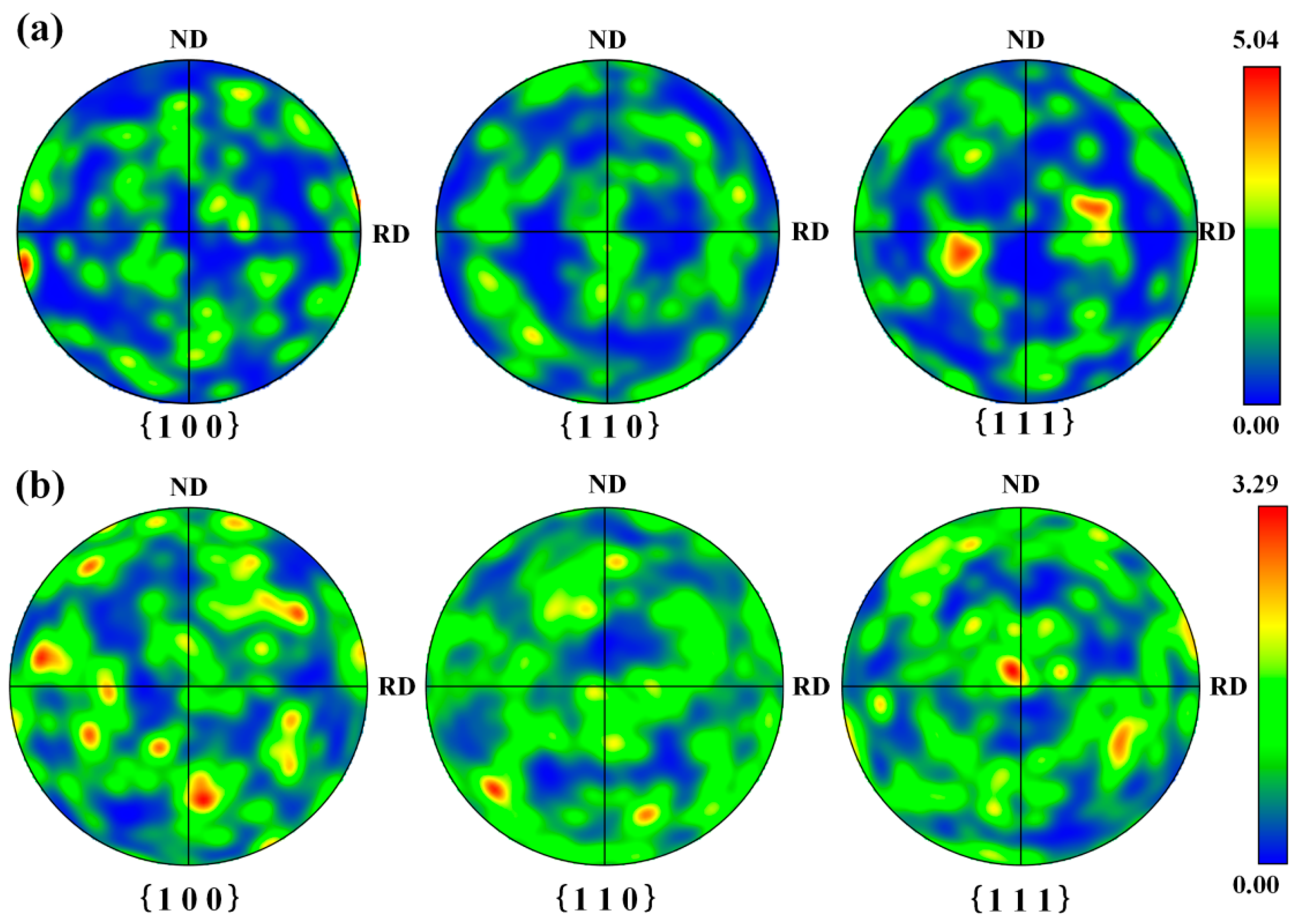
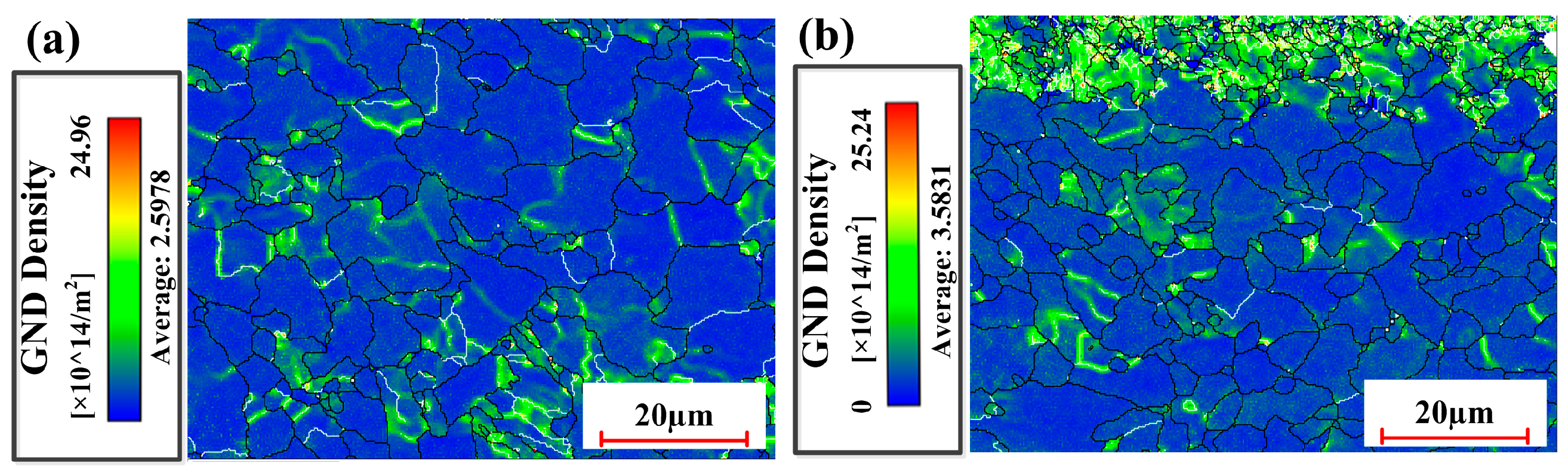
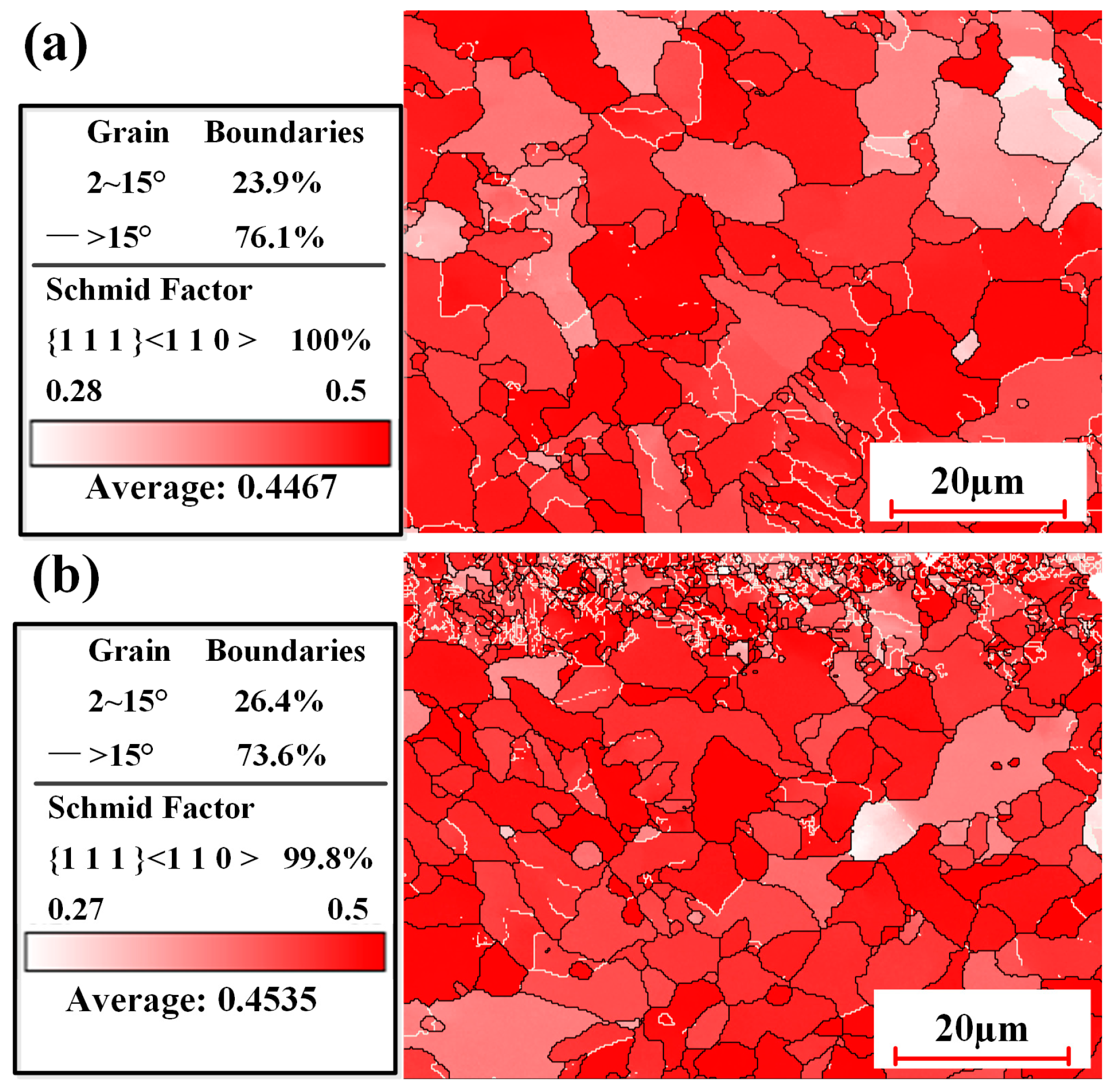
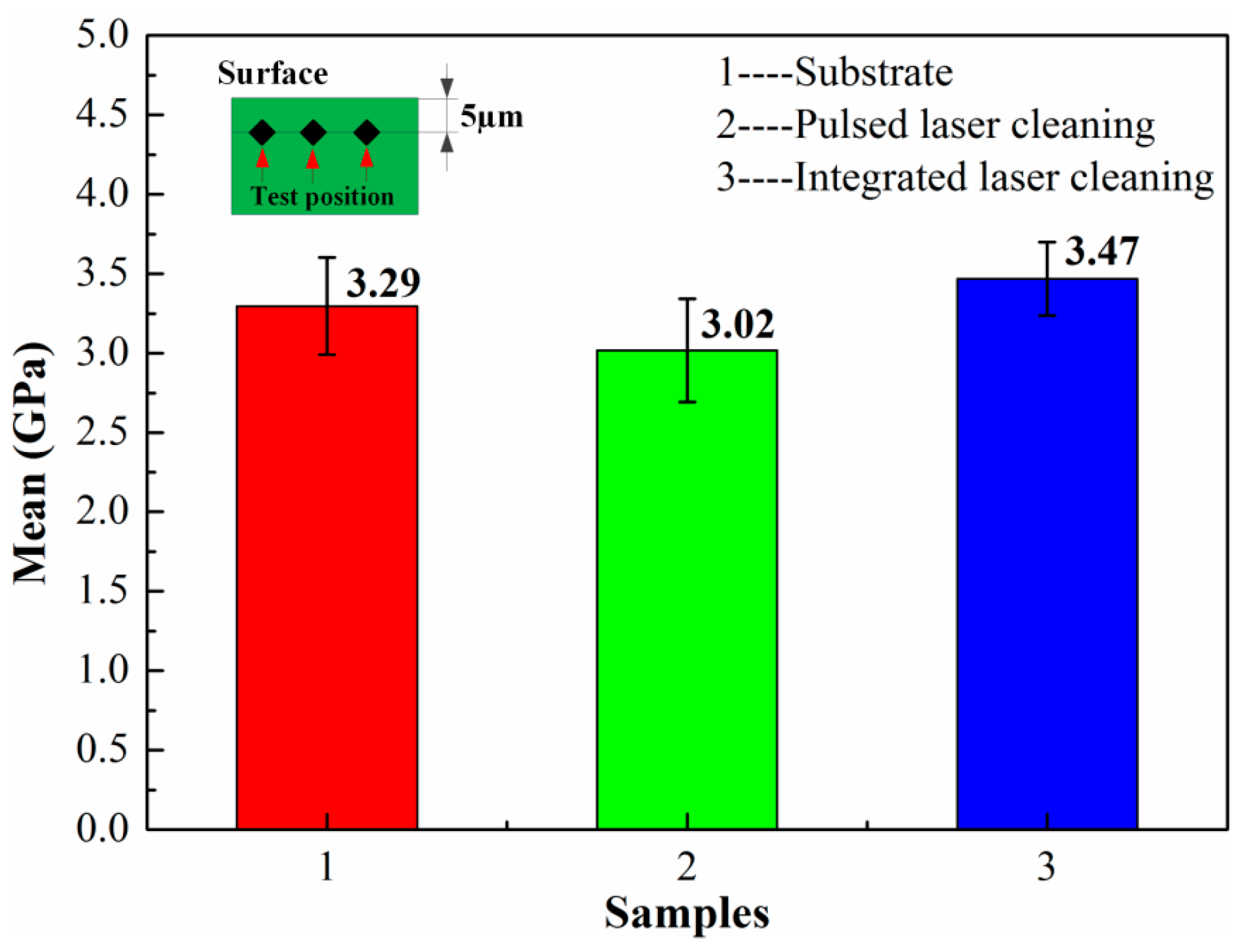
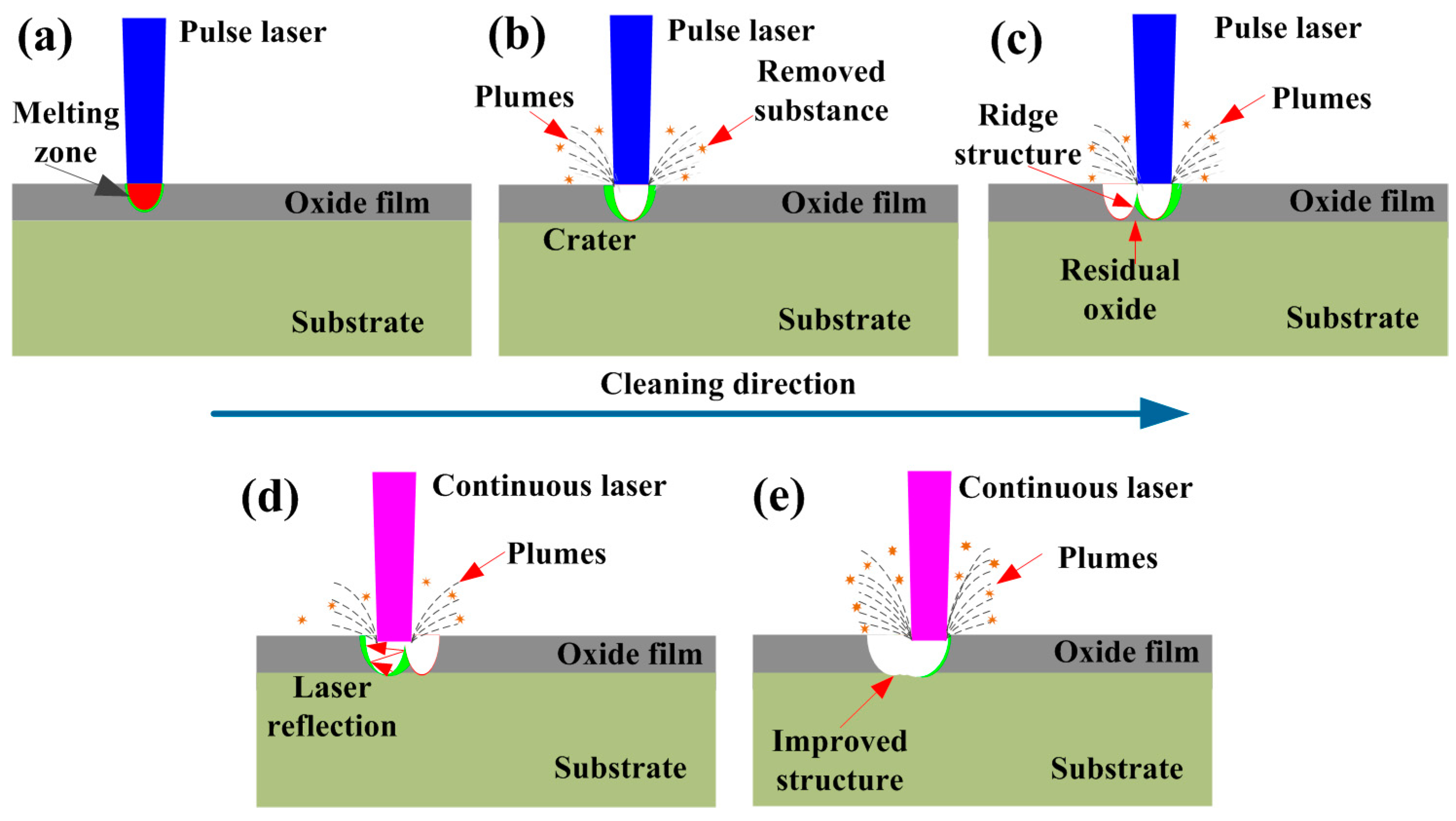
Laser cleaning has received extensive attention due to its high efficiency, non-pollution and easy automation. However, how to improve the cleaning quality has become the focus of current research. In this paper, we used a pulsed laser for cleaning experiments on Q235B carbon steel to investigate the effects of different process parameters on the surface cleaning quality. On this basis, a new cleaning method was innovatively proposed to improve the oxide removal efficiency, microstructure, and mechanical properties of cleaned samples. The results showed that pulsed laser cleaning of Q235B carbon steel was the most effective at a laser linewidth of 50 mm, pulsed frequency of 500 kHz, and cleaning speed of 15 mm/s. A great deal of craters formed on the surface of cleaned samples due to the thermal shock of the pulsed laser. Compared with other laser cleaning methods, integrated laser cleaning had an obvious effect in raising the oxide removal efficiency and reducing the surface roughness. The ridge structures on the sample surface also could be successfully eliminated, subsequently achieving smooth structures. Fine-crystalline structures were formed near the surface of tested samples, which significantly decreased the crystal orientation and increased the number of small angle grain boundaries and the GND density. The improvement in hardness was mainly on account of grain refinement in the integrated laser cleaning samples. In addition, a physical model was proposed to illustrate the oxide removal mechanism on integrated pulsed-continuous laser cleaning samples. This research can offer new theoretical and technical support for solving the long-standing problems of efficiency and quality in laser cleaning, thus significantly broadening the application of laser technology in manufacturing fields.
Keywords: integrated pulsed-continuous laser cleaning; Q235B carbon steel; surface quality; microstructure; oxide removal mechanism integrated pulsed-continuous laser cleaning; Q235B carbon steel; surface quality; microstructure; oxide removal mechanism