Article

Design of Shape Forming Elements for Architected Composites via Bayesian Optimization and Genetic Algorithms: A Concept Evaluation

1
Department of Plastics Engineering, University of Massachusetts Lowell, Lowell, MA 01854, USA
2
Department of Mechanical Engineering, Johns Hopkins University, Baltimore, MD 21218, USA
*
Author to whom correspondence should be addressed.
Materials 2024, 17(21), 5339; https://doi.org/10.3390/ma17215339
Submission received: 2 October 2024 / Revised: 16 October 2024 / Accepted: 25 October 2024 / Published: 31 October 2024
(This article belongs to the Special Issue Manufacturing, Characterization and Modeling of Advanced Materials)

Abstract

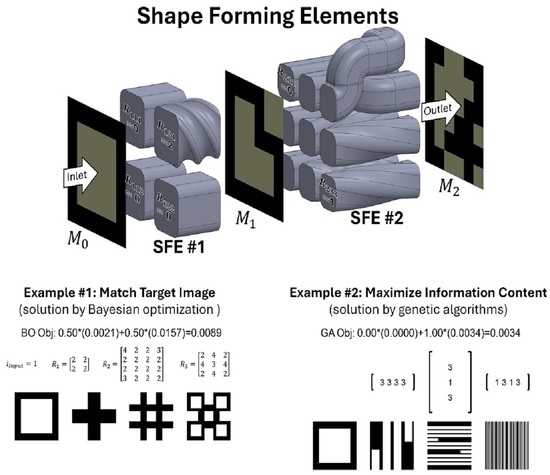
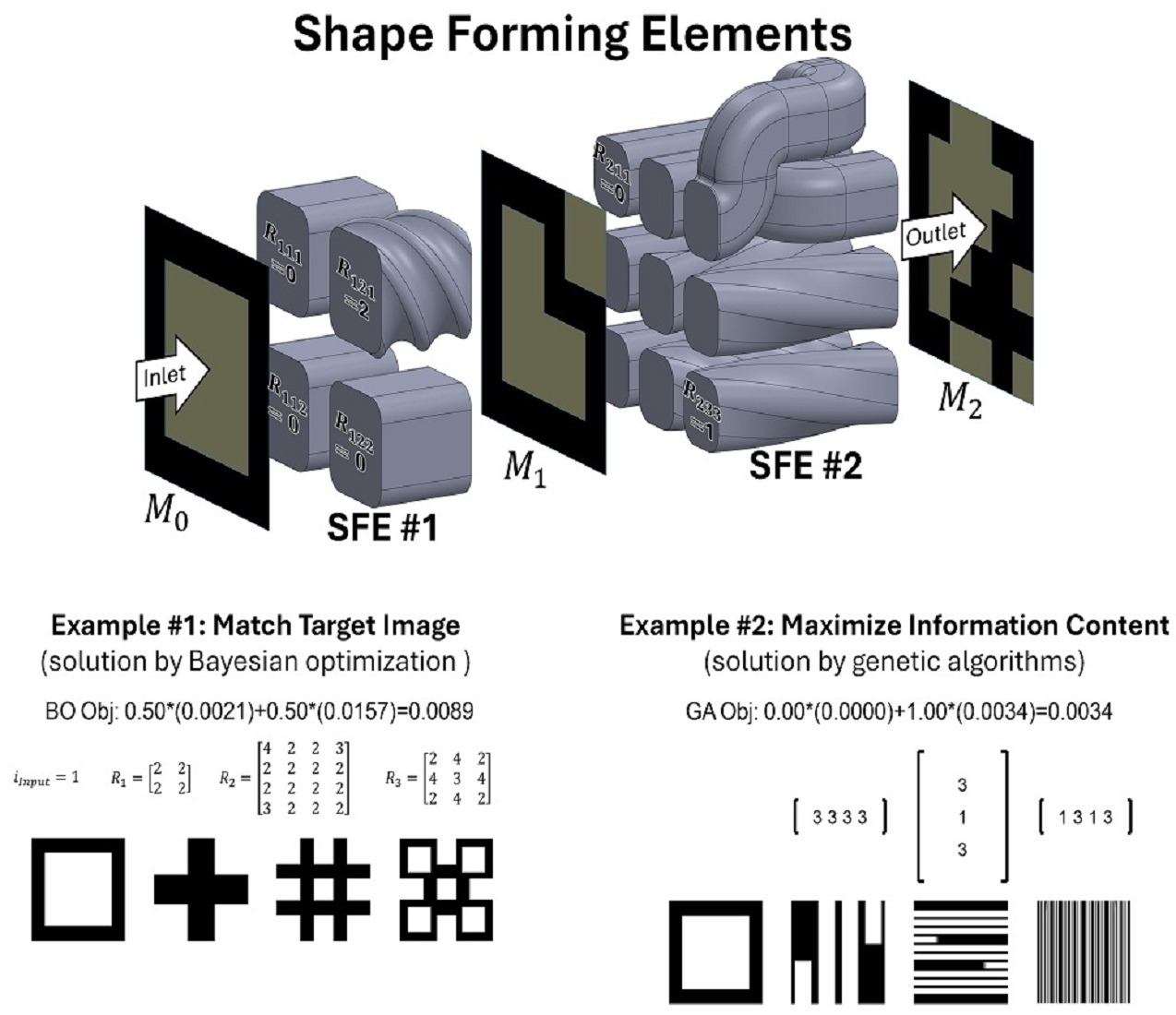
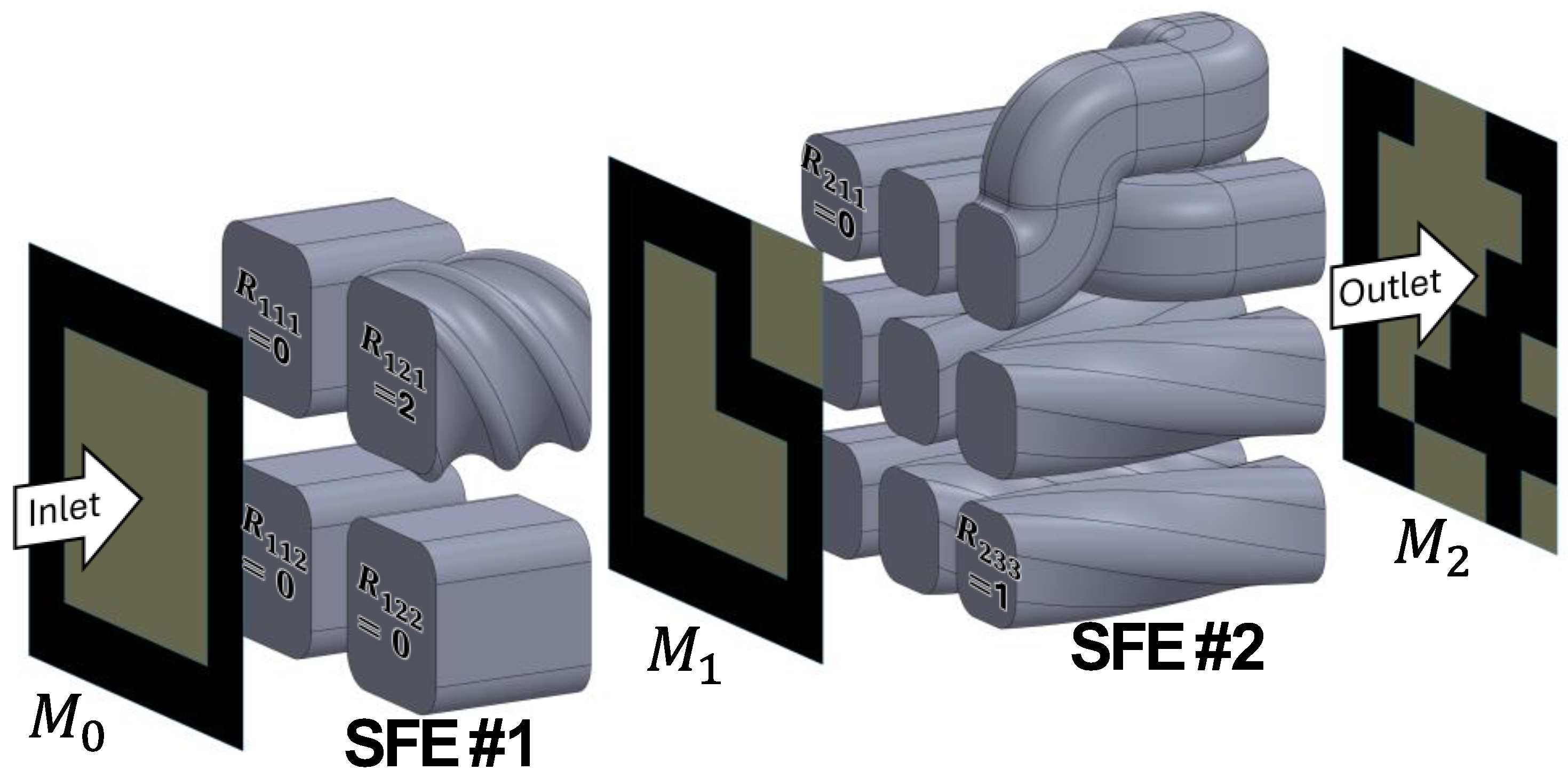
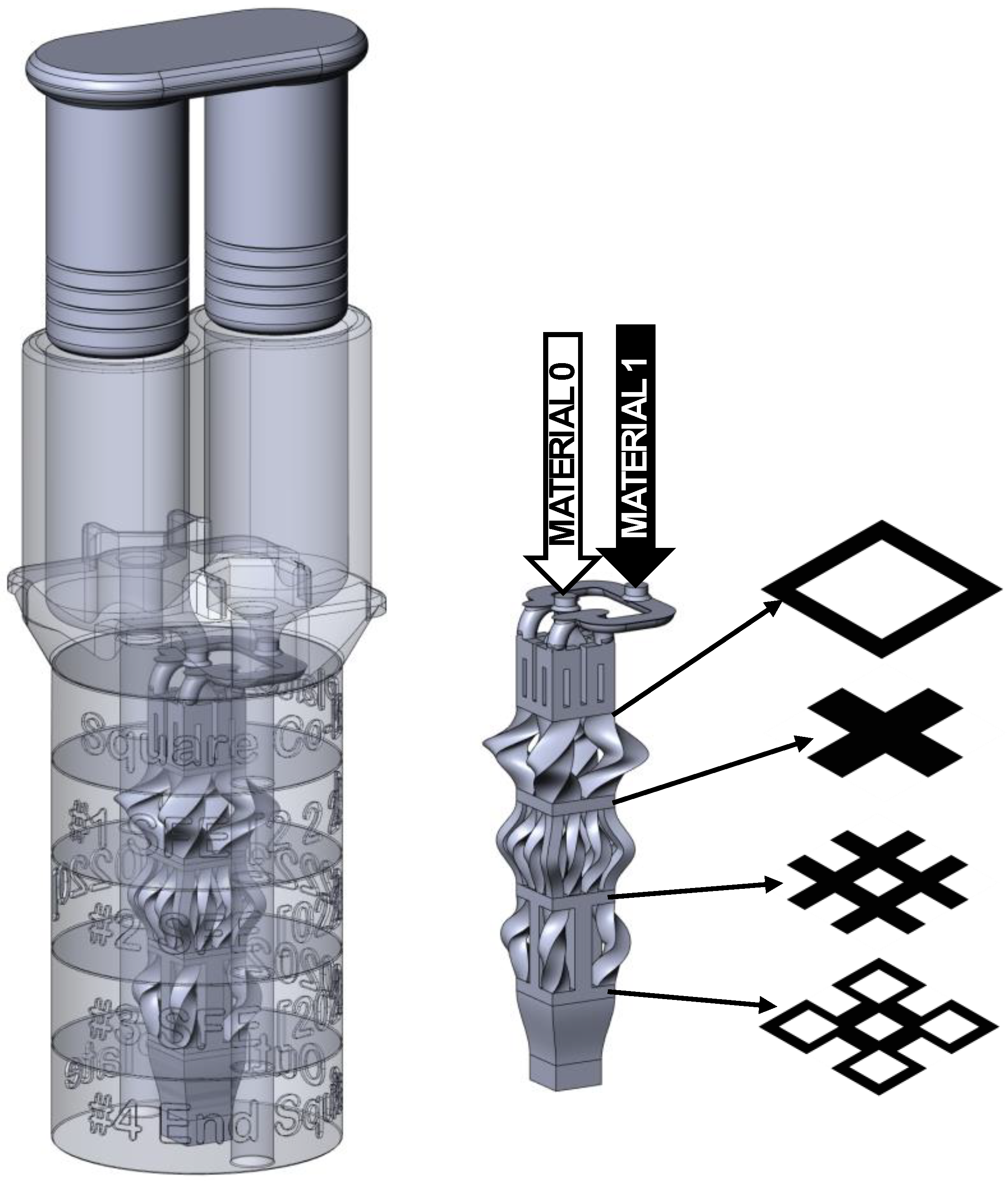
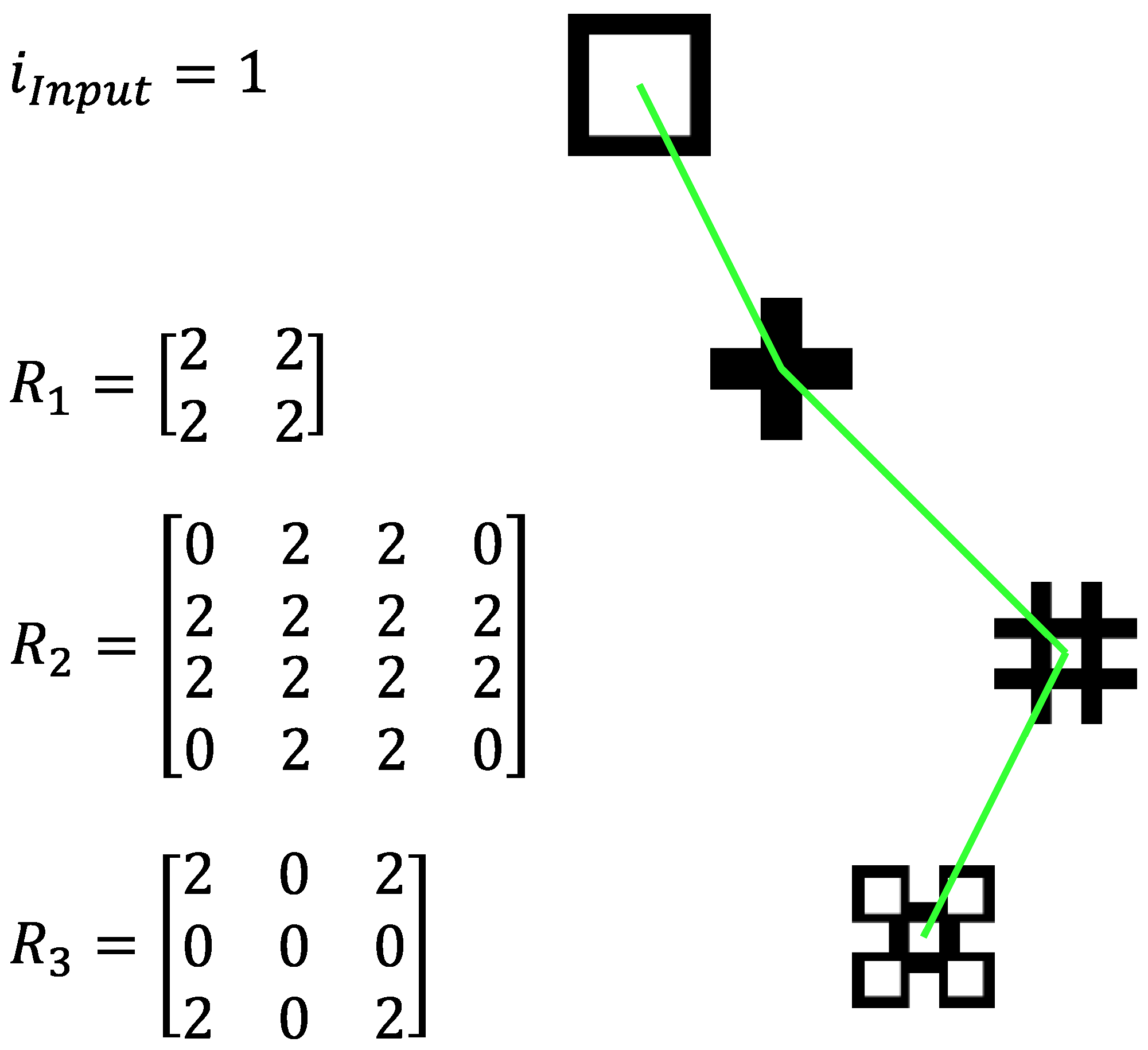
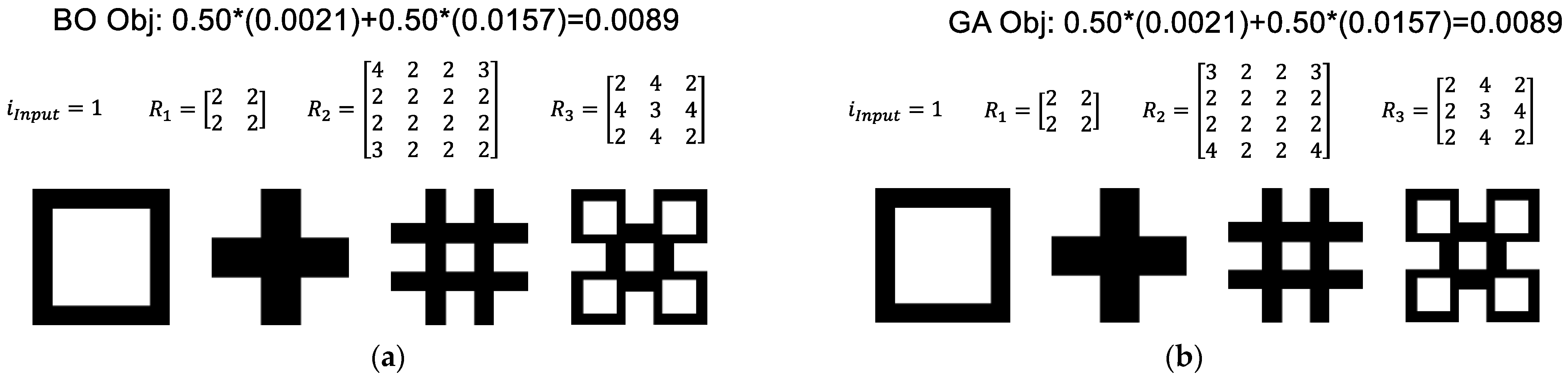
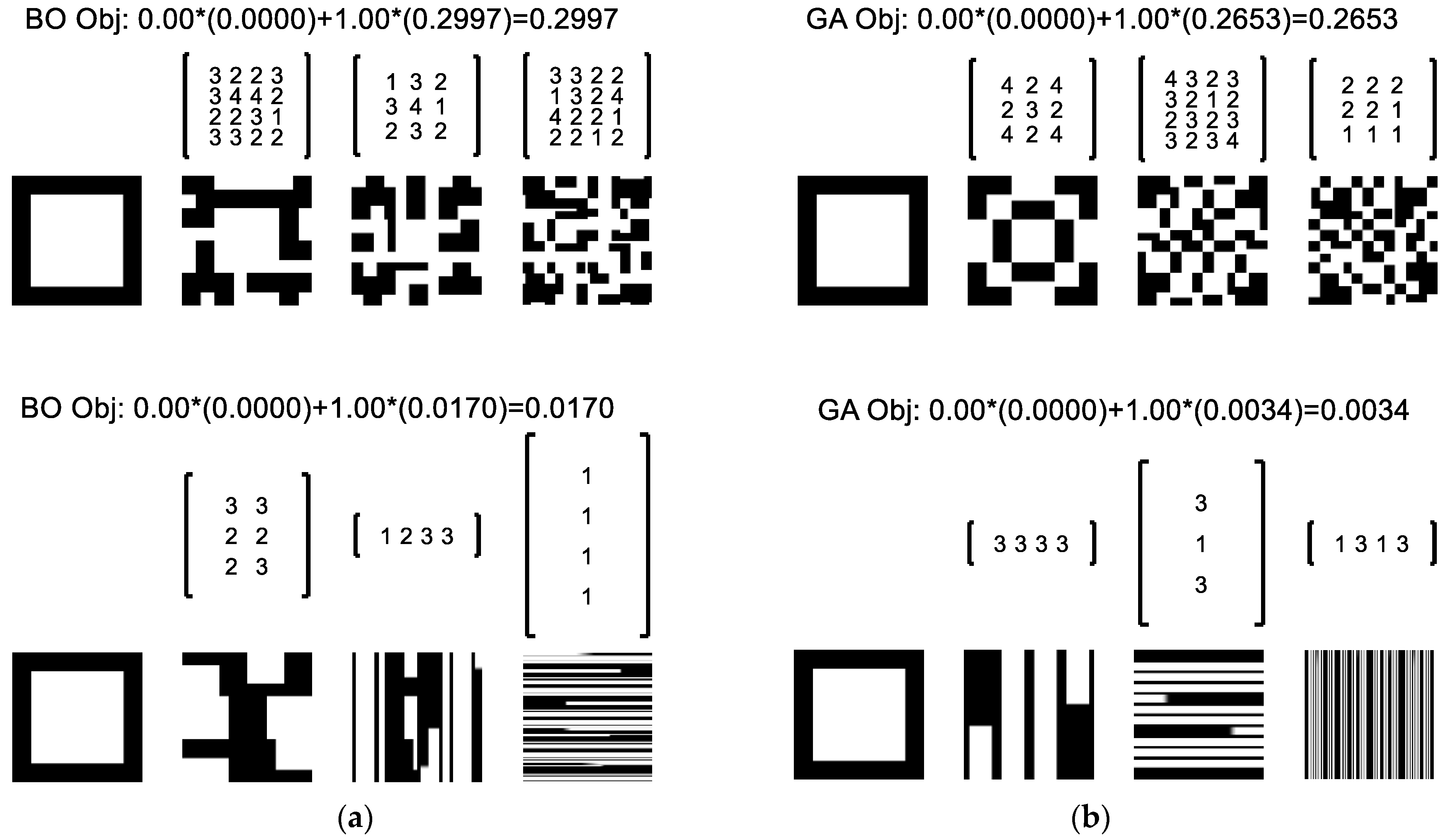
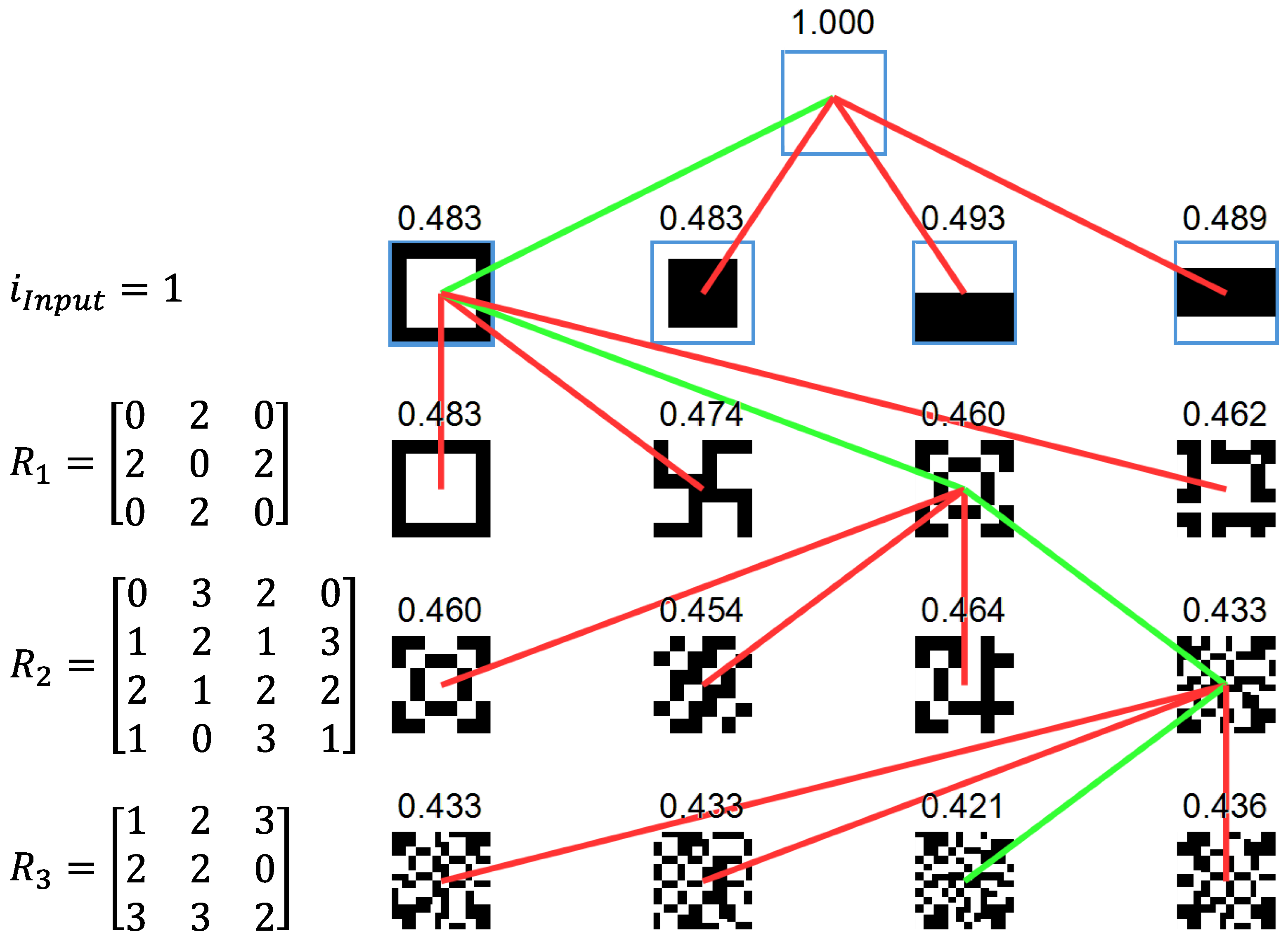
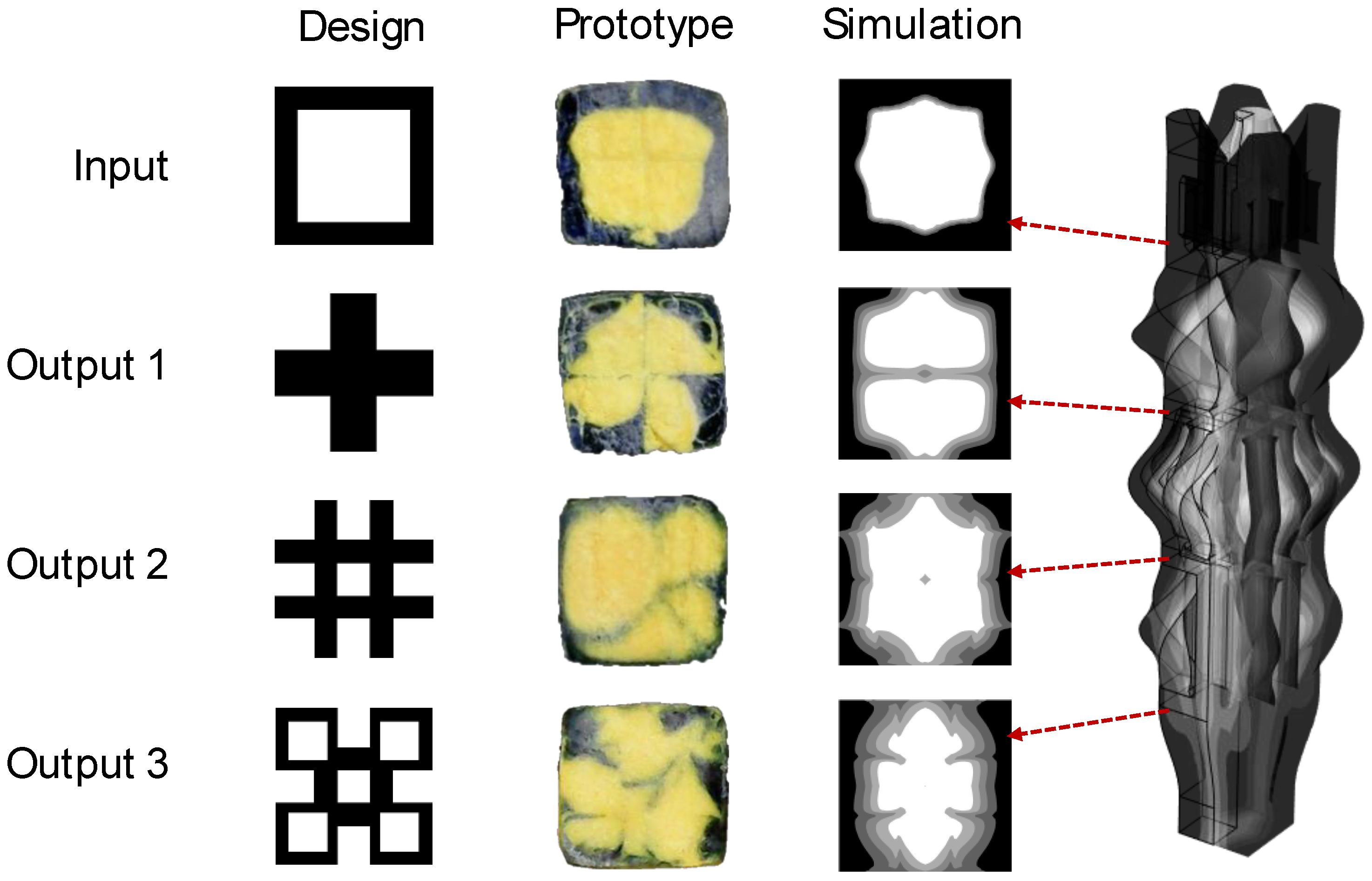
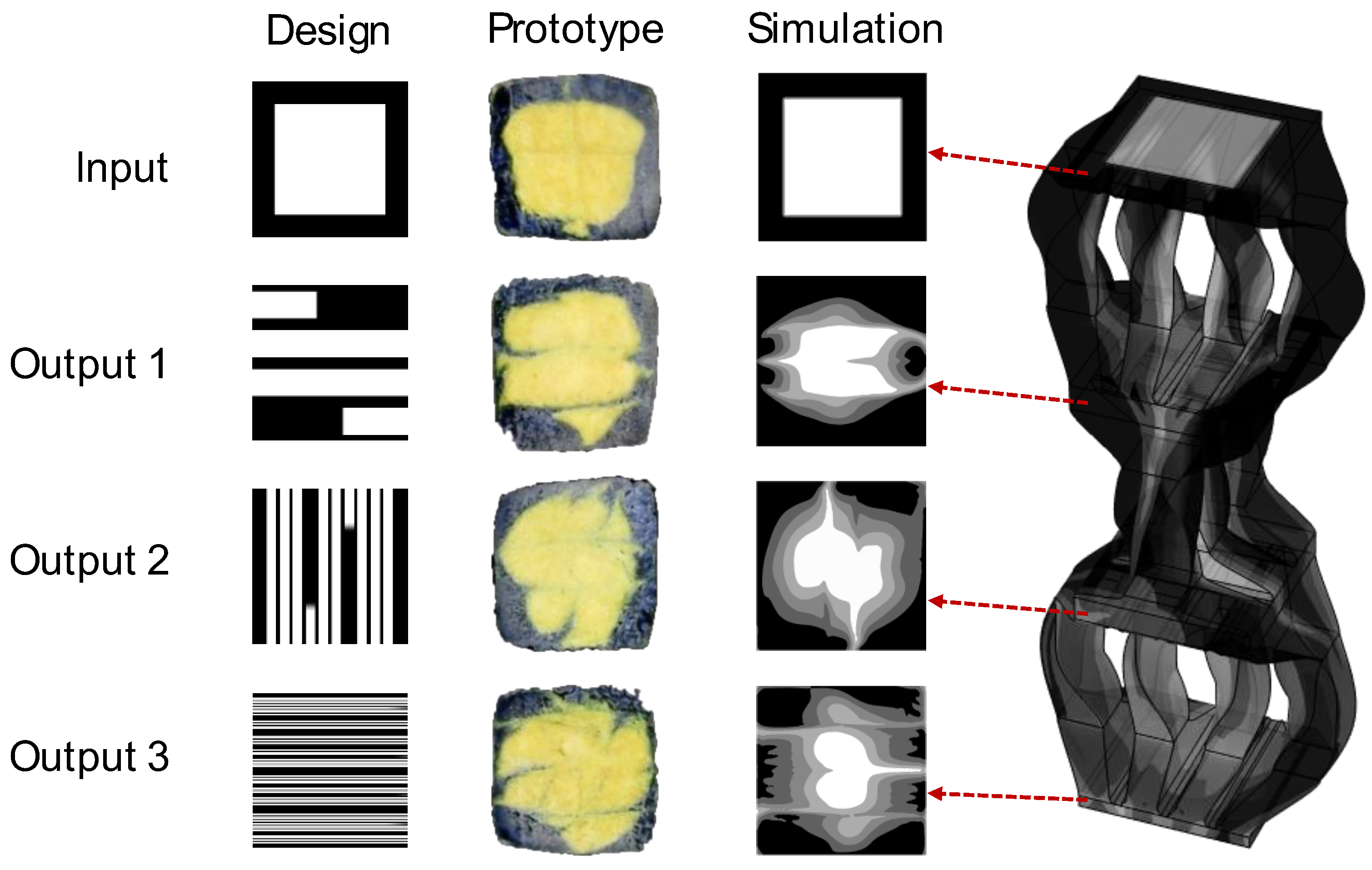
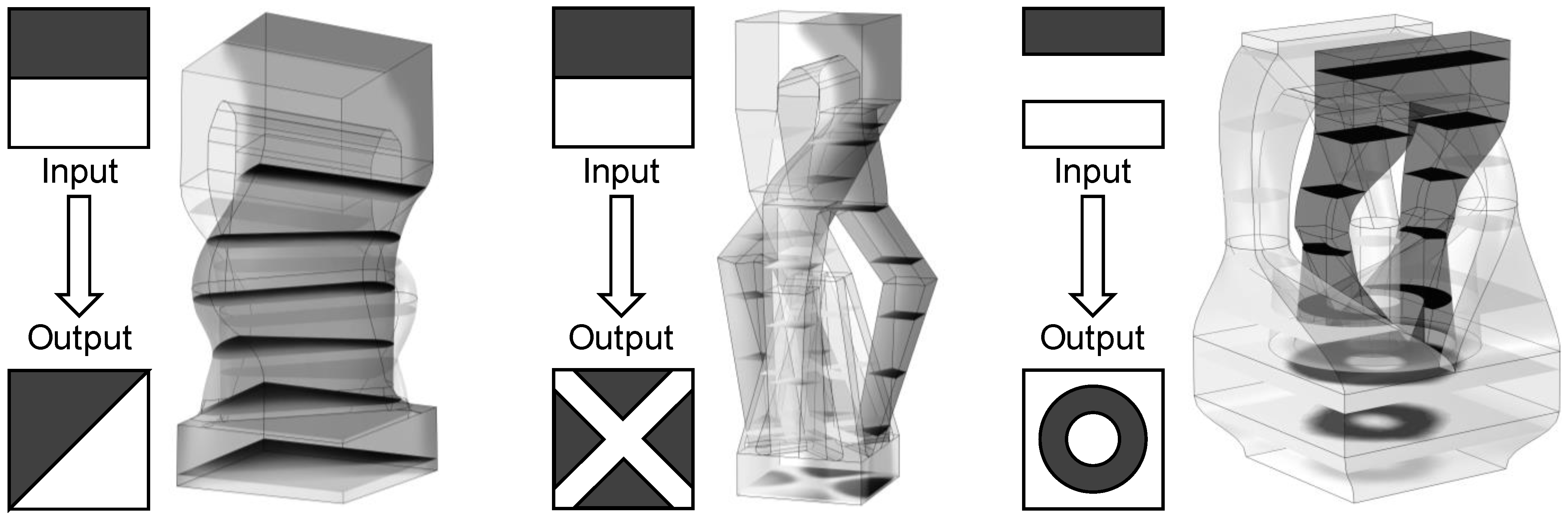
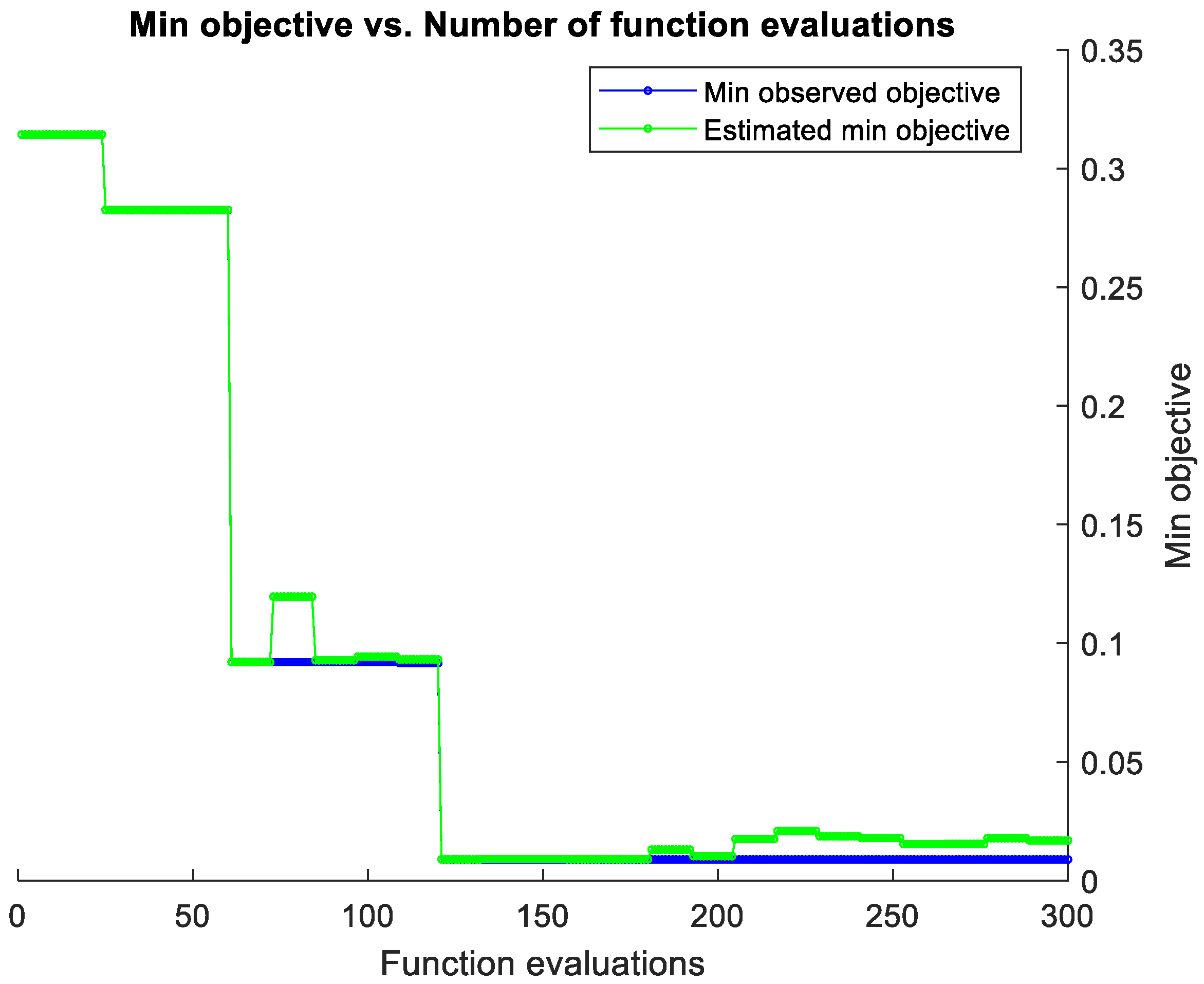
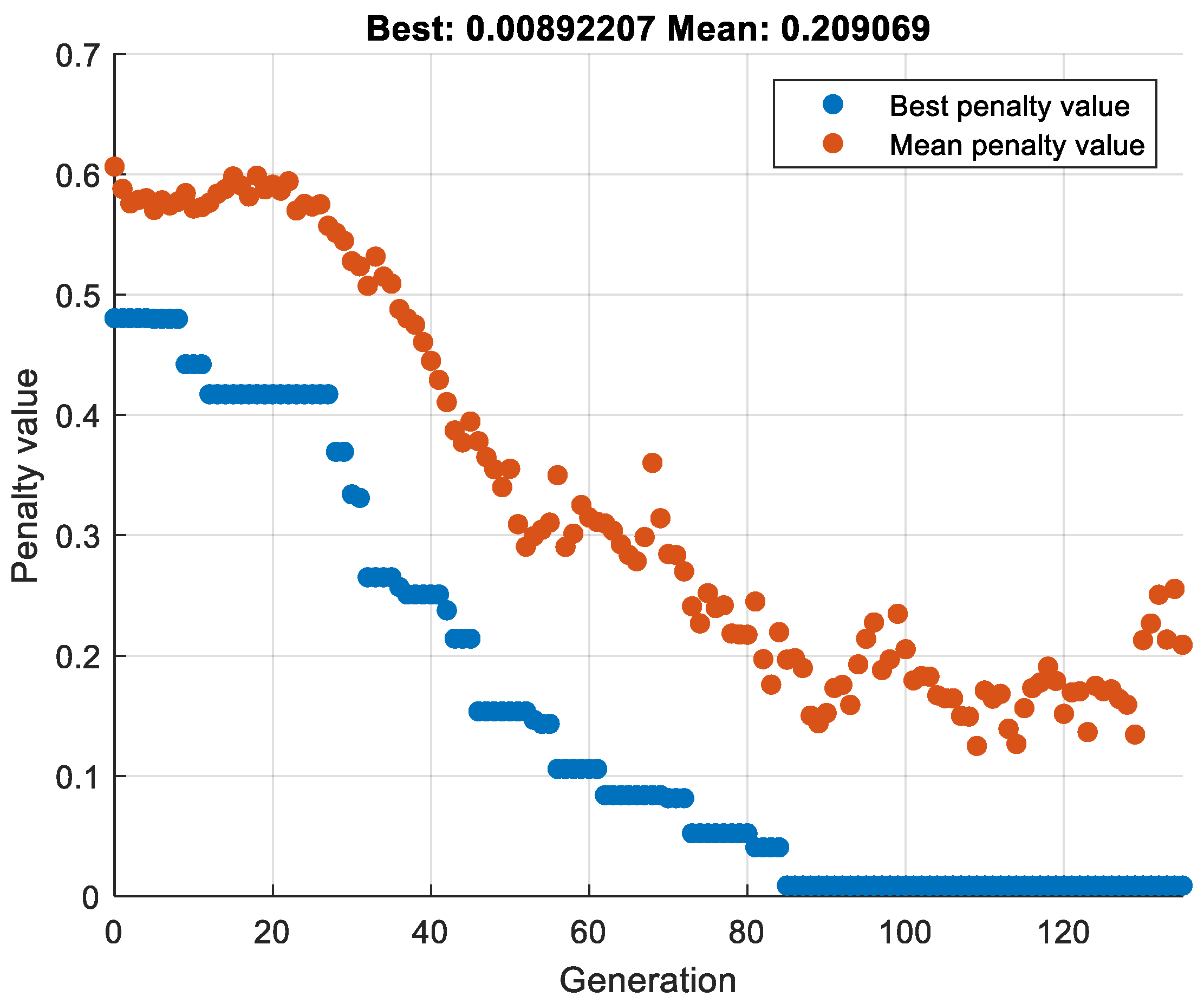
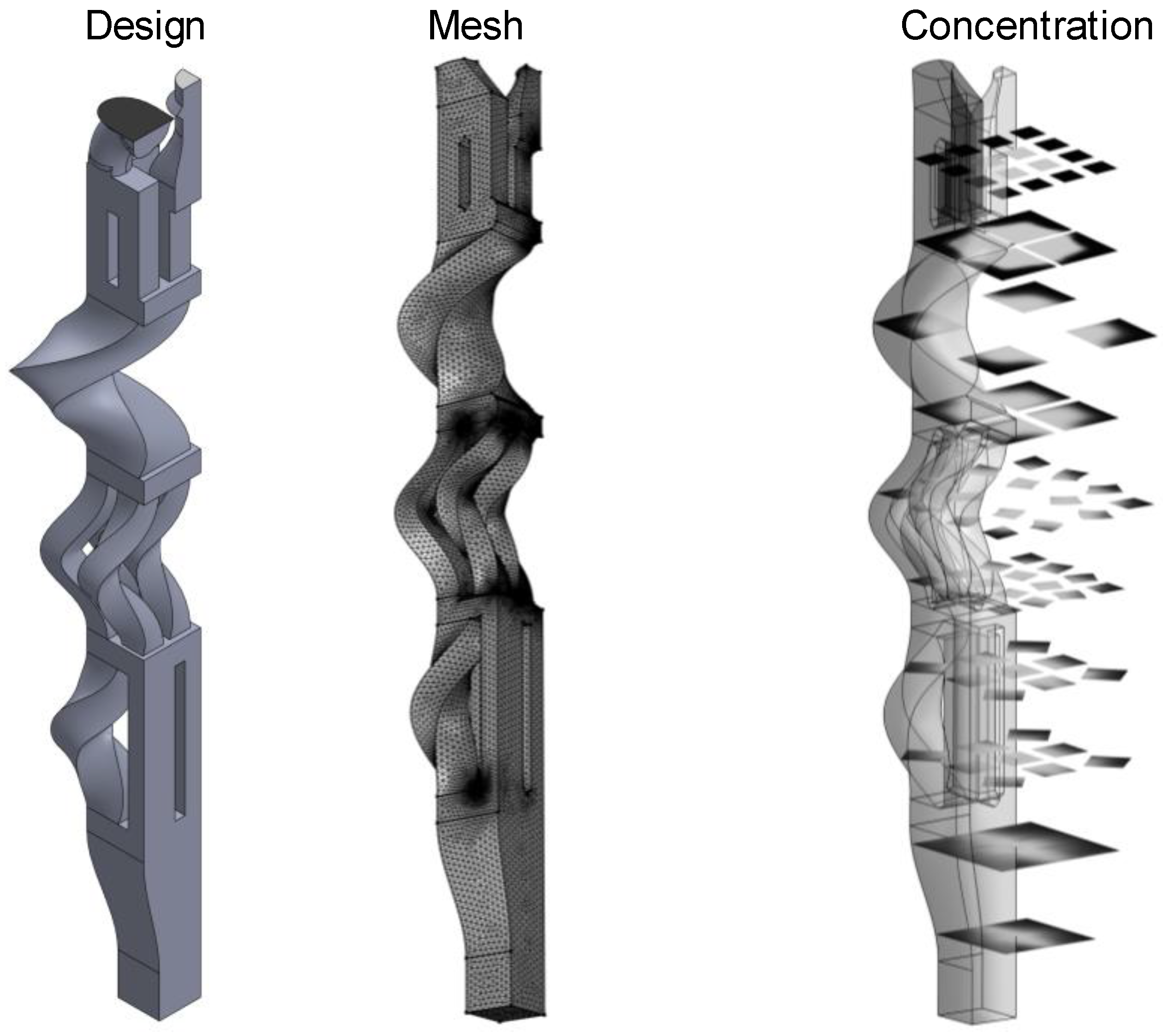
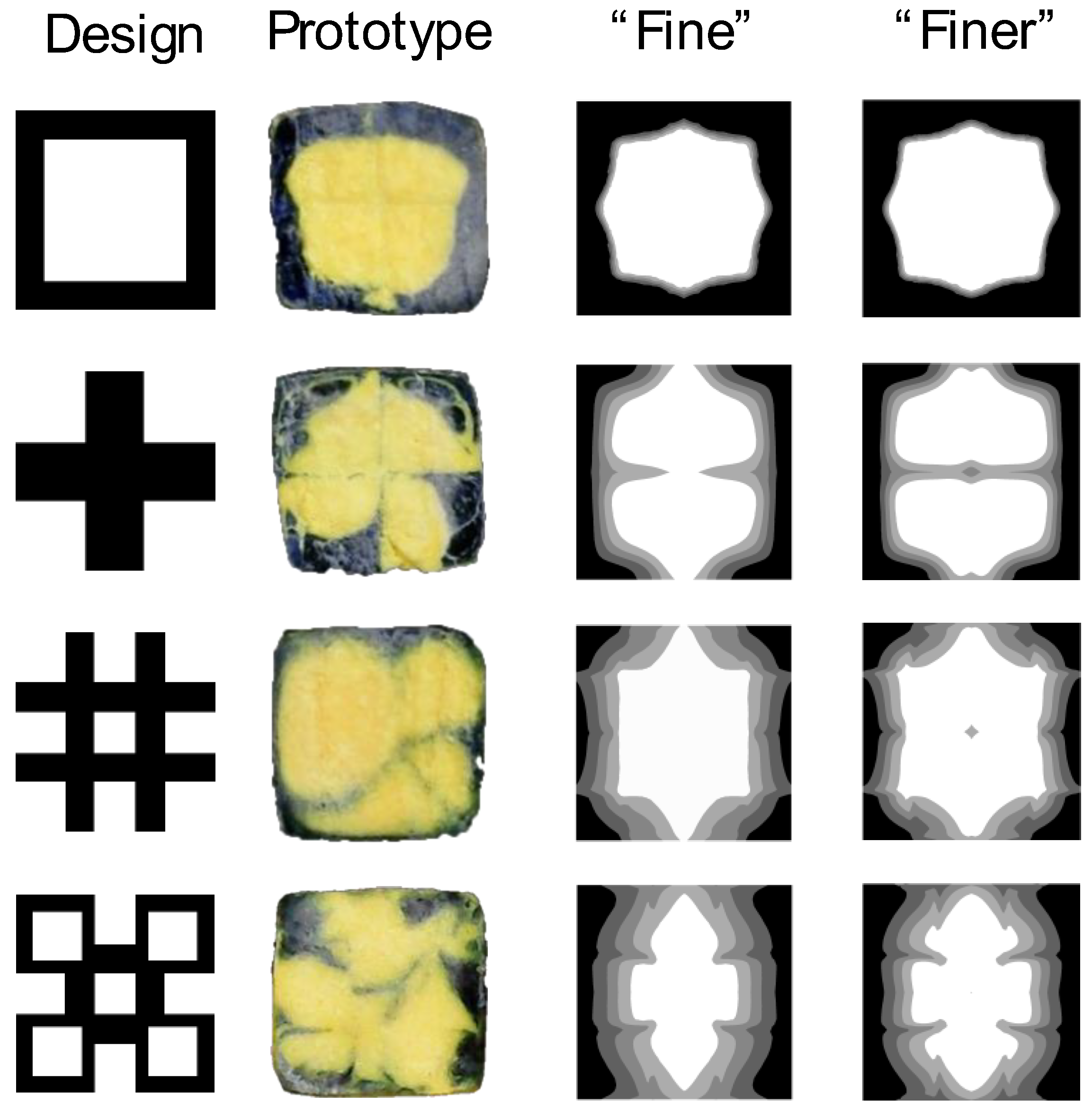
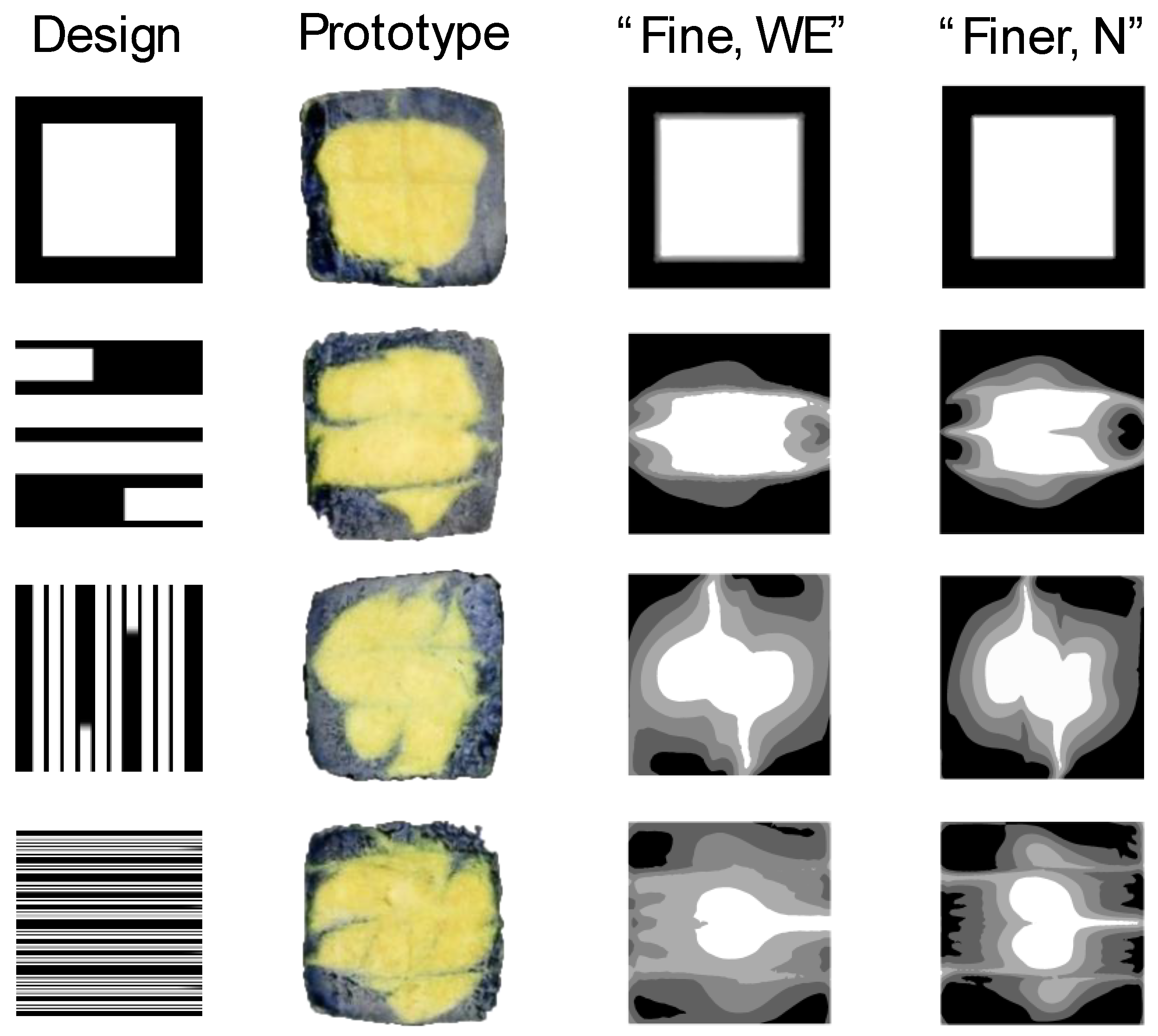
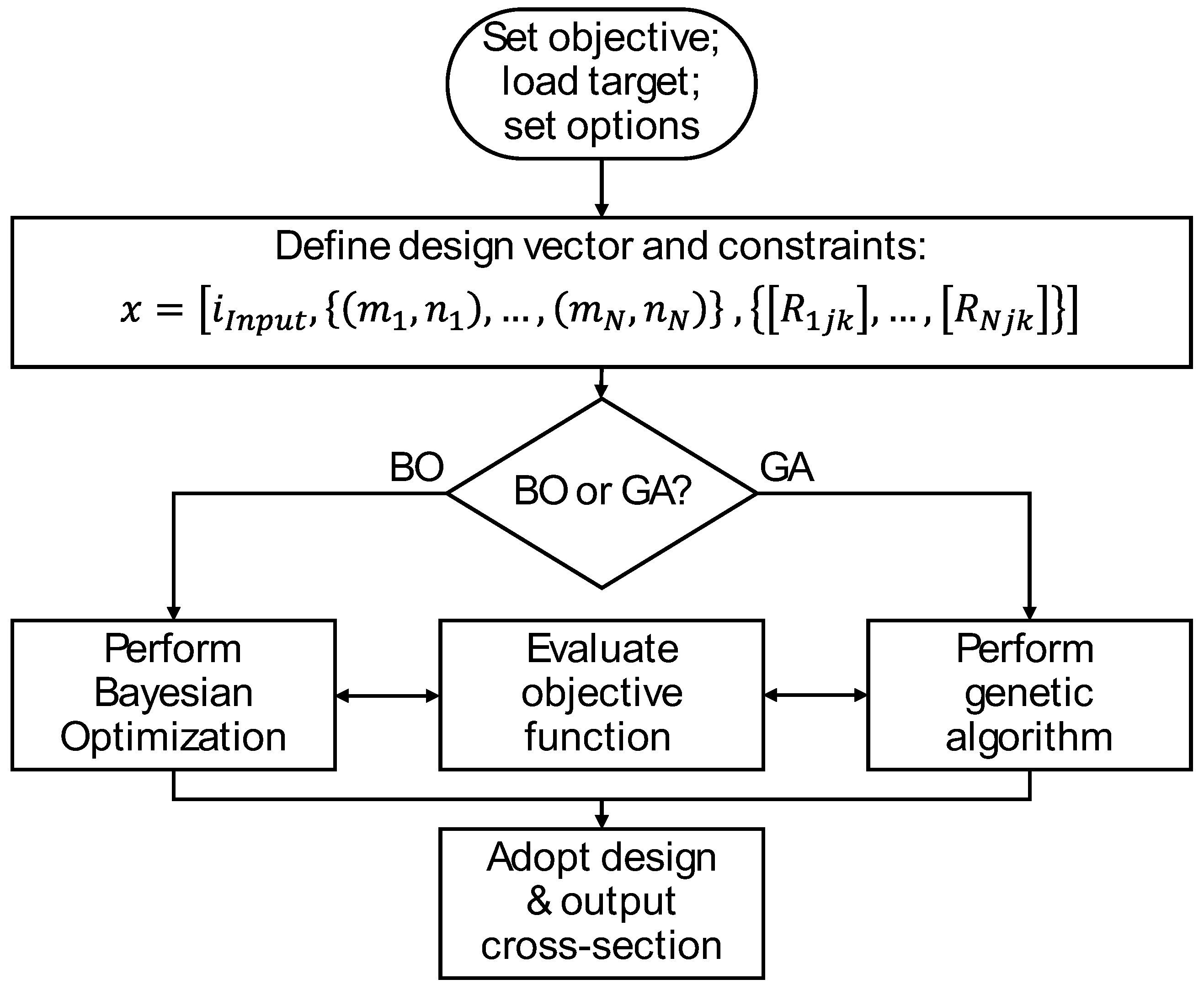
This article presents the first use of shape forming elements (SFEs) to produce architected composites from multiple materials in an extrusion process. Each SFE contains a matrix of flow channels connecting input and output ports, where materials are routed between corresponding ports. The mathematical operations of rotation and shifting are described, and design automation is explored using Bayesian optimization and genetic algorithms to select fifty or more parameters for minimizing two objective functions. The first objective aims to match a target cross-section by minimizing the pixel-by-pixel error, which is weighted with the structural similarity index (SSIM). The second objective seeks to maximize information content by minimizing the SSIM relative to a white image. Satisfactory designs are achieved with better objective function values observed in rectangular rather than square flow channels. Validation extrusion of modeling clay demonstrates that while SFEs impose complex material transformations, they do not achieve the material distributions predicted by the digital model. Using the SSIM for results comparison, initial stages yielded SSIM values near 0.8 between design and simulation, indicating a good initial match. However, the control of material processing tended to decline with successive SFE processing with the SSIM of the extruded output dropping to 0.023 relative to the design intent. Flow simulations more closely replicated the observed structures with SSIM values around 0.4 but also failed to predict the intended cross-sections. The evaluation highlights the need for advanced modeling techniques to enhance the predictive accuracy and functionality of SFEs for biomedical, energy storage, and structural applications.
Keywords: architected composites; additive manufacturing; artificial intelligence; optimization architected composites; additive manufacturing; artificial intelligence; optimization
Graphical Abstract