Article

Embedded Optical Fibre with Fibre Bragg Grating Influence on Additive Manufactured Polymeric Structure Durability

by
Magdalena Mieloszyk
*,
Katarzyna Majewska
and
Artur Andrearczyk
Institute of Fluid Flow Machinery, Polish Academy of Sciences, Fiszera 14, 80-231 Gdansk, Poland
*
Author to whom correspondence should be addressed.
Materials 2022, 15(7), 2653; https://doi.org/10.3390/ma15072653
Submission received: 25 February 2022 / Revised: 30 March 2022 / Accepted: 30 March 2022 / Published: 4 April 2022

Abstract

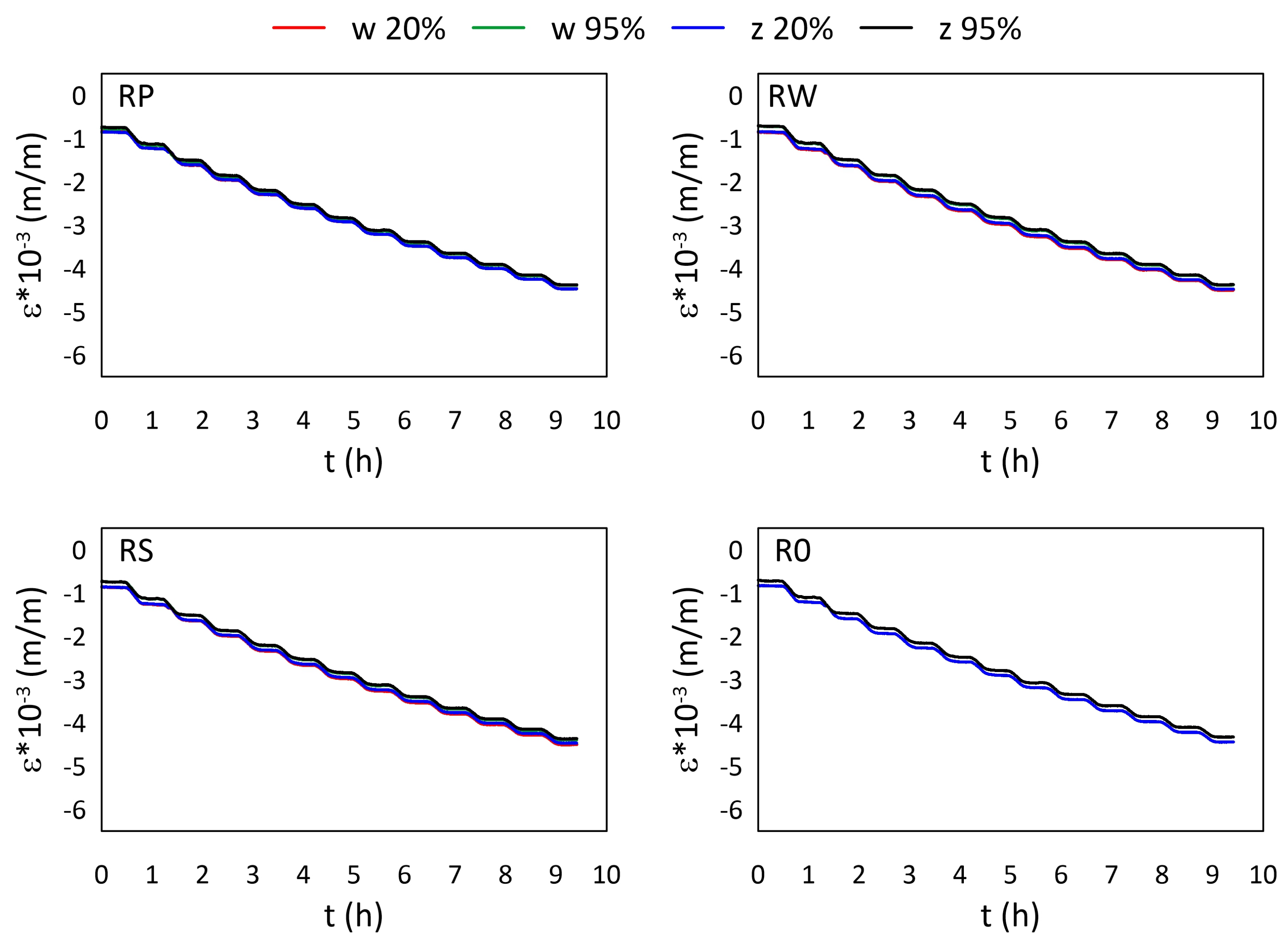
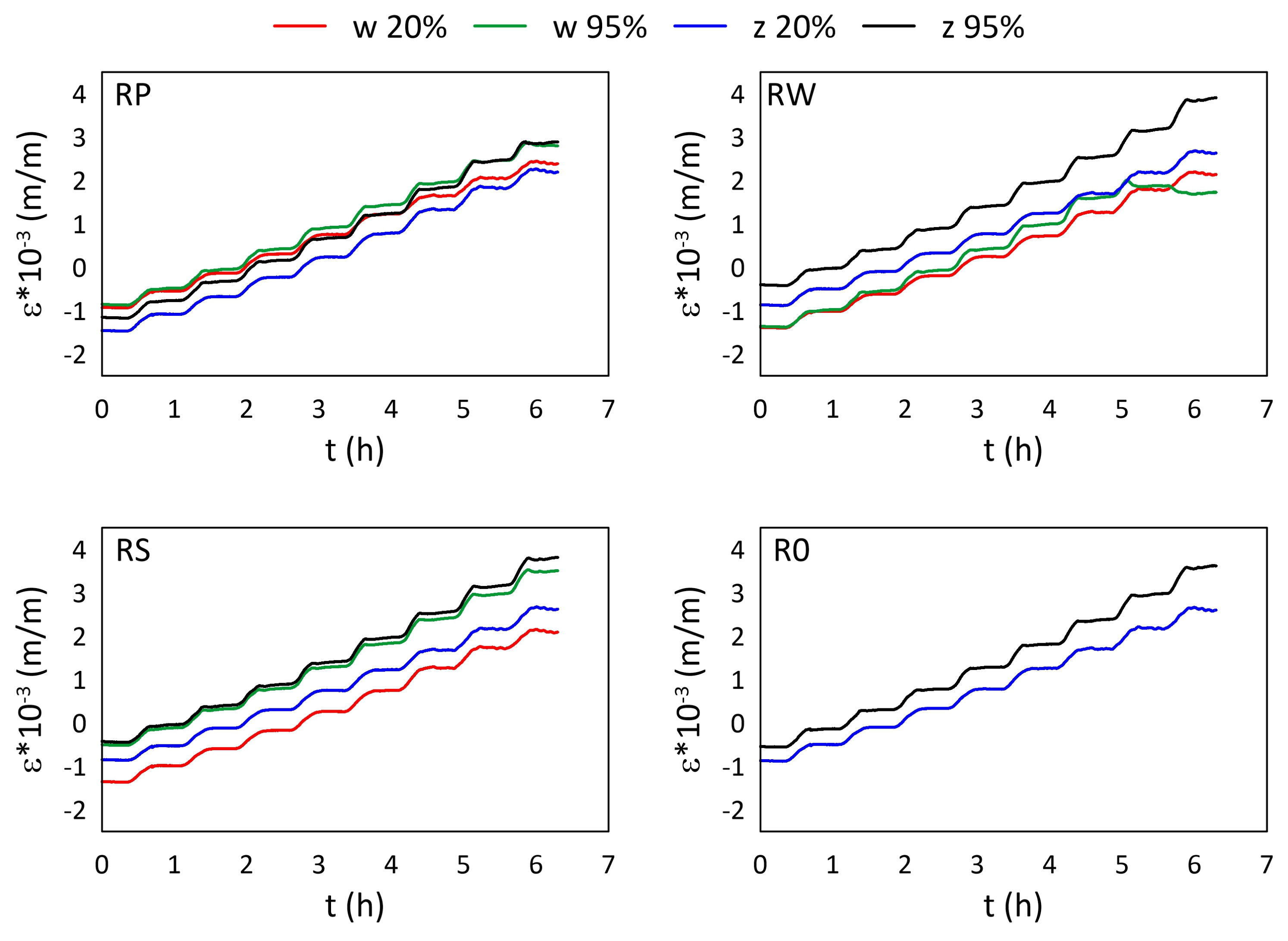
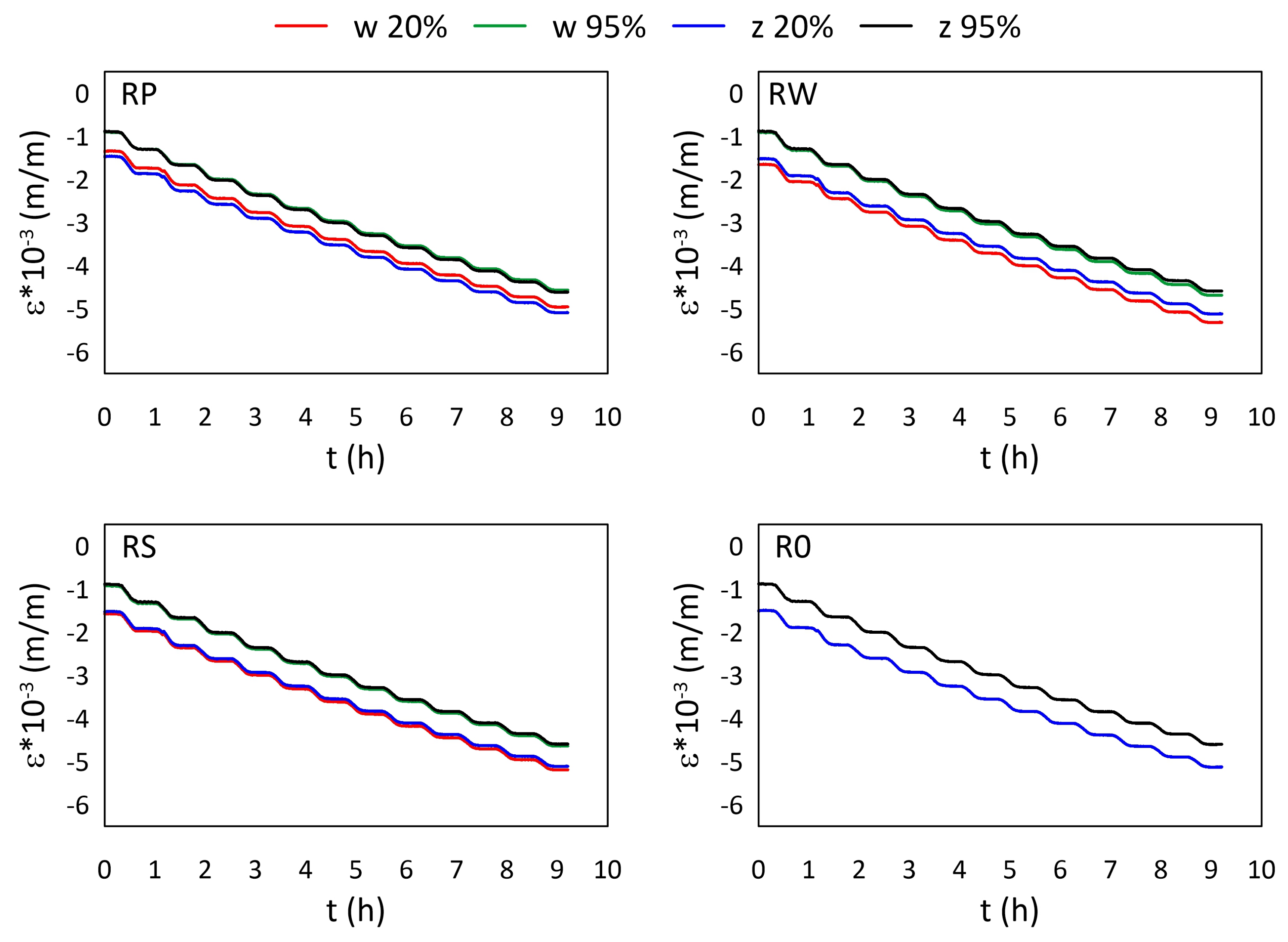
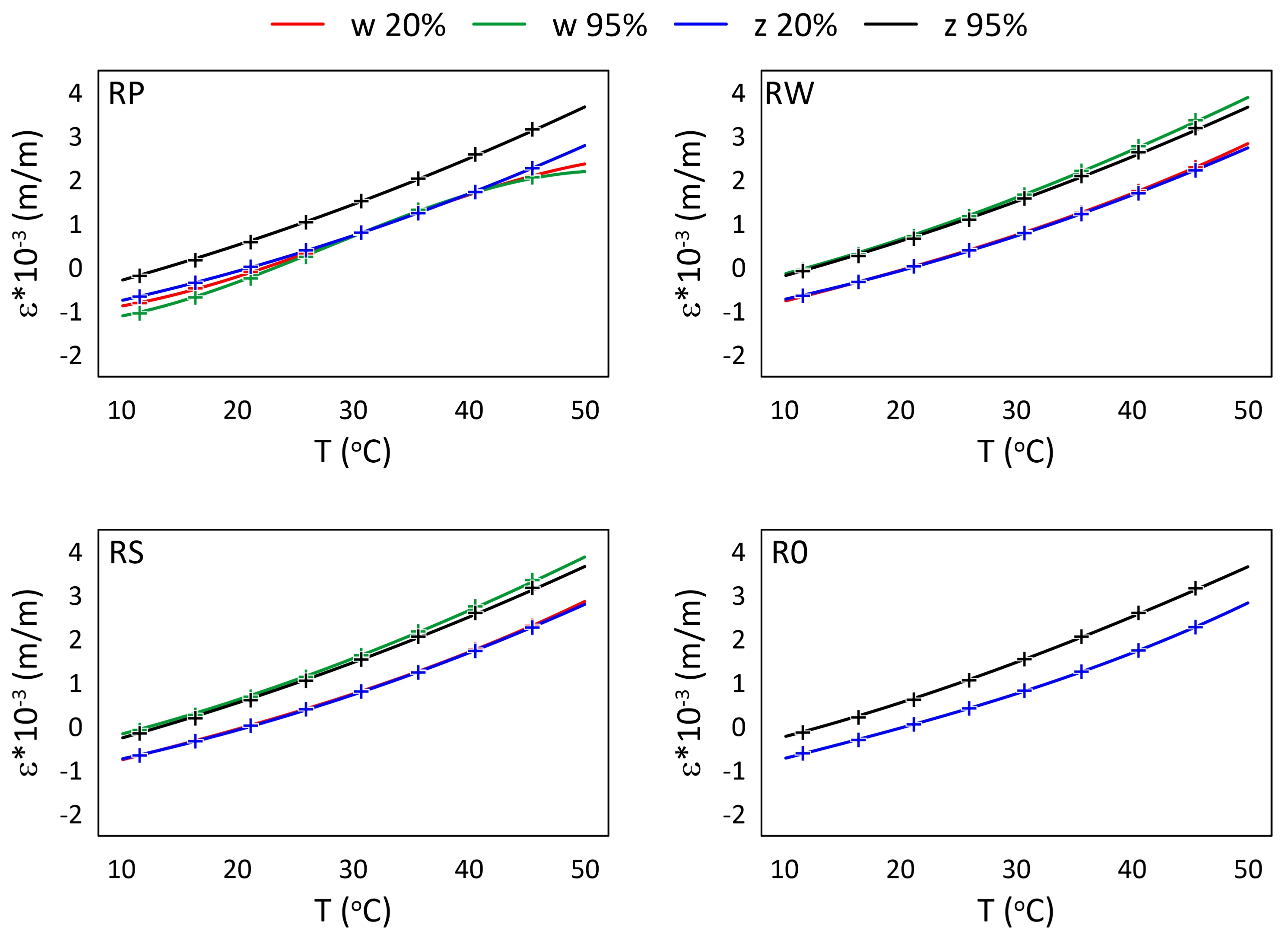
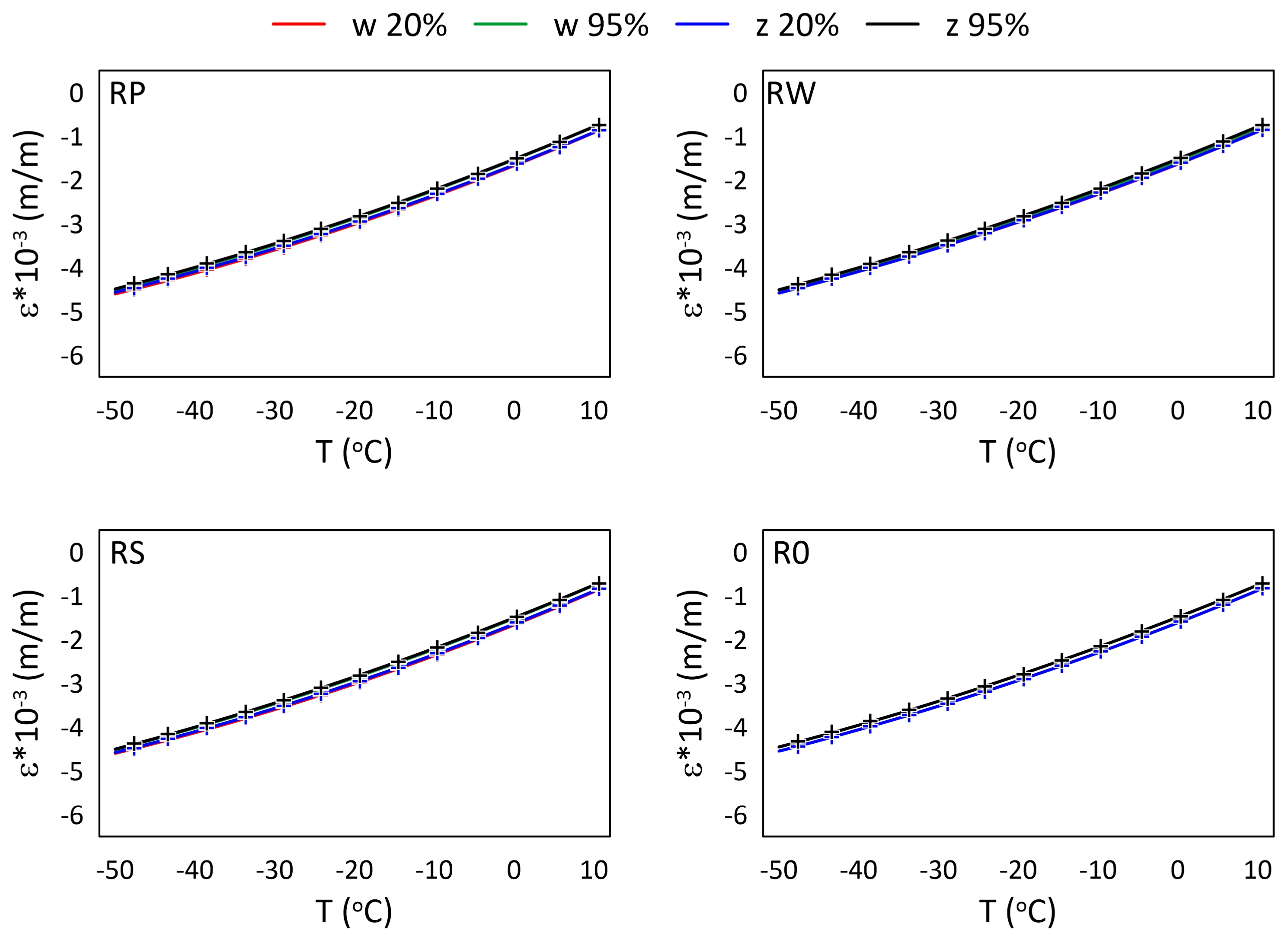
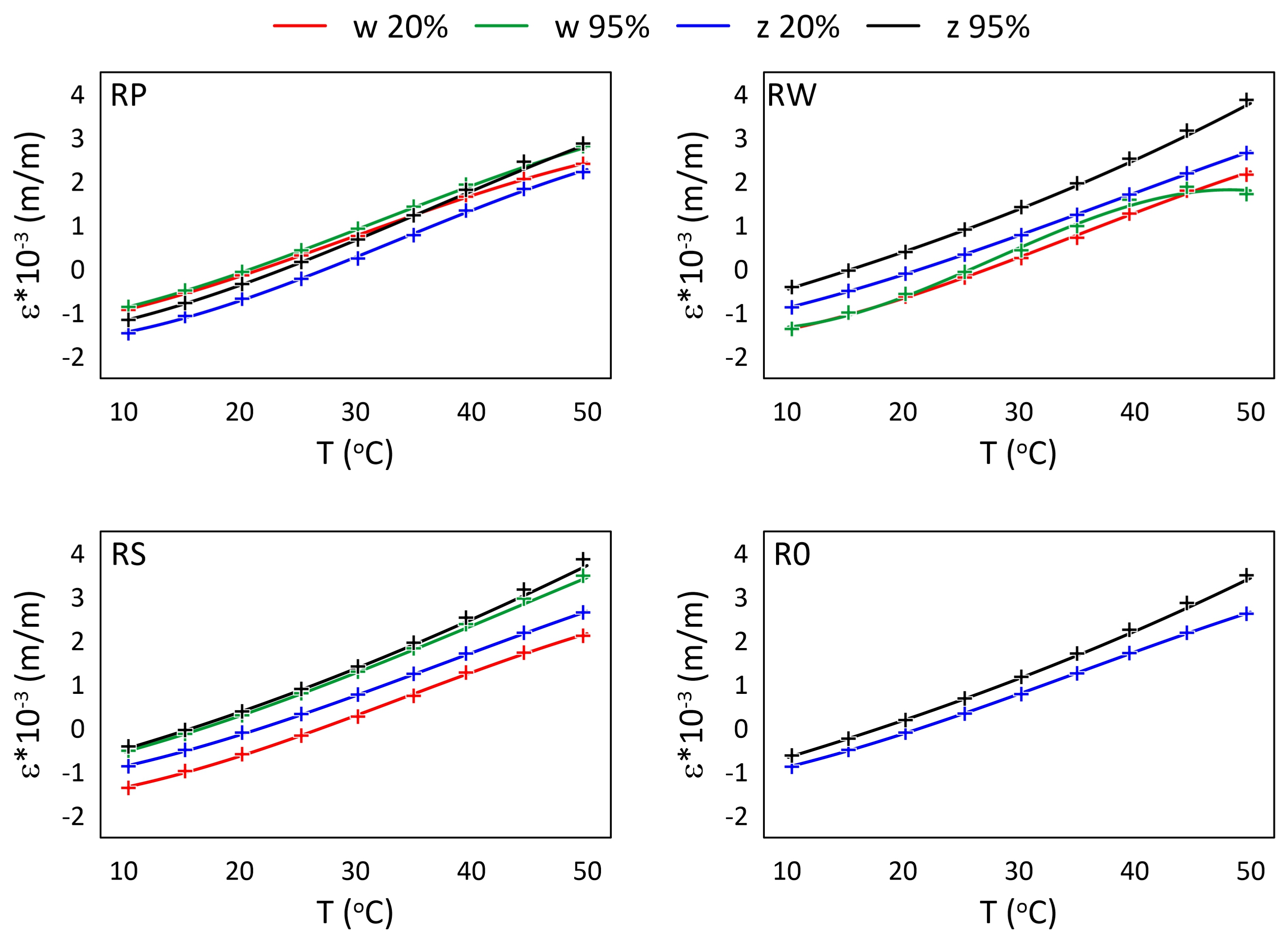
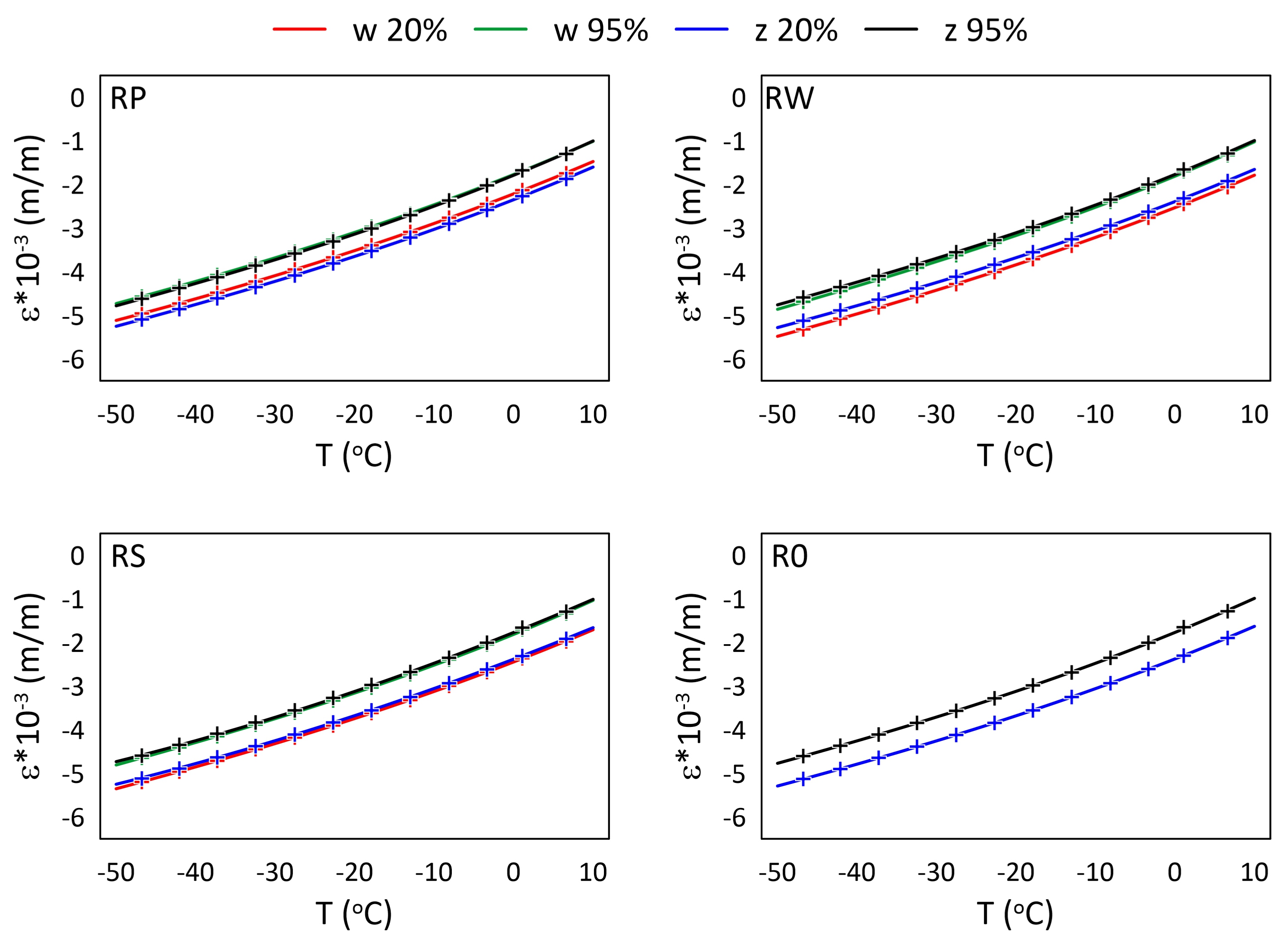
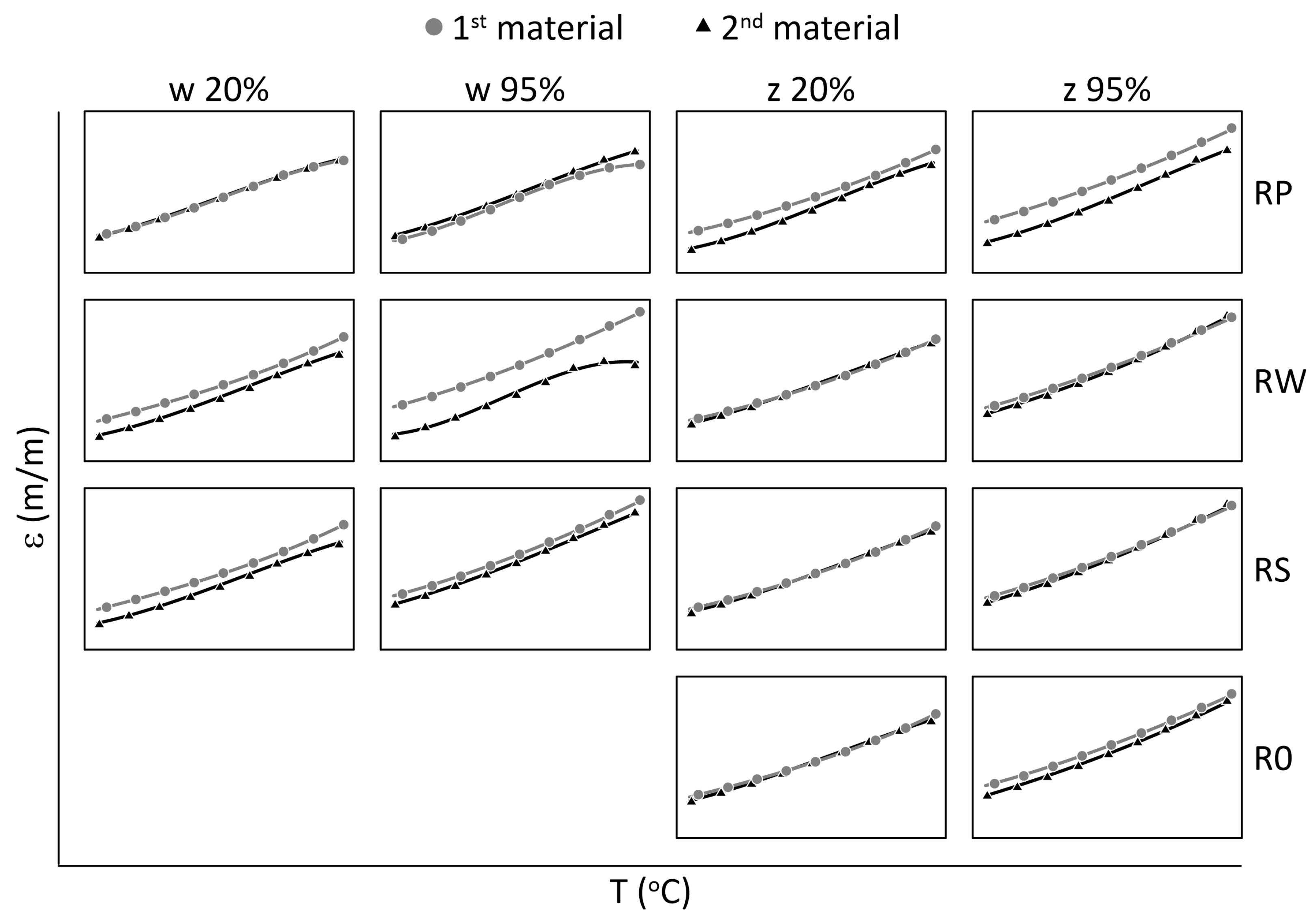
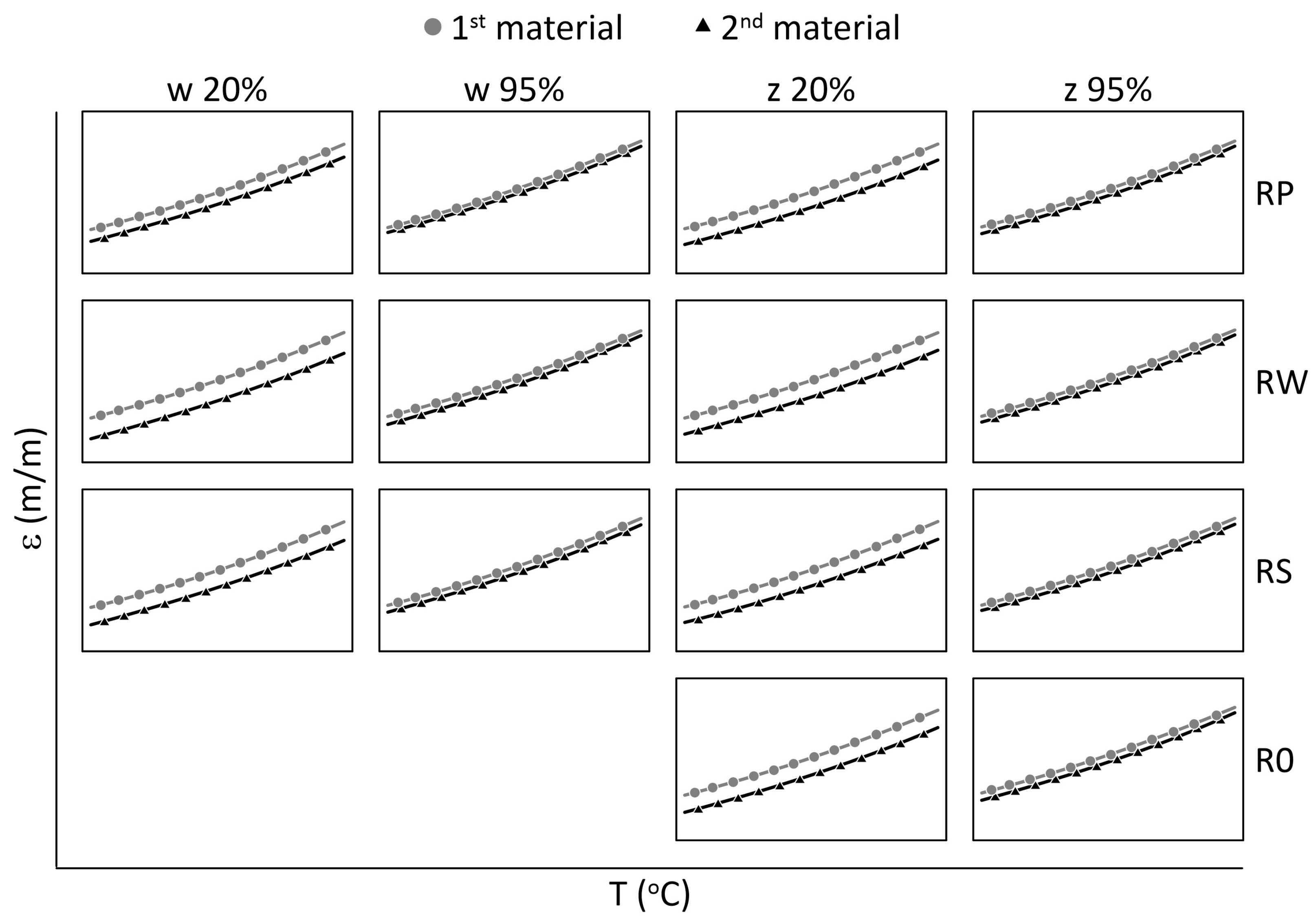
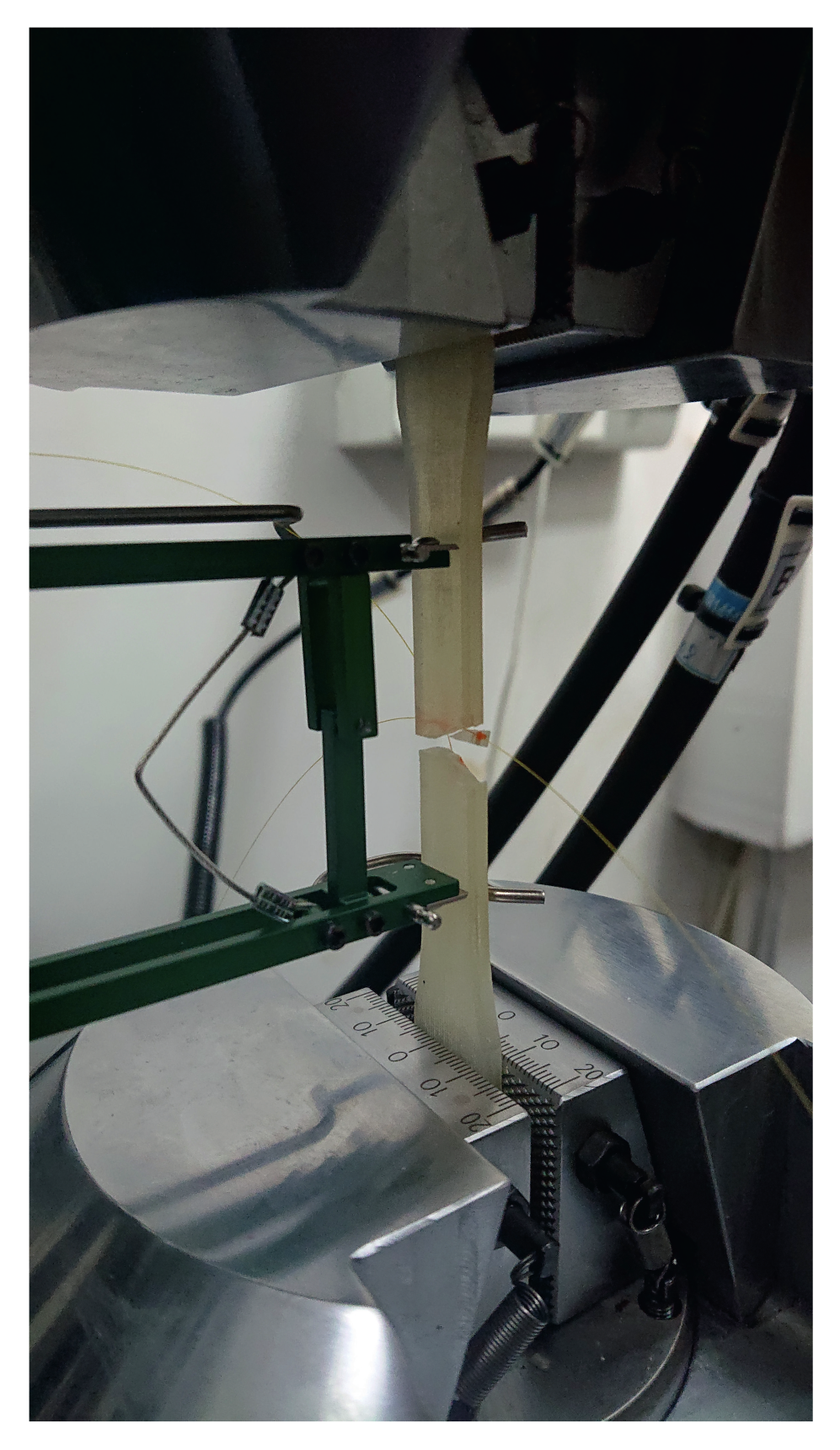
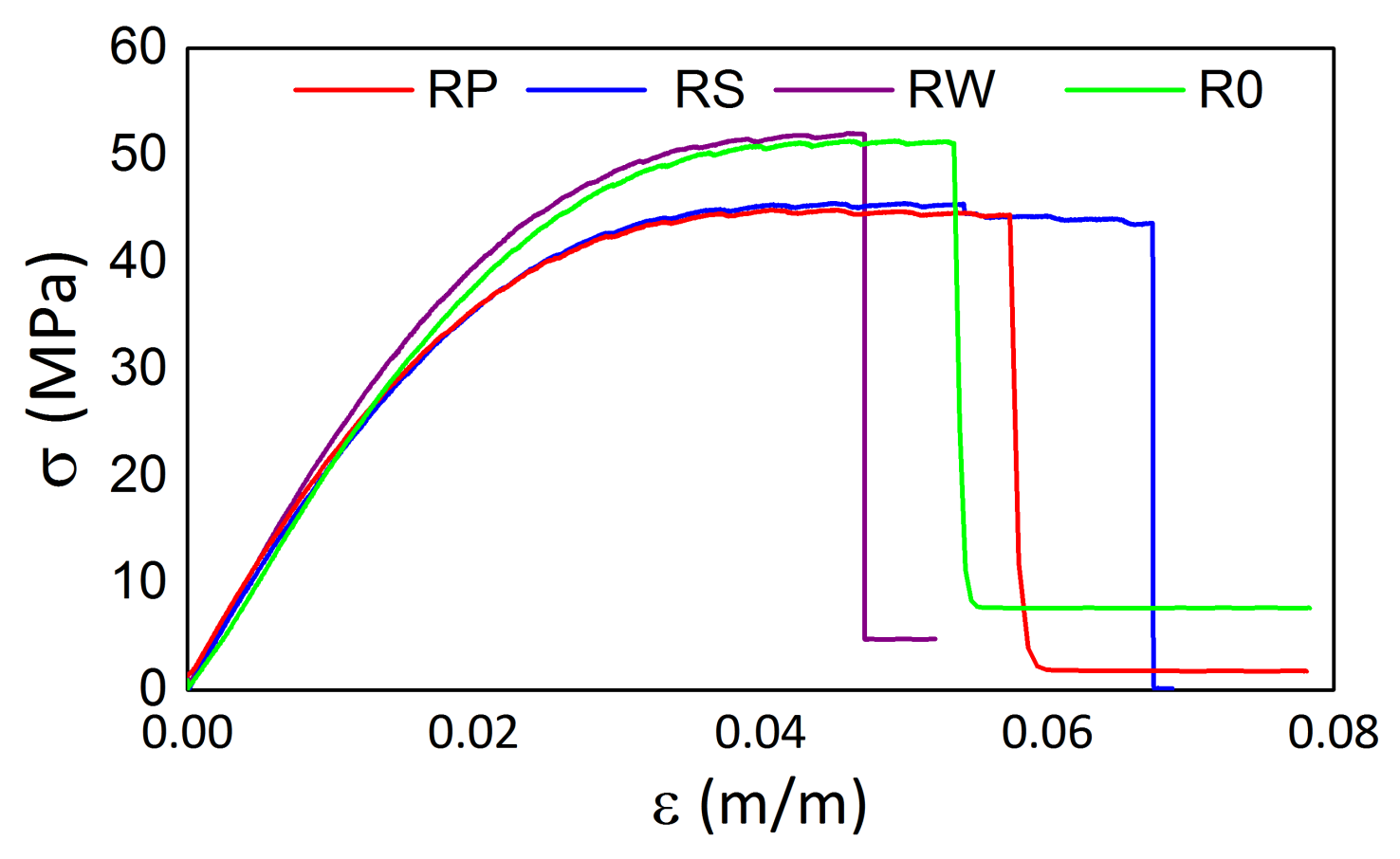
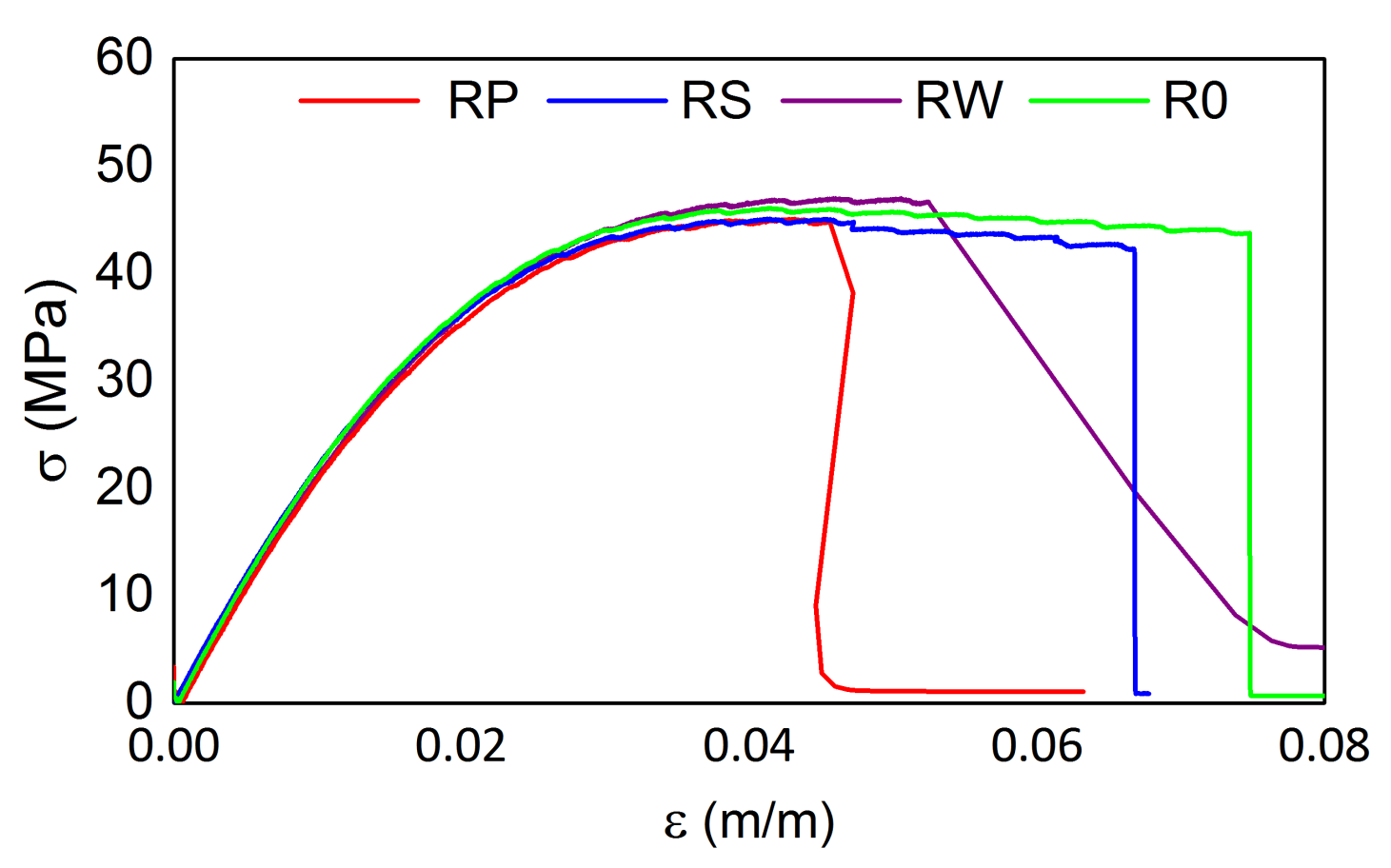
Additive manufacturing (AM) polymers are applied in many branches of the industry due to the possibility of fast and accurate production of elements with various and complex shapes. Fibre Bragg grating sensors (FBG) are widely applied in structural health monitoring (SHM) systems. The main objective of this research is to perform analyses of the influence of embedded FBG sensors on AM polymer elements’ durability. Two polymers (M3 X and M3 Crystal) with different mechanical properties were analysed. The tests were performed on samples with FBG sensors embedded in (different alignment) and attached to the surfaces of the elements. Firstly, the samples were exposed to elevated or sub-zero temperatures under stable relative humidity levels. The strain in the samples was measured using fibre Bragg grating (FBG) sensors. The achieved results allow us to determine the relationships between strain and temperature for both materials and the differences in their mechanical response to the thermal loading. Then, the samples were subjected to a tensile test. A comparison of the tensile strength values was performed for the samples without and with embedded FBG sensors. The samples after the tensile tests were compared, showing differences in the mechanisms of failures related to the polymers and the thermal treatment influence on the material internal structure. Additionally, strain values measured by the FBG sensors were compared to the strain values achieved from the testing machine showing a good agreement (especially for M3 X) and indicating the differences in the materials’ mechanical properties. The achieved results allow us to conclude there is a lack of influence of embedded FBG sensors on the mechanical durability of AM polymers.
Keywords: additive manufacturing; polymer; fibre Bragg grating sensor; tensile strength additive manufacturing; polymer; fibre Bragg grating sensor; tensile strength