Article

Fabrication of CrSi2-Containing Master Alloys for Modification of Fe-Containing Intermetallic Compounds in Aluminum Alloys

1
Graduate School of Environmental Studies, Tohoku University, 6-6-02 Aza Aoba, Aramaki, Aoba-ku, Sendai 980-8579, Japan
2
Department of Metallurgy, Materials Science and Materials Processing, Graduate School of Engineering, Tohoku University, 6-6-02 Aza-Aoba, Aramaki, Aoba-ku, Sendai 980-8579, Japan
*
Author to whom correspondence should be addressed.
Materials 2022, 15(21), 7836; https://doi.org/10.3390/ma15217836
Submission received: 6 October 2022 / Revised: 31 October 2022 / Accepted: 1 November 2022 / Published: 6 November 2022
(This article belongs to the Section Metals and Alloys)

Abstract

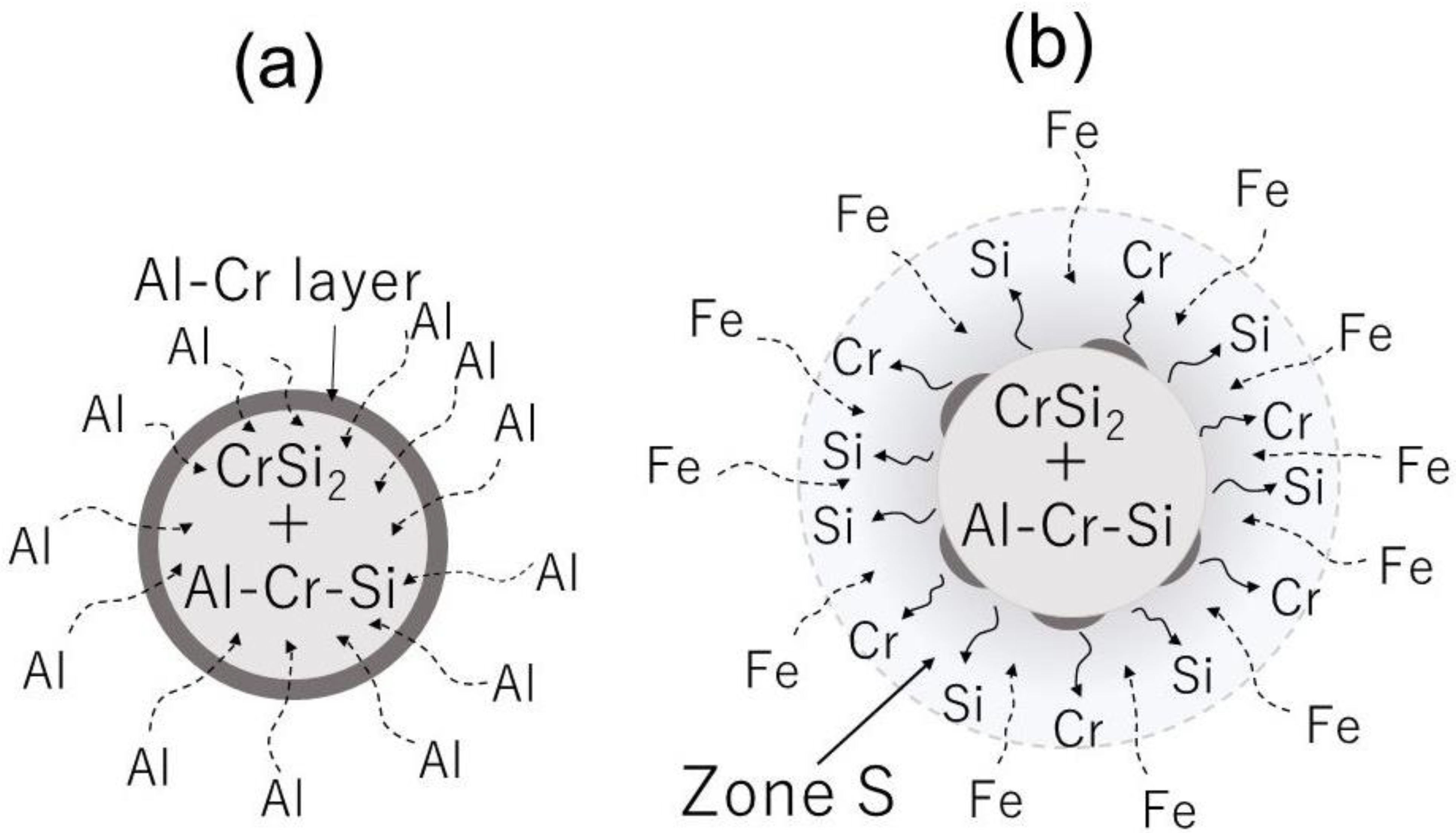
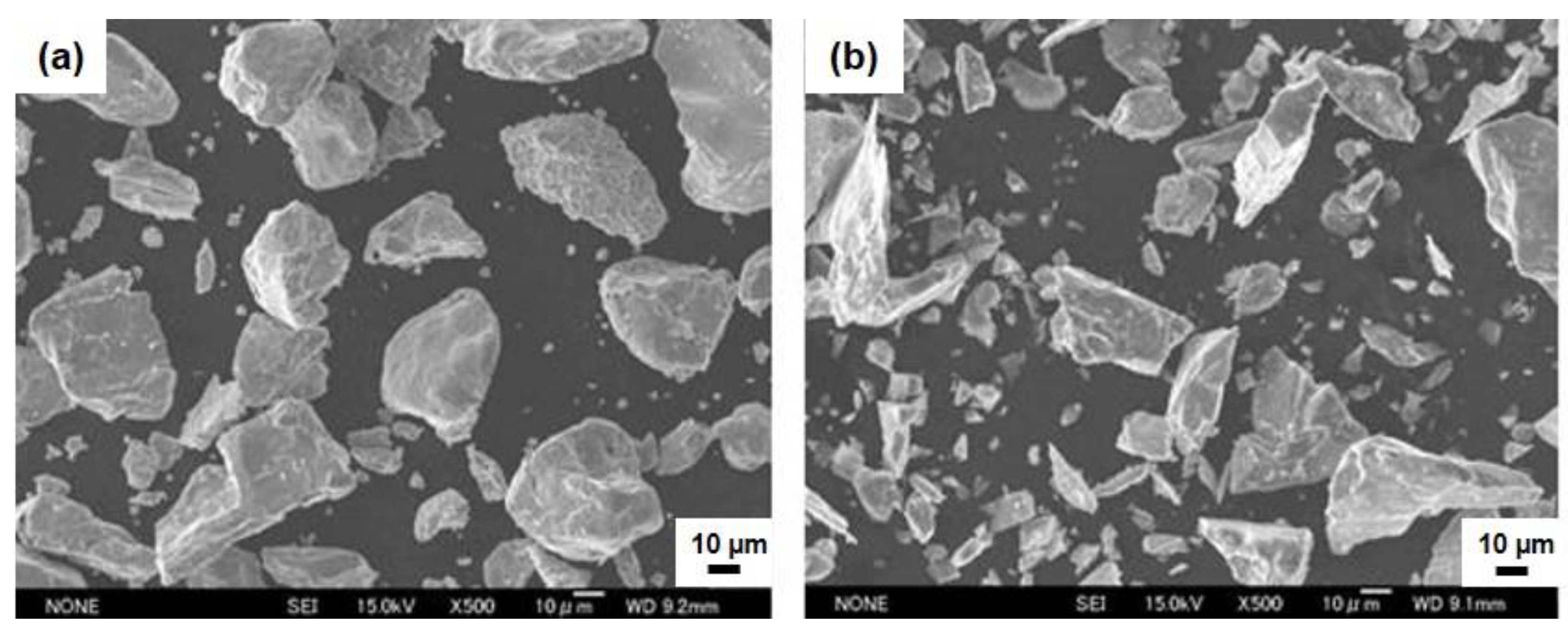
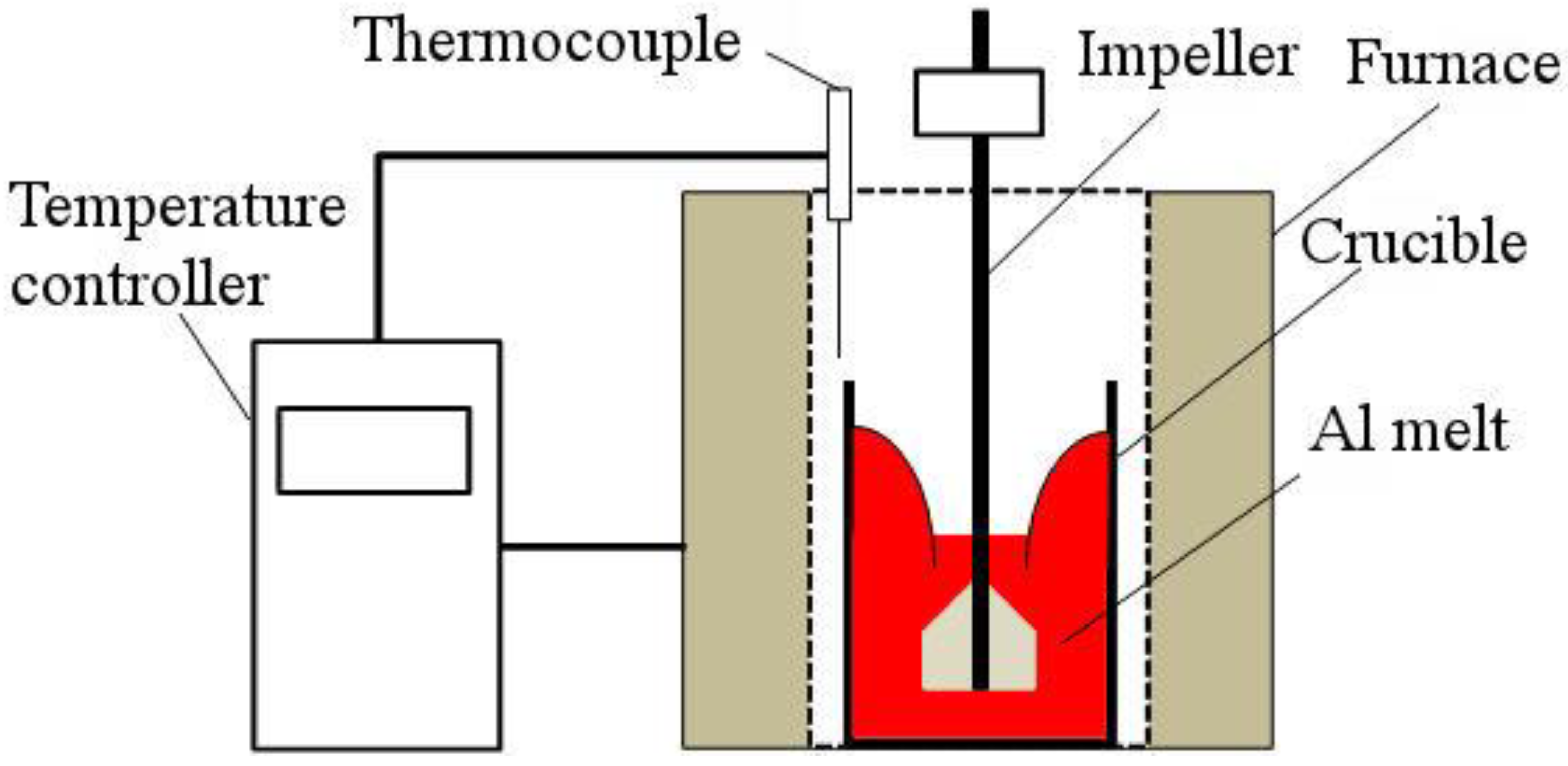
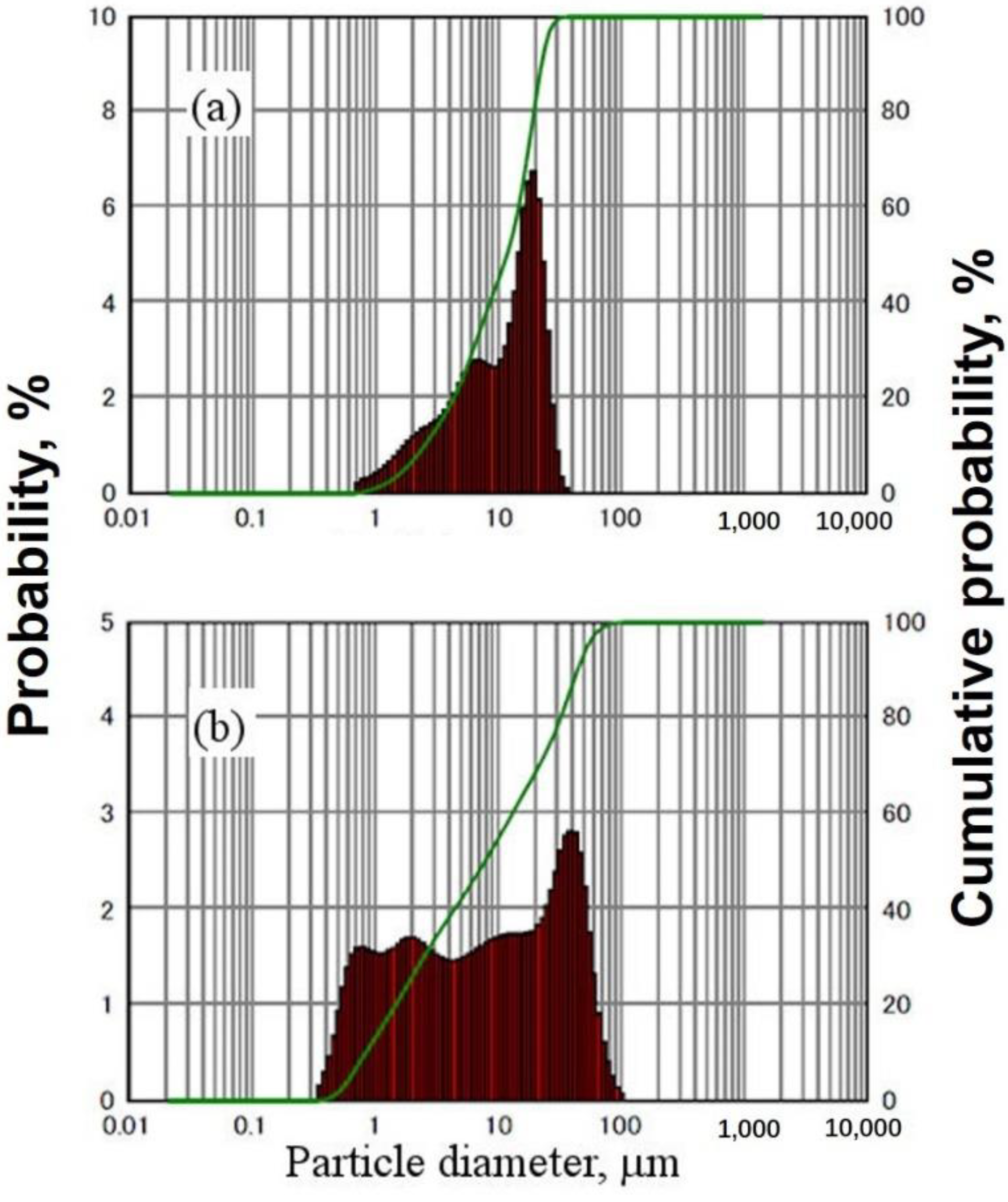
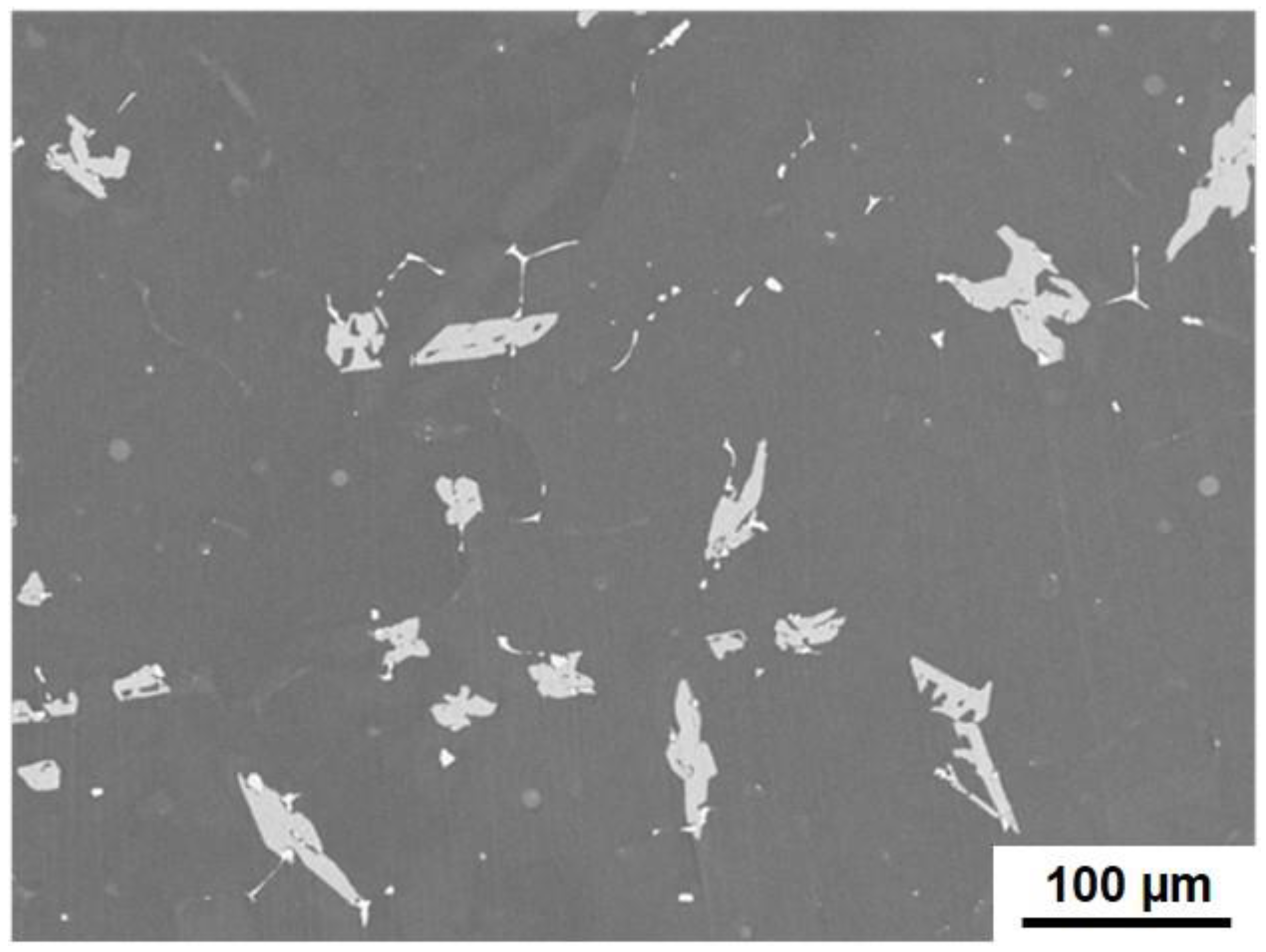
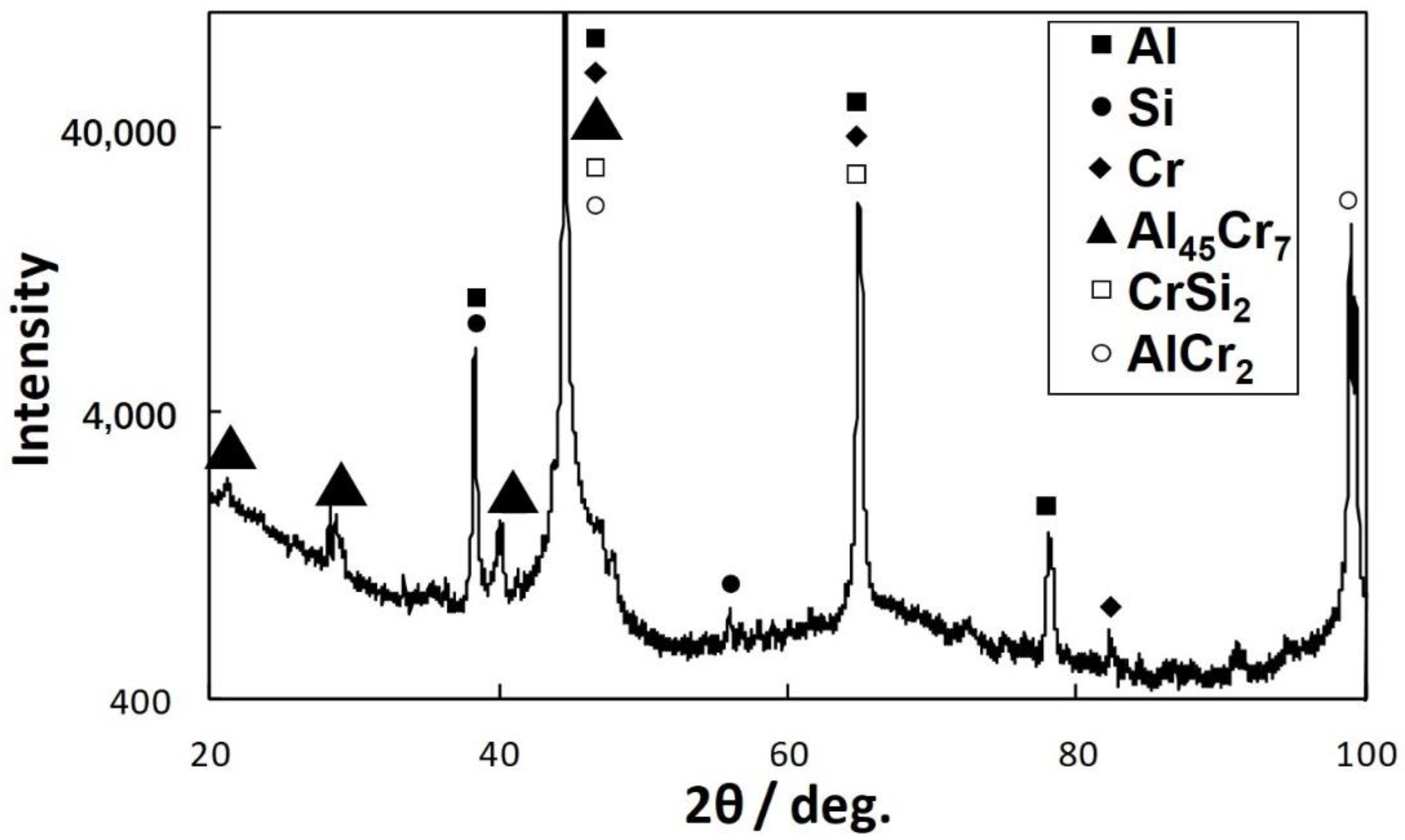
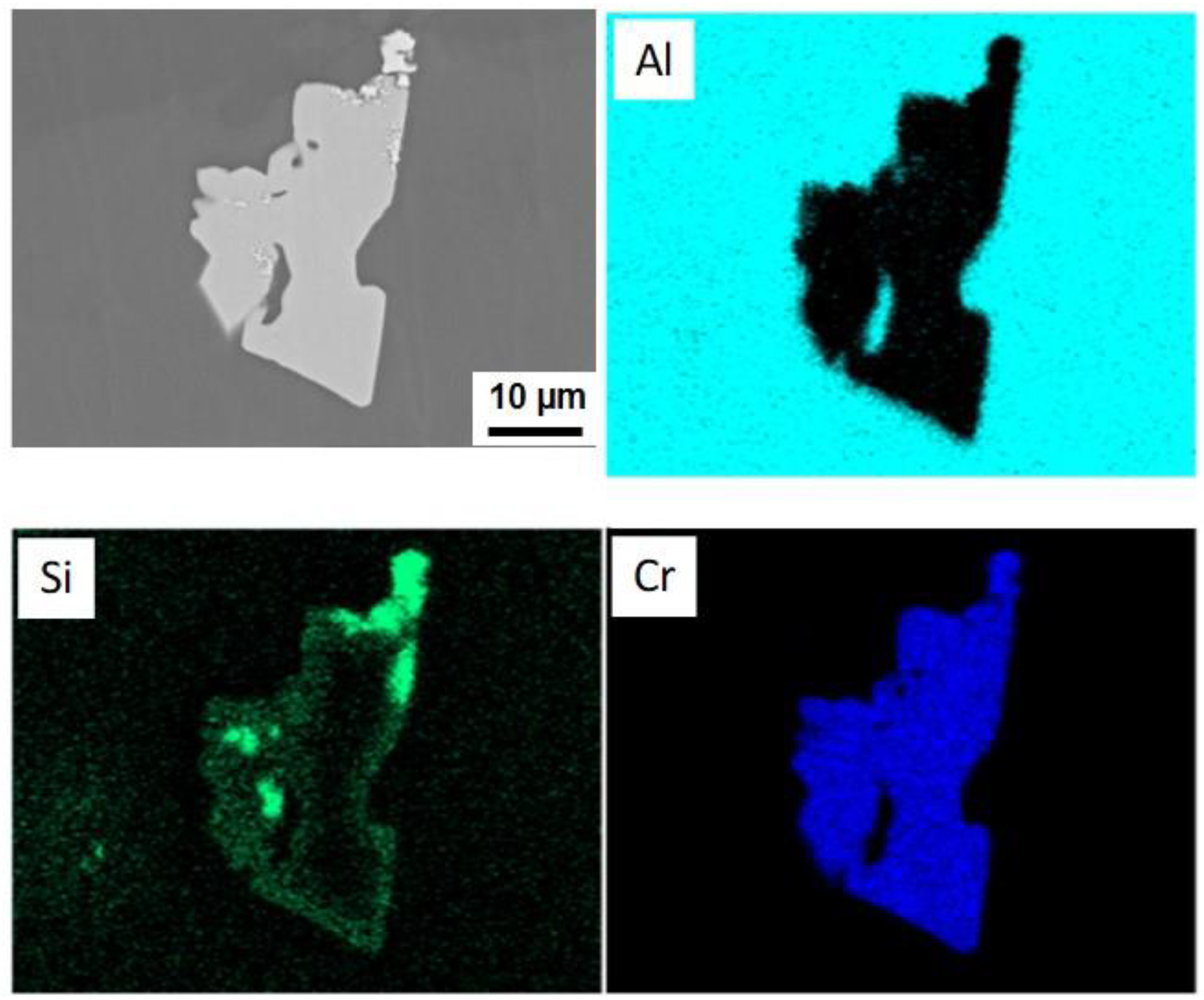
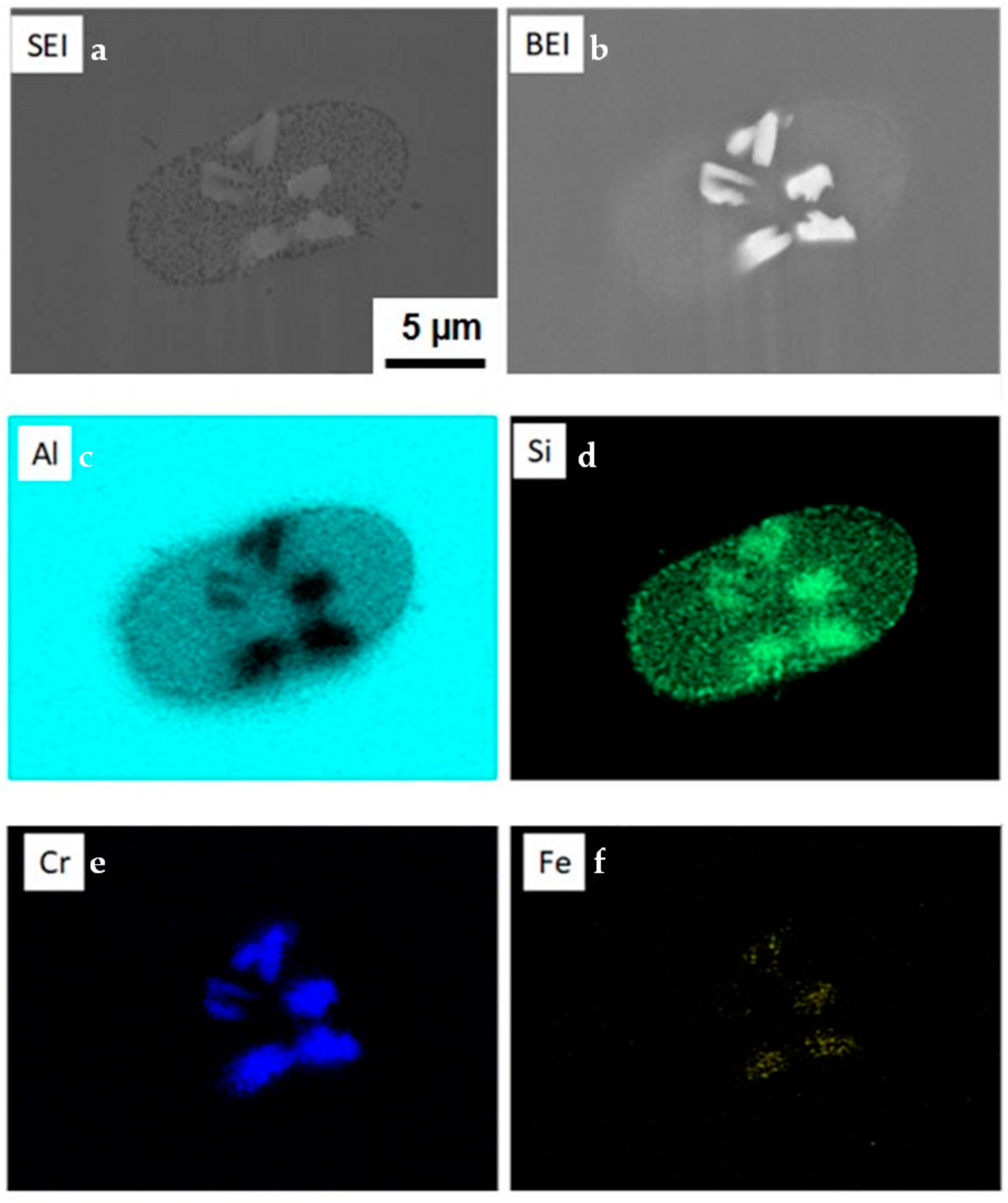
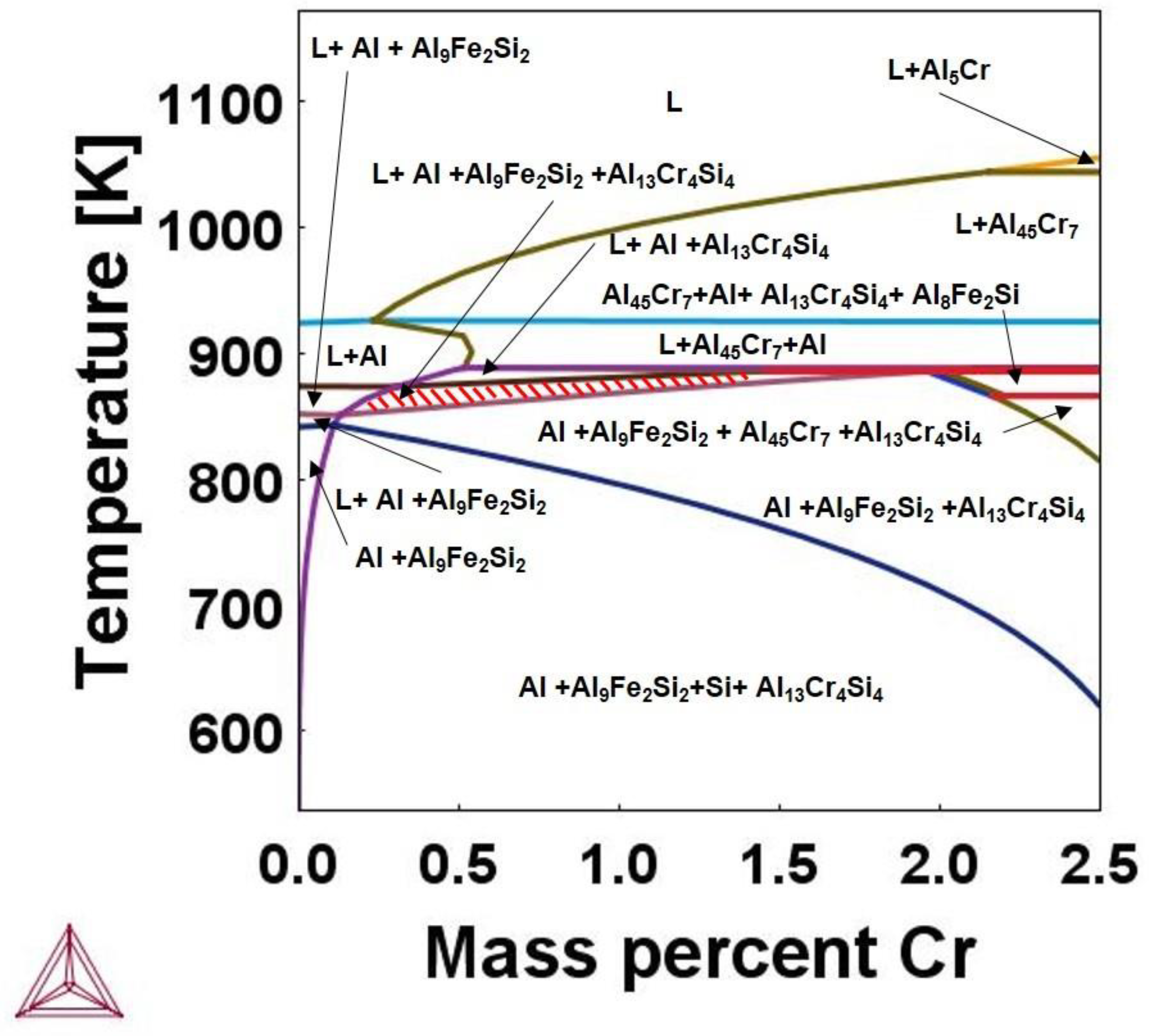
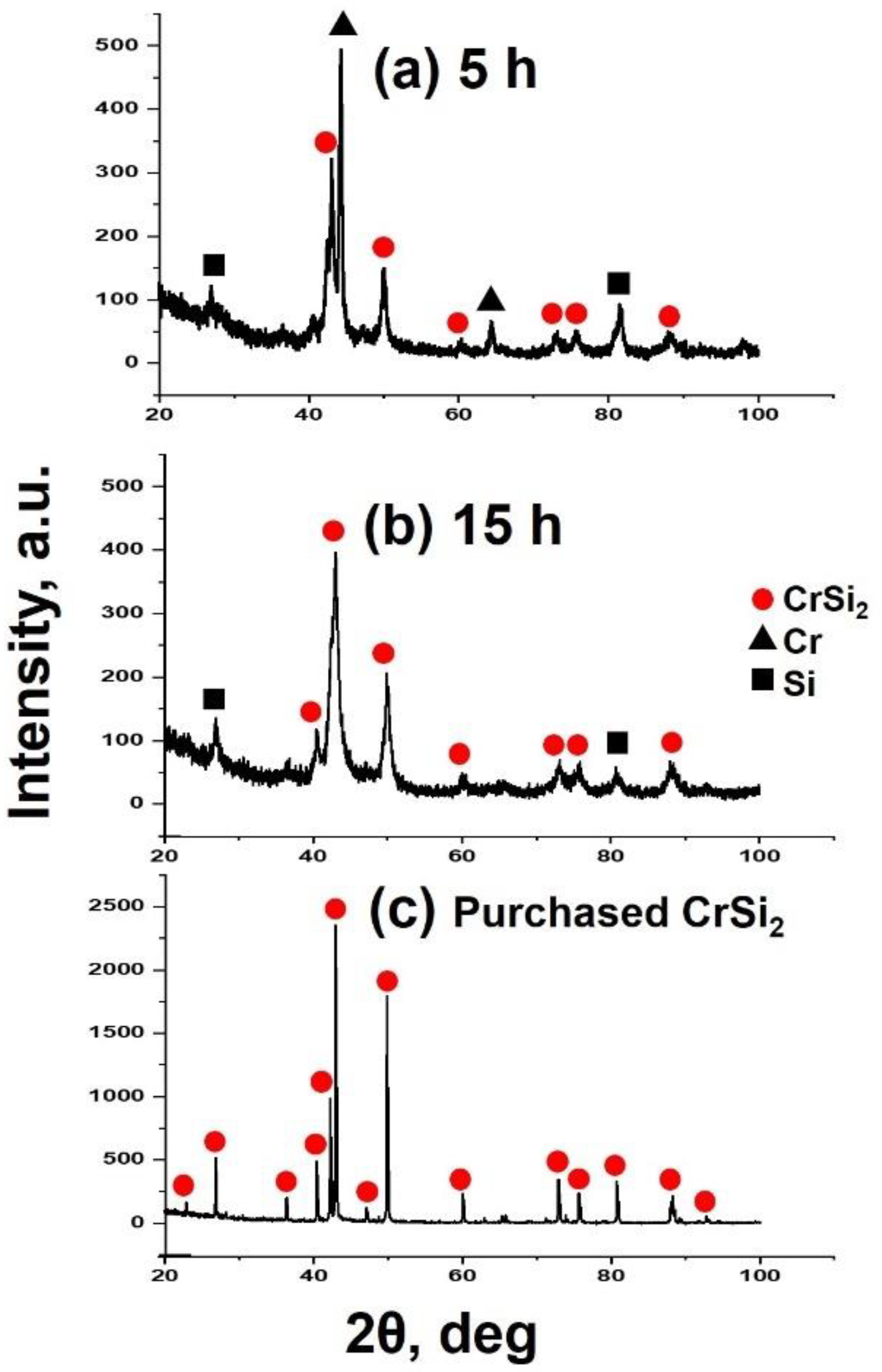
Aluminum contaminations, particularly iron, present a serious challenge to aluminum recycling technology. This is why many studies have focused on the reduction of detrimental effects of iron-containing contaminations through addition of elements such as manganese and chromium. However, the desirable modifying effect is often difficult to achieve because it would require concentrations of added elements greater than the allowable limits for many aluminum alloys. Thus, an alternative way to obtain the modifying effect, by using a much smaller amount of the modifying elements which are added to the aluminum melt as solid particles, was proposed in this study. The main goal of the present study was to investigate the possibilities of fabricating an aluminum master alloy by adding CrSi2 particles onto the surface of the vortex formed during mechanical agitation of molten aluminum. Two kinds of CrSi2 powder were used: one was commercial powder, and the other was self-synthesized CrSi2 via mechanical alloying by planetary ball milling. The results revealed that CrSi2 particles with a larger size penetrate the melt better. Particles of three kinds were found to exist in the Al melt after the addition of CrSi2 powder: (1) inclusions of eutectic origin formed at the last stage of crystallization, (2) mixtures of Al-Cr compounds and original CrSi2 particles and (3) original CrSi2 particles. Low melt temperatures and short treatment times were found to favor the fabrication of master alloys because they impeded the dissolution of CrSi2 particles into the Al melt and, thus, allowed one to fabricate the master alloy containing the particles of the second and third types.
Keywords: aluminum recycling; casting; iron intermetallics; powder metallurgy; CrSi2 particles aluminum recycling; casting; iron intermetallics; powder metallurgy; CrSi2 particles