Article

Probabilistic Finite Element Modeling of Textile Reinforced SHCC Subjected to Uniaxial Tension
Institute of Construction Materials, Technische Universität Dresden, 01062 Dresden, Germany
*
Author to whom correspondence should be addressed.
Materials 2021, 14(13), 3631; https://doi.org/10.3390/ma14133631
Submission received: 9 June 2021 / Revised: 24 June 2021 / Accepted: 25 June 2021 / Published: 29 June 2021
(This article belongs to the Special Issue Mathematical Modeling of Building Materials)

Abstract

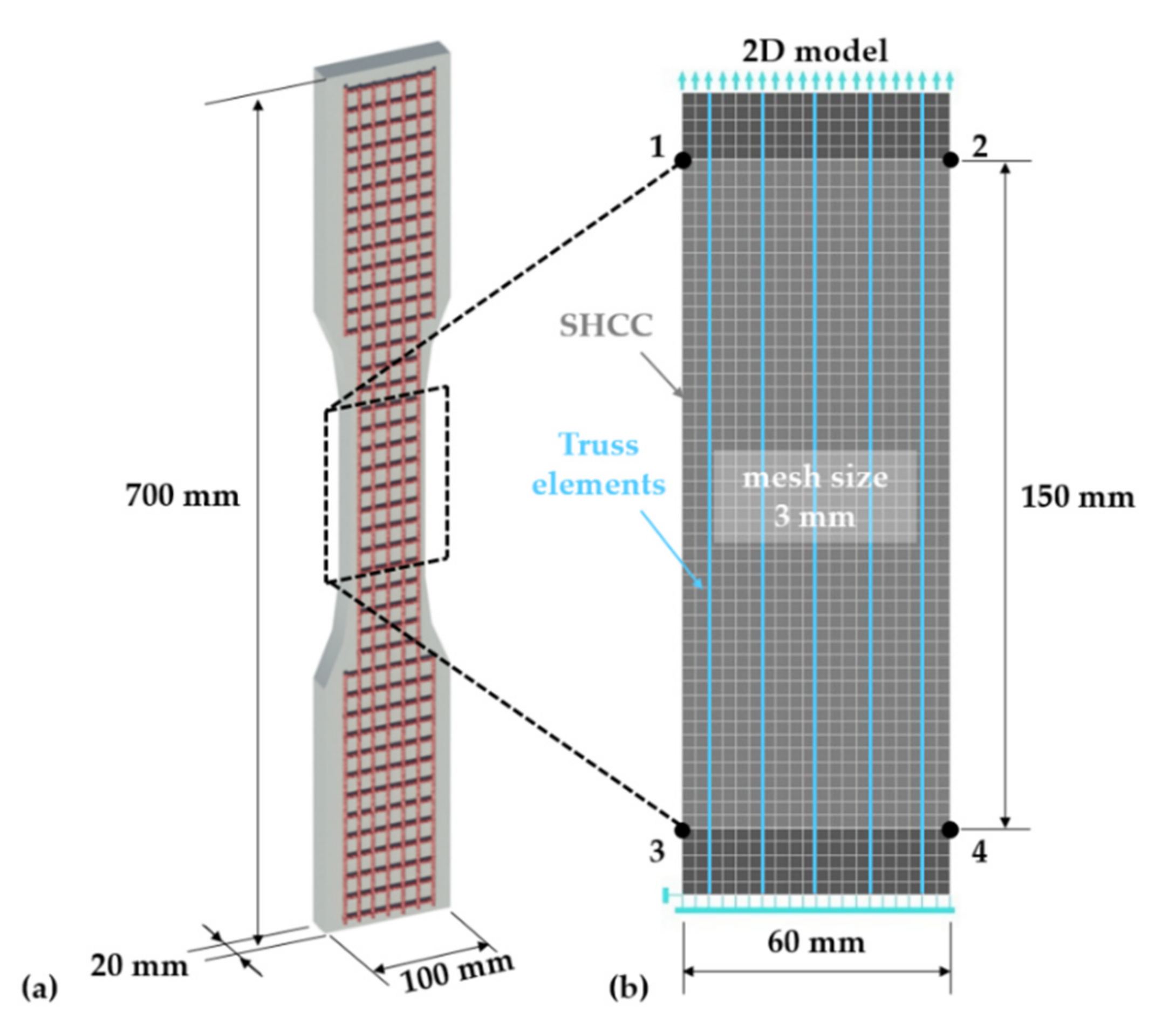
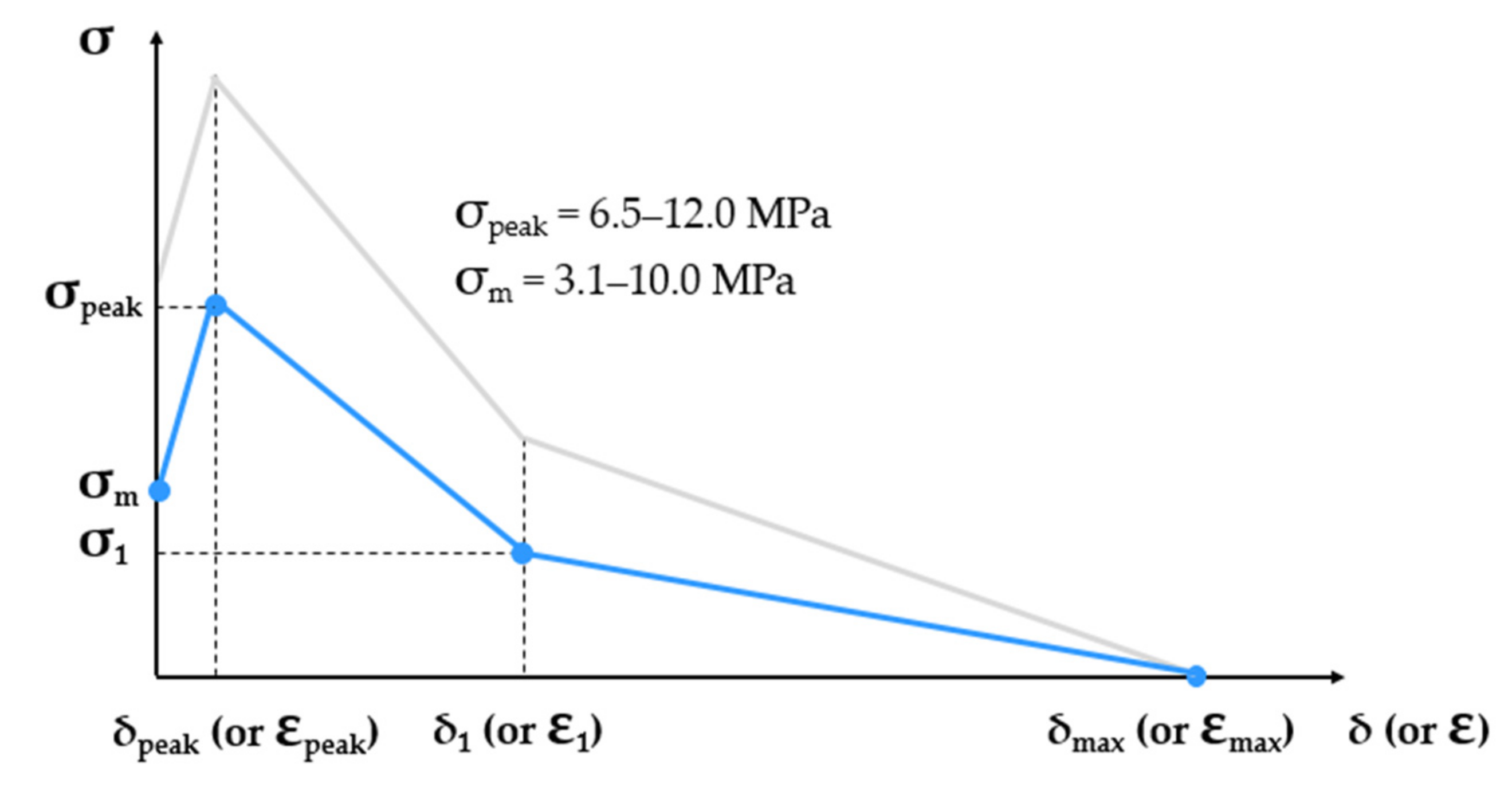
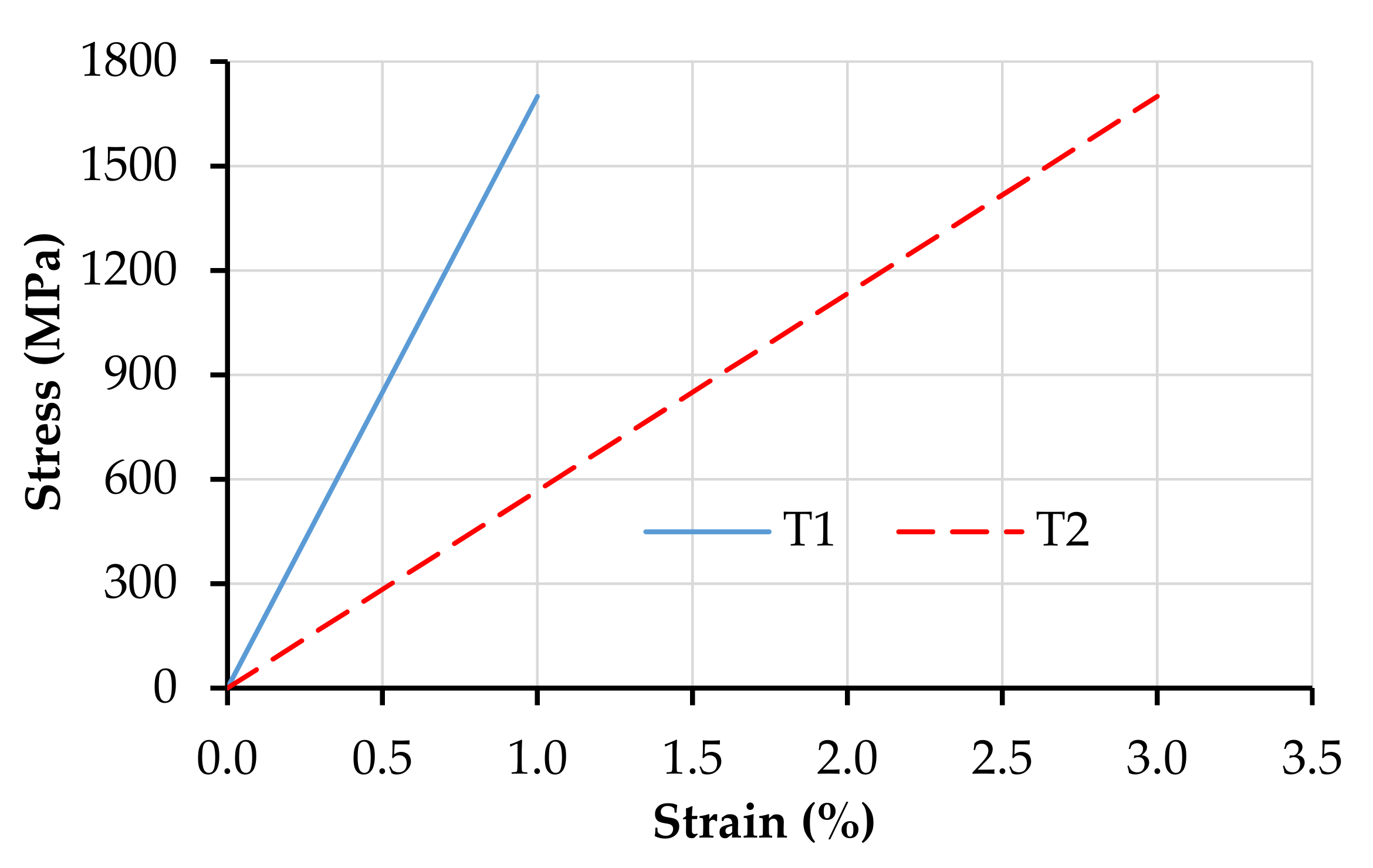
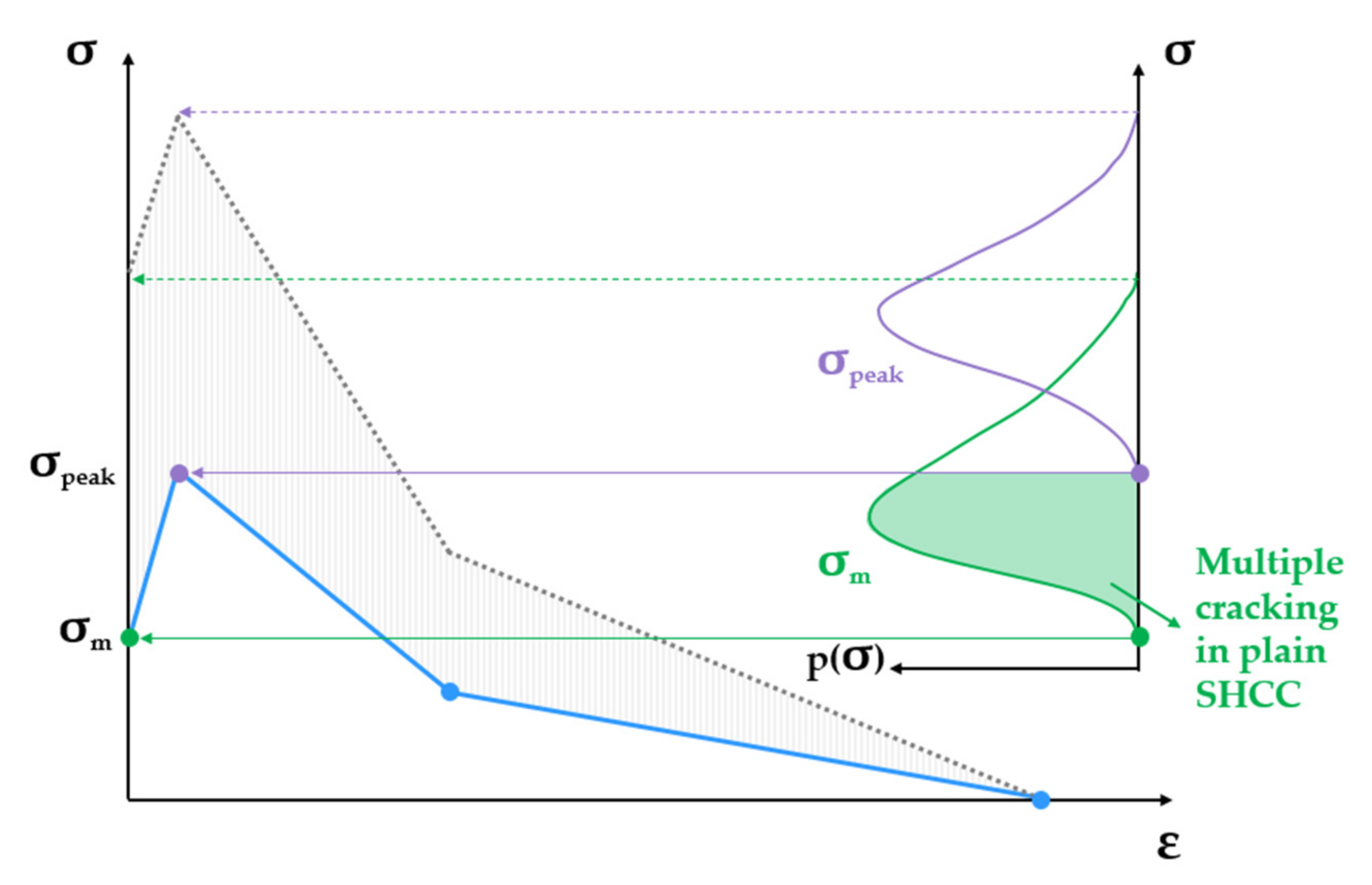
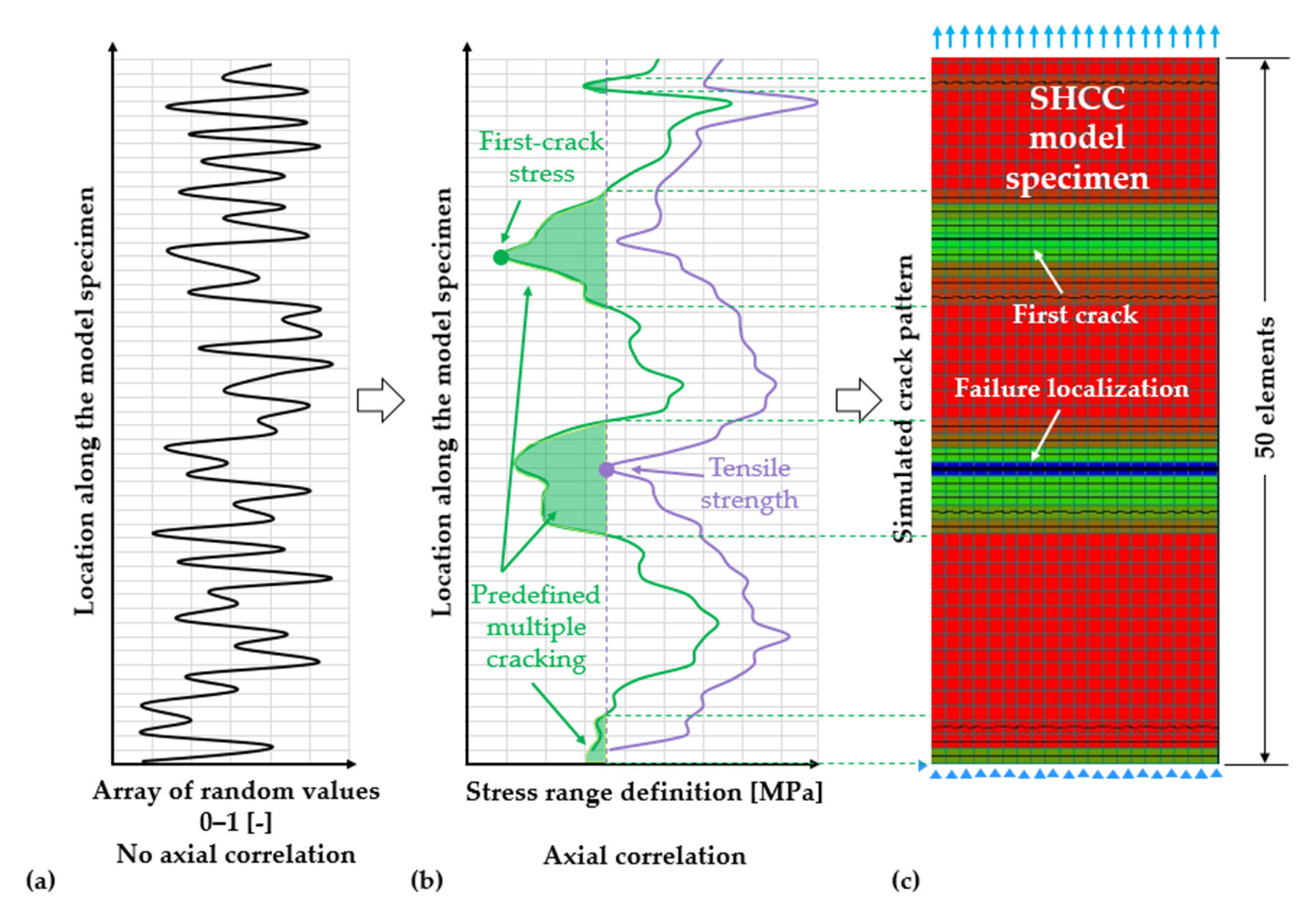
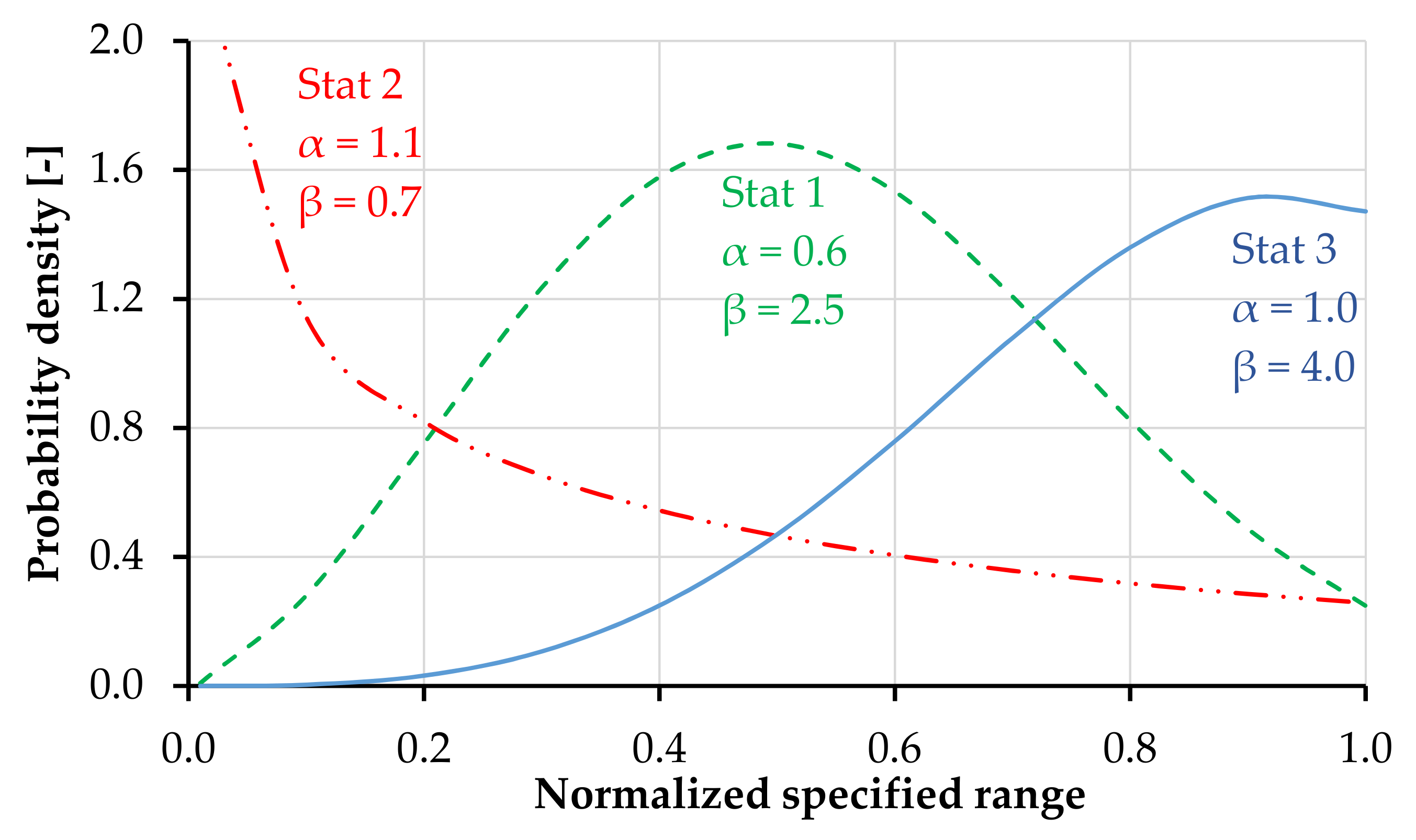
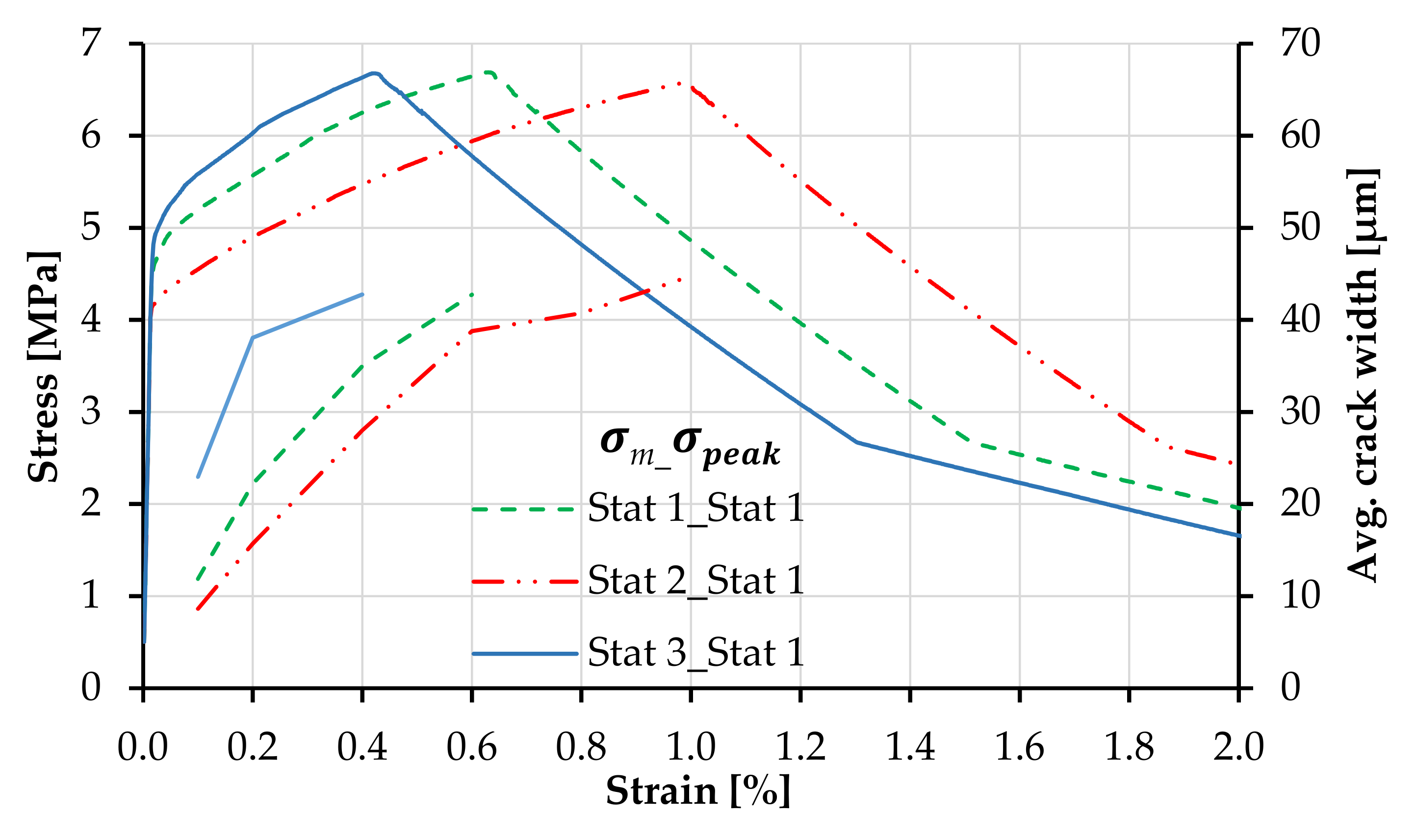
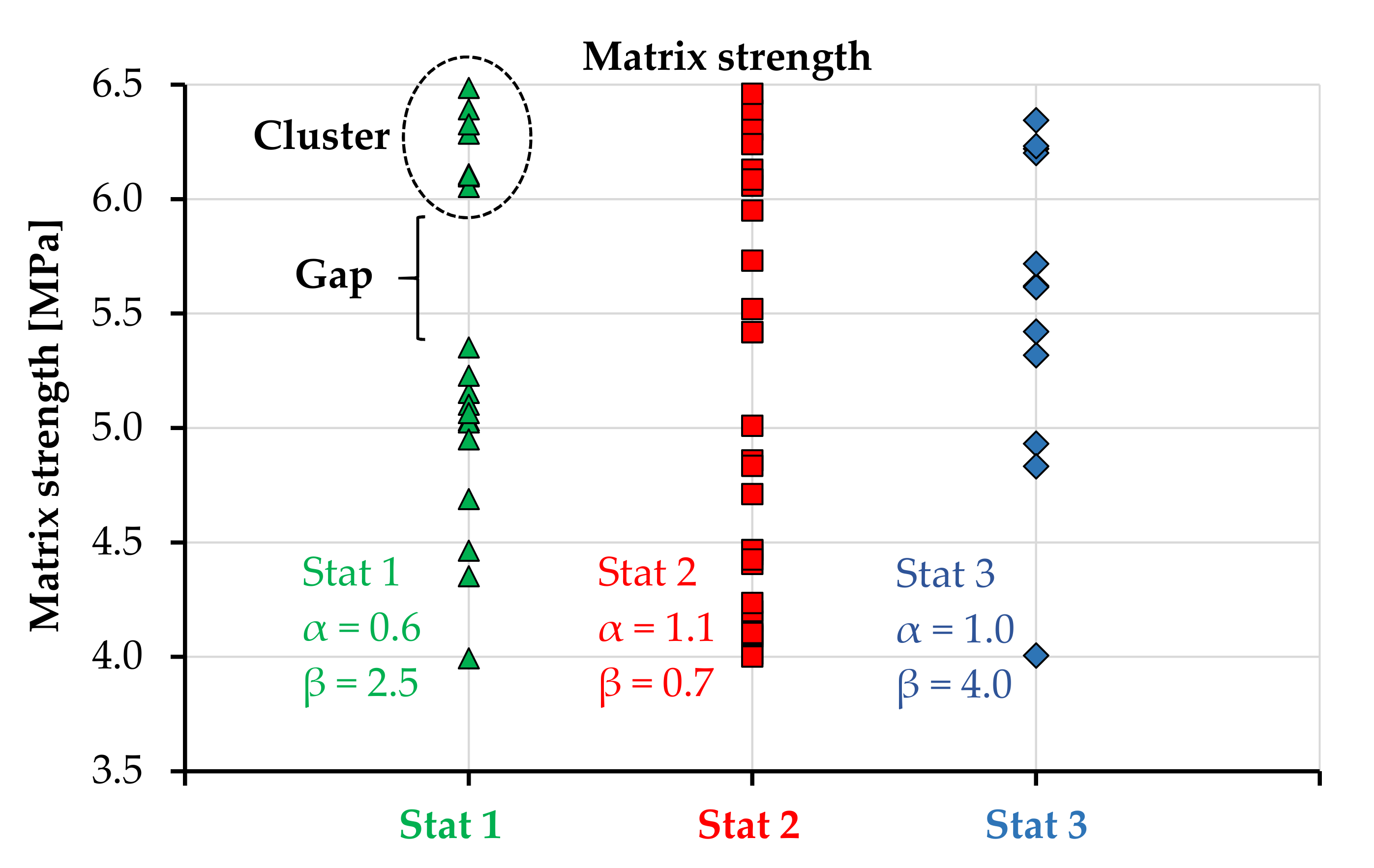
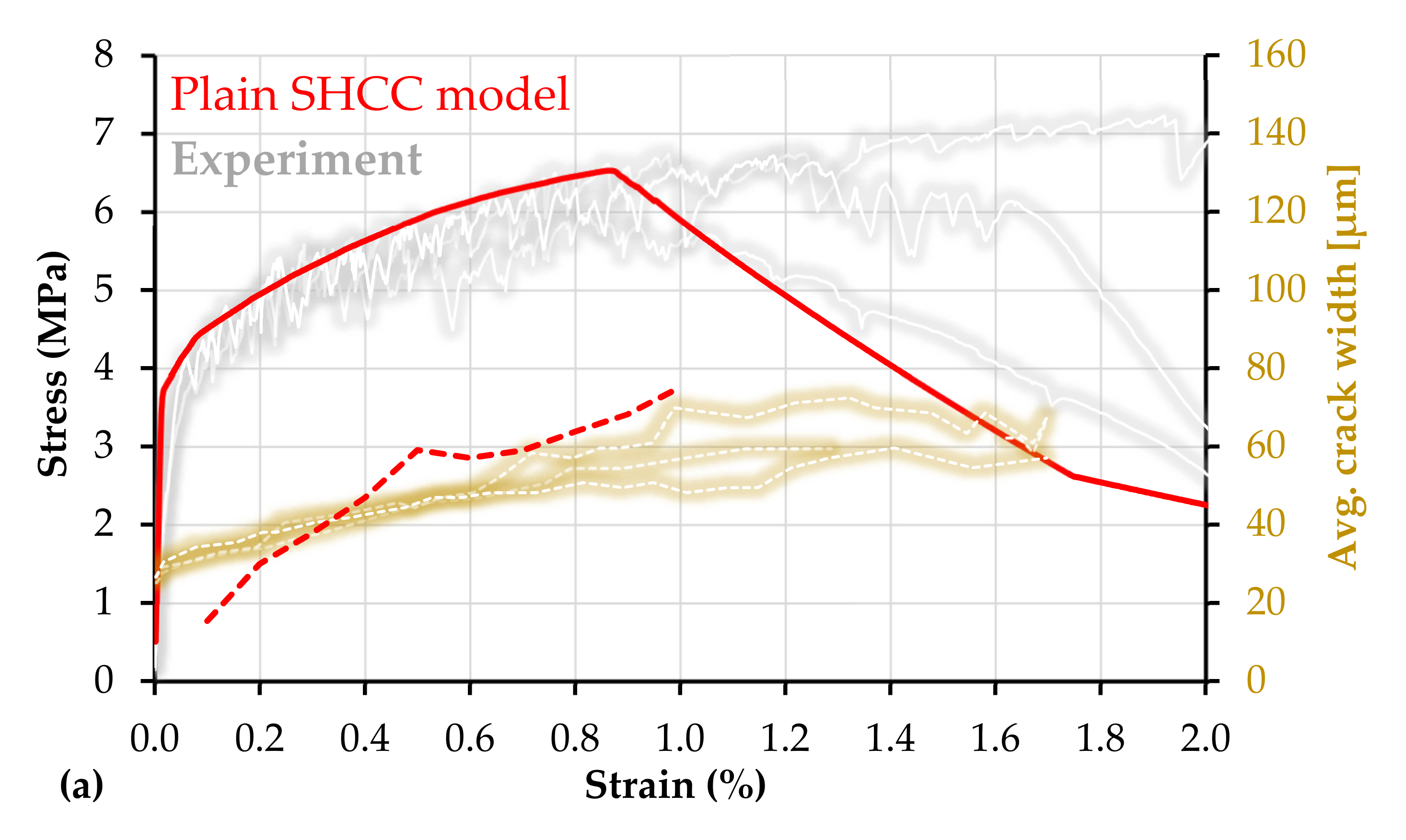
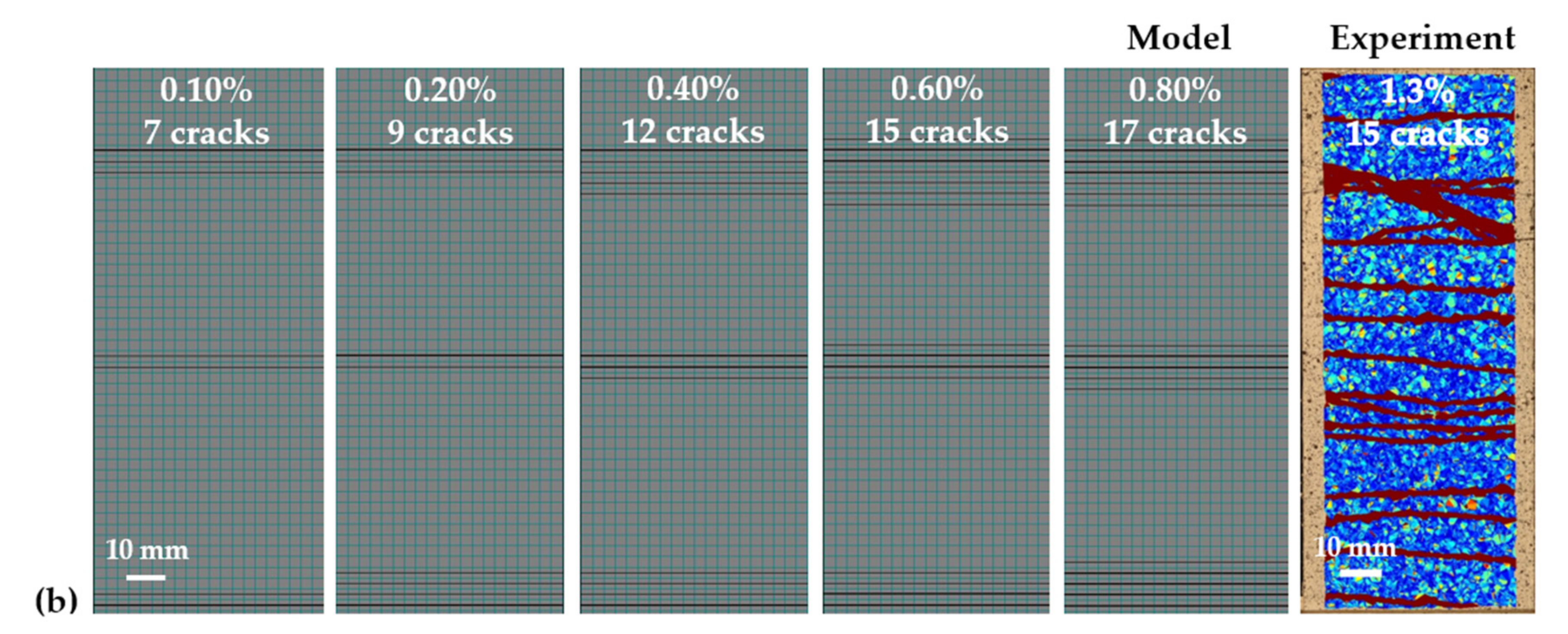
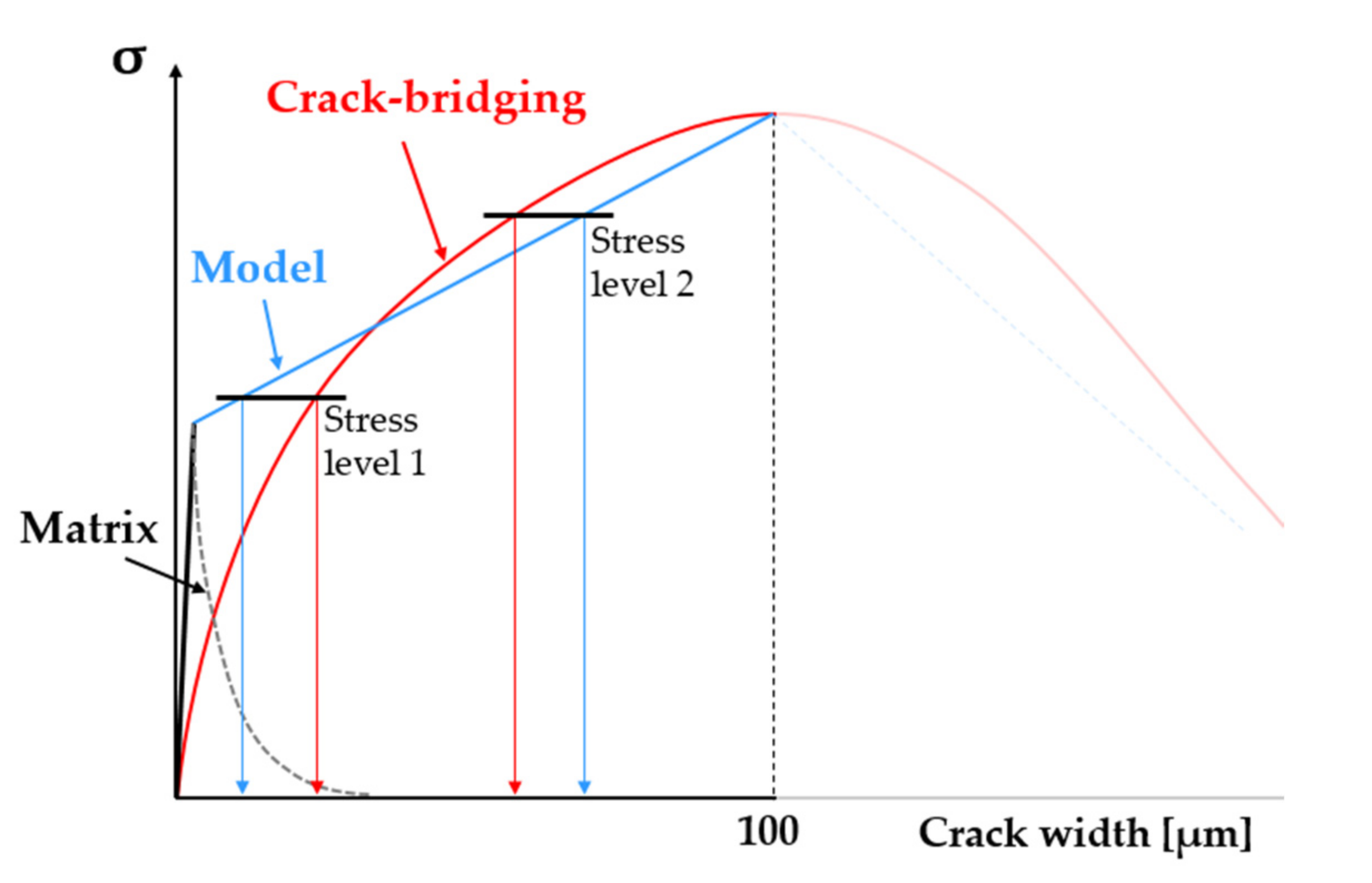
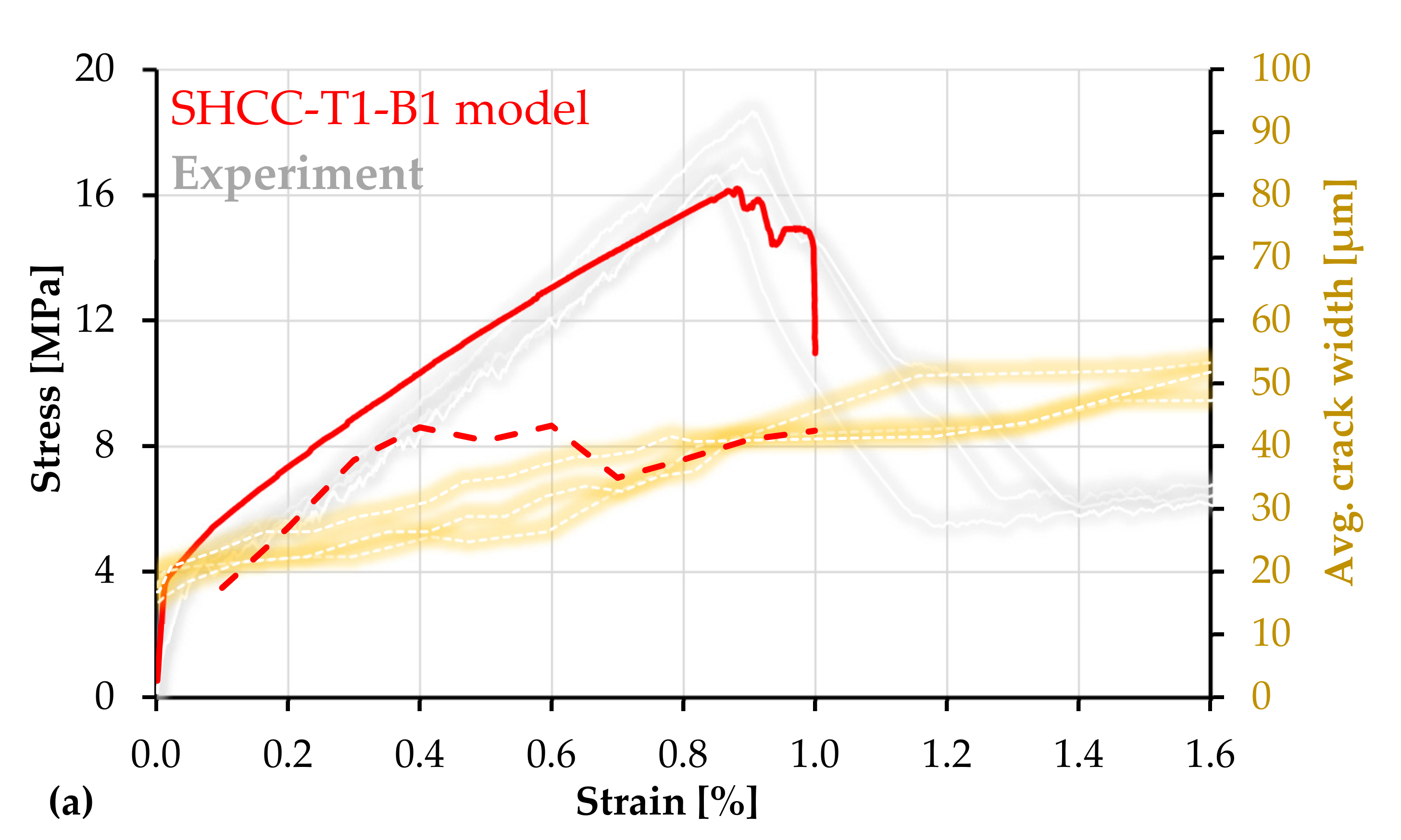
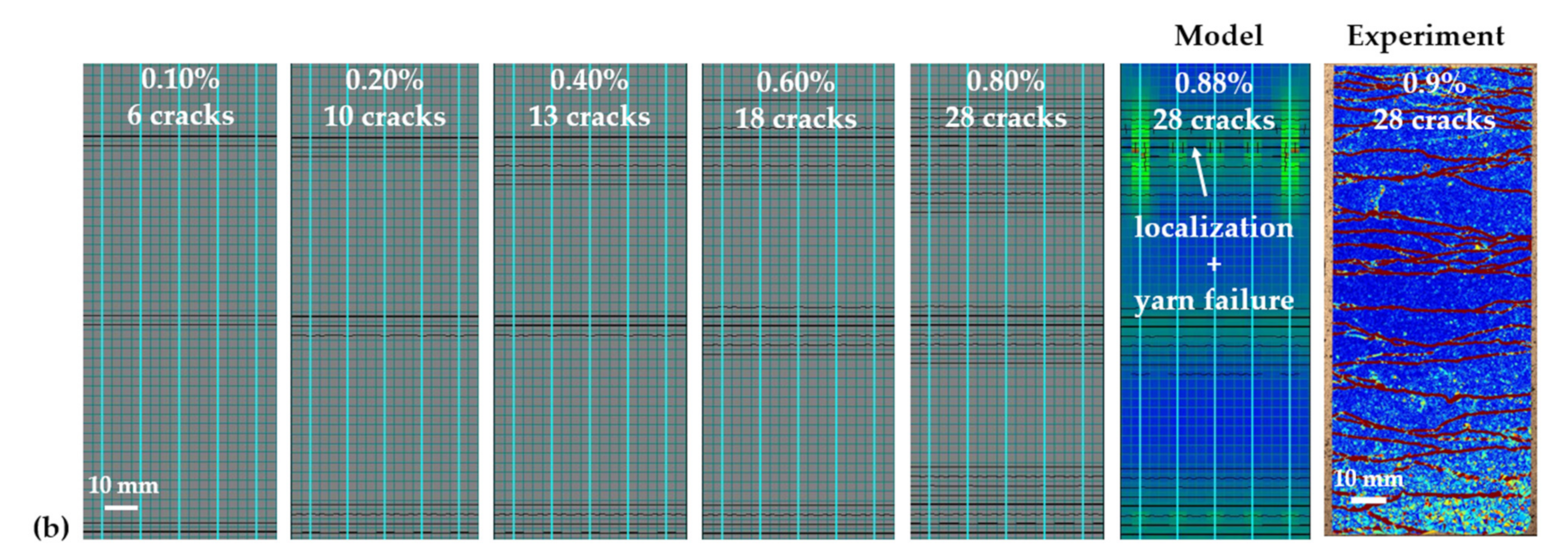
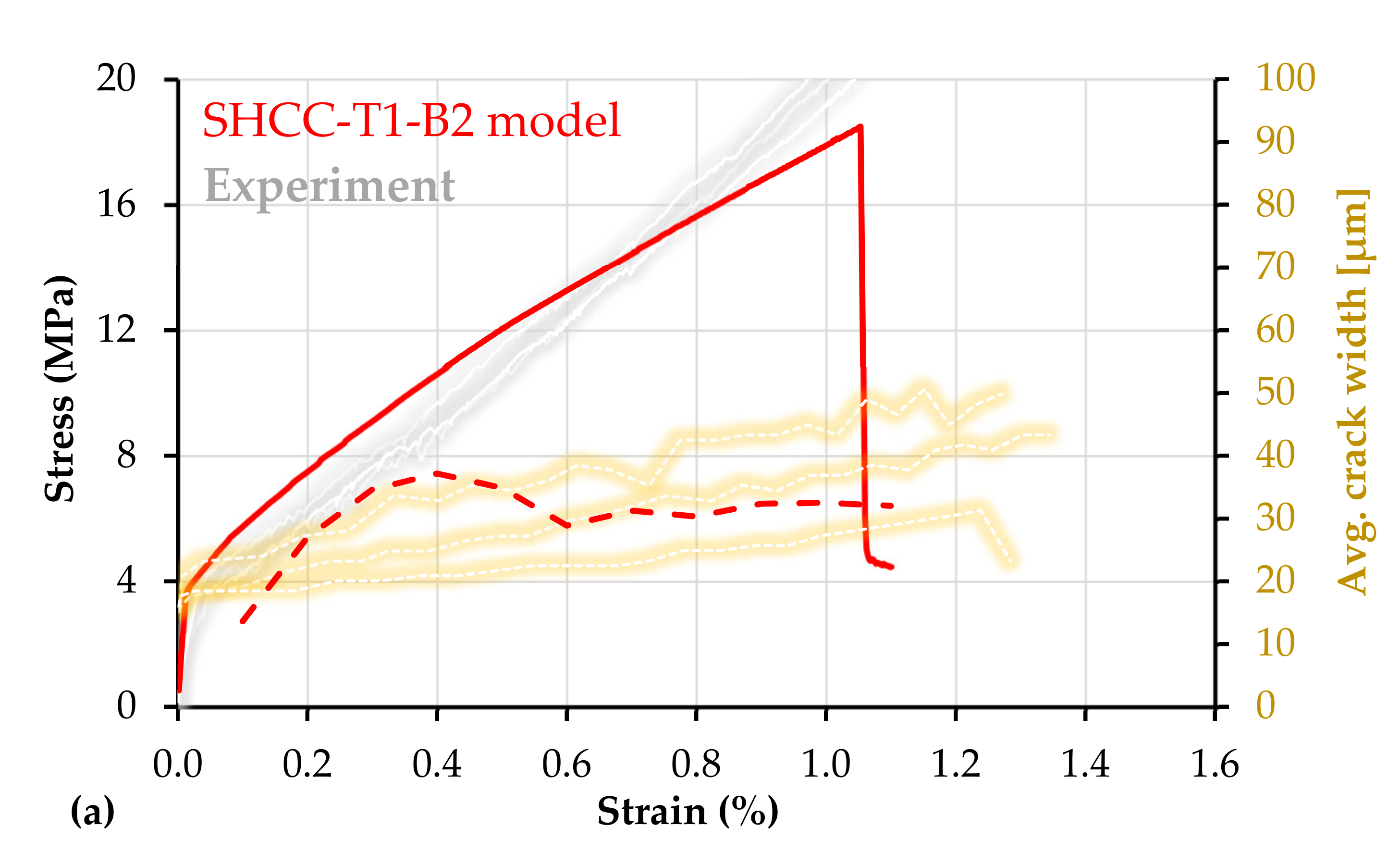
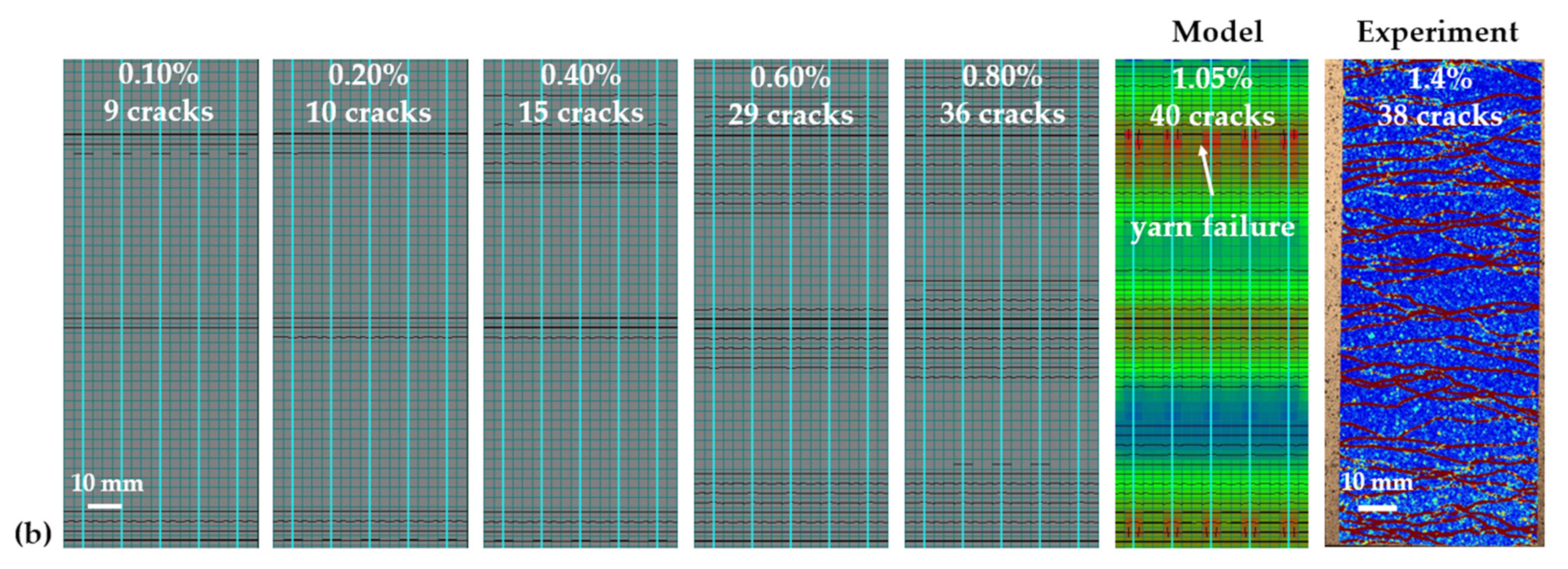
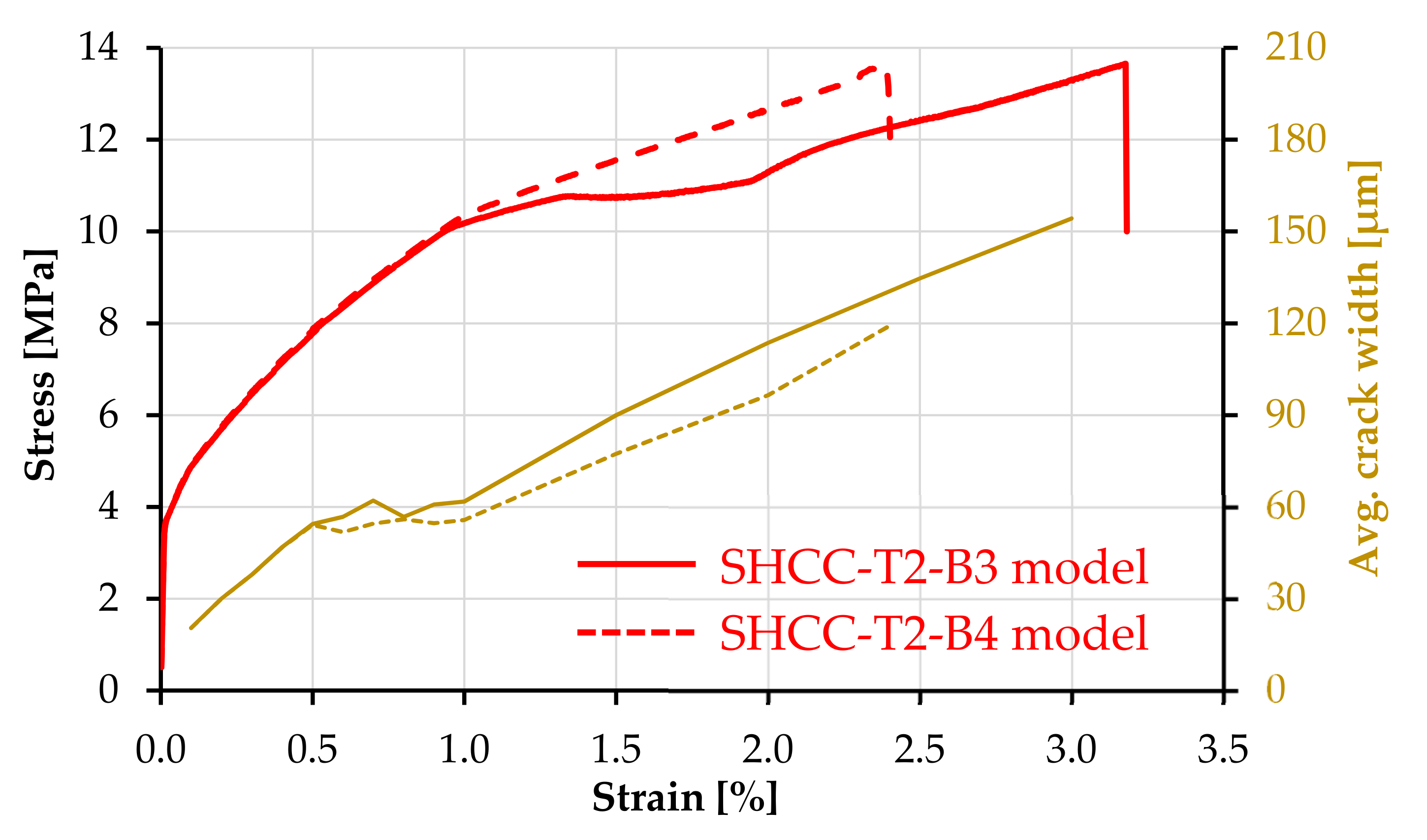
The paper presents a finite element investigation of the effect of material composition and the constituents’ interaction on the tensile behavior of strain-hardening cement-based composites (SHCC) both with and without textile reinforcement. The input material parameters for the SHCC and continuous reinforcement models, as well for their bond, were adopted from reference experimental investigations. The textile reinforcement was discretized by truss elements in the loaded direction only, with the constitutive relationships simulating a carbon and a polymer textile, respectively. For realistic simulation of macroscopic tensile response and multiple cracking patterns in hybrid fiber-reinforced composites subjected to tension, a multi-scale and probabilistic approach was adopted. SHCC was simulated using the smeared crack model, and the input constitutive law reflected the single-crack opening behavior. The probabilistic definition and spatial fluctuation of matrix strength and tensile strength of the SHCC enabled realistic multiple cracking and fracture localization within the loaded model specimens. Two-dimensional (2D) simulations enabled a detailed material assessment with reasonable computational effort and showed adequate accuracy in predicting the experimental findings in terms of macroscopic stress–strain properties, extent of multiple cracking, and average crack width. Besides material optimization, the model is suitable for assessing the strengthening performance of hybrid fiber-reinforced composites on structural elements.
Keywords: SHCC; textile reinforcement; bond; FEM; probabilistic model; multiple cracking SHCC; textile reinforcement; bond; FEM; probabilistic model; multiple cracking