Article

Numerical Simulation Development and Computational Optimization for Directed Energy Deposition Additive Manufacturing Process


COMTES FHT a.s., Průmyslová 995, 334 41 Dobřany, Czech Republic
*
Author to whom correspondence should be addressed.
Materials 2020, 13(11), 2666; https://doi.org/10.3390/ma13112666
Submission received: 15 May 2020 / Revised: 2 June 2020 / Accepted: 9 June 2020 / Published: 11 June 2020
(This article belongs to the Special Issue Additive Manufacturing Methods and Modeling Approaches)

Abstract

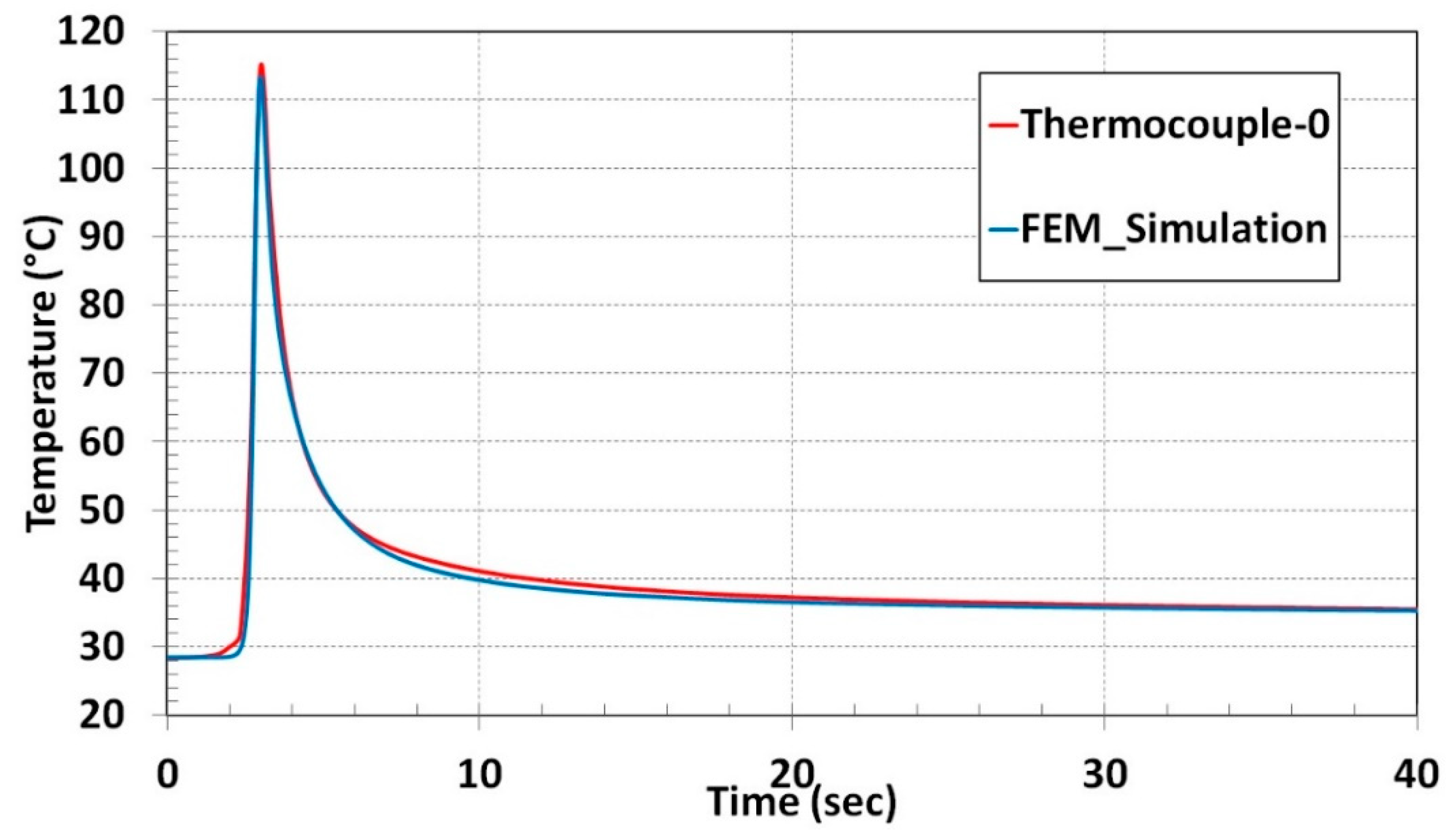
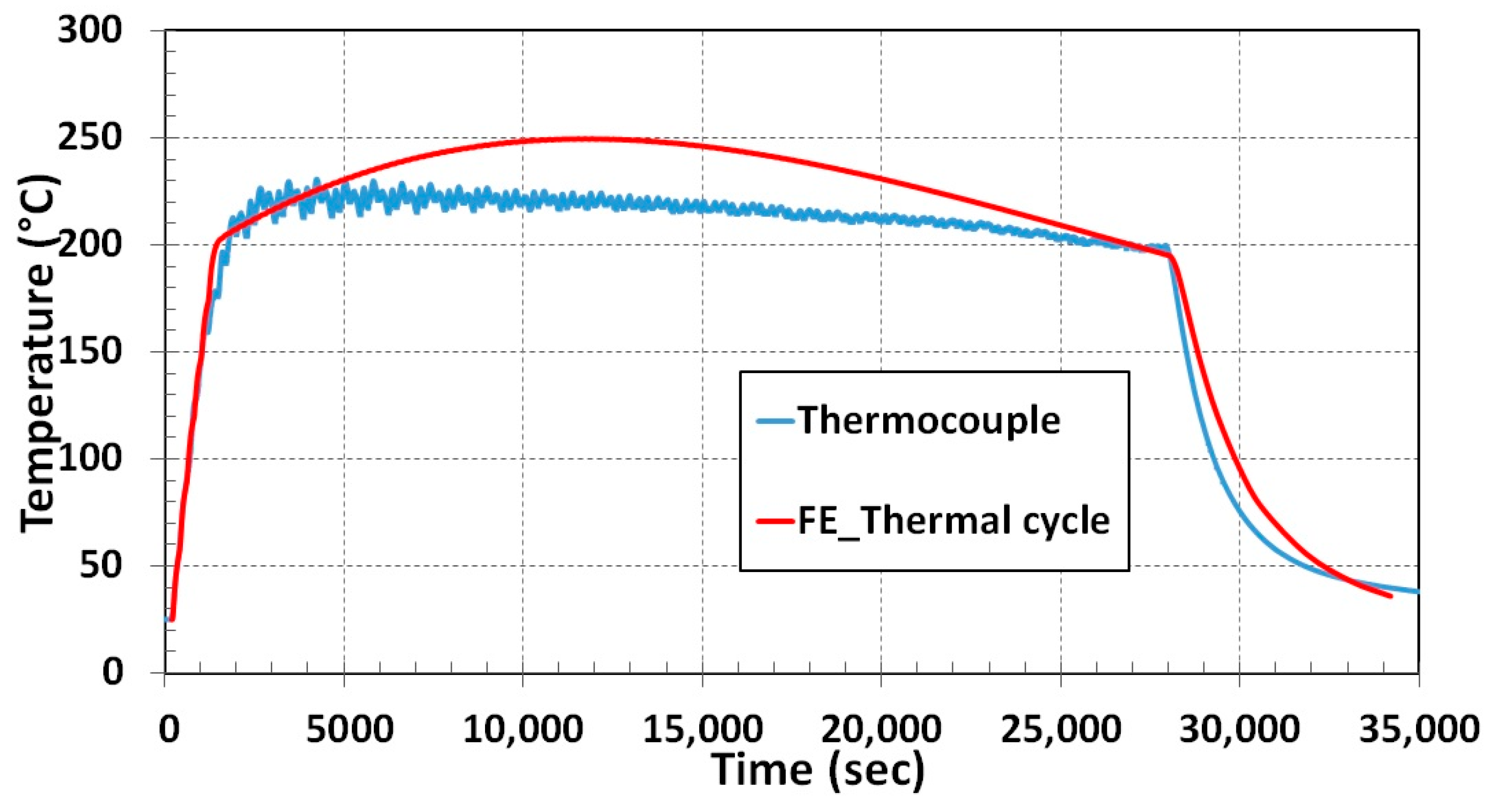
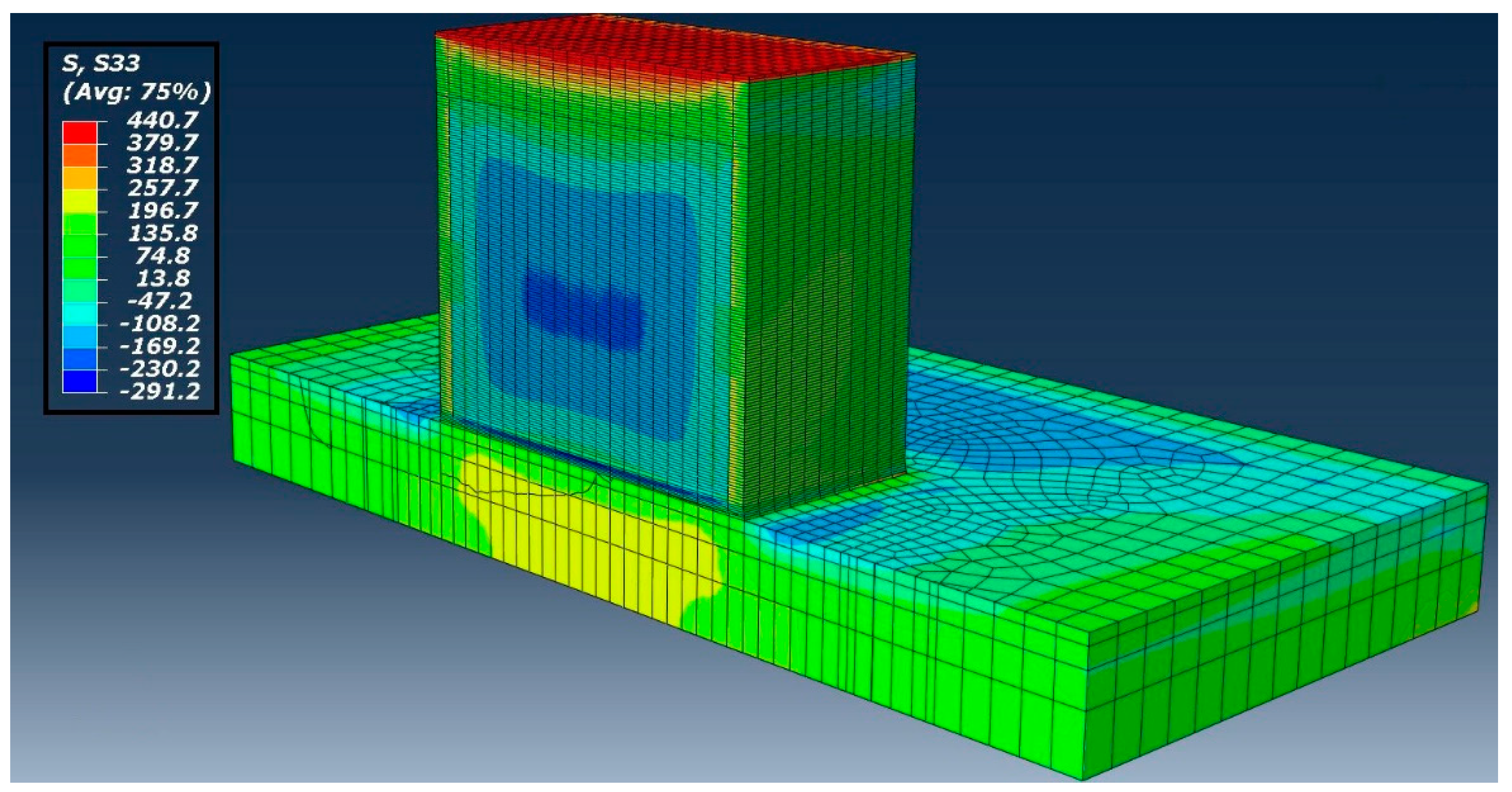
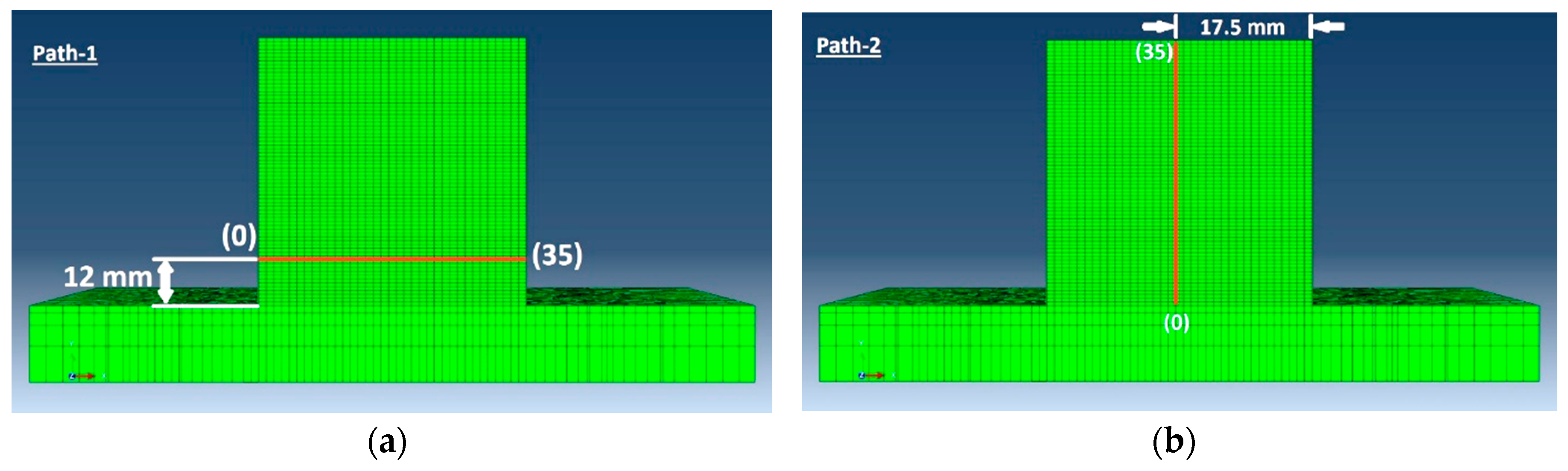
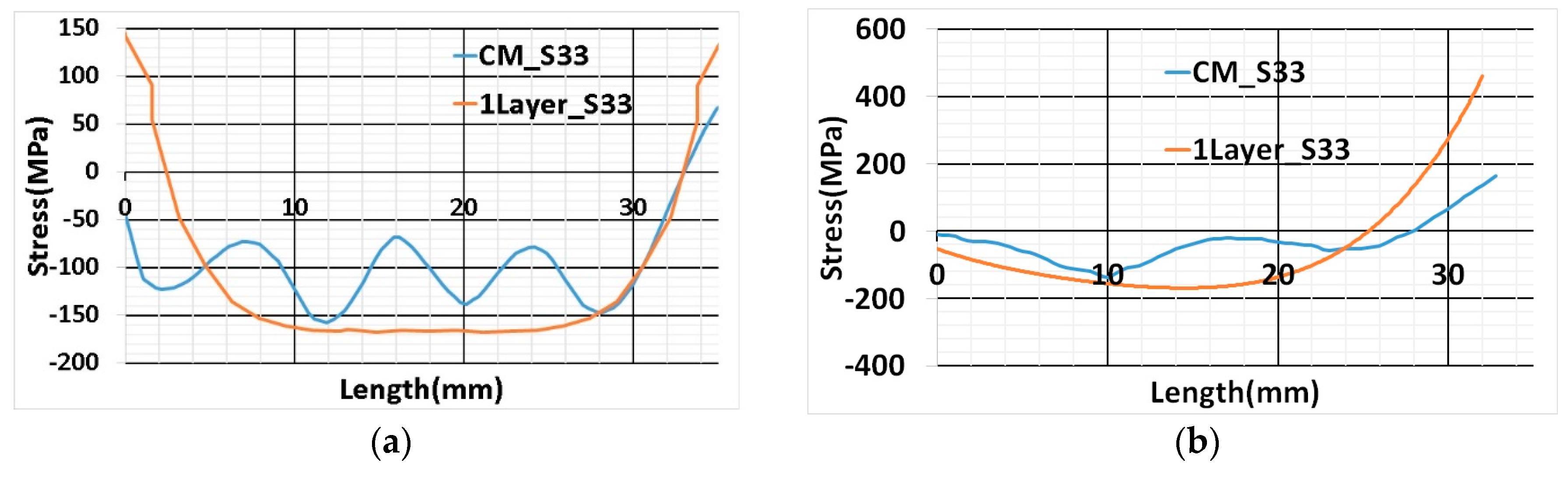
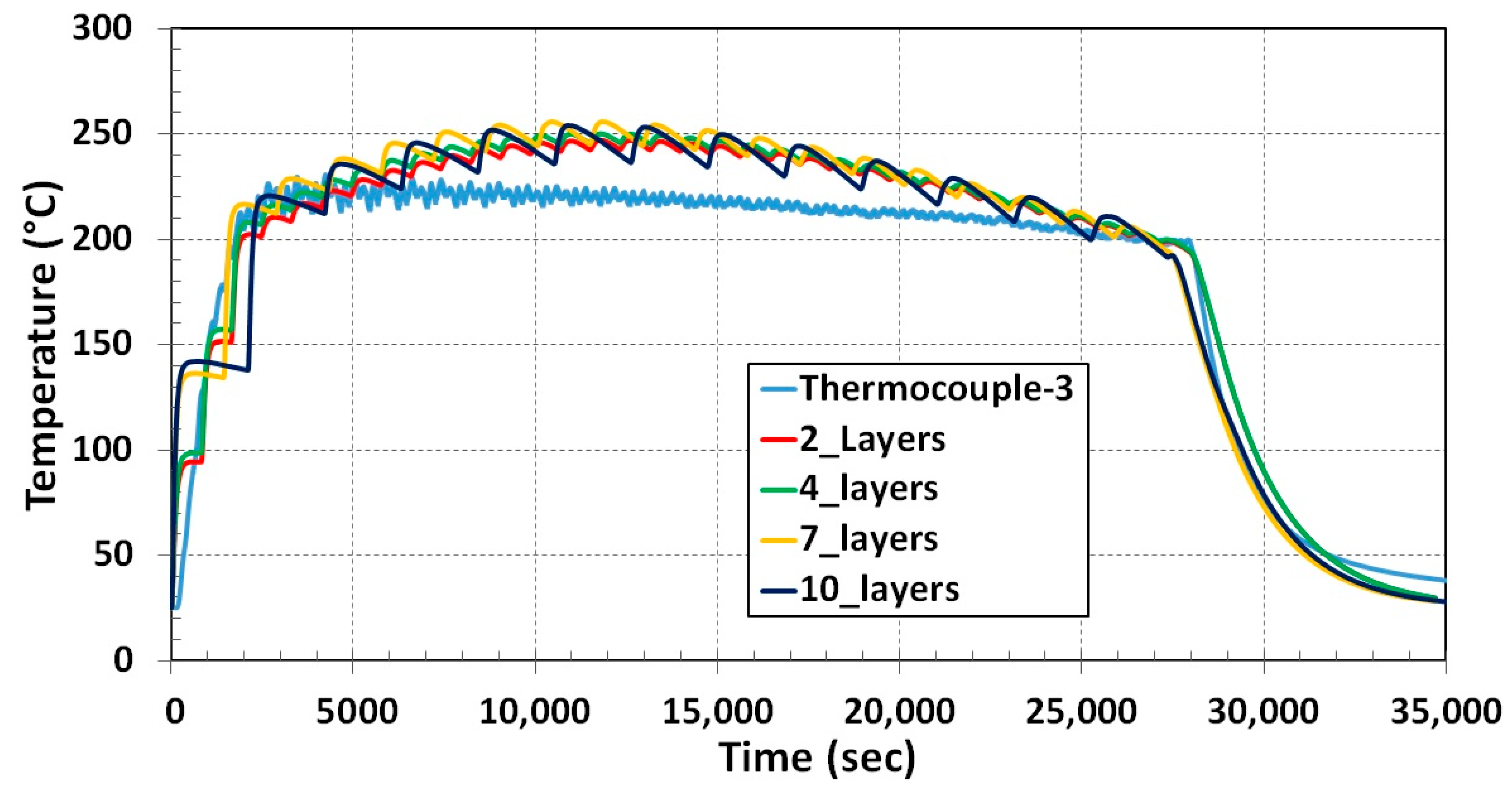
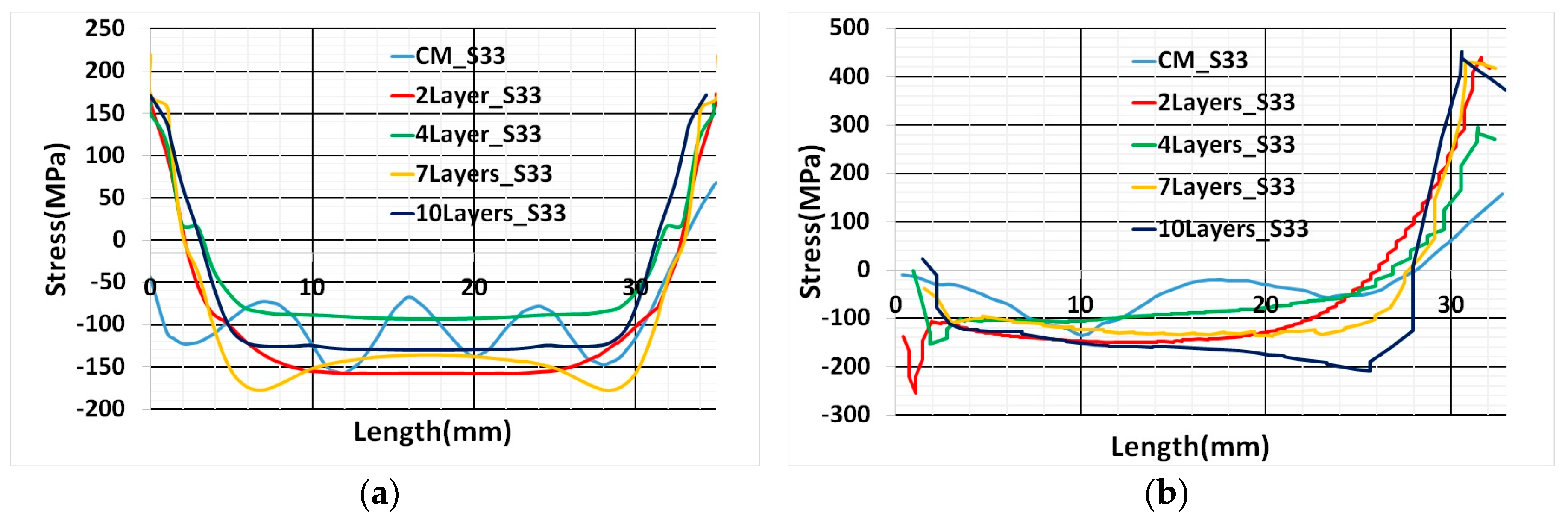
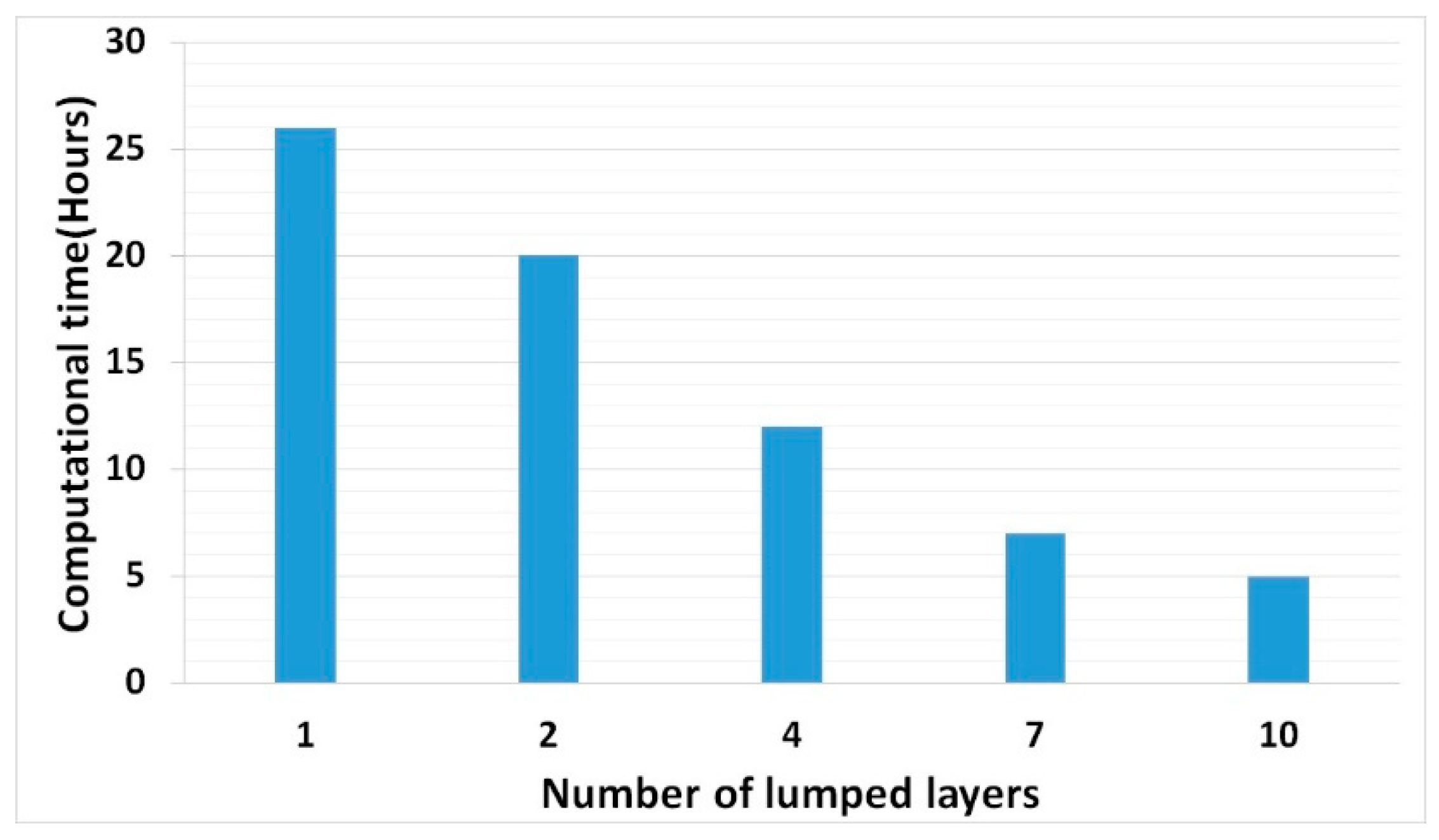
The rapid growth of Additive Manufacturing (AM) in the past decade has demonstrated a significant potential in cost-effective production with a superior quality product. A numerical simulation is a steep way to learn and improve the product quality, life cycle, and production cost. To cope with the growing AM field, researchers are exploring different techniques, methods, models to simulate the AM process efficiently. The goal is to develop a thermo-mechanical weld model for the Directed Energy Deposition (DED) process for 316L stainless steel at an efficient computational cost targeting to model large AM parts in residual stress calculation. To adapt the weld model to the DED simulation, single and multi-track thermal simulations were carried out. Numerical results were validated by the DED experiment. A good agreement was found between predicted temperature trends for numerical simulation and experimental results. A large number of weld tracks in the 3D solid AM parts make the finite element process simulation challenging in terms of computational time and large amounts of data management. The method of activating elements layer by layer and introducing heat in a cyclic manner called a thermal cycle heat input was applied. Thermal cycle heat input reduces the computational time considerably. The numerical results were compared to the experimental data for thermal and residual stress analyses. A lumping of layers strategy was implemented to reduce further computational time. The different number of lumping layers was analyzed to define the limit of lumping to retain accuracy in the residual stress calculation. The lumped layers residual stress calculation was validated by the contour cut method in the deposited sample. Thermal behavior and residual stress prediction for the different numbers of a lumped layer were examined and reported computational time reduction.
Keywords: additive manufacturing; finite element method; directed energy deposition; residual stress; 316L steel additive manufacturing; finite element method; directed energy deposition; residual stress; 316L steel