


Abstract
The rapid integration of distributed solar photovoltaic (PV) generation is reshaping low-voltage distribution grids (LVDGs), creating voltage rise, reverse power flow, and congestion challenges for distribution system operators (DSOs). Flexibility in generation and demand, broadly understood as the capability to adjust generation or consumption in response to variability and uncertainty in net load, is increasingly central to cost-effective grid operation under high PV penetration. This review examines flexibility and controllability options in LVDGs, focusing on voltage regulation methods, supply- and demand-side flexibility resources, and market-based coordination mechanisms. The Norwegian Regulation on Quality of Supply (FoL) provides the regulatory context: it enforces 1 min average voltage compliance, stricter than the 10 min averaging window of EN 50160, making short-duration voltage excursions operationally significant and directly influencing the trade-off between curtailment, grid reinforcement, and local flexibility measures. Inverter-based active–reactive power control emerges as the most cost-effective overvoltage mitigation option, complemented by local battery energy storage systems (BESS) and demand response for congestion relief and energy shifting. Key gaps include limited LV observability, insufficient application of quasi-static time series (QSTS) assessment in planning, and underdeveloped DSO-aggregator coordination frameworks. Combined inverter control, feeder-end storage, and demand-side flexibility can defer costly reinforcements, particularly in rural 230 V IT feeders where voltage constraints dominate.
1. Introduction
Decarbonisation goals, declining technology costs, and supportive policy frameworks are driving rapid growth in distributed energy resources (DERs), especially rooftop solar photovoltaic (PV), which introduces reverse power flow, voltage rise and increased fault levels in low-voltage distribution grids (LVDGs) [1,2]. Solar PV and wind are projected to account for 95% of renewable capacity additions by 2030, with PV alone accounting for nearly 80% of renewable electricity growth [2]. In Norway, however, hydropower dominance means PV penetration in generation remains modest, though its impact on LV distribution networks is growing. Increasing distributed generation alters power flow patterns in LV networks, imposing new requirements for flexibility and control in response to minute-scale variations and voltage-quality constraints.
In parallel with rising PV penetration, the electrification of heating and transport increases overall demand and the complexity of grid operation. In Norway, the widespread use of electric space heating and residential heat pumps modifies load profiles and contributes to high winter peak demand [3]. Norway also has more electric vehicles (EVs) per capita than any other country [4], so rapid EV adoption, together with increasing decentralised PV generation, further reshapes net load profiles and increases operational challenges in LVDGs [5]. Issues such as voltage regulation, reverse power flows, and local congestion are becoming more frequent and pronounced in distribution networks with high PV penetration [6,7,8]. Recent work shows that unmanaged rooftop PV deployment can significantly limit hosting capacity due to voltage rise and transformer constraints [9].
Norwegian LVDGs range from urban networks to long-distance rural radials, and these network types respond differently to changes in load and distributed generation. Long rural feeders with high ratios (i.e., where line resistance dominates over reactance) are particularly sensitive to voltage deviations from PV export, while urban networks are more often constrained by transformer and cable thermal limits [10,11]. These varying constraints shape how distribution system operators (DSOs) prioritise grid investments and flexibility measures. Traditionally, DSOs have addressed voltage and thermal issues through grid reinforcements, which are slow to implement and whose costs are ultimately borne by customers [6]. In Norwegian LV feeders, these measures often address issues that occur only a few hours per year, typically during cold winters when electric space heating dominates demand [12].
Distributed flexibility is increasingly recognised as a cost-effective strategy for integrating DERs, improving grid stability, and deferring infrastructure upgrades. The ability to control and optimise both generation and consumption in (near) real time is central to enhancing the controllability of LVDGs and ensuring their reliable operation under high PV penetration. A growing body of the literature studies various flexibility mechanisms, including demand response (DR), active power curtailment (APC), reactive power control via PV inverters, voltage-regulated distribution transformers, and battery energy storage systems (BESS). This paper reviews flexibility solutions for LVDGs with high PV penetration and increasing demand. It synthesises recent research on the technical impacts of DERs, operational challenges for DSOs, and the role of flexibility in enhancing grid performance, with particular attention to how flexibility can defer or avoid costly grid reinforcements through demand-side measures, inverter-based control, energy storage, and market-based coordination mechanisms. Although the review draws on international literature, it gives particular attention to Norwegian low-voltage conditions, where 230 V IT feeders and long rural radials create distinctive operational constraints. The Norwegian regulatory framework (FoL [13]), detailed in Section 2.4, enforces stricter voltage compliance requirements than EN 50160 [14], making short-duration voltage excursions more operationally significant.
Recent work has extended voltage control in distribution networks beyond rule-based Volt/VAR and (on-load tap changer) OLTC operation toward both data-driven and adaptive approaches [15,16]. Machine learning methods are being applied to predict voltage behaviour and optimise inverter control strategies in LVDGs [15], and graph attention-based multi-agent reinforcement learning has been applied to Volt/VAR control, incorporating network topology and reactive power sensitivity as domain knowledge [17]. In parallel, adaptive droop control reduces unnecessary curtailment under variable PV output [16,18]. On the demand side, neural network-based forecasting methods have been shown to outperform traditional methods in predicting load patterns and enabling targeted flexibility activation [19,20]. While such approaches show considerable promise, practical deployment in LV networks requires careful integration with existing control architectures.
This paper is structured as follows: first, the operational impacts of the high penetration of renewable energy sources (RES), including voltage rise, thermal overload, and power-quality degradation, are examined. Assessment methods, including performance metrics, simulation techniques, and analytical tools, are then reviewed to evaluate system behaviour and hosting capacity. The following chapters analyse voltage regulation techniques, supply-side flexibility mechanisms, and consumer-based demand-side flexibility, including demand response, aggregator models, local energy markets, and forecasting. Emerging concepts such as energy communities are also discussed.
2. Distribution Grid
Low-voltage distribution grids, operating at 230/400 V, are the primary integration point for distributed energy resources, including rooftop PV, battery storage, and EVs. Norwegian LVDGs predominantly use 230 V IT earthing (approximately 70% of networks [5]), resulting in line currents approximately 1.74 times higher than in equivalent 400 V TN systems for the same delivered power. This directly reduces thermal and voltage headroom on long radials, increasing the sensitivity to both peak demand and PV export. The earthing scheme primarily determines protection and fault behaviour, while capacity and voltage drop effects stem from the lower line voltage.
2.1. Technical Challenges and Grid Impacts
Long rural radials are particularly vulnerable to voltage excursions due to elevated ratios, while urban feeders more often face thermal constraints at transformer and feeder sections [10,11]. In Norwegian rural LV networks with long feeders, voltage excursions exceeding the ±10% tolerance band can occur even when individual customers respect their import and export limits [13]. A high ratio limits the effectiveness of reactive power voltage control and can increase network losses, underscoring the need to integrate reactive and active power measures into voltage management [21]. Table 1 compares traditional reinforcements and flexibility solutions across key operational dimensions.
Table 1.
Flexibility benefits versus traditional reinforcements.
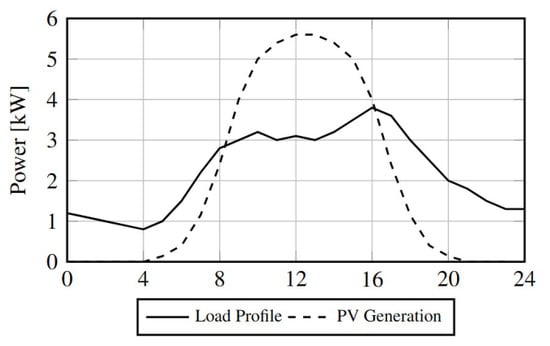
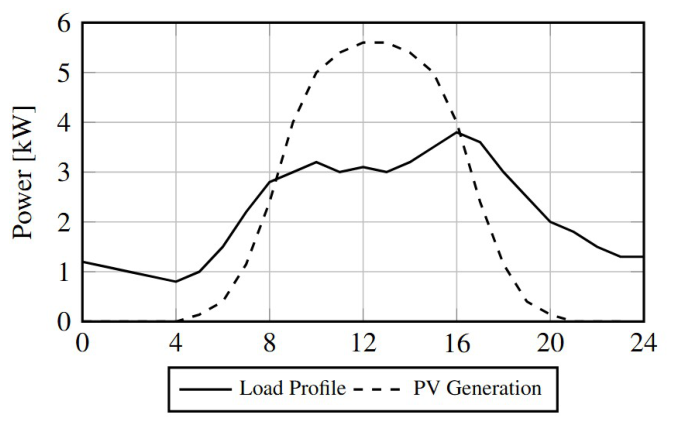
PV output follows predictable daily and seasonal cycles but is highly variable on short timescales due to cloud cover, posing challenges for forecasting and real-time balancing [22]. Rapid PV fluctuations drive fast power flow changes that can introduce harmonics, flicker, and voltage deviations [23]. Voltage rise and reverse power flow are common consequences of generation that exceeds local demand [7,22]. EV charging can deepen voltage drops during evening demand peaks. At the same time, PV generation can cause overvoltages when local consumption is low relative to PV output, a condition most prevalent in Norway during summer days with high solar irradiance and reduced space-heating demand. Thermal limits of lines, cables, and transformers can also bind during periods of high local generation or coincident demand, especially in urban and suburban feeders where thermal constraints on cables and transformers tend to be the dominant constraint [10,11]. In long rural radials, end-of-feeder voltages are particularly sensitive to active power injections, increasing the likelihood of overvoltage under PV export [16,24]. Reverse power flow can impair voltage-regulation equipment and complicate the coordination of protection designed for unidirectional flows [22]. A quantified trade-off between distribution losses and hosting capacity exists when demand flexibility is available, underscoring that optimising for one objective may affect the other [25]. This typical mismatch between residential demand and PV production over the day is illustrated in Figure 1.
Figure 1.
Illustrative example of a typical daily load profile and PV generation profile in a residential low-voltage network.
2.2. Operational Challenges for DSOs
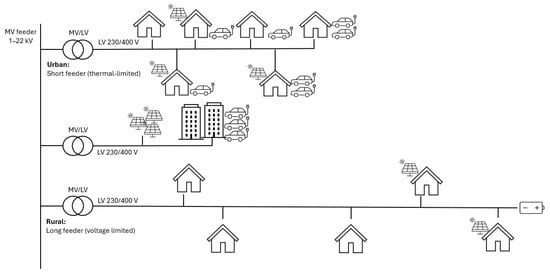
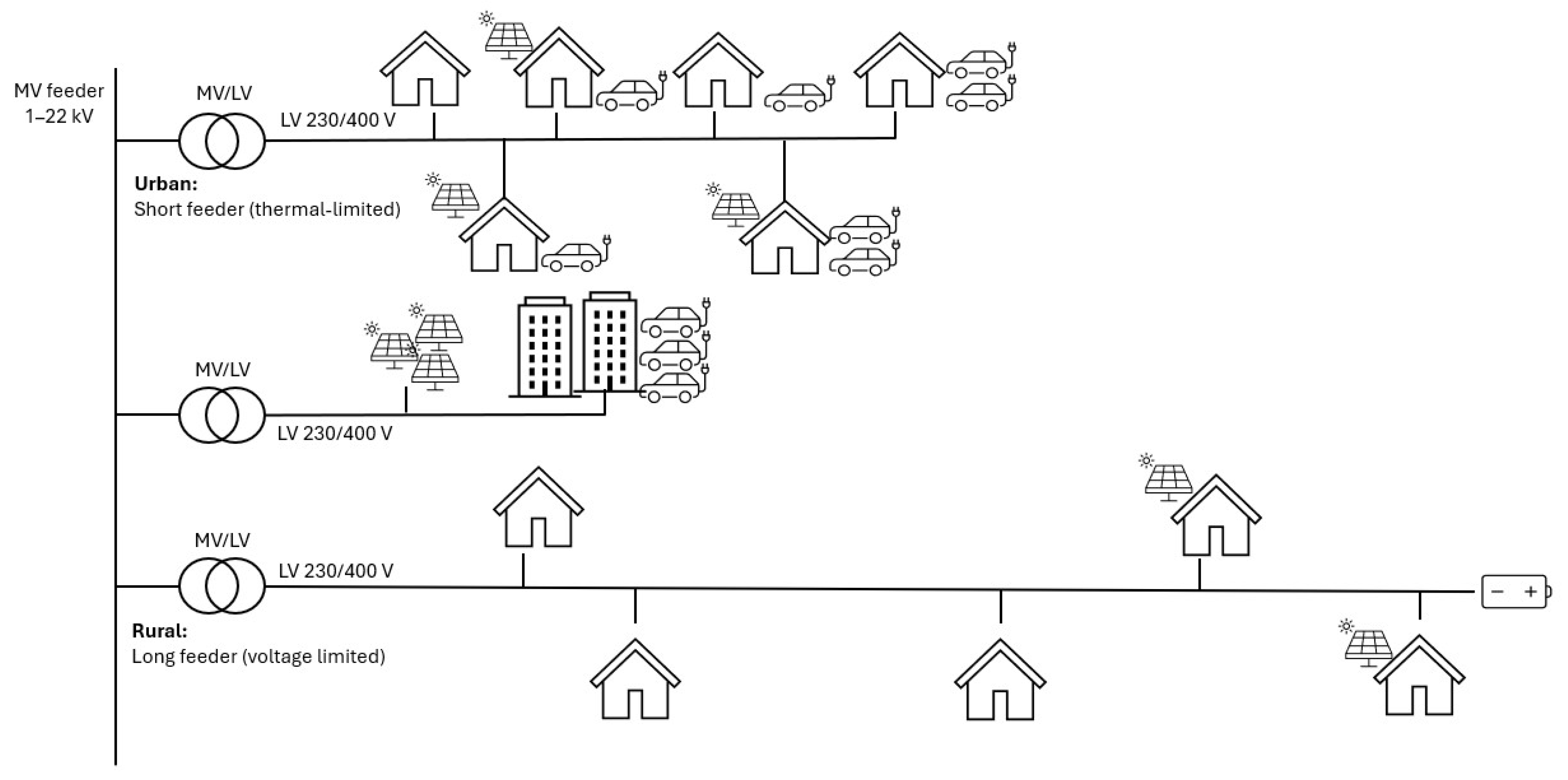
Distribution networks designed for unidirectional power flow can experience congestion and voltage control issues at high DER penetration, even under normal operating conditions. These issues are most pronounced during clear-sky midday periods in summer, when PV generation is high and demand is low, and during winter evenings, when generation is low and demand is high. The key technical and operational challenges are summarised in Table 2. Figure 2 illustrates the contrasting constraint types introduced in Section 2.1: thermal-limited urban feeders and voltage-limited rural radials.
Table 2.
Summary of technical and operational challenges in LVDGs with high DER penetration.
Figure 2.
Conceptual illustration of urban vs rural feeders. Urban short feeders are typically thermal-limited at transformer/feeder sections, whereas rural long radials are often voltage-limited under PV export.
2.3. Need for Increased Hosting Capacity and Grid Limitations
As distributed solar PV continues to expand, the ability of distribution grids to support increased generation without exceeding technical limits is a central planning challenge. Hosting capacity refers to the maximum amount of PV that can be integrated without breaching technical constraints, including voltage deviations, the thermal overload of conductors and transformers, or protection coordination limits. In LV feeders with PV, time-shifted demand via DR can increase hosting capacity [34]. Optimal siting and sizing of DG units has also been shown to reduce active power losses by more than 65% relative to an unoptimised baseline, underscoring that placement decisions affect both hosting capacity and network efficiency [35].
2.4. Compliance with Voltage and Power Quality Standards
The Norwegian Regulation on Quality of Supply in the Power System (FoL) [13] sets binding power-quality requirements for all grid-connected installations, and is stricter than EN 50160 [14] in several aspects. Under FoL, the 1 min average voltage must remain within ±10% of nominal at all times, whereas EN 50160 checks 10 min averages over a week and permits up to 5% of values outside ±10%.
These stricter requirements are increasingly challenging to maintain in LVDGs with high prosumer penetration, where short-term PV fluctuations and longer net load variations cause both overvoltage and undervoltage events [10]. Because compliance is evaluated on 1 min averages, brief voltage variations are not smoothed out. Voltage control must therefore act on smaller, faster deviations. This means using inverter-based voltage control and, where available, line or tap regulators. Tuning typically requires narrower deadbands, higher reactive power gain, and an earlier curtailment start voltage to ensure compliance within the 1 min averaging window [36,37]. Consequently, short active-power curtailment (APC) actions and small end-of-line storage often have a greater effect than upstream or slower measures.
2.5. Analytical Models and Simulation Methods
The electrical power output of solar PV systems depends on irradiance, temperature, and location. However, for planning studies, this relationship is often simplified by using irradiance as the primary input under idealised conditions [38,39]. Assessing the impacts of PV integration relies on appropriate distribution grid models. The standard starting point is steady-state power flow analysis, where voltages, currents, and power flows are computed for specified load and generation. Such snapshots are well suited to identify worst-case violations (e.g., high PV/low load for overvoltage; low PV/high load for undervoltage or thermal overload) [39,40]. To capture variability over time, deterministic quasi-static time series (QSTS) runs a steady-state power flow at fixed steps (e.g., 1–15 min) with given load and PV profiles and simple control settings (e.g., Volt/VAR, Volt/Watt, and OLTC deadbands). QSTS shows how voltages and currents change through the day, including voltage swings, thermal loading, and basic controller actions, without modelling fast transients. It is well-suited for LV planning with high PV and offers systematic evaluation of alternative settings and device locations while holding other assumptions constant [38,39].
Uncertainty in solar output, PV siting/orientation, and flexible-demand behaviour can be addressed using probabilistic methods. The most common approach involves Monte Carlo sampling PV locations, sizes, and orientations, together with demand and EV variability, to estimate the likelihood and duration of limit violations and to support robust hosting capacity calculations [39,41]. Used in combination, these three approaches provide a comprehensive basis for hosting capacity evaluation in LVDGs with high PV penetration: deterministic snapshots identify where constraints can occur under worst-case conditions, QSTS reveals how voltages and loading evolve under realistic profiles, and probabilistic sampling quantifies how frequently and for how long constraints are likely to bind in practice [39]. These three methods provide the analytical context for the flexibility and control strategies reviewed in Section 3 and Section 4.
3. Voltage Control Possibilities in LVDGs
The operational challenges described in Section 2 motivate a range of voltage regulation strategies. In weak LV feeders typical of rural Norwegian IT networks, small changes in PV injection can produce relatively large voltage excursions, making overvoltages a dominant hosting capacity constraint [10]. The main measures for mitigating overvoltage issues are lowering the LV transformer secondary tap setting, absorbing reactive power, installing voltage regulators, replacing or upgrading conductors to reduce line impedances, deploying energy storage, or curtailing power from DGs [42]. The first four represent traditional reinforcement approaches, while the latter two are flexibility-based measures that can often achieve similar outcomes at a lower cost and at a faster pace.
3.1. Conventional Methods
LV feeders have traditionally relied on fixed transformer tap settings and conservative design margins to maintain acceptable voltages. In LVDGs, common voltage-regulation measures include the following:
- 1.
- On-Load Tap Changers (OLTCs): OLTCs can be installed on transformers to adjust voltage levels by changing the tap position [43]. However, OLTC actions are often implemented through fixed or slowly varying setpoints (e.g., seasonal or time-based adjustments). They require additional sensing and communication infrastructure to enable more dynamic operation. An alternative is a load-compensated set-point control, where the OLTC target voltage is raised during high-load periods to mitigate voltage drops, and lowered during low-load or PV-export periods to increase the overvoltage margin. This can be challenging to tune when multiple feeders share the same transformer but have different load and PV characteristics [44]. Experience from a Norwegian field trial reports OLTC control informed by smart meter-derived minute extrema (max/min) as effective for reducing voltage-limit violations and preventing inverter disconnections under FoL constraints, but also notes that the device time delays and mechanical response motivate complementary fast measures such as inverter-based control or battery systems [36].
- 2.
- Voltage Regulators: Dedicated voltage regulators (e.g., series regulators/boosters or line regulators) adjust voltage levels in distribution grids. They can be installed at various points in the grid to maintain voltage within acceptable limits amid the variability of solar generation. Norwegian field experience documents coordinated regulation using LV series regulators (boosters) in combination with network-side batteries to address local voltage challenges in LV networks [45].
- 3.
- Capacitor Banks: Capacitor banks are one of the most widely used technologies for reactive power compensation in distribution networks. They can mitigate voltage drops during peak-demand periods but may also contribute to overvoltages during high solar generation [46]. In Norwegian LV IT feeders with a high ratio, however, the voltage leverage of reactive power compensation is inherently limited, reducing the effectiveness of capacitor banks compared to active power-based measures [21].
The mechanical nature of tap-changing devices limits response speed; automatic regulation must therefore balance stability against excessive wear by incorporating deadbands and time delays, making them less suited to the rapid variability of PV-dominated networks.
3.2. Advanced Methods
Beyond conventional tap-changing devices, a range of faster and more adaptable voltage regulation strategies has been developed for LVDGs with high PV penetration.
- 1.
- Smart inverters and Volt/VAR Control: Smart inverters adjust reactive and active power output autonomously in response to local voltage conditions, reducing PV-driven voltage rise [26,47]. Their effectiveness is feeder-dependent and limited in high-R/X networks; their operating modes and set-point tuning are detailed in Section 3.3.
- 2.
- Demand Response: By shifting consumption away from periods of high PV export, demand response can reduce overvoltage violations and increase hosting capacity in PV-rich feeders [15,25,34]. Its effect on voltage is typically slower and smaller than that of inverter- or storage-based measures, making it more suitable for congestion management than for fast voltage correction.
- 3.
- Energy Storage Systems: BESS provide fast, locationally targeted active and reactive power support, and can absorb surplus PV during midday export peaks, deferring costly grid reinforcements [33]. Their deployment, siting, and coordination with other devices are discussed in Section 4.1.3.
- 4.
- Microgrids: Microgrids coordinate local PV and storage to regulate voltage and frequency within a defined network segment and can maintain supply during outages through islanded operation [48]. In the context of LVDGs with high PV penetration, they represent a more capital-intensive integration option suited to energy communities or critical loads.
- 5.
- Coordinated Control: Coordinated algorithms that integrate OLTCs, smart inverters, and BESS can reduce required reactive power support and lower feeder losses compared to stand-alone control [49,50].
- 6.
- Real-Time Monitoring and Control: Smart meters and sensor data enable the continuous assessment of voltage levels and feeder loading, allowing DSOs to make informed decisions about control actions and adjustments [51]. This data-driven approach is a prerequisite for reliable deployment of advanced control strategies.
- 7.
- Machine Learning and Artificial Intelligence: Machine learning methods can predict voltage behaviour and optimise inverter control strategies from historical feeder data, enabling proactive rather than reactive voltage management [15], though real-world deployment in LV networks remains limited.
- 8.
- Droop and Adaptive Control Techniques: Conventional droop control (Volt/VAR and Volt/Watt) provides decentralised voltage regulation without communication, but fixed parameters limit effectiveness under high variability [37]. To address this, adaptive extensions dynamically adjust slopes and deadbands in real time, reducing unnecessary curtailment while maintaining stable voltages [16,18].
A comparative overview of the voltage control and flexibility methods reviewed in Section 3 and Section 4, including control layer, voltage impact, response time, and main limitations, is provided in Table 3.
Table 3.
Comparison of voltage control and flexibility methods in LVDGs.
3.3. Smart Inverter Based Voltage Control
Smart inverters operate in Volt/VAR, Volt/Watt, or fixed-power-factor modes [37]. Their set points are tuned to feeder characteristics and may be coordinated with OLTC or aggregator dispatch [26]. The operating principles, set-point tuning, and performance trade-offs of inverter-based control are examined in Section 4.1.1.
4. Flexibility in LVDGs
While Section 3 examined voltage regulation from the perspective of control devices and their technical characteristics, this section takes a broader view of flexibility, encompassing the full range of supply- and demand-side resources, coordination mechanisms and timescales over which they operate. Flexibility in power systems refers to the ability to adjust generation or consumption, individually or in aggregation, in response to both anticipated and unanticipated variability. Its purpose is to maintain system stability and to ensure the continuous provision of essential grid services. This capability is increasingly important as the share of variable energy resources increases, and the net load, the difference between total demand and scheduled generation, can change rapidly [57].
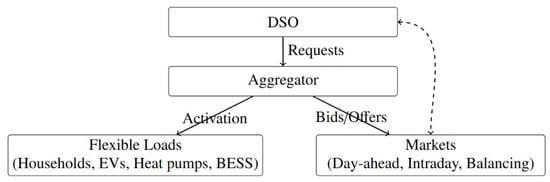
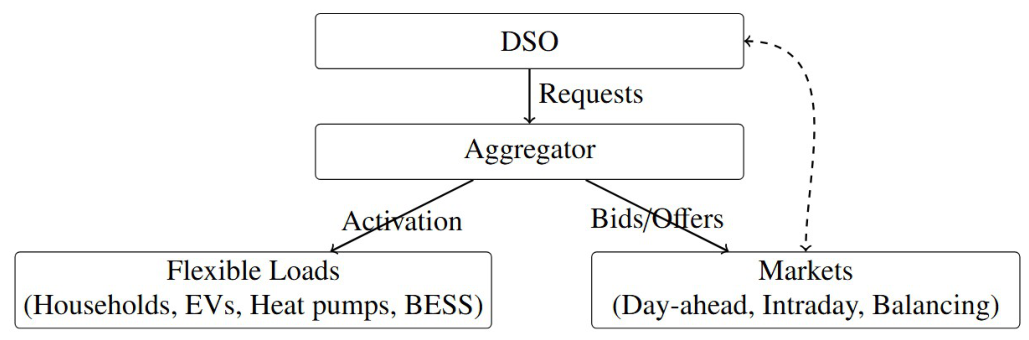
With growing RES penetration, additional flexibility measures on both the generation and demand sides are required to accommodate fast ramps and variability in PV output. In LVDGs, local generation and consumption mismatches create voltage fluctuations and reverse power flow, making controllability a central operational concern [58]. It is useful to group flexibility resources by grid objective and activation horizon, as summarised in Table 4. The key drivers of the increasing need for flexibility in LVDGs are summarised in Table 5. Figure 3 provides a conceptual overview of how DSOs can activate such flexibility via aggregated flexible loads (households with heat pumps, EVs, and energy storage) while interacting with day-ahead, intraday, and balancing markets. For short-horizon voltage mitigation in PV-rich LV feeders, demand response effects are typically smaller in magnitude and more uncertain than storage-based flexibility; combining inverter control with BESS tends to deliver stronger local voltage effects, with DR remaining a complementary tool for congestion management and energy shifting [6].
Table 4.
Flexibility resources mapped to timescale, control layer and grid objective in LVDGs with high PV penetration.
Table 5.
Key drivers of flexibility in low-voltage distribution grids.
Figure 3.
Overview of flexibility mechanisms in low-voltage distribution grids: a DSO requests flexibility from an aggregator pooling flexible loads (households with heat pumps, EVs, and BESS). The aggregator submits bids/offers to day-ahead and intraday markets and may provide balancing services. The dashed arrow indicates market interaction between the DSO and markets.
4.1. Supply-Side Flexibility
This section reviews inverter-based voltage control, active power curtailment (APC), and LV-scale battery energy storage (BESS) as complementary measures to improve voltage regulation and expand PV hosting capacity in low-voltage distribution grids. Their effectiveness depends on feeder characteristics, control coordination, and the trade-off between technical performance and economic cost.
4.1.1. Inverter-Based Voltage Control
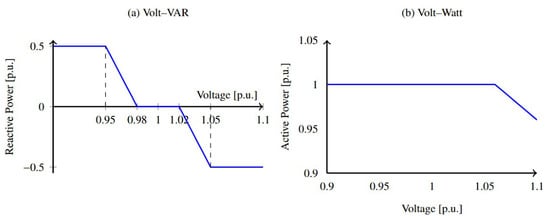
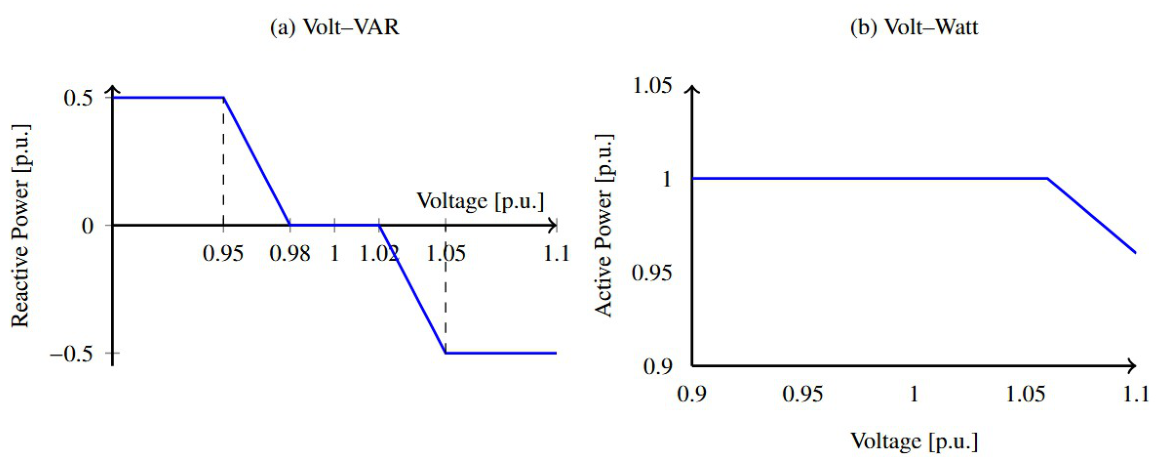
Smart inverters are not a flexibility resource in themselves, but they enable DERs to provide flexibility services by adjusting active and reactive power in response to local voltage conditions. Figure 4 summarises two standard characteristics: (a) Volt/VAR schedules reactive power Q as a function of terminal voltage, with a central deadband around one per unit (p.u.) where , and linear slopes to the limits outside the deadband (inductive at high V; capacitive at low V); (b) Volt/Watt keeps active power at up to a curtailment start voltage , and then ramps down with a defined slope to at , limiting overvoltage by reducing real-power injection during high-voltage conditions. When coordinated across many DERs, these controls can reduce voltage excursions and congestion, provide fast voltage support, and minimise curtailment while maintaining feeder voltages within limits. set points (deadband width, slopes, , , and ) are tuned to feeder characteristics and DSO objectives and may be combined with OLTC operation or aggregator-driven dispatch.
Figure 4.
Illustrative example of smart inverter control characteristics.
Reactive power provides continuous voltage support without reducing active energy. A tuned Volt/VAR characteristic targets support to the excursion band and mutes it elsewhere. In LV feeders, the extent to which reactive power can influence voltage is governed by the feeder ratio; lower results in a stronger voltage sensitivity from reactive power, whereas cable-dominated feeders with small cross-sections can have limited effectiveness in terms of reactive power-based voltage regulation [21]. In long 230 V IT radials, where can be high and phase imbalance may occur, reactive control at PV inverters can reduce local voltage rise but may increase feeder currents and losses. The net effect depends on PV penetration and the chosen deadbands/slopes [24,26]. Studies comparing fixed cos with report that can achieve a better voltage–loss trade-off by limiting VARs to the band where they are most effective, whereas fixed cos applies VARs more broadly [62]. Because inverter VAR capability is bounded, reactive control alone can be insufficient during high-generation periods; additionally, raising VARs increases feeder losses [24]. A practical mitigation is coordinated active–reactive control (ARPC), in which inverters prioritise reactive-power support within their apparent-power limits and apply limited active-power reduction only when voltage constraints persist, especially near maximum PV output when reactive headroom is constrained unless the inverter is oversized or some active power is curtailed to free apparent-power capacity [52]. Coordinated set points across multiple inverters reduce the required reactive power support and lower feeder losses compared to stand-alone local Volt/VAR control, including in combined Volt/VAR–Volt/Watt schemes [21]. A Norwegian DSO case study finds that the optimal reactive-power control of smart inverters maintains voltage compliance while reducing daily energy losses by compared with rule-based local control modes [26].
4.1.2. Active-Power Curtailment (APC)
Active power curtailment serves as both an emergency overvoltage measure and a practical, cost-effective flexibility strategy in LVDGs with high DER penetration. By enabling dynamic inverter-based curtailment, DSOs can manage PV-driven voltage excursions without relying entirely on costly energy storage solutions [37,63]. When inverter VAR capability is constrained, and high- reduces the voltage leverage of reactive power, active-power curtailment can be used to mitigate overvoltage; coordinating VAR support and curtailment can minimise both feeder losses and curtailed energy [21].
Curtailment deliberately reduces DER output, typically solar PV, during periods of excess generation or limited hosting capacity. It can be implemented dynamically by smart inverters based on local voltage measurements or DSO control signals. One approach is deliberate PV overbuilding with planned output limitation. By installing PV capacity beyond what the grid can continuously absorb at peak, the system captures more energy during partially clouded or low-irradiance periods, increasing annual yield. Output is then curtailed during peak generation hours when grid limits would otherwise be breached, thereby improving capacity utilisation while respecting operational constraints [63].
APC is particularly suitable when traditional reinforcements are costly and required only during a few peak hours per year [64]. A drawback is the reduced utilisation of solar energy during curtailment [24]. This indicates that inverter-based control can address most voltage mitigation needs without treating storage as the default measure [52]. However, curtailment raises concerns about fairness and compensation. Without coordinated control, end-of-feeder prosumers may experience disproportionate curtailment compared with those near the substation [53,65]. Recent work proposes equity-oriented designs that maximise PV output while distributing curtailment more fairly, e.g., enhanced Volt/Watt control and fairness indices [66,67]. Grid operators may also compensate affected prosumers to ensure economic viability and social acceptance [65].
4.1.3. LV-Scale Storage (BESS)
BESS provide fast, locationally targeted flexibility in LVDGs. Deployed behind the meter or at the feeder/substation level, BESS absorb surplus PV and discharge during demand peaks, supporting voltage regulation, relieving congestion, and reducing curtailment. Coordinated operation with OLTCs and smart inverters further improves local power flow and can defer the need for reinforcements. Planning studies show that co-optimised siting, sizing and operation mitigate overvoltages and reduce the required storage capacity [56]. The voltage support that a BESS provides is strongly dependent on its position within the feeder. In weak residential feeders, voltage sensitivity is highest at the downstream end, where active and reactive injections have the greatest impact on local voltage profiles. Field-tested and simulated studies report larger local voltage benefits per installed kilowatt at feeder ends than at the transformer [54,68].
In feeders with high PV export, operating BESS to store midday surplus and discharge during evening peaks limits midday voltage rise and supports evening voltages in the studied systems [68]. At the community scale, feeder-level BESS can be dispatched to relieve line and transformer loading, reducing congestion and curtailment under high DER penetration [69]. As established in Section 2, the lower line voltage in IT networks results in proportionally higher line currents for a given power level, reducing both thermal and voltage headroom on long radials. Appropriately sited BESS that reduce bidirectional feeder currents can therefore lower resistive losses while improving voltage profiles. Norwegian pilot experience reports measurable loss reductions alongside voltage improvements [55].
Such assets can be community- or third party-owned, with services procured by the DSO rather than the storage asset being DSO-owned, in line with EU rules that restrict DSO ownership of storage assets [60]. Siting and control should account for the feeder ratio, phase imbalance, and charge/discharge path lengths to balance voltage support and loss outcomes [54].
4.1.4. Cost Considerations
The economic viability of supply-side flexibility measures varies considerably across strategies reviewed in this section. Inverter-based active–reactive power control requires no additional capital expenditure beyond the hardware already mandated for grid-connected PV systems, and yields the lowest levelised cost of integration among common overvoltage mitigation measures [52]. Reactive-only control and active power curtailment are closely competitive, while BESS becomes cost-effective only under capital cost reductions exceeding 80% relative to current cost levels [52]. This cost ordering is consistent with qualitative assessments in European LV networks, where inverter control is characterised as low-cost relative to hardware-intensive alternatives such as OLTC upgrades and line voltage regulators [70].
BESS capital cost varies with scale; residential and feeder-scale systems are considerably more expensive per kWh than utility-scale installations. For Norwegian LV conditions, economic viability depends on violation frequency and severity, and on whether the storage asset can stack multiple services beyond voltage regulation alone [33,71]. Inverter-based controls carry a negligible ongoing cost once deployed, whereas BESS incurs additional costs from degradation and maintenance that must be accounted for in full cost–benefit assessments [33,71]. Aggregator-procured flexibility, enabled by EU Directive 2019/944 [60], shifts the cost structure from capital-intensive DSO investments to an operational services model, but requires stable long-term revenue streams and clear grid service contracts to be economically sustainable. This operational services model also entails DSO investment in enabling infrastructure, platforms, monitoring systems, and data management, alongside ongoing OPEX for activation management and provider coordination [72].
4.2. Demand-Side Flexibility
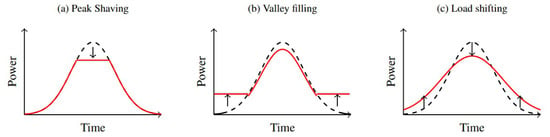
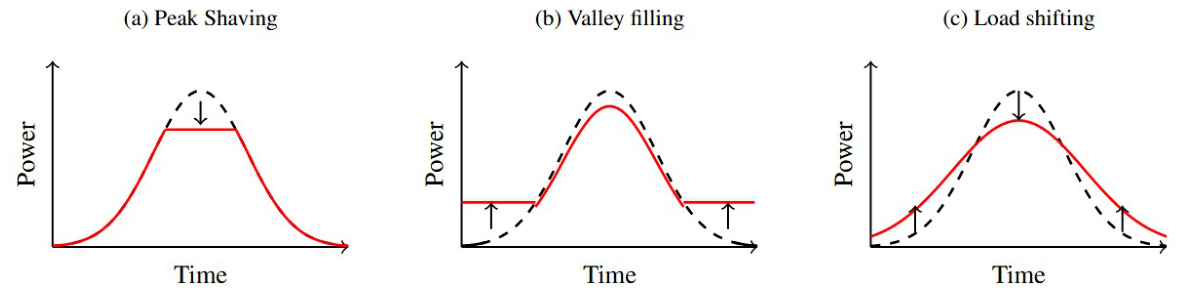
Demand-side flexibility can be realised through various control strategies that reshape the load to better match generation and grid conditions. The most common are peak shaving, which reduces high loads during peak periods to relieve congestion; valley filling, which increases demand during low-load periods to improve the utilisation of generation resources; and load shifting, which moves consumption to more optimal periods. These demand-side flexibility actions are illustrated in Figure 5.
Figure 5.
Illustrative principles of demand-side flexibility in LVDGs: (a) peak shaving reduces maximum demand, (b) valley filling raises low-demand periods, and (c) load shifting moves energy from peak to off-peak periods. Axes show time and power without specific values. The dashed lines represent the original load profile and the solid red line the modified profile.
4.2.1. Demand Response (DR)
DR is a key strategy for enhancing demand-side flexibility. It incentivises consumers to adjust their electricity use in response to external signals from the grid operator or market. Broadly, DR is either price-based (implicit), where time-differentiated tariffs signal when to shift or reduce load, or incentive-based (explicit), where payments are offered for predefined load adjustments during constrained periods [73]. DR can reduce voltage violations and operational stress in LV feeders when coordinated, and can limit voltage rise and increase PV hosting capacity in PV-rich feeders [24]. Effective DR depends on active consumer engagement. Awareness, perceived comfort impact and perceived benefit influence enrolment and sustained participation, with response linked to social and demographic factors [73]. Policy frameworks in Europe encourage customers as active participants, promoting market-based flexibility and access to aggregators [60].
4.2.2. EV Charging
EV charging is a flexible load because vehicles are typically connected to the grid for longer than required for charging, allowing the session to be shifted or shaped to match grid conditions [31]. Smart charging strategies enable this flexibility by adjusting charging behaviour in response to grid conditions, electricity pricing, or user preferences. The common approaches include the following:
- Delayed or Scheduled Charging (load shifting/valley filling): Charging sessions are postponed to off-peak hours or periods of high RES generation [31].
- Variable Charging Power (load shaping/peak shaving): The charging rate is dynamically adjusted to balance load, prevent network congestion, or respond to grid operator requests, helping maintain voltage stability [5,31].
- Vehicle-to-Grid (V2G) Integration (peak shaving/valley filling): Bidirectional chargers can feed electricity back into the grid during peak periods, acting as mobile energy storage units [37,74,75].
Delayed or scheduled charging must be coordinated carefully: simple time-of-use (ToU) signals can trigger synchronised starts and create new off-peak peaks. This risk can be reduced by using randomised start windows and feeder-aware constraints, so that only a fraction of session starts occur in any given minute. Synchronised charging raises coincident demand and increases the peak load [30]. Price-responsive smart charging can cluster in low-price nighttime windows, shifting demand from evening peaks to early morning, and thus moving peaks rather than eliminating them [31]. To make full use of EV charging flexibility, coordination strategies are essential. Conservative estimates for Norway indicate a flexibility ratio ranging from 36% to 62%, depending on the charging window [31]. Realising this potential requires probabilistic forecasting and decentralised control schemes capable of managing charging behaviour across many users.
4.2.3. Price Mechanisms
Price-based DR mechanisms translate expected system conditions into consumer-facing price signals. ToU tariffs apply lower rates during predefined off-peak periods, encouraging load shifting that smooths demand peaks and improves alignment with renewable generation. Critical peak pricing (CPP) applies elevated rates during declared system stress events to induce short-term reductions in demand. Both approaches carry the risk of synchronised response if many consumers react simultaneously, potentially creating secondary peaks and reinforcing the need to coordinate price signals against feeder-level technical limits.
4.2.4. Forecasting and Targeting
Effective demand-side flexibility depends on anticipating when and where it is needed. Without reliable short-horizon forecasts of load and PV output, activation signals are reactive rather than anticipatory. Time-stamped smart meter data enable forecasting at multiple horizons, providing the basis for targeted flexibility activation. A state-of-the-art review by Hasan et al. [19] highlights how machine learning, deep learning, and neural networks can improve short-term forecasting accuracy across different customer segments. Ahmad et al. [20] compared multiple forecasting methods using smart meter datasets, confirming that neural networks outperform traditional models in predictive accuracy. The study demonstrated how precise forecasts can identify peak-load patterns and support load-shaping strategies, particularly in combination with dynamic pricing or flexible loads. Fu et al. [76] examine the optimal configuration of demand-side flexibility resources such as EVs, EV batteries, and electric heating, and show that accurate forecasting enables targeted flexibility activation and contributes to overall system reliability. With smart meter data available at scale, these approaches make it increasingly feasible to activate residential and commercial demand-side resources in near real time, offering decentralised and scalable support for LVDG operation, especially in weak grids or constrained network sections where traditional grid reinforcement may be delayed or cost-prohibitive.
5. Market-Based Approaches and Aggregators
Market-based approaches can facilitate the integration of flexibility by providing economic incentives for grid support behaviour. Aggregators and energy communities are central actors in enabling this decentralised flexibility. In Norwegian LV networks, their practical effectiveness depends on alignment between market activation and local voltage and thermal constraints [10,11]. Aggregators act as intermediaries between DER owners and system operators, bundling flexibility from assets such as EVs, BESS, and responsive loads. By participating in local energy markets (LEMs) and flexibility trading platforms, or providing ancillary services to DSOs or the transmission system operator (TSO), aggregators enable decentralised resources to contribute to grid balancing, peak shaving, congestion management, and voltage control. Examples such as NorFlex, Euroflex, and Nodes illustrate how platform-based coordination can activate demand-side resources and provide services for congestion management and voltage support [77,78,79]. By 2025, Euroflex was operational across 306 Norwegian network areas with over 1100 MW of requested flexibility capacity [80]. The 1 kW minimum participation threshold is low compared to many European LEMs, where higher bid size requirements continue to exclude residential-scale resources without aggregation. Current LEMs are predominantly designed to address MV and HV congestion needs; flexibility procurement for LV-level constraints remains limited due to barriers to participation by small-scale residential resources [81].
Energy communities offer a decentralised approach to energy management where local actors, often prosumers, collectively generate, consume, and store electricity. These communities enhance grid controllability by improving self-sufficiency and facilitating local balancing. The coordinated use of local PV generation, BESS, and controllable loads enables participation in flexibility markets and the provision of ancillary services such as demand response and congestion relief. Norwegian pilot evidence on industrial energy communities suggests that coordinated non-firm connections combined with demand-side flexibility can increase hosting capacity, with outcomes dependent on local feeder characteristics and operational coordination [82].
Market platforms facilitate the trading of flexibility between DSOs, aggregators, and end users, helping monetise decentralised flexibility while reducing the need for traditional grid reinforcements. LEMs additionally enable the direct peer-to-peer trading of renewable energy, which can reduce transmission losses and address stability challenges in weak grids [83]. At low voltage levels, price-only signals can synchronise the behaviour of many users simultaneously, as discussed in Section 4.2.3. Coordination with technical feeder limits is therefore essential, with 1 min voltage compliance as the binding constraint.
Despite their potential, several barriers hinder the broader adoption of energy communities and aggregator-based flexibility. Battery systems remain capital-intensive for small cooperatives, and questions around revenue stacking, DSO–aggregator interfaces, and compensation for local grid services require further regulatory development. For LV-level needs specifically, flexible connection agreements and dynamic tariffs are increasingly identified as more appropriate mechanisms than complex market-based procurement [81,84]. Effective integration requires clear roles, supportive regulation, and reliable communications aligned with feeder-level technical constraints.
Flexibility markets remain largely at the pilot stage. A systematic review of 243 peer-reviewed studies finds that most solutions have been validated only in simulation or small-scale pilots, with full-scale commercial deployment still limited by interoperability challenges and evolving market structures [85]. A cross-national DSO survey confirms that no single mechanism is sufficient; in practice, DSOs combine market-based procurement with tariff signals, flexible connection agreements, and rules-based measures [86].
Costs and benefits are distributed asymmetrically across actors: DSOs benefit primarily from deferred reinforcement, aggregators bear coordination and baseline risks, and end users typically capture only modest financial returns while bearing comfort trade-offs [85].
6. Conclusions
This paper has outlined how technical limits in LVDGs (voltage quality, thermal loading, and protection) interact with available control and flexibility options in the context of increasing PV penetration, with particular focus on Norwegian 230 V IT feeders. Long rural radials with a high ratio tend to be voltage-constrained (PV export around midday; demand peaks in the evening), whereas urban feeders more often encounter transformer and feeder thermal limits due to sustained PV export.
Combined application reduces PV curtailment and can defer reinforcement: Volt/Watt and APC can trim rare midday peaks, while OLTC settings and EV charging profiles shape the evening demand peak. On the demand side, EV charging offers load shifting, load shaping and bidirectional V2G that can absorb surplus PV export and reshape net load profiles, especially in feeders where winter peaks are driven by electric heating and summer peaks by PV export.
The prevalence of IT feeders in Norwegian LV networks makes fast, local flexibility, PV inverter support, short APC, and small end-of-line storage particularly pertinent for increasing PV hosting capacity, and motivates feeder- and connection point-targeted planning and operation rather than reliance on upstream, slower actions or high-capex traditional reinforcements. In such networks, reducing bidirectional currents in long, high laterals simultaneously improves voltage profiles and lowers losses, making the placement and control of LV-scale BESS and flexible demand a central design choice.
For DSOs, high DER and especially PV penetration increase the need for observability via smart meter data, power-quality measurements, short-horizon forecasting (PV, EV, and flexible demand), and protection that remains selective under bidirectional flows. QSTS studies, complemented by probabilistic scenario sampling, provide a practical basis for tuning inverter deadbands and slopes, assessing candidate locations for feeder-end or mid-feeder BESS, and comparing operational policies against a consistent set of metrics: voltage-quality limits, thermal loading, losses, and curtailed PV energy. Used in this way, QSTS-based flexibility studies treat PV hosting capacity in 230 V IT feeders as a controllable outcome of coordinated inverter controls, local storage, and demand-side flexibility, rather than as a static limit derived solely from worst-case voltage-rise calculations.
This review synthesises flexibility and controllability options for LVDGs under high PV penetration, with particular attention to Norwegian 230 V IT network conditions and the FoL regulatory framework, which receives limited combined coverage in the broader DER integration literature. Future research directions include the following: (1) QSTS-based quantification of hosting capacity gains from combined inverter control, BESS, and demand response in Norwegian 230 V IT feeders, validated against field measurement data; (2) fair curtailment allocation mechanisms that balance efficiency and prosumer equity under FoL voltage compliance requirements; (3) DSO–aggregator coordination frameworks linking feeder-level technical constraints more closely to market-based flexibility products; and (4) the integration of data-driven and graph-based reinforcement learning methods into LV planning and operational workflows.
Author Contributions
Conceptualization, F.E.A.; methodology, F.E.A.; investigation, F.E.A.; writing—original draft preparation, F.E.A.; writing—review and editing, I.N. and K.O.U.; visualization, F.E.A.; and supervision, I.N. and K.O.U. All authors have read and agreed to the published version of the manuscript.
Funding
This research received no external funding. The APC was funded by NTNU–Norwegian University of Science and Technology.
Data Availability Statement
No new data were created or analyzed in this study. Data sharing is not applicable to this article.
Conflicts of Interest
The authors declare no conflicts of interest.
Abbreviations
The following abbreviations are used in this manuscript:
| APC | Active power curtailment |
| ARPC | Active–reactive power control |
| BESS | Battery energy storage system |
| CAPEX | Capital expenditure |
| CPP | Critical peak pricing |
| DER | Distributed energy resource |
| DG | Distributed generation |
| DR | Demand response |
| DSO | Distribution system operator |
| EV | Electric vehicle |
| FoL | Forskrift om leveringskvalitet (Regulation on Quality of Supply) |
| HV | High voltage |
| LEM | Local energy market |
| LV | Low voltage |
| LVDG | Low voltage distribution grid |
| MV | Medium voltage |
| OLTC | On-load tap changer |
| OPEX | Operating expenditure |
| p.u. | Per unit |
| PV | Photovoltaic |
| QSTS | Quasi-static time series |
| RES | Renewable energy source |
| R/X | Resistance-to-reactance |
| ToU | Time of use |
| TSO | Transmission system operator |
| V2G | Vehicle to grid |
References
- Viral, R.; Khatod, D. Optimal planning of distributed generation systems in distribution system: A review. Renew. Sustain. Energy Rev. 2012, 16, 5146–5165. [Google Scholar] [CrossRef] [Scilit]
- IEA. Renewables 2024; IEA: Paris, France, 2024; Available online: https://www.iea.org/reports/renewables-2024 (accessed on 7 January 2025).
- Delgado, B.M.; Bjerkehagen, D.; Walnum, H.T.; Lekang Sørensen, Å. Impact of Space Heating Technologies on the Electricity Demand in Norwegian Detached Houses. In Proceedings of the 2025 IEEE Kiel PowerTech; IEEE: Piscataway, NJ, USA, 2025; pp. 1–6. [Google Scholar] [CrossRef] [Scilit]
- Norwegian Ministry of Transport. Norway Is Electric. 2025. Available online: https://www.regjeringen.no/en/topics/transport-and-communications/veg/faktaartikler-vei-og-ts/norway-is-electric/id2677481/ (accessed on 4 December 2025).
- Lillebø, M.; Zaferanlouei, S.; Zecchino, A.; Farahmand, H. Impact of large-scale EV integration and fast chargers in a Norwegian LV grid. J. Eng. 2019, 2019, 5104–5108. [Google Scholar] [CrossRef] [Scilit]
- Holweger, J.; Pena-Bello, A.; Jeannin, N.; Ballif, C.; Wyrsch, N. Distributed flexibility as a cost-effective alternative to grid reinforcement. Sustain. Energy Grids Netw. 2023, 34, 101041. [Google Scholar] [CrossRef] [Scilit]
- Far, S.R.; Moeini, A.; Chandra, A.; Kamwa, I. ADMM-Based Multi-Objective Control Scheme for Mitigating the Impact of High Penetration DER Integration in the Modern Distribution Systems. IEEE Access 2023, 11, 38589–38603. [Google Scholar] [CrossRef] [Scilit]
- Haque, A.; Nguyen, P.; Kling, W.; Bliek, F. Congestion management in smart distribution network. In Proceedings of the 2014 49th International Universities Power Engineering Conference (UPEC); IEEE: Piscataway, NJ, USA, 2014; pp. 1–6. [Google Scholar] [CrossRef] [Scilit]
- Engan, L.M.; Bjarghov, S.; Taxt, H.; Askeland, M.; Berg, K. Impact of unmanaged PV development on hosting capacity in coupled MV-LV distribution networks. In Proceedings of the IET Conference Proceedings CP876; IET: London, UK, 2024; Volume 5, pp. 445–448. [Google Scholar] [CrossRef] [Scilit]
- Lillebo, M.; Kirkeby, H.; Holm, T. Prosumenters Innvirkning på Lavspente Distribusjonsnett; Reguleringsmyndigheten for Energi (RME): Oslo, Norway, 2020; Available online: https://publikasjoner.nve.no/rme_eksternrapport/2020/rme_eksternrapport2020_09.pdf (accessed on 25 November 2025).
- Engan, L.M.; Ekrheim, S.; Bjarghov, S.; Klemets, J.R.A.; Schytte, I.; Kjølle, G. Reference dataset for semi-urban and rural Norwegian low voltage distribution grids. Data Brief 2025, 59, 111453. [Google Scholar] [CrossRef] [Scilit]
- Berg, K.; Rana, R.; Farahmand, H. Quantifying the benefits of shared battery in a DSO-energy community cooperation. Appl. Energy 2023, 343, 121105. [Google Scholar] [CrossRef] [Scilit]
- Energidepartementet. Forskrift om Leveringskvalitet i Kraftsystemet. 2004. Available online: https://lovdata.no/dokument/SF/forskrift/2004-11-30-1557 (accessed on 4 December 2025).
- NEK EN 50160:2022; Voltage Characteristics of Electricity Supplied by Public Electricity Networks. Norsk Elektroteknisk Komite (NEK): Oslo, Norway, 2022.
- Impram, S.; Nese, S.V.; Oral, B. Challenges of renewable energy penetration on power system flexibility: A survey. Energy Strategy Rev. 2020, 31, 100539. [Google Scholar] [CrossRef] [Scilit]
- Mai, T.T.; Haque, A.N.M.; Vergara, P.P.; Nguyen, P.H.; Pemen, G. Adaptive coordination of sequential droop control for PV inverters to mitigate voltage rise in PV-Rich LV distribution networks. Electr. Power Syst. Res. 2021, 192, 106931. [Google Scholar] [CrossRef] [Scilit]
- Luo, F.; Wang, S.; Lv, Y.; Mu, R.; Fo, J.; Zhang, T.; Xu, J.; Wang, C. Domain knowledge-enhanced graph reinforcement learning method for Volt/Var control in distribution networks. Appl. Energy 2025, 398, 126409. [Google Scholar] [CrossRef] [Scilit]
- Alwez, M.A.; Jasni, J.; MohdRadzi, M.A.; Azis, N. Adaptive reactive power control for voltage rise mitigation on distribution network with high photovoltaic penetration. Renew. Sustain. Energy Rev. 2025, 207, 114948. [Google Scholar] [CrossRef] [Scilit]
- Hasan, M.; Mifta, Z.; Papiya, S.J.; Roy, P.; Dey, P.; Salsabil, N.A.; Chowdhury, N.U.R.; Farrok, O. A state-of-the-art comparative review of load forecasting methods: Characteristics, perspectives, and applications. Energy Convers. Manag. X 2025, 26, 100922. [Google Scholar] [CrossRef] [Scilit]
- Ahmad, M.; Khan, M.Y.A.; Mustafa, E.; Nawaz, A. Smart Meters and their Application for Load Forecasting. In Proceedings of the 2023 2nd International Conference on Emerging Trends in Electrical, Control, and Telecommunication Engineering (ETECTE); IEEE: Piscataway, NJ, USA, 2023; pp. 1–6. [Google Scholar] [CrossRef] [Scilit]
- Wagle, R.; Sharma, P.; Sharma, C.; Amin, M. Optimal power flow based coordinated reactive and active power control to mitigate voltage violations in smart inverter enriched distribution network. Int. J. Green Energy 2024, 21, 359–375. [Google Scholar] [CrossRef] [Scilit]
- Makinde, K.A.; Akinyele, D.O.; Amole, A.O. Voltage rise problem in distribution networks with distributed generation: A review of technologies, impact and mitigation approaches. Indones. J. Electr. Eng. Inform. (IJEEI) 2021, 9, 575–600. [Google Scholar] [CrossRef] [Scilit]
- Adefarati, T.; Bansal, R.C. Integration of renewable distributed generators into the distribution system: A review. IET Renew. Power Gener. 2016, 10, 873–884. [Google Scholar] [CrossRef] [Scilit]
- Xie, Q.; Hui, H.; Ding, Y.; Ye, C.; Lin, Z.; Wang, P.; Song, Y.; Ji, L.; Chen, R. Use of demand response for voltage regulation in power distribution systems with flexible resources. IET Gener. Transm. Distrib. 2020, 14, 883–892. [Google Scholar] [CrossRef] [Scilit]
- Soroudi, A.; Rabiee, A.; Keane, A. Distribution networks’ energy losses versus hosting capacity of wind power in the presence of demand flexibility. Renew. Energy 2017, 102, 316–325. [Google Scholar] [CrossRef] [Scilit]
- Acosta, M.N.; Gonzalez-Longatt, F.; Andrade, M.A.; Rueda Torres, J. Optimal Reactive Power Control of Smart Inverters: Vestfold and Telemark Regional Network. In Proceedings of the 2021 IEEE Madrid PowerTech; IEEE: Piscataway, NJ, USA, 2021; pp. 1–6. [Google Scholar] [CrossRef] [Scilit]
- Gui, Y.; Nainar, K.; Bendtsen, J.D.; Diewald, N.; Iov, F.; Yang, Y.; Blaabjerg, F.; Xue, Y.; Liu, J.; Hong, T.; et al. Voltage Support With PV Inverters in Low-Voltage Distribution Networks: An Overview. IEEE J. Emerg. Sel. Top. Power Electron. 2024, 12, 1503–1522. [Google Scholar] [CrossRef] [Scilit]
- Haque, A.; Shafiullah, D.; Nguyen, P.; Bliek, F. Real-time congestion management in active distribution network based on dynamic thermal overloading cost. In Proceedings of the 2016 Power Systems Computation Conference (PSCC); IEEE: Piscataway, NJ, USA, 2016; pp. 1–7. [Google Scholar] [CrossRef] [Scilit]
- Uzum, B.; Yoldas, Y.; Bahceci, S.; Onen, A. Comprehensive review of transmission system operators–distribution system operators collaboration for flexible grid operations. Electr. Power Syst. Res. 2024, 227, 109976. [Google Scholar] [CrossRef] [Scilit]
- Unterluggauer, T.; Hipolito, F.; Klyapovskiy, S.; Andersen, P.B. Impact of Electric Vehicle Charging Synchronization on the Urban Medium Voltage Power Distribution Network of Frederiksberg. World Electr. Veh. J. 2022, 13, 182. [Google Scholar] [CrossRef] [Scilit]
- Opstad, A.; Bekken, B.H.; Nygård, H.S.; Doorman, G.; Sevdari, K. Flexibility from electric vehicles-residential charging coincidence factors in Norway. In Proceedings of the CIGRE Paris Session 2024, Paris, France, 25–30 August 2024. [Google Scholar]
- IEA. Renewables 2021: Analysis and Forecast to 2026; IEA: Paris, France, 2021; Available online: https://www.iea.org/reports/renewables-2021 (accessed on 7 January 2025).
- Sperstad, I.B.; Istad, M.; Sæle, H.; Korpås, M.; Oleinikova, I.; Hänninen, S.; Motta, S.; Panagiotou, K.; Papadimitriou, C.; Efthymiou, V.; et al. Cost-Benefit Analysis of Battery Energy Storage in Electric Power Grids: Research and Practices. In Proceedings of the 2020 IEEE PES Innovative Smart Grid Technologies Europe (ISGT-Europe); IEEE: Piscataway, NJ, USA, 2020; pp. 314–318. [Google Scholar] [CrossRef] [Scilit]
- Li, X.; Borsche, T.; Andersson, G. PV integration in Low-Voltage feeders with Demand Response. In Proceedings of the 2015 IEEE Eindhoven PowerTech; IEEE: Piscataway, NJ, USA, 2015; pp. 1–6. [Google Scholar] [CrossRef] [Scilit]
- Adegoke, S.A.; Sun, Y.; Adegoke, A.S.; Ojeniyi, D. Optimal placement of distributed generation to minimize power loss and improve voltage stability. Heliyon 2024, 10, e39298. [Google Scholar] [CrossRef] [Scilit]
- Tutvedt, K.A. Automatisk Spenningsregulering for Fordelingstransformatorer. Technical Report. 2025. Available online: https://smartgrids.no/rapporter/automatisk-spenningsregulering-for-fordelingstransformatorer/ (accessed on 7 January 2026).
- Yang, G.; Marra, F.; Juamperez, M.; Kjær, S.B.; Hashemi, S.; Østergaard, J.; Ipsen, H.H.; Frederiksen, K.H.B. Voltage rise mitigation for solar PV integration at LV grids Studies from PVNET. dk. J. Mod. Power Syst. Clean Energy 2015, 3, 411–421. [Google Scholar] [CrossRef] [Scilit]
- Samet, H.; Khorshidsavar, M. Analytic time series load flow. Renew. Sustain. Energy Rev. 2018, 82, 3886–3899. [Google Scholar] [CrossRef] [Scilit]
- Mulenga, E.; Bollen, M.H.; Etherden, N. A review of hosting capacity quantification methods for photovoltaics in low-voltage distribution grids. Int. J. Electr. Power Energy Syst. 2020, 115, 105445. [Google Scholar] [CrossRef] [Scilit]
- Hoke, A.; Butler, R.; Hambrick, J.; Kroposki, B. Steady-state analysis of maximum photovoltaic penetration levels on typical distribution feeders. IEEE Trans. Sustain. Energy 2012, 4, 350–357. [Google Scholar] [CrossRef] [Scilit]
- Schwanz, D.; Möller, F.; Rönnberg, S.K.; Meyer, J.; Bollen, M.H. Stochastic assessment of voltage unbalance due to single-phase-connected solar power. IEEE Trans. Power Deliv. 2016, 32, 852–861. [Google Scholar] [CrossRef] [Scilit]
- Mahroo-Bakhtiari, R.; Izadi, M.; Safdarian, A.; Lehtonen, M. Distributed load management scheme to increase PV hosting capacity in LV feeders. IET Renew. Power Gener. 2020, 14, 125–133. [Google Scholar] [CrossRef] [Scilit]
- Guillaume, C.; Joseph-Auguste, L.; Jecu, C.; Cordonnier, M. Study of new smart technical solutions for voltage control of LV distribution networks in France: Tests and performance analysis of LV regulators and MV/LV transformers with OLTC. In Proceedings of the 25th International Conference on Electricity Distribution (CIRED); AIM: Liège, Belgium, 2019; pp. 1–5. [Google Scholar] [CrossRef]
- Kolstad, M.L. Bruk av Fordelingstransformator med Automatisk Trinnkobler: Guide til Anskaffelse og Drift; Technical Report 2017:00585; SINTEF Energi: Trondheim, Norway, 2017; Available online: https://www.ren.no/doc/api/rest/download/open/418352d7-3cb0-4154-9c2e-65c60a239798?filename=2017-00585%20-%20Bruk%20av%20fordelingstransformator%20med%20automatisk%20trinnkobler.pdf (accessed on 7 January 2026).
- Veflingstad, T. Forbedret Batteri og Boosterinstallasjon. Technical Report. 2025. Available online: https://smartgrids.no/app/uploads/2025/03/IDE-erfaringsrapport-FBI-Elvia.pdf (accessed on 7 January 2026).
- Gholami, K.; Islam, M.R.; Rahman, M.M.; Azizivahed, A.; Fekih, A. State-of-the-art technologies for volt-var control to support the penetration of renewable energy into the smart distribution grids. Energy Rep. 2022, 8, 8630–8651. [Google Scholar] [CrossRef] [Scilit]
- Gush, T.; Kim, C.H.; Admasie, S.; Kim, J.S.; Song, J.S. Optimal Smart Inverter Control for PV and BESS to Improve PV Hosting Capacity of Distribution Networks Using Slime Mould Algorithm. IEEE Access 2021, 9, 52164–52176. [Google Scholar] [CrossRef] [Scilit]
- Farrokhabadi, M.; Cañizares, C.A.; Simpson-Porco, J.W.; Nasr, E.; Fan, L.; Mendoza-Araya, P.A.; Tonkoski, R.; Tamrakar, U.; Hatziargyriou, N.; Lagos, D.; et al. Microgrid Stability Definitions, Analysis, and Examples. IEEE Trans. Power Syst. 2020, 35, 13–29. [Google Scholar] [CrossRef] [Scilit]
- Wang, J.; Lan, J.; Wang, L.; Lin, Y.; Hao, M.; Zhang, Y.; Xiang, Y.; Qin, L. Voltage hierarchical control strategy for distribution networks based on regional autonomy and photovoltaic-storage coordination. Sustainability 2024, 16, 6758. [Google Scholar] [CrossRef] [Scilit]
- Zhou, W.; Wang, Y.; Peng, F.; Liu, Y.; Sun, H.; Cong, Y. Distribution network congestion management considering time sequence of peer-to-peer energy trading. Int. J. Electr. Power Energy Syst. 2022, 136, 107646. [Google Scholar] [CrossRef] [Scilit]
- Stanelytė, D.; Radziukynas, V. Analysis of voltage and reactive power algorithms in low voltage networks. Energies 2022, 15, 1843. [Google Scholar] [CrossRef] [Scilit]
- Gandhi, O.; Rodríguez-Gallegos, C.D.; Zhang, W.; Reindl, T.; Srinivasan, D. Levelised cost of PV integration for distribution networks. Renew. Sustain. Energy Rev. 2022, 169, 112922. [Google Scholar] [CrossRef] [Scilit]
- Gebbran, D.; Mhanna, S.; Ma, Y.; Chapman, A.C.; Verbič, G. Fair coordination of distributed energy resources with Volt-Var control and PV curtailment. Appl. Energy 2021, 286, 116546. [Google Scholar] [CrossRef] [Scilit]
- Yunusov, T.; Frame, D.; Holderbaum, W.; Potter, B. The impact of location and type on the performance of low-voltage network connected battery energy storage systems. Appl. Energy 2016, 165, 202–213. [Google Scholar] [CrossRef] [Scilit]
- Strupstad, K.; Arnesen, J.; Karlsen, S.; Duus, H.; Sletta, H. Practical Experiences of Battery Operation in a Norwegian Rural Grid. White Paper, Peakshaper. 2023. Available online: https://www.peakshaper.no/siteassets/whitepapers/whitepaper___practical_experiences_of_battery_operation_in_radial_norwegian_rural_grid.pdf (accessed on 8 January 2026).
- Prakash, K.; Ali, M.; Hossain, M.A.; Kumar, N.M.; Islam, M.; Macana, C.; Chopra, S.S.; Pota, H. Planning battery energy storage system in line with grid support parameters enables circular economy aligned ancillary services in low voltage networks. Renew. Energy 2022, 201, 802–820. [Google Scholar] [CrossRef] [Scilit]
- Cochran, J.; Miller, M.; Zinaman, O.; Milligan, M.; Arent, D.; Palmintier, B.; O’Malley, M.; Mueller, S.; Lannoye, E.; Tuohy, A.; et al. Flexibility in 21st Century Power Systems; Technical Report; National Renewable Energy Laboratory (NREL): Golden, CO, USA, 2014. [Google Scholar] [CrossRef] [Scilit]
- Fritz, B.; Sampaio, G.; Bessa, R.J. Data-driven Assessment of the DER Flexibility Impact on the LV Grid Management. In Proceedings of the 2023 IEEE Belgrade PowerTech; IEEE: Piscataway, NJ, USA, 2023; pp. 1–6. [Google Scholar] [CrossRef] [Scilit]
- Simpson-Porco, J.W.; Dörfler, F.; Bullo, F. Voltage Stabilization in Microgrids via Quadratic Droop Control. IEEE Trans. Autom. Control 2017, 62, 1239–1253. [Google Scholar] [CrossRef] [Scilit]
- European Parliament and Council. Directive (EU) 2019/944 on Common Rules for the Internal Market for Electricity and Amending Directive 2012/27/EU. Official Journal of the European Union, OJ L 158, 14.6.2019, pp. 125–199. CELEX: 32019L0944. 2019. Available online: https://eur-lex.europa.eu/eli/dir/2019/944/oj/eng (accessed on 8 January 2026).
- European Commission: Directorate-General for Energy. Clean Energy for All Europeans; Publications Office: Luxembourg, 2019. [Google Scholar] [CrossRef]
- Haapaniemi, J.; Räisänen, O.; Haakana, J.; Lassila, J. Effects of Solar PV Installations and Solar Inverter Reactive Power Control on Distribution Network Losses in Finnish Rural Areas. In Proceedings of the 2023 19th International Conference on the European Energy Market (EEM); IEEE: Piscataway, NJ, USA, 2023; pp. 1–6. [Google Scholar] [CrossRef] [Scilit]
- Liu, Z.; Du, Y. Evolution towards dispatchable PV using forecasting, storage, and curtailment: A review. Electr. Power Syst. Res. 2023, 223, 109554. [Google Scholar] [CrossRef] [Scilit]
- Bletterie, B.; Kadam, S.; Le Baut, J. Increased hosting capacity by means of active power curtailment. In Proceedings of the CIRED Workshop 2016; IET: London, UK, 2016; pp. 1–4. [Google Scholar] [CrossRef] [Scilit]
- Latif, A.; Gawlik, W.; Palensky, P. Quantification and Mitigation of Unfairness in Active Power Curtailment of Rooftop Photovoltaic Systems Using Sensitivity Based Coordinated Control. Energies 2016, 9, 436. [Google Scholar] [CrossRef] [Scilit]
- Balogun, O.A.; Sun, Y.; Gbadega, P.A. Optimal PV active power curtailment in a PV-penetrated distribution network using optimal smart inverter Volt-Watt control settings. Energy Rep. 2024, 12, 5396–5419. [Google Scholar] [CrossRef] [Scilit]
- Gupta, R.K.; Buason, P.; Molzahn, D.K. Fairness-Aware Photovoltaic Generation Limits for Voltage Regulation in Power Distribution Networks Using Conservative Linear Approximations. In Proceedings of the 2024 IEEE Texas Power and Energy Conference (TPEC); IEEE: Piscataway, NJ, USA, 2024; pp. 1–6. [Google Scholar] [CrossRef] [Scilit]
- Alrashidi, M. Community Battery Storage Systems Planning for Voltage Regulation in Low Voltage Distribution Systems. Appl. Sci. 2022, 12, 9083. [Google Scholar] [CrossRef] [Scilit]
- Van Westering, W.; Hellendoorn, H. Low voltage power grid congestion reduction using a community battery: Design principles, control and experimental validation. Int. J. Electr. Power Energy Syst. 2020, 114, 105349. [Google Scholar] [CrossRef] [Scilit]
- Diahovchenko, I.; Morva, G.; Chuprun, A.; Keane, A. Comparison of voltage rise mitigation strategies for distribution networks with high photovoltaic penetration. Renew. Sustain. Energy Rev. 2025, 212, 115399. [Google Scholar] [CrossRef] [Scilit]
- Sand, K.; Berg, K.; Hammer, A.; Ingebrigtsen, K. Veileder for Kost/Nytte-Vurderinger ved Integrasjon av Batteri i Distribusjonsnettet; Report 2020:01345; SINTEF: Trondheim, Norway, 2020; Available online: https://hdl.handle.net/11250/2757299 (accessed on 7 January 2026).
- Martín-Utrilla, F.D.; Chaves-Ávila, J.P.; Cossent, R. Value of Flexibility Alternatives for Real Distribution Networks in the Context of the Energy Transition. IEEE Access 2023, 11, 114250–114269. [Google Scholar] [CrossRef] [Scilit]
- Chandran, C.V.; Basu, M.; Sunderland, K.; Pukhrem, S.; Catalão, J. Application of demand response to improve voltage regulation with high DG penetration. Electr. Power Syst. Res. 2020, 189, 106722. [Google Scholar] [CrossRef] [Scilit]
- Da Silva, E.C.; Melgar-Dominguez, O.D.; Romero, R. Assessment of Distributed Generation Hosting Capacity in Electric Distribution Systems by Increasing the Electric Vehicle Penetration. In Proceedings of the 2021 IEEE PES Innovative Smart Grid Technologies Europe (ISGT Europe); IEEE: Piscataway, NJ, USA, 2021; pp. 1–5. [Google Scholar] [CrossRef] [Scilit]
- Statnett SF. Fleksibilitet Som Kilde til Verdiskaping og Forretningsutvikling. 2023. Available online: https://www.statnett.no/contentassets/3c42c9b85bb04a7b944fe6884284a959/fleksibilitet-som-kilde-til-verdiskaping-og-forretningsutvikling.pdf (accessed on 8 December 2025).
- Fu, Y.; Bai, H.; Cai, Y.; Yang, W.; Li, Y. Optimal configuration method of demand-side flexible resources for enhancing renewable energy integration. Sci. Rep. 2024, 14, 7658. [Google Scholar] [CrossRef] [Scilit]
- Å Energi. What Is NorFlex [Hva er NorFlex]. Available online: https://www.aenergi.no/no/hva-er-norflex (accessed on 8 January 2026).
- EuroFlex. What Is Euroflex [Hva er Euroflex]. Available online: https://www.euroflex.no/om-oss (accessed on 8 January 2026).
- Nodes AS. About NODES. Available online: https://nodesmarket.com/about/ (accessed on 8 January 2026).
- Jimeno, J.; Madina, C.; Fernandez, E.; Aranzabal, I.; Gomez-Arriola, I.; Vicente-Figueirido, I. Local Flexibility Markets in Europe: A Review of Flexibility Products, Services, and Potential Improvements. In Proceedings of the 2025 21st International Conference on the European Energy Market (EEM); IEEE: Piscataway, NJ, USA, 2025. [Google Scholar] [CrossRef] [Scilit]
- Kessels, K.; Vanschoenwinkel, J.; Sanjab, A.; Ananduta, W.; Gerard, H. Specification and Design Criteria for Local Flexibility Markets: Final Report; Technical Report; European Commission, Directorate-General for Energy; VITO. Publications Office of the European Union: Luxembourg, 2026. [Google Scholar] [CrossRef]
- Bjarghov, S.; Stefanussen Foslie, S.; Askeland, M.; Rana, R.; Taxt, H. Enhancing grid hosting capacity with coordinated non-firm connections in industrial energy communities. Smart Energy 2024, 15, 100154. [Google Scholar] [CrossRef] [Scilit]
- Dynge, M.F.; del Granado, P.C.; Hashemipour, N.; Korpås, M. Impact of local electricity markets and peer-to-peer trading on low-voltage grid operations. Appl. Energy 2021, 301, 117404. [Google Scholar] [CrossRef] [Scilit]
- Drivakou, K.; Foti, M.; Triantis, P.; Theodorou, V. Promoting grid flexibility through policy: Insights from EU regulatory frameworks. In Proceedings of the 2025 IEEE International Conference on Environment and Electrical Engineering and 2025 IEEE Industrial and Commercial Power Systems Europe (EEEIC/I&CPS Europe); IEEE: Piscataway, NJ, USA, 2025. [Google Scholar] [CrossRef] [Scilit]
- Cano-Martínez, J.; Quijano-López, A.; Fuster-Roig, V. A Scoping Review of Flexibility Markets in the Power Sector: Models, Mechanisms, and Business Perspectives. Energies 2025, 18, 5213. [Google Scholar] [CrossRef] [Scilit]
- DSO Entity. Report on Distributed Flexibility Practices: Markets for Local Services; Technical Report; DSO Entity: Brussels, Belgium, 2026; Available online: https://eudsoentity.eu/wp-content/uploads/2026/02/Report-on-Distributed-Flexibility-Practices-Markets-for-Local-Services-2.pdf (accessed on 7 April 2026).

Disclaimer/Publisher’s Note: The statements, opinions and data contained in all publications are solely those of the individual author(s) and contributor(s) and not of MDPI and/or the editor(s). MDPI and/or the editor(s) disclaim responsibility for any injury to people or property resulting from any ideas, methods, instructions or products referred to in the content. |
© 2026 by the authors. Licensee MDPI, Basel, Switzerland. This article is an open access article distributed under the terms and conditions of the Creative Commons Attribution (CC BY) license.