


Abstract
Decarbonising greenhouse food production requires improvements in thermal management, energy efficiency, and system integration. Greenhouse energy demand is shaped by coupled heat and mass transfer processes, particularly envelope performance, ventilation, and latent heat associated with humidity control. This article synthesises recent advances in greenhouse microclimate control with emphasis on heat transfer, low-carbon heating and cooling, thermal storage, renewable and waste heat integration, and advanced modelling and control approaches. The review shows that humidity control and latent load management are primary drivers of winter energy use, as moisture removal through ventilation and dehumidification directly increases the sensible heating required to maintain indoor temperature setpoints. When assessed using realistic psychrometric relationships, ventilation and dehumidification can dominate peak heating demand and seasonal consumption. The performance of heat pumps, storage systems, semi-closed greenhouse concepts, and renewable heat pathways depends on how thermal loads are defined, how system boundaries are set, and how technologies are integrated in operation. Digital twins, predictive control, and hybrid physics-data models are increasingly used to manage variability in weather, energy prices, and infrastructure constraints. Greenhouse decarbonisation cannot be treated as a simple substitution of energy sources. System performance depends on coordinated design and operation, including heat recovery, moisture removal, and integration of supply technologies. Semi-closed and heat recovery-based configurations can reduce the ventilation–heating penalty and lower primary energy demand compared with vent-to-dry approaches. Long-term market projections suggest that the commercial greenhouse sector could expand substantially by 2050 under plausible growth scenarios, reflecting increased capital investment rather than a proportional rise in global food output. Net-zero greenhouse production is achievable through combined improvements in thermal management, electrification, and renewable energy integration. However, large-scale deployment depends on consistent modelling assumptions, credible economic assessment, and alignment with heat and CO2 supply infrastructure. The transition is therefore shaped by system integration and planning as much as by individual technologies.
1. Introduction
Global food production is subject to growing pressure as a result of population growth, urbanisation, dietary change, climate change, and increasingly long and exposed supply chains. A meta-analysis of global projections suggests a 35–56% increase in food demand between 2010 and 2050, depending on socioeconomic pathways and assumptions [1]. Climate-related extremes (e.g., heat, droughts and floods) have already affected agricultural productivity and are expected to intensify risks to food availability, prices, and livelihoods across regions (The IPCC AR6 Working Group II [2]).
Protected cultivation, including the use of greenhouses and the wider controlled-environment agriculture (CEA), has expanded as a strategy to stabilise food production, improve yield predictability, and extend growing seasons. By protecting crops from outdoor variability, greenhouse systems enable targeted management of microclimate variables such as temperature, humidity, radiation and CO2, which improves food productivity and quality consistency. Recent reviews of greenhouse automation and CEA emphasise the roles of sensing, actuation, and integrated environmental control in this transition [3]. Benke and Tomkins [4] likewise discuss how vertical farming and other controlled-environment models are positioned as emerging food production pathways responding to land constraints, urban demand, and environmental pressures.
The benefit of protected cultivation comes with a clear trade-off, particularly the higher energy requirements for thermal regulation. As food production systems transition from open-field agriculture and conventional greenhouses towards semi-closed or fully closed structures and plant factories, the energy required for heating, cooling, dehumidification and sometimes artificial lighting will increase sharply. Mills’s [5] study contrasts low-tech open greenhouses (with relatively minor energy uses) with closed/fully controlled facilities that require substantial energy for climate control and lighting, which leads to higher capital and operating costs than open-field cultivation. In temperate and colder regions, heating remains the dominant energy usage for commercial greenhouses. Vadiee and Martin [6] review energy management strategies for commercial greenhouses, with emphasis on Nordic climates, and show that fossil fuel-based heating still plays a major role, making combined conservation (energy savings) and supply strategies central to decarbonisation. In high-latitude greenhouses, energy requirements can increase further because year-round cultivation often combines heating with supplemental lighting [7].
This high level of energy use places greenhouse horticulture at the centre of the food–energy climate nexus. According to the Food and Agriculture Organization of the United Nations (FAO), agrifood systems emitted approximately 16.2 Gt CO2-eq in 2022, essentially unchanged from 2021, corresponding to 29.7% of total anthropogenic greenhouse gas emissions. They also note that energy use along supply chains is an important and growing contributor [8]. The Sixth Assessment Report (AR6) of the Intergovernmental Panel on Climate Change (IPCC) note that climate risks to food systems grow as temperatures rise, and that mitigation and adaptation must progress together to avoid increasing food insecurity and wider socio-economic vulnerability [9,10].
From an engineering perspective, greenhouse microclimates arise from coupled heat and mass transfer processes within a semi-transparent structure that contains a crop canopy. Incoming short-wave solar radiation usually supplies most of the energy, while losses occur through long-wave radiative exchange with the sky, conduction through the cover material, and convection driven by infiltration and ventilation [11,12]. Crop evapotranspiration adds substantial latent loads, coupling temperature regulation to humidity control [13]. This coupled behaviour is well established in greenhouse climate modelling. Katzin et al. [14] developed a process-based greenhouse model and identified latent heat as a core component of the greenhouse energy balance. Other modelling studies use similar energy and mass balance formulations to capture these interactions and to evaluate energy demand and climate control performance under real operating conditions [15,16].
Recent work on greenhouse decarbonisation focuses on cutting thermal demand, switching to low-carbon sources of heat and cooling, and improving operation through modelling and control. On the demand side, measures such as improved envelopes, thermal screens and operational strategies aim to reduce heat losses and stabilise conditions with lower energy input [6,17]. On the supply side, electrification and the integration of renewable sources are becoming more attractive as electricity systems decarbonise. The International Energy Agency (IEA) identifies heat pumps as an important option for reducing heating-related emissions, with their advantages growing as grid carbon intensity decreases [18]. Thermal energy storage, ranging from short-term buffering to seasonal storage, can capture surplus heat and improve both efficiency and flexibility in greenhouse systems [19].
Modelling, simulation, and optimisation in greenhouse research has shifted from design evaluation toward operational decision support. Alongside process-based models and computational fluid dynamics (CFD) tools, reduced-order models are now used more frequently because they allow faster optimisation and make it easier to evaluate how design decisions, ventilation strategies, and climate control actions influence energy demand [14]. At the operational level, climate control is moving beyond rule-based or simple feedback systems toward more advanced methods such as model predictive control (MPC) and AI-driven approaches [20,21]. Comparative studies that evaluate MPC against reinforcement learning (RL) methods reflect the growing interest in applying AI-based control to improve energy efficiency and overall greenhouse operation [22].
Despite these advances, research in this area is still dispersed across different climates, greenhouse designs, and technology scales. Many studies report results using metrics that are hard to compare (for example, energy savings without carbon intensity, or thermal improvements without considering cost or scalability assessment), limiting comparability and slowing translation to deployable solutions. Studies also often evaluate individual devices or strategies on their own, even though a change in one part of the system (such as lighting) can shift heat demand, electricity import or export, and CO2 supply requirements at the system level [7]. These gaps point to the need for an integrated assessment that links heat transfer processes, technology performance, techno-economic factors, infrastructure constraints, and food security implications within a single framework.
Therefore, this review brings together recent developments in greenhouse thermal management and examines practical pathways toward net-zero food production. Rather than treating technologies, control strategies, or energy-saving measures in isolation, it considers heat transfer processes, load structure, techno-economic constraints, infrastructure requirements, and food security implications within a combined framework. It shows that greenhouse decarbonisation depends not only on the technologies adopted, but also on how thermal demand is characterised, how system boundaries are defined, and how interventions are implemented over time. Based on this, the review outlines a staged pathway linking demand reduction, electrification, renewable and waste heat integration, thermal storage, and advanced control under realistic operating conditions. It also covers heat transfer mechanisms, heating and cooling options, storage strategies, energy sources, modelling approaches, and deployment constraints (including cost, infrastructure readiness, and scalability). The aim is to clarify the state of the art, identify the main technical and deployment barriers and outline research directions most likely to accelerate low-carbon and resilient greenhouse food production.
The terms net-zero greenhouse (or net-zero energy greenhouse), low-carbon and decarbonisation are used with defined boundaries. Net-zero greenhouse may refer to balancing annual energy demand with on-site or purchased renewable energy, or to reducing operational emissions from energy use to net zero over a defined period. A broader interpretation includes upstream emissions from energy supply, infrastructure, inputs, and CO2 provision. These definitions are not equivalent and can lead to different assessments of system performance. In this review, net-zero is interpreted mainly in operational terms, focusing on emissions from greenhouse energy use and related services, including heating, electricity consumption, and CO2 supply, unless stated otherwise. Low-carbon describes approaches that reduce emissions compared with conventional fossil-based systems without eliminating them entirely. Decarbonisation refers to the reduction in emissions through demand reduction, electrification, integration of renewable or recovered heat, storage, and improved control. Where relevant, a distinction is made between operational emissions and broader life cycle impacts, as outcomes depend on factors such as grid carbon intensity, auxiliary electricity use, infrastructure configuration, and CO2 sourcing.
1.1. Greenhouse Energy Use, Decarbonisation, and Food Security
Greenhouse horticulture is increasingly positioned to reduce food-system vulnerability under climate change, offering the ability to stabilise production, extend growing seasons, and reduce exposure to extreme weather. However, the same mechanisms that provide this stability (such as active control of temperature, humidity, radiation, and CO2 concentration) make production highly dependent on energy availability, energy prices, and the carbon intensity of supply. As a result, greenhouse food production sits at the intersection of food security, energy security, and climate mitigation.
1.1.1. Scale and Structure of Greenhouse Energy Use
Energy use in greenhouses varies widely depending on climate, crop, structural design, and the level of environmental control. In cold and temperate regions, space heating often dominates annual demand, and in warm and humid climates, cooling and dehumidification can become the main loads. In high-latitude year-round systems, supplemental lighting adds a major electrical load and interacts with heating requirements because lighting technologies differ in their waste heat output [7].
Paris et al. [23] distinguish low-energy greenhouse systems (often relying on passive solar gains and basic ventilation) from high-energy systems where tight climate control requires substantial external energy input. Heating and cooling account for the majority of operational energy consumption, and fossil fuels remain a common heat source in many regions [23].
The Dutch greenhouse sector is a frequently cited example of intensive but highly integrated greenhouse production. Sector reports indicate that total energy consumption in Dutch greenhouse horticulture was about 106 PJ in 2019, dominated by natural gas, with extensive use of combined heat and power (CHP) systems to supply both heat and electricity [7,24]. A focused transition study shows the rapid diffusion of CHP in Dutch greenhouse horticulture, growing from about 1000 MWel in 2003 to over 3000 MWel in 2009, reshaping the sector’s energy and CO2 profile [25].
These arrangements also demonstrate why decarbonisation needs to be assessed at the system level. Katzin et al. [7] report that moving from high-pressure sodium (HPS) to LED lighting can lower overall energy use by about 10–25%, but often increases heating demand because LEDs release less heat. The net benefit depends on how heat is supplied (fossil or low carbon) and the carbon intensity and price of electricity [7].
1.1.2. The Food Security Lens: Why Energy and Emissions Matter
Food security is commonly described through availability, access, utilisation, and stability, as shown in Figure 1 [26]. Greenhouse production can enhance availability and stability by buffering climate variability, but dependence on external energy can introduce vulnerabilities that affect access and long-term stability, especially in cold-climate regions where heating can be a large share of operating cost.
Figure 1.
Evolution of food security frameworks from the four pillars (availability, access, utilisation, and stability) introduced in 1996 to the six dimensions adopted in 2020, which adds sustainability and agency [27].
Market and policy reports on Dutch horticulture during the energy crisis show how rising energy costs shaped production decisions, including scaling back winter output and reassessing crop choices [24]. From a food security perspective, such responses can reduce off-season supply and increase price volatility, particularly in regions that rely on greenhouse production during winter months. Decarbonisation options that reduce exposure to fossil fuel price swings (such as geothermal heat, waste heat, or electrification with stable tariffs or thermal storage) can therefore support both emissions reduction and greater resilience in the food system.
1.2. Summary and Contribution of Reviewed Literature
The reviewed studies show rapid progress in greenhouse heat transfer analysis, thermal technologies, energy storage, renewable and waste heat integration, and advanced control. However, the synthesis remains uneven: the results are difficult to compare across climates and greenhouse types, and practical deployment factors (such as cost, infrastructure limits, and CO2 supply) are often treated as secondary issues. This review brings these elements together through a heat transfer-centred framework that connects technology performance and operational control with net-zero goals and practical deployment realities. This approach allows system-level trade-offs to be identified more clearly, particularly those related to humidity control, latent load management, auxiliary electricity use, supply temperature, and shared infrastructure.
A key contribution is the development of a staged decarbonisation pathway that reflects both engineering requirements and implementation constraints. The analysis shows that a credible net-zero greenhouse operation depends not only on low-carbon heat supply, but also on the sequence in which demand reduction, electrification, storage, renewable integration, and network coupling are introduced under clearly defined system boundaries. In doing so, it consolidates evidence from multiple disciplines, clarifies interactions between system components, and identifies research directions most likely to support low-carbon, resilient, and scalable greenhouse food production. Figure 2 summarises this framework, linking heat transfer processes with technologies, storage options, heat supply pathways, and the constraints that shape deployment. It also shows how economic factors, infrastructure availability, energy price volatility, and policy support influence decarbonisation pathways.
Figure 2.
Greenhouse energy management framework linking heat transfer processes, heating and cooling technologies, thermal storage options, and renewable integration with system performance constrained by economic, infrastructure, and policy factors.
2. Methodology
This study was carried out as a systematic literature review using a framework-guided thematic synthesis. The evidence identification, screening, eligibility and reporting processes followed the PRISMA 2020 [28]. The review process was structured using the SALSA approach (Search, Appraisal, Synthesis, and Analysis) as described by Grant and Booth [29]. Given heterogeneity in study designs, boundary conditions and reported metrics, synthesis followed the SWiM guideline [30].
The review focused on development in greenhouse thermal management and on the feasibility of pathways toward net-zero greenhouse food production. The assessment considered operational energy-related emissions associated with heating, electricity use, and CO2 supply, while broader life cycle impacts were included where relevant and where studies reported clearly defined boundaries. The scope was limited to protected cultivation systems in which thermal loads, heating and cooling, storage and envelope/cover measures, energy supply decarbonisation strategies, modelling and control approaches, and tech-economic constraints can be assessed using extractable quantitative or validated modelling evidence. Seven research questions guided the analysis:
- Covering dominant heat and mass transfer mechanisms (dominate greenhouse thermal loads across climates and typologies);
- Performance of thermal technologies;
- Contributions of storage and material innovations;
- Options for integrating renewable and waste heat;
- Impacts of modelling and control approaches;
- Techno-economic performance and scalability;
- Implications of net-zero feasibility and food-system resilience.
Searches were conducted in Scopus, Web of Science, and ScienceDirect, with Google Scholar used for supplementary retrieval. The primary time window was 2008–2025, with particular attention to post-2015 work reflecting rapid growth in electrified heating, thermal storage integration, and optimisation-based control. Institutional publications such as the Food and Agriculture Organization, Intergovernmental Panel on Climate Change, and International Energy Agency were used for system boundaries (such as emissions accounting and decarbonisation context) but not used as primary sources for device-level performance. Sector guidance and market reports were used only to provide context on commercial practice, policy conditions, and market scale. They were not treated as primary evidence for technical conclusions and were considered alongside peer-reviewed studies, taking account of their scope and limitations.
Studies were considered eligible if they examined greenhouse or protected cultivation in which thermal management (heating, cooling, dehumidification, humidity control or energy modelling) formed part of the design or operation, and if they provided extractable evidence for at least one of the following:
- Quantitative thermal or energy performance;
- Validated modelling (energy balance, CFD, and reduced-order or hybrid/ML surrogate models);
- Quantified outcomes of control or optimisation strategies;
- Explicit emissions or life cycle assessment (LCA) with boundary definition;
- Techno-economic metrics (such as CAPEX, OPEX, payback, NPV, and LCOH).
Pure agronomic studies without thermal or energy relevance, papers lacking methodological detail, and duplicated publications were excluded.
The extracted data fields included system boundaries, climate context, greenhouse type, thermal load representation, technology configuration, control strategy, validation method, and reported energy, carbon and economic metrics. Studies were grouped by system layer: thermal load characterisation, heating and cooling technologies, storage and envelope measures, renewable and waste heat integration architectures, modelling and control approaches, and techno-economic and scalability constraints. Because modelling assumptions and reporting standards vary widely, cross-study averages were not used when system boundaries were not directly comparable. Instead, findings are interpreted within their climatic and operational contexts, with attention on interactions relevant to net-zero pathways, such as how envelope performance affects heat pump sizing, how LED lighting shifts the heat–electricity balance, how storage influences peak demand, and how control strategies shape ventilation-driven latent loads.
Key performance indicators such as U-value, coefficient of performance (COP), energy saving rate, and ventilation rate are interpreted in the context in which they are reported, rather than being standardised across studies. These metrics are presented using different units, boundary conditions, and evaluation methods, depending on climate, greenhouse configuration, control strategy, and modelling approach. Comparisons are therefore limited to studies with comparable assumptions. Where this is not possible, the results are discussed with reference to the conditions under which they were obtained. Table 1 summarises the main indicators, their units, and the factors that influence their interpretation.
Table 1.
Key performance indicators, reported units, and factors influencing comparability across greenhouse studies.
3. Results and Discussion
The search process outlined in Section 2 returned 1427 records in total (Scopus: 1334; Web of Science: 93). After deduplication based on DOI and title matching, 1220 unique entries remained. Screening of title and abstract against the eligibility criteria removed 103 records, mainly papers addressing greenhouse gas/climate-only studies or non-agricultural greenhouse effect. This resulted in 1117 records for full-text review.
3.1. Overview of Included Studies
All the included studies (n = 1117) were coded using the system-layer and evaluation-lens framework described in Section 2. Many publications span several analytical layers, for example, combining thermal modelling with techno-economic assessment or evaluating heat pump deployment alongside control optimisation, so theme classifications are non-mutually exclusive. Within the screened dataset (n = 1220), the most commonly represented themes were:
- Heating, cooling, and dehumidification technologies (906 records);
- Renewable and waste heat integration, including geothermal, district heat, and solar thermal systems (733 records);
- Techno-economic and life cycle/emissions assessments (466 records);
- Storage and envelope/material innovations, including phase change materials (PCM), thermal energy storage (TES), glazing systems, and thermal screens (404 records);
- Modelling, optimisation, and advanced control approaches (MPC, reinforcement learning, digital twins, surrogate modelling) (347 records);
- Heat transfer and modelling studies (181 records).
These counts reflect thematic tagging within the screened dataset and therefore exceed the total number of included publications due to multi-category classification. Publication output shows a clear shift in research focus. Early work (late 2000s to early 2010s) focused on thermal characterisation and energy balance modelling. From around 2015 onward, there has been a notable increase in research on electrification, renewable integration, storage coupling, and intelligent control. As shown in Figure 3, annual publication output increases steadily across the review period and accelerates in the most recent years, aligning with wider interest in greenhouse decarbonisation.
Figure 3.
Annual number of publications in greenhouse agriculture from 2007 to 2025, showing a steady increase in research activity and accelerated growth in recent years.
Geographically, most publications come from countries with established greenhouse sectors or strong energy-system research infrastructures. As shown in Figure 4, China accounts for the largest number of publications, followed by the United States and several European and Asian countries. This distribution reflects differences in production scale and research investment rather than climatic similarity, so the prevalence of themes does not necessarily align with their climatic relevance, and it follows directly from the material captured in this review.
Figure 4.
Distribution of publications by country within the screened dataset, with China contributing the largest share, followed by the United States, and countries across Europe and Asia.
The screened literature shows substantial coverage of technology-specific solutions and growing attention to renewable integration and economic performance. However, thematic dominance does not equate to methodological consistency/comparability. Reporting practices vary widely across studies, particularly with respect to boundary definitions, emission factors, auxiliary energy use, and economic assumptions. The following subsections, therefore, synthesise evidence within clearly defined system layers, emphasising transparency in underlying parameters and comparability across studies, consistent with the review methodology.
3.2. Heat Transfer Mechanism and Thermal Load Characterisation
A credible assessment of greenhouse decarbonisation pathways starts with a clear description/account of the thermal loads that low-carbon systems must meet/serve. The performance of heat pumps, geothermal sources, solar thermal collectors, and waste heat integration depends not only on annual energy demand, but also on how the demand is distributed over time (peaks vs. base load) and by type (sensible vs. latent). These demands arise from coupled heat and mass transfer processes across the enclosure and within the crop–air system. Process-based greenhouse climate models, ranging from compact energy balance formulations to fully dynamic simulations, share the same conservation principles and primarily differ in parameter choices, subsystem coupling, and spatial resolution [14].
A common starting point is the energy balance of the greenhouse air volume, which can be expressed as
where is the effective thermal capacitance of greenhouse air (J K−1), is the indoor air temperature (K), is the absorbed short-wave radiation (W), is the heating input (W), is transmission losses through the envelope (W), is the sensible exchange due to ventilation and infiltration (W), is the net long-wave radiative exchange with the sky and surroundings (W), and is the latent heat associated with evapotranspiration and condensation (W). Variants of this balance (with additional states for cover, soil, and crop) underpin most process-based greenhouse models used for design and control analysis [14]. The formulation describes the main heat transfer pathways and their interactions, rather than serving as a detailed predictive model. In practice, greenhouse thermal behaviour is analysed using coupled energy mass balance models, CFD, or hybrid approaches that resolve spatial variation, transient behaviour, and crop–climate coupling. These are discussed in Section 3.2.5. Figure 5 shows the main heat and mass transfer processes within a greenhouse, corresponding to the terms in the air energy balance.
Figure 5.
Heat and mass transfer processes in a greenhouse, including solar gains, transmission losses, ventilation exchange, radiative losses, and latent heat exchange associated with evapotranspiration.
This decomposition matters for decarbonisation because heating demand is not a fixed input; it is the residual of several interacting fluxes. Changes in cover properties, air exchange, radiative conditions, or moisture dynamics can shift peak power and seasonal energy use. These same shifts can alter the required supply temperature, which directly affects heat pump COP and the feasibility of integrating low-grade heat sources.
3.2.1. Envelope/Cover Transmission and U-Values
In cold (heating-dominated) climates, conductive heat loss through the cover and structural elements can account for a large share of seasonal heating demand. Under quasi-steady conditions, transmission loss is commonly written as
where is the overall heat transfer coefficient (W m−2 K−1), is the envelope/cover area (m2), and is the indoor and outdoor temperature difference (K). This formulation remains the basis of most greenhouse heating load calculations [31].
The reported U-values vary widely with cladding material and external conditions (especially wind speed and whether the cover surface is dry or wet). Stanghellini et al. [32] report indicative maximum U-values at a reference wind speed of 4 m s−1 of approximately 8.0–8.8 W m−2 K−1 for single-glass and single-polyethylene (PE) films, around 5.2–6.0 W m−2 K−1 for double-glass or double-polyethylene film, and about 4.8 W m−2 K−1 for twin-wall polycarbonate (PC). These values show why cladding selection has a direct influence on peak heating demand. For the same indoor setpoints, a single-layer film structure loses far more heat than a multi-layer system.
The measured U-values can be lower than these maximum indicative values when specific constructions or test conditions are used. For instance, Zhang [33] reports U-values of around 2.9–3.4 W m−2 K−1 for double-polyethylene configurations. Hot-box experiments also show that thermal screens can reduce effective U-values by 50–60%, depending on screen type, sealing quality and test/boundary conditions [34]. Cross-study comparison remains difficult because U-values are often reported without consistent reporting/specification of wind conditions, radiative assumptions, wet-cover state, or which envelope components are included. These uncertainties matter because envelope assumptions feed directly into decarbonisation assessments. Lower U-values reduce peak heat demand and enable a lower supply-temperature heating system, improving heat pump performance and reducing the size requirements for storage and distribution networks. However, U-value assumptions can understate peak loads and overstate the feasibility assessment of low-grade heat integration/options [6,35,36].
3.2.2. Longwave Radiative Exchange
During night-time and under clear-sky conditions, long-wave radiative exchange between the greenhouse cover and the sky becomes a major source of heat loss. Radiative heat exchange can be represented in simplified form as
where is surface emissivity (-), is the Stefan–Boltzmann constant (W m−2 K−4), and and are the absolute cover and effective sky temperatures (K). Although many greenhouse models linearise this term for computational efficiency, the fourth-power temperature dependence explains why radiative losses intensify during cold, clear nights when the effective sky temperature can fall below ambient air temperature.
Cover conditions further influence radiative behaviour. Condensation on the cover alters surface temperature and can increase the combined convective and radiative losses. Stanghellini et al. [32] report higher total heat loss under wet-cover conditions than under dry surfaces, illustrating the coupling between condensation processes and thermal performance. This interaction is relevant for electrified heating systems, as radiative peaks often coincide with periods of highest heating demand. These peaks shape required electrical capacity, storage sizing/requirement, and heat pump operating conditions.
3.2.3. Air Exchange (Infiltration and Ventilation)
Air exchange contributes to both sensible and latent heat transfer. Sensible ventilation and infiltration losses are commonly expressed as
or, expressed in terms of air change rate,
where is the mass flow rate (kg s−1), is the specific heat capacity of air (J kg−1 K−1), is the air density (kg m−3), is the greenhouse volume (m3), and is the air change rate (h−1 or s−1) [37].
Ventilation is important for maintaining both temperature and humidity, but it also becomes a major driver of heating demand during cool periods because warm indoor air is replaced by colder outdoor air. Natural ventilation studies by Boulard and Baille [38] and Papadakis et al. [39] show that wind-driven exchange often dominates buoyancy under moderate wind speeds, and that ventilation rate formulations must account for vent geometry and discharge coefficients. Fatnassi et al. [40] further demonstrate that insect screens and vent design can reduce airflow and change greenhouse microclimate, affecting both energy use and crop conditions.
For decarbonisation analysis, the key point is the link between ventilation and humidity control. During heating seasons, ventilation-driven moisture removal introduces a sensible heating load. As a result, humidity management cannot be independent of heating load estimation. Comparison of technologies that assume a fixed ventilation rate or omit humidity-driven exchange will misrepresent both the magnitude and timing of heating demand.
3.2.4. Latent Heat, Evapotranspiration, and Condensation
The greenhouse climate cannot be described using sensible heat transfer alone. Crop evapotranspiration requires latent heat, influences humidity and leaf temperature, and directly shapes the need for ventilation. The latent heat flux is typically expressed as
where is the latent heat of vaporisation (J kg−1) and is the vapour mass flux (kg s−1). This formulation underlines latent heat representation in greenhouse climate models, whether evapotranspiration is estimated through Penman–Monteith relations or semi-empirical crop functions [14,15].
Condensation on the cover releases latent heat locally, alters cover temperature and changes the balance of convective and radiative losses. Coupled CFD–energy balance studies show that omitting humidity and latent processes can lead to understated heating requirements and misrepresent spatial climate behaviour, particularly in unheated or weakly heated structures where condensation is common [41,42]. This coupling also explains interest in semi-closed greenhouse designs and heat recovery/dehumidification systems, which aim to reduce the energy penalty associated with humidity control through ventilation.
3.2.5. Modelling Approaches and Implications for Load Estimation
Three modelling approaches appear frequently in the reviewed literature. Energy balance models (EBMs) remain the standard for seasonal energy analysis and for developing control strategies because they are computationally efficient. Multi-node dynamic formulations typically resolve temperatures for the air, cover, soil, and crop, and are often calibrated against experimental measurements [15]. CFD is used when spatial variability is of primary interest (such as airflow patterns/distributions, thermal stratification, and condensation risk), but its high computational cost generally limits simulations to short time windows. To extend its use, some studies combine CFD with lower-order models. For example, Piscia et al. [42] coupled CFD with an energy balance model to examine humidity control in unheated greenhouses, while Gu and Goto [43] used CFD to investigate airflow within and around plant canopies.
Within CFD studies, turbulence modelling influences predicted airflow and heat transfer. Most applications rely on Reynolds-averaged Navier–Stokes formulations, which provide a balance between accuracy and computational cost. The k–ε model, including standard and renormalisation group (RNG) variants, is widely applied to buoyancy-driven indoor flows and greenhouse ventilation [44,45]. More advanced models, such as Reynolds Stress Models (RSMs), improve the representation of turbulence anisotropy but at a higher computational cost, which limits routine use [46]. Higher fidelity methods, including LES and scale-adaptive simulations, can resolve transient eddies and detailed flow structures, but their computational requirements remain too expensive for full-scale greenhouse studies [47]. In practice, model selection reflects a trade-off between physical detail and computational feasibility.
Reduced-order and surrogate models, including RC networks and hybrid physics-data models, are increasingly applied in optimisation and predictive control studies, reflecting the need for fast, reliable models that can support MPC and digital twin applications, as noted by Katzin et al. [14]. These differences in modelling approaches introduce a comparability issue across the literature. The reported energy savings are highly sensitive to the load-estimation method, and the results from steady-state models, fully dynamic humidity-coupled formulations, and CFD-based analyses are not directly comparable unless boundary conditions and assumptions are clearly defined. This matters for decarbonisation assessments; an intervention that appears favourable under steady-state heating loads may perform very differently once latent-driven ventilation, auxiliary electricity use, or radiative peaks are represented realistically.
3.2.6. Climate-Dependent Load Structure
The contribution of greenhouse heat transfer mechanisms varies with climate and operating strategy. In cold and temperate regions, winter heating demands are shaped by envelope transmission losses and long-wave radiative exchange, with ventilation for humidity control often adding a substantial sensible load. In milder climates, ventilation and moisture regulation can represent a larger share of total energy use even when temperature differences are moderate [15]. In hot climates, cooling demand is driven mainly by solar gains and latent heat processes; evaporative cooling can be effective, but its performance declines as ambient humidity increases, linking cooling performance directly to moisture control [48].
These climate-dependent load structures help explain why technology performance varies across regions. Electrified heating systems are sensitive to peak load magnitude and required supply temperatures, both of which depend on envelope performance, radiative conditions, and ventilation/humidity control strategy [49]. However, cooling and dehumidification options depend on humidity and whether latent energy can be recovered.
Across the reviewed literature, there is broad agreement that greenhouse heating and cooling demands emerge from coupled transmission, radiative, ventilation-driven and latent fluxes, and that humidity control is a primary driver of winter energy use rather than a secondary constraint. At the same time, the reported load magnitudes differ widely across climates, greenhouse typologies, and operating strategies. Direct comparison is limited by inconsistent boundary condition reporting (wind speed, sky temperature handling, infiltration characterisation), varying treatment of auxiliary electricity use, and different representations of evapotranspiration and condensation. For this reason, a single set of typical greenhouse heat-load values by climate zone cannot be defined in a meaningful way without consistent physical and operational boundaries. Heat demand depends not only on external climate, but also on greenhouse geometry, crop type, temperature and humidity setpoints, lighting, and air-exchange strategy. The reported values should therefore be interpreted within clearly stated system assumptions rather than treated as general climate-based benchmarks.
These factors show that decarbonisation evidence must be interpreted within clearly stated modelling assumptions and that technologies cannot be compared without accounting for climate-specific load structures. In heating-dominated climates, where transmission and long-wave losses define the baseline demand, effective approaches focus on envelope improvement, thermal screening, and low-temperature heat supply supported by storage. In warm and humid climates, where solar gains and latent loads dominate, system performance depends more on mitigating overheating, removing moisture, and the interaction between cooling efficiency and water use. These differences show that greenhouse energy systems cannot be ranked using a single technology hierarchy. The same measure may perform well or poorly depending on whether sensible or latent loads dominate, and on how ventilation and humidity are controlled. As a result, technology choice should therefore follow climate-specific load profiles rather than being treated as an isolated optimisation problem. The following sections build on this. Section 3.3 covers cooling and dehumidification in response to thermal loads. Section 3.4 examines heating and low-carbon heat supply options. Section 3.5 considers envelope improvements and thermal storage in shaping demand and peak loads. Section 3.6 focuses on system-level integration, including heat recovery, renewable coupling, and semi-closed greenhouse configurations.
3.3. Cooling, Dehumidification, and Overheating Mitigation
This section examines cooling and dehumidification as responses to greenhouse thermal loads, focusing on how sensible and latent loads are managed within the indoor climate. While winter heating often receives most attention, in many regions the main challenge is summer overheating and humidity control. This is true in warm, humid, arid, and high-radiation climates, where maintaining temperature and vapour pressure deficit (VPD) within crop-safe limits becomes the factor that determines both yield and plant health. In these environments, cooling and dehumidification are not secondary services; they are central to maintaining a stable microclimate.
Cooling interventions act through three coupled pathways: they remove sensible heat (reducing dry-bulb temperature), redistribute latent fluxes (through evaporation, condensation, or moisture extraction), and change the ventilation rate required for humidity control and disease prevention. As a result, most studies treat greenhouse cooling as a coupled thermodynamic problem rather than a simple temperature control task. Most strategies combine (i) reducing solar gains and long-wave heat accumulation, (ii) enhancing convective exchange when outdoor conditions are favourable, and (iii) regulating water vapour through controlled ventilation or dedicated dehumidification systems [50,51]. In semi-closed and hybrid greenhouse configurations, available cooling capacity affects how the indoor environment can be decoupled from outdoor conditions. This shapes the viability of operating at low ventilation rates, with implications for CO2 enrichment, water recovery potential, and overall climate stability [52].
3.3.1. Overheating as a Load Problem: Metrics Used in the Literature
Overheating is characterised solely by indoor air temperature. Most studies evaluate overheating using temperature exceedance relative to crop setpoints (ΔT), VPD, and cooling degree-hours or sensible/latent loads partitioning. This reflects the practical reality that plant stress and disease risk are governed by the combined thermal-moisture environment in the crop canopy, not dry-bulb temperature alone.
Experimental evidence from natural ventilation augmented cooling (NVAC) demonstrates this point. McCartney et al. [53] report that an NVAC configuration can produce temperature reductions of 1.9–12.6 °C under the tested conditions, while relative humidity increased by 1.4–31.2% and VPD decreased by 0.3–4.9 kPa depending on inlet conditions and misting configuration. These results show that cooling effectiveness should be evaluated as a joint temperature-humidity outcome. In several cases, VPD improved even as absolute humidity increased, indicating that plant-relevant stress can move in a favourable direction despite higher RH. This is consistent with the evaporative cooling literature by Sethi and Sharma [50], which reports 4–12 °C temperature drops under favourable psychrometric conditions.
Modelling studies reach similar conclusions. Yang et al. [54] use simplified heat-balance calculations to evaluate when natural ventilation, fan-assisted ventilation, and evaporative cooling can maintain target conditions across contrasting climates. Therefore, overheating should be framed as a load problem determined by solar gains, the outdoor air state, internally generated moisture, and achievable air exchange, rather than as a generic high temperature condition.
These metrics also have system-level implications that directly affect decarbonisation pathways. In semi-closed operation, maintaining acceptable VPD at low ventilation rates enables CO2 retention for enrichment, supports condensate recovery, and reduces sensitivity to outdoor disturbances. Katsoulas et al. [52] show that increasing cooling capacity lowers ventilation demand and changes the coupling between indoor and outdoor conditions, with benefits for water use efficiency. This introduces a structural trade-off that recurs in decarbonisation studies: high-ventilation regimes dilute CO2 and increase energy and water penalties, while low-ventilation regimes enabled by mechanical cooling and/or dehumidification improve CO2 and water management but shift the burden toward electricity consumption. In effect, cooling demand is a system integration variable that shapes ventilation policy, CO2 strategy, and resource efficiency rather than as a local comfort metric.
3.3.2. Overheating Mitigation
Ventilation remains the default response to overheating because it is mechanically simple and, in many regions, the lowest-cost option to deploy at scale. Its limitation is thermodynamic rather than operational: ventilation can provide cooling only when the incoming outdoor air has lower enthalpy than the indoor air it replaces. Under hot and humid conditions, increased air exchange may remove sensible heat slowly (or not at all) while introducing moisture that raises disease risk and pushes vapour pressure deficit outside crop-safe bounds. The literature, therefore, treats ventilation as a baseline strategy whose effectiveness depends on climate and greenhouse design [50,55].
Because ventilation performance is constrained by outdoor conditions, some studies focus on reducing the cooling load at the source, particularly by limiting solar gains and long-wave heat accumulation. Cover and shading strategies are often treated as first-line measures: they reduce absorbed short-wave radiation, lower air and surface temperatures, and decrease the frequency and intensity of active cooling operations. In arid and high-radiation climates, radiative and shading materials are reviewed as explicit responses to overheating, with a central design tension clearly recognised that any reduction in solar heat input must be balanced against crop light requirements [50].
3.3.3. Evaporative Cooling: Pad-Fan, Fogging/Misting, and NVAC-Type Concepts
Evaporative cooling remains a core strategy in hot and dry climates because it removes sensible heat by converting it to latent heat, often achieving substantial temperature reductions when the outdoor wet-bulb decline is high. Sethi et al. [50] group greenhouse cooling technologies into ventilation (natural and forced), shading/reflective measures, and evaporative systems (pad–fan, fogging/misting, and roof-based cooling), noting that performance depends on climate suitability.
Recent work on NVAC-type configurations demonstrates a design that combines thermal buoyancy with a targeted misting system to enhance evaporative cooling while improving airflow distribution. The naturally ventilated NVAC greenhouse delivered cooling of 1.3–3.6 °C relative to outside conditions while increasing relative humidity by 5.7–17.7% [53,56]. These paired outcomes matter for net-zero assessment because they show that modest temperature reduction can still be agronomically significant if it reduces VPD, and cooling performance cannot be assessed without its corresponding humidity trajectory.
Beyond conventional evaporative approaches, recent studies treat cooling as an integrated energy–water design problem. In subtropical scenarios, Abedrabboh et al. [57] examine renewable-driven hybrid-cooled greenhouse integrated systems and quantify the value of combining passive measures (e.g., shading and geothermal cooling concepts in their configurations) with active cooling cycles. Their results show 34–58% reductions in annual cooling load, 17–34% reductions in evapotranspiration on peak load days, and reduced life cycle cost by 5.6–28.6% (depending on configuration), alongside lower solar-panel area requirements. While specific system layouts may differ from commercial practice, the transferable insight is methodological: once cooling is treated as a coupled load (thermal + moisture + water supply), the best solution becomes context-dependent and must be reported with a clear system boundary definition (cooling target, water source, and electricity supply).
Across the reviewed literature, there is strong agreement that evaporative cooling performance is controlled primarily by wet-bulb depression and by how uniformly cooled air reaches the crop zone. What differs among climates is whether evaporative systems improve plant comfort without pushing RH or VPD into disease-prone ranges. The NVAC studies are informative because they report temperature, RH, and VPD responses under different inlet conditions, metrics that many cooling studies still omit.
Comparability remains limited when water consumption, control regimes, or humidity responses are not reported, or when performance is presented solely as temperature reduction. For evaporative cooling to be meaningfully evaluated across contexts, studies must document both the thermal and moisture outcomes, along with the associated water and energy requirements.
3.3.4. Dehumidification as an Energy Decision: Ventilation–Heating vs. Moisture Extraction
Humidity control is a major driver of winter energy demand because the common vent to dry, then heat to restore temperature strategy exports sensible heat. Reviews note that ventilation-based dehumidification is simple to implement but can impose large heating penalties in cold climates and performs poorly when outside air is humid [51]. Internal moisture extraction systems avoid this penalty. Heat pump-based dehumidifiers cool greenhouse air below its dew point, condense water on the evaporator surface, and then reheat the air, retaining much of the enthalpy within the enclosure [51]. Experimental studies by Migeon [58] report that such systems can achieve equivalent dehumidification with lower energy input than ventilation–heating under comparable conditions, while also reducing condensation risk on crop surfaces. In their study, the dehumidifying heat pump operated at an energy consumption of about 4 W m−2 and, depending on outdoor conditions, required about three to four times less energy than the ventilation–heating method to achieve comparable dehumidification. The system also condensed approximately 30 L h−1 of moisture, anchoring performance in a measurable moisture balance rather than qualitative claims [58].
However, the reported energy savings depend on the control strategy, the specified moisture target (RH, VPD, or dew point), and the evaluation must include auxiliary electricity use and any reheating requirements [51]. From a net-zero perspective, dehumidification is therefore not simply a humidity control choice but a thermodynamic decision between exporting enthalpy through ventilation or retaining and partially recovering it through internal condensation. Beyond its energy role, internal moisture extraction produces a measurable condensate stream. This water can be recovered and reused, linking humidity control with water management. In low-ventilation systems, particularly semi-closed configurations, recovered volumes can be significant relative to irrigation demand, depending on crop transpiration and operating conditions. This reduces heat loss and improves water use efficiency. Condensate recovery is therefore not only a result of humidity control but also part of system integration, especially in water-constrained settings or intensive greenhouse production.
3.4. Heating Technologies and Low-Carbon Heat Supply
Heating remains the dominant energy demand in commercial greenhouses across temperate and cold regions, especially where year-round production requires tight control of temperature and humidity. The heating requirement is not simply sensible heat provision; it is shaped by the load structure (envelope transmission, infiltration/ventilation, long-wave exchange, and latent-heat coupling). These factors determine peak capacity, feasible supply temperatures, and the scope for heat recovery or storage. They also influence which low-carbon heating pathways are technically viable and economically resilient.
This section reviews major heating supply routes used in greenhouse systems. Conventional boilers and CHP systems serve as the baseline, followed by electrified heat pumps, geothermal and earth-coupled systems, solar thermal and hybrid renewable technologies, and the use of waste heat or district heating networks.
3.4.1. Baseline Systems: Boilers and CHP (And Why They Persist)
Commercial heated greenhouses have traditionally relied on natural gas boilers, with CHP systems widely adopted in some regions as an integrated source of heat and electricity. Beyond their controllability and established infrastructure, CHP units offer horticulture-specific advantages: they supply on-site electricity and produce a flue-gas CO2 stream that (once cleaned and conditioned) can be used for crop enrichment. As low-carbon heating replaces combustion-based CHP, CO2 enrichment shifts from a by-product of heat generation to a separate supply and control requirement. This change affects system design, operation, and cost. The implications for supply routes, storage, safety, and integration with greenhouse operation are discussed in Section 3.6.5. Andrews and Pearce [59] note that biomass combustion is generally unsuitable for direct CO2 enrichment at greenhouse scale because of pollutant risks, whereas CHP exhaust (from natural gas or biogas) can be treated to meet horticultural requirements. This capability has been a key factor in the use of CHP relative to other combustion-based alternatives.
The Netherlands remains the most prominent example of large-scale CHP deployment in greenhouse horticulture. Andrews and Pearce [59] report literature indicating approximately 2500 MW of CHP capacity associated with Dutch greenhouses, describing the sector as an established user of CHP-based heat supply. While CHP can reduce primary fuel consumption relative to separate heat and power generation, its climate benefit depends on system boundary assumptions (particularly the carbon intensity of displaced grid electricity and how exported power is accounted for).
Another reason boilers and CHP persist is that CO2 enrichment practice has been structurally coupled to on-site fossil combustion in many greenhouse systems. Vermeulen [60] reports that CO2 is commonly sourced from combustion gases of natural gas boilers or CHP in Dutch greenhouse horticulture. As efficiency measures expand and fossil-free heat sources (e.g., geothermal) are adopted, natural gas use declines, and with it the supply of on-site CO2. This creates a CO2 shortfall that must be covered through alternative sources. van Tuyll et al. [61] make the same linkage explicit in the context of electrification: historically, most supplemental CO2 has come from natural gas combustion, and as the sector decarbonises, it must increasingly rely on non-combustion sources and/or external supply chains (pipelines or delivered food-grade CO2).
Therefore, the implication is that greenhouse heating decarbonisation is not simply a matter of replacing the heat source. It requires a coordinated redesign of CO2 supply strategies to avoid productivity losses and ensure safe, reliable CO2 delivery under low-carbon energy configurations.
3.4.2. Electrification: Air-Source, Ground-Source, and Dual-Source Heat Pumps
Heat pumps are central to greenhouse heating decarbonisation because they convert electrical input into useful heat with a COP greater than unity. However, in greenhouse applications, performance depends on operating conditions, especially the temperature of the heat source and the supply temperature required for distribution.
Zhou et al. [62] evaluated a dual-source heat pump system designed to transfer surplus thermal energy from Chinese solar greenhouses (CSGs) to a multi-span greenhouse and reported results from a winter field test. Using CSG air as a heat source enhanced heat pump performance relative to outdoor air sourcing, increasing heating capacity by 27% and COP by 23%. Operating in dual-source mode produced a further 10.8% increase in collected heat and a 7.9% improvement in COP relative to the single air-source case. The reported COP values reached 2.8 during heat collection and 2.5 during greenhouse heating, with CSG air-sourced heat contributing between 2.1% and 28.2% of total heat over the test period. These findings are valuable because they reflect performance under realistic control and weather variability rather than idealised COP assumptions.
Ground-coupled and hybrid ground-source concepts are also being explored for greenhouse use, where the seasonal stability of the ground loop can support higher performance. Abir Ahsan et al. [63] assessed a hybrid ground-source heat pump (HGSHP) system integrated with a cooling tower for hot-humid greenhouse operation using a dynamic TRNSYS model. Their simulations show that the HGSHP configuration reduced cooling energy consumption by up to 10.8% compared with a GSHP-only system, while also improving long-term ground thermal stability by rejecting part of the cooling load through the tower. The study further includes a payback period sensitivity analysis, illustrating how boundary-condition assumptions and cost factors can influence the economic performance of electrified systems.
3.4.3. Geothermal and Earth-Coupled Heating: Deep Geothermal, Shallow Systems, and EAHE
Geothermal options for greenhouse heating range from deep geothermal wells to shallow ground-coupled systems such as GSHPs and earth-to-air heat exchangers (EAHEs) [64]. Deep geothermal resources can provide stable, high-temperature heat suitable for direct hydronic supply where geological conditions allow, substantially reducing dependence on fossil boilers. However, deployment is constrained by drilling depth, reservoir characteristics, and high upfront investment.
For shallow systems, the reported case studies show that GSHPs benefit from relatively stable ground temperatures and can reduce conventional energy consumption compared with air-source systems. Their performance depends strongly on ground-loop sizing and achieving seasonal thermal balance (continuous winter extraction without adequate summer recharge can lower ground temperature and reduce efficiency over time) [64]. EAHEs systems are primarily used as air pre-conditioning technologies that moderate inlet temperature and help reduce heating or cooling loads rather than serving as standalone heat sources.
Therefore, geothermal feasibility is shown to depend on required temperature grade, long-term ground energy balance, and site-specific infrastructure constraints [64]. These factors determine whether geothermal systems can deliver stable, low-carbon heat at scales compatible with commercial greenhouse operation.
3.4.4. Solar Thermal and Solar-Integrated Heating (Often with Storage)
Solar energy integration in greenhouse systems has been explored through solar thermal collectors, solar-air heating configurations, and photovoltaic–thermal (PVT) systems [65]. A recurring design constraint in the literature is the balance between energy capture and light transmission. Because crop growth depends on photosynthetically active radiation (PAR), any collector or shading element must be assessed against crop-specific light requirements, as excessive shading can negatively affect plant growth and yield [65].
In heating-dominated climates, the contribution of solar thermal systems is closely linked to the temporal mismatch between solar availability and heating demand. Vadiee and Martin [19] show that solar-based greenhouse concepts often rely on storing surplus summer heat for use during winter, using both short-term and seasonal thermal storage. This introduces additional operational requirements, including the need to manage excess heat and, in some cases, upgrade stored low-temperature heat to reach temperatures suitable for distribution [19,66].
As a result, the performance of solar-integrated heating depends not only on collector efficiency but also on how the available heat is used within the greenhouse, with further discussion provided in Section 3.6.
3.4.5. Waste Heat Recovery and District Heating: Low-Grade Heat as a Decarbonisation Lever
Waste heat and district heating provide low-carbon heat for greenhouse operation where suitable sources are available. Their use depends on the availability, temperature grade, and continuity of the external heat stream, as well as the proximity of the greenhouse to the source. Asgari et al. [67] note that colocation is a fundamental limitation for waste heat deployment in greenhouses. Even when the thermal resource is substantial (particularly in cold seasons), adoption is only possible if the greenhouse is close enough, and if the infrastructure allows heat to be transferred at an acceptable cost.
Case studies illustrate the potential scale of these sources. For a glass-furnace flue-gas system, Andrews & Pearce [59] estimate around 5.1 MW recoverable heat after imposing a non-condensing outlet temperature constraint. Under their assumptions, this output could supply approximately 3.9 acres of greenhouse area, with associated carbon offset calculations depending on how CO2 enrichment is handled. In a low-temperature industrial discharge application, Fguiri et al. [68] report winter-period waste heat of about 145,800 MWh and estimate that it could meet the heating needs of about 45 ha of greenhouses (in southern Tunisia). They also project annual emissions reductions of roughly 746 tCO2-eq and strong financial performance (NPV and IRR) under the assumed conditions.
These studies show that low-grade external heat can replace a substantial share of fossil-based heating where suitable sources exist. However, performance depends on source temperature, continuity, distance to the greenhouse, and the assumptions used in emissions and economic metrics.
3.4.6. Biomass and Renewable Fuel: Decarbonisation Potential with Operational Constraints
Biomass boilers and biogas-based systems are often discussed as renewable substitutes for fossil boilers in greenhouse heating, particularly in regions where electrification is limited or where agricultural residues and livestock waste are locally available. Esen and Yuksel [69] demonstrated this feasibility in a winter greenhouse, maintaining indoor temperatures near 23 °C using a biogas-integrated system that produced 2231.83 L of biogas under mesophilic digestion. Their results show that small-scale greenhouse heating can be maintained under practical operating conditions.
However, renewable combustion introduces operational requirements that extend beyond heat delivery. Fuel logistics, storage volume, moisture variability, ash handling, and emissions control (especially particulate matter and NOx;) affect both operating costs and regulatory compliance.
Life cycle analyses show that the environmental performance of pellet-based greenhouse heating depends heavily on upstream system boundaries (including feedstock sourcing and processing intensity, and supply-chain (transport)). Wu et al. [70] report cradle-to-grave emissions of 288 kg CO2eq per tonne of Quebec wood pellets (14.89 kg CO2eq/GJ), with notable contributions from harvesting, densification energy, and transportation. Their comparison across regions also shows considerable variability driven by drying energy sources, transport logistics, and electricity mix characteristics. These show that greenhouse gas reductions relative to natural gas depend on how the biomass supply chain is configured rather than on the combustion process itself. As a result, life cycle performance depends on clearly defined system boundaries and upstream conditions.
3.5. Storage and Envelope/Material Innovations
Decarbonising greenhouse heating becomes considerably easier when overall thermal demand is reduced and peak loads are smoothed. The literature points consistently to two main points. The first is the use of envelope and material measures that lower transmission and long-wave radiative losses without imposing unacceptable penalties on crop light availability. The second is the use of thermal energy storage (TES) to shift heat supply in time, reduce peak heating capacity requirements, and improve compatibility with low-carbon heat sources.
3.5.1. Envelope and Material Innovations: Reducing UA and Radiative Loss Without Over-Shading the Crop
Thermal screens are among the most established envelope measures for reducing winter energy use because they act on two major night-time loss pathways (overall transmission and long-wave radiative exchange). Using hot-box measurements, Geoola et al. [34] report that deploying a thermal screen to greenhouse films can lower the effective overall heat transfer coefficient by about 50–60%, with reduction depending on thermal screen type.
However, screen performance cannot be captured by a single U-value. It depends on the radiative properties and air exchange through the screen layer. Andersson [71] shows that aluminised energy screens reduce radiative losses and that a two-layer screen can further reduce radiative exchange compared with a single layer, depending on the material combination.
Rabiu et al. [72] combined hot-box experiments with TRNSYS modelling to quantify overall heat transfer coefficients for energy-saving screens and to evaluate the effect of screen porosity and permeability. Their results show that air leakage through the screen layer has an impact on measured U-values and must be accounted for in both experimental and simulation-based evaluation [72]. Rafiq et al. [73] developed a method to determine total hemispherical long-wave radiative properties of greenhouse energy screens and reported challenges in estimating reflectance. They emphasise that incomplete radiative characterisation limits cross-study comparability. These studies show that screen performance depends on radiative properties, leakage behaviour, and test boundary conditions rather than on nominal material types alone.
Beyond internal screens, attention has moved to advanced covering materials because lower U-values make electrified heating more practical. A recent technical review by Zhang et al. [74] finds that low-emissivity coated covers can reduce total energy consumption, but realised performance is sensitive to operational factors such as condensation and climate conditions. Song et al. [75] analyse low-emissivity envelope configurations and show that larger reductions in thermal loss can coincide with lower visible light transmission. Their optimisation results underline the need to balance insulation gains with crop light requirements rather than assuming a negligible optical penalty.
In warm climates, envelope choices are used to shape cooling demand through spectral selectivity, not only through ventilation or evaporative cooling. Lin et al. [76] evaluate a low-emissivity light-blocking film (LBF) that transmits approximately 85% of photosynthetically active radiation (PAR) by roughly 27% relative to control glazing and produced cultivar and season-dependent yield responses, including significant reductions during the summer experiment. Cooling energy use increased by about 10–12% under the LBF despite its lower nominal solar heat gain coefficient. The authors attribute this to convective re-emission and airflow dynamics within the greenhouse, indicating that thermal outcomes cannot be inferred from optical specifications alone [76].
Therefore, selective spectral filtering and advanced covers must be evaluated as part of a coupled system. Material properties, climate control strategy, airflow configuration, and crop physiology together determine energy use and productivity. As a result, claims of energy savings or yield benefits are transferable only when optical and thermal parameters, boundary conditions, and control settings are reported with sufficient detail.
Table 2 summarises studies that report greenhouse cover materials and thermal screen or curtain configurations used to reduce night-time heat loss. The reported performance depends not only on the nominal material but also on the screen-envelope configuration, including layer arrangement, emissivity, permeability, and humidity interactions. The literature, therefore, indicates that screens and covers should be evaluated as integrated thermophysical systems, accounting for U-value reduction, radiative behaviour, air leakage, and resulting microclimate effects.
Table 2.
Studies reporting greenhouse cover materials and thermal screen/curtain configurations used to reduce night-time heat loss, overall heat transfer coefficient (U-value), or seasonal heating demand. The table shows that performance depends on both material properties and operational context, including humidity management, leakage, and radiative boundary conditions.
3.5.2. Sensible Thermal Energy Storage: Water Tanks and Rock-Bed Storage
Sensible thermal energy storage (TES) is widely used in greenhouse heating because it is technically simple, scalable, and compatible with low-temperature heat sources. In cold climates, water-based heat buffers are common. They store surplus daytime heat, often produced when gas firing is used for CO2 enrichment, and release it at night. This separates the timing of heat generation from heat delivery and supports more stable operation [79]. Buffering storage also improves system stability by reducing part-load operation and limiting frequent start-stop cycling. Evidence from heat pump systems shows that even modest storage volumes can reduce cycling losses. Lyu et al. [80] report losses of about 12.5% without a buffer tank, falling to below 1% when a tank is added, with substantial benefits achieved at small storage volumes.
Rock-bed thermal energy storage represents an air-based alternative in which greenhouse air acts as the heat transfer medium. In the foil-tunnel application evaluated by Malinowski et al. [81] warm air accumulating near the roof is extracted by fans and forced through a packed stone bed via perforated ducts to charge the store. During discharge, airflow is routed through the bed to recover stored heat and return it to the greenhouse. Amiri et al. [82] identify pressure drop across the bed and limited heat transfer between the air and storage medium as key constraints in rock thermal storage systems. Reduced particle size improves heat transfer rates but increases flow resistance and fan power demand, while larger particles ease airflow but limit charging and discharging effectiveness. These coupled trade-offs directly influence system efficiency and must be considered explicitly in the design of packed bed systems.
3.5.3. Latent Thermal Storage Using PCMs: Promising, but Performance Hinges on Heat Transfer Design
Latent thermal energy storage (LTES) using PCMs is attractive for greenhouses because it can store and release large amounts of heat within a narrow temperature range. When the phase-transition temperature is chosen to match crop-relevant air or root-zone setpoints, PCMs can support passive night-time heating and help smooth daytime peaks. Nishad and Krupa [83] report that PCM-integrated greenhouse systems have achieved diurnal temperature reductions of up to 7 °C and nocturnal temperature increases of up to 9 °C relative to ambient conditions, contributing as much as 30% of heating demand in some configurations. They also note that performance depends strongly on PCM type, quantity, encapsulation, and how the material is incorporated into the greenhouse.
Across controlled-environment agriculture studies, PCM performance is shaped less by the base material than by heat transfer design and encapsulation strategy. Low thermal conductivity, leakage during melting, and cycling stability are recurrent challenges. Zhu et al. [84] show that organic PCMs usually require conductivity enhancement (such as porous matrices or graphite additives), along with encapsulation to prevent leakage and improve heat transfer. Cui et al. [85] identify macro-encapsulated modules, shape-stabilised composites, and capsule-based systems as the main implementation pathways in greenhouse applications due to leakage and corrosion constraints.
Experimental optimisation studies further show the importance of formulation and integration. Liu et al. [86] demonstrate that additive selection and mixing ratios influence supercooling, phase-change temperature, latent heat, and discharge characteristics in a solar greenhouse PCM system. These results show that PCM performance depends on a combination of thermal properties, encapsulation quality, and system-level design rather than on the choice of PCM alone.
3.5.4. Seasonal Thermal Energy Storage (STES): Enabling High Renewable Fractions, but Highly Site-Dependent
Seasonal thermal energy storage addresses the mismatch between summer heat and winter heating demand by storing excess heat for later use. A comprehensive techno-economic review by Yang et al. [87] classifies STES technologies into sensible systems (tank, pit, borehole, aquifer), latent systems, and thermochemical systems, and compares them using metrics such as storage efficiency, energy density, and levelised cost of heat. Their analysis shows that economic viability depends heavily on configuration and site conditions, with pit storage and low-temperature aquifer systems approaching competitiveness under favourable conditions.
Borehole thermal energy storage (BTES) is widely studied at the district scale. Gao et al. [88] describe BTES systems as arrays of boreholes, typically 30 to 100 m deep, that store heat in the surrounding ground via conduction, often integrated with solar collectors and heat pumps. Performance depends on multi-year thermal stabilisation and local geological conditions, including groundwater flow and subsurface conductivity. Sadeghi et al. [89] emphasise that BTES integration depends on how well the system aligns with the heating network it serves, the operating temperature range, and subsurface conditions such as hydraulic conductivity, groundwater flow, and borehole interference. These factors make STES inherently site-dependent, with geology, land availability, drilling cost, and regulatory context determining both technical outcomes and economics.
From a net-zero planning perspective, Baeuerle et al. [90] view seasonal storage as an important infrastructure for achieving high shares of renewable heat in industrial and district-scale systems, particularly where thermal networks are constrained or where direct electrification would create a large winter peak. The literature, therefore, presents STES not as a universal solution but as a context-specific option that becomes effective when geological conditions, infrastructure needs, and scale align.
3.6. Renewable, Waste Heat, and Integration System Configurations
Decarbonising greenhouse heating is primarily a system-integration challenge rather than a matter of substituting one device for another. Closed and semi-closed greenhouse studies show that reducing ventilation losses and improving the thermal envelope performance are often prerequisites for effective heat recovery and renewable-heat integration. Most recovered heat is low temperature, which means it must be stored and, when necessary, lifted to a usable supply temperature for reuse (in the greenhouse) [66].
Comparative studies depend strongly on the modelling assumptions used. In particular, the results are sensitive to how the cover heat transfer coefficient is represented, how ventilation and humidity control are modelled, and whether radiative and latent fluxes are included explicitly in the energy balance. Clear reporting of these boundary conditions is therefore essential if the results are to be interpreted consistently and compared across studies.
3.6.1. PV-Heat Pump Coupling and Electrified Near-Zero Concepts
PV-powered heat pumps are increasingly studied as a pathway for electrifying greenhouse heating, with recent work moving beyond idealised COP assumptions. Instead, heat pump behaviour is embedded within greenhouse load models that represent air exchange, humidity control, and nonideal operating conditions. Asgari et al. [91] develop an open-source quasi-steady-state model that couples a greenhouse energy balance formulation with a non-ideal air-source heat pump (ASHP)/GSHP cycle (including vertical and horizontal ground heat exchangers) and links these to a SAM-Python PV model. A dedicated ventilation sub-model is included to represent cooling-load management.
In their Canadian case study (London, Ontario) [91], technology choice had a direct effect on PV requirements. The air-source heat pump delivered the lowest heating efficiency (COPh = 2.52 on the coldest day), while GSHP configurations performed better (vertical COPh = 3.68; horizontal GSHP COPh = 3.79). These higher efficiencies reduced the PV capacity required across greenhouse sizes. The study also identified a persistent winter mismatch between PV output and heating demand. Even with net metering-based sizing, annual self-consumption and self-sufficiency remained modest (23.5–25.1% and 23.7–26.0%, respectively).
Longer-horizon electrified concepts, therefore, rely on storage and seasonal balancing to stabilise source temperatures and protect heat pump performance. In the broader borehole thermal energy storage literature, Sadeghi et al. [89] report that coupling GSHPs with BTES/seasonal storage can raise entering water temperatures and improve system performance, while also allowing design relaxations such as reduced borehole length in the reported simulations.
3.6.2. Solar Thermal + TES and Seasonal Storage Architecture
Solar thermal integration in greenhouse systems is usually implemented with thermal energy storage to manage the mismatch between solar availability and heating demand. Two configurations dominate the literature: short-term (diurnal) storage for day-night shifting and seasonal thermal energy storage for balancing summer surplus with winter needs. STES is proposed to reduce dependence on fossil backup during winter, although its techno-economic feasibility remains strongly site dependent [87].
Greenhouse system studies increasingly evaluate combined architectures that include solar collectors, seasonal storage, and heat pumps. Kim et al. [92] examine such a configuration and report solar contribution, system COP, operating cost reductions, and emissions impacts relative to a boiler-based reference case, with the results showing strong sensitivity to investment costs and policy incentives.
Low-cost soil-based seasonal storage has also been explored. Zhang et al. [93] propose a seasonal solar soil heat storage to avoid the need for a heat pump. Under controlled indoor temperature operation, their model indicates annual savings in auxiliary electricity use, demonstrating the potential of ground-based STES where installation constraints allow. Comparative simulation studies further show that seasonal solar thermal storage can displace a measurable share of greenhouse heating demand relative to conventional HVAC systems, depending on storage scale and collector sizing [94].
Short-term storage improves nighttime heat coverage, while seasonal storage enables a much larger proportion of renewable heat to be used throughout the year. The reported performance and economic outcomes vary widely because they depend on the modelling assumptions and boundary conditions applied. Clear reporting of these assumptions is essential when comparing different storage configurations.
3.6.3. Waste Heat and District Heat Coupling
Industrial waste heat is widely recognised as a valuable resource for district heating networks in locations where spatial and network conditions allow integration. Many industrial processes release substantial quantities of low- to mid-temperature heat, and pinch-based screening methods have been developed to identify streams that match district heating supply temperatures [95]. However, technical compatibility does not ensure deployment. Feasibility depends on source temperature, distance to the network, operational continuity, and the complexity of integrating the heat stream [95].
Analysis of real industrial waste heat projects also shows that non-technical factors can be decisive. Project initiation, contractual clarity, risk-sharing arrangements, and business-model choices strongly influence outcomes (organisational and incentive barriers often prevent utilisation even when the technical potential is clear) [96].
For greenhouse applications, the feasibility of linking to district heating or industrial waste heat sources is shaped mainly by required supply temperature and network configuration. Effective coupling depends on temperature matching: lower greenhouse supply temperatures increase the number of industrial heat streams that can be used directly and reduce the need for temperature boosting. This reflects the same temperature-matching principles formalised in waste heat screening methods for district heating integration [95].
3.6.4. Semi-Closed/Closed Greenhouse Configurations
Semi-closed and closed greenhouse systems combine heating, cooling, dehumidification, and ventilation control within a single framework. Their performance depends not only on the heat source, but on how ventilation and humidity are managed through mechanical processes. Closed greenhouses minimise air exchange and rely on mechanical systems to regulate temperature and humidity. Semi-closed systems retain vents but limit their use by using heat exchangers for cooling and moisture control, resorting to ventilation only when mechanical capacity is insufficient [97].
van Beveren et al. [97] describe semi-closed greenhouse operation as a means of reducing energy use by minimising ventilation losses and storing surplus heat, thereby lowering natural gas demand. The system they evaluated integrates short-term thermal buffers, seasonal aquifer storage, and a heat pump that upgrades low-temperature heat for distribution within the greenhouse. This links heat supply, storage, and climate control within a single operating approach.
Work on dehumidification further illustrates this integration. In heated tomato production, Gilli et al. [98] found that heat pump-based dehumidification reduced energy use by 15% and 25% in two consecutive seasons compared with conventional ventilation and heating control, without affecting yield or fruit quality. These results show that reducing reliance on ventilation for moisture removal can lower heating demand and improve compatibility with low-temperature, electrified heat supply, as temperature and humidity are regulated through coordinated mechanical processes.
3.6.5. CO2 Supply and Enrichment in Low-Carbon Greenhouse Systems
CO2 enrichment in commercial greenhouses has traditionally relied on combustion-based heating. In boiler-based systems, flue gas can be treated and used for crop dosing, linking heat generation with CO2 supply. As heating shifts toward electrification and other low-carbon sources, this link is reduced, and CO2 provision must be addressed as a separate system requirement. The literature identifies combustion-derived CO2, compressed or liquefied CO2, and industrial or network-based sources as the main supply routes. Maintaining target concentrations remains difficult, as CO2 behaviour is closely linked to ventilation, temperature, humidity, and crop uptake [99,100,101].
The choice of CO2 source shapes greenhouse design. Delivered or externally supplied CO2 requires infrastructure for storage, pressure regulation, distribution, and controlled injection. Symbiotic or external supply depends on the availability and compatibility of nearby CO2 sources. Studies on enrichment control highlight the need for accurate monitoring and regulation, given the interaction between CO2 and other microclimate variables [99,102]. Work on integrated systems further shows that the feasibility of external CO2 supply depends on how well source characteristics match greenhouse demand.
CO2 enrichment depends on greenhouse operating mode. In ventilation-driven systems, injected CO2 is diluted and lost through air exchange. Semi-closed systems reduce ventilation and rely on mechanical air treatment, allowing temperature, humidity, and CO2 concentration to be regulated more independently. This improves CO2 retention but increases dependence on air treatment, recirculation, and dehumidification systems [52,103].
External CO2 supply introduces constraints related to gas quality and system suitability. Studies of CO2-rich industrial streams show that impurity profiles vary with source and purification method, and that additional treatment may be required before use. In greenhouse applications, CO2 supply cannot be assessed by quantity alone. Source quality, upgrading requirements, storage, transport, and dosing control influence system design, cost, and feasibility. Techno-economic comparisons are therefore less reliable when CO2 provision is excluded from the system boundary, particularly in low-carbon systems that no longer obtain CO2 as a by-product of combustion-based heating [99,101,104]. External CO2 supply also introduces safety and handling requirements, including controlled storage, leak management, and safe dosing within greenhouse environments.
3.7. Modelling, Optimisation and Intelligent Control
As greenhouse energy systems shift from stand-alone boilers toward integrated, multi-vector architectures, operational strategy becomes as important as the technologies in use. Greenhouse climate evolves through coupled energy and mass balances that change with weather, crop stage, and choices around ventilation or dehumidification. At the same time, renewable electricity and waste heat sources introduce variability on the supply side. For these reasons, greenhouse climate management is increasingly formulated as an optimisation problem under uncertainty, typically implemented through predictive control and hybrid physics-data modelling frameworks.
Recent studies show that controller performance depends on how the underlying model is structured and on the boundary conditions applied. Assumptions about envelope heat loss, ventilation and infiltration rates, radiative boundary conditions, and latent heat coupling directly shape estimated heating and cooling loads and therefore influence the performance of different control strategies.
3.7.1. Modelling Hierarchy: From Energy Balance Models to Hybrid and Multi-Fidelity Stacks
Greenhouse climate control has traditionally been based on lumped energy and mass balance models that treat indoor air as spatially uniform and governed by conservation equations. Katzin et al. [14] review the development of these process-based models and identify recurring structural elements, including explicit long-wave radiative exchange, transpiration-driven latent heat fluxes, simplified canopy energy balances, and varying formulations for infiltration and condensation. They also show that model complexity is linked to the intended application: simplified formulations are often used for control and optimisation, while more detailed formulations are applied in design evaluation and process analysis.
Computational fluid dynamics has been combined with energy balance modelling to capture airflow and humidity patterns that cannot be represented in spatially averaged formulations. Piscia et al. [42] coupled CFD-derived ventilation rates and convective coefficients with an energy balance model for night-time humidity analysis, showing that detailed flow simulations can inform reduced-order models while preserving the computational efficiency needed for parametric studies.
Taken together, the recent advances support a layered modelling approach in which reduced order models handle real-time optimisation and constraints, higher fidelity simulations provide structural validation and sensitivity testing, and data-driven elements deliver fast prediction and uncertainty handling.
3.7.2. PID and Rule-Based Control: Still Dominant in Practice, but Limited by Coupling and Disturbances
Proportional-Integral-Derivative (PID) and rule-based controllers remain common in commercial greenhouse climate control because they are straightforward to implement, easy to tune, and transparent in operation [105]. However, greenhouse environments are nonlinear and strongly coupled. Temperature, humidity, and CO2 concentration interact through ventilation, heating and crop transpiration, creating behaviour that is difficult to manage with simple control loops. In these multivariable environments, PID controllers are usually applied as single-loop or in loosely coordinated arrangements, which limit their effectiveness when strong coupling or external disturbances are present [105].
Comparative evaluations illustrate these structural constraints. Mengesha et al. [106] assessed a practical PID arrangement against a feedback linearisation-LQR controller on a nonlinear multi-variable greenhouse model. The feedback linearisation-LQR design managed disturbances more effectively, with lower perturbation peaks and faster recovery, while the PID controller showed stronger setpoint tracking with minimal overshoot.
As greenhouse energy systems evolve toward hybrid configurations that include heat pumps, storage, semi-closed dehumidification, and variable energy supply, it becomes increasingly important to account for multivariable interactions, external disturbances, and operational constraints [105]. This shift has driven growing interest in predictive and optimisation-based supervisory control strategies that operate above the level of conventional feedback loops.
3.7.3. Model Predictive Control: Deterministic, Stochastic, and Economic Approaches
Model predictive control is used increasingly in greenhouse climate management because it handles multivariable interactions, actuator constraints, and forecast disturbances within a single optimisation framework. Bwambale et al. [107] identify greenhouse climate control as a suitable application for MPC because of the strong influence of weather variability and the interactions between temperature, humidity, and CO2 [107].
Recent MPC studies fall into three broad categories. First, robust and data-driven MPC formulations address modelling uncertainty and disturbance variability. Mahmood et al. [21] propose a data-driven robust MPC framework for greenhouse temperature control and evaluate its performance under uncertain dynamics. They report more stable regulation and a clearer assessment of energy use than nominal formulations, reflecting a shift from traditional tracking MPC toward designs that explicitly account for uncertainty.
The second direction involves stochastic MPC, which represents uncertainty probabilistically. Kim and You [108] develop a stochastic MPC scheme based on Gaussian process models that combine probabilistic disturbance modelling with online learning. Their optimisation framework seeks to minimise expected operating costs while maintaining climate constraints, and their results show improved regulation and lower resource use under variable weather.
The third direction integrates explicit electricity and CO2 cost terms into the objective function alongside climate tracking penalties. In the formulation by Kim and You [108], the stage cost includes price-weighted energy and CO2 consumption together with quadratic penalties for deviation from climate setpoints. Tracking remains part of the objective, but the explicit monetisation of resource use shifts the optimisation toward economically efficient operation.
Across MPC studies, the reported energy savings depend strongly on the underlying climate model assumptions, particularly ventilation-dehumidification control, latent heat coupling, and envelope heat transfer representation.
3.7.4. AI and Surrogate Models: Forecasting, Fast Optimisation, and Hybrid Physics-Data Control
In greenhouse control, AI is mostly applied in three ways. Short-horizon forecasting models are used to predict near-term disturbances and state trajectories (such as outdoor weather, solar irradiance, and indoor climate dynamics) to improve predictive control performance. Data-driven surrogate models are developed to approximate computationally intensive simulators, including CFD and detailed crop–climate models, thereby enabling rapid optimisation and real-time decision support. In addition, policy-learning approaches, notably reinforcement learning and imitation learning, are employed to derive control policies from interaction data or historical operations.
A recurring challenge is robustness outside the conditions represented in the training data. Work on machine learning for physical systems shows that out-of-distribution inputs can produce unreliable extrapolations even when in-sample fit is excellent, which remains a central barrier to reliable deployment across changing regimes [109].
In greenhouse operation, regime shifts are routine across seasons, weather patterns, and management policies. Liu et al. [110] frame this as a limitation of fixed-parameter mechanistic models under cross-seasonal nonlinear dynamics and propose a hybrid method in which deep neural networks predict time-varying calibration parameters to maintain performance across seasons.
For these reasons, hybrid strategies that keep a mechanistic backbone and use data-driven components for calibration or residual correction are increasingly reported. Zhou et al. [111] present a knowledge-based workflow in which a process-based greenhouse tomato model is first improved using particle-filter parameter estimation and then refined with a deep neural network, achieving substantial error reductions while preserving the structure of the underlying process model.
Recent work in building thermal systems shows that AI is also being used for calibration and data generation. Sun et al. [112] applied virtual samples with an autoencoder to correct sensor errors, achieving over 98.9% calibration accuracy and keeping online errors below 3%. This demonstrates that reliable measurements can be maintained without reference sensors or detailed physical models. A related approach uses knowledge-guided virtual samples to overcome limited data. Sun et al. [113] combined LLM-derived knowledge with diffusion and Monte Carlo sampling to generate synthetic fault data, reaching a diagnostic accuracy of 72.80% with improved generalisation compared to conventional small-sample training. Although developed for building systems, these methods are relevant to greenhouse operation, where sensor drift, sparse fault data, and seasonal variability remain persistent challenges.
From a net-zero perspective, surrogate models are valuable because they make large scenario ensembles computationally feasible. This supports the evaluation of alternative climate years, control strategies, tariff structures, and renewable supply profiles within optimisation and planning studies.
3.7.5. Digital Twin: From Monitoring to Closed-Loop Optimisation
Digital twin approaches extend greenhouse modelling beyond offline simulation by linking a virtual representation to live sensor data for monitoring, state awareness, diagnosis, and decision support. The longer-term aim is to support supervisory optimisation and automated operation. A recent review of greenhouse horticulture notes that explicit digital twin implementations remain limited, although many IoT-enabled monitoring platforms and model-based decision support tools already exhibit twin-like architecture without using the term [114].
Recent application studies show how digital twin concepts are being deployed in practice. Arshad et al. [115] describe a Simulink-based digital twin integrated with greenhouse sensing and analytics, designed for remote monitoring and operational decision support, with a clear pathway toward automated environmental adjustment. Akintan et al. [116] develop a Unity-based digital twin for microclimate monitoring and adaptive sensor selection, using Thompson-sampling to identify season-specific subsets from a 56-sensor network while preserving representative temperature–humidity trends. Slimani et al. [117] present a real-time management workflow that combines IoT data acquisition, a digital twin layer, and augmented-reality visualisation to support operator-facing interpretation and decision making in an integrated cyber-physical loop.
Taken together, these studies show that the most substantive digital twin contributions are those that integrate the model, data pipeline, and decision layer into a functioning operational system, rather than presenting a static 3D visualisation or a standalone simulation with no feedback to real conditions [114].
3.7.6. Reinforcement Learning and Hybrid RL-MPC
Reinforcement learning is being explored for greenhouse climate control because it can learn nonlinear control schemes directly from measured data, which is attractive when disturbance-driven behaviour is difficult to represent with a physics-based model. Recent greenhouse studies identify two main barriers to deployment: reduced reliability when a learned policy is applied outside the operating regime present in the training data, and the difficulty of enforcing hard actuator and climate constraints during learning. Ajagekar et al. [118] show that offline value-function learning can produce out-of-distribution errors when the training data captures only a subset of operating conditions. They address constraint enforcement and disturbance uncertainty by embedding the learned value function within a robust MILP layer.
These issues have encouraged hybrid and hierarchical designs that use optimisation to structure decisions while reserving learning for adaptation and tracking. Mansour et al. [119] implement a two-level scheme in which an economic optimiser generates reference trajectories using weather and energy price forecasts, and a lower-level deep reinforcement learning controller tracks these trajectories in real time. They test the system under environmental disturbances and actuator-related uncertainties, including degraded heating capacity, and report shorter training requirements through staged training and transfer.
Comparative studies further clarify how RL and MPC differ in practice. Morcego et al. [22] contrast the two approaches in terms of prediction, objective formulation, and constraint handling. MPC embeds constraints directly within the optimisation problem, while RL typically requires additional mechanisms to maintain feasibility and operational safety. Building on this idea, Mallick et al. [120] introduce an RL-MPC design in which learning updates the parametrisation of an MPC controller online, adjusting model terms, cost weights, and constraint margins while the MPC structure ensures robust constraint management under prediction uncertainty.
For net-zero greenhouse operation, these hybrid RL–MPC schemes are particularly relevant. Integrated systems that combine electrified heating, thermal storage, semi-closed dehumidification, and variable energy prices operate under uncertainty and multiple objectives. In these settings, fixed controller tuning is often insufficient. A design that combines optimisation-based constraint handling with adaptive learning offers a more robust pathway to maintain performance without compromising safety or energy efficiency.
3.8. Techno-Economic Performance and Scalability
3.8.1. Economic Framing of Decarbonisation Pathways
Greenhouse decarbonisation differs from building retrofits because the objective is to maintain a controlled crop microclimate, not simply to heat space. Energy demand depends on envelope performance, ventilation and humidity management, and climate control setpoints. Capital and operating costs are therefore shaped by how thermal loads are defined and controlled. This section draws on reported case studies, experimental results, and simulation-based analyses to examine how these factors influence cost and performance.
In heating-dominant climates, peak winter load sets installed capacity and drives capital cost. Envelope losses and air exchange rates affect both annual energy consumption and crop requirements [6,31]. In warmer regions, the economic focus tends to shift toward cooling, ventilation and moisture control, which changes the balance between fuel and electricity use. Humidity control further shapes operating cost. Ventilation-based dehumidification during cool periods expels conditioned air and increases heating demand, while internal moisture extraction retains heat within the system [51,121]. Studies of heat pump-based dehumidification report lower primary energy use than ventilation–heating under comparable moisture targets, provided auxiliary electricity and control boundaries are included [58,121].
Feasibility also depends on financial assumptions. Payback, NPV and levelised cost metrics vary with tariffs, discount rate, project lifetime and incentives. Sector guidance reflects this by prioritising demand reduction before supply substitution, since reduced and stabilised loads improve the economic case for electrification and renewable heat integration [122,123]. For interpretation, techno-economic results are grouped by system boundaries. The first is the greenhouse-only boundary, where costs relate solely to internal heating and climate control. The second is the integrated on-site boundary, which includes components such as heat pumps, storage, solar collectors, dehumidification units, and control systems. The third is the external or networked boundary, covering district heating, waste heat, minewater, and other off-site sources, where infrastructure such as pipework, substations, and network layout forms part of the cost. CAPEX, OPEX, payback period, NPV, and LCOH are, therefore, interpreted within these boundary definitions rather than compared directly across studies.
These relationships are evident in the reported case outcomes. Thermal screens are associated with heating energy savings of around 12–35% and payback periods often below three years in commercial applications. Solar thermal systems with seasonal storage have been reported with levelised heat costs of approximately 30–36 $/GJ under favourable conditions. District and waste heat systems depend strongly on network configuration and connection density, with capital investment and pipeline routing often determining overall feasibility. As discussed in the following subsections, these findings show that techno-economic performance is shaped not only by the technology itself, but also by load characteristics, system design, and local economic conditions.
Carbon-intensity comparisons follow the same boundary constraints. The reported emissions depend on electricity emission factors, auxiliary energy use, CO2 supply, and the infrastructure included within the system boundary. Electrified systems may reduce on-site emissions, but can shift impacts upstream, depending on grid carbon intensity and operating conditions. Auxiliary electricity for dehumidification, pumping, and control, along with CO2 provision in non-combustion systems, can affect total emissions. Life cycle and carbon-intensity results are only comparable when system boundaries and energy inputs are defined consistently. For these reasons, payback figures are not transferable unless assumptions are explicit. Without clear reporting of thermal boundary (envelope, ventilation, humidity strategy), economic parameters (tariffs, discount rate, lifetime), and integration choices, reported CAPEX, OPEX and LCO values cannot be compared in a meaningful way. The techno-economic synthesis in Section 3.8, therefore, evaluates pathways within clearly stated physical and financial boundaries rather than treating individual technologies as universally cost-effective or unviable.
3.8.2. CAPEX and OPEX Structure by Pathway
The pathway-specific studies reviewed below do not share a common costing basis. Some report greenhouse-only retrofit costs, while others include storage, control upgrades, or auxiliary electricity. Networked studies extend the boundary further to external infrastructure and heat supply arrangements. The discussion, therefore, interprets the results within their stated boundary conditions and identifies the assumptions that most strongly affect CAPEX, OPEX, payback, NPV, or LCOH.
Envelope/Cover and Thermal Screens Upgrades/Retrofits
Envelope improvements and thermal screens are demand-side measures whose economic value lies in reducing annual heat use and, in many cases, reducing peak heating capacity. Because night-time transmission and radiative losses dominate heating demand in many temperate and cold-climate greenhouses (Section 3.2), reducing effective heat loss at night directly lowers fuel consumption and can also reduce peak heating requirement and associated infrastructure.
Sector guidance for covered cropping notes that thermal screens commonly deliver reductions in annual heat demand under commercial practice, although realised savings depend on screen specification and how screens are controlled alongside humidity management. In the EECA case study [123], reported energy savings range from about 12.5% to 35%, with reductions of roughly 25–35% achievable when screens are properly selected and controlled.
A commercial example from the UK HDC report (Pratt, HDC project PC 227) [124] shows this in practice. In a sweet pepper greenhouse, a moveable thermal screen delivered an additional 52 kWh·m−2 gas saving compared with a temporary screen. The same study shows that adjusting screen control setpoints increased savings from 29 to 52 kWh·m−2, indicating that operational strategy can be as important as the hardware itself. Installed costs were reported at £4–£5 m−2, and when energy savings and avoided temporary screen costs are included, simple payback can be below three years under the stated commercial assumptions [124].
From a cost-structure perspective, CAPEX is associated mainly with screen materials, installation, and integration with the control system. OPEX savings come primarily from reduced fuel use, with minimal or no added recurring energy demand unless additional sensing or control upgrades are introduced. Where such upgrades are required to achieve the reported savings, part of the investment should be attributed to improve control capability rather than to the screen hardware alone [124].
Heat Pumps and Electrification (ASHP/WSHP/GSHP)
Electrifying greenhouse heating with heat pumps changes the structure of heat supply costs. Expenditure shifts from fuel to equipment, balance-of-plant, and system integration, while operating costs depend mainly on electricity tariffs and achieved seasonal performance. In practice, heat pump CAPEX extends beyond the unit itself and often includes compatible low-temperature distribution (e.g., larger emitters or piping), buffer storage to limit cycling, electrical upgrades, and integration with existing climate control systems such as screens, ventilation, and dehumidification. The reported capital costs, therefore, vary unless the system boundary is clearly defined. Some studies consider only the heat pump, while others include distribution upgrades, storage, electrical upgrades, and dehumidification-related equipment within the same investment boundary.
Operating cost is driven by electricity price and the seasonal coefficient of performance, which depends on source temperature and required heating water temperature. In a Polish greenhouse study, Nemś et al. [125] reported a maximum greenhouse heat demand of 17.36 kW. A 21.5 kW ground-source heat pump operated with a COP of 5.53–5.83, while a 23.00 kW air-source heat pump operated with a COP of 2.59–4.00. Annual operating costs were €385.60 and €678.64, respectively. However, the ground-source system required a significantly higher initial investment (€14,334 compared to €4952 for the air-source unit), resulting in longer payback periods (18 years vs. 5.5 years). This comparison shows the trade-off between efficiency and capital cost, and the importance of matching system capacity to actual demand.
Differences across studies also arise because electrification is often implemented as part of integrated retrofit packages rather than as a standalone intervention. Li et al. [126] evaluate a cold-region greenhouse that combines ground-source heat pumps, solar collectors, insulation upgrades, and intelligent ventilation and lighting controls. They reported an overall energy saving of 17.8%, with 17.6% attributed to heating. The ground-source heat pump system had an installation cost of 80,000 Yuan, annual savings of 16,000 Yuan, a payback period of 5 years, and a 15-year NPV of 98,450 Yuan. These results show that performance improves when heating is considered within a broader system rather than as a standalone measure.
Humidity management further affects both load and cost. Electrified heating cannot be treated solely as a sensible heat problem because the dehumidification strategy drives ventilation and electricity consumption. Sapounas et al. [103] show that semi-closed greenhouse configurations reduce reliance on window ventilation by using mechanical air handling, allowing more independent control of temperature, humidity, and CO2. This reduces heat losses associated with ventilation but introduces additional electrical loads from fans and air-treatment equipment. The reported case evidence shows this trade-off. In a French study, gas consumption in a semi-closed greenhouse was about 10% lower than in a conventional greenhouse, while electricity use increased substantially, reaching about 510% higher during autumn under non-optimal fan operation. Other reported studies indicate energy savings of around 20% in Belgium and up to 43% improvement in energy-use efficiency in Germany when combined with thermal screens and storage. These outcomes show that air distribution design, control strategy, and humidity management directly influence operating cost.
As a result, the performance of heat pump systems in greenhouses depends on the interaction between thermal load, source conditions, control strategy, and the wider system configuration. Comparisons of CAPEX, OPEX, and payback are only meaningful when these factors are clearly defined.
Solar Thermal and Thermal Energy Storage
For solar-assisted greenhouse heating, capital cost is spread across collector area (€/m2), seasonal storage infrastructure (borehole, tank, or pit), civil works and land preparation, pumps and heat exchangers, and integration with the existing heat distribution system and controls. Operating costs are usually lower and are driven mainly by pumping electricity and maintenance. Economic performance is sensitive to system sizing and operating temperature, which influences both collector efficiency and storage losses [127]. The reported LCOH values are therefore not directly comparable across systems with different configurations, particularly where seasonal storage, temperature upgrading, or large collector fields are included, as these elements significantly affect both capital cost and operating requirements.
Semple et al. [127] present a large-scale tech-economic analysis for a 0.4 ha greenhouse in Southwestern Ontario, comparing low-temperature and high-temperature borehole seasonal thermal storage. Both systems are sized to supply roughly 64% of annual sensible heating demand, using 861 m2 and 2009 m2 of collector area, respectively. The reported levelised heat costs range from about 32.9 to 36.2 $/GJ (115–130 $/MWhth). The high-temperature option requires greater upfront investment but reduces operating electricity demand. In their analysis, achieving a simple payback below seven years requires strong policy support, including capital subsidies and carbon pricing of around 200 $/tonne CO2e under the stated gas price cases [127].
Storage coupling also matters in dehumidification and heat recovery configurations. de Zwart [121] measures about 24% energy savings for an internal moisture removal system and notes that adding seasonal storage can increase savings to around 30% by extending heat pump operation and improving the use of recovered heat over the season.
Across these studies, the techno-economic results remain sensitive to modelling assumptions that affect operating temperature and seasonal availability. Semple et al. [127] show that variations in borehole spacing, soil properties, and insulation thickness alter annual heat delivery by less than about 2%. Although the thermal impact is small, such differences can still affect economic outcomes in marginal cases. More broadly, the results are more credible when load models include diurnal dynamics and humidity-driven ventilation losses, since these factors determine peak conditions and the temperature levels at which systems must operate [121,127].
Waste Heat and District Heat
Waste heat recovery and district heating options reshape the techno-economics of greenhouse heating because viability depends less on on-site conversion efficiency and more on network design, demand density, heat-pricing and contractual structure. Capital cost in these systems is driven by distribution infrastructure and connection assets, while operating costs tend to play a smaller role relative to amortisation and revenue assumptions. These systems are best interpreted within an external infrastructure boundary, where network length, substations, trenching, and long-term financing form part of the cost basis.
A district heating feasibility study for greenhouse crops in Almería illustrates the dominance of network-related costs. The optimised configuration supplies 12 greenhouses via a 1.3464 km network delivering 8621.4 MWh·year−1, with a total initial investment of 1.7233 M€ and annual operating costs of 0.0158 M€·year−1. Substation hardware accounts for 0.3569 M€, confirming that connection equipment forms a substantial part of upfront expenditure alongside the distribution network [128]. The study also shows that economic outcomes are highly sensitive to routing and spatial clustering. Within the optimised population, profitability is closely linked to network length, with a practical threshold in the range of 1.3–1.5 km beyond which additional distance erodes NPV under the assumed supply and demand conditions [128]. This shows that even small routing extensions can dominate project economics where greenhouse loads are dispersed.
Where waste heat comes from another primary process, the cost logic shifts from combustion efficiency to load matching and electricity pricing. Asgari et al. [67] report that an Antminer unit dissipates roughly 3.24 kW as waste heat, consistent with near-complete conversion of electrical input to low-grade heat. This supports the point that, for co-produced heat, feasibility depends on the temporal fit between available waste heat and greenhouse heating demand, and on the tariff basis of the underlying electrical load.
UK-focused work on minewater district heating adopts a long-horizon discounted cashflow approach rather than simple payback. The Horden study models NPV, IRR, and discounted payback over 40 years and aligns with HNDU and CP1 guidance, showing that network business cases are evaluated as infrastructure investments whose viability hinges on pipework requirements and customer clustering [129].
Geothermal district heating concepts highlight the same cost structure. The Penobsquis feasibility report itemises buried HDPE pipework and trenching costs per metre, and includes well maintenance, heat exchanger servicing, and pump replacement cycles as part of ongoing O&M. In the most favourable open-loop scenario, the report estimates total capital investment of about $11.3 million and a discounted payback of approximately seven years under the stated assumptions [130].
Across the literature, waste heat and district heating shift greenhouse heating from a technology substitution problem to an infrastructure planning problem. Economic feasibility is driven primarily by network length, connection density, routing, tariff structure, and financing assumptions, rather than marginal gains in thermal efficiency. Spatial modelling and long-term financial analysis are therefore essential when evaluating district-based heating options for greenhouse systems.
Semi-Closed/Closed Greenhouse Concepts
Semi-closed configurations add capital cost through air-handling units, ducting, sensors, and advanced control systems. Operating cost is shaped by fan power and the electricity used for active dehumidification and heat recovery. Unlike ventilation-based humidity control, which expels conditioned air, semi-closed systems aim to decouple temperature and moisture regulation via mechanical air treatment. Sapounas et al. [103] show that this architectural shift alters both the greenhouse energy balance and system complexity. de Zwart [121] further demonstrates that internal moisture withdrawal with heat recovery can reduce primary energy use when realistic heat pump performance and storage are included. Therefore, these studies indicate that economic outcomes depend on how latent loads, auxiliary electricity, and operational constraints are represented in the thermal model. For this reason, the techno-economic results for semi-closed systems are only comparable where the system boundary includes fan power, dehumidification loads, auxiliary electricity, and the effect of reduced ventilation on heating demand.
3.8.3. Sensitivity Drivers: What Most Strongly Shifts Payback and NPV
Across the reviewed techno-economic studies, only a few parameters consistently drive payback and NPV outcomes. Energy prices and tariff structures are often the dominant drivers because they directly determine operating expenditure and can change the relative competitiveness of electrified heat. Tomson et al. [129] showed that moving from BEIS grid-price assumptions to lower-cost electricity supply changed viability outcomes. Under the gas boiler baseline, the 40-year NPV improved from −£5.25 million to −£1.67 million under a power purchase agreement (PPA), and to between −£0.55 million and £0.08 million when priced at onshore wind LCOE. When the baseline was changed to decentralised ASHPs, the same system became economically viable, with 40-year NPV increasing to £1.86–£7.19 million depending on the pricing scenario and configuration. These results show that tariff assumptions and baseline selection alone can move a project from unviable to viable, even when the physical system remains unchanged.
Greenhouse thermal boundary conditions exert a similar influence. Envelope heat transfer characteristics and air-exchange rates determine both annual heating demand and peak capacity requirements, shaping capital sizing and operating cost. Demand-reduction measures, therefore, shift project economics before any change in heat supply. Sector guidance for covered cropping reports that well-specified and -operated thermal screens typically reduce annual heat use by roughly 25–35% [123]. Modelling studies likewise show that modest changes in transparent-envelope properties translate into measurable differences in heating and cooling loads [75].
Latent-load representation is another key source of variation in techno-economic results. When humidity control is simplified as ventilation, the associated heat-loss penalty can be underestimated or omitted, leading to lower predicted operating costs and overstating the benefit of ventilation-based strategies. EECA [123] reports a Southern Belle case where dehumidification reduced thermal fuel use by 25%, increased production by 15%, and achieved a payback of 3–4 years in a 3000 m2 twin-skin greenhouse with a capital cost of about $120,000. These results show that payback depends not only on the dehumidification system itself, but also on how humidity control, fan energy, and CO2 retention are represented in the analysis. For networked heat systems, spatial layout and connection density often dominate the economic outcome. In Tomson et al. [129], the southern network required about 800.5 m of trench for the main DN80 pipeline, with pipe costs exceeding £300,000, while the northern extension involved approximately 5977 m of trench with an estimated cost of about £7.26 million and heat losses of around 75 kW. These figures show that network routing and connection density can outweigh the performance of the heat source in determining project viability, which is why feasibility assessments at the district scale focus on network design, cost structure, and heat pricing.
Financial assumptions and reporting boundaries also shape NPV. Discount rate, project lifetime, and whether crop-revenue or quality effects are included can shift economic outcomes even when underlying energy balances are similar, complicating comparison between simple payback metrics and long-horizon discounted cashflow assessments [129]. A cross-cutting issue in gas-to-electric transitions is CO2 enrichment logistics. Dutch sector analyses indicate that a large share of greenhouse CO2 supply has historically been sourced from CHP exhaust. Reduced CHP operation therefore increases reliance on external CO2 supply chains, which introduces additional infrastructure and procurement costs [131]. In a decarbonised setting, CO2 provision becomes a parallel infrastructure requirement rather than a minor operational detail [61].
In greenhouse systems without combustion-based heat sources, CO2 provision becomes a separate cost component. Costs vary with the supply route, including delivered CO2, industrial recovery, or network-based sources, as well as storage, transport, distribution, and injection requirements. Gas purity, compression, and dosing requirements further influence both capital and operating costs. Techno-economic comparisons are therefore incomplete if CO2 provision is excluded from the system boundary, particularly where enrichment interacts with ventilation and humidity control. As a result, outcomes depend not only on heat and power assumptions, but also on how CO2 supply and distribution are defined. Differences across studies reflect system boundaries, operating assumptions, and financial inputs as much as the underlying technology.
3.9. Net-Zero Pathways and Food Security Implications (System-Level Synthesis and Roadmap)
Greenhouse decarbonisation is not a simple technology substitution but a coordinated pathway that links heat and mass transfer, energy infrastructure, storage, operational control, and capital recovery under uncertainty. This system view is essential because agrifood production is a major source of global emissions. FAO estimates places agrifood emissions at 16.2 Gt CO2-eq in 2022, about 29.7% of total anthropogenic emissions, with supply-chain energy use forming a substantial and growing share [8].
Within protected horticulture, life cycle assessments show that energy use is a leading contributor to environmental impact, and that outcomes depend heavily on how heat and electricity are supplied (e.g., conventional heat vs. cogeneration or geothermal sources) [132]. Resource-efficiency studies further show that the balance between heating and electricity demand varies with production typology and climate. This reinforces that decarbonisation outcomes are shaped as much by demand structure and operating conditions as by the choice of technology [133].
3.9.1. Net-Zero Greenhouse Archetypes: Four Repeatable System Architectures
Feasibility studies and greenhouse decarbonisation projects reveal a set of recurring system architectures. These archetypes are best defined not by technologies but by how they reshape thermal demand, required temperature lift, and operational flexibility. In practice, net-zero pathways emerge from different combinations of load reduction, electrification, renewable-heat integration, and infrastructure coupling rather than from a single technology acting alone.
Load-First Retrofit Pathway
A recurring net-zero pathway prioritises reducing demand and peak load before changing the heat source. Typical measures include thermal screens and night insulation, targeted envelope upgrades and sealing, infiltration reduction, and control adjustments that avoid unnecessary ventilation during heating periods. Sector guidance for covered cropping identifies this sequence as a practical starting point because it delivers immediate reductions in heat use and improves the feasibility and sizing of low-temperature supply options such as heat pumps or low-grade waste heat [123].
Net-zero implication: Reducing uncontrolled heat losses lowers direct emissions and reduces the size and cost of low-carbon heat systems. Sector guidance reports heat energy savings in the range of 12.5% to 35%, with well-selected and well-operated thermal screens typically achieving around 25% to 35% of annual heat input reduction [123].
Electrification Pathway: Heat Pumps + Low-Temperature Distribution + Buffering
Heat pump electrification works best when greenhouse heating can operate at low supply temperatures, since this limits the required temperature lift and improves seasonal performance. Outcomes depend on system boundaries, including auxiliary electricity, distribution efficiency, and the interaction between humidity control and heating demand. de Zwart [121] shows that using ventilation-based moisture removal in cool conditions increases heating requirements, whereas internal dehumidification with heat-pump-assisted condensation can reduce primary energy use by approximately 24%, with potential improvement to around 30% when seasonal storage is included.
Net-zero implication: Electrification tends to perform best when combined with reduced envelope losses, appropriate buffering, and an electricity supply with declining carbon intensity. The IEA reports that heat pumps already reduce emissions relative to fossil boilers under current power mixes and that their advantage increases as the electricity supply decarbonises [134,135].
Renewable Thermal Pathway
Solar thermal systems coupled with seasonal thermal storage can supply a significant share of greenhouse heating, but the required collector area and storage capacities are capital-intensive and sensitive to design choices such as operating temperature and field sizing. In a 0.4 ha cold-climate case study, Semple et al. [127] show that both the levelised cost of delivered heat and the payback period shift with system configuration and policy conditions. Their results indicate that simple payback is strongly influenced by fuel prices, carbon pricing, and the level of capital support (subsidy).
Net-zero implication: This pathway is most attractive where land is available, the heating season is long, and financing or policy frameworks can support long-lived infrastructure with multi-year payback horizons.
Networked Heat Pathway: Waste Heat/District Heat/Minewater with Greenhouse as Anchor Demand
Networked heat operates as infrastructure rather than a simple technology substitution. Feasibility depends on spatial layout (including pipe routing, connection density, interface costs, and tariff structure), rather than on the intrinsic efficiency of the heat source. In the Almería greenhouse case study, a graph-theory optimisation was used to determine the network layout and demand-point selection. The results showed that investment cost and NPV were strongly shaped by routing choices and the degree of load clustering [128].
Minewater studies reach similar conclusions within discounted cashflow analyses. The Durham work evaluates NPV, IRR, and discounted payback over multi-decade horizons and finds that capital allocation to distribution infrastructure and electricity price assumptions largely determine viability [129].
Net zero implication: Greenhouses can strengthen low-carbon heat networks where demand is sufficiently concentrated to justify distribution infrastructure. Where loads are spread out, the economics are limited by network length and connection costs rather than by the thermodynamic performance of the heat source.
3.9.2. A Practical Roadmap: Staged Decarbonisation That Matches Both Physics and Finance
Across the reviewed studies, net-zero concepts underperform when the engineering sequence clashes with capital recovery logic. A common failure mode is committing early to high-capacity supply infrastructure before stabilising demand. This raises installed capacity and fixed costs and exposes modelling errors in ventilation, humidity control, and tariff exposure.
A staged roadmap that aligns heat transfer drivers with investment risk is more bankable. The early focus is on demand and controllability (thermal screens, leakage reduction, and sensor and setpoint tuning) to cut peak load and lower the required temperature lift. The next step is to electrify the base thermal load with heat pumps under explicit operating boundaries, including humidity control choices that can shift heating demand in semi-closed operation. de Zwart’s [121] shows why ventilation-based moisture removal and internal condensation strategies cannot be treated as an afterthought when estimating energy use and sizing.
With a stabilised and electrified base load, renewable integration and storage can be evaluated against realistic demand profiles. Semple et al. [127] show that solar thermal with seasonal storage is technically viable but economically sensitive to configuration and policy assumptions, which argues for optimising cost-effective useful heat rather than maximum solar fraction. At longer horizons, cluster-scale integrations (district heat, minewater, or waste heat networks) become viable where spatial density supports infrastructure recovery. Feasibility studies in Almería and Durham show that routing, demand aggregation, tariff design, and discounted cashflow structure are decisive economic variables [128,129].
Advanced control and digital modelling support every stage. Predictive control, dynamic load estimation, and tariff-aware scheduling reduce uncertainty around ventilation losses, humidity management, and electricity exposure, improving sizing accuracy and the credibility of financial projections. Without realistic operational modelling, electrification and storage strategies risk misestimating both capacity and payback. The pathway follows thermodynamic sequencing (as shown in Figure 6), but its practical value depends on the scale of energy, emissions, cost, and load effects at each stage. Table 3 provides indicative performance ranges from the reviewed literature to support this analysis.
Figure 6.
Net-zero pathway for greenhouse decarbonisation, showing three staged transitions: (A) reducing demand and improving controllability, (B) integrating low-carbon heat supply, and (C) improving system performance through storage and advanced control.
Table 3.
Indicative performance ranges associated with staged greenhouse decarbonisation pathways.
Table 3 provides indicative performance ranges for the stages shown in Figure 6. The values are drawn from the reviewed studies and represent typical orders of magnitude rather than directly comparable benchmarks, as outcomes depend on climate, system configuration, control strategy, and system boundary assumptions.
3.9.3. Food Security Implications: What “Net-Zero Greenhouse” Changes and What It Risks
Net-zero transitions in protected horticulture matter for food security because they reshape both the reliability and the cost base of year-round supply. At the macro level, the case for decarbonising greenhouse energy is reinforced by the scale of agrifood emissions: FAO estimates 16.2 Gt CO2-eq in 2022, with supply-chain energy a substantial and growing component. At the production-system level, life cycle assessments and resource-efficiency studies consistently show that energy demand is a major driver of environmental impact and that outcomes are sensitive to how heat and power are supplied, as well as to climate and production typology.
Decarbonisation can strengthen food resilience when it lowers exposure to fuel-price volatility and supply disruption. In practice, thermal reliability underpins production continuity: when heating is unaffordable or insecure, growers respond by lowering setpoints, shortening seasons, or temporarily suspending production. The staged pathway developed in this review makes the logic explicit: demand reduction and tighter controllability reduce peak vulnerability, while electrification with buffering and storage helps maintain operation through cold spells and price shocks.
The main equity risk is distributional. Capital-intensive options tend to concentrate in large, well-financed operations, leaving smaller or marginal growers exposed to volatile fossil costs or high electricity tariffs. This is not only a technology problem but also one of infrastructure and finance. Where district or minewater heat is feasible, evidence shows that spatial configuration and financing horizons dominate bankability, which implies that equitable access depends on coordinated planning, transparent connection rules, and tariff design rather than equipment performance alone.
Net-zero claims are credible only when energy sources and boundaries are stated clearly, consistent with the definitions adopted in this review. Energy consumption is among the largest environmental burdens in protected crops, and impacts can fall with a lower-carbon heat and power supply, but the results vary sharply with system definition and energy sourcing. This matters for food security narratives: high-cost green investments that do not reduce life cycle intensity (for example, electrification on a carbon-intensive grid) may raise production costs without delivering a credible climate benefit. CO2 enrichment introduces a parallel constraint. As CHP use declines, supply increasingly depends on external sources, with added infrastructure, quality assurance, and logistics requirements. This affects reliability, as interruptions in supply can limit consistent dosing, and affordability, as CO2 introduces an additional operating cost rather than a by-product of heat generation. It also affects production, as variations in CO2 supply or dosing can affect yield and crop quality, particularly in systems with high ventilation rates where retention is low. CO2 provision also depends on storage, transport, and distribution systems, linking greenhouse operation to wider supply networks. These requirements connect CO2 enrichment to system design and planning, as detailed in Section 3.6.5.
The food security value of net-zero greenhouse pathways is highest when they deliver both operational reliability and credible life cycle emissions reduction, without shifting costs onto growers through poorly structured tariffs, fragmented infrastructure planning, or incomplete accounting of auxiliary electricity and CO2 supply. Figure 7 shows how the sequence of net-zero measures links directly to food security outcomes and the conditions required for credible and equitable deployment.
Figure 7.
Net-zero greenhouse pathway showing system levers, food security benefits, and the conditions required for credible and equitable deployment.
3.10. Long-Term Projections of Commercial Greenhouse Markets and Implications for CEA in Global Food Systems
Market analyses consistently indicate rapid expansion of commercial greenhouse infrastructure, reflecting growing investment in controlled-environment agriculture. According to MarketsandMarkets [136], the commercial greenhouse market is projected to grow from USD 39.6 billion in 2023 to USD 68.7 billion by 2028, equivalent to a compound annual growth rate (CAGR) of 11.6%. Comparable projections are reported by other market analyses. ResearchAndMarkets reports an increase from USD 32.0 billion in 2022 to USD 56.4 billion by 2028 (9.91% CAGR), while Grand View Research projects USD 32.84 billion in 2025, rising to USD 74.10 billion by 2033 (10.9% CAGR). Fortune Business Insights forecasts growth from USD 37.78 billion in 2025 to USD 96.13 billion by 2034 (10.95% CAGR). Despite differences in methodology and market assumptions, these studies converge on a clear finding: commercial greenhouse and associates CEA infrastructure markets are growing at roughly 10–12% per year through the 2020s and into the early 2030s [136,137,138,139]. These estimates are used as indicative commercial baselines to inform the scenario analysis, reflecting current market scale and growth trends, and do not represent independently validated forecasts of technology adoption.
To examine the longer-term implications of this growth for global food systems, the near-term estimates were extended to 2050 using a scenario-based compound-growth model. The analysis uses the USD 68.7 billion market value projected for 2028 as the reference point, with three annual growth rates of 6%, 8%, and 10% (representing conservative, intermediate, and upper-bound pathways within the range suggested by current market reports). These rates also recognise that the present double-digit growth is unlikely to persist indefinitely as the sector matures.
Projections (future market values) were calculated using the standard compound-growth expressions:
where is the market value in year , is the 2028 anchor value, is the assumed annual growth rate, and is the number of years after the anchor year. This formulation is widely used in economic and market trend assessment and provides a transparent means of extending short- term forecasts into longer- range- scenario pathways while keeping the underlying assumptions explicit.
A limitation of this approach should be recognised. The projections are based on constant annual growth rates over the entire horizon, whereas the adoption of technology-intensive systems rarely follows such patterns. In practice, adoption develops unevenly, with slower early growth constrained by capital cost and infrastructure, followed by a period of faster expansion and eventual slowdown as markets mature. While this behaviour is often described using logistic diffusion models, the lack of long-term data for the greenhouse sector makes it difficult to define these dynamics in a consistent way. The projections should therefore not be interpreted as a model of market diffusion. Instead, they extend current growth trends under fixed-rate assumptions to illustrate possible long-term trajectories. Early-stage growth may be overstated, while later expansion may be understated. The results are best understood as scenario bounds rather than forecasts of future market behaviour. The use of multiple growth rates partly addresses this limitation by defining a range of plausible outcomes rather than a single estimate.
Applying the three growth scenarios to the 2028 anchor value of USD 68.7 billion yields a projected 2050 market size of approximately USD 247.6 billion at 6%, USD 373.5 billion at 8% and USD 559.2 billion at 10%, as shown in Figure 8. These values remain consistent with the scale and growth implied by current market assessments, while also reflecting the uncertainty associated with extending short-term trends over several decades. The trajectories in Figure 8 are based on constant growth rates and should not be interpreted as realistic diffusion pathways. Over long horizons, adoption is likely to depart from these trends as infrastructure constraints and market maturity begin to limit further expansion.
Figure 8.
Commercial greenhouse market projections (2028–2050) under 6%, 8%, and 10% annual growth scenarios, anchored to the 2028 estimate of USD 68.7 billion.
To contextualise the projected growth of the commercial greenhouse sector within the wider food system, the scenario trajectories were compared against long-run projections of global agricultural production value. FAO statistics indicate that global agriculture value added reached USD 3.8 trillion in 2022, rising to about USD 4.0 trillion in 2023 [140,141]. Extending this series to 2050 using two growth assumptions: 2.6%, reflecting the most recent year-on-year increase, and 2.9%, corresponding to the average growth observed over the past decade. Under these assumptions, global agricultural value increases to approximately USD 8.0–8.7 trillion by 2050, as shown in Figure 9.
Figure 9.
Global agricultural value projections for 2023–2050 under 2.6% and 2.9% annual growth scenarios.
These values are broadly aligned with the longer-term trends described in the OECD–FAO Agricultural Outlook, which anticipates a 14% increase in global agricultural production by 2034 when expressed in constant 2014–2016 prices [142]. Moreover, wider food-systems analyses suggest that global food demand will increase by roughly 35–56% between 2010 and 2050, driven by population growth, urbanisation, and dietary change [1]. These benchmarks provide a plausible reference frame for evaluating the potential scale of CEA relative to the broader agricultural economy over the coming decades.
Comparing the two projection sets provides an indication of how the scale of CEA investment may evolve relative to the wider agricultural economy. In 2023, the commercial greenhouse market accounted for approximately 1% of global agricultural value. Under the growth trajectories outlined in Figure 8 and Figure 9, this share rises to around 3.1–6.5% by 2050 (as shown in Figure 10 and Table 4). This should not be interpreted as the proportion of global food output produced in controlled environments. The comparison places a capital-intensive infrastructure market against annual farmgate production value, and the two measure different aspects of the food system.
Table 4.
Summary of data sources, published market estimates, and long-term scenario extensions for the commercial greenhouse sector and global agricultural production value. Values for 2050 represent scenario-based extrapolations from published baselines.
For this reason, the ratio is best viewed as an investment intensity indicator, signalling the relative weight of CEA infrastructure within global agricultural supply chains rather than its contribution to total food production. The upward trend nevertheless highlights the growing strategic role of controlled-environment systems, particularly in high-value horticulture and climate-sensitive regions where reliability, year-round production, and resource efficiency are increasingly important.
The analysis indicates that CEA technologies are likely to play a far more prominent role in food system resilience by mid-century, while remaining a complement rather than an alternative to open-field agriculture. Their strongest contributions are expected in high-value horticulture, nutrient-dense perishable crops, and regional supply systems that require greater climate tolerance, rather than in the large-scale production of staple grains. Controlled-environment systems can also enhance production stability under climate variability, water scarcity, and energy-price volatility, thereby improving the resilience of food supply chains.
These trends have direct implications for Sustainable Development Goal 2 (Zero Hunger), which calls for secure access to safe, nutritious, and sufficient food while promoting sustainable agricultural production systems [143,144]. Greenhouse agriculture can contribute to this objective by supporting year-round production, improving yield reliability, and reducing vulnerability to climate-related disruptions, particularly in regions with extreme weather conditions or high dependence on imported produce. However, the extent to which CEA can influence food system outcomes will depend not only on market growth but also on the policy and institutional arrangements that shape technology uptake.
Several enabling conditions are therefore critical. These include concessional finance for capital-intensive infrastructure; targeted incentives/support for energy-efficient technologies such as thermal screens and heat pumps; investment in thermal storage and low-carbon heat networks; and electricity tariff structures that do not penalise electrified heating during winter peak periods. As reliance on combined heat and power (CHP) declines, CO2 supply logistics will also require deliberate planning. Alongside this, sustained public investment in research, knowledge transfer programmes, and workforce development will also be essential for large-scale deployment. Without such measures, controlled-environment agriculture is likely to remain concentrated among larger firms or high-value niche markets; with it, the sector contribution to food system resilience and progress towards SDG 2 could be considerably greater [143,144,145].
4. Future Directions
Advancing greenhouse decarbonisation will require improvements in how systems are analysed, specified, and deployed, rather than the addition of yet more isolated technologies. A persistent limitation across the literature is the lack of comparable system boundaries. Studies differ in how they treat latent loads and humidity control, whether auxiliary electricity is included, the choice of grid emission factors, and the financial assumptions applied (discount rate, project lifetime, and CAPEX scope). To enable comparison, future work should report: envelope performance and infiltration assumptions; the latent load modelling method; seasonal COP including auxiliaries; the scope of capital costing; lifetime and discount rate; and the emissions boundary definition used for greenhouse gas accounting.
A major priority for future work is improving the realism of performance and cost modelling. Many techno-economic assessments still rely on steady state formulations that cannot represent evapotranspiration, condensation heat recovery, or the effects of control strategy on heating and dehumidification demand. A more robust evaluation will require dynamic energy-mass balance models that include these interactions and incorporate weather and tariff variability. Digital twin approaches linking physical simulation with discounted cashflow metrics offer a credible route for exploring scenario uncertainty and testing net-zero pathways under operational constraints.
Electrification pathways also demand closer alignment with power system conditions. The feasibility of heat pump-based systems depends on tariff structure, demand charges, marginal grid carbon intensity, and interactions with on-site photovoltaics and storage. For district heat, minewater, and industrial waste heat options, research priorities lie in spatial and financial optimisation rather than component efficiency: cluster design, network cost normalisation, and shared infrastructure financing determine whether these pathways can be deployed at scale.
Finally, thermal management research must connect more directly to food system outcomes. Emissions intensity per unit of product, resilience to energy price shocks, and the relationship between capital intensity and food affordability remain insufficiently resolved, particularly in emerging-economy contexts. Without such linkage, decarbonisation pathways cannot be assessed adequately in terms of scalability, cost implications, or their contribution to wider food system resilience.
5. Conclusions
This review examined greenhouse thermal management in the context of net-zero food production, focusing on the interaction between heat transfer processes, system boundaries, operating strategy, and infrastructure constraints. The findings show that decarbonisation is not determined by individual technologies alone, but by how thermal demand, humidity control, and energy supply are represented and integrated. Envelope losses, ventilation, and latent heat exchange set the baseline demand, while tariffs, capital cost, and infrastructure access determine whether low-carbon solutions are viable in practice.
Humidity control plays a central role in greenhouse energy use. Although temperature remains the primary control variable, ventilation and latent loads often drive both seasonal energy consumption and peak heating demand, particularly in winter. This affects the performance of electrification, dehumidification, and heat recovery systems, whose effectiveness depends on how sensible and latent processes are managed within the control strategy. The reported results are not comparable without a clear definition of system boundaries, auxiliary electricity, and control assumptions. Greenhouse decarbonisation follows a staged pathway rather than a single-technology transition. Demand reduction through envelope improvement and thermal screening is a prerequisite for viable electrification. Electrification systems perform best when supply temperatures, humidity management, and tariff exposure are addressed together. Further reductions depend on the integration of renewable and recovered heat, storage, and, where available, networked heat systems. The sequence of implementation and system integration is therefore as important as the technologies themselves.
Long-term projections indicate substantial growth in the greenhouse sector, with market value potentially increasing from USD 68.7 billion in 2028 to USD 248–559 billion by 2050. Relative to projected global agricultural value, this reflects rising capital intensity rather than a proportional increase in food output. The review has several limitations. The reported results vary widely due to differences in boundary definitions, climate conditions, and modelling approaches, which limit direct comparison across studies. In addition, there is limited empirical evidence on integrated systems that combine heating, dehumidification, CO2 supply, and control, and long-term operational performance is not consistently reported.
From a food security perspective, controlled-environment agriculture is likely to play a growing role in climate-resilient production, but market growth does not directly translate to increased food output. The contribution of low-carbon greenhouse systems depends on affordability, access to infrastructure, and reliable heat and CO2 supply. While greenhouses can support stable year-round production under climate stress, wider adoption depends on coordinated energy systems, financing, and policy support. Progress will require clearer system boundaries, improved treatment of latent loads and auxiliary electricity, and closer integration of modelling, techno-economic analysis, and operational control. Under these conditions, greenhouse systems can contribute meaningfully to both decarbonisation and resilient food production.
Author Contributions
Conceptualization, S.S. and A.M.A.; methodology, S.S.; software, S.S.; formal analysis, S.S.; data curation, S.S.; writing—original draft preparation, S.S. and C.E.; writing—review and editing, S.S., C.E., A.B., C.B., and A.M.A.; supervision, A.B., C.B., and A.M.A.; project administration, S.S. and A.M.A.; funding acquisition, A.M.A. All authors have read and agreed to the published version of the manuscript.
Funding
This research was funded by the University of Lincoln’s Graduate Teaching Fellow Scheme (Ref No: 1AB-2AL-539354).
Data Availability Statement
The original contributions presented in this study are included in the article. Further inquiries can be directed to the corresponding author.
Acknowledgments
The authors acknowledge the University of Lincoln for supporting Samson Sogbaike through a fully funded PhD scholarship under the Graduate Teaching Fellow Scheme (Ref No: 1AB-2AL-539354).
Conflicts of Interest
The authors declare no conflicts of interest.
Abbreviations
The following abbreviations are used in this manuscript:
| AI | Artificial Intelligence |
| ASHP | Air-Source Heat Pump |
| BTES | Borehole Thermal Energy Storage |
| CAGR | Compound Annual Growth Rate |
| CAPEX | Capital Expenditure |
| CEA | Controlled-Environment Agriculture |
| CFD | Computational Fluid Dynamics |
| CHP | Combined Heat and Power |
| COP | Coefficient of Performance |
| CSG | Chinese Solar Greenhouse |
| DC | Discount Rate |
| DRL | Deep Reinforcement Learning |
| EAHE | Earth-to-Air Heat Exchanger |
| EECA | Energy Efficiency and Conservation Authority |
| FAO | Food and Agriculture Organization of the United Nations |
| GHG | Greenhouse Gas |
| GSHP | Ground-Source Heat Pump |
| HPS | Heat Pump System |
| HVAC | Heating, Ventilation, and Air Conditioning |
| IEA | International Energy Agency |
| IPCC | Intergovernmental Panel on Climate Change |
| IRR | Internal Rate of Return |
| LCA | Life Cycle Assessment |
| LCO | Levelised Cost of Operation |
| LCOH | Levelised Cost of Heat |
| LED | Light Emitting Diode |
| LTES | Latent Thermal Energy Storage |
| MILP | Mixed-Integer Linear Programming |
| ML | Machine Learning |
| MPC | Model Predictive Control |
| NPV | Net Present Value |
| NVAC | Natural Ventilation and Air Circulation |
| OECD–FAO | Organisation for Economic Co-operation and Development and Food and Agriculture Organization |
| OPEX | Operational Expenditure |
| PAR | Photosynthetically Active Radiation |
| PC | Polycarbonate |
| PCM | Phase Change Material |
| PE | Polyethylene |
| PID | Proportional Integral Derivative (controller) |
| PRISMA | Preferred Reporting Items for Systematic Reviews and Meta-Analyses |
| PV | Photovoltaics |
| PVT | Photovoltaic Thermal |
| RH | Relative Humidity |
| RL | Reinforcement Learning |
| SALSA | Search, Appraisal, Synthesis and Analysis |
| SDG | Sustainable Development Goal |
| STE | Solar Thermal Energy |
| STES | Seasonal Thermal Energy Storage |
| STH | Solar Thermal Heating/Solar Thermal Heat |
| TES | Thermal Energy Storage |
| TRNSYS | Transient System Simulation |
| U-value | Overall heat transfer coefficient (W·m−2·K−1) |
| UK | United Kingdom |
| USD | United States Dollar |
| VPD | Vapour Pressure Deficit |
| WSHP | Water-Source Heat Pump |
References
- van Dijk, M.; Morley, T.; Rau, M.L.; Saghai, Y. A meta-analysis of projected global food demand and population at risk of hunger for the period 2010–2050. Nat. Food 2021, 2, 494–501. [Google Scholar] [CrossRef] [Scilit] [PubMed]
- Intergovernmental Panel on Climate Change (IPCC). Climate Change 2022—Impacts, Adaptation and Vulnerability; Cambridge University Press: Singapore, 2023. [Google Scholar] [CrossRef] [Scilit]
- Shamshiri, R.R.; Kalantari, F.; Ting, K.C.; Thorp, K.R.; Hameed, I.A.; Weltzien, C.; Ahmad, D.; Shad, Z.M. Advances in greenhouse automation and controlled environment agriculture: A transition to plant factories and urban agriculture. Int. J. Agric. Biol. Eng. 2018, 11, 1–22. [Google Scholar] [CrossRef] [Scilit]
- Benke, K.; Tomkins, B. Future food-production systems: Vertical farming and controlled-environment agriculture. Sustain. Sci. Pract. Policy 2017, 13, 13–26. [Google Scholar] [CrossRef] [Scilit]
- Mills, E. The emergence of indoor agriculture as a driver of global energy demand. Npj Sustain. Agric. 2025, 3, 52. [Google Scholar] [CrossRef] [Scilit]
- Vadiee, A.; Martin, V. Energy management strategies for commercial greenhouses. Appl. Energy 2014, 114, 880–888. [Google Scholar] [CrossRef] [Scilit]
- Katzin, D.; Marcelis, L.F.M.; van Mourik, S. Energy savings in greenhouses by transition from high-pressure sodium to LED lighting. Appl. Energy 2021, 281, 116019. [Google Scholar] [CrossRef] [Scilit]
- Food and Agriculture Organization of the United Nations (FAO). Greenhouse Gas Emissions from Agrifood Systems: Global, Regional and Country Trends, 2000–2022. 2024. Available online: https://openknowledge.fao.org/server/api/core/bitstreams/111b7ee8-282b-42ff-ad95-cccecd90f8ea/content (accessed on 17 February 2026).
- IPCC Sixth Assessment Report. Agriculture, Forestry and Other Land Uses (AFOLU). In Climate Change 2022—Mitigation of Climate Change; Cambridge University Press: Singapore, 2023; pp. 747–860. [CrossRef] [Scilit]
- IPCC. Food, Fibre and Other Ecosystem Products. In Climate Change 2022—Impacts, Adaptation and Vulnerability; Cambridge University Press: Singapore, 2023; pp. 713–906. [Google Scholar] [CrossRef] [Scilit]
- Boyacı, S.; Kocięcka, J.; Jagosz, B.; Atılgan, A. Energy Efficiency in Greenhouses and Comparison of Energy Sources Used for Heating. Energies 2025, 18, 724. [Google Scholar] [CrossRef] [Scilit]
- Singh, M.C.; Singh, J.P.; Singh, K.G. Development of a microclimate model for prediction of temperatures inside a naturally ventilated greenhouse under cucumber crop in soilless media. Comput. Electron. Agric. 2018, 154, 227–238. [Google Scholar] [CrossRef] [Scilit]
- Choab, N.; Allouhi, A.; El Maakoul, A.; Kousksou, T.; Saadeddine, S.; Jamil, A. Review on greenhouse microclimate and application: Design parameters, thermal modeling and simulation, climate controlling technologies. Sol. Energy 2019, 191, 109–137. [Google Scholar] [CrossRef] [Scilit]
- Katzin, D.; van Henten, E.J.; van Mourik, S. Process-based greenhouse climate models: Genealogy, current status, and future directions. Agric. Syst. 2022, 198, 103388. [Google Scholar] [CrossRef] [Scilit]
- Reyes-Rosas, A.; Molina-Aiz, F.D.; Valera, D.L.; López, A.; Khamkure, S. Development of a single energy balance model for prediction of temperatures inside a naturally ventilated greenhouse with polypropylene soil mulch. Comput. Electron. Agric. 2017, 142, 9–28. [Google Scholar] [CrossRef] [Scilit]
- Golzar, F.; Heeren, N.; Hellweg, S.; Roshandel, R. A novel integrated framework to evaluate greenhouse energy demand and crop yield production. Renew. Sustain. Energy Rev. 2018, 96, 487–501. [Google Scholar] [CrossRef] [Scilit]
- Akpenpuun, T.D.; Na, W.-H.; Ogunlowo, Q.O.; Rabiu, A.; Adesanya, M.A.; Addae, K.S.; Kim, H.-T.; Lee, H.-W. Effect of Greenhouse Cladding Materials and Thermal Screen Configuration on Heating Energy and Strawberry (Fragaria ananassa var. “Seolhyang”) Yield in Winter. Agronomy 2021, 11, 2498. [Google Scholar] [CrossRef] [Scilit]
- IEA. The Future of Heat Pumps, Paris. 2022. Available online: https://www.iea.org/reports/the-future-of-heat-pumps (accessed on 8 January 2026).
- Vadiee, A.; Martin, V. Energy management in horticultural applications through the closed greenhouse concept, state of the art. Renew. Sustain. Energy Rev. 2012, 16, 5087–5100. [Google Scholar] [CrossRef] [Scilit]
- Chen, W.-H.; Mattson, N.S.; You, F. Intelligent control and energy optimization in controlled environment agriculture via nonlinear model predictive control of semi-closed greenhouse. Appl. Energy 2022, 320, 119334. [Google Scholar] [CrossRef] [Scilit]
- Mahmood, F.; Govindan, R.; Bermak, A.; Yang, D.; Al-Ansari, T. Data-driven robust model predictive control for greenhouse temperature control and energy utilisation assessment. Appl. Energy 2023, 343, 121190. [Google Scholar] [CrossRef] [Scilit]
- Morcego, B.; Yin, W.; Boersma, S.; van Henten, E.; Puig, V.; Sun, C. Reinforcement Learning versus Model Predictive Control on greenhouse climate control. Comput. Electron. Agric. 2023, 215, 108372. [Google Scholar] [CrossRef] [Scilit]
- Paris, B.; Vandorou, F.; Balafoutis, A.T.; Vaiopoulos, K.; Kyriakarakos, G.; Manolakos, D.; Papadakis, G. Energy Use in Greenhouses in the EU: A Review Recommending Energy Efficiency Measures and Renewable Energy Sources Adoption. Appl. Sci. 2022, 12, 5150. [Google Scholar] [CrossRef] [Scilit]
- New Zealand Ministry of Foreign Affairs and Trade (MFAT). The Dutch Horticulture sector: An Innovative Sector Facing an Energy Crisis and Rising Costs. 2022. Available online: https://www.mfat.govt.nz/en/trade/mfat-market-reports/the-dutch-horticulture-sector-an-innovative-sector-facing-an-energy-crisis-and-rising-costs-september-2022 (accessed on 8 January 2026).
- van der Veen, R.A.C.; Kasmire, J. Combined heat and power in Dutch greenhouses: A case study of technology diffusion. Energy Policy 2015, 87, 8–16. [Google Scholar] [CrossRef] [Scilit]
- FAO; IFAD; UNICEF; WFP; WHO. The State of Food Security and Nutrition in the World 2023; FAO: Rome, Italy, 2023. [Google Scholar] [CrossRef] [Scilit]
- Termine, P. Ensuring Food Security: Why Agency and Sustainability Matter, FAO (2024). Available online: https://www.fao.org/cfs/cfs-hlpe/insights/news-insights/news-detail/ensuring-food-security--why-agency-and-sustainability-matter/en (accessed on 17 February 2026).
- Page, M.J.; McKenzie, J.E.; Bossuyt, P.M.; Boutron, I.; Hoffmann, T.C.; Mulrow, C.D.; Shamseer, L.; Tetzlaff, J.M.; Akl, E.A.; Brennan, S.E.; et al. The PRISMA 2020 statement: An updated guideline for reporting systematic reviews. BMJ 2021, 372, n71. [Google Scholar] [CrossRef] [Scilit]
- Grant, M.J.; Booth, A. A typology of reviews: An analysis of 14 review types and associated methodologies. Health Inf. Libr. J. 2009, 26, 91–108. [Google Scholar] [CrossRef] [Scilit]
- Campbell, M.; McKenzie, J.E.; Sowden, A.; Katikireddi, S.V.; Brennan, S.E.; Ellis, S.; Hartmann-Boyce, J.; Ryan, R.; Shepperd, S.; Thomas, J.; et al. Synthesis without meta-analysis (SWiM) in systematic reviews: Reporting guideline. BMJ 2020, 368, l6890. [Google Scholar] [CrossRef] [Scilit]
- D’Arpa, S.; Colangelo, G.; Starace, G.; Petrosillo, I.; Bruno, D.E.; Uricchio, V.; Zurlini, G. Heating requirements in greenhouse farming in southern Italy: Evaluation of ground-source heat pump utilization compared to traditional heating systems. Energy Effic. 2016, 9, 1065–1085. [Google Scholar] [CrossRef] [Scilit]
- Stanghellini, C.; Ooster, B.V.; Heuvelink, E. Heating in climate-controlled greenhouses. In Greenhouse Horticulture; Brill|Wageningen Academic: Gelderland, The Netherlands, 2024; pp. 164–192. [Google Scholar] [CrossRef] [Scilit]
- Zhang, Y. Effect of covering materials on energy consumption and greenhouse microclimate. Agric. For. Meteorol. 1996, 82, 227–244. [Google Scholar] [CrossRef] [Scilit]
- Geoola, F.; Kashti, Y.; Teitel, M.; Levi, A.; Brickman, R.; Esquira, I. A study of u value of greenhouse films with thermal screens using the hot box method. Acta Hortic. 2011, 893, 367–372. [Google Scholar] [CrossRef] [Scilit]
- Rasheed, A.; Lee, J.W.; Lee, H.W. A Review of Greenhouse Energy Management by Using Building Energy Simulation. Prot. Hortic. Plant Fact. 2015, 24, 317–325. [Google Scholar] [CrossRef] [Scilit]
- Song, A.; Kim, Y.; Hwang, S.; Shin, M.; Lee, S. A Comprehensive Review of Thermal Transmittance Assessments of Building Envelopes. Buildings 2024, 14, 3304. [Google Scholar] [CrossRef] [Scilit]
- Ahamed, M.S.; Guo, H.; Tanino, K. A quasi-steady state model for predicting the heating requirements of conventional greenhouses in cold regions. Inf. Process. Agric. 2018, 5, 33–46. [Google Scholar] [CrossRef] [Scilit]
- Boulard, T.; Baille, A. Modelling of Air Exchange Rate in a Greenhouse Equipped with Continuous Roof Vents. J. Agric. Eng. Res. 1995, 61, 37–47. [Google Scholar] [CrossRef] [Scilit]
- Papadakis, G.; Mermier, M.; Meneses, J.F.; Boulard, T. Measurement and Analysis of Air Exchange Rates in a Greenhouse with Continuous Roof and Side Openings. J. Agric. Eng. Res. 1996, 63, 219–227. [Google Scholar] [CrossRef] [Scilit]
- Fatnassi, H.; Boulard, T.; Demrati, H.; Bouirden, L.; Sappe, G. SE—Structures and Environment. Biosyst. Eng. 2002, 82, 97–105. [Google Scholar] [CrossRef] [Scilit]
- Piscia, D. Analysis of Night-Time Climate in Plastic-Covered Greenhouses. Ph.D. Thesis, Universitat Politècnica de Catalunya, Barcelona, Spain, 2012. [Google Scholar]
- Piscia, D.; Muñoz, P.; Panadès, C.; Montero, J.I. A method of coupling CFD and energy balance simulations to study humidity control in unheated greenhouses. Comput. Electron. Agric. 2015, 115, 129–141. [Google Scholar] [CrossRef] [Scilit]
- Gu, X.; Goto, E. Computational Fluid Dynamics Model with Realistic Plant Structures to Study Airflow in and around a Plant Canopy on a Cultivation Shelf in a Plant Factory with Artificial Light. Agriculture 2024, 14, 1199. [Google Scholar] [CrossRef] [Scilit]
- Bazgaou, A.; Fatnassi, H.; Bouharroud, R.; Tiskatine, R.; Wifaya, A.; Demrati, H.; Bammou, L.; Aharoune, A.; Bouirden, L. CFD Modeling of the Microclimate in a Greenhouse Using a Rock Bed Thermal Storage Heating System. Horticulturae 2023, 9, 183. [Google Scholar] [CrossRef] [Scilit]
- Kibwika, A.K.; Seo, H.-J.; Seo, I.-H. CFD Model Verification and Aerodynamic Analysis in Large-Scaled Venlo Greenhouse for Tomato Cultivation. Agriengineering 2023, 5, 1395–1414. [Google Scholar] [CrossRef] [Scilit]
- Norton, T.; Sun, D.W.; Grant, J.; Fallon, R.; Dodd, V. Applications of computational fluid dynamics (CFD) in the modelling and design of ventilation systems in the agricultural industry: A review. Bioresour. Technol. 2007, 98, 2386–2414. [Google Scholar] [CrossRef] [Scilit]
- Sudirman, M.; van Hooff, T.; Gillmeier, S.; Blocken, B. Validation study of cross-ventilation in a realistic building geometry: RANS, SAS and LES. Build. Environ. 2024, 269, 112354. [Google Scholar] [CrossRef] [Scilit]
- Allali, F.E.; Fatnassi, H.; Demrati, H.; Errais, R.; Wifaya, A.; Aharoune, A. Greenhouse cooling systems: A systematic review of research trends, challenges, and recommendations for improving sustainability. Clean. Eng. Technol. 2025, 26, 100973. [Google Scholar] [CrossRef] [Scilit]
- Tantau, H.-J.; Akyazi, G. The low energy greenhouse—Heat transfer by long wave radiation. Acta Hortic. 2017, 1170, 847–854. [Google Scholar] [CrossRef] [Scilit]
- Sethi, V.P.; Sharma, S.K. Survey of cooling technologies for worldwide agricultural greenhouse applications. Sol. Energy 2007, 81, 1447–1459. [Google Scholar] [CrossRef] [Scilit]
- Amani, M.; Foroushani, S.; Sultan, M.; Bahrami, M. Comprehensive review on dehumidification strategies for agricultural greenhouse applications. Appl. Therm. Eng. 2020, 181, 115979. [Google Scholar] [CrossRef] [Scilit]
- Katsoulas, N.; Sapounas, A.; De Zwart, F.; Dieleman, J.A.; Stanghellini, C. Reducing ventilation requirements in semi-closed greenhouses increases water use efficiency. Agric. Water Manag. 2015, 156, 90–99. [Google Scholar] [CrossRef] [Scilit]
- McCartney, L.; Orsat, V.; Lefsrud, M.G. An experimental study of the cooling performance and airflow patterns in a model Natural Ventilation Augmented Cooling (NVAC) greenhouse. Biosyst. Eng. 2018, 174, 173–189. [Google Scholar] [CrossRef] [Scilit]
- Yang, Y.; Guo, S.; Chen, Y. Estimated viability of greenhouse cooling technologies for growing a tomato crop under various climates. Int. J. Agric. Biol. Eng. 2021, 14, 90–95. [Google Scholar] [CrossRef] [Scilit]
- Abdel-Ghany, A.M.; Al-Helal, I.M.; Alzahrani, S.M.; Alsadon, A.A.; Ali, I.M.; Elleithy, R.M. Covering Materials Incorporating Radiation-Preventing Techniques to Meet Greenhouse Cooling Challenges in Arid Regions: A Review. Sci. World J. 2012, 2012, 906360. [Google Scholar] [CrossRef] [Scilit]
- McCartney, L.; Lefsrud, M.G. Field trials of the Natural Ventilation Augmented Cooling (NVAC) greenhouse. Biosyst. Eng. 2018, 174, 159–172. [Google Scholar] [CrossRef] [Scilit]
- Abedrabboh, O.; Koç, M.; Biçer, Y. Comparative thermoeconomic assessment of renewable-driven hybrid-cooled sustainable greenhouses for subtropical regions. Energy Convers. Manag. 2024, 300, 117990. [Google Scholar] [CrossRef] [Scilit]
- Migeon, C.; Pierart, A.; Lemesle, D.; Travers, A.; Chassériaux, G. A dehumidifying heat pump for greenhouses. Acta Hortic. 2012, 952, 485–492. [Google Scholar] [CrossRef] [Scilit]
- Andrews, R.; Pearce, J.M. Environmental and economic assessment of a greenhouse waste heat exchange. J. Clean. Prod. 2011, 19, 1446–1454. [Google Scholar] [CrossRef] [Scilit]
- Vermeulen, P. Alternative Sources of CO2 for the Greenhouse Horticulture. 2014. Available online: https://www.researchgate.net/publication/282006970 (accessed on 17 February 2026).
- van Tuyll, A.; Graamans, L.; Boedijn, A. Carbon Dioxide Enrichment in a Decarbonised Future; Wageningen University & Research: Wageningen, The Netherlands, 2022. [Google Scholar] [CrossRef] [Scilit]
- Zhou, B.; Sun, W.; Guo, W.; Zheng, W.; Qu, M. Performance of a greenhouse heating system utilizing energy transfer between greenhouses based on the dual source heat pump. Appl. Therm. Eng. 2025, 261, 125088. [Google Scholar] [CrossRef] [Scilit]
- Ahsan, T.M.A.; Ahamed, M.S.; Hassan, A.A. Hybrid ground source heat pump for sustainable greenhouse climate control in hot and humid region. Sustain. Energy Technol. Assess. 2025, 83, 104615. [Google Scholar] [CrossRef] [Scilit]
- Ahsan, T.M.A.; Rahman, M.S.; Ahamed, M.S. Geothermal energy application for greenhouse microclimate management: A review. Geothermics 2025, 127, 103209. [Google Scholar] [CrossRef] [Scilit]
- Gorjian, S.; Calise, F.; Kant, K.; Ahamed, M.S.; Copertaro, B.; Najafi, G.; Zhang, X.; Aghaei, M.; Shamshiri, R.R. A review on opportunities for implementation of solar energy technologies in agricultural greenhouses. J. Clean. Prod. 2021, 285, 124807. [Google Scholar] [CrossRef] [Scilit]
- Vadiee, A.; Martin, V. Thermal energy storage strategies for effective closed greenhouse design. Appl. Energy 2013, 109, 337–343. [Google Scholar] [CrossRef] [Scilit]
- Asgari, N.; McDonald, M.T.; Pearce, J.M. Energy Modeling and Techno-Economic Feasibility Analysis of Greenhouses for Tomato Cultivation Utilizing the Waste Heat of Cryptocurrency Miners. Energies 2023, 16, 1331. [Google Scholar] [CrossRef] [Scilit]
- Fguiri, A.; Fatnassi, H.; Jeday, M.R.; Marvillet, C. Study of the energetic and the economic feasibility of a heating agricultural greenhouse using industrial waste-heat at low temperatures. Int. J. Energy Environ. Econ. 2017, 25, 269–282. [Google Scholar]
- Esen, M.; Yuksel, T. Experimental evaluation of using various renewable energy sources for heating a greenhouse. Energy Build. 2013, 65, 340–351. [Google Scholar] [CrossRef] [Scilit]
- Wu, T.; Mukhopadhyay, K.; Thomassin, P.J. A life cycle inventory analysis of wood pellets for greenhouse heating: A case study at Macdonald campus of McGill University. AIMS Energy 2016, 4, 697–722. [Google Scholar] [CrossRef] [Scilit]
- Andersson, N.-E. Properties of Thermal Screens Used for Energy Saving in Greenhouses; Aarhus University: Aarhus, Denmark, 2010; Available online: https://pure.au.dk/ws/files/4247455/ref403.pdf (accessed on 18 February 2026).
- Rabiu, A.; Na, W.-H.; Akpenpuun, T.D.; Rasheed, A.; Adesanya, M.A.; Ogunlowo, Q.O.; Kim, H.T.; Lee, H.-W. Determination of overall heat transfer coefficient for greenhouse energy-saving screen using Trnsys and hotbox. Biosyst. Eng. 2022, 217, 83–101. [Google Scholar] [CrossRef] [Scilit]
- Rafiq, A.; Na, W.H.; Rasheed, A.; Lee, J.W.; Kim, H.T.; Lee, H.W. Measurement of longwave radiative properties of energy-saving greenhouse screens. J. Agric. Eng. 2021, 52, 1209. [Google Scholar] [CrossRef] [Scilit]
- Zhang, E.; Elmi, M.; Jahid, A.; Duan, Q.; Wang, J. Assessing greenhouse covering systems for energy efficiency and solar irradiance modulation: A technical review. Green Technol. Sustain. 2026, 4, 100281. [Google Scholar] [CrossRef] [Scilit]
- Song, S.; Jeon, J.; Yoon, S. Optimizing Energy Efficiency and Light Transmission in Greenhouses Using Rotating Low-Emissivity-Coated Envelopes. Energies 2025, 18, 1613. [Google Scholar] [CrossRef] [Scilit]
- Lin, T.; Maier, C.R.; Liang, W.; Klause, N.; He, J.; Tissue, D.T.; Lan, Y.-C.; Sethuvenkatraman, S.; Goldsworthy, M.; Chen, Z.-H. A light-blocking greenhouse film differentially impacts climate control energy use and capsicum production. Front. Energy Res. 2024, 12, 1360536. [Google Scholar] [CrossRef] [Scilit]
- Kim, H.-K.; Kang, G.-C.; Moon, J.-P.; Lee, T.-S.; Oh, S.-S. Estimation of Thermal Performance and Heat Loss in Plastic Greenhouses with and without Thermal Curtains. Energies 2018, 11, 578. [Google Scholar] [CrossRef] [Scilit]
- Rasheed, A.; Na, W.H.; Lee, J.W.; Kim, H.T.; Lee, H.W. Optimization of Greenhouse Thermal Screens for Maximized Energy Conservation. Energies 2019, 12, 3592. [Google Scholar] [CrossRef] [Scilit]
- Seginer, I.; van Straten, G.; van Beveren, P.J.M. Day-to-night heat storage in greenhouses: 1 Optimisation for periodic weather. Biosyst. Eng. 2017, 161, 174–187. [Google Scholar] [CrossRef] [Scilit]
- Lyu, W.; Wang, Z.; Li, X.; Deng, G.; Xu, Z.; Li, H.; Yang, Y.; Zhan, B.; Zhao, M. Influence of the water tank size and air source heat pump size on the energy saving potential of the energy storage heating system. J. Energy Storage 2022, 55, 105542. [Google Scholar] [CrossRef] [Scilit]
- Malinowski, M.; Bodziacki, S.; Famielec, S.; Huptyś, D.; Kurpaska, S.; Latała, H.; Basak, Z. Environmental Impact Assessment of Heat Storage System in Rock-Bed Accumulator. Energies 2025, 18, 3360. [Google Scholar] [CrossRef] [Scilit]
- Amiri, L.; Ermagan, H.; Kurnia, J.C.; Hassani, F.; Sasmito, A.P. Progress on rock thermal energy storage (RTES): A state of the art review. Energy Sci. Eng. 2024, 12, 410–437. [Google Scholar] [CrossRef] [Scilit]
- Nishad, S.; Krupa, I. Phase change materials for thermal energy storage applications in greenhouses: A review. Sustain. Energy Technol. Assess. 2022, 52, 102241. [Google Scholar] [CrossRef] [Scilit]
- Zhu, J.; Zhang, X.; Hua, W.; Ji, J.; Lv, X. Current status and development of research on phase change materials in agricultural greenhouses: A review. J. Energy Storage 2023, 66, 107104. [Google Scholar] [CrossRef] [Scilit]
- Cui, Y.; Gulfam, R.; Ishrat, Y.; Iqbal, S.; Yao, F. Recent Progress of Phase Change Materials and Their Applications in Facility Agriculture and Related-Buildings—A Review. Buildings 2024, 14, 2999. [Google Scholar] [CrossRef] [Scilit]
- Liu, W.; Liu, G.; Shi, W.; Tang, X.; Wu, X.; Wu, J.; Xu, Z.; Zhang, F.; Yang, M. Experimental Investigation on Thermal Performance Optimization of Na2HPO4·12H2O-Based Gel Phase Change Materials for Solar Greenhouse. Gels 2025, 11, 434. [Google Scholar] [CrossRef] [Scilit] [PubMed]
- Yang, T.; Liu, W.; Kramer, G.J.; Sun, Q. Seasonal thermal energy storage: A techno-economic literature review. Renew. Sustain. Energy Rev. 2021, 139, 110732. [Google Scholar] [CrossRef] [Scilit]
- Gao, W.; Qadrdan, M.; Chaudry, M.; Wu, J.; Cardiff University. Seasonal Storage of Heat in Boreholes; UK Energy Research Centre: London, UK, 2023. [Google Scholar]
- Sadeghi, H.; Jalali, R.; Singh, R.M. A review of borehole thermal energy storage and its integration into district heating systems. Renew. Sustain. Energy Rev. 2024, 192, 114236. [Google Scholar] [CrossRef] [Scilit]
- Baeuerle, Y.I.; Arpagaus, C.; Haller, M.Y. A Review of Seasonal Energy Storage for Net-Zero Industrial Heat: Thermal and Power-to-X Storage Including the Novel Concept of Renewable Metal Energy Carriers. Energies 2025, 18, 2204. [Google Scholar] [CrossRef] [Scilit]
- Asgari, N.; Hayibo, K.S.; Groza, J.; Rana, S.; Pearce, J.M. Greenhouse applications of solar photovoltaic driven heat pumps in northern environments. Renew. Sustain. Energy Rev. 2025, 207, 114920. [Google Scholar] [CrossRef] [Scilit]
- Kim, D.-W.; Kim, M.-H.; Lee, D.-W. Economic and Environmental Analysis of Solar Thermal and Seasonal Thermal Energy Storage Based on a Renewable Energy Conversion System for Greenhouses. Energies 2022, 15, 6592. [Google Scholar] [CrossRef] [Scilit]
- Zhang, L.; Xu, P.; Mao, J.; Tang, X.; Li, Z.; Shi, J. A low cost seasonal solar soil heat storage system for greenhouse heating: Design and pilot study. Appl. Energy 2015, 156, 213–222. [Google Scholar] [CrossRef] [Scilit]
- Byon, Y.-S.; Jeong, J.-W. Energy Efficiency of Seasonal Solar Thermal Energy Storage System for Greenhouse Heating. In 5th International High Performance Buildings Conference; Purdue University: West Lafayette, Indiana, 2018; Available online: https://docs.lib.purdue.edu/ihpbc/299 (accessed on 5 February 2026).
- Boldyryev, S.; Krajačić, G.; Garafulić, E. Identification of industrial waste heat potential for district heating systems by pinch-based systematic graphical approach. Energy Convers. Manag. 2025, 333, 119804. [Google Scholar] [CrossRef] [Scilit]
- Moser, S.; Jauschnik, G. Using Industrial Waste Heat in District Heating: Insights on Effective Project Initiation and Business Models. Sustainability 2023, 15, 10559. [Google Scholar] [CrossRef] [Scilit]
- van Beveren, P.J.M.; Bontsema, J.; van ’t Ooster, A.; van Straten, G.; van Henten, E.J. Optimal utilization of energy equipment in a semi-closed greenhouse. Comput. Electron. Agric. 2020, 179, 105800. [Google Scholar] [CrossRef] [Scilit]
- Gilli, C.; Kempkes, F.; Munoz, P.; Montero, J.I.; Giuffrida, F.; Baptista, F.J.; Stepowska, A.; Stanghellini, C. Potential of different energy saving strategies in heated greenhouse. Acta Hortic. 2017, 1164, 467–474. [Google Scholar] [CrossRef] [Scilit]
- Li, Y.; Ding, Y.; Li, D.; Miao, Z. Automatic carbon dioxide enrichment strategies in the greenhouse: A review. Biosyst. Eng. 2018, 171, 101–119. [Google Scholar] [CrossRef] [Scilit]
- Marchi, B.; Zanoni, S.; Pasetti, M. Industrial Symbiosis for Greener Horticulture Practices: The CO 2 Enrichment from Energy Intensive Industrial Processes. Procedia CIRP 2018, 69, 562–567. [Google Scholar] [CrossRef] [Scilit]
- Wang, A.; Lv, J.; Wang, J.; Shi, K. CO2 enrichment in greenhouse production: Towards a sustainable approach. Front. Plant Sci. 2022, 13, 1029901. [Google Scholar] [CrossRef] [Scilit] [PubMed]
- Ghiat, I.; Mahmood, F.; Govindan, R.; Al-Ansari, T. CO2 utilisation in agricultural greenhouses: A novel ‘plant to plant’ approach driven by bioenergy with carbon capture systems within the energy, water and food Nexus. Energy Convers. Manag. 2021, 228, 113668. [Google Scholar] [CrossRef] [Scilit]
- Sapounas, A.; Katsoulas, N.; Slager, B.; Bezemer, R.; Lelieveld, C. Design, Control, and Performance Aspects of Semi-Closed Greenhouses. Agronomy 2020, 10, 1739. [Google Scholar] [CrossRef] [Scilit]
- Kajolinna, T.; Balshakou, S.; Mustonen, J. Assessment of carbon dioxide quality from industrial point sources for carbon utilization. Int. J. Greenh. Gas Control. 2025, 148, 104527. [Google Scholar] [CrossRef] [Scilit]
- Chen, S.; Liu, A.; Tang, F.; Hou, P.; Lu, Y.; Yuan, P. A Review of Environmental Control Strategies and Models for Modern Agricultural Greenhouses. Sensors 2025, 25, 1388. [Google Scholar] [CrossRef] [Scilit]
- Mengesha, K.A.; Jin, G.-G.; Son, Y.-D. Comparison of the feedback linearization plus LQR controller and the PID controller for greenhouse indoor climate. Int. J. Agric. Biol. Eng. 2025, 18, 74–82. [Google Scholar] [CrossRef] [Scilit]
- Bwambale, E.; Wanyama, J.; Adongo, T.A.; Umukiza, E.; Ntole, R.; Chikavumbwa, S.R.; Sibale, D.; Jeremaih, Z. A review of model predictive control in precision agriculture. Smart Agric. Technol. 2025, 10, 100716. [Google Scholar] [CrossRef] [Scilit]
- Kim, J.; You, F. Energy-efficient greenhouse climate control using Gaussian process-based stochastic model predictive control. Appl. Energy 2025, 391, 125841. [Google Scholar] [CrossRef] [Scilit]
- Beucler, T.; Gentine, P.; Yuval, J.; Gupta, A.; Peng, L.; Lin, J.; Yu, S.; Rasp, S.; Ahmed, F.; O’Gorman, P.A.; et al. Climate-invariant machine learning. Sci. Adv. 2024, 10, eadj7250. [Google Scholar] [CrossRef] [Scilit]
- Liu, K.; Ji, T.; Li, M.; Yang, X.; Sun, J.; Liu, H.; Liu, R. Prediction of greenhouse temperature and humidity across growing seasons: Hybridization of process-based model and deep neural networks. Inf. Process. Agric. 2025, in press. [Google Scholar] [CrossRef] [Scilit]
- Zhou, X.; Liu, Q.; Katzin, D.; Qian, T.; Heuvelink, E.; Marcelis, L.F.M. Boosting the prediction accuracy of a process-based greenhouse climate-tomato production model by particle filtering and deep learning. Comput. Electron. Agric. 2023, 211, 107980. [Google Scholar] [CrossRef] [Scilit]
- Sun, Z.; Yao, Q.; Jin, H.; Xu, Y.; Hang, W.; Chen, H.; Li, K.; Shi, L.; Gu, J.; Zhang, Q.; et al. A novel in-situ sensor calibration method for building thermal systems based on virtual samples and autoencoder. Energy 2024, 297, 131314. [Google Scholar] [CrossRef] [Scilit]
- Sun, Z.; Yao, Q.; Shi, L.; Jin, H.; Xu, Y.; Yang, P.; Xiao, H.; Chen, D.; Zhao, P.; Shen, X. Virtual sample diffusion generation method guided by large language model-generated knowledge for enhancing information completeness and zero-shot fault diagnosis in building thermal systems. J. Zhejiang Univ. A 2025, 26, 895–916. [Google Scholar] [CrossRef] [Scilit]
- Ariesen-Verschuur, N.; Verdouw, C.; Tekinerdogan, B. Digital Twins in greenhouse horticulture: A review. Comput. Electron. Agric. 2022, 199, 107183. [Google Scholar] [CrossRef] [Scilit]
- Arshad, J.; Sheheryar, C.A.A.; Rahmani, M.K.I.; Qayyum, A.; Nasir, R.; Chauhdary, S.T.; Almalki, K.J. Simulink-Driven Digital Twin Implementation for Smart Greenhouse Environmental Control. Egypt. Inform. J. 2025, 30, 100679. [Google Scholar] [CrossRef] [Scilit]
- Akintan, O.; Babawale, S.; Olomo, A.; Adeyemo, R.; Opadotun, O.; Ajayi, J.T.; Mba, P.C.; Njoku, J.N.; Chesang, A.; Zahid, A.; et al. A Digital Twin Framework for Sensor Selection and Microclimate Monitoring in Greenhouses. AgriEngineering 2025, 7, 315. [Google Scholar] [CrossRef] [Scilit]
- Slimani, H.; El Mhamdi, J.; Jilbab, A. Real-time greenhouse management using IoT, digital twin, and augmented reality for optimal control and decision-making. Acta IMEKO 2025, 14, 1–15. [Google Scholar] [CrossRef] [Scilit]
- Ajagekar, A.; Mattson, N.S.; You, F. Energy-efficient AI-based Control of Semi-closed Greenhouses Leveraging Robust Optimization in Deep Reinforcement Learning. Adv. Appl. Energy 2023, 9, 100119. [Google Scholar] [CrossRef] [Scilit]
- Mansour, M.; Sathyanarayanan, K.K.; Sauerteig, P.; Streif, S. Adaptive robust greenhouse climate control: Combining deep reinforcement learning and economic optimization. Smart Agric. Technol. 2025, 12, 101327. [Google Scholar] [CrossRef] [Scilit]
- Mallick, S.; Airaldi, F.; Dabiri, A.; Sun, C.; De Schutter, B. Reinforcement learning-based model predictive control for greenhouse climate control. Smart Agric. Technol. 2025, 10, 100751. [Google Scholar] [CrossRef] [Scilit]
- de Zwart, H.F. Energy conserving dehumidification of greenhouses. Acta Hortic. 2014, 1037, 203–210. [Google Scholar] [CrossRef] [Scilit]
- Energy Efficiency and Conservation Authority (EECA). Covered Cropping Pathway. Available online: https://www.eeca.govt.nz/co-funding-and-support/products/covered-cropping-decarbonisation-pathway/ (accessed on 14 February 2026).
- EECA. What’s Right for Your Greenhouse? 2024. Available online: https://www.eeca.govt.nz/assets/EECA-Resources/Co-funding/Sector-Decarb-Files/Reducing-Energy-Emissions-Decision-Trees-for-Covered-Cropping.pdf (accessed on 14 February 2026).
- Pratt, C.T. Optimising Greenhouse Environment and Energy Inputs for Sweet Pepper Production in the UK—A Commercial Demonstration of the Use of Thermal Screens and Advanced Climate Control. 2006. Available online: https://projectbluearchive.blob.core.windows.net/media/Default/Research%20Papers/Horticulture/PC%20227%20Final%20report%202007.pdf (accessed on 14 February 2026).
- Nemś, A.; Nemś, M.; Świder, K. Analysis of the Possibilities of Using a Heat Pump for Greenhouse Heating in Polish Climatic Conditions—A Case Study. Sustainability 2018, 10, 3483. [Google Scholar] [CrossRef] [Scilit]
- Li, N.; Xu, W.; Zhang, Y.; Ma, W.; Ren, Y. Energy Saving Technologies and Practices in Facility Agriculture in Cold Regions. Agronomy 2025, 15, 204. [Google Scholar] [CrossRef] [Scilit]
- Semple, L.; Carriveau, R.; Ting, D.S.-K. A techno-economic analysis of seasonal thermal energy storage for greenhouse applications. Energy Build. 2017, 154, 175–187. [Google Scholar] [CrossRef] [Scilit]
- Ramos-Teodoro, J.; Álvarez, J.D.; Torres, J.L. A methodology for feasibility analyses of district heating networks: A case study applied to greenhouse crops. Energy 2024, 301, 131695. [Google Scholar] [CrossRef] [Scilit]
- Tomson, F.; Lovegrove, T.; Allen, O.; Honid, D. Feasibility Study Minewater District Heat Network Horden, Durham County Council. 2023. Available online: https://communityenergypathways.org.uk/wp-content/uploads/2023/11/Durham-Feasibility-Study-FINAL.pdf (accessed on 14 February 2026).
- Banks, V.; Krebs, M. Final Report: Technical Feasibility Study of the Geothermal Capability of the Penobsquis Mine Site, Penobsquis, NB, Fredericton, New Brunswick, Canada. 2018. Available online: https://sussex.ca/media/Phase-1-Final-Report-Geothermal-Feasibility-Study-1.pdf (accessed on 14 February 2026).
- Mikunda, T.; Neele, F.; Wilschut, F.; Hanegraaf, M. A Secure and Affordable CO2 Supply for the Dutch Greenhouse Sector; TNO: The Hague, The Netherlands, 2015. [Google Scholar]
- Torrellas, M.; Antón, A.; Ruijs, M.; Victoria, N.G.; Stanghellini, C.; Montero, J.I. Environmental and economic assessment of protected crops in four European scenarios. J. Clean. Prod. 2012, 28, 45–55. [Google Scholar] [CrossRef] [Scilit]
- Graamans, L.; Baeza, E.; van den Dobbelsteen, A.; Tsafaras, I.; Stanghellini, C. Plant factories versus greenhouses: Comparison of resource use efficiency. Agric. Syst. 2018, 160, 31–43. [Google Scholar] [CrossRef] [Scilit]
- IEA. Energy Efficiency 2025, Paris. 2025. Available online: https://www.iea.org/reports/energy-efficiency-2025 (accessed on 15 February 2026).
- IEA. Heat Pumps. 2024. Available online: https://www.iea.org/energy-system/buildings/heat-pumps (accessed on 15 February 2026).
- MarketsandMarkets. Commercial Greenhouse Market Trends, Growth, and Forecast. 2023. Available online: https://www.marketsandmarkets.com/Market-Reports/commercial-greenhouse-market-221045451.html (accessed on 17 February 2026).
- ResearchAndMarkets. Global Commercial Greenhouse Market to 2028: Ability to Provide High Yield Production Drives Growth. 2023. Available online: https://www.businesswire.com/news/home/20230425005608/en/Global-Commercial-Greenhouse-Market-to-2028-Ability-to-Provide-High-Yield-Production-Drives-Growth---ResearchAndMarkets.com (accessed on 17 February 2026).
- Grand View Research. Greenhouse Market (2026–2033). 2024. Available online: https://www.grandviewresearch.com/industry-analysis/greenhouse-market-report (accessed on 17 February 2026).
- Insights, F.B. Commercial Greenhouse Market Size. 2026. Available online: https://www.fortunebusinessinsights.com/commercial-greenhouse-market-114996 (accessed on 17 February 2026).
- FAO. World Food and Agriculture—Statistical Yearbook 2024; FAO: Rome, Italy, 2024. [Google Scholar] [CrossRef] [Scilit]
- FAO. Gross Domestic Product and Agriculture Value Added 2014–2023; FAO: Rome, Italy, 2025. [Google Scholar] [CrossRef] [Scilit]
- OECD-FAO. OECD-FAO Agricultural Outlook 2025–2034; OECD Publishing: Paris, France, 2025. [Google Scholar] [CrossRef] [Scilit]
- United Nations. Goal 2: Zero Hunger, United Nations. Available online: https://www.un.org/sustainabledevelopment/hunger/ (accessed on 17 February 2026).
- Nations, U. Food Security and Nutrition and Sustainable Agriculture, United Nations. Available online: https://sdgs.un.org/topics/food-security-and-nutrition-and-sustainable-agriculture (accessed on 17 February 2026).
- FAO. Achieving SDG 2 Without Breaching the 1.5 °C Threshold: A Global Roadmap Part 1. Available online: https://www.fao.org/interactive/sdg2-roadmap/en/ (accessed on 17 February 2026).
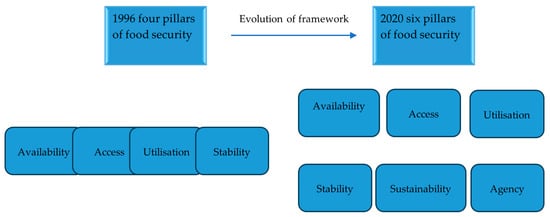
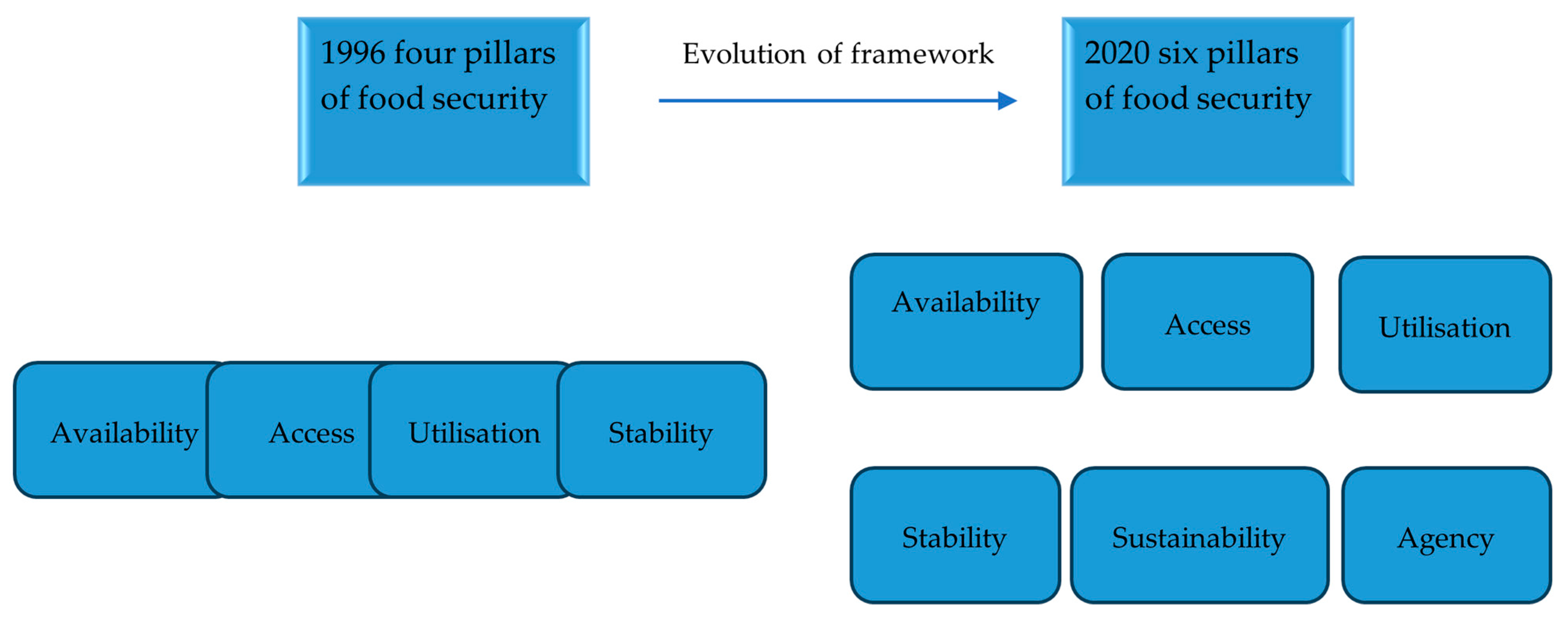
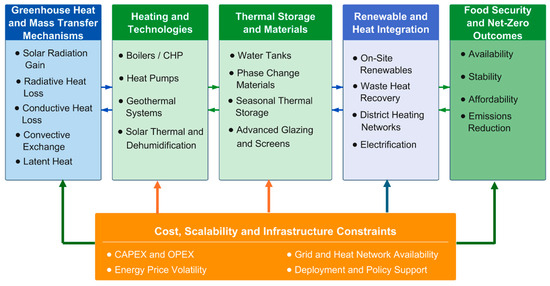
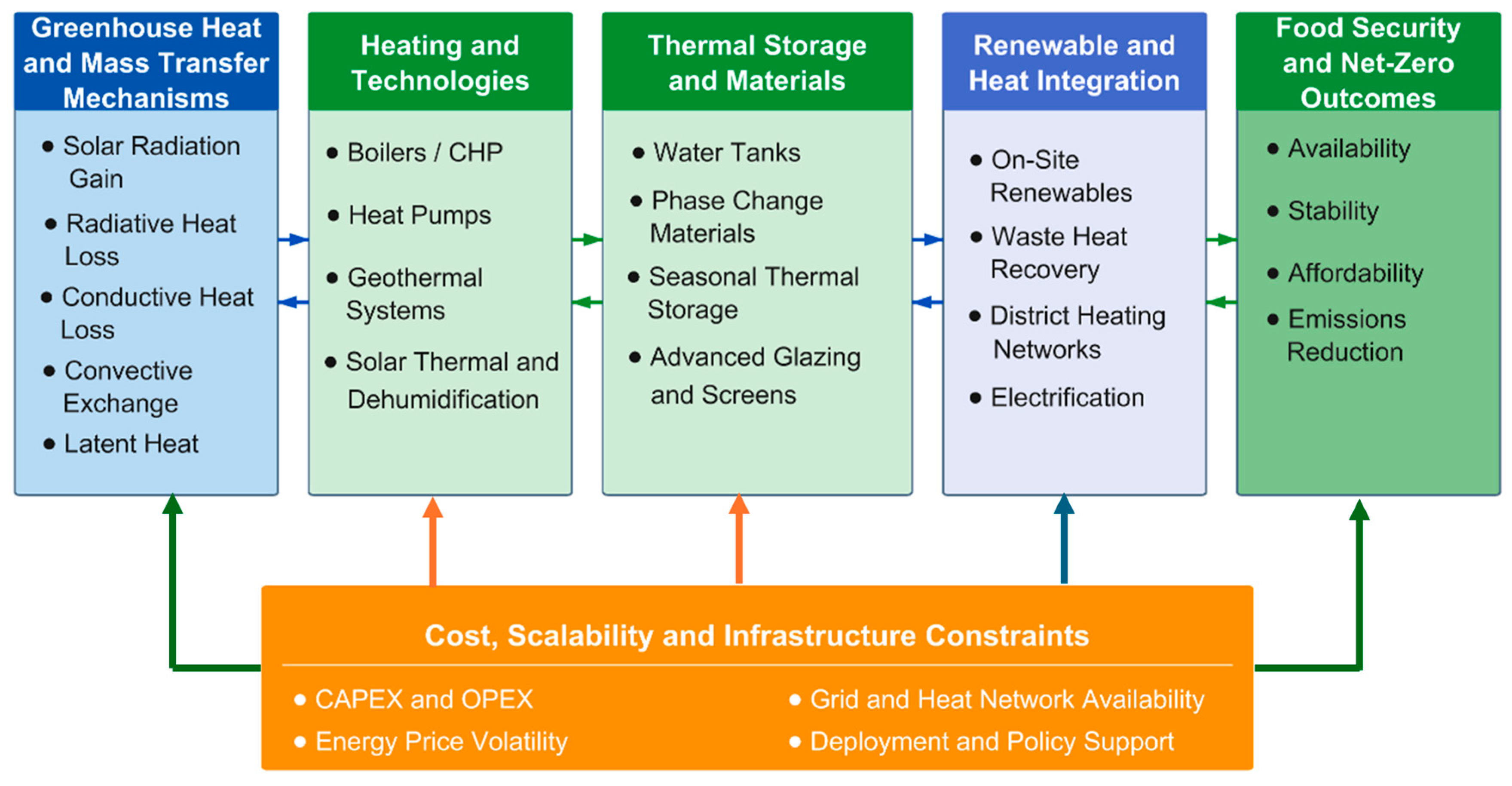
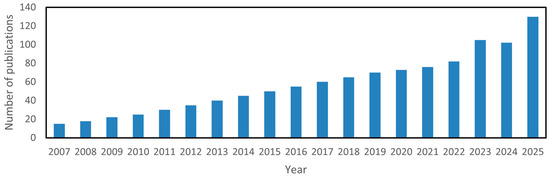
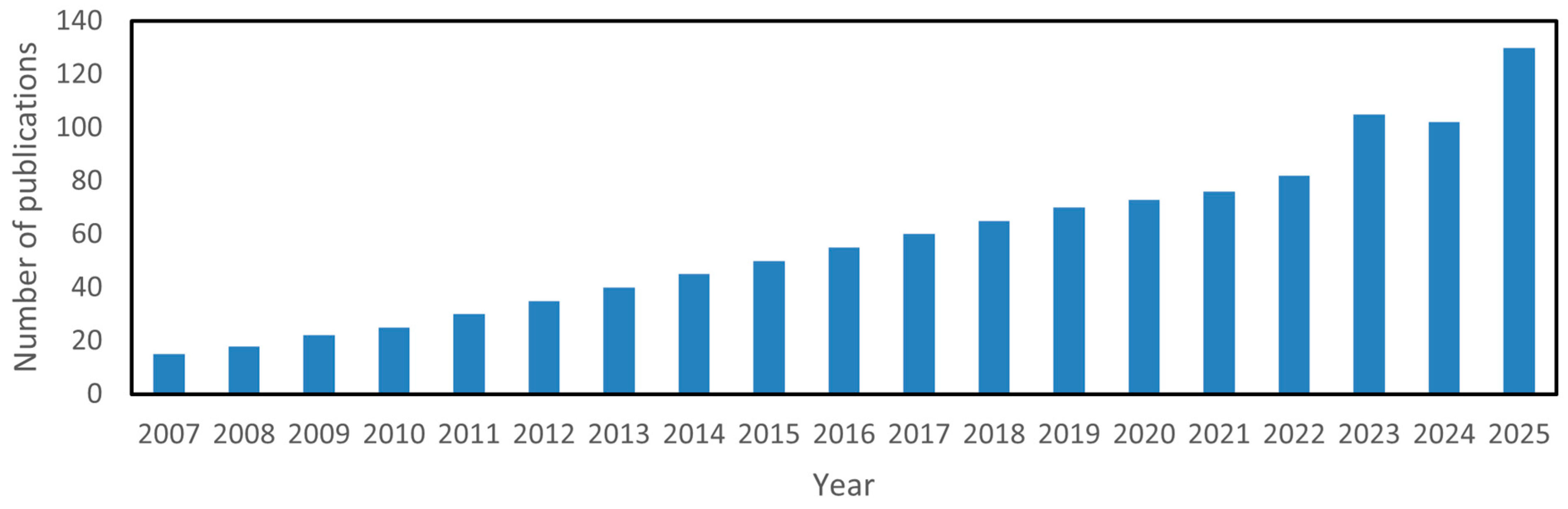
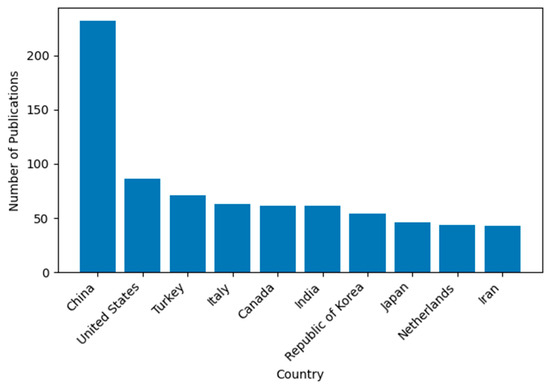
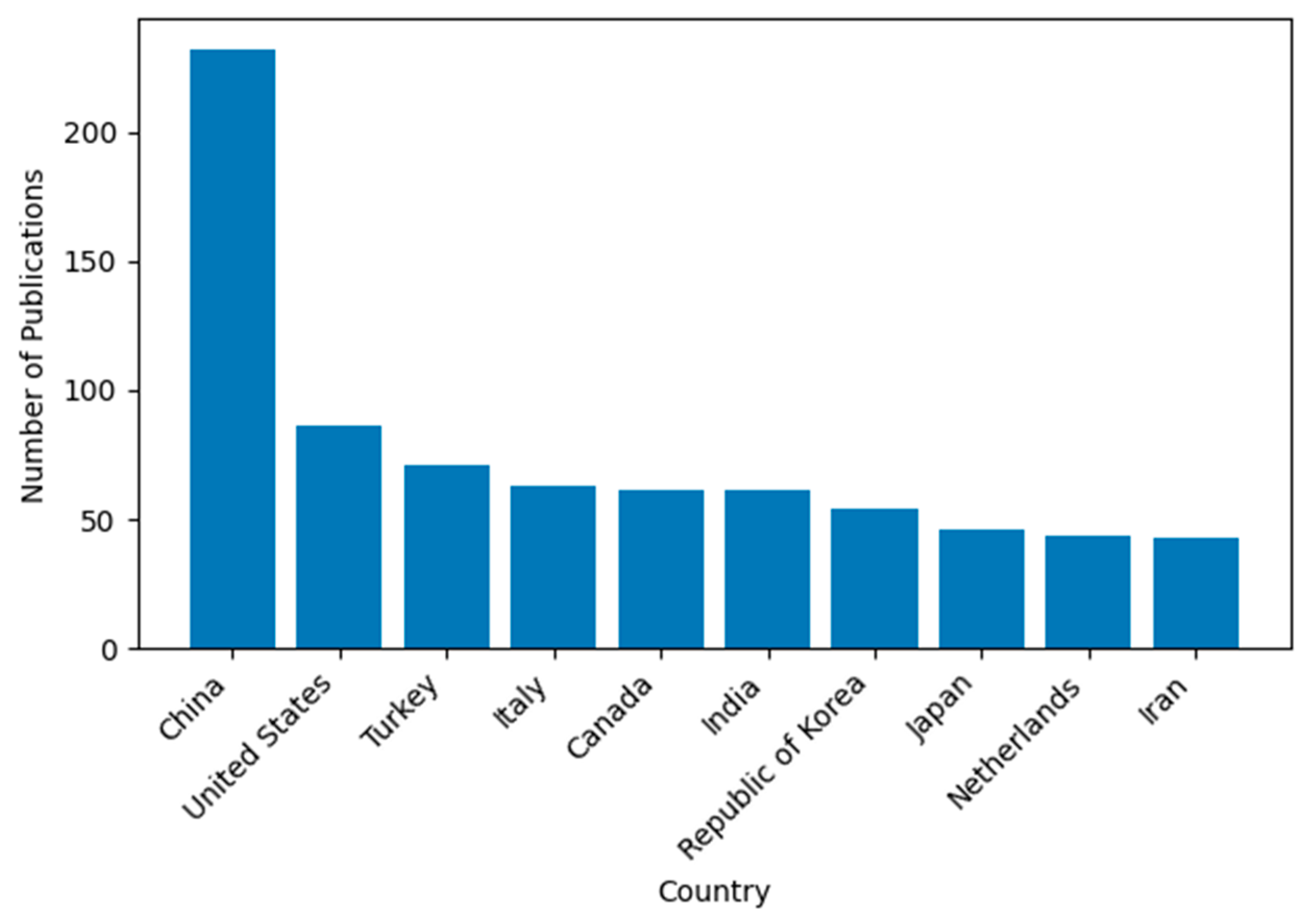
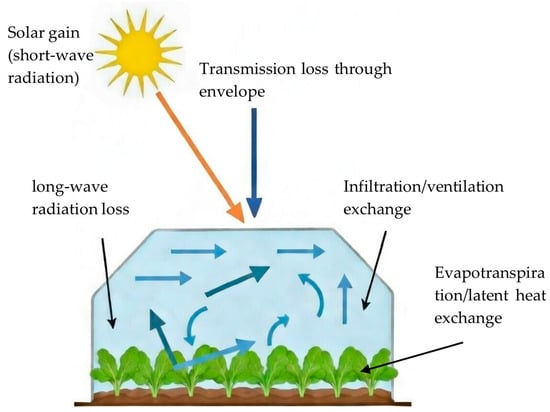
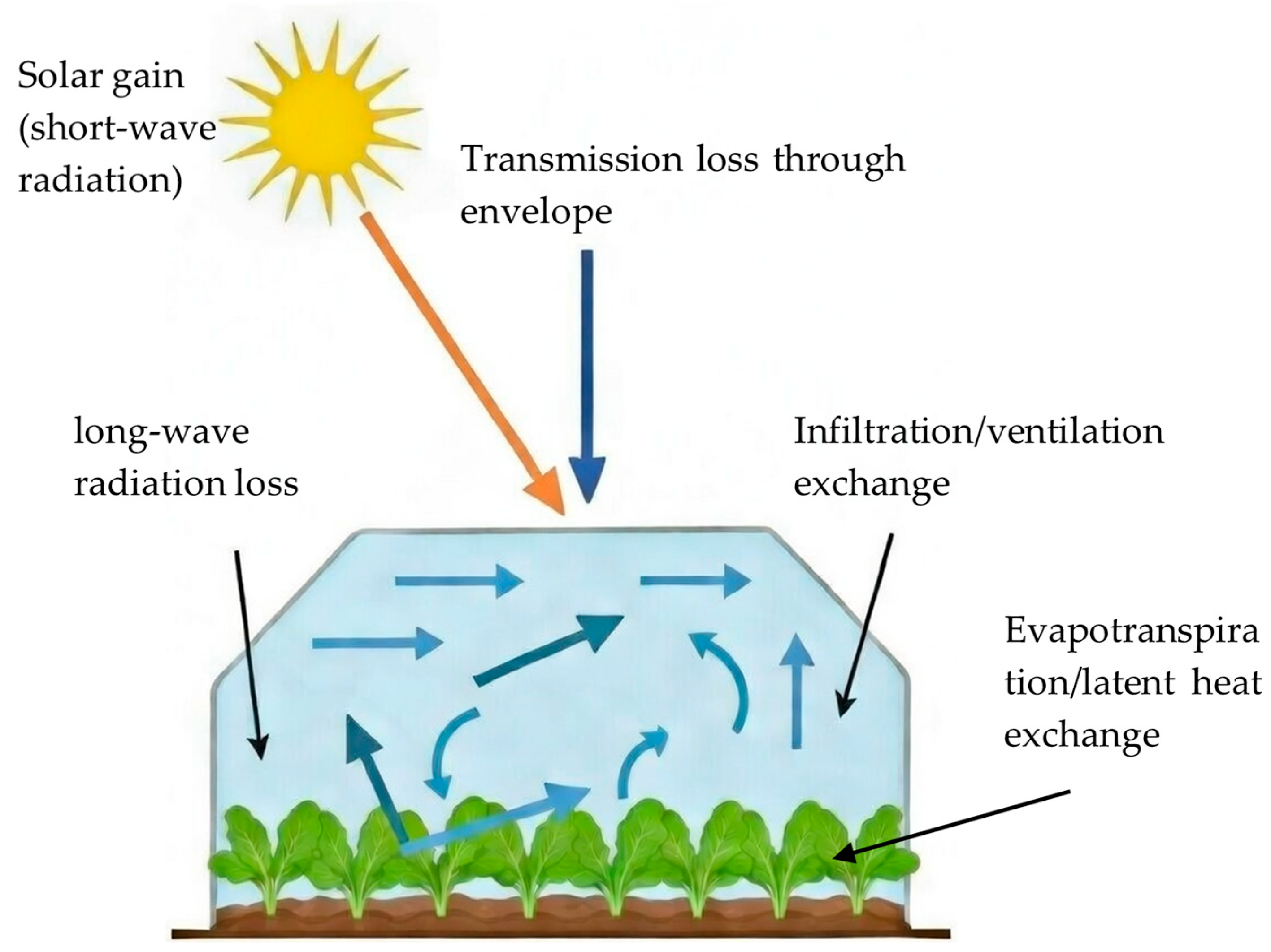
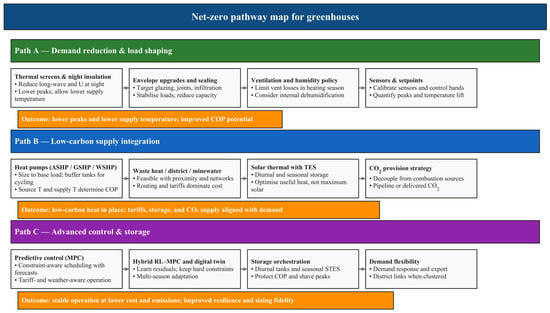
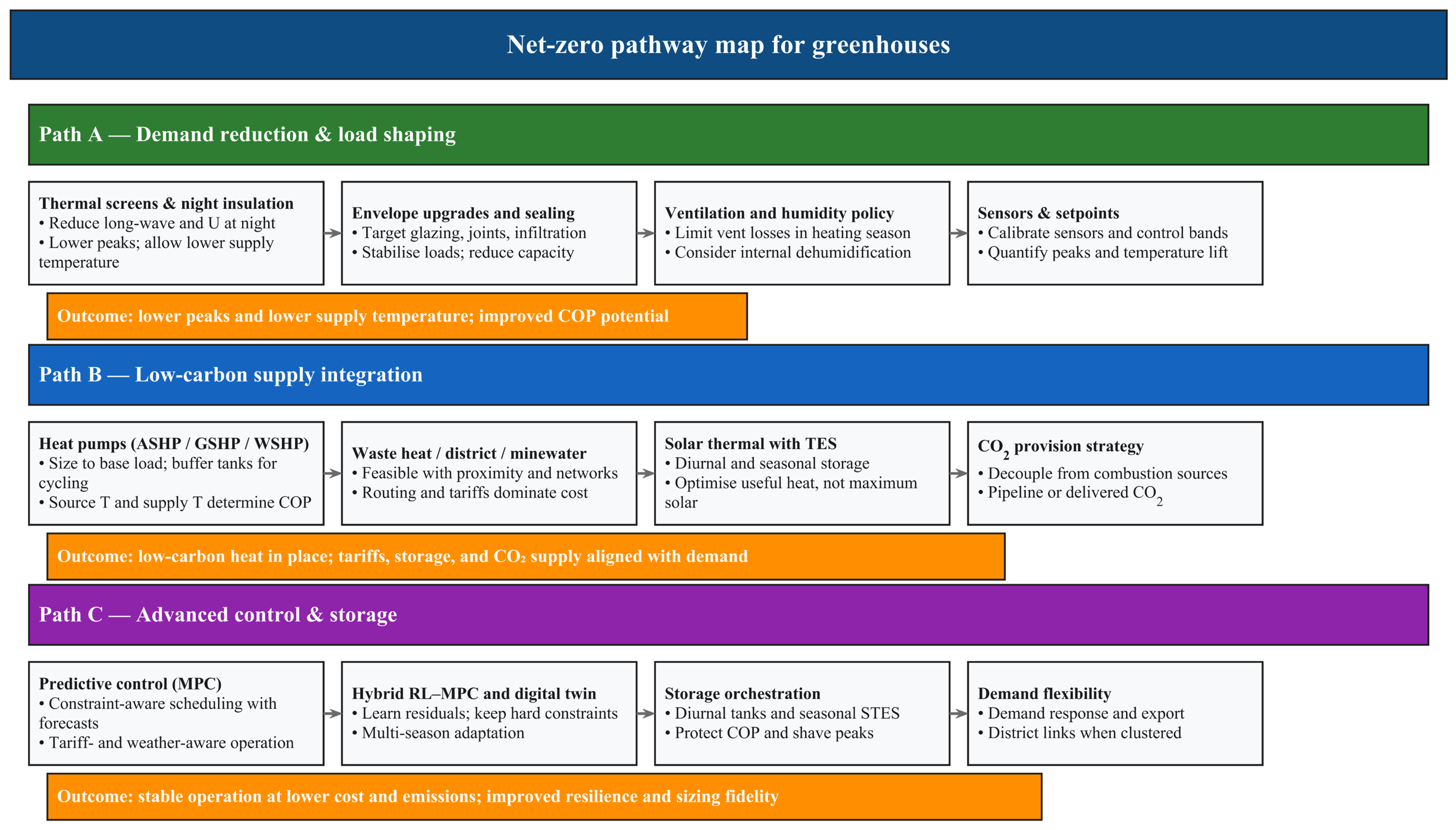
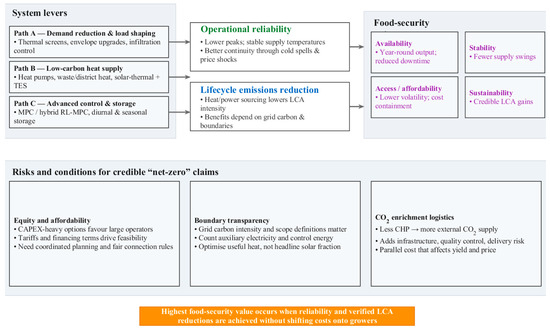
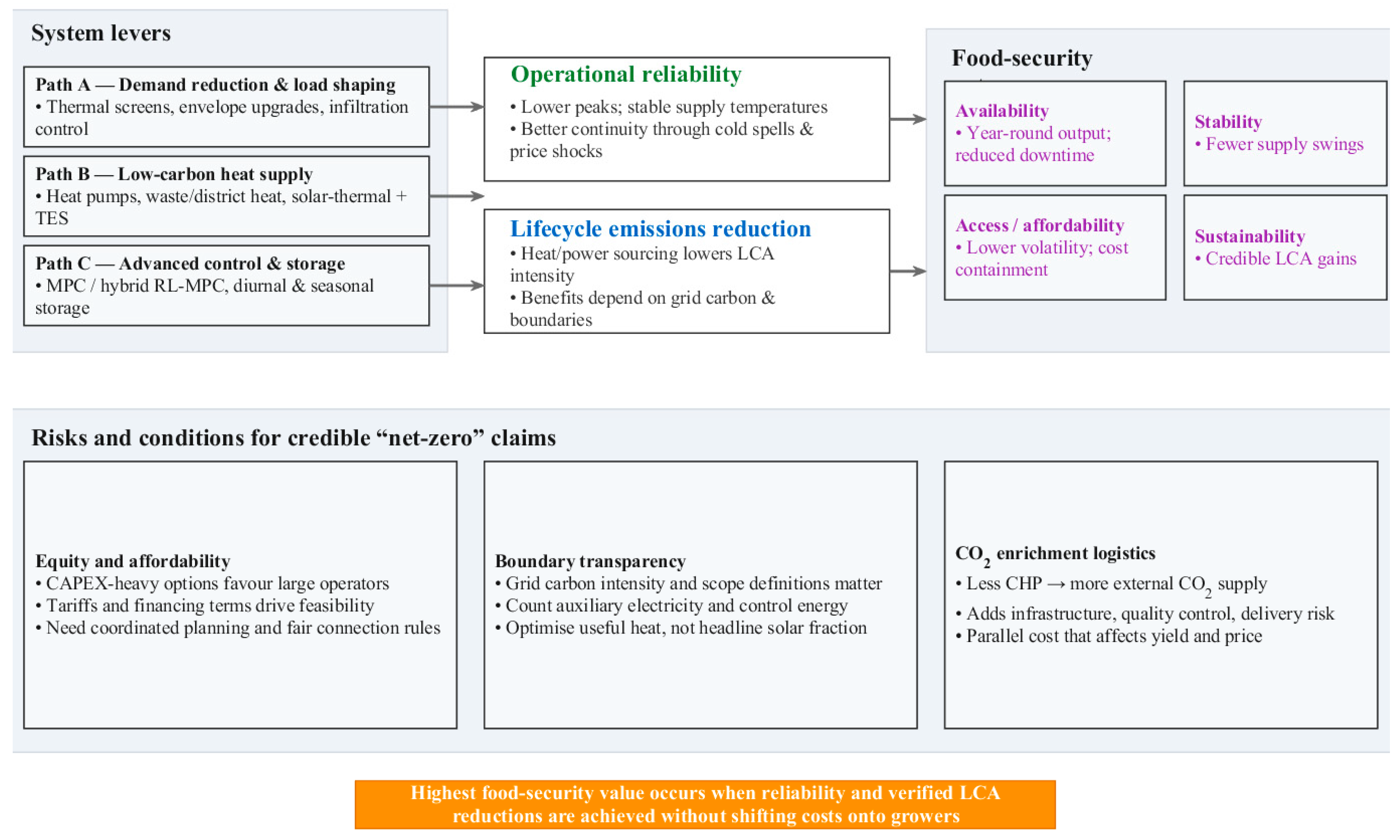
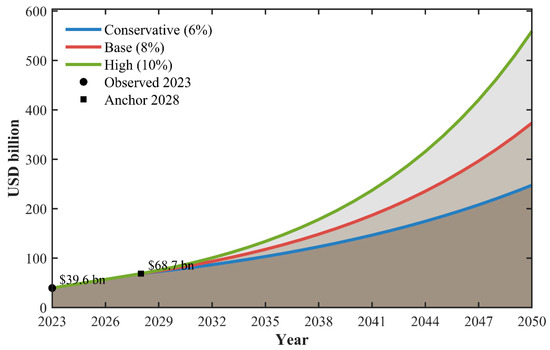
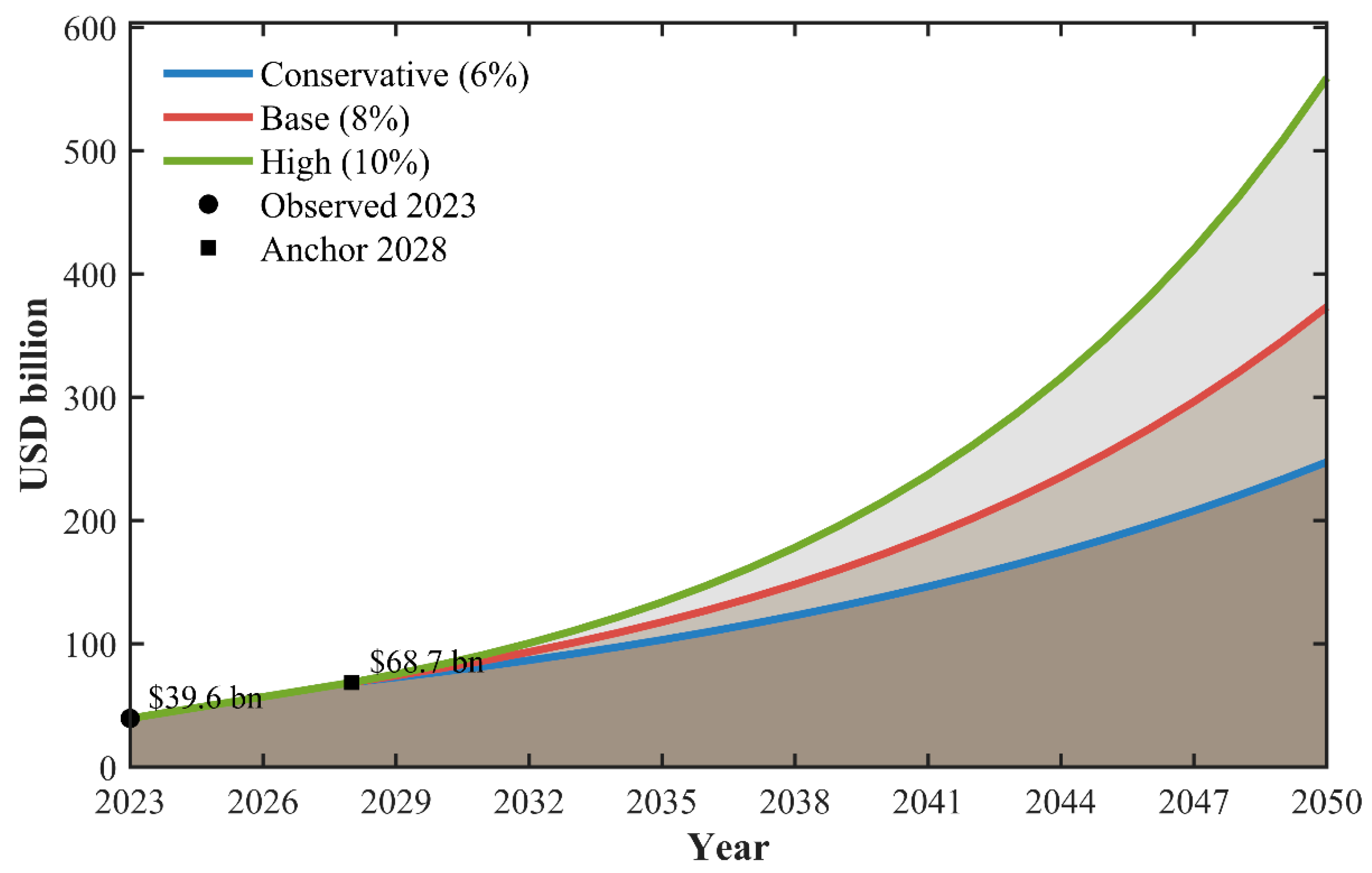
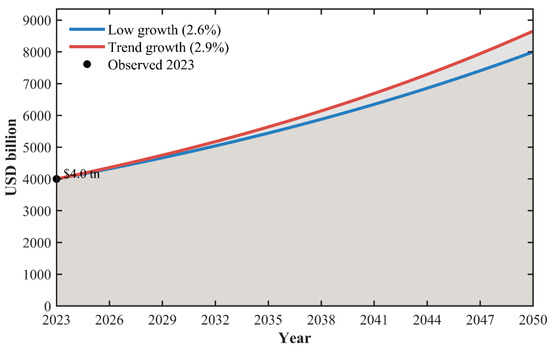
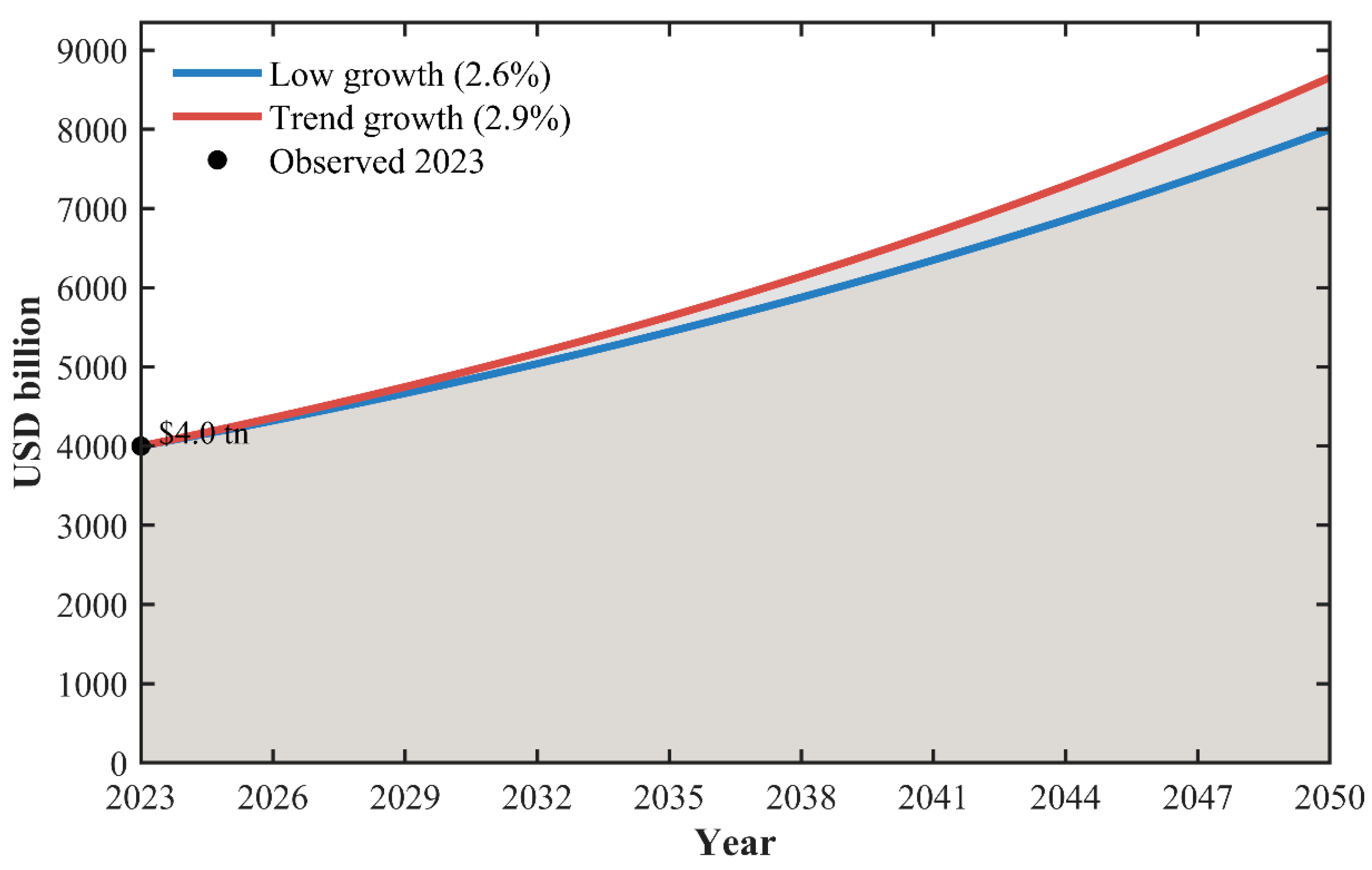
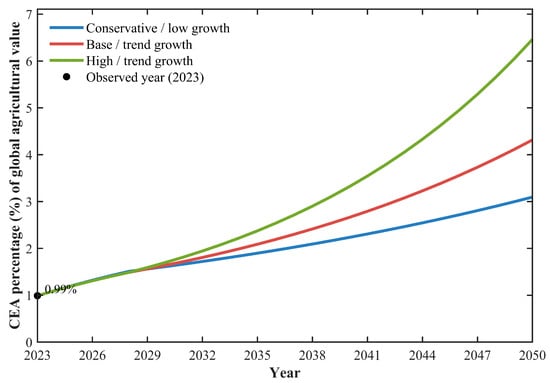
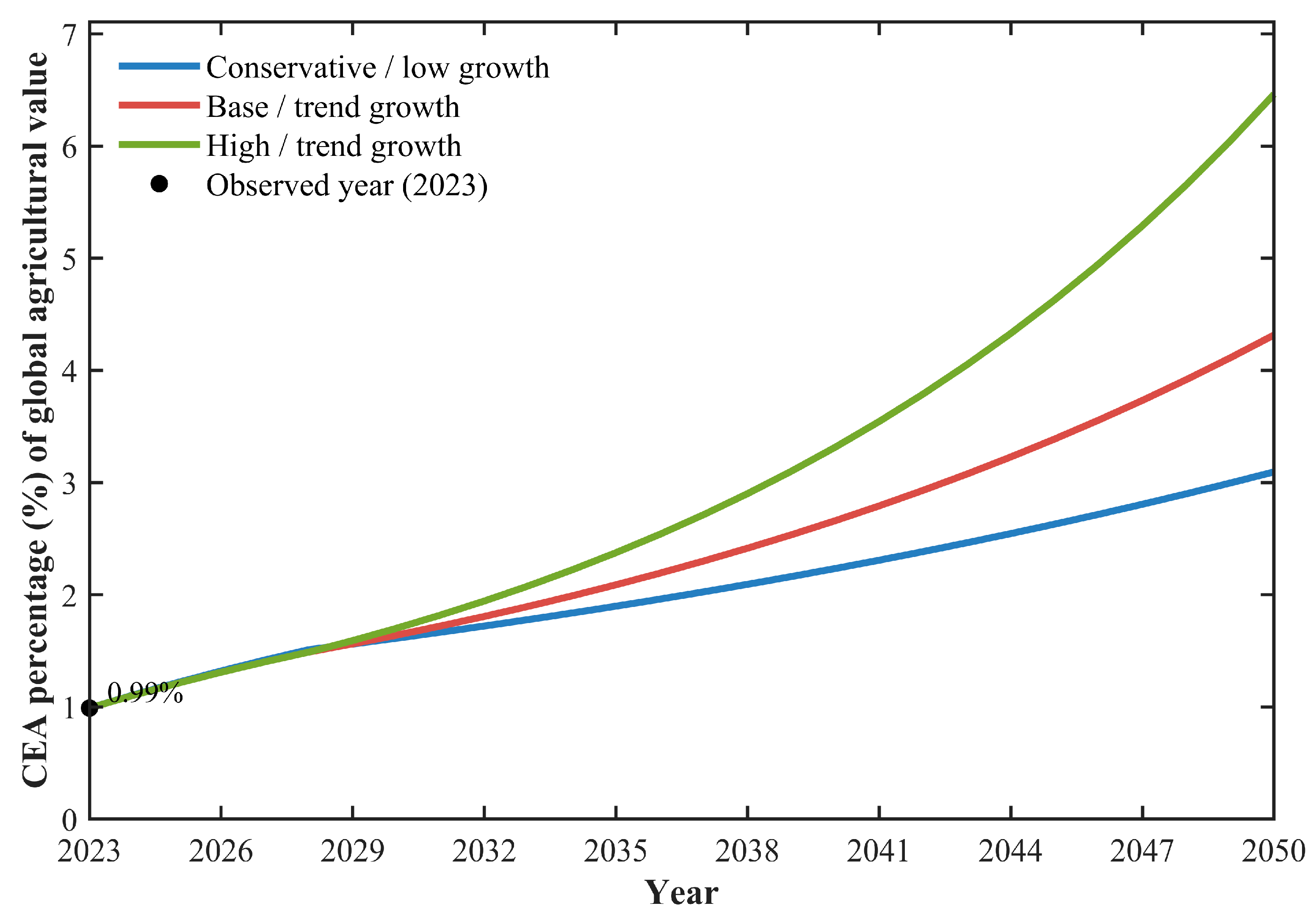

Disclaimer/Publisher’s Note: The statements, opinions and data contained in all publications are solely those of the individual author(s) and contributor(s) and not of MDPI and/or the editor(s). MDPI and/or the editor(s) disclaim responsibility for any injury to people or property resulting from any ideas, methods, instructions or products referred to in the content. |
© 2026 by the authors. Licensee MDPI, Basel, Switzerland. This article is an open access article distributed under the terms and conditions of the Creative Commons Attribution (CC BY) license.