


Abstract
The construction sector remains a major contributor to global energy consumption and greenhouse gas emissions. Heat loss through building envelopes plays a key role, especially in regions with long heating seasons. Hollow building blocks are widely used due to their low cost and structural simplicity, but their inadequate thermal insulation requires additional layers of insulation, increasing costs and complicating installation. The production of cement and traditional insulation materials is associated with a high carbon footprint and disposal issues, which conflict with sustainable development principles and decarbonization goals. In contrast to previous reviews that primarily address bio-based insulation in general building envelopes or focus on bioaggregates in concrete mixes, this paper specifically targets the application of biomaterials in hollow building blocks. It emphasizes how bio-based loose-fill and bound fillers interact with the peculiar thermo-fluid behavior of hollow cavities, including natural convection, conduction and radiation. The effects on thermal performance (thermal conductivity, U-value of walls) are analyzed, along with selected aspects of mechanical strength and durability. Gaps in long-term data on biodegradation are identified. Recommendations for selecting strategies depending on climate and design are offered, as well as directions for future research, including numerical modeling of thermal conditions. The results highlight the potential of biomodified blocks for creating energy-efficient and environmentally friendly wall systems.
1. Introduction
Hollow building blocks are widely used in modern construction due to their rapid construction speed, cost-effectiveness, and durability. However, their thermal insulation properties are often insufficient to meet modern building energy efficiency requirements, especially in regions with long heating seasons. This necessitates the use of additional thermal insulation layers, which increases the overall cost of the structure, complicates installation, and reduces usable floor area.
There are various ways to improve the thermal insulation properties of hollow building blocks. Low-emission coatings on the interior surfaces of the cavities significantly reduce thermal radiation between opposing walls, which is particularly effective in conditions of small temperature differences [1,2,3,4,5,6,7,8,9,10,11,12,13,14,15]. Such coatings, often based on thin layers of metal or special dyes, can reduce the equivalent thermal conductivity by 20–45% without altering the block’s design. Their advantage is ease of application at the factory or during the masonry process, although durability requires protection from corrosion and contamination.
Changing the geometry of the cavities optimizes heat flow by reducing the size of the cavities and increasing the thickness of the ribs [16,17,18,19,20,21,22,23,24,25,26,27,28,29,30]. Narrow and long cavities minimize convective airflows within the block, improving overall thermal resistance by 15–30%. This approach is compatible with load-bearing capacity requirements, but requires precise modeling for each block type.
Installing partitions within the cavities interrupts convection cells, reducing heat transfer by 10–25% [31,32,33,34]. This method is simple to implement and requires little additional material, but it does impact the block molding process. This solution is most effective when combined with other methods of reducing heat transfer, such as applying a low-emissivity coating to the internal surfaces of the cavities or optimizing the cavity geometry to suppress convective flows.
Filling cavities with various porous materials is the most versatile method, achieving a 50–60% reduction in thermal resistance, depending on the type of insulation [35,36,37,38,39,40,41,42,43,44]. Porous materials suppress convection and radiation and can also improve sound insulation. Traditional insulation materials, such as expanded polystyrene (EPS) and mineral wool, also pose significant challenges: they are difficult to recycle and dispose of, often accumulating in landfills. Their durability is limited due to potential degradation under the influence of moisture, UV radiation, and mechanical stress. Furthermore, the extraction of raw materials for these materials (petrochemicals for EPS, energy-intensive smelting for mineral wool) increases their overall environmental footprint, contradicting the principles of a circular economy and sustainable construction [45,46]. At the same time, as current research shows [47,48,49], mechanical, chemical, and thermal recycling of EPS waste to produce secondary raw materials or energy is technically feasible. However, in practice, particularly in the construction sector and with an underdeveloped separate collection infrastructure, EPS recycling remains complex and not always economically feasible.
One of the key barriers to sustainable construction is the high carbon footprint of traditional materials. Cement production remains one of the main sources of anthropogenic CO2 emissions (approximately 8% of global emissions) [50,51]. In this context, interest in environmentally friendly and energy-efficient materials is growing in modern construction. Biomaterials derived from agricultural waste and recycled resources offer new opportunities for sustainable improvement of the performance of hollow blocks without compromising their structural advantages [52,53,54].
In Europe, biomaterials represent only a small share of the thermal insulation market—only approximately 2% of the total in 2022, as shown in Figure 1 [55]. Despite growing interest in sustainable and eco-friendly solutions, their use remains limited compared to traditional materials such as mineral wool or expanded polystyrene. This is due not only to technological challenges, including issues of stability and durability, but also to the established preferences of the construction industry, which is focused on proven, low-cost solutions. At the same time, the strategy of filling the voids of building blocks with biomaterials offers the potential to improve energy efficiency without radically changing structural systems.
Figure 1.
European thermal insulation market by product in 2022 [55].
There are two main strategies for their application. The first is filling the internal voids of blocks with loose or compacted bioinsulation [56,57,58,59,60,61,62,63,64,65,66,67,68,69]. This helps minimize convection and thermal radiation within the cavities. The second strategy is introducing bioadditives directly into the cement matrix [70,71,72,73,74]. This approach improves the material’s microstructure and reduces its thermal conductivity. Life cycle analysis (LCA) shows that many biocomposites have a significantly lower, and sometimes even negative, carbon footprint compared to traditional materials, making them a key element of sustainable construction [75,76].
While the effects of introducing bioadditives directly into the cement matrix have been well studied and described in numerous scientific publications [77,78,79,80,81,82,83,84,85,86,87,88,89,90], the potential of another strategy (filling voids with bioinsulation) remains virtually untapped. Existing research in this area is fragmented and does not provide a complete understanding of heat and mass transfer processes in such systems. This review aims to fill this gap, as the use of bioinsulation in cavities opens up new prospects for the creation of energy-efficient enclosing structures.
Accordingly, the objectives of this review are:
- to classify loose-fill and bonded bioinsulation materials suitable for integration into hollow blocks and to summarize their key thermophysical properties;
- to synthesize experimental and numerical data on how these materials affect the effective thermal conductivity, U-value, moisture storage, and mechanical properties of hollow block wall systems;
- to identify knowledge gaps and further research needs related to durability, biodegradation, and design optimization under climatic conditions.
2. Classification and Properties of Bio-Based Fillers
Biofillers are an environmentally friendly and effective alternative to synthetic materials for thermal insulation of hollow building structures. They have the ability to regulate the indoor microclimate due to their vapor permeability and hygroscopic properties [91,92,93,94]. Due to the diversity of natural sources and structural features, biofillers vary in their physical, mechanical and thermal properties. This allows for the selection of materials based on thermal insulation requirements and environmental conditions [90,91,93,94,95,96].
Bio-based insulation materials can be grouped based on the raw materials from which they are produced (Figure 2). The first group is wood-based insulation, including materials from processed wood, such as wood chips and sawdust, obtained as by-products of wood processing [90,95,96,97]. The second group is insulation made from plant stems, including hemp hurds (the lignified portions of the stems after the fibers have been separated), often mixed with lime to create hempcrete, and chopped straw from the stems of cereal crops (rye, wheat), used as bulk material or pressed blocks [96,98,99,100,101,102,103,104]. The third group is insulation made from seeds and fruits, including rice husks (the shell of rice grains with a high silicon dioxide content, which prevents rotting) and sunflower husks (a waste product from oil production) [96,105,106,107,108,109]. The fourth group is insulation made from recycled materials, where cellulose insulation stands out as a classic example of secondary raw materials, although many of the aforementioned agricultural and industrial wastes are also categorized as recycled [97,110,111].
Figure 2.
Classification of organic insulators by origin.
Despite their different origins, all of the listed materials share a common goal: providing effective thermal insulation. Quantitative indicators are crucial for assessing their suitability for construction. Table 1 shows typical value ranges for the key thermophysical and hygroscopic properties of the biomaterials mentioned. It is worth noting that exact values may vary depending on particle size, moisture content, and the presence of additives [90,94,95,96,97,98,100,101,102,103,104,105,106,107,109,110].
Table 1.
Comparative characteristics of basic bio-fillers.
To adequately assess the effectiveness of bio-fillers, it is necessary to analyze not only their initial thermal characteristics, but also their long-term stability. One of the key challenges of filling voids with biomaterials is the shrinkage of loose insulation materials (straw, sawdust, cellulose materials) under their own weight. This leads to the formation of decompressed or unfilled zones at the top of the voids. These zones create localized thermal bridges, significantly reducing the overall thermal performance of the enclosing structure. Shrinkage can be minimized by maintaining the design backfill density, layer-by-layer placement with compaction, mechanized blowing, and structural measures such as reduced void heights or horizontal inserts [90,95,97,101,109,110].
The second critical aspect of using biomaterials in voids is their biostability. Organic fillers are susceptible to rotting, mold, and mildew at elevated humidity levels, and they can also serve as a food source for rodents and insects [97,101,103,110,133,134]. Straw materials are most vulnerable to biodegradation at moisture levels above 20%, requiring either strict moisture control or targeted protective measures. Chemical treatment can improve durability. The addition of calcium hydroxide (lime additives) creates an alkaline environment with an antiseptic effect [100,102,111]. Boron compounds, traditionally used in cellulose insulation, provide biocidal and fire-retardant properties and also reduce the material’s attractiveness to pests [97,105]. Naturally resistant materials offer additional durability. For example, hemp husks are characterized by a low susceptibility to rotting and are not attractive to rodents. Rice husks, due to their high silica content, demonstrate increased biostability.
The hygrothermal behavior of bio-fillers is another key factor, as all organic insulators are hygroscopic to varying degrees, and the presence of moisture radically alters their thermal conductivity. Physically, water, with a thermal conductivity of approximately 0.6 W/(m·K), displaces air within the material’s pores (λ ~ 0.026 W/(m·K)), forming additional thermal bridges within the structure. Numerous experimental studies show that increasing bulk moisture by 4–5% can increase effective thermal conductivity λeff by 20–40% [98,99,100,101]. Under these conditions, biomaterials with high sorption and vapor-permeability properties (hemp husks, cellulose fibers) are of particular interest. Such materials can act as moisture buffers: they temporarily accumulate excess moisture from the air and then release it back, smoothing out fluctuations in relative humidity in the room. The implementation of such a “breathing” mechanism is possible only with coordinated vapor permeability of all layers of the enclosing structure (for example, when using lime or clay plasters instead of dense polymer coatings).
From an engineering design perspective, this means that the selection of biofill for hollow blocks cannot be based solely on dry thermal conductivity. Cyclic wetting, shrinkage, or biodegradation significantly alter the properties of materials. A multi-criteria comparison is necessary. This must simultaneously consider several factors: thermal performance, moisture accumulation and buffering capacity, sorption isotherms, susceptibility to mold and pest infestation, and the suitability of protective and antiseptic treatments. The following sections will demonstrate that ignoring these interrelated factors can lead to ineffective performance of walls with biofill under real-world climatic conditions.
3. Heat Transfer Mechanisms and Packing Density in Hollow Blocks
Hollow building blocks are widely used in modern buildings due to their optimal combination of strength, lightness, and speed of construction. However, their thermal insulation properties often fail to meet stringent energy efficiency requirements. The geometry of the internal cavities, the presence of solid partitions, and the filling of the cavities with insulation fundamentally alter the balance between different heat transfer mechanisms [135,136,137,138,139,140,141,142,143,144]. All of this directly impacts the final thermal resistance and energy efficiency of the entire structure.
Heat transfer in a hollow block occurs through a combination of three mechanisms: thermal conductivity through the solid parts of the block, air convection inside the cavities, and radiant heat exchange between the internal surfaces of the cavities [145,146]. Filling the cavities with bio-fillers such as hemp shives, straw or cork radically changes this heat exchange pattern. In a filled hollow building block, heat transfer occurs simultaneously in three ways:
Thermal conductivity: The primary effect of the filler is the replacement of air, which has a thermal conductivity coefficient of approximately 0.025 W/(m·K), with a porous material. Although the thermal conductivity of the bio-filler itself is higher than that of still air, its loose structure and internal porosity create multiple solid–air interfaces, significantly increasing the overall thermal resistance [58,59,60,61,62,63,64]. Unlike filling voids with dense mortar, which, on the contrary, significantly reduces thermal insulation, bio-fillers significantly improve it.
Convection: Within the large cavities of an unfilled block, air can circulate freely, creating convective currents that effectively transfer heat from the warm wall to the cold one [28,29,31,32]. The bio-filler breaks a single volume of air into many small, isolated cells. This almost completely suppresses convective air movement, eliminating this heat transfer mechanism.
Radiation: Radiant heat exchange between the internal surfaces of voids significantly contributes to overall heat loss, especially with large temperature differences [1,5,19,20]. The biomaterial filling the cavity absorbs and re-radiates thermal energy, creating multiple “screens” in the path of the heat flow and thereby reducing the intensity of radiative transfer.
As a result of the combined effect on all three mechanisms, the overall thermal resistance (R-value) of the block increases significantly, while the thermal transmittance (U-value) decreases. The density of the biomaterial filling in the hollow blocks is critically important (Figure 3), as it determines the balance between thermal conductivity and the efficiency of convection suppression.
Figure 3.
Hollow blocks filled with straw of varying packing density.
For biomaterials, the relationship between packing density and effective thermal conductivity is not linear, but is usually U-shaped:
At low packing densities: The material is highly porous, with large air voids between the fibers. Although the fibers themselves have low thermal conductivity, heat is easily transferred through these voids through air movement (convection) and thermal radiation. This results in a reduction in the block’s thermal resistance.
Approaching optimal density: As the packing density increases, the fibers become closer together, reducing the size of the air voids. This significantly suppresses natural convection and reduces the mean free path of radiation, leading to a decrease in effective thermal conductivity. The material’s thermal insulation properties improve.
Exceeding optimal density: Once the density exceeds the optimal point, the fibers are in continuous contact. Further compression increases the proportion of the material’s solid phase, creating more pathways for heat transfer directly through the solid fibers themselves. Since thermal conductivity through solid fibers is more efficient than thermal conductivity through air, the effective thermal conductivity begins to increase again.
It can be concluded that for each biomaterial there is an optimal density range that minimizes heat transfer, providing the best possible thermal performance [97,147,148,149,150,151,152]. From a practical perspective, this means that when designing a bio-fill hollow block, it is as important to set the target bulk density range as it is to select the material type.
4. Applications of Biomaterials in Hollow Building Blocks
In recent years, a large number of review papers have been published, devoted entirely or partially to the study of the use of biomaterials for thermal insulation of buildings. These reviews can be broadly categorized by their focus:
Reviews describe the classification, properties and market trends of traditional, modern and future insulation materials [153,154,155,156].
Other work focuses on renewable materials, their properties and applications in green building [120,121,122,123,124,125,126,127,128,129,130,131,132,133,134,135,136,137,138,139,140,141,142,143,144,145,146,147,148,149,150,151,152,153,154,155,156,157,158,159].
There are reviews devoted to the use of secondary raw materials and waste from various industries in building materials [77,79,160].
Highly specialized reviews on specific materials (one type of material is studied in depth) [88,89,97,161,162].
The presented analysis demonstrates that the use of bio-based materials as thermal insulation is a well-studied and rapidly developing field, as evidenced by the large number of both broad and specialized reviews. However, despite the extensive literature devoted to biocomposites, insulation boards, and the incorporation of biomaterials into concrete mixes, a comprehensive review systematizing knowledge specifically on the use of bio-based materials for filling voids in hollow building blocks is currently lacking. This gap is particularly significant given that this approach combines the load-bearing capacity of traditional wall materials (ceramics, concrete) with the high thermal insulation properties of natural fillers, which is critical for improving the energy efficiency of buildings. Although the number of original studies directly devoted to this topic is still limited, they have demonstrated promising results.
This review systematizes the studies by several areas: biomaterial type (straw and straw composites, agro-industrial waste), block material and geometry (ceramic, concrete, clay, bionic structures), and the scale of study (material samples, individual blocks, wall fragments, and entire buildings). Whenever possible, the results are presented in comparable terms: effective thermal conductivity, U-value, and building-level energy efficiency. Particular attention is given to hygrothermal performance and durability, which are often poorly addressed but are critical to the long-term performance of bio-filled walls.
4.1. Straw-Based Infill
The use of straw is fully consistent with the principles of a circular economy, as it is a common waste product of agricultural production. This approach reduces the carbon footprint of buildings by replacing energy-intensive synthetic insulation materials (polystyrene foam, mineral wool) with renewable, CO2-negative raw materials. Moreover, straw, as a fill material, has high thermal insulation properties, comparable to traditional insulation materials. It also ensures vapor permeability, which is critical for creating a healthy indoor climate and preventing moisture accumulation in the walls. Straw as a loose-fill insulation material is characterized by thermal conductivity λ = 0.045–0.09 W/(m·K) in the density range of 50–150 kg/m3, which is comparable to mineral wool (λ ≈ 0.035–0.045 W/(m·K)) [161]. The key parameter is the packing density: at ρ < 50 kg/m3, convection in the interfiber channels predominates (λeff increases). The optimum value 80–120 kg/m3 leads to complete suppression of convection due to the fragmentation of the air volume into pores < 5 mm. At ρ above 150 kg/m3, conduction through the fibers dominates.
The filling of hollow blocks with straw can be classified into the following three types based on the backfill method:
Loose-fill: This method is the simplest and most technologically advanced: chopped straw or chaff is poured directly into the block cavities during laying or by blowing. Its main advantage is the ability to mechanically apply and fill voids of even the most complex geometries. However, loose backfill has two significant drawbacks. First, straw shrinks significantly over time (up to 20–30% of its original volume) leading to the formation of voids and, consequently, a sharp reduction in the thermal resistance of the enclosing structure. Second, the loose structure of the straw allows moisture to accumulate without proper vapor barriers, which can lead to rotting and loss of thermal insulation properties [56,57];
Bales: Mini-bales pressed to a specific density can be used to fill large voids. This solution provides significantly greater geometric stability and virtually eliminates the shrinkage typical of loose backfill. Pressed bales also have lower and more stable thermal conductivity due to fewer air gaps within the material. However, this approach is less effective for completely filling complex-shaped voids, as gaps inevitably remain between the bale and the cavity walls, requiring additional sealing, for example, with loose straw or jute felt [58];
Straw blocks: The most technologically advanced, but also labor-intensive, option is to fill the voids with pre-fabricated straw bales of specified density and dimensions. These bales can be produced by pressing straw, with or without the addition of a small amount of binder (such as clay or starch). The main advantage of this method is the predictable and uniform density throughout the entire volume, allowing for precise calculation of the wall’s thermal performance. Furthermore, pressed bales retain vapor permeability, allowing the walls to “breathe”, which promotes natural moisture regulation and creates a favorable indoor microclimate. The main disadvantage is the higher complexity and labor intensity of installation compared to backfill [59].
Ahmadi et al. [57] have investigated the effectiveness of using wheat straw as an insulating material for ceramic hollow bricks in construction. For this purpose, a four-wall model was constructed: one wall was made of standard hollow bricks without filler (W0), and the other three were made of the same bricks but with the voids filled with wheat straw of varying degrees of compaction: light (W1, density 55 kg/m3), medium (W2, 87 kg/m3), and heavy (W3, 119 kg/m3). Thermophysical tests have shown that the use of straw significantly reduces heat loss. Compared to the uninsulated wall W0, the heat flux (q) through the walls decreased by 41.23% for W1, by 30.45% for W2 and by as much as 69.24% for the wall W3 with maximum straw compaction. These data were confirmed by other measurements: the thermal transmittance (U-value) for the W3 wall decreased by 74.46%, and the thermal resistance (R-value) increased by 74.39% compared to the uninsulated wall. The authors noted that the direct relationship “the greater the compaction, the better the thermal insulation” is not always observed. Based on the data obtained, an economic and environmental efficiency calculation was performed for a hypothetical residential building. The highest energy efficiency was 69.08% for a wall with maximum straw compaction (W3). Using this type of wall in a 316 m2 building would save up to 2297 watts of energy.
Patil et al. [56] have evaluated the potential of using wheat straw as an environmentally friendly insulation material for hollow cement blocks, which are widely used in construction but have poor thermal insulation properties. The authors constructed a test rig with four walls: a control wall (W4) made of hollow blocks without filler and three experimental walls, where the voids were filled with wheat straw with different degrees of compaction: low (W3, 50 kg/m3), medium (W2, 90 kg/m3) and high (W1, 125 kg/m3). Thermal test results confirmed the high efficiency of the straw insulation. Compared to an uninsulated wall (W4), the heat flow (q) through the wall was reduced by 35.74% for the wall with the lowest density (W3), by 66.96% for the wall with medium density (W2), and by an impressive 82.80% for the wall with maximum straw compaction (W1). These data correlate with the change in the U-value: for wall W1 it decreased on average to 0.41 W/(m2·K) versus 2.32 W/(m2·K) for the control wall, which means an increase in R-value from 0.43 to 2.43 m2·K/W. Analysis of temperature curves showed that the wall with high-density straw (W1) not only most effectively reduces heat loss, but also provides a much more stable surface temperature, smoothing out daily and external fluctuations. Based on the data obtained, a calculation was performed for a hypothetical residential building with an area of 111.48 m2. Energy savings for such a house could reach about 1 kW. The article also includes a comparative lifecycle analysis of the materials. It shows that straw-filled cement blocks have a lower environmental impact than traditional ceramic bricks at the raw material extraction, production, and disposal stages.
The research by Patil et al. [56] confirmed and expanded on findings by Ahmadi et al. [57] for ceramic bricks, convincingly demonstrating that the same mechanism works effectively for hollow cement blocks. Increasing the packing density of wheat straw suppresses convective airflows within the voids and consequently increases the R-value of the enclosing structures. A comparison of the results of both studies shows that the optimal density values, which achieve maximum thermal insulation, are around 119–125 kg/m3. The apparent non-monotonicity in Ahmadi et al. [57] at intermediate packing (87 kg/m3 worse than 55 kg/m3) arises from their narrow cavities (3 × 5 × 20 cm), where manual compaction creates longitudinal air gaps along walls. These gaps enhance convection and increase heat flux compared to loose packing (trapped air in micropores). High efficiency was recorded in the range of 80–120 kg/m3, which allows us to confidently define this region as a universal “operating window” for straw backfilling (regardless of whether fired ceramic or cement blocks are used).
A key parameter for the effectiveness of straw filling is its density, which determines the balance between the suppression of convection and the increase in conductive contribution. Experimental data from two independent studies [56,57] are presented in Figure 4, which clearly shows the dependence of the reduction in heat flow and thermal transmittance compared to a block without backfill on ρ of the backfill.
Figure 4.
Comparison of straw-filled hollow blocks at different packing densities [56,57].
Saini et al. [58] have compared the thermal conductivity of hollow concrete blocks filled with two types of agricultural and industrial waste: baled wheat straw and shredded car tires. They manufactured three types of blocks with varying outer concrete wall thicknesses (2, 3, and 4 cm) and corresponding volumetric percentages of filler within the internal cavity: 80%, 70%, and 60% of the total void volume. Thermophysical calculations were conducted for summer conditions, when the outside temperature was 40 °C and the comfortable indoor temperature was set at 22 °C, creating a temperature differential of 18 °C. Calculation results showed that heat transfer through blocks filled with straw was significantly lower than through blocks filled with rubber crumb. For a block with a wall thickness of 2 cm, the heat flux was only 0.332 J/s, while for a similar block filled with rubber, this figure was 1.52 J/s. Heat transfer through the straw filler remained more than four times lower than that of blocks with rubber crumb, and significantly lower than that of conventional solid concrete blocks. The authors concluded that the use of hollow concrete blocks filled with wheat straw is an effective way to passively regulate temperature in buildings.
When using straw bales in large voids of concrete blocks, as shown by Saini et al. [58], a significant reduction in λeff of 50–55% is observed compared to empty structures, confirming the versatility of straw as an insulating material regardless of the filling scale. However, large bales adapt less well to small irregularities and gaps in the cavities, leaving air pockets where localized convection persists and the overall thermal insulation effect is reduced. Furthermore, the porous structure of bales requires enhanced moisture protection (waterproofing coatings, barriers) and fire-retardant treatments, as straw is more vulnerable to biodegradation and combustion compared to loose fill of uniform density. Structural limitations of this approach include the complexity of installation: the bales require precise fitting to the geometry of the voids, which increases the thickness of the joints and creates additional thermal bridges. The need for rodent protection and ventilation to prevent condensation complicates the laying technology. These factors make straw bales preferable only for blocks with large vertical voids (>10 cm), where the ease of installation outweighs the disadvantages compared to loose-fill straw or molded bricks.
A detailed analysis of the combined heat and mass transfer in a multi-layer wall structure consisting of hollow concrete blocks filled with compressed wheat straw blocks has been carried out by Hou et al. [59]. The authors developed and manufactured an experimental stand with two climate chambers, allowing control of temperature and humidity on opposite sides of the wall. They conducted a series of tests varying the directions and magnitudes of temperature and relative humidity gradients. During the experiments, temperature and humidity profiles were recorded using an array of sensors embedded in the thickness of the wall at different depths. The results clearly demonstrated the effectiveness of using straw bale. It was found that a layer of compressed straw, due to its high thermal resistance, significantly slows down the spread of heat through the wall, and its low coefficient of vapor permeability effectively prevents moisture transfer. In addition, straw blocks showed high buffering capacity against moisture. They actively absorbed and released moisture when external conditions changed, which helps smooth out fluctuations in humidity inside the structure.
The transition from loose-fill straw to molded straw bricks, as shown in the work of Hou et al. [59], significantly increases the predictability of backfill density and the quality of the contact zone with concrete void walls, minimizing air gaps and thermal bridges. However, capillary transport in straw bricks leads to a significant increase in the effective thermal conductivity coefficient by tens of percent. This occurs because water displaces air from the pores and sharply increases the conductive contribution. Even with a high initial density, molded elements lose part of the thermal insulation effect if vapor-waterproofing barriers are not provided. This highlights the need for a comprehensive analysis of hygrothermal behavior when designing walls with bio-fills under variable humidity conditions.
Elbashiry et al. [60] have presented the development of an innovative building material, wheat straw-filled bionic hollow concrete block. Its geometry was inspired by the microstructure of the elytra of the beetle Trypoxylus dichotomus, namely the presence of trabeculae, which increase the strength of the structure at low weight. The authors manufactured and tested several modifications of blocks with different void geometries and percentages of straw filling (from 48% to 64%). Verified finite element modeling was also carried out to evaluate their strength and thermal insulation characteristics in comparison with traditional hollow concrete blocks. The results of mechanical tests showed that the bionic structure provides the block with high load-bearing capacity even with a high percentage of voids. The block with a bionic structure and 48% voidage demonstrated a compressive strength of 7.13 MPa, which is 25% higher than the non-partitioned block with similar voidness, and significantly exceeds the minimum requirement of 4.0 MPa for curtain walls. Thermal engineering calculations confirmed the high efficiency of straw as an insulating material: heat loss through the blocks decreased with increasing proportion of straw. The key factor worsening the insulation was the presence of “cold bridges” in the form of solid concrete lintels. To minimize them, the authors proposed an optimized geometry with reduced side wall thickness (up to 12–20 mm).
Bionic concrete hollow blocks, where straw is integrated not as mere waste but as a structural element of a cellular architecture, represent a promising development. Such solutions [60], optimized according to the laws of biomimetics, will undoubtedly become an important element in the construction technologies of the future. The geometry of the internal cavities is designed to maximize convection suppression and uniform distribution of straw fibers. This provides both high compressive strength, shear stability and improved heat transfer.
Hollow building blocks filled with straw are also used for high-rise construction. Liang et al. [61] have developed and tested a rice straw–cement composite brick for use in high-rise construction. The authors used a method of gelatinizing straw using NaOH solutions of varying concentrations (2–7%), which increased the homogeneity of the mixture and eliminated the risk of insects. The resulting mass was pressed into blocks, which were then combined with hollow cement blocks to create a composite structure. Mechanical compression tests have shown that the tensile strength of composite bricks is about 6 MPa, making them suitable for use as self-supporting partitions in high-rise buildings. Thermophysical measurements have demonstrated that the thermal conductivity coefficient of composite bricks is in the range of 0.056–0.126 W/(m·K), which is significantly lower than that of conventional concrete (1.51 W/(m·K)) and clay bricks (0.45–0.81 W/(m·K)). The density of the composite (1142–1413 kg/m3) was 24–35% lower than the density of concrete, which reduces the load on the load-bearing frame of the building. The study also revealed the influence of the concentration of the alkaline solution on the properties of the material: with an increase in the NaOH concentration from 2% to 7%, the shrinkage (from 2.84% to 9.45%) and moisture content (from 5.32% to 12.13%) of straw blocks increased, which, in turn, led to an increase in their thermal conductivity. In conclusion, the authors noted the need to further optimize the production process and develop automated equipment for commercialization of this technology.
Overall, the studies reviewed demonstrate that wheat straw and rice straw, when compacted to an optimal bulk density of 80–120 kg/m3, can reduce heat flow through hollow block walls by approximately 40–80%. Moreover, this solution relies on local, renewable, and low-emission raw materials. At the same time, the effectiveness of straw fillers is extremely sensitive to installation quality, shrinkage control, and moisture protection.
The longevity of straw in building structures directly depends on protection from excessive moisture [163]. Maintaining a straw moisture content of no more than 25% during use and no more than 14–15% during wall construction is considered optimal [164]. Experiments have shown that fresh wheat straw at 87% relative humidity (RH) and 21.5 °C becomes moldy within a few weeks, while samples from a three-year-old wall remain clear [164]. Cyclic wetting-drying tests revealed that barley straw, due to its higher porosity, degrades faster than wheat straw [165]. Adding lavender straw to composites increases bioresistance thanks to natural antibacterial compounds (polyphenols, aromatic oils) [166]. In this connection, with proper humidity control and protective treatments, straw insulation materials can retain their properties for decades.
Several recent life cycle assessment (LCA) studies confirm the environmental potential of biomaterials. Pittau et al. [75] showed that external walls using fast-growing biomaterials (compressed straw, hempcrete) as thermal insulation provide global cooling through carbon sequestration. Within one year of construction, biogenic carbon is completely restored in crops, and the total radiative forcing becomes negative. This effect is not observed in alternatives using mineral wool or solid brick/concrete walls. Shang et al. [76] conducted an LCA study of straw-based materials, showing that straw resin-bonded particleboard reduces the global warming potential (GWP) by 9.9% and straw cement-bonded particleboard by 4.5% compared to their wood counterparts, and also reduces non-renewable energy consumption by 3.08% and 14.88%, respectively. Thus, the available LCA data consistently indicate the potential for reducing greenhouse gas emissions and energy intensity when using biobased materials, particularly those based on local agricultural raw materials.
Thus, straw-filled hollow blocks can be considered a technically feasible and environmentally sound solution. It is suitable for both low-rise and certain multi-story construction options. However, this is possible provided that the hygrothermal design is as thorough as the thermal engineering and design.
4.2. Agro-Waste Infill
Unlike the previous section, where the emphasis is on flexible void filling and straw baling, this section focuses on hard grain residues (corn cobs, husks, bagasse) and fibrous agro-wastes (date palm, coconut), which are highly porous but require a different integration strategy into the block design. These materials are characterized by a more pronounced granular structure. This affects the contact zone with concrete partitions and requires optimization of the fractional composition to minimize thermal bridges. This approach expands the range of biofillers due to local agricultural waste associated with grain and sugar crops, providing a parallel solution to the problems of recycling and thermal insulation.
Diao et al. [62] experimentally and theoretically assessed the effect of various insulation materials on the energy consumption of walls made using the “hollow bucket wall” technology, which is widespread in rural areas of China. Four fragments of brick walls were made: one without filler and three with filling the voids with local waste-rice husks, expanded perlite and expanded clay from silt. Thermophysical tests in a climate chamber showed that the wall filled with rice husks has the lowest heat transfer coefficient—0.83 W/(m2·K), which is 56% better than that of an empty wall (1.90 W/(m2·K)). For comparison, walls with perlite and expanded clay showed values of 0.91 and 0.93 W/(m2·K), respectively. During the transition seasons (spring and autumn), the rice husk wall provided the most stable and lowest internal surface temperature (average 21.9 °C) and the minimum heat transfer rate through the internal faces (average 58.53 W). The authors concluded that filling hollow walls with rice husks is the most effective way to increase their thermal resistance, reducing building energy consumption while disposing of common agricultural waste. The results obtained can serve as the basis for the development of regulatory documents for the design of energy-efficient building envelopes in rural areas.
The physical, mechanical, thermal and fire characteristics of a wall system consisting of hollow blocks filled with rice husk (Figure 5) were evaluated by Ma et al. [63]. Thermal engineering measurements have shown that the thermal conductivity of rice husk panels is 0.12–0.15 W/(m·K) in the plane and about 0.07 W/(m·K) perpendicular to the plane. Due to the orientation of the insulation in the blocks (parallel to the heat flow), its efficiency turned out to be low: the U-value for walls filled with rice husk was significantly higher (1.3–1.6 W/(m2·K)) than for hollow blocks (1.1 W/(m2·K)). The low efficiency of rice husk in this case is explained by several physical factors associated with the anisotropy of the material and the geometry of the cavities.
Figure 5.
Masonry wall system insulated with rice husk [63]. (Creative Commons CC-BY-NC license.).
Bovo et al. [64] have presented a comprehensive interdisciplinary analysis of the properties of corn cobs as a potential bio-based material for thermal and sound insulation of buildings. The authors conducted an extensive experimental analysis covering both the micro and macro levels. The goal was to fill gaps in knowledge about the characteristics of this agricultural waste, which is often considered only as a component of composites, and not as an independent material. The density of the dried material averaged 247 kg/m3, and a high-water absorption capacity was revealed: after three days of complete immersion, the humidity reached 54.7%, and after 28 days, 56.5%, which indicates the need to take this factor into account in practical application. Thermal conductivity was assessed using a mobile hot cell on seven different configurations of 170 mm thick wall samples filled with cobs with different orientations (along the X, Y, Z axes, combinations thereof, as well as ground cobs). The best thermal insulation performance (lowest thermal conductivity) was achieved for the sample with ground cobs (λ = 0.12 W/(m·K)), which makes this configuration the most promising for industrial production. The authors concluded that corncobs, especially when ground, are a viable and environmentally friendly material for building insulation, and the proposed methodology can serve as a basis for the evaluation of other natural materials.
Moussa [65] has evaluated the effectiveness of using sugarcane bagasse (SCB) as a thermal insulation layer in clay bricks to reduce energy consumption for cooling buildings in the hot, dry climate of Egypt. The key innovation of the work was to avoid directly mixing SCB fibers with clay (which had previously been shown to lead to cracking), but to create a two-layer structure: the brick was divided into two halves, between which a 2 cm thick layer of treated SCB fibers was placed. Thermal modeling for a typical residential building in Cairo on the hottest day of the year showed a significant reduction in energy consumption. The greatest effect was achieved on the first floor, where energy savings for the operation of the air conditioning system amounted to 16.37 kW per day. In the building as a whole, the use of new bricks with a layer of cake made it possible to reduce energy consumption for cooling by 19.5% per month. The author has shown that the proposed design of clay bricks with an integrated layer of sugarcane waste is an effective, economical and environmentally friendly solution for improving the energy efficiency of buildings in hot regions.
Iwaro and Mwasha [66] have assessed the effectiveness of using coconut fiber as a thermal insulation material for the walls of residential buildings in a tropical climate using the example of Trinidad and Tobago. For the experiment, two identical small-sized building prototypes were built: the first from concrete blocks (150 × 200 × 400 mm), the second from clay blocks (100 × 200 × 300 mm). Each prototype was tested in three configurations: without insulation, with fiberglass insulation, and with coconut fiber insulation filled into the voids of the blocks. For concrete walls, coconut fiber provided a reduction in daily energy consumption of 0.66 kWh, which is slightly better than fiberglass (0.58 kWh). For clay walls both insulation materials also reduced energy use compared with the uninsulated wall, with coconut fiber again yielding the lowest energy consumption. Indoor relative humidity with coconut insulation was also more often in the comfortable range (40–70%) compared to uninsulated models. The authors conclude that coconut fiber is an effective, environmentally friendly and affordable thermal insulation material that can significantly improve the energy efficiency and thermal comfort of residential buildings in hot climates. It can serve as a complete replacement for synthetic insulation, such as fiberglass, while being renewable and safe for health. For practical implementation, additional research with full-scale building modeling and material life cycle analysis is recommended.
Brose et al. [67] have developed and tested cement panels infused with coconut fiber. Authors addressed two challenges: improving the thermal insulation of buildings and enhancing their seismic resistance in regions with extreme climates (using Gujarat, India, and Gorkha, Nepal as examples). Laboratory tests have shown that the thermal conductivity of such panels is 0.168–0.19 W/(m·K). In the hot climate of Gujarat, installing wall panels reduced annual cooling energy consumption by 6–11% (savings of up to 964 kWh per year). In the colder climate of Nepal, the panels reduced heating energy consumption by 14% (9 kWh). Mechanical tests revealed that the flexural strength of panels with fiber (4.55 N/mm2) was 74% higher than that of control samples without fiber (2.62 N/mm2), making them promising for preventing wall collapse during earthquakes.
Kosiński et al. [68] have evaluated the thermal properties of raw hemp fiber as a potential loose-fill insulation material for frame structures. The dependence of thermal conductivity and air permeability on bulk density was experimentally determined. The results showed that as the material density increased from 18 to 85 kg/m3, thermal conductivity consistently decreased from 0.076 to 0.040 W/(m·K). The best value is comparable to the performance of traditional insulation materials such as mineral wool. Air permeability also decreased with increasing density, indicating high permeability of the material and the need for protection from convective flows. The authors have concluded that raw hemp fiber is a promising environmentally friendly insulation material, but its practical application requires the mandatory installation of effective air- and wind-protective layers to prevent convective heat transfer.
Dlimi et al. [43] have examined the cavities of double-walled brick blocks filled with concrete infused with chopped hemp (hemp concrete), a biofiller in a bound form. This filler combines the advantages of traditional concrete (dimensional stability, fire safety) with reduced thermal conductivity and a reduced carbon footprint due to the hemp component. This makes these results a natural point of comparison for the bulk agricultural waste-based solutions described above. Using 2D CFD modeling, the effective thermal properties and thermal transmittance were calculated for walls with bricks having 8, 12 and 16 cavities. The results showed that filling the voids with hempcrete significantly reduced the thermal conductivity of the walls. The effective thermal conductivity of the filled blocks was 0.287 W/(m·K). Thermal resistance for walls with 12- and 16-core blocks reached values of 1.357 and 1.642 m2·K/W. Dynamic modeling for a typical residential building with an area of 100 m2 confirmed the high efficiency of the proposed solution. An economic analysis showed that the use of hemp insulation reduces overall costs by 67.95% (savings of $73.80/m2) with a payback period of 2.5 years.
Xie et al. [69] have experimentally assessed the possibility of using five types of agricultural waste (reed leaves, reed stems, rice husks, rice straw, wheat straw) as a backfill insulation for hollow ceramic bricks in order to increase the thermal resistance of walls (Figure 6). Six wall fragments were physically manufactured and tested using the simple hot box method for 15 days, including five with different fillers and one control specimen without filler. The results showed that filling voids with any type of waste significantly improved the thermal insulation properties of walls compared to empty bricks (the control wall had a U-value of 1.59 W/(m2·K)). Rice straw demonstrated the best effect: the U-value decreased by 32.7% to 1.07 W/(m2·K). Slightly less effective were wheat straw (a 29.6% decrease to 1.12 W/(m2·K)) and rice husks (a 26.4% decrease to 1.17 W/(m2·K)). Reed leaves provided a reduction of 24.5% (1.20 W/(m2·K)), while reed stems showed the worst result among the materials studied—a reduction of only 12.6% (1.39 W/(m2·K)), which is explained by their low apparent density and the presence of large air cavities that enhance convective heat exchange. Heat flux analysis confirmed these data: the average heat flux through the wall with rice straw was minimal (30.7 W/m2), while through the control wall it reached 48.4 W/m2.
Figure 6.
Samples of hollow bricks filled with agricultural waste [69]. (Creative Commons CC-BY license).
Table 2 presents a comparative study of the thermal conductivity of bio-based fillers (hemp, bamboo, straw, rice husk, etc.) with regulatory requirements [167] of λ ≤ 0.045 W/(m K) and thermal resistance R = 5.0 m2 K/W [157]. The required layer thicknesses for each material are calculated, and a practical applicability assessment is provided, taking into account the dry λ range. A comparison with reference materials (mineral wool, EPS) shows that rice husk and straw can be considered the most promising alternatives under optimal conditions, although their stability requires additional density and moisture control.
Table 2.
Thermal performance comparison of bio-based loose-fill insulants vs. normative benchmarks (λ ≤ 0.045 W/(m·K); R = 5.0 m2·K/W).
A comparison of various agro-industrial aggregates reveals several common patterns. Granular grain residues, such as rice hulls or crushed corn cobs, provide more uniform contact with cavity walls and relatively low thermal conductivity, but typically have high water absorption capacity and require strict moisture control, especially in hot and humid climates. Fibrous waste (coconut fiber, hemp, etc.) provides a favorable balance between thermal insulation and mechanical reinforcement. Therefore, they are most often promising as components of panels and bonded aggregates, rather than as completely loose backfill. Climate plays a decisive role: in the tropics and subtropics, materials with pronounced moisture-buffering capacity and resistance to biological damage are preferred, while in colder regions, low thermal conductivity in the dry state and compatibility with vapor-permeable plasters and cladding are paramount.
5. Conclusions
The review showed that filling the voids of hollow blocks with bio-based materials from agricultural and recycled resources is a promising strategy for increasing the energy efficiency of building envelopes and reducing the carbon footprint of construction. Unlike traditional insulation, these solutions improve the thermal performance of walls without radically redesigning the building’s load-bearing structure or architecture.
Classifying biofillers by origin (wood waste, plant stems, seed and fruit husks, recycled materials) reveals a wide range of available materials. Most of them provide thermal conductivity comparable to traditional insulation materials, but vary greatly in bulk density, moisture absorption, and resistance to biodegradation. Therefore, choosing a material cannot be based solely on dry thermal conductivity. A summary of experimental and numerical data shows that backfill and cohesive biocomposites in voids significantly reduce heat flow through the wall and thermal transmittance. The biofill simultaneously influences thermal conductivity, natural convection, and radiant heat exchange in the cavities, increasing the thermal resistance of the structure. For bulk and fibrous materials (straw, hemp shives, wood fibers, etc.), an optimal bulk density range has been identified where convection is suppressed and the proportion of solids is not too high.
The hygrothermal behavior and durability of biofills are less well understood than their instantaneous thermal properties. Shrinkage of loose fill, moisture, and mold growth can significantly reduce the expected effect if moisture control and high-quality compaction are not ensured. Also important are spacers in high cavities, vapor-permeable but water-repellent plasters, and protective impregnations with biocidal and fire-retardant properties. A comparison of various types of biofillers (straw and rice husk materials, agricultural granules, coconut and hemp fibers, etc.) demonstrates the need for a multi-criteria selection process. In cold and temperate climates, low dry thermal conductivity and compatibility with vapor-permeable finishing layers are paramount. In hot and humid regions, moisture-buffering properties and resistance to biodegradation and insects are more important.
The review also demonstrates that the incorporation of biofills into block voids aligns well with green building trends and research on reducing carbon footprints by replacing some cement and synthetic insulation with biocomposites. An analysis of available LCA studies indicates the potential for reducing overall greenhouse gas emissions and life-cycle energy intensity when switching to blocks with biomodified fill, particularly when using locally sourced agricultural raw materials.
At the same time, a number of significant knowledge gaps have been identified that hinder the widespread adoption of such solutions in regulatory practice. These include:
Limited data on the durability of biofills under cyclic wetting and freeze–thaw conditions;
Insufficient understanding of combined heat and mass transfer processes, taking into account shrinkage and capillary moisture transport;
A lack of standardized test methods and design criteria for walls with biofill.
More detailed studies of fire resistance, mechanical reliability, and the behavior of concrete/ceramic–biomaterial contact zones in real-world structural designs are also needed.
Promising areas for further research include the development of detailed numerical models describing the combined transfer of heat and moisture in hollow blocks with biofills of complex geometry. It is also important to continue optimizing the block design, taking into account bionic principles and the capabilities of 3D modeling. Of additional interest are large-scale field tests of wall and building fragments under various climatic conditions. Equally important is the integration of the results into building energy models and the completion of comprehensive feasibility studies and environmental justifications for various application scenarios. Taken together, this will enable biofilled hollow blocks to move from the category of experimental and niche solutions to the category of technologically proven, regulatory-supported building envelope systems. Such systems will become the foundation for energy-efficient and low-carbon construction.
Author Contributions
I.M. conceived the main concept. I.M., M.S. and V.S. contributed to the investigation and data analysis. I.M. wrote the manuscript. All authors contributed to the writing of the final manuscript. All authors have read and agreed to the published version of the manuscript.
Funding
This work was supported by the Russian Science Foundation (Project No. 25-79-10293).
Data Availability Statement
Not applicable.
Conflicts of Interest
The authors declare no conflicts of interest.
Abbreviations
The following abbreviations are used in this manuscript:
| EPS | Expanded polystyrene |
| LCA | Life cycle assessment |
| U-value | Thermal transmittance (W/(m2·K)) |
| R-value | Thermal Resistance (m2·K/W) |
| CFD | Computational Fluid Dynamics |
| SCB | Sugarcane Bagasse |
| NaOH | Sodium Hydroxide |
| MPa | Megapascal |
| CO2 | Carbon Dioxide |
References
- Mavromatidis, L.E. Study of Coupled Transient Radiation-Natural Convection Heat Transfer across Rectangular Cavities in the Vicinity of Low Emissivity Thin Films for Innovative Building Envelope Applications. Energy Build. 2016, 120, 114–134. [Google Scholar] [CrossRef] [Scilit]
- Fioretti, R.; Principi, P. Thermal Performance of Hollow Clay Brick with Low Emissivity Treatment in Surface Enclosures. Coatings 2014, 4, 715–731. [Google Scholar] [CrossRef] [Scilit]
- Boukendil, M.; Abdelbaki, A.; Zrikem, Z. Numerical Simulation of Coupled Heat Transfer through Double Hollow Brick Walls: Effects of Mortar Joint Thickness and Emissivity. Appl. Therm. Eng. 2017, 125, 1228–1238. [Google Scholar] [CrossRef] [Scilit]
- Chihab, Y.; Garoun, M.; Laroussi, N. Dynamic Thermal Performance of Multilayer Hollow Clay Walls Filled with Insulation Materials: Toward Energy Saving in Hot Climates. Energy Built Environ. 2024, 5, 79–80. [Google Scholar] [CrossRef] [Scilit]
- Boukendil, M.; Abdelbaki, A.; Zrikem, Z. Detailed Numerical Simulation of Coupled Heat Transfer by Conduction, Natural Convection and Radiation through Double Honeycomb Walls. Build. Simul. 2012, 5, 337–344. [Google Scholar] [CrossRef] [Scilit]
- del Coz Díaz, J.J.; Nieto, P.G.; Sierra, J.S.; Biempica, C.B. Nonlinear Thermal Optimization of External Light Concrete Multi-Holed Brick Walls by the Finite Element Method. Int. J. Heat Mass Transf. 2008, 51, 1530–1541. [Google Scholar] [CrossRef] [Scilit]
- Darvazı, M.; Koru, M.; Akdağ, A.E. Numerical and Experimental Investigation of the Effect of Foam Concrete as Filler on Design Thermal Conductivity of Lightweight Masonry Block. J. Therm. Anal. Calorim. 2019, 137, 1867–1875. [Google Scholar] [CrossRef] [Scilit]
- dos Santos, G.H.; Mendes, N. Heat, Air and Moisture Transfer through Hollow Porous Blocks. Int. J. Heat Mass Transf. 2009, 52, 2390–2398. [Google Scholar] [CrossRef] [Scilit]
- Jamal, B.; Boukendil, M.; El Moutaouakil, L.; Abdelbaki, A.; Zrikem, Z. Thermal Performance Analysis of Hollow Brick Walls in Hot and Dry Climatic Zones. Eur. Phys. J. Plus 2024, 139, 290. [Google Scholar] [CrossRef] [Scilit]
- Huelsz, G.; Barrios, G.; Rojas, J. Evaluation of Heat Transfer Models for Hollow Blocks in Whole-Building Energy Simulations. Energy Build. 2019, 202, 109338. [Google Scholar] [CrossRef] [Scilit]
- Kočí, J.; Maděra, J.; Černý, R. A Fast Computational Approach for the Determination of Thermal Properties of Hollow Bricks in Energy-Related Calculations. Energy 2015, 83, 749–755. [Google Scholar] [CrossRef] [Scilit]
- Arendt, K.; Krzaczek, M.; Florczuk, J. Numerical Analysis by FEM and Analytical Study of the Dynamic Thermal Behavior of Hollow Bricks with Different Cavity Concentration. Int. J. Therm. Sci. 2011, 50, 1543–1553. [Google Scholar] [CrossRef] [Scilit]
- Tang, D.L.; Li, L.P.; Song, C.F.; Tao, W.Q.; He, Y.L. Numerical Thermal Analysis of Applying Insulation Material to Holes in Hollow Brick Walls by the Finite-Volume Method. Numer. Heat Transf. Part A Appl. 2015, 68, 526–547. [Google Scholar] [CrossRef] [Scilit]
- Shi, G.Z.; Li, L.P.; Song, C.F.; Cheng, S.M.; Tao, W.Q.; He, Y.L. 3D Numerical Thermal Optimization of the Roofs Constructed with Cast-in-Situ Hollow Concrete Floor System by Finite Volume Method. Energy Build. 2016, 131, 142–152. [Google Scholar] [CrossRef] [Scilit]
- Uriarte-Flores, J.; Xamán, J.; Chávez, Y.; Hernández-López, I.; Moraga, N.; Aguilar, J.O. Thermal Performance of Walls with Passive Cooling Techniques Using Traditional Materials Available in the Mexican Market. Appl. Therm. Eng. 2019, 149, 1154–1169. [Google Scholar] [CrossRef] [Scilit]
- Al-Tamimi, A.S.; Al-Osta, M.A.; Al-Amoudi, O.S.B.; Ben-Mansour, R. Effect of Geometry of Holes on Heat Transfer of Concrete Masonry Bricks Using Numerical Analysis. Arab. J. Sci. Eng. 2017, 42, 3733–3749. [Google Scholar] [CrossRef] [Scilit]
- Jamal, B.; Boukendil, M.; El Moutaouakil, L.; Abdelbaki, A.; Zrikem, Z. Thermal Analysis of Hollow Clay Bricks Submitted to a Sinusoidal Heating. Mater. Today Proc. 2021, 45, 7399–7403. [Google Scholar] [CrossRef] [Scilit]
- del Coz Díaz, J.J.; García Nieto, P.J.; Domínguez Hernández, J.; Suárez Sánchez, A. Thermal Design Optimization of Lightweight Concrete Blocks for Internal One-Way Spanning Slabs Floors by FEM. Energy Build. 2009, 41, 1276–1287. [Google Scholar] [CrossRef] [Scilit]
- Ait-Taleb, T.; Abdelbaki, A.; Zrikem, Z. Numerical Simulation of Coupled Heat Transfers by Conduction, Natural Convection and Radiation in Hollow Structures Heated from Below or Above. Int. J. Therm. Sci. 2008, 47, 378–387. [Google Scholar] [CrossRef] [Scilit]
- Boukendil, M.; Abdelbaki, A.; Zrikem, Z. Numerical Simulation by the FVM of Coupled Heat Transfers by Conduction, Natural Convection and Radiation in Honeycomb’s Hollow Bricks. Build. Simul. 2009, 2, 263–272. [Google Scholar] [CrossRef] [Scilit]
- Al-Tamimi, A.S.; Al-Amoudi, O.S.B.; Al-Osta, M.A.; Ali, M.R.; Ahmad, A. Effect of Insulation Materials and Cavity Layout on Heat Transfer of Concrete Masonry Hollow Blocks. Constr. Build. Mater. 2020, 254, 119300. [Google Scholar] [CrossRef] [Scilit]
- Ait-Taleb, T.; Abdelbaki, A.; Zrikem, Z. Transfer Function Coefficients for Time Varying Coupled Heat Transfers in Vertically Heated Hollow Concrete Bricks. Build. Simul. 2008, 1, 303–310. [Google Scholar] [CrossRef] [Scilit]
- Ait-Taleb, T.; Abdelbaki, A.; Zrikem, Z. Simulation of Coupled Heat Transfers in a Hollow Tile with Two Vertical and Three Horizontal Uniform Rectangular Cavities Heated from Below or Above. Energy Build. 2014, 84, 628–632. [Google Scholar] [CrossRef] [Scilit]
- Ait-Taleb, T.; Abdelbaki, A.; Zrikem, Z. Thermal Behavior in a Transient State of a Case of Hollow Block: Transfer Function Coefficients. J. Sol. Energy Eng. 2015, 137, 041013. [Google Scholar] [CrossRef] [Scilit]
- Abdelbaki, A.; Zrikem, Z.; Haghighat, F. Identification of Empirical Transfer Function Coefficients for a Hollow Tile Based on Detailed Models of Coupled Heat Transfers. Build. Environ. 2001, 36, 139–148. [Google Scholar] [CrossRef] [Scilit]
- Li, L.P.; Wu, Z.G.; He, Y.L.; Lauriat, G.; Tao, W.Q. Optimization of the Configuration of 290 × 140 × 90 Hollow Clay Bricks with 3-D Numerical Simulation by Finite Volume Method. Energy Build. 2008, 40, 1790–1798. [Google Scholar] [CrossRef] [Scilit]
- Jamal, B.; Boukendil, M.; El Moutaouakil, L.; Abdelbaki, A.; Zrikem, Z. Numerical Investigation of Combined Heat Transfer through Hollow Brick Walls. Eur. Phys. J. Plus 2020, 135, 813. [Google Scholar] [CrossRef] [Scilit]
- Ouakarrouch, M.; El Azhary, K.; Laaroussi, N.; Garoum, M.; Feiz, A. Three-Dimensional Numerical Simulation of Conduction, Natural Convection, and Radiation through Alveolar Building Walls. Case Stud. Constr. Mater. 2019, 11, e00249. [Google Scholar] [CrossRef] [Scilit]
- Omidpanah, M.; Mirjalily, S.A.A.; Kargarsharifabad, H.; Shoeibi, S. Numerical Simulation of Combined Transient Natural Convection and Volumetric Radiation inside Hollow Bricks. J. Heat Mass Transf. Res. 2021, 8, 151–162. [Google Scholar]
- Martínez, M.; Huygen, N.; Sanders, J.; Atamturktur, S. Thermo-Fluid Dynamic Analysis of Concrete Masonry Units via Experimental Testing and Numerical Modeling. J. Build. Eng. 2018, 19, 80–90. [Google Scholar] [CrossRef] [Scilit]
- Alhazmy, M. Internal Baffles to Reduce the Natural Convection in the Voids of Hollow Blocks. Build. Simul. 2010, 3, 125–137. [Google Scholar] [CrossRef] [Scilit]
- Alhazmy, M. Numerical Investigation on Using Inclined Partitions to Reduce Natural Convection inside the Cavities of Hollow Bricks. Int. J. Therm. Sci. 2010, 49, 2201–2210. [Google Scholar] [CrossRef] [Scilit]
- Costa, V.A.F. Improving the Thermal Performance of Red Clay Holed Bricks. Energy Build. 2014, 70, 352–364. [Google Scholar] [CrossRef] [Scilit]
- Fogiatto, M.A.; dos Santos, G.H.; Catelan, J.V.R. Numerical Two-Dimensional Steady-State Evaluation of the Thermal Transmittance Reduction in Hollow Blocks. Energies 2019, 12, 449. [Google Scholar] [CrossRef] [Scilit]
- Hu, W.; Xia, Y.; Li, F.; Yu, H.; Hou, C.; Meng, X. Effect of the Filling Position and Filling Rate of the Insulation Material on the Insulation Performance of the Hollow Block. Case Stud. Therm. Eng. 2021, 26, 101023. [Google Scholar] [CrossRef] [Scilit]
- Huang, Y.; Yuan, M.; He, J.; Li, J.; Xu, R.; Hu, W.; Hou, C. Influence of EPS Filling Methods and Filling Rates on Thermal Insulation Performance of Composite Self-Insulating Blocks. IOP Conf. Ser. Earth Environ. Sci. 2019, 252, 042060. [Google Scholar] [CrossRef] [Scilit]
- Al-Tarbi, S.M.; Al-Amoudi, O.S.B.; Al-Osta, M.A.; Al-Awsh, W.A.; Shameem, M.; Zami, M.S. Development of Energy-Efficient Hollow Concrete Blocks Using Perlite, Vermiculite, Volcanic Scoria, and Expanded Polystyrene. Constr. Build. Mater. 2023, 371, 130723. [Google Scholar] [CrossRef] [Scilit]
- Hu, W.; Huang, Y.; Yuan, M.; Zhang, J.; Alekhin, V.N. Optimization of the Thermal Performance of Self-Insulation Hollow Blocks under Conditions of Cold Climate and Intermittent Running of Air-Conditioning. Case Stud. Therm. Eng. 2022, 36, 102148. [Google Scholar] [CrossRef] [Scilit]
- Li, J.; Meng, X.; Gao, Y.; Mao, W.; Luo, T.; Zhang, L. Effect of the Insulation Materials Filling on the Thermal Performance of Sintered Hollow Bricks. Case Stud. Therm. Eng. 2018, 11, 62–70. [Google Scholar] [CrossRef] [Scilit]
- Hou, C.; Meng, X.; Gao, Y.; Mao, W.; Long, E. Effect of the Insulation Materials Filling on the Thermal Performance of Sintered Hollow Bricks under the Air-Conditioning Intermittent Operation. Case Stud. Constr. Mater. 2018, 8, 217–225. [Google Scholar] [CrossRef] [Scilit]
- Chihab, Y.; Laroussi, N.; Gharouni, M.; Bouferra, R.; Benjelloun, M.; Boucheham, A. Thermal Performance Optimization of Hollow Clay Bricks Subjected to Unsteady Conditions. NanoWorld J. 2023, 13, 295. [Google Scholar]
- Żukowski, M.; Haese, G. Experimental and Numerical Investigation of a Hollow Brick Filled with Perlite Insulation. Energy Build. 2010, 42, 1402–1408. [Google Scholar] [CrossRef] [Scilit]
- Dlimi, M.; Agounoun, R.; Kadiri, I.; Saadani, R.; Rahmoune, M. Thermal Performance Assessment of Double Hollow Brick Walls Filled with Hemp Concrete Insulation Material through Computational Fluid Dynamics Analysis and Dynamic Thermal Simulations. e-Prime—Adv. Electr. Eng. Electron. Energy 2023, 3, 100124. [Google Scholar] [CrossRef] [Scilit]
- Cuce, P.M.; Cuce, E.; Sudhakar, K. A Systematic Review of Thermal Insulation Performance of Hollow Bricks as a Function of Hollow Geometry. Int. J. Ambient Energy 2021, 42, 4406–4415. [Google Scholar] [CrossRef] [Scilit]
- Michalak, J.; Czernik, S.; Marcinek, M.; Michałowski, B. Environmental burdens of External Thermal Insulation Systems. Expanded Polystyrene vs. Mineral Wool: Case Study from Poland. Sustainability 2020, 12, 4532. [Google Scholar] [CrossRef] [Scilit]
- Densley Tingley, D.; Hathway, A.; Davison, B. An environmental impact comparison of external wall insulation types. Build. Environ. 2015, 85, 182–189. [Google Scholar] [CrossRef] [Scilit]
- Hidalgo-Crespo, J.; Moreira, C.M.; Jervis, F.X.; Soto, M.; Amaya, J.L.; Banguera, L. Circular economy of expanded polystyrene container production: Environmental benefits of household waste recycling considering renewable energies. Energy Rep. 2022, 8, 306–311. [Google Scholar] [CrossRef] [Scilit]
- Garcia-Sobrino, R.; Cortés, A.; Sevilla-García, J.I.; Muñoz, M. Sustainable Multi-Cycle Physical Recycling of Expanded Polystyrene Waste for Direct Ink Write 3D Printing and Casting: Analysis of Mechanical Properties. Polymers 2024, 16, 3609. [Google Scholar] [CrossRef] [Scilit]
- Oliveira, L.B.; Calado, C.R. Reciclagem de resíduos de poliestireno expandido e suas aplicações: Uma minirevisão. Rev. Bras. Gestão Ambient. Sustentabilidade 2024, 11, 1535–1541. [Google Scholar]
- Nejad, B.M.; Enferadi, S.; Andrew, R. A Comprehensive Analysis of Process-Related CO2 Emissions from Iran’s Cement Industry. Clean. Environ. Syst. 2025, 16, 100251. [Google Scholar] [CrossRef] [Scilit]
- Monteiro, P.J.M.; Miller, S.A.; Horvath, A. Towards Sustainable Concrete. Nat. Mater. 2017, 16, 698–699. [Google Scholar] [CrossRef] [Scilit]
- Akhtar, M.N.; Malkawi, D.A.H. Sustainable Concrete Hollow Blocks Using Composite Waste Replacing Fired Clay Bricks—An Experimental Study. Sustainability 2025, 17, 10963. [Google Scholar] [CrossRef] [Scilit]
- Yayena, E.; Hareru, W.K. Engineering experimental study on mechanical and durability properties of banana leaves ash as partial cement replacement in hollow concrete blocks. Discov. Appl. Sci. 2024, 6, 105. [Google Scholar] [CrossRef] [Scilit]
- Maraveas, C. Production of Sustainable Construction Materials Using Agro-Wastes. Materials 2020, 13, 262. [Google Scholar] [CrossRef] [Scilit] [PubMed]
- IAL Consultant. The European Market for Thermal Insulation Products. 2023. Available online: https://www.ialconsultants.com/media/1118/thermal-insulation-press-release-2023.pdf (accessed on 13 March 2026).
- Patil, P.; Kardekar, N.; Kamble, D.; Pawar, R.; Sagare, A.; Pharandh, S. Enhancing Thermal Performance of Hollow Bricks with Wheat Straw. Environ. Res. Eng. Manag. 2025, 81, 113–123. [Google Scholar] [CrossRef] [Scilit]
- Ahmadi, R.; Souri, B.; Ebrahimi, M. Evaluation of wheat straw to insulate fired clay hollow bricks as a construction material. J. Clean. Prod. 2020, 254, 120043. [Google Scholar] [CrossRef] [Scilit]
- Saini, P.; Gangwar, S.; Mishra, H. Comparison in Thermal Conductivity of Hollow Concrete blocks filled with Straw Bales Tyre Waste. J. Build. Constr. Eng. 2019, 4, 1–11. [Google Scholar]
- Hou, S.; Liu, F.; Wang, S.; Bian, H. Coupled heat and moisture transfer in hollow concrete block wall filled with compressed straw bricks. Energy Build. 2017, 135, 74–84. [Google Scholar] [CrossRef] [Scilit]
- Elbashiry, E.M.A.; Hao, N.; Chen, J.; Song, Y. A novel bionic straw-filled concrete block: Compression and heat-transfer performance. Emerg. Mater. Res. 2023, 12, 276–284. [Google Scholar] [CrossRef] [Scilit]
- Liang, X.; Zhang, M.; Tian, S. Research on Composite Rice Straw-Cement Brick for High-Rise Building. INMATEH—Agric. Eng. 2020, 60, 71–78. [Google Scholar] [CrossRef] [Scilit]
- Diao, R.; Cao, Y.; Sun, L.; Li, J.; Michel, M.M.; Xu, C.; Yang, F. Energy consumption of hollow bucket walls filled with different insulation materials. Appl. Therm. Eng. 2024, 250, 123427. [Google Scholar] [CrossRef] [Scilit]
- Ma, W.; Kolb, T.; Ruther, N.; Meinschmidt, P.; Chen, H.; Yan, L. Physical, Mechanical, Thermal and Fire Behaviour of Recycled Aggregate Concrete Block Wall System with Rice Husk Insulation. Energy Build. 2024, 320, 114560. [Google Scholar] [CrossRef] [Scilit]
- Bovo, M.; Giani, N.; Barbaresi, A.; Mazzocchetti, L.; Barbaresi, L.; Giorgini, L.; Torreggiani, D.; Tassinari, P. Contribution to thermal and acoustic characterization of corn cob for bio-based building insulation applications. Energy Build. 2022, 262, 111994. [Google Scholar] [CrossRef] [Scilit]
- Moussa, R.R. Embedding sugarcane bagasse (SCB) in clay bricks used in building envelop to reduce the electricity consumption. Ain Shams Eng. J. 2024, 15, 102945. [Google Scholar] [CrossRef] [Scilit]
- Iwaro, J.; Mwasha, A. Effects of Using Coconut Fiber-Insulated Masonry Walls to Achieve Energy Efficiency and Thermal Comfort in Residential Dwellings. J. Archit. Eng. 2019, 25, 04019001. [Google Scholar] [CrossRef] [Scilit]
- Brose, A.; Kongoletos, J.; Glicksman, L. Coconut Fiber Cement Panels as Wall Insulation and Structural Diaphragm. Front. Energy Res. 2019, 7, 9. [Google Scholar] [CrossRef] [Scilit]
- Kosiński, P.; Brzyski, P.; Szewczyk, A.; Motacki, W. Thermal Properties of Raw Hemp Fiber as a Loose-Fill Insulation Material. J. Nat. Fibers 2017, 15, 717–733. [Google Scholar] [CrossRef] [Scilit]
- Xie, X.; Zhang, W.; Luan, X.; Gao, W.; Geng, X.; Xue, Y. Thermal Performance Enhancement of Hollow Brick by Agricultural Wastes. Case Stud. Constr. Mater. 2022, 16, e01047. [Google Scholar] [CrossRef] [Scilit]
- Kampragkou, P.; Stefanidou, M. The role of different bio-additives in the properties of cement mortars. Circ. Econ. Sustain. 2025, 5, 7379–7387. [Google Scholar] [CrossRef] [Scilit]
- Paula, R.; Carvalho, J.; Júnior, A.; Fagundes, F.; de Lima, R.; Lima, E.; Oliveira, C.; de Oliveira, M.; Bezerra, A.; Ferreira, O.; et al. Analysis of Biochar-Cement Composites by SEM/EDS: Interfacial Interactions and Effects on Mechanical Strength. C 2025, 11, 45. [Google Scholar] [CrossRef] [Scilit]
- Mensah, R.A.; Shanmugam, V.; Narayanan, S.; Razavi, N.; Ulfberg, A.; Blanksvärd, T.; Sayahi, F.; Simonsson, P.; Reinke, B.; Försth, M.; et al. Biochar-Added Cementitious Materials—A Review on Mechanical, Thermal, and Environmental Properties. Sustainability 2021, 13, 9336. [Google Scholar] [CrossRef] [Scilit]
- Pyo, M.; Kim, J.; Seok, S.; Park, C.H.; Choi, W. Wood-Based Micro-Biochars in a Cement Mixture. Molecules 2025, 30, 1898. [Google Scholar] [CrossRef] [Scilit]
- Lorenzoni, R.; Cunningham, P.; Fritsch, T.; Schmidt, W.; Kruschwitz, S.; Bruno, G. Microstructure analysis of cement-biochar composites. Mater. Struct. 2024, 57, 175. [Google Scholar] [CrossRef] [Scilit]
- Pittau, F.; Krause, F.; Lumia, G.; Habert, G. Fast-growing bio-based materials as an opportunity for storing carbon in exterior walls. Build. Environ. 2018, 129, 117–129. [Google Scholar] [CrossRef] [Scilit]
- Shang, X.; Shi, H.; Li, Y.; Yang, J.; Wang, Y. Carbon footprints of recycling straw waste into building materials: A life cycle assessment (LCA) study. J. Clean. Prod. 2026, 544, 147679. [Google Scholar] [CrossRef] [Scilit]
- Wang, W.; Wei, W.; Gao, S.; Chen, G.; Yuan, J.; Li, Y. Agricultural and Aquaculture Wastes as Concrete Components: A Review. Front. Mater. 2021, 8, 762568. [Google Scholar] [CrossRef] [Scilit]
- Souza, A.B.; Ferreira, H.S.; Vilela, A.P.; Viana, Q.S.; Mendes, J.F.; Mendes, R.F. Study on the Feasibility of Using Agricultural Waste in the Production of Concrete Blocks. J. Build. Eng. 2021, 42, 102491. [Google Scholar] [CrossRef] [Scilit]
- He, J.; Kawasaki, S.; Achal, V. The Utilization of Agricultural Waste as Agro-Cement in Concrete: A Review. Sustainability 2020, 12, 6971. [Google Scholar] [CrossRef] [Scilit]
- Torkaman, J.; Ashori, A.; Sadrmomtazi, A. Using Wood Fiber Waste, Rice Husk Ash, and Limestone Powder Waste as Cement Replacement Materials for Lightweight Concrete Blocks. Constr. Build. Mater. 2014, 50, 432–436. [Google Scholar] [CrossRef] [Scilit]
- Prusty, J.K.; Patro, S.K.; Ramachandran, A. Concrete Using Agro-Waste as Fine Aggregate for Sustainable Built Environment—A Review. Int. J. Sustain. Built Environ. 2016, 5, 312–321. [Google Scholar] [CrossRef] [Scilit]
- Soto Izquierdo, I.; Soto Izquierdo, O.; Ramalho, M.A.; Taliercio, A. Sisal Fiber Reinforced Hollow Concrete Blocks for Structural Applications: Testing and Modeling. Constr. Build. Mater. 2017, 151, 98–112. [Google Scholar] [CrossRef] [Scilit]
- Onyenokporo, N.C.; Taki, A.; Montalvo, L.Z.; Oyinlola, M.A. Exploring the Impact of Rice Husk Ash Masonry Blocks on Building Energy Performance. Buildings 2024, 14, 1290. [Google Scholar] [CrossRef] [Scilit]
- Barbhuiya, S.; Das, B.B. A Comprehensive Review on the Use of Hemp in Concrete. Constr. Build. Mater. 2022, 341, 127857. [Google Scholar] [CrossRef] [Scilit]
- De Silva, G.S.; Naveen, P. Effect of rice husk ash and coconut coir fiber on cement mortar: Enhancing sustainability and efficiency in buildings. Constr. Build. Mater. 2024, 440, 137326. [Google Scholar] [CrossRef] [Scilit]
- Gebreslassie, H.L.; Cherkos, F.D.; Mitikie, B.B. Experimental investigation on mechanical, durability, and microstructural sugarcane bagasse fiber reinforced concrete with partial replacement of cement by corn waste ash. Discov. Civ. Eng. 2025, 2, 125. [Google Scholar] [CrossRef] [Scilit]
- Tachaudomdach, S.; Hempao, S. Investigation of Compression Strength and Heat Absorption of Native Rice Straw Bricks for Environmentally Friendly Construction. Sustainability 2022, 14, 12229. [Google Scholar] [CrossRef] [Scilit]
- Steyn, K.; de Villiers, W.; Babafemi, A.J. A comprehensive review of hempcrete as a sustainable building material. Innov. Infrastruct. Solut. 2025, 10, 97. [Google Scholar] [CrossRef] [Scilit]
- Ansari, H.; Tabish, M.; Zaheer, M.M. A comprehensive review on the properties of hemp incorporated concrete: An approach to low carbon footprint construction. Next Sustain. 2025, 5, 100075. [Google Scholar] [CrossRef] [Scilit]
- Mazur, K.E.; Wardal, W.J.; Barwicki, J.; Tseyko, M. Thermal Insulation of Agricultural Buildings Using Different Biomass Materials. Energies 2025, 18, 636. [Google Scholar] [CrossRef] [Scilit]
- Dhivar, R.; Kumbhar, P.; Pawar, S.; Thorat, B. Thermal Insulation Using Agricultural By-Product: A Review. Mater. Today Proc. 2017, 4, 10471–10477. [Google Scholar] [CrossRef] [Scilit]
- Kosinski, P.; Patyna, K. Practical use of materials of natural origin as loose-fill insulations in open-diffusion constructions—Observation and numerical simulation. Sustainability 2024, 16, 4593. [Google Scholar] [CrossRef] [Scilit]
- Lu, Z.; Hauschild, M.; Ottosen, L.M.; Ambaye, T.G.; Zerbino, P.; Aloini, D.; Lima, A.T. Climate Mitigation Potential of Biobased Insulation Materials: A Comprehensive Review and Categorization. J. Clean. Prod. 2024, 470, 143356. [Google Scholar] [CrossRef] [Scilit]
- Kumar, D.; Alam, M.; Zou, P.X.W.; Sanjayan, J.; Memon, R.A. Comparative Analysis of Building Insulation Material Properties and Performance. Renew. Sustain. Energy Rev. 2020, 131, 110038. [Google Scholar] [CrossRef] [Scilit]
- Augaitis, N.; Lebed, A.; Andzs, M. Research of Wood Waste as a Potential Filler for Thermal Insulation Materials. Materials 2020, 13, 4567. [Google Scholar]
- Muthuraj, R.; Lacoste, C.; Lacroix, P.; Bergeret, A. Sustainable Thermal Insulation Biocomposites from Rice Husk, Wheat Husk, Wood Fibers and Textile Waste Fibers: Elaboration and Performances Evaluation. Ind. Crops Prod. 2019, 135, 238–245. [Google Scholar] [CrossRef] [Scilit]
- Hurtado, P.L.; Rouilly, A.; Vandenbossche, V.; Raynaud, C. A Review on the Properties of Cellulose Fibre Insulation. Build. Environ. 2016, 96, 170–177. [Google Scholar] [CrossRef] [Scilit]
- Kosinski, P.; Brzyski, P.; Duliasz, B. Thermal Properties of Hemp Shives Used as Insulation Material. Materials 2022, 15, 2461. [Google Scholar]
- Kosinski, P.; Brzyski, P. An Impact of Moisture on Thermal State of Flax and Hemp Shives. Materials 2026, 19, 440. [Google Scholar] [CrossRef] [Scilit] [PubMed]
- Latif, E. Experimental Analysis of Moisture-Dependent Thermal Conductivity, and Hygric Properties of Novel Hemp-Shive Insulations with Numerical Assessment of Their In-Built Hygrothermal and Energy Performance. Materials 2024, 17, 486. [Google Scholar] [CrossRef] [Scilit] [PubMed]
- Mesa, A.; Arenghi, A. Hygrothermal Behaviour of Straw Bale Walls: Experimental Tests and Numerical Analyses. Sustain. Build. 2019, 4, 3. [Google Scholar] [CrossRef] [Scilit]
- Nguyen, S.T.; Tran-Le, A.D.; Vu, M.N.; To, Q.D.; Douzane, O.; Langlet, T. Modeling Thermal Conductivity of Hemp Insulation Material: A Multi-Scale Homogenization Approach. Build. Environ. 2016, 107, 127–134. [Google Scholar] [CrossRef] [Scilit]
- Rojas, C.; Cea, M.; Iriarte, A.; Valdés, G.; Navia, R.; Cárdenas-R, J.P. Thermal Insulation Materials Based on Agricultural Residual Wheat Straw and Corn Husk Biomass, for Application in Sustainable Buildings. Sustain. Mater. Technol. 2019, 17, e00102. [Google Scholar] [CrossRef] [Scilit]
- Paiva, A.; Pereira, S.; Sá, A.; Cruz, D.; Varum, H.; Pinto, J. A Contribution to the Thermal Insulation Performance Characterization of Corn Cob Particleboards. Energy Build. 2012, 45, 274–279. [Google Scholar] [CrossRef] [Scilit]
- Zhou, Y.; Trabelsi, A.; El Mankibi, M. Hygrothermal Properties of Insulation Materials from Rice Straw and Natural Binders for Buildings. Constr. Build. Mater. 2023, 372, 130770. [Google Scholar] [CrossRef] [Scilit]
- Silva, A.; Gaspar, F.; Bakatovich, A. Composite Materials of Rice Husk and Reed Fibers for Thermal Insulation Plates Using Sodium Silicate as a Binder. Sustainability 2023, 15, 11273. [Google Scholar] [CrossRef] [Scilit]
- Buratti, C.; Belloni, E.; Lascaro, E.; Merli, F.; Ricciardi, P. Rice Husk Panels for Building Applications: Thermal, Acoustic and Environmental Characterization and Comparison with Other Innovative Recycled Waste Materials. Constr. Build. Mater. 2018, 171, 338–349. [Google Scholar] [CrossRef] [Scilit]
- Ahn, E.; Yeom, D.; Lee, K.-I. Experimental Research on the Indoor Environment Performance of Complex Natural Insulation Material: Carbonized Rice Hull and Rice Hull. J. Asian Archit. Build. Eng. 2017, 16, 239–246. [Google Scholar] [CrossRef] [Scilit]
- Tupciauskas, R.; Berzins, A.; Pavlovics, G.; Bikovens, O.; Filipova, I.; Andze, L.; Andzs, M. Optimization of Thermal Conductivity vs. Bulk Density of Steam-Exploded Loose-Fill Annual Lignocellulosics. Materials 2023, 16, 3654. [Google Scholar] [CrossRef] [Scilit] [PubMed]
- Petcu, C.; Hegyi, A.; Stoian, V.; Dragomir, C.S.; Ciobanu, A.A.; Lăzărescu, A.-V.; Florean, C. Research on Thermal Insulation Performance and Impact on Indoor Air Quality of Cellulose-Based Thermal Insulation Materials. Materials 2023, 16, 5458. [Google Scholar] [CrossRef] [Scilit] [PubMed]
- Mandili, B.; Taqi, M.; El Bouari, A.; Errouaiti, M. Experimental Study of a New Ecological Building Material for a Thermal Insulation Based on Waste Paper and Lime. Constr. Build. Mater. 2019, 228, 117097. [Google Scholar] [CrossRef] [Scilit]
- Koh, C.; Gauvin, F.; Schollbach, K.; Brouwers, H. Investigation of material characteristics and hygrothermal performances of different bio-based insulation composites. Constr. Build. Mater. 2022, 346, 128440. [Google Scholar] [CrossRef] [Scilit]
- Benfratello, S.; Capitano, C.; Peri, G.; Rizzo, G.; Scaccianoce, G.; Sorrentino, G. Thermal and structural properties of a hemp–lime biocomposite. Constr. Build. Mater. 2013, 48, 745–754. [Google Scholar] [CrossRef] [Scilit]
- Sassoni, E.; Manzi, S.; Motori, A.; Montecchi, M.; Canti, M. Novel sustainable hemp-based composites for application in the building industry: Physical, thermal and mechanical characterization. Energy Build. 2014, 77, 219–226. [Google Scholar] [CrossRef] [Scilit]
- Ye, F.; Wei, H.; Xiao, Y.; Berardi, U.; Quaranta, G.; Demartino, C. Bio-based insulation materials in sustainable constructions: A review of environmental, thermal and acoustic insulation, durability, and mechanical performances. Renew. Sustain. Energy Rev. 2025, 223, 115872. [Google Scholar] [CrossRef] [Scilit]
- Huang, Z.; Sun, Y.; Musso, F. Experimental study on bamboo hygrothermal properties and the impact of bamboo-based panel process. Constr. Build. Mater. 2017, 155, 1112–1125. [Google Scholar] [CrossRef] [Scilit]
- Nguyen, D.M.; Grillet, A.-C.; Diep, T.M.H.; Ha Thuc, C.N.; Woloszyn, M. Hygrothermal properties of bio-insulation building materials based on bamboo fibers and bio-glues. Constr. Build. Mater. 2017, 155, 852–866. [Google Scholar] [CrossRef] [Scilit]
- Ding, X.; Dai, R.; Chen, H.; Shan, Z. Gelatin as green adhesive for the preparation of a multifunctional biobased cryogel derived from bamboo industrial waste. Carbohydr. Polym. 2021, 255, 117340. [Google Scholar] [CrossRef] [Scilit]
- Asdrubali, F.; Bianchi, F.; Cotana, F.; D’Alessandro, F.; Pertosa, M.; Pisello, A.; Schiavoni, S. Experimental thermo-acoustic characterization of innovative common reed bio-based panels for building envelope. Build Environ 2016, 102, 217–229. [Google Scholar] [CrossRef] [Scilit]
- Asdrubali, F.; D’Alessandro, F.; Schiavoni, S. A review of unconventional sustainable building insulation materials. Sustain. Mater. Technol. 2015, 4, 1–17. [Google Scholar] [CrossRef] [Scilit]
- Eschenhagen, A.; Raj, M.; Rodrigo, N.; Zamora, A.; Labonne, L.; Evon, P.; Welemane, H. Investigation of miscanthus and sunflower stalk fiber-reinforced composites for insulation applications. Adv. Civ. Eng. 2019, 2019, 9328087. [Google Scholar] [CrossRef] [Scilit]
- Verdier, T.; Balthazard, L.; Montibus, M.; Magniont, C.; Evon, P.; Bertron, A. Using glycerol esters to prevent microbial growth on sunflower-based insulation panels. Proc. Inst. Civ. Eng.-Constr. Mater. 2021, 174, 140–149. [Google Scholar] [CrossRef] [Scilit]
- Mahieu, A.; Lenormand, H.; Leblanc, N.; Vivet, A. 100% biobased particleboards based on new agricultural wastes. Acad. J. Civ. Eng. 2015, 33, 705–710. [Google Scholar]
- D’Alessandro, F.; Bianchi, F.; Baldinelli, G.; Rotili, A.; Schiavoni, S. Straw bale constructions: Laboratory, in field and numerical assessment of energy and environmental performance. J. Build. Eng. 2017, 11, 56–68. [Google Scholar] [CrossRef] [Scilit]
- Wei, K.; Lv, C.; Chen, M.; Zhou, X.; Dai, Z.; Shen, D. Development and performance evaluation of a new thermal insulation material from rice straw using high frequency hot-pressing. Energy Build. 2015, 87, 116–122. [Google Scholar] [CrossRef] [Scilit]
- Segovia, F.; Blanchet, P.; Auclair, N.; Essoua Essoua, G.G. Thermo-mechanical properties of a wood fiber insulation board using a bio-based adhesive as a binder. Buildings 2020, 10, 152. [Google Scholar] [CrossRef] [Scilit]
- Sonderegger, W.; Niemz, P. Thermal conductivity and water vapour transmission properties of wood-based materials. Eur. J. Wood Wood Prod. 2009, 67, 313–321. [Google Scholar] [CrossRef] [Scilit]
- Vololonirina, O.; Coutand, M.; Perrin, B. Characterization of hygrothermal properties of wood-based products—Impact of moisture content and temperature. Constr. Build. Mater. 2014, 63, 223–233. [Google Scholar] [CrossRef] [Scilit]
- Panyakaew, S.; Fotios, S. New thermal insulation boards made from coconut husk and bagasse. Energy Build. 2011, 43, 1732–1739. [Google Scholar] [CrossRef] [Scilit]
- Ramlee, N.A.; Jawaid, M.; Ismail, A.S.; Zainudin, E.S.; Yamani, S.A.K. Evaluation of thermal and acoustic properties of oil palm empty fruit bunch/sugarcane bagasse fibres based hybrid composites for wall buildings thermal insulation. Fibers Polym. 2021, 22, 2563–2571. [Google Scholar] [CrossRef] [Scilit]
- Mehrzad, S.; Taban, E.; Soltani, P.; Samaei, S.E.; Khavanin, A. Sugarcane bagasse waste fibers as novel thermal insulation and sound-absorbing materials for application in sustainable buildings. Build. Environ. 2022, 211, 108753. [Google Scholar] [CrossRef] [Scilit]
- Yarbrough, D.W.; Wilkes, K.E.; Olivier, P.A.; Graves, R.S.; Vohra, A. Apparent thermal conductivity data and related information for rice hulls and crushed pecan shells. Therm. Conduct. 2005, 27, 222–230. [Google Scholar]
- Nunes, L.; Duarte, S.; Parracha, J.L.; Jones, D.; Paulmier, I.; Kutnik, M. Insulation Materials Susceptibility to Biological Degradation Agents: Molds and Subterranean Termites. Appl. Sci. 2023, 13, 11311. [Google Scholar] [CrossRef] [Scilit]
- Wildman, J.; Shea, A.; Cascione, V.; Henk, D. Mould Susceptibility of Bio-Based Insulation Materials in Modern Construction. npj Mater. Degrad. 2026, 10, 29. [Google Scholar] [CrossRef] [Scilit]
- Salem, M.; Sultan, K.M.; Ibrahim, E. Numerical study of thermal behavior of concrete bricks used in Libya using ANSYS software. J. Eng. Res. (Libya) 2023, 36, 1–12. [Google Scholar] [CrossRef] [Scilit]
- Bai, G.-L.; Du, N.-J.; Xu, Y.-Z.; Qin, C.-G. Study on the Thermal Properties of Hollow Shale Blocks as Self-Insulating Wall Materials. Adv. Mater. Sci. Eng. 2017, 2017, 9432145. [Google Scholar] [CrossRef] [Scilit]
- Kočí, J.; Maděra, J.; Jerman, M.; Černý, R. Computational assessment of thermal performance of contemporary ceramic blocks with complex internal geometry in building envelopes. Energy Build. 2015, 99, 61–66. [Google Scholar] [CrossRef] [Scilit]
- Morales, M.P.; Juárez, M.C.; Muñoz, P.; Gómez, J.A. Study of the geometry of a voided clay brick using non-rectangular perforations to optimise its thermal properties. Energy Build. 2011, 43, 2494–2498. [Google Scholar] [CrossRef] [Scilit]
- Yu, J.; Yang, J.; Xiong, C. Study of dynamic thermal performance of hollow block ventilated wall. Renew. Energy 2015, 84, 145–151. [Google Scholar] [CrossRef] [Scilit]
- Cerci, Y.; Ekin, O.; Yurddas, A. A thermal resistance investigation of red colored perforated clay bricks by numerical modeling. Anal. Edif. 2015, 1, 7–13. [Google Scholar]
- del Coz Díaz, J.J.; García Nieto, P.J.; Rodríguez, A.M.; Martínez-Luengas, A.L.; Biempica, C.B. Non-linear thermal analysis of light concrete hollow brick walls by the finite element method and experimental validation. Appl. Therm. Eng. 2006, 26, 777–786. [Google Scholar] [CrossRef] [Scilit]
- del Coz Díaz, J.J.; García Nieto, P.J.; Betegón Biempica, C.; Prendes Gero, M.B. Analysis and optimization of the heat-insulating light concrete hollow brick walls design by the finite element method. Appl. Therm. Eng. 2007, 27, 1445–1456. [Google Scholar] [CrossRef] [Scilit]
- Bouchair, A. Steady state theoretical model of fired clay hollow bricks for enhanced external wall thermal insulation. Build. Environ. 2008, 43, 1603–1618. [Google Scholar] [CrossRef] [Scilit]
- Fakhoury, J.; Sassine, E.; Cherif, Y.; Dgheim, J.; Antczak, E.; Chartier, T. Analysis of Heat Transfer Phenomena inside Concrete Hollow Blocks. J. Build. Mater. Sci. 2022, 4, 21–30. [Google Scholar] [CrossRef] [Scilit]
- Astanina, M.; Miroshnichenko, I.; Shashkin, G.; Sheremet, M. Numerical Simulation of Heat Transfer through Porous Hollow Building Block. Front. Heat Mass Transf. 2026, 27, 1–17. [Google Scholar] [CrossRef] [Scilit]
- Bondareva, N.S.; Gibanov, N.S.; Miroshnichenko, I.V.; Oztop, H.F.; Sheremet, M.A. Influence of an inclined thick partition on free convection heat transfer performance under surface radiation in a hollow block. Numer. Heat Transf. Part A Appl. 2024, 87, 2378382. [Google Scholar] [CrossRef] [Scilit]
- Wang, B.; Li, Z.; Qi, X.; Chen, N.; Zeng, Q.; Dai, D.; Fan, M.; Rao, J. Thermal Insulation Properties of Green Vacuum Insulation Panel Using Wood Fiber as Core Material. BioResources 2019, 14, 3339–3351. [Google Scholar] [CrossRef] [Scilit]
- Lee, M.; Lee, S.-M.; Kang, E.-C. Changes in Characteristics of Wood Fiber Insulation Board According to Density. BioResources 2019, 14, 6529–6543. [Google Scholar] [CrossRef] [Scilit]
- Costes, J.-P.; Evrard, A.; Biot, B.; Keutgen, G.; Daras, A.; Dubois, S.; Lebeau, F.; Courard, L. Thermal Conductivity of Straw Bales: Full Size Measurements Considering the Direction of the Heat Flow. Buildings 2017, 7, 11. [Google Scholar] [CrossRef] [Scilit]
- Csanady, D.; Fenyvesi, O.; Nagy, B. Heat Transfer in Straw-Based Thermal Insulating Materials. Materials 2021, 14, 4408. [Google Scholar] [CrossRef] [Scilit]
- Fiedler, T.; Pedersen, J. Thermal Conductivity of Bulk Hemp-Based Insulation Materials. Materials 2025, 18, 1723. [Google Scholar] [CrossRef] [Scilit]
- Tupciauskas, R.; Andzs, M.; Berzins, A.; Pavlovics, G. Development of Loose-Fill Thermal Insulation from Chemically Defibrated Annual Plant Residues. J. Renew. Mater. 2025, 13, 1191–1209. [Google Scholar]
- Papadopoulos, A.M. State of the art in thermal insulation materials and aims for future developments. Energy Build. 2005, 37, 77–86. [Google Scholar] [CrossRef] [Scilit]
- Abu-Jdayil, B.; Mourad, A.-H.; Hittini, W.; Hassan, M.; Hameedi, S. Traditional, state-of-the-art and renewable thermal building insulation materials: An overview. Constr. Build. Mater. 2019, 214, 709–735. [Google Scholar] [CrossRef] [Scilit]
- Aditya, L.; Mahlia, T.M.I.; Rismanchi, B.; Ng, H.M.; Hasan, M.H.; Metselaar, H.S.C.; Muraza, O.; Aditiya, H.B. A review on insulation materials for energy conservation in buildings. Renew. Sustain. Energy Rev. 2017, 73, 1352–1365. [Google Scholar] [CrossRef] [Scilit]
- Schiavoni, S.; D’Alessandro, F.; Bianchi, F.; Asdrubali, F. Insulation materials for the building sector: A review and comparative analysis. Renew. Sustain. Energy Rev. 2016, 62, 988–1011. [Google Scholar] [CrossRef] [Scilit]
- Cosentino, L.; Fernandes, J.; Mateus, R. A Review of Natural Bio-Based Insulation Materials. Energies 2023, 16, 4676. [Google Scholar] [CrossRef] [Scilit]
- Raja, P.; Murugan, V.; Ravichandran, S.; Behera, L.; Mensah, R.A.; Mani, S.; Kasi, A.; Balasubramanian, K.B.N.; Sas, G.; Vahabi, H.; et al. A Review of Sustainable Bio-Based Insulation Materials for Energy-Efficient Buildings. Macromol. Mater. Eng. 2023, 308, 2300086. [Google Scholar] [CrossRef] [Scilit]
- Santana, H.A.; Amorim Júnior, N.S.; Ribeiro, D.V.; Cilla, M.S.; Dias, C.M.R. Vegetable fibers behavior in geopolymers and alkali-activated cement based matrices: A review. J. Build. Eng. 2021, 44, 103291. [Google Scholar] [CrossRef] [Scilit]
- Massoudinejad, M.; Amanidaz, N.; Santos, R.M.; Bakhshodeh, R. Use of municipal, agricultural, industrial, construction and demolition waste in thermal and sound building insulation materials: A review article. J. Environ. Health Sci. Eng. 2019, 17, 1227–1242. [Google Scholar] [CrossRef] [Scilit]
- Sun, C.; Gu, J.; Dong, Q.; Qu, D.; Chang, W.; Yin, X. Are straw bales better insulation materials for constructions? A review. Dev. Built Environ. 2023, 15, 100209. [Google Scholar] [CrossRef] [Scilit]
- Okeke, F.O.; Ahmed, A.; Imam, A.; Hassanin, H. A review of corncob-based building materials as a sustainable solution for the building and construction industry. Hybrid Adv. 2024, 6, 100269. [Google Scholar] [CrossRef] [Scilit]
- Zhou, Y.; Trabelsi, A.; El Mankibi, M. A review on the properties of straw insulation for buildings. Constr. Build. Mater. 2022, 330, 127215. [Google Scholar] [CrossRef] [Scilit]
- Thomson, A.; Walker, P. Durability characteristics of straw bales in building envelopes. Constr. Build. Mater. 2014, 68, 135–141. [Google Scholar] [CrossRef] [Scilit]
- Belayachi, N.; Hoxha, D.; Slaimia, M. Impact of accelerated climatic aging on the behavior of gypsum plaster-straw material for building thermal insulation. Constr. Build. Mater. 2016, 125, 912–918. [Google Scholar] [CrossRef] [Scilit]
- Giroudon, M.; Laborel-Préneron, A.; Aubert, J.E.; Magniont, C. Comparison of barley and lavender straws as bioaggregates in earth bricks. Constr. Build. Mater. 2019, 202, 254–265. [Google Scholar] [CrossRef] [Scilit]
- EN 13162:2012+A1:2015; Thermal Insulation Products for Buildings—Factory Made Mineral Wool (MW) Products—Specification. European Committee for Standardization (CEN): Brussels, Belgium, 2015.
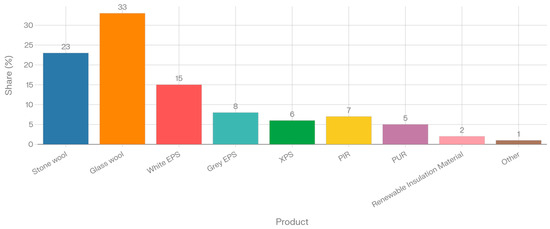
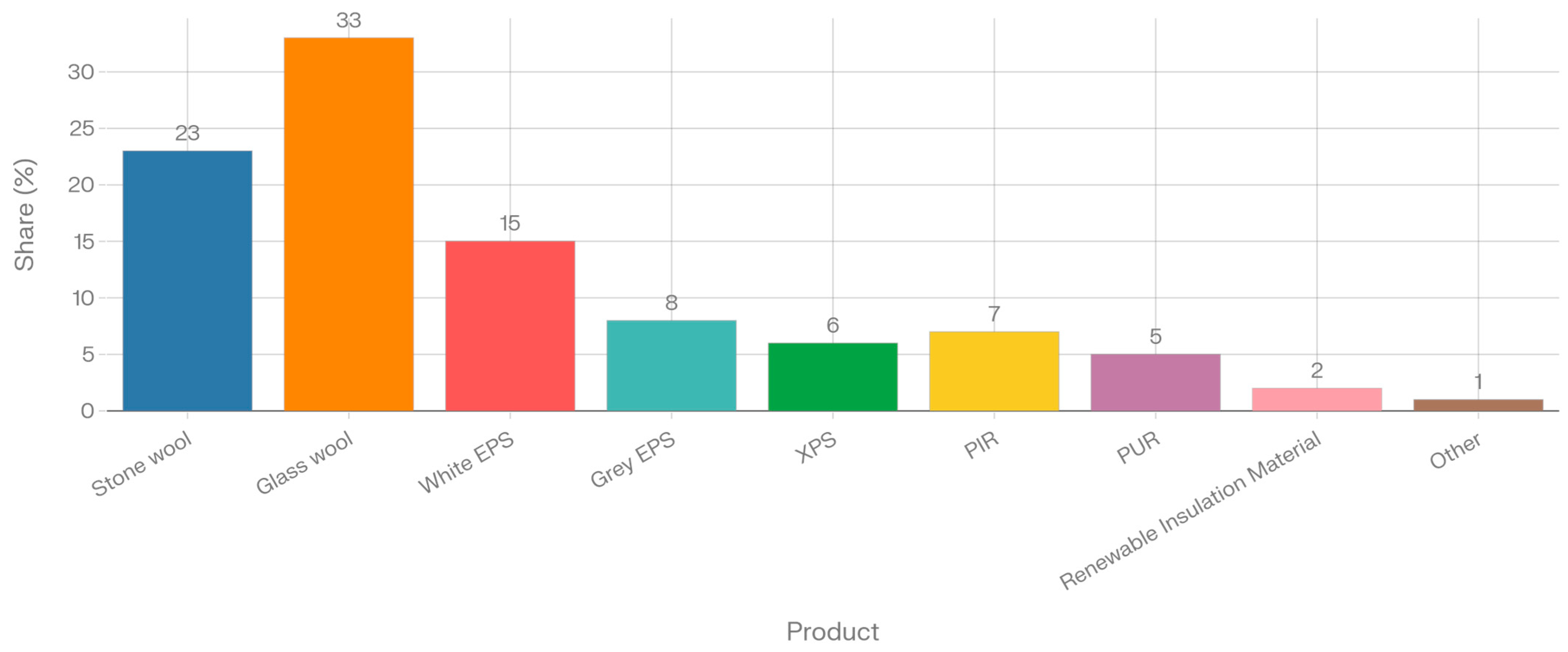
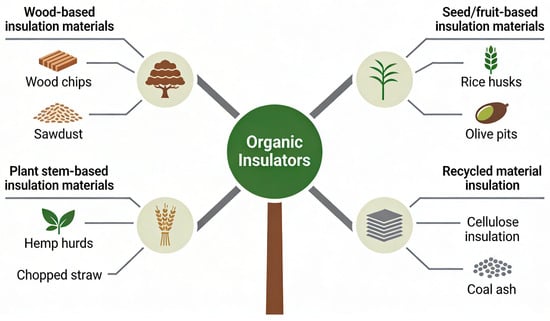
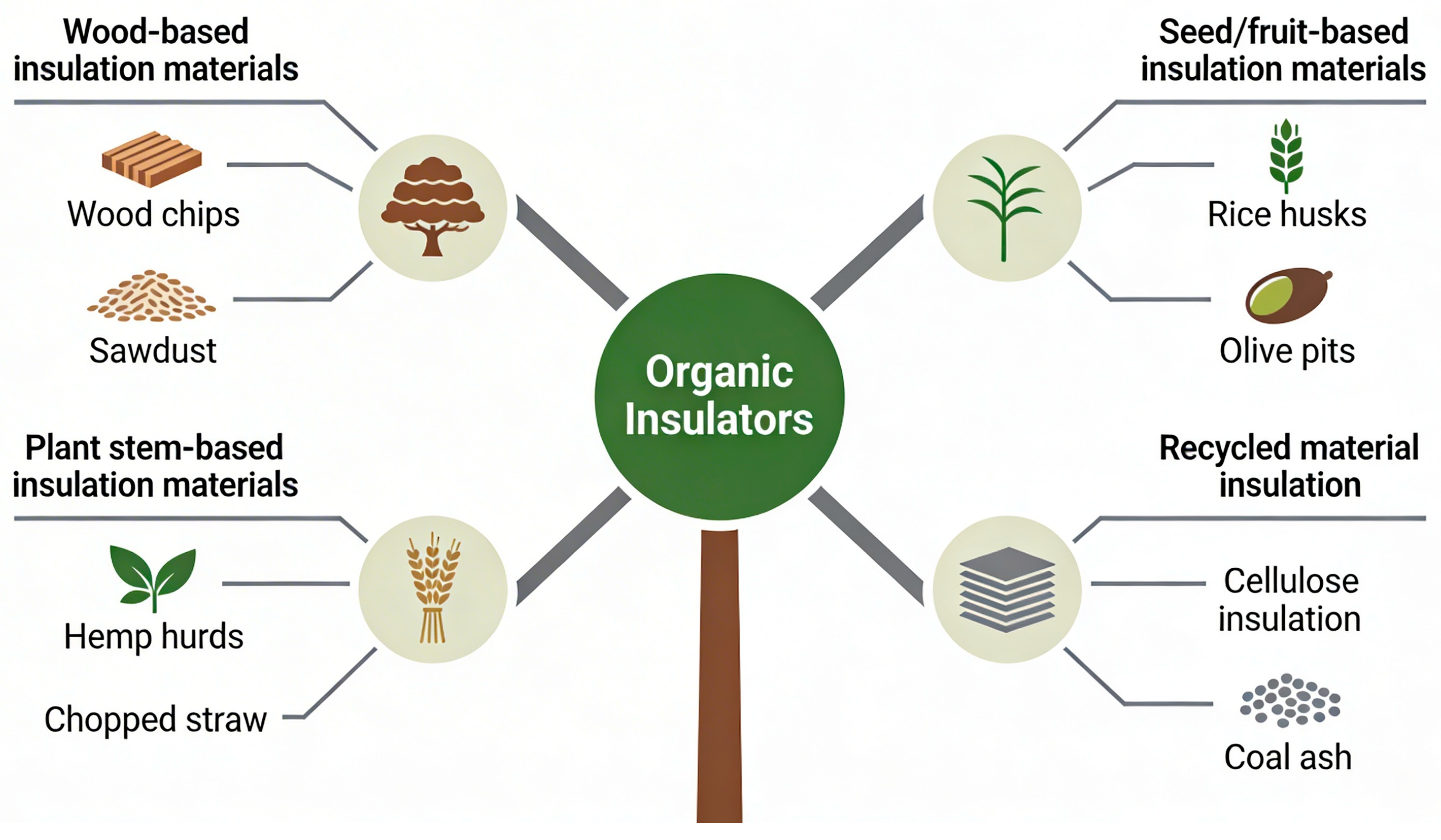
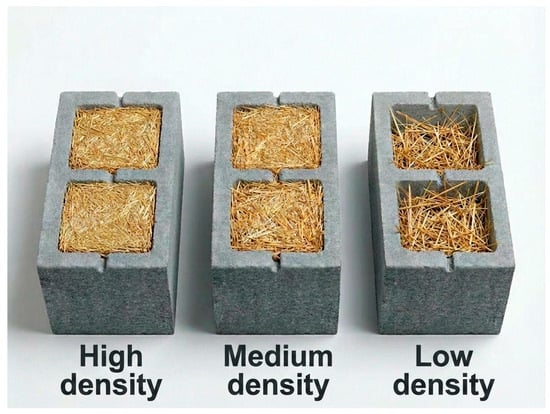
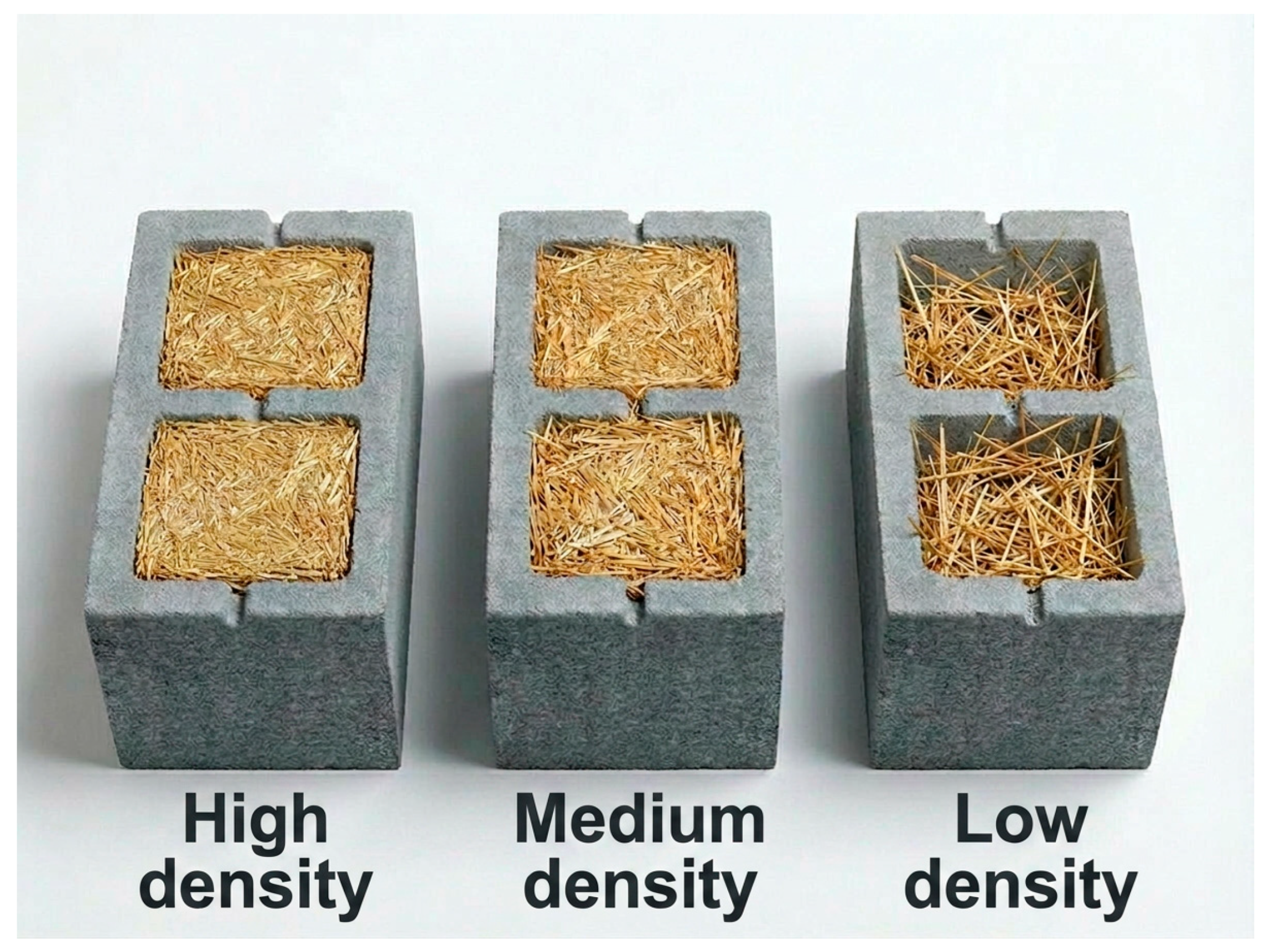
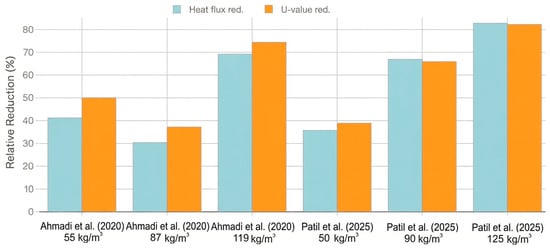
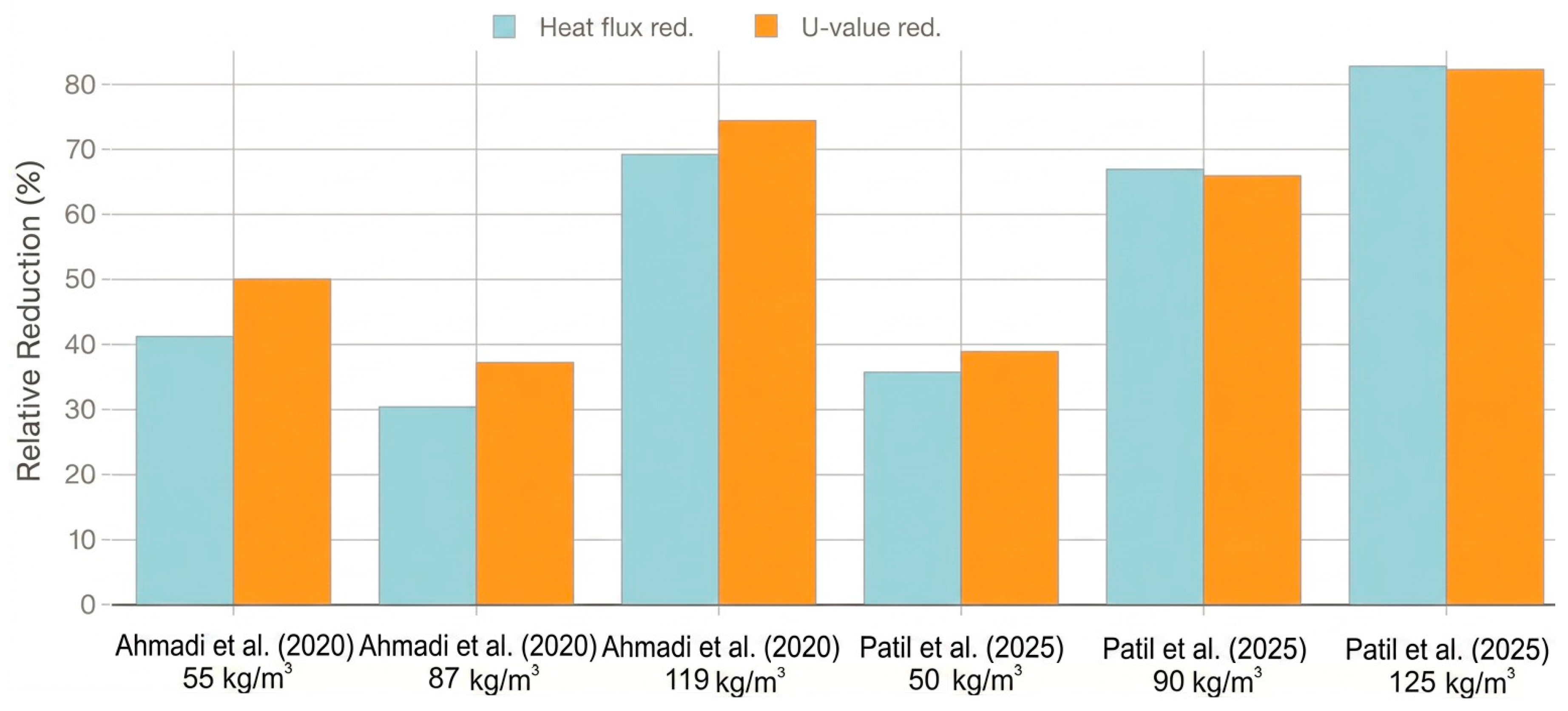
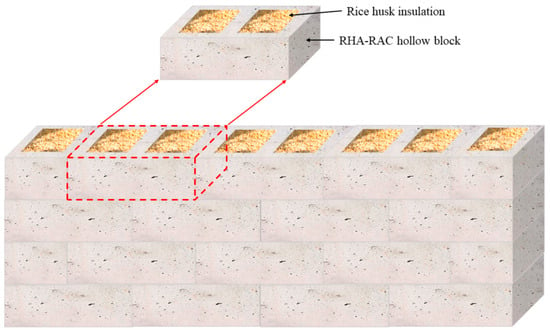
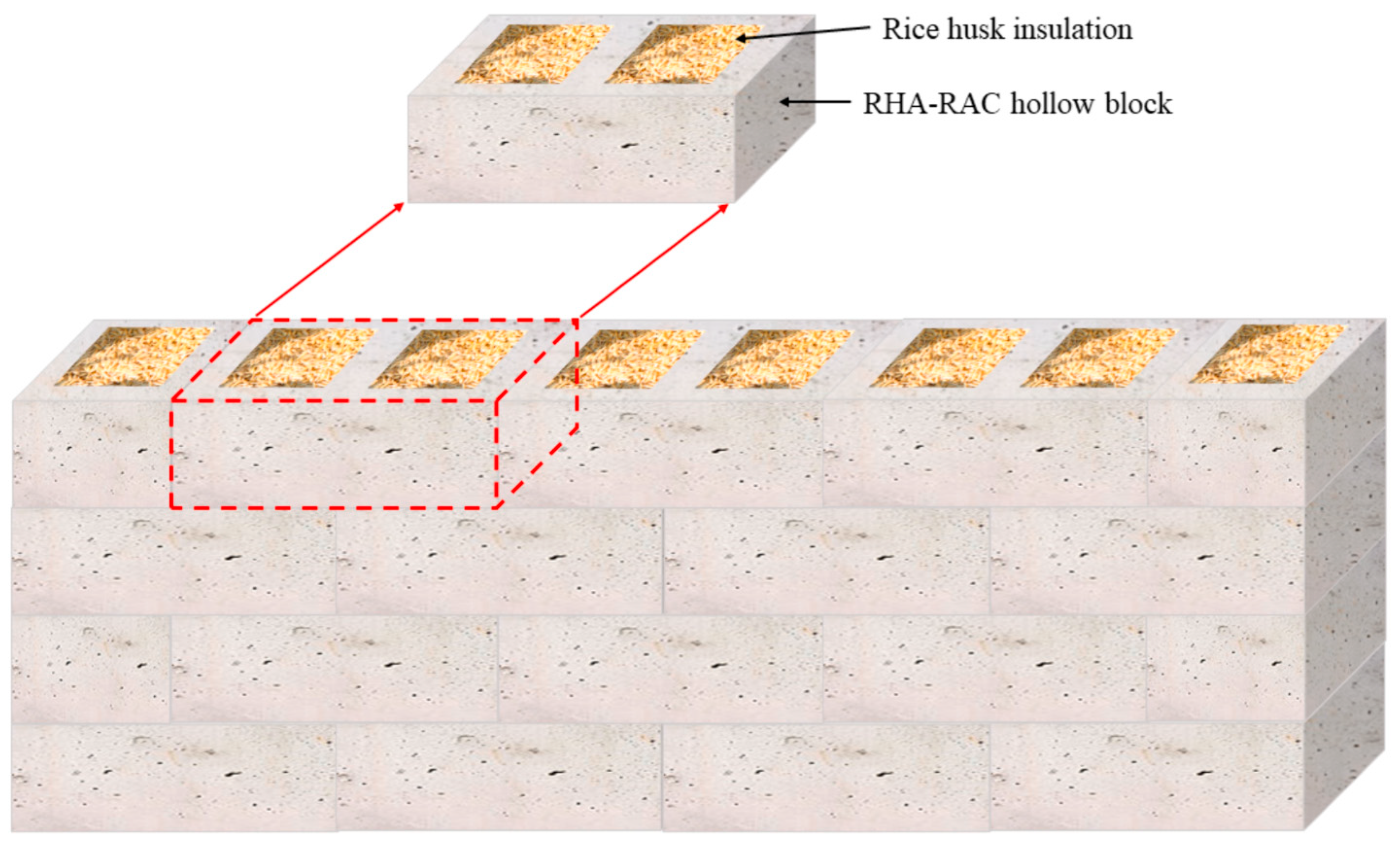
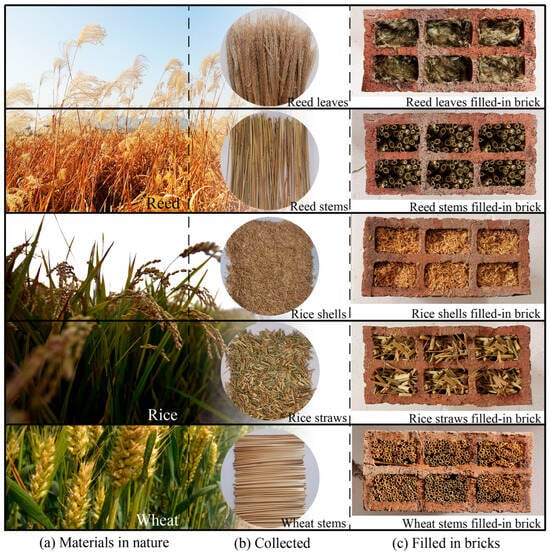
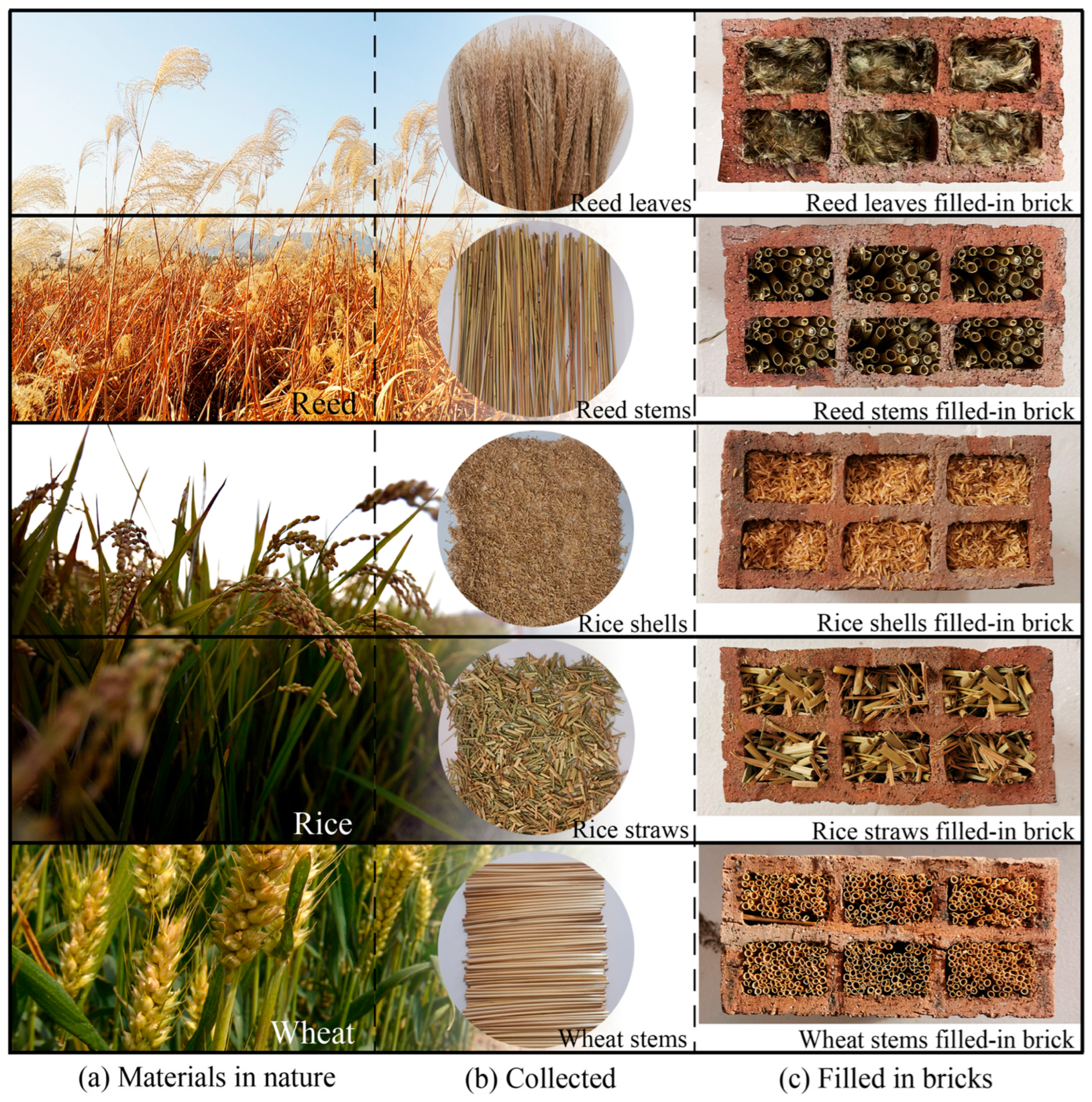

Disclaimer/Publisher’s Note: The statements, opinions and data contained in all publications are solely those of the individual author(s) and contributor(s) and not of MDPI and/or the editor(s). MDPI and/or the editor(s) disclaim responsibility for any injury to people or property resulting from any ideas, methods, instructions or products referred to in the content. |
© 2026 by the authors. Licensee MDPI, Basel, Switzerland. This article is an open access article distributed under the terms and conditions of the Creative Commons Attribution (CC BY) license.