


Abstract
Against the backdrop of the global transition toward clean and low-carbon energy systems, hydrogen has emerged as a promising alternative to fossil fuels owing to its carbon-free characteristics and broad cross-sector applicability. However, the high diffusivity and wide flammability range of hydrogen pose significant safety challenges for its large-scale deployment. Conventional detection methods are generally limited to point-based data acquisition and struggle to capture the transient flow-field characteristics associated with hydrogen diffusion as well as combustion or explosion processes. This review aims to systematically clarify the exclusive technical advantages of schlieren visualization technology for hydrogen research, summarize its application progress in hydrogen and hydrogen mixture diffusion distribution and combustion/explosion flow-field testing, and propose future optimization directions and application expansion paths. Schlieren visualization, based on optical refraction principles, has evolved from a traditional experimental technique into a comprehensive system adapted to diverse scenarios, including high-speed schlieren, Z-type schlieren, background-oriented schlieren (BOS), and color schlieren. Owing to its non-intrusive nature, high spatiotemporal resolution and full-field visualization capability, schlieren technology can directly observe the fundamental diffusion behavior of hydrogen jets and capture distinctive flow features throughout all stages of hydrogen mixture combustion and explosion. It effectively overcomes the limitations of conventional detection methods and has become an indispensable tool in hydrogen energy safety research. Future research should focus on improving technical performance, strengthening interdisciplinary integration with machine learning and digital twin technologies, and expanding application scenarios to multi-field coupling systems, so as to support the safe and efficient development of the hydrogen industry and contribute to global carbon peaking and carbon neutrality goals.
1. Introduction
Since the early stages of human development, fossil fuels have played a dominant role in driving the advancement of human civilization. In recent years, the intensification of global environmental challenges has accelerated the transition toward energy systems with reduced dependence on fossil fuels. With continued advances in science and technology, hydrogen energy, characterized by its cleanliness and low environmental impact, has become a development priority for countries worldwide [1,2,3]. Widely regarded as one of the most promising clean energy carriers of the 21st century, hydrogen is being increasingly applied in traditional industrial sectors as well as emerging fields such as transportation and power generation. The development of the hydrogen energy industry represents a crucial direction for the future revolution in energy technologies [4,5,6]. In advancing hydrogen energy, technologically leading regions and countries, including the European Union, the United States, and Japan, have identified hydrogen development as a major strategic direction for future energy innovation. Based on their respective resource endowments, industrial foundations, and strategic needs, these countries have formulated phased and sector-specific development strategies and, through continuous practical refinement, have gradually formed distinctive hydrogen development models [7,8,9,10,11,12]. At present, hydrogen applications have expanded beyond their traditional role as chemical feedstocks into multiple strategic sectors, including transportation, power generation, and industrial manufacturing [13,14,15]. In the transportation sector, hydrogen-powered fuel cell vehicles offer advantages such as zero tailpipe emissions, long driving range, and rapid refueling, making them particularly suitable for hard-to-electrify applications such as heavy-duty trucks and public buses [16,17,18,19,20]. Within power systems, hydrogen can be integrated with renewable energy grids to convert surplus electricity into storable hydrogen energy. Hydrogen production facilities can incorporate both short-term and long-term storage options, which, respectively, address intraday load fluctuations and seasonal energy balancing. This approach optimizes system costs, enhances energy system integration, accelerates the low-carbon transition of the power sector, and supports scenarios with high penetration of renewable energy [21,22,23].
In industrial manufacturing, hydrogen serves as a critical decarbonization vector, enabling significant emissions reductions in high-carbon sectors such as steel, aluminum, chemicals, and cement. Hydrogen can replace coke as a reducing agent, allowing hydrogen-based blast furnaces to reduce iron ore while substantially lowering carbon emissions during smelting. In the chemical industry, hydrogen acts as a core feedstock for the synthesis of key products such as ammonia and methanol. Substituting fossil fuel–derived hydrogen with green hydrogen can significantly reduce the carbon footprint across the entire industrial value chain. In cement manufacturing, hydrogen can be used as a supplementary fuel in the calcination process, blended with natural gas to reduce fossil fuel consumption and associated emissions [24,25,26]. Current hydrogen applications exhibit diversified and cross-sector integration, driven in particular by its zero-carbon potential in the context of global energy system restructuring for climate change mitigation and energy transition [27,28].
Hydrogen has long served as a critical chemical feedstock for ammonia synthesis and petroleum refining, accounting for approximately 55% and 25% of global hydrogen consumption, respectively. It also functions as an oxygen scavenger in catalytic hydrogenation and metal heat treatment processes and provides protective effects against tin oxidation in float glass manufacturing [29,30]. Concurrently, refinery hydrogen demand is increasing at an annual rate of approximately 5%, with hydrogen consumption in heavy oil processing reaching about 1% of crude oil throughput [31]. In certain polluting industries, such as the paper industry, black liquor—a byproduct of sulfate pulping containing lignin and sodium hydroxide—possesses physicochemical properties that make it suitable as an electrolyte for hydrogen production via electrolysis. In specialized electrochemical systems, this process simultaneously produces hydrogen at the cathode and recovers economically valuable lignin at the anode, transforming industrial waste into clean energy and value-added products and fully embodying the principles of a circular economy [32]. In the steel industry, carbon monoxide–rich waste gases generated during production can be converted into hydrogen through the water–gas shift reaction using metal catalysts or via microbial conversion pathways. This approach simultaneously mitigates industrial emissions and produces clean energy for subsequent circular applications in transportation, industry, and other sectors [33]. In terms of energy system integration, Power-to-Gas technology enables the conversion of renewable electricity into hydrogen with conversion efficiencies of up to 80% [34]. Representative initiatives such as Sweden’s green hydrogen steelmaking project (HYBRIT) and Japan’s coke oven gas reforming project (COURSE50) demonstrate viable decarbonization pathways for heavy industry, while Japan has already established the world’s first hydrogen-based community [35].
Within the transportation sector, hydrogen has achieved its most mature applications in the aerospace field. Liquid hydrogen exhibits a significant performance advantage as a rocket propellant, with a specific impulse of approximately 450 s, making it a preferred choice for space launch systems. In civil aviation, unmanned aerial vehicles have successfully completed liquid hydrogen–powered flights at altitudes of up to 28,000 ft, demonstrating the technical feasibility of converting aircraft such as the Airbus A310 to liquid hydrogen propulsion [36]. In ground transportation, the commercialization of hydrogen fuel cell vehicles is accelerating. Vehicle models such as the BMW 750hl have demonstrated the on-board feasibility of metal hydride hydrogen storage technologies [37]. Collectively, these developments reflect the emergence of a closed-loop “waste-to-energy-to-reuse” framework that enhances resource utilization, reduces industrial dependence on fossil fuels, and promotes the transition of high-carbon sectors toward carbon independence through coordinated optimization across the industrial value chain. This framework provides an economically viable and environmentally sustainable pathway to carbon neutrality by integrating carbon reduction with efficiency enhancement, thereby accelerating the transition toward a green and low-carbon industrial model [38].
Recent advances in hydrogen production technologies have significantly expanded the scope of hydrogen energy deployment. In particular, emerging technologies such as solar thermochemical hydrogen production, photocatalytic water splitting systems, ammonia decomposition reactors, and membrane-assisted reforming processes have attracted increasing research attention. These technologies aim to improve hydrogen production efficiency while reducing carbon emissions and reliance on fossil fuels. For instance, solar thermochemical hydrogen production utilizes concentrated solar energy to drive endothermic chemical reactions, whereas photocatalytic reactors enable direct hydrogen generation from water under light irradiation. In parallel, membrane reactors and catalytic reforming systems have been developed to enhance hydrogen purity and improve process efficiency through integrated reaction–separation mechanisms.
Despite their technological advantages, these emerging hydrogen production systems often operate under extreme conditions, including high temperatures, high pressures, and complex multi-phase flow environments. Under such conditions, accidental hydrogen leakage, jet formation, and combustion hazards may arise, posing significant safety challenges for industrial facilities. Consequently, reliable diagnostic techniques capable of capturing transient hydrogen flow structures are essential for safety evaluation and risk mitigation in modern hydrogen production systems.
Currently, conventional hydrogen safety research methods primarily rely on sensors, mass spectrometry, and gas chromatography. Sensors are capable of measuring parameters such as hydrogen concentration, explosion pressure, and temperature, offering high stability and low measurement error [39,40,41,42,43,44]. Mass spectrometry enables the determination of hydrogen mass and isotopic composition and is typically employed for concentration analysis in hydrogen–gas mixtures. Its high-precision quantitative capability makes it particularly suitable for detecting trace or low hydrogen concentrations [45,46,47]. Gas chromatography (GC) separates gas components based on differences in their distribution and retention characteristics and is commonly used to separate hydrogen from other gases and determine concentrations. When coupled with thermal conductivity detectors (TCDs) or flame ionization detectors (FIDs), GC enables precise hydrogen analysis [48,49,50,51]. However, these methods are largely limited to numerical data acquisition, making it difficult to directly visualize the spatiotemporal evolution of hydrogen-related phenomena. Historically, there have been relatively few studies integrating computer technologies with optical visualization and image processing techniques. Consequently, substantial potential remains for advancing visual observation of hydrogen flow characteristics, including combustion, explosion, and diffusion processes. In recent years, rapid advancements in optical and computer technologies, together with cross-disciplinary innovations, have driven new developments in this area. As a result, schlieren visualization technology has emerged as a promising approach for hydrogen energy safety research.
Schlieren technology is adapted to hydrogen research compared with other gases, which is highly matched with the physical and chemical characteristics of hydrogen.
- Hydrogen has low molecular weight and high diffusion coefficient, and its diffusion speed is far faster than natural gas, methane and other conventional gases. The high spatiotemporal resolution of schlieren technology can capture the flow-field evolution of its transient diffusion, making up for the lag of traditional point detection.
- Hydrogen combustion/explosion has no carbon smoke generation and no visible light shielding. Schlieren technology, based on density gradient optical refraction imaging, can accurately capture the shock wave and density field changes in the non-flame area, while the visualization of carbon-containing gases is often disturbed by smoke plumes and needs to be compensated for by other technologies.
- Hydrogen easily forms a thin and uneven concentration field after leakage. Schlieren technology can realize the accurate identification of low-concentration hydrogen gradient through non-intrusive full-field visualization, while the concentration detection of other gases has lower requirements for spatial resolution and can be satisfied by conventional sensors.
- The deflagration to detonation transition process of hydrogen is extremely fast, and schlieren technology can completely capture the flame morphology and shock wave coupling characteristics of this process, providing a visual basis for the research of hydrogen-specific detonation risks.
Schlieren techniques originated in the 17th century. As illustrated in Figure 1, the earliest schlieren system consisted solely of a single lens, with the observer’s eye iris serving as the filtering element. This concept was formally proposed and experimentally demonstrated by Robert Hooke at the Royal Society in London [52,53]. In the latter half of the 19th century, August Toepler systematically refined the schlieren optical apparatus, transforming it into a practical and standardized laboratory diagnostic tool [54]. Consequently, Toepler is widely regarded as the first to formally establish schlieren imaging as a scientific visualization technique.
Figure 1.
Schematic of Hooke’s schlieren system.
The fundamental principle of the schlieren technique lies in exploiting light-ray deflection induced by spatial variations in density, temperature, or pressure within a transparent medium during propagation. By introducing a slit or cutoff element to partially block the deflected light rays, variations in transmitted light intensity are produced, leading to observable brightness contrasts on a projection screen or camera sensor [55]. The most basic schlieren configuration employs a linear lens arrangement to generate schlieren images, as illustrated in Figure 2.
Figure 2.
A typical lens-based schlieren optics system.
A parallel light beam emitted from light source B passes through slit O and is subsequently focused by lens L1. The beam is then deflected by the test object E and continues to propagate through a second lens, L2. If the characteristic size of the slit light source is denoted by × , an image with characteristic size × is formed at the focal plane of lens L2. Under the ideal optical configuration considered here, the following relationship holds:
where and are the focal lengths of lenses L1 and L2, respectively.
The light intensity projected onto the observation screen through lens L2 is uniform. However, if a blade is placed at point K (as shown in Figure 3) to obstruct the light and then moved across the focal plane, the light intensity on the observation screen will change uniformly. In the event of obstruction of the light source by the blade edge, the light intensity is denoted as , and the relationship is given by:
Figure 3.
Schematic diagram of the blade edge plane.
In this context, denotes the light intensity recorded on the screen in the absence of obstruction by the blade, while represents the image height of the unobstructed light source. Furthermore, da represents the differential change in the cross-sectional area of the light beam intercepted by the blade edge.
As shown in Figure 2, the blade device K is typically an opaque thin plate positioned at the focal plane of the schlieren mirror L2. In the absence of a flow field, the blade generally blocks approximately half of the light rays, resulting in a uniformly darkened image at point H. When the transparent medium under investigation is introduced, refractive index gradients arising from variations in density, temperature, and other thermophysical properties cause light-ray deflection. After refocusing by L2, the blade selectively intercepts portions of the deflected light at the focal plane, thereby generating brightness–darkness contrast on the imaging plane. The resulting brightness variations in the final image directly correspond to local variations in the physical properties of the medium [56]. The displacement of the deflected light at the blade plane is illustrated in Figure 4.
Figure 4.
Displacement of the deflected light beam at the blade edge.
Based on the geometric relationships, the angle shown in the figure satisfies the following expression:
Here, p denotes the distance between the test section and the lens, while denotes the distance between the lens and the observation screen. The deflection angle and the geometric angles and are defined as shown in Figure 4. For the case of downward light deflection, the deflection angle can be expressed as:
The deflection of light causes the intensity of the image of point on the observation screen to change:
In the equation, represents the light intensity corresponding to a light-source image height of . As shown in Figure 1, the projection lenses L2 and L3 focus the schlieren image onto the observation screen at position H. The resulting spatial variation in light intensity produces the brightness contrast between light and dark regions in the schlieren image [57].
Over the past few decades, schlieren techniques have advanced rapidly through integration with digital image processing and high-speed imaging systems. Beyond the fundamental knife-edge schlieren configuration, various advanced forms have been developed, including focused schlieren, laser schlieren, color schlieren, and background schlieren. These techniques represent refinements of classical schlieren methods, designed to accommodate diverse experimental scenarios. Focused schlieren modifies the focal position by adjusting the distance between the light source and the test object, thereby generating characteristic fringe patterns. These fringes enable high-precision analysis of surface deformations or fluid motion and allow the measurement of minute variations in object surfaces or flow fields [58,59,60,61,62]. Laser schlieren employs a laser as the light source, using beam-splitting optics to direct coherent light through the test section, resulting in high spatial resolution and strong image contrast [63,64]. Color schlieren techniques extend conventional schlieren methods by incorporating colored light sources and spectral filters; analysis of color fringe variations provides richer flow-field information and is particularly suitable for visualizing complex surface deformations or flow distributions around intricate geometries [65,66,67,68,69,70]. Background schlieren employs a structured background pattern positioned behind the test object, and deformation-induced distortions of this pattern are used to quantify object deformation or flow-induced refractive effects. This approach is well suited for monitoring deformation in complex flow environments and optical experiments [71,72,73,74,75,76,77,78,79,80]. Historically, schlieren techniques have been widely applied to visualize defects in transparent solids such as glass, liquid atomization and spray jets, supersonic and thermally driven flows, turbomachinery and rotorcraft aerodynamics, electrical breakdown discharges, and biomedical flow phenomena.
Although schlieren visualization is widely used for investigating compressible flows and density-gradient phenomena, several other optical diagnostic techniques have also been applied to hydrogen-related research. These include planar laser-induced fluorescence (PLIF), particle image velocimetry (PIV), and infrared thermography. Each technique provides unique advantages in terms of measurement capability, spatial resolution, and experimental complexity.
PLIF enables quantitative measurement of species concentration distributions by detecting fluorescence signals from tracer molecules excited by laser illumination. This technique is particularly suitable for investigating combustion chemistry and fuel–air mixing processes. PIV, on the other hand, measures flow velocity fields by tracking the displacement of seeded tracer particles between consecutive images. It provides high-resolution velocity measurements but requires particle seeding, which may influence flow characteristics. Infrared thermography detects thermal radiation emitted by objects and is commonly used for temperature field measurement in combustion studies PLIF.
Compared with these techniques, schlieren imaging offers several advantages, including non-intrusive operation, relatively simple optical configuration, and the ability to visualize density gradients without the need for tracer particles or laser systems. The detailed comparison is shown in the Table 1 below.
Table 1.
Comparison of optical diagnostic techniques for hydrogen flow visualization.
Recent years have witnessed rapid development of advanced hydrogen production technologies aimed at improving energy efficiency and reducing carbon emissions. Among these emerging approaches, ammonia decomposition has attracted significant attention because ammonia can serve as an effective hydrogen carrier due to its high hydrogen content and ease of storage and transportation. Recent studies have investigated catalytic ammonia decomposition, membrane-assisted ammonia cracking, and photocatalytic ammonia conversion systems for sustainable hydrogen generation. These technologies provide promising pathways for distributed hydrogen production and energy storage applications.
In addition to ammonia-based hydrogen production, photocatalytic water splitting has also emerged as a promising approach for green hydrogen generation. Photocatalytic systems utilize solar energy to drive chemical reactions for hydrogen evolution, enabling environmentally friendly hydrogen production under relatively mild operating conditions. Recent research has focused on improving catalyst efficiency, enhancing light absorption, and optimizing reactor configurations to increase hydrogen production rates [81,82,83,84,85].
Membrane reactor technologies have also received increasing attention due to their ability to integrate reaction and separation processes within a single device. By selectively removing hydrogen during reforming or decomposition reactions, membrane reactors can significantly enhance hydrogen purity and improve overall conversion efficiency. These reactors are widely investigated for methane reforming, ammonia decomposition, and other hydrogen production processes [86,87,88,89,90].
Despite the rapid progress in hydrogen production technologies, many of these systems operate under extreme conditions such as high temperature, high pressure, and rapid gas expansion. Under such conditions, accidental hydrogen leakage, jet formation, and combustion hazards may occur, posing serious safety risks. Therefore, advanced diagnostic techniques capable of capturing transient flow structures are essential for understanding hydrogen diffusion, combustion behavior, and explosion mechanisms in these emerging hydrogen production systems. Schlieren visualization techniques provide a powerful non-intrusive tool for observing density-gradient variations in transparent media, making them particularly suitable for investigating hydrogen leakage, jet dynamics, and combustion phenomena in hydrogen production and utilization environments [91,92,93,94,95].
The strength of schlieren techniques lies in their role as a foundational diagnostic tool, providing robust support for related scientific and engineering disciplines. Their applications across solid, liquid, and gaseous media have expanded rapidly in recent decades [96,97,98,99,100,101,102,103,104,105]. The distinctive characteristics of schlieren visualization enable direct observation of flow-field structures and refractive-index variations, offering insights that are difficult to obtain using conventional point-based measurement methods. This technique also offers significant potential for advancing hydrogen-related research. Accordingly, this paper focuses on experimental applications of schlieren techniques in the hydrogen field, with particular emphasis on their use in investigating combustion, explosion, and diffusion processes involving hydrogen and its mixtures.
2. Application of Schlieren Technology in Testing the Diffusion Distribution of Hydrogen and Hydrogen–Mixture Gases
Against the backdrop of hydrogen emerging as a key energy carrier in the clean energy transition, a thorough understanding of hydrogen diffusion behavior in complex environments is essential for improving utilization safety, optimizing the design of storage and transportation systems, and ensuring the safe operation of related industrial facilities [106,107]. Owing to its unique physical properties, including low molecular weight and a high diffusion coefficient, hydrogen rapidly mixes with ambient air during leakage or release events, forming complex concentration distribution fields. These concentration distributions directly influence hydrogen combustion and explosion characteristics and play a critical role in overall system safety risk assessment [108,109]. The diffusion distribution of hydrogen mixtures exhibits high dynamism and three-dimensional complexity, making it challenging for traditional measurement methods to comprehensively and accurately capture transient changes. As an optical visualization technique based on light-refraction principles, schlieren visualization offers exceptional sensitivity to density-gradient variations. It enables non-intrusive visualization of hydrogen and hydrogen–mixture diffusion with high spatiotemporal resolution, providing a powerful tool for investigating diffusion behavior under diverse environmental conditions.
Traditional schlieren techniques overcome the inherent limitations of point-based sensor measurements by enabling full-field visualization of flow phenomena. By visualizing local hydrogen gradients based on light deflection induced by density variations, schlieren techniques demonstrate that the morphology and spatial extent of hydrogen jet structures are governed by factors such as gas flow characteristics and plasma volume expansion [110]. As shown in Figure 5, schlieren techniques characterize gas concentration variations by analyzing grayscale differences between jet images and the background. By comparing experimental jet images obtained at different concentrations, quantitative gas concentration information can be extracted, enabling the construction of hydrogen leakage diffusion distribution models [111,112].
Figure 5.
RMS of 1000 instantaneous schlieren images with 3 gases; top: air, middle: CO2, bottom: Helium [112].
Conventional schlieren techniques are primarily employed to obtain time-averaged information on steady or quasi-steady flow fields. In experiments characterized by low flow velocities and relatively mild reactions, conventional schlieren systems can suppress the influence of random fluctuations on measurement results through temporal averaging of a large number of images. However, in experiments involving high flow velocities and intense reactions, the conventional cameras employed in standard schlieren setups are unable to accurately resolve flow-field variations over extremely short time scales, thereby failing to meet experimental requirements. Consequently, when the research focus shifts toward rapid dynamic processes, the use of high-speed cameras in place of conventional cameras enables the capture of substantially more transient details with high temporal resolution. This approach is commonly referred to as high-speed schlieren technology.
While retaining the non-intrusive advantage of traditional schlieren techniques, high-speed schlieren technology enables a transition from “static snapshots” to “dynamic movies” through high-frame-rate imaging and precise timing control, thereby providing enhanced temporal resolution for the investigation of hydrogen-related high-speed flow phenomena. As shown in Figure 6 and Figure 7, high-speed schlieren imaging records the instantaneous morphology of hydrogen at successive moments after injection, intuitively revealing the evolution of the hydrogen jet diffusion pattern as a “dynamic movie.” The resulting sequence of gas diffusion images can be applied to a range of image-based detection tasks. For instance, diffusion boundaries can be extracted using contour detection methods to delineate hazardous regions and refine sensor measurement indicators [113,114].
Figure 6.
Samples of spray images observed via the Schlieren imaging technique at different timings [114].
Figure 7.
Macroscopic parameters calculated from the spray images using the Schlieren imaging technique [114].
Although high-speed schlieren technology has achieved significant improvements in temporal resolution, it largely retains the conventional optical layout of traditional schlieren systems. This traditional layout imposes stringent requirements on the optical path, necessitating a sufficiently large spatial volume. The long, straight optical path employed in conventional high-speed schlieren systems is unsuitable for confined spaces, thereby failing to meet imaging requirements in certain application scenarios. To better characterize flow-field distributions within confined spaces, Z-type schlieren technology has emerged as a viable alternative.
As illustrated in Figure 8, a Z-type schlieren system consists of a light source, mirrors, and a knife-edge arranged in a “Z”-shaped configuration. This configuration features a compact optical setup that eliminates the need for a long, straight optical path, resulting in a more space-efficient design with reduced demands on the experimental environment. By integrating the Z-type optical layout with high-speed schlieren imaging, the resulting system can simultaneously satisfy experimental requirements for high frame rates and compact spatial deployment. Consequently, Z-type high-speed schlieren technology has been increasingly adopted in flow-field investigations in recent years.
Figure 8.
Schematic layout of a Z-type schlieren optical system. 1—light source; 2—first parabolic mirror; 3—second parabolic mirror; 4—shooter handstand; 5—high-speed camera; 6—data acquisition system; 7—projectile trajectory and jet propagation direction; 8—schlieren test region; 9—target [115].
The shortened optical path of the Z-type schlieren system improves imaging precision, enabling the capture of distinct structural features in hydrogen jets. As the initial injection pressure varies, the hydrogen jet exhibits a conical structure in the near field and gradually evolves into a spherical vortex structure in the far field. As shown in Figure 9, the axial penetration distance, radial penetration distance, and jet volume all increase with an increasing ratio of injection pressure to ambient pressure. Moreover, the hydrogen jet exhibits favorable self-similarity across a wide range of pressure ratios, reflecting its continuous evolution from the near field to the far field [116]. As the pressure ratio increases, the jet expands more rapidly during the free penetration stage, accompanied by elevated turbulence intensity and improved mixing uniformity, thereby enhancing overall mixing efficiency [117]. The morphological evolution of hydrogen jets captured by Z-type schlieren imaging confirms that the hydrogen penetration rate increases with rising injection pressure, whereas diffusion capacity decreases with increasing ambient pressure [118,119]. The initial hydrogen jet exhibits pronounced asymmetry, whereas its structure gradually stabilizes over time. When the ratio of injection pressure to ambient pressure exceeds a critical threshold, a distinct underexpanded structure forms within the jet [120]. Images of the underexpanded hollow conical hydrogen jet recorded using the Z-type schlieren system depict its complete evolution, including radial expansion and axial penetration during the early and intermediate stages, followed by stable diffusion and shear contraction in the late stage. Combined with post-processing techniques, these images enable direct quantitative extraction of key parameters—such as axial penetration length, jet cross-sectional area, and radial expansion coefficient—thereby intuitively revealing the influence of pressure ratio on jet morphology [121].
Figure 9.
Effect of pressure ratio by increasing Pi from 60 bar (left) to 100bar (right) on H2 jet structure [116].
During hydrogen jet evolution, in addition to pressure ratio and supersonic crossflow, the number of nozzles and the injection angle also exert significant influences on jet dynamics [122]. Observations from Z-type schlieren imaging in multi-hole injector experiments reveal localized gas separation from the main jet [123,124,125]. Compared with single-hole nozzles, dual-hole nozzles produce lower jet penetration velocities but larger jet cross-sectional areas, whereas the performance of multi-hole nozzles lies between that of single-hole and dual-hole configurations. Variations in the injection angle can induce jet impingement on piston edges, resulting in elevated hydrogen concentrations in these regions [126,127].
In contrast to nozzle jet discharge, hydrogen bubble dispersion and surface bursting evolve more rapidly and occur in more confined spaces. Nevertheless, the Z-type high-speed schlieren system remains capable of accurately capturing the hydrogen jets generated upon bubble rupture. The resulting hydrogen distribution boundaries provide direct and intuitive evidence for delineating flammable regions [128].
High-speed schlieren techniques enable effective visualization of flow-field structures in high-speed flows owing to their high frame rates. Building upon this high-frame-rate capability, Z-type high-speed schlieren techniques modify the optical layout, enabling the schlieren system to be adapted for instantaneous observations in confined-space experiments. However, these modifications remain based on the fundamental framework of traditional schlieren—namely, the light source–lens–flow field–lens–camera sequence—and therefore do not constitute a fundamental methodological innovation. Consequently, when visualizing complex flow fields, the resolution of fine-scale details is often limited by the integral nature of light-deflection information, and stringent requirements are imposed on the uniformity of the experimental environment. To further overcome these limitations, particularly in scenarios requiring the capture of flow dynamics in non-uniform background environments, Background-Oriented Schlieren (BOS) has emerged as an advanced schlieren technique based on image cross-correlation. A schematic diagram of the BOS system is presented in Figure 10.
Figure 10.
A schematic of the BOS method optical setup [129].
Background-Oriented Schlieren (BOS) technology is based on the fundamental principle that light rays are deflected when propagating through a flow field with density gradients. Unlike conventional and Z-type schlieren techniques, the BOS light source does not pass through collimating or focusing lenses but instead directly illuminates the flow field under investigation. Light refraction within the flow induces apparent displacements of the background pattern in the recorded images, from which the flow-field density distribution can be inversely reconstructed by comparing displacement fields obtained under flow-free and flow-present conditions. The BOS technique fundamentally consists of three core elements: the background pattern, the imaging camera, and the flow field itself. The background pattern is imaged onto the camera sensor through the camera lens, and displacement information is extracted using image-processing algorithms. In hydrogen jet detection experiments, BOS eliminates the need for complex optical components—such as large collimating and focusing lenses—commonly required in traditional and high-speed schlieren systems. Instead, only a patterned background plate placed behind the flow field is required, and preliminary flow-field analysis can be achieved by capturing background images with and without the jet. This simplification significantly reduces system complexity and cost, while also avoiding optical path distortions introduced by refraction errors in optical components.
BOS can effectively capture the temporal evolution of jet structures. During jet development, the axial concentration distribution is observed to follow a hyperbolic decay law, and the extracted concentration data exhibit minimal error [130,131], indicating high jet-definition quality [132]. After jet formation, the hydrogen jet mixes with the surrounding medium under the combined influence of its initial momentum and molecular diffusion coefficient. This mixing process is highly non-random and is commonly characterized using fractal parameters. The BOS system can quantify variations in fractal parameters and correlate them with characteristics of the injected gas source, thereby defining applicable parameter ranges for analyzing the structural evolution of the mixed gas [133].
The morphology of hydrogen jets varies significantly under different environmental conditions. In a confined space containing obstacles, the BOS system installed near the gas injection outlet first records the background scene prior to hydrogen release, thereby providing an undisturbed reference image. During hydrogen release, refractive-index variations within the flow field induce noticeable distortions in the recorded images. By subtracting the reference image from the distorted image, the optical displacement field of the gas pattern can be obtained, thereby visualizing the corresponding density gradients [134].
At present, the main algorithms for processing schlieren images include edge detection algorithms, hybrid denoising algorithms combining median filtering and Gaussian filtering, and contrast enhancement algorithms. These algorithms can preserve the details required for research to a greater extent. When the leakage port is located near an exhaust device, BOS images show that the hydrogen jet trajectory is deflected toward the exhaust outlet under the influence of the exhaust flow. This observation confirms that hydrogen forms an upward jet dominated by buoyancy and intuitively demonstrates the characteristic morphology associated with jet entrainment toward the exhaust device [120]. Compared with conventional detection methods, schlieren imaging integrates non-contact measurement, full-field visualization, and high spatiotemporal resolution. It is particularly suitable for observing hydrogen behavior under extreme conditions or in microscale scenarios, thereby substantially advancing fundamental research in hydrogen energy safety and storage. With continued advances in optical systems and image-processing algorithms, the sensitivity and spatiotemporal resolution of schlieren imaging are expected to improve further, enabling its application to more complex hydrogen–material interaction scenarios. Moreover, integrating machine-learning techniques for intelligent analysis of schlieren images may enable accurate prediction of hydrogen diffusion patterns and early leakage warning, thereby providing robust technical support for optimal system design, safety assessment, and standardized testing of hydrogen energy systems. Schlieren imaging is not only a “visualization window” for current hydrogen diffusion research but also has the potential to become an indispensable diagnostic tool in future hydrogen energy engineering, thereby contributing to the safe and efficient development of the hydrogen energy industry.
As a high-sensitivity, real-time optical visualization technique, schlieren imaging has demonstrated irreplaceable value in hydrogen diffusion research. As a high-sensitivity, real-time optical visualization technique, schlieren imaging has demonstrated irreplaceable value in hydrogen diffusion research. Beyond fluid flow visualization, schlieren technology can also realize the quantitative acquisition of key thermodynamic and dynamic parameters of hydrogen flow field:
- Through the linear relationship between the gray value of schlieren image and the refractive index of medium, the temperature field, density field and pressure field of the flow field are inverted, such as converting the density gradient into temperature gradient by using the ideal gas state equation to realize the temperature distribution measurement of hydrogen combustion flame area;
- Calculate the flame propagation speed, shock wave propagation speed, axial/radial penetration speed of hydrogen jet through the inter-frame difference in continuous frame schlieren images, and realize the quantitative characterization of speed combined with image pixel calibration;
- Identify the flame instability characteristics of hydrogen mixture combustion and the shock wave-flame coupling characteristics of deflagration to detonation transition through the morphological analysis of schlieren images.
Compared with conventional detection methods, schlieren imaging integrates non-contact measurement, full-field visualization, and high spatiotemporal resolution. It is particularly suitable for observing hydrogen behavior under extreme conditions or in microscale scenarios, thereby substantially advancing fundamental research in hydrogen energy safety and storage. With continued advances in optical systems and image-processing algorithms, the sensitivity and spatiotemporal resolution of schlieren imaging are expected to improve further, enabling its application to more complex hydrogen–material interaction scenarios. Moreover, integrating machine-learning techniques for intelligent analysis of schlieren images may enable accurate prediction of hydrogen diffusion patterns and early leakage warning, thereby providing robust technical support for optimal system design, safety assessment, and standardized testing of hydrogen energy systems. Schlieren imaging is not only a “visualization window” for current hydrogen diffusion research but also has the potential to become an indispensable diagnostic tool in future hydrogen energy engineering, thereby contributing to the safe and efficient development of the hydrogen energy industry [135].
3. Application of Schlieren Imaging in Hydrogen–Air Mixture Combustion Flow-Field Testing
In practical applications, hydrogen exhibits a flammable-explosive range of 4% to 76%. Once released, hydrogen rapidly disperses and mixes with ambient air. Once the explosive limit is reached, hydrogen readily ignites or detonates, presenting significant safety hazards. Consequently, research on the combustion, deflagration, and detonation of hydrogen and its mixtures is critical [136,137]. Under standard experimental conditions, combustion and detonation typically progress through three distinct phases: combustion, deflagration, and detonation. During the combustion phase, the system pressure changes gradually, without the formation of shock waves. In the deflagration phase, the reaction intensifies due to factors such as turbulence, obstacles, and pressure. As deflagration intensifies, the flame couples with the pressure wave to form a detonation, generating a destructive shock wave with high pressure and extreme energy release [138,139].
Hydrogen combustion and detonation processes are characterized by high combustion velocities and significant detonation pressures. Traditional flame velocity measurements and shock wave pressure tests are commonly used to characterize combustion and detonation data. However, conventional methods describe flame propagation characteristics through numerical data, without visually capturing the evolving flow field during combustion and detonation. As a high-precision optical measurement technique, schlieren imaging has gained widespread application in fluid mechanics, particularly in gas dynamics and combustion/detonation flow-field testing.
Current schlieren imaging studies of hydrogen combustion and detonation primarily focus on hydrogen–oxygen, hydrogen–ammonia–air, and hydrogen–air mixtures. This technique visually captures variations in physical quantities, such as pressure, temperature, and density, within the gas flow. It effectively observes and records instantaneous flow-field variations during hydrogen mixture combustion and detonation, revealing complex phenomena and dynamic characteristics, while providing valuable flow-field information. This chapter introduces the application of schlieren imaging in testing the flow fields of hydrogen-mixture combustion and explosion. It explores its principles, advantages, and specific implementation methods in experimental settings, demonstrating its unique value in combustion and explosion research through practical case studies.
Combustion and explosion processes are characterized by more violent reactions compared to diffusion processes. High-speed schlieren imaging technology, with its extremely high frame rate, can accurately capture the developmental evolution of hydrogen–air mixture combustion flames. The classic method for utilizing hydrogen as an internal combustion engine fuel is premixed combustion, which generates premixed, partially premixed, and diffusion-controlled combustion regimes [140]. Upon igniting the hydrogen–air mixture within the experimental space, the flame nucleus initially forms at the jet edge and then gradually migrates toward the hydrogen-rich core region of the jet. Different stages of the flame structure can be distinguished through contrast variations in the schlieren images [141]. Flame propagation in hydrogen–air combustion follows three states: “stable flame, quasi-stable flame, and flame extinction,” as illustrated in Figure 11. High-speed schlieren imaging technology recorded the generation, propagation, and disappearance of the spherical flame structure at the flame root with a high frame rate of 20,000 fps. This intuitive visualization of flame structure changes effectively distinguishes between the three flame states [142,143]. Self-luminous images derived from high-speed schlieren recordings capture the temporal evolution of hydrogen–air combustion. Both qualitative and quantitative analyses demonstrate excellent agreement between these images and experimental results, with clear delineation of flame boundaries, flame head regions, and flame area [144].
Figure 11.
(a) stable flame (b) quasi-stable flame (c) flame extinction [142].
In deflagration and explosion processes of mixed gases, the addition of hydrogen exerts a significant influence on flame instability and explosion intensity. Schlieren imaging technology enables accurate visualization of the effects of hydrogen addition on flame morphology. As shown in Figure 12, high-speed schlieren images illustrate the evolution of flame morphology with increasing hydrogen concentration, where the flame surface gradually transitions from a smooth structure to a cellular configuration. This behavior indicates that hydrogen addition enhances both hydrodynamic and thermo-diffusive instabilities within the combustible mixture. The observation plane is located at the central section of the combustion chamber (perpendicular to the nozzle outlet section), with the nozzle outlet positioned at the center of each subfigure [145].
Figure 12.
Schlieren pictures for flames with hydrogen fractions from 10% to 50% at 0.3 MPa at different equivalence ratios for 20 mm radius [145].
In deflagration and explosion experiments, tests involving large optical components and complex optical paths often combine Z-type optical layouts with high-speed schlieren imaging to reduce spatial requirements and experimental costs, thereby facilitating experimental implementation. During observations of ignition, flame propagation, and deflagration-to-detonation transition processes, the Z-type schlieren system effectively suppresses optical aberrations—image distortions caused by lens surface imperfections and optical-path design—resulting in improved image clarity. In observations of ignition processes using Z-type schlieren imaging, as shown in Figure 13, schlieren images distinguish ignition and combustion characteristics under different equivalence ratios based on the formation location, propagation velocity, and morphological evolution of the flame kernel. The images indicate that, for the hydrogen mixture at an equivalence ratio (φ) of 1.1, a regular flame kernel forms rapidly after ignition. Owing to the high heat release rate and adiabatic flame temperature, the flame kernel expands rapidly along a nearly spherical trajectory with minimal flame-front distortion, exhibiting typical characteristics of efficient ignition and combustion. At φ = 0.7 and φ = 0.9, insufficient heat release after ignition results in slow flame-kernel propagation and limited expansion of the flame front. At φ = 1.3, the adiabatic flame temperature decreases; although the flame-kernel propagation rate exceeds those at φ = 0.7 and φ = 0.9, it remains significantly lower than that at φ = 1.1. Overall, under non-optimal equivalence ratios, ignition and combustion efficiency are reduced, flame development is delayed, and flame-front regularity is inferior to that observed at φ = 1.1 [146]. After ignition, as shown in Figure 14, initial spherical flame kernels form at the center of the combustion chamber for all gas mixtures with different mixing ratios. The formation of cracks and the evolution of cellular flame-front structures directly reflect the combined effects of thermal-diffusive and hydrodynamic instabilities regulated by hydrogen content and equivalence ratio, confirming differentiated post-ignition flame-morphology evolution processes [147].
Figure 13.
Schlieren images under different operating conditions [146].
Figure 14.
Schlieren images of different H2/CH4 mixtures in initial conditions of 0.1 MPa, 300 K, and 0.7 equivalence [147].
Key characteristics of hydrogen–air mixtures during deflagration include flame propagation behavior and detonation-wave propagation behavior. Large-field-of-view observation of flame-ball evolution enabled by Z-type high-speed schlieren imaging allows comprehensive tracking of these behaviors. During relatively mild combustion, in the flame-ascending stage, the flame propagates upward along the jet axis from the ignition point, and higher hydrogen content leads to a smoother flame-front morphology. In the radial diffusion stage, after impingement on the flat plate, the flame spreads annularly from the plate center toward the edge, forming a transitional annular flame morphology. At the moment of flame impingement on the flat plate, a turbulent boundary layer with a high density gradient forms on the plate surface, along which the flame is stretched and propagates while adhering to the surface. This phenomenon confirms the enhancement of flame expansion by turbulent mixing induced by flat-plate impingement [148]. In the absence of transverse jet disturbance, the propagation front of the hydrogen–air deflagration flame is stretched into a smooth, parabola-like morphology, exhibiting a quasi-parabolic shape. After the introduction of an N2 transverse jet, the quasi-parabolic flame front is disrupted into a turbulent morphology, reflecting the combined effects of strong shear stress from the tube-wall boundary layer in the absence of a jet and flame dilution following jet introduction [149].
The Z-type schlieren system reveals the detonation-wave propagation characteristics of hydrogen–air mixtures during explosive events. Within a specific concentration range (28–35% hydrogen by volume), deflagration can transition to detonation (DDT), with the transition occurring earlier as hydrogen concentration increases. The schlieren system is capable of capturing the entire formation process of detonation: the flame front abruptly transforms from a turbulent, wrinkled morphology into a sharp detonation wavefront with high-density gradient, accompanied by the coupling between shock wave and flame. The detonation wave appears as a thick dark line in schlieren images, which is significantly different from the blurred flame boundary during the deflagration stage [150,151].
In investigations of the physicochemical mechanisms of hydrogen–air detonation, schlieren images reveal a clear separation between the shock-wave dark zone and the reaction bright zone in fast flames, whereas these two zones are nearly indistinguishable in detonation waves. Moreover, the detonation shock-wave front is markedly sharper, exhibiting a stronger density gradient and a clearer dark line accompanied by cellular structures, in sharp contrast to the blurred shock wave and lagging reaction zone characteristic of fast flames. Therefore, the occurrence of detonation can be reliably identified based solely on its morphological features [152].
Figure 15 clearly shows the regular concave–convex structure of the shock-wave leading edge, indicating that the detonation wave has reached a stable Chapman–Jouguet (CJ) state. Visualization of this cellular structure using schlieren imaging provides critical evidence for understanding the self-sustained propagation mechanism of detonation waves. When the oxygen concentration falls below a critical value, the planar wave transitions into a quasi-spherical wave, and the detonation shock-wave leading edge decouples from the reaction zone, preventing the detonation wave from completing its characteristic geometric transformation. This figure is the representative image of schlieren technology in hydrogen detonation research, which verifies that schlieren technology can accurately identify the morphological differences between hydrogen detonation and ordinary deflagration, and capture the fine structure of detonation wave. These observations confirm the capability of Z-type high-speed schlieren imaging to capture the detailed propagation characteristics of detonation waves [153].
Figure 15.
Schlieren photograph captured by ICCD camera for hydrogen–air detonations [152].
To capture rapid transient phenomena during deflagration, high-speed schlieren imaging typically operates at extremely high frame rates, generating large volumes of image data and imposing substantial demands on data storage and post-processing. In contrast, Background-Oriented Schlieren (BOS) technology requires fewer images for specific observation scenarios, leading to reduced computational requirements and shorter data-processing times. Furthermore, in complex hydrogen-mixture deflagration scenarios, BOS exhibits greater adaptability to flow-field environments and enables more effective capture of fine-scale flow variations. As shown in Figure 16, BOS technology deployed in an optical combustion chamber successfully captured image sequences of particle-wave propagation induced by ignition-kernel expansion under different ignition coils, intuitively revealing density variation characteristics of hydrogen mixtures during the initial ignition stage. These observations are consistent with the propagation trends obtained from high-speed imaging. The flame morphology captured in BOS image sequences is not influenced by accumulated hydrogen concentration, enabling accurate quantification of flame propagation velocity and acceleration, as well as determination of the critical radius for the onset of flame instability [154].
Figure 16.
Background-oriented Schlieren (BOS) images. Comparison of dwell time at ambient pressure with hydrogen–air mixture. Left 600 μs, right 3600 μs [154].
In flame-front propagation experiments, the Background-Oriented Schlieren (BOS) system is widely applied for ignition visualization and combustion-process analysis. Ignition of free hydrogen jets generates shock waves that can be effectively captured by BOS imaging. For premixed hydrogen–air mixtures, BOS can record spherical flame expansion and the associated shock waves, enabling intuitive visualization of flame-front interactions [155]. In non-premixed hydrogen–air configurations, hydrogen is continuously injected into ambient air in the form of a jet. When the fuel and oxidizer mix locally, the hydrogen jet reaches the ignition position before forming a large-scale premixed region. After ignition, a localized ignition kernel gradually expands; consequently, the flame propagates directionally along the jet axis, exhibiting pronounced differences between upstream and downstream propagation velocities and an overall low propagation speed [156]. In visual studies of turbulent flame propagation, BOS imaging applied to ignition and combustion processes reveals the influence of ignition position and local hydrogen concentration on combustion mode. Ignition near the nozzle in high-concentration regions induces stable bidirectional combustion, whereas ignition farther from the nozzle in low-concentration regions results in unstable unidirectional combustion [157]. In studies of hydrogen–air vented explosions involving more rapid reaction processes, BOS imaging visualizes both reacted and unreacted stages of combustion, intuitively revealing flame-propagation limits governed by hydrogen concentration and providing direct visual evidence for experimental analysis [158].
In scenarios with specific visualization requirements, color schlieren technology enhances color contrast within flow fields, yielding clearer images and more distinguishable flow morphologies. Tanisha Latrina Booker et al. [159] employed rainbow polarization schlieren technology to demonstrate that the combustion characteristics of hydrogen fuel in a constant-volume combustion chamber are strongly influenced by ignition timing. The schlieren image sequence in Figure 17 clearly illustrates the rapid expansion of turbulent structures at the flame front during ignition of hydrogen-blended fuel. When hydrogen is ignited at the end of fuel injection, the flame propagation velocity reaches its maximum and the combustion duration is minimized, indicating that intense turbulence induced by fuel injection promotes rapid combustion. By incorporating multi-color light sources and polarizers, color schlieren technology overcomes the limitation of conventional schlieren imaging to grayscale representations, enabling more intuitive and information-rich schlieren visualization.
Figure 17.
Schlieren Images (250 μs Intervals) For Ps = 413.7 kPa and φ = 0.318 [159].
As the clean energy transition progresses, research into the safe utilization of hydrogen energy and its blended fuels will continue to evolve. Schlieren imaging technology, a crucial tool for revealing the intrinsic characteristics of combustion, is set to play an increasingly pivotal role at the intersection of fundamental research and engineering applications. With ongoing technological advancements and methodological integration, future breakthroughs are expected to overcome current limitations, offering more robust observational tools and theoretical foundations for investigating combustible gas explosion mechanisms, developing novel power systems, and designing industrial safety measures.
Despite their extensive use in laboratory research, the implementation of schlieren systems in industrial hydrogen facilities still faces several practical challenges. First, schlieren imaging requires precise optical alignment of mirrors, lenses, and knife edges. Even minor misalignment may significantly affect image quality, which poses challenges for long-term operation in industrial environments where vibration and mechanical disturbances are common. Conventional schlieren systems typically require relatively long optical paths, which may limit their applicability in large-scale industrial facilities such as hydrogen production plants, ammonia cracking reactors, and membrane reforming units. In such environments, spatial constraints and complex equipment layouts can restrict the installation of traditional optical systems.
Integrating schlieren visualization with real-time safety monitoring systems remains a technical challenge. While conventional hydrogen detection relies on sensor networks that provide concentration measurements, schlieren systems primarily provide visual flow-field information. Therefore, future research should focus on integrating schlieren visualization with sensor networks, digital monitoring platforms, and automated safety management systems.
Cost considerations also play an important role in industrial applications. High-speed cameras, precision optical components, and image processing systems can significantly increase the overall cost of schlieren setups. Developing compact and cost-effective schlieren systems will therefore be essential for expanding their use in practical hydrogen safety monitoring applications.
4. Conclusions
This review systematically summarizes the application progress of schlieren visualization technology in hydrogen energy safety research and clarifies its technical advantages in hydrogen research, which are highly matched with the unique physicochemical properties of hydrogen, such as high diffusivity, a wide flammability range and carbon-free combustion. Schlieren technology has multiple variants including high-speed schlieren, Z-type schlieren, background-oriented schlieren (BOS) and color schlieren, each with distinct advantages for specific application scenarios.
Conventional schlieren technology: Primarily used for the observation of steady or quasi-steady flow fields. By extracting grayscale differences in images for quantitative analysis, it enables the construction of fundamental diffusion distribution models for hydrogen leakage.
High-speed schlieren technology: By introducing high-frame-rate cameras, it realizes a leap from “static snapshots” to “dynamic movies.” It accurately captures the structural evolution of transient hydrogen jets and can clearly record the generation and extinction of flames at high frame rates.
Z-type schlieren technology: Adopts a “Z”-shaped folded optical path, which resolves deployment challenges in confined spaces and thereby effectively suppresses optical aberrations.
Background-oriented schlieren (BOS): Based on the principle of image cross-correlation, it eliminates the need for complex, large lenses, resulting in an extremely flexible system while simultaneously improving the accuracy of the density gradient field.
Color schlieren technology: Breaks through the limitations of grayscale images by utilizing color light sources and filters. The color contrast intuitively illustrates the rapid expansion of turbulent structures at the flame front, providing strong evidence for the impact of ignition timing on combustion characteristics.
A comparison of the different techniques is summarized in Table 2.
Table 2.
Characteristics and typical hydrogen applications of various schlieren techniques.
Together, these variants form a comprehensive hydrogen flow-field observation system covering steady and transient states, open and confined spaces, as well as macro and micro scales. This technology breaks through the limitations of traditional point-based detection methods, enabling full-field visualization and quantitative analysis of the diffusion, combustion and detonation processes of hydrogen and hydrogen blends. It can directly capture hydrogen jet evolution, flame morphology transformation and detonation wave propagation characteristics, while specialized image-processing algorithms allow for the extraction of key parameters such as flow-field velocity, density gradient and flame propagation speed, driving hydrogen safety research from qualitative observation to quantitative characterization.
As the hydrogen energy industry moves toward large-scale and highly integrated development, future research on schlieren technology should focus on improving the spatiotemporal resolution and sensitivity for extreme condition detection, strengthening interdisciplinary integration with machine learning and digital twin technologies to realize intelligent prediction of hydrogen flow-field dynamics, and expanding its application to multi-field coupling scenarios such as hydrogen-material interactions and multi-component blend combustion. In this way, schlieren visualization will provide more robust technical support for the safety design, risk assessment and standardized testing of hydrogen energy systems, further underpinning the safe and efficient development of the global hydrogen energy industry and contributing to the achievement of carbon peaking and carbon neutrality goals.
Author Contributions
Conceptualization, X.Z.; methodology, X.Z.; validation, Z.Z., Y.O. and J.S.; investigation, J.Z.; resources, Z.Z.; data curation, X.Z.; writing—original draft preparation, X.Z.; writing—review and editing, Z.Z.; visualization, X.Z.; supervision, B.L. and L.X.; project administration, B.L. and L.X.; funding acquisition, J.Z. and L.X. All authors have read and agreed to the published version of the manuscript.
Funding
This research was funded by the China Postdoctoral Science Foundation, grant number 2023M741715, this funding belongs to Jing Zhang; and the Natural Science Foundation of Jiangsu Province of China, grant number BK20241488, this funding belongs to Jing Zhang.
Data Availability Statement
No new data were created or analyzed in this study. Data sharing is not applicable to this article.
Conflicts of Interest
The authors declare no conflicts of interest.
References
- Lubitz, W.; Tumas, W. Hydrogen: An overview. Chem. Rev. 2007, 107, 3900–3903. [Google Scholar] [CrossRef] [Scilit] [PubMed]
- Nowotny, J.; Veziroglut, N. Impact of hydrogen on the environment. Int. J. Hydrogen Energy 2011, 36, 13218–13224. [Google Scholar] [CrossRef] [Scilit]
- Andreas, Z. Hydrogen storage methods. Naturwissenschaften 2004, 91, 157–172. [Google Scholar] [CrossRef] [Scilit]
- Armaroli, N.; Balzani, V. The hydrogen issue. ChemSusChem 2011, 4, 21–36. [Google Scholar] [CrossRef] [Scilit]
- Guan, D.; Wang, B.; Zhang, J.; Shi, R.; Jiao, K.; Li, L.; Wang, Y.; Xie, B.; Zhang, Q.; Yu, J.; et al. Hydrogen society: From present to future. Energy Environ. Sci. 2023, 16, 4926–4943. [Google Scholar] [CrossRef] [Scilit]
- Midilli, A. On hydrogen and hydrogen energy strategies I: Current status and needs. Fuel Energy Abstr. 2005, 46, 222. [Google Scholar] [CrossRef] [Scilit]
- Uyart, S.; Beşikci, D. Integration of hydrogen energy systems into renewable energy systems for better design of 100% renewable energy communities. Int. J. Hydrogen Energy 2017, 42, 2453–2456. [Google Scholar] [CrossRef] [Scilit]
- Apak, S.; Atay, E.; Tuncer, G. Renewable hydrogen energy and energy efficiency in Turkey in the 21st century. Int. J. Hydrogen Energy 2017, 42, 2446–2452. [Google Scholar] [CrossRef] [Scilit]
- Wen, D.; Aziz, M. Perspective of staged hydrogen economy in Japan: A case study based on the data-driven method. Renew. Sustain. Energy Rev. 2024, 189, 113907. [Google Scholar] [CrossRef] [Scilit]
- Yap, J.; Mclellan, B. Evaluating the attitudes of Japanese society towards the hydrogen economy: A comparative study of recent and past community surveys. Int. J. Hydrogen Energy 2024, 54, 66–83. [Google Scholar] [CrossRef] [Scilit]
- Logan, K.G.; Nelson, J.D.; McLellan, B.C.; Hastings, A. Japan and the UK: Emission predictions of electric and hydrogen trains to 2050. Transp. Res. Interdiscip. Perspect. 2021, 10, 100344. [Google Scholar] [CrossRef] [Scilit]
- Genovese, M.; Schlu¨ter, A.; Scionti, E.; Piraino, F.; Corigliano, O.; Fragiacomo, P. Power-to-hydrogen and hydrogen-to-X energy systems for the industry of the future in europe. Int. J. Hydrogen Energy 2023, 48, 16545–16568. [Google Scholar] [CrossRef] [Scilit]
- Yusaf, T.; Mahamude, A.S.; Kadirgama, K.; Ramasamy, D.; Farhana, K.; Dhahad, H.A.; Talib, A.R.A. Sustainable hydrogen energy in aviation—A narrative review. Int. J. Hydrogen Energy 2024, 52, 1026–1045. [Google Scholar] [CrossRef] [Scilit]
- Smith, J.; Mastorakos, E. An energy systems model of large commercial liquid hydrogen aircraft in a low-carbon future. Int. J. Hydrogen Energy 2024, 52, 633–654. [Google Scholar] [CrossRef] [Scilit]
- Alabaş, H.; Çeper, B.A. Effect of the hydrogen/kerosene blend on the combustion characteristics and pollutant emissions in a mini jet engine under CDC conditions. Int. J. Hydrogen Energy 2024, 52, 1275–1287. [Google Scholar] [CrossRef] [Scilit]
- Lipiäinen, S.; Vakkilainen, E. Feasibility of the transportation options of renewable hydrogen for moderate distances: Insights from a remote production in finland. Energy Convers. Manag. X 2025, 27, 101158. [Google Scholar] [CrossRef] [Scilit]
- Douadi, O.; Ravi, R.; Faqir, M.; Balasubramanian, D.; Kale, U.; KKilikevičius, A. A study on zero-emission vehicle technologies: Comparing hydrogen fuel cell and battery electric solutions for decarbonization of transportation. Therm. Sci. Eng. Prog. 2025, 66, 103990. [Google Scholar] [CrossRef] [Scilit]
- Mahmoudi, A.; Afshari, H.; Sarhadi, H.; Jabbarzadeh, A. Mitigating urban pollution: A comparative life cycle assessment of hydrogen, electric, and diesel buses for urban transportation. Int. J. Hydrogen Energy 2025, 125, 333–353. [Google Scholar] [CrossRef] [Scilit]
- Zhou, J.; Du, P.; Liang, G.; Chang, H.; Zhu, J. Highway hydrogen refueling station siting considering hydrogen sources, transportation and station type. Renew. Energy 2025, 247, 123025. [Google Scholar] [CrossRef] [Scilit]
- Veisi, M. Economic sizing and placement of hydrogen fueling and electric vehicles charging stations powered by renewable and battery systems in smart distribution network. Results Eng. 2025, 27, 106657. [Google Scholar] [CrossRef] [Scilit]
- Sahraie, E.; Kamwa, I.; Moeini, A.; Mohseni-Bonab, S.M. Synergy-based hydrogen pricing in hydrogen-integrated electric power system: Sensitivity analysis. Int. J. Hydrogen Energy 2024, 93, 948–962. [Google Scholar] [CrossRef] [Scilit]
- Sahraie, E.; Kamwa, I.; Moeini, A.; Mohseni-Bonab, S.M. Techno-economic synergy analysis of integrated electric power and hydrogen system. Energy Strategy Rev. 2024, 55, 101515. [Google Scholar] [CrossRef] [Scilit]
- Zhou, J.; Jiang, X.; Li, S.; Zhu, J.; Zhou, Z.; Liang, G. Operation optimization for gas-electric integrated energy system considering hydrogen fluctuations and user acceptance. Int. J. Hydrogen Energy 2024, 88, 666–687. [Google Scholar] [CrossRef] [Scilit]
- Zaiter, I.; Ramadan, M.; Bouabid, A.; Mayyas, A.; El-Fadel, M.; Mezher, T. Enabling industrial decarbonization: Framework for hydrogen integration in the industrial energy systems. Renew. Sustain. Energy Rev. 2024, 203, 114782. [Google Scholar] [CrossRef] [Scilit]
- Dehshiri, S.H.H.; Firoozabadi, B. Wind energy integrated green hydrogen system as sustainable solution to decarbonize iranian industrial cities. Energy 2024, 306, 132450. [Google Scholar] [CrossRef] [Scilit]
- Dautel, J.; Thakur, J.; Elberry, A. Enabling industrial decarbonization: A MILP optimization model for low-carbon hydrogen supply chains. Int. J. Hydrogen Energy 2024, 77, 863–891. [Google Scholar] [CrossRef] [Scilit]
- Namazifard, N.; Vingerhoets, P.; Delarue, E. Long-term cost optimization of a national low-carbon hydrogen infrastructure for industrial decarbonization. Int. J. Hydrogen Energy 2024, 64, 583–598. [Google Scholar] [CrossRef] [Scilit]
- Pivetta, D.; Tafone, A.; Mazzoni, S.; Romagnoli, A.; Taccani, R. A multi-objective planning tool for the optimal supply of green hydrogen for an industrial port area decarbonization. Renew. Energy 2024, 232, 120979. [Google Scholar] [CrossRef] [Scilit]
- Liu, W.G.; Zuo, H.B.; Wang, J.S.; Xue, Q.G.; Ren, B.L.; Yang, F. The production and application of hydrogen in steel industry. Int. J. Hydrogen Energy 2021, 46, 10548–10569. [Google Scholar] [CrossRef] [Scilit]
- Sazali, N. Emerging technologies by hydrogen: A review. Int. J. Hydrogen Energy 2020, 45, 18753–18771. [Google Scholar] [CrossRef] [Scilit]
- Okolie, J.A.; Patra, B.R.; Mukherjee, A.; Nanda, S.; Dalai, A.K.; Kozinski, J.A. Futuristic applications of hydrogen in energy, biorefining, aerospace, pharmaceuticals and metallurgy. Int. J. Hydrogen Energy 2021, 46, 8885–8905. [Google Scholar] [CrossRef] [Scilit]
- Núñez, R.; Merayo, N.; Hermosilla, D.; Gascó, A.; Dos Santos-García, A.J.; Caravaca, Á. Electrochemical treatment of industrial wastewater for hydrogen production. Curr. Opin. Electrochem. 2024, 46, 101533. [Google Scholar] [CrossRef] [Scilit]
- Fatimah, M.; Qyyum, M.A.; Lee, M.; Alshareef, R.S.; Aslam, M.; Saeed, B.; Dai, L.; Gilani, M.A.; Bazmi, A.A.; Chang, I.S.; et al. Industrial waste gases as a resource for sustainable hydrogen production: Resource availability, production potential, challenges, and prospects. Carbon Capture Sci. Technol. 2024, 12, 100228. [Google Scholar] [CrossRef] [Scilit]
- Rasul, M.G.; Hazrat, M.A.; Sattar, M.A.; Jahirul, M.I.; Shearer, M.J. The future of hydrogen: Challenges on production, storage and applications. Energy Convers. Manag. 2022, 272, 116326. [Google Scholar] [CrossRef] [Scilit]
- Ramachandran, R. An overview of industrial uses of hydrogen. Int. J. Hydrogen Energy 1998, 23, 593–598. [Google Scholar] [CrossRef] [Scilit]
- Cipriani, G.; Di Dio, V.; Genduso, F.; La Cascia, D.; Liga, R.; Miceli, R.; Ricco Galluzzo, G. Perspective on hydrogen energy carrier and its automotive applications. Int. J. Hydrogen Energy 2014, 39, 8482–8494. [Google Scholar] [CrossRef] [Scilit]
- Abdalla, A.M.; Hossain, S.; Nisfindya, O.B.; Azad, A.T.; Dawood, M.; Azad, A.K. Hydrogen production, storage, transportation and key challenges with applications: A review. Energy Convers. Manag. 2018, 165, 602–627. [Google Scholar] [CrossRef] [Scilit]
- Zaiter, I.; Ramadan, M.; Bouabid, A.; Mayyas, A.; Mezher, T. Potential utilization of hydrogen in the UAE’s industrial sector. Energy 2023, 280, 128108. [Google Scholar] [CrossRef] [Scilit]
- Hall, J.; Hooker, P.; Jeffrey, K. Gas detection of hydrogen/natural gas blends in the gas industry. Int. J. Hydrogen Energy 2021, 46, 12555–12565. [Google Scholar] [CrossRef] [Scilit]
- Chen, X.; Zhang, C.; Li, Y. Research and development of hydrogen energy safety. Emerg. Manag. Sci. Technol. 2022, 2, 3. [Google Scholar] [CrossRef] [Scilit]
- Benitto, J.J.; Akash, K.; Vijaya, J.J.; Humayun, M.; Bououdina, M. State-of-the-art hydrogen gas sensors: From fundamentals to applications. J. Electron. Mater. 2025, 54, 879–909. [Google Scholar] [CrossRef] [Scilit]
- Menon, S.; Kumar, A.; Mondal, S. Advancements in hydrogen gas leakage detection sensor technologies and safety measures. Clean Energy 2025, 9, 263–277. [Google Scholar] [CrossRef] [Scilit]
- Buttner, W.J.; Post, M.B.; Burgess, R.; Rivkin, C. An overview of hydrogen safety sensors and requirements. Int. J. Hydrogen Energy 2011, 36, 2462–2470. [Google Scholar] [CrossRef] [Scilit]
- Yang, D.; Oh, J.; Lee, G.; Lee, S.; Choi, S. Detection of hydrogen gas leak using distributed temperature sensor in green hydrogen system. Int. J. Hydrogen Energy 2024, 82, 910–922. [Google Scholar] [CrossRef] [Scilit]
- Ellefson, R.E.; Moddeman, W.E.; Dylla, H.F. Hydrogen isotope analysis by quadrupole mass spectrometry. J. Vac. Sci. Technol. 1981, 18, 1062–1067. [Google Scholar] [CrossRef] [Scilit]
- Kostyukevich, Y.; Acter, T.; Zherebker, A.; Ahmed, A.; Kim, S.; Nikolaev, E. Hydrogen/deuterium exchange in mass spectrometry. Mass Spectrom. Rev. 2018, 37, 811–853. [Google Scholar] [CrossRef] [Scilit]
- Nief, G.; Botter, R. Mass spectrometric analysis of simple hydrogen compounds. In Advances in Mass Spectrometry; Elsevier: Amsterdam, The Netherlands, 1959; pp. 515–525. [Google Scholar] [CrossRef] [Scilit]
- Kamiński, M.; Kartanowicz, R.; Jastrzębski, D.; Kaminski, M.M. Determination of carbon monoxide, methane and carbon dioxide in refinery hydrogen gases and air by gas chromatography. J. Chromatogr. A 2003, 989, 277–283. [Google Scholar] [CrossRef] [Scilit]
- Addach, H.; Bercôt, P.; Wery, M.; Rezrazi, M. Quantitative determination of hydrogen in solids by gas chromatography. J. Chromatogr. A 2004, 1057, 219–223. [Google Scholar] [CrossRef] [Scilit] [PubMed]
- Akhtar, S.; Smith, A. Separation and analysis of various forms of hydrogen by adsorption and gas chromatography. Chem. Rev. 1964, 64, 261–276. [Google Scholar] [CrossRef] [Scilit]
- Pella, E.; Colombo, B. Study of carbon, hydrogen and nitrogen determination by combustion-gas chromatography. Mikrochim. Acta 1973, 61, 697–719. [Google Scholar] [CrossRef] [Scilit]
- Rienitz, J. Schlieren experiment 300 years ago. Nature 1975, 254, 293–295. [Google Scholar] [CrossRef] [Scilit]
- Settles, G.S. The art of light and shadow in the schlieren imaging of transparent media. In Proceedings of the 4th Science and Art International Symposium, New Brunswick, NJ, USA, 9–12 June 2005. [Google Scholar]
- Prisacariu, E. State of the art of quantitative schlieren systems. Incas Bull. 2024, 16, 95–107. [Google Scholar] [CrossRef] [Scilit]
- Zhou, T.; Gaskins, J.; Poggie, J.; Bane, S.P.M. Optimization of optical systems for background oriented schlieren. Meas. Sci. Technol. 2024, 36, 015302. [Google Scholar] [CrossRef] [Scilit]
- Kleine, H. Schlieren imaging and the real world. J. Vis. 2013, 16, 193–199. [Google Scholar] [CrossRef] [Scilit]
- Mazumdar, A. Principles and Techniques of Schlieren Imaging Systems; Columbia University: New York, NY, USA, 2013. [Google Scholar] [CrossRef]
- Bathel, B.; Weisberger, M. Compact, self-aligned focusing schlieren system. Opt. Lett. 2021, 46, 3328. [Google Scholar] [CrossRef] [Scilit] [PubMed]
- Fu, B.; You, C.; Cai, J.; Xiao, H.; Lu, B. Experimental study of water jet atomization using the schlieren method. J. Appl. Fluid Mech. 2025, 18, 2810–2822. [Google Scholar] [CrossRef] [Scilit]
- Hargather, M.J.; Lawson, M.J.; Settles, G.S.; Weinstein, L.M.; Gogineni, S. Focusing-schlieren PIV measurements of a supersonic turbulent boundary layer. In Proceedings of the 47th AIAA Aerospace Sciences Meeting Including the New Horizons Forum and Aerospace Exposition, Orlando, FL, USA, 5–8 January 2009; American Institute of Aeronautics and Astronautics (AIAA): Reston, VA, USA, 2012. [Google Scholar] [CrossRef] [Scilit]
- Hanenkamp, A.; Merzkirch, W. Investigation of the properties of a sharp-focusing schlieren system by means of fourier analysis. Opt. Lasers Eng. 2006, 44, 159–169. [Google Scholar] [CrossRef] [Scilit]
- Martínez-González, A.; Moreno-Hernández, D.; Guerrero-Viramontes, J.A.; León-Rodríguez, M.; Zamarripa-Ramírez, J.C.I.; Carrillo-Delgado, C. Temperature measurement of fluid flows by using a focusing schlieren method. Sensors 2018, 19, 12. [Google Scholar] [CrossRef] [Scilit]
- Fuller, M.; Goldsmith, C. Shock tube laser schlieren study of the pyrolysis of isopropyl nitrate. J. Phys. Chem. A 2019, 123, 5866–5876. [Google Scholar] [CrossRef] [Scilit]
- Almodovar, A.; Goldsmith, F. Laser schlieren study of the thermal decomposition of 2-ethylhexyl-nitrate. Proc. Combust. Inst. 2021, 38, 997–1005. [Google Scholar] [CrossRef] [Scilit]
- Settles, S. A direction-indicating color schlieren system. AIAA J. 1970, 8, 2282–2284. [Google Scholar] [CrossRef] [Scilit]
- Elsinga, G.E.; Oudheusden, B.W.v.; Scarano, F.; Watt, D.W. Assessment and application of quantitative schlieren methods: Calibrated color schlieren and background oriented schlieren. Exp. Fluids 2004, 36, 309–325. [Google Scholar] [CrossRef] [Scilit]
- Srivastava, A. Development and application of color schlieren technique for investigation of three-dimensional concentration field. J. Cryst. Growth 2013, 383, 131–139. [Google Scholar] [CrossRef] [Scilit]
- Desse, J.M.; Deron, R. Shadow, schlieren and color interferometry. Aerosp. Lab 2009, 1, 1–10. [Google Scholar]
- Hargather, J.; Settles, S. A comparison of three quantitative schlieren techniques. Opt. Lasers Eng. 2012, 50, 8–17. [Google Scholar] [CrossRef] [Scilit]
- Jain, S.; Srinivas, S.; Srivastava, A. Rainbow schlieren deflectometry technique for nanofluid-based heat transfer measurements under natural convection regime. Int. J. Heat Mass Transf. 2016, 98, 697–711. [Google Scholar] [CrossRef] [Scilit]
- Hargather, J.; Settles, S. Natural-background-oriented schlieren imaging. Exp. Fluids 2010, 48, 59–68. [Google Scholar] [CrossRef] [Scilit]
- Raffel, M.; Richard, H.; Meier, A. On the applicability of background oriented optical tomography for large scale aerodynamic investigations. Exp. Fluids 2000, 28, 477–481. [Google Scholar] [CrossRef] [Scilit]
- Bichal, A.; Thurow, B. On the application of background oriented schlieren for wavefront sensing. Meas. Sci. Technol. 2014, 25, 15001. [Google Scholar] [CrossRef] [Scilit]
- Richard, H.; Raffel, M. Principle and applications of the background oriented schlieren (BOS) method. Meas. Sci. Technol. 2001, 12, 1576–1585. [Google Scholar] [CrossRef] [Scilit]
- Weisberger, J.; Bathel, B. Projection background-oriented schlieren. Appl. Opt. 2022, 61, 6006. [Google Scholar] [CrossRef] [Scilit]
- Gardner, A.D.; Raffel, M.; Schwarz, C.; Braukmann, J.N.; Wolf, C.C. Reference-free digital shadowgraphy using a moving BOS background. Exp. Fluids 2020, 61, 44. [Google Scholar] [CrossRef] [Scilit]
- Heineck, J.T.; Schairer, E.T.; Walker, L.A.; Kushner, L.K. Retroreflective background oriented schlieren (rbos). In Proceedings of the ISFV14–14th International Symposium on Flow Visualization, Daegu, Republic of Korea, 21–24 June 2010. [Google Scholar]
- Goldhahn, E.; Seume, J. The background oriented schlieren technique: Sensitivity, accuracy, resolution and application to a three-dimensional density field. Exp. Fluids 2007, 43, 241–249. [Google Scholar] [CrossRef] [Scilit]
- Mizukaki, T. Visualization of compressible vortex rings using the background-oriented schlieren method. Shock Waves 2010, 20, 531–537. [Google Scholar] [CrossRef] [Scilit]
- Schmidt, B.E.; Sutton, J.A. Wavelet-based optical flow analysis (wOFA) for background oriented schlieren (BOS) image processing. AIAA J. 2021, 59, 3644–3655. [Google Scholar] [CrossRef] [Scilit]
- Ahmad, K.; Oh, T.H. Recent Progress in Photocatalytic Hydrogen Production Using 2D MoS2 Based Materials. Catalysts 2025, 15, 648. [Google Scholar] [CrossRef] [Scilit]
- Chen, S.; Takata, T.; Domen, K. Particulate photocatalysts for overall water splitting. Nat. Rev. Mater. 2022, 7, 17050. [Google Scholar] [CrossRef] [Scilit]
- Yang, J.; Zeng, X.; Tebyetekerwa, M.; Wang, Z.; Bie, C.; Sun, X.; Marriam, I.; Zhang, X. Engineering 2D photocatalysts for solar hydrogen peroxide production. Adv. Energy Mater. 2024, 14, 2400740. [Google Scholar] [CrossRef] [Scilit]
- Xu, Y.; Schoonen, M.A.A. The absolute energy positions of conduction and valence bands of selected semiconducting minerals. Am. Mineral. 2000, 85, 543–556. [Google Scholar] [CrossRef] [Scilit]
- Nguyen, T.T.; Edalati, K. Efficient photocatalytic hydrogen production on defective and strained black bismuth (III) oxide. Int. J. Hydrog. Energy 2024, 96, 841–848. [Google Scholar] [CrossRef] [Scilit]
- Gallucci, F.; Fernandez, E.; Corengia, P.; van Sint Annaland, M. Recent advances on membranes and membrane reactors for hydrogen production. Chem. Eng. Sci. 2013, 92, 40–66. [Google Scholar] [CrossRef] [Scilit]
- Lu, N.; Xie, D. Novel membrane reactor concepts for hydrogen production from hydrocarbons: A review. Int. J. Chem. React. Eng. 2016, 14, 1–31. [Google Scholar] [CrossRef] [Scilit]
- Kumar, R.; Singh, R.; Dutta, S. Review and outlook of hydrogen production through catalytic processes. Energy Fuels 2024, 38, 2601–2629. [Google Scholar] [CrossRef] [Scilit]
- Iulianelli, A.; Liguori, S.; Wilcox, J.; Basile, A. Advances on methane steam reforming to produce hydrogen through membrane reactors technology: A review. Catal. Rev. 2016, 58, 1–35. [Google Scholar] [CrossRef] [Scilit]
- Vermaak, L.; Neomagus, H.W.J.P.; Bessarabov, D.G. Recent advances in membrane-based electrochemical hydrogen separation: A review. Membranes 2021, 11, 127. [Google Scholar] [CrossRef] [Scilit] [PubMed]
- Huang, X.; Lei, K.; Mi, Y.; Fang, W.; Li, X. Recent progress on hydrogen production from ammonia decomposition: Technical roadmap and catalytic mechanism. Molecules 2023, 28, 5245. [Google Scholar] [CrossRef] [Scilit]
- Cechetto, V.; Di Felice, L.; Gallucci, F. Advances and perspectives of H2 production from NH3 decomposition in membrane reactors. Energy Fuels 2023, 37, 10775–10798. [Google Scholar] [CrossRef] [Scilit]
- Rappé, K.G.; Smith, C.; Brown, D. Recent advances in ammonia decomposition technologies for hydrogen production. Energy Fuels 2025, 39, 1124–1138. [Google Scholar] [CrossRef] [Scilit]
- Pei, Q.; Wang, Y.; Tan, K.C.; Guo, J.; He, T.; Chen, P. Hydrogen production via photocatalytic ammonia decomposition. Chem. Sci. 2025, 16, 9076–9091. [Google Scholar] [CrossRef] [Scilit]
- Lei, Q.; Feng, H.; Li, Y.; Kim, J.K. Photocatalytic ammonia decomposition for hydrogen generation: Insights from gas-phase and liquid-phase pathways. EES Sol. 2025, 1, 681–693. [Google Scholar] [CrossRef] [Scilit]
- Xu, C.; Nielsen, P.V.; Liu, L.; Jensen, R.L.; Gong, G. Human exhalation characterization with the aid of schlieren imaging technique. Build. Environ. 2017, 112, 190–199. [Google Scholar] [CrossRef] [Scilit]
- Speetjens, M.; Van Steenhoven, A. Visualisation of heat transfer in 3D unsteady flows. Int. J. Therm. Sci. 2010, 49, 1103–1114. [Google Scholar] [CrossRef] [Scilit]
- Raman, V.; Nagendra Nathe, S. The diffraction of light by high frequency sound waves: Part I. Proc. Indian Acad. Sci.—Sect. A 1935, 2, 406–412. [Google Scholar] [CrossRef] [Scilit]
- Liu, Y.; Roll, J.; Van Kooten, S.; Deng, X. Schlieren photography on freely flying hawkmoth. Biol. Lett. 2018, 14, 20180198. [Google Scholar] [CrossRef] [Scilit]
- Fraser, R.P.; Dombrowski, N. The dependence of interpretation on photographic technique in fluid kinetics research. In Proceedings of the 3rd International Congress on High-Speed Photography, Session XV, London, UK, 10–15 September 1956. [Google Scholar]
- Neubauer, W. Observation of acoustic radiation from plane and curved surfaces. Phys. Acoust. 1973, 10, 61–126. [Google Scholar]
- Ichihara, S.; Yamagishi, M.; Kurashina, Y.; Ota, M.; Tagawa, Y. High-resolution pressure imaging via background-oriented schlieren tomography: A spatiotemporal measurement for MHz ultrasound fields and hydrophone calibration. Ultrasonics 2025, 152, 107614. [Google Scholar] [CrossRef] [Scilit] [PubMed]
- Fertin, G. Recording of schlieren pictures for flow visualization in rotating machines. In High Speed Photography: Proceedings of the Eleventh International Congress on High Speed Photography, Imperial College, University of London, September 1974; Springer: Boston, MA, USA, 1975; pp. 375–379. [Google Scholar]
- Mathews, S.E.; Niemczyk, T.M.; Walters, J.P. A Schlieren System for Time and Space Resolved Photography of Self-Luminous Electrical Discharges. Appl. Spectrosc. 1980, 34, 200–206. [Google Scholar] [CrossRef] [Scilit]
- Ward, B. Schlieren photography of the lens capsule. Optom. Vis. Sci. 1966, 43, 107–111. [Google Scholar] [CrossRef] [Scilit]
- Salimzadeh, S.; Midgley, D.J.; Sander, R.; Strand, J.; Green, C.; Kasperczyk, D. Underground hydrogen storage in engineered lenses. Int. J. Hydrogen Energy 2025, 165, 150788. [Google Scholar] [CrossRef] [Scilit]
- Xu, H.; Zhang, Y.; Zhang, X. Towards efficient and safe hydrogen storage for green shipping: Progress on critical technical issues of material development and system construction. Int. J. Hydrogen Energy 2025, 167, 150913. [Google Scholar] [CrossRef] [Scilit]
- Xing, S.; Ma, F.; Zhang, C.; Peng, F.; Zhang, M.; Zheng, M.; Li, J.; Nan, S. Investigation on coupling mechanism of safety accident risk of hydrogen energy system based on N–K model. Int. J. Hydrogen Energy 2025, 157, 150418. [Google Scholar] [CrossRef] [Scilit]
- Li, R.; Wu, J.; Mosleh, S.; Groth, K.; Modarres, M.; Lind, M.; Ravn, O.; Zhang, X. Enhancing safety and operation of hydrogen fueling stations: A model-based method for complex failure scenario analysis. Process Saf. Environ. Prot. 2025, 201, 107533. [Google Scholar] [CrossRef] [Scilit]
- Ollegott, K.; Wirth, P.; Oberste-Beulmann, C.; Mani Sakthi, G.S.; Magazova, A.; Hermanns, P.; Peters, N.; Schücke, L.; Bracht, V.; Agar, D.W.; et al. Investigation of flow characteristics in a twin-surface dielectric barrier discharge reactor by schlieren imaging. J. Phys. D Appl. Phys. 2023, 56, 265201. [Google Scholar] [CrossRef] [Scilit]
- Zou, W.; Li, J.; Wan, X.; Jia, B. Investigation of concentration measurement for hydrogen leakage with a new calibration visual approach. Int. J. Hydrogen Energy 2023, 48, 28235–28245. [Google Scholar] [CrossRef] [Scilit]
- Erdem, E.; Kontis, K.; Saravanan, S. Penetration characteristics of air, carbon dioxide and helium transverse sonic jets in mach 5 cross flow. Sensors 2014, 14, 23462–23489. [Google Scholar] [CrossRef] [Scilit]
- Wang, T.; Yang, F.; Hu, Q.; Hu, S.; Li, Y.; Ouyang, M. Experimental and simulation research on hydrogen leakage of double ferrule joints. Process Saf. Environ. Prot. 2022, 160, 839–846. [Google Scholar] [CrossRef] [Scilit]
- Payri, R.; Novella, R.; Nasser, K.I.; Bori-Fabra, O. Spray characterization of direct hydrogen injection as a green fuel with lower emissions. Energies 2024, 17, 2405. [Google Scholar] [CrossRef] [Scilit]
- Prisăcariu, E.-G.; Strătilă, S.; Rosu, R.A.; Dumitrescu, O.; Drăgan, V. High-speed schlieren analysis of projectile kinematics and muzzle jet dynamics in a CO2-driven airsoft gun. Fluids 2025, 10, 298. [Google Scholar] [CrossRef] [Scilit]
- Yeganeh, M.; Cheng, Q.; Dharamsi, A.; Karimkashi, S.; Kuusela-Opas, J.; Kaario, O.; Larmi, M. Visualization and comparison of methane and hydrogen jet dynamics using schlieren imaging. Fuel 2023, 331, 125762. [Google Scholar] [CrossRef] [Scilit]
- Yeganeh, M.; Rabensteiner, S.; Cheng, Q.; Ranta, O.; Karimkashi, S.; Kaario, O.; Larmi, M. Experimental and Numerical Investigation of Hydrogen Jet-Wall Impingement[P/OL]; SAE Technical Paper 2022-01-1009; SAE: Warrendale, PA, USA, 2022. [Google Scholar] [CrossRef] [Scilit]
- Cheng, X.; Sun, B.G.; Han, Z. Investigation on jet characteristics of hydrogen injection and injection strategy for backfire control in a port fuel injection hydrogen engine. In Proceedings of the 8th International Conference on Applied Energy, Beijing, China, 8–11 October 2016; Elsevier: Amsterdam, The Netherlands, 2017. [Google Scholar] [CrossRef] [Scilit]
- Wang, X.; Sun, B.-G.; Luo, Q.-H.; Bao, L.-Z.; Su, J.-Y.; Liu, J.; Li, X.-C. Visualization research on hydrogen jet characteristics of an outward-opening injector for direct injection hydrogen engines. Fuel 2020, 280, 118710. [Google Scholar] [CrossRef] [Scilit]
- Petersen, B.R.; Ghandhi, J.B. Transient High-Pressure Hydrogen Jet Measurements; SAE Technical Paper; SAE: Warrendale, PA, USA, 2006. [Google Scholar] [CrossRef] [Scilit]
- Coratella, C.; Tinchon, A.; Oung, R.; Doradoux, L.; Dober, G.; Hespel, C.; Foucher, F. Experimental characterization of a hydrogen hollow cone jet at under-expanded conditions via schlieren technique. Int. J. Hydrogen Energy 2024, 72, 730–743. [Google Scholar] [CrossRef] [Scilit]
- Lee, S.; Kim, G.; Bae, C. Behavior of hydrogen hollow-cone spray depending on the ambient pressure. Int. J. Hydrogen Energy 2021, 46, 4538–4554. [Google Scholar] [CrossRef] [Scilit]
- Ben-Yakar, A.; Mungal, M.; Hanson, K. Time evolution and mixing characteristics of hydrogen and ethylene transverse jets in supersonic crossflows. Phys. Fluids 2006, 18, 26101. [Google Scholar] [CrossRef] [Scilit]
- Ben-Yakar, A.; Hanson, R. Ultra-fast-framing schlieren system for studies of the time evolution of jets in supersonic crossflows. Exp. Fluids 2002, 32, 652–666. [Google Scholar] [CrossRef] [Scilit]
- Ben-Yakar, A.; Hanson, R. Experimental investigation of flame-holding capability of hydrogen transverse jet in supersonic cross-flow. Symp. (Int.) Combust. 1998, 27, 2173–2180. [Google Scholar] [CrossRef] [Scilit]
- Zhao, J.; Liu, W.; Liu, Y. Experimental investigation on the microscopic characteristics of underexpanded transient hydrogen jets. Int. J. Hydrogen Energy 2020, 45, 16865–16873. [Google Scholar] [CrossRef] [Scilit]
- Yeganeh, M.; Akram, M.S.; Cheng, Q.; Karimkashi, S.; Kaario, O.; Larmi, M. Experimental study of hydrogen jet dynamics: Investigating free momentum and impingement phenomena. Int. J. Hydrogen Energy 2024, 68, 1423–1437. [Google Scholar] [CrossRef] [Scilit]
- Ingram, J.M.; Battersby, P.; Averill, A.F.; Holborn, P.G.; Nolan, P.F. Hydrogen Bubble Dispersion and Surface Bursting Behaviour. In Proceedings of the International Conference on Hydrogen Safety, Brussels, Belgium, 9–11 September 2013. [Google Scholar]
- Lee, J.; Kim, Y.; Kim, W.; Lee, K. Visualization of injected fuel vaporization using background-oriented schlieren method. Energies 2024, 17, 4867. [Google Scholar] [CrossRef] [Scilit]
- Kotchourko, N.; Kuznetsov, M.; Kotchourko, A.; Grune, J.; Lelyakin, A.; Jordan, T. Concentration measurements in a round hydrogen jet using background oriented schlieren (BOS) technique. Int. J. Hydrogen Energy 2014, 39, 6201–6209. [Google Scholar] [CrossRef] [Scilit]
- Keßler, A.; Ehrhardt, W.; Langer, G. Hydrogen Detection-Visualisation of Hydrogen Using Non Invasive Optical Schlieren Technique BOS. In Proceedings of the International Conference on Hydrogen Safety, Pisa, Italy, 9–10 September 2005. [Google Scholar]
- Royle, M.; Willoughby, D.B. Consequences of catastrophic releases of ignited and unignited hydrogen jet releases. Int. J. Hydrogen Energy 2011, 36, 2688–2692. [Google Scholar] [CrossRef] [Scilit]
- Kotchourko, N.; Kuznetsov, M.; Kotchourko, A.; Jordan, T. Fractal analysis of hydrogen jet mixing on the basis of BOS method. Opt. Lasers Eng. 2023, 160, 107243. [Google Scholar] [CrossRef] [Scilit]
- De Stefano, M.; Rocourt, X.; Sochet, I.; Daudey, N. Hydrogen dispersion in a closed environment. Int. J. Hydrogen Energy 2019, 44, 9031–9040. [Google Scholar] [CrossRef] [Scilit]
- Jørgensen, E. Spredning og Antenning av Hydrogen-Background Oriented Schlieren (BOS) Visualisering. Master’s Thesis, Høgskolen i Telemark, Porsgrunn, Norway, 2007. [Google Scholar]
- Yang, P.; Wang, T.; Sheng, Y.; Yu, Y.; Li, R.; Su, B.; Cheng, F.; Qu, J.; Deng, J.; Luo, Z. Recent advances in hydrogen process safety: Deflagration behaviors and explosion mitigation strategies. Process Saf. Environ. Prot. 2024, 188, 303–316. [Google Scholar] [CrossRef] [Scilit]
- Pang, L.; Li, G.; Yang, K.; Hu, Q. Characteristics of external explosions induced by vented hydrogen deflagration. Int. J. Hydrogen Energy 2023, 48, 18129–18140. [Google Scholar] [CrossRef] [Scilit]
- Heidari, A.; Wen, J.X. Flame acceleration and transition from deflagration to detonation in hydrogen explosions. Int. J. Hydrogen Energy 2014, 39, 6184–6200. [Google Scholar] [CrossRef] [Scilit]
- Liu, B.; Wu, S.; Shi, X.; Zhang, Y.; Wu, Y. Numerical study on characteristics of hydrogen deflagration and detonation in the combustion tube. Ann. Nucl. Energy 2025, 217, 111382. [Google Scholar] [CrossRef] [Scilit]
- Merotto, L.; Balmelli, M.; Soltic, P. Hydrogen direct injection: Optical investigation of premixed and jet-guided combustion modes. Int. J. Hydrogen Energy 2024, 61, 284–295. [Google Scholar] [CrossRef] [Scilit]
- Balmelli, M.; Merotto, L.; Wright, Y.; Bleiner, D.; Biela, J.; Soltic, P. Optical and thermodynamic investigation of jet-guided spark ignited hydrogen combustion. Int. J. Hydrogen Energy 2024, 78, 1316–1331. [Google Scholar] [CrossRef] [Scilit]
- Takeno, K.; Kido, H.; Takeda, H.; Yamamoto, S.; Shentsov, V.; Makarov, D.; Molkov, V. Flame stabilisation mechanism for under-expanded hydrogen jets. Fire 2024, 7, 48. [Google Scholar] [CrossRef] [Scilit]
- Tian, Y.; Yang, S.; Le, J.; Su, T.; Yue, M.; Zhong, F.; Tian, X. Investigation of combustion and flame stabilization modes in a hydrogen fueled scramjet combustor. Int. J. Hydrogen Energy 2016, 41, 19218–19230. [Google Scholar] [CrossRef] [Scilit]
- Guo, M.; Chen, H.; Tian, Y.; Zhang, Y.; Tong, S.; Zhong, F.; Le, J.; Zhang, H. Flame reconstruction of hydrogen fueled-scramjet combustor based on multi-source information fusion. Int. J. Hydrogen Energy 2023, 48, 31350–31365. [Google Scholar] [CrossRef] [Scilit]
- Li, H.-M.; Li, G.-X.; Sun, Z.-Y.; Zhai, Y.; Zhou, Z.-H. Research on Cellular Instabilities of Lean Premixed Syngas Flames under Various Hydrogen Fractions Using a Constant Volume Vessel. Energies 2014, 7, 4710–4726. [Google Scholar] [CrossRef] [Scilit]
- Zhou, J.; Lu, C.; Xu, C.; Yu, Z. Experimental and Numerical Study on the Effect of Hydrogen Addition on Laminar Burning Velocity of Ethanol–Air Mixtures. Energies 2022, 15, 3114. [Google Scholar] [CrossRef] [Scilit]
- Yuan, Y.; Yang, M.; Zhang, T.; Fan, X. Visualization of vaporized kerosene combustion in a supersonic combustor using pulsed schlieren system. In Joint Propulsion Conference & Exhibit; American Institute of Aeronautics and Astronautics: Atlanta, GA, USA, 2025; p. 0830. [Google Scholar] [CrossRef] [Scilit]
- Wang, Q.; Mei, X.-H.; Wei, Z.-Y.; Zhao, C.-Y.; Zhang, Y. Experimental investigation of transient ignition dynamics of hydrogen enriched methane diffusion impinging flames. Fuel 2021, 290, 120027. [Google Scholar] [CrossRef] [Scilit]
- Xiao, Q.; Cheng, J.; Zhang, B.; Zhou, J.; Chen, W. Schlieren visualization of the interaction of jet in crossflow and deflagrated flame in hydrogen-air mixture. Fuel 2021, 292, 120380. [Google Scholar] [CrossRef] [Scilit]
- Dennis, K.; Maley, L.; Liang, Z.; Radulescu, M.I. Implementation of large scale shadowgraphy in hydrogen explosion phenomena. Int. J. Hydrogen Energy 2014, 39, 11346–11353. [Google Scholar] [CrossRef] [Scilit]
- Bjarnason, L. Experimental Investigation of Hydrogen-Air Explosions with a Schlieren Set-Up. Master’s Thesis, Høgskolen i Telemark, Porsgrunn, Norway, 2015. [Google Scholar]
- Rojas Chavez, S.B. Schlieren and PLIF Imaging for Hydrogen-Air Detonations. Master’s Thesis, Universidade Estadual Paulista, São Paulo, Brazil, 2019. [Google Scholar]
- Klein, J.; Samimi-Abianeh, O. Simultaneous schlieren and direct photography of detonation diffraction regimes in hydrogen mixtures. Combust. Flame 2025, 272, 113845. [Google Scholar] [CrossRef] [Scilit]
- Bauwens, C.; Bergthorson, J.M.; Dorofeev, S. Experimental investigation of spherical-flame acceleration in lean hydrogen-air mixtures. Int. J. Hydrogen Energy 2017, 42, 7691–7697. [Google Scholar] [CrossRef] [Scilit]
- Deimling, L.; Weiser, V.; Blanc, A.; Eisenreich, N.; Billeb, G.; Kessler, A. Visualisation of jet fires from hydrogen release. Int. J. Hydrogen Energy 2011, 36, 2360–2366. [Google Scholar] [CrossRef] [Scilit]
- Kessler, A.; Schreiber, A.; Wassmer, C.; Deimling, L.; Knapp, S.; Weiser, V.; Sachsenheimer, K.; Langer, G.; Eisenreich, N. Ignition of hydrogen jet fires from high pressure storage. Int. J. Hydrogen Energy 2014, 39, 20554–20559. [Google Scholar] [CrossRef] [Scilit]
- Veser, A.; Kuznetsov, M.; Fast, G.; Friedrich, A.; Kotchourko, N.; Stern, G.; Schwall, M.; Breitung, W. The structure and flame propagation regimes in turbulent hydrogen jets. Int. J. Hydrogen Energy 2011, 36, 2351–2359. [Google Scholar] [CrossRef] [Scilit]
- Kuznetsov, M.; Friedrich, A.; Stern, G.; Kotchourko, N.; Jallais, S.; L’Hostis, B. Medium-scale experiments on vented hydrogen deflagration. J. Loss Prev. Process Ind. 2015, 36, 416–428. [Google Scholar] [CrossRef] [Scilit]
- Booker, T.L. Characteristics of Hydrogen Combustion in a Direct Injected Constant Volume Combustion Chamber Using Rainbow Schlieren Deflectometry; The University of Alabama: Tuscaloosa, AL, USA, 2011. [Google Scholar]
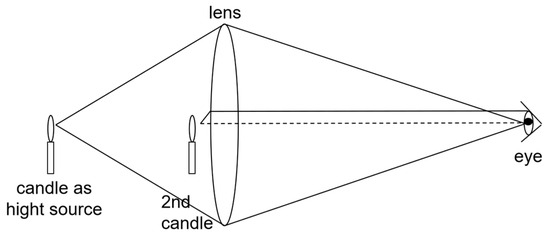
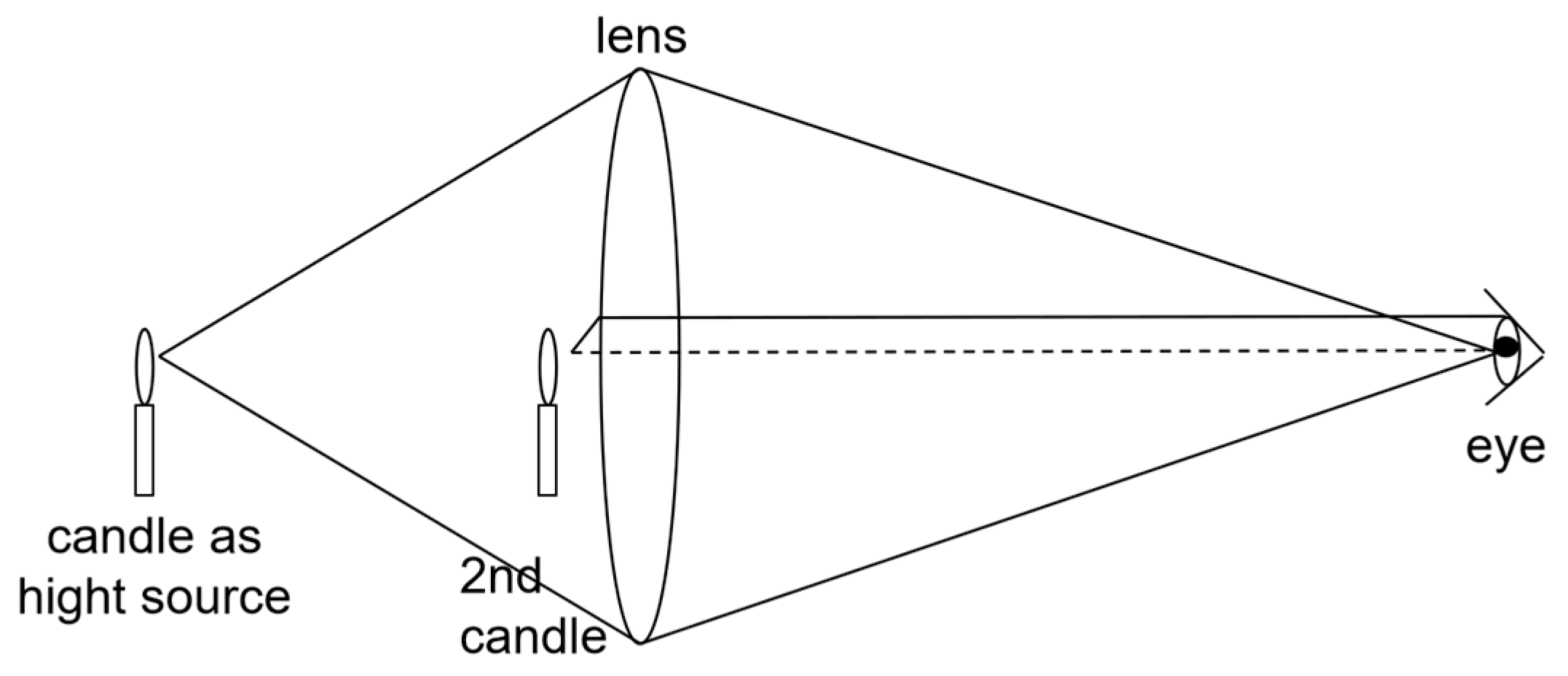
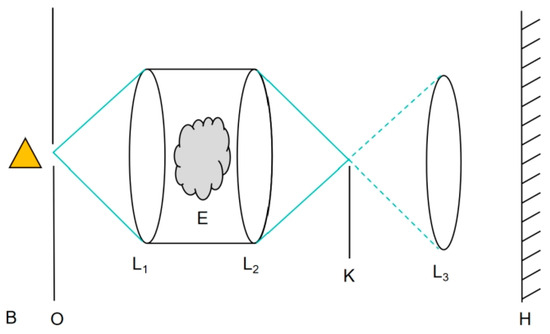
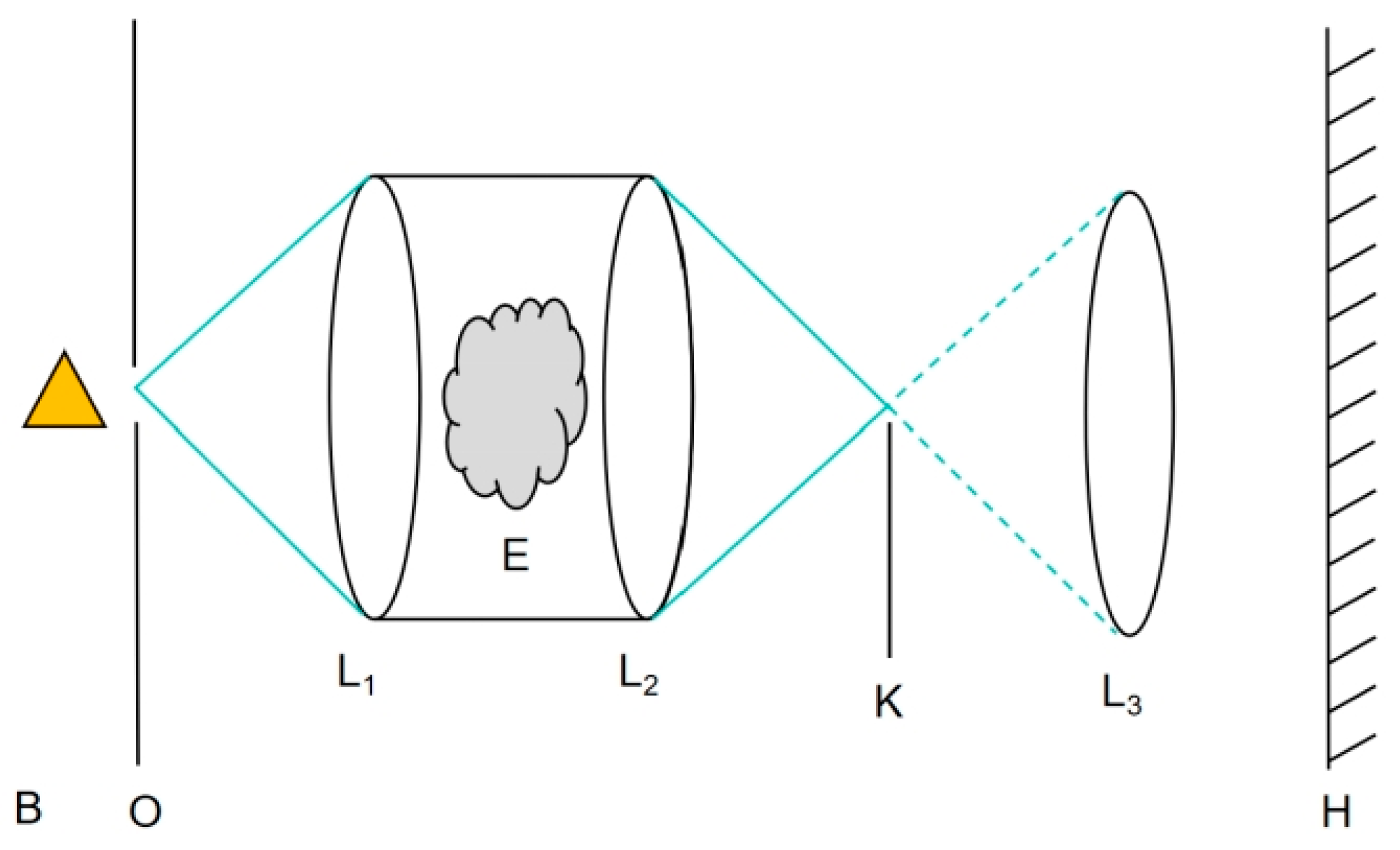
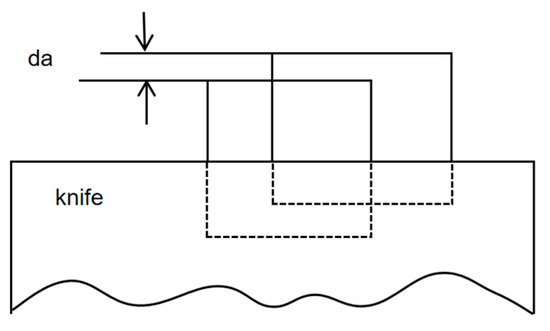
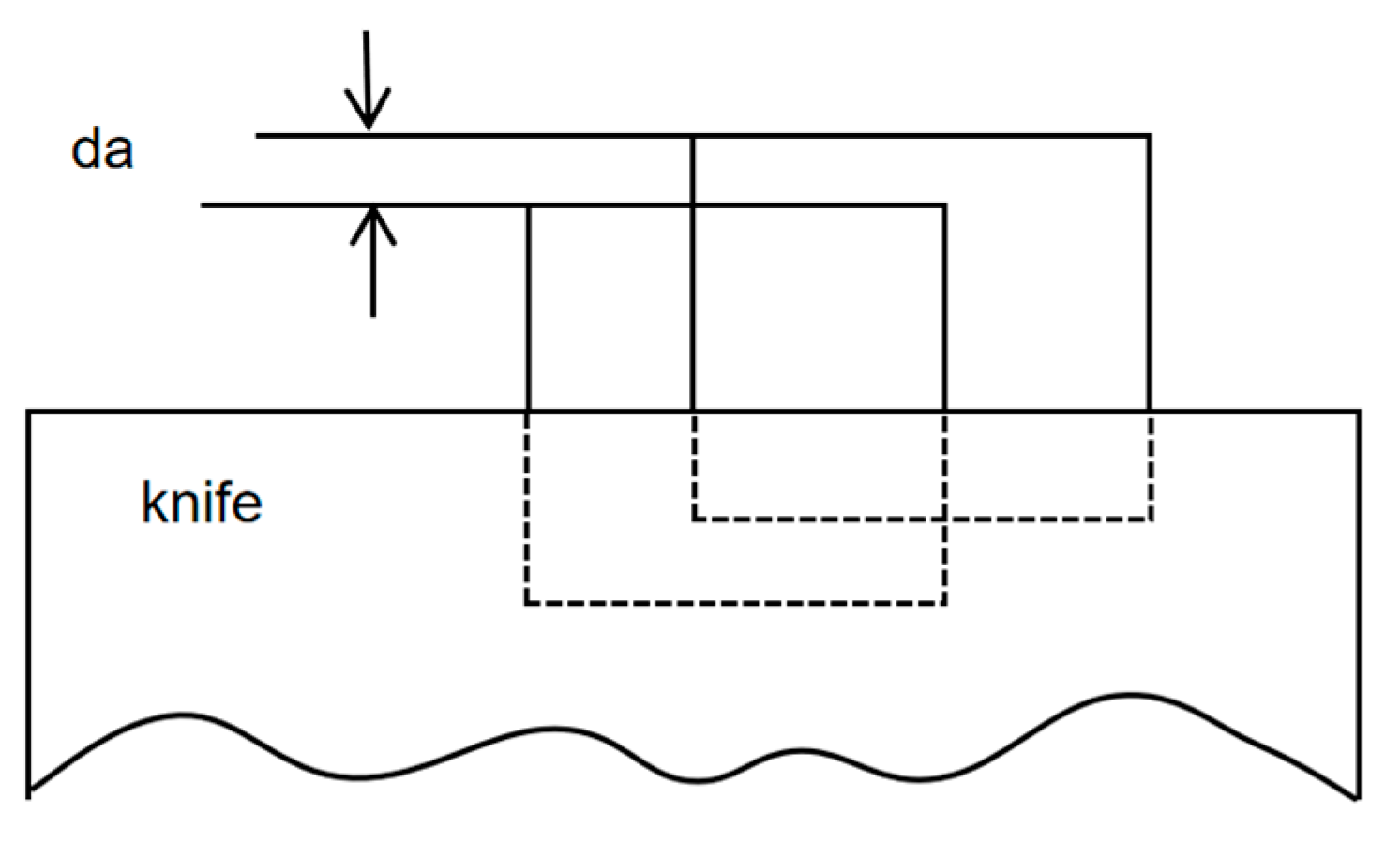
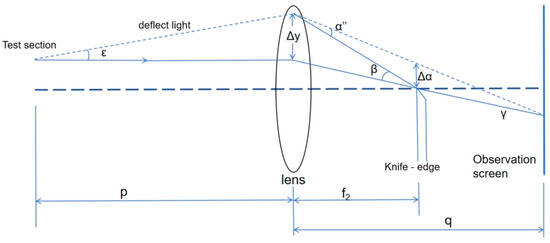
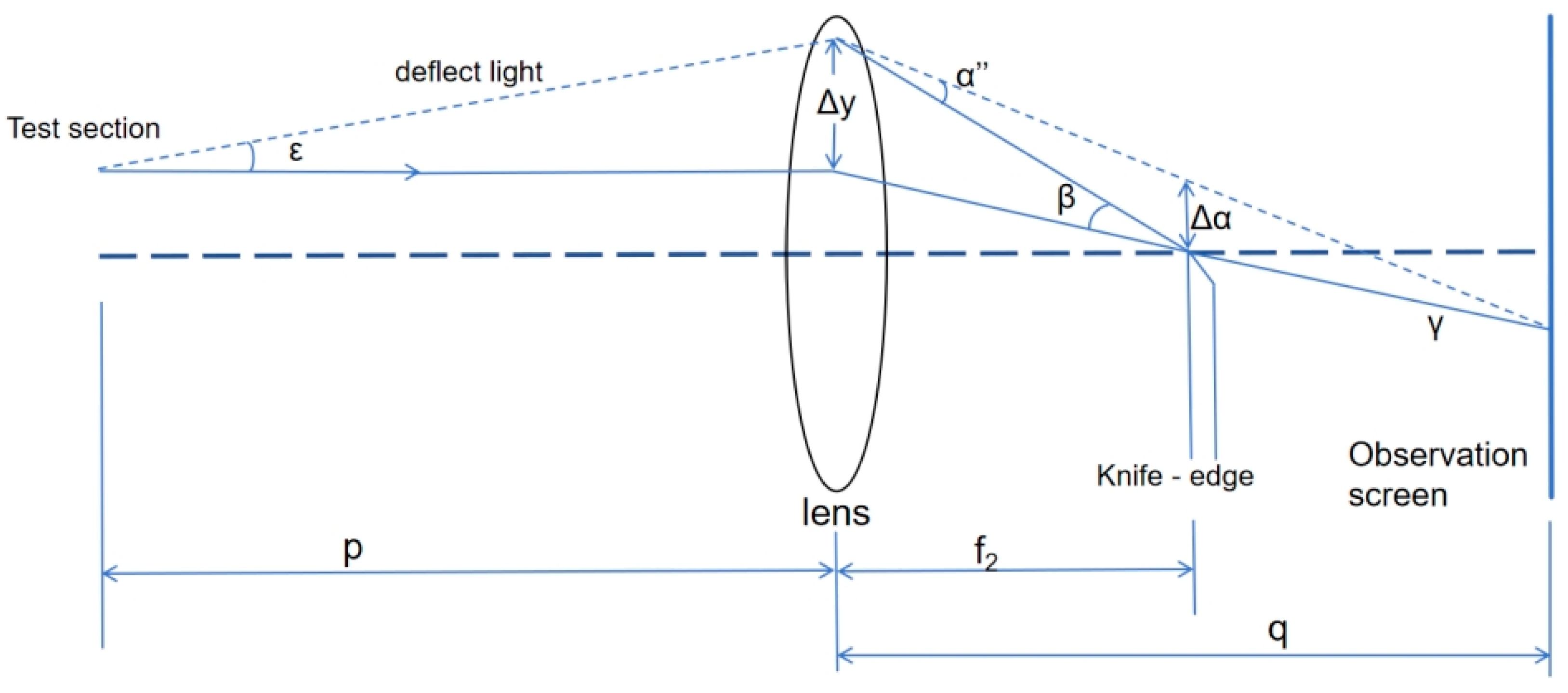
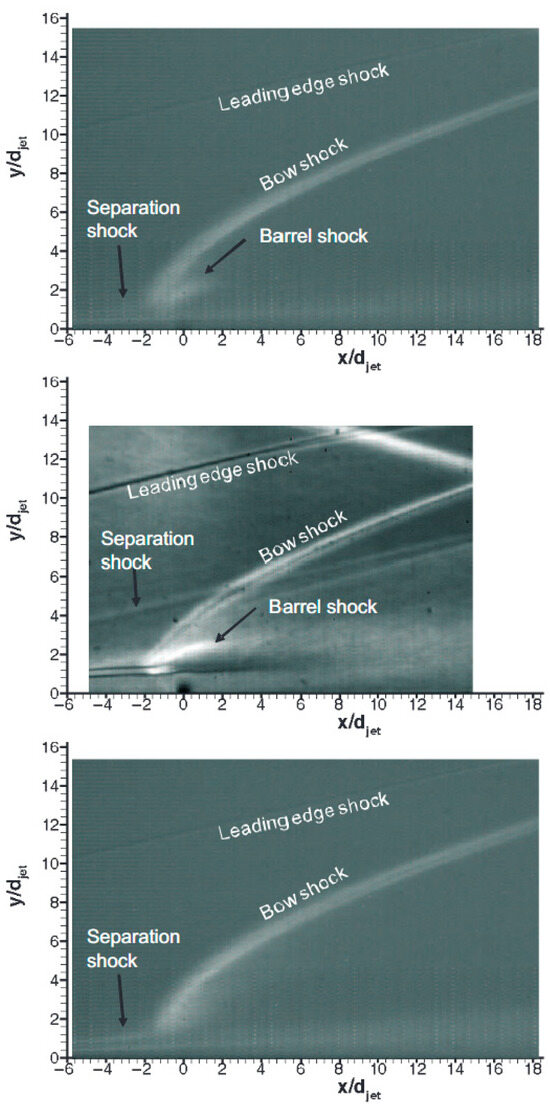
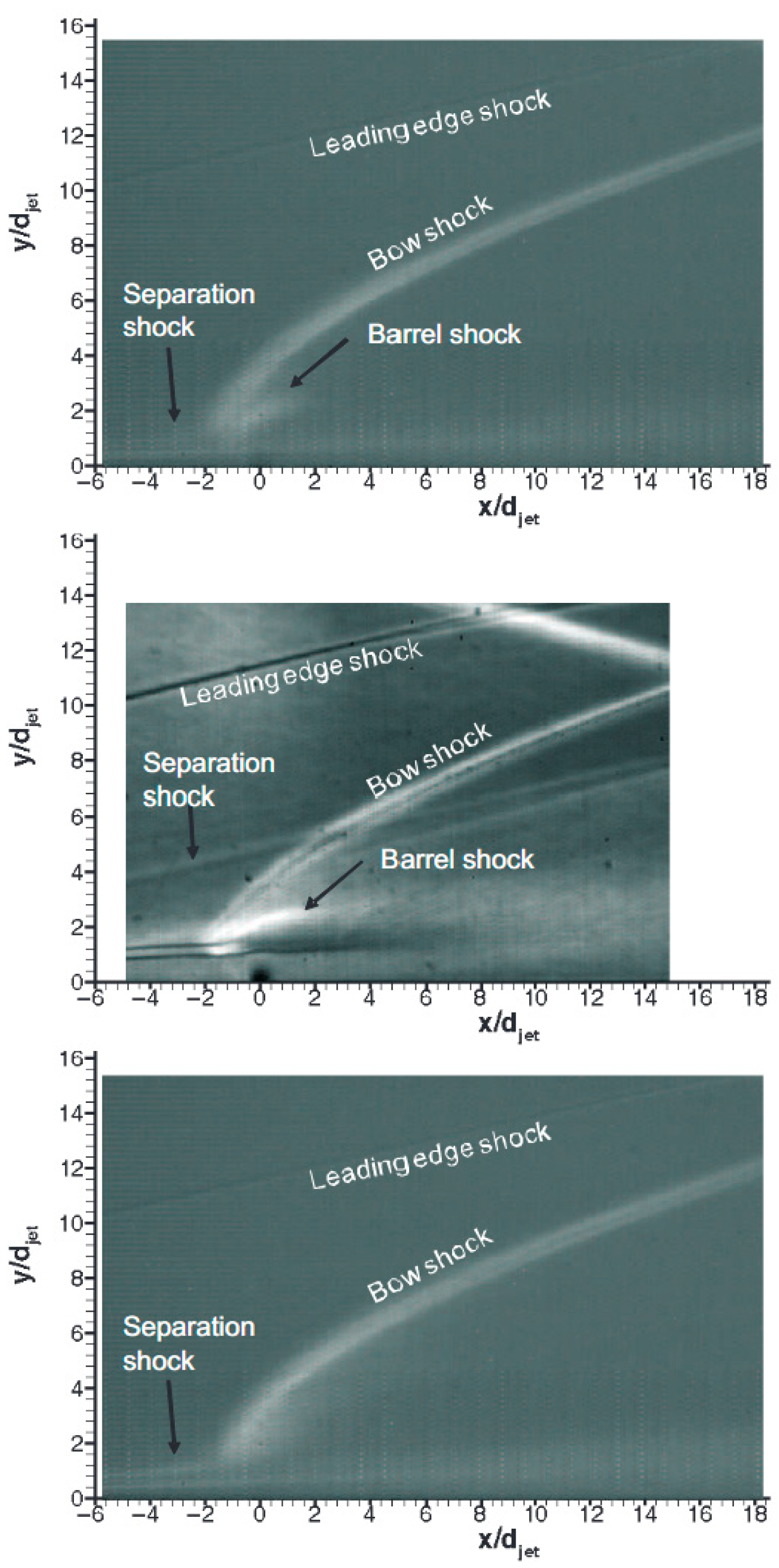
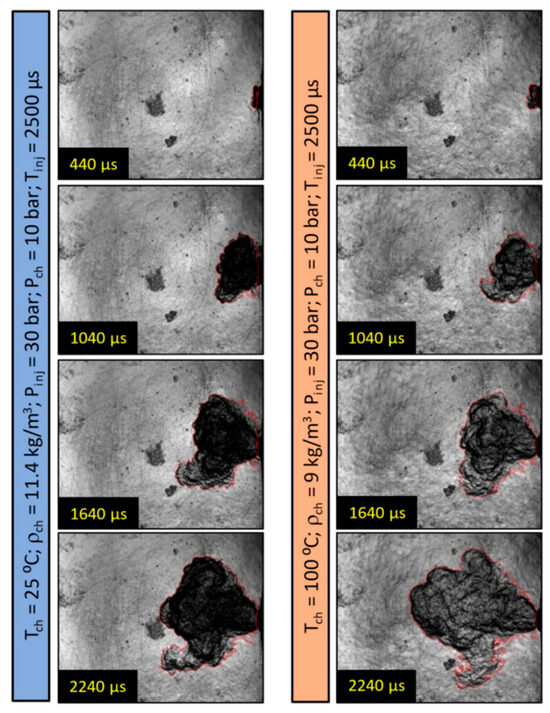
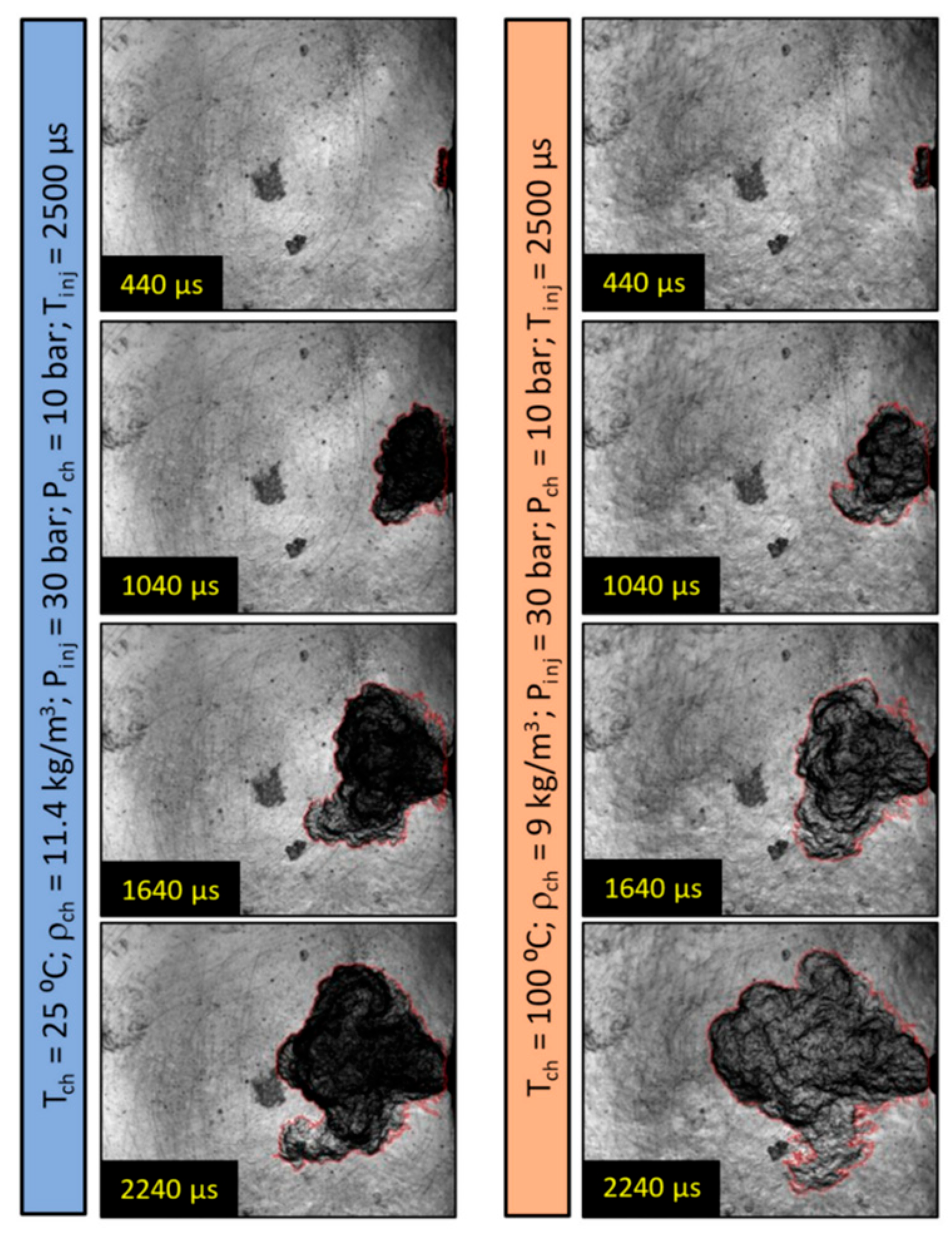
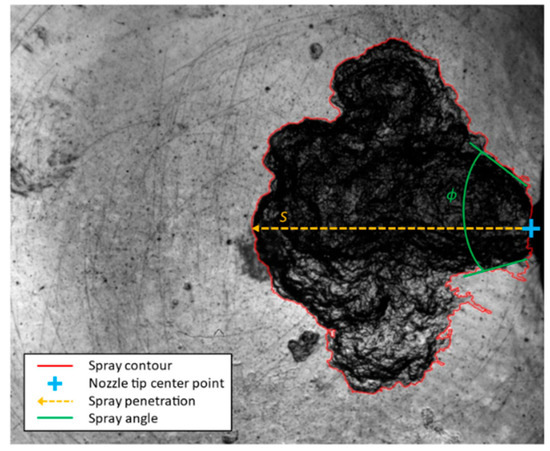
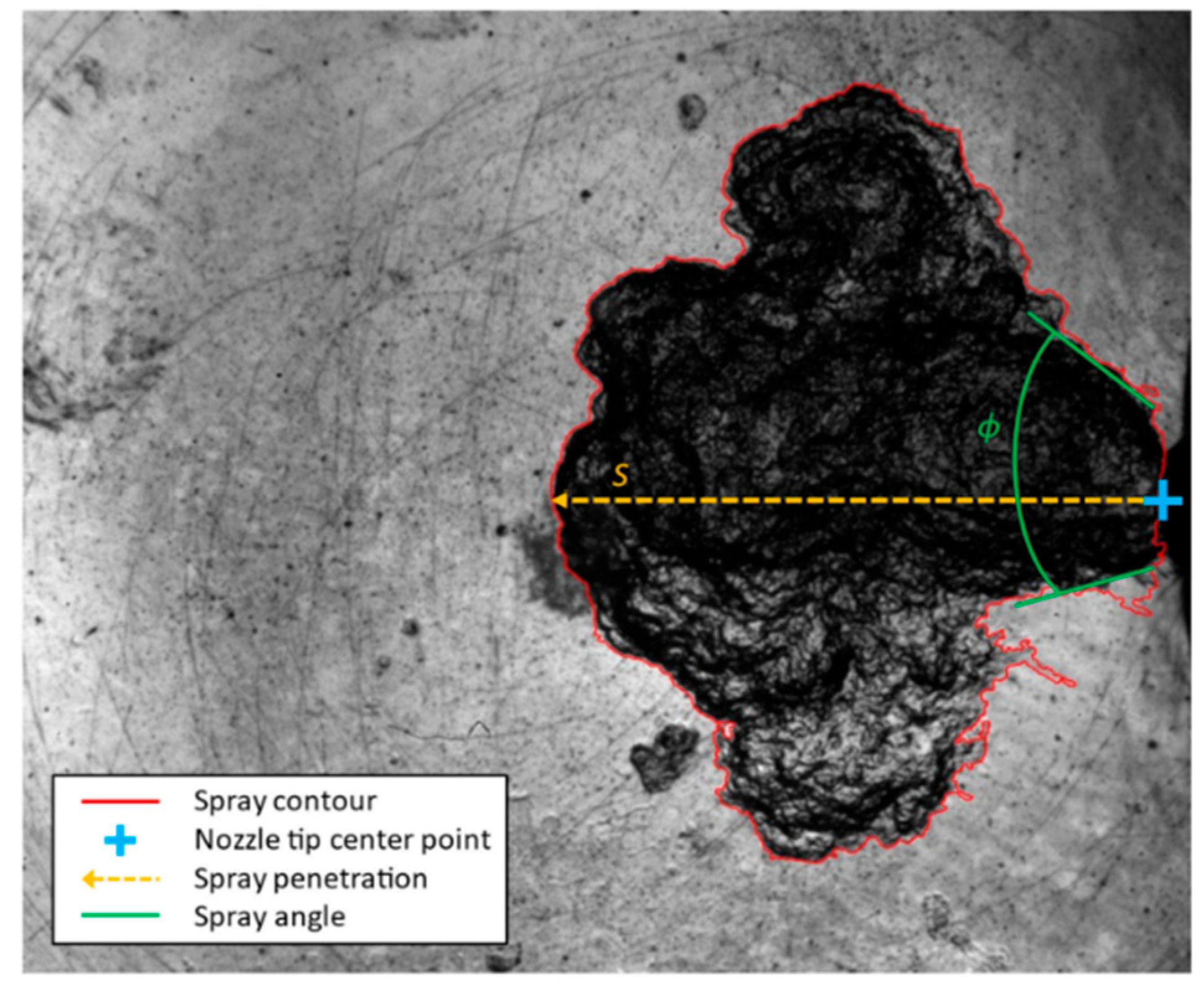
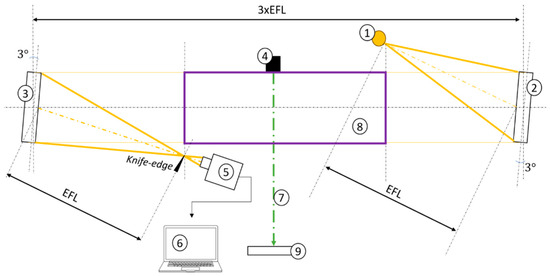
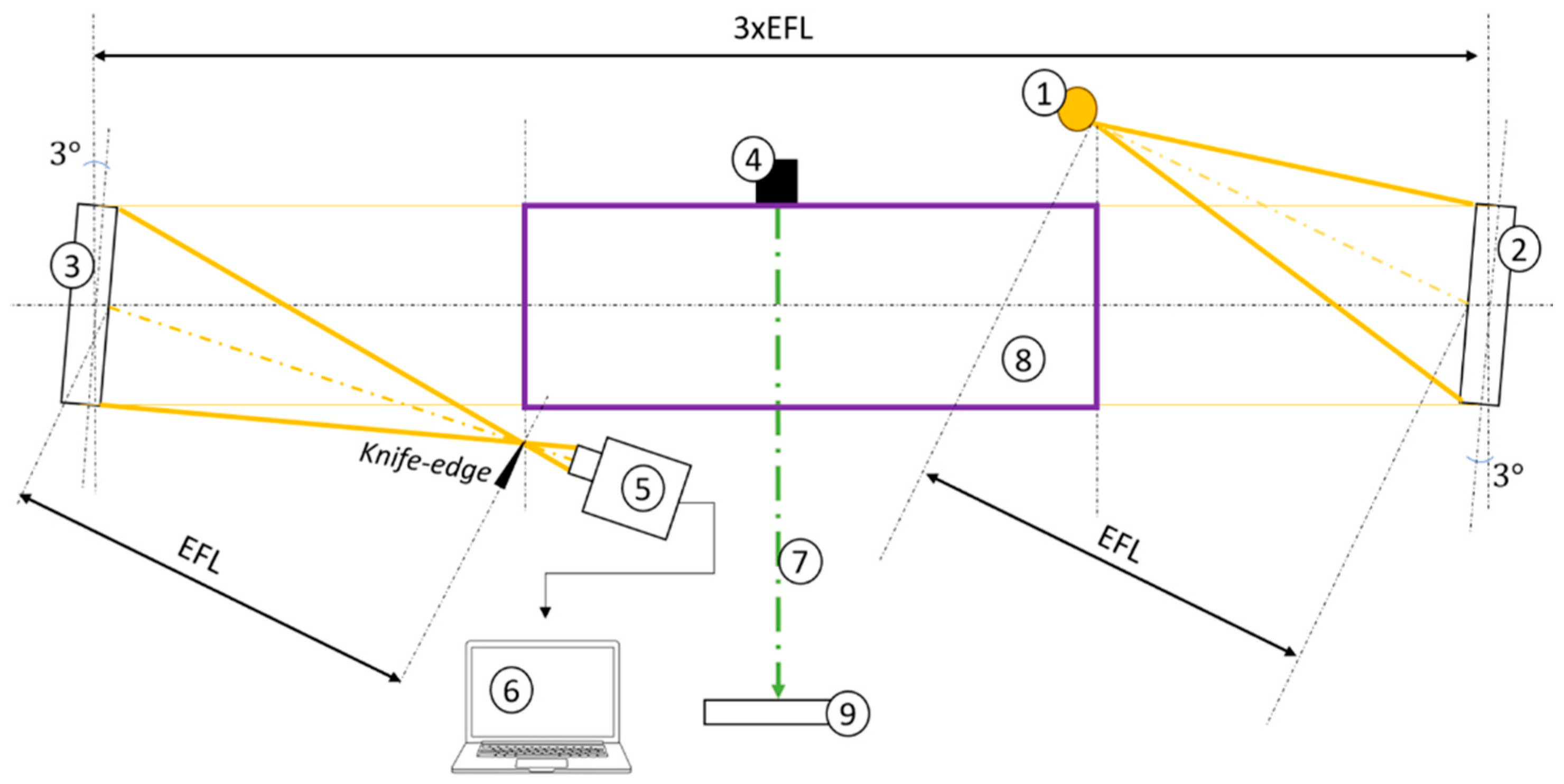
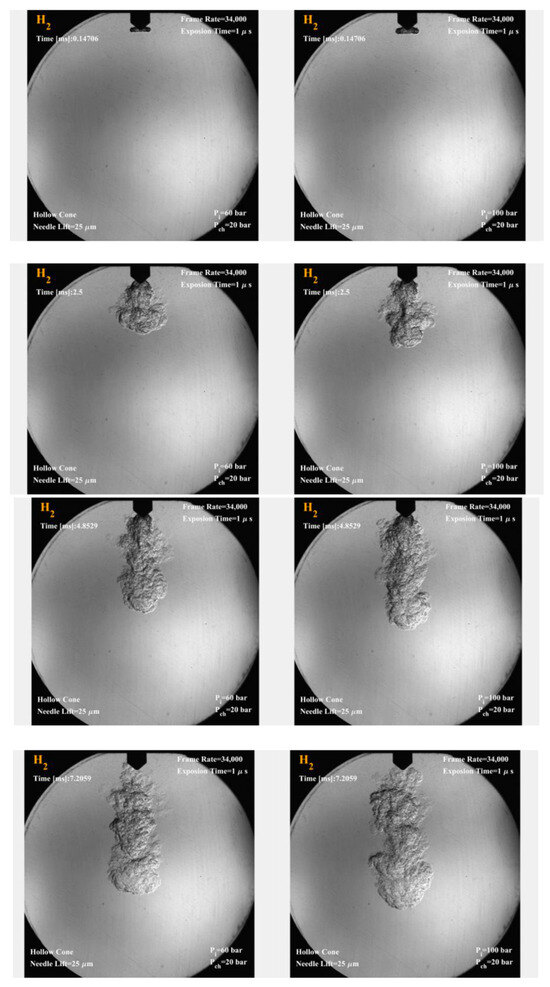
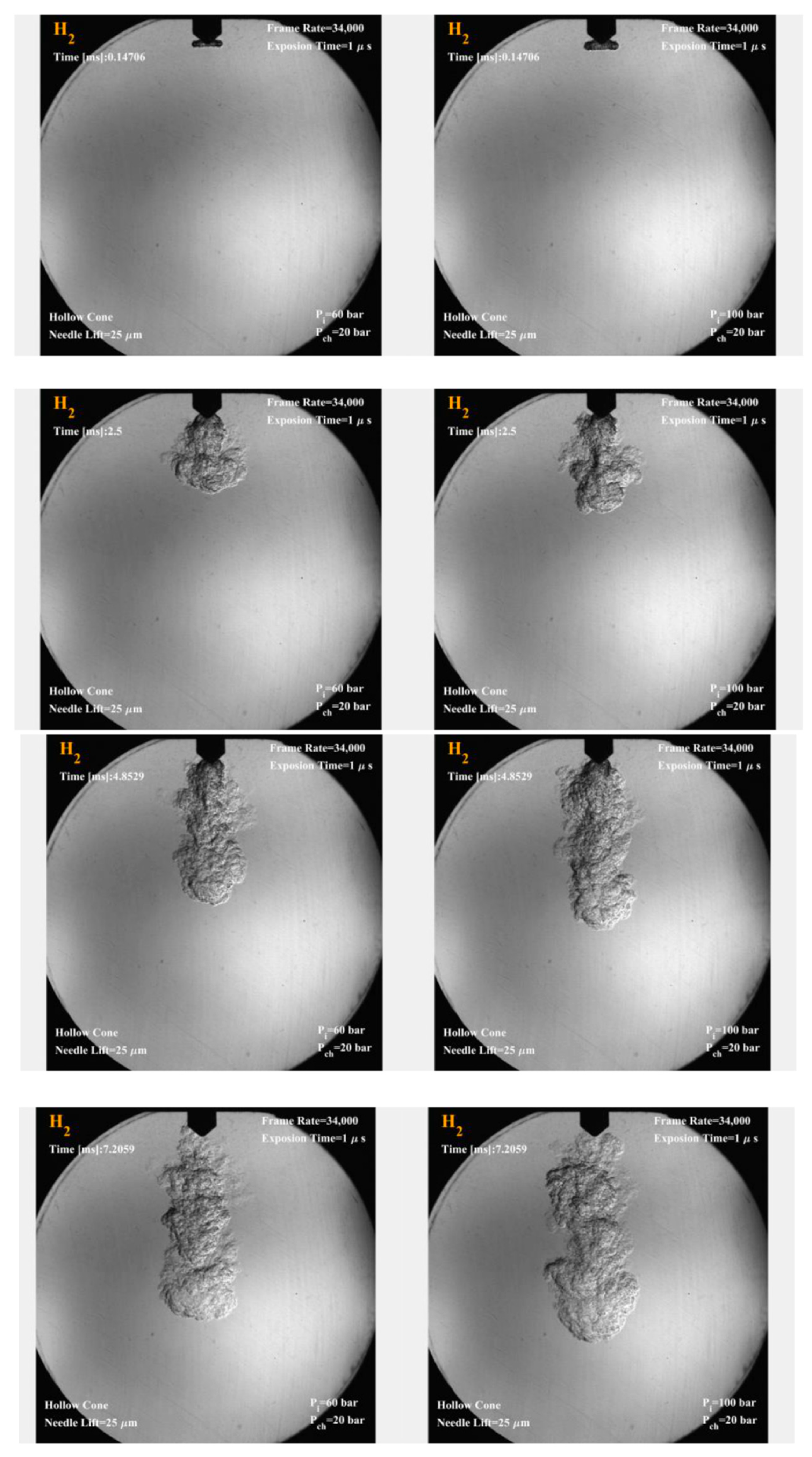
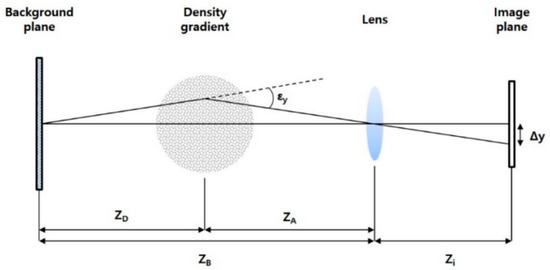
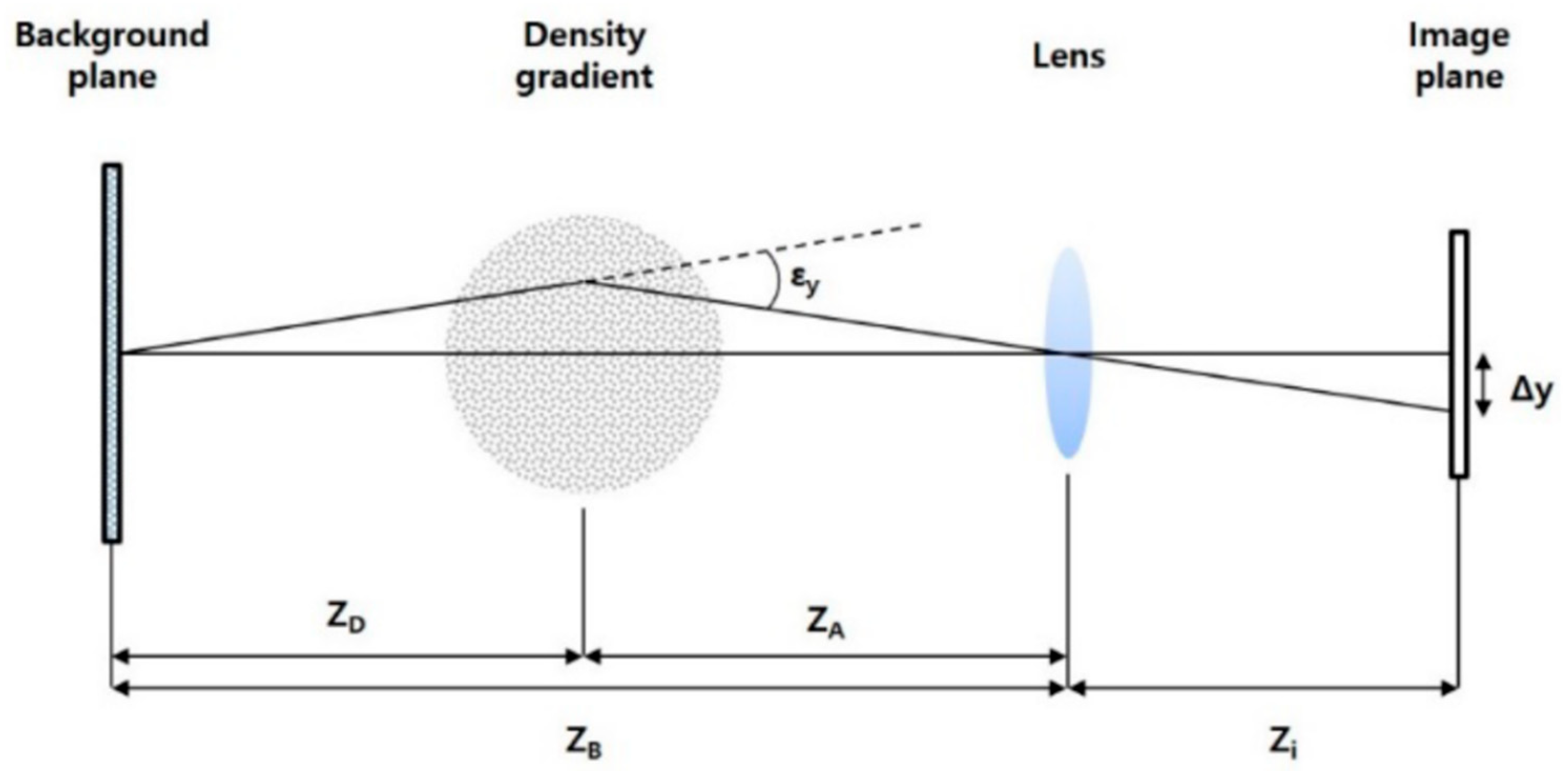
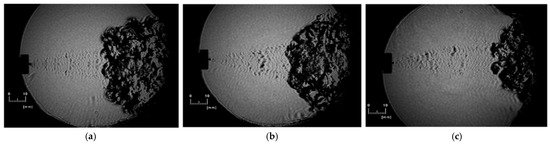
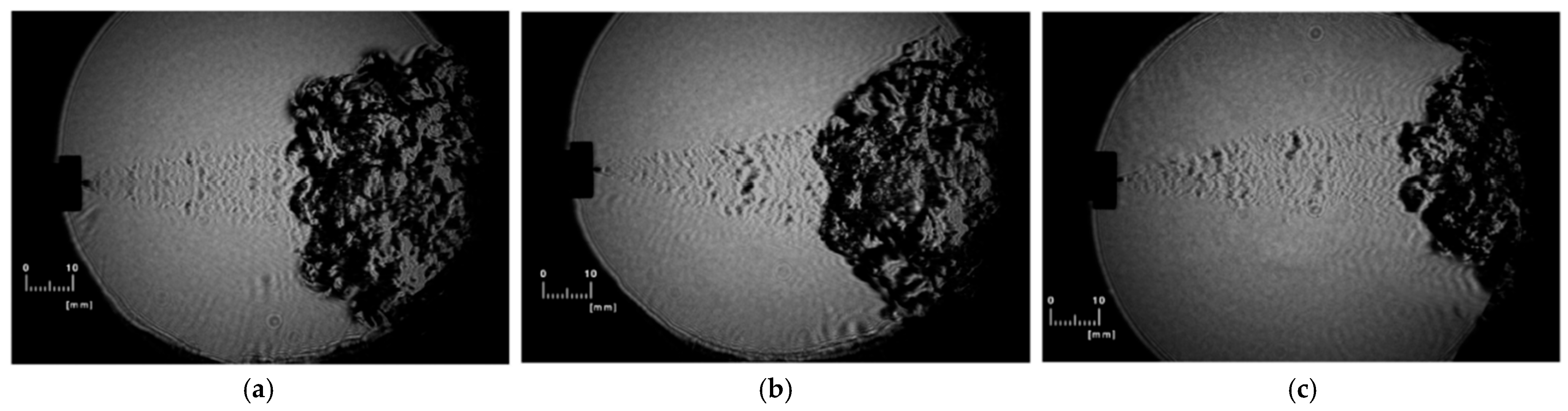
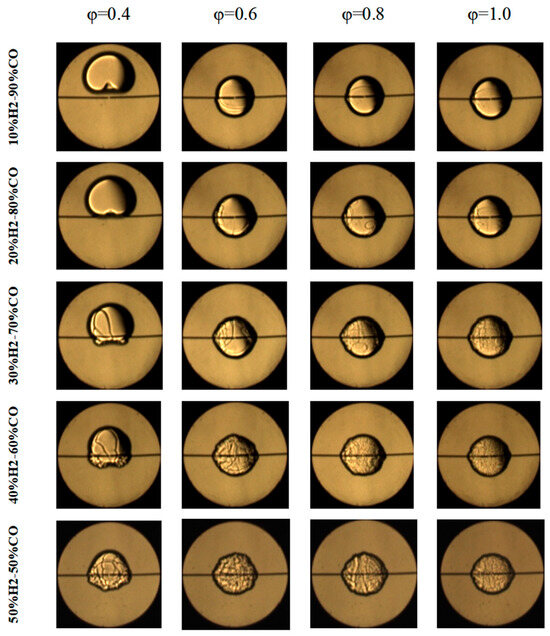
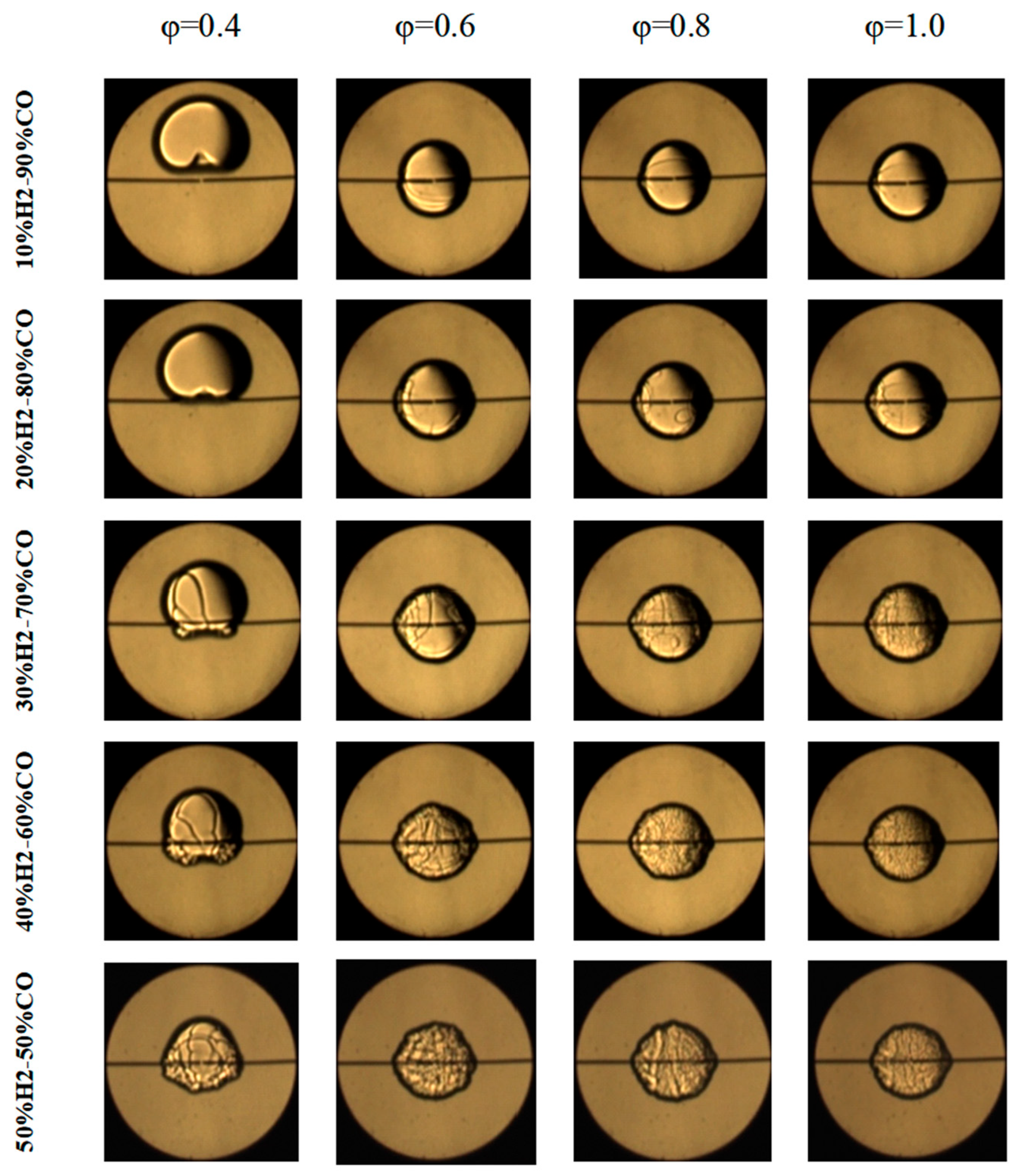
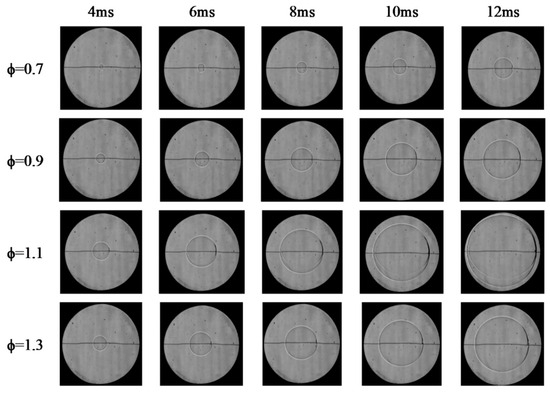
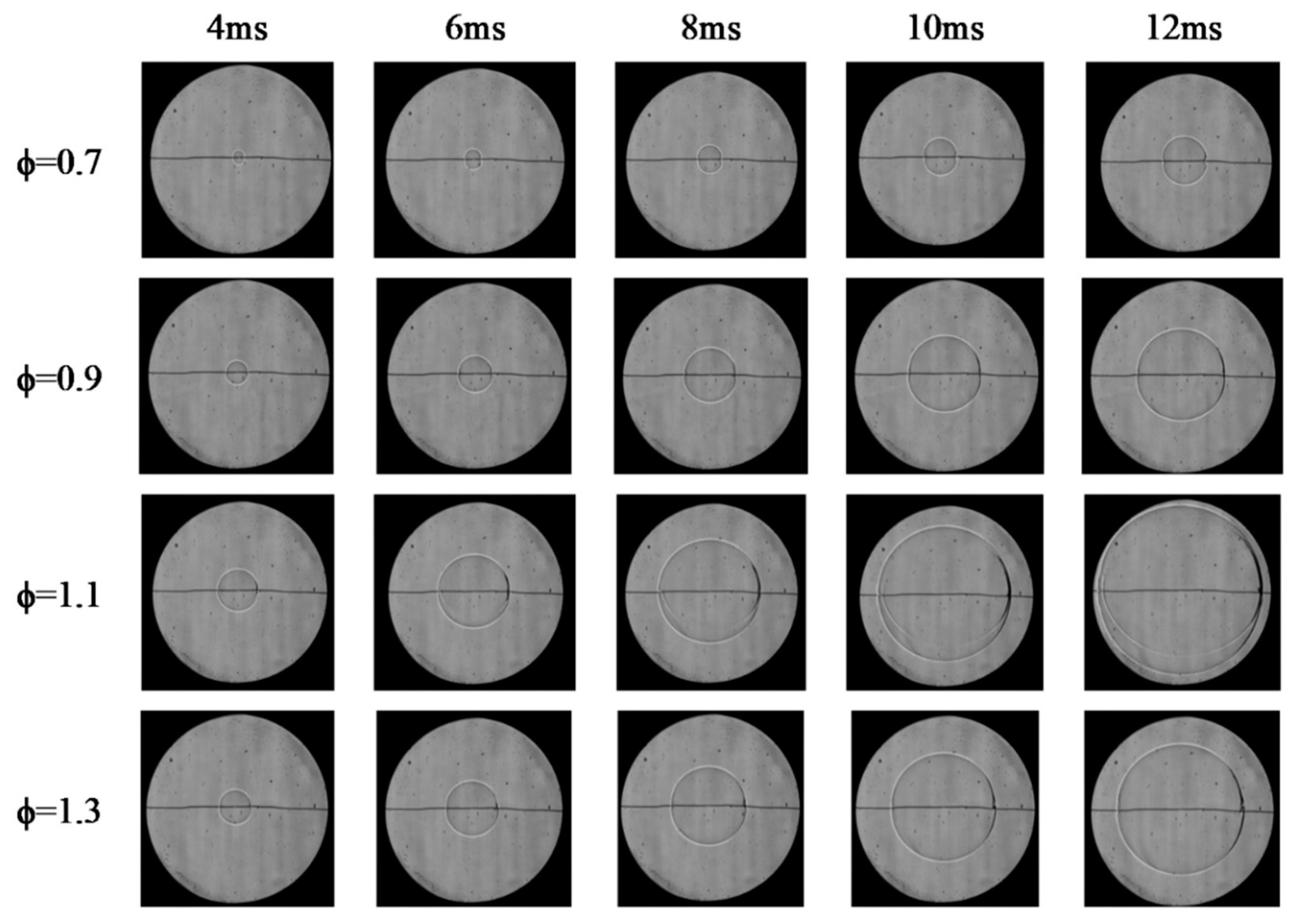
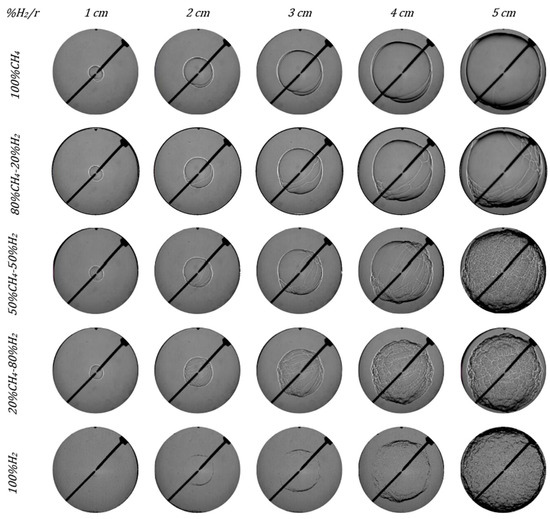
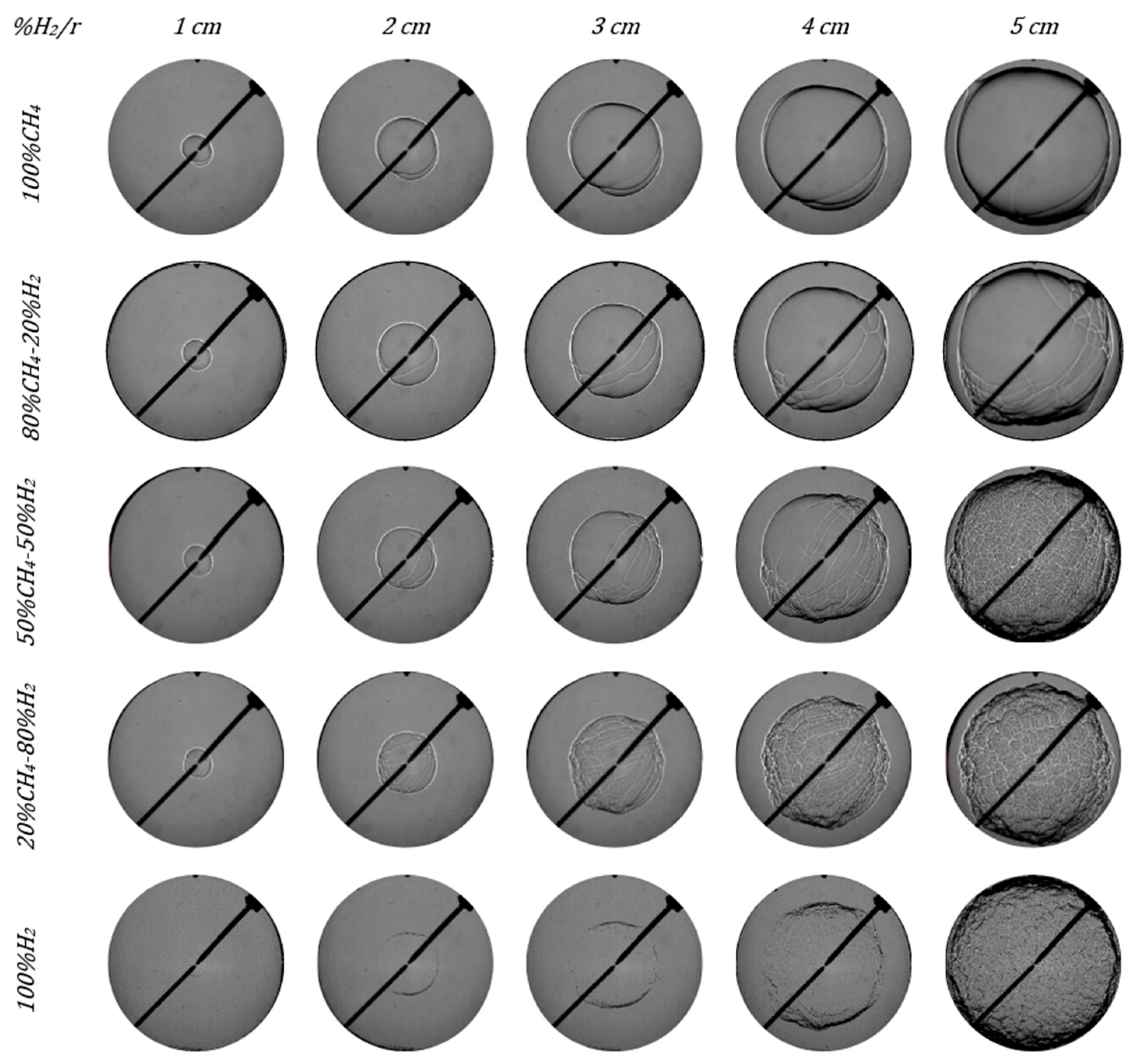
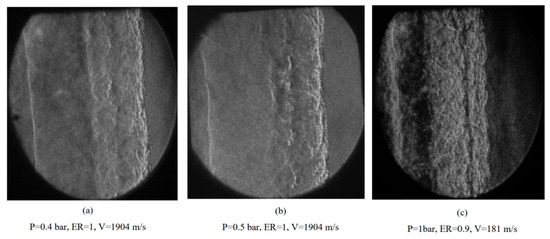
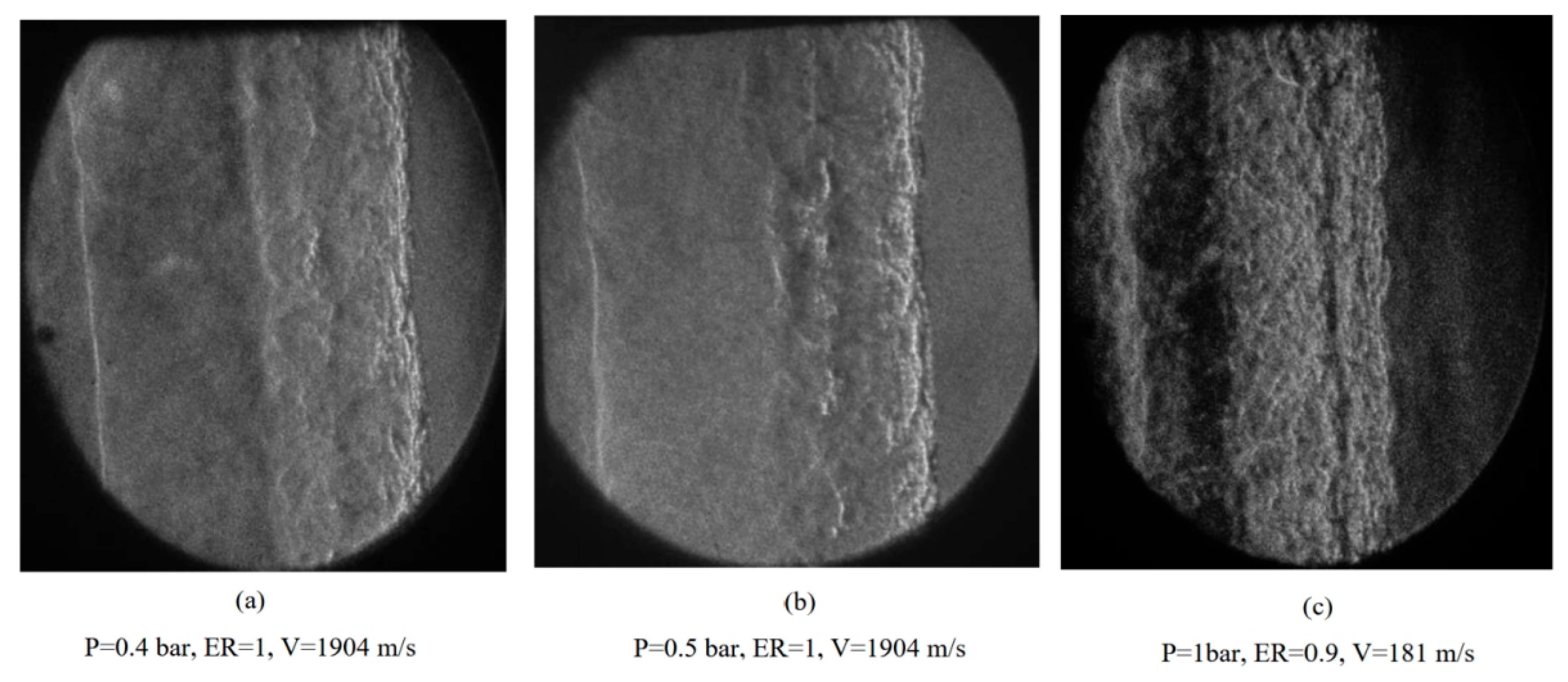
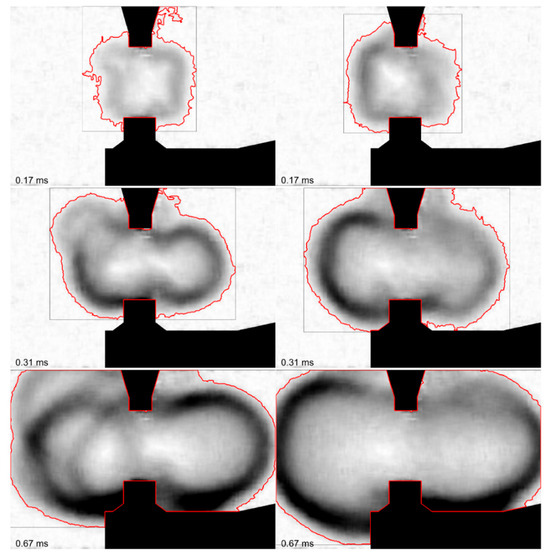
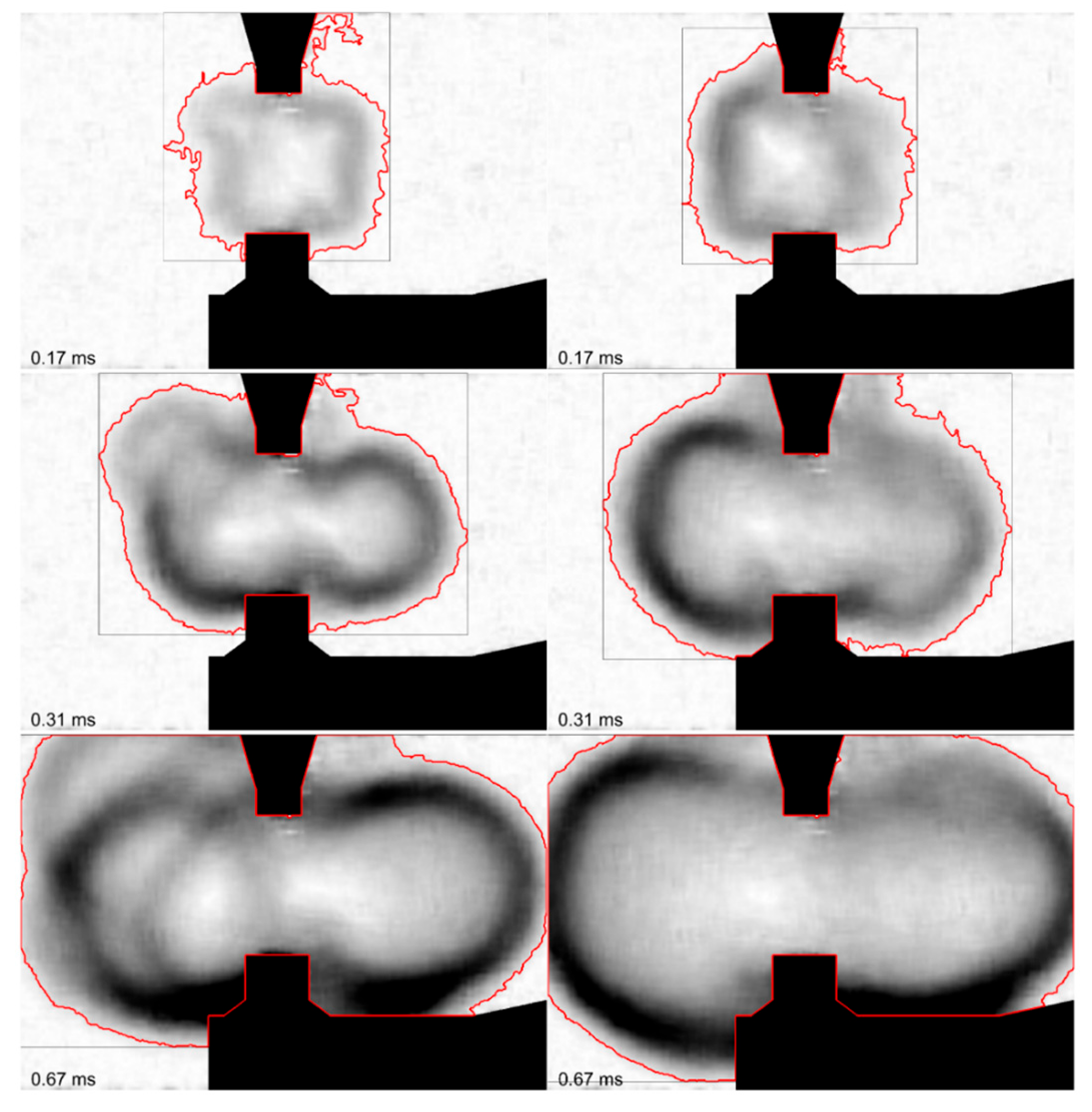
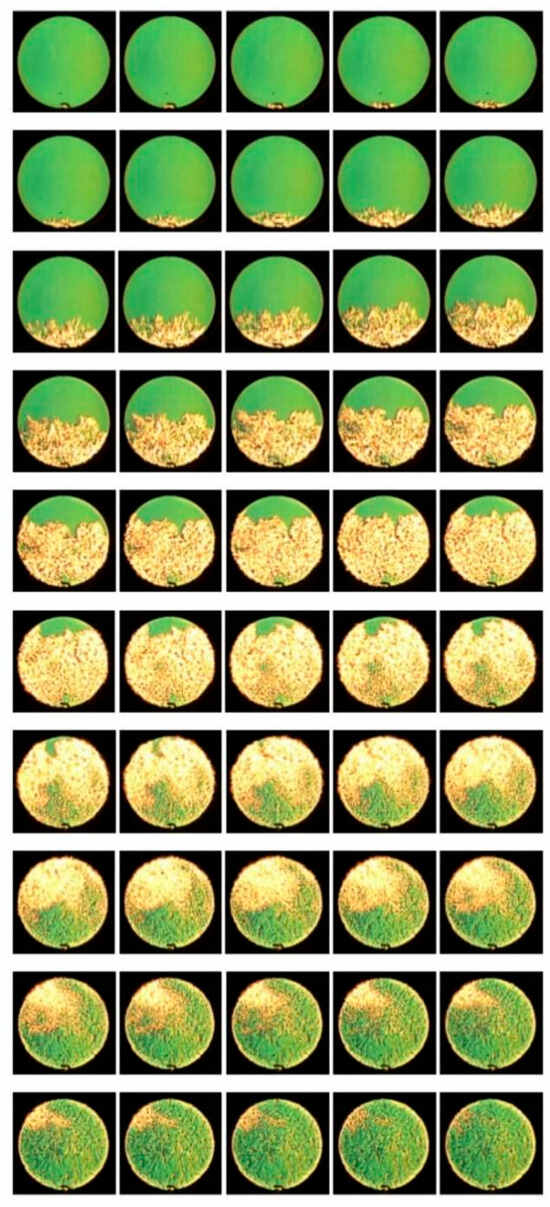
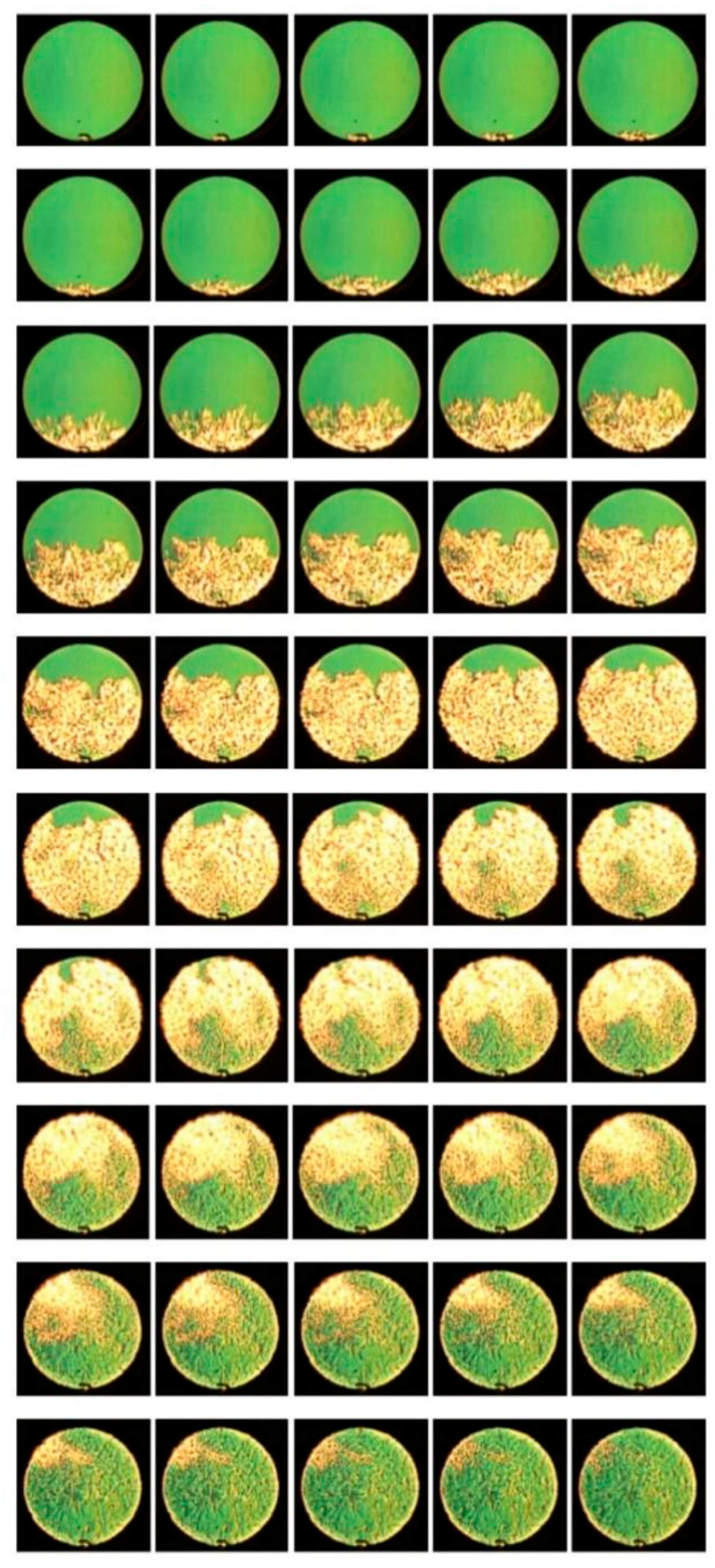

Disclaimer/Publisher’s Note: The statements, opinions and data contained in all publications are solely those of the individual author(s) and contributor(s) and not of MDPI and/or the editor(s). MDPI and/or the editor(s) disclaim responsibility for any injury to people or property resulting from any ideas, methods, instructions or products referred to in the content. |
© 2026 by the authors. Licensee MDPI, Basel, Switzerland. This article is an open access article distributed under the terms and conditions of the Creative Commons Attribution (CC BY) license.