


Abstract
Direct air capture (DAC) is a carbon removal technology that selectively extracts CO2 from ambient air, where it exists at trace concentrations of approximately 400 ppm (0.04%), using chemical or physical separation processes. As the only CO2 capture approach capable of delivering negative net emissions, DAC has emerged as a critical CO2 removal (CDR) strategy for achieving global net-zero targets. However, its operation requires substantial electrical energy to drive large air flows and significant thermal energy for sorbent regeneration, which remains a major barrier to large-scale deployment. Coupling DAC with nuclear power has been proposed as a promising approach because nuclear systems can provide stable, carbon-free electricity and heat. This review summarizes recent studies on the integration of DAC with nuclear power plants and analyzes the current technological maturity of nuclear–DAC systems. In particular, the paper compares different DAC configurations, evaluates their energy requirements and integration strategies with nuclear heat and power sources, and identifies key technical and economic challenges for future deployment.
1. Introduction
Climate change remains one of the most urgent global challenges, driven primarily by excessive CO2 emissions from industrial processes, power generation, and deforestation [1]. The Intergovernmental Panel on Climate Change (IPCC) warns that limiting global warming to below 1.5 °C above pre-industrial levels is critical to avoiding severe impacts such as rising sea levels, more frequent and intense storms, and widespread ecosystem and biodiversity loss [2]. Achieving this target requires deep reductions in CO2 emissions and the attainment of net-zero emissions by 2050. While transitioning to renewable energy sources and improving energy efficiency are essential components of mitigation strategies, they are insufficient on their own. Hard-to-abate sectors, including aviation, heavy industry, and agriculture, continue to produce residual emissions that are difficult to eliminate. Negative emission technologies (NETs), including direct air capture (DAC), bioenergy with carbon capture and storage (BECCS), and enhanced weathering, are increasingly recognized as necessary components of comprehensive carbon management strategies [3]. Direct air capture differs from conventional carbon capture technologies in that CO2 is removed directly from ambient air rather than from concentrated point sources such as power plant flue gas. DAC systems typically operate by passing large volumes of air through contactors containing liquid solvents or solid sorbents that selectively adsorb CO2, followed by a regeneration step to release concentrated CO2 for storage or utilization. Because atmospheric CO2 concentrations are extremely low, DAC systems require large air flow rates and significant energy input compared with conventional carbon capture processes. Figure 1 illustrates a schematic diagram of the direct air capture (DAC) process.
Figure 1.
Schematic diagram of the direct air capture (DAC) process.
DAC removes CO2 directly from ambient air, making it fundamentally different from post-combustion carbon capture, which targets point-source emissions from facilities such as power plants and factories [4]. This independence from specific emission sources allows DAC to be deployed flexibly across diverse geographic locations and economic sectors. DAC systems typically rely on chemical sorbents to selectively capture CO2, which is then either permanently stored in geological formations or utilized in applications such as synthetic fuel production and enhanced oil recovery [5]. Several companies, including Climeworks and Carbon Engineering, have demonstrated the commercial potential of DAC through large-scale pilot projects. For example, Climeworks has partnered with global corporations to remove thousands of tons of CO2 annually, reflecting the growing international interest and investment in DAC deployment [6].
Despite these advancements, DAC faces significant challenges due to its high energy requirements and elevated operational costs, which hinder large-scale implementation. Several low-carbon heat sources have been proposed to supply the thermal energy required for DAC systems, including geothermal energy, solar thermal systems, and electric heat pumps. While these technologies offer low-carbon alternatives, they often face limitations related to geographic availability, intermittency, or conversion efficiency. For example, geothermal resources are geographically constrained, and solar thermal systems depend on local solar conditions and energy storage to maintain continuous operation. Electric heat pumps can provide flexible heat supply but require substantial electricity input, which may increase operational costs depending on grid conditions. In contrast, nuclear power plants can provide stable and dispatchable heat and electricity over long operating periods, making them a promising option for supporting large-scale and continuous DAC operation. To overcome these limitations, integrating DAC with nuclear power, especially with emerging small modular reactors (SMRs), has attracted increasing attention [7]. Nuclear power provides a low-carbon, reliable, and large-scale energy source that can meet DAC’s substantial heat and electricity demands. However, concerns regarding nuclear safety remain an important consideration when evaluating the integration of nuclear power with DAC systems. Unlike intermittent renewable energy sources such as wind and solar, nuclear power plants (NPPs) can supply the consistent and high-quality energy required for continuous DAC operation. Additionally, coupling DAC with nuclear plants could enhance the economic viability of nuclear energy by generating revenue through carbon removal credits and participation in emerging carbon markets.
The integration of DAC with nuclear energy also aligns with evolving government policies and climate-oriented economic strategies [8]. Many governments are actively supporting both DAC and SMR development to achieve decarbonization goals. Notable examples include the U.S. Department of Energy’s Advanced Reactor Demonstration Program and the European Union’s Green Deal, which promote the advancement of these technologies [9]. Nuclear-DAC integration has the potential to deliver significant carbon removal while contributing to energy security and long-term economic resilience. However, despite growing interest in this concept, the existing literature remains fragmented and lacks a comprehensive review of the technical characteristics and integration strategies of nuclear-assisted DAC systems. Moreover, research in this field remains in its early stages, and comprehensive assessments of the technological and economic feasibility of nuclear-assisted DAC systems are limited. This study aims to address this knowledge gap by providing a comprehensive review of recent developments in nuclear-DAC integration worldwide. It begins with a technical overview of DAC principles and operational requirements, followed by an evaluation of current academic research and industrial initiatives to assess the technological maturity and prospects of nuclear-assisted DAC systems. Several important dimensions of nuclear–DAC integration remain insufficiently explored in the existing literature. In particular, limited attention has been given to dynamic modeling of integrated DAC–nuclear systems, lifecycle environmental assessments, turbine efficiency penalties associated with heat extraction from nuclear power plants, and siting constraints related to CO2 transport and storage infrastructure. In addition, previous studies often focus on individual case studies or specific reactor–DAC configurations, making it difficult to derive broader comparative insights. By synthesizing findings from recent studies and comparing different integration strategies, this review aims to provide clearer insights into current research gaps and future research directions for nuclear-assisted DAC systems.
The literature included in this review was selected from peer-reviewed journal articles and technical reports addressing the integration of direct air capture (DAC) systems with nuclear energy. Particular attention was given to studies examining thermodynamic integration, system performance, and techno-economic assessments of DAC–nuclear configurations. The reviewed literature primarily reflects recent research as interest in nuclear-assisted DAC systems has grown significantly. By examining these studies collectively, this review provides a structured overview of current technological developments, integration strategies, and remaining research gaps.
2. Technical Review of DAC Technologies
Carbon capture refers to the separation of specific gases from a gas mixture and is generally classified as a gas separation and purification process. Several carbon capture methods have been developed, including adsorption, absorption, membrane separation, cryogenic distillation, and chemical looping [10,11]. However, because DAC targets CO2 at extremely low atmospheric concentrations (~400 ppm), adsorption and absorption are the most widely used approaches. In adsorption-based DAC, CO2 is captured from ambient air using a solid material (adsorbent) that selectively binds CO2 molecules. Once the adsorbent becomes saturated, thermal energy is applied to release the captured CO2, enabling the adsorbent to be reused in repeated cycles. This approach is commonly referred to as solid DAC (S-DAC). A related technology, membrane DAC (M-DAC), uses adsorbent materials processed into defect-free thin films to create membranes that selectively separate CO2. However, M-DAC is still in the early stages of development and is currently unsuitable for large-scale deployment or integration with nuclear power systems. For this reason, M-DAC will not be discussed further in this review. The absorption-based method, known as liquid DAC (L-DAC), uses a liquid sorbent that chemically reacts with atmospheric CO2. In most cases, an alkaline solution absorbs CO2 to form carbonate or bicarbonate salts, which are then heated to release concentrated CO2 for storage or utilization. Each of these DAC methods uses distinct materials and operates under different thermodynamic and kinetic conditions, which influence their efficiency, energy requirements, and scalability. The specific technical characteristics and associated challenges of these approaches will be examined in detail in the following sections [12]. Figure 2 illustrates the overall workflow of direct air capture (DAC) technologies, including air contacting, CO2 capture using solid, liquid, or membrane-based systems, sorbent regeneration, and CO2 handling processes.
Figure 2.
Workflow diagram of direct air capture (DAC) technologies.
2.1. Adsorption (S-DAC)
Solid sorbent-based DAC technology, also known as dry DAC, captures carbon dioxide through selective adsorption driven by the interaction between the adsorbent surface and CO2 molecules. Adsorption can occur through two mechanisms: physical adsorption, which relies on weak van der Waals forces between the adsorbent surface and gas molecules, and chemical adsorption, which involves stronger chemical bonding. Because atmospheric CO2 is present at very low concentrations (~400 ppm or 0.04%), DAC systems primarily rely on chemical adsorption mechanisms [13].
Gas separation and purification processes using adsorbents typically perform best at low temperatures and high pressures, whereas desorption is favored under high temperatures and low pressures. DAC systems exploit these thermodynamic principles by alternating between adsorption and regeneration phases through temperature and pressure modulation, a process known as swing adsorption (Figure 3 [14]). Most DAC systems use either temperature swing adsorption (TSA) or temperature–vacuum swing adsorption (TVSA) to reduce the energy required for sorbent regeneration and to improve overall process efficiency [15].
Figure 3.
Conceptual diagram of the swing adsorption process [14].
S-DAC technology operates at relatively low regeneration temperatures (generally below 200 °C) [16] and requires less water than liquid-based (wet) DAC systems. However, it remains energy-intensive and is generally more difficult to scale up compared to wet DAC technologies. Climeworks, a Swiss company, is the leading commercial operator of dry DAC technology and, in 2024, began operating a large-scale facility with a CO2 capture capacity of 36,000 tons per year [17]. The performance of S-DAC systems strongly depends on the properties of the adsorbent materials. Consequently, research in this field focuses on developing, selecting, and optimizing advanced sorbents with high CO2 selectivity, stability, and regeneration efficiency. One widely used strategy involves functionalizing metal–organic frameworks (MOFs) with amine-based compounds to enhance CO2 adsorption capacity and selectivity. Table 1 summarizes key adsorbents currently under active investigation for S-DAC applications. Because these studies employ different experimental methods and operating conditions, direct quantitative comparison among materials should be interpreted with caution.
Table 1.
List of key adsorbents for S-DAC.
2.2. Absorption (L-DAC)
L-DAC technology, commonly referred to as wet capture, primarily relies on aqueous absorbents. The process involves two main stages: an absorption step, where atmospheric CO2 is dissolved and chemically bound in an absorbent solution, and a regeneration step, where heat is applied to release the captured CO2 [29]. In conventional post-combustion carbon capture, amine-based absorbents are widely used. However, due to the high toxicity and corrosiveness of amines, DAC systems typically employ less toxic and less corrosive alternatives, such as potassium hydroxide (KOH) or sodium hydroxide (NaOH), which react with CO2 through neutralization reactions. The absorption of CO2 in alkaline solutions generates significant heat, increasing the thermal energy required for regeneration. To mitigate this thermal demand, process modifications such as the use of calcium carbonate (CaCO3) in the Kraft process have been explored. Despite such improvements, L-DAC still faces a major challenge: CO2 regeneration requires very high temperatures, which necessitates large regeneration towers and leads to substantial water consumption during operation [29]. The leading developer of L-DAC technology is Carbon Engineering, a Canadian company that successfully demonstrated a pilot plant in 2015 with a CO2 capture capacity of 365 tons per year.
2.3. Summary and Nuclear Connectivity
As shown in Table 2, the major barrier to integrating L-DAC technology with nuclear power is its high regeneration temperature. Although ongoing research on novel absorbents may lower this requirement, the current operating temperature of ~900 °C restricts its use to high-temperature reactors, such as very-high-temperature reactors (VHTRs). In contrast, S-DAC is more compatible with nuclear energy because its significantly lower regeneration temperature allows integration with a broader range of reactor types, including light water reactors. However, high-temperature reactor systems such as VHTRs or advanced molten salt reactors (MSRs) could potentially provide suitable heat sources for L-DAC systems. Therefore, future research may explore both pathways, including improving the economic performance of S-DAC systems and investigating the potential integration of L-DAC with high-temperature nuclear reactors.
Table 2.
Technical comparison of L- and S-DACs [30].
3. Review of DAC Applications in Nuclear Power Plants
3.1. Industrial Projects
Despite the potential advantages of integrating nuclear energy with DAC, commercial deployment remains very limited. According to the International Energy Agency (IEA), as of 2023, there are 18 operational DAC plants worldwide with a minimum capacity of 1 ton of CO2 per year. However, none of these facilities are currently coupled with nuclear power sources [31]. Nevertheless, research and development efforts are actively investigating the feasibility of such integration. Notable initiatives include the Assessment of Nuclear Energy to Support Negative Emission Technology led by the U.S. Department of Energy (DOE) [32,33], the DAC/GGR Project associated with the Sizewell C NPP in the United Kingdom [34], and the NuDACCS Project in the United States [35].
3.1.1. Assessment of Nuclear Energy to Support Negative Emission Technology
In November 2023, the U.S. Department of Energy (DOE) [32], in collaboration with the National Energy Technology Laboratory (NETL), Idaho National Laboratory (INL), and Argonne National Laboratory (ANL), published a comprehensive report evaluating the integration of NPPs with negative emissions technologies (NETs). The primary goal was to assess the technical and economic feasibility of coupling nuclear energy with various NET options. The study examined seven NETs: L-DAC, S-DAC, bioenergy with carbon capture and storage (BECCS), biochar sequestration (PyCCS), biomass gasification, enhanced weathering (EEW), and indirect seawater capture (ISC).
Among these, DAC was analyzed in detail for three types of nuclear reactors, pressurized water reactor (PWR), sodium-cooled fast reactor (SFR), and VHTR, considering both L-DAC and S-DAC systems. For L-DAC integration with PWR and SFR, the study assumed supplemental thermal input from natural gas combustion to meet the high regeneration temperature required for solvent regeneration. The results indicated that integrating DAC with NPPs can significantly reduce CO2 capture costs compared to standalone DAC systems and substantially lower carbon emissions compared to fossil-fuel-powered DAC.
From a cost perspective, the levelized cost of direct air capture (LCOD) for L-DAC ranged from $170 to $260 per ton of CO2, which is considerably lower than the estimated $650 to $680 per ton for S-DAC. This cost advantage is mainly attributed to the higher capture efficiency and scalability of L-DAC. However, L-DAC also presents several drawbacks, including dependence on natural gas combustion, which partially offsets its emissions benefits, and higher water consumption during operation.
To better compare the economic performance of DAC systems, this study analyzed the breakdown of the LCOD using two figures. Figure 4 presents the LCOD divided into four cost components: capital expenditure (CAPEX), fixed operation and maintenance (FOM), variable operation and maintenance (VOM), and fuel costs. The analysis shows that in L-DAC systems, CAPEX and O&M costs account for the largest share of the LCOD, while fuel costs contribute relatively little. In contrast, S-DAC systems, particularly those not integrated with nuclear power, exhibit a much higher proportion of fuel costs. This is primarily because S-DAC relies on low-grade steam, which is typically supplied through natural gas combustion. However, when integrated with nuclear systems, carbon-free thermal energy can be provided directly from the reactor, significantly reducing fuel costs.
Figure 4.
Breakdown of LCOD by cost category (CAPEX, FOM, VOM, and fuel) for nuclear-integrated and standalone DAC systems. Reproduced from DOE/NETL-2021/2865 [32].
Figure 5 presents the LCOD from a system configuration perspective rather than by cost category. In this figure, costs are grouped into three categories: NPP-related costs (NPP component), DAC process costs (DAC component), and total costs for non-nuclear DAC systems (non-nuclear DAC). The results indicate that in L-DAC systems, DAC process costs dominate, with only a minor contribution from nuclear infrastructure. By contrast, S-DAC systems show a higher proportion of NPP-related costs. Importantly, in all analyzed cases, the LCOD of non-nuclear DAC systems was the highest, highlighting the economic advantage of integrating DAC with nuclear power. Such integration lowers energy costs and simplifies system configuration, making it a more economically attractive option.
Figure 5.
LCOD comparison by system component (NPP vs. DAC) for different nuclear–DAC integration scenarios. Reproduced from DOE/NETL-2021/2865 [32].
This study evaluated the techno-economic feasibility of integrating DAC technologies with nuclear power plants, considering both L-DAC and S-DAC systems coupled with PWR, SFR, and VHTRs.
The analysis revealed that although L-DAC systems involve higher installation and operating costs, their high CO2 capture efficiency and scalability result in significantly lower LCOD values, ranging from $170 to $260 per ton of CO2. These values are approximately two to four times lower than those of S-DAC systems. S-DAC systems, on the other hand, can operate at lower temperatures, which makes them suitable for integration with a wider range of reactor types. However, they are limited by lower capture efficiency and higher sorbent replacement costs, which negatively affect their economic performance. Integrating DAC with nuclear power was also found to reduce fuel consumption and simplify system design, contributing to overall cost savings. In particular, coupling with VHTRs allows direct use of high-temperature waste heat, eliminating the need for supplemental heat sources such as natural gas and further reducing carbon emissions.
As illustrated in Figure 4 and Figure 5, both the DAC technology type and the nuclear reactor configuration significantly influence overall system economics. In all scenarios examined, non-nuclear DAC systems produced higher LCOD values, confirming that nuclear integration offers clear economic benefits. Incorporating DAC technologies into future carbon neutrality strategies, particularly through the use of existing NPPs or next-generation high-temperature reactors, could therefore provide a cost-effective and environmentally sustainable solution. Moving forward, site-specific system design and demonstration projects that consider local conditions, waste heat recovery options, and proximity to CO2 storage sites will be essential for successful deployment.
3.1.2. Sizewell C DAC/GGR Project [34]
The United Kingdom is currently conducting a study to integrate DAC and greenhouse gas removal (GGR) technologies with the Sizewell C NPP. This project focuses on applying solid sorbent-based DAC (S-DAC) technology to a PWR. It includes funding support for research areas such as sorbent development and selection, pilot plant design and testing, performance evaluation under varying airflow and thermal input conditions, and strategies to reduce energy consumption by utilizing natural wind [34].
This initiative is part of Phase 1 of the DAC and GGR Innovation Programme, led by the UK Department for Business, Energy and Industrial Strategy (BEIS). It represents one of the first demonstration cases of a heat-driven DAC system integrated into a nuclear steam cycle. Figure 6 shows a conceptual model of the heat-driven DAC plant designed for nuclear integration.
Figure 6.
Heat-driven DAC plant conceptual model for the Sizewell C DAC/GGR project [34].
The Sizewell C consortium experimentally validated the performance of a solid amine-based sorbent developed by the University of Nottingham. The sorbent achieved more than 80% of its equilibrium CO2 uptake capacity within 45 s of contact time. It also demonstrated stable regeneration at temperatures above 100 °C and maintained consistent performance during repeated cycling. Based on these results, a detailed process design was completed for a demonstration-scale DAC system capable of capturing 100 tons of CO2 per year. The system, designed as a modular unit suitable for installation at the Sizewell C site, includes key components such as an air contactor, sorbent bed, heat regeneration unit utilizing low-temperature steam, and CO2 purification and compression equipment.
Pilot testing confirmed that thermal input naturally induced airflow and maintained stable turbulence under a range of conditions. Notably, crosswinds significantly increased airflow velocity, suggesting potential for improved performance and reduced energy consumption. For instance, at a wind speed of ~24 m/s (55 miles per hour), airflow velocity increased by up to 55%. Additional experiments conducted indoors, with an ambient CO2 concentration of ~440 ppm, showed that adjusting the sorbent feeding rate reduced CO2 concentrations to 177 ppm. Computational fluid dynamics (CFD) simulations were also used to analyze thermally induced airflow and sorbent particle behavior, providing essential data for designing future large-scale DAC systems.
Sizewell C is considering supplying up to 400 MWth of low-temperature heat to the DAC system during plant operation. This heat could be integrated with minimal modifications to the existing power plant infrastructure. The medium-term objective is to develop a system capable of capturing 50,000 tons of CO2 annually, with a long-term goal of scaling up to a megaton-scale (MtCO2/year) DAC system. In parallel, the project aims to reduce the levelized cost of capture (LCOC) to below £200 per ton of CO2, using data from the demonstration plant to support techno-economic assessments and regulatory approval processes.
3.1.3. NuDACCS Project [35]
The NuDACCS project, led by Battelle, is currently underway in the United States. Although smaller in scale compared to the previously described projects, it is supported by the U.S. Department of Energy (DOE) and the National Energy Technology Laboratory (NETL), with a total budget of 3.36 million USD. Participating organizations include AirCapture, Southern Company, Sargent & Lundy, the University of Alabama, and Carbonvert [35].
The primary objective of NuDACCS is to design a DAC system capable of capturing at least 5000 tons of CO2 per year using low-carbon steam supplied by an existing pressurized water reactor (PWR), rather than relying on renewable heat sources. The project also aims to evaluate the technical and economic feasibility of this approach. The selected demonstration site is Southern Company’s Plant Farley in Alabama, which operates two 950 MWe Westinghouse PWR units. The DAC system is designed to extract low-temperature steam from outside the reactor containment structure, enabling thermal integration without interfering with normal NPP operations. The overall concept of the NuDACCS project is illustrated in Figure 7.
Figure 7.
Overall concept for the NuDACCS project [35].
The system employs a polymer-based amine sorbent supplied by Global Thermostat, integrated with a monolithic air contactor structure. This configuration minimizes thermal mass and pressure drop, improving thermal efficiency. Experimental results indicate that CO2 adsorption occurs within ~900 s, while desorption using saturated steam is completed in ~90 s. These results demonstrate the potential for rapid sorbent regeneration using low-temperature steam. Beyond system design, the NuDACCS project includes several comprehensive evaluation tasks: (1) analysis of Balance of Plant (BOP) requirements for integration with the nuclear facility, (2) business case analysis (BCA), (3) life cycle assessment (LCA), (4) assessment of environmental justice (EJ) impacts, and (5) evaluation of job creation potential and workforce requirements.
Through these efforts, NuDACCS aims to validate not only the technical performance of nuclear-integrated DAC systems but also their economic feasibility, social acceptability, and scalability potential. Ultimately, the project seeks to establish a foundation for deploying similar systems at other NPP sites with comparable operating conditions.
3.2. Paperwork Research
Although research on the integration of DAC with nuclear power remains limited, several studies are currently underway. Existing studies can generally be categorized into three main research directions: (1) techno-economic assessments of DAC systems coupled with nuclear power plants, (2) system-level integration analyses evaluating the utilization of nuclear heat and electricity for DAC operation, and (3) hybrid energy system studies that combine DAC with other applications such as hydrogen production. Many of these investigations consider nuclear energy in the broader context of cogeneration analyses for DAC systems. However, detailed studies that specifically evaluate the system-level integration of particular reactor types with DAC, or that assess the economic feasibility of such configurations, are still scarce.
For example, Bertoni et al. (2024) [36] analyzed the integration of NuScale’s SMR with a DAC system and reported that thermal energy utilization increased from 32 to 76%. They also estimated that the net CO2 removal (CDR) cost could be reduced to €250 per ton, making this approach more cost-effective than DAC systems relying on high-temperature heat pumps or geothermal energy. Similarly, Sircar (2023) [37] examined the integration of the Tennessee Valley Authority’s Watts Bar nuclear reactor with a DAC system and concluded that nuclear integration could enhance both economic viability and energy efficiency.
However, integrating DAC with nuclear power does not always produce superior results. McQueen et al. (2020) [38] found that DAC systems coupled with nuclear power had lower economic viability than those integrated with geothermal energy or baseline configurations. Mohan et al. (2024) [39] offered a possible explanation, showing that inefficient DAC technologies can increase CO2 emissions from the power sector. According to their analysis, these additional emissions offset ~50% of the CO2 removed, reducing overall system efficiency. Their findings highlight the importance of optimizing system design to mitigate such inefficiencies and improve the performance of nuclear-integrated DAC systems.
3.2.1. Cost Analysis of Direct Air Capture and Sequestration Coupled to Low-Carbon Thermal Energy in the United States [38]
McQueen et al. (2020) [38] conducted a techno-economic assessment of integrating solid-sorbent DAC systems with various low-carbon thermal energy sources, including natural gas with carbon capture and storage (CCS), geothermal energy, and nuclear steam extraction. The DAC system modeled in their study uses low-grade thermal energy, ~100 °C, for sorbent regeneration. In the nuclear integration scenario, ~5% of steam from the secondary loop of a PWR is diverted to the DAC unit [40], allowing DAC operation with minimal impact on the reactor’s electricity generation.
The estimated levelized capital cost (CAPEX) of the nuclear-integrated DAC system is $136 per ton of CO2 captured per year, slightly higher than the base case ($134/tCO2/yr) but lower than the geothermal scenario ($142/tCO2/yr). As shown in Figure 8 (left), the contactor unit is identified as the largest contributor to capital costs in all scenarios, while fans, heat exchangers, compressors, and plant modifications make smaller contributions. For annual operating expenses (OPEX), the nuclear scenario incurs $96 per ton of CO2, higher than both the base case ($89/tCO2/yr) and the geothermal case ($80/tCO2/yr). McQueen et al. attribute this difference primarily to steam costs, which represent the largest share of OPEX in the nuclear configuration. Other operating components, such as vacuum pumps, CO2 compression, and maintenance, remain relatively consistent across all cases.
Figure 8.
CAPEX and OPEX per ton of CO2 for DAC systems using base case, geothermal, and nuclear heat sources at a 100 ktCO2/year scale [38].
Despite its higher costs compared to geothermal energy, the authors emphasize the carbon advantage of nuclear-integrated DAC. They estimate that net CO2 emissions per ton captured are only 0.29 tCO2 in the nuclear case, compared to 0.65 tCO2 for natural gas with CCS, underscoring the low-emission benefits of nuclear-supplied thermal energy [41]. In addition, the geographic distribution of existing U.S. NPPs near suitable CO2 storage basins is highlighted as a factor that could support the development of co-located nuclear-DAC hubs [42,43].
McQueen et al. (2020) [38] also propose a modular DAC system design that uses contactor units to enable flexible and scalable deployment. However, no pilot plant was constructed as part of this study. In a separate study, the modeling results are presented as a framework for future nuclear-DAC integration and cost optimization. The authors conclude by stressing the importance of site-specific system configurations to maximize both economic and environmental performance [44].
3.2.2. Low-Carbon Heat Requirements for Direct Air Capture of CO2 and Their Role in Expanding Firm Low-Carbon Electricity Generation Resources [45]
In the United States, researchers have examined whether integrating low-temperature solid sorbent (LTSS) DAC systems with SMRs could improve the economic viability of nuclear power while reducing carbon emissions. Slesinski and Litzelman (2021) [45] investigated the co-location of a DAC facility with an SMR capable of supplying both low-temperature heat (~100 °C) and electricity. The DAC system was designed to capture 360,000 tons of CO2 annually, requiring 1.14 MW of thermal energy and 0.24 MW of electricity per ton of CO2 captured. The authors report that when the DAC system operates using grid electricity and a heat pump for thermal input, the CO2 capture cost is ~$102 per ton. However, when directly coupled to an SMR providing both steam and electricity, the cost decreases to $69 per ton, yielding a savings of $33 per ton. This result highlights the economic advantages of co-integrating DAC with SMRs [46].
The study further argues that DAC integration strengthens the business case for SMR deployment. Under typical conditions, SMRs must sell electricity at ~$60 per MWh to remain economically viable. By selling both electricity and heat to a DAC system, the required breakeven electricity price decreases to $47 per MWh. In addition, this configuration allows SMRs to tolerate higher capital costs, raising the allowable overnight cost from $3006 to $4069 per kW, an increase of 35% in the cost threshold.
In their modeling, the authors assume a 60 MWe SMR, with ~15% of its electrical output allocated to supply the thermal energy required for DAC operation. They emphasize that co-locating SMRs and DAC systems eliminates the need for long-distance power transmission and minimizes new infrastructure requirements, further reducing overall system costs. The study concludes that DAC systems requiring low-temperature heat are highly compatible with SMR integration. Such a configuration not only lowers the cost of atmospheric CO2 removal but also supports reliable, low-carbon power generation [47]. The authors also suggest that long-term contractual agreements between DAC operators and nuclear utilities could accelerate the deployment of integrated clean energy systems and help achieve the 2030 climate targets.
3.2.3. Techno-Economic Analysis of an Integrated Direct Air Capture System with an Existing Nuclear Power Plant [37]
A recent study in the United States examined the feasibility of integrating a low-temperature DAC system with the Watts Bar NPP, a dual-unit pressurized water reactor operated by the Tennessee Valley Authority (TVA) [48]. The objective was to evaluate whether a solid sorbent-based DAC (S-DAC) system could use low-grade waste heat, ~85–100 °C, together with electricity from the nuclear plant to achieve reliable, low-carbon CO2 removal from the atmosphere. The DAC process was modeled as a three-step cycle consisting of CO2 adsorption, thermal desorption, and system cooling, based on designs similar to those proposed by Climeworks and Global Thermostat [49,50]. The configurations of low-temperature solid sorbent DAC systems are illustrated in Figure 9.
Figure 9.
Block diagrams of low-temperature solid sorbent DAC systems: (a) Climeworks (cellulose fiber) and (b) Global Thermostat (amine polymer) [37].
The study evaluated two sorbent materials. The first was a cellulose-based contactor developed by Climeworks, which required 1500–2000 kWh of energy per ton of CO2 captured. The second was an amine-based polymer sorbent from Global Thermostat, which showed lower energy requirements of ~1170–1410 kWh per ton. Both materials demonstrated higher thermal efficiency compared to conventional high-temperature DAC systems. To assess system performance, the authors developed a detailed engineering model using the Modelica simulation platform, enabling system-level dynamic simulations. Economic performance was evaluated with the Techno-Economic Assessment of Low-Carbon Systems (TEAL) framework combined with the RAVEN optimization tool [51]. Key performance indicators included the LCOD, total annualized cost (TAC), and net present value (NPV). Sensitivity analyses were conducted under various operating conditions and system configurations.
The authors also examined potential operational trade-offs, noting that DAC integration could slightly reduce the net power output of the NPP due to additional thermal and electrical demands. However, they concluded that co-locating DAC systems with existing NPPs offers a promising approach for cost-effectively scaling CO2 removal. By utilizing the stable electricity supply and low-grade waste heat available at nuclear sites, integration can reduce capital investment requirements and support national net-zero emission goals. The study suggests that deploying mature S-DAC technologies in combination with nuclear heat can accelerate large-scale carbon removal while minimizing disruptions to existing power generation infrastructure.
3.2.4. Direct Air Capture Integration with Low-Carbon Heat: Process Engineering and Power System Analysis [39]
A comprehensive engineering and power systems analysis was conducted in the United States to evaluate the integration of DAC systems with various low-carbon heat sources, including nuclear energy, geothermal heat, and industrial waste heat. Mohan et al. (2024) [39] examined how DAC system design and heat source selection influence CO2 removal costs, energy consumption, and overall carbon mitigation when using solid-sorbent TVSA systems [5]. The authors developed a detailed process model validated against experimental data and configured the DAC system to operate with low-temperature heat between 80 and 120 °C, consistent with steam available from PWRs. For a DAC facility capturing 1 million tons of CO2 per year, they found that heat source selection and integration strategy significantly affect additional energy requirements, net CO2 emissions, and system performance. The study reports that nuclear-derived thermal energy can reduce emissions and maintain operational reliability [38]. However, the authors caution that reliance on marginal grid electricity or fossil fuel-based backup power can offset CO2 removal benefits through increased indirect emissions.
To evaluate these trade-offs, the researchers combined Aspen Plus for detailed DAC process simulation with GenX, a large-scale electricity market model, to optimize DAC operation under variable grid conditions. A key finding is that suboptimal DAC configurations or poorly timed operation can negate up to 50% of the CO2 removed, primarily due to indirect system effects such as reduced electricity sales or increased fossil fuel dispatch [52].
Figure 10 summarizes the results, comparing net CO2 removal costs for four heat integration strategies [46]: heat pump, pre-high-pressure turbine (HPT) steam diversion, pre-low-pressure turbine (LPT) diversion, and pre-cycle steam diversion. Each strategy is evaluated at both the facility and system levels. While facility-level removal costs are similar, ranging from $840 to $888 per ton of CO2, system-level costs vary significantly due to opportunity costs and energy losses. Among the configurations, pre-cycle diversion yields the lowest system-wide cost, whereas pre-HPT diversion incurs the highest penalty, with a system-level cost of $1681 per ton of CO2 due to high-quality steam degradation.
Figure 10.
Net CO2 removal cost ($/tCO2) for four DAC heat integration strategies—heat pump, pre-HPT diversion, pre-LPT diversion, and pre-cycle diversion—in a nuclear-coupled solid-sorbent DAC system. Pre-cycle diversion has the lowest system-level cost, while pre-HPT diversion incurs the highest due to significant steam quality degradation [39].
These results can be explained from a thermodynamic perspective. Steam extraction from earlier turbine stages generally imposes a larger penalty on electricity generation than extraction from later stages. Diverting steam from high-pressure turbine (HPT) stages reduces turbine work output due to the high expansion potential of the extracted steam, whereas extraction from low-pressure turbine (LPT) stages typically has a smaller impact. Pre-cycle diversion represents an intermediate configuration that can better match DAC heat requirements while partially mitigating turbine efficiency losses.
In conclusion, the authors stress that effective DAC deployment requires a holistic system design aligned with broader energy system dynamics. Appropriate selection of low-carbon heat sources and careful consideration of grid-level impacts are essential for achieving meaningful CO2 removal. The study highlights the importance of coordinating DAC operation with firm low-carbon power sources such as nuclear energy, particularly in the context of evolving market conditions and decarbonization targets [45].
3.2.5. Integrating Direct Air Capture with Small Modular Nuclear Reactors: Understanding Performance, Cost and Potential [36]
Recent research by European and international teams has explored the use of SMRs to power solid sorbent-based DAC systems. This approach aims to enable large-scale atmospheric CO2 removal by utilizing the stable thermal output of SMRs to support DAC operations [53,54]. Bertoni et al. (2024) [36] proposed two integration strategies for coupling DAC systems with NuScale-type 50 MWe SMRs: the high energy integration (HEI) design and the low energy integration (LEI) design. The study evaluates these configurations in terms of energy efficiency, operational flexibility, and carbon capture potential.
The HEI design, illustrated in Figure 11, extracts steam from six stages of the SMR turbine to provide the DAC system with steam at optimized temperatures for efficient sorbent regeneration. The authors emphasize that precise management of steam quality and flow in the HEI configuration minimizes losses in electricity generation. Although multi-stage steam extraction improves thermal utilization in the HEI configuration, diverting steam from turbine stages inevitably reduces the potential electrical output of the turbine. The magnitude of this penalty depends on the extraction stage and the thermodynamic quality of the diverted steam.
Figure 11.
HEI configuration showing steam extraction from six turbine stages of a 50 MWe SMR to supply low-grade heat for solid-sorbent DAC regeneration. Adapted from Bertoni et al. (2024) [36].
In contrast, the LEI design supplies steam at a single temperature, making implementation simpler but reducing overall efficiency. From a technical standpoint, the study finds that a single 50 MWe NuScale SMR using the HEI configuration can capture ~0.32 to 0.34 million tons of CO2 annually while still delivering 12.2 to 21.1 MWe of electricity to the grid. Energy modeling results indicate that this integration increases total thermal utilization from 32% to as high as 85%, significantly improving reactor energy use with minimal operational drawbacks. Economically, the levelized cost of CO2 removal is estimated at ~€250 per ton, which the authors argue is competitive with DAC systems powered by geothermal energy or electric heat pumps [38,55]. On a global scale, the study projects that SMR-DAC systems could remove up to 96 million tons of CO2 annually by 2035, with major contributions expected from India (28 MtCO2/year), the United States (25 MtCO2/year), and China. The authors note that China achieves the lowest removal costs due to lower construction expenses and favorable conditions for large-scale deployment, whereas countries like South Africa face higher costs driven by capital limitations.
In conclusion, the authors suggest that HEI-based SMR-DAC integration offers a scalable, flexible, and cost-effective pathway for CDR. They argue that this approach is particularly advantageous in regions with limited geothermal or renewable thermal resources, providing a reliable low-carbon energy source that can be directly coupled with DAC to support global decarbonization efforts.
3.2.6. Techno-Economic Analysis of Direct Air Carbon Capture and Hydrogen Production Integrated with a Small Modular Reactor [56]
This study evaluates the technical and economic feasibility of an integrated system that uses waste heat from SMRs to operate direct air carbon capture (DACC) and high-temperature steam electrolysis (HTSE) processes. The authors conducted material and energy balance calculations using Aspen Plus simulations and assessed system performance with levelized cost indicators, including the levelized cost of CO2 direct air capture (LCOCD), hydrogen (LCOH), electricity (LCOE), steam (LCOS), and DAC operation (LCOD).
The authors highlight DACC as a promising technology for mitigating climate change and reducing greenhouse gas emissions [31]. However, they note that DACC faces significant economic barriers due to its high energy requirements and substantial capital and operational costs [46]. They also stress the importance of hydrogen production methods that avoid CO2 emissions. SMRs are identified as favorable heat sources for such integrated applications because of their high-temperature output, inherent safety features, and flexible generation profiles. The study quantitatively assesses the benefits of SMR integration with DACC and HTSE in terms of improving system-wide energy efficiency and reducing greenhouse gas emissions [57].
The proposed system integrates DACC and HTSE using SMR-derived waste heat. The authors evaluate both its technical feasibility and economic viability, introducing levelized cost indicators to quantify system performance and determine the unit costs of CO2 removal and hydrogen production.
The configuration consists of a high-temperature SMR, a DACC unit, and an HTSE system operating as a waste heat-based integrated system. Heat and electricity generated by the SMR drive both DACC and HTSE processes. As shown in Figure 12, steam at 800 °C and 5 bar from the SMR is directed to the DACC unit, where it supplies heat for calcination and slaking reactions, and to the HTSE unit. The DACC process captures CO2 from ambient air using a potassium hydroxide (KOH) solution, followed by thermal regeneration and CO2 compression for storage or utilization. In parallel, the HTSE system uses solid oxide electrolysis cells (SOECs) to split high-temperature steam into hydrogen and oxygen, a process that requires less electricity at elevated temperatures and improves conversion efficiency [58]. According to the authors, using SMR-derived heat and electricity allows the integrated system to achieve higher energy efficiency and lower greenhouse gas emissions. They argue that this configuration supports a carbon-neutral pathway for large-scale CO2 removal and low-emission hydrogen production [38].
Figure 12.
SMR-powered integrated system combining KOH-based high-temperature direct air capture (DACC) and high-temperature steam electrolysis (HTSE) using shared thermal energy from an 800 °C SMR heat source. Adapted from techno-economic models [56].
In conclusion, the authors state that using SMR waste heat and electricity to simultaneously operate DACC and HTSE improves energy utilization and reduces emissions. Their techno-economic analysis confirms that this integrated approach offers a viable, carbon-neutral strategy for CO2 capture and hydrogen generation [59].
3.2.7. Techno-Economic Assessment of Direct Air Capture Powered by Nuclear Energy [60]
Researchers at Argonne National Laboratory (ANL) conducted a comprehensive system-level assessment to evaluate the technical and economic feasibility of integrating solid sorbent-based DAC technologies with nuclear energy. The study examined multiple nuclear configurations, including large-scale PWRs, advanced reactors (ARs), and SMRs, to utilize carbon-free thermal energy to reduce both operating costs and the life-cycle carbon intensity of DAC systems [31].
The assessment considered high-temperature (HT) and low-temperature (LT) solid sorbent DAC technologies, which require regeneration temperatures of ~900 and 100 °C, respectively. The authors analyzed different integration pathways, including steam extraction, electricity supply, and combined heat and power (CHP) configurations. These were modeled under both once-through and cogeneration cycle layouts to determine their effects on system efficiency and feasibility.
Figure 13 shows a simplified process flow diagram of an advanced nuclear-coupled DAC system. In this configuration, steam is extracted from several stages of the power conversion cycle, HP, intermediate-pressure (IP), and LP turbines, to provide low-grade thermal energy to the DAC unit via a heat exchanger. The remaining working fluid is recirculated to the reactor through a water pump, enabling continuous cogeneration that supports DAC operation while maintaining net power output. The reference system was modeled to capture 1 million tons of CO2 annually, integrated with different nuclear systems operating under realistic thermal and electrical constraints. For low-temperature DAC systems coupled with SMRs or ARs, the net CO2 removal cost was estimated at $250 to $360 per ton, depending on thermal coupling efficiency and capital expenditure assumptions [46]. High-temperature DAC scenarios showed lower removal costs, ~$200 per ton of CO2, but required advanced reactors such as high-temperature gas-cooled reactors (HTGRs) or molten salt reactors (MSRs) capable of delivering steam at elevated temperatures. The life-cycle CO2 intensity of nuclear-powered DAC systems was reported to be exceptionally low, ranging from 0.04 to 0.08 tons of CO2 emitted per ton removed. This performance is significantly better than DAC systems powered by natural gas or marginal grid electricity. The study also included a geographic analysis indicating that many existing U.S. nuclear plants are located near suitable CO2 storage sites, which could enable direct integration without extensive transport infrastructure. In general, steam extraction from higher-pressure turbine stages tends to impose a larger thermodynamic penalty compared with extraction from later stages due to the higher work potential of the diverted steam.
Figure 13.
Nuclear-powered solid-sorbent DAC system with steam extraction from high-pressure (HP), intermediate-pressure (IP) and low-pressure (LP) turbines for sorbent regeneration. Adapted from Bekkelund [60].
In conclusion, the authors argue that nuclear-powered DAC systems offer a scalable, environmentally advantageous, and dispatchable solution for achieving negative emissions [31,61]. They emphasize the strategic value of integrating DAC with firm nuclear heat sources, particularly in the context of long-term decarbonization goals and in regions with ready access to geological CO2 storage infrastructure [32].
3.2.8. Integration of a Direct Air Capture System into the Thermal Balance of a Nuclear Power Station [62]
A study funded by the Laboratory Directed Research and Development (LDRD) program at Oak Ridge National Laboratory (ORNL) evaluated the feasibility of integrating DAC systems for CO removal with nuclear energy. The goal was to develop a comprehensive design framework for deploying DAC systems at NPP sites by considering site-specific factors such as local environmental conditions, fuel availability, and infrastructure compatibility. The Watts Bar NPP, operated by the Tennessee Valley Authority (TVA), was selected as a representative site due to its robust infrastructure and potential for DAC integration [48]. Located on a 1700-acre site near Spring City in eastern Tennessee, each unit at Watts Bar generates ~1150 MWe of carbon-free electricity, providing power to ~650,000 homes. The authors project that DAC operations could continue at the site for at least a decade after commissioning.
For system-level modeling, the study employed Dymola (Modelica v4.0) along with standard Modelica libraries, supplemented by open-source packages developed at ORNL (TRANSFORM) and Idaho National Laboratory (NHES) [63,64]. Figure 14 shows a preliminary Modelica representation of a four-loop Westinghouse Pressurized Water Reactor (PWR), including the primary heat system (PHS) and balance of plant (BOP). In this configuration, the PHS serves exclusively as a thermal source for the BOP [65]. The authors identified cooling water from the condenser loop within the BOP as the primary thermal input for DAC operations, emphasizing the importance of accurately modeling these process streams to enable realistic system integration.
Figure 14.
Simplified Modelica model of a four-loop Westinghouse PWR, with primary and BOP systems shown in red and blue [62].
The DAC system under consideration is designed not only to remove atmospheric CO2 as a negative emissions technology but also to provide CO2 as a feedstock for carbon-neutral hydrocarbon fuel production. After reviewing available DAC technologies, the authors identified Global Thermostat’s low-temperature solid sorbent system as a promising candidate due to its relatively low energy requirement. The system operates at a desorption temperature of ~100 °C, which is compatible with waste heat from nuclear power plants [46]. Figure 15 provides a simplified block diagram of the Global Thermostat DAC process.
Figure 15.
Schematic of the Global thermostat DAC cycle with adsorption, steam regeneration and evaporative cooling [62].
The adsorption–desorption process in this system exhibits transient energy demand characteristics, requiring careful consideration when integrating with nuclear power systems. Global Thermostat’s technology was selected for initial evaluation because of its compatibility with low-temperature heat sources and potential scalability to similar DAC technologies. Sensitivity analysis of the integrated BOP and DAC system focused on optimizing process flow requirements, including steam extraction from high- and low-pressure turbine stages and the use of condenser cooling water, to meet specific CO2 removal targets. These analyses can be performed using Dymola’s parameter sweep functions. For more detailed studies, the open-source tool RAVEN may be used, as it supports black-box sensitivity analysis through integration with Dymola via application programming interfaces (APIs) or functional mock-up units (FMUs) [66].
In conclusion, the integrated NPP–DAC model under development in Modelica, using open-source tools, will form the basis for a techno-economic assessment of DAC systems powered by carbon-free nuclear energy. Among the technologies evaluated, Global Thermostat’s low-temperature DAC system appears particularly well-suited for nuclear integration [67]. The findings from this study will guide ongoing collaboration between ORNL and TVA to develop an industrial-scale DAC system at a TVA nuclear site.
Overall, the reviewed studies indicate that integrating DAC with nuclear energy has significant potential to enhance the efficiency and scalability of carbon dioxide removal technologies. Most studies focus on coupling solid sorbent-based DAC systems with low-temperature heat supplied by PWRs or SMRs, highlighting the compatibility between nuclear thermal output and DAC regeneration requirements. In addition, several studies emphasize the economic and operational advantages of nuclear-powered DAC systems, particularly in terms of providing stable electricity and heat for continuous DAC operation. However, the current literature largely relies on system-level modeling and techno-economic assessments, with limited experimental validation or pilot-scale demonstrations. These findings suggest that future research should prioritize detailed process modeling, demonstration-scale projects, and optimized heat integration strategies to fully realize the potential of nuclear-powered DAC systems.
4. Summary and Suggestions
Table 3 summarizes recent studies on integrating direct air capture (DAC) systems with nuclear power. Most studies have focused on pressurized water reactors (PWRs) and small modular reactors (SMRs), as these reactors can provide the low-temperature heat (~80–120 °C) required for solid sorbent-based DAC (S-DAC) systems [46]. In contrast, liquid-based DAC (L-DAC) systems require much higher regeneration temperatures (~900 °C), restricting their application to high-temperature reactors such as very-high-temperature reactors (VHTRs) and molten salt reactors (MSRs) or necessitating supplemental heat sources, such as natural gas combustion [38]. Although several studies have explored the feasibility of coupling L-DAC with high-temperature reactors, detailed engineering and system-level analyses of such configurations remain limited. Notable initiatives, such as the NuDACCS project and the Sizewell C GGR project, have advanced the field by conducting detailed process simulations of DAC–nuclear integration and developing system design plans and cost estimates [32].
Table 3.
Summary of DAC-Nuclear integration research.
However, many existing studies do not investigate the internal mechanisms of CO2 capture and energy consumption within DAC systems. Instead, they often rely on fixed assumptions for CO2 capture rates and energy demand, effectively treating DAC systems as “black boxes.” This approach neglects the fact that DAC performance can vary significantly depending on the quality, temperature, and dynamics of heat and electricity supplied by NPPs. As a result, simplified models hinder accurate predictions of system-level performance and cost.
For more accurate assessments—especially for temperature swing adsorption (TSA) and temperature vacuum swing adsorption (TVSA) processes—dynamic simulation approaches are needed. These models must capture cycle-level thermodynamics, heat integration behavior, and operational flexibility. Simplified models developed by Joss et al. [68] provide improved realism for TSA/TVSA dynamics but have not been widely applied to DAC–nuclear integration. Advanced simulation platforms such as Aspen Plus, GenX, Modelica, and TEAL integrated with RAVEN [39] offer the capability to model the detailed behavior of DAC–nuclear systems, but their use remains limited, highlighting a clear need for further research.
Future studies should prioritize the development of process models capable of simulating heat and energy flows in DAC–nuclear systems on a cycle-by-cycle basis. Such models would improve performance predictions and provide valuable insights for system design and optimization. Additionally, further investigation of L-DAC integration with high-temperature reactors—especially in configurations where hydrogen co-production is feasible—represents a promising research direction. Site-specific studies are also essential. These should account for reactor design characteristics, available thermal margins, and proximity to CO2 storage facilities to support localized deployment of DAC–nuclear systems. Beyond technical considerations, the economic feasibility of DAC–nuclear integration must be addressed. Evaluating business models, such as long-term power purchase agreements and participation in carbon credit markets, will be crucial for financial viability and scalability. Furthermore, environmental trade-offs—including water use, land footprint, and opportunities for waste heat recovery—should be carefully assessed to ensure sustainability. In this context, the land footprint of DAC systems is also an important consideration for large-scale deployment. Solid-sorbent DAC facilities capturing approximately 1 MtCO2 per year typically require several hectares of land, depending on plant configuration. When co-located with nuclear power plants, such spatial requirements can often be accommodated within existing buffer zones, although site-specific constraints should still be considered.
In summary, DAC–nuclear integration holds significant potential as a cost-effective, scalable, and reliable approach for atmospheric CO2 removal [5]. However, realizing this potential will require advanced system modeling, detailed techno-economic assessments, and site-specific research. Moving beyond preliminary feasibility studies is critical to enable practical deployment of DAC–nuclear systems capable of contributing meaningfully to net-zero targets by mid-century [31]. From a comparative perspective, the reviewed studies suggest that the effectiveness of nuclear–DAC integration strongly depends on the quality and availability of thermal energy supplied by the reactor system. However, direct quantitative comparison of the levelized cost of CO2 capture (LCOD) reported in the literature remains challenging, as different studies employ varying system boundaries, economic assumptions, currencies, and base years. Therefore, the reported LCOD values should be interpreted as indicative ranges rather than strictly standardized metrics.
In particular, reactor types capable of providing stable low-grade heat appear to be more compatible with currently mature solid sorbent DAC technologies. Despite these contributions, this review has several limitations. First, the analysis is primarily based on published literature and publicly available reports, which may not fully reflect the most recent technological developments or proprietary industrial data. Second, due to the early stage of nuclear–DAC integration research, many existing studies rely on simplified assumptions regarding DAC performance and energy consumption, limiting the availability of detailed system-level comparisons. Finally, this review mainly focuses on technical integration and techno-economic considerations, while broader aspects such as regulatory frameworks and policy issues are beyond the scope of this study.
Author Contributions
Conceptualization, T.S. and S.S.; methodology, T.S. and S.S.; software, T.S. and J.J. and S.S.; validation, T.S. and J.J.; formal analysis, T.S. and S.S.; investigation, T.S.; resources, S.S.; data curation, T.S. and J.J.; writing—original draft preparation, T.S.; writing—review and editing, S.S.; visualization, T.S. and J.J. and S.S.; supervision, S.S.; project administration, T.S. and S.S.; funding acquisition, S.S. All authors have read and agreed to the published version of the manuscript.
Funding
This research was supported by Korea Hydro & Nuclear Power Co., Ltd. (Grant No. 2024-Tech-16) and the National Research Foundation of Korea (NRF) grant funded by the Korea government (MSIT) (RS-2025-02310831).
Data Availability Statement
No new data were created or analyzed in this study.
Conflicts of Interest
The authors declare no conflicts of interest. The funders had no role in the design of the study; in the collection, analyses, or interpretation of data; in the writing of the manuscript; or in the decision to publish the results.
Abbreviations
The following abbreviations are used in this manuscript:
| DAC | Direct Air Capture |
| S-DAC | Solid (Adsorption) Direct Air Capture |
| L-DAC | Liquid (Absorption) Direct Air Capture |
| NOAK | Nth-Of-A-Kind |
| FOAK | First-Of-A-Kind |
| GGR | Greenhouse Gas Removal |
| PWR | Pressurized Water Reactor |
| VHTR | Very-High-Temperature Reactor |
| SFR | Sodium-cooled Fast Reactor |
| NET | Negative Emission Technology |
| FEED | Front-End Engineering Design |
References
- NASA. Global Climate Change: Vital Signs of the Planet; NASA Climate: Washington, DC, USA, 2022. [Google Scholar]
- IPCC. Climate Change 2021: The Physical Science Basis; Intergovernmental Panel on Climate Change: Geneva, Switzerland, 2021. [Google Scholar]
- International Energy Agency. CCUS in Clean Energy Transitions; IEA: Paris, France, 2020. [Google Scholar]
- McQueen, N.; Gomes, K.V.; McCormick, C.; Blumanthal, K.; Pisciotta, M.; Wilcox, J. A review of direct air capture (DAC): Scaling up commercial technologies and innovating for the future. Prog. Energy 2021, 3, 032001. [Google Scholar] [CrossRef] [Scilit]
- Keith, D.W.; Holmes, G.; Angelo, D.S.; Heidel, K. A process for capturing CO2 from the atmosphere. Joule 2018, 2, 1573–1594. [Google Scholar] [CrossRef] [Scilit]
- Climeworks. Climeworks Strikes 40,000-Ton Carbon Removal Deal with Morgan Stanley. Wall Str. J. 2023. Available online: https://www.wsj.com/articles/climeworks-strikes-40-000-ton-carbon-removal-deal-with-morgan-stanley-952caa14 (accessed on 11 February 2025).
- Zohuri, B. Small Modular Reactors as Renewable Energy Sources; Springer International Publishing: Berlin/Heidelberg, Germany, 2019. [Google Scholar]
- National Academies of Sciences, Engineering, and Medicine. Accelerating Decarbonization in the United States: Technology, Policy, and Societal Dimensions; The National Academies Press: Washington, DC, USA, 2023. [Google Scholar]
- U.S. Department of Energy (DOE). Advanced Reactor Demonstration Program. 2023. Available online: https://www.energy.gov/ne/advanced-reactor-demonstration-program (accessed on 11 February 2025).
- Dubey, A.; Arora, A. Advancements in carbon capture technologies: A review. J. Clean. Prod. 2022, 373, 133932. [Google Scholar] [CrossRef] [Scilit]
- Wilberforce, T.; Olabi, A.G.; Sayed, E.T.; Elsaid, K.; Abdelkareem, M.A. Progress in carbon capture technologies. Sci. Total Environ. 2021, 761, 143203. [Google Scholar] [CrossRef] [Scilit]
- National Academies of Sciences, Engineering, and Medicine. Negative Emissions Technologies and Reliable Sequestration: A Research Agenda; The National Academies Press: Washington, DC, USA, 2019. [Google Scholar] [CrossRef] [Scilit]
- Bui, M.; Adjiman, C.S.; Bardow, A.; Anthony, E.J.; Boston, A.; Brown, S.; Fennell, P.S.; Fuss, S.; Galindo, A.; Hackett, L.A.; et al. Carbon capture and storage (CCS): The way forward. Energy Environ. Sci. 2018, 11, 1062–1176. [Google Scholar] [CrossRef] [Scilit]
- Son, S. System design of a novel open-air brayton cycle integrating direct air capture. Carbon Capture Sci. Technol. 2024, 13, 100311. [Google Scholar] [CrossRef] [Scilit]
- Elfving, J.; Bajamundi, C.; Kauppinen, J.; Sainio, T. Modelling of equilibrium working capacity of PSA, TSA and TVSA processes for CO2 adsorption under direct air capture conditions. J. CO2 Util. 2017, 22, 270–277. [Google Scholar] [CrossRef] [Scilit]
- Li, G.; Yao, J. Direct Air Capture (DAC) for Achieving Net-Zero CO2 Emissions: Advances, Applications, and Challenges. Eng 2024, 5, 1298–1336. [Google Scholar] [CrossRef] [Scilit]
- Climeworks. Mammoth: Our Newest Facility. 2024. Available online: https://climeworks.com/plant-mammoth (accessed on 11 February 2025).
- McDonald, T.M.; Lee, W.R.; Mason, J.A.; Wiers, B.M.; Hong, C.S.; Long, J.R. Capture of carbon dioxide from air and flue gas in the alkylamine-appended metal–organic framework mmen-Mg2 (dobpdc). J. Am. Chem. Soc. 2012, 134, 7056–7065. [Google Scholar] [CrossRef] [Scilit]
- Darunte, L.A.; Oetomo, A.D.; Walton, K.S.; Sholl, D.S.; Jones, C.W. Direct air capture of CO2 using amine functionalized MIL-101 (Cr). ACS Sustain. Chem. Eng. 2016, 4, 5761–5768. [Google Scholar] [CrossRef] [Scilit]
- Santori, G.; Charalambous, C.; Ferrari, M.C.; Brandani, S. Adsorption artificial tree for atmospheric carbon dioxide capture, purification and compression. Energy 2018, 162, 1158–1168. [Google Scholar] [CrossRef] [Scilit]
- Veselovskaya, J.V.; Parunin, P.D.; Netskina, O.V.; Kibis, L.S.; Lysikov, A.I.; Okunev, A.G. Catalytic methanation of carbon dioxide captured from ambient air. Energy 2018, 159, 766–773. [Google Scholar] [CrossRef] [Scilit]
- Divekar, S.; Dasgupta, S.; Arya, A.; Gupta, P.; Singh, S.; Nanoti, A. Improved CO2 recovery from flue gas by layered bed Vacuum Swing Adsorption (VSA). Sep. Purif. Technol. 2020, 234, 115594. [Google Scholar] [CrossRef] [Scilit]
- Lyu, H.; Li, H.; Hanikel, N.; Wang, K.; Yaghi, O.M. Covalent organic frameworks for carbon dioxide capture from air. J. Am. Chem. Soc. 2022, 144, 12989–12995. [Google Scholar] [CrossRef] [Scilit]
- Dong, H.; Li, L.H.; Feng, Z.; Wang, Q.N.; Luan, P.; Li, J.; Li, C. Amine-Functionalized Quasi-MOF for Direct Air Capture of CO2. ACS Mater. Lett. 2023, 5, 2656–2664. [Google Scholar] [CrossRef] [Scilit]
- Kulkarni, V.; Panda, D.; Singh, S.K. Direct air capture of CO2 over amine-modified hierarchical silica. Ind. Eng. Chem. Res. 2023, 62, 3800–3811. [Google Scholar] [CrossRef] [Scilit]
- Choe, J.H.; Kim, H.; Yun, H.; Kurisingal, J.F.; Kim, N.; Lee, D.; Lee, Y.H.; Hong, C.S. Extended MOF-74-Type Variant with an Azine Linkage: Efficient Direct Air Capture and One-Pot Synthesis. J. Am. Chem. Soc. 2024, 146, 19337–19349. [Google Scholar] [CrossRef] [Scilit]
- Chen, O.I.; Liu, C.H.; Wang, K.; Borrego-Marin, E.; Li, H.; Alawadhi, A.H.; Navarro, J.A.; Yaghi, O.M. Water-enhanced direct air capture of carbon dioxide in metal–organic frameworks. J. Am. Chem. Soc. 2024, 146, 2835–2844. [Google Scholar] [CrossRef] [Scilit] [PubMed]
- Zhou, Z.; Ma, T.; Zhang, H.; Chheda, S.; Li, H.; Wang, K.; Ehrling, S.; Giovine, R.; Li, C.; Alawadhi, A.H.; et al. Carbon dioxide capture from open air using covalent organic frameworks. Nature 2024, 635, 96–101. [Google Scholar] [CrossRef] [Scilit] [PubMed]
- Song, Y.; Oh, C. Demonstration and Utilization of CO2 Direct Air Capture Technologies; Technical Insights from the Public with Commentary (2022-02); 2050 Carbon Neutrality and Green Growth Commission: Sejong, Republic of Korea, 2022. [Google Scholar]
- Song, Y.; Oh, S.; Oh, C. Korea’s technological level evaluation compared with global direct air capture (DAC) and reactive capture and conversion (RCC) technologies: Expert surveys using the Delphi method. J. Clim. Change Res. 2024, 15, 489–511. [Google Scholar] [CrossRef] [Scilit]
- IEA. Direct Air Capture–Analysis [WWW Document]. 2023. Available online: https://www.iea.org/reports/direct-air-capture (accessed on 11 February 2025).
- Stauff, N.E.; Mann, W.N.; Moisseytsev, A.; Durvasulu, V.; Mantripragada, H.; Fout, T. Assessment of Nuclear Energy to Support Negative Emission Technologies (No. ANL/NSE-23/33); Argonne National Laboratory (ANL): Argonne, IL, USA, 2023. [Google Scholar]
- Valentine, J.; Zoelle, A.; Homsy, S.; Mantripragada, H.; Kilstofte, A.; Sturdivan, M.; Steutermann, M.; Fout, T. Direct Air Capture Case Studies: Solvent System; National Energy Technology Laboratory (NETL): Pittsburgh, PA, USA; Morgantown, WV, USA; Albany, OR, USA, 2022. [Google Scholar]
- Sizewell, C. Sizewell C and Partners Awarded Direct Air Capture Funding [WWW Document]. 2022. Available online: https://www.sizewellc.com/news-views/sizewell-c-and-partners-awarded-dac-funding/ (accessed on 11 February 2025).
- NuDACCS—Nuclear Direct Air Capture with Carbon Storage. DE-FE00321606; U.S. Department of Energy, National Energy Technology Laboratory (NETL). 2022. Available online: https://netl.doe.gov/sites/default/files/netl-file/22CM_CDR17_Webster.pdf (accessed on 11 February 2025).
- Bertoni, L.; Roussanaly, S.; Riboldi, L.; Anantharaman, R.; Gazzani, M. Integrating direct air capture with small modular nuclear reactors: Understanding performance, cost, and potential. J. Phys. Energy 2024, 6, 025004. [Google Scholar] [CrossRef] [Scilit]
- Sircar, A.; Kumar, V.; Popov, E. Techno-Economic Analysis of an Integrated Direct Air Capture System with an Existing Nuclear Power Plant; Oak Ridge National Laboratory (ORNL): Oak Ridge, TN, USA, 2023. [Google Scholar]
- McQueen, N.; Psarras, P.; Pilorgé, H.; Liguori, S.; He, J.; Yuan, M.; Woodall, C.M.; Kian, K.; Pierpoint, L.; Jurewicz, J.; et al. Cost analysis of direct air capture and sequestration coupled to low-carbon thermal energy in the United States. Environ. Sci. Technol. 2020, 54, 7542–7551. [Google Scholar] [CrossRef] [Scilit]
- Mohan, A.; Cheng, F.; Luo, H.; Greig, C.; Larson, E.; Jenkins, J.D. Direct air capture integration with low-carbon heat: Process engineering and power system analysis. Energy Convers. Manag. 2024, 322, 119136. [Google Scholar] [CrossRef] [Scilit]
- Prats-Salvado, E.; Monnerie, N.; Sattler, C. Techno-economic assessment of the integration of direct air capture and the production of solar fuels. Energies 2022, 15, 5017. [Google Scholar] [CrossRef] [Scilit]
- Psarras, P.; He, J.; Pilorge, H.; McQueen, N.; Jensen-Fellows, A.; Kian, K.; Wilcox, J. Cost Analysis of Carbon Capture and Sequestration from U.S. Natural Gas-Fired Power Plants. Environ. Sci. Technol. 2020, 54, 6272–6280. [Google Scholar] [CrossRef] [Scilit]
- Kuuskraa, V.A.; Van Leeuwen, T.; Wallace, M.; DiPietro, P. Improving Domestic Energy Security and Lowering CO2 Emissions with “Next Generation” CO2-Enhanced Oil Recovery (CO2-EOR); National Energy Technology Laboratory: Pittsburgh, PA, USA, 2011. [Google Scholar]
- IEA Greenhouse Gas R&D Programme. CO2 Storage in Depleted Oilfields: Global Application Criteria for Carbon Dioxide Enhanced Oil Recovery; 2009/12; IEA Greenhouse Gas R&D Programme: Cheltenham Glos, UK, 2009. [Google Scholar]
- McCollum, D.L.; Ogden, J.M. Techno-Economic Models for Carbon Dioxide Compression, Transport, and Storage & Correlations for Estimating Carbon Dioxide Density and Viscosity. UC Davis: Institute of Transportation Studies. 2006. Available online: https://escholarship.org/uc/item/1zg00532 (accessed on 11 February 2025).
- Slesinski, D.; Litzelman, S. How low-carbon heat requirements for direct air capture of CO2 can enable the expansion of firm low-carbon electricity generation resources. Front. Clim. 2021, 3, 728719. [Google Scholar] [CrossRef] [Scilit]
- Fasihi, M.; Efimova, O.; Breyer, C. Techno-economic assessment of CO2 direct air capture plants. J. Clean. Prod. 2019, 224, 957–980. [Google Scholar] [CrossRef] [Scilit]
- Bistline, J.E.T.; Blanford, G.J. Impact of carbon dioxide removal technologies on deep decarbonization of the electric power sector. Nat. Commun. 2021, 12, 3732. [Google Scholar] [CrossRef] [Scilit] [PubMed]
- WATTS BAR-2. PRIS. International Atomic Energy Agency. 2016. Available online: https://pris.iaea.org/pris/CountryStatistics/ReactorDetails.aspx?current=700 (accessed on 11 February 2025).
- Climeworks. Capturing CO2 from Air. Zurich, Switzerland. 2018. Available online: https://climeworks.com/ (accessed on 10 January 2023).
- Global Thermostat. About Global Thermostat. New York, USA, USA. 2018. Available online: https://globalthermostat.com/ (accessed on 10 January 2023).
- Alfonsi, A.; Rabiti, C.; Mandelli, D.; Cogliati, J.; Wang, C.; Talbot, P.W.; Maljovec, D.P.; Smith, C. Raven Theory Manual; (No. INL/EXT-16-38178); Idaho National Laboratory (INL): Idaho Falls, ID, USA, 2016. [Google Scholar]
- Young, J.; McQueen, N.; Charalambous, C.; Foteinis, S.; Hawrot, O.; Ojeda, M.; Pilorgé, H.; Andresen, J.; Psarras, P.; Renforth, P.; et al. The cost of direct air capture and storage can be reduced via strategic deployment but is unlikely to fall below stated cost targets. One Earth 2023, 6, 899–917. [Google Scholar] [CrossRef] [Scilit]
- International Energy Agency (IEA). Nuclear Power and Secure Energy Transitions: From Today’s Challenges to Tomorrow’s Clean Energy Systems; IEA: Paris, France, 2022; Available online: https://www.iea.org/reports/nuclear-power-and-secure-energy-transitions (accessed on 11 February 2025).
- International Atomic Energy Agency (IAEA). Advances in Small Modular Reactor Technology Developments: A Supplement to: IAEA Advanced Reactors Information System (ARIS), 2020th ed.; IAEA: Vienna, Austria, 2020; Available online: https://aris.iaea.org/Publications/SMR_Book_2020.pdf (accessed on 11 February 2025).
- Sabatino, F.; Grimm, A.; Gallucci, F.; van Sint Annaland, M.; Kramer, G.J.; Gazzani, M. A comparative energy and costs assessment and optimization for direct air capture technologies. Joule 2021, 5, 2047–2076. [Google Scholar] [CrossRef] [Scilit]
- Slavin, B.; Wang, R.; Roy, D.; Ling-Chin, J.; Roskilly, A.P. Techno-economic analysis of direct air carbon capture and hydrogen production integrated with a small modular reactor. Appl. Energy 2024, 356, 122407. [Google Scholar] [CrossRef] [Scilit]
- World Nuclear Association. Hydrogen Production and Uses; World Nuclear Association: London, UK, 2021; Available online: https://world-nuclear.org/information-library/energy-and-the-environment/hydrogen-production-and-uses.aspx (accessed on 11 February 2025).
- Fallah Vostakola, M.; Ozcan, H.; El-Emam, R.S.; Amini Horri, B. Recent advances in high-temperature steam electrolysis with solid oxide electrolysers for green hydrogen production. Energies 2023, 16, 3327. [Google Scholar] [CrossRef] [Scilit]
- Frick, K.; Wendt, D.; Talbot, P.; Rabiti, C.; Boardman, R. Technoeconomic assessment of hydrogen cogeneration via high temperature steam electrolysis with a light-water reactor. Appl. Energy 2022, 306, 118044. [Google Scholar] [CrossRef] [Scilit]
- Bekkelund, M.L. Techno-Economic Assessment of Direct Air Capture Powered by Nuclear Energy. Master’s Thesis, NTNU, Trondheim, Norway, 2024. [Google Scholar]
- IEA. Net Zero by 2050–Analysis. IEA. May 2021. Available online: https://www.iea.org/reports/net-zero-by-2050 (accessed on 5 December 2023).
- Popov, E.; Kumar, V.; Sircar, A. A Concept for Integration of Direct Air Capture System in the Thermal Balance of a Nuclear Power Station; Oak Ridge National Laboratory (ORNL): Oak Ridge, TN, USA, 2023. [Google Scholar]
- Greenwood, M.S.; Hale, R.; Qualls, L.; Cetiner, S.; Fugate, D.; Harrison, T. Transform-Transient Simulation Framework of Reconfigurable Models; Oak Ridge National Lab. (ORNL): Oak Ridge, TN, USA, 2017. [Google Scholar]
- Greenwood, M.S.; Betzler, B.R.; Qualls, A.L.; Yoo, J.; Rabiti, C. Demonstration of the Advanced Dynamic System Modeling Tool TRANSFORM in a Molten Salt Reactor Application via a Model of the Molten Salt Demonstration Reactor. Nucl. Technol. 2020, 206, 478–504. [Google Scholar] [CrossRef] [Scilit]
- Testa, D.; Kunkle, A. The Westinghouse Pressurized Water Reactor Nuclear Power Plant; Westinghouse Electric Corporation, Water Reactor Divisions: Pittsburgh, PA, USA, 1984; pp. 41–47. [Google Scholar]
- Rabiti, C.; Alfonsi, A.; Mandelli, D.; Cogliati, J.J.; Wang, C.; Talbot, P.W.; Malijovec, D.P.; Kinoshita, R.A.; Abdo, M.G.; Sen, S.; et al. RAVEN User Manual; No. INL/EXT-15- 34123-Rev. 07; Idaho National Lab. (INL): Idaho Falls, ID, USA, 2021. [Google Scholar]
- Ping, E.; Sakwa-Novak, M.; Eisenberger, P. Global Thermostat low-cost direct air capture technology. In Proceedings of the International Conference on Negative CO2 Emissions, Gothenburg, Sweden, 22–24 May 2018. [Google Scholar]
- Joss, L.; Gazzani, M.; Hefti, M.; Marx, D.; Mazzotti, M. Temperature swing adsorption for the recovery of the heavy component: An equilibrium-based shortcut model. Ind. Eng. Chem. Res. 2015, 54, 3027–3038. [Google Scholar] [CrossRef] [Scilit]
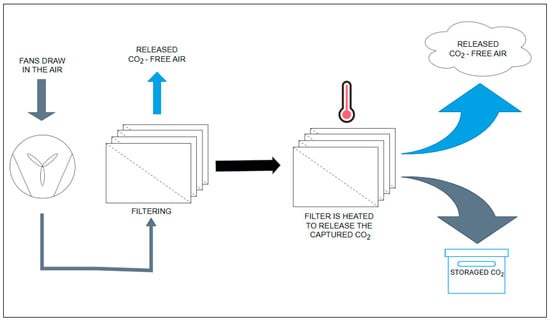
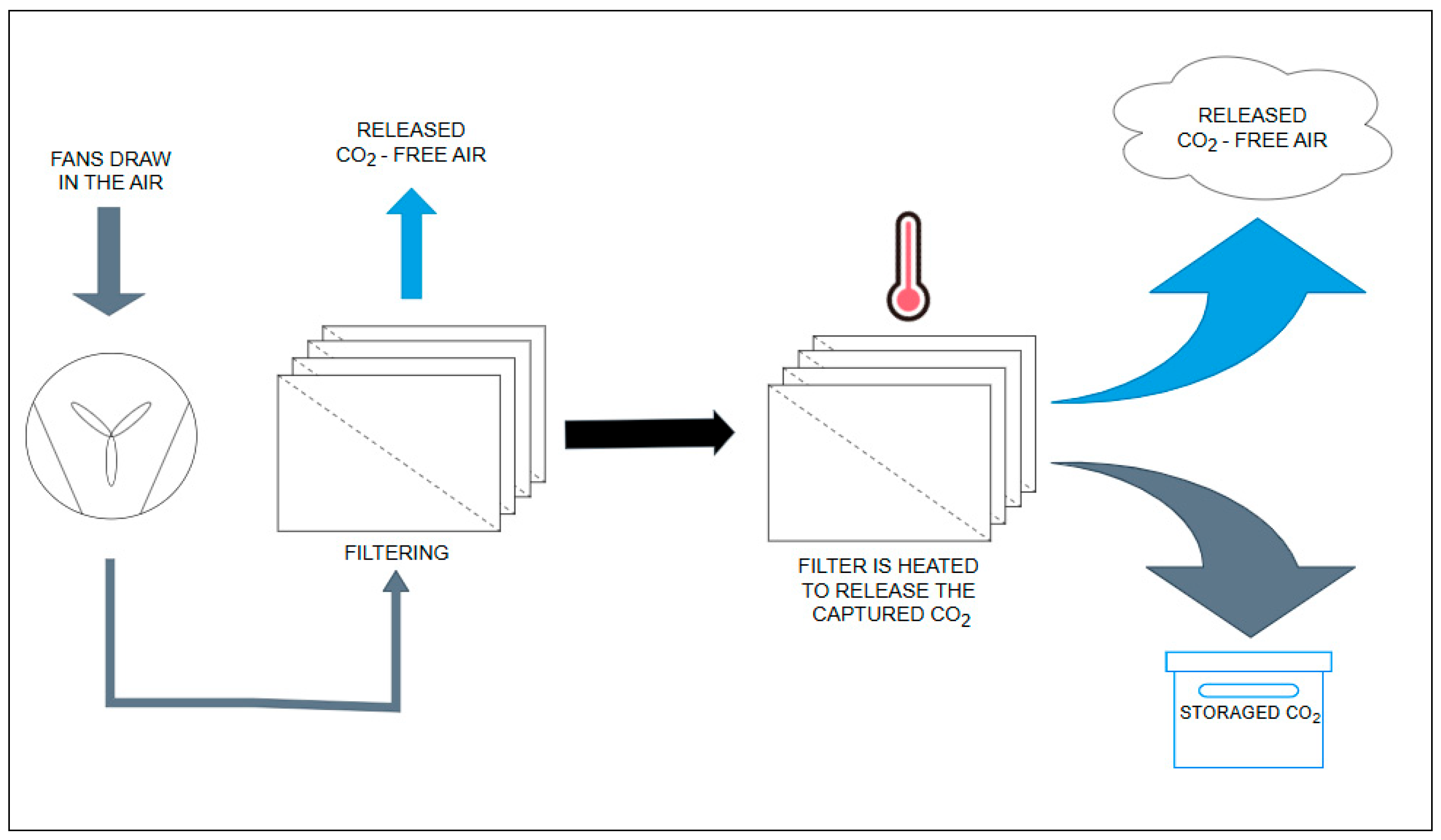
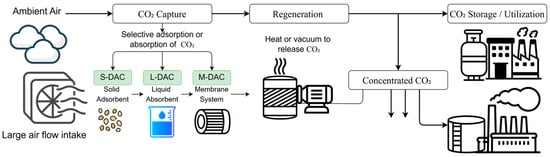
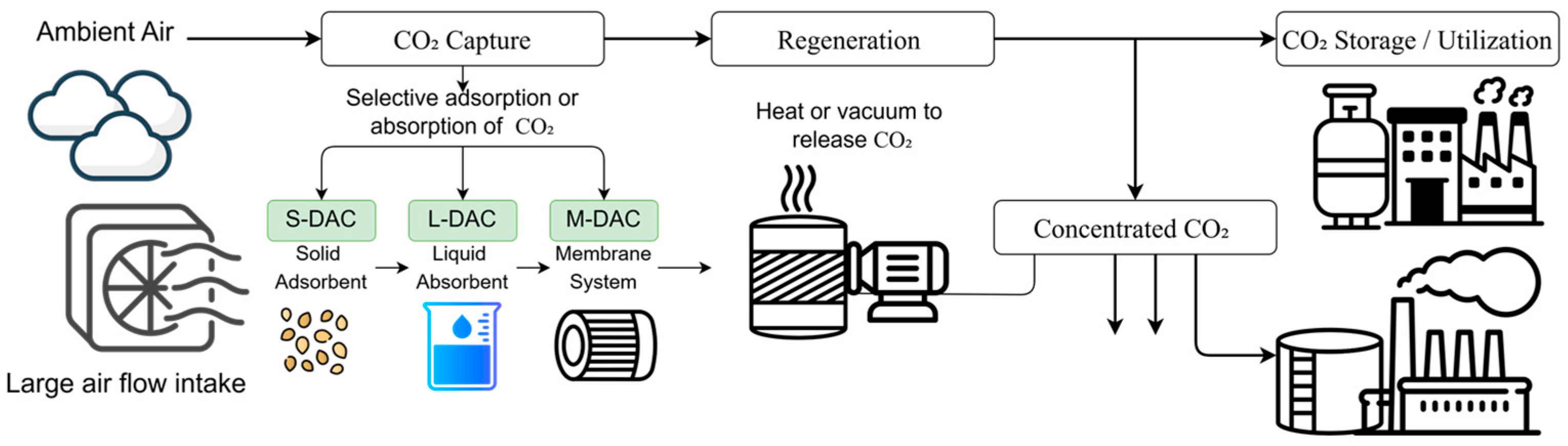
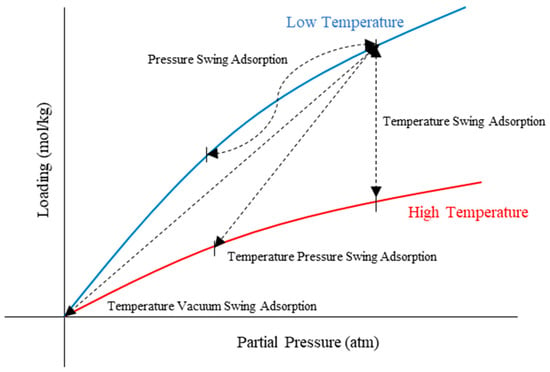
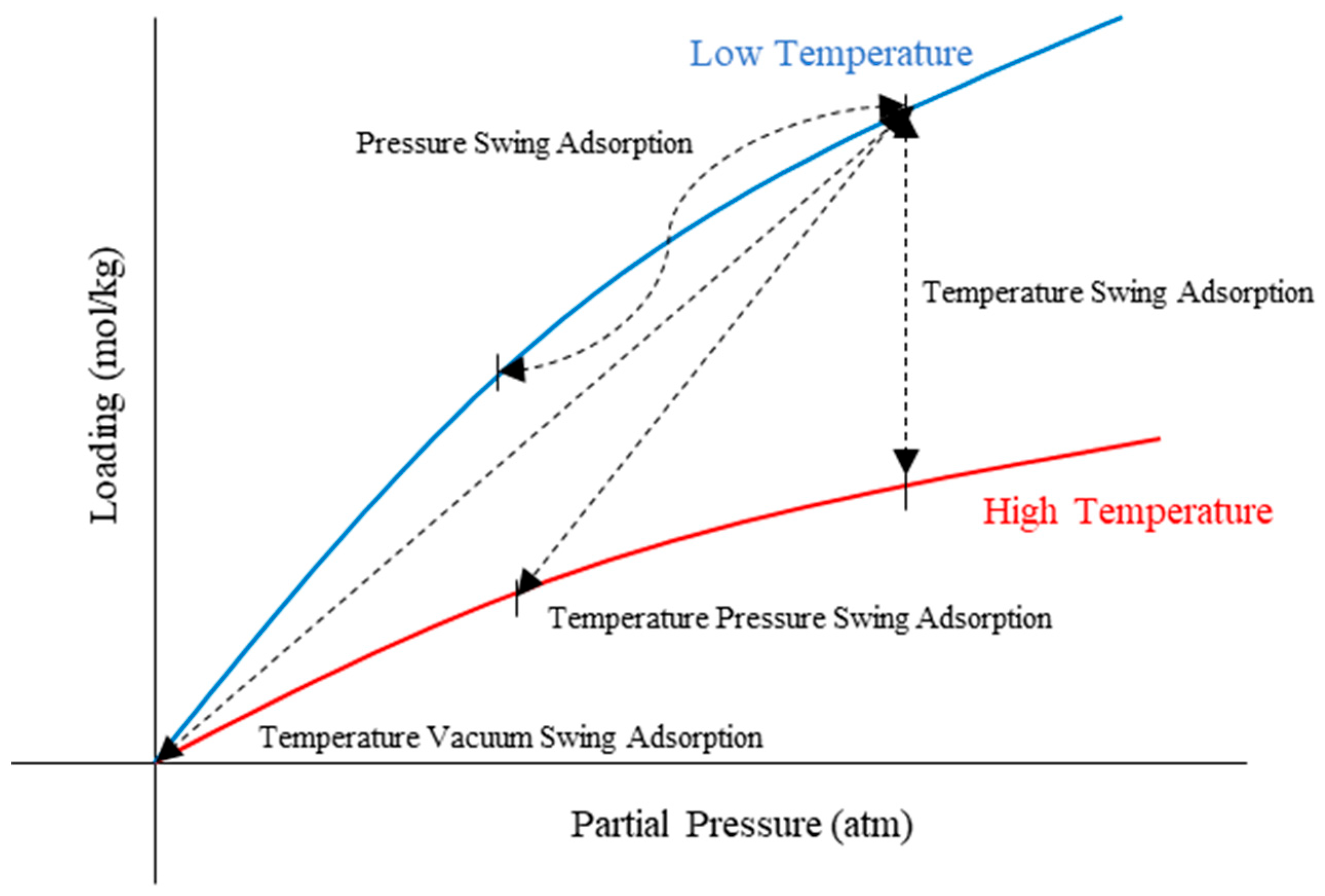
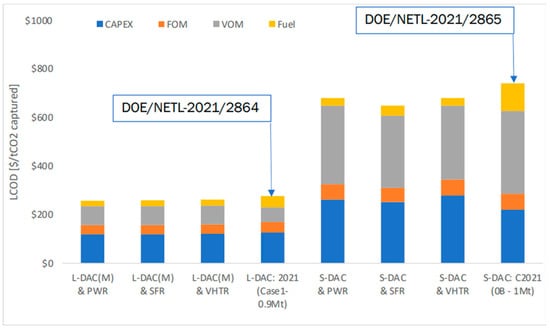
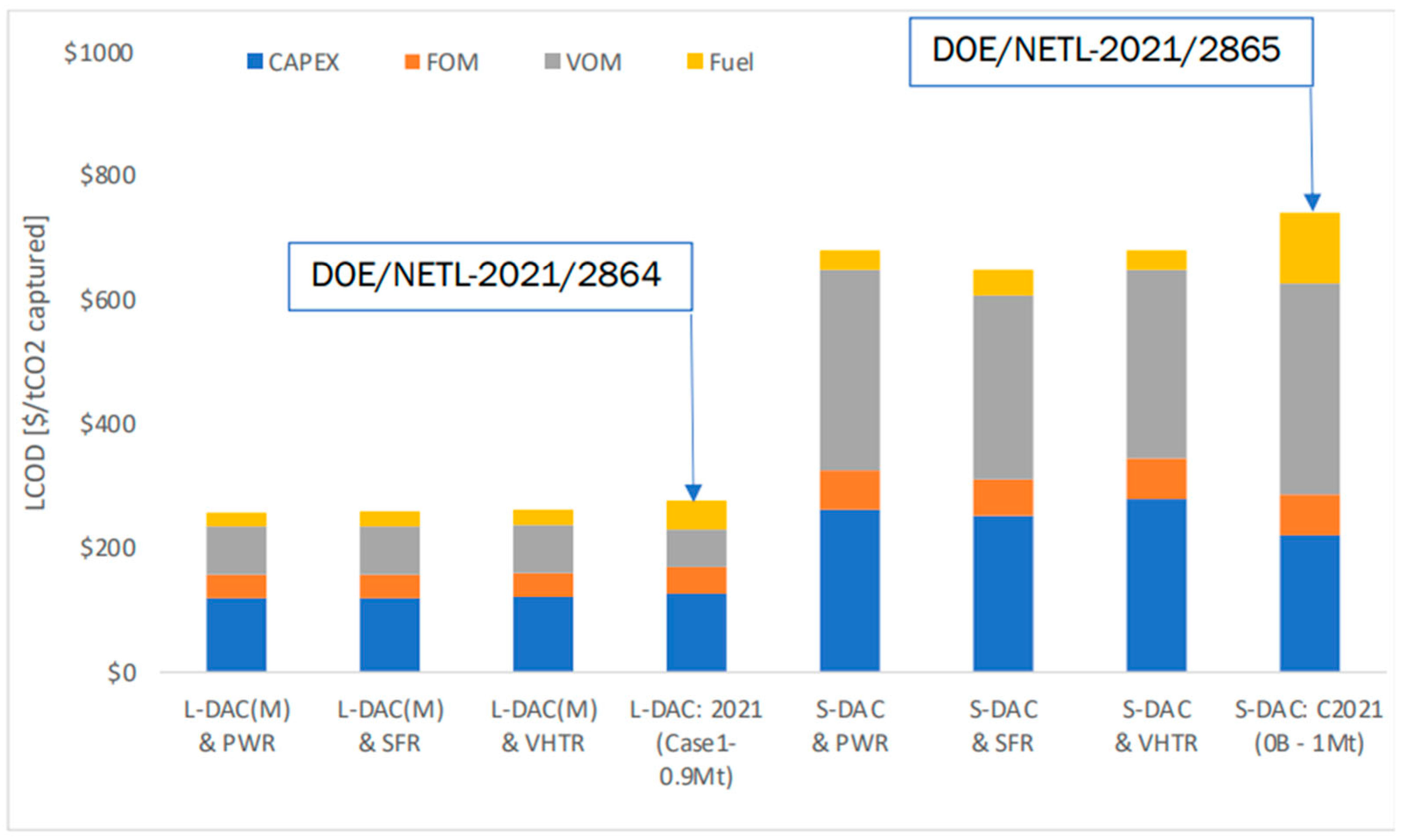
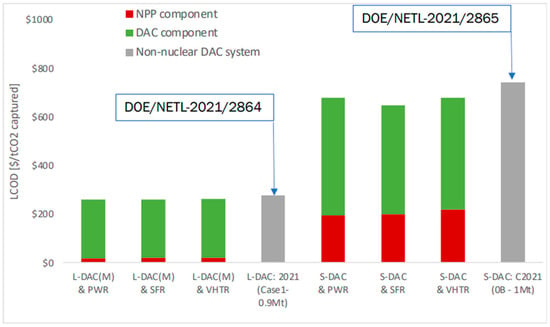
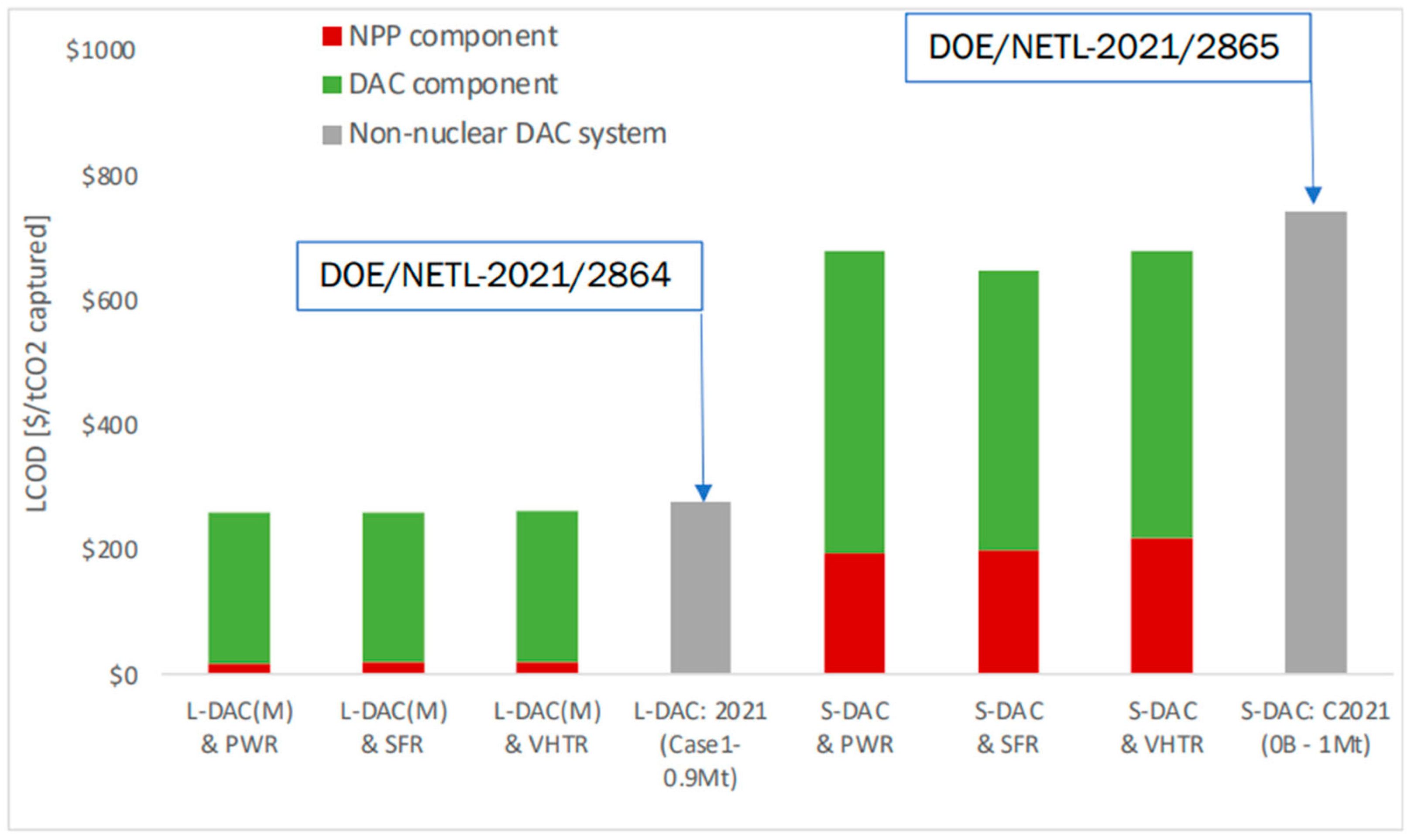
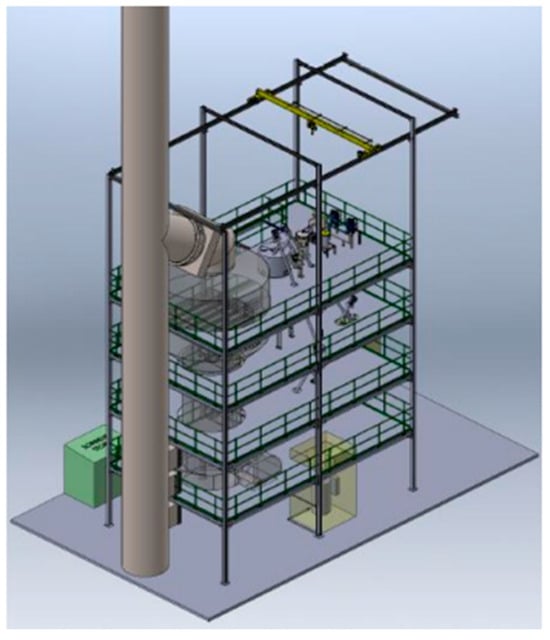
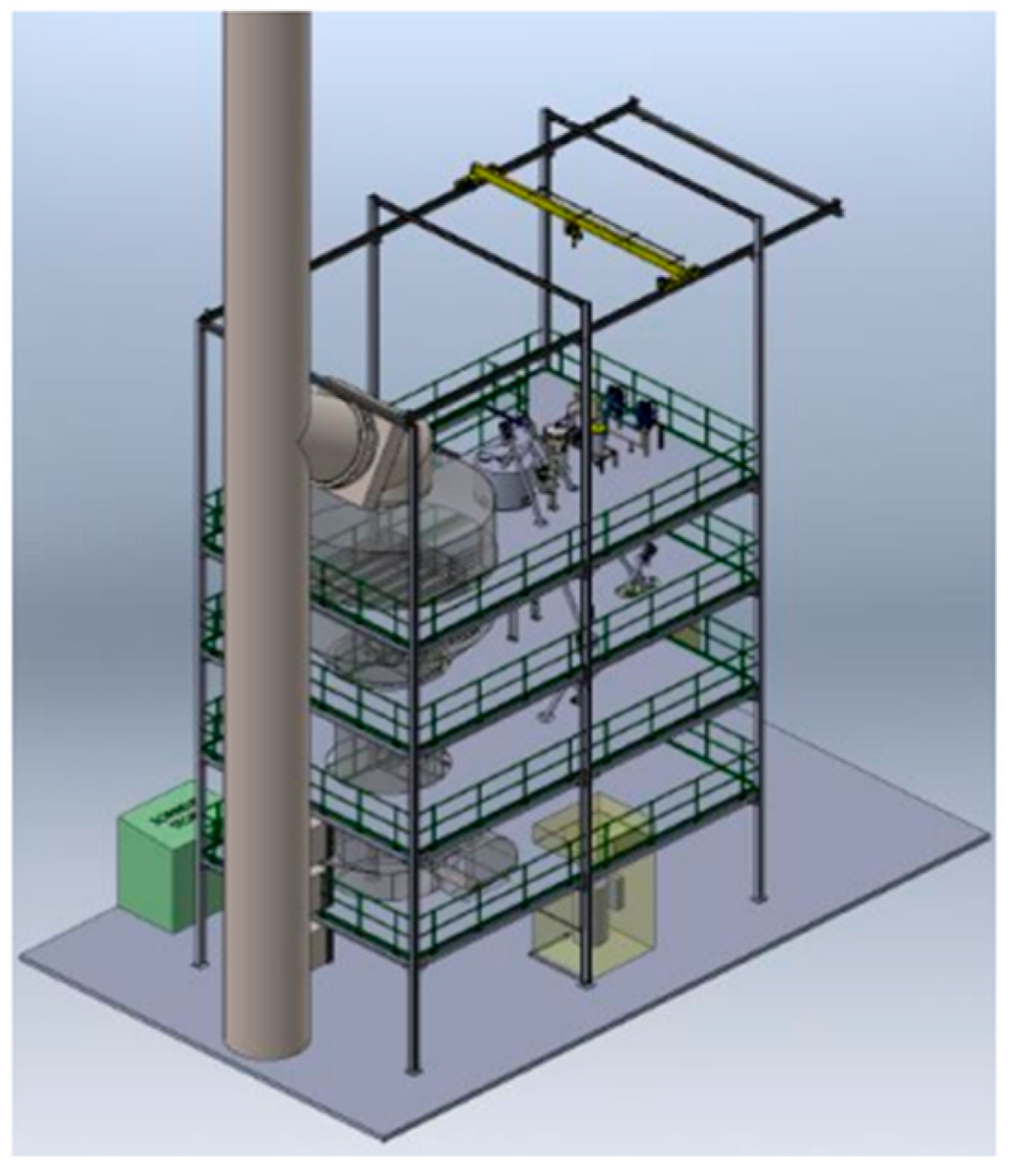
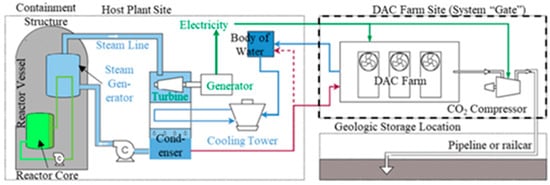
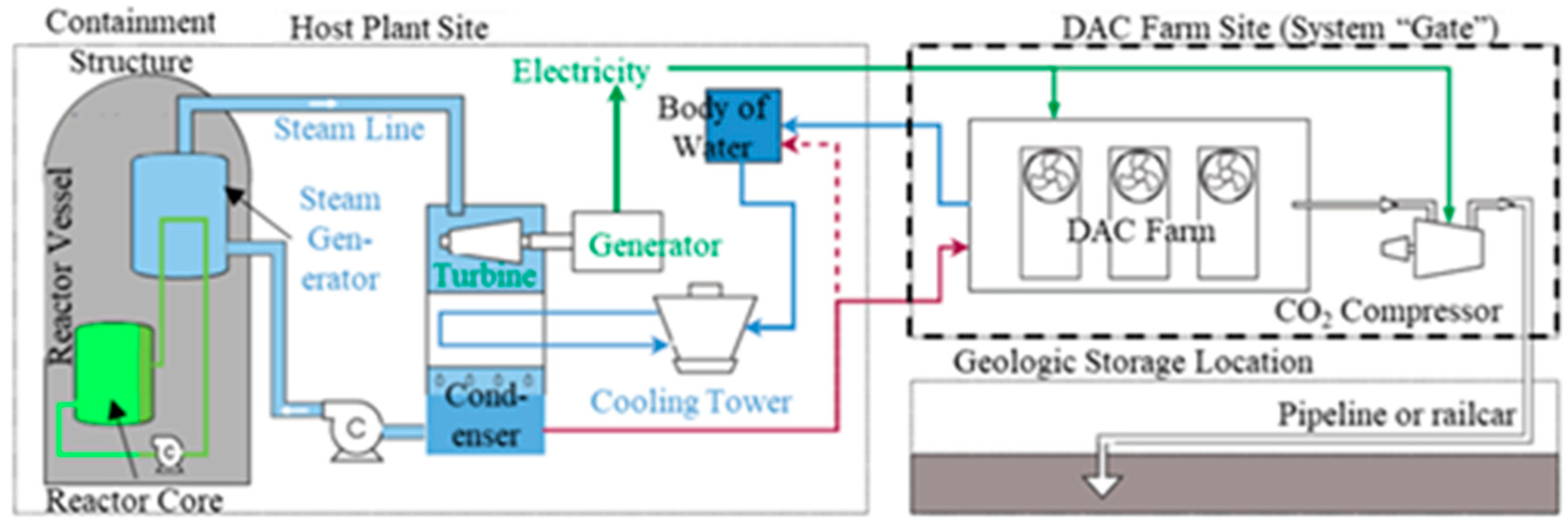
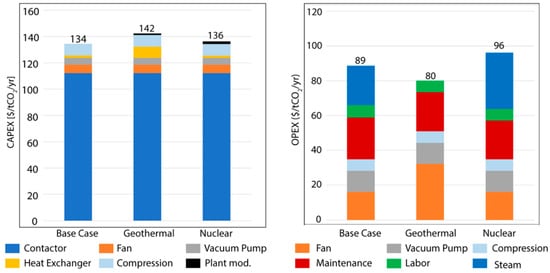
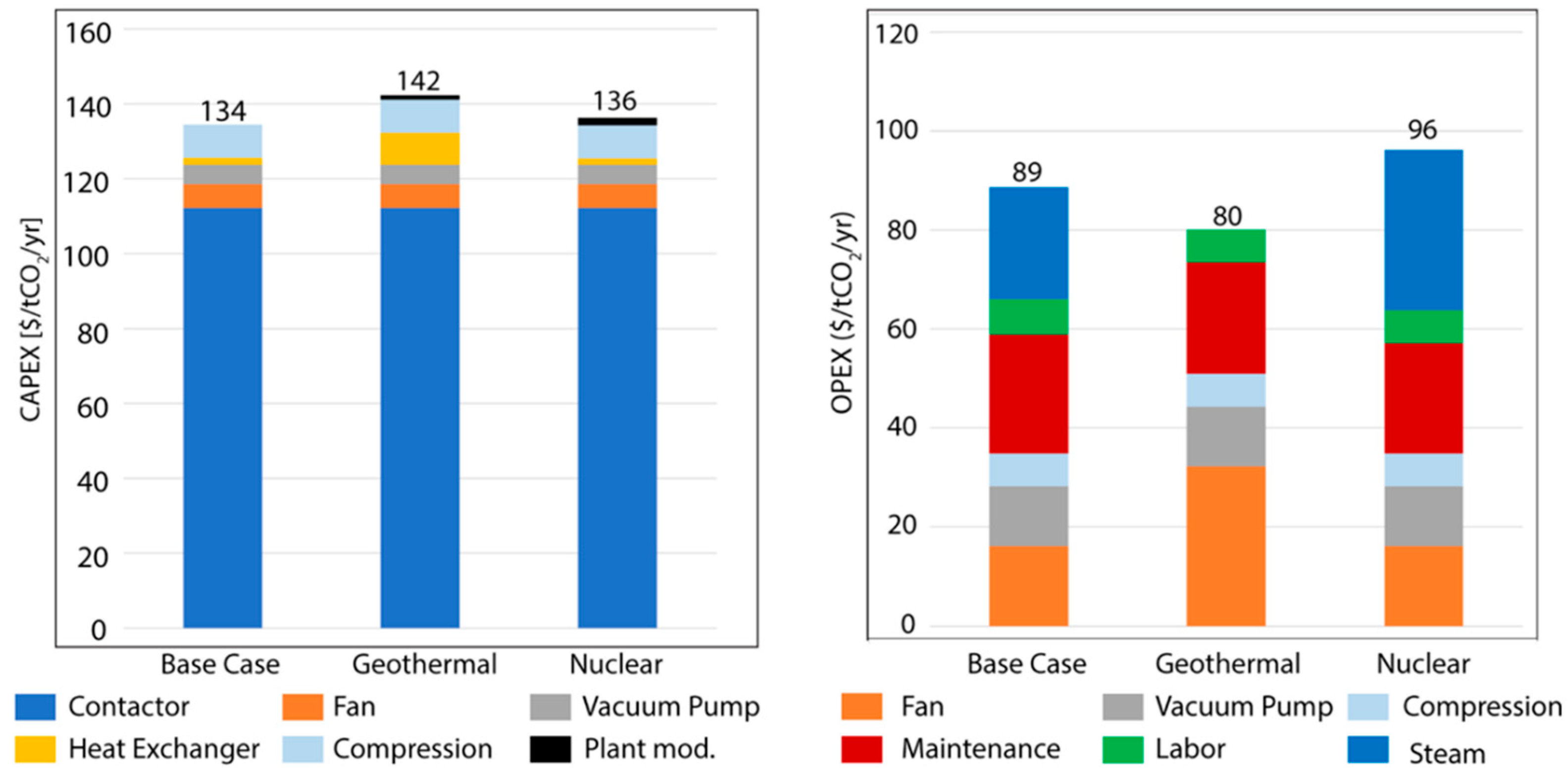
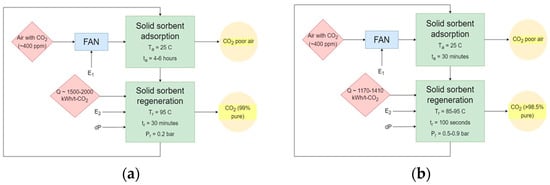
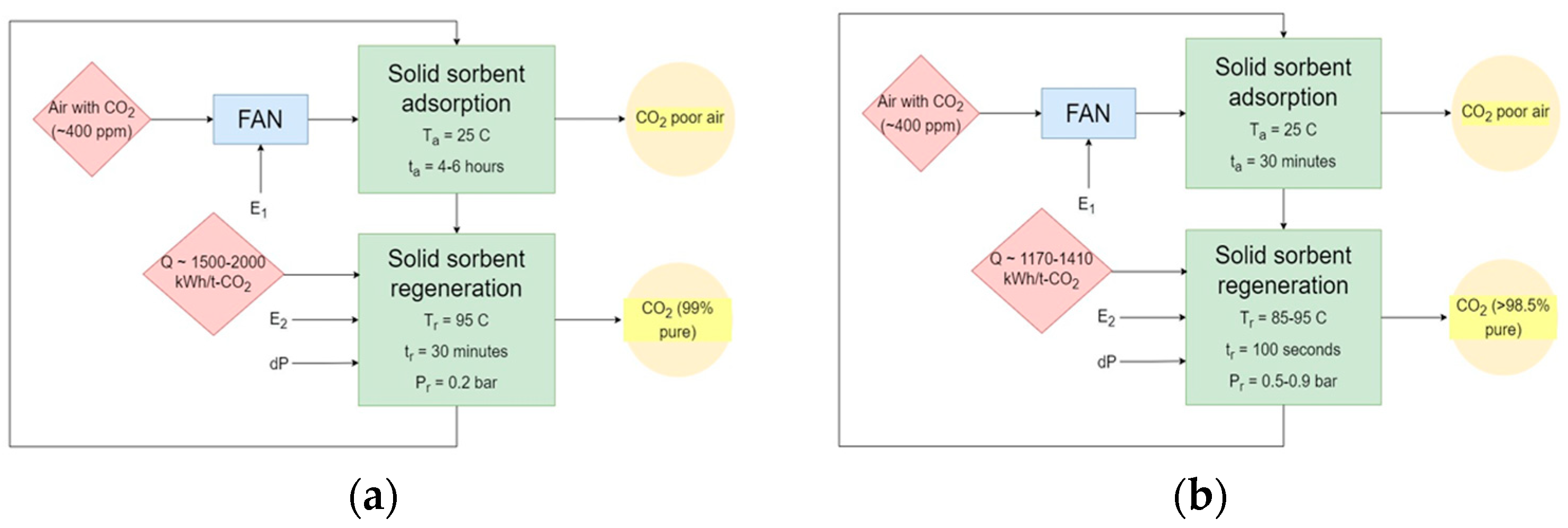
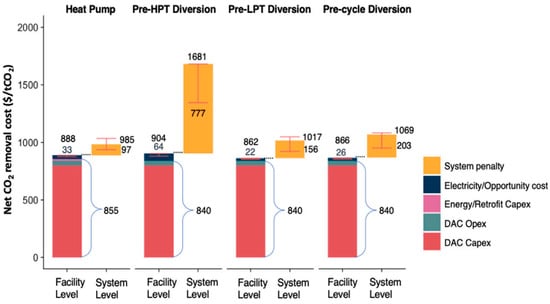
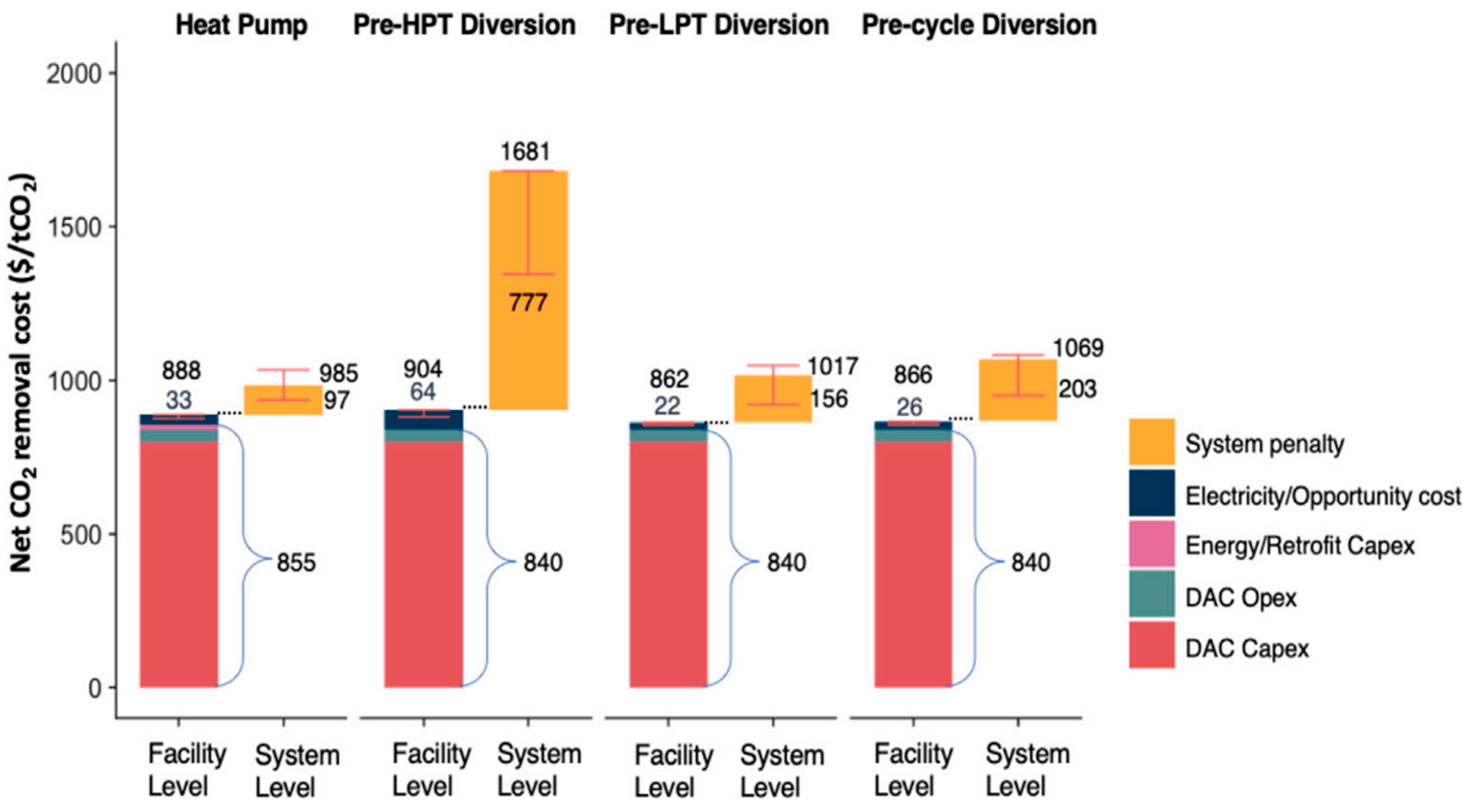
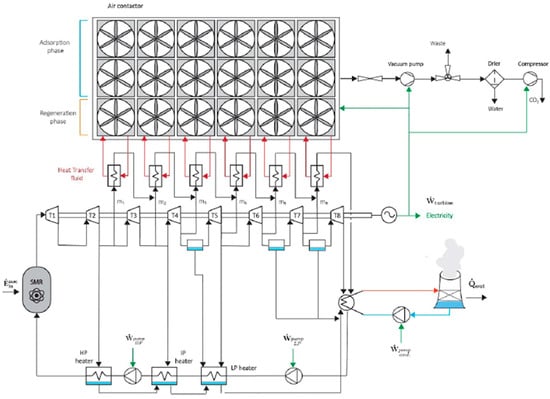
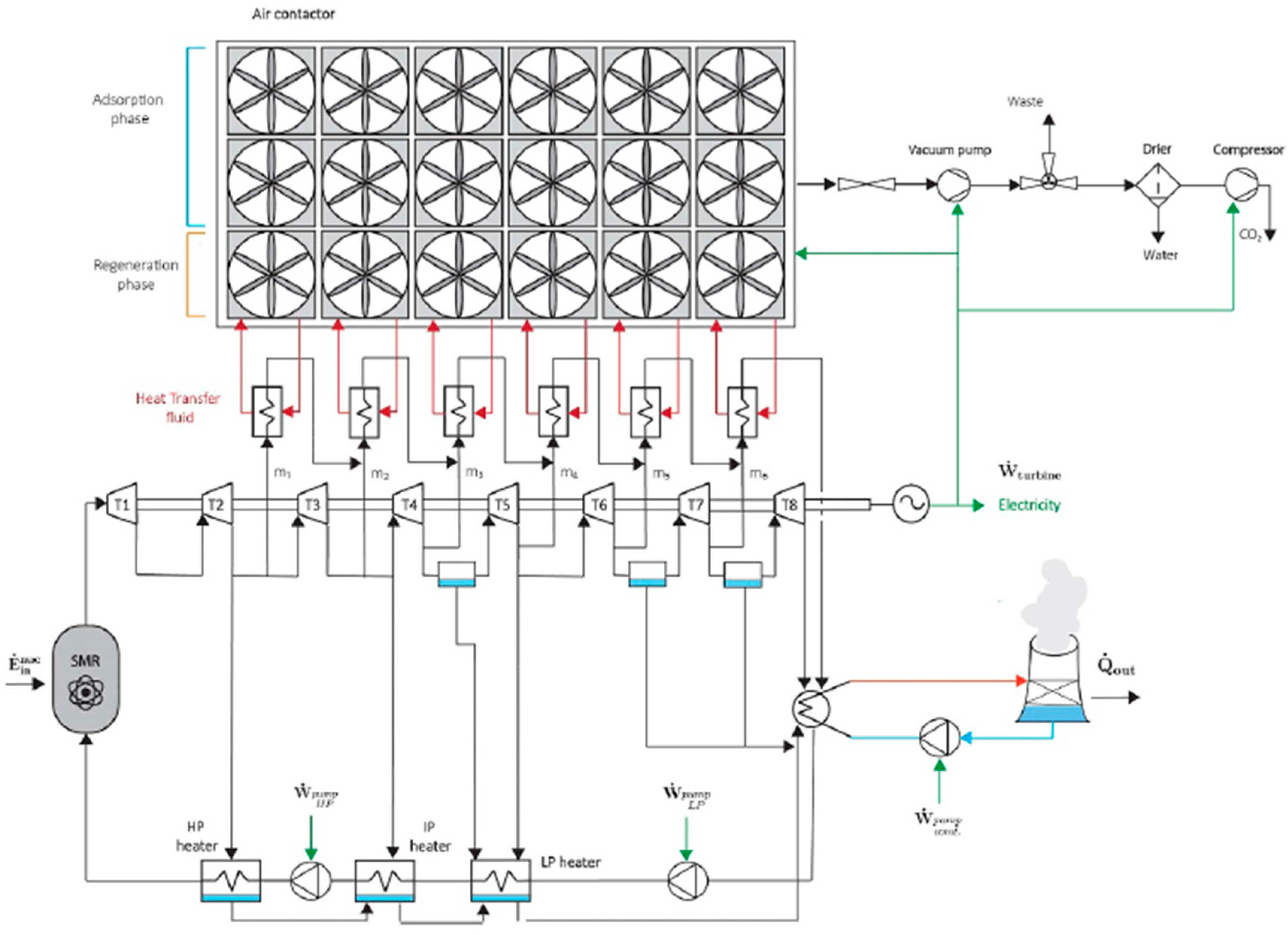
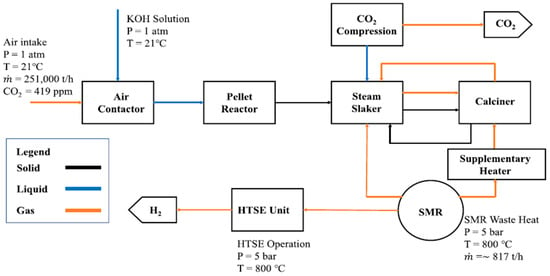
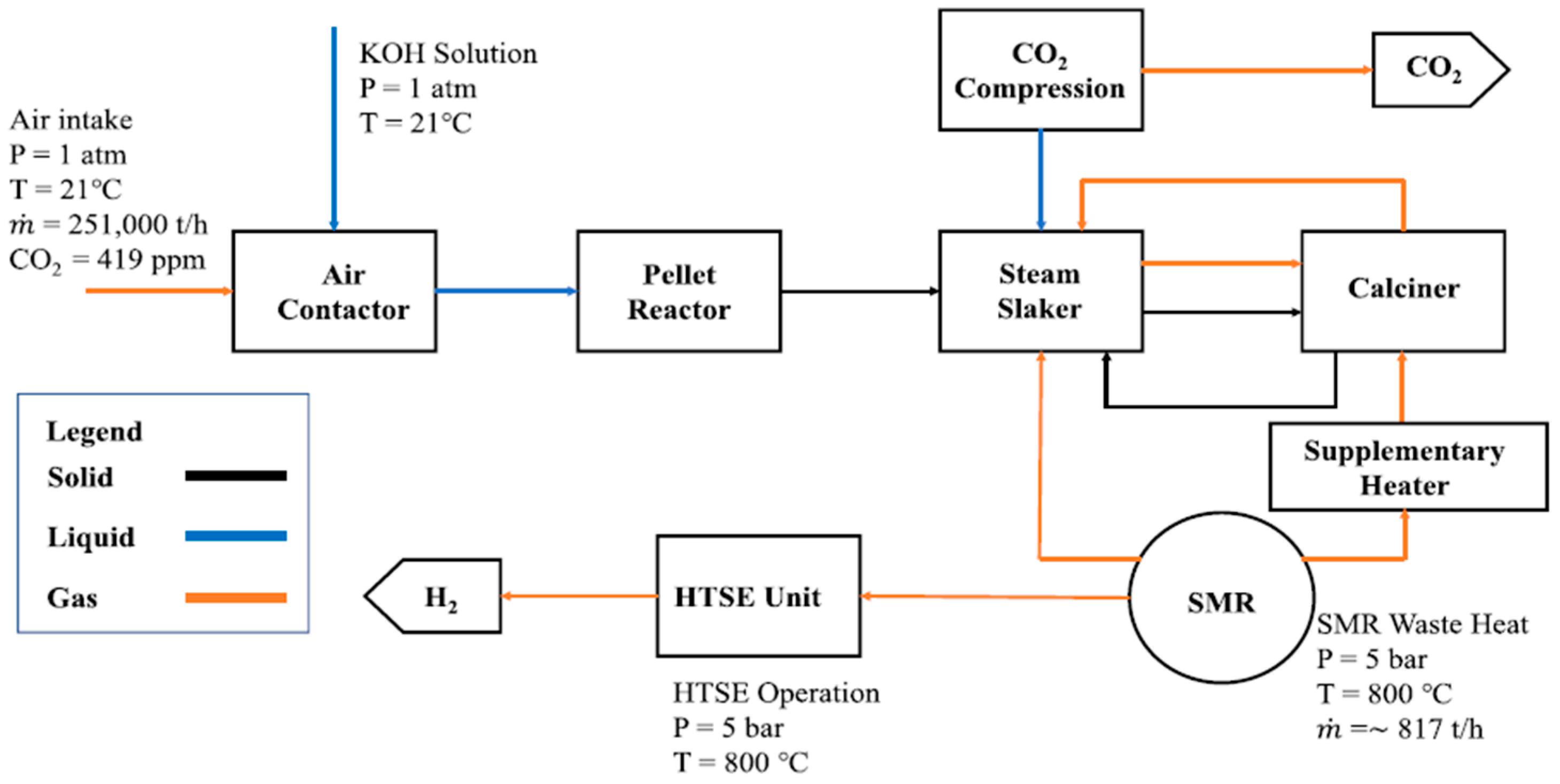
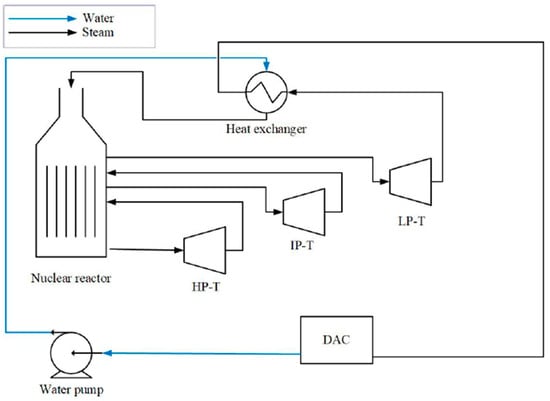
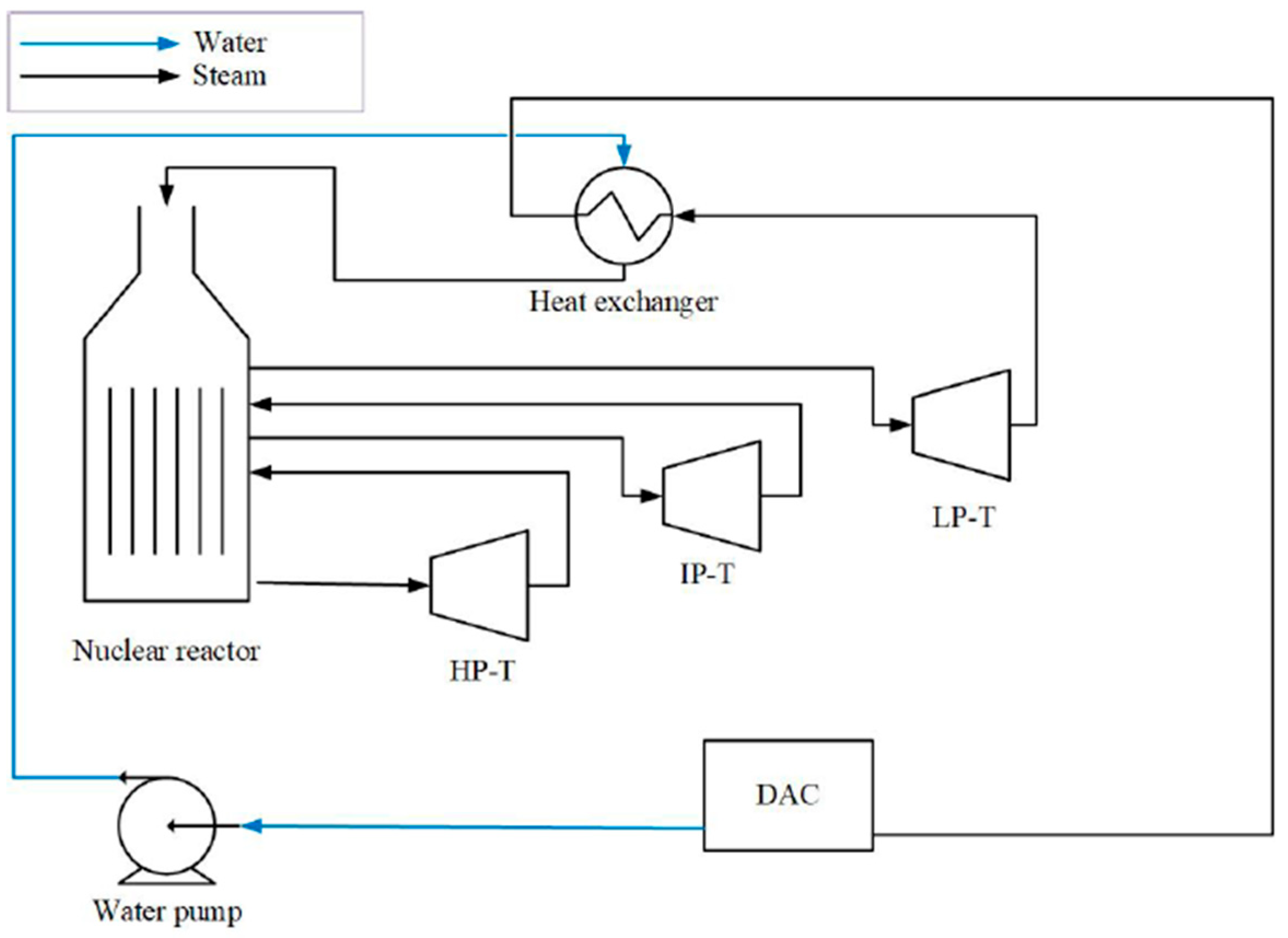
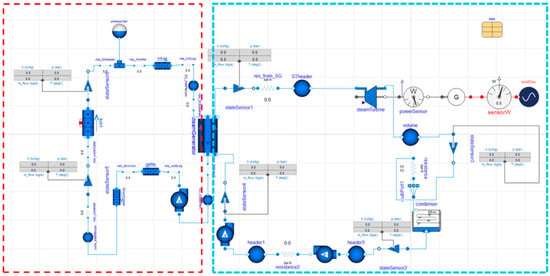
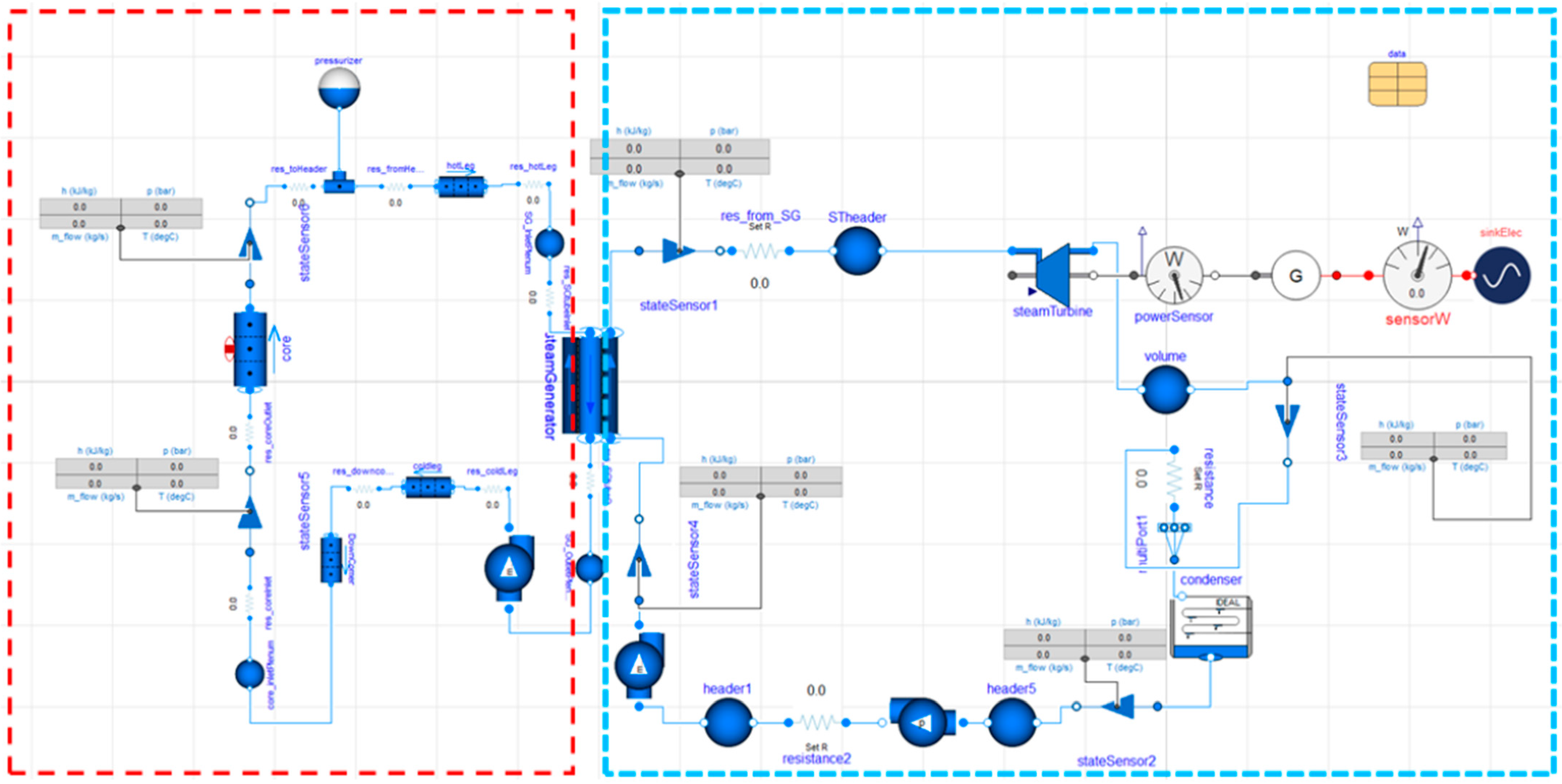
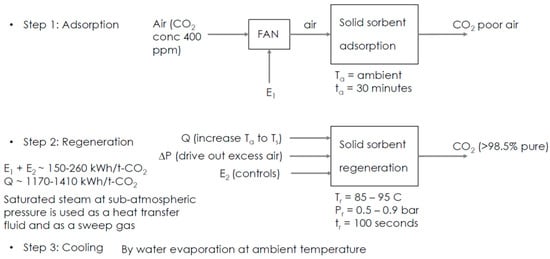
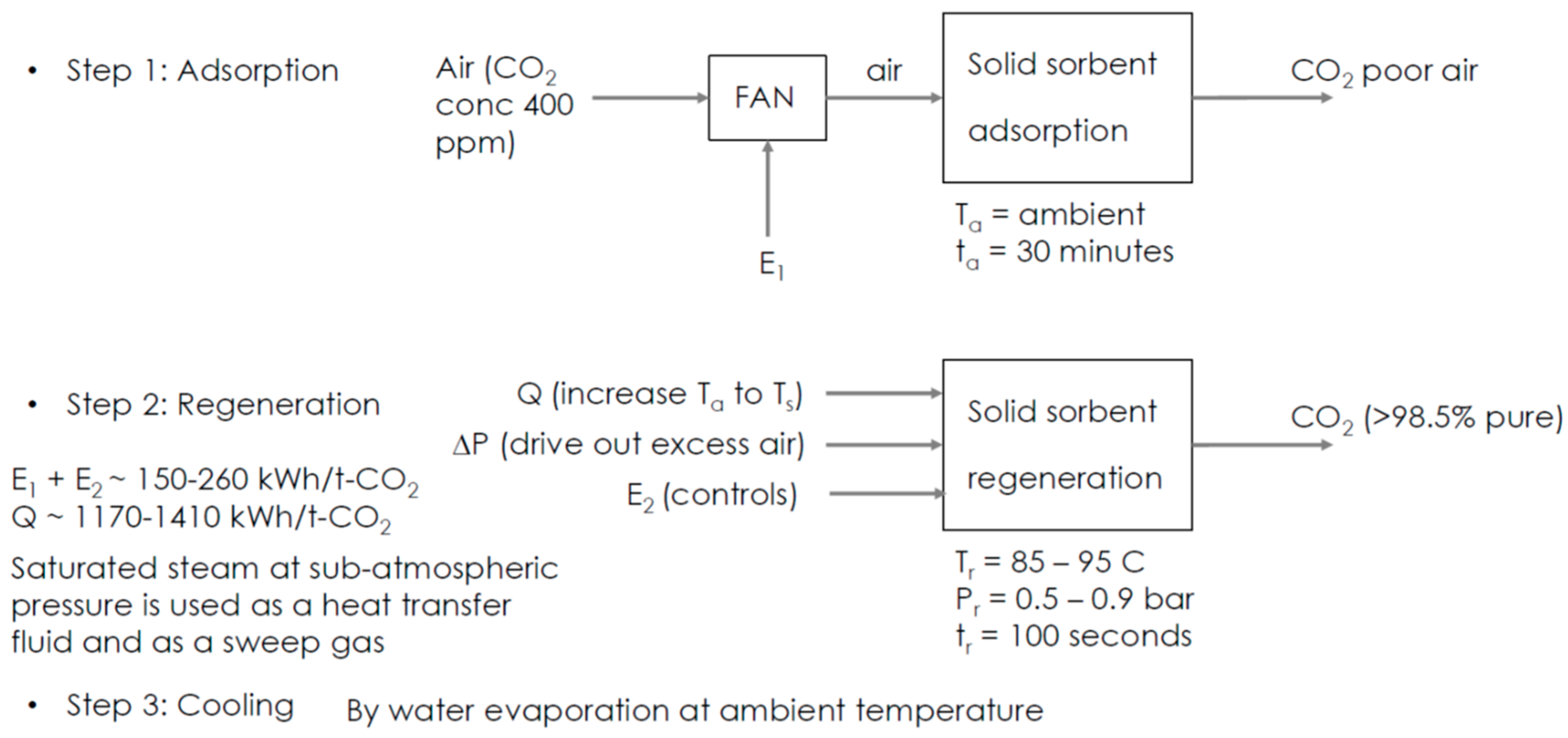

Disclaimer/Publisher’s Note: The statements, opinions and data contained in all publications are solely those of the individual author(s) and contributor(s) and not of MDPI and/or the editor(s). MDPI and/or the editor(s) disclaim responsibility for any injury to people or property resulting from any ideas, methods, instructions or products referred to in the content. |
© 2026 by the authors. Licensee MDPI, Basel, Switzerland. This article is an open access article distributed under the terms and conditions of the Creative Commons Attribution (CC BY) license.