


Abstract
Enhancing the allocation efficiency of hydropower resources is critical to achieving China’s carbon peaking and carbon neutrality goals. Based on panel data of 29 Chinese regions from 2001 to 2020, this study first measures the degree of hydropower resource misallocation via a counterfactual decomposition approach, and then adopts a threshold model to explore the impact of green finance on hydropower resource misallocation. The results show that: (1) Western and southwestern regions with abundant hydropower resources yet insufficient economic absorption capacity suffer from hydropower oversupply, while eastern coastal and central regions with advanced economies and intensive industries face hydropower undersupply. The inverse spatial distribution pattern of hydropower supply and demand cores reflects prominent hydropower resource misallocation. (2) Green finance has an inverted U-shaped nonlinear relationship with hydropower resource misallocation. Moderate development of green finance can improve hydropower resource allocation efficiency, yet exceeding the optimal threshold may trigger problems including greenwashing and thus exacerbate hydropower resource misallocation.
1. Introduction
Currently, the world faces multiple challenges such as global warming, energy crises, and environmental degradation. In response to these challenges, many countries have begun promoting the development of a green economy to address global climate change and increasing ecological risks [1]. Concurrently, at the 75th Session of the United Nations General Assembly, China formally announced its dual objectives of carbon peaking and carbon neutrality. The core of this strategy focuses on reducing carbon emissions while enhancing carbon sink capacity [2]. The advancement of these strategic objectives necessitates the efficient allocation of hydropower resources. As a clean and renewable energy source, hydropower integrates multiple functions including industrial power generation, agricultural irrigation, flood control, and inland waterway transportation [3]. It holds a central position in the transformation of the energy structure, and its green transition represents a crucial measure for improving resource misallocation. However, the issue of regional imbalance in hydropower resource allocation is particularly pronounced. China’s hydropower resources are unevenly distributed across time and space. The eastern region, which is economically developed and has a high demand for electricity, suffers from weak endowment of hydropower resources, with a notably low proportion of installed hydropower capacity. In contrast, the western region is rich in hydropower resources, particularly the southwestern area, which serves as the core hydropower base of the country. It leads the nation in both hydropower reserves and development potential. However, due to factors such as delayed construction of outbound transmission channels and limited local consumption capacity, the spatial mismatch characterized by “abundance in the west and scarcity in the east” is distinctly evident [4]. The longstanding coexistence of hydropower consumption challenges in the western regions and supply shortages in the eastern regions highlights the urgency of optimizing cross-regional resource allocation.
Given the practical reality of hydropower resource misallocation as described above, this article selects green finance as a means to alleviate the mismatch of hydropower resources, aiming to contribute to the improvement of hydropower resource allocation and the sound development of the green economy. It aims to provide a useful reference for achieving high-quality economic development in China and realizing the strategic goals of carbon peak and carbon neutrality. Green finance differs from traditional finance, as it places greater emphasis on evaluating the environmental and social benefits generated by the deployment of financial resources, serving as a crucial safeguard for industrial transformation and green development [5]. Therefore, exploring whether green finance can impact the misallocation of hydropower resources and whether a non-linear relationship exists between the two holds both theoretical and practical significance.
This study addresses the deficiencies of existing research from a theoretical perspective, clarifies its theoretical innovations, and also explains the theoretical rationality of studying hydropower independently. Firstly, most existing research on energy misallocation focuses on the overall energy sector or fossil energy, lacking a theoretical framework for misallocation analysis adapted to the geographical stickiness characteristics of hydropower. Studies on green finance and energy allocation mostly assume a linear relationship, without incorporating factors such as regulatory lag and greenwashing, and ignore the nonlinear threshold effect between them; furthermore, the internal mechanism of their interaction with hydropower allocation also lacks systematic theoretical discussion.
The theoretical innovations of this paper are reflected in two aspects: Firstly, based on the counterfactual decomposition logic, it constructs a hydropower resource misallocation measurement framework integrating price distortion and spatial mismatch, thereby improving the quantitative analysis theory of hydropower misallocation. Secondly, it introduces the perspective of the threshold effect to reveal the inverted U-shaped nonlinear relationship between green finance and hydropower resource misallocation, supplementing the theoretical research on the nonlinear interaction between the two.
Studying hydropower independently is theoretically necessary. Due to the characteristics of hydropower such as geographical constraints, long project cycles and significant externalities, it has an obvious analytical boundary with other energy sources and cannot be covered by the theoretical framework of overall energy allocation. At the same time, the spatial mismatch of hydropower is a typical sample of energy allocation imbalance, and research on it can enrich the resource misallocation theory in the field of clean energy and provide ideas for theoretical research on similar energy sources.
2. Literature Review
This article primarily explores the impact of green finance on the misallocation of hydropower resources and its non-linear effects. In relation to this topic, the existing literature mainly focuses on three areas: the measurement and causes of resource misallocation, the connotation and effects of green finance, and the influence of financial development on resource allocation efficiency.
2.1. Study on Resource Misallocation and Spatial Distribution of Hydropower Resources
The theory of resource misallocation was first systematically proposed by Hsieh and Klenow in their analysis of Total Factor Productivity (TFP) differences. Its core proposition is that, in an ideal market environment, production factors should flow to sectors or regions with the highest marginal output. However, frictions in factor markets can lead to disparities in marginal output, thereby causing resource misallocation [6]. Hydropower resource misallocation, defined as the deviation between the actual spatial allocation of hydropower resources and the theoretically optimal allocation matching regional economic development needs and factor marginal output, is an energy misallocation subtype with inherent geographical stickiness [7]. Unlike other energy resources, hydropower is strictly bound to natural water system geographies. Against the gradient of China’s regional economic development, its uneven spatial distribution inevitably leads to a misalignment between hydropower supply and electricity demand [8]. This misalignment justifies the scientificity of the counterfactual decomposition approach adopted in this paper for measuring hydropower misallocation. In the energy sector, due to disparities in natural endowments and regional imbalances in energy demand, the phenomenon of misallocation is particularly pronounced [9]. This paper constructs a unified formal framework for hydropower resource misallocation by integrating price distortion, spatial mismatch and factor allocation misalignment. This framework clarifies the theoretical link between general misallocation theory and hydropower industry allocation. Specifically, price distortion of capital and labor factors in hydropower development directly leads to inefficient factor allocation, and such inefficiency is amplified by the spatial mismatch between western hydropower supply and eastern demand, ultimately forming the dual misallocation of hydropower factors and space [10]. Regarding hydropower resources, existing research predominantly focuses on the “West-to-East Electricity Transmission” framework and its associated challenges. Domestic scholars point out that China’s hydropower resources exhibit a distribution pattern characterized by “abundance in the west and scarcity in the east” [4], while the main power load centers are concentrated in the eastern coastal regions [11]. This reverse distribution of supply and demand constitutes the fundamental geographical driver behind the spatial misallocation of hydropower resources. Although the construction of cross-regional power transmission channels has alleviated some pressure, constrained by inter-provincial barriers, rigid electricity pricing mechanisms, and delayed construction of outbound transmission corridors, surplus hydropower in western regions often faces the dilemma of “water abandonment”, while the eastern region faces an electricity supply gap [12]. In simple terms, the counterfactual analysis framework works by constructing a frictionless ideal benchmark market scenario, calculating the theoretical optimal allocation of hydropower resources under this benchmark, and then comparing it with the actual regional allocation to quantify the misallocation degree. This disconnect between regional supply and demand is regarded as a typical manifestation of resource misallocation. Furthermore, some literature has attempted to measure the degree of energy misallocation using a counterfactual analysis framework. These studies found that factor price distortions and administrative monopolies are the primary institutional factors exacerbating such misallocation [13].
2.2. The Economic-Environmental Effects of Green Finance and the Risk of “Greenwashing”
Regarding research on the effects of green finance, the academic community holds two distinct viewpoints, which also provide theoretical support for the nonlinear hypothesis proposed in this article. On one hand, the mainstream view holds that green finance possesses a significant function in optimizing resource allocation [14,15]. Through financial instruments such as credit and bonds, green finance can direct capital from high-pollution, high-energy-consuming industries towards clean energy industries, thereby reducing financing costs for green enterprises and subsequently enhancing carbon productivity and energy utilization efficiency [16,17]. This mechanism of “correcting externalities” is considered crucial for achieving a green transition. On the other hand, some scholars have raised concerns regarding the actual effectiveness of green finance, primarily focusing on the phenomenon of “greenwashing” [18]. Due to ambiguous definitions of green standards, insufficient information disclosure, and a lack of oversight, enterprises may resort to false advertising or repackaging non-green projects to obtain green credit funds [19]. This speculative behavior not only fails to improve environmental quality but also crowds out resources meant for genuinely green projects, leading to inefficient capital allocation [20]. Research indicates that when the development speed of green finance outpaces regulatory capacity, funds may flow into pseudo-green projects. This can weaken its positive effects, exhibiting characteristics of diminishing marginal returns or even negative impacts [21].
2.3. The Linkage Mechanism Between Financial Development and Resource Allocation Efficiency
The relationship between financial development and resource allocation has long been a focal point in economic research. Classical theory posits that the financial system, by screening projects, monitoring enterprises, and diversifying risks, can mitigate information asymmetry and facilitate the flow of capital towards high-efficiency sectors. Specifically regarding the relationship between green finance and energy allocation, existing literature points out that green finance can compel adjustments in the energy structure through capital steering mechanisms and industrial integration mechanisms [22]. However, regarding the form of the relationship between financial development and resource allocation, no consensus has been reached in academia. Early linear perspectives held that a higher level of green finance leads to more optimized resource allocation; however, recent research has begun to focus on its nonlinear characteristics. For example, some scholars have proposed that either financial repression or excessive financialization can lead to resource misallocation [23], suggesting that there may be an inverted “U”-shaped relationship between financial development and resource efficiency [24]. Specifically for the hydropower industry, the law of diminishing marginal returns on capital investment and the aforementioned risk of “greenwashing” suggest that once green finance reaches a certain threshold, its ameliorative effect on hydropower resource misallocation may reverse. However, empirical research focusing on this specific sector remains scarce.
In summary, existing literature has accumulated substantial achievements in measuring resource misallocation and examining the effects of green finance, yet the following areas warrant further exploration: Firstly, most current studies focus on the misallocation of capital, labor, or overall energy resources, while research specifically quantifying resource misallocation in the hydropower sector—a particular clean energy source—remains relatively scarce. Secondly, regarding the impact of green finance on resource allocation, the majority of studies presuppose a linear positive relationship, overlooking the nonlinear threshold effects that may arise from regulatory lags or “greenwashing” behaviors. This article intends to measure the extent of China’s hydropower resource misallocation and introduce a threshold model to deeply investigate the critical points of both the “Genuine Green” optimization effect and the negative “greenwashing” effect of green finance on hydropower resource misallocation, thereby aiming to address the shortcomings in existing research.
Based on the comprehensive analysis above, this article aims to explore the following two core research questions:
(1) Can the development of green finance break the current spatial constraints of China’s hydropower resources characterized by “abundance in the west and scarcity in the east”, thereby promoting their flow towards demand-intensive regions and improving the existing misallocation situation?
(2) Does the process of green finance improving hydropower resource misallocation involve “greenwashing” issues? In other words, could its direct impact on misallocation fail to achieve sustained improvement and potentially even exacerbate the problem?
To address the above questions, this article will utilize provincial panel data from China. Based on a scientifically measured indicator of green finance development levels, a panel threshold regression model will be constructed to empirically test the threshold effects of green finance on hydropower resource misallocation. The findings are expected to provide insights for promoting the “Genuine Green” development of green finance and optimizing hydropower resource allocation efficiency under the strategic goals of carbon peak and carbon neutrality.
3. Theoretical Analysis and Research Hypotheses
3.1. Externality Theory-Based Improvement Effect of Green Finance on Hydropower Resource Misallocation
Externality theory posits that market mechanisms struggle to ensure the supply of public goods with positive externalities, leading to inefficient resource allocation. Hydropower resource development exhibits significant positive externalities, such as clean and low-carbon energy generation, flood control and irrigation, and improved navigation conditions. However, its project construction often involves long cycles, substantial initial investments, and slow returns [25]. Under the traditional financial model, the profit-seeking nature of capital tends to direct funds toward industries with high short-term returns but potentially high pollution, or concentrate investments in the economically developed eastern regions. This results in the underdevelopment of the abundant hydropower resources in the western regions due to insufficient financial support [26], creating a spatial mismatch characterized by “resources in the west, capital in the east”.
Green finance can effectively correct this mismatch through the mechanism of “internalizing” positive externalities. Firstly, tools such as green credit and green bonds reduce the financing barriers and costs for hydropower enterprises by offering preferential interest rates, fiscal subsidies, or prioritized approval [16]. This enables hydropower projects that were previously marginally commercially viable to secure funding, promoting the flow of capital to hydropower-rich western regions and alleviating the spatial mismatch between resource endowments and capital factors. Secondly, given the significant natural risks and policy uncertainties faced by hydropower projects [25], financial instruments like green insurance can effectively disperse and mitigate development risks [27], boosting the confidence of social capital to enter the hydropower sector and enhancing the development and utilization efficiency of hydropower resources. Thus, green finance can guide financial resources to precisely flow into the hydropower industry, improving resource allocation efficiency. Based on this, we propose the following research hypothesis:
H1:
The development of green finance can significantly alleviate hydropower resource misallocation and enhance allocation efficiency.
To further elaborate the causal mechanism underlying this hypothesis and fulfill the requirements of theoretical linkage construction, this paper integrates the theoretical frameworks of relevant core studies and systematically deconstructs the full transmission chain through which green finance affects hydropower resource allocation efficiency, explicitly clarifying the intrinsic links between green finance instruments, micro-level corporate investment decision-making, and the structural allocation of resources within the hydropower sector.
Firstly, Factor Flow Optimization Mechanism: Drawing on the core analytical framework of “environmental regulation-factor flow-resource misallocation” proposed by [28], green finance, as a market-based environmental incentive tool, can break down spatial barriers to factor flow through differentiated financing pricing. Specifically, green credit and green bonds, via preferential interest rates and long-term financing support, guide financial capital from low-efficiency, high-pollution traditional energy projects in the eastern region to high-efficiency hydropower development projects and cross-regional power transmission infrastructure in hydropower-abundant western regions. This drives the cross-regional allocation of hydropower resources from local markets with low marginal output to eastern load centers with higher marginal output, narrows the inter-regional gap in hydropower marginal output, and alleviates spatial mismatch at its root.
Secondly, Investment Decision Correction Mechanism: Referring to the logic of how market-based environmental instruments shape corporate investment decisions from Li X & Feng C [29], green finance incorporates environmental externalities into corporate financing cost functions through well-defined green project access standards. It provides financing facilitation for high-efficiency, eco-friendly hydropower projects, while raising financing thresholds for low-efficiency projects with severe ecological impacts. This directly reshapes the investment decision-making of hydropower development enterprises, guides capital from excess low-efficiency production capacity to high-efficiency high-quality projects, and optimizes the internal resource allocation structure of the hydropower industry.
Thirdly, the Technological Innovation Guidance Mechanism: Combined with the research on the resource optimization effect of green technology innovation by Ali I M et al. [30], green insurance and green equity instruments can diversify the R&D risks of green hydropower technologies, match the long-cycle characteristics of technological innovation, and guide enterprises to carry out green technology upgrades such as high-efficiency hydropower units and intelligent dispatching. This narrows the total factor productivity gap between enterprises, and further consolidates the fundamental foundation for the long-term improvement of hydropower resource allocation efficiency.
3.2. Information Asymmetry Theory-Based “Greenwashing” Effect of Green Finance and the Mechanism of Exacerbating Resource Misallocation
Despite the good intentions behind green finance, information asymmetry theory reveals its potential risk of market failure. In the green finance market, there is severe information asymmetry between fund suppliers (banks, investors) and demanders (enterprises) [31]. Due to the technical complexity of hydropower projects and the difficulty in quantifying their environmental benefits [25], coupled with the lack of unified and stringent green standard definitions and supervision, it is prone to induce moral hazards and adverse selection, namely “greenwashing” behavior [32]. When the development of green finance exceeds the optimal threshold and enters a high-level stage, a causal link between high-level green finance, greenwashing and increased hydropower misallocation emerges through a three-stage transmission mechanism [12]: the first stage is the regulatory response lag: the explosive expansion of green finance scale makes the regulatory capacity fail to keep pace with the growth of green project quantity, and the lack of refined supervision standards for green hydropower projects leads to the existence of regulatory loopholes; the second stage is the profit-driven greenwashing of financial institutions and enterprises: financial institutions relax the review of hydropower project green attributes in order to expand the scale of green business, and non-green hydropower enterprises take advantage of regulatory loopholes to carry out pseudo-green packaging to obtain low-cost green funds; the third stage is the misallocation amplification effect: the crowding-out effect of pseudo-green projects on genuine green hydropower projects leads to the inefficient allocation of financial resources, and the idle hydropower production capacity caused by blind investment further aggravates the spatial mismatch between western hydropower supply and eastern demand.
However, greenwashing in the field of green finance is not merely an individual case of corporate moral hazard, but a systemic problem of regulatory inefficiency, capital congestion, and infrastructure constraints. When the development level of green finance develops to a certain level, these three factors form a vicious circle, one that not only directly induces the pseudo-green packaging behavior of enterprises, but also amplifies the negative impact of “greenwashing”, ultimately transforming green finance change from an “optimizer” to a “twister” of hydropower resource allocation, exacerbating the spatial mismatch of hydropower resources.
Specifically, when green finance policies are overly aggressive while regulatory capacity is insufficient, some high-energy-consuming or non-clean energy enterprises may engage in “greenwashing” by packaging non-hydropower or inefficient hydropower projects as projects eligible for green credit to fraudulently access preferential funding [33]. This behavior not only fails to promote the development of high-quality hydropower resources but also crowds out credit quotas for truly efficient, legitimate hydropower projects, leading to “bad money driving out good”. For another example, the construction of hydropower consumption supporting industries and energy storage facilities in some areas of the west is not perfect, and the local area cannot digest the new hydropower production capacity, and the production capacity formed after the investment of green funds can only be idle, resulting in the formation of a “closed loop of congestion” within the west, which can neither flow to the eastern demand area nor achieve effective utilization locally, and can only pass through greenwashing” to the non-green field.
Furthermore, due to information asymmetry, some enterprises may divert the obtained low-cost green funds for other purposes, such as investing in real estate or financial speculation, rather than allocating them to physical hydropower construction and technological upgrades. This phenomenon of capital idling not only fails to resolve hydropower resource misallocation but also exacerbates the deviation between financial resources and real energy demand, reducing overall allocation efficiency. Based on this, green finance may produce negative effects if effective screening mechanisms are lacking. Accordingly, we propose Hypothesis 2 in this paper:
H2:
The development of green finance may not effectively alleviate hydropower resource misallocation and could even exacerbate it.
To further clarify the theoretical logic of how excessive green finance exacerbates hydropower resource misallocation through greenwashing, this paper combines the conclusions of core frontier studies to deepen the theoretical mechanism analysis. Referring to the “moderateness” theory of environmental regulation proposed by [28], when the development pace of green finance outpaces the carrying capacity of the existing regulatory system, it will trigger significant resource allocation distortion. Combined with the research conclusion of Li X & Feng C [29] on corporate speculative behavior caused by regulatory loopholes, regulatory lag under information asymmetry will creates a systematic space for moral hazard: financial institutions relax project review standards to expand the scale of green business, while enterprises fraudulently obtain low-cost green funds through pseudo-green packaging of projects. This directly distorts the investment decision-making of hydropower enterprises: instead of focusing on improving the resource utilization efficiency and environmental benefits of projects, enterprises turn to “greenwashing” arbitrage, resulting in green funds flowing to low-efficiency pseudo-green projects and forming a strong crowding-out effect on truly high-quality green hydropower projects, manifesting as the “non-green-oriented capital expansion exacerbates resource misallocation” effect confirmed by [30]. This speculative behavior will further amplify the dual misallocation of hydropower resources: spatially, the funds do not flow to high-quality projects in hydropower-rich western regions, but instead aggravate the reverse allocation pattern of “abundance in the west and scarcity in the east”; structurally, the funds flow to low-efficiency excess production capacity, widening the total factor productivity gap between hydropower enterprises, and finally forming a vicious circle of “regulatory lag-greenwashing arbitrage-misallocation exacerbation”.
3.3. Nonlinear Relationship Based on Sustainable Development Theory
Sustainable development theory emphasizes the coordinated and phased nature of development, noting that any factor input is subject to the law of diminishing marginal returns [34]. Integrating the above two effects, the impact of green finance on hydropower resource misallocation does not present a simple linear relationship, but rather exhibits stage-specific nonlinear characteristics.
In the early stages of green finance development (the “Genuine Green” dominant phase), the introduction of green finance can rapidly fill the financing gap for high-quality hydropower projects amid substantial unmet funding demand. At this stage, government regulation can effectively cover the supervision of the limited number of green projects, ensuring the precise allocation of funds. Green finance primarily serves the positive function of optimizing resource allocation [35], significantly reducing the degree of hydropower resource misallocation.
When the development of green finance exceeds a certain threshold, it may see diminishing marginal returns, or even exert adverse effects. As the scale of green credit expands explosively, the difficulty and cost for regulators to distinguish between “genuine green” and “pseudo-green” projects increase exponentially, making it challenging to effectively curb “greenwashing” behavior [36]. Additionally, excessive capital supply may lead to blind investment and redundant construction in the hydropower sector, particularly in regions where hydropower resources lack economic viability for development, resulting in new resource waste and misallocation. Once “greenwashing” becomes prevalent, speculative capital inflows distort market signals, undermining the allocation efficiency of legitimate, genuine hydropower resources.
In summary, the impact of green finance on hydropower resource misallocation shows a trend of initial improvement followed by deterioration. Based on this, the following research hypothesis is proposed:
H3:
There is a “U”-shaped nonlinear relationship between green finance and hydropower resource misallocation. Specifically, before it crosses a specific threshold, green finance can improve hydropower resource misallocation; once the threshold is crossed, factors such as “greenwashing” may exacerbate hydropower resource misallocation.
3.4. Theoretical Foundation for the Measurement of Hydropower Resource Misallocation: Counterfactual Decomposition Analysis Framework
3.4.1. Theoretical Origin and Core Assumptions of the Method
The counterfactual decomposition method is rooted in the classical resource misallocation theory proposed by [6]. The core logic of this method is to quantify the degree of resource misallocation by constructing a frictionless ideal market benchmark scenario, calculating the theoretical optimal allocation level of resources under this benchmark, and comparing actual resource allocation against this optimal benchmark. This method has been widely applied in resource misallocation measurement and policy effect evaluation in the core studies of Ali I M et al., Li Q et al., and Li X & Feng C [28,29,30], boasting well-established theoretical support and broad academic recognition. Combined with the geographical stickiness and cross-regional transaction characteristics of hydropower resources, the adapted counterfactual decomposition framework in this paper follows three core assumptions:
(1) Equalization of Marginal Output for Optimal Allocation Assumption: In a perfectly competitive, frictionless ideal market, hydropower resources will freely flow to regions with the highest marginal output, and ultimately realize the complete equalization of hydropower marginal output across all regions and the national average marginal output. The allocation state under this condition is the theoretical optimal allocation without any misallocation. This assumption is fully consistent with the core benchmark for resource misallocation measurement in emerging markets adopted by Li X & Feng C [29].
(2) Economic Demand Determines Optimal Allocation Assumption: The theoretical optimal allocation share of hydropower in each region is jointly determined by the region’s economic scale (the proportion of regional GDP in the national total) and hydropower output elasticity. Regions with a larger economic scale and higher marginal contribution of hydropower to economic output have a higher theoretical optimal allocation share, which avoids the bias of judging allocation rationality solely by resource endowment. This assumption is consistent with the regional resource misallocation measurement logic of Li Q et al. [29].
(3) Decomposability of Misallocation Assumption: The total misallocation of hydropower resources can be decomposed into two dimensions: one is the misallocation in the development link caused by the price distortion of core production factors such as capital and labor, and the other is the spatial misallocation caused by the mismatch between hydropower supply and demand across regions. This decomposition logic is fully aligned with the theoretical analysis framework of this paper, and also echoes the structural decomposition logic of the counterfactual analysis in Ali I M et al. [30].
3.4.2. Core Calculation Procedure of the Method
The counterfactual decomposition calculation in this paper follows three sequential core steps, which are fully corresponding to the misallocation formation logic in the theoretical analysis framework, with clear replicability:
Step 1: Estimation of Hydropower Output Elasticity. Based on the Cobb-Douglas production function with constant returns to scale, we estimate the hydropower output elasticity of each region (i.e., the marginal contribution of hydropower input to regional economic output), which is the core parameter for calculating the theoretical optimal allocation. This method is the mainstream standard method in the field of resource misallocation research, and is widely adopted.
Step 2: Calculation of Counterfactual Optimal Allocation Share. We construct a counterfactual scenario of a frictionless ideal market, take the national total hydropower output as the total constraint, and use the product of each region’s economic output share and hydropower output elasticity as the weight, to calculate the hydropower share that each region should occupy under the optimal allocation state, namely the counterfactual optimal allocation benchmark. This calculation logic is completely consistent with the counterfactual analysis framework.
Step 3: Construction of Hydropower Misallocation Index. We compare the actual allocation share of hydropower in each region with the counterfactual optimal allocation share, and construct the hydropower resource misallocation index (Diste) to quantify the degree and direction of misallocation.
3.4.3. Theoretical Implications of the Misallocation Index
The hydropower resource misallocation index (Diste) constructed in this paper has clear theoretical connotation, as follows:
When Diste = 1: The actual allocation share of hydropower in the region is completely equal to the theoretical optimal share, meaning hydropower resources achieve optimal allocation with no misallocation, corresponding to the ideal frictionless market scenario.
When Diste > 1: The actual allocation share of hydropower in the region exceeds the theoretical optimal share, which is defined as over-allocation of hydropower. This means the hydropower resources occupied by the region exceed the reasonable level matching its economic scale and output efficiency, and the marginal output of hydropower is lower than the national average level, corresponding to the supply excess and water abandonment type misallocation in the hydropower-rich western regions in this study. This definition is fully consistent with the judgment standard of resource over-allocation in the counterfactual analysis.
When Diste < 1: The actual allocation share of hydropower in the region is lower than the theoretical optimal share, which is defined as under-allocation of hydropower. This means the hydropower input in the region cannot meet the reasonable demand of economic development, and the marginal output of hydropower is higher than the national average level, corresponding to the supply shortage type misallocation in the economically developed eastern regions in this study.
From the national overall perspective, the greater the deviation of each region’s misallocation index from 1 and the higher the dispersion degree, the more serious the overall misallocation of national hydropower resources.
4. Data Selection, Variable Measurement and Model Construction
4.1. Data Selection and Variable Measurement
(1) Dependent Variable: Hydropower Resource Misallocation (Diste)
Based on the counterfactual analysis framework for resource misallocation proposed by Luo et al. [37] and Xie et al. [38], this study first calculates the absolute price distortion coefficient of hydropower resources to quantify the price deviation of hydropower factors from the frictionless competitive market equilibrium, as shown in Equation (1):
where denotes the absolute price distortion coefficient of hydropower resources in region , which reflects the absolute deviation between the actual pricing of regional hydropower resources and the marginal output under efficient allocation; represents the distortion coefficient of the -th production factor in the regional hydropower industry, which measures the price distortion degree of core production factors (including capital and labor) involved in hydropower development and utilization. A larger value of indicates a more severe absolute price distortion of hydropower resources in the region.
Given that the cross-regional allocation efficiency of hydropower resources is essentially determined by relative price distortion rather than absolute distortion, this study further constructs the hydropower resource misallocation index (Diste) as the core dependent variable. This index uses the relative price distortion coefficient of hydropower factors to measure the deviation between the actual allocation and the theoretical optimal allocation of hydropower resources across regions, with the calculation formula shown in Equation (2):
where is the actual hydropower consumption of region , proxied by regional hydropower output due to data availability; is the national total hydropower consumption, proxied by national total hydropower output; is the actual allocation share of hydropower resources in region at the national level; is the economic output share of region , measured by the ratio of regional GDP to national GDP, reflecting the weight of regional economic scale; is the hydropower output elasticity of region , which measures the marginal contribution of hydropower input to regional economic output; = ∑ is the national output-weighted average hydropower output elasticity, weighted by regional economic output share; is the theoretical optimal allocation share of hydropower resources in region under the efficient market scenario, which is the reasonable hydropower allocation share corresponding to the region’s economic scale and production efficiency. The economic implication of is defined as follows: If > 1: The actual hydropower allocation share of region exceeds its theoretical optimal share, indicating hydropower over-allocation. This means the region occupies hydropower resources beyond the level matching its economic scale and production efficiency, leading to low utilization efficiency of hydropower resources. If < 1: The actual hydropower allocation share of region is lower than its theoretical optimal share, indicating hydropower under-allocation. This means the region’s hydropower input is insufficient relative to its economic development demand, and the hydropower supply cannot meet the optimal demand of regional economic growth.
The key parameter for calculating is the regional hydropower output elasticity , which is estimated by the constant returns-to-scale Cobb–Douglas (C-D) production function [39], a mainstream method in resource misallocation research due to its good fit with actual economic production and clear economic meaning of parameters. The specific form is shown in Equation (3):
where subscripts and denote region and year, respectively; is the real GDP of region in year , deflated by the GDP deflator with 2001 as the base year; is the total factor productivity of region in year , representing the regional production technology level, proxied by the number of regional patent grants; is the capital input of region in year , measured by the regional capital stock calculated by the perpetual inventory method; is the labor input of region in year , proxied by the total employed population of the region; is the hydropower input of region in year , proxied by regional hydropower output; , and are the output elasticities of capital, labor and hydropower resources, respectively, satisfying the constant returns-to-scale assumption . The estimated value of in Equation (3) is the hydropower output elasticity used for calculating the misallocation index.
As shown in the Figure 1, the measurement of misallocation reveals the hydropower resource misallocation levels across Chinese provinces, showing a highly distinct spatial inverse distribution. The measurement results for western and southwestern regions are mostly greater than 1, indicating that these regions’ hydropower production capacity exceeds local consumption demand, i.e., they are far from hydropower consumption centers. Moreover, these regions are often rich in hydropower resources, but their economic development levels limit the absorption capacity for the hydropower industry. In contrast, most eastern coastal and some economically developed central provinces show measurement results mostly less than 1, reflecting that hydropower resource supply cannot meet local consumption demand, i.e., they are far from hydropower production centers. These regions are economically developed with dense industries and high hydropower demand. This further illustrates the inverse distribution between China’s hydropower production centers and consumption centers. This spatial inverse distribution indicates a clear misallocation of hydropower resources, providing a solid empirical foundation for the subsequent threshold regression model in this paper.
Figure 1.
Heat Map of Hydropower Resource Misallocation Measurement Results (2025).
(2) Core Explanatory Variable: Green Finance Development Level (Gre)
Following Huang and Gao [40] this study measures the provincial green finance development level (Gre) using the entropy weight method, an objective comprehensive evaluation method widely used in multi-dimensional index measurement. The entropy weight method determines the weight of each indicator based on the information entropy of the original data: the smaller the information entropy of an indicator, the greater the variation degree of the indicator data, the stronger the discriminatory power of the indicator, and the higher the assigned weight. This method effectively avoids the subjective bias of artificial weighting methods and ensures the objectivity and credibility of the comprehensive index.
This study constructs a multi-dimensional evaluation system covering 7 core dimensions of China’s green finance system, including green credit, green investment, green insurance, green bonds, green fiscal support, green funds and green equity. The system covers the three core links of green finance: credit financing, capital market financing and fiscal policy support, and fully reflects the comprehensive development level of regional green finance from multiple perspectives. All indicators are designed as relative ratio indicators to eliminate the interference of regional economic scale and financial scale differences, ensuring the cross-regional and time-series comparability of the Gre index. Before the comprehensive index calculation, the raw data of all indicators are processed by range standardization to eliminate the dimensional influence of different indicators, and negative indicators are converted to unify the indicator direction (higher values represent higher green finance development level). The specific indicator definition, calculation method and weight are shown in Table 1.
Table 1.
Green Finance Development Level Measurement Indicator System.
(3) Control Variables
Drawing on the research of Wu [41], to identify the net impact of green finance on hydropower resource misallocation, eliminate the interference of other regional characteristics on the empirical results, and ensure the unbiasedness and consistency of the estimated coefficients, this study selects three control variables that have been widely confirmed in the existing resource misallocation literature to affect hydropower allocation efficiency. All control variables are consistent with the core variables in the regional and time dimensions, and the data are sourced from the same authoritative statistical system. The specific definition and measurement method of each control variable are as follows:
Government Intervention Degree (Gov): Measured by the ratio of regional general public budget expenditure to regional real GDP. This variable reflects the intensity of regional government intervention in economic operation and resource allocation. Government intervention is a key institutional factor affecting hydropower allocation: excessive administrative intervention will distort the market pricing mechanism of hydropower resources, while moderate intervention can compensate for market failures in hydropower development. Controlling for this variable helps exclude the interference of administrative factors and accurately identify the independent impact of green finance.
Industrialization Level (Ind): Measured by the ratio of regional industrial added value to regional real GDP. This variable reflects the industrial structure characteristics and economic development stage of the region. The industrial sector is the main consumer of hydropower resources in China, and the regional industrialization level directly determines the basic demand scale of hydropower resources. Controlling for this variable eliminates the interference of regional industrial structure differences on hydropower misallocation, and avoids the empirical bias caused by the correlation between industrialization level and green finance development.
Marketization Degree (Mar): Measured by the China Provincial Marketization Index released by the National Economic Research Institute, with missing years supplemented by the interpolation method. This variable is a comprehensive index reflecting the perfection degree of the regional market economic system, covering the development of product market, factor market, government–market relationship and other dimensions. A higher marketization degree means a more perfect market mechanism, which can promote the free flow of hydropower resources to regions with higher marginal output. Controlling for this variable excludes the interference of regional market development differences on the empirical results.
The above data are sourced from authoritative institutions such as the National Bureau of Statistics, the Ministry of Science and Technology, and the People’s Bank of China, as well as various authoritative statistical yearbooks, including national and provincial statistical yearbooks, environmental status bulletins, and specialized statistical yearbooks such as the “China Statistical Yearbook on Science and Technology”, “China Energy Statistical Yearbook”, “China Financial Yearbook”, “China Agricultural Statistical Yearbook”, “China Industrial Statistical Yearbook” and “China Tertiary Industry Statistical Yearbook”. Descriptive statistics are shown in Table 2:
Table 2.
Descriptive Statistics.
4.2. Model Construction
4.2.1. Threshold Regression Model
This paper uses a panel threshold model, treating the green finance level as both an explanatory variable and a threshold variable, to analyze whether green finance can alleviate hydropower resource misallocation from a nonlinear perspective and whether “greenwashing” exists during this process. A single-threshold model is shown in Equation (4):
where represents the threshold value to be estimated; is an indicator function that takes the value 1 if the condition in parentheses is true and 0 otherwise; are parameters to be estimated. Specifically, when the green finance level is less than , the regression coefficient of green finance on hydropower resources misallocation is smaller; otherwise, the regression coefficient is the regression coefficient for the control variables.
4.2.2. Basic Regression Model
To test the robustness of the threshold regression results, this paper introduces a basic regression model with a quadratic term to analyze the nonlinear relationship between green finance and hydropower resource misallocation, as shown in Equation (5).
In the equation, i represents the region; t represents time; Controls represents the control variables; represents individual fixed effects; represents time fixed effects; represents the random disturbance term; represents the constant term; represents the regression coefficient of green finance’s effect on hydropower resource misallocation.
4.2.3. Assumptions and Theoretical Basis of the Threshold Regression Model
This study adopts the panel threshold regression model proposed by Hansen [42] to examine the nonlinear impact of green finance development on the misallocation of hydropower resources. The core assumptions and rationale for using this model are as follows:
(1) Core Assumptions
(1.1) Existence of a threshold effect
The core premise of the model is that the marginal effect of the core explanatory variable (green finance development level, ‘gre’) on the dependent variable (hydropower resource misallocation, ‘diste’) is not constant, but undergoes a structural shift when crossing a certain critical value (threshold). This implies that the mechanism through which green finance affects resource misallocation varies significantly across different development stages.
(1.2) Endogeneity of the threshold value
The threshold is not subjectively set by the researcher, but is an unknown parameter endogenously determined by the sample data. Through a systematic search of the data, the model can objectively identify this critical point that triggers a regime change, thereby avoiding estimation bias caused by the artificial division of intervals.
(1.3) Basic econometric assumptions
The model satisfies the conventional econometric assumptions for panel data, including:
The error term is independently and identically distributed (i.i.d.) and follows a normal distribution.
No serial autocorrelation or cross-sectional dependence.
All variables meet the stationarity requirements to avoid spurious regression.
(2) Theoretical Rationale for Adopting the Threshold Regression Model
(2.1) Theoretical level: The inherent logic of nonlinear effects
Theoretically, the impact of green finance development on hydropower resource misallocation exhibits a dual effect. In the initial stage of development, green finance can effectively optimize resource allocation and alleviate misallocation by directing capital toward clean energy projects. However, after reaching a certain stage of development, issues such as “greenwashing” behavior or policy intervention may lead to a decline in resource allocation efficiency and even exacerbate misallocation. This U-shaped relationship of “alleviation first, then exacerbation” is essentially a nonlinear threshold effect, which cannot be effectively captured by traditional linear models.
(2.2) Empirical level: Objective identification of structural breakpoints
Preliminary descriptive statistics and correlation analyses have revealed a nonlinear trend between green finance and hydropower resource misallocation. Compared with methods that subjectively divide development stages, the threshold regression model can objectively and precisely estimate the threshold value (0.228 in this study) based on the data itself through grid search and Bootstrap tests, and verify its statistical significance. This makes the research conclusions more scientific and reliable.
As presented in the regression results of Table 3, Table 4, Table 5, Table 6, Table 7 and Table 8, the five sets of estimation results for China’s eastern, northern, central, western, and southern regions all pass the significance test, while the goodness of fit and sample size exhibit significant regional heterogeneity. Among these, the core variables in the southern region have a much higher explanatory power for the misallocation of hydropower resources than in other regions, while the goodness of fit in the eastern region is relatively poor. This reflects significant differences in the mechanisms through which green finance, industrial structure, government intervention, and marketization affect the misallocation of hydropower resources across regions, laying a factual foundation for the subsequent threshold difference test.
Table 3.
Regression results for the eastern region.
Table 4.
Regression results for the northern region.
Table 5.
Regression results for the central region.
Table 6.
Regression results for the western region.
Table 7.
Regression results for the southern region.
Table 8.
Goodness of fit test.
For the core explanatory variable (gre), it passes the significance test in all regions, indicating that it is a core variable affecting the misallocation of hydropower resources. In the eastern region, ‘gre’ shows a positive effect: that is, the development of green finance actually exacerbates the misallocation of hydropower resources. In contrast, the northern, central, western, and southern regions all show a negative effect, meaning that the development of green finance can alleviate the misallocation of hydropower resources.
For the industrial structure variable (ind), it is significant in the eastern, western, and southern regions, with positive effects in the eastern and western regions and a negative effect in the southern region. This reflects the heterogeneous association between regional industrial upgrading and resource allocation.
Regarding the marketization level (mar), higher marketization in the eastern region is associated with more severe misallocation of hydropower resources, while improvements in marketization in the northern, western, and other regions can alleviate such misallocation. This demonstrates the regional variation in the effects of market-oriented reforms on resource allocation.
5. Empirical Analysis
To explore the nonlinear impact mechanism of green finance on hydropower resource misallocation, this study constructs a panel threshold model with green finance as both the threshold variable and the core explanatory variable. Following Hansen’s [42] methodology, we perform tests for the number of thresholds and their corresponding values based on 500 repeated Bootstrap samplings. The results are shown in Table 9 and Table 10:
Table 9.
Threshold Number Test.
Table 10.
Threshold Value Test.
To visualize these statistical results more intuitively, this paper plots the threshold effect test graphically. As shown in Figure 2, the likelihood ratio (LR) statistic exhibits a significant trough at the threshold value γ = 0.228, where the LR statistic falls well below the critical value at the 10% significance level. This graphical analysis result corroborates the numerical results in Table 10, confirming the presence of a single threshold effect in the impact of green finance on hydropower resource misallocation. The double threshold test does not yield statistical significance, indicating the absence of more complex multiple threshold effects.
Figure 2.
Maximum Likelihood Ratio Test for Green Finance Threshold Effect.
Based on the test results in Table 9, the F-statistic for the single threshold effect is 42.52, and is statistically significant at the 10% level. This confirms the existence of a significant nonlinear structural breakpoint in the relationship between green finance and hydropower resource misallocation. Furthermore, likelihood ratio test results indicate that the double threshold hypothesis is not statistically significant. Accordingly, this study adopts a single threshold model.
As shown in Table 10, the estimated threshold value for the green finance level is 0.228, with a 95% confidence interval of [0.225,0.291]. This result indicates that when the green finance development level crosses the critical point of 0.228, its marginal impact on hydropower resource misallocation undergoes a structural reversal. Based on this threshold value, the full sample is divided into two regimes: a low green finance level interval (Gre ≤ 0.228) and a high green finance level interval (Gre > 0.228), allowing for an examination of heterogeneous effects across different stages.
Table 11 shows that all variables have VIF values much lower than 5, with a mean VIF of only 1.31. This indicates no serious multicollinearity problem, and thus the four variables can be used in the regression analysis without concerns about estimation bias or inflated standard errors caused by multicollinearity. Although the correlation coefficient between gre and ind is relatively high, their VIF values remain low in the regression model that includes other control variables, such that the impact of multicollinearity is effectively diluted by other variables. Therefore, the results are reliable.
Table 11.
Multicollinearity Test.
Building on the threshold value test above, Table 12 reports the panel threshold regression results of the impact of green finance on hydropower resource misallocation.
Table 12.
Regression Results with Cross-Sectional Dependence Adjustment.
Based on Table 12, employing a fixed-effects model with Driscoll-Kraay robust standard errors to account for cross-sectional dependence, this study finds that gre exerts a significant positive impact on diste at the 1% level, highlighting its role as a key driver. Conversely, ind and gov demonstrate significant negative effects on diste at the 5% level, indicating their inhibitory roles. The effect of mar is negative but statistically insignificant, warranting cautious interpretation. Overall, the model is well-specified, and the findings are robust. Additionally, the standard errors are robust to serial correlation and cross-sectional dependence.
As shown in Table 13 and Table 14, the results of the heteroskedasticity tests indicate the presence of heteroskedasticity, which was subsequently corrected using weighted least squares (WLS) regression. After correcting for heteroskedasticity, the significance of the core variable ‘gre’ was maintained. This indicates that heteroskedasticity may not have severely distorted the core conclusions, and the overall model remains valid.
Table 13.
Heteroskedasticity Test.
Table 14.
The correction of heteroskedasticity by weighted least squares (WLS) regression.
The regression results in Table 15 demonstrate the “U”-shaped nonlinear characteristic of the impact of green finance on hydropower resource misallocation (i.e., initial improvement followed by deterioration), thereby validating Hypothesis H3 proposed in this paper. Specifically, this pattern can be divided into two stages: the “Genuine Green” effect stage and the “greenwashing” effect stage.
Table 15.
Threshold Regression Model Results.
(1) “Genuine Green” Effect Stage (Gre ≤ 0.228). When the green finance development level is below the threshold value of 0.228, the regression coefficient for the explanatory variable Gre is −5.932, which is significant at the 10% level. This indicates that at this stage, the development of green finance significantly reduces the degree of hydropower resource misallocation (i.e., the Diste value decreases, and allocation efficiency improves). This stage corresponds to the initial and growth phases of green finance development. At this time, there is a large funding gap in the market, and green finance functions through the mechanism of “correcting externalities”. Green credit and bonds provide necessary funding for hydropower projects with positive externalities but long investment return cycles, directing capital to hydropower-rich western regions and effectively alleviating the spatial mismatch of “resources in the west, capital in the east”. At this stage, regulatory costs are relatively low, and fund allocation is precise, reflecting the “resource optimization” function of green finance and thereby validating Hypothesis H1.
(2) “Greenwashing” Effect Stage (Gre > 0.228). When the regional green finance development level crosses the threshold of 0.228, the regression coefficient for Gre reverses direction, becoming 6.587 and significant at the 1% level. This means that excessively high levels of green finance significantly exacerbate hydropower resource misallocation. This Anomalous phenomenon highlights the severity of the “greenwashing” problem. Specifically, as the scale of green finance rapidly expands, information asymmetry issues become increasingly prominent. Firstly, regulatory lag effects emerge. When the supply of financial resources outpaces regulators’ ability to screen, numerous non-high-quality or pseudo-green projects obtain preferential funds through “packaging”, leading to “bad money driving out good” and crowding out financing space for genuinely efficient hydropower projects. Secondly, over-financialization leads to resource idling. Excess capital may induce blind investments, forcing investment into hydropower projects in regions without economic viability or diverting low-cost green funds to other high-yield non-physical sectors, resulting in capital shift from the real economy to the virtual economy. Therefore, after crossing the threshold, green finance no longer acts as an optimizer of resource allocation but instead distorts market signals due to “greenwashing” and speculative behavior, exacerbating resource misallocation and thereby strongly validating Hypothesis H2.
As shown in Table 16, the results of the robustness test indicate that the coefficient of Gre2 remains significantly positive at the 1% level in both Model 1 and Model 2, with values ranging from 4.912 to 5.267. This strongly validates the existence of the U-shaped relationship between green finance and hydropower resource misallocation. After controlling for additional variables (Ind, Gov, Mar), the goodness of fit (R2) of the model improves to 0.0333, and the core conclusion remains robust. The results suggest that the impact of green finance on resource misallocation is not driven by omitted variable bias.
Table 16.
Robustness Test.
6. Conclusions and Policy Recommendations
6.1. Research Conclusions
In summary, based on panel data covering 29 regions in China from 2001 to 2020, our empirical analysis, quantified and tested using a counterfactual analysis framework and threshold models, provides strong support for a significant U-shaped nonlinear relationship between green finance and the misallocation of hydropower resources. This conclusion remains robust, as confirmed by baseline regression tests that include the quadratic term of green finance. China’s hydropower resource misallocation displays a distinct spatial pattern characterized by “abundance in the west and scarcity in the east”. Hydropower-rich western and southwestern regions (such as Sichuan, Yunnan, and Guizhou) face the dilemma of hydropower curtailment, resulting in a surplus of hydropower supply. This issue arises from limited local economic absorption capacity and delays in the construction of transmission channels for outward power delivery. Meanwhile, the economically developed eastern coastal and central regions with dense industrial clusters (such as Guangdong, Jiangsu, and Zhejiang) face electricity shortages owing to their poor hydropower endowments. This spatial mismatch between supply and demand centers forms the core practical context of hydropower resource misallocation.
Green finance is not a panacea for hydropower resource allocation at all stages. Moderate green finance can effectively fulfill its resource allocation function and achieve “truly green” development: when the level of green finance development is below this threshold, it reduces the financing costs of hydropower projects and diversifies development risks. This guides capital to flow toward hydropower-rich western regions, precisely alleviating the spatial mismatch of “resources in the west, capital in the east”, thereby improving resource allocation efficiency. However, in the absence of effective regulatory support, excessive capital inflows may trigger the risk of greenwashing, leading to diminishing marginal efficiency or even a deterioration in resource allocation. When the level of green finance exceeds the threshold, problems of information asymmetry become prominent. Substandard or pseudo-green projects may obtain green financing through deceptive packaging, crowding out funding for efficient hydropower projects. Meanwhile, phenomena such as capital idleness and blind investment become prevalent, ultimately exacerbating the misallocation of hydropower resources. This finding serves as a critical warning for policymakers: the role of green finance in mitigating hydropower resource misallocation is highly contingent. In the process of expanding the scale of green finance, it is crucial to simultaneously improve the ability to evaluate the environmental benefits of projects and strengthen regulatory oversight. A balanced development strategy that pursues both quantitative growth and qualitative enhancement of green finance is required to prevent the risk of “greenwashing”. Only through such measures can green finance fully fulfil its core supporting role in advancing the energy transition and realizing the strategic goals of carbon peaking and carbon neutrality.
6.2. Policy Recommendations
As can be seen from the threshold regression results reported in Table 10, the identified green finance level threshold of 0.228 provides the core quantitative basis and critical decision point for managing the “appropriate range”. This relationship is established based on the threshold effect and the pattern of marginal benefit changes associated with green finance in mitigating the misallocation of hydropower resources. Essentially, defining a reasonable development range for green finance enables the realization of its “positive optimization” effect on hydropower resource allocation, while avoiding the negative distortions caused by “greenwashing”. The specific relationship can be decomposed into two logical levels:
(1) The threshold delineates the core boundary of the “appropriate range”
This paper employs panel threshold regression to confirm that 0.228 represents the structural reversal point at which green finance affects the misallocation of hydropower resources. This value directly delineates the optimal and reasonable upper limit for green finance development under the current regulatory framework and hydropower infrastructure conditions; that is, the core interval of the “appropriate range” is Gre ≤ 0.228. The core objective of managing this “appropriate range” is to first achieve “quality and efficiency matching” for regional green finance development within this threshold, and then gradually expand the reasonable range in line with improved basic conditions. However, when the green finance level satisfies Gre ≥ 0.228, under the current regulatory regime and resource infrastructure, it will result in inefficient supervision and inadequate infrastructure.
(2) Thresholds are the operational grippers for “appropriate scope” management
The threshold value of 0.228 and its 95% confidence interval [0.225, 0.291] calculated in this paper provide quantifiable monitoring, early warning, and regulatory indicators for the implementation of “appropriate range” management across regions. Local governments can establish a dynamic monitoring system for green finance development based on this threshold:
For regions with Gre < 0.228, positive incentives focusing on “quantitative expansion and qualitative improvement” can be adopted;
For regions where Gre approaches or reaches 0.228, preparations for regulatory and infrastructure upgrades should be initiated in a timely manner;
For regions with Gre > 0.228, green finance approval should be tightened immediately, investigations into “greenwashing” should be strengthened to return such regions to a reasonable range, thereby achieving precise range management.
Based on the empirical research findings presented above, to effectively leverage green finance in rectifying the misallocation of hydropower resources while mitigating the risks of “greenwashing”, this paper puts forward the following policy recommendations:
(1) Establish a regionally differentiated green finance supply system to break down spatial misallocation barriers
Given the spatially inverse distribution characteristic of China’s hydropower resources—characterized by “abundance in the west and scarcity in the east”—policy formulation should avoid a uniform, one-size-fits-all approach that focuses solely on aggregate expansion. Instead, it should implement differentiated and targeted strategies for three types of regions, based on their hydropower resource endowments, economic development levels, and green finance development stages:
For western hydropower-rich underdeveloped regions (Sichuan, Yunnan, Guizhou, etc.) with Gre ≤ 0.228: The focus should be on increasing the allocation of long-term, low-interest funds through green credit and green bonds to address the financing difficulties faced by hydropower projects resulting from their extended investment return cycles. Specifically, support should be directed toward the construction of ultra-high voltage transmission corridors and the upgrading of local power grids to facilitate the consumption of hydropower. This measure would address the “last mile” challenge in hydropower transmission, thereby transforming resource advantages into economic benefits.
For eastern hydropower-poor developed regions (Guangdong, Jiangsu, Zhejiang, etc.) with Gre > 0.228: The focus should be on developing green equity markets, such as carbon emissions trading and energy consumption rights trading. By leveraging the active financial markets in eastern China, market-based ecological compensation for hydropower-exporting regions in western China should be facilitated through carbon sink trading. This approach would establish a virtuous cycle mechanism of “eastern capital for western green electricity”, thereby driving the optimized allocation of resources from the demand side.
For central transitional regions (e.g., Hubei, Hunan, Henan) where the green finance level is close to 0.228, the core policy focus is to “balance scale and quality and play a connecting role”. First, a regional hydropower energy trading center should be established to connect the hydropower supply in western China with the demand in eastern China, while providing green financial services such as settlement and guarantee for cross-regional hydropower transactions. Second, the green finance supply structure should be adjusted in accordance with local hydropower resource endowments (e.g., Hubei and Hunan, which have certain hydropower resources, should focus on green credit for hydropower development; Henan, which has scarce hydropower resources, should focus on green equity for hydropower procurement). Third, a green finance early warning mechanism should be established based on the threshold value of 0.228, and policy intensity should be adjusted in a timely manner to avoid crossing the threshold and triggering “greenwashing” risks.
This differentiated supply system enables green finance to accurately match the hydropower resource allocation needs of different regions, effectively breaking the spatial misallocation barrier posed by the pattern of “resources in the west, capital in the east”.
(2) Establish a “digital and intelligent” dynamic regulatory mechanism to rigorously crack down on “greenwashing” practices.
The empirical results indicate that when the level of green finance exceeds a certain threshold (Gre > 0.228), the “greenwashing” phenomenon caused by information asymmetry exacerbates resource misallocation. Therefore, enhancing regulatory penetration is crucial. It is recommended that regulatory authorities collaborate with financial institutions to leverage blockchain, big data, and Internet of Things (IoT) technologies to establish a unified national information disclosure platform covering the entire lifecycle of hydropower green projects. Real-time blockchain-based monitoring should be implemented throughout the entire lifecycle of hydropower projects, including approval, construction, operation, and environmental benefits. This will ensure the immutability of underlying data and reduce information asymmetry between financial institutions and enterprises. Furthermore, it is essential to improve the green standards and certification system by refining the green finance support catalog for the hydropower industry. Clear distinctions should be made in financing standards between large-scale and small hydropower projects, as well as between ecologically friendly and conventional hydropower projects. Third-party independent assessment agencies should be introduced, and a mechanism of “strict pre-loan certification and continuous post-loan monitoring” should be implemented. Enterprises verified to engage in practices such as “greenwashing” or fund idling should face severe punitive measures, including higher interest rates and restrictions on market access.
(3) Implement an “appropriate range” management approach for green finance development to avoid diminishing marginal returns.
Research has found that green finance exhibits a threshold effect in improving hydropower resource misallocation, and excessive financialization can be detrimental to the real economy. Therefore, local governments should abandon the performance-oriented mindset of blindly pursuing the scale of green finance and instead shift their focus to improving its quality. It is necessary to establish an early warning and dynamic adjustment mechanism. Each region should develop a monitoring and early warning system based on the threshold values calculated from the actual conditions examined in this paper.
For regions with relatively low levels of green finance that are still in the initial development stage, the policy focus should be on “expanding scope and increasing volume”. This can be achieved through incentives such as fiscal interest subsidies and risk compensation funds to encourage financial institutions to cross the threshold and fill the funding gap in hydropower construction. For regions with higher levels of green finance in mature development stages, the policy focus should shift toward “enhancing quality and efficiency” and “distinguishing genuine efforts from superficial ones”. At this stage, the approval criteria for green projects should be appropriately tightened, with a focus on investigating issues such as idle capital and redundant construction. Efforts should be made to guide existing funds from low-efficiency projects toward technological innovation-driven and ecological restoration-oriented hydropower initiatives, thereby preventing the exacerbation of resource misallocation caused by capital surplus.
6.3. Deficiencies and Prospects
(1) Insufficient research
Based on panel data from 29 regions in China from 2001 to 2020, this study uses the counterfactual decomposition method and threshold regression model to reveal the inverted U-shaped nonlinear relationship between green finance and hydropower resource misallocation. However, due to the limitations of research design and research perspective, there are still some areas that need to be improved. First, this study takes the development level of green finance as the overall research perspective, uses the entropy method to comprehensively measure the development level of green finance from multiple dimensions such as green credit, green investment, green insurance, and green bonds, and empirically tests the nonlinear relationship between green finance and the misallocation of hydropower resources. There are significant heterogeneities in different green financial instruments such as green credit, green bonds, and green insurance in terms of capital supply methods, risk diversification capabilities, applicable scenarios, and action cycles, which have not been further distinguished and analyzed in this study. Second, the research focuses on macro analysis at the provincial level, lacks in-depth exploration of the behavior of micro subjects, and does not combine the decision-making behavior of micro subjects such as hydropower development enterprises and financial institutions to explore the micro transmission mechanism of green finance affecting the efficiency of hydropower resource allocation. This makes it difficult to clearly reflect the implementation effect and internal logic of green finance policies at the micro level.
(2) Future prospects
Combined with the shortcomings of this study and the practical needs of green finance to empower the optimal allocation of energy resources, in-depth expansion and supplementary research can be carried out from multiple dimensions in the future, so as to further enrich the related research system of green finance and hydropower resource allocation. First, subdivide the types of green financial instruments and explore their heterogeneous mechanisms and synergistic effects on hydropower resource misallocation. In the future, green credit, green bonds, green insurance, and other instruments can be taken as independent explanatory variables to empirically test the direction, intensity, and threshold characteristics of each instrument’s impact on hydropower resource misallocation, and clarify the applicable boundaries and core effectiveness of different instruments. At the same time, the combination and synergy between various instruments should be analyzed to provide an accurate theoretical basis for formulating targeted green finance support policies by instrument type and application scenario. Second, introduce the perspective of micro subjects to construct a multi-level transmission analysis framework of “macro policies-meso industries-micro enterprises”. Micro entities such as hydropower development enterprises and commercial banks can be selected as research objects, and combined with enterprise panel data and micro research data, to explore the impact of green financial instruments on enterprises’ behaviors such as investment decision-making, technological upgrading, and cross-regional cooperation. This will help reveal the micro transmission path of green finance on the macro allocation efficiency of hydropower resources and make up for the limitations of macro-level analysis in this study.
Author Contributions
R.S.: Methodology, Writing—review and editing, Supervision. Y.W.: Methodology, Software, Writing—original draft. C.Q.; Visualization, Writing—review and editing. J.X.: Methodology, Software, Writing—original draft. W.P.: Writing—review and editing, Data curation. Y.Z.: Conceptualization, Writing—original draft. F.X.: Conceptualization, Writing—original draft and Funding acquisition. H.M.: Writing—review and editing, Data curation. All authors have read and agreed to the published version of the manuscript.
Funding
Our study was supported by funded by Undergraduate Innovation Training Program [grant number xcx2025046]; Jiangsu Provincial Social Science Fund Project [grant number 24GLC018], and Jiangsu Higher Education Philosophy and Social Science Research Projects [grant number 2024SJYB0830].
Data Availability Statement
The original contributions presented in the study are included in the article, further inquiries can be directed to the corresponding author.
Conflicts of Interest
The authors declared no potential conflicts of interest with respect to the research, authorship, and publication of this article.
Abbreviations
| TFP | Total Factor Productivity |
| Absolute distortion coefficient of hydropower price | |
| The distortion coefficient of the production factor | |
| The actual hydropower consumption | |
| The national total hydropower consumption | |
| The actual allocation share of hydropower resources | |
| The economic output share of region i | |
| The hydropower output elasticity of region i | |
| The national output-weighted average hydropower output elasticity | |
| The theoretical optimal allocation share of hydropower resources | |
| The real GDP of region i | |
| The total factor productivity of region i | |
| The capital input of region i | |
| The labor input of region i | |
| The hydropower input of region i | |
| Capital’s output elasticities | |
| Labor’s output elasticities | |
| Hydropower resource’s output elasticities | |
| Gre | Green Finance Development Level |
| An indicator function | |
| The hydropower resource misallocation index | |
| Estimated parameters in the threshold model | |
| i | Region |
| Controls | Control variables |
| Individual fixed effects | |
| Time fixed effects | |
| Random disturbance term | |
| Constant term | |
| Regression coefficient |
References
- O’Brien, G. A Blueprint for a Safer Planet: How to Manage Climate Change and Create a New Era of Progress and Prosperity. Int. J. Environ. Stud. 2012, 69, 402–405. [Google Scholar] [CrossRef] [Scilit]
- Zeng, N.; Jiang, K.J.; Han, P.F.; Hausfather, Z.; Cao, J.J.; Kirk-Davidoff, D.; Ali, S.; Zhou, S. The Chinese carbon-neutral goal: Challenges and prospects. Adv. Atmos. Sci. 2022, 39, 1229–1238. [Google Scholar] [CrossRef] [Scilit] [PubMed]
- He, X.; Liu, Z. Balancing-oriented hydropower operation makes the clean energy transition more affordable and simultaneously boosts water security. In Proceedings of the EGU General Assembly 2025, Vienna, Austria, 27 April–2 May 2025; p. EGU25–2970. [Google Scholar] [CrossRef] [Scilit]
- Xiao, L.; Wang, J.; Wang, B.; Jiang, H. China’s Hydropower Resources and Development. Sustainability 2023, 15, 3940. [Google Scholar] [CrossRef] [Scilit]
- Daniya, G.; Tang, D. Green Finance and Industrial Low-Carbon Transition: A Case Study on Green Economy Policy in Kazakhstan. Sustainability 2024, 16, 7731. [Google Scholar] [CrossRef] [Scilit]
- Hsieh, C.-T.; Klenow, P.J. Misallocation and manufacturing TFP in China and India. Q. J. Econ. 2009, 124, 1403–1448. [Google Scholar] [CrossRef] [Scilit]
- Choi, B. Productivity and misallocation of energy resources:Evidence from Korea’s manufacturing sector. Resour. Energy Econ. 2020, 61, 101184. [Google Scholar] [CrossRef] [Scilit]
- Wu, X.; Zhao, J.; Zhang, D.; Lee, W.-C.; Yu, C.-H. Resource misallocation and the development of hydropower industry. Appl. Appl. Energy 2022, 306, 118024. [Google Scholar] [CrossRef] [Scilit]
- Mabugu, T.; Inglesi-Lotz, R. The effect of mismatched supply and demand of electricity on economic growth in South Africa. Energy Sources Part B Econ. Plan. Policy 2022, 17. [Google Scholar] [CrossRef] [Scilit]
- Wu, G.L. Capital misallocation in China: Financial frictions or policy distortions? J. Dev. Econ. 2018, 130, 203–223. [Google Scholar] [CrossRef] [Scilit]
- Lu, X.; McElroy, M.B.; Nielsen, C.P.; Chen, X.; Huang, J. Optimal integration of offshore wind power for a steadier, environmentally friendlier, supply of electricity in China. Energy Policy 2013, 62, 131–138. [Google Scholar] [CrossRef] [Scilit]
- Liu, B.H.; Liao, S.; Cheng, C.; Chen, F.; Li, W. Hydropower curtailment in Yunnan Province, southwestern China: Constraint analysis and suggestions. Renew. Energy 2018, 121, 700–711. [Google Scholar] [CrossRef] [Scilit]
- Yu, C.-H.; Wu, X.; Lee, W.-C.; Zhao, J. Resource misallocation in the Chinese wind power industry: The role of feed-in tariff policy. Energy Econ. 2021, 98, 105236. [Google Scholar] [CrossRef] [Scilit]
- Lee, C.-C.; Wang, F.; Lou, R.; Wang, K. How does green finance drive the decarbonization of the economy? Empirical evidence from China. Renew. Energy 2023, 204, 671–684. [Google Scholar] [CrossRef] [Scilit]
- Han, L.; Li, J. Does green finance reform promote corporate carbon emission reduction? Evidence from China’s green finance reform and innovation pilot zones. Econ. Anal. Policy 2025, 85, 2091–2111. [Google Scholar] [CrossRef] [Scilit]
- Zhang, R.; Li, Y.; Liu, Y. Green bond issuance and corporate cost of capital. Pac. Basin Financ. J. 2021, 69, 101626. [Google Scholar] [CrossRef] [Scilit]
- Bangash, R.; Cheng, M.-C.; Ostińska, M. The impact of green bonds on firm cost of capital, and market stability, a global analysis. Stud. Econ. Financ. 2025; ahead-of-print. [CrossRef] [Scilit]
- Inderst, R.; Opp, M.C. Sustainable finance versus environmental policy: Does greenwashing justify a taxonomy for sustainable investments? J. Financ. Econ. 2025, 163, 103954. [Google Scholar] [CrossRef] [Scilit]
- Wang, F.; Yang, S.; Reisner, A.; Liu, N. Does Green Credit Policy Work in China? The Correlation between Green Credit and Corporate Environmental Information Disclosure Quality. Sustainability 2019, 11, 733. [Google Scholar] [CrossRef] [Scilit]
- Bhullar, P.S.; Joshi, M.; Sharma, S.; Kaur, A.; Phan, D. Greenwashing and ESG: Bibliometric analysis and future research agenda. Pac. Basin Financ. J. 2025, 93, 102846. [Google Scholar] [CrossRef] [Scilit]
- Lyon, T.P.; Maxwell, J.W. Greenwash: Corporate environmental disclosure under threat of audit. J. Econ. Manag. Strategy 2011, 20, 3–41. [Google Scholar] [CrossRef] [Scilit]
- Li, J. Green Finance Policies, Urban Green Energy Efficiency and Regional Relative Disparities—Causality Tests Based on Dual Machine Learning. Sustainability 2025, 17, 7733. [Google Scholar] [CrossRef] [Scilit]
- Zhu, H.; Feng, T.; Li, X. Green finance, green development and decarbonization of the energy consumption structure. PLoS ONE 2024, 19, e0300579. [Google Scholar] [CrossRef] [Scilit] [PubMed]
- Beck, R.; Georgiadis, G.; Straub, R. The finance and growth nexus revisited. Econ. Lett. 2014, 124, 382–385. [Google Scholar] [CrossRef] [Scilit]
- Ansar, A.; Flyvbjerg, B.; Budzier, A.; Lunn, D. Should we build more large dams? The actual costs of hydropower megaproject development. Energy Policy 2014, 69, 43–56. [Google Scholar] [CrossRef] [Scilit]
- Liang, Z. Financial development, growth, and regional disparity in post-reform China. In Inequality and Growth in Modern China; Wan, G., Ed.; Oxford University Press: Oxford, UK, 2008; pp. 112–124. [Google Scholar] [CrossRef] [Scilit]
- Hamilton, A.L.; Characklis, G.W.; Reed, P.M. Managing financial risk trade-offs for hydropower generation using snowpack-based index contracts. Water Resour. Res. 2020, 56, e2020WR027212. [Google Scholar] [CrossRef] [Scilit]
- Li, Q.; Wu, X.; Liu, Y.; Ge, J.; Yang, L. Environmental regulation, factor flow, and resource misallocation. J. Environ. Manag. 2024, 373, 123197. [Google Scholar] [CrossRef] [Scilit]
- Li, X.; Feng, C. Carbon Emission Trading System and Resource Misallocation in Emerging Markets. Emerg. Mark. Financ. Trade 2026, 62, 686–696. [Google Scholar] [CrossRef] [Scilit]
- Ali, I.M.; Rahaman, A.M.; Ali, J.M. Green versus non-green technology innovation and environmental quality: Cointegration and counterfactual analysis. Humanit. Soc. Sci. Commun. 2025, 12, 1135. [Google Scholar] [CrossRef] [Scilit]
- Gao, Y.; Schmittmann, J.M. Green Bond Pricing and Greenwashing Under Asymmetric Information; IMF Working Paper WP/22/246; International Monetary Fund: Washington, DC, USA, 2022. [Google Scholar] [CrossRef] [Scilit]
- Mitchell, J.; Sigurjonsson, T.O.; Kavadis, N.; Alavi, A.R.; Wendt, S. Information asymmetries in the green and sustainable bond market: The role of second-party opinion (SPO) providers. J. Manag. Gov. 2025, 29, 277–317. [Google Scholar] [CrossRef] [Scilit]
- Hu, Y.; Jin, S.; Ni, J.; Peng, K.; Zhang, L. Strategic or substantive green innovation: How do non-green firms respond to green credit policy? Econ. Model. 2023, 126, 106451. [Google Scholar] [CrossRef] [Scilit]
- Costanza, R. Economic growth, carrying capacity, and the environment. Ecol. Econ. 1995, 15, 89–90. [Google Scholar] [CrossRef] [Scilit]
- Belgacem, S.B.; Adam, N.A.; Khatoon, G.; Pawar, P.S. Do green finance, low-carbon energy transition, and economic growth help in environmental investment?: Empirical evidence from emerging economies in Asia. Geol. J. 2023, 58, 3259–3267. [Google Scholar] [CrossRef] [Scilit]
- Huang, F.; Zhu, H.; Wu, S. Green credit, monetary policy, and bank risk-taking. Financ. Res. Lett. 2025, 79, 107289. [Google Scholar] [CrossRef] [Scilit]
- Luo, X.; Liu, Y.; Liao, B.; Wang, J. Impact of digital economy development on energy mismatch: Empirical data from prefecture-level and above cities in China. Resour. Sci. 2023, 45, 524–535. [Google Scholar] [CrossRef] [Scilit]
- Xie, F.; Ma, H.; Kong, X.; Jiang, J.; Chen, Z. Study of the Spatio-Temporal Effects of Digital Economic Development on Hydropower Resource Mismatch. Energies 2025, 18, 5044. [Google Scholar] [CrossRef] [Scilit]
- Jiang, T.; Cao, C.; Lei, L.; Hou, J.; Yu, Y.; Jahanger, A. Temporal and spatial patterns, efficiency losses and impact factors of energy mismatch in China under environmental constraints. Energy 2023, 282, 128875. [Google Scholar] [CrossRef] [Scilit]
- Huang, X.; Gao, S. Measurement and spatiotemporal characteristics of China’s green finance. Environ. Sci. Pollut. Res. 2024, 31, 13100–13121. [Google Scholar] [CrossRef] [Scilit]
- Wu, M. Green credit, bank competitiveness and bank risk-taking. Int. Rev. Econ. Financ. 2025, 103, 104481. [Google Scholar] [CrossRef] [Scilit]
- Hansen, B.E. Threshold effects in non-dynamic panels: Estimation, testing, and inference. J. Econom. 1999, 93, 345–368. [Google Scholar] [CrossRef] [Scilit]
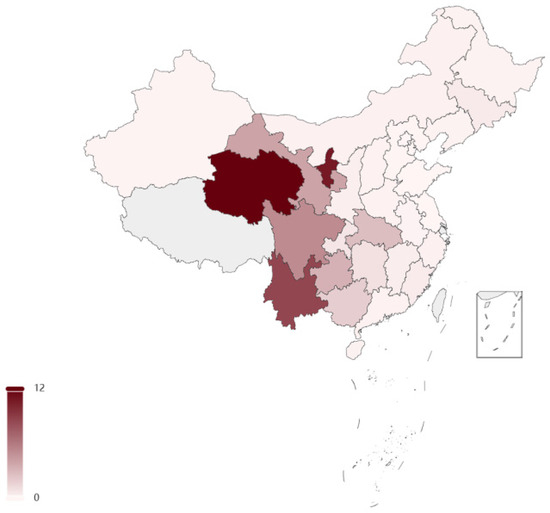
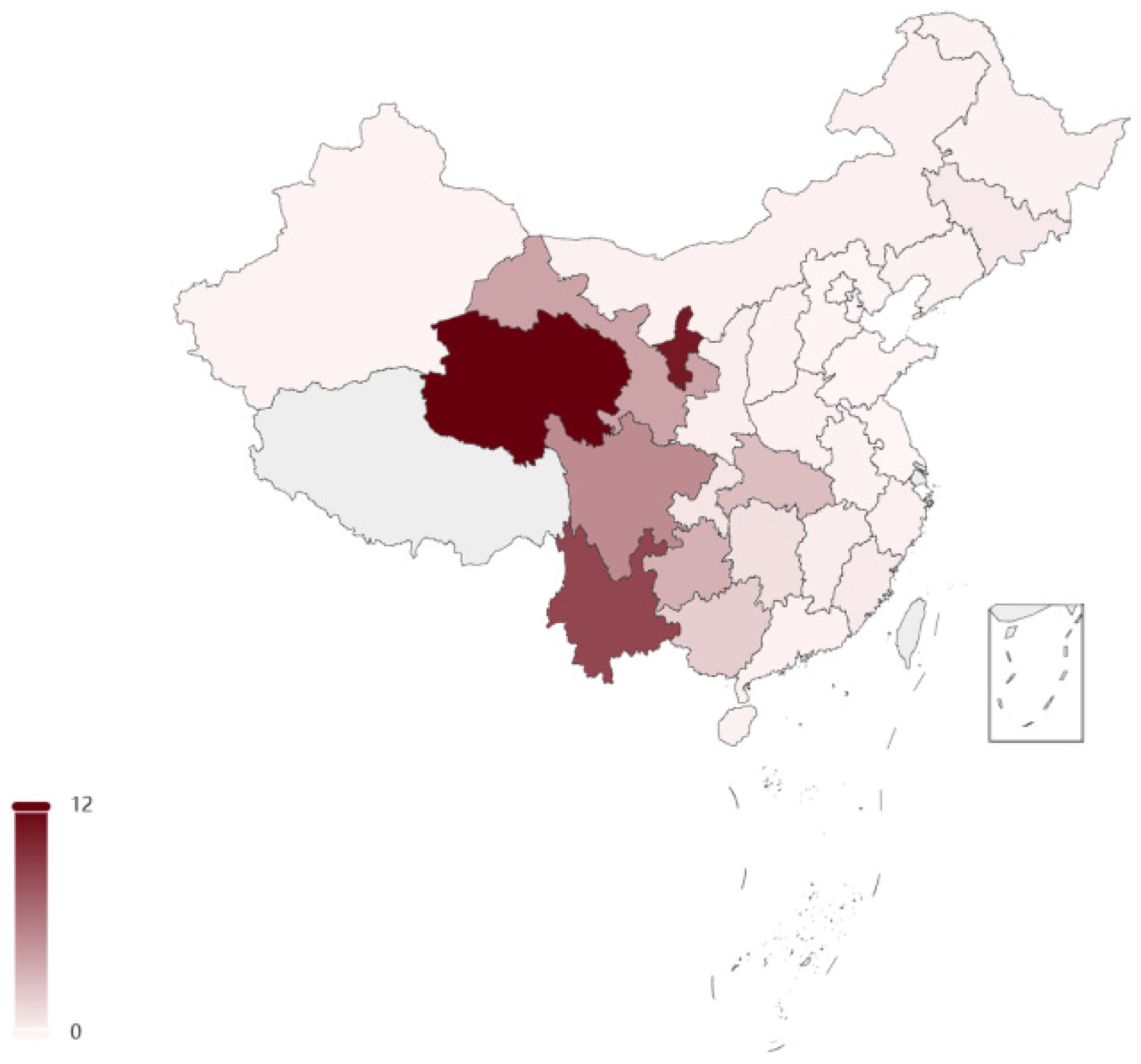
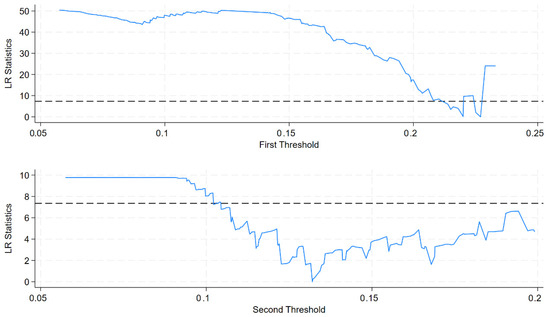
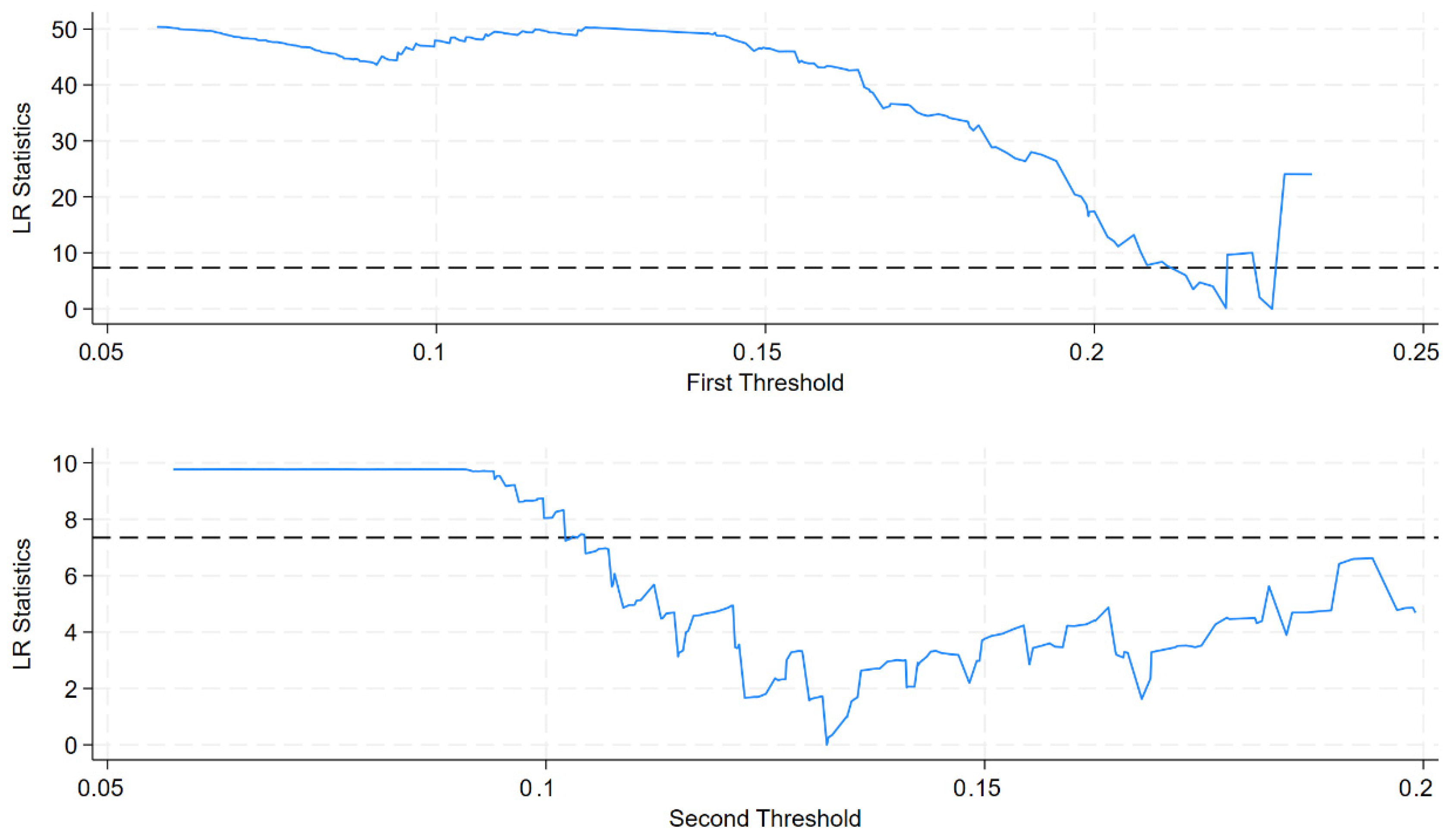

Disclaimer/Publisher’s Note: The statements, opinions and data contained in all publications are solely those of the individual author(s) and contributor(s) and not of MDPI and/or the editor(s). MDPI and/or the editor(s) disclaim responsibility for any injury to people or property resulting from any ideas, methods, instructions or products referred to in the content. |
© 2026 by the authors. Licensee MDPI, Basel, Switzerland. This article is an open access article distributed under the terms and conditions of the Creative Commons Attribution (CC BY) license.