


Abstract
Variable geometry ejectors (VGEs) offer passive, compact, and energy-efficient solutions for fluid transport and thermal management in applications such as refrigeration, hydrogen fuel cells, and solar-driven desalination. By adjusting internal geometries, VGEs maintain high performance under off-design and transient conditions, overcoming limitations of fixed-geometry ejectors. This systematic review synthesizes experimental, numerical, and hybrid research on VGEs published between 30 June 1995 and 1 July 2025. Peer-reviewed journal and conference papers were identified through structured searches of Scopus, Web of Science, and Google Scholar, followed by PRISMA-guided screening. Forty-eight studies were qualitatively synthesized with respect to modulation mechanisms, actuation and control strategies, working fluids, modeling approaches, validation practices, performance metrics, and Technology Readiness Levels (TRLs). Risk of bias was assessed using the Mixed Methods Appraisal Tool (MMAT), complemented by an engineering-specific extension for experimental and numerical studies. Results indicate a strong reliance on numerical modeling, predominantly 2D axisymmetric CFD, with limited high-fidelity experimental validation. Adjustable nozzle throats dominate current designs, while multi-variable geometries and real-time closed-loop control remain underexplored. Most studies cluster at TRLs 2–4, with only two demonstrating full system-level integration. Overall, VGEs show strong potential for energy-efficient operation, but progress toward deployment requires integrated geometry–control co-design, standardized benchmarking, uncertainty-aware validation, and scalable experimental demonstration. This review was not registered.
1. Introduction
The demand for efficient, compact, and reliable fluid recirculation solutions across sectors such as refrigeration, aerospace, energy recovery, and, in particular, hydrogen technologies has intensified interest in ejector systems over the past few decades [1,2]. Taking hydrogen systems as an example, the use of green hydrogen as an energy carrier has grown rapidly in recent years. Announced investments in green hydrogen surpassed $500 billion by 2024, with projected CO2 abatement of up to ~6 Gt/yr by 2050 [3]. One of the fastest-growing applications of hydrogen is in proton-exchange-membrane fuel cell (PEMFC) systems used across multiple transport modes. According to the latest IEA/AFC report from October 2025, the global fuel cell vehicle (FCV) fleet reached 97,356 units by the end of 2024, an 11% year-on-year increase, and is approaching 100,000 units across all road-vehicle segments. This rise is not only numerical but also structural. Commercial applications, particularly heavy-duty trucks, which grew by 72% in a single year, are becoming a dominant driver of hydrogen demand, while passenger cars still comprise 69% of the global fleet [1,4]. Another recent review by Manzo et al. [5] highlights how PEMFC stacks in the 30–180 kW range are being commercialized in passenger cars, transit buses, class-8 trucks, trains, ferries, and large forklift fleets, with OEM and national targets in the tens of thousands of vehicles. This implies a rapidly increasing cumulative installed fuel-cell capacity in the transport sector. Together, these figures indicate sustained, rapid growth in both the number of deployed fuel-cell stacks and their total installed power, placing increasing performance and reliability demands on balance-of-plant components such as hydrogen recirculation devices, including ejectors.
Ejectors, as passive momentum transfer devices, offer the unique advantage of performing suction, mixing, and compression functions without relying on mechanically driven components [6,7]. Their structural simplicity, low maintenance requirements, and scalability make them well-suited for applications ranging from domestic heat pumps to advanced hydrogen systems [2,8]. Despite their mechanical simplicity and inherent reliability, conventional fixed geometry ejectors exhibit limited operational flexibility. Performance is sensitive to fluctuations in primary and secondary pressures, back pressure, and fluid properties, which frequently change due to environmental conditions, load variations, or transient system dynamics [9]. Operating away from design conditions often leads to decreased entrainment ratios, flow instabilities, and reduced pressure recovery. Variable geometry ejectors (VGEs) have been developed to overcome these limitations, offering a promising evolution [2,8,10]. By incorporating adjustable elements such as variable nozzle throats and adaptable mixing sections, these ejectors allow real-time control over internal flow characteristics. This adaptability enables sustained high performance across a broader range of operating conditions, enhancing efficiency, stability, and responsiveness without compromising their inherent mechanical simplicity. Unlike traditional pumps or compressors, VGEs do not rely on energy-intensive rotating machinery yet deliver critical operational flexibility for advanced thermofluidic systems [11,12].
Compared to conventional pumps, compressors, and expansion valves, VGEs provide several strategic advantages. Their absence of rotating or reciprocating components reduces mechanical wear and eliminates lubrication needs, significantly lowering maintenance requirements and increasing reliability [13]. They are inherently quiet, vibration-free, and robust against two-phase or vapor–liquid flows, making them ideal for compact, mobile, space-constrained, energy-efficient, maintenance-sensitive, and dynamically operated systems. Even when employing active controls, such as stepper motors or servo-actuated geometries, VGEs maintain lower energy consumption than compressors due to their reliance on motive fluid kinetic energy rather than motor-driven compression [14]. This balance between passive entrainment and active modulation enables precise thermal management with minimal system complexity. Furthermore, their inherent modularity and scalability facilitate seamless integration into modular or demand-responsive energy systems. Furthermore, VGEs promote energy savings by efficiently adapting to thermal and pressure variations with minimal or no external power input, depending on the control strategy [15]. Their lightweight design, minimal maintenance, and compatibility with intelligent control systems, including sensor-actuator feedback loops, make them attractive for dynamic, resource-limited applications. This combination of passive robustness and active adaptability positions VGEs as essential components of resilient and energy-efficient systems [16].
From an economic and performance standpoint, recent studies have shown that VGEs deliver substantial measurable improvements over fixed configurations. Tashtoush and Nayfeh [17] demonstrated that adjusting the ejector area ratio allows the system to remain in the critical operating regime over wide solar-irradiance variations, resulting in COP enhancements of 100–200% under off-design conditions and entrainment-ratio increases exceeding 50%, depending on generator temperature and back-pressure conditions. These performance gains translated directly into economic benefits, where the VGE-based solar cooling system achieved 48% higher annual energy savings (rising from 5333 kWh to 7902 kWh), a significantly higher net present value, and a markedly shorter payback period compared with fixed-geometry ejectors. Similarly, the exergoeconomic analysis of a solar-driven VGE system found that optimizing the ejector area ratio increased exergetic efficiency by up to 30%, reduced exergy-destruction costs in key components, and delivered a very low levelized cooling cost of 0.009 $/kWh, demonstrating that VGEs not only boost thermodynamic performance but also improve overall financial viability in hot-climate applications [18].
Applications of VGEs span various sectors. In heating, ventilation, and air conditioning systems, they enhance vapor compression cycle efficiency and extend operating envelopes under variable loads and ambient conditions, particularly improving the coefficient of performance (COP) in hot climates and partial load scenarios [19]. In refrigeration, especially in systems driven by low-grade or intermittent heat sources, VGEs reduce sensitivity to evaporator and condenser pressure fluctuations, ensuring stable performance in solar-assisted, domestic, and cryogenic cooling applications [20,21,22].
VGEs also gained attraction in hydrogen-based energy systems in recent years, particularly in PEMFCs [23,24] and Solid Oxide Fuel Cells (SOFCs) [25]. They function effectively as hydrogen recirculation units, replacing traditional mechanical pumps, thereby reducing parasitic energy losses and significantly cutting down maintenance requirements. Their ability to rapidly and efficiently adapt to transient load conditions makes them particularly suitable for automotive and other mobile applications, where dynamic response and reliability are paramount. Beyond fuel cells, VGEs are actively being explored in numerous innovative fields, including desalination, waste heat recovery, air-driven vacuum systems, and thermal management for electronic devices [26]. In desalination systems, ejectors enhance the efficiency of thermal vapor compression processes, contributing to cost-effective freshwater production [27]. In waste heat recovery applications, their adaptive nature allows effective utilization of intermittent and variable temperature sources, maximizing energy capture [17]. For vacuum systems and electronics cooling, their tunable performance supports improved efficiency and operational resilience, effectively accommodating fluctuating conditions. As modern thermal management systems increasingly demand flexibility, sustainability, and cost-effectiveness, VGEs offer a scalable and adaptable solution, poised to address these complex and evolving challenges.
Unlike our previous review on structure, operation, and numerical simulations of fixed-geometry ejectors [6,9], this article systematically analyzes the evolution of VGEs over more than two decades of experimental and numerical research, highlighting key advances in geometric modulation, actuation mechanisms, control strategies, modeling approaches, and Technology Readiness Levels (TRLs). By compiling and contrasting 48 distinct studies, this work reveals a rich diversity in design point of view. There are several prior review articles that have tried to advance the field of ejector research; each tends to focus on specific aspects, leaving gaps about VGEs, and this review aims to address them comprehensively. A review conducted by Li et al. [28] provides a valuable bibliometric and technical synthesis of adjustable-flow ejectors (AFEs), classifying developments primarily along two technological routes: variable-area and multi-nozzle configurations. Their analysis effectively maps publication trends and design evolution across application domains. However, their framework remains centered on geometric typology and does not systematically integrate (i) the specific geometric modulation mechanism (e.g., throat, nozzle-exit position, mixing/diffuser adjustment), (ii) the physical actuation strategy (manual, electromechanical, passive), (iii) the control architecture (open-loop vs. closed-loop), and (iv) the technology readiness and system integration level of each study. These dimensions are critical for assessing real-world implementability and deployment maturity. The present review addresses this gap by introducing a unified mechanism–actuation–control taxonomy coupled with a structured TRL and validation mapping, enabling cross-comparison of design concepts not only in terms of geometry but also control authority, experimental validation depth, and integration readiness.
Other existing reviews predominantly examine fixed-geometry ejectors, underscoring the importance of review on VGEs. Studies by Sumeru et al. [29] and Jiautheen et al. [30] provide foundational overviews of ejector fundamentals and two-phase flow behavior of fixed geometry ejectors, but do not explore VGEs or dynamic control. Elbel and Lawrence [31] emphasize expansion work recovery using ejectors, offering deep insight into ejector modeling and system integration, but their work missed many modern developments in actuation mechanisms and real-time adaptability. Gullo et al. [32] extensively cover multi-ejector concepts, particularly for CO2-based supermarket refrigeration, yet do not address other working fluids, application sectors, or control architectures. Koirala et al. [33] and Zheng et al. [34] focus on optimization, modeling, and fluidic behavior, but they concentrate primarily on fixed geometry configurations and overlook transient operation or experimental validation. Kumar et al. [13] highlight AI and machine learning in ejector modeling but lack a broader contextualization across ejector types or system-level deployment. Finally, Sadeghiseraji et al. [35] provides a comparative review of ejector refrigeration systems but does not explore the integration of variable geometry features or modular actuation strategies.
None of these works provides either a cross-domain synthesis centered on VGEs or a unified framework that allows direct cross-comparison of various characteristics of VGEs, e.g., actuation strategies and TRL evolution, across hydrogen and non-hydrogen applications. This review contributes to the literature by providing a unified classification of VGE modulation mechanisms (throat, nozzle-exit position, mixing/diffuser adjustments) linked to actuation technologies and sensing/control strategies (open- and closed-loop); a comparative analysis spanning HVAC/refrigeration, fuel cells, desalination, and waste-heat recovery, extending beyond CO2 supermarket use cases; an evaluation of modeling approaches (1D, hybrid, CFD) with observed validation practices; and a TRL mapping that contextualizes deployment maturity. By integrating geometry, actuation, control, modeling, and application domains into a single framework, this review identifies actionable gaps (e.g., transient closed-loop operation and standardized reporting) and provides guidance for translating VGEs from concept to practice.
2. Materials and Methods
2.1. Review Framework
This systematic review was conducted and reported in accordance with the Preferred Reporting Items for Systematic Reviews and Meta-Analyses (PRISMA) 2020 guidelines [36]. The PRISMA flow diagram (Figure 1) outlines the stages of article identification, screening, eligibility evaluation, and final inclusion.
Figure 1.
PRISMA flow diagram illustrating the systematic screening and selection process of studies included in the review.
2.2. Selection Criteria
Studies were included if they focused on VGEs with adjustable geometry or active control mechanisms. Only peer-reviewed journal articles and conference papers published between 30 June 1995 and 1 July 2025 were considered. Each study had to present quantitative or qualitative performance data based on experimental, numerical, or hybrid methods and be applied in domains such as hydrogen systems, etc. Exclusions were made for review articles, articles written in languages other than English, and ejector designs lacking any form of adjustability.
2.3. Search and Screening Process
A comprehensive database search (Scopus, Web of Science, Google Scholar) was conducted using targeted keywords such as “variable ejector,” “adjustable nozzle,”, “controllable entrainment”, as shown in Table 1. After removal of duplicates, titles and abstracts were independently screened by three reviewers to assess relevance against the predefined eligibility criteria. Full-text articles of potentially eligible studies were then independently assessed for inclusion. Disagreements at any stage were resolved through discussion and consensus.
Table 1.
Syntax used for search in electronic databases.
2.4. Classification of Studies
Each selected study was classified according to consistent technical parameters: adjusted variable, physical geometry and scale, operating conditions, working fluid, and phase regime. Other descriptors included the actuation mechanism, control strategy, simulation approach, validation method, performance metrics, uncertainty reporting, and technological maturity. Novel insights and contributions were also summarized. For the frequency analysis of modulation mechanisms presented in Section 3.2, each study was assigned to a single primary geometric adjustment category based on the dominant mechanism investigated, ensuring mutually exclusive classification and preventing double counting.
Technological maturity was evaluated using the Technology Readiness Level (TRL) framework as defined by the European Commission Joint Research Centre (JRC) under the Horizon 2020 program (EUR 27988 EN) [37]. This framework adapts the original NASA TRL scale for civilian and industrial innovation contexts. Within this classification, TRL 1 corresponds to basic principles observed; TRL 2 to technology concept formulated; TRL 3 to experimental proof of concept; TRL 4 to technology validated in a laboratory environment; TRL 5 to technology validated in a relevant environment (industrially relevant environment in the case of key enabling technologies); TRL 6 to technology demonstrated in a relevant environment; TRL 7 to system prototype demonstration in an operational environment; TRL 8 to system complete and qualified; and TRL 9 to actual system proven in an operational environment (including competitive manufacturing in the case of key enabling technologies).
2.5. Data Extraction and Synthesis
Data were manually extracted and normalized into a comparative format using a predefined structured master table (Table S1). One reviewer extracted the data from each included study, and a second reviewer independently verified the extracted information for accuracy and completeness, with any discrepancies resolved through consensus. The primary outcomes considered were ejector performance indicators, including entrainment ratio, pressure recovery, and coefficient of performance (COP), where applicable. Secondary outcomes included operating range, control responsiveness, validation level, uncertainty reporting, and TRL, or system-integration level. The synthesis combined quantitative benchmarking of these performance indicators with qualitative thematic analysis. Through this process, key technological trends and associated integration challenges were identified across system design, control, and modeling domains. A TRL-based assessment was additionally performed to evaluate the maturity of each approach, enabling a comprehensive and critical understanding of the current research landscape in variable geometry ejector technologies.
2.6. Risk of Bias Assessment
Risk of bias (RoB) was assessed using a mixed-design appraisal approach tailored to thermo-fluid engineering studies. Because the included evidence comprised laboratory experiments, numerical simulations, and hybrid experiment–model investigations, clinical RoB instruments were not applicable. The Mixed Methods Appraisal Tool (MMAT, 2018) [38] was therefore used as an umbrella framework for empirical studies and complemented by a predefined engineering-specific extension addressing bias sources unique to ejector experiments and simulations.
Experimental studies were evaluated across five domains: measurement validity (E1), experimental control (E2), repeatability/robustness (E3), data-reduction transparency (E4), and uncertainty reporting (E5). Modeling studies were evaluated across five domains: model specification (M1), numerical verification (M2), boundary-condition realism (M3), experimental validation (M4), and sensitivity/uncertainty analysis (M5). Each domain was rated as low risk (green), some concerns (yellow), or high risk (red). Overall RoB judgments (low/some concerns/high) were assigned using predefined decision rules.
3. Results and Discussion
3.1. Fundamentals of Ejector Operation
Ejector systems are fluid dynamic devices that utilize high-pressure primary fluid to entrain and compress a lower-pressure secondary fluid without any moving mechanical components. This passive operation is achieved by converting pressure energy into kinetic energy through a converging-diverging nozzle, producing a high-velocity jet. The jet creates a low-pressure zone, drawing in the secondary fluid. Both fluid streams then mix in a dedicated chamber before undergoing pressure recovery in a diffuser, resulting in an outlet flow at an intermediate pressure. From a thermodynamic standpoint, ejectors exhibit significant versatility, functioning effectively under both subcritical and supercritical operating conditions. Their performance depends on factors such as fluid compressibility, phase transitions, and choking phenomena. Additionally, ejectors can handle wet and dry vapor conditions based on the chosen working fluid and system configuration.
A universal key performance indicator for assessing the VGEs is the entrainment ratio (ω), which is defined as the ratio of secondary to primary mass flow rates as follows.
where and indicate the secondary and primary mass flow rates, respectively.
Under typical operating conditions, an ejector may experience two distinct choking phenomena. The first occurs when the primary flow becomes choked at the nozzle throat, reaching sonic velocity. Following this, as the supersonic jet expands and entrains the secondary stream within the mixing chamber, a second instance of choking may arise in the secondary flow path. The interplay between these choking conditions, along with the downstream (back) pressure, defines the ejector’s operating regime.
As shown in Figure 2, three primary operational states are recognized: (1) the critical or dual choking state, where both primary and secondary flows are choked and the back pressure is below a critical threshold; in this regime, the ejector operates with stable entrainment and maximal efficiency; (2) the subcritical or single choking state, in which only the primary flow remains choked while the secondary flow becomes sensitive to increasing back pressure, resulting in a declining entrainment ratio; and (3) the backflow or failure mode, where the back pressure exceeds the maximum allowable limit, causing flow reversal and complete loss of suction. Understanding these regimes is essential for reliable ejector design and control, especially in variable-geometry systems that must maintain optimal performance across varying load and pressure conditions.
Figure 2.
Common operational states of the ejector (The red line shows the state of entrainment ratio in different operational conditions).
3.2. Classification of Variable Geometry Ejector Mechanisms
The effectiveness of VGEs is closely tied to the nature of their mechanical adjustability. Across the reviewed literature, the vast majority of geometric modulation strategies focus on the nozzle throat, which plays a critical role in controlling entrainment behavior, achieving critical mode operation, and enhancing overall ejector flexibility. This section classifies the principal adjustment approaches into three principal geometric regions of adjustment: (1) nozzle throat mechanisms, (2) nozzle exit position (NXP), and (3) mixing or diffuser sections. Within these regions, several mechanical implementations are identified. These strategies are systematically summarized in Table 2, which organizes each mechanism by its targeted geometric region and implementation method.
Table 2.
Classification of variable geometry ejector mechanisms based on geometric adjustability.
3.2.1. Adjustable Nozzle Throat
Among the various design strategies explored for enhancing ejector adaptability, adjustability in the nozzle throat remains the most prevalent and effective mechanism for tuning performance parameters such as entrainment ratio, back pressure tolerance, and flow regime transitions. This adjustability is generally realized through one of three primary mechanical configurations: needle-based, spindle-based, and cone-cylinder axial systems, as shown in Figure 3.
Figure 3.
Representation of various classifications of variable geometry ejectors: (a) needle-based, (b) spindle-based, (c) cone-cylinder axial, (d) adjustable nozzle exit position (NXP), and (e) adjustable mixing chamber.
Needle-based mechanisms achieve a variable throat area by translating a needle or pintle axially within the converging section of the nozzle, as shown in Figure 3a. This motion alters the effective cross-sectional area available to the primary flow, directly impacting jet velocity and entrainment dynamics. Foundational studies include Elbel et al. [39] and Brunner et al. [40], who demonstrated the feasibility of precision throat modulation using needle-based designs in CO2 and fuel cell systems, respectively. Subsequent research has expanded this design class considerably. Baba et al. [42,62] explored compact needle-in-nozzle configurations for air and refrigerant ejectors. Chen et al. [25] implemented similar designs across a range of working fluids, highlighting their utility in steady and dynamic operating regimes. Other notable contributions include Zheng et al. [44], who combined needle-based throat variation with outlet geometry adjustments; Jiang et al. [63], who investigated parabolic needle profiles for enhanced linearity; and Lu et al. [64] and Tri et al. [65], who introduced advanced needle shapes and displacements tailored to complex ejector flow structures. Across these studies, needle-based geometries have proven to be both compact and effective in tailoring ejector performance across a wide range of thermal-fluid conditions.
Spindle-based configurations enable variation in the throat area by axially moving a cylindrical rod (spindle) to partially block or unblock the flow path (Figure 3b). These mechanisms are typically simpler and predominantly used in manual configurations, although some studies have proposed motorized or simulated variants. Varga et al. [46,48] demonstrated spindle-based modulation in ejectors operating with steam and hydrocarbon refrigerants, supported by both CFD and experimental validation. Lin et al. [47] employed a spindle to control blockage based on a variable non-dimensional area (NDA) metric, where NDA represents the normalized throat cross-sectional area used to characterize blockage variation. Due to their structural simplicity and ease of fabrication, spindle-based systems are often preferred in early-stage prototyping and computational performance assessment.
The third approach, cone-cylinder axial systems (Figure 3c), involves translating a conical insert axially within a cylindrical nozzle throat to produce a continuous, adjustable flow area. A representative study by Kim et al. [52] introduced this mechanism in a mechanically tunable air ejector actuated by a manual screw. Though less frequently adopted, cone-cylinder systems offer the advantage of smooth area transitions with minimal flow disturbance, making them especially suitable for subsonic or gas-phase applications.
3.2.2. Adjustable Nozzle Exit Position (NXP)
Adjustment of the NXP represents a distinct geometric strategy for influencing ejector performance, independent of modifications to the throat area or downstream sections, as shown in Figure 3d. By axially shifting the location of the primary nozzle relative to the start of the mixing chamber, this method alters the length and configuration of the primary-secondary interaction region. Such changes directly affect entrainment behavior, shockwave location, and pressure recovery, making NXP an effective tuning parameter, particularly under off-design conditions or in systems with fluctuating boundary conditions.
Some studies have confirmed the utility of NXP variation in both experimental and computational frameworks. Early implementations by Lin et al. [47], Varga et al. [48], and Yen et al. [43] demonstrated the sensitivity of entrainment performance to nozzle exit location in hydrocarbon and R134a ejectors. Pereira et al. [66] and Omidvar et al. [53] investigated larger axial displacement ranges, showing that modest changes in NXP, on the order of millimeters, can substantially impact flow development and entropy generation. Later studies by Elhub et al. [22], Kumar et al. [67], and Shahzamanian et al. [68] systematically mapped the performance space across varying NXP values, identifying optimal positions for specific fluid and thermal configurations. Importantly, several studies employed combined geometric adjustability in both the nozzle throat and the NXP. This dual-variable approach, as seen in Zheng et al. [44], Soares et al. [57], Abbady et al. [54], and Nguyen et al. [10], allowed more refined tuning of entrainment dynamics and critical back pressure.
3.2.3. Adjustable Mixing/Diffuser Sections
While the majority of VGE configurations concentrate on modifying the nozzle throat or exit position, a limited number of studies have investigated adjustable geometries within the mixing and diffuser sections. These components are integral to the entrainment process and downstream pressure recovery, yet their structural complexity and sensitivity to flow development often make them less accessible to mechanical modulation. As such, designs that incorporate adjustability in these regions are comparatively rare, but they offer promising avenues for enhanced flow control and expanded operating ranges. Among the most noteworthy contributions is the conceptual study by Gutiérrez et al. [58], which introduced a multi-port axial nozzle equipped with a ring-blocking mechanism. This system proposed the use of segmented control rings to selectively block or open primary nozzle outlets, thereby influencing the flow structure and pressure distribution within the mixing section. Although not physically implemented, the design represents an innovative step toward discretely modulating the internal mixing dynamics of ejectors. Similarly, Sampedro et al. [59] presented a variable-area mixing chamber that incorporated sliding lateral slots, allowing real-time adjustment of the effective cross-section through which secondary flow is entrained (Figure 3e). This drawer-like mechanism introduced localized mixing control and variable turbulence levels, demonstrating potential benefits in off-design scenarios. Other notable implementations include Gu et al. [27], whose bellows-driven spindle indirectly altered the downstream diffuser region. In addition, Sazonov et al. [61] proposed a mechanically coupled rotary diffuser system, where the expansion geometry could be altered dynamically using a wedge-tipped nozzle insert, though this concept remains unvalidated at the experimental level.
To contextualize the relative emphasis placed on each mechanism type within the literature, the reviewed studies were classified into mutually exclusive primary modulation categories as shown in Figure 4. Each study was assigned to a single dominant geometric adjustment mechanism to avoid double counting. Among the 48 included studies, spindle-based throat modulation is the most prevalent approach (18 studies), followed by needle-based throat modulation (14 studies). A single study employs a cone-cylinder axial throat adjustment mechanism. NXP-only modulation appears in five studies, while mixing or diffuser-based adjustment as the primary mechanism is observed in three studies. Additionally, seven studies implement combined multi-parameter modulation strategies.
Figure 4.
Distribution of variable geometry ejector studies by primary modulation mechanism (n = 48). Each study was assigned to a single dominant geometric adjustment category to ensure mutually exclusive counting (Numbers on the graph indicates the number of studies).
3.3. Actuation and Control Strategies
A wide range of actuation and control strategies has been implemented in VGEs, ranging from simple manual mechanisms to more advanced automated controllers. Manual actuation remains the most frequently employed method, particularly in experimental studies. These systems typically rely on basic mechanical adjustments, such as screws or micrometers, to tune ejector geometry before operation. For example, Kim et al. [52] employed a manually adjusted screw to vary throat dimensions, while Elbel et al. [39] performed manual tuning of system parameters using a micrometer-based actuator without any real-time automation. Varga et al. [46] also applied off-line geometric adjustments to investigate the impact of ejector configuration on performance.
A number of studies have progressed toward electromechanical actuation, which incorporates motor-driven mechanisms, such as stepper motors or linear actuators, often controlled via software environments. These implementations support higher precision and compatibility with dynamic control. For example, Brunner et al. [40] integrated a stepper motor with feedback-based control, while Liu et al. [69] employed an Arduino-controlled system for real-time ejector operation. Similar electromechanical concepts were applied or simulated in works by Vereda et al. [70], Sazonov et al. [61], and Toffoletti et al. [71], although the level of automation and feedback integration varied across these studies. A smaller subset of publications explored autonomous or passive actuation strategies, where ejector geometry adapts without explicit external input. These designs are typically either pressure-responsive or pre-optimized for specific operating conditions. Examples include the passive geometry adjustment approaches reported by Besagni et al. [21], Nguyen et al. [10], and Ren et al. [26], which aimed to simplify operation while maintaining acceptable performance across a range of conditions.
Regarding control strategy, most reviewed systems relied on open-loop or off-line control, where geometry or operating points were selected prior to operation based on prior simulations, design heuristics, or performance maps. These include studies by Kim et al. [52], Varga et al. [48], Vereda et al. [70], Baba et al. [42], and Shahzamanian et al. [68]. While adequate for parametric studies and component testing, these strategies offer limited adaptability under fluctuating load or ambient conditions.
Conversely, a growing number of systems have implemented closed-loop control, enabled by sensors and real-time feedback. Among these, PID control remains the most commonly used architecture. Brunner et al. [40] employed PID feedback to stabilize the ejector outlet pressure, while Liu et al. [69] used it for flow-based control in a stepper-actuated configuration. Some studies, such as Ge et al. [55], Fingas et al. [20], and Sampedro et al. [59], demonstrated multi-variable feedback or control logic frameworks intended for dynamic response and efficiency optimization. While several studies implemented multi-variable feedback or structured control logic frameworks, these approaches were primarily based on classical PID or rule-based architectures. Explicit implementation of advanced predictive or artificial intelligence-driven control strategies, such as model predictive control (MPC), fuzzy logic control, or adaptive learning-based controllers, remains limited within the reviewed literature set.
As visualized in Figure 5, the majority of systems still cluster around manual actuation and open-loop control. However, the increasing adoption of automated hardware, embedded feedback loops, and integrated control logic points toward an evolution in ejector system design, from static configurations to responsive, smart components better suited for integration into complex thermal systems.
Figure 5.
Distribution of actuation and control strategies across the reviewed variable geometry ejector studies.
3.4. Application Domains and Working Fluids
3.4.1. Application Domains
Figure 6 illustrates the distribution of reviewed studies across various application domains. The largest category is solar thermal ejector systems, encompassing solar-assisted cooling, hybrid thermal cycles, and desalination applications. These systems are typically powered by steam, water, or ammonia-based working fluids and are designed to utilize low-grade heat for space conditioning or water purification, especially in off-grid or resource-constrained regions. Representative works include Varga et al. [48], Yen et al. [43], Shahzamanian et al. [68], and Gutiérrez et al. [58], illustrating the diversity of solar thermal ejector configurations across both cooling and desalination domains. The second most common group comprises refrigeration systems, spanning automotive, domestic, and commercial cold-chain applications. These include multi-evaporator refrigeration (MER) systems and conventional vapor-compression refrigeration systems (VCRS), in which variable geometry ejectors are used to improve expansion work recovery and off-design performance.
Figure 6.
Categorization of reviewed studies by application domain. PEMFC = proton exchange membrane fuel cell; SOFC = Solid Oxide Fuel Cell; MER = multi-evaporator refrigeration; VCRS = vapor-compression refrigeration system (Numbers on the graph indicates the number of studies).
These studies often employ refrigerants such as CO2, R134a, and hydrocarbon blends, with notable contributions from Elbel et al. [39], Lin et al. [47], and Liu et al. [41]. Their findings reflect the integration of VGEs into both traditional and advanced vapor compression cycles for enhanced efficiency and adaptability.
Fuel cell systems form a focused cluster of research, where VGEs are implemented to manage hydrogen recirculation, stabilize pressure differentials, and optimize fuel utilization in both PEMFC and SOFC architectures. Key contributions include Brunner et al. [40] for PEMFCs, Baba et al. [62] for SOFC systems, and Lu et al. [64] for vehicular hydrogen recirculation. A smaller yet conceptually rich portion of the literature falls under the other category (as shown in Figure 5), which includes both experimental benchmarking efforts and non-conventional applications. For example, Kumar et al. [67] conducted detailed numerical and experimental validation of VGE performance using air under controlled laboratory conditions, establishing a reliable foundation for model accuracy and performance prediction. Sazonov et al. [61] demonstrated the integration of VGEs in aerospace thrust control systems, highlighting their adaptability to variable backpressure environments and dynamic flow modulation. Meanwhile, Han et al. [72] optimized VGE configurations for fire suppression, showing enhanced entrainment and pumping efficiency under critical pressure constraints. Collectively, these studies underscore the versatility of VGEs well beyond conventional HVAC and energy systems.
3.4.2. Working Fluids
The working fluid used in a VGEs system is a fundamental determinant of its performance, feasibility, and target application. Across the reviewed studies, working fluids fall into three broad categories: refrigerants, steam and water, and gaseous fluids like air and hydrogen, each aligned with distinct operational contexts and technical objectives.
Refrigerants are the most widely used working fluids in VGE studies, particularly in the context of residential, commercial, and automotive cooling systems. Common refrigerants include CO2 (R744) [39,41], R134a [47], R245fa [43], and refrigerant blends such as R141b, R290, R600a, and R152a [48,68]. These fluids are often chosen for their environmental compatibility (low GWP), high latent heat, and well-documented thermodynamic properties. Applications span both stationary and mobile systems. CO2, in particular, is widely studied for use in automotive HVAC systems due to its high transcritical pressure range and potential for ejector-based expansion work recovery [39,62]. In residential systems, refrigerant-based ejectors are evaluated for efficiency improvement, noise reduction, and integration with heat exchangers, with several studies focusing on parametric optimization and cycle simulation. A notable subset involves absorption systems, where ammonia–LiNO3 is used as the working pair [70]. These systems are often targeted at solar-assisted or off-grid applications and leverage the chemical affinity of the refrigerant-absorbent pair to drive cycle dynamics. However, issues such as toxicity, corrosion, and thermal stability necessitate special design considerations for material compatibility and safety.
Steam (water/R718) is another commonly studied fluid, particularly in systems aimed at waste heat recovery or solar cooling. Studies such as Varga et al. [46] and Gutiérrez et al. [58] explored ejector configurations optimized for water vapor, focusing on entrainment ratio and diffuser design under low-to-medium pressure conditions. Steam is especially attractive in solar thermal systems due to its abundance, non-toxicity, and compatibility with direct heat input from solar collectors. The use of water as a working fluid requires careful design to accommodate two-phase flow dynamics, choking behavior, and saturation curve characteristics. These systems often operate at relatively low pressure ratios and are commonly simulated in transient solar or waste heat profiles [10].
Air appears frequently in lab-scale experiments, often serving as a simplified, inert medium for flow diagnostics, geometry testing, or validation of CFD models [51,52]. These studies typically investigate compressible flow characteristics, recirculation behavior, and area ratio tuning, providing foundational insights for later refrigerant-based development. Hydrogen, on the other hand, is primarily studied in the context of PEMFC applications. Ejectors are employed to manage hydrogen recirculation, ensuring improved fuel utilization and stable membrane hydration [40,63,69]. These applications demand precise control of pressure differentials and flow rates, which often require integration with real-time control systems for safe and efficient operation. Some studies also explore multi-gas environments (e.g., H2 + N2, reformate gas), simulating more realistic fuel cell operating conditions. Hydrogen’s low density and high diffusivity pose unique challenges for ejector geometry and actuation range, particularly in achieving effective entrainment and pressure lift.
3.5. Modeling Approaches
The modeling of VGEs spans a diverse range of dimensional frameworks, computational platforms, and levels of validation rigor. Depending on the study objective, researchers have adopted approaches from simplified 1D thermodynamic models to high-fidelity 3D CFD simulations and hybrid co-simulation environments. To systematically characterize the modeling landscape, Table 3 presents a comprehensive overview of modeling approaches developed by reviewed studies. Each entry summarizes the modeling dimension and methodology, the use of commercial or custom software tools, whether the study was validated against experimental data, and whether uncertainty analysis was explicitly reported.
Table 3.
Overview of modeling approaches in variable geometry ejector studies, including model type, validation status, tools used, and uncertainty reporting.
As indicated and illustrated in Table 3 and Figure 7, VGE modeling comprises a broad range of simulation and analytical approaches. Among the 48 reviewed studies, over 50% employed CFD-based methods, with the majority using 2D axisymmetric geometries to balance accuracy and computational cost. Software such as ANSYS FLUENT was the most common platform, as seen in works by Varga et al. [46], Omidvar et al. [53], and Shahzamanian et al. [68], while other studies utilized in-house solvers [52,57] or alternative commercial packages such as STAR-CCM+ [24] and ANSYS CFX [59]. Over 35% of studies adopted 1D thermodynamic or semi-empirical models, particularly in early-stage design or system-level analysis. These were often implemented using EES [62,70] or MATLAB environments [14,63]. Although less detailed than 2D and 3D CFD, these approaches remain attractive due to their low computational demands and suitability for parametric studies. A smaller subset (about 10%) employed hybrid models or co-simulation frameworks, integrating CFD with Simulink [25,40] or combining multiple dimensions [69].
Figure 7.
Distribution map of modeling approach, dimensions, experimental validation, and reported uncertainty among reviewed studies (Numbers on the graph indicates the number of studies).
In terms of validation, 22 out of 38 numerical studies reported some form of experimental comparison, ranging from basic test-rig validation [39,67] to dynamic hardware-in-the-loop integration [40,64]. However, only 6 out of the 48 reviewed studies explicitly reported uncertainty analysis or formal error quantification, while the remaining 42 did not provide such an assessment. This includes works like Chen et al. [45], which employed a method of characteristics (MOC) solver with uncertainty propagation, and Yen et al. [43], which provided error margins in performance maps. The limited reporting of uncertainty remains a critical shortcoming in the field, especially when simulation results are used to guide design or control development. Interestingly, 10 studies were identified as experimental-only, without any accompanying modeling framework. These include benchmark works such as [50,56,71], which provide valuable empirical datasets that could be better utilized for validating future models.
Turbulence modeling is a key component in CFD studies of VGEs, largely due to the complex internal flow phenomena such as shock waves, shear layers, and mixing zones. Most studies employ RANS-based models, particularly k–ε, k–ω, and SST variants, to capture these effects with computational efficiency. The choice of model often correlates with the phase regime under investigation. Figure 8 illustrates the distribution of turbulence and physical models across simplified phase regimes, highlighting common modeling practices and areas of divergence.
Figure 8.
Distribution of turbulence modeling approaches across phase regimes. “Other Phase regime” refers primarily to supercritical or transcritical CO2 operating conditions.
Figure 8 presents the distribution of turbulence models used across different phase regimes in the reviewed CFD studies of VGEs. The majority of simulations address two-phase flow regimes, encompassing ejectors operating with steam, CO2, or ammonia–water mixtures. These configurations involve complex interfacial behavior, shock waves, and strong shear layers, phenomena that demand robust turbulence modeling. Accordingly, realizable k–ε and SST models are frequently adopted for their superior handling of separation, compressibility, and boundary-layer dynamics in such flows. For single-phase regimes, which often involve inert gases such as air or hydrogen under subsonic or mildly compressible conditions, researchers typically select standard k–ε or SST models. These offer a favorable balance between computational efficiency and predictive accuracy, given the absence of phase change and the relatively simpler flow structures involved.
In addition, some studies consider non-standard or hybrid phase regimes, such as supercritical or transcritical CO2, which do not fit neatly into conventional single- or two-phase classifications. These cases exhibit a wide range of turbulence modeling strategies, including custom-developed approaches, standard RANS models, and occasionally non-CFD techniques.
3.6. Performance Metrics and Evaluation
The performance of VGE systems is typically assessed using a focused set of metrics that capture their fluid-dynamic efficiency and thermodynamic effectiveness under varying operating conditions. Among these, the entrainment ratio (ω), which is defined as the ratio of secondary to primary mass flow and is the most commonly reported indicator, directly reflects the suction and mixing performance of the ejector. The coefficient of performance (COP) is frequently used in system-level analyses, particularly in refrigeration and solar-assisted cooling, to quantify overall energy efficiency. Additionally, pressure recovery, which assures the ability of the ejector to restore pressure at the outlet, is essential in applications requiring pressure lift, such as refrigeration cycles and heat pumps. Figure 9 illustrates the distribution of these four main metrics across major application domains, highlighting their relative importance and frequency of use in fuel cell, refrigeration, and solar-assisted systems.
Figure 9.
Distribution of key performance metrics in the major application domains in the reviewed studies.
As illustrated in Figure 9, the entrainment ratio is the most widely reported metric, featuring prominently across fuel cell, refrigeration, and solar thermal systems. This broad relevance is evident in studies such as Abbady et al. [54], who investigated ejector designs for automotive refrigeration, and Nguyen et al. [10], who applied entrainment-based analysis in solar-driven systems. In fuel cell applications, control of secondary hydrogen flow through entrainment is critical, as demonstrated in the modeling approach of Chen et al. [75]. The COP features predominantly in solar and refrigeration systems, where thermodynamic efficiency is a core objective, as shown and emphasized in the experimental works of Elbel et al. [39] and Pereira et al. [66], who reported COP enhancement under varying load and environmental conditions. Finally, pressure recovery is most commonly discussed in fuel cell contexts, where managing pressure stability is essential for loop operation, as explored by Brunner et al. [40] and Kim et al. [52].
3.7. Technology Readiness and Integration Status
To assess the technological maturity and practical development of VGEs, we adopt a dual-framework classification combining Technology Readiness Levels (TRLs) and system integration levels. This approach provides a structured lens through which to evaluate each study’s proximity to real-world deployment, ranging from conceptual exploration to operational demonstration.
The TRL is a widely accepted metric that quantifies the maturity of a technology from early research to commercial readiness. In this review, we refer to the European Commission’s TRL framework, which spans from TRL 1 to TRL 9. TRL 1 represents the observation of basic scientific principles, while TRL 2 involves the formulation of technological concepts. TRL 3 marks the experimental proof of concept, followed by TRL 4, where the technology is validated in a laboratory setting. TRL 5 and TRL 6 correspond to validation and demonstration in relevant industrial environments, respectively. TRL 7 signifies prototype demonstration in operational conditions, and the highest levels, TRL 8 and TRL 9, denote complete system qualification and proven deployment in real operational environments.
In parallel, each study is also categorized by its system integration level, which reflects the degree to which the ejector technology is embedded into a functional or experimental setup. We identified four primary integration levels across the literature: (1) Simulation-only, where the ejector concept is explored purely through numerical models (e.g., CFD, analytical), with no experimental verification; (2) Lab-scale prototype, in which a standalone ejector is physically fabricated and tested in isolation; (3) Subsystem integration or test rig, where the ejector is integrated into a larger laboratory test system, such as a refrigeration or air conditioning loop; and (4) Full system/product integration, representing the highest integration level, where the ejector is implemented within a complete system approaching commercial or field-deployment standards.
These two categorization schemes allow for a comprehensive assessment of the current state-of-the-art in VGEs, highlighting both the theoretical development trajectory and the extent of physical implementation. Table 4 synthesizes the TRL and system integration level of reviewed studies, enabling a comparative analysis of their readiness and applicability.
Table 4.
Classification of reviewed variable geometry ejector studies based on Technology Readiness Level (TRL) and system integration level.
As shown in Table 4, only two studies achieve TRL 5, showcasing fully integrated system prototypes. In contrast, the majority of investigations remain at much earlier stages. Notably, 52% of studies are situated at TRL 4, where ejectors are validated only on laboratory-scale subsystems. In addition, 42% are limited to simulation-only work at TRL 2, while just one study falls into the intermediate TRL 3 category. From a temporal perspective, experimental advancements have stagnated. Since 2011, the number of TRL 4 publications has remained steady at around eight per five-year period, while simulation-based studies have surged, more than doubling in the 2021–2025 period. This growing disparity highlights an expanding validation gap: modeling capabilities are advancing faster than experimental validation, leaving many concepts unverified beyond computational methods such as CFD or ANN. Nonetheless, the two TRL 5 studies offer promising pathways. Brunner’s electronically controlled ejector successfully closed the hydrogen recirculation loop in a PEMFC bus, demonstrating reliable dynamic flow control and durability. Meanwhile, Nguyen’s integration of a variable-geometry ejector into an automotive HVAC prototype validated robust performance under realistic operating conditions.
3.8. Risk of Bias Results
The results of the risk-of-bias (RoB) assessment are summarized in Figure 10. Overall, the included studies exhibit a predominantly low risk of bias, indicating that the evidence base for variable-geometry ejectors is methodologically sound. For experimental investigations, low RoB was most consistently observed in measurement validity (E1) and experimental control (E2), reflecting the widespread use of calibrated instrumentation and clearly defined operating conditions. Across the reviewed experiments, variable geometry consistently led to improvements in entrainment ratio and system performance, with reported gains typically on the order of 10–30% under off-design conditions.
Figure 10.
Traffic-light summary of the RoB assessment for the included experimental and modeling studies, with green indicating low risk, yellow indicating some concerns, and red indicating high risk across predefined methodological domains [10,14,17,20,21,22,23,24,25,26,27,39,40,41,42,43,44,45,46,47,48,49,50,51,52,53,54,55,56,57,58,59,60,61,62,63,64,65,66,67,68,69,70,71,72,73,74,75].
In contrast, repeatability and robustness (E3) and uncertainty reporting (E5) were the most common sources of “some concerns,” as shown in Figure 10. Many experimental studies reported performance trends based on limited test repetitions or did not provide formal uncertainty propagation, despite reporting relatively modest quantitative improvements. While these limitations do not undermine the consistency of the observed performance trends, they reduce confidence in the precise magnitude of reported gains.
For numerical and hybrid studies, Figure 10 indicates generally low RoB in model specification (M1) and boundary-condition realism (M3), as most studies employed established CFD frameworks and physically representative boundary conditions. Numerical investigations consistently predicted performance improvements of approximately 15–20% with optimized throat area, nozzle position, or spindle geometry. However, numerical verification (M2) and sensitivity or uncertainty analysis (M5) were inconsistently addressed. Studies that included grid-independence or sensitivity analyses demonstrated that predicted performance gains could vary by several percentage points depending on mesh resolution or geometric assumptions, highlighting the importance of these practices.
Hybrid experiment–model studies generally exhibited lower overall RoB in Figure 10, as experimental validation constrained numerical uncertainty and improved confidence in model predictions. These studies typically reported close agreement between numerical and experimental results, supporting the robustness of their conclusions.
Overall, the RoB results in Figure 10 support high confidence in qualitative conclusions, namely that variable-geometry ejectors enhance operating flexibility and off-design performance. However, quantitative comparisons of performance improvements should be interpreted with caution due to recurring limitations in repeatability, uncertainty reporting, and numerical verification across the literature.
3.9. Research Gaps and Future Directions
Despite the substantial advancements in variable geometry ejector technologies, several critical challenges continue to hinder their widespread adoption and operational maturity. A key limitation lies in the scarcity of real-time control implementations validated under transient or fluctuating operating conditions. Although electromechanical actuation and closed-loop control strategies have been proposed, most systems have only been tested under steady-state or quasi-steady conditions. This limits confidence in their performance within dynamically varying environments such as mobile hydrogen fuel cell systems or solar-assisted thermal networks. Future studies must prioritize the development of robust, hardware-in-the-loop experimental setups and real-time embedded control architectures capable of adaptive response to rapidly changing boundary conditions.
Another prominent gap is the absence of standardized performance evaluation protocols. Metrics such as entrainment ratio, COP, and pressure recovery are often reported inconsistently, under differing boundary conditions, and without rigorous uncertainty quantification. The lack of unified benchmarks and fluid-specific reference cases makes cross-study comparisons and meta-analysis difficult. Establishing standardized test conditions, performance maps, and uncertainty reporting guidelines would significantly enhance reproducibility and accelerate design optimization across applications and working fluids.
There is also a notable imbalance in research emphasis across the geometric domains of the ejector. While variable nozzle throats are widely studied and experimentally implemented, adjustable mixing and diffuser sections remain largely conceptual. Only a few studies propose such mechanisms, and none of them validate them experimentally. Additionally, combined actuation strategies that simultaneously adjust multiple geometric parameters, such as throat area and NXP, are rare, despite their potential for enhanced control authority and broader operational envelopes. Future investigations should explore multi-variable design frameworks supported by integrated computational optimization and experimental validation.
Beyond the refinement of existing geometries, there is a clear need for the conception and implementation of fundamentally new VGE configurations. Emerging design paradigms such as topology optimization, multi-objective evolutionary algorithms, and data-driven surrogate models could be leveraged to generate non-intuitive architectures that surpass the performance limits of conventional nozzle–mixing–diffuser layouts. In parallel, advances in additive manufacturing and high-precision machining enable complex three-dimensional geometries, multi-nozzle arrays, and adaptive internal surfaces that were previously infeasible. Future work should therefore focus not only on improving current variable-throat and variable-nozzle-exit-position concepts but also on experimentally validating novel, computation-driven designs under realistic operating conditions, with particular attention to manufacturability, robustness, and seamless integration with actuation and control.
On the modeling front, although CFD has become the dominant tool, many studies still lack direct experimental validation or detailed sensitivity analyses. A significant number rely on RANS turbulence models with default configurations, especially for complex two-phase or supercritical flow regimes. There remains a need for high-fidelity, phase-aware simulation models, validated across multiple operating points and incorporating robust turbulence and interfacial dynamics modeling. Furthermore, explicit uncertainty quantification remains underreported and should be integrated more rigorously into both numerical and experimental methodologies.
In terms of technological maturity, the field remains concentrated at TRLs 2 through 4, with very few systems progressing to full prototype integration or commercial-level deployment. This stagnation is particularly evident in the limited number of studies that move beyond test-rig validation to long-duration, field-scale demonstrations. Bridging this readiness gap will require coordinated efforts between academia and industry, including scale-up studies, life-cycle assessments, and durability testing under real-world conditions.
In addition to technical maturity, economic and manufacturability considerations remain insufficiently addressed in the current body of literature. While selected case studies report energy savings, payback periods, or levelized cooling costs, systematic cross-study evaluation of capital cost, actuation-system complexity, manufacturing feasibility, and maintenance trade-offs across different VGE geometries is largely absent. Most investigations prioritize thermodynamic performance metrics, whereas fabrication constraints, material costs, actuator integration, and scalability are rarely quantified within a comparable framework. Consequently, despite promising indications of financial viability in specific applications, the literature does not yet support a rigorous comparative techno-economic assessment of alternative VGE design strategies. Future research should therefore integrate performance optimization with structured cost analysis and manufacturability evaluation to better inform practical deployment.
Lastly, the integration of VGEs into emerging energy systems remains underexplored. Opportunities exist to embed VGEs within hybrid heat pump cycles, regenerative hydrogen loops, and decentralized renewable energy systems. Additionally, innovative materials, such as shape memory alloys or thermally responsive polymers, could enable passive or semi-autonomous actuation, reducing reliance on external control hardware. Investigating such material-functional integration, along with adaptive architectures capable of environmental responsiveness, presents a promising direction for future VGE development.
4. Conclusions
Variable geometry ejectors (VGEs) have emerged as a versatile and increasingly essential technology in advanced thermofluidic systems, offering a unique balance of mechanical simplicity, adaptability, and energy efficiency. This review has systematically traced the evolution of VGEs across more than two decades of research, highlighting the diverse mechanisms of geometric modulation, control strategies, working fluid applications, and modeling approaches. Among these, adjustable nozzle throats, particularly needle- and spindle-based configurations, remain the most commonly adopted due to their robust performance and fabrication simplicity. While simulation tools, especially CFD, have become central to design optimization, a clear maturity gap persists, with most systems validated only at the lab scale and few progressing to full-system demonstration.
For hydrogen-based applications, VGEs represent a particularly compelling alternative to traditional mechanical circulation devices. In PEMFCs, for example, VGEs offer significant advantages in reducing parasitic loads, improving reliability, and enabling fast dynamic response without the need for actively driven compressors or pumps. Several studies have successfully demonstrated their utility in maintaining hydrogen recirculation under varying load conditions, with electronically controlled designs showing strong promise for vehicular and mobile deployments. However, challenges remain, particularly in ensuring precise flow regulation, accommodating hydrogen’s unique fluid properties, and validating long-term performance under dynamic operating conditions.
Looking forward, the field would benefit from coordinated advancements along three strategic axes. First, future research must prioritize the co-design of control strategies alongside geometric mechanisms, enabling real-time adaptability in response to system-level disturbances. Second, efforts should be directed toward closing the validation gap through standardized benchmarking, uncertainty quantification, and field-scale experimentation, especially under realistic hydrogen operating conditions. Finally, as hydrogen systems evolve toward more distributed, mobile, and hybrid architectures, VGEs must be adapted for integration with intelligent control, smart actuation materials, and modular energy subsystems.
With their low maintenance, scalability, and compatibility with zero-emission technologies, VGEs are well-positioned to play a critical role in the next generation of resilient, energy-efficient hydrogen systems. Realizing this potential will require not only engineering innovation but also cross-disciplinary collaboration spanning fluids and thermal science, control engineering, and systems integration.
Supplementary Materials
The following supporting information can be downloaded at: https://www.mdpi.com/article/10.3390/en19051350/s1, Table S1: Master database of published studies on adjustable ejectors, including mechanism type, geometry, operating conditions, modelling approaches, and key performance insights.
Author Contributions
Conceptualization, M.A. and M.M.; methodology, M.A. and M.M.; formal analysis, M.A. and M.M.; investigation, M.A.; resources, M.A.; data curation, M.A.; writing—original draft preparation, M.A.; writing—review and editing, M.M., M.S. and D.F.; visualization, M.A.; supervision, M.S.; project administration, M.S. and M.M.; funding acquisition, M.S. All authors have read and agreed to the published version of the manuscript.
Funding
This research received no external funding.
Data Availability Statement
The raw data supporting the conclusions of this article will be made available by the authors on request.
Acknowledgments
The authors would like to acknowledge the support of Raicam Driveline S.r.l.
Conflicts of Interest
The authors declare no conflicts of interest.
References
- Gruber, S.; Rola, K.; Urbancl, D.; Goričanec, D. Recent Advances in Ejector-Enhanced Vapor Compression Heat Pump and Refrigeration Systems—A Review. Energies 2024, 17, 4043. [Google Scholar] [CrossRef] [Scilit]
- Aidoun, Z.; Ameur, K.; Falsafioon, M.; Badache, M. Current Advances in Ejector Modeling, Experimentation and Applications for Refrigeration and Heat Pumps. Part 1: Single-Phase Ejectors. Inventions 2019, 4, 15. [Google Scholar] [CrossRef] [Scilit]
- Lakshmikanth, G.; Balaji, N.; Roopashree, R.; Kumar, D.; Devarajan, Y. Green hydrogen revolution: Advancing electrolysis, market integration, and sustainable energy transitions towards a net-zero future. Results Eng. 2025, 26, 104849. [Google Scholar] [CrossRef] [Scilit]
- Grube, T.; Rex, M. Deployment of Fuel Cell Vehicles in Road Transport and the Expansion of the Hydrogen Refueling Station Network: 2024 Update; Forschungszentrum Jülich GmbH, Zentralbibliothek: Jülich, Germany, 2024. [Google Scholar]
- Manzo, D.; Thai, R.; Le, H.T.; Venayagamoorthy, G.K. Fuel cell technology review: Types, economy, applications, and vehicle-to-grid scheme. Sustain. Energy Technol. Assess. 2025, 75, 104229. [Google Scholar] [CrossRef] [Scilit]
- Arabbeiki, M.; Mansourkiaei, M.; Ferrero, D.; Santarelli, M. Ejectors in hydrogen recirculation for PEMFC-based systems: A comprehensive review of design, operation, and numerical simulations. Energies 2024, 17, 4815. [Google Scholar] [CrossRef] [Scilit]
- Palacz, M.; Bodys, J.; Haida, M.; Smolka, J.; Nowak, A. Two-phase flow visualisation in the R744 vapour ejector for refrigeration systems. Appl. Therm. Eng. 2022, 210, 118322. [Google Scholar] [CrossRef] [Scilit]
- Aunedi, M.; Olympios, A.; Pantaleo, A.; Markides, C.; Štrbac, G. System-driven design and integration of low-carbon domestic heating technologies. Renew. Sustain. Energy Rev. 2023, 187, 113695. [Google Scholar] [CrossRef] [Scilit]
- Arabbeiki, M.; Mansourkiaei, M.; Ferrero, D.; Santarelli, M. Numerical optimization of ejector for enhanced hydrogen recirculation in proton exchange membrane fuel cells. J. Power Sources 2025, 641, 236846. [Google Scholar] [CrossRef] [Scilit]
- Van Nguyen, V.; Varga, S.; Soares, J.; Dvorak, V.; Oliveira, A.C. Applying a variable geometry ejector in a solar ejector refrigeration system. Int. J. Refrig. 2020, 113, 187–195. [Google Scholar] [CrossRef] [Scilit]
- Pereira, P.R.; Varga, S.; Oliveira, A.C.; Soares, J. Development and performance of an advanced ejector cooling system for a sustainable built environment. Front. Mech. Eng. 2015, 1, 7. [Google Scholar] [CrossRef] [Scilit]
- Khajeh, K.; Sadeghi, G.; Rouhollahi, R. Experimental and numerical thermofluidic assessments of an air-based ejector regarding energy and exergy analyses. Int. Commun. Heat Mass Transf. 2020, 116, 104681. [Google Scholar] [CrossRef] [Scilit]
- Kumar, A.; Yadav, S.K.; Kumar, V.; Kulkarni, A. A comprehensive exploration of ejector design, operational factors, performance metrics, and practical applications. J. Braz. Soc. Mech. Sci. Eng. 2024, 46, 39. [Google Scholar] [CrossRef] [Scilit]
- Yang, Y.; Wang, N.; Ren, X.; Li, Y.; Guo, X.; Zhang, K.; Shen, S. Research on similarity characteristics of critical states transferring of adjustable ejector. Int. J. Refrig. 2023, 148, 64–74. [Google Scholar] [CrossRef] [Scilit]
- Niu, L.; Zhang, X. Study on energy-saving applications of vacuum ejectors across various operational demands. Vacuum 2024, 228, 113527. [Google Scholar] [CrossRef] [Scilit]
- Rand, C.; Metsue, A.; Poirier, M.; Poncet, S. Waste heat recovery of industrial exhaust gas: Study of variable power ejector cooling systems. In Proceedings of the Canadian Society for Mechanical Engineering International Congress; Département de Génie Mécanique, Université de Sherbrooke: Sherbrooke, QC, Canada, 2023. [Google Scholar]
- Tashtoush, B.; Nayfeh, Y. Energy and economic analysis of a variable-geometry ejector in solar cooling systems for residential buildings. J. Energy Storage 2020, 27, 101061. [Google Scholar] [CrossRef] [Scilit]
- Tashtoush, B.; Songa, I.; Morosuk, T. Exergoeconomic analysis of a variable area solar ejector refrigeration system under hot climatic conditions. Energies 2022, 15, 9540. [Google Scholar] [CrossRef] [Scilit]
- Guruchethan, A.M.; Reddy, Y.; Maiya, M.; Hafner, A. Experimental investigation of multi-ejector CO2 heat pump system with and without IHX. Energy 2024, 297, 131328. [Google Scholar] [CrossRef] [Scilit]
- Fingas, R.; Haida, M.; Smolka, J.; Croci, L.; Bodys, J.; Palacz, M.; Besagni, G. Experimental analysis of the R290 variable geometry ejector with a spindle. Appl. Therm. Eng. 2025, 258, 124632. [Google Scholar] [CrossRef] [Scilit]
- Besagni, G.; Cristiani, N. Multi-scale evaluation of an R290 variable geometry ejector. Appl. Therm. Eng. 2021, 188, 116612. [Google Scholar] [CrossRef] [Scilit]
- Elhub, B.; Mat, S.; Sopian, K.; Elbreki, A.; Ruslan, M.H.; Ammar, A. Performance evaluation and parametric studies on variable nozzle ejector using R134A. Case Stud. Therm. Eng. 2018, 12, 258–270. [Google Scholar] [CrossRef] [Scilit]
- Hosseinzadeh, E.; Rokni, M.; Jabbari, M.; Mortensen, H. Numerical analysis of transport phenomena for designing of ejector in PEM forklift system. Int. J. Hydrogen Energy 2014, 39, 6664–6674. [Google Scholar] [CrossRef] [Scilit]
- Seth, B.; Knecht, S.; Szalai, M.; Haußmann, J. Design of a variable passive ejector for hydrogen recirculation of a PEM fuel cell system. Int. J. Hydrogen Energy 2025, 99, 956–965. [Google Scholar] [CrossRef] [Scilit]
- Chen, J.; Hu, Z.; Lu, J.; Zhang, H.; Weng, S. A novel control strategy with an anode variable geometry ejector for a SOFC-GT hybrid system. Energy 2022, 261, 125281. [Google Scholar] [CrossRef] [Scilit]
- Ren, J.; Zhao, H.; Wang, M.; Miao, C.; Wu, Y.; Li, Q. Design and investigation of a dynamic auto-adjusting ejector for the MED-TVC desalination system driven by solar energy. Entropy 2022, 24, 1815. [Google Scholar] [CrossRef] [Scilit]
- Gu, W.; Wang, X.; Wang, L.; Yin, X.; Liu, H. Performance investigation of an auto-tuning area ratio ejector for MED-TVC desalination system. Appl. Therm. Eng. 2019, 155, 470–479. [Google Scholar] [CrossRef] [Scilit]
- Li, C.; Fu, J.; Que, W.; Guo, W. Adjustable flow ejectors: Research status and development trends. Renew. Sustain. Energy Rev. 2025, 217, 115722. [Google Scholar] [CrossRef] [Scilit]
- Sumeru, K.; Nasution, H.; Ani, F. A review on two-phase ejector as an expansion device in vapor compression refrigeration cycle. Renew. Sustain. Energy Rev. 2012, 16, 4927–4937. [Google Scholar] [CrossRef] [Scilit]
- Jiautheen, P.B.; Annamalai, M. Review on ejector of vapor jet refrigeration system. Int. J. Air-Cond. Refrig. 2014, 22, 1430003. [Google Scholar] [CrossRef] [Scilit]
- Elbel, S.; Lawrence, N. Review of recent developments in advanced ejector technology. Int. J. Refrig. 2016, 62, 1–18. [Google Scholar] [CrossRef] [Scilit]
- Gullo, P.; Hafner, A.; Banasiak, K.; Minetto, S.; Kriezi, E.E. Multi-ejector concept: A comprehensive review on its latest technological developments. Energies 2019, 12, 406. [Google Scholar] [CrossRef] [Scilit]
- Koirala, R.; Ve, Q.L.; Zhu, B.; Inthavong, K.; Date, A. A review on process and practices in operation and design modification of ejectors. Fluids 2021, 6, 409. [Google Scholar] [CrossRef] [Scilit]
- Zheng, L.; Zhang, Y.; Hao, L.; Lian, H.; Deng, J.; Lu, W. Modelling, optimization, and experimental studies of refrigeration CO2 ejectors: A review. Mathematics 2022, 10, 4325. [Google Scholar] [CrossRef] [Scilit]
- Sadeghiseraji, J.; Garcia-Vilchez, M.; Castilla, R.; Raush, G. Recent advances in numerical simulation of ejector pumps for vacuum generation—A Review. Energies 2024, 17, 4479. [Google Scholar] [CrossRef] [Scilit]
- Page, M.J.; McKenzie, J.E.; Bossuyt, P.M.; Boutron, I.; Hoffmann, T.C.; Mulrow, C.D.; Shamseer, L.; Tetzlaff, J.M.; Akl, E.A.; Brennan, S.E.; et al. The PRISMA 2020 statement: An updated guideline for reporting systematic reviews. BMJ 2021, 372, n71. [Google Scholar] [CrossRef] [Scilit]
- Commission, E. Technology Readiness Level: Guidance Principles for Renewable Energy Technologies: Final Report; Publications Office: Luxembourg, 2017. [Google Scholar]
- Hong, Q.N.; Pluye, P.; Fàbregues, S.; Bartlett, G.; Boardman, F.; Cargo, M.; Dagenais, P.; Gagnon, M.-P.; Griffiths, F.; Nicolau, B. Mixed methods appraisal tool (MMAT), version 2018 for information professionals and researchers. Educ. Inf. 2018, 34, 285–291. [Google Scholar] [CrossRef] [Scilit]
- Elbel, S.; Hrnjak, P. Experimental validation of a prototype ejector designed to reduce throttling losses encountered in transcritical R744 system operation. Int. J. Refrig. 2008, 31, 411–422. [Google Scholar] [CrossRef] [Scilit]
- Brunner, D.A.; Marcks, S.; Bajpai, M.; Prasad, A.K.; Advani, S.G. Design and characterization of an electronically controlled variable flow rate ejector for fuel cell applications. Int. J. Hydrogen Energy 2012, 37, 4457–4466. [Google Scholar] [CrossRef] [Scilit]
- Liu, F.; Groll, E.A.; Li, D. Investigation on performance of variable geometry ejectors for CO2 refrigeration cycles. Energy 2012, 45, 829–839. [Google Scholar] [CrossRef] [Scilit]
- Baba, S.; Kobayashi, N.; Takahashi, S.; Hirano, S. Development of anode gas recycle system using ejector for 1 kW solid oxide fuel cell. J. Eng. Gas Turbines Power 2015, 137, 021504. [Google Scholar] [CrossRef] [Scilit]
- Yen, R.H.; Huang, B.-J.; Chen, C.-Y.; Shiu, T.; Cheng, C.; Chen, S.; Shestopalov, K. Performance optimization for a variable throat ejector in a solar refrigeration system. Int. J. Refrig. 2013, 36, 1512–1520. [Google Scholar] [CrossRef] [Scilit]
- Zheng, L.; Deng, J. Research on CO2 ejector component efficiencies by experiment measurement and distributed-parameter modeling. Energy Convers. Manag. 2017, 142, 244–256. [Google Scholar] [CrossRef] [Scilit]
- Chen, Z.; Jin, X.; Dang, C.; Hihara, E. Ejector performance analysis under overall operating conditions considering adjustable nozzle structure. Int. J. Refrig. 2017, 84, 274–286. [Google Scholar] [CrossRef] [Scilit]
- Varga, S.; Oliveira, A.C.; Ma, X.; Omer, S.A.; Zhang, W.; Riffat, S.B. Experimental and numerical analysis of a variable area ratio steam ejector. Int. J. Refrig. 2011, 34, 1668–1675. [Google Scholar] [CrossRef] [Scilit]
- Lin, C.; Cai, W.; Li, Y.; Yan, J.; Hu, Y.; Giridharan, K. Numerical investigation of geometry parameters for pressure recovery of an adjustable ejector in multi-evaporator refrigeration system. Appl. Therm. Eng. 2013, 61, 649–656. [Google Scholar] [CrossRef] [Scilit]
- Varga, S.; Lebre, P.M.; Oliveira, A.C. CFD study of a variable area ratio ejector using R600a and R152a refrigerants. Int. J. Refrig. 2013, 36, 157–165. [Google Scholar] [CrossRef] [Scilit]
- Haoran, C.; Wenjian, C. Artificial neural network modeling for variable area ratio ejector. In Proceedings of the 9th IEEE Conference on Industrial Electronics and Applications, Hangzhou, China, 9–11 June 2014. [Google Scholar]
- Li, C.; Li, Y.; Cai, W.; Hu, Y.; Chen, H.; Yan, J. Analysis on performance characteristics of ejector with variable area-ratio for multi-evaporator refrigeration system based on experimental data. Appl. Therm. Eng. 2014, 68, 125–132. [Google Scholar] [CrossRef] [Scilit]
- Tashtoush, B.; Algharbawi, A.B.R. Parametric study of a novel hybrid solar variable geometry ejector cooling with organic rankine cycles. Energy Convers. Manag. 2019, 198, 111910. [Google Scholar] [CrossRef] [Scilit]
- Kim, H.; Lee, J.; Setoguchi, T.; Matsuo, S. Computational analysis of a variable ejector flow. J. Therm. Sci. 2006, 15, 140–144. [Google Scholar] [CrossRef] [Scilit]
- Omidvar, A.; Ghazikhani, M.; Razavi, S.M.R.M. Entropy analysis of a solar-driven variable geometry ejector using computational fluid dynamics. Energy Convers. Manag. 2016, 119, 435–443. [Google Scholar] [CrossRef] [Scilit]
- Abbady, K.; Al-Mutawa, N.; Almutairi, A. The performance analysis of a variable geometry ejector utilizing CFD and artificial neural network. Energy Convers. Manag. 2023, 291, 117318. [Google Scholar] [CrossRef] [Scilit]
- Ge, J.; Chen, H.; Li, J.; Jin, Y. Experimental comparison of critical performance for variable geometry ejectors with different mixer structures. Chem. Eng. J. 2023, 478, 147487. [Google Scholar] [CrossRef] [Scilit]
- Poirier, M. Influence of operating conditions on the optimal nozzle exit position for vapor ejector. Appl. Therm. Eng. 2022, 210, 118377. [Google Scholar] [CrossRef] [Scilit]
- Soares, J.; Varga, S.; Shahzamanian, B.; Felício, A.; Oliveira, A.C. SmallSolDes—Development of a small-scale desalination unit driven by solar energy using a variable geometry ejector. In Proceedings of the International Conference on Concentrating Solar Power and Chemical Energy Systems, Daegu, Republic of Korea, 1–4 October 2019. [Google Scholar]
- Gutiérrez, A.; León, N. Conceptual development and CFD evaluation of a high efficiency–variable geometry ejector for use in refrigeration applications. Energy Procedia 2014, 57, 2544–2553. [Google Scholar] [CrossRef] [Scilit]
- Ortego Sampedro, E. A new variable mixing chamber ejector: CFD assessment. Appl. Therm. Eng. 2022, 208, 118242. [Google Scholar] [CrossRef] [Scilit]
- Al-Rbaihat, R.; Saleh, K.; Malpress, R.; Buttsworth, D. Experimental investigation of a novel variable geometry radial ejector. Appl. Therm. Eng. 2023, 233, 121143. [Google Scholar] [CrossRef] [Scilit]
- Sazonov, Y.A.; Mokhov, M.A.; Bondarenko, A.V.; Voronova, V.V.; Tumanyan, K.A.; Konyushkov, E.I. Investigation of a Multiflow Ejector Equipped with Variable-Length Links for Thrust Vector Control Using Euler’s Methodology. Energy 2024, 5, 2999–3022. [Google Scholar] [CrossRef] [Scilit]
- Baba, S.; Takahashi, S.; Kobayashi, N.; Hirano, S. Performance of anodic recirculation by a variable flow ejector for a solid oxide fuel cell system under partial loads. Int. J. Hydrogen Energy 2020, 45, 10039–10049. [Google Scholar] [CrossRef] [Scilit]
- Jiang, X.; Huang, Y.; Jiang, P.; Zhu, Y. Modeling and experimental research on adjustable ejector in fuel cell gas circulation system. Appl. Therm. Eng. 2024, 257, 124431. [Google Scholar] [CrossRef] [Scilit]
- Lu, Y.; Wang, X.; Tang, X.; Gong, D.; Yang, G.; Xu, S. Analysis of improvement in entraining ability and control linearity in a 40 kW-grade variable-nozzle hydrogen recirculation ejector. Int. J. Hydrogen Energy 2024, 93, 1512–1523. [Google Scholar] [CrossRef] [Scilit]
- Le Tri, D.T.; Nguyen, H.L.; Woo, J.; Kim, Y.; Yu, S. Regulation of anode gas pressure for durable and secure operation of proton exchange membrane fuel cells with variable-flow-rate ejector. Case Stud. Therm. Eng. 2024, 60, 104650. [Google Scholar] [CrossRef] [Scilit]
- Pereira, P.R.; Varga, S.; Soares, J.; Oliveira, A.C.; Lopes, A.M.; de Almeida, F.G.; Carneiro, J.F. Experimental results with a variable geometry ejector using R600a as working fluid. Int. J. Refrig. 2014, 46, 77–85. [Google Scholar] [CrossRef] [Scilit]
- Kumar, V.; Subbarao, P.; Singhal, G. Effect of nozzle exit position (NXP) on variable area mixing ejector. SN Appl. Sci. 2019, 1, 1473. [Google Scholar] [CrossRef] [Scilit]
- Shahzamanian, B.; Varga, S.; Soares, J.; Palmero-Marrero, A.; Oliveira, A. Performance evaluation of a variable geometry ejector applied in a multi-effect thermal vapor compression desalination system. Appl. Therm. Eng. 2021, 195, 117177. [Google Scholar] [CrossRef] [Scilit]
- Liu, R.; Zhu, X.; Wang, X.; Xiang, R.; Su, L.; Chu, X.; Zhou, W. Design and performance investigation on adjustable ejector with petal spindle valve for high-power fuel cell adapted heavy-duty truck powertrain. Appl. Energy 2025, 390, 125774. [Google Scholar] [CrossRef] [Scilit]
- Vereda, C.; Ventas, R.; Lecuona, A.; Venegas, M. Study of an ejector-absorption refrigeration cycle with an adaptable ejector nozzle for different working conditions. Appl. Energy 2012, 97, 305–312. [Google Scholar] [CrossRef] [Scilit]
- Toffoletti, G.; Barta, R.B.; Grajales, S.M.; Liu, H.; Ziviani, D.; Groll, E.A. Experimental comparison of cycle modifications and ejector control methods using variable geometry and CO2 pump in a multi-evaporator transcritical CO2 refrigeration system. Int. J. Refrig. 2025, 169, 226–240. [Google Scholar] [CrossRef] [Scilit]
- Han, Y.; Wang, X.; Li, A.; A. Elbarghthi, A.F.; Wen, C. Optimum efficiency of a steam ejector for fire suppression based on the variable mixing section diameter. Entropy 2022, 24, 1625. [Google Scholar] [CrossRef] [Scilit]
- Li, C.; Yan, J.; Li, Y.; Cai, W.; Lin, C.; Chen, H. Experimental study on a multi-evaporator refrigeration system with variable area ratio ejector. Appl. Therm. Eng. 2016, 102, 196–203. [Google Scholar] [CrossRef] [Scilit]
- He, Y.; Deng, J.; Yang, F.; Zhang, Z. An optimal multivariable controller for transcritical CO2 refrigeration cycle with an adjustable ejector. Energy Convers. Manag. 2017, 142, 466–476. [Google Scholar] [CrossRef] [Scilit]
- Chen, H.; Chen, B.; Xu, Z.; Ge, J.; Chen, H.; Zhong, Z. A Thermodynamic Model for Performance Prediction of an Ejector with an Adjustable Nozzle Exit Position. Processes 2025, 13, 879. [Google Scholar] [CrossRef] [Scilit]
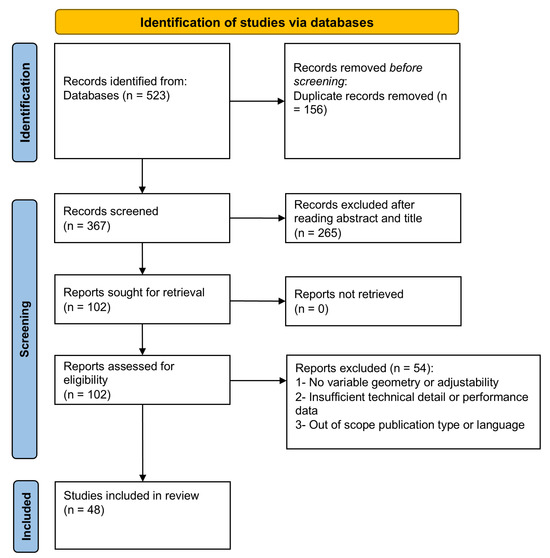
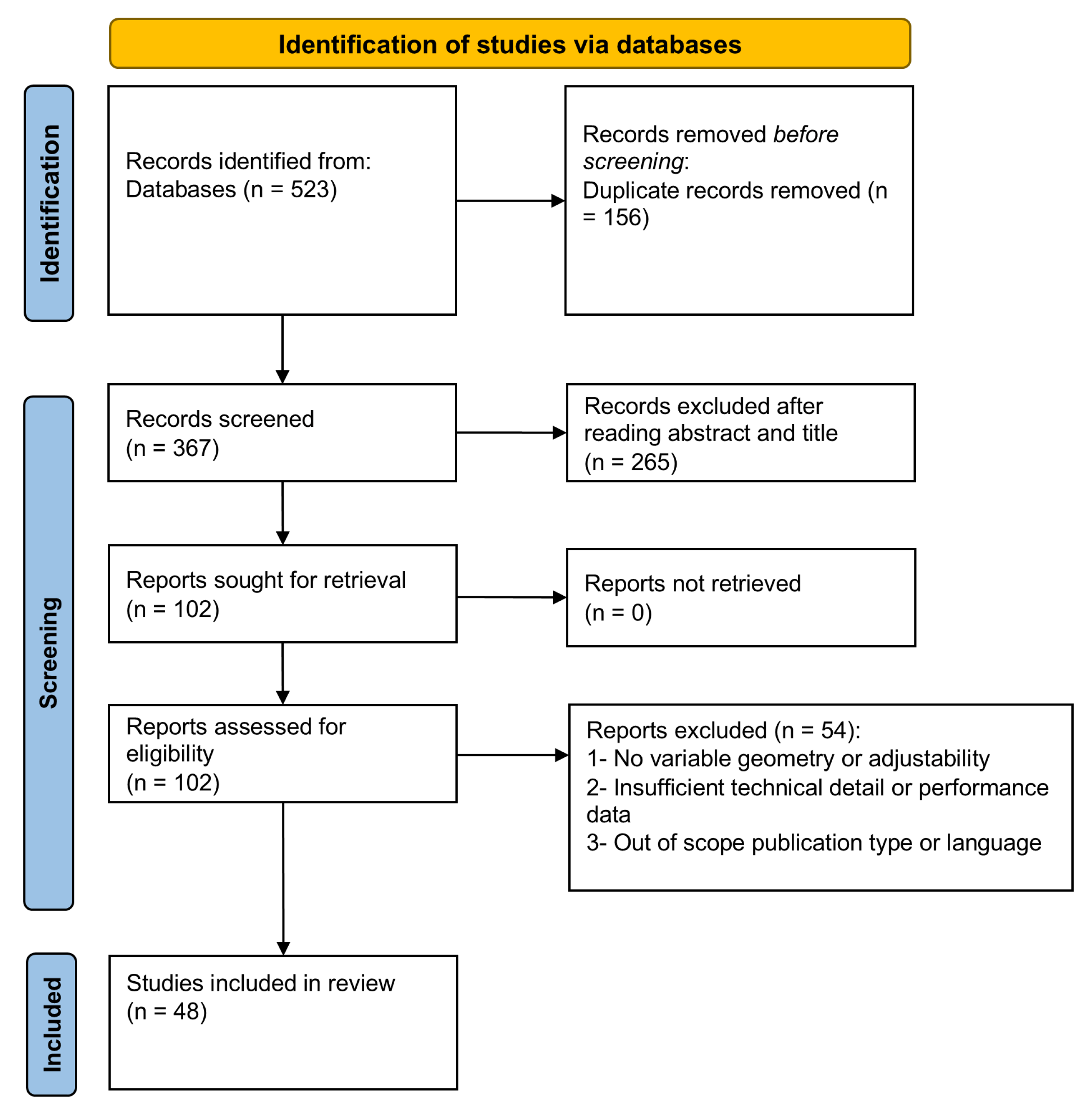
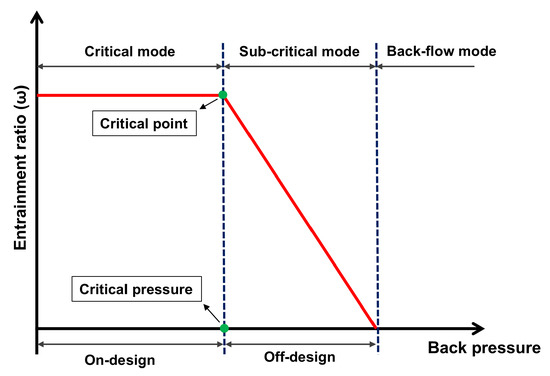
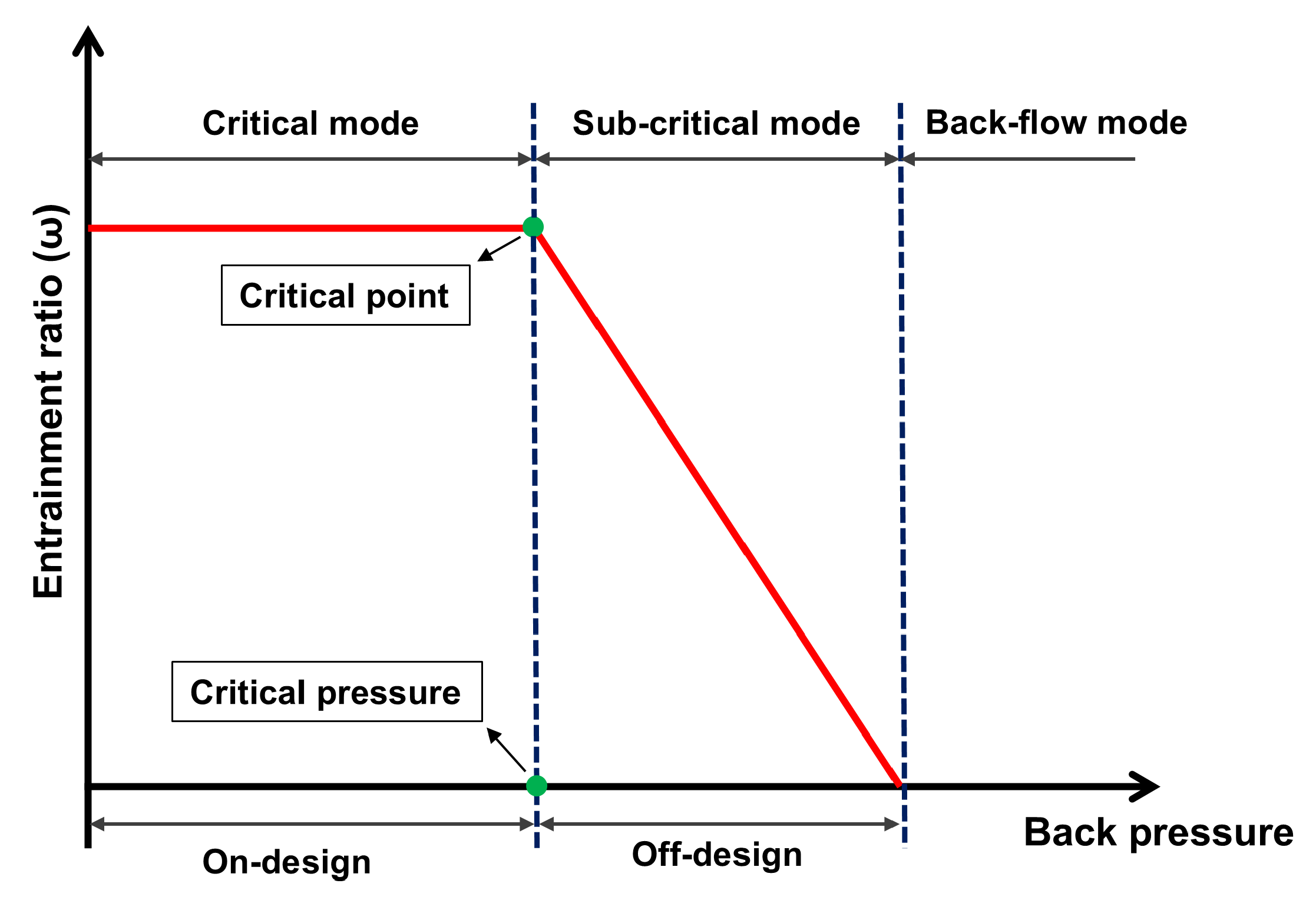
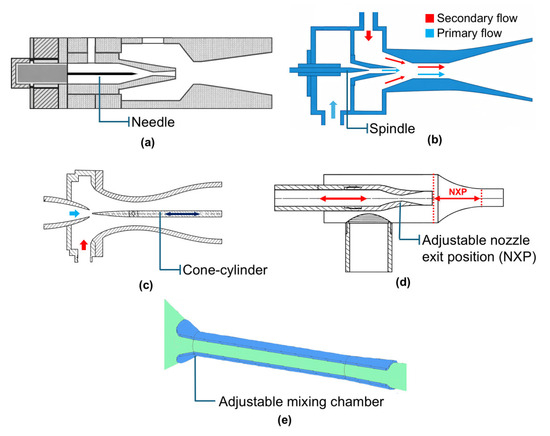
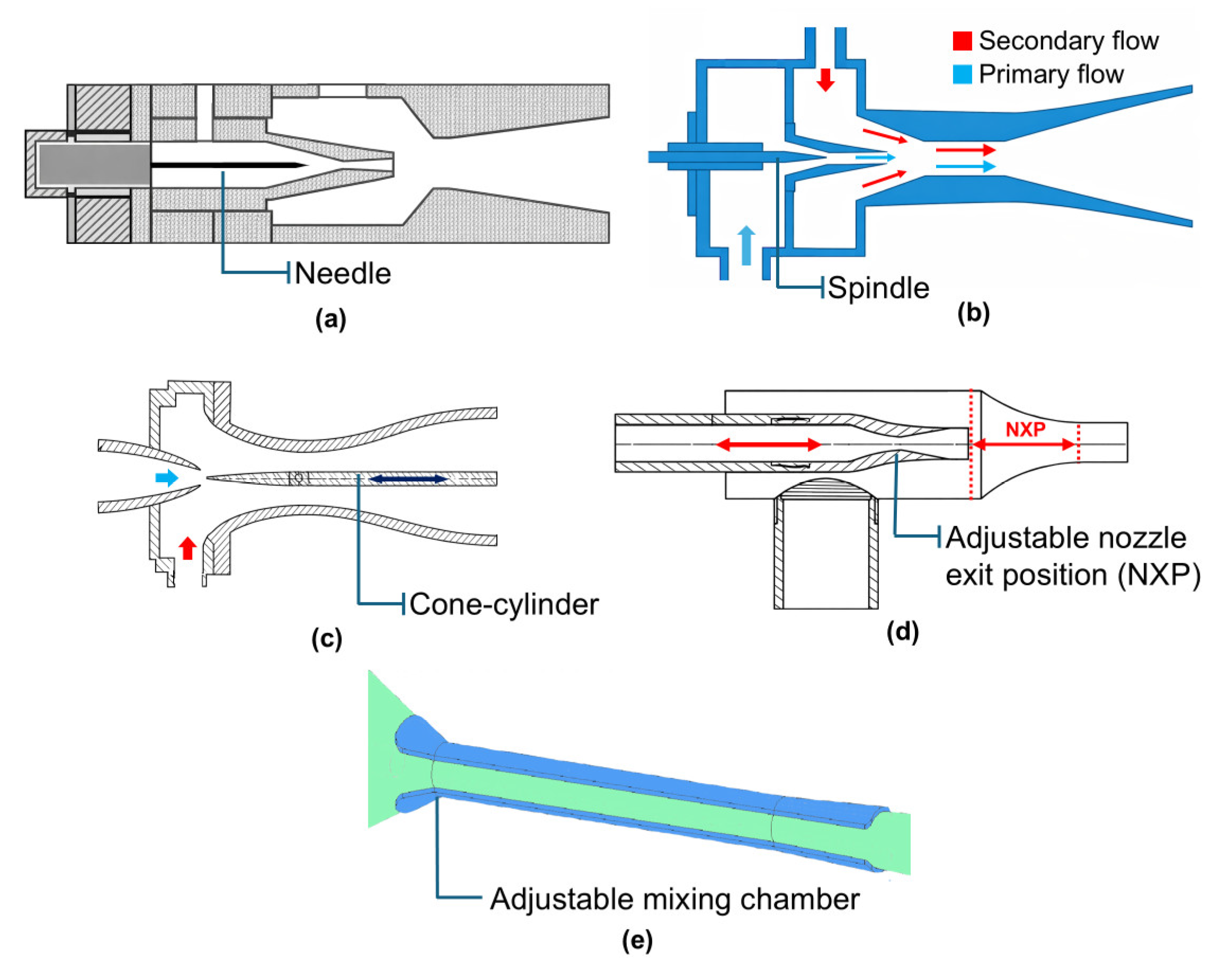
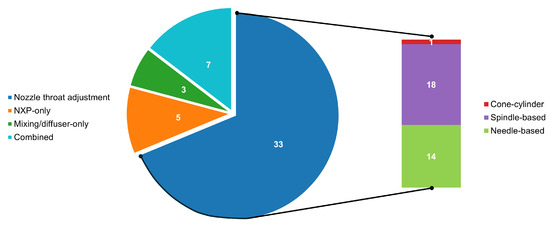
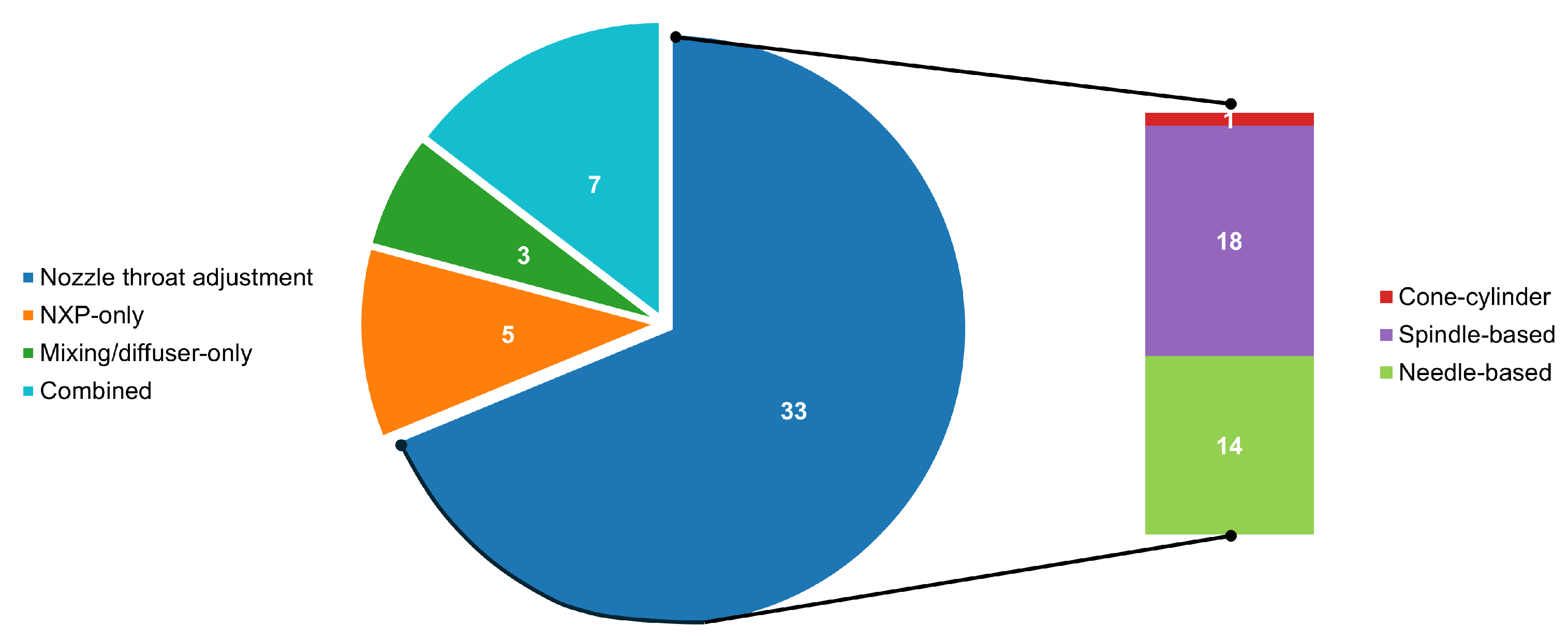
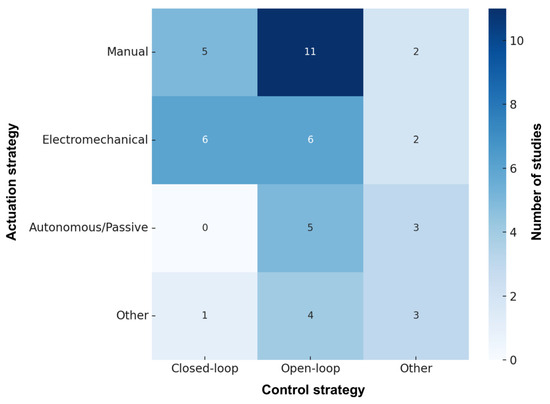
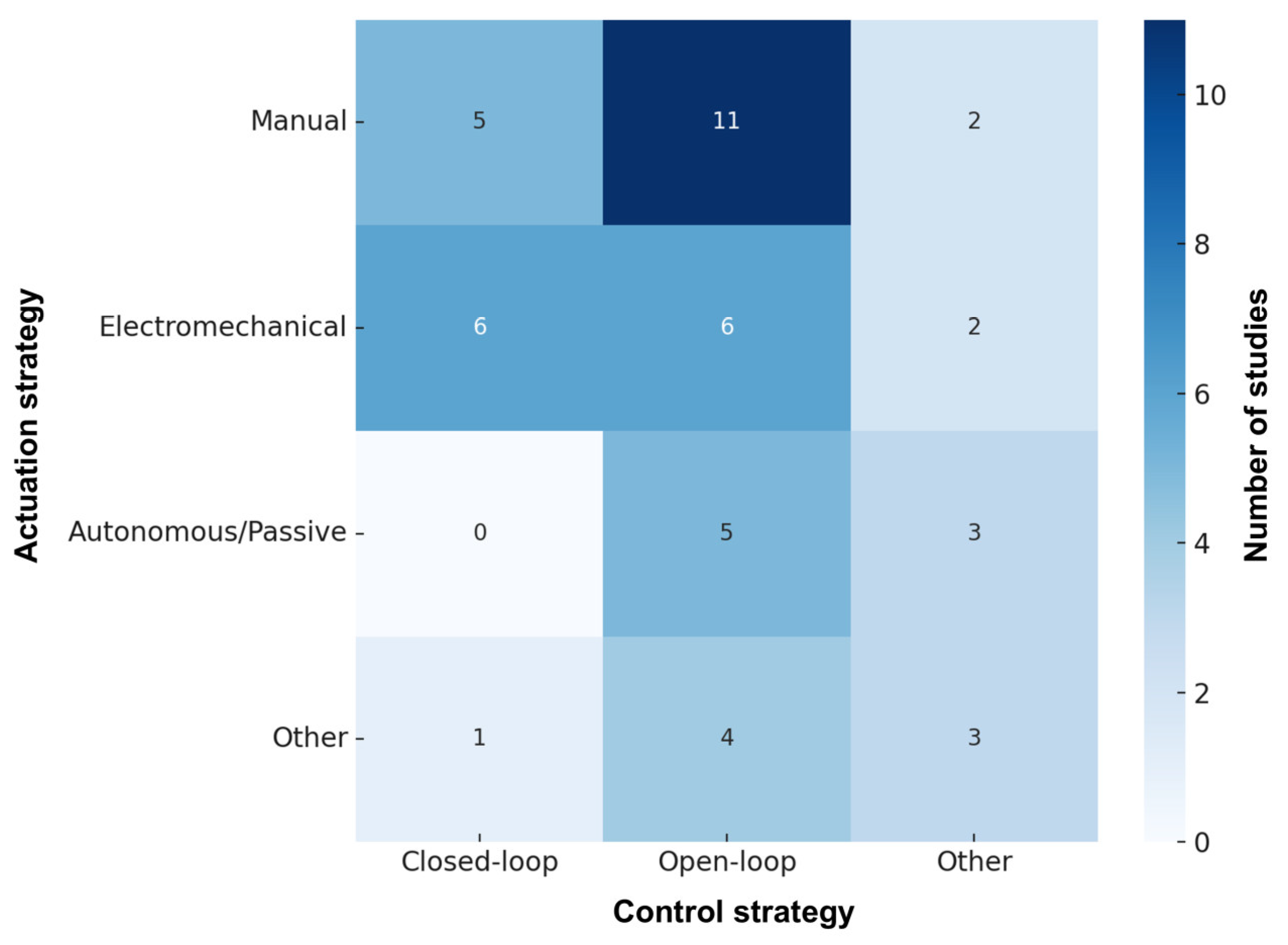
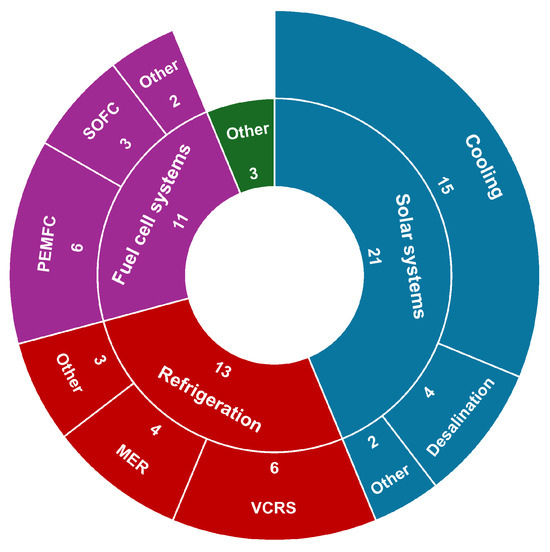
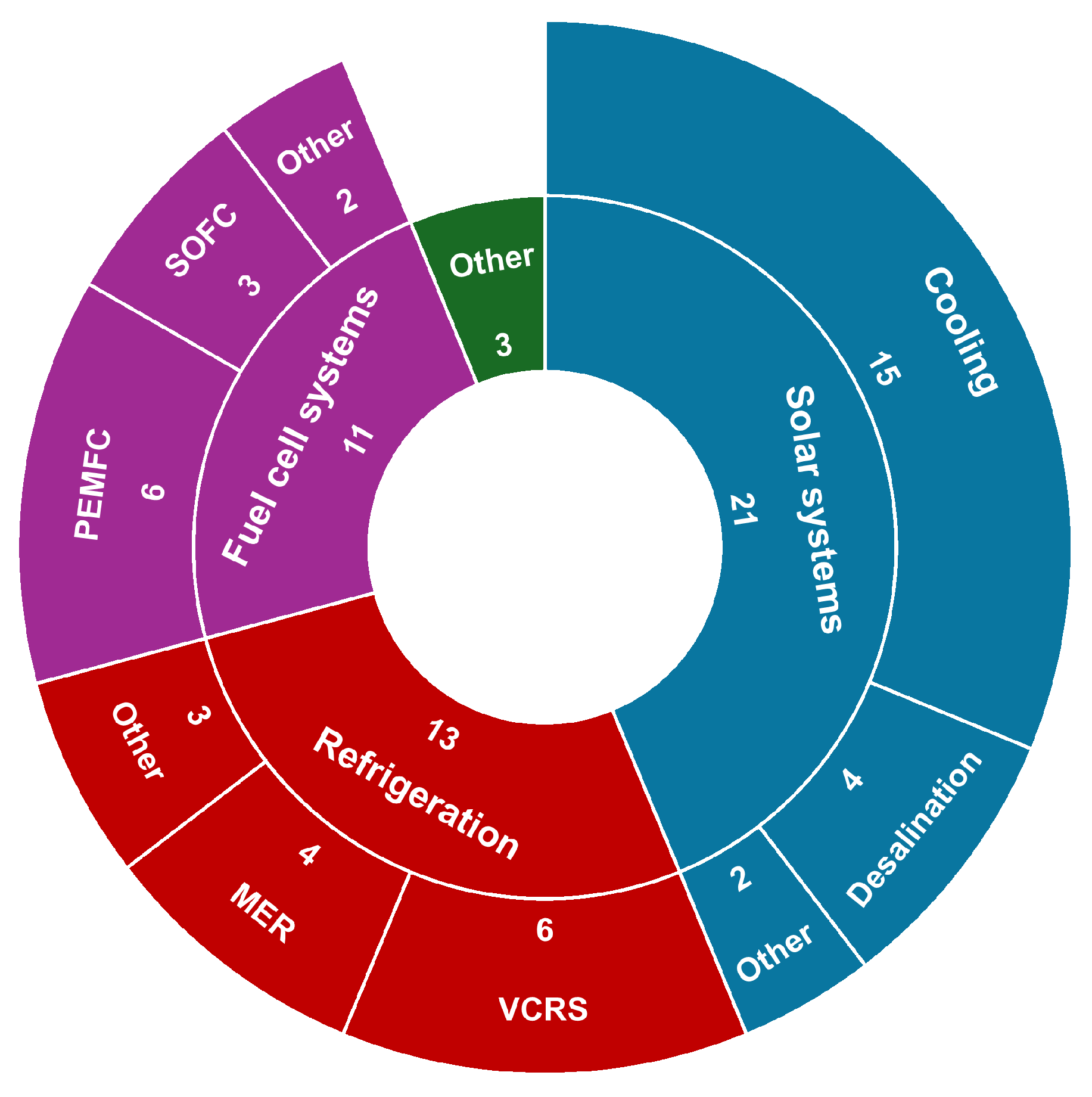
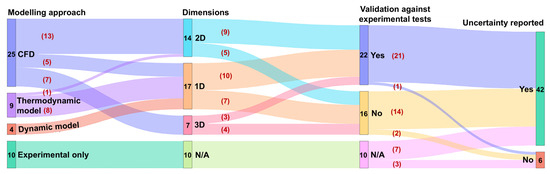
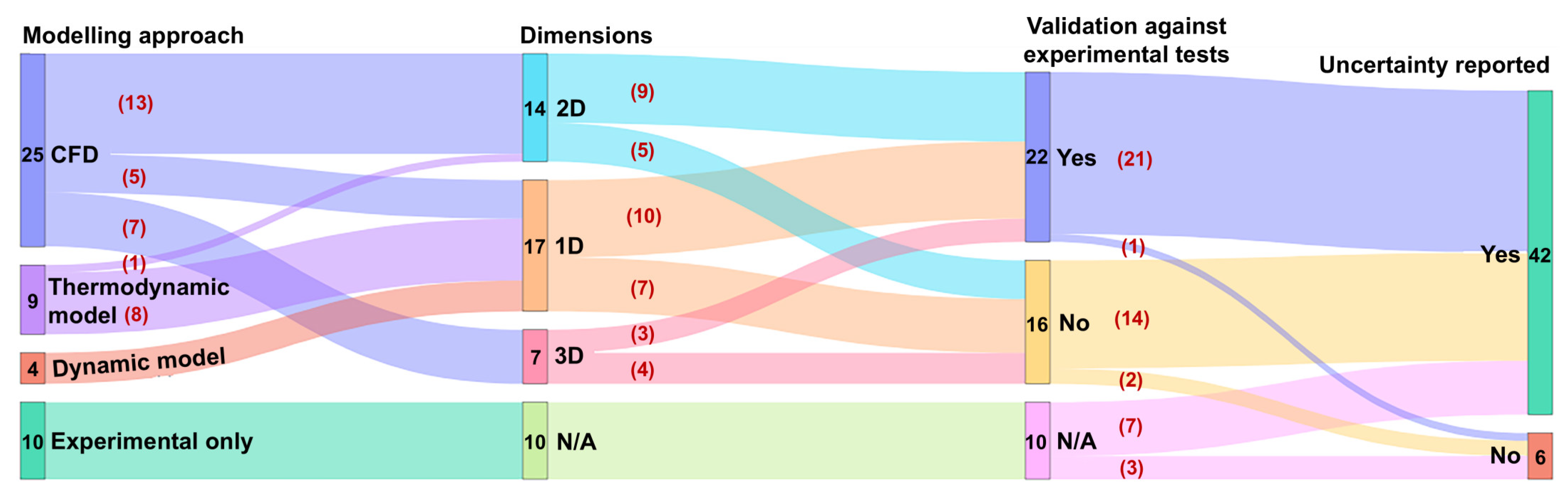
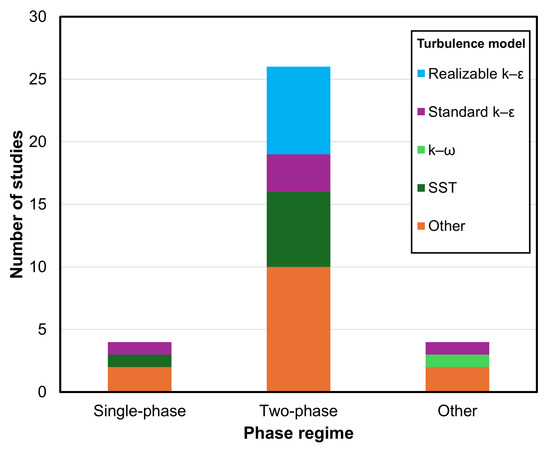
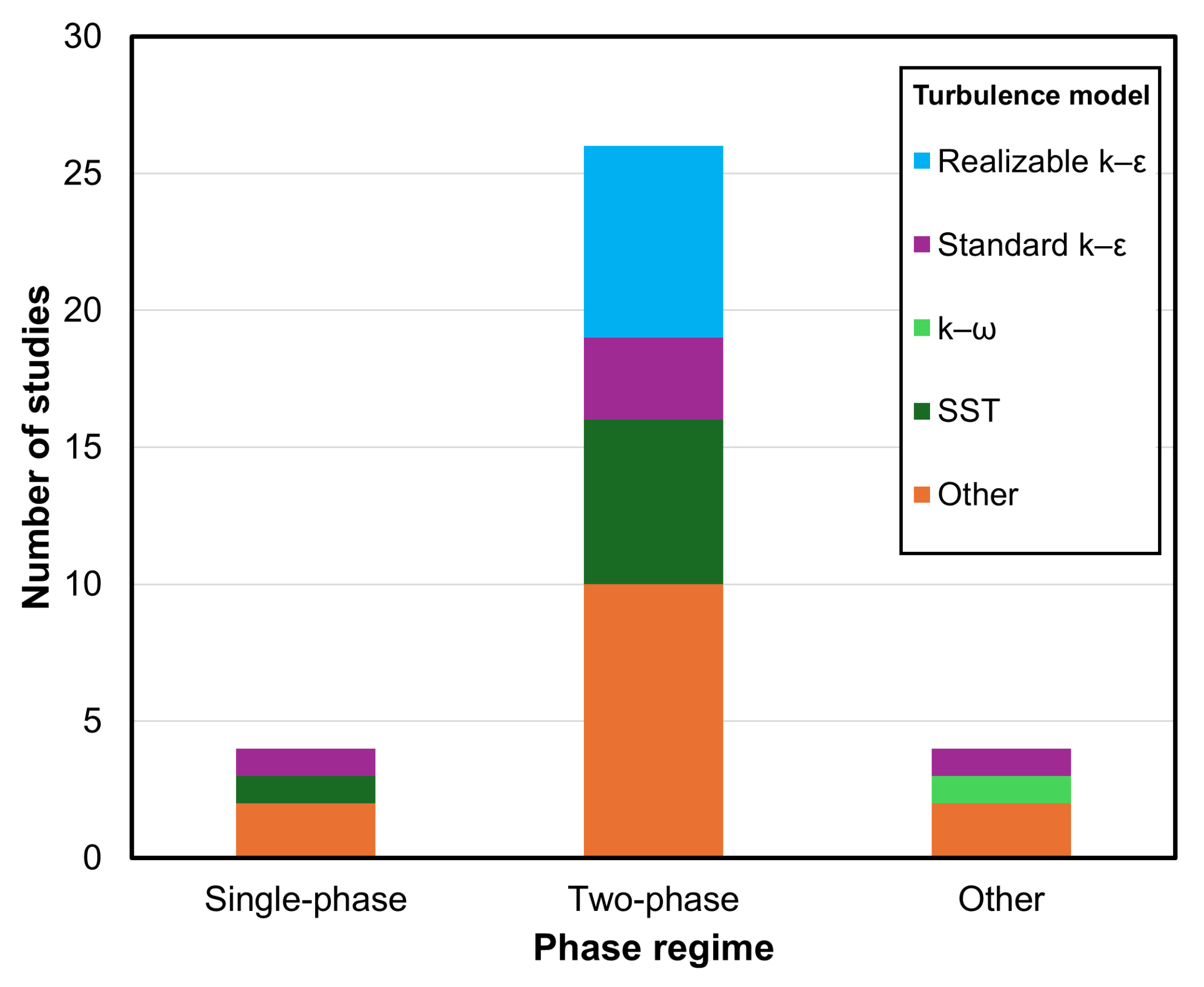
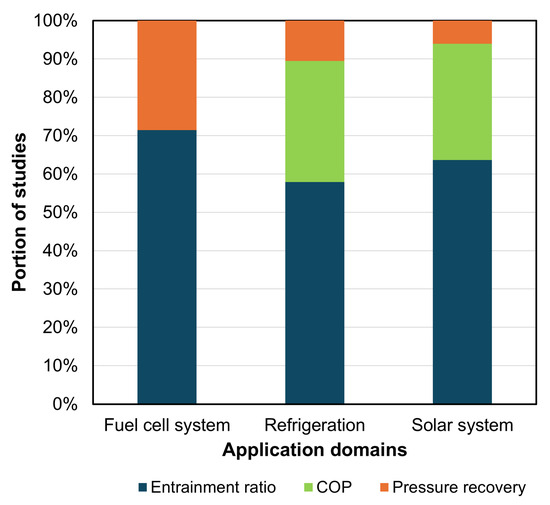
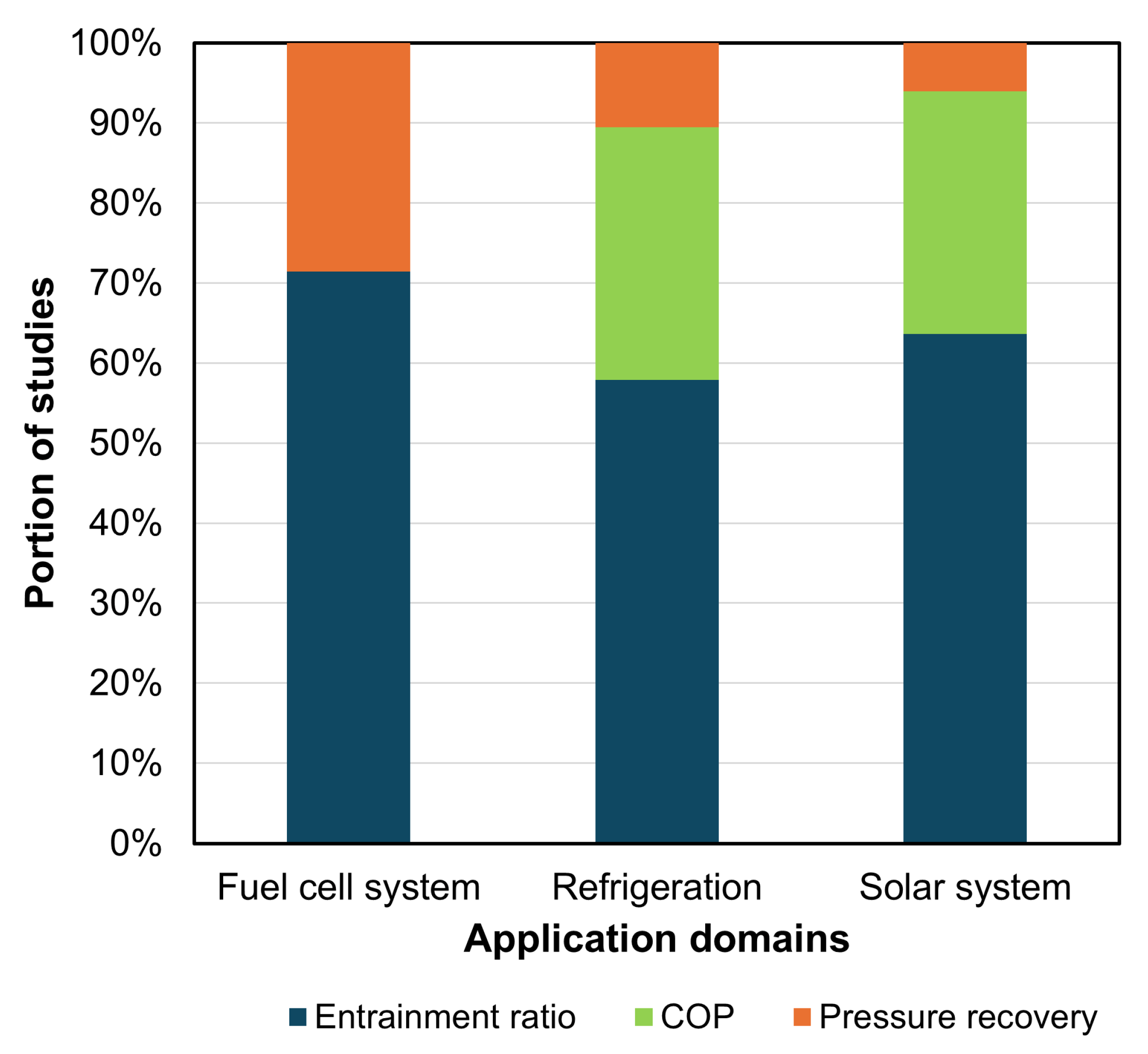
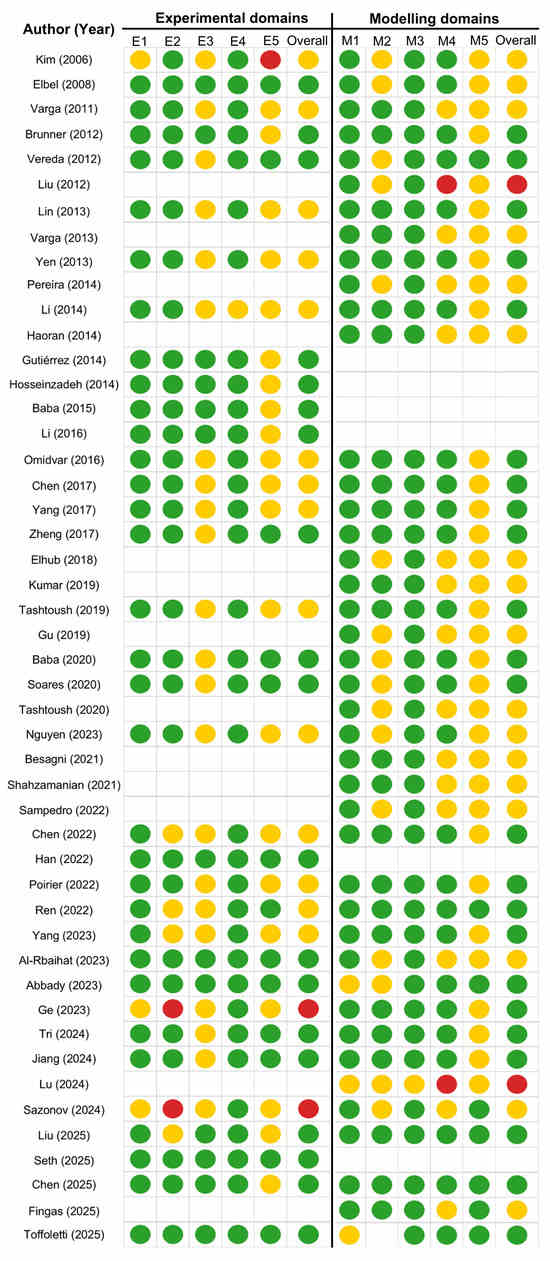
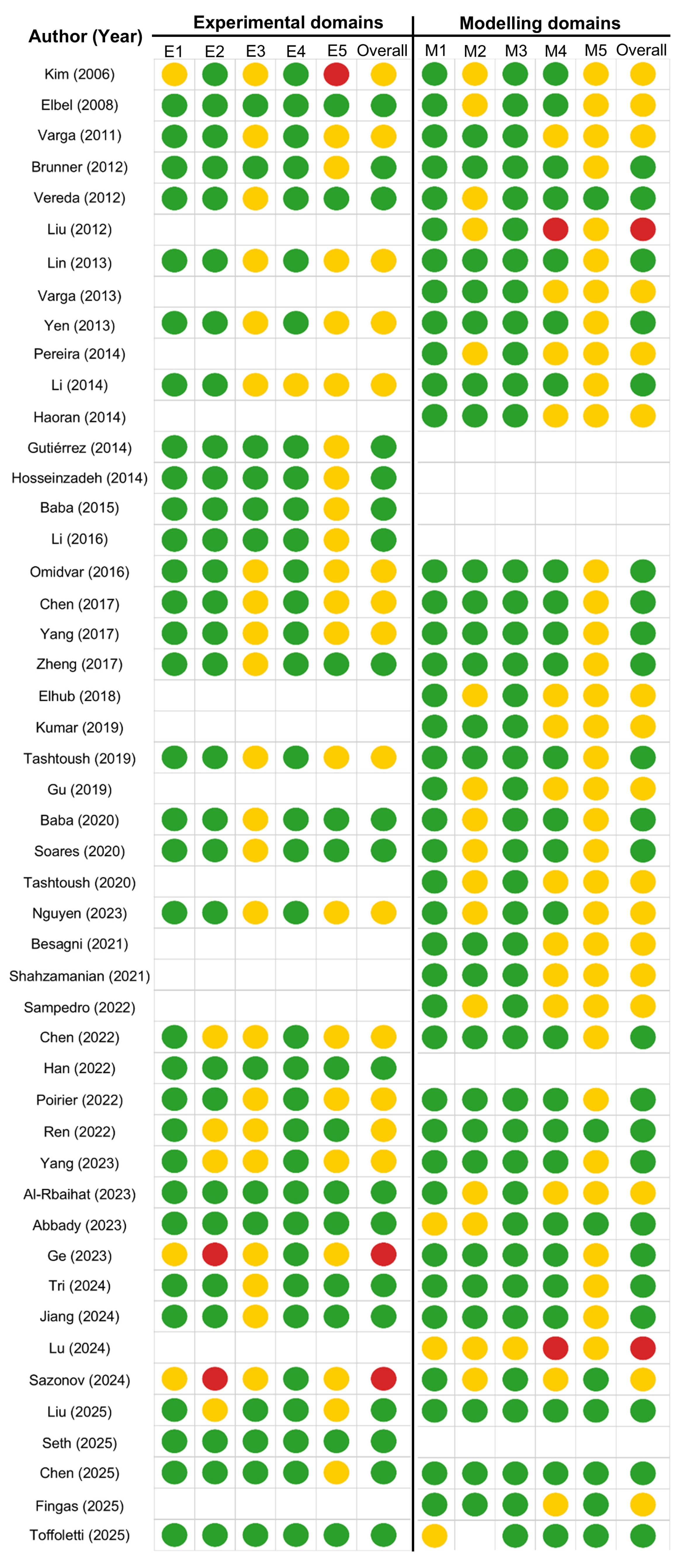

Disclaimer/Publisher’s Note: The statements, opinions and data contained in all publications are solely those of the individual author(s) and contributor(s) and not of MDPI and/or the editor(s). MDPI and/or the editor(s) disclaim responsibility for any injury to people or property resulting from any ideas, methods, instructions or products referred to in the content. |
© 2026 by the authors. Licensee MDPI, Basel, Switzerland. This article is an open access article distributed under the terms and conditions of the Creative Commons Attribution (CC BY) license.