


Abstract
The need to mitigate climate change has increased interest in Waste-to-Energy (WtE) plants, which reduce landfill use while generating power, but remain significant sources of carbon dioxide emissions. Carbon Capture, Utilization, and Storage (CCUS) represents a promising pathway to substantially reduce emissions from WtE facilities and, when applied to WtE, it can enable net-zero or carbon-negative systems by capturing both non-biogenic and biogenic CO2. This review systematically analyzes existing Waste-to-Energy plants implementing carbon capture technologies. By collecting and critically assessing the available technical and operational information, this work provides a comprehensive synthesis that is currently lacking in the literature. Based on the reported data, only a limited number of WtE plants with CCUS are operating worldwide. Among these, facilities with the most detailed publicly available information are located in Saga City (Japan), Twence (The Netherlands), Klemetsrud (Norway), Duiven (The Netherlands), and Copenhagen (Denmark). This review highlights the current deployment status of WtE + CCUS systems and identifies key insights to support future research and large-scale implementation.
1. Introduction
The increasing urgency to mitigate climate change has intensified global efforts to reduce greenhouse gas emissions across all sectors of the energy system. Among these, waste management and energy recovery play a dual role by addressing the growing volume of Municipal Solid Waste (MSW) while contributing to power generation. Waste-to-Energy (WtE), also referred to as Energy-from-Waste (EfW), plants are widely deployed to reduce landfill dependence and recover energy from waste streams. However, despite their benefits in waste volume reduction and energy production, WtE facilities remain significant point sources of carbon dioxide emissions. Carbon Capture, Utilization, and Storage (CCUS) has emerged as a key technological pathway to substantially reduce CO2 emissions from large stationary sources. The integration of CCUS into WtE plants presents a unique opportunity not only to mitigate non-biogenic CO2 emissions but also to achieve negative emissions when biogenic carbon fractions in waste streams are captured and permanently stored or utilized. As a result, CCUS-equipped WtE facilities are increasingly recognized as net-zero and carbon-negative energy systems [1,2,3].
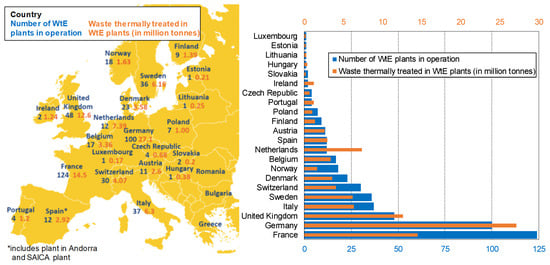
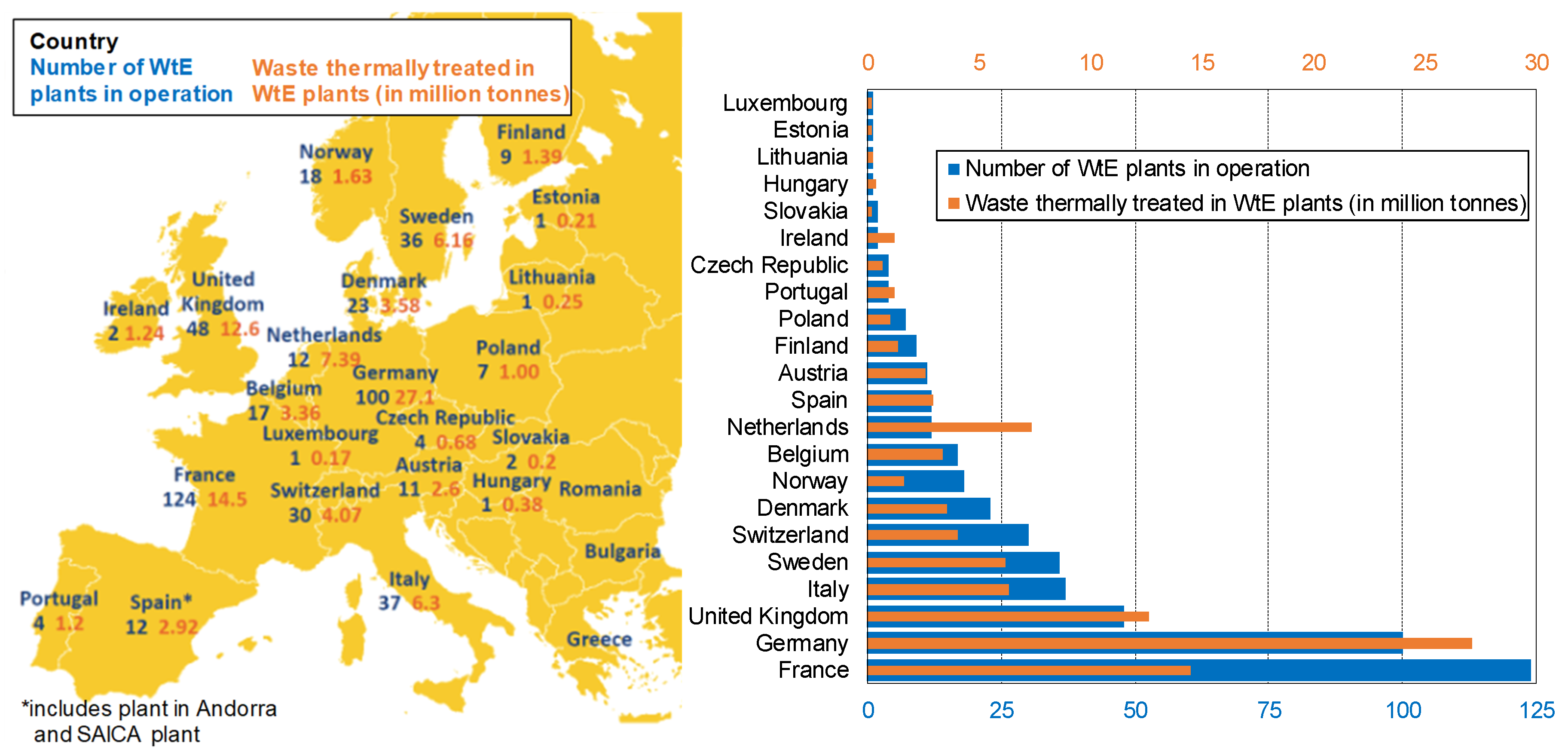
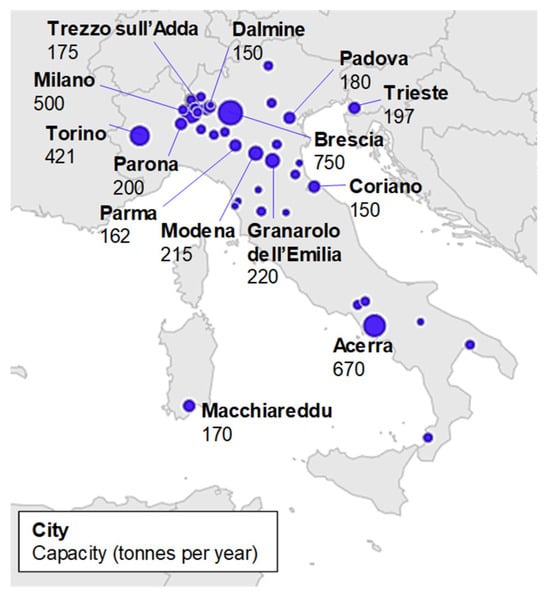
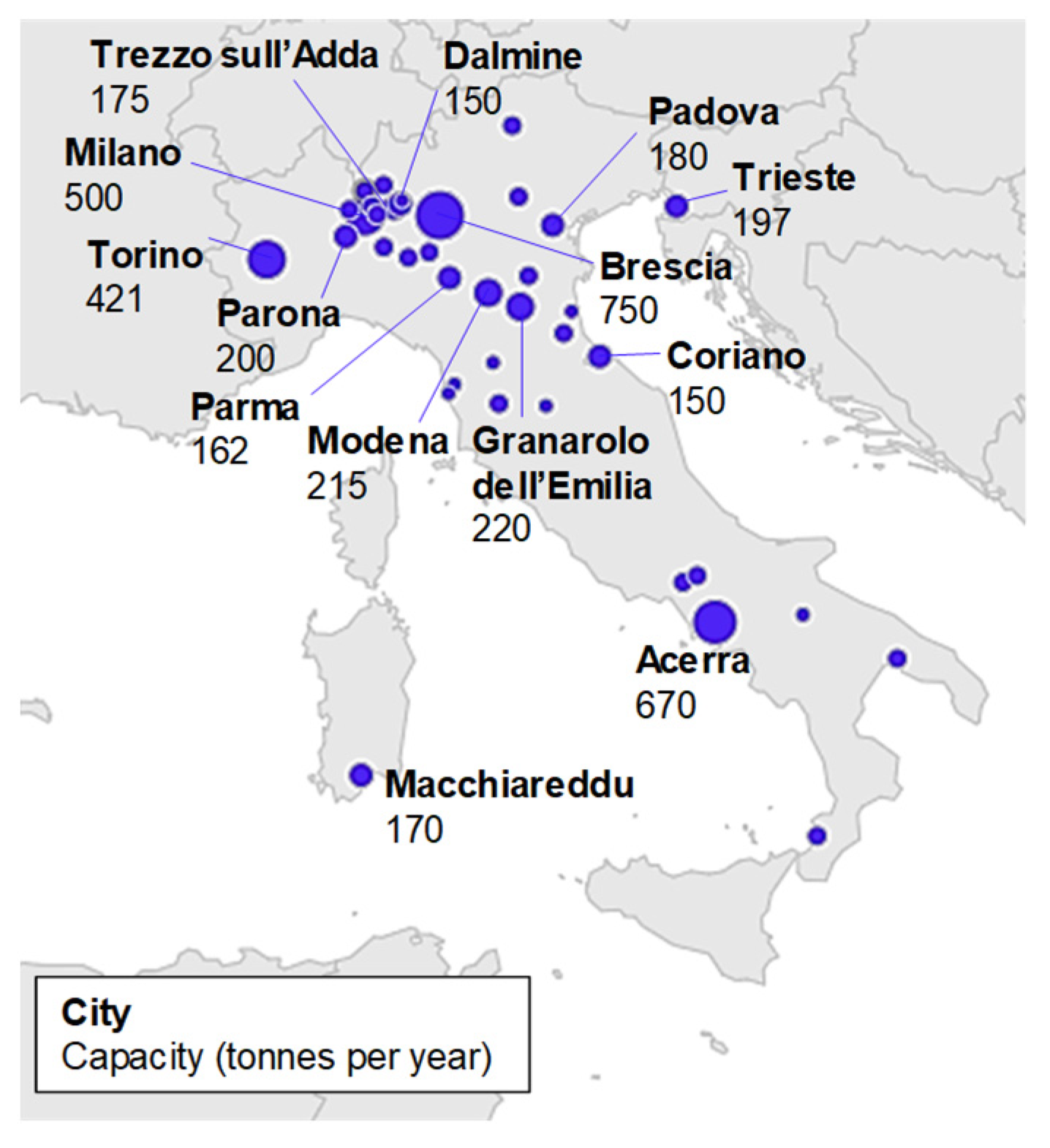
Waste-to-Energy plants take non-recyclable waste and convert it into useful energy, usually electricity and sometimes heat. Waste is first delivered to the facility, where it may be sorted to remove unsuitable materials. The waste is then processed to release its energy, most commonly by controlled combustion, although some plants use gasification or biological processes. The heat or combustible gas produced is used to generate steam, which drives a turbine connected to a generator. Throughout the process, exhaust gases are treated with emission-control systems to reduce pollutants in accordance with national regulations. Worldwide, more than 2430 WtE plants are currently in operation, and an increase to over 2700 plants by 2027 has been estimated [4]. Europe is the largest and most advanced market for WtE plants, mainly due to the European Union (EU) Circular Economy Package [5] adopted in January 2018, which sets targets for 2030 concerning the minimum amount of MSW to be recycled and limits (a maximum of 10%) the amount of waste that can be landfilled [6]. Globally, WtE plants have processed approximately 69 million tons of MSW (or about 20% of EU waste), generating 30 TWh of electricity and 55 TWh of thermal energy [5], although it is reported that, in recent years, about 40% of EU waste is still landfilled [7]. Figure 1 and Figure 2 show the most recent available data collected by the Confederation of European Waste-to-Energy Plants (CEWEP) for Europe and Italy. In Italy, some feasibility studies are underway and the design of a first pilot project by A2A S.p.A. is in progress to investigate the application of CCUS to WtE plants owned by the same company [1,2,8].
Figure 1.
WtE plants in Europe [9].
Figure 2.
WtE plants in Italy [10].
A range of CO2 capture technologies is available, including chemical absorption, physical absorption, adsorption, membrane separation, and cryogenic processes [11]. Following capture, CO2 is typically transported and permanently stored in geological formations. However, a major barrier to large-scale deployment of CCS is the limited availability of dedicated infrastructure for CO2 transport, such as pipeline networks, and for geological storage. This constraint is particularly critical for urban WtE plants, which are often located far from suitable storage sites, with high logistical complexity and associated costs. As an alternative to geological storage, captured CO2 may be utilized in the production of synthetic fuels, chemicals, or construction materials, contributing to circular economy strategies.
This review systematically analyzes existing Waste-to-Energy plants where carbon capture, typically post-combustion capture based on chemical absorption for which several solvents are employed and are still under development [12,13], is applied, offering a comprehensive synthesis that is currently lacking in the literature.
Currently, based on the information reported in the literature, only a limited number of Waste-to-Energy plants with Carbon Capture, Utilization and Storage (WtE + CCUS) are operating worldwide. The WtE + CCUS plants for which more detailed information is available (listed in Table 1) are located in Saga City (Japan), Twence (The Netherlands), Klemetsrud (Norway), Duiven (The Netherlands), and Copenhagen (Denmark).
Furthermore, the construction of additional WtE + CCUS plants is planned in the near future in Yokohama (Japan), Alkmaar (The Netherlands), Niederurnen (Switzerland), Haverton Hill (UK), Amsterdam (The Netherlands), and Rozenburg (The Netherlands).
Sekisui Chemical Co., Ltd. (Osaka, Japan) and Hitachi Zosen Corporation (Osaka, Japan) have begun studying the implementation of CO2 capture from WtE plants for methanation or ethanol production from syngas [14]. A Norwegian study on the integration of CO2 capture at the Returkraft WtE plant is also available in the literature [15].
Table 1.
Existing WtE + CCUS plants.
2. Methods
A structured literature search is conducted to identify studies reporting the application of CCUS technologies to WtE plants. Peer-reviewed journal articles, conference proceedings, technical reports, and publicly available project documentation are considered. The search is performed using major scientific databases, including Scopus, Web of Science, and ScienceDirect, complemented by targeted searches of reports and project websites for operational facilities. The search strategy combines keywords related to WtE and CCUS, including “waste-to-energy”, “municipal solid waste incineration”, “carbon capture”, “CCUS”, “post-combustion capture”, and “CO2 capture”.
Studies are included if they meet the following criteria:
- the facility analyzed is a Waste-to-Energy plant;
- carbon capture is applied as part of the plant configuration;
- the study reports operational, design, or performance-related information for CCUS systems at pilot, demonstration, or full scale.
Modeling-only studies without reference to an actual facility are excluded. For each selected WtE + CCUS facility, data were extracted on plant characteristics (capacity, carbon capture technology, solvent type, capture rate), system integration, operational status, and reported performance indicators (e.g., CO2 capture efficiency, solvent degradation). When available, information on CO2 utilization or storage pathways is also collected.
Given the emerging nature of CCUS deployment in the WtE sector, the review focuses on all known WtE plants worldwide where CCUS systems are operational or planned to be operational. This resulted in a limited number of cases, which constrains the use of quantitative synthesis methods. Nevertheless, the systematic analysis of all available real-world installations provides valuable insights into an emerging technology domain and establishes a benchmark for future deployments and research.
3. Waste-to-Energy Plants with CCUS
3.1. Saga City (Japan)
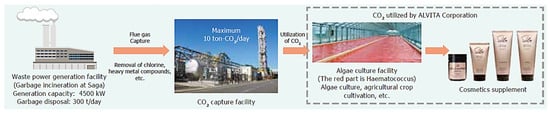
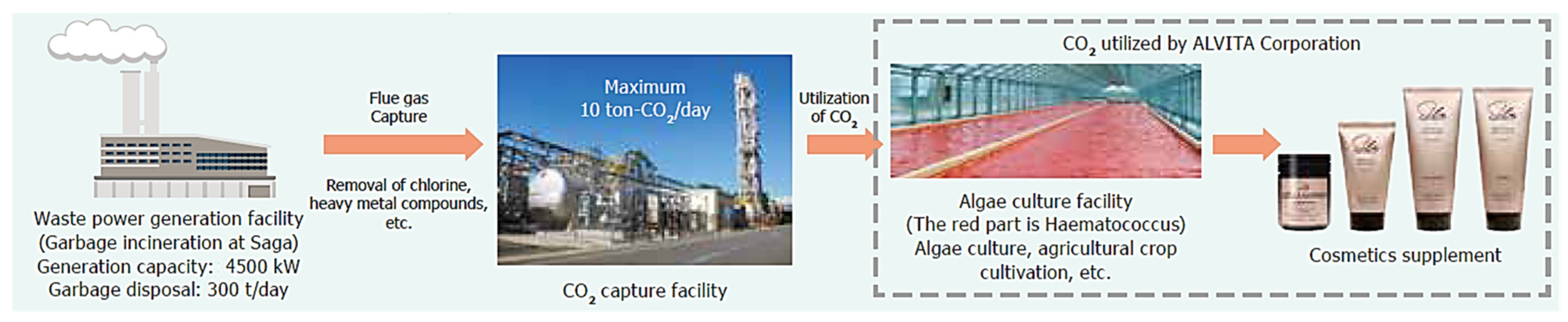
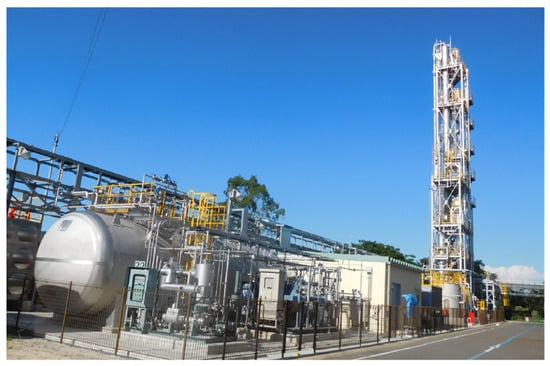
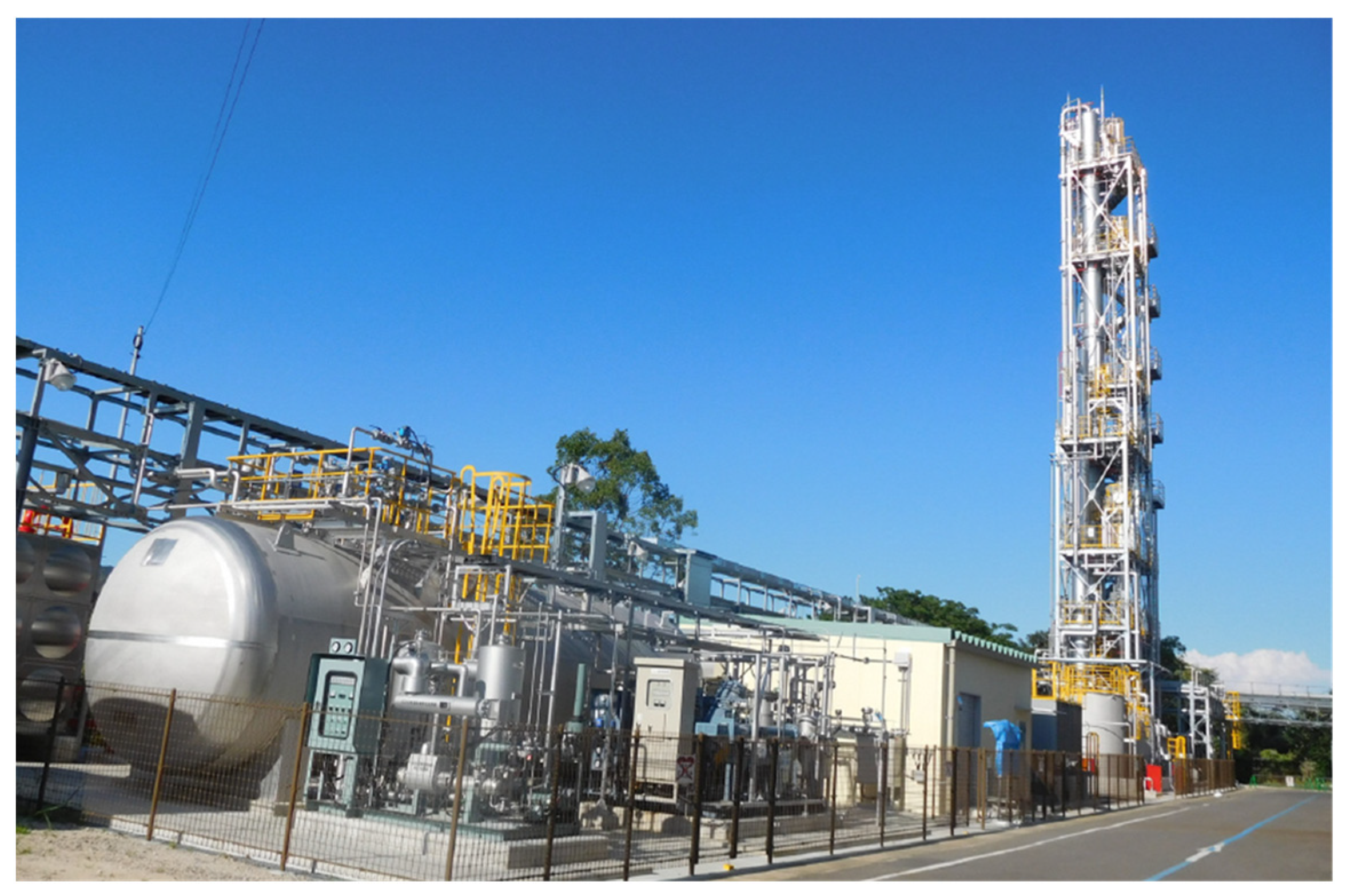
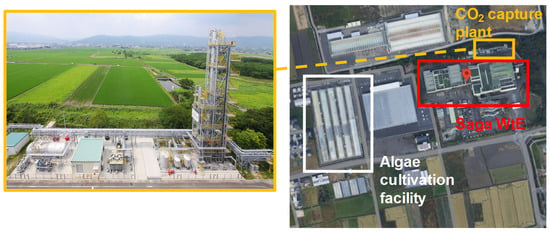
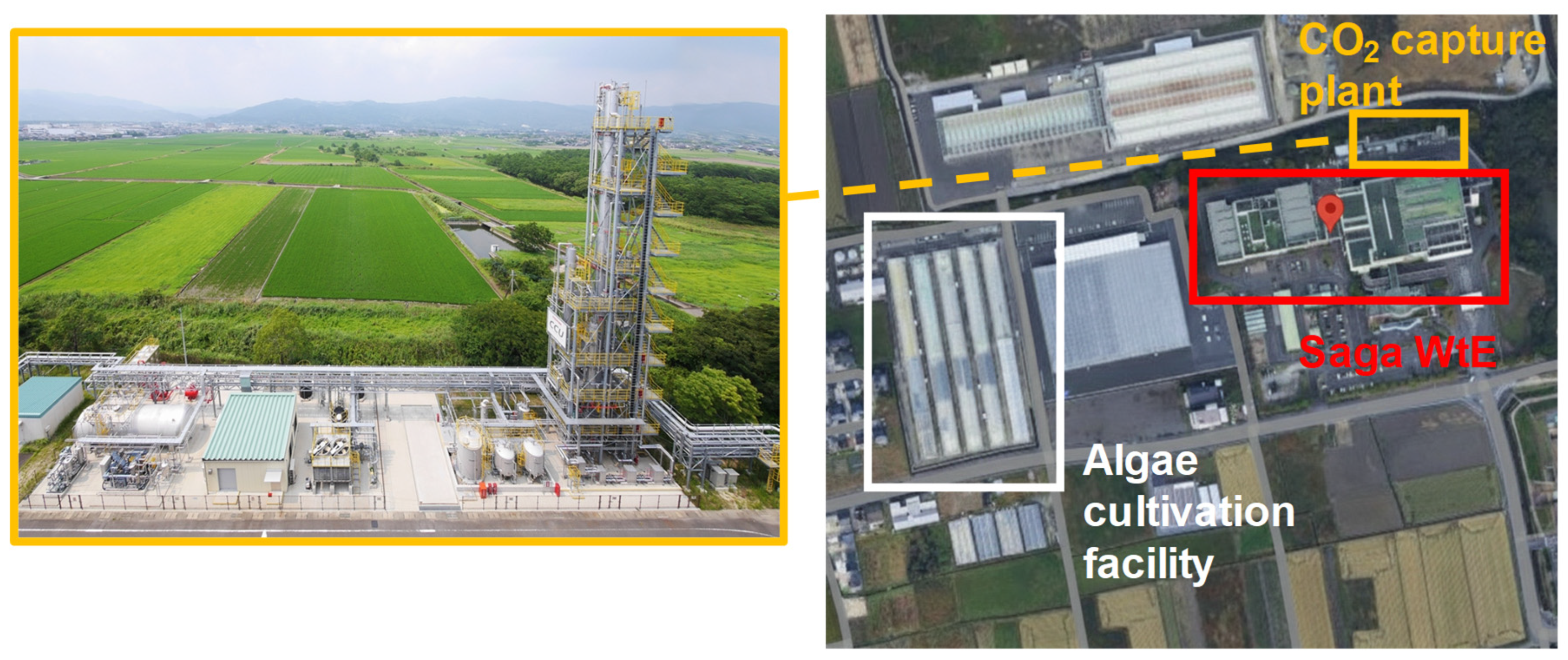
Built by Toshiba and commissioned in 2016, the Carbon Capture and Utilization (CCU) unit (Figure 3 and Figure 4) at the Saga City plant in Japan captures up to 10 t of CO2 per day from the flue gases emitted by the facility. The captured CO2 is conveyed to a glass-covered algae cultivation system [16] located a few hundred meters away (Figure 5). CO2 capture is based on chemical absorption [17] using a Toshiba proprietary solvent (“special alkaline amine solution”, a sterically hindered secondary amine [16]), also used at the Mikawa thermal power plant approximately 35 km from Saga City. Using proprietary technology, the CO2 removed from the exhaust gases is then used for cultivating algae employed in the production of body lotions and anti-aging creams exported worldwide.
Figure 3.
Scheme of the Saga City plant (Japan).
Figure 4.
The Saga City plant (Japan) [16].
Figure 5.
Layout of the Saga City plant (Japan).
In April 2021, the Japanese government announced its intention to reduce greenhouse gas emissions by 46% by 2030 [23]. In response, Saga City in Saga Prefecture has planned several environmental measures, including the “Saga City Regional Circulation Symbiotic Area Concept”, intended to enhance ongoing initiatives by leveraging the local features and resources of Saga City to create an independent and decentralized community. This initiative enabled Saga City to obtain environmental certification [23].
3.2. Twence (The Netherlands)
Twence has operated in Hengelo since 1986 and produces 688 GWh of thermal energy and 370 GWh of electricity per year—enough to provide heating for 62,500 households and electricity for 135,800 households per year. Energy is generated primarily from non-recyclable residual waste and non-recyclable industrial waste totaling over 600,000 t [24]. Each year, Twence emits approximately 250,000 t of CO2 from non-biogenic sources [25]. In 2014, Twence introduced in Hengelo the world’s first plant to capture CO2 from WtE flue gases and convert it into sodium bicarbonate used for treating emissions from its incinerator. The system is fully integrated into the plant and produces about 8000 t of sodium bicarbonate per year, corresponding to a CO2 emissions reduction of up to 3000 t/year. The Twence facility uses a standard absorption–desorption process and typically operates with 30 wt% aqueous MonoEthanolAmine (MEA) solution. The absorber packing height is approximately 6 m, its diameter 1.2 m and the packing type is Flexipak 250X. When operated with fresh MEA, the system captures approximately 70% of the CO2 [18].
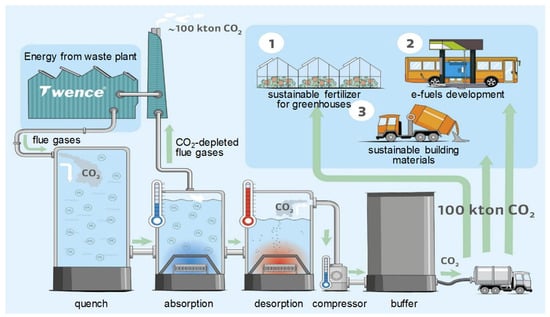
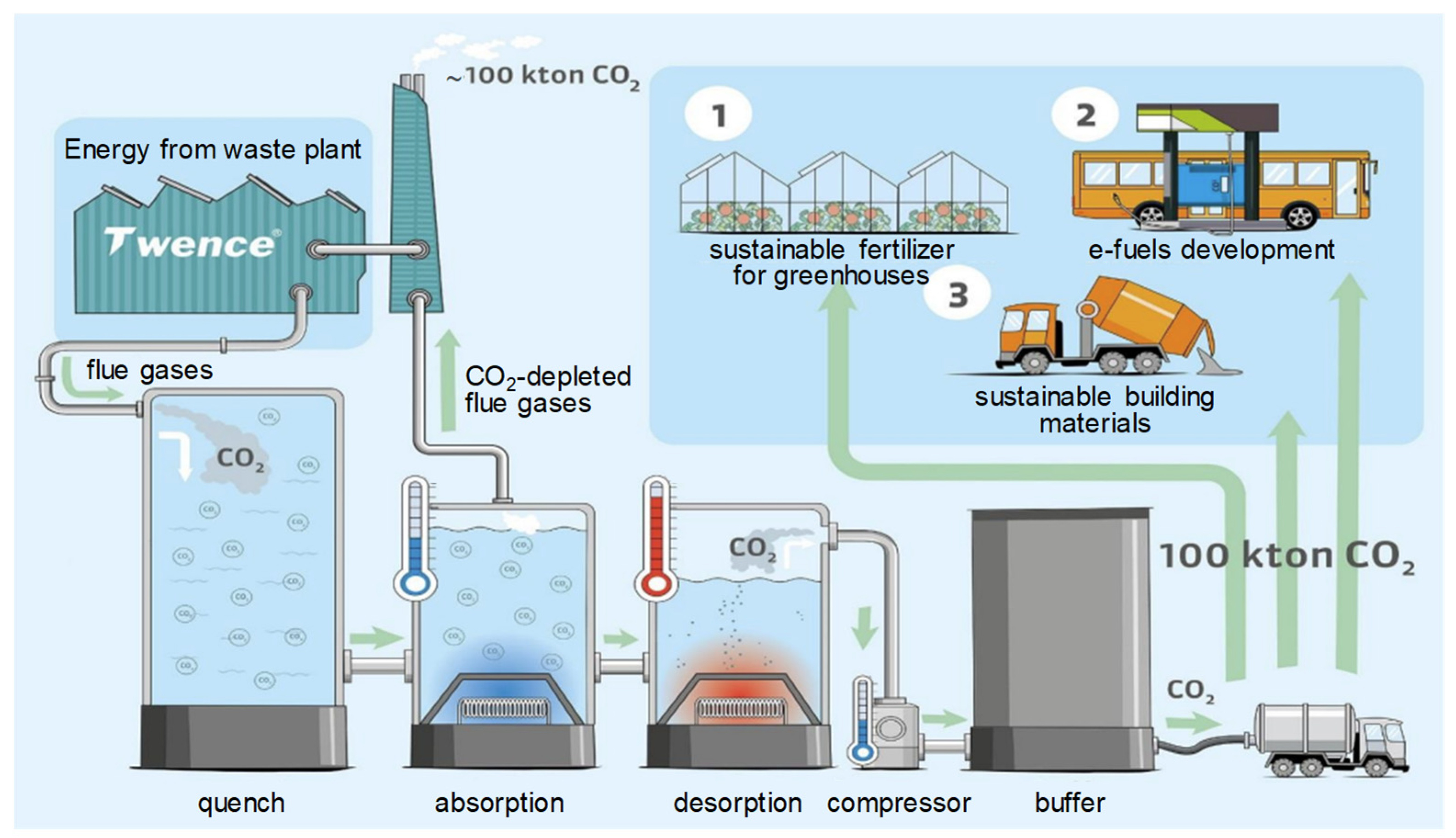
In 2020, Twence took the next step by building a small-scale CO2 liquefaction plant for use in greenhouse horticulture. In the first quarter of 2022, construction began on a large-scale facility capable of capturing 100,000 t of CO2 per year, to be used not only for bicarbonate production and horticulture but also in other sectors (food industry, construction material mineralization, chemical industry, or biofuels). The 100,000 t/year CO2 plant is based on Aker Carbon Capture’s modular “Just Catch” system [26] and is expected to be operational in the last quarter of 2023. The liquefied CO2 is stored and sold for greenhouse horticulture and dry ice production. Twence is also studying potential uses of CO2 in higher-value applications such as construction materials, cement substitutes, and basic chemicals (Figure 6).
Figure 6.
Scheme of the Twence WtE + CCU plant (The Netherlands).
3.3. Klemetsrud (Norway)
The Norwegian government has launched the large-scale “Longship” Carbon Capture and Storage (CCS) project, which will fully finance transport, storage, and one complete CO2 capture project [20].
In 2015, the Fortum Oslo Varme (FOV) WtE plant in Klemetsrud (Oslo, Norway) was selected as a candidate for government funding to build and operate a CO2 capture unit capable of more than 400,000 t-CO2/year [27,28]. The Norwegian government agreed to support the project (later renamed Hafslund Oslo Celsio) on the condition that additional funding be secured, such as from the EU. FOV applied for EU Innovation Fund financing in the second call in March 2022, after not being selected in 2021 [29].
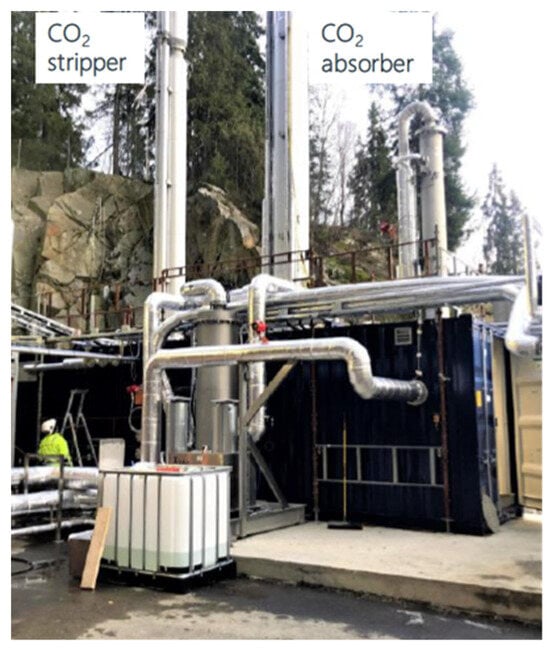
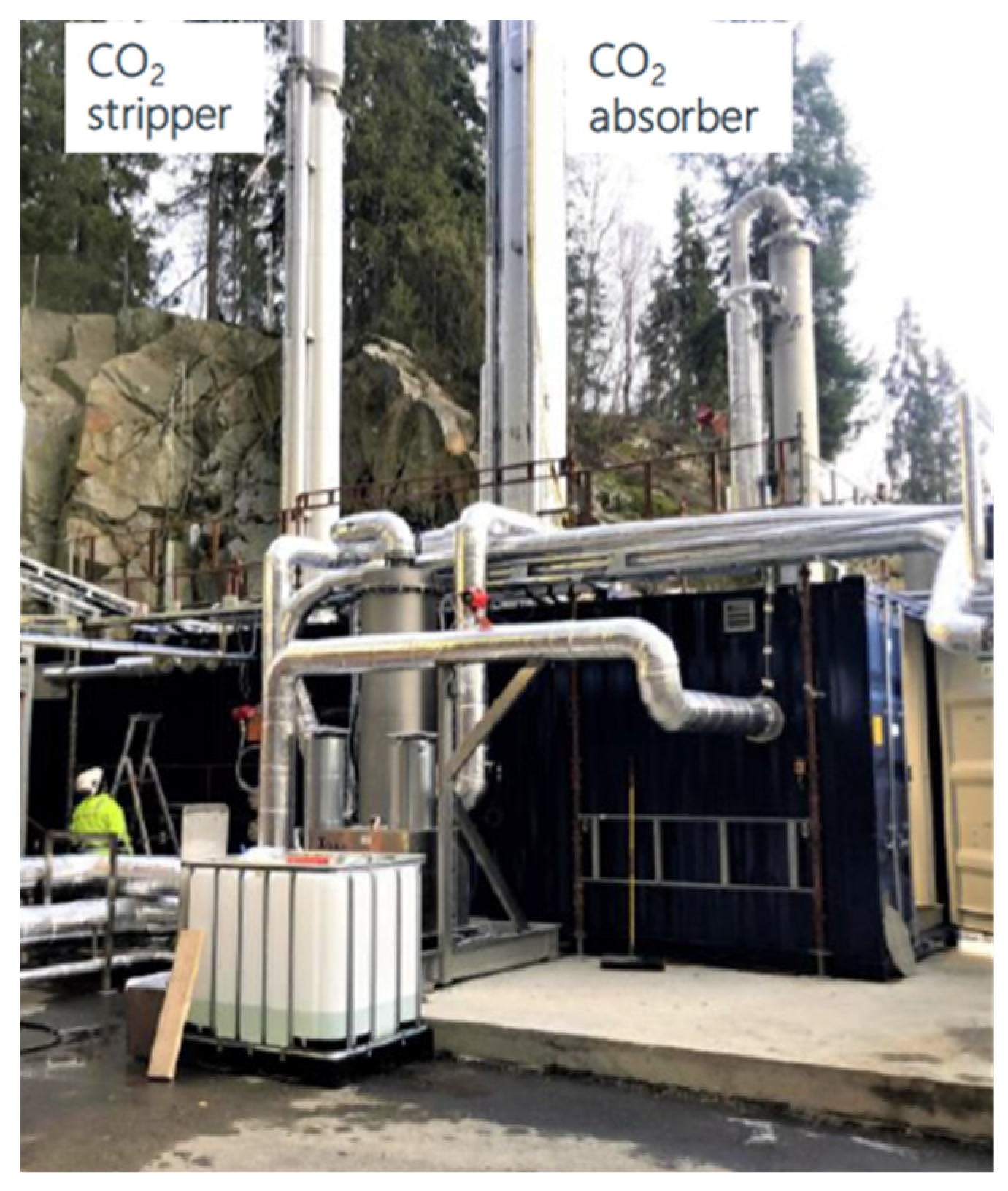
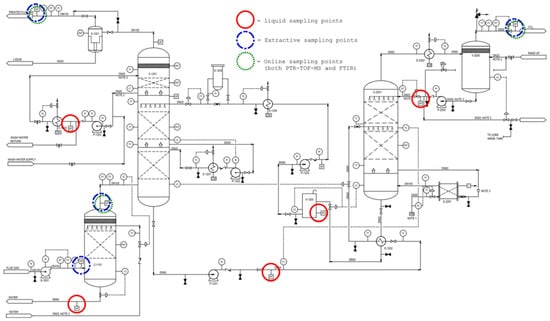
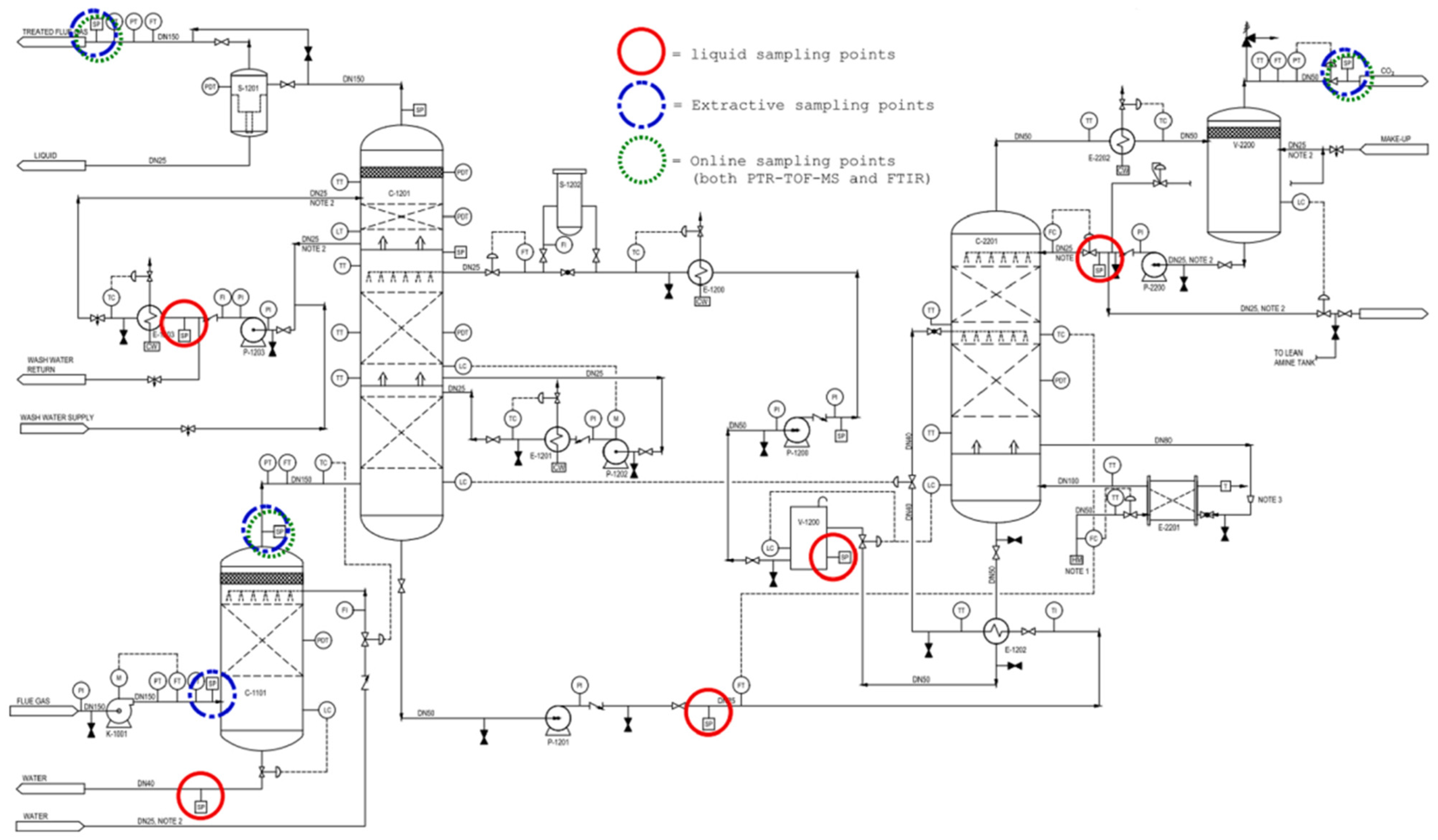
In 2018, it was decided to build a 1:350 scale pilot plant (Figure 7) capturing about 1100 t-CO2/year to validate the Shell Cansolv technology using the DC-103 solvent to remove CO2 from Klemetsrud’s flue gases [30]. The process scheme of the plant is depicted in Figure 8. The height of the absorber column is 26 m, and that of the stripper column is 17 m. The pilot plant campaigns demonstrated that the system can reliably maintain the targeted high capture efficiency of 90–95%. Results from 2019 experimental tests have been published [20]. In August 2022, the pilot plant was also used to test the CO2 Solutions™ technology commercialized by Saipem SpA [31].
Figure 7.
The Klemetsrud WtE + CCS pilot plant (Norway).
Figure 8.
Process scheme of the Klemetsrud WtE + CCS pilot plant (Norway) [20].
The captured CO2 will be sequestered in a geological reservoir 2600 m below the Norwegian seabed as part of the “Northern Lights” project [32]. Operations are expected to begin in 2024.
3.4. Duiven (The Netherlands)
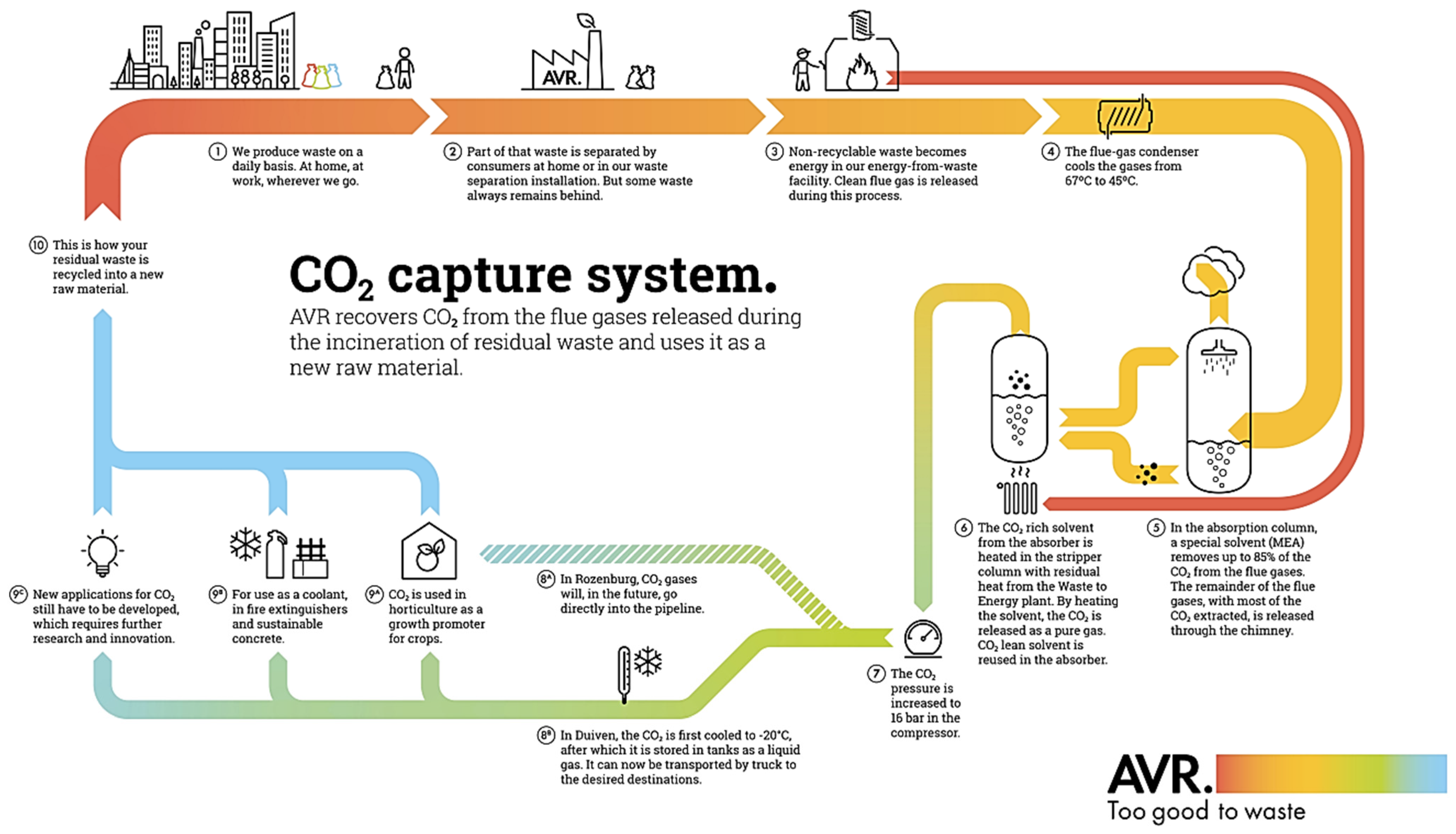
The Duiven facility produces approximately 400,000 t-CO2/year (non-biogenic and biogenic) across three lines while processing a total of 360,635 t of waste per year [33]. In May 2018, AVR decided to invest in a CO2 capture plant at Duiven for treating WtE flue gases. The captured amount is about 100,000 t-CO2/year [34], using commercial MEA. The separated CO2 is compressed to 16 bar and cooled to −20 °C to be delivered in liquid form for greenhouse horticulture (flowers, vegetables, and plants), with seasonal adjustments, via truck transport [35]. AVR has also entered into an agreement with Air Liquide for CO2 purchase, and other utilization applications are being evaluated (Figure 9).
Figure 9.
Scheme of the Duiven WtE + CCU system (The Netherlands).
3.5. Copenhagen (Denmark)
The recently built Amager Bakke incineration plant in Copenhagen (2017) is a state-of-the-art facility with one of the highest energy-recovery efficiencies in Europe and is the largest of its kind in the Nordic region. Amager Bakke is designed to treat much of Denmark’s waste with a capacity of about 600,000 t/year [36,37]. Carbon in the waste is nearly completely oxidized to CO2, with emissions between 0.7 and 1.7 t-CO2 per ton of MSW [38].
The Amager Resource Center (ARC) in Copenhagen is potentially Denmark’s first CCS project. A pilot project funded by the “Energiteknologiske Udviklings-og Demonstrations” program is currently in operation [37]. It was indicated in early 2022 that the demonstration unit—previously installed at a wastewater treatment facility [38]—would be capable of capturing 12 t-CO2/day using MEA chemical absorption and has recently been scheduled for further expansion [39]. The goal is a large-scale facility capturing 500,000 t-CO2/year and operational by 2025 [36], contributing significantly to Copenhagen’s ambition of becoming the world’s first carbon-neutral capital. The captured CO2 is expected to be sequestered or converted into green fuels (Power-to-X) [40].
3.6. Planned Plants
3.6.1. Yokohama (Japan)
Mitsubishi Heavy Industries Engineering, Ltd. (Tokyo, Japan) (MHIENG) and Mitsubishi Heavy Industries Environmental & Chemical Engineering Co., Ltd. (Kanagawa, Japan) (MHIEC), together with the City of Yokohama and Tokyo Gas Co., Ltd. (Tokyo, Japan), are preparing to start demonstration tests for capturing and efficiently utilizing CO2 emissions from a local WtE plant to support the creation of a carbon-neutral society [41].
The demonstration project will integrate MHIEC’s and Yokohama’s operational expertise in WtE plants with MHIENG’s high-performance CO2 capture technology and Tokyo Gas’s experience in methanation. The aim is to capture and effectively recycle CO2 primarily derived from household waste incineration. The planned unit is a compact CO2 capture system with a capacity of 0.3 t/day (2400 t-CO2/year) applicable to various industrial facilities. The high-purity CO2 captured from flue gases will be transported to Tokyo Gas’s Yokohama Techno Station in Tsurumi-ku, where it will be used for methanation testing (the process synthesizing methane from CO2 and hydrogen) and research on its direct utilization.
3.6.2. Alkmaar (The Netherlands)
The Alkmaar plant, operating since 1996, supplies 418,000 MWh/year of electricity and 12,222 MWh/year of thermal energy, with estimated CO2 emissions of 673,882 t/year (fossil and biogenic). Moving toward decarbonization, the company HVC is launching two initiatives to capture CO2 from WtE flue gases: “Ambience, Ambition” (project 1) and “Amazing” (project 2). The selected CCS technology is amine-based absorption, and the captured CO2 will be liquefied, transported by truck, and delivered to greenhouse horticulture companies [42]. Project 1 involves building a pilot plant integrated with the “Ambience” capture unit (Alkmaar biomass energy carbon capture use, featuring a 12 m absorption column) and the “Ambition” liquefaction unit (Alkmaar Bio-CO2 liquefaction for greenhouse use). The CO2 capture plant was built in November 2018 at the BEC Alkmaar waste incineration site. Operations were expected to begin in 2019, with an expected capture rate of approx. 0.5 t/h and about 4000 t-CO2/year. The plant was expected to operate for 12 years, with most CO2 production occurring in summer. No further information could be retrieved about the plant. Another initiative for Alkmaar is the “Amazing” project (Alkmaar feasibility study for large-scale, high-purity CO2 capture and liquefaction), consisting of a large-scale CO2 capture and liquefaction plant. The feasibility study was expected to be completed in 2019. The “Amazing” project envisions capturing 15 t/h of CO2 (about 60% of the CO2 from line AEC 4 or BEC), producing 75,000 t/year of liquid CO2, preferably in summer.
3.6.3. Niederurnen (Switzerland)
KVA Linth [43] is a WtE plant in Switzerland with a waste-incineration capacity of about 115,000 t/year and emissions of approximately 120,000 t-CO2, half of which biogenic [44]. KVA Linth is studying the potential for CO2 capture from stack gases using amine-based technology.
3.6.4. Haverton Hill (UK)
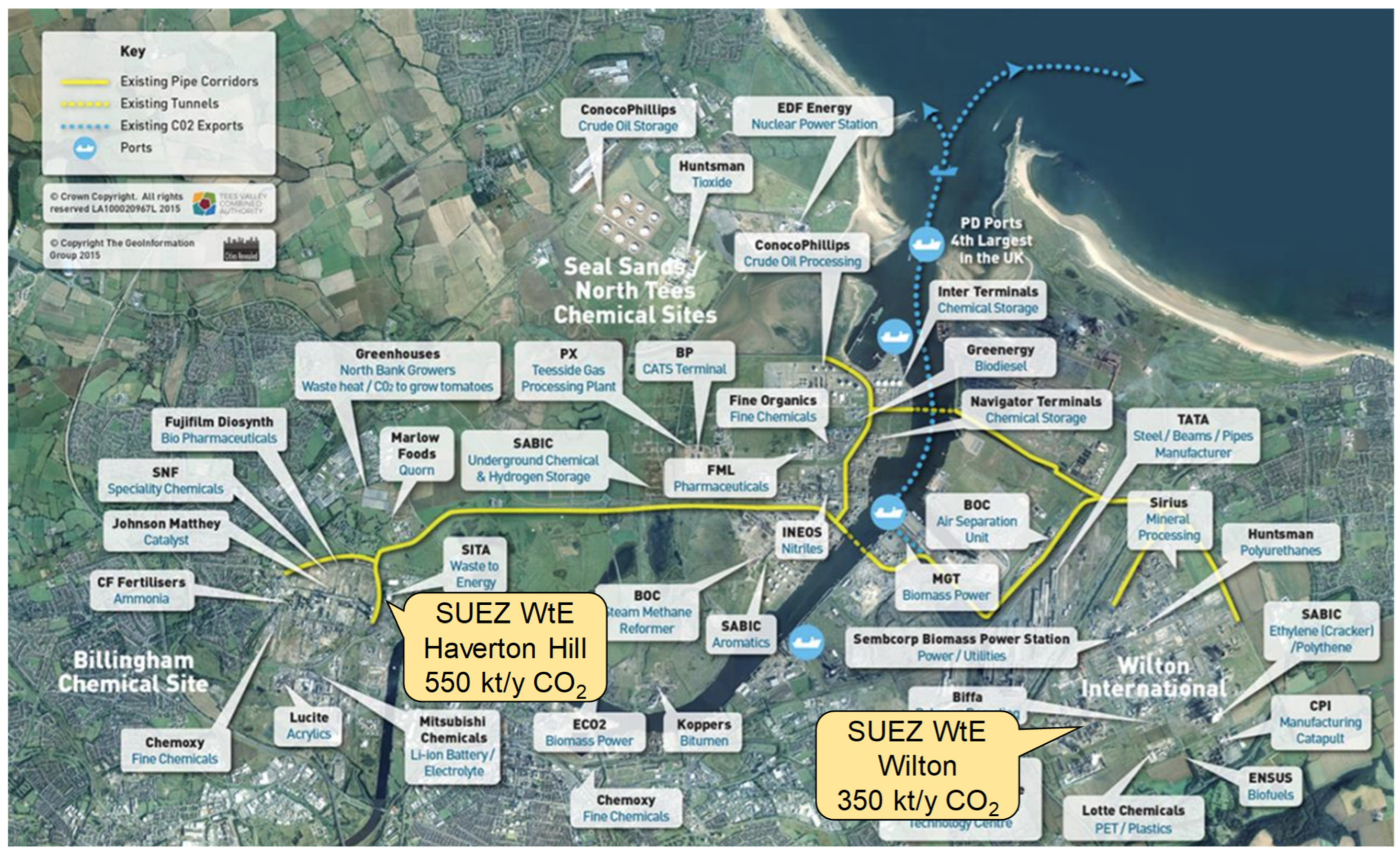
In the UK, SUEZ and BP signed a memorandum of understanding in 2020 to explore the feasibility of the nation’s first carbon capture and storage project applied to energy-from-waste [45,46]. The “Net Zero Teesside Carbon Capture, Utilization and Storage” project aims to capture up to 10 million tons of CO2 emissions—the equivalent of the annual energy consumption of more than 3 million UK households (Figure 10).
Figure 10.
Scheme of the Teesside Valley WtE + CCU system.
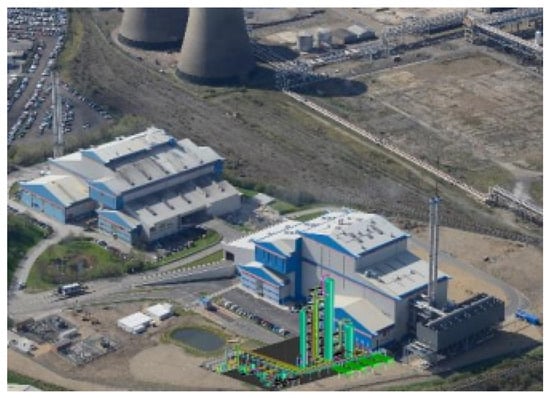
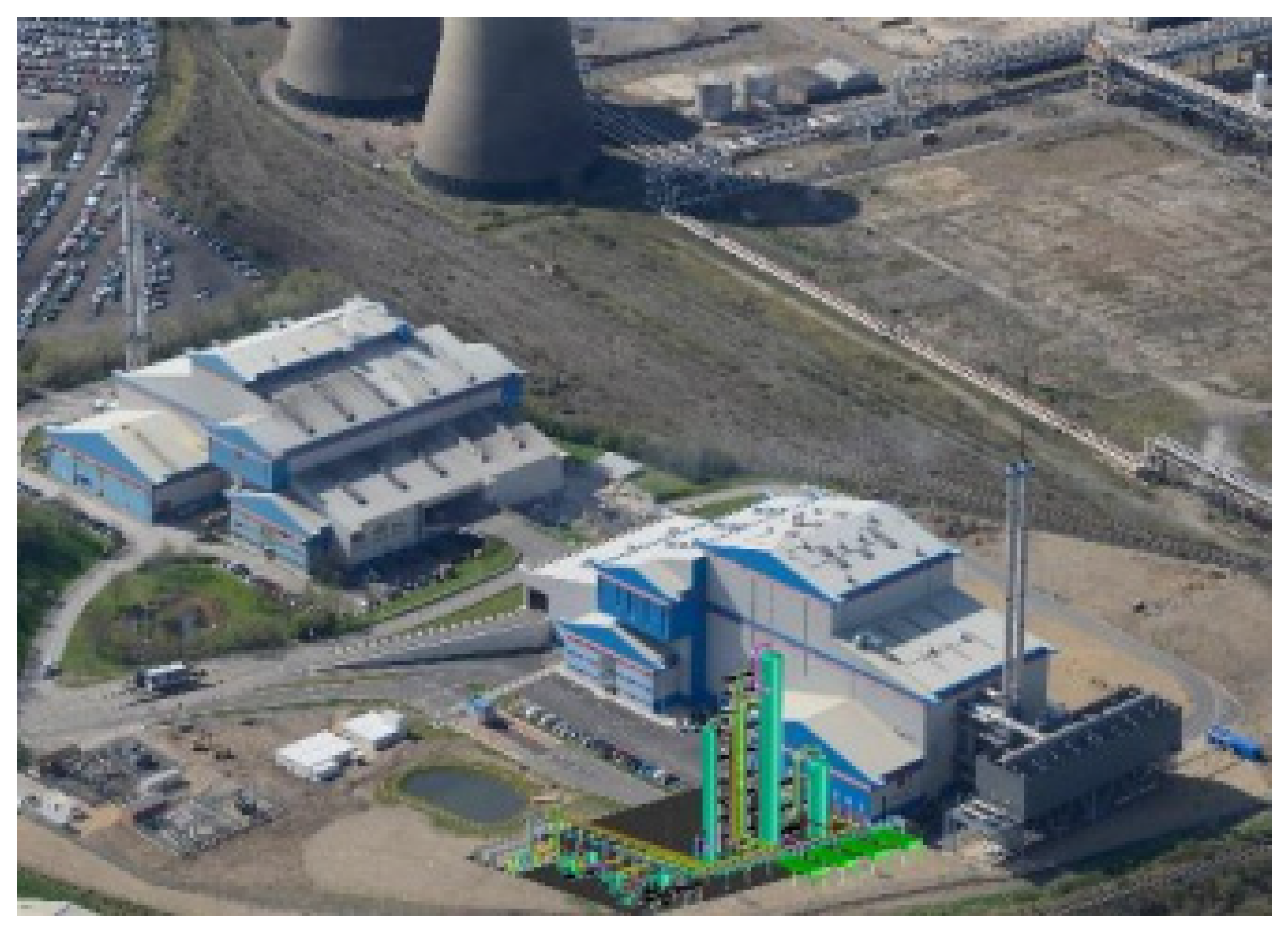
The commercial-scale demonstration plant, based on a modular system, will operate at Haverton Hill in Teesside. The Teesside Energy from Waste plant at Haverton Hill is an MSW incinerator and WtE power station providing 29.2 MW of electricity to the national grid while burning 390,000 t/year of household and commercial waste. The plant under engineering design is intended to capture 162,000 t-CO2/year using an amine-based solvent for underground storage [47]. The goal is to remove 90% of the CO2 emitted by the incineration plant (Figure 11). Efforts are underway to evaluate several CCUS hubs involving large, clustered CO2-emitting facilities sharing transport and storage solutions to improve CO2 supply continuity and achieve significant economies of scale. A report by Eunomia Research & Consulting Ltd. (Bristol, UK) [48] identified 15 WtE plants near five major UK CCUS hub projects. These clusters are expected to represent the first phase of WtE + CCUS implementation in the UK. Another 14 WtE facilities near major port hubs could support a second phase. A third phase would likely include all remaining WtE plants where CCUS is considered feasible.
Figure 11.
CO2 capture plant under engineering design at Haverton Hill.
3.6.5. Amsterdam (The Netherlands)
The Amsterdam plant has a total electrical output of 125 MW and produces 70,278 MWh/year of thermal energy, emitting roughly 1.2 Mt-CO2/year (fossil and biogenic).
The operator AEB intends to capture CO2 and sell it for greenhouse applications in the Westland region [49]. Alternatively, after capture, the CO2 may be transported at 20 bar [21] via an existing OCAP pipeline. The operator, together with OCAP, is also negotiating the construction of a centralized liquefaction facility to process CO2 from Shell and Alco as well. This alternative option is still under study but would benefit non-pipeline-connected suppliers. The planned capture technology consists of a post-combustion MEA solvent-washing unit. The estimated amount of CO2 to be captured from the main plant is 450,000 t/year [49]. Technical and economic feasibility studies are ongoing.
3.6.6. Rozenburg (The Netherlands)
Following the Duiven project, AVR plans to build a much larger CO2 capture plant in Rozenburg in the coming years [50], and a Front End Engineering Design (FEED) study is underway. In this case, the captured CO2 would be transported to end users via pipeline.
4. Conclusions
This review demonstrates that CO2 capture in waste-to-energy plants has progressed beyond a purely conceptual stage and is emerging as a strategically important option within net-zero and negative-emission pathways. While the sector remains at an early deployment phase, the analysis highlights that there is global interest in applying the capture process to incineration plants, with many projects currently under development.
From a technological perspective, post-combustion capture using solvent-based absorption systems currently represents the most mature and promising option for application in existing WtE plants.
This technology benefits from extensive experience in power and industrial sectors and offers a relatively high degree of adaptability. However, the CO2 capture in incineration plants is inherently more complex than in gas-fired power plants due to the heterogeneity of waste feedstocks, that leads to significant variability in flue gas composition, including higher concentrations of impurities such as acid gases, particulates, heavy metals, and trace organic compounds. These contaminants can accelerate solvent degradation, increase corrosion rates, and raise operational and maintenance costs for capture systems, particularly amine-based solvents. As a result, robust and reliable flue gas pre-treatment systems are essential to ensure the long-term stability and performance of carbon capture systems. While modern WtE plants are already equipped with advanced flue gas cleaning units, the requirements for CCUS may necessitate additional or upgraded treatment stages, further increasing capital and operational expenditures.
Carbon capture systems based on chemical absorption are energy-intensive, primarily due to the thermal demand for solvent regeneration and the electrical demand for CO2 compression. In WtE plants, the extraction of steam for capture purposes can reduce electricity generation or district heating output, directly affecting the plant’s net efficiency. Nevertheless, the dual nature of WtE emissions, comprising both fossil-derived and biogenic CO2, positions this sector as a critical contributor to negative emissions when biogenic CO2 is permanently stored. This strategic advantage significantly enhances the long-term value proposition of CO2 capture in WtE facilities, particularly under evolving carbon pricing mechanisms, incentives for negative emissions, and inclusion of waste-derived emissions in climate policy frameworks.
In this context, the significance of this review extends across multiple stakeholder groups. For plant operators and technology developers, it provides a consolidated assessment of the most suitable capture technologies, key operational challenges, and integration constraints specific to WtE facilities. For researchers, the review identifies priority areas for further investigation, including solvent optimization, advanced gas cleaning, energy integration, and system reliability under WtE-specific flue gas conditions. For policymakers and regulators, the findings underline the need for coherent carbon accounting methodologies that distinguish between fossil and biogenic CO2, as well as targeted policy instruments that can bridge the economic gap during early deployment.
Overall, this review highlights that CO2 capture in WtE plants is not merely an incremental add-on technology but a strategically relevant component of integrated waste management and climate mitigation systems. Its successful deployment will depend on coordinated advances in technology development, economic incentives, and policy design, enabling the sector to contribute meaningfully to net-zero and, ultimately, net-negative emission targets through the capture and permanent storage of non-biogenic and biogenic CO2 from wastes.
Author Contributions
Conceptualization, S.M.; methodology, S.M.; formal analysis, F.R. and S.M.; investigation, F.R. and S.M.; resources, S.M. and L.A.P.; data curation, F.R. and S.M.; writing—original draft preparation, F.R. and S.M.; writing—review and editing, S.M. and L.A.P.; visualization, F.R.; supervision, S.M. and L.A.P. All authors have read and agreed to the published version of the manuscript.
Funding
This research received no external funding.
Data Availability Statement
No new data were created or analyzed in this study. Data sharing is not applicable to this article.
Conflicts of Interest
The authors declare no conflicts of interest.
Abbreviations
The following abbreviations are used in this manuscript:
| ARC | Amager Resource Center |
| CCS | Carbon Capture and Storage |
| CCUS | Carbon Capture, Storage and Utilization |
| CCU | Carbon Capture and Utilization |
| CEWEP | Confederation of European Waste-to-Energy Plants |
| EfW | Energy-from-Waste |
| FEED | Front End Engineering Design |
| FOV | Fortum Oslo Varme |
| MEA | MonoEthanolAmine |
| MSW | Municipal Solid Waste |
| WtE | Waste-to-Energy |
References
- Pellegrini, L.A.; Moioli, S.; Alberti, D.; Carrara, A.; Riva, E.R. The First Application of CO2 Removal in a WtE Plant in Italy. Chem. Eng. Trans. 2025, 117, 295–300. [Google Scholar] [CrossRef]
- Moioli, S.; De Guido, G.; Pellegrini, L.A.; Fasola, E.; Riva, E.R.; Alberti, D.; Carrara, A. Techno-economic assessment of the CO2 value chain with CCUS applied to a waste-to-energy Italian plant. Chem. Eng. Sci. 2024, 287, 119717. [Google Scholar] [CrossRef] [Scilit]
- Moioli, S.; Restelli, F.; Pellegrini, L.A.; Carrara, A. Review on Experimental Plants for CO2 Removal Based on Ammonia. Energy Fuels 2026. [Google Scholar] [CrossRef] [Scilit]
- Kearns, D.T. Waste-to-Energy with CCS: A Pathway to Carbon Negative Power Generation; Global CCS Institute: Canberra, Australia, 2019. [Google Scholar]
- Europarl. Circular Economy Package. Four Legislative Proposals on Waste. Available online: https://www.europarl.europa.eu/RegData/etudes/BRIE/2018/614766/EPRS_BRI(2018)614766_EN.pdf (accessed on 18 December 2025).
- European Commission. Directive of the European Parliament and of the Council Amending Directive 1999/31/EC on the Landfill of Waste. Available online: https://eur-lex.europa.eu/legal-content/EN/TXT/?qid=1452152827375&uri=CELEX:52015PC0594 (accessed on 18 December 2025).
- Rogoff, M.J. The Current Worldwide WTE Trend. Available online: https://www.mswmanagement.com/collection/article/13036128/the-current-worldwide-wte-trend (accessed on 18 December 2025).
- Moioli, S.; Pellegrini, L.A.; Redolfi Riva, E.; Alberti, D.; Carrara, A. Application of Intercooling to the CO2 Removal Section of an Italian Waste-To-Energy Plant. Ind. Eng. Chem. Res. 2025, 64, 9349–9372. [Google Scholar] [CrossRef] [Scilit]
- CEWEP. Waste-to-Energy Plants in Europe in 2019. Available online: https://www.cewep.eu/waste-to-energy-plants-in-europe-in-2019/ (accessed on 18 December 2025).
- CEWEP. Interactive Map of Waste-to-Energy Plants. Available online: https://www.cewep.eu/interactive-map/ (accessed on 18 December 2025).
- Restelli, F.; De Guido, G. Comparative Analysis of Conventional and Novel Low-Temperature and Hybrid Technologies for Carbon Dioxide Removal from Natural Gas. Syst. Control Trans. 2025, 4, 301–306. [Google Scholar]
- Moioli, S.; Spatolisano, E.; Pellegrini, L.A. Techno-Economic Assessment for the Best Flexible Operation of the CO2 Removal Section by Potassium Taurate Solvent in a Coal-Fired Power Plant. Energies 2024, 17, 1736. [Google Scholar] [CrossRef] [Scilit]
- Moioli, S.; Ho, M.T.; Wiley, D.E.; Pellegrini, L.A. Thermodynamic modeling of the system of CO2 and potassium taurate solution for simulation of the carbon dioxide capture process. Chem. Eng. Res. Des. 2018, 136, 834–845. [Google Scholar] [CrossRef] [Scilit]
- Japan Ministry of the Environment. Toward a Carbon Neutral Society Deployment of CCUS Technologies; Japan Ministry of the Environment: Tokyo, Japan, 2020. [Google Scholar]
- Magnanelli, E.; Mosby, J.; Becidan, M. Scenarios for carbon capture integration in a waste-to-energy plant. Energy 2021, 227, 120407. [Google Scholar] [CrossRef] [Scilit]
- Toshiba. Giving CO2 an Economic Value: Carbon Capture Technology Helps Recycle Waste into Resources. Available online: https://asia.toshiba.com/highlights/giving-co2-an-economic-value-carbon-capture-technology-helps-recycle-waste-into-resources/ (accessed on 18 December 2025).
- Toshiba. Giving CO2 an Economic Value: Carbon Capture Technology Helps Recycle Waste into Resources. Available online: https://www.global.toshiba/ww/company/energy/topics/thermal/ccu.html (accessed on 18 December 2025).
- Skylogianni, E.; Veronezi Figueiredo, R.; van Os, P.; Frost, J.; Hall, J.; Yelland, T.S.; Kiewik, J.; Vos, M.; Garcia Moretz-Sohn Monteiro, J. Demonstration of solvent performance at an industrial WtE facility. In Proceedings of the 16th Greenhouse Gas Control Technologies Conference (GHGT-16), Lyon, France, 25 October 2022; pp. 23–24. [Google Scholar]
- Huttenhuis, P.; Roeloffzen, A.; Versteeg, G. CO2 capture and re-use at a waste incinerator. Energy Procedia 2016, 86, 47–55. [Google Scholar] [CrossRef] [Scilit]
- Fagerlund, J.; Zevenhoven, R.; Thomassen, J.; Tednes, M.; Abdollahi, F.; Thomas, L.; Nielsen, C.J.; Mikoviny, T.; Wisthaler, A.; Zhu, L.; et al. Performance of an amine-based CO2 capture pilot plant at the Fortum Oslo Varme Waste to Energy plant in Oslo, Norway. Int. J. Greenh. Gas Control 2021, 106, 103242. [Google Scholar] [CrossRef] [Scilit]
- Ros, M.; Read, A.; Uilenreef, J.; Limbeek, J. Start of a CO2 Hub in Rotterdam: Connecting CCS and CCU. Energy Procedia 2014, 63, 2691–2701. [Google Scholar] [CrossRef] [Scilit]
- Neerup, R.; Rasmussen, V.E.; Vinjarapu, S.H.B.; Larsen, A.H.; Shi, M.; Andersen, C.; Fuglsang, K.; Gram, L.K.; Nedenskov, J.; Kappel, J. Solvent degradation and emissions from a CO2 capture pilot at a waste-to-energy plant. J. Environ. Chem. Eng. 2023, 11, 111411. [Google Scholar] [CrossRef] [Scilit]
- Zenbird. Available online: https://zenbird.media/saga-city-visualizes-environmental-value-for-green-energy-generation/ (accessed on 18 December 2025).
- Putra, B.A. Feasibility Study of Power to Gas Technology at Twence. 2015. Available online: https://essay.utwente.nl/fileshare/file/69899/CONF-Internship%20Report_Bima%20Anggun%20Putra.pdf (accessed on 18 December 2025).
- Twence. Available online: https://www.twence.com/news/twence-co2-capture-plant-in-hengelo-sets-an-example-for-the-netherlands (accessed on 18 December 2025).
- Aker Solutions. Aker Carbon Capture Ready to Start CCUS Project at Twence’s Waste-to-Energy Plant in The Netherlands. Available online: https://akercarboncapture.com/?cision_id=9DDF1859C78B5320 (accessed on 18 December 2025).
- Lindsay, P.; Fumey, S.; Hyonne, J. Technip Energies Awarded a Large EPC Contract by Hafslund Oslo Celsio for a World-First Carbon Capture and Storage Project at Waste to Energy Plant in Norway. Available online: https://www.technipenergies.com/en/media/press-releases/technip-energies-awarded-large-epc-contract-hafslund-oslo-celsio-world-first-carbon-capture-and (accessed on 18 December 2025).
- Stuen, J. Available online: https://task41project5.ieabioenergy.com/wp-content/uploads/sites/7/2017/11/Stuen.pdf (accessed on 18 December 2025).
- Fortum. Available online: https://www.fortum.com/media/2021/11/fortum-oslo-varmes-ccs-project-did-not-receive-support-eu-innovation-fund-first-round-applications (accessed on 18 December 2025).
- Tednes, M.; Thomassen, J.; Fagerlund, J.; Zevenhoven, R. Highlights of an amine-based CO2 capture pilot plant campaign at the Fortum Oslo Varme Waste to Energy plant in Oslo, Norway. In Proceedings of the 15th International Conference on Greenhouse Gas Control Technologies, GHGT-15, Abu Dhabi, United Arab Emirates, 15–18 March 2021. [Google Scholar]
- ACCSESS. ACCSESS Project Pilot Launched in Norway with Saipem’s CO2 Solutions Technology. Available online: https://www.projectaccsess.eu/2022/08/05/accsess-project-pilot-launched-in-norway-with-saipems-co2-solutions-technology/ (accessed on 18 December 2025).
- Northern Lights. Available online: https://norlights.com/ (accessed on 18 December 2025).
- Atlas. Available online: http://www.atlas.d-waste.com/index.php?view=master_table_format&id=18&master_id=10 (accessed on 18 December 2025).
- Newest CCUS. No Time to Waste: WtE Operators in The Netherlands Turn up the Heat on Decarbonisation. Available online: https://www.newestccus.eu/news/no-time-waste-wte-operators-netherlands-turn-heat-decarbonisation (accessed on 18 December 2025).
- AVR. First Tons of CO2 Captured from Residual Waste Supplied to Greenhouse Horticulture. Available online: https://www.avr.nl/en/co2-installation/first-tons-of-co2-captured-from-residual-waste-supplied-to-greenhouse-horticulture/ (accessed on 18 December 2025).
- Bisinella, V.; Nedenskov, J.; Riber, C.; Hulgaard, T.; Christensen, T.H. Environmental assessment of amending the Amager Bakke incineration plant in Copenhagen with carbon capture and storage. Waste Manag. Res. 2022, 40, 79–95. [Google Scholar] [CrossRef] [Scilit] [PubMed]
- Global CCS Institute. Global Status of CCS 2021. In CCS Accelerating to Net Zero; Global CCS Institute: Melbourne, Australia, 2021. [Google Scholar]
- Envirotec. New Heights for CCS. Available online: https://envirotecmagazine.com/2022/03/25/new-heights-for-ccs/ (accessed on 18 December 2025).
- IEA Bioenergy. Waste-to-Energy and Social Acceptance: Copenhill WtE Plant in Copenhagen; Task 36; IEA Bioenergy: Ottawa, ON, Canada, 2021. [Google Scholar]
- ARC. Carbon Capture; ARC: Tokyo, Japan, 2022. [Google Scholar]
- MHI. MHIENG and MHIEC to Commence Demonstration Testing of Separation, Capture and Effective Use of CO2 from Waste-to-Energy Plant. Available online: https://www.mhi.com/news/220317.html (accessed on 18 December 2025).
- Jeffery, K. CATO Event—Progress for Dutch Carbon Capture. Available online: https://www.co2-cato.org/publications/library1/201913-cato-event-progress-for-dutch-carbon-capture (accessed on 18 December 2025).
- KVA Linth. CO2-ABSCHEIDUNG. Available online: https://www.kva-linth.ch/energie-umwelt#section-id-100 (accessed on 18 December 2025).
- Bolscher, H.; Brownsort, P.; Opinska, L.G.; Jordal, K.; Kraemer, D.; Mikunda, T.; Parmiter, P.; Rycroft, L.; Yearwood, J. High Level Report: CCUS in Europe. 2019. Available online: https://www.ccuszen.eu/sites/default/files/HLR%20_CCUS-in-Europe.pdf (accessed on 18 December 2025).
- Duckett, A. Suez Agrees to Explore CCS for Energy-to-Waste Plants. Available online: https://www.thechemicalengineer.com/news/suez-agrees-to-explore-ccs-for-energy-to-waste-plants/ (accessed on 18 December 2025).
- Suez. Reduction of CO2 Emissions by 2030: SUEZ and bp Sign a Memorandum of Understanding to Explore “Net Zero Teesside”, the UK’s First Decarbonised Industrial Hub. Available online: https://www.suez.com/en/news/press-releases/reduction-co2-emissions-by-2030-suez-and-bp-sign-memorandum-net-zero-teesside-uk-first-decarbonised-industrial-hub (accessed on 18 December 2025).
- Suez. SUEZ EfW Carbon Capture and Storage. Available online: https://ukccsrc.ac.uk/wp-content/uploads/2021/03/Suez-EfW-to-UKCCSRC-24-March-20211.pdf (accessed on 18 December 2025).
- Coulthurst, A.; Lugal, L.; Franchi, G.; Rowland, K. CCUS Development Pathway for the EfW Sector. A Final Report for Viridor; Eunomia Research & Consulting Ltd.: Bristol, UK, 2021. [Google Scholar]
- AEB. CO2 Capture and Transport. Available online: https://www.aebamsterdam.com/technology/ (accessed on 18 December 2025).
- AVR. Waste-to-Energy Company Tackles CO2 Emissions with Large-Scale CO2 Capture Installation; AVR: Tokyo, Japan, 2018. [Google Scholar]
Disclaimer/Publisher’s Note: The statements, opinions and data contained in all publications are solely those of the individual author(s) and contributor(s) and not of MDPI and/or the editor(s). MDPI and/or the editor(s) disclaim responsibility for any injury to people or property resulting from any ideas, methods, instructions or products referred to in the content. |
© 2026 by the authors. Licensee MDPI, Basel, Switzerland. This article is an open access article distributed under the terms and conditions of the Creative Commons Attribution (CC BY) license.