


Abstract
As critical fastening components in the member systems of transmission towers, bolted connections directly affect the safe and reliable operation of the entire system once loosening occurs. Traditional manual inspection methods are inefficient and highly subjective, making them unable to meet the need for continuous and online monitoring in modern engineering. In recent years, intelligent bolt loosening detection techniques based on multi-physical signals, such as acoustic and mechanical signals, have received considerable attention in the field of structural health monitoring (SHM), owing to their advantages of rapidity, efficiency, and online deployment capability. This paper systematically reviews existing techniques for bolt loosening detection, with particular emphasis on vibration analysis and guided wave-based methods. By integrating artificial intelligence, this paper further discusses the prospects of machine learning-driven bolt loosening state sensing and intelligent diagnosis methods. Finally, this paper analyzes the challenges to bolt loosening detection for ultra-high-voltage (UHV) transmission towers subjected to extreme service conditions, including environmental interference and degradation of monitoring performance. This work aims to provide a reference for the development and engineering application of SHM technologies for bolted connection structures.
1. Introduction
In recent years, large-scale infrastructure for energy development has undergone leapfrog development, and large engineering structures such as transmission towers have been widely constructed and commissioned worldwide. These structural systems are complex and are typically constructed using standardized factory prefabrication and on-site assembly connections, making reliable fastening connections a critical factor in ensuring construction quality and in-service safety [1]. Bolted connections, characterized by convenient assembly, excellent load-bearing performance, good structural integrity, and ease of disassembly and maintenance, have become one of the primary mechanical connection methods in transmission tower member systems. As the core load-bearing components of structural assembly joints, bolted connections directly affect the structural stability and load-carrying performance of transmission towers, and their reliability is therefore crucial for ensuring the safe and reliable operation of overhead transmission lines [2].
However, transmission towers under actual service conditions are subjected to the coupled effects of various external loads over extended periods. Wind-induced vibrations (e.g., aeolian vibration and ice-accretion galloping of conductors) [3] subject tower members to periodic alternating excitation, thereby inducing small reciprocating slips at joint locations; sustained cyclic loading continuously dissipates bolt pretension. Differential support settlement [4] causes foundation displacement of the tower, introducing static secondary bending moments and eccentric loads at bolted joints, disrupting the uniform distribution of bolt pretension, and ultimately leading to bolt loosening. These sustained disturbances constitute the primary external causes of bolt loosening [5]. Loosened bolts lose their initial pretension and connection stiffness, thereby reducing the overall slip resistance of the bolt group and consequently degrading the mechanical performance of the transmission tower. Loosened bolts gradually evolve into weak links within the member system; if not identified and maintained in a timely manner, they can significantly increase the risk of catastrophic structural failure [6].
Although minor early-stage loosening of a few bolts generally does not immediately lead to global failure of a transmission tower, the potential risk continues to escalate as damage accumulates; once triggered by an extreme external event, abrupt structural failure may become unavoidable. To date, several anti-loosening solutions have been developed in engineering practice: coating lubrication can mitigate fretting wear at the interface but is ineffective in suppressing nut rotation induced by vibration; spot welding can lock the bolt pretension in place but compromises the detachability of the connection; DTB II composite-thread bolts rely on the jamming effect of the thread pair to resist rotational loosening, and the locking effect can be further enhanced by adding a left-handed spring washer between the inner and outer nuts [7]. Constrained by factors such as manufacturing deviations and wear under long-term loading, the aforementioned passive protection measures remain unable to completely preclude loosening failure. This necessitates the coordinated integration of loosening prevention and condition monitoring, making detection technology an indispensable supplement to the overall anti-loosening system. Therefore, developing efficient and accurate methods for detecting bolt loosening states, so as to enable timely identification and remediation of early-stage loosening, has become an effective approach for preventing major safety accidents and ensuring the safe service of transmission towers throughout their life cycle.
Traditional detection methods require inspectors to assess bolted connections based on experience, such as the tap echo method, the line marking method, and the torque wrench method [8]. These methods generally suffer from common shortcomings, including low detection efficiency, reliance on subjective experience, and inability to achieve early-stage loosening identification and long-term online monitoring, making them difficult to meet the stringent requirements of large and complex transmission tower structures for sensing the condition of bolted connections. With the continuous advancement of sensor technology, intelligent bolt loosening detection techniques based on multi-physical signals have been widely applied in the operation and maintenance of transmission lines. At present, mechanics-based vibration detection, acoustics-based guided wave detection, and image-based visual detection have been widely used in various scenarios, and each technical approach possesses distinct performance characteristics and applicable scope.
This paper focuses on frontier advances in loosening detection technologies for bolted connections, with artificial intelligence (AI) empowerment and state representation enhancement as the core themes for a systematic review. Detection methods based on physical mechanisms such as vibration analysis and ultrasonic guided waves have been preliminarily applied in critical engineering fields including transmission towers. However, constrained by inherent bottlenecks—such as weak early-stage loosening signals, significant environmental noise interference, and difficulties in nonlinear dynamic modeling of connection interfaces—the characterization capability of a single physical modality is insufficient to meet the demands of accurate perception in complex service scenarios. To address these challenges, this paper provides an in-depth analysis of the synergistic mechanism between AI-driven adaptive feature learning and state representation enhancement strategies in loosening identification, and proposes the following prospective solutions: data-driven deep feature learning and adaptive representation, and a multi-technology fusion integrated sensing paradigm. By integrating key technical elements, this paper summarizes a structured research framework and evolutionary logic, aiming to provide a clear technical pathway reference for subsequent research.
This study is situated within the field of structural health monitoring, with damage detection in bolted connections and plate structures as its core focus. It integrates traditional physical mechanisms with emerging intelligent algorithms and incorporates constraints from actual on-site conditions of transmission towers, with attention to engineering issues such as structural dynamic characteristics and electromagnetic interference. Literature searches were conducted using Web of Science, ScienceDirect, IEEE Xplore, SpringerLink, and the China National Knowledge Infrastructure (CNKI) as source databases. Boolean combinations of subject terms were used. The core English terms included structural health monitoring, damage detection, bolt looseness, bolted connection, plate structure, vibration monitoring, guided wave, machine learning, transmission tower, and electromagnetic interference, and the corresponding Chinese terms were used. Search fields were limited to title, abstract, and keywords; the time range was set to 2004–2026, with literature from 2021 to 2026 as the main body. After the search results were imported into reference management software and deduplicated, records not directly related to damage monitoring of bolted connections, plate structures, or transmission towers were first removed based on title and abstract. Full texts were then obtained for re-screening. Studies were required to include detection methods such as vibration, guided wave, acoustic, piezoelectric impedance, vision, or machine learning, and to have at least one of theoretical modeling, numerical simulation, laboratory validation, or field measurement. In addition, citation tracing of representative papers was used to supplement some foundational works. A total of 74 core and supporting references were ultimately included. The inclusion criteria were as follows: (1) the research object targets damage monitoring of bolted connections, plate structures, or transmission tower components, or provides engineering support for such monitoring; (2) vibration, guided wave, acoustic, piezoelectric impedance, vision, machine learning, or other related technologies are adopted; (3) the study involves theoretical modeling, numerical simulation, laboratory validation, or field measurement; (4) the language is Chinese or English; (5) the publication date is 2004–2026; (6) journal articles and conference papers are both included; (7) articles identified by backward citation tracing of multiple representative papers. The exclusion criteria were non-full research literature such as brief communications, book reviews, patents, and product descriptions; research objects unrelated to this topic and not providing direct support; highly redundant content; full text unavailable; and literature not in Chinese or English.
2. Technical Framework: Mainstream Techniques for Structural Health Monitoring
This chapter aims to systematically review mainstream detection techniques in the field of structural health monitoring, with emphasis on elucidating their physical mechanisms, technical characteristics, and engineering application scenarios, and to appropriately extend the discussion to the field of bolt loosening detection. Through a comparative analysis of the advantages and limitations of existing methods in terms of environmental robustness and deployment cost, this chapter lays the foundation for subsequent chapters to explore the evolutionary paths of emerging paradigms such as artificial intelligence empowerment and state representation enhancement. Figure 1 illustrates several major detection methods.
Figure 1.
Testing Technology Roadmap.
2.1. Vibration-Based Detection Techniques
Vibration-based bolt loosening detection techniques are grounded in the perspective of structural dynamics, in which bolt loosening essentially degrades the local stiffness of the interface and thereby alters the global dynamic behavior of the structure. Distortions in the time–frequency distribution of vibration responses or directional shifts in modal parameters provide a mechanical basis that can be inverted to identify loosening states.
2.1.1. Detection Techniques Based on Modal Parameters
Bolt loosening leads to degradation of the contact stiffness at the connection interface, which in turn causes coordinated shifts in the structural natural vibration characteristics [9,10,11]. For transmission tower structures, studies have shown that the order-dependent variation trend of modal frequencies is consistent with that of the modal shapes at the loosening location; by analyzing the distortion characteristics of modal parameters, the degree and location of bolt loosening can be inferred [12]. This method essentially separates anomalous data from a large volume of measured data and extracts as much loosening-related information as possible from the anomalous data [13]. Typical modal parameter detection techniques use shifts in natural vibration parameters (frequency [13] and mode shape [12]) as quantitative indicators for loosening-state characterization, and are applicable not only to single-bolt connections but also, to some extent, to multi-bolt connections. Although dynamic parameter testing is relatively convenient, when the degree of bolt loosening is low, its effect on the overall structural characteristics is minor, and the detection accuracy of this method is generally relatively low.
2.1.2. Detection Techniques Based on Spectral Features
Bolt loosening leads to stiffness degradation at the connection interface, which in turn causes a systematic shift in the structural vibration response [14]; by analyzing the distortion characteristics of the response spectrum, bolt loosening can be detected. As shown in Figure 2, swept-frequency testing is used to amplify the spectral difference induced by the slight frequency shift in resonance peaks, thereby quantifying the relative change in the spectral curve before and after loosening. A quantitative characterization of the loosening state (spectral ratio summation coefficient, SCASRx) is defined, a mathematical relationship between bolt pretension and the loosening index is established and fitted, and the degree of loosening is inferred from the index value [15]. This detection method offers relatively high efficiency and requires no complex modeling computations, but it is difficult to identify the loosening location.
Figure 2.
Flowchart of the detection technique based on the absolute spectral ratio summation coefficient [15] (Licensed under CC BY 4.0).
Equation (1) is adapted from Ref. [15], where A0(f) denotes the spectral curve under the healthy bolt condition, Ax(f) denotes the spectral curve at a bolt pretension of x, and (f1,f2) define the interval over which a complete resonance peak exists.
2.2. Guided Wave-Based Detection Techniques
Guided wave-based bolt loosening detection techniques are grounded in the perspective of acoustic wave theory. Bolt loosening essentially alters the contact stress distribution and real contact area at the interface, thereby affecting the transmission and reflection characteristics of guided waves at the connection interface. Both the attenuation trend of the transmitted wave amplitude and the evolution characteristics of energy and time delay provide an acoustic basis for the inversion of the loosening state.
2.2.1. Detection Techniques Based on Energy Features
Any change in the bolt fastening state affects the contact area between the connected components, thereby influencing the propagation characteristics of guided waves in the contact region [16,17]. As shown in Figure 3, loosening reduces the pretension, which decreases the number of contacting asperities at the interface and consequently alters the transmitted wave energy across the connection interface [18,19]. This method employs active guided-wave technology, in which transducers acquire incident and transmitted wave signals, the ratio of received energy (ETR) to emitted energy (EDI) is calculated, and a quantitative characterization of the loosening state, IBL, is defined based on the energy difference [17]. However, when the surface of the connected structure is in contact with liquid or a paint coating, severe energy attenuation occurs, which degrades the detection performance of Lamb waves under actual operating conditions (e.g., rainfall, high humidity, or the presence of a paint coating).
Figure 3.
Schematic diagram of the energy feature-based detection technique.
Equation (2) is taken from Ref. [17], where E denotes the energy received over the time interval [ts,tf], and fs and denote the sampling frequency and amplitude of the received signal, respectively. Processing the receiver (transmitter) signal according to Equation (2) yields ETR(EDI).
2.2.2. Detection Techniques Based on Time-Domain Signal Features
Structural defects alter the propagation paths and scattering characteristics of guided waves, and the wavefield changes induced by loosening are directly reflected as shifts in wave packet amplitude and arrival time delay [20,21]. By analyzing the distortion characteristics of the time-domain structural vibration signals, a mathematical relationship between bolt pretension and the loosening index (MSE [20]) can be established and fitted, and the degree of loosening can then be inferred from the index value. In this method, the time-domain signals between two sensors are passively reconstructed into a Green’s function via cross-correlation, with structural disturbances induced by ambient noise serving as the wave excitation source [22]. This enables loosening monitoring under operating conditions without active excitation; however, when the ambient noise is dominated by low-frequency signals, early-stage bolt loosening is difficult to detect.
2.2.3. Detection Techniques Based on Delay-and-Sum (DAS)
Guided waves in connected structures propagate almost exclusively through the bolted fastening regions [23]. The arrival time of a wave packet corresponds to the propagation delay of the guided wave along a specific bolt path, while the wave packet amplitude reflects the transmitted energy along that path. Loosening reduces the effective contact at the interface, thereby affecting the guided-wave characteristics. As shown in Figure 4, the transmitting sensor, the current grid point, and the receiving sensor are connected in sequence to form a virtual polyline guided-wave path passing through that point; the theoretical propagation delay along this path is calculated, and the amplitude at this delay is extracted as the imaging function value. The contributions of all propagation paths are then superimposed to form an image of the region under inspection, and the loosening location and degree can be identified through image differences: the imaging amplitude is pronounced at tightened bolts, whereas the imaging peak disappears at loosened bolts [8].
Figure 4.
DAS-based bolt loosening identification.
It should be noted that a given time delay may correspond to multiple propagation paths. Directly assigning the same amplitude to different paths at the same time delay is a limitation of this imaging method; however, after superposition of the results from multiple sensors, the effective contributions near the bolts are amplified, while spurious contributions at other locations are suppressed. When multiple bolts are present, the imaging may suffer from resolution issues [24]; therefore, this method imposes relatively stringent requirements on sensor layout: the sensor arrangement and bolt spacing should satisfy the following inequality at least at the maximum frequency of the passive random guided waves [8]:
where f is the center frequency of the cross-correlation band-pass filter; Cg(f) denotes the group velocity of the A0 mode at frequency f; and denote the two sensors, and r1 and r2 denote the two bolts; d(r1) represents the distance from the sensors and to r1, and d(r2) represents the distance from the sensors and to r2.
2.2.4. Detection Techniques Based on Slowness Field
In guided-wave propagation theory, slowness is defined as the reciprocal of the group velocity, and its spatial distribution depends on the local mechanical properties and geometric features of the structure [25]. Loosening leads to degradation of the interfacial contact stiffness, which in turn causes changes in wave velocity and induces spatial perturbations in the slowness field. The cumulative propagation time delay τ between sensor pairs can be used to invert the slowness field of the structure, and by analyzing the distortion characteristics of the slowness field, the degree and location of loosening can be identified. Typical slowness field detection results are shown in Figure 5. Taking defect detection in a plate as an example, this method correlates the slowness field with the geometric features of the structure (plate thickness) to achieve identification of the damage degree and location [26].
Figure 5.
Cross-sectional image of passive guided wave tomography (data from [26]).
2.3. Machine Vision-Based Detection Techniques
Bolt pretension decay induces relative rotation between the bolt and nut. As shown in Figure 6, the magnitude of the rotation angle is directly and monotonically correlated with the degree of loosening; when the relative rotation angle θ between the nut and bolt exceeds 0.5°, the pretension drops abruptly [27]. A vision device captures images of the relative positions of the bolt and nut, and the images are processed and decoded to extract the marked rotation-angle features. Using the relative rotation angle as a quantitative characterization of the loosening state enables identification of both the degree and location of loosening [28]. This method adopts a non-contact visual monitoring approach, offering convenient engineering deployment and low cost; however, it is susceptible to on-site environmental interference such as illumination and dust, which degrades detection accuracy.
Figure 6.
Variation in bolt pretension and nut rotation angle with the number of cycles (data from [27]).
2.4. Other Detection Techniques
2.4.1. Detection Techniques Based on Acoustics
When bolts are in a loosened state, components connected through the loosened bolts exhibit altered natural frequencies owing to intensified forced vibration, and the acoustic responses under different fastening states differ significantly in both frequency distribution and amplitude [5]. As shown in Figure 7, this detection technique involves actively striking preset points on a transmission tower so that acoustic waves propagate along the tower structure; multi-channel acoustic data acquired at the detection positions serve as a quantitative characterization of the loosening state, thereby enabling identification of bolt loosening. However, this framework focuses only on binary loosening detection and is unable to quantify the degree of bolt tightening.
Figure 7.
Identification of loose transmission tower bolts [5] (Licensed under CC BY 4.0).
For structures containing defects, ultrasonic waves undergo nonlinear ultrasonic effects during propagation, such as waveform distortion, waveform aberration, and higher harmonics [29]. These nonlinear ultrasonic signals are used to calculate nonlinear ultrasonic coefficients (e.g., the second harmonic β and the third harmonic amplitude [30]), and a relationship between the damage level and the nonlinear ultrasonic coefficients is established to evaluate microdamage in the structure. However, nonlinear responses originate not only from the structure itself but also from nonlinear information introduced by the detection system, which inevitably affects the signal-to-noise ratio of this detection method to some extent.
2.4.2. Detection Techniques Based on Electromechanical Impedance
Bolt loosening induces changes in damping and stiffness, causing a shift in the peak frequency of the host structure’s impedance and thereby altering the electromechanical impedance (EMI) of the piezoelectric ceramic patches [31]. This method employs the impedance shift as a damage index and fuses multi-band EMI signals to simultaneously achieve loosening-bolt localization and loosening-degree identification. However, EMI technology is highly sensitive to ambient temperature and humidity, which inevitably affects its accuracy [32]. The identification results are shown in Figure 8.
Figure 8.
Impedance curve of the baseline and proposed damages [33] (Licensed under CC BY-NC 4.0).
2.4.3. Detection Techniques Based on Bolt Tension
Bolt loosening alters the tensile deformation state of the bolt shank, resulting in attenuation of the bolt axial tension. In this method, fiber Bragg grating (FBG) sensors are embedded inside the bolt shank to acquire tensile deformation signals of the shank, and the bolt axial tension is calibrated through the Bragg wavelength shift, thereby enabling identification and monitoring of bolt loosening [34]. It should be noted that this method requires drilling a hole in the bolt shank, which weakens the bolt strength; moreover, the temporary adhesive medium exhibits creep and temperature sensitivity, leading to strain transfer loss.
2.5. Summary and Outlook of Mainstream Detection Techniques
Most of the aforementioned bolt-loosening detection techniques have been developed for lap-jointed plate structures, and some have been extended from single-plate defect detection methods. On the basis of the application characteristics of these techniques, this paper takes angle-steel transmission towers as the research object. The lap joint configurations between angle-steel tower members closely resemble conventional plate-to-plate lap connections and are therefore well suited to existing bolt-loosening detection methods, providing clear research applicability and engineering representativeness.
Table 1 summarizes the comparison of characteristics among mainstream detection technologies; however, it does not compare detection sensitivity, power consumption, or cost. All monitoring techniques generally exhibit high sensitivity, and in practical applications the differences mainly manifest as sensitivity variations under environmental influences, which have been compared in the “Anti-Interference” section. Regarding cost and power consumption, the included studies mostly focus on detection mechanisms, signal characteristics, and recognition algorithms, and few systematically report sensor power consumption, installation and maintenance costs, or life-cycle costs; moreover, the statistical criteria are inconsistent, making reliable cross-comparison difficult.
Table 1.
Comparison of Bolt Loosening Detection Techniques.
Constrained by both detection principles and on-site operating conditions, a single detection technique cannot satisfy all identification requirements (e.g., loosening degree and loosening location) under operating conditions. Therefore, future research on bolt loosening detection will continue to focus on improving the reliability, accuracy, and comprehensiveness of loosening identification in complex environments, continuously optimizing the characterization methods for loosening states and environmental adaptability, achieving complementary advantages and collaborative sensing among multiple types of detection techniques, and conducting fusion analysis and comprehensive evaluation of multi-source monitoring technologies such as vibration, guided wave, and vision, so as to comprehensively enhance the engineering practical effectiveness of bolt loosening detection for transmission lines.
3. Trends: Future Research Directions in Bolt Loosening Detection
Driven by artificial intelligence, bolt loosening detection is evolving from traditional physical models toward data-driven paradigms, with data-driven approaches, deep learning, and environmental compensation constituting three frontier pathways of this transformation. Data-driven detection further introduces data modeling approaches such as sparse identification into loosening assessment, aiming to achieve state identification by inverting the structural equations of motion from data. Deep learning methods, through end-to-end automatic feature extraction mechanisms, adaptively learn loosening state representations from raw vibration or acoustic signals, thereby eliminating reliance on manually defined indicators. Environmental compensation aims to fundamentally enhance the accuracy of early loosening state characterization by real-time correction of the effects of environmental disturbances on feature parameters, ensuring the reliability of monitoring systems under complex operating conditions.
3.1. Data-Driven Identification of Nonlinear Dynamic Equations
Bolt loosening alters the contact characteristics of the interface. In the dynamic equations governing structural vibration, the coefficients of the stiffness and damping terms change accordingly [10,11]. Although the form of the equations remains unchanged, the parameters differ, and the loosening information is embedded in the variations in these coefficients. A structure in a healthy state can be regarded as a nonlinear system with specific mass, stiffness, and damping, whose vibration response is governed by a set of deterministic differential equations. By identifying the differences in the coefficients of the governing equations, the characterization of the loosening state no longer relies on fuzzy matching of surface-level features, but instead returns to the comparison and tracking of the intrinsic dynamic description of the system.
Regarding the theoretical derivation of vibration equations for bolted connection structures, Wang et al. [35] provided a systematic dynamic modeling framework. Based on Kirchhoff plate theory and Euler–Bernoulli beam theory, they established a general dynamic model for multi-plate structures that considers the flange effect and the non-uniform contact pressure distribution within the bolt connection influence zone, and simulated the variable stiffness constraints of the interface using artificial spring sets. Chebyshev polynomials were adopted as admissible displacement functions, and the Rayleigh–Ritz method was employed to extremize the constructed Lagrangian energy functional, yielding the polynomial coefficients and constructing the displacement field. Finally, the equations of motion were derived for free vibration and forced vibration under base excitation of the system.
If the sparse form and key coefficients of the governing equations can be directly reconstructed from measured vibration data, bolt loosening detection would no longer rely on a complete physical model. This concept aligns precisely with the class of problems targeted by the sparse identification of nonlinear dynamics framework proposed by Brunton et al. [36]: identifying a dynamic equation of the form from data, where the right-hand side consists of only a few active terms from a candidate function library. This theory translates the mapping relationship between bolt loosening and equation coefficients into a concrete mathematical formulation, thereby providing a clear mechanical interface for the subsequent introduction of sparse identification algorithms.
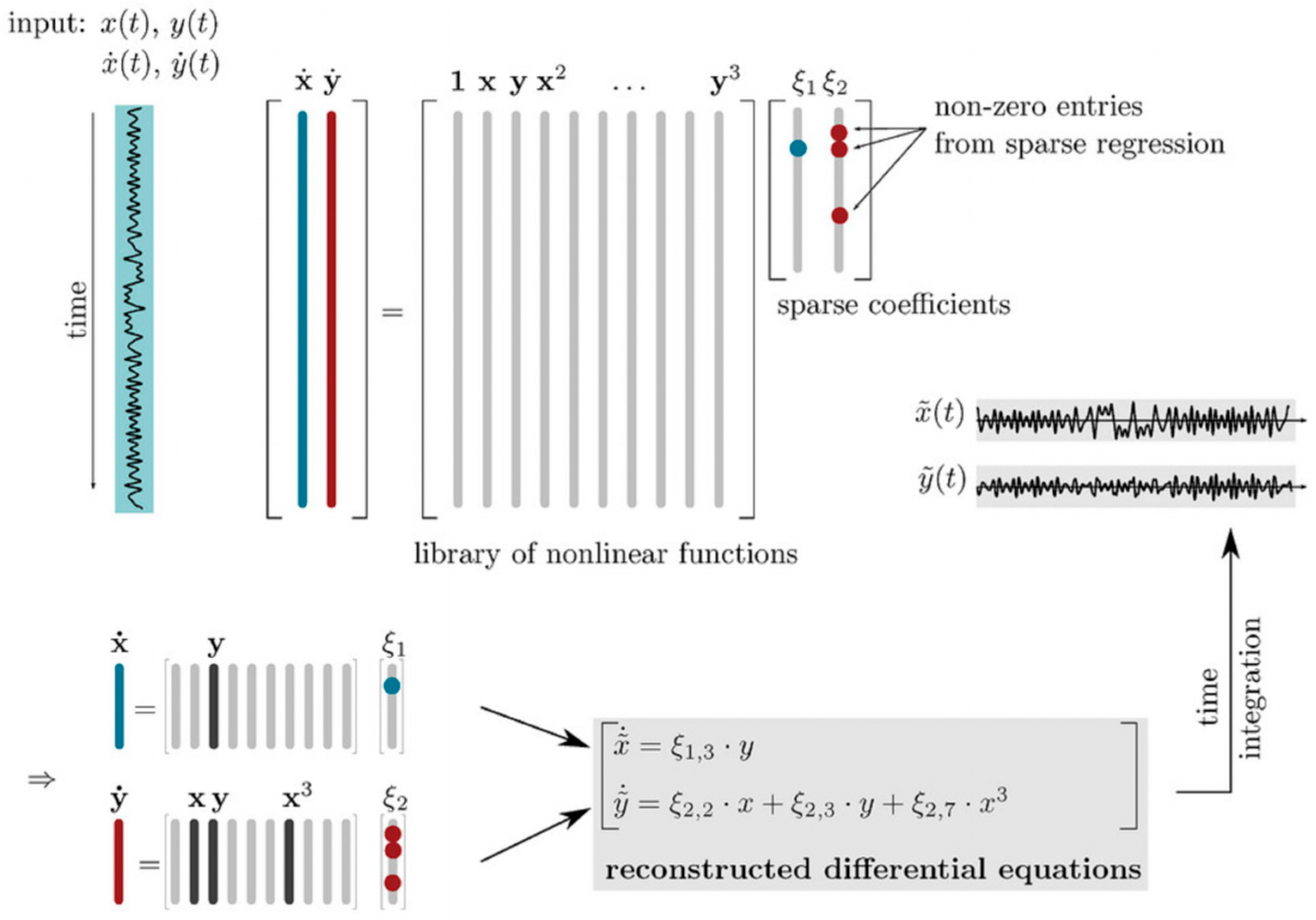
SINDy (sparse identification of nonlinear dynamics) is a data-driven algorithm for nonlinear dynamic modeling that can identify sparse dynamical equations with physical interpretability from noisy measured data, thereby effectively addressing the lack of physical meaning in black-box models such as neural networks [37]. As shown in Figure 9, relying on the sparsity of physical system equations, this algorithm constructs a candidate function library to transform the solution of nonlinear dynamics into a linear regression problem and then employs sparse regression to screen key terms, thereby accurately recovering the true nonlinear governing equations of the system [38,39].
Over the past three years, the SINDy algorithm has achieved significant advances in both theory and practical applications. Forootani et al. [40] proposed a robust SINDy strategy for noisy and scarce data, which uses implicit neural representation and automatic differentiation to obtain derivatives for identifying nonlinear governing equations and was validated through multiple case studies. Meda-Campaña et al. [41] proposed a two-stage TS-SINDy-FRLS method: SINDy is first used to identify local linear models near selected operating points, and FRLS is then used to estimate the target matrix and derive controller gains; its effectiveness was verified by simulations. Raut et al. [42] proposed a coefficient of variation-based sequential thresholding method (STCV) to alleviate normalization distortion and improve the reliability, automation, and interpretability of sparse system identification. Gao et al. [43] proposed SINDy-SHRED, which combines a shallow recurrent decoder network to simultaneously address sensing and model identification, featuring simplicity, efficiency, and robustness. Bhadriraju et al. [44] used SINDy to predict battery capacity and voltage dynamics and further calculated the life indicators and charging duration required for optimization, thereby forming a balanced charging optimization strategy that considers both efficiency and performance. Cheng et al. [45] proposed a data-driven adaptive hybrid modeling and control strategy for the low-speed nonlinear flight of tilt-rotor UAVs. They constructed a physics-constrained SINDy framework that integrates multi-rotor and fixed-wing aerodynamic characteristics to accurately characterize unsteady dynamics. Lee et al. [46] proposed a data-driven fault detection and diagnosis framework for over-actuated eVTOL. Experiments on an eight-motor platform showed that fault detection took 0.22–0.31 s, the performance-loss amplitude converged within 4.19–4.65 s, and weighted ridge regression was approximately 16 times faster than embedded Lasso. Sun et al. [47] used SINDy to extract roll models from free-roll wind tunnel data of a twelve-fin blunt-nosed wing-body configuration, effectively capturing wing rock patterns in limit-cycle oscillation, spin, and pitch-up maneuvers. Omar et al. [48] identified serial manipulator dynamics based on simulation data, extending the application capability of integrating the Euler–Lagrange method with SINDy. Hui et al. [49], using a soft manipulator as an example, pointed out that SINDy, Koopman learning, and other methods are complementary; single modeling is insufficient to meet the needs of next-generation soft robots, and an integrated modeling system that integrates mechanical structure, data-driven discovery, and task adaptation needs to be constructed. Du et al. [50] proposed the PC-SINDYc framework for identification and frequency control of microgrids with distributed energy resources. By combining a physics-guided candidate library, total least squares, and random sample consensus, the framework can robustly identify frequency dynamics under noise, time delay, and constraint activation. Jin et al. [51] combined SINDy and proposed a pigeon-inspired optimization (PIO) algorithm incorporating dynamic opposite learning (DOL) to optimize the sparse penalty and coefficients of SINDy for nonlinear modeling of piezoelectric actuators. Experimental validation showed that the modeling errors of SINDy and its improved algorithm were both no more than 3%. Si et al. [52] proposed an interpretable tool wear monitoring method based on SINDy. Experimental results showed that the error between predicted and true values was below 6%, and the error in cross-operating-condition tests was only 0.067%, validating the effectiveness of the scheme. Liu et al. [53] adopted SINDy, ISINDy, and WSINDy to directly identify galloping models from data. The results showed that WSINDy had better accuracy and robustness in parameter identification of models with different degrees of freedom and outperformed SINDy and ISINDy, which is important for anti-galloping design validation and scheme formulation. The above studies show that SINDy can robustly identify nonlinear dynamics and fault features from noisy and scarce measured data. Since bolt looseness essentially manifests as connection stiffness degradation and changes in dynamic response, applying SINDy to bolt looseness monitoring is methodologically feasible.
Figure 9.
Schematic diagram of the sparse identification algorithm [49] (Licensed under CC BY 4.0).
As shown in Figure 10, by using sparse identification algorithms to identify the governing equations of bolted connection structures from measured vibration data, the equations under the tightened state can serve as a dynamic baseline. Loosening identification can then be achieved by comparing the degree of coefficient shifts in the equations under different working conditions. This method elevates loosening detection to a mechanistic level and offers strong physical interpretability. The introduction of sparse regression ensures that only a few terms dominating the dynamic behavior are retained in the equations, while redundant components caused by noise are automatically eliminated. Consequently, the true parameter variations induced by loosening are effectively preserved and amplified. By incorporating the cross-correlation theory of passive guided wave technology into this framework, ambient noise is no longer treated as passive background interference but is actively utilized as an excitation source. The time-domain Green’s function of the structure is reconstructed through cross-correlation, providing low-noise, high-SNR input data for sparse identification. This method requires neither complex contact mechanics models nor finite element discretization, nor does it rely on active excitation equipment. Driven by ambient noise and measured responses, it offers significant applicability advantages in engineering scenarios where complex connection structures are difficult to model, boundary conditions are hard to specify accurately, and energy supply is limited.
Figure 10.
Schematic diagram of the detection technique based on data-driven identification of nonlinear dynamic equations.
It should be noted that this algorithm still faces numerous challenges. It suffers from noise amplification induced by numerical differentiation and high-order spatial derivatives, and is also adversely affected by the deterioration of the condition number of the candidate function library. In addition to noise, constraints at the data level also pose a practical difficulty for such algorithms. Although variant algorithms have made progress in data utilization efficiency, both require the training data to sufficiently cover the system phase space; under extremely few-shot conditions, ensemble-type schemes are also susceptible to interference from anomalous submodels, resulting in reduced identification reliability [39,54].
3.2. Deep Learning-Based Adaptive Feature Extraction
In the field of bolt loosening detection, feature extraction relies on manually defined damage indicators (e.g., MSE, SCASR, and Euclidean distance). The design of these artificial features depends on explicit physical models and expert experience; under complex operating conditions, empirically predefined feature forms often fail to capture the variability of actual damage patterns. Handcrafted features are essentially static, linear dimensionality-reduction projections of high-dimensional vibration responses, and this process inevitably discards a considerable amount of weak information potentially related to loosening—information that constitutes a key clue for early-stage loosening identification.
Deep learning is applied simultaneously to both feature design and classification/recognition stages. Through multilayer nonlinear transformations, it hierarchically abstracts the most discriminative feature representations for the classification task from raw time-domain signals, without requiring manually defined mathematical forms of indicators [55]. Moreover, the multilayer network architecture of deep learning ensures its discriminative performance under noise interference and operating-condition variations, thereby enhancing the robustness of detection methods [56]. Bao et al. [57] proposed a bionic vision anomaly detection framework that converts acceleration responses into grayscale images as input to a DCNN, achieving a global accuracy of 87.0% on one-year test data. Tang et al. [58] constructed time-domain–frequency-domain dual-channel images and performed sample balancing to improve the original method, achieving 93.5% accuracy and outperforming existing studies. Li et al. [59] compared multiple machine learning algorithms in damage detection of a cable-stayed bridge model and found that the accuracy of CNN was at least 15% higher than that of random forest, SVM, kNN, decision tree, and other methods.
Introducing the above methods into bolt loosening identification tasks, the implementation pathway of deep learning typically involves a format transfer from signals to images. Convolutional neural networks (CNNs) take images as input and automatically extract local key features corresponding to bolt loosening by sliding convolution kernels over a two-dimensional plane. Pooling layers then compress the dimensions and retain core feature information, after which fully connected layers integrate the features to accomplish classification and identification. To reuse this mature architecture, multi-channel signals need to be reorganized into multi-dimensional matrices, with each channel corresponding to one layer of the matrix. In this format, signals corresponding to different loosening states are converted into images of different categories, and bolt loosening identification is naturally transformed into an image classification problem. When the number of sensors exceeds the number of image channels, multiple sample groups can be generated through permutations and combinations. This not only enables data augmentation but also allows the network to learn spatial features that are more discriminative for loosening location from different sensor combinations.
Han et al. [60], in their study on loosening identification, converted multi-channel acceleration time-domain data into fixed-size three-dimensional matrices to adapt to the standard input format of the ResNet18 two-dimensional convolutional network. The input layer of ResNet18 requires data with a fixed dimension of 224 × 224 × 3, i.e., a two-dimensional image matrix with three channels. To reuse this mature network architecture, the acceleration signals need to be transformed into “vibration images” of equivalent specifications. Meanwhile, the introduction of transfer learning reduces the required number of impacts by approximately 50% without compromising accuracy, demonstrating a significant acceleration in convergence under small-sample conditions. These results indicate that the hierarchical features extracted by convolutional neural networks from raw time-domain data not only surpass traditional frequency-domain parameters in their ability to characterize loosening states, but also exhibit robustness under complex background noise that is difficult for manual feature-based methods to achieve. Although this method introduces deep learning to achieve adaptive extraction of loosening features, the conversion of time-domain data into two-dimensional matrices still requires manually designed mapping logic, making the degree of adaptivity insufficient.
To address the above issues, grayscale processing can be introduced during format conversion to achieve adaptive feature extraction [56]. As shown in Figure 11, in investigating the global stiffness loss of a frame structure, continuous wavelet transform is performed on the vibration signals acquired by each sensor to convert the time-domain acceleration signals into time–frequency spectrograms, with time on the horizontal axis and frequency on the vertical axis. The grayscale-processed single-channel two-dimensional image is used as the input (vibration pattern), thereby enabling deep-learning-based adaptive feature extraction. For four acceleration sensors, one grayscale spectrogram is generated for each sensor; according to the physical positional relationships of the sensors on the structure, the four spectrograms are stitched into a single image in a 2 × 2 grid. The resulting grayscale image has dimensions of 1068 × 1356 pixels and contains the time–frequency information and spatial arrangement relationships of all four measurement points. This method is physically equivalent in mechanism to the interface stiffness degradation caused by bolt loosening and can therefore be transferred to loosening detection, enabling the convolutional neural network to adaptively learn the weak time–frequency variations induced by loosening, thus providing complete algorithmic support for bolt loosening identification.
Figure 11.
Schematic diagram of vibration image-based recognition [56] (Licensed under CC BY 4.0).
Deep learning-based adaptive feature extraction methods exhibit three core advantages in bolt loosening identification. First, the CNN autonomously learns the mapping relationship between loosening and image features and iteratively optimizes model parameters through the loss function, thereby achieving accurate discrimination of the degree and location of bolt loosening from image features. Second, the hierarchical self-learning mechanism of features bypasses the bottleneck of manually designed indicators in constructing loosening representations, capturing weak discriminative information overlooked by traditional indicators, and fundamentally overcoming the limited representational capability of manual features. Third, during training, the network adaptively learns optimal fusion weights and spatial interaction patterns. When noise intensifies, the network can still utilize information across channels to maintain high recognition accuracy. This fault tolerance is crucial for structural health monitoring systems in long-term service.
Although deep learning can achieve high damage-identification accuracy, its limited generalization capability constrains its engineering deployment. Existing models have mostly been validated only on laboratory-scale specimens, and their identification performance is jointly affected by sensor layout, boundary conditions, and excitation form; single-sensor schemes are highly dependent on measurement-point location, and when transferred to structural forms and practical engineering scenarios unseen during training, they entail a risk of unpredictable performance degradation.
3.3. Environmental Compensation Mechanism-Based Bolt Loosening Detection Techniques
In structural health monitoring, the fundamental paradigm of damage detection is to compare the current state with a healthy baseline and identify damage based on the degree of deviation in signal features. However, actual service environments are inevitably subject to interference from environmental factors [61] (e.g., pronounced temperature and humidity fluctuations in high-altitude regions such as Tibet). The effects of these environmental factors on guided waves or vibration signals are highly similar to damage effects in manifestations such as amplitude attenuation, phase shift, and waveform distortion. The two types of signal variations are mixed with each other, resulting in distorted characterization of the loosening state. A healthy state can easily be misjudged as damage under the influence of environmental factors such as temperature differences, while early weak signals of actual damage are highly susceptible to being overwhelmed by environmental fluctuations of the same order of magnitude (as shown in Figure 12). The core value of environmental compensation lies in separating environmentally induced signal variations from damage features, enabling damage indices to more accurately reflect the true changes in the structural mechanical state.
To suppress the influence of environmental fluctuations on detection results, Ren et al. [62], in their study on plate defect identification, adopted a data-driven temperature compensation method. The baseline signal is mapped from the acquisition temperature T0 to the current temperature T1 using an amplitude factor and a phase factor β. The compensated baseline signal is given by s (t, T1) = α(T1) · s(β(T1) · t, T0), where corrects the temperature-induced amplitude variation, and β corrects the phase shift by stretching or compressing the time axis. Both compensation factors are extracted from measured data through optimization methods, without relying on material parameters or theoretical models, and directly reflect the actual modulation law of temperature on guided wave signals. After temperature compensation, the signal waveform differences caused by temperature differences are effectively weakened, and the damage index under the healthy state returns to a level close to zero, thereby improving detection reliability in temperature-varying environments. It is worth noting that compensation accuracy decreases as the temperature difference increases. As |ΔT| increases, compensation residuals accumulate, and the damage index still tends to rise, implying that the compensation method has an effective operating range. Beyond this range, adaptive threshold strategies or additional uncertainty analysis are required to maintain detection performance.
Yue et al. [63] presented guided-wave signals acquired by the same transducer pair at 50 kHz and 250 kHz before and after temperature compensation. As shown in Figure 12, the S0 mode (250 kHz) is more strongly affected by temperature variation, and the compensation method is less effective for this mode than for the A0 mode at 50 kHz. Developing adaptive compensation mechanisms tailored to the differences in propagation characteristics among different frequency components is an important topic for future research.
Figure 12.
Guided wave signals measured at 20 °C and 40 °C, before and after temperature compensation: (a) 50 kHz, (b) 250 kHz [63] (Licensed under CC BY 4.0).
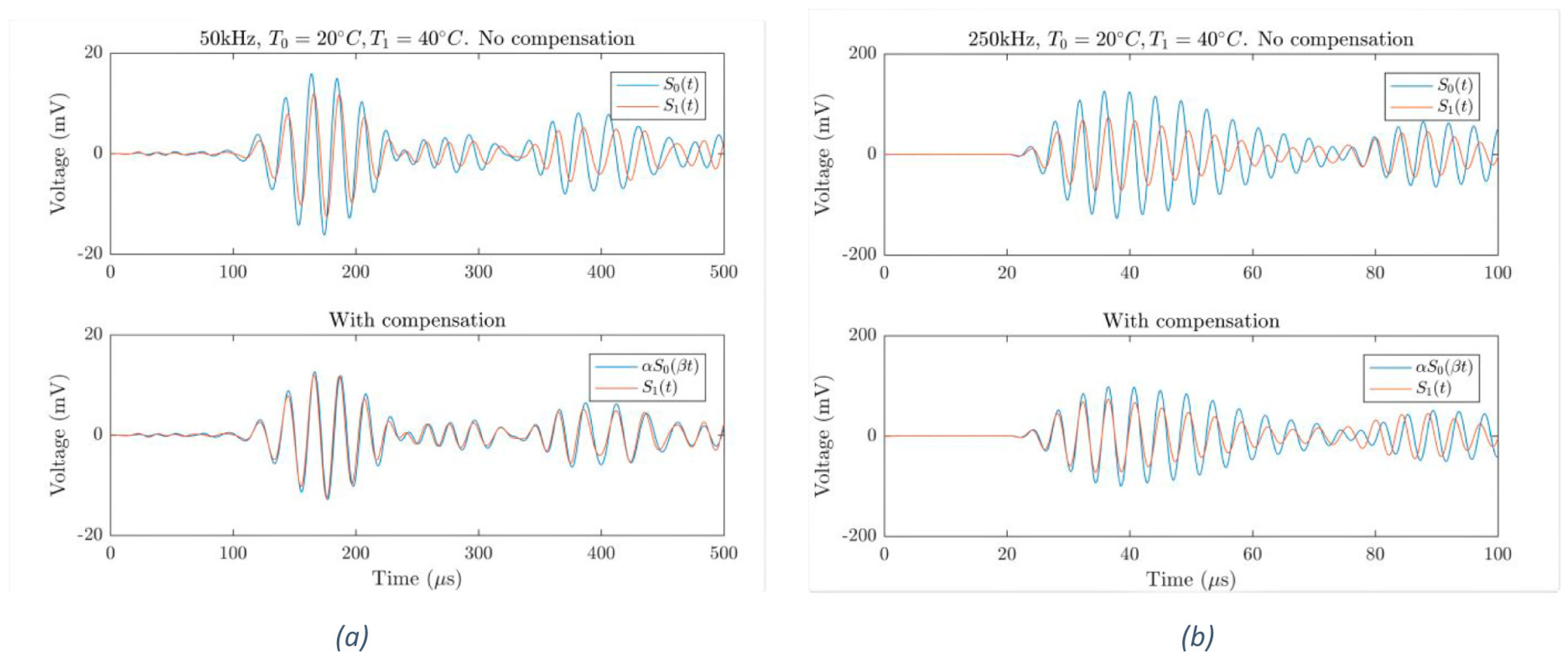
The data-driven temperature compensation method maps the baseline signal from the acquisition temperature to the current temperature using an amplitude factor and a phase factor. Both compensation factors are extracted from measured data through optimization methods, without relying on material parameters or theoretical models, and directly reflect the actual modulation law of temperature on guided wave signals. The core value of environmental compensation lies in separating environmentally induced signal variations from damage features, enabling damage indices to more accurately reflect the true changes in the structural mechanical state, thereby maintaining the reliability of loosening detection under varying operating conditions.
4. Challenges
The foregoing discussion centered on a general framework for bolt-loosening detection technology and mainly addressed common requirements across multiple engineering fields. However, when the detection target is focused on ultra-high-voltage (UHV) transmission towers as a special carrier, the reliability of the aforementioned general techniques in long-term detection will face a series of specific constraints determined by the service environment, mainly including electromagnetic interference generated on conductor surfaces during the operation of UHV lines, difficulties in long-distance transmission of detection signals, and the impact of structural upsizing on detection technologies.
4.1. Interference of Strong Electromagnetic Fields with Acquired Signals
Strong electromagnetic interference (EMI) refers to high-intensity, high-energy-density interference environments present in special industrial settings (e.g., high-voltage transmission lines), typically including strong pulses, high-frequency radiation, and transient interference. Ideally, analog sensors are sensitive only to the specific measurand they are designed to measure. In practice, however, they also respond to unintended signals. The electronic circuits in sensors are sensitive components susceptible to EMI [64]. The metallic interconnect structures of sensors, including wires and printed circuit board (PCB) traces, act as unintentional antennas that convert EMI signals into voltages and currents [65]. In particular, operational amplifiers (op-amps) in analog sensor circuits are highly vulnerable, because EMI excites nonlinear dynamic effects in circuits containing nonlinear devices (e.g., transistors) and energy-storage elements (e.g., capacitors) [66]. Such interference can cause severe degradation of equipment performance and even damage electronic devices [67]. Therefore, in strong EMI environments, whether sensors can operate reliably becomes the primary issue facing detection systems.
Cui et al. [64], in studying the effects of electromagnetic radiation on sensor performance, found that under interference, the interference voltage of the digital circuit was 3.8 V, at which point the circuit had entered a damaged state and the sensor signal was distorted. To avoid this problem, some approaches are based on the cancelation principle, in which a dedicated additional virtual circuit is used to generate electromagnetic interference signals, thereby compensating for the demodulated electromagnetic interference [68]. However, such compensation strategies are typically designed for specific interference levels, and their effectiveness depends largely on the actual distribution of the interference environment.
In fact, the degree of electromagnetic interference varies considerably with location. Chen et al. [69] found that for UHV AC lines, the magnetic flux density gradually attenuates from the line center outward, whereas the electric field intensity first increases and then decreases with increasing distance, reaching a maximum at 5 m outside the side-phase conductor; both attenuate to zero at 80 m outside the outermost phase conductor (as shown in Figure 13). This spatial distribution characteristic indicates that electromagnetic interference does not act uniformly on the entire transmission tower, but varies significantly with the detection location.
Figure 13.
The electromagnetic field change curve from the center of the line to 100 m away from the side conductor: (a) Measurement M2, (b) Measurement M9 [69] (Licensed under CC BY 3.0).
Specifically, differences in detection locations lead to differences in the degree of electromagnetic interference, and consequently, the requirements for sensor anti-interference performance also differ among locations. This directly affects the accuracy and reliability of bolt loosening detection. Therefore, in the strong electromagnetic interference environment of UHV power transmission, bolt loosening detection imposes stringent requirements on the anti-interference capability of sensing units. Miniature smart sensors with adaptive anti-interference capability, which can dynamically adjust compensation strategies according to the interference level at their locations, represent a promising frontier direction to meet this demand.
4.2. Difficulty in Long-Distance Signal Transmission
China’s hydropower and wind power reserves are concentrated in the southwestern and northwestern regions, and extra-high-voltage and ultra-high-voltage (EHV/UHV) transmission lines often traverse geologically complex areas such as the Hengduan Mountains and the Qinghai–Tibet Plateau, where elevation differences are large and transportation accessibility is extremely poor. Large-scale manual inspection is therefore infeasible both economically and in terms of safety. Bolt-loosening detection cannot rely on personnel approaching each tower to perform data acquisition; instead, signals acquired by sensors must be transmitted over long distances to a server, thereby enabling online remote monitoring and centralized identification.
Limited by the transmission distance of sensor wireless transceiver modules, existing studies generally assume that data acquired by sensors must be relayed hop by hop through a series of intermediate sensors before finally reaching the substation, thereby forming a linear network model [70]. Hung et al. [70] pointed out that this linear network model can hardly meet the diverse data transmission demands of future smart grids, and that a new network model urgently needs to be explored so that sensors and relay nodes can communicate with other nodes via wide-area networks such as cellular networks.
Jiang et al. [71] proposed an online monitoring system for high-voltage transmission line joint temperature based on a hybrid communication network. As shown in Figure 14, the system hierarchically integrates three wireless communication technologies—ZigBee, LoRa, and NB-IoT—to construct a long-distance data acquisition and transmission architecture suitable for transmission lines in remote areas. In this system, each transmission tower serves as a communication node. Within a tower, ZigBee ad hoc networking is used to aggregate data from multiple temperature sensors. Between towers, LoRa multi-hop relay technology is employed to realize data relay transmission between adjacent nodes to extend coverage. The master node at the network end acts as a LoRa–NB-IoT gateway and uploads data from all nodes to a cloud server via NB-IoT, ultimately enabling real-time monitoring and alarm push to PCs and mobile terminals. In field tests with a node spacing of approximately 1 km, the communication packet loss rate was about 3.3%, and the average system power consumption was about 21.19 mA. Combined with a solar and lithium battery power supply scheme, the system can operate stably for about 12 days without sunlight. This hybrid communication architecture does not rely on full cellular network coverage, has low power consumption and stable transmission, and effectively solves the difficulty of long-distance backhaul of monitoring data on transmission lines under remote and complex terrain conditions.
Figure 14.
Overall framework of the online monitoring system [71] (Licensed under CC BY 4.0).
The bolt-loosening monitoring scenario for transmission towers is highly analogous to the temperature monitoring scenario: both are deployed on field transmission towers without access to mains electricity, a single tower contains numerous distributed measurement points, and the line extends linearly over long distances along the towers. In the topology design of the loosening monitoring network, one End device acquisition terminal is deployed for each group of bolts to be monitored on a tower; for all bolt measurement-point terminals on the same tower, this architecture is retained to aggregate data from all bolt measurement points along the entire line and upload them to the USR cloud platform. The acquisition terminals require local modification, in which the original fiber-optic temperature sensors are replaced and multiple types of sensing units (e.g., accelerometers and strain gauges) are connected to enable diversified data acquisition. The power supply system and gateway hardware can be inherited and reused. The alternating work–sleep strategy of the original scheme is suitable for bolt-loosening detection. Bolt loosening is related to the load-cycling state; under normal conditions, only low-frequency inspection is required, whereas high-frequency sampling can be triggered in the event of extreme vibration.
4.3. Challenges Posed by Changes in Transmission Tower Equipment Dimensions
Compared with conventional transmission towers, ultra-high-voltage (UHV) transmission towers are designed to accommodate long-span, high-load service conditions, resulting in significantly increased dimensions of the overall structure, steel member cross-sections, and connection joints, with a pronounced trend toward structural upsizing.
Large-scale towers possess higher overall stiffness and inertia, so that local stiffness degradation and dynamic response distortion induced by the loosening of a small number of bolts are readily masked by global structural vibration. Global stiffness matrices, modal parameters, and global dynamic responses are insensitive to local loosening in large towers, which substantially reduces the applicability of loosening detection techniques calibrated on small-scale specimens [72]. Consequently, multi-stage identification from global to local has become a future research trend. Xu et al. [72] first used conventional beam models and optimal placement of multiple sensor types to locate damaged joints, then located suspect members within the joints, and finally employed a multiscale finite element model incorporating detailed solid bolt representations to locate and quantify loosened bolt groups, thereby improving the identification accuracy of local bolt loosening.
The upsizing of structural dimensions, while broadening the monitoring scope, places the sensor placement system in an engineering dilemma in which coverage and economic efficiency are difficult to reconcile. A transmission tower is a complex spatial lattice structure with a large number of candidate nodes. If sparse deployment is adopted, numerous non-critical nodes that may nevertheless experience bolt loosening will fall into monitoring blind spots, and the monitoring data will fail to reflect the true state of the structure; if high-density deployment is adopted instead, the number of devices and the computational cost will rise sharply, and the acquired information may exhibit coupling and conflict. Therefore, the essence of research on sensor placement and its optimization is to address two core issues: the timely identification of hazards and the comprehensive acquisition of information [73]. Niu et al. [73] proposed a sensor placement optimization method based on FIM–EI: with the objective of maximizing the determinant of the Fisher information matrix (FIM), an FIM is constructed to characterize the relationship between placement and monitoring performance, and the effective independence (EI) method is then used to screen measurement points with larger contributions so as to reduce redundancy, thereby balancing monitoring performance and cost. Cheng et al. [74] used an FIM characterizing the dynamic characteristics of a Y-type transmission tower to determine the highest modal order, used the modal assurance criterion (MAC) to determine the optimal number of sensors, and then employed the marine predators algorithm to solve for the optimal placement scheme.
5. Conclusions
Statistics were compiled for the references cited in this paper from the past five years. A “unique primary category” rule was adopted: each reference was assigned to exactly one primary category according to the main contribution reflected in its title, abstract, and keywords, following a fixed priority order: SINDy sparse identification and physics-informed modeling, deep learning algorithm innovation, environmental robustness and interference resistance, transmission line engineering monitoring, and bolted connection looseness detection, with the remainder assigned to plate and other general structural damage detection; cross-cutting topics were not counted repeatedly. The statistical results are as follows: bolted connection looseness detection and monitoring, 30%; plate and other general structural damage detection, 10%; SINDy sparse identification and physics-informed modeling, 32%; deep learning-based damage identification, 4%; transmission line engineering monitoring, 10%; and environmental robustness and interference resistance, 14%. The six primary labels are mutually exclusive, and the percentages reflect the distribution of “primary contribution categories” rather than indicating that a reference addresses only a single topic. Overall, SINDy algorithms and physics-informed hybrid modeling have become the main growth direction in recent years; the research has also become closer to transmission tower engineering scenarios and increasingly emphasizes environmental robustness. The main conclusions are as follows:
- Further optimize the fusion algorithm combining sparse identification and passive cross-correlation, with a focus on enhancing the quantitative identification capability of bolt loosening under complex operating conditions, so as to achieve accurate quantitative identification of varying degrees of pretension decay.
- By converting one-dimensional structural vibration signals into two-dimensional vibration-pattern images and using a convolutional neural network (CNN) to adaptively extract deep features from these images, this approach overcomes the subjective limitations of manually defined features in traditional methods, automatically mines image feature differences corresponding to different loosening locations, and thereby achieves accurate localization and identification of bolt loosening.
- A machine learning-driven signal-level environmental compensation model is constructed to strip away spurious signal variations induced by environmental factors such as temperature at the source of raw monitoring signals, correct feature shifts caused by environmental interference, ensure that loosening characterization indicators are sensitive only to the true bolt loosening state, and enhance the environmental interference resistance of the data-driven framework.
- To address the challenge of location-dependent interference differences among bolt deployment points in ultra-high-voltage/extra-high-voltage (UHV/EHV) strong electromagnetic environments, research is conducted on adaptive anti-interference technology for miniature intelligent sensing units. Based on differences in electromagnetic interference intensity among detection locations, a dynamic compensation and regulation mechanism at the sensing end is established to achieve real-time adaptive matching of anti-interference strategies and to eliminate, at the hardware source, the detection accuracy deviation caused by location-dependent electromagnetic differences.
- Optimize the topology architecture of the bolt-loosening monitoring network for transmission towers, and adaptively retrofit the existing acquisition terminals to integrate multiple types of sensing units, such as accelerometers and strain gauges, thereby enabling collaborative acquisition of multi-source vibration and strain data from bolted structures. Improve the alternating work–sleep sampling strategy by conducting low-frequency routine inspections in accordance with structural load-cycling patterns, while triggering high-frequency precise sampling in response to extreme vibration events.
- Building on the optimal sensor placement strategy for large transmission towers, a global–local multi-stage bolt-loosening identification method is developed to achieve hierarchical identification progressing from global localization of damaged nodes to local quantification of loosened bolts.
Author Contributions
Conceptualization, Z.Z., X.J. and Y.Z.; formal analysis, Z.Z. and Y.Z.; methodology, resources, funding acquisition, Z.Z. and X.J.; software, visualization, writing—original draft preparation, Y.Z.; validation, data curation, investigation, Y.Z., M.M. and Y.L.; writing—review and editing, Z.Z., X.J. and Y.L.; project administration, Z.Z., X.J. and Y.L.; supervision, X.J. All authors have read and agreed to the published version of the manuscript.
Funding
This research is sponsored by the Natural Science Foundation of Chongqing, China. (NO. cstc2024ycjh-bgzxm0060, CSTB2023NSCQ-LZX0021) and the Central University Basic Research Funds Project (No. 2023CDJYXTD-005).
Data Availability Statement
No new data were created or analyzed in this study. Data sharing is not applicable to this article.
Conflicts of Interest
The authors declare no conflicts of interest.
References
- Huang, J.Y.; Liu, J.H.; Gong, H.; Deng, X.J. A comprehensive review of loosening detection methods for threaded fasteners. Mech. Syst. Signal Process. 2022, 168, 108652. [Google Scholar] [CrossRef] [Scilit]
- Tariq, R.; Alhamrouni, I.; Afzal, A.; Rehman, A.U.; Rafique, Z.; Asif, R.M. Optimal Design Considerations For Over Head Transmission Line (OHTL). In Proceedings of the 2023 International Conference on Engineering and Emerging Technologies (ICEET), Istanbul, Turkey, 27–28 October 2023; pp. 1–9. [Google Scholar]
- Li, J.; Gao, F.; Wang, L.; Ren, Y.; Liu, C.; Yang, A.; Yan, Z.; Jiang, T.; Li, C. Collapse Mechanism of Transmission Tower Subjected to Strong Wind Load and Dynamic Response of Tower-Line System. Energies 2022, 15, 3925. [Google Scholar] [CrossRef] [Scilit]
- Tariq, R.; Krishnamoorthy, K.K.; AlMohaisin, I.A.; Afzal, A. Instrumented Pile Load Testing Using Vibrating Wire Strain Gauges with Supporting Low-Strain Integrity Assessment in Transmission Line. In Proceedings of the 2026 IEEE Power & Energy Society General Meeting (PESGM), Montréal, QC, Canada, 19–23 July 2026; pp. 1–5. [Google Scholar]
- Qin, Y.; Yuan, L. Intelligent Bolt Loosening Detection in Transmission Towers Using Acoustic Signature Analysis and Machine Learning. Processes 2025, 13, 1111. [Google Scholar] [CrossRef] [Scilit]
- Gong, T.; Yang, J.; Zhuang, X.; Liu, H. Review of experimental research on bolt looseness monitoring. Mach. Des. Manuf. 2024, 2, 354–363. [Google Scholar]
- Amano, S.; Shinbutsu, T.; Okimoto, Y.; Takemasu, T.; Kuwabara, T. Improvement of anti-loosening resistance of locking bolts based on single-coarse-thread/multiple-coarse-thread mechanism by using spring washer between nuts. J. Adv. Join. Process. 2025, 11, 100280. [Google Scholar] [CrossRef] [Scilit]
- Cai, B.; Qin, Q.; Wang, X.; Lin, J. Passive detection of bolt joint looseness using flow-induced ambient noise. Mech. Syst. Signal Process. 2025, 224, 112110. [Google Scholar] [CrossRef] [Scilit]
- Ren, Y.; Bareille, O.; Lin, Z.; Huang, X.R. Review of damage detection techniques in vibration-based structural health monitoring. Int. J. Dyn. Control 2025, 13, 99. [Google Scholar] [CrossRef] [Scilit]
- Cawley, P.; Adams, R.D. The location of defects in structures from measurements of natural frequencies. J. Strain Anal. 1979, 14, 49–57. [Google Scholar] [CrossRef] [Scilit]
- Liang, R.Y.; Hu, J.; Choy, F. Theoretical study of crack-induced eigenfrequency changes on beam structures. J. Eng. Mech. 1992, 118, 384–396. [Google Scholar] [CrossRef] [Scilit]
- Wen, G.; Zhao, L.; Liu, Z.; Wang, J.; Huang, X.; Yuan, P. Research on loose bolt localization technology for transmission towers. Struct. Health Monit. 2024, 23, 3134. [Google Scholar] [CrossRef] [Scilit]
- Gou, B.Y.; Lu, Q.H.; Wang, B.; Wang, S.Y. Bolt tightening force detection using outlier analysis of structural natural frequencies. J. Vib. Shock. 2015, 34, 77–82. [Google Scholar]
- Wang, J.L.; Sheng, J.J.; Jiang, J.Y.; Wen, J.P.; Xiao, S.F.; Zhang, Z.S. Identification method of bolt looseness using STFT-IP time-frequency feature extraction technology. Noise Vib. Control. 2021, 41, 108–112. [Google Scholar]
- Guo, H.; Zhong, J.; Feng, B.; Chen, Y.; Zhong, S. Detection Method for Bolt Loosening Based on Summation Coefficient of Absolute Spectrum Ratio. Sensors 2025, 25, 246. [Google Scholar] [CrossRef] [Scilit] [PubMed]
- Wu, J.; Jun, S.; Gen, Z.; Deqiang, Y.; Yuan, C. Detecting method for bolt looseness with average vibration response energy. Mech. Sci. Technol. Aerosp. Eng. 2022, 41, 992–997. [Google Scholar]
- Zhang, M.; Tang, Z.; Yun, C.B.; Sui, X.; Chen, J.; Duan, Y. Bolt looseness detection using SH guided wave and wave energy transmission. Smart Mater. Struct. 2021, 30, 105015. [Google Scholar] [CrossRef] [Scilit]
- Xia, T.; Qu, J.; Liu, Y. A Joint Surface Contact Stiffness Model Considering Micro-Asperity Interaction. Aerospace 2024, 11, 472. [Google Scholar] [CrossRef] [Scilit]
- Chen, D.; Li, W.; Dong, Z.; Fu, R.; Yu, Q. Multi-bolt looseness monitoring using guided waves: A cross-correlation approach of the wavelet energy envelope. Smart Mater. Struct. 2024, 33, 125019. [Google Scholar] [CrossRef] [Scilit]
- Pandit, R.K.; Khan, A.; Balasubramaniam, K.; Srinivasan, B.; Rajagopal, P. Defect identification using sampling and outlier analysis in passive guided wave structural health monitoring. J. Intell. Mater. Syst. Struct. 2025, 36, 543–560. [Google Scholar] [CrossRef] [Scilit]
- Kwun, H.; Kim, S.Y.; Light, G.M. Magnetostrictive Sensor Long-range Guided-wave Technology for Long-term Monitoring of Piping and Vessels. In Proceedings of the ASME 2007 Pressure Vessels and Piping Conference, San Antonio, TX, USA, 22–26 July 2007; Volume 1, pp. 481–484. [Google Scholar]
- Sabra, K.G.; Winkel, E.S.; Bourgoyne, D.A.; Elbing, B.R.; Ceccio, S.L.; Perlin, M.; Dowling, D.R. Using cross correlations of turbulent flow-induced ambient vibrations to estimate the structural impulse response. Application to structural health monitoring. J. Acoust. Soc. Am. 2007, 121, 1987–1995. [Google Scholar] [CrossRef] [Scilit] [PubMed]
- Wang, T.; Song, G.; Wang, Z.; Li, Y. Proof-of-concept study of monitoring bolt connection status using a piezoelectric based active sensing method. Smart Mater. Struct. 2013, 22, 087001. [Google Scholar] [CrossRef] [Scilit]
- Qin, Q.; Wang, X.; He, J.; Lin, J. Passive reconstruction of dispersion curve in plates via flow-induced random vibration:The effect of boundary reflection and sensor placement. Ultrasonics 2024, 137, 107178. [Google Scholar] [CrossRef] [Scilit] [PubMed]
- Druet, T.; Tastet, J.L.; Chapuis, B.; Moulin, E. Autocalibration method for guided wave tomography with undersampled data. Wave Motion 2019, 89, 265–283. [Google Scholar] [CrossRef] [Scilit]
- Druet, T.; Recoquillay, A.; Chapuis, B.; Moulin, E. Passive guided wave tomography for structural health monitoring. J. Acoust. Soc. Am. 2019, 146, 2395–2403. [Google Scholar] [CrossRef] [Scilit] [PubMed]
- Jiang, Y.; Zhang, M.; Park, T.; Lee, C. A Study of Early Stage Self-Loosening of Bolted Joints. J. Mech. Des. 2004, 126, 925–931. [Google Scholar] [CrossRef] [Scilit]
- Pan, Y.; Ma, Y.; Dong, Y.; Gu, Z.; Wang, D. A vision-based monitoring method for the looseness of high-strength bolt. IEEE Trans. Instrum. Meas. 2021, 70, 5013914. [Google Scholar] [CrossRef] [Scilit]
- Park, S.J.; Kim, G.J.; Kwak, H.G. Characterization of stress-dependent ultrasonic nonlinearity variation in concrete under cyclic loading using nonlinear resonant ultrasonic method. Constr. Build. Mater. 2017, 145, 272–282. [Google Scholar] [CrossRef] [Scilit]
- Van Den Abeele, K.E.A.; Carmeliet, J.; Ten Cate, J.A.; Johnson, P.A. Nonlinear Elastic Wave Spectroscopy (NEWS) Techniques to Discern Material Damage, Part II: Single-Mode Nonlinear Resonance Acoustic Spectroscopy. Res. Nondestruct. Eval. 2000, 12, 31–42. [Google Scholar] [CrossRef] [Scilit]
- Wang, L.; Yuan, B.; Xu, Z.; Sun, Q. Synchronous detection of bolts looseness position and degree based on fusing electro-mechanical impedance. Mech. Syst. Signal Process. 2022, 174, 109068. [Google Scholar] [CrossRef] [Scilit]
- Dias, L.L.; Lopes, K.W.; Bueno, D.D.; Gonsalez-Bueno, C.G. An enhanced approach for damage detection using the electromechanical impedance with temperature effects compensation. J. Braz. Soc. Mech. Sci. Eng. 2023, 45, 228. [Google Scholar] [CrossRef] [Scilit]
- da Silva Fonseca, G.; Barella, B.P.; Rosa, R.G.; de Rezende, S.W.; dos Reis Vieira de Moura, J. Probabilistic Approach for Electromechanical Impedance-Based SHM Models. Obs. Econ. Latinoam. 2023, 21, 1620–1635. [Google Scholar] [CrossRef] [Scilit]
- Khomenko, A.; Koricho, E.G.; Haq, M.; Cloud, G.L. Bolt tension monitoring with reusable fiber Bragg-grating sensors. J. Strain Anal. Eng. Des. 2016, 51, 101–108. [Google Scholar] [CrossRef] [Scilit]
- Wang, Y.Q.; Xing, W.C.; Wang, J.; Chai, Q. Theoretical and experimental studies on vibration characteristics of bolted joint multi-plate structures. Int. J. Mech. Sci. 2023, 252, 108348. [Google Scholar] [CrossRef] [Scilit]
- Brunton, S.L.; Proctor, J.L.; Kutz, J.N. Discovering governing equations from data by sparse identification of nonlinear dynamical systems. Proc. Natl. Acad. Sci. USA 2016, 113, 3932–3937. [Google Scholar] [CrossRef] [Scilit] [PubMed]
- Quade, M.; Abel, M.; Kutz, J.N.; Brunton, S.L. Sparse identification of nonlinear dynamics for rapid model recovery. Chaos 2018, 28, 063116. [Google Scholar] [CrossRef] [Scilit] [PubMed]
- Liu, X.; Chen, L.; Ye, Z.; Zhang, B.; Tao, Y. Data-driven sparse identification of galloping model of iced quad bundle conductors. Measurement 2023, 207, 112356. [Google Scholar] [CrossRef] [Scilit]
- Kaheman, K.; Kutz, J.N.; Brunton, S.L. SINDy-PI: A robust algorithm for parallel implicit sparse identification of nonlinear dynamics. Proceedings. Proc. R. Soc. A 2020, 476, 20200279. [Google Scholar] [CrossRef] [Scilit] [PubMed]
- Forootani, A.; Goyal, P.; Benner, P. A robust sparse identification of nonlinear dynamics approach by combining neural networks and an integral form. Eng. Appl. Artif. Intell. 2024, 149, 110360. [Google Scholar] [CrossRef] [Scilit]
- Meda-Campaña, J.A.; García-Hernández, J.C.; López-Velázquez, Y.; Chirinos-Martínez, E.S.; Tapia-Herrera, R. A Comprehensive Data-Driven Framework for the Identification and Control of a Class of Nonlinear Systems Using TS Fuzzy Models via SINDy and FRLS. IEEE Trans. Fuzzy Syst. 2026, 34, 3596–3610. [Google Scholar] [CrossRef] [Scilit]
- Raut, J.; Wilke, D.N.; Schmidt, S. Towards a data-scale independent regulariser for robust sparse identification of non-linear dynamics. Eng. Appl. Artif. Intell. 2026, 181, 115506. [Google Scholar] [CrossRef] [Scilit]
- Gao, M.L.; Williams, J.P.; Kutz, J.N. Sparse identification of nonlinear dynamics and Koopman operators with Shallow Recurrent Decoder Networks. Proc. Natl. Acad. Sci. USA 2026, 123, e2508144123. [Google Scholar] [CrossRef] [Scilit] [PubMed]
- Bhadriraju, B.; Lee, J.; Pahari, S.; Yu, C.; Khan, F.; Kwon, J.S. Optimal charging of Li-ion batteries using sparse identification of nonlinear dynamics. Chem. Eng. Journal. 2024, 499, 155015. [Google Scholar] [CrossRef] [Scilit]
- Cheng, X.; Wang, Y.; Zhao, J.; Liu, N.; Cai, Z. Data-driven adaptive hybrid-based control for some tiltrotor UAVs in the low-speed flight. Aerosp. Sci. Technol. 2026, 170, 111513. [Google Scholar] [CrossRef] [Scilit]
- Lee, J.D.; Bang, H. Data-Driven Fault Detection and Diagnosis for eVTOL Systems Using SINDy. IEEE Trans. Aerosp. Electron. Syst. 2026, 62, 3731302. [Google Scholar] [CrossRef] [Scilit]
- Sun, W.; Wang, P.; Lin, X.; Wang, Y. Sparse identification of the wing rock dynamics for a blunt-nosed wing body configuration. Aerosp. Sci. Technol. 2026, 176, 112004. [Google Scholar] [CrossRef] [Scilit]
- Omar, M.; Li, R.; Wang, K.; Asker, A. R-SIEL: A physics-informed learning algorithm for discovering dynamics of serial manipulators. Expert Syst. With Appl. 2025, 287, 128030. [Google Scholar] [CrossRef] [Scilit]
- Hui, W.; Wang, Y.; Zhang, T.; Chen, Y. Data-Driven and Physics-Informed Modeling Perspectives for Soft Manipulators: From SINDy to Hybrid Intelligence. Adv. Sci. 2026, 13, e78334. [Google Scholar] [CrossRef] [Scilit] [PubMed]
- Du, M.; Lai, J.; Liu, R.P.; Wang, X. Physically Consistent Sparse Identification of Nonlinear Dynamics (SINDy) for Microgrid Identification and Real-Time Frequency Control. IEEE Trans. Smart Grid 2026, 17, 5939–5953. [Google Scholar] [CrossRef] [Scilit]
- Jin, Y.; Yu, J.; Xu, Y.; Lu, Q.; Yang, X. Enhancing sparse regression modeling of hysteresis with optimized PIO algorithm in piezo actuator. Smart Mater. Struct. 2024, 33, 035042. [Google Scholar] [CrossRef] [Scilit]
- Si, M.; Shang, X.; Sun, L.; Dong, Y.; Jiang, X. Tool Wear Condition Prediction Method Based on Sparse Identification of Nonlinear Dynamics (SINDy). Lubricants 2026, 14, 242. [Google Scholar] [CrossRef] [Scilit]
- Liu, X.; Chen, L.; Wu, C.; Ye, Z.; Zhang, B.; Tao, Y. Research on parameter identification of transmission line galloping model under different degrees of freedom. Appl. Math. Model. 2025, 140, 115899. [Google Scholar] [CrossRef] [Scilit]
- Fasel, U.; Kutz, J.N.; Brunton, B.W.; Brunton, S.L. Ensemble-SINDy: Robust sparse model discovery in the low-data, high-noise limit, with active learning and control. Proc. R. Soc. A 2022, 478, 20210904. [Google Scholar] [CrossRef] [Scilit] [PubMed]
- Azimi, M.; Eslamlou, A.D.; Pekcan, G. Data-Driven Structural Health Monitoring and Damage Detection through Deep Learning: State-of-the-Art Review. Sensors 2020, 20, 2778. [Google Scholar] [CrossRef] [Scilit] [PubMed]
- Pamplona Berón, L.E.; De Simone, M.C.; de Falco, D.; Guida, D. Machine Learning-Based Classification of Vibration Patterns Under Multiple Excitation Scenarios for Structural Health Monitoring. Appl. Sci. 2026, 16, 2107. [Google Scholar] [CrossRef] [Scilit]
- Bao, Y.; Tang, Z.; Li, H.; Zhang, Y. Computer vision and deep learning–based data anomaly detection method for structural health monitoring. Struct. Health Monit. 2019, 18, 401–421. [Google Scholar] [CrossRef] [Scilit]
- Tang, Z.; Chen, Z.; Bao, Y.; Li, H. Convolutional neural network-based data anomaly detection method using multiple information for structural health monitoring. Struct. Control. Monit. 2019, 26, e2296. [Google Scholar] [CrossRef] [Scilit]
- Li, S.; Sun, L. Detectability of Bridge-Structural Damage Based on Fiber-Optic Sensing through Deep-Convolutional Neural Networks. J. Bridge Eng. 2020, 25, 04020012. [Google Scholar] [CrossRef] [Scilit]
- Han, Q.; Pan, Y.; Yang, D.; Xu, Y. CNN-based bolt loosening identification framework for prefabricated large-span spatial structures. J. Civ. Struct. Health Monit. 2022, 12, 517–536. [Google Scholar] [CrossRef] [Scilit]
- Du, F.; Wu, S.; Xing, S.; Xu, C.; Su, Z. Temperature compensation to guided wave-based monitoring of bolt loosening using an attention-based multi-task network. Struct. Health Monit. 2023, 22, 1893–1910. [Google Scholar] [CrossRef] [Scilit]
- Ren, F.; Giannakeas, I.N.; Khodaei, Z.S.; Aliabadi, M.F. Sensitivity analysis of temperature effects on guided wave-based damage detection. Mech. Syst. Signal Process. 2023, 196, 110322. [Google Scholar] [CrossRef] [Scilit]
- Yue, N.; Khodaei, Z.S.; Aliabadi, M.H. Damage detection in large composite stiffened panels based on a novel SHM building block philosophy. Smart Mater. Struct. 2021, 30, 045004. [Google Scholar] [CrossRef] [Scilit]
- Cui, Y.; Jiang, J. Analysis on anti-interference performance of sensor in explosive electromagnetic environment. IEEE Sens. J. 2023, 24, 2895–2904. [Google Scholar] [CrossRef] [Scilit]
- Jia, Z.; Chen, G.; Zhang, J.; Weng, Y.; Wang, X.; Chen, J. A Self-Check Method for Enhancing the Measurement Accuracy of Analog Sensors Under Electromagnetic Interference. IEEE Trans. Instrum. Meas. 2025, 74, 9502913. [Google Scholar] [CrossRef] [Scilit]
- Fiori, F. A Sensor Signal Amplifier Resilient to EMI. IEEE Sens. J. 2016, 16, 7008–7015. [Google Scholar] [CrossRef]
- Kim, S.-G.; Lee, E.; Hong, I.-P.; Yook, J.-G. Review of Intentional Electromagnetic Interference on UAV Sensor Modules and Experimental Study. Sensors 2022, 22, 2384. [Google Scholar] [CrossRef] [Scilit] [PubMed]
- Redouté, J.M.; Richelli, A. A methodological approach to EMI resistant analog integrated circuit design. IEEE Electromagn. Compat. Mag. 2015, 4, 92–100. [Google Scholar] [CrossRef] [Scilit]
- Chen, S.; Guo, Y.; Lan, S.; Zhang, K.; Tan, L.; Zhang, D. Simulation research on distribution characteristics of electromagnetic field of AC UHV transmission line. IOP Conf. Ser. Earth Environ. Sci. 2020, 632, 042050. [Google Scholar] [CrossRef] [Scilit]
- Hung, K.S.; Lee, W.K.; Li, V.O.K.; Lui, K.S.; Pong, P.W.T.; Wong, K.K.Y. On Wireless Sensors Communication for Overhead Transmission Line Monitoring in Power Delivery Systems. In Proceedings of the 2010 First IEEE International Conference on Smart Grid Communications, Gaithersburg, MD, USA, 4–6 October 2010; pp. 309–314. [Google Scholar]
- Jiang, C.; Xie, J.; Zhao, J.; Zhang, X. A novel high-voltage transmission line joint temperature monitoring system using hybrid communication networks. IEEE Access 2021, 9, 109478–109487. [Google Scholar] [CrossRef] [Scilit]
- Xu, Y.L.; Lin, J.F.; Zhan, S.; Wang, F.Y. Multistage damage detection of a transmission tower: Numerical investigation and experimental validation. Struct. Control Health Monit. 2019, 26, e2366. [Google Scholar] [CrossRef] [Scilit]
- Niu, W.; Huang, H.; Huang, Z.; He, J. Optimisation of Transmission Tower Sensor Arrangement Based on Fisher Information Matrix-Effective Independence Approach. In Proceedings of the 2025 4th International Conference on Smart Grid and Green Energy (ICSGGE), Sydney, Australia, 28 February–2 March 2025; pp. 333–338. [Google Scholar]
- Cheng, Y.; Ding, M.; Fan, S.; Niu, L.; Song, D.; Peng, S. A Novel Sensor Placement Strategy Based on Marine Predators Algorithm and Its Application to Transmission Towers. Buildings 2026, 16, 2018. [Google Scholar] [CrossRef] [Scilit]
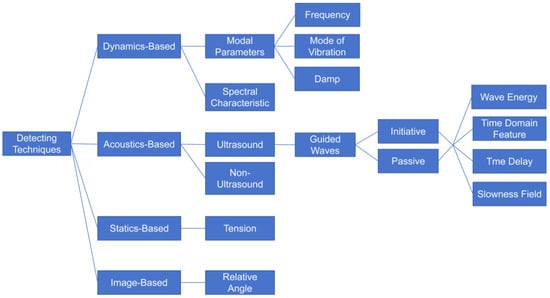
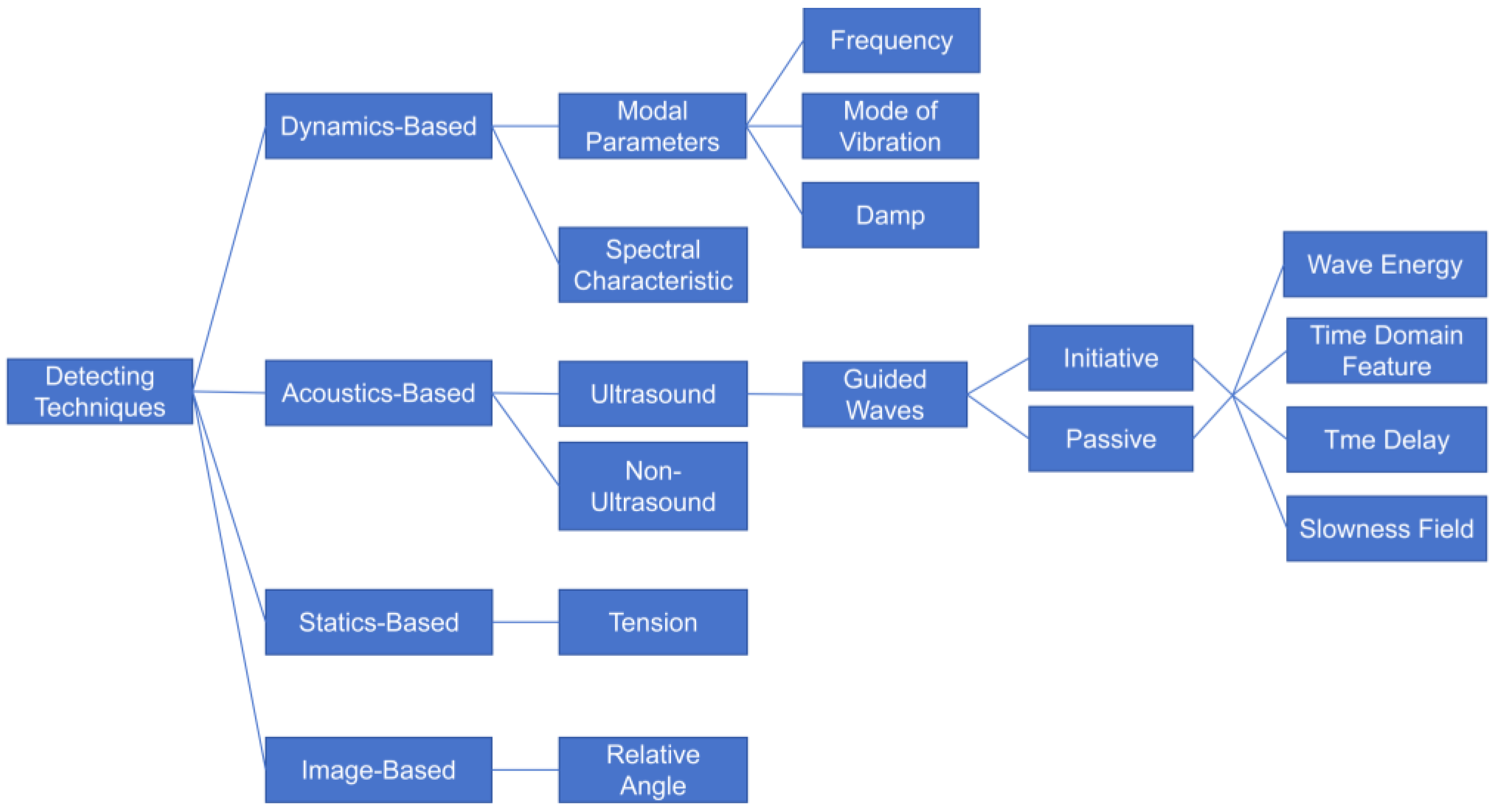
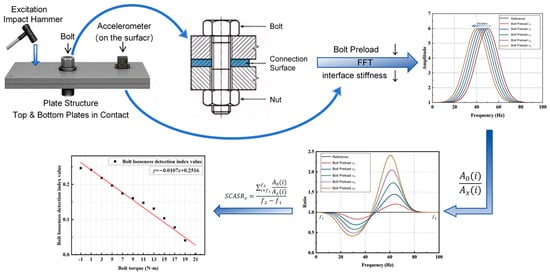
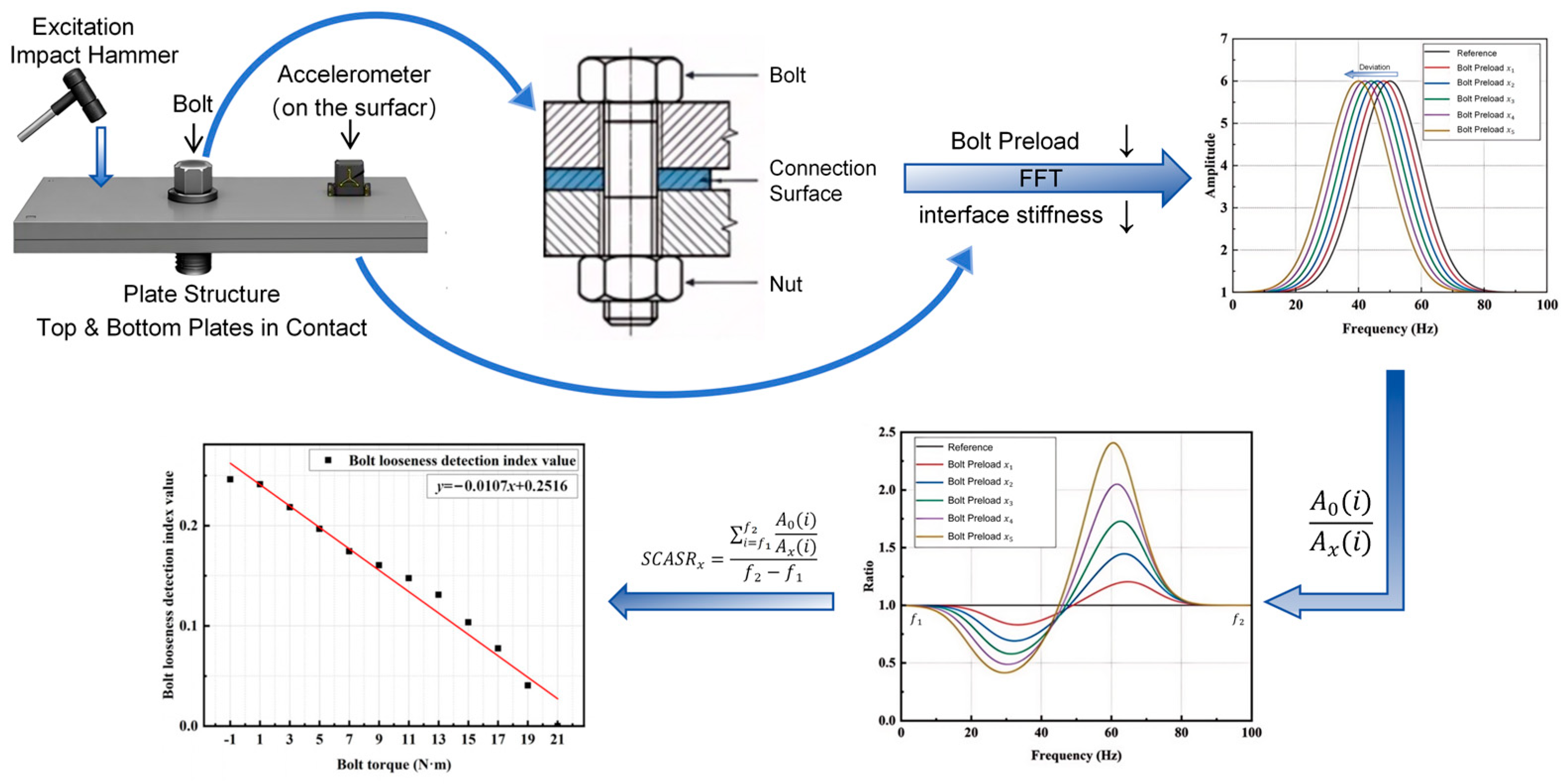
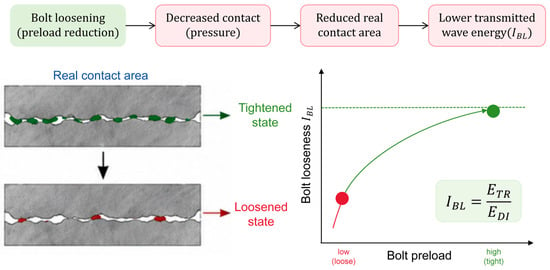
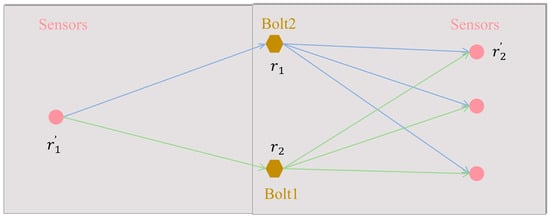
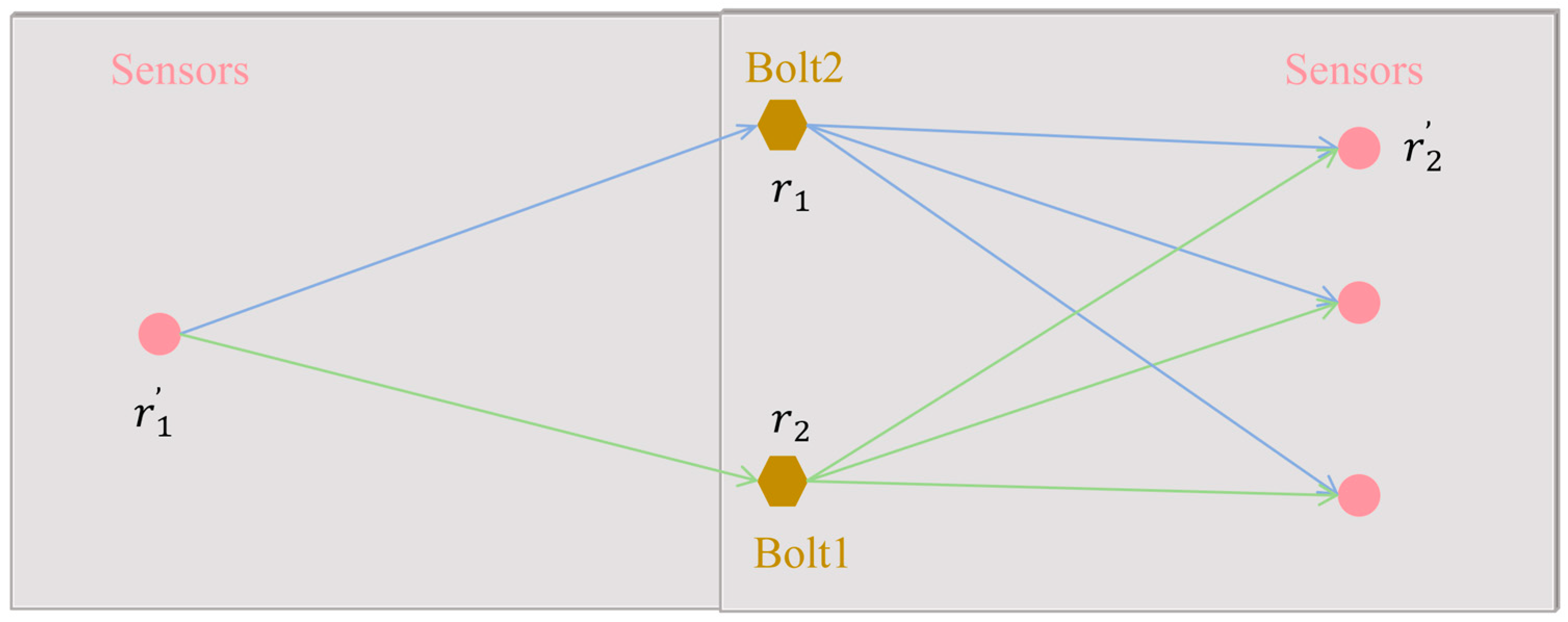
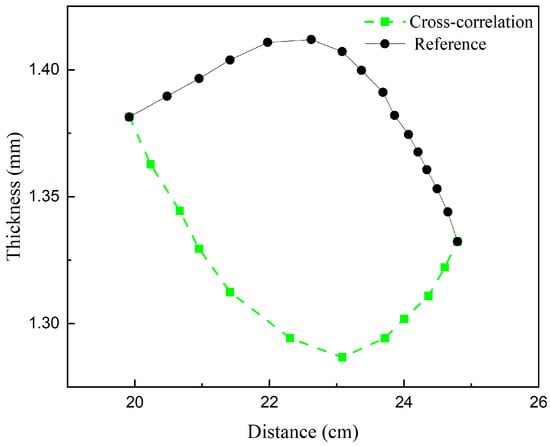
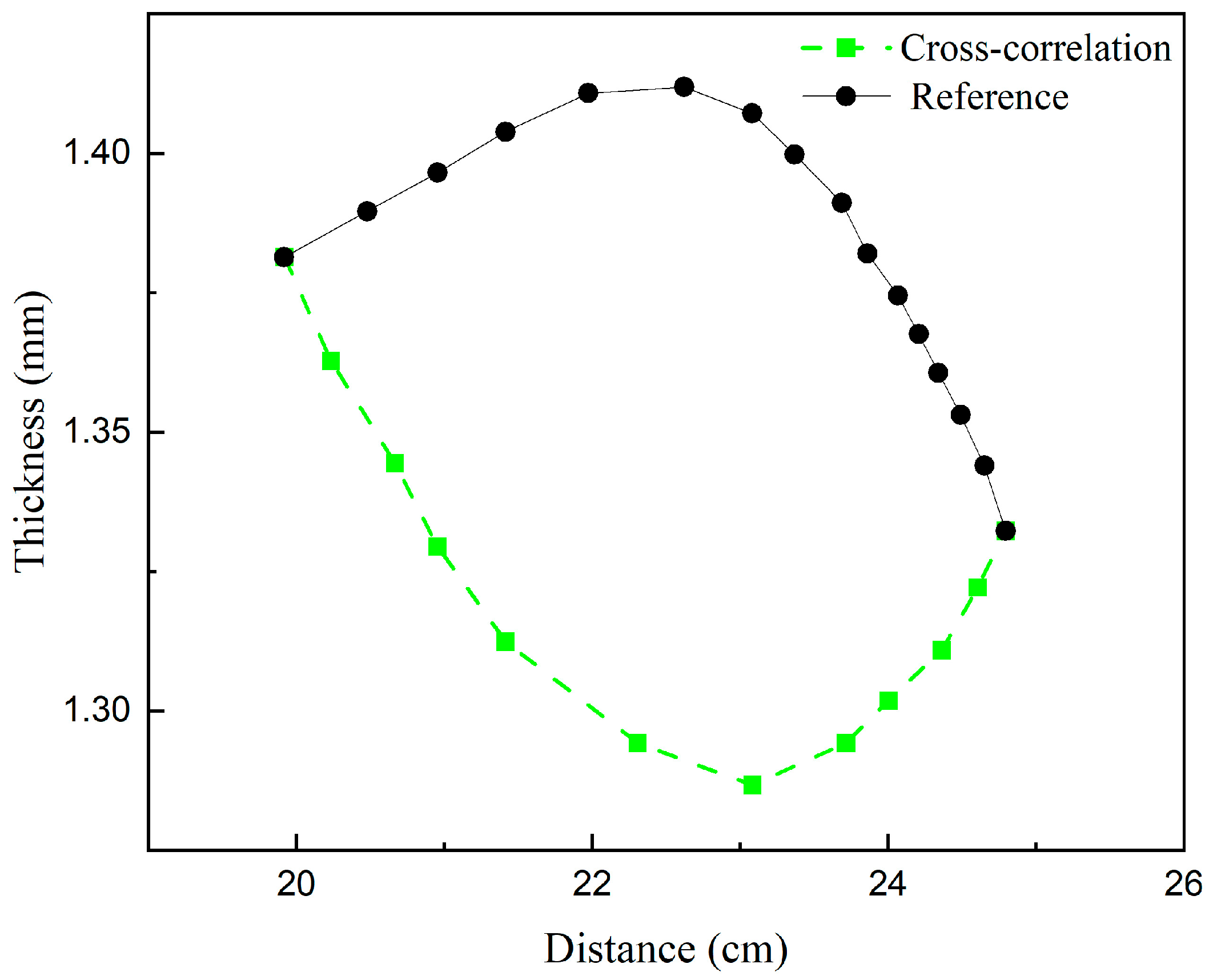
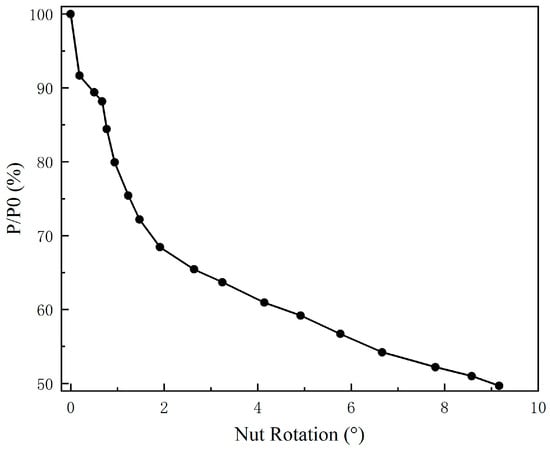
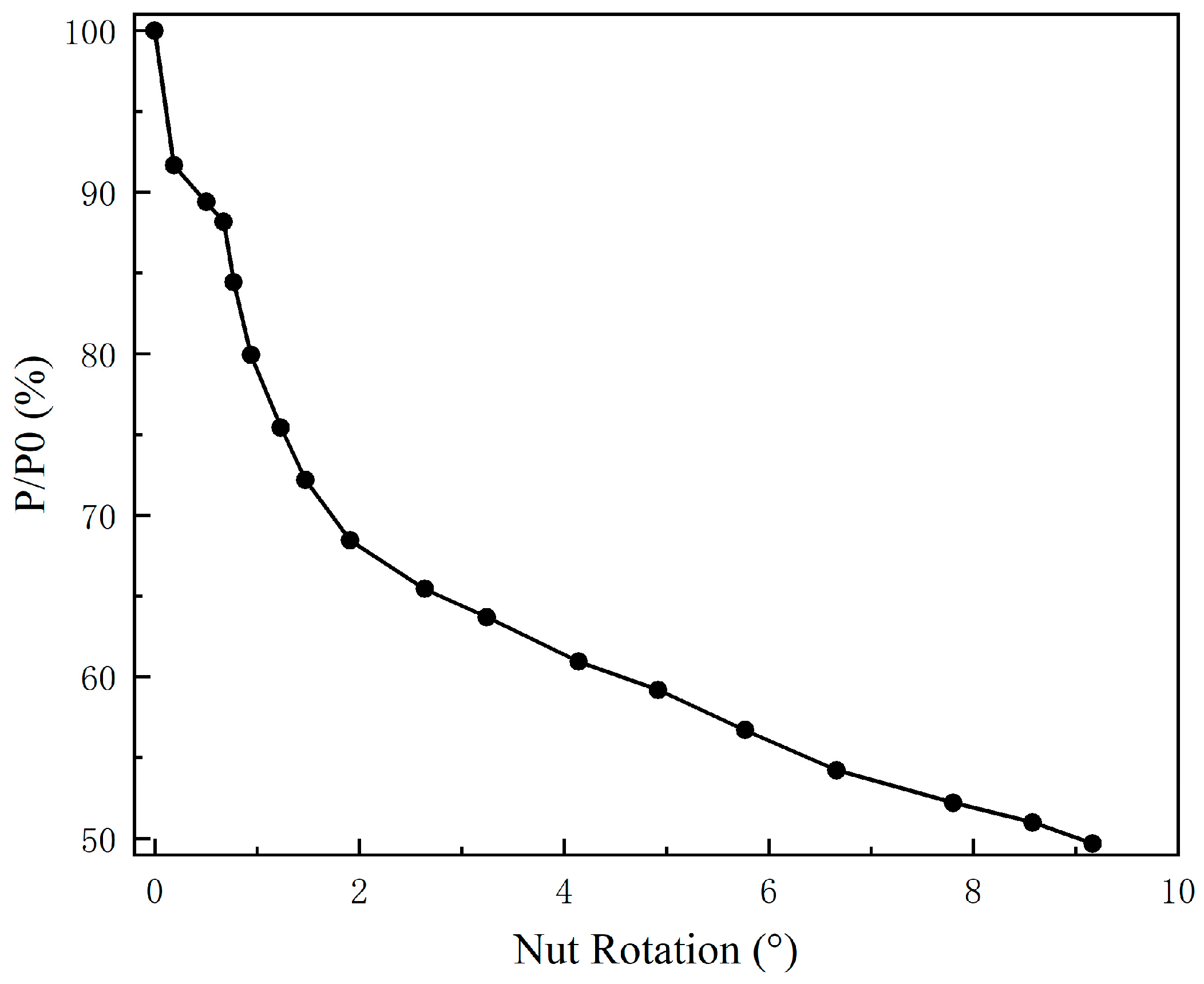
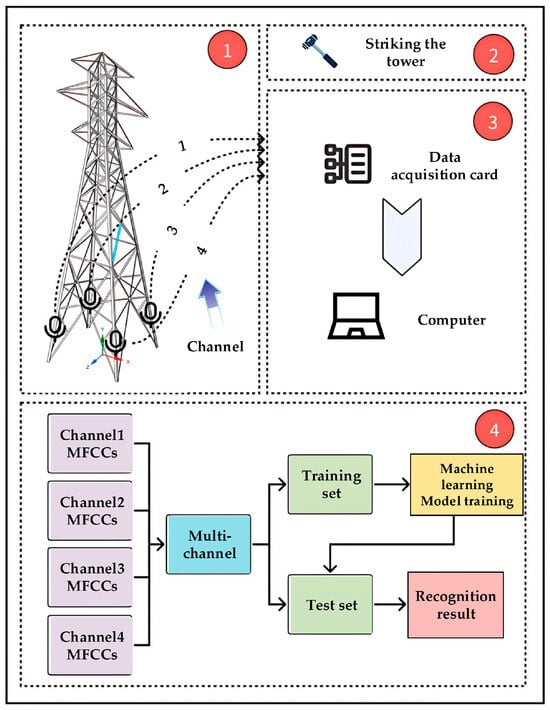
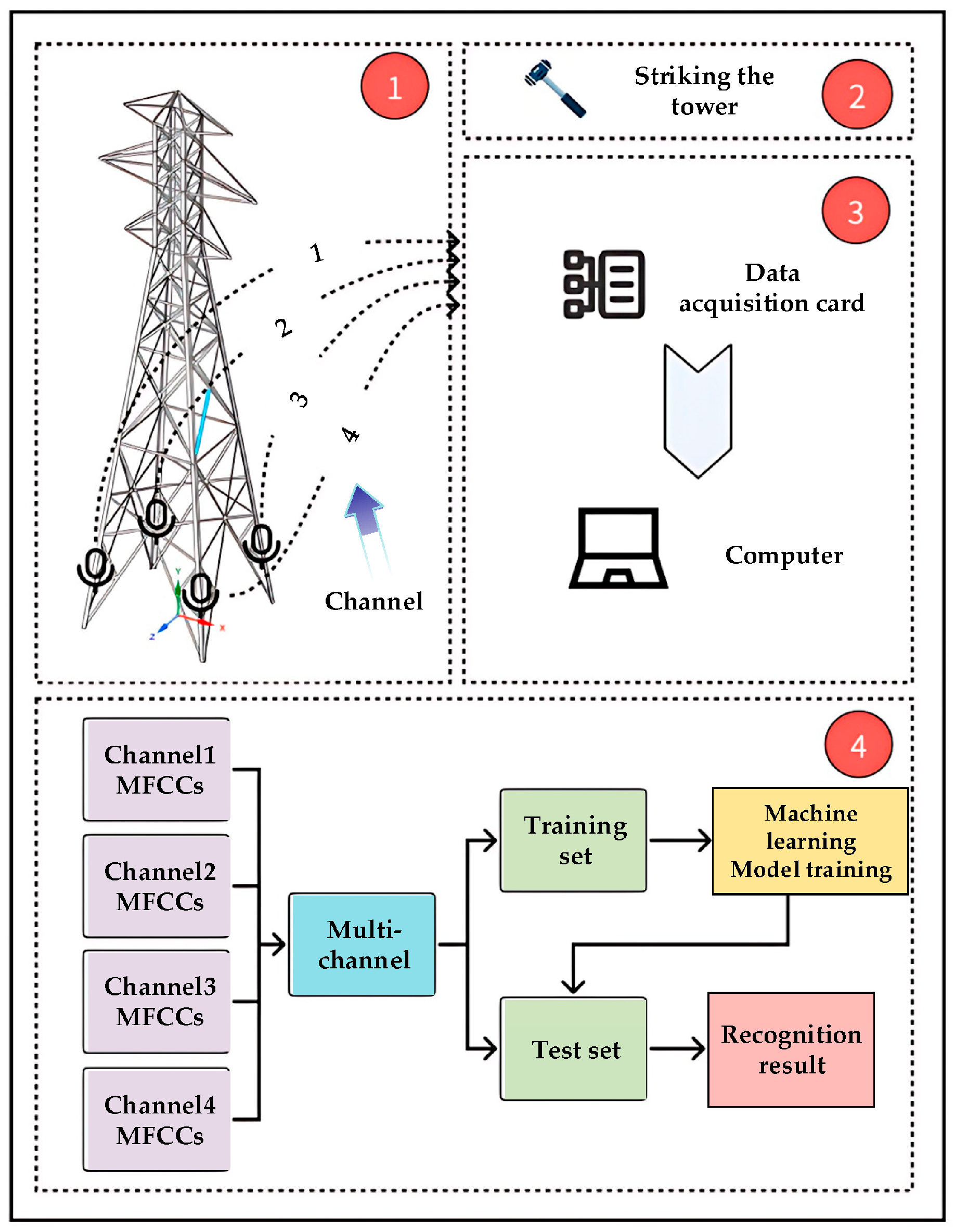
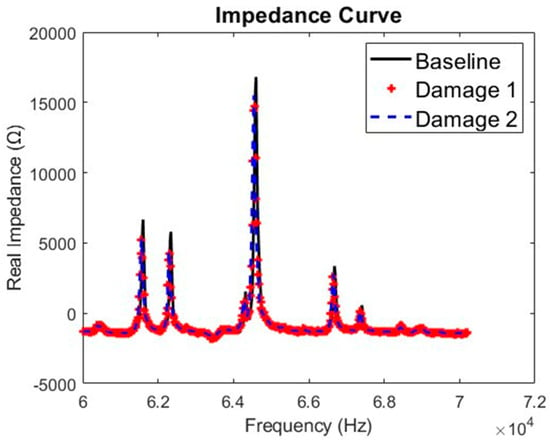
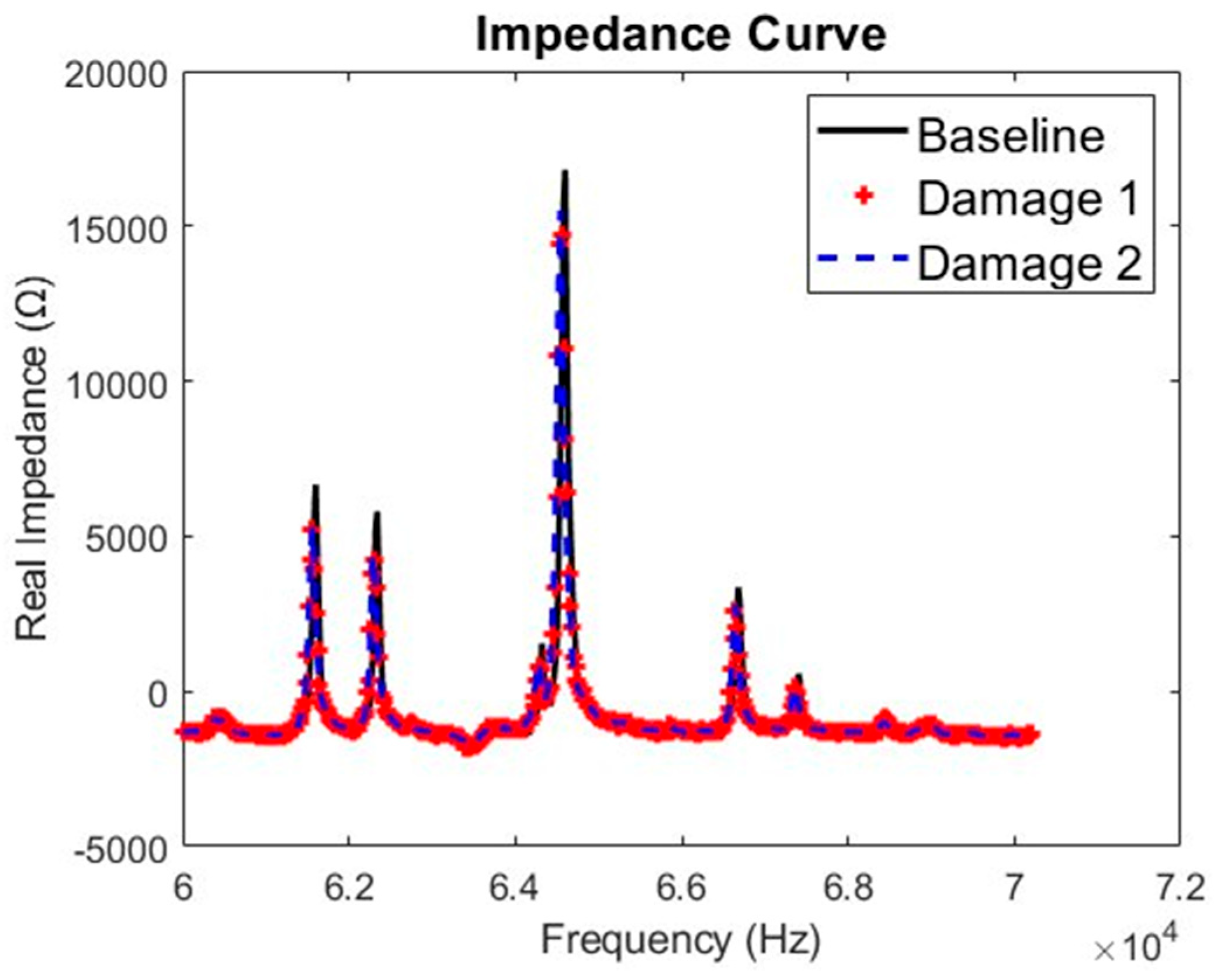
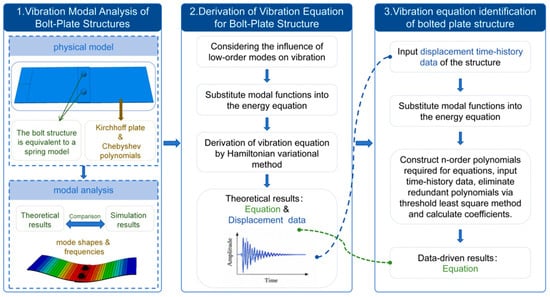
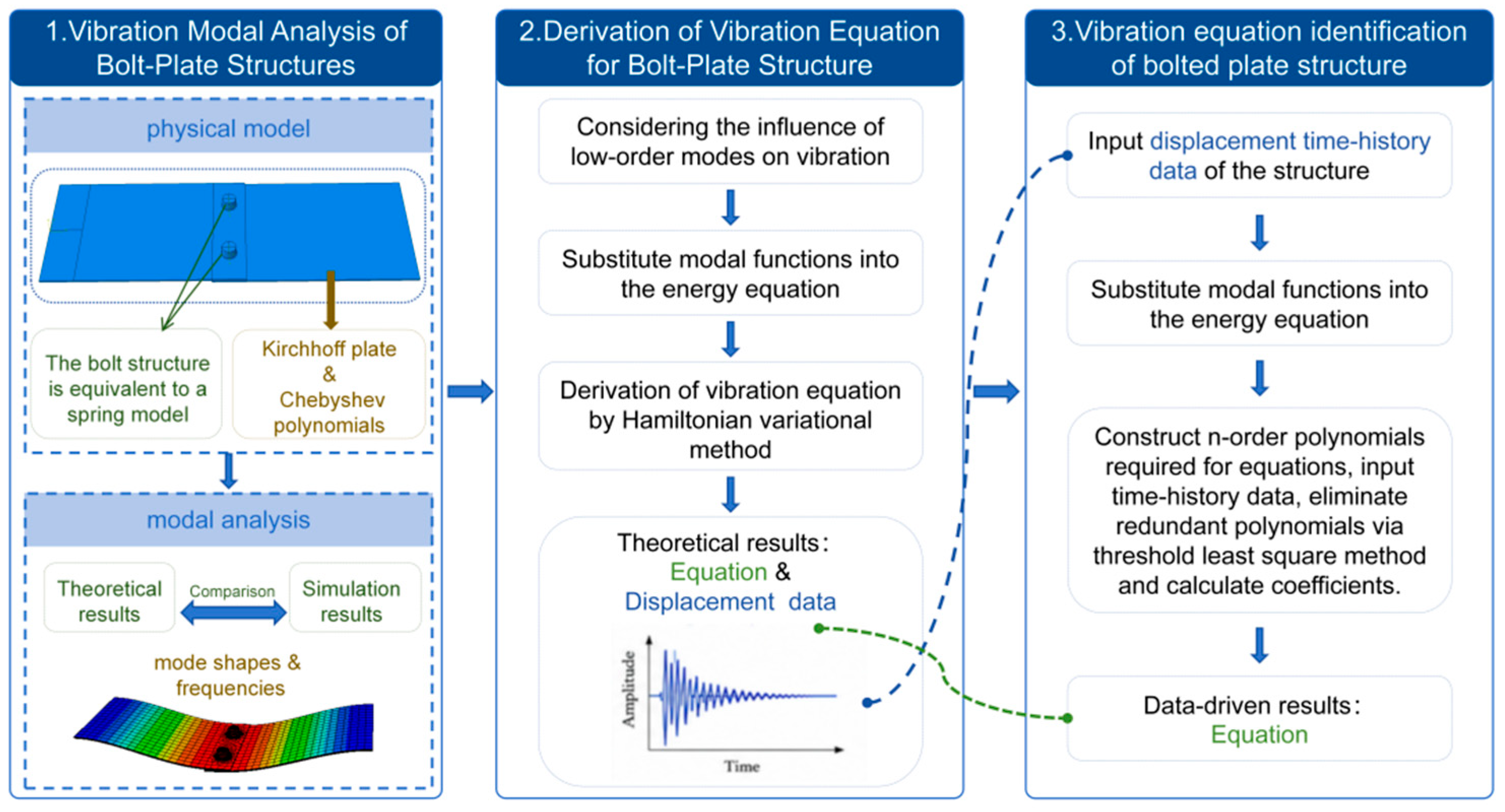
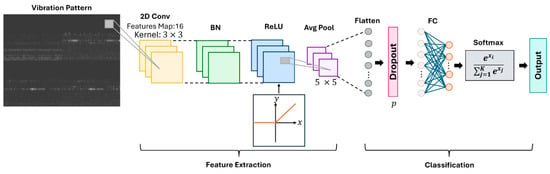
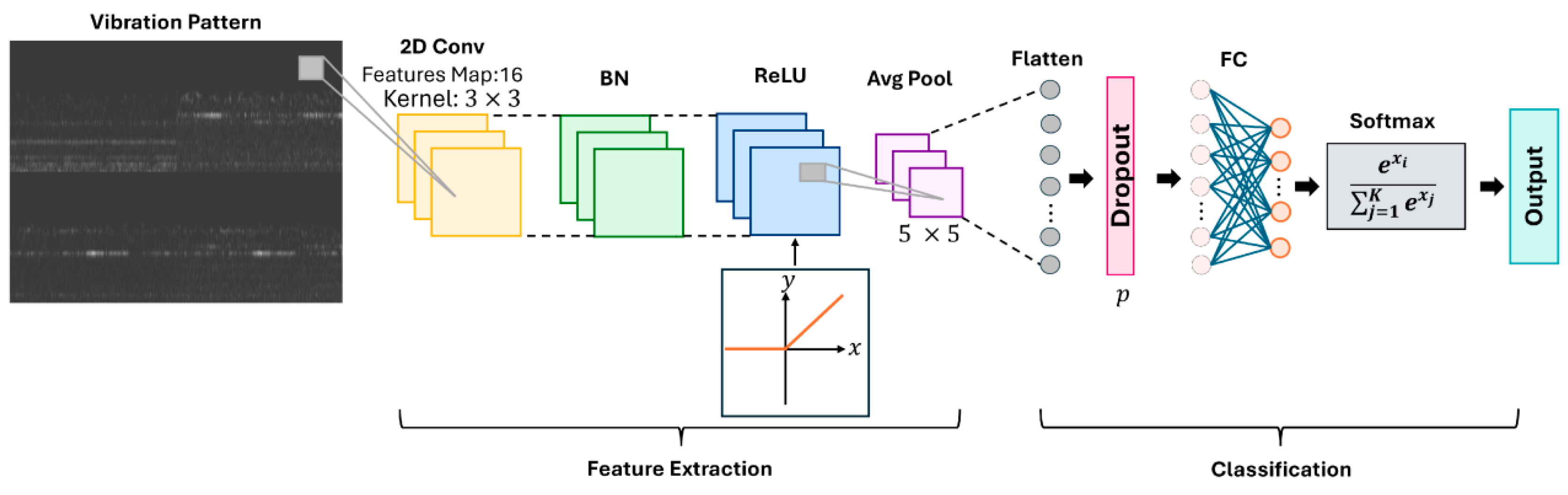
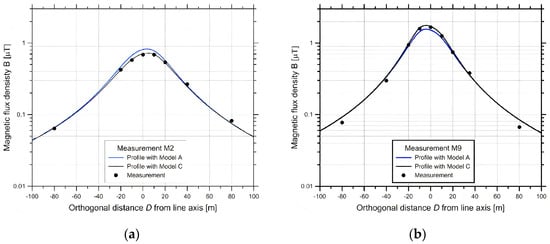
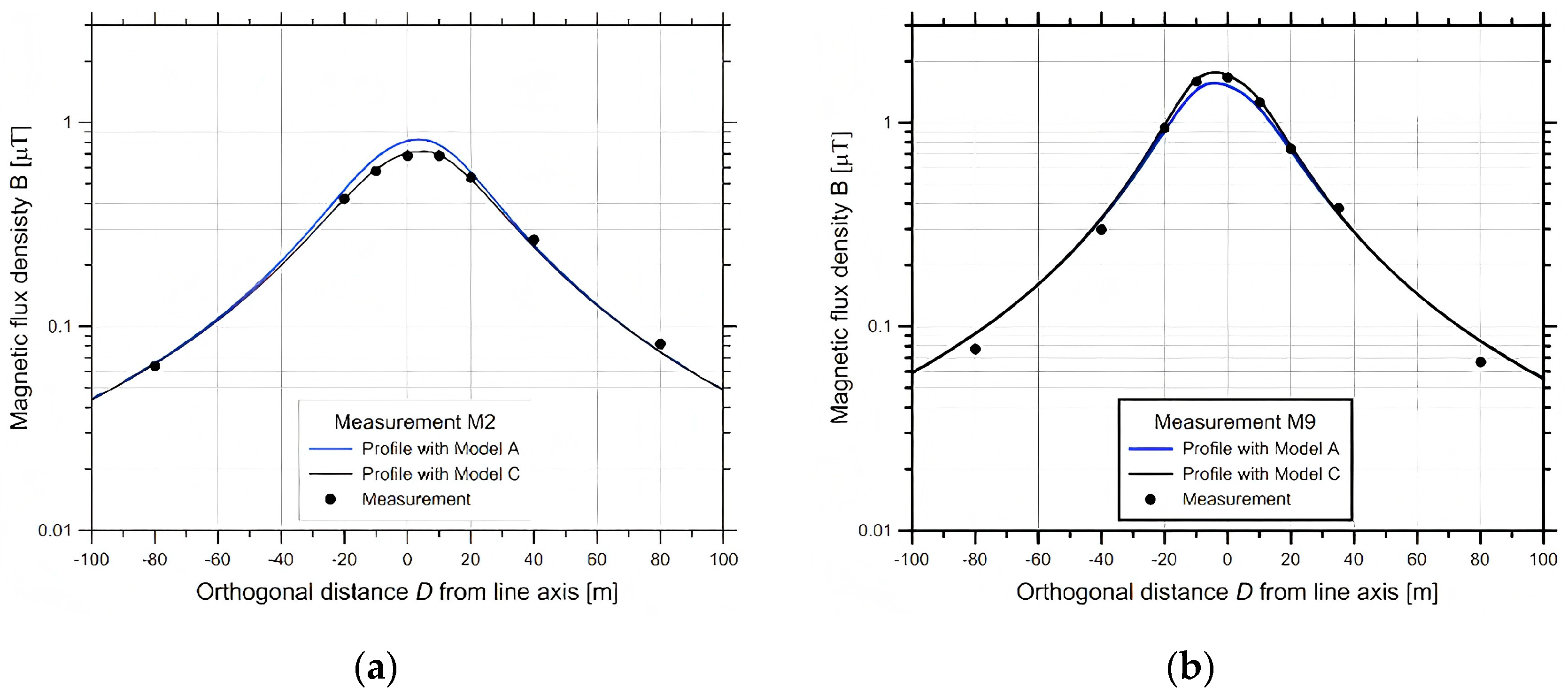
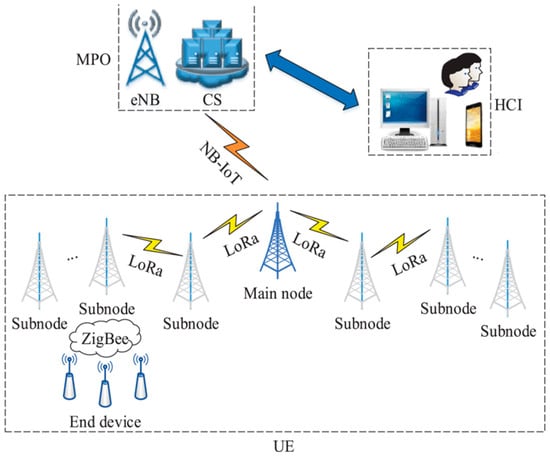
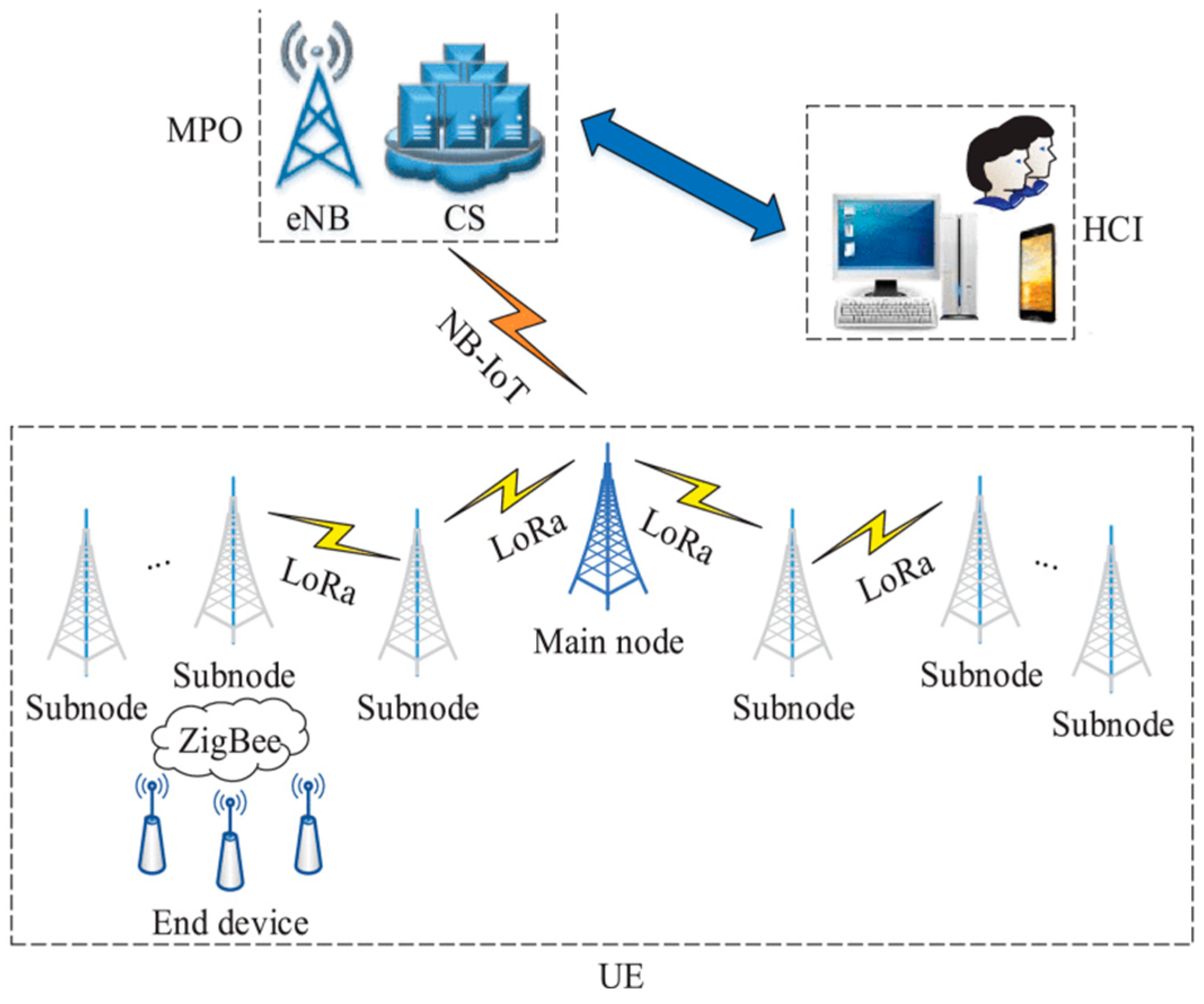

Disclaimer/Publisher’s Note: The statements, opinions and data contained in all publications are solely those of the individual author(s) and contributor(s) and not of MDPI and/or the editor(s). MDPI and/or the editor(s) disclaim responsibility for any injury to people or property resulting from any ideas, methods, instructions or products referred to in the content. |
© 2026 by the authors. Licensee MDPI, Basel, Switzerland. This article is an open access article distributed under the terms and conditions of the Creative Commons Attribution (CC BY) license.