


Abstract
The increasing integration of distributed energy resources (DERs) has transformed conventional radial distribution networks into active distribution systems characterized by bidirectional power flow, variable fault currents, and dynamic operating conditions. While DERs improve system reliability, efficiency, and sustainability, they introduce significant challenges to conventional protection and fault detection schemes. This paper presents a comprehensive review of fault detection methods for DER-integrated distribution networks, including Support Vector Machine (SVM) approaches, neural network-based methods, harmonic analysis techniques, and adaptive protection strategies. The impact of DER penetration on protection coordination, nuisance tripping, protection blindness, high-impedance fault (HIF) detection, and islanding is critically examined. In addition, passive, active, and artificial intelligence (AI)-based islanding detection methods are reviewed and compared in terms of detection accuracy, non-detection zone (NDZ), and detection speed. This review shows that AI-based approaches, particularly deep learning and hybrid machine learning techniques, consistently achieve superior fault and islanding detection performance. However, most reported methods are validated using simulation-generated datasets under predefined operating conditions, limiting confidence in their practical deployment. This study highlights the need for large-scale field validation, real-world datasets, hardware implementation, and robust protection frameworks capable of accommodating high DER penetration levels and evolving grid operating conditions.
1. Introduction
Conventional power distribution networks are designed to facilitate unidirectional power flow, with high-voltage and medium-voltage substations serving as the sole electrical supply sources. Ensuring the reliable operation of power distribution networks is critical to sustain the uninterrupted operation of social, economic, and industrial systems. Power distribution networks are prone to various faults, such as series faults, shunt faults, and high-impedance faults (HIFs), which can result in significant economic losses and societal impact [1]. Protection systems are designed to detect and isolate faulted sections of the network while maintaining safe and uninterrupted operation of the healthy sections, thus minimizing fault duration and improving system reliability [2,3].
Overcurrent relays, distance relays, and differential protection schemes are widely employed in conventional power distribution networks to detect faults and ensure the selective isolation of faulted sections [4]. Overcurrent relays operate by monitoring system currents and issuing a trip signal when excessive currents resulting from system faults are detected [3]. Distance protection relays detect faults by calculating the apparent impedance between the relay location and the fault point using locally measured voltage and current signals [5]. Differential relays protect power system equipment by comparing currents entering and leaving a predefined protection zone and initiating a trip when a significant mismatch is detected [4]. The high sensitivity of differential protection to relatively low current conditions makes it effective for detecting high-impedance faults [6].
The integration of DERs into distribution networks has increased rapidly in recent years due to population growth and rapid technological advancement. As a result, traditional passive distribution networks have evolved into active distribution systems characterized by bidirectional power flows. The properly planned integration of DERs enhances the reliability, efficiency, and power quality of distribution networks by transforming conventional grids into smaller and more manageable subsystems, while also contributing to the reduction of carbon emissions [5,7]. However, the increasing penetration of DERs introduces significant operational complexity, posing challenges to system observability, monitoring, control, and protection [6,8]. Furthermore, the enhanced reliance on communication and information technologies increases the vulnerability of distribution networks to cybersecurity threats [9].
Extensive research has been conducted on fault detection and protection in active distribution networks, as effective fault detection and reliable protection are essential for preventing widespread outages, maintaining system stability, and enabling rapid network reconfiguration following fault events [10,11].
The primary motivation of this work stems from the growing transition from conventional fault detection techniques toward intelligent, data-driven approaches in distribution networks with distributed energy resources. The existing review studies predominantly address either low-impedance fault detection methods or islanding detection methods in isolation. However, the potential of active distribution networks to operate under both grid-connected and islanded modes introduces significant challenges in system design and protection coordination. Recent research trends and technological advancements in both domains highlight the need for a comprehensive and critical review of data-driven methodologies that address fault and islanding detection in modern distribution systems.
The remainder of this paper is organized as follows. Section 2 presents an overview of active distribution networks and the challenges introduced by distributed energy resource (DER) integration. Section 3 reviews conventional distribution network protection schemes and fault detection methods. Section 4 discusses the impact of DER penetration on distribution network protection and fault characteristics. Section 5 examines fault detection, classification, and localization techniques for DER-integrated distribution systems, including conventional and artificial intelligence-based approaches. Section 6 reviews islanding detection methods, covering passive, active, and intelligent techniques. Finally, Section 7 presents the conclusions and future research directions.
2. Passive Distribution Network Overview
The conventional power grid consists of interconnected synchronous AC systems operating through a centralized, passive network with unidirectional power flow from generators to consumers [12,13]. Distribution networks deliver power from distribution substations to consumers through substations, feeders, and transformers [13,14,15]. Common faults in distribution networks include LG, LL, LLG, LLLG, and LLL, with LG faults comprising 70–80% of cases [1,16,17,18]. The severity of a fault in a distribution network is determined by the fault current, the location of the short circuit, and the voltage level. Fault detection in radial distribution systems relies on the analysis of voltage and current signals. Protection in conventional power distribution networks is primarily done using current-based protective devices such as auto reclosers, overcurrent relays, fuses, and earth fault protection [19].
Utilities have traditionally employed various control techniques to ensure the safe operation of distribution networks and to minimize service interruption durations experienced by consumers. Most conventional network automation schemes rely on Supervisory Control and Data Acquisition (SCADA) systems to monitor the alarms and faults in the distribution network [20].
In recent years, the integration of DERs into distribution networks has grown rapidly due to advances in renewable technologies, energy storage systems, and demand-side management strategies. While DERs provide several advantages such as improved reliability, reduced carbon emissions and enhanced grid flexibility, they also introduce significant challenges to the operation and management of distribution systems. These include bidirectional power flow, voltage fluctuations, frequency deviation, power quality degradation, low-voltage ride-through, system stability issues, and increased complexity in power system protection [21,22]. Consequently, the integration of DERs causes significant variations in fault current levels, which can compromise the performance of protective relays and restrict their operational range and tripping capabilities under conventional protection schemes [23]. The integration of distributed energy resources necessitates the development of advanced and intelligent fault detection methodologies designed specifically for modern power systems.
3. Conventional Fault Detection Methods and Protection Schemes for Distribution Network
Conventional distribution networks employ radial configurations, with overcurrent relays, circuit breakers, fuses, and reclosers providing coordinated fault protection [4,24]. Impedance-based and travelling-wave methods have been utilized for fault detection and location in conventional distribution networks. These methods analyze the propagation of electrical disturbances or the electrical characteristics of the network during a fault. Impedance-based methods estimate the apparent impedance from measured voltage and current to identify faults and estimate fault distance from the measurement point [25,26]. In contrast, travelling-wave methods analyze the propagation and arrival times of electromagnetic transients generated by fault events [27].
The authors in [28] proposed an impedance-based fault detection and location method utilizing voltage and current measurements acquired at the sending end of the feeder. Following fault detection and fault type classification, an enhanced impedance-based fault location technique is employed to determine fault location candidates. The exact fault point is then determined through a voltage-sag matching technique, which compares the measured changes in voltage magnitude and phase angle with those obtained from simulation studies. The Discrete Fourier Transform (DFT) filter is employed to extract the voltage and current phasors from the measured signals [29]. These phasors are subsequently utilized by the relay to detect and classify the fault, as well as to identify the faulted phases. Following fault detection and classification, the fault location algorithm uses the pre-fault and fault-condition phasors to estimate the distance to the fault.
During a fault, traveling waves encounter a transition point characterized by an abrupt change in circuit parameters, propagating from the fault point towards the line terminal and the remaining portion is refracted through the transition point [27,30]. Traveling wave-based fault location techniques employ IEDs to monitor and analyze wave propagation. Traveling wave techniques are generally classified into time and frequency domain analyses and further categorized into single- or two-terminal approaches [31,32].
In [27], the authors proposed a two-terminal fault detection and location method. Voltage signals are measured at both ends of the transmission line and transformed into aerial-mode voltage components using the Karrenbauer transformation. The resulting signals are decomposed into Intrinsic Mode Functions (IMFs) through Successive Variational Mode Decomposition (SVMD), and the highest-frequency IMF is retained for subsequent processing. The normalized Teager Energy Operator (TEO) is then applied to detect the arrival times of the first travelling-wave fronts at both line terminals. Finally, the fault distance is calculated based on the detected arrival times, associated frequency components, and frequency-dependent wave propagation velocities.
A single-ended traveling wave-based fault location scheme is proposed to improve the accuracy and reliability of fault location [33]. The arrival time of the fault-generated wavefront is determined using an improved Pettitt test, which minimizes errors in locating the fault occurrence. The Hough transform is employed to refine the estimated travelling-wave arrival times, thus detecting fault location. An optimal arrangement of traveling-wave location devices is developed to improve the accuracy of fault location under practical operating conditions.
4. Review of the Impact of DER Integration on Conventional Distribution Networks
The integration of DERs transforms the conventional radial distribution network into an active network with decentralized generation [34]. This transformation has introduced numerous operational and technical challenges within the network. These challenges include:
- •
- Voltage fluctuations
- •
- Harmonic instability and resonance phenomena
- •
- Bidirectional current flow
- •
- Protection malfunction/miscoordination
- •
- High-impedance faults
- •
- Islanding
The impact of these challenges is influenced by several factors, including the penetration level of DERs, the distribution network configuration, and the location of DER units within the system. This Section provides a detailed discussion of the aforementioned challenges.
4.1. Voltage Fluctuations
The voltage profile of a power distribution system is influenced by the characteristics of the connected loads and the type of DER integrated [35]. Voltage fluctuations occur following the integration of DERs into distribution networks due to the mismatch between the reactive power demand of the loads and the reactive power supplied by the system [36]. As a result, the voltage characteristics at the Point of Common Coupling (PCC) can be significantly impacted, giving rise to power quality concerns such as voltage rise, voltage unbalance, and voltage flicker [27,37,38].
4.2. Harmonic Instability and Resonance Phenomena
In active distribution systems, the use of power electronic converters for energy conversion introduces significant harmonic distortion within the network, resulting in unexpected harmonic resonance phenomena, increased energy losses, and overheating of electrical equipment [39,40]. Among the various DER technologies, PV inverters are recognized as the primary sources of current harmonic injection into distribution systems [41]. These harmonic currents contribute to voltage distortion and increase the Total Harmonic Distortion (THD) of the network. Harmonic components introduced into the system propagate through transformers and become reflected in the voltage signals, which consequently affect the zero-sequence current characteristics [42].
4.3. Bidirectional Current Flow
The integration of DERs introduces bidirectional power flow in conventional distribution networks due to their diverse operating modes and dynamic generation characteristics [43,44]. This alters power flow direction, voltage characteristics, and increases fault current levels. The magnitude of these changes is determined by DER type, penetration level, installation location, and operational characteristics. As a result, bidirectional power flow may compromise the effectiveness of conventional protection schemes and lead to protection coordination challenges [45].
4.4. Protection Malfunction/Miscoordination
Conventional distribution network protection schemes are developed for radial systems characterized by unidirectional power flow. The integration of DERs alters this operating paradigm by introducing bidirectional power flow as discussed in Section 4.3. The key challenges associated with DER integration are outlined below.
4.4.1. Nuisance Tripping
Overcurrent relays in a distribution feeder are coordinated within the range of the fault current of the feeder. An increase in current magnitude due to DER backfeed may cause nuisance tripping, which can compromise the coordination of circuit breakers. As shown in Figure 1, the three-phase fault F1 occurs on Feeder 1. The short-circuit current, supplied through the substation bus due to the presence of DERs in Feeder 2, may result in the unintended operation of the non-directional backup relay R2 before the primary relay R1 [7]. Using Figure 1, the fault current with no DER can be calculated using Equation (1) [46]:
where Vf is the fault voltage, Zsys is the grid equivalent impedance and ZL1 is the Feeder 1 impedance. Introducing a DER on Feeder 2, the fault current is calculated using Equation (2) [46,47].
where ZDER is the impedance inserted by the DER unit. Using Kirchhoff’s laws, the grid supply and DER fault current contributions are calculated using Equations (1) and (2), respectively [47]:
Figure 1.
Non-directional relays nuisance tripping. Figure created based on [47].
From Equations (1) and (2), it can be concluded that the closer the fault location to the grid, the higher the fault current from the grid supply and DER.
4.4.2. Protection Blindness
Synchronous-based DERs installed between the main substation and the fault decrease the fault current, deteriorating the sensitivity of the feeder relay. As shown in Figure 2, when a three-phase fault F1 occurs, the impedance measured by the relay R1 will be higher than the fault impedance. This will reduce the fault current detected by R1, thereby reducing the sensitivity of the relay R1 to the fault current.
Figure 2.
Protection blindness due to DER integration. Figure created based on [6,7].
When a fault occurs downstream of a DER, both the utility grid and the DER contribute concurrently to the fault current. This results in a reduced fault current magnitude observed at the upstream relay, which may fall below its pickup threshold [48]. To calculate the fault due to the presence of DERs in the system, Thevenin’s equivalent circuit in Figure 3 is used.
Figure 3.
Thevenin’s equivalent circuit. Figure created based on [6].
From Figure 2, the fault current without DER integration can be calculated using Equation (5) as follows [6,46]:
Using Kirchhoff’s laws, the grid contribution and the DER contribution to the fault can be calculated as follows [47]:
Comparing Equations (5) and (7), it can be concluded that the fault current with the DER is less than the fault current with no DER integration.
4.5. High-Impedance Faults
The increasing penetration of DERs has significantly complicated the detection of high-impedance faults (HIFs) in active distribution networks. The integration of DERs introduces bidirectional power flow and alters network impedance characteristics, resulting in variations in fault current magnitude and direction that challenge conventional protection schemes [48]. Inverter-based DERs typically exhibit limited fault current contributions, which can distort HIF characteristics [49]. These challenges are further intensified when faults occur through high-resistance surfaces. Consequently, the dynamic operating conditions associated with DER penetration increase the complexity of distinguishing HIFs from normal system disturbances, rendering HIF detection one of the most persistent and challenging protection issues in active distribution networks [50].
4.6. Islanding
Distribution networks with DERs may become intentionally or unintentionally isolated from the main utility supply, a condition referred to as islanding, under which they continue to operate independently [51]. Intentional islanding refers to a controllable operating mode in which a distribution network with DERs is disconnected from the main grid and continues to supply electric power to local loads reliably [52]. Unintentional islanding refers to the unintended disconnection of a distribution network containing DERs from the main grid, which can lead to power imbalance as well as voltage and frequency instability [52,53]. Figure 4 illustrates the islanding phenomenon in a distribution network with DERs.
Figure 4.
Islanding concept in a power distribution network with the dashed circle indicating the potential islanded region. Figure created based on [54].
When CB1 opens, the distributed generator becomes electrically separated from the main GRID and serves as the sole power source for the local loads.
To prevent unintentional islanding, international standards such as IEC 62116 and IEEE 1547 mandate that DERs be disconnected from the grid within 5 s and 2 s, respectively under fault conditions [55,56,57]. Therefore, reliable fault detection and protection schemes must be implemented to ensure rapid isolation of the DER, thereby preventing unintentional islanding.
The next Section reviews the various fault detection methods proposed in the literature to mitigate the impact of DERs on conventional distribution networks.
5. Fault Detection Methods in a DER-Integrated Distribution System
Various fault detection methods have been proposed to minimize the impact of DERs on the distribution network. This Section provides a comprehensive review of fault detection methods employed in active distribution networks, including SVM, neural network, harmonic analysis-based techniques, and adaptive protection strategies.
5.1. Support Vector Machine
Advanced analytical techniques enhance the capability to interpret complex data patterns, thereby enabling real-time fault detection, classification, and location within the distribution network with DER. Support Vector Machine (SVM) is employed for classification tasks by separating distinct datasets through the construction of an optimal hyperplane that maximizes the margin between classes.
The authors in [58] proposed a Support Vector Machine (SVM) for fault detection and location. SVM employs kernel functions to transform input data into a higher-dimensional feature space where fault detection and classification are performed more effectively. A fault location module utilizing Gaussian Process Regression (GPR) is developed to estimate fault locations accurately. The probabilistic nature of GPR enables effective data fitting and reliable fault location prediction with reduced computational burden. The reliability of the proposed method was evaluated using a 7-bus meshed system with two grid sources and three DGs implemented in MATLAB/Simulink 2020a simulation software. Three-phase-to-ground (LLLG), double-line-to-ground (LLG), and single-line-to-ground (LG) faults were applied at different locations within the microgrid to evaluate the performance of the proposed protection scheme. The proposed method successfully detected and classified various fault types while accurately determining the fault location within the network.
A Discrete Wavelet Transform (DWT) was employed to decompose the measured current signal, enabling the extraction of fault-related features for accurate fault detection [59]. Once a fault is detected, the extracted features are processed using principal component analysis and then fed into an SVM for accurate fault classification. Short-circuit faults were simulated for specified time intervals in a standalone microgrid using the PSCAD simulation platform. Faults were accurately detected and classified even under increased DER penetration levels.
Modified Variational Mode Decomposition is employed to decompose the current signals into a finite number of IMF, which are then processed by a Long Short-Term Memory (LSTM) network to preserve relevant temporal information [59,60]. The resulting feature representations are further enhanced through a Variational Autoencoder (VAE), and a Support Vector Machine (SVM) is subsequently employed to classify fault and non-fault conditions. PSCAD simulation software is also utilized in this study to evaluate the performance of the proposed method. The proposed method demonstrated high fault detection and classification accuracy.
A common limitation of the reviewed studies is that the machine learning models were trained and validated using datasets generated from simulation environments under predefined operating scenarios, fault types, fault locations, and DER penetration levels.
To mitigate the limitations associated with insufficient training data, a Support Vector Data Description approach combined with incremental learning and synthetic data generated through an artificial uniform hyperspherical data generation model was proposed [61]. Subsequently, an SVM employing a radial basis function kernel was utilized, as it requires fewer training samples and exhibits improved resistance to overfitting, thereby enhancing fault detection and classification performance [62].
5.2. Neural Network Based
A neural network is a highly complex, nonlinear, and data driven computational model that functions as a black-box information processing system, characterized by adaptive learning capabilities [63]. It consists of numerous interconnected processing elements referred to as nodes, units, or artificial neurons linked through weighted connections that determine the strength of information flow [64,65]. These neurons are organized into layered structures that collectively define the network architecture and enable its computational functionality.
An ANN-based fault detection method consists of interconnected neurons structured in multiple layers, where each layer performs a linear regression operation. The activation function of each neuron transforms the output into an activated or non-activated state, enabling nonlinear mapping and improved fault detection accuracy [66]. A fault detection, classification, and localization approach for microgrids is proposed using the DWT combined with a Taguchi-based ANN [67]. The Taguchi method is employed to generate orthogonal training datasets, enabling a reduction in computational training time of the ANN without compromising its classification accuracy. The performance of the proposed method was evaluated using an RX62T microcontroller interfaced with an OP5600 real-time digital simulator. Fault detection was achieved by monitoring the line current using an Allegro ACS712 Hall-effect sensor. Once a fault was identified by the RX62T controller, trigger signals were issued through PC817 optocouplers and applied to high-speed gate drivers of the silicon-controlled rectifier to isolate the fault. Three-phase, two-phase-to-ground, and one-phase-to-ground faults were accurately detected, located, and isolated.
Four multilayer perceptron ANN are employed for fault detection and location, accounting for fault impedance variations [68]. Each multilayer perceptron (MLP) is specifically customized and trained using fault data generated in DIgSILENT PowerFactory to identify a particular fault type. Following fault identification, the appropriate circuit breakers are activated to isolate the faulted section, thereby ensuring rapid fault clearance and improved system reliability. The proposed MLP-ANN-based fault-location method was evaluated using a 20 kV, 22-bus distribution network containing two diesel generators. Its performance was assessed under four fault categories, four fault impedance levels, and varying signal-to-noise ratios, using fault-location error, mean squared error, and comparison with a graph convolutional network. The results indicated robustness to fault impedance variations and signal noise; however, validation under renewable, inverter-interfaced DERs and varying DER penetration levels remains an area for further investigation.
An advanced ANN known as the Radial Basis Function Neural Network (RBFNN) for fault detection is proposed, utilizing the DWT to decompose current waveforms into multiple frequency components [69]. The DWT analysis extracts wavelet coefficients containing salient fault-related information. These coefficients are subsequently used as inputs to a chaotic neural network, which performs fault classification by identifying and categorizing different fault conditions. The proposed method was evaluated on an IEEE 5-bus system incorporating a hydrokinetic turbine and a photovoltaic (PV) system, modeled in MATLAB/Simulink. To capture a range of operating conditions, 144 simulation cases were conducted considering different fault types and ground fault resistance values. The dataset was divided into training and testing subsets, with 70% of the data used for training the RBFNN and the remaining 30% reserved for performance evaluation. The low mean squared error and high coefficient of determination indicate the strong fault detection capability of the RBFNN.
A CNN is a deep learning architecture designed to process data with a grid-like structure, comprising an input layer, multiple convolutional and pooling layers, activation functions, fully connected layers, and an output layer [70]. CNN based fault detection analyzes input data using multiple layers that capture spatiotemporal features with enhanced resolution. These extracted features are subsequently converted into more complex representations at lower resolutions.
Rai et al. [71] designed a deep learning-based CNN comprising nine layers to classify various types of faults and no-fault conditions. The CNN automatically extracts relevant features from the sampled three-phase current and voltage signals at the PCC, eliminating the need for separate data preprocessing. Fault detection and classification are achieved through the hierarchical feature-learning capability of the CNN. To develop and validate the proposed CNN, approximately 29,077 simulation samples were produced in MATLAB/Simulink by varying network operating conditions, fault locations, fault resistance levels, and fault inception angles. The resulting dataset was divided such that 90% of the samples were used for training, whereas model validation was conducted using 10-fold cross-validation to ensure robust performance assessment. The proposed approach provides competitive performance and demonstrates enhanced computational efficiency of 99% in online applications compared with conventional machine learning-based methods. Training the proposed model in the offline phase requires substantial computational resources, resulting in high computational costs.
The performance of three deep CNN models for fault detection, classification, and location is assessed by modeling a distribution network with optimally placed phasor measurement units (PMUs) using a real-time digital simulator (RTDS) rack [69]. Three-phase current signal images are used as inputs to CNN1 and preprocessed to extract features. Using a Softmax classifier, CNN1 determines whether the system is healthy or faulted and identifies the fault type and involved phases. CNN2 identifies the faulted feeder section using measurements from multiple PMUs. The exact fault location is estimated using CNN3 based on the regression approach. The CNN model was trained and validated using a dataset with both fault and no-fault conditions obtained from repeated simulations in the RSCAD platform. Despite a 50% reduction in the training dataset, the proposed method maintained high accuracy of above 98% in fault detection, classification, and localization.
An integrated DWT-based SVM–CNN framework is proposed for fault detection, classification, and localization using differential protection [72]. The CNN is initially trained to extract discriminative features, after which the fully connected FC-8 layer is replaced with an SVM classifier. The hybrid SVM–CNN model is subsequently used to identify fault occurrence, determine the fault type, and locate the faulted section while also distinguishing HIFs, switching events, and islanding conditions. The method was validated through simulations in DIgSILENT PowerFactory and real-time implementation using OPAL-RT, achieving 100% fault detection accuracy and 99.99% accuracy in both fault classification and localization.
In [73], a recurrent neural network (RNN)-based approach is proposed to detect HIFs in DC microgrids. The method utilizes measured current signals and exploits the nonlinear and oscillatory characteristics of HIF current waveforms to distinguish fault conditions from normal operating states and load variations. The RNN learns temporal fault signatures directly from sequential current data, enabling reliable detection of low-magnitude fault currents associated with HIFs. The proposed approach was validated in MATLAB/Simulink using a radial DC microgrid comprising a photovoltaic source, lithium-ion battery energy storage system, DC load, and a grid-connected bidirectional inverter. A dataset consisting of 100 normal operating cases, 100 load-change events, and 200 HIF cases with varying fault resistances, oscillation frequencies, and fault locations was generated. 80% of the data was used for training and 20% for validation. The results demonstrated a detection accuracy of 98.79% and an F1-score of 95.52%, while achieving fault detection times between 10 ms and 40 ms.
Despite achieving high fault detection, classification, and localization accuracies, the reviewed studies are predominantly trained and validated using simulation-generated datasets derived from specific network configurations. As a result, the developed AI models may have limited generalization capability when exposed to real-world operating uncertainties, measurement noise, network reconfigurations, and previously unseen fault scenarios. In addition, the reliance on large, labeled datasets and computationally intensive offline training processes may constrain their scalability and practical deployment, highlighting the need for broader validation using field data from actual power systems.
5.3. Harmonic Analysis
The fundamental principle of the harmonic analysis fault detection technique is based on monitoring the total harmonic distortion (THD) of key grid parameters, namely voltage, current, and frequency. The current phase of the faulty feeder lags behind the zero-sequence voltage (ZSV) at the bus during the fault transient, whereas the current phase of a healthy feeder leads to the corresponding voltage phase. Moreover, under steady-state conditions, the integration of DG sources may introduce distortion in the zero-sequence currents (ZSCs), resulting in a higher harmonic content in the faulty feeder current compared to that of the healthy feeder [74].
To identify the faulty feeder during single line-to-ground faults in PV- and wind-integrated distribution systems, Variational Mode Decomposition (VMD) extracts intrinsic mode functions (IMF) from ZSV and ZSC signals, and their cross-correlation coefficient is used for fault detection [74]. Kalman filter generates current residuals and THD indices for fault detection, while third-harmonic components of voltage and current signals are used to derive Kalman filter-based reactive power, whose directional characteristics enable faulty-section identification under grid-connected and islanded operation [75]. A two-cascaded algorithm for fault detection and localization was introduced in [76]. A second-order generalized integrator frequency-locked loop (SOGI–FLL) is employed to measure the THD levels of the grid voltage components, namely the voltage zero-sequence component estimated amplitude voltages and to detect the fault occurrence. Then, the positive and negative sequence voltage components are utilized to determine the fault location.
Most fault detection studies in DER-integrated distribution networks remain limited to offline simulation environments such as MATLAB/Simulink and PSCAD. VMD-based faulty feeder detection method employed PSCAD simulations and was further validated using actual fault recordings obtained from a utility substation [74]. The proposed method decomposes the transient ZSV and ZSC signals into multiple IMFs with actual physical meaning. The method identifies the faulty feeder from healthy feeders based on the polarity of the cross-correlation coefficient computed from the decomposed ZSC and ZSV IMF. If the decomposed IMF fail to capture the fault-related trend characteristics, the extracted harmonic currents are used to compute the harmonic energy, with the faulty feeder identified as the one exhibiting the highest energy. With the DG (two PV farms and one wind farm) connected and the grounding switch open, the proposed method achieved accurate fault detection even in the presence of severe noise interference. Accurate faulty feeder detection was achieved using distorted ZSV and feeder ZSC data from practical SLG faults with arc extinction. Including real fault data significantly increases confidence in the practical applicability of the proposed method.
Comprehensive testing of low- and high-impedance faults was conducted under grid-connected and islanded operation of an IEC microgrid (with three inverter-interfaced DERs and one synchronous-based DER) using MATLAB/Simulink [75]. Three-phase current and voltage signals are acquired and pre-processed through an analog-to-digital converter and an anti-aliasing filter to eliminate high-frequency noise components. A Kalman filter is then applied to extract features from each phase of the current signal for fault detection/classification. Fault occurrence is identified by comparing the residual and total harmonic distortion (THD) values against predefined threshold limits. Third harmonic components of current and voltage signals are used to compute Kalman filter-based reactive power for fault direction identification. To test the functionality of the proposed method, the microgrid is operated in grid-tied and islanded mode using the main breaker. Loop 1 and Loop 2 circuit breakers (CB) are employed to configure the microgrid in either radial or looped network topology. Under islanded operation, a solid double-line-to-ground fault is simulated in radial mode with Loop-1 CB open and Loop-2 CB closed, while a three-phase-to-ground fault is simulated in loop mode with both Loop 1 and 2 CBs closed. The residual currents in the faulted phases exceed the predefined thresholds after a delay, thus, fault detection is achieved using THD. Under grid-connected operation, solid three-phase and high-impedance double-line-to-ground faults are simulated. Faults are detected using residuals. The proposed method accurately detects short-circuit and high-impedance faults. The practical applicability of the proposed method under real measurement noise, communication failure, and inverter control dynamics remains uncertain.
Three-phase voltages are measured in real time at each protective device and processed using a second-order generalized integrator frequency-locked loop (SOGI–FLL) to extract voltage, voltage amplitudes, and zero-sequence components for fault detection [76]. A second-order low-pass filter is employed to enhance the reliability of fault detection by filtering the THD signal and calculating its average. The filtered signals respond gradually, enabling fault detection by tracking the difference () between the and filtered signals under pre-fault and fault conditions. A fault is detected when the difference exceeds the predefined threshold. To evaluate the performance of the proposed method, a three-phase-to-ground fault is simulated on an IEEE 9-bus ring distribution network integrated with three PV systems in grid-tied mode using MATLAB/Simulink. With the threshold () set to 25, a fault is detected as 0.206 s when exceeds 25. The proposed method successfully classifies fault types based on the number of faulted phases.
A harmonic cumulative sum parameter-based fault detection method for 5-bus and 13-bus DC microgrids was proposed in [77]. The study considered islanded and grid-connected operating modes, with DC-DC converters maintaining the DC bus voltage in islanded operation and regulating the DC bus voltage in grid-connected operation. Intelligent electronic devices are utilized to extract bus voltage and line current. Hopping Discrete Fourier Transform (HDFT) of the bus power signal determines the lower harmonic order and calculates the harmonic cumulative sum current. A fault is detected when the extracted harmonic cumulative sum current exceeds the predetermined threshold for relay tripping. Phase-to-phase and phase-to-ground faults are introduced online segments of a five-bus DC microgrid operating in both grid-connected and islanded modes. A fault is detected when the harmonic cumulative sum (HCS) current exceeds the predefined relay tripping threshold of 280. The same phase-to-phase and phase-to-ground faults are simulated on a modified IEEE 13-bus DC microgrid, with fault detection triggered when the harmonic cumulative sum (HCS) current exceeds the predefined relay tripping threshold of 700.
In [50], an adaptive HIF detection method based on the Stockwell Transform (ST) is proposed. The technique extracts the fundamental and third-harmonic components of the neutral current, using the fundamental energy and third-harmonic roughness index to detect HIFs by capturing their nonlinear arcing characteristics. The method was validated on a modified IEEE 34-bus distribution system modeled in ATP/ATPDraw with MATLAB implementation, considering over 418,000 HIF scenarios and 6900 non-fault events, including load switching, capacitor switching, transformer energization, and varying DG penetration levels. The results demonstrated detection accuracies of 96–99%, detection times as low as 0.29 s, and zero false detections, confirming the robustness of the proposed approach under diverse operating conditions.
5.4. Adaptive Protection
To address protection challenges arising from bidirectional power flow, varying fault current levels, and changing network configurations in active distribution networks, adaptive protection schemes have been developed to dynamically adjust protection settings according to real-time system operating conditions [78]. Protection relay settings are dynamically modified following changes in the microgrid operating mode (grid-connected and islanding) to accommodate variations in system topology and fault characteristics.
Load flow and short-circuit studies are conducted to develop an adaptive protection scheme for directional overcurrent relays based on an artificial intelligence technique [79]. The operating scenarios are grouped using an optimal clustering technique, where the optimal number of clusters is determined based on the Silhouette Value. The mathematical optimization model is then solved for each cluster to derive optimal relay settings that adequately represent the corresponding operating scenarios. The performance of the proposed protection method is evaluated using a modified IEEE 34-bus distribution system with four PV systems and one synchronous generator-based DER. Directional overcurrent relays are installed at both ends of feeder sections subject to bidirectional power flow, whereas fuses are installed at the beginning of lateral feeders where no DERs are connected. The coordination diagrams confirm that the proposed protection scheme maintains proper coordination between primary and backup protection devices under maximum short-circuit current conditions.
Considering the variability of DER power generation throughout the day [80], proposed an adaptive overcurrent protection scheme that continuously monitors system conditions and updates relay settings in response to changes in load demand and distributed generation output. The Newton–Raphson method is employed to evaluate the system operating conditions, from which the relay determines the pickup current, Time Dial Setting, and fault current levels. Fault detection and location are subsequently achieved by comparing the measured current with the predefined pickup current threshold. ETAP was employed to perform load flow, short-circuit, protection coordination, and Protection Security Assessment (PSA) studies on the modified IEEE 34-bus distribution system. The software was utilized to evaluate relay performance, identify protection miscoordination caused by DER integration, and validate the effectiveness of the proposed adaptive protection strategy under various operating and fault conditions.
6. Islanding Detection Methods
DER systems encounter operational challenges such as unintentional or unplanned islanding, which can lead to damage to electrical equipment within the isolated section. According to IEEE 1547, the DER unit must be disconnected within 2 s of islanding occurrence to prevent potential hazards [53]. Conventional islanding detection methods are generally categorized into remote and local schemes, with remote schemes relying on communication between the DERs and the main grid [66]. Current islanding detection techniques are generally categorized into three main types: active, passive, and communication-based methods.
6.1. Passive Method
The passive islanding detection method relies on continuous monitoring and measurement of local parameters at the DER terminals or the PCC, including voltage, current, power, frequency, harmonic distortion, and phase angle [53].
Islanding detection is proposed using VMD by computing the probability distribution of singular values and deriving mode singular entropy (MSE) as the detection index [81]. VMD decomposes the signal into principal band-limited spectral components represented as intrinsic modes with time-varying amplitudes and frequencies. The islanding condition is determined based on the relative variation in the MSE of the voltage signal compared with a predefined threshold value. The proposed method was validated in MATLAB/Simulink using a 13.8 kV distribution network comprising three feeders and two DER units connected to separate feeders. The distribution network was connected to the utility grid via a 69/13.8 kV step-down transformer. The impact of a sudden switching of DER1 on the islanding detection performance of the connected DER2 is analyzed, and the results show that the method is insensitive to sudden DER switching events avoiding false islanding. The proposed VMDMSE-based islanding detection scheme, evaluated using the UL 1741 standard islanding test system, reduced the non-detection zone (NDZ) to nearly zero and successfully detected islanding events even under zero power mismatch conditions between the DER and local load.
An exponential static load model is developed for islanding detection, which is activated when the rate of change of frequency (df/dt) is 0.05 Hz/s [82]. Under islanding conditions, when the inductive component of the local load is neglected, R0 becomes equivalent to RLoad thereby causing the direct current component (IDC) to become zero. Islanding is detected successfully when IDC < IDCthr in a time duration interval. The performance of the proposed method is validated on a multiple DG 13.8 kV distribution system. The proposed method accurately detects islanding in a multi-DG system within 2 s, complying with the requirements specified in IEEE 1547. By implementing a startup threshold of 0.05 Hz/s to prevent islanding detection criterion (IDC) = 0 when the system frequency approaches the nominal frequency under grid-connected operation, the proposed passive islanding detection method achieved a significantly reduced NDZ, limiting undetected islanding conditions to within ±1% active and reactive power mismatch.
An islanding detection method is developed based on the positive-sequence superimposed impedance angle between the PCC and DG terminals for identifying islanding events [83]. The proposed method effectively distinguishes between islanding and non-islanding events by monitoring the DPSIA index, which increases during islanding and decreases during non-islanding conditions. The proposed method was validated through EMTDC/PSCAD simulations and a grid-emulator-based PV experimental setup by evaluating its performance under islanding, low power mismatch, high load quality factor, fault, switching, and DG tripping conditions. The proposed method demonstrated a zero NDZ by reliably detecting islanding across the entire range of active and reactive power mismatch conditions (0–80%), including the critical 0% active and reactive power mismatch (perfect power balance) condition.
Integrating LSTM networks with CNN employing ReLU activation, convolutional kernels, and max-pooling layers, a passive islanding detection approach is developed [84]. The input sequences, derived from voltage and current harmonic signals at the PCC before and after the islanding event, are processed by a 1D CNN model to extract time-series features. The proposed CNN-based islanding detection method was validated on a MATLAB/Simulink model of a grid-connected PV distribution system. Islanding was initiated by disconnecting the PCC and the method was tested under 66 islanding and non-islanding scenarios, including power mismatch conditions, faults, switching events, voltage disturbances, motor starting, harmonic distortion, and measurement uncertainties. The method achieved fast and reliable islanding detection, satisfying real-time protection requirements under both islanding and non-islanding operating conditions.
6.2. Active Method
The active islanding detection method utilizes the perturbation technique to disrupt the power balance of the islanding system at minimal power quality cost, monitoring variations in DER parameters at the PCC [85].
To detect islanding, an active frequency drift method based on impedance analysis was proposed, employing a typical synchronous reference frame phase-locked loop scheme with a small-signal feedforward loop [86]. The phase-locked loop tracks the grid voltage frequency and phase angle to determine the system reference frame position. At a feedforward gain of N = 0 the phase difference is 180°, when N > 0.015, the system experiences instability due to a reduced phase margin and a critical frequency of the pole shift towards DC, leading to a greater phase reduction in Zqq. The proposed method was validated in MATLAB/Simulink using a grid-connected DG distribution system comprising a VSI-interfaced PV and wind generator supplying a parallel RLC load. For the PV system, the NDZ was reduced from 0.97359 Hz to 0.970164 Hz, while the detection time decreased from 9.2 ms to 1.28 ms. For the wind system, the NDZ decreased from 0.97025 Hz to 0.9641 Hz, and the detection time improved from 4.4 ms to 1.24 ms. Additionally, THD was reduced from 4.43% to 3.91% for the PV case and from 4.05% to 3.35% for the wind case.
A predefined pattern is introduced into the active power injected by the distributed energy resource, and the ratio of the d-axis phase voltage to the load current is utilized to detect islanding [87]. The active power demand of the load is maintained equal to that injected by the DER, ensuring that the system remains within the NDZ of the voltage relay. The initiation of the power reference pattern for each inverter is synchronized to the GPS 1 PPS signal, with a GPS module included in each inverter to ensure accurate islanding detection and time synchronization. The proposed method was validated through MATLAB/Simulink simulations and a GPS-synchronized hardware test platform comprising two parallel 1 kW inverters. Islanding was tested under single- and multiple-inverter operation, varying load conditions, renewable generation fluctuations, and zero power mismatch scenarios. The results confirmed accurate islanding detection with a zero NDZ, compliance with detection time requirements, and minimal impact on power quality.
A two-stage active power curtailment-based approach is developed for islanding and non-islanding detection in PV-dominated microgrids, employing the concept of active power mismatch [88]. The intentional active power mismatch is introduced through a variation in the PV array reference voltage, resulting in active power curtailment on the AC side. The absolute variation of the PCC voltage is measured and compared with a predefined threshold. When the absolute variation in the PCC voltage exceeds the predefined threshold, the event is classified as an islanding condition. The proposed method was validated on an RTDS-based modified IEEE 13-bus distribution system containing PV generators, capacitor banks, and induction motor loads. Islanding and non-islanding events were simulated under various power mismatch conditions, and the method accurately detected all islanding cases within 0.34–1.2 s while avoiding false trips. The results demonstrated a zero NDZ, successfully detecting islanding even under zero power mismatch conditions.
Passive and active islanding detection methods have improved detection speed and reduced the non-detection zone. However, passive methods remain dependent on variations in local electrical parameters, while active methods may introduce additional control complexity and power quality concerns. To overcome these challenges, researchers have increasingly explored AI-based techniques due to their ability to automatically extract discriminative features and achieve high classification accuracy under varying operating conditions.
6.3. Artificial Intelligence
Islanding is detected by an integrated approach utilizing an SVM in conjunction with an AND Boolean operator employing f, P, Q, rmsI, rmsV, THDI and THDV data signals as inputs to effectively differentiate between islanding events and grid faults [89]. The algorithm employs seven Gaussian SVM classifiers with an eight-dimensional kernel, using PCC measurements for island detection. The proposed islanding detection method accurately identifies islanding with a detection time of 0.040 s and a non-detection zone of only 9.52%, while also demonstrating strong capability in reliably distinguishing between islanding conditions and grid faults.
To differentiate between islanding and non-islanding events, an intrinsic mode function feature-based grey wolf optimized artificial neural network (GWO-ANN) is employed [90]. The three-phase voltage at the PCC is converted into a modal signal to reduce computational and memory demands. The modal signal is then decomposed using a hybrid VMD Hilbert transform to obtain narrow-band intrinsic mode functions, whose energy and standard deviation serve as inputs to the GWO-ANN classifier. The energy and standard deviation features are employed to train and evaluate the GWO-ANN model for distinguishing between islanding and non-islanding conditions. The method can accurately distinguish between islanding and non-islanding conditions in systems with multiple DERs connected at various points, achieving a minimum accuracy of 99.26% under noise-free conditions and 98.62% in the presence of noise.
Islanding and non-islanding conditions were detected by integrating VMD and Hilbert spectral analysis for feature extraction from current signals at the distribution line terminal, using an adaptive multi-kernel-based approach [91]. Extending from this technique, a sliding window analysis technique to retain the real-time characteristics of the signals before extracting islanding features, where three-phase voltage and current measurements are obtained at the PCC, from which the positive and negative sequence voltage components are extracted to compute active power [92]. The resulting signals are decomposed using VMD to extract the third intrinsic mode function and classified using an ensemble bagged-trees method to differentiate between islanding and non-islanding events. The proposed method was validated in MATLAB/Simulink on a modified 23-bus Malaysian distribution network. Islanding was successfully detected across 62 operating scenarios, achieving 100% detection accuracy, rapid detection time of 4.8 ms and an NDZ of less than 4%.
A summary of artificial and machine learning-based islanding detection methods are described in Table 1.
Table 1.
Summary of artificial intelligence and machine learning-based islanding detection methods.
The increasing adoption of communication-assisted, PMU-based, and AI-driven protection schemes introduces cybersecurity challenges that are largely absent in conventional local protection architectures. While communication-enabled systems improve fault detection accuracy and situational awareness, they also create vulnerabilities related to false data injection, denial-of-service attacks, communication delays, packet loss, and synchronization manipulation. Similarly, AI-based protection systems depend on the integrity of training and operational datasets, making them potentially susceptible to data poisoning, adversarial attacks, and measurement tampering.
7. Conclusions
The integration of distributed energy resources has fundamentally altered the operating characteristics of distribution networks, creating significant challenges for conventional protection systems due to bidirectional power flow, varying fault current contributions, network reconfiguration, and islanding conditions. This review examined conventional protection approaches and a wide range of fault detection techniques applicable to DER-integrated distribution systems, including machine learning, neural network, harmonic analysis, and adaptive protection methods. The reviewed studies demonstrate that AI-based methods generally provide superior fault detection, classification, localization, and islanding detection performance compared with conventional techniques, owing to their ability to extract complex nonlinear features and adapt to varying system conditions. Several of the methods reported fault and islanding detection accuracies exceeding 98% minimal NDZ. Nevertheless, a common limitation across most of the studies is the reliance on simulation-generated datasets obtained from specific network configurations, fault conditions, and DER penetration levels, which may restrict model generalization and practical applicability. Furthermore, limited validation under real operating environments, communication constraints, measurement noise, and evolving grid conditions remains a significant challenge.
Future research should focus on developing standardized field datasets and validating AI-based protection schemes on hardware platforms and utility-scale networks. Additionally, fault detection, protection coordination, HIF identification, and islanding detection should be integrated into unified intelligent protection frameworks for active distribution networks.
Author Contributions
Conceptualization, L.L. and A.K.S.; methodology, L.L. and A.K.S.; software, L.L. and A.K.S.; validation, L.L. and A.K.S.; formal analysis, L.L. and A.K.S.; investigation, L.L. and A.K.S.; resources, L.L. and A.K.S.; data curation, L.L. and A.K.S.; writing—original draft preparation, L.L. and A.K.S.; writing—review and editing, L.L. and A.K.S.; visualization, L.L. and A.K.S.; supervision, A.K.S.; project administration, A.K.S.; funding acquisition, not applicable. All authors have read and agreed to the published version of the manuscript.
Funding
This research received no external funding.
Data Availability Statement
The original contributions presented in this study are included in the article. Further inquiries can be directed to the corresponding author.
Conflicts of Interest
The authors declare no conflict of interest.
References
- Stefanidou-Voziki, P.; Sapountzoglou, N.; Raison, B.; Dominguez-Garcia, J.L. A review of fault location and classification methods in distribution grids. Electr. Power Syst. Res. 2022, 209, 108031. [Google Scholar] [CrossRef] [Scilit]
- Assouak, A.; Benabid, R. Backup Overcurrent Relays Coordination with First and Second Zones Distance Relays in Power Systems. In 2022 19th International Multi-Conference on Systems, Signals & Devices (SSD); IEEE: Sétif, Algeria, 2022; pp. 923–928. [Google Scholar] [CrossRef] [Scilit]
- Langazane, S.N.; Saha, A.K. A Comparative Review of Current Optimization Algorithms for Maximizing Overcurrent Relay Selectivity and Speed. IEEE Access 2024, 12, 53205–53223. [Google Scholar] [CrossRef] [Scilit]
- Usama, M.; Mokhlis, H.; Moghavvemi, M.; Mansor, N.N.; Alotaibi, M.A.; Muhammad, M.A.; Bajwa, A.A. A Comprehensive Review on Protection Strategies to Mitigate the Impact of Renewable Energy Sources on Interconnected Distribution Networks. IEEE Access 2021, 9, 35740–35765. [Google Scholar] [CrossRef] [Scilit]
- Sheta, A.N.; Eladl, A.A.; Sedhom, B.E.; El-Afifi, M.I.; Sanjeevikumar, P.; Zaki, M. Artificial neural network-based enhanced distance protection sensitivity in microgrids. Renew. Energy Focus 2025, 54, 100710. [Google Scholar] [CrossRef] [Scilit]
- Hamanah, W.M.; Hossain, M.I.; Shafiullah, M.; Abido, M.A. AC Microgrid Protection Schemes: A Comprehensive Review. IEEE Access 2023, 11, 76842–76868. [Google Scholar] [CrossRef] [Scilit]
- Kiliçkiran, H.C.; Şengör, İ.; Akdemir, H.; Kekezoğlu, B.; Erdinç, O.; Paterakis, N.G. Power system protection with digital overcurrent relays: A review of non-standard characteristics. Electr. Power Syst. Res. 2018, 164, 89–102. [Google Scholar] [CrossRef] [Scilit]
- Guzmán-Henao, J.A.; Bolaños, R.I.; Montoya, O.D.; Grisales-Noreña, L.F.; Chamorro, H.R. On Integrating and Operating Distributed Energy Resources in Distribution Networks: A Review of Current Solution Methods, Challenges, and Opportunities. IEEE Access 2024, 12, 55111–55133. [Google Scholar] [CrossRef] [Scilit]
- Majumder, S.; Vosughi, A.; Mustafa, H.M.; Warner, T.E.; Srivastava, A.K. On the Cyber-Physical Needs of DER-Based Voltage Control/Optimization Algorithms in Active Distribution Network. IEEE Access 2023, 11, 64397–64429. [Google Scholar] [CrossRef] [Scilit]
- Azeroual, M.; Boujoudar, Y.; Bhagat, K.; El Iysaouy, L.; Aljarbouh, A.; Knyazkov, A.; Fayaz, M.; Qureshi, M.S.; Rabbi, F.; EL Markhi, H. Fault location and detection techniques in power distribution systems with distributed generation: Kenitra City (Morocco) as a case study. Electr. Power Syst. Res. 2022, 209, 108026. [Google Scholar] [CrossRef] [Scilit]
- Nsaif, Y.M.; Lipu, M.S.H.; Ayob, A.; Yusof, Y.; Hussain, A. Fault Detection and Protection Schemes for Distributed Generation Integrated to Distribution Network: Challenges and Suggestions. IEEE Access 2021, 9, 142693–142717. [Google Scholar] [CrossRef] [Scilit]
- Islam, F.R.; Prakash, K.; Mamun, K.A.; Lallu, A.; Pota, H.R. Aromatic Network: A Novel Structure for Power Distribution System. IEEE Access 2017, 5, 25236–25257. [Google Scholar] [CrossRef] [Scilit]
- Grisales-Noreña, S.L.; Morales-Duran, J.; Velez-Garcia, S.; Montoya, O.D.; Gil-González, W. Power flow methods used in AC distribution networks: An analysis of convergence and processing times in radial and meshed grid configurations. Results Eng. 2023, 17, 100915. [Google Scholar] [CrossRef] [Scilit]
- Sukhnandan, A.; Saha, A.K.; Rigby, B. A Case Study of Voltage Stability Challenges (on a Unique Utility-Scale System in a Developing African Country). In 2021 International Conference on Advances in Electrical, Computing, Communication and Sustainable Technologies (ICAECT); IEEE: New York, NY, USA, 2021. [Google Scholar] [CrossRef] [Scilit]
- Prakash, K.; Lallu, A.; Islam, F.; Mamun, K. Review of Power System Distribution Network Architecture. In 2016 3rd Asia-Pacific World Congress on Computer Science and Engineering (APWC on CSE); IEEE: New York, NY, USA, 2016. [Google Scholar] [CrossRef] [Scilit]
- Ibrahim, A.H.M.; Sadanandan, S.K.; Ghaoud, T.; Rajkumar, V.S.; Sharma, M. Incipient Fault Detection in Power Distribution Networks: Review, Analysis, Challenges, and Future Directions. IEEE Access 2024, 12, 112822–112838. [Google Scholar] [CrossRef] [Scilit]
- Shen, F.; Wu, Q.; Xue, Y. Review of Service Restoration for Distribution Networks. J. Mod. Power Syst. Clean Energy 2020, 8, 1–14. [Google Scholar] [CrossRef] [Scilit]
- Pirmani, S.K.; Mahmud, M.A. Advances on fault detection techniques for resonant grounded power distribution networks in bushfire prone areas: Identification of faulty feeders, faulty phases, faulty sections, and fault locations. Electr. Power Syst. Res. 2023, 220, 109265. [Google Scholar] [CrossRef] [Scilit]
- Razavi, S.-E.; Rahimi, E.; Javadi, M.S.; Nezhad, A.E.; Lotfi, M.; Shafie-khah, M.; Catalão, J.P. Impact of distributed generation on protection and voltage regulation of distribution systems: A review. Renew. Sustain. Energy Rev. 2019, 105, 157–167. [Google Scholar] [CrossRef] [Scilit]
- Spearing, T.; Wisetjindawat, K. The Challenges of Integrating DER. In 2019 IEEE PES GTD Grand International Conference and Exposition Asia (GTD Asia); IEEE: New York, NY, USA, 2019. [Google Scholar] [CrossRef] [Scilit]
- Gbadega, P.A.; Sun, Y.; Balogun, O.A.; Akindeji, K.T.; Nemudzivhadi, V. Coordinated Voltage Regulator and Smart Inverter Settings with High Penetration of DERs: A Systematic Review and Bibliometric Analysis. In 2024 IEEE PES/IAS PowerAfrica; IEEE: New York, NY, USA, 2024. [Google Scholar] [CrossRef] [Scilit]
- Javed, A.H.; Nguyen, P.H.; Morren, J.; Slootweg, J.G.H. Review of Operational Challenges and Solutions for DER Integration with Distribution Networks. In 2021 56th International Universities Power Engineering Conference (UPEC); IEEE: New York, NY, USA, 2021. [Google Scholar] [CrossRef] [Scilit]
- Cisneros-Saldana, J.I.D.; Samal, S.; Begovic, M.M.; Samantaray, S.R. On Protection Schemes for AC Microgrids: Challenges and Opportunities. IEEE Trans. Ind. Appl. 2024, 60, 4843–4854. [Google Scholar] [CrossRef] [Scilit]
- Majeed, A.A.; Altaie, A.S.; Abderrahim, M.; Alkhazraji, A. A Review of Protection Schemes for Electrical Distribution Networks with Green Distributed Generation. Energies 2023, 16, 7587. [Google Scholar] [CrossRef] [Scilit]
- Dashti, R.; Daisy, M.; Shaker, H.R.; Tahavori, M. Impedance-Based Fault Location Method for Four-Wire Power Distribution Networks. IEEE Access 2017, 6, 1342–1349. [Google Scholar] [CrossRef] [Scilit]
- Dashti, R.; Ghasemi, M.; Daisy, M. Fault location in power distribution network with presence of distributed generation resources using impedance based method and applying π line model. Energy 2018, 159, 344–360. [Google Scholar] [CrossRef] [Scilit]
- Zeng, R.; Wu, Q.; Zhang, L. Two-terminal traveling wave fault location based on successive variational mode decomposition and frequency-dependent propagation velocity. Electr. Power Syst. Res. 2022, 213, 108768. [Google Scholar] [CrossRef] [Scilit]
- Daisy, M.; Dashti, R. Single phase fault location in electrical distribution feeder using hybrid method. Energy 2016, 103, 356–368. [Google Scholar] [CrossRef] [Scilit]
- Gabr, M.A.; Ibrahim, D.K.; Ahmed, E.S.; Gilany, M.I. A new impedance-based fault location scheme for overhead unbalanced radial distribution networks. Electr. Power Syst. Res. 2017, 142, 153–162. [Google Scholar] [CrossRef] [Scilit]
- Borghetti, A.; Bosetti, M.; Silvestro, M.D.; Nucci, C.A.; Paolone, M. Continuous-Wavelet Transform for Fault Location in Distribution Power Networks: Definition of Mother Wavelets Inferred from Fault Originated Transients. IEEE Trans. Power Syst. 2008, 23, 380–388. [Google Scholar] [CrossRef] [Scilit]
- Furse, C.M.; Kafal, M.; Razzaghi, R.; Shin, Y.-J. Fault Diagnosis for Electrical Systems and Power Networks: A Review. IEEE Sens. J. 2021, 21, 888–906. [Google Scholar] [CrossRef] [Scilit]
- Xie, L.; Luo, L.; Li, Y.; Zhang, Y.; Cao, Y. A Traveling Wave-Based Fault Location Method Employing VMD-TEO for Distribution Network. IEEE Trans. Power Deliv. 2020, 35, 1987–1998. [Google Scholar] [CrossRef] [Scilit]
- Chen, F.-X.; Guo, M.-F.; Lin, J.; Zheng, Y.-L.; Zeng, X.-K.; Hong, Q. Single-Ended Traveling Wave Location for Single-Phase Ground Faults in Distribution Networks Based on Hough Transform. IEEE Trans. Instrum. Meas. 2025, 74, 1–16. [Google Scholar] [CrossRef] [Scilit]
- Saleh, S.A.; Jewett, D.; Panetta, S. Features and Capabilities of Grounding System Designs. In 2022 IEEE/IAS 58th Industrial and Commercial Power Systems Technical Conference (I&CPS); IEEE: New York, NY, USA, 2026. [Google Scholar] [CrossRef] [Scilit]
- Haque, M.M.; Wolfs, P. A review of high PV penetrations in LV distribution networks: Present status, impacts and mitigation measures. Renew. Sustain. Energy Rev. 2016, 62, 1195–1208. [Google Scholar] [CrossRef] [Scilit]
- Khan, H.A.; Zuhaib, M.; Rihan, M. Voltage fluctuation mitigation with coordinated OLTC and energy storage control in high PV penetrating distribution network. Electr. Power Syst. Res. 2022, 208, 107924. [Google Scholar] [CrossRef] [Scilit]
- Sharma, S.K.; Chandra, A.; Saad, M.; Lefebvre, S.; Asber, D.; Lenoir, L. Voltage Flicker Mitigation Employing Smart Loads with High Penetration of Renewable Energy in Distribution Systems. IEEE Trans. Sustain. Energy 2017, 8, 414–424. [Google Scholar] [CrossRef] [Scilit]
- Xing, L.; Mishra, Y.; Tian, Y.-C.; Ledwich, G.; Wen, C.; He, W.; Du, W.; Qian, F. Distributed Voltage Regulation for Low-Voltage and High-PV-Penetration Networks With Battery Energy Storage Systems Subject to Communication Delay. IEEE Trans. Contr. Syst. Technol. 2022, 30, 426–433. [Google Scholar] [CrossRef] [Scilit]
- Li, Y.; Sun, Y.; Wang, Q.; Sun, K.; Li, K.-J.; Zhang, Y. Probabilistic harmonic forecasting of the distribution system considering time-varying uncertainties of the distributed energy resources and electrical loads. Appl. Energy 2023, 329, 120298. [Google Scholar] [CrossRef] [Scilit]
- Islam, M.T.; Hossain, M.J. Artificial Intelligence for Hosting Capacity Analysis: A Systematic Literature Review. Energies 2023, 16, 1864. [Google Scholar] [CrossRef] [Scilit]
- Karimi, M.; Mokhlis, H.; Naidu, K.; Uddin, S.; Bakar, A.H.A. Photovoltaic penetration issues and impacts in distribution network—A review. Renew. Sustain. Energy Rev. 2016, 53, 594–605. [Google Scholar] [CrossRef] [Scilit]
- Wei, M.; Shi, F.; Zhang, H.; Chen, W. Wideband Synchronous Measurement-Based Detection and Location of High-impedance Fault for Resonant Distribution Systems with Integration of DERs. IEEE Trans. Smart Grid 2023, 14, 1117–1134. [Google Scholar] [CrossRef] [Scilit]
- Aminifar, F.; Teimourzadeh, S.; Shahsavari, A.; Savaghebi, M.; Golsorkhi, M.S. Machine learning for protection of distribution networks and power electronics-interfaced systems. Electr. J. 2021, 34, 106886. [Google Scholar] [CrossRef] [Scilit]
- Adham, M.; Keene, S.; Bass, R.B. Distributed Energy Resources: A Systematic Literature Review. Energy Rep. 2025, 13, 1980–1999. [Google Scholar] [CrossRef] [Scilit]
- Gómez-Luna, E.; De La Cruz, J.; Vasquez, J.C. New Approach for Validation of a Directional Overcurrent Protection Scheme in a Ring Distribution Network with Integration of Distributed Energy Resources Using Digital Twins. Energies 2024, 17, 1677. [Google Scholar] [CrossRef] [Scilit]
- Naidu, O.; Gore, R.; George, N.; Ashok, S. A new approach for fault location on modern distribution systems with integrated DER. In 2016 Biennial International Conference on Power and Energy Systems: Towards Sustainable Energy (PESTSE); IEEE: New York, NY, USA, 2016. [Google Scholar] [CrossRef] [Scilit]
- Papaspiliotopoulos, V.A.; Korres, G.N.; Kleftakis, V.A.; Hatziargyriou, N.D. Hardware-In-the-Loop Design and Optimal Setting of Adaptive Protection Schemes for Distribution Systems with Distributed Generation. IEEE Trans. Power Deliv. 2017, 32, 393–400. [Google Scholar] [CrossRef] [Scilit]
- Remya, M.N.; Bindumol, E.K. High-impedance Fault Detection and Control Methods in AC Microgrids: A Review. In 2022 IEEE 19th India Council International Conference (INDICON); IEEE: Kochi, India, 2022; pp. 1–6. [Google Scholar] [CrossRef] [Scilit]
- Gao, J.; Wang, X.; Wang, X.; Yang, A.; Yuan, H.; Wei, X. A High-Impedance Fault Detection Method for Distribution Systems Based on Empirical Wavelet Transform and Differential Faulty Energy. IEEE Trans. Smart Grid 2022, 13, 900–912. [Google Scholar] [CrossRef] [Scilit]
- Lopes, G.N.; Menezes, T.S.; Vieira, J.C.M. Reliable high-impedance fault detection method based on the roughness of the neutral current in active distribution systems. Int. J. Electr. Power Energy Syst. 2024, 159, 110013. [Google Scholar] [CrossRef] [Scilit]
- Xing, J.; Mu, L. A Novel Islanding Detection Method for Distributed PV System Based on μPMUs. IEEE Trans. Smart Grid 2023, 14, 3696–3706. [Google Scholar] [CrossRef] [Scilit]
- IEC 62116; Utility-Interconnected Photovoltaic Inverters—Test Procedure of Islanding Prevention Measures. IEC: Singapore, 2014.
- IEEE 1547; IEEE Standard for Interconnection and Interoperability of Distributed Energy Resources with Associated Electric Power Systems Interfaces. IEEE: New York, NY, USA, 2018.
- Venkataramanan, A.; Wang, W.; Ramasubramanian, D.; Huque, A.; Mehrizi-Sani, A. Stability Analysis of Distribution Networks with High Penetration of Distributed Energy Resources. IEEE Access 2025, 13, 83867–83880. [Google Scholar] [CrossRef] [Scilit]
- Aslani, F.; Li, S. Islanding Detection Methods and Challenges for Distribution Generation: A Technological Review. IEEE Access 2025, 13, 133568–133595. [Google Scholar] [CrossRef] [Scilit]
- Li, C.; Cao, C.; Cao, Y.; Kuang, Y.; Zeng, L.; Fang, B. A review of islanding detection methods for microgrid. Renew. Sustain. Energy Rev. 2014, 35, 211–220. [Google Scholar] [CrossRef] [Scilit]
- Raza, S.; Mokhlis, H.; Arof, H.; Laghari, J.A.; Wang, L. Application of signal processing techniques for islanding detection of distributed generation in distribution network: A review. Energy Convers. Manag. 2015, 96, 613–624. [Google Scholar] [CrossRef] [Scilit]
- Srivastava, A.; Parida, S.K. A Robust Fault Detection and Location Prediction Module Using Support Vector Machine and Gaussian Process Regression for AC Microgrid. IEEE Trans. Ind. Appl. 2022, 58, 930–939. [Google Scholar] [CrossRef] [Scilit]
- Bhaumik, S.; Chattopadhyaya, A.; Bera, J.N. Detection and classification of faults in renewable energy penetrated stand alone mi-crogrids using SVM and DWT techniques. Electr. Power Syst. Res. 2025, 254, 111634. [Google Scholar] [CrossRef] [Scilit]
- Radmanesh, H.; Hadadi, A. A hybrid machine learning and IED-based fault detection scheme for microgrids. Results Eng. 2025, 26, 105369. [Google Scholar] [CrossRef] [Scilit]
- Lin, Z.; Duan, D.; Yang, Q.; Hong, X.; Cheng, X.; Yang, L. One-Class Classifier Based Fault Detection in Distribution Systems With Varying Penetration Levels of Distributed Energy Resources. IEEE Access 2020, 8, 130023–130035. [Google Scholar] [CrossRef] [Scilit]
- Catucuamba, J.; Téllez, A.A. Design of a Generic Fault Diagnosis Model for Electrical Distribution Networks Using a Support Vector Machine (SVM) Algorithm. IEEE Access 2025, 13, 160175–160192. [Google Scholar] [CrossRef] [Scilit]
- Khentout, N.; Magrotti, G. Fault supervision of nuclear research reactor systems using artificial neural networks: A review with results. Ann. Nucl. Energy 2023, 185, 109684. [Google Scholar] [CrossRef] [Scilit]
- Khabaz, B.; Saad, M.; Mehrjerdi, H. Fault classification in distribution system utilizing imaging time-series, convolutional neural network and adaptive relay protection. Electr. Power Syst. Res. 2025, 238, 111143. [Google Scholar] [CrossRef] [Scilit]
- Marín-Quintero, J.; Orozco-Henao, C.; Bretas, A.S.; Velez, J.C.; Herrada, A.; Barranco-Carlos, A. Adaptive Fault Detection Based on Neural Networks and Multiple Sampling Points for Distribution Networks and Microgrids. J. Mod. Power Syst. Clean Energy 2022, 10, 1648–1657. [Google Scholar] [CrossRef] [Scilit]
- Ruiz-Moreno, S.; Gallego, A.J.; Camacho, E.F. Artificial neural network-based fault detection and isolation in a parabolic-trough solar plant with defocusing strategy. Sol. Energy 2023, 262, 111909. [Google Scholar] [CrossRef] [Scilit]
- Hong, Y.-Y.; Cabatac, M.T.A.M. Fault Detection, Classification, and Location by Static Switch in Microgrids Using Wavelet Transform and Taguchi-Based Artificial Neural Network. IEEE Syst. J. 2020, 14, 2725–2735. [Google Scholar] [CrossRef] [Scilit]
- Mousavi, A.; Mousavi, R.; Mousavi, Y.; Tavasoli, M.; Arab, A.; Fekih, A. Artificial Neural Networks-Based Fault Localization in Distributed Generation Integrated Networks Considering Fault Impedance. IEEE Access 2024, 12, 82880–82896. [Google Scholar] [CrossRef] [Scilit]
- Cano, A.; Arévalo, P.; Benavides, D.; Jurado, F. Integrating discrete wavelet transform with neural networks and machine learning for fault detection in microgrids. Int. J. Electr. Power Energy Syst. 2024, 155, 109616. [Google Scholar] [CrossRef] [Scilit]
- Siddique, M.N.I.; Shafiullah, M.; Mekhilef, S.; Pota, H.; Abido, M.A. Fault classification and location of a PMU-equipped active distribution network using deep convolution neural network (CNN). Electr. Power Syst. Res. 2024, 229, 110178. [Google Scholar] [CrossRef] [Scilit]
- Rai, P.; Londhe, N.D.; Raj, R. Fault classification in power system distribution network integrated with distributed generators using CNN. Electr. Power Syst. Res. 2021, 192, 106914. [Google Scholar] [CrossRef] [Scilit]
- Arévalo, P.; Cano, A.; Benavides, D.; Jurado, F. Fault analysis in clustered microgrids utilizing SVM-CNN and differential protection. Appl. Soft Comput. 2024, 164, 112031. [Google Scholar] [CrossRef] [Scilit]
- Grcić, I.; Pandžić, H. Artificial Neural Network for High-Impedance-Fault Detection in DC Microgrids. In 2023 IEEE PES Conference on Innovative Smart Grid Technologies—Middle East (ISGT Middle East); IEEE: Abu Dhabi, United Arab Emirates, 2023; pp. 1–5. [Google Scholar] [CrossRef] [Scilit]
- Yuan, J.; Hu, Y.; Liang, Y.; Jiao, Z. Faulty Feeder Detection for Single Line-to-Ground Fault in Distribution Networks with DGs Based on Correlation Analysis and Harmonics Energy. IEEE Trans. Power Deliv. 2023, 38, 1020–1029. [Google Scholar] [CrossRef] [Scilit]
- Mumtaz, F.; Imran, K.; Bukhari, S.B.A.; Mehmood, K.K.; Abusorrah, A.; Shah, M.A. A Kalman Filter-Based Protection Strategy for Microgrids. IEEE Access 2022, 10, 73243–73256. [Google Scholar] [CrossRef] [Scilit]
- Al Hanaineh, W.; Matas, J.; Bakkar, M.; El Mariachet, J.; Guerrero, J.M. A robust THD based communication-less protection method for electrical grids with DGs. Int. J. Electr. Power Energy Syst. 2024, 155, 109546. [Google Scholar] [CrossRef] [Scilit]
- Prince, S.K.; Kumar, D.; Affijulla, S.; Panda, G. Dominant/Lower Order Harmonic Injection Based Electric Fault Detection for DC Microgrids in Grid Coupled/Decoupled Scenarios. IEEE Trans. Ind. Appl. 2023, 60, 2542–2553. [Google Scholar] [CrossRef] [Scilit]
- Hussain, N.; Nasir, M.; Vasquez, J.C.; Guerrero, J.M. Recent Developments and Challenges on AC Microgrids Fault Detection and Protection Systems–A Review. Energies 2020, 13, 2149. [Google Scholar] [CrossRef] [Scilit]
- Barranco-Carlos, A.; Orozco-Henao, C.; Marín-Quintero, J.; Mora-Flórez, J.; Herrera-Orozco, A. Adaptive Protection for Active Distribution Networks: An Approach Based on Fuses and Relays with Multiple Setting Groups. IEEE Access 2023, 11, 31075–31091. [Google Scholar] [CrossRef] [Scilit]
- Chandraratne, C.; Naayagi Ramasamy, T.; Logenthiran, T.; Panda, G. Adaptive Protection for Microgrid with Distributed Energy Resources. Electronics 2020, 9, 1959. [Google Scholar] [CrossRef] [Scilit]
- Admasie, S.; Bukhari, S.B.A.; Haider, R.; Gush, T.; Kim, C.-H. A passive islanding detection scheme using variational mode decomposition-based mode singular entropy for integrated microgrids. Electr. Power Syst. Res. 2019, 177, 105983. [Google Scholar] [CrossRef] [Scilit]
- Xie, X.; Huang, C.; Li, D. A new passive islanding detection approach considering the dynamic behavior of load in microgrid. Int. J. Electr. Power Energy Syst. 2020, 117, 105619. [Google Scholar] [CrossRef] [Scilit]
- Nale, R.; Biswal, M.; Kishor, N. A passive communication based islanding detection technique for AC microgrid. Int. J. Electr. Power Energy Syst. 2022, 137, 107657. [Google Scholar] [CrossRef] [Scilit]
- Allan, O.A.; Morsi, W.G. A new passive islanding detection approach using wavelets and deep learning for grid-connected photovoltaic systems. Electr. Power Syst. Res. 2021, 199, 107437. [Google Scholar] [CrossRef] [Scilit]
- Pouryekta, A.; Ramachandaramurthy, V.K.; Mithulananthan, N.; Arulampalam, A. Islanding Detection and Enhancement of Microgrid Performance. IEEE Syst. J. 2018, 12, 3131–3141. [Google Scholar] [CrossRef] [Scilit]
- Hatata, A.Y.; Abd-Raboh, E.-H.; Sedhom, B.E. Proposed Sandia frequency shift for anti-islanding detection method based on artificial immune system. Alex. Eng. J. 2018, 57, 235–245. [Google Scholar] [CrossRef] [Scilit]
- Sivadas, D.; Vasudevan, K. An Active Islanding Detection Strategy With Zero Nondetection Zone for Operation in Single and Multiple Inverter Mode Using GPS Synchronized Pattern. IEEE Trans. Ind. Electron. 2020, 67, 5554–5564. [Google Scholar] [CrossRef] [Scilit]
- Bakhshi-Jafarabadi, R.; Fontova, A.S.; Popov, M. Two-stage active power curtailment-based islanding detection technique for photovoltaic-based microgrids with zero non-detection zone. Sustain. Energy Technol. Assess. 2024, 70, 103965. [Google Scholar] [CrossRef] [Scilit]
- Baghaee, H.R.; Mlakić, D.; Nikolovski, S.; Dragicević, T. Support Vector Machine-Based Islanding and Grid Fault Detection in Active Distribution Networks. IEEE J. Emerg. Sel. Top. Power Electron. 2020, 8, 2385–2403. [Google Scholar] [CrossRef] [Scilit]
- Admasie, S.; Bukhari, S.B.A.; Gush, T.; Haider, R.; Kim, C.H. Intelligent Islanding Detection of Multi-distributed Generation Using Artificial Neural Network Based on Intrinsic Mode Function Feature. J. Mod. Power Syst. Clean Energy 2020, 8, 511–520. [Google Scholar] [CrossRef] [Scilit]
- Sarangi, S.; Sahu, B.K.; Rout, P. Detection and classification of islanding by using variational mode decomposition and adaptive multi-kernel based extreme learning machine technique. Sustain. Energy Grids Netw. 2022, 30, 100668. [Google Scholar] [CrossRef] [Scilit]
- Nsaif, Y.M.; Lipu, M.S.H.; Hussain, A.; Ayob, A.; Yusof, Y. Island detection for grid connected photovoltaic distributed generations via integrated signal processing and machine learning approach. Int. J. Electr. Power Energy Syst. 2023, 154, 109468. [Google Scholar] [CrossRef] [Scilit]
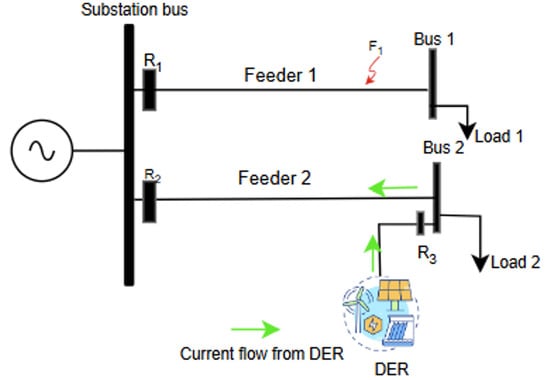
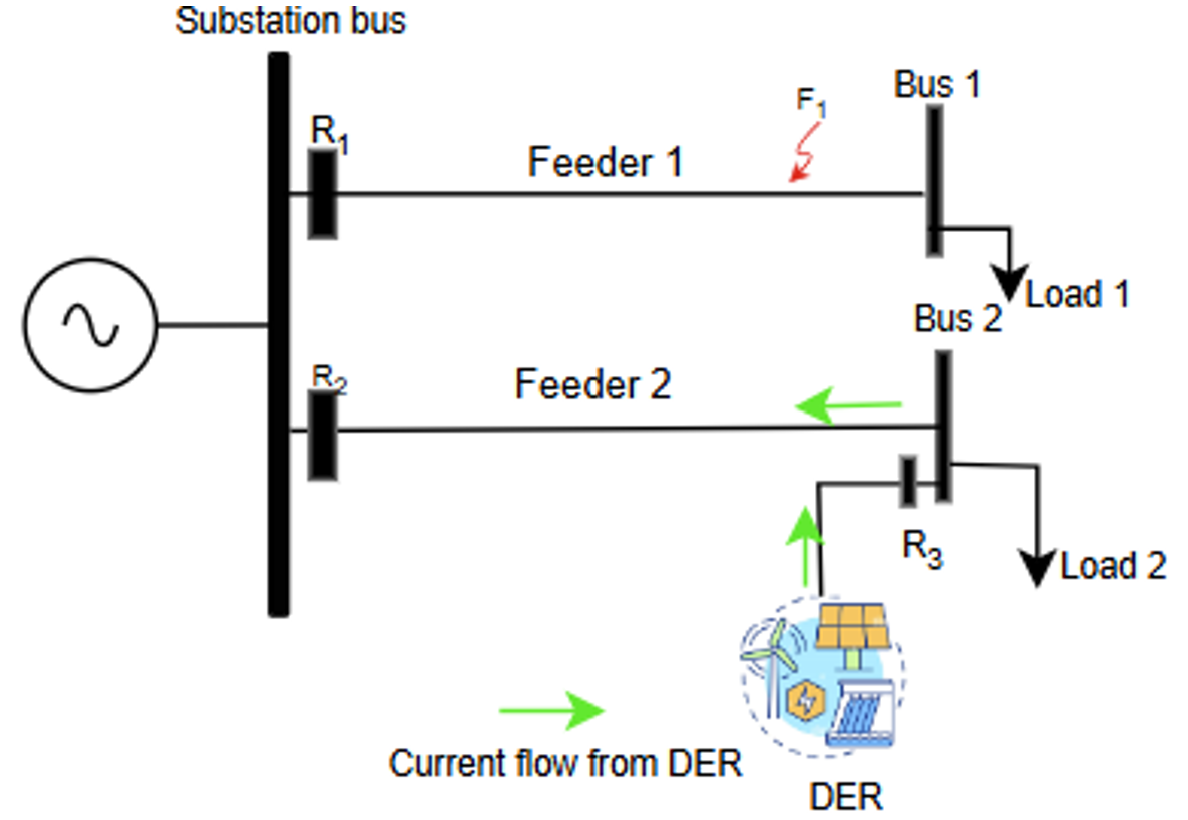
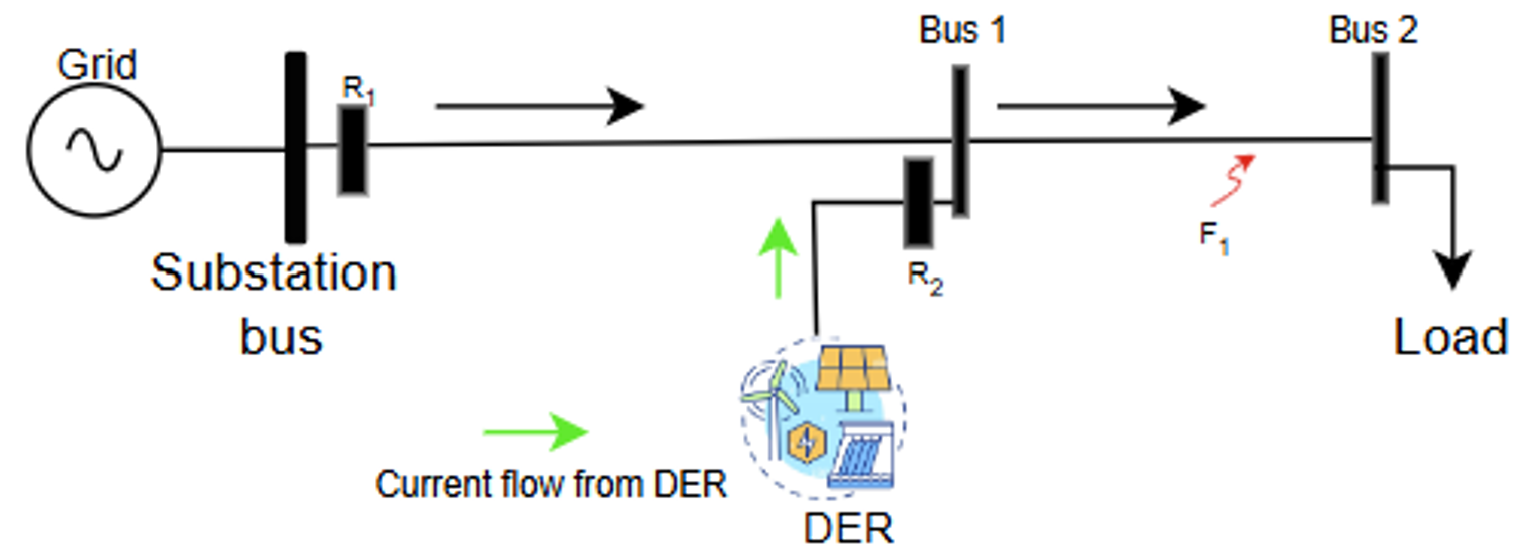
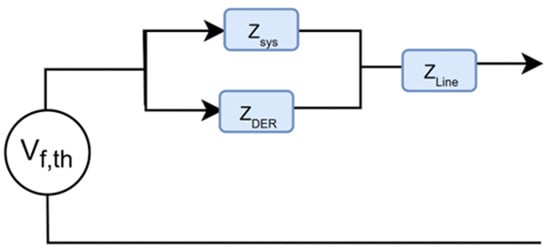
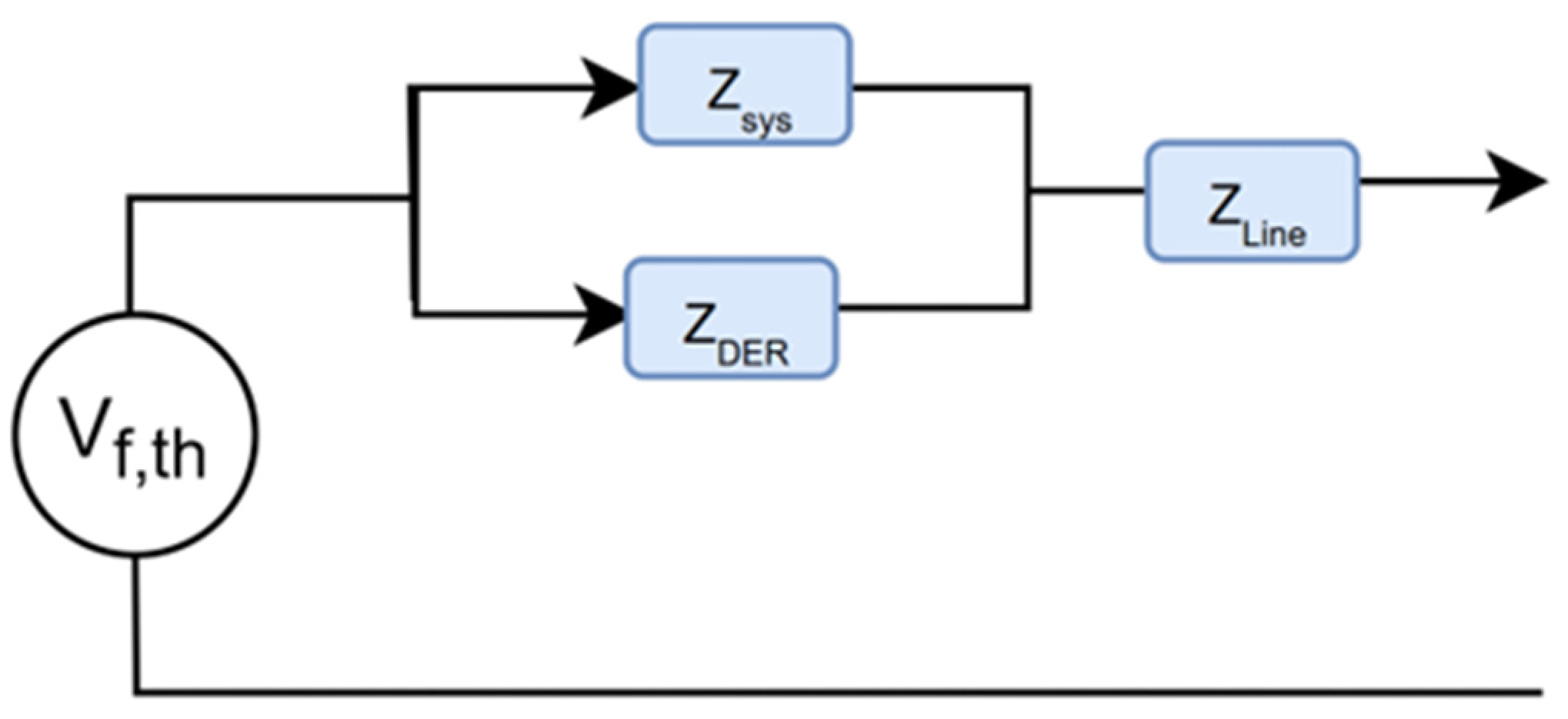
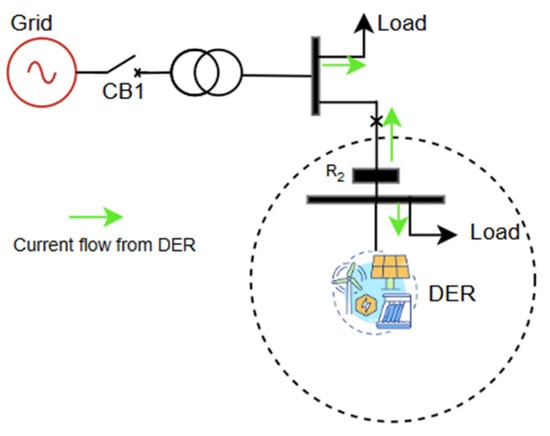
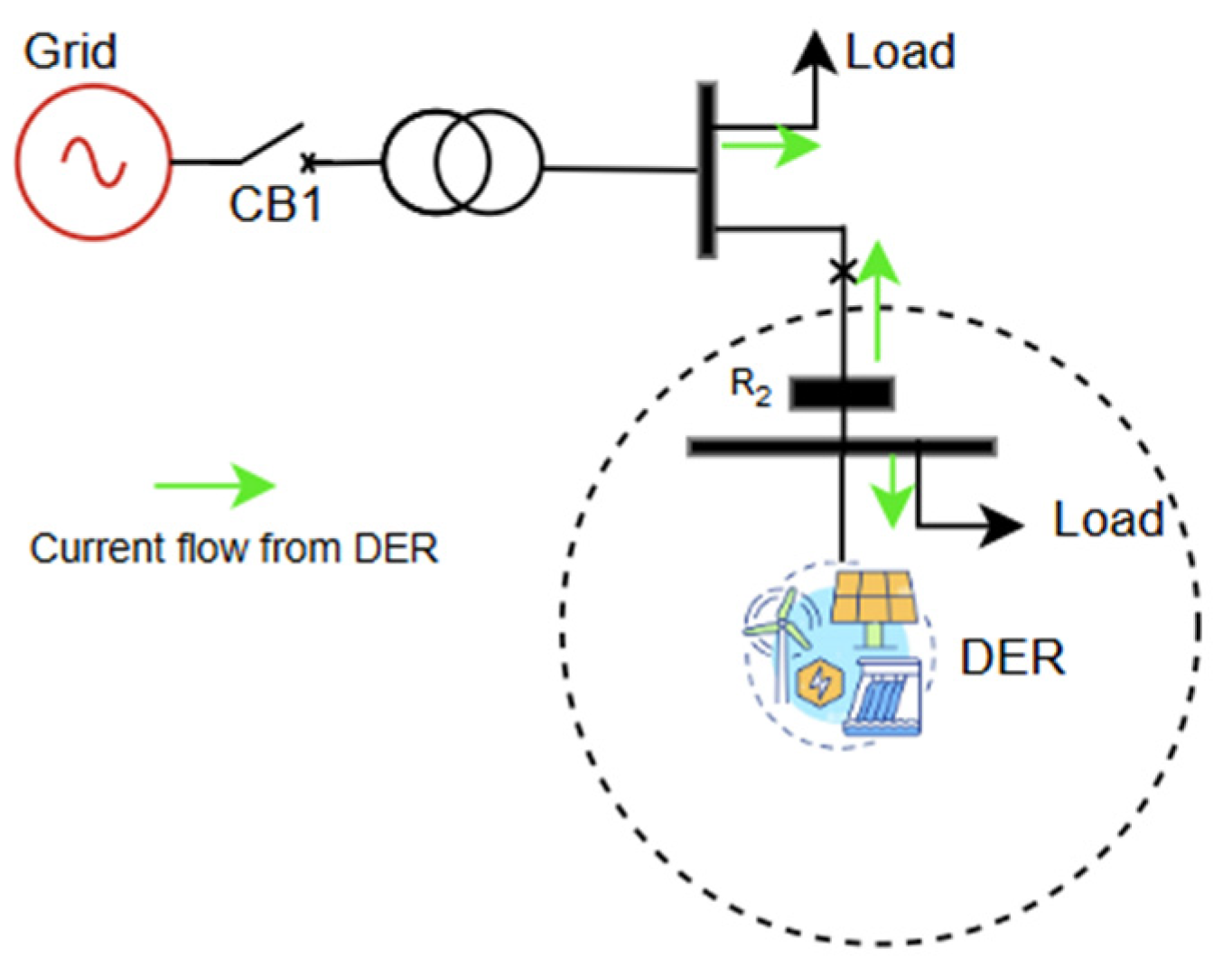

Disclaimer/Publisher’s Note: The statements, opinions and data contained in all publications are solely those of the individual author(s) and contributor(s) and not of MDPI and/or the editor(s). MDPI and/or the editor(s) disclaim responsibility for any injury to people or property resulting from any ideas, methods, instructions or products referred to in the content. |
© 2026 by the authors. Licensee MDPI, Basel, Switzerland. This article is an open access article distributed under the terms and conditions of the Creative Commons Attribution (CC BY) license.