


Abstract
Virtual power plants coordinate distributed energy resources to provide market services, but the value of a scheduling strategy depends on consistency between physical capabilities, market commitments, uncertainty treatment, and participant incentives. This review examines resource modeling, coordinated market bidding, uncertainty-aware scheduling, benefit allocation, and distributed and learning-based implementation. The reviewed approaches are compared by their operating assumptions, information requirements, computational demands, and application limits. Three connections emerge. First, commitments across energy and ancillary-service markets must share the same resource, network, and delivery constraints; adding revenue streams alone does not establish realizable gains. Second, stochastic, robust, and distributionally robust formulations address different information and risk considerations, while rolling-horizon optimization provides a complementary updating framework. Third, the distributable surplus and the incentives for cooperation depend on the dispatch and cost assumptions used to calculate it. Application examples illustrate how these decisions interact. Research priorities include validated aggregate flexibility models, consistent settlement and degradation representations, calibrated out-of-sample risk assessment, and reproducible evaluation of scalable scheduling methods. The review provides conditional guidance for selecting compatible methods; heterogeneous simulation settings limit direct performance rankings and conclusions about field deployment.
1. Introduction
Power consumption has steadily increased due to population and economic growth. The fossil fuel-dominated energy system struggles to fulfill electricity demand due to rising energy output and consumption. Excessive fossil energy use worsens global warming, air pollution, and ecological imbalance [1]. The old energy system must be transformed to address energy security and environmental degradation, which threaten sustainable social development. On 22 April 2016, 178 nations signed the Paris Agreement to combat climate change. The pact aims to restrict the world’s average temperature rise to far below 2 °C over pre-industrial levels and 1.5 °C [2]. Reducing fossil fuel use and generating clean renewable energy are important to overcoming these problems. International Energy Agency report: the 2050 energy structure will be more diverse than the current structure under a net-zero emissions scenario [3]. Oil, coal, and natural gas supplied 30%, 26%, and 23% of world energy in 2020. Energy from biomass, wind, solar, hydro, and geothermal sources will supply two-thirds of global energy demand by 2050 [4,5].
China has set “Dual Carbon” targets of peaking carbon emissions by 2030 and carbon neutrality by 2060 [6,7,8]. Chinese energy structure revolution accelerates with these aims. Figure 1 shows that traditional thermal power installed capacity declined from 65.7% to 43.1% between 2015 and 2024 [9]. Solar and wind power installation capacity grew quickly. Solar power generating capacity rose from 2.8% in 2015 to 26.5% in 2024. The inherent stochasticity, volatility, anti-peaking characteristics, and insufficient regulation capability of wind and solar power remain the main obstacles to large-scale grid integration [10,11]. Traditional thermal power plants must become flexible regulating sources due to high renewable energy integration [12]. The shortage of overall flexible regulation resources in the new power system remains severe despite this role transformation.
Figure 1.
Evolution of the installed capacity proportion in China for different power generation types (2015–2024).
Relying solely on traditional generation-side scheduling is insufficient to address the challenges of renewable energy integration and fails to fully realize environmental benefits. Distributed energy resources (DERs) are considered valuable resources for future energy systems due to their high utilization efficiency, environmental friendliness, operational flexibility, cost-effectiveness, and system resilience enhancement. The inherent low capacity and wide distribution of DERs pose challenges to the safe, stable operation and efficient scheduling management of the power grid [13]. Developing advanced aggregation technologies for efficient multi-source complementary scheduling represents a key pathway to enhancing renewable energy consumption levels. Virtual power plants (VPPs) can transcend physical topology and geographical limitations to integrate dispersed DERs into a coordinated optimization framework. VPPs align with the wide distribution of DERs through flexible grid connection points and large-scale coordination, offering advantages in integrating fragmented resources [14]. By enhancing energy efficiency and renewable energy integration, VPPs are aligned with global development goals, including clean energy, sustainable communities, and responsible production (sustainable development goals 7, 11, and 12). VPPs are established as a primary driver for the advancement of the “Dual Carbon” strategy and the transformation of the energy system. Driven by policy initiatives, academic attention has been increasingly directed toward the aggregated management of heterogeneous DERs. Journal literature was searched in the Web of Science Core Collection using the Topic field and the search terms “virtual power plant” and “VPP”, with the search restricted to the Science Citation Index Expanded. Figure 2 summarizes annual Article and Review counts from 2016 to February 2026, with 934 records for 2025.
Figure 2.
Annual distribution of VPP-related publications in the Web of Science database (2016–February 2026).
Modeling of DERs provides the essential foundation for the operational scheduling of VPPs. A summary of literature reviews focusing on diverse DERs within the VPP framework is provided below. The current status of control, management, and optimization strategies for prosumers, DERs, and small-scale VPPs was presented by Mahmud et al. [15], with research gaps and potential improvements identified. However, the mathematical modeling of DERs was inadequately addressed. Furthermore, a conceptual distinction between VPPs and aggregators is required to prevent terminological confusion. Specific review efforts have focused on individual DER technologies, particularly electric vehicles (EVs). For instance, the optimal scheduling and control methods for EV-based VPPs were explored by Yang and Zhang [16], including detailed classifications, uncertainties, and operational constraints of VPPs. Nevertheless, an analysis of the applicability of existing uncertainty handling methods to the stochastic nature of EVs was missing. Similarly, the concept of VPPs utilizing EVs as the primary aggregation resource was introduced by Inci et al. [17]. That study examined vehicle-to-grid integration topologies in terms of energy generation/storage units, system architectures (single-stage, two-stage, or hybrid multi-stage), and grid-connection parameters. Both aforementioned studies neglected the modeling of DERs other than EVs and lacked discussion on uncertainty optimization methods or internal multi-agent games within the VPP context.
The interaction between VPPs and electricity markets, including carbon markets, is a key research area following uncertainty management. A review focusing on the formulation of VPPs’ optimization problems, solution methods, and market participation was provided by Naval and Yusta [18]. In the formulation process, the impact of modeling detail for DERs was ignored. Furthermore, electricity markets were categorized broadly without considering regional locations, time scales, or joint bidding strategies. The concepts, technologies, control, and market operations of VPPs and aggregators were covered by Kaiss et al. [19]. Similar issues to those in [18] were identified, and the impact of uncertainty on VPPs’ control and economics was omitted. Modeling methods for carbon flow in VPP operations were evaluated by Wang et al. [20], with an analysis of the coordination between VPPs and electricity markets through carbon trading. Although carbon markets were described, the classification of electricity markets was limited to day-ahead and real-time sectors. Additionally, uncertainty handling methods were restricted to stochastic programming (SP) and robust optimization (RO). A description of the suitability of these methods for different types of uncertainty was not provided.
Research on handling multiple uncertainties within VPPs energy management frameworks has been conducted in various studies. Sources of uncertainty in VPPs research and practice were categorized by Yu et al. [21] into renewable energy output, market prices, and electricity loads. Mathematical expressions and modeling approaches were provided, and objective functions and constraints in scheduling and trading were summarized. Uncertainty from controllable loads was ignored. The analysis was limited to SP and RO, and a comparison of application boundaries or trade-offs was missing. VPP concepts and energy management applications were introduced by Rouzbahani et al. [22]. Applications were divided into optimization scheduling and uncertainty handling. Scheduling techniques were classified into mathematical programming, heuristic algorithms, and learning-based methods, specifically deep reinforcement learning (DRL). Weaknesses of these algorithms were not identified. While sub-methods of SP and RO were discussed, application boundaries for each were not defined. Internal coordination and external interactions of VPPs were analyzed by Gao et al. [23]. Uncertainty handling methods, control architectures, and market games were reviewed. The analysis was restricted to multiple electricity markets and did not address service differences across regional markets. Although types of uncertainty for optimization scheduling were identified, treatment methods and suitable scenarios require more work. Internal DERs and uncertainty forecasting were the focus of Dogan and Cidem Dogan [24]. Machine learning models were emphasized, but the study was restricted to forecasting. The evolution of DERs modeling and the connection to VPPs optimization scheduling were not analyzed.
Advanced enabling technologies, including artificial intelligence, data analytics, and communication architectures, are required to achieve complex operational and market objectives. The categorization of DERs aggregated by VPPs was introduced by Bhuiyan et al. [25], where the evolution from centralized systems to decentralized artificial intelligence and edge computing was described. Modeling for DERs and multi-energy market participation was missing, which complicates the assessment of integration between technology and optimization. Blockchain applications within VPP components were analyzed by Hong et al. [26], and a development roadmap for performance improvement and system integration was proposed. That work focused on peer-to-peer energy trading and simplified VPP participation in multi-energy markets. Machine learning applications in VPPs and home/building energy management systems were reviewed by Sierla et al. [27]. However, bidding and profit models for multi-energy systems in different markets were oversimplified, creating a gap between the models and actual market conditions. Data-driven energy management applications in VPPs were examined by Ruan et al. [28]. While uncertainty methods were described, the advantages, disadvantages, and limitations of each method were not identified. A detailed classification of cost–benefit analysis and market participation was missing, making it difficult to identify gaps in the existing literature.
This narrative review examines VPP operation through the connections among resource modeling, market bidding, optimization under uncertainty, and benefit allocation. The central question is whether the assumptions adopted at these stages are mutually consistent. Resource models determine the flexibility that can be offered, market rules define delivery obligations and remuneration, uncertainty management influences scheduling decisions and risk exposure, and allocation mechanisms determine how the resulting gains and costs are shared. Accordingly, the reviewed approaches are compared in terms of their physical assumptions, information requirements, computational demands, and application settings. The contribution is a synthesis of how choices in one area constrain or enable decisions in the others. Researchers can use this synthesis to select compatible formulations and design comparable evaluations. VPP operators can use it to assess whether service commitments match resource capabilities and costs, while market designers can examine assumptions affecting participation and delivery. These uses concern method selection and validation planning; conclusions drawn from numerical studies still require assessment under the intended operating conditions.
The remainder of this review is organized as follows. Section 2 reviews modeling methods for supply-side, energy storage, and demand-side resources within VPPs. Section 3 analyzes coordinated bidding across electricity and coupled energy markets. Section 4 compares uncertainty modeling approaches and scheduling frameworks. Section 5 examines profit allocation mechanisms based on non-cooperative, cooperative, and mixed games. Section 6 reviews distributed optimization and DRL-based scheduling. Section 7 discusses challenges, future research directions, and application examples, and Section 8 concludes the review.
2. Resource Composition, Modeling, and System Architecture
Figure 3 groups VPP resources into supply-side resources, demand-side resources, and energy storage systems (ESSs). A portfolio may contain one category or a combination; a hybrid portfolio is not inherently superior, because its usefulness depends on the intended service and coordination requirements. Section 2.1, Section 2.2 and Section 2.3 examine the operating and cost constraints that determine deliverable flexibility. Section 2.4 then connects these models to the commercial and technical interfaces of the VPP.
Figure 3.
Resource composition of DERs in VPPs.
2.1. Supply-Side Resources
Supply-side resources can be divided into renewable energy sources and conventional generation units. Renewable energy sources include photovoltaics (PV), wind turbines (WT), concentrated solar power, and hydropower, whereas conventional generation units include combined heat and power (CHP), combined cooling, heating, and power, fuel cells [29], coal-fired units, biomass generators [30], gas turbines (GTs), and diesel generators. The modeling of renewable resources generally includes operating cost formulations that capture operation and maintenance costs as well as curtailment costs. For PV and WT, operational constraints typically include curtailment limits and reserve requirements. Concentrated solar power converts solar radiation into thermal energy through photothermal conversion. The thermal energy can then be used for heating, thermal storage, or power generation through heat engines, primarily steam turbines. In addition to the curtailment and reserve constraints also imposed on PV and WT, concentrated solar power is subject to coupling constraints associated with auxiliary equipment [31,32,33]. Hydropower utilizes the gravitational potential energy of water, which is converted into kinetic energy through turbines to drive generators. Its operational constraints mainly include output limits and total daily generation limits [34]. For conventional generation units, cost functions are generally classified as linear models [35,36,37] and higher-order polynomial models, such as quadratic [30,38] and cubic functions [39]. Linear models are often adopted to improve computational efficiency, whereas polynomial models are used to represent actual operating characteristics by fitting unit-specific parameters. Typical operational constraints include unit commitment status, ramping limits, and output bounds [40].
2.2. Energy Storage Systems
ESSs can be classified by storage mechanism into electrochemical, physical, electromagnetic, and chemical storage. Electrochemical storage relies on redox reactions and includes stationary battery ESSs and EVs. Physical storage converts electricity into potential or kinetic energy through technologies such as pumped hydro, flywheels, compressed air, and gravity-based systems. Electromagnetic storage relies on electric or magnetic fields, whereas chemical storage includes power-to-hydrogen and synthetic natural gas. These systems are subject to several common operational constraints, including charging and discharging power limits, mutually exclusive operating states, state-transition constraints, and capacity bounds. Because non-electrochemical storage systems generally have longer service lives than electrochemical storage systems, their operating costs are often represented by annualized equipment costs or equivalent daily costs. Existing studies classify degradation cost models, excluding those that neglect degradation [41], into several categories: simple discharge-only models [42], simplified models that consider both charging and discharging [43,44,45,46], cycle-number-based models [47,48], battery-lifespan-based models [29,49,50], and stress-factor models, including simplified [51] and more detailed forms [52].
Battery capacity degradation arises from two mechanisms: cycle aging, which is caused by repeated charging and discharging, and calendar aging, which accumulates over time during idling or light use. The main factors affecting degradation include depth of discharge (DoD), state of charge (SoC), temperature, charging and discharging current magnitude, and timescale. High C-rate operation accelerates degradation. In energy-oriented applications, such as energy arbitrage and day-ahead scheduling, storage duration is usually long, and the actual operating C-rate is typically relatively low [52,53,54]. Under these conditions, the marginal contribution of current magnitude to additional degradation is smaller than that of DoD, and its effect is coupled with other factors, such as temperature and DoD. In engineering practice, this effect is often simplified or absorbed into other equivalent parameters.
DoD is a critical determinant of cycle aging [53,55]. Deeper discharge is associated with faster degradation, and the relationship is nonlinear [52,53]. Under the same total energy throughput, replacing a limited number of deep cycles with multiple shallow cycles can extend battery life [56]. DoD is defined as the ratio of the change in SoC during each cycle to the rated capacity [52,53]. SoC and temperature affect both cycle aging and calendar aging [52,54,57,58,59]. High SoC accelerates aging, whereas excessively low SoC can increase impedance and reduce power capability [52,57,58]. Elevated temperatures promote side reactions and degradation, whereas low temperatures may induce lithium plating and impedance growth [52,59]. Thermal management systems are commonly installed in energy storage devices to maintain battery temperature near a reference level. In addition, SoC operating limits in ESSs reduce the effect of SoC on degradation rates. Consequently, the effects of SoC and temperature are often omitted in stress-factor models [52,56]. Time corresponds to calendar aging and reflects capacity fade over time regardless of usage frequency. Although this effect is negligible in short-term assessments involving high-frequency cycling, it becomes significant over multi-year horizons [52,59,60]. Emphasizing DoD enables piecewise linear approximation, thereby supporting fast and stable computation and facilitating integration with economic dispatch and market optimization models. By contrast, explicitly incorporating the nonlinear effects of temperature, SoC, and current magnitude into the cost function substantially increases model complexity and computational burden [56,57,61].
In studies on VPP optimal scheduling, DoD is commonly selected as the primary variable for degradation cost modeling [53,56,57,61]. Average SoC is often adopted, or the effect of SoC is neglected, and a simplified stress-factor model is used. Stress-factor models involving SoC, DoD, and temperature are more suitable for ex post evaluation, typically without explicit treatment of current magnitude. Equivalent full-cycle methods and rainflow counting algorithms can be used to analyze historical power and energy trajectories, after which degradation is accumulated according to the nonlinear dependence on DoD for rapid strategy comparison and cost accounting. More comprehensive models are required in scenarios involving high C-rates, limited thermal management, or prolonged operation at extreme SoC. In such cases, the coupled effects of temperature, SoC, and current magnitude should be explicitly represented to ensure reliability under nonstandard operating conditions [52,54,57,58,59,60].
2.3. Demand-Side Resources
Demand-side resources, primarily represented by controllable loads, provide essential system flexibility while requiring lower investment than new power plants or energy storage systems. The costs associated with these resources arise from economic incentives and user discomfort rather than physical degradation. Within VPPs, the modeling of demand-side resources is mainly classified into two categories: the implementation of demand response (DR) strategies and the integration of directly dispatchable equipment.
2.3.1. DR Strategies
The first approach is based on DR strategies, which can be classified into price-based and incentive-based types. Price-based DR includes time-of-use pricing, peak pricing, and real-time pricing. Incentive-based DR includes direct load control, interruptible loads, demand-side bidding, emergency DR, and capacity or ancillary service planning [62]. Price-based DR generally requires extensive experiments to estimate demand price elasticity matrices and is therefore seldom incorporated directly into VPP operational scheduling optimization. Li et al. [43] aggregated transferable loads in a VPP under price-based DR. The scheduling cost was defined as the difference in electricity cost before and after the implementation of time-of-use pricing. The corresponding constraints included load variation rate limits and balance constraints to ensure that the total load remained unchanged before and after the response.
In incentive-based models, user participation is encouraged through incentive cost functions, which are commonly formulated as linear [63], piecewise [64], or quadratic [65] functions. Linear functions are the most widely used. Dong et al. [66] proposed a VPP framework including distributed electric heating devices and EVs, both modeled as curtailable loads. The scheduling costs of these two resources were represented by linear functions, while thermal discomfort costs were not considered. Li et al. [67] aggregated transferable loads and divided them into curtailable and incrementable loads, with linear functions also adopted for the corresponding scheduling costs.
In addition to linear models, piecewise and quadratic functions have also been used. Li et al. [68] aggregated controllable loads from residential, commercial, and industrial users. For curtailable loads from residential and commercial users, the scheduling cost was modeled using piecewise functions. For residential transferable loads, the scheduling cost was expressed as the difference in electricity cost and was subject to time constraints. Industrial transferable loads were controlled through price-based incentives, and the associated cost was also defined as the difference in electricity cost. In Liu et al. [69], the scheduling cost of curtailable loads was represented by a quadratic function subject to power constraints. Ming et al. [70] also modeled curtailable loads. In that study, incentive factors and load curtailment were linked through piecewise functions, from which a quadratic scheduling cost was derived.
Some studies have adopted more refined load classifications. The VPP framework proposed by Liu et al. [71] included shiftable, transferable, and curtailable loads. Shiftable loads, which are characterized by fixed power and non-interruptible operation, such as washing machines, dishwashers, and dryers, incurred costs defined by the difference in electricity cost and were subject to time and user satisfaction constraints. Transferable loads, which allow adjustment of both power and operating time, such as charging-only EVs, also incurred costs based on electricity cost differences and were subject to power, time, and satisfaction constraints. For curtailable loads, such as air conditioners, linear incentive cost functions were adopted to represent scheduling costs.
The first methodology has limitations in both modeling and practical implementation. From the perspective of consumer psychology [72,73], discomfort increases nonlinearly as the scheduling magnitude increases. This relationship reduces users’ willingness to participate and requires higher incentive payments. Simple linear cost functions do not adequately reflect this behavior. Piecewise and quadratic functions provide some improvement, but fixed parameters are often applied across all time periods. As a result, temporal variations in adjustment potential and user baseline demand cannot be captured, and the interests of different parties cannot be properly balanced. Liu et al. [71] further pointed out that these finely classified loads are typically small in scale but large in number. The high costs associated with preliminary agreement signing and subsequent control make such approaches unsuitable for practical application.
2.3.2. Directly Dispatchable Equipment
The second methodology integrates controllable loads, such as electric heaters, variable-frequency heat pumps, and heating, ventilation, and air conditioning (HVAC) systems, into optimization frameworks as directly dispatchable equipment. Scheduling costs are typically modeled by linear functions [74,75,76], whereas cooling and heating demand is commonly estimated using equivalent thermal parameter models [77,78,79]. Dong et al. [66] employed equivalent thermal balance constraints to determine the energy consumption of distributed electric heaters, subject to both device power limits and indoor comfort temperature constraints. Zhang et al. [80] incorporated variable-frequency heat pumps in buildings into centralized scheduling. In that study, heating load was calculated using a more detailed equivalent thermal parameter model, in which the four walls and the roof were modeled separately, and predicted mean vote was used to quantify the acceptable indoor comfort temperature range. The relationship between heat pump energy consumption and heating load remained linear at each time step, although the coefficient of performance was modeled as a quadratic function of ambient temperature. Cui et al. [81] aggregated HVAC systems from multiple buildings for hierarchical scheduling, used data-driven methods to simulate dynamic building processes, and considered the thermal storage characteristics of buildings. The HVAC energy consumption model remained linear, with constraints imposed on HVAC power and indoor temperature. Dong et al. [82] aggregated multiple air-conditioning units in residential buildings. The energy consumption of air conditioners was modeled as a linear function of operating frequency, whereas cooling and heating capacity was represented as a quadratic function of frequency. Both were subject to frequency limits and indoor temperature constraints. The emphasis on building cooling and heating equipment is mainly due to its substantial share of total energy consumption.
The International Energy Agency reported that building operation accounted for approximately 32% of total global energy consumption in 2024 [83]. According to statistics from the United States Energy Information Administration, heating, ventilation, and cooling accounted for approximately 32%, 11%, and 9% of total energy consumption, respectively, in all commercial buildings in 2018, with a combined share of 52% [84]. As a result, such devices have been incorporated into most existing studies on VPP operational scheduling optimization. However, HVAC systems comprise multiple coupled subsystems and exhibit strong nonlinearity and multivariable characteristics [85]. Excessive simplification cannot accurately represent their actual performance and may lead to suboptimal scheduling results. Therefore, directly modeling HVAC systems as simple energy-consuming devices has inherent limitations.
2.4. Commercial Coordination, Technical Control, and Grid Integration
Figure 4 distinguishes commercial coordination, technical control, and the physical network. A VPP coordinates a contracted portfolio of distributed resources through communications, forecasting, scheduling, and market interfaces. The terms VPP and aggregator overlap in the literature [19,86]; neither term alone establishes control authority or the treatment of network constraints. These functions depend on contracts, telemetry, device access, and applicable market rules. The architecture shown here therefore identifies functional roles rather than imposing an absolute distinction between organizational labels.
Figure 4.
Conceptual integration of a VPP into the power system. Solid black arrows denote physical energy exchange, dashed blue arrows denote measurement and dispatch information, and green links denote market information.
Selected generation, storage, and flexible-load resources exchange power through the existing distribution network. Microgrids, energy hubs, or other aggregated portfolios may participate through an agreed interface, provided that resource ownership and flexibility are not counted twice. Measurement and availability information support VPP scheduling, while dispatch commands implement the agreed response. Market bids, prices, and settlement information are separate from physical power flows. The distribution system operator (DSO) provides the relevant grid limits and coordination requirements; voltage, thermal, and connection constraints must be represented where they affect deliverability. Thus, VPP integration is a virtual coordination arrangement over existing assets, rather than a new physical grid.
3. Market Participation and Coordinated Bidding
The market decision is which services a physically feasible resource portfolio can commit to, and how the resulting obligations interact. This section considers electricity-market services, carbon and green-certificate arrangements, and coupled gas or hydrogen trading [87,88,89]. Section 3.1 compares representative market mechanisms; Section 3.2, Section 3.3 and Section 3.4 then examine single-service, joint-electricity-market, and coupled-energy strategies.
3.1. Comparative Analysis of Electricity Market Services
Table 1 compares representative market designs through their trading sequence and implications for VPP participation. Previous reviews discuss flexibility, VPP configurations, and regional market design [18,90,91,92], but similar product names do not establish identical delivery or payment obligations. In United States organized markets, day-ahead positions are followed by real-time balancing. Resource-adequacy mechanisms differ among regions; in particular, ERCOT should be distinguished from markets with explicit capacity remuneration.
Table 1.
Selected electricity-market arrangements and their implications for VPP participation.
Energy-exchange trading and TSO reserve procurement have distinct roles in Finland. Reserve-capacity payments compensate availability, whereas activation payments concern delivered balancing energy; neither should be conflated with resource-adequacy capacity payments. In Australia’s NEM, pre-dispatch is a forecasting process rather than a financially settled day-ahead energy market. In China, registration and locally implemented access requirements determine which services a VPP may offer. The official sources cited in Table 1 support these institutional distinctions.
Consequently, a bidding model cannot be transferred between markets by changing price data alone. Participation qualifications, commitment timing, deviation settlement, and the flexibility reserved for each service must also be represented. The coordination of scheduling and scarcity-related energy/reserve incentives discussed in [101,102] further motivates separating procurement, dispatch updates, and physical delivery. The table is a selective comparison, not an exhaustive product inventory or a guarantee of VPP eligibility.
3.2. Single-Service Bidding Strategy for VPPs in a Single Market
Table 2 compares resource portfolios, market assumptions, service commitments, and solution methods. Single-service formulations isolate a delivery requirement, as in the energy-bidding study involving compressed-air storage [103]. Comparability nevertheless depends on whether technology-specific costs and limits are represented; a generic storage model does not establish the same flexibility as a detailed device model.
Table 2.
Comparison of VPP bidding strategies and market participation.
For frequency regulation and peak shaving [49,79,104], read the service and market columns together before comparing solution methods. Regulation requires a portfolio to follow changing dispatch signals; peak-shaving programmes shift or reduce net demand during the relevant intervals. The same installed storage capacity can therefore support different commitments under different power, energy, and response limits. Payment rules and device constraints must be checked together; a more elaborate revenue model or solver alone does not establish higher realizable earnings.
The studies on communication latency and edge coordination [105,106] add a further comparison dimension: timely delivery. Backup-battery aggregation [107] demonstrates an asset-specific implementation rather than a universally transferable portfolio. Read together, the studies support selecting a service only after checking resource feasibility, response timing, and the associated payment and penalty rules.
3.3. Multi-Service Coordinated Bidding for VPPs in a Joint Electricity Market
Participation in individual markets often fails to maximize the revenue of VPPs. Consequently, research has been increasingly directed toward coordinated bidding within multiple electricity markets—including energy, ancillary services, and balancing markets—to overcome these limitations, as illustrated in Table 2 [34,48,108,109,110,111,112]. The profitability of participation in multi-stage markets was demonstrated by Silva et al. [108], the findings remain constrained by the unique regulatory characteristics of the Iberian mechanism, which may restrict the generalizability of the results to other market regions. The day-ahead bidding problem within the context of energy and reserves was addressed by Fusco et al. [110], although the focus was limited to traditional unit commitment problems due to a simplified VPP structure that failed to exhibit the heterogeneity of DERs. A bi-level collaborative optimization framework for VPP participation in energy and reserve markets was constructed by Du et al. [111] based on the PJM mechanism. While this study provides significant reference value due to the alignment with actual market rules, the modeling of controllable loads requires further improvement.
Joint bidding frameworks for the coordination of energy and frequency regulation are also extensively explored. A framework considering shared energy storage leasing was proposed by Zhang et al. [48], where the primary contribution is found in the realistic frequency regulation revenue model at the real-time stage. However, the day-ahead model requires refinement and the critical issue of time resolution discrepancies between the two stages is ignored. Furthermore, a multi-time bidding framework for VPPs and EV fleets was developed by Qin et al. [112] to provide energy and frequency regulation. A limitation of that study is the treatment of EV fleets as the sole provider of frequency regulation, which neglects the potential of other DER types. To seek more comprehensive coordination, an optimal bidding strategy for VPPs in day-ahead energy, reserve, and frequency regulation markets was proposed by Yang et al. [34] based on the ERCOT mechanism. While the multi-market revenue model offers a reference value, limitations exist due to the neglect of demand-side resource dispatch potential. Because the formulation follows ERCOT-specific participation rules, its conclusions require reassessment before transfer to another market. A resource may support energy delivery and reserve commitments in the same interval, provided that scheduled output, reserved headroom, ramping capability, and any energy-duration limits remain jointly feasible. The same available capability must not be committed more than once.
3.4. Multi-Service Coordinated Bidding for VPPs in the Multi-Energy Coupling Market
Research is committed to the joint participation of VPPs in cross-sector and cross-energy carrier markets to seek broader arbitrage spaces and environmental benefits in response to dual carbon goals and integrated energy system development. This field exhibits significant trends of diversification and complexity, with a structured comparison of these coupling methodologies presented in Table 2.
In terms of power-heat coupling, a scheduling framework within the Egyptian market was developed by Elgamal et al. [115] to emphasize electricity-thermal synergy. It is noted, however, that the genetic algorithm employed may lack efficiency in high-dimensional optimization, and the physical constraints of heat networks are often simplified in such models. Subsequently, regarding power-gas coupling, a dual-energy optimization scheduling model for VPPs within electricity and natural gas markets was proposed by Zhang and Hu [116]. Although enhanced profitability was demonstrated, the reliance on steady-state gas flow analysis potentially overlooks the dynamic pressure constraints and linepack storage effects critical for short-term dispatch.
Furthermore, the coupling of electricity, carbon, and green certificate markets constitutes a significant research trajectory [117,118,119,120]. Within these frameworks, various carbon trading modeling approaches are adopted, including single carbon prices with linear scheduling costs [30,117,126,127,128,129,130,131,132,133], tiered/ladder/stepped carbon trading costs [118,120,122,123,134,135,136], representative or sample day pricing [137,138], and intertemporal carbon trading [125]. In single carbon pricing, carbon trading costs or benefits are calculated annually, and a constant price is assumed. For intertemporal carbon trading, costs are calculated by season or month, with prices varying between these periods. Under representative day pricing, costs are calculated daily, and price fluctuations at different times within the day are considered. A multi-objective optimization framework integrating energy, carbon, and green certificate markets was developed by Guo et al. [117]. While comprehensive, the multi-objective Pareto front often exhibits high sensitivity to weighting factors, and the assumption of perfect liquidity in green certificate markets may deviate from actual low-volume trading conditions. Subsequent studies have refined these mechanisms; for instance, a joint bidding framework based on the tiered model was constructed by Li et al. [118], and this was further extended to non-cooperative game scenarios by Liu et al. [119]. Despite these advancements, the carbon trading and resource cost models remain relatively simplified, often failing to characterize the complex nonlinear coupling between carbon emission intensity and heterogeneous DER output states. Gong et al. [120] developed a bi-level cooperative game framework utilizing game theory. The carbon trading model and resource cost models remain relatively simplified.
Sophisticated research efforts have attempted to establish electricity-gas-carbon-hydrogen coupling frameworks by incorporating low-carbon technologies such as carbon capture, power-to-gas, and hydrogen energy into VPP operations. For instance, VPPs aggregating carbon capture and power-to-gas equipment were integrated into multi-market optimization by Tan et al. [122]. Similarly, hydrogen resources were introduced for multi-objective bidding by Wu et al. [123]. Nevertheless, these models often treat hydrogen as a simplified energy buffer, neglecting the nonlinear efficiency curves of electrolyzers and fuel cells under fluctuating loads. Similar simplifications in carbon trading and DER scheduling models are observed in the work of Jia et al. [124].
Long-timescale coordination, such as participation in capacity markets, remains a critical research gap. A framework encompassing capacity, day-ahead energy, ancillary services, and natural gas markets was proposed by Wang et al. [113]. It is noted, however, that the deterministic approach utilized therein may fail to capture the high uncertainty of capacity calls, potentially leading to significant penalties in real-world market operations. This was extended by Wang et al. [114] through a two-stage scheduling method for multi-energy VPPs with hydrogen integration, realizing synergy between annual planning and daily operations. Yet, the economic viability of the proposed seasonal storage remains a subject of debate given current technological costs and the reliance on idealized long-term climate forecasts.
The comparison in Table 2 indicates that broader market participation should be assessed against the physical flexibility available to support it. For a storage-assisted VPP, energy delivery and regulation commitments draw on shared power and energy limits. Their economic value therefore depends on how capacity is reserved, how deviations are settled, and how degradation costs are represented. Adding market products without preserving these connections can overestimate the portfolio’s earning potential. Conversely, a detailed resource model provides limited guidance for bidding if the relevant payment and performance rules are omitted. This contrast can be examined in the detailed service models in [79,105,106,107,139] and the broader coupled-market formulations in [113,114,122,123,124]. A useful comparison should therefore ask whether each study represents the constraints that are binding for its intended service and reproduces the corresponding settlement mechanism. Reported profitability should be interpreted together with these assumptions. This provides a more informative basis for assessing a bidding strategy than the number of markets included in its formulation alone.
4. Uncertainty-Aware Scheduling
VPPs operate within a dual stochastic environment characterizing both physical and market systems, exhibiting high dynamics and unpredictability. Deterministic scheduling models are premised on the assumption of perfect forecasting, thereby neglecting the inevitability of prediction errors. This divergence between theory and reality not only causes operating strategies to deviate from optimality but also renders scheduling results infeasible in practice, triggering risks of power imbalances and limit violations. Consequently, internalizing uncertainty into the decision-making framework constitutes a prerequisite for ensuring system safety and economic efficiency. Quantifying the impact of stochastic perturbations on scheduling results via mathematical modeling is therefore critical. Accordingly, this section first dissects the sources of uncertainty in VPP operation, followed by a review of the application status of uncertainty modeling approaches and scheduling frameworks, including SP, RO, distributionally robust optimization (DRO), and multi-time-scale rolling optimization (MRO).
4.1. Sources of Uncertainties
Effective uncertainty management constitutes a pivotal challenge for VPP optimal scheduling. Key uncertainty factors requiring consideration in VPP research are generally classified into two categories: endogenous and exogenous uncertainties [140].
Endogenous uncertainty stems from the stochastic characteristics of internal physical resources within VPPs, encompassing renewable energy generation and loads. Renewable energy uncertainty originates from the inherent intermittency and volatility of wind and solar resources. Wind power uncertainty is attributed to wind speed randomness influenced by geographical and environmental factors. PV generation is determined by solar irradiance, which exhibits distinct seasonal and diurnal patterns while being subject to drastic fluctuations from sudden meteorological changes like cloud cover. Load uncertainty is categorized into rigid (uncontrollable) and flexible (controllable) types based on controllability. Rigid load uncertainty arises from the stochasticity of external drivers. These include heating/cooling demand fluctuations driven by meteorology (e.g., temperature and humidity), behavioral irregularities caused by resident schedules or holiday events, and perturbations introduced by economic activities and measurement noise. Flexible load uncertainty exhibits dual complexity. This category encompasses baseline prediction uncertainty similar to rigid loads, alongside the unobservability of dispatchable potential boundaries (e.g., EV range needs, comfort requirements). Stochasticity also exists in user participation rates and default behaviors. Optimization scheduling models typically integrate renewable energy and rigid load uncertainty into net load uncertainty based on energy balance principles. The response uncertainty of flexible loads necessitates separate treatment as specific stochastic constraints or parameters due to their “dispatchable” resource attributes.
Exogenous uncertainty stems from the external economic market environment beyond the control of VPPs. Market price uncertainty constitutes the primary exogenous challenge for VPPs operating as market participants. Market prices evolve dynamically with factors such as global and regional energy markets, climate, economy, and policies. Price formation is constrained by physical and economic factors, including transmission network constraints, supply-demand elasticity, and generator capacity limits. These factors collectively cause electricity market prices to exhibit volatility far exceeding that of ordinary commodities. Endogenous and exogenous uncertainties coexist in VPP optimization scheduling. Effective modeling of multiple uncertainty factors subject to physical constraints constitutes a core component of VPP uncertainty research.
4.2. SP Methods
SP represents uncertain parameters using probability distributions or weighted scenarios. Its modeling choices concern both the objective, such as expected cost or a tail-risk measure, and the decision structure, such as two-stage recourse. Chance constraints specify acceptable violation probabilities. These choices can be combined within one model; the subsections below distinguish their roles rather than define mutually exclusive methods.
4.2.1. Expectation-Based Models
Expectation-based models rely on risk-neutral assumptions, aiming to minimize the expected value of system operating costs. These models suit day-ahead scheduling scenarios prioritizing long-term average economic benefits over short-term extreme risk sensitivity. The methodology employs Monte Carlo sampling or scenario reduction techniques to generate representative scenario sets from known probability distributions. This process transforms complex scheduling models containing random variables into deterministic mixed-integer programming problems targeting expected costs. An expected value optimization model addressing endogenous uncertainties in load and renewable energy as well as exogenous market prices is constructed by Gholami et al. [141]. DRL is utilized for parameter prediction through training on historical data, and scenario sets are generated to characterize the uncertainty of these predictions. However, the models for distributed energy resources employed in this research are simplified. Fusco et al. [110] constructed probability distribution functions based on historical data, employing scenario trees to simulate PV output and ancillary service demand. K-means clustering extracts typical scenarios to optimize VPP internal resource scheduling. The “generation-clustering” path based on existing historical data appears slightly redundant, despite the method’s effectiveness in addressing stochasticity. Furthermore, the model excludes the critical uncertainty factor of price volatility.
4.2.2. Risk-Averse Models
Risk-averse models differ from expectation-based models by focusing on average returns. These models incorporate specific risk metrics, such as conditional value at risk (CVaR), to quantify and mitigate potential economic losses from extreme scenarios or tail probability events. This mechanism enhances system robustness while pursuing economic returns. A risk-averse SP model for VPPs is proposed by Toubeau et al. [142]. Uncertainties in energy prices, reserve prices, load, and output are addressed via scenarios generated to capture extreme conditions. While the representation of the intraday stage is improved, the computational burden increases with the number of scenarios required to cover the uncertainty space. Fluctuations in load, prices, and output are addressed by Ghamarypour and Rahimiyan [143] via a risk-averse strategy. Seasonal time-averages are utilized as inputs in that research, which results in the generation of non-existent scenarios and the omission of extreme conditions. A hybrid SP approach is developed by Xiao et al. [144] to coordinate best-case and worst-case scenarios triggered by exogenous price and endogenous output. This method manages windfall profits, which are not handled by traditional models. DER models are simplified in these studies, and participation is limited to bidding in energy markets.
4.2.3. Chance-Constrained Programming
Chance-constrained programming imposes probabilistic reliability requirements, with solution difficulty depending on the constraint structure and probability model. Some individual constraints admit deterministic linear or conic reformulations under suitable linearity and distributional assumptions. More general cases require approximations or sampling. Chebyshev- or CVaR-based approximations can be conservative, while sample-based formulations require assessment of sample adequacy and out-of-sample violations. A mixed-integer linear programming (MILP) representation is available only when the underlying algebraic structure permits it.
Chance-constrained programming is further subdivided into individual chance constraints and joint chance constraints. chance constraint defines probabilistic constraints for single physical limits within a power grid, such as the power flow of an individual transmission line. In a study by Aghdam et al. [145], this approach was adopted for the day-ahead scheduling of VPPs to address source-load uncertainty and ensure energy balance at a specified probability level; however, the impact of price volatility was not considered. In contrast, joint chance constraints require that the joint probability of satisfying a set of constraints simultaneously exceeds a minimum threshold, thereby offering more comprehensive protection for system security. A joint chance constraints model for VPPs accounting for source-load uncertainty was proposed by Wang et al. [146], focusing on the collective influence of randomness on multiple constraints, including voltage, current, and power balance. Furthermore, joint chance constraints were utilized by Wei et al. [131] within a leader-follower game model for VPPs and flexible consumers to manage the effects of renewable energy on reserve capacity constraints. In that study, a single-level solution for the model was achieved through approximate transformations and Karush-Kuhn-Tucker (KKT) conditions. It is observed that existing research regarding chance constraints is concentrated on endogenous uncertainties, whereas direct applications to exogenous uncertainties, such as electricity prices, remain limited.
4.2.4. Two-Stage SP
Two-stage SP is utilized to establish long-term strategic decisions in the initial stage, which is followed by the execution of short-term operational adjustments in the subsequent stage to achieve an optimal balance of global expected profit within complex environments. A resource planning method for VPPs that accounts for both endogenous and exogenous uncertainties was proposed by Liang and Ma [147] to optimize the configuration of ESSs and DR resources, although the models of DERs remained simplified and the participation of the VPP in additional markets was not addressed. In a similar approach, a two-stage risk-averse model considering both endogenous and exogenous uncertainties was presented by Li et al. [148], in which the bidding plan of the VPP in the capacity market was confirmed in the first stage and the energy and reserve scheduling plans for detailed DER models were finalized in the second stage, yet the scope of the research did not encompass broader environments such as the carbon trading market. Furthermore, a leader-follower game model for multi-market trading was constructed by Gong et al. [120], where two-stage planning was utilized at the upper level to manage the uncertainty of renewable energy output and a multi-market arbitrage model based on deterministic prices was established at the lower level. However, the reliability of the model is limited by the neglect of concurrent load and price volatility, which necessitates further development to address multi-source uncertainties effectively.
Table 3 separates objective choice, reliability requirements, and recourse structure. Expected-cost models emphasize average performance, whereas risk measures make exposure to adverse outcomes explicit. Chance constraints require a stated probability model and violation tolerance; two-stage formulations distinguish commitments from later corrective actions. Selecting among these choices requires representative data and a consistent evaluation of expected cost, tail losses, violations, and solve time. Scenario reduction can improve tractability but may omit rare events, so it should be assessed against the risk measure used.
Table 3.
Comparison of SP methods for VPPs.
4.3. RO Methods
RO methods characterize parameter fluctuations through the construction of an uncertainty set to pursue optimal decisions under the worst-case scenario. Based on decision timing and mathematical structures, research is categorized into single-stage RO and multi-stage RO.
In the field of single-stage RO, different paths for conservatism regulation are provided by Hadi Nemati in References [149,150,151]. A model is constructed in [149] for the bidding of a Renewable-only VPP in energy, reserve, and balancing markets. Uncertainties regarding day-ahead and reserve prices, imbalance prices, non-dispatchable renewable output, and load are incorporated. Flexible regulation of dispatch conservatism is achieved by setting a mathematical threshold of average regret as a hard boundary to limit the coverage of the uncertainty set over extreme profit loss scenarios. In [150], optimization strategies for VPPs in day-ahead, secondary reserve, and sequential intraday markets are explored. Uncertainties including market prices, renewable output, and flexible load are addressed. Positive and negative deviations of variables are characterized by asymmetric uncertainty sets, with the total number of periods deviating from predicted values restricted by an uncertainty budget parameter. In the mathematical formulations of [149,150], profit losses from price fluctuations and volume fluctuations are treated as sums of independent linear deviations, without explicit modeling of the product terms arising from the multiplication of price and volume. The mathematical structure of single-stage RO is further improved in [151]. Bilinear terms arising from the multiplication of price and volume fluctuations in the revenue function are no longer avoided when addressing uncertainties in day-ahead energy prices, reserve prices, renewable output, and flexible load. A nonlinear objective function containing products of uncertain variables is converted into equivalent linear constraints via dual transformation and the Big-M method. Consequently, a flexible worst-case profit under the coupling of price and volume is determined within a single-level MILP framework, eliminating evaluation bias caused by the assumption of independent variables.
Adaptive RO allows recourse decisions to respond to revealed uncertainty. Two-stage formulations are commonly expressed as min–max–min problems, while more general multistage formulations involve additional information stages. Adaptivity can reduce conservatism relative to static decisions, subject to the chosen recourse representation. However, complex non-convex products caused by the simultaneous introduction of price uncertainty and decision variables like bid volumes lead to simplifications in modeling. A two-stage robust bidding model for multi-energy VPPs is developed in [140], where only endogenous uncertainties such as renewable output and multiple loads are considered. Similarly, in [152], a three-level adaptive structure is utilized to simulate recourse capability for VPP scheduling involving power-to-hydrogen, yet uncertainty modeling remains limited to renewable output and load, excluding market prices from the robust framework.
Further exploration of multi-source uncertainties involving both prices and physical quantities has been conducted. A time-of-use price uncertainty set is constructed in [153] using 1-norm and infinity-norm constraints to address fluctuations in prices, renewable output, and load. A two-stage adaptive solution is realized via the column and constraint generation algorithm (C&CG). A two-stage interval RO model is established in [154], employing a hybrid strategy of C&CG s to optimize multi-source uncertainties including prices, EV quantities, and PV output. In [155], a data-driven scenario RO method is proposed for distribution-side VPPs involving vehicle-to-grid resources. Price parameters are instantiated through scenarios generated from historical data, while a robust set is constructed for load. Dispatch risks are reduced in the second stage through adaptive charging and discharging plans.
Additionally, a stochastic-robust hybrid modeling strategy is adopted in some studies. Price uncertainty is handled via stochastic scenario programming in [156], while RO modeling is retained for renewable output and load fluctuations, with solutions obtained using KKT conditions and the C&CG. In [157], an improved two-stage stochastic optimization model is developed. Uncertainties in prices, WT output, and reserve load are processed using an improved Benders decomposition algorithm. The advantages of the hybrid method in balancing adaptability and economy are highlighted through comparison with traditional RO.
Table 4 contrasts static decisions, adaptive recourse, and stochastic–robust combinations. The practical choice concerns which decisions can change after information arrives and how the uncertainty set is calibrated. Recourse may reduce conservatism, but it introduces additional variables and solution effort. Hybrid formulations can assign different representations to resource and price uncertainty, without automatically resolving nonlinear coupling. Comparisons should report out-of-sample delivery and cost together with computational effort under the same physical and market assumptions.
Table 4.
Comparison of RO methods for VPPs.
4.4. DRO Methods
DRO represents uncertainty about the probability distribution through an ambiguity set of candidate distributions. The objective commonly optimizes worst-case expected cost or profit over this set; distributionally robust chance constraints instead limit violation probabilities across its members. Moment information and statistical distances are alternative tools for constructing an ambiguity set and can be used with chance constraints. The following categories therefore describe complementary formulation choices rather than an exclusive partition.
4.4.1. Moment-Based DRO
Moment-based DRO uses statistical information when a single probability distribution cannot be specified reliably. First- and second-order moment information defines a set of admissible distributions. Under suitable assumptions, dual reformulations lead to second-order cone or semidefinite programs; mixed-integer recourse and nonlinear constraints can substantially increase solution effort. Babaei et al. [158] represent the temporal correlation of virtual net load using empirical mean and covariance information and formulate a mixed-integer conic model for flexibility assessment. Feng et al. [159] use moment information in a more complex scheduling model with mixed-integer recourse and develop an improved nested C&CG algorithm. These examples show that the moment description and the recourse structure jointly determine computational requirements; moment information alone does not guarantee tractability.
4.4.2. Statistical Distance-Based DRO
DRO methods based on statistical distances utilize the principles of non-parametric estimation to construct ambiguity sets centered on the empirical distribution by defining statistical distances between probability distributions. Although various metrics for statistical distance are available, including the Wasserstein distance [160] and the Kullback–Leibler divergence [161], the Wasserstein distance has emerged as the predominant choice in contemporary power system optimization research. This preference is attributed to the capability of the Wasserstein distance to capture the geometric structure of probability distributions and its favorable convergence characteristics on discrete support sets. The aforementioned Wasserstein metric was employed by Song et al. [162] to model the fluctuations of renewable energy. In that study, affine decision rules were introduced to approximate infinite-dimensional problems as MILP formulations, thereby achieving an equilibrium between theoretical rigor and computational feasibility in the transactive control of thermostatically controlled loads. A similar methodology was adopted by Esfahani et al. [163], in which prediction errors of uncontrollable loads were described using Wasserstein balls. The KKT conditions were subsequently utilized to resolve a bi-level game problem concerning the construction of VPPs. However, despite the theoretical dominance of Wasserstein-based methods, substantial computational burdens are often induced by their continuous nature. Consequently, for large-scale and complex data scenarios, another branch of research has begun to explore norm-constrained methods based on discrete scenarios, which are considered a discretized implementation of statistical distances. For instance, 1-norm and infinity-norm constraints were utilized by Xiong et al. [164] to construct ambiguity sets for multi-energy complementary systems involving wind, solar, and thermal energy. Such discretization allows the model to be seamlessly integrated with advanced decomposition algorithms, such as the adaptive buffer-C&CG method, which significantly enhances the solution speed of multi-region coordination. The divergence between these two research paths reflects a fundamental trade-off between the pursuit of theoretical rigor, represented by Wasserstein-based methods, and the pursuit of large-scale computational efficiency, represented by discrete norm-based methods.
4.4.3. Distributionally Robust Chance-Constrained Optimization
Distributionally robust chance constraints are useful when the model must bound the probability of events such as voltage excursions, line overloads, or delivery shortfalls. The ambiguity set identifies the distributions against which this requirement is tested; its construction may use moments, statistical distances, or other justified distributional information. The reliability requirement and the ambiguity-set construction therefore address different modeling choices. Individual chance constraints control the risk of each specified limit, whereas a joint chance constraint controls the probability that at least one of a specified set of limits is violated. These guarantees depend on the ambiguity set, calibration assumptions, and system representation.
In research regarding distributionally robust individual chance-constrained modeling, uncertainties in market prices and WT output are addressed by Liu et al. [165]. A Wasserstein distance is utilized to construct the ambiguity set, and the CVaR of bidding revenues for VPPs, along with the physical boundary constraints of static operating envelopes, is managed through individual chance constraints. Bilinear terms in the revenue function, arising from the coupling of prices and WT output, are handled via decision decoupling and affine approximation techniques. In scenarios involving multiple VPPs, power deviations in electricity-heat multi-energy flows are addressed by Wen et al. [166] through a two-stage trading model incorporating carbon quotas for EVs. Real-time electricity and heat energy balance constraints, as well as carbon emission quota compliance constraints, are processed using individual chance constraints. The output fluctuations of heterogeneous distributed resources and the dynamic variations in line thermal limits influenced by the environment are focused on by Chen et al. [167]. Boundary constraints for the feasible operating region of the aggregated power output of the VPP are defined, and the exogenous influence of the environment is addressed through dynamic line rating technology. Among these studies, the simultaneous treatment of endogenous and exogenous uncertainties is achieved only by Liu et al. [165], resulting in a high degree of economic integrity in the decision model. Although carbon quotas or dynamic line rating are introduced by Wen et al. [166] and Chen et al. [167], the modeling is focused on the local balance of power fluctuations, without considering price uncertainty.
Regarding distributionally robust joint chance-constrained research, the recovery of three-phase unbalanced distribution networks is targeted by Mohy-ud-din et al. [168]. To manage deviations in renewable energy output and load forecasting, VPP flexibility is quantified using a hierarchical framework. Probabilistic control is implemented through joint chance constraints over the power output limits of distributed generators and ESSs, network-wide node voltage ranges, branch flow limits, and current imbalance constraints. Under a transmission-distribution coordinated architecture, the flexibility demand constraints of the transmission system are guaranteed by Cai et al. [169] using joint chance constraints to address renewable energy and load forecasting errors, thereby preventing physical violations triggered by the large-scale invocation of regulation resources. A distributionally robust joint chance-constrained optimization framework is constructed by Onsomu et al. [170] to address uncertainties in PV and WT output. System power balance constraints and spinning reserve capacity adequacy constraints are handled through the combined use of heuristic algorithms and binomial expansion techniques. A high depth of physical system simulation is provided in these studies, where the coupling characteristics of endogenous uncertainty across multi-dimensional physical spaces are captured through joint probability descriptions to ensure system safety. However, the modeling of price fluctuations is not involved in these studies, and the decision logic remains confined to the steady operation of the physical layer, lacking completeness in addressing economic risks within a power trading environment.
Table 5 compares the information used to build ambiguity sets and the risks controlled by the resulting models. Moment-based sets retain selected statistics, distance-based sets describe departures from an empirical distribution, and distributionally robust chance constraints specify reliability requirements. A set does not automatically contain the true distribution, and statistical guarantees depend on calibration, data assumptions, and the chosen reformulation. Mixed-integer or nonlinear device and network constraints can add substantial solution effort. Consequently, ambiguity-set sensitivity, out-of-sample violations and costs, and computation time should be reported together.
Table 5.
Comparison of DRO methods for VPPs.
4.5. MRO Methods
MRO is utilized as another effective methodology for the operational optimization and scheduling of VPPs while accounting for both endogenous and exogenous uncertainties. The fundamental principle of this approach involves exploiting the variations in prediction accuracy across different time scales. Through a mechanism comprising day-ahead global planning and intraday or real-time rolling correction, the impact of uncertainty on the operation of the system is progressively mitigated as time progresses. Specifically, global plans are formulated during long time scales, such as the day-ahead stage, through the application of short-term forecasts. Conversely, during short time scales, including intraday or real-time stages, updated ultra-short-term forecasts or real-time measurement data are employed. A rolling horizon strategy is adopted to dynamically adjust day-ahead plans, thereby minimizing the risk of system mismatch induced by endogenous and exogenous uncertainties while ensuring that physical constraints are satisfied.
During the adjustment phase of short time scales, differentiated cost functions are designed in various studies based on the specific types of services involved. For applications centered on energy market arbitrage and deviation settlement, objective functions are primarily focused on economic indicators to address price fluctuations. For instance, Pandey et al. [171] formulated a multi-objective framework to maximize net profit while minimizing pollutant emissions for multi-regional VPPs, facilitating optimal resource scheduling across both hourly and real-time scales. A comprehensive objective function was constructed by Mei et al. [172], which incorporates real-time deviation penalty costs and ESS degradation costs. In this research, asymmetric penalty prices for positive and negative deviations were distinguished through the introduction of state variables. Furthermore, rolling optimization was utilized to dynamically adjust the charging and discharging of energy storage to approximate day-ahead plans, thereby mitigating the impact of renewable energy output deviations on economic efficiency. Similar economic-oriented strategies were adopted by Chang and Yang [129] and Du et al. [173]. In the former study, real-time corrections of carbon trading costs were explicitly included in the real-time re-dispatch cost function. In the latter study, equipment operational adjustment costs and external transaction default costs were integrated during the real-time operation stage to manage dual fluctuations in prices and loads within multi-energy coupling systems involving electricity and hydrogen. Conversely, when VPPs participate in auxiliary services such as frequency regulation, the focus of the cost functions shifts from economic performance to physical performance indicators to primarily address endogenous power fluctuations. The real-time control layer developed by Liu et al. [174] is designed to minimize the violation of tracking for dynamic regulation signals from the power grid. The objective function in that work was defined as the integral of the absolute error between the actual power response and the signals issued by the independent system operator (ISO). This approach reflects a prioritization of the precision of grid frequency support.
The quality of decisions in MRO is highly dependent on the sources of short-term data and the evolution of forecasting technologies. A transition from traditional statistical models toward high-dimensional hybrid deep learning models is demonstrated in existing literature, encompassing diverse predictions for endogenous resource output and exogenous market signals. Traditionally, rolling optimization has relied predominantly on fundamental statistical methods or real-time measurements. In the real-time model predictive control framework developed by Liu et al. [174], an autoregressive moving average model was utilized to perform short-term extrapolation forecasts for PV output and dynamic regulation signals. These forecasts served as inputs to optimize the real-time setpoints for distributed power sources and ESSs. The granularity and categories of data were explicitly distinguished by Du et al. [173]. In the intraday stage of that study, ultra-short-term prediction data were utilized, covering WT output, PV output, electrical load, and hydrogen load. In the real-time stage, five-minute real-time measurement data were directly applied for rapid corrections. In contrast, a more advanced data-driven approach was represented by Kim and Kim [175], in which a hybrid decomposition-based deep learning forecasting framework was proposed. Within a real-time rolling window occurring every fifteen minutes, non-stationary net load sequences were predicted through high- and low-frequency decoupling via a hybrid decomposition model. This high-precision prediction-correction mechanism significantly mitigated the risk of real-time power mismatch induced by prediction errors in endogenous sources and loads.
To overcome the inherent limitations of deterministic rolling optimization when addressing unavoidable deviations between predicted and measured data, various integrations of rolling optimization with alternative uncertainty-handling methodologies have been explored in recent research. For instance, a rolling-horizon SP framework was developed by Yi et al. [176] for the real-time scheduling of shiftable loads. Within this framework, an SP problem encompassing multiple scenarios is solved in each rolling window, which enables decisions to adapt effectively to the stochastic evolution of future load. Furthermore, risk control was emphasized in the study by Mei et al. [172]. Although CVaR is primarily introduced during the day-ahead stage to quantify risks associated with prediction errors, the resulting risk-averse reserve capacity is transferred as a rigid parameter to the real-time rolling model. Consequently, an effective coupling of long-term risk assessment and short-term rolling control is achieved. Similarly, a two-stage optimization framework was constructed by Qin et al. [112], in which complex risk-averse models are utilized in the day-ahead stage to generate multi-scenario scheduling plans, while subsequent attempts are made to rectify deviations across scenarios during the real-time phase. However, a common challenge is shared by these multi-scenario or multi-stage methodologies. Specifically, significant redundancy of computational resources is incurred, and the engineering difficulty of identifying a unique execution trajectory from a multitude of stochastic scenarios during the real-time stage remains unresolved.
MRO can embed SP, RO, DRO, or chance constraints; Du et al. [173], for example, combine rolling updates with probabilistic power-balance requirements. This compatibility does not remove uncertainty between updates or make nested models automatically suitable for fast dispatch. Forecast quality, window length, data availability, and the time allowed for each solve jointly determine applicability. The uncertainty model and the updating frequency should therefore be selected and evaluated together.
Table 6 should be read across three dimensions: uncertainty coverage, market commitments, and the scheduling framework. A check mark records that a factor is represented; it does not establish calibrated risk protection or better performance. For method selection, first identify the uncertain quantities and binding service obligations, then check how information and recourse are represented. The number of markets or uncertainty sources included is not, by itself, a quality ranking.
Table 6.
Comparative analysis of related works.
Table 3, Table 4, Table 5 and Table 6 can be used as a sequence of design checks for a VPP making day-ahead commitments with later corrective dispatch. First, identify the uncertain quantities affecting delivery or settlement and the available observations. Representative scenarios and credible probabilities can motivate SP; credible operating ranges can motivate RO; uncertainty about the distribution can motivate DRO. These choices require calibrated scenarios or sets and do not form a quality ranking. Next, specify which decisions precede information and which can adapt. MRO can update these formulations as information arrives, subject to the dispatch deadline. Finally, compare feasible net returns, delivery violations, and solution time under the same portfolio and market rules.
5. Game-Theoretic Coordination and Benefit Allocation
Participant coordination raises two linked questions: who controls prices and operating decisions, and how the resulting cooperative surplus is shared. Table 7 compares competitive, cooperative, and mixed game formulations through these roles. Non-cooperative models describe strategic responses; allocation rules distribute a specified coalition value. Neither task alone establishes a stable and implementable agreement. The relevant choice depends on decision rights, outside options, information exchange, and the operating costs included in the surplus.
Table 7.
Technical comparison of game methods for VPPs.
Table 7 separates authority over operating decisions from the rule for sharing surplus. The leadership and pricing columns in Table 8 show who commits first and who responds. These roles should be established before selecting a game model, with coalition values calculated from consistent dispatch and cost assumptions. A Shapley allocation rewards marginal contributions but need not lie in the core; the nucleolus addresses coalition dissatisfaction over a specified feasible set, and bargaining depends on disagreement payoffs. Budget balance alone therefore does not show that participants will remain in the coalition.
Table 8.
Comparative analysis of works based on non-cooperative games.
5.1. Non-Cooperative Game
Non-cooperative games describe strategic interactions among self-interested participants. Stackelberg games are one hierarchical form: a leader commits to a decision, and followers respond by optimizing their own objectives. Their suitability depends on whether the modeled timing and authority match the application. The following subsections distinguish external interactions with system operators from internal interactions between VPP operators and resource owners.
5.1.1. Leader-Follower Games Between VPPs and Grid Operators
A review of external interaction mechanisms for VPPs under varying game-theoretic leadership structures is presented in this section. Existing literature, predominantly grounded in Stackelberg game theory, categorizes frameworks into two distinct architectures based on decision-making hierarchies: distribution system operator (DSO) or ISO-led configurations, and VPP-led configurations.
Within frameworks characterized by DSO or ISO leadership, fundamental deterministic bi-level programming models were constructed by Ebrahimi et al. [181], Yi et al. [182], Zhang et al. [183], and Li et al. [184]. A unifying feature of these studies is the application of KKT conditions combined with strong duality theory to convert bi-level problems into single-level MILP formulations. Conversely, distinctions arise regarding the heterogeneity of internal resources within the follower VPPs and the associated model complexity. These range from singular traditional distributed generators (DGs) to intricate aggregations comprising EVs, ESSs, and diverse controllable loads. To address the limitations inherent in deterministic models, RO was integrated into this framework by Lin et al. [185] to mitigate the volatility associated with PV outputs and EV loads. In contrast to the aforementioned approaches based on mathematical programming, separate chance constraints were employed by Zhang et al. [186] within an ISO-led game to address the stochastic nature of renewable energy. Furthermore, a genetic algorithm was utilized to derive optimal system dispatch solutions while accounting for risk costs.
Conversely, the decision-making logic is inverted when the VPP assumes the dominant position in the game by leveraging its aggregation scale. The mechanisms by which a VPP guides a lower-level ISO to minimize dispatch costs within a deterministic environment were investigated by Pourghaderi et al. [77]. To enhance strategic adaptability in complex environments, a bi-level model incorporating joint chance constraints was proposed by Du et al. [111]. This model aims to maximize the net profit of VPPs by coordinating the multiple uncertainties associated with PVs, WTs, and loads. Building upon this foundation, emphasis was placed on risk management by Kardakos et al. [187], where risk-averse methodologies were introduced to quantify the impact of WT output and market price fluctuations on revenues in both day-ahead and real-time markets.
Table 8 compares leadership, pricing authority, service scope, resource portfolios, and solution methods. These dimensions should be read together: a leader–follower structure defines timing, while an equilibrium claim requires separate assumptions and analysis. KKT-based reformulations need suitable lower-level conditions; a MILP reformulation supports a global-optimality claim only when equivalence and solver certification are established. Heuristic solutions instead require appropriate feasibility and optimality-gap evidence. The label “Stackelberg game” alone establishes neither uniqueness nor incentive compatibility.
5.1.2. Leader-Follower Games Between VPP Operators and Internal DERs
As illustrated in Table 8, the internal operations of a VPP involve complex interest interactions among the operator and distinct independent DER entities, such as DR aggregators, EV users, and ESS owners. To address this issue, two distinct optimization dispatch architectures have been constructed in existing literature based on the differentiation of decision-making leadership: the VPP operator-led framework and the internal DER-led framework.
Within the decision-making architecture centered on the VPP operator, the responsibility for formulating internal transaction prices or incentive mechanisms lies with the operator. Conversely, internal DER entities act as followers, responding to price signals based on the principle of individual utility maximization. For instance, a framework characterized by VPP operator leadership and DR aggregator response was constructed by Wei et al. [188] where SP and RO algorithms were combined to address multiple uncertainties, with the solution derived via the C&CG algorithm. Simultaneously, utility functions were introduced by Zhao et al. [189] to quantify the charging satisfaction and costs associated with EV users, utilizing SP to manage the power output volatility of renewable energy. The typology of lower-level resources was further expanded by Maiz et al. [190], encompassing a diverse range of assets from DGs to controllable loads. The primary advantage of such models based on analytical methods lies in the rigor of mathematical derivation; however, their application is strictly constrained by the convexity conditions of the lower-level models. Motivated by privacy protection considerations, the conventional KKT condition transformation was discarded by Chang and Yang [44] within the same VPP operator-led architecture. Instead, a bisection method combined with a distributed iterative strategy was adopted for solution generation. In this study, physical isolation of upper- and lower-level data was effectively realized, while simultaneously utilizing risk-averse SP to address uncertainties associated with PVs, WTs, loads, and prices.
In the decision-making architecture centered on DER entities, DER agents function as leaders, prioritizing the optimization of their own bidding strategies to maximize profit. The VPP operator, acting as the follower, is responsible for market clearing and system balancing. To resolve such hierarchical optimization problems, KKT conditions have similarly been employed in relevant research to convert bi-level models into single-level problems. For example, a framework led by DER agents with VPP operator response was developed by Liu et al. [191]. In this approach, chance constraints were utilized to handle the uncertainty of renewable energy output, and the solution was achieved through KKT conditions combined with an improved C&CG algorithm.
Furthermore, heuristic algorithms have been adopted in some studies as a supplement to address the interesting interactions between the VPP and internal DERs. A hybrid nutcracker optimization algorithm coupled with quadratic programming was utilized by Shui et al. [192] to resolve multi-agent coordination problems involving carbon-handling aggregators. Departing from the traditional leader-follower perspective, the problem was viewed by Qi et al. [193] as a collaborative optimization among multiple stakeholders. Here, the non-dominated sorting genetic algorithm II was applied to simultaneously enhance the comprehensive benefits of the VPP, ESSs, and consumers. Although these methods effectively circumvent complex mathematical transformations and improve model adaptability to non-linear physical characteristics, they are slightly inferior to analytical methods regarding the proof of global optimality of the solution.
5.2. Cooperative Game
Non-cooperative game theory is utilized to address the maximization of individual payoffs through competitive strategies, whereas cooperative game theory is focused on the equitable distribution of collective gains following optimal dispatch. The stability of a coalition of VPPs relies heavily on the provision of sufficient economic compensation for the members, as inadequate incentives often lead to the dissolution of the alliance. Upon the securement of total market revenue, the design of a profit allocation mechanism becomes essential. This mechanism must account for the contribution, the risk profile, and the bargaining power of each member to ensure long-term fairness. By establishing distribution rules, cooperative frameworks effectively mitigate the risk of fragmentation caused by internal profit imbalances. Current literature primarily classifies these cooperative approaches into three categories: the Shapley value, the nucleolus method, and the Nash bargaining solution.
5.2.1. Profit Allocation Method Based on Shapley Value
The Shapley value is defined as the weighted average of a participant’s marginal contributions across all possible sequences of coalition formation. Given its adherence to the axioms of uniqueness and efficiency, this method is widely adopted to resolve problems associated with heterogeneous resource allocation. Building upon this theoretical foundation, Fang et al. [194] employed particle swarm optimization to address day-ahead VPP scheduling while accounting for distributed units and thermal-electric network topologies. They further proposed an enhanced Shapley value method for multi-stakeholder profit allocation by embedding individual differences into the weighting parameters, yet the underlying VPP structure in their study remained simplified.
In a similar vein, Liu et al. [195] developed a cooperative game model for VPPs participating in energy, ancillary services, and carbon markets. Their approach utilized a modified Shapley value considering forecasting accuracy and environmental impacts to distribute profits among DERs, though the VPP configurations and DER models were relatively basic. Additionally, Ju et al. [196] formulated a two-stage RO model to manage energy interactions among multiple VPPs. This research transformed a bi-level optimization into a single-level equivalent via strong duality theory and applied the C&CG algorithm for its solution. By incorporating structural and functional indicators, they utilized the incremental benefits of cooperating entities as weighted eigenvalues to facilitate profit allocation among the various VPPs.
5.2.2. Profit Allocation Method Based on Nucleolus Method
The nucleolus method identifies the most robust allocation solution by lexicographically minimizing the excess vector of a coalition, which effectively minimizes the maximum dissatisfaction among all potential sub-coalitions. Nguyen and Le [197] addressed the cost allocation problem for VPP aggregators managing multi-party demand resources by developing a bi-objective optimization framework. This framework facilitates an effective trade-off between stability and fairness in the nucleolus-based cost allocation through the joint application of the ε-constraint method and row generation to construct the Pareto front. While the study incorporates a risk-averse model to account for uncertainties in renewable energy, rigid loads, and market prices, the underlying DER models remain relatively simplified.
5.2.3. Profit Allocation Method Based on Nash Bargaining Solution
The Nash bargaining solution identifies an optimal compromise acceptable to all parties by maximizing the product of their utility increments relative to a disagreement point, a value commonly referred to as the Nash product. Building upon this concept, Yan et al. [198] proposed a multi-VPP energy sharing model that decomposes the problem into two distinct sub-problems, specifically the minimization of total coalition costs and the allocation of peer-to-peer transaction costs. Although their study utilized the alternating direction method of multipliers (ADMM) and an exponential mapping approach for the solution, the underlying DER models were simplified and neglected the impact of uncertainties. In another study, Chen et al. [49] investigated joint bidding strategies for wind farms and VPPs aggregating rooftop PVs and batteries to maximize collective profits. Their work incorporated a battery capacity degradation stress model centered on the DoD and applied the Nash–Harsanyi bargaining scheme for profit distribution, noting that the specific focus on frequency regulation eliminated the need for equivalent problem transformation.
Furthermore, Wang et al. [199] established a collaborative optimization framework for integrated VPP and power-to-hydrogen systems based on the Nash–Harsanyi bargaining game while addressing renewable energy and load uncertainties through SP. To reflect the bargaining power of participants and protect operator privacy, the model was reformulated into cost minimization and bargaining payment sub-problems and solved via an enhanced ADMM algorithm, offering significant reference value regarding model complexity and uncertainty management. Du et al. [173] further developed a multi-time-scale coordination framework for VPPs and virtual hydrogen power plants covering day-ahead, intraday, and real-time operations. This model employs multi-scenario SP and chance-constrained programming at different stages to mitigate forecast uncertainty, subsequently decomposing the day-ahead and intraday problems into coalition interest (or adjustment cost) and energy transaction payment components for resolution through the ADMM algorithm.
Cooperative allocation mechanisms distribute a coalition value calculated from the operating model. Additional surplus and coalition stability must be established against feasible outside options; neither follows from applying an allocation rule alone. Large memberships can make exact marginal-contribution calculations expensive, while simplified resource models can distort the surplus to be allocated. A further requirement is a consistent settlement benchmark across scheduling timescales and forecast revisions. These considerations should accompany comparisons of fairness, stability, and computation time.
5.3. Mixed Game
Although cooperative and non-cooperative game-theoretic approaches address distinct challenges in VPP operations, the inherent complexity of modern energy systems frequently necessitates a mixed game framework. By integrating multi-level game logic, such hybrid frameworks facilitate the unified modeling of both internal and external interaction processes within the VPP. This paradigm typically utilizes Stackelberg games to characterize the relationship between price signaling and strategic response among DSOs, VPP managers, and various levels of aggregators. Concurrently, it incorporates cooperative mechanisms such as the Shapley value or Nash bargaining to ensure equitable profit distribution within sub-coalitions. By leveraging solution strategies including the ADMM, bisection methods, and hybrid heuristics, this architecture simultaneously manages market competition, demand-side response, and multi-party profit sharing. Consequently, it establishes a comprehensive scheduling system spanning from top-level pricing to bottom-level revenue settlement. Wu et al. [200] established a bi-level game model where the VPP operator serves as the leader while load and energy aggregators act as followers. This study combined an iterative approach with the non-dominated sorting genetic algorithm II and a genetic algorithm to determine the optimal scheduling strategies and pricing for the aggregators. To ensure equitable profit distribution within the energy aggregators, the researchers utilized the Shapley value and addressed the impact of renewable energy uncertainty on scheduling via interval estimation theory. However, the VPP structure and DER models in this study remained relatively simplified. In a broader context involving end-users, Xu et al. [201] proposed a multi-leader multi-follower Stackelberg game model to characterize the interactions between multiple VPPs and energy users. Users were first clustered based on their operational preferences and energy demands, after which the Stackelberg model simulated the competitive dynamics between the VPP coalition and energy users. The optimal pricing strategies for the VPP coalition and the corresponding energy demand strategies for users were determined using the ADMM and an asynchronous gradient descent iterative algorithm. The final profit allocation was executed according to the marginal contribution of each VPP within the coalition, with the primary contribution of the research being the application of these specific solution methodologies.
Additionally, Ling et al. [202] introduced a hybrid game model led by a DSO, with multiple VPPs and shared ESSs collaboratively participating in energy and reserve markets. The overall framework follows a Stackelberg game structure in which the upper-level DSO maximizes profit by setting energy market prices while the lower-level VPPs and ESSs formulate their scheduling strategies as followers. Within the lower level, the profit allocation between the VPPs and ESSs was modeled as a Nash bargaining problem. The study employed the bisection method to traverse the price signals between the upper and lower levels and utilized the ADMM algorithm to solve the profit allocation problem, which was decomposed into cost minimization and bargaining payment sub-problems. Although this model is relatively straightforward and neglects uncertainty, it offers significant reference value for solving hierarchical pricing and allocation problems.
Mixed game frameworks connect hierarchical strategic decisions with cooperative allocation. Their value depends on whether equilibrium, allocation, and physical operating assumptions are mutually consistent; a nested structure does not itself establish greater surplus or stable cooperation. Computational effort also depends on the subproblem structure, update sequence, and convergence conditions. Comparisons should therefore assess feasible operating outcomes and participant incentives as well as the convergence of the solution algorithm.
6. Distributed Optimization and Learning-Based Scheduling
Scheduling implementation must respect the resource, market, and incentive assumptions established in Section 2, Section 3, Section 4 and Section 5. This section examines distributed optimization and DRL as ways to implement such decisions at scale. The comparison concerns information exchange, constraint handling, computation time, and validation; it does not assume that a decentralized or learning-based architecture is inherently superior.
6.1. Distributed Optimization Scheduling of VPPs
Distributed optimization decomposes a coordination problem into local subproblems and exchanges selected variables. The resulting privacy depends on the information disclosed and the protection mechanism. This subsection examines ADMM-based coordination in multi-energy and multi-agent settings, with attention to model coupling and the requirements for a valid distributed solution.
Regarding multi-agent collaborative optimization, Cao et al. [203] developed a cooperative model involving multiple VPPs and load aggregators that accounts for supply-demand balance and energy-carbon interactions. Their research emphasizes innovation in profit allocation by proposing a carbon quota distribution strategy based on an improved Shapley value to balance collective coalition gains with individual interests. At the solution level, they introduced an ADMM algorithm with dynamic penalty parameters to optimize power-heat transaction volumes and determine optimal pricing. Nevertheless, because the study focuses primarily on carbon quota allocation and distributed control architectures, it does not incorporate the uncertainties associated with renewable energy and load. Within a similar cooperative game framework, Liu et al. [204] further expanded the power-heat interaction mechanisms between multiple VPPs and load aggregators. Unlike the aforementioned study, this research aggregates multi-energy equipment including natural gas and hydrogen within a single VPP and embeds carbon trading costs into the model. This complex heterogeneous energy coupling enhances the low-carbon regulation capability of the VPP. The study uses standard ADMM, whereas Cao et al. [203] employ dynamic penalty parameters. Their relative computational performance cannot be inferred without testing the algorithms on comparable problem instances, tolerances, and hardware. In contrast to these cooperative approaches, Liu et al. [119] established a non-cooperative game model considering both electricity and carbon trading markets to maximize the profits of individual VPPs. Their research utilizes the ADMM algorithm to achieve energy interaction equilibrium among multiple agents while employing a multi-time scale optimization scheduling strategy to manage load fluctuations and PV output uncertainty. Despite these advantages, the energy flow composition described in this study remains relatively simple from a physical modeling perspective when compared to the electricity-heat-gas-hydrogen coupled systems discussed in the preceding literature.
Distributed optimization exchanges selected variables to coordinate subproblems, which can reduce central data requirements and permit parallel computation. These features do not by themselves guarantee privacy or fast convergence. Performance depends on model structure, penalty settings, stopping tolerances, and communication reliability. Comparisons should report residuals, solution quality, communication volume, and elapsed time under common assumptions; variable exchange may still disclose information about individual participants.
6.2. DRL Scheduling of VPPs
DRL approximates decision policies from interaction data and may offer short online inference times after training. However, training effort, state and action design, and physical constraint enforcement remain part of its cost and applicability. Table 9 compares problem settings, architectures, and experimental practices. It should be read alongside the resource and market assumptions, rather than as a ranking of algorithm names.
Table 9.
Comparison of problems, methodological architectures, and experimental practices across DRL-related works for VPPs.
In practical applications, adherence to categories of constraints is required for VPP scheduling. Network limits, including the N-k contingency-based power flow security in [206] and the voltage safety boundaries in [214], are maintained. Inter-temporal storage constraints involving the evolution of the SoC are resolved through hierarchical decoupling or federated learning frameworks [208,215]. Discrete logic constraints, such as coordination logic [209] and the dynamic participation of building clusters [210], are also addressed. Additionally, market-driven bidding games under uncertainty are investigated in [207,211,212,213].
Constraint handling in the reviewed studies includes safe-learning formulations [206,214], optimization-assisted policies [205,209], and hierarchical or partially observable architectures [208,213]. These approaches have different enforcement mechanisms. Penalties or Lagrangian terms alone do not establish zero violations; projection or an optimization layer requires its own feasibility conditions. Thus, the constraint-handling descriptions in Table 9 should be linked to reported violations and the conditions under which protection was evaluated.
Table 9 also identifies differences in experimental reporting. Studies [205,206] report 20 and 10 random seeds, respectively, and [210] reports three; these counts describe the cited experiments rather than establish statistical significance by themselves. Training/test separation is discussed in [208,210,211], while validation-set reporting remains uneven across the listed studies. A reproducible comparison should report data splits, variability across seeds, constraint violations, inference and training times, and performance outside the training conditions. High reward alone does not establish physical feasibility or economic optimality [206,214].
Table 9 guides implementation choices through the required evidence, rather than reward values alone. For dispatch with strict operating limits, the relevant checks are feasible actions, inference latency, and behavior outside the training conditions. Optimization-assisted policies also require assessment of the optimization layer and its computation cost. Multi-agent policies require communication and coordination tests. A useful baseline is a feasible scheduling model using the same resource limits, observations, and settlement rules. Reporting failures together with achieved net returns makes the practical trade-offs visible.
7. Research Gaps and Future Directions
The preceding comparisons identify gaps at the interfaces between resource representation, market commitments, uncertainty, and participant coordination. Evaluating these interfaces together requires device trajectories, settlement conditions, and participant responses under compatible assumptions. Access to these inputs and to controlled operating tests can constrain validation across the full decision chain. A useful improvement is to develop shared test cases, then assess economic outcomes and delivery failures through staged hardware or field evaluation. The priorities below concern gaps in model connections and validation evidence identified in the reviewed studies.
7.1. Resource Modeling and Flexibility Validation
A central modeling gap is the validation of aggregate flexibility against the underlying devices. More detail is useful only when it captures constraints that affect delivery, such as battery degradation, EV availability, thermal comfort, and ramping. Future work should compare aggregate feasible regions with detailed models or measurements across representative operating states. Relevant indicators include delivery error, comfort or equipment-limit violations, and computation time. This would show where simplified models remain adequate and where refinement changes the service capability.
For demand-side portfolios, a promising direction is to identify state-dependent power and energy boundaries that retain internal thermal or process dynamics. These boundaries should be tested when weather, occupancy, participation, and baseline demand change. Quantifying aggregation error and communication requirements would help determine whether an externally simple model remains reliable for control, rather than assuming that simplification preserves flexibility.
7.2. Service Commitments and Coupled-Market Rules
A market-modeling gap is the consistent representation of commitment timing, procurement, activation, and settlement. Frequency regulation may be procured ahead of physical delivery, even though the control response is real time; capacity arrangements and product eligibility are jurisdiction-specific. Future joint-bidding models should reserve shared power and energy capability across services and include the applicable performance scores, deviation charges, and degradation costs. Evaluation should report net revenue after these costs and penalties, together with delivery failures and capacity conflicts.
Coupled electricity, carbon, gas, hydrogen, heat, and cooling models also need explicit conversion constraints and accounting boundaries. Additional products do not necessarily create realizable surplus if conversion losses, network limits, certificate eligibility, or overlapping environmental claims are omitted. Comparisons under a common market-rule set and resource portfolio would help isolate the value of coupling from changes in modeling assumptions.
7.3. Uncertainty Calibration and Scheduling Evaluation
VPP scheduling should account for relevant uncertainties in both physical resources and market conditions. SP, RO, and DRO can accommodate resource and market uncertainties, subject to the selected information structure and problem formulation. Their suitability depends on the available distributional information, risk preferences, recourse structure, and computational requirements. When uncertain prices interact with uncertain quantities or decision variables, the resulting coupling may require reformulation, approximation, or decomposition. Rolling-horizon optimization provides a complementary updating framework; it does not itself remove non-convexities arising from device, network, or market models. Hybrid approaches should therefore be assessed by their effect on feasibility, risk exposure, and solution time rather than by the number of techniques combined.
A remaining gap is the calibration of uncertainty models when observations are scarce, dependent, or affected by changing user behavior. Future work should disclose how scenarios, uncertainty sets, and ambiguity sets are constructed, then evaluate them on held-out periods and stress conditions. Violation probability, tail cost, solution time, and sensitivity to calibration parameters should be compared under the same resource and market assumptions. Rolling policies additionally need tests of forecast updates, delayed measurements, and the time available for each dispatch decision.
7.4. Participant Incentives and Scalable Implementation
Coordination studies often evaluate aggregate profit separately from the incentives and costs required to sustain cooperation. Future allocation models should use the same operating and degradation costs as the scheduling model and test budget balance, individual rationality, and coalition-deviation incentives under uncertainty. For distributed implementations, communication delays, stopping errors, and information disclosure should be evaluated alongside solution quality; exchanging fewer variables does not by itself establish privacy.
For DRL, the main validation gap concerns constraint enforcement and generalization beyond the training environment. Reproducible studies should specify training, validation, and test periods; report multiple seeds and infeasible episodes; and compare policies against feasible optimization baselines. Tests under unseen weather, prices, participation levels, and communication conditions should measure violations, net cost, and online latency. These checks would clarify when learning supports reliable scheduling and when an optimization or safety layer remains necessary.
7.5. Application Examples and Method Selection
Published application studies illustrate why VPP methods should be selected as connected components. Shared storage participation in energy and regulation markets [48] links access to flexibility with bidding and profit sharing. Heat pump aggregation for flexible ramping [80] shows how equipment and comfort constraints shape available services. Bidding for frequency control that accounts for battery life and cooperative allocation [49] highlights the dependence of distributable profit on operating costs.
These examples suggest that method selection should start from the intended service and its physical delivery requirements. Market commitments should reflect feasible resource capabilities, uncertainty management should account for available information and delivery risk, and allocation should distribute the surplus calculated using consistent operating and cost assumptions. Reported benefits should therefore be interpreted alongside these assumptions and the simulation conditions.
7.6. Cyber-Physical Deployment and Behavioral Validation
Practical deployment requires evidence beyond scheduling simulations [86]. Cybersecurity is one concern: false data injection into information used for DER coordination can mislead control, as demonstrated in Functional Mock-up Interface-compatible cosimulation [216]. Future VPP studies should specify compromised signals and attacker capabilities, distinguish malicious data from ordinary forecast errors, and assess detection together with fallback operation. Relevant outcomes include undetected delivery errors, constraint violations, false alarms, and recovery time.
A second concern is the interface between scheduling and fast control [105,106]. Remote hardware-in-the-loop work shows why communication latency and inverter response need explicit characterization [217]. Real-time controller- and power-hardware-in-the-loop tests could expose delayed telemetry, packet loss, actuator saturation, and active/reactive-power coupling omitted by steady-state schedules. Testing should connect these conditions to tracking error, stability, and service-delivery limits; this review does not report new hardware experiments.
Third, controllable demand depends on voluntary participation. Prospect-theoretic participation games show that subjective behavior can change load shifting relative to conventional rational-choice models [218]. Behavioral game theory is therefore a candidate extension for VPP incentives, but its parameters require calibration rather than assumed universal values. Future comparisons should evaluate participation predictions, comfort, dropout, and delivered flexibility on held-out observations while retaining device and network constraints.
Finally, market commitments must remain compatible with applicable interconnection rules. Institute of Electrical and Electronics Engineers Standard 1547-2018 provides an interconnection and interoperability framework for DERs where adopted [219]. Local grid codes, approved settings, and connection agreements determine the relevant operating limits; the standard is not a universal regulatory obligation. Connecting these limits and validated control responses to aggregate flexibility would strengthen the basis for applying bidding and allocation models.
8. Conclusions
The main implication of this review is that VPP methods should be assessed as connected decision components. Resource modeling defines deliverable flexibility, market mechanisms determine its value, uncertainty management shapes the associated commitments and risks, and benefit allocation affects participant incentives. Improvements at one stage may not translate into reliable operational benefits if inconsistent assumptions are retained elsewhere. The application examples illustrate these connections while also showing the limits of the available simulation evidence. Future comparisons should report resource constraints, market assumptions, uncertainty calibration, and validation conditions explicitly, so that methodological gains can be distinguished from gains attributable to different modeling choices.
The priorities that follow are therefore practical: validate aggregate resource boundaries; compare bidding strategies under consistent rules and costs; calibrate uncertainty models using held-out outcomes; and assess allocation and implementation methods through incentives, violations, and computation time. These priorities define a basis for comparable future studies rather than establish a universal performance ranking. Field validation remains necessary where the available evidence is confined to simulations.
Author Contributions
Q.L.: Conceptualization, Methodology, Validation, Formal analysis, Writing—Original draft, Writing—Review and editing; F.D.: Data curation, Writing—Review and editing; G.Z.: Writing—Review and editing; Z.W.: Writing—Review and editing; L.S.: Writing—Review and editing; J.L.: Writing—Review and editing; D.Y.: Writing—Review and editing. All authors have read and agreed to the published version of the manuscript.
Funding
This work was supported by the National Natural Science Foundation of China under grant 52276003; the Science and Technology Department of Jiangsu Province under Grant BK20240073; and funding from King Saud University for this research through the Ongoing Research Funding program (ORF-2026-1455), King Saud University, Riyadh, Saudi Arabia.
Data Availability Statement
No new data were created or analyzed in this review. Data sharing is not applicable to this article.
Acknowledgments
During the preparation of the manuscript, the authors used ChatGPT-6.1 Sol for language polishing. The authors have reviewed and edited the output and take full responsibility for the content of this publication.
Conflicts of Interest
The author, Guowen Zhou, was employed by Power China Nanchang Electric Power Engineering Co., Ltd. The remaining authors declare that the research was conducted in the absence of any commercial or financial relationships that could be construed as a potential conflict of interest.
References
- Krishnamurthy, N.K.; Pandey, A.K.; Birla, S.; Manikanta, G.; Kumar, S. Smart inverters based technological advancements in future smart grids for improved flexible renewable energy penetration. Discov. Energy 2025, 5, 28. [Google Scholar] [CrossRef] [Scilit]
- Wang, Y.; Zhang, Y.; Tian, X.; Wang, X.; Yuan, W.; Ding, J.; Jiang, F.; Jin, Z.; Ju, W.; Liang, R.; et al. Towards verifying and improving estimations of China’s CO2 and CH4 budgets using atmospheric inversions. Natl. Sci. Rev. 2025, 12, nwaf090. [Google Scholar] [CrossRef] [Scilit] [PubMed]
- International Energy Agency. Net Zero by 2050: A Roadmap for the Global Energy Sector; International Energy Agency: Paris, France, 2021. [Google Scholar]
- Shi, H.; Heng, J.; Duan, H.; Li, H.; Chen, W.; Wang, P.; Cui, L.; Wang, S. Critical mineral constraints pressure energy transition and trade toward the Paris Agreement climate goals. Nat. Commun. 2025, 16, 4496. [Google Scholar] [CrossRef] [Scilit] [PubMed]
- Shirizadeh, B.; Villavicencio, M.; Douguet, S.; Trüby, J.; Bou Issa, C.; Seck, G.S.; D’herbemont, V.; Hache, E.; Malbec, L.-M.; Sabathier, J.; et al. The impact of methane leakage on the role of natural gas in the European energy transition. Nat. Commun. 2023, 14, 5756. [Google Scholar] [CrossRef] [Scilit] [PubMed]
- Zhu, H.; Cao, S.; Su, Z.; Zhuang, Y. China’s future energy vision: Multi-scenario simulation based on energy consumption structure under dual carbon targets. Energy 2024, 301, 131751. [Google Scholar] [CrossRef] [Scilit]
- Zhang, C.; Wang, Z.; Li, Y.; Zhang, D.; Balezentis, T. Can green credit policy with dual-carbon targets make highly polluting enterprises “green”: A micro-analysis of total factor productivity growth. J. Environ. Manag. 2024, 367, 121981. [Google Scholar] [CrossRef] [Scilit] [PubMed]
- Xi, J. Strengthen Confidence, Work Together to Overcome Difficulties, and Build a Better World—Address at the General Debate of the 76th Session of the United Nations General Assembly. Available online: https://www.gov.cn/gongbao/content/2021/content_5641338.htm (accessed on 17 October 2026). (In Chinese)
- International Energy Network; Guoneng Energy Research Institute. China Energy Data Report (2025); International Energy Network; Guoneng Energy Research Institute: Beijing, China, 2025. [Google Scholar]
- Ren, G.; Wang, W.; Wan, J.; Hong, F.; Yang, K.; Yu, D. Investigating the impacts of spatial-temporal variation features of air density on assessing wind power generation and its fluctuation in China. Sci. China Technol. Sci. 2023, 66, 1797–1814. [Google Scholar] [CrossRef] [Scilit]
- Ren, G.; Wang, W.; Wan, J.; Hong, F.; Yang, K. A novel metric for assessing wind and solar power complementarity based on three different fluctuation states and corresponding fluctuation amplitudes. Energy Convers. Manag. 2023, 278, 116721. [Google Scholar] [CrossRef] [Scilit]
- Yu, Q.; Que, T.; Cushing, L.J.; Pierce, G.; Shen, K.; Kejriwal, M.; Yao, Y.; Zhu, Y. Equity and reliability of public electric vehicle charging stations in the United States. Nat. Commun. 2025, 16, 5291. [Google Scholar] [CrossRef] [Scilit] [PubMed]
- Varathan, G.; Edward, J.B. A review of uncertainty management approaches for active distribution system planning. Renew. Sustain. Energy Rev. 2024, 205, 114808. [Google Scholar] [CrossRef] [Scilit]
- Wagner, L.P.; Reinpold, L.M.; Kilthau, M.; Fay, A. A systematic review of modeling approaches for flexible energy resources. Renew. Sustain. Energy Rev. 2023, 184, 113541. [Google Scholar] [CrossRef] [Scilit]
- Mahmud, K.; Khan, B.; Ravishankar, J.; Ahmadi, A.; Siano, P. An internet of energy framework with distributed energy resources, prosumers and small-scale virtual power plants: An overview. Renew. Sustain. Energy Rev. 2020, 127, 109840. [Google Scholar] [CrossRef] [Scilit]
- Yang, X.; Zhang, Y. A comprehensive review on electric vehicles integrated in virtual power plants. Sustain. Energy Technol. Assess. 2021, 48, 101678. [Google Scholar] [CrossRef] [Scilit]
- İnci, M.; Savrun, M.M.; Çelik, Ö. Integrating electric vehicles as virtual power plants: A comprehensive review on vehicle-to-grid (V2G) concepts, interface topologies, marketing and future prospects. J. Energy Storage 2022, 55, 105579. [Google Scholar] [CrossRef] [Scilit]
- Naval, N.; Yusta, J.M. Virtual power plant models and electricity markets—A review. Renew. Sustain. Energy Rev. 2021, 149, 111393. [Google Scholar] [CrossRef] [Scilit]
- Kaiss, M.; Wan, Y.; Gebbran, D.; Vila, C.U.; Dragičević, T. Review on Virtual Power Plants/Virtual Aggregators: Concepts, applications, prospects and operation strategies. Renew. Sustain. Energy Rev. 2025, 211, 115242. [Google Scholar] [CrossRef] [Scilit]
- Wang, G.; Lin, Z.; Chen, Y.; Qiu, R.; Zhang, H.; Yan, J. Carbon-billed future for virtual power plants: A comprehensive review. Renew. Sustain. Energy Rev. 2025, 217, 115719. [Google Scholar] [CrossRef] [Scilit]
- Yu, S.; Fang, F.; Liu, Y.; Liu, J. Uncertainties of virtual power plant: Problems and countermeasures. Appl. Energy 2019, 239, 454–470. [Google Scholar] [CrossRef] [Scilit]
- Rouzbahani, H.M.; Karimipour, H.; Lei, L. A review on virtual power plant for energy management. Sustain. Energy Technol. Assess. 2021, 47, 101370. [Google Scholar] [CrossRef] [Scilit]
- Gao, H.; Jin, T.; Feng, C.; Li, C.; Chen, Q.; Kang, C. Review of virtual power plant operations: Resource coordination and multidimensional interaction. Appl. Energy 2024, 357, 122284. [Google Scholar] [CrossRef] [Scilit]
- Dogan, A.; Cidem Dogan, D. A Review on Machine Learning Models in Forecasting of Virtual Power Plant Uncertainties. Arch. Comput. Methods Eng. 2023, 30, 2081–2103. [Google Scholar] [CrossRef] [Scilit]
- Bhuiyan, E.A.; Hossain, M.Z.; Muyeen, S.M.; Fahim, S.R.; Sarker, S.K.; Das, S.K. Towards next generation virtual power plant: Technology review and frameworks. Renew. Sustain. Energy Rev. 2021, 150, 111358. [Google Scholar] [CrossRef] [Scilit]
- Hong, J.; Song, E.; Choi, J.; Song, S.; Kim, H.; Kang, H.; Hong, T. Integrating blockchain with virtual power plants: Two-level future roadmaps for enhanced performance. Technol. Soc. 2026, 84, 103093. [Google Scholar] [CrossRef] [Scilit]
- Sierla, S.; Pourakbari-Kasmaei, M.; Vyatkin, V. A taxonomy of machine learning applications for virtual power plants and home/building energy management systems. Autom. Constr. 2022, 136, 104174. [Google Scholar] [CrossRef] [Scilit]
- Ruan, G.; Qiu, D.; Sivaranjani, S.; Awad, A.S.A.; Strbac, G. Data-driven energy management of virtual power plants: A review. Adv. Appl. Energy 2024, 14, 100170. [Google Scholar] [CrossRef] [Scilit]
- Pandey, A.K.; Mansour, C.; Nandini, K.K.; Jadoun, V.K.; Jayalakshmi, N.S. A Golden Jackal based optimal operation and optimization of a virtual power plant involving renewable resources. Sci. Rep. 2025, 15, 24275. [Google Scholar] [CrossRef] [Scilit] [PubMed]
- Ju, L.; Yin, Z.; Zhou, Q.; Li, Q.; Wang, P.; Tian, W.; Li, P.; Tan, Z. Nearly-zero carbon optimal operation model and benefit allocation strategy for a novel virtual power plant using carbon capture, power-to-gas, and waste incineration power in rural areas. Appl. Energy 2022, 310, 118618. [Google Scholar] [CrossRef] [Scilit]
- Nemati, H.; Sánchez-Martín, P.; Ortega, Á.; Sigrist, L.; Rouco, L. Integration of concentrated solar power plants in renewable-only VPP with electrical and thermal demands: A two-stage robust bidding approach. J. Energy Storage 2026, 141, 119265. [Google Scholar] [CrossRef] [Scilit]
- Zhao, Y.; Lin, Z.; Wen, F.; Ding, Y.; Hou, J.; Yang, L. Risk-Constrained Day-Ahead Scheduling for Concentrating Solar Power Plants With Demand Response Using Info-Gap Theory. IEEE Trans. Ind. Inform. 2019, 15, 5475–5488. [Google Scholar] [CrossRef] [Scilit]
- Sun, S.; Kazemi-Razi, S.M.; Kaigutha, L.G.; Marzband, M.; Nafisi, H.; Al-Sumaiti, A.S. Day-ahead offering strategy in the market for concentrating solar power considering thermoelectric decoupling by a compressed air energy storage. Appl. Energy 2022, 305, 117804. [Google Scholar] [CrossRef] [Scilit]
- Yang, C.; Du, X.; Xu, D.; Tang, J.; Lin, X.; Xie, K.; Li, W. Optimal bidding strategy of renewable-based virtual power plant in the day-ahead market. Int. J. Electr. Power Energy Syst. 2023, 144, 108557. [Google Scholar] [CrossRef] [Scilit]
- Song, X.; Wang, Y.; Zhang, Z.; Shen, C.; Peña-Mora, F. Economic-environmental equilibrium-based bi-level dispatch strategy towards integrated electricity and natural gas systems. Appl. Energy 2021, 281, 116142. [Google Scholar] [CrossRef] [Scilit]
- Siqin, Z.; Niu, D.; Li, M.; Gao, T.; Lu, Y.; Xu, X. Distributionally robust dispatching of multi-community integrated energy system considering energy sharing and profit allocation. Appl. Energy 2022, 321, 119202. [Google Scholar] [CrossRef] [Scilit]
- Xiong, X.; Tang, J. Low-carbon economic scheduling of rural virtual power plants considering carbon-green hydrogen certificates coupling mechanisms and farmers’ cognitive preferences. Energy 2026, 342, 139622. [Google Scholar] [CrossRef] [Scilit]
- Liu, Y.; Li, Y.; Wang, Y.; Zhu, J.; Gooi, H.B.; Xin, H. Distributed Real-Time Multi-Objective Control of a Virtual Power Plant in DC Distribution Systems. IEEE Trans. Power Deliv. 2022, 37, 1876–1887. [Google Scholar] [CrossRef] [Scilit]
- Karimi, H.; Jadid, S. Optimal energy management for multi-microgrid considering demand response programs: A stochastic multi-objective framework. Energy 2020, 195, 116992. [Google Scholar] [CrossRef] [Scilit]
- Nosratabadi, S.M.; Hooshmand, R.-A. Stochastic electrical energy management of industrial Virtual Power Plant considering time-based and incentive-based Demand Response programs option in contingency condition. Int. J. Emerg. Electr. Power Syst. 2020, 21, 20190263. [Google Scholar] [CrossRef] [Scilit]
- Yan, L.; Zhang, X.; Ullah, Z.; Qazi, H.S.; Hasanien, H.M. A novel solution strategy for scheduling optimization of virtual power plant considering multiple participants and Peak Energy Market. Renew. Energy 2025, 250, 123275. [Google Scholar] [CrossRef] [Scilit]
- Das, A.; Wu, D.; Bhatti, B.A.; Kamaludeen, M. Approximate Dynamic Programming With Enhanced Off-Policy Learning for Coordinating Distributed Energy Resources. IEEE Trans. Sustain. Energy 2024, 15, 1614–1626. [Google Scholar] [CrossRef] [Scilit]
- Li, X.; Li, Y.; Tan, Q.; Zhang, S. Bi-objective robust dispatch model for virtual power plant with security-economy-green equilibrium in the new-type power system. Energy Convers. Manag. 2025, 344, 120253. [Google Scholar] [CrossRef] [Scilit]
- Chang, W.; Yang, Q. Game-theoretic risk-averse day-ahead optimal bidding strategy of virtual power plant aggregated with heterogeneous distributed resources. Energy 2025, 336, 138087. [Google Scholar] [CrossRef] [Scilit]
- Yi, Z.; Xu, Y.; Wang, H.; Sang, L. Coordinated Operation Strategy for a Virtual Power Plant With Multiple DER Aggregators. IEEE Trans. Sustain. Energy 2021, 12, 2445–2458. [Google Scholar] [CrossRef] [Scilit]
- Wei, H.; Wang, W.-s.; Kao, X.-x. A novel approach to hybrid dynamic environmental-economic dispatch of multi-energy complementary virtual power plant considering renewable energy generation uncertainty and demand response. Renew. Energy 2023, 219, 119406. [Google Scholar] [CrossRef] [Scilit]
- Islam, S.; Iqbal, A.; Marzband, M.; Khan, I.; Al-Wahedi, A.M.A.B. State-of-the-art vehicle-to-everything mode of operation of electric vehicles and its future perspectives. Renew. Sustain. Energy Rev. 2022, 166, 112574. [Google Scholar] [CrossRef] [Scilit]
- Zhang, T.; Qiu, W.; Zhang, Z.; Lin, Z.; Ding, Y.; Wang, Y.; Wang, L.; Yang, L. Optimal bidding strategy and profit allocation method for shared energy storage-assisted VPP in joint energy and regulation markets. Appl. Energy 2023, 329, 120158. [Google Scholar] [CrossRef] [Scilit]
- Chen, W.; Qiu, J.; Zhao, J.; Chai, Q.; Dong, Z.Y. Bargaining Game-Based Profit Allocation of Virtual Power Plant in Frequency Regulation Market Considering Battery Cycle Life. IEEE Trans. Smart Grid 2021, 12, 2913–2928. [Google Scholar] [CrossRef] [Scilit]
- Yang, Y.; Qiu, J.; Zhang, C.; Zhao, J.; Wang, G. Flexible Integrated Network Planning Considering Echelon Utilization of Second Life of Used Electric Vehicle Batteries. IEEE Trans. Transp. Electrif. 2022, 8, 263–276. [Google Scholar] [CrossRef] [Scilit]
- Meng, H.; Jia, H.; Xu, T.; Hatziargyriou, N.; Wei, W.; Wang, R. Internal pricing driven dynamic aggregation of virtual power plant with energy storage systems. Energy 2025, 321, 135470. [Google Scholar] [CrossRef] [Scilit]
- Xu, B.; Oudalov, A.; Ulbig, A.; Andersson, G.; Kirschen, D.S. Modeling of Lithium-Ion Battery Degradation for Cell Life Assessment. IEEE Trans. Smart Grid 2018, 9, 1131–1140. [Google Scholar] [CrossRef] [Scilit]
- Xu, B.; Zhao, J.; Zheng, T.; Litvinov, E.; Kirschen, D.S. Factoring the Cycle Aging Cost of Batteries Participating in Electricity Markets. IEEE Trans. Power Syst. 2018, 33, 2248–2259. [Google Scholar] [CrossRef] [Scilit]
- Foggo, B.; Yu, N. Improved Battery Storage Valuation Through Degradation Reduction. IEEE Trans. Smart Grid 2018, 9, 5721–5732. [Google Scholar] [CrossRef] [Scilit]
- Xu, B.; Shi, Y.; Kirschen, D.S.; Zhang, B. Optimal Battery Participation in Frequency Regulation Markets. IEEE Trans. Power Syst. 2018, 33, 6715–6725. [Google Scholar] [CrossRef] [Scilit]
- Maheshwari, A.; Paterakis, N.G.; Santarelli, M.; Gibescu, M. Optimizing the operation of energy storage using a non-linear lithium-ion battery degradation model. Appl. Energy 2020, 261, 114360. [Google Scholar] [CrossRef] [Scilit]
- Lee, J.-O.; Kim, Y.-S. Novel battery degradation cost formulation for optimal scheduling of battery energy storage systems. Int. J. Electr. Power Energy Syst. 2022, 137, 107795. [Google Scholar] [CrossRef] [Scilit]
- Shi, Y.; Xu, B.; Tan, Y.; Kirschen, D.; Zhang, B. Optimal Battery Control Under Cycle Aging Mechanisms in Pay for Performance Settings. IEEE Trans. Autom. Control 2019, 64, 2324–2339. [Google Scholar] [CrossRef] [Scilit]
- Cordova, S.; Canizares, C.; Lorca, A.; Olivares, D.E. An Energy Management System With Short-Term Fluctuation Reserves and Battery Degradation for Isolated Microgrids. IEEE Trans. Smart Grid 2021, 12, 4668–4680. [Google Scholar] [CrossRef] [Scilit]
- Xu, B. Dynamic Valuation of Battery Lifetime. IEEE Trans. Power Syst. 2022, 37, 2177–2186. [Google Scholar] [CrossRef] [Scilit]
- Xu, B.; Wang, Y.; Dvorkin, Y.; Fernandez-Blanco, R.; Silva-Monroy, C.A.; Watson, J.-P.; Kirschen, D.S. Scalable Planning for Energy Storage in Energy and Reserve Markets. IEEE Trans. Power Syst. 2017, 32, 4515–4527. [Google Scholar] [CrossRef] [Scilit]
- Ju, L.; Tan, Q.; Lu, Y.; Tan, Z.; Zhang, Y.; Tan, Q. A CVaR-robust-based multi-objective optimization model and three-stage solution algorithm for a virtual power plant considering uncertainties and carbon emission allowances. Int. J. Electr. Power Energy Syst. 2019, 107, 628–643. [Google Scholar] [CrossRef] [Scilit]
- Yang, Q.; Wang, J.; Liang, J.; Wang, X. Chance-constrained coordinated generation and transmission expansion planning considering demand response and high penetration of renewable energy. Int. J. Electr. Power Energy Syst. 2024, 155, 109571. [Google Scholar] [CrossRef] [Scilit]
- Zhen, C.; Niu, J.; Tian, Z.; Lu, Y.; Liang, C. Risk-averse transactions optimization strategy for building users participating in incentive-based demand response programs. Appl. Energy 2025, 380, 125009. [Google Scholar] [CrossRef] [Scilit]
- Zhou, K.; Peng, N.; Yin, H.; Hu, R. Urban virtual power plant operation optimization with incentive-based demand response. Energy 2023, 282, 128700. [Google Scholar] [CrossRef] [Scilit]
- Dong, Z.; Zhang, Z.; Huang, M.; Yang, S.; Zhu, J.; Zhang, M.; Chen, D. Research on day-ahead optimal dispatching of virtual power plants considering the coordinated operation of diverse flexible loads and new energy. Energy 2024, 297, 131235. [Google Scholar] [CrossRef] [Scilit]
- Li, W.; Dong, F.; Ji, Z.; Wang, P. Internal and external coordinated distributionally robust bidding strategy of virtual power plant operator participating in day-ahead electricity spot and peaking ancillary services markets. Appl. Energy 2025, 386, 125514. [Google Scholar] [CrossRef] [Scilit]
- Li, Q.; Zhou, Y.; Wei, F.; Li, S.; Wang, Z.; Li, J.; Zhou, G.; Liu, J.; Yan, P.; Yu, D. Multi-time scale scheduling for virtual power plants: Integrating the flexibility of power generation and multi-user loads while considering the capacity degradation of energy storage systems. Appl. Energy 2024, 362, 122980. [Google Scholar] [CrossRef] [Scilit]
- Liu, X.; Li, Y.; Lin, X.; Guo, J.; Shi, Y.; Shen, Y. Dynamic bidding strategy for a demand response aggregator in the frequency regulation market. Appl. Energy 2022, 314, 118998. [Google Scholar] [CrossRef] [Scilit]
- Ming, H.; Meng, J.; Gao, C.; Song, M.; Chen, T.; Choi, D.-H. Efficiency improvement of decentralized incentive-based demand response: Social welfare analysis and market mechanism design. Appl. Energy 2023, 331, 120317. [Google Scholar] [CrossRef] [Scilit]
- Liu, J.; Peng, J.; Liu, H.; Deng, J.; Song, X. Two-stage robust optimization of a virtual power plant considering a refined demand response. Energy 2025, 322, 135560. [Google Scholar] [CrossRef] [Scilit]
- Duan, J.; Liu, F.; Yang, Y. Optimal operation for integrated electricity and natural gas systems considering demand response uncertainties. Appl. Energy 2022, 323, 119455. [Google Scholar] [CrossRef] [Scilit]
- Li, L.; Fan, S.; Xiao, J.; Zhou, H.; Shen, Y.; He, G. Fair trading strategy in multi-energy systems considering design optimization and demand response based on consumer psychology. Energy 2024, 306, 132393. [Google Scholar] [CrossRef] [Scilit]
- Li, L.; Fan, S.; Xiao, J.; Zhang, Y.; Huang, R.; He, G. Energy management strategy for community prosumers aggregated VPP participation in the ancillary services market based on P2P trading. Appl. Energy 2025, 384, 125472. [Google Scholar] [CrossRef] [Scilit]
- Yan, X.; Gao, C.; Jiang, H.; Francois, B. Multi-objective optimization and profit allocation of virtual power plant considering the security operation of distribution networks. J. Energy Storage 2024, 89, 111607. [Google Scholar] [CrossRef] [Scilit]
- Hui, H.; Chen, Y.; Yang, S.; Zhang, H.; Jiang, T. Coordination control of distributed generators and load resources for frequency restoration in isolated urban microgrids. Appl. Energy 2022, 327, 120116. [Google Scholar] [CrossRef] [Scilit]
- Pourghaderi, N.; Fotuhi-Firuzabad, M.; Moeini-Aghtaie, M.; Kabirifar, M. Commercial Demand Response Programs in Bidding of a Technical Virtual Power Plant. IEEE Trans. Ind. Inform. 2018, 14, 5100–5111. [Google Scholar] [CrossRef] [Scilit]
- Liu, X.; Lin, X.; Qiu, H.; Li, Y.; Huang, T. Optimal aggregation and disaggregation for coordinated operation of virtual power plant with distribution network operator. Appl. Energy 2024, 376, 124142. [Google Scholar] [CrossRef] [Scilit]
- Huang, M.; Lin, W.; Ma, J.; Wang, Y. Performance-Integrated Virtual Power Plant Management in the Frequency Regulation Market. IEEE Trans. Smart Grid 2025, 16, 5111–5127. [Google Scholar] [CrossRef] [Scilit]
- Zhang, J.; Mu, Y.; Wu, Z.; Jia, H.; Jin, X.; Qi, Y. Two-stage affine assessment method for flexible ramping capacity: An inverter heat pump virtual power plant case. Appl. Energy 2024, 365, 123254. [Google Scholar] [CrossRef] [Scilit]
- Cui, X.; Liu, S.; Ruan, G.; Wang, Y. Data-driven aggregation of thermal dynamics within building virtual power plants. Appl. Energy 2024, 353, 122126. [Google Scholar] [CrossRef] [Scilit]
- Dong, L.; Wu, Q.; Hong, J.; Wang, Z.; Fan, S.; He, G. An adaptive decentralized regulation strategy for the cluster with massive inverter air conditionings. Appl. Energy 2023, 330, 120304. [Google Scholar] [CrossRef] [Scilit]
- United Nations Environment Programme. Global Status Report for Buildings and Construction 2024/2025: Not Just Another Brick in the Wall; United Nations Environment Programme: Nairobi, Kenya, 2025. [Google Scholar]
- U.S. Energy Information Administration. 2018 CBECS: Principal Building Activities—Office. Available online: https://www.eia.gov/consumption/commercial/pba/office.php (accessed on 17 October 2026).
- Li, Q.; Zhou, Y.; Wei, F.; Long, Z.; Li, J.; Ma, Y.; Zhou, G.; Liu, J.; Yan, P.; Yu, D. Harmonizing comfort and energy: A multi-objective framework for central air conditioning systems. Energy Convers. Manag. 2024, 314, 118651. [Google Scholar] [CrossRef] [Scilit]
- Esfahani, M.; Alizadeh, A.; Cao, B.; Kamwa, I.; Xu, M. Bridging theory and practice: A comprehensive review of virtual power plant technologies and their real-world applications. Renew. Sustain. Energy Rev. 2025, 222, 115929. [Google Scholar] [CrossRef] [Scilit]
- Jia, D.; Li, X.; Gong, X.; Lv, X.; Shen, Z. Bi-level strategic bidding model of novel virtual power plant aggregating waste gasification in integrated electricity and hydrogen markets. Appl. Energy 2024, 357, 122468. [Google Scholar] [CrossRef] [Scilit]
- Gholami, K.; Arif, M.T.; Haque, M.E.; Arefi, A.; Muyeen, S.M. Comprehensive review of cutting-edge virtual power plant advancements for flexibility enhancement in future power grids. Energy Strategy Rev. 2025, 62, 101959. [Google Scholar] [CrossRef] [Scilit]
- Chen, S.; Zhang, K.; Liu, N.; Xie, Y. Unlock the aggregated flexibility of electricity-hydrogen integrated virtual power plant for peak-regulation. Appl. Energy 2024, 360, 122747. [Google Scholar] [CrossRef] [Scilit]
- Koltsaklis, N.E.; Knápek, J. Assessing flexibility options in electricity market clearing. Renew. Sustain. Energy Rev. 2023, 173, 113084. [Google Scholar] [CrossRef] [Scilit]
- Zare, A.; Shafie-khah, M.; Siano, P.; Lazaroiu, G.C. A systematic review of Virtual Power Plant configurations and their interaction with electricity, carbon, and flexibility markets. Renew. Sustain. Energy Rev. 2026, 226, 116448. [Google Scholar] [CrossRef] [Scilit]
- Ahmed, I.A.; Shittu, E. Analyzing Renewable Integration and Market Design: Distributional and Dynamic Perspectives in Electricity Markets. IEEE Trans. Eng. Manag. 2026, 73, 165–186. [Google Scholar] [CrossRef] [Scilit]
- PJM Interconnection. Energy Market. Available online: https://www.pjm.com/markets-and-operations/energy/ (accessed on 18 October 2026).
- Electric Reliability Council of Texas. ERCOT Energy-Only Wholesale Market. Available online: https://www.ercot.com/files/docs/2025/10/16/ERCOT-Grid-Insights-Energy-Only-Wholesale-Market.pdf (accessed on 18 October 2026).
- Texas Sunset Advisory Commission. Compliance Report: Implementation of 2023 Sunset Recommendations. 2025. Available online: https://www.sunset.texas.gov/public/uploads/2025-01/Implementation%20of%202023%20Sunset%20Recommendations_1-7-25.pdf (accessed on 18 October 2026).
- Nord Pool. Our Business. Available online: https://www.nordpoolgroup.com/en/About-us/our-business/ (accessed on 18 October 2026).
- Fingrid. Reserve Markets. Available online: https://www.fingrid.fi/en/electricity-market/reserves/reserve-markets/ (accessed on 18 October 2026).
- Australian Energy Market Operator. Load Forecasting in Pre-Dispatch and STPASA. Available online: https://www.aemo.com.au/energy-systems/electricity/national-electricity-market-nem/nem-forecasting-and-planning/operational-forecasting/load-forecasting-in-pre-dispatch-and-stpasa (accessed on 18 October 2026).
- Australian Energy Market Operator. Five Minute Settlements. Available online: https://www.aemo.com.au/initiatives/trials-and-initiatives/past-trials-and-initiatives/nem-five-minute-settlement--program-and-global-settlement/five-minute-settlements (accessed on 18 October 2026).
- National Energy Administration. Reply to Recommendation No. 7743 of the Third Session of the 14th National People’s Congress. Available online: https://www.nea.gov.cn/20250818/2bac6123b4734ad3bbc0b9d980f672cd/c.html (accessed on 18 October 2026).
- Lei, X.; Zhong, J.; Chen, Y.; Shao, Z.; Jian, L. Grid integration of electric vehicles within electricity and carbon markets: A comprehensive overview. eTransportation 2025, 25, 100435. [Google Scholar] [CrossRef] [Scilit]
- Mehrtash, M.; Hobbs, B.F.; Ela, E. Reserve and energy scarcity pricing in United States power markets: A comparative review of principles and practices. Renew. Sustain. Energy Rev. 2023, 183, 113465. [Google Scholar] [CrossRef] [Scilit]
- Rahimi, M.; Ardakani, F.J.; Olatujoye, O.; Ardakani, A.J. Two-stage interval scheduling of virtual power plant in day-ahead and real-time markets considering compressed air energy storage wind turbine. J. Energy Storage 2022, 45, 103599. [Google Scholar] [CrossRef] [Scilit]
- Li, Y.; Deng, Y.; Wang, Y.; Jiang, L.; Shahidehpour, M. Robust bidding strategy for multi-energy virtual power plant in peak-regulation ancillary service market considering uncertainties. Int. J. Electr. Power Energy Syst. 2023, 151, 109101. [Google Scholar] [CrossRef] [Scilit]
- Lin, C.; Hu, B.; Tai, H.-M.; Shao, C.; Xie, K.; Wang, Y. Performance optimization of VPP in fast frequency control ancillary service provision. Appl. Energy 2024, 376, 124294. [Google Scholar] [CrossRef] [Scilit]
- Lin, C.; Hu, B.; Shao, C.; Xie, K.; Peng, J.C.-H. Computation Offloading for Cloud-Edge Collaborative Virtual Power Plant Frequency Regulation Service. IEEE Trans. Smart Grid 2024, 15, 5232–5244. [Google Scholar] [CrossRef] [Scilit]
- Esfahani, M.; Alizadeh, A.; Cao, B.; Kamwa, I.; Xu, M. A stochastic-robust aggregation strategy for VPP to participate in the frequency regulation market via backup batteries. J. Energy Storage 2024, 98, 113057. [Google Scholar] [CrossRef] [Scilit]
- Silva, A.R.; Pousinho, H.M.I.; Estanqueiro, A. A multistage stochastic approach for the optimal bidding of variable renewable energy in the day-ahead, intraday and balancing markets. Energy 2022, 258, 124856. [Google Scholar] [CrossRef] [Scilit]
- Mei, S.; Tan, Q.; Liu, Y.; Trivedi, A.; Srinivasan, D. Optimal bidding strategy for virtual power plant participating in combined electricity and ancillary services market considering dynamic demand response price and integrated consumption satisfaction. Energy 2023, 284, 128592. [Google Scholar] [CrossRef] [Scilit]
- Fusco, A.; Gioffre, D.; Castelli, A.F.; Bovo, C.; Martelli, E. A multi-stage stochastic programming model for the unit commitment of conventional and virtual power plants bidding in the day-ahead and ancillary services markets. Appl. Energy 2023, 336, 120739. [Google Scholar] [CrossRef] [Scilit]
- Du, H.; Hu, J.; Fang, Y.; Xie, D. Optimal bidding strategy for virtual power plant participating in joint energy and reserve market considering physical-economic feasible operation region. Energy 2025, 336, 138410. [Google Scholar] [CrossRef] [Scilit]
- Qin, W.; Li, X.; Jing, X.; Zhu, Z.; Lu, R.; Han, X. Multi-Temporal Optimization of Virtual Power Plant in Energy-Frequency Regulation Market Under Uncertainties. J. Mod. Power Syst. Clean Energy 2025, 13, 675–687. [Google Scholar] [CrossRef] [Scilit]
- Wang, J.; Ilea, V.; Bovo, C.; Xie, N.; Wang, Y. Optimal self-scheduling for a multi-energy virtual power plant providing energy and reserve services under a holistic market framework. Energy 2023, 278, 127903. [Google Scholar] [CrossRef] [Scilit]
- Wang, J.; Ilea, V.; Bovo, C.; Wang, Y. Two-stage coordinated scheduling of hydrogen-integrated multi-energy virtual power plant in joint capacity, energy, and ancillary service markets. Renew. Energy 2024, 235, 121282. [Google Scholar] [CrossRef] [Scilit]
- Elgamal, A.H.; Vahdati, M.; Shahrestani, M. Assessing the economic and energy efficiency for multi-energy virtual power plants in regulated markets: A case study in Egypt. Sustain. Cities Soc. 2022, 83, 103968. [Google Scholar] [CrossRef] [Scilit]
- Zhang, T.; Hu, Z. Optimal Scheduling Strategy of Virtual Power Plant With Power-to-Gas in Dual Energy Markets. IEEE Trans. Ind. Appl. 2022, 58, 2921–2929. [Google Scholar] [CrossRef] [Scilit]
- Guo, X.; Wang, L.; Ren, D. Optimal scheduling model for virtual power plant combining carbon trading and green certificate trading. Energy 2025, 318, 134750. [Google Scholar] [CrossRef] [Scilit]
- Li, J.; Sun, Z.; Niu, X.; Li, S. Economic optimization scheduling of virtual power plants considering an incentive based tiered carbon price. Energy 2024, 305, 132080. [Google Scholar] [CrossRef] [Scilit]
- Liu, W.; Li, Z.; Xing, X.; Chen, X.; Wang, Y.; Wang, X. Non-cooperative game optimization for virtual power plants considering carbon trading market. Energy 2025, 317, 134571. [Google Scholar] [CrossRef] [Scilit]
- Gong, X.; Li, X.; Zhong, Z. Strategic bidding of virtual power plants in integrated electricity-carbon-green certificate market with renewable energy uncertainties. Sustain. Cities Soc. 2025, 121, 106176. [Google Scholar] [CrossRef] [Scilit]
- Bian, J.; Cheng, J.; Wang, H.; Li, G.; Li, S. CVaR-based bi-level bidding strategy for VPP to participate in energy-regulation-carbon markets. Int. J. Electr. Power Energy Syst. 2026, 174, 111555. [Google Scholar] [CrossRef] [Scilit]
- Tan, C.; Wang, J.; Geng, S.; Pu, L.; Tan, Z. Three-level market optimization model of virtual power plant with carbon capture equipment considering copula–CVaR theory. Energy 2021, 237, 121620. [Google Scholar] [CrossRef] [Scilit]
- Wu, Q.; Li, C.; Bai, J. Optimal bidding strategy for multi-energy virtual power plant participating in coupled energy, frequency regulation and carbon trading markets. Int. J. Hydrog. Energy 2024, 73, 430–442. [Google Scholar] [CrossRef] [Scilit]
- Jia, D.; Li, X.; Tan, Q.; Li, B.; Lv, X. Expanding the economic benefits of waste gasification through carbon and green certificate markets:Optimal bidding strategies in multiple markets. Energy 2025, 319, 134918. [Google Scholar] [CrossRef] [Scilit]
- Nemati, H.; Ortega, Á.; Sánchez-Martín, P. Two-stage robust optimization strategy for VPP participation in the energy and reserve markets considering intertemporal carbon trading. Int. J. Electr. Power Energy Syst. 2025, 172, 111093. [Google Scholar] [CrossRef] [Scilit]
- Yang, D.; He, S.; Chen, Q.; Li, D.; Pandžić, H. Bidding Strategy of a Virtual Power Plant Considering Carbon-electricity Trading. CSEE J. Power Energy Syst. 2019, 5, 306–314. [Google Scholar] [CrossRef] [Scilit]
- Zhang, J.; Liu, Z. Low carbon economic dispatching model for a virtual power plant connected to carbon capture system considering green certificates-carbon trading mechanism. Sustain. Energy Technol. Assess. 2023, 60, 103575. [Google Scholar] [CrossRef] [Scilit]
- Zhang, L.; Liu, D.; Cai, G.; Lyu, L.; Koh, L.H.; Wang, T. An optimal dispatch model for virtual power plant that incorporates carbon trading and green certificate trading. Int. J. Electr. Power Energy Syst. 2023, 144, 108558. [Google Scholar] [CrossRef] [Scilit]
- Chang, W.; Yang, Q. Low carbon oriented collaborative energy management framework for multi-microgrid aggregated virtual power plant considering electricity trading. Appl. Energy 2023, 351, 121906. [Google Scholar] [CrossRef] [Scilit]
- Yan, Q.; Zhang, M.; Lin, H.; Li, W. Two-stage adjustable robust optimal dispatching model for multi-energy virtual power plant considering multiple uncertainties and carbon trading. J. Clean. Prod. 2022, 336, 130400. [Google Scholar] [CrossRef] [Scilit]
- Wei, X.; Xu, Y.; Sun, H.; Bai, X.; Chang, X.; Xue, Y. Day-ahead optimal dispatch of a virtual power plant in the joint energy-reserve-carbon market. Appl. Energy 2024, 356, 122459. [Google Scholar] [CrossRef] [Scilit]
- Zhang, J.; Liu, Z.; Liu, Y. A scheduling optimization model for a gas-electricity interconnected virtual power plant considering green certificates-carbon joint trading and source-load uncertainties. Energy 2025, 315, 134470. [Google Scholar] [CrossRef] [Scilit]
- Cui, Z.; Chang, X.; Xue, Y.; Yi, Z.; Li, Z.; Sun, H. Distributed peer-to-peer electricity-heat-carbon trading for multi-energy virtual power plants considering copula-CVaR theory and trading preference. Int. J. Electr. Power Energy Syst. 2024, 162, 110231. [Google Scholar] [CrossRef] [Scilit]
- Cao, J.; Yang, D.; Dehghanian, P. Co-optimization of multiple virtual power plants considering electricity-heat-carbon trading: A Stackelberg game strategy. Int. J. Electr. Power Energy Syst. 2023, 153, 109294. [Google Scholar] [CrossRef] [Scilit]
- Ju, L.; Lv, S.; Zhang, Z.; Li, G.; Gan, W.; Fang, J. Data-driven two-stage robust optimization dispatching model and benefit allocation strategy for a novel virtual power plant considering carbon-green certificate equivalence conversion mechanism. Appl. Energy 2024, 362, 122974. [Google Scholar] [CrossRef] [Scilit]
- Zhou, K.; Ma, C.; Chu, Y. Peer-to-peer joint electricity and carbon trading model for urban virtual power plants considering the cooperative behavior of prosumers. Renew. Energy 2025, 255, 123806. [Google Scholar] [CrossRef] [Scilit]
- Liu, X. Research on bidding strategy of virtual power plant considering carbon-electricity integrated market mechanism. Int. J. Electr. Power Energy Syst. 2022, 137, 107891. [Google Scholar] [CrossRef] [Scilit]
- Chen, Y.; Niu, Y.; Qu, C.; Du, M.; Liu, P. A pricing strategy based on bi-level stochastic optimization for virtual power plant trading in multi-market: Energy, ancillary services and carbon trading market. Electr. Power Syst. Res. 2024, 231, 110371. [Google Scholar] [CrossRef] [Scilit]
- Chong, D.; Tian, Z.; Yan, H.; Sha, Z.; Wang, Z.; Zhao, Q. Coordination optimization within large-scale virtual power plant for frequency stability improvement under internal power and external frequency fluctuations. Appl. Energy 2025, 384, 125416. [Google Scholar] [CrossRef] [Scilit]
- She, B.; Xiao, J.-W.; Wang, Y.-W.; He, S.-Y. Decision-driven uncertainty management in multi-energy virtual power plant: A robust multi-market scheduling framework. J. Clean. Prod. 2025, 527, 146688. [Google Scholar] [CrossRef] [Scilit]
- Gholami, K.; Arif, M.T.; Haque, M.E. Machine learning-driven stochastic bidding for hydrogen Refueling Station-integrated virtual power plants in energy market. J. Energy Storage 2025, 134, 117946. [Google Scholar] [CrossRef] [Scilit]
- Toubeau, J.-F.; Nguyen, T.-H.; Khaloie, H.; Wang, Y.; Vallee, F. Forecast-Driven Stochastic Scheduling of a Virtual Power Plant in Energy and Reserve Markets. IEEE Syst. J. 2022, 16, 5212–5223. [Google Scholar] [CrossRef] [Scilit]
- Ghamarypour, S.; Rahimiyan, M. Energy resources investment for industrial virtual power plants under techno-economic uncertainties. Int. J. Electr. Power Energy Syst. 2025, 164, 110409. [Google Scholar] [CrossRef] [Scilit]
- Xiao, D.; Lin, Z.; Chen, H.; Hua, W.; Yan, J. Windfall profit-aware stochastic scheduling strategy for industrial virtual power plant with integrated risk-seeking/averse preferences. Appl. Energy 2024, 357, 122460. [Google Scholar] [CrossRef] [Scilit]
- Aghdam, F.H.; Javadi, M.S.; Catalão, J.P.S. Optimal stochastic operation of technical virtual power plants in reconfigurable distribution networks considering contingencies. Int. J. Electr. Power Energy Syst. 2023, 147, 108799. [Google Scholar] [CrossRef] [Scilit]
- Wang, S.; Wu, W.; Chen, Q.; Yu, J.; Wang, P. Stochastic Flexibility Evaluation for Virtual Power Plants by Aggregating Distributed Energy Resources. CSEE J. Power Energy Syst. 2024, 10, 988–999. [Google Scholar] [CrossRef] [Scilit]
- Liang, H.; Ma, J. Data-Driven Resource Planning for Virtual Power Plant Integrating Demand Response Customer Selection and Storage. IEEE Trans. Ind. Inform. 2022, 18, 1833–1844. [Google Scholar] [CrossRef] [Scilit]
- Li, Q.; Dong, F.; Jiang, B.; Liu, J.; Yan, P.; Yu, D. Risk-averse co-optimization of virtual power plants in multi-markets considering scheduling costs and uncertainties of controllable loads. Appl. Energy 2026, 409, 127496. [Google Scholar] [CrossRef] [Scilit]
- Nemati, H.; Sánchez-Martín, P.; Sigrist, L.; Rouco, L.; Ortega, Á. Flexible robust optimization for Renewable-only VPP bidding on electricity markets with economic risk analysis. Int. J. Electr. Power Energy Syst. 2025, 167, 110594. [Google Scholar] [CrossRef] [Scilit]
- Nemati, H.; Sánchez-Martín, P.; Ortega, Á.; Sigrist, L.; Lobato, E.; Rouco, L. Flexible robust optimal bidding of renewable virtual power plants in sequential markets under asymmetric uncertainties. Sustain. Energy Grids Netw. 2025, 43, 101801. [Google Scholar] [CrossRef] [Scilit]
- Nemati, H.; Sánchez-Martín, P.; Baringo, A.; Ortega, Á. Single-level flexible robust optimal bidding of renewable-only virtual power plant in energy and secondary reserve markets. Energy 2025, 328, 136421. [Google Scholar] [CrossRef] [Scilit]
- Yang, Z.; Li, K.; Chen, J. Robust scheduling of virtual power plant with power-to-hydrogen considering a flexible carbon emission mechanism. Electr. Power Syst. Res. 2024, 226, 109868. [Google Scholar] [CrossRef] [Scilit]
- Zhao, C.; Ye, J.; He, P.; Zhang, S.; Fan, J. Two-stage data-driven adaptive robust bidding model for a virtual power plant in multi-market based on nonparametric method of LSSVM-AKDE under uncertainties. Renew. Energy 2026, 256, 123768. [Google Scholar] [CrossRef] [Scilit]
- Ma, Y.; Li, Z.; Liu, R.; Liu, B.; Yu, S.S.; Liao, X.; Shi, P. Data-Driven interval robust optimization method of VPP Bidding strategy in spot market under multiple uncertainties. Appl. Energy 2025, 384, 125366. [Google Scholar] [CrossRef] [Scilit]
- Lei, X.; Yu, H.; Zhong, J.; Shao, Z.; Jian, L. A data-driven robust optimal day-ahead bidding strategy considering V2G operation for distribution-system-side virtual power plant. Energy 2025, 338, 138795. [Google Scholar] [CrossRef] [Scilit]
- Fang, F.; Yu, S.; Xin, X. Data-Driven-Based Stochastic Robust Optimization for a Virtual Power Plant With Multiple Uncertainties. IEEE Trans. Power Syst. 2022, 37, 456–466. [Google Scholar] [CrossRef] [Scilit]
- Zhang, Y.; Liu, F.; Wang, Z.; Su, Y.; Wang, W.; Feng, S. Robust Scheduling of Virtual Power Plant Under Exogenous and Endogenous Uncertainties. IEEE Trans. Power Syst. 2022, 37, 1311–1325. [Google Scholar] [CrossRef] [Scilit]
- Babaei, S.; Zhao, C.; Fan, L. A Data-Driven Model of Virtual Power Plants in Day-Ahead Unit Commitment. IEEE Trans. Power Syst. 2019, 34, 5125–5135. [Google Scholar] [CrossRef] [Scilit]
- Feng, J.; Ran, L.; Wang, Z.; Zhang, M. Optimal energy scheduling of virtual power plant integrating electric vehicles and energy storage systems under uncertainty. Energy 2024, 309, 132988. [Google Scholar] [CrossRef] [Scilit]
- Wang, Y.; Yang, Y.; Fei, H.; Song, M.; Jia, M. Wasserstein and multivariate linear affine based distributionally robust optimization for CCHP-P2G scheduling considering multiple uncertainties. Appl. Energy 2022, 306, 118034. [Google Scholar] [CrossRef] [Scilit]
- Zhong, J.; Li, Y.; Wu, Y.; Cao, Y.; Li, Z.; Peng, Y.; Qiao, X.; Xu, Y.; Yu, Q.; Yang, X.; et al. Optimal Operation of Energy Hub: An Integrated Model Combined Distributionally Robust Optimization Method With Stackelberg Game. IEEE Trans. Sustain. Energy 2023, 14, 1835–1848. [Google Scholar] [CrossRef] [Scilit]
- Song, M.; Xu, X.; Gao, C.; Yan, Z.; Shahidehpour, M. Two-Stage Stochastic Scheduling of Virtual Power Plant Based on Transactive Control. CSEE J. Power Energy Syst. 2025, 11, 1442–1453. [Google Scholar] [CrossRef] [Scilit]
- Esfahani, M.; Alizadeh, A.; Cao, B.; Kamwa, I.; Xu, M. Virtual power plant formation strategy based on Stackelberg game: A three-step data-driven voltage regulation coordination scheme. Appl. Energy 2025, 377, 124355. [Google Scholar] [CrossRef] [Scilit]
- Xiong, H.; Luo, F.; Yan, M.; Yan, L.; Guo, C.; Ranzi, G. Distributionally robust and transactive energy management scheme for integrated wind-concentrated solar virtual power plants. Appl. Energy 2024, 368, 123148. [Google Scholar] [CrossRef] [Scilit]
- Liu, H.; Qiu, J.; Zhao, J. A data-driven scheduling model of virtual power plant using Wasserstein distributionally robust optimization. Int. J. Electr. Power Energy Syst. 2022, 137, 107801. [Google Scholar] [CrossRef] [Scilit]
- Wen, J.; Jia, R.; Cao, G.; Guo, Y.; Jiao, Y.; Li, W.; Li, P. Multi-source shared operation optimization strategy for multi-virtual power plants based on distributionally robust chance constraint. Energy 2025, 322, 135761. [Google Scholar] [CrossRef] [Scilit]
- Chen, L.; Tang, Z.; He, S.; Liu, J. Feasible operation region estimation of virtual power plant considering heterogeneity and uncertainty of distributed energy resources. Appl. Energy 2024, 362, 123000. [Google Scholar] [CrossRef] [Scilit]
- Mohy-ud-din, G.; Muttaqi, K.; Sutanto, D. A Hierarchical Service Restoration Framework for Unbalanced Active Distribution Networks Based on DSO and VPP Coordination. IEEE Trans. Ind. Appl. 2022, 58, 1756–1770. [Google Scholar] [CrossRef] [Scilit]
- Cai, Q.; Xu, Y.; Yi, Z.; Tu, Z. TSO-DSO coordination in the joint balancing and flexibility markets considering classification and participation of VPPs. Energy 2025, 335, 138075. [Google Scholar] [CrossRef] [Scilit]
- Onsomu, O.N.; Terciyanlı, E.; Yeşilata, B. Optimal Dispatch of a Virtual Power Plant Considering Distributed Energy Resources Under Uncertainty. Energies 2025, 18, 4012. [Google Scholar] [CrossRef] [Scilit]
- Pandey, A.K.; Jadoun, V.K.; Sabhahit, J.N.; Sharma, S. Interconnected Operation and Economic Feasibility-Based Sustainable Planning of Virtual Power Plant in Multi-Area Context. Smart Cities 2025, 8, 37. [Google Scholar] [CrossRef] [Scilit]
- Mei, S.; Tan, Q.; Trivedi, A.; Srinivasan, D. A two-step optimization model for virtual power plant participating in spot market based on energy storage power distribution considering comprehensive forecasting error of renewable energy output. Appl. Energy 2024, 376, 124234. [Google Scholar] [CrossRef] [Scilit]
- Du, Y.; Zhou, X.; Xu, T.; Tan, Z. Multi-time scale cooperative operation optimization of virtual power plant and virtual hydrogen plant under stepped carbon trading mechanism. Renew. Energy 2025, 248, 123104. [Google Scholar] [CrossRef] [Scilit]
- Liu, J.; Yu, S.S.; Hu, H.; Zhao, J.; Trinh, H.M. Demand-Side Regulation Provision of Virtual Power Plants Consisting of Interconnected Microgrids Through Double-Stage Double-Layer Optimization. IEEE Trans. Smart Grid 2023, 14, 1946–1957. [Google Scholar] [CrossRef] [Scilit]
- Kim, H.J.; Kim, M.K. Data-Driven Virtual Power Plant Bidding Strategy in Electricity Markets Integrating Hybrid Forecasting Model and Customized Incentive Demand Response. IEEE Internet Things J. 2025, 12, 13851–13869. [Google Scholar] [CrossRef] [Scilit]
- Yi, Z.; Xu, Y.; Gu, W.; Wu, W. A Multi-Time-Scale Economic Scheduling Strategy for Virtual Power Plant Based on Deferrable Loads Aggregation and Disaggregation. IEEE Trans. Sustain. Energy 2020, 11, 1332–1346. [Google Scholar] [CrossRef] [Scilit]
- Yan, X.; Gao, C.; Song, M.; Chen, T.; Ding, J.; Guo, M.; Wang, X.; Abbes, D. An IGDT-Based Day-Ahead Co-Optimization of Energy and Reserve in a VPP Considering Multiple Uncertainties. IEEE Trans. Ind. Appl. 2022, 58, 4037–4049. [Google Scholar] [CrossRef] [Scilit]
- Heydarian-Forushani, E.; Ben Elghali, S.; Zerrougui, M.; La Scala, M.; Mestre, P. An Auction-Based Local Market Clearing for Energy Management in a Virtual Power Plant. IEEE Trans. Ind. Appl. 2022, 58, 5724–5733. [Google Scholar] [CrossRef] [Scilit]
- Wang, H.; Jia, Y.; Lai, C.S.; Li, K. Optimal Virtual Power Plant Operational Regime Under Reserve Uncertainty. IEEE Trans. Smart Grid 2022, 13, 2973–2985. [Google Scholar] [CrossRef] [Scilit]
- Hu, S.; Liu, D.; Yang, N.; Li, C.; Xu, E.; Xu, X.; Wu, F. AI-based integration of flexible diverse electricity aggregators in multiple electricity markets under uncertainty. Energy 2025, 333, 137114. [Google Scholar] [CrossRef] [Scilit]
- Ebrahimi, M.; Ebrahimi, M.; Shafie-khah, M.; Laaksonen, H. EV-observing distribution system management considering strategic VPPs and active & reactive power markets. Appl. Energy 2024, 364, 123152. [Google Scholar] [CrossRef] [Scilit]
- Yi, Z.; Xu, Y.; Zhou, J.; Wu, W.; Sun, H. Bi-Level Programming for Optimal Operation of an Active Distribution Network With Multiple Virtual Power Plants. IEEE Trans. Sustain. Energy 2020, 11, 2855–2869. [Google Scholar] [CrossRef] [Scilit]
- Zhang, M.; Xu, Y.; Sun, H. Optimal Coordinated Operation for a Distribution Network With Virtual Power Plants Considering Load Shaping. IEEE Trans. Sustain. Energy 2023, 14, 550–562. [Google Scholar] [CrossRef] [Scilit]
- Li, Q.; Dong, F.; Zhou, G.; Mu, C.; Wang, Z.; Liu, J.; Yan, P.; Yu, D. Co-optimization of virtual power plants and distribution grids: Emphasizing flexible resource aggregation and battery capacity degradation. Appl. Energy 2025, 377, 124519. [Google Scholar] [CrossRef] [Scilit]
- Lin, H.; Guo, Y.; Shen, X.; Tao, S.; Kammen, D.M. A semi-uniform pricing method for VPPs in electricity markets based on power-reserve flexibility regions. Appl. Energy 2025, 401, 126653. [Google Scholar] [CrossRef] [Scilit]
- Zhang, G.; Jiang, C.; Wang, X.; Li, B. Risk assessment and bi-level optimization dispatch of virtual power plants considering renewable energy uncertainty. IEEJ Trans. Electr. Electron. Eng. 2017, 12, 510–518. [Google Scholar] [CrossRef] [Scilit]
- Kardakos, E.G.; Simoglou, C.K.; Bakirtzis, A.G. Optimal Offering Strategy of a Virtual Power Plant: A Stochastic Bi-Level Approach. IEEE Trans. Smart Grid 2016, 7, 794–806. [Google Scholar] [CrossRef] [Scilit]
- Wei, X.; Xu, Y.; Sun, H.; Zhao, H. Bi-Level Hybrid Stochastic/Robust Optimization for Low-Carbon Virtual Power Plant Dispatch. CSEE J. Power Energy Syst. 2025, 11, 2012–2023. [Google Scholar] [CrossRef] [Scilit]
- Zhao, Z.; Ma, Q.; Wei, C.; Han, R. Stackelberg game optimization method for virtual power plant and electric vehicle considering coupled green certificates and spot markets. Expert Syst. Appl. 2026, 299, 130202. [Google Scholar] [CrossRef] [Scilit]
- Maiz, S.; Baringo, L.; García-Bertrand, R. Dynamic expansion planning of a commercial virtual power plant through coalition with distributed energy resources considering rival competitors. Appl. Energy 2025, 377, 124665. [Google Scholar] [CrossRef] [Scilit]
- Liu, X.; Huang, T.; Qiu, H.; Li, Y.; Lin, X.; Shi, J. Optimal aggregation of a virtual power plant based on a distribution-level market with the participation of bounded rational agents. Appl. Energy 2024, 364, 123196. [Google Scholar] [CrossRef] [Scilit]
- Shui, J.; Peng, D.; Zeng, H.; Song, Y.; Yu, Z.; Yuan, X.; Shen, C. Optimal scheduling of multiple entities in virtual power plant based on the master-slave game. Appl. Energy 2024, 376, 124286. [Google Scholar] [CrossRef] [Scilit]
- Qi, X.; Zhang, J.; Shi, J.; Peng, C.; Zhang, M. Multiobjective Optimal Dispatch Strategy for Virtual Power Plants With Environmental Value of Energy Storage Systems. IEEE Trans. Ind. Inform. 2026, 22, 856–867. [Google Scholar] [CrossRef] [Scilit]
- Fang, F.; Yu, S.; Liu, M. An improved Shapley value-based profit allocation method for CHP-VPP. Energy 2020, 213, 118805. [Google Scholar] [CrossRef] [Scilit]
- Liu, R.; Chen, K.; Sun, G.; Lin, S.; Jiang, C. Bidding strategy for the virtual power plant based on cooperative game participating in the Electricity-Carbon joint market. Int. J. Electr. Power Energy Syst. 2024, 163, 110325. [Google Scholar] [CrossRef] [Scilit]
- Ju, L.; Lv, S.; Li, Y.; Li, Y.; Qi, X.; Li, G.; Zhang, F. Two-stage scheduling optimization model and benefit allocation strategy for virtual power plant clusters aggregated by multidimensional information indicators. Renew. Energy 2025, 240, 122245. [Google Scholar] [CrossRef] [Scilit]
- Nguyen, H.T.; Le, L.B. Bi-Objective-Based Cost Allocation for Cooperative Demand-Side Resource Aggregators. IEEE Trans. Smart Grid 2018, 9, 4220–4235. [Google Scholar] [CrossRef] [Scilit]
- Yan, X.; Gao, C.; Ming, H.; Abbes, D.; Francois, B. Optimal scheduling strategy and benefit allocation of multiple virtual power plants based on general nash bargaining theory. Int. J. Electr. Power Energy Syst. 2023, 152, 109218. [Google Scholar] [CrossRef] [Scilit]
- Wang, X.; Zhao, H.; Lu, H.; Zhang, Y.; Wang, Y.; Wang, J. Decentralized coordinated operation model of VPP and P2H systems based on stochastic-bargaining game considering multiple uncertainties and carbon cost. Appl. Energy 2022, 312, 118750. [Google Scholar] [CrossRef] [Scilit]
- Wu, J.-K.; Liu, Z.-W.; Li, C.; Zhao, Y.; Chi, M. Coordinated Operation Strategy of Virtual Power Plant Based on Two-Layer Game Approach. IEEE Trans. Smart Grid 2025, 16, 554–567. [Google Scholar] [CrossRef] [Scilit]
- Xu, Q.; Su, Z.; Li, P.; Li, R. Cooperative Energy Provisioning Services With Virtual Power Plants in Smart Grid Internet of Things: A Coalition-Stackelberg Game Approach. IEEE Internet Things J. 2025, 12, 32980–32993. [Google Scholar] [CrossRef] [Scilit]
- Lin, M.; Liu, J.; Tang, Z.; Zhou, Y.; Jiang, B.; Zeng, P.; Zhou, X. Coordinated DSO-VPP operation framework with energy and reserve integrated from shared energy storage: A mixed game method. Appl. Energy 2025, 379, 125006. [Google Scholar] [CrossRef] [Scilit]
- Cao, J.; Yang, D.; Dehghanian, P. Cooperative operation for multiple virtual power plants considering energy-carbon trading: A Nash bargaining model. Energy 2024, 307, 132813. [Google Scholar] [CrossRef] [Scilit]
- Liu, X.; Li, M.; Wang, R.; Feng, J.; Dong, C.; Sun, Q. Low-carbon operation of multi-virtual power plants with hydrogen doping and load aggregator based on bilateral cooperative game. Energy 2024, 309, 132984. [Google Scholar] [CrossRef] [Scilit]
- Yi, Z.; Xu, Y.; Wang, X.; Gu, W.; Sun, H.; Wu, Q.; Wu, C. An Improved Two-Stage Deep Reinforcement Learning Approach for Regulation Service Disaggregation in a Virtual Power Plant. IEEE Trans. Smart Grid 2022, 13, 2844–2858. [Google Scholar] [CrossRef] [Scilit]
- Wei, X.; Chan, K.W.; Wang, G.; Hu, Z.; Zhu, Z.; Zhang, X. Robust preventive and corrective security-constrained OPF for worst contingencies with the adoption of VPP: A safe reinforcement learning approach. Appl. Energy 2025, 380, 124970. [Google Scholar] [CrossRef] [Scilit]
- Kong, X.; Lu, W.; Wu, J.; Wang, C.; Zhao, X.; Hu, W.; Shen, Y. Real-time pricing method for VPP demand response based on PER-DDPG algorithm. Energy 2023, 271, 127036. [Google Scholar] [CrossRef] [Scilit]
- Li, Y.; Chang, W.; Yang, Q. Deep reinforcement learning based hierarchical energy management for virtual power plant with aggregated multiple heterogeneous microgrids. Appl. Energy 2025, 382, 125333. [Google Scholar] [CrossRef] [Scilit]
- Dai, Z.; Tan, M.; Yang, Y.; Liu, X.; Wang, R.; Su, Y. Massive Coordination of Distributed Energy Resources in VPP: A Mean Field RL-Based Bi-Level Optimization Approach. IEEE Trans. Cybern. 2025, 55, 1332–1346. [Google Scholar] [CrossRef] [Scilit] [PubMed]
- Wu, H.; Qiu, D.; Zhang, L.; Sun, M. Adaptive multi-agent reinforcement learning for flexible resource management in a virtual power plant with dynamic participating multi-energy buildings. Appl. Energy 2024, 374, 123998. [Google Scholar] [CrossRef] [Scilit]
- Jiang, Y.; Dong, J.; Huang, H. Optimal bidding strategy for the price-maker virtual power plant in the day-ahead market based on multi-agent twin delayed deep deterministic policy gradient algorithm. Energy 2024, 306, 132388. [Google Scholar] [CrossRef] [Scilit]
- Zhou, Y.; Wang, L.; Fan, H.; Wang, Y.; Sun, Y. Research on interaction between HEMS-VPP and power system with high renewable energy penetration under net zero emissions: Operation strategy and economy viability boundary. Appl. Energy 2025, 390, 125773. [Google Scholar] [CrossRef] [Scilit]
- Li, X.; Luo, F.; Li, C. Multi-agent deep reinforcement learning-based autonomous decision-making framework for community virtual power plants. Appl. Energy 2024, 360, 122813. [Google Scholar] [CrossRef] [Scilit]
- Liu, X.; Li, S.; Zhu, J. Optimal Coordination for Multiple Network-Constrained VPPs via Multi-Agent Deep Reinforcement Learning. IEEE Trans. Smart Grid 2023, 14, 3016–3031. [Google Scholar] [CrossRef] [Scilit]
- Yang, T.; Feng, X.; Cai, S.; Niu, Y.; Pen, H. A Privacy-Preserving Federated Reinforcement Learning Method for Multiple Virtual Power Plants Scheduling. IEEE Trans. Circuits Syst. I Regul. Pap. 2025, 72, 1939–1950. [Google Scholar] [CrossRef] [Scilit]
- Jafarigiv, D.; Sheshyekani, K.; Kassouf, M.; Seyedi, Y.; Karimi, H.; Mahseredjian, J. Countering FDI Attacks on DERs Coordinated Control System Using FMI-Compatible Cosimulation. IEEE Trans. Smart Grid 2021, 12, 1640–1650. [Google Scholar] [CrossRef] [Scilit]
- Prabakar, K.; Valibeygi, A.; Konakalla, S.A.R.; Miller, B.; De Callafon, R.A.; Pratt, A.; Symko-Davies, M.; Bialek, T. Remote Hardware-in-the-Loop Approach for Microgrid Controller Evaluation. In Proceedings of the 2020 Clemson University Power Systems Conference (PSC), Clemson, SC, USA, 10–13 March, 2020; pp. 1–8. [Google Scholar]
- Wang, Y.; Saad, W.; Mandayam, N.B.; Poor, H.V. Load Shifting in the Smart Grid: To Participate or Not? IEEE Trans. Smart Grid 2016, 7, 2604–2614. [Google Scholar] [CrossRef] [Scilit]
- IEEE Std 1547-2018; IEEE Standard for Interconnection and Interoperability of Distributed Energy Resources with Associated Electric Power Systems Interfaces. IEEE: New York, NY, USA, 2018.
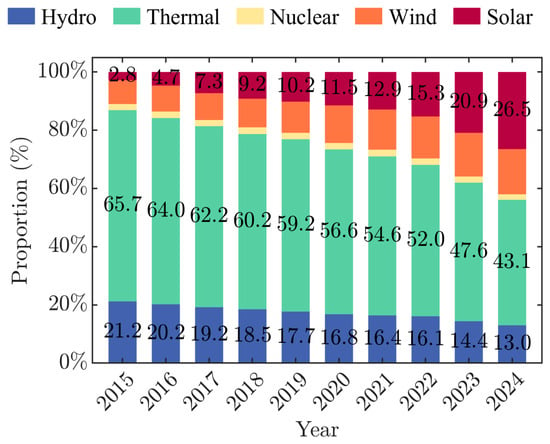
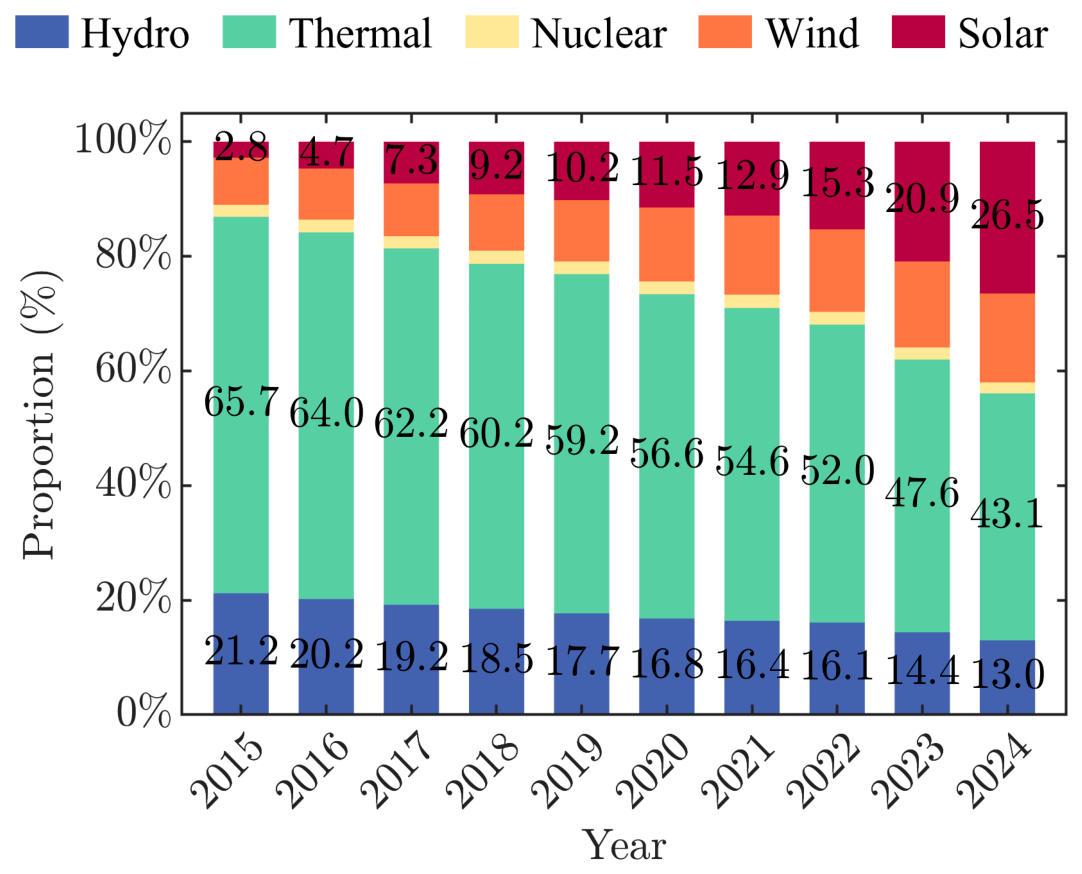
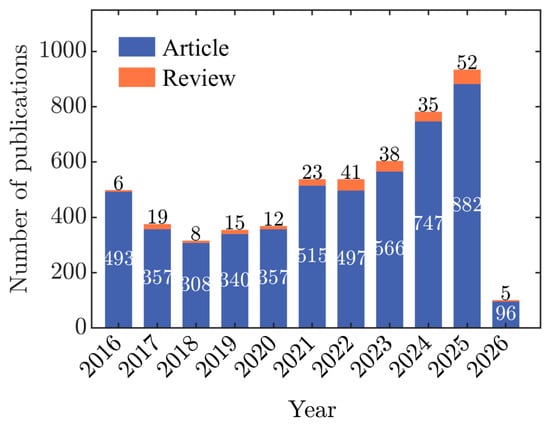
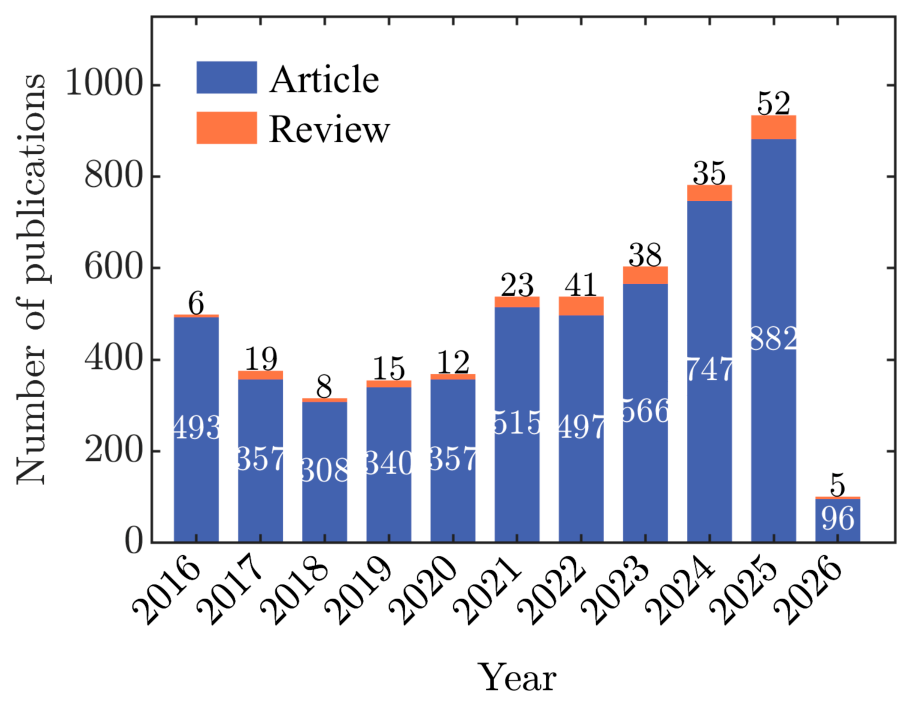
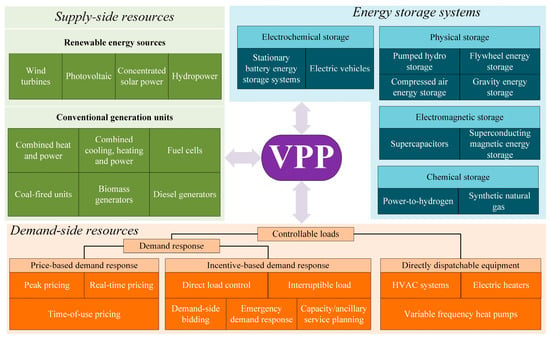
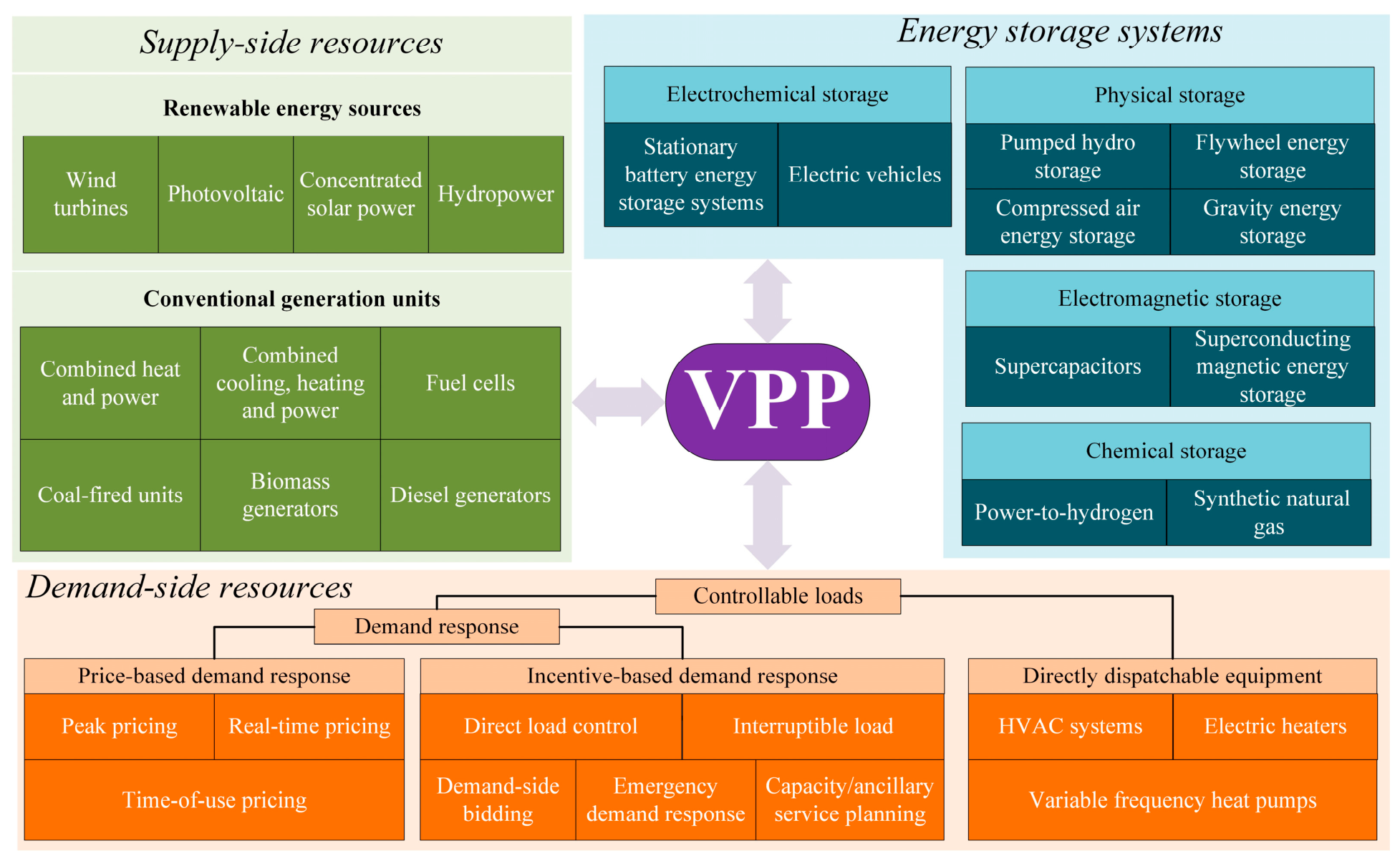
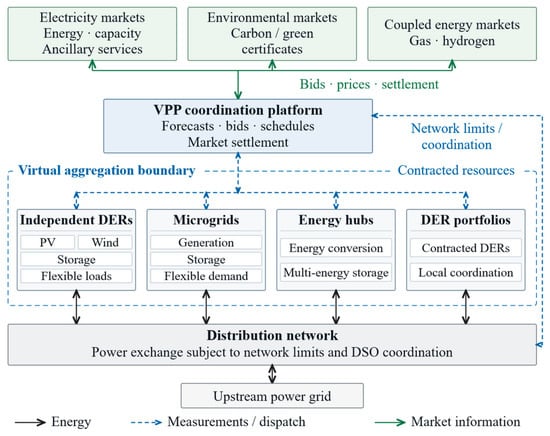
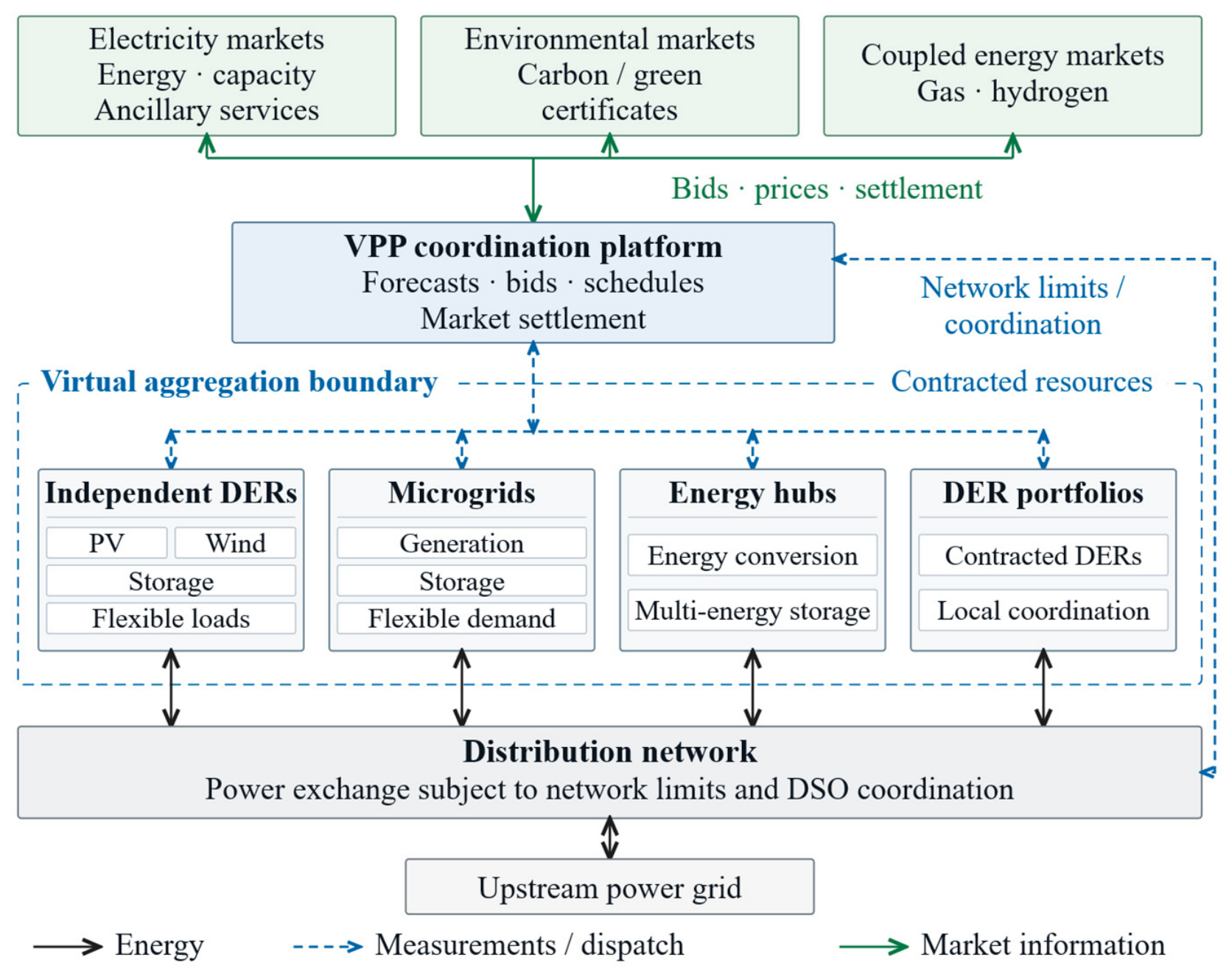

Disclaimer/Publisher’s Note: The statements, opinions and data contained in all publications are solely those of the individual author(s) and contributor(s) and not of MDPI and/or the editor(s). MDPI and/or the editor(s) disclaim responsibility for any injury to people or property resulting from any ideas, methods, instructions or products referred to in the content. |
© 2026 by the authors. Licensee MDPI, Basel, Switzerland. This article is an open access article distributed under the terms and conditions of the Creative Commons Attribution (CC BY) license.