


Abstract
The growing integration of photovoltaic generation into power systems has raised concerns about electricity supply reliability due to the intermittent nature of solar resources. Battery Energy Storage Systems (BESSs) have emerged as a promising solution to enhance system flexibility and reliability. However, accurate storage sizing remains challenging, mainly due to the heterogeneous analytical approaches used to represent photovoltaic intermittency in the literature. This systematic literature review examines how photovoltaic intermittency is characterized and incorporated into BESS sizing methodologies for reliability-oriented applications. The review followed the PRISMA 2020 guidelines and the PICOD framework. Literature searches were conducted in Scopus, Web of Science, IEEE, and Google Scholar. A total of 36 studies met the inclusion criteria and were critically evaluated using a structured methodological quality assessment. A qualitative narrative synthesis was performed to identify methodological trends, conceptual approaches, and research gaps. The findings reveal a predominance of probabilistic and stochastic methods, while only a limited number of studies explicitly address the physical dynamics of intermittency through persistence-based analyses, ramp-event characterization, or temporal patterns associated with alternating high- and low-generation periods. Moreover, the review highlights the lack of metrics capable of effectively representing solar generation dynamics across multiple temporal resolutions. The reviewed literature provides a comprehensive synthesis of current methodological strategies for integrating photovoltaic intermittency into BESS sizing frameworks, emphasizing dominant research trends, conceptual limitations, and methodological gaps. These findings provide relevant insights for researchers and power system planners seeking to develop more reliable and physically informed storage sizing approaches.
1. Introduction
The rising use of renewable energy sources has become a fundamental component of the global energy transition, driven by the urgent need for decarbonization and the gradual replacement of fossil fuel-based energy systems with cleaner and more sustainable alternatives [1]. By the end of 2025, global renewable capacity reached 5149 GW following a record annual increase of 692 GW, reflecting the rapid expansion of renewable technologies worldwide [2]. Among these technologies, solar photovoltaic (PV) systems have emerged as one of the main drivers of this transformation due to their scalability, technological maturity, and declining costs [3]. The total installed cost of solar PV decreased from approximately 5310 USD/kW in 2010 to around 620 USD/kW by 2025, representing a reduction of nearly 90% [4]. These trends have accelerated the deployment of solar power in both utility-scale and distributed energy systems.
Despite these advantages, the growing integration of photovoltaic generation presents significant operational challenges for power system planning and management due to the inherent dependence of solar power output on irradiance and weather conditions [5]. Unlike conventional generation technologies, which can be dispatched according to demand, photovoltaic generation exhibits fluctuations across multiple temporal scales, ranging from short-term power variations occurring over seconds or minutes to longer-term changes spanning hours, days, and seasonal cycles [6]. In the literature, these challenges are commonly described through the related concepts of uncertainty, variability, and intermittency. Uncertainty refers to the inability to accurately predict future photovoltaic output and is typically quantified through forecasting errors [7]. Variability describes the inherent fluctuations in photovoltaic generation caused by both deterministic patterns, such as diurnal and seasonal cycles, and stochastic atmospheric conditions, such as cloud movements [8,9]. Intermittency refers to the operational challenge associated with abrupt transitions between periods of high and low generation, particularly when these fluctuations compromise the system’s ability to consistently satisfy electricity demand over time [10,11,12].
From an operational perspective, these phenomena affect power systems in different ways. Uncertainty primarily impacts scheduling and reserve allocation, variability influences balancing requirements and ramping needs, and intermittency creates broader adequacy challenges by causing prolonged periods of reduced or unavailable generation [10]. Collectively, these characteristics can compromise grid stability and limit the extent to which photovoltaic generation can be considered a reliable energy source without additional mitigation strategies [13]. Several approaches have been proposed to address these limitations. Forecasting techniques aim to reduce uncertainty by improving predictability [14], while spatial aggregation exploits the geographic dispersion of photovoltaic systems to smooth variability [15]. However, these approaches are often insufficient to fully address intermittency, particularly during prolonged periods of low or zero generation.
In this context, Battery Energy Storage Systems (BESSs) have emerged as a key technological solution for improving system flexibility and strengthening the operational reliability of photovoltaic energy systems. BESSs facilitate the storage of surplus energy during periods of excess generation and its subsequent dispatch when generation is insufficient to satisfy demand [16]. This capability enables higher photovoltaic penetration levels while improving supply continuity and operational resilience [17]. Although battery costs have declined significantly, reaching approximately $100/kWh by 2024 [4], the deployment of storage systems still requires substantial capital investment. Therefore, accurate sizing is essential to ensure both technical effectiveness and economic viability. Oversized systems may result in unnecessary investment costs, whereas undersized systems may fail to deliver the expected operational benefits [18].
Current BESS sizing methodologies are predominantly based on economic optimization and conventional reliability criteria [19,20]. While these approaches provide valuable design frameworks, many rely on simplified representations of photovoltaic generation, including averaged profiles, deterministic assumptions, or generic stochastic approximations [21]. These simplifications may fail to adequately capture the temporal dynamics and discontinuous behavior associated with photovoltaic intermittency, potentially leading to underestimated storage requirements and unrealistic assessments of system performance. To address these limitations, scenario-based simulation frameworks have gained increasing attention as a more realistic approach for evaluating storage sizing under uncertain operating conditions [22]. These methodologies enable the representation of multiple operational scenarios involving fluctuations in photovoltaic generation, electricity demand, and system conditions, allowing the dynamic interaction between storage operation and system performance to be explicitly analyzed [23,24]. However, despite their increasing adoption, the literature still lacks a comprehensive understanding of how photovoltaic intermittency should be defined, quantified, and incorporated into BESS sizing methodologies, as existing reviews have predominantly focused on battery technologies, optimization methods, and economic analyses rather than on the methodological approaches used to characterize intermittency and their implications for reliability-oriented storage sizing.
Existing review papers have primarily focused on battery sizing methodologies, optimization techniques, and energy management strategies for photovoltaic systems and microgrids. For instance, Zhang et al. [25] critically reviewed capacity sizing and operation strategies for grid-connected photovoltaic battery systems, emphasizing mathematical models, optimization frameworks, and operational strategies. Similarly, Vasconcelos et al. [26] systematically analyzed the technical indicators and computational methodologies used for BESS sizing in microgrids, while Agha Kassab et al. [27] reviewed optimal sizing and energy management approaches for renewable-based microgrids. Although these reviews provide comprehensive syntheses of optimization methods, techno-economic criteria, and energy management strategies, they do not specifically examine how photovoltaic intermittency is conceptually defined, quantitatively represented, and incorporated into reliability-oriented BESS sizing methodologies.
To address this gap, the present review systematically examines how photovoltaic intermittency is represented within BESS sizing methodologies for reliability-oriented applications. The proposed classification provides researchers with a structured basis for comparing modeling assumptions and enables system planners to identify which representation approaches are most appropriate for adequacy, grid-compliance, economic, and resilience-oriented applications.
The objective of this review is to identify, classify, and critically analyze the approaches used to characterize photovoltaic intermittency and incorporate it into BESS sizing. Specifically, the review examines how intermittency has been conceptually distinguished from uncertainty and variability, the quantitative metrics and analytical methods used to represent it, and the implications of these approaches for storage sizing, operational performance, and power system reliability. Special emphasis is placed on the financial and operational consequences of inadequate intermittency representation, since underestimating extreme fluctuations may lead to storage undersizing, increasing the risk of reliability failures, curtailment, and unmet demand, whereas overestimating intermittency can result in oversized systems with higher investment costs and reduced economic viability. These challenges are expected to intensify under projected climate change scenarios characterized by increasing frequencies and intensities of extreme weather events, which may exacerbate photovoltaic generation fluctuations beyond the operating conditions typically considered. By synthesizing the existing evidence and identifying methodological gaps, this review seeks to contribute toward a more physically informed, climate-resilient, and methodologically consistent framework for photovoltaic storage sizing.
The remainder of this paper is organized as follows. Section 2 describes the methodology used to formulate the research question and define the search strategy. Section 3 presents the main findings of the review. Section 4 discusses the principal results and their implications for future BESS sizing methodologies. Finally, Section 5 summarizes the conclusions and outlines future research directions.
2. Materials and Methods
This study adopts a systematic review methodology to critically examine how photovoltaic intermittency has been conceptualized, represented, and incorporated into Battery Energy Storage System (BESS) sizing methodologies for reliability-oriented applications. Given the conceptual ambiguity surrounding photovoltaic intermittency and the methodological diversity observed in storage sizing approaches, a structured and transparent review process was required to ensure methodological rigor, reproducibility, and consistency in the selection and analysis of the literature. Accordingly, this section describes the research design, including the search strategy, study selection criteria, and quality assessment framework used to identify and evaluate the relevant scientific contributions.
2.1. Data Search Strategy
This study employed a systematic literature review methodology following the PRISMA 2020 guidelines [28]. The completed PRISMA 2020 checklist is provided as Supplementary Material.
The PICOD framework (Population, Intervention, Comparison, Outcome, and Design) was used to formulate the research question: How has photovoltaic intermittency been represented and incorporated into battery energy storage system sizing methodologies for reliability-oriented applications? Based on this framework, keywords associated with each PICOD component were identified and combined using Boolean operators to construct the search string. The literature search was conducted in Scopus, Web of Science, IEEE, and Google Scholar. Scopus and Web of Science were selected because of their broad multidisciplinary coverage and rigorous indexing standards, whereas IEEE was included due to its strong focus on electrical engineering and energy systems research. Google Scholar was used as a complementary source to identify potentially relevant studies not indexed in the selected databases.
A single standardized conceptual search string was applied across all databases. The Boolean expression shown in Table 1 was entered without adding or removing search terms; only the field-selection options supported by each database interface differed. Searches were performed in the title, abstract, and keyword fields whenever available. The final search across all databases was conducted on 5 May 2026.
Table 1.
Application of the PICOD framework in search string construction.
Accordingly, relevant adjacent studies framed exclusively in terms such as firming, smoothing, resilience, adequacy, autonomy, or storage planning may not have been retrieved when they did not explicitly use the concepts included in the predefined search expression.
The search string was applied across the selected databases. All records were exported to Mendeley Reference Manager, where duplicate records were identified and removed, and the remaining records were subsequently managed using the Parsifal platform. Title and abstract screening and full-text eligibility assessment were independently conducted by two reviewers using the predefined inclusion and exclusion criteria. Before screening, the reviewers aligned their interpretation of the eligibility criteria. Any initial differences in study classification were resolved through discussion and consensus, and no third reviewer was required.
The inclusion and exclusion criteria defined by the authors were applied throughout the multi-stage screening process. The inclusion criteria are presented in Table 2, while the exclusion criteria are summarized in Table 3. Records were initially screened based on their titles and abstracts, and the remaining studies underwent a full-text eligibility assessment according to these criteria. Studies that satisfied all predefined inclusion criteria constituted the final dataset for the systematic review. Data extraction was subsequently performed independently by two reviewers using a standardized data extraction form developed in Microsoft Excel. The extracted information included publication year, country of application, photovoltaic intermittency representation methods, BESS sizing methodologies, reliability and performance indicators, simulation frameworks, temporal resolution, scenario characteristics, and the principal findings and limitations reported by each study. All information relevant to these outcomes was collected regardless of the specific metrics, analytical approaches, or simulation horizons employed in the studies. When information was missing or not explicitly reported, the corresponding item was classified as “Not specified” and no assumptions were made regarding unavailable data.
Table 2.
Inclusion criteria applied in the screening process.
Table 3.
Exclusion criteria applied in the screening process.
2.2. Methodological Quality Assessment
Following the study selection process, the 36 included studies were assigned to thematic syntheses according to their methodological characteristics. Specifically, studies were grouped based on four complementary perspectives: (i) photovoltaic phenomenon representation, (ii) BESS sizing methodology, (iii) decision-support criteria, and (iv) simulation framework. These predefined categories were selected because they directly address the objectives of this review and facilitate a consistent comparison of the methodological approaches adopted across the literature.
Before synthesis, the extracted information was harmonized by standardizing terminology and variable definitions to ensure consistency across studies. Because the extracted information consisted primarily of qualitative methodological characteristics and categorical variables, no statistical transformations, imputation of missing data, or data conversions were required. The extracted data were subsequently synthesized through comparative tables, conceptual classifications and summary figures, enabling the identification of methodological patterns, conceptual differences, and research gaps.
To ensure the robustness and interpretation of the review findings, the methodological quality of the included studies was assessed using the criteria presented in Table 4. The review process, including study screening, organization, and quality assessment, was managed using the Parsifal platform. Two reviewers independently evaluated each study using a predefined assessment checklist. Before starting the assessment, the reviewers discussed the evaluation criteria to ensure a common understanding of each checklist item and a consistent application of the assessment process. Any initial differences in scoring were resolved through discussion and consensus, and no third reviewer was required. The methodological quality assessment itself was conducted manually within the Parsifal environment. The evaluation framework combined established methodological appraisal principles with review-specific criteria designed to address the objectives of this study. Questions Q3, Q6, Q8, Q9, and Q10 were informed by broader systematic review principles related to transparency, reproducibility, study selection, data extraction, and reporting quality, as outlined in the PRISMA 2020 statement [29]. Review-specific criteria (Q1, Q2, Q4, Q5, and Q7) were incorporated to evaluate how photovoltaic-related phenomena are characterized across different temporal scales and explicitly integrated into scenario-based, stochastic, and reliability-oriented BESS sizing methodologies. The evaluation focused not on the terminology adopted by each study, but rather on how photovoltaic behavior was mathematically represented and incorporated into the corresponding modeling, simulation, and reliability assessment frameworks.
Table 4.
Methodological quality assessment criteria used for the evaluation of the selected studies.
A methodological quality assessment was conducted to support the interpretation and robustness of the review findings [30]. Each study was evaluated at the item level using a scoring scheme of 1 (yes), 0 (no), and 0.5 (unclear or partially addressed). The overall quality score was calculated by summing the scores assigned across all assessment items and expressing the result as a percentage. Methodological quality was further characterized based on the proportion of negative responses, following established appraisal frameworks used to guide evidence synthesis and interpretation [31]. Under this classification, studies were categorized as having high methodological quality when negative responses were below 30%, moderate quality when between 31 and 50%, and low quality when exceeding 50% [32]. These thresholds were adopted because they offer a practical way to distinguish studies with only minor methodological limitations from those with more substantial weaknesses that could affect the reliability of the reported results. Given the strong influence that modeling assumptions and data treatment have on photovoltaic intermittency characterization and BESS sizing outcomes, this classification helps provide a clearer and more consistent interpretation of the practical relevance of the available evidence.
To support a structured analysis, the assessment questions were organized into four dimensions: conceptual clarity, focused on the definition and differentiation of photovoltaic-related phenomena; intermittency representation, related to the methods used to characterize and simulate intermittency effects; methodological rigor, associated with the consistency and justification of the adopted sizing methodologies; and validation and comparison, centered on the robustness of the reported conclusions and the comparability of the proposed approaches. This multidimensional framework enabled a systematic and critical evaluation of how photovoltaic intermittency is conceptualized, quantified, and incorporated into energy storage sizing methodologies.
3. Results
This section presents the main findings of the review. It begins with the study selection process, followed by a bibliometric characterization of the included studies to identify publication trends and dominant research themes. This is followed by a methodological analysis of the approaches used to represent photovoltaic intermittency and support BESS sizing decisions, together with the corresponding quality assessment outcomes.
3.1. Study Selection Process
A total of 348 records were identified through the database searches, including 105 records from Scopus, 154 from Web of Science, 61 from IEEE, and 28 additional records from Google Scholar. After duplicate removal, 267 records remained for title and abstract screening. Subsequently, 73 full-text records were assessed for eligibility, of which 37 were excluded for not meeting the predefined inclusion criteria. Ultimately, 36 studies were included in the qualitative synthesis. The complete study identification, screening, eligibility assessment, and inclusion process is summarized in Figure 1, following the PRISMA 2020 framework.
Figure 1.
Systematic review workflow illustrated by PRISMA.
3.2. Bibliometric Analysis
A bibliometric characterization of the selected studies was conducted to identify temporal trends, dominant research themes, and emerging methodological directions within the literature. The analysis considered publication year, author keywords, methodological approaches, and the geographical origin of the analyzed datasets.
Figure 2 illustrates the temporal distribution of the selected studies, revealing a clear increase in publications in recent years. This upward trend reflects the growing scientific interest in addressing the operational challenges associated with photovoltaic intermittency, particularly in the context of reliability-oriented BESS sizing. The expansion of this research field is closely linked to the accelerated integration of renewable energy sources into power systems and the increasing need to account for the stochastic, time-dependent, and discontinuous behavior of photovoltaic generation in energy planning and operational studies [33].
Figure 2.
Yearly distribution of selected studies.
To further explore the thematic structure of the literature, a keyword co-occurrence analysis was performed using VOSviewer (version 1.6.20) [34]. From the metadata of the selected studies, 157 author keywords were identified, of which 22 met the minimum threshold of at least two occurrences and were included in the network analysis. These terms were grouped into thematic clusters according to their co-occurrence frequency, allowing the identification of the principal conceptual and methodological research areas.
As shown in Figure 3, the keyword network is strongly centered around topics related to energy storage sizing and reliability assessment, reinforcing the central role of BESS technologies in addressing the operational challenges posed by photovoltaic intermittency. A second prominent thematic cluster is associated with microgrids and distributed generation, reflecting the increasing relevance of decentralized energy systems and local energy management strategies in storage planning. In addition, methodological terms such as mixed-integer linear programming and Monte Carlo simulation appear frequently, indicating that optimization-based and probabilistic approaches remain dominant in the evaluation of reliability-oriented storage sizing problems.
Figure 3.
Keyword co-occurrence density map generated with VOSviewer. The color gradient represents the density of keyword co-occurrences, ranging from yellow (highest density), through light blue (intermediate density), to dark blue (lowest density). White areas indicate little or no keyword concentration.
Overall, the bibliometric analysis suggests that the literature has evolved from general storage integration studies toward more specialized methodological approaches focused on uncertainty representation, reliability evaluation, and scenario-based system analysis. These findings provide an initial overview of the research landscape and establish the foundation for the methodological classification presented in the following subsection.
3.3. Methodological Analysis
A comparative methodological synthesis was conducted to examine how the selected studies represent photovoltaic intermittency, size BESSs, define decision criteria, and incorporate scenario-based or simulation-driven analyses. Table 5 summarizes the principal methodological characteristics of the reviewed studies.
Table 5.
Methodological comparison of the selected studies. Recurring terms are defined at first occurrence and abbreviated thereafter.
The geographical distribution of the reviewed studies, derived from the country information summarized in Table 5, is illustrated in Figure 4. The literature demonstrates broad international representation, although with a marked concentration in regions characterized by high solar energy potential and increasing interest in reliability-oriented distributed energy systems. The Middle East accounts for the highest concentration of studies, particularly Iran, reflecting the strategic relevance of photovoltaic integration and storage planning in solar-intensive regions. Additional contributions were identified across Asia, Europe, North America, Latin America, Oceania, and Africa, indicating that the challenges associated with photovoltaic intermittency and BESS sizing are globally recognized. Notably, 10 studies (27.8%) did not explicitly specify the country of application, which limits a more detailed interpretation of geographical trends. Overall, this distribution suggests that methodological developments in this field are being driven primarily by regions where solar deployment, grid reliability concerns, and decentralized energy applications are particularly significant.
Figure 4.
Geographical distribution of the countries represented in the selected studies.
The following subsections present a structured methodological synthesis of the reviewed studies, where the identified approaches are classified according to their principal analytical characteristics and representation strategies.
3.3.1. Photovoltaic Phenomenon Representation
Table 6 and Figure 5 classify the selected studies according to the main approaches used to represent photovoltaic phenomena in BESS sizing and reliability analyses. Four principal methodological groups were identified: 1. stochastic uncertainty approaches (including forecast uncertainty, adequacy uncertainty, and stochastic scenarios), 2. short-term fluctuation modeling approaches, 3. long-term fluctuation modeling approaches, and 4. scenario-based modeling approaches.
Table 6.
Classification of studies based on photovoltaic fluctuation characterization approaches for BESS sizing.
Figure 5.
Distribution of the selected studies according to photovoltaic phenomenon representation approaches.
The largest group corresponds to studies based on stochastic uncertainty, representing 36.1% of the selected studies. This group comprises three subcategories: forecast uncertainty, adequacy uncertainty, and stochastic scenarios. These works commonly model photovoltaic generation uncertainty using statistical distributions such as Beta, Weibull, Normal, or Lognormal functions. In this approach, solar generation is primarily treated as a stochastic random variable characterized by probabilistic parameters such as mean, variance, and probability distributions. For instance, ref. [66] utilizes Beta distributions for irradiance to evaluate generation adequacy in archipelagic regions. Ref. [67] applies stochastic scaling and Gaussian noise to simulate the resilience of tunnel microgrids under extreme weather conditions. Similarly, ref. [55] employs Normal and Weibull distributions to capture resource uncertainty. This group reflects the traditional perspective adopted in energy system planning, where uncertainty is mainly incorporated through probabilistic forecasting, adequacy assessment, and statistical representation.
The second group corresponds to short-term modeling approaches, comprising 22.2% of the studies. These works prioritize the dynamic response of storage to rapid, discrete physical power transitions occurring over seconds or minutes. Methodologically, this group moves beyond aggregate statistics to characterize the physical structure of solar transients. For example, ref. [56] utilizes high-resolution data to optimize BESS sizing based on the number of grid-code non-compliance events. Similarly, ref. [58] develops an analytical sizing framework to quantify the maximum power variation per minute to accurately define the required battery capacity. Other studies in this category focus on real-time mitigation strategies; for instance, ref. [59] investigates how the choice of smoothing algorithms and their moving window sizes directly dictate BESS capacity requirements to meet strict regulatory ramp-rate standards. Finally, ref. [43] distinguishes itself by using 1-s resolution data to identify worst-case solar ramps, demonstrating that incorporating grid inertia into dynamic modeling can reduce the required battery power capacity by up to 25% compared to traditional methods. The increasing presence of this group in recent literature suggests a methodological transition from purely stochastic uncertainty representation toward high-frequency variability modeling, particularly motivated by concerns related to grid stability, frequency regulation, and fast-response storage requirements.
Long-term modeling approaches constitute the third group, comprising 8.3% of the studies that analyze multi-annual or multi-decadal solar variability patterns. These studies incorporate long-term climatic phenomena such as solar droughts, interannual variability, and solar cycle periodicity using datasets spanning between 10 and 43 years. An example of this group is [42], which evaluates optimal capacities and system costs for each year over a decade, testing various scenarios to identify the worst-case investment years required for a robust design. Another example is [60], which performs simulations over an 11-year period to capture long-term variability in solar resource conditions. Although this group represents the smallest proportion of the literature, its methodological implications are highly significant because it highlights the limitations of sizing methodologies based exclusively on short historical datasets.
The fourth group includes scenario-based modeling approaches, representing 33.3% of the studies. These methodologies characterize photovoltaic variability through the generation of operational or climatic scenarios, including weather-type clustering, persistence-based failure analysis, stochastic transitions, and load-shedding simulations. For instance, ref. [45] employs a clustering algorithm to classify weather types based on irradiance levels, analyzing the distinct power forecast error distributions associated with each category. Ref. [47] provides a quantitative evaluation of remote microgrids by modeling diverse scenarios of curtailment and load shifting to identify the most reliable configurations under varying techno-economic constraints. Ref. [40] utilizes sequential Monte Carlo simulations over a 400-year horizon to simultaneously consider uncertainties in solar radiation, energy demand, and unexpected component failures. Similarly, ref. [41] adopts a resilience-oriented approach by using representative days to optimize storage sizing against grid outages triggered by extreme weather events.
The representation of the photovoltaic phenomenon reveals several important methodological trends. First, the literature shows a strong dependence on PDF-based uncertainty modeling, indicating that photovoltaic fluctuations are still predominantly represented through statistical uncertainty frameworks. However, the emergence of short-term variability approaches demonstrates an increasing recognition that high-frequency intermittency phenomena cannot be adequately captured using conventional probabilistic distributions alone.
3.3.2. BESS Sizing Methodologies
The methodological landscape for BESS sizing is shaped by the balance between globally optimal solutions and simplified analytical or empirical approximations. In this context, the reviewed studies were organized into four main categories, as shown in Table 7 and Figure 6: 1. meta-heuristic optimization algorithms, 2. mathematical programming formulations, 3. analytical and empirical methods, and 4. probabilistic methods.
Table 7.
Classification of the selected studies according to the methodological approaches adopted for BESS sizing.
Figure 6.
Distribution of studies according to BESS sizing methodologies.
Meta-heuristic optimization algorithms (group 1) represent 33.3% of the selected literature, favored for their ability to handle high-dimensional, non-linear problems without requiring precise gradient formulations. Mathematical programming (group 2) approaches also comprise 27.8% of the studies, providing a deterministic backbone for provably optimal planning under explicit constraints. For instance, ref. [47] utilizes Mixed-Integer Linear Programming (MILP) to analyze how varying reliability levels impact optimal capacity and ref. [46] formulates a Distributionally Robust Optimization (DRO) model with linear decision rules to manage hybrid uncertainties, optimizing BESS sizing.
Group 3, analytical and empirical methods (33.3% of the studies), prioritizes implementation simplicity and computational efficiency through derived statistical relationships. Ref. [51] develops an approximate sizing method using linear regressions that link the smoothing battery’s optimal capacity directly to the Solar Irradiance Variability Index (SIVI), allowing for rapid pre-feasibility assessments across diverse locations. In a different statistical approach, ref. [45] fits the probability distributions of daily maximum power and energy requirements, establishing BESS thresholds based on a 95% confidence level. Ref. [56] proposes an iterative methodology that updates battery capacity monthly based on calendar and cyclic aging, identifying the optimal size when the BESS satisfies grid-code ramp limits with minimum non-compliance. Long-term patterns are also addressed by [60], who performs iterative calculations over an 11-year solar cycle to establish the relationship between BESS dimensions and energy unavailability. Group 4 (probabilistic methods) includes studies that employ large-scale random sampling to capture the complex interdependencies between renewable resource availability, component failures, and system reliability. Specifically, ref. [40] employs a sequential Monte Carlo simulation (MCS) for the accurate sizing of stand-alone residential PV systems, whereas ref. [66] applies Monte Carlo techniques based on large-scale random sampling to capture complex system interdependencies.
3.3.3. System Evaluation Criteria
The evaluation of BESS performance and its resulting size depends on the decision metrics adopted to assess system behavior and operational objectives. These metrics have evolved from traditional measures focused on demand satisfaction toward broader criteria that incorporate economic, operational, and resilience considerations. The selected studies classify these evaluation criteria into four distinct groups: 1. adequacy metrics, 2. grid compliance metrics, 3. economic performance metrics and 4. resilience metrics. Table 8 and Figure 7 summarize this classification.
Table 8.
Classification of the selected studies according to the decision-support metrics adopted for BESS sizing.
Figure 7.
Distribution of the selected studies according to the decision-support metrics.
Adequacy metrics (30.6% of the studies) represent the most traditional approach for evaluating BESS performance, focusing on the system’s capacity to continuously satisfy electricity demand. These metrics directly quantify the probability and severity of supply shortages under uncertain operating conditions. For example, ref. [66] adopts a probabilistic framework based on Expected Demand Not Supplied (EDNS) and Loss of Load Probability (LOLP) to assess how increasing photovoltaic penetration levels can be supported by BESS deployment to reduce unserved energy. Similarly, ref. [48] employs Loss of Load Expectation (LOLE) and Loss of Energy Expectation (LOEE) as technical constraints to ensure that hybrid systems maintain adequate performance despite the stochastic behavior of renewable resources.
In contrast, grid compliance metrics (30.6% of the studies) reflect a more recent transition toward operational flexibility and regulatory requirements. Rather than emphasizing only demand adequacy, these studies focus on the role of BESS in mitigating rapid power fluctuations and maintaining grid stability. Ref. [56] formulates the sizing objective around minimizing grid-code violations, requiring the battery system to maintain power ramps below 10% per minute to avoid operational penalties. Extending this perspective, ref. [43] uses frequency stability as the primary evaluation criterion, sizing the battery to provide primary regulation reserves during periods of sudden irradiance reduction.
Economic performance metrics (25% of the studies) interpret reliability as the long-term financial feasibility of maintaining an energy-autonomous system. Here, the optimal size is the one that minimizes lifecycle expenditures. Ref. [50] employs the Cost of Energy (COE) as a decisive metric, showing that ensuring 100% reliability over a 43-year horizon requires a BESS capacity that significantly increases the system’s Net Present Cost (NPC) due to multi-year renewable droughts. Ref. [35] expands this by minimizing the Net Present Value (NPV) of the BESS, also integrating the economic benefits of energy price arbitrage and loss reduction over a 25-year lifespan.
Finally, resilience metrics (13.9% of the studies) focus on the system’s ability to withstand and recover from extreme disturbances. For instance, ref. [41] assesses resilience using Expected Unserved Energy (EUE) during storm-induced grid failures, optimizing storage to mitigate load shedding during prolonged outages. Similarly, ref. [53] integrates traditional utility reliability indices into the sizing framework to evaluate how BESS deployment reduces both the duration and frequency of service interruptions. In addition, ref. [60] introduces the Annual Energy Deviation (AED) as a composite indicator to quantify power firming performance.
The results indicate that reliability assessment in BESS sizing is evolving from a narrow adequacy-oriented perspective toward a multidimensional framework that simultaneously incorporates technical adequacy, economic feasibility, grid compliance, and resilience considerations. Consistent with this, several studies, such as [57,68], move beyond single-criterion formulations and explicitly consider multiple dimensions, particularly economic performance and reliability.
3.3.4. Scenario and Simulation Frameworks
The classification of the selected studies according to their temporal scale and simulation framework highlights the different approaches adopted for representing variability and uncertainty in BESS sizing methodologies. Four mutually exclusive categories were identified based on the dominant simulation characteristic of each study: 1. standard annual simulations, 2. long-term and multi-annual simulations, 3. high-resolution or event-focused simulations, and 4. test-system simulations. When studies included multiple simulation features, they were assigned to the category representing their primary methodological focus. Table 9 and Figure 8 summarize this classification.
Table 9.
Classification of the selected studies according to the dominant simulation horizon and scenario configuration adopted for BESS sizing.
Figure 8.
Distribution of studies according to scenario and simulation scales.
Standard annual simulations (8760 h) (27.8% of the studies) represent one of the two most common approaches for evaluating BESS sizing under typical operating conditions. These studies generally employ hourly resolution over a single representative year, providing a compromise between computational efficiency and the representation of overall system behavior in techno-economic assessments. Representative examples include [44,54,64,66], where annual profiles are used to evaluate reliability, economic performance, or energy management strategies.
Long-term and multi-annual simulations (27.8% of the studies) extend the analysis beyond a single-year horizon to capture effects that may emerge over extended periods, such as climatic variability, degradation, and long-term reliability trends. These studies include different temporal scales, ranging from multi-year operational assessments to multi-decadal evaluations. For example, ref. [40] performs a 400-year sequential Monte Carlo simulation to estimate reliability indicators, while ref. [50] considers 43 years of renewable resource variability. Similarly, refs. [53,62] analyze 20-year horizons, and ref. [56] evaluates a 15-year PV-BESS operation period.
High-resolution or event-focused simulations (22.2% of the studies) prioritize the representation of short-term variability and transient phenomena associated with renewable intermittency. These approaches typically use minute-level or finer temporal resolutions to characterize ramp events, power fluctuations, and grid-code compliance requirements. For instance, ref. [58] develops a BESS sizing methodology based on a one-year mission profile with one-minute resolution, while ref. [59] evaluates PV power smoothing performance using one-minute generation fluctuations. Such approaches are particularly relevant for applications requiring fast response capabilities, including ramp-rate control and power fluctuation mitigation.
Benchmark/test-system simulations (22.2% of the studies) focus on controlled case studies, such as IEEE benchmark networks or predefined operational scenarios, to evaluate optimization frameworks and dispatch strategies under reproducible conditions. These studies commonly adopt short simulation horizons combined with detailed system representations. For example, ref. [41] evaluates residential cases under different weather-driven uncertainty scenarios, while ref. [46] applies distributionally robust optimization to IEEE test systems. Similarly, ref. [45] investigates PV forecast-error compensation using weather-classified scenarios and historical PV data. These frameworks enable the assessment of complex operational constraints, including network limitations, uncertainty management, and reliability-oriented decision-making.
3.4. Methodological Quality of the Included Studies
The results of the methodological quality assessment are summarized in Figure 9, which presents the responses to each checklist criterion across all selected studies. In the figure, green indicates a positive response, red indicates a negative response, and orange represents partial or uncertain fulfillment of the corresponding criterion. This visual assessment provides an aggregated overview of methodological quality, with studies ranked according to their overall quality score and the number of negative responses obtained across the assessment criteria. Additionally, Table 10 provides the numerical distribution of responses for each evaluation criterion, including the number and percentage of studies classified as yes, partial, and no. The assessment results were further synthesized according to the identified photovoltaic fluctuation characterization groups, as presented in Table 11. This table reports the mean scores obtained for each methodological quality dimension defined in the assessment framework (Table 4).
Figure 9.
Methodological quality assessment of the studies included in the systematic review. Each row corresponds to one study evaluated against the ten quality criteria (Q1–Q10). The background color indicates the methodological quality of each study: green, high quality (<30% negative responses); orange, moderate quality (31–50% negative responses); and red, low quality (>50% negative responses). The studies assessed are reported in [35,36,37,38,39,40,41,42,43,44,45,46,47,48,49,50,51,52,53,54,55,56,57,58,59,60,61,62,63,64,65,66,67,68,69,70].
Table 10.
Distribution of methodological quality assessment scores by evaluation criterion.
Table 11.
Mean methodological quality scores by photovoltaic fluctuation characterization approaches.
The quality assessment revealed several methodological limitations across the reviewed studies, particularly regarding the conceptual definition and representation of photovoltaic intermittency. The most recurrent weaknesses were observed in questions Q2 and Q4, indicating persistent gaps in conceptual consistency and data adequacy.
The most critical deficiency was identified in Q2, which evaluated whether studies explicitly distinguished intermittency from related photovoltaic phenomena such as uncertainty and variability. Only four studies (11.1%) [50,51,58,59] made this conceptual distinction, treating intermittency as the binary availability of the photovoltaic resource or as abrupt power drops relative to an ideal clear-sky generation profile. In the remaining 88.9% of the reviewed studies, intermittency was treated interchangeably with variability or forecast uncertainty, without a formal conceptual distinction. This lack of conceptual clarity has important implications for the interpretation, comparability, and reproducibility of the reported findings, as different physical and operational phenomena may be represented using inconsistent assumptions. These results highlight the absence of a standardized conceptual framework for defining and representing photovoltaic intermittency within BESS sizing methodologies.
Another major weakness was observed in Q4, which assessed the adequacy of data sources and temporal resolution for capturing intermittency effects. Limitations in temporal granularity have direct implications for the realism and reliability of storage sizing methodologies, since low-resolution datasets may fail to capture short-term fluctuations, extreme operating conditions, or abrupt transitions in photovoltaic generation. In addition, inconsistencies in temporal resolution across studies complicate cross-study comparisons and reduce methodological reproducibility. This issue is particularly relevant for reliability-oriented indicators such as Loss of Load Probability (LOLP), Expected Unserved Energy (EUE), and power fluctuation mitigation metrics, all of which are highly sensitive to temporal resolution.
Despite these limitations, the quality assessment also identified important methodological strengths across the reviewed literature. As shown in Table 11, the unweighted mean scores across methodological groups were particularly high for methodological rigor and validation and comparison, with values of 97.4% and 99.7%, respectively. These results indicate that most studies provide well-defined optimization or sizing methodologies and include consistent validation procedures to support their reported findings. The highest performance was observed for stochastic uncertainty approaches, which achieved 100% in both methodological rigor and validation and comparison across all subgroups. Similarly, short-term modeling and scenario-based modeling approaches showed strong performance in these dimensions, with mean scores above 95%. In contrast, conceptual clarity presented the lowest unweighted mean score across methodological groups (73.6%), indicating that, although the analytical implementation of the proposed methodologies is generally robust, the formal distinction between photovoltaic phenomena such as intermittency, uncertainty, and variability remains an important area for improvement.
Overall, the reviewed studies demonstrated acceptable methodological quality, although substantial variation was observed across individual contributions. Only a small number of studies achieved the highest quality scores, particularly those that incorporated more explicit and physically grounded representations of photovoltaic intermittency. These findings reinforce the need for greater conceptual consistency and improved temporal representation in future reliability-oriented BESS sizing research. The implications of these methodological gaps are further explored in the following Discussion section.
4. Discussion
This discussion synthesizes the principal findings of the systematic review and critically examines their methodological and conceptual implications for reliability-oriented BESS sizing. The reviewed literature reveals three major patterns. First, there has been a clear methodological evolution from simplified adequacy-based approaches toward more dynamic and scenario-driven frameworks capable of representing the operational complexity of photovoltaic systems. Second, persistent conceptual ambiguity remains regarding the distinction between intermittency, variability, and uncertainty, which affects methodological consistency and cross-study comparability. Third, despite advances in optimization and simulation methodologies, significant limitations remain in the temporal representation of photovoltaic behavior, particularly in capturing both short-term fluctuations and prolonged low-generation events. These findings suggest that future BESS sizing methodologies will require more physically grounded and conceptually consistent frameworks to ensure reliable storage planning under increasingly renewable-dependent operating conditions.
4.1. Conceptual Clarity
A recurrent finding across the literature is the lack of a clear conceptual distinction between intermittency, variability, and uncertainty, which are often used interchangeably to describe PV fluctuations. Most studies refer to intermittency as uncertainty, typically failing to distinguish statistical forecast errors from the intrinsic physical transitions of the solar resource. For example, studies such as [36,48,62] primarily model PV intermittency through probabilistic distributions, such as Beta, Weibull, or Normal PDFs, and Monte Carlo simulations. While these frameworks capture the stochastic range of generation, they do not explicitly characterize the physical intermittency or the temporally discontinuous nature of PV generation itself. This approach treats solar power as a random variable rather than as a sequence of discrete physical events that require specific storage responses.
Only a limited number of studies explicitly quantify intermittency using physical or operational indicators associated with rapid fluctuations, ramping behavior, or prolonged low-generation periods. Notable examples include [58], which analyzes the maximum PV power variation per minute to define battery capacity, and ref. [51], which provides an operational measure of intermittency by comparing measured irradiance transitions against a deterministic clear-sky profile. These methodologies provide a more physically meaningful representation of intermittency because they directly link storage sizing to the persistence, duration, and severity of power transitions that affect grid frequency stability and power quality.
The findings suggest that intermittency shares stronger conceptual similarities with variability than with uncertainty, since both intermittency and variability describe the intrinsic physical and temporal behavior of the solar resource rather than deviations associated with forecasting errors. This interpretation is supported by Yan et al. [71], who define variability as an expected change driven by the physical characteristics of solar generation, such as solar geometry, thereby distinguishing it from uncertainty associated with forecasting errors. Within this framework, variability is generally characterized by predictable patterns such as seasonal changes and diurnal cycles, whereas intermittency refers to the discontinuous nature of the resource and the occurrence of abrupt transitions in power output. This distinction is further reinforced by Prasad et al. [72], who quantify intermittency through persistence-based metrics such as episode lengths and lulls, explicitly focusing on the duration and temporal continuity of generation-deficit events.
While seasonal variability determines periodic storage requirements, intermittent behavior associated with prolonged low-generation events and sudden power changes can significantly challenge the long-term robustness of BESS sizing. A representative example of the conceptual overlap between both terms can be observed in [43]. Although the study frames the analyzed phenomenon as variability, its quantification relies on power drops and rapid output transitions. These indicators effectively capture abrupt and discontinuous behavior more commonly associated with intermittency. Consequently, the phenomenon is conceptually framed as variability but operationally characterized through intermittency-based metrics. This overlap suggests that the distinction between both concepts often becomes blurred at the methodological level, potentially leading to inconsistent interpretations of PV behavior in BESS sizing studies.
4.2. Methodological Evolution in BESS Sizing
The reviewed literature reveals a significant methodological evolution in the incorporation of photovoltaic intermittency into BESS sizing frameworks, moving from static adequacy-oriented approaches toward more comprehensive and dynamic representations of system reliability. Cosgrove et al. [73] support this observation by highlighting the transition of storage planning from conventional energy-balance evaluations toward more rigorous frameworks focused on grid security and operational reliability.
Across the reviewed studies, a consistent pattern emerges: methodologies based on single-year simulations, simplified photovoltaic representations, or isolated reliability indicators are increasingly insufficient to capture the operational complexity of renewable-dominated systems. Supporting this perspective, Moradi-Sepahvand and Amraee [74] show that coarse hourly-resolution datasets and analyses restricted to single target years tend to smooth high-frequency fluctuations and overlook critical multi-year climatic variability. These limitations stem from the multidimensional nature of photovoltaic intermittency, which cannot be adequately represented through a single temporal or operational perspective.
An additional observation emerging from the reviewed literature concerns the probability distributions adopted to represent renewable resources and their associated uncertainty. Beta distributions were identified in six studies and were primarily used to represent solar irradiance or PV-related resource uncertainty. Weibull distributions appeared in seven studies but were used predominantly to characterize wind speed in hybrid PV–wind systems rather than photovoltaic generation. Normal or Gaussian-type representations were identified in four studies and were mainly applied to forecast errors, temperature-related uncertainty, or stochastic perturbations. A Lognormal distribution was identified in one study as a representation of solar generation uncertainty.
The suitability of these probabilistic models depends on the physical variable being represented. Although the bounded support of the Beta distribution makes it suitable for normalized irradiance, its direct application to photovoltaic power output may oversimplify the conversion process because PV generation also depends on module temperature, conversion efficiency, panel orientation, shading, and other environmental and operational factors. Therefore, the selection of a probability distribution should be guided not only by statistical goodness-of-fit but also by the physical characteristics of the modeled variable. This finding reinforces the need for physically informed representations that distinguish resource uncertainty from the temporal and discontinuous behavior associated with photovoltaic intermittency.
Photovoltaic intermittency manifests across multiple temporal scales, including short-term fluctuations occurring over seconds or minutes, medium-term weather-dependent variability, long-term climatic uncertainty, and scenario-dependent disruptions associated with extreme events. Since each of these phenomena affects storage operation differently, they generate distinct BESS sizing requirements. For instance, minute-scale fluctuations may define power capacity requirements for ramp-rate control, whereas multi-day low-generation periods may determine energy capacity needs for adequacy and resilience.
This growing recognition has also transformed the understanding of storage planning itself. Rather than being treated as a static optimization problem, BESS sizing is increasingly viewed as a dynamic process whose requirements evolve according to changing operating conditions, climatic variability, and operational constraints. Consequently, reliability assessment has expanded beyond conventional adequacy indicators such as LPSP, LOLP, and EENS. Recent studies increasingly integrate economic feasibility, compliance with operational requirements such as ramp-rate constraints, and resilience against disruptive events or prolonged outages.
Collectively, these findings suggest a broader methodological transition in the literature. Future BESS sizing methodologies will likely require integrated frameworks capable of simultaneously combining techno-economic optimization, long-term climatic intermittency, high-resolution operational dynamics, and reliability-oriented performance assessment.
4.3. Implications for Future Storage Sizing Methodologies
Future research should prioritize the development of physically informed representations of photovoltaic intermittency that explicitly incorporate the temporal characteristics of renewable generation into BESS sizing methodologies. Particular attention should be given to the development of intermittency indicators capable of characterizing the duration, persistence, frequency, and severity of generation-deficit events across multiple temporal scales.
Similar to classical reservoir planning problems, future approaches may benefit from considering not only the magnitude of available renewable generation, but also the temporal structure and continuity of low-generation periods. Under this perspective, storage requirements may depend more strongly on the sequence, duration, and clustering of intermittent events than on average generation values alone.
In addition, scenario-based simulation frameworks should be strengthened to incorporate diverse operating conditions, including normal variability, extreme weather events, prolonged low-generation periods, and demand-side changes. This would support more robust evaluations of reliability, resilience, and economic feasibility under realistic operating conditions.
Beyond the methodological aspects discussed above, the way photovoltaic intermittency is represented has direct implications for practical engineering design and system planning. The temporal characteristics adopted to model photovoltaic generation directly influence several key design variables in BESS applications. For example, prolonged periods of low renewable generation primarily determine the required battery energy capacity, whereas rapid irradiance fluctuations and high ramp-rate events largely define the battery power rating needed to maintain system stability and satisfy transient power demands. Similarly, larger short-term power variations may require higher inverter ratings to accommodate rapid charging and discharging cycles while complying with operational constraints.
The representation of intermittency also influences operational strategies throughout the battery lifetime. More realistic intermittency models generally require maintaining larger state-of-charge reserve margins to preserve sufficient operational flexibility during unexpected photovoltaic fluctuations. Furthermore, models capable of explicitly capturing high-frequency variability tend to predict a greater number of charge–discharge cycles and partial cycling events, which directly affect battery degradation, cycle aging, replacement schedules, and long-term lifecycle costs. Conversely, simplified representations may underestimate these effects, resulting in optimistic assessments of battery lifetime and economic performance.
From a system operation perspective, inadequate characterization of photovoltaic intermittency may also affect estimates of renewable energy curtailment and expected unserved energy, thereby influencing the overall reliability assessment of the electrical system. Likewise, the capability of BESS to provide ancillary services, such as frequency regulation and voltage support, depends strongly on maintaining sufficient power and energy reserves under highly dynamic operating conditions. Finally, storage systems designed using simplified photovoltaic representations may satisfy annual energy balancing objectives while failing to comply with grid-code requirements related to ramp-rate limitations, operational flexibility, and dynamic network support. These observations demonstrate that improving the representation of photovoltaic intermittency is not only a methodological challenge but also a practical engineering requirement for obtaining storage sizing solutions that are technically robust, economically realistic, and operationally reliable.
Overall, the reviewed literature indicates that the next generation of BESS sizing methodologies should be conceptually consistent, temporally explicit, and operationally grounded. Advancing in this direction would support a methodological transition from uncertainty-based abstractions toward physically grounded intermittency representations, enabling more reliable, resilient, and realistic BESS sizing for renewable-dominated power systems.
5. Conclusions
This systematic review examined how photovoltaic intermittency has been represented within Battery Energy Storage System (BESS) sizing methodologies for reliability-oriented applications and identified important conceptual and methodological limitations in current approaches.
The review reveals that, although renewable generation uncertainty is widely incorporated into storage sizing methodologies, photovoltaic intermittency itself remains insufficiently and inconsistently represented. Most studies rely on probabilistic distributions, forecast-error models, or generic stochastic abstractions that capture uncertainty but fail to explicitly represent the physical and temporal characteristics of intermittency, such as abrupt transitions, persistence, duration, and prolonged low-generation periods.
A central finding of this review is the persistent conceptual ambiguity between uncertainty, variability, and intermittency. The interchangeable use of these concepts introduces methodological inconsistencies and limits cross-study comparability. This ambiguity also affects how storage requirements are estimated, since distinct photovoltaic phenomena impose different operational demands on battery systems.
The review further shows that current BESS sizing methodologies remain largely centered on energy adequacy and economic optimization, with limited integration of high-resolution operational dynamics and long-term climatic intermittency. As a consequence, existing approaches may underestimate storage requirements and fail to fully capture operational challenges associated with frequency stability, resilience, and long-term reliability.
Overall, the findings indicate that future storage planning methodologies must evolve toward conceptually consistent, temporally explicit, and physically grounded frameworks capable of representing the multidimensional behavior of photovoltaic generation.
5.1. Study Limitations
This review was intentionally designed to address a focused research question regarding how photovoltaic intermittency is represented in reliability-oriented BESS sizing methodologies. As a result, the application of strict inclusion criteria led to a final set of 36 studies. This set represents the complete body of evidence identified through the predefined search strategy and eligibility criteria rather than a representative sample selected from a larger pool. Consequently, the findings should be interpreted within this specific scope and should not be generalized to the broader literature on battery storage or photovoltaic system optimization.
Although a systematic review protocol was adopted, the analysis remained dependent on the selected databases, search expression, document types, language restriction, and inclusion criteria. Relevant studies published outside the selected indexing systems or in languages other than English may therefore not have been identified. In addition, the heterogeneity of the reviewed methodologies, temporal resolutions, reliability metrics, and definitions of photovoltaic phenomena limits direct quantitative comparison across studies. Nevertheless, the systematic screening, extraction, and methodological quality assessment procedures provide a consistent basis for identifying the principal conceptual and methodological trends within the defined scope of the review.
5.2. Research Gaps
Several research gaps were identified that currently constrain the development of more robust BESS sizing methodologies.
First, a conceptual gap remains in the absence of a standardized framework for distinguishing uncertainty, variability, and intermittency. This lack of conceptual consistency reduces methodological comparability and complicates the interpretation of storage sizing results.
Second, a temporal representation gap persists. Annual simulations based on hourly-resolution data remain dominant due to their computational simplicity, yet these approaches may smooth short-term fluctuations and fail to capture abrupt transitions or prolonged low-generation events that directly affect storage operation.
Third, a methodological integration gap was identified. Economic optimization, adequacy assessment, operational reliability, and resilience are often treated as separate objectives rather than integrated dimensions of the same storage planning problem.
Finally, the review highlights a limited incorporation of physically meaningful intermittency indicators capable of explicitly representing operationally relevant photovoltaic events across multiple temporal scales.
5.3. Future Research Directions
Future research should prioritize the development of physically informed photovoltaic intermittency representations that explicitly incorporate the temporal structure of renewable generation into BESS sizing methodologies.
Particular attention should be given to the development of intermittency indicators capable of quantifying the duration, persistence, frequency, severity, and clustering of generation-deficit events across multiple temporal scales. Similar to classical reservoir planning problems, future storage sizing methodologies may benefit from considering not only the magnitude of available renewable generation, but also the temporal continuity and sequence of low-generation periods.
These representations should be integrated into multi-scenario simulation and optimization frameworks capable of simultaneously capturing high-frequency operational dynamics, long-term climatic variability, diverse operating conditions, and system-level reliability constraints.
Advancing in this direction would support a methodological transition from uncertainty-based abstractions toward physically grounded intermittency representations, enabling more reliable, resilient, and realistic BESS sizing for renewable-dominated power systems.
The principal conceptual and methodological future research directions identified in this review are summarized in Figure 10.
Figure 10.
Summary of the main future research directions for improving photovoltaic intermittency representation in BESS sizing methodologies.
Supplementary Materials
The following supporting information can be downloaded at: https://www.mdpi.com/article/10.3390/en19174100/s1, Table S1: PRISMA 2020 Checklist.
Author Contributions
Formal analysis and writing—original draft preparation, M.T.; validation and writing—review and editing, C.R.-V.; supervision, M.U.-M.; writing—review and editing and funding acquisition, S.Z. All authors have read and agreed to the published version of the manuscript.
Funding
This research was funded by ISA through the Evaluar el futuro de la red eléctrica como plataforma de confiabilidad program.
Institutional Review Board Statement
Not applicable.
Informed Consent Statement
Not applicable.
Data Availability Statement
All data analyzed in this systematic review were obtained from the studies cited in the manuscript. The study-selection and data-extraction records are available from the corresponding author upon reasonable request.
Acknowledgments
The authors gratefully acknowledge the support provided by ISA through the Evaluar el futuro de la red eléctrica como plataforma de confiabilidad program. During the preparation of this manuscript, the authors used ChatGPT (GPT-5.5) only for language editing and clarity improvement. The authors reviewed and edited all generated output and take full responsibility for the content of the publication.
Conflicts of Interest
The authors declare no conflicts of interest. The funder had no role in the design of the review; in the collection, analysis, or interpretation of the data; in the writing of the manuscript; or in the decision to publish the results.
Abbreviations
| Abbreviation | Definition | Abbreviation | Definition |
| AED | Annual Energy Deviation | LOLE | Loss of Load Expectation |
| BESS | Battery Energy Storage System | LOLP | Loss of Load Probability |
| COE | Cost of Energy | LPSP | Loss of Power Supply Probability |
| DRO | Distributionally Robust Optimization | LP | Linear Programming |
| EDNS | Expected Demand Not Served | MCS | Monte Carlo Simulation |
| EENS | Expected Energy Not Served | MILP | Mixed-Integer Linear Programming |
| ELF | Equivalent Loss Factor | MINLP | Mixed-Integer Nonlinear Programming |
| ENS | Energy Not Supplied | MFO | Moth-Flame Optimization |
| EUE | Expected Unserved Energy | NPC | Net Present Cost |
| FOI | Frequency of Interruption | NPV | Net Present Value |
| GA | Genetic Algorithm | Probability Density Function | |
| HFPSO | Hybrid Firefly–Particle Swarm Optimization | PICOD | Population, Intervention, Comparison, Outcome, and Design |
| IAOA | Improved Arithmetic Optimization Algorithm | PRISMA | Preferred Reporting Items for Systematic Reviews and Meta-Analyses |
| ICSA | Improved Crow Search Algorithm | PSO | Particle Swarm Optimization |
| KDE | Kernel Density Estimation | PV | Photovoltaic |
| LCOE | Levelized Cost of Energy | SAIDI | System Average Interruption Duration Index |
| LOEE | Loss of Energy Expectation | SAIFI | System Average Interruption Frequency Index |
| SIVI | Solar Irradiance Variability Index | SSR | Solar Service Ratio |
| SCR | Grid Service Ratio | ULD | Unmet Load-Shedding Demand |
References
- Aleksandra, A.; Sara, B.P.; Małgorzata, J.; Brian, B.; Polverini, D.; Miguel, C. Role of solar PV in net-zero growth: An analysis of international manufacturers and policies. Prog. Photovolt. Res. Appl. 2024, 32, 607–622. [Google Scholar] [CrossRef] [Scilit]
- International Renewable Energy Agency (IRENA). Renewable Capacity Statistics 2026; Technical Report; IRENA: Abu Dhabi, United Arab Emirates, 2026. [Google Scholar]
- Chadly, A.; Moawad, K.; Salah, K.; Omar, M.; Mayyas, A. State of global solar energy market: Overview, China’s role, Challenges, and Opportunities. Sustain. Horiz. 2024, 11, 100108. [Google Scholar] [CrossRef] [Scilit]
- Rezaee, E.; Silva, S.R.P. Solar energy in 2025: Global deployment, cost trends, and the role of energy storage in enabling a resilient smart energy infrastructure. Energy Environ. Mater. 2026, 9, e70199. [Google Scholar] [CrossRef] [Scilit]
- Ali, A.O.; Elgohr, A.T.; El-Mahdy, M.H.; Zohir, H.M.; Emam, A.; Mostafa, M.G.; Al-Razgan, M.; Kasem, H.M.; Elhadidy, M.S. Advancements in photovoltaic technology: A comprehensive review of recent advances and future prospects. Energy Convers. Manag. X 2025, 26, 100952. [Google Scholar] [CrossRef] [Scilit]
- Wu, C.; Zhang, X.; Sterling, M. Solar power generation intermittency and aggregation. Sci. Rep. 2022, 12, 1363. [Google Scholar] [CrossRef] [Scilit] [PubMed]
- Kumar, D.S.; Yagli, G.M.; Kashyap, M.; Srinivasan, D. Solar irradiance resource and forecasting: A comprehensive review. IET Renew. Power Gener. 2020, 14, 1641–1656. [Google Scholar] [CrossRef] [Scilit]
- Notton, G.; Nivet, M.L.; Voyant, C.; Paoli, C.; Darras, C.; Motte, F.; Fouilloy, A. Intermittent and stochastic character of renewable energy sources: Consequences, cost of intermittence and benefit of forecasting. Renew. Sustain. Energy Rev. 2018, 87, 96–105. [Google Scholar] [CrossRef] [Scilit]
- Albadi, M. Solar pv power intermittency and its impacts on power systems—An overview. J. Eng. Res. (TJER) 2019, 16, 142. [Google Scholar] [CrossRef] [Scilit]
- Liu, Z.; Du, Y. Evolution towards dispatchable PV using forecasting, storage, and curtailment: A review. Electr. Power Syst. Res. 2023, 223, 109554. [Google Scholar] [CrossRef] [Scilit]
- Poddar, S.; Kay, M.; Prasad, A.; Evans, J.P.; Bremner, S. Changes in solar resource intermittency and reliability under Australia’s future warmer climate. Sol. Energy 2023, 266, 112039. [Google Scholar] [CrossRef] [Scilit]
- Suchet, D.; Jeantet, A.; Elghozi, T.; Li-Kao, Z.J. Defining and quantifying intermittency in the power sector. Energies 2020, 13, 3366. [Google Scholar] [CrossRef] [Scilit]
- Yin, J.; Molini, A.; Porporato, A. Impacts of solar intermittency on future photovoltaic reliability. Nat. Commun. 2020, 11, 4781. [Google Scholar] [CrossRef] [Scilit] [PubMed]
- Jamal, T.; Carter, C.R.; Schmidt, T.; Shafiullah, G.; Calais, M.; Urmee, T. An energy flow simulation tool for incorporating short-term PV forecasting in a diesel-PV-battery off-grid power supply system. Appl. Energy 2019, 254, 113718. [Google Scholar] [CrossRef] [Scilit]
- Doubleday, K.; Lara, J.D.; Hodge, B. Investigation of stochastic unit commitment to enable advanced flexibility measures for high shares of solar PV. Appl. Energy 2022, 321, 119337. [Google Scholar] [CrossRef] [Scilit]
- Nadeem, F.; Hussain, S.M.S.; Tiwari, P.; Goswami, A.K.; Ustun, T.S. Comparative review of energy storage systems, their roles, and impacts on future power systems. IEEE Access 2019, 7, 4555–4585. [Google Scholar] [CrossRef] [Scilit]
- Elalfy, D.A.; Gouda, E.; Kotb, M.F.; Bureš, V.; Sedhom, B.E. Comprehensive review of energy storage systems technologies, objectives, challenges, and future trends. Energy Strategy Rev. 2024, 54, 101482. [Google Scholar] [CrossRef] [Scilit]
- Hannan, M.; Faisal, M.; Jern Ker, P.; Begum, R.; Dong, Z.; Zhang, C. Review of optimal methods and algorithms for sizing energy storage systems to achieve decarbonization in microgrid applications. Renew. Sustain. Energy Rev. 2020, 131, 110022. [Google Scholar] [CrossRef] [Scilit]
- AbouBakr, M.A.; Atallah, A.M.; Abdelsattar, A.; El-Dessouki, M. Different aspects that affect sizing of battery energy storage in pv systems. In 2019 6th International Conference on Advanced Control Circuits and Systems (ACCS) and 2019 5th International Conference on New Paradigms in Electronics and Information Technology (PEIT); IEEE: New York, NY, USA, 2019; pp. 259–262. [Google Scholar] [CrossRef] [Scilit]
- Chreim, B.; Esseghir, M.; Merghem-Boulahia, L. Recent sizing, placement, and management techniques for individual and shared battery energy storage systems in residential areas: A review. Energy Rep. 2024, 11, 250–260. [Google Scholar] [CrossRef] [Scilit]
- Alguhi, A.A.; Alotaibi, M.A.; Al-Ammar, E.A. Probabilistic planning for an energy storage system considering the uncertainties in smart distribution networks. Sustainability 2023, 16, 290. [Google Scholar] [CrossRef] [Scilit]
- Zhang, Y.; Su, Y.; Wang, Z.; Liu, F.; Li, C. Cycle-Life-Aware optimal sizing of grid-side battery energy storage. IEEE Access 2021, 9, 20179–20190. [Google Scholar] [CrossRef] [Scilit]
- Carriere, T.; Vernay, C.; Pitaval, S.; Neirac, F.; Kariniotakis, G. Sizing of a PV/battery system through stochastic control and plant aggregation. arXiv 2019, arXiv:1910.06828. [Google Scholar] [CrossRef] [Scilit]
- Luo, L.; Abdulkareem, S.S.; Rezvani, A.; Miveh, M.R.; Samad, S.; Aljojo, N.; Pazhoohesh, M. Optimal scheduling of a renewable based microgrid considering photovoltaic system and battery energy storage under uncertainty. J. Energy Storage 2020, 28, 101306. [Google Scholar] [CrossRef] [Scilit]
- Zhang, Y.; Ma, T.; Yang, H. A review on capacity sizing and operation strategy of grid-connected photovoltaic battery systems. Energy Built Environ. 2024, 5, 500–516. [Google Scholar] [CrossRef] [Scilit]
- Vasconcelos, A.; Monteiro, A.; Costa, T.; Rode, A.C.; Marinho, M.H.N.; Dias Filho, R.; Maciel, A.M.A. Sizing with Technical Indicators of Microgrids with Battery Energy Storage Systems: A Systematic Review. Energies 2023, 16, 8095. [Google Scholar] [CrossRef] [Scilit]
- Agha Kassab, F.; Rodriguez, R.; Celik, B.; Locment, F.; Sechilariu, M. A Comprehensive Review of Sizing and Energy Management Strategies for Optimal Planning of Microgrids with PV and Other Renewable Integration. Appl. Sci. 2024, 14, 10479. [Google Scholar] [CrossRef] [Scilit]
- Page, M.J.; McKenzie, J.E.; Bossuyt, P.M.; Boutron, I.; Hoffmann, T.; Mulrow, C.D.; Shamseer, L.; Tetzlaff, J.; Akl, E.A.; Brennan, S.; et al. The PRISMA 2020 statement: An updated guideline for reporting systematic reviews. BMJ 2021, 372, n71. [Google Scholar] [CrossRef] [Scilit] [PubMed]
- Page, M.J.; Moher, D.; Bossuyt, P.M.; Boutron, I.; Hoffmann, T.C.; Mulrow, C.D.; Shamseer, L.; Tetzlaff, J.M.; Akl, E.A.; Brennan, S.E.; et al. The PRISMA 2020 explanation and elaboration: Updated guidance and exemplars for reporting systematic reviews. BMJ 2021, 372, n160. [Google Scholar] [CrossRef] [PubMed]
- Vali, Y.; Leeflang, M.; Bossuyt, P.M. Application of weighting methods for presenting risk-of-bias assessments in systematic reviews of diagnostic test accuracy studies. Syst. Rev. 2021, 10, 191. [Google Scholar] [CrossRef] [Scilit] [PubMed]
- Frampton, G.K.; Whaley, P.; Bennett, M.G.; Bilotta, G.; Dorne, J.; Eales, J.; James, K.; Kohl, C.; Land, M.; Livoreil, B.; et al. Principles and framework for assessing the risk of bias for studies included in comparative quantitative environmental systematic reviews. Environ. Evid. 2022, 11, 12. [Google Scholar] [CrossRef] [Scilit] [PubMed]
- Canto, G.D.L.; Stefani, C.M.; Massignan, C. Risco de Viés em Revisões Sistemáticas: Guia práTico; Centro Brasileiro de Pesquisas Baseadas em Evidências (COBE), UFSC: Florianópolis, Brazil, 2021. [Google Scholar]
- Ma, C.; Xu, X.; Pang, X.; Li, X.; Zhang, P.; Liu, L. Scenario-based ultra-short-term rolling optimal operation of a photovoltaic-energy storage system under forecast uncertainty. Appl. Energy 2024, 356, 122425. [Google Scholar] [CrossRef] [Scilit]
- Eck, N.J.v.; Waltman, L. Software survey: VOSviewer, a computer program for bibliometric mapping. Scientometrics 2010, 84, 523–538. [Google Scholar] [CrossRef] [Scilit] [PubMed]
- Jannesar, M.R.; Sedighi, A.; Savaghebi, M.; Guerrero, J.M. Optimal placement, sizing, and daily charge/discharge of battery energy storage in low voltage distribution network with high photovoltaic penetration. Appl. Energy 2018, 226, 957–966. [Google Scholar] [CrossRef] [Scilit]
- Copp, D.; Nguyen, T.A.; Byrne, R.H. Optimal sizing of behind-the-meter energy storage with stochastic load and PV generation for islanded operation. In 2018 IEEE Power & Energy Society General Meeting (PESGM); IEEE: New York, NY, USA, 2018; pp. 1–5. [Google Scholar] [CrossRef] [Scilit]
- Nayak, C.; Nayak, M. Battery energy storage system for solar pv & wind power smoothing considering economic aspects. In Applications of Computing, Automation and Wireless Systems in Electrical Engineering; Springer: Singapore, 2018; pp. 157–168. [Google Scholar] [CrossRef] [Scilit]
- Ehsan, A.; Yang, Q. Coordinated investment planning of distributed multi-type stochastic generation and battery storage in active distribution networks. IEEE Trans. Sustain. Energy 2019, 10, 1813–1822. [Google Scholar] [CrossRef] [Scilit]
- Xu, Z.; Yuan, B.; Liu, J.; Zheng, K.; Xu, S. Energy storage configuration for smoothing the output volatility of PV power generation. Iop Conf. Ser. Earth Environ. Sci. 2019, 295, 052045. [Google Scholar] [CrossRef] [Scilit]
- Quiles, E.; Roldán-Blay, C.; Escrivá-Escrivá, G.; Roldán-Porta, C. Accurate sizing of residential stand-alone photovoltaic systems considering system reliability. Sustainability 2020, 12, 1274. [Google Scholar] [CrossRef] [Scilit]
- Chatterji, E.; Bazilian, M. Battery storage for resilient homes. IEEE Access 2020, 8, 184497–184511. [Google Scholar] [CrossRef] [Scilit]
- Duan, J.; van Kooten, G.C.; Liu, X. Renewable electricity grids, battery storage and missing money. Resour. Conserv. Recycl. 2020, 161, 105001. [Google Scholar] [CrossRef] [Scilit]
- Polleux, L.; Schuhler, T.; Guérassimoff, G.; Marmorat, J.; Sandoval-Moreno, J.; Ghazouani, S. On the relationship between battery power capacity sizing and solar variability scenarios for industrial off-grid power plants. Appl. Energy 2021, 302, 117553. [Google Scholar] [CrossRef] [Scilit]
- Moghaddam, S.; Bigdeli, M.; Moradlou, M. Optimal design of an off-grid hybrid renewable energy system considering generation and load uncertainty: The case of Zanjan city, Iran. SN Appl. Sci. 2021, 3, 732. [Google Scholar] [CrossRef] [Scilit]
- Zhu, H.; Hou, R.; Jiang, T.; Lv, Q. Research on energy storage capacity configuration for PV power plants using uncertainty analysis and its applications. Glob. Energy Interconnect. 2021, 4, 608–618. [Google Scholar] [CrossRef] [Scilit]
- Rauf, A.; Kassas, M.; Khalid, M. Data-driven optimal battery storage sizing for grid-connected hybrid distributed generations considering solar and wind uncertainty. Sustainability 2022, 14, 11002. [Google Scholar] [CrossRef] [Scilit]
- Javed, M.S.; Jurasz, J.; McPherson, M.; Dai, Y.; Ma, T. Quantitative evaluation of renewable-energy-based remote microgrids: Curtailment, load shifting, and reliability. Renew. Sustain. Energy Rev. 2022, 164, 112516. [Google Scholar] [CrossRef] [Scilit]
- Davoudkhani, I.F.; Dejamkhooy, A.; Nowdeh, S.A. A novel cloud-based framework for optimal design of stand-alone hybrid renewable energy system considering uncertainty and battery aging. Appl. Energy 2023, 344, 121257. [Google Scholar] [CrossRef] [Scilit]
- Gholami, M.; Mousavi, S.A.; Muyeen, S.M. Enhanced microgrid reliability through optimal battery energy storage system type and sizing. IEEE Access 2023, 11, 62733–62743. [Google Scholar] [CrossRef] [Scilit]
- Javed, M.S.; Jurasz, J.; Guezgouz, M.; Canales, F.A.; Ruggles, T.; Ma, T. Impact of multi-annual renewable energy variability on the optimal sizing of off-grid systems. Renew. Sustain. Energy Rev. 2023, 183, 113514. [Google Scholar] [CrossRef] [Scilit]
- Susanto, J.; Shahnia, F. Optimal capacity of a battery energy storage system based on solar variability index to smooth out power fluctuations in pv-diesel microgrids. Energies 2023, 16, 5658. [Google Scholar] [CrossRef] [Scilit]
- León, L.M.; Romero-Quete, D.; Merchán, N.; Cortés, C.A. Optimal design of PV and hybrid storage based microgrids for healthcare and government facilities connected to highly intermittent utility grids. Appl. Energy 2023, 335, 120709. [Google Scholar] [CrossRef] [Scilit]
- Nematirad, R.; Pahwa, A.; Natarajan, B.; Wu, H. Optimal sizing of photovoltaic-battery system for peak demand reduction using statistical models. Front. Energy Res. 2023, 11, 1297356. [Google Scholar] [CrossRef] [Scilit]
- Memon, Z.A.; Akbari, M.A. Optimizing hybrid photovoltaic/battery/diesel microgrids in distribution networks considering uncertainty and reliability. Sustainability 2023, 15, 13499. [Google Scholar] [CrossRef] [Scilit]
- Ibrahim, I.M.; Abdelaziz, A.Y.; Alhelou, H.H.; Omran, W.A. Sizing of microgrid system including multi-functional battery storage and considering uncertainties. IEEE Access 2023, 11, 29521–29540. [Google Scholar] [CrossRef] [Scilit]
- Vega-Garita, V.; Alpizar-Gutierrez, V.; Calderon-Obaldia, F.; Núñez-Mata, O.; Arguello, A.; Immonen, E. Iterative sizing methodology for photovoltaic plants coupled with battery energy storage systems to ensure smooth power output and power availability. Energy Convers. Manag. X 2024, 24, 100716. [Google Scholar] [CrossRef] [Scilit]
- Najafi, M.; Sadat, P.; Faraji, M.; Gharehpetian, G.B.; Khorsandi, A.; Hosseinian, S.H. Mpso-based economic optimal design of an isolated industrial microgrid considering lpsp concept and covering system uncertainties. In 2024 11th Iranian Conference on Renewable Energy and Distribution Generation (ICREDG); IEEE: New York, NY, USA, 2024; pp. 1–9. [Google Scholar] [CrossRef] [Scilit]
- Amorim, W.C.; Cupertino, A.F.; Pereira, H.A.; Mendes, V.F. On sizing of battery energy storage systems for PV plants power smoothing. Electr. Power Syst. Res. 2024, 229, 110114. [Google Scholar] [CrossRef] [Scilit]
- Huang, C.; Liao, P. Real-time smoothing against photovoltaic power generation fluctuation: Case study and battery energy storage systems capacity size design. In IECON 2024-50th Annual Conference of the IEEE Industrial Electronics Society; IEEE: New York, NY, USA, 2024; pp. 1–6. [Google Scholar] [CrossRef] [Scilit]
- Tejero-Gómez, J.A.; Bayod-Rújula, Á.A. Sizing of battery energy storage systems for firming pv power including aging analysis. Energies 2024, 17, 1485. [Google Scholar] [CrossRef] [Scilit]
- Ogabi, A.; Aggarwal, G.; Gueniat, F. Data fusion of iot appliance traces and satellite solar irradiance for energy-efficient and robust pv–battery sizing under uncertainty. In 2025 9th International Conference on Environment Friendly Energies and Applications (EFEA); IEEE: New York, NY, USA, 2025; pp. 1–6. [Google Scholar] [CrossRef] [Scilit]
- Alanazi, M.; Abdelaziz, A.Y.; Hong, J.; Geem, Z.W. Enhancing stochastic planning in autonomous hybrid energy systems through an advanced arithmetic optimization algorithm and K-means data clustering. Energy Rep. 2025, 13, 4375–4387. [Google Scholar] [CrossRef] [Scilit]
- Khaneqah, A.R.K.; Shahi, E.; Nozarian, M.; Fereidunian, A. Integrated planning of autonomous energy communities for enhanced reliability and sustainability. In Proceedings of the Smart Grid Conference, SGC; Institute of Electrical and Electronics Engineers Inc.: New York, NY, USA, 2025. [Google Scholar] [CrossRef] [Scilit]
- Ramakrishnan, R.; Krishnasamy, V.; Babu, B.C. Multi-objective optimization based PV-battery storage system sizing with judicious excess energy transfer framework fostering net-zero energy buildings. Energy Build. 2025, 341, 115807. [Google Scholar] [CrossRef] [Scilit]
- Michael-Ahile, T.; Samuels, J.; Booysen, M. Optimizing battery energy storage and solar photovoltaic systems for lower-to-middle-income schools amidst load-shedding. Energy Sustain. Dev. 2025, 85, 101675. [Google Scholar] [CrossRef] [Scilit]
- Quiñones, A.B.; Silava, N.E.; Aguirre, R.A. Reliability analysis of an archipelagic region with a grid-connected solar pv and battery energy storage system using Monte Carlo simulation. In 2025 7th Global Power, Energy and Communication Conference (GPECOM); IEEE: New York, NY, USA, 2025; pp. 464–469. [Google Scholar] [CrossRef] [Scilit]
- Wang, W.; Li, B.; Feng, L.; Fu, Y.; Yue, D. Reliability assessment of a grid-connected PV-BESS tunnel microgrid under extreme weather conditions. In Proceedings of the 2025 International Conference on Smart Grid and Energy, ICSGE 2025; Institute of Electrical and Electronics Engineers Inc.: New York, NY, USA, 2025; pp. 80–85. [Google Scholar] [CrossRef] [Scilit]
- Saleh, A.A.; Alkhalaf, S.; Senjyu, T.; Furukakoi, M.; Hemeida, A.; Abozaid, G. A robust computational framework for multi-objective optimization of hybrid microgrid systems in uncertain environments. J. Low Freq. Noise Vib. Act. Control 2026. [Google Scholar] [CrossRef] [Scilit]
- Senarathna, N.T.; Somathilaka, S.P.; Banda, H.M.; Hemapala, K.T. Active power control for managing ramp events in NCR power plants within small-scale power systems. Renew. Energy Focus 2026, 57, 100796. [Google Scholar] [CrossRef] [Scilit]
- Memon, F.L.; Ali, A.; Keerio, M.U.; Talani, R.A.; Abbas, G.; Elrashidi, A.; Touti, E. Probabilistic multi objective planning of battery storage and mixed distributed generation for reliable and efficient grid connected distribution systems. Int. J. Electr. Power Energy Syst. 2026, 174, 111542. [Google Scholar] [CrossRef] [Scilit]
- Yan, X.; Abbes, D.; François, B. Uncertainty analysis for day ahead power reserve quantification in an urban microgrid including PV generators. Renew. Energy 2017, 106, 288–297. [Google Scholar] [CrossRef] [Scilit]
- Prasad, A.; Yang, Y.; Kay, M.; Menictas, C.; Bremner, S. Synergy of solar photovoltaics-wind-battery systems in Australia. Renew. Sustain. Energy Rev. 2021, 152, 111693. [Google Scholar] [CrossRef] [Scilit]
- Cosgrove, P.; Roulstone, T.; Zachary, S. Intermittency and periodicity in net-zero renewable energy systems with storage. Renew. Energy 2023, 212, 299–307. [Google Scholar] [CrossRef] [Scilit]
- Moradi-Sepahvand, M.; Amraee, T. Integrated expansion planning of electric energy generation, transmission, and storage for handling high shares of wind and solar power generation. Appl. Energy 2021, 298, 117137. [Google Scholar] [CrossRef] [Scilit]
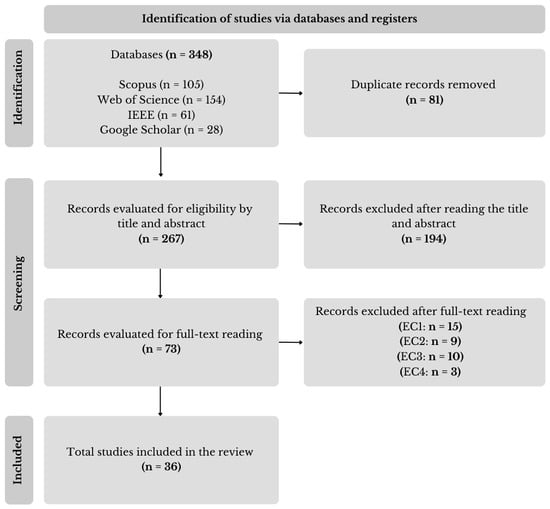
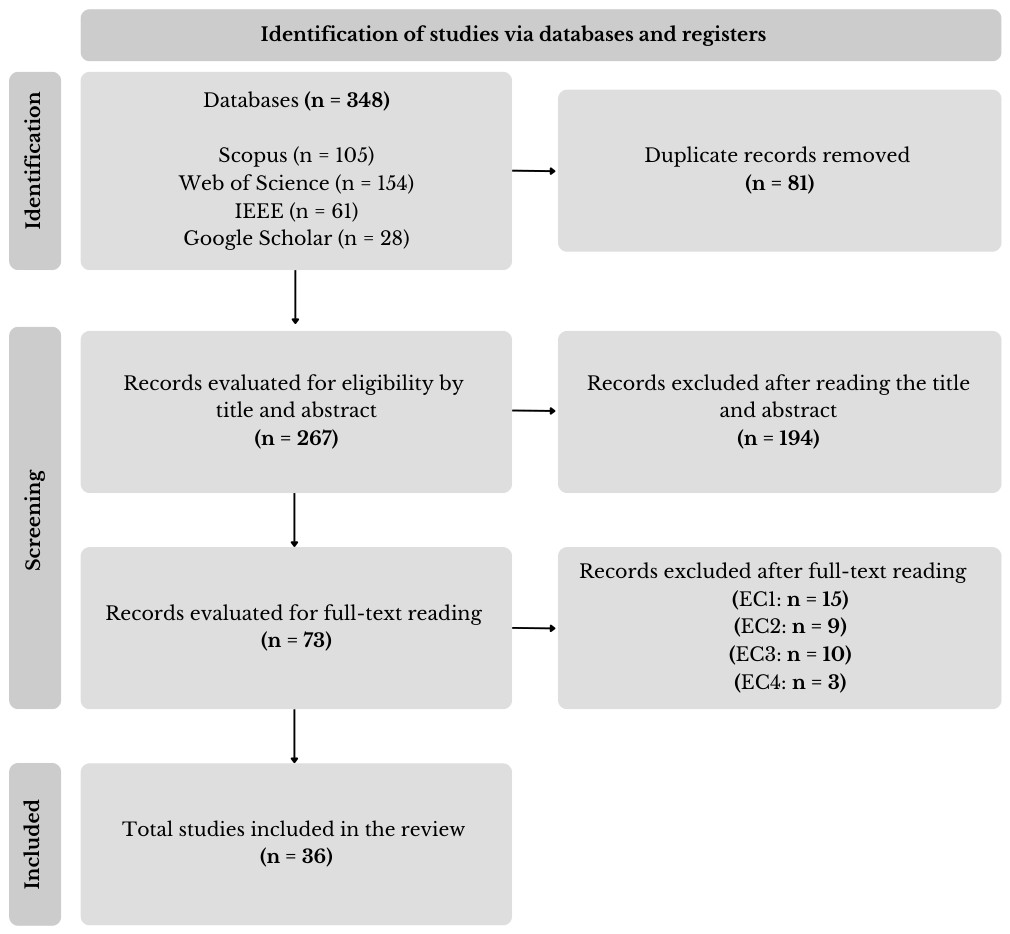
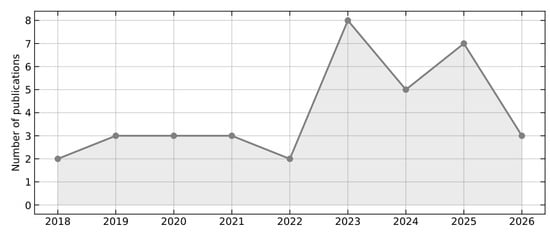
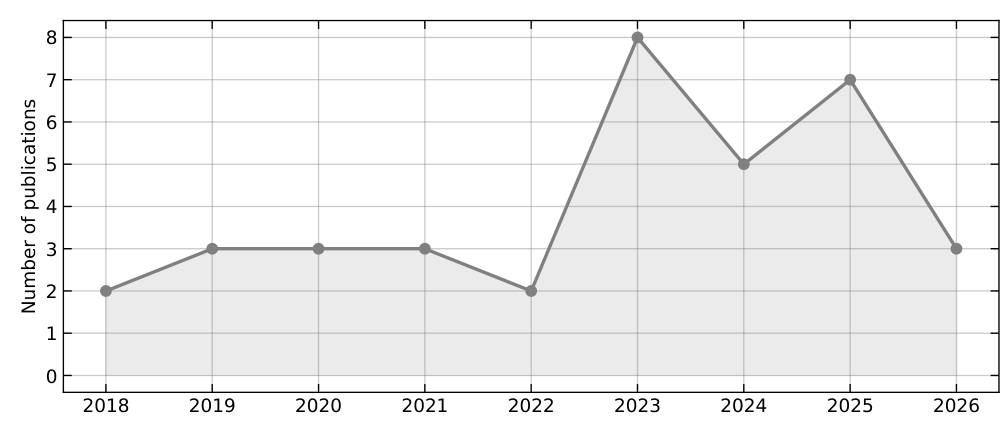
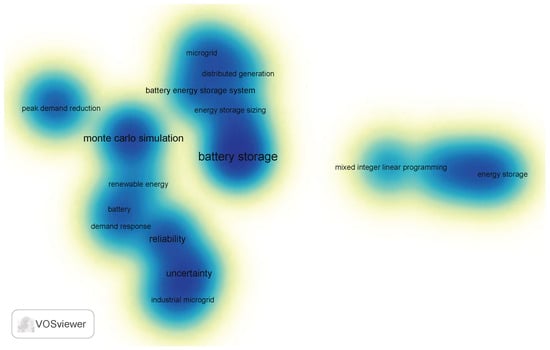
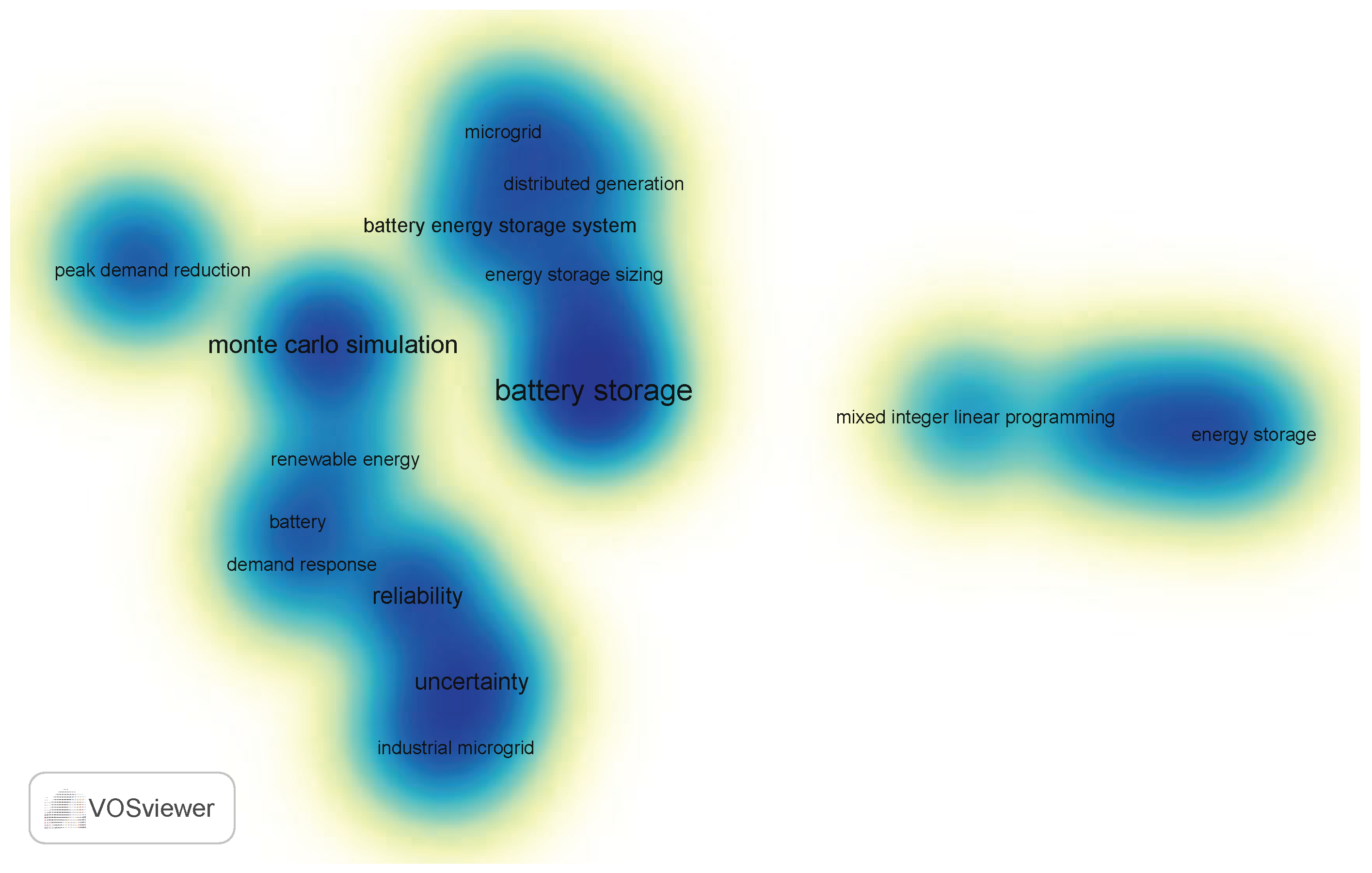
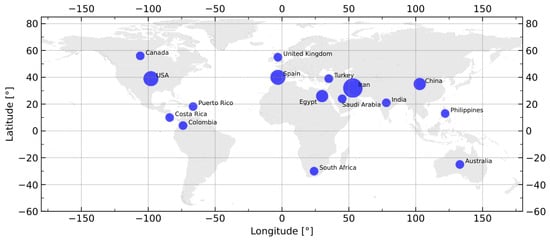
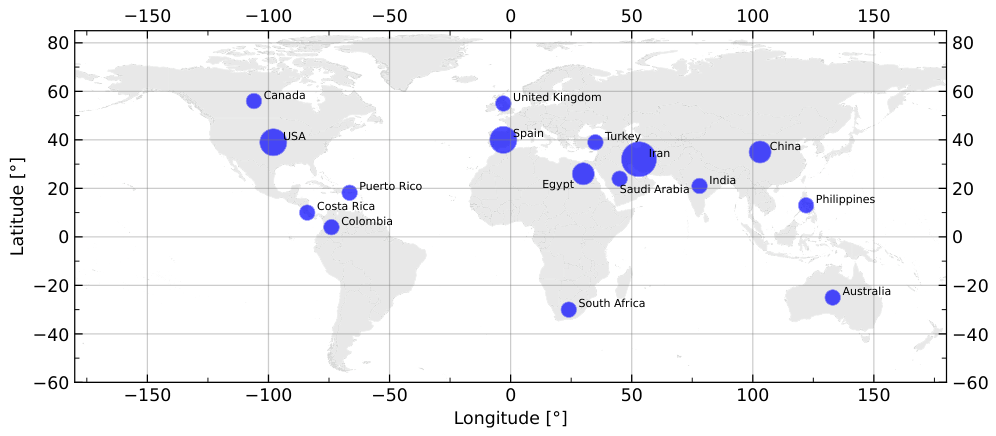
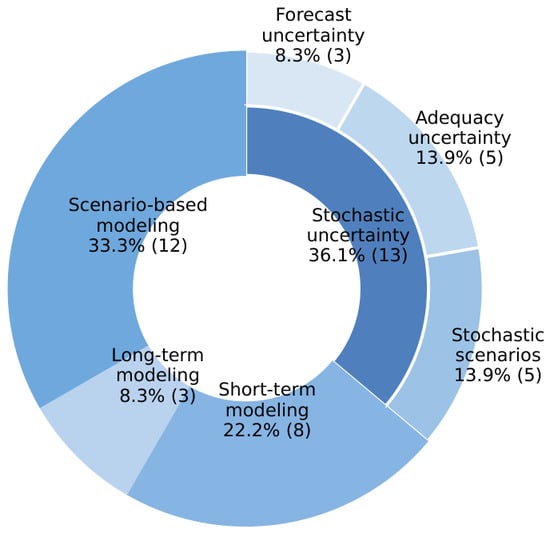
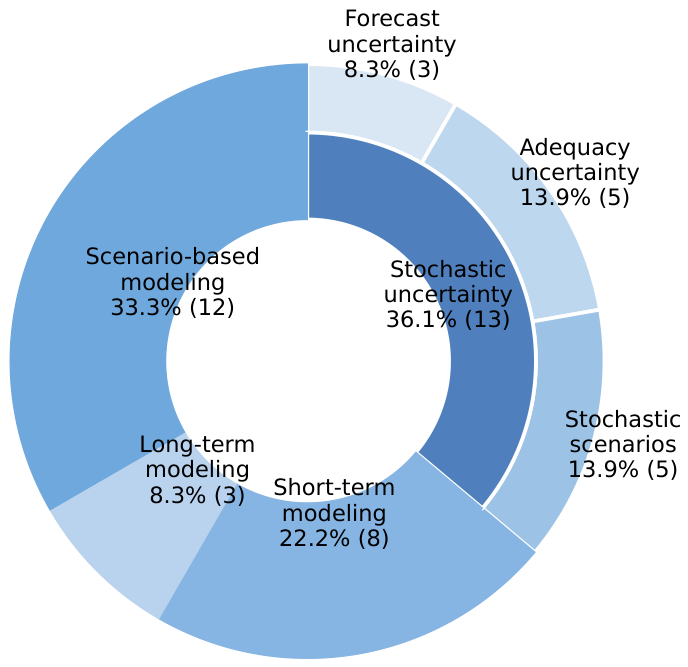
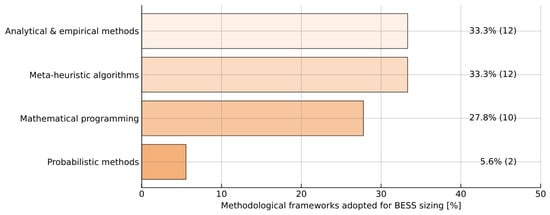
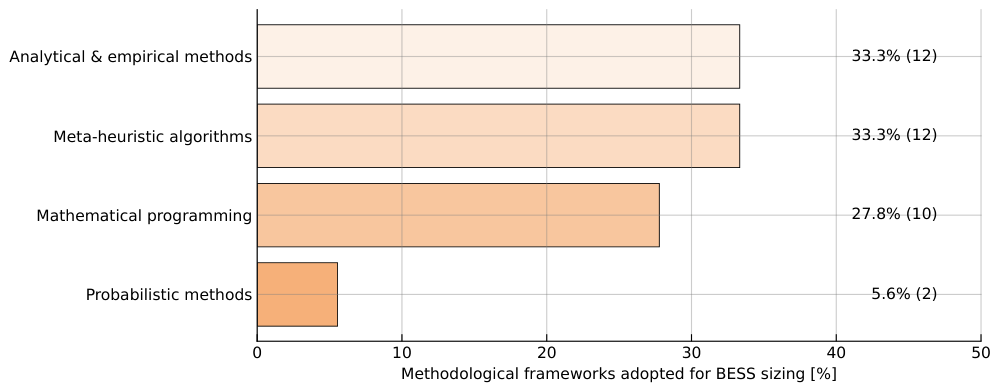
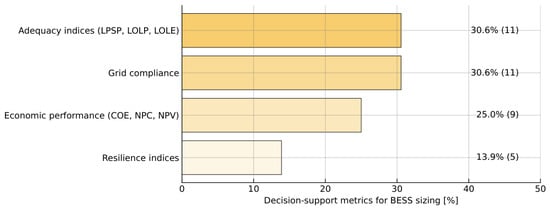
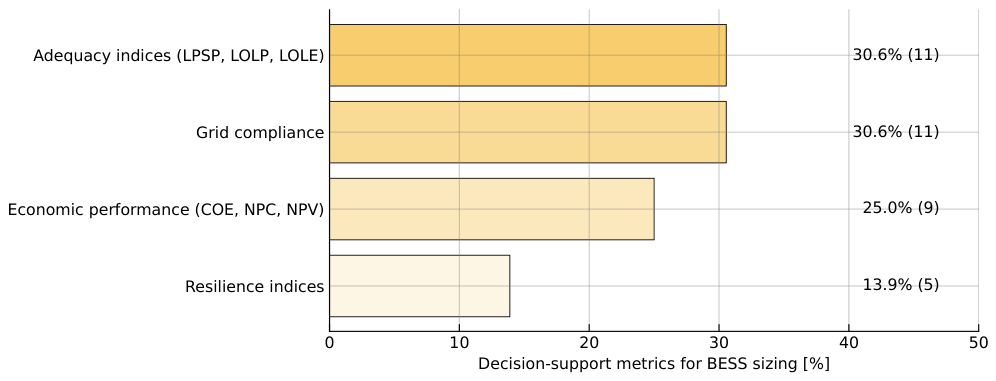
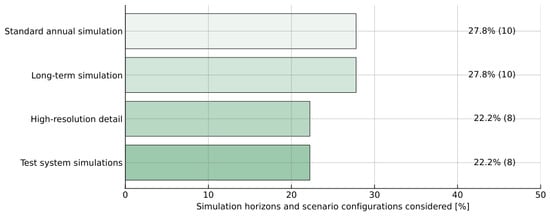
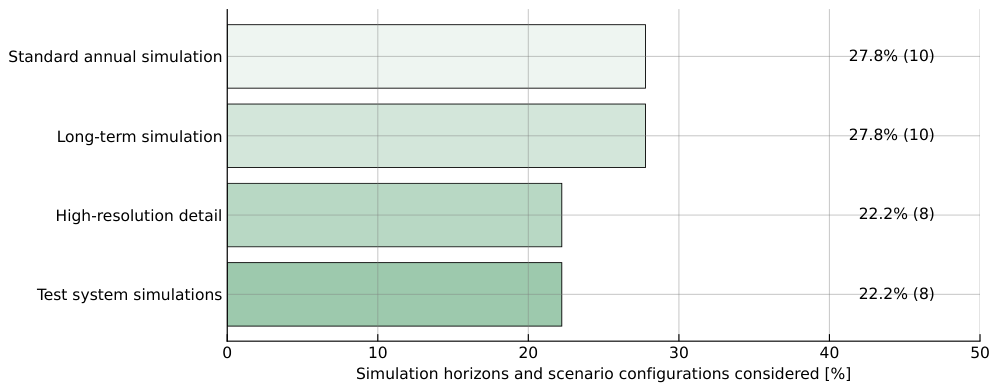
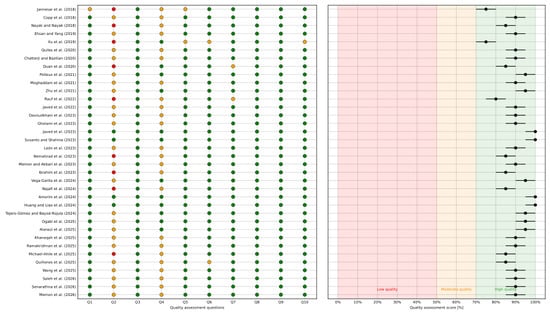
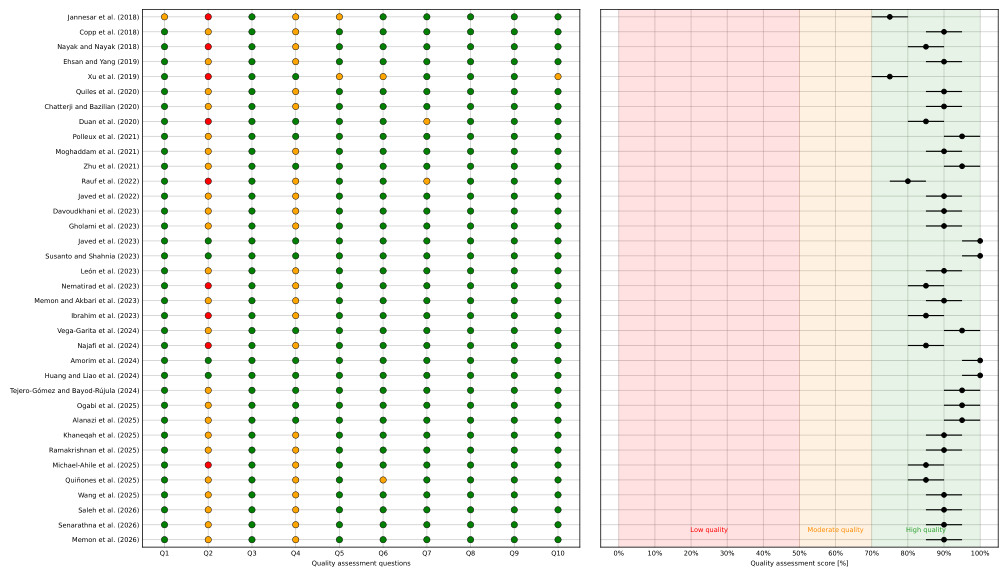
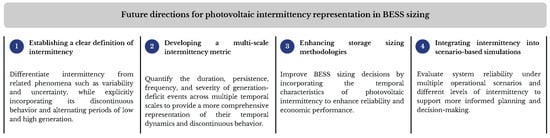
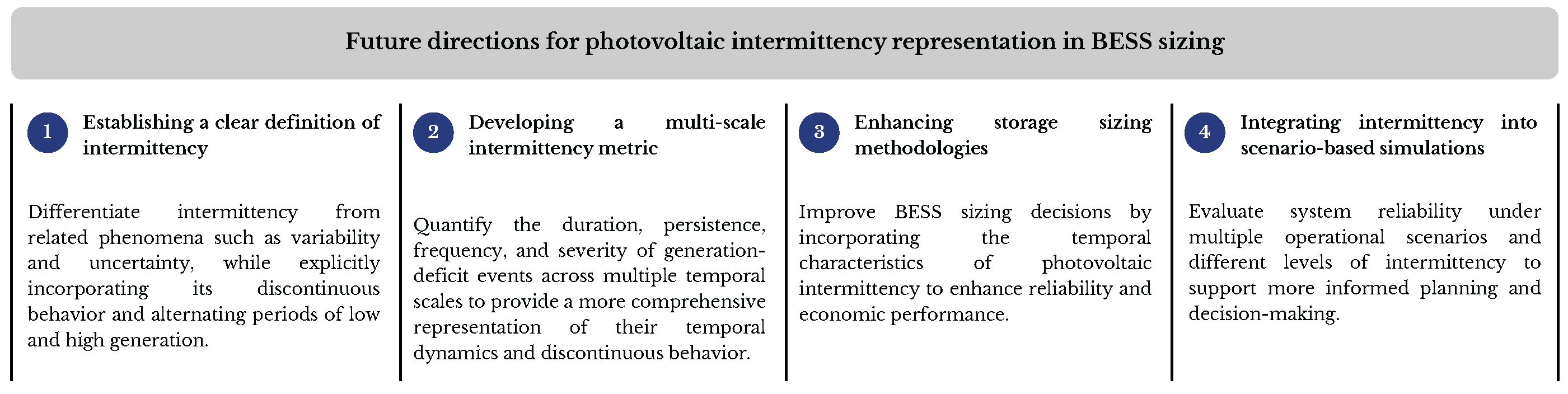

Disclaimer/Publisher’s Note: The statements, opinions and data contained in all publications are solely those of the individual author(s) and contributor(s) and not of MDPI and/or the editor(s). MDPI and/or the editor(s) disclaim responsibility for any injury to people or property resulting from any ideas, methods, instructions or products referred to in the content. |
© 2026 by the authors. Licensee MDPI, Basel, Switzerland. This article is an open access article distributed under the terms and conditions of the Creative Commons Attribution (CC BY) license.