


Abstract
Hydrogen supplementation in compression-ignition diesel engines is increasingly investigated as a practical retrofit approach for reducing the environmental impact of existing marine and stationary diesel power systems. This study examines the effects of hydrogen enrichment on combustion stability, pressure behavior, harmonic response, fuel consumption, and exhaust emissions in a 1966 Deutz A12L 714 marine auxiliary generator-set. The engine was operated at 900, 1200, and 1500 rpm with hydrogen supplied through the intake-air stream at flow rates up to 130.15 L/min. Results indicate that hydrogen enrichment improved fuel consumption and combustion-related dynamic behavior without increasing peak cylinder pressure or exhaust-gas temperature. Low-order vibration harmonics, particularly the 1X and 3X components associated with torque ripple and cyclic combustion variability, decreased with hydrogen addition. COV(Pmax) remained below 0.27% across all operating conditions, indicating preserved combustion stability, while hydrocarbon emissions and fuel consumption decreased by approximately 30% and 13%, respectively, at the highest hydrogen enrichment conditions. Phase-averaged pressure traces obtained showed virtually unchanged combustion-cycle structure and periodicity under maximum hydrogen enrichment. The findings indicate that hydrogen enrichment improves combustion stability and overall engine performance without increasing combustion severity, supporting its potential application as a retrofit solution for marine auxiliary engines, distributed generators, and other legacy diesel-engine systems.
1. Introduction
Decarbonization of marine and stationary diesel power systems remains a global challenge because internal combustion engines continue to dominate heavy-duty, distributed, and marine power applications. Marine internal combustion engines have a very high market penetration in the global fleet due to their maturity, reliability, efficiency, and established infrastructure [1]. However, the shipping sector and other diesel-dependent industries face increasingly strict greenhouse gas and pollutant-emission targets. In this context, hydrogen is attractive as a supplementary fuel because it contains no carbon, has a high lower heating value on a mass basis, wide flammability limits, and fast flame-propagation characteristics [2,3,4].
The HYMAR review paper emphasised that hydrogen supplementation in compression-ignition engines is a potentially feasible transitional pathway because it can be applied without fundamentally replacing existing diesel-engine technology [5]. It also showed that experimental literature is not fully consistent: some studies report improvements in fuel economy and emissions, while others report increases in NOx, CO or other species depending on load, hydrogen energy share, induction method, engine type, EGR (Exhaust Gas Recirculation), injection strategy, and measurement protocol. This variability means that engine-specific experimental work remains essential. The earlier HYMAR experimental emissions paper used the same Deutz A12L 714 12-cylinder, naturally aspirated, air-cooled diesel genset and introduced hydrogen through the intake manifolds. It reported promising preliminary emissions behavior at 20 kW and 1500 rpm, including reduced unburned hydrocarbons and NO with no observed knock phenomena and no significant deviation in the in-cylinder pressure diagram at the hydrogen levels tested [1]. That study also identified the need for future measurements including fuel consumption, in-cylinder pressure and engine vibration analysis. The present work directly addresses that gap.
The primary novelty of the present paper is the integrated analysis. Rather than treating emissions, pressure, and vibration separately, the paper interprets them as coupled manifestations of the same combustion process. Stable peak pressure and exhaust temperature indicate that hydrogen addition does not substantially increase combustion harshness. Compared with the diesel-only baseline, the 1X and 3X harmonic amplitudes decreased with hydrogen enrichment, suggesting lower torque-ripple-related excitation and reduced cyclic combustion variability. Fuel consumption and emissions response provide chemical and energetic evidence compatible with improved combustion efficiency and stability. Together, these data support a systems-level interpretation in which hydrogen enrichment improves cycle-to-cycle repeatability, combustion consistency, and overall energy conversion quality in a legacy marine diesel engine.
2. Materials and Methods
2.1. Engine and Test Platform
The experimental platform was a four-stroke, naturally aspirated, air-cooled, 12-cylinder Deutz A12 L 714 diesel engine manufactured in 1966 (Germany), coupled to a Crestchic 300 kW (UK) three-phase generator load bank. The Crestchic resistive load bank maintained a constant electrical load throughout each experiment, ensuring that the selected operating condition remained unchanged as the hydrogen flow rate was varied. The engine has a displacement of 19 L, a compression ratio of 19.2, and no EGR system. Tests were performed at 900, 1200, and 1500 rpm, with overloads ranging from 0 to 45 kW, and detailed in-cylinder pressure measurements were acquired across the investigated load range. Preliminary engine evaluation indicated that operation beyond 45 kW approached the practical limits of safe and reliable operation for this legacy 1966 engine. Consequently, testing was intentionally restricted to loads up to 45 kW to avoid unnecessary mechanical risk while maintaining stable, repeatable experimental conditions throughout the investigation. The selected engine speeds of 900, 1200, and 1500 rpm represent low-, intermediate- and rated-speed steady-state operating conditions for the experimental engine, with 1500 rpm corresponding to the synchronous speed required for 50 Hz generator operation. These operating points allowed the influence of hydrogen enrichment to be evaluated over a representative range of engine speeds while maintaining stable and repeatable experimental conditions. Hydrogen was supplied through the intake-air stream from a 99.999% pure hydrogen cylinder (Linde plc) using the experimental arrangement developed during the HYMAR project [1,5].
The emissions, cylinder pressure, fuel consumption, and vibration data used in this paper are based on the measured dataset. In-cylinder pressure measurements were obtained using a PYTHIA VI Diagnosis & Monitoring System (Greece) equipped with a Kistler pressure sensor (Swiss). Vibration measurements were performed with the use of Pruftechnik VIBXPERT II (Germany), a dual-channel FFT data collector equipped with OMNITREND software (version 2.91) for data evaluation, analysis, and documentation (offers up to 102,400 lines of resolution and a frequency range up to 51.2 kHz). Fuel-flow measurements were obtained using a Coriolis-type mass flow meter (Shanghai Yinuo Instrument Co., Ltd., China, DN3 Micro-bend, LZYN version). The device operates over a measurement range of 10–120 kg/h and provides ±0.1 % measurement accuracy. The hydrogen supply system consisted of a high-pressure cylinder containing 99.999% pure hydrogen stored at 200 bar. The cylinder was fitted with a two-stage pressure regulator, which was used to control the hydrogen delivery rate during the experiments. Hydrogen flow rates were measured using an OMEGA FMA-1600A mass flow meter (Omega Engineering, Manchester, UK) and reported at normal temperature and pressure (NTP). The instrument provided real-time measurements of volumetric flow rate, gas temperature, and pressure at the measurement location, enabling accurate determination of the corresponding hydrogen mass flow rate. A G16 Smoke Density Monitor (Green Instruments, Denmark) was installed in the exhaust system to continuously measure exhaust-gas opacity during the experimental campaign. Exhaust-gas emissions during both diesel-only and hydrogen-enriched diesel operation were measured using a Sigma 8000 Series Gas Analyzer. The instrument was used to continuously monitor O2, CO, CO2, NO, NO2, and unburned hydrocarbons (UHC) at a sampling interval of 5 s. O2 and CO2 concentrations were recorded on a volumetric basis (%), whereas CO, NO, NO2 and UHC concentrations were measured in parts per million (ppm). A K-type thermocouple was installed at the same sampling location to continuously record exhaust-gas temperature throughout the experimental campaign. The instrumentation accuracy and error analysis of all the equipment used have already been reported elsewhere [1].
The engine was fueled with marine gasoil (0.1 wt.% sulphur) having a density of 840.8 kg/m3 at 15 °C, a cetane index of 48.7 and a viscosity of 3.0 cSt at 40 °C, as determined by laboratory analysis.
2.2. Experimental Configuration
Figure 1 illustrates the hydrogen-induction system and the instrumentation used for pressure, vibration, fuel consumption, and emissions measurements.
Figure 1.
Experimental arrangement showing hydrogen supply through the intake-air stream, in-cylinder pressure measurement using a PYTHIA VI/Kistler system, vibration measurements performed with the use of VIBXPERT II instrument and the emissions/fuel consumption measurement architecture.
Hydrogen was introduced through the air intake system rather than by direct injection. Direct cylinder-to-cylinder hydrogen-concentration measurements were not performed; therefore, possible mixture distribution, local oxygen availability, and intake air displacement effects were considered when interpreting the combustion stability and emissions results. The pressure sensor was used to monitor in-cylinder pressure development during hydrogen-enriched and diesel-only operations. Moreover, vibration analysis of the engine provides critical insights into its mechanical health, operational efficiency, and structural integrity under various operating conditions, especially with the use of hydrogen in the feed stream. This setup explains why emissions, pressure and vibration characteristics must be interpreted together, since all are downstream consequences of the same hydrogen-air-diesel combustion process. Hydrogen was introduced through the intake-air system at flow rates ranging from 0 (baseline) to 130.15 LPM. Based on the engine intake-air flow rate of approximately 607 m3/h at 1500 rpm, the maximum investigated hydrogen flow corresponded to a volumetric concentration of 1.286% v/v in the intake-air stream. This concentration remained substantially below the Lower Explosion Limit (LEL) of hydrogen in air (4% v/v), thereby ensuring safe operation throughout the experimental campaign.
Despite the comparatively low volumetric concentration, the maximum hydrogen flow provided an energy contribution of approximately 13.7% of the total fuel energy input due to hydrogen’s high lower heating value. Not all diagnostic measurements were acquired at every hydrogen-enrichment level. The operating points investigated varied according to the objectives of the individual experimental campaigns and the measurement techniques employed. Combustion pressure, vibration, performance, and emissions measurements were obtained at different hydrogen-enrichment levels, while maintaining sufficient coverage to establish the observed trends and support the comparative analysis presented herein.
2.3. Data Acquisition and Analysis Methodology
In-cylinder pressure response was thoroughly investigated under varying engine speeds (900, 1200 and 1500 rpm), engine loads (0–45 kW), and hydrogen concentrations (0–130.15 LPM). Between each operating condition, the marine auxiliary engine was allowed to idle for 30 min without hydrogen enrichment to restore baseline thermal conditions before the next experiment. Measurements were recorded after a 20-min stabilization period and continuously acquired for 20 min under each condition. The pressure signals recorded by the PYTHIA acquisition system were analysed as in-cylinder pressure measurements. Based on the acquisition sampling rate and a fixed engine speed of 1500 rpm, the pressure signals were resolved at approximately 0.8 crank angle degrees (CAD) per sample. This resolution enabled estimation of pressure-rise-rate metrics (dP/dCA), including the maximum positive pressure gradient and RMS positive pressure gradient values. The root-mean-square (RMS) vibration amplitude was used as an overall measure of vibration severity because it represents the effective energy content of the vibration signal and is widely employed for condition monitoring and comparing rotating machinery. The combustion-pressure analysis demonstrated that hydrogen enrichment modified combustion dynamics within the cycle without significantly altering combustion-cycle periodicity or thermodynamic-cycle frequency.
The pressure data alone do not permit direct determination of combustion progression or heat-release characteristics. Consequently, interpretations are based on the combined pressure, vibration, fuel consumption, and emissions measurements rather than pressure response alone. For each operating condition, measurements were recorded only after stable engine operation had been achieved. All reported emissions, fuel consumption and exhaust temperature values correspond to steady-state operating conditions and represent averaged measurements over the respective acquisition period. Instrument accuracies and measurement uncertainties were previously documented for the HYMAR experimental setup [1] and are adopted herein, supplemented by the vibration-analyzer uncertainty reported in the present work.
3. Results and Discussion
3.1. Baseline Combustion Characteristics
Figure 2 illustrates the results obtained when mapping the operating conditions of the engine and specifically the piston’s combustion cycle with no hydrogen addition in the feed stream. The baseline mean-cycle mapping demonstrates that combustion periodicity differs depending on the operating conditions investigated. By increasing engine speed, the cycle-point density decreased systematically because the PYTHIA acquisition system recorded fewer sampling points per cycle at higher rotational frequency. At constant engine speed, the slight broadening of cycle duration with increasing load suggests a more distributed combustion-pressure development over a larger portion of the expansion stroke under elevated thermal loading. This trend strongly supports the interpretation that the engine naturally appears to transition toward more stable and less impulsive combustion behavior as thermal stress increases. Importantly, these baseline observations provide the thermodynamic foundation for interpreting the later hydrogen-enrichment results and evaluating whether hydrogen addition alters combustion periodicity or thermodynamic-cycle stability.
Figure 2.
Baseline combustion-cycle response of the engine’s combustion cycle under various engine speeds and loads prior to the addition of hydrogen.
Figure 3 shows a representative in-cylinder combustion-pressure trace under hydrogen-enriched operation. The pressure traces recorded under 130.15 LPM hydrogen enrichment exhibited highly repeatable cyclic behavior with stable peak-to-peak periodicity. A similar response was observed across all investigated engine loads and rotational speeds (900 and 1200 rpm). The results indicate that substantial hydrogen enrichment did not significantly alter the overall thermodynamic cycle structure of the engine, while combustion stability remained preserved throughout the experiments. As a result, hydrogen addition does not fundamentally alter thermodynamic cycle frequency, destabilize piston motion, or produce significant cycle irregularity. This is also evident in Table 1. For the test presented in Figure 3, the engine speed remained fixed at 1500 rpm (25 rev/s), and the measured combustion-pressure events remained periodic and consistent with the engine rotational frequency. Consequently, peak-to-peak pressure intervals remained essentially constant. Each measurement point recorded by the PYTHIA system corresponds to 9.444 × 10⁻⁵ s actual measuring time. It is important to note that prior to hydrogen addition, the combustion cycle of the piston was measured at approximately 865.0 points, while under 130.15 LPM hydrogen enrichment, the combustion cycle was approximately 865–866 measurement points, confirming that hydrogen enrichment did not substantially alter combustion periodicity. The comparatively small variation between these measurements clearly indicates that hydrogen enrichment did not substantially alter combustion periodicity or fundamentally modify the thermodynamic-cycle structure of the engine. Instead, hydrogen primarily influenced combustion repeatability and pressure-development characteristics within the cycle while preserving overall cyclic synchronization. The pressure signals recorded by the PYTHIA acquisition system were analyzed as cylinder-pressure measurements. Negative values correspond to pressure levels below the selected reference baseline and are associated with the dynamic referencing methodology of the pressure acquisition system.
Figure 3.
A typical diagram obtained by the PYTHIA acquisition system, presenting the in-cylinder pressure with respect to the combustion cycle at 20 kW engine load, maximum engine revolutions (1500 rpm) and maximum hydrogen feed (130.15 LPM).
Table 1.
Statistical summary of combustion-cycle duration as a function of hydrogen flow rate.
The mean combustion-cycle duration remained essentially constant across all investigated hydrogen flow rates at various engine speeds and loads. These results indicate that hydrogen enrichment did not destabilize cyclic combustion periodicity or piston-cycle synchronization. Instead, hydrogen modified cyclic-combustion characteristics and combustion-pressure evolution within the cycle. The standard deviation (SD) and coefficient of variation (CV) reported in Table 1 further support this interpretation. Across all investigated hydrogen-enrichment levels, the coefficient of variation remained below approximately 0.2%, confirming exceptionally low cycle-to-cycle variability and demonstrating that hydrogen enrichment did not measurably alter combustion-cycle periodicity. These findings further support the conclusion that hydrogen enrichment did not adversely affect the normal cyclic operation of the engine under the investigated conditions.
Figure 4 presents the mean cylinder pressure (bar) at maximum pressure recorded under varying engine loads with no hydrogen addition. As can be seen, for each engine speed, the initial pressure was found to be higher at low loads than at high loads. Although engine load increased progressively from 0 to 45 kW, the measured peak cylinder pressure exhibited a gradual reduction. These results indicate that the increasing fuel delivery altered the combustion-pressure evolution over the cycle, reducing the measured instantaneous pressure peak while maintaining increased engine work output. Moreover, it can be easily observed that during the 0 → 45 kW increasing-load sweep, cylinder pressure decreases relatively strongly, while during the 45 → 0 kW decreasing-load sweep, the pressure recovery is slower. This decreasing-load sweep exhibited a weaker pressure recovery compared with the pressure reduction observed during the increasing-load sweep. This trend demonstrates hysteresis behavior associated with elevated engine-component temperatures, residual-gas effects, and transient airflow adaptation following sustained high-load operation. The observed response indicates that the combustion process is influenced by the thermal history of the engine, resulting in different pressure trajectories during increasing and decreasing load operation.
Figure 4.
The in-cylinder pressure variation depending on the load (kW) and the speed (rpm) of the engine with no hydrogen addition.
The engine retained elevated thermal conditions after high-load operation, resulting in altered combustion dynamics and incomplete recovery of peak cylinder pressure during the decreasing-load sweep. This hysteresis trend is consistent with thermal-memory effects associated with elevated component temperatures, residual gas behavior, and transient airflow adaptation following sustained high-load operation. Similar hysteresis-like, load-history-dependent combustion characteristics, thermal-memory effects, and transient-response phenomena have been discussed previously in the diesel-engine combustion and transient-operation literature [6,7,8].
The pressure-domain observations presented in Figure 4 also connect directly with the subsequent vibration and engine-order analyses. The combustion-pressure trend governs cyclic excitation forces acting on the crankshaft and engine structure, and therefore strongly influences low-order harmonic response, torque ripple, and vibration intensity. Consequently, the comparatively stable combustion-pressure response identified in the pressure-domain analysis provides a plausible mechanistic explanation for the reductions in low-order harmonic amplitudes observed later in the manuscript. The reductions subsequently observed in the 1× and 3× harmonics are consistent with the improved combustion stability and cyclic repeatability suggested by the present combustion-pressure measurements.
Having established the baseline combustion-pressure characteristics of the engine under diesel-only operation, the influence of hydrogen enrichment on the recorded pressure response was subsequently examined. The quantitative pressure-response metrics obtained under increasing hydrogen enrichment are summarized in Table 2.
Table 2.
Mean cylinder pressure and pressure variation for various hydrogen flows, relative to diesel-only operation.
The pressure traces corresponding to the high-hydrogen-enrichment conditions exhibited highly repeatable cyclic response with stable peak-to-peak periodicity. The absence of severe cycle irregularity demonstrates that hydrogen enrichment did not introduce combustion instability or abnormal thermodynamic cycle behavior.
Mechanistically, the present trend may be interpreted as evidence that hydrogen enrichment modified the temporal and spatial distribution of combustion-pressure evolution within the cylinder rather than substantially increasing peak thermodynamic loading. This interpretation is consistent with the stable peak-pressure trend and preserved combustion periodicity presented in this section, as well as the reduced low-order FFT harmonics discussed in Section 3.4 and the controlled NOx-emissions trends presented in Section 3.6. If combustion had become significantly more aggressive, larger pressure oscillations, stronger high-frequency vibration excitation, and more substantial NO increases would likely have appeared. Instead, the integrated diagnostic results suggest that hydrogen enrichment primarily improved combustion stability, combustion repeatability, and oxidation efficiency. The trend presented in this figure should therefore not be interpreted as an isolated observation, but rather as part of the broader combustion-stabilization framework developed through the pressure, vibration and emissions analyses presented in Section 3.4 and Section 3.6. The results remain in agreement with previous hydrogen-assisted combustion investigations reporting that moderate hydrogen enrichment may improve combustion homogeneity, flame-propagation stability, and cyclic repeatability without fundamentally altering the thermodynamic cycle structure of compression-ignition engines [2,3,6,9]. Hydrogen’s high laminar flame speed, wide flammability limits, and enhanced premixed-combustion characteristics likely contributed to more repeatable cyclic combustion pressure evolution and improved oxidation characteristics under the investigated operating conditions.
The volumetric hydrogen concentration introduced into the intake airflow during the experimental campaign is presented in Table 3. The maximum investigated hydrogen concentration corresponded to approximately 1.29% v/v in the intake stream, remaining well below the Lower Explosion Limit (LEL) of H2 in air (4% v/v). Consequently, safe operating conditions were maintained throughout the experimental procedure.
Table 3.
Volumetric hydrogen-flow rates and corresponding intake-air hydrogen concentrations.
From a combustion perspective, the comparatively low hydrogen volumetric fractions help explain why the observed pressure modifications remained subtle rather than producing severe pressure amplification, abnormal combustion behavior or knock-like response. Instead, H2 enrichment modified combustion propagation, promoted more complete fuel oxidation and improved cyclic repeatability while preserving thermodynamic-cycle stability. The combined pressure, vibration, performance, and emissions results indicate that under the investigated operating conditions, hydrogen enrichment acted primarily by improving combustion repeatability and overall combustion quality rather than providing substantial direct fuel substitution.
To quantify the significance of hydrogen addition beyond volumetric concentration alone, Table 4 presents the corresponding hydrogen mass flow rate, hydrogen energy input and hydrogen energy share relative to the measured diesel energy input. Although the maximum hydrogen concentration introduced into the air intake was limited to 1.286% v/v and remained substantially below the LEL of hydrogen in air (4% v/v), the corresponding hydrogen energy contribution reached approximately 13.7% of the total fuel energy input at the highest investigated hydrogen flow rate. This demonstrates that relatively small volumetric hydrogen concentrations can still provide a meaningful energy contribution due to hydrogen’s high Lower Heating Value (LHV).
Table 4.
Hydrogen and diesel energy inputs for the investigated operating conditions.
Taken together, the combustion-cycle, pressure-stability, hysteresis, and intake-hydrogen-concentration results support a broader integrated interpretation of the combustion process under hydrogen enrichment.
3.2. Hydrogen-Induced Pressure Characteristics
Figure 5 shows a typical pressure response of the engine operating under 20 kW load at 1500 rpm at various hydrogen concentrations (0–130.15 LPM). Similar findings were observed at lower engine rotations (900 and 1200 rpm) for all the engine load spectra (0–45 kW). It can be observed that the mean cylinder pressure remains broadly stable or slightly decreases in respect to hydrogen addition (mean pressure: 38.7 bar). The piston-cycle periodicity is preserved, and no substantial increase in mean pressure is observed. Hydrogen’s effect, if present, is more subtle and may relate to small changes in the pressure-trace shape or frequency-domain characteristics rather than a fundamental alteration of the engine pressure cycle. Although these observations are compatible with changes in combustion development, combustion-phasing parameters were not determined directly in the present study. The mean cylinder pressure remained broadly stable or slightly decreased under hydrogen enrichment. This result suggests that hydrogen altered combustion-pressure evolution without increasing peak thermodynamic loading rather than increasing localized peak-pressure intensity. The combined pressure and emissions results support the interpretation that hydrogen enrichment improved combustion completeness and cycle-to-cycle consistency without substantially increasing thermodynamic loading. The fact that peak cylinder pressure remains effectively stable across the hydrogen range indicates that hydrogen addition did not increase peak thermodynamic loading or create abnormal pressure amplification. In many hydrogen-diesel studies, increased flame speed can raise concerns about rapid combustion pressure evolution and an excessive pressure rise rate [2,3]. The present results indicate that, for this engine and hydrogen-enrichment range, the dominant effect was not increased combustion intensity, but improved combustion stability and cyclic repeatability. Instead, hydrogen appears to promote more consistent combustion development while preserving combustion-cycle structure and maintaining maximum cylinder loading within a narrow range.
Figure 5.
The mean combustion pressure measured by the PYTHIA acquisition system as a function of the hydrogen flow rate at 1500 rpm and 20 kW engine load.
The combined pressure and emissions results that are presented later, suggest that hydrogen addition improved the completeness of hydrocarbon oxidation without increasing the bulk cylinder-pressure level. The reduction in UHC supports more complete post-flame oxidation and improved combustion efficiency, while the slight decrease in mean pressure indicates that the additional reactivity did not translate into higher peak pressure, but rather into more stable combustion development and more gradual pressure evolution within the cycle. Stable peak pressure supports the later interpretation that vibration reduction and fuel consumption improvement are not caused by harder combustion, but by improved combustion repeatability and energy conversion.
3.3. Pressure-Domain Combustion Diagnostics
Figure 6 presents the mean pressure gradient response with increasing hydrogen enrichment. Since pressure-rise rates are closely related to the rate of combustion-pressure development, they provide an additional indication of combustion severity and pressure-development characteristics.
Figure 6.
Pressure-gradient response and combustion intensity as functions of hydrogen flow rate, at 1500 rpm and 20 kW engine load.
The maximum pressure-rise-rate (Max dP/dCA) and RMS positive pressure-rise-rate values represent experimentally derived combustion-pressure growth characteristics rather than purely inferred proxy indicators. The results indicate that hydrogen enrichment did not produce uncontrolled pressure-rise amplification or abnormal combustion harshness. Instead, the pressure-gradient response remained relatively stable across the investigated hydrogen-flow range, strongly suggesting that hydrogen primarily modified combustion repeatability and pressure-development characteristics rather than increasing peak thermodynamic loading. This interpretation remains fully in agreement with the stable peak-pressure trend and preserved combustion periodicity presented in this section, as well as the reduced low-order FFT harmonics discussed in Section 3.4 and the comparatively controlled NOx-emissions trends presented in Section 3.6. Similar observations have been reported in hydrogen-assisted diesel combustion studies where moderate hydrogen enrichment improved combustion consistency without generating abnormal knock-like pressure-rise behavior [2,9,10,11,12]. This figure provides an important link between the measured combustion-pressure characteristic and the subsequent harmonic-response analysis. The stable pressure-gradient response implies that hydrogen enrichment reduced combustion-driven excitation without increasing pressure-rise severity, which is supported by the reduced harmonic amplitudes and improved cyclic stability observed later in the manuscript.
From a systems-level perspective, the trend presented here (Figure 6) strengthens the interpretation that hydrogen enrichment may provide simultaneous thermodynamic, environmental, and mechanical benefits in legacy diesel engines. The combined reduction in fuel consumption, vibration harmonics, and pollutant emissions, together with preserved thermodynamic-cycle stability, suggests that hydrogen enrichment acted primarily by improving combustion repeatability and overall combustion quality rather than by providing substantial direct fuel substitution. This multidomain result significantly increases the relevance of the present work for retrofitting marine engines, stationary generators, and distributed diesel power systems.
The coefficient of variation of peak cylinder pressure (COV(Pmax)) was calculated directly from the experimentally measured cycle-resolved pressure traces recorded by the PYTHIA acquisition system. COV(Pmax) provides a pressure-domain combustion-stability indicator describing cycle-to-cycle pressure repeatability and combustion consistency (Figure 7).
Figure 7.
Coefficient of variation of peak cylinder pressure, used as a pressure-domain combustion-stability indicator, at 1500 rpm and 20 kW engine load.
The comparatively low COV(Pmax) values measured throughout the investigated hydrogen-flow range indicate clearly that hydrogen enrichment did not destabilize combustion behavior. Instead, the results indicate that combustion repeatability is preserved or slightly improved with hydrogen addition. A localized increase in COV(Pmax) was observed at approximately 9 LPM hydrogen flow. However, the absolute values remained comparatively low throughout the experimental campaign, indicating that overall combustion stability was preserved. Although direct cylinder-to-cylinder hydrogen-concentration measurements were not available, the localized increase in COV(Pmax) at approximately 9 LPM did not coincide with measurable changes in peak pressure, combustion-cycle duration, harmonic response, or the overall pressure-trace evolution. Consequently, if minor cylinder-to-cylinder mixture-distribution effects were present, their influence on the overall combustion characteristics of the engine was not experimentally discernible under the investigated operating conditions.
Hydrogen’s high diffusivity and rapid flame propagation likely contributed to more repeatable cyclic combustion development and more uniform combustion pressure evolution. Importantly, the stable COV(Pmax) trend provides a physical explanation for the simultaneous reduction observed in the low-order FFT vibration harmonics and torque-ripple-related excitation. This interpretation is further supported by the phase-averaged pressure-trace comparison presented in Figure 8, which demonstrates preservation of the overall combustion-cycle structure and combustion periodicity under maximum hydrogen enrichment. Similar relationships between combustion stability, pressure variability and vibration response have been reported previously in hydrogen-assisted diesel combustion studies [10,13].
Figure 8.
Phase-averaged in-cylinder pressure traces at 20 kW and 1500 rpm under diesel-only operation (0 LPM H2) and maximum hydrogen enrichment (130.15 LPM H2). All detected combustion cycles were aligned by peak-pressure location, normalized with respect to cycle duration and averaged. A total of 145 individual combustion cycles were included in the phase-averaging procedure (72 cycles at 0 LPM H2 and 73 cycles at 130.15 LPM H2).
Figure 8 presents a phase-averaged comparison of the in-cylinder pressure response measured at identical operating conditions (20 kW engine load and 1500 rpm) under diesel-only operation (0 LPM H2) and maximum hydrogen enrichment (130.15 LPM H2). The figure was constructed from the raw pressure traces acquired by the PYTHIA in-cylinder pressure measurement system. Individual combustion-pressure peaks were first identified throughout the recorded datasets, after which the combustion cycles were aligned according to their respective peak-pressure locations. The aligned cycles were subsequently normalized by cycle duration and averaged to generate representative cycle-averaged (phase-averaged) combustion-pressure traces for both operating conditions. Thus, the x-axis represents the normalized cycle position, where 0% and 100% correspond to the beginning and end of each detected combustion cycle, respectively. Individual cycles were normalized to a common length prior to averaging.
A total of 145 individual combustion cycles were included in the phase-averaging procedure (72 cycles at 0 LPM H2 and 73 cycles at 130.15 LPM H2). The resulting pressure profiles exhibit a high degree of overlap throughout the entire combustion cycle. Mean peak pressure decreased slightly from 38.97 bar under diesel-only operation to 37.60 bar under 130.15 LPM hydrogen enrichment, while the mean peak-to-peak cycle spacing remained essentially unchanged (865.0 and 865.7 measurement points, respectively). The difference in cycle spacing corresponds to 0.08% of the combustion cycle duration, demonstrating that hydrogen enrichment did not materially alter combustion periodicity, crankshaft synchronization, or the overall thermodynamic cycle structure of the engine. The close agreement between the two phase-averaged pressure traces further supports the conclusion that hydrogen enrichment improved combustion quality without increasing peak thermodynamic loading or introducing abnormal combustion behavior. Similar observations have been reported previously in hydrogen-assisted compression-ignition engines, where moderate hydrogen supplementation improved combustion quality and stability while producing only limited changes in cylinder pressure development and peak pressure response. The observed preservation of combustion-cycle structure and stable pressure development is in agreement with previous hydrogen-assisted diesel combustion studies [5,9,10,13].
3.4. Harmonic and Frequency-Domain Response
Figure 9 presents an order-domain interpretation of the combustion-induced cyclic excitation pattern under hydrogen enrichment conditions. The figure integrates selected harmonic-order indicators (1×, 3×, 6×, and 12×) derived from experimentally measured combustion-pressure diagnostics obtained from the PYTHIA in-cylinder pressure traces. The selected harmonic orders correspond directly to the vibration-order analysis discussed in the subsequent sections of the manuscript, thereby providing a mechanistic bridge between combustion-pressure behavior and structural vibration response.
Figure 9.
Order-domain interpretation spanning primary rotational excitation (1×), combustion-coupled harmonics (3×, 6×), and higher-order excitation response (12×), at 1500 rpm and 20 kW engine load.
The harmonic-response analysis reveals a clear distinction between the lower-order (1× and 3×) and higher-order (6× and 12×) components. The lower-order harmonics exhibit an overall reduction with increasing hydrogen enrichment, indicating reduced crankshaft rotational non-uniformity, lower torque-ripple-related excitation, and improved cycle-to-cycle combustion repeatability. In contrast, the higher-order harmonics remain comparatively stable and do not exhibit progressive amplification with increasing hydrogen flow rate. For the 12-cylinder four-stroke diesel engine investigated in the present study, the 6X harmonic corresponds to the dominant combustion firing frequency generated during normal engine operation and therefore represents one of the principal combustion-related excitation orders acting on the engine structure. The absence of increasing 6× and 12× amplitudes indicates that hydrogen enrichment did not promote aggressive combustion behavior, abnormal pressure-wave development, or knock-like combustion phenomena. Instead, the combined harmonic response demonstrates that hydrogen enrichment improved combustion repeatability while maintaining stable combustion-induced structural excitation throughout the investigated operating range.
Mechanistically, the trend shown in Figure 9 remains fully consistent with the experimentally derived Max dP/dCA, RMS positive pressure-gradient, and COV(Pmax) diagnostics discussed previously. The comparatively stable pressure-gradient response and low cyclic-pressure variability strongly support the interpretation that hydrogen primarily influenced combustion dynamics and pressure-development characteristics rather than substantially increasing peak thermodynamic loading. Consequently, the pressure-supported order indicators shown here provide additional evidence that hydrogen enrichment promoted more repeatable premixed-combustion development and more homogeneous combustion evolution within the cylinder.
The integrated pressure-domain trend illustrated in Figure 9 also establishes a direct connection with the vibration FFT analysis presented later in the manuscript. Combustion-pressure development governs cyclic excitation forces transmitted to the crankshaft and engine structure, thereby influencing harmonic vibration response and torque-ripple-related excitation. The reductions observed in the 1× and 3× order indicators therefore provide a physically plausible explanation for the later reductions in vibration amplitude observed in the structural vibration measurements. Overall, the aforementioned figure supports the broader combustion-stabilization interpretation developed throughout the manuscript and remains highly consistent with previous hydrogen-assisted diesel-combustion investigations reporting improved combustion stability, reduced cyclic variability, reduced cyclic-pressure variability, and reduced combustion-driven vibration excitation under moderate hydrogen-enrichment conditions [1,2,3,6,9,13,14].
Figure 10 shows an overlay of vibration FFT spectra intended to illustrate the frequency-domain redistribution of combustion-induced excitation behavior under hydrogen-enriched operating conditions. The diesel-only spectrum exhibits stronger narrowband excitation peaks and comparatively sharper harmonic-frequency structure across the low-frequency and intermediate-frequency regions. This response is consistent with the comparatively less uniform combustion-pressure development associated with conventional diesel combustion, where greater cycle-to-cycle combustion variability and stronger torque-ripple excitation contribute to increased spectral energy concentration at discrete harmonic frequencies. The sharper spectral peaks observed in the diesel-only condition indicate stronger combustion-induced excitation and less damped cyclic energy release. By contrast, the hydrogen-enriched spectrum preserves the underlying harmonic-frequency structure while exhibiting broader, attenuated spectral peaks and smoother spectral transitions.
Figure 10.
Vibration FFT spectra recorded with diesel-only and hydrogen-diesel operation of the engine (1500 rpm and 20 kW load).
Importantly, the dominant excitation frequencies remain identifiable, indicating that hydrogen enrichment did not fundamentally alter the cyclic thermodynamic structure of the compression-ignition combustion process. Instead, the reduced spectral amplitudes and smoother spectral characteristics suggest that hydrogen primarily modified combustion dynamics and combustion-energy distribution within the cylinder. Attenuation behavior becomes progressively more pronounced at higher frequencies, where the hydrogen-enriched spectrum exhibits substantially reduced excitation amplitudes relative to the diesel-only condition. This behavior is particularly significant because severe combustion instability, abnormal pressure-wave development, or excessively aggressive premixed combustion would typically produce increased high-frequency spectral excitation and sharper high-order harmonic amplification. The absence of strong high-frequency amplification in the hydrogen-enriched condition provides additional support for the broader combustion-stabilization interpretation developed throughout the manuscript.
Mechanistically, the reduced spectral excitation observed under hydrogen enrichment remains fully consistent with the experimentally derived Max dP/dCA, RMS positive pressure-gradient, and COV(Pmax) diagnostics presented previously (Figure 6 and Figure 7). The comparatively stable pressure-gradient response and reduced cyclic-pressure variability clearly indicate that hydrogen enrichment improved combustion repeatability and promoted more repeatable premixed-combustion development without substantially increasing peak thermodynamic loading or combustion harshness. Consequently, the spectral redistribution shown in Figure 10 provides an important frequency-domain interpretation linking combustion-pressure response to the reduced vibration-order amplitudes and reduced structural vibration response discussed later in the manuscript. The preservation of smaller hydrogen-associated harmonic peaks beneath the dominant diesel-frequency locations is also physically meaningful. This behavior indicates that hydrogen enrichment attenuated and redistributed combustion-induced excitation energy while preserving the underlying harmonic combustion structure associated with cyclic reciprocating-engine operation. Thus, the results indicate that hydrogen enrichment reduced excitation intensity rather than eliminating combustion order behavior entirely, which remains fully consistent with compression-ignition combustion dynamics.
Overall, Figure 10 supports the interpretation that moderate hydrogen enrichment enhanced combustion repeatability, reduced combustion-driven excitation intensity, and attenuated higher-frequency cyclic excitation behavior while preserving stable thermodynamic-cycle development and combustion periodicity. The observed spectral characteristics remain highly consistent with previous hydrogen-assisted diesel-combustion investigations reporting promoted combustion stability, reduced cyclic variability, and reduced vibration excitation under moderate hydrogen-enrichment conditions [1,2,3,6,9,13,14,15,16]. FFT response is fully consistent with the stable peak-pressure, pressure-gradient and combustion-stability metrics presented earlier. The observed spectral attenuation supports the interpretation that hydrogen enrichment reduced combustion-driven excitation and promoted more uniform cyclic energy conversion.
Figure 11 presents the % relative reduction of harmonic amplitudes from the diesel-only operation baseline (0 LPM of hydrogen). The results show that hydrogen enrichment produces a progressive reduction in the selected vibration-related harmonic indicators, with the strongest attenuation observed in the lower-order components, particularly 1× and 3×. This response is mechanically significant because low-order vibration components are closely associated with crankshaft rotational non-uniformity, torque ripple, and cycle-to-cycle combustion variability.
Figure 11.
Relative reduction of harmonic amplitudes, normalized to the diesel-only baseline (0 LPM H2), as a function of hydrogen flow rate at 1500 rpm and 20 kW engine load.
The comparatively smaller reductions observed in the 6× and 12× components indicate that hydrogen enrichment did not produce high-order excitation amplification. This is important because abnormal combustion harshness, knock-like behavior or aggressive pressure-wave development would typically be expected to increase higher-order vibration content. Instead, the present trend supports the interpretation that hydrogen promoted combustion stability while preserving stable thermodynamic cycle behavior. Figure 11 remains fully consistent with the experimentally derived pressure-domain diagnostics presented earlier. Stable Max dP/dCA response, controlled RMS pressure-gradient response and comparatively low COV(Pmax) values indicate that hydrogen addition did not destabilize combustion-pressure development. The reduction in vibration indicators therefore appears to be a physically plausible consequence of more repeatable combustion-pressure evolution.
Collectively, Figure 11 supports the broader conclusion that hydrogen enrichment reduced combustion-driven excitation intensity without increasing peak thermodynamic loading. The result provides a mechanistic bridge between the pressure-domain evidence and the later fuel consumption behavior, suggesting that more uniform cyclic energy conversion may contribute to the observed improvement in engine efficiency.
Figure 12 illustrates the 1× harmonic response relative to the diesel-only baseline condition (0 LPM of H2). The 1× component is particularly important because it is closely associated with crankshaft rotational non-uniformity, torque ripple, and low-order combustion-driven excitation. Therefore, changes in the 1× response provide useful insight into whether hydrogen enrichment contributes to more uniform cyclic energy conversion.
Figure 12.
Relative 1× harmonic response, normalized to the diesel-only baseline (0 LPM H2), as a function of hydrogen flow rate at 1500 rpm and 20 kW engine load.
The decreasing 1× harmonic response with increasing hydrogen flow indicates a progressive reduction in low-order excitation. This trend supports the interpretation that hydrogen enrichment improved combustion repeatability and reduced cyclic torque fluctuation rather than increasing combustion intensity. Since the peak cylinder pressure and pressure-gradient trend remained comparatively stable, the reduction in 1× response is more consistent with more repeatable combustion-pressure development than with increased thermodynamic loading. The trend is also consistent with the pressure-domain diagnostics presented earlier. The controlled Max dP/dCA behavior, stable RMS pressure-gradient response and comparatively low COV(Pmax) values all suggest that hydrogen did not destabilise combustion-pressure development. Instead, the pressure data support the interpretation that hydrogen contributed to more consistent and more repeatable combustion, which is reflected mechanically by the reduced 1× harmonic response.
A small local fluctuation is observed at intermediate hydrogen-flow conditions, but this does not alter the overall downward trend. Such behavior is consistent with minor transitional combustion development or mixture distribution effects during hydrogen-assisted operation. Importantly, the 1× response does not increase above the diesel-only baseline, supporting the conclusion that hydrogen enrichment did not introduce stronger low-order excitation or abnormal rotational instability.
Overall, Figure 12 provides focused evidence that hydrogen enrichment reduced the primary low-order harmonic associated with torque ripple and rotational uniformity. This finding strengthens the connection between the combustion-pressure analysis and the observed improvement in fuel consumption response, supporting the broader conclusion that hydrogen enhanced the quality and stability of energy conversion in the engine. This figure links directly to the observed fuel consumption behavior.
3.5. Performance and Thermal Response
Having established the effects of hydrogen enrichment on combustion behavior and pressure development, Figure 13 presents the diesel fuel consumption response of the engine under increasing hydrogen enrichment, linking the observed combustion characteristics with overall engine performance.
Figure 13.
Diesel fuel consumption as a function of hydrogen flow rate, at 1500 rpm and 20 kW engine load.
As shown in Figure 13, diesel fuel consumption decreases relative to the baseline across the entire hydrogen range. The relatively pronounced reduction observed at the initial hydrogen flow rate (5.2 LPM) indicates that even a small amount of hydrogen was sufficient to improve the early stages of diesel combustion. At low hydrogen substitution, hydrogen promotes more rapid flame development and enhances the oxidation of the diesel spray, while the displacement of the air intake remains negligible. As hydrogen flow increases further, the incremental reduction in diesel consumption becomes more gradual, suggesting that the initial combustion benefits begin to saturate while the influence of intake-charge displacement progressively increases. Accordingly, the initial reduction in diesel consumption is not expected to scale linearly with hydrogen energy share because, at low substitution levels, hydrogen primarily acts as a combustion promoter rather than a major energy contributor. The comparatively larger response observed at the initial hydrogen flow rate, therefore, reflects the high sensitivity of diesel combustion to small hydrogen additions during the early stages of enrichment. This is one of the most commercially important findings because it occurs while peak pressure and exhaust temperature remain stable. Consequently, the improvement is not simply a result of more intense combustion; rather, it suggests improved combustion completeness, reduced incomplete-combustion losses and more efficient energy conversion. Similar improvements in fuel consumption or brake-specific diesel fuel consumption characteristics have been reported in hydrogen-assisted diesel investigations, although the magnitude and direction can depend on engine load and the hydrogen energy share [2,9,17,18].
Diesel fuel consumption provides an energy-based confirmation of the pressure and vibration results, as enhanced combustion completeness and cyclic repeatability are associated with lower diesel consumption for equivalent engine output. It should be noted that, although diesel energy input decreased with increasing hydrogen enrichment, the combined diesel and hydrogen energy input at the highest investigated hydrogen flow rate was approximately 1% higher than that of the baseline diesel-only condition (Table 4). This observation demonstrates that any improvement in overall Brake Thermal Efficiency (BTE) was insufficient to fully offset the additional hydrogen energy supplied at the maximum investigated hydrogen flow rate. However, because BTE was not directly measured in the present study, no quantitative conclusions regarding BTE can be drawn.
Furthermore, the observed difference is small (approximately 1%) and may reflect the combined influence of the engine governor’s fuel-delivery response and the non-linear combustion-promotion characteristics associated with low hydrogen substitution. Small non-monotonic variations in diesel fuel consumption at intermediate hydrogen flow rates are therefore considered to reflect the interaction between the engine governor’s fuel-delivery response and the non-linear combustion-promotion effects associated with hydrogen enrichment, rather than a distinct thermodynamic transition occurring at a specific hydrogen concentration.
Figure 14 presents the exhaust-gas temperature relative to the ambient temperature, showing that the exhaust-gas temperature remains comparatively stable across the hydrogen flow rates investigated. This result is important because large increases in combustion temperature would be expected to increase thermal NO formation and potentially increase combustion harshness. Stable exhaust temperature supports the interpretation that hydrogen promoted combustion stability without substantially increasing thermal severity. The result also agrees with the stable peak-pressure trend. Temperature stability helps explain why NO behavior remains controlled and why the vibration spectra do not show signs of abnormal combustion harshness.
Figure 14.
Exhaust-gas and ambient temperature variation as a function of hydrogen flow rate, at 1500 rpm and 20 kW engine load.
3.6. Emissions Response
Although each exhaust species is discussed individually in the following subsections, the measured emissions should be interpreted collectively because CO2, CO, HC, O2 and NOx are coupled through the combustion and oxidation processes occurring during hydrogen-assisted diesel combustion.
CO2 emissions, as shown in Figure 15, decrease with increasing hydrogen enrichment. Because hydrogen contains no carbon, partial displacement of diesel fuel reduces the amount of carbon entering the combustion process, thereby lowering CO2 formation. The observed reduction is therefore consistent with the measured decrease in diesel consumption and confirms that the benefits of hydrogen enrichment extend beyond combustion dynamics to include direct carbon-emissions reduction. Similar reductions in CO2 emissions have been reported in previous hydrogen–diesel dual-fuel investigations when hydrogen successfully replaces part of the diesel energy contribution [1,2,5].
Figure 15.
CO2 emissions as a function of hydrogen flow rate, at 1500 rpm and 20 kW engine load.
The reduction in CO2 emissions is also consistent with the pressure and vibration analyses, which indicate that lower carbon emissions were achieved without increasing combustion severity or compromising combustion stability. It should also be noted that the present study reports CO2 as exhaust-gas volumetric concentration (vol.%) rather than as mass-specific emissions (e.g., g/kWh or g/s). Consequently, the measured reduction in CO2 concentration is not expected to scale directly with the observed reduction in diesel fuel consumption, since the exhaust-gas composition is also influenced by hydrogen addition and the associated changes in combustion and dilution characteristics.
On the other hand, Figure 16 shows a CO increase with hydrogen addition in the present dataset. CO is an intermediate product in the oxidation pathway from hydrocarbon fragments to CO2. The final CO-to-CO2 conversion step is comparatively slow and depends strongly on local oxygen availability, OH-radical concentration, temperature, and post-flame residence time [7,19,20]. Consequently, HC can decrease while CO increases if primary hydrocarbon oxidation improves, but final CO oxidation becomes residence-time- or oxygen-utilization-limited. The observed increase in CO emissions is therefore attributed to incomplete oxidation of CO intermediates during the later stages of combustion rather than incomplete primary combustion. Local reductions in oxygen availability and shortened post-flame residence time may limit complete conversion of CO to CO2 under certain operating conditions, despite improved overall combustion completeness. Hydrogen introduced through the intake system partially displaces intake air in a naturally aspirated engine, potentially altering the local equivalence ratio distribution and oxygen availability. Faster hydrogen-assisted combustion can shorten the available post-flame oxidation time for CO-to-CO2 conversion.
Figure 16.
CO emissions as a function of hydrogen flow rate, at 1500 rpm and 20 kW engine load.
The observed CO increase should not be interpreted as evidence of poorer overall combustion; it more likely reflects altered oxidation-pathway dynamics under hydrogen-enriched operation. This interpretation reconciles CO increase with HC decrease, O2 decrease, fuel consumption improvement, stable pressure, and reduced vibration. The overall results suggest improved combustion characteristics, cycle-to-cycle consistency, and energy-conversion efficiency, while the final CO-to-CO2 oxidation step remains kinetically limited under some operating conditions. Although CO increased relative to the baseline condition, the present study was designed to investigate combustion behavior and emissions trends rather than demonstrate compliance with marine-emission regulations. Evaluation against applicable marine-emission standards would require testing under the complete duty cycles and measurement procedures specified by the relevant regulations.
Figure 17 presents the UHC-emissions response of the engine under increasing hydrogen enrichment. UHC/HC emissions decrease with hydrogen addition, indicating enhanced oxidation of previously unburned or partially burned fuel fragments. Hydrogen’s high diffusivity and wide flammability range can improve flame propagation into locally lean or partially mixed regions [2,3]. This reduces quenching and unburned pockets. The HC reduction is consistent with the pressure and vibration results because more complete and repeatable combustion generally produces more uniform cyclic energy release.
Figure 17.
Unburned hydrocarbon emissions as a function of hydrogen flow rate, at 1500 rpm and 20 kW engine load.
The HC decrease helps explain why the CO increase should not be interpreted simply as worse combustion; primary hydrocarbon oxidation was enhanced, but some carbon may be retained as CO rather than fully converted to CO2. The progressive reduction in HC emissions suggests that hydrogen enrichment improved local fuel oxidation and reduced the occurrence of partially burned fuel regions. Hydrogen’s high diffusivity likely promoted improved charge homogeneity and more effective flame propagation, thereby decreasing the probability of unburned hydrocarbons surviving the combustion process.
Figure 18 presents the NO, NO2, and NOX responses to hydrogen addition at 1500 rpm and 20 kW engine load for hydrogen flow rates ranging from 0–130.15 LPM.
Figure 18.
NO, NO2 and NOX emissions as a function of hydrogen flow rate, at 1500 rpm and 20 kW engine load.
NO emissions are commonly associated with combustion-temperature severity and are often observed to increase during hydrogen enrichment because faster combustion can generate localized high-temperature regions [4,10]. However, the present results show that NO remained controlled or decreased across much of the investigated operating range despite relatively stable exhaust-gas temperatures and only modest variations in peak cylinder pressure. Although the observed reductions in peak pressure at certain operating points may have contributed to lower peak combustion temperatures and consequently reduced thermal-NO formation, the comparatively small pressure changes alone are unlikely to fully explain the overall NO behavior. The results therefore imply that hydrogen enrichment influenced NO formation through a combination of slightly reduced combustion severity, increased mixture homogeneity, reduced localized high-temperature regions, and shortened residence times within the temperature window favourable for thermal-NO formation [4].
NO2 exhibits comparatively smaller variations across the investigated operating range. NO2 formation is influenced not only by combustion temperature but also by post-flame oxidation processes, local oxygen availability, and exhaust-gas chemistry; therefore, its behavior does not necessarily mirror that of NO. Nevertheless, the absence of substantial NO2 growth further supports the conclusion that hydrogen enrichment did not introduce excessive combustion severity.
The overall NOX trend remains consistent with the broader pressure and combustion-stability results presented earlier. Literature reports contradictory NOX outcomes because NOX formation is highly sensitive to engine load, EGR rate, hydrogen energy share, mixture distribution, local temperature gradients, and combustion progression [5,10]. In the present study, the controlled NO and NO2 response, together with stable pressure response and reduced cyclic variability, suggest that hydrogen enhanced combustion stability and overall combustion quality without generating excessive thermal loading or abnormal combustion characteristics.
The exhaust-gas opacity response presented in Figure 19 provides insight into soot-related combustion processes and the formation of carbonaceous combustion products. Although hydrogen contains no carbon and is often expected to reduce soot formation through improved combustion characteristics, the response on smoke opacity remains highly sensitive to local oxygen availability, mixture distribution, engine load, and the hydrogen substitution ratio. In the present study, exhaust-gas opacity increased with increasing hydrogen addition, indicating that soot-related combustion products were not reduced despite the improvements observed in other combustion and emissions indicators.
Figure 19.
Effect of hydrogen enrichment on exhaust-gas opacity relative to the diesel-only baseline, at 1500 rpm and 20 kW engine load.
This trend should be interpreted alongside the simultaneous increase in CO concentration and the slight reduction in exhaust-gas O2 concentration. Hydrogen induction through the intake system partially displaces intake air and may modify local oxygen availability within the combustion chamber. In addition, soot formation and soot oxidation do not necessarily respond identically to hydrogen enrichment. While hydrogen may promote oxidation of gaseous hydrocarbon species and reduce unburned hydrocarbons, the oxidation of soot precursors and carbonaceous particulates depends on local temperature history, oxygen availability, and post-flame residence time. Consequently, reductions in HC emissions do not necessarily imply a corresponding reduction in smoke opacity. As a result, although primary combustion and hydrocarbon oxidation appear to improve, as evidenced by reduced UHC emissions and lower fuel consumption, the final oxidation of soot precursors and intermediate carbon species may become locally oxygen-limited under some operating conditions. Similar variability in smoke and particulate-related behavior has been reported in hydrogen-assisted diesel combustion studies, where the response depends strongly on engine configuration, hydrogen energy share, induction strategy and air-utilization characteristics [1,5,6].
The increase in exhaust gas opacity does not necessarily indicate overall deterioration of combustion efficiency or combustion stability. Instead, it demonstrates that hydrogen enrichment altered the balance between combustion efficiency and post-flame oxidation processes. This interpretation remains consistent with the observed reductions in fuel consumption, hydrocarbon emissions, NO emissions, cyclic-pressure variability and harmonic-response amplitudes, while highlighting the complex interaction between hydrogen addition, oxygen utilization, and soot-related combustion behavior.
The trend in exhaust O2 concentration provides indirect information on excess-air utilization (Figure 20). A reduction in exhaust O2 concentration suggests that more oxygen participates in the combustion/oxidation process. This is consistent with the previously observed reductions in fuel consumption and improvements in HC emissions (Figure 13 and Figure 17, respectively). However, lower exhaust O2 can also help explain the CO increase: if oxygen is consumed earlier or distributed unevenly, some post-flame CO-to-CO2 conversion may remain incomplete. Thus, O2 reduction is not contradictory; it supports the idea that oxygen utilization changed under hydrogen enrichment. The O2 trend is consistent with the overall emissions behavior: HC reduction indicates increased primary oxidation, while the increase in CO indicates that final oxidation of CO intermediates may remain locally oxygen- or residence-time-limited.
Figure 20.
Exhaust oxygen concentration as a function of hydrogen flow rate, at 1500 rpm and 20 kW engine load.
3.7. Integrated Interpretation
Taken together, the pressure, vibration, fuel consumption, and emissions results provide an integrated interpretation of how hydrogen enrichment influences combustion stability, engine dynamics and overall performance. Figure 21 serves as the synthesis figure for the study, integrating pressure-domain, harmonic-response, performance, and emissions analyses into a single framework and demonstrating the overall benefits of hydrogen-assisted combustion. Moreover, it provides an integrated summary of the combustion stability, harmonic response, fuel consumption, and emissions behavior observed throughout the experimental campaign. To facilitate direct comparison between parameters with different physical units, all variables were expressed relative to the diesel-only baseline condition. The figure therefore illustrates the combined thermodynamic, mechanical and environmental response of the engine to increasing hydrogen enrichment.
Figure 21.
Integrated comparison of fuel consumption, HC emissions, CO2 emissions, COV(Pmax), and 1× harmonic response under hydrogen enrichment, expressed relative to the diesel-only baseline condition, at 1500 rpm and 20 kW engine load.
The overall trends demonstrate a high degree of consistency between the pressure-domain diagnostics, the harmonic-response analysis and the measured engine-performance and emissions data. The progressive reduction in COV(Pmax) indicates improved cycle-to-cycle combustion repeatability and reduced pressure variability relative to diesel-only operation. This behavior is consistent with the experimentally derived pressure-gradient metrics presented earlier, which showed controlled pressure-rise behavior without evidence of excessive combustion severity. Together, these results suggest that hydrogen enrichment promoted stable combustion development while maintaining acceptable pressure-loading characteristics.
The reduction in 1× harmonic response follows a similar overall trend and provides the mechanical counterpart to the pressure-domain observations. As discussed in Figure 9, Figure 10, Figure 11 and Figure 12, lower 1× harmonic amplitudes are associated with reduced torque ripple and more uniform cyclic energy conversion. The simultaneous reduction in both COV(Pmax) and 1× harmonic response supports the interpretation that improvements in combustion stability were translated into reduced low-order excitation and enhanced mechanical stability. The close agreement among these independent indicators enhances the robustness of the combustion-stability assessment.
The measured fuel consumption behavior exhibits a comparable reduction with increasing hydrogen flow rate and is consistent with the improved combustion repeatability identified from the pressure-domain and harmonic analyses. Likewise, the concurrent reductions in HC and CO2 emissions demonstrate that the benefits of hydrogen enrichment extend beyond combustion stability to measurable improvements in fuel utilization and environmental performance. Importantly, Figure 21 shows that reductions in pressure variability, harmonic excitation, fuel consumption, and emissions develop concurrently as hydrogen enrichment increases, although the magnitude of the response differs among the measured parameters because each represents a different aspect of the combustion process. This integrated behavior supports the interpretation that hydrogen enrichment enhanced overall combustion quality and cyclic consistency without introducing abnormal combustion characteristics. Consequently, Figure 21 provides a consolidated overview of the experimental findings and demonstrates that hydrogen enrichment increased combustion stability, reduced mechanical excitation, lowered diesel consumption, and contributed to lower exhaust emissions under the operating conditions investigated.
The combined pressure, vibration, performance, and emissions results demonstrate that hydrogen enrichment improved overall combustion quality while maintaining controlled thermodynamic loading throughout the operating range investigated. Collectively, these findings indicate that hydrogen enrichment enhanced combustion quality without introducing abnormal combustion behavior or compromising engine stability.
The investigated engine is a legacy, naturally aspirated, air-cooled diesel platform; therefore, the quantitative results may differ for modern turbocharged, common-rail, or electronically controlled diesel engines. Hydrogen was introduced through the air intake system, making local mixture distribution, charge-homogeneity effects, and intake-air displacement important factors influencing combustion behavior. The observed CO behavior is influenced by multiple interacting factors, including intermediate oxidation chemistry and local oxygen availability, making definitive mechanistic attribution difficult. Moreover, the heat-release rate (ROHR) and combustion-phasing parameters (CA10, CA50, CA90) could not be evaluated from the available in-cylinder pressure measurements; consequently, the analysis focused on experimentally measured pressure gradients, cyclic variability, vibration, fuel consumption, and emissions indicators.
4. Conclusions
This work provides a practical diagnostic framework for evaluating hydrogen retrofit strategies in legacy diesel engines. From a practical perspective, the results indicate that hydrogen enrichment can be implemented without fundamentally altering the normal combustion-cycle behavior of the investigated engine. This finding is particularly relevant for retrofit applications, where preservation of established operating characteristics is often a primary concern for engine owners and operators. The experimental investigation performed demonstrates that hydrogen enrichment influences combustion behavior, engine dynamics, fuel consumption, and emissions in a consistent manner. The principal conclusions are as follows:
- Hydrogen enrichment improved the combustion-related and dynamic response of the investigated legacy diesel engine without increasing peak cylinder pressure or producing abnormal combustion characteristics. Phase-averaged in-cylinder pressure analysis demonstrated that hydrogen enrichment did not materially alter combustion-cycle periodicity or the thermodynamic-cycle structure, while peak cylinder pressure and exhaust temperature remained stable throughout the investigated operating range. These findings indicate that hydrogen enrichment can be implemented without adversely affecting the engine’s normal combustion response.
- FFT measurements and engine-order interpretation indicate reduced low-order harmonic excitation, especially in 1× and 3× components linked to torque ripple and combustion variability.
- Hydrogen enrichment reduced diesel consumption while simultaneously lowering CO2 and HC emissions. The reduction in CO2 is consistent with partial replacement of carbon-containing diesel fuel by hydrogen, whereas the reduction in HC emissions indicates improved combustion completeness and more effective oxidation of unburned fuel species. Together, these findings demonstrate measurable improvements in both fuel utilization and environmental performance under the operating conditions investigated.
- CO emissions increased; however, this should be interpreted as a combustion-kinetics phenomenon associated with the later stages of oxidation rather than evidence of deteriorated combustion quality or combustion instability. This interpretation is supported by simultaneous reductions in HC emissions and fuel consumption, decreases in vibration harmonics, and a stable pressure response observed throughout the study.
- The combined pressure, vibration, fuel consumption, and emissions data support the interpretation that hydrogen enrichment improved combustion repeatability, reduced low-order excitation and enhanced energy-conversion quality under the investigated operating conditions.
Funding
This research was funded by the Cyprus Research and Innovation Foundation programmes, SEED/0719/0190 under the title “The Use of Hydrogen as an Additive in Marine Internal Combustion Engine”.
Data Availability Statement
The data supporting the findings of this study are available from the author upon reasonable request. Selected processed data are included in the tables and figures of the manuscript.
Conflicts of Interest
Author Petros G. Savva performed this research for the company Hydrogen Energy Systems PCL. The author declares that the research was conducted in the absence of any commercial or financial relationships that could be construed as a potential conflict of interest.
References
- Mallouppas, G.; Yfantis, E.A.; Frantzis, C.; Zannis, T.; Savva, P.G. The Effect of Hydrogen Addition on the Pollutant Emissions of a Marine Internal Combustion Engine Genset. Energies 2022, 15, 7206. [Google Scholar] [CrossRef] [Scilit]
- Verhelst, S.; Wallner, T. Hydrogen-fueled internal combustion engines. Prog. Energy Combust. Sci. 2009, 35, 490–527. [Google Scholar] [CrossRef] [Scilit]
- Karim, G.A. Hydrogen as a spark ignition engine fuel. Int. J. Hydrogen Energy 2003, 28, 569–577. [Google Scholar] [CrossRef] [Scilit]
- White, C.M.; Steeper, R.R.; Lutz, A.E. The hydrogen-fueled internal combustion engine: A technical review. Int. J. Hydrogen Energy 2006, 31, 1292–1305. [Google Scholar] [CrossRef] [Scilit]
- Dimitriou, P.; Tsujimura, T. A review of hydrogen as a compression ignition engine fuel. Int. J. Hydrogen Energy 2017, 42, 24470–24486. [Google Scholar] [CrossRef] [Scilit]
- Heywood, J.B. Internal Combustion Engine Fundamentals, 2nd ed.; McGraw-Hill: Columbus, OH, USA, 2018. [Google Scholar]
- Turns, S.R. An Introduction to Combustion: Concepts and Applications, 3rd ed.; McGraw-Hill: Columbus, OH, USA, 2012. [Google Scholar]
- Rakopoulos, C.D.; Antonopoulos, K.A.; Rakopoulos, D.C. Experimental heat release analysis and emissions of a HSDI diesel engine. Energy Convers. Manag. 2007, 48, 2599–2610. [Google Scholar]
- Saravanan, N.; Nagarajan, G. Experimental investigation of hydrogen-enriched air induction in a diesel engine system. Int. J. Hydrogen Energy 2008, 33, 1769–1775. [Google Scholar] [CrossRef] [Scilit]
- Karagöz, Y.; Güler, İ.; Sandalcı, T.; Yüksek, L.; Dalkılıç, A.S. Effect of hydrogen enrichment on combustion characteristics, emissions and performance of a diesel engine. Int. J. Hydrogen Energy 2016, 41, 656–665. [Google Scholar] [CrossRef] [Scilit]
- Zhou, J.; Cheung, C.; Zhao, W.; Leung, C. Diesel-hydrogen dual-fuel combustion and its impact on emissions under different loads and speeds. Energy 2016, 94, 110–123. [Google Scholar]
- Talibi, M.; Hellier, P.; Balachandran, R.; Ladommatos, N. Hydrogen-diesel fuel co-combustion on exhaust emissions. Int. J. Hydrogen Energy 2014, 39, 15088–15102. [Google Scholar]
- Yilmaz, I.T.; Schröder, L.; Hillenbrand, T.; Brüggemann, D. Effects of hydrogen addition on combustion stability and engine vibration. Int. J. Hydrogen Energy 2023, 48, 17324–17338. [Google Scholar]
- Frantzis, C.; Zannis, T.; Savva, P.G.; Yfantis, E.A. A Review on Experimental Studies Investigating the Effect of Hydrogen Supplementation in CI Diesel Engines—The Case of HYMAR. Energies 2022, 15, 5709. [Google Scholar] [CrossRef] [Scilit]
- Desbazeille, M.; Randall, R.B.; Guillet, F.; El Badaoui, M.; Hoisnard, C. Model-based diagnosis of large diesel engines based on angular speed variations of the crankshaft. Mech. Syst. Signal Process. 2010, 24, 1529–1541. [Google Scholar] [CrossRef] [Scilit]
- Taglialatela, F.; Lavorgna, M.; Mancaruso, E.; Vaglieco, B.M. Determination of combustion parameters using engine crankshaft speed. Mech. Syst. Signal Process. 2013, 38, 628–633. [Google Scholar] [CrossRef] [Scilit]
- Bari, S.; Esmaeil, M.M. Effect of H2/O2 addition in increasing the thermal efficiency of a diesel engine. Fuel 2010, 89, 378–383. [Google Scholar] [CrossRef] [Scilit]
- Lata, D.B.; Misra, A. Theoretical and experimental investigations on the performance of dual fuel diesel engine with hydrogen and LPG as secondary fuels. Int. J. Hydrogen Energy 2010, 35, 11918–11931. [Google Scholar] [CrossRef] [Scilit]
- Dagaut, P.; Cathonnet, M. The ignition, oxidation, and combustion of kerosene: A review of experimental and kinetic modeling. Prog. Energy Combust. Sci. 2006, 32, 48–92. [Google Scholar] [CrossRef] [Scilit]
- Westbrook, C.K.; Dryer, F.L. Chemical kinetic modeling of hydrocarbon combustion. Prog. Energy Combust. Sci. 1984, 10, 1–57. [Google Scholar] [CrossRef] [Scilit]
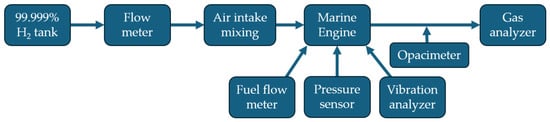
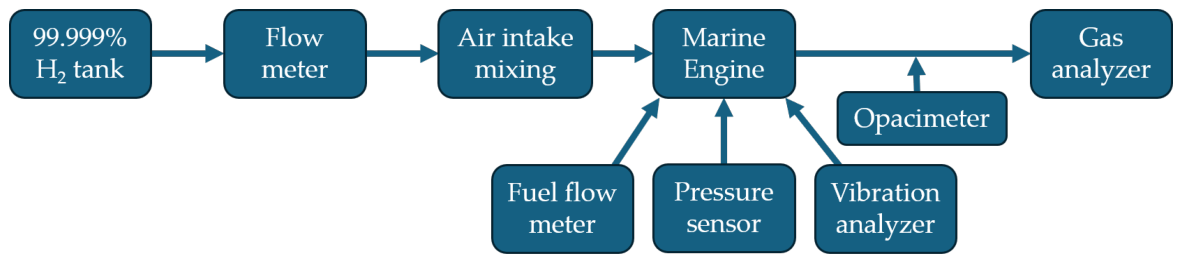
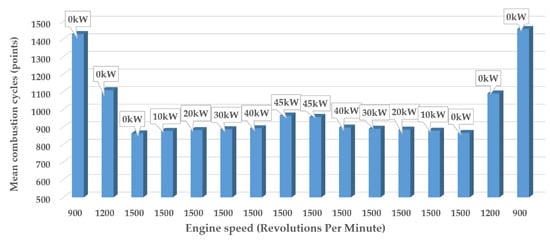
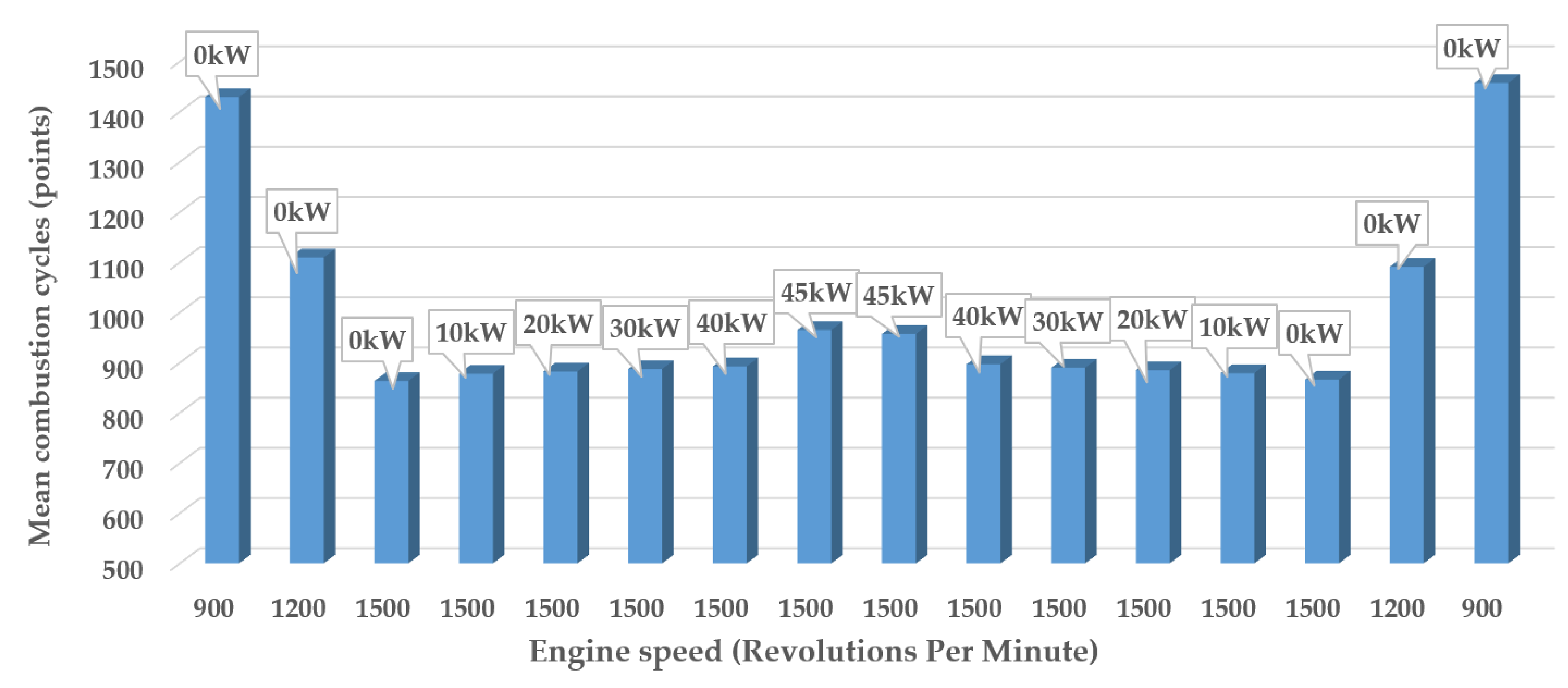
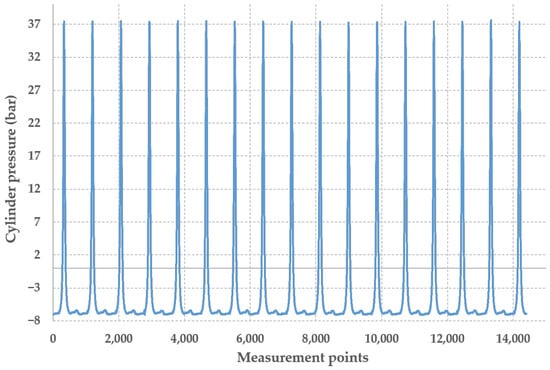
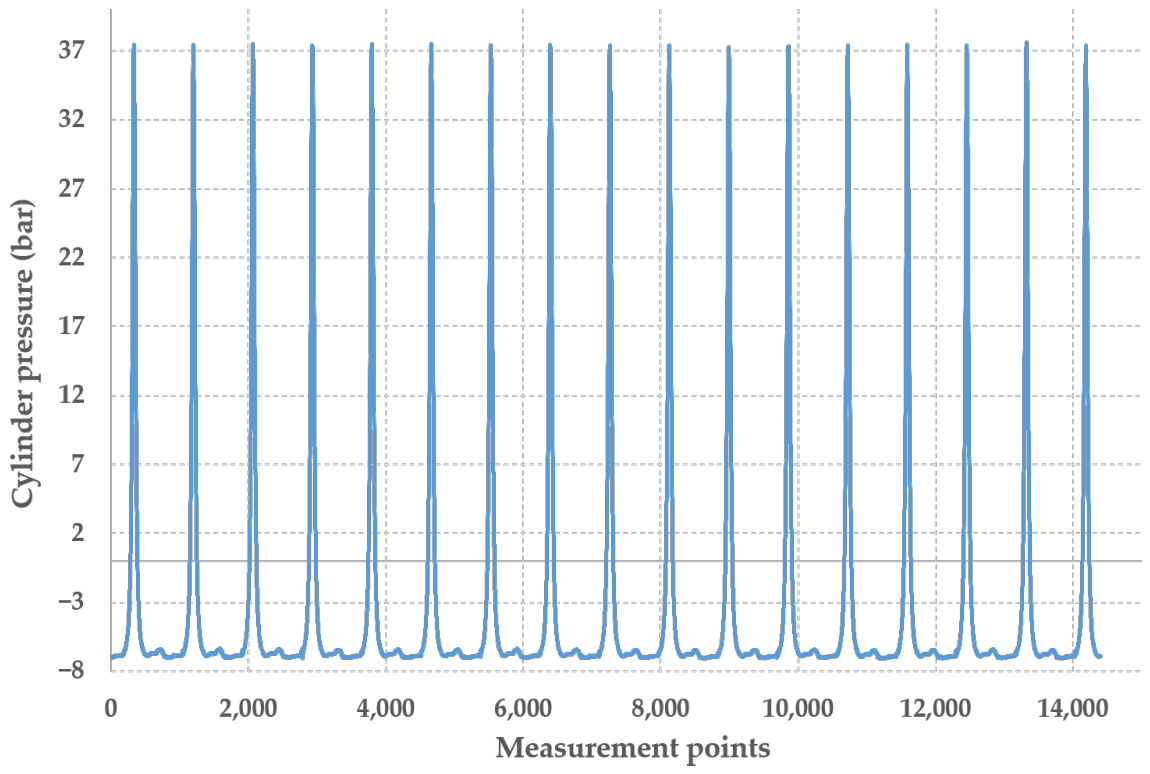
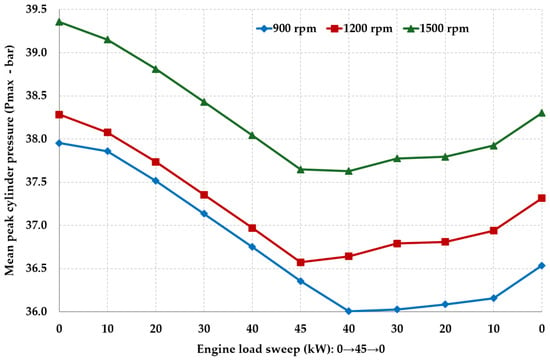
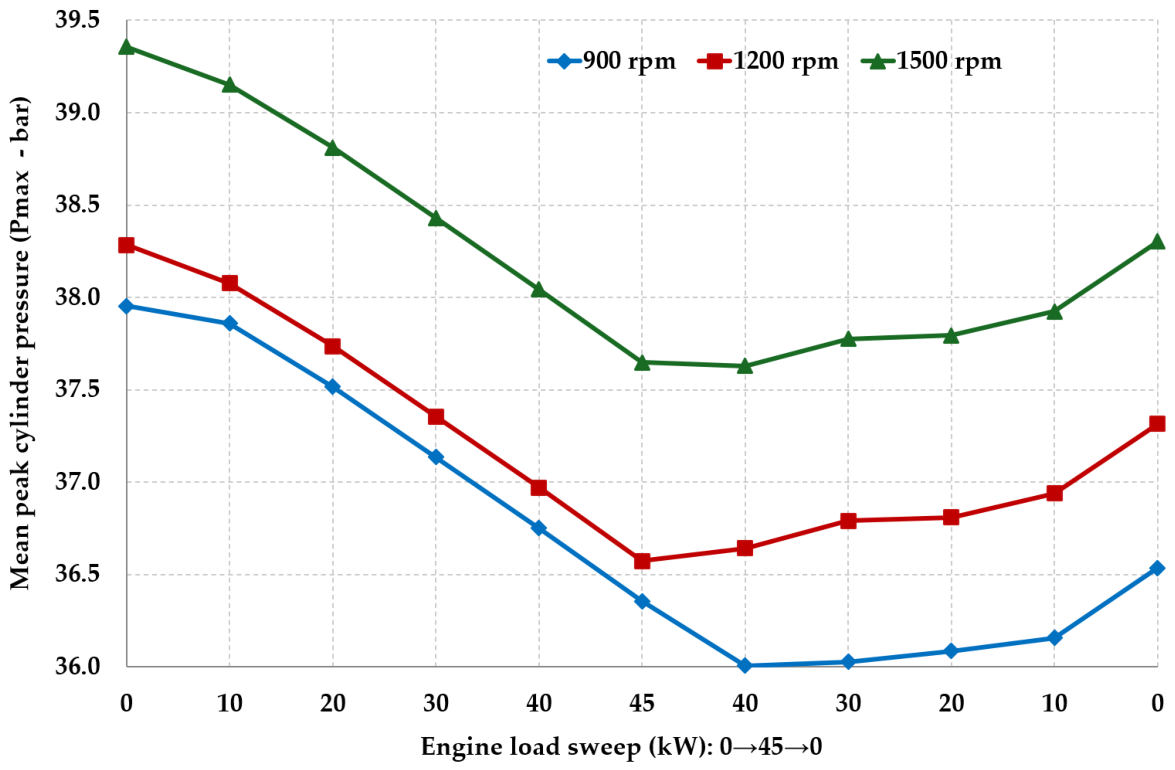
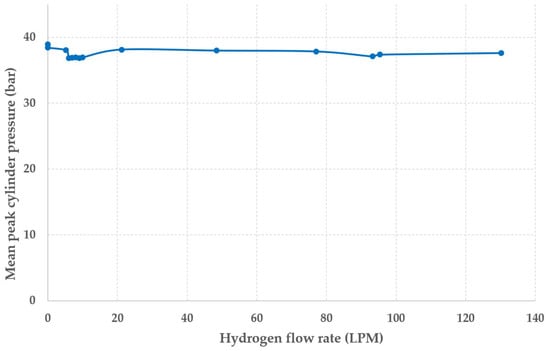
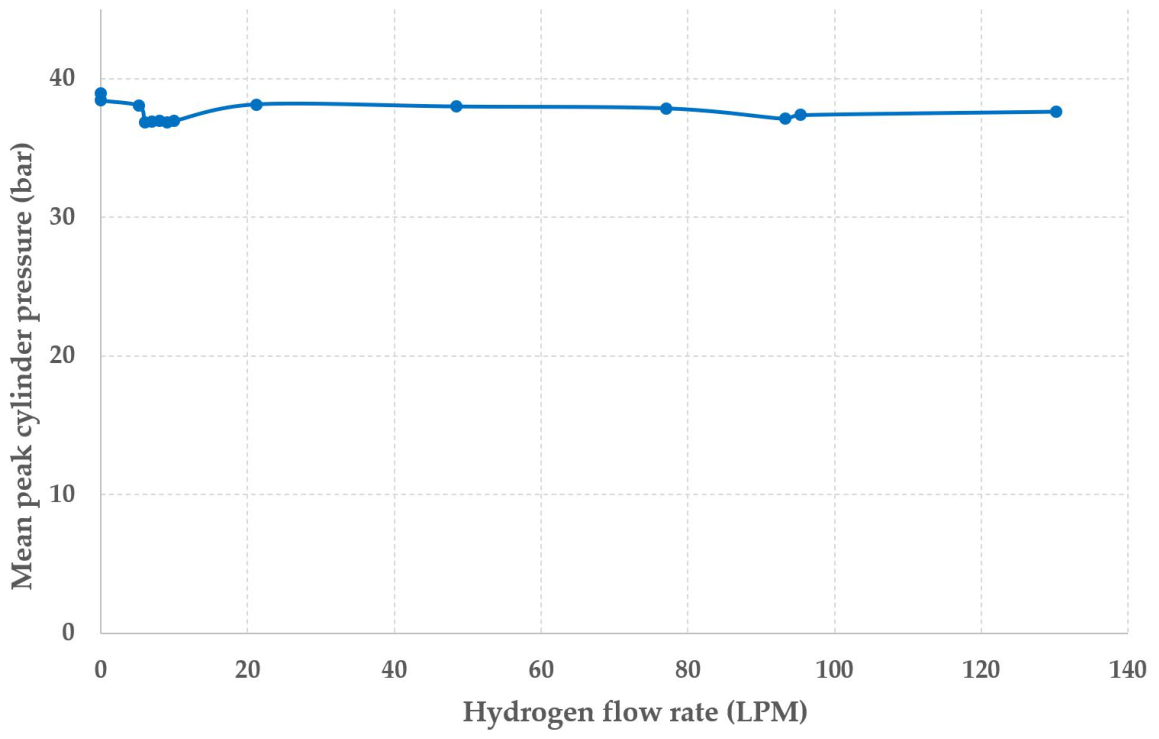
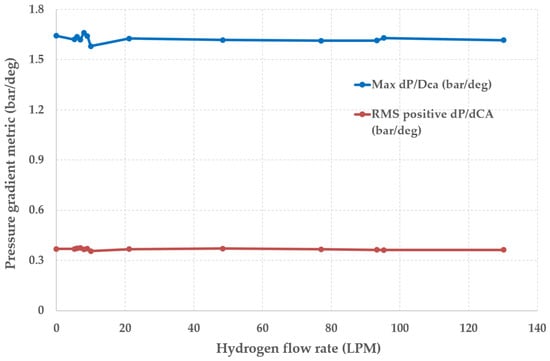
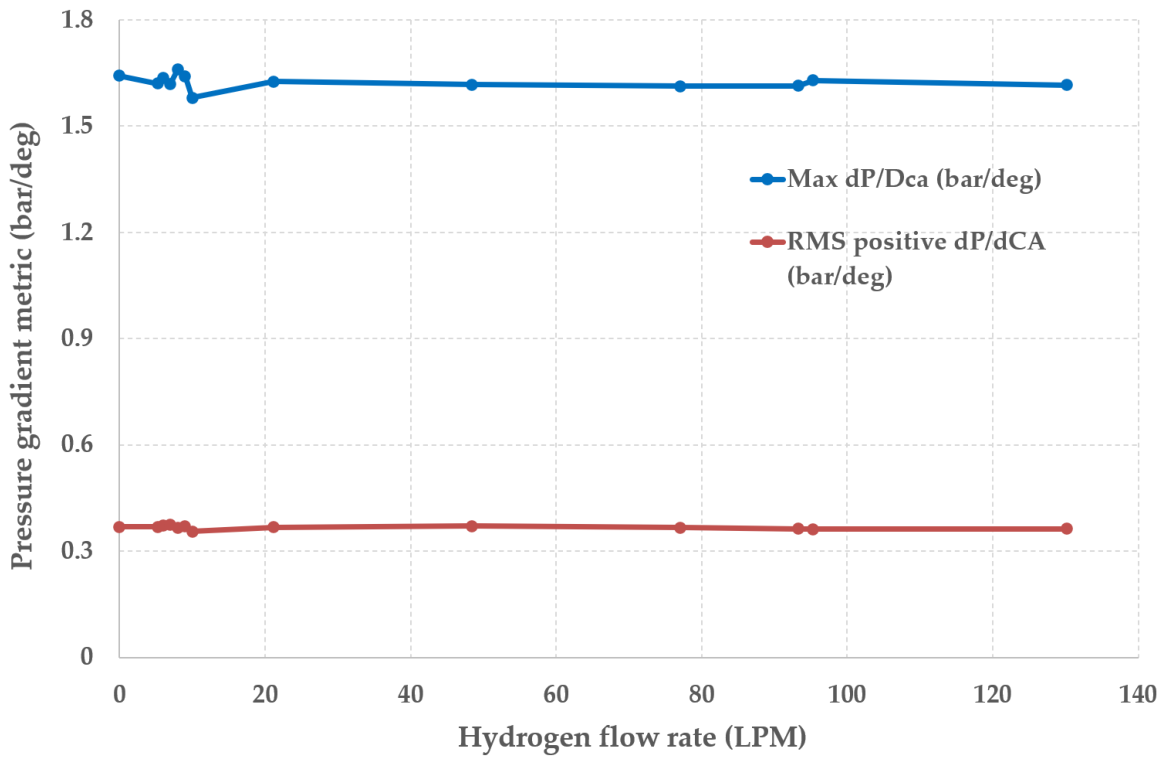
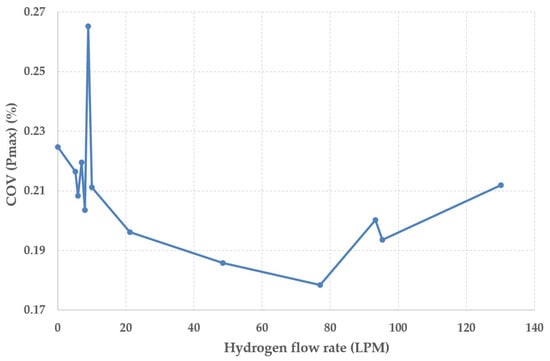
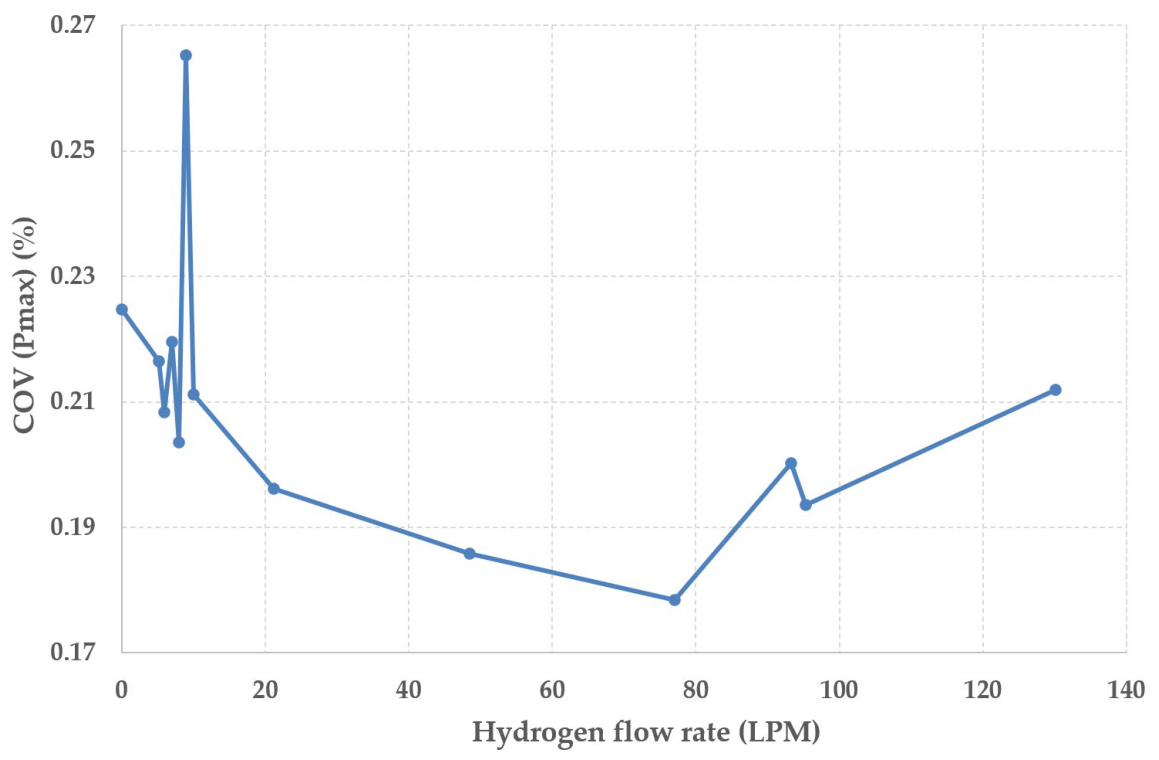
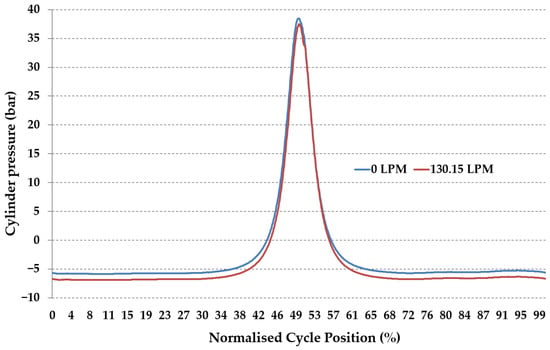
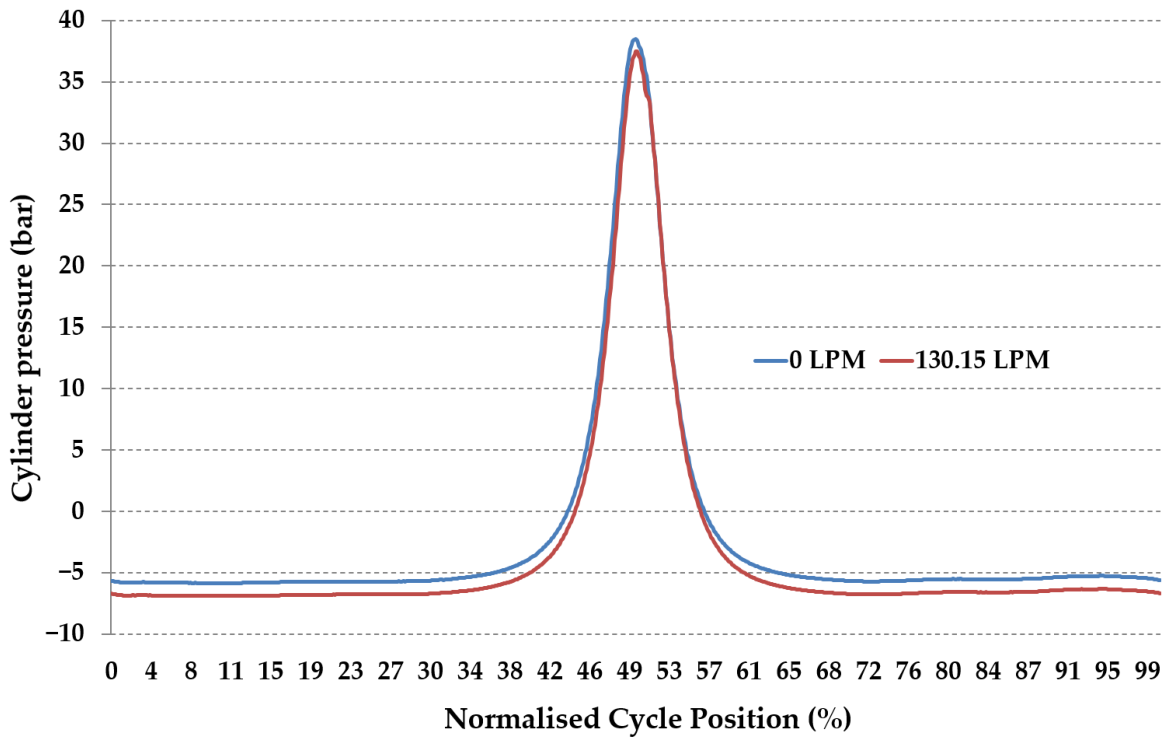
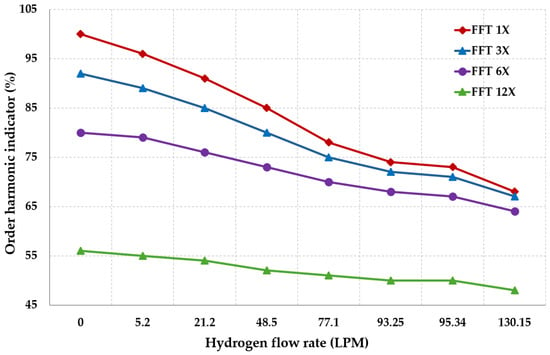
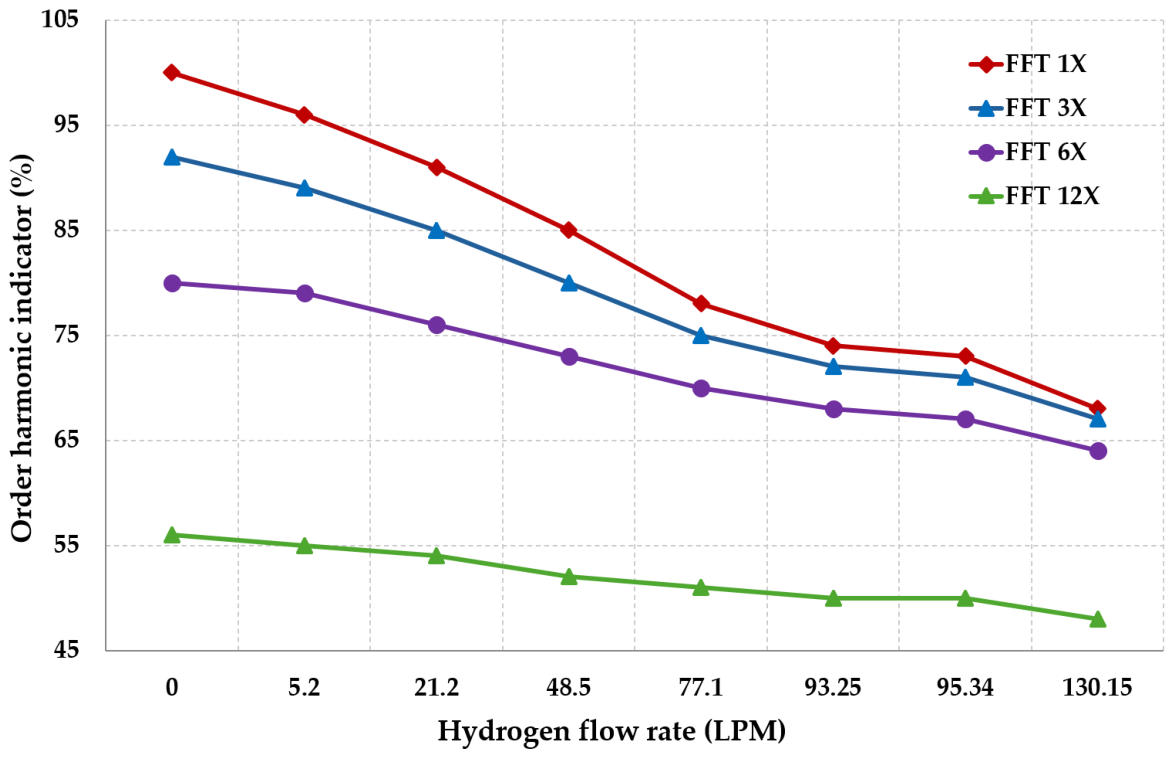
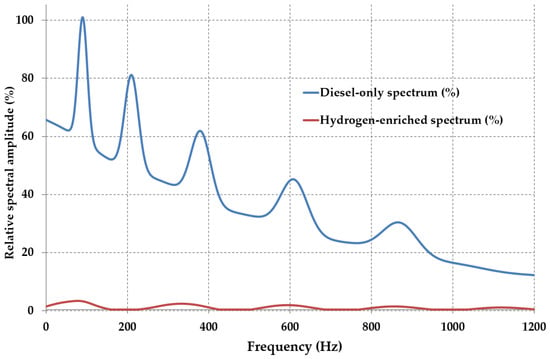
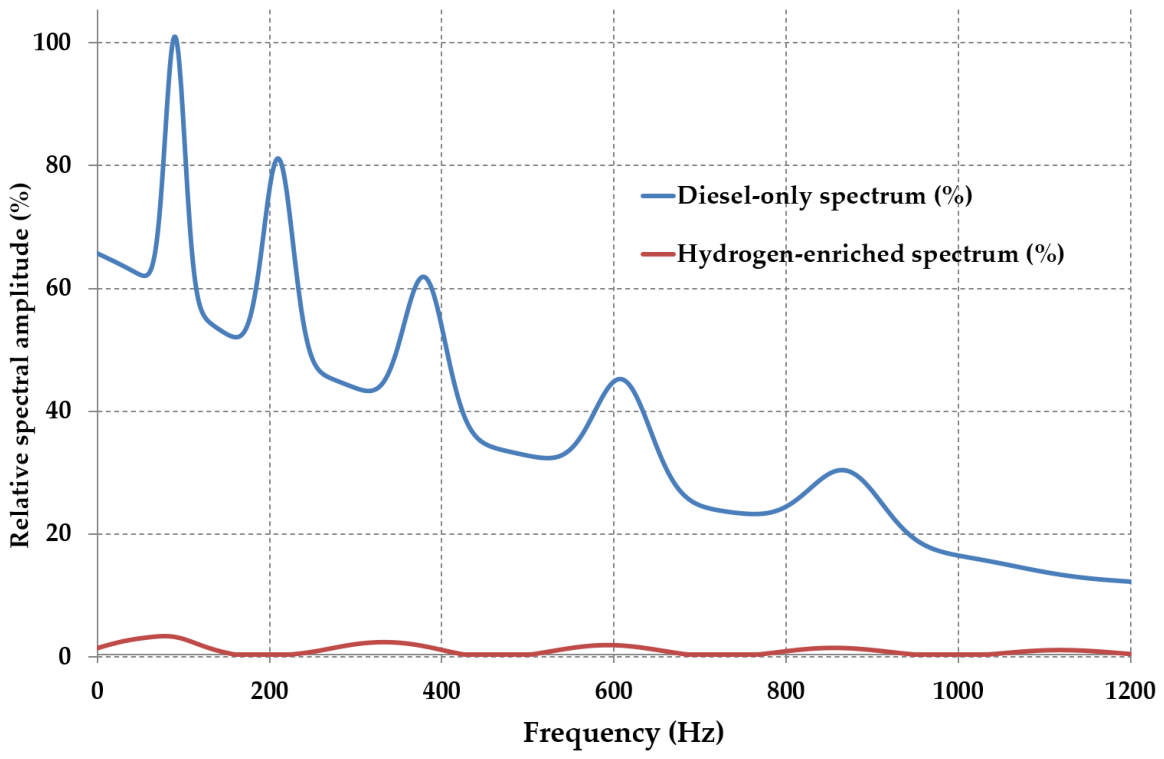
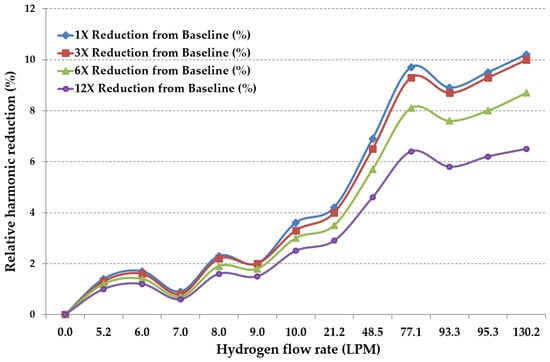
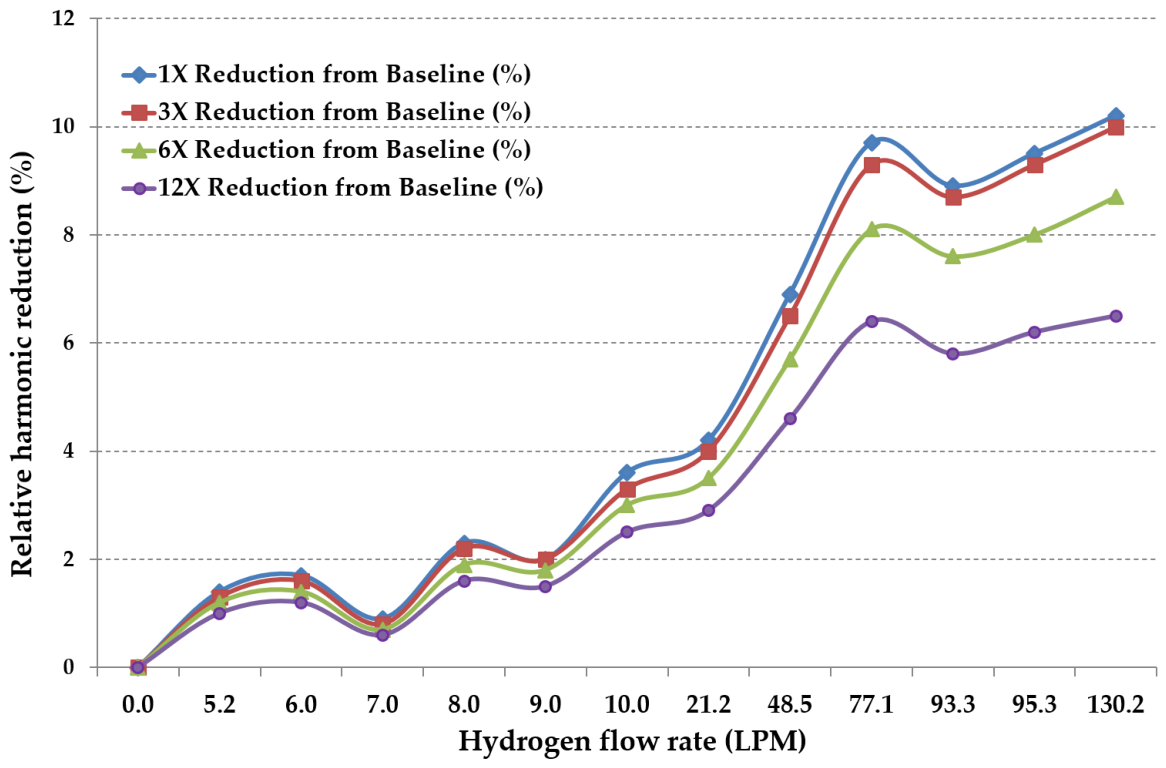
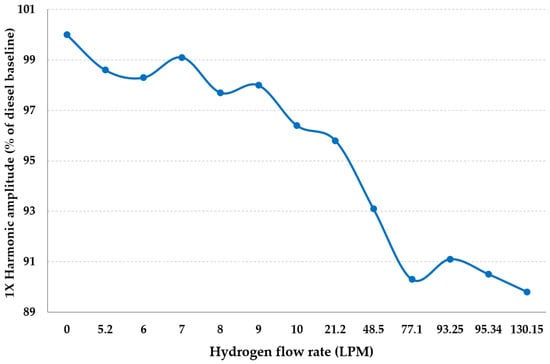
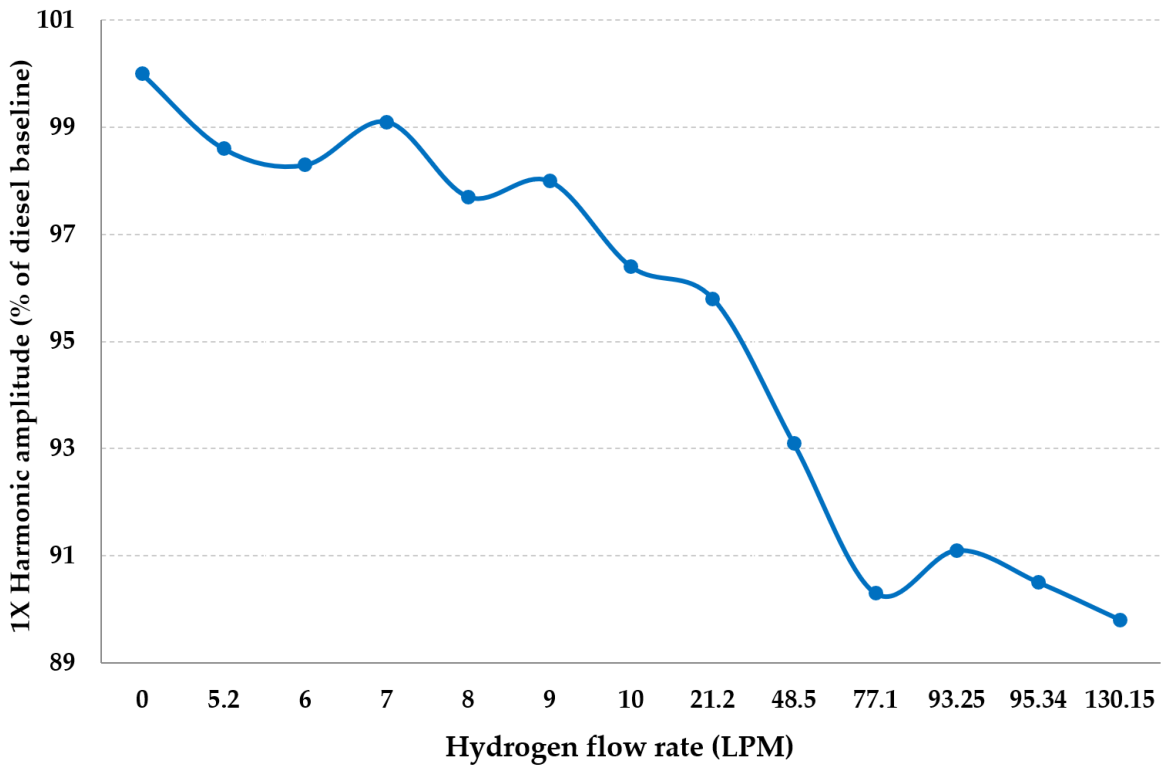
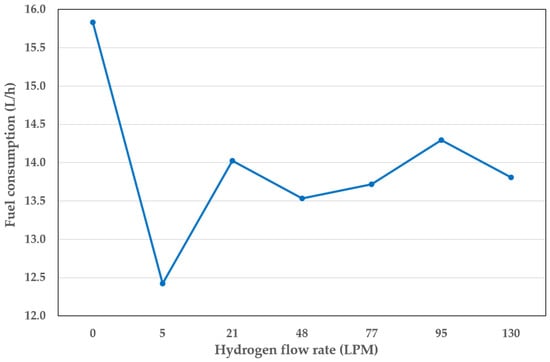
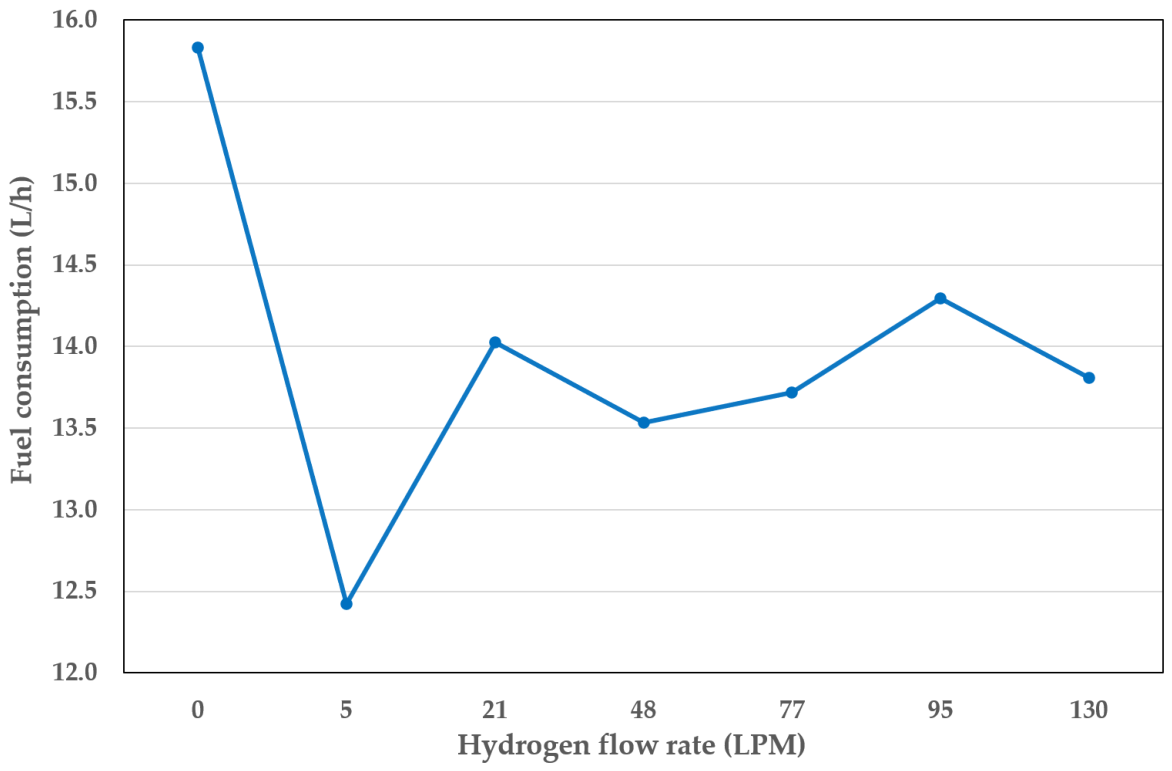
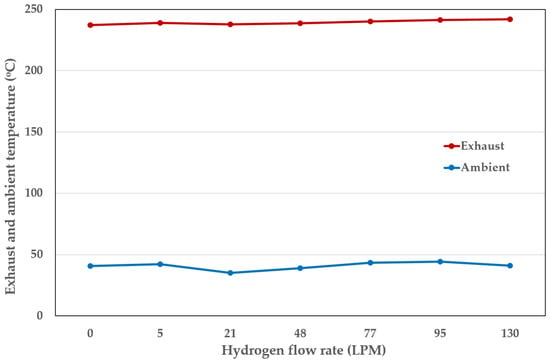
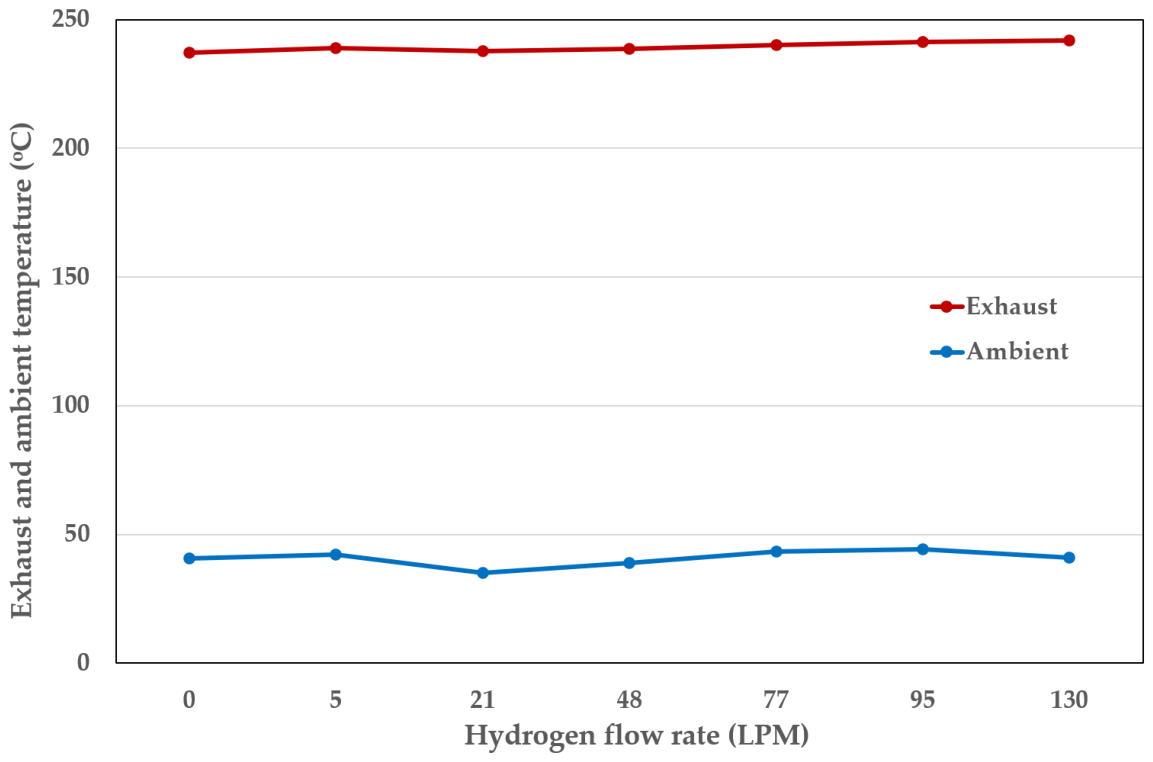
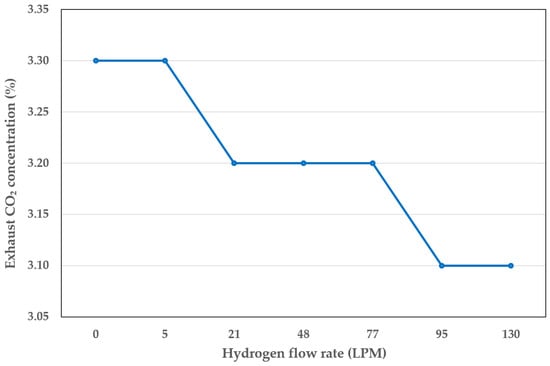
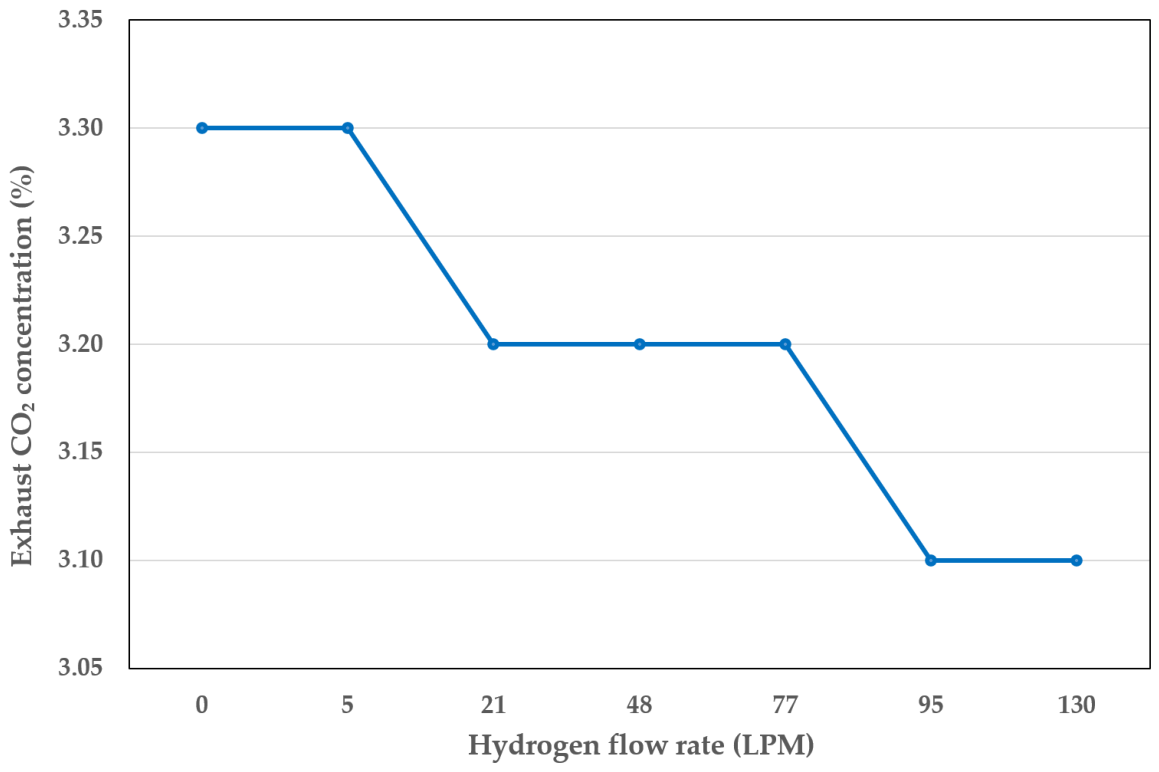
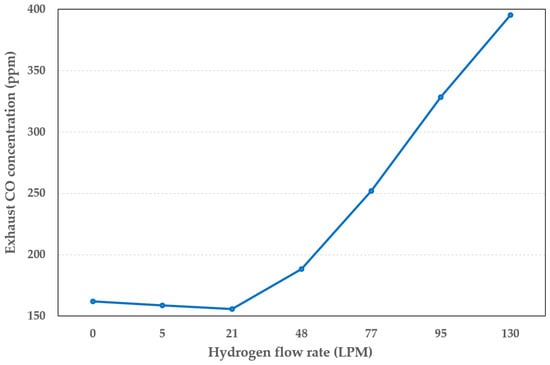
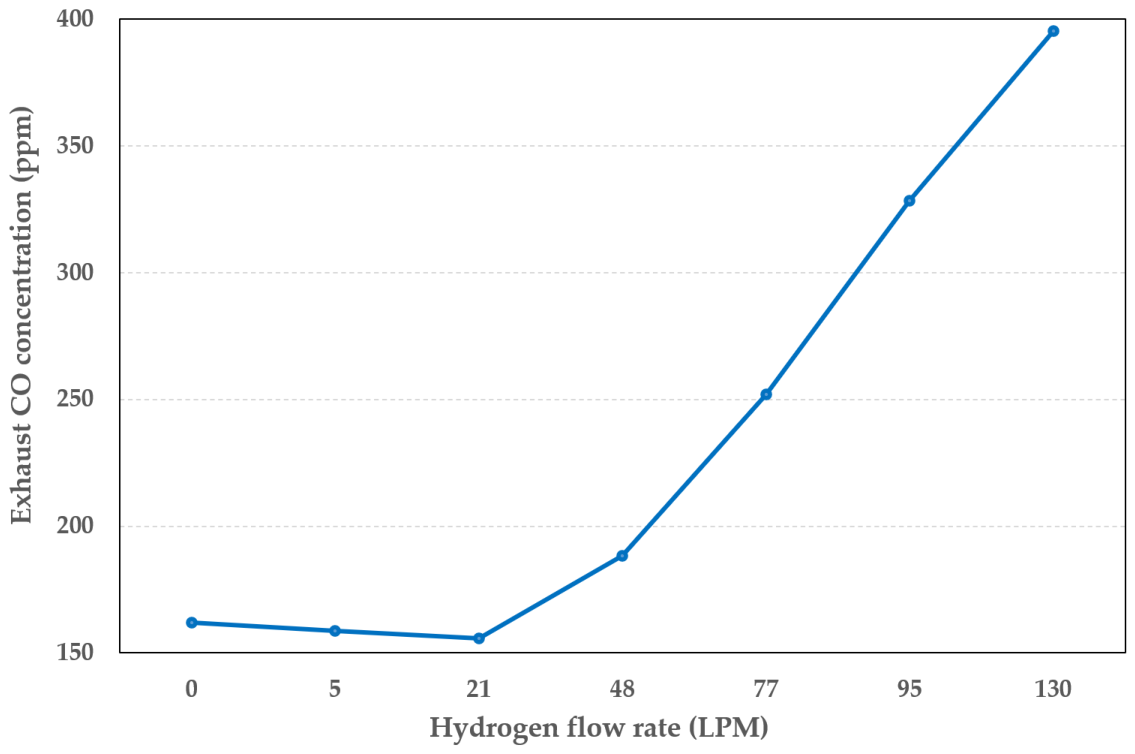
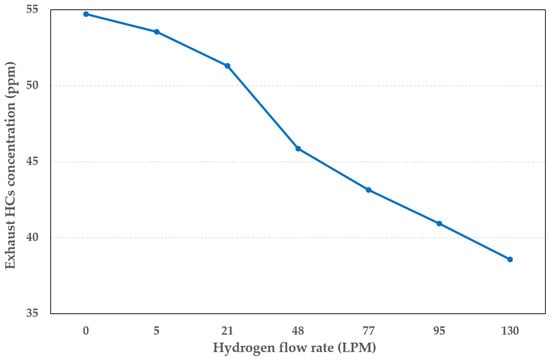
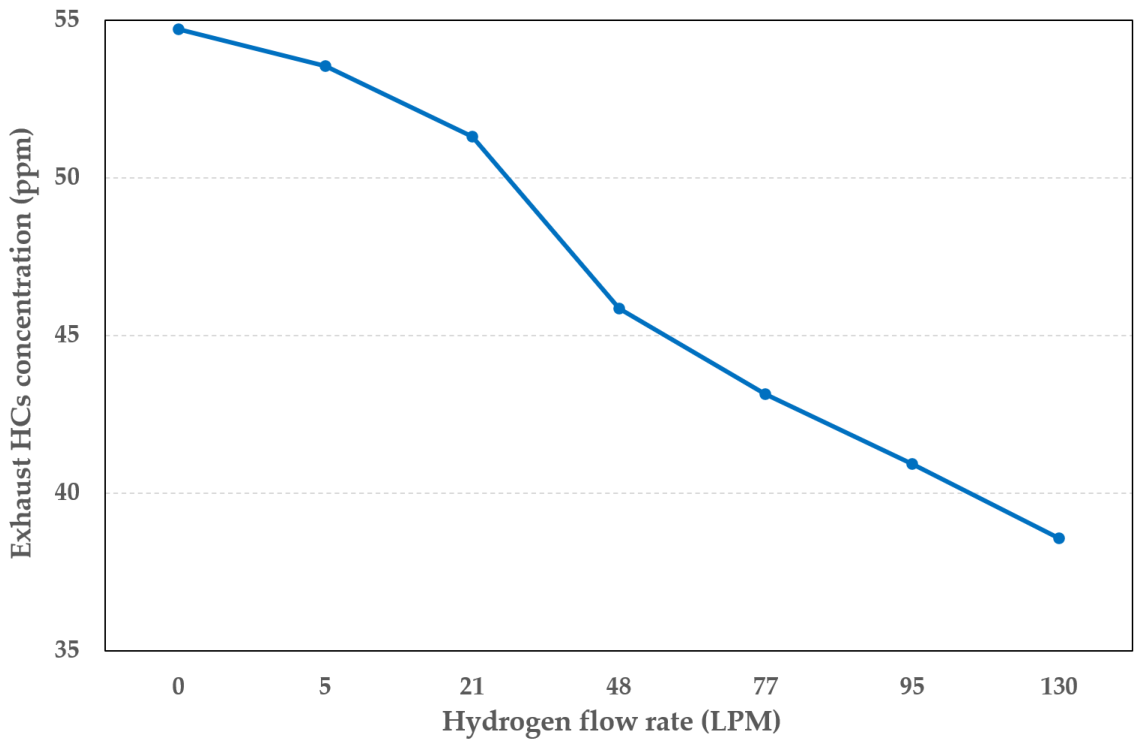
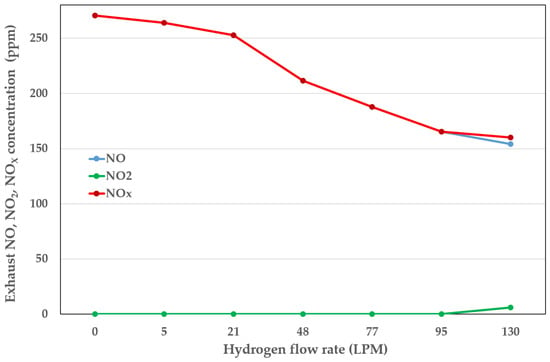
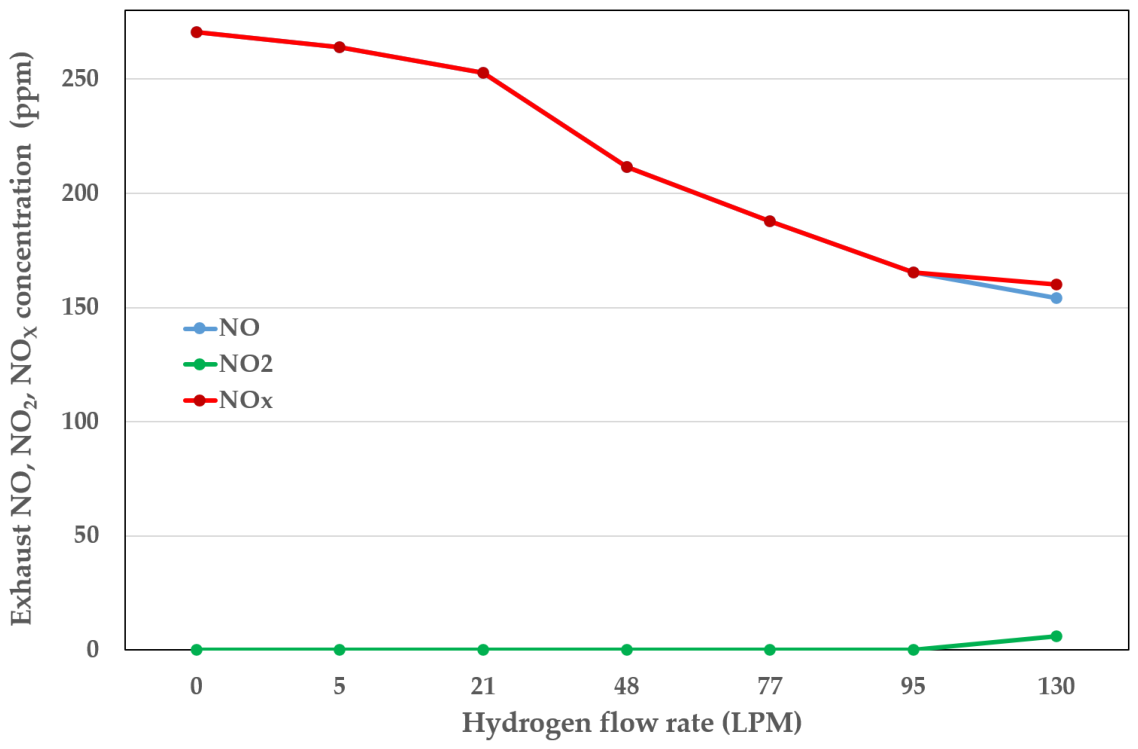
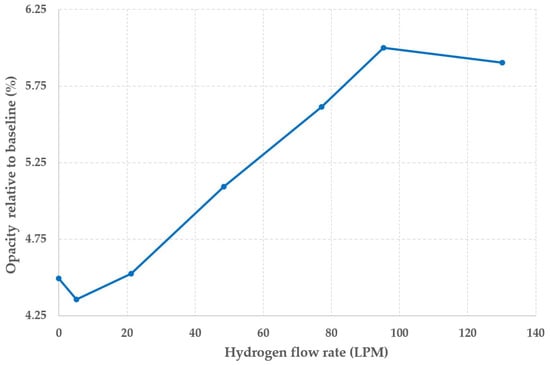
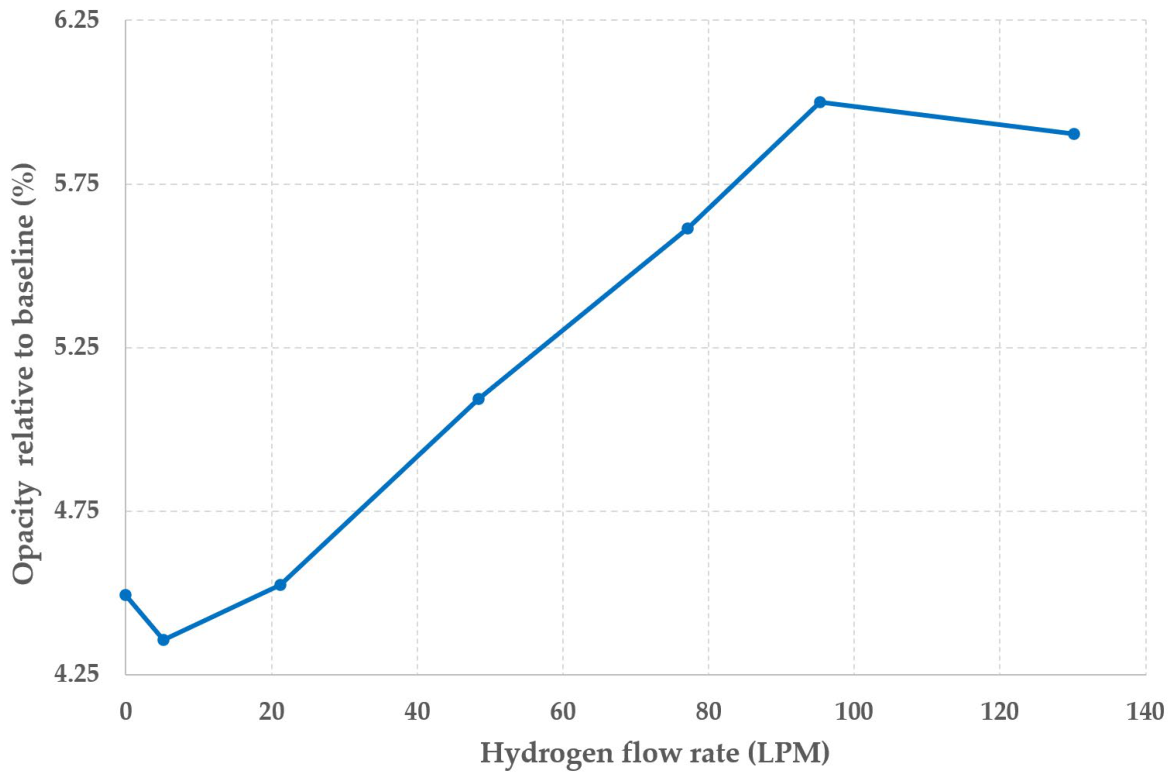
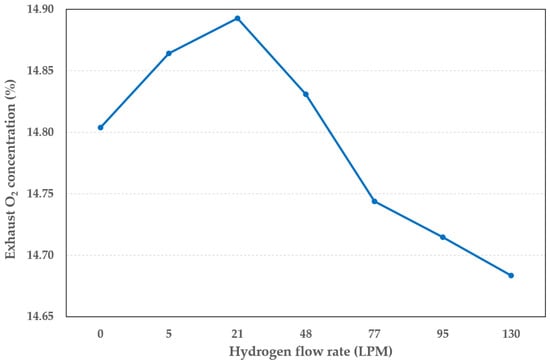
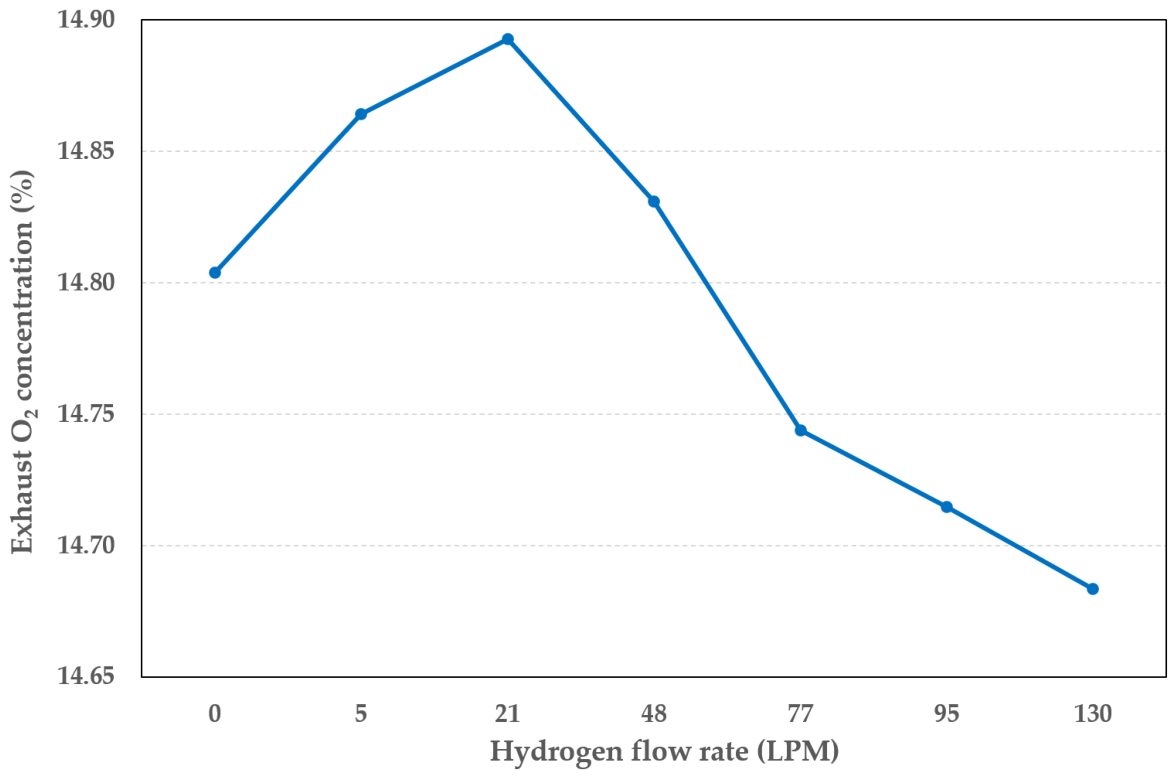
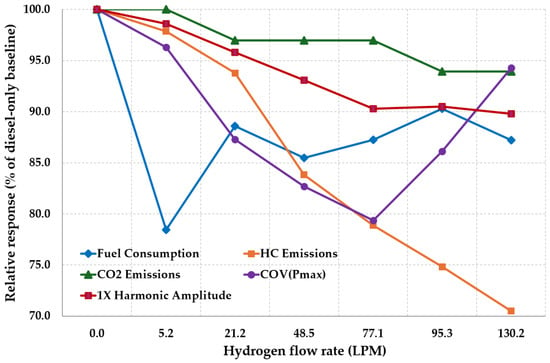
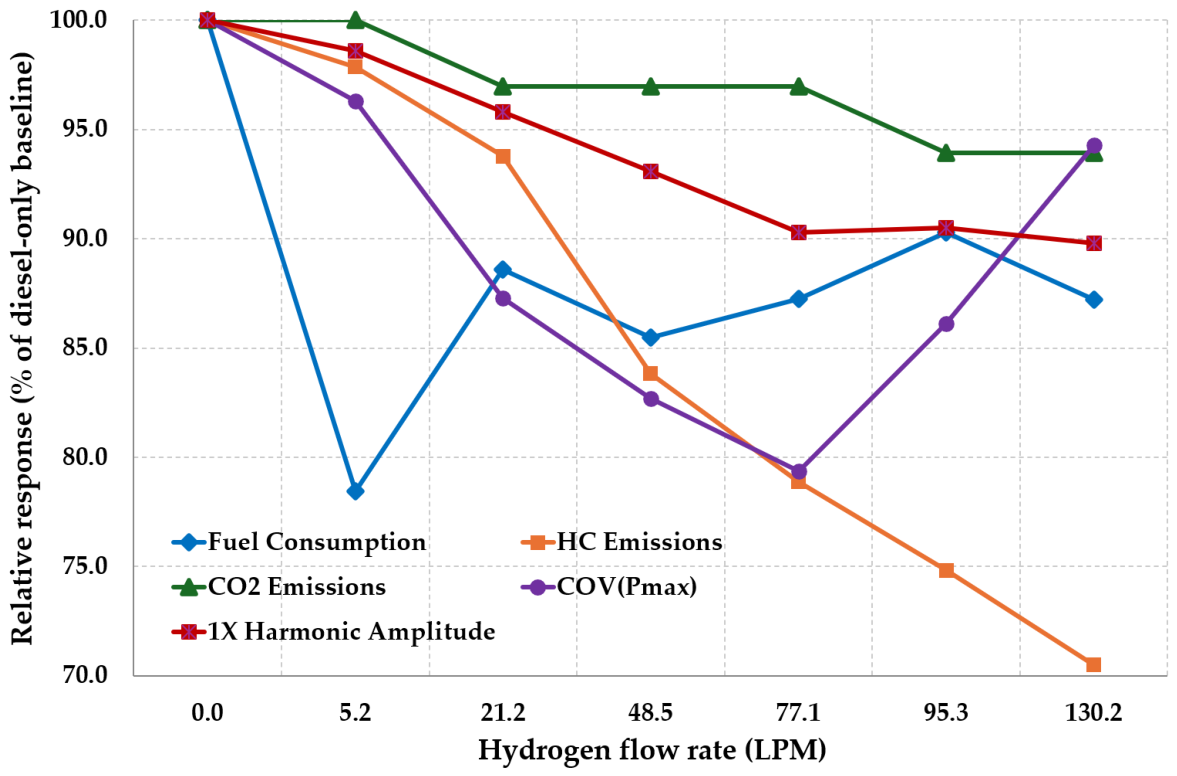

Disclaimer/Publisher’s Note: The statements, opinions and data contained in all publications are solely those of the individual author(s) and contributor(s) and not of MDPI and/or the editor(s). MDPI and/or the editor(s) disclaim responsibility for any injury to people or property resulting from any ideas, methods, instructions or products referred to in the content. |
© 2026 by the author. Licensee MDPI, Basel, Switzerland. This article is an open access article distributed under the terms and conditions of the Creative Commons Attribution (CC BY) license.