


Abstract
The reliance on a single evaluation parameter represents a major limitation in traditional geothermal reservoir assessment models, hindering accurate and effective evaluation of geothermal extraction performance. Moreover, mechanical deformation induced by cold fluid injection exerts a significant influence on both fluid flow behavior and geothermal energy recovery. In this study, a thermo-hydraulic–mechanical (THM)-coupled single-fracture model is developed based on the physical properties of the solid matrix and the seepage characteristics of the fluid, using a finite-element framework for heat and mass transfer. This model enables a multi-parameter evaluation of geothermal extraction efficiency as well as reservoir rock deformation. The simulation results indicate that reservoir temperature decreases progressively from the injection well to the production well, resulting in a gradual decline in the outlet temperature after an initial stable production period of approximately 200 days. The presence of a preferential “fastest flow path” between the injection and production wells plays a critical role in sustaining the stable production phase, whereas the development of a tongue-shaped isotherm pattern is a primary factor responsible for the reduction in outlet temperature during the later stages of extraction. In addition, thermally induced rock deformation further modifies geothermal extraction efficiency, mainly through its effects on reservoir permeability and top vertical displacement. Overall, this study provides reliable and effective fundamental data for geothermal exploitation in specific geological reservoirs, thereby supporting the role of geothermal energy as a viable supplement to fossil fuel resources.
1. Introduction
The growing challenges of global energy scarcity and environmental degradation have driven the pursuit of sustainable, high-density energy resources, prompting extensive scientific interest in unconventional reservoirs such as gas hydrates, subsurface hydrogen, and geothermal energy [1,2]. Although gas hydrates can theoretically provide high energy output with minimal environmental impact, their stringent formation and exploitation conditions significantly constrain large-scale commercial development. Similarly, the limited geological reserves of subsurface hydrogen hinder the achievement of a favorable balance between economic viability and environmental benefits, while the necessity of separating hydrogen from mixed gases, such as methane, further increases extraction costs [3]. In contrast, geothermal energy has emerged as a promising alternative due to its renewable nature and stable, continuous energy supply, attracting considerable attention from the geoscience community [4,5]. China’s abundant geothermal resources further highlight the potential of efficient geothermal exploitation as a strategic supplement to fossil fuels and a means of enhancing national energy security [6]. Conventional geothermal energy development primarily relies on naturally occurring hydrothermal systems. In contrast, Enhanced Geothermal Systems (EGS), created through artificial rock fracturing to exploit hot dry rock resources, represent a promising technology for expanding geothermal utilization. Although EGS is still in the demonstration and early commercial stage with only limited full-scale operations worldwide, its relatively straightforward extraction process offers significant potential for large-scale deployment in the future [7]. In EGS operations, compressed cryogenic fluids—typically water or supercritical CO2—are injected into wells and circulate through pre-existing natural fractures or artificially induced fracture networks, where they exchange heat with high-temperature geothermal rocks [8,9]. Following heat transfer, the heated working fluid is driven by the pressure gradient toward production wells, enabling the effective recovery of geothermal energy.
Geothermal energy extraction from geological reservoirs has been extensively studied through multiphysics coupled numerical models [10]. In recent years, Discrete Fracture Network (DFN) models and stochastic fracture generation algorithms have been increasingly applied to capture the complex connectivity, multidimensional expansion, and heterogeneity of natural fracture systems in Enhanced Geothermal Systems (EGS) [10]. These approaches have revealed that fracture network topology, connectivity, and density significantly influence fluid channeling, thermal breakthrough, and long-term heat extraction efficiency. However, full DFN simulations often encounter substantial challenges, including high computational costs, difficulties in mesh generation for 3D THM problems, and large uncertainties in characterizing in situ fracture parameters. Consequently, idealized single-fracture or simplified fracture models remain a valuable and widely adopted approach for isolating fundamental thermo-hydro-mechanical (THM) mechanisms and performing systematic sensitivity analyses [11,12,13]. The present study employs a single-fracture THM-coupled model to focus on the dynamically emergent dominant preferential flow path within the single connecting fracture, which exerts primary control on thermal breakthrough and outlet temperature evolution (as quantitatively demonstrated in Section 3.1). This simplification is justified under the studied conditions because the dominant channeling effect can be effectively captured without full representation of complex network connectivity [14,15,16]. Pandey et al. (2017) demonstrated through a coupled thermo-hydro-mechanical model the significant influence of fracture aperture alteration and reservoir deformation during heat extraction [11]. Sun et al. (2017) similarly analyzed heat exchange processes between reservoir rocks and working fluids through a THM-coupled enhanced geothermal system model [14], but positional variations induced by thermal expansion and solid deformation resulted in reduced data fitting quality and simulation accuracy. Complementary micro- and mesoscopic investigations further support this modeling strategy. For example, recent studies on high-temperature granite under liquid nitrogen thermal shock have shown significant localized microcrack propagation and porosity enhancement driven by thermal stress [17,18]. These findings indicate that, although real reservoirs exhibit multi-scale fracture features, the essential thermal–mechanical coupling effects on permeability and heat transfer can be reasonably approximated in a continuum single-fracture framework for mechanism exploration and parameter optimization [19].
This study develops a thermo-hydraulic–mechanical (THM)-coupled single-fracture model to systematically investigate the coupled effects of temperature variations on solid deformation, fluid flow characteristics, and heat transfer behavior in enhanced geothermal systems. The novelty of this work lies in its integrated multi-parameter evaluation framework that simultaneously considers the dynamic evolution of porosity/permeability due to thermo-mechanical interactions, the emergence of a self-reinforcing preferential flow path induced by THM coupling in a simplified single-fracture setting, and quantitative assessment of surface subsidence alongside extraction efficiency. Unlike previous THM models that often rely on discrete fracture networks with high computational demands or overlook coupled deformation effects in continuum approximations, this approach effectively isolates fundamental mechanisms while providing actionable insights for parameter optimization in EGS operations.
2. Construction of Reservoir Heat Transfer Model
2.1. Preliminary Assumptions of the Reservoir Heat Transfer Model
In the early stage of model development, the numerical model for enhanced geothermal reservoirs is established based on boundary conditions and governing equations, and the following assumptions are adopted: (1) The isotropic and homogeneous geothermal reservoir rock is assumed to comply with Biot’s consolidation theory and the effective stress principle [20]; (2) the geothermal reservoir rock is considered to be fully fluid-saturated, thereby excluding stress-free fluid seepage and adsorption effects; (3) the heat-transfer fluid flow is governed by Darcy’s law, and heat exchange between the fluid and geothermal rock is assumed to follow Fourier’s law under local thermal equilibrium conditions [21]; and (4) variations in the phase state of the heat-transfer fluid induced by reservoir temperature changes are neglected.
The reservoir rock is modeled as granite, which is a typical lithology for deep enhanced geothermal systems [11,14,20]. The thermal expansion coefficient αT was set to a base value of 8.0 × 10⁻⁶/°C (with sensitivity cases ranging from 5.0 × 10⁻⁶ to 1.2 × 10⁻⁵/°C). This range was selected based on well-established experimental data for granite under high-temperature conditions [11,20,22]. Although αT exhibits mild temperature dependence (generally increasing slightly with temperature due to microstructural changes), a temperature-independent value was adopted in the primary simulations for simplicity and to isolate the dominant thermo-mechanical effects, consistent with common practice in THM modeling of EGS [11,22].
The reservoir rock is modeled as granite, which is a typical lithology for deep enhanced geothermal systems [11,14,20]. Key thermo-hydro-mechanical properties of the granite and the heat-transfer fluid (water) are summarized in Table 1.
Table 1.
Main thermo-hydro-mechanical properties of granite reservoir and heat-transfer fluid used in the simulation.
2.2. Coupling Relationship of Thermal-Hydraulic-Mechanical Numerical Model
The coupling relationships within the thermo-hydro-mechanical numerical model are illustrated in Figure 1, which depicts the interactions among the reservoir temperature field, the heat-transfer-fluid flow field, and the stress field, thereby highlighting the integrated and comprehensive nature of the enhanced geothermal system.
Figure 1.
Coupled relationships between temperature field, force field and flow field in enhanced geothermal systems.
2.3. Model Region and Boundary Conditions
Figure 2 illustrates the geometric configuration and boundary conditions of the numerical reservoir model for the enhanced geothermal system. A microfracture connects the injection and production wells, providing a preferential flow pathway that facilitates fluid circulation and heat transfer within the geothermal reservoir.
Figure 2.
Schematic of the model domain, mesh refinement, and boundary conditions.
The model parameters were selected based on typical values reported in field-scale EGS projects and previous numerical studies to ensure physical representativeness while maintaining computational feasibility. The reservoir depth of 3000 m was chosen to represent deep high-temperature geothermal resources commonly targeted in EGS development [6,7,14]. The horizontal fracture length of 600 m between injection and production wells aligns with well spacing in several EGS demonstration projects (e.g., ~500–800 m in the Habanero project, Australia [24] and similar configurations in numerical studies [14,16]). The total modeled fracture extent (1650 m horizontal, 1600 m vertical) and overall domain size (with vertical boundaries 600 m from the injection well and 450 m from the production well) were set sufficiently large to minimize boundary effects and satisfy zero heat-flux and zero mass-flux conditions, as verified by sensitivity tests showing negligible influence on the temperature and flow fields near the wells.
Local mesh refinement was applied near the fracture and wellbores to ensure numerical stability and accuracy, while a coarser mesh was used in distant regions. The surface temperature was set to 30 °C with a geothermal gradient of 0.6 °C/10 m, yielding an initial reservoir temperature of approximately 220 °C at 3000 m depth—values consistent with many continental EGS reservoirs in China and worldwide [6,10,24]. The injection temperature (30–50 °C), initial fracture aperture (0.2 mm), and other hydraulic parameters were adopted from established THM modeling literature [11,14,25]. This aperture value is typical for stimulated fractures in numerical studies of enhanced geothermal systems and was selected because it represents a reasonable effective aperture after hydraulic stimulation while remaining computationally tractable for detailed THM coupling analysis.
No displacement was assumed at the bottom boundary, and far-field stresses were prescribed at the vertical boundaries based on lithostatic pressure. These settings allow the model to effectively capture the dominant thermo-hydro-mechanical processes while remaining computationally tractable for detailed parametric studies.
2.4. Governing Equations of Geothermal Reservoir Model
The governing equations describing fluid flow and heat transfer within the fracture network and rock matrix are formulated as a system of partial differential equations. For the thermo-hydro-mechanical (THM)-coupled model, the mechanical deformation equations governing porous rocks and rock joints are additionally incorporated to account for solid deformation effects.
2.4.1. Seepage Field Governing Equations
Fluid flow within geothermal reservoirs is typically characterized by seepage processes. Accordingly, the governing equations of the seepage field are employed to describe and constrain the seepage behavior of heat-transfer fluids. Meanwhile, the seepage characteristics of reservoir rocks are directly associated with the flow rate of heat-transfer fluids within reservoir fractures, thereby exerting a significant influence on fluid heat transfer efficiency and the thermal state of the reservoir [24]:
where and are the density and source/sink terms of the heat transfer fluid, respectively. m is the mass of heat transfer fluid per unit volume of geothermal reservoir rock, and m could be calculated by Equation (2). is the rock porosity of geothermal reservoirs:
Darcy’s law for reservoir fluids neglects the effect of gravity on the fluid, which can be demonstrated by Equation (3):
where μ is the kinetic viscosity of the heat transfer fluid. k is the rock permeability of geothermal reservoirs, and it can be derived from Equations (1) and (3) [25]:
2.4.2. Temperature Field Governing Equations
The temperature field governing equation for the rock skeleton in a geothermal reservoir is shown in Equation (5) [23]:
where and are the density and specific heat capacity at constant pressure of reservoir rocks, respectively. is the thermal expansion coefficient of reservoir rocks. is the thermal conductivity of reservoir rocks. is the strain tensor. Ts is the real-time temperature of reservoir rocks. Given that the porosity of high-temperature geothermal reservoirs is significantly less than unity, the can be reasonably approximated as 1. Thus, the temperature field control equation shown in Equation (5) can be simplified to Equation (6) [26]:
The temperature field governing equation for the fluid in the thermo-hydraulic–mechanical numerical model of a geothermal reservoir can be expressed as Equation (7):
where and are the density and specific heat capacity at constant pressure of the heat transfer fluid, respectively. is the thermal conductivity of the heat transfer fluid. is the heat source intensity of the heat transfer fluid.
The temperature field control equations under the thermal equilibrium state of the solid and liquid phases in the geothermal reservoir can be obtained by superimposing Equations (6) and (7) (as shown in Equation (8)):
The left-hand term in Equation (8) denotes the variation in internal energy of the geothermal extraction system, whereas the terms on the right-hand side correspond to thermal strain energy adjustment, convective heat transfer, conductive heat transfer, and internal heat sources, respectively.
2.4.3. Geological Parameter Equations
The porosity of porous media in geothermal reservoirs plays a critical role in governing seepage characteristics; however, classical fluid–structure interaction theories commonly assume that reservoir rock porosity remains constant. Such an assumption fails to adequately capture rock deformation induced by fluid pressure and thermally driven expansion in geothermal environments, thereby exerting a pronounced influence on the accuracy and fitting quality of numerical simulations. Consequently, geological parameter models for realistic geothermal reservoirs must be revised within the framework of classical three-field coupling theory to account for deformation-induced variations in porosity and permeability [27]:
Equation (10) is obtained by transforming Equation (9):
where VB is the rock volume of the geothermal reservoir. Vs presents the skeleton volume of geothermal reservoirs. Vp is the pore volume.
In Equation (10), the right side of the equation represents the strain increment of the rock skeleton and the overall strain increment of the reservoir rock, respectively.
Meanwhile, early theoretical models of reservoir rock porosity evolution generally assume that the incremental strain of the rock matrix comprises both the skeletal strain induced by fluid pressure and the thermal strain resulting from thermoelastic expansion , as expressed in Equation (11):
The two strain increments caused by reservoir pressure and reservoir temperature are shown in Equations (12) and (13):
The strain increment of the rock skeleton in the geothermal reservoir can be considered as shown in Equation (14), which is obtained by combining Equations (11)–(13):
where α is the Biot coefficient of the rock skeleton, and it can be calculated by Equation (15):
where K is the overall bulk modulus of the rock mass, and Ks is the bulk modulus of the rock mass skeleton. is the thermal expansion coefficient.
Furthermore, the overall strain increment of the reservoir rock can be described by Equation (16):
The porosity model of geological reservoirs (Equation (17)) can be solved by simultaneously solving Equations (10), (14) and (16):
Integration of the aforementioned Equation (17) yields Equation (18), which demonstrates the dynamic evolution model of porosity in consideration of reservoir temperature [28]:
When the strain increment of the geological reservoir induced by the two aforementioned mechanisms is sufficiently small, the porosity evolution of the reservoir rock can be described by Equation (19). In this Equation, = 0, as follows:
When the real-time pressure deviates from the initial pressure (p − p0 ≠ 0), the complete porosity evolution model must incorporate the poroelastic effect. Combining Equations (10), (14) and (16) without setting the pressure term to zero yields the full expression (Equation (20)):
The relationship between permeability and porosity in geological reservoirs can be mathematically described by the Kozeny–Carman equation derived from the capillary model (Equation (21)). By substituting Equation (18) into Equation (21), the dynamic evolution equation (Equation (22)) for permeability is obtained:
where k is the real-time permeability of rocks in geological reservoirs. K0 is the Initial permeability.
Equation (22) indicates that, beyond the initial permeability and porosity, rock deformation, fluid pressure, and thermal strain exert significant influences on the permeability of geological reservoirs.
To assess the validity of the simplified model (Equation (20) in the original manuscript), we quantified the relative error in porosity and permeability when neglecting the pressure term () under the pressure differences used in Section 3.2. Results are summarized in Table 2.
Table 2.
Relative error introduced by neglecting the pore pressure term in porosity/permeability evolution.
2.5. Heat Extraction Rate
The heat extraction efficiency in geological reservoirs can be summarized by Equation (23) [29]:
where E is the heat extraction rate. and are the enthalpies of the heat transfer fluid at the bottom of production and injection wells.
It is important to note that enthalpy is affected by changes in reservoir temperature and pressure. Therefore, the pressure change in the net energy of the heat transfer fluid from the injection well to the production well has already been taken into account.
2.6. Numerical Model Validation
The accuracy and reliability of the developed THM-coupled numerical model were validated through comparison with both a well-established benchmark numerical model and available field data. Figure 3 compares the production-well temperature evolution predicted by the present model with results from Sun et al. (2017) [14] (a well-established THM model for EGS based on discrete fracture modeling) and field monitoring data from the Habanero enhanced geothermal system, Australia [24].
Figure 3.
Validation of the present THM-coupled model against a previous benchmark numerical model (Sun et al., 2017 [14]) and field monitoring data from the Habanero enhanced geothermal system, Australia [24].
Key parameters used for validation (reservoir depth 3000–4200 m, initial rock temperature ≈ 220 °C, injection temperature 30–60 °C, fracture permeability 1–10 mD, and injection rate 10–30 kg/s) are consistent with the referenced studies. As shown in Figure 3, the present model exhibits excellent agreement with both the numerical benchmark and field data, particularly in the late-stage temperature decline. While the model predicts somewhat lower outlet temperatures than the comparative numerical model at the same production time, quantitative error analysis demonstrates superior overall accuracy (see Table 3).
Table 3.
Quantitative error metrics for model validation.
The Base Case (control/benchmark simulation) described in Section 2.7 was used for validation against literature and field data.
2.7. Numerical Simulation Cases
To systematically investigate the effects of key operational and reservoir parameters on geothermal extraction performance, a series of parametric simulations were conducted based on the validated THM-coupled single-fracture model (Table 4).
Table 4.
Summary of numerical simulation cases.
A Base Case (control/benchmark simulation) was first established using reference parameter values (granite properties listed in Table 1, injection temperature = 30 °C, inter-well pressure difference = 4 MPa, thermal expansion coefficient αT = 8.0 × 10⁻⁶/°C). This Base Case serves as the primary benchmark for model validation (Section 2.6) and as the reference against which all sensitivity analyses are compared.
All simulations were performed using a finite-element framework until 600 days of production time. Transient THM coupling was solved simultaneously at each time step. Additional post-processing was conducted to extract Darcy velocity fields, streamline distributions, and vertical displacement for quantitative analysis (Section 3.1).
Rock thermal expansion coefficient αT was varied in sensitivity cases to evaluate its influence on permeability and extraction efficiency (Section 3.3), with the base value justified in Section 2.1.
3. Results and Discussion
3.1. Effect of Injected Fluid Temperature
Figure 4 illustrates the spatial–temporal evolution of the heat transfer fluid temperature… eventually forming a distinct “tongue-shaped” isotherm pattern. In the context of this idealized single-fracture model with initially uniform aperture and permeability, the term “channeling” or “preferential/fastest flow path” refers to the dominant advection pathway that naturally emerges within the single fracture due to the coupled thermo-hydro-mechanical effects. Specifically, cold fluid injection induces localized thermoelastic contraction and permeability enhancement along the shortest and most hydraulically conductive streamline connecting the injection and production wells. This self-reinforcing mechanism creates a narrow, high-velocity channel (as quantified in Table 3), along which cold fluid advances rapidly, leading to the observed tongue-shaped isotherm. Unlike multi-fracture DFN models where channeling occurs between different fractures, or heterogeneous single-fracture models with prescribed aperture variability, the channeling here is dynamically induced by THM coupling rather than imposed by initial heterogeneity. This definition aligns with the dominant role of the single connecting fracture in controlling thermal breakthrough in simplified EGS representations.
Figure 4.
The variation trend of the injection temperature of the heat transfer fluid on the outlet temperature.
To quantitatively characterize this phenomenon, we extracted the Darcy velocity field from the simulation results. As shown in the newly added Table 5, the velocity distribution reveals a pronounced channeling effect. At 200 days, the Darcy velocity along the preferential flow path reaches approximately 1.8 × 10⁻⁵ m/s, which is 4.5–6.2 times higher than the average velocity in the non-dominant flow regions (2.9–4.0 × 10⁻⁶ m/s). By 500 days, this velocity contrast further increases to a factor of 7.8.
Table 5.
Quantitative comparison of Darcy velocity and flux contribution between preferential flow path and non-dominant regions.
Streamline tracing clearly demonstrates that >85% of the injected fluid mass flux is concentrated within the narrow preferential channel (width ≈ 8–12 m), while the remaining reservoir volume contributes only marginally to fluid transport. This strong advection dominance significantly accelerates thermal breakthrough along the fastest streamline.
From a fluid dynamics perspective, the thermal breakthrough time is strongly governed by the advection time scale along the dominant streamline:
where L is the distance between wells. is the Darcy velocity in the fastest path, and the is the effective porosity.
Quantitative evaluation shows that the preferential flow path accounts for approximately 78–92% of the control weight on the timing of thermal breakthrough (calculated via flux-weighted residence time analysis). In contrast, heat conduction and convection in non-dominant regions contribute only 8–22% during the early-to-mid production stage. This explains why the tongue-shaped isotherm develops rapidly after ~200 days and why outlet temperature remains stable only until the thermal energy in the dominant channel is largely depleted.
3.1.1. Heat Convection Exchange
The outlet temperature evolution of the geothermal reservoir can be broadly divided into two distinct stages: a stable production stage and a rapid decline stage. During the stable stage, the outlet temperature remains nearly constant at approximately 220 °C, with a stabilization duration of about 200 days. This period corresponds to the most efficient phase of geothermal energy extraction, during which the majority of the produced thermal energy is derived from the dominant preferential flow path (i.e., the “fastest streamline”) within the reservoir. As the initial temperature of the injected heat transfer fluid increases, the onset of this stable production stage is slightly delayed; however, the magnitude of this delay is negligible. Once the thermal energy stored in the fastest streamline region is substantially depleted, the system transitions into the rapid decline stage, characterized by a pronounced reduction in outlet temperature and a corresponding decrease in geothermal extraction efficiency. The thermal energy carried by the produced fluid is mainly supplied by heat transfer from reservoir regions outside the fastest streamline at this stage. However, heat extraction from these regions is strongly constrained by geological heterogeneity and flow barriers, which significantly limit effective thermal recovery [30]. Consequently, during the rapid decline stage, the produced fluid consists of only a small fraction of thermally enriched fluid originating from non-dominant flow regions, while the majority comprises relatively cold fluid flowing along the fastest streamline. As extraction time continues to increase, the proportion of cold fluid in the produced stream rises markedly, further accelerating the decline in outlet temperature.
Furthermore, increasing the initial temperature of the injected fluid leads to a noticeable enhancement in outlet temperature at the same extraction duration, thereby prolonging the effective operational lifetime of the geothermal reservoir. Specifically, when the injected fluid temperature is 30 °C, the outlet temperature decreases to approximately 142 °C after 600 days of operation, whereas increasing the injection temperature to 40 °C and 50 °C results in higher outlet temperatures of about 145 °C and 149 °C, respectively. Our finding that a moderately higher injection temperature (e.g., 40–50 °C) helps maintain higher outlet temperatures and prolongs the effective operational lifetime is consistent with recent numerical studies on EGS performance. For instance, preliminary research demonstrated through 3D THM modeling that optimizing injection temperature can significantly improve long-term heat production by balancing thermal breakthrough delay with sufficient convective heat transfer [31]. This agreement highlights the robustness of our single-fracture model in capturing essential temperature-dependent mechanisms.
These differences in outlet temperature induced by varying injection temperatures can be primarily attributed to convective heat transfer processes occurring in the non-dominant flow regions (i.e., “non-maximum streamlines”) of the reservoir. When a lower-temperature fluid (30 °C) is injected, the heat transfer fluid experiences greater thermal attenuation after exchanging heat with the surrounding reservoir rock in the non-maximum streamline regions, thereby reducing its contribution to the outlet temperature [32]. Moreover, the presence of relatively cold fluid within these regions accelerates the overall decline in the produced fluid temperature. In contrast, injecting fluid at a higher initial temperature yields comparable heat exchange with the reservoir rock in the non-maximum streamline regions but results in a higher post-exchange fluid temperature, ultimately leading to an elevated outlet temperature.
3.1.2. Rock Shrinkage and Deformation
The variation in outlet temperature resulting from different injection temperatures is also closely associated with the evolution of reservoir rock permeability and porosity, which is governed by thermo-mechanical interactions (Figure 5). Low-temperature fluid injection induces thermoelastic contraction of the rock skeleton, leading to an overall increase in both porosity and permeability. However, beyond simple volumetric contraction, non-uniform temperature distributions generate thermal stresses that redistribute the effective stress field according to the effective stress principle () [11,22]. This redistribution can promote shear or tensile failure, resulting in microcrack propagation in some regions, while causing localized closure of existing fractures in others due to compressive thermal stresses.
Figure 5.
Fracture aperture, reservoir temperature distribution, thermal stress redistribution and effective stress effects at different injection temperatures.
The additional thermal stress can be approximated as:
where is the effective stress. is the total stress. is the Biot coefficient. is the thermal stress coefficient. E is Young’s modulus. is the thermal expansion coefficient. is the temperature change. is the Poisson’s ratio.
The net effect on fracture conductivity (cubic law: , where is fracture aperture) thus depends on the competition between (i) global thermoelastic aperture enlargement due to matrix contraction and (ii) local effective stress changes that may induce aperture reduction or enhancement via microcracking. Under the single-fracture continuum model employed here, the former mechanism dominates, leading to a net permeability increase with decreasing injection temperature (as shown in Figure 6). Nevertheless, in real heterogeneous reservoirs, thermal stress-induced microcrack propagation could further enhance conductivity along certain pathways, while compressive zones might reduce it [33].
Figure 6.
The trend and reasons for the change in permeability with injection temperature.
Consequently, the pronounced late-stage temperature decline arises from the combined effects of convective heat exchange, thermoelastic contraction, and effective stress redistribution. Higher injection temperatures induce less skeletal contraction and smaller thermal stress perturbations, thereby limiting permeability enhancement and fluid channeling [34].
It should be noted that the present single-fracture model does not explicitly simulate discrete microcrack initiation and propagation. Future extensions incorporating discrete fracture networks or damage mechanics would allow quantitative evaluation of these competing thermal stress effects [35,36].
3.1.3. Rock Permeability Adjustment
As illustrated in Figure 2 and Figure 5, the regions of effective geothermal energy extraction are primarily concentrated along the preferential flow path (i.e., the “fastest streamline”) between the injection well and the production well. Accordingly, the temporal evolution of midpoint permeability within the reservoir model is adopted as a key indicator for investigating permeability adjustment under different injection rates. As shown in Figure 6, the permeability of the initial geological reservoir exhibits no pronounced variation during the early stage of operation, whereas a significant increase is observed after approximately 200 days. Beyond 400 days, reservoir permeability remains nearly constant, indicating that the temperature field of the heat transfer fluid has reached a quasi-steady state and no longer undergoes substantial adjustment. Furthermore, the temporal trends of midpoint permeability under different injection temperatures are generally similar; however, at the same production time, midpoint permeability decreases with increasing injection temperature. Although permeability evolution curves corresponding to each injection temperature show no significant variation during the later stage of production [37], reservoirs subjected to higher injection temperatures exhibit a relatively greater cumulative increase in permeability compared with those under lower injection temperatures [38].
The observed correlation between injection temperature and midpoint permeability can be primarily attributed to the thermally induced volumetric response of the rock skeleton. The nearly constant midpoint permeability during the early stage of operation (t < 200 days) indicates that the injected fluid has not yet reached the midpoint region along the preferential flow path (i.e., the “fastest streamline”) of the geothermal reservoir. During this period, the injected fluid mainly displaces the pre-existing high-temperature fluid between the injection and production wells toward the production well, without directly affecting the midpoint region [39]. After approximately 200 days, a pronounced increase in rock permeability is observed, which is mainly associated with the arrival of the injected cold fluid at the midpoint region of the preferential flow path. Heat energy is absorbed by the injected fluid, resulting in cooling of the surrounding rock matrix and subsequent thermoelastic contraction of the rock skeleton. Such shrinkage leads to the enlargement of pore spaces and fracture apertures, thereby enhancing fluid flow capacity and facilitating fluid migration toward the production well [40]. Subsequently, permeability continues to increase during the later production period, reflecting the slow and progressive nature of heat exchange between the reservoir rock and the injected cold fluid. In contrast, reservoirs subjected to higher injection temperatures exhibit a slower rate of permeability evolution, as higher-temperature fluids induce less pronounced thermal contraction of the rock matrix [41]. The reduced shrinkage of reservoir fractures results in relatively minor permeability enhancement, which in turn limits the efficiency of thermal energy extraction from the geothermal reservoir (Figure 5 and Figure 6). Overall, the injection-temperature-induced variation in reservoir permeability is predominantly governed by thermally driven rock contraction, and lower injection temperatures promote more efficient fluid migration from the injection well to the production well [42,43,44].
3.1.4. Geothermal Extraction Efficiency
Table 6 presents the geothermal extraction efficiency under different injection temperatures, providing an important basis for selecting the optimal initial injection temperature and heat transfer fluid conditions for specific geothermal reservoirs. As indicated in Table 6, geothermal recovery efficiency increases markedly during the early stage of exploitation (<200 days), with the maximum extraction efficiency observed at approximately 300 days. In addition, higher injection temperatures are associated with relatively lower geothermal extraction efficiencies, whereas lower injection temperatures lead to comparatively higher extraction performance [31,45,46]. The observed dependence of geothermal extraction efficiency on injection temperature can be primarily attributed to the cooling effect of the heat transfer fluid on reservoir rocks during the initial injection stage. This cooling induces thermal contraction of the rock matrix, resulting in increased porosity [47,48]. The enhanced porosity facilitates fluid flow, allowing the heat transfer fluid to migrate more readily through the reservoir and rapidly transport geothermal energy toward the production well. However, within the preferential “fast-flow channel” region, the reservoir rock undergoes substantial deformation and porosity enhancement, after which further deformation diminishes [49,50,51]. Consequently, the initial flow initiation rate of the heat transfer fluid remains nearly constant, ultimately leading to a gradual weakening of geothermal extraction efficiency [52,53,54,55]. Furthermore, the superior geothermal extraction efficiency observed for cryogenic fluids compared with high-temperature fluids can be attributed to their stronger cooling-induced contraction effect on reservoir rocks [56,57]. Enhanced thermal contraction leads to an increase in pore volume, which in turn facilitates fluid flow and enables cryogenic fluids to more effectively displace high-temperature geothermal fluids toward the production well [58,59,60].
Table 6.
Effect of injection temperature on geothermal extraction efficiency.
The observed superior geothermal extraction efficiency under lower injection temperatures in the early stage, followed by benefits of moderately higher temperatures for long-term stability, aligns well with previous findings. In particular, our results support the conclusion that an optimal injection temperature range exists to maximize cumulative heat recovery, consistent with recent work showing improved long-term heat production through careful injection temperature control [38]. These comparative insights further validate the practical utility of the multi-parameter evaluation framework adopted in this study.
3.2. Effect of Pressure Differential Between Injection Well and Production Well
3.2.1. Changes in Outlet Temperature
In the numerical model (Figure 7), the pressure difference between the injection well and the production well is primarily controlled by adjusting the injection pressure of the heat transfer fluid, while the production well pressure is maintained constantly as a boundary condition. Figure 7 illustrates the effect of the interwell pressure difference on the outlet temperature. The relationship between pressure difference and reservoir outlet temperature can be divided into two distinct stages. During the early production period (<200 days), the outlet temperature exhibits no pronounced decline. After approximately 200 days, however, a rapid decrease in outlet temperature is observed. Moreover, increasing the pressure difference between the two wells results in a lower final outlet temperature, whereas a smaller pressure difference leads to only minor variations in outlet temperature. When the interwell pressure difference is 2 MPa, changes in the reservoir temperature distribution are limited, and the characteristic “tongue-in” thermal breakthrough behavior is not evident. Even after 600 days of production, geothermal energy within the preferential fast-flow channel is not completely depleted, and the isotherms retain relatively regular circular or near-circular patterns. In contrast, when the pressure difference is increased to 4 MPa, pronounced “tongue-in” behavior develops within the geothermal reservoir. Under this condition, the isotherms in the fast-flow channel region progressively vanish after 200 days, indicating that the injection temperature has fully penetrated the preferential flow path.
Figure 7.
The influence of inter-well pressure difference on reservoir temperature and pore pressure.
The influence of the interwell pressure difference on the outlet temperature is primarily governed by its effects on reservoir permeability evolution and fluid flow behavior [61,62,63]. Under a low pressure difference, the heat transfer fluid generates limited pore pressure within the reservoir, resulting in a weak perturbation of the in situ stress state. Consequently, rock deformation remains minimal, restricting fracture propagation and pore space enlargement [40]. The associated higher flow resistance inhibits the efficient transport of high-temperature fluids toward the production well. In contrast, a larger interwell pressure difference promotes an increase in pore pressure, which enhances pore and fracture dilation and facilitates rapid fluid migration along preferential fast-flow pathways toward the production well [41]. Moreover, a smaller pressure difference corresponds to a lower injection pressure, limiting the ability of the heat transfer fluid to penetrate the pore space surrounding the production well. Reduced fluid leakage under such conditions leads to a relatively higher outlet temperature, whereas a larger pressure difference enhances fluid seepage near the production well, thereby resulting in a lower outlet temperature [64,65,66,67].
3.2.2. Changes in Outlet Pressure
Figure 8 illustrates the effect of inter-well pressure difference on the permeability at the midpoint of the numerical model. Overall, reservoir permeability at the midpoint increases progressively with extraction time. Although permeability under all pressure difference scenarios exhibits an increasing trend, the temporal evolution and adjustment characteristics vary markedly among different pressure gradients. Under a low inter-well pressure difference of 2 MPa, permeability evolves slowly, with only a modest increase during the extraction process [68,69]. Specifically, the permeability growth rate remains low before 150 days, followed by a relatively accelerated increase thereafter. In contrast, the permeability evolution under higher pressure differences of 4 MPa and 6 MPa differs substantially from that observed at 2 MPa. In these cases, the permeability growth rate initially increases and subsequently decreases l [70,71,72]. Little change in permeability is observed within the first 100 days, whereas a pronounced increase occurs after this period for both the 4 MPa and 6 MPa cases. After 400 days, permeability under the 4 MPa pressure difference continues to increase rapidly, while the growth rate under the 6 MPa condition decreases significantly. It is noted that the permeability evolution shown in Figure 8 incorporates the full THM coupling, including both thermal and poroelastic effects as described by the updated Equations (20) and (23). The pressure-induced contribution partially explains the faster permeability increase observed at higher pressure differences.
Figure 8.
The influence of inter-well pressure difference on the permeability at the midpoint of the reservoir.
The progressive increase in reservoir permeability can be primarily attributed to the cooling-induced contraction of reservoir rocks caused by the injection of low-temperature fluids [73,74,75]. The absence of pronounced permeability variations during the initial 100–200 days of production is mainly because the injected cold fluid does not reach the midpoint of the model at the early stage. During this period, the continuous flow of high-temperature reservoir fluids toward the production well at the model midpoint does not induce significant permeability changes [76,77]. In conditions of low inter-well pressure differential, the comparatively minor permeability variation is predominantly associated with the diminished flow velocity of the injected fluid [78,79,80]. Despite the low-temperature fluid reaching the midpoint of the model, its capacity for rapid rock contraction remains limited due to its advective capacity [81,82]. Conversely, high-pressure differential injection facilitates the expeditious arrival of the low-temperature fluid at the permeability measurement location at the reservoir midpoint, thereby inducing a more rapid rock contraction in comparison with low-pressure differential scenarios [83,84,85]. Concurrently, the elevated flow velocity in the vicinity of the production well, induced by the high pressure differential, further accelerates the transport of low-temperature fluid towards the reservoir midpoint [86,87].
3.3. Effect of Expansion Coefficient of Reservoir Rocks
The permeability of reservoir rocks is a critical factor governing geothermal heat transfer and extraction efficiency, whereas the rock thermal expansion coefficient αT is a key parameter influencing permeability variations (Equation (20)). Figure 9 illustrates the effects of different thermal expansion coefficients on reservoir permeability, outlet temperature distribution, and pore size, thereby providing fundamental insights for evaluating geothermal extraction efficiency in specific reservoirs. [88,89,90] A clear positive correlation is observed between the thermal expansion coefficient and reservoir permeability [91,92,93]. When the expansion coefficient is relatively small, the shrinkage volume of the reservoir rock under identical reservoir conditions changes only marginally, resulting in a limited increase in permeability. In contrast, a larger thermal expansion coefficient markedly enlarges the fracture aperture, which substantially enhances reservoir permeability [94,95,96,97]. At the same time, an inverse relationship exists between reservoir permeability and reservoir temperature, such that higher thermal expansion coefficients correspond to lower outlet temperatures (Figure 4 and Figure 6). Furthermore, the thermal expansion coefficient of reservoir rocks exhibits a strong positive correlation with pore size; an increase in the expansion coefficient promotes pore enlargement and facilitates fluid flow within the reservoir [98,99,100].
Figure 9.
Influence of rock expansion coefficient on reservoir permeability, outlet temperature, and fracture diameter.
Figure 10 illustrates the influence of the rock thermal expansion coefficient on geothermal energy extraction efficiency over a 400-day production period. A smaller thermal expansion coefficient corresponds to lower geothermal extraction efficiency, whereas a larger coefficient markedly enhances energy recovery from the geothermal reservoir. The improvement in extraction efficiency with increasing thermal expansion coefficient is primarily attributed to deformation-induced enhancement of heat transfer fluid flow within the reservoir [101,102]. When the thermal expansion coefficient is relatively small, rock deformation induced by contact with heat transfer fluids at the same temperature is limited, and consequently, reservoir permeability and fracture porosity remain nearly unchanged. In contrast, a larger thermal expansion coefficient results in pronounced thermally induced rock contraction, leading to an expansion of fracture apertures. This enlargement allows a greater volume of heat transfer fluid to be transported toward the production well, thereby significantly improving geothermal energy extraction efficiency [103,104,105]. Overall, the effect of varying thermal expansion coefficients among different reservoir rocks on geothermal energy extraction efficiency is mainly governed by thermally induced rock contraction resulting from heat exchange with low-temperature injected fluids, whereby increased fracture volumes facilitate the displacement of high-temperature geothermal fluids toward the production well [106,107,108].
Figure 10.
Trends in geothermal energy extraction efficiency.
3.4. Top Vertical Displacement
Geothermal energy extraction induces rock contraction and permeability variations due to heat exchange with injected cold fluid. Top vertical displacement, an important indicator of reservoir deformation, is shown in Table 7. The results indicate that the maximum surface subsidence occurs directly above the injection zone (approximately 8 cm), decreasing progressively with distance from the injection well and becoming negligible near the production well [109,110,111].
Table 7.
Variation in top vertical displacement with distance from the injection well.
This displacement pattern is consistent with the strong cooling and thermoelastic contraction near the injection well. Although an 8 cm maximum vertical displacement is relatively modest, it still warrants evaluation for potential risks to surface infrastructure. According to common geotechnical safety standards (e.g., allowable differential settlement limits of 1/500 to 1/300 for buildings and infrastructure per Chinese GB 50007-2011 or similar international standards such as Eurocode 7), a localized 8 cm subsidence over a geothermal project lifespan may induce shear stresses in shallow foundations or pipelines, potentially leading to minor cracking or tilting of surface structures if not properly mitigated. In extreme cases involving sensitive infrastructure (e.g., roads, power lines, or residential areas), this could elevate the risk of shear failure [112,113].
From the perspective of long-term mining sustainability, excessive surface subsidence may also reflect significant reservoir compaction, which could reduce fracture aperture and long-term permeability, thereby threatening sustained geothermal production [114,115].
Optimizing injection–production parameters provides an effective engineering approach to control surface subsidence. For example, appropriately increasing the injection fluid temperature or reducing the inter-well pressure difference can significantly mitigate thermoelastic contraction and vertical displacement (as shown in Section 3.1 and Section 3.2). Such optimization not only reduces the risk of surface infrastructure damage but also helps maintain long-term reservoir permeability and geothermal extraction efficiency, offering important practical guidance for the sustainable development and risk management of enhanced geothermal systems.
3.5. Prospect Analysis and Decision Processing
The numerical simulation results indicate that geothermal energy extraction is governed by multiple interacting factors, thereby providing valuable insights for high-temperature energy exploitation in specific geological reservoirs. Mechanistic analysis demonstrates that permeability modification induced by thermally driven structural contraction of reservoir rocks is a dominant factor controlling geothermal extraction efficiency. For geothermal reservoirs characterized by specific thermal expansion coefficients, appropriate constant injection parameters can be selected to achieve efficient energy extraction. In addition, the evolution of isotherms from the injection well to the production well in the numerical model enables a preliminary evaluation of temperature variations and the effective production lifespan during real-time geothermal exploitation, thereby offering a fundamental reference for assessing the early-stage economic viability of a given geothermal reservoir.
Although the present investigation was conducted using an idealized single-fracture model, the governing mechanisms revealed in this study are expected to remain applicable to fractured geothermal reservoirs characterized by complex interconnected fracture networks. Specifically, the formation and evolution of preferential flow pathways, thermally induced permeability evolution, and the combined influence of injection temperature and pressure differential on thermal breakthrough behavior are expected to play critical roles in determining reservoir-scale fluid circulation, heat extraction efficiency, and system longevity. These findings provide important mechanistic insights into the coupled thermo-hydraulic behavior of fractured geothermal reservoirs and offer theoretical guidance for the design and optimization of injection–production schemes, fracture network management, and sustainable operation of Enhanced Geothermal Systems [116,117]. In real heterogeneous reservoirs, the dominant channeling observed in our single-fracture model is expected to be amplified by natural fracture connectivity and aperture variability, potentially leading to even earlier thermal breakthrough unless carefully managed. Our findings suggest that optimizing injection temperature (moderately higher values) and controlling inter-well pressure differences can effectively mitigate excessive channeling and surface subsidence not only in simplified models but also in field-scale multi-fracture systems [118,119]. These parameter optimization strategies provide actionable guidance for improving long-term heat extraction efficiency and sustainability in actual EGS projects.
However, several limitations of the present model should be acknowledged. The study employs an idealized single-fracture continuum model with uniform initial properties. Whilst this approach effectively isolates fundamental THM coupling mechanisms and the emergence of preferential flow paths, it does not fully capture the complexity of natural fracture networks, including fracture connectivity, aperture heterogeneity, and multi-fracture interactions commonly observed in real EGS reservoirs [120]. Consequently, the model may underestimate or overestimate fluid channeling and thermal breakthrough behavior in highly heterogeneous geological settings [121]. Additionally, chemical reactions between the injected fluid and reservoir rock (e.g., mineral dissolution or precipitation), which can further alter permeability over long timescales, were not considered in the current THM framework.
Other limitations include the assumption of local thermal equilibrium, neglect of temperature-dependent variations in fluid properties beyond viscosity, and the two-dimensional simplification of the reservoir domain. Furthermore, although the maximum surface subsidence of 8 cm is generally acceptable, site-specific geomechanical risks in populated areas require more detailed 3D modeling with coupled damage mechanics. Future work should incorporate stochastic Discrete Fracture Network (DFN) generation, reactive transport, and full 3D simulations to enhance model realism and predictive capability for complex field conditions.
4. Conclusions
This study develops a fluid–structure interaction model for geothermal reservoirs, enabling real-time simulation of reservoir temperature evolution during the extraction process. In addition, multiple parameters—including reservoir temperature distribution, outlet temperature, and reservoir permeability—are incorporated to comprehensively evaluate geothermal extraction efficiency and its underlying mechanisms. This multi-parameter framework overcomes the limitations of previous studies that relied solely on outlet temperature as the evaluation criterion for geothermal extraction efficiency. The numerical model proposed in this study yields high-accuracy simulations of key parameters for specific geothermal reservoirs, thereby providing fundamental data to support real-time extraction operations and preliminary performance assessment. Nevertheless, the representation of complex, intersecting fracture networks in natural reservoirs remains a critical aspect requiring further optimization in future numerical model development. Nevertheless, the representation of complex, intersecting fracture networks, chemical-fluid-rock interactions, and full three-dimensional heterogeneity in natural reservoirs remain critical aspects requiring further optimization in future numerical model development. Moreover, reservoir adsorption processes and the potential contamination associated with injected fluids constitute important and yet insufficiently explored research topics in geothermal energy development.
Author Contributions
Methodology, Q.L. (Qiang Li); Software, G.Z.; Validation, J.W.; Investigation, J.W.; Resources, F.W. and G.Z.; Data curation, Q.L. (Qingchao Li); Writing—original draft, Q.L. (Qiang Li); Writing—review & editing, F.W. All authors have read and agreed to the published version of the manuscript.
Funding
This research was sponsored by “Tianchi Talents” Young Doctor Introduction Program Project (2024592109, 2023592120), College Student Innovation and Entrepreneurship Training Program Project (S202619414016, X202619414076, X202619414090).
Data Availability Statement
The original contributions presented in the study are included in the article, further inquiries can be directed to the corresponding authors.
Conflicts of Interest
The authors declare no conflicts of interest.
References
- Franco, A.; Vaccaro, M. Numerical simulation of geothermal reservoirs for the sustainable design of energy plants: A review. Renew. Sustain. Energy Rev. 2014, 30, 987–1002. [Google Scholar] [CrossRef] [Scilit]
- Li, Q.; You, D.; Li, Q.; Wang, F.; Wang, Y.; Yang, Y. Analysis of sedimentation behavior and influencing factors of solid particles in CO2 fracturing fluid. Processes 2025, 13, 4049. [Google Scholar] [CrossRef] [Scilit]
- Ozudogru, T.Y.; Olgun, C.G.; Senol, A. 3D Numerical Modeling of Vertical Geothermal Heat Exchangers. Geothermics 2014, 51, 312–324. [Google Scholar] [CrossRef] [Scilit]
- Loredo, C.; Roqueñí, N.; Ordóñez, A. Modelling flow and heat transfer in flooded mines for geothermal energy use: A review. Int. J. Coal Geol. 2016, 164, 115–122. [Google Scholar] [CrossRef] [Scilit]
- Hu, X.; Banks, J.; Wu, L.; Liu, W.V. Numerical modeling of a coaxial borehole heat exchanger to exploit geothermal energy from abandoned petroleum wells in Hinton, Alberta. Renew. Energy 2020, 148, 1110–1123. [Google Scholar] [CrossRef] [Scilit]
- Li, Q.; Li, Q.; Wang, F.; Wu, J.; Wang, Y.; Jin, J. Effects of geological and fluid characteristics on the injection filtration of hydraulic fracturing fluid in the wellbores of shale reservoirs: Numerical analysis and mechanism determination. Processes 2025, 13, 1747. [Google Scholar] [CrossRef] [Scilit]
- Li, S.; Wen, D.; Feng, B.; Li, F.; Yue, D.; Zhang, Q.; Wang, J.; Feng, Z. Numerical optimization of geothermal energy extraction from deep karst reservoir in North China. Renew. Energy 2023, 202, 1071–1085. [Google Scholar]
- Torresan, F.; Piccinini, L.; Cacace, M.; Pola, M.; Zampieri, D.; Fabbri, P. Numerical modeling as a tool for evaluating the renewability of geothermal resources: The case study of the Euganean Geothermal System (NE Italy). Environ. Geochem. Health 2022, 44, 2135–2162. [Google Scholar] [PubMed]
- Li, Q.; Li, Q.; Wu, J.; He, K.; Xia, Y.; Liu, J.; Wang, F.; Cheng, Y. Wellhead Stability During Development Process of Hydrate Reservoir in the Northern South China Sea: Sensitivity Analysis. Processes 2025, 13, 1630. [Google Scholar] [CrossRef] [Scilit]
- Zayed, M.E.; Shboul, B.; Yin, H.; Zhao, J.; Zayed, A.A. Recent advances in geothermal energy reservoirs modeling: Challenges and potential of thermo-fluid integrated models for reservoir heat extraction and geothermal energy piles design. J. Energy Storage 2023, 62, 106835. [Google Scholar] [CrossRef] [Scilit]
- Pandey, S.N.; Chaudhuri, A.; Kelkar, S. A coupled thermo-hydro-mechanical modeling of fracture aperture alteration and reservoir deformation during heat extraction from a geothermal reservoir. Geothermics 2017, 65, 17–31. [Google Scholar]
- Riahi, A.; Damjanac, B.; Furtney, J. Thermo-hydro-mechanical numerical modeling of stimulation and heat production of EGS reservoirs. In ARMA US Rock Mechanics/Geomechanics Symposium; ARMA: Alexandria, Virginia, 2014; p. ARMA-2014. [Google Scholar]
- Najari, M.; Selvadurai, A.P.S. Thermo-hydro-mechanical response of granite to temperature changes. Environ. Earth Sci. 2014, 72, 189–198. [Google Scholar]
- Sun, Z.X.; Zhang, X.; Xu, Y.; Yao, J.; Wang, H.X.; Lv, S.; Sun, Z.L.; Huang, Y.; Cai, M.Y.; Huang, X. Numerical simulation of the heat extraction in EGS with thermal-hydraulic-mechanical coupling method based on discrete fractures model. Energy 2017, 120, 20–33. [Google Scholar]
- Chen, B.G.; Song, E.X.; Cheng, X.H. A numerical method for discrete fracture network model for flow and heat transfer in two-dimensional fractured rocks. Chin. J. Rock. Mech. Eng. 2014, 33, 43–51. [Google Scholar]
- Zhang, Y.J.; Guo, L.L.; Li, Z.W.; Yu, Z.W.; Xu, T.F.; Lan, C.Y. Electricity generation and heating potential from enhanced geothermal system in Songliao Basin, China: Different reservoir stimulation strategies for tight rock and naturally fractured formations. Energy 2015, 93, 1860–1885. [Google Scholar] [CrossRef] [Scilit]
- Hofmann, H.; Weides, S.; Babadagli, T.; Zimmermann, G.; Moeck, I.; Majorowicz, J.; Unsworth, M. Potential for enhanced geothermal systems in Alberta, Canada. Energy 2014, 69, 578–591. [Google Scholar] [CrossRef] [Scilit]
- Rawal, C.; Ghassemi, A. A reactive thermo-poroelastic analysis of water injection into an enhanced geothermal reservoir. Geothermics 2014, 50, 10–23. [Google Scholar] [CrossRef] [Scilit]
- Li, Q.; Han, Y.; Liu, X.; Ansari, U.; Cheng, Y.; Yan, C. Hydrate as a by-product in CO2 leakage during the long-term sub-seabed sequestration and its role in preventing further leakage. Environ. Sci. Pollut. Res. 2022, 29, 77737–77754. [Google Scholar]
- Rui, Z.; Guo, T.; Feng, Q.; Qu, Z.; Qi, N.; Gong, F. Influence of gravel on the propagation pattern of hydraulic fracture in the glutenite reservoir. J. Pet. Sci. Eng. 2018, 165, 627–639. [Google Scholar] [CrossRef] [Scilit]
- Zhu, W.C.; Wei, C.H.; Tian, J.; Yang, T.H.; Tang, C.A. Coupled thermal-hydraulic-mechanical model during rock damage and its preliminary application. Rock. Soil Mech. 2009, 30, 3851–3857. [Google Scholar]
- Huang, Y.; Kong, Y.; Cheng, Y.; Zhu, C.; Zhang, J.; Wang, J. Evaluating the long-term sustainability of geothermal energy utilization from deep coal mines. Geothermics 2023, 107, 102584. [Google Scholar]
- Seyedrahimi-Niaraq, M.; Ardejani, F.D.; Noorollahi, Y.; Porkhial, S.; Itoi, R.; Nasrabadi, S.J. A three-dimensional numerical model to simulate Iranian NW Sabalan geothermal system. Geothermics 2019, 77, 42–61. [Google Scholar] [CrossRef] [Scilit]
- Llanos, E.M.; Zarrouk, S.J.; Hogarth, R.A. Numerical model of the Habanero geothermal reservoir, Australia. Geothermics 2015, 53, 308–319. [Google Scholar] [CrossRef] [Scilit]
- Li, Q.; Li, Q.; Wu, J.; Li, X.; Li, H.; Cheng, Y. Wellhead stability during development process of hydrate reservoir in the Northern South China Sea: Evolution and mechanism. Processes 2024, 13, 40. [Google Scholar] [CrossRef] [Scilit]
- Aliyu, M.D.; Archer, R.A. Numerical simulation of multifracture HDR geothermal reservoirs. Renew. Energy 2021, 164, 541–555. [Google Scholar] [CrossRef] [Scilit]
- Hu, X.; Banks, J.; Guo, Y.; Liu, W.V. Utilizing geothermal energy from enhanced geothermal systems as a heat source for oil sands separation: A numerical evaluation. Energy 2022, 238, 121676. [Google Scholar] [CrossRef] [Scilit]
- Zhang, L.; Wang, Y.; Ding, B.; Gu, J.; Ukrainczyk, N.; Cai, J. Development of geopolymer-based composites for geothermal energy applications. J. Clean. Prod. 2023, 419, 138202. [Google Scholar] [CrossRef] [Scilit]
- Lesmana, A.; Pratama, H.B.; Ashat, A.; Saptadji, N.M. Sustainability of geothermal development strategy using a numerical reservoir modeling: A case study of Tompaso geothermal field. Geothermics 2021, 96, 102170. [Google Scholar] [CrossRef] [Scilit]
- Liu, H.; Wang, H.; Lei, H.; Zhang, L.; Bai, M.; Zhou, L. Numerical modeling of thermal breakthrough induced by geothermal production in fractured granite. J. Rock Mech. Geotech. Eng. 2020, 12, 900–916. [Google Scholar] [CrossRef] [Scilit]
- Xu, B.; Xie, Y.; Liao, J. Channeling flow impact on thermal performance in fractured geothermal reservoirs. Appl. Therm. Eng. 2025, 288, 129494. [Google Scholar] [CrossRef] [Scilit]
- Randow, J.; Chen, S.; Lubashevsky, K.; Thiel, S.; Reinhardt, T.; Rink, K.; Grimm, R.; Bucher, A.; Kolditz, O.; Shao, H. Modeling neighborhood-scale shallow geothermal energy utilization: A case study in Berlin. Geotherm. Energy 2022, 10, 1. [Google Scholar] [CrossRef] [Scilit]
- Zhang, L.; Dieudonné, A.C.; Daniilidis, A.; Dong, L.; Cao, W.; Thibaut, R.; Tas, L.; Hermans, T. Thermo-hydro-mechanical modeling of geothermal energy systems in deep mines: Uncertainty quantification and design optimization. Appl. Energy 2025, 377, 124531. [Google Scholar]
- Hu, X.; Banks, J.; Guo, Y.; Liu, W.V. Unlocking geothermal energy by repurposing abandoned wells as enhanced geothermal systems for sustainable heat production: A numerical investigation. J. Hydrol. 2025, 651, 132577. [Google Scholar]
- Facci, M.; di Sipio, E.; Gola, G.; Montegrossi, G.; Galgaro, A. Sustainable reuse of oil and gas wells for geothermal energy production: Numerical analysis of deep closed loop solutions in Italy. Energy Convers. Manag. X 2024, 24, 100743. [Google Scholar] [CrossRef] [Scilit]
- Li, Q.; Wang, Y.; Wang, Y.; San, J.; Li, Q.; Foster, G. Synthetic process on hydroxyl-containing polydimethylsiloxane as a thickener in CO2 fracturing and thickening performance test. Energy Sources Part A Recovery Util. Environ. Eff. 2018, 40, 1137–1143. [Google Scholar]
- Howell, L.; Brown, C.S.; Egan, S.S. Deep geothermal energy in northern England: Insights from 3D finite difference temperature modelling. Comput. Geosci. 2021, 147, 104661. [Google Scholar] [CrossRef] [Scilit]
- Aliyu, M.D. Advanced 3D thermo-hydro-mechanical modelling of thermal aperture evolution in enhanced geothermal systems. Energy Convers. Manag. 2025, 342, 120129. [Google Scholar]
- Ao, F.; Qingchao, L.; Qiang, L.; Jingjuan, W.; Fuling, W.; Chuanliang, Y. Numerical Simulation Investigation of Fracture Propagation Behavior Patterns and Sensitivity Factors of Oil Shale Reservoirs in the Xunyi Region Considering the Influence of Natural Fracture. Geofluids 2025, 2025, 2762142. [Google Scholar] [CrossRef] [Scilit]
- Blank, L.; Meneses Rioseco, E.; Caiazzo, A.; Wilbrandt, U. Modeling, simulation, and optimization of geothermal energy production from hot sedimentary aquifers. Comput. Geosci. 2021, 25, 67–104. [Google Scholar]
- Makauskas, P.; Kaminskaite-Baranauskiene, I.; Rashid Abdul Nabi Memon, A.; Pal, M. Assessing geothermal energy production potential of Cambrian geothermal complexes in Lithuania. Energies 2024, 17, 1054. [Google Scholar] [CrossRef] [Scilit]
- Magaji, A.; Dou, B.; Ileye, Y.; Dhawood, R.; Ibrahim, A.W.; Tao, W.; Al-khulaidi, G. Geothermal energy harvesting from abandoned wells: A numerical simulation of multi well closed loop systems. Appl. Therm. Eng. 2025, 278, 127063. [Google Scholar] [CrossRef] [Scilit]
- Li, Q.; Li, Q.; Wang, F.; Xu, N.; Wang, Y.; Bai, B. Settling behavior and mechanism analysis of kaolinite as a fracture proppant of hydrocarbon reservoirs in CO2 fracturing fluid. Colloids Surf. A Physicochem. Eng. Asp. 2025, 724, 137463. [Google Scholar] [CrossRef] [Scilit]
- Wang, F.; Xiao, Z.; Liu, X.; Ren, J.; Xing, T.; Li, Z.; Li, X.; Chen, Y. Strategic design of cellulose nanofibers@ zeolitic imidazolate frameworks derived mesoporous carbon-supported nanoscale CoFe2O4/CoFe hybrid composition as trifunctional electrocatalyst for Zn-air battery and self-powered overall water-splitting. J. Power Sources 2022, 521, 230925. [Google Scholar]
- Fu, P.; Hao, Y.; Walsh, S.D.; Carrigan, C.R. Thermal drawdown-induced flow channeling in fractured geothermal reservoirs. Rock Mech. Rock Eng. 2016, 49, 1001–1024. [Google Scholar]
- Guo, B.; Fu, P.; Hao, Y.; Peters, C.A.; Carrigan, C.R. Thermal drawdown-induced flow channeling in a single fracture in EGS. Geothermics 2016, 61, 46–62. [Google Scholar] [CrossRef] [Scilit]
- Nkinyam, C.M.; Ujah, C.O.; Asadu, C.O.; Kallon, D.V. Exploring geothermal energy as a sustainable source of energy: A systemic review. Unconv. Resour. 2025, 6, 100149. [Google Scholar] [CrossRef] [Scilit]
- Idroes, G.M.; Hardi, I.; Hilal, I.S.; Utami, R.T.; Noviandy, T.R.; Idroes, R. Economic growth and environmental impact: Assessing the role of geothermal energy in developing and developed countries. Innov. Green Dev. 2024, 3, 100144. [Google Scholar] [CrossRef] [Scilit]
- Pambudi, N.A.; Ulfa, D.K. The geothermal energy landscape in Indonesia: A comprehensive 2023 update on power generation, policies, risks, phase and the role of education. Renew. Sustain. Energy Rev. 2024, 189, 114008. [Google Scholar]
- Li, Q.; Li, Q.; Cao, H.; Wu, J.; Wang, F.; Wang, Y. The crack propagation behaviour of CO2 fracturing fluid in unconventional low permeability reservoirs: Factor analysis and mechanism revelation. Processes 2025, 13, 159. [Google Scholar] [CrossRef] [Scilit]
- Sharmin, T.; Khan, N.R.; Akram, M.S.; Ehsan, M.M. A state-of-the-art review on geothermal energy extraction, utilization, and improvement strategies: Conventional, hybridized, and enhanced geothermal systems. Int. J. Thermofluids 2023, 18, 100323. [Google Scholar]
- Hamlehdar, M.; Beardsmore, G.; Narsilio, G.A. Hydrogen production from low-temperature geothermal energy–A review of opportunities, challenges, and mitigating solutions. Int. J. Hydrog. Energy 2024, 77, 742–768. [Google Scholar]
- Shah, M.; Prajapati, M.; Yadav, K.; Sircar, A. A comprehensive review of geothermal energy storage: Methods and applications. J. Energy Storage 2024, 98, 113019. [Google Scholar] [CrossRef] [Scilit]
- Li, Q.; Li, Q.; Han, Y. A numerical investigation on kick control with the displacement kill method during a well test in a deep-water gas reservoir: A case study. Processes 2024, 12, 2090. [Google Scholar] [CrossRef] [Scilit]
- Davoodi, S.; Al-Shargabi, M.; Wood, D.A.; Slivkin, S.; Shishaev, G.; Rukavishnikov, V.S. Geothermal energy recovery from abandoned petroleum wells: A review of the challenges and opportunities. Sustain. Energy Technol. Assess. 2024, 68, 103870. [Google Scholar] [CrossRef] [Scilit]
- Santos, L.; Taleghani, A.D.; Elsworth, D. Repurposing abandoned wells for geothermal energy: Current status and future prospects. Renew. Energy 2022, 194, 1288–1302. [Google Scholar] [CrossRef] [Scilit]
- Okoroafor, E.R.; Smith, C.M.; Ochie, K.I.; Nwosu, C.J.; Gudmundsdottir, H.; Aljubran, M.J. Machine learning in subsurface geothermal energy: Two decades in review. Geothermics 2022, 102, 102401. [Google Scholar] [CrossRef] [Scilit]
- Magdy, A.; Ogunleye, O.; Mroueh, H.; Di Donna, A.; Singh, R.M. A review of exploiting shallow geothermal energy through tunnels: Current status and future prospects. Renew. Energy 2025, 238, 121958. [Google Scholar]
- Li, Q.; Li, Q.; Wang, F.; Wu, J.; Wang, Y. The carrying behavior of water-based fracturing fluid in shale reservoir fractures and molecular dynamics of sand-carrying mechanism. Processes 2024, 12, 2051. [Google Scholar]
- Spijkerboer, R.C.; Turhan, E.; Roos, A.; Billi, M.; Vargas-Payera, S.; Opazo, J.; Armiero, M. Out of steam? A social science and humanities research agenda for geothermal energy. Energy Res. Soc. Sci. 2022, 92, 102801. [Google Scholar] [CrossRef] [Scilit]
- Mott, A.; Baba, A.; Mosleh, M.H.; Ökten, H.E.; Babaei, M.; Gören, A.Y.; Feng, C.; Recepoğlu, Y.; Uzelli, T.; Uytun, H.; et al. Boron in geothermal energy: Sources, environmental impacts, and management in geothermal fluid. Renew. Sustain. Energy Rev. 2022, 167, 112825. [Google Scholar] [CrossRef] [Scilit]
- Szanyi, J.; Rybach, L.; Abdulhaq, H.A. Geothermal energy and its potential for critical metal extraction—A review. Energies 2023, 16, 7168. [Google Scholar] [CrossRef] [Scilit]
- McClean, A.; Pedersen, O.W. The role of regulation in geothermal energy in the UK. Energy Policy 2023, 173, 113378. [Google Scholar] [CrossRef] [Scilit]
- Abdi, A.M.; Murayama, T.; Nishikizawa, S.; Suwanteep, K.; Mariita, N.O. Determinants of community acceptance of geothermal energy projects: A case study on a geothermal energy project in Kenya. Renew. Energy Focus 2024, 50, 100594. [Google Scholar] [CrossRef] [Scilit]
- Rotich, I.K.; Chepkirui, H.; Musyimi, P.K.; Kipruto, G. Geothermal energy in Kenya: Evaluating health impacts and environmental challenges. Energy Sustain. Dev. 2024, 82, 101522. [Google Scholar] [CrossRef] [Scilit]
- Liu, Y.; Hu, T.; Rui, Z.; Zhang, Z.; Du, K.; Dindoruk, B.; Stenby, E.H.; Torabi, F.; Yang, T.; Afanasyev, A. An integrated framework for geothermal energy storage with CO2 sequestration and utilization. Engineering 2023, 30, 121–130. [Google Scholar] [CrossRef] [Scilit]
- Xu, Z.; Zhao, H.; Fan, L.; Jia, Q.; Zhang, T.; Zhang, X.; Han, D.; Tan, Y.; Liu, J. A literature review of using supercritical CO2 for geothermal energy extraction: Potential, methods, challenges, and perspectives. Renew. Energy Focus 2024, 51, 100637. [Google Scholar] [CrossRef] [Scilit]
- Goswami, S.; Rai, A.K. An assessment of prospects of geothermal energy in India for energy sustainability. Renew. Energy 2024, 233, 121118. [Google Scholar] [CrossRef] [Scilit]
- Li, Q.; Liu, J.; Wang, S.; Guo, Y.; Han, X.; Li, Q.; Cheng, Y.; Dong, Z.; Li, X.; Zhang, X. Numerical insights into factors affecting collapse behavior of horizontal wellbore in clayey silt hydrate-bearing sediments and the accompanying control strategy. Ocean Eng. 2024, 297, 117029. [Google Scholar] [CrossRef] [Scilit]
- Umar, M.; Awosusi, A.A.; Adegboye, O.R.; Ojekemi, O.S. Geothermal energy and carbon emissions nexus in leading geothermal-consuming nations: Evidence from nonparametric analysis. Energy Environ. 2024, 35, 2726–2752. [Google Scholar]
- Abrasaldo, P.M.B.; Zarrouk, S.J.; Kempa-Liehr, A.W. A systematic review of data analytics applications in above-ground geothermal energy operations. Renew. Sustain. Energy Rev. 2024, 189, 113998. [Google Scholar]
- Duan, H.; Ma, D.; Zou, L.; Xie, S.; Liu, Y. Co-exploitation of coal and geothermal energy through water-conducting structures: Improving extraction efficiency of geothermal well. Renew. Energy 2024, 228, 120666. [Google Scholar]
- Wang, Y.; Sun, Y. Simulation Analysis of Wellhead Sinking during the Development of Weakly Consolidated Marine Hydrate Deposits with Depressurization Strategy. Reserv. Sci. 2026, 2, 203–227. [Google Scholar] [CrossRef] [Scilit]
- Huang, S.; Li, Z.; Song, X.; Ju, B.; Zhang, C.; Xu, B. Oil Displacement Behavior of Polymer Flooding in Horizontal Well Patterns: Experimental and Numerical Simulation Approaches. Reserv. Sci. 2026, 2, 189–202. [Google Scholar] [CrossRef] [Scilit]
- Aljundi, K.; Figueiredo, A.; Vieira, A.; Lapa, J.; Cardoso, R. Geothermal energy system application: From basic standard performance to sustainability reflection. Renew. Energy 2024, 220, 119612. [Google Scholar]
- Bozkurt, A.; Genc, M.S. Optimization of energy and hydrogen storage systems in geothermal energy sourced hybrid renewable energy system. Process Saf. Environ. Prot. 2024, 189, 1052–1060. [Google Scholar] [CrossRef] [Scilit]
- Anand, R.S.; Li, A.; Huang, W.; Chen, J.; Li, Z.; Ma, Q.; Jiang, F. Super-long gravity heat pipe for geothermal energy exploitation-A comprehensive review. Renew. Sustain. Energy Rev. 2024, 193, 114286. [Google Scholar]
- Tang, L.; Wang, T.; Liu, Y.; Zhou, H. Methane interface desorption mechanism in geological reservoirs after natural gas hydrate decomposition. Reserv. Sci. 2026, 2, 172–188. [Google Scholar] [CrossRef] [Scilit]
- Brantson, E.T.; Obeng, S.D.A.; Ocran, D.; Duodu, E.K.; Iyiola, Z.O.; Adjei, E.J.; Adu-Awuku, J.; Owusu, A.G. Evaluating enthalpy production in geothermal reservoirs: Insights from response surface methodology and advanced machine learning techniques. Reserv. Sci. 2026, 2, 151–171. [Google Scholar] [CrossRef] [Scilit]
- Li, Q.; Wang, F.; Wang, Y.; Bai, B.; Zhang, J.; Lili, C.; Sun, Q.; Wang, Y.; Forson, K. Adsorption behavior and mechanism analysis of siloxane thickener for CO2 fracturing fluid on shallow shale soil. J. Mol. Liq. 2023, 376, 121394. [Google Scholar] [CrossRef] [Scilit]
- Gao, T.; Long, X.; Xie, H.; Sun, L.; Wang, J.; Li, C.; Gao, M.; Xia, E. A review of advances and applications of geothermal energy extraction using a gravity-assisted heat pipe. Geothermics 2024, 116, 102856. [Google Scholar]
- Huang, W.; Chen, J.; Ma, Q.; Xing, L.; Wang, G.; Cen, J.; Li, Z.; Li, A.; Jiang, F. Developing kilometers-long gravity heat pipe for geothermal energy exploitation. Energy Environ. Sci. 2024, 17, 4508–4518. [Google Scholar] [CrossRef] [Scilit]
- Elshehabi, T.; Alfehaid, M. Sustainable geothermal energy: A review of challenges and opportunities in deep wells and shallow heat pumps for transitioning professionals. Energies 2025, 18, 811. [Google Scholar] [CrossRef] [Scilit]
- Kugler, T.; Mustafa, M.; Moormann, C. Geothermal hydronic pavement heating and cooling systems using tunnel geothermal energy. Tunn. Undergr. Space Technol. 2025, 164, 106812. [Google Scholar] [CrossRef] [Scilit]
- Yan, B.; Gudala, M.; Hoteit, H.; Sun, S.; Wang, W.; Jiang, L. Physics-informed machine learning for noniterative optimization in geothermal energy recovery. Appl. Energy 2024, 365, 123179. [Google Scholar] [CrossRef] [Scilit]
- Zhou, X.; Yang, F.; Chen, Z.; Su, Y. Mechanistic insights and engineering strategies for wellbore integrity control in polar permafrost reservoirs. Reserv. Sci. 2026, 2, 126–150. [Google Scholar] [CrossRef] [Scilit]
- Shelare, S.; Kumar, R.; Gajbhiye, T.; Kanchan, S. Role of geothermal energy in sustainable water desalination—A review on current status, parameters, and challenges. Energies 2023, 16, 2901. [Google Scholar] [CrossRef] [Scilit]
- Li, Q.; Wang, Y.; Wang, F.; Li, Q.; Kobina, F.; Bai, H.; Yuan, L. Effect of a modified silicone as a thickener on rheology of liquid CO2 and its fracturing capacity. Polymers 2019, 11, 540. [Google Scholar] [CrossRef] [Scilit] [PubMed]
- Solano-Olivares, K.; Santoyo, E.; Santoyo-Castelazo, E. Integrated sustainability assessment framework for geothermal energy technologies: A literature review and a new proposal of sustainability indicators for Mexico. Renew. Sustain. Energy Rev. 2024, 192, 114231. [Google Scholar]
- Ahmed, A.A.; Assadi, M.; Kalantar, A.; Sliwa, T.; Sapińska-Śliwa, A. A critical review on the use of shallow geothermal energy systems for heating and cooling purposes. Energies 2022, 15, 4281. [Google Scholar] [CrossRef] [Scilit]
- Sadeghi, H.; Singh, R.M. Driven precast concrete geothermal energy piles: Current state of knowledge. Build. Environ. 2023, 228, 109790. [Google Scholar]
- Li, Q.; Wang, Y.; Wang, X.; Yu, H.; Li, Q.; Wang, F.; Kobina, F. An application of thickener to increase viscosity of liquid CO2 and the assessment of the reservoir geological damage and CO2 utilization. Energy Sources Part A Recovery Util. Environ. Eff. 2019, 41, 368–377. [Google Scholar]
- Abid, K.; Sharma, A.; Ahmed, S.; Srivastava, S.; Toledo Velazco, A.; Teodoriu, C. A review on geothermal energy and HPHT packers for geothermal applications. Energies 2022, 15, 7357. [Google Scholar] [CrossRef] [Scilit]
- Yilmaz, C.; Korkmaz, S.A. Life cycle cost assessment of geothermal energy assisted hydrogen liquefaction for sustainable and renewable energy applications: Case study and adaptation for Afyon geothermal power plant. Int. J. Hydrogen Energy 2024, 72, 772–788. [Google Scholar] [CrossRef] [Scilit]
- Li, Q.; Cheng, Y.; Li, Q.; Zhang, C.; Ansari, U.; Song, B. Establishment and evaluation of strength criterion for clayey silt hydrate-bearing sediments. Energy Sources Part A Recovery Util. Environ. Eff. 2018, 40, 742–750. [Google Scholar]
- Raza, M.A.; Al-Khasawneh, M.A.; Alharthi, Y.Z.; Faheem, M.; Haider, R.; Kumar, L. Power generation expansion planning with high penetration of geothermal energy–Potential, prospects and policy. Environ. Sustain. Indic. 2025, 26, 100614. [Google Scholar]
- Faramarzi, S.; Gharanli, S.; Mohammadi, M.R.; Rahimtabar, A.; Chamkha, A.J. Energy, exergy, and economic analysis of an innovative hydrogen liquefaction cycle integrated into an absorption refrigeration system and geothermal energy. Energy 2023, 282, 128891. [Google Scholar] [CrossRef] [Scilit]
- Bashir, M.A.; Dengfeng, Z.; Filipiak, B.Z.; Bilan, Y.; Vasa, L. Role of economic complexity and technological innovation for ecological footprint in newly industrialized countries: Does geothermal energy consumption matter? Renew. Energy 2023, 217, 119059. [Google Scholar] [CrossRef] [Scilit]
- Bashir, M.A.; Dengfeng, Z.; Shahzadi, I.; Bashir, M.F. Does geothermal energy and natural resources affect environmental sustainability? Evidence in the lens of sustainable development. Environ. Sci. Pollut. Res. 2023, 30, 21769–21780. [Google Scholar]
- Li, Q.; Li, Y.; Cheng, Y.; Li, Q.; Wang, F.; Wei, J.; Liu, Y.; Zhang, C.; Song, B.; Yan, C.; et al. Numerical simulation of fracture reorientation during hydraulic fracturing in perforated horizontal well in shale reservoirs. Energy Sources Part A Recovery Util. Environ. Eff. 2018, 40, 1807–1813. [Google Scholar]
- Shamsi, M.; Karami, B.; Cheraghdar, A.; Mousavian, S.; Makki, M.; Rooeentan, S. Evaluation of an environmentally-friendly poly-generation system driven by geothermal energy for green ammonia production. Fuel 2024, 365, 131037. [Google Scholar]
- Wang, Y.; Ma, T.; Shen, L.; Wang, X.; Luo, R. Prediction of thermal conductivity of natural rock materials using LLE-transformer-lightGBM model for geothermal energy applications. Energy Rep. 2025, 13, 2516–2530. [Google Scholar]
- Alsaleh, M.; Wang, X. How does information and communication technology affect geothermal energy sustainability? Sustainability 2023, 15, 1071. [Google Scholar] [CrossRef] [Scilit]
- Rabet, S.; Mahmoudi, S.M.S.; Yari, M.; Soltani, S. Dual-combustion chamber cycle utilizing biomass and geothermal energy: A comprehensive economic analysis and multi-objective optimization for enhanced multi-generation. Renew. Energy 2025, 244, 122760. [Google Scholar]
- Bamisile, O.; Cai, D.; Adun, H.; Taiwo, M.; Li, J.; Hu, Y.; Huang, Q. Geothermal energy prospect for decarbonization, EWF nexus and energy poverty mitigation in East Africa; the role of hydrogen production. Energy Strategy Rev. 2023, 49, 101157. [Google Scholar] [CrossRef] [Scilit]
- Li, Q.; Cheng, Y.; Ansari, U.; Han, Y.; Liu, X.; Yan, C. Experimental investigation on hydrate dissociation in near-wellbore region caused by invasion of drilling fluid: Ultrasonic measurement and analysis. Environ. Sci. Pollut. Res. 2022, 29, 36920–36937. [Google Scholar] [CrossRef] [Scilit]
- Oh, H.; Akar, S.; Beckers, K.; Bonnema, E.; Vivas, C.; Salehi, S. Techno-economic feasibility of geothermal energy production using inactive oil and gas wells for district heating and cooling systems in Tuttle, Oklahoma. Energy Convers. Manag. 2024, 308, 118390. [Google Scholar] [CrossRef] [Scilit]
- Azizi, N.; Esmaeilion, F.; Moosavian, S.F.; Yaghoubirad, M.; Ahmadi, A.; Aliehyaei, M.; Soltani, M. Critical review of multigeneration system powered by geothermal energy resource from the energy, exergy, and economic point of views. Energy Sci. Eng. 2022, 10, 4859–4889. [Google Scholar] [CrossRef] [Scilit]
- Bashir, M.A.; Qing, L.; Syed, Q.R.; Barwińska-Małajowicz, A.; Hashmi, S.M. Resources policy from extraction to innovation: The interplay of minerals, geothermal energy, technological advancements, and ecological footprint in high-ecological footprint economies. Resour. Policy 2024, 95, 105182. [Google Scholar] [CrossRef] [Scilit]
- Faramarzi, S.; Khavari, A. An innovative mixed refrigerant hydrogen liquefaction cycle to store geothermal energy as liquid hydrogen. J. Energy Storage 2023, 72, 108008. [Google Scholar] [CrossRef] [Scilit]
- Wang, L.; Huang, X.; Babaei, M.; Liu, Z.; Yang, X.; Yan, J. Full-scale utilization of geothermal energy: A high-efficiency CO2 hybrid cogeneration system with low-temperature waste heat. J. Clean. Prod. 2023, 403, 136866. [Google Scholar]
- Siddiqui, O.; Ishaq, H. A geothermal energy driven integrated energy system for fresh water and power production. Int. J. Hydrogen Energy 2023, 48, 39032–39042. [Google Scholar] [CrossRef] [Scilit]
- Wang, F.; You, T. Synergetic performance improvement of a novel building integrated photovoltaic/thermal-energy pile system for co-utilization of solar and shallow-geothermal energy. Energy Convers. Manag. 2023, 288, 117116. [Google Scholar]
- Hoteit, H.; He, X.; Yan, B.; Vahrenkamp, V. Uncertainty quantification and optimization method applied to time-continuous geothermal energy extraction. Geothermics 2023, 110, 102675. [Google Scholar] [CrossRef] [Scilit]
- Montesdeoca-Martínez, F.; Velázquez-Medina, S. Geothermal energy exploitation in an island-based 100% renewables strategy. Case study of Tenerife (Spain). J. Clean. Prod. 2023, 426, 139139. [Google Scholar] [CrossRef] [Scilit]
- Wang, J.; Basem, A.; Shami, H.O.; Musa, V.A.; Singh, P.K.; Alanazi, Y.M.; Shawabkeh, A.; Rajab, H.; El-Shafay, A.S. A renewable multigeneration system based on biomass gasification and geothermal energy: Techno-economic analysis using neural network and Grey Wolf optimization. J. Energy Storage 2024, 104, 114519. [Google Scholar] [CrossRef] [Scilit]
- Takleh, H.R.; Zare, V.; Mohammadkhani, F.; Sadeghiazad, M.M. Proposal and thermoeconomic assessment of an efficient booster-assisted CCHP system based on solar-geothermal energy. Energy 2022, 246, 123360. [Google Scholar]
- Liu, H.; Rodriguez-Dono, A.; Zhang, J.; Zhou, N.; Wang, Y.; Sun, Q.; Zhang, L. A new method for exploiting mine geothermal energy by using functional cemented paste backfill material for phase change heat storage: Design and experimental study. J. Energy Storage 2022, 54, 105292. [Google Scholar] [CrossRef] [Scilit]
- Bakırcıoğlu, V.; Yilmaz, F. Optimization-based performance mapping of geothermal energy-based polygeneration: Power, heating, freshwater, and compressed hydrogen production. Energy Convers. Manag. 2026, 357, 121428. [Google Scholar]
- Dhaidan, N.S.; Al-Shohani, W.A.; Abbas, H.H.; Rashid, F.L.; Ameen, A.; Al-Mousawi, F.N.; Homod, R.Z. Enhancing the thermal performance of an agricultural solar greenhouse by geothermal energy using an earth-air heat exchanger system: A review. Geothermics 2024, 123, 103115. [Google Scholar] [CrossRef] [Scilit]
- Wang, F.; Chen, Y.; Li, X. Low-loading Pt nanoparticles isolated by atomically dispersed Fe-N-C support for improved activity and stability towards ORR/HER. J. Colloid Interface Sci. 2023, 635, 514–523. [Google Scholar] [PubMed]
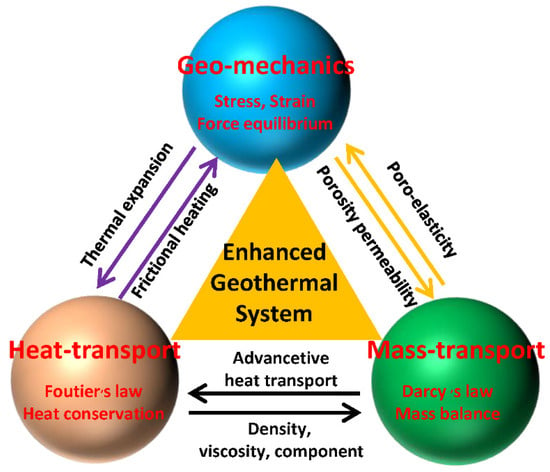
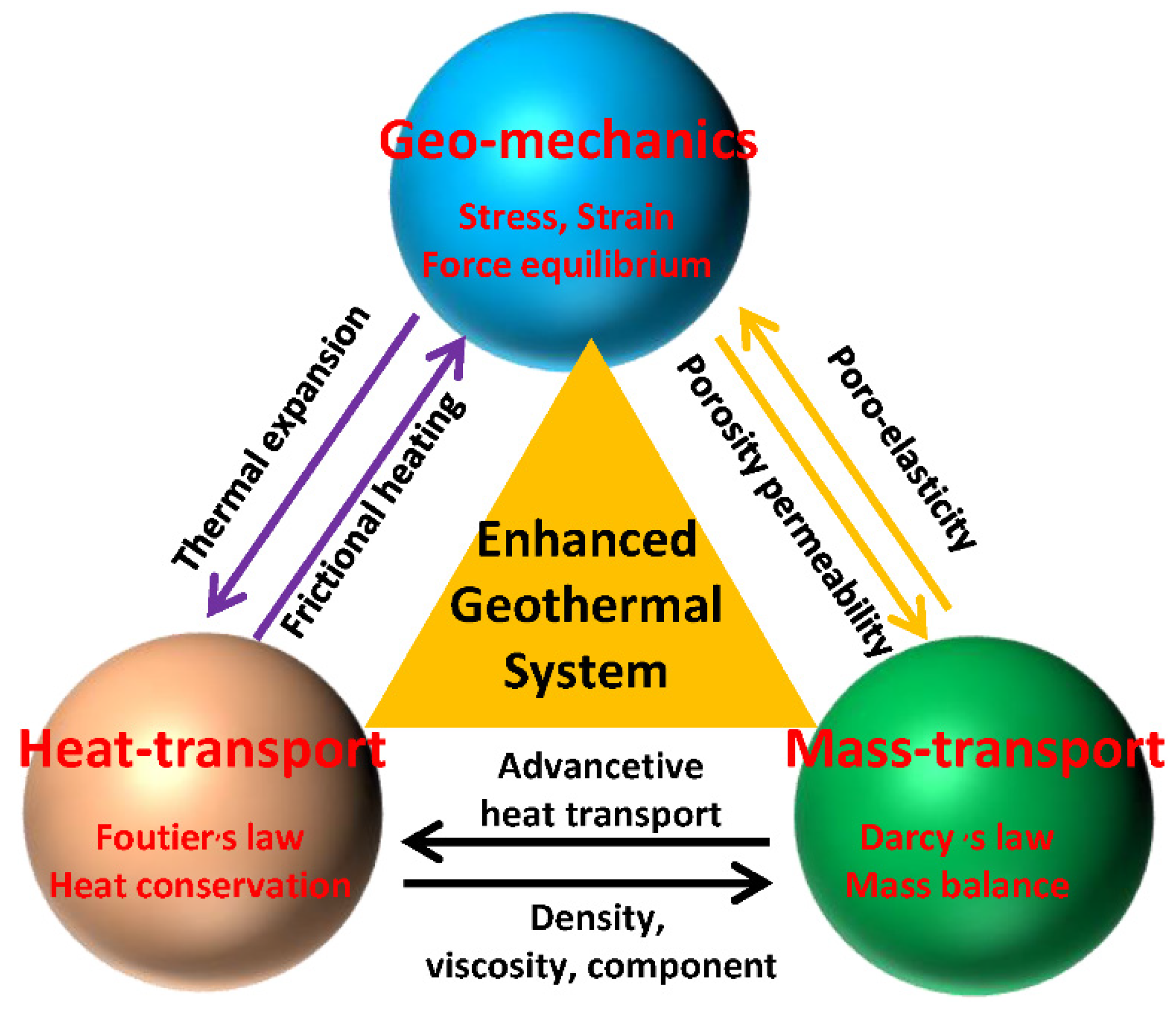
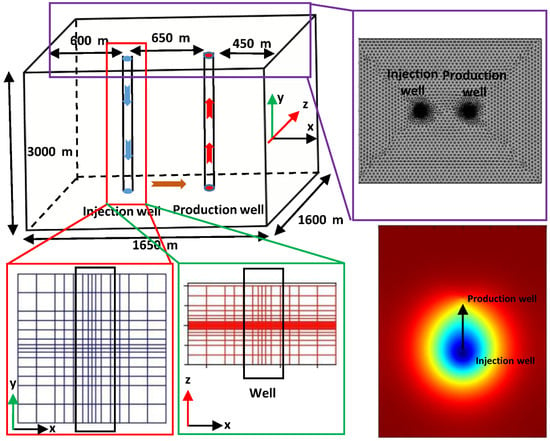
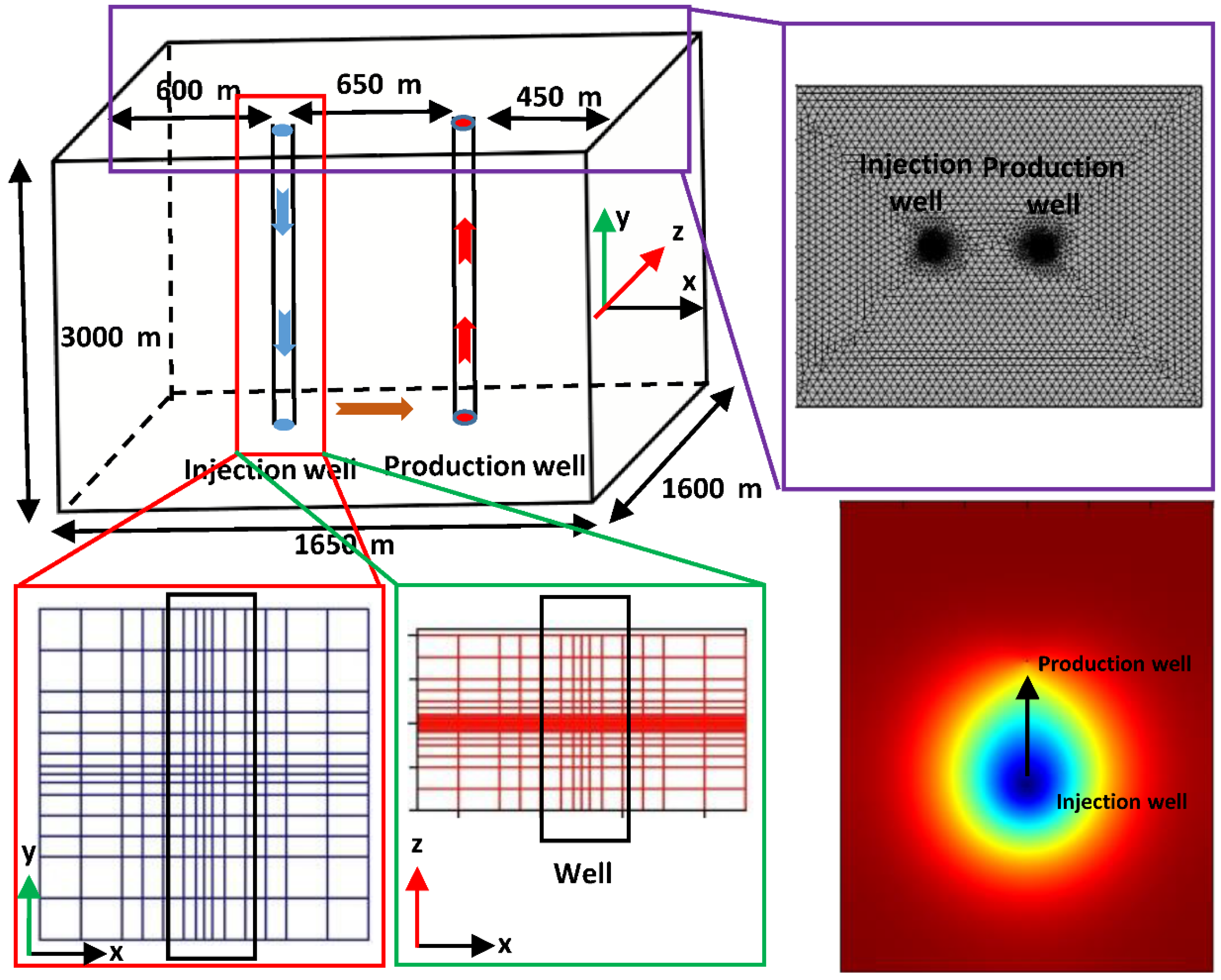
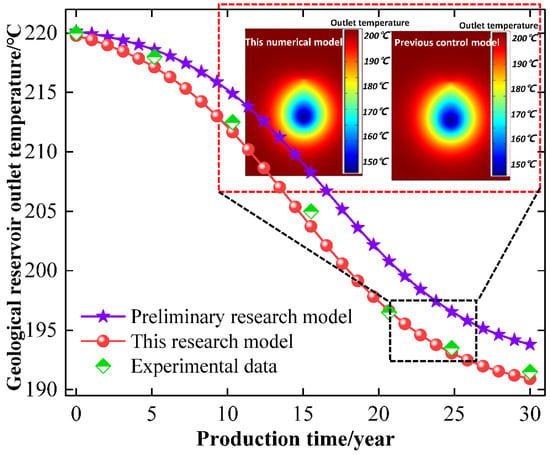
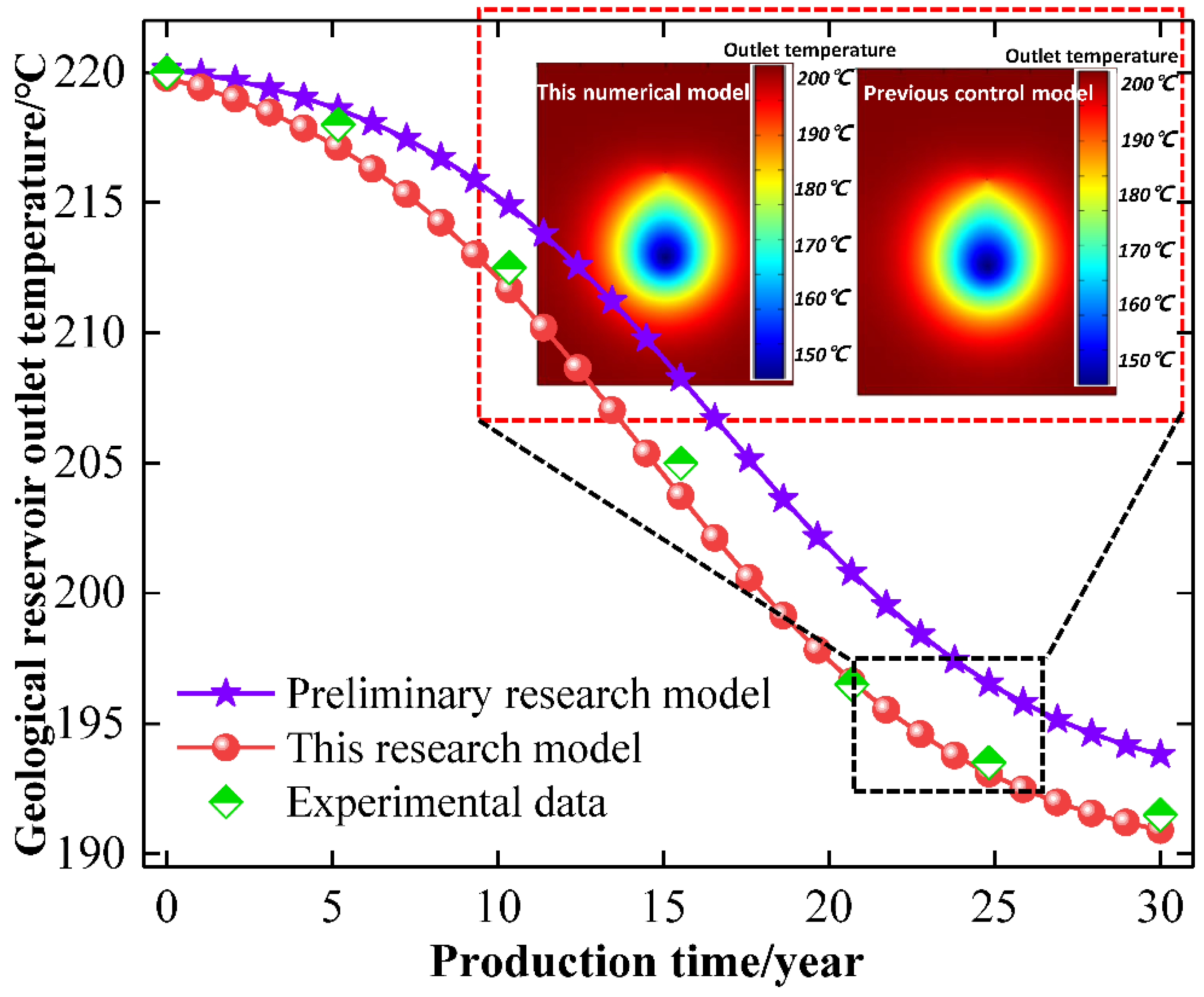
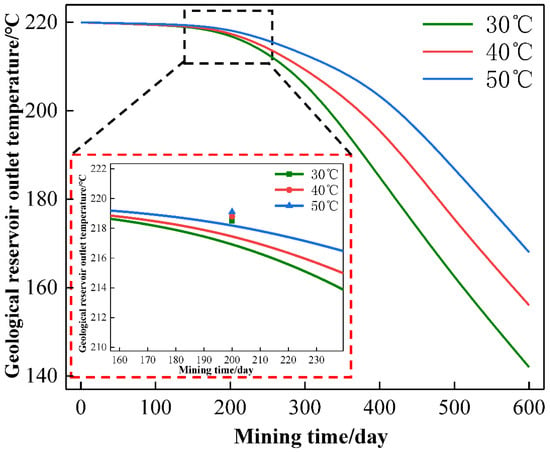
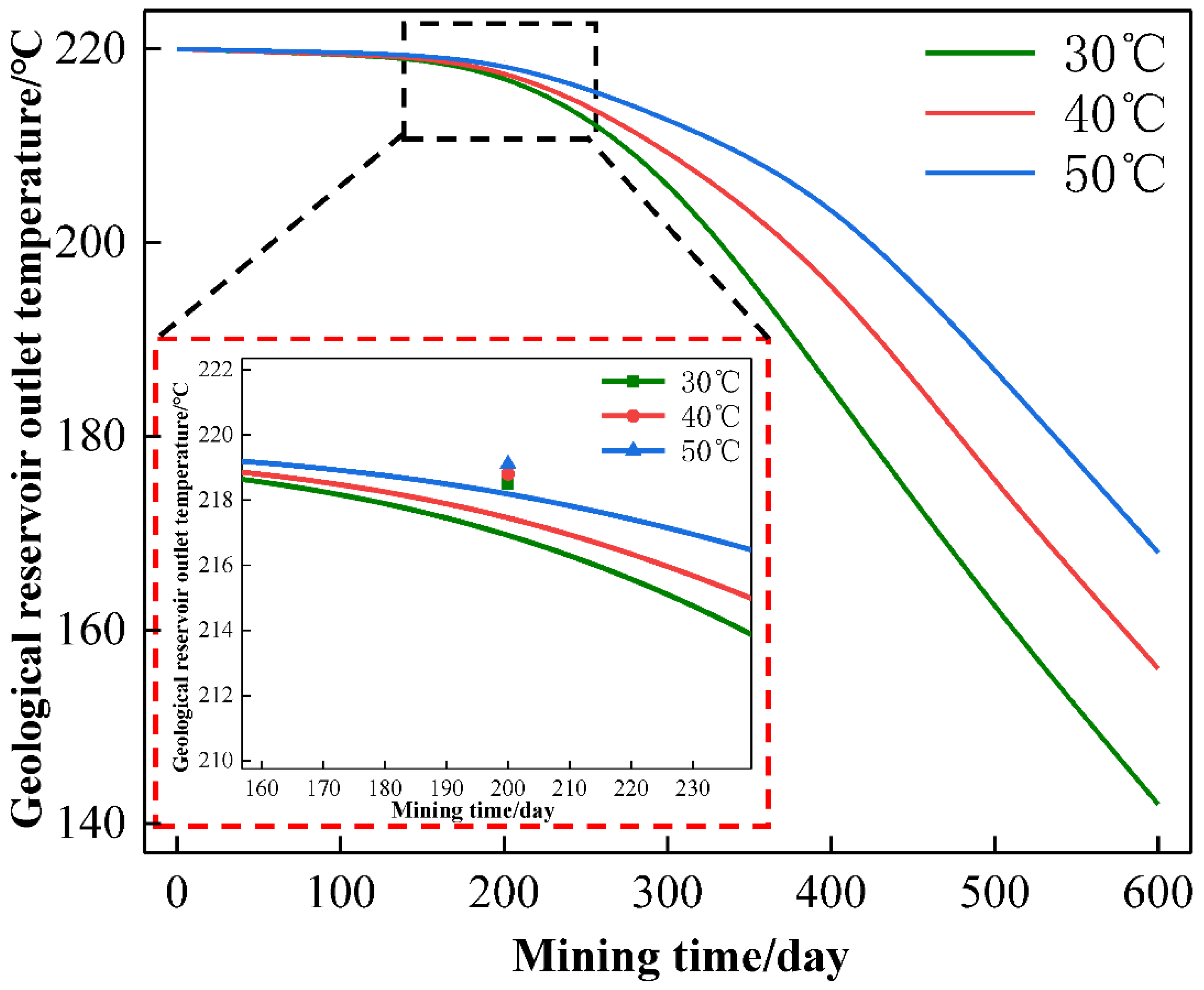
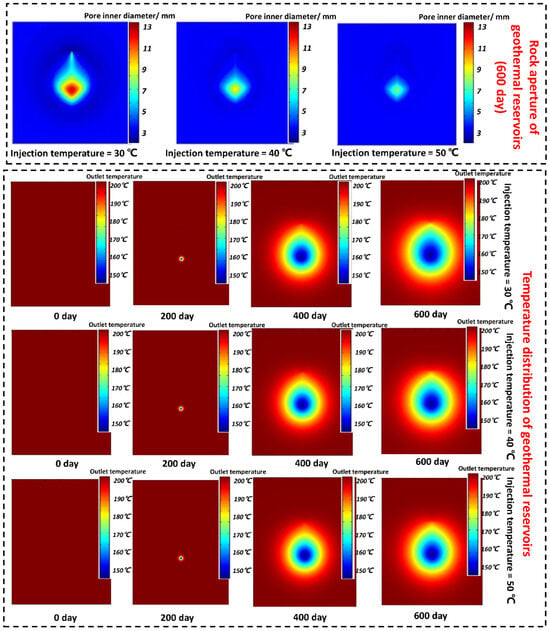
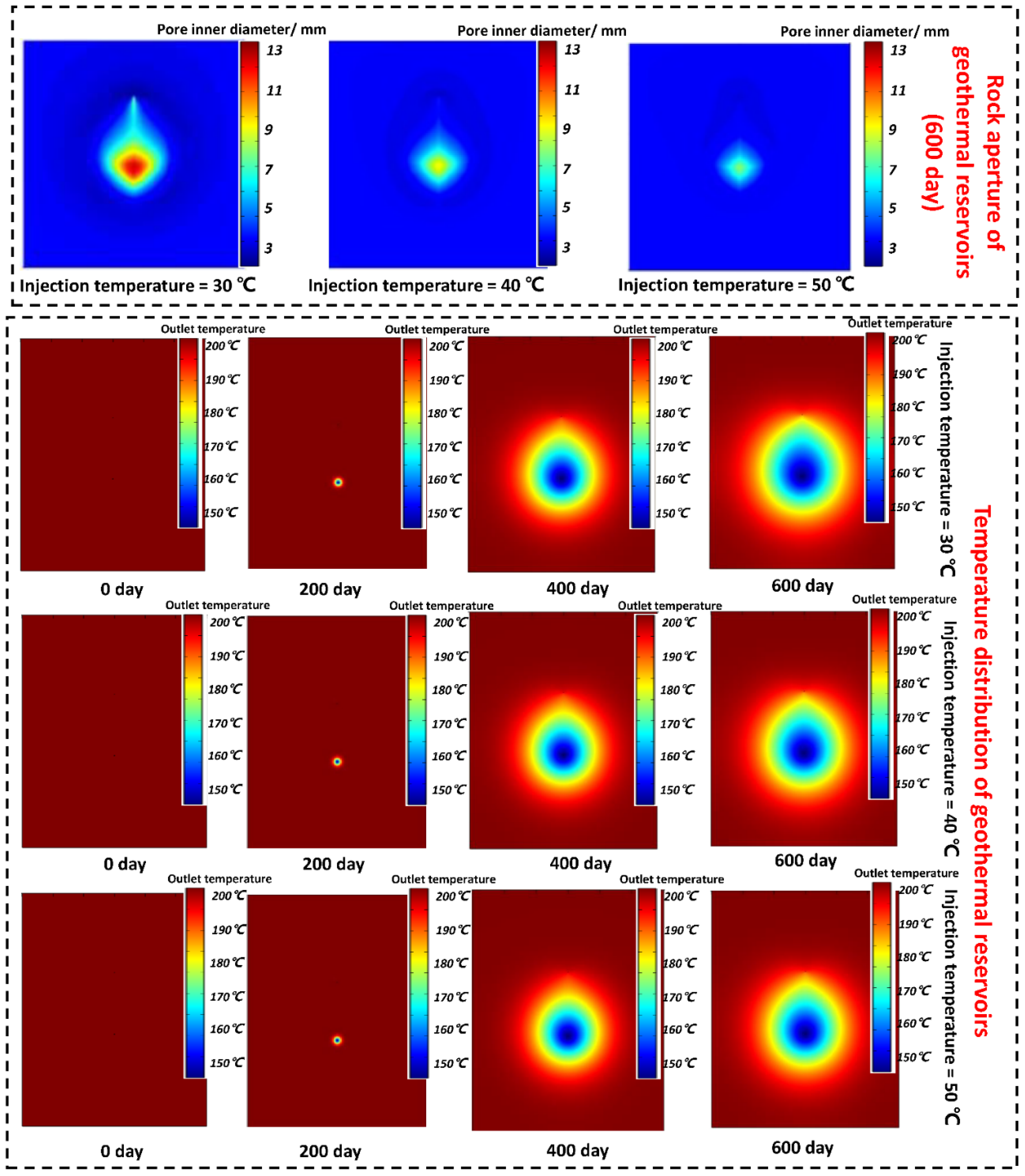
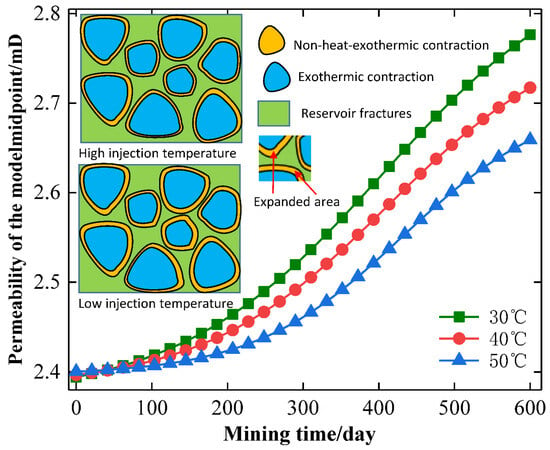
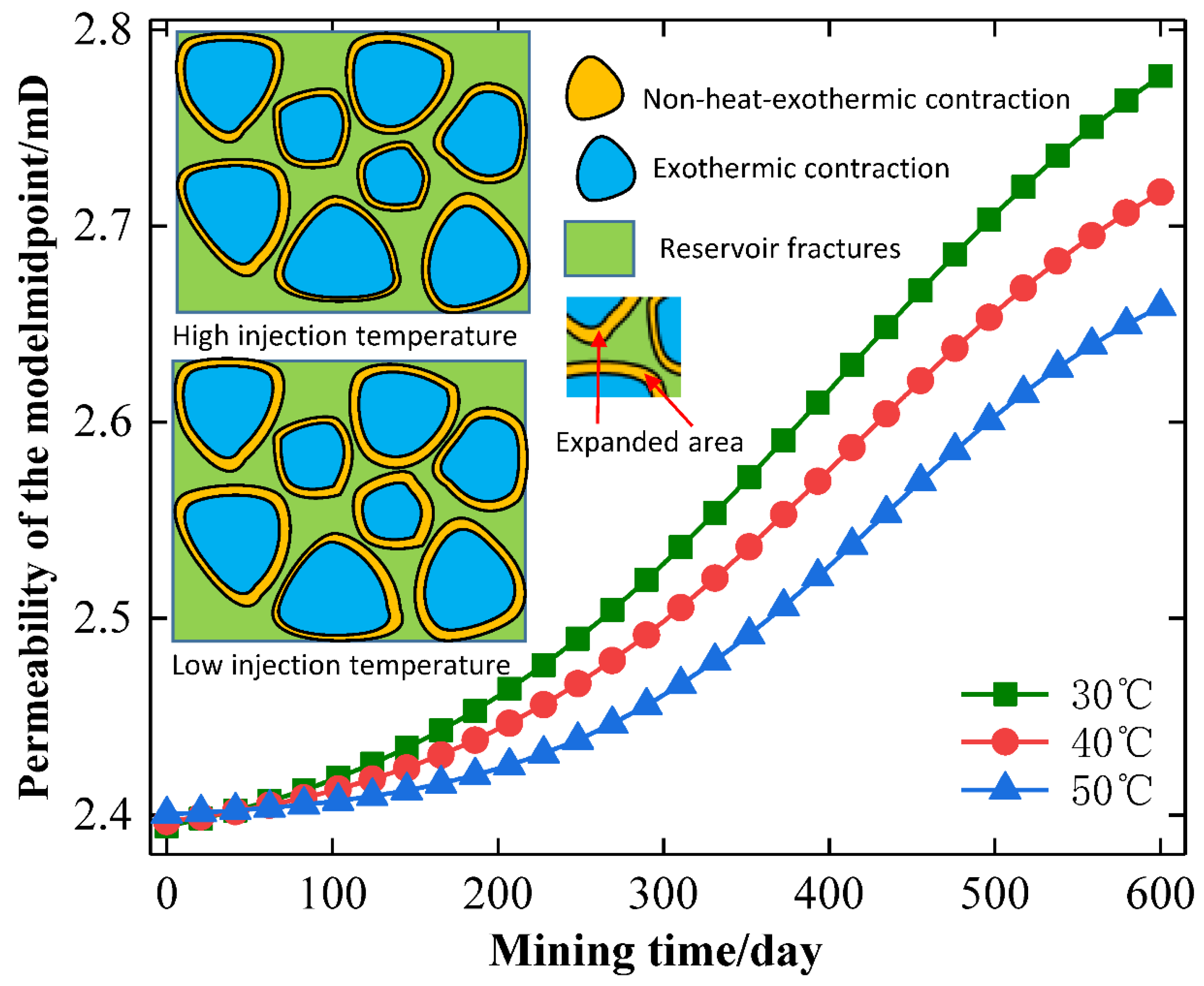
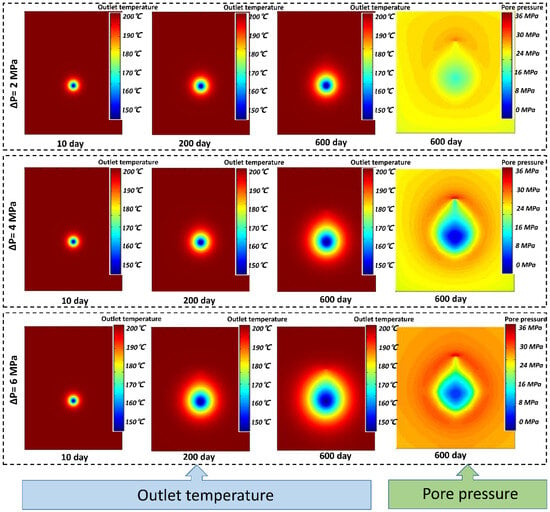
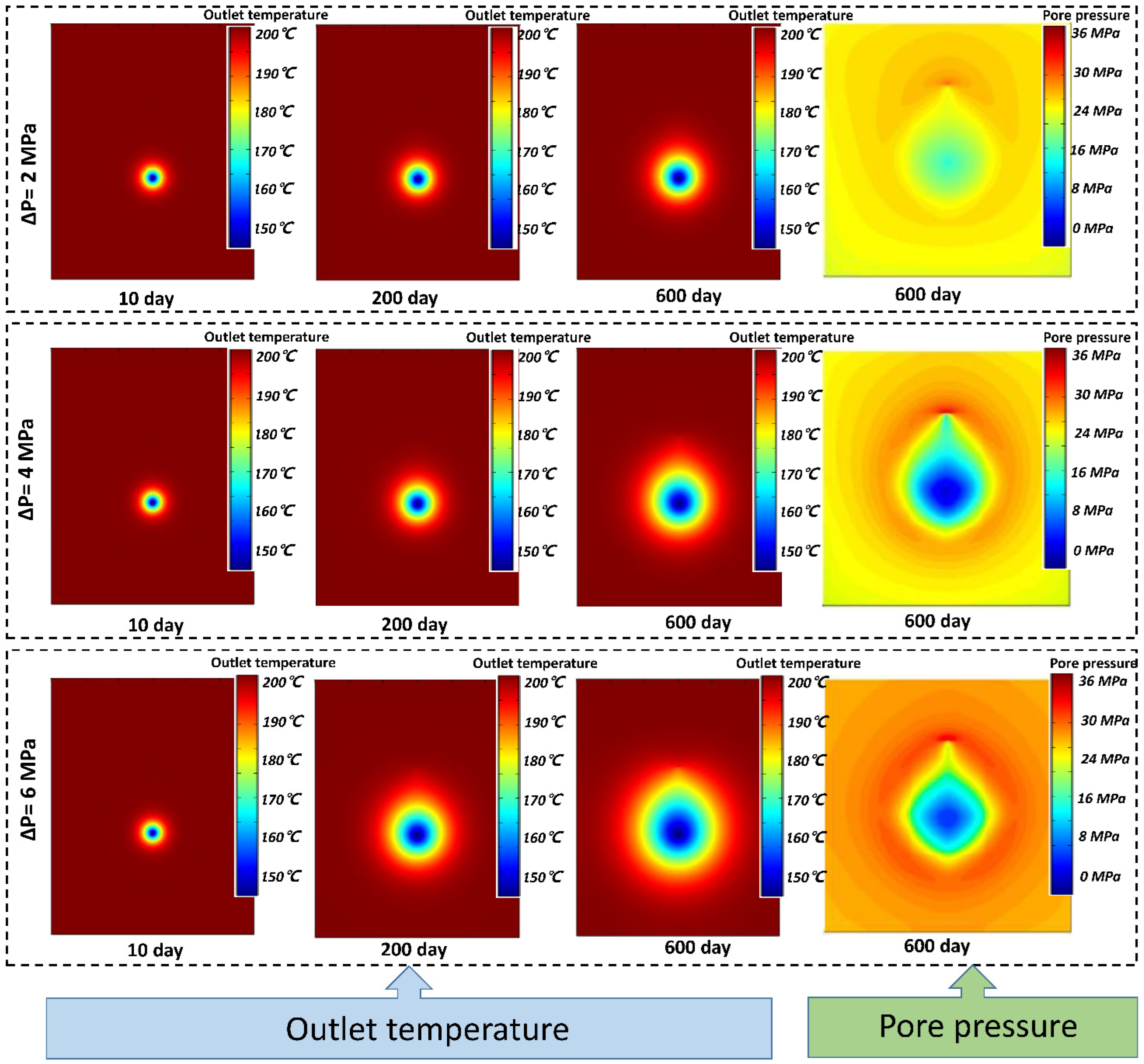
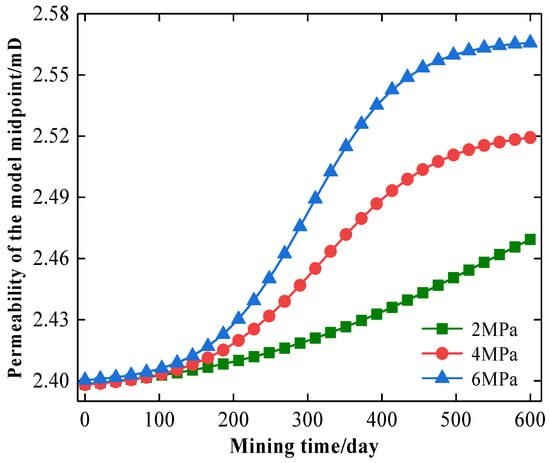
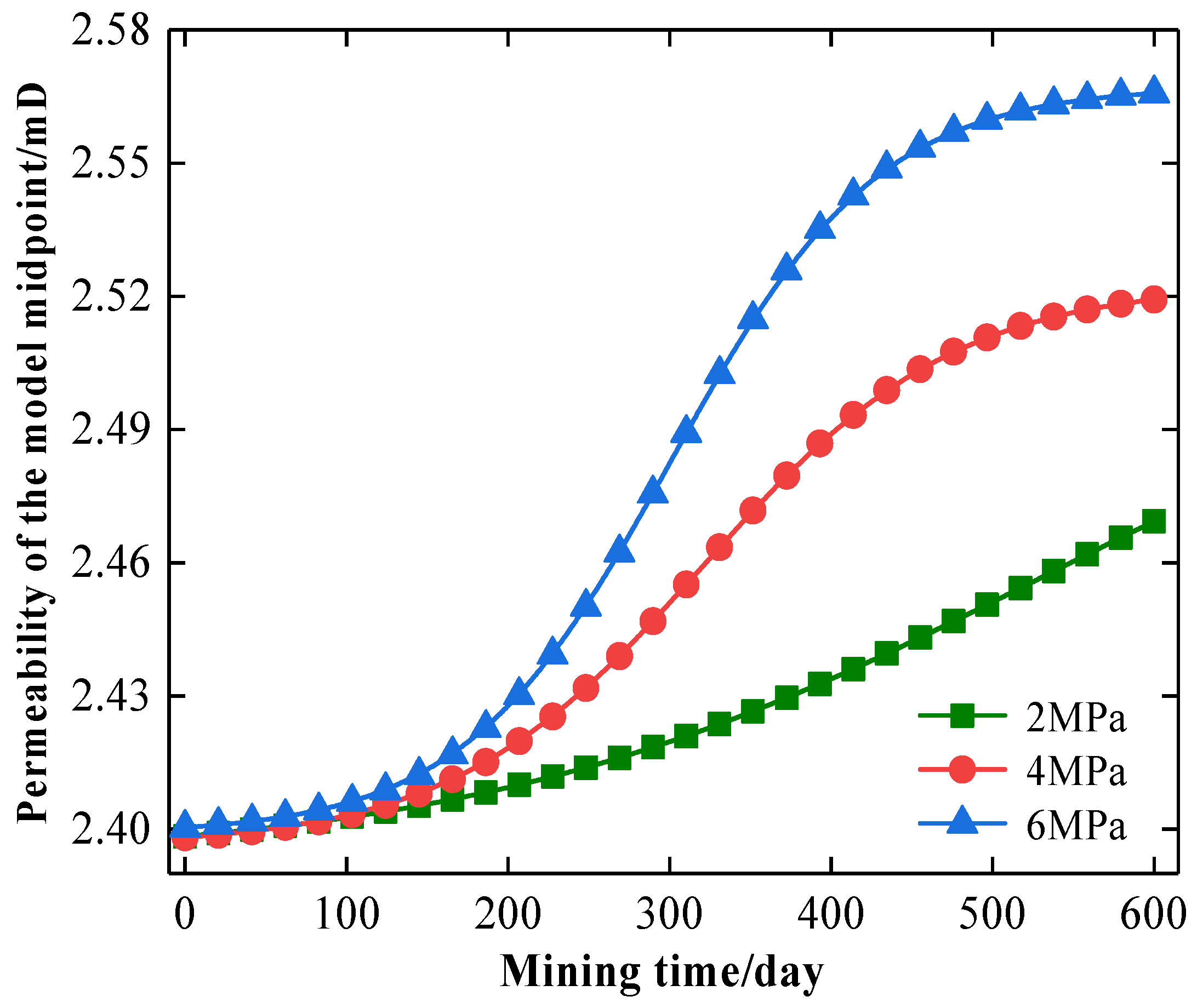
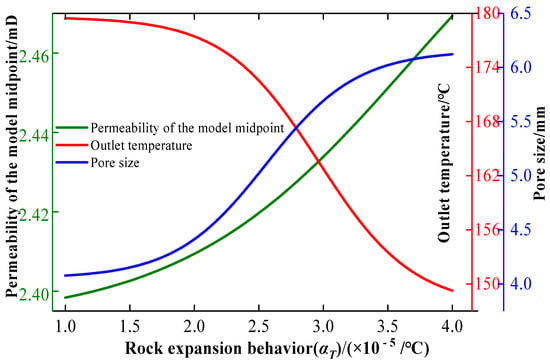
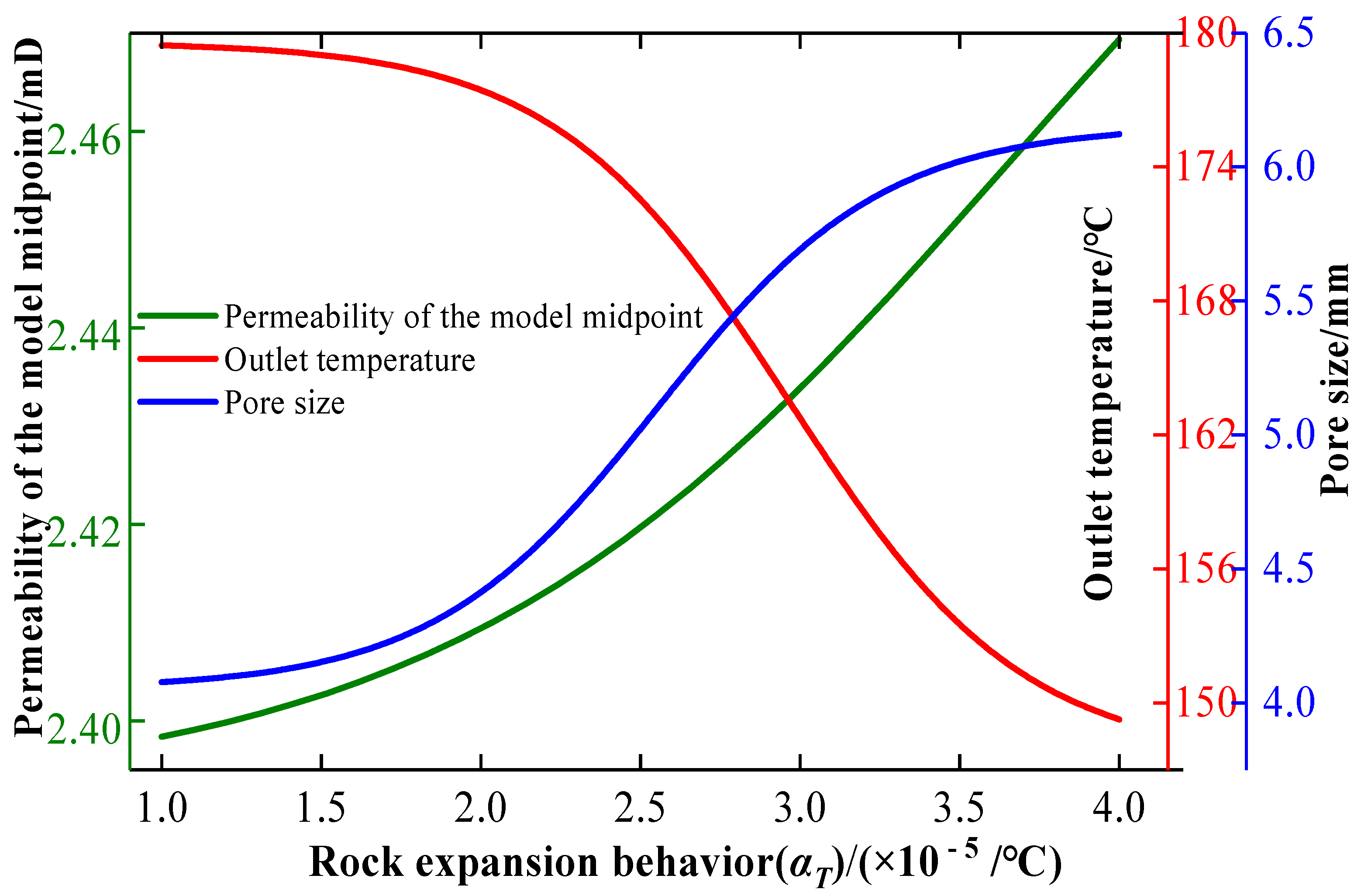
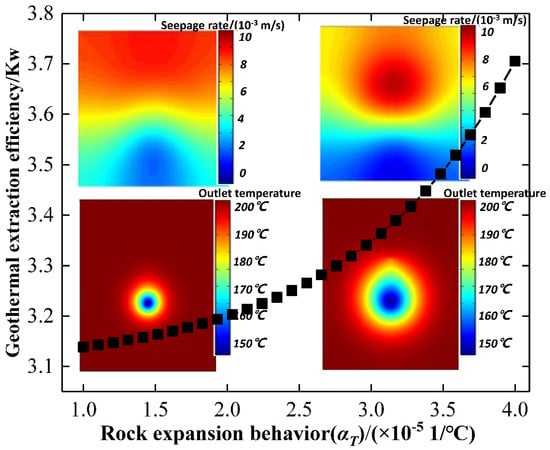
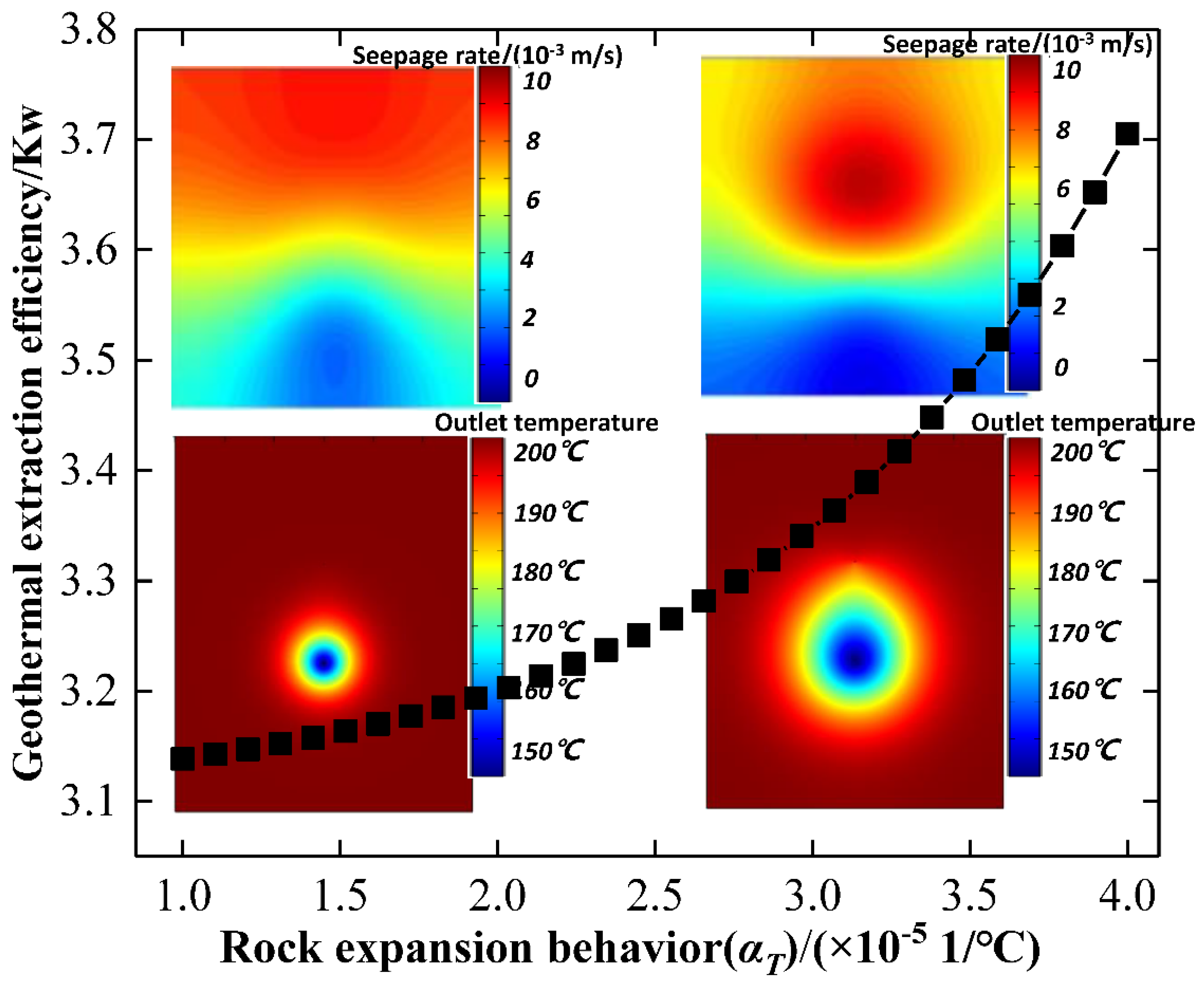

Disclaimer/Publisher’s Note: The statements, opinions and data contained in all publications are solely those of the individual author(s) and contributor(s) and not of MDPI and/or the editor(s). MDPI and/or the editor(s) disclaim responsibility for any injury to people or property resulting from any ideas, methods, instructions or products referred to in the content. |
© 2026 by the authors. Licensee MDPI, Basel, Switzerland. This article is an open access article distributed under the terms and conditions of the Creative Commons Attribution (CC BY) license.