


Abstract
This integrative critical review examines how biomass and bioenergy can contribute to energy diversification while accounting for constraints related to climate mitigation, energy security, resource availability, and technology readiness. The review combines a targeted literature synthesis with expert-informed insights from the international seminar Energy Transition and Biofuels held at the Federal University of Itajubá in October 2025. The seminar and COP30-related discussions were used as contextual and conceptual inputs, while peer-reviewed literature, policy documents, and technical reports provided the evidentiary basis for the analysis. The manuscript evaluates biomass and biofuels utilization, refinery integration, sustainable aviation fuels, biochar, BECCS, hydrogen synergies, life-cycle assessment, artificial intelligence, and logistics. The synthesis indicates that biomass is not a universal substitute for fossil fuels. Still, it has distinctive value in applications requiring renewable carbon, dispatchable energy, process heat, liquid fuels, carbon removal, and compatibility with existing infrastructure. The analysis also shows that these contributions are contingent on feedstock governance, land and water safeguards, logistics, fertilizer inputs, technology maturity, and verified life-cycle performance. The food–fuel discussion is therefore reframed as a context-specific problem of land-use, access, productivity, and governance rather than a simple competition between energy and food production. The study concludes that bioenergy can most credibly support the energy transition when deployed through differentiated pathways tailored to regional resources, sustainability constraints, and sector-specific decarbonization requirements.
1. Introduction
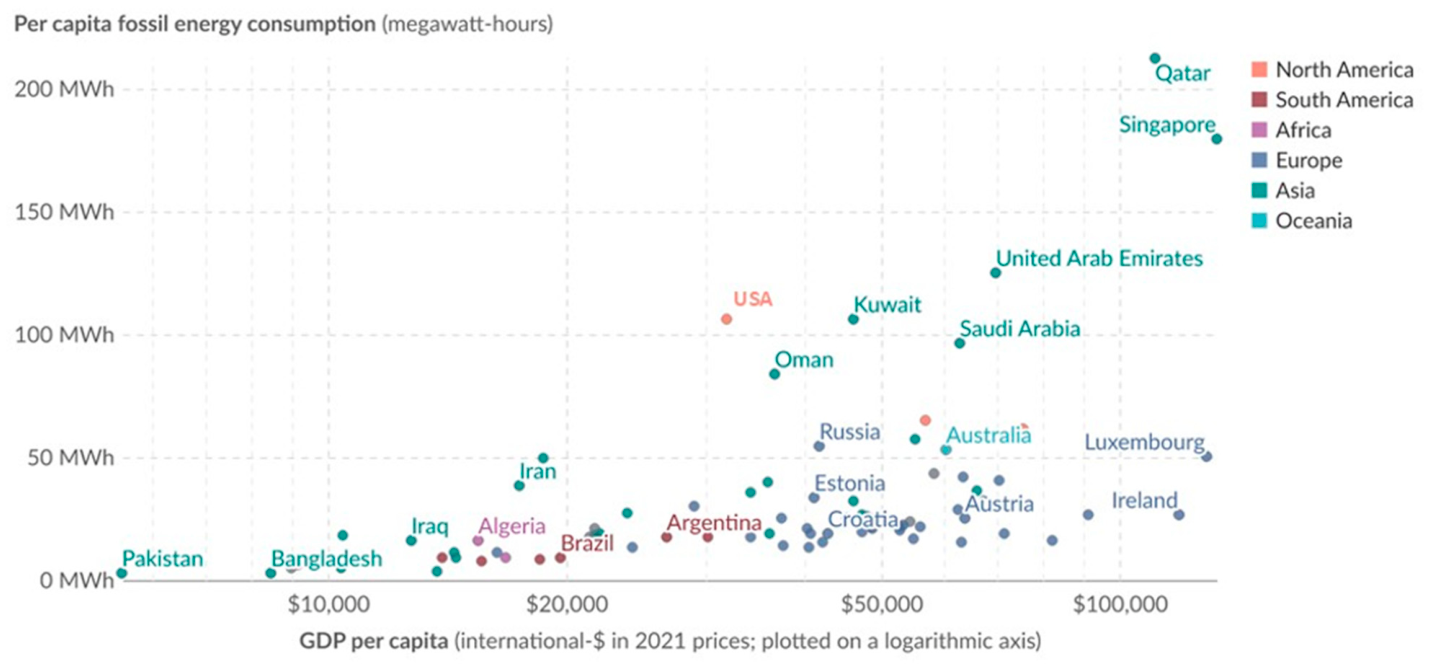
The energy consumption of a country is closely linked to its socioeconomic development [1]. Therefore, access to a sufficient, safe, continuous, and adequate energy supply is essential for anthropogenic activities and general social development. Demographics and an increase in quality of life are the main drivers for economic growth and a sustained increase in energy demand (Figure 1).
Human civilization has relied, for close to a century, on carbon-based fossil fuels to achieve prosperity, which in turn has led to and continues to cause severe environmental and climate imbalances [2]. The Copernicus Climate Change Service stated that January 2025 was the world’s warmest month ever registered [3]. The worldwide average surface air temperature was 13.23 °C, 0.79 °C higher than the average from 1991 to 2020 and 1.75 °C above the pre-industrial (1850–1900) level [3]. Given the existence of La Niña conditions, which generally have a cooling effect on global temperatures, this represents a significant deviation.
Figure 1.
Regional fossil energy consumption per capita [4].
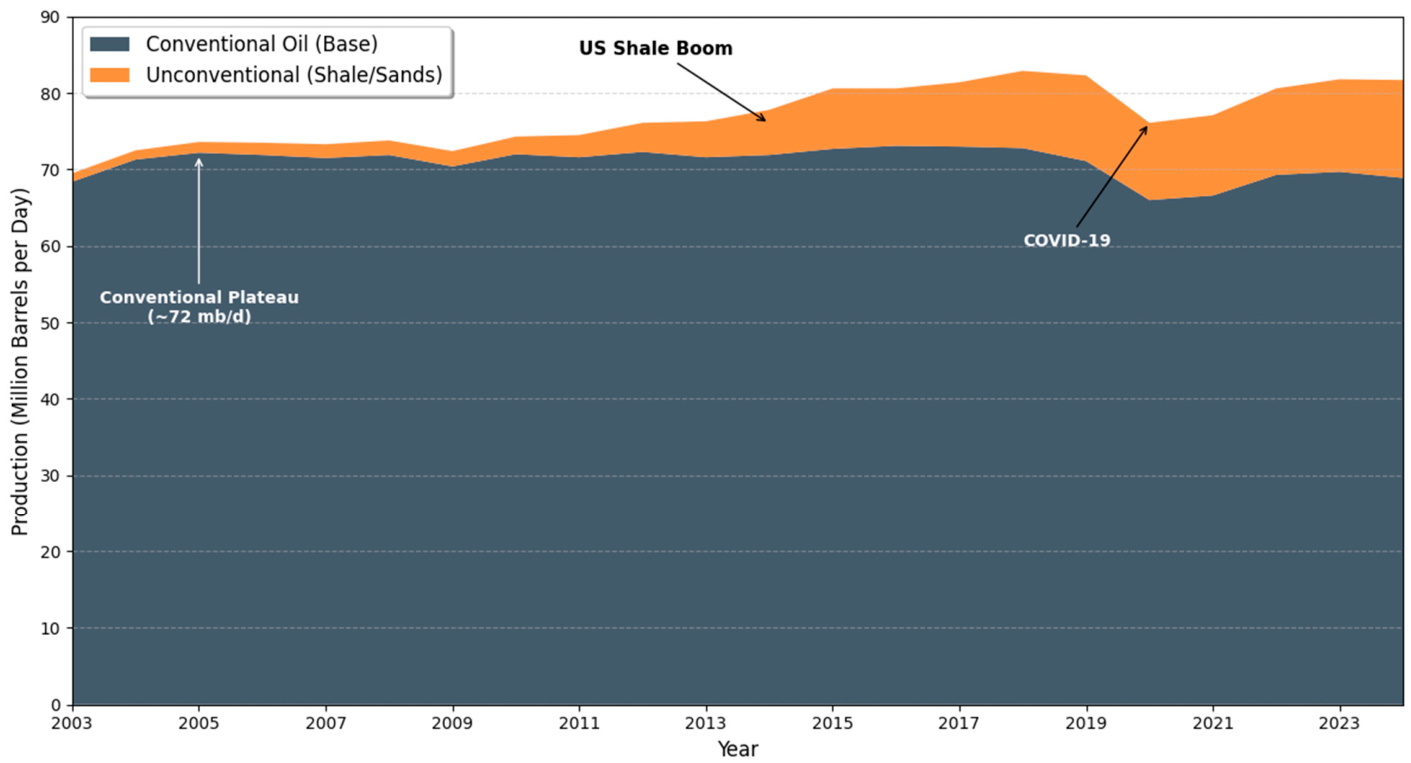
The global energy landscape has undergone successive transformations (from biomass to coal to petroleum), whose origins lie in the inadequacies and unsustainability of preceding systems [5]. The same is happening with the present transition, which is driven by the petroleum industry’s difficulties in expanding, including severe environmental impacts, technological innovation, energy security and declining renewable energy cost [6]. The production of light oil has been stagnating for almost 20 years now, and most of the growth is due to the production of heavy oils, which are more expensive to extract and to refine (Figure 2). At the same time, oil’s share of the global energy mix has declined. This decline is not driven solely by the expansion of renewable energy, but also by increased use of coal and natural gas. By 2024, oil’s share had fallen from about 50% to 33.6%, while coal and gas rose to 27.9% and 25%, respectively [7] and some countries consider natural gas a “transition fuel” to support the shift toward a lower-carbon energy system [8].
While global food production has surged, leading to sharp price depreciations and subsequent agricultural sector attrition [9], the geopolitical concentration of petroleum continues to constrain economic growth in oil-importing nations. Conversely, many of these oil-deficient regions possess substantial arable land, positioning them as strategic leaders in the emerging bioeconomy [10]. Furthermore, decarbonizing industrial heat supply remains a critical challenge, necessitating robust alternatives to fossil fuels for thermal energy generation. Consequently, the prevailing narrative, that environmental concerns and government mandates are the sole drivers of the current energy transition, must be re-evaluated; rather, this shift is also characterized by a resource-driven evolution analogous to historical energy transitions.
Figure 2.
Historical world crude oil production for conventional oil [11].
Biomass is the only renewable source for carbon-based fuels, chemicals, and materials. It is not only an alternative but also a necessary evolution in humanity’s energy paradigm, as evidenced by the historical trajectory of energy transitions, which shows a clear progression toward renewable sources. [12,13]. Large-scale economic development was not supported by the pre-industrial energy sources, which were typified by a reliance on “traditional use” of biomass, animal labor, and primitive mechanical systems. While the Industrial Revolution’s shift to a coal-based energy system that led to unprecedented industrial growth and urbanization, it also set a troubling precedent by prioritizing economic expansion ahead of public health and environmental concerns [14]. The coal era’s legacy of air pollution, global warming, respiratory illnesses, ecological degradation, and air pollution highlights how important this shift has failed to consider long-term sustainability metrics.
The twentieth-century switch to petroleum and natural gas, despite providing higher energy density sources and operational flexibility, only reinforced and even intensified the underlying problems of wide reliance on fossil fuels. It has consolidated world economies in a carbon-intensive framework that has sparked the current global climate change issues [12]. The continuation of this energy paradigm is untenable due to the scientific consensus on anthropogenic climate change consequences, growing evidence of resource depletion, and geopolitical instability surrounding access to fossil fuels [12]. Petroleum-derived fuels have low oxygen content and relatively high hydrogen-to-carbon ratios, which contribute to their thermal stability and high energy density compared with many untreated biomass-derived intermediates.
Within this context, the contemporary transition to renewable and low-carbon energy sources can be understood as both an environmental necessity and an industrial restructuring process. Bioenergy can contribute to this restructuring when integrated with forest and agricultural systems, solar, wind, hydroelectricity, and low-carbon hydrogen. Its most defensible role is not as a singular replacement for fossil fuels, but as a complementary renewable carbon source for dispatchable energy, low-carbon liquid fuels, process heat, bio-based materials, and selected carbon dioxide removal pathways. These benefits remain conditional on demonstrable life cycle advantages and safeguards against indirect land-use change, water stress, food-system disruption, and ecosystem degradation [15].
The novelty of this work is the integrative and constraint-driven analysis of bioenergy pathways within the context of the energy transition. Unlike conventional reviews that assess technologies in isolation, this study systematically connects multiple dimensions, including resource availability, technology readiness levels (TRL), life cycle impacts, supply chain constraints, cost structures, and infrastructure compatibility, to evaluate the realistic role of bioenergy in decarbonization strategies. The 2025 Energy Transition and Biofuels International Seminar at UNIFEI, held on the eve of COP30, provided a structured expert-discussion platform that helped identify the themes, controversies, and bottlenecks examined in the review. The evidentiary analysis was then grounded in scientific articles, policy documents, and technical reports. The manuscript is therefore positioned as an integrative critical review, not as a systematic review or consensus statement. It also builds on the 2009 paper “Biofuels: Environment, Technology and Food Security” [16] and on the authors’ long-term collaborations in BRICS-related projects, SUSTBIO-WFE, Horizon Europe SUSTEPS, and partnerships across Brazil, the United States, Colombia, Turkey, South Africa, China, and Russia.
2. Methodology
This study employs an integrative critical review methodology. The aim was to synthesize evidence across technological, environmental, economic, and policy domains that are often treated separately in the bioenergy literature. The review process was organized in four steps: (i) definition of the analytical scope; (ii) targeted retrieval of scientific and technical literature; (iii) thematic classification of evidence based on expert analysis; and (iv) cross-pathway synthesis of contributions, constraints, and uncertainties.
The literature search focused on peer-reviewed articles, review papers, policy documents, and technical reports related to biomass, biofuels, sustainable aviation fuels, biochar, bioenergy with carbon capture and storage, hydrogen-biomass integration, refinery co-processing, life cycle assessment, artificial intelligence, and bioenergy logistics. Searches were conducted on Web of Science database and institutional energy-agency repositories using combinations of terms such as ‘bioenergy transition’, ‘biomass energy security’, ‘biomass-to-liquid’, ‘sustainable aviation fuel’, ‘biochar carbon capture’, ‘BECCS life cycle assessment’, ‘hydrogen biofuel upgrading’, ‘food fuel nexus’, ‘biomass logistics’, ‘land use bioenergy’, and ‘water footprint bioenergy’. Priority was given to studies published from 2000 onward, while older foundational sources were retained where they established historical, conceptual, or methodological context.
Sources were included when they addressed at least one of the following criteria: relevance to energy-transition bottlenecks, quantified resource or emissions estimates, technology-readiness assessment, life cycle or techno-economic implications, policy relevance, or documented environmental trade-offs. Sources were excluded when they were unrelated to biomass or bioenergy pathways, lacked methodological transparency, duplicated evidence already covered in more comprehensive reviews, or made claims that could not be linked to a verifiable scientific, technical, or institutional source. Because the review integrates multiple types of evidence, the results are interpreted qualitatively rather than through statistical aggregation.
The international seminar and COP30-related discussions were used to identify practical questions and contested themes, including the role of petroleum-industry dynamics, the food–fuel nexus, refinery integration, low-carbon hydrogen demand, biochar applications, and BECCS feasibility. These inputs were treated as expert-informed framing rather than as independent empirical evidence. The thematic matrix categorized the energy transition challenges into four core bioenergy solution areas: (i) advanced liquid biofuels and refinery integration, (ii) sustainable aviation fuels for hard-to-abate sectors, (iii) biochar as an engineered material for carbon capture and valorization, and (iv) hydrogen synergies within biomass conversion chains. Cross-cutting issues such as land use, water demand, food security, logistics, life cycle impacts, and regional policy conditions were then used to evaluate each pathway. The detailed methodological procedure is presented in Figure 3.
Figure 3.
Methodological framework for the review process.
3. Biomass as a Pillar of Energy Diversification: Potential Contributions and Constraints
This study adopts the term energy diversification to describe the current dynamics of the energy transition. Energy diversification is considered an enabling strategy within the broader energy transition framework. The gradual incorporation of renewable energy, biomass, hydrogen, ammonia, and hybrid energy systems increases the diversity and resilience of energy supply. At the same time, the long-term objective remains the transition toward low-carbon and net-zero energy systems. The rationale is that policy and research efforts should prioritize catalyzing the expansion of new, clean energy sources rather than framing the process as a complete substitution. While renewable technologies are expected to grow rapidly, the fossil fuel industry will remain, for the foreseeable future, a significant component of the global energy matrix. By emphasizing diversification, this perspective underscores the coexistence of emerging and conventional energy pathways and highlights the importance of balanced strategies that foster innovation while acknowledging structural realities. The identified constraints facing the energy transition, as presented in Figure 4, are considered the foundational multidimensional drivers for this study. These factors enable the assessment of the potential contributions of biomass and biofuels, alongside their associated limitations. Foremost, among these is the challenge of renewable energy variability, which requires dispatchable power sources to ensure grid stability.
Figure 4.
Biomass contribution and constraints vis-à-vis the current challenges of energy transition.
Furthermore, sectors such as aviation and maritime transport remain resistant to electrification due to high energy-density requirements, as do cement and steel production, which use carbonaceous feedstocks in their intrinsic trans-formation processes. Simultaneously, the nascent green hydrogen economy faces high production costs, while the scarcity of critical raw materials such as lithium and cobalt threatens the electrification of transport. Addressing these bottlenecks requires energy sources that are versatile, storable, and capable of bridging the gap between carbon neutrality and carbon negativity.
Biomass offers a renewable carbon source that can drive defossilization and support a more resilient energy mix. The challenge is not the sudden disappearance of petroleum, but the speed at which clean alternatives can be scaled to meet demand while cutting emissions. Framing the issue this way highlights the urgency of accelerating the adoption of sustainable technologies without ignoring the continued role of fossil fuels in the near term [17]. Numerous technologies aim to harness biomass for electricity generation and biomass synthesis (e.g., gasification plants), for synthetic aviation fuel (SAF) production, and for carbon storage (e.g., biochar). In addition, biomass acts as a natural CO2 sink through photosynthesis. A Study [18] estimated that terrestrial ecosystems currently remove approximately 13 GtCO2 per year from the atmosphere, compared to approximately 50.6 MtCO2 per year by artificial carbon capture and storage technologies [19].
It is important to note that not all energy demand is electrical. Many important industrial processes require thermal energy, and biomass can serve as a low-GWP alternative in these sectors. Even within renewable electricity generation, solar and wind face dispatchability challenges, complicating grid management, especially in countries with precarious planning. The unique role of biomass as a renewable carbon source for fuels and chemicals production suggests a critical role in the production of liquid fuels and carbon-rich materials. Starting with biomass as a carbon source offers unique advantages compared with all the technologies that start with CO2 and electricity.
Despite its potential, the commercial viability of bioenergy remains elusive due to significant logistical and technical barriers, as highlighted in Figure 4. The utilization of agricultural, municipal, and forestry waste is straightforward. Yet it faces challenges related to feedstock heterogeneity, spatial distribution, seasonal availability, technological issues (especially from lignocellulosic materials), and supply chain logistics. Beyond these logistical hurdles lie issues of cost, scalability, and Technology Readiness Levels (TRL). Therefore, any viable biomass strategy must navigate a delicate balance between potential contribution and operational reality.
This framework forms the basis of the discussion presented in this study, which further examines how advanced optimization and assessment tools, such as Artificial Intelligence (AI) and rigorous Life Cycle Assessment (LCA) can help assess the true potential of these bio-systems. The Main issues will be discussed further throughout this paper.
Policy Drivers and Global Initiatives
As highlighted in Figure 4, the currently intended energy transition requires robust research support and programmed incentives. Currently, several major international alliances and national mandates are driving this transition. Table 1 synthesizes these key regulatory and geopolitical initiatives of these organizations.
Table 1.
Bioenergy policy frameworks, programs, and alliances drivers.
Mapping the programs and initiatives in Table 1 reveals that the current bioenergy policy architecture is broad but uneven in implementation strength. Most international initiatives operate as advisory frameworks, R&D coalitions, technical networks, sustainability-guidance platforms, or coordination mechanisms [13,25,26,28]. Only a limited subset creates direct binding obligations or compliance-oriented market signals. ReFuelEU Aviation and Brazil’s Combustíveis do Futuro [20,29] are the clearest examples of mandate-based instruments. At the same time, RenovaBio occupies a distinctive position as a legally established market-based decarbonization mechanism that links tradeable carbon credits to certified life-cycle carbon intensity. This distinction is important because it shows that the absence of institutions does not limit international bioenergy governance, but rather that the uneven translation of institutional guidance into enforceable deployment mechanisms, investment certainty, certification capacity, and infrastructure development does.
4. The Food–Fuel Nexus: From Competition to Synergy
The discourse surrounding biofuels is often dominated by a contentious ‘food versus fuel’ debate. This concern should not be dismissed, because poorly governed bioenergy expansion can intensify land pressure, water use, biodiversity loss, fertilizer demand, and indirect land-use change. At the same time, the relationship between food production and biofuels is not necessarily a simple zero-sum competition. It depends on crop choice, land type, yield growth, residue use, governance, market conditions, and whether bioenergy is integrated with food production or displaces it. The purpose of this section is, therefore, to move from a generalized opposition between food and fuel toward a more differentiated assessment of when synergies are possible and when trade-offs are likely [30].
The global agricultural land area has increased by 78 million hectares since 2021, with cropland expanding by 160 million hectares and permanent meadows and pastures decreasing by 150 million hectares. The growth in cropland was primarily driven by regions with fast population growth (Africa, South America, and Southeast Asia). North America and Europe experienced cropland contractions [31]. Since 1961, global average corn yields have tripled, rising from 1.9 t/ha to 5.7 t/ha, and sugarcane yields have increased from 50.3 t/ha to 73.7 t/ha, with some countries achieving over 100 t/ha [32]. Over the same period, inflation-adjusted (real) corn prices have generally declined, reflecting sustained productivity gains in agriculture. Without diversification and the creation of new markets, many farmers will be out of business [33,34]. This is a very serious issue often not discussed in the food vs. fuel debate.
An analysis of global agricultural output from 1961 to 2020 (Figure 5) shows that total food production has generally outpaced population growth [35]. During this period, the global per capita food supply increased by nearly 50%. However, this global trend should not be interpreted as evidence that production constraints are irrelevant in all regions. Hunger and malnutrition arise from interacting drivers, including poverty, conflict, governance failures, distribution barriers, price shocks, climate impacts, unequal access to land and jobs, and local production deficits. Therefore, attributing hunger primarily to biofuel production is an incomplete diagnosis, but so is assuming that bioenergy expansion is automatically benign. The relevant question is how bioenergy systems can be designed to avoid worsening local food insecurity while improving rural income, residue valorization, and energy access.
Figure 5.
Indices of food production, population, and per capita food production, 1961–2020 [9,35].
A second argument concerns the finite availability of arable land. Agroecological assessments indicate that meaningful bioenergy production may be possible on marginal, degraded, underutilized, or integrated agricultural lands, but the feasible area is scenario dependent. Estimates of 50–200 million hectares for 100–200 EJ/year should be interpreted cautiously because they depend on yield assumptions, biodiversity safeguards, water availability, soil quality, governance, diet patterns, food waste reduction, dietary habits and protection of high-carbon ecosystems [36,37,38]. Therefore, land is not a fixed, absolute barrier, but neither is it a free resource. Sustainable deployment requires spatial planning, exclusion of high conservation-value areas, the protection of soil carbon, and the monitoring of indirect land-use effects.
Furthermore, researchers have evaluated the sustainable potential for bioenergy production by 2050, in some cases considering the use of residual biomass. The estimates vary across studies because they rely on different assumptions about land availability, yield improvements, residue removal rates, environmental protection, food demand, and technology conversion efficiency. Ref. [39] found that without environmental policies, global advanced bioenergy potential could reach 245 EJ/year, but this drops to 149 EJ/year under full environmental protection. Ref. [30] projected a range of 64–313 EJ, representing 7.5–37% of global primary energy demand. Similar variability is documented extensively in previous studies [15,37,39,40,41,42,43]. This explains the differences observed in Figure 6, which indicates the significant potential of bioenergy. Likewise, the wide range observed in Figure 6 indicates that bioenergy potential is conditional, rather than fixed. Water demand, nutrient inputs, irrigation exposure, soil organic matter, and local ecosystem impacts must therefore be evaluated before translating global potential into regional deployment targets.
Figure 6.
Studies on sustainable biofuel production [15,30,39,40,41,42,43].
Further analysis of Brazil, which has one of the most advanced bioenergy strategies, reveals that between 1975 and 2025, bioenergy supply increased by a factor of 69.4, while maize and soybean production grew by factors of 5.4 and 13.6, respectively, outpacing both population growth (factor 2.0) and GDP expansion (factor 3.3) [44,45]. This is confirmed by global data. While biofuel production increased by a factor of 1.46 between 2000 and 2020 [46], the world hunger crisis decreased by a factor of 1.49 [47] (Figure 7).
Figure 7.
Historical world hunger crisis and biofuel production.
This evidence gives a perspective that the agricultural products and energy relationship is not a zero-sum game, in which if one wins, another must necessarily lose; there may be room for both to thrive under appropriate governance and land-use planning. This means that biofuel production will allow sufficient diversification of the agroindustry to remain competitive and to secure a good standard of living for farmers.
4.1. Food Wastes
As global production has expanded and living standards have improved, the volume of waste, particularly food waste, has grown substantially. When disposed of improperly, these wastes pollute soil, water, and air; yet they also represent valuable bioresources for bioenergy production [48]. Over the past few decades, broad economic and social changes have also reshaped the composition of agricultural waste. The rapid rise in agricultural output has increased waste generation across all production stages. Furthermore, improved living conditions have led to higher waste levels at the consumption stage [48].
Figure 8 shows the change in the energy potential of agricultural waste suitable for energy use over a 50-year period. The data on agricultural waste were obtained through calculations based on information about crop yields [49] and the proportions of waste at various stages growing, harvesting, processing, storage, and consumption [50,51]. Sugarcane is not included in the calculation, as there is no data on the share of sugarcane for the food and excess energy. The dynamics of the share of food waste at the household consumption stage are proportional to the indicator of household consumer expenditures (at constant 2015 prices) [52].
Figure 8.
Historical world theoretical energy potential of agricultural waste and biofuel production [52].
The overall energy potential of agricultural waste (excluding sugarcane) increased by a factor of 3.2 (from 7.1 to 22.9 EJ). The energy potential of waste from fruits, vegetables, and others grew by a factor of 5.2, oilseeds and legumes by a factor of 4.7, cereals by a factor of 3.0, tubers and roots by a factor of 1.6. As shown in Figure 8, the total potential of crops (even excluding sugarcane) is more than twice the volume of biofuel production.
4.2. Biofuels and Energy Security
The modern petroleum industry is undergoing a profound transition, shifting from pure extraction to gradual integration of diverse feedstocks, including biomass-derived pyrolysis oils and lipids. In fact, there are good examples in which the complementary strengths and the needs of the petroleum industry drove the evolution of the biofuels industry. For instance, ethanol became the standard U.S. octane enhancer primarily due to a lack of viable petroleum-based alternatives [53]. Historically, the global economy avoided the catastrophic “peak oil” predictions not by discovering infinite reserves, but by achieving radical efficiency improvements. For example, the U.S. energy intensity has declined 60% since 1950, and vehicle fuel economy has doubled [54]. Without these gains, alongside the rise in biofuels, current oil demand would have far exceeded supply, driving prices to untenable levels.
However, the geopolitical fragility of petroleum supply remains a critical liability. Oil reserves are geologically concentrated in a limited number of regions, rendering global prices sensitive to regional instability. This structural vulnerability has historically necessitated immense military expenditures and, in some cases, armed conflicts to secure supply lines, underscoring the strategic risks associated with continued dependence on fossil fuels. Furthermore, the extraction model fails to account for the lack of resource regeneration, effectively imposing a scarcity tax on future generations [55,56]. In contrast, bioenergy offers a pathway to decentralized energy security. Biological resources are distributed globally, particularly in developing nations, thereby reducing the geopolitical friction that fuels conflict [57]. This dynamic is evident in the Indonesian case; while facing environmental criticism, its aggressive biodiesel mandates are a strategic necessity for a nation transitioning to net-oil importer status [58]. Similarly, Brazil has secured sovereignty by leveraging its biological assets. Shifting from concentrated mineral fossil deposits to distributed bioresources is not merely an environmental imperative but a prerequisite for long-term global economic growth, stability, and peace [59].
Indonesia is a case study in the growth of palm oil production for biofuels. Today, close to 40% of Indonesia’s palm oil is used to meet its biodiesel mandate. Biofuels and bioproducts are a legitimate diversification strategy for this industry. This is evident in the palm oil prices, which often respond to crude oil prices [60]. Energy security concerns drive industry growth. The question of the trade-offs between food and fuel production is certainly very important and deserves further attention. However, it must be complemented and expanded to answer, for example, what would have happened to the current price of corn if a fraction of it had not been converted to ethanol? What would have been the price of gasoline today if ethanol were not used as an octane enhancer? What would the price of transportation fuels be today without all the increases in car efficiency, electrification, and biofuels? What is the current economic, social, and environmental impact in Indonesia of the palm oil industry? Understandably, those who are not familiar with or sensitive to Indonesia’s economic and social needs, and who are more attuned with the environmental crisis facing the planet, will gauge these developments from their perspective. However, the academic community must analyze each bioenergy experience with curiosity to identify the positive aspects that can inform the development of best practices, as well as the drawbacks and weaknesses to avoid.
5. Pathways for Refinery Integration of Liquid Biofuels
The preceding discussion shows that the credibility of bioenergy depends not only on aggregate feedstock potential but also on how biomass is converted, governed, and integrated into existing energy systems. For this reason, the next discussion will focus on refinery integration, in which biomass-derived intermediates can potentially use existing processing assets while facing constraints related to hydrogen demand, fuel quality, certification, and lock-in risk. The integration of liquid biofuels into conventional oil refineries, therefore, represents a critical pathway for scaling renewable fuels within existing infrastructure. In this section, the specific processes, the synergies with hydrogen, and the integration of biofuels into biorefineries, including the production of sustainable aviation fuels (SAF), will be discussed.
5.1. Biomass to Liquid (BtL) Conversion Technologies
The conversion of solid lignocellulosic biomass into liquid hydrocarbon fuels, Biomass-to-Liquid (BtL) technologies typically require depolymerization to a liquid or syngas, followed by a process in which the final hydrocarbon is obtained from the oxygenated intermediate. The objective is to transform a solid, heterogeneous, high-oxygen feedstock into a liquid, homogeneous, low-oxygen fuel fully compatible with existing infrastructure (drop-in fuel). The technological landscape is branched into thermochemical and biochemical pathways, each governed by distinct reaction kinetics and thermodynamic constraints [61]. The thermochemical route, particularly gasification coupled with Fischer–Tropsch (FT) synthesis, is widely regarded as the most versatile pathway for producing drop-in synthetic fuels, such as green diesel and sustainable aviation fuel (SAF) [62]. Other alternatives to FT include biomethanol, dimethyl ether, and synthetic natural gas (SNG) synthesis, syngas fermentation, methanol-to-gasoline (MtG), and dimethyl ether-to-gasoline (DtG) [63].
A detailed explanation of the biomass gasification process is carried out in the work of [64]. However, one major technical barrier in biomass gasification is the formation of tars (tar range 1–100 g/Nm3), which can damage downstream equipment and cause catalyst poisoning. Technologies for tar removal include catalytic reforming (with Ni and other metal catalysts) and physical scrubbing (using organic solvents). The cleaning requirement for FT synthesis is extremely stringent, often requiring clean syngas with ppb-level impurities to prevent catalyst poisoning [65,66]. Once cleaned, the syngas undergoes Fischer–Tropsch synthesis, a catalytic polymerization process that converts CO and H2 into long-chain alkanes.
Fast pyrolysis and the hydrothermal liquefaction (HTL) process are considered direct BtL processes. Fast pyrolysis involves the rapid thermal decomposition of organic matter in the absence of oxygen at moderate temperatures (450–550 °C) and very short residence times (<2 s). This regime maximizes the yield of liquid bio-oil (up to 75% by weight). The process typically utilizes fluidized bed reactors, where biomass particles are rapidly heated by hot sand [65]. However, crude pyrolysis oil is chemically distinct from crude petroleum. It is a highly oxygenated emulsion containing water, acids, and reactive aldehydes. It has a lower heating value (LHV 16–19 MJ/kg), is acidic (pH 2–3), and is unstable over time (aging/polymerization). Consequently, it cannot be used directly in standard refinery units or engines except if it undergoes upgrading via hydrodeoxygenation (HDO), which requires a significant quantity of hydrogen to remove oxygen as water. The economic viability of this pathway is inseparably linked to the cost of low-carbon hydrogen [67].
HTL addresses the moisture limitation of gasification and pyrolysis routes. It processes wet biomass (e.g., algae, sewage sludge) in hot compressed water (250–374 °C, 10–25 MPa). Near the critical point of water (374 °C, 22.1 MPa), the physicochemical properties of water change drastically: the dielectric constant drops, making it a non-polar solvent that dissolves organic compounds, while the ionic product increases, thereby catalyzing acid-base reactions. HTL produces a biocrude, a complex mixture of oxygenated hydrocarbons, with lower oxygen content (10–20%) than pyrolysis oil, and it separates from the aqueous phase. This allows for easier upgrading. Recent techno-economic analyses suggest that HTL may achieve lower fuel selling prices for wet feedstocks by eliminating the energy-intensive drying step required for gasification or pyrolysis [67,68]. Table 2 therefore compares BtL and related liquid-fuel pathways.
Table 2.
Summarized BtL processes and their TRL.
The production cost of BtL diesel remains higher than that of fossil diesel, typically ranging from 1.5 to 3 times the price under typical techno-economic assumptions (e.g., large-scale plants in Europe, lignocellulosic feedstocks, moderate oil prices, and no strong policy support). However, results are sensitive to feedstock costs, hydrogen prices, carbon taxation, and system boundaries [69,70]. As noted in market reports, demand for Sustainable Aviation Fuel (SAF), driven by mandates like the EU’s RefuelEU Aviation, is creating a premium market that may subsidize the scale-up of these technologies [71]. Efforts are needed to increase the TRL of BTL technologies through advanced research and implementation of commercial-scale plants.
5.2. Hydrogen and Biofuels Synergies
The synergistic integration of hydrogen into biofuel production represents a promising short-term strategy to mitigate current challenges associated with hydrogen storage and transportation. When incorporated into biomass conversion pathways, biofuels effectively serve as liquid carriers of renewable energy. This dual functionality addresses two critical objectives: (i) overcoming logistical barriers to hydrogen deployment, and (ii) enhancing both the yield and quality of biofuels.
5.2.1. Enhancement of Yield and Quality Improvement
The addition of low-carbon hydrogen in thermochemical processes, including gasification and FT synthesis, can improve the efficiency of biofuel production. As illustrated in Figure 9, hydrogen plays a pivotal role in biofuel upgrading by facilitating carbon retention. Conventional biomass conversion routes typically remove oxygen in the form of CO2, resulting in significant losses of biogenic carbon. By contrast, the introduction of external H2 enables oxygen removal as H2O, thereby altering the reaction stoichiometry in favor of higher carbon preservation [72]. This adjustment can increase production yield up to 3–4 times the baseline liquid fuel yield, depending on process configuration, hydrogen availability, and operating conditions, as a greater proportion of feedstock carbon is retained within the hydrocarbon chains of the final product [73,74]. Moreover, hydrogen saturation via hydrotreatment and isomerization is indispensable for producing drop-in fuels, such as diesel and kerosene, that are oxygen-free and chemically stable.
Figure 9.
Hydrogen utilization for biofuel improvement.
5.2.2. Upstream Agricultural Synergy
The hydrogen–biofuel synergy extends beyond conversion facilities to the agricultural systems that sustain bioenergy production. Bioenergy feedstocks are inherently input-intensive, particularly with respect to nitrogen fertilizers, which are conventionally derived from fossil-based hydrogen and ammonia [75]. As depicted in Figure 10, hydrogen can be used to produce low-carbon ammonia, biomethanol, and biodiesel sustainably. Substituting fossil-derived inputs with low-carbon hydrogen, sourced from biomass gasification or renewable electricity (e.g., solar and wind), reduces the overall Carbon Intensity (CI) of crops as bioenergy feedstocks. This upstream integration establishes a circular decarbonization loop, simultaneously lowering emissions at the agricultural input stage and at the downstream fuel combustion stage. In doing so, hydrogen utilization not only enhances the sustainability of biofuel production but also contributes to broader climate mitigation objectives.
Figure 10.
Hydrogen-biomass integration prospect for low carbon emission in oil and gas refinery.
The economic implications of replacing fossil-derived hydrogen in fertilizer production are important for bioenergy systems. Nitrogen fertilizer is both a productivity input and a life-cycle emissions hotspot because conventional ammonia synthesis relies heavily on natural gas-derived hydrogen and releases additional emissions from energy use and downstream nitrous oxide formation. Low-carbon hydrogen could reduce the upstream carbon intensity of fertilizer used for energy crops and food crops. Still, its adoption will depend on electricity prices, electrolyzer utilization, ammonia plant integration, transport and storage costs, carbon pricing, and certification of low-carbon fertilizer. In the near term, this means bioenergy supply chains should not assume immediate decarbonization of fertilizer. Instead, life cycle assessments should evaluate scenarios that include conventional fertilizer, partially decarbonized ammonia, precision nutrient management, organic residues, and reduced nitrogen losses.
5.3. Biomass and Biofuels Utilization in the Oil & Gas Sector
Currently, the oil and gas sector contributes significantly to global emissions, with 15% of global energy-related Greenhouse Gas (GHG) emissions from production, processing, and transportation activities, and another 40% from its use [76]. As long as there is energy demand, there will always be production to meet this demand [77]. One promising approach in decarbonizing this sector is to integrate biomass and low-carbon hydrogen technologies to reduce carbon intensity across the value chain.
Oil refineries consist of a sequence of interconnected processes designed to convert crude oil into marketable fuels and chemical feedstocks. Hydrogen plays a central role in refining operations, primarily as a reactant for hydroprocessing. Its major applications include hydrotreating, hydrocracking, and catalytic reforming; through these processes, hydrogen enhances fuel quality [78]. Most of the hydrogen used in these processes is produced through Steam Methane Reforming (SMR), and the hydrogen is referred to as grey hydrogen. While SMR is cost-effective, it is carbon-intensive, generating approximately 9–12 kg of CO2 per kg of hydrogen produced [79,80].
Integration of biomass into the oil refinery process can provide an alternative and renewable feedstock, as shown in Figure 10. Biomass can strategically displace this carbon-intensive hydrogen through biohydrogen production (application presented in detail in Figure 11), generated via thermochemical conversion [61,81], or biochemical conversion process such as dark fermentation [82,83]. When combined with carbon capture, utilization, and storage (CCUS), these systems can achieve negative emissions, offering a double climate benefit: offsetting refinery emissions while removing CO2 from the atmosphere [61]. Likewise, biomass-derived feedstocks can be co-processed into a liquid bio-crude or pyrolysis oil. This bio-crude can then be fed directly into existing refinery units, such as hydrotreaters, and processed alongside traditional crude oil fractions. This pathway leverages existing capital-intensive infrastructure to produce lower-carbon fuels [84].
Figure 11.
Biohydrogen/low-carbon hydrogen use in a refinery.
Although the technology readiness level (TRL) of biomass-to-hydrogen and other low-carbon conversion technologies remains relatively low, oil and gas companies face a strategic dilemma: whether to invest heavily in bioenergy systems or to pursue technological innovations that prolong the use of fossil resources while minimizing their environmental footprint through options such as carbon capture and utilization (CCU). Because integrating these emerging processes into existing refinery operations would inevitably increase production costs, particularly in fuel refining, where margins are already tight [85]. Additionally, biomass could be processed to produce ethanol and biodiesel, which could be blended with fossil fuel at different ratios to reduce emissions from the use of fossil fuel, with the potential to reduce GHG emissions up to 86% compared to fossil fuel [86]. While such integration offers a practical route for near-term emissions reduction, it should be considered a transitional strategy. In particular, co-processing and blending within existing refinery infrastructure may reinforce reliance on conventional fuel systems, thereby reducing the incentive to invest in fully decarbonized alternatives such as electrification, green hydrogen, or advanced synthetic fuels. This can lead to technological lock-in, where incremental improvements delay the deployment of more transformative low-carbon pathways.
However, for biomass integration to become a practical decarbonization route, three critical questions must be addressed with scientific and economic clarity: (i) what types of biomass feedstocks are most suitable for refinery applications, and (ii) at which stages of the refining process can these feedstocks be effectively introduced to maximize both technical compatibility and carbon reduction potential, and (iii) What is the transitional strategy to avoid infrastructural lock-in?
5.4. Sustainable Aviation Fuels (SAF): Decarbonizing a Hard-to-Abate Sector
In the energy transition, some sectors have been identified as hard-to-decarbonize sectors. These sectors include long-distance transportation, the steel and cement industries, and others. The aviation sector is of particular interest because it requires high-energy-density fuel, and given the weight of batteries, electrification is impractical [87]. As a result, aviation represents one of the few transport sectors for which liquid hydrocarbon fuels are not a transitional option but a structural necessity. Research into alternative fossil-based fuels for use in these sectors has intensified recently due to the climate crisis [62]. In 2008, the Sustainable Aviation Fuel User Group (SAFUG) was formed, and Virgin Atlantic conducted the first test flight using a blend of conventional and biofuel [88]. Since then, the first SAFs have been approved and are only permitted for use as a blending component. The main specifications are maintained by the American Society for Testing and Materials (ASTM) D7566 [89]. Furthermore, it must be certified by ASTM D1655 [90] after blending with conventional jet fuel, such as Jet A or Jet A-1 [91]. However, current usage still accounts for less than 0.3% of jet kerosene consumption [92].
Considering the predicted growth in aviation, the global demand for SAF is expected to be around 360 million tons in 2050 under a net-zero aviation scenario [92]. This scale implies a transformation of fuel supply chains comparable to the historical rise of petroleum refining, rather than a niche substitution. Therefore, there is an urgent need to increase SAF penetration to meet the energy transition goal.
To date, eleven SAF production pathways have been approved by ASTM. Of these, eight are directly biomass-derived routes certified under ASTM D7566, while three are co-processing pathways integrated into conventional refinery operations under ASTM D1655 [93]. These pathways, shown in Table 3, could be classified by biomass feedstock compositions: lipid-based, sugar-based, gas-based, and alcohol-based, with varying maturity and applicability. These certified pathways are extensively discussed in the study of [91,94]. However, to maintain eligibility under the Carbon Offsetting and Reduction Scheme for International Aviation (CORSIA), SAF produced via these certified pathways must additionally comply with sustainability criteria and certification requirements, such as demonstrating lifecycle GHG emission reductions relative to the baseline, meeting land-use and feedstock sustainability criteria, and being certified through an ICAO-approved Sustainability Certification Scheme [95].
Table 3.
ASTM-certified pathways.
Other pathways, such as hydrodeoxygenation synthetic kerosene (HDO-SK), hydrodeoxygenation synthetic aromatic kerosene (HDO-SAK), High-freeze-point hydro-processed esters and fatty acids synthetic kerosene (HFP HEFA-SK), and integrated hydro-pyrolysis and hydro-conversion (IH2), are in various stages of approval process for commercial aviation use because of the stringent requirements of SAF properties, such as viscosity, freezing point, flash point, etc., to ensure flight safety and reliability [91,96,97].
Table 3 detailed the trade-offs between technological maturity, scalability, and decarbonization impact across ASTM-certified pathways. Currently, lipid-based pathways (HEFA-SPK) dominate the market (TRL 9) but are constrained by feedstock availability [95]. Conversely, FT-SPK/SPK/A and ATJ-SPK/SPA/A pathways offer greater long-term scalability and feedstock flexibility, though they face economic hurdles related to capital intensity and energy consumption [98]. While co-processing offers a low-cost transitional solution, it has limited potential for deep decarbonization compared to dedicated Power-to-X (PtX) routes, which theoretically offer unlimited feedstock supply despite their currently high operating costs [99].
As shown in Table 3, blending ratios for certified pathways allow only 5–50% mixing, depending on the conversion process. One key limitation arises from the low aromatic content of many SAF components, such as paraffinic fuels, which differs from conventional jet fuel. Aromatic compounds play a critical role in maintaining elastomer compatibility, particularly by ensuring sufficient seal swelling in components such as nitrile O-rings. In the absence of sufficient aromatics, elastomers may shrink, potentially leading to fuel leakage and safety concerns. For this reason, ASTM specifications (e.g., D1655 and D7566) require a minimum aromatic content in blended fuels, which constrains the allowable SAF blending ratios. However, recent advances, including the development of synthetic aromatic components and the use of alternative elastomer materials (e.g., fluorocarbon-based seals), are beginning to reduce these constraints. These developments may enable higher blending ratios and potentially the certification of 100% SAF [100]. In 2023, Virgin Airlines performed a successful demonstration flight using 100% SAF in one of its engines with a blend of two SAFs from HEFA (Hydroprocessed Esters and Fatty Acids) and Synthetic Paraffin Kerosene (SPK) [101].
SAF deployment remains at a very early stage, currently accounting for less than 0.3% of global aviation fuel consumption, with HEFA pathways dominating supply and blending limited to 50% under existing standards. In that regard, achieving net-zero-aligned penetration levels will require a substantial scale-up of investment, strong policy support, and effective regulatory frameworks. Market uptake is therefore largely policy-driven, relying on production incentives and blending or emissions mandates. As a result, continued R&D into advanced biofuel pathways using agricultural residues, dedicated energy crops, and waste streams, together with longer-term e-fuel options based on green hydrogen and CO2, is essential, despite their remaining commercialization challenges. At the same time, for this technology to successfully implement the energy transition goal, some fundamental questions need to be answered. These are: if distributed facilities process highly variable biomass, which target intermediates are easy to collect and transport? In the optimization process for feedstock allocation to meet 100% SAF, how will the additional cost associated with 100% SAF production be distributed? What is the long-term effect of SAF on engine lifespan, etc.?
5.5. Carbon Sequestration and Fixation Using Microalgae in Bio-Refineries
Microalgae are considered separately from other biomass feedstocks due to their unique dual functionality as both a carbon capture platform and an energy feedstock, offering a pathway to couple biofuel production with active carbon capture. Recent literature suggests that integrated biorefinery models, which combine microalgae cultivation, Hydrothermal Liquefaction (HTL), and catalytic hydrogenation, represent a paradigm shift in biofuel production (Figure 12). By coupling the photosynthetic efficiency of microalgae with the thermodynamic advantages of HTL, this pathway addresses the critical energy balance and fuel quality bottlenecks that have hindered algae biofuels [102,103]. The SUSTEPS Project (Sustainable, Secure and Competitive Energy Through Scaling Up Advanced Biofuel Generation), funded by the EU, is intended to solve the bottlenecks of algae biorefineries based on HTL/HT processes: biocrude quality and upgrading, high costs and scale-up risks, sustainability/logistics (CO2, nutrients, water), and certification/policy barriers.
Figure 12.
Algae bio-refinery process.
By definition, carbon fixation is the process of making organic molecules from CO2, and sequestration is the process of storing those organic molecules (or captured CO2) away from the atmosphere [104]. While terrestrial crops are limited by lower photosynthetic efficiency, microalgae leverage rapid carbon fixation rates, 10 to 50 times higher than terrestrial plants, to effectively sequester atmospheric CO2 into lipid-rich biomass [103,104]. By utilizing waste streams (such as wastewater or industrial flue gas), the system lowers the carbon intensity of the feedstock before conversion even begins. The resultant algae biomass, comprising approximately 50% carbon by dry weight, serves as a dense carrier of chemical energy, effectively locking captured CO2 into a manageable solid form.
A critical discussion point in the valorization of algae biomass and oil is the drying penalty. Traditional conversion methods such as gasification or pyrolysis often require dry feedstock, necessitating energy-intensive pre-processing that erodes the net energy return on investment (EROI). Hydrothermal Liquefaction (HTL) circumvents this by utilizing subcritical water (250–450 °C, 100–350 bar) as both a reaction medium and a catalyst. By processing wet biomass directly, HTL eliminates the latent heat of vaporization penalty associated with drying compared to other thermochemical processes. The process effectively depolymerizes the complex matrix of intracellular proteins, lipids, and carbohydrates into a biocrude oil [105]. This phase represents the primary transformation of sequestered inorganic carbon (CO2) into distinct organic energy vectors.
While HTL biocrude is energy-dense [68], it is chemically distinct from petroleum crude due to high concentrations of heteroatoms (oxygen: 5–20 wt.%, nitrogen, and sulfur). Direct use is infeasible due to acidity, instability, and corrosivity. Therefore, catalytic hydrogenation (hydrodeoxygenation and hydrodenitrogenation) is not optional but fundamental to the pathway [102]. This step uses hydrogen to strip heteroatoms, saturate olefinic bonds, remove oxygen, and increase the H/C ratio. The result is a drop-in hydrocarbon fuel (naphtha, diesel, jet fuel) that meets ASTM specifications (Figure 12). This allows the renewable fuel to leverage existing distribution infrastructure, lowering the barrier to adoption in the energy transition. Other identified constraints are presented in Table 4.
Table 4.
Summary of limitations in the use of microalgae.
6. Biofuels for Power and Heat Generation
Biofuels are increasingly valued in modern power systems not for bulk, baseload electricity, but for their ability to deliver dispatchable, flexible capacity as grids become saturated with variable renewable energy. Biomass power plants, operating through technologies such as the Steam Rankine Cycle, gasification/ICE system, and emerging Organic Rankine Cycle systems, provide controllable output that complements solar and wind during low-resource periods [106]. Their role is particularly critical in countries like Brazil, India, and parts of the EU, where local agricultural residues offer both energy security and socioeconomic benefits [107].
At the microgrid scale, biofuels address the core technical weakness of inverter-based renewable systems, which lack physical inertia. Hybrid PV–battery–biofuel architectures benefit from synchronous generators driven by liquid or gaseous biofuels, improving frequency stability, lowering the rate of change in frequency, and providing ride-through capability during faults. Advanced energy management systems, including model predictive control, coordinate the operation of solar, storage, and biofuel generators to minimize fuel consumption and battery degradation while maintaining reliability. Biofuel generators also reduce the required battery capacity, lowering system capital cost and enhancing resilience in rural or islanded microgrids [107,108].
6.1. Biofuel in Internal Combustion Engines (ICE)
Biofuels remain essential for decarbonizing ICE, which continues to dominate industrial power generation, agriculture, and backup systems. Their interaction with engine hardware reflects complex relationships among combustion chemistry, fuel injection dynamics, material compatibility, and emissions pathways.
A critical distinction exists between Fatty Acid Methyl Esters (FAME) and Hydrotreated Vegetable Oil (HVO), as FAME is chemically distinct from drop-in hydrocarbon fuels. FAME offers good combustion characteristics but introduces challenges such as a reduction in engine power, increased emissions of NOx, material degradation, poorer cold flow properties, and the risks of oil dilution in engines equipped with particulate filters. Engineering mitigation requires material upgrades, revised maintenance practices, and recalibrated injection timing to control NOx emissions [109].
HVO, by contrast, behaves as a premium synthetic diesel, with a high cetane number, excellent storage stability, and full drop-in compatibility. Its superior ignition quality reduces pressure rise rates and lowers particulate emissions, positioning it as the preferred biofuel for microgrid generators and standby power systems [110]. These properties highlight the broader argument that feedstock choice and fuel chemistry shape both engine performance and emission profiles, influencing the practical scalability of biofuel use in decentralized energy systems.
6.2. Industrial Heat Demand from Biofuels
In energy-intensive industries, biofuels and solid biomass offer one of the few carbon-neutral pathways to high-temperature process heat. Cement manufacturing has pioneered the use of biomass residues through co-processing, in which solid waste and biomass replace the petroleum coke or coal coke in rotary kilns. The technical success of co-processing depends on burner design, aerodynamic control, and careful management of volatile alkalis and chlorine, which can otherwise disrupt kiln operation [111]. Computational fluid dynamics plays an increasingly important role in optimizing flame stability and particle trajectories to ensure complete combustion and high clinker quality [112].
In the iron and steel sector, the search for low-carbon reductants has renewed interest in torrefied biomass and charcoal as partial substitutes for fossil coke. While raw biomass lacks the mechanical strength and carbon structure required for blast furnace operation, torrefaction and carbonization improve grindability, energy density, and fixed carbon content, enabling injection through the nozzle, as in Pulverized Coal Injection. Although hydrogen-based Direct Reduced Iron represents the long-term decarbonization goal, bio-coke offers an immediate intermediate strategy that leverages existing metallurgical infrastructure while reducing reliance on fossil carbon [110].
7. Carbon Management and Negative Emissions
7.1. CO2 Separation Technologies
CO2 separation is a critical component of the Carbon Capture, Utilization, and Storage (CCUS) value chain. While Figure 13 categorizes the fundamental separation mechanisms (such as absorption, adsorption, and membranes), the selection of a specific technology relies heavily on operating conditions, specifically pressure and partial pressure, dictated by the capture pathway. Table 5 summarizes how these mechanisms are integrated into pre-combustion, post-combustion, and oxy-fuel systems and their TRL [113].
Figure 13.
CO2 separation technologies.
Pre-combustion captures CO2 from syngas before fuel utilization. Following gasification and the water–gas shift reaction, the stream has a high CO2 partial pressure environment [114]. This thermodynamic condition allows for the use of physical solvents (e.g., Selexol) and H2-selective membranes rather than energy-intensive chemical reactions. This pathway effectively produces a hydrogen-rich stream, serving as a bridge to deep decarbonization by handling inlet concentrations of 15–50% [115].
Post-combustion capture, conversely, treats flue gas after burning, where CO2 is highly dilute (5–15%) and at low pressure. To overcome these limitations, chemical absorption with reactive solvents (such as amines) is the standard, as they bind CO2 effectively even at low partial pressures [113]. While energetically demanding, this method offers vital flexibility, allowing retrofits on existing infrastructure without immediate asset retirement. Research highlighted in Table 5 is increasingly focusing on adsorption and polymeric membranes to improve efficiency in these low-pressure applications.
Table 5.
CO2 capture technologies, their separation mechanisms, and their associated TRL [113,115].
Oxy-fuel combustion circumvents the separation difficulty by burning fuel in pure oxygen and recycled flue gas, eliminating nitrogen from the input. This results in a high-purity stream composed primarily of CO2 and water vapor. Separation is achieved primarily through physical condensation and cryogenic purification rather than chemical solvents (Table 5). While this significantly simplifies the backend separation, it shifts the energy penalty to the upstream air separation units required for oxygen production [114].
7.2. Biochar and Carbon Capture
The foundational principle of biochar production is the thermochemical conversion of biomass feedstock (mostly residual) in an oxygen-limited environment. These processes could be gasification (750–1200 °C), fast pyrolysis (around 500 °C), or slow pyrolysis (300–550 °C). For ages, biochar has been of important use in human development. This is shown in Figure 14 [116].
Figure 14.
Historical application of biochar in human development [116].
Recent studies in biochar production have moved beyond simple carbonization to advanced functionalization, which is the intentional engineering of a biochar’s properties. This engineering can be achieved through two primary routes: (1) in situ modification, where the carbonization process itself is selectively controlled [117,118], and (2) post-production modification, where the pristine char is treated chemically, physically, or biologically to enhance surface functional groups (e.g., -OH, -COOH, -NH2) [119,120,121]. This signals a maturation of the industry, from a waste disposal model to one of advanced materials science.
Table 6 summarizes these improvement techniques and their specific applications.
Table 6.
Biochar improvement techniques.
7.2.1. Role of Biochar in Carbon Capture and Soil Amendment
Biochar’s significance to carbon capture and negative emission strategies is multi-layered (Figure 15), extending far beyond its traditional use as a simple soil amendment [126]. Its primary contribution is twofold. First, it functions as a durable carbon sink [119]; the pyrolysis process converts fugitive, short-cycle biogenic carbon into a stable, recalcitrant form that, when sequestered in soil, remains locked away from the atmosphere for centuries [122]. Second, it serves as a powerful mitigation tool, as the process intercepts organic waste streams. By pyrolyzing biomass that would otherwise decay in landfills, biochar production actively prevents the generation of potent greenhouse gases, particularly methane and carbon dioxide, associated with anaerobic decomposition [125].
Figure 15.
Improved biochar and its application in energy transition.
However, this “passive” sequestration and mitigation function is now being augmented by an “active” materials science approach. Biochar’s inherent porous structure makes it a viable candidate for the direct adsorption of CO2 from industrial flue gas or the atmosphere [127]. This capability is significantly enhanced through functionalization. While pristine biochar relies on weaker physisorption, engineered biochar, particularly material doped with alkali metals or heteroatoms, creates chemically basic sites on the surface. These sites promote stronger, more selective chemisorption, elevating biochar from a bulk material to a targeted adsorbent [128].
The most advanced application, however, reframes biochar’s role entirely, moving from simple carbon capture to active carbon valorization. As a catalyst or catalyst support in the electrochemical CO2 reduction reaction (CO2RR), biochar is a key component of a carbon-negative circular economy [129]. In this model, captured CO2 is not merely stored but is instead converted into valuable fuels and chemicals. This transition marks a critical evolution: biochar is maturing from a passive sequestration tool into a sophisticated, engineered platform that can actively capture, concentrate, and convert CO2, transforming it from a liability into a resource.
7.2.2. Biochar as a Catalyst in Biomass Thermochemical Conversion
Thermochemical processes, such as pyrolysis and gasification of biomass, often face challenges in reaction kinetics and product selectivity, which typically require catalytic enhancement. Owing to its high specific surface area (SSA), abundant functional groups, and complex network structure, biochar serves as an effective carbon-based catalyst and catalyst support. Furthermore, its inherent alkali and alkaline earth metal species (AAEMs) can augment catalytic activity [130]. Biochar catalysts are not only active but also cost-effective and easy to prepare, thereby improving the overall economics of biomass conversion. Additionally, the deactivated biochar can be directly burned or gasified [131].
In gasification, biochar catalysts can promote the cracking of tar into lighter gases, thereby increasing syngas yield and purity while reducing downstream purification costs. For example, [132] reported that a gasification char catalyst reduced tar content from 39.9 to 11.7 g Nm−3 at 650 °C and 51 vol.% steam [132]. Biochar can also catalyze the water-gas shift reaction, thereby adjusting the H2/CO ratio to meet specific synthesis requirements, such as for Fischer–Tropsch synthesis or methanol production [133]. During pyrolysis, biochar catalyzes deoxygenation, reducing the oxygen content and acidity in the resulting bio-oil [134]. Chen et al. prepared N-doped biochar from N-enriched biomass for catalytic pyrolysis of bamboo waste, significantly increasing the yields of phenols and aromatics (up to 82% of bio-oil) [135]. In hydrothermal liquefaction (HTL), biochar-based catalysts facilitate depolymerization and hydrodeoxygenation reactions, improving bio-oil quality. Wang et al. demonstrated that such catalysts increased hydrocarbon content, H/C value, and heating value while decreasing the O/C ratio during HTL of low-lipid microalgae [136].
Although biochar can be produced through various methods, materials obtained via simple pyrolysis or gasification often exhibit limited surface functionality, porosity, and specific surface area. However, these properties can be readily modified to enhance biochar’s suitability as a catalyst [137]. Common modification strategies focus on two key aspects: (1) tuning surface properties through doping, functionalization, or recombination, and (2) tailoring pore structure via in situ methods or post-activation. Functionalization can also introduce additional active sites. For applications such as tar cracking and reforming, Ni@BC is widely employed. Compared to alternatives containing Cu, Co, K, and Mo, Ni-loaded catalysts offer the advantages of lower cost and reduced toxicity [138]. Typical synthesis routes involve impregnation using nickel precursor solutions, such as Ni(NO3)2.
Currently, small-scale gasification plants remain economically unviable without government subsidies. Should these subsidies be withdrawn, it becomes essential to identify alternative strategies for maintaining business profitability [137]. One such strategy is to improve plant efficiency while valorizing all outputs. For instance, biochar, as the primary solid byproduct of gasification, can be developed as a catalyst for Fischer–Tropsch synthesis (FTS). Unlike conventional oxide supports, which can be overly reactive and form mixed oxides with active metals, inert carbonaceous carriers (such as biochar) facilitate the reduction of metal precursors to their zero-valence state, thereby enhancing FTS catalyst activity [139].
7.3. Bioenergy with Carbon Capture and Storage (BECCS)
In the quest to achieve the energy transition goal, one of the technologies that is actively receiving great attention is bioenergy with carbon capture and storage (BECCS) [140]. BECCS is a process that extracts and stores CO2 generated during the conversion of biomass into energy forms such as heat, electricity, or biofuels. Unlike conventional carbon capture from fossil fuels, which only prevents additional CO2 emissions, BECCS actively removes existing CO2 from the atmosphere. A key advantage of BECCS is its ability to deliver reliable, dispatchable renewable energy, whereas other negative emissions technologies, such as direct air capture (DAC), typically require energy input [141]. As a result, BECCS offers a more cost-effective pathway for carbon removal when compared to alternative approaches.
Some technological pathways for BECCS implementation are illustrated in Figure 16. The BECCS value chain can be categorized into three segments: (1) the upstream segment consisting of cultivation, production, and processing of biomass; (2) the midstream segment consisting of transportation and preprocessing of biomass; and (3) the downstream segment consisting of bioenergy conversion, carbon capture, CO2 transport, and storage.
Figure 16.
Technological pathways for BECCS implementation [140].
BECCS holds significant potential for achieving negative emissions; however, several researchers have raised concerns regarding its true carbon removal capacity and its implications for the energy–food–water nexus. For instance, the Innovation for Cool Earth Forum (ICEF) has cautioned that many reported estimates of carbon removal through BECCS are overly optimistic and may not be technically or economically attainable [142]. Similarly, Ref. [143] argues that large-scale deployment of BECCS could intensify competition for land and water resources, increase fertilizer use, and raise questions about its overall economic feasibility [140].
The simplicity of this value chain, however, masks significant and pathway-dependent technical hurdles. Carbon capture, for instance, is not a single technology; its viability differs drastically depending on the conversion route. Capturing the pure CO2 stream from biofuel fermentation is relatively simple, due to its higher concentration, whereas separating dilute CO2 from the flue gas of a biomass-burning power plant (post-combustion capture) is a far more energy-intensive and costly process [144]. Furthermore, the storage step is a massive logistical and economic challenge in itself. It refers to geologic sequestration, which requires compressing the captured CO2 into a supercritical fluid and transporting it via an extensive, costly pipeline network to suitable deep-underground formations, which are often not co-located with biomass resources [145].
These unstated engineering and logistical complexities are central to the debate. The entire negative emission premise also hinges on the upstream and midstream segments being, at minimum, carbon-neutral. This assumption is heavily contested, as a full life-cycle assessment must account for emissions from land-use change, nitrous oxide (N2O) from fertilizers, and fossil fuels used in transport and processing, all of which can significantly erode or even negate the final carbon balance.
8. Biofuel and Hybrid Technology for Mobility
While research has favored electric vehicles in the drive to achieve carbon neutrality in emissions and accelerated energy transition, a recent study by [146] supports a reframing of mobility decarbonization strategies by demonstrating that the coupling of hybrid vehicle architectures with sustainable biofuels can outperform a purely battery electric pathway when assessed through a full life cycle perspective. The author studied hybrid vehicles (non-plug-in or plug-in), and battery electric vehicles (BEV). Life cycle assessment results challenge the widespread assumption that BEVs are intrinsically the lowest-emission option, showing that non-plug-in HEVs fueled with biomethane achieve the lowest greenhouse gas intensity at 59.5 gCO2e per kilometer, substantially below that of BEVs even in Brazil’s comparatively clean electricity system [146].
The relevance of this result is reinforced by the proposed “distance efficiency” metric, which highlights that biofuel-powered hybrids deliver significantly more mobility per unit of climate impact than BEVs, particularly when grid carbon intensity or battery manufacturing emissions are considered [147]. The hybrid-biofuel pathway offers systemic advantages, including reduced reliance on critical minerals due to smaller batteries, compatibility with existing fuel infrastructure, and enhanced energy security through the circular use of agricultural residues for biomethane production [146,148].
9. Assessment Tools: Life Cycle Assessment, AI, and Supply Chain Management
Life Cycle Assessment (LCA) has contributed to energy transition by providing comprehensive environmental performance insights for bioenergy technologies while simultaneously revealing both potential and limitations in sustainable energy development, and helps to identify unclear sustainability criteria. LCA gives a holistic view of the environmental and energy load of a production cycle [149]. Life Cycle Assessment (LCA) emerged as the definitive solution to this problem. It is an internationally standardized methodology, with its principles and frameworks codified in ISO 14040 [150] and its requirements and guidelines in ISO 14044 [151,152]. This standardization transformed subjective environmental debates into a structured, semi-objective methodological process. The ISO framework mandates four distinct, iterative phases for any credible LCA as presented in Figure 17.
Figure 17.
ISO framework for Life Cycle Assessment (LCA).
Modern energy analysis now couples LCA models with techno-economic (TEA) and energy system models, and even uses prospective LCA to assess the future impacts of emerging technologies that do not yet exist at scale [153,154]. Despite its central role, LCA has known limitations in bioenergy contexts. A recent review identifies common shortcomings that many bioenergy LCAs lack site-specific data (e.g., using generic national averages), fail to account for consequential changes (market effects), and use inconsistent functional units or system boundaries [155]. Such issues can make LCA results hard to compare. For example, two LCA studies might draw different conclusions on ethanol production from corn because they assume different functional units or co-product allocation methods. Beyond these methodological variances, the actual GHG emissions performance of biofuels is heavily influenced by technical characteristics and local supply chain conditions, affecting carbon intensity to differing degrees at every stage (Figure 18) [156].
Figure 18.
Main parameters considered in carbon intensity calculation for a typical biofuel supply chain [156].
Despite these methodological challenges, LCA remains our best tool for identifying hotspots in the supply chain and validating emission reductions. The synthesis of studies presented in Table 7 illustrates the potential of various waste-to-energy pathways when rigorously assessed.
Table 7.
Comparative LCA outcomes of some bioenergy pathways.
Identifying environmental hotspots helps to find fractures in an assumed perfect alternative. While a product like biofuel might be green on the surface, the LCA reveals exactly where the emissions are occurring.
Likewise, LCA studies assume that biogenic CO2 would record net zero emission and deem it climate-neutral, but fail to account for the time it will take to recoup the CO2, thereby creating a temporal carbon debt that could influence near-term climate outcomes [160]. Policymakers have recognized this gap, e.g., by discounting biomass emissions or requiring payback period assessments. However, it highlights that LCA’s simplifying assumptions can sometimes overstretch when applied to complex bioenergy policy issues [161].
Despite the shortcomings, LCA has helped researchers to understand full system perspective analysis, comparative analysis, and understand consequences beyond CO2 emission. For example, considering third-generation bioenergy (microalgae), several studies have shown that the production process is extremely energy-intensive. As a result, the life cycle GHG emissions of algal biofuels are currently higher than those from fossil fuels [162,163,164].
9.1. Artificial Intelligence (AI) and Machine Learning (ML) Application in Bioenergy
AI represents a comprehensive concept involving machines or computers executing tasks typically associated with human intelligence. Likewise, machine learning is a specific approach or technique that allows computers to learn from data. This learning process enhances their ability to perform certain tasks over time without direct programming. ML employs statistical techniques to help machines improve through experience [165]. AI and machine learning (ML) are widely used in bioenergy value chain to predict biomass properties, optimize conversion processes, predict syngas composition, and forecast biofuel yields. Techniques such as artificial neural networks (ANN), genetic algorithms, and deep learning models have improved the accuracy of modeling complex, nonlinear relationships in biofuel production, leading to higher yields and better quality fuels [166,167]. Beyond the reactor scale, predictive models are increasingly applied to optimize biomass logistics and supply chains and to support life cycle assessment (LCA) for evaluating environmental impacts across the bioenergy system.
Another interesting application of AI is the digital twin-driven (DT) optimization of the bioenergy value chain to enhance production, improve reliability, and cut emissions [168]. DTs enable real-time monitoring, process simulation, and dynamic optimization of biomass conversion, often integrated with Internet of Things (IoT) sensors and ML to adjust operating conditions for maximum yield and efficiency. Systematic reviews of energy DTs report energy savings of up to ~30% and bioprocess productivity increases of 10–15% [169,170]. Furthermore AI-driven models can optimize parameters like temperature, catalyst concentration, and feedstock selection, reducing trial-and-error experimentation in biomass conversion processes [171,172,173]. Table 8 shows the major AI applications in bioenergy and biofuels.
Table 8.
Major AI applications in bioenergy and biofuels.
A recent study by [178] applied an AI computational framework to predict the spectroscopic signatures of cellulose char produced at 500 °C. By integrating Density Functional Theory (DFT) and Neural Network (NN) algorithms, the authors generated a spectral database for 32 representative molecular fragments, covering X-ray photoelectron spectroscopy (XPS), Raman, infrared (IR), and Nuclear Magnetic Resonance (NMR) spectroscopy. This study presents a new frontier for AI applications in bioenergy because it bridges the gap between atomistic structures and experimental spectral data to improve the characterization of complex carbonaceous materials like char. This study links the atomic arrangement directly to the spectral output. This allows researchers to understand what they are making, not just how much they are making. This approach paves the way for future integration of Machine-Learned Interatomic Potentials (MLIPs), which promise to maintain quantum-level accuracy while enabling large-scale simulations of complex cross-linked networks.
Despite these advances, AI/ML applications in bioenergy face several limitations, including challenges related to data availability and quality, limited generalizability beyond trained datasets, and uncertainties in extrapolating model predictions to industrial-scale systems. Furthermore, the reliability of these models depends on rigorous experimental validation, which remains a key requirement for their deployment in real-world bioenergy applications.
9.2. Supply Chain Management and Logistics
Biomass Supply Chain Management (SCM) represents the critical bottleneck in the energy transition, as logistical operations constitute a considerable fraction of total bioenergy costs. The economic viability of biomass as a fossil fuel alternative is currently constrained by its low density, high moisture content, and seasonal variability, which drive up transportation and storage expenses [179]. Furthermore, inefficient logistics jeopardize environmental sustainability, as emissions from transport and handling can reduce the carbon benefits of bioenergy [180]. Therefore, achieving a viable energy transition requires transforming the supply chain from a linear, cost-heavy operation into an optimized, densified, and multi-feedstock system that ensures year-round reliability [179].
The question now is; how can biomass supply chains be spatially and temporally optimized to minimize cost and life cycle emissions while ensuring availability? Addressing this requires integrated methods, including Geographic Information System (GIS)-based spatial analysis to locate biomass and reduce transport distances, life cycle assessment to quantify environmental trade-offs, and multi-objective optimization models such as linear programming or genetic algorithms to balance economic and environmental performance. In addition, Multi-Criteria Decision Analysis (MCDA) can be applied to systematically evaluate and rank alternative supply chain configurations, feedstock options, and facility locations by simultaneously considering cost, emissions, reliability, land use, and social acceptability, thereby supporting transparent and evidence-based decision-making. Agent-based modeling can further capture real-time dynamics of supply variability, enabling adaptive and resilient biomass logistics systems.
10. Capacity-Building and Expertise Development Programs in Bioenergy
The successful implementation of the advanced bioenergy technologies discussed in previous sections (e.g., HTL, SAF, and AI-driven optimization) depends not only on technological maturity but also on the availability of a skilled, interdisciplinary workforce capable of integrating these complex systems. The formation of bioenergy specialists typically happens through advanced graduate programs (like PhDs and master’s degrees), interdisciplinary training in energy and sustainability, and research collaborations between universities and industry [181,182]. These programs prepare experts to lead the transition from fossil fuels to biomass-based energy. In addition, training of researchers in the field of bioenergy is fragmented and needs to be improved to meet current needs. This is due to a lack of experts who truly understand bioenergy [183]. This shortfall is attributed to a scarcity of experts and educators who possess a truly systemic understanding of bioenergy. Unlike conventional energy sectors, bioenergy requires a convergence of agronomy, chemical engineering, environmental science, and policy analysis. The current lack of experts with this cross-sectoral fluency perpetuates a cycle where new graduates are ill-equipped to address the multifaceted challenges of sustainable implementation.
11. Conclusions
This review shows that biomass can contribute to energy diversification, but its contribution is pathway-specific and conditional. Its strongest role is in applications where renewable carbon, liquid fuels, dispatchable heat and power, carbon-rich materials, or compatibility with existing fuel infrastructure are required. Sustainable aviation fuels, BtL routes, refinery co-processing, biochar, BECCS, biofuel-hybrid mobility, and hydrogen-biomass synergies each provide different opportunities and face different constraints.
For sustainable aviation fuels and other drop-in liquid fuels, the main constraints are feedstock availability, hydrogen cost, carbon intensity, certification, capital requirements, and competition among end uses. Hydrogen is essential for hydrotreatment and upgrading because it removes oxygen and increases the H/C ratio of biomass-derived intermediates. Therefore, the scalability of many advanced biofuels will depend not only on biomass availability, but also on the availability of low-carbon hydrogen at competitive cost.
Biochar has evolved from a soil amendment into a functional material for adsorption, catalysis, and carbon management. However, its climate value depends on feedstock origin, pyrolysis conditions, permanence, avoided emissions, and end-use performance. BECCS can provide negative emissions in principle, but its net removal capacity is sensitive to land-use change, fertilizer-related N2O, biomass logistics, capture energy penalties, storage integrity, and system boundaries. Similarly, HTL offers advantages for wet biomass such as algae and sewage sludge, but high-pressure operation, aqueous-phase management, and capital costs remain important barriers.
The food–fuel nexus cannot be resolved through global aggregate production data alone. The evidence suggests that food and energy production can coexist under strategic land use, residue utilization, yield improvement, waste reduction, and strong governance. However, local food security, water consumption, biodiversity protection, soil carbon, fertilizer inputs, and indirect land-use change must be explicitly assessed before expansion. Assessment tools such as LCA, techno-economic analysis, GIS, MCDA, and artificial intelligence are therefore central to identifying where biomass deployment is credible and where it is environmentally or economically weak.
In conclusion, biomass should be treated neither as a marginal option nor as an indispensable solution in all contexts. It is best understood as a differentiated renewable-carbon platform whose value depends on matching feedstocks, technologies, regions, and policies. Future work should prioritize research in areas that include the development of region-specific life cycle assessments, robust feedstock certification frameworks, the assessment of hydrogen availability and infrastructure, low-carbon hydrogen integration, and the optimization of biomass supply chain logistics.
Funding
The participation of the TÜBİTAK and UNIFEI researchers was supported through the SUSTEPS project, which has received funding from the European Union’s Horizon Europe Research and Innovation Program under Grant Agreement No. 101122363 (SUSTEPS).
Data Availability Statement
No new data was generated for this study.
Acknowledgments
The contributions of the UNIFEI NEST Research Team, the National Council for Scientific and Technological Development (CNPq), the Minas Gerais Research Support Foundation (FAPEMIG), and the Nigeria Tertiary Education Trust Fund (TETFund) are gratefully acknowledged. The authors also thank the Federal University of Itajubá (UNIFEI), through its Office of Graduate Studies (Pro-Rectorate of Graduate Studies), for providing financial and institutional support for the International Seminar on Biofuels and Energy Transition held at UNIFEI in November 2025. The authors gratefully acknowledge the support of the granting authority, CINEA, and the European Union through the funding of the SUSTEPS (G.A. No. 101122363). However, the views and opinions expressed are those of the authors only and do not necessarily reflect those of the European Union or CINEA. Neither the European Union nor CINEA can be held responsible for them. Furthermore, the authors disclose the use of ChatGPT Plus (OpenAI, GPT-5-based model) to generate the illustrative content presented in Figure 3, Figure 4, Figure 11 and Figure 15. All AI-generated material was carefully reviewed, refined, and validated by the authors, who take full responsibility for the accuracy and integrity of the final figures.
Conflicts of Interest
The authors declare no conflicts of interest.
References
- Ouedraogo, N.S. Energy consumption and human development: Evidence from a panel cointegration and error correction model. Energy 2013, 63, 28–41. [Google Scholar] [CrossRef] [Scilit]
- Kaloudas, D.; Pavlova, N.; Penchovsky, R. Lignocellulose, algal biomass, biofuels and biohydrogen: A review. Environ. Chem. Lett. 2021, 19, 2809–2824. [Google Scholar] [CrossRef] [Scilit]
- ECMWF. Copernicus: January 2025 Was the Warmest on Record Globally, Despite an Emerging La Niña|Copernicus. 2025. Available online: https://climate.copernicus.eu/copernicus-january-2025-was-warmest-record-globally-despite-emerging-la-nina (accessed on 5 November 2025).
- Our Word in Data. Per Capita Fossil Energy Consumption vs. GDP per Capita. 2024. Available online: https://ourworldindata.org/grapher/per-capita-fossil-energy-vs-gdp (accessed on 15 June 2026).
- Gu, Y.; Zhang, Y.; Hu, S.; Dai, H.; Liu, L.; Wang, X.; Chen, X.; Wang, Y.; Li, X. Research on Internet of Energy Planning Based on “Grid-Information-Value”. J. Phys. Conf. Ser. 2022, 2356, 012050. [Google Scholar] [CrossRef] [Scilit]
- Fazil Oglu, M.M. Environmental Problems in the Petrochemical Industry and Gas Production. J. Sci. Eng. Adv. 2025, 1, 1–4. [Google Scholar] [CrossRef] [Scilit]
- IEA. Global Energy Review 2025—Analysis. 2025. Available online: https://www.iea.org/reports/global-energy-review-2025 (accessed on 15 June 2026).
- Berman, A. Shattering Energy Myths: One Fact at a Time. 2025. Available online: https://www.artberman.com/ (accessed on 31 December 2025).
- FAO. World Food Situation. FAO Food Price Index|Food and Agriculture Organization of the United Nations. 2025. Available online: https://www.fao.org/worldfoodsituation/foodpricesindex/en/ (accessed on 31 December 2025).
- Jain, R. Global Crude Oil Production by Country in 2024. 2024. Available online: https://www.voronoiapp.com/energy/Global-Crude-Oil-Production-by-Country-in-2024-5534 (accessed on 31 December 2025).
- OPEC. 2024 OPEC Annual Statistical Bulletin Organization of the Petroleum Exporting Countries, 59th ed.; Organization of the Petroleum Exporting Countries: Vienna, Austria, 2024; Available online: https://www.opec.org/assets/assetdb/asb-2024.pdf (accessed on 6 January 2026).
- IPCC. Climate Change 2021—The Physical Science Basis: Working Group I Contribution to the Sixth Assessment Report of the Intergovernmental Panel on Climate Change, 1st ed.; Cambridge University Press: Cambridge, UK, 2021; Available online: https://www.cambridge.org/core/product/identifier/9781009157896/type/book (accessed on 22 December 2025).
- IEA. Bioenergy—International Collaboration in Bioenergy; IEA: Paris, France, 2025; Available online: https://www.ieabioenergy.com/ (accessed on 2 December 2025).
- Smil, V. Energy Transitions: Global and National Perspectives; ABC-CLIO LLC: St. Barbara, CA, USA, 2017. [Google Scholar]
- Creutzig, F.; Ravindranath, N.H.; Berndes, G.; Bolwig, S.; Bright, R.; Cherubini, F.; Chum, H.; Corbera, E.; Delucchi, M.; Faaij, A.; et al. Bioenergy and climate change mitigation: An assessment. GCB Bioenergy 2015, 7, 916–944. [Google Scholar]
- Escobar, J.C.; Lora, E.S.; Venturini, O.J.; Yáñez, E.E.; Castillo, E.F.; Almazan, O. Biofuels: Environment, technology and food security. Renew. Sustain. Energy Rev. 2009, 13, 1275–1287. [Google Scholar] [CrossRef] [Scilit]
- Tilsted, J.P.; Newell, P. Synthetic transitions: The political economy of fossil fuel as feedstock. Rev. Int. Political Econ. 2025, 32, 1214–1238. [Google Scholar] [CrossRef] [Scilit]
- Ruehr, S.; Keenan, T.F.; Williams, C.; Zhou, Y.; Lu, X.; Bastos, A.; Canadell, J.G.; Prentice, I.C.; Sitch, S.; Terrer, C. Evidence and attribution of the enhanced land carbon sink. Nat. Rev. Earth Environ. 2023, 4, 518–534. [Google Scholar] [CrossRef] [Scilit]
- IEA. CCUS Projects Around the World Are Reaching New Milestones—Analysis; IEA: Paris, France, 2025; Available online: https://www.iea.org/commentaries/ccus-projects-around-the-world-are-reaching-new-milestones (accessed on 18 June 2026).
- Combustíveis do Futuro. Ministério da Fazenda. 2025. Available online: https://www.gov.br/fazenda/pt-br/acesso-a-informacao/acoes-e-programas/transformacao-ecologica/programas-em-destaque/combustiveis-do-futuro/combustiveis-do-futuro (accessed on 2 December 2025).
- Ministério de Minas e Energia P em 26/04/2021 16h52 A. Ministério de Minas e Energia. 2025. RenovaBio (English). Available online: https://www.gov.br/mme/pt-br/assuntos/secretarias/petroleo-gas-natural-e-biocombustiveis/renovabio-1/renovabio-ingles/renovabio-ingles (accessed on 2 December 2025).
- GBA. Global Biofuels Alliance|GBA Official Website. 2025. Available online: https://biofuelsalliance.com/ (accessed on 2 December 2025).
- CEM Biofuture. CEM Biofuture Platform Initiative—BioFuturePlatform. 2025. Available online: https://biofutureplatform.org/biofuture-platform/ (accessed on 2 December 2025).
- Mission Innovate. 2025. Available online: https://mission-innovation.net/ (accessed on 2 December 2025).
- GBEP. Sustainable Bioenergy—Global Bioenergy Partnership (GBEP). 2022. Available online: https://www.globalbioenergy.org/ (accessed on 2 December 2025).
- Seforall. Home|Sustainable Energy for All. 2025. Available online: https://www.seforall.org/ (accessed on 2 December 2025).
- DOE. Energy.gov. Sustainable Aviation Fuel Grand Challenge. 2025. Available online: https://www.energy.gov/eere/bioenergy/sustainable-aviation-fuel-grand-challenge (accessed on 2 December 2025).
- IRENA. IRENA—International Renewable Energy Agency. 2025. Available online: https://www.irena.org/ (accessed on 2 December 2025).
- European Commission. ReFuelEU Aviation—Mobility and Transport—European Commission. 2025. Available online: https://transport.ec.europa.eu/transport-modes/air/environment/refueleu-aviation_en (accessed on 18 December 2025).
- Errera, M.R.; Dias TAda, C.; Maya, D.M.Y.; Lora, E.E.S. Global bioenergy potentials projections for 2050. Biomass Bioenergy 2023, 170, 106721. [Google Scholar] [CrossRef] [Scilit]
- FAO. Land Statistics 2001–2023. Global, Regional and Country Trends. 2025. Available online: https://www.fao.org/statistics/highlights-archive/highlights-detail/land-statistics-2001-2023.-global--regional-and-country-trends/en (accessed on 6 January 2026).
- Ritchie, H.; Rosado, P.; Roser, M. Crop Yields. Our World Data. 2022. Available online: https://ourworldindata.org/crop-yields (accessed on 2 January 2026).
- USDA. Inflation-Adjusted Price Indices for Corn, Wheat, and Soybeans Show Long-Term Declines|Economic Research Service. 2018. Available online: https://www.ers.usda.gov/data-products/chart-gallery/76964 (accessed on 20 June 2026).
- NASS. USDA—National Agricultural Statistics Service—Statistics by Subject. 2024. Available online: https://www.nass.usda.gov/Statistics_by_Subject/index.php?sector=CROPS (accessed on 31 December 2025).
- Lam, D. Has the world survived the population bomb? A 10-year update. Popul. Environ. 2023, 45, 10. [Google Scholar] [CrossRef] [Scilit] [PubMed]
- Souza, G.M.; Victoria, R.L.; Joly, C.A.; Verdade, L.M. Bioenergy & Sustainability: Bridging the Gaps; SCOPE: Tokyo, Japan, 2015. [Google Scholar]
- Dias, T.A.D.C.; Lora, E.E.S.; Maya, D.M.Y.; Olmo, O.A.D. Global potential assessment of available land for bioenergy projects in 2050 within food security limits. Land Use Policy 2021, 105, 105346. [Google Scholar] [CrossRef] [Scilit]
- Gurgel, A.; Morris, J.; Haigh, M.; Robertson, A.D.; Van Der Ploeg, R.; Paltsev, S. Land-use competition in 1.5 °C climate stabilization: Is there enough land for all potential needs? Front. Environ. Sci. 2024, 12, 1393327. [Google Scholar] [CrossRef] [Scilit]
- Wu, W.; Hasegawa, T.; Ohashi, H.; Hanasaki, N.; Liu, J.; Matsui, T.; Fujimori, S.; Masui, T.; Takahashi, K. Global advanced bioenergy potential under environmental protection policies and societal transformation measures. GCB Bioenergy 2019, 11, 1041–1055. [Google Scholar] [CrossRef] [Scilit]
- Dornburg, V.; Van Vuuren, D.; Van De Ven, G.; Langeveld, H.; Meeusen, M.; Banse, M.; van Oorschot, M.; Ros, J.; van den Born, G.J.; Aiking, H.; et al. Bioenergy revisited: Key factors in global potentials of bioenergy. Energy Environ. Sci. 2010, 3, 258. [Google Scholar] [CrossRef] [Scilit]
- Van Vuuren, D.P.; Bellevrat, E.; Kitous, A.; Isaac, M. Bio-Energy Use and Low Stabilization Scenarios. Energy J. 2010, 31, 193–222. [Google Scholar] [CrossRef] [Scilit]
- Haberl, H.; Beringer, T.; Bhattacharya, S.C.; Erb, K.H.; Hoogwijk, M. The global technical potential of bio-energy in 2050 considering sustainability constraints. Curr. Opin. Environ. Sustain. 2010, 2, 394–403. [Google Scholar] [CrossRef] [Scilit] [PubMed]
- Searle, S.; Malins, C. A reassessment of global bioenergy potential in 2050. GCB Bioenergy 2015, 7, 328–336. [Google Scholar] [CrossRef] [Scilit]
- EPE. Analysis Of Biofuels’ Current Outlook 2023. 2024. Available online: https://www.epe.gov.br/en/publications/publications/analysis-of-biofuels-current-outlook-2023 (accessed on 5 April 2025).
- IBGE. Systematic Survey of Agricultural Production|IBGE. 2025. Available online: https://www.ibge.gov.br/en/statistics/economic/agriculture-forestry-and-fishing/17174-systematic-survey-of-agricultural-production.html?t=o-que-e (accessed on 30 March 2025).
- FAO. Bioenergy. 2025. Available online: https://www.fao.org/faostat/en/#data/BE (accessed on 8 January 2026).
- FAODATA. Indicator 2.1.1—Prevalence of Undernourishment. 2025. Available online: https://dataexplorer.fao.org/vis?pg=0&bp=true&snb=1&vw=tb&df[ds]=ds-release&df[id]=DF_SDG_2_1_1&df[ag]=FAO&df[vs]=1.0&dq=A.SN_ITK_DEFC..........&pd=%2C2023&to[TIME_PERIOD]=false&lc=ru (accessed on 8 January 2026).
- Lackner, M.; Besharati, M. Agricultural Waste: Challenges and Solutions, a Review. Waste 2025, 3, 18. [Google Scholar] [CrossRef] [Scilit]
- FAO. Crops and Livestock Products. 2025. Available online: https://www.fao.org/faostat/en/#data/QCL (accessed on 8 January 2026).
- FAO. Global Food Losses and Food Waste; Food and Agriculture Organization of the United Nations: Rome, Italy, 2011; Available online: https://www.fao.org/4/mb060e/mb060e00.htm (accessed on 8 January 2026).
- Kummu, M.; De Moel, H.; Porkka, M.; Siebert, S.; Varis, O.; Ward, P.J. Lost food, wasted resources: Global food supply chain losses and their impacts on freshwater, cropland, and fertiliser use. Sci. Total Environ. 2012, 438, 477–489. [Google Scholar] [CrossRef] [Scilit] [PubMed]
- UNdata. UNdata|Record View|GDP by Type of Expenditure at Constant (2015) Prices—US Dollars. 2025. Available online: https://data.un.org/Data.aspx?d=SNAAMA&f=grID%3A102%3BcurrID%3AUSD%3BpcFlag%3A0%3BitID%3A9 (accessed on 8 January 2026).
- Newes, E.; Clark, C.M.; Vimmerstedt, L.; Peterson, S.; Burkholder, D.; Korotney, D.; Korotney, D.; Inman, D. Ethanol production in the United States: The roles of policy, price, and demand. Energy Policy 2022, 161, 112713. [Google Scholar] [CrossRef] [Scilit] [PubMed]
- EIA. How Has Energy Use Changed Throughout U.S. History? U.S. Energy Information Administration (EIA): Washington, DC, USA, 2024. Available online: https://www.eia.gov/todayinenergy/detail.php?id=62444 (accessed on 31 December 2025).
- Zhang, Z.; He, M.; Zhang, Y.; Wang, Y. Geopolitical risk trends and crude oil price predictability. Energy 2022, 258, 124824. [Google Scholar] [CrossRef] [Scilit]
- Khurshid, A.; Khan, K.; Rauf, A.; Cifuentes-Faura, J. Effect of geopolitical risk on resources prices in the global and Russian-Ukrainian context: A novel Bayesian structural model. Resour. Policy 2024, 88, 104536. [Google Scholar] [CrossRef] [Scilit]
- Kożuch, A.; Cywicka, D.; Górna, A. Forest Biomass in Bioenergy Production in the Changing Geopolitical Environment of the EU. Energies 2024, 17, 554. [Google Scholar] [CrossRef] [Scilit]
- Wirawan, S.S.; Solikhah, M.D.; Setiapraja, H.; Sugiyono, A. Biodiesel implementation in Indonesia: Experiences and future perspectives. Renew. Sustain. Energy Rev. 2024, 189, 113911. [Google Scholar] [CrossRef] [Scilit]
- Rodriguez Morales, J.E. Development Pathways and the Political Economy of Maladaptation: The Case of Bioenergy as a Climate Strategy in Brazil. Stud. Comp. Int. Dev. 2025, 60, 568–612. [Google Scholar] [CrossRef] [Scilit]
- Mohd Hassan, N.A. The Impact of Asymmetric Relationship Between Crude Oil and Palm Oil Prices on the Palm Oil Industry. Oil Palm Ind. Econ. J. 2024, 24, 20–30. [Google Scholar] [CrossRef] [Scilit]
- Tavares Borges, P.; Silva Lora, E.E.; Venturini, O.J.; Errera, M.R.; Yepes Maya, D.M.; Makarfi Isa, Y.; Kozlov, A.; Zhang, S. A Comprehensive Technical, Environmental, Economic, and Bibliometric Assessment of Hydrogen Production Through Biomass Gasification, Including Global and Brazilian Potentials. Sustainability 2024, 16, 9213. [Google Scholar] [CrossRef] [Scilit]
- Bauen, A.; Bitossi, N.; German, L.; Harris, A.; Leow, K. Sustainable Aviation Fuels: Status, challenges and prospects of drop-in liquid fuels, hydrogen and electrification in aviation. Johns. Matthey Technol. Rev. 2020, 64, 263–278. [Google Scholar] [CrossRef] [Scilit]
- Adeoye, O.O.; Silva Lora, E.E.; Andrade, R.V.; Pupo, L.P.; Jaén, R.L. Review of Entrained Flow Co-Gasification Technology of Biomass with Different Fuels. Fuel 2026, 404, 136420. [Google Scholar] [CrossRef] [Scilit]
- Wang, L.; Zhou, T.; Hou, B.; Yang, H.; Hu, N.; Zhang, M. A Comprehensive Review of Biomass Gasification Characteristics in Fluidized Bed Reactors: Progress, Challenges, and Future Directions. Fluids 2025, 10, 147. [Google Scholar] [CrossRef] [Scilit]
- Hu, J.; Yu, F.; Lu, Y. Application of Fischer–Tropsch Synthesis in Biomass to Liquid Conversion. Catalysts 2012, 2, 303–326. [Google Scholar] [CrossRef] [Scilit]
- De Oliveira, D.C.; Lora, E.E.S.; Venturini, O.J.; Maya, D.M.Y.; Garcia-Pérez, M. Gas cleaning systems for integrating biomass gasification with Fischer-Tropsch synthesis—A review of impurity removal processes and their sequences. Renew. Sustain. Energy Rev. 2023, 172, 113047. [Google Scholar] [CrossRef] [Scilit]
- Zhu, Y.; Tjokro Rahardjo, S.; Valkenburt, C.; Snowden-Swan, L.; Jones, S.; Machinal, M. Techno-Economic Analysis for the Thermochemical Conversion of Biomass to Liquid Fuels. 2011; Report PNNL--19009, 1128665, BM0204010. Available online: https://www.osti.gov/servlets/purl/1128665/ (accessed on 28 November 2025). [CrossRef] [Scilit]
- Deepika, C.; Mrinal Pohrmen, C.B.; Jaiswal, K.S.; Sangmesh, B.; Jaiswal, K.K.; Ramasamy, A.P.; Jaiswal, A.K. Hydrothermal liquefaction of wet microalgal biomass for biofuels and platform chemicals: Advances and future prospects. Discov. Appl. Sci. 2024, 6, 245. [Google Scholar] [CrossRef] [Scilit]
- Trippe, F.; Fröhling, M.; Schultmann, F.; Stahl, R.; Henrich, E.; Dalai, A. Comprehensive techno-economic assessment of dimethyl ether (DME) synthesis and Fischer–Tropsch synthesis as alternative process steps within biomass-to-liquid production. Fuel Process. Technol. 2013, 106, 577–586. [Google Scholar] [CrossRef] [Scilit]
- Dahmen, N.; Sauer, J. Evaluation of Techno-Economic Studies on the bioliq® Process for Synthetic Fuels Production from Biomass. Processes 2021, 9, 684. [Google Scholar] [CrossRef] [Scilit]
- Dyk Svan Su, J.; Saddler, J. Update on Drop-In Biofuels and Co Processing Commercialization; Report IEA Bioenergy: Task 39; IEA Bioenergy: New York, NY, USA, 2024; Available online: www.ieabioenergy.com/wp-content/uploads/2024/09/IEA-Bioenergy-Task-39-drop-in-biofuels-and-co-processing-report-June-2024.pdf (accessed on 28 November 2025).
- Ijaz Malik, M.A.; Mujtaba, M.A.; Kalam, M.A.; Silitonga, A.S.; Ikram, A. Recent advances in hydrogen supplementation to promote biomass fuels for reducing greenhouse gases. Int. J. Hydrogen Energy 2024, 49, 463–487. [Google Scholar] [CrossRef] [Scilit]
- Pandey, U.; Putta, K.R.; Rout, K.R.; Rytter, E.; Blekkan, E.A.; Hillestad, M. Conceptual design and techno-economic analysis of biomass to liquid processes. Front. Energy Res. 2022, 10, 993376. [Google Scholar] [CrossRef] [Scilit]
- Wang, Y.; Yang, B.; Zhou, S.; Lie, T.T.; Wang, J.; Jiang, L. Power-to-X: A promising Roadmap for energy diversification and Greener future. Fuel 2026, 419, 138796. [Google Scholar] [CrossRef] [Scilit]
- Agrawal, R.; Singh, N.R.; Ribeiro, F.H.; Delgass, W.N.; Perkis, D.F.; Tyner, W.E. Synergy in the hybrid thermochemical–biological processes for liquid fuel production. Comput. Chem. Eng. 2009, 33, 2012–2017. [Google Scholar] [CrossRef] [Scilit]
- IEA. Emissions from Oil and Gas Operations in Net Zero Transitions; IEA: Paris, France, 2023; Available online: https://www.iea.org/reports/emissions-from-oil-and-gas-operations-in-net-zero-transitions (accessed on 30 March 2026).
- Wang, Z.; Li, S.; Jin, Z.; Li, Z.; Liu, Q.; Zhang, K. Oil and gas pathway to net-zero: Review and outlook. Energy Strategy Rev. 2023, 45, 101048. [Google Scholar] [CrossRef] [Scilit]
- Zhang, K.; He, L.; Jiang, L.; Jiang, S.; Yu, R.; Lau, H.C.; Xie, C.; Chen, Z. The role of hydrogen in the energy transition of the oil and gas industry. Energy Rev. 2024, 3, 100090. [Google Scholar] [CrossRef] [Scilit]
- Ramachandran, R. An overview of industrial uses of hydrogen. Int. J. Hydrogen Energy 1998, 23, 593–598. [Google Scholar] [CrossRef] [Scilit]
- López-Basto, E.; Korevaar, G.; Tanzer, S.E.; Ramírez, A.R. Assessing the impacts of low-carbon intensity hydrogen integration in oil refineries. Clean. Energy Syst. 2024, 9, 100161. [Google Scholar] [CrossRef] [Scilit]
- Bakhtyari, A.; Makarem, M.A.; Rahimpour, M.R. Hydrogen Production Through Pyrolysis. In Encyclopedia of Sustainability Science and Technology; Meyers, R.A., Ed.; Springer: New York, NY, USA, 2018; pp. 1–28. Available online: http://link.springer.com/10.1007/978-1-4939-2493-6_956-1 (accessed on 11 November 2025).
- Jain, R.; Panwar, N.L.; Jain, S.K.; Gupta, T.; Agarwal, C.; Meena, S.S. Bio-hydrogen production through dark fermentation: An overview. Biomass Convers. Biorefinery 2024, 14, 12699–12724. [Google Scholar] [CrossRef] [Scilit]
- Tahir, N.; Nadeem, F.; Shahzaib, M.; Ramzan, H.; Usman, M.; Rahman, M.U. Biochemical hydrogen production routes from biomass. In Advances in Hydrotreating for Integrated Biofuel Production; Elsevier: Amsterdam, The Netherlands, 2024; pp. 371–402. Available online: https://linkinghub.elsevier.com/retrieve/pii/B9780443190766000066 (accessed on 11 November 2025).
- Yeo, L.S.; Ng, W.P.Q.; Lim, C.H.; Leong, W.D.; Lam, H.L.; Wong, Y.C.; Sunarso, J.; Teng, S.Y.; How, B.S. Circular Synergy between Biomass and Petroleum Industry in Process and Supply Chain Integration. ACS Sustain. Chem. Eng. 2023, 11, 12916–12933. [Google Scholar] [CrossRef] [Scilit]
- Lanjekar, P.R.; Panwar, N.L. A Review on Hydrogen Production from Biomass and Commercialization Assessment Through Technology Readiness Levels (TRLs). BioEnergy Res. 2023, 17, 912–931. [Google Scholar] [CrossRef] [Scilit]
- Chowdhury, P.; Mahi, N.A.; Yeassin, R.; Chowdhury, N.U.R.; Farrok, O. Biomass to biofuel: Impacts and mitigation of environmental, health, and socioeconomic challenges. Energy Convers. Manag. X 2025, 25, 100889. [Google Scholar] [CrossRef] [Scilit]
- IRENA. Decarbonising Hard-to-Abate Sectors with Renewables: Perspectives for the G7. 2024. Available online: https://www.irena.org/Publications/2024/Apr/Decarbonising-hard-to-abate-sectors-with-renewables-Perspectives-for-the-G7 (accessed on 11 November 2025).
- IEA. Are Aviation Biofuels Ready for Take Off?—Analysis. 2019. Available online: https://www.iea.org/commentaries/are-aviation-biofuels-ready-for-take-off (accessed on 11 November 2025).
- ASTM D7566; Standard Specification for Aviation Turbine Fuel Containing Synthesized Hydrocarbons. ASTM International: West Conshohocken, PA, USA, 2026.
- ASTM D1655; Standard Specification for Aviation Turbine Fuels. ASTM International: West Conshohocken, PA, USA, 2026.
- Cui, Y.; Xu, Y.; Zhang, X.; Li, Z. Sustainable aviation fuel: Biomass fostered future aviation. Innov. Energy 2024, 1, 100007. [Google Scholar] [CrossRef] [Scilit]
- Cena, H. CENA SAF Outlook 2025–2030. 2024. Available online: https://www.cena-hessen.de/en/projects/saf-outlook/ (accessed on 11 November 2025).
- ICAO. SAF Conversion Processes. 2025. Available online: https://www.icao.int/SAF/saf-conversion-processes (accessed on 9 January 2026).
- Wright, M. Sustainable Aviation Fuel: Technical Certification; IATA: Montreal, QC, Canada, 2020; Available online: https://www.iata.org/contentassets/d13875e9ed784f75bac90f000760e998/saf-technical-certifications.pdf (accessed on 11 November 2025).
- ICAO. Sustainable Aviation Fuels. 2018. Available online: https://www.icao.int/sites/default/files/sp-files/environmental-protection/Documents/Sustainable%20Aviation%20Fuels%20Guide_100519.pdf (accessed on 30 March 2026).
- GE Aviation. Combustor Operability Evaluations of ATJ-SPK, HFP-HEFA, and HDO-SAK Synthetic Fuel Blends and Blend Components Final Report; General Electric: Boston, MA, USA, 2020. Available online: https://www.faa.gov/sites/faa.gov/files/2022-02/phase2_ge_sustainable_aviation_fuels_final.pdf (accessed on 30 March 2026).
- Csonka, S.; Lewis, K.C.; Rumizen, M. New Sustainable Aviation Fuels (SAF) Technology Pathways Under Development. Climate Change Mitigation: Sustainable Aviation Fuels. 2022. Available online: https://www.icao.int/sites/default/files/environmental-protection/Documents/EnvironmentalReports/2022/ENVReport2022_Art49.pdf?__cf_chl_f_tk=nJ.bv9UPBZZYuLXwsod68HpxHZICVSsZTVLj2ScxBxI-1782872628-1.0.1.1-qwAaZZZ7Kb4Q_Lg5VmOI5uep7DnKQg33sKSdr5TbSto (accessed on 20 April 2026).
- Watson, M.J.; Machado, P.G.; Da Silva, A.V.; Saltar, Y.; Ribeiro, C.O.; Nascimento, C.A.O.; Dowling, A.W. Sustainable aviation fuel technologies, costs, emissions, policies, and markets: A critical review. J. Clean. Prod. 2024, 449, 141472. [Google Scholar] [CrossRef] [Scilit]
- WEF. Clean Skies for Tomorrow: Delivering on the Global Power-to-Liquid Ambition; World Economic Forum: Cologny, Switzerland, 2022; Available online: https://www3.weforum.org/docs/WEF_Clean_Skies_for_Tomorrow_Power_to_Liquid_Deep_Dive_2022.pdf (accessed on 30 March 2026).
- Hamilton, J.; Elliott, K.; Singh, P.; Khandelwal, B. Investigation on elastomer behaviour when exposed to conventional and sustainable aviation fuels. Aeronaut. J. 2024, 128, 1485–1500. [Google Scholar] [CrossRef] [Scilit]
- Virgin Atlantic. Virgin Atlantic Flies World’s First 100% Sustainable Aviation Fuel Flight from London Heathrow to New York JFK. 2023. Available online: https://corporate.virginatlantic.com/gb/en/media/press-releases/worlds-first-sustainable-aviation-fuel-flight.html (accessed on 11 November 2025).
- Zhu, Y.; Jones, S.; Schmidt, A.; Billing, J.; Job, H.; Collett, J.; Edmundson, S.; Pomraning, K.; Fox, S.; Hart, T.; et al. Microalgae Conversion to Biofuels and Biochemical via Sequential Hydrothermal Liquefaction (SEQHTL) and Bioprocessing: 2020 State of Technology. Report PNNL-30124, 1784347. 2021. Available online: https://www.osti.gov/servlets/purl/1784347/ (accessed on 27 November 2025). [CrossRef] [Scilit]
- He, S.; Barati, B.; Hu, X.; Wang, S. Carbon migration of microalgae from cultivation towards biofuel production by hydrothermal technology: A review. Fuel Process. Technol. 2023, 240, 107563. [Google Scholar] [CrossRef] [Scilit]
- Maiti, R.; Rodríguez, H.G.; Ivanova, N.S. (Eds.) Carbon capture, carbon sequestration and carbon fixation. In Autoecology and Ecophysiology of Woody Shrubs and Trees, 1st ed.; Wiley: Hoboken, NJ, USA, 2016; pp. 199–219. Available online: https://onlinelibrary.wiley.com/doi/10.1002/9781119104452.ch16 (accessed on 27 November 2025).
- Watkins, J.; Kumar, A.; Valdez, P. Whole Algae Hydrothermal Liquefaction and Upgrading: A Review of Progress and Challenges and Insight into the Future; Report DE-AC05-76RL01830; U.S. Department of Energy (DOE): Washington, DC, USA, 2025. Available online: https://www.pnnl.gov/main/publications/external/technical_reports/PNNL-37209.pdf (accessed on 30 March 2026).
- Heidarnejad, P.; Genceli, H.; Hashemian, N.; Asker, M.; Al-Rawi, M. Biomass-Fueled Organic Rankine Cycles: State of the Art and Future Trends. Energies 2024, 17, 3788. [Google Scholar] [CrossRef] [Scilit]
- IEA. Implementation of Bioenergy in Brazil—2024 Update; IEA Bioenergy: São Paulo, Brazil, 2024; Available online: https://www.ieabioenergy.com/wp-content/uploads/2024/12/CountryReport2024_Brazil_final.pdf (accessed on 1 December 2025).
- Tomin, N.; Shakirov, V.; Kozlov, A.; Sidorov, D.; Kurbatsky, V.; Rehtanz, C.; Lora, E.E.S. Design and optimal energy management of community microgrids with flexible renewable energy sources. Renew. Energy 2022, 183, 903–921. [Google Scholar] [CrossRef] [Scilit]
- Helsper, S.; Hatem, W.A.; Young, L.; Wilhelm, Z.; Liberatore, M.W. Flow and crystallization of saturated fatty acid methyl esters and their binary mixtures. J. Am. Oil Chem. Soc. 2022, 99, 613–619. [Google Scholar] [CrossRef] [Scilit]
- Bazaluk, O.; Kieush, L.; Koveria, A.; Schenk, J.; Pfeiffer, A.; Zheng, H.; Lozynskyi, V. Metallurgical Coke Production with Biomass Additives: Study of Biocoke Properties for Blast Furnace and Submerged Arc Furnace Purposes. Materials 2022, 15, 1147. [Google Scholar] [CrossRef] [Scilit] [PubMed]
- Kushwah, S.; Singh, S.; Agarwal, R.; Nighot, N.S.; Kumar, R.; Athar, H.; Naik, B.S. Mixture of biochar as a green additive in cement-based materials for carbon dioxide sequestration. J. Mater. Sci. Mater. Eng. 2024, 19, 27. [Google Scholar] [CrossRef] [Scilit]
- Ngadi, Z.; Lahlaouti, M.L. Coal and Biomass Co-Combustion: CFD Prediction of Velocity Field for Multi-Channel Burner in Cement Rotary Kiln. In Proceedings of the 14th International Conference on Interdisciplinarity in Engineering–INTER-ENG 2020, Târgu Mureș, Romania, 8–9 October 2020; p. 18. Available online: https://www.mdpi.com/2504-3900/63/1/18 (accessed on 1 December 2025).
- Madejski, P.; Chmiel, K.; Subramanian, N.; Kuś, T. Methods and Techniques for CO2 Capture: Review of Potential Solutions and Applications in Modern Energy Technologies. Energies 2022, 15, 887. [Google Scholar] [CrossRef] [Scilit]
- Hua, W.; Sha, Y.; Zhang, X.; Cao, H. Research progress of carbon capture and storage (CCS) technology based on the shipping industry. Ocean Eng. 2023, 81, 114929. [Google Scholar] [CrossRef] [Scilit]
- Hanson, E.; Nwakile, C.; Hammed, V.O. Carbon capture, utilization, and storage (CCUS) technologies: Evaluating the effectiveness of advanced CCUS solutions for reducing CO2 emissions. Results Surf. Interfaces 2025, 18, 100381. [Google Scholar] [CrossRef] [Scilit]
- Wang, H.; Zhou, P.; Zhao, X. Applications of Biochar in Fuel and Feedstock Substitution: A Review. Energies 2025, 18, 4511. [Google Scholar] [CrossRef] [Scilit]
- Sierra-Jimenez, V. Integrating Experimental and Molecular Modeling Approaches for Optimized Biochar Production: Elucidating Pah Distributions, Secondary Pyrolysis Reactions, Spectral Database Development, and Selective Carbonization Via Acid Pre-Treatments and Pressure. Ph.D. Thesis, Washington State University, Pullman, WA, USA, 2025. [Google Scholar] [CrossRef]
- Wei, T.; Hong, H.; Zhang, H.; Wu, F. Comparative Carbonization Study of Pyrolyzed Biomass: New Insights Into the Structure and Composition Evolution of Biochar. BioEnergy Res. 2025, 18, 13. [Google Scholar] [CrossRef] [Scilit]
- Rawat, S.; Wang, C.T.; Lay, C.H.; Hotha, S.; Bhaskar, T. Sustainable biochar for advanced electrochemical/energy storage applications. J. Energy Storage 2023, 63, 107115. [Google Scholar] [CrossRef] [Scilit]
- Sirohi, R.; Vivekanand, V.; Pandey, A.K.; Tarafdar, A.; Awasthi, M.K.; Shakya, A.; Kim, S.H.; Sim, S.J.; Tuan, H.A.; Pandey, A. Emerging trends in role and significance of biochar in gaseous biofuels production. Environ. Technol. Innov. 2023, 30, 103100. [Google Scholar] [CrossRef] [Scilit]
- Yameen, M.Z.; Naqvi, S.R.; Juchelková, D.; Khan, M.N.A. Harnessing the power of functionalized biochar: Progress, challenges, and future perspectives in energy, water treatment, and environmental sustainability. Biochar 2024, 6, 25. [Google Scholar] [CrossRef] [Scilit]
- Bag, O.; Tekin, K.; Karagoz, S. Microporous activated carbons from lignocellulosic biomass by KOH activation. Fuller Nanotub. Carbon Nanostructures 2020, 28, 1030–1037. [Google Scholar] [CrossRef] [Scilit]
- Gabhi, R.; Basile, L.; Kirk, D.W.; Giorcelli, M.; Tagliaferro, A.; Jia, C.Q. Electrical conductivity of wood biochar monoliths and its dependence on pyrolysis temperature. Biochar 2020, 2, 369–378. [Google Scholar] [CrossRef] [Scilit]
- Zhang, X.; Zhang, P.; Yuan, X.; Li, Y.; Han, L. Effect of pyrolysis temperature and correlation analysis on the yield and physicochemical properties of crop residue biochar. Bioresour. Technol. 2020, 296, 122318. [Google Scholar] [CrossRef] [Scilit] [PubMed]
- Qin, F.; Zhang, C.; Zeng, G.; Huang, D.; Tan, X.; Duan, A. Lignocellulosic biomass carbonization for biochar production and characterization of biochar reactivity. Renew. Sustain. Energy Rev. 2022, 157, 112056. [Google Scholar] [CrossRef] [Scilit]
- Shyam, S.; Ahmed, S.; Joshi, S.J.; Sarma, H. Biochar as a Soil amendment: Implications for soil health, carbon sequestration, and climate resilience. Discov. Soil 2025, 2, 18. [Google Scholar] [CrossRef] [Scilit]
- Zubbri, N.A.; Mohamed, A.R.; Kamiuchi, N.; Mohammadi, M. Enhancement of CO2 adsorption on biochar sorbent modified by metal incorporation. Environ. Sci. Pollut. Res. 2020, 27, 11809–11829. [Google Scholar] [CrossRef] [Scilit] [PubMed]
- Atina, C.K.; Lilla, V.; Viktoria, Z.; Norbert, M. The Effect of Metal Impregnated Biochars in Carbon Dioxide Decrement. Chem. Eng. Trans. 2025, 117, 217–222. [Google Scholar] [CrossRef]
- Zang, Y.; Wei, P.; Li, H.; Gao, D.; Wang, G. Catalyst Design for Electrolytic CO2 Reduction Toward Low-Carbon Fuels and Chemicals. Electrochem. Energy Rev. 2022, 5, 29. [Google Scholar] [CrossRef] [Scilit]
- Feng, D.; Shang, Q.; Song, Y.; Wang, Y.; Cheng, Z.; Zhao, Y.; Sun, S. In-situ catalytic synergistic interaction between self-contained K and added Ni in biomass fast/slow pyrolysis. Renew. Energy 2024, 222, 119889. [Google Scholar] [CrossRef] [Scilit]
- Yuan, X.; Cao, Y.; Li, J.; Patel, A.K.; Dong, C.D.; Jin, X.; Gu, C.; Yip, A.C.K.; Tsang, D.C.W.; Ok, Y.S. Recent advancements and challenges in emerging applications of biochar-based catalysts. Biotechnol. Adv. 2023, 67, 108181. [Google Scholar] [CrossRef] [Scilit] [PubMed]
- Abdelaal, A.; Villot, A.; Patuzzi, F.; Baratieri, M.; Gerente, C. Steam reforming of main tar compounds over industrial gasification char. Fuel 2025, 384, 133986. [Google Scholar] [CrossRef] [Scilit]
- Bobadilla, L.F.; Azancot, L.; González-Castaño, M.; Ruíz-López, E.; Pastor-Pérez, L.; Durán-Olivencia, F.J.; Ye, R.; Chong, K.; Blanco-Sánchez, P.H.; Wu, Z.; et al. Biomass gasification, catalytic technologies and energy integration for production of circular methanol: New horizons for industry decarbonisation. J. Environ. Sci. 2024, 140, 306–318. [Google Scholar] [CrossRef] [Scilit] [PubMed]
- Huang, Y.; Liu, S.; Akhtar, M.A.; Li, B.; Zhou, J.; Zhang, S.; Zhang, H. Volatile–char interactions during biomass pyrolysis: Understanding the potential origin of char activity. Bioresour. Technol. 2020, 316, 123938. [Google Scholar] [CrossRef] [Scilit] [PubMed]
- Chen, W.; Fang, Y.; Li, K.; Chen, Z.; Xia, M.; Gong, M.; Chen, Y.; Yang, H.; Tu, X.; Chen, H. Bamboo wastes catalytic pyrolysis with N-doped biochar catalyst for phenols products. Appl. Energy 2020, 260, 114242. [Google Scholar] [CrossRef] [Scilit]
- Wang, B.; He, Z.; Zhang, B.; Duan, Y. Study on hydrothermal liquefaction of spirulina platensis using biochar based catalysts to produce bio-oil. Energy 2021, 230, 120733. [Google Scholar] [CrossRef] [Scilit]
- Zou, R.; Qian, M.; Wang, C.; Mateo, W.; Wang, Y.; Dai, L.; Lin, X.; Zhao, Y.; Huo, E.; Wang, L.; et al. Biochar: From by-products of agro-industrial lignocellulosic waste to tailored carbon-based catalysts for biomass thermochemical conversions. Chem. Eng. J. 2022, 441, 135972. [Google Scholar] [CrossRef] [Scilit]
- Guo, F.; Li, X.; Liu, Y.; Peng, K.; Guo, C.; Rao, Z. Catalytic cracking of biomass pyrolysis tar over char-supported catalysts. Energy Convers. Manag. 2018, 167, 81–90. [Google Scholar] [CrossRef] [Scilit]
- Low, C.W.; Veksha, A.; Aryal, R.; Chan, W.P.; Lisak, G. Catalytic reforming of biomass pyrolysis gas over Ni catalysts: Alumina, spent fluid catalytic cracking catalyst and char as supports. Appl. Catal. Gen. 2025, 691, 120074. [Google Scholar] [CrossRef] [Scilit]
- Hayat, M.A.; Alhadhrami, K.; Elshurafa, A.M. Which bioenergy with carbon capture and storage (BECCS) pathways can provide net-negative emissions? Int. J. Greenh. Gas Control 2024, 135, 104164. [Google Scholar] [CrossRef] [Scilit]
- Abdullatif, Y.; Sodiq, A.; Mir, N.; Bicer, Y.; Al-Ansari, T.; El-Naas, M.H.; Amhamed, A.I. Emerging trends in direct air capture of CO2: A review of technology options targeting net-zero emissions. RSC Adv. 2023, 13, 5687–5722. [Google Scholar] [CrossRef] [Scilit] [PubMed]
- Oh, S.; Greene, J.; Honegger, M.; Michaelowa, A. Review of Economics and Policies of Carbon Dioxide Removal. Curr. Sustain. Energy Rep. 2025, 12, 6. [Google Scholar] [CrossRef] [Scilit] [PubMed]
- Kemper, J. Biomass and carbon dioxide capture and storage: A review. Int. J. Greenh. Gas Control 2015, 40, 401–430. [Google Scholar] [CrossRef] [Scilit]
- Tanzer, S.E.; Blok, K.; Ramírez, A. Decarbonising Industry via BECCS: Promising Sectors, Challenges, and Techno-economic Limits of Negative Emissions. Curr. Sustain. Energy Rep. 2021, 8, 253–262. [Google Scholar] [CrossRef] [Scilit]
- Olsson, O.; Bang, C.; Borchers, M.; Hahn, A.; Karjunen, H.; Tynjälä, T. Deployment of BECCS/U Value Chains; IEA Bioenergy: Paris, France, 2020. [Google Scholar]
- Gauto, M.A.; Carazzolle, M.F.; Rodrigues, M.E.P.; De Abreu, R.S.; Pereira, T.C.; Pereira, G.A.G. Hybrid vigor: Why hybrids with sustainable biofuels are better than pure electric vehicles. Energy Sustain. Dev. 2023, 76, 101261. [Google Scholar] [CrossRef] [Scilit]
- Saikia, A. A Multi-Fuel Comparison of Sustainable Vehicle Technologies: Efficiency and Environmental Impact. Int. J. Multidiscip. Res. 2025, 7, 42503. [Google Scholar] [CrossRef]
- Reddy, V.J.; Hariram, N.P.; Maity, R.; Ghazali, M.F.; Kumarasamy, S. Sustainable Vehicles for Decarbonizing the Transport Sector: A Comparison of Biofuel, Electric, Fuel Cell and Solar-Powered Vehicles. World Electr. Veh. J. 2024, 15, 93. [Google Scholar] [CrossRef] [Scilit]
- Marzeddu, S.; Cappelli, A.; Ambrosio, A.; Décima, M.A.; Viotti, P.; Boni, M.R. A Life Cycle Assessment of an Energy-Biochar Chain Involving a Gasification Plant in Italy. Land 2021, 10, 1256. [Google Scholar] [CrossRef] [Scilit]
- ISO 14040; Environmental Management—Life Cycle Assessment—Principles and Framework. International Organization for Standardization: Geneva, Switzerland, 2020.
- Kumar, B.; Verma, P. Life cycle assessment: Blazing a trail for bioresources management. Energy Convers. Manag. X 2021, 10, 100063. [Google Scholar] [CrossRef] [Scilit]
- ISO 14044; Environmental Management—Life Cycle Assessment—Requirements and Guidelines. International Organization for Standardization: Geneva, Switzerland, 2020.
- Agarwal, A.K.; Biswas, S. (Eds.) LCA and TEA for Sustainable Development; (Energy, Environment, and Sustainability); Springer Nature Singapore: Singapore, 2025; Available online: https://link.springer.com/10.1007/978-981-96-6616-4 (accessed on 14 November 2025).
- Vickram, S.; Infant, S.S.; Balamurugan, B.S.; Jayanthi, P.; Sivasubramanian, M. Techno-Economic and Life Cycle Analysis of Biorefineries: Assessing Sustainability and Scalability in the Bioeconomy. Environ. Qual. Manag. 2025, 34, e70077. [Google Scholar] [CrossRef] [Scilit]
- Wang, K.; Tong, R.; Zhai, Q.; Lyu, G.; Li, Y. A Critical Review of Life Cycle Assessments on Bioenergy Technologies: Methodological Choices, Limitations, and Suggestions for Future Studies. Sustainability 2025, 17, 3415. [Google Scholar] [CrossRef] [Scilit]
- IEA. Carbon Accounting for Sustainable Biofuels; IEA: São Paulo, Brazil, 2024; p. 23. Available online: https://iea.blob.core.windows.net/assets/79f31c02-0efe-41ca-ac15-9d076bf2cd29/CarbonAccountingforSustainableBiofuels.pdf (accessed on 2 January 2026).
- Vásquez, M.C.; Martínez, A.; Castillo, E.F.; Silva, E.E. Holistic approach for sustainability enhancing of hydrotreated aviation biofuels, through life cycle assessment: A Brazilian case study. J. Clean. Prod. 2019, 237, 117796. [Google Scholar] [CrossRef] [Scilit]
- Cerqueira, C.Q.; Lora, E.E.S.; De Souza, L.L.P.; Leme, M.M.V.; Barros, R.M.; Venturini, O.J. Life Cycle Assessment of Methanol Production from Municipal Solid Waste: Environmental Comparison with Landfilling and Incineration. Resources 2025, 14, 12. [Google Scholar] [CrossRef] [Scilit]
- Luz, F.C.; Rocha, M.H.; Lora, E.E.S.; Venturini, O.J.; Andrade, R.V.; Leme, M.M.V.; del Olmo, O.A. Techno-economic analysis of municipal solid waste gasification for electricity generation in Brazil. Energy Convers. Manag. 2015, 103, 321–337. [Google Scholar] [CrossRef] [Scilit]
- McManus, M.C.; Taylor, C.M.; Mohr, A.; Whittaker, C.; Scown, C.D.; Borrion, A.L.; Glithero, N.J.; Yin, Y. Challenge clusters facing LCA in environmental decision-making—What we can learn from biofuels. Int. J. Life Cycle Assess. 2015, 20, 1399–1414. [Google Scholar] [CrossRef] [Scilit] [PubMed]
- Füchsl, S.; Huber, J.; Fröhling, M.; Röder, H. Balancing the green carbon cycle—Biogenic carbon within life cycle assessment. Int. J. Life Cycle Assess. 2025, 30, 2300–2313. [Google Scholar] [CrossRef] [Scilit]
- Carneiro, M.L.N.M.; Pradelle, F.; Braga, S.L.; Gomes, M.S.P.; Martins, A.R.F.A.; Turkovics, F.; Pradelle, R.N.C. Potential of biofuels from algae: Comparison with fossil fuels, ethanol and biodiesel in Europe and Brazil through life cycle assessment (LCA). Renew. Sustain. Energy Rev. 2017, 73, 632–653. [Google Scholar] [CrossRef] [Scilit]
- Bradley, T.; Rajaeifar, M.A.; Kenny, A.; Hainsworth, C.; Del Pino, V.; Del Valle Inclán, Y.; Povoa, I.; Mendonça, P.; Brown, L.; Smallbone, A.; et al. Life cycle assessment of microalgae-derived biodiesel. Int. J. Life Cycle Assess. 2023, 28, 590–609. [Google Scholar] [CrossRef] [Scilit]
- Davis, R.; Hawkins, T.; Coleman, A.; Gao, S.; Klein, B.; Wiatrowski, M.; Zhu, Y.; Xu, Y.; Snowden-Swan, L.; Valdez, P.; et al. Economic, Greenhouse Gas, and Resource Assessment for Fuel and Protein Production from Microalgae: 2022 Algae Harmonization Update. 2024; Report NREL/TP--5100-87099, 2318964, MainId:87874. Available online: https://www.osti.gov/servlets/purl/2318964/ (accessed on 14 November 2025). [CrossRef] [Scilit]
- Okolie, J.A. Introduction of machine learning and artificial intelligence in biofuel technology. Curr. Opin. Green Sustain. Chem. 2024, 47, 100928. [Google Scholar] [CrossRef] [Scilit]
- Liao, M.; Yao, Y. Applications of artificial intelligence-based modeling for bioenergy systems: A review. GCB Bioenergy 2021, 13, 774–802. [Google Scholar] [CrossRef] [Scilit]
- Khanna, A.; Lamba, B.Y.; Jain, S.; Bolshev, V.; Budnikov, D.; Panchenko, V.; Smirnov, A. Biodiesel Production from Jatropha: A Computational Approach by Means of Artificial Intelligence and Genetic Algorithm. Sustainability 2023, 15, 9785. [Google Scholar] [CrossRef] [Scilit]
- Khan, M.R. Digital Twin-Driven Optimization of Bioenergy Production from Waste Materials. Innov. Eng. J. 2024, 1, 187–204. [Google Scholar] [CrossRef] [Scilit]
- Gamero, E.; Shoshi, A.; Full, J.; Sauer, A.; Miehe, R. Data Management in Biorefineries: Conceptual Thoughts on Lean Digital Twinning. Procedia CIRP 2024, 125, 48–53. [Google Scholar] [CrossRef] [Scilit]
- Ba, L.; Tangour, F.; El Abbassi, I.; Absi, R. Analysis of Digital Twin Applications in Energy Efficiency: A Systematic Review. Sustainability 2025, 17, 3560. [Google Scholar] [CrossRef] [Scilit]
- Jin, H.; Kim, Y.G.; Jin, Z.; Rushchitc, A.A.; Al-Shati, A.S. Optimization and analysis of bioenergy production using machine learning modeling: Multi-layer perceptron, Gaussian processes regression, K-nearest neighbors, and Artificial neural network models. Energy Rep. 2022, 8, 13979–13996. [Google Scholar] [CrossRef] [Scilit]
- Owusu, W.A.; Marfo, S.A. Artificial Intelligence Application in Bioethanol Production. Int. J. Energy Res. 2023, 2023, 7844835. [Google Scholar] [CrossRef] [Scilit]
- Shi, Y.; Maya, D.M.Y.; Lora, E.S.; Ratner, A. Hydrogen Enhancement in Syngas Through Biomass Steam Gasification: Assessment with Machine Learning Models. Energies 2025, 18, 1200. [Google Scholar] [CrossRef] [Scilit]
- Oruganti, R.K.; Biji, A.P.; Lanuyanger, T.; Show, P.L.; Sriariyanun, M.; Upadhyayula, V.K.K.; Gadhamshetty, V.; Bhattacharyya, D. Artificial intelligence and machine learning tools for high-performance microalgal wastewater treatment and algal biorefinery: A critical review. Sci. Total Environ. 2023, 876, 162797. [Google Scholar] [CrossRef] [Scilit] [PubMed]
- Wu, Y.; Shan, L.; Zhao, W.; Lu, X. Harnessing Artificial Intelligence to Revolutionize Microalgae Biotechnology: Unlocking Sustainable Solutions for High-Value Compounds and Carbon Neutrality. Mar. Drugs 2025, 23, 184. [Google Scholar] [CrossRef] [Scilit] [PubMed]
- Nguyen, T.H.; Paramasivam, P.; Dong, V.H.; Le, H.C.; Nguyen, D.C. Harnessing a Better Future: Exploring AI and ML Applications in Renewable Energy. JOIV Int. J. Inform. Vis. 2024, 8, 55. [Google Scholar] [CrossRef] [Scilit]
- Anbarasu, K.; Thanigaivel, S.; Sathishkumar, K.; Alam, M.M.; Al-Sehemi, A.G.; Devarajan, Y. Harnessing Artificial Intelligence for Sustainable Bioenergy: Revolutionizing Optimization, Waste Reduction, and Environmental Sustainability. Bioresour. Technol. 2025, 418, 131893. [Google Scholar] [CrossRef] [Scilit] [PubMed]
- Sierra-Jimenez, V.; Chejne, F.; Garcia-Perez, M. First principles and neural network-driven biochar spectral database: Raman, XPS, IR, and NMR. FlatChem 2025, 54, 100960. [Google Scholar] [CrossRef] [Scilit]
- Nunes, L.J.R.; Causer, T.P.; Ciolkosz, D. Biomass for energy: A review on supply chain management models. Renew. Sustain. Energy Rev. 2020, 120, 109658. [Google Scholar] [CrossRef] [Scilit]
- Kc, R.; Aalto, M.; Korpinen, O.J.; Ranta, T.; Proskurina, S. Lifecycle Assessment of Biomass Supply Chain with the Assistance of Agent-Based Modelling. Sustainability 2020, 12, 1964. [Google Scholar] [CrossRef] [Scilit]
- Paris, B.; Michas, D.; Balafoutis, A.T.; Nibbi, L.; Skvaril, J.; Li, H.; Pimentel, D.; da Silva, C.; Athanasopoulou, E.; Petropoulos, D.; et al. A Review of the Current Practices of Bioeconomy Education and Training in the EU. Sustainability 2023, 15, 954. [Google Scholar] [CrossRef] [Scilit]
- Department of Energy. Energy.gov. Bioenergy Workforce Development Strategy. 2025. Available online: https://www.energy.gov/eere/bioenergy/bioenergy-workforce-development-strategy (accessed on 5 January 2026).
- Singh, J.; Clough, Y. Challenges and opportunities to a sustainable bioenergy utilization in climate mitigation: A global perspective. Front. Sustain. Energy Policy 2024, 3, 1460370. [Google Scholar] [CrossRef] [Scilit]
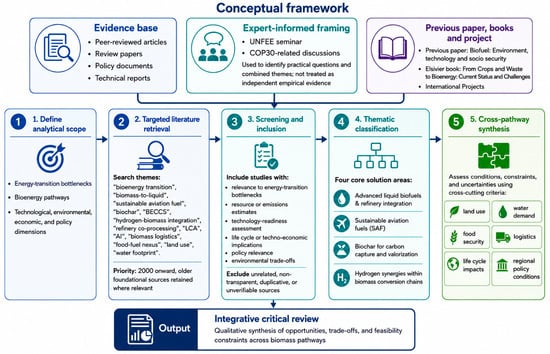
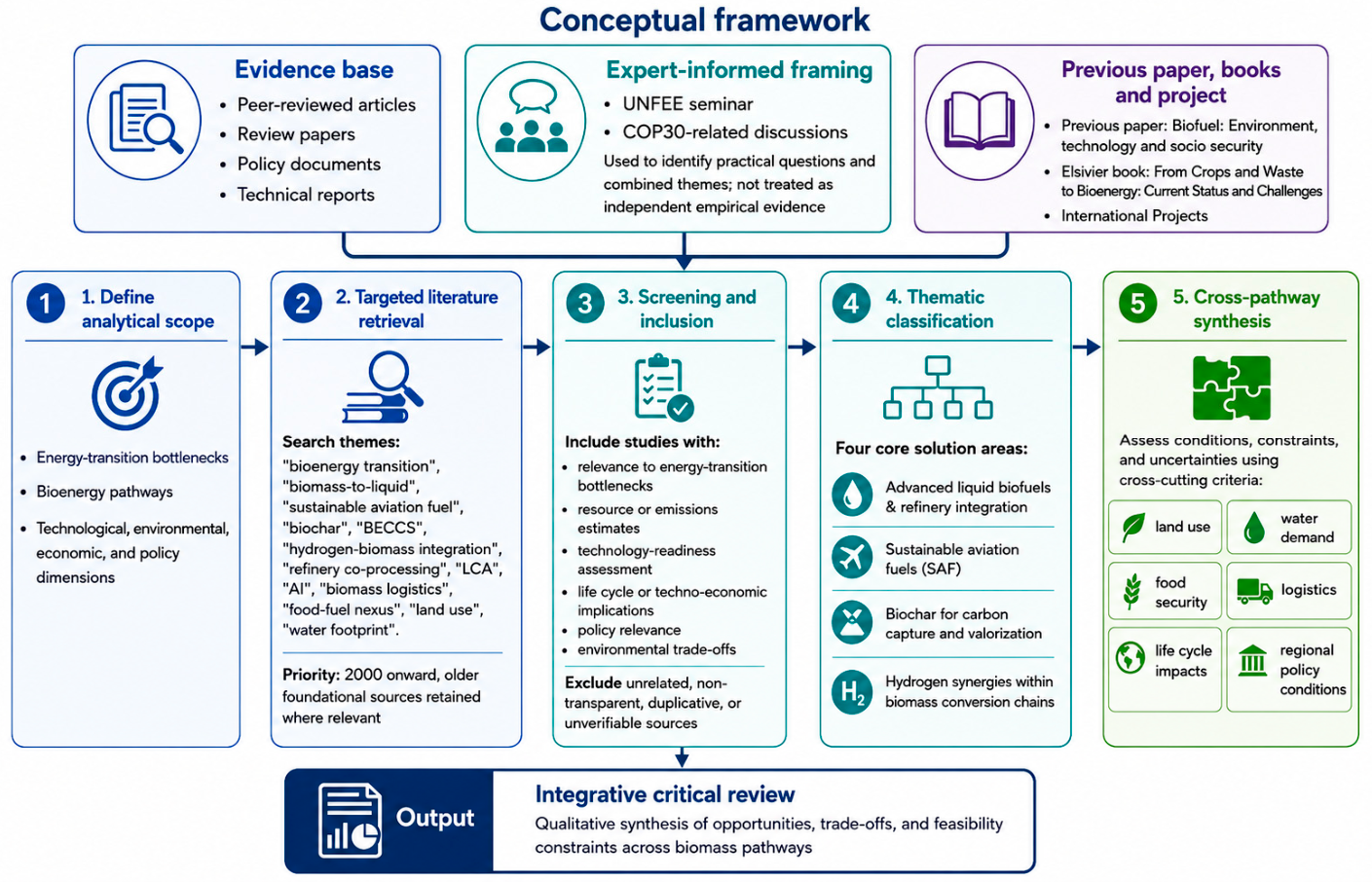
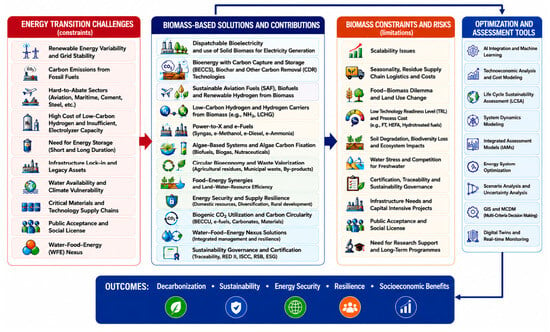
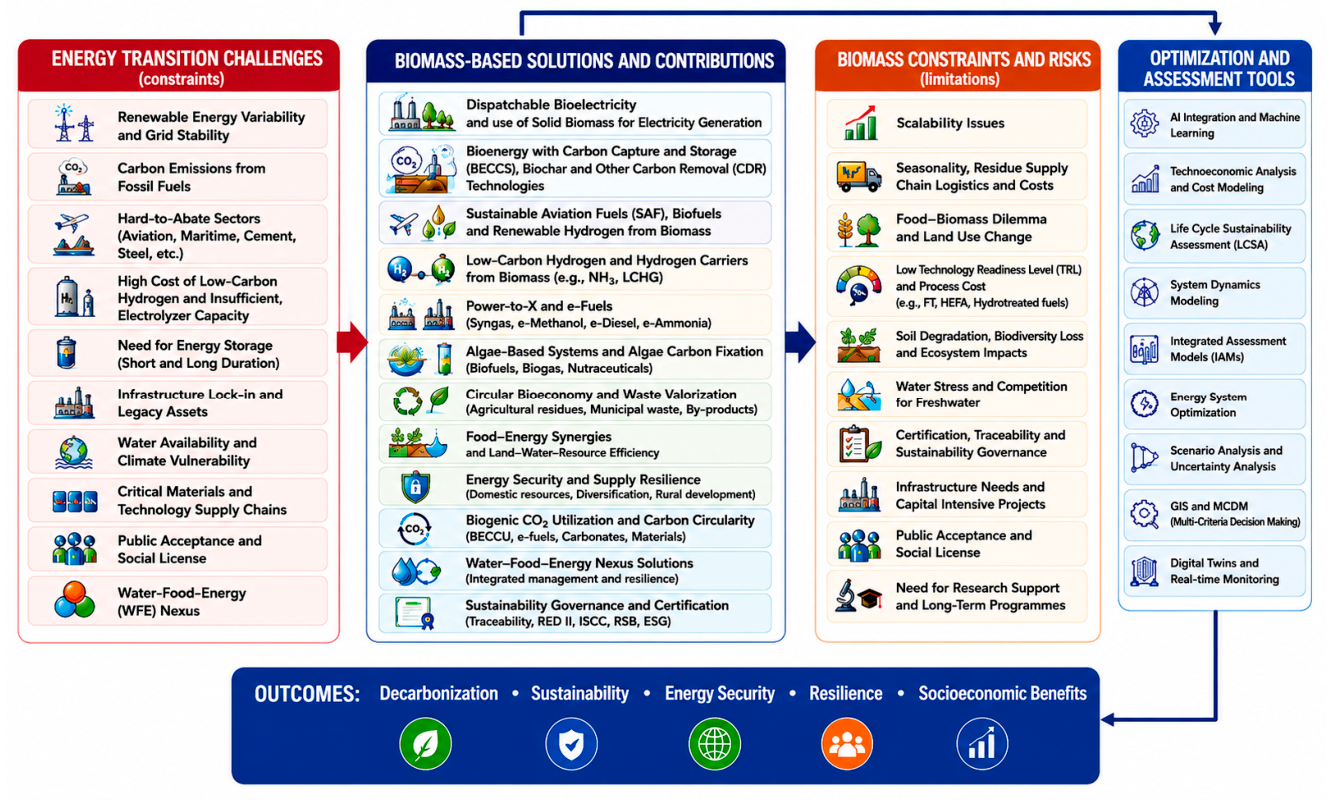
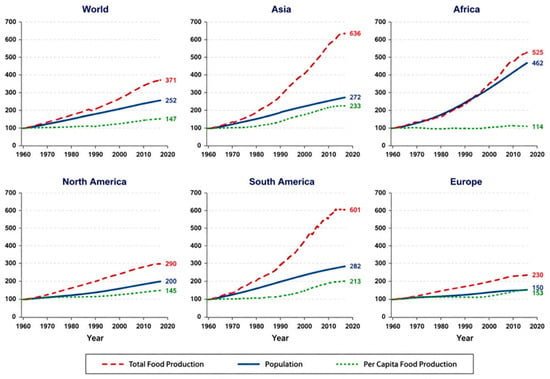
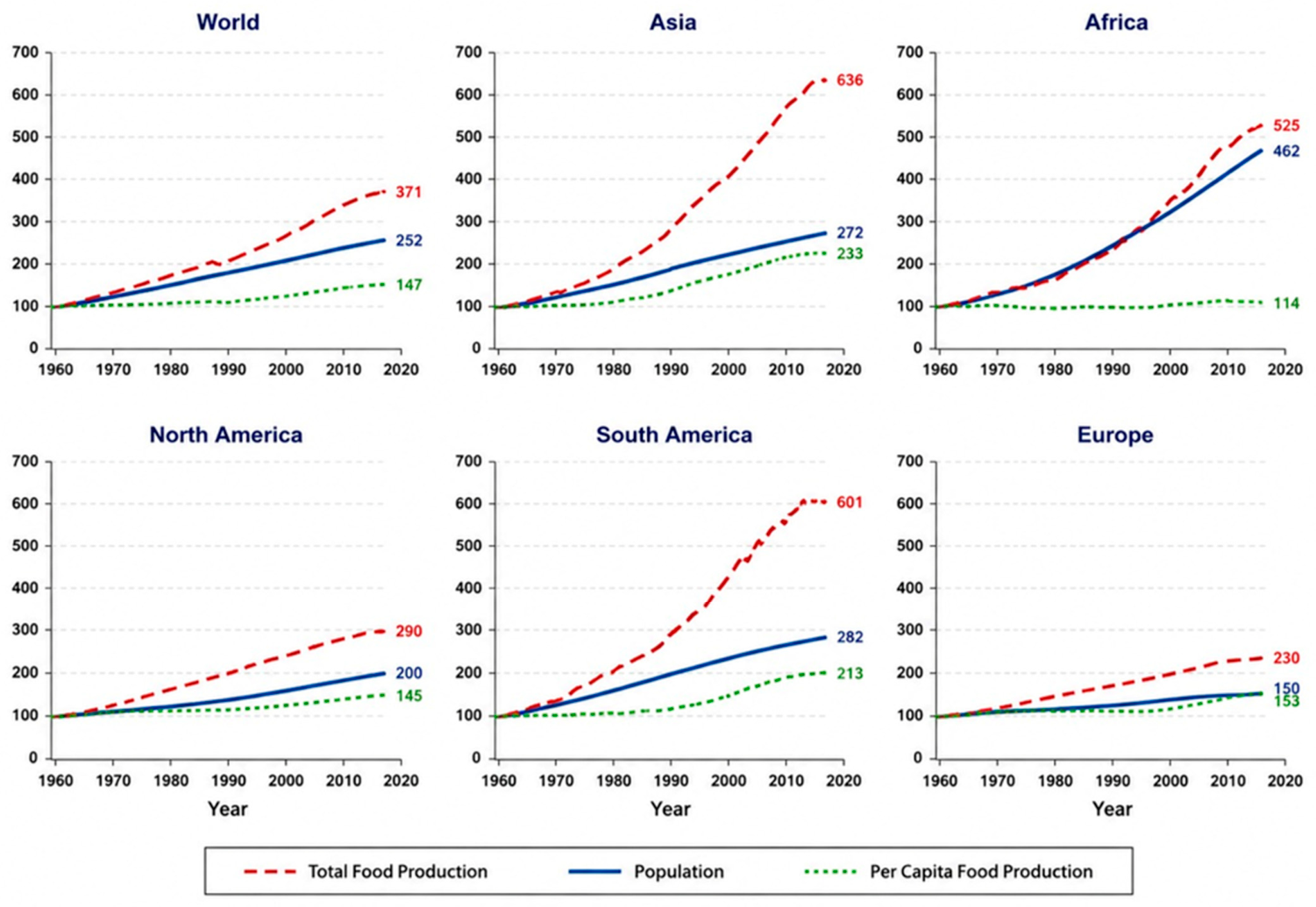
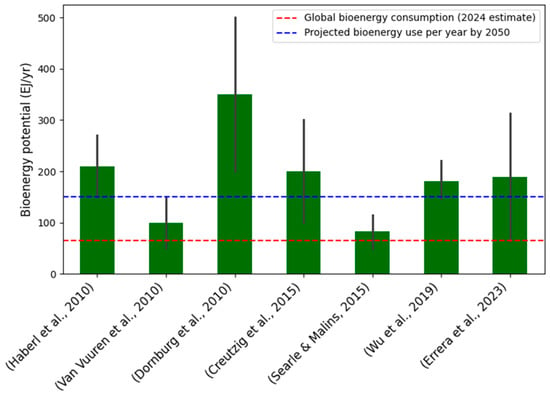
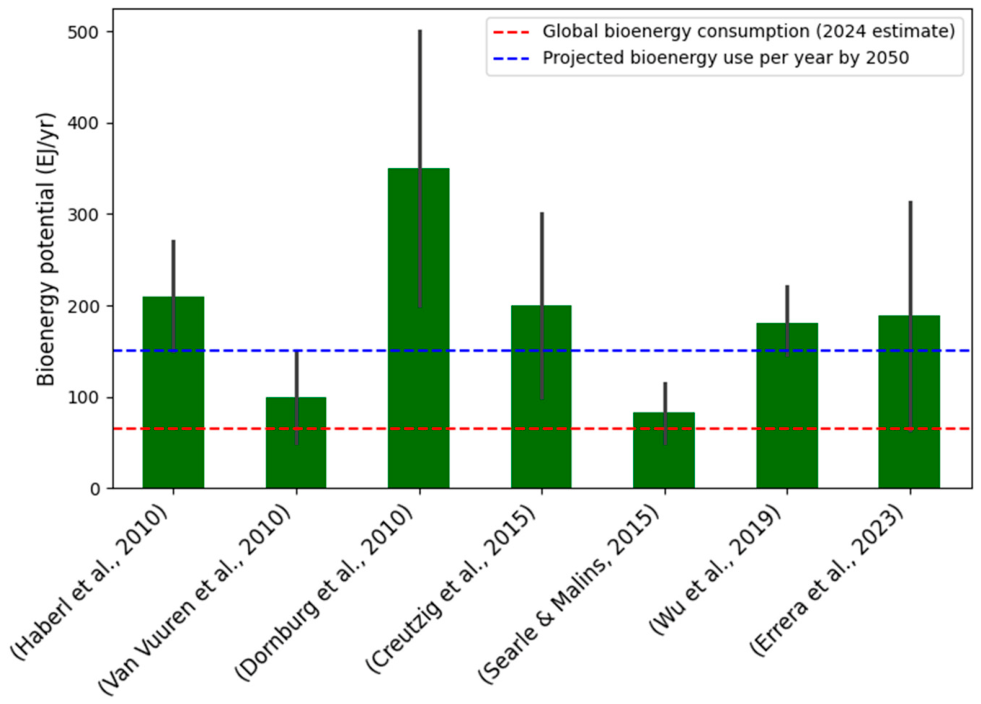
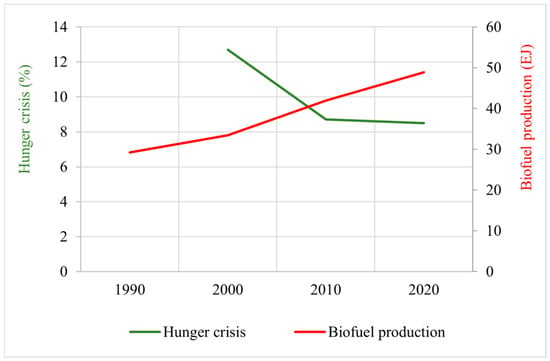
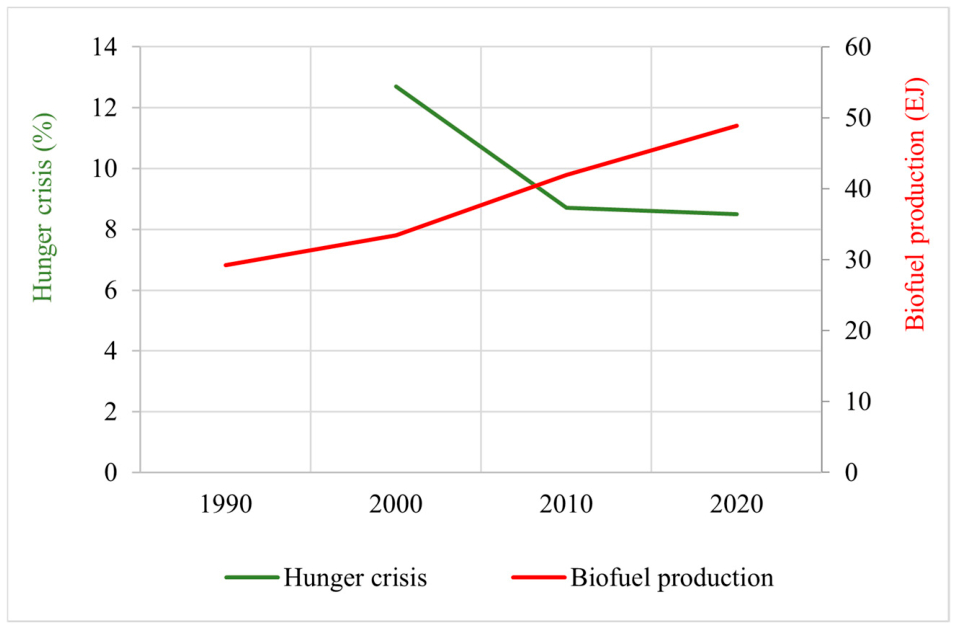
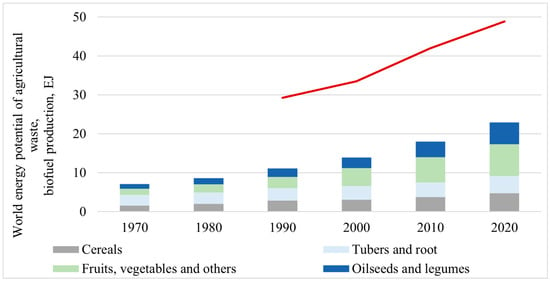
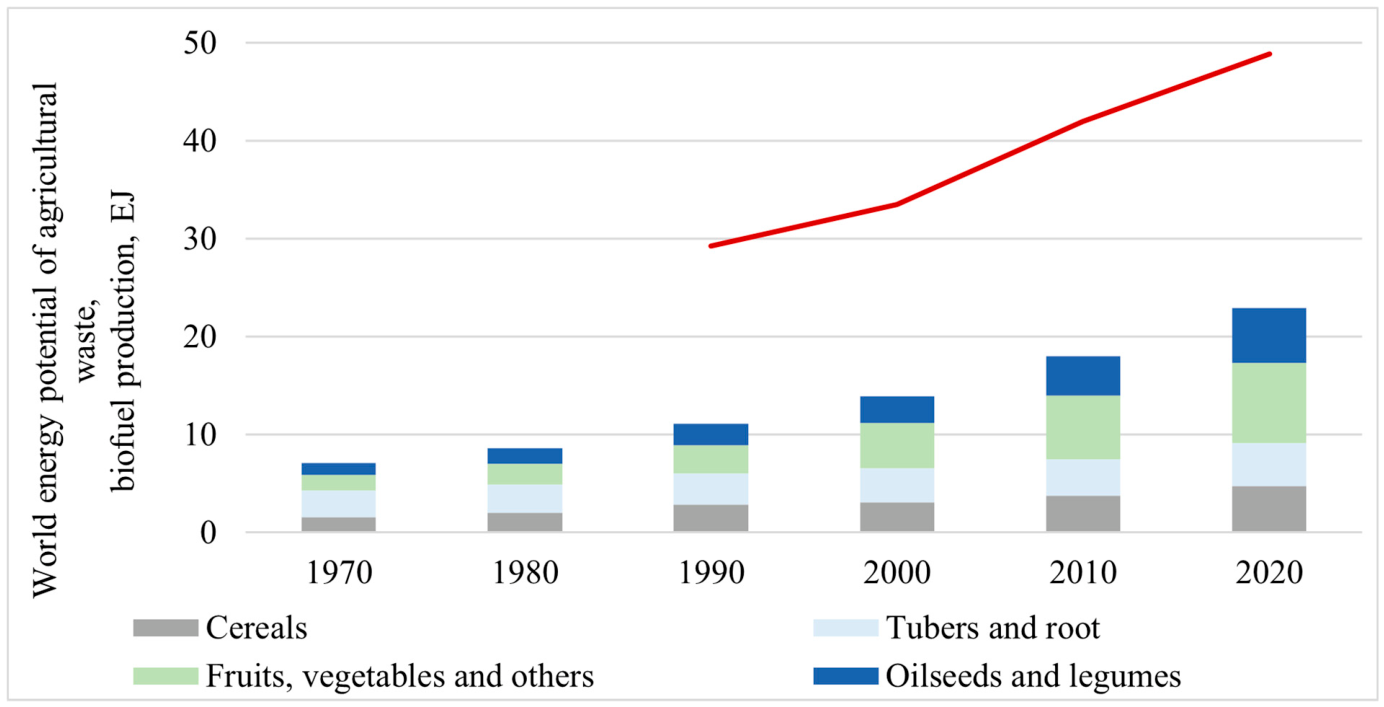
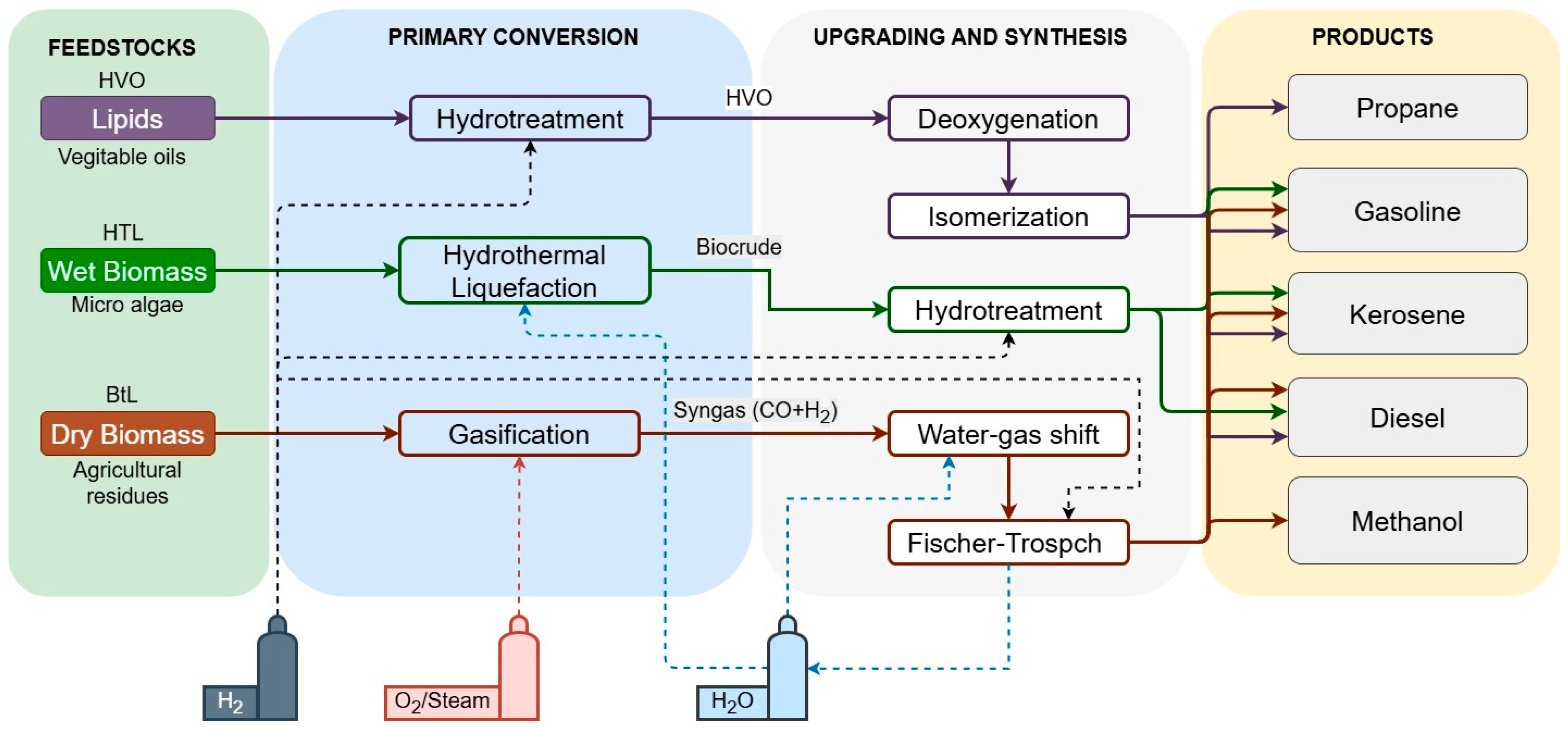
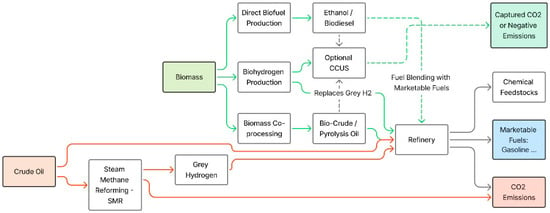
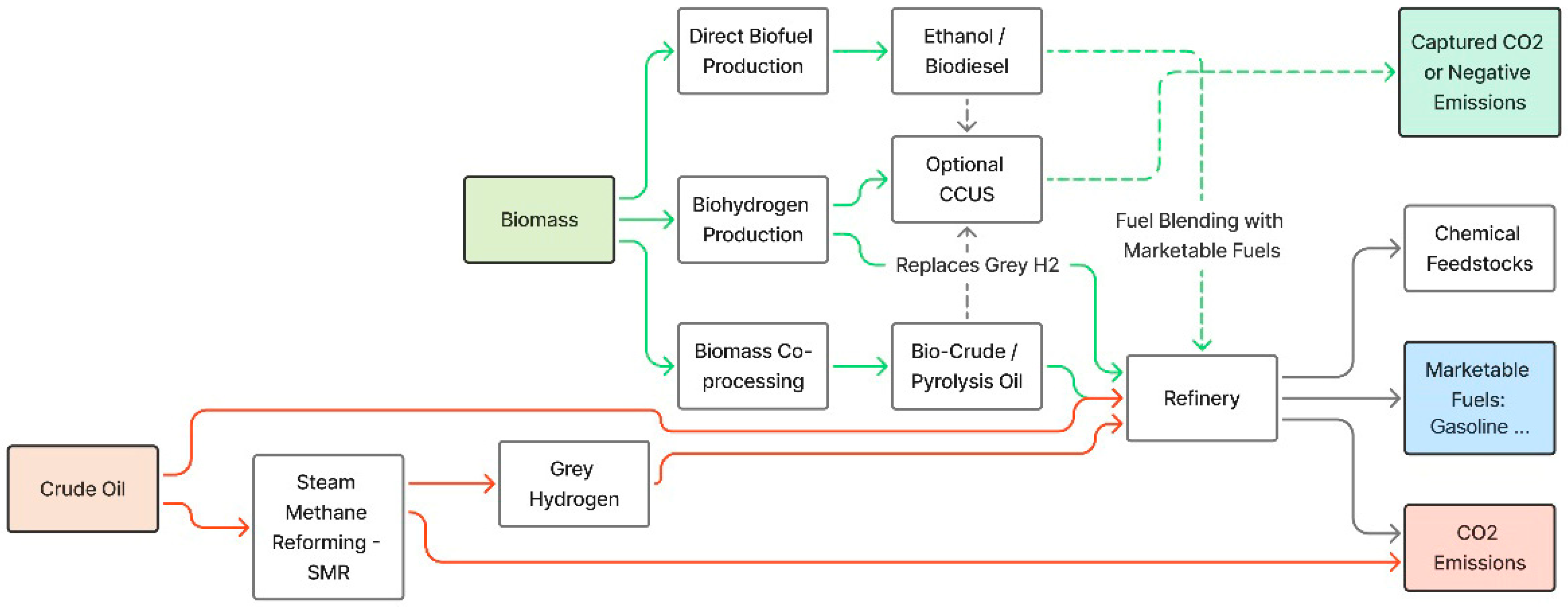
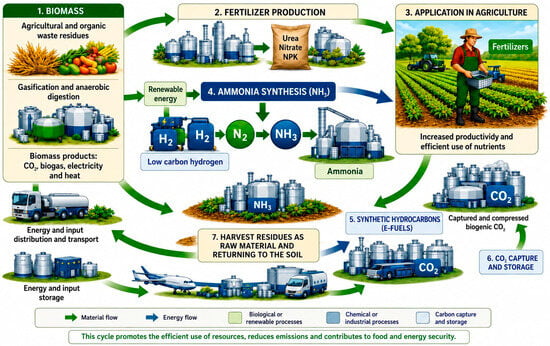
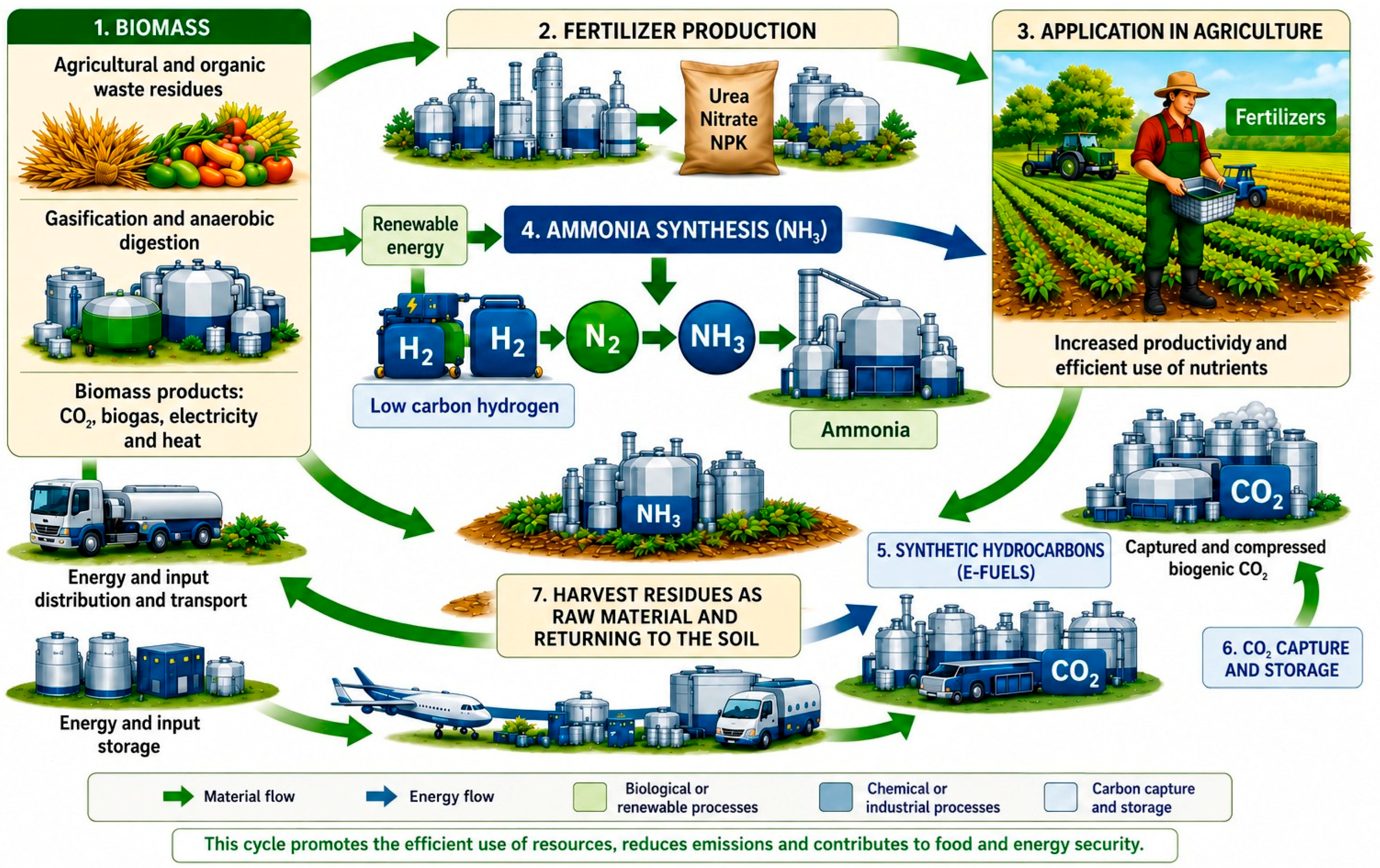
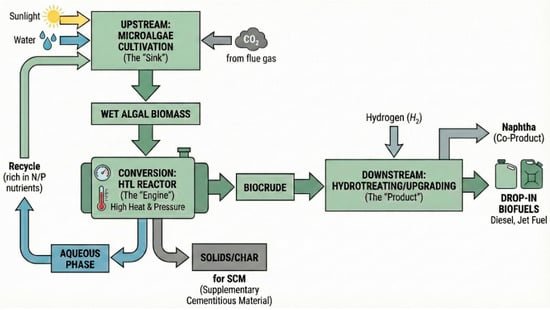
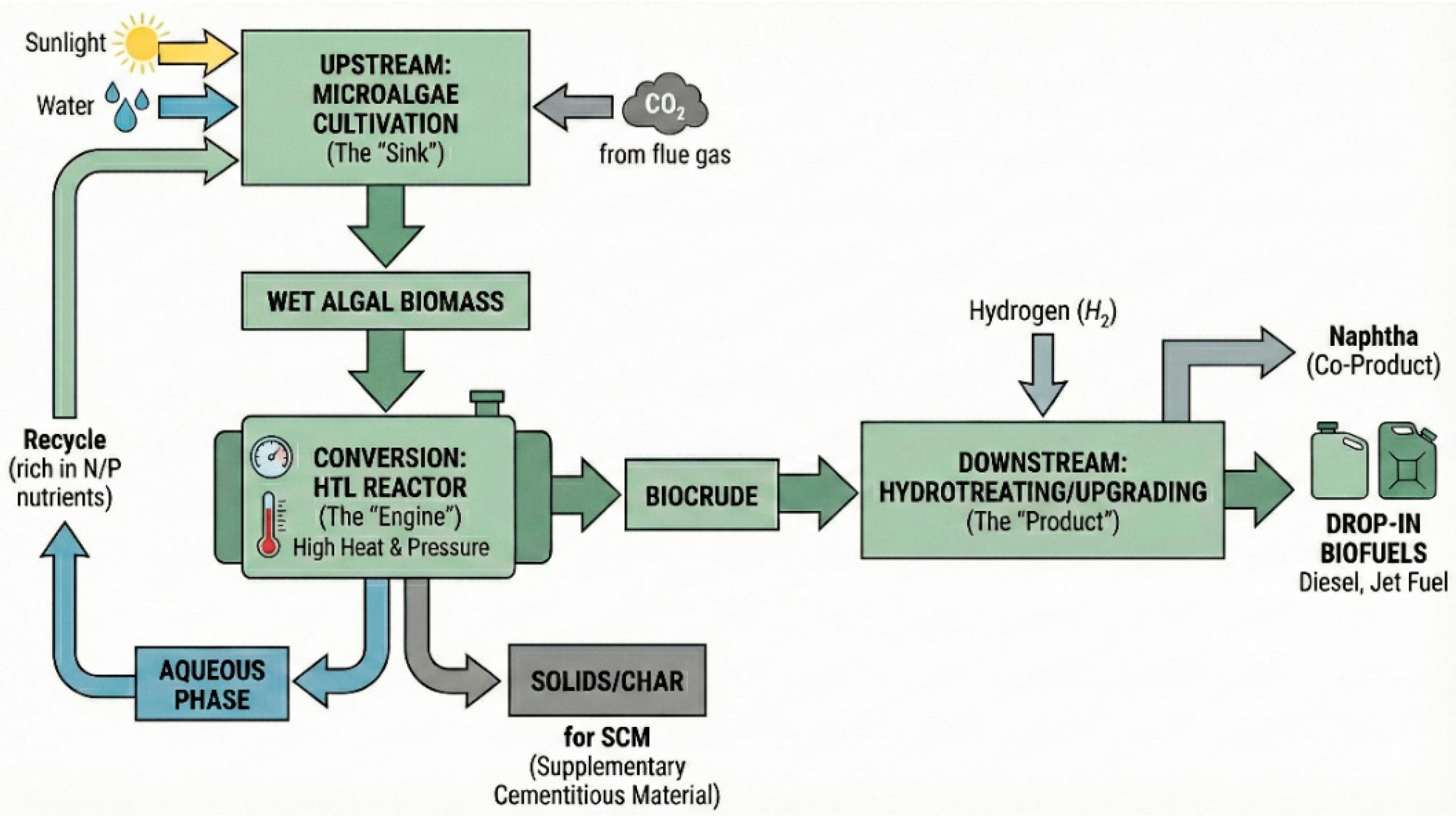
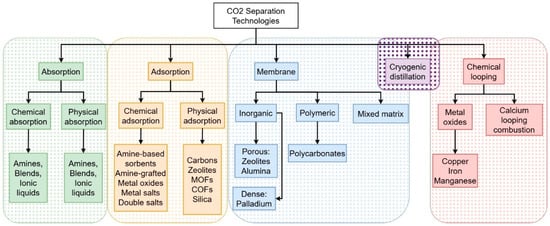
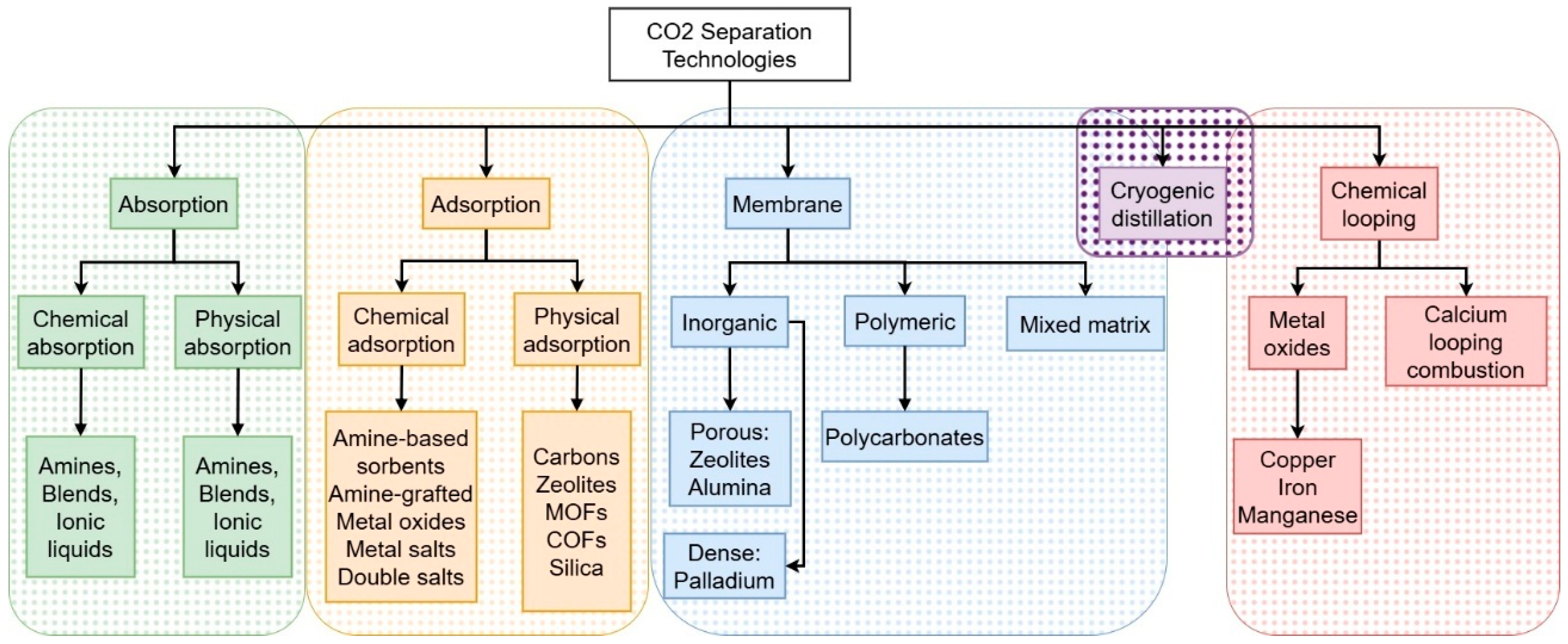
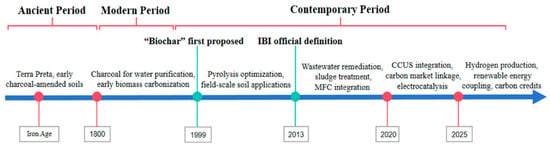
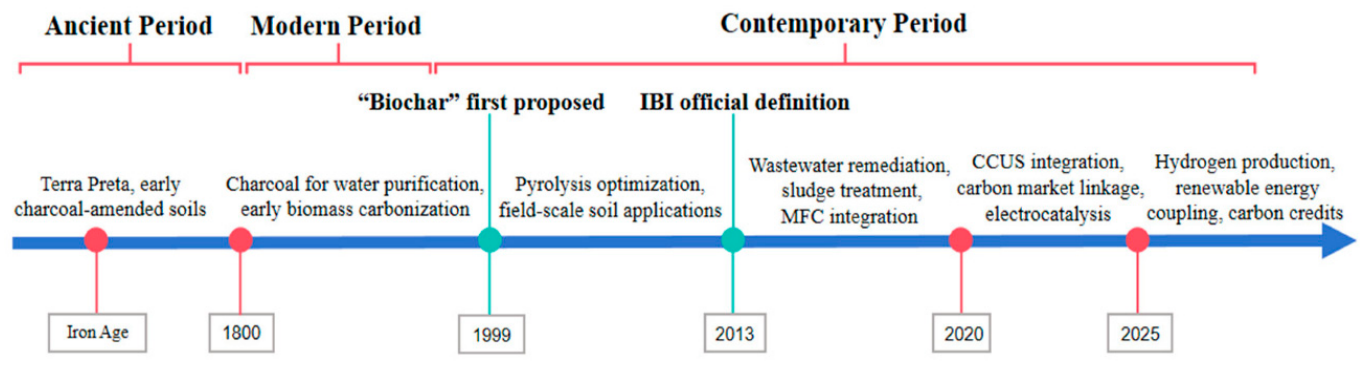
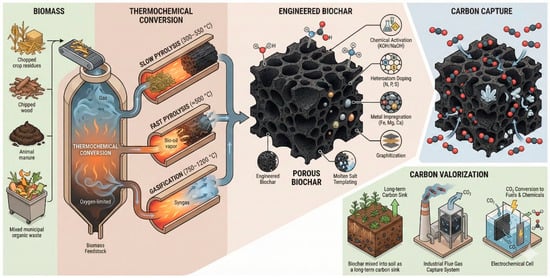
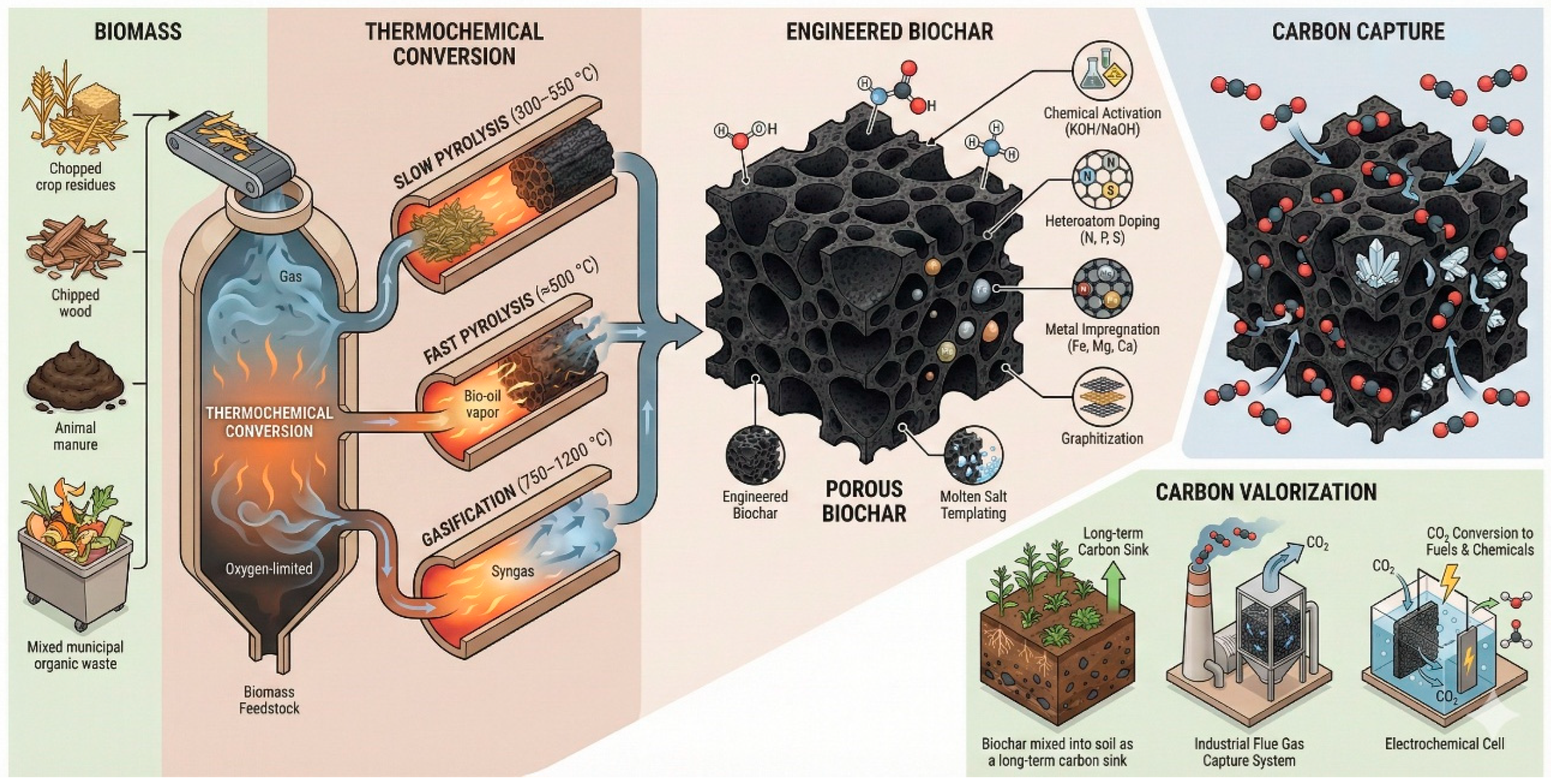
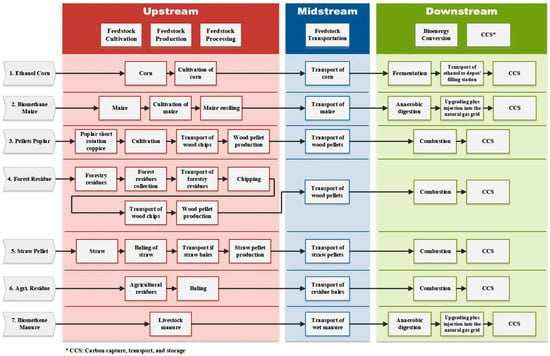
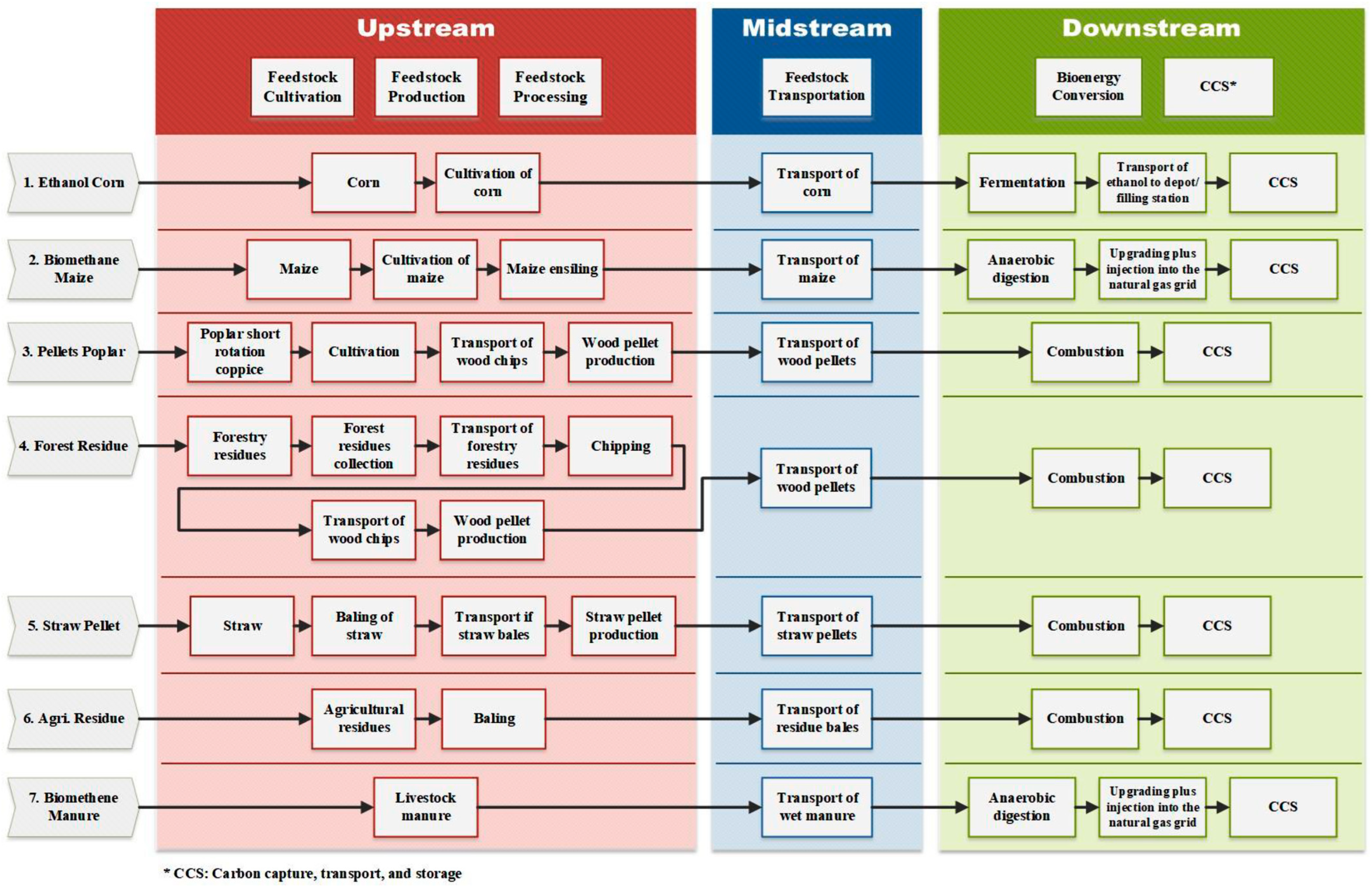
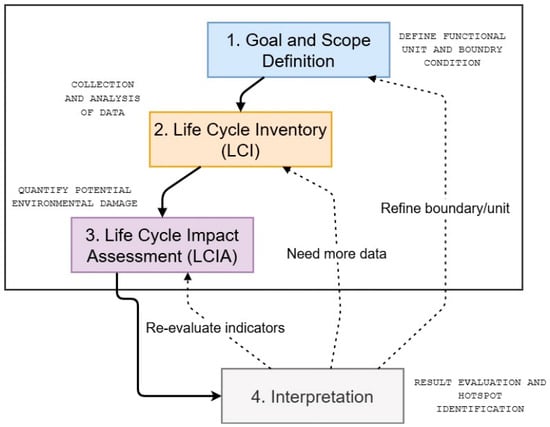
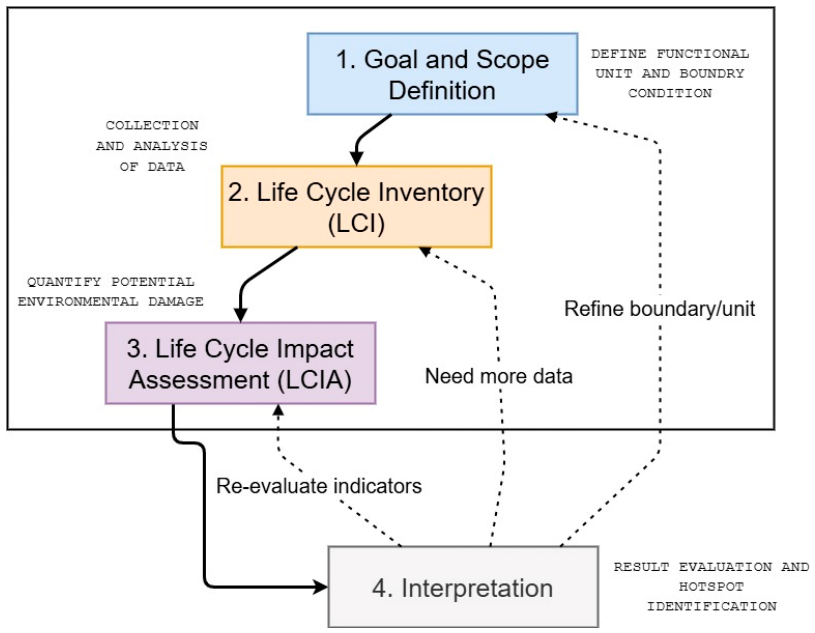
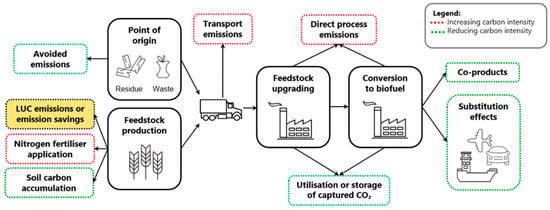
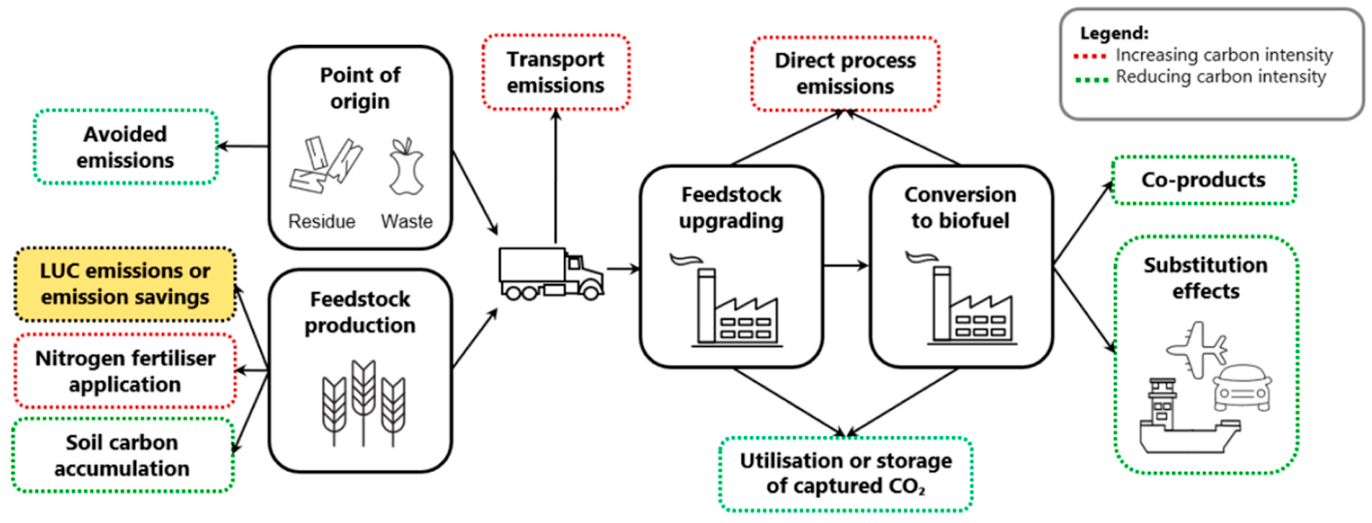

Disclaimer/Publisher’s Note: The statements, opinions and data contained in all publications are solely those of the individual author(s) and contributor(s) and not of MDPI and/or the editor(s). MDPI and/or the editor(s) disclaim responsibility for any injury to people or property resulting from any ideas, methods, instructions or products referred to in the content. |
© 2026 by the authors. Licensee MDPI, Basel, Switzerland. This article is an open access article distributed under the terms and conditions of the Creative Commons Attribution (CC BY) license.