


Abstract
Hydrothermal carbonization (HTC) is a promising thermochemical process for valorizing wet biomass and organic waste streams, generating hydrochar, gas, and a liquid phase commonly referred to as HTC process liquid or the aqueous phase. Depending on feedstock type and process severity, hydrochar typically accounts for approximately 40–70 wt.% of the initial dry feedstock, the liquid phase for about 30–60 wt.% in lignocellulosic and agricultural residues, and the gas phase for about 1–10 wt.%, while highly hydrated waste streams may generate even higher liquid-phase shares. Although hydrochar has traditionally been considered the main energy product, the liquid phase may retain approximately 20–65% of the initial feedstock carbon and around 15–25% of the initial energy content. However, its high chemical oxygen demand, elevated organic carbon content, variable biodegradability, toxicity, and inhibitory compounds often lead to its classification as a wastewater stream requiring treatment. The crucial novelty of this review is its system-oriented evaluation of HTC process liquid as an energy-bearing and system-integrating stream rather than merely as a wastewater by-product or as a substrate for isolated valorization routes. Therefore, this review evaluates the role of HTC process liquid in energy systems, focusing on its formation mechanisms, chemical composition, energy potential, valorization pathways, integration strategies, and environmental implications. The reviewed evidence shows that HTC process liquid contains a complex mixture of dissolved organic compounds, including volatile fatty acids, sugars, furans, phenols, ketones, aldehydes, amino acids, ammonia, and nitrogen-containing heterocycles. These compounds may support anaerobic digestion, dark fermentation, aqueous phase reforming, electrochemical conversion, nutrient recovery, and process-water recirculation. Among these routes, anaerobic digestion is currently the most mature, although its efficiency depends strongly on HTC severity, feedstock type, inhibitor formation, and microbial adaptation. Hydrogen-oriented and electrochemical pathways offer additional opportunities but still require further validation using real HTC liquids, standardized yield reporting, and long-term stability assessment. Overall, HTC process liquid should not be regarded solely as an environmental burden, but as a chemically complex and energy-rich stream that may improve the performance of integrated HTC-based bioenergy systems. Future research should focus on standardized liquid-phase energy metrics, long-term process integration, toxicity control, and experimentally validated techno-economic and life-cycle assessments.
1. Introduction
Hydrothermal carbonization (HTC) is a thermochemical conversion process that enables the valorization of wet biomass and organic waste streams under subcritical water conditions. It is particularly suitable for high-moisture feedstocks, such as sewage sludge, manure, food waste, digestate, agricultural residues, algal biomass, and other organic wastes, because these materials can be processed without prior energy-intensive drying [1,2,3]. This feature distinguishes HTC from dry thermochemical routes used for biochar production, such as pyrolysis, torrefaction, or gasification, which usually require feedstock drying and are therefore less advantageous for highly hydrated wastes. For this reason, HTC represents a particularly relevant conversion pathway for wet renewable raw materials and organic residues, especially when both energy recovery and liquid-phase management are considered. Typically, HTC is carried out at temperatures of approximately 170–250 °C and autogenous pressure, although the exact operating conditions depend on the type of feedstock and the intended product properties [1]. In addition to temperature and pressure, important process parameters include residence time, which may range from several minutes to several hours, solid-to-liquid ratio, pH, heating rate, mixing intensity, and the possible use of catalysts or additives. HTC may be implemented in batch, semi-continuous, or continuous reactor systems, depending on the scale and intended application. Under these conditions, water acts not only as a reaction medium, but also as a solvent, reactant, and acid–base catalyst, promoting hydrolysis, dehydration, decarboxylation, condensation, polymerization, and aromatization reactions [1,4]. As a result, the initial organic matrix is converted into three main product fractions: a carbon-rich solid hydrochar, a gas phase composed mainly of CO2, and a liquid phase commonly referred to as post-processing liquid, HTC liquid, or aqueous phase (AP) [1,4]. An overview of the main HTC product fractions and their potential roles in energy, material, and nutrient recovery is presented in Table 1. The liquid phase is not a marginal by-product but may represent a substantial fraction of the total HTC output. Although quantitative data on aqueous-phase yields are reported less frequently than hydrochar yields, available studies indicate that the amount of liquid generated strongly depends on feedstock composition, initial moisture content, and HTC severity, particularly temperature [5,6]. This variability demonstrates that the HTC liquid phase may account for a large share of the processed material and therefore represents an important challenge for treatment, valorization, or safe recirculation.
The increasing interest in HTC is closely related to its potential role in sustainable waste management, circular economy, and renewable energy production. The solid product, hydrochar, has been widely investigated as a solid fuel, coal substitute, soil amendment, adsorbent, catalyst support, and precursor for advanced carbon materials [1,7,8,9]. Hydrochar is a carbon-rich, lignite-like material whose physicochemical properties depend strongly on feedstock composition and HTC operating conditions, especially temperature, residence time, solid-to-liquid ratio, and process severity. Compared with the raw biomass, hydrochar usually shows increased carbon content, enhanced aromaticity, improved hydrophobicity, reduced oxygen content, and higher energy density, which make it suitable for use as a renewable solid fuel or as a partial substitute for low-rank coal. Its higher heating value, carbon retention, ash content, surface functional groups, porosity, mineral composition, and nutrient content determine its suitability for specific applications.
Beyond direct energy use, hydrochar may also serve as a multifunctional material in environmental and resource-recovery applications. Depending on its properties and possible post-treatment, it can be used as a soil amendment, carbon sequestration agent, phosphorus or nutrient carrier, adsorbent for organic and inorganic pollutants, catalyst support, and precursor for activated carbons or other engineered carbon materials [7,9,10,11]. These applications result from its tunable carbonaceous structure, surface chemistry, sorption capacity, mineral content, and potential for further activation or functionalization. In the broader context of biomass-derived biochar, Pstrowska et al. [12] also emphasized the relevance of up-cycling biomass waste into carbonaceous materials for environmental applications, including pollutant removal, soil improvement, and resource recovery. Although hydrochar differs from pyrolytic biochar because it is produced in hot compressed water and is particularly suitable for wet feedstocks, this broader biochar perspective supports the need for comprehensive utilization of all HTC product fractions. Consequently, most HTC studies have traditionally focused on hydrochar yield, higher heating value, carbon content, combustion behavior, and applications of the solid fraction [6,13,14,15].
Table 1.
Overview of HTC products and their recovery roles.
However, this hydrochar-centered perspective does not fully reflect the distribution of mass, carbon, and energy during HTC. A significant fraction of the original feedstock carbon is transferred into the liquid phase in the form of dissolved organic compounds, nutrients, and intermediate reaction products [26,27]. HTC process liquid may contain volatile fatty acids, sugars, furans, phenolic compounds, ketones, aldehydes, amino acids, ammonia, nitrogen-containing heterocycles, phosphorus, potassium, and inorganic ions [11,26,27,28,29]. Therefore, the liquid phase is not a simple residual stream, but a chemically complex fraction that reflects the decomposition pathways, feedstock composition, and process severity.
Despite this potential, the HTC liquid phase has historically been treated mainly as a wastewater stream. This is primarily due to its high chemical oxygen demand, high total organic carbon content, toxicity, variable biodegradability, and possible presence of inhibitory compounds and heavy metals [30,31,32,33,34]. Phenols, furans, nitrogen-containing heterocycles, organic acids, ammonia, and other refractory compounds may inhibit microbial processes and increase downstream treatment requirements [31,35,36].
At the same time, the properties that make HTC post-processing liquid difficult to treat also make it energetically valuable. The high concentration of dissolved organic carbon indicates that part of the initial chemical energy of the feedstock is retained in the aqueous phase. Available studies suggest that HTC post-processing liquid can contain approximately 20–65% of the initial feedstock carbon, depending on biomass type and process conditions [37]. Therefore, treating the liquid phase only as waste may lead to underestimation of total energy recovery and overestimation of the environmental burden of HTC systems.
As shown in Figure 1, HTC post-processing liquid can be valorized through several routes aimed at energy and resource recovery, including anaerobic digestion, dark fermentation, aqueous phase reforming, electrochemical treatment, nutrient recovery, and process-water recirculation. These pathways indicate that the liquid phase may contribute not only to wastewater treatment, but also to energy recovery, resource recovery, and process integration. However, their effectiveness depends strongly on liquid composition, HTC severity, inhibitor formation, and downstream process requirements [15,26,38,39,40]. The energetic role of the HTC liquid phase is especially important in integrated systems. Coupling HTC with anaerobic digestion allows the simultaneous use of hydrochar as a solid fuel and post-processing liquid as a substrate for biogas production [29,39,41,42,43].
Figure 1.
Main valorization pathways for HTC post-processing liquid.
Although HTC post-processing liquid has been increasingly studied, its role in HTC-based energy systems remains insufficiently synthesized. Existing studies and review articles have mainly focused on hydrochar production and applications, HTC process optimization, wastewater treatment aspects, or selected valorization routes for the aqueous phase, such as anaerobic digestion, hydrogen production, nutrient recovery, or process-water recirculation. However, these approaches usually discuss individual pathways separately and rarely evaluate the liquid phase as a functional component of the whole HTC system. As a result, there is still a lack of critical synthesis linking liquid-phase formation mechanisms, chemical composition, energy content, valorization potential, process integration, toxicity control, and environmental performance within one system-oriented framework.
This gap is important because the liquid phase may contain a substantial fraction of feedstock-derived carbon, nutrients, and chemically stored energy. Its management can directly affect hydrochar yield and quality, process water demand, energy recovery efficiency, nutrient recycling, wastewater-treatment requirements, and the overall environmental performance of HTC. Therefore, treating the liquid phase only as a wastewater stream may lead to an incomplete assessment of HTC-based technologies.
Based on the identified gaps, the main aim of this review is to critically evaluate the liquid phase generated during HTC as an energy-bearing and system-integrating stream, rather than only as a residual by-product or wastewater requiring treatment. The novelty of this work lies in linking liquid-phase formation mechanisms, chemical composition, energy content, valorization pathways, toxicity-related limitations, and integration strategies within one system-oriented framework. This approach allows the role of HTC post-processing liquid to be assessed not only in terms of treatment requirements, but also in relation to carbon recovery, energy recovery, hydrochar production, nutrient management, process-water recirculation, and the environmental performance of integrated HTC-based energy systems. Therefore, the review provides a basis for identifying the most relevant valorization options, current technological limitations, and future research needs for the practical implementation of HTC liquid-phase management.
2. Formation and Characteristics of the Liquid Phase in HTC
The liquid phase generated during hydrothermal carbonization is formed through the decomposition and transformation of biomass components under subcritical water conditions. In this environment, water acts simultaneously as a solvent, reactant, and acid–base catalyst. Complex biopolymers such as cellulose, hemicellulose, lignin, proteins, and lipids undergo hydrolysis, producing soluble intermediates including sugars, amino acids, peptides, and fatty acid derivatives [44,45]. These compounds are subsequently transformed through dehydration, decarboxylation, fragmentation, and rearrangement reactions into a broad spectrum of low-molecular-weight products, including volatile fatty acids, furan derivatives such as 5-hydroxymethylfurfural and furfural, carbonyl compounds, and carbon dioxide [11,44]. The main reaction pathways responsible for the formation of the HTC liquid phase are summarized in Figure 2.
Figure 2.
Reaction pathways leading to HTC liquid-phase formation.
In parallel, secondary reactions such as condensation, polymerization, aromatization, and Maillard-type reactions generate more complex dissolved compounds, including phenolics, ketones, aldehydes, and nitrogen-containing heterocycles [20,46]. These products may remain in the liquid phase or act as precursors for hydrochar formation through secondary char-forming reactions. The breakdown of the biomass matrix also promotes the release of inorganic constituents, including nitrogen, phosphorus, potassium, sodium, calcium, magnesium, chlorine, fluorine, and bromine, which may be transferred into the aqueous phase under hydrothermal and often acidic conditions [11]. In nitrogen-rich feedstocks, particularly sewage sludge and manure, protein degradation contributes to the formation of amino acids, peptides, ammonium, and heterocyclic nitrogen compounds [47]. Loosely bound metals may also be mobilized, although their final distribution depends on pH, complexation, precipitation, and sorption onto hydrochar [48].
The resulting liquid phase is highly complex and variable. Its composition reflects feedstock properties, HTC temperature, residence time, pH, solid-to-liquid ratio, catalyst presence, and process severity. In general, HTC post-processing liquid contains high concentrations of dissolved organic matter. The organic fraction is usually dominated by volatile fatty acids, especially acetic, propionic, and butanoic acids, together with furan derivatives, phenolic compounds, sugar degradation products, ketones, aldehydes, and other oxygenated organics [11,49,50]. Increasing HTC temperature usually promotes the solubilization and transformation of organic compounds, which is reflected in higher COD, biological oxygen demand, and total organic carbon values.
Nitrogen in the liquid phase occurs in both inorganic and organic forms. Inorganic nitrogen is mainly present as ammonium and nitrate, whereas organic nitrogen may occur as amino acids, pyrroles, imidazoles, quinolines, pyrazines, pyridines, and other heterocyclic species [46,51,52]. The total nitrogen concentration generally increases with temperature because of intensified protein hydrolysis and decomposition. The liquid phase also contains dissolved inorganic ions, including alkali and alkaline earth metals as well as transition metals such as iron, zinc, and copper. Their concentrations are strongly dependent on feedstock composition and HTC severity. These ions contribute to elevated electrical conductivity, which has been reported in the range of approximately 10–15 mS/cm [53,54].
HTC post-processing liquid is generally acidic, mainly because of the formation of organic acids such as acetic, formic, levulinic, and lactic acids. Reported pH values frequently range from approximately 2.9 to 5, although more neutral or alkaline values may occur depending on feedstock type, ash content, buffering capacity, and process conditions [55,56,57,58]. For example, digested sludge and mineral-rich feedstocks may produce less acidic process water, while partial decomposition of organic acids at higher temperatures may also increase pH. Therefore, pH should be interpreted as a feedstock- and severity-dependent parameter rather than as a fixed property of HTC liquids.
The composition of the liquid phase is not static after HTC. During storage, ongoing polymerization, precipitation, complexation, and microbial or chemical transformations may alter the concentrations and speciation of organic and inorganic compounds [59]. These post-process changes are important because they can affect COD, TOC, toxicity, nutrient availability, and the mobility of metals. As a result, sampling time, storage conditions, and analytical procedures should be reported clearly in studies investigating HTC post-processing liquid. Figure 3 summarizes the influence of the main HTC parameters on liquid-phase composition.
Figure 3.
Influence of HTC process parameters on liquid-phase composition.
These compositional features directly determine the suitability of HTC post-processing liquid for downstream valorization, including anaerobic digestion, hydrogen-oriented pathways, nutrient recovery, process-water recirculation, and detoxification strategies. Readily biodegradable compounds, such as volatile fatty acids and sugars, may support biological conversion, whereas phenols, furans, nitrogen-containing heterocycles, ammonia, salts, and metals may increase toxicity and reduce process stability. Therefore, understanding liquid-phase formation is essential for evaluating both the energy potential and the environmental risks of integrated HTC-based systems.
3. Energy Content and Quantification Challenges
HTC causes a redistribution of chemical energy among hydrochar, gas, and the liquid phase. Therefore, the energetic relevance of HTC post-processing liquid should be assessed not only from COD, TOC, or liquid yield, but also in relation to biodegradability, inhibitor formation, process severity, and the feasibility of downstream energy recovery. Although the solid fraction is commonly regarded as the main energy carrier, the liquid phase may retain a considerable share of the initial feedstock carbon and energy. Available studies indicate that HTC post-processing liquid can contain approximately 20–65% of the initial carbon, depending on biomass type and process conditions [60]. At pilot scale, the liquid fraction has been reported to contain around 18% of the total available thermal energy of the feedstock [61]. More broadly, 15–25% of the initial energy content may be transferred to the liquid phase, with even higher values possible for feedstocks characterized by high carbon solubilization, such as macroalgae, digestate, and nitrogen-rich residues.
These values show that the liquid phase is not a marginal by-product. Instead, it represents a chemically dispersed but energetically relevant fraction of HTC products. Figure 4 illustrates the distribution of energy among hydrochar, liquid phase, and gas.
Figure 4.
Energy distribution among HTC products.
The energy stored in HTC post-processing liquid is distributed among many dissolved compounds rather than concentrated in a single fraction. Important contributors include volatile fatty acids, sugars, furan derivatives, phenolic compounds, ketones, aldehydes, alcohols, and nitrogen-containing organics such as amines, ammonium, and heterocyclic compounds [60,62]. High COD and TOC values indirectly indicate the presence of chemically stored energy in the liquid phase. Reported COD values often range from 10 to 90 g/L, whereas TOC concentrations may range from approximately 4 to 30 g/L, depending on feedstock and process conditions [60].
Although direct measurement of the higher heating value (HHV) for the liquid phase as a whole is rarely reported, a key relationship exists between hydrochar energy densification and energy transfer to the liquid phase. Increasing HTC temperature and residence time generally improves hydrochar fuel quality, with hydrochar higher heating values often reaching 22–32 MJ/kg [18,63,64]. At the same time, higher process severity usually reduces solid mass yield and carbon retention, because more carbon is solubilized or released into the liquid and gaseous phases [65]. For example, carbon retention in the solid phase may decrease from approximately 64–77% at 140–160 °C to 50–62% at 180–200 °C [65]. This creates a trade-off: higher severity may improve hydrochar quality, but it can also increase the amount of energy and carbon transferred to the liquid phase.
The practical importance of this trade-off depends on whether the liquid phase is recovered, treated, or discharged. If HTC post-processing liquid is valorized through anaerobic digestion, dark fermentation, aqueous phase reforming, or other pathways, part of the transferred energy can be recovered. In integrated HTC–AD systems, total energy recovery may therefore remain high, with reported values reaching up to 79% or more, depending on feedstock and process configuration [66]. If the liquid phase is not valorized, however, the solubilized carbon represents both an energy loss and a wastewater-treatment burden. Table 2 compares the main indicators used to estimate the energetic relevance of HTC post-processing liquid.
Table 2.
Comparison of energy-related indicators used for HTC liquid-phase assessment.
Further uncertainty arises from inconsistent reporting. Studies use different bases for normalization, including dry basis, wet basis, as-received basis, COD basis, volatile solids basis, and TOC basis. Process conditions also vary widely, including temperature, residence time, pH, solid loading, and liquid-to-solid ratio. In addition, storage-related changes in post-processing liquid may affect TOC, COD, biodegradability, and toxicity [59]. These differences make direct comparison difficult and highlight the need for standardized methodologies for liquid-phase energy assessment. Consequently, future assessments should report not only COD, TOC, and liquid volume, but also biodegradable fraction, inhibitor concentrations, carbon recovery, methane or hydrogen yields, and net recoverable energy. Such reporting is necessary to connect liquid-phase characterization with practical valorization, system integration, and techno-economic or environmental evaluation.
4. Pathways for Energy Recovery from the Liquid Phase
The liquid phase generated during HTC can be valorized through several energy recovery pathways. These include biochemical conversion, thermochemical and catalytic upgrading, electrochemical treatment, and process integration. However, the applicability of these pathways cannot be assessed only on the basis of the organic load of the liquid phase. It also depends on the chemical form and biodegradability of dissolved carbon, the presence of inhibitory compounds, HTC severity, nutrient and salt content, target energy product, and technological maturity of the conversion process. As a result, each pathway targets a different fraction of the dissolved organic matter and has different requirements regarding process stability, pretreatment, and downstream integration. Table 3 summarizes the main pathways for recovering energy or useful products from HTC post-processing liquid.
Table 3.
Main energy recovery pathways for HTC liquid phase.
4.1. Anaerobic Digestion
Anaerobic digestion is currently the most established and technologically mature pathway for recovering energy from HTC post-processing liquid. It converts biodegradable soluble organic compounds into methane-rich biogas and is therefore suitable for liquids with high COD and a significant fraction of low-molecular-weight organics. Its applicability has been demonstrated for post-processing liquids derived from animal manure, garden and park waste, agricultural residues, macroalgae, food waste, lignocellulosic biomass, sewage sludge, and digestates [60,66,91,92,93,94,95]. A detailed summary of reported methane production from selected HTC post-processing liquids, including feedstock type, HTC conditions, anaerobic digestion setup, methane yield, and main conclusions, is provided in Table 4.
Table 4.
Methane production from selected HTC post-processing liquids under different feedstock and operational conditions.
Reported methane yields vary substantially because of differences in feedstock composition, HTC temperature, liquid-phase chemistry, inoculum type, and operational strategy. For example, post-processing liquid from HTC of chicken manure produced 179.2–255.5 mL CH4/g VS_added [66]. Garden and park waste post-processing liquid reached 253–326 mL CH4/g COD_added [91], while maize silage digestate post-processing liquid produced 278 mL CH4/g COD [92]. Lower values were reported for grape marc post-processing liquid, with 137 mL CH4/g COD [93], and for treated spent coffee grounds post-processing liquid, with approximately 0.21 L CH4/g COD [94]. Sargassum-derived post-processing liquid produced 90–206 mL CH4/g COD, depending on inoculum source [60].
The biodegradability of HTC post-processing liquid is strongly controlled by HTC severity. Liquids produced at lower temperatures, especially below approximately 200 °C, usually contain more readily biodegradable compounds and may generate methane yields comparable to or higher than those obtained from raw biomass digestion [129]. In contrast, liquids generated above 200 °C, and especially above 220–240 °C, often show reduced biodegradability because of the formation of aromatic compounds, phenols, furans, nitrogen-containing heterocycles, and Maillard reaction products [121,130]. Therefore, increasing HTC severity does not automatically increase the recoverable energy of the liquid phase. It may improve hydrochar quality while simultaneously reducing biological energy recovery from post-processing liquid.
This relationship has been confirmed in direct temperature comparisons. Post-processing liquid produced at 180 °C generated 22% higher methane yield than post-processing liquid produced at 240 °C [109]. Increasing residence time and severity may also promote aromatic compound formation and reduce COD biodegradability [100].
The main inhibitors reported in HTC post-processing liquid include furfural, 5-hydroxymethylfurfural, phenols, polyphenols, nitrogen-containing heterocycles, and high ammonia concentrations [128,131]. Organic acids may also contribute to acidification when present at high concentrations. These compounds can inhibit hydrolytic, acidogenic, acetogenic, and methanogenic microorganisms, thereby reducing methane production and process stability.
Several strategies can mitigate inhibition. Gradual feeding, dilution, co-digestion, inoculum adaptation, and organic loading rate control can improve stability. Stable operation has been reported at low organic loading rates for untreated HTC post-processing liquid, while higher loading rates may be possible after detoxification or pretreatment [48]. Granular sludge, adapted inocula, and microbial acclimation can increase resistance to inhibitors. In Sargassum post-processing liquid digestion, adapted activated sludge produced approximately twice as much methane as cattle manure inoculum [60].
Pretreatment may also improve methane production. Enzymatic or UV-based treatment can degrade aromatic nitrogen- and oxygen-containing compounds and reduce toxicity, increasing methane yield by up to 87% [132]. Activated carbon may adsorb phenols and furans, while ozonation can degrade nitrogen-containing heterocycles [133]. Ammonia-related inhibition may be reduced by struvite precipitation or zeolite adsorption [133]. Hydrochar addition is another promising option because it may enhance direct interspecies electron transfer, reduce toxicity, and improve methane production. In chicken manure post-processing liquid, hydrochar addition increased methane production by approximately 49% [66].
From a system perspective, anaerobic digestion is most valuable when combined with hydrochar recovery. In such integrated systems, hydrochar can be used as a solid fuel, while post-processing liquid is converted into biogas. Total energy recovery above 79% has been reported for chicken manure HTC–AD systems [66], while garden and park waste systems recovered 91–94% of the feedstock energy content [91]. Other studies suggest that hydrochar combustion combined with biomethane production from post-processing liquid may cover 30–100% of HTC thermal demand, depending on feedstock and process configuration [96].
Overall, anaerobic digestion should be considered the reference biological pathway for HTC process-water energy recovery. Its main advantage is technological maturity and compatibility with existing biogas infrastructure. Its main limitation is sensitivity to process-water composition, especially phenols, furans, nitrogen heterocycles, organic acids, and ammonia [121,128,129,130,131,133,134].
4.2. Dark Fermentation
Dark fermentation represents a biological pathway for converting the biodegradable fraction of HTC post-processing liquid into biohydrogen. The process is based on the activity of fermentative microorganisms, which degrade soluble organic compounds into hydrogen, volatile fatty acids, alcohols, carbon dioxide, and other intermediate products [21,46,135]. From the perspective of energy recovery, this pathway is particularly attractive because hydrogen has a high energy value and can be used as a clean energy carrier. In addition, the remaining fermentation effluent is often enriched in volatile fatty acids, which may be further converted into methane in a subsequent anaerobic digestion step [135].
The suitability of HTC post-processing liquid for dark fermentation depends strongly on its chemical composition. Liquids rich in readily biodegradable low-molecular-weight organics, such as short-chain organic acids, sugars, and other soluble intermediates, are generally more suitable for hydrogen production. For example, food-waste-derived HTC process water has been reported to generate 197.5 mL H2/L/d under optimized fermentation conditions, with an associated energy recovery of 11.2 MJ/kg [135]. A comparative summary of reported hydrogen production from HTC post-processing liquids and related aqueous streams is presented in Table 5. The researchers also indicates that practical hydrogen yields in dark fermentation are usually much lower than theoretical values and commonly reach about 1–2 mol H2/mol substrate [136,137,138,139].
Despite this potential, dark fermentation of HTC liquids remains technologically less mature than anaerobic digestion. Its performance may be limited by volatile fatty acid accumulation, pH decrease, hydrogen partial pressure, homoacetogenesis, and insufficient mass transfer between the liquid and gas phases [137,138,139,140,141]. In HTC post-processing liquid, additional inhibition may result from furfural, 5-HMF, phenolic compounds, nitrogen-containing heterocycles, and Maillard reaction products, especially when the liquid is generated under more severe HTC conditions [121,128,134]. These compounds can suppress the activity of hydrogen-producing microorganisms and shift the process toward less favorable metabolic pathways.
For this reason, successful application of dark fermentation requires careful control of pH, hydraulic retention time, organic loading rate, inoculum type, substrate concentration, and HTC severity. Pretreatment, dilution, microbial adaptation, or the use of two-stage systems may be necessary to improve process stability.
Table 5.
Hydrogen production from HTC post-processing liquids under different technological routes.
4.3. Aqueous Phase Reforming
Aqueous phase reforming (APR) is a catalytic thermochemical pathway that can be used to recover hydrogen from dissolved organic compounds present in HTC post-processing liquid. Unlike anaerobic digestion or dark fermentation, this process does not rely on microbial activity. Instead, it converts oxygenated organic compounds, such as alcohols, organic acids, aldehydes, ketones, and furan derivatives, into hydrogen-rich gas under elevated temperature and pressure in the presence of a catalyst [21,46]. This makes APR especially relevant for HTC liquids that are poorly biodegradable or contain compounds that inhibit biological conversion.
The APR is one of the most promising non-biological routes for hydrogen recovery from HTC process water [70,71,147,148,149,150]. Integrated HTC and APR of sewage-sludge-derived process water has been reported to achieve 98.7 mmol H2/g TOC and 93.5% gross energy recovery [71]. These results indicate that a considerable fraction of the chemical energy retained in the aqueous phase can be recovered in the form of hydrogen-rich gas. In this sense, APR expands the valorization potential of HTC liquid beyond methane production and may improve the overall energy balance of HTC-based systems.
The effectiveness of APR depends on both the composition of the HTC liquid and the properties of the catalyst. Bimetallic catalysts, such as Pt/Rh-based systems, have been reported to improve hydrogen production, while operating conditions such as reaction temperature, pressure, residence time, and feedstock-derived liquid composition strongly affect conversion efficiency [71,147,148]. Lower HTC severity may sometimes be beneficial because it can reduce the formation of refractory or strongly inhibitory compounds in the liquid phase.
However, practical application of APR is still limited by catalyst deactivation and the complex chemistry of HTC post-processing liquid. Salts, phenolic compounds, sulfur species, nitrogen-containing compounds, glycolic acid, and other refractory intermediates may adsorb on catalyst surfaces, reduce catalytic activity, and lower hydrogen yields [21,46,151,152,153]. Therefore, pretreatment may be required to remove or transform selected inhibitors before APR. Possible solutions include extraction, catalytic wet air oxidation, filtration, or coupling APR with other treatment steps.
4.4. Electrochemical Treatment
Electrochemical treatment includes a group of emerging technologies that may support energy recovery, detoxification, or final polishing of HTC post-processing liquid. The most relevant approaches include microbial electrolysis cells, microbial fuel cells, and electrochemical oxidation. Depending on the system configuration, these technologies can recover energy in the form of hydrogen or electricity while simultaneously reducing the organic load of the liquid phase [154,155,156,157,158].
Microbial electrochemical systems are based on the activity of electroactive microorganisms that oxidize organic compounds and transfer electrons to an electrode. In microbial fuel cells, this process can generate electricity, whereas microbial electrolysis cells may support hydrogen production when a small external voltage is applied. This makes electrochemical treatment attractive from the perspective of combined wastewater treatment and resource recovery. However, application to HTC liquids remains challenging because these liquids often contain high COD, recalcitrant organics, salts, ammonia, phenolic compounds, and other potentially toxic substances [154,155,156].
The researchers indicates that electrochemical methods are still at an early stage of development for HTC process water. Their current limitations include relatively low power density, high material and electrode costs, reactor complexity, and uncertain scalability [154,155,156]. Moreover, the heterogeneous composition of HTC liquid may reduce process stability and increase the need for pretreatment. Therefore, electrochemical systems are unlikely to be used as the only treatment or recovery pathway in the near term.
Electrochemical oxidation may have a more immediate role as a polishing or detoxification step. It can be applied after biological treatment to remove refractory compounds that are not easily degraded during anaerobic or aerobic processes. According to the researchers, electrochemical oxidation of HTC process waters can achieve high COD removal and mineralization of refractory compounds, although energy consumption may increase as the remaining organic load decreases [159,160]. This means that its practical usefulness depends on the balance between improved effluent quality and additional energy input.
4.5. Process-Water Recirculation
Process-water recirculation is a process-integration strategy in which the liquid phase generated during HTC is reused in subsequent HTC cycles. Instead of treating the aqueous phase only as a wastewater stream, recirculation allows part of the dissolved carbon, nutrients, and organic compounds to remain within the HTC system. This can reduce freshwater demand, decrease liquid waste generation, and improve the overall resource efficiency of the process [70,161,162,163,164].
The publications shows that process-water recirculation can increase hydrochar yield by approximately 5–20% and improve overall energy recovery by about 10–15%, depending on feedstock type, HTC conditions, and the number of recirculation cycles [70,165]. This improvement is usually related to the accumulation and secondary conversion of soluble organic compounds during repeated HTC cycles. These compounds may participate in polymerization, condensation, and char-forming reactions, thereby increasing solid product recovery. In some cases, recirculation may also improve the higher heating value or fuel properties of hydrochar [166,167,168,169].
At the same time, recirculation changes the composition of the liquid phase. Repeated reuse may increase the concentration of volatile fatty acids, dissolved organic carbon, ammonia, salts, phenolic compounds, and other soluble intermediates. This can be beneficial if the enriched process water is later used for anaerobic digestion, because a higher concentration of biodegradable organics may increase methane potential [162,165,170,171]. However, excessive accumulation of inhibitory compounds may reduce biodegradability, increase toxicity, and limit the performance of downstream biological or catalytic processes.
Therefore, process-water recirculation requires careful control. The number of cycles should be selected based on feedstock properties, HTC severity, target product, and planned downstream treatment. Monitoring parameters such as COD, TOC, VFAs, pH, ammonia, electrical conductivity, phenolic compounds, and methane or hydrogen potential can help determine whether the liquid phase remains suitable for further valorization. In some systems, partial recirculation may be more appropriate than complete reuse, especially when inhibitor accumulation becomes significant.
To highlight the practical relevance of different management options, Table 6 compares the main HTC liquid-phase valorization pathways in terms of their advantages, limitations, and technological maturity.
Table 6.
Comparative assessment of advantages, limitations, and maturity of HTC liquid-phase valorization pathways.
5. Integration of the Liquid Phase into Energy Systems
Integration of HTC post-processing liquid into energy systems is essential for improving the overall performance of hydrothermal carbonization. In conventional HTC configurations, the liquid phase is often treated as an effluent requiring downstream treatment. However, this approach may underestimate its systemic role. The aqueous fraction can link hydrothermal conversion with biogas production, hydrogen generation, nutrient recovery, water reuse, and internal heat management. Figure 5 presents the main integration pathways for HTC post-processing liquid in circular bioenergy systems, highlighting its potential role as a source of energy, nutrients, process water, and carbon-containing intermediates.
Figure 5.
Potential strategies for integration pathways for HTC post-processing liquid in circular bioenergy systems.
The most established integration route is the coupling of HTC with anaerobic digestion. In this configuration, hydrochar is recovered as a solid fuel, while post-processing liquid is converted into methane-rich biogas [19,108,172,173]. Biogas can be used in combined heat and power units or combusted directly to supply heat for the HTC reactor. Several studies indicate that this integration can improve total energy recovery compared with standalone anaerobic digestion, with reported energy gains of 26–38% [173]. In some systems, process-water recycling followed by anaerobic digestion increased total energy recovery to approximately 90%, compared with 84% without recycling [174]. Other analyses showed that biogas from HTC post-processing liquid and hydrochar combustion may cover 30–104% of HTC thermal demand, depending on feedstock and process configuration [96].
The main advantage of HTC–AD coupling is that both major energy-bearing fractions are used: hydrochar supplies solid-fuel energy, whereas the liquid phase supplies biogas. This reduces energy losses, lowers wastewater-treatment burden, and may support energy-neutral or energy-positive HTC operation.
From the implementation perspective, HTC has already been demonstrated beyond laboratory scale in pilot, demonstration, semi-industrial, and selected industrial systems. For example, Ingelia reports HTC plants in Valencia, Spain, with a nominal treatment capacity of 1 t/h of organic residues, in Immingham, United Kingdom, with a capacity of 0.6 t/h, and in Ostend, Belgium, with a capacity of 6000 t/year [175]. Another example is the OxyPower HTC system developed by C-Green and implemented at Stora Enso’s Heinola mill in Heinola, Finland, where industrial biosludge is converted into HTC biofuel/biocoal for use in the mill energy system, with a reported annual sludge treatment capacity of approximately 16,000–18,000 t/year [176,177]. However, these examples are mainly focused on hydrochar or HTC biofuel production, whereas full-scale integration of HTC post-processing liquid as an optimized energy-recovery stream remains limited. This indicates that liquid-phase valorization is less mature than solid-product recovery and still requires further demonstration under industrially relevant conditions.
Process-water recirculation represents a second important integration strategy. In this approach, the aqueous phase is reused as the reaction medium in subsequent HTC cycles. Recirculation reduces freshwater demand and may increase hydrochar yield, carbonization intensity, and energy recovery [70]. Reported improvements include hydrochar yield increases of 0.5–11 wt.%, higher hydrochar carbon content, increased HHV, and improved energy recovery [70,72,178]. These effects are usually attributed to the accumulation of soluble intermediates that participate in secondary polymerization, condensation, dehydration, and decarboxylation reactions during HTC [72,163,178].
However, recirculation requires careful control. Repeated reuse may concentrate organic acids, phenols, furans, nitrogen-containing compounds, salts, and other inhibitory substances [174,179,180,181]. This may improve hydrochar production while worsening liquid-phase toxicity and downstream treatment demand. Therefore, process-water recirculation should be combined with partial purge, dilution, detoxification, biological treatment, or nutrient recovery to avoid uncontrolled accumulation of contaminants.
The liquid phase may also be integrated into hydrogen-oriented energy systems. Dark fermentation can convert biodegradable organics into biohydrogen, whereas aqueous phase reforming can convert dissolved organic compounds into hydrogen-rich gas [71,135]. Supercritical water gasification and related hydrothermal pathways may also convert high-strength aqueous streams into H2-rich syngas [182]. These pathways are particularly relevant when the target product is hydrogen rather than methane, or when post-processing liquid is too refractory for direct anaerobic digestion.
Electrochemical processes may support integrated HTC systems by treating toxic or poorly biodegradable liquids. Electrochemical oxidation can remove refractory compounds and reduce COD, while electrochemical reactors may enable carbon or nitrogen recovery from liquid-phase species [159,183]. Although these technologies are less mature, they could function as detoxification, polishing, or resource-recovery steps in advanced HTC configurations.
Integration with wastewater treatment plants and sludge-management systems is especially relevant for sludge-derived HTC liquids. HTC can reduce sludge volume, improve dewaterability, and generate hydrochar, while post-processing liquid can be directed to anaerobic digestion, aerobic treatment, nutrient recovery, or polishing units [180,181,184,185]. Life-cycle and system-level studies indicate that HTC-integrated wastewater treatment plants may reduce environmental and cost burdens, with one scenario reporting savings of €3 million per year [186]. Other studies show that integrated AD–HTC configurations can reduce emissions and increase energy recovery [184,187].
6. Key Knowledge Gaps and Future Research Directions
The current literature provides important evidence on the formation, composition, and valorization potential of HTC post-processing liquid, but it does not yet offer a sufficiently integrated basis for assessing this stream at the system level. Previous studies have demonstrated that HTC liquids can retain dissolved carbon, nutrients, and chemically stored energy and may be valorized through anaerobic digestion, hydrogen-oriented pathways, process-water recirculation, nutrient recovery, electrochemical treatment, and integration with wastewater treatment systems. Nevertheless, the evidence is often based on isolated feedstocks, short-term experiments, laboratory-scale reactors, or individual valorization routes. Further research should therefore focus on comparative, long-term, and system-level studies using real HTC liquids and standardized analytical protocols. In this context, Table 7 summarizes the main research gaps, the approaches already reported in the literature, and the experiments that are still needed to support the practical valorization and integration of HTC post-processing liquid.
Table 7.
Summary of research gaps, existing approaches, and missing experiments for HTC post-processing liquid valorization.
Despite increasing research interest, several knowledge gaps still limit the systematic integration of HTC post-processing liquid into energy systems. The available evidence shows that the liquid phase is chemically complex, energetically relevant, and potentially valuable as a source of carbon, nutrients, and energy carriers. However, its composition remains highly variable and difficult to predict. This variability affects toxicity, biodegradability, recirculation potential, and downstream valorization. Future research should therefore move from isolated characterization studies toward mechanistic, standardized, and system-level approaches. To address these knowledge gaps, Figure 6 proposes a research framework for HTC post-processing liquid valorization, linking chemical characterization, biodegradability and toxicity assessment, process optimization, energy recovery, and circular-system integration.
Figure 6.
Proposed research framework for HTC post-processing liquid valorization.
First, the chemical mechanisms controlling liquid-phase formation remain insufficiently understood. HTC involves hydrolysis, dehydration, decarboxylation, aromatization, polymerization, and Maillard-type reactions, which occur simultaneously and produce a broad spectrum of dissolved intermediates [20,188]. However, the relative contribution of these pathways to the final aqueous-phase composition is still unclear. Future studies should use advanced kinetic modeling, isotope tracing, high-resolution mass spectrometry, and molecular-level tracking of soluble intermediates to clarify the formation and transformation of organic acids, furans, phenols, nitrogen heterocycles, and Maillard reaction products.
Second, the relationship between HTC severity and toxicity requires deeper investigation. HTC post-processing liquid may contain phytotoxic compounds, phenols, nitrogen-containing heterocycles, heavy metals, organic acids, and other inhibitory substances [23,189]. Toxicity appears to increase under more severe HTC conditions and in liquids produced from nitrogen-rich feedstocks [189]. However, current studies often report toxicity as a final property without identifying the specific compounds or pathways responsible for inhibition. Future work should combine phytotoxicity, cytotoxicity, genotoxicity, and microbial inhibition assays with detailed chemical analysis. Predictive models linking feedstock composition and HTC conditions with toxic-compound formation are also needed.
Third, standardized methods for evaluating liquid-phase energy content are lacking. Most studies use COD, TOC, methane potential, or carbon recovery as indirect indicators. However, these metrics are reported using different bases and units, which prevents reliable comparison among studies. Future research should establish consistent reporting protocols including liquid volume, COD, TOC, carbon distribution, pH, storage conditions, biodegradability, methane or hydrogen yield, and net energy recovery.
Fourth, the long-term robustness of valorization pathways remains uncertain. Anaerobic digestion, dark fermentation, aqueous phase reforming, electrochemical treatment, algal cultivation, and nutrient recovery have all been investigated, but many studies remain laboratory-scale and short-term [76,125,190]. More research is needed on feedstock variability, inhibitor accumulation, microbial adaptation, catalyst stability, operational control, and scale-up. Particular attention should be given to real post-processing liquids rather than model solutions.
Fifth, process-water recirculation requires further system-level validation. Recirculation can improve hydrochar yield, HHV, carbon recovery, and water efficiency [67,191,192]. At the same time, repeated reuse may concentrate TOC, acidity, salts, nitrogen compounds, and toxic intermediates [191,192]. Future studies should use multi-cycle reactor experiments under realistic operating conditions and define feedstock-specific recirculation thresholds. It is especially important to determine the point at which further reuse becomes counterproductive because of inhibitor accumulation, reduced biodegradability, corrosion risk, or downstream treatment demand.
Finally, integrated HTC energy systems require more experimental validation. Existing system-level analyses are often based on modeling rather than long-term operation [13,193,194]. Dynamic coupling between HTC, anaerobic digestion, heat recovery, process-water reuse, nutrient recovery, and downstream treatment remains insufficiently described. Future research should integrate mass balances, energy balances, techno-economic analysis, and life-cycle assessment using experimentally validated data. Such approaches are necessary to determine whether HTC post-processing liquid can contribute to energy-neutral or energy-positive waste management systems.
7. Conclusions
The liquid phase generated during hydrothermal carbonization should not be considered only as a residual wastewater stream. It is an integral fraction of HTC products and may retain a substantial part of the initial feedstock carbon, nutrients, and chemically stored energy. Available studies indicate that HTC post-processing liquid may contain approximately 20–65% of the initial feedstock carbon and about 15–25% of the initial energy content, while reported COD and TOC values may reach 10–90 g/L and 4–30 g/L, respectively. Its composition is highly complex and includes volatile fatty acids, sugars, furans, phenols, ketones, aldehydes, nitrogen-containing compounds, nutrients, salts, and metals. These properties make HTC post-processing liquid both a potential energy carrier and an environmental challenge.
The energetic value of the liquid phase depends on both the quantity and recoverability of dissolved organic matter. COD and TOC indicate substantial chemical energy, but they do not directly determine how much of this energy can be recovered. Low-severity HTC liquids are generally more suitable for biological conversion, especially anaerobic digestion, because they contain more biodegradable compounds and fewer inhibitors. In contrast, high-severity HTC can improve hydrochar quality while increasing the formation of phenols, furans, nitrogen heterocycles, Maillard reaction products, and other compounds that reduce biodegradability. Therefore, HTC severity creates a trade-off between improving the solid product and maintaining the energetic recoverability of the liquid phase.
Anaerobic digestion is currently the most mature pathway for recovering energy from HTC post-processing liquid. It can convert biodegradable dissolved organics into methane-rich biogas and improve the overall energy balance of HTC systems when integrated with hydrochar combustion or CHP units. Reported methane production from HTC post-processing liquids varies widely, for example from 90 to 206 mL CH4/g COD for Sargassum-derived liquids, 137 mL CH4/g COD for grape marc liquid, 253–326 mL CH4/g COD_added for garden and park waste liquid, and 179.2–255.5 mL CH4/g VS_added for chicken manure liquid. However, stable operation often requires control of organic loading rate, dilution, pretreatment, inoculum adaptation, or the use of additives such as hydrochar. Dark fermentation, aqueous phase reforming, electrochemical treatment, and supercritical water gasification offer additional opportunities, especially for hydrogen production or treatment of refractory liquids, but these routes require further technological development. For example, integrated HTC and aqueous phase reforming of sewage-sludge-derived process water has been reported to achieve 98.7 mmol H2/g TOC and 93.5% gross energy recovery. Compared with anaerobic digestion, hydrogen-oriented pathways are generally less mature, more sensitive to liquid composition, and more difficult to compare because hydrogen yields are reported using different units and experimental bases.
Process-water recirculation can improve hydrochar yield, carbon recovery, and water efficiency, but it also increases the risk of accumulating acids, salts, COD, TOC, nutrients, ammonia, phenolic compounds, furans, metals, and other inhibitory or refractory substances. Literature data indicate that recirculation may increase hydrochar yield by approximately 5–20% and improve overall energy recovery by about 10–15%, depending on feedstock type, HTC conditions, and the number of recirculation cycles. Therefore, recirculation should be applied as a controlled integration strategy rather than as unlimited reuse. Partial purge, detoxification, biological treatment, nutrient recovery, or electrochemical polishing may be necessary to maintain process stability.
No single pathway can be considered universally optimal for HTC post-processing liquid. The most suitable strategy should be selected according to feedstock type, HTC severity, liquid-phase composition, target energy product, inhibitor profile, available infrastructure, integration potential, and downstream treatment requirements. For easily biodegradable liquids generated under mild HTC conditions, anaerobic digestion appears to be the most practical near-term option. For more refractory liquids or systems targeting hydrogen production, thermochemical, electrochemical, or two-stage approaches may be more appropriate, although their energy demand, stability, and scale-up feasibility still require further validation.
The sustainability of HTC process-water management depends on balancing energy recovery, toxicity control, treatment demand, nutrient management, and system integration. Future HTC systems should include the liquid phase in carbon balances, energy balances, environmental assessments, and techno-economic analyses. Standardized reporting of COD, TOC, liquid volume, carbon recovery, biodegradability, methane and hydrogen yields, and net energy recovery is essential for meaningful comparison among studies. Long-term experiments with real HTC liquids are also needed to evaluate process stability, microbial adaptation, catalyst durability, electrode fouling, toxicity control, and the accumulation of refractory compounds during recirculation.
Funding
This research was funded by the Ministry of Science and Higher Education, Poland [AGH grant no. 16.16.110.663/501.00-110000-10000]. Research project partly supported by program “Excellence initiative–research university” for the AGH University of Krakow, Action D21.
Data Availability Statement
The data presented in this study are available upon request from the corresponding author due to project management.
Conflicts of Interest
The authors declare no conflicts of interest.
Abbreviations
The following abbreviations are used in this manuscript:
| AD | Anaerobic digestion |
| AP | Aqueous phase |
| APR | Aqueous phase reforming |
| CHP | Combined heat and power |
| COD | Chemical oxygen demand |
| DF | Dark fermentation |
| HHV | Higher heating value |
| HTC | Hydrothermal carbonization |
| HTC–AD | Hydrothermal carbonization coupled with anaerobic digestion |
| HTL | Hydrothermal liquefaction |
| LCA | Life-cycle assessment |
| PW | Process water |
| TOC | Total organic carbon |
| VFA/VFAs | Volatile fatty acid/volatile fatty acids |
| VS | Volatile solids |
| UV | Ultraviolet |
| HMF | Hydroxymethylfurfural |
| 5-HMF | 5-hydroxymethylfurfural |
| CO2 | Carbon dioxide |
| CH4 | Methane |
| CO | Carbon monoxide |
| H2 | Hydrogen |
| N | Nitrogen |
| P | Phosphorus |
| K | Potassium |
| Mg:N:P | Magnesium-to-nitrogen-to-phosphorus molar ratio |
References
- Funke, A.; Ziegler, F. Hydrothermal Carbonization of Biomass: A Summary and Discussion of Chemical Mechanisms for Process Engineering. Biofuels Bioprod. Biorefining 2010, 4, 160–177. [Google Scholar] [CrossRef] [Scilit]
- Heidari, M.; Dutta, A.; Acharya, B.; Mahmud, S. A Review of the Current Knowledge and Challenges of Hydrothermal Carbonization for Biomass Conversion. J. Energy Inst. 2019, 92, 1779–1799. [Google Scholar] [CrossRef] [Scilit]
- Majee, P.; Periyavaram, S.R.; Uppala, L.; Reddy, P.H.P. Physicochemical and Energy Characteristics of Biochar and Hydrochar Derived from Cotton Stalks: A Comparative Study. Bioenergy Res. 2025, 18, 20. [Google Scholar] [CrossRef] [Scilit]
- Singh, S.; Gumpu, M.B.; Sheeba, K.N.; Paramasivam, S.K. A Comprehensive Evaluation of Synthesis Methods for Porous Carbon Materials and Their Applications in Energy Storage. Diam. Relat. Mater. 2025, 153, 112033. [Google Scholar] [CrossRef] [Scilit]
- Elaigwu, S.E.; Greenway, G.M. Microwave-Assisted Hydrothermal Carbonization of Rapeseed Husk: A Strategy for Improving Its Solid Fuel Properties. Fuel Process. Technol. 2016, 149, 305–312. [Google Scholar] [CrossRef] [Scilit]
- Fatokun, V.O.; Inuwa, A.M.; Tetteh, E.K.; Rathilal, S. Bioeconomy of an Integrated Anaerobic Digestion—Hydrothermal Carbonization of Agricultural Waste to Energy. Biomass Bioenergy 2026, 210, 109062. [Google Scholar] [CrossRef] [Scilit]
- Roque, B.A.C.; Cavalcanti, M.H.C.; Brasileiro, P.P.F.; Gama, P.H.R.P.; dos Santos, V.A.; Converti, A.; Benachour, M.; Sarubbo, L.A. Hydrogen-Powered Future: Catalyzing Energy Transition, Industry Decarbonization and Sustainable Economic Development: A Review. Gondwana Res. 2025, 140, 159–180. [Google Scholar] [CrossRef] [Scilit]
- Xie, S.; Zhang, T. Hydrochar Production for Soil Environmental Improvement. In Soil Constraints and Productivity; CRC Press: Boca Raton, FL, USA, 2023; pp. 189–199. [Google Scholar]
- Zeng, S.; Ai, J.; Yuan, C.; Liu, J.; Sun, Y. Tailored Design of Waste-Derived Hydrochar for Sustainable Soil Remediation: A Review. J. Environ. Manag. 2026, 404, 129547. [Google Scholar] [CrossRef] [Scilit] [PubMed]
- Antero, R.V.P.; Alves, A.C.F.; de Oliveira, S.B.; Ojala, S.A.; Brum, S.S. Challenges and Alternatives for the Adequacy of Hydrothermal Carbonization of Lignocellulosic Biomass in Cleaner Production Systems: A Review. J. Clean. Prod. 2020, 252, 119899. [Google Scholar] [CrossRef] [Scilit]
- Czerwińska, K.; Śliz, M.; Wilk, M. Hydrothermal Carbonization Process: Fundamentals, Main Parameter Characteristics and Possible Applications Including an Effective Method of SARS-CoV-2 Mitigation in Sewage Sludge. A Review. Renew. Sustain. Energy Rev. 2022, 154, 111873. [Google Scholar] [CrossRef] [Scilit]
- Pstrowska, K.; Łużny, R.; Fałtynowicz, H.; Jaroszewska, K.; Postawa, K.; Pyshyev, S.; Witek-Krowiak, A. Unlocking Sustainability: A Comprehensive Review of Up-Recycling Biomass Waste into Biochar for Environmental Solutions. Chem. Chem. Technol. 2024, 18, 211–231. [Google Scholar] [CrossRef] [Scilit]
- Aragón-Briceño, C.I.; Ross, A.B.; Camargo-Valero, M.A. Mass and Energy Integration Study of Hydrothermal Carbonization with Anaerobic Digestion of Sewage Sludge. Renew. Energy 2021, 167, 473–483. [Google Scholar] [CrossRef] [Scilit]
- Gallant, R.; Farooque, A.A.; He, S.; Kang, K.; Hu, Y. A Mini-Review: Biowaste-Derived Fuel Pellet by Hydrothermal Carbonization Followed by Pelletizing. Sustainability 2022, 14, 12530. [Google Scholar] [CrossRef] [Scilit]
- Kassim, F.O.; Sohail, M.; Taylor, B.; Afolabi, O.O.D. Hydrothermal Carbonisation of Mixed Agri-Food Waste: Process Optimisation and Mechanistic Evaluation of Hydrochar Inorganic Chemistry. Biomass Bioenergy 2024, 180, 107027. [Google Scholar] [CrossRef] [Scilit]
- Liu, Y.; Huang, F.; Jiao, T.; Xin, S.; Liu, X.; Mi, T. Co-Conversion Behaviors and Troublesome Elements Removal of Chinese Medicine Residue and Plastic Waste during Hydrothermal Carbonization. J. Anal. Appl. Pyrolysis 2026, 197, 107854. [Google Scholar] [CrossRef] [Scilit]
- Zhou, Y.; Zhao, N.; Li, X.; Yu, Y.; Elshareef, H.; Qian, M.; Lei, H. Thermal Processing of Biomass for Energy and Fuel Production. In Advances in Bioenergy; Elsevier: Amsterdam, The Netherlands, 2022; pp. 271–341. [Google Scholar]
- Vélez-Gómez, J.M.; Orozco, L.M.; Renz, M.; Veloza, L.A. Hydrothermal Carbonization of Colombian Plantain Peels: Physicochemical Properties, Thermal Behavior, and Bioactive Potential. Sustain. Chem. Pharm. 2025, 46, 102118. [Google Scholar] [CrossRef] [Scilit]
- Ipiales, R.P.; de la Rubia, M.A.; Diaz, E.; Mohedano, A.F.; Rodriguez, J.J. Integration of Hydrothermal Carbonization and Anaerobic Digestion for Energy Recovery of Biomass Waste: An Overview. Energy Fuels 2021, 35, 17032–17050. [Google Scholar] [CrossRef] [Scilit]
- Xu, Z.-X.; Ma, X.-Q.; Zhou, J.; Duan, P.-G.; Zhou, W.-Y.; Ahmad, A.; Luque, R. The Influence of Key Reactions during Hydrothermal Carbonization of Sewage Sludge on Aqueous Phase Properties: A Review. J. Anal. Appl. Pyrolysis 2022, 167, 105678. [Google Scholar] [CrossRef] [Scilit]
- Nguyen, T.A.H.; Bui, T.H.; Guo, W.S.; Ngo, H.H. Valorization of the Aqueous Phase from Hydrothermal Carbonization of Different Feedstocks: Challenges and Perspectives. Chem. Eng. J. 2023, 472, 144802. [Google Scholar] [CrossRef] [Scilit]
- Semaan, J.-N.; Belandria, V.; Missaoui, A.; Sarh, B.; Gökalp, I.; Bostyn, S. Energy Analysis of Olive Pomace Valorization via Hydrothermal Carbonization. Biomass Bioenergy 2022, 165, 106590. [Google Scholar] [CrossRef] [Scilit]
- Liu, D.; Yu, W.; Wang, Y.; Guo, R.; Guo, R.; Guo, L. Valorization of Hydrothermal Carbonization Aqueous Phase via Aerobic and Anaerobic Digestion: Organic Transformation and Biostimulant Potential. Bioresour. Technol. 2026, 453, 134667. [Google Scholar] [CrossRef] [Scilit] [PubMed]
- Sayouri, Z.; Khiari, B.; Abdelmoumen, S.; Askri, B.; Jellali, S.; Jeguirim, M. Hydrothermal Carbonization of Olive Mill Wastes and Opportunities for Rural Deployment in Mediterranean Regions. Energy Sustain. Dev. 2026, 92, 101973. [Google Scholar] [CrossRef] [Scilit]
- Haq, Z.U.; Akintunde, S.B.; Salaudeen, S.A. Machine Learning Prediction of Hydrochar Properties Using Ash-Based Biomass Classification with Optimized Models and Interpretability Analysis. Process Saf. Environ. Prot. 2026, 205, 108215. [Google Scholar] [CrossRef] [Scilit]
- Wang, C.; Zhang, S.; Wu, S.; Sun, M.; Lyu, J. Multi-Purpose Production with Valorization of Wood Vinegar and Briquette Fuels from Wood Sawdust by Hydrothermal Process. Fuel 2020, 282, 118775. [Google Scholar] [CrossRef] [Scilit]
- Masoumi, S.; Borugadda, V.B.; Nanda, S.; Dalai, A.K. Hydrochar: A Review on Its Production Technologies and Applications. Catalysts 2021, 11, 939. [Google Scholar] [CrossRef] [Scilit]
- Zhuang, X.; Liu, J.; Zhang, Q.; Wang, C.; Zhan, H.; Ma, L. A Review on the Utilization of Industrial Biowaste via Hydrothermal Carbonization. Renew. Sustain. Energy Rev. 2022, 154, 111877. [Google Scholar] [CrossRef] [Scilit]
- Chiow, Z.Y.; Lai, C.W.; Ong, B.H.; Kong, E.D.H.; Chia, J.C.; Badruddin, I.A.; Kumar, A.; Kuo, C.-C. Advancing Water Remediation through Hydrochar Supported Photocatalysis: A Comprehensive Review of Mechanisms, Physicochemical Properties, and Process Insights. J. Water Process Eng. 2026, 82, 109527. [Google Scholar] [CrossRef] [Scilit]
- Chilabade, D.; Mwengula, G.; Mulopo, J. Review of Opportunities and Challenges for Food Waste Circular Economy Advancement via Hydrothermal Carbonization. Process Saf. Environ. Prot. 2024, 196, 105433. [Google Scholar] [CrossRef] [Scilit]
- Dong, H.; Leung, A.K.; Liu, J.; Karimzadeh, A.A.; Chen, R. Hydrochar Effects on the Microstructure and Hydromechanical Behaviour of Unsaturated Compacted Soils. J. Rock Mech. Geotech. Eng. 2025, 17, 6045–6053. [Google Scholar] [CrossRef] [Scilit]
- Hämäläinen, A.; Kokko, M.; Tolvanen, H.; Kinnunen, V.; Rintala, J. Towards the Implementation of Hydrothermal Carbonization for Nutrients, Carbon, and Energy Recovery in Centralized Biogas Plant Treating Sewage Sludge. Waste Manag. 2024, 173, 99–108. [Google Scholar] [CrossRef] [Scilit] [PubMed]
- Ahmed, M.; Sartori, F.; Merzari, F.; Fiori, L.; Elagroudy, S.; Negm, M.S.; Andreottola, G. Anaerobic Degradation of Digestate Based Hydrothermal Carbonization Products in a Continuous Hybrid Fixed Bed Anaerobic Filter. Bioresour. Technol. 2021, 330, 124971. [Google Scholar] [CrossRef] [Scilit] [PubMed]
- Saipa, S.; Charnnok, B.; Tantranont, N.; Sawatdeenarunat, C. Anaerobic Biorefinery of Elephant Dung, Combining Solid-State Anaerobic Digestion and Hydrothermal Carbonization: The Effect of Inoculum Source, Energy Recovery, and Carbon Sequestration. Biomass Bioenergy 2026, 211, 109116. [Google Scholar] [CrossRef] [Scilit]
- Islam, M.A.; Limon, M.S.H.; Romić, M.; Islam, M.A. Hydrochar-Based Soil Amendments for Agriculture: A Review of Recent Progress. Arab. J. Geosci. 2021, 14, 102. [Google Scholar] [CrossRef] [Scilit]
- Wang, B.; Shang, C.; Xie, H.; Sun, H.; Zhang, Q.; Xue, L.; Tack, F.M.G.; Hou, D.; Feng, Y.; Rinklebe, J. Unraveling Natural Aging-Induced Properties Change of Sludge-Derived Hydrochar and Enhanced Cadmium Sorption Site Heterogeneity. Biochar 2022, 4, 34. [Google Scholar] [CrossRef] [Scilit]
- Shang, B.; An, N.; Wu, B.; Tian, P.; Shi, J.; Chen, Q.; Li, Y. Regionalized Optimization of Piggery Wastewater Treatment Technologies in China: Life Cycle Assessment Unlocking Environmental Benefits through Hydrothermal Carbonization and Spatially Tailored Solutions. J. Clean. Prod. 2026, 561, 148358. [Google Scholar] [CrossRef] [Scilit]
- Vardiambasis, I.O.; Kapetanakis, T.N.; Nikolopoulos, C.D.; Trang, T.K.; Tsubota, T.; Keyikoglu, R.; Khataee, A.; Kalderis, D. Hydrochars as Emerging Biofuels: Recent Advances and Application of Artificial Neural Networks for the Prediction of Heating Values. Energies 2020, 13, 4572. [Google Scholar] [CrossRef] [Scilit]
- Gong, M.; Xu, F.; Liu, P.; Xu, Q.; Su, Y.; Fan, Y.; Li, M. A Review of Biomass Hydrochar as an Adsorbent: Performance, Modification, and Applications. J. Water Process Eng. 2025, 71, 107314. [Google Scholar] [CrossRef] [Scilit]
- Fernández, M.D.; Kalderis, D.; Ipsilantis, I.; Bilias, F.; García-Gómez, C. Effect of Aloe Vera Residue Hydrochar on Two Successive Sowings of Cherry Tomato and on Soil Microbial Activity. J. Soil Sci. Plant Nutr. 2026, 26, 1618–1631. [Google Scholar] [CrossRef] [Scilit]
- Dong, H.; Leung, A.K.; Liu, J.; Chen, R.; Lui, W. Microstructural Investigation of the Unsaturated Hydraulic Properties of Hydrochar-Amended Soils. Acta Geotech. 2024, 19, 833–853. [Google Scholar] [CrossRef] [Scilit]
- Yadav, S.; Priyadarshini, M.; Ahmad, A.; Ghangrekar, M.M.; Dubey, B.K. Hydrochar Nanocatalyst for Emerging Pollutant Remediation, Sustainable Development, and Circular Economy. J. Hazard. Toxic Radioact. Waste 2025, 29. [Google Scholar] [CrossRef] [Scilit]
- Geng, J.; Tang, X.; Xu, J. Calcium Oxide Addition and Ultrasonic Pretreatment-Assisted Hydrothermal Carbonization of Granatum for Adsorption of Lead. Green Process. Synth. 2022, 11, 338–344. [Google Scholar] [CrossRef] [Scilit]
- Rani, N.; Yadav, S.; Saini, K.; Maity, D. Biomass-Derived Carbonaceous Materials for Environmental Applications. In Bio-Waste-derived Carbon Materials and Their Applications, Especially as Sensors; Elsevier: Amsterdam, The Netherlands, 2025; pp. 85–113. [Google Scholar]
- Senthil, C.; Lee, C.W. Biomass-Derived Biochar Materials as Sustainable Energy Sources for Electrochemical Energy Storage Devices. Renew. Sustain. Energy Rev. 2021, 137, 110464. [Google Scholar] [CrossRef] [Scilit]
- Xu, J.; Hao, B.; Hu, J.; Gao, Y.; Sun, T.; Wu, T.; Xu, H.; Yang, H. Upgrading of Food Waste by Hydrothermal Carbonization: Production, Characterization, and Application for Hydrothermal Products. Biomass Bioenergy 2026, 211, 109176. [Google Scholar] [CrossRef] [Scilit]
- Yang, T.; Tan, L.; Ge, J.; Zhang, X.; Zhou, G.; Li, P.; Song, N.; Ge, F. Occurrence, Molecular Transformation and Prioritizing Environmental Risks of Organic Nitrogen in Aqueous Phase from Hydrothermal Carbonization of Waste Activated Sludge. J. Hazard. Mater. 2025, 496, 139292. [Google Scholar] [CrossRef] [Scilit] [PubMed]
- Mahata, S.; Periyavaram, S.R.; Akkupalli, N.K.; Srivastava, S.; Matli, C. A Review on Co-Hydrothermal Carbonization of Sludge: Effect of Process Parameters, Reaction Pathway, and Pollutant Transport. J. Energy Inst. 2023, 110, 101340. [Google Scholar] [CrossRef] [Scilit]
- Zhang, Z.; Yan, T.; Zhang, T.; Zhang, Z.; Wang, W.; Peng, H.; Li, D.; Zhu, Z. Volatile Fatty Acid Release and Metal Ion Concentration in Hydrothermal Carbonization Liquid. J. Anal. Appl. Pyrolysis 2024, 183, 106815. [Google Scholar] [CrossRef] [Scilit]
- Pesenti, M.; Hernandez Sanchez, M.J.; Kiwan, A.; Pirini, D.; Grana, M.; Torri, C.; Ficara, E.; Turolla, A. Enhanced Acidogenic Fermentation of Waste Sludge via Hydrothermal Carbonization Pretreatment: Process Optimization, Performance Limitations, and Carbon Pathways. J. Environ. Chem. Eng. 2026, 14, 120920. [Google Scholar] [CrossRef] [Scilit]
- Wang, J.; Zhang, L.; Weng, J.; Wei, J.; Xu, D.; Li, B.; Zhang, S.; Gholizadeh, M.; Silva Lora, E.; Zhang, H. Retention and Transformation of Nitrogen in Hydrochars from Co-Hydrothermal Carbonization of Fiberboard and Glucose. Fuel 2023, 352, 129023. [Google Scholar] [CrossRef] [Scilit]
- Liu, T.; Jiao, H.; Yang, L.; Zhang, W.; Hu, Y.; Guo, Y.; Yang, L.; Leng, S.; Chen, J.; Chen, J.; et al. Co-Hydrothermal Carbonization of Cellulose, Hemicellulose, and Protein with Aqueous Phase Recirculation: Insight into the Reaction Mechanisms on Hydrochar Formation. Energy 2022, 251, 123965. [Google Scholar] [CrossRef] [Scilit]
- Budyk, Y.; Fullana, A. Hydrothermal Carbonization of Disposable Diapers. J. Environ. Chem. Eng. 2019, 7, 103341. [Google Scholar] [CrossRef] [Scilit]
- Hansen, L.J.; Fendt, S.; Spliethoff, H. Comparison of Fuels and Effluents Originating from Washing and Hydrothermal Carbonisation of Residual Biomass. Waste Biomass Valorization 2022, 13, 2321–2333. [Google Scholar] [CrossRef] [Scilit]
- Mendoza Martinez, C.L.; Sermyagina, E.; Saari, J.; Silva de Jesus, M.; Cardoso, M.; Matheus de Almeida, G.; Vakkilainen, E. Hydrothermal Carbonization of Lignocellulosic Agro-Forest Based Biomass Residues. Biomass Bioenergy 2021, 147, 106004. [Google Scholar] [CrossRef] [Scilit]
- Wilk, M.; Magdziarz, A.; Kalemba-Rec, I.; Szymańska-Chargot, M. Upgrading of Green Waste into Carbon-Rich Solid Biofuel by Hydrothermal Carbonization: The Effect of Process Parameters on Hydrochar Derived from Acacia. Energy 2020, 202, 117717. [Google Scholar] [CrossRef] [Scilit]
- Li, F.; Ji, W.; Chen, Y.; Gui, X.; Li, J.; Zhao, J.; Zhou, C. Effect of Temperature on the Properties of Liquid Product from Hydrothermal Carbonization of Animal Manure and Function as a Heavy Metal Leaching Agent in Soil. Water Air Soil Pollut. 2021, 232, 189. [Google Scholar] [CrossRef] [Scilit]
- Liakos, D.; Malamis, S.; Vakalis, S. The Influence of Ethanol on the Liquid Phase of Hydrothermal Carbonization of Sewage Sludge. Processes 2026, 14, 628. [Google Scholar] [CrossRef] [Scilit]
- Marzban, N.; Libra, J.A.; Rotter, V.S.; Ro, K.S.; Moloeznik Paniagua, D.; Filonenko, S. Changes in Selected Organic and Inorganic Compounds in the Hydrothermal Carbonization Process Liquid While in Storage. ACS Omega 2023, 8, 4234–4243. [Google Scholar] [CrossRef] [Scilit] [PubMed]
- Salgado-Hernández, E.; Martínez-Hernández, S.; De Jesús Balderas-Caballero, I.; Alvarado-Vallejo, A.; Alvarado-Lassman, A. Anaerobic Digestion of Process Water Derived from Hydrothermal Carbonization of Pelagic Sargassum: Influence of Inoculum Source and Microbial Community Dynamics. Biomass Bioenergy 2026, 207, 108732. [Google Scholar] [CrossRef] [Scilit]
- Dihan, M.R.; Hossain, M.S.; Kamal, S.; Kirtania, K.; Kabir, K.B. From Waste to Watt: Evaluating HTC-Based Waste-to-Energy Systems in Bangladesh through Techno-Economic and Sustainability Lenses. Biomass Bioenergy 2026, 207, 108758. [Google Scholar] [CrossRef] [Scilit]
- Gallifuoco, A.; Papa, A.A.; Spera, A.; Taglieri, L.; Di Carlo, A. Dynamics of Liquid-Phase Platform Chemicals during the Hydrothermal Carbonization of Lignocellulosic Biomass. Bioresour. Technol. Rep. 2022, 19, 101177. [Google Scholar] [CrossRef] [Scilit]
- Salcedo-Puerto, O.; Mendoza-Martinez, C.; Vakkilainen, E. Solid Residues from Cocoa Production Chain: Assessment of Thermochemical Valorization Routes. Renew. Sustain. Energy Rev. 2025, 208, 115048. [Google Scholar] [CrossRef] [Scilit]
- Chen, J.; Yang, J.; Chen, M.; Zhan, H.; Zhuang, X.; Zhang, X.; Leng, L.; Li, H. Hydrothermal Carbonization of Alcohol Industry Residues: More Understandings from Solid Biofuel Characteristics. Biomass Bioenergy 2026, 204, 108449. [Google Scholar] [CrossRef] [Scilit]
- Danso-Boateng, E.; Shama, G.; Wheatley, A.D.; Martin, S.J.; Holdich, R.G. Hydrothermal Carbonisation of Sewage Sludge: Effect of Process Conditions on Product Characteristics and Methane Production. Bioresour. Technol. 2015, 177, 318–327. [Google Scholar] [CrossRef] [Scilit] [PubMed]
- Odales-Bernal, L.; González, L.M.L.; Ghysels, S.; Lobanov, V.; De Vrieze, J.; Barrera, E.L.; Ronsse, F. Optimized Hydrothermal Carbonization of Chicken Manure and Anaerobic Digestion of Its Process Water for Better Energy Management. J. Environ. Manag. 2025, 375, 124191. [Google Scholar] [CrossRef] [Scilit] [PubMed]
- Xu, Z.-X.; Song, H.; Li, P.-J.; He, Z.-X.; Wang, Q.; Wang, K.; Duan, P.-G. Hydrothermal Carbonization of Sewage Sludge: Effect of Aqueous Phase Recycling. Chem. Eng. J. 2020, 387, 123410. [Google Scholar] [CrossRef] [Scilit]
- Arauzo, P.J.; Olszewski, M.P.; Wang, X.; Pfersich, J.; Sebastian, V.; Manyà, J.; Hedin, N.; Kruse, A. Assessment of the Effects of Process Water Recirculation on the Surface Chemistry and Morphology of Hydrochar. Renew. Energy 2020, 155, 1173–1180. [Google Scholar] [CrossRef] [Scilit]
- Saverettiar, G.; Li, D.; Gross, A.; Ho, G. Hydrothermal Carbonization of Cattle Paunch Waste: Process Conditions and Product Characteristics. J. Environ. Chem. Eng. 2020, 8, 104487. [Google Scholar] [CrossRef] [Scilit]
- Picone, A.; Volpe, M.; Codignole Lùz, F.; Malik, W.; Volpe, R.; Messineo, A. Co-Hydrothermal Carbonization with Process Water Recirculation as a Valuable Strategy to Enhance Hydrochar Recovery with High Energy Efficiency. Waste Manag. 2024, 175, 101–109. [Google Scholar] [CrossRef] [Scilit] [PubMed]
- Oliveira, A.S.; Sarrión, A.; Baeza, J.A.; Diaz, E.; Calvo, L.; Mohedano, A.F.; Gilarranz, M.A. Integration of Hydrothermal Carbonization and Aqueous Phase Reforming for Energy Recovery from Sewage Sludge. Chem. Eng. J. 2022, 442, 136301. [Google Scholar] [CrossRef] [Scilit]
- Picone, A.; Volpe, M.; Malik, W.; Volpe, R.; Messineo, A. Role of Reaction Parameters in Hydrothermal Carbonization with Process Water Recirculation: Hydrochar Recovery Enhancement and Energy Balance. Biomass Bioenergy 2024, 181, 107061. [Google Scholar] [CrossRef] [Scilit]
- Belete, Y.Z.; Mau, V.; Yahav Spitzer, R.; Posmanik, R.; Jassby, D.; Iddya, A.; Kassem, N.; Tester, J.W.; Gross, A. Hydrothermal Carbonization of Anaerobic Digestate and Manure from a Dairy Farm on Energy Recovery and the Fate of Nutrients. Bioresour. Technol. 2021, 333, 125164. [Google Scholar] [CrossRef] [Scilit] [PubMed]
- Xiao, Y.; Leghari, A.; Liu, L.; Yu, F.; Gao, M.; Ding, L.; Yang, Y.; Chen, X.; Yan, X.; Wang, F. Effect of Aqueous Phase Recycling on Iron Evolution and Environmental Assessment during Hydrothermal Carbonization of Dyeing Sludge. Fuel 2024, 356, 129477. [Google Scholar] [CrossRef] [Scilit]
- Feng, D.; Xia, A.; Liao, Q.; Nizami, A.-S.; Sun, C.; Huang, Y.; Zhu, X.; Zhu, X. Carbon Cloth Facilitates Semi-Continuous Anaerobic Digestion of Organic Wastewater Rich in Volatile Fatty Acids from Dark Fermentation. Environ. Pollut. 2021, 272, 116030. [Google Scholar] [CrossRef] [Scilit] [PubMed]
- Leng, L.; Zhang, W.; Leng, S.; Chen, J.; Yang, L.; Li, H.; Jiang, S.; Huang, H. Bioenergy Recovery from Wastewater Produced by Hydrothermal Processing Biomass: Progress, Challenges, and Opportunities. Sci. Total Environ. 2020, 748, 142383. [Google Scholar] [CrossRef] [Scilit] [PubMed]
- Amado, M.; Barca, C.; Hernández, M.A.; Ferrasse, J.-H. Evaluation of Energy Recovery Potential by Anaerobic Digestion and Dark Fermentation of Residual Biomass in Colombia. Front. Energy Res. 2021, 9, 690161. [Google Scholar] [CrossRef] [Scilit]
- Xu, Z.; Gu, W.; Shi, Y.; Li, B.; Zhang, Z.; Lei, Z.; Yuan, T.; Cheng, Y.; Kim, M.; Shoji, A. Integration of Biogas and Liquid Recirculation Enhance Methane Production in High-Solid Anaerobic Digestion of Pig Manure and Rice Husks. Bioresour. Technol. 2025, 416, 131807. [Google Scholar] [CrossRef] [Scilit] [PubMed]
- Kontodimos, I.; Evaggelou, C.; Margaritis, N.; Grammelis, P.; Goula, M. Dark Fermentation and Anaerobic Digestion for H2 and CH4 Production, from Food Waste Leachates. Methane 2025, 4, 11. [Google Scholar] [CrossRef] [Scilit]
- Naghavi, R.; Abdoli, M.A.; Karbasi, A.; Adl, M. Improving the Quantity and Quality of Biogas Production in Tehran Anaerobic Digestion Power Plant by Application of Materials Recirculation Technique. Int. J. Renew. Energy Dev. 2020, 9, 167–175. [Google Scholar] [CrossRef] [Scilit]
- Tsigkou, K.; Sventzouri, E.; Zafiri, C.; Kornaros, M. Digestate Recirculation Rate Optimization for the Enhancement of Hydrogen Production: The Case of Disposable Nappies and Fruit/Vegetable Waste Valorization in a Mesophilic Two-Stage Anaerobic Digestion System. Renew. Energy 2023, 215, 119010. [Google Scholar] [CrossRef] [Scilit]
- Mazzanti, G.; Demichelis, F.; Fino, D.; Tommasi, T. Two-Stage Anaerobic Digestion of Fruit and Vegetable Waste: Optimization of Dark Fermentation through Thermal Pretreatment and Co-Digestion with Sugar-Rich Wastewater. Bioresour. Technol. 2026, 440, 133423. [Google Scholar] [CrossRef] [Scilit] [PubMed]
- Yang, J.; Zhang, J.; Zhang, J.; Zhang, J.; Yang, Y.; Zang, L. Roles of Calcium-Containing Alkali Materials on Dark Fermentation and Anaerobic Digestion: A Systematic Review. Int. J. Hydrogen Energy 2021, 46, 38645–38662. [Google Scholar] [CrossRef] [Scilit]
- Estévez, S.; Rebolledo-Leiva, R.; Hernández, D.; González-García, S.; Feijoo, G.; Moreira, M.T. Benchmarking Composting, Anaerobic Digestion and Dark Fermentation for Apple Vinasse Management as a Strategy for Sustainable Energy Production. Energy 2023, 274, 127319. [Google Scholar] [CrossRef] [Scilit]
- Zoppi, G.; Pipitone, G.; Pirone, R.; Bensaid, S. Aqueous Phase Reforming Process for the Valorization of Wastewater Streams: Application to Different Industrial Scenarios. Catal. Today 2022, 387, 224–236. [Google Scholar] [CrossRef] [Scilit]
- Watson, J.; Wang, T.; Si, B.; Chen, W.-T.; Aierzhati, A.; Zhang, Y. Valorization of Hydrothermal Liquefaction Aqueous Phase: Pathways towards Commercial Viability. Prog. Energy Combust. Sci. 2020, 77, 100819. [Google Scholar] [CrossRef] [Scilit]
- Park, J.-G.; Kwon, H.-J.; Sposob, M.; Jun, H.-B. Effect of a Side-Stream Voltage Supplied by Sludge Recirculation to an Anaerobic Digestion Reactor. Bioresour. Technol. 2020, 300, 122643. [Google Scholar] [CrossRef] [Scilit] [PubMed]
- Rout, P.R.; Goel, M.; Mohanty, A.; Pandey, D.S.; Halder, N.; Mukherjee, S.; Bhatia, S.K.; Sahoo, N.K.; Varjani, S. Recent Advancements in Microalgal Mediated Valorisation of Wastewater from Hydrothermal Liquefaction of Biomass. Bioenergy Res. 2023, 16, 45–60. [Google Scholar] [CrossRef] [Scilit]
- Boamah, N.N.; Salaudeen, S.A. Process Water from the Hydrothermal Carbonization of Biomass: A Review on the Characterization, Applications, and Potential for Future Work. J. Water Process Eng. 2025, 77, 108531. [Google Scholar] [CrossRef] [Scilit]
- Cabrera, D.V.; Adema-Yusta, I.; Santibañez, M.J.; Celis, C.; Tester, J.W.; Labatut, R.A. Grease Trap Waste Valorization through Hydrothermal Liquefaction and Anaerobic Digestion: A Circular Approach to Dairy Wastewater Treatment. Energy Environ. Sci. 2024, 17, 8926–8941. [Google Scholar] [CrossRef] [Scilit]
- Ipiales, R.P.; Mohedano, A.F.; Diaz, E.; de la Rubia, M.A. Energy Recovery from Garden and Park Waste by Hydrothermal Carbonisation and Anaerobic Digestion. Waste Manag. 2022, 140, 100–109. [Google Scholar] [CrossRef] [Scilit] [PubMed]
- Cao, Z.; Hülsemann, B.; Wüst, D.; Illi, L.; Oechsner, H.; Kruse, A. Valorization of Maize Silage Digestate from Two-Stage Anaerobic Digestion by Hydrothermal Carbonization. Energy Convers. Manag. 2020, 222, 113218. [Google Scholar] [CrossRef] [Scilit]
- Farru, G.; Cappai, G.; Carucci, A.; De Gioannis, G.; Asunis, F.; Milia, S.; Muntoni, A.; Perra, M.; Serpe, A. A Cascade Biorefinery for Grape Marc: Recovery of Materials and Energy through Thermochemical and Biochemical Processes. Sci. Total Environ. 2022, 846, 157464. [Google Scholar] [CrossRef] [Scilit] [PubMed]
- Campbell, B.S.; Thorpe, R.B.; Peus, D.; Lee, J. Anaerobic Digestion of Untreated and Treated Process Water from the Hydrothermal Carbonisation of Spent Coffee Grounds. Chemosphere 2022, 293, 133529. [Google Scholar] [CrossRef] [Scilit] [PubMed]
- Tanguay-Rioux, F.; Spreutels, L. Valorization of Hydrothermal Carbonization Process Water from Food Waste Through Anaerobic Digestion: Effect of Operating Conditions and Variability of the Feedstock. Biomass Convers. Biorefin. 2026, 16, 197. [Google Scholar] [CrossRef] [Scilit]
- Lucian, M.; Volpe, M.; Merzari, F.; Wüst, D.; Kruse, A.; Andreottola, G.; Fiori, L. Hydrothermal Carbonization Coupled with Anaerobic Digestion for the Valorization of the Organic Fraction of Municipal Solid Waste. Bioresour. Technol. 2020, 314, 123734. [Google Scholar] [CrossRef] [Scilit] [PubMed]
- Adams, K.J.; Stuart, B.; Kumar, S. Investigation of Anaerobic Digestion of the Aqueous Phase from Hydrothermal Carbonization of Mixed Municipal Solid Waste. Biomass 2021, 1, 61–73. [Google Scholar] [CrossRef] [Scilit]
- Pagés-Díaz, J.; Huiliñir, C. Valorization of the Liquid Fraction of Co-Hydrothermal Carbonization of Mixed Biomass by Anaerobic Digestion: Effect of the Substrate to Inoculum Ratio and Hydrochar Addition. Bioresour. Technol. 2020, 317, 123989. [Google Scholar] [CrossRef] [Scilit] [PubMed]
- Rosas-Mendoza, E.S.; Alvarado-Vallejo, A.; Vallejo-Cantú, N.A.; Velasco-Santos, C.; Alvarado-Lassman, A. Valorization of the Complex Organic Waste in Municipal Solid Wastes through the Combination of Hydrothermal Carbonization and Anaerobic Digestion. Renew. Energy 2024, 231, 120916. [Google Scholar] [CrossRef] [Scilit]
- Cao, Z.; Hülsemann, B.; Wüst, D.; Oechsner, H.; Lautenbach, A.; Kruse, A. Effect of Residence Time during Hydrothermal Carbonization of Biogas Digestate on the Combustion Characteristics of Hydrochar and the Biogas Production of Process Water. Bioresour. Technol. 2021, 333, 125110. [Google Scholar] [CrossRef] [Scilit] [PubMed]
- Marin-Batista, J.D.; Mohedano, A.F.; Rodríguez, J.J.; de la Rubia, M.A. Energy and Phosphorous Recovery through Hydrothermal Carbonization of Digested Sewage Sludge. Waste Manag. 2020, 105, 566–574. [Google Scholar] [CrossRef] [Scilit] [PubMed]
- Shao, M.; Zhang, C.; Cui, G.; Bai, X.; Wang, N.; Wang, X.; Chen, Q.; Xu, Q. Inhibition Insights of Hydrothermal Liquid Digestate in Anaerobic Digestion: Impact on Organics Conversion and Inhibitor Degradation. J. Hazard. Mater. 2023, 459, 132221. [Google Scholar] [CrossRef] [Scilit] [PubMed]
- Ahmed, M.; Andreottola, G.; Elagroudy, S.; Negm, M.S.; Fiori, L. Coupling Hydrothermal Carbonization and Anaerobic Digestion for Sewage Digestate Management: Influence of Hydrothermal Treatment Time on Dewaterability and Bio-Methane Production. J. Environ. Manag. 2021, 281, 111910. [Google Scholar] [CrossRef] [Scilit] [PubMed]
- De la Rubia, M.A.; Villamil, J.A.; Rodriguez, J.J.; Mohedano, A.F. Effect of Inoculum Source and Initial Concentration on the Anaerobic Digestion of the Liquid Fraction from Hydrothermal Carbonisation of Sewage Sludge. Renew. Energy 2018, 127, 697–704. [Google Scholar] [CrossRef] [Scilit]
- Marzban, N.; Libra, J.A.; Rotter, V.S.; Herrmann, C.; Ro, K.S.; Filonenko, S.; Hoffmann, T.; Antonietti, M. Maximizing the Value of Liquid Products and Minimizing Carbon Loss in Hydrothermal Processing of Biomass: An Evolution from Carbonization to Humification. Biochar 2024, 6, 44. [Google Scholar] [CrossRef] [Scilit]
- Murillo, H.A.; Pagés-Díaz, J.; Díaz-Robles, L.A.; Vallejo, F.; Huiliñir, C. Valorization of Oat Husk by Hydrothermal Carbonization: Optimization of Process Parameters and Anaerobic Digestion of Spent Liquors. Bioresour. Technol. 2022, 343, 126112. [Google Scholar] [CrossRef] [Scilit] [PubMed]
- Periyavaram, S.R.; Bella, K.; Uppala, L.; Reddy, P.H.P. Hydrothermal Carbonization of Food Waste: Process Parameters Optimization and Biomethane Potential Evaluation of Process Water. J. Environ. Manag. 2023, 347, 119132. [Google Scholar] [CrossRef] [Scilit] [PubMed]
- Mannarino, G.; Sarrion, A.; Diaz, E.; Gori, R.; De la Rubia, M.A.; Mohedano, A.F. Improved Energy Recovery from Food Waste through Hydrothermal Carbonization and Anaerobic Digestion. Waste Manag. 2022, 142, 9–18. [Google Scholar] [CrossRef] [Scilit] [PubMed]
- Tanguay-Rioux, F.; Dubé, C.-D.; Schreiber, L.; Matteau Lebrun, F.; Spreutels, L. Effect of the Hydrothermal Carbonization Temperature on the Conversion of Process Water Produced from Food Waste in a Mesophilic Up-Flow Anaerobic Sludge Blanket Digester. Biomass Bioenergy 2026, 209, 109011. [Google Scholar] [CrossRef] [Scilit]
- Suárez, E.; Tobajas, M.; Mohedano, A.F.; de la Rubia, M.A. Biowaste Management by Hydrothermal Carbonization and Anaerobic Co-Digestion: Synergistic Effects and Comparative Metagenomic Analysis. Waste Manag. 2024, 180, 1–8. [Google Scholar] [CrossRef] [Scilit] [PubMed]
- Rasaq, W.A.; Valentin, M.; Świechowski, K.; Igwegbe, C.A.; Białowiec, A. Enhancing Biomethane Production from Food Waste Hydrothermal Carbonization Liquid through Catalyst Addition and Process Optimization. Fuel 2025, 388, 134471. [Google Scholar] [CrossRef] [Scilit]
- Tanguay-Rioux, F.; Monteil-Rivera, F.; Ye, M.; Matteau Lebrun, F.; Vasquez, V.; Ngoundjo, F.; Frigon, J.-C.; Spreutels, L. Conversion of the Solid Fraction of Food Waste Separated by a Screw Press Using an Integrated Hydrothermal Carbonization and Anaerobic Digestion Process. Waste Manag. 2024, 190, 676–686. [Google Scholar] [CrossRef] [Scilit] [PubMed]
- Wang, F.; Yi, W.; Zhang, D.; Liu, Y.; Shen, X.; Li, Y. Anaerobic Co-Digestion of Corn Stover and Wastewater from Hydrothermal Carbonation. Bioresour. Technol. 2020, 315, 123788. [Google Scholar] [CrossRef] [Scilit] [PubMed]
- Wang, R.; Peng, P.; Song, G.; Zhao, Z.; Yin, Q. Effect of Corn Stover Hydrochar on Anaerobic Digestion Performance of Its Associated Wastewater. Environ. Pollut. 2022, 315, 120430. [Google Scholar] [CrossRef] [Scilit] [PubMed]
- Shahnawazi, A.A.; Merckel, R.; Carvalho, L.; Schwede, S. Hydrothermal Carbonisation of Waste-Activated Sludge: Possible Route to Improve Sludge Management in Municipal Wastewater Treatment Facilities. Bioresour. Technol. 2025, 432, 132655. [Google Scholar] [CrossRef] [Scilit] [PubMed]
- Marx, S.; Venter, R.J. Alternative Bio-Refinery Products from Hydrothermal Liquefaction of Waste. Compr. Renew. Energy (Second Ed.) 2022, 5, 187–212. [Google Scholar] [CrossRef] [Scilit]
- Gaur, R.Z.; Khoury, O.; Zohar, M.; Poverenov, E.; Darzi, R.; Laor, Y.; Posmanik, R. Hydrothermal Carbonization of Sewage Sludge Coupled with Anaerobic Digestion: Integrated Approach for Sludge Management and Energy Recycling. Energy Convers. Manag. 2020, 224, 113353. [Google Scholar] [CrossRef] [Scilit]
- Kossińska, N.; Grosser, A.; Kwapińska, M.; Kwapiński, W.; Ghazal, H.; Jouhara, H.; Krzyżyńska, R. Co-Hydrothermal Carbonization as a Potential Method of Utilising Digested Sludge and Screenings from Wastewater Treatment Plants towards Energy Application. Energy 2024, 299, 131456. [Google Scholar] [CrossRef] [Scilit]
- Wang, R.; Lin, K.; Ren, D.; Peng, P.; Zhao, Z.; Yin, Q.; Gao, P. Energy Conversion Performance in Co-Hydrothermal Carbonization of Sewage Sludge and Pinewood Sawdust Coupling with Anaerobic Digestion of the Produced Wastewater. Sci. Total Environ. 2022, 803, 149964. [Google Scholar] [CrossRef] [Scilit] [PubMed]
- Marin-Batista, J.D.; Villamil, J.A.; Qaramaleki, S.V.; Coronella, C.J.; Mohedano, A.F.; Rubia, M.A. de la Energy Valorization of Cow Manure by Hydrothermal Carbonization and Anaerobic Digestion. Renew. Energy 2020, 160, 623–632. [Google Scholar] [CrossRef] [Scilit]
- Zhu, K.; Liu, Q.; Dang, C.; Li, A.; Zhang, L. Valorization of Hydrothermal Carbonization Products by Anaerobic Digestion: Inhibitor Identification, Biomethanization Potential and Process Intensification. Bioresour. Technol. 2021, 341, 125752. [Google Scholar] [CrossRef] [Scilit] [PubMed]
- Wang, F.; Wang, J.; Li, Z.; Liu, M.; Wu, D. Fed-Batch Processing of Algae Hydrothermal Carbonization Process Water Improves Anaerobic Digestion and Digestate Nutrient Content. Biomass Bioenergy 2023, 170, 106729. [Google Scholar] [CrossRef] [Scilit]
- Tin, K.K.; Taweepreda, W.; Kumar, A. Review of Material and Energy Balance Techniques for Optimized Biogas Production in Biomethanation Plants. Next Mater. 2026, 10, 101505. [Google Scholar] [CrossRef] [Scilit]
- Aravani, V.P.; Sun, H.; Yang, Z.; Liu, G.; Wang, W.; Anagnostopoulos, G.; Syriopoulos, G.; Charisiou, N.D.; Goula, M.A.; Kornaros, M.; et al. Agricultural and Livestock Sector’s Residues in Greece & China: Comparative Qualitative and Quantitative Characterization for Assessing Their Potential for Biogas Production. Renew. Sustain. Energy Rev. 2022, 154, 111821. [Google Scholar] [CrossRef] [Scilit]
- Ferrentino, R.; Merzari, F.; Fiori, L.; Andreottola, G. Coupling Hydrothermal Carbonization with Anaerobic Digestion for Sewage Sludge Treatment: Influence of HTC Liquor and Hydrochar on Biomethane Production. Energies 2020, 13, 6262. [Google Scholar] [CrossRef] [Scilit]
- Odales-Bernal, L.; Alba Reyes, Y.; López González, L.; Barrera, E.L.; Wu, D.; Ronsse, F. An Environmental Life Cycle Perspective on Leaching, Hydrothermal Carbonization and Anaerobic Digestion for Chicken Manure Valorization. Biomass Bioenergy 2026, 210, 109077. [Google Scholar] [CrossRef] [Scilit]
- Luo, L.; Pradhan, N. Anaerobic Mono-Digestion and Co-Digestion of Food Waste and Mixed Sewage Sludge: A Comparative Analysis of Metabolic Patterns and Taxonomic Profiles. Chem. Eng. J. 2024, 489, 151397. [Google Scholar] [CrossRef] [Scilit]
- Xu, S.; Bi, G.; Zou, J.; Li, H.; Chen, M.; Tang, Z.; Yu, Q.; Xie, J.; Chen, Y. Effect of Hydrochar from Biogas Slurry Co-Hydrothermal Carbonization with Biomass on Anaerobic Digestion Performance of Food Waste. Ind. Crops Prod. 2024, 221, 119361. [Google Scholar] [CrossRef] [Scilit]
- Ipiales, R.P.; Díaz, E.; Mohedano, A.F.; de la Rubia, M.A. Material and Energy Recovery from Animal Manure by Hydrothermal Carbonization. In Reference Module in Materials Science and Materials Engineering; Elsevier: Amsterdam, The Netherlands, 2024. [Google Scholar]
- Usman, M.; Luo, G.; Gamal El-Din, M. Sustainable Bioenergy Potential of Peat-Moss Derived Hydrothermal Aqueous Phase: Insights into Methane Production and Organic Transformation. Bioresour. Technol. 2025, 415, 131662. [Google Scholar] [CrossRef] [Scilit] [PubMed]
- Deng, C.; Lin, R.; Kang, X.; Wu, B.; Ning, X.; Wall, D.; Murphy, J.D. Co-Production of Hydrochar, Levulinic Acid and Value-Added Chemicals by Microwave-Assisted Hydrothermal Carbonization of Seaweed. Chem. Eng. J. 2022, 441, 135915. [Google Scholar] [CrossRef] [Scilit]
- Tanguay-Rioux, F.; Dubé, C.-D.; Lebrun, F.M.; Ngoundjo, F.; Spreutels, L. Improving Methane Production during Anaerobic Digestion of the Aqueous Phase from Hydrothermal Carbonization: Effect of Upgrading Treatment and Choice of Inoculum. Environ. Sci. Pollut. Res. 2026. [Google Scholar] [CrossRef] [Scilit] [PubMed]
- Zhou, M.; Taiwo, K.; Wang, H.; Ntihuga, J.-N.; Angenent, L.T.; Usack, J.G. Anaerobic Digestion of Process Water from Hydrothermal Treatment Processes: A Review of Inhibitors and Detoxification Approaches. Bioresour. Bioprocess. 2024, 11, 47. [Google Scholar] [CrossRef] [Scilit] [PubMed]
- de Mora, A.; Diaz de Tuesta, J.L.; Pariente, M.I.; Segura, Y.; Puyol, D.; Castillo, E.; Lissitsyna, K.; Melero, J.A.; Martínez, F. Chemically Activated Hydrochars as Catalysts for the Treatment of HTC Liquor by Catalytic Wet Air Oxidation. Catal. Today 2024, 429, 114462. [Google Scholar] [CrossRef] [Scilit]
- Diez, M.P.; Barahona, E.; de la Rubia, M.A.; Mohedano, A.F.; Diaz, E. Valorization of Process Water from Hydrothermal Carbonization of Food Waste by Dark Fermentation. Int. J. Hydrogen Energy 2024, 89, 1383–1393. [Google Scholar] [CrossRef] [Scilit]
- Das, D. Advances in Biohydrogen Production Processes: An Approach towards Commercialization. Int. J. Hydrogen Energy 2009, 34, 7349–7357. [Google Scholar] [CrossRef] [Scilit]
- Gómez, X.; Fernández, C.; Fierro, J.; Sánchez, M.E.; Escapa, A.; Morán, A. Hydrogen Production: Two Stage Processes for Waste Degradation. Bioresour. Technol. 2011, 102, 8621–8627. [Google Scholar] [CrossRef] [Scilit] [PubMed]
- D’Silva, T.C.; Khan, S.A.; Kumar, S.; Kumar, D.; Isha, A.; Deb, S.; Yadav, S.; Illathukandy, B.; Chandra, R.; Vijay, V.K.; et al. Biohydrogen Production through Dark Fermentation from Waste Biomass: Current Status and Future Perspectives on Biorefinery Development. Fuel 2023, 350, 128842. [Google Scholar] [CrossRef] [Scilit]
- Roy, S.; Das, D. Biohythane Production from Organic Wastes: Present State of Art. Environ. Sci. Pollut. Res. 2016, 23, 9391–9410. [Google Scholar] [CrossRef] [Scilit] [PubMed]
- Moussa, R.N.; Moussa, N.; Dionisi, D. Hydrogen Production from Biomass and Organic Waste Using Dark Fermentation: An Analysis of Literature Data on the Effect of Operating Parameters on Process Performance. Processes 2022, 10, 156. [Google Scholar] [CrossRef] [Scilit]
- Alvarez, A.J.; Fuentes, K.L.; Alberto Arias, C.; Chaparro, T.R. Production of Hydrogen from Beverage Wastewater by Dark Fermentation in an Internal Circulation Reactor: Effect on PH and Hydraulic Retention Time. Energy Convers. Manag. X 2022, 15, 100232. [Google Scholar] [CrossRef] [Scilit]
- Diez, M.P.; de la Rubia, M.A.; Mohedano, A.F.; Diaz, E. Mesophilic and Thermophilic Acidogenic Fermentation of Process Water from Food Waste Hydrothermal Carbonization. Int. J. Hydrogen Energy 2026, 207, 153494. [Google Scholar] [CrossRef] [Scilit]
- Andriolo, M.; Tito, E.; Pipitone, G.; Pirone, R.; Bensaid, S. Aqueous Phase Reforming of Wastewaters from the Hydrothermal Carbonization of Microalgae: Tackling the Catalyst Deactivation Challenge via Upstream Pretreatment. Int. J. Hydrogen Energy 2026, 248, 155972. [Google Scholar] [CrossRef] [Scilit]
- Torres, M.; Justicia, J.; Baeza, J.A.; Calvo, L.; Heras, F.; Gilarranz, M.A. Hydrogen Production from Pruning Waste Biomass by Integration of Hydrothermal Treatment and Aqueous Phase Reforming. Int. J. Hydrogen Energy 2024, 63, 142–150. [Google Scholar] [CrossRef] [Scilit]
- Schmieder, H.; Abeln, J.; Boukis, N.; Dinjus, E.; Kruse, A.; Kluth, M.; Petrich, G.; Sadri, E.; Schacht, M. Hydrothermal Gasification of Biomass and Organic Wastes. J. Supercrit. Fluids 2000, 17, 145–153. [Google Scholar] [CrossRef] [Scilit]
- Soudagar, M.E.M.; Sharma, A.; Srinivasan, R.; Nagarajan, N.; Mohanavel, V.; Ravichandran, M.; Ayyar, M.; Al Obaid, S.; Alharbi, S.A. Collection of Rich Microalgae from Textile Wastewater and Utilized for Hydrogen Production via Hydrothermal Gasification Route: Performance Study. Algal Res. 2025, 89, 104052. [Google Scholar] [CrossRef] [Scilit]
- Knez, Ž.; Markočič, E.; Hrnčič, M.K.; Ravber, M.; Škerget, M. High Pressure Water Reforming of Biomass for Energy and Chemicals: A Short Review. J. Supercrit. Fluids 2015, 96, 46–52. [Google Scholar] [CrossRef] [Scilit]
- Wilk, M.; Śliz, M.; Czerwińska, K.; Śledź, M. The Effect of an Acid Catalyst on the Hydrothermal Carbonization of Sewage Sludge. J. Environ. Manag. 2023, 345, 118820. [Google Scholar] [CrossRef] [Scilit] [PubMed]
- Pipitone, G.; Zoppi, G.; Bocchini, S.; Rizzo, A.M.; Chiaramonti, D.; Pirone, R.; Bensaid, S. Aqueous Phase Reforming of the Residual Waters Derived from Lignin-Rich Hydrothermal Liquefaction: Investigation of Representative Organic Compounds and Actual Biorefinery Streams. Catal. Today 2020, 345, 237–250. [Google Scholar] [CrossRef] [Scilit]
- Pipitone, G.; Hensley, A.J.R.; Omoniyi, A.; Zoppi, G.; Pirone, R.; Bensaid, S. Unravelling Competitive Adsorption Phenomena in the Aqueous Phase Reforming of Carboxylic Acids on Pt Catalysts: An Experimental and Theoretical Study. Chem. Eng. J. 2024, 482, 148902. [Google Scholar] [CrossRef] [Scilit]
- Gou, L.; Dai, L.; Wang, Y. Coupling of Struvite Crystallization and Aqueous Phase Recirculation for Hydrochar Upgrading and Nitrogen Recovery during Hydrothermal Carbonization of Sewage Sludge. Sci. Total Environ. 2024, 929, 172682. [Google Scholar] [CrossRef] [Scilit] [PubMed]
- Aragón-Briceño, C.I.; Pozarlik, A.K.; Bramer, E.A.; Niedzwiecki, L.; Pawlak-Kruczek, H.; Brem, G. Hydrothermal Carbonization of Wet Biomass from Nitrogen and Phosphorus Approach: A Review. Renew. Energy 2021, 171, 401–415. [Google Scholar] [CrossRef] [Scilit]
- Oliveira, A.S.; Baeza, J.A.; Saenz de Miera, B.; Calvo, L.; Rodriguez, J.J.; Gilarranz, M.A. Aqueous Phase Reforming Coupled to Catalytic Wet Air Oxidation for the Removal and Valorisation of Phenolic Compounds in Wastewater. J. Environ. Manag. 2020, 274, 111199. [Google Scholar] [CrossRef] [Scilit] [PubMed]
- Pérez-Bernal, M.F.; Magdalena, J.A.; Trably, E.; Bernet, N. Microbial Electrochemical Technologies: Coupling Wastewater Treatment with Resource Recovery. In Geomicrobiology: Natural and Anthropogenic Settings; Springer Nature: Cham, Switzerland, 2024; pp. 195–213. [Google Scholar]
- Das, S.; Arkatkar, A.; Mungray, A.K.; Ghangrekar, M.M. Microbial Electrolysis Cell Based Wastewater Treatment and Resource Recovery. In Novel Approaches Towards Wastewater Treatment and Resource Recovery Technologies; Elsevier: Amsterdam, The Netherlands, 2022; pp. 37–50. [Google Scholar]
- Merga, T.; Gebreslassie, G.; Hailu, T.; Nwanya, A.C.; Ezema, F.I.; Ejikeme, P.M.; Workneh, G.A. Progress of Carbon-Based Electrodes in Microbial Fuel Cells: A Comprehensive Review. Results Chem. 2025, 17, 102627. [Google Scholar] [CrossRef] [Scilit]
- Hussain, S.; Khan, H.; Maqbool, A.; Usama, M.; Gul, S. Microbial Electrolysis. In Sustainable Biotechnological Remedial Frameworks for the Rejuvenation of Heavily Polluted Environments; CRC Press: Boca Raton, FL, USA, 2025; pp. 234–255. [Google Scholar]
- Ischia, G.; Berge, N.D.; Bae, S.; Marzban, N.; Román, S.; Farru, G.; Wilk, M.; Kulli, B.; Fiori, L. Advances in Research and Technology of Hydrothermal Carbonization: Achievements and Future Directions. Agronomy 2024, 14, 955. [Google Scholar] [CrossRef] [Scilit]
- Blach, T.; Engelhart, M. Electrochemical Oxidation of Refractory Compounds from Hydrothermal Carbonization Process Waters. Chemosphere 2024, 352, 141310. [Google Scholar] [CrossRef] [Scilit] [PubMed]
- Yan, M.; Liu, Y.; Song, Y.; Xu, A.; Zhu, G.; Jiang, J.; Hantoko, D. Comprehensive Experimental Study on Energy Conversion of Household Kitchen Waste via Integrated Hydrothermal Carbonization and Supercritical Water Gasification. Energy 2022, 242, 123054. [Google Scholar] [CrossRef] [Scilit]
- Kambo, H.S.; Minaret, J.; Dutta, A. Process Water from the Hydrothermal Carbonization of Biomass: A Waste or a Valuable Product? Waste Biomass Valorization 2018, 9, 1181–1189. [Google Scholar] [CrossRef] [Scilit]
- Wang, F.; Wang, J.; Gu, C.; Han, Y.; Zan, S.; Wu, S. Effects of Process Water Recirculation on Solid and Liquid Products from Hydrothermal Carbonization of Laminaria. Bioresour. Technol. 2019, 292, 121996. [Google Scholar] [CrossRef] [Scilit] [PubMed]
- Dominik, W.; Pablo, A.; Sonja, H.; Fernando, C.; Luca, F.; Andrea, K. Process Water Recirculation During Hydrothermal Carbonization as a Promising Process Step Towards the Production of Nitrogen-Doped Carbonaceous Materials. Waste Biomass Valorization 2022, 13, 2349–2373. [Google Scholar] [CrossRef] [Scilit]
- Ender, T.; Ekanthalu, V.S.; Jalalipour, H.; Sprafke, J.; Nelles, M. Process Waters from Hydrothermal Carbonization of Waste Biomasses like Sewage Sludge: Challenges, Legal Aspects, and Opportunities in EU and Germany. Water 2024, 16, 1003. [Google Scholar] [CrossRef] [Scilit]
- Sharma, H.B.; Panigrahi, S.; Vanapalli, K.R.; Cheela, V.R.S.; Venna, S.; Dubey, B. Study on the Process Wastewater Reuse and Valorisation during Hydrothermal Co-Carbonization of Food and Yard Waste. Sci. Total Environ. 2022, 806, 150748. [Google Scholar] [CrossRef] [Scilit] [PubMed]
- Weiner, B.; Poerschmann, J.; Wedwitschka, H.; Koehler, R.; Kopinke, F.-D. Influence of Process Water Reuse on the Hydrothermal Carbonization of Paper. ACS Sustain. Chem. Eng. 2014, 2, 2165–2171. [Google Scholar] [CrossRef] [Scilit]
- Leng, S.; Li, W.; Han, C.; Chen, L.; Chen, J.; Fan, L.; Lu, Q.; Li, J.; Leng, L.; Zhou, W. Aqueous Phase Recirculation during Hydrothermal Carbonization of Microalgae and Soybean Straw: A Comparison Study. Bioresour. Technol. 2020, 298, 122502. [Google Scholar] [CrossRef] [Scilit] [PubMed]
- Cardarelli, A.; Cordelli, C.; Romagnoli, M.; Pizzo, F.; Barbanera, M. Investigation of Hydrothermal Carbonization of Exhausted Chestnut from Tannin Extraction: Impact of Process Water Recirculation for Sustainable Fuel Production. Energies 2024, 17, 2732. [Google Scholar] [CrossRef] [Scilit]
- Heidari, M.; Salaudeen, S.; Dutta, A.; Acharya, B. Effects of Process Water Recycling and Particle Sizes on Hydrothermal Carbonization of Biomass. Energy Fuels 2018, 32, 11576–11586. [Google Scholar] [CrossRef] [Scilit]
- Cavali, M.; Dresch, A.P.; Belli, I.M.; Libardi Junior, N.; Woiciechowski, A.L.; Soares, S.R.; Castilhos Junior, A.B. de Hydrothermal Carbonization—A Critical Overview of Its Environmental and Economic Sustainability. J. Clean. Prod. 2025, 491, 144838. [Google Scholar] [CrossRef] [Scilit]
- Zheng, X.; Hu, Y.; Xiao, Z.; Feng, Y.; Ying, Z.; Wang, B.; Dou, B. Activation of Peroxymonosulfate by Iron-Containing Sewage Sludge Pyrolytic Hydrochar-Based Catalyst for Efficient Treatment of Process Water. J. Environ. Chem. Eng. 2025, 13, 115341. [Google Scholar] [CrossRef] [Scilit]
- Ipiales, R.P.; Mohedano, A.F.; Diaz-Portuondo, E.; Diaz, E.; de la Rubia, M.A. Co-Hydrothermal Carbonization of Swine Manure and Lignocellulosic Waste: A New Strategy for the Integral Valorization of Biomass Wastes. Waste Manag. 2023, 169, 267–275. [Google Scholar] [CrossRef] [Scilit] [PubMed]
- Inuwa, A.M.; Oluwafemi Fatokun, V.; Kweinor Tetteh, E.; Rathilal, S.; Aliyu, U.M. Energy Recovery and Techno-Economic Analysis of Hydrothermal Carbonization and Anaerobic Digestion of Food Waste. Clean Technol. 2026, 8, 57. [Google Scholar] [CrossRef] [Scilit]
- Ipiales, R.P.; Pimentel-Betancurt, D.; Diaz, E.; de la Rubia, A.; Rodríguez, J.J.; Mohedano, A.F. Energy Recovery from Garden and Park Waste by Hydrothermal Carbonization with Process Water Recycling. ACS Sustain. Chem. Eng. 2024, 12, 5229–5240. [Google Scholar] [CrossRef] [Scilit]
- INGELIA. Available online: https://www.ingelia.com/en/plantas-htc (accessed on 19 June 2026).
- Ragn-Sells and C-Green Collaborate on Circular Sludge Management. Available online: https://news.cision.com/c-green-ab/r/ragn-sells-and-c-green-collaborate-on-circular-sludge-management%2cc3700864 (accessed on 19 June 2026).
- Available online: https://www.storaenso.com/en/newsroom/news/2019/12/from-hard-to-handle-waste-to-pure-bioenergy (accessed on 19 June 2026).
- Ding, Y.; Guo, C.; Qin, S.; Wang, B.; Zhao, P.; Cui, X. Effects of Process Water Recirculation on Yields and Quality of Hydrochar from Hydrothermal Carbonization Process of Rice Husk. J. Anal. Appl. Pyrolysis 2022, 166, 105618. [Google Scholar] [CrossRef] [Scilit]
- Yang, G.; Tang, X.; Wang, X.; Wu, Y.; Ma, H.; Pu, S. Synergistic Hydrothermal Carbonization and Wet Oxidation for Sustainable Sewage Sludge Valorization and Process Waters Toxicity Mitigation. Biomass Bioenergy 2026, 205, 108536. [Google Scholar] [CrossRef] [Scilit]
- Blach, T.; Lechevallier, P.; Engelhart, M. Effect of Temperature during the Hydrothermal Carbonization of Sewage Sludge on the Aerobic Treatment of the Produced Process Waters. J. Water Process Eng. 2023, 51, 103368. [Google Scholar] [CrossRef] [Scilit]
- Langone, M.; Sabia, G.; Petta, L.; Zanetti, L.; Leoni, P.; Basso, D. Evaluation of the Aerobic Biodegradability of Process Water Produced by Hydrothermal Carbonization and Inhibition Effects on the Heterotrophic Biomass of an Activated Sludge System. J. Environ. Manag. 2021, 299, 113561. [Google Scholar] [CrossRef] [Scilit] [PubMed]
- Upreti, K.; Radhakrishnan, G.V.; Góra-Błaszczykowska, A.; Date, S.; Gautam, M.; Jain, R. Integrated Biogasification and Carbon Capture Pathways: A System-Level Review of Technologies, Storage Options, and Deployment Challenges. Environ. Syst. Decis. 2026, 46, 15. [Google Scholar] [CrossRef] [Scilit]
- Wang, J.; Zhu, P.; Qin, H.; Zuo, K.; Zhao, H.; Zhang, Z.B. Electrochemical Reactors for the Utilization of Liquid-Phase Carbon Species. Energy Environ. Sci. 2025, 18, 6438–6455. [Google Scholar] [CrossRef] [Scilit]
- Mannarino, G.; Caffaz, S.; Gori, R.; Lombardi, L. Environmental Life Cycle Assessment of Hydrothermal Carbonization of Sewage Sludge and Its Products Valorization Pathways. Waste Biomass Valorization 2022, 13, 3845–3864. [Google Scholar] [CrossRef] [Scilit] [PubMed]
- Aragón-Briceño, C.I.; Grasham, O.; Ross, A.B.; Dupont, V.; Camargo-Valero, M.A. Hydrothermal Carbonization of Sewage Digestate at Wastewater Treatment Works: Influence of Solid Loading on Characteristics of Hydrochar, Process Water and Plant Energetics. Renew. Energy 2020, 157, 959–973. [Google Scholar] [CrossRef] [Scilit]
- Ahmad, S.; Daddi, T.; Novi, A.; Marrucci, L. Evaluating Environmental Impacts and Techno-Economic Feasibility of an Integrated and Novel Wastewater and Sludge Treatment System for Circular Economy Objectives. Comput. Ind. Eng. 2025, 204, 111035. [Google Scholar] [CrossRef] [Scilit]
- Taiwo, K.J.; Oancea, A.V.; Kotha, N.S.; Usack, J.G. Enhancing Wastewater Treatment Sustainability Through Integrated Anaerobic Digestion and Hydrothermal Carbonization: A Life-Cycle Perspective. Sustainability 2025, 17, 7545. [Google Scholar] [CrossRef] [Scilit]
- Cai, T.; Zhao, X.; Wang, H.; Gao, Z.; Huang, Z.; Li, Z.; Miao, Q.; Li, H.; Zhang, Y.; Liu, D.; et al. Beyond Monotonic Decline: The V-Shaped Recovery of Solid-Phase Carbon of Hydrochar Revealed by Carbon Yield Analysis. J. Anal. Appl. Pyrolysis 2026, 196, 107765. [Google Scholar] [CrossRef] [Scilit]
- Meng, W.; Zheng, L.; Cheng, S.; Li, Z. Unlocking Sustainable Opportunities for Sludge-Derived Aqueous Phase via Hydrothermal Carbonization. Renew. Sustain. Energy Rev. 2025, 224, 116084. [Google Scholar] [CrossRef] [Scilit]
- Belete, Y.Z.; Leu, S.; Boussiba, S.; Zorin, B.; Posten, C.; Thomsen, L.; Wang, S.; Gross, A.; Bernstein, R. Characterization and Utilization of Hydrothermal Carbonization Aqueous Phase as Nutrient Source for Microalgal Growth. Bioresour. Technol. 2019, 290, 121758. [Google Scholar] [CrossRef] [Scilit] [PubMed]
- Feng, Y.; Hu, X.; Xue, Y.; Tang, X.; Xu, D.; Zhang, Y.; Wu, Y. Hydrothermal Carbonization of Model Compounds of Municipal Sludge: Effects of Reaction Conditions and Aqueous Phase Recirculation. J. Environ. Chem. Eng. 2025, 13, 119889. [Google Scholar] [CrossRef] [Scilit]
- Zanoni, A.; Marchelli, F.; Ledesma, B.; Román, S.; Fiori, L. Hydrothermal Carbonization of Agro-Industrial Pomaces: Evaluating Operational Factors for Realistic Applications. Biomass Bioenergy 2026, 210, 109056. [Google Scholar] [CrossRef] [Scilit]
- Meke, A.S.; Dincer, I.; Khalvati, A. Design and Thermodynamic Assessment of a Sustainable Waste to Energy System for Multiple Useful Outputs. Energy 2026, 351, 140773. [Google Scholar] [CrossRef] [Scilit]
- Seraj, S.; Azargohar, R.; Dalai, A.K. Energy Recovery from Wood Wastes via Integrated Thermochemical Processes: Techno-Economic and Life Cycle Assessment Study. Chem. Eng. J. 2026, 528, 172281. [Google Scholar] [CrossRef] [Scilit]
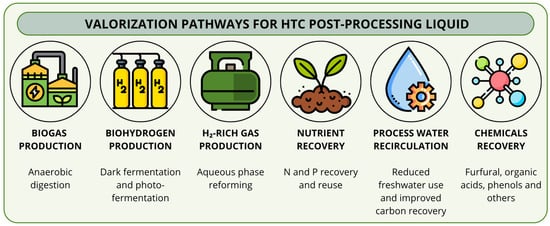
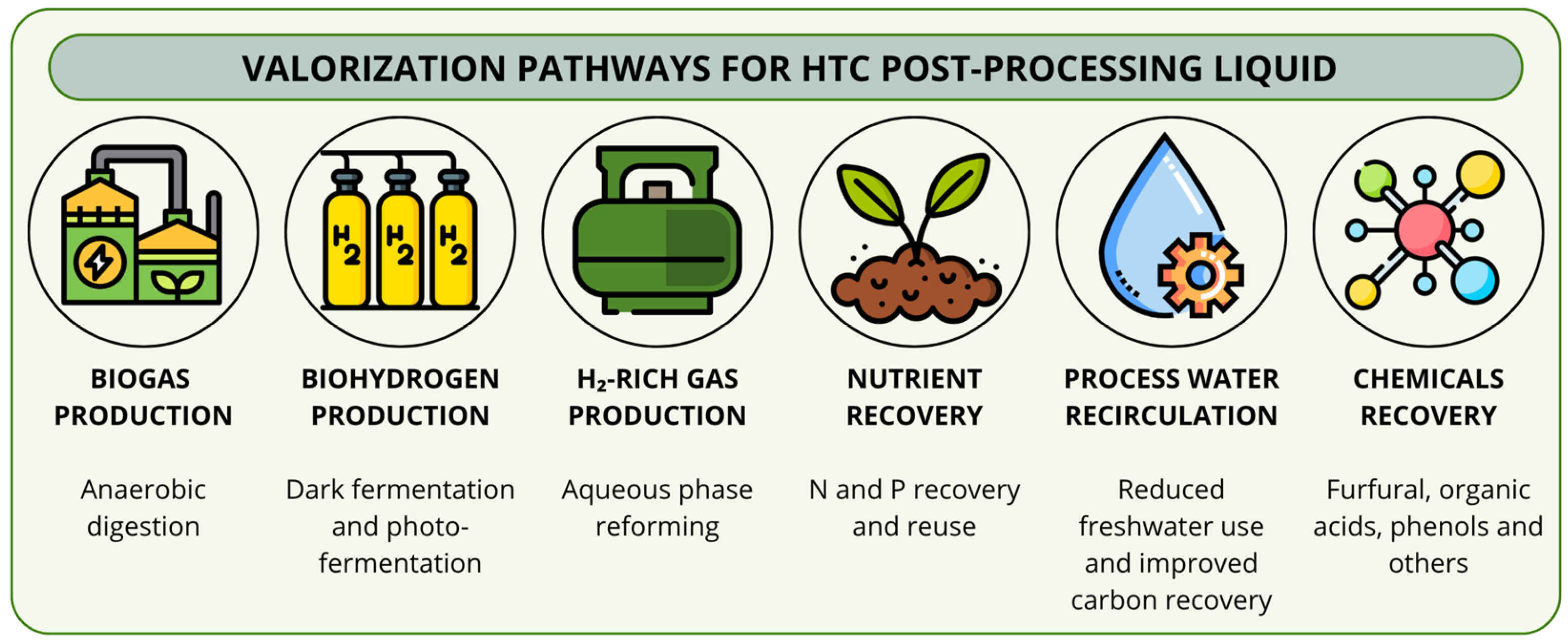
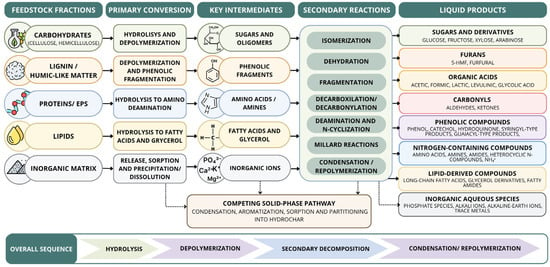
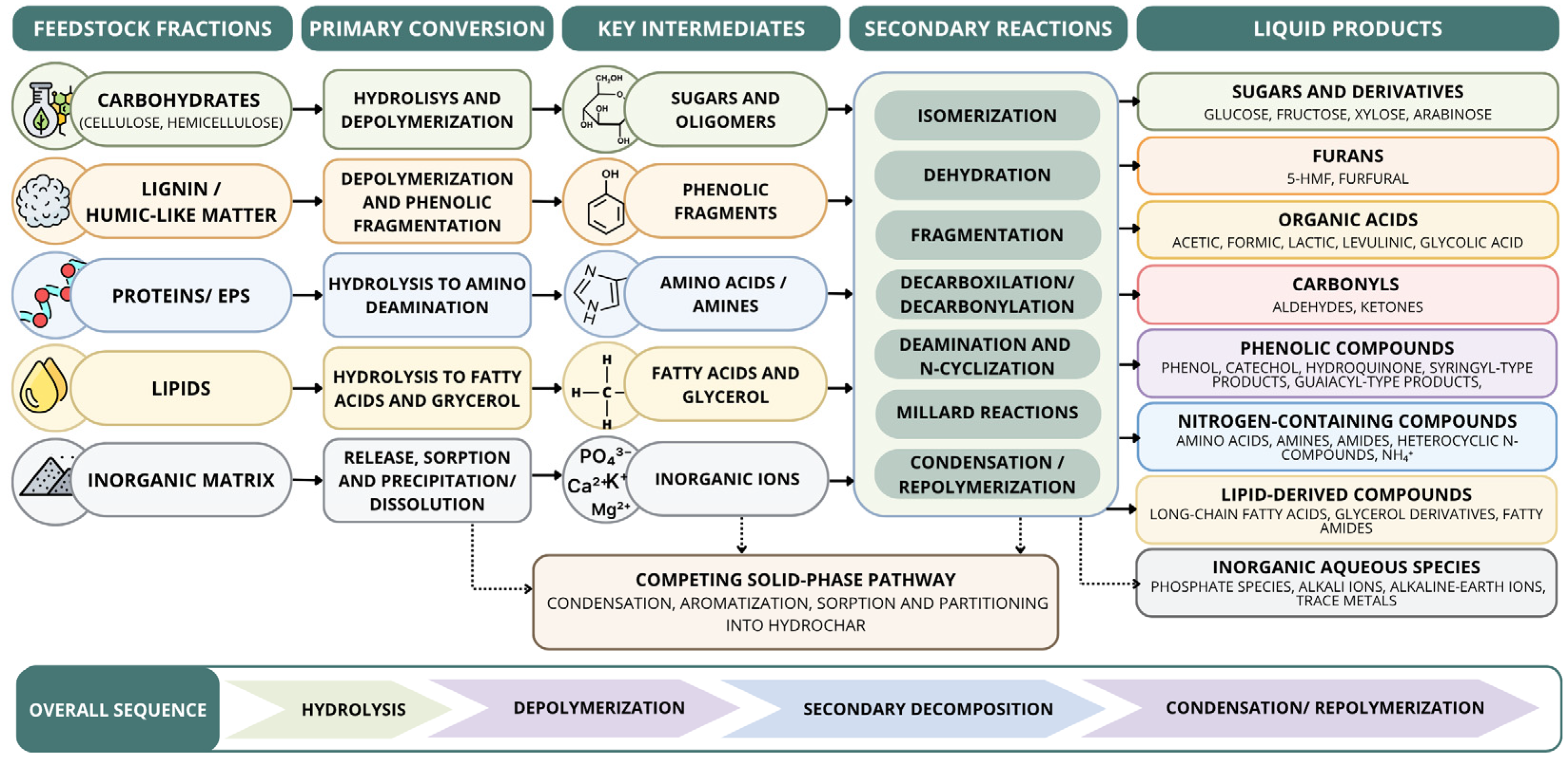
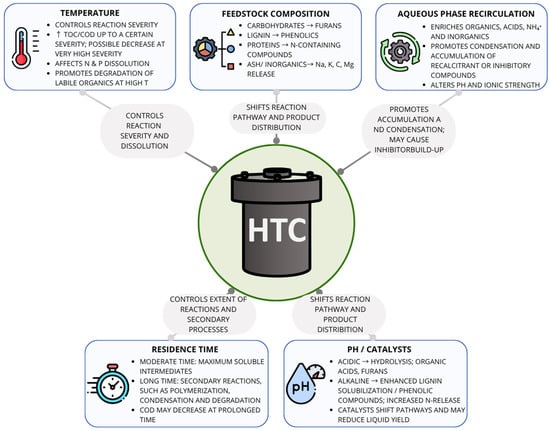
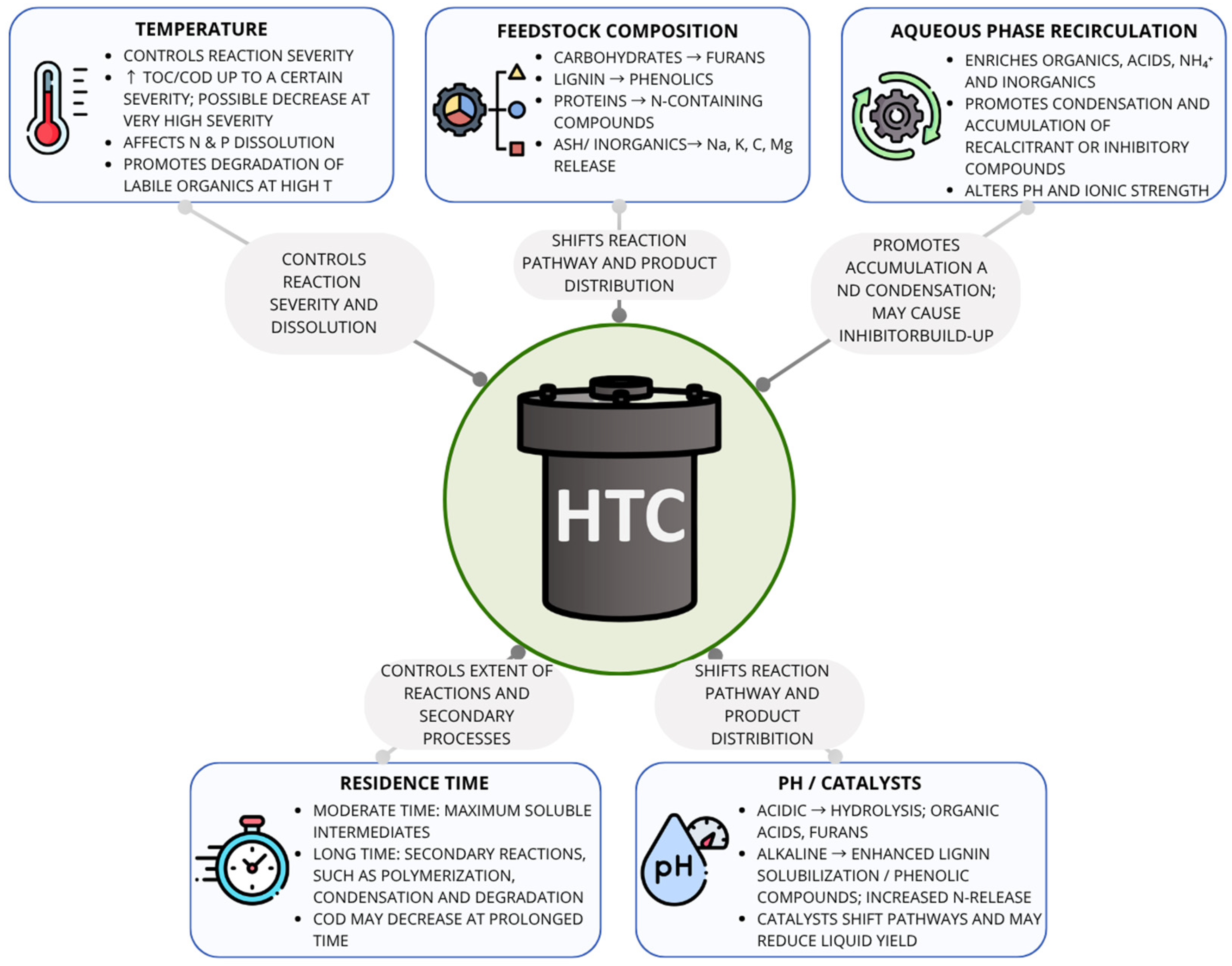
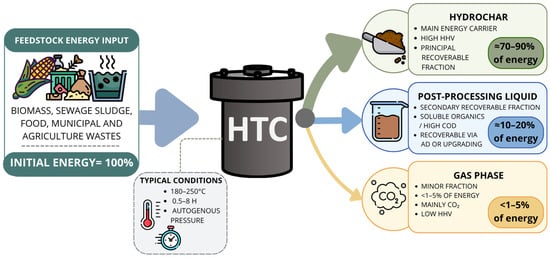
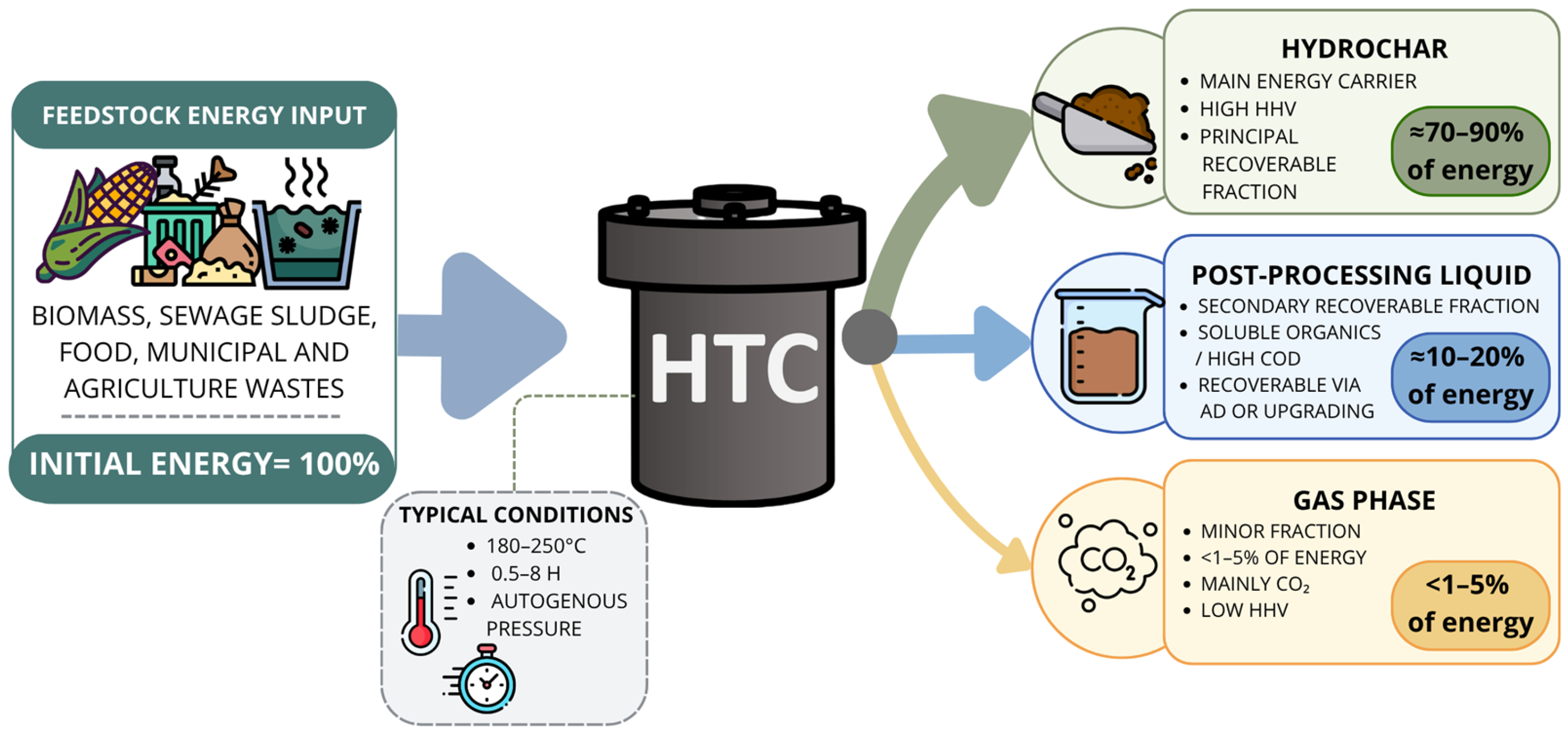
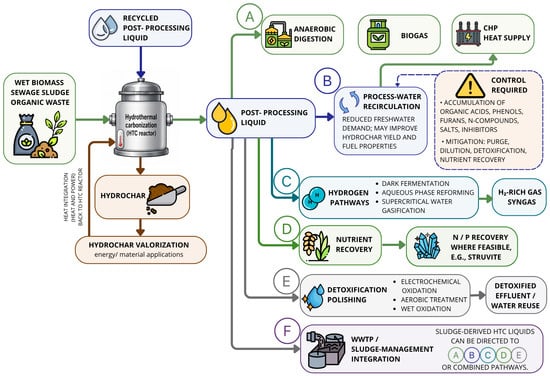
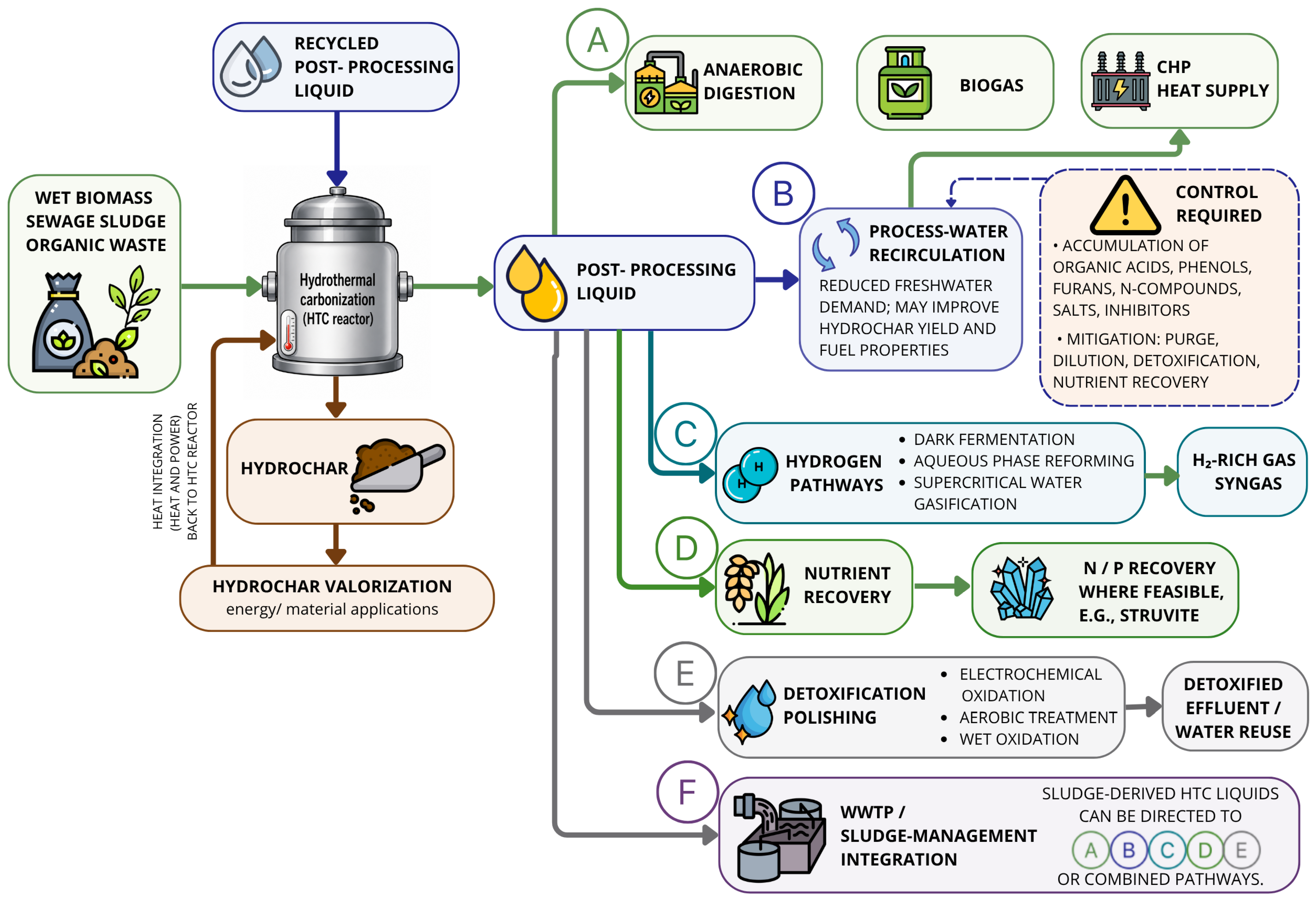
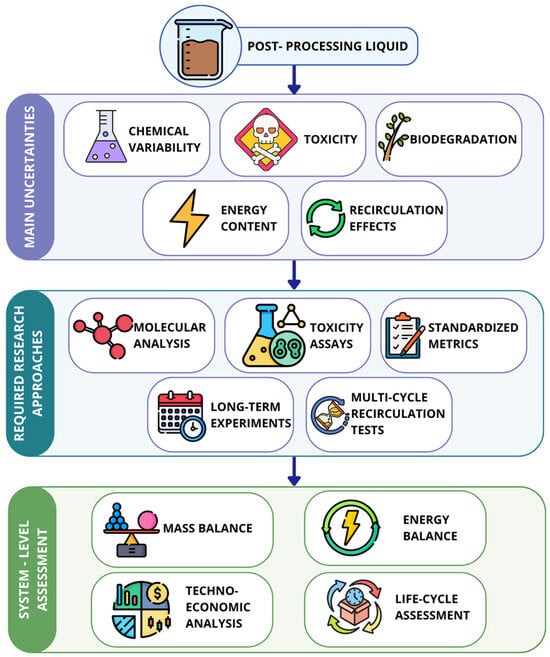
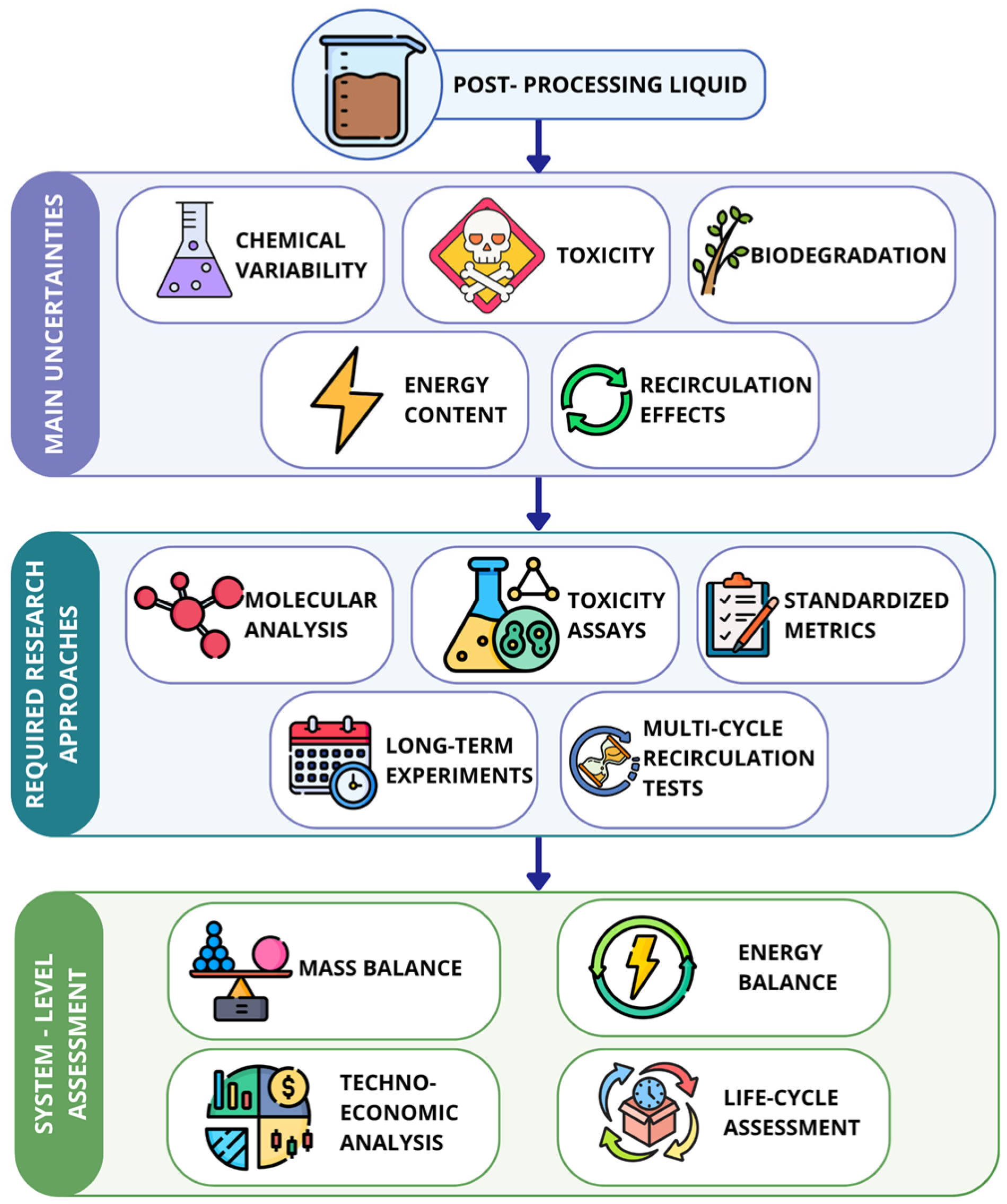

Disclaimer/Publisher’s Note: The statements, opinions and data contained in all publications are solely those of the individual author(s) and contributor(s) and not of MDPI and/or the editor(s). MDPI and/or the editor(s) disclaim responsibility for any injury to people or property resulting from any ideas, methods, instructions or products referred to in the content. |
© 2026 by the author. Licensee MDPI, Basel, Switzerland. This article is an open access article distributed under the terms and conditions of the Creative Commons Attribution (CC BY) license.