


Abstract
Recent advances in ozone-assisted combustion for both compression ignition and spark ignition engines are discussed. Ozone, which can be produced by an electrical discharge in air or pure oxygen, decomposes at high temperature to yield highly oxidizing oxygen atoms, which enhance fuel/air reactions. As a result, flames are faster and more stable, ignition is enhanced and low-temperature chemistry is promoted. In the literature, the beneficial influence of ozone on standard and innovative fuels, including low-carbon (syngas) and zero-carbon (hydrogen and ammonia) fuels, has been assessed. In addition, the impact of ozone seeding on new combustion strategies has also been discussed. Ozone enables better control of ignition in Homogeneous Charge Compression Ignition (HCCI) engines, and improves the combustion stability in low-load Gasoline Compression Ignition (GCI) engines, as well as in lean Spark-Assisted Compression Ignition (SACI) and spark ignition (SI) engines, thus broadening the operating range of these engines.
1. Introduction
In recent years, the transition from fossil fuels to sustainable fuels, which are renewable and carbon-free, has become a key priority. New strategies in the energy and transportation sectors are in an advanced stage of study to make this transition a reality. The European Union (EU) has set ambitious climate and energy targets for the coming decades. By 2030, the EU aims to reduce net greenhouse gas (GHG) emissions by at least 55% compared with 1990 levels and to improve energy efficiency by at least 32.5%. Furthermore, the EU’s long-term objective is to achieve climate neutrality by 2050 [1,2].
It is known that the global demand for energy is continuously growing, increasing 2020’s level of 160,000 TWh by about 50% by 2050. Despite the considerable increase in energy produced from renewable sources, even today the global energy mix remains dominated by fossil fuels, with an increase in such fuels at a global level [3]. According to the International Energy Outlook 2021 (IEO2021) [4], the largest increase in future energy demand is expected to come from non-OECD (Organization for Economic Co-operation and Development) countries. This trend is primarily driven by ongoing population growth and by the economic and industrial needs of developing countries.
Renewable energy sources, such as solar and wind power, are characterized by intermittency and variability as their availability depends on weather and environmental conditions, and are in any case insufficient to satisfy the growing demand for energy. It is therefore necessary to turn to a more stable and reliable source of energy that can satisfy the world’s energy demands. This is still guaranteed today by fossil fuels, despite the fact that the use of these fuels is incompatible with the urgent need to reduce pollutant emissions and mitigate their adverse impacts on the environment and human health. Global GHG emissions mostly come from the energy sector, around 75%, while the transport sector contributes around 16%. In this sector, approximately 75% of GHGs come from road transport, specifically approximately 45% from passenger vehicles, while 30% comes from freight trucks [5,6].
As regards combustion in thermal engines, the need to develop new strategies is necessary, in order to increase performance and reduce emissions and to meet both the energy and the climate targets. The new combustion strategies developed in recent years aim to take advantage of conventional engines, both compression ignition (CI) and spark ignition (SI) engines. These strategies include low-temperature oxidation, and engines that combine a homogenous charge with compression ignition.
In addition to new combustion strategies, research has also focused on the use of new fuels, such as e-fuels and biofuels, which lead to considerable advantages in terms of emissions, as well as the use of new additives and chemical species, which not only improve engine performance but guarantee better combustion control.
Among these additives, ozone has distinctive chemical–physical specifics that make it a promising candidate for automotive and aeronautical applications. Ozone is a highly oxidizing species that readily decomposes into reactive intermediates, thereby accelerating chain-branching reactions and enriching the radical pool. As a result, ozone has attracted considerable interest as a means of enhancing the combustion characteristics of lean mixtures and alternative fuels, particularly under low-temperature conditions. Research on the application of ozone in combustion systems began with pioneering studies focused on the low-temperature oxidation of hydrocarbons, with particular emphasis on ozone decomposition mechanisms, combustion kinetics, and the underlying chemical pathways. Subsequently, investigations broadened towards more application-oriented topics, including the enhancement of ignition in high-octane fuels such as methane, methanol, and hydrogen, as well as the control of ignition timing and cold-start behavior in diesel and Homogeneous Charge Compression Ignition (HCCI) engines. More recently, ozone has been proposed as a promising additive for increasing flame propagation rates in SI engines, especially under lean-burn and low-temperature operating conditions. In parallel, significant efforts are being devoted to the development of onboard ozone-generation technologies for automotive applications, with the aim of translating fundamental and applied research into practical engine solutions.
Based on this scenario, this work intends to describe and summarize the peculiarities of ozone-assisted combustion and, at the same time, collect the contributions of the various researchers who have focused their studies on the use of this additive in internal combustion engines. Within this context, the present review provides a critical, engine-oriented assessment of ozone-assisted combustion. The discussion focuses on the link between fundamental combustion studies and engine-relevant applications, with particular attention to the conditions in which ozone addition can be beneficial, ineffective, or even detrimental. In addition, some considerations are provided regarding the gap between the combustion enhancement observed in simplified configurations and its practical implementation in engines. This includes key aspects such as onboard ozone generation, the related energy demand, ozone stability, and the possible trade-offs between improved combustion stability and pollutant formation. To the best of the authors’ knowledge, this is the first review article focusing on the use of ozone in internal combustion engines, covering both compression ignition and spark ignition engines.
This work is organized as follows: first, an overview on ozone-assisted combustion is given, focusing on how ozone influences the ignition characteristics and the flame speed; then, the potential of ozone in internal combustion engines is described, addressing specific issues and recent advances related to compression ignition engines and spark ignition engines separately; subsequently, a critical assessment of the main studies, practical limitations and future perspectives is provided; finally, conclusions are summarized.
2. An Overview on Ozone-Assisted Combustion
In recent years, several studies have been carried out to analyze the role of ozone in advanced combustion systems [7]. Ozone presents specific physico-chemical properties that make it attractive as an oxidizing additive. One particularly relevant feature is its relatively long lifetime under dry, ambient conditions, i.e., about 25 h [8]. This characteristic enables ozone to be available in the combustion region in order to enhance fuel oxidation. Another relevant feature is the possibility of generating ozone through established electrical-discharge technologies, such as dielectric barrier discharge and corona discharge. However, for practical engine applications, the efficiency, power demand, durability, and integration of onboard ozone generators remain critical aspects that require further assessment under realistic operating conditions.
As is well known, ozone is a molecule composed of three oxygen atoms O3. It is commonly generated through electrical-discharge techniques, i.e., dielectric barrier discharge or corona discharge. These processes induce the breaking of the molecular bond of diatomic oxygen O2 into atomic oxygen. The latter, therefore, tends to recombine with O2 to form ozone according to the following reaction:
where M denotes a generic third-body collision partner. When ozone is obtained from air rather than pure oxygen, the presence of nitrogen leads to the formation of specific chemical species, such as N, NO, NO2, NO3, etc. [9,10], which would be responsible for ozone depletion through the reactions
O2 + O + M ⇄ O3 + M,
N + O2 ⇄ NO + O,
NO + O3 ⇄ NO2 + O2,
NO2 + O3 ⇄ NO3 + O2.
The above reactions also show that ozone can be efficiently used to convert nitrogen monoxide NO, characterized by a low solubility in water, into NO2 or NO3, which instead have a higher solubility in water and are therefore easier to capture [11,12].
In the past, most studies involving ozone kinetics have been limited to atmospheric pressure, as ozone is not typically present in combustion systems. Following the first studies referring to ozone-assisted combustion [13,14,15,16,17], the importance of the ozone decomposition reaction (R1) [18,19,20,21,22,23,24,25], which releases a highly oxidizing oxygen atom, has been understood. It has also been observed that, for pressure significantly below 100 bar, this reaction is dependent on both pressure and temperature. It should also be underlined that, in combustion processes involving ozone, other important reactions are the ozone oxidation and HO2 production reactions:
O3 + X ⇄ O2 + XO,
O3 + XH ⇄ HO2 + product.
As regards the chemical kinetics of ozone with hydrocarbons, it presents significant differences depending on whether it reacts with either saturated (alkanes) or unsaturated (alkenes) hydrocarbons [26]. In principle, the idea is to produce atomic oxygen via the R1 reaction, so that the reactions involving the fuel molecules are greatly accelerated. It should be kept in mind that ozone reacts slowly with alkanes [27,28], while the reactions with alkenes are six orders of magnitude faster [29,30,31]. Alkenes interact with ozone via exothermic reactions with ozone cyclo-addition, i.e., ozonolysis reactions, such as
where Q is the heat release. Unlike the oxidation reactions of fuels, which mainly occur at elevated temperatures, ozonolysis reactions exhibit high reactivity under relatively low-temperature conditions, typically below 700 K. Therefore, at high temperatures, reaction R1 represents the dominant mechanism of O3 depletion, while ozonolysis reactions prevail at low temperatures [7].
O3 + Fuel ⇄ Products + Q
There are interesting works in the literature that analyze various aspects of ozone-assisted combustion. They specifically focus on ozone effects on ignition, on the structure of the flame and its stability, and on low-temperature chemistry (LTC). These effects are described in detail in the following sub-sections.
2.1. Ignition Enhancement
Ozone can be used to ignite H2/O2 mixtures by using a KrF excimer laser [32], since it produces oxygen atoms by absorbing a single photon, thus igniting the mixture. It is shown that below 13.3 kPa, the minimum concentration of ozone needed to ignite the mixture decreases by increasing the initial gas temperature, whereas pressure and equivalence ratio do not have a significant influence. Liu et al. [33] carried out photolysis experiments comparing the flame kernel growth rate for H2/O2/Ar mixtures with and without ozone addition. The results show that the addition of ozone leads to a strong increase in the initial ignition kernel growth. Furthermore, the influence of ozone on ignition, flame propagation, detonation and explosion limits of hydrogen/oxygen mixtures has been studied in several works [34,35,36,37], showing that ozone influences chemical kinetics, mainly reacting with atomic hydrogen, and preferential diffusion. A critical temperature has recently been identified [38] that affects the behavior of hydrogen in ozonated air at low pressure. Above the critical temperature, which decreases with increasing ozone concentration, the ignition delay time is drastically reduced. As pressure increases, a smoother trend is observed.
Nomaguchi and Koda [39] examined the ignition time of methane/air and methanol/air mixtures and verified that it was significantly reduced with partially ozonized air. Additionally, the electric pulse duration needed to get ignition is reduced with ozone for both fuels. Ji et al. [40] carried out both experiments and numerical analyses to see how ignition delay time (IDT) is affected by ozone in the case of a lean methane/air mixture. The results showed that the low-temperature reactions occur earlier as ozone concentration increases, thus enhancing ignition. The IDT of rich mixtures of CH4/O2/O3/Ar and of NG/O2/O3/Ar was measured by Xie et al. [41], who used a rapid compression machine. The reduction in IDT with the addition of ozone is due to a two-fold effect: the decomposition of ozone leads to temperature increase, then the production of oxygen radicals and hydrogen enhances the hydrocarbon reactions. The chemical kinetic effect is more important than the thermal effect. Furthermore, numerical simulations were performed in a four-stroke engine used to convert methane into hydrogen and to produce work in a poly-generation process. The addition of ozone allows for operation at higher engine speed and at lower initial temperature by enhancing efficiency at the same time. On the other hand, Jiang et al. [42] carried out experiments and numerical simulations of methane/oxygen mixtures with addition of ozone in meso-scale channels. The authors showed that the presence of ozone extends the flammable limits and shifts the combustion region towards the entrance of the channel.
The use of ozone in ammonia-fueled combustion systems is still in the early stages of research, and significant work should be done before this technology is implemented in practical applications. It is well known that ammonia exhibits lower reactivity than conventional fuels and hydrogen, and ozone could enhance its combustion characteristics. To investigate this application, dedicated chemical kinetic mechanisms are required [43], as ozone alters the reaction pathways involved in ammonia oxidation. Comparisons between experimental data obtained in a jet-stirred reactor, over a temperature range of 700–1200 K at atmospheric pressure, and numerical simulations reveal several discrepancies, particularly in the description of low-temperature chemistry and the prediction of NOx formation [44]. These findings highlight the need for further refinement of the kinetic models. Experimental results also indicate that ozone can moderately enhance ammonia reactivity. However, ozone leads to a significant increase in NOx and N2O emissions in the combustion products. This aspect must be carefully considered when evaluating the feasibility of ozone-assisted ammonia combustion for practical applications.
2.2. Flame Speed Increase and Flame Stabilization
As regards the impact of ozone on the flame speed under laminar conditions, several works were devoted to the study of methane/air/ozone mixtures. Both a numerical and experimental study was performed by Halter et al. [45], who assessed the increase in laminar flame speed (LFS) of the methane/air mixture with the addition of ozone for all the equivalence ratios examined at ambient pressure and temperature. Experiments showed that with the addition of 2369 ppm ozone, the LFS increase is below 5%. The computed LFS increases with ozone concentrations in the range examined, i.e., from 0 to 20 g/Nm3. The authors also performed a detailed kinetic analysis to identify the main reaction pathways in the absence and presence of ozone at the maximum concentration of HO2 and to compute the rate of consumption of some chemical species. With the addition of ozone, the methane consumption rate increases by approximately 40%, 400% and 980% for equivalence ratios (Φ) of 1, 0.6 and 1.4, respectively. The main reaction pathway for Φ = 0.6 shows that methane is consumed mainly by reacting with the hydroxyl OH, both in the absence and presence of ozone, although with ozone the reaction rate with oxygen atoms is increased by about 23 times. Finally, both experiments and simulations highlight that the presence of ozone produces a reduction in the flame thermal thickness, especially under stoichiometric conditions. Similar results were obtained by Wang et al. [46] using a heat-flux burner at atmospheric pressure: the LFS of methane increases as the ozone concentration increases. From their sensitivity analysis, it is shown that ozone makes atomic oxygen available in the preheating zone. This favors early oxidation of the fuel, although the methane reaction pathways remain unchanged. The analyses of methane flames were extended to higher pressure values, up to 5 bar, by Ji et al. [47] employing a constant-volume combustion chamber. Their experimental results show that oxygen atoms extracted from ozone favor the concentration of intermediate species that promote combustion. This is reflected in an increase in the flame temperature as well as an increase in the LFS up to about 21% with 1000 ppm ozone for lean mixtures (Φ = 0.6) at 5 bar.
Ombrello et al. [48] examined the influence of O3 on laminar lifted flames for C3H8/O2/N2 mixtures. An acceleration of chemical kinetics was observed in the presence of ozone. Specifically, the authors found an 8% increase in the lifted flame propagation speed with the addition of 1260 ppm of O3 under stoichiometric conditions at atmospheric pressure. In addition to its effect on chemical kinetics, ozone also influences the hydrodynamics in the case of lifted flames, thereby further enhancing the LFS.
Gao et al. [49] extended their analysis to three different fuels, i.e., methane, propane and ethylene, with the addition of ozone. They performed their experimental studies using a Bunsen burner for various pressures, up to 3 atm, and compositions. In parallel, they carried out numerical simulations and performed comparisons with their measurements. For methane and propane, their results confirmed that ozone effect increases with pressure. In order to infer the role of chemical kinetics, the numerical results referring to a stoichiometric mixture of methane/air without and with 6334 ppm of ozone were analyzed. In particular, the release of atomic oxygen in the preheating zone was observed (Figure 1), according to the reaction
which reacts with methane according to the reaction
N2 + O3 ⇄ N2 + O2 + O,
CH4 + O ⇄ CH3 + OH.
Figure 1.
Schematic view of the main reactions involving ozone in the case of a CH4/air/O3 flame at 1 atm and 300 K under stoichiometric conditions.
In the presence of ozone, the rate of this reaction increases by approximately 10%, followed by an increase in the rate of the entire kinetics. Furthermore, Figure 1 shows the occurrence of another important reaction related to ozone depletion:
which is either a chain propagation or termination reaction. The sensitivity analysis shows the negative effect of this reaction on the flame speed. This reaction is enhanced by the fast diffusion of atomic hydrogen in the preheating zone. However, as the pressure increases, such diffusion is significantly reduced; therefore, reaction R8 becomes the dominant one for ozone depletion at high pressure, thus explaining the higher impact of ozone. A similar behavior is also obtained in the case of propane, which is also investigated in Ref. [50]. Furthermore, it is shown that ozonolysis reactions lead to an increase of oxygen atom concentration, thus promoting two new reaction paths between propane and oxygen atoms.
O3 + H ⇄ O2 + OH,
As regards ethylene, it is observed that the presence of ozone may not be favorable for faster combustion. Indeed, Glückstein et al. [51] observed a reduction in the LFS of ethylene with addition of ozone at ambient conditions. Pinchak et al. [52], however, observed an increase in the LFS of ethylene with the addition of ozone, but in an environment at low pressure (10.7 kPa), justifying this increase due to an early heat release and a higher OH production. Gao et al. [49] finally showed that ozonolysis reactions lead, in ambient conditions, to a decrease in the LFS of ethylene with the addition of ozone. The following reaction pathways were considered to model the ozonolysis reactions:
C2H4 + O3 = CH2O + OH + HCO
C2H4 + O3 = CH2O + 2H + CO2
C2H4 + O3 = CH2O + H2 + CO2
C2H4 + O3 = CH2O + H2O + CO.
O3 is rapidly consumed through the aforementioned reactions, generating reactive radicals such as H and OH. These radicals subsequently take part in oxidation pathways leading to the formation of stable products, including H2O, CO, and CO2. Simultaneously, CH2O and H2 can survive long enough to be transported into the flame zone, where they contribute to fuel oxidation and may enhance the mass burning rate. From this perspective, ozonolysis can have a beneficial chemical effect on the LFS. However, the ozonolysis process is essentially isothermal, as the heat released is largely dissipated before reaching the flame front, and this causes the LFS to decrease. This behavior differs significantly from that observed in alkane fuels, for which O3 addition generally increases the temperature of the combustion process. Therefore, in alkane–air mixtures, ozone provides both chemical and thermal promotion, whereas in ethylene–air mixtures its influence is predominantly chemical.
At relatively low reactant temperatures, i.e., 200 K, the addition of ozone to ethylene flames leads, instead, to an increase of approximately 6% in the flame speed with 3910 ppm of ozone. An increase is also found in an environment at a pressure below 0.66 atm, in agreement with Ref. [52], due to the low speed of ozonolysis reactions under these thermodynamic conditions.
The LFS of hydrogen in air is also enhanced with ozone doping [53]. In particular, it has been shown that when the flame propagates through an ozone layer that is stratified in terms of its composition, from the region with the highest ozone concentration to the ozone-free region, the beneficial effects of ozone sustain the flame even as it propagates in the zone without ozone. The role of ozone preferential diffusion on flame enhancement has been shown for different values of equivalence ratio, from 0.6 to 4.
Several studies were also carried out to investigate how to stabilize the flame of different fuels with ozone addition. Specifically, Vu et al. [54] observed that for both methane and propane, the addition of ozone allows the flame, which was unstable, to be stabilized, thanks to the increase in the LFS. The same findings were observed by Zhang et al. [55], who used syngas. The authors also noted an increase in the flammability limits of this fuel. In the work of Weng et al. [56], an increase in the stability of a methane/air Bunsen flame was found with the addition of ozone, derived from an increase in the concentration of formaldehyde (CH2O). Such an increase is due to the following reactions:
where the CH3O species is produced by the reaction
and by the following reaction when ozone is added:
CH3O + M ⇄ CH2O + H + M,
CH3O + O2 ⇄ CH2O + HO2,
CH3 + HO2 ⇄ CH3O + OH
CH3+O3⇄CH3O+O2.
The authors observed that at relatively low temperature of the reagents, so as to inhibit the R17 reaction, CH3O was produced by the R18 reaction. Therefore, it can be concluded that the presence of ozone allows for the production of formaldehyde at lower temperatures.
Several authors have also examined the influence of ozone on turbulent flames. Specifically, Khan et al. [57] considered spherically propagating laminar and turbulent premixed flames of Haltermann gasoline with addition of O3, H2, CO, and EGR in a constant-volume chamber. They found an increase of 80% in the LFS by adding 1000 ppm of ozone, 10% for H2 and 5% for CO. Moreover, an increase in the flame speed of the fuel with such additives was observed even at high pressure. Ehn et al. [58] used Planar Laser-Induced Fluorescence (PLIF) imaging for analyzing ozone-added lean methane/air low-swirl flames. They observed an increase in the extinction strain rate as a consequence of the atomic oxygen resulting from the dissociation of ozone. This enables operation under more turbulent conditions. In Ref. [56], the authors showed that the addition of ozone leads to higher concentrations of formaldehyde in methane/air premixed flame, and that this effect is more pronounced in turbulent flames with respect to laminar flames, due to an enlargement of the preheating region and higher diffusion. A numerical study was carried out by Reuter and Ombrello [59] on counterflow premixed strained laminar flames for different compositions of ethylene/methane with ozone, and for different initial pressures and temperatures. It is shown that ozone causes an increase in the extinction strain rate higher than that in the freely propagating flame for all the conditions investigated.
2.3. Low-Temperature Chemistry
Another important aspect of ozone is related to its influence on low-temperature chemistry (LTC). As is well known, LTC plays an important role in the formation of cool flames for different combustion systems, both conventional and innovative combustion engines [60]. In such engines, LTC influences combustion timings, emissions and engine knocking. Cool flames are highly unstable as they depend on low-temperature oxidation, with long induction times, which do not allow for fast chain-branching.
Ozone can be used, for example, to improve low-temperature chemistry and stabilize a cool flame in a counterflow burner [61]. Figure 2 shows a schematic view of the S-curves of n-heptane/oxygen diffusion flames in counterflow configuration to highlight the effect of ozone. The extinction limit of hot diffusion flame is only slightly enlarged by adding 3% of ozone, whereas, on the cool-flame branch, the differences are larger since the LTC timescale is considerably shortened by adding O3. Furthermore, ozone significantly increases the strain rate limits for ignition, in particular Low-Temperature Ignition (LTI). The propagation speed of ozone-enhanced n-heptane cool flames was measured by using a flame lift-off technique [62], thus showing an increase with O3 concentration. In the same work, the gradual suppression of NTC phenomena in n-heptane ignition with ozone addition was assessed. Similar results in terms of the NTC were obtained by Liu et al. [63] for a propane/oxygen mixture. It is well known that the NTC behavior is due to the competition between low-temperature chain-branching reactions (RO2 → QOOH) and chain-propagating pathways (RO2 → alkene + HO2), which become increasingly favored as temperature rises. Ozone decomposition acts as an external radical source, promoting fuel oxidation through the production of O and OH radicals, thus reducing the system’s reliance on the low-temperature branching chemistry. As a result, the sensitivity of the oxidation process to the branching–propagation competition is diminished, leading to a flattening or suppression of the NTC region.
Figure 2.
Effect of O3 addition on the oxidizer side on S-curves of diffusion flames of n-heptane and oxygen in a counterflow configuration.
Figure 3 shows the numerical results obtained for lean iso-octane/air/ozone mixtures (equivalence ratio equal to 0.3) in terms of IDT as a function of the initial temperature at 20 bar for different values of ozone concentrations [64]. IDT is reduced and the NTC region is flattened by increasing the amount of ozone. In addition, the IDT relative percentage variation with respect to the case without ozone is shown, thus highlighting that ozone has a stronger impact at lower temperature. At 600 K, the IDT decreases by approximately 70–80%, depending on the concentration of O3. As the initial mixture temperature increases to 740 K, the influence of ozone becomes less pronounced. However, within the 740–820 K range, the effect intensifies again because of the NTC behavior, which is more evident in mixtures without ozone. Beyond 820 K, the relative reduction in IDT gradually diminishes with increasing temperature and approaches zero near 1200 K. At this temperature, the addition of 10 ppm and 50 ppm ozone results in IDT reductions of only 0.4% and 2.2%, respectively. These findings indicate that ozone is most effective under low-temperature conditions, where chemical reactions proceed more slowly and can be significantly influenced by changes in reaction pathways. At elevated temperatures, thermal effects dominate the reaction kinetics, limiting the benefits of ozone addition. For example, adding 50 ppm ozone at 680 K reduces the IDT to 80 ms, which is comparable to the IDT obtained without ozone at 840 K.
Figure 3.
Effect of O3 addition on the ignition of iso-octane in air vs. initial temperature of the mixture at 20 bar and with an equivalence ratio equal to 0.3 in terms of IDT and IDT relative percentage variation with respect to the case without ozone. This content, which is published in Ref. [64], may be used under the terms of the Creative Commons Attribution 3.0 license (https://creativecommons.org/licenses/by/3.0/, accessed on 10 May 2026).
It is well known that the reactivity of n-alkanes increases with the chain length; therefore, larger n-alkanes show stronger cool diffusion flames [65]. However, the addition of ozone makes these differences less important, particularly at low strain rates.
An interesting experimental work is that of Yehia et al. [66] on dibutyl ether/oxygen/ozone mixtures. The authors detected a self-sustaining warm flame between cool and hot flames at ambient pressure. Numerical computations were also performed to understand the role of ozone on those flames. Specifically, the hot flame was not affected by the presence of ozone, while the warm and cool flames were affected by ozone doping due to the formation of very reactive radicals at low temperatures.
Reuter et al. [67] experimentally studied ultra-lean premixed cool flames of dimethyl ether (DME)/O2/O3 mixtures at ambient pressure. The experiments were performed in a counterflow burner and the addition of ozone allowed for the stabilization of a cool flame. Furthermore, the authors performed CH2O PLIF measurements and observed that the CH2O PLIF signal of the cool flame was much thicker than that of the hot flame. Moreover, it was observed that, in the experimental conditions used, the presence of ozone was absolutely required to self-sustain premixed cool flames, unlike the cool n-heptane diffusion flames by Won et al. [61]. The reason for this arises from the fact that, in the conditions used in the experiments, DME molecules are mainly (>96%) H-abstraction-decomposed by OH radicals and atomic oxygen. The latter is almost entirely produced by ozone (>97%), while approximately 40% of OH is produced by reactions involving O or O3. The most immediate consequence of all this is that by turning off the ozone generator, the cool flame extinguishes. Ju et al. [68] numerically studied freely propagating premixed DME flames, thus showing that, with a reactant temperature of 300 K, hot flames were exclusively obtained, while for cool flames it was necessary to either increase the temperature of the reactants, i.e., at 530 K, or add ozone. The results showed that by increasing the amount of ozone, cool flames occur by using leaner mixtures. The addition of ozone increases not only the initial mixture enthalpy, but also the flame reactivity.
Focusing on ammonia, a recent numerical study clarified the role of ozone in counterflow diffusion flames under steady conditions [69]. Adding O3 to the air stream (up to approximately 8.5% in terms of mole fraction) increases the extinction limit strain rate by roughly 16-fold and raises the maximum temperature by about 17%. A detailed analysis was carried out to understand the mechanisms driving this behavior. The results highlight that ozone primarily influences low-temperature chemistry on the lean side by increasing both the radical pool and the temperature and by enhancing the diffusion of reactants, which further accelerates ignition via a feedback loop. Consequently, ozone addition sustains flame stability.
3. Compression Ignition Engines
In compression ignition engines, the combustion process is mainly controlled by the timing and duration of the fuel injection. However, in recent decades, compression ignition has been used in engines that exploit new combustion strategies, such as Homogeneous Charge Compression Ignition (HCCI), where ignition is controlled by chemical kinetics [70]. In both cases, the potential of ozone to enhance the autoignition tendency of different fuels may be useful to optimize engine performance.
A pioneering work on the use of ozone in CI engines is that of Tachibana et al. [71]. Specifically, in this work, the authors examined the possibility of controlling both the ignition and cold-start of a Cooperative Fuel Research (CFR) diesel engine using ozone. By adding 500 ppm of ozone, the cetane number increases and the compression ratio for the ignition to occur decreases. A small decrease in main pollutant emissions was also achieved, except for NOx, which, on the contrary, tended to increase.
The results of this work were encouraging, and other researchers investigated the use of ozone for compression ignition engines. Several works are devoted to potential applications of ozone-assisted combustion to HCCI engines, which intrinsically present a weakness in the self-ignition timing control methods. For example, Nishida and Tachibana [72] carried out both experimental and numerical investigations to analyze the impact of ozone on ignition timing in a natural gas HCCI engine. By increasing the concentration of ozone in the mixture, the ignition timing advances. The effects are similar to those obtained by adding oxygen atoms. For example, it was experimentally observed that with 1200 ppm of ozone, self-ignition advanced by approximately 18 Crank Angle Degrees (CAD).
Foucher et al. [73] examined how ozone could control ignition in an HCCI engine fueled with n-heptane. Specifically, they found that with the addition of about 50 ppm of O3, ignition was advanced by 7 CAD. Masurier et al. [74], on the other hand, used alcoholic fuels in HCCI engines and once again the presence of ozone allowed for better control of the ignition of the mixture and subsequent combustion, with a greater impact on butanol than methanol and ethanol. In the work of Yamada et al. [75], an HCCI engine powered by DME with the addition of different additives was considered. They also found how self-ignition timing could be advanced with the presence of ozone and how ozone itself leads to a reduction in the ignition temperature of the cool flame.
In Ref. [76], experiments on an HCCI single-cylinder engine powered by Primary Reference Fuels (PRFs), ranging from PRF0 to PRF100, with the addition of ozone were carried out. Their results showed that ozone promotes the formation of cool flames as well as an advance in the ignition of the mixture. Subsequently, the same authors in Ref. [77] considered an HCCI engine fueled with iso-octane and compared the combustion characteristics by adding different oxidizing species to this fuel, such as NO, NO2 and O3. The results show that ozone is the additive that allows the highest peak pressure to be reached following the earliest ignition and consequent combustion. Furthermore, the authors studied the combustion characteristics in the case of simultaneous employment of additives. Specifically, an additive composed of about 47 ppm of NO and a variable concentration of O3 was considered. The addition of NO alone led to an advance in ignition. With the addition of small concentrations of ozone, however, a reduction in this advance was observed, while an opposite trend was obtained as the ozone concentration increased. This behavior is due to the chemical reaction between NO and O3 to form NO2, which has a minor influence on combustion.
Masurier et al. [78] also analyzed, again with reference to the HCCI engine, both some ozone production methods and some ozone injection strategies. In particular, as regards the generation of ozone, the most promising results were obtained when the ozone generator was supplied with pure oxygen, but air can be used more easily with similar effects. As regards injection strategies, both the injection of ozone in a plenum placed on the intake manifold, where iso-octane and air were also supplied to get good homogenization of the mixture, and injection directly into the intake manifold gave comparable results. This is a consequence of the in-cylinder fluid dynamics, which made it possible to also homogenize the mixture in the case of the second injection strategy.
Seignour et al. [79] carried out measurements in an HCCI engine with different gas mixtures by an ultraviolet light absorption test-bench to identify which chemical species most influence ozone decomposition. The authors observed that both iso-octane and water vapor have the highest influence on such decomposition. Furthermore, Seignour et al. [80] compared combustion in an HCCI engine running on two fuels separately, i.e., hydrogen and iso-octane. Measurements were performed by varying different engine parameters, i.e., air intake pressure, air intake temperature and ozone concentration. It was observed that ozone was the one that produced the highest impact on the combustion process. Hydrogen was more sensitive to intake temperature and ozone concentration than iso-octane, which was slightly more impacted than hydrogen by changes in intake pressure.
The combined effect of ozone and residual gases in an iso-octane HCCI engine has been investigated [81]. Although increasing the amount of residual gases in the chamber causes more ozone to be consumed in reactions with NO, and some O reacts with other intermediate species rather than with the fuel, this is not sufficient to diminish ozone benefits, and the effects of ozone are more significant in the cases where engine performance is reduced due to the increased amount of residual gases. Figure 4 shows the results, in terms of in-cylinder pressure and heat release rate, with different residual gases percentages in the cases without ozone seeding and with 35 ppm of O3.
Figure 4.
In-cylinder pressure (a) and heat release rate (b) vs. CAD computed in an iso-octane HCCI engine with different ozone concentrations, i.e., 0 and 35 ppm, and residual-gas (RG) mass fractions ranging from 0% to 10%. This content, which is published in Ref. [81] and is reproduced here with minor modifications, may be used under the terms of the Creative Commons Attribution 4.0 license (https://creativecommons.org/licenses/by/4.0/, accessed on 10 May 2026).
A partially premixed compression ignition engine with direct injection of commercial gasoline with a 95 Research Octane Number (RON) was considered by Pinazzi and Foucher [82,83]. They added ozone to improve the reactivity of gasoline at low loads. The authors examined different geometries and strategies of fuel injection as well as different Start Of Injection (SOI) timings. The authors observed that, in the case of single fuel injection, an advance in the fuel injection is beneficial to prevent ozone, in the absence of fuel, from reacting with the NO present in the residual gases to form diatomic oxygen. However, more promising results were obtained by employing a double fuel injection: the first injection during the intake stroke, to increase the residence time of the ozone with the fuel, and the second injection during the compression stroke, for a better control of the combustion process. Furthermore, the authors observed that the presence of ozone enables progressive reduction in the intake air temperature and, therefore, both the autoignition temperature and the peak temperature in the combustion chamber.
The combined effect of fuel octane sensitivity and ozone seeding have been investigated to stabilize the operations with a low load in a Gasoline Compression Ignition (GCI) engine in Ref. [84]. By increasing both octane sensitivity and ozone concentration (up to 90 ppm), the low-temperature and the high-temperature combustion timings are advanced. Ozone promotes the formation of OH radicals, thus increasing in-cylinder temperature, and, together with high-octane-sensitivity fuels, reduces inhomogeneities and improves combustion stability.
Some studies have focused on the use of ozone as an additive in Spark-Assisted Compression Ignition (SACI) engines. Among them, Biswas and Ekoto [85,86] considered a lean SACI engine and observed that the presence of O3 led to improved combustion stability, since it promotes the autoignition of end gases. Furthermore, ozone promoted a wider SACI operating range, especially at low engine speeds, due to the longer residence time for cool flame to occur.
The ozone-doping effect on an RCCI (Reactivity-Controlled Compression Ignition) optical engine powered with a blend of diesel and ammonia under low-load conditions was recently explored [87], in order to exploit the benefit of using ammonia, which is a zero-carbon fuel, by mitigating at the same time NH3’s tendency to misfire. By increasing ozone concentration, in-cylinder pressure, heat release rate and indicated mean effective pressure are considerably enhanced. As a matter of fact, ozone counterbalances the inhibitory effects of ammonia by producing free radicals.
4. Spark Ignition Engines
Ozone-assisted combustion in spark ignition (SI) engines is receiving increased attention in the scientific literature. Several works are mainly devoted to studying the potential of using O3 to promote ignition and combustion stability under operating conditions that are challenging for conventional engines. On the other hand, the role of ozone in the effort to reduce emissions has also been investigated.
To fully exploit the benefits of O3, it needs to be produced onboard, since it is very unstable and reactive. Figure 5 [88] shows an air ozonator located in the engine intake system. In this case, the oxidizer will be a mixture of air and ozone. Another possibility is to produce O3 inside the cylinder. This approach is known as Plasma-Assisted Combustion (PAC) [89].
Figure 5.
Technical scheme of a single-cylinder research engine with an O3 generator placed between the air filter and the intake manifold (CAD “PTC Creo 8.0″ and PowerPoint of Microsoft Office 365 were used). This content, which is published in Ref. [88] and is reproduced here with minor modifications, may be used under the terms of the Creative Commons Attribution 4.0 license (https://creativecommons.org/licenses/by/4.0/, accessed on 10 May 2026).
From an engineering perspective, the possibility of generating ozone onboard remains one of the main challenges for practical engine applications. Fanelli et al. [88] recently proposed a proof-of-concept DBD plasma ozone generator based on dielectric-coated electrodes for automotive use, highlighting the feasibility of compact ozone-generation devices. Nevertheless, these systems should still be considered as enabling technologies rather than mature engine components. In fact, the overall effectiveness of ozone-assisted combustion cannot be evaluated from the combustion response alone. It also depends on several system-level aspects, including the efficiency of the ozone generator, the required electrical power, ozone losses during intake and compression, packaging constraints, durability, and the ability to operate under transient engine conditions. Further engine-oriented studies are therefore needed to determine whether the improvements observed in laboratory or proof-of-concept configurations can ultimately lead to a positive balance at the full system level.
The impact of ozone in SI engines depends on the fuel properties. For instance, ozonated air could be more effective when a cool flame is present [90]. Figure 6 shows the influence of O3 on the LFS of stoichiometric iso-octane/air and methane/air mixtures as a function of pressure (from 1 to 20 bar) and for different reactant temperatures from 500 to 600 K obtained through numerical simulations of 1D freely propagating flames under steady-state and adiabatic conditions. Different concentrations of ozone, ranging from 0 ppm to 7000 ppm, have been considered. In the case of methane/air mixture, LFS decreases as pressure increases for all values of reactant temperature. The iso-octane/air mixture behaves differently at temperatures above 540 K and in the presence of a cool flame. This different behavior consists of the increase in LFS with pressure, which is more noticeable with higher ozone concentrations and/or higher temperatures. This is because O3 decomposition promotes the formation of atomic oxygen through the reaction O3 + N2 → O2 + O + N2, and, consequently, the production of OH radicals through the reaction C8H18 + O ⇄ C8H17 + OH, which enable the formation of a cool flame. As pressure increases, especially at higher temperatures, ozone decomposition is enhanced, thus promoting the occurrence of the cool flame. Therefore, Figure 6 shows that the increased reactivity due to the addition of ozone can, in some cases, compensate for the pressure-induced decrease in LFS. Specifically, when the temperature of the reactants does not exceed 540 K, the LFS decreases with increasing pressure in all the cases examined. Above 560 K, however, the ozone effect, which becomes more significant as pressure increases, leads to an increase in the LFS of iso-octane at pressures above a certain threshold, which depends on O3 concentration and on temperature.
Figure 6.
Ozone effect on LFS as a function of pressure for stoichiometric iso-octane/air and methane/air mixtures for different O3 concentrations, in the range 0–7000 ppm, and reactant temperatures, in the range 500–600 K, obtained through numerical simulations of 1D freely propagating flames under steady-state and adiabatic conditions. Reprinted from [90] with permission from Elsevier.
Given the relevant impact that ozone has on gasoline combustion, recent studies have investigated the influence of O3 on SI engines, eventually using iso-octane as a surrogate. This is to understand, predict and provide guidance on the potential and limitations associated with ozone-assisted combustion in an effort to improve the efficiency of this type of engine. For instance, ozone can help reduce part-load pumping losses allowing for higher de-throttling. As a matter of fact, in order to control load, residual-gas can be used to obtain a diluted mixture while ensuring stoichiometric conditions for proper three-way catalyst operations. Hence, ozone can be employed as an ignition enhancer for highly diluted mixtures. In this context, Golke et al. [91] carried out experimental investigations on an SI engine fueled with Brazilian gasoline, which contains about 25% of ethanol. A downsized turbocharged direct injection engine was used to demonstrate the improvement in the gas exchange efficiency achieved through ozone-assisted combustion. Furthermore, it is shown that autoignition of the end gas is promoted by the addition of O3 even at residual gas fractions exceeding 30% and at low compression ratios. Recent engine experiments have also shown that the impact of ozone depends strongly on the dilution strategy and on the specific operating conditions. Roso et al. [92] investigated the effect of ozone addition in a turbocharged DISI engine operated at low load, considering both excess-air and residual-gas dilution. They found that ozone concentrations up to 1000 ppm produced no clear effect when dilution was achieved by excess air. In contrast, some benefits were observed under selected low-load conditions with high residual-gas fractions, where the baseline combustion process was slower and less stable. These results suggest that ozone is not inherently beneficial as an additive, since its effectiveness depends strongly on the engine operating conditions. At the same time, possible drawbacks, including changes in pollutant emissions such as NOx, need to be considered when assessing its practical applicability.
The high autoignition tendency of mixtures with ozonated air makes the use of O3-assisted combustion challenging in conventional gasoline engines under stoichiometric conditions. On the other hand, the high reactivity of ozone-enriched mixtures suggests that its beneficial effect can be exploited under lean or ultra-lean conditions, as shown in Ref. [93], where the role of O3 on the laminar burning rate of an iso-octane/air/ozone mixture under SI engine-like thermo-chemical conditions was studied. CFD (Computational Fluid Dynamics) computations [94] were carried out to simulate the compression stroke, in order to compute the thermo-chemical conditions of the fuel/air mixture at the ignition timing, which were used as input to evaluate the LFS by considering a 1D freely propagating flame under steady-state and adiabatic conditions [95]. The results indicate that, for an equivalence ratio equal to 0.5, the addition of 200 ppm of ozone at IVC leads to an increase in LFS, reaching a value higher than that obtained under stoichiometric conditions without ozone. To explain this outcome, the temperature profiles are shown in Figure 7. In the case with ozone, the flame structure shows the presence of a cool flame, which is not generally encountered under standard operating conditions of conventional SI engines. The presence of this cool-flame region suggests that ozone acts mainly by modifying the chemical state of the mixture during compression, rather than by appreciably changing the pressure and temperature at ignition timing. As ozone decomposes, O atoms are produced and promote OH formation, thereby activating low-temperature oxidation before the main flame develops. The mixture entering the flame zone is therefore already more reactive, which explains the preliminary heat release region shown in Figure 7 and the increase in LFS obtained with ozone addition. These findings are consistent with the results reported in Ref. [90].
Figure 7.
1D freely propagating flame under steady-state and adiabatic conditions for an iso-octane/air/ozone mixture under SI engine-like thermo-chemical conditions: temperature profile as a function of the distance from the inlet of the stream tube for different values of equivalence ratio, i.e., 0.5 and 1, and ozone concentration, i.e., 0 and 200 ppm. This content, which is published in Ref. [93], may be used under the terms of the Creative Commons Attribution 3.0 license (https://creativecommons.org/licenses/by/3.0/, accessed on 10 May 2026).
It can be inferred that stable combustion might be sustained in the case of very lean mixtures by using O3, while avoiding the autoignition phenomena observed under near stoichiometric conditions. Furthermore, the use of very lean mixtures leads to a reduction in fuel consumption and pollutant emissions. Specifically, in Ref. [96] multidimensional CFD simulations were carried out with ozone (100 ppm O3) and without ozone (0 ppm O3), with an equivalence ratio (Φ) of 0.7 and 0.9. The reference case was that with Φ equal to 0.9 without ozone, 1000 rpm and Spark Advance (SA) equal to 7 CAD (Crank Angle Degrees) BTDC (Before Top Dead Center). By reducing the equivalence ratio to 0.7 in order to obtain the same CA50, i.e., the time when 50% of the combustion heat is released, as in the reference case, it was necessary to advance the ignition time up to 11 CAD BTDC. The simulations were carried out with ozonated air using both the SA values. Figure 8 shows the in-cylinder average pressure profiles versus the engine volume. The results show that, in the case with SA = 7 CAD BTDC and without ozone, the combustion proceeds very slowly in the case of a lean mixture. The addition of ozone, on the other hand, leads to a significant improvement in performance. Ozone promotes reactions in the LTC regime and leads to both a slight increase in the temperature of the “fresh gases” and the production of radicals that enhance the flame speed. This effect is also visible in the pressure–volume diagram: for the lean case with SA = 7 CAD BTDC, the pressure in the case without ozone remains significantly low during the expansion stroke as a consequence of the delayed combustion. With ozone addition, the pressure profile is closer to that obtained with the more advanced spark timing, indicating that the chemical enhancement due to ozone partly compensates for the slower combustion of the lean mixture. In this context, Figure 8 illustrates the relationship between the phenomena described in Figure 7 and the engine-cycle. Furthermore, for the lean case, unlike the near-stoichiometric case, the addition of 100 ppm of ozone does not cause autoignition of the mixture for both SA values considered. Indeed, the reduction in the equivalence ratio leads to an increase in the IDT, which is greater than the residence time of the fresh gases, despite the presence of radicals produced by the addition of ozone.
Figure 8.
Pressure as a function of volume chamber in an SI engine at 1000 rpm, for different ozone concentrations, i.e., 0 and 100 ppm, equivalence ratios, i.e., 0.7 and 0.9, and SA timings, i.e., 11 and 7 CAD before top dead center. This content, which is published in Ref. [96] and is reproduced here with minor modifications, may be used under the terms of the Creative Commons Attribution 4.0 license (https://creativecommons.org/licenses/by/4.0/, accessed on 10 May 2026).
As regards emissions, with 100 ppm of O3, the amount of CO in the exhaust gases decreases with respect to the case without ozone, whereas NOx increases. However, the benefit of using ozone in terms of pollutant emissions is strictly related to the possibility of employing lean mixtures instead of stoichiometric mixtures, since fuel consumption is lower and combustion temperature decreases.
These numerical results have been confirmed by measurements at 1400 rpm [97], where an air–fuel equivalence ratio equal to about 2 was considered to avoid knocking when ozone is added. For instance, knocking occurs under stoichiometric conditions. Measurements highlight a reduction in misfire and in CCV, from 5% to 1.75%, and an improvement in the combustion efficiency in the cases with ozone. Furthermore, by adding ozone, NOx increases while unburned HCs decrease.
Methanol is widely regarded as a viable fuel option for making the automotive sector more sustainable, as it can be produced from biomass, and has excellent anti-knock properties [98]. However, the high latent heat of vaporization makes it difficult to use methanol during cold-start operations. In addition, methanol combustion leads to high emissions of formaldehyde and unburned hydrocarbons. Both of these drawbacks could be overcome by using ozone-assisted combustion, as shown in Refs. [99,100] where a Direct Injection Spark Ignition (DISI) engine powered by methanol was considered. CFD numerical simulations were carried out to explore the role of ozone addition in the intake manifold (up to 7000 ppm) in engine emissions under both cold-start and steady-state conditions. Gong et al. [99] showed that by increasing the concentration of O3, the amount of CO, formaldehyde and unburned methanol emissions decreases. The reduction in CO emissions is more significant under standard operating speed than for cold-start, whereas the opposite occurs for formaldehyde and unburned methanol emissions. In Ref. [100] the combustion with ozone was characterized. The results show that the maximum in-cylinder pressure and temperature increase and the ignition delay decreases as the concentration of ozone increases. It is shown that the impact of ozone on the combustion process in a DISI methanol engine is more significant for cold-start than for standard operating mode.
Another attractive fuel for SI engines is syngas [101], as it can be obtained from the gasification of biomass. Syngas composition varies depending on the source and the specific production process. It consists mainly of CO and H2, but may also contain N2, CO2, H2O and CH4. However, syngas has a lower calorific value than standard fuels, and misfire and instability may occur during the combustion process. As a powerful oxidizer, ozone can help sustain the syngas/air flame, especially with highly diluted mixtures, increasing LFS [102] and extending the flammability limits [55]. For a given equivalence ratio, the LFS percentage increase is influenced by the syngas composition. For lean mixtures, the ozone impact is larger as the amount of CO decreases [103].
Dealing with zero-carbon fuels, blends of hydrogen and ammonia can be successfully used in SI engines. Once more, the addition of ozone is beneficial, as it improves flame propagation and increases combustion performance. Numerical computations [104] show that ozone-assisted combustion extends the lean combustion limit of engines powered with a blend of ammonia and hydrogen, with an equivalence ratio up to 0.2. Ozone also affects emissions: unburned ammonia and N2O decrease by adding O3, whereas NO increases.
In SI engines, emissions and lean-burn limits are affected by the initial growth of the spark kernel. Plasma-Assisted Combustion aims to enhance the ignition process by replacing or supplementing the standard spark plug with plasma-generating devices, such as microwave dischargers, gliding arcs, or nanosecond pulsed discharge (NSD). Owing to its distinctive properties, plasma interacts with the combustion process through several mechanisms. The most significant mechanisms are thermal, kinetic, and transport pathways [89]. Ozone formation arises primarily from the kinetic pathway: the plasma generates high-energy electrons and ions, which promote the production of active radicals, charged species, electronically and vibrationally excited molecules, catalytic intermediate species and long-lived reactive species, including O3. Several studies [105,106,107] deal with the use of PAC in gasoline engines, and all of them agree that plasma activation in SI engines allows the operating range to be extended towards leaner fuel/air mixtures. For instance, Hwang et al. [108] employed a Microwave-Assisted Plasma Ignition System (MAPIS) in a single-cylinder Gasoline Direct Injection (GDI) engine. They show that flame propagation occurs and combustion is stable even if very lean mixtures (equivalence ratio up to 0.5) are used. This is because a MAPIS leads to an increase in the size of the initial ignition kernel and to a greater amount of OH radicals. Lean mixture conditions ensure high fuel efficiency and CO emission reduction.
5. Critical Assessment and Future Perspectives
Under engine-relevant conditions, ozone acts primarily as a radical precursor. Through thermal decomposition (reaction R1) at a temperature higher than 400 K, ozone generates atomic oxygen, which subsequently reacts with fuel molecules to produce highly reactive radicals such as OH (e.g., reaction R9 for methane oxidation) and thereby promotes chain-branching processes. The resulting kinetic effects depend strongly on both the fuel composition and the operating conditions. Since the rate of ozone decomposition increases rapidly with temperature, ozone is essentially absent in the flame zone and in the post-ignition region. Consequently, the main effect of ozone-assisted combustion in thermal engines is an enhancement of the radical pool during the pre-ignition phase and in the pre-heat zone of the flame. Pressure also plays a significant role, as ozone decomposition (reaction R1) is accelerated at elevated pressures, making its effect particularly relevant under typical engine operating conditions.
The works discussed in the previous sections show that ozone can influence combustion through different mechanisms, mainly related to the formation of reactive species, the promotion of LTC and cool-flame chemistry, and the enhancement of ignition and flame propagation. However, the effect of ozone is not the same for all fuels and operating conditions. It depends on several aspects, such as pressure, temperature, mixture composition, residence time and combustion mode. For this reason, a direct comparison among the available studies is not straightforward. Table 1 summarizes the main engine-oriented studies discussed in the previous sections, together with selected fundamental studies that are useful to interpret the role of ozone in combustion. The table is not intended to include all the works cited in the paper, but rather to group the most relevant studies according to fuel class, type of investigation and engine relevance. This allows the main benefits of ozone addition to be considered together with the limitations that may affect its practical use.
Table 1.
Representative ozone-assisted combustion studies grouped by fuel class, methods and engine relevance.
As summarized in Table 1, fundamental studies provide the chemical and physical background needed to interpret the results obtained under engine-relevant conditions. The main role of ozone is to increase the reactivity of the mixture, mainly through the formation of O, OH and other radical species. Depending on the fuel and operating conditions, this can promote ignition, increase LFS, and favor low-temperature or cool-flame chemistry. These effects are especially relevant when the baseline combustion process is intrinsically slow or difficult to stabilize, as occurs in low-load operation, highly diluted mixtures, advanced CI strategies, lean SI combustion, and low-reactivity fuels.
This interpretation is also supported by the engine studies. In HCCI, GCI and SACI engines, ozone addition has been shown to advance ignition timing, improve combustion phasing, and extend the operating range [72,73,74,75,76,77,78,79,80,81,82,83,84,85,86]. In SI engines, the same increase in mixture reactivity can help sustain lean or diluted combustion, improving flame propagation and reducing some of the limitations associated with part-load operation [91,92,93,96,97]. A similar argument applies to ammonia-containing mixtures, where ozone can partly compensate for the poor reactivity of the fuel and help reduce the tendency to misfire [43,87,104].
However, the same chemistry also explains why ozone addition is not beneficial under all conditions. In the case of iso-octane, for example, the promotion of low-temperature and cool-flame chemistry can be useful under lean or diluted conditions, but it may also increase the tendency for end-gas autoignition when the operating point is less favorable [90]. This behavior is consistent with SI engine studies, where ozone-assisted combustion may become more difficult to control near stoichiometric conditions, mainly because of end-gas autoignition or knock tendency [91,92,96,97]. Therefore, ozone should not be interpreted simply as a combustion enhancer. It is more appropriately viewed as a chemical-control strategy, whose effectiveness depends strongly on the operating window.
This condition-dependent behavior is also evident in fundamental studies on ethylene. For this fuel, ozone can either increase or reduce LFS depending on pressure and temperature, because ozonolysis reactions can alter the heat-release distribution before the main flame [49,51,52]. This confirms that the fuel chemistry plays a central role in determining the final outcome of ozone addition. Simplified experiments and kinetic calculations are therefore essential to identify the dominant pathways. At the same time, their results cannot be transferred directly to engines without accounting for residence time, turbulence, heat losses, residual gases, and mixture preparation.
This distinction between mechanism-based insights and insights at the engine level is also important when interpreting numerical results. Kinetic calculations, one-dimensional flame simulations and CFD analyses are useful for isolating the chemical role of ozone and exploring conditions that are difficult to reproduce experimentally. However, their predictions depend on the kinetic mechanism adopted, the rate constants of ozone decomposition and the fuel–ozone reaction pathways, as well as on how turbulence, heat losses, wall effects, residual gases and mixture preparation are taken into account. This is particularly important for engine simulations, where even slight variations in low-temperature chemistry or ozone lifetime during compression can modify ignition timing, flame development, knock tendency or pollutant formation. Therefore, numerical studies should be regarded mainly as tools for interpreting trends and identifying relevant mechanisms, especially when they are not supported by direct measurements on the engine. Experimental evidence is still required to confirm the extent of the predicted benefits under realistic engine operating conditions.
From a practical point of view, ozone appears most attractive when a moderate increase in reactivity is sufficient to overcome a specific combustion limitation. This includes low-load GCI operation, diluted SI combustion, SACI range extension, HCCI phasing control, and the use of low- or zero-carbon fuels with poor ignition properties. In these cases, ozone can act as a flexible combustion-control tool. Its application, however, must be balanced against several challenges and possible drawbacks, including ozone consumption before ignition, increased NOx formation, end-gas autoignition, knock tendency, the corrosion of materials, and pollutant trade-offs.
The available results in terms of emissions confirm that the effects of ozone depend heavily on the combustion mode, the fuel and the operating point. In CI applications, initial engine studies showed a slight reduction in the emissions of the main pollutants, except for NOx, which tended to increase [71]. In HCCI operation, the effect is closely related to combustion phasing. Masurier et al. [78], for example, observed that CO and HC emissions decreased as ozone addition increased, due to improved oxidation, while NOx emissions, although remaining low, showed a slight increase when combustion was advanced and the in-cylinder temperature increased. In GCI and SACI engines, ozone is mainly used to stabilize low-load or highly diluted operations and to extend the operating range, but the final outcome in terms of emissions remains strongly affected by ozone dosage, residual gases, mixture stratification and combustion phasing [82,83,84,85,86].
Similar caution is required with SI engines. Ozone can support lean or diluted combustion, with possible benefits in terms of stability and fuel consumption; however, under less favorable operating conditions, the increased reactivity of the mixture can also promote end-gas autoignition, a tendency for knock and a possible increase in NOx emissions [91,92,96,97]. Finally, while ozone can enhance the reactivity of fuels blended with ammonia and improve the oxidation of unburned species, the formation of NO, NOx or N2O remains a critical trade-off [43,44,87,104]. Therefore, the effects of ozone on emissions should be viewed as dependent on the operating range rather than as inherently beneficial or detrimental.
A further issue is the generation of ozone onboard. The available studies indicate that compact DBD devices and intake-system integration strategies are promising, as shown for example in Refs. [78,88]. In particular, Ref. [88] provides useful data on the performance of a modular DBD concept for automotive applications. In dry air, ozone production efficiencies of the order of 50–60 g/kWh were obtained, corresponding to a specific energy consumption of about 20 kWh/kg O3, whereas humid air caused a marked reduction in ozone output and efficiency. Based on the ozone output and ozone production efficiency reported by Fanelli et al. [88], the corresponding electrical power can be estimated to be of the order of 17 W for an ozone production rate of about 0.016 g/min at 58 g/kWh. If a similar ozone output were required under conditions in which the efficiency decreases to about 30 g/kWh, as observed under humid-air operations, the required power would increase to about 30 W. This simple estimate shows that dry-air generator data cannot be used alone to assess the practical feasibility of ozone-assisted combustion. The broader DBD literature confirms that ozone production efficiency can vary significantly with power-supply strategy, discharge mode, reactor geometry, gas composition and gas temperature. Prombud et al. [109], for instance, reported efficiencies of about 120 g/kWh for resonant high-voltage generators and about 80 g/kWh for non-resonant systems, whereas Li et al. [110] showed that optimized planar DBD systems operated in oxygen can reach much higher yields under glow-discharge conditions, mainly because of the lower gas temperature in the discharge channel. However, these values cannot be directly transferred to engine applications, where the generator has to operate with intake air, variable humidity, compact packaging, transient flow rate and limited residence time. This aspect is also consistent with the engine-oriented results of Masurier et al. [78], where it is shown that the use of an air-fed ozone generator depends on the ozone concentration effectively delivered to the intake and on the transient response associated with ozone transport and residence time in the generator system. Therefore, the feasibility of onboard ozone generation should be assessed not only by considering the nominal generator efficiency, but also by taking into account ozone lifetime before ignition, the mass flow rate of ozone that actually reaches the cylinder, and the engine operating conditions, so that the combustion benefit is sufficient to offset the additional electrical power requirement. A general engine-level energy balance is therefore necessary before the practical feasibility of onboard ozone generation can be assessed.
The studies reviewed in this work also represent different levels of technological maturity. Fundamental studies on ignition, flame speed and low-temperature chemistry provide a useful basis for understanding why ozone affects combustion, but they mainly describe the underlying mechanisms and, on their own, do not yet prove feasibility within the engine. Engine studies on HCCI, GCI, SACI and SI operations represent a further step, since they show that ozone can be used to control combustion phasing, stabilize low-load operations or support lean and diluted mixtures. Nevertheless, these applications should still be regarded mainly as proof-of-concept demonstrations, as they are generally limited to research engines, selected operating points or simplified intake systems. The same applies to compact DBD generators and concepts for integration into the intake system, which, whilst promising, are still at the prototype stage. Overall, ozone-assisted combustion is therefore not yet close to industrial deployment.
Future work should first clarify whether the combustion benefits obtained with ozone can compensate for the electrical energy required for its production. This requires engine-map-based studies where generator efficiency, ozone losses before ignition and the effective gain in combustion stability or efficiency are evaluated together. A closely related priority is the optimization of ozone dosing and delivery, since the amount of ozone produced by the generator is not necessarily the amount available in the cylinder before ignition. Emission trade-offs should also be assessed more systematically, especially with respect to NOx formation, N2O or other emissions produced by the combustion of NH3, and the interaction with after-treatment systems. Meanwhile, the endurance of onboard generators, material compatibility and operation under humid and transient intake conditions need to be demonstrated over longer timescales. Once these aspects have been clarified, ozone should be assessed as a targeted and need-based strategy, potentially combined with EGR or residual-gas control, and limited to the operating regions which make the combustion benefits, obtained with ozonized air, large enough to justify the additional energy demand and system complexity. Further work on ammonia, hydrogen and syngas is also needed, since these fuels may particularly benefit from a controlled increase in mixture reactivity. From this perspective, ozone-assisted combustion remains a promising approach, provided that its use is tailored to the specific fuel, combustion mode and operating conditions. Finally, a comprehensive comparison among different combustion-enhancing additives, including both performance and techno-economic aspects, would be useful for identifying the operating conditions and applications in which ozone represents the most effective choice for improving the performance of energy conversion and propulsion systems.
6. Conclusions
Since ozone is a powerful oxidant, the use of ozonated air in internal combustion engines is a promising strategy for optimizing and controlling the combustion process in modern high-efficiency engines. It is known that the addition of ozone increases the laminar flame speed and improves the autoignition tendency of several fuels, affects the stability of the flame, and promotes the combustion at low temperature. These features, together with the relatively long lifetime of ozone, make it a promising candidate to be used both in compression ignition and in spark ignition engines, exploiting its characteristics in the two cases.
Ozone has been widely studied as an additive in HCCI engines by using different fuels (i.e., natural gas, n-heptane, iso-octane, alcohols, DME, PRFs, hydrogen) to better control self-ignition. Generally, ignition is advanced and cool flame is promoted by increasing the amount of ozone. The beneficial effects of ozone are greater when high percentages of residual gases are employed, even if some ozone is consumed in reactions with NO. Ozone seeding is useful to improve the combustion stability in GCI engines at low loads, and, at the same time, enables lowering of the intake air temperature, thus reducing the peak temperature in the combustion chamber. In lean SACI engines ozone improves the combustion stability by promoting the autoignition of end gases. Furthermore, the SACI operating range is broadened, especially towards low engine speeds, due to the longer residence time for cool flame to occur. Finally, it has been shown that, in diesel/ammonia RCCI engines, ozone counterbalances the ammonia tendency to misfire by producing free radicals.
Furthermore, analyses carried out on spark ignition (SI) engines have shown that the flame propagates more rapidly in the presence of ozonated air and that this is more pronounced the longer the mixture remains in the chamber. By delaying the ignition timing or reducing the engine speed, the time available for ozone decomposition increases, thus allowing for reactions in the LTC regime. Ozone may have interesting applications in SI engines operating under very lean mixture conditions, since it enhances flame stability, whereas under stoichiometric conditions ozone enhances the risk of detonation by reducing the ignition delay time. The beneficial effect of ozone can be exploited by using gasoline, but also low-carbon, i.e., syngas, or zero-carbon fuels, i.e., hydrogen and ammonia. Nevertheless, these advantages should be regarded as condition-dependent rather than universal, since the effectiveness of ozone is influenced by several thermodynamic and mixture factors. Therefore, practical implementation still requires a system-level assessment of ozone losses, pollutant trade-offs, onboard generation requirements, and integration under real engine operating conditions.
Author Contributions
Conceptualization, A.V.; investigation, A.V., M.D. and V.M.; resources, A.V. and V.M.; writing—original draft preparation, A.V., M.D. and V.M.; writing—review and editing, A.V. and V.M.; supervision, A.V. and V.M.; project administration, A.V. All authors have read and agreed to the published version of the manuscript.
Funding
This research was in part funded by MIUR (Ministero dell’Istruzione, dell’Università e della Ricerca), “Fondo Europeo di Sviluppo Regionale”, “PON Ricerca e Innovazione 2014–2020” under project EXTREME, ARS01_00849. The APC was waived.
Data Availability Statement
The original contributions presented in the study are included in the article; further inquiries can be directed to the corresponding author/s.
Conflicts of Interest
The authors declare no conflicts of interest. The funders had no role in the design of the study; in the collection, analyses, or interpretation of data; in the writing of the manuscript; or in the decision to publish the results.
Abbreviations
The following abbreviations are used in this manuscript:
| BTDC | Before top dead center |
| CAD | Crank angle degree |
| CCV | Cycle-to-cycle variation |
| CFD | Computational fluid dynamics |
| CFR | Cooperative fuel research |
| CI | Compression ignition |
| DISI | Direct injection spark ignition |
| DME | Dimethyl ether |
| EGR | Exhaust gas recirculation |
| EU | European union |
| GCI | Gasoline compression ignition |
| GHG | Global greenhouse gas |
| HC | Hydrocarbon |
| HCCI | Homogeneous charge compression ignition |
| IDT | Ignition delay time |
| IEO | International energy outlook |
| IVC | Inlet valve closure |
| LFS | Laminar flame speed |
| LTC | Low-temperature chemistry |
| LTI | Low-temperature ignition |
| MAPIS | Microwave-assisted plasma ignition system |
| NSD | Nanosecond pulsed discharge |
| NTC | Negative temperature coefficient |
| OECD | Organization for economic co-operation and development |
| PAC | Plasma-assisted combustion |
| PLIF | Planar laser-induced fluorescence |
| PRF | Primary reference fuel |
| RCCI | Reactivity-controlled compression ignition |
| RON | Research octane number |
| SA | Spark advance |
| SACI | Spark-assisted compression ignition |
| SI | Spark ignition |
| SOI | Start of injection |
References
- 2023 Climate Targets. Available online: https://climate.ec.europa.eu/eu-action/climate-strategies-targets/2030-climate-targets_en (accessed on 10 May 2026).
- 2050 Long-Term Strategy. Available online: https://climate.ec.europa.eu/eu-action/climate-strategies-targets/2050-long-term-strategy_en (accessed on 10 May 2026).
- Ritchie, H.; Roser, M.; Rosado, P. Energy. Available online: https://ourworldindata.org/energy (accessed on 10 May 2026).
- International Energy Outlook (IEO). 2021. Available online: https://www.eia.gov/outlooks/ieo/ (accessed on 10 May 2026).
- Ritchie, H.; Roser, M.; Rosado, P. CO2 and Greenhouse Gas Emissions. Available online: https://ourworldindata.org/co2-and-other-greenhouse-gas-emissions (accessed on 10 May 2026).
- Transport Sector CO2 Emissions by Mode in the Sustainable Development Scenario, 2000–2030. Available online: https://www.iea.org/data-and-statistics/charts/transport-sector-co2-emissions-by-mode-in-the-sustainable-development-scenario-2000-2030 (accessed on 10 May 2026).
- Sun, W.; Gao, X.; Wu, B.; Ombrello, T. The effect of ozone addition on combustion: Kinetics and dynamics. Prog. Energy Combust. Sci. 2019, 73, 1–25. [Google Scholar] [CrossRef] [Scilit]
- McClurkin, J.D.; Maier, D.E. Half-life time of ozone as a function of air conditions and movement. Julius-Kühn-Archiv 2010, 425, 381–385. [Google Scholar] [CrossRef] [Scilit]
- Kogelschatz, U.; Eliasson, B.; Egli, W. Dielectric-barrier discharges. Principle and applications. J. Phys. IV Fr. 1997, 7, C4-47–C4-66. [Google Scholar] [CrossRef] [Scilit]
- Eliasson, B.; Kogelschatz, U.; Baessler, P. Dissociation of O2 in N2/O2 mixtures. J. Phys. B At. Mol. Phys. 1984, 17, L797–L801. [Google Scholar] [CrossRef] [Scilit]
- Wang, Z.; Zhou, J.; Zhu, Y.; Wen, Z.; Liu, J.; Cen, K. Simultaneous removal of NOx, SO2 and Hg in nitrogen flow in a narrow reactor by ozone injection: Experimental results. Fuel Process. Technol. 2007, 88, 817–823. [Google Scholar] [CrossRef] [Scilit]
- Mok, Y.S.; Lee, H.-J. Removal of sulfur dioxide and nitrogen oxides by using ozone injection and absorption–reduction technique. Fuel Process. Technol. 2006, 87, 591–597. [Google Scholar] [CrossRef] [Scilit]
- Sandri, R. On the decomposition flame of liquid ozone-oxygen mixtures in a tube. Combust. Flame 1958, 2, 348–352. [Google Scholar] [CrossRef] [Scilit]
- Streng, A.G.; Grosse, A.V. The quenching diameter of ozone flames. Combust. Flame 1961, 5, 81–86. [Google Scholar] [CrossRef] [Scilit]
- Cramarossa, F.; Dixon-Lewis, G. Ozone decomposition in relation to the problem of the existence of steady-state flames. Combust. Flame 1971, 16, 243–251. [Google Scholar] [CrossRef] [Scilit]
- Heimerl, J.M.; Coffee, T.P. The detailed modeling of premixed, laminar steady-state flames. I. Ozone Combust. Flame 1980, 39, 301–315. [Google Scholar] [CrossRef] [Scilit]
- Rogg, B.; Liñán, A.; Williams, F.A. Deflagration regimes of laminar flames modeled after the ozone decomposition flame. Combust. Flame 1986, 65, 79–101. [Google Scholar] [CrossRef] [Scilit]
- Benson, S.W.; Axworthy, A.E., Jr. Mechanism of the gas phase, thermal decomposition of ozone. J. Chem. Phys. 1957, 26, 1718–1726. [Google Scholar] [CrossRef] [Scilit]
- Zaslowsky, J.A.; Urbach, H.B.; Leighton, F.; Wnuk, R.J.; Wojtowicz, J.A. The Kinetics of the Homogeneous Gas Phase Thermal Decomposition of Ozone. J. Am. Chem. Soc. 1960, 82, 2682–2686. [Google Scholar] [CrossRef] [Scilit]
- Jones, W.M.; Davidson, N. The thermal decomposition of ozone in a shock tube. J. Am. Chem. Soc. 1962, 84, 2868–2878. [Google Scholar] [CrossRef] [Scilit]
- Endo, H.; Glaenzer, K.; Troe, J. Shock wave study of collisional energy transfer in the dissociation of nitrogen dioxide, nitrosyl chloride, ozone, and nitrous oxide. J. Phys. Chem. 1979, 83, 2083–2090. [Google Scholar] [CrossRef] [Scilit]
- Heimerl, J.M.; Coffee, T.P. The unimolecular ozone decomposition reaction. Combust. Flame 1979, 35, 117–123. [Google Scholar] [CrossRef] [Scilit]
- Toby, S.; Ullrich, E. Reaction of carbon monoxide with ozone: Kinetics and chemiluminescence. Int. J. Chem. Kinet. 1980, 12, 535–546. [Google Scholar] [CrossRef] [Scilit]
- Lunin, B.; Kuricheva, O.; Zhitnev, Y.N. Determination of the Arrhenius parameters of the ozone thermal decomposition reaction initiated by pulsed infrared laser radiation. Zh. Fiz. Khim 1986, 60, 2050. [Google Scholar]
- Peukert, S.L.; Sivaramakrishnan, R.; Michael, J.V. High temperature shock tube studies on the thermal decomposition of O3 and the reaction of dimethyl carbonate with O-Atoms. J. Phys. Chem. A 2013, 117, 3729–3738. [Google Scholar] [CrossRef] [Scilit] [PubMed]
- Drugman, J. C.—The oxidation of hydrocarbons by ozone at low temperatures. J. Chem. Soc. Trans. 1906, 89, 939–945. [Google Scholar] [CrossRef] [Scilit]
- Schubert, C.C.; Schubert, S.J.; Pease, R.N. The oxidation of lower paraffin hydrocarbons. I. Room temperature reaction of methane, propane, n-butane and isobutane with ozonized oxygen. J. Am. Chem. Soc. 1956, 78, 2044–2048. [Google Scholar] [CrossRef] [Scilit]
- Morrissey, R.J.; Schubert, C. The reactions of ozone with propane and ethane. Combust. Flame 1963, 7, 263–268. [Google Scholar] [CrossRef]
- Atkinson, R.; Baulch, D.L.; Cox, R.A.; Crowley, J.N.; Hampson, R.F., Jr.; Kerr, J.A.; Rossi, M.J.; Troe, J. Summary of evaluated kinetic and photochemical data for atmospheric chemistry. In IUPAC Subcommittee on Gas Kinetic Data Evaluation for Atmospheric Chemistry; IUPAC: Research Triangle Park, NC, USA, 2001. [Google Scholar]
- DeMore, W.B.; Sander, S.P.; Golden, D.M.; Hampson, R.F.; Kurylo, M.J.; Howard, C.J.; Ravishankara, A.R.; Kolb, C.E.; Molina, M.J. Chemical kinetics and photochemical data for use in stratospheric modeling. Evaluation number 11. In JPL Publication 94-26; NASA: Washington, DC, USA, 1994. Available online: https://ntrs.nasa.gov/api/citations/19950024104/downloads/19950024104.pdf (accessed on 10 May 2026).
- Wegener, R.; Brauers, T.; Koppmann, R.; Rodríguez Bares, S.; Rohrer, F.; Tillmann, R.; Wahner, A.; Hansel, A.; Wisthaler, A. Simulation chamber investigation of the reactions of ozone with short-chained alkenes. J. Geophys. Res. Atmos. 2007, 112, D13301. [Google Scholar] [CrossRef] [Scilit]
- Lucas, D.; Dunn-Rankin, D.; Hom, K.; Brown, N.J. Ignition by excimer laser photolysis of ozone. Combust. Flame 1987, 69, 171–184. [Google Scholar] [CrossRef] [Scilit]
- Liu, F.; Furutani, H.; Hama, J.; Takahashi, S. The Ignition of H2-O2-O3/H2-O2-O3-Ar Mixture Induced by the Photolysis of Ozone. JSME Int. J. Ser. B Fluids Therm. Eng. 1998, 41, 951–958. [Google Scholar] [CrossRef] [Scilit]
- Li, H.; Liang, W.; Law, C.K. Role of ozone addition on premixed hydrogen/oxygen flames: Multi-zone structure and multi-regime dynamics. Combust. Flame 2022, 242, 112188. [Google Scholar] [CrossRef] [Scilit]
- Liang, W.; Wang, Y.; Law, C.K. Role of ozone doping in the explosion limits of hydrogen-oxygen mixtures: Multiplicity and catalyticity. Combust. Flame 2019, 205, 7–10. [Google Scholar] [CrossRef] [Scilit]
- Crane, J.; Shi, X.; Singh, A.V.; Tao, Y.; Wang, H. Isolating the effect of induction length on detonation structure: Hydrogen–oxygen detonation promoted by ozone. Combust. Flame 2019, 200, 44–52. [Google Scholar] [CrossRef] [Scilit]
- Han, W.; Liang, W.; Wang, C.; Wen, J.X.; Law, C.K. Spontaneous initiation and development of hydrogen–oxygen detonation with ozone sensitization. Proc. Combust. Inst. 2021, 38, 3575–3583. [Google Scholar] [CrossRef] [Scilit]
- Li, C.; Law, C.K.; Liang, W. Ozone-affected auto-ignitive hydrogen-air flames: Transitions near critical temperatures. Combust. Flame 2026, 287, 114870. [Google Scholar] [CrossRef] [Scilit]
- Nomaguchi, T.; Koda, S. Spark ignition of methane and methanol in ozonized air. Symp. (Int.) Combust. 1989, 22, 1677–1682. [Google Scholar] [CrossRef] [Scilit]
- Ji, S.; Lan, X.; Lian, J.; Xu, H.; Wang, Y.; Cheng, Y.; Liu, Y. Influence of Ozone on Ignition and Combustion Performance of a Lean Methane/Air Mixture. Energy Fuels 2017, 31, 14191–14200. [Google Scholar] [CrossRef] [Scilit]
- Xie, W.; Drost, S.; Schießl, R.; Maas, U. Effects of ozone addition on the kinetics and efficiencies of methane conversion at fuel-rich conditions. Appl. Energy Combust. Sci. 2023, 15, 100157. [Google Scholar] [CrossRef] [Scilit]
- Jiang, C.; Pan, J.; Yu, H.; Zhang, Y.; Lu, Q.; Quaye, E.K. Effects of mixing ozone on combustion characteristics of premixed methane/oxygen in meso-scale channels. Fuel 2022, 312, 122792. [Google Scholar] [CrossRef] [Scilit]
- Zhang, Z.; Li, A.; Li, Z.; Zhu, L.; Huang, Z. A Kinetic Modeling and Engine Simulation Study on Ozone-Enhanced Ammonia Oxidation; SAE Technical Paper 2023-01-1639; SAE International: Warrendale, PA, USA, 2023. [Google Scholar] [CrossRef] [Scilit]
- Lewin, C.S.; Herbinet, O.; Battin-Leclerc, F.; Bourgalais, J. Experimental investigation and kinetic modeling of ozone-initiated oxidation of ammonia. Chem. Eng. J. 2025, 505, 159528. [Google Scholar] [CrossRef] [Scilit]
- Halter, F.; Higelin, P.; Dagaut, P. Experimental and Detailed Kinetic Modeling Study of the Effect of Ozone on the Combustion of Methane. Energy Fuels 2011, 25, 2909–2916. [Google Scholar] [CrossRef] [Scilit]
- Wang, Z.H.; Yang, L.; Li, B.; Li, Z.S.; Sun, Z.W.; Aldén, M.; Cen, K.F.; Konnov, A.A. Investigation of combustion enhancement by ozone additive in CH4/air flames using direct laminar burning velocity measurements and kinetic simulations. Combust. Flame 2012, 159, 120–129. [Google Scholar] [CrossRef] [Scilit]
- Ji, S.; Li, Y.; Tian, G.; Shu, M.; Jia, G.; He, S.; Lan, X.; Cheng, Y. Investigation of laminar combustion characteristics of ozonized methane-air mixture in a constant volume combustion bomb. Energy 2021, 226, 120349. [Google Scholar] [CrossRef] [Scilit]
- Ombrello, T.; Won, S.H.; Ju, Y.; Williams, S. Flame propagation enhancement by plasma excitation of oxygen. Part I: Effects of O3. Combust. Flame 2010, 157, 1906–1915. [Google Scholar] [CrossRef] [Scilit]
- Gao, X.; Zhang, Y.; Adusumilli, S.; Seitzman, J.; Sun, W.; Ombrello, T.; Carter, C. The effect of ozone addition on laminar flame speed. Combust. Flame 2015, 162, 3914–3924. [Google Scholar] [CrossRef] [Scilit]
- Guo, S.; Wang, J.; Liu, D.; Hong, C.; Wang, L.; Liu, H.; Gao, Y.; Zhang, N.; Yang, Z.; Zhou, C. Study on the mechanism of ozone’s influence on the laminar combustion characteristics of propane under different ambient pressure. J. Energy Inst. 2026, 124, 102404. [Google Scholar] [CrossRef] [Scilit]
- Gluckstein, M.E.; Morrison, R.B.; Khammash, T.B. Combustion with Ozone Modification of Flame Speeds C2 Hydrocarbon-Air Mixtures; Reports Control No. OSR-TN-55-227; University of Michigan: Ann Arbor, MI, USA, 1955. [Google Scholar]
- Pinchak, M.; Ombrello, T.; Carter, C.; Gutmark, E.; Katta, V. The effect of hydrodynamic stretch on the flame propagation enhancement of ethylene by addition of ozone. Philos. Trans. R. Soc. A Math. Phys. Eng. Sci. 2015, 373, 20140339. [Google Scholar] [CrossRef] [Scilit] [PubMed]
- Li, C.; Li, H.; Law, C.K.; Liang, W. Facilitated hydrogen/air flame propagation using ozone stratification. Combust. Flame 2026, 287, 114861. [Google Scholar] [CrossRef] [Scilit]
- Vu, T.M.; Won, S.H.; Ombrello, T.; Cha, M.S. Stability enhancement of ozone-assisted laminar premixed Bunsen flames in nitrogen co-flow. Combust. Flame 2014, 161, 917–926. [Google Scholar] [CrossRef] [Scilit]
- Zhang, Y.; Zhu, M.; Zhang, Z.; Shang, R.; Zhang, D. Ozone effect on the flammability limit and near-limit combustion of syngas/air flames with N2, CO2, and H2O dilutions. Fuel 2016, 186, 414–421. [Google Scholar] [CrossRef] [Scilit]
- Weng, W.; Nilsson, E.; Ehn, A.; Zhu, J.; Zhou, Y.; Wang, Z.; Li, Z.; Aldén, M.; Cen, K. Investigation of formaldehyde enhancement by ozone addition in CH4/air premixed flames. Combust. Flame 2015, 162, 1284–1293. [Google Scholar] [CrossRef] [Scilit]
- Khan, F.; Elbaz, A.; Katoch, A.; Badra, J.; Costanzo, V.; Roberts, W. A Comprehensive Experimental Study to Measure Laminar and Turbulent Burning Velocity of Haltermann Gasoline with Ternary Additives (O3, H2, and CO); SAE Technical Paper 2021-01-0473; SAE International: Warrendale, PA, USA, 2021. [Google Scholar] [CrossRef] [Scilit]
- Ehn, A.; Zhu, J.J.; Petersson, P.; Li, Z.S.; Aldén, M.; Fureby, C.; Hurtig, T.; Zettervall, N.; Larsson, A.; Larfeldt, J. Plasma assisted combustion: Effects of O3 on large scale turbulent combustion studied with laser diagnostics and Large Eddy Simulations. Proc. Combust. Inst. 2015, 35, 3487–3495. [Google Scholar] [CrossRef] [Scilit]
- Reuter, C.B.; Ombrello, T.M. Numerical Simulations of Ozone Addition to Strained Flames. Combust. Sci. Technol. 2022, 194, 3225–3245. [Google Scholar] [CrossRef] [Scilit]
- Ju, Y.; Reuter, C.B.; Yehia, O.R.; Farouk, T.I.; Won, S.H. Dynamics of cool flames. Prog. Energy Combust. Sci. 2019, 75, 100787. [Google Scholar] [CrossRef] [Scilit]
- Won, S.H.; Jiang, B.; Diévart, P.; Sohn, C.H.; Ju, Y. Self-sustaining n-heptane cool diffusion flames activated by ozone. Proc. Combust. Inst. 2015, 35, 881–888. [Google Scholar] [CrossRef] [Scilit]
- Brown, M.Q.; Belmont, E.L. Effects of ozone on n-heptane low temperature chemistry and premixed cool flames. Combust. Flame 2021, 225, 20–30. [Google Scholar] [CrossRef] [Scilit]
- Liu, J.; Yu, R.; Ma, B. Effect of Ozone Addition on the Cool Flame and Negative Temperature Coefficient Regions of Propane–Oxygen Mixtures. ACS Omega 2020, 5, 16448–16454. [Google Scholar] [CrossRef] [Scilit] [PubMed]
- D’Amato, M.; Magi, V.; Viggiano, A. On Iso-octane Combustion with Ozone Addition under HCCI Engine-Like Conditions. J. Phys. Conf. Ser. 2022, 2385, 012086. [Google Scholar] [CrossRef] [Scilit]
- Reuter, C.B.; Lee, M.; Won, S.H.; Ju, Y. Study of the low-temperature reactivity of large n-alkanes through cool diffusion flame extinction. Combust. Flame 2017, 179, 23–32. [Google Scholar] [CrossRef] [Scilit]
- Yehia, O.R.; Reuter, C.B.; Ju, Y. Low-temperature multistage warm diffusion flames. Combust. Flame 2018, 195, 63–74. [Google Scholar] [CrossRef] [Scilit]
- Reuter, C.B.; Won, S.H.; Ju, Y. Experimental study of the dynamics and structure of self-sustaining premixed cool flames using a counterflow burner. Combust. Flame 2016, 166, 125–132. [Google Scholar] [CrossRef] [Scilit]
- Ju, Y.; Reuter, C.B.; Won, S.H. Numerical simulations of premixed cool flames of dimethyl ether/oxygen mixtures. Combust. Flame 2015, 162, 3580–3588. [Google Scholar] [CrossRef] [Scilit]
- Zhang, J.; Kang, Y.; Wang, H.; Zhou, W.; Huang, X.; Lu, X.; Chang, J.; Lai, W. Ozone-enhanced extinction limits of ammonia counterflow diffusion flames: Detections by chemical explosive mode analysis. J. Energy Inst. 2026, 124, 102382. [Google Scholar] [CrossRef] [Scilit]
- D’Amato, M.; Viggiano, A.; Magi, V. On the Turbulence-Chemistry Interaction of an HCCI Combustion Engine. Energies 2020, 13, 5876. [Google Scholar] [CrossRef] [Scilit]
- Tachibana, T.; Hirata, K.; Nishida, H.; Osada, H. Effect of ozone on combustion of compression ignition engines. Combust. Flame 1991, 85, 515–519. [Google Scholar] [CrossRef] [Scilit]
- Nishida, H.; Tachibana, T. Homogeneous charge compression ignition of natural gas/air mixture with ozone addition. J. Propuls. Power 2006, 22, 151–157. [Google Scholar] [CrossRef] [Scilit]
- Foucher, F.; Higelin, P.; Mounaїm-Rousselle, C.; Dagaut, P. Influence of ozone on the combustion of n-heptane in a HCCI engine. Proc. Combust. Inst. 2013, 34, 3005–3012. [Google Scholar] [CrossRef] [Scilit]
- Masurier, J.-B.; Foucher, F.; Dayma, G.; Dagaut, P. Ozone applied to the homogeneous charge compression ignition engine to control alcohol fuels combustion. Appl. Energy 2015, 160, 566–580. [Google Scholar] [CrossRef] [Scilit]
- Yamada, H.; Yoshii, M.; Tezaki, A. Chemical mechanistic analysis of additive effects in homogeneous charge compression ignition of dimethyl ether. Proc. Combust. Inst. 2005, 30, 2773–2780. [Google Scholar] [CrossRef] [Scilit]
- Masurier, J.-B.; Foucher, F.; Dayma, G.; Dagaut, P. Homogeneous charge compression ignition combustion of primary reference fuels influenced by ozone addition. Energy Fuels 2013, 27, 5495–5505. [Google Scholar] [CrossRef] [Scilit]
- Masurier, J.-B.; Foucher, F.; Dayma, G.; Dagaut, P. Investigation of iso-octane combustion in a homogeneous charge compression ignition engine seeded by ozone, nitric oxide and nitrogen dioxide. Proc. Combust. Inst. 2015, 35, 3125–3132. [Google Scholar] [CrossRef] [Scilit]
- Masurier, J.-B.; Foucher, F.; Dayma, G.; Rousselle, C.; Dagaut, P. Application of an Ozone Generator to Control the Homogeneous Charge Compression Ignition Combustion Process; SAE Technical Paper 2015-24-2456; SAE International: Warrendale, PA, USA, 2015. [Google Scholar] [CrossRef] [Scilit]
- Seignour, N.; Khacef, A.; Foucher, F. Experimental Understanding of Ozone Decomposition inside a Low Temperature Combustion Engine. Combust. Sci. Technol. 2022, 194, 292–303. [Google Scholar] [CrossRef] [Scilit]
- Seignour, N.; Masurier, J.; Johansson, B.; Dayma, G.; Dagaut, P.; Foucher, F. Ozone-assisted combustion of hydrogen: A comparison with isooctane. Int. J. Hydrogen Energy 2019, 44, 13953–13963. [Google Scholar] [CrossRef] [Scilit]
- D’Amato, M.; Magi, V.; Viggiano, A. The influence of residual gas on ozone-assisted combustion in an HCCI reciprocating engine. Int. J. Thermofluids 2024, 22, 100667. [Google Scholar] [CrossRef] [Scilit]
- Pinazzi, P.M.; Foucher, F. Influence of injection parameters, ozone seeding and residual NO on a Gasoline Compression Ignition (GCI) engine at low load. Proc. Combust. Inst. 2017, 36, 3659–3668. [Google Scholar] [CrossRef] [Scilit]
- Pinazzi, P.M.; Foucher, F. Potential of Ozone to Enable Low Load Operations of a Gasoline Compression Ignition (GCI) Engine; SAE Technical Paper 2017-01-0746; SAE International: Warrendale, PA, USA, 2017. [Google Scholar] [CrossRef] [Scilit]
- Li, Z.; Pan, J.; Zhang, F.; He, Y.; Liu, C.; Wei, H. Effects of ozone addition and octane sensitivity on combustion characteristics of gasoline compression ignition engines. Fuel 2023, 333, 126373. [Google Scholar] [CrossRef] [Scilit]
- Biswas, S.; Ekoto, I. Detailed Investigation into the Effect of Ozone Addition on Spark Assisted Compression Ignition Engine Performance and Emissions Characteristics; SAE Technical Paper 2019-01-0966; SAE International: Warrendale, PA, USA, 2019. [Google Scholar] [CrossRef] [Scilit]
- Biswas, S.; Ekoto, I. Ozone Added Spark Assisted Compression Ignition. In Advanced Combustion Techniques and Engine Technologies for the Automotive Sector; Energy, Environment, and Sustainability; Singh, A., Sharma, N., Agarwal, R., Agarwal, A., Eds.; Springer: Singapore, 2020; pp. 159–185. [Google Scholar] [CrossRef] [Scilit]
- Lang, M.; Su, Y.; Li, X.; Wang, Y.; Zhang, Y.; Zhao, H. Optical study on the effect of ozone addition on a diesel/ammonia dual fuel engine with pilot injection. Process Saf. Environ. Prot. 2024, 188, 1437–1449. [Google Scholar] [CrossRef] [Scilit]
- Fanelli, F.; Trotta, G.; Stampone, B.; Cosmai, S.; Lasalandra, T.; Fersini, M.; Stucchi, S. Insert overmoulding of the dielectric-coated electrodes of a DBD plasma ozone generator: Proof-of-concept for automotive applications. J. Ind. Eng. Chem. 2026, 160, 522–537. [Google Scholar] [CrossRef] [Scilit]
- Ju, Y.; Sun, W. Plasma assisted combustion: Dynamics and chemistry. Prog. Energy Combust. Sci. 2015, 48, 21–83. [Google Scholar] [CrossRef] [Scilit]
- D’Amato, M.; Viggiano, A.; Magi, V. A numerical investigation on the laminar flame speed of methane/air and iso-octane/air mixtures with ozone addition. Combust. Flame 2022, 241, 112145. [Google Scholar] [CrossRef] [Scilit]
- Golke, D.; Rohrig, M.; Lanzanova, T.D.M.; Martins, M.E.S.; Windlin, F.; Alegre, G. Potential of ozone addition on dethrottling of a gasoline/ethanol blend-fueled direct injection spark ignition engine in part load. Int. J. Engine Res. 2022, 24, 2523–2537. [Google Scholar] [CrossRef] [Scilit]
- Roso, V.R.; Fagundez, J.L.S.; Vinade, E.H.; Griesang, C.H.; Alegre, G.H.M.; Windlin, F.; Lanzanova, T.D.M.; Martins, M.E.S. Turbocharged DISI engine low-load performance improvement investigation through ozone seeding with residual gases and excess air charge dilution. Int. J. Engine Res. 2025, 26, 511–524. [Google Scholar] [CrossRef] [Scilit]
- D’Amato, M.; Cantiani, A.; Magi, V.; Viggiano, A. The Laminar Flame Speed of Iso-Octane/Air/Ozone Lean Mixtures under Engine-Like Thermo-chemical Conditions. IOP Conf. Ser. Earth Environ. Sci. 2022, 1106, 012005. [Google Scholar] [CrossRef] [Scilit]
- Ansys® Academic Research Fluent, Release 20.1. Available online: https://www.ansys.com/academic/terms-and-conditions#tab1-1 (accessed on 10 May 2026).
- Ansys® Academic Research Chemkin-Pro, Release 20.1. Available online: https://www.ansys.com/products/fluids/ansys-chemkin (accessed on 10 May 2026).
- D’Amato, M.; Cantiani, A.; Basso, A.; Magi, V.; Viggiano, A. A numerical investigation of the influence of ozone on combustion to improve the performance of spark ignition engines. Energy Effic. 2024, 17, 23. [Google Scholar] [CrossRef] [Scilit]
- Anaclerio, F.; Saponaro, G.; Mancaruso, E.; Mazzarella, C.; Fornarelli, F.; Magi, V.; Camporeale, S. An Experimental Characterization of Gasoline/Ozone/Air Mixtures in Spark Ignition Engines; SAE Technical Paper 2023-24-0039; SAE International: Warrendale, PA, USA, 2023. [Google Scholar] [CrossRef] [Scilit]
- Zhen, X.; Wang, Y. An overview of methanol as an internal combustion engine fuel. Renew. Sustain. Energy Rev. 2015, 52, 477–493. [Google Scholar] [CrossRef] [Scilit]
- Gong, C.; Si, X.; Wang, K.; Wei, F.; Liu, F. Numerical analysis of carbon monoxide, formaldehyde and unburned methanol emissions with ozone addition from a direct-injection spark-ignition methanol engine. Energy 2018, 144, 432–442. [Google Scholar] [CrossRef] [Scilit]
- Gong, C.; Yu, J.; Wang, K.; Liu, J.; Huang, W.; Si, X.; Wei, F.; Liu, F.; Han, Y. Numerical study of plasma produced ozone assisted combustion in a direct injection spark ignition methanol engine. Energy 2018, 153, 1028–1037. [Google Scholar] [CrossRef] [Scilit]
- Viggiano, A.; Magi, V. A Comprehensive Perspective on a Promising Fuel for Thermal Engines: Syngas and Its Surrogates. In Combustion Chemistry and the Carbon Neutral Future; Elsevier Inc.: Amsterdam, The Netherlands, 2023; pp. 117–147. [Google Scholar] [CrossRef] [Scilit]
- Liang, X.; Wang, Z.; Weng, W.; Zhou, Z.; Huang, Z.; Zhou, J.; Cen, K. Study of ozone-enhanced combustion in H2/CO/N2/air premixed flames by laminar burning velocity measurements and kinetic modeling. Int. J. Hydrogen Energy 2013, 38, 1177–1188. [Google Scholar] [CrossRef] [Scilit]
- D’Amato, M.; Magi, V.; Viggiano, A. A Numerical Investigation on Laminar Flame Speed of Syngas in Air with Ozone Addition. J. Phys. Conf. Ser. 2023, 2648, 012028. [Google Scholar] [CrossRef] [Scilit]
- Cui, X.; Shen, J.; Wang, Q.; Liu, P.; Huang, Z.; Han, D. Effects of ozone addition on lean-burn ammonia-hydrogen combustion in spark-ignition engine. Appl. Therm. Eng. 2026, 289, 129926. [Google Scholar] [CrossRef] [Scilit]
- Starikovskiy, A.; Aleksandrov, N. Plasma-assisted ignition and combustion. Prog. Energy Combust. Sci. 2013, 39, 61–110. [Google Scholar] [CrossRef] [Scilit]
- Lefkowitz, J.; Ju, Y.; Tsuruoka, R.; Ikeda, Y. A studies of plasma-assisted ignition in a small internal combustion engine. In Proceedings of the 50th AIAA Aerospace Sciences Meeting; AIAA 2012-1133; American Institute of Aeronautics and Astronautics: Reston, VA, USA, 2012. [Google Scholar] [CrossRef] [Scilit]
- Shiraishi, T.; Urushihara, T. Fundamental Analysis of Combustion Initiation Characteristics of Low Temperature Plasma Ignition for Internal Combustion Gasoline Engine; SAE Technical Paper 2011-01-0660; SAE International: Warrendale, PA, USA, 2011. [Google Scholar] [CrossRef] [Scilit]
- Hwang, J.; Kim, W.; Bae, C. Influence of plasma-assisted ignition on flame propagation and performance in a spark-ignition engine. Appl. Energy Combust. Sci. 2021, 6, 100029. [Google Scholar] [CrossRef] [Scilit]
- Prombud, T.; Anusurain, E.; Wisassakwichai, C.; Kamonkhantithorn, C. Comparative Analysis of Energy Efficiency in High-Voltage Ozone Generators: Resonant Versus Non-Resonant Systems. Energies 2025, 18, 2124. [Google Scholar] [CrossRef] [Scilit]
- Li, J.; Yao, J.; He, F.; Ouyang, J. Comparison of Ozone Production in Planar DBD of Different Modes. Plasma Chem. Plasma Process. 2024, 44, 891–905. [Google Scholar] [CrossRef] [Scilit]
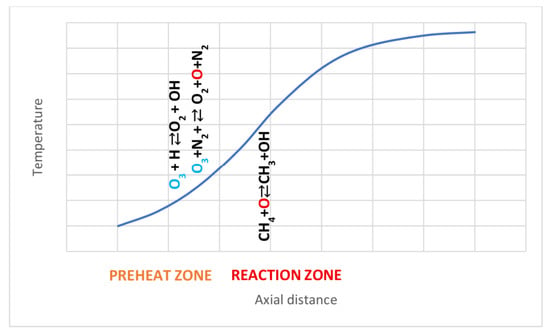
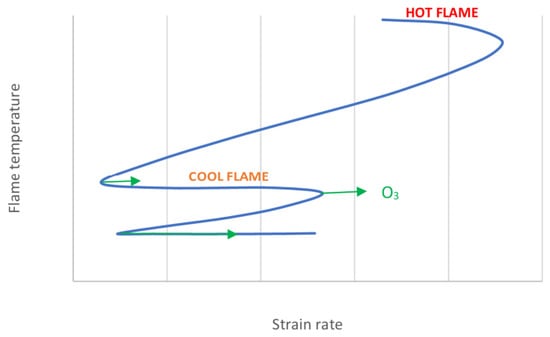
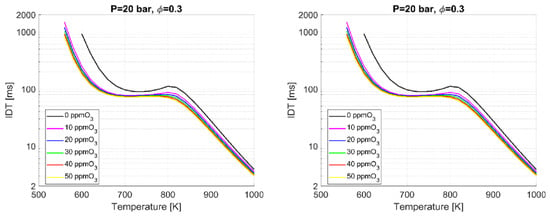
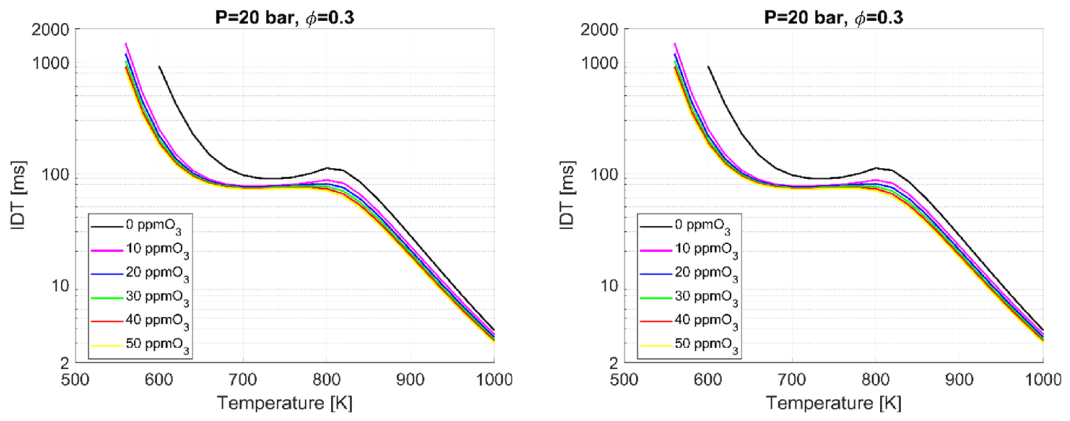
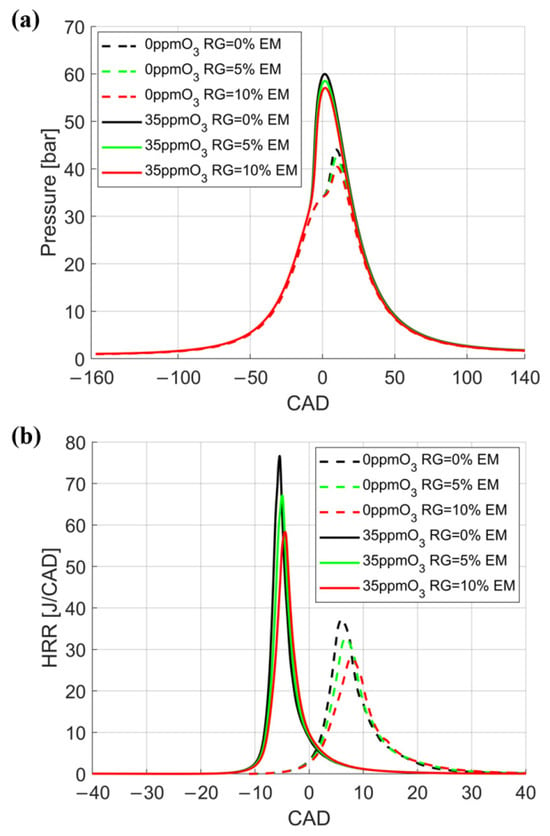
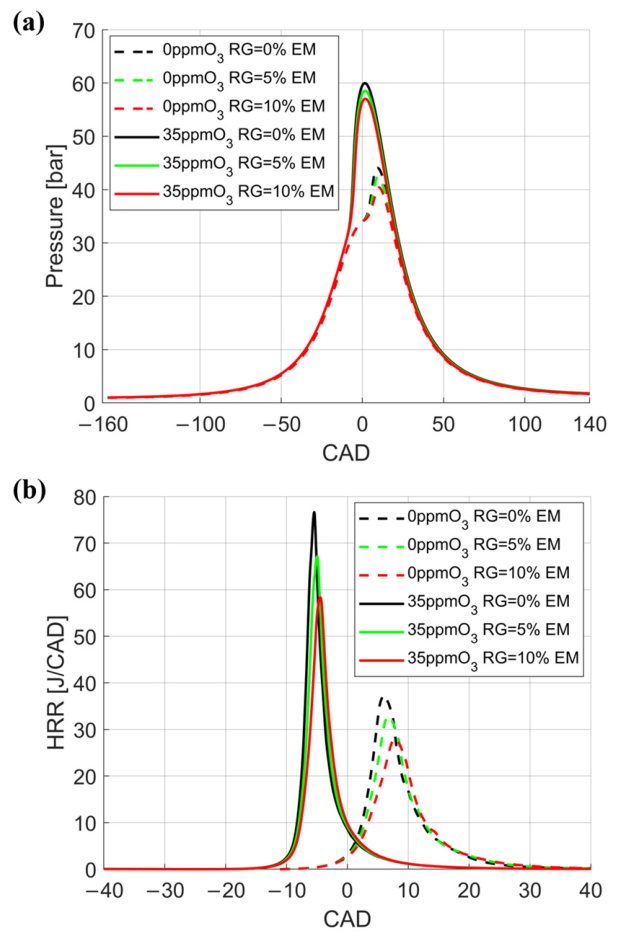
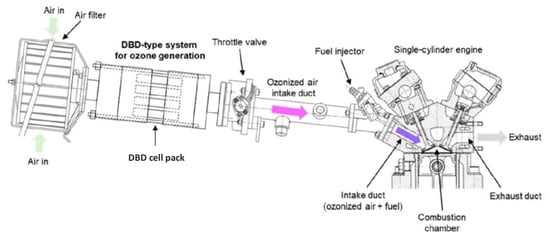
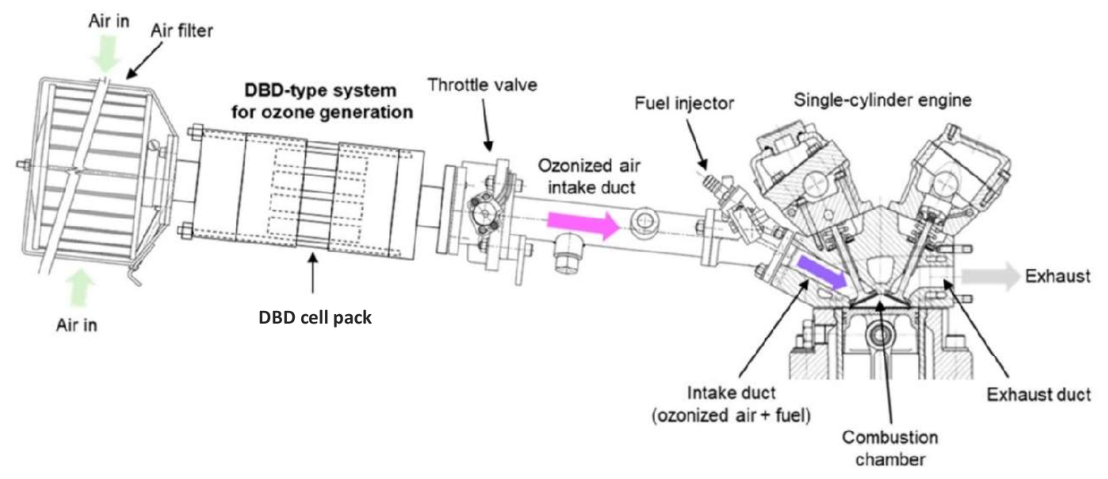
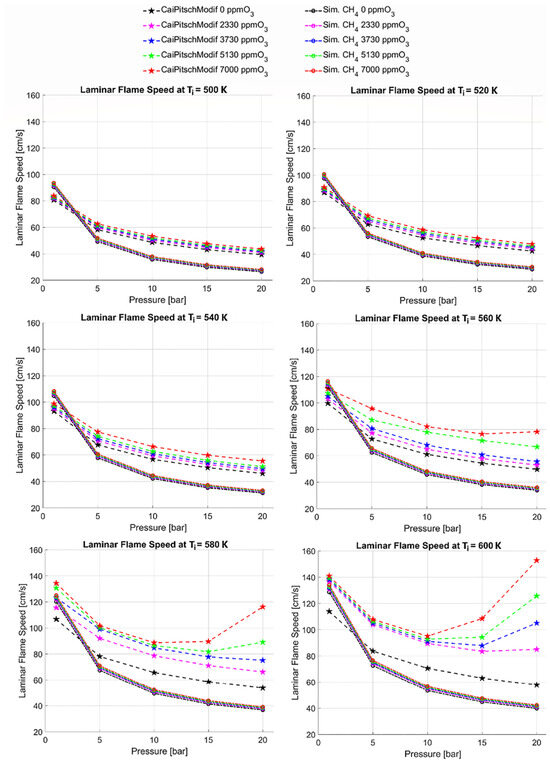
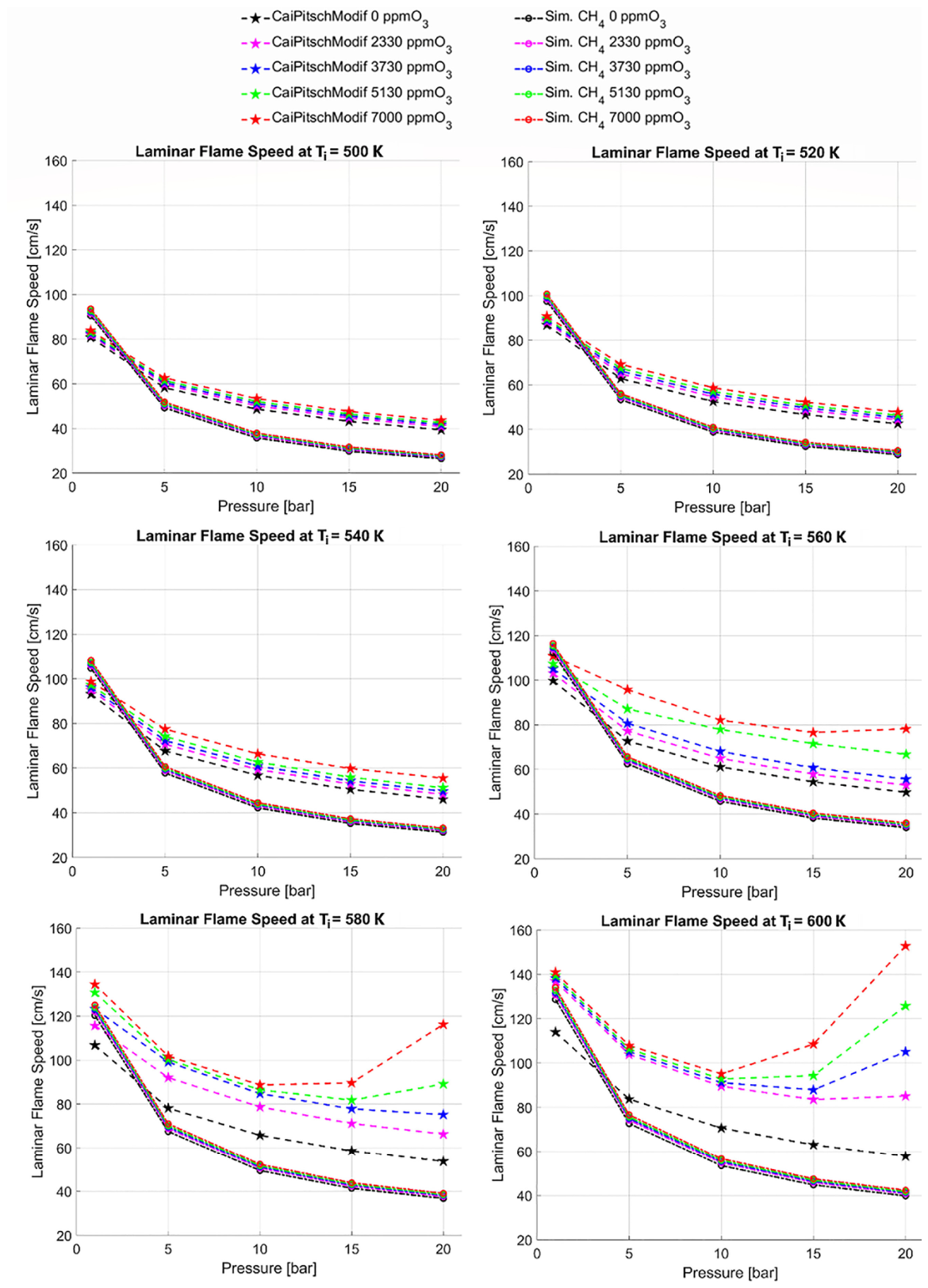
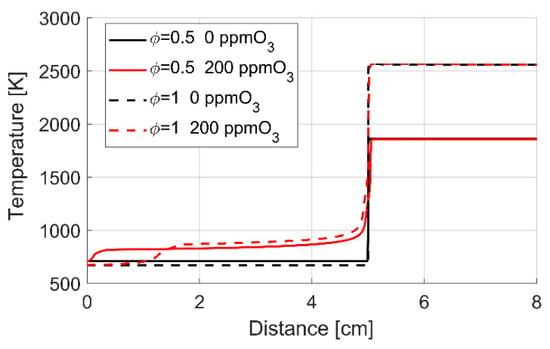
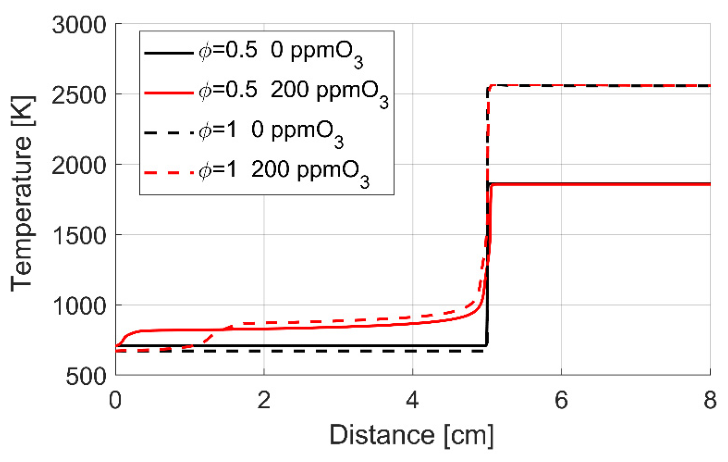
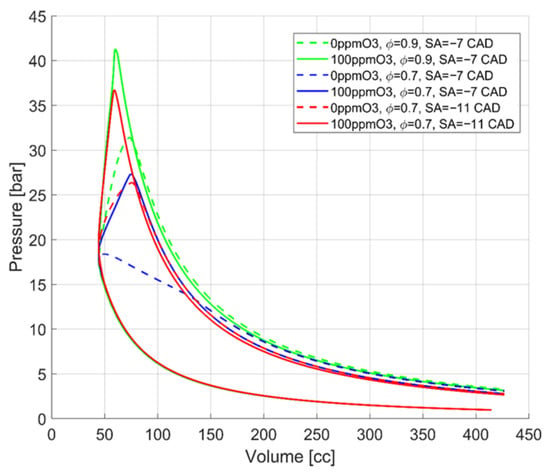
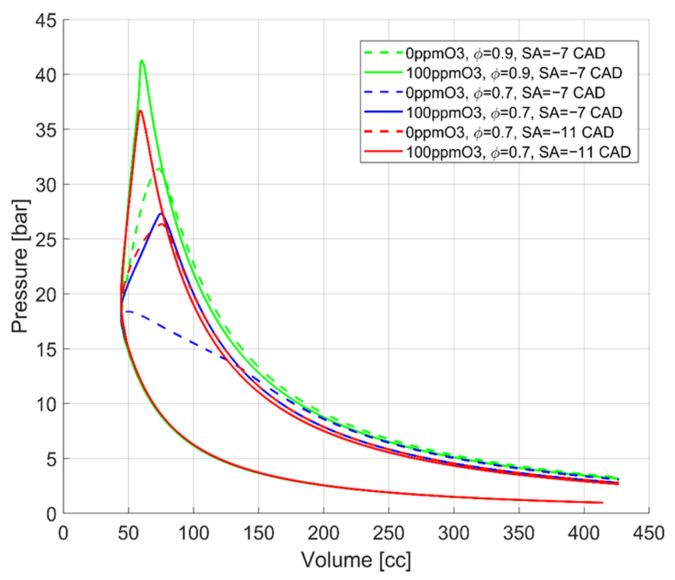

Disclaimer/Publisher’s Note: The statements, opinions and data contained in all publications are solely those of the individual author(s) and contributor(s) and not of MDPI and/or the editor(s). MDPI and/or the editor(s) disclaim responsibility for any injury to people or property resulting from any ideas, methods, instructions or products referred to in the content. |
© 2026 by the authors. Licensee MDPI, Basel, Switzerland. This article is an open access article distributed under the terms and conditions of the Creative Commons Attribution (CC BY) license.