


Abstract
Energy crises and environmental pollution continue to constrain sustainable development of the automotive industry. Large-scale deployment of electric vehicles (EVs) provides an effective pathway to reduce energy consumption and emissions. Regenerative braking technology plays a central role in improving energy utilization and extending EV driving range has sustained research attention. This study examines the operating principles, control strategies, and energy performance characteristics of regenerative braking systems (RBS). The historical development of brake-by-wire systems is reviewed, including system classification, structural configuration, and operating mechanisms, with an emphasis on their application in electric vehicles. On this basis, the working principles of regenerative braking systems are analyzed. A systematic review of regenerative braking control strategies is conducted across four categories: conventional control, fuzzy control, neural network control, and intelligent optimization algorithms. The analysis focuses on optimization methods for improving energy recovery efficiency and on the key factors governing energy transfer performance. Technical challenges associated with integrating regenerative braking systems into electric vehicles are further examined to provide a reference for future research and engineering development.
1. Introduction
As global energy constraints intensify and environmental pollution increases, enterprises worldwide are accelerating research on energy efficiency and low-carbon technologies [1,2,3,4]. New energy vehicles, particularly electric vehicles (EVs), have developed rapidly. Conventional energy recovery approaches based on hydraulic braking systems exhibit slow response and limited control precision, restricting their suitability for the diverse operating demands of modern new energy vehicles. To extend driving range and improve energy utilization, kinetic energy generated during braking is converted into electrical energy and stored in the battery, reducing overall energy loss. Brake-by-wire (BBW) energy recovery technology [5] has attracted considerable attention in heavy goods vehicles [6,7,8,9,10], urban buses [11,12], and rail [13] transport.
BBW [14] systems, as a new generation of intelligent braking systems, replace conventional mechanical or hydraulic actuation with electrical signal transmission, enabling faster responses and higher control precision. Their integration with energy recovery systems improves controllability and coordination, and provides a framework for multi-objective collaborative control. To maximize energy recovery efficiency while ensuring driving safety and ride comfort, effective and intelligent control strategies are required to coordinate torque distribution between electric and mechanical braking subsystems.
Various researchers have explored coordinated control of BBW systems [15] and regenerative braking systems [16]. Reported control approaches include rule-based strategies, fuzzy control [17], optimization algorithms (such as PSO [18] and GA [19]), model predictive control (MPC), and artificial intelligence methods including reinforcement learning and deep neural networks [20]. Key challenges remain, including limited real-time performance and strong subsystem coupling.
This study presents a systematic review of BBW technology in new energy vehicles. Operational principles, control mechanisms, and engineering applications are examined in detail. Future development trends of line control braking technology in the new energy vehicle sector are also analyzed, providing a theoretical basis and technical reference for improving braking performance and supporting industrial deployment.
The remainder of this paper is organized as follows. Section 2 reviews the historical development, structural configuration, and operating principles of line control braking systems. Section 3 introduces the architecture and working mechanisms of braking energy recovery systems. Section 4 discusses control strategies for optimized braking to improve energy recovery efficiency. Section 5 analyzes current challenges and future development trends. Section 6 summarizes the main conclusions.
2. An Overview of the Development of BBW Systems
2.1. The Evolution of BBW Technology
As illustrated in Table 1, automotive braking technology has evolved from mechanical systems to hydraulic, electronic, and intelligent integrated solutions. Early drum brakes featured simple structures but exhibited poor heat dissipation. The introduction of hydraulic actuation and disk brakes considerably improved braking performance. The widespread application of vacuum boosters in the 1960s reduced pedal effort. The subsequent adoption of electronic control systems led to the mass production of ABS (1978) and ESP (1990s), improving vehicle stability under extreme operating conditions. In the 21st century, EPB replaced conventional mechanical parking brakes, and drive-by-wire technologies such as EHB and EMB enabled faster system responses. Current braking systems are increasingly integrated with electric powertrains and autonomous driving technologies. Through regenerative braking and coordinated control, braking systems continue to advance toward higher levels of integration and intelligence.
Table 1.
History of automotive braking technology.
2.2. Structure and Operating Principles of Cable-Actuated Braking Systems
With the progression of vehicle electrification and intelligent systems, braking architectures based on traditional mechanical or hydraulic transmission chains struggle to meet the requirements of high-precision control, rapid response, and energy recovery. Under these conditions, BBW systems [21] were developed. This technology replaces mechanical and hydraulic linkages with electrical signal transmission, enabling acquisition, processing, and execution of the driver’s braking command through electronic control. This architecture improves flexibility and controllability of the braking process. The core configuration typically includes a driver input module, an electronic control unit, actuators, and sensing and communication modules. In addition to conventional braking functions, BBW systems support regenerative braking, intelligent control, and autonomous driving features [22], providing integrated hardware and software support.
Cable-actuated BBW systems vary according to actuator type [23]. They are generally classified into hydraulic and mechanical configurations. The electro-hydraulic braking [24] (EHB) system represents a hydraulic drive configuration. Its structural layout resembles that of a conventional hydraulic braking system, retaining the hydraulic circuit while replacing the vacuum booster with an electrically driven assist unit. Owing to strong compatibility with existing platforms and minimal structural modification requirements, EHB has been adopted by major vehicle manufacturers as a transitional form of BBW technology. The electromechanical braking system (EMB) eliminates hydraulic transmission and employs electric motors to actuate the braking mechanism directly through electrical signals. As a fully electromechanical system, EMB provides rapid responses [25] and avoids brake fluid leakage. The removal of hydraulic transmission reduces the inherent response delay associated with conventional systems. Advances in control algorithms enable closer integration of EMB with longitudinal vehicle dynamics control systems, improving braking performance and coordination. Continued development of intelligent vehicle technologies is expected to accelerate the transition from EHB to EMB. Owing to its technical advantages, EMB has become a primary research focus for automotive manufacturers in China and internationally, and is expected to form the foundation of next-generation braking systems.
2.3. Electro-Hydraulic Braking System (EHB)
The EHB system, a representative form of BBW technology, comprises a pedal input unit, an electronic control unit (ECU), a hydraulic control unit (HCU), and brake actuators. During operation, pedal displacement and force are detected by sensors and converted into electrical signals transmitted to the ECU. Based on the driver’s braking demand, together with vehicle speed, load condition, and road surface state, the ECU determines the required braking force and regulates hydraulic pressure at each wheel through the HCU. This process enables precise and adaptive braking control [26]. Compared with conventional hydraulic braking systems, EHB improves braking performance while retaining the primary hydraulic architecture, including pipelines and control valves. The system incorporates redundant design to enhance operational safety. A key structural distinction lies in the brake booster configuration, where the conventional vacuum booster is replaced by an electrically driven booster or a pump-accumulator unit.
Figure 1 presents the basic structural configuration of the EHB system, and Figure 2 illustrates its operating principle. Figure 1 defines the interconnections among key functional modules. Figure 2 describes the dynamic coordination from driver input to control computation, and brake actuation. These diagrams provide the basis for subsequent system analysis and control strategy evaluation.
Figure 1.
Schematic diagram of the basic structure of the EHB system.
Figure 2.
Schematic diagram of the EHB system.
2.3.1. Evolution of EHB Systems
With continued technological development, electro-hydraulic braking systems have progressed from experimental prototypes to large-scale production. Multiple manufacturers have followed distinct development paths. In 2001, Bosch introduced an electro-hydraulic braking system based on SBC, marking the transition of EHB from conceptual design to practical application. In 2010, Bosch integrated electro-hydraulic braking with hybrid powertrains on the ESP HEV platform. In 2011, Audi introduced EHCB technology, validating a new generation of electro-hydraulic braking systems in passenger vehicles. In 2013, Bosch released the iBooster Two-Box configuration, followed by the more integrated iBooster One-Box architecture in 2015, improving system compactness and response performance. Continental launched the MK C1 integrated electro-hydraulic braking system in 2016 and upgraded it to the MK C2 platform in 2019, supporting electrified and automated driving applications. In 2017, ZF TRW introduced the IBC One-Box solution, further promoting global deployment of EHB systems. During the 2020s, industrialization accelerated. In 2023, Tainuva released the T-IBC One-Box system, highlighting the participation of emerging manufacturers into this field. EHB technology has evolved from distributed configurations toward highly integrated and intelligent systems, assuming an increasingly central role in electrification and autonomous driving applications. Table 2 summarizes the major BBW manufacturers and their representative products. The continued development of intelligent vehicle technologies is expected to promote the transition from EHB to EMB. EMB has attracted significant attention from global manufacturers, though large-scale application remains constrained by reliability limitations.
Table 2.
Major BBW manufacturers and their representative products [27,28,29,30,31,32,33,34].
2.3.2. Comparative Analysis of Performance Differences in Representative EHB Systems
With continued development of BBW technologies, manufacturers have introduced multiple EHB systems with distinct architectural features, performance characteristics, and application targets. Differences are observed in braking response time, pressure control accuracy, braking distance reduction, energy recovery capability, and redundancy design. These factors influence overall braking performance and are directly related to the energy management requirements of new energy vehicles, as well as the safety redundancy demands of autonomous driving systems. Table 3 presents a comparison of representative EHB products.
Table 3.
Comparison of product performance differences.
Electro-hydraulic braking systems are commonly classified into Two-Box and One-Box configurations based on structural integration. These architectures differ in hydraulic module arrangement, control unit configuration, redundancy strategy, and system integration level. Table 4 summarizes the principal distinctions.
Table 4.
Comparison of Two-Box and One-Box configurations.
2.4. Electronic Hydraulic–Electronic Mechanical Hybrid Braking (HBBW) System Operating Principle
EMB systems face practical constraints related to technical maturity and regulatory compliance. Installation near the wheel hub and brake assembly imposes stringent requirements on electronic components, thermal management, magnetic attenuation control, and environmental protection. These constraints limit large-scale deployment. The hydraulic–electromechanical hybrid brake-by-wire (HBBW) system combines EHB and EMB to support progressive industrial application of EMB technology. Current development focuses on a “wet-front, dry-rear” configuration. The front axle employs an EHB system to meet regulatory requirements for emergency braking. The rear axle adopts an electromechanical braking module to improve vehicle stability, reduce response time, and shorten braking distance. Figure 3 illustrates the operating principle of a typical wet-front, dry-rear HBBW configuration.
Figure 3.
Schematic diagram of the HBBW system’s operating principle.
2.5. Electromechanical Braking System (EMB)
The EMB [35] represents a fully electromechanical BBW architecture that eliminates conventional hydraulic circuits. Braking force is generated directly by electric motors through mechanical transmission mechanisms. The system typically consists of a pedal input module, an electronic control unit (ECU), a motor drive module, and brake actuators. During braking, pedal displacement and force are detected by sensors and converted into electrical signals transmitted to the ECU [36]. The ECU determines the required braking torque based on driver input, vehicle speed, load conditions, and tire–road adhesion coefficients. Control commands are issued to the motor drive module. The motor generates torque and transmits it through mechanical elements such as gears, lead screws, or ball screws [37], converting electrical energy into clamping force that actuates the brake calipers and produces deceleration.
Compared with electro-hydraulic braking systems, EMB eliminates hydraulic pipelines and booster components, avoiding issues related to fluid leakage, hydraulic delay, and maintenance complexity. This simplified architecture improves packaging flexibility and energy utilization. Rapid motor response supports closer integration with regenerative braking systems and advanced vehicle dynamics control strategies. These advantages introduce higher requirements for motor reliability, electrical component durability, and thermal management. Redundant architecture and fault-tolerant control strategies [38] are required to ensure functional safety and stable operation under varying driving conditions.
To clarify system composition and operating mechanisms, Figure 4 presents the structural configuration of the EMB system, and Figure 5 illustrates its operating principle. Figure 4 shows the interconnections among key modules, including the pedal input unit, ECU motor drive module, and brake actuator. Figure 5 describes the signal transmission and execution process from pedal input to braking force generation [39]. These diagrams provide a basis for analysis of the system structure and control mechanisms.
Figure 4.
Schematic diagram of the basic structure of the EMB System.
Figure 5.
Schematic diagram of the EMB system.
Evolution and Industrialization Trends of BBW Technology in Automotive Applications
EMB represents a significant advancement in vehicle braking technology, driven by both technical progress and industrial development. The initial concept originated in aerospace and high-end automotive applications, where electric motors directly actuated brake calipers, demonstrating rapid response and high control precision. High development costs, stringent safety requirements, and extended reliability validation limited early adoption in experimental and small-scale demonstration stages. Increasing demand for new energy vehicles and autonomous driving has renewed interest in EMB. Application potential has been strengthened by independent wheel control capability, improved compatibility with regenerative braking, and direct integration with chassis domain controllers. In 2021, Brembo introduced the Sensify system, marking early industrialization exploration. In 2024, participation of domestic manufacturers such as Great Wall Motor and Jinyi Electronics Technology accelerated practical deployment. By 2025, international and domestic enterprises, including BETHEL Automotive Safety Systems, LeeKr Technology, Orient Motion, Continental, and ZF, expanded development of EMB products. Technical approaches included integrated brake caliper systems and wheel–hub motor drive configurations. Table 5 summarizes the representative manufacturers and their major products. These developments indicate a transition from extended technical accumulation and validation toward large-scale industrial implementation. EMB is expected to achieve broader vehicle integration in new energy and intelligent driving platforms, supporting further advancement of braking systems.
Table 5.
Major EMB manufacturers and their representative products.
2.6. System Characteristics and Performance Comparison of Electrohydraulic Braking and Electromechanical Braking
With the rapid development of new energy vehicles and intelligent driving systems, EHB and EMB have emerged as the two principal BBW architectures. Each presents distinct structural configurations, control characteristics, and application advantages. EHB enhances conventional hydraulic braking through electrically assisted pressure regulation, enabling improved brake force distribution and partial regenerative braking capability. EMB removes hydraulic transmission and achieves fully electric actuation, resulting in faster dynamic response. Key differences in response time, braking force precision, braking distance, and regenerative braking efficiency are summarized in Table 6.
Table 6.
Comparative analysis of differences between EHB and EMB.
EHB and EMB represent two development paths in modern linear braking systems. EHB follows an incremental approach, improving control performance while retaining hydraulic compatibility, which supports transitional application in current vehicles. EMB adopts a fully electronic architecture characterized by rapid response and high precision, meeting the requirements of future intelligent driving systems. Differences remain in technical maturity, system costs, and reliability. Both technologies drive the evolution of braking systems toward higher efficiency and intelligence. Continued progress in electronic control, materials engineering, and functional safety design is expected to enhance synergy between EHB and EMB, supporting deeper integration of intelligent electric braking systems.
3. Brake Energy Recovery Systems
Brake energy recovery technology [40] is a core component of energy management in new energy vehicles [41]. The fundamental mechanism converts kinetic energy generated during deceleration into electrical energy for reuse, extending the driving range of electric vehicles [42]. During braking or coasting, the traction motor operates in generator mode. Part of the vehicle’s kinetic energy is converted into electrical energy and transmitted through the inverter to the power battery for storage. Energy that cannot be recovered is dissipated as heat through friction braking. Figure 6 illustrates the operating principle of the brake energy recovery system. Regenerative braking can extend vehicle driving range by approximately 25–40% [43], mitigating range limitations in new energy vehicle applications. Continuous improvement in motor characteristics, power electronics, and coordinated control strategies has promoted deeper integration between regenerative and friction braking, improving both energy recovery efficiency and system response performance.
Figure 6.
Operating principle of brake energy recovery systems.
In practical applications, energy recovery in cable-actuated braking systems must balance efficiency, safety, comfort, and regulatory compliance. Electric braking and friction braking require coordinated allocation under varying operating conditions to maintain braking performance when regenerative capability is limited or unavailable. Pedal feel and braking smoothness must be preserved through pedal simulation and coordinated control to avoid abrupt deceleration changes. Energy recovery performance is constrained by motor characteristics, battery charge–discharge limits, thermal management capacity, and the vehicle energy management system [44], necessitating a dynamic balance between energy recovery and battery protection [45]. The regenerative braking process must remain compatible with stability control systems such as ABS and ESP, with braking safety prioritized during emergency maneuvers or low-adhesion road conditions. System design and implementation must comply with functional safety standards, including ISO 26262, and relevant regulatory requirements. Redundant braking circuits and reliability-oriented design ensure stable braking performance under diverse operating conditions.
Energy recovery in line-control braking systems requires coordinated consideration of safety, comfort, and efficiency in both design and application. Hardware improvements alone cannot satisfy these requirements. Control strategy development remains a central research focus. Key objectives include improving energy utilization while maintaining stable braking performance through optimized brake force distribution, adaptive regulation of regenerative intensity, and integration with overall vehicle control systems. Despite substantial progress further work is required in efficiency improvement, system coordination, and validation under real-vehicle conditions. The following section examines current control strategies and future research directions.
4. Brake Energy Recovery Control Strategies
Brake energy recovery control has evolved from conventional model-based approaches to intelligent optimization-based frameworks. Advancement of regenerative braking systems imposes stricter requirements on coordinated control, where energy recovery, braking stability, and driving comfort must be addressed simultaneously [46]. Early research relied primarily on vehicle dynamics models and ideal brake force distribution theory. Progress in artificial intelligence has promoted a transition toward adaptive, predictive, and optimization-oriented strategies. This section reviews four categories: classical control, fuzzy control, neural network control, and intelligent optimization methods.
4.1. Traditional Control Methods
Conventional control strategies have played a foundational role in regenerative braking systems for electric vehicles and hybrid electric vehicles (HEVs). Their advantages include structural simplicity, reliable real-time performance, and straightforward implementation. Coordinated allocation of regenerative and friction braking torque is typically achieved through vehicle dynamics modeling and predefined brake force distribution rules. This approach improves energy recovery while maintaining brake stability. Common strategies include controls based on the ideal braking force distribution curve (I-curve), proportional–integral–derivative (PID) control, and methods such as fixed proportional control, multistage control, and sliding mode control. These approaches monitor vehicle operating parameters, including speed, braking intensity, and battery state of charge (SOC) [47] and distribute brake torque according to predefined control laws. Such strategies maintain a balance between braking safety and energy recovery performance, providing the basis for subsequent development of adaptive and optimization-based control methods.
Conventional control methods, characterized by structural simplicity and strong real-time performance, form the foundation of regenerative braking systems. Their applicability is often constrained by rigid theoretical assumptions, hardware specificity, and limited adaptability to complex and time-varying environments. Ma [48] maintained system stability through fixed and continuous regulation, though the method was developed for compact front-wheel-drive electric vehicles and lacked scalability to other configurations. CS Nanda Kumar [49] balanced economic performance and stability in rear-wheel-drive commercial vehicles under an assumed equivalent motor power condition, which may deviate under battery aging or thermal derating. Liu [50] relied on predefined I-curve distribution, ECE regulatory constraints, and fixed adhesion coefficients, resulting in reactive rather than predictive control under variable road friction. Fixed ratio [51] and variable ratio [52] approaches improved stability under specific gradients such as UDDS downhill conditions, yet both depended on assumptions of ideal road surfaces and constant transmission efficiency, which limit robustness in real driving environments.
Economic-oriented controllers based on simple structures such as PID remain attractive due to low implementation cost. These strategies exhibit strong hardware dependence. Su [53] and Ashok [54] demonstrated improvements in energy economy, though each approach was developed for a specific system configuration. One study [53] assumed a hybrid energy storage system (HESS), while another [54] relied on torque characteristics of brushless DC motors with limited peak outputs. Such constraints restrict applicability primarily to electric motorcycles or light two-wheelers and limit transferability to full-scale passenger vehicles.
Advanced traditional strategies, including optimal control, hierarchical control, and slip rate control, improve precision yet commonly assume known environmental conditions. Sulakshan Rajendran [55] applied slip rate regulation during emergency braking and achieved effective torque control, though the method assumed ideal torque and voltage responses that may be affected by actuator delays and nonlinear dynamics. Gianfranco Rizzo proposed optimal [56] and hierarchical [57] approaches that maintained stability under wet and dry road conditions based on the assumption that the road adhesion coefficient or road state is known. In practice, real-time estimation of road adhesion is subject to uncertainty and measurement error. Related work [58] lacked experimental validation and adaptive learning capabilities. Several strategies were developed for specific vehicle categories, including hybrid vehicles with through-the-road (TTR) architectures [59], commercial vehicles equipped with EBW [57], and four-wheel EHB platforms, which limits cross-platform applicability.
Rule-based approaches such as the single-pedal strategy [60] aimed to improve driver feedback and deceleration coordination. These methods rely on fixed mapping rules and idealized motor efficiency models. A recurring limitation reported in [51,58,60] and Ref. [52] was the absence of experimental validation and adaptive learning capabilities. Unlike data-driven and adaptive control strategies, conventional control frameworks fail to maintain optimal performance over the vehicle lifecycle because of the lack of mechanisms that adjust to driver behavior, component aging, or environmental variation.
4.2. Fuzzy Control Strategy
Compared with conventional control approaches, fuzzy control strategies provide greater robustness and adaptability in nonlinear and multi-objective braking coordination tasks. Fuzzy control is based on linguistic variables and approximate reasoning, and has been widely applied in regenerative braking energy management. Multiple input variables, including vehicle speed, braking demand, battery state, and other operating parameters, are mapped into semantic categories such as low, medium, or high, simulating expert decision logic. The typical control framework is shown in Figure 7. A predefined fuzzy rule-based strategy performs multi-condition inference. The inferred results are converted into executable braking force distribution commands through defuzzification. This process enables coordinated allocation between mechanical braking and regenerative braking, maintaining a dynamic balance between energy recovery and braking stability. Configurable input variables and rule structures facilitate adaptation to nonlinear systems with strong coupling characteristics.
Figure 7.
Fuzzy control system.
Fuzzy control improves robustness in nonlinear environments relative to traditional rule-based or model-based strategies. Its effectiveness remains influenced by subjective rule construction and assumed operating conditions. The absence of intrinsic self-learning capability limits adaptability compared with neural network-based approaches [61].
Hybrid strategies that integrate fuzzy controls with intelligent optimization algorithms [62,63,64,65,66,67,68,69,70,71] have been proposed to reduce subjectivity in rule design approaches, such as fuzzy–optimization coordination. Refs. [67,69] demonstrated stable performance under CLTC and NEDC driving cycles. These methods increase computational demand due to iterative optimization procedures, placing higher burdens on real-time control units. Many implementations rely on predefined constraints, including fixed braking intensity [63], constant vehicle speed assumptions [64], or preset safety boundaries [62,65,66,67,68,69,70]. Such assumptions may not reflect continuously varying real-world driving conditions.
A recurring limitation in many fuzzy control strategies is the oversimplified treatment of vehicle dynamics. Studies such as [72,73], and Ref. [74] assumed ideal road surfaces or considered only longitudinal dynamics, neglecting yaw motion and front–rear load transfer effects [72,75]. These assumptions reduce reliability during cornering, split-μ braking, or operation on uneven terrain. Applicability is often restricted to specific vehicle configurations. Approaches in [72,73] were developed for front-wheel-drive vehicles, Ref. [65] targeted parallel hydraulic hybrid platforms, and Ref. [39] was validated only under deceleration scenarios. These constraints limit generalization across diverse electric vehicle architectures.
Pure fuzzy control methods, including single fuzzy [72] and dual fuzzy structures [73], perform effectively in multi-variable coordination under standard driving cycles such as UDDS. Their rule bases remain fixed after design. Lack of adaptive learning prevents adjustment to component aging, parameter drift, or evolving driver behavior. Increasing rule complexity can improve simulation fidelity, as reported in [75], though this leads to larger model structures and higher implementation costs without addressing adaptability.
Several strategies focus on specific functions under constrained testing conditions. In [76,77,78,79] braking intent recognition was improved, though validation was conducted under limited operating scenarios with fixed speeds and predefined braking intensities. Many reviewed fuzzy control approaches [39,71,72,73,74,75,76,77,78,79] rely primarily on simulation environments such as NEDC or WLTC cycles. Limited experimental validation restricts assessment under real-world disturbances, including sensor noise, actuator delay, and rapidly varying road adhesion.
4.3. Neural Network Control Method
Neural network control differs from fuzzy strategies by replacing expert-defined rules with data-driven modeling. Through training on representative datasets, neural networks achieve self-learning and adaptive adjustment, enabling autonomous optimization of brake force distribution under complex operating conditions.
Neural network-based control methods leverage nonlinear mapping and adaptive learning to coordinate regenerative and friction braking in electric and hybrid vehicles. This approach improves energy recovery efficiency while maintaining brake stability. The general framework is shown in Figure 8. A typical structure consists of input, hidden, and output layers. Input variables include braking intensity, vehicle speed, battery state of charge, and pedal position. After training, the network generates brake force distribution commands for different braking scenarios, balancing energy recovery with vehicle stability.
Figure 8.
Neural network control.
Neural network strategies rely on data-driven adaptation to address nonlinear vehicle dynamics. Their effectiveness is constrained by preset structural assumptions, simplified physical models, and algorithmic complexity that limits real-time implementation.
Many approaches depend on predefined mappings or operating states. In [80], adaptive fuzzy single-pedal control combined with neural networks achieved accurate deceleration tracking under UDDS, US06, and LA92 cycles. The control logic was based on a fixed single-pedal braking intent mapping, which limits flexibility when driver behavior deviates from predefined patterns. In [81], a GRBF–APSO–MPC hybrid structure improved smoothness during emergency braking based on an assumed preset driving style profile. Such assumptions reduce robustness across diverse driver characteristics. Hybrid architectures, including combinations of decision trees, LSTM networks, and metaheuristic algorithms [82] or neural networks and sliding mode control integration [83], emphasize braking stability and safety. These methods operate within predefined modes or safety boundary constraints, limiting responses under highly dynamic and uncertain conditions.
Model simplification is often introduced to reduce computational burden, which leads to validity limitations. In [84], an NN–MRC framework was applied for stability control, though validation was conducted using a single-wheel model with a fixed reference structure, neglecting full-vehicle dynamic coupling effects. In [85], an adaptive neural network was evaluated under the FTP-75 cycle, yet optimization remained constrained by adherence to the traditional ideal braking force distribution curve. Comparative analysis shows that both [80] and [85] were developed for front-wheel-drive configurations, without addressing rear-wheel-drive or all-wheel-drive dynamics [86].
Efforts to achieve higher precision often increase algorithmic complexity. In [83], a hybrid framework combined fuzzy logic, TD3 reinforcement learning, PSO–BP neural networks, and sliding mode control. The method incorporated tire modeling and braking intent recognition to maintain stability under normal and emergency conditions. Integration of multiple algorithms increased computational demand, creating challenges for real-time deployment on automotive electronic control units that require low-latency responses. In [80], multi-objective optimization similarly resulted in high computational complexity.
A common limitation across neural network-based strategies, including [80,81,82,83,84,85,86,87], is limited experimental validation. Most studies rely on simulation environments, such as UDDS and FTP-75, or on theoretical analysis. Some approaches [82,85] were not evaluated under standard driving cycles. This gap between simulation-based performance and real-world implementation restricts assessment of robustness under sensor noise, actuator delay, and variable road conditions [87].
4.4. Intelligent Optimization Algorithm
Unlike neural network-based optimization, intelligent optimization approaches emphasize global search capability and adaptive parameter adjustment. These methods may operate as direct controllers or as parameter tuning mechanisms to achieve multi-objective coordinated control in regenerative braking systems. Intelligent optimization algorithms have been widely applied in energy management for electric vehicles and hybrid electric vehicles (HEVs) due to their capability for global optimization, adaptive search, and effective handling of complex multi-objective problems. Common algorithms include the artificial bee colony (ABC), genetic algorithm (GA), particle swarm optimization (PSO), and sparrow search algorithm (SSA). These approaches simulate collective cooperation and evolutionary processes, iteratively refining candidate solutions to obtain optimal or near-optimal energy recovery control parameters. Integration of these algorithms enables coordinated improvement of energy recovery efficiency and braking smoothness under complex operating conditions, enhancing overall vehicle performance and energy utilization.
Intelligent optimization algorithms [71,81] (e.g., GA, PSO, ABC) demonstrate strong capability in global optimization and nonlinear constraint handling. Comparative analysis indicates that practical applications often involve a trade-off between computational cost and model specificity, and many studies lack experimental validation.
Genetic algorithms and hybrid variants exhibit strong stability performance but often introduce high computational demand. Studies such as [88,89] applied GA under NEDC and WLTC cycles. In [88], stability was achieved through optimization of a specific operating state and efficiency model, with limitations in computational efficiency and applicability restricted to front-wheel-drive (FWD) configurations. In [89], reliance on fuzzy rules and expert-defined knowledge constrained adaptability under uncertain or unstructured driving conditions. Hybrid strategies such as GA–PSO [90] and GA–ant colony [91] addressed multi-objective problems including adaptive cruise control coordination. These approaches increased algorithmic complexity, posing challenges for real-time implementation. In [90], validation was conducted under a single operating condition, without demonstrating robustness across multiple driving cycles.
PSO is widely adopted for its rapid convergence characteristics. General applicability is often limited by rigid model assumptions. Studies such as [92,93] emphasized fast convergence and Pareto optimality. In [92], the approach relied on specific control inputs. In [93], optimization was constrained by predefined braking force distribution logic. In [94], PSO was combined with PID control, though the framework remained theoretical without experimental validation. Methods reported in [39,95], as well as the firefly algorithm [96], achieved optimized brake force allocation under assumed drivetrain efficiency models. These formulations depend on predefined powertrain characteristics and require recalibration when applied to different configurations. In [94], PSO–PID integration was also presented without experimental validation.
The adaptive switching model-free adaptive control (AS-MFAC) approach [97] achieved speed tracking performance but was developed for a specific system model, which limits transferability. Advanced optimization methods aim to coordinate competing objectives such as braking safety and energy recovery. Many rely on idealized system representations. The artificial bee colony approach in [71] demonstrated adaptability under dry, wet, and icy conditions, with performance strongly dependent on braking intent recognition accuracy. Multi-objective frameworks such as NSGA-II [98,99] and TD-3 + DRL [100] addressed optimization [101,102] under CLTC and WLTC cycles. In [100], optimization was formulated around a dual-motor energy conversion model. In [98], braking force distribution followed fixed allocation logic. These structural constraints restrict broader applicability across different vehicle architectures.
A common limitation across these intelligent strategies [71,90,91,103] is the lack of experimental validation. Most studies rely on simulation environments such as NEDC and WLTC or on theoretical derivation, leaving real-world robustness and computational feasibility on vehicle hardware insufficiently verified.
4.5. Summary
Development of regenerative braking control algorithms has progressed from classical rule-based methods toward integrated and data-driven frameworks. Early model-based and rule-based approaches established the control foundation. Fuzzy control improved flexibility and robustness in nonlinear and multi-objective coordination through linguistic reasoning and expert-defined rules. Neural network approaches introduced data-driven learning and adaptive optimization under complex operating conditions. Intelligent optimization algorithms further serve as global search mechanisms to address trade-offs between braking safety and energy recovery efficiency. These strategies have evolved toward deeper integration, improving system intelligence, coordination capability, and energy utilization. Table 7 compares the energy recovery performance of representative brake force distribution strategies.
Table 7.
Comparison of energy recovery efficiency for brake force distribution strategies.
Energy recovery efficiency depends on multiple interacting factors, including braking intensity, vehicle speed, front–rear brake force allocation, regenerative braking coefficient, control strategy, battery state, road adhesion, and motor–inverter efficiency. To maximize regenerative torque while maintaining braking stability, the front–rear braking force distribution coefficient K is constrained by the battery state of charge (SOC). The regenerative braking torque can be expressed as:
where Treq denotes the total required braking torque, represents the regeneration efficiency coefficient associated with SOC [91], and SOCmax is the upper threshold that permits regenerative braking.
Appropriate coordination of these factors improves energy recovery and extends vehicle driving ranges.
Advanced control algorithms contribute to improved utilization of regenerative potential. Overall efficiency remains constrained by multi-physics coupling among mechanical, electrical, and thermal subsystems. Hardware configuration and mechanical characteristics define upper performance limits, including optimal matching of continuously variable transmission ratios (CVT) [104], brake disk material properties [105] and vibration characteristics that influence energy transfer stability [106,107]. Dynamic response of power and energy storage systems is also critical. Accurate modeling of permanent magnet synchronous motors (PMSM) [108], battery dynamics, engine engagement ranges [109], and coordinated management of hybrid energy storage systems such as supercapacitors [110] and fuel cells [111] directly affect recovery performance. Reliable estimation of battery SOC [112] is required for precise energy allocation. External operating conditions and driver interaction define boundary constraints. Traffic-informed route prediction [113], real-time speed variation patterns [114] and driver behavior characteristics [115] influence achievable recovery efficiency. Future research should focus on developing a unified optimization framework that integrates mechanical design, power system dynamics, control algorithms, and environmental factors to improve overall regenerative braking performance.
5. Challenges and Future Trends in BBW Systems
Regenerative braking technology has been widely deployed in new energy vehicles. Integration of regenerative braking systems into electric vehicles continues to present technical challenges, as illustrated in Figure 9. This section examines these challenges from four aspects: manufacturing and system integration, control strategies, perception and personalization, and safety redundancy. Development directions are outlined to support performance improvement and large-scale application.
Figure 9.
Key challenges facing brake energy recovery systems.
- Manufacturing and Integration: Vehicle communication networks underpin information exchange. Deep integration of BBW and RBS requires high-speed, low-latency communication for coordination among multiple control units. Existing in-vehicle networks exhibit bandwidth constraints, electromagnetic interference, signal delay, and packet loss, which degrade coordinated braking and energy recovery control. Future architectures may adopt 5G NR-V2X communication, edge computing for local processing, adaptive routing protocols, network slicing for dedicated bandwidth allocation, and priority-based data transmission. These measures reduce latency and improve real-time responsiveness. Energy storage systems govern recovery efficiency and overall energy utilization. Inverters must maintain high efficiency and stability under frequent charge–discharge cycles. Batteries experience similar operating stress, affecting service life and safety [116]. Applications of SiC or GaN semiconductor devices, multilevel converter topologies, and integrated control algorithms can improve high-frequency performance. Development of high energy density materials and solid-state batteries can reduce thermal runaway risks and slow degradation. Hydraulic accumulators regulate hydraulic fluid in hybrid braking configurations. Sealing reliability and pressure stability remain critical. Under high-frequency braking and prolonged operation, fluid leakage can reduce braking force or cause failure. The use of high-temperature and corrosion-resistant materials, such as fluororubber and polytetrafluoroethylene, combined with multilayer sealing structures and optimized dynamic and static seal designs, can improve durability. Low-volatility and oxidation-resistant hydraulic fluids can further reduce degradation and leakage. Chassis space constraints require compact hardware integration. Increased integration strengthens system coupling and complicates thermal management. Future solutions may adopt highly integrated electronic modules and advanced packaging technologies such as three-dimensional integration and system-in-package (SiP) architectures to reduce wiring complexity and improve space utilization while maintaining thermal stability.
- System Control Strategy: Coordinated control of front and rear braking forces directly affects vehicle stability and energy recovery efficiency. During emergency braking, the system must ensure safety within minimal braking distance while maintaining energy recovery. Dynamic allocation between these objectives remains a core challenge. Control algorithms based on real-time vehicle states, including model predictive control (MPC) and deep reinforcement learning (DRL), provide viable solutions for regulating braking force distribution. Line control braking systems consist of multiple coupled subsystems. Interactions among subsystems and signal delays degrade overall control performance. Achieving coordinated control across subsystems remains a key issue. Compensation strategies for system latency, including delay prediction and dynamic adjustment, can improve stability and control accuracy under practical operating conditions.
- Perception and Personalization: In BBW architecture, the mechanical linkage between the pedal and actuator is replaced by electronic signal transmission. The loss of direct mechanical feedback reduces the driver’s ability to perceive brake force output, leading to inconsistent pedal feel. Force-feedback haptic systems combined with adaptive damping control can be applied to regulate pedal response in real time. Existing vehicle control systems provide limited personalization. Brake force distribution and energy recovery intensity are typically predefined and do not reflect individual driving behavior or comfort preference. Data-driven approaches, including machine learning and reinforcement learning, enable modeling of driver behavior and adaptive adjustment of control parameters while maintaining brake safety and energy recovery performance. Real-time parameter updating based on driver interaction feedback can further improve comfort and response consistency.
- Safety Redundancy: Both EHB and EMB architectures require redundant braking capability, such as standby hydraulic circuits in EHB and backup motor systems in EMB. In BBW systems, redundancy design ensures operational safety and fault tolerance. Current solutions are primarily derived from EHB and EMB configurations. Redundancy improves safety but increases structural complexity, system costs, and coordination requirements between primary and backup subsystems. Layered safety architectures that combine hardware and software redundancy provide a viable direction. Real-time system monitoring and diagnostic algorithms enable rapid fault detection and seamless switching between primary and backup subsystems. As braking systems evolve toward fully drive-by-wire and intelligent configurations, compliance with international safety regulations remains essential, including ECE R13 [117], ECE R13H [118], ECE R131 [119], ECE R90 [120], and FMVSS 203 [121], in alignment with national standards such as GB 13094-2017 [122].
6. Conclusions
Increasing energy demand and environmental pollution have accelerated the development of energy-efficient and low-emission vehicle technologies. Rapid expansion of the electric vehicle sector has promoted electrified and intelligent braking architectures. Regenerative braking systems play a key role in technological development and industrial deployment. This study reviews the existing literature [123] and examines the development trajectory of BBW technology [124] in new energy vehicles. System classifications [125], structural configurations [126], operational principles, representative products [127], and performance differences [128] were analyzed. Working mechanisms of regenerative braking systems and their control strategies were evaluated, including classical control, fuzzy control, neural network control, and intelligent optimization methods. Comparative assessment highlights the strengths and limitations of these approaches.
- Analysis of current technical challenges identifies key development directions for BBW technology. High-speed communication architectures supported by 5G and edge computing can improve system coordination. Applications of SiC/GaN devices and solid-state batteries can enhance energy storage performance. Advanced materials and sealing technologies can improve hydraulic reliability. High-density integration methods, including three-dimensional packaging, can address space and thermal management constraints.
- Deployment of dynamic control algorithms based on MPC or DRL enables coordinated optimization of braking safety and energy recovery. Latency prediction and dynamic compensation strategies can mitigate subsystem coupling and signal delays, improving system stability and response performance.
- Development of force-feedback simulation and adaptive damping control can improve pedal response consistency. Machine learning-based driver modeling enables personalized and adaptive optimization of braking energy recovery strategies.
- Integration of hardware and software redundancy within layered protection architectures strengthens fault tolerance. Real-time system monitoring and rapid fault switching improve operational safety. Compliance with international and domestic safety standards remains essential.
Continued progress in these areas will improve intelligence, integration, and energy efficiency in braking systems for new energy vehicles, supporting reliable intelligent driving systems and further advancement of autonomous vehicle technologies.
Author Contributions
Conceptualization, J.Z. and A.F.; Methodology, H.L.; Investigation, B.X. and J.C.; Data analysis, H.L.; Writing—original draft preparation, H.L.; Writing—review and editing, H.L. and J.Z.; Expert consultation, B.X. and J.C.; Supervision, J.Z. All authors have read and agreed to the published version of the manuscript.
Funding
This research was supported by the following project: [Basic Research Program of China National Natural Science Foundation of China—General Program], Project Number [BK20231360].
Informed Consent Statement
Informed consent was obtained from all subjects involved in the study.
Data Availability Statement
The original contributions presented in this study are included in the article. Further inquiries can be directed to the corresponding author.
Conflicts of Interest
The authors declare no conflicts of interest.
References
- Verma, S.; Sharma, A.; Tran, B.; Alahakoon, D. A systematic review of digital twins for electric vehicles. J. Traffic Transp. Eng. (Engl. Ed.) 2024, 11, 815–834. [Google Scholar] [CrossRef] [Scilit]
- Bei, X.; Yu, X.; Li, D.; Sun, Q.; Yu, Y.; Wang, Y.; Okonkwo, C.E.; Zhou, C. Heat source replacement strategy using catalytic infrared: A future for energy saving drying of fruits and vegetables. J. Food Sci. 2023, 88, 4827–4839. [Google Scholar] [CrossRef] [Scilit]
- Zhou, C.; Adeyanju, A.A.; Nwonuma, C.O.; Inyinbor, A.A.; Alejolowo, O.O.; Al-Hamayda, A.; Akinsemolu, A.; Onyeaka, H.; Olaniran, A.F. Physical field-assisted deep eutectic solvent processing: A green and water-saving extraction and separation technology. J. Food Sci. 2024, 89, 8248–8275. [Google Scholar] [CrossRef] [Scilit] [PubMed]
- Li, H.; Issaka, Z.; Jiang, Y.; Tang, P.; Chen, C. Overview of emerging technologies in sprinkler irrigation to optimize crop production. Int. J. Agric. Biol. Eng. 2019, 12, 1–9. [Google Scholar] [CrossRef] [Scilit]
- Han, J.; Zheng, Z.; Zheng, J.; Li, J. A survey of braking energy recovery and management technology. In Proceedings of the 2014 IEEE Conference and Expo Transportation Electrification Asia-Pacific (ITEC Asia-Pacific), Beijing, China, 31 August–3 September 2014; IEEE: New York, NY, USA, 2014; pp. 1–4. [Google Scholar]
- Tan, Z.; Wang, H.; Cheng, W.; Peng, X.; Yi, C.; Deng, L.; Wang, X. Power optimization control strategy for dual motor multi-axis drive autonomous vehicles. Sci. Tech. Energy Transit. 2025, 80, 51. [Google Scholar] [CrossRef] [Scilit]
- Li, X.; Zhao, X.; Xu, S.; Wei, L.; He, J.; Shi, P.; Li, M. A novel braking energy management strategy for battery electric trucks with hydraulic retarder on long downhill. Energy 2025, 322, 135684. [Google Scholar] [CrossRef] [Scilit]
- Xie, N.; Zhao, W.; Wang, Z.; Li, K.; Wang, H.; Zhang, W. An eco-friendly dual-layer parallel control strategy for intelligent hybrid truck platoon considering sustainable emission management and energy optimization. Process Saf. Environ. Prot. 2025, 206, 108321. [Google Scholar] [CrossRef] [Scilit]
- Ma, Z.; Yang, X.; Wang, F.; Liu, Y.; Chen, C.; Meng, X.; Gao, M.; Han, X. Multi-Objective Optimization Study of Electric Heavy Truck Composite Braking System Based on IVY Algorithm. In Proceedings of the International Conference on Artificial Intelligence and Autonomous Transportation, AIAT 2024, Beijing, China, 6–8 December 2024; Springer Science and Business Media Deutschland GmbH: Berlin/Heidelberg, Germany, 2025; pp. 341–355. [Google Scholar] [CrossRef] [Scilit]
- Wang, Y.; Yang, W.; Shen, Z.; Zhang, W.; Zhang, N.; Du, H. Overview of chassis integrated control for distributed drive electric mining trucks. Proc. Inst. Mech. Eng. Part D J. Automob. Eng. 2025. [Google Scholar] [CrossRef] [Scilit]
- Ekici, Y.E.; Karadağ, T.; Akdağ, O. Redefining urban mobility: Real-world regenerative braking optimization via bio-inspired AI for electric buses energy efficiency. Energy 2025, 338, 138854. [Google Scholar] [CrossRef] [Scilit]
- Mi, J.; Yang, Z.; Tian, Z.; Zhong, Z.; Lin, F.; Sun, K. Dynamic Power Flow Tracing in Urban Rail Transit Based on Circuit Theory and State Variable Method (2024). IEEE Trans. Transp. Electrif. 2025, 11, 12771–12789. [Google Scholar] [CrossRef] [Scilit]
- Li, C.; Kang, J.; Hu, E. Enhancing real-time energy management in diesel-electric hybrid trains through rule-augmented deep reinforcement learning. Int. J. Engine Res. 2025, 14680874251411976. [Google Scholar] [CrossRef] [Scilit]
- Zhang, L.; Wang, Q.; Chen, J.; Wang, Z.-P.; Li, S.-H. Brake-by-wire system for passenger cars: A review of structure, control, key technologies, and application in X-by-wire chassis. eTransportation 2023, 18, 100292. [Google Scholar] [CrossRef] [Scilit]
- Long, M.; Jing, H. Active deceleration control of brake-by-wire system. In Proceedings of the 2020 39th Chinese Control Conference (CCC), Shenyang, China, 27–29 July 2020; IEEE: New York, NY, USA, 2020; pp. 5523–5527. [Google Scholar]
- Zhang, S.; Gao, K.; Zhou, Y.; Zhu, C.; Xiao, Y.; Huang, Z. Regenerative braking control strategy of electric vehicle based on composite power supply. In Proceedings of the 2018 37th Chinese Control Conference (CCC), Wuhan, China, 25–27 July 2018; IEEE: New York, NY, USA, 2018; pp. 7588–7593. [Google Scholar]
- Tong, G.; Fan, C.; Cui, F.; Meng, X. Fuzzy neural network model applied in the traffic flow prediction. In Proceedings of the 2006 IEEE International Conference on Information Acquisition, Veihai, China, 20–23 August 2006; IEEE: New York, NY, USA, 2006; pp. 1229–1233. [Google Scholar]
- Jiang, Q.; Li, L.; Liu, L. RBF Neural Network Based on Particle Swarm Optimization Algorithm Realizes Self-Similar Traffic Prediction. In Proceedings of the 2024 2nd International Conference on Signal Processing and Intelligent Computing (SPIC), Guangzhou, China, 20–22 September 2024; IEEE: New York, NY, USA, 2024; pp. 409–412. [Google Scholar]
- Li, X.; Wu, L.; Gao, Z. Research on genetic algorithms-based fuzzy neural network and realization of hardware. In Proceedings of the International Conference on Neural Networks and Signal Processing, Nanjing, China, 14–17 December 2003; IEEE: New York, NY, USA, 2003; pp. 506–509. [Google Scholar]
- Pavel, L.; Chelaru, M. Neural fuzzy architecture for adaptive control [1992 Proceedings]. In Proceedings of the IEEE International Conference on Fuzzy Systems, San Diego, CA, USA, 8–12 March 1992; IEEE: New York, NY, USA, 1992; pp. 1115–1122. [Google Scholar]
- Li, D.; Tan, C.; Ge, W.; Cui, J.; Gu, C.; Chi, X. Review of brake-by-wire system and control technology. Actuators 2022, 11, 80. [Google Scholar] [CrossRef] [Scilit]
- Chen, Z.; Wang, R.; Ding, R.; Liu, B.; Liu, W.; Sun, D.; Guo, Z. Research Progress and Future Prospects of Brake-by-Wire Tech-nology for New Energy Vehicles. Energies 2025, 18, 2702. [Google Scholar] [CrossRef] [Scilit]
- Li, T.; Shi, Q.; Lei, Z.; He, L.; Liu, B. Research on mechanism and key technology of intelligent vehicles brake by wire system. In Proceedings of the 2019 3rd Conference on Vehicle Control and Intelligence (CVCI), Hefei, China, 21–22 September 2019; IEEE: New York, NY, USA, 2019; pp. 1–8. [Google Scholar]
- Meng, B.; Yang, F.; Liu, J.; Wang, Y. A survey of brake-by-wire system for intelligent connected electric vehicles. IEEE Access 2020, 8, 225424–225436. [Google Scholar] [CrossRef] [Scilit]
- He, R.; Feng, H. Research and development of autonomous emergency brake (AEB) technology. J. Automot. Saf. Energy 2019, 10, 1. [Google Scholar]
- Oshima, T.; Fujiki, N.; Nakao, S.; Kimura, T.; Ohtani, Y.; Ueno, K. Development of an electrically driven intelligent brake system. SAE Int. J. Passeng. Cars-Mech. Syst. 2011, 4, 399–405. [Google Scholar] [CrossRef] [Scilit]
- Robert Bosch GmbH. Vacuum-Independent, Electromechanical Brake Booster; Robert Bosch GmbH: Gerlingen-Schillerhöhe, Germany, 2021. [Google Scholar]
- Robert Bosch GmbH. Integrated Power Brake; Robert Bosch GmbH: Gerlingen-Schillerhöhe, Germany, 2022. [Google Scholar]
- Continental. Continental’s Cutting-Edge Brake Technology MK C1 Enables the Next Step to Highly Automated Driving. 2017. Available online: https://www.continental.com/en/press/press-releases/cutting-edge-brake-technology-mk-c1/?utm_source=chatgpt.com (accessed on 12 December 2025).
- ZF. Integrated Brake Control (IBC). 2022. Available online: https://www.zf.com/products/en/cars/products_77568.html?utm_source=chatgpt.com (accessed on 12 December 2025).
- Nogami, T.; Higuma, M.; Amari, Y.; Yamaoka, F.; Sasaki, M. Chassis control systems for safety, environmental performance, and driving comfort. Hitachi Rev. 2014, 63, 122. [Google Scholar]
- Audi Technology Portal. Electromechanical Actuation: Electric Hydraulic Combination Brake. 2021. Available online: https://www.audi-technology-portal.de/en/mobilityfor-the-future/audi-future-lab-mobility_en/drive-management (accessed on 12 December 2025).
- Continental. MK C2 from Continental is an Enabler for Brake Systems in Future Vehicle Architectures. 2021. Available online: https://www.continental.com/en/press/press-releases/mk-c2-from-continental-is-an-enabler/?utm_source=chatgpt.com (accessed on 12 December 2025).
- Trinova Auto Tech T-IBC (One-Box). 2023. Available online: http://www.trinova-tech.com/product/7.html (accessed on 12 December 2025).
- Chen, Z.; Hou, J.; Ren, G. Study of the model-following control for electromechanical brake system. IOP Conf. Ser. Mater. Sci. Eng. 2019, 490, 052014. [Google Scholar] [CrossRef] [Scilit]
- Liu, C.; Wei, D. Construction of drive mode control function model for electric vehicle controller. In Proceedings of the 4th International Conference on Advanced Manufacturing Technology and Electronic Information, AMTEI 2024, Chongqing, China, 20–22 September 2024; SPIE: Bellingham, WA, USA; Academic Exchange Information Centre (AEIC): Guangzhou, China, 2025. [Google Scholar] [CrossRef] [Scilit]
- Zhao, L.; Yang, S.; Qu, J. Research progress on key technologies of electromechanical brake systems. J. Beijing Univ. Aeronaut. Astronaut. 2023, 51, 1037–1047. [Google Scholar]
- Han, Q.; Chen, D.; Xu, J.; Zhu, J.; Wang, J. Avoiding stick-slip limit cycle vibration in electric vehicle brake system via brake force distribution. J. Vib. Control 2025, 31, 608–618. [Google Scholar] [CrossRef] [Scilit]
- Ning, X.; Wang, Z.; Lin, Y.; Yin, Y.; Wang, J.; Hong, Y. Optimization of Regenerative Braking Control Strategy in Single-Pedal Mode Based on Electro-Mechanical Braking. IEEE Access 2024, 12, 170994–171014. [Google Scholar] [CrossRef] [Scilit]
- Tofrowaih, K.A.; Abdullah, M.; Toha, S.F.; Rahman, A. Longitudinal Dynamics Modeling of an Electric Go-Kart and Analysis of Regenerative Braking Under Various Braking Profiles Using MATLAB Simulink. Int. J. Automot. Mech. Eng. 2025, 22, 12586–12602. [Google Scholar] [CrossRef] [Scilit]
- Zhang, J.; Lv, C.; Li, Y.; Gou, J.; He, C. Status quo and prospect of regenerative braking technology in electric cars. Automot. Eng. 2014, 36, 911–918. [Google Scholar]
- Zhang, Z.J.; Fang, W.; Ma, R. Brief review of batteries for XEV applications. eTransportation 2019, 2, 100032. [Google Scholar] [CrossRef] [Scilit]
- Yang, C.; Sun, T.; Wang, W.; Li, Y.; Zhang, Y.; Zha, M. Regenerative braking system development and perspectives for electric vehicles: An overview. Renew. Sustain. Energy Rev. 2024, 198, 114389. [Google Scholar] [CrossRef] [Scilit]
- Yang, C.; Zha, M.; Wang, W.; Yang, L.; You, S.; Xiang, C. Motor-temperature-aware predictive energy management strategy for plug-in hybrid electric vehicles using rolling game optimization. IEEE Trans. Transp. Electrif. 2021, 7, 2209–2223. [Google Scholar] [CrossRef] [Scilit]
- Hamada, A.T.; Orhan, M.F. An overview of regenerative braking systems. J. Energy Storage 2022, 52, 105033. [Google Scholar] [CrossRef] [Scilit]
- Wang, C.; Zhao, W.; Li, W. Braking sense consistency strategy of electro-hydraulic composite braking system. Mech. Syst. Signal Process. 2018, 109, 196–219. [Google Scholar] [CrossRef] [Scilit]
- Qiu, C.; Sun, J.; Wan, X.; Chen, L.; Tang, L.; Yao, J.; Hu, Y.; Jing, Z. Brake energy recovery and comfort control strategies for battery electric vehicles: Real-world testing data from actual roads. J. Energy Storage 2026, 153, 120948. [Google Scholar] [CrossRef] [Scilit]
- Ma, Z.; Sun, D. Energy Recovery Strategy Based on Ideal Braking Force Distribution for Regenerative Braking System of a Four-Wheel Drive Electric Vehicle. IEEE Access 2020, 8, 136234–136242. [Google Scholar] [CrossRef] [Scilit]
- Kumar, C.N.; Subramanian, S.C. Cooperative control of regenerative braking and friction braking for a hybrid electric vehicle. Proc. Inst. Mech. Eng. Part D J. Automob. Eng. 2015, 230, 103–116. [Google Scholar] [CrossRef] [Scilit]
- Liu, J.; Bu, L.; Fu, B.; Zheng, J.; Wang, G.; He, L.; Hu, Y. Research on Adaptive Distribution Control Strategy of Braking Force for Pure Electric Vehicles. Processes 2023, 11, 1152. [Google Scholar] [CrossRef] [Scilit]
- Li, X.; Zhang, X.; Wang, Y. Regenerative Braking Control Strategies with Fixed Ratio and Variable Ratio Braking Forces Optimization Distribution for Electric Vehicles During Downhill Process. Int. J. Automot. Technol. 2022, 23, 667–681. [Google Scholar] [CrossRef] [Scilit]
- Jiang, B.; Zhang, X.; Wang, Y.; Hu, W. Regenerative Braking Control Strategy of Electric Vehicles Based on Braking Stability Requirements. Int. J. Automot. Technol. 2021, 22, 465–473. [Google Scholar] [CrossRef] [Scilit]
- Suyanto; Darwito, P.A.; Wahyuono, R.A.; Arifin, M.S.; Sudarmanta, B. Design of Regenerative Braking System for Electric Motorcycle Based on Supercapacitor with Fuzzy PID. Int. J. Automot. Technol. 2023, 24, 187–194. [Google Scholar] [CrossRef] [Scilit]
- Ashok, B.; Kannan, C.; Deepak, C.; Ramesh, R.; Narendhra, T.M.; Farrag, M.E.; Ashok, S.D.; Vignesh, R.; Saiteja, P.; Kavitha, C. Model based integrated control strategy for effective brake energy recovery to extend battery longevity in electric two wheelers. Proc. Inst. Mech. Eng. Part D J. Automob. Eng. 2023, 238, 2843–2864. [Google Scholar] [CrossRef] [Scilit]
- Rajendran, S.; Spurgeon, S.; Tsampardoukas, G.; Hampson, R. Intelligent Sliding Mode Scheme for Regenerative Braking Control. IFAC-PapersOnLine 2018, 51, 334–339. [Google Scholar] [CrossRef] [Scilit]
- Rizzo, G.; Tiano, F.A.; Mariani, V.; Marino, M. Optimal Modulation of Regenerative Braking in Through-The-Road Hybridized Vehicles. Energies 2021, 14, 6835. [Google Scholar] [CrossRef] [Scilit]
- Wang, J.-C. Hierarchical braking accurate control of electrohydraulic composite braking system for electric vehicles. ISA Trans. 2025, 158, 594–608. [Google Scholar] [CrossRef] [Scilit]
- Park, Y.; Park, S.; Ahn, C. Performance Potential of Regenerative Braking Energy Recovery of Autonomous Electric Vehicles. Int. J. Control Autom. Syst. 2023, 21, 1442–1454. [Google Scholar] [CrossRef] [Scilit]
- Chen, X.; Wei, L.; Wang, X.; Li, L.; Wu, Q.; Xiao, L. Hierarchical cooperative control of anti-lock braking and energy regeneration for electromechanical brake-by-wire system. Mech. Syst. Signal Process. 2021, 159, 107796. [Google Scholar] [CrossRef] [Scilit]
- Liu, W.; Qi, H.; Liu, X.; Wang, Y. Evaluation of regenerative braking based on single-pedal control for electric vehicles. Front. Mech. Eng. 2020, 15, 166–179. [Google Scholar] [CrossRef] [Scilit]
- Tian, Q.; Hao, C. Regenerative braking energy recovery control strategy for electric vehicles with battery temperature measurement. J. Phys. Conf. Ser. 2023, 2584, 012034. [Google Scholar] [CrossRef] [Scilit]
- Li, W.; Xu, H.; Liu, X.; Wang, Y.; Zhu, Y.; Lin, X.; Wang, Z.; Zhang, Y. Regenerative braking control strategy for pure electric vehicles based on fuzzy neural network. Ain Shams Eng. J. 2024, 15, 102430. [Google Scholar] [CrossRef] [Scilit]
- Li, S.; Yu, B.; Feng, X. Research on braking energy recovery strategy of electric vehicle based on ECE regulation and I curve. Sci. Prog. 2019, 103. [Google Scholar] [CrossRef] [Scilit] [PubMed]
- Zhao, B.; Liu, R.; Shi, D.; Li, S.; Cai, Q.; Shen, W. Optimal Control Strategy of Path Tracking and Braking Energy Recovery for New Energy Vehicles. Processes 2022, 10, 1292. [Google Scholar] [CrossRef] [Scilit]
- Cao, X.; Ishikawa, T. Optimum design of a regenerative braking system for electric vehicles based on fuzzy control strategy. IEEJ Trans. Electr. Electron. Eng. 2016, 11, S186–S187. [Google Scholar] [CrossRef] [Scilit]
- Yin, Z.; Ma, X.; Su, R.; Huang, Z.; Zhang, C. Regenerative braking of electric vehicles based on fuzzy control strategy. Processes 2023, 11, 2985. [Google Scholar] [CrossRef] [Scilit]
- Xiong, J.; Song, J.; Zhang, Z. Electric vehicle braking energy recovery control method integrating fuzzy control and improved firefly algorithm. PLoS ONE 2025, 20, e0320537. [Google Scholar] [CrossRef] [Scilit] [PubMed]
- Ning, X.; Wang, J.; Yin, Y.; Shangguan, J.; Bao, N.; Li, N. Regenerative braking algorithm for parallel hydraulic hybrid vehicles based on fuzzy Q-Learning. Energies 2023, 16, 1895. [Google Scholar] [CrossRef] [Scilit]
- Liu, C. Particle Swarm optimization of Type-2 fuzzy control for regenerative braking of electric vehicles. Front. Mech. Eng. 2025, 11, 1612690. [Google Scholar] [CrossRef] [Scilit]
- Zheng, Z.A.; Qin, Y.; Zhao, W.; An, K.; Cao, J. Composite braking control strategy for electric vehicles based on different adhesion coefficients. Int. J. Dyn. Control 2025, 13, 11. [Google Scholar] [CrossRef] [Scilit]
- Liu, B.; Li, G.; Wang, S. Research on Multi-Mode Braking Energy Recovery Control Strategy for Battery Electric Vehicles. Appl. Sci. 2024, 14, 6505. [Google Scholar] [CrossRef] [Scilit]
- Zhang, Z.; Dong, Y. Safety ensurence research on the regenerative braking system of electric vehicle. Int. J. Pattern Recognit. Artif. Intell. 2019, 33, 1959014. [Google Scholar] [CrossRef] [Scilit]
- Xu, G.; Li, W.; Xu, K.; Song, Z. An intelligent regenerative braking strategy for electric vehicles. Energies 2011, 4, 1461–1477. [Google Scholar] [CrossRef] [Scilit]
- Qin, Y.; Zheng, Z.A.; Chen, J. Dual-Fuzzy Regenerative Braking Control Strategy Based on Braking Intention Recognition. World Electr. Veh. J. 2024, 15, 524. [Google Scholar] [CrossRef] [Scilit]
- Maia, R.; Silva, M.; Araújo, R.; Nunes, U. Electrical vehicle modeling: A fuzzy logic model for regenerative braking. Expert Syst. Appl. 2015, 42, 8504–8519. [Google Scholar] [CrossRef] [Scilit]
- Jia, Q.; Tang, P. Simulation of Electric Vehicle Regenerative Braking Control Strategy Based on Brake Intention Recognition. J. Phys. Conf. Ser. 2023, 2492, 012018. [Google Scholar] [CrossRef] [Scilit]
- Heydrich, M.; Hammer, T.; Mitsching, T.; Ivanov, V. A New Method for One-Pedal Driving with Fuzzy-Based Efficiency-Optimization Algorithm. In Proceedings of the 2025 IEEE International Conference on Mechatronics, ICM 2025, Wollongong, NSW, Australia, 28 February–2 March 2025; Institute of Electrical and Electronics Engineers Inc.: New York, NY, USA, 2025. [Google Scholar] [CrossRef] [Scilit]
- Xu, Y.; Zhang, H.; Lin, Y.; Guan, Q.; Zhang, L. Research on compound management strategy of electrically driven vehicle power transmission based on rule-fuzzy logic. Proc. Inst. Mech. Eng. Part D J. Automob. Eng. 2025. [Google Scholar] [CrossRef] [Scilit]
- Lv, L.; Zhao, W.; Wang, C.; Li, W.; Shi, Z. T-S fuzzy non-fragile robust slip ratio control incorporating multi-source uncertainty and energy recovery for electro-mechanical brake system. Eng. Appl. Artif. Intell. 2026, 164, 113176. [Google Scholar] [CrossRef] [Scilit]
- He, H.; Wang, C.; Jia, H.; Cui, X. An intelligent braking system composed single-pedal and multi-objective optimization neural network braking control strategies for electric vehicle. Appl. Energy 2020, 259, 114172. [Google Scholar] [CrossRef] [Scilit]
- Tang, M.; Zhang, X. Optimal regenerative braking control strategy for electric vehicles based on braking intention recognition and load estimation. IEEE Trans. Veh. Technol. 2023, 73, 3378–3392. [Google Scholar] [CrossRef] [Scilit]
- Yu, Z.; Feng, H.; Meng, Y.; Xu, E.; Wu, Y. Braking energy management strategy for electric vehicles based on working condition prediction. AIP Adv. 2022, 12, 015220. [Google Scholar] [CrossRef] [Scilit]
- Zhang, R.; Zhao, W.; Wang, C.; Tai, K. Research on personalized control strategy of EHB system for consistent braking feeling considering driving behaviors. Energy 2024, 293, 130568. [Google Scholar] [CrossRef] [Scilit]
- Velu, A.; Chellammal, N. ANN-based RBF prediction for maximal energy recovery using hybrid optimisation in electric vehicles. Int. J. Heavy Veh. Syst. 2025, 32, 416–437. [Google Scholar] [CrossRef] [Scilit]
- Indu, K.; Kumar, M.A. Design and performance analysis of braking system in an electric vehicle using adaptive neural networks. Sustain. Energy Grids Netw. 2023, 36, 101215. [Google Scholar] [CrossRef] [Scilit]
- Li, W.; Du, H.; Li, W. Four-wheel electric braking system configuration with new braking torque distribution strategy for improving energy recovery efficiency. IEEE Trans. Intell. Transp. Syst. 2019, 21, 87–103. [Google Scholar] [CrossRef] [Scilit]
- Chen, Z.; Ding, R.; Zhou, Q.; Wang, R.; Zhao, B.; Liao, Y. Research on coordinated control of electro-hydraulic composite braking for an electric vehicle based on the Fuzzy-TD3 deep reinforcement learning algorithm. Control Eng. Pract. 2025, 157, 106248. [Google Scholar] [CrossRef] [Scilit]
- Fu, C.-L.; Han, T.; Zhang, Y. Genetic Algorithm Optimization of Regenerative Energy Recovery Technology for Pure Electric Vehicle. In Proceedings of the 2024 IEEE 4th New Energy and Energy Storage System Control Summit Forum (NEESSC), Hohhot, China, 29–31 August 2024; IEEE: New York, NY, USA, 2024; pp. 195–199. [Google Scholar]
- Chai, W.S.; Romli, M.I.F.B.; Yaakob, S.B.; Fang, L.H.; Aihsan, M.Z. Regenerative braking optimization using particle swarm algorithm for electric vehicle. J. Adv. Comput. Intell. Intell. Inform. 2022, 26, 1022–1030. [Google Scholar] [CrossRef] [Scilit]
- Zhang, Y.; Wang, W.; Yang, C.; Han, L.; Zhang, Z.; Liu, J. An effective regenerative braking strategy based on the com-bination algorithm of particle swarm optimization and ant colony optimization for electrical vehicle. In Proceedings of the 2019 IEEE 28th International Symposium on Industrial Electronics (ISIE), Vancouver, BC, Canada, 12–14 June 2019; IEEE: New York, NY, USA, 2019; pp. 1905–1910. [Google Scholar]
- Zheng, Z.; Cai, D.; Bamisile, O.; Huang, Q. Optimization strategy for braking energy recovery of electric vehicles based on flywheel/battery hybrid energy storage system. J. Energy Storage 2024, 103, 114447. [Google Scholar] [CrossRef] [Scilit]
- Pradhan, S.; Shekher, V.; Kumar, M. Regenerative Braking Control Strategy for Electric Vehicles Based on PSO Optimization of BLDC Motor Speed Control. In Proceedings of the 2023 International Conference on Sustainable Communication Networks and Application (ICSCNA), Theni, India, 15–17 November 2023; IEEE: New York, NY, USA, 2023; pp. 678–684. [Google Scholar]
- Tuan, T.D.; Van, D.D.; Truong, T.N. Research on using PSO algorithm to optimize controlling of regenerative braking force distribution in automobile. In Proceedings of the 2020 5th International Conference on Green Technology and Sustainable Development (GTSD), Virtually, 27–28 November 2020; IEEE: New York, NY, USA, 2020; pp. 418–423. [Google Scholar]
- Peng, F.; Fang, B.; Shen, Z. Research on Regenerative Braking Control of Electric Vehicle Based on Multi-Objective. In Proceedings of the 2021 Asia-Pacific Conference on Communications Technology and Computer Science (ACCTCS), Shenyang, China, 22–24 January 2021; IEEE: New York, NY, USA, 2021; pp. 338–343. [Google Scholar]
- Shen, Y.; Lu, H. Research on Regenerative Braking Distribution Method of Pure Electric Vehicle Based on Firefly Algorithm. In Proceedings of the 2021 4th World Conference on Mechanical Engineering and Intelligent Manufacturing (WCMEIM), Virtually, 12–14 November 2021; IEEE: New York, NY, USA, 2021; pp. 258–263. [Google Scholar]
- Liu, S.; Li, Z.; Ji, H.; Wang, L.; Hou, Z. A novel anti-saturation model-free adaptive control algorithm and its application in the electric vehicle braking energy recovery system. Symmetry 2022, 14, 580. [Google Scholar] [CrossRef] [Scilit]
- Liu, H.; Lei, Y.; Fu, Y.; Li, X. Multi-objective optimization study of regenerative braking control strategy for range-extended electric vehicle. Appl. Sci. 2020, 10, 1789. [Google Scholar] [CrossRef] [Scilit]
- Tonye, C.H.N.; Signe, R.K.; Ngue, P.G.D.K.; Motto, F.B. Multi-objective optimization of energy management of a series hybrid vehicle on a highway with solar energy and regenerative braking via NSGA-II. Energy Rep. 2026, 15, 108995. [Google Scholar] [CrossRef] [Scilit]
- Peng, Z.; He, Z. Optimization of Regenerative Braking Control Strategy for Dual-Motor Electric Vehicles Based on Deep Reinforcement Learning. IEEE Trans. Intell. Transp. Syst. 2025, 26, 10954–10967. [Google Scholar] [CrossRef] [Scilit]
- Boyaci, O.; Tumbek, M. Comparative Machine Learning-Based Techniques to Provide Regenerative Braking Systems with High Efficiency for Electric Vehicles. Sustainability 2026, 18, 414. [Google Scholar] [CrossRef] [Scilit]
- Gronfula, M.; Sayed, K. AI-Driven Predictive Control for Dynamic Energy Optimization in Flying Cars. Energies 2025, 18, 1781. [Google Scholar] [CrossRef] [Scilit]
- Li, M.; Li, C.; Li, X.; Yu, Q. Research on braking intention identification of electric vehicles based on COA-ELM algorithm. Proc. Inst. Mech. Eng. Part D J. Automob. Eng. 2026, 240, 78–90. [Google Scholar] [CrossRef] [Scilit]
- Sun, C.; Chu, L.; Guo, J.; Shi, D.; Li, T.; Jiang, Y. Research on adaptive cruise control strategy of pure electric vehicle with braking energy recovery. Adv. Mech. Eng. 2017, 9, 1687814017734994. [Google Scholar] [CrossRef] [Scilit]
- Faghihian, H.; Sargolzaei, A. A novel energy-efficient automated regenerative braking system. Appl. Energy 2025, 390, 125746. [Google Scholar] [CrossRef] [Scilit]
- Yavuz, H.; MERTGENÇ, E. Effect of graphite based solid lubricant on noise and braking performance in polymer composite brake friction materials. Ind. Lubr. Tribol. 2026, 78, 373–381. [Google Scholar] [CrossRef] [Scilit]
- Zheng, Z.; Han, Q.; Wang, J.; Pan, Y.; Wang, X.; Wang, J. Hopf-bifurcation-curve-limited braking torque distribution for avoiding friction-induced vibrations in disc brake. J. Low Freq. Noise Vib. Act. Control. 2025, 14613484261421400. [Google Scholar] [CrossRef] [Scilit]
- Wei, H.; Li, J.; Jiang, J.; Xia, G.; Zhang, Y.; Huang, X. Dynamic response and stability analysis of brake chatter with stochastic parameter perturbation. J. Vib. Control. 2025, 10775463251415232. [Google Scholar] [CrossRef] [Scilit]
- Lombardi, S.; Federici, L.; Tribioli, L.; Bella, G. Kinetic Energy Recovery: Assessment on the impact of Permanent Magnet Synchronous Motor and Battery Dynamic models. In Proceedings of the 2025 Stuttgart International Symposium on Automotive and Engine Technology, STUT 2025, Stuttgart, Germany, 2–3 July 2025; SAE International: Warrendale PA, USA, 2025. [Google Scholar] [CrossRef] [Scilit]
- Wan, Z.; Li, Y.; Zhan, M.; Yang, Z.; Chen, M.; Zhang, H.; Tao, B. Research on optimization strategy of electric vehicle regenerative braking comfort based on engine braking feature migration. Energy 2026, 344, 139939. [Google Scholar] [CrossRef] [Scilit]
- Diab, Y.; Belabbas, B.; Abbassi, A. Electrothermal Modeling and Optimization of a Supercapacitor-Based Braking Energy Recovery System to Enhance Efficiency and Thermal Stability in Electric Vehicles. Energy Storage 2026, 8, e70321. [Google Scholar] [CrossRef] [Scilit]
- Biyik, H.; Unal, S.; Kayaoglu, M. Operational performance and modeling of a fuel cell/battery hybrid electric scooter. Int. J. Hydrogen Energy 2026, 197, 152631. [Google Scholar] [CrossRef] [Scilit]
- Barik, M.; Sethuraman, S.; Aruljothi, S. Predictive SoC Management for Enhanced Recuperation Efficiency in Electric Vehicles. In Proceedings of the 19th Symposium on International Automotive Technology, SIAT 2026, Pune, India, 28–30 January 2026; SAE International: Warrendale PA, USA, 2026. [Google Scholar] [CrossRef] [Scilit]
- Zhao, H.; Xie, H.; Zhao, Y.; Lu, X.; Gao, B.; Chen, H. Adaptive brake energy recovery strategy considering traffic information. Energy 2025, 321, 135346. [Google Scholar] [CrossRef] [Scilit]
- Deepa, M.; Sridharan, S.; Subramanian, S.C. Energy Efficiency Improvement Framework for Regenerative Braking System in Electric Vehicles. IEEE Trans. Transp. Electrif. 2025, 12, 1994–2008. [Google Scholar] [CrossRef] [Scilit]
- Hu, R.; Zheng, J.; Chen, X.; Li, L.; Liu, Y. Driving behavior shapes PHEV brake energy and brake wear particle emissions. Transp. Res. Part D Transp. Environ. 2026, 150, 105087. [Google Scholar] [CrossRef] [Scilit]
- Reddy, K.J.; Natarajan, S. Energy sources and multi-input DC-DC converters used in hybrid electric vehicle applications—A review. Int. J. Hydrogen Energy 2018, 43, 17387–17408. [Google Scholar] [CrossRef] [Scilit]
- Proposal for Draft Amendments to Regulation No. 13. 2004. Available online: https://unece.org/DAM/trans/doc/2004/wp29grrf/TRANS-WP29-GRRF-56-inf02e.pdf (accessed on 13 January 2025).
- Uniform Provisions Concerning the Approval of Passenger Cars with Regard to Braking. 2014. Available online: https://unece.org/fileadmin/DAM/trans/main/wp29/wp29regs/2015/R13hr3e_.pdf (accessed on 13 January 2025).
- Proposal for a New Regulation on Advanced Emergency Braking Systems (AEBS). 2011. Available online: https://unece.org/fileadmin/DAM/trans/doc/2011/wp29/ECE-TRANS-WP29-2011-92e.pdf (accessed on 13 January 2025).
- Proposal for Supplement 5 to the 02 Series of Amendments to UN Regulation No. 90 (Replacement Brake Parts). 2019. Available online: https://unece.org/fileadmin/DAM/trans/doc/2019/wp29/ECE-TRANS-WP29-2019-47e.pdf (accessed on 15 January 2025).
- Impact Protection for the Driver from the Steering Control System. 1990. Available online: https://www.nhtsa.gov/sites/nhtsa.gov/files/documents/tp-203-02_tag.pdf (accessed on 15 January 2025).
- The Safety Requirements for Bus Construction. 2017. Available online: https://www.chinesestandard.net/PDF.aspx/GB13094-2017 (accessed on 15 January 2025).
- Szumska, E.M. Regenerative Braking Systems in Electric Vehicles: A Comprehensive Review of Design, Control Strategies, and Efficiency Challenges. Energies 2025, 18, 2422. [Google Scholar] [CrossRef] [Scilit]
- Huang, B.; Yu, W.; Wu, Z.; Yang, A.; Wei, J. System Integration to Intelligent Control: State of the Art and Future Trends of Electric Vehicle Regenerative Braking Systemsm. Energies 2025, 18, 5109. [Google Scholar] [CrossRef] [Scilit]
- Fu, Y.; Gu, X.; Cao, P. Evaluating the Potential of Multitype Energy Harvesting in New Energy Vehicles: A Systematic Review and Quantitative Analysis. Energy Technol. 2025, 13, 2401856. [Google Scholar] [CrossRef] [Scilit]
- Song, J.; Zhu, C.; Ren, X. A review on current status of electro-mechanical brake actuator for intelligent and electric vehicles. In Proceedings of the 3rd International Conference on Frontiers of Traffic and Transportation Engineering, FTTE 2024, Lanzhou, China, 22–24 November 2024; SPIE: Bellingham, WA, USA, 2025. [Google Scholar] [CrossRef] [Scilit]
- Zhao, K.; Fan, X.; Huang, Z.; Yu, X.; Wang, L.; Peng, J. A review of drive torque distribution control for distributed drive electric vehicles. Proc. Inst. Mech. Eng. Part D J. Automob. Eng. 2025, 239, 5291–5315. [Google Scholar] [CrossRef] [Scilit]
- Singh, S.; Kumar, A.; Thakur, S. Sustainable energy solutions for hydraulic excavators: A comprehensive review and novel energy regeneration approach. Proc. Inst. Mech. Eng. Part E J. Process Mech. Eng. 2025. [Google Scholar] [CrossRef] [Scilit]
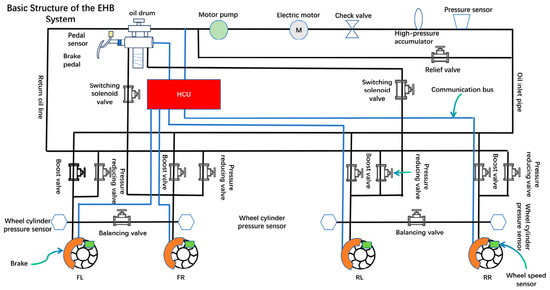
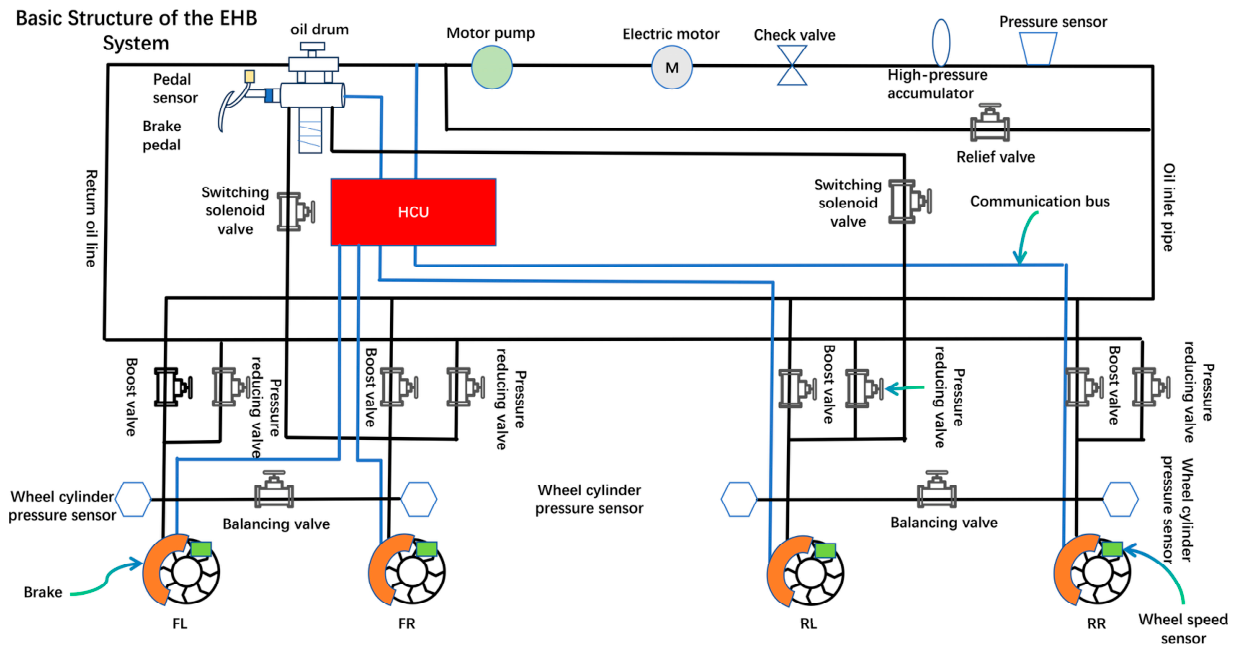
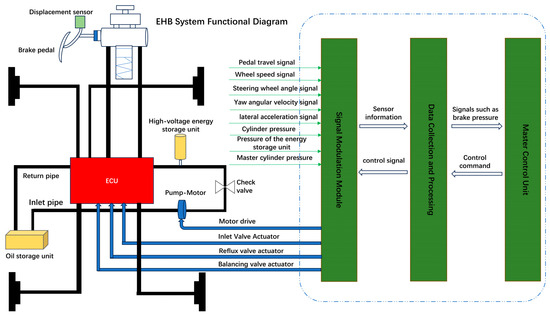
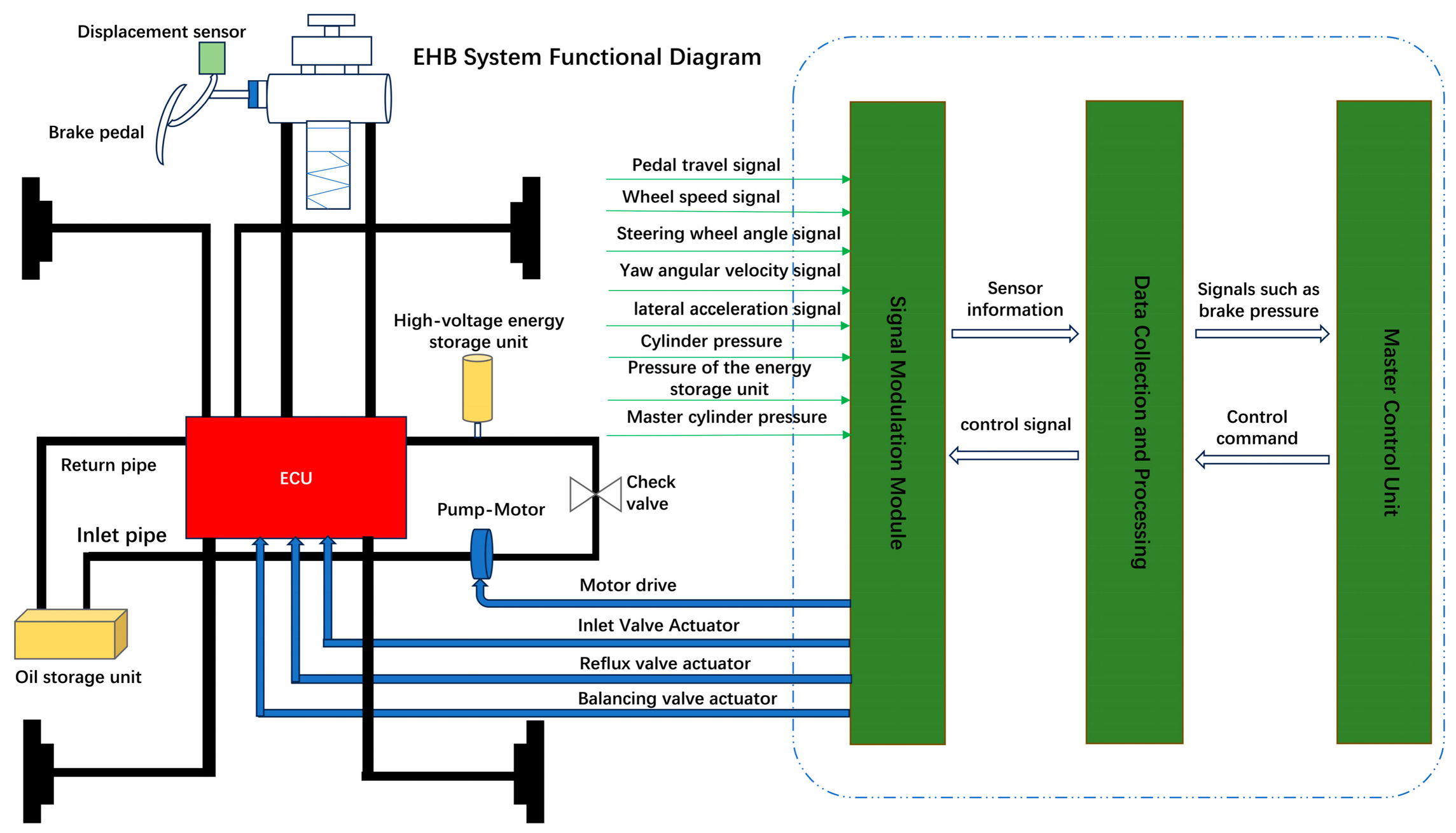
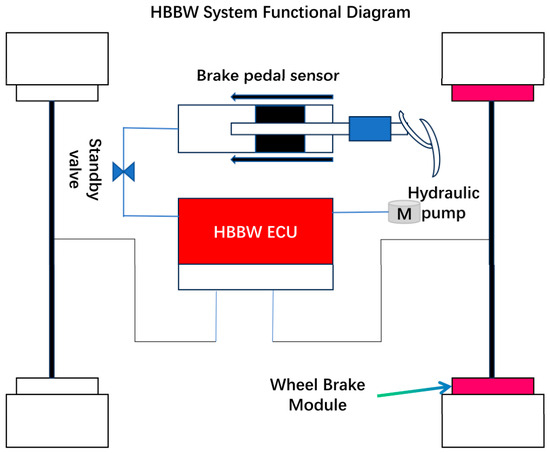
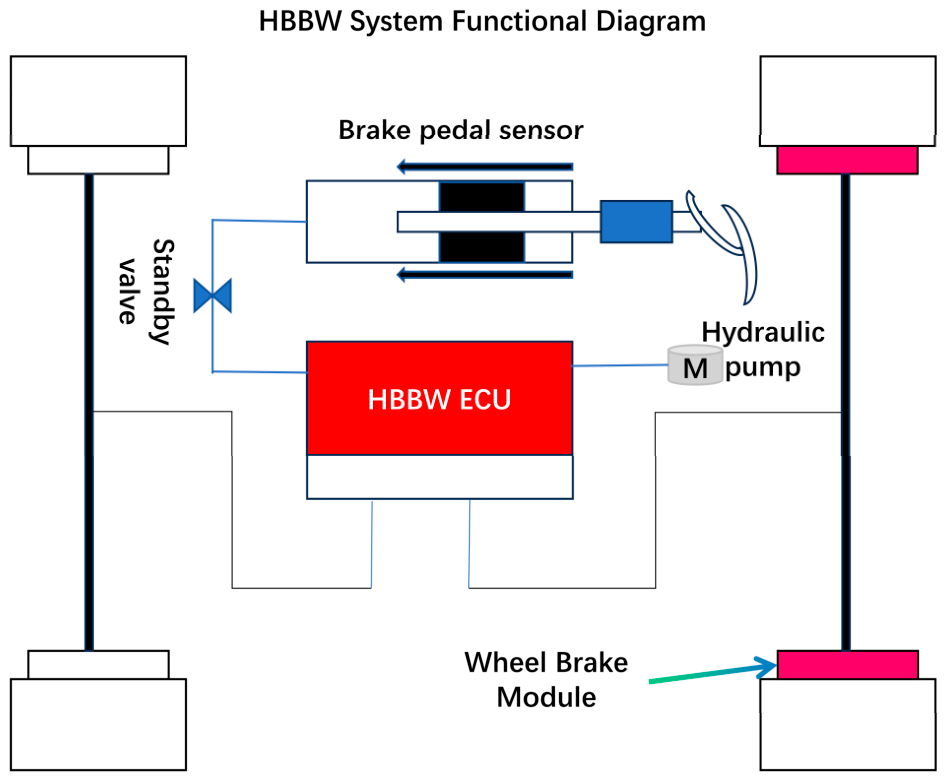
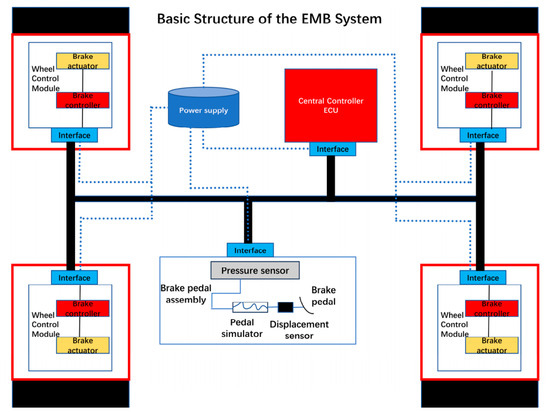
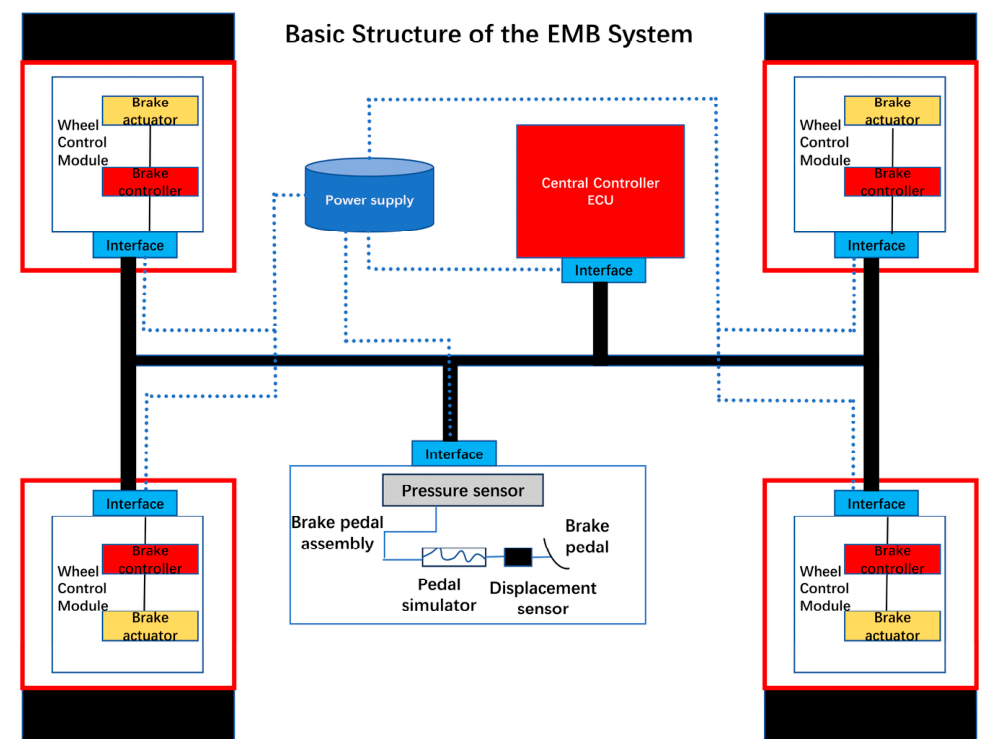
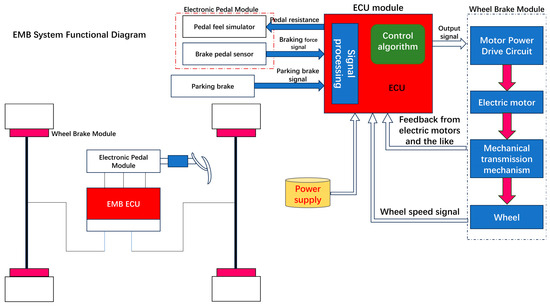
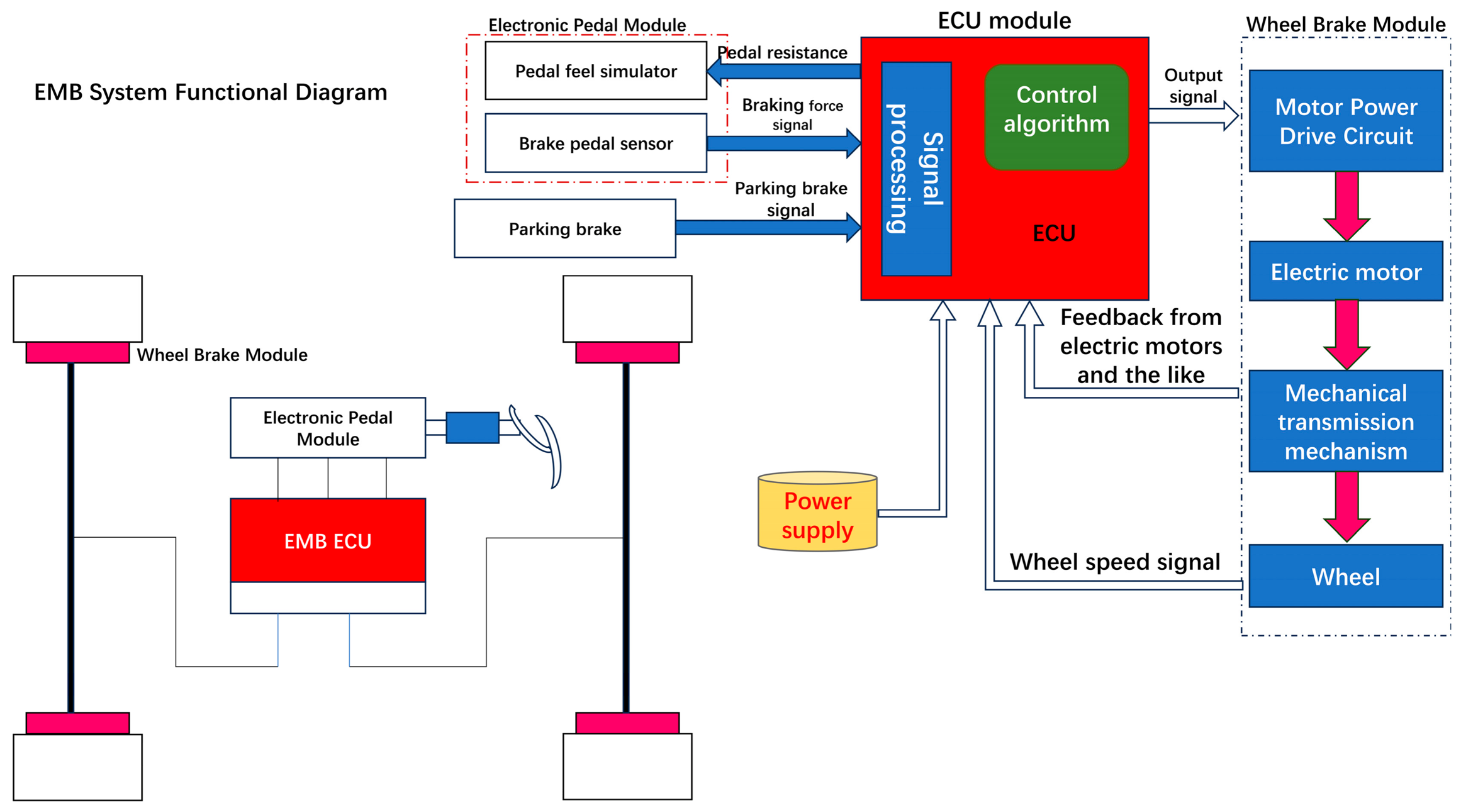
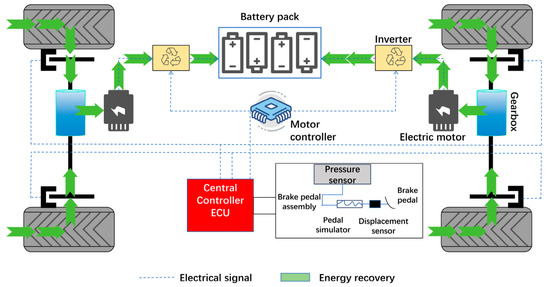
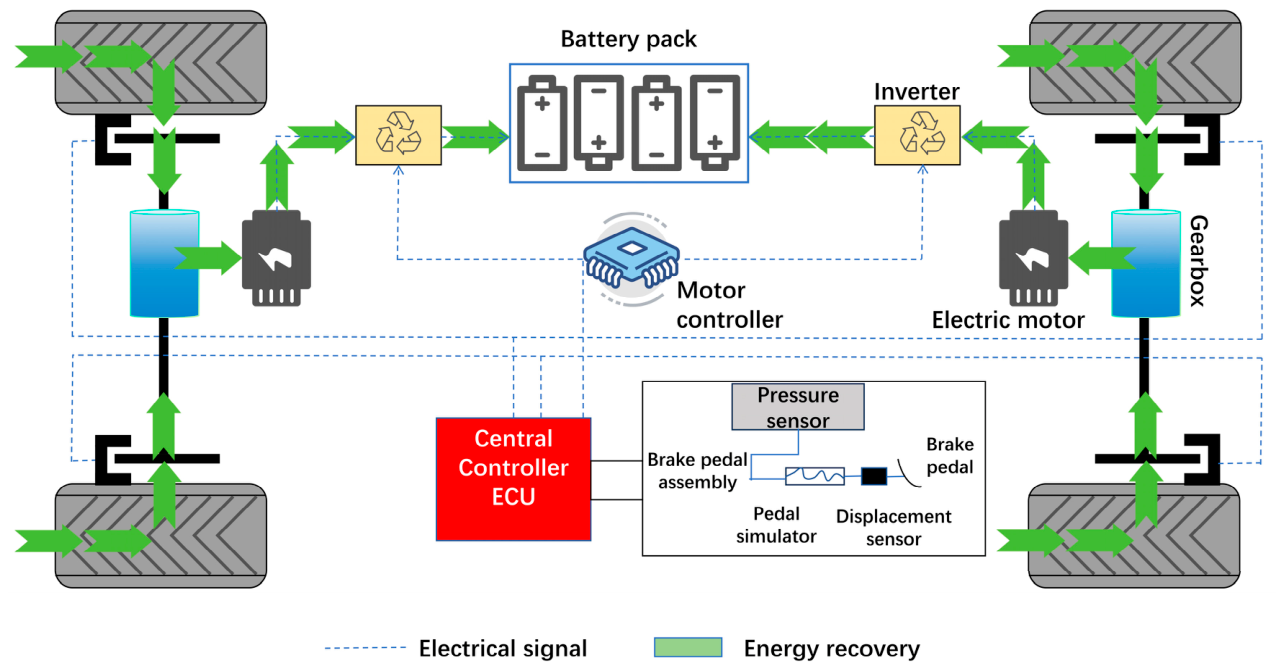
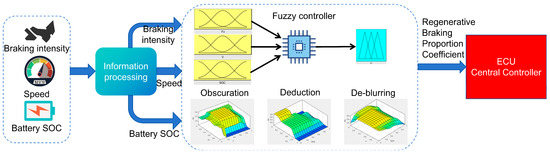
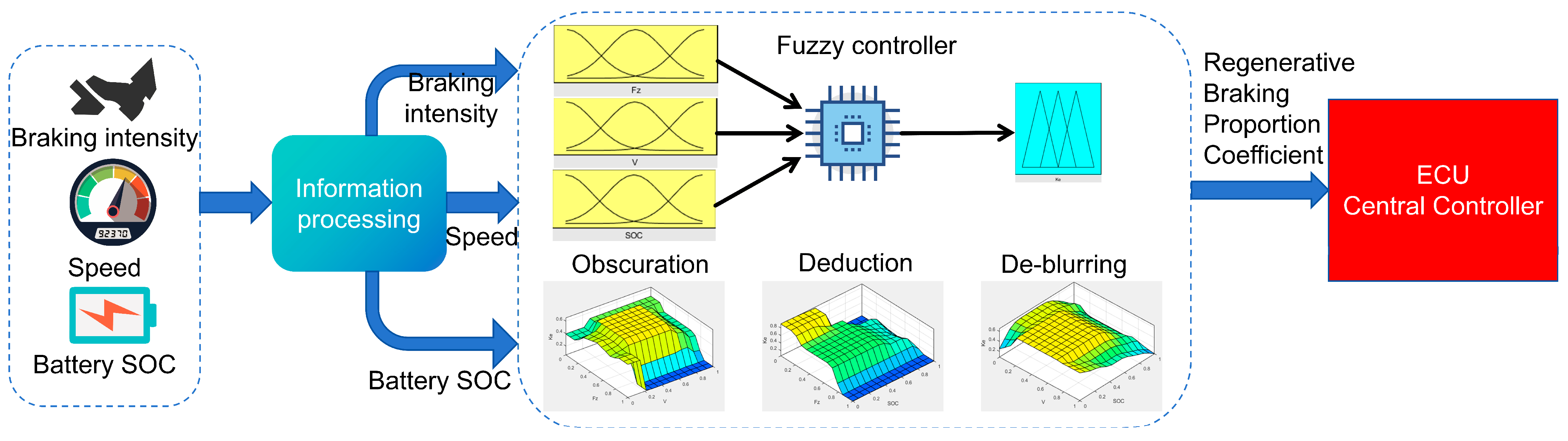
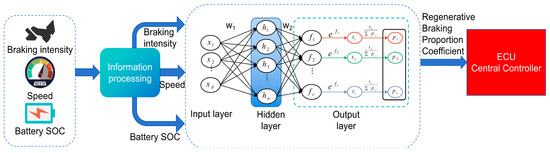
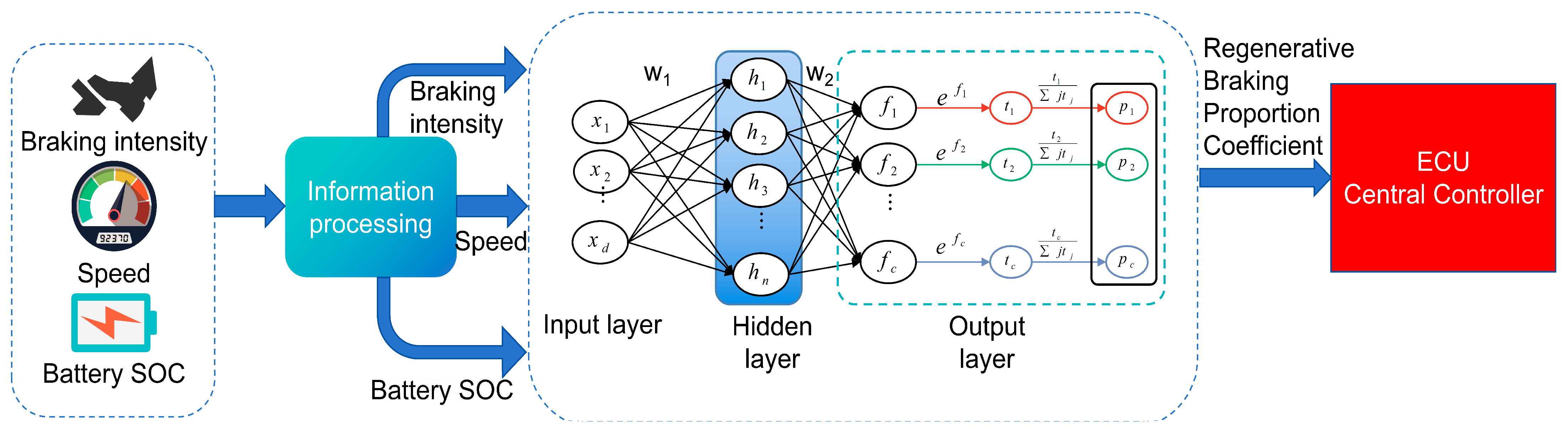
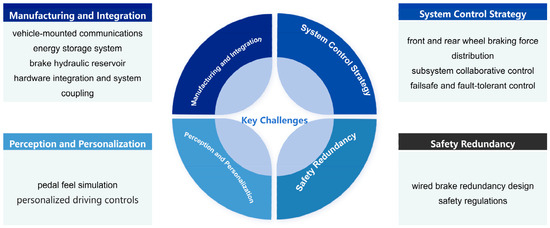
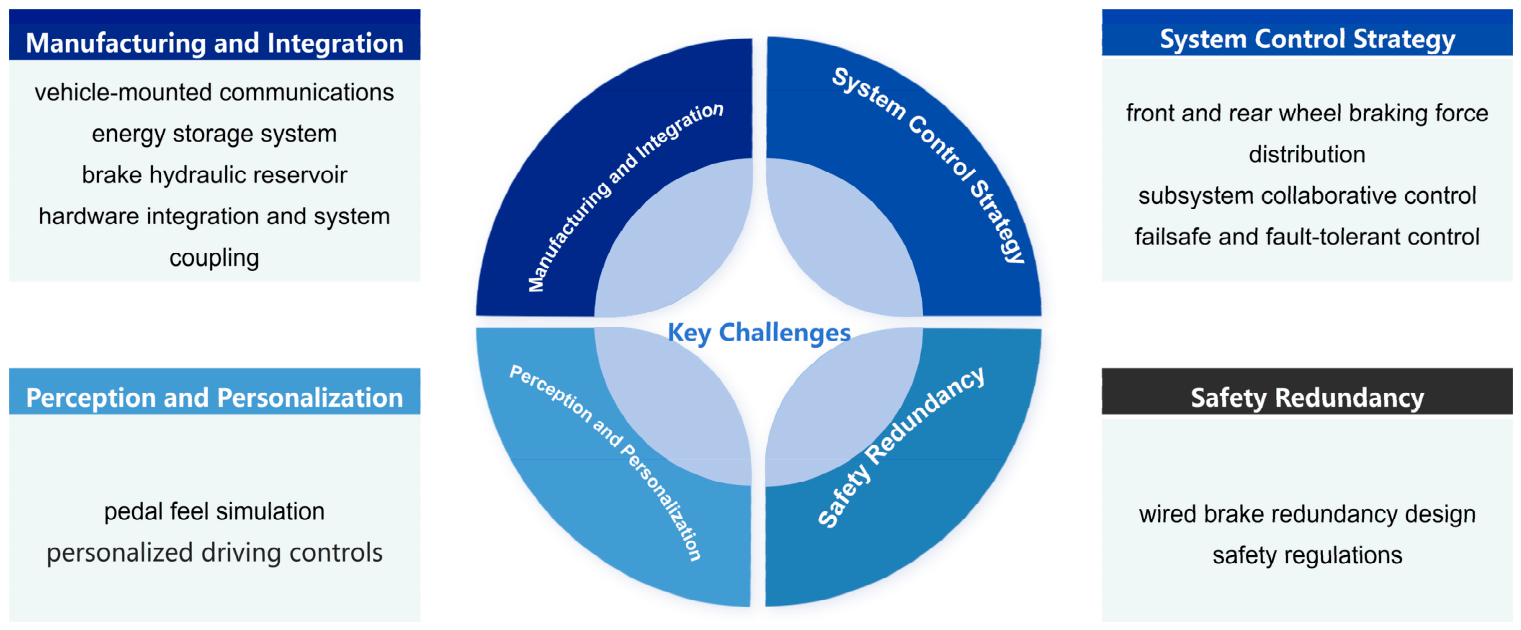






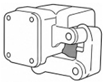


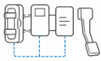


Disclaimer/Publisher’s Note: The statements, opinions and data contained in all publications are solely those of the individual author(s) and contributor(s) and not of MDPI and/or the editor(s). MDPI and/or the editor(s) disclaim responsibility for any injury to people or property resulting from any ideas, methods, instructions or products referred to in the content. |
© 2026 by the authors. Licensee MDPI, Basel, Switzerland. This article is an open access article distributed under the terms and conditions of the Creative Commons Attribution (CC BY) license.