Article

Research on the Frequency Stability Analysis of Grid-Connected Double-Fed Induction Generator Systems

1
Economic Research Institute of State Grid Henan Electric Power Company, Zhengzhou 450052, China
2
School of Electric Power Engineering, Nanjing Institute of Technology, Nanjing 211167, China
*
Author to whom correspondence should be addressed.
Energies 2025, 18(9), 2170; https://doi.org/10.3390/en18092170
Submission received: 25 February 2025 / Revised: 10 April 2025 / Accepted: 14 April 2025 / Published: 24 April 2025
(This article belongs to the Special Issue Clean and Efficient Use of Energy: 2nd Edition)

Abstract

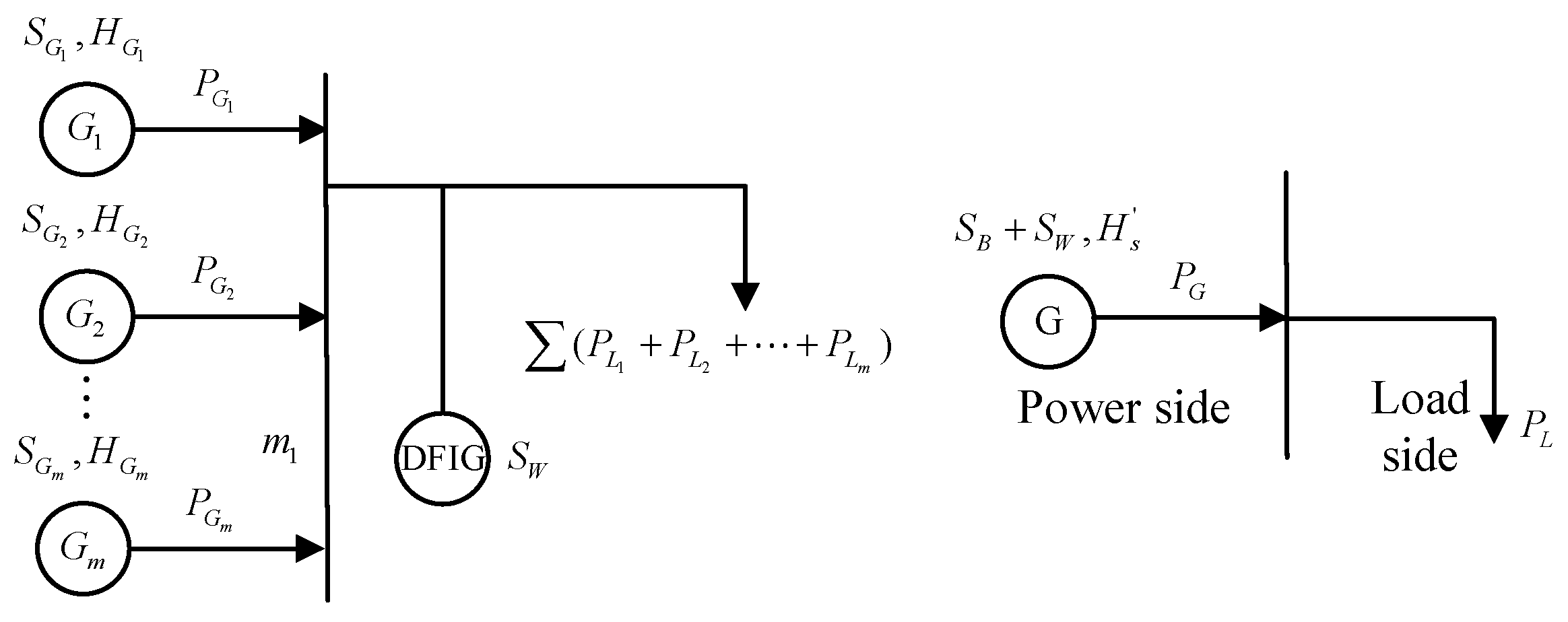
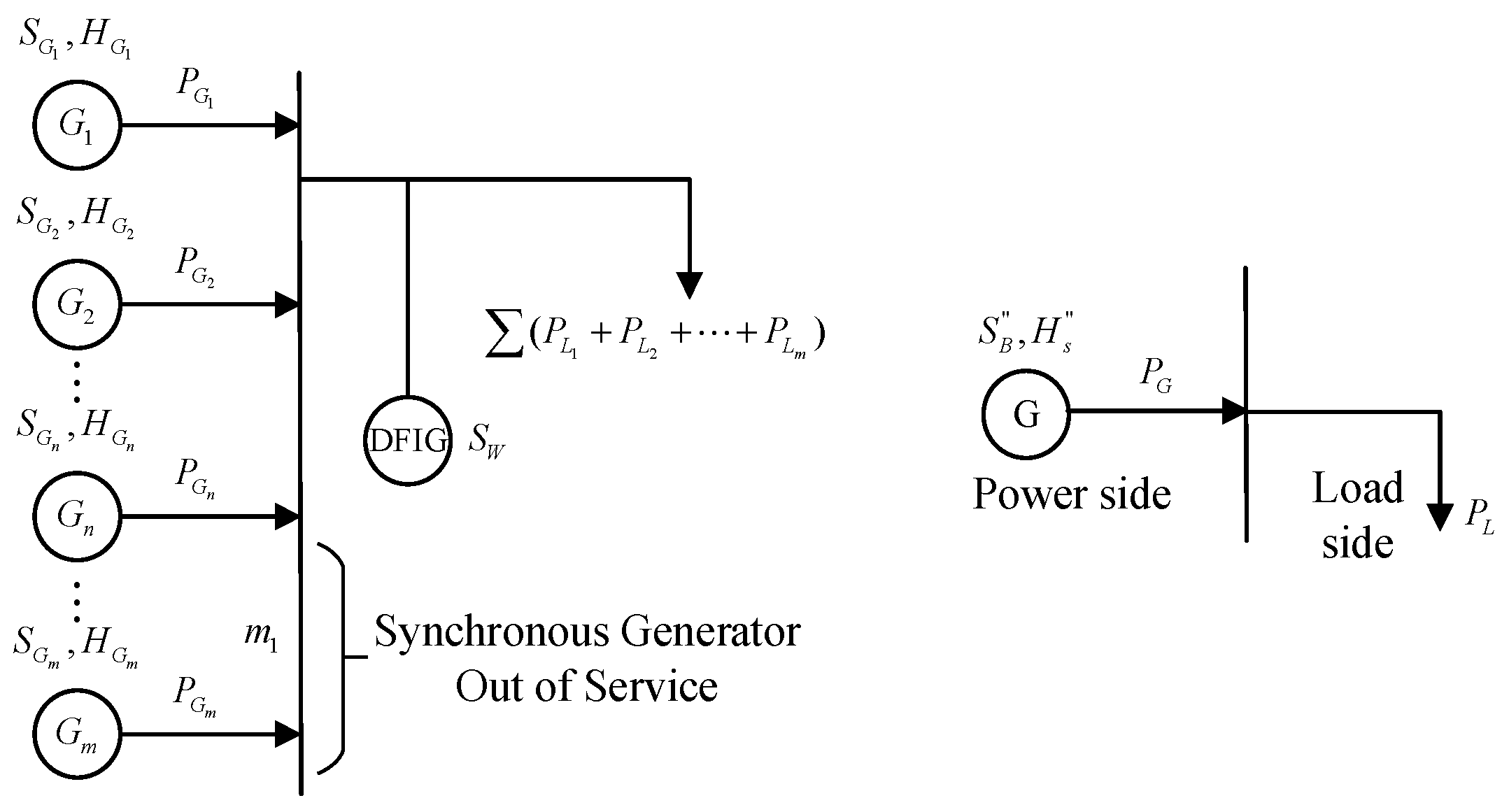
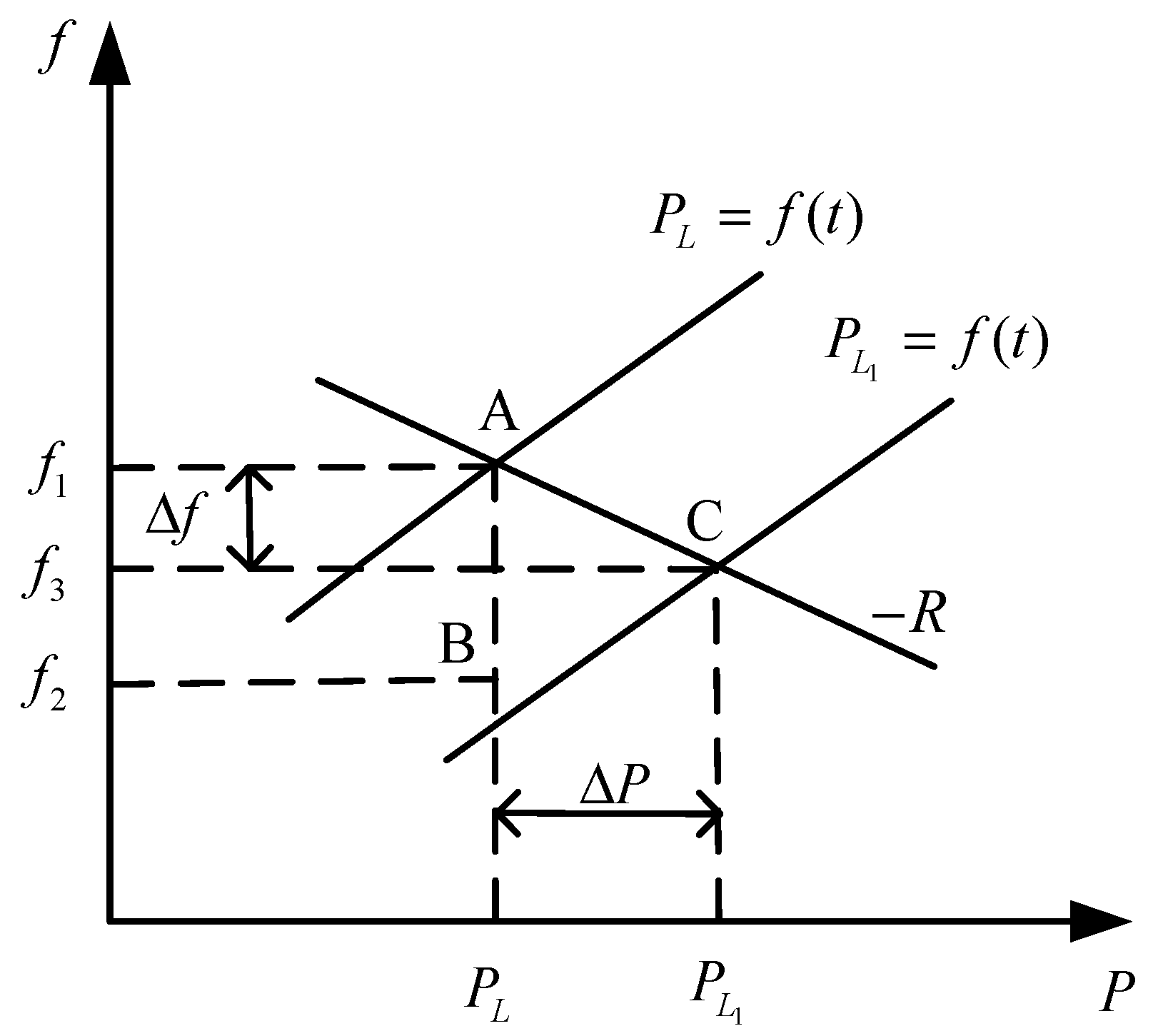
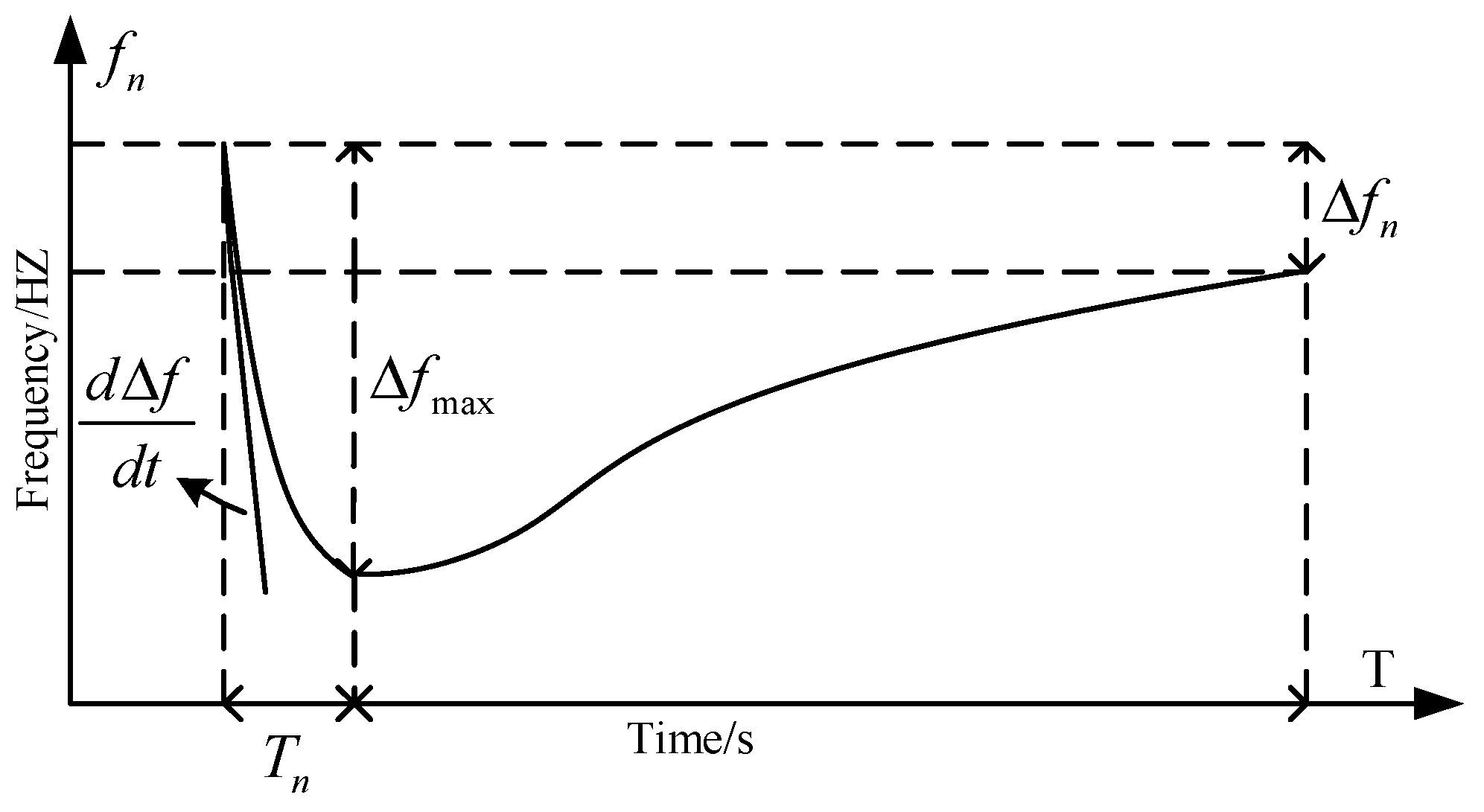
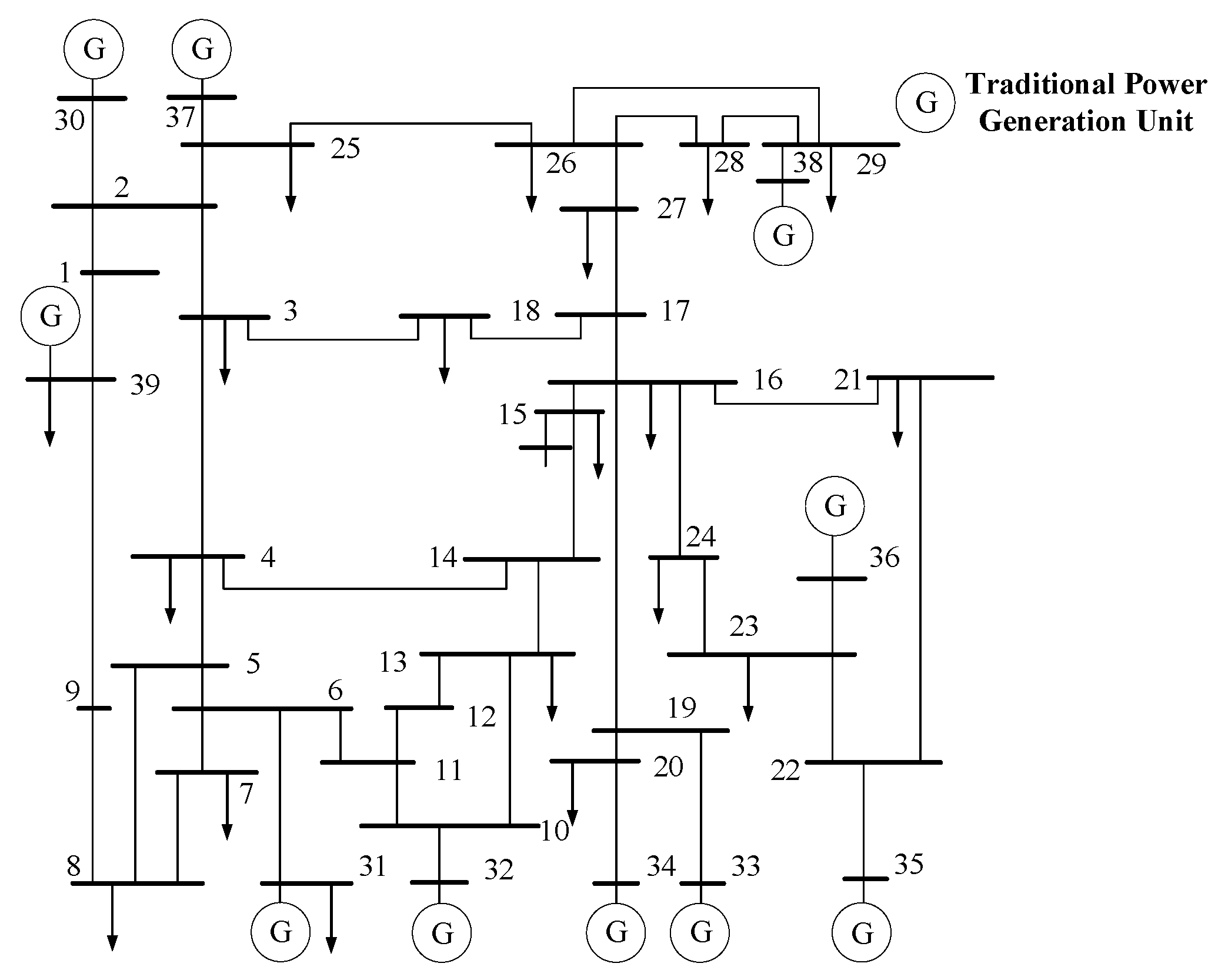
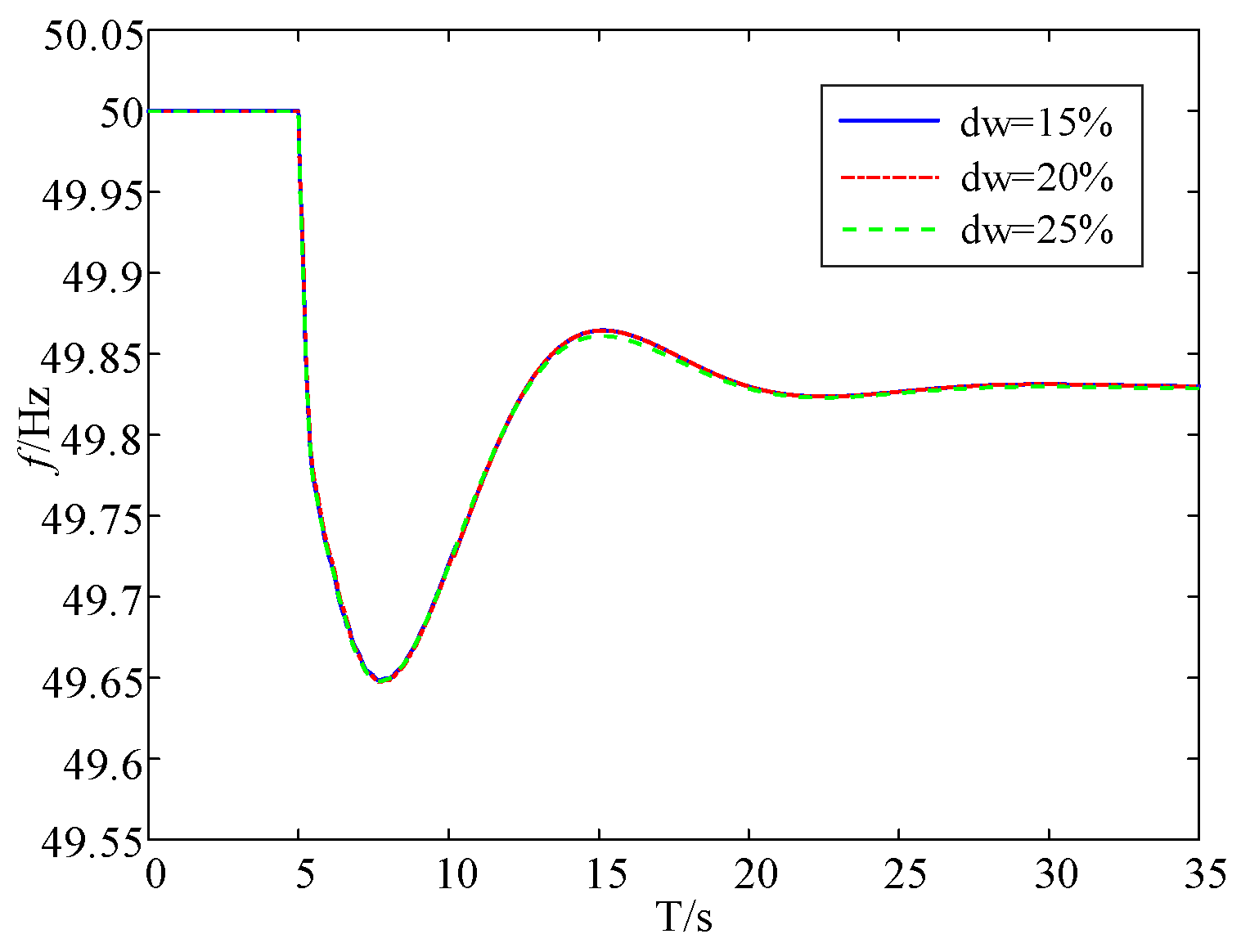
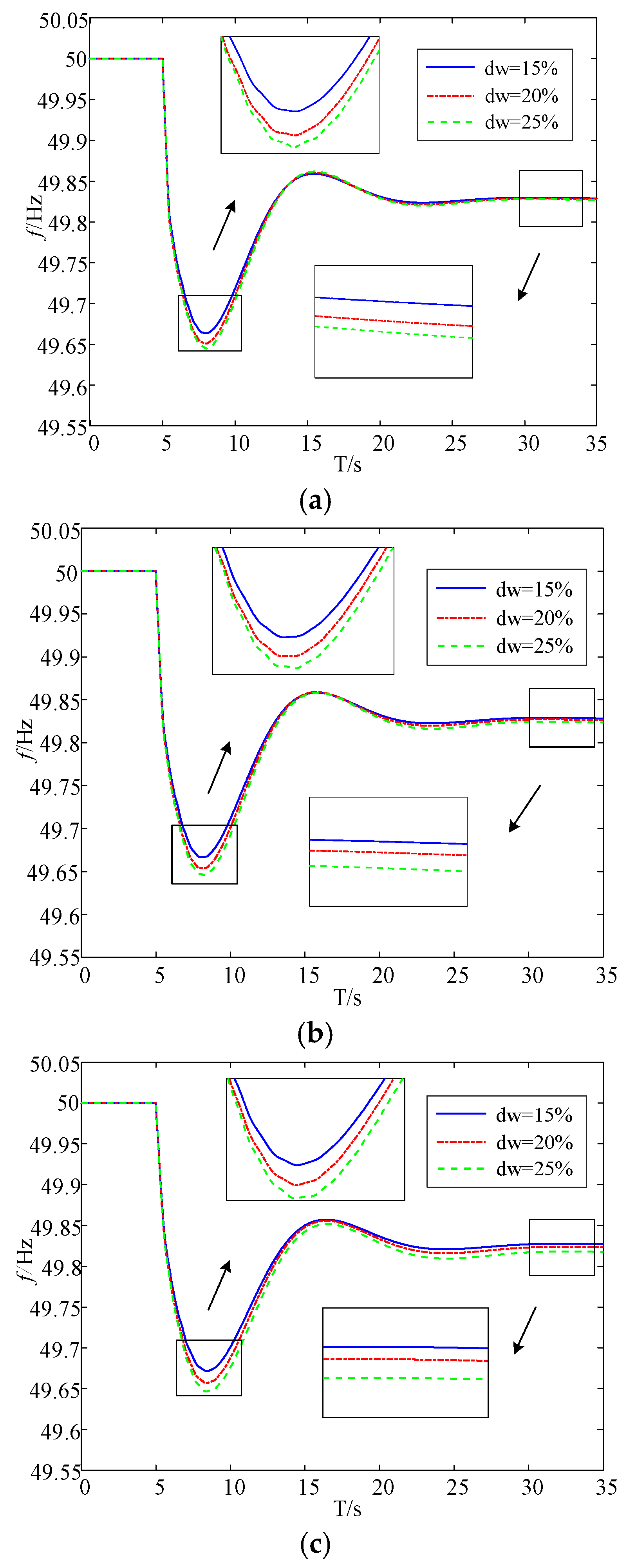
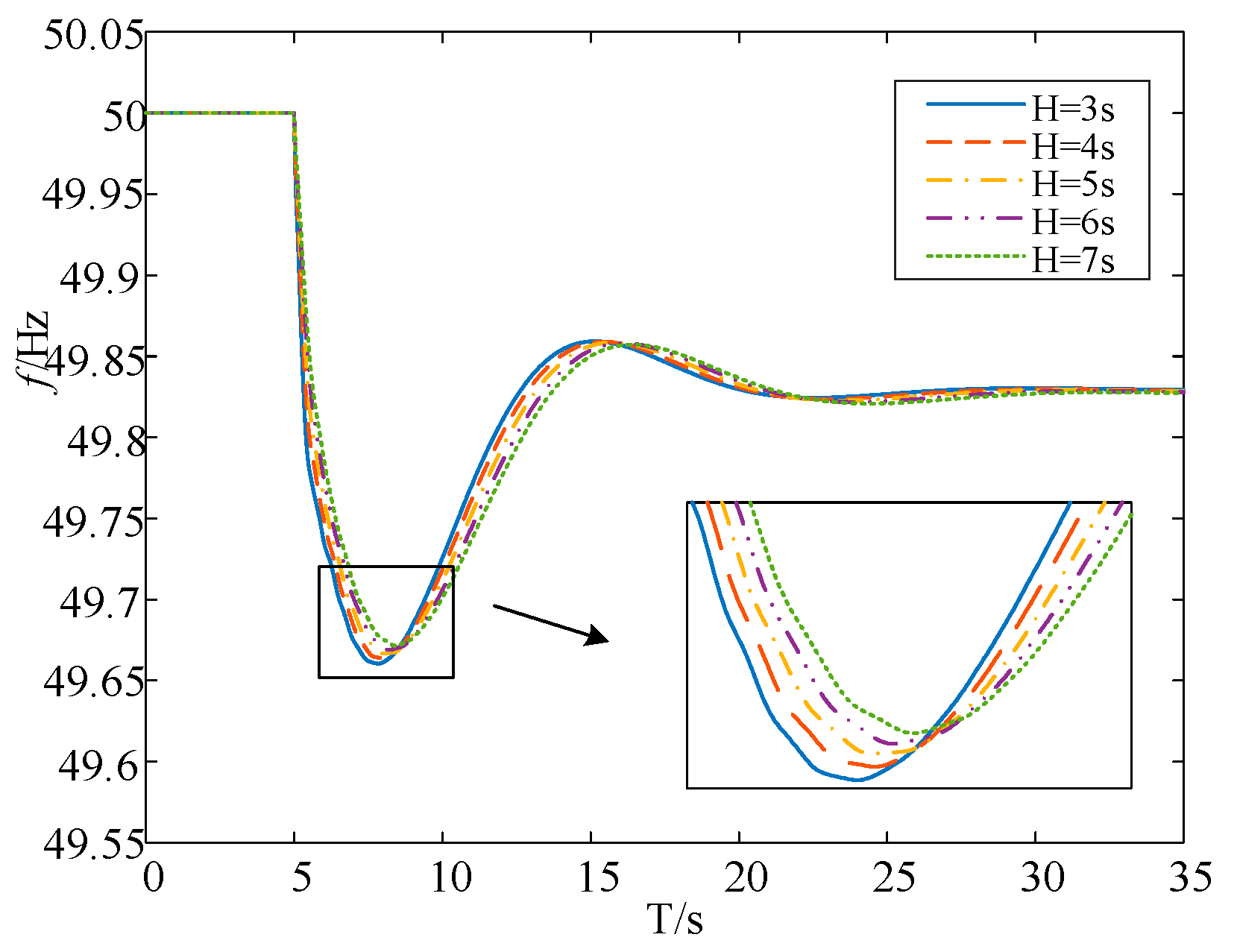
Existing approaches insufficiently analyze the quantitative relationship between frequency stability indices and wind power penetration rates. This limitation impedes rapid and accurate assessments of wind power’s grid integration potential. This paper first analyzed the impact mechanism of wind power integration on system inertia and static power-frequency characteristics from different aspects of the influence of double-fed induction generators (DFIGs) on the operating modes of synchronous machines. Subsequently, based on this analysis, the paper derived the quantitative relationship between key indicators reflecting transient frequency response characteristics during power shortages and wind power penetration rates. It also rapidly calculated the maximum wind power penetration rate based on constraints of frequency change rate and maximum frequency deviation, thereby enabling a quantitative evaluation of wind power grid connection capability. Finally, the IEEE 39-bus test system was used for case analysis. The research results indicate that the proposed method can accurately quantify the impact of wind power variation on system frequency stability and rapidly determine the maximum wind power penetration rate to ensure frequency stability, thereby improving the accuracy of the wind power grid connection capability assessment.
Keywords: double-fed induction generator (DFIG); frequency stability; quantitative evaluation; maximum penetration rate double-fed induction generator (DFIG); frequency stability; quantitative evaluation; maximum penetration rate