Article

Studying the Level of Sustainable Energy Development of the European Union Countries and Their Similarity Based on the Economic and Demographic Potential


1
Faculty of Mining, Safety Engineering and Industrial Automation, Silesian University of Technology, 44-100 Gliwice, Poland
2
Faculty of Organization and Management, Silesian University of Technology, 44-100 Gliwice, Poland
3
Faculty of Mechanical Engineering and Aeronautics, Rzeszow University of Technology, 35-959 Rzeszów, Poland
4
Department of Production Engineering and Safety, Faculty of Management, Czestochowa University of Technology, 42-201 Częstochowa, Poland
5
Institute of Logistics and Transportation, Technical University of Košice, 042 00 Košice, Slovakia
*
Authors to whom correspondence should be addressed.
Energies 2020, 13(24), 6643; https://doi.org/10.3390/en13246643
Submission received: 3 November 2020 / Revised: 14 December 2020 / Accepted: 15 December 2020 / Published: 16 December 2020
(This article belongs to the Section A: Sustainable Energy)

Abstract

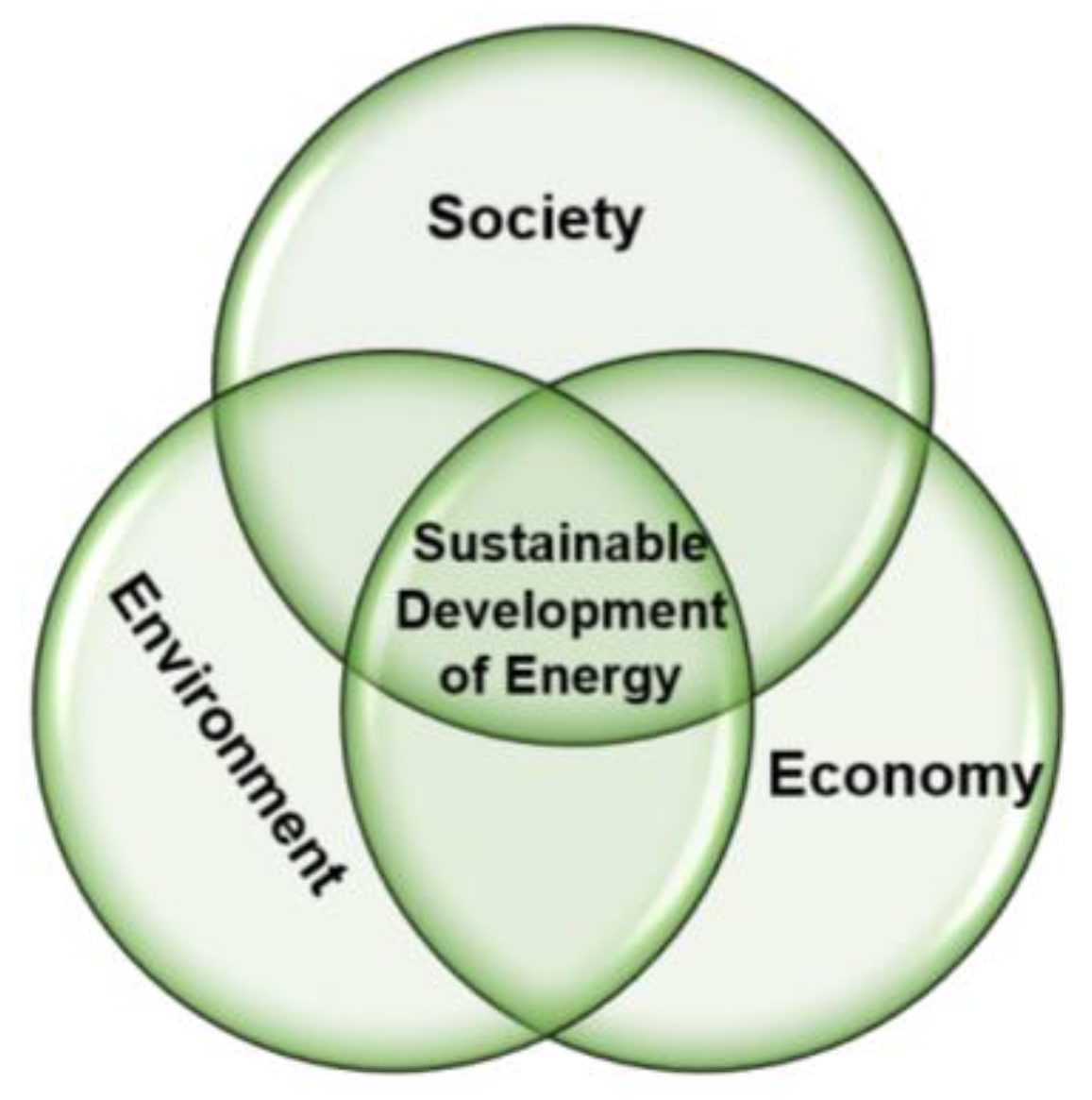
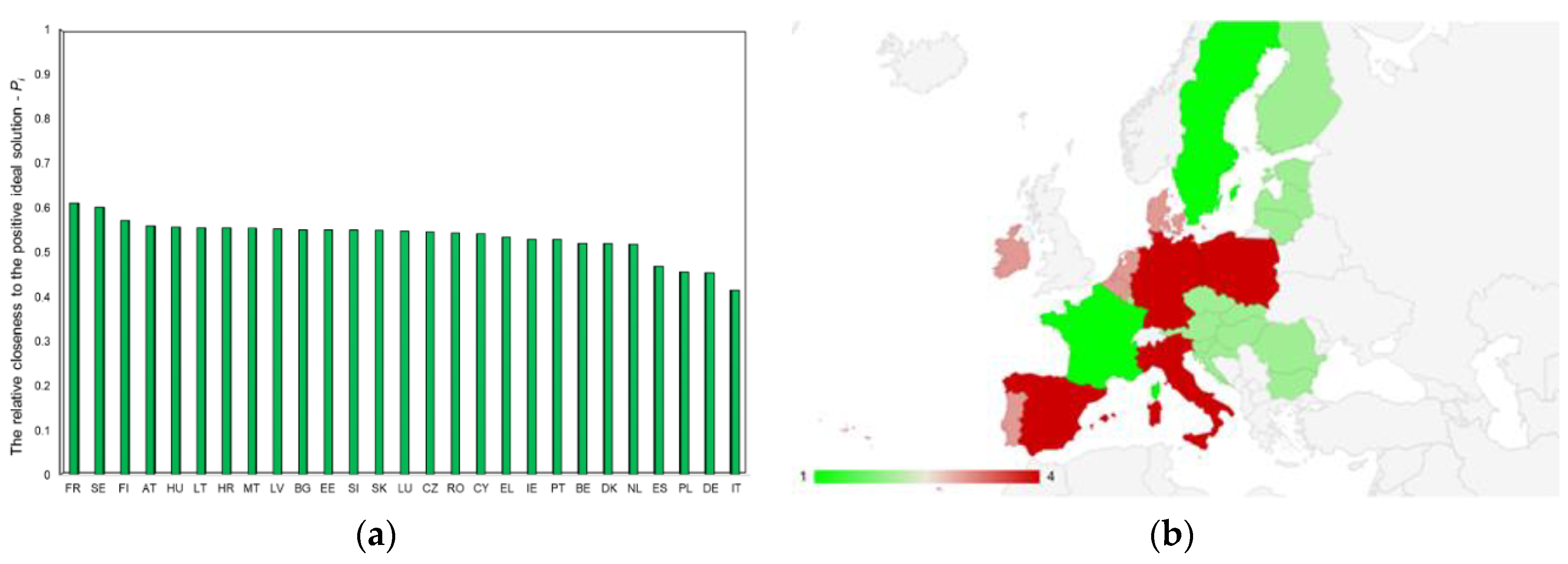
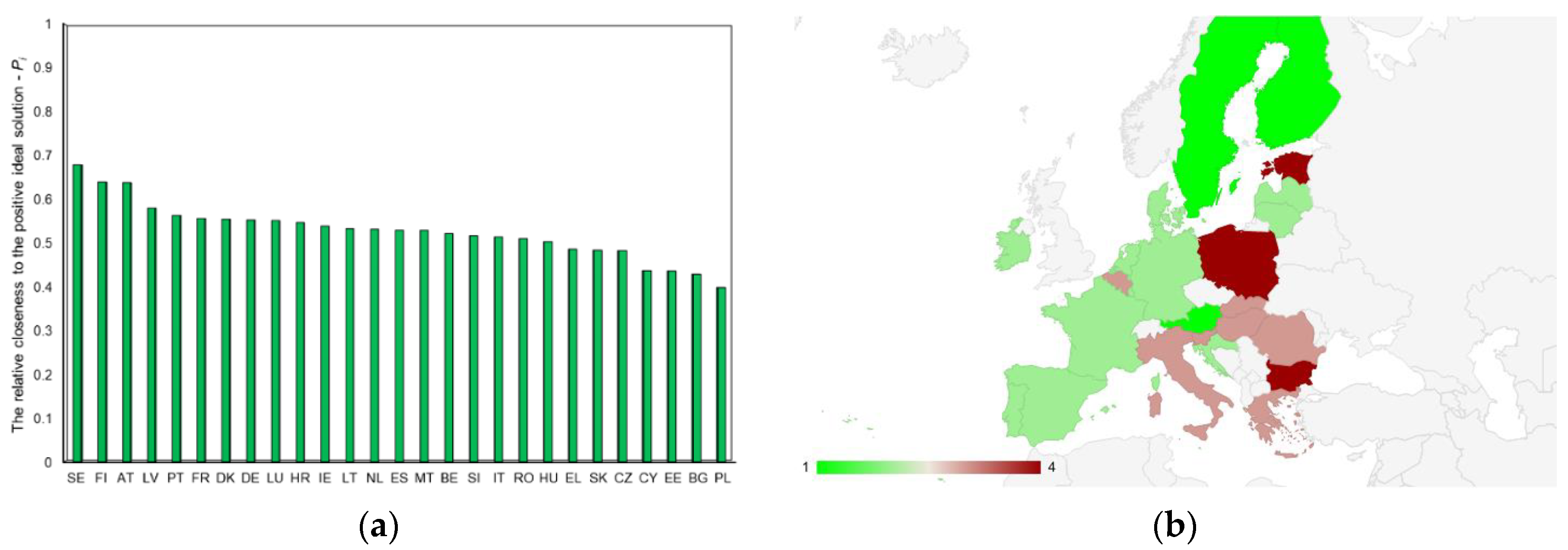
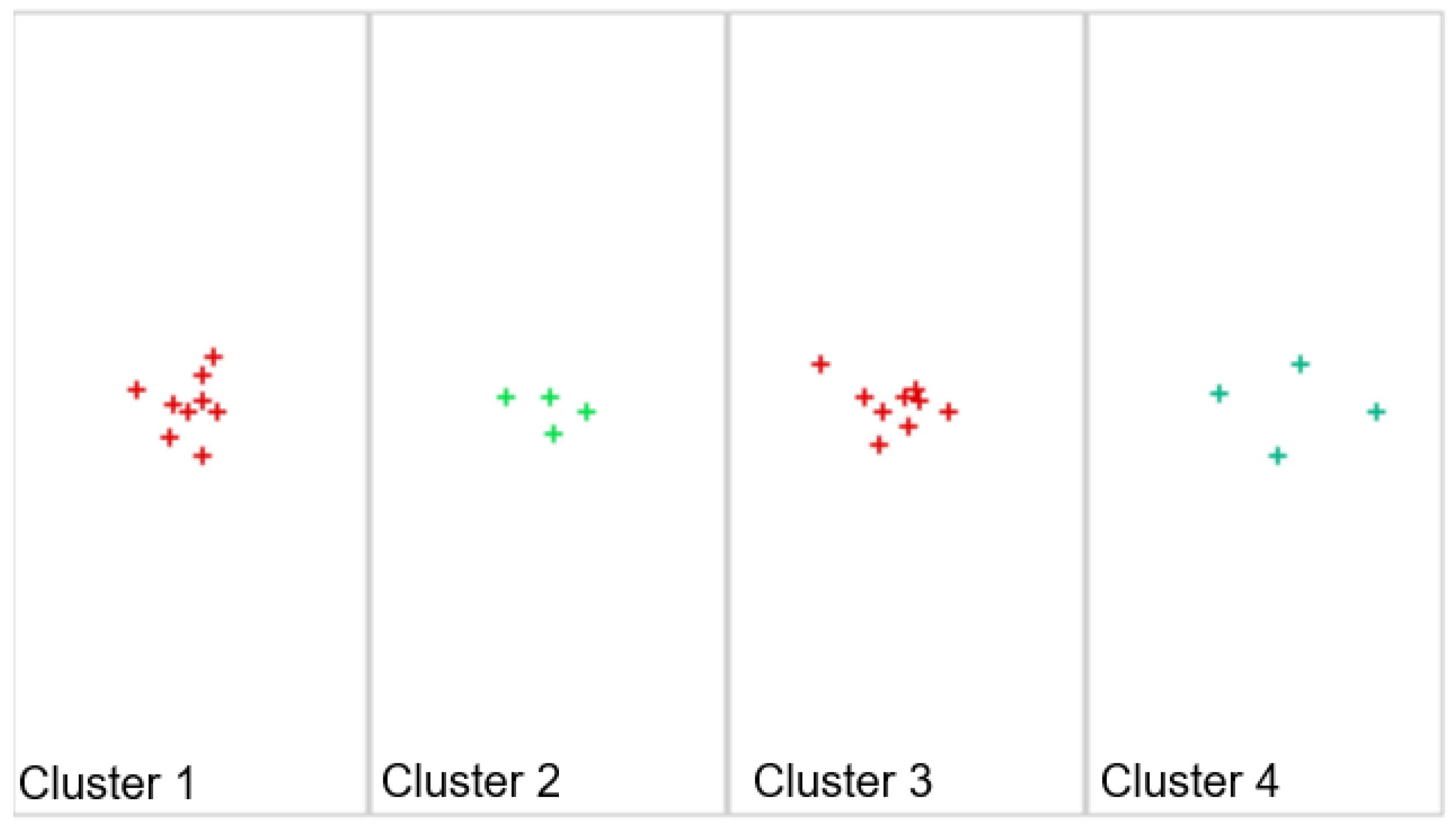
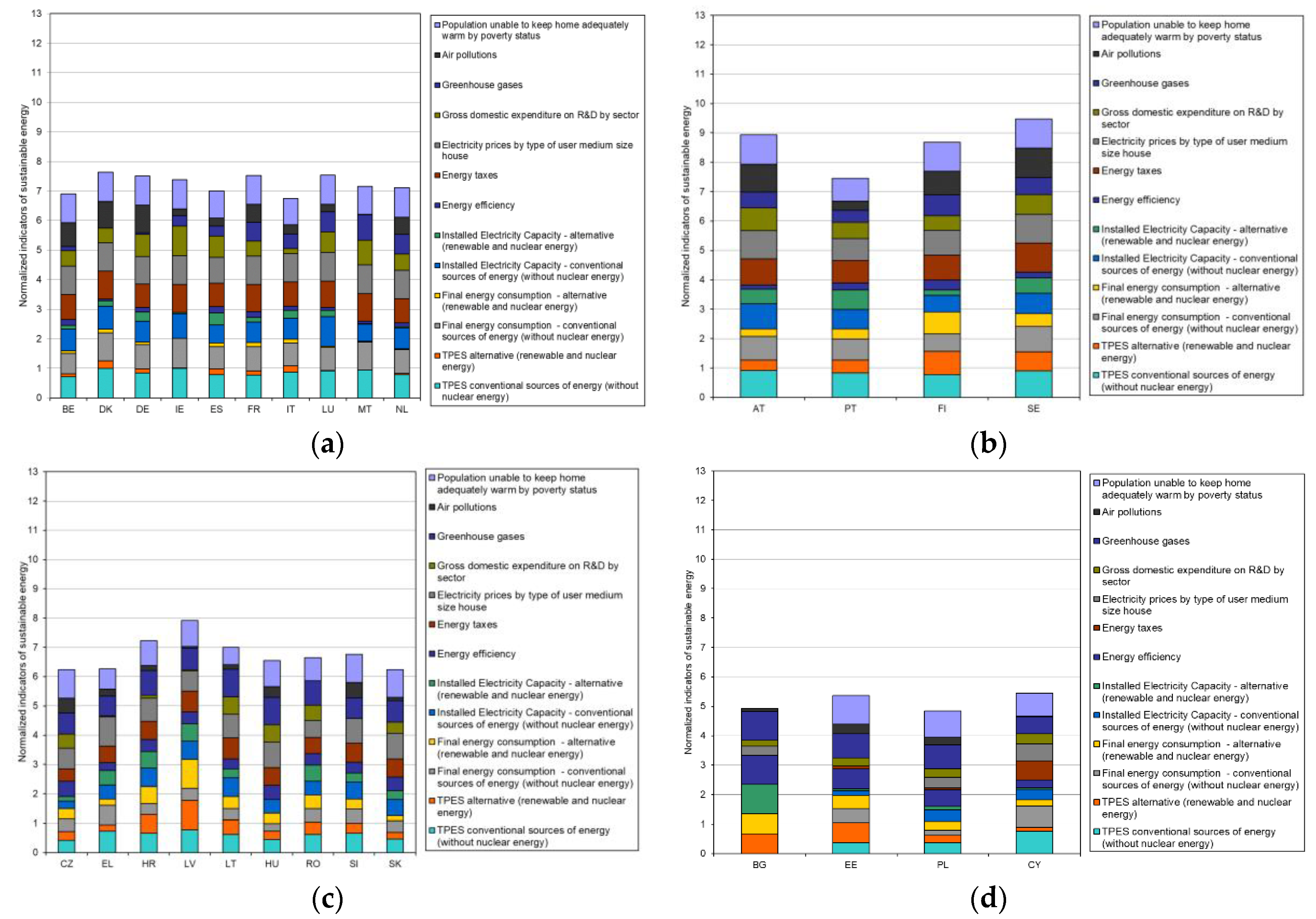
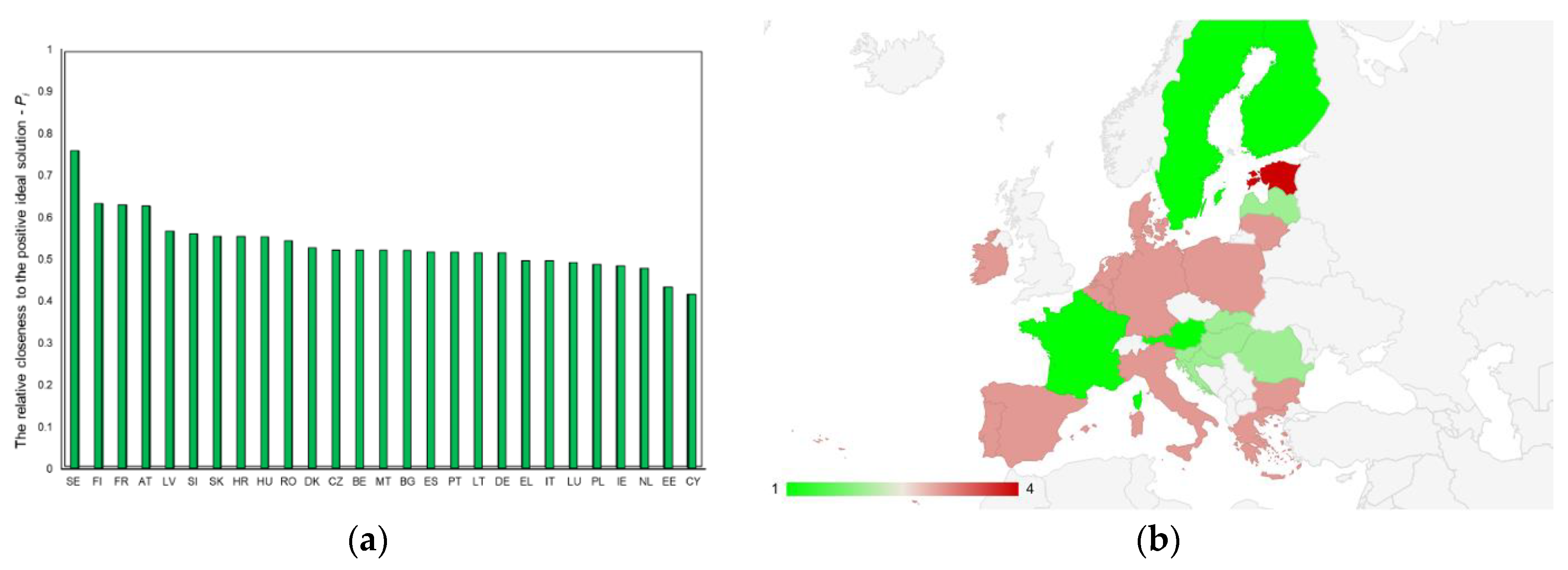
The concept of sustainable economic development takes into account economic, social and environmental aspects and strives to achieve balance between them. One of the basic areas where it is required to revalue the current views on sustainable development is energy. The growing public awareness of environmental protection forces changes in this industry. Despite the global nature of this problem, its solution is perceived differently in various regions of the world. The unquestionable leader in introducing the idea of sustainable development economy is the European Union, where the energy sector is of key importance for the effectiveness of this process. In order to assess the sustainable energy development of the European Union countries, studies were conducted based on 13 selected indicators characterizing this sector in terms of energy, economy and environment. In order to assess the specificity of the European Union countries, these indicators were additionally compared to the gross domestic product value and the number of inhabitants of individual countries. For these cases, multi-criteria analyses were carried out using the Technique for Order Preference by Similarity to Ideal Solution (TOPSIS) method. It allowed the authors to rank the European Union countries in terms of their adaptation to a sustainable energy economy. Based on the determined values of indicators versus the gross domestic product and the number of inhabitants of the countries in question, these countries were also divided into similar groups with the use of the Kohonen artificial neural networks. These groups can pursue a common energy policy in the field of sustainable development. The aim of the research was to present a new approach to the assessment of sustainable energy development of the European Union countries. The extensive ratio analysis (13 indicators of the sustainable energy development), including the economic and demographic potential of individual countries, and the use of modern tools made it possible to acquire new knowledge in the field of sustainable energy development in the European Union countries. The results should be utilized for more effective sustainable energy development of the European Union countries.
Keywords: sustainable energy development; European Union countries; energy-environment-economy-society; artificial neural networks; TOPSIS method sustainable energy development; European Union countries; energy-environment-economy-society; artificial neural networks; TOPSIS method