Article

Failure Analysis of a Pre-Excavation Double Equipment Withdrawal Channel and Its Control Techniques

School of Energy & Mining Engineering, China University of Mining and Technology (Beijing), Beijing 100083, China
*
Author to whom correspondence should be addressed.
Energies 2020, 13(23), 6368; https://doi.org/10.3390/en13236368
Submission received: 16 November 2020 / Revised: 28 November 2020 / Accepted: 30 November 2020 / Published: 2 December 2020
(This article belongs to the Special Issue Mining Innovation)

Abstract

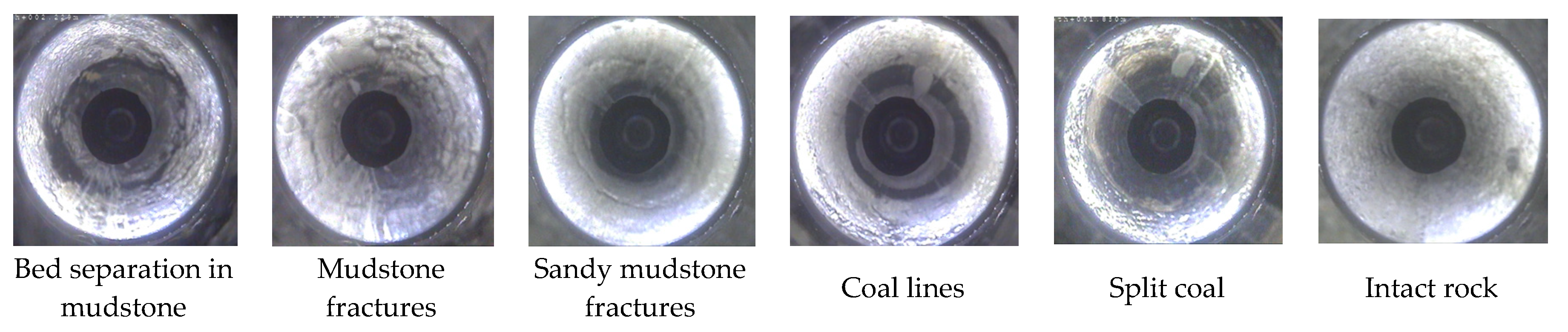
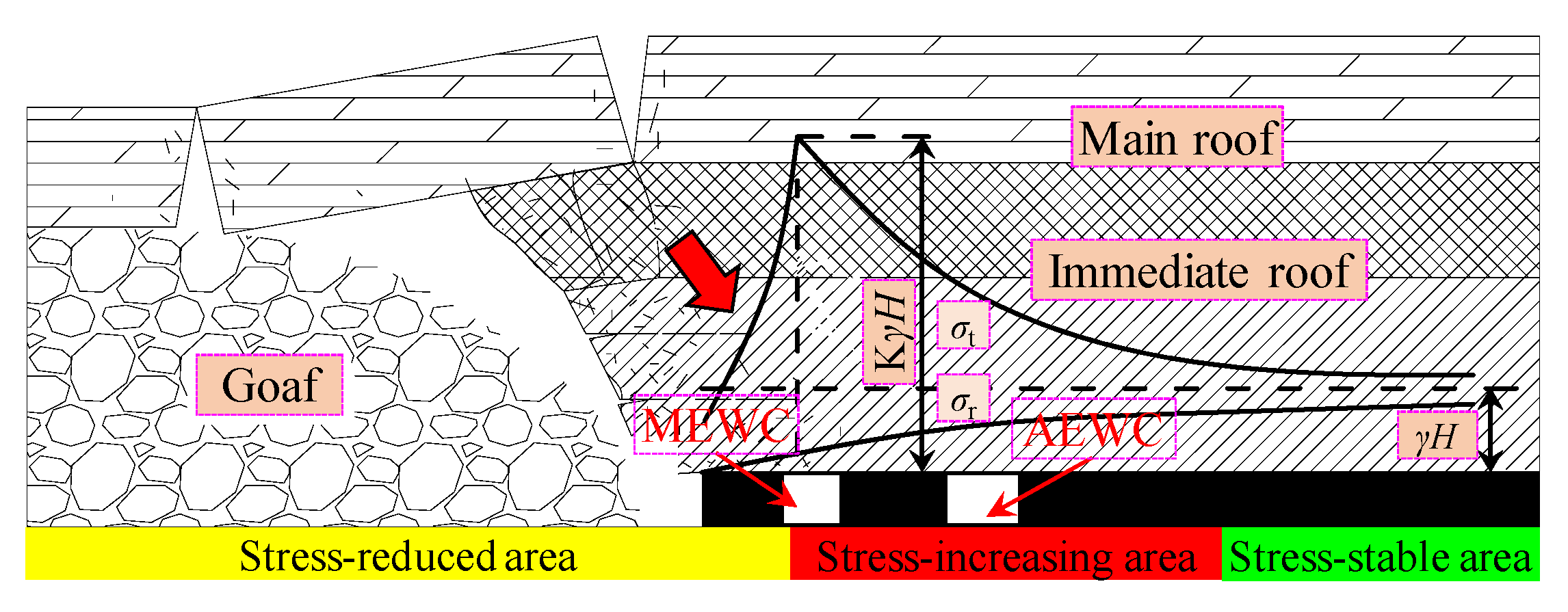
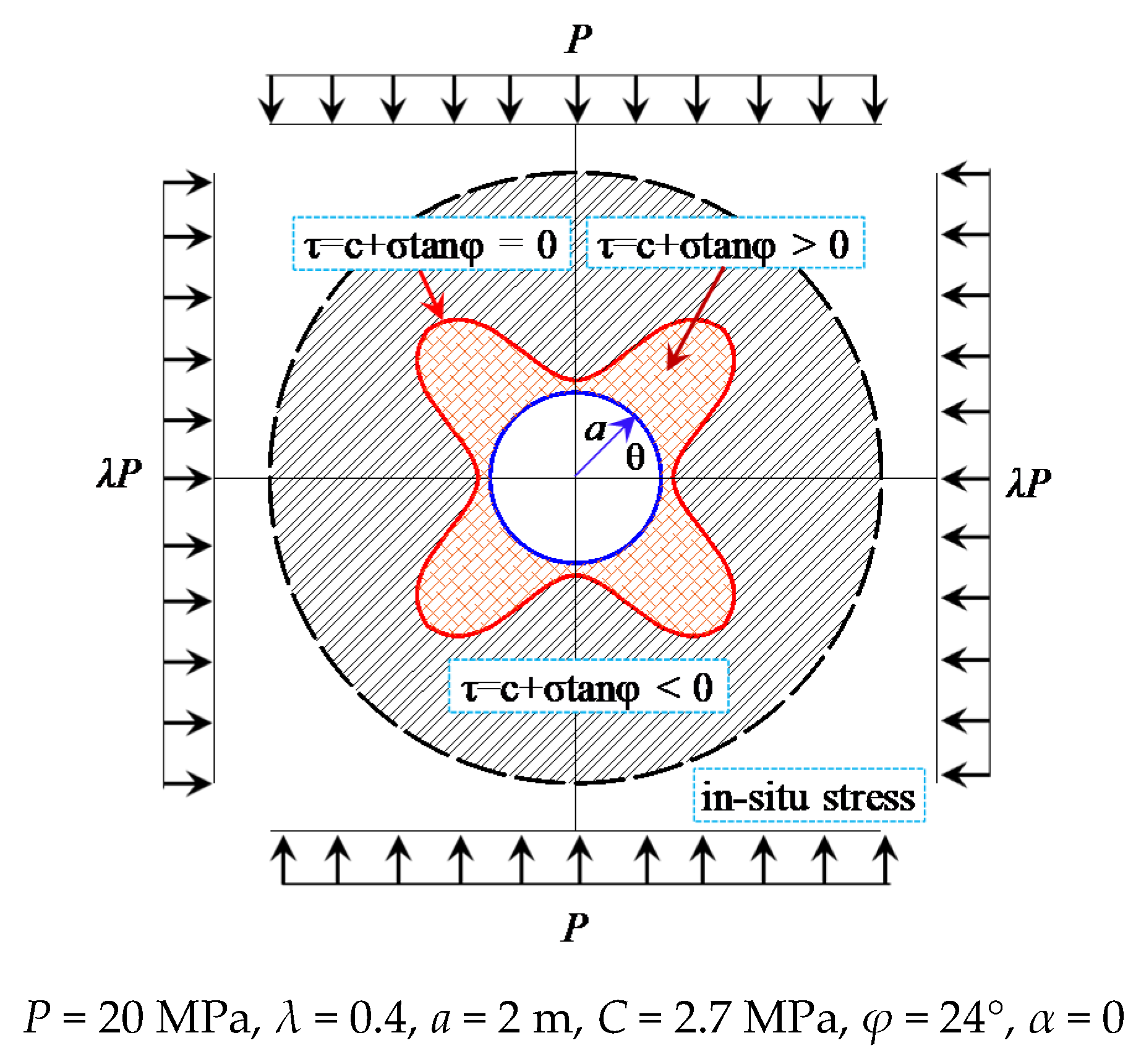
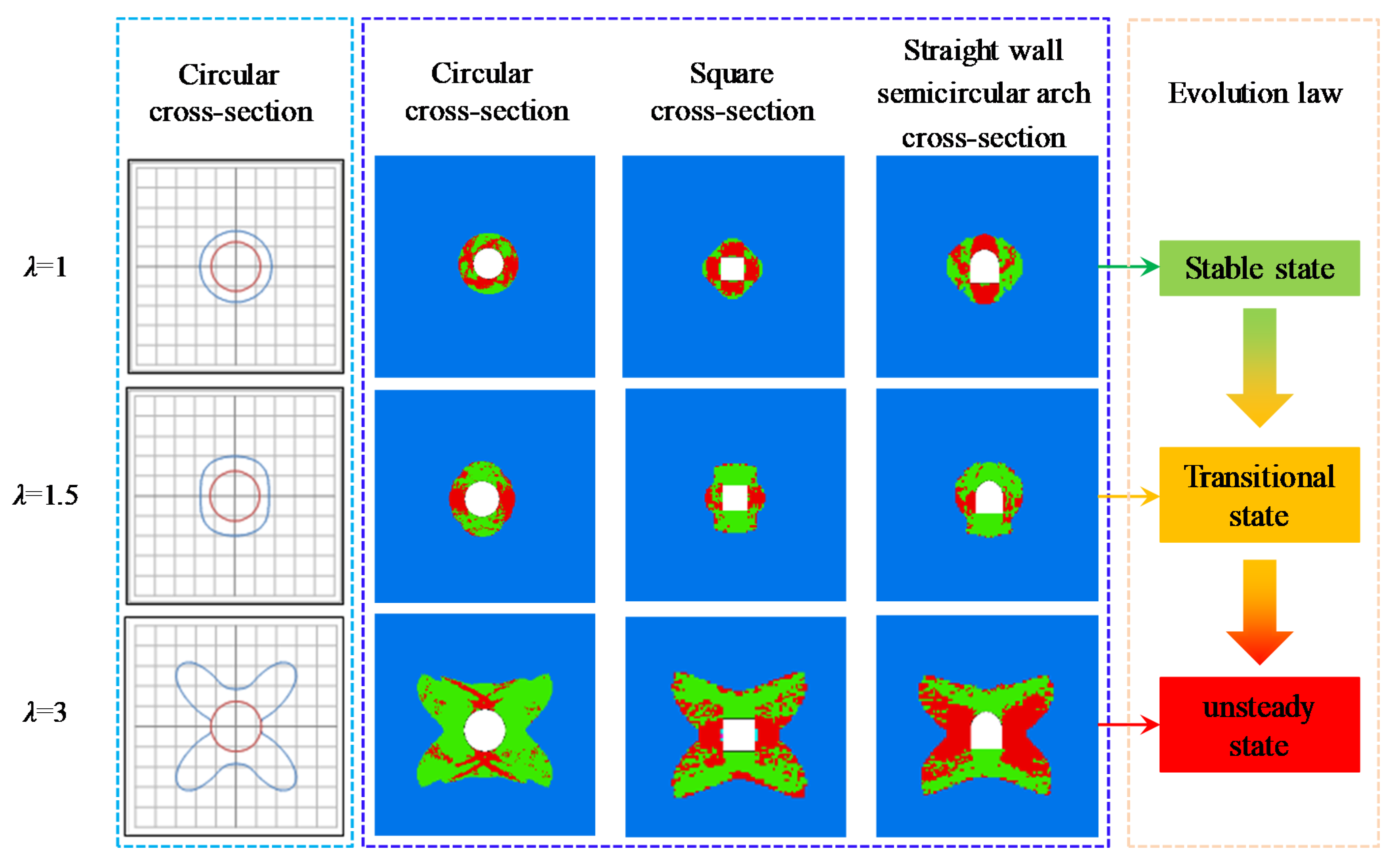
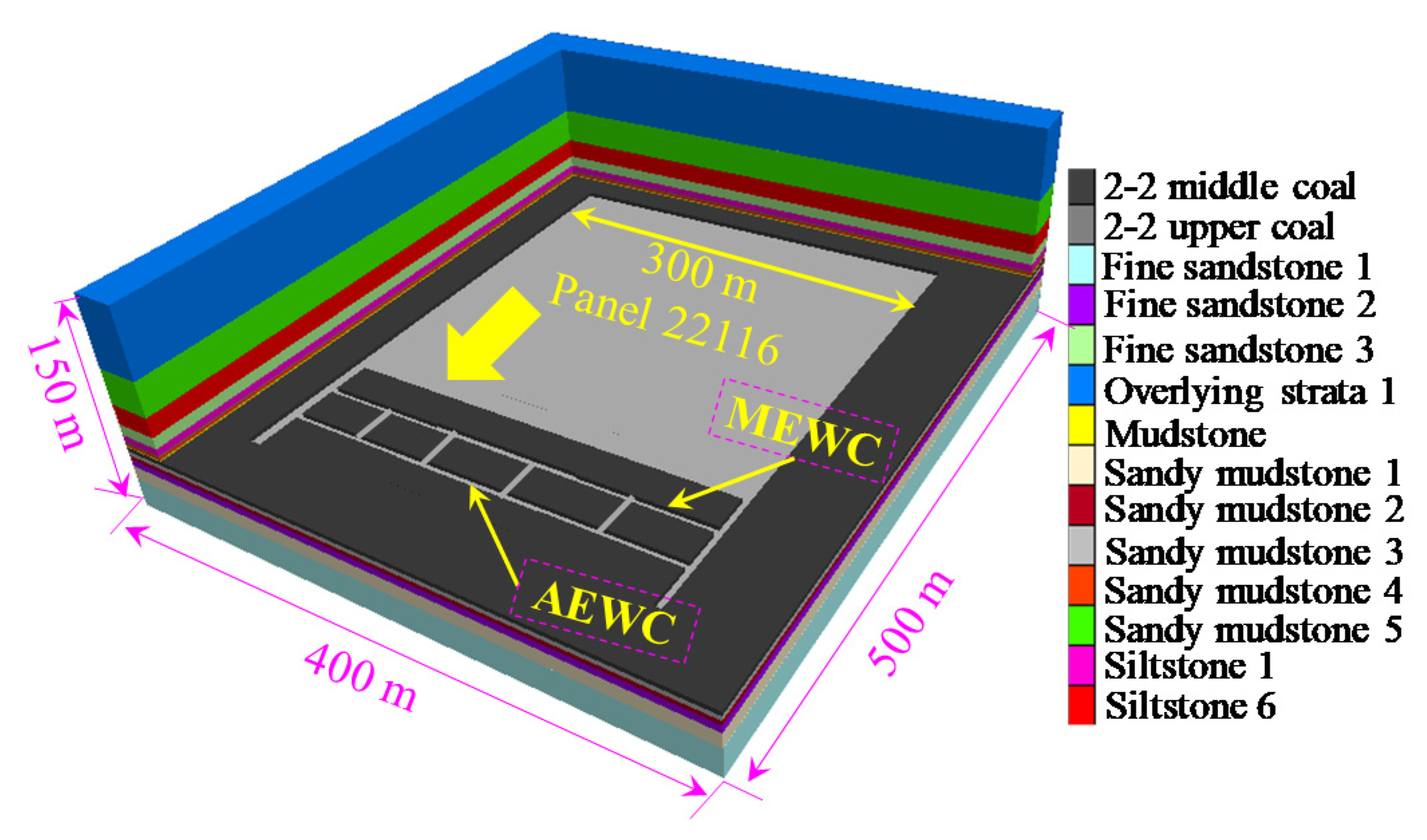
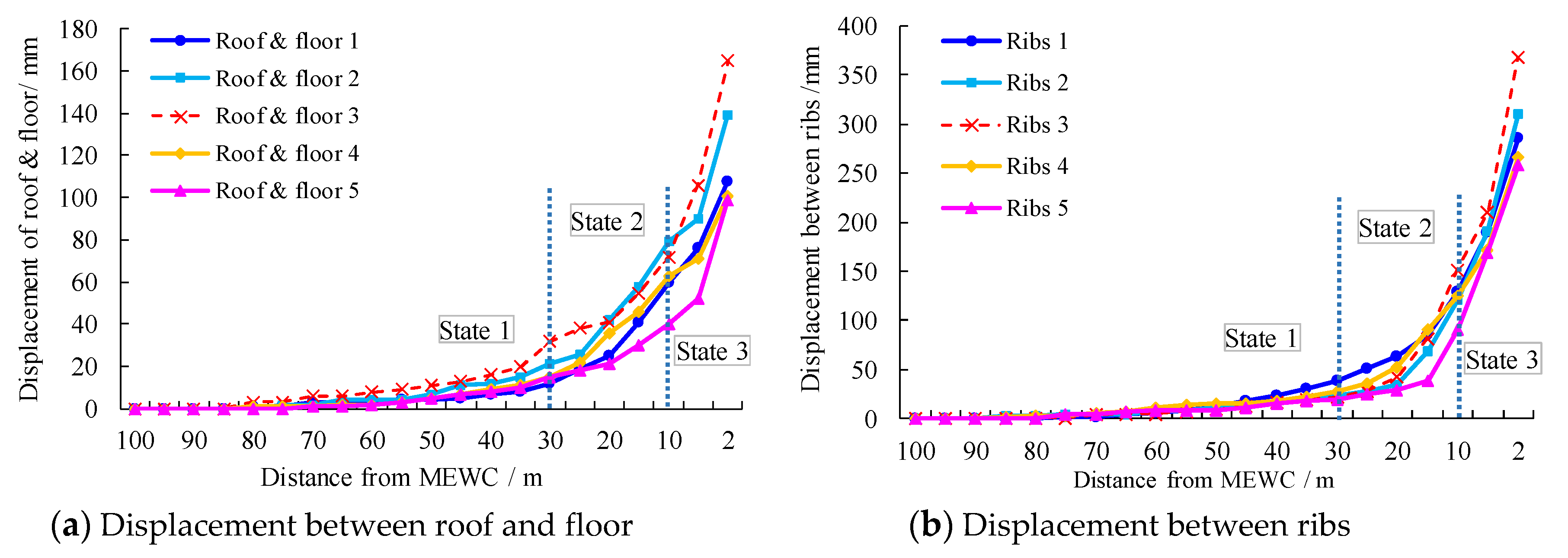
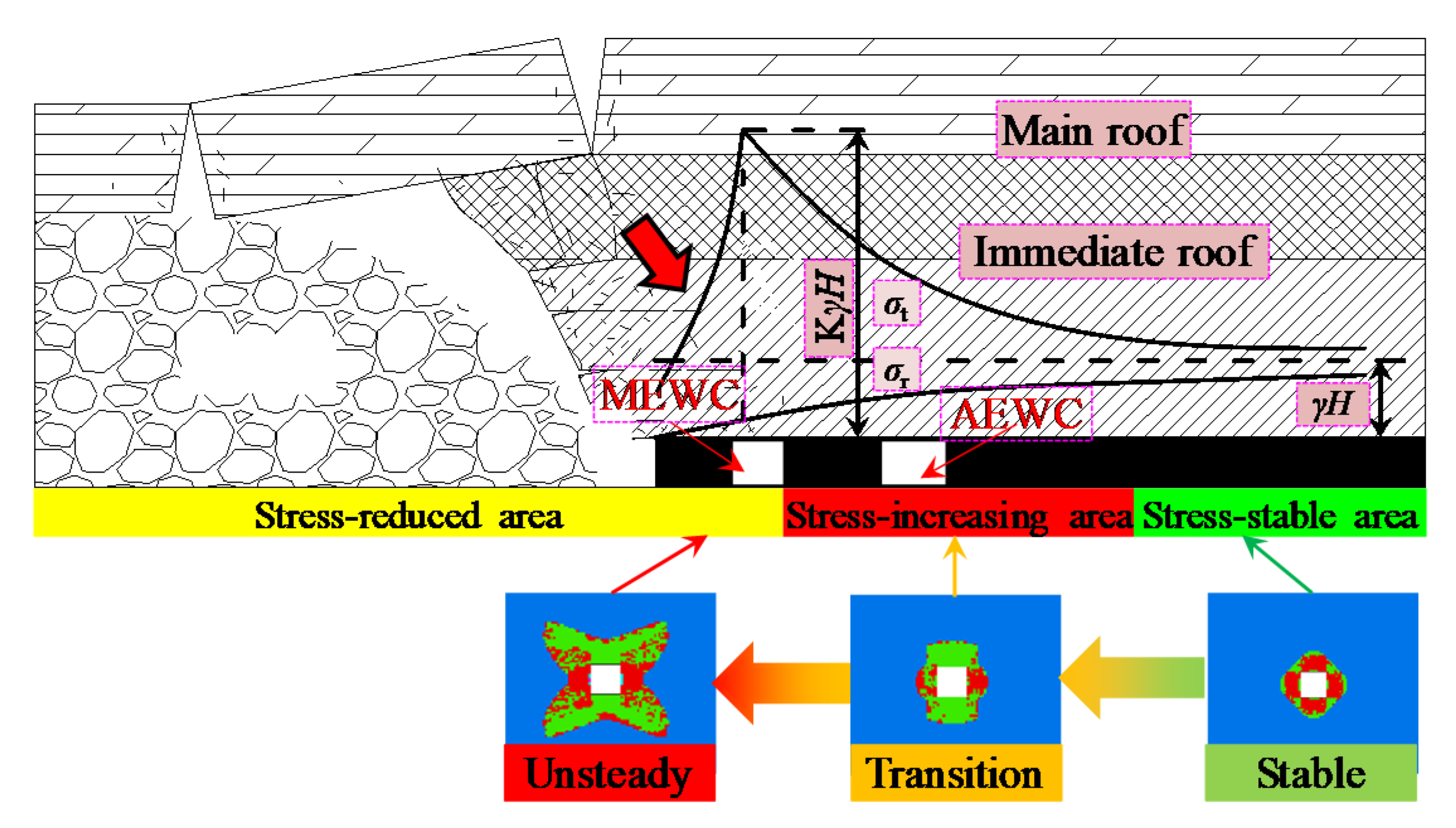
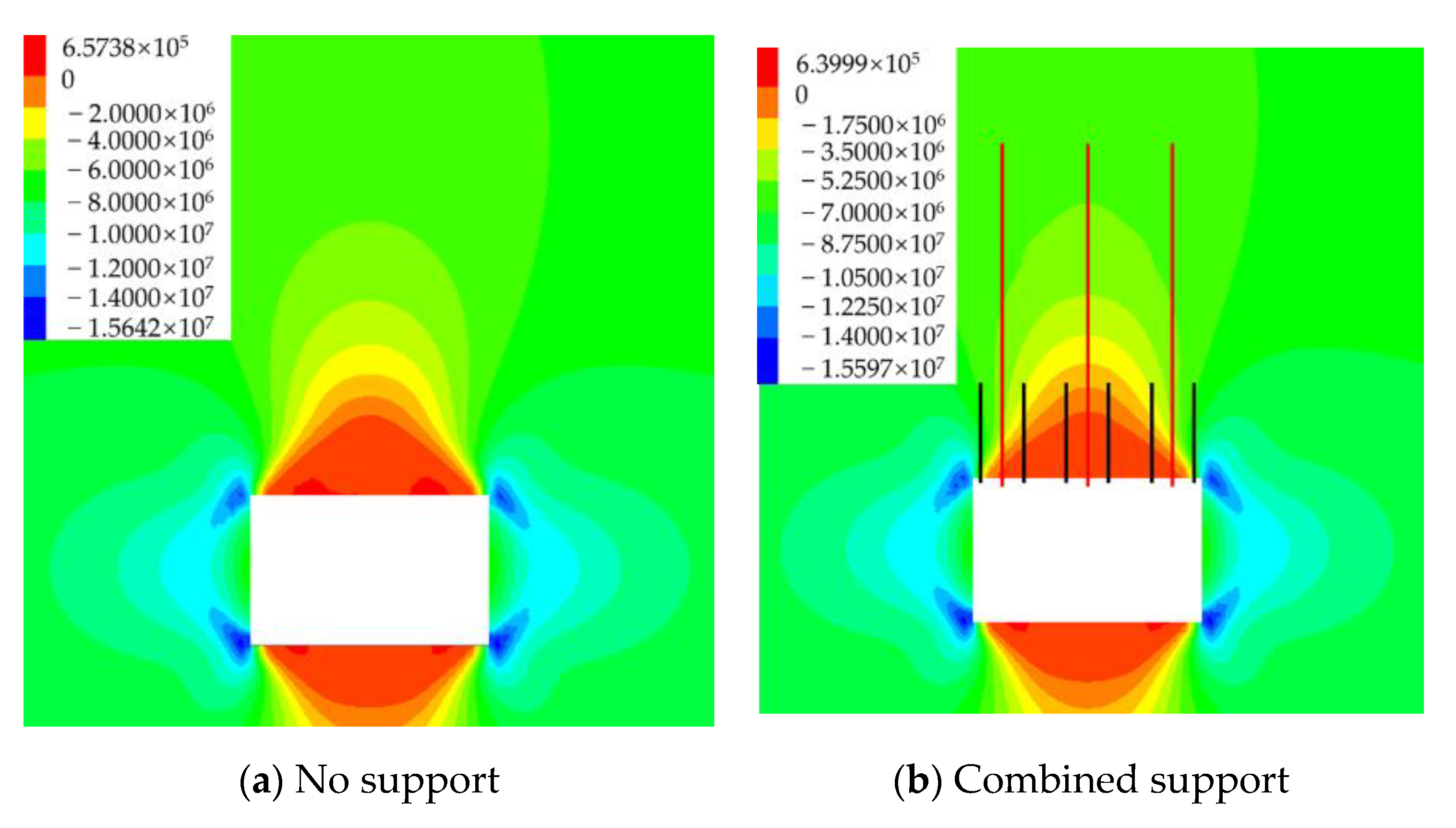
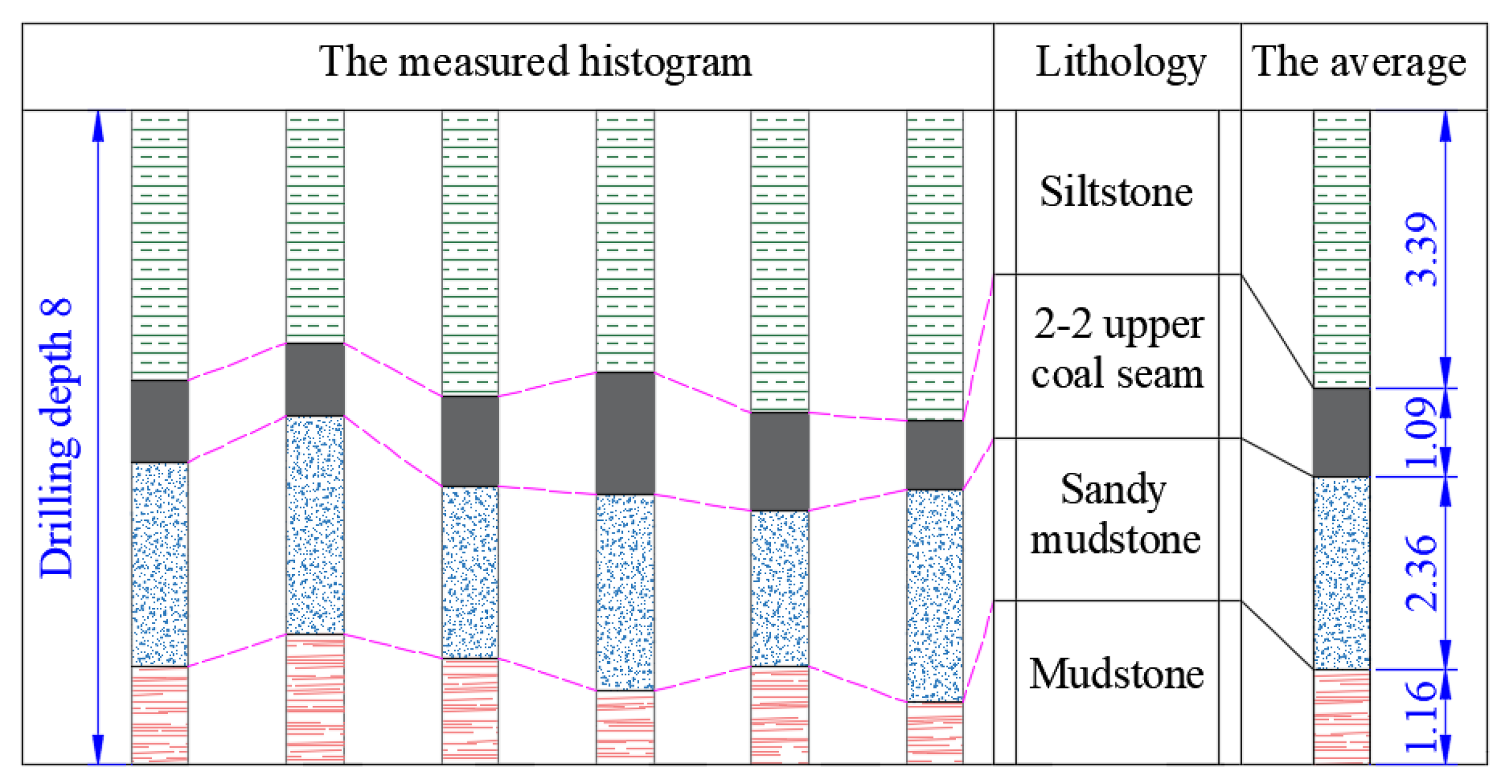
The use of pre-excavation equipment withdrawal channels (EWCs) at the stop-production line is important for the rapid withdrawal of coal mining equipment. However, during the final mining period, the dynamic pressure of a pre-excavated double EWC is severe, which leads to instability of the surrounding rock around the EWCs. Therefore, in this paper, the methods of field monitoring, theoretical analysis, and numerical simulation were used to systematically study the stress and plastic zone evolution of a double EWC during the final mining period. Firstly, the distribution characteristics of mining abutment pressure and roadway failure modes under the action of mining abutment pressure were analyzed theoretically. Afterward, a FLAC3D mining numerical model was established according to the distribution of rock strata obtained from roof detection. Finally, the evolution laws of the stress fields and plastic zones of the EWCs during final mining were obtained by numerical simulation. The present study suggests that asymmetric stress distribution dominates asymmetric failure of the surrounding rock around the EWCs during the final mining period, and deformation failure within 10 m from the working face to the main EWC (MEWC) accounted for most of the roadway deformation. Based on the research results combined with actual production experience, the stability control technique of the surrounding rock with reinforcement of anchor cables and double-row buttress hydraulic support for the MEWC was put forward. After the field application, the ideal result was obtained.
Keywords: equipment withdrawal channel; stress distribution; plastic zone; surrounding rock control equipment withdrawal channel; stress distribution; plastic zone; surrounding rock control