


Abstract
Background: Chronic plantar heel pain (CPHP) is common and is thought to have a detrimental impact on health-related quality of life. However, no study has used normative data or a control data set for comparison of scores. Therefore, we describe the im- pact of CPHP on foot-specific and general health-related quality of life by comparing CPHP subjects with controls. Methods: Foot Health Status Questionnaire scores were compared in 80 subjects with CPHP and 80 sex- and age-matched controls without CPHP. Results: The CPHP group demonstrated significantly poorer foot-specific quality of life, as evidenced by lower scores on the foot pain, foot function, footwear, and general foot health domains of the Foot Health Status Questionnaire. The group also demonstrated significantly poorer general health-related quality of life, with lower scores on the physical activity, social capacity, and vigor domains. In multivariate analysis, CPHP remained significantly and independently associated with Foot Health Status Questionnaire scores after adjustment for differences in body mass index. Age, sex, body mass index, and whether symptoms were unilateral or bilateral had no association with the degree of impairment in people with CPHP. Conclusion: Chronic plantar heel pain has a significant negative impact on foot-specific and general health-related quality of life. The degree of negative impact does not seem to be as- sociated with age, sex, or body mass index. (J Am Podiatr Med Assoc 98(4): 283-289, 2008)
One of the most common foot disorders encountered by health professionals is chronic plantar heel pain (CPHP). It has been reported to affect one in 10 people at some time in their life [1], and it accounts for an estimated 1 million patient visits per year to physicians in the United States [2]. Chronic plantar heel pain is most commonly reported by overweight, sedentary people aged 40 to 60 years, but it can occur throughout the lifespan [3,4] and in people who are physically active [5]. The typical presenting complaint is pain under the medial heel, especially in the morning and at the commencement of weightbearing activities [6,7].
Similar to many conditions in which the pathologic origin is unclear, CPHP has become a generalized term that includes a variety of pathologic conditions that affect the heel [8]. Plantar fasciitis is considered to be the most common cause of pain, and the terms are often used interchangeably in the literature; however, other causes of pain include subcalcaneal bursitis, neuritis, and calcaneal periostitis [1,9]. There is no clear consensus on the risk factors for CPHP, but increased body mass index, decreased ankle joint dorsiflexion range of motion, decreased first metatarsophalangeal joint extension range of motion, and prolonged standing have all been implicated [10]. Common treatment interventions include plantar fascia stretching, calf stretching, low-Dye taping, orthotic devices, extracorporeal shockwave therapy, iontophoresis, and surgery. As with the etiologic evidence, there is only limited evidence regarding the effectiveness of these interventions [1].
Many health-related quality-of-life measures have been used in the CPHP population. These measures can be considered specific, with a focus entirely on the foot, or general (generic), with an assessment of universal aspects of general health and well-being [11]. Examples of foot-specific measures include the Foot Function Index [12], the Foot Disability Questionnaire [13], the Rowan Foot Pain Assessment Questionnaire [14], and the American Academy of Orthopaedic Surgeons Foot and Ankle Questionnaire [15]. General measures include the Medical Outcomes Study 36-Item Short- Form Health Survey [16] and the Lower Extremity Functional Scale [17]. The Foot Health Status Questionnaire [18] also has been commonly used, and it can be considered a composite questionnaire because it has a section specific to the foot and a general health-related section analogous to the 36-Item Short-Form Health Survey.
Despite the widespread assessment of health-related quality of life in the CPHP population, to our knowledge, no study has used normative data or a control set of data for comparison of scores. As such, it is not possible to make inferences from reported data as to the impact of the condition on foot-specific or general health-related quality of life. Therefore, the primary objective of this study was to describe the impact of CPHP on foot-specific and general health-related quality of life by comparison with a control group. A secondary objective was to determine which factors were associated with quality of life. It was hypothesized that people with CPHP would demonstrate significant impairments in foot-specific and general health-related quality of life and that factors such as increased age and increased body mass index would be associated with the degree of impact experienced.
Methods
Participants
Case Group. Case subjects were drawn from a re- cent randomized controlled trial [19] that examined the effects of a topical wheatgrass cream on CPHP. Eighty case subjects were recruited through advertisements placed in local and state newspapers requesting volunteers older than 18 years who had experienced plantar heel pain. Subjects with a history of plantar heel tenderness or pain on arising in the morning or on recommencing activity after periods of rest were included in the study. The exclusion criteria were any history of trauma to the heel in the previous 12 weeks, symptoms lasting less than 6 months, pregnancy, seronegative arthropathies, and any skin lesions over the plantar aspect of the heel. Subjects who had received a corticosteroid injection or an orthotic device or who had commenced conservative treatment, such as stretching exercises or heel pads, in the previous 8 weeks were excluded. Continuation of conservative treatments that had commenced before the 8-week period was allowed; however, no such subjects were identified. These criteria were selected because they each had the potential to bias results on one or more of the outcome measures. Subjects with unilateral or bilateral heel pain were included. The median duration of symptoms was 12 months (range, 6–96 months).
Control Group.
The control group consisted of 80 individuals each matched for age (±2 years) and sex to a case subject. All of the control subjects reported that they never had experienced plantar heel pain and that they had no lower-limb injury in the previous 12 months that prompted an alteration in their weightbearing status (ie, partial weightbearing or nonweightbearing). The exclusion criteria and recruitment methods were the same as those used for the case group. The first 80 volunteers that could be matched to a case group participant were included in the study. Written informed consent was obtained from all of the subjects before their participation.
Demographic Characteristics and Medical History
A standard questionnaire was used to obtain information regarding age, CPHP symptom duration, and general medical history. Weight was measured by using a set of digital scales, and height by marking a point on the wall perpendicular to the superior aspect of the skull.
Assessment of Health-Related Quality of Life
Foot-specific and general health-related quality of life was assessed by using the Foot Health Status Questionnaire (version 1.03) [18], which comprises three main sections. Section 1 consists of 13 questions reflecting four foot health-related domains: foot pain, foot function, footwear, and general foot health. This section has demonstrated a high degree of content, criterion, and construct validity (Cronbach α = 0.89–0.95) and high retest reliability (intraclass correlation coefficient = 0.74–0.92) [20], and it has been shown to be the most appropriate measure of health-related quality of life for the CPHP population [11].
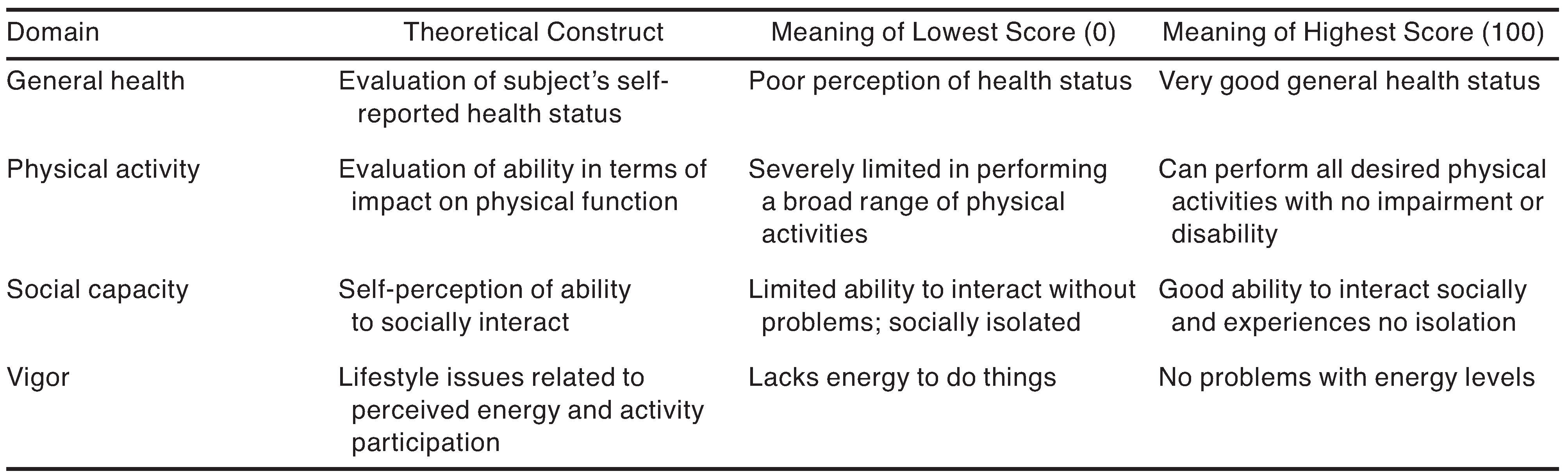
Section 2 includes 20 questions that reflect four general health-related domains: general health, physical activity, social capacity, and vigor. The domains and questions in this section are largely adapted from the Medical Outcomes Study 36-Item Short-Form Health Survey,16 which has been validated for use in the Australian population [21]. The theoretical constructs under- lying the section 1 and 2 domains are described in Table 1 and Table 2, respectively.
Section 3 collects socioeconomic status, comorbidity, service utilization, and satisfaction information. Questions 21 (regarding comorbidity) and 22 (regarding smoking) were the only questions from this section used in the present study. They were used to form part of the standard questionnaire regarding demographic characteristics and medical history. Participants in the case group completed the questionnaire at the first assessment, before inclusion in the trial.
Table 1.
Definitions of the Foot Health Status Questionnaire Section 1 Domains.
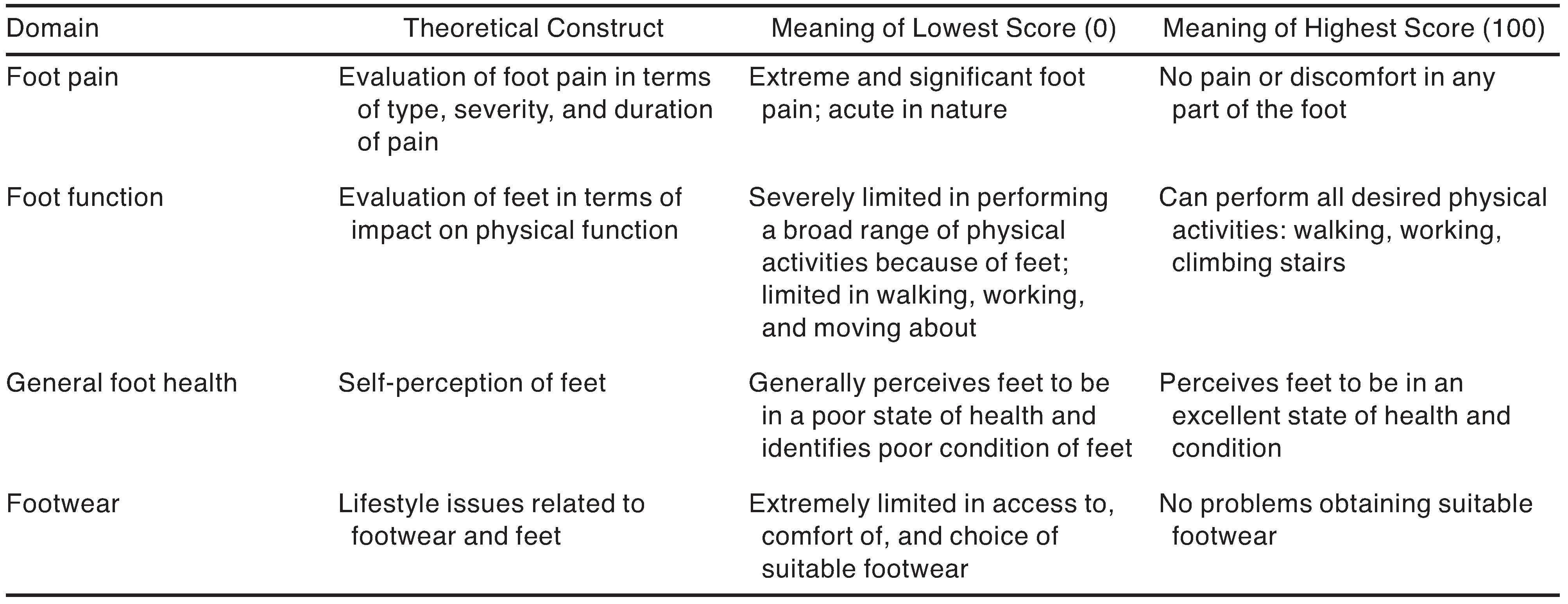
Table 2.
Definitions of the Foot Health Status Questionnaire Section 2 Domains.
Statistical Analysis
Statistical analyses were conducted with SPSS version 11.5 for Windows (SPSS Inc, Chicago, Illinois). All of the data were explored for normality by using the skewness statistic and observations of the normal and detrended Q-Q plots. If data were found to be skewed, scores were transformed, and statistical testing was performed on normally distributed variables. Independent-samples
t
tests were used to compare scores for all of the Foot Health Status Questionnaire domains and for height, weight, and body mass index measurements between the case and control groups. Chi-squared tests were used to compare the groups on the prevalence of comorbidities. The level of significance was set at
P
< .05. A stepwise multiple linear regression was then performed to determine whether the presence of CPHP was independently associated with Foot Health Status Questionnaire scores after accounting for differences in body mass index be- tween the groups. Associations between participant characteristics and the impact of the condition in the CPHP group were examined by using Pearson
r
correlation coefficients.
Results
Characteristics of the Sample
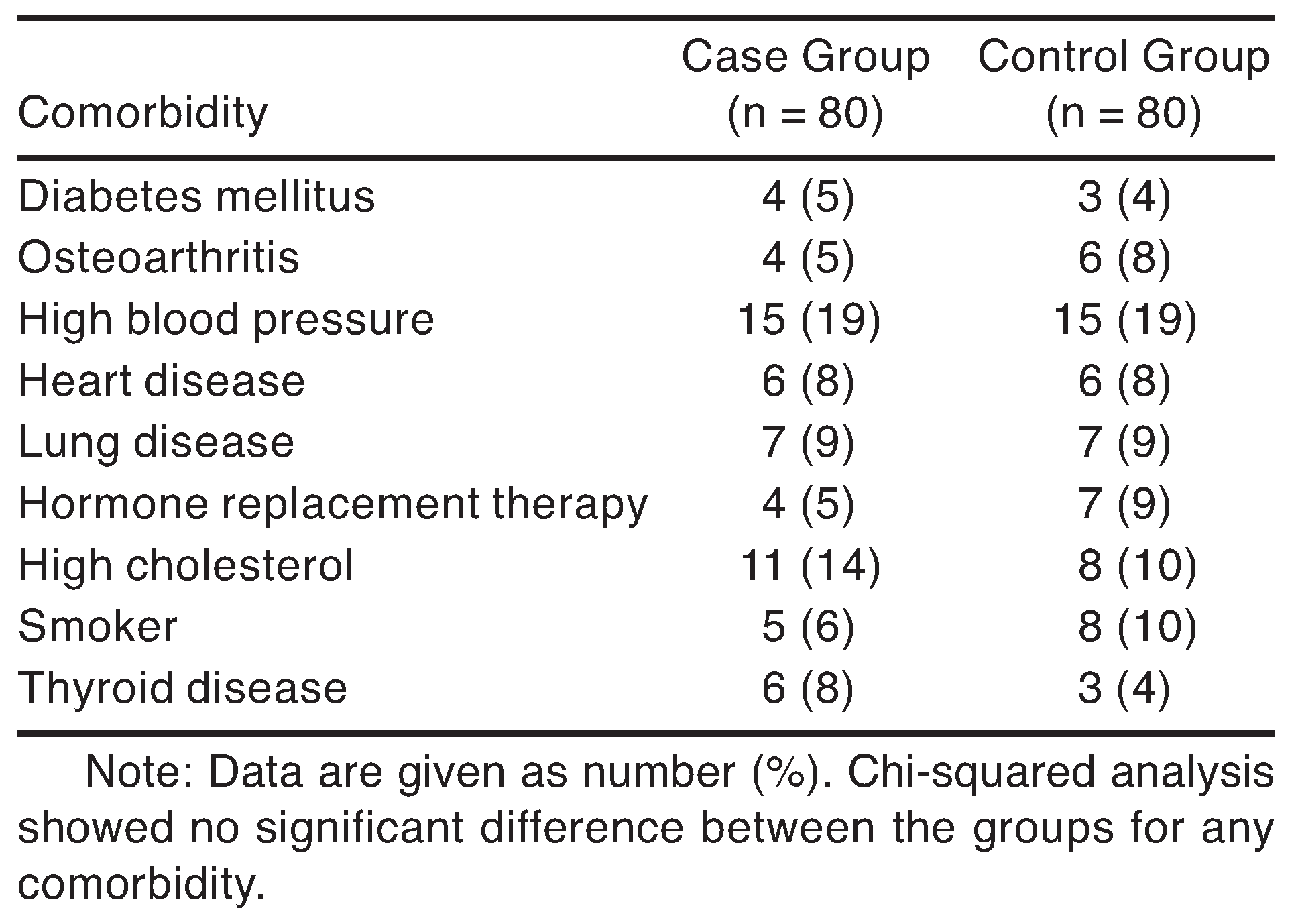
Age, sex, height, weight, body mass index, and the prevalence of comorbidities for the case and control groups are given in Table 3 and Table 4. The case group was found to have significantly greater weight and body mass index than the control group (Table 3). No other differences between the groups were identified.
Table 3.
Sample Characteristics.
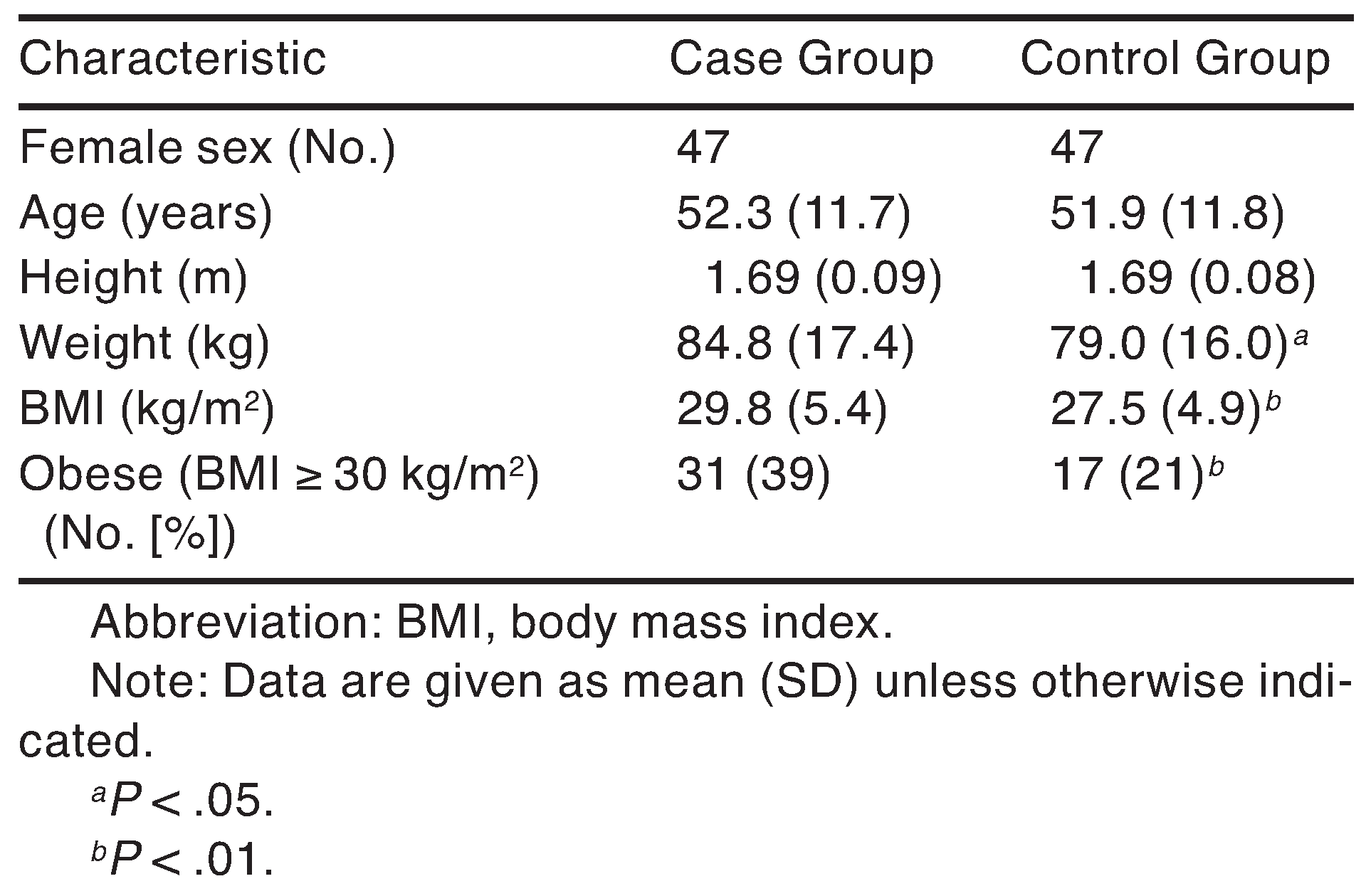
Table 4.
Prevalence of Comorbidities in the Case and Control Groups.
Comparison of Foot Health Status Questionnaire Scores
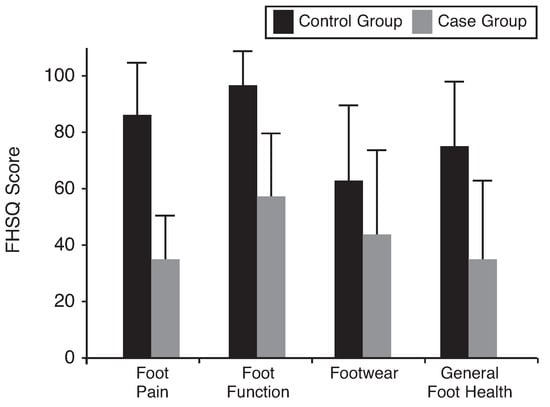
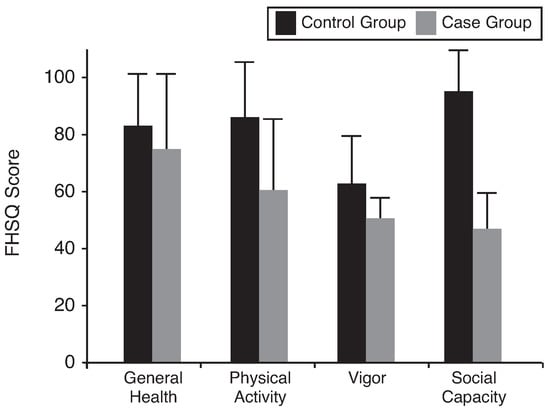
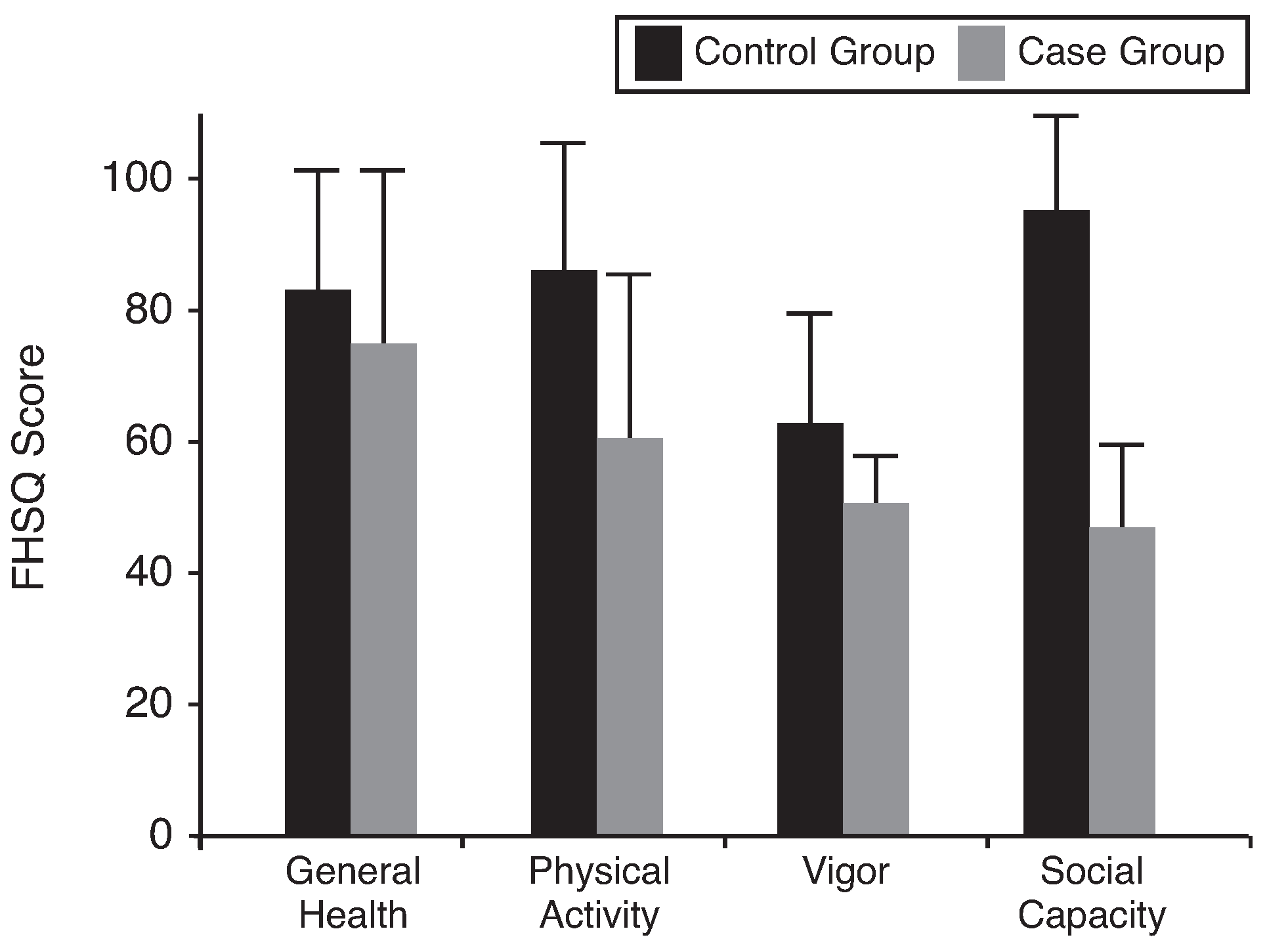
Regarding the four foot health-related section 1 do- mains on the Foot Health Status Questionnaire, the mean ± SD scores were significantly lower in the case group versus the control group for foot pain (35.7 ± 16.4 versus 87.4 ± 16.8; P< .001), foot function (57.8 ± 24.4 versus 96.1 ± 12.4; P< .001), footwear (44.7 ± 29.8 versus 65.4 ± 24.1; P< .001), and general foot health (36.1 ± 28.6 versus 76.0 ± 22.7; P< .001). Regarding the four general health-related section 2 domains, the mean ± SD scores were significantly lower in the case group versus the control group for physical activity (59.9 ± 27.7 versus 85.8 ± 19.7; P< .001), social capacity (47.5 ± 9.8 versus 93.6 ± 12.9; P< .001), and vigor (49.9 ± 5.8 versus 62.0 ± 18.2; P< .001). Square root transformation was required before the calculation of a Pvalue for the self-reported general health domain, and no significant difference was found between the case and control groups (mean ± SD, 76.3 ± 25.8 versus 84.0 ± 18.0; P= .108). Mean (SD) domain scores in the case and control groups are shown in Figure 1 and Figure 2.
Figure 1.
Foot Health Status Questionnaire (FHSQ) section 1 mean scores for the case and control groups. Scores can range from 0 (poorest state of health) to 100 (optimum health). Error bars represent SD. Differences between groups were evaluated by using independent- samples t tests. All of the differences were significant at P < .001.
Figure 2.
Foot Health Status Questionnaire (FHSQ) section 2 mean scores for the case and control groups. Scores can range from 0 (poorest state of health) to 100 (optimum health). Error bars represent SD. Differences between groups were evaluated by using independent- samples t tests. Differences for physical activity, vigor, and social capacity were significant at P < .001.
Multiple Regression Analysis
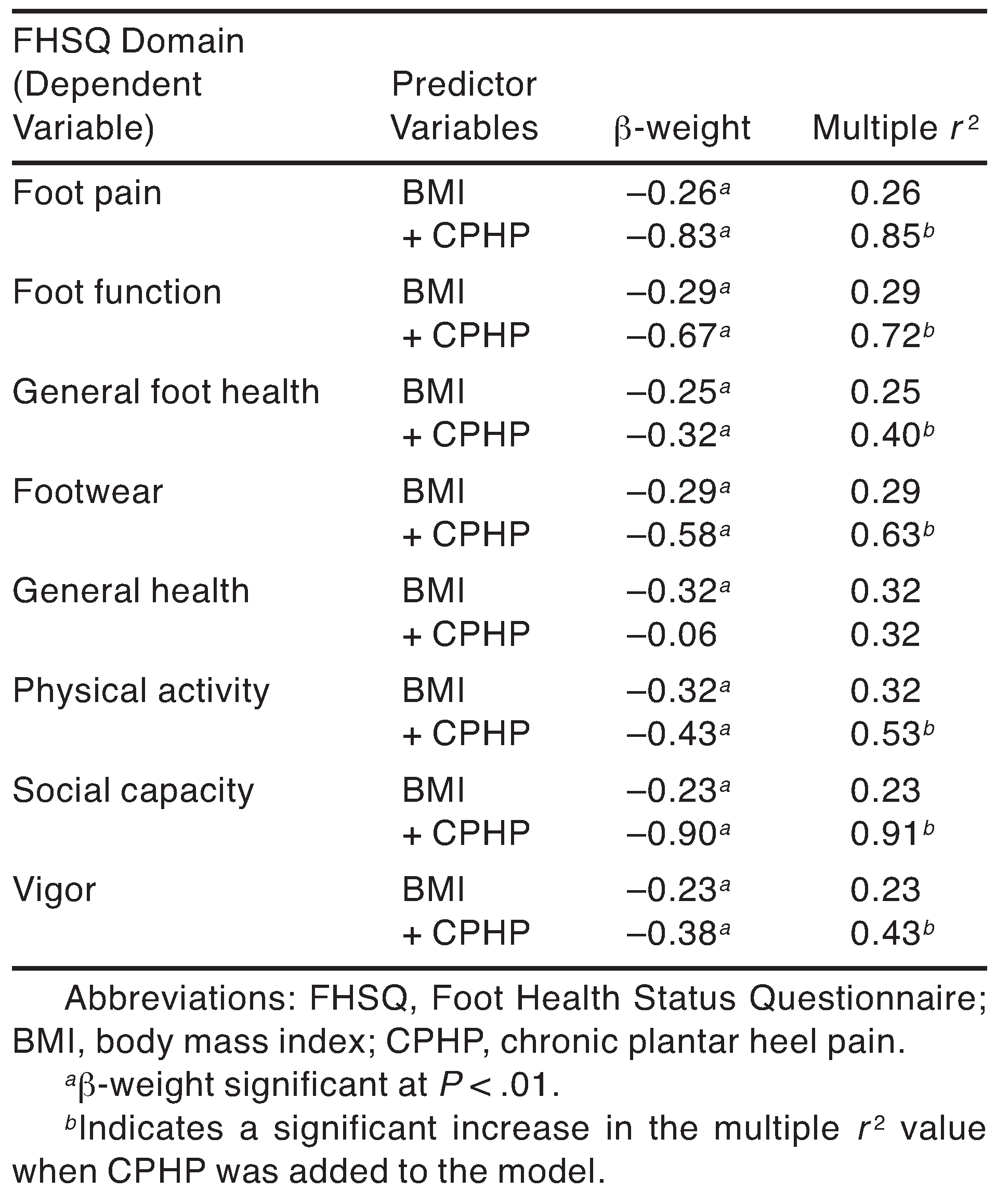
Results of the stepwise multiple linear regression are given in
Table 5
. The presence of CPHP was significantly and independently associated with lower scores on the foot pain, foot function, footwear, general foot health, physical activity, social capacity, and vigor Foot Health Status Questionnaire domains after ac- counting for differences in body mass index between the groups.
Table 5.
Prevalence of Comorbidities in the Case and Control Groups.
Correlates of Foot Health Status Questionnaire Scores in the CPHP Group
Age, sex, body mass index, and whether CPHP symptoms were unilateral or bilateral were not associated with any domain of the Foot Health Status Questionnaire.
Discussion
The primary objective of this study was to examine the impact of CPHP on health-related quality of life by comparing scores obtained from the Foot Health Status Questionnaire in a case group of people with CPHP and an age- and sex-matched control group without CPHP. Before discussing the findings in detail, it is worth considering the extent to which the case and control groups are representative of the general population with and without CPHP. The case group, recruited through newspaper advertisements, ranged in age from 18 to 82 years, with slightly more women than men (59%). The broad age range of people with CPHP and the similar representation of men and women is consistent with previous reports in the literature [4]. By definition, case group participants were included according to clinical signs and symptoms (ie, by the presence of CPHP). The condition is a generalized term for a range of osseous and soft-tissue pathologic abnormalities that affect the heel [8]. Because these pathologic abnormalities have variable imaging findings [22,23,24], participant inclusion via the use of a single imaging modality would have restricted the sample to a particular subset of people with CPHP. Also, diagnostic imaging is not routinely used to assess CPHP in the clinical setting. Therefore, the use of a clinical diagnosis means that the case group was representative of the broader population of people seeking treatment for heel pain.
Foot-specific health-related quality of life, as indicated by scores on section 1 of the Foot Health Status Questionnaire, was markedly affected by the presence of CPHP, with the case group scoring significantly lower on each of the four domains (foot pain, foot function, footwear, and general foot health). The contribution of CPHP was found to be independent of the effect of body mass index. These findings indicate that people with CPHP experience more foot pain, experience greater limitations when performing a broad range of functional weightbearing activities, have greater difficulties obtaining suitable footwear, and perceive their feet to be in a poorer state of health than those without CPHP.
The impact of CPHP on the scores from section 1 of the Foot Health Status Questionnaire is difficult to compare with other foot pain studies owing to differences in inclusion and exclusion criteria and variations in reporting. However, the case group Foot Health Status Questionnaire scores found herein are broadly similar to those reported in a randomized controlled trial of 135 people with plantar fasciitis [25], in a randomized controlled trial of 92 people with plantar heel pain [26], in 140 people awaiting foot surgery for interdigital neuroma [27], and in 154 people with painful pes cavus [28].
General health-related quality of life, as indicated by section 2 of the Foot Health Status Questionnaire, was also affected by the presence of CPHP. The case group scored significantly lower on the physical activity, social capacity, and vigor domains; and for each of these, the contribution of CPHP was found to be independent of the effect of body mass index. These results indicate that individuals with CPHP experience greater limitations in performing a broad range of physical tasks, are more socially isolated, and lack the energy to participate in activities compared with those without the condition. The lack of a difference between the groups for the general health domain was not surprising considering that people with heel symptoms potentially related to systemic conditions were excluded and the presence of comorbidities in each group was similar (
Table 4
). No strong predictors of health-related quality of life in the case group were found. Age, sex, body mass index, and whether symptoms are unilateral or bilateral seem to have no association with the degree of impairment experienced by people with CPHP.
Conclusion
This study shows that CPHP has a significant negative impact on foot-specific and general health-related quality of life. Considering that current evidence for the etiology and treatment of CPHP is limited, these findings highlight the need for further research into this common and disabling condition.
Financial Disclosure
None reported.
Acknowledgments
The case group data used in this study originated from a recent randomized controlled trial19 that examined the effects of a topical wheatgrass cream on CPHP. That study was sponsored by Douglas Pharmaceuticals Pty Ltd in partnership with a La Trobe University Collaborative Grant. The sponsors had no involvement in the study design; in the collection, analysis, and interpretation of data; in the writing of the manuscript; or in the decision to submit the manuscript for publication. Hylton Menz, PhD, is currently a NHMRC Research Fellow (id: 4330494).
Conflicts of Interest
None reported.
References
- CRAWFORD, F.; THOMSON, C. Interventions for treating plan- tar heel pain (review). Cochrane Database Syst Rev 2005, 3, CD000416. [Google Scholar]
- RIDDLE, D.L.; SCHAPPERT, S.M. Volume of ambulatory care visits and patterns of care for patients diagnosed with plantar fasciitis: a national study of medical doctors. Foot Ankle Int 2004, 25, 303. [Google Scholar] [CrossRef] [Scilit]
- DUNN, J.E.; LINK, C.L.; FELSON, D.T. Prevalence of foot and ankle conditions in a multiethnic community sample of older adults. Am J Epidemiol 2004, 159, 491. [Google Scholar] [CrossRef] [Scilit]
- LAPIDUS, P.W.; GUIDOTTI, F.P. Painful heel: report of 323 patients with 364 painful heels. Clin Orthop Relat Res 1965, 39, 178. [Google Scholar] [CrossRef] [Scilit]
- ROME, K.; HOWE, T.; HASLOCK, I. Risk factors associated with the development of plantar heel pain in athletes. The Foot 2001, 11, 119. [Google Scholar] [CrossRef] [Scilit]
- HUNT, G.C.; SNEED, T.; HAMANN, H. Biomechanical and histiological considerations for development of plantar fasciitis and evaluation of arch taping as a treatment option to control associated plantar heel pain: a single- subject design. The Foot 2004, 14, 147. [Google Scholar] [CrossRef] [Scilit]
- ROME, K. Heel pain: diagnosis and management. Podiatry Now 2005, 8, S1. [Google Scholar]
- NARVAEZ, J.A.; NARVAEZ, J.; ORTEGA, R. Painful heel: MR imaging findings. Radiographics 2000, 20, 333. [Google Scholar] [CrossRef] [Scilit]
- ROME, K. Anthropometric and biomechanical risk factors in the development of plantar heel pain: a review of the literature. Phys Ther Rev 1997, 2, 123. [Google Scholar] [CrossRef]
- IRVING, D.B.; COOK, J.L.; MENZ, H.B. Factors associated with chronic plantar heel pain: a systematic review. J Sci Med Sport 2006, 9, 11. [Google Scholar] [CrossRef] [Scilit]
- LANDORF, K.B.; KEENAN, A.M. An evaluation of two foot-specific, health-related quality-of-life measuring instruments. Foot Ankle Int 2002, 23, 538. [Google Scholar] [CrossRef] [Scilit]
- BUDIMAN-MAK, E.; CONRAD, K.J.; ROACH, K.E. The Foot Function Index: a measure of foot pain and disability. J Clin Epidemiol 1991, 44, 561. [Google Scholar] [CrossRef] [Scilit]
- GARROW, A.P.; PAPAGEORGIOU, A.C.; SILMAN, A.J. Development and validation of a questionnaire to assess disabling foot pain. Pain 2000, 85, 107. [Google Scholar] [CrossRef] [Scilit]
- ROWAN, K. The development and validation of a multi-dimensional measure of chronic foot pain: the Rowan Foot Pain Assessment Questionnaire (ROFPAQ). Foot Ankle Int 2001, 22, 795. [Google Scholar] [CrossRef] [Scilit]
- KITAOKA, H.B.; ALEXANDER, I.J.; ADELAAR, R.S. Clinical rating systems for the ankle-hindfoot, midfoot, hallux, and lesser toes. Foot Ankle Int 1994, 15, 349. [Google Scholar] [CrossRef] [Scilit]
- WARE, J.E., JR. SF-36 Health Survey: Manual and Interpretation Guide; Health Institute, New England Medical Centre: Boston, MA, 1993. [Google Scholar]
- BINKLEY, J.M.; STRATTFORD, P.W.; LOTT, S.A. The Lower Extremity Functional Scale (LEFS): scale development, measurement properties, and clinical application. Phys Ther 1999, 79, 371. [Google Scholar]
- BENNETT, P.J.; PATTERSON, C. The Foot Health Status Questionnaire (FHSQ): a new instrument for measuring out- comes of footcare. Aust J Podiatr Med 1998, 32, 87. [Google Scholar]
- YOUNG, M.A.; COOK, J.L.; WEBSTER, K.E. The effect of topical wheatgrass cream on chronic plantar fasciitis: a randomised, double blind, placebo controlled trial. Complement Ther Med 2006, 14, 3. [Google Scholar] [CrossRef] [Scilit]
- BENNETT, P.J.; PATTERSON, C.; WEARING, S. Development and validation of a questionnaire designed to measure foot-health status. JAPMA 1998, 88, 419. [Google Scholar] [CrossRef] [Scilit]
- MCCALLUM, J. The SF-36 in an Australian sample: validating a new, generic health status measure. Aust J Public Health 1995, 19, 160. [Google Scholar] [CrossRef] [Scilit]
- BERKOWITZ, J.F.; KIER, R.; RUDICEL, S. Plantar fasciitis: MR imaging. Radiology 1991, 179, 665. [Google Scholar] [CrossRef] [Scilit] [PubMed]
- CARDINAL, E.; CHHEM, R.K.; BEAUREGARD, C.G. Plantar fasciitis: sonographic evaluation. Radiology 1996, 201, 257. [Google Scholar] [CrossRef] [Scilit] [PubMed]
- OSBORNE, H.R.; BREIDAHL, W.H.; ALLISON, G.T. Critical differences in lateral X-rays with and without a diagnosis of plantar fasciitis. J Sci Med Sport 2006, 9, 231. [Google Scholar] [CrossRef] [Scilit] [PubMed]
- LANDORF, K.B.; KEENAN, A.M.; HERBERT, R.D. Effectiveness of foot orthoses to treat plantar fasciitis: a randomized trial. Arch Intern Med 2006, 166, 1305. [Google Scholar] [CrossRef] [Scilit]
- RADFORD, J.A.; LANDORF, K.B.; BUCHBINDER, R. Effectiveness of low-Dye taping for the short-term treatment of plantar heel pain: a randomised trial. BMC Musculoskelet Disord 2006, 7, 64. [Google Scholar] [CrossRef] [Scilit]
- BENNETT, P.J.; PATTERSON, C.; DUNNE, M.P. Health-related quality of life following podiatric surgery. JAPMA 2001, 91, 164. [Google Scholar] [CrossRef] [Scilit]
- BURNS, J.; CROSBIE, J.; OUVRIER, R. Effective orthotic therapy for the painful cavus foot: a randomized con- trolled trial. JAPMA 2006, 96, 205. [Google Scholar] [CrossRef] [Scilit]
© 2024 American Podiatric Medical Association