


Abstract
Ingrown toenails are one of the most common pathologic conditions encountered in podiatric medical practice. Many methods of treatment for ingrown toenails have been used and studied, including chemical matrixectomies, surgical approaches, and CO2 laser ablation. This study is a retrospective review of a new technique that consists of resection of the involved nail matrix using a No. 15 blade and controlled cauterization using a CO2 laser. The technique was performed on 381 painful ingrown toenails, and all of the patients were followed up postoperatively for an average of 34 months. The results showed minimal pain, a low recurrence rate, rapid return to activity, and good cosmesis.
Keywords:
N/A Ingrown toenails are one of the most common pathologic conditions encountered in podiatric medical practice. In one study,[1,2] nail disorders were found in 61% of podiatric medical patients, and onychocryptosis accounted for 26% of those disorders. Previously used treatments include chemical matrixectomies,[3,4,5,6,7,8,9,10,11] surgical procedures,12,13,14,15,16,17] and, more recently, use of a CO2 laser for ablation of the matrix.[18,19,20,21,22,23,24]
Chemical matrixectomies have been used with good results for many years.[1,2,3,4,5,6,7,8,9] Boll3 first described chemical ablation using phenol in 1945, and Travers and Ammon4 later described chemical ablation using sodium hydroxide. Both procedures have been well accepted for the treatment of onychocryptosis.5 Various authors[1,2,3,4,5,6,7,8,9] have discussed these treatment modalities. The major variation is in application time, which ranges from 3 sec to 3 min for sodium hydroxide4 and from 30 sec to 6 min for phenol.[1,2,3,4,5,6,7,8,9]
Surgical procedures have also been used to treat pathologic nail conditions. The Winograd,[12,13] Frost,[14,15] and Zadick16 procedures have all been used with documented success. Research17 has shown that the Winograd and Frost techniques are the most popular. With both techniques, the surgeon makes an incision proximal to the eponychium to expose the germinal matrix and then resects the matrix using curettage or excision.[12,13,14,15]
More recently, use of a CO2 laser has become popular.[18,19,20,21,22,23,24] Kaplan and Labandter18 first reported a case in 1976 in which they used a CO2 laser for ablation of the nail matrix in a patient with onychogryphosis. Multiple articles[19,20,21] described success with the use of only laser ablation of the matrix for onychocryptosis and onychomycosis. The benefits of laser ablation were precision of operative technique; decreased edema, infection, and hemorrhage; reduced pain; and more rapid return to activity. Combination onychoplasty and laser ablation has been used more recently. An incision is made proximal to the eponychium, allowing better surgical exposure, and then a CO2 laser is used to ablate the matrix. Yang and Li22 state that there is good cosmesis and decreased pain.
We developed a method for treating ingrown toenails that differs from those previously reported and is advantageous for both the surgeon and the patient in therapeutic, cosmetic, and technical aspects. This new procedure has improved the treatment methods available for the surgical correction of ingrown toenails.
Patients and Methods
A total of 154 patients who visited our podiatric medical office at The Foot and Ankle Institute, Ltd, Oaklawn, Illinois, with a chief complaint of painful ingrown toenails were reviewed in this study; 381 procedures were performed between January 1, 1999, and June 30, 2002, and the patients were followed up for a minimum of 1 year, with an average follow-up time of 34 months. Any infections were resolved before the procedure was performed, and all of the patients had adequate vascular status for healing.
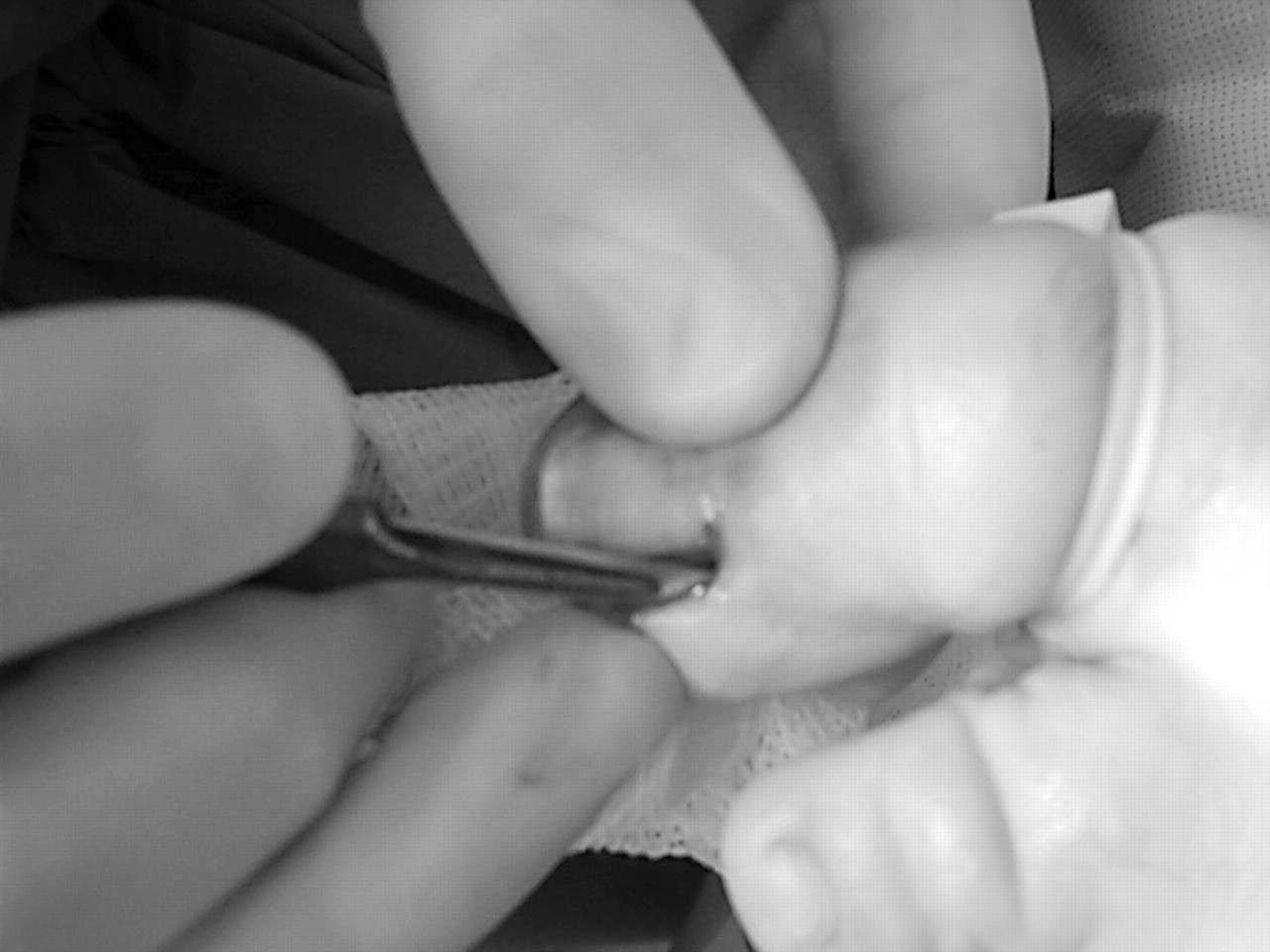
The procedure is performed with the patient in a supine position. Local anesthetic is administered to block the digit, and the foot is prepared and draped using the usual aseptic technique. A tourniquet is then applied to the digit using a ¼-inch Penrose drain and a hemostat. An English anvil is used to split the offending nail border to the level of the eponychium (Fig. 1), and a No. 61 blade is used to incise the nail proximal to the eponychium to the level of the nail matrix (Fig. 2). The offending nail border is removed using a hemostat (Fig. 3). Surgical resection of the involved germinal matrix is performed using a No. 15 blade (Fig. 4). This incision is made parallel to the cut nail plate in an area 2 mm distal to the eponychium. The No. 15 blade is then used to pass inferior to the eponychium, thereby circumscribing the matrix. The blade is then turned 90° to incise the nail bed 2 mm distal to the eponychium. A rongeur is then used to excise the nail bed and adjacent matrix (Fig. 5). A CO2 laser set at 10 W superpulse mode is then used to obliterate any remaining matrix from the phalangeal tuft (Figs. 6–8). The area is copiously irrigated with 0.25 mL of dexamethasone phosphate. The digital tourniquet is removed, and the toe is dressed with ADAPTIC Non-Adhering Dressing (Johnson & Johnson Wound Management Worldwide, Somerville, New Jersey) and a dry, sterile dressing. The patient wears a postoperative shoe or sandal on discharge. The patient is instructed to leave the dressing on for 8 hours and then change the dressing, keeping it dry and intact until the following day. On postoperative day 1, the patient can get the foot wet twice a day by taking a shower, soaking in warm water, or swimming.
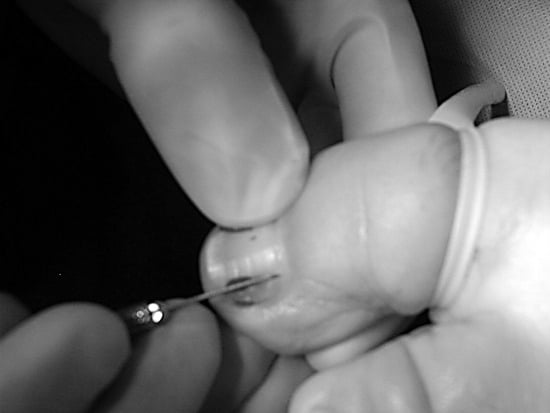
Figure 1.
A ¼-inch Penrose drain tourniquet was applied to the digit. An English anvil is used to split the nail border to the level of the eponychium.
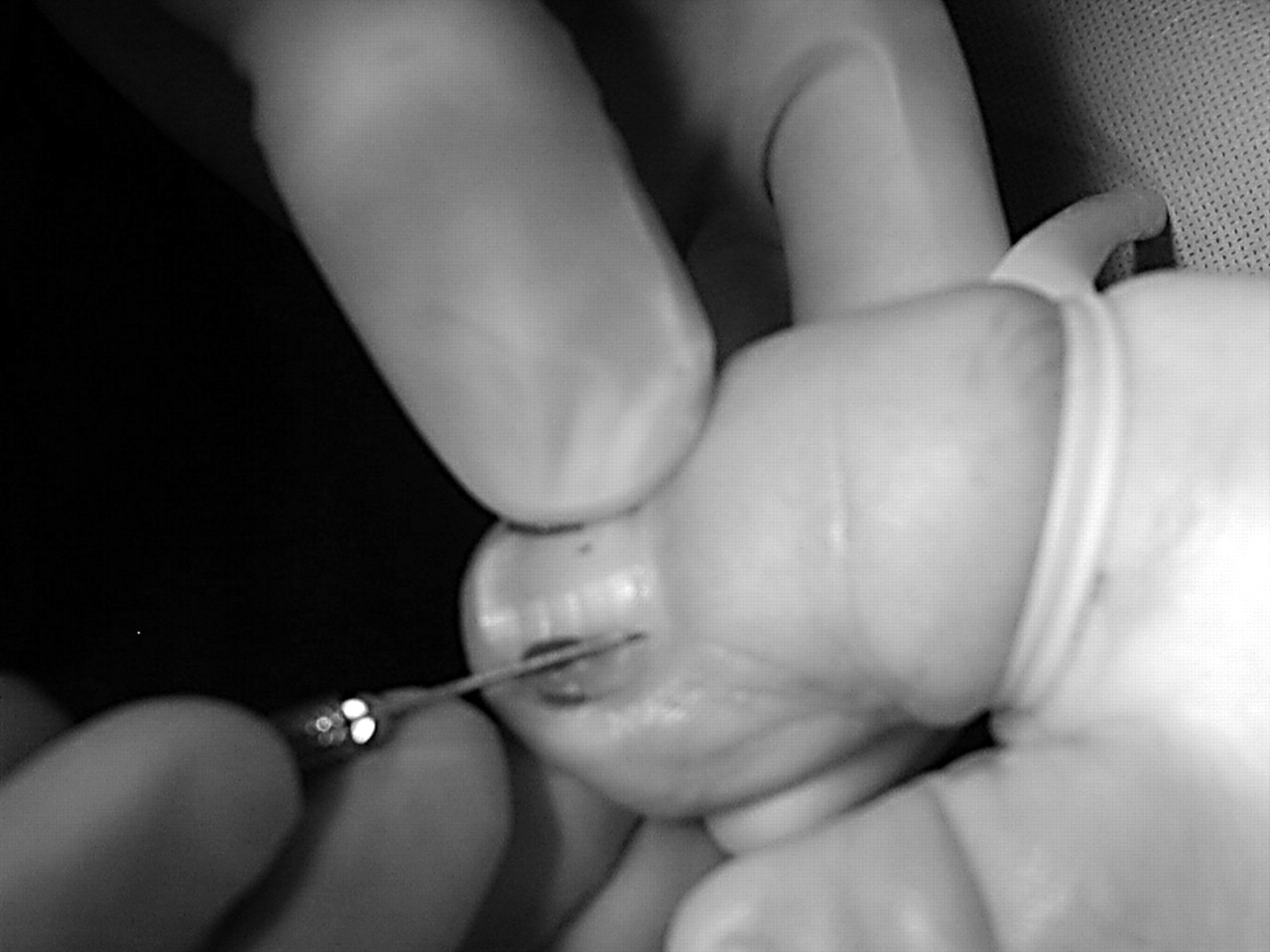
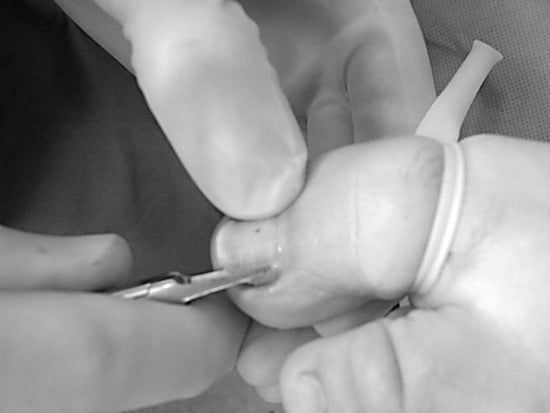
Figure 2.
A No. 61 blade is used to incise the nail proximal to the eponychium to the level of the nail matrix.
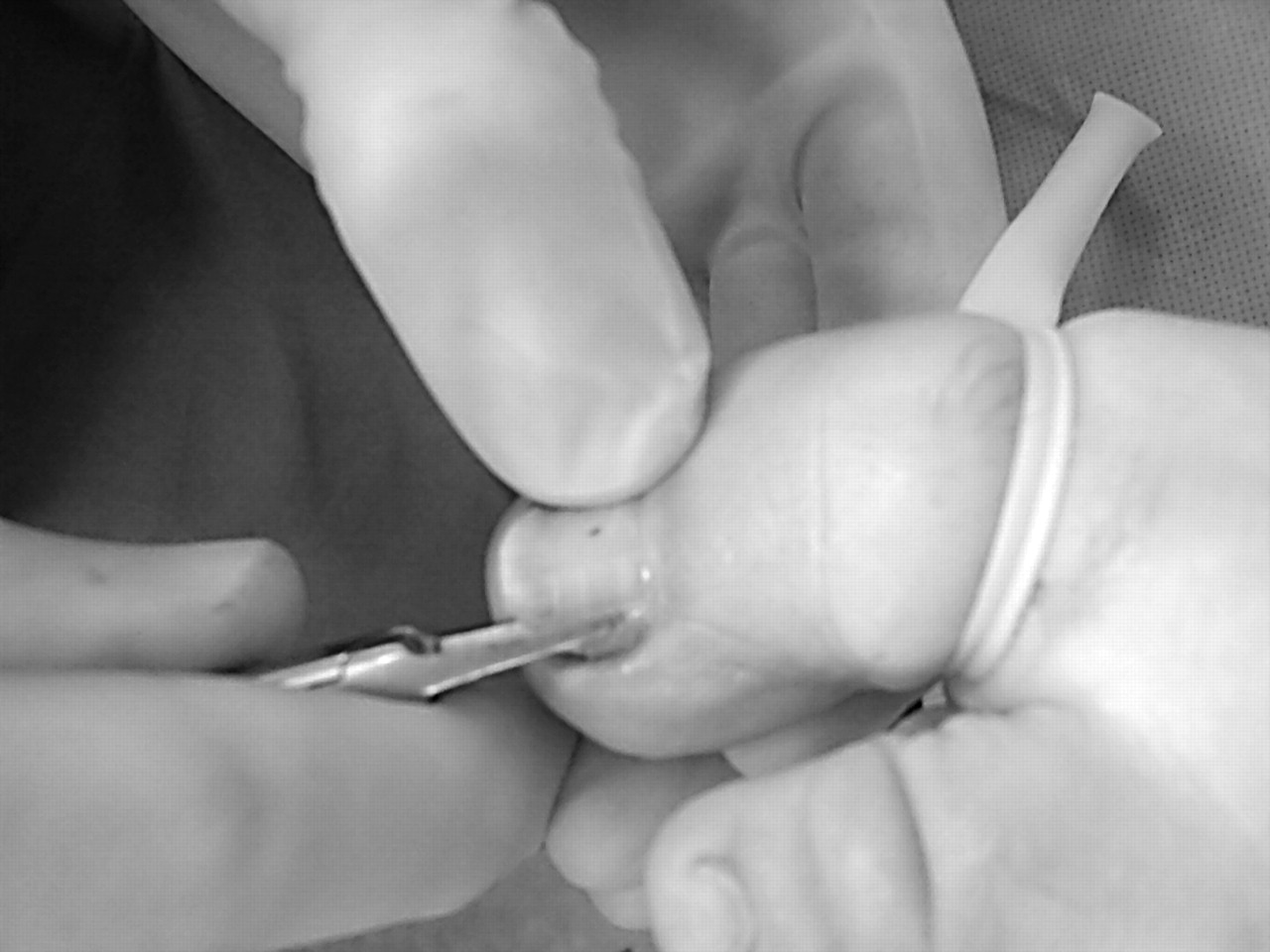
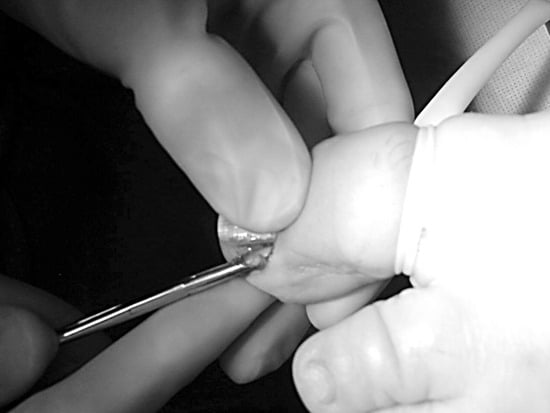
Figure 3.
The offending nail border is removed with a hemostat.
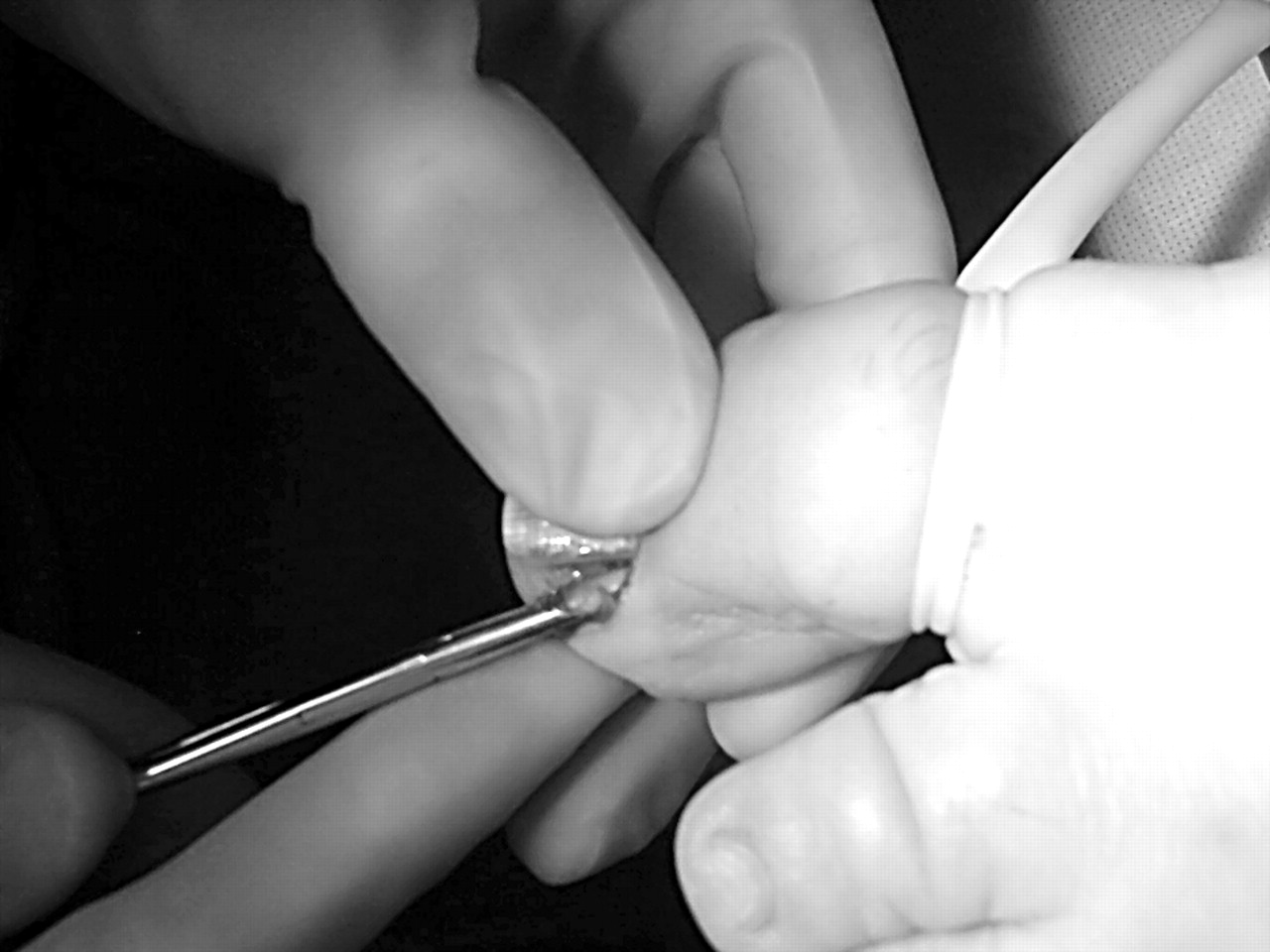
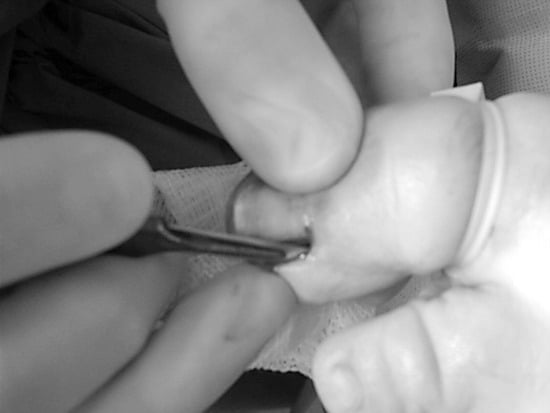
Figure 4.
Surgical resection of the involved germinal matrix is performed with a No. 15 blade. The incision is made parallel to the cut nail plate to an area 2 mm distal to the eponychium. The No. 15 blade then circumscribes the matrix inferior to the eponychium. The blade is then turned 90° to complete the incision of the nail bed, which is now 2 mm distal to the eponychium.
Results
Four areas of interest were studied. First, recurrence, which was defined as any nail regrowth, was present in 2.1% of patients. Second, return to activity was considered either immediate or delayed. Only 1% of patients were noted to have a delay in return to activity. Third, postoperative pain level was evaluated as being 1) mild, defined as the patient needing no pain control and having no postoperative complaints; 2) moderate, defined as the patient using analgesics for control of pain or complaint of pain; and 3) severe, defined as the patient calling the physician or making an appointment specifically because of pain. In 95.5% of cases no pain or mild pain was reported, in 4.5% of cases moderate pain was reported, and there were no reports of severe pain. Finally, any complications were noted and reviewed. Infection or abscess, defined as any excessive drainage, swelling, or inflammatory response, was seen most commonly (6.6%). Of 381 procedures, 6 (1.6%) resulted in granulomas, 3 (0.8%) in inclusion cysts, and 1 (0.3%) in a superficial hematoma.
Figure 5.
A rongeur is used to excise the nail bed and adjacent matrix.
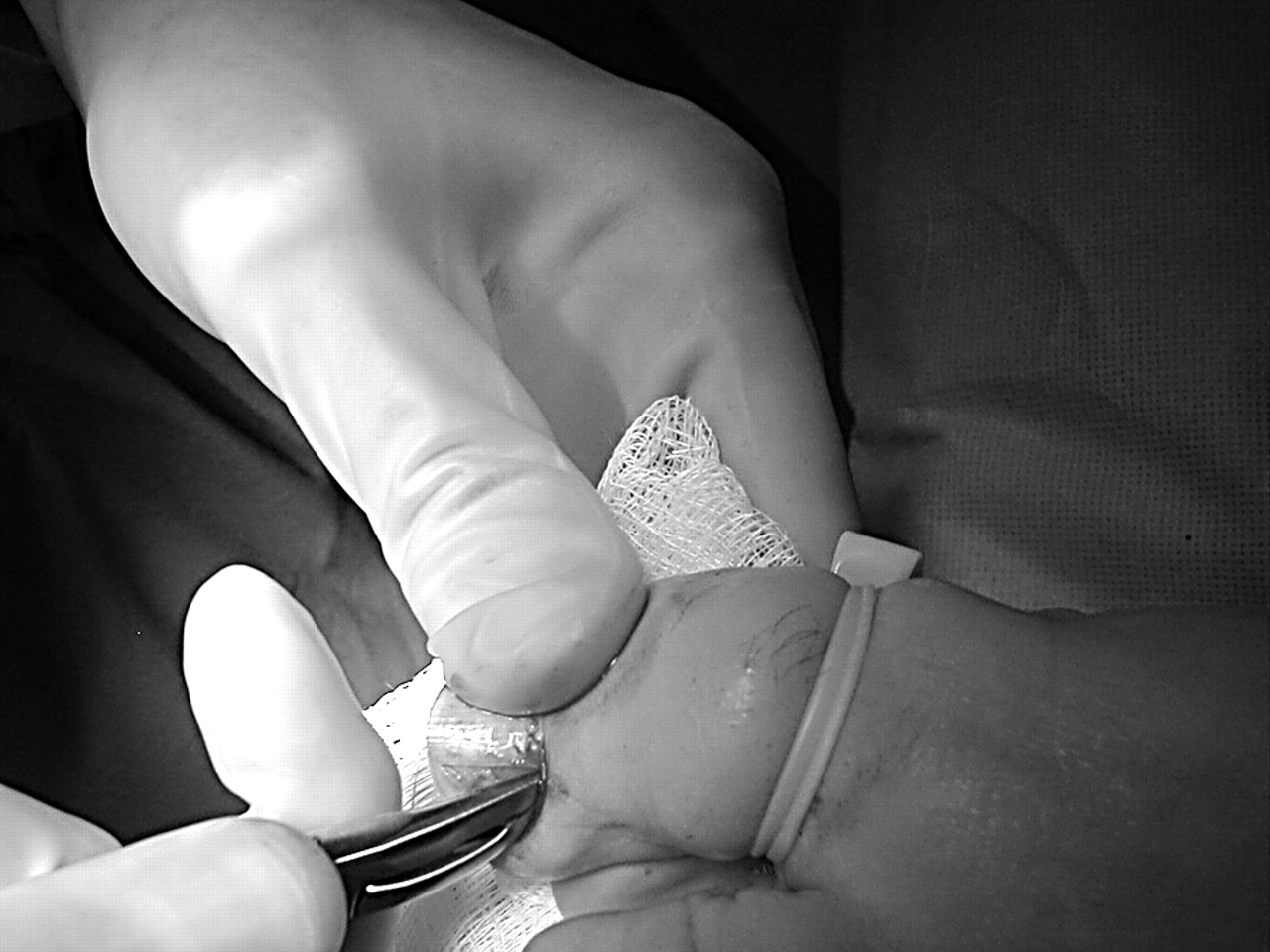
Figure 6.
Remaining matrix adhered onto the phalangeal tuft.
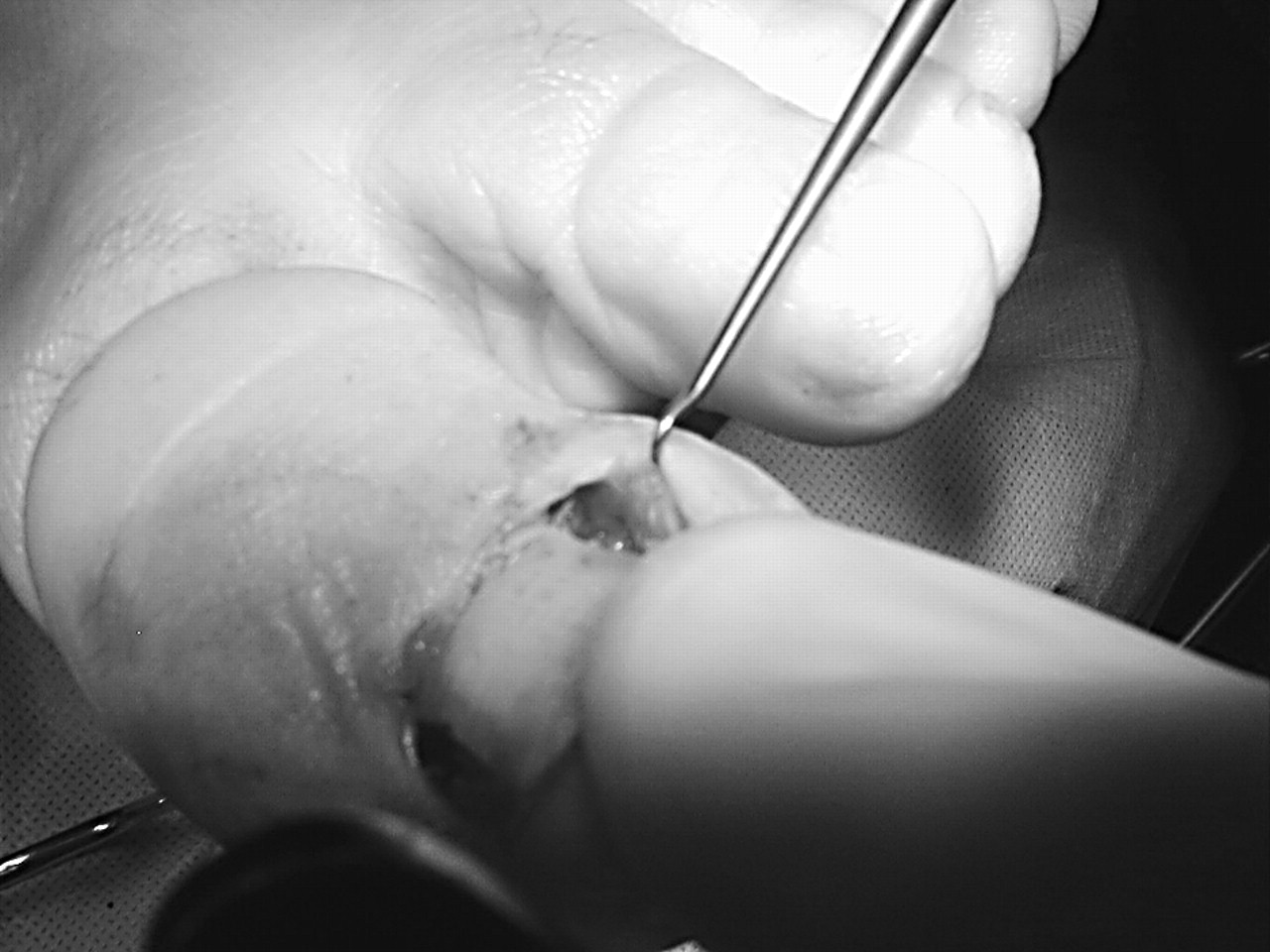
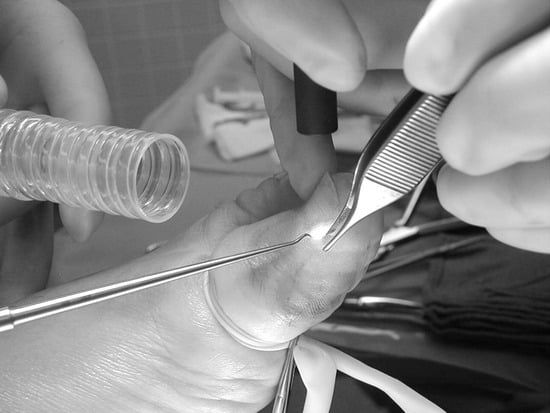
Figure 7.
A CO2 laser is used at 10 W superpulse to obliterate any remaining matrix from the phalangeal tuft.
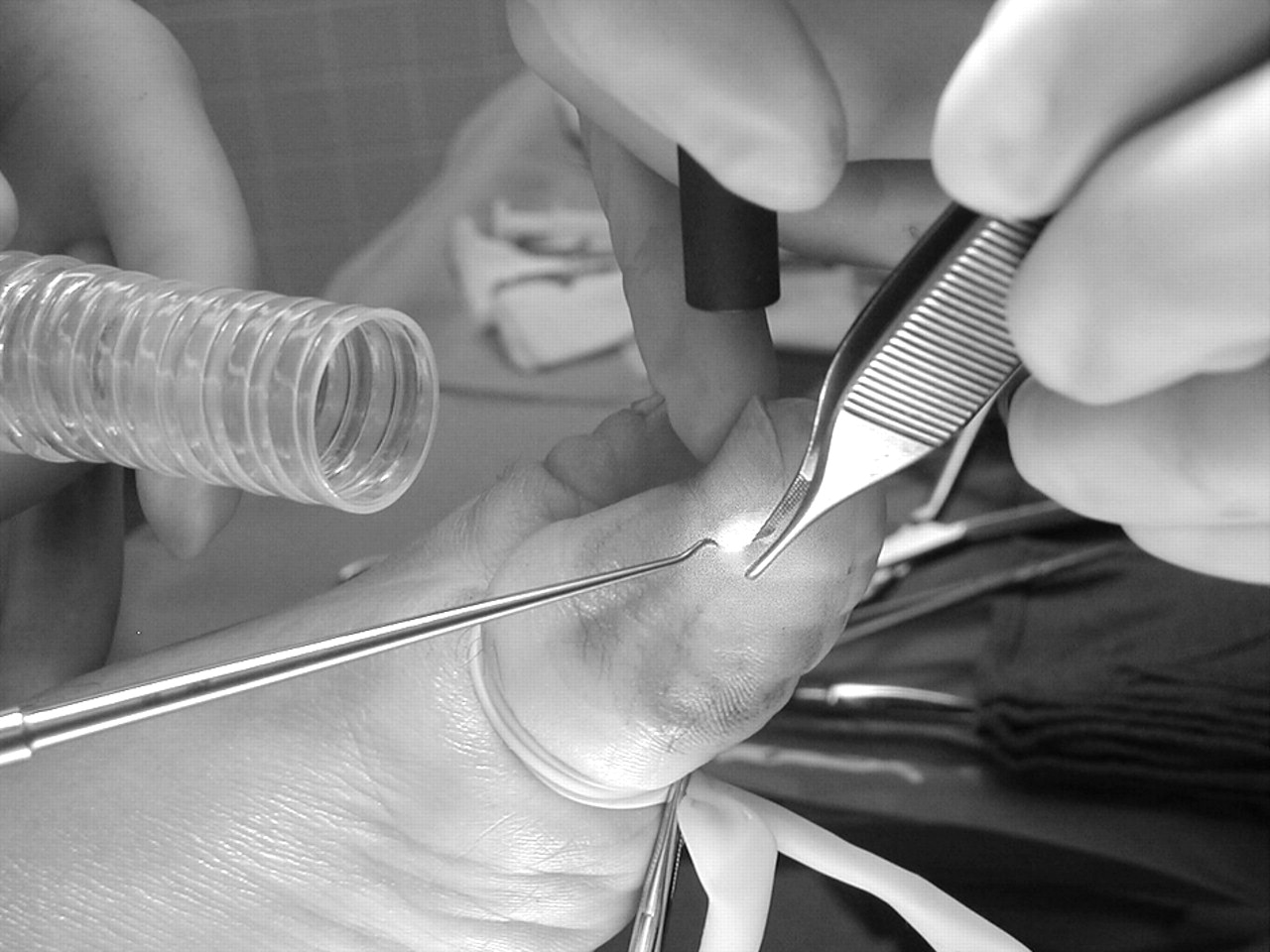
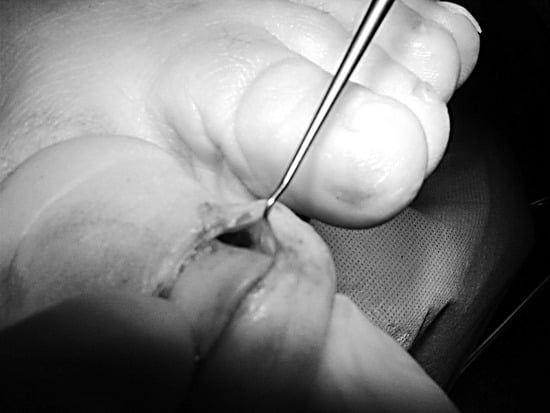
Figure 8.
Result after the remaining matrix has been obliterated by the laser.
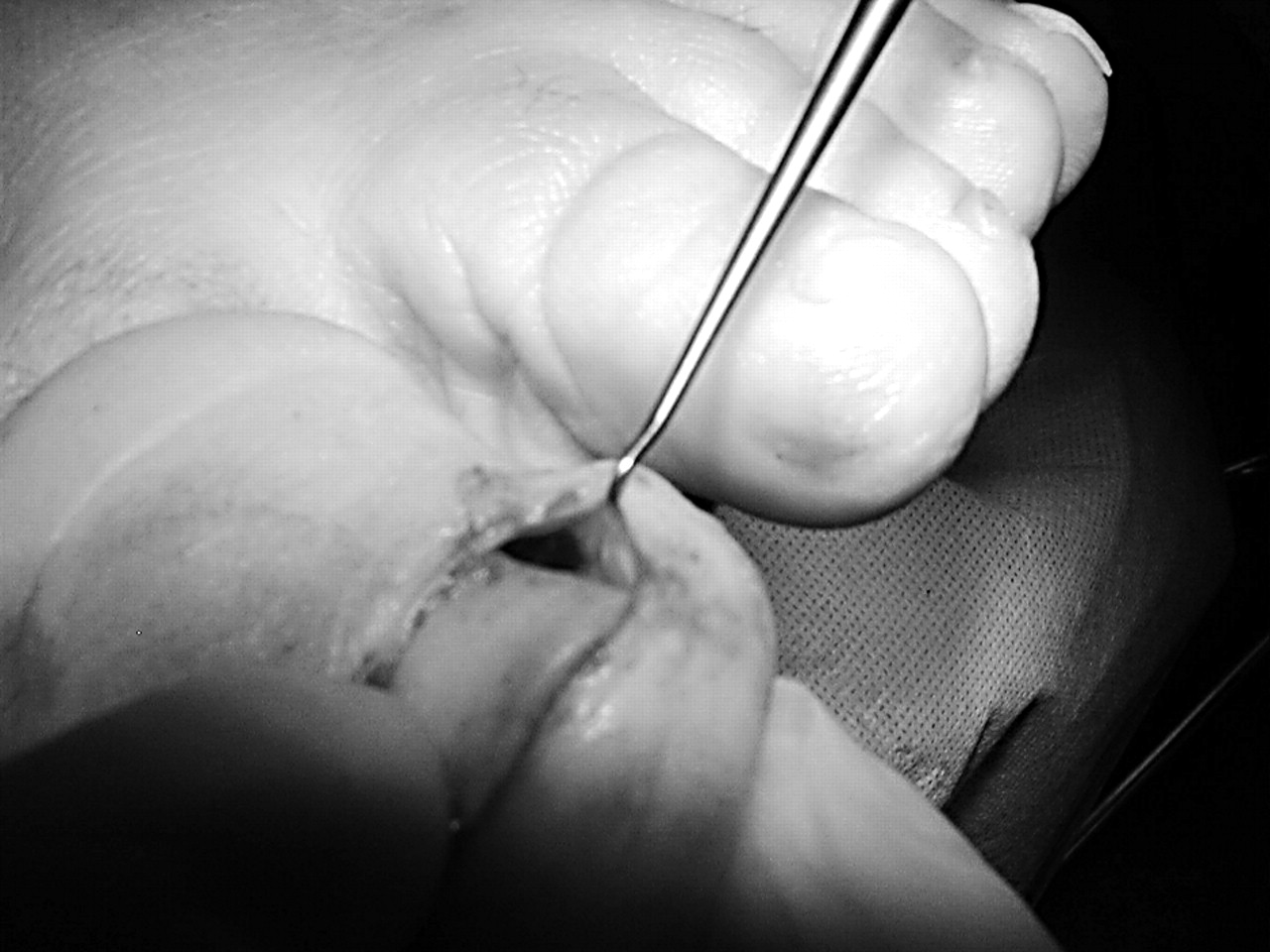
Discussion
Many techniques have been used to correct onychocryptosis[1,2,3,4,5,6,7,8,9,10,11,12,13,14,15,16,17,18,19,20,21,22,23,24]; all have had some success, but there is definitely still room for improvement. Our procedure may be an improvement over previous methods used because the results have shown a low recurrence rate, minimal pain levels, rapid return to activity, and good cosmesis. These results are obtained without using harsh chemicals and by having precise control of the surgical process. In addition, adjacent structures suffer minimal harm.
The rate of infection was higher than expected at 6.6%. All of the patients were treated with antibiotics, and cultures were not always performed to prove the existence of infection. As this was a retrospective study, it could be that the patients who presented with infection had well-documented charting. On the other hand, patients without infection may not have returned for follow-up, and, therefore, the chart may not have been used in the study, which would essentially increase the percentage of infections.
The results of the present study show distinct advantages over previous techniques used. Chemical ablation has been a popular method of resolving ingrown toenails. However, it has been shown to have varying results,[3,4,5,6,7,8,9,10,11] with recurrence rates ranging from 1.1%6 to 24%.10 The procedure of chemical ablation is relatively painless owing to the chemicals used. The chemical cauterizes the nerve endings and essentially anesthetizes the operative field.[6,8,11] Nonetheless, there are drawbacks to using chemicals, and some technical factors can cause serious complications. The major factor is the unpredictability of chemical dispersion, which causes necrosis of adjacent tissues2 and possibly loss of the digit.[25,26] Finally, another disadvantage of using chemical ablation with phenol is its possible carcinogenic properties. Evidence of topical application of phenol from the rat model has demonstrated hepatocyte cytotoxicity.27 Other studies[28,29,30] have also shown phenol to be a tumor promoter in mice. Because there is insufficient animal and human data concerning its carcinogenic properties, phenol has been classified as group D, defined as not classifiable as to its human carcinogenicity.31 The new technique described is without hazy data and is both safe and effective, making it a more precise procedure with a lower recurrence rate.
Onychoplasty is another technique frequently used to treat onychocryptosis.[13,14,15,16,17] The major drawbacks of this method are the pain level and the time it takes to heal, which delays the patient’s return to activity. With onychoplasty, an incision is made that courses proximal to the eponychium.[12,13,14,15,16] This area is highly innervated,32 and an incision in this area causes the increased pain. Consequently, this area needs to be avoided. There is a delay in activity with onychoplasty as well. Either sutures or Steri-Strips (3M Health Care, St Paul, Minnesota) are needed to approximate the incision and allow healing to occur.[2,3,4,5,6,7,8,9,16] Our procedure requires no sutures, allowing a normal return to activity, including the ability for the area to get wet, and decreased pain by avoiding the highly innervated areas.
The CO2 laser used in newer studies also adjunctively makes an incision proximal to the nail fold,[21,22,23] resulting in increased pain and longer healing times. In some studies, sutures remained in place for up to 4 weeks.21 Also, the lasers used in previous studies were continuous CO2 lasers, which caused extensive tissue destruction via thermal necrosis.26 The present study used a pulse-mode laser, which consists of controlled short-duration, high-powered pulses. The benefit of this type of laser is the ability to destroy selected tissue with minimal adjacent tissue necrosis. Pulse-mode lasers have been shown to minimize the amount of protein coagulation and to result in a fraction of the necrosis associated with continuous-wave lasers.26
Conclusion
This new procedure has improved surgical treatment for ingrown toenails. It is more comfortable for the patient, enables a more rapid return to activity, and has decreased recurrence rates compared with previous procedures. This procedure gives the surgeon control over the area of nail being ablated, unlike chemical treatments. It also involves less pain than previous open procedures. The podiatric medicine profession prides itself on rapid pain relief and reliable treatment that enables patients to quickly return to their activities of daily living. This procedure exemplifies both of these characteristics.
Acknowledgments
Michael Williams, fourth-year student at the Dr. William M. Scholl College of Podiatric Medicine, for assistance with data collation.
References
- Krausz CE: A nail survey of 4600 patients. .JAPA40::11. ,1950. .
- Krausz CE: Nail survey (1942–1970). .Br J Chirop35::117. ,1970. .
- Boll OF: Surgical correction of ingrowing nails. .J Natl Assoc Chiropodists35::8. ,1945. .
- Travers GR, Ammon RG: The sodium hydroxide chemical matrixectomy procedure. .JAPA70::476. ,1980. .
- Espensen EH, Nixon BP, Armstrong DG: Chemical matrixectomy for ingrown toenails: is there an evidence basis to guide therapy?. JAPMA92::287. ,2002. .
- Kimata Y, Uetake M, Tsukado S, et al: Follow-up study of patients treated for ingrown nails with the nail matrix phenolization method. .Plast Reconstr Surg95::719. ,1995. .
- Zaborszky Z, Fekete L, Tauzin F, et al: Treatment of ingrowing toenail with segmental chemical ablation. .Acta Chir Hung36::398. ,1997. .
- Rinaldi R, Sabia M, Gross J: The treatment and prevention of infection in phenol alcohol matricectomies. .JAPA72::453. ,1982. .
- Mori H, Umeda T, Nishioka K, et al: Ingrown nails: a comparison of the nail matrix phenolization method with the elevation of the nail bed–periosteal flap procedure. .J Dermatol25::1. ,1998. .
- Gerritsma-Bleeker C, Klaase J, Geelkerken R, et al: Partial matrix excision or segmental phenolization for ingrowing toenails. .Arch Surg13::320. ,2002. .
- Tait GR, Tuck JS: Surgical or phenol ablation of the nail bed for ingrowing toenails: a randomised controlled trial. .J R Coll Surg Edinb32::358. ,1987. .
- Winograd AM: A modification in the technic of operation for ingrown toenail. .JAMA91::229. ,1929. .
- Winograd AM: Results in operation for ingrown toenail. .Ill Med J70::197. ,1936. .
- Frost LA: Root resection for incurvated nail. .JAPA40::19. ,1950. .
- Frost LA: Surgical correction for the incurvated nail. .Curr Med Dig29::119. ,1962. .
- Zadick FR: Obliteration of the nail bed of the great toe without shortening the terminal phalanx. .J Bone Joint Surg Br32::66. ,1950. .
- Burns SA, Ketai RS, Ketai NH: Onychocryptosis: a brief overview. .JAPA67::780. ,1977. .
- Kaplan I, Labandter H: Onychogryphosis treated with CO2 surgical laser. .Br J Plast Surg29::102. ,1976. .
- Apfelberg DB, Rothermel E, Widtfeldt A, et al: Preliminary report on use of carbon dioxide laser in podiatry. .JAPA74::509. ,1984. .
- Borovoy M, Fuller TA, Holtz P, et al: Laser surgery in podiatric medicine: present and future. .J Foot Surg22::353. ,1983. .
- Leshin B, Whitaker DC: Carbon dioxide laser matrixectomy. .J Dermatol Surg14::6. ,1988. .
- Yang KC, Li YT: Treatment of recurrent ingrown great toenail associated with granulation tissue by partial nail avulsion followed by matricectomy with sharpulse carbon dioxide laser. .Dermatol Surg28::419. ,2002. .
- Takahashi M, Narisawa Y: Radical surgery for ingrown toenails by partial resection of the nail plate and matrix using a carbon dioxide laser. .J Cutan Laser Ther2::21. ,2000. .
- Lin YC, Su HY: A surgical approach to ingrown nail: partial matrixectomy using CO2 laser. .Dermatol Surg28::578. ,2002. .
- Sugden P, Levy M, Rao G: Onychocryptosis-phenol burn fiasco. .Burns27::289. ,2001. .
- Hobbs ER, Bailin PL, Wheeland RG, et al: Superpulsed lasers: minimizing thermal damage with short duration, high irradiance pulses. .J Dermatol Surg Oncol13::955. ,1987. .
- Moridani MY, Siraki A, O’Brien PJ: Quantitative structure toxicity relationships for phenols in isolated rat hepatocytes. .Chem Biol Interact145::2133. ,2003. .
- US Environmental Protection Agency: Integrated Information System (IRIS) on Phenol, Environmental Criteria and Assessment Office, Office for Health and Environmental Assessment, Office of Research and Development, Cincinnati. ,1993. .
- Agency for Toxic Substances and Disease Registry (ATSDR): Toxicological Profile for Phenol, US Public Health Service, US Department of Health and Human Services, Atlanta. ,1989. .
- Calabrese EJ, Kenyon EM: Air Toxics and Risk Assessment, ed by EJ Calabrese, p 483, Lewis Publishers, Chelsea, MI. ,1991. .
- US Environmental Protection Agency: Technical Background Document to Support Rulemaking Pursuant to the Clean Air Act Section 112(g): Ranking of Pollutants with Respect to Hazard to Human Health, Emissions Standards Division, Office of Air Quality Planning and Standards, Research Triangle Park, NC. ,1994. .
- Banks A, Downey M, Martin D, et al: “Nails,” in McGlamry’s Comprehensive Textbook of Foot and Ankle Surgery, Vol 1, ed by A Banks, M Downey, D Martin, et al, p 203, Lippincott Williams & Wilkins, Philadelphia. ,2001. .
© 2005 American Podiatric Medical Association