


To the Editor:
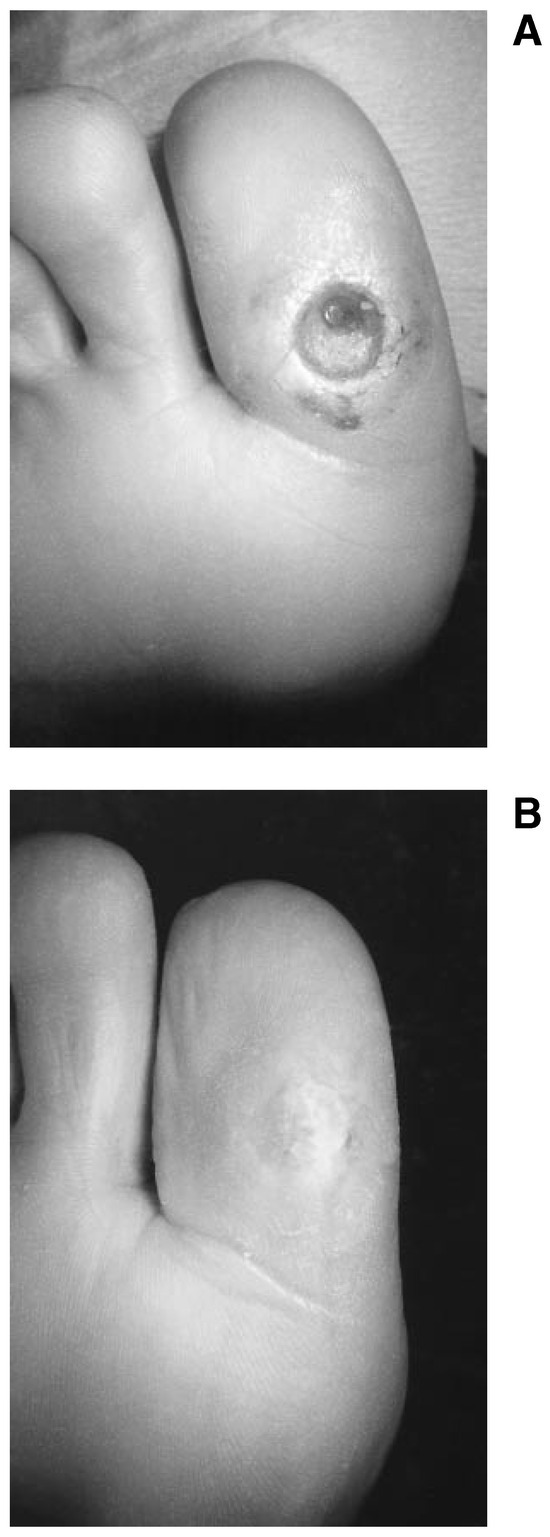
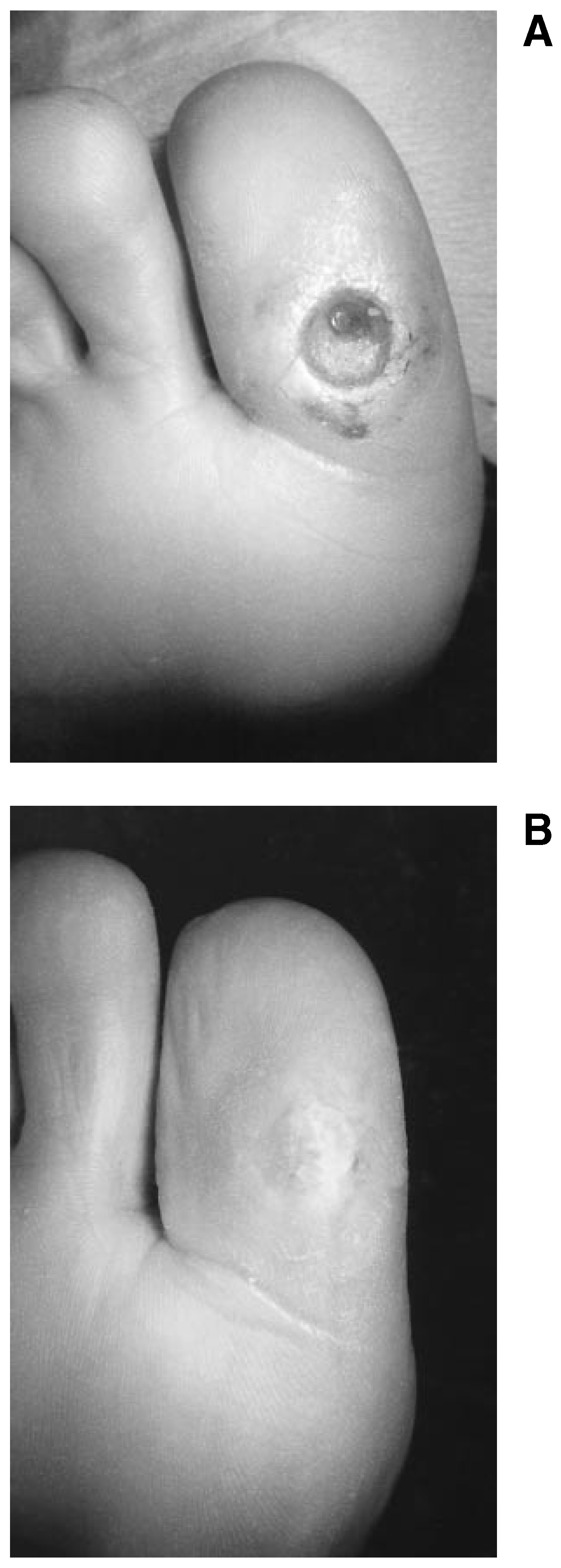
Until recently, the verification of adequate offloading in the treatment of neuropathic ulcers has been elusive in everyday clinical practice. However, a pressure sensor is now available to help podiatric physicians evaluate off-loading and give them more confidence in their methods. If there is adequate vascular supply, absence of active infection, and good metabolic control, healing of the neuropathic ulcer can be anticipated once the area has been successfully off-loaded (Figure 1) [1].
Figure 1.
A, Plantar ulcer before off-loading; B, healed ulcer after successful off-loading.
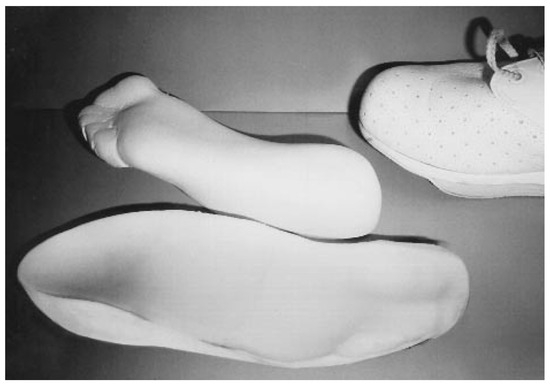
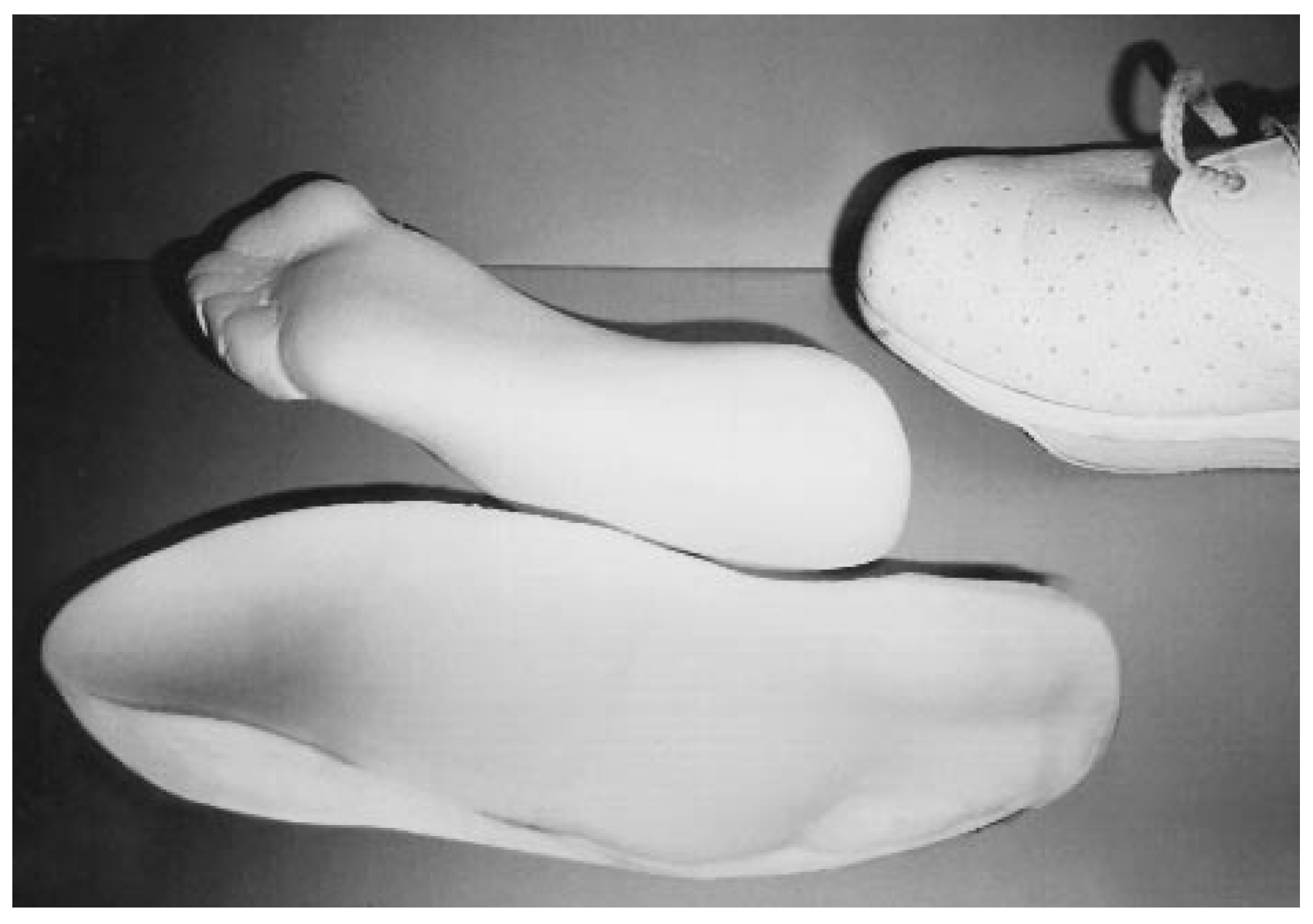
Off-loading of the ulcer and redistribution of normal plantar pressures is the goal of treatment. Treatment modalities include felt or felted foam dressings, total contact casts, molded insoles, healing sandals, rocker-bottom soles, ankle-foot orthoses, and removable walking casts. An extra-depth shoe with a molded insole, a properly placed rocker-bottom sole, and a heel flare, if needed, is the most functional and cosmetically acceptable modality (Figure 2) [2].
Figure 2.
Molded insole, positive cast of foot, and extra-depth shoe with rocker-bottom sole.
A molded insole of medium-density Plastazote (BXL Plastics Ltd, ERP Division, Croyden, England) is prepared in the following manner. Prior to application of a slipper cast to the foot, a piece of 1/2-inchthick felt is cut and skived so that its thickest area covers the ulcer area, with a layer of adhesive tape holding it in place. This creates a positive mold with an enhanced prominence over the area. A 1-inch-thick piece of medium-density Plastazote is heated and form-pressed over this cast. After the mold has cooled, its proximal area is insulated by wrapping layers of towels 3 inches thick around it. It is again heated, and the distal aspect, which includes the ulcer area, is remolded over the cast with the heel cup positioned one-third to two-thirds of an inch proximal on the heel, allowing for elongation of the foot during weightbearing. The insole is then cut and shaped to fit the shoe.
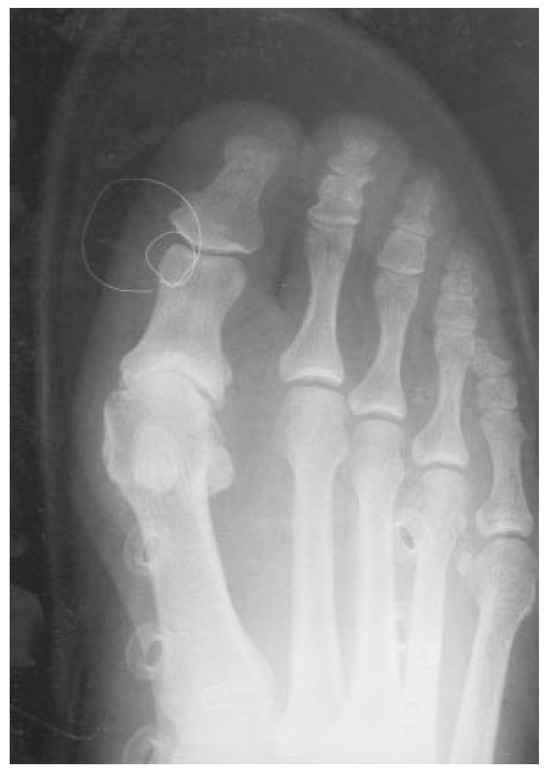
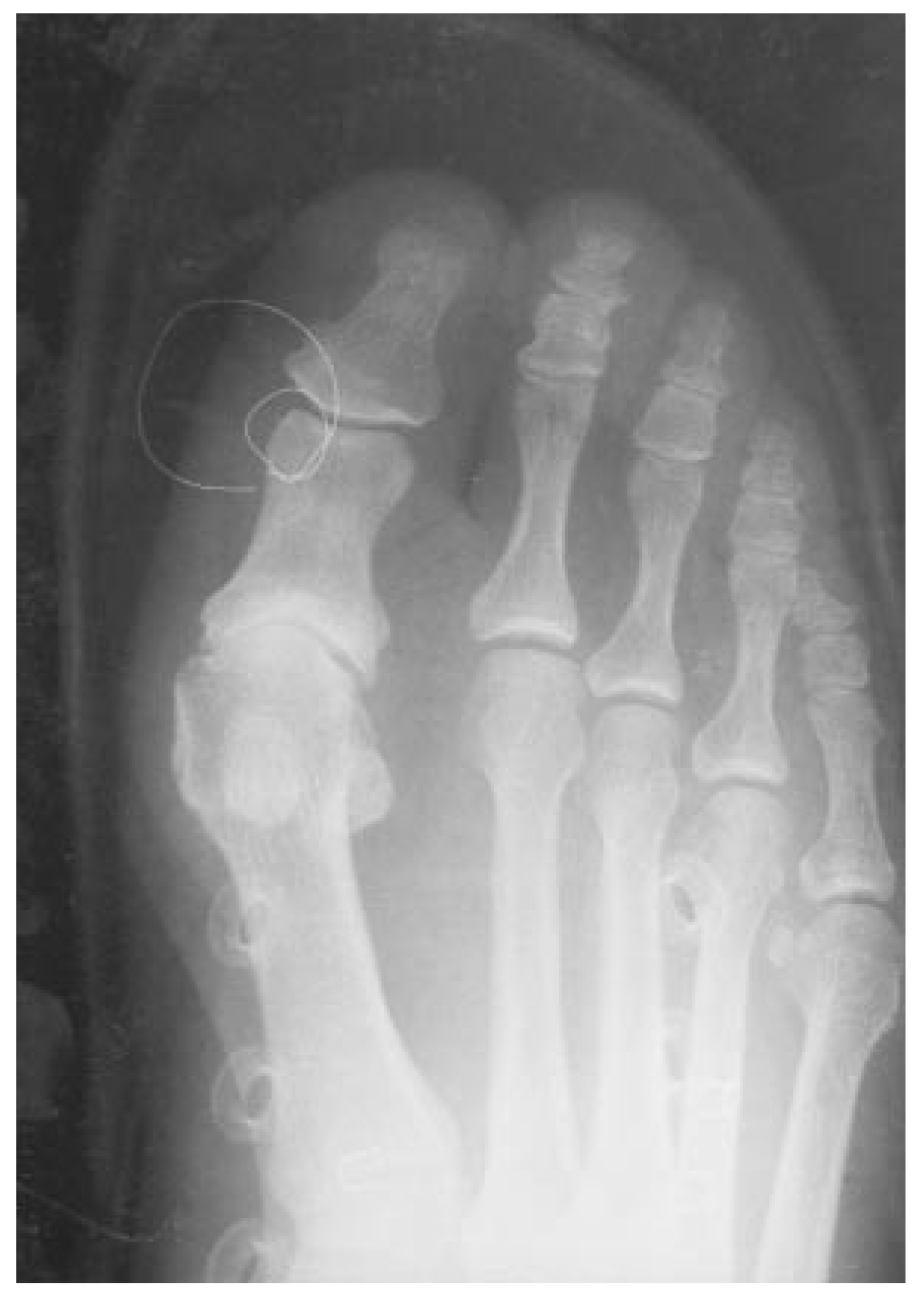
The technique of diagnostic wiring of radiographs is used to determine the proper positioning of the insole beneath the ulceration-prone area (Figure 3) [3]. A direct weightbearing radiograph is taken of this area with the shoe and insole in place.
Figure 3.
Diagnostic wiring showing the desired position of the pressure point in the medial proximal portion of the concavity in the Plastazote insole.
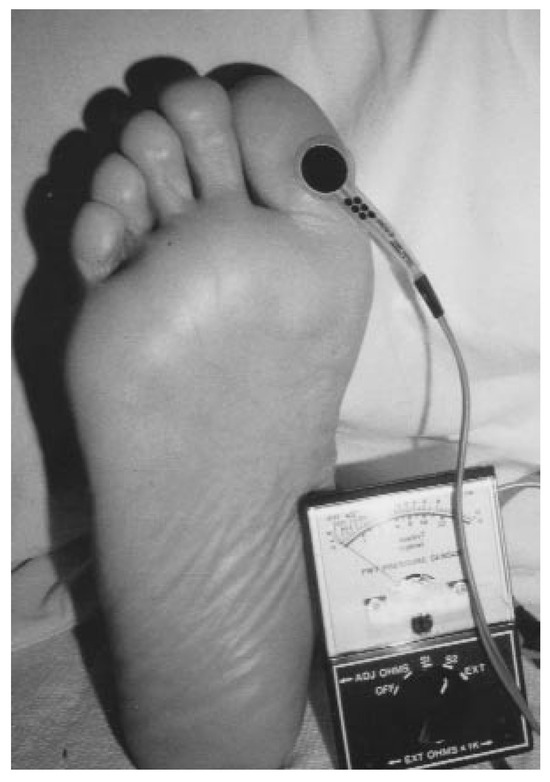
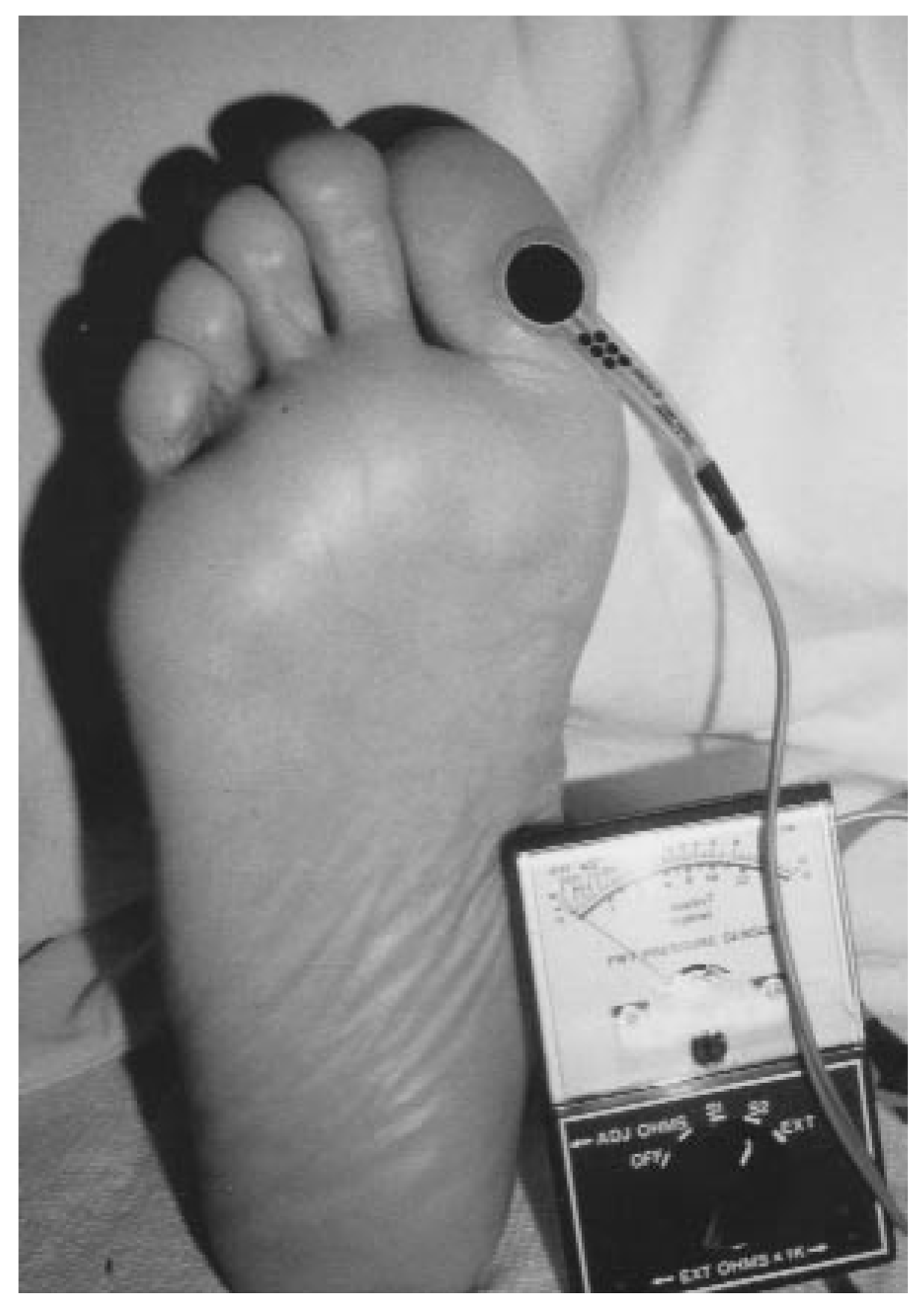
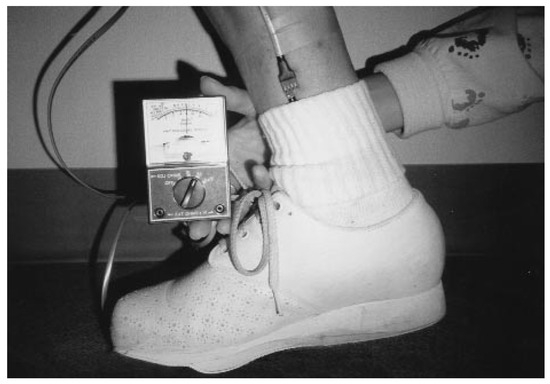
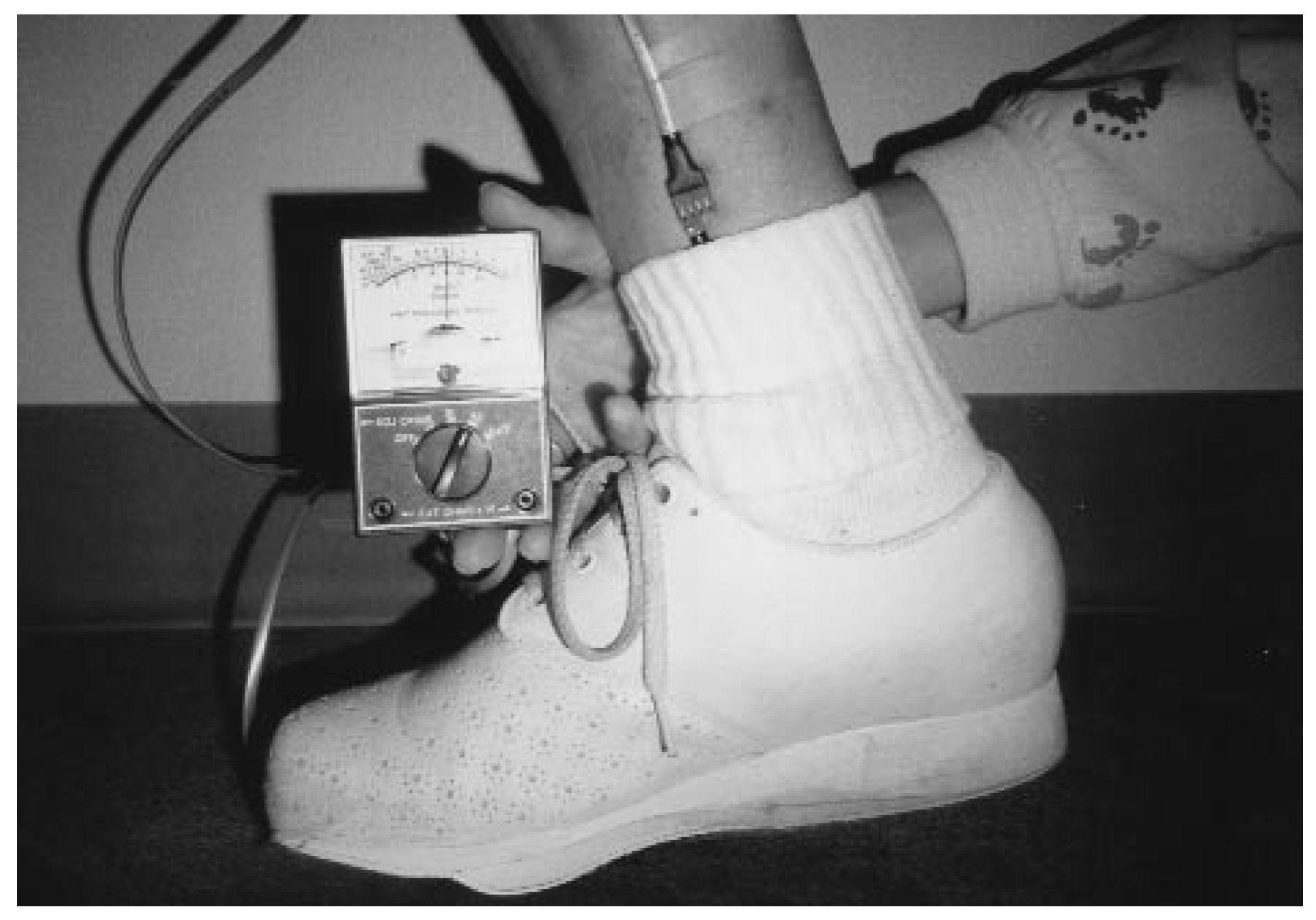
Until recently, there has not been any economical means of clinically verifying adequate pressure relief. The FWT Pressure Sensor (FWT Pressure Sensors, Hot Springs, Arkansas) is a small, hand-held unit that is easily used in the clinical setting. It is simply an ohm meter that has been converted to indicate pounds per square inch. The unit measures pressures on an area of approximately 1.2 square inches using a small, thin, round sensor that can be placed over any area on the foot where pressures are to be evaluated (Figure 4). The sensor is affixed to the treatment area with rubber cement and is covered with one layer of cohesive gauze. The lead from the sensor is brought up the side of the foot beneath the sock with no tension. Just above the sock the sensor lead is plugged into a cable that extends to the pressure gauge. The patient is asked to stand and walk while the readings are evaluated.
Figure 4.
The sensor is placed at the point where pressure is to be evaluated.
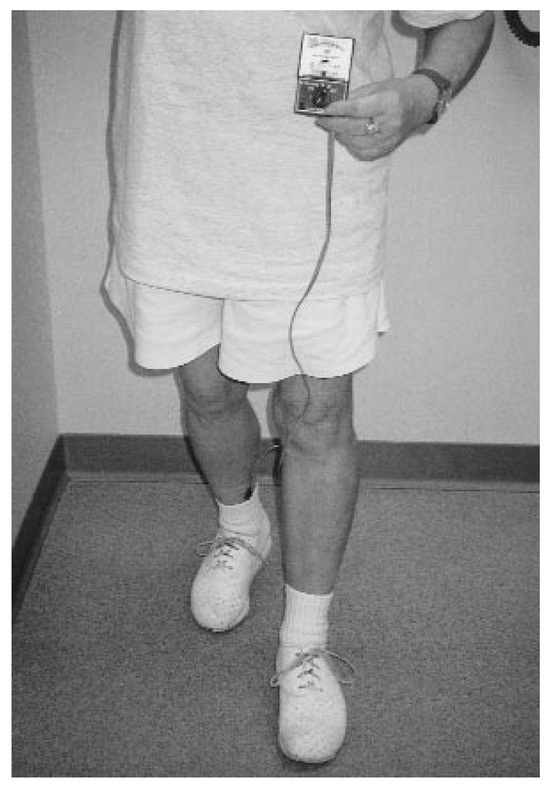
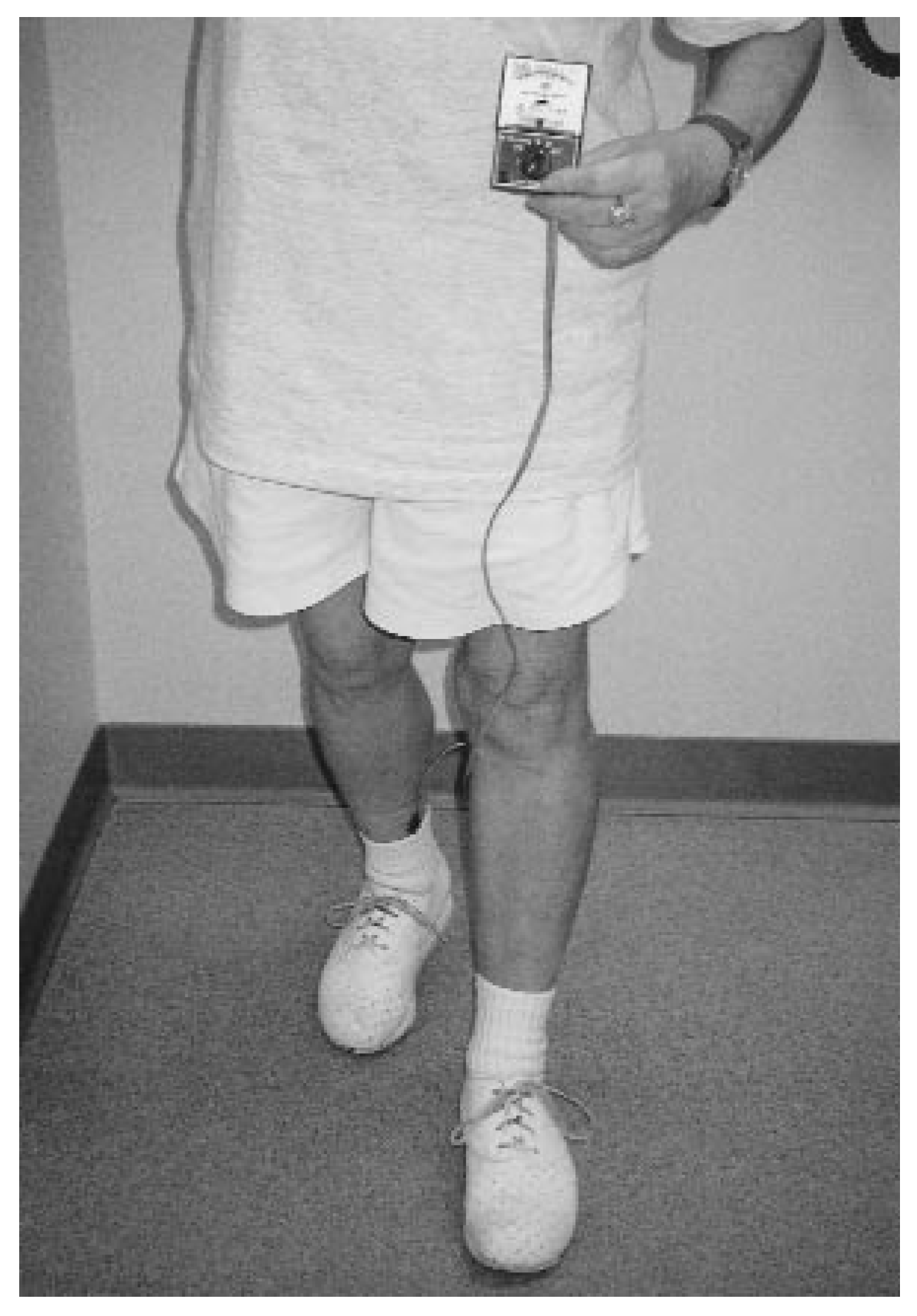
Use of the FWT Pressure Sensor allows the podiatric physician to immediately evaluate the effectiveness of the treatment modality and to make adjustments to ensure successful off-loading. The pressure sensor also aids in the proper placement of metatarsal bars and the apexes of rocker-bottom soles during gait (Figure 5). The author has found that off-loading of peak plantar pressures to a level less than 8 psi as indicated by the FWT Pressure Sensor will usually allow for the healing of a neuropathic ulceration (Figure 6). It must be remembered, however, that this device is not a sophisticated research tool but rather a clinical means of estimating relative pressures, so no precise claim can be made.
Figure 5.
Observing peak plantar pressure during gait verifies effective off-loading.
Figure 6.
Measurement of peak plantar pressure during toe-off. A reading of 8 psi on the FWT Pressure Sensor usually permits healing of a neuropathic ulceration.
Use of this sensor enables one to anticipate good results with a much higher level of confidence while also allowing for documentation of effective off-loading. After gaining experience with this device, the podiatric physician can provide much more effective care than before. The FWT Pressure Sensor is bound to become an indispensable aid for any practitioner who treats patients with neuropathic plantar ulcers.
References
- DAY, MR; HARKLESS, LB. Diabetic foot update 1996. JAPMA 1997, 87, 293. [Google Scholar]
- MUELLER, MJ. Therapeutic footwear helps protect the diabetic foot. JAPMA 1997, 87, 360. [Google Scholar] [CrossRef] [Scilit] [PubMed]
- HYMES, L. Diagnostic wiring for radiographs. JAPA 1958, 48, 383. [Google Scholar]
© 1999 American Podiatric Medical Association