


Abstract
Background: Patients with limited English proficiency (LEP) encounter many health disparities and inequalities due to the lack of effective communication. The lack of effective communication places patients with LEP at higher risk for noncompliance with the treatment plan. Pain is one of the main common health issues, and patients with LEP have difficulties reporting their pain and adhering to the plan of care due to the lack of effective communication. Methods: We measured the effectiveness of using a professional interpreter during office visits for Farsi-speaking patients with LEP to improve pain management and adherence with follow-up visits. In this single-sample quasi-experimental study, 16 Farsi-speaking participants with LEP who visited a podiatric medical office for foot pain rated their pain level at the initial visit and after the intervention during the first follow-up visit. Participants were provided with a professional Farsi-speaking interpreter during the visit. Results: Overall, patients reported lower mean ± SD levels of pain during the follow-up visit (4.19 ± 2.29) than at the initial visit (6.56 ± 2.03). Of all of the participants, 75% attended the follow-up appointment, demonstrating that most of the participants adhered to the plan of care. Conclusions: The use of a professional interpreter during an office visit for patients with LEP was associated with improved pain management outcomes and increased adherence to the treatment plan.
Limited English proficiency (LEP) is the restricted ability to read, speak, write, or understand English by patients for whom English is not their primary language.1 The increasingly diverse patient population challenges health care with ‘‘a triad of cultural, linguistic and health literacy barriers.’’[1](p25) Patients with LEP are a vulnerable underserved population in using health-care services. Patients with LEP are faced with health disparities and inequalities due to not being able to speak and understand English properly.[2]
In the United States, individuals with LEP encounter language barriers because health care is delivered in the English language.[3] The study by Sentell et al[4] of adult Latino patients with LEP receiving mental health services determined that 85% of non–English-speaking Latino patients were less likely to receive mental health services compared with English-speaking patients. The study demonstrated that the patients with LEP were at risk for health disparity and inequality.[4]
Epidemiology
There are 25.1 million individuals with LEP, which accounts for 9% of the US population.[5] According to the US Department of Health and Human Services,[6] patients with LEP are at risk for incorrect diagnosis, undertreatment, noncompliance with treatment, and lengthier hospital stays, eventually costing health-care organizations more money. California has 6.8 million residents with LEP, which accounts for the highest number of individuals with LEP in any one state in the nation.[5]
State of California Regulations
Federal law mandates the implementation of language rights in health care to address language barriers. The legal obligation to provide language interpretation services applies to all federal program institutions, including health care.[7] California state law necessitates that all health-care providers offer and provide patients with information translated into their primary language and oral interpretation services.[8] The California Department of Health Care Services has also made it a requirement that all health-care providers in various health-care settings receive educational training focusing on language access and cultural skills and competency.[9] An initiation by the State of California to address this issue is providing continuing education classes for health-care professionals with the goal of increasing the clinician’s support and use of language access services for patients with LEP.[10]
Adherence to the Treatment Plan
Language barriers and lack of interpreters while receiving medical services can affect patients’ perceived understanding of their disease and treatments and could lead to a low level of adherence to the treatment plan.[11] Medical interpreter use is associated with higher satisfaction in patients with LEP in communication with healthcare providers. Increased attention to the need for effective interpreter services is required in areas with rapidly growing populations with LEP.[12] Using interpreter services during care lowers the risk of insufficient treatment and decreases the rate of noncompliance with the treatment regimen.[8] A study by Parker et al[13] revealed that the use of interpretation services during the care of Latino patients with LEP with diabetes increased the patients’ adherence level to treatment and significantly improved their glycemic control.
The study by Jacobs et al[14] of adult Spanishspeaking patients with LEP from an outpatient family practice office demonstrated that using interpretation services increased the understanding of the treatment plan by patients with LEP. Results of the study revealed that using medical interpreters increased adherence/compliance to the treatment plan. The study demonstrated that there was a significant increase in attending follow-up visits, medication refills/calls for medication refills, and preventive health screenings in patients with LEP who used the translation services compared with patients who did not.[14]
Using interpreter services for patients with LEP has the potential to reduce future health-care expenses by early detection and prevention of the chronic diseases that require long-term, costly treatments and hospitalizations.[11] The presence of interpretation services reduces the likelihood of medical errors and serious medical events and improves the quality of care for patients with LEP. It also creates a culturally competent environment.[15] The lack of effective communication and understanding of the care plan, treatment, or medications could potentially result in low levels of treatment compliance and could lead to poor health outcomes, such as risk of being undertreated, of uncontrolled pain, and of disease complications.[16]
Pain Management
Pain continues to be one of the most common medical issues among patients. The assessment and treatment of pain are largely based on the patient’s self-reports about the intensity and quality of pain.[17] Patients with LEP have difficulties communicating their pain symptoms due to language barriers and may hesitate to communicate their pain needs.[18] Research studies revealed that language barriers in patients with LEP at the end-of-life stage resulted in inadequate pain management and decreased quality of end-of-life care and palliative care delivery.[19]
Jimenez et al[20] compared postsurgical pain assessment and pain management between pediatric patients of Hispanic parents with LEP and pediatric patients of English-speaking parents. The results demonstrated that Spanish-speaking pediatric patients with LEP received fewer pain assessments and were less likely to receive pain medication for similar levels of pain compared with English-speaking pediatric patients. With parents with LEP, the language barrier and lack of effective pain communication with the care provider led to poor pain management of the Spanish-speaking pediatric patient with LEP.[20]
Effective provider-patient communication is necessary for effective pain assessment and pain treatment; consistent interpreter use improves communication between the patient with LEP and the care provider and results in better outcomes for pain treatment.[21] Jimenez et al[17] found that the use of interpreters during medical care was associated with improved self-reported pain levels in patients with LEP, enhanced clinical interactions for pain management, and reduced pain levels.
The Gap in Practice
Health-care providers are often not aware of their legal obligations to provide language interpretation services for patients with LEP. This has led to a gap in practice when encountering patients with LEP such that the consistent use of professional medical interpreters by health-care providers specifically in outpatient settings is suboptimal.[22] Patients with LEP mostly use their friends or family members as interpreters instead of using trained medical interpreters. The friends/family members of patients with LEP are not qualified medical interpreters and are not proficient with medical terminology.[22]
Study Purpose
The purpose of this study was to implement the use of interpreter services during office visits in a podiatric medical practice in Sacramento, California, with Farsi-speaking patients with LEP to improve pain management and adherence with follow-up appointments.
Methods
Design and Setting
This study was a quasi-experimental study and used a single-group repeated-measures pre-post test design. The study was implemented in an outpatient podiatric medical office at Sutter Health in Sacramento. The office was operated by two podiatric physicians and two medical assistants.
Interpreter
The principal investigator (F.H.) participated as the medical interpreter during the office visits. The coinvestigator worked as a registered nurse at the Sutter Health facility and was a certified medical interpreter, through Sutter Health, for the Farsi language. The co-investigator successfully completed and passed the Sutter E-learning interpreter training and medical terminology courses, which was required by Sutter Health policy.[23] The coinvestigator went through a series of HealthStream interpreter training courses provided by the Sutter Health System for cultural competency and communication and interpersonal skills for patients of diverse backgrounds, along with courses on the importance of providing language assistance for patients with LEP.
Participants
The study participants were Persian/Farsi-speaking patients with LEP in the podiatric medical outpatient office in Sacramento. According to the US Census Bureau, the Persian/Farsi language is the ninth most common language spoken in California.[24] In Sacramento County, approximately 35.2% of the Farsi-speaking population are considered individuals with LEP.[24]
There were Farsi-speaking patients with LEP who visited the office, and many had trouble understanding and communicating with health-care providers. The Farsi-speaking patients with LEP were identified through the electronic medical record (EMR). The co-investigator contacted the patients before their regular office appointment with the podiatric physician and asked whether they would like to participate in the study; 16 Farsi-speaking patients with LEP were recruited. The inclusion criteria included adult Farsi-speaking patients who visited the office for foot pain. The exclusion criteria included patients with hearing disabilities and patients diagnosed as having cognitive disorders such as memory impairment, Alzheimer disease, and dementia. Patients with LEP with hearing disabilities and the caregivers of patients with cognitive disorders were referred to other available language assistance services provided by the facility, such as telephone interpretation services.
Data Collection
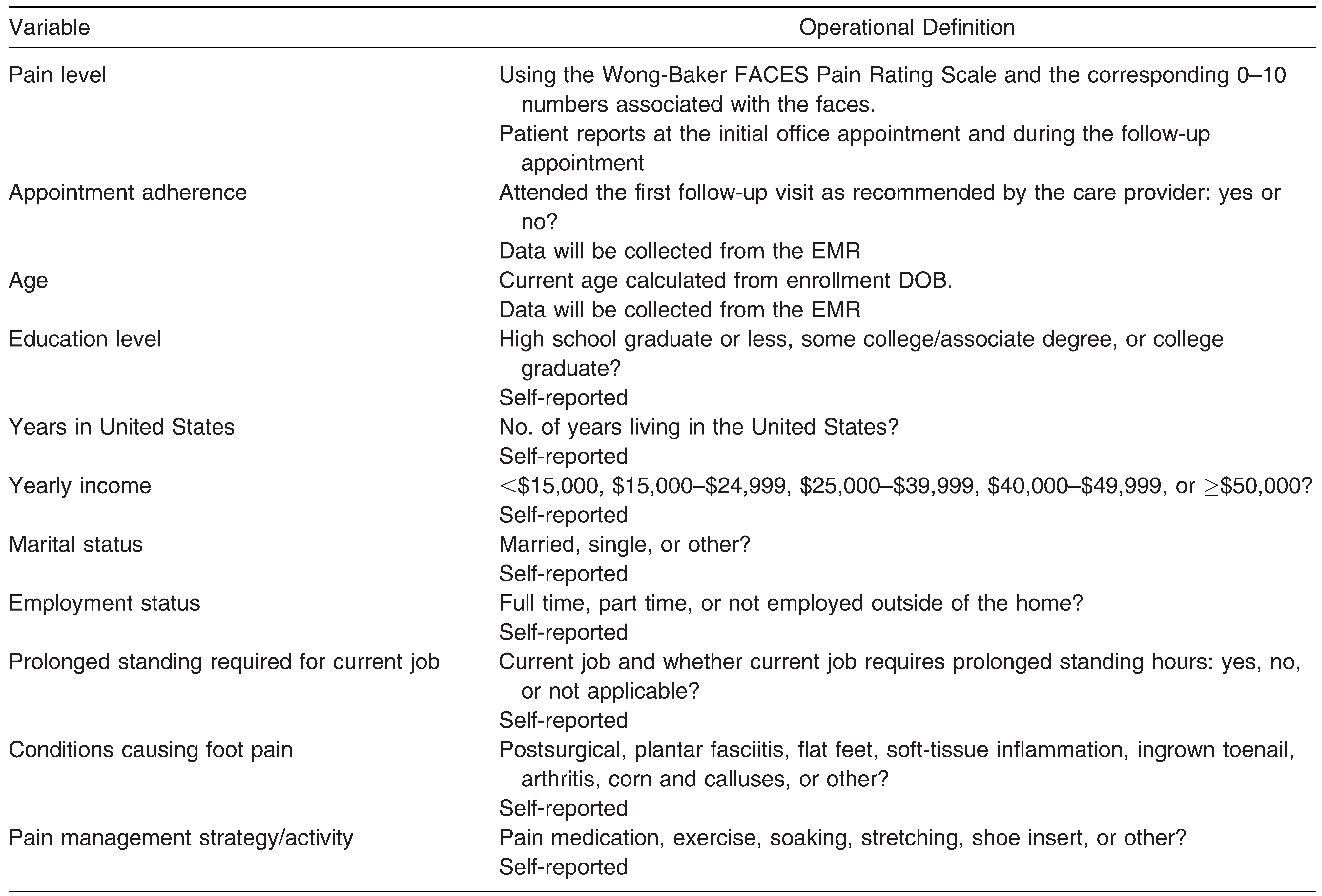
The demographic data collected included age, educational level, marital status, yearly income, years lived in the United States, conditions causing foot pain, pain management strategy use status, and, if used, whether their current job required prolonged standing (Table 1). The outcome data were collected on the pain level of patients with LEP at their initial visit and again at their first follow-up visit to continue their care, after receiving interpreter services.
Table 1.
Variable Table/Demographic Data.
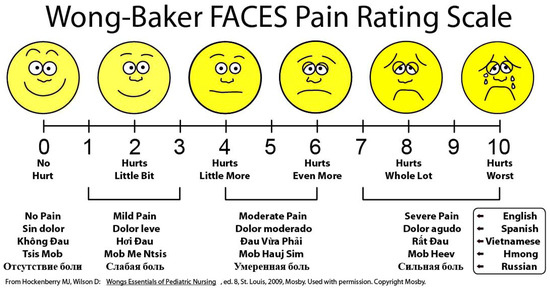
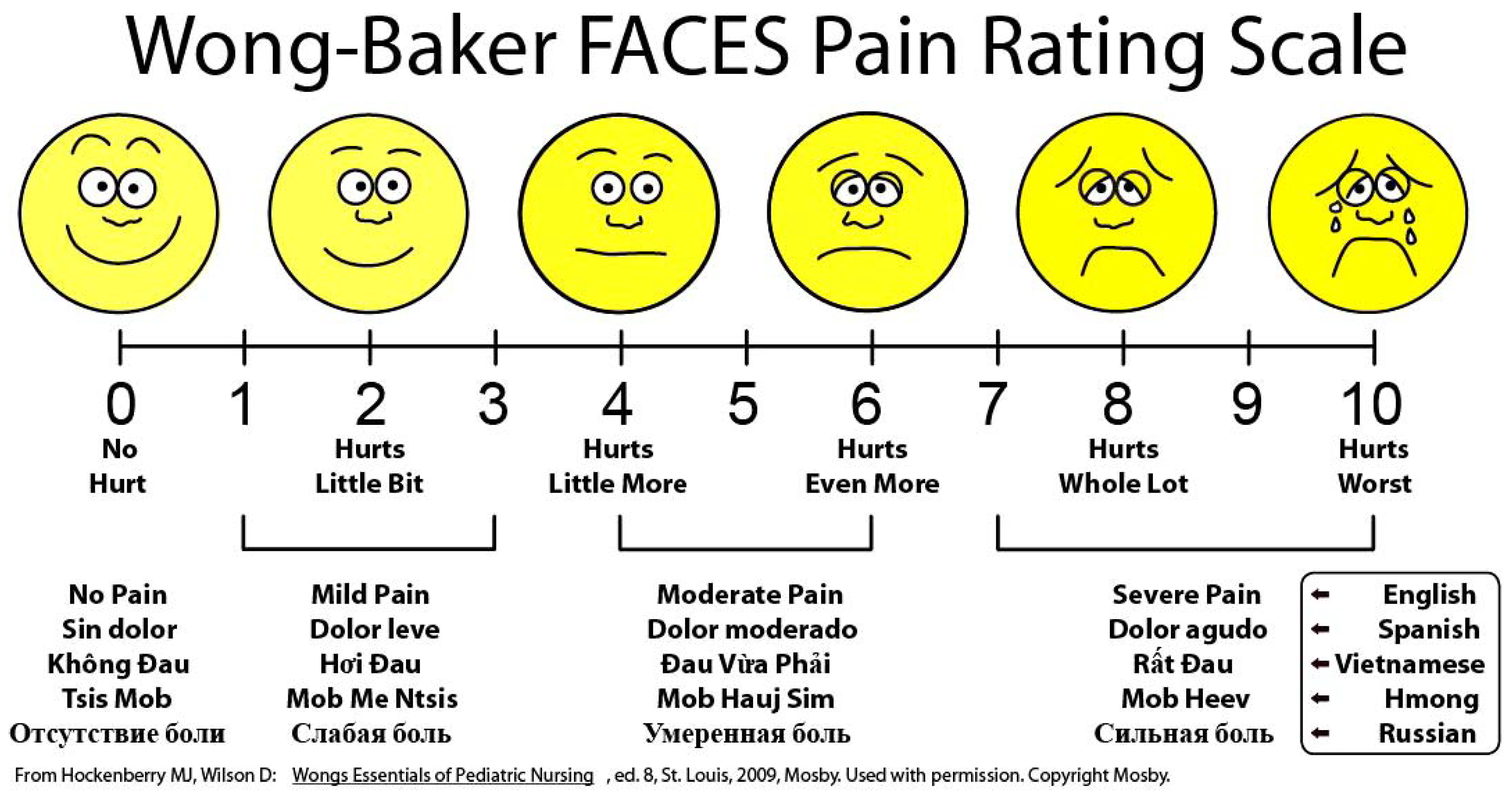
Each patient’s pain level was measured with the Wong-Baker FACES Pain Rating Scale (Figure 1). The Wong-Baker pain FACES Scale is a validated pain rating measure used by many health-care organizations in the United States. It has been adapted to assess pain levels in adults. This tool was originally created for children to help them communicate their pain more effectively. The tool is now used worldwide for people older than 3 years to facilitate and improve the communication of pain.[25] The faces on the scale are easy to understand and are nonverbal indicators of pain severity, and it is a useful tool for patients with LEP to communicate pain severity.[25] Each face on the scale has a corresponding number, for example, number 0 is associated with the face that shows no pain, and number 10 is associated with the face that indicates the worst possible pain. Patients were asked to identify their level of pain using the Wong-Baker FACES Scale and to identify the face that described their pain level most accurately.
Figure 1.
Wong-Baker FACES Pain Rating Scale.
Patients were tracked for treatment adherence through their attendance at the first follow-up appointment as recommended by the care provider. Tracking the follow-up visits is a valid measure to determine whether the patient is adhering to the treatment plan.26 The EMR was used to monitor the patient’s attendance at the first follow-up visit to determine the treatment adherence level.
Procedures
The procedures for this project were performed and conducted by the first author. The principal investigator met with the care providers and the office staff to educate them about the procedures and the purpose of the study. An agreement between principal investigator and the health-care provider was made to conduct the study on Farsi-speaking patients with LEP visiting the office who were willing to participate in the study.
The principal investigator attended one office staff meeting to educate the staff about the purpose and procedures of the study. The content of the educational meeting for the staff is provided in Appendix A. Recruitment flyers in the English and Farsi languages describing the study purpose were distributed to Farsi-speaking patients with LEP who visited the podiatric medical office (Appendix B). The principal investigator recruited Farsi-speaking patients with LEP who visited the office for foot pain and who were willing to participate in the study project. The principal investigator informed the participants of the purpose of the study and the benefits of using interpreter services in the Farsi language.
The principal investigator functioned as a professional Farsi medical interpreter for each participant during the office visit. Participants were instructed to identify their pain severity level using the Wong-Baker FACES Pain Rating Scale (Figure 1). They were asked to identify their pain level during the initial visit and during the follow-up visit. Using the EMR, the participant’s attendance at the first follow-up visit (as recommended by the care provider) was monitored. Patients who did not show up for the follow-up visit received a phone call from the principal investigator to identify their level of pain.
Implementation
Verbal instruction was provided in the Farsi language to educate patients about the benefits of using a medical interpreter while receiving care and the purpose of the study project. The verbal education content, which was the same educational content used to educate the office staff, has been outlined and is in Appendix A. Patients were educated verbally on how to use the pain scale and rate their pain level before the intervention. The co-investigator participated as the Farsi medical interpreter for Farsi-speaking patients with LEP during their office visit and interpreted the conversations between the care provider and patients with LEP. Participants were asked to state their pain level during the initial visit and at the first follow-up visit. Participants who did not attend the follow-up visit received a phone call from the co-investigator to rate their pain level.
Statistical Analysis
IBM SPSS Statistics for Windows, Version 24.0 (IBM Corp, Armonk, New York) was used to enter and store data and for data analysis. Descriptive analyses were completed to determine the frequencies for the categorical variables and to calculate the means and standard deviations for the continuous variables.
Results
Participant Characteristics
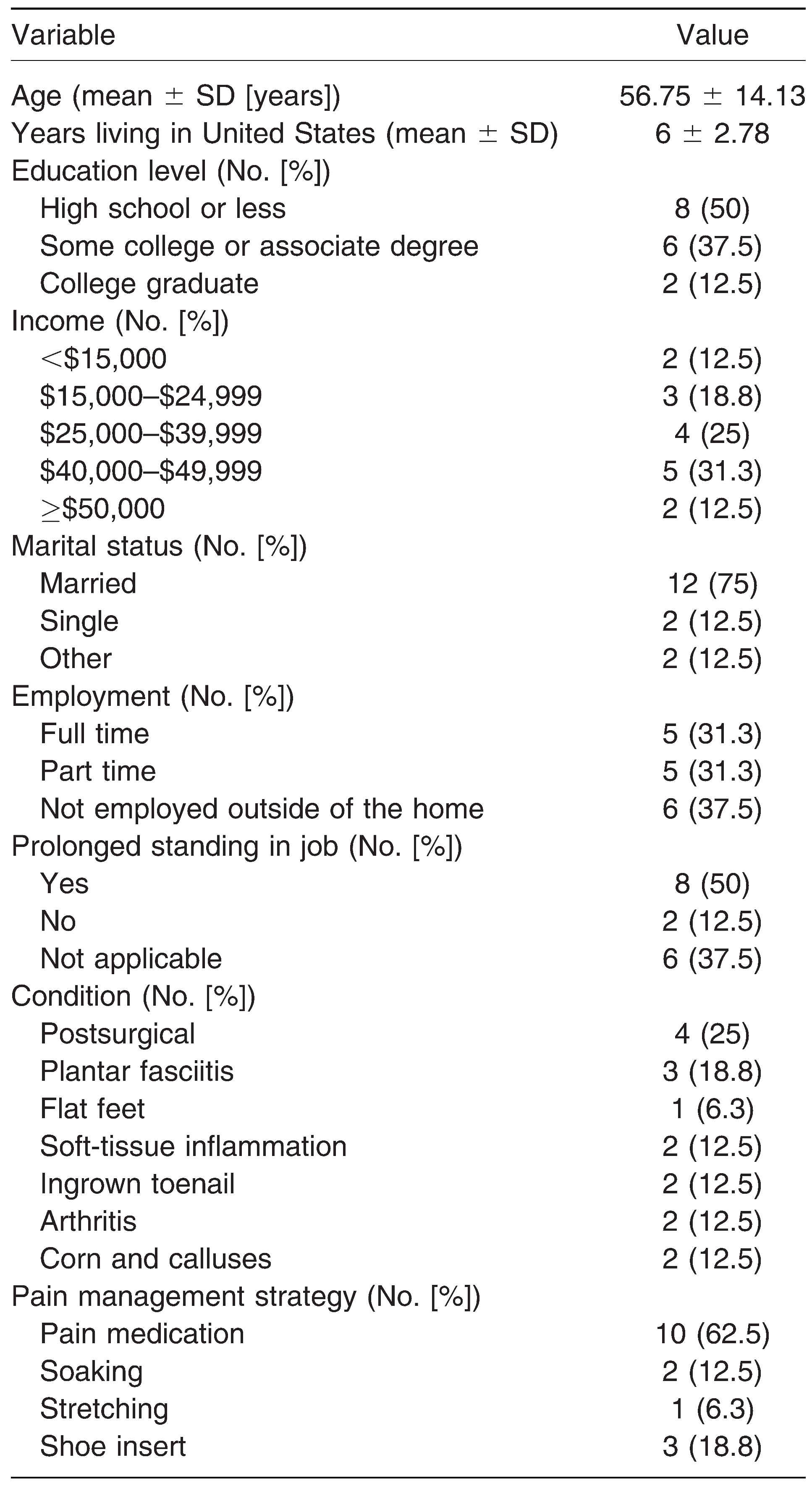
The study was conducted from June 12 to August 31, 2017, in a podiatric medical office. Sixteen Farsispeaking patients with LEP were recruited. The sample included adults aged 30 to 85 years (mean ± SD age, 56.75 ± 14.13 years). Table 2 describes the participants’ demographic data, conditions causing foot pain, and pain management strategies. Participants had foot pain caused by a variety of podiatric medical conditions, most commonly postsurgical pain (25%), followed by plantar fasciitis (18.8%) (Table 2). Each condition had its specific treatment and management regimen as prescribed by the podiatric physician. The most-used pain management strategy was pain medication (62.5%), followed by shoe inserts (18.8%) (Table 2).
Table 2.
Demographic Data and Frequency.
Association of English Proficiency and Adherence to Plan of Treatment
All of the participants received an in-person Farsi interpretation service during the podiatric medical office visit. Of the 16 participants, 12 (75%) attended the follow-up appointment, and four (25%) did not.
Association of English Proficiency and Pain Management
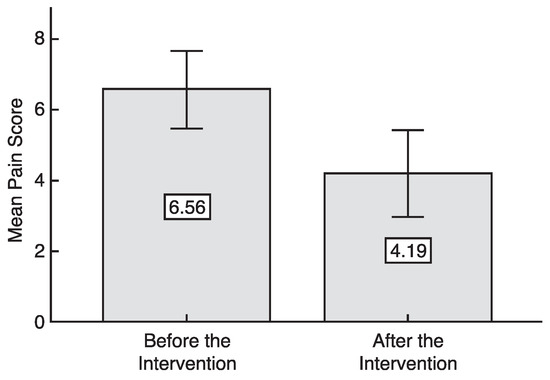
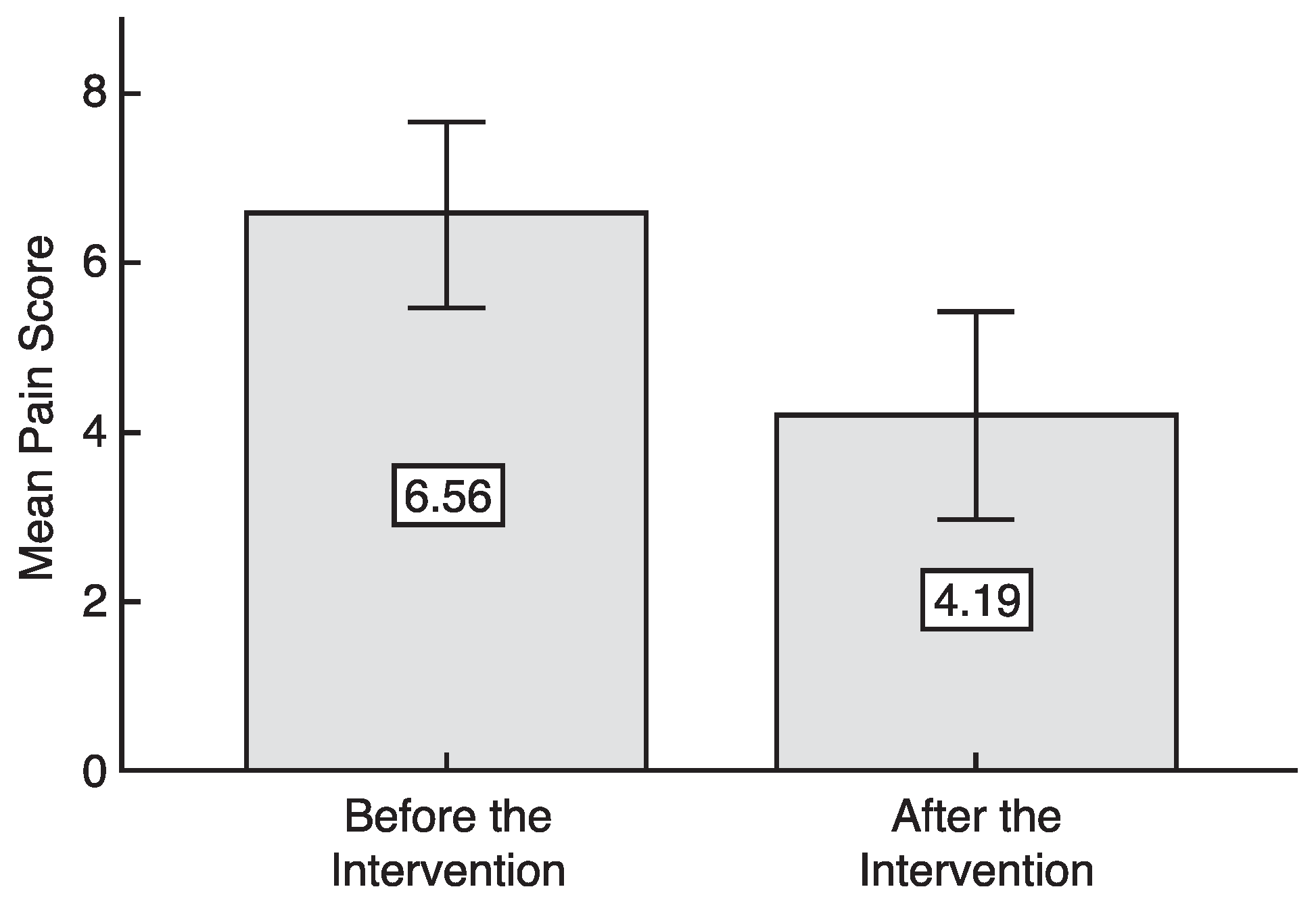
Thirteen of 16 participants rated lower levels of pain during the follow-up visit compared with their initial visit. The mean ± SD pain score was lower during the follow-up visit (4.19 ± 2.29) than at the initial visit (6.56 ± 2.03) (mean difference, 2.38; 95% CI, 1.33–3.42).
Discussion
In this quasi-experimental study, using interpreter services for the Farsi-speaking patients with LEP yielded lower levels of pain and higher levels of adherence to the plan of care. The results indicated that most of the participants attended the follow-up visit and adhered to the plan of care. The results also indicated that using interpretation services during the office visit for the Farsi-speaking patients with LEP might have contributed to the decrease in the levels of pain and improved pain management (Figure 2).
Figure 2.
Initial pain levels versus follow-up pain levels. Error bars represent 95% confidence intervals.
The outcome of this study is consistent with the hypothesis that ineffective communication and a language barrier may result in inadequate pain management and low compliance/adherence to the plan of care in patients with LEP.[14,20] The study found that providing interpreter services during the office visit lowered the pain levels and helped patients with LEP understand the pain management strategy and apply the recommendations after leaving the care facility. The findings of this study are consistent with those of the previous study in which adult patients with LEP who received interpretation services reported better pain management.[17] The study results are also consistent with those of the study by Jimenez et al,[20] which determined that more frequent use of professional interpreters is associated with more effective pain management in patients with LEP.
The adherence outcome of patients with LEP in this study is in agreement with previous research studies in which using medical interpreters increased adherence/compliance of patients with LEP to the treatment plan, which was measured by a significant increase in attending follow-up visits to continue the plan of care.[14] In addition, the higher percentage of appointment adherence is consistent with the previous study by Parker et al,[13] which revealed that using interpretation services during care for Latino diabetic patients with LEP increased the patients’ adherence level to treatment and made a significant improvement in their glycemic control.
Interpretation services could be offered through in-person, telephone, or videoconference methods. This study focused on providing interpretation for the Farsi-speaking patients with LEP through the inperson interpretation method. Different methods of communication affect the perception of patients with LEP and their overall medical encounter experience.[27] Using in-person interpretation for individuals with LEP is linked to better understanding and higher perception about the medical condition and treatments.[28] In addition, in-person interpretation has been rated as the most preferred method of communication by patients with LEP, care providers, and interpreters.[27,28]
This project was an assessment of a low-risk intervention that is required by law to be offered to patients with LEP.[29] Although there have been many previous studies regarding health disparities and the importance of language assistant services in patients with LEP, this is the first study to specifically address Farsi-speaking patients with LEP.
Limitations
The study sample size was small based on the number of the Farsi-speaking patients who visited the office. Although the patient may have been applying the treatment correctly, environmental factors such as prolonged standing may contribute to an increase in pain levels. The difference between the conditions causing foot pain and the treatment strategies could also create limitations in the study because each condition has a unique treatment plan, course of care, and recovery time.
Clinical Implications
The results of this study helped the Sutter Health organization to value the importance of using interpretation services for patients with LEP even more than before. The results also emphasized the importance of addressing the language barriers to access equal care for patients with LEP. As part of the organization’s commitment to provide equal and quality care for all patients, the organization and the podiatric medical office are now more proactive in identifying patients with LEP and offering and providing language assistance services, such as inperson or telephone interpreter services, to these patients.
Recommendations
It is beneficial to further study the effectiveness of using telephone or videoconference interpretation services for patients with LEP and to compare the effectiveness of using in-person versus telephone or virtual interpreters in outpatient office settings. There is always a need to implement more studies to identify and address the health disparities and inequalities that patients with LEP face every day due to language barriers and ineffective communication.
Conclusions
The outcomes of this study revealed the importance of using interpretation services during outpatient office visits for Farsi-speaking patients with LEP. Using professional medical interpreters during care resulted in better pain management and a higher rate of adherence to the plan of care in patients with LEP.
The results of this study may help improve adherence to a pain management plan among patients with LEP. It is also possible that the results of this study contribute to the development of improved practices for the implementation of interpreter services in ambulatory care settings.
Acknowledgments
Roya Mirmiran, DPM, for participating in creating the study and Mr. Damir Ceric for statistical analyses.
Financial Disclosure
None reported.
Conflicts of Interest
None reported.
Appendix A. Educational Outline for the Office Staff and Participants
Research Purpose and Procedure Outline:
Purpose and background of the research study:
- Identifying LEP patients
- Importance of utilization of interpreter services for LEP patients
- Benefits of providing interpreter services
- Improved pain management and treatment compliance when interpreter service is used during care
- The purpose of the study: To implement the use of interpreter services during office visits with Farsi speaking LEP patients to improve pain management and adherence with follow-up appointments
- Education on protecting the participant’s confidentiality, the content of the Experimental Subject’s Bill of Rights, and the consent form
Procedures:
- Participant recruitment
- Participant education about the purpose and procedure
- Initial visit: rating current pain level using the Wong-Baker FACES Pain Rating Scale tool
- Educating participants on how to use the Wong-Baker FACES Pain Rating Scale tool
- Intervention: providing interpreter during office visit to interpret conversation between care provider and patients with LEP
- Follow-up visit: rating pain after intervention
- Tracking patient’s attendance to the first follow-up visit as recommended by the care provider
Abbreviation: LEP, limited English proficiency.
Appendix B. Recruitment Flyer (English)
If you are a second-language Farsi-speaking patient and you have trouble understanding and speaking in the English language with your Podiatrist! Please let us know!
You may be eligible to participate in a research study for Farsi-speaking Limited English Proficient (LEP) patients.
Investigators at Merritt University are conducting a research study to learn about the effects of utilization of interpreter services among Farsispeaking podiatric patients and adherence to the pain management plan.
Research is Voluntary!
If you decide to participate:
- You will be educated about the purpose andprocedure of the study.
- We will provide you with a Farsi-speaking medical interpreter who can help you understand and communicate with your Podiatrist during your office visit.
- You will be asked to rate your pain level during the initial visit and during your first follow-up visit. If you are not able to attend your follow-up visit you will be contacted via phone to provide your pain level information.
- We will also track your follow-up appointmentat tendance using the electronic medical record.
Potential benefits if you participate in this study:
- Effective communication with your Podiatrist
- Better understanding of the treatment plan/recommendations
- Improved adherence to the treatment plan
- Improved pain level
To participate in this research study or for more information, please contact Faraneh Heydari at (925) 234-5351 or email Faraneh_H@yahoo.com.
References
- SINGLETON, K.; KRAUSE, E.M. Understanding cultural and linguistic barriers to health literacy. Online J Issues Nurs 2009, 14, 23. [Google Scholar] [CrossRef] [Scilit]
- PANNU, N.S.; HILL-MANN, A. GILL G: The effect of language on hospital inpatient length of stay. Healthc Q 2017, 20, 73. [Google Scholar] [CrossRef] [Scilit]
- SAHA, S.; FERNANDEZ, A. PREZ-STABLE E: Reducing language barriers and racial/ethical disparities in health care: an investment in our future. J Gen Intern Med 2007, 22, 371. [Google Scholar] [CrossRef] [Scilit]
- SENTELL, T.; SHUMWAY, M. SNOWDEN L: Access to mental health treatment by English language proficiency and race/ethnicity. J Gen Intern Med 2007, 22, 289. [Google Scholar] [CrossRef] [Scilit]
- BATALOVA, J. ZONG J: Limited English Proficient Individuals in the United States: Number, Share, Growth, and Linguistic Diversity; Migration Policy Institute: Washington, DC, 2015. [Google Scholar]
- US DEPARTMENT OF HEALTH AND HUMAN SERVICES: HHS Action Plan to Reduce Racial and Ethnic Health Disparities; Dept of Health and Human Services: Washington, DC, 2011.
- BASU, G.; COSTA, V.P.; JAIN, P. Clinicians’ obligations to use qualified medical interpreters when caring for patients with limited English proficiency. AMA J Ethics 2017, 19, 245. [Google Scholar] [PubMed]
- GANY, F.; LENG, J.; SAPHIRO, E. ET AL: Patient satisfaction with different interpreting methods: a randomized controlled trial. J Gen Intern Med 2007, 22, 312. [Google Scholar] [CrossRef] [Scilit]
- CALIFORNIA DEPARTMENT OF HEALTH CARE SERVICES: Nondiscrimination Policy and Language Access; California Department of Health Care Services: Sacramento, 2017.
- CHEN, A.H.; YOOUDELMAN, M.K.; BROOKS, J. The legal framework for language access in healthcare settings: Title VI and beyond. J Gen Intern Med 2007, 22, 362. [Google Scholar] [CrossRef] [Scilit] [PubMed]
- BAUER, A.M.; ALEGRíA, M. The impact of patient language proficiency and interpreter service use on the quality of psychiatric care: a systematic review. Psychiatr Serv 2010, 61, 765. [Google Scholar] [CrossRef] [Scilit]
- MORENO, G. MORALES LS: Hablamos juntos (together we speak): interpreters, provider communication, and satisfaction with care. J Gen Intern Med 2010, 25, 1282. [Google Scholar] [CrossRef] [Scilit] [PubMed]
- PARKER, M.M.; FERNANDEZ, A.; MOFFER, H.H.; et al. Association of patient-physician language concordance and glycemic control for limited English proficiency Latinos with type 2 diabetes. JAMA Intern Med 2017, 177, 380. [Google Scholar] [CrossRef] [Scilit]
- JACOBS, E.A.; LAUDERDALE, D.S.; MELTZER, D. ET AL: Impact of interpreter services on delivery of health care to limited–English-proficient patients. J Gen Intern Med 2001, 16, 488. [Google Scholar] [CrossRef] [Scilit] [PubMed]
- VANDERVOER, E.B. MELKUS GD: Linguistic services in ambulatory clinics. J Transcult Nurs 2003, 14, 358. [Google Scholar] [CrossRef] [Scilit]
- KIM, E.J.; KIM, T.; PAASCHE-ORLOW, M.K. ET AL: Disparities in hypertension associated with limited English proficiency. J Gen Intern Med 2017, 32, 632. [Google Scholar] [CrossRef] [Scilit] [PubMed]
- JIMENEZ, N.; MORENO, G.; LENG, M.; et al. Patient-reported quality of pain treatment and use of interpreters in Spanish-speaking patients hospitalized for obstetric and gynecological care. J Gen Intern Med 2012, 27, 1602. [Google Scholar] [CrossRef] [Scilit] [PubMed]
- MOSHER, C.E.; DUHAMEL, K.N.; EGERT, J. ET AL: Self-efficacy for coping with cancer in a multiethnic sample of breast cancer patients: associations with barriers to pain management and distress. Clin J Pain 2010, 26, 227. [Google Scholar] [CrossRef] [Scilit]
- SILVA, M.D.; GENOFF, M.; ZABALLA, A.; et al. Interpreting at the end of life: a systematic review of the impact of the interpreters on the delivery of palliative care services to cancer patients with limited English proficiency. J Pain Symptom Manage 2016, 51, 569. [Google Scholar] [CrossRef] [Scilit]
- JIMENEZ, N.; JACKSON, D.L.; ZHOU, C. ET AL: Postoperative pain management in children, parental English proficiency, and access to interpretation. Hosp Pediatr 2014, 4, 23. [Google Scholar] [CrossRef] [Scilit]
- ZAYAS, L.H.; CABASSA, L.J.; PERES, M.C. ET AL: Using interpreters in diagnostic research and practice: pilot results and recommendations. J Clin Psychiatry 2007, 68, 924. [Google Scholar] [CrossRef] [Scilit]
- HISTING BT: Limited English proficient patient’s use of family members and interpreters: a pilot study. honors scholar thesis, University of Connecticut, Storrs, 2013.
- SUTTER HEALTH ORGANIZATION: Interpreter Services; Sutter Health Organization: Sacramento, CA, 2016.
- US CENSUS BUREAU: 2009-2013 American Community Survey. US Census Bureau: Washington, DC, 2015.
- WONG-BAKER FACES FOUNDATION: Wong-Baker FACES Pain Rating Scale; Wong-Baker FACES Foundation: Oklahoma City, OK, 2016.
- JACOBS, E.A.; SHEPARD, D.S.; SUAYA, J.A.; et al. Overcoming language barriers in health care: costs and benefits of interpreter services. Am J Public Health 2004, 94, 866. [Google Scholar] [CrossRef] [Scilit]
- LOCATIS, C.; WILLIAMSON, D.; GOULD-KABLER, C. ET AL: Comparing in-person, video, and telephonic medical interpretation. J Gen Intern Med 2010, 25, 345. [Google Scholar] [CrossRef] [Scilit]
- LEEMANN PRICE E, PREZE-STABLE EJ, NICKLEACH D, ET AL: Interpreter perspectives of in-person, telephonic, and videoconferencing medical interpretation in clinical encounters. Patient Educ Couns J 2012, 87, 226. [CrossRef] [Scilit] [PubMed]
- OFFICE OF MINORITY HEALTH: Best Practice Recommendations for Hospital-Based Interpreter Services; Commonwealth of Massachusetts, 2013.

© 2021 American Podiatric Medical Association