


Abstract
Background: Since the implementation of highly active antiretroviral therapy (HAART), the life expectancy of patients with human immunodeficiency virus (HIV) has significantly increased. This is likely to cause changes in podiatric medical manifestations, such as plantar verrucae, in this population. Methods: Attendees at a San Francisco street fair in 2008 provided information about HIV status and the presence of verrucae via a survey. A total of 504 surveys were analyzed and compared with 1995 data, before HAART implementation. We examined if there was a statistically significant change in the increased likelihood of plantar verrucae in HIV-positive patients from 1995 to 2008. Then we examined the likelihood of HIV-positive patients (compared to HIV-negative patients) presenting with plantar verrucae in 2008, by using logistic regression, and controlling for age, sex, and race/ethnicity. Results: Patients with HIV infection were 5.2 times more likely to present with plantar verrucae compared to patients without HIV infection in 2008 (95% confidence interval, 2.5–11.0, P < .0001) and 10.0 times more likely in 1995 (95% confidence interval, 3.4–29.0, P < .0001). This decrease in likelihood over time was not statistically significantly different (P = .33). Logistic regression analysis controlling for the covariates of age, race, and sex showed that patients with HIV in 2008 were 4.5 times more likely to present with verrucae compared to patients without HIV (95% confidence interval, 2.1–9.9, P = .0002). Conclusions: Patients with HIV infection in 2008 are still significantly more likely to present with plantar verrucae after controlling for age, race, and sex. This increased likelihood has not changed significantly across time. Because HAART has increased the life expectancy of patients with HIV, this group of patients with plantar verrucae will continue to represent a significant population in the practice of podiatric medicine.
Since the first reports of acquired immunodeficiency syndrome (AIDS) caused by human immunodeficiency virus (HIV) in 1981, more than 25 million people have died of the disease, and 33 million people are living with HIV around the world [1,2]. The Centers for Disease Control and Prevention estimates that approximately 1.1 million Americans are currently living with HIV [1]. Earlier medications used to treat HIV were incapable of fully controlling viral replication. A dramatic decrease in deaths caused by AIDS occurred in 1996 when highly active antiretroviral therapy (HAART) was introduced. The treatment consists of a triple therapeutic approach usually including an HIV protease inhibitor, one or two reverse transcriptase inhibitors, and nonnuclease reverse transcriptase inhibitors. This method of treatment reduces the peripheral HIV viral load, elevates CD4+ T-cell counts, and improves the clinical outcome of symptoms and risk of opportunistic infections [3]. With the clinical advancements introduced by HAART, HIV has been transformed from a practical death sentence into a chronic disease in which the infected individual lives an average of 25 years or longer after diagnosis [4]. This increased life expectancy allows relatively minor HIV-related clinical manifestations, including podiatric medical conditions, to potentially become more prevalent. It is important that the field of podiatric medicine adapts along with the changing clinical environment and develops a better understanding of the nature of the problems associated with HIV/AIDS that are commonly present.
One of the most common podiatric medical manifestations of HIV infection is plantar verrucae [5]. Plantar verrucae, commonly known as plantar warts, are benign hyperkeratotic neoplasms caused by infection of epidermal keratinocytes in the stratum corneum and granulosum with human papillomavirus (HPV); HPV is a circular, double-stranded DNA virus enclosed in a nonenveloped protein capsid. Infection often follows trauma-induced exposure and inoculation of viral particles into the basal cell layer of the epithelium. Infection with HPV stimulates rapid proliferation of the squamous epithelium, producing the visible clinical manifestation of a verruca, commonly known as a wart [5,6,7,8].
Although more than 100 different serotypes of HPV have been identified, three types have primarily been associated with plantar warts: HPV types 1, 2, and 4. Although various factors, such as infection location, weightbearing pressure, and amount of moisture, may contribute to the appearance of plantar verrucae, the specific HPV type has been primarily associated with its clinical manifestation [5,8,9,10]. The HPV-1 usually causes deep plantar warts or myrmecia, sometimes called verruca plantaris, and may demonstrate punctate bleeding during debridement. The HPV-2 causes mosaic warts, also known as superficial spreading warts, and HPV-4 causes punctate or endophytic warts with a horny wall surrounding a central depression [5,8].
Several studies [5,11,12,13,14] suggest that patients with HIV infection present with more aggressive manifestations of plantar verrucae, with increased frequency, severity, and resistance to treatment compared with that seen in patients without HIV infection. Various studies [15,16] suggest that the implementation of HAART significantly improves the clinical manifestations of HPV infection in patients with HIV infection. Spach and Colven [15] reported resolution of recalcitrant hand warts on initiation of HAART in an individual with HIV infection without a change in therapy applied directly to the lesion. Similarly, HAART has been associated with increased regression of HPV-related cervical cytologic abnormalities in women with HIV infection [16]. On the other hand, another study [17] reported no association between HAART and clinical changes in oral warts in patients with HIV infection. With these contradicting data, it seems that the effect of HAART on HPV clinical manifestations varies depending on the type or location of the wart.
Previous work [13] showed that individuals with HIV infection had a significantly higher prevalence of plantar verrucae than did individuals without HIV infection (17% versus 2%) in 1995, before the widespread implementation of HAART. Although much research has been conducted assessing the impact and implications of HAART on HPV-related lesions in individuals with HIV infection, there is no research regarding the prevalence of plantar verrucae since the development of HAART. The specific aim of this study was to determine the current prevalence of plantar verrucae in HIV-positive versus HIV-negative individuals in the post-HAART era.
Materials and Methods
A simple questionnaire was distributed to 520 attendees at the Castro Street Fair in San Francisco, California, on October 5, 2008. The Castro Street Fair is an all-day event that takes place yearly on the first Sunday of October. The event attracts all walks of life and represents a street celebration in a district of San Francisco known for having a large population of lesbian, gay, bisexual, and transgender individuals.
Demographic information collected from the participants included age, sex, race, and sexual orientation. In addition, data collected included HIV status (positive, negative, “not sure,” or “decline to answer”), and presence of plantar warts (yes, no, or “not sure”). As an incentive, those who completed the survey were entered into a raffle to win upcoming concert tickets. Individuals who responded “not sure” to the question about the presence of plantar warts were invited to have an on-site examination by the attending podiatric physician to determine whether plantar verrucae were present.
The data collected from the questionnaires were entered into a spreadsheet program (Microsoft Excel; Microsoft Corp, Redmond, Washington) and were analyzed with Minitab (Minitab Inc, State College, Pennsylvania) and SAS version 9.1 (SAS Institute Inc, Cary, North Carolina). Participants who completed the survey incorrectly (ie, they put >1 answer per section), declined to answer, were unsure of their HIV status, or declined the physical examination when unsure of wart presence were dropped from the study. Of the 520 distributed and completed surveys, 504 were included in the analysis comparing the presence of plantar warts based on HIV status. The analysis involved the association between the presence of plantar warts and HIV status in 2008 and 1995 using χ2 analysis. The Breslow-Day test for homogeneity of odds ratios was used to examine if there was a significant change in likelihood between 1995 and 2008. A P ≤ .05 was considered to indicate statistical significance. Approval of this study protocol was obtained from Samuel Merritt University’s institutional review board.
Results
Demographics
Of the 504 participants who completed the survey, 347 (68.8%) were men, 147 (29.2%) were women, and ten reported some variant of transgender (2.0%). Regarding race/ethnicity, 304 respondents (60.3%) were Anglo/white, 72 (14.3%) were Hispanic/Latino, 20 (4.0%) were African American, 35 (6.9%) were Asian American, 37 (7.3%) were mixed race, 11 (2.2%) reported Middle Eastern descent, and 11 (2.2%) were of American Indian descent, with 14 (2.8%) reporting as “other.” Surveys were completed mostly by participants aged 18 to 55 years, with most aged 36 to 45 years (156/505, 30.9%). Table 1 includes the complete list of demographics from the surveys collected at the 2008 Castro Street Fair.
Univariate Analysis
Of the 504 participants surveyed in 2008, 63 were infected with HIV (12.5%) (Table 2>). The prevalence of plantar verrucae in patients with HIV was 20.6% (13 of 63), whereas the prevalence of plantar verrucae in patients without HIV was 4.7% (21 of 441). The unadjusted data showed that patients with HIV were 5.2 times more likely to present with plantar verrucae than those without HIV infection. This increase in likelihood was highly significant (95% confidence interval [CI] = 2.5–11.0, P < .0001) (Table 3).
Of the 395 participants in 1995, 47 were infected with HIV (11.9%) (Table 2). The prevalence of plantar verrucae was 17.0% in patients with HIV (eight of 47) and 2.0% in patients without HIV (seven of 348). The unadjusted data show that patients with HIV were 10.0 times more likely to present with plantar verrucae than were those without HIV. Once again, this increased likelihood was highly significant (95% CI = 3.4–29.0, P < .001) (Table 3).
The point estimates show a decrease in the likelihood over time of patients with HIV presenting with plantar warts from 10.0 in 1995 to 5.2 in 2008 (Table 3). Although this appears to be a large decrease in risk over time, the overlapping confidence intervals shows that this decrease in risk was not statistically significant (P = .33).
Multivariate Analysis (2008)
In 2008, most of the verrucae were observed among 36- to 45-year-olds and 46- to 55-year-olds (16 of 34 and 11 of 34, respectively). These age groups were at significantly higher risk (P = .03) (Table 4). Anglo/white participants demonstrated a 7.6% prevalence of plantar verrucae (23 of 304), and non-Anglo participants had a prevalence of 5.5% (11 of 200). In this analysis, there was no association between race/ethnicity and the prevalence of plantar verrucae (P = .49). Men were significantly more likely than women/transgender/other to present with plantar warts (8.4% versus 3.1%, P = .03). There was a significant trend between sexual preference and warts, where men who have sex with men had the highest risk (9.0%, P = .04). Table 4 shows the distribution of observed verrucae by sex, age, race/ethnicity, and sexual preference.
Multivariate Analysis
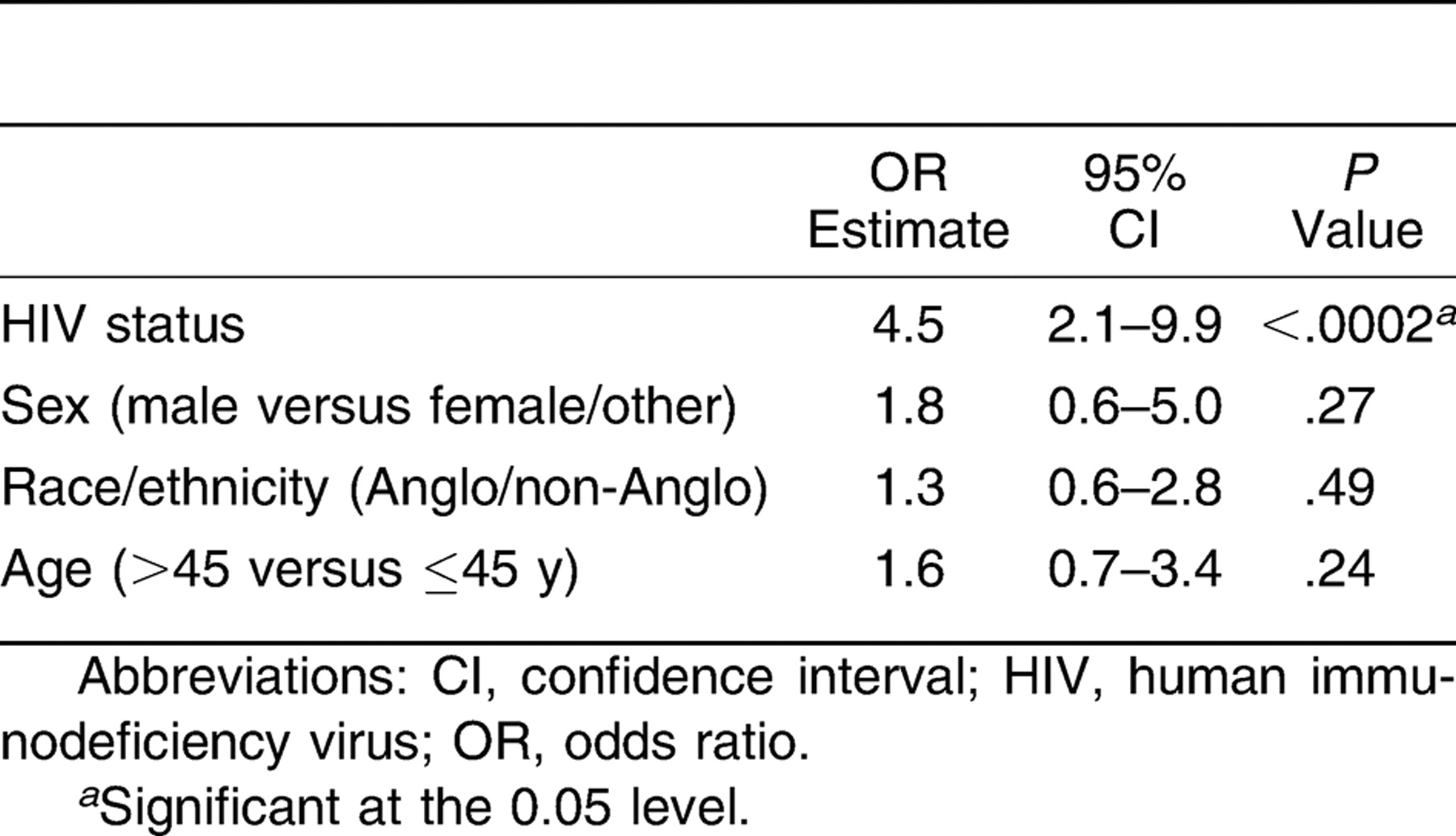
Table 5 shows the results of the logistic regression of the 2008 data, with the primary outcome as the presence of plantar verrucae and the main predictor as HIV status. The covariates used in this analysis were age (>45 versus ≤45 years), sex (male versus nonmale), and race/ethnicity (Anglo versus non-Anglo). Sexual preference was not included in the final model owing to its high collinearity with sex. After adjusting for these covariates, HIV status still had a significantly positive association with plantar warts. That is, a patient with HIV was approximately 4.4 times more likely to present with plantar warts after controlling for age, race, and sex (95% CI = 2.1–9.9, P < .0002). Conversely, once age, race, and sex were included in the model, these covariates became statistically nonsignificant (Table 5).
Discussion
Currently, it is estimated that 1.1 million Americans are living with AIDS/HIV and that approximately 37,000 new cases are diagnosed each year [1]. After the implementation of HAART and its consequential increase in the life expectancy of patients with HIV infection, it is likely that this patient population will become of greater significance to the field of podiatric medicine. It is imperative that the profession continues to educate itself on ways to appropriately clinically manage the AIDS/HIV population.
The results of this study show that in 2008, the prevalence of plantar verrucae was significantly higher in patients with HIV infection compared with those without HIV infection after adjusting for age, sex, and race/ethnicity (OR = 4.4, 95% CI = 2.1–9.9). Regardless of the increase in the life expectancy of patients with HIV infection, the current increased prevalence of plantar verrucae in patients with HIV is consistent with previous research [13] regarding the prevalence of plantar verrucae in this population before the development of HAART (Table 3). There are two possible contradicting factors that could explain these results. First, because the implementation of HAART has significantly increased the life expectancy of patients with HIV infection, one would expect that the prevalence of podiatric medical clinical manifestations such as plantar verrucae, would increase as these patients live longer. Second, one would also expect that HAART augments immune responses in these patients, which would result in a decreased prevalence of podiatric medical clinical manifestations such as plantar verrucae. If these two hypotheses are correct, they will have outcomes that counteract each other, possibly explaining why there is no significant change in the risk of presenting with verrucae from 1995 to 2008 (Table 3).
Participants were recruited at a community fair, and the data are primarily self-reported, which may lead to a self-selection bias resulting in positively biasing the data. Furthermore, an HIV test was not administered to confirm or deny one’s HIV status owing to the financial implications of such a large-scale testing. Also, the questionnaire did not inquire, for participants who were HIV positive, how long they have had the infection. Similarly, HAART can consist of a variety of combinations of different medications, and the specific medications used were neither requested nor verified. Although the attending podiatric physicians have many years of experience as clinical practitioners, definitive diagnosis of plantar verrucae requires histologic examinations, which were not conducted in this study.
There are more than 100 different types of HPV, yet types 1, 2, and 4 are most commonly associated with plantar verrucae. Recent research has confirmed atypical HPV types in plantar lesions from patients with HIV infection. Specifically, HPV-69 and HPV-66 have been identified in a plantar verrucae lesion from two separate patients with HIV infection [18,19], suggesting that it is possible that the finding of unusual HPV types causing plantar verrucae in patients with HIV infection could be more extensive than previously expected. These unusual HPV types in this patient population could present clinical manifestations of a more aggressive nature. Should this be the case, there are potential ramifications for future treatment modalities.
Ultimately, prevalence and typing studies could provide the basis for the design of evidence-based treatment modality studies. The first pilot study [20] in this area indicated that it is considerably more challenging to treat plantar verrucae in patients with HIV infection. It is essential that the findings demonstrated in this prevalence study combined with other studies that highlight the clinical challenge that HPV presents in patients with HIV infection are taken into account when designing a treatment regimen for this patient population. Recognizing, understanding, and embracing this change in the clinical picture will have tremendous implications for the field of podiatric medicine given that patients with HIV infection receiving HAART are now living decades longer and are likely to present with common podiatric medical issues such as plantar verrucae.
Table 1.
Demographic Characteristics of the 504 Participants in 2008.
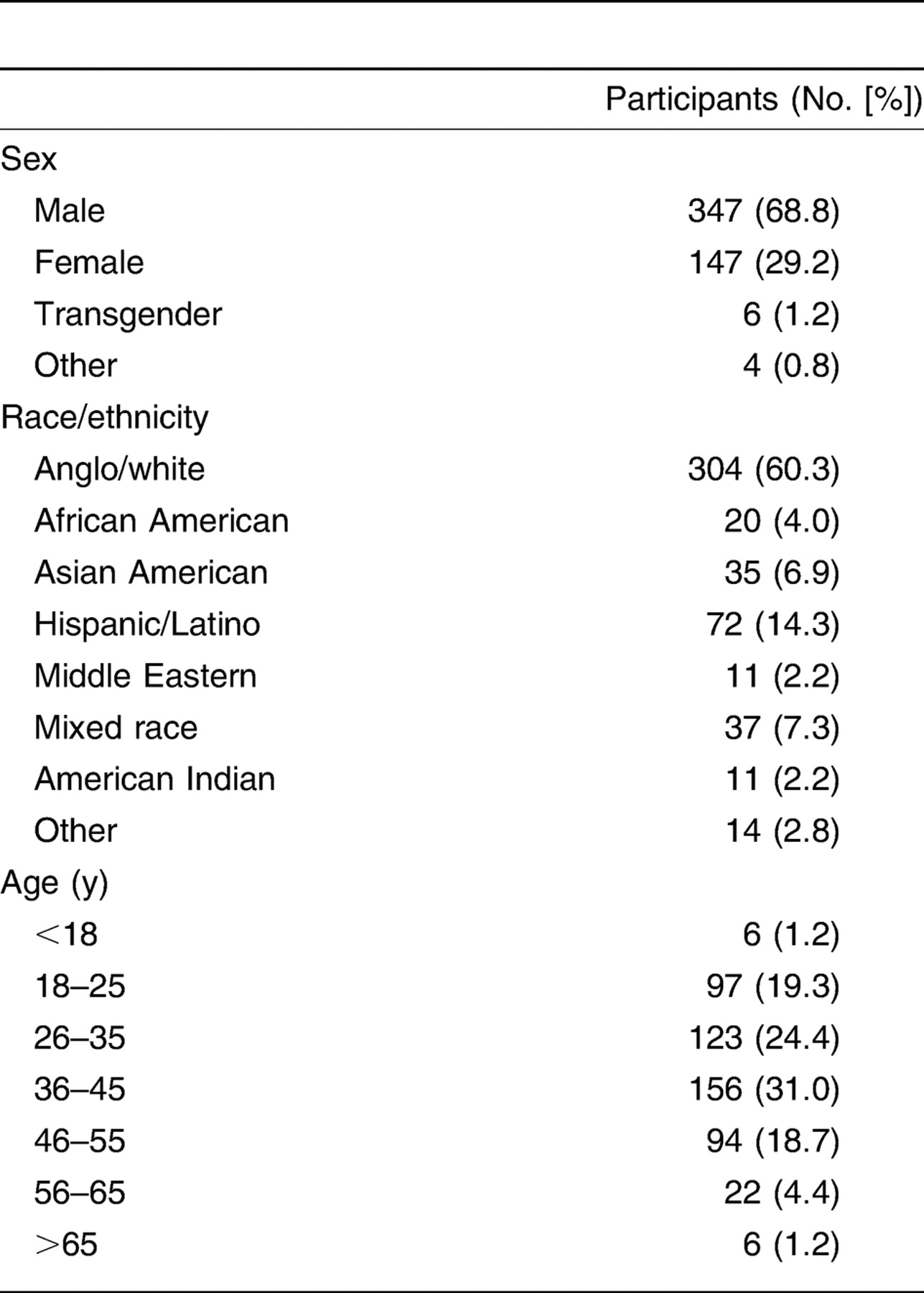
Table 2.
Plantar Verrucae Status by HIV Status: 2008 and 1995.
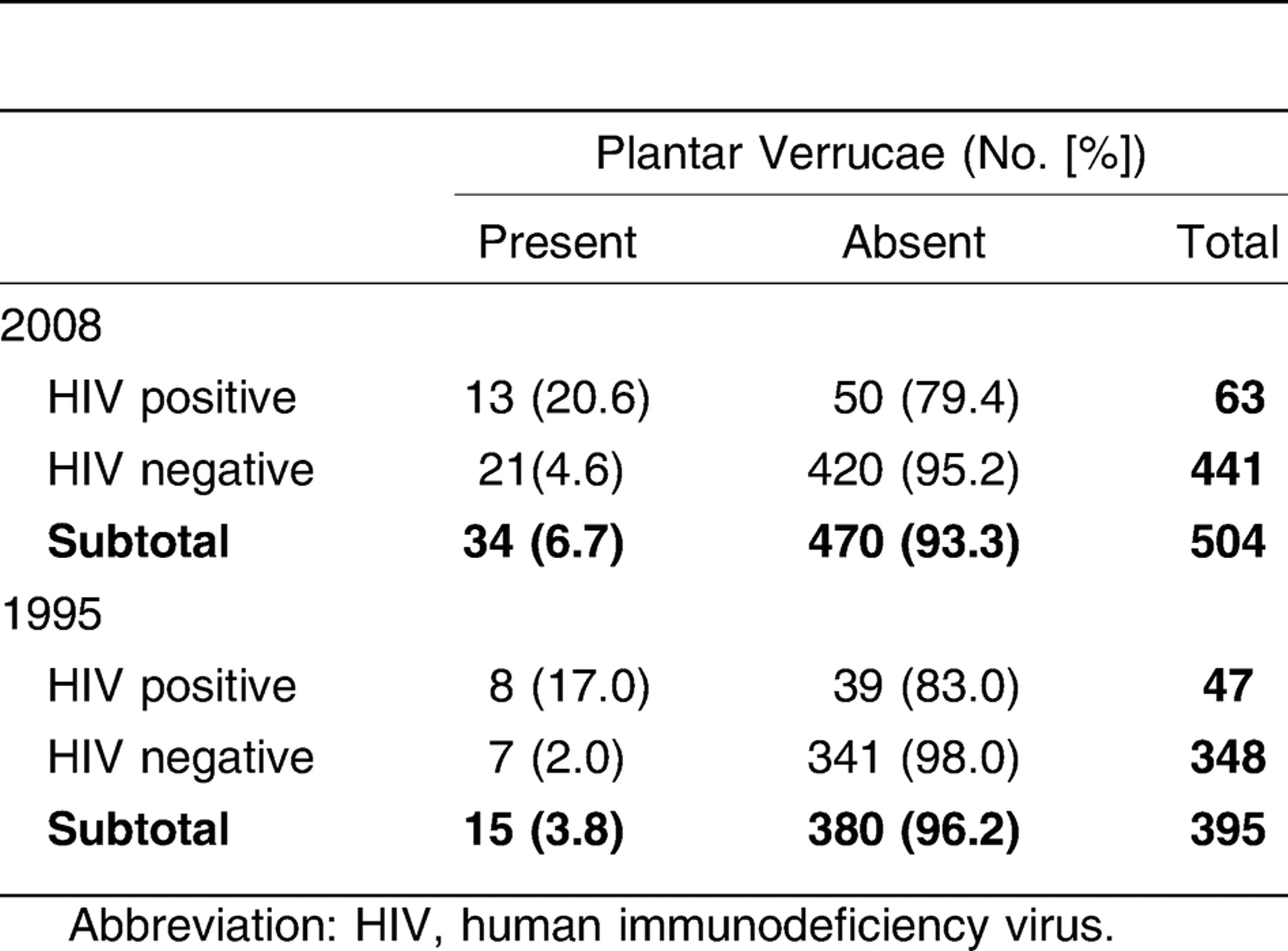
Table 3.
Plantar Verrucae Rates by HIV Status, Time.
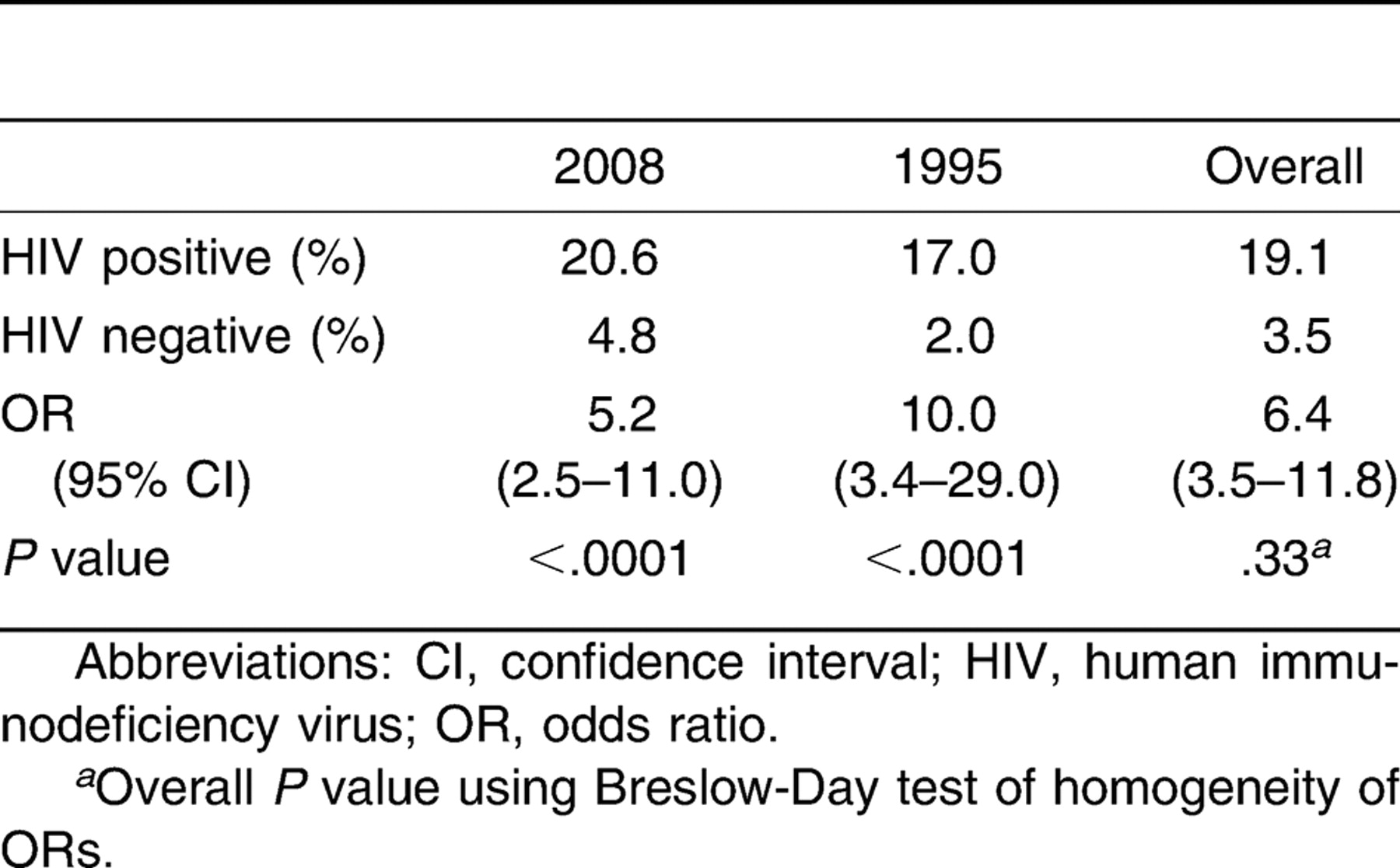
Table 4.
Presence of Verrucae by Demographics: 2008.
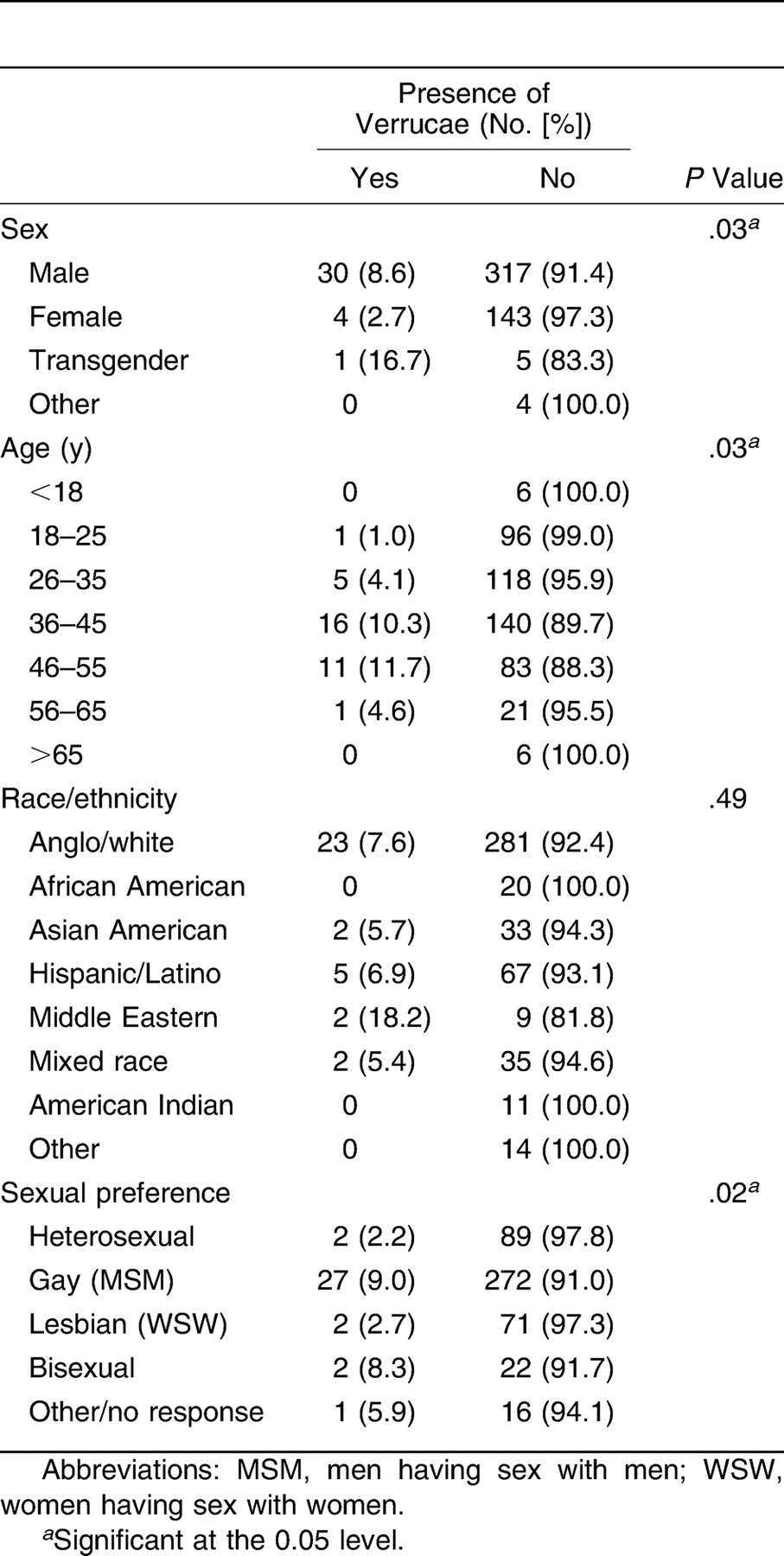
Table 5.
Logistic Regression Results: 2008 Survey Data.
Financial Disclosure
This work was supported in part by a grant from the Faculty Grant Research Program of the Office of Academic Affairs at Samuel Merritt University and by a grant from the Podiatric Medical Education Advisory Committee at the California School of Podiatric Medicine.
Acknowledgments
The volunteers during data collection at the Castro Street Fair: supervising clinicians Dr. David Tran and Dr. Eric Stamps and California School of Podiatric Medicine students Ivan Aguilera, Barrie Buey, Brooke Goodman, Satwinder Gosal, Kene Ofili, Charles Parks, Lisa Nhan, Daniel Stilwell, Maylynn Tam, Robert Toomey, and Mher Vartivarian. Also, the editorial contributions to this manuscript of Dr. Carol Gilson.
Conflict of Interest
None reported.
References
- Centers for Disease Control and Prevention. Available at: http://www.cdc.gov/hiv/topics/surveillance/basic.htm#international. Accessed May 26. ,2009. .
- World Health Organization. HIV/AIDS. Available at: http://www.who.int/topics/hiv_aids/en/. Accessed May 26. ,2009. .
- Selwyn PA, Arnold R: From fate to tragedy: the changing meanings of life, death, and AIDS. .Ann Intern Med129::899. ,1998. .
- US Department of Health and Human Services AIDS infoguidelines. Available at: http://www.aidsinfo.nih.gov/Guidelines. Accessed May 26. ,2009. .
- Barbosa P: Plantar verrucae and HIV infection. .Clin Podiatr Med Surg15::317. ,1998. .
- Fields B, Knipe D: “Papillomaviruses,” in Fields Virology, 2nd Ed, p 1651, Raven Press, New York. ,1990. .
- Brooks G, Butel J, Ornston L: “Human Cancer Viruses,” in Jawetz, Melnick, and Adelberg’s Medical Microbiology, 22nd Ed, p 511, Appleton & Lange, Norfolk, CT. ,2001. .
- Bunney M, Benton C, Cubie H: “HPV: Virology, Identification, and Typing,” in Viral Warts: Biology and Treatment, 2nd Ed, p 6, Oxford Medical Publications, Oxford. ,1992. .
- Jenkin W: “Management of Viral Infections of the Skin and Nail,” in Surgery Lecture Manual, p 14, California College of Podiatric Medicine, San Francisco. ,1994. .
- Viac J, Chomel J, Chardonnet Y, et al: Incidence of antibodies to human papillomavirus type 1 in patients with cutaneous and mucosal papillomas. .J Med Virol32::18. ,1990. .
- Soltani SK, Kenyon E, Barbosa P: Chronic and aggressive plantar verrucae in a patient with HIV. .JAPMA86::555. ,1996. .
- Meberg R, Kenyon E, Bierman R, et al: Characterization of plantar verrucae among individuals with human immunodeficiency virus. .JAPMA88::442. ,1998. .
- Kenyon E, Loveland L, Kilpatrick R, et al: Epidemiology of plantar verrucae in HIV-infected individuals [letter]. .J AIDS Hum Retrovirol16., 1998. .
- Conant MA: Immunomodulatory therapy in the management of viral infections in patients with HIV infection. .J Am Acad Dermatol40::S27. ,2000. .
- Spach DH, Colven R: Resolution of recalcitrant hand warts in an HIV-infected patient treated with potent antiretroviral therapy. .J Am Acad Dermatol40::818. ,1999. .
- Minkoff H, Ahdieh L, Massad LS, et al: The effect of highly active antiretroviral therapy on cervical cytologic changes associated with oncogenic HPV among HIV-infected women. .AIDS15::2157. ,2001. .
- Cameron JE, Mercante D, O’Brien M, et al: The impact of highly active antiretroviral therapy and immunodeficiency on human papillomavirus infection of the oral cavity of human immunodeficiency virus–seropositive adults. .Sex Transm Dis32::703. ,2005. .
- Davis MD, Gostout BS, McGovern RM, et al: Large plantar wart caused by human papillomavirus-66 and resolution by topical cidofovir therapy. .J Am Acad Dermatol43::340. ,2000. .
- Whitaker JM, Palefsky JM, Da Costa M, et al: Human papilloma virus type 69 identified in a clinically aggressive plantar verruca from an HIV-positive patient. .JAPMA99::8. ,2009. .
- Whitaker JM, Gaggero GL, Loveland L, et al: Plantar verrucae in patients with human immunodeficiency virus: clinical presentation and treatment response. .JAPMA91::79. ,2001. .
© 2011 American Podiatric Medical Association