


Abstract
Against the backdrop of the expanding digital economy, artificial intelligence, as a key technology underpinning corporate digital transformation, is increasingly influencing corporate governance practices and firms’ financial behavior. Using data from Chinese A-share listed firms from 2016 to 2024, this study applies a double machine learning approach to investigate the effect of AI on corporate accounting information quality and to identify the mechanisms underlying this relationship. The empirical results indicate that greater AI application significantly improves accounting information quality. This effect operates primarily through three channels: reducing operational risk, easing financing constraints, and mitigating agency costs. Further analysis reveals that the improvement in accounting information quality associated with AI is stronger for firms located in regions with higher levels of marketization and more developed digital infrastructure, as well as for firms facing less intense market competition. By examining accounting information quality as an important economic consequence of AI adoption, this study broadens the existing literature on the governance effects of AI and provides additional empirical evidence on the channels through which AI contributes to higher-quality accounting information. The findings also provide practical implications for policymakers seeking to improve the implementation of the “AI Plus” initiative and for firms pursuing digital transformation alongside improvements in intelligent governance.
1. Introduction
The ongoing technological revolution and industrial transformation have accelerated the development and application of artificial intelligence (AI), making it one of the most influential emerging digital technologies in contemporary business. Its increasing integration into corporate activities is changing how firms organize production, conduct management, and implement governance. At the national policy level, China has incorporated the “AI Plus” initiative into its broader strategy for cultivating new quality productive forces and advancing high-quality economic development. In August 2025, the State Council issued the Opinions on Deeply Implementing the “AI Plus” Initiative, calling for deeper integration of AI into economic and social activities and emphasizing the development of new forms of production, organization, and social interaction based on human–machine collaboration and cross-sector integration. Against this policy background, the role of AI has gradually extended beyond improving operational efficiency to supporting the modernization of governance systems and institutional capabilities. Examining the governance consequences of corporate AI application is therefore increasingly important for understanding firms’ digital and intelligent transformation.
At the firm level, the influence of AI extends well beyond improvements in individual operational activities and increasingly involves the restructuring of business processes and organizational systems. The integration of AI into research and development, production, supply-chain management, and other operating activities allows firms to rely more heavily on data-driven analysis rather than experience-based judgment and to move from reactive management toward more predictive decision-making. Such changes can improve resource allocation and enhance organizational resilience (Song et al., 2024). At the same time, AI adoption may lead firms to reorganize internal processes, adjust organizational structures, and redesign governance arrangements, thereby supporting the transformation of traditional business models and the emergence of more intelligent forms of organization. These changes provide new technological support for improvements in corporate quality, efficiency, and growth dynamics. Importantly, such AI-driven organizational and governance transformations also extend to corporate accounting information systems, where intelligent technologies can reshape the generation, processing, and disclosure of accounting information.
From the perspective of accounting information systems theory, accounting can be regarded as an information system through which economic information is collected, processed, and communicated to users, with the provision of high-quality accounting information representing one of its fundamental objectives. Accounting information quality requirements are therefore intended to ensure that financial information remains useful for investors and other stakeholders in economic decision-making. In July 2024, the Ministry of Finance issued the Accounting Informatization Work Standards, emphasizing the standardization of accounting activities under the digital economy, the development of accounting informatization, and the improvement of accounting information quality. Reliable accounting information can alleviate information asymmetry, restrict managerial opportunism, and facilitate more effective investment decisions. Previous research indicates that accounting information quality is jointly affected by external supervision and internal governance mechanisms. However, the growing complexity of firms’ operating environments and the increasing digitalization of business processes have substantially increased both the volume and complexity of information processed by corporate accounting systems. Under such conditions, traditional accounting practices that depend heavily on manual judgment and ex post verification may become less capable of satisfying the requirements of timely, reliable, and high-quality financial reporting. Emerging technologies may therefore provide an important means of improving the information-processing capabilities of accounting systems.
Prior research shows that digital transformation can improve corporate accounting information quality by optimizing internal governance, restraining earnings management, and improving the information environment (Luo & Wu, 2021; Fang et al., 2024; Y. Zhang & Bu, 2023). Unlike general digital transformation, AI places greater emphasis on embedding algorithmic learning and intelligent analytics into specific business processes, thereby exerting more direct and refined governance effects in data processing, risk identification, and decision support. With the widespread adoption of AI, its technological advantages in big data analytics, intelligent recognition, and automated processing enable it to become deeply embedded in firms’ business processes and accounting systems. This can strengthen the standardization and traceability of financial data, compress managerial discretion, and enhance corporate information transparency, thereby potentially affecting accounting information quality. In this context, whether and how AI improves accounting information quality by reshaping the information production mechanism of accounting systems, improving the information processing environment, and mitigating agency conflicts in information disclosure becomes an issue of important theoretical and practical significance.
China provides an appropriate setting in which to examine this question because of its rapid development of digital infrastructure, extensive application of AI technologies, and broad range of industrial scenarios in which AI is being adopted (H. Jiang & Murmann, 2022). Chinese A-share listed companies cover a wide range of industries and have increasingly participated in digital and intelligent transformation, offering rich firm-level variation for examining the economic consequences of AI adoption (Q. Wu et al., 2025; Hilb, 2020). Using data from Chinese A-share listed firms over the period 2016–2024, this study applies a double machine learning (DML) approach to investigate the effect of AI on corporate accounting information quality and the mechanisms underlying this relationship. Compared with conventional two-way fixed-effects (TWFE) models, which generally require researchers to specify the functional relationships between observed covariates and the outcome variable in advance, DML is better suited to our research setting because accounting information quality is jointly influenced by multiple firm characteristics whose effects may be nonlinear and interact with one another. By flexibly estimating these nuisance relationships while retaining firm and year fixed effects in the control set, DML reduces sensitivity to functional-form misspecification; its orthogonalization and cross-fitting procedures further mitigate nuisance-estimation bias and enable more reliable inference on the effect of AI (Chernozhukov et al., 2018). The empirical findings indicate that AI significantly improves accounting information quality. Mechanism analyses further show that this effect is associated with lower operational risk, alleviated financing constraints, and reduced agency costs. Moreover, the effect is stronger among firms located in regions with higher levels of marketization and better digital infrastructure and among firms operating under less intense market competition.
Although existing research has begun to explore the relationship between AI and accounting information quality. Monteiro et al. (2023) find that the intensity of AI adoption can significantly enhance the quality of accounting information systems. Their study provides useful theoretical inspiration and empirical evidence for understanding how AI empowers accounting information quality and lays a solid literature foundation for this study. It should be noted, however, that Monteiro et al. (2023) mainly rely on questionnaire survey data, and the authors themselves acknowledge that their sample is characterized by convenience sampling and non-probability sampling. Therefore, there remains room to further extend their conclusions in terms of sample representativeness and external validity. This study makes three main contributions.
First, this study extends the literature on the economic benefits of AI by focusing specifically on corporate accounting information quality. Prior studies have largely examined AI from the perspectives of risk governance (Papagiannidis et al., 2025; Drydakis, 2022), sustainable governance (Babina et al., 2024; Lai, 2025), and corporate strategy (Raisch & Krakowski, 2021; Csaszar et al., 2024), while paying relatively limited attention to accounting information quality as an outcome of internal governance. By examining the relationship between AI application and accounting information quality, this study provides additional evidence on how intelligent technologies influence firms’ accounting systems and expands understanding of the governance-related economic consequences of AI. The use of a large sample of Chinese listed companies also provides broader firm-level evidence for assessing this relationship.
Second, this study contributes to the literature on the determinants of accounting information quality by introducing AI into an accounting information systems framework. Rather than treating AI merely as a general digital technology, this study examines how AI may affect the generation, processing, and disclosure of accounting information. Existing research has examined accounting information quality from the perspectives of external market supervision and regulatory institutions (Bushee et al., 2010; Christensen et al., 2019; Yu et al., 2025), as well as micro-level technological progress (Z. Li et al., 2025; Lem, 2024) and strategic behavior (H. Wu et al., 2025). However, evidence concerning the specific role of AI in shaping accounting information quality remains relatively limited. This study therefore provides a more focused examination of AI and further identifies operational risk, financing constraints, and agency costs as three mechanisms through which AI may affect accounting information quality. In this way, the study connects the technological characteristics of AI with different stages of the accounting information process.
Third, this study provides large-sample firm-level evidence on the relationship between AI and accounting information quality using Chinese A-share listed companies. The double machine learning approach is employed as an empirical identification strategy to flexibly account for high-dimensional and nonlinear relationships among covariates and to enhance the reliability of statistical inference. In addition, the heterogeneity analysis identifies the institutional and technological conditions under which the governance effects of AI are more pronounced, providing practical implications for firms’ intelligent transformation and the implementation of “AI+” policies.
2. Literature Review
2.1. The Impact of AI on Firms’ High-Quality Development
AI has become an important technological force in the current wave of technological progress and industrial transformation, with growing implications for corporate governance, strategic decision-making, and sustainable development. As research on AI has evolved, scholarly attention has gradually shifted from macroeconomic effects toward firm-level governance behaviors and outcomes. Existing studies suggest that AI can strengthen corporate governance by improving firms’ capacity to process information, enhancing monitoring and control, and supporting more effective decision-making (Enholm et al., 2021; Raisch & Krakowski, 2021). In the areas of internal governance and information quality, AI may improve the efficiency of boards and managers while also changing how firms conduct supervision, control, and accountability. This promotes a transition from governance based largely on managerial experience toward more data-oriented governance practices (Hilb, 2020; Papagiannidis et al., 2025). Li finds that AI adoption can improve managerial efficiency and strengthen accounting information quality in information processing, thereby generating governance effects, effectively restraining managerial opportunism, and reducing the likelihood of financial restatements (J. Li, 2026). From the perspective of risk governance, AI helps enhance firms’ dynamic capabilities and reduce operational risk through data analytics, cash flow forecasting, and business process optimization (Drydakis, 2022). Regarding corporate governance outcomes, AI adoption not only improves firms’ ESG performance but also promotes higher levels of sustainable governance by facilitating green innovation and strengthening accounting information (Babina et al., 2024). In addition, AI significantly enhances stakeholder trust by improving information transparency and governance credibility (Lai, 2025). Nevertheless, the governance consequences of AI are not necessarily uniformly positive. Some studies argue that investments associated with intelligent transformation may increase firms’ expenditure burdens and financing pressure, which can reduce strategic aggressiveness under certain conditions (Raisch & Krakowski, 2021; Csaszar et al., 2024). These findings suggest that the governance effects of AI depend importantly on firms’ organizational and external environments.
2.2. Determinants of Accounting Information Quality
Accounting information quality reflects the extent to which reported financial information reliably represents firms’ underlying economic activities. Accrual accounting requires managers to exercise judgment in the recognition, measurement, and timing of revenues and expenses, and excessive managerial discretion over accruals may therefore cause reported earnings to deviate from firms’ underlying economic performance. Accordingly, greater discretionary accruals indicate greater scope for earnings manipulation, lower reliability and transparency of reported accounting information, and greater information asymmetry between managers and external users. For this reason, accrual-based earnings management, particularly the absolute value of discretionary accruals, has been widely used as an inverse proxy for accounting information quality or financial reporting quality in the accounting and finance literature (Lee & Masulis, 2009; Jung et al., 2014; McNichols & Stubben, 2015; Xu et al., 2025).
The methodological foundation of this approach is well established. Jones (1991) developed an influential accrual-based framework for estimating discretionary accruals, while Dechow and Dichev (2002) systematically evaluated alternative accrual models and proposed the modified Jones model, which improves the identification of discretionary accruals by accounting for potential manipulation of credit sales. Kothari et al. (2005) subsequently highlighted the importance of controlling for firm performance in the estimation of discretionary accruals. Consistent with this literature, higher absolute discretionary accruals reflect greater managerial discretion and earnings management and therefore imply lower accounting information quality. This measurement approach has subsequently been employed in studies examining the consequences of accounting information quality in equity financing, corporate investment, mergers and acquisitions, and corporate innovation (Lee & Masulis, 2009; Jung et al., 2014; McNichols & Stubben, 2015; Xu et al., 2025).
From the perspective of firms’ external environment, external public opinion and market monitoring can also affect accounting information quality. Evidence suggests that after heavily polluting firms conduct green mergers and acquisitions under media pressure, their accounting information quality may decline, indicating that external monitoring may, under certain conditions, induce firms to adopt strategic responses that reduce information transparency (Bushee et al., 2010) Institutional regulation and market supervision are also important exogenous factors influencing accounting information quality. Formal regulatory systems constrain corporate accounting behavior by increasing the cost of violations and enhancing information transparency. Based on securities regulatory reforms in the European Union, securities regulation aimed at improving transparency and reducing market abuse can enhance capital market liquidity, and its effectiveness depends on the strength of regulatory enforcement across countries (Christensen et al., 2019). Cross-border regulatory cooperation and stronger enforcement can reduce the incentives for earnings manipulation among Chinese firms cross-listed in the United States, thereby improving financial reporting quality (Yu et al., 2025).
From the perspective of firms’ internal behavior and governance mechanisms, technological development and application, strategic decision-making, and governance structures are important endogenous factors affecting accounting information quality. Regarding technological progress, firms’ digital transformation significantly improves accounting information quality by strengthening internal digital technology capabilities, mitigating earnings management, and minimizing information asymmetry (Z. Li et al., 2025). From the perspective of corporate data analytics, firms’ investment in data analytics significantly improves internal information quality, which is further reflected in higher operational efficiency and more accurate managerial forecasts (Lem, 2024). At the level of strategic behavior, corporate mergers and acquisitions and organizational change can have profound effects on accounting information quality. Market-oriented reforms of the merger and acquisition restructuring system significantly improve corporate accounting information quality by enhancing resource allocation efficiency and the governance environment, suggesting that institutionalized and standardized merger and acquisition activities help reduce the scope for earnings manipulation (H. Wu et al., 2025). Internal governance conditions further determine whether technological improvements can be effectively translated into higher-quality information. From the perspective of financial sharing, financial sharing generally improves accounting information quality through process standardization and information centralization; however, its governance effect is significant only in firms with less severe agency problems, revealing that the internal governance environment is an important constraint on the governance effects of information technology (J. Zhang, 2024). In addition, material weaknesses in information technology internal control may lead to financial misstatements and inefficient financial decision-making, indicating that whether digitalized processes can effectively improve accounting information quality still depends on the soundness of firms’ information system controls and internal governance environment (Mojtahedi & Zhou, 2024).
2.3. Summary and Research Gap
The existing literature provides a substantial foundation in two closely related areas: the economic consequences of AI and the determinants of accounting information quality. Research on AI has examined its influence on governance efficiency, strategic decision-making, risk management, ESG performance, and sustainable development. These studies generally indicate that AI can create governance value by improving information-processing capacity, supporting managerial decisions, and strengthening supervision and control. However, much of this literature focuses on broad outcomes such as firm performance, strategic behavior, and general governance effectiveness. Comparatively less attention has been paid to the ways in which AI becomes embedded in firms’ financial reporting systems and accounting information processes, and to how such technological integration ultimately influences accounting information quality.
Research on accounting information quality, by contrast, has mainly focused on external regulation, market monitoring, governance structures, strategic behavior, and digital transformation. Existing evidence shows that securities regulation, cross-border enforcement, media scrutiny, market-oriented reforms, and financial sharing arrangements can affect accounting information quality by changing firms’ information environments and governance constraints. With the continued expansion of the digital economy, scholars have also begun to examine the role of digital transformation, data analytics, and information system controls. This literature suggests that digital technologies can improve financial reporting by reducing information asymmetry, improving internal information quality, and strengthening process control. Nevertheless, most studies treat digital technologies in relatively broad terms and do not clearly distinguish AI from general digital transformation. Compared with conventional digital technologies, AI has stronger capabilities in data learning, automated analysis, intelligent decision support, and real-time monitoring. These characteristics may allow AI to exert more direct effects on operational risk identification, financing-related information processing, and the governance of agency conflicts. Whether these distinctive characteristics translate into higher accounting information quality therefore requires further examination.
A further limitation is that the mechanisms linking AI to accounting information quality have not yet been fully integrated within a unified theoretical framework. Previous studies have discussed internal control, information transparency, and agency costs as possible channels through which digital technologies affect financial reporting quality, but the specific pathways associated with AI remain insufficiently clarified. From the perspective of accounting information systems theory, accounting information quality is formed through a sequence of activities involving information generation, information processing, and information disclosure. Based on this framework, the present study examines operational risk, financing constraints, and agency costs as three mechanisms through which AI may influence accounting information quality. Using a large sample of Chinese A-share listed firms, the study further evaluates whether these effects vary across different institutional and technological environments. In this way, it seeks to provide additional evidence on both the mechanisms and the boundary conditions under which AI contributes to improvements in accounting information quality.
3. Theoretical Framework and Hypothesis Development
3.1. AI and Corporate Accounting Information Quality
AI, by leveraging technological advantages such as big data mining, machine learning, and intelligent decision-making, provides important technological support for improving corporate accounting information quality. First, in the stages of information generation and disclosure, AI improves the accuracy and timeliness of financial data processing through data integration, anomaly detection, and automated verification mechanisms, thereby reducing the scope for human manipulation and curbing earnings management. Moreover, the embedding of AI helps strengthen firms’ internal control and financial supervision mechanisms, compresses the room for managerial opportunism, and lowers the likelihood of financial restatements (Yang & Zhou, 2025), thereby enhancing the reliability and robustness of accounting information. Second, in terms of the information environment and external monitoring, AI improves information transparency and data traceability, strengthening the ability of external investors, analysts, and regulators to identify firms’ operating conditions. Related studies show that improvements in the information environment can reduce agency costs and inhibit financial manipulation (Obeng et al., 2020). By building intelligent analytical systems and real-time monitoring platforms, AI makes corporate financial information more verifiable and interpretable, thereby reinforcing market monitoring effects and improving the quality of financial reporting. Third, from the perspective of organization and resource allocation, AI adoption is often accompanied by business process reengineering and governance structure optimization. By promoting cross-departmental information sharing and business coordination, AI facilitates the deep integration of financial, operational, and managerial data, forming a data-driven governance model and institutionally enhancing the authenticity and consistency of financial information. Therefore, AI technologies provide important support for improving corporate accounting information quality. Accordingly, this study proposes the following hypothesis:
Hypothesis 1.
AI application significantly improves corporate accounting information quality.
3.2. Mechanisms Linking AI to Accounting Information Quality
Accounting information systems theory views accounting information as the outcome of a continuous process involving information generation, information processing, and information output and disclosure. These stages provide a useful framework for identifying the channels through which AI may influence accounting information quality. Operational risk is primarily associated with the information-generation stage because operating uncertainty affects the stability, completeness, and reliability of the underlying transactions and business data recorded by the accounting system. Financing constraints are more directly related to the information-processing stage because financing pressure can influence managerial choices in accounting recognition, measurement, estimation, and reporting. Agency costs are particularly relevant to the information-output and disclosure stage because information asymmetry and conflicts of interest shape managers’ incentives to disclose, conceal, or manipulate information provided to external stakeholders. Although these mechanisms may affect more than one stage of the accounting information system, the above classification reflects their primary theoretical channels. Accordingly, this study examines how AI improves accounting information quality through operational risk, financing constraints, and agency costs.
3.2.1. Operational Risk Mechanism
Operational risk is an important external constraint affecting firms’ financial reporting behavior and information quality. Rising operational risk not only reduces economic efficiency but also triggers a series of problems, such as job losses and economic downturns (Y. Li et al., 2020). Meanwhile, greater environmental uncertainty and operational risk significantly increase managers’ incentives to engage in earnings management to smooth performance fluctuations, thereby reducing accounting information quality (Chauhan & Jaiswall, 2023). From the perspective of accounting information systems theory, operational risk is primarily linked to the information-generation stage because accounting information originates from firms’ underlying economic activities and transaction data. Greater operating uncertainty can increase the volatility and complexity of these source data and make their timely and reliable identification and recording more difficult (Boulhaga et al., 2022). Therefore, if firms can effectively reduce operating risk, this will help restrain earnings management and enhance the authenticity and reliability of accounting information.
AI can weaken this source of reporting pressure by improving firms’ ability to anticipate and respond to changes in operating conditions. The continuous processing of supply-chain, market, and financial information enables abnormal developments to be identified earlier, while forecasting tools can improve planning for costs, cash flows, and resource allocation. These capabilities reduce the likelihood that information delays or judgment errors translate into large fluctuations in operating outcomes. A more stable operating environment has two implications for financial reporting. First, managers face less pressure to smooth short-term performance through discretionary accounting choices. Second, investors and creditors can form more stable expectations about firms’ future operations, reducing the perceived need for firms to present artificially stable accounting outcomes. Accordingly, lower operational risk constitutes one pathway through which AI may contribute to higher accounting information quality.
Hypothesis 2.
AI improves corporate accounting information quality by reducing firms’ operational risk.
3.2.2. Financing Constraint Mechanism
Financing pressure can influence accounting information at the stage where economic transactions are converted into reported accounting numbers. Recognition, measurement, and estimation often require managerial judgment, and the incentives surrounding those judgments become stronger when firms need to satisfy financing requirements, maintain creditworthiness, or meet expectations in external capital markets (Banerjee, 2025; Y. Zhang et al., 2020). From the perspective of accounting information systems theory, financing constraints are primarily associated with the information-processing stage, during which underlying business transactions are transformed into accounting information through recognition, measurement, classification, estimation, and reporting. Financing pressure can strengthen managers’ incentives to exercise discretion over these accounting treatments in order to satisfy debt covenants, obtain external financing, or meet capital market expectations. For example, managers may adjust accounting estimates, accrual recognition, or expense capitalization during the processing of accounting information. Such discretionary choices can impair the neutrality and reliability of reported information. Therefore, alleviating financing constraints reduces the incentive to distort accounting information during the processing stage and contributes to higher accounting information quality.
AI may alleviate financing constraints by improving firms’ information environment and strengthening the ability of external capital providers to assess corporate conditions. Through data analytics and intelligent risk-assessment tools, AI can improve the transparency, consistency, and verifiability of corporate information. Better information allows banks, investors, and other capital providers to evaluate operating conditions and credit risk more accurately, thereby reducing information asymmetry and potentially lowering financing costs. AI may also alleviate financing pressure through internal financial management. When intelligent forecasting and risk-control systems are incorporated into corporate financial processes, firms can identify cash-flow risks and operating problems earlier and respond more effectively to changes in financing needs. Improved internal risk management reduces uncertainty surrounding future cash flows and can strengthen firms’ financial flexibility. As financing constraints are reduced, managers have less need to rely on earnings management to satisfy debt covenants, attract external funding, or meet capital-market expectations. Consequently, the incentive to distort accounting information during the information-processing stage is weakened, contributing to more reliable financial reporting. Accordingly, this study proposes:
Hypothesis 3.
AI improves corporate accounting information quality by alleviating firms’ financing constraints.
3.2.3. Agency Cost Mechanism
Agency problems arise because managers and controlling shareholders typically possess information that is unavailable to outside investors and creditors. This information advantage creates opportunities to conceal inefficient decisions, private-benefit extraction, or contractual pressures through financial reporting choices (L. Wu & Ge, 2025). From the perspective of accounting information systems theory, agency costs are particularly relevant to the information-output and disclosure stage because this stage determines what information is ultimately communicated to external investors, creditors, and regulators. When agency conflicts are severe, managers possessing superior private information have stronger incentives to selectively disclose, conceal, or manipulate reported information in order to obscure resource appropriation, investment failures, or contractual pressures. Consequently, higher agency costs can weaken the completeness, transparency, and reliability of accounting information available to external users.
AI can mitigate agency conflicts and reduce agency costs through data integration, intelligent analytics, and real-time monitoring. First, AI can break down departmental barriers and realize the deep integration of financial and operational data. Through anomaly detection and intelligent early warning systems, it strengthens process-based monitoring of managerial decision-making behavior, reduces the room for information manipulation, and compresses equity agency costs at the source. Second, at the level of debt contracts, AI improves firms’ risk identification and cash flow forecasting capabilities, enhances the transparency of debt repayment capacity assessment, and reduces creditors’ concerns about managerial opportunism, thereby alleviating debt agency conflicts. Third, with the support of blockchain, intelligent auditing, and data traceability technologies, AI improves the transparency of fund flows and related-party transactions, reduces the occupation of corporate funds and tunneling by controlling shareholders, and restrains control-right agency costs. When agency costs decline, managers’ incentives to conceal agency conflicts through earnings management weaken accordingly. As firms use AI technologies to strengthen monitoring mechanisms, improve the information environment, and reduce agency costs, their earnings management behavior is restrained, and the authenticity, completeness, and robustness of accounting information are enhanced. AI can therefore improve accounting information quality by reducing agency conflicts and reinforcing governance constraints.
Hypothesis 4.
AI improves corporate accounting information quality by reducing agency costs.
Figure 1 summarizes the theoretical framework and the proposed mechanisms examined in this study.
Figure 1.
Mechanism Analysis Framework.
4. Sample Selection and Research Design
4.1. Data Sources
We construct a firm-year panel of Chinese A-share listed companies covering 2016–2024. Firm-level financial, governance, and technological information is compiled from CSMAR, CNRDS, and Wind. The raw sample is cleaned by excluding ST and ST firms and observations for which variables required in the empirical analysis cannot be constructed. Continuous variables are winsorized at the 1st and 99th percentiles. The resulting sample contains 11,805 firm-year observations.
4.2. Variable Definitions
4.2.1. Dependent Variable
Accounting information quality is proxied inversely by the absolute value of discretionary accruals (Dechow & Dichev, 2002; Kothari et al., 2005; Fang et al., 2024). Discretionary accruals isolate the component of total accruals unexplained by firms’ normal operating activities; larger absolute values therefore correspond to greater accrual-based earnings management and poorer reporting quality. They are estimated from the modified Jones specification:
where TA denotes total accruals, calculated as net income minus cash flow from operating activities. and denote changes in operating revenue and accounts receivable, respectively. Asset represents total assets, and denotes net fixed assets. The model is estimated by year and industry to obtain , which are then substituted into the following equation:
where denotes the discretionary component of accruals, namely accrual-based earnings management.
4.2.2. Independent Variable
AI is measured from firm-level patent records. Patent applications are classified as AI-related when relevant technical terms appear in their titles, abstracts, or keywords. The annual number of qualifying applications is counted for each listed company and transformed as:
Following Wang et al. (2024), the resulting variable is used to represent firm-level AI intensity. Because the indicator is built from technology-specific patent information, it captures AI-related technological activity more directly than broad measures of corporate digitalization (Babina et al., 2024; Giczy et al., 2022; Xue & Jin, 2025).
4.2.3. Mediating Variables
The mechanism analysis considers three intermediate outcomes.
Operational risk. Risk captures operational uncertainty and is constructed from the volatility of profitability during the four years preceding year t, following Wang et al. (2017). Larger values denote greater instability in operating performance.
Financing constraints. Financing conditions are represented by the SA index:
where Size denotes the natural logarithm of total assets and Age measures years since establishment. Lower values of the index indicate more restrictive financing conditions. Compared with the KZ index, the SA index does not rely on firms’ current financial decision outcomes and can better reflect structurally constrained financing conditions, thereby exhibiting stronger exogeneity.
Agency costs. It is based on the management expense ratio following Chen et al. (2022), with smaller values corresponding to lower managerial agency costs.
4.2.4. Control Variables
The empirical specifications account for seven firm characteristics: listing age (Age), return on assets (ROA), financial leverage (Lev), cash ratio (Cash), board size (Board), independent director ratio (Indep), and equity balance degree (EBD). Their construction is reported in Appendix A Table A1.
4.3. Model Specification
Because corporate accounting systems are complex systems, accounting information quality is not directly observable, is highly abstract in nature, and is influenced by numerous factors with complex interactions among variables. Traditional regression models may therefore be unable to fully capture these relationships. DML is particularly suitable for this setting because it can flexibly accommodate high-dimensional control variables and nonlinear relationships through machine learning while reducing the sensitivity of the estimated treatment effect to nuisance-function estimation errors. Moreover, its orthogonalization and cross-fitting procedures help mitigate overfitting and regularization bias, thereby improving the reliability of statistical inference on the effect of AI. To examine whether AI affects firms’ accounting information quality, this paper constructs the following partially linear double machine learning model (Chernozhukov et al., 2018):
where is the dependent variable, representing accounting information quality and represents firm-level AI intensity. contains the control variables introduced above. is the random error term with a conditional mean of zero. captures the nonlinear effect of high-dimensional control variables on accrual-based earnings management, and its specific functional form, is estimated using machine learning algorithms.
Conditional on the estimated nuisance function, the treatment coefficient can be written as:
DML further models the treatment variable as a function of the same covariates:
where denotes the conditional expectation of AI application given firm characteristics, and represents the residualized component of AI application after conditioning on and introduced into the estimation equation. The orthogonalized estimator is given by:
The central feature of this procedure is that machine-learning methods are used to remove the variation in both the outcome and AI application that is attributable to observed covariates. The remaining residual variation is then used to identify the relationship between AI and accrual-based earnings management. Orthogonalization reduces the sensitivity of the estimated treatment effect to errors in the nuisance functions, while cross-fitting helps limit overfitting and regularization bias. Because DA is positively related to accrual-based earnings management and inversely related to accounting information quality, a significantly negative estimate of indicates that greater AI application reduces discretionary accruals and therefore improves accounting information quality.
4.4. Descriptive Statistics
Table 1 summarizes the distribution of the variables used in the empirical analysis. The accounting information quality proxy has a mean of 0.052 and a median of 0.039, with observations extending to 0.231 at the upper end of the sample. This dispersion indicates noticeable variation in firms’ accrual-based reporting behavior. The AI measure also varies substantially across firms. Its sample mean is 1.334 and the median is 1.099, while the observed values range from 0 to 5.333. The zero lower bound indicates that some firm-year observations contain no identified AI-related patent applications, whereas the upper tail reflects firms with considerably greater AI-related technological activity. The distributions of the remaining financial and governance variables do not display values that are inconsistent with the characteristics of the sample firms.
Table 1.
Descriptive Statistics of Main Variables.
5. Empirical Findings and Validation
5.1. Main Estimation Results
The primary estimates are obtained using the double machine learning framework described above. Random forest serves as the base learner, with the default hyperparameter configuration retained and no manual tuning imposed. To ensure reproducibility, the random seed is fixed at 42. The model is implemented under three alternative cross-fitting schemes, using 3, 5, and 7 folds, respectively. Sample partitions are generated at the firm-year observation level, meaning that observations belonging to the same firm but different years may enter different folds. Robust standard errors are reported throughout.
Table 2 presents the estimates obtained under the three cross-fitting specifications. Across all columns, the coefficient on AI is negative and statistically significant at the 1% level. The estimated coefficients range from −0.0027 to −0.0029, indicating that greater AI application is systematically associated with lower discretionary accruals. Since the dependent variable is inversely related to accounting information quality, these estimates imply that AI contributes to higher-quality accounting information.
Table 2.
Baseline Regression Results.
The consistency of both sign and significance across different fold structures indicates that the baseline conclusion is not sensitive to the specific cross-fitting configuration. All specifications include the control variables together with firm and year fixed effects. The evidence therefore supports Hypothesis 1. Economically, the result is consistent with the view that AI improves firms’ capacity to process information, monitor abnormal activities, and support decision-making, thereby reducing the scope for earnings management and improving the reliability of accounting information.
5.2. Robustness and Sensitivity Checks
5.2.1. Alternative Measures of AI Application
To assess whether the baseline findings depend on the patent-based measure of AI, three alternative proxies are constructed from different information sources. The first is disclosure-based and captures firms’ attention to AI through the frequency of AI-related expressions in annual reports, following H. Wu et al. (2025). The second is asset-based and measures the intensity of intelligent equipment by scaling the book value of machinery and equipment by the number of employees. This indicator reflects the extent to which automation and intelligent capital are incorporated into production and operating activities (L. Zhang et al., 2022). The third is investment-based and captures firms’ financial commitment to AI-related technological upgrading and intelligent transformation (Babina et al., 2024; L. Wu & Ge, 2025).
These three proxies represent distinct dimensions of corporate AI engagement, namely managerial attention, technology-embedded capital, and resource commitment. Re-estimating the baseline model with each alternative measure produces negative and statistically significant coefficients on AI, as reported in Table 3. The consistency of the estimates across different measurement approaches indicates that the main result is not specific to the patent-based proxy.
Table 3.
Estimates Using Alternative Measures of AI.
5.2.2. Alternative Core Dependent Variables
Accounting information quality is a multidimensional construct, while the baseline measure based on discretionary accruals primarily captures the accrual-based earnings-management dimension. To examine whether the baseline findings extend to other qualitative dimensions of accounting information, this study employs three alternative dependent variables: accounting comparability, conservatism, and reporting timeliness. Following De Franco et al. (2011), accounting comparability is measured based on the similarity of firms’ accounting functions, with a higher value indicating greater comparability. Accounting conservatism is measured using the asymmetric-timeliness framework developed by Basu (1997), with a higher value indicating stronger conservatism. Following the financial-reporting timeliness literature (Whittred, 1980; Ashton et al., 1989), timeliness is measured by the length of the reporting lag, such that a shorter lag represents more timely accounting information.
Table 4 reports the results. AI is positively associated with accounting comparability, with a coefficient of 0.0064 significant at the 1% level. The coefficient for accounting conservatism is 0.1187 and is likewise significant at the 1% level. For reporting timeliness, the coefficient is −2.8422 and statistically significant at the 1% level, indicating that firms with greater AI application issue financial reports more promptly. These results show that the beneficial effect of AI is not limited to the suppression of accrual-based earnings management. It is also observable in the comparability, conservatism, and timeliness of accounting information.
Table 4.
Results Based on Alternative Accounting Information Quality Indicators.
5.2.3. High-Dimensional Fixed Effects
The baseline specification is re-estimated under more restrictive fixed-effect structures to absorb time-varying shocks shared by firms within the same geographic or industrial unit. Province-by-year, city-by-year, and industry-by-year fixed effects are introduced separately in Columns (1)–(3) of Table 5.
Table 5.
Estimates with Alternative High-Dimensional Fixed-Effect Structures.
These specifications account for unobserved influences that vary across locations or industries over time, including regional policy changes, local economic conditions, and industry-specific fluctuations. The estimated coefficient on AI remains negative and statistically significant in all three cases, ranging from −0.0028 to −0.0033. The main conclusion therefore remains unchanged after controlling for a richer set of time-varying regional and industry effects.
5.2.4. Stability Across Different Sample Windows
The COVID-19 pandemic may have simultaneously influenced corporate operations, financing conditions, digital investment, and financial-reporting incentives. Such changes could potentially interfere with the estimated relationship between AI and accounting information quality. To address this concern, the full sample is divided into two subperiods: 2016–2019 and 2020–2024. The former represents the pre-pandemic period, while the latter covers the pandemic and subsequent years. Separate regressions are estimated for each subsample.
Separate estimations for the two subsamples are reported in Columns (1) and (2) of Table 6. The coefficient on AI is −0.0033 for 2016–2019 and −0.0025 for 2020–2024, and both estimates are statistically significant. The persistence of the negative coefficient across the two periods indicates that the baseline relationship is not concentrated in only one part of the sample window and is not driven solely by the disruption associated with the pandemic period.
Table 6.
Robustness Test Results.
5.2.5. Lagged AI Variable
AI technologies may affect reporting practices with a delay because their incorporation into organizational routines and accounting processes takes time. The baseline model is therefore re-estimated using AI measured one and two years earlier. The coefficient on L1.AI is −0.0011 and significant at the 5% level, while that on L2.AI is −0.0017 and significant at the 1% level. Prior AI engagement thus continues to predict lower discretionary accruals in later periods. The persistence of this relationship under both lag structures is consistent with a gradual incorporation of AI into firms’ accounting processes and reduces concerns that the baseline result reflects only contemporaneous co-movement.
5.2.6. Alternative Empirical Method
To prevent interference from double machine learning algorithm biases on the benchmark conclusions, we replaced the random forest algorithm used earlier with lasso regression. The results demonstrate that even after switching machine learning algorithms, the benchmark conclusions presented in this study remain robust.
5.3. Mitigating Endogeneity
5.3.1. Instrumental-Variable Identification
Although the baseline DML specification controls flexibly for observable firm characteristics, the estimated relationship between AI and accounting information quality may still be affected by unobserved factors or reverse causality. To provide an additional source of identification, an instrumental variable is constructed by interacting the city-level Internet user ratio in 2002 with the one-period lagged value of firm-level AI application, following the logic of shift-share style instruments based on predetermined exposure and exogenous technological conditions (Borusyak et al., 2022).
The relevance of the instrument rests on the role of historical digital infrastructure in shaping firms’ later capacity to adopt AI. Earlier Internet penetration reflects differences in local connectivity, information infrastructure, and digital-resource accumulation that predate the sample period. These historical conditions can influence the subsequent diffusion of digital technologies and firms’ ability to absorb AI-related innovations. By interacting this regional component with firms’ lagged AI exposure, the instrument captures variation in current AI application arising from both local digital foundations and pre-existing firm-level technological capacity.
The exclusion argument is based on the timing of the regional component. The city-level Internet user ratio in 2002 was determined well before the 2016–2024 sample period and cannot be affected by firms’ current accounting information quality. Its influence on present financial-reporting outcomes is therefore expected to operate primarily through later digital and AI adoption rather than through a contemporaneous direct channel. An auxiliary diagnostic is also conducted by first removing the variation in accounting information quality associated with AI and then examining whether the proposed instrument explains the remaining residual component. The coefficient on the instrument is statistically insignificant, with a p-value of 0.188. Although this test does not by itself establish the exclusion restriction, the result is consistent with the absence of an obvious direct relationship between the instrument and the unexplained component of accounting information quality.
Column (1) of Table 7 presents the first-stage estimates. The coefficient on the instrument is positive and statistically significant, and the Kleibergen–Paap rk Wald F-statistic is 42.86. This value indicates that weak-instrument concerns are unlikely to be severe. Column (2) reports the second-stage result, where the coefficient on AI remains negative and statistically significant. The IV evidence is therefore consistent with the baseline finding that greater AI application is associated with lower discretionary accruals and higher accounting information quality. The IV estimation sample decreases from 11,805 to 7027 firm-year observations mainly because observations with missing information required to construct the instrument are excluded and the use of the one-period lagged AI variable mechanically removes observations without valid lagged values. An examination of the missing-data pattern reveals no evidence of systematic association between sample attrition and observable firm characteristics, thereby alleviating concerns that the reduction in sample size introduces substantial selection bias.
Table 7.
Endogeneity Tests Based on Instrumental Variables and a Policy-Shock DID.
5.3.2. Policy-Shock Difference-in-Differences Test
As a complementary identification exercise, this study exploits the rollout of the National New Generation AI Innovation and Development Pilot Zones as an external policy shock. The pilot-zone program is intended to accelerate the application and industrial development of AI through targeted policy support and resource allocation, creating cross-city and over-time variation in firms’ exposure to an AI-oriented policy environment (Wen et al., 2025).
A treatment indicator is constructed according to the timing of each city’s designation. For firms located in pilot-zone cities, the indicator switches from 0 to 1 in the year of designation and remains equal to 1 thereafter. Firms in cities that are never designated remain in the comparison group throughout the sample period.
Column (3) of Table 7 reports the DID estimate. The coefficient on the policy indicator is −0.0018 and statistically significant at the 5% level. Because the dependent variable is the absolute value of discretionary accruals, the negative coefficient implies a relative decline in accrual-based earnings management among firms located in pilot cities after policy implementation.
The magnitude corresponds to an approximately 0.18-percentage-point reduction in the dependent variable relative to firms outside the pilot zones. This result is consistent with the view that an institutional environment encouraging AI diffusion can contribute to improvements in accounting information quality. Taken together with the baseline and IV estimates, the policy-shock evidence provides an additional robustness check on the main relationship.
6. Additional Analyses
6.1. Examination of Transmission Channels
The mechanism analysis examines whether the empirical patterns are consistent with the three channels developed in Section 3. Following T. Jiang (2022), operational risk, financing constraints, and agency costs are considered separately, with the corresponding estimates reported in Table 8.
Table 8.
Evidence on the Mechanisms Linking AI to Accounting Information Quality.
The first channel concerns operational risk. Column (1) reports an AI coefficient of −0.0085, which is statistically significant at the 1% level. This indicates that greater AI application is associated with lower operating risk. This result suggests that as firms’ AI level increases, uncertainty and risk exposure in their operating activities decline markedly. By strengthening data processing and predictive analytical capabilities, AI helps firms identify and respond to changes in the operating environment more accurately, improves the scientific basis and forward-looking nature of operating decisions, and thereby reduces operating volatility and risk. Higher operational risk intensifies managers’ concerns about performance fluctuations and may induce opportunistic behaviors such as earnings management. By contrast, lower operational risk helps ease managers’ short-term performance pressure and reduces their incentives to smooth earnings through accounting manipulation. Thus, by reducing firms’ operating risk, AI provides a more stable operating environment for constraining managerial earnings management behavior, thereby explaining its governance effect from a risk control perspective.
The second mechanism relates to financing constraints. As reported in Column (2), the coefficient on AI is 0.0062 and significant at the 1% level. Given the construction of the SA index, this result indicates that higher AI application is associated with less severe financing constraints. This suggests that AI application improves firms’ external financing environment and enhances their ability to obtain financial resources. AI may improve the financing environment by increasing the transparency and verifiability of firm information and reducing information asymmetry between firms and external capital providers. Firms facing stronger financing constraints tend to rely more heavily on earnings management to send signals of “good performance” to the market, whereas the alleviation of financing constraints reduces their incentives to obtain financial support through accounting manipulation. Thus, the alleviation of financing constraints may reduce the external motivation for accounting manipulation. This result supports the mechanism proposed in Hypothesis 3.
The third channel concerns agency costs. Column (3) reports a coefficient of −0.0020 on AI, significant at the 1% level, showing that greater AI application is associated with lower agency costs. Intelligent monitoring systems, automated controls, and data-based anomaly detection can make managerial actions more observable and reduce the scope for opportunistic behavior arising from weak supervision and information asymmetry. Lower agency costs strengthen internal governance constraints and reduce managers’ incentives to use accounting information strategically. As monitoring becomes more continuous and business processes more transparent, the room for discretionary manipulation of reported performance is further restricted. The results therefore provide support for the agency-cost mechanism stated in Hypothesis 4.
6.2. Heterogeneity in the Effect of AI on Accounting Information Quality
The association between AI application and accounting information quality may vary with the institutional, technological, and competitive environment surrounding the firm. To examine these boundary conditions, the sample is partitioned according to regional marketization, digital infrastructure, and industry competition. The corresponding estimates are reported in Table 9.
Table 9.
Heterogeneity Test Results.
6.2.1. Heterogeneity by Regional Marketization
The external institutional environment can shape both corporate reporting incentives and the effectiveness of governance mechanisms. In more market-oriented regions, firms are generally subject to stronger market discipline and rely more heavily on their own operating and governance quality when obtaining resources. The impact of AI on accounting information quality may therefore differ across regional market environments. Following Liu and Li (2023), marketization is measured using the provincial marketization index. Firm-year observations are assigned to high- or low-marketization groups according to the annual sample median. Columns (1) and (2) of Table 9 report the subgroup estimates.
The coefficient on AI is −0.0031 in the high-marketization subsample and −0.0017 in the low-marketization subsample, with both coefficients statistically significant at the 1% level. The between-group test also indicates a statistically significant difference. Thus, the reduction in discretionary accruals associated with AI is larger in more market-oriented regions. One interpretation is that stronger property-rights protection, more developed intermediary institutions, greater factor mobility, and more effective disclosure mechanisms provide a more supportive institutional environment for AI adoption. Under such conditions, AI can be more effectively integrated into operational and accounting processes, thereby enhancing information processing and internal monitoring.
6.2.2. Heterogeneity by Digital Infrastructure
The usefulness of AI in accounting-related activities depends partly on whether firms operate in an environment capable of supporting data transmission, storage, processing, and system connectivity. The sample is therefore divided into high- and low-digital-infrastructure groups according to the median regional infrastructure level. Columns (3) and (4) of Table 9 present the estimates.
For firms located in regions with stronger digital infrastructure, the coefficient on AI is −0.0038 and significant at the 1% level. In the low-infrastructure group, the coefficient is −0.0006 and statistically insignificant. This pattern suggests that a well-developed digital environment is an important supporting condition for AI to generate governance benefits. Stronger infrastructure improves access to high-quality data, facilitates real-time processing and information transmission, and strengthens the effectiveness of automated monitoring. In regions where digital infrastructure is relatively weak, data fragmentation, lower information quality, and limited system integration may constrain firms’ ability to fully exploit AI technologies.
6.2.3. Heterogeneity by Industry Competition
Product-market competition provides an external source of discipline and may therefore alter the incremental governance value of AI. Following Yuan et al. (2021), competition is measured using the Herfindahl–Hirschman Index (HHI). Firms with industry HHI below the annual median are classified as facing stronger competition, while the remaining firms are assigned to the weaker-competition group. The results are reported in Columns (5) and (6) of Table 9.
The AI coefficient equals −0.0027 in the high-competition group and −0.0042 in the low-competition group; both are significant at the 1% level. The coefficient difference is also statistically significant, with a between-group p-value of 0.014. A possible explanation is that, when industry competition is weak, firms face relatively limited external market constraints, and managerial opportunism is less likely to be effectively restrained by product market mechanisms. As a result, firms may have greater room for earnings management. In this context, AI can be more effectively embedded in the generation and disclosure of financial information through data integration, process automation, anomaly detection, and real-time monitoring. This reduces the scope for human intervention, enhances accounting information quality and risk identification capabilities, and thus more strongly restrains earnings management.
7. Conclusions and Implications
7.1. Main Findings
Firms with greater AI engagement exhibit significantly lower discretionary accruals, providing evidence of higher accounting information quality. This relationship is accompanied by lower operational risk, easier financing conditions, and reduced agency costs. The magnitude of the effect is also shaped by firms’ external environment: it is stronger in regions with higher marketization and better digital infrastructure and in industries with weaker competitive pressure. Overall, the evidence indicates that the reporting consequences of AI depend on both firms’ internal information capabilities and the institutional conditions in which those capabilities are deployed.
7.2. Policy and Managerial Implications
The empirical results point to several areas that deserve attention in the ongoing digital transformation of Chinese enterprises.
At the policy level, greater emphasis should be placed on the conditions that allow firms to translate technological resources into effective organizational applications. Expanding computing capacity, data infrastructure, and digital connectivity can lower the barriers to incorporating intelligent technologies into business processes. Such investment should be accompanied by clearer arrangements governing data use, security, and corporate disclosure. A supportive digital environment therefore requires both technological facilities and institutional safeguards. This is particularly important for preventing corporate digitalization from being pursued primarily as a symbolic response to policy incentives rather than as a substantive improvement in management and governance.
Within firms, the application of AI should extend to functions that directly affect the generation, verification, and supervision of financial information. Intelligent systems can be incorporated into internal control, financial monitoring, risk identification, and related decision processes rather than being concentrated only in production or other efficiency-oriented activities. For firms with relatively limited technological capabilities, especially those outside technology-intensive sectors, the priority should be to improve basic information systems and strengthen the combination of financial expertise with digital skills. These complementary resources determine whether technological investment can be converted into meaningful governance improvements.
The results are also relevant to capital-market supervision. Existing evaluations of disclosure and corporate governance mainly focus on conventional financial and institutional indicators. As digital technologies become increasingly embedded in organizational processes, firms’ ability to use these technologies for internal monitoring and information management may provide additional information about governance quality. Where reliable measurement is available, such capabilities may therefore serve as supplementary considerations in disclosure assessment and governance evaluation. This approach may also create stronger incentives for firms to direct digital investment toward substantive governance functions.
7.3. Research Limitations and Future Directions
Several issues remain open for further investigation. One concerns the empirical measurement of corporate AI engagement. The baseline indicator is constructed from AI-related patent applications and therefore captures observable technological activity, but patent production and actual organizational use are not necessarily equivalent. Firms may obtain AI capabilities through purchased software, cloud services, external technology providers, or other forms of technology acquisition without generating corresponding patents. Conversely, some patents may represent technological capabilities that have not yet been incorporated into routine business or accounting processes. Future work could therefore combine patent information with evidence on software expenditure, technology procurement, AI-related recruitment, corporate disclosures, or direct survey measures to distinguish more clearly between AI invention, adoption, and actual intensity of use.
A second limitation relates to the measurement of accounting information quality. The primary outcome variable is based on the absolute value of discretionary accruals and therefore focuses mainly on the accrual-based earnings-management dimension of financial reporting. Accounting information quality, however, also involves other attributes, including comparability, conservatism, and timeliness. Although the robustness analysis employs these alternative indicators and yields consistent results, no single measure can fully represent the broader information properties of corporate accounting systems. Future studies could construct composite or multidimensional measures and examine whether different forms of AI application affect specific reporting attributes through different channels.
A third issue concerns identification and external validity. The study combines DML with instrumental-variable and policy-shock analyses to reduce concerns about observable confounding, reverse causality, and omitted variables. Nevertheless, these approaches cannot eliminate every possible source of endogeneity. The estimated effects may differ for smaller enterprises or firms operating under different regulatory and capital-market arrangements. Future research could exploit more granular implementation shocks, firm-level AI deployment events, or cross-country settings to examine whether the relationships documented here persist under alternative institutional conditions.
Author Contributions
Conceptualization, J.Y. and L.H.; methodology, J.Y. and L.H.; software, J.Y. and Z.L.; validation, J.Y. and Z.L.; data curation, J.Y. and L.H.; writing—original draft preparation, J.Y. and L.H.; writing—review and editing, L.H. and A.W.; visualization, J.Y. and A.W.; supervision, L.H. All authors have read and agreed to the published version of the manuscript.
Funding
This research was funded by the Excellent Research Project of the University of Chinese Academy of Social Sciences “Research on High-Quality Development of Enterprise Supply Chains Driven by Artificial Intelligence” (grant number: 20260212).
Institutional Review Board Statement
Not applicable.
Informed Consent Statement
Not applicable.
Data Availability Statement
The data supporting the findings of this study are primarily derived from the China Stock Market & Accounting Research Database (CSMAR https://data.csmar.com/ accessed on 19 August 2026)), the Chinese Research Data Services Platform (CNRDS https://www.cnrds.com/ accessed on 20 January 2026) and the Wind Database (https://www.wind.com.cn/portal/zh/EDB/index.html, accessed on 19 August 2026). Access to these datasets can be obtained upon request, subject to the respective database terms and conditions.
Conflicts of Interest
The authors declare no conflict of interest.
Appendix A
Table A1.
Main Variables and Definitions.
References
- Ashton, R. H., Graul, P. R., & Newton, J. D. (1989). Audit delay and the timeliness of corporate reporting. Contemporary Accounting Research, 5, 657–673. [Google Scholar] [CrossRef] [Scilit]
- Babina, T., Fedyk, A., He, A., & Hodson, J. (2024). Artificial intelligence, firm growth, and product innovation. Journal of Financial Economics, 151, 103745. [Google Scholar] [CrossRef] [Scilit]
- Banerjee, P. (2025). Text-based multidimensional financial constraints and earnings management behaviour. Australian Journal of Management, 50, 4. [Google Scholar] [CrossRef] [Scilit]
- Basu, S. (1997). The conservatism principle and the asymmetric timeliness of earnings. Journal of Accounting and Economics, 24, 3–37. [Google Scholar] [CrossRef] [Scilit]
- Borusyak, K., Hull, P., & Jaravel, X. (2022). Quasi-experimental shift-share research designs. The Review of Economic Studies, 89(1), 181–213. [Google Scholar] [CrossRef] [Scilit] [PubMed]
- Boulhaga, M., Bouri, A., & Elbardan, H. (2022). The effect of internal control quality on real and accrual-based earnings management: Evidence from France. Journal of Management Control, 33, 545–567. [Google Scholar] [CrossRef] [Scilit]
- Bushee, B. J., Core, J. E., Guay, W., & Hamm, S. J. (2010). The role of the business press as an information intermediary. Journal of Accounting Research, 48, 1–19. [Google Scholar] [CrossRef] [Scilit]
- Chauhan, Y., & Jaiswall, M. (2023). Economic policy uncertainty and incentive to smooth earnings. International Review of Economics & Finance, 85, 93–106. [Google Scholar] [CrossRef] [Scilit]
- Chen, X., Zhang, H., & Wu, Y. (2022). How does the digital economy affect the quality of internal control. Collected Essays on Finance and Economicss, 11, 71–80. [Google Scholar] [CrossRef]
- Chernozhukov, V., Chetverikov, D., Demirer, M., Duflo, E., Hansen, C., Newey, W., & Robins, J. (2018). Double/Debiased machine learning for treatment and structural parameters. The Econometrics Journal, 21, C1–C68. [Google Scholar] [CrossRef] [Scilit]
- Christensen, H. B., Hail, L., & Leuz, C. (2019). Capital-market effects of securities regulation: Prior conditions, implementation, and enforcement. The Review of Financial Studies, 29, 2885–2924. [Google Scholar] [CrossRef] [Scilit]
- Csaszar, F. A., Ketkar, H., & Kim, H. (2024). Artificial intelligence and strategic decision-making: Evidence from entrepreneurs and investors. Strategy Science, 9, 322–345. [Google Scholar] [CrossRef] [Scilit]
- Dechow, P. M., & Dichev, I. D. (2002). The quality of accruals and earnings: The role of accrual estimation errors. The Accounting Review, 77, 35–59. [Google Scholar] [CrossRef] [Scilit]
- De Franco, G., Kothari, S. P., & Verdi, R. S. (2011). The benefits of financial statement comparability. Journal of Accounting Research, 49, 895–931. [Google Scholar] [CrossRef] [Scilit]
- Drydakis, N. (2022). Artificial intelligence and reduced SMEs’ business risks: A dynamic capabilities analysis during the COVID-19 pandemic. Information Systems Frontiers, 24, 1223–1247. [Google Scholar] [CrossRef] [Scilit] [PubMed]
- Enholm, I. M., Papagiannidis, E., Mikalef, P., & Krogstie, J. (2021). Artificial intelligence and business value: A literature review. Information Systems Frontiers, 24, 1709–1734. [Google Scholar] [CrossRef] [Scilit]
- Fang, Q., Yu, N., & Xu, H. (2024). Digital transformation and governance effect: From the perspective of accounting information quality. Accounting Studies, 3, 34–50. [Google Scholar] [CrossRef] [Scilit]
- Giczy, A. V., Pairolero, N. A., & Toole, A. A. (2022). Identifying artificial intelligence (AI) invention: A novel AI patent dataset. The Journal of Technology Transfer, 47(2), 476–505. [Google Scholar] [CrossRef] [Scilit]
- Hilb, M. (2020). Toward artificial governance? The role of artificial intelligence in shaping the future of corporate governance. Journal of Management and Governance, 24, 851–870. [Google Scholar] [CrossRef] [Scilit]
- Jiang, H., & Murmann, J. P. (2022). The rise of China’s digital economy: An overview. Management and Organization Review, 18, 790–802. [Google Scholar] [CrossRef] [Scilit]
- Jiang, T. (2022). Mediating effects and moderating effects in causal inference. China Industrial Production, 5, 100–120. [Google Scholar] [CrossRef]
- Jones, J. J. (1991). Earnings management during import relief investigations. Journal of Accounting Research, 29, 193–228. [Google Scholar] [CrossRef] [Scilit]
- Jung, B., Lee, W. J., & Weber, D. P. (2014). Financial reporting quality and labor investment efficiency. Contemporary Accounting Research, 31, 1047–1076. [Google Scholar] [CrossRef] [Scilit]
- Kothari, S. P., Leone, A. J., & Wasley, C. E. (2005). Performance matched discretionary accrual measures. Journal of Accounting and Economics, 39, 163–197. [Google Scholar] [CrossRef] [Scilit]
- Lai, J. (2025). Artificial intelligence applications and audit fees: An empirical study. International Review of Economics, 103, 104421. [Google Scholar] [CrossRef] [Scilit]
- Lee, G., & Masulis, R. W. (2009). Seasoned equity offerings: Quality of accounting information and expected flotation costs. Journal of Financial Economics, 92, 443–469. [Google Scholar] [CrossRef] [Scilit]
- Lem, K. W. (2024). Data analytics strategy and internal information quality. Contemporary Accounting Research, 41, 1376–1410. [Google Scholar] [CrossRef] [Scilit]
- Li, J. (2026). Artificial intelligence innovation and financial report quality. International Review of Economics & Finance, 105, 104832. [Google Scholar] [CrossRef] [Scilit]
- Li, Y., Li, X., Xiang, E., & Djajadikerta, H. G. (2020). Financial distress, internal control, and earnings management: Evidence from China. Journal of Contemporary Accounting & Economics, 16, 100210. [Google Scholar] [CrossRef] [Scilit]
- Li, Z., Han, J., Sun, X., & Cheng, L. (2025). Digital transformation and accounting information quality: The role of environmental uncertainty in the era of digital. International Review of Economics & Finance, 103, 104588. [Google Scholar] [CrossRef] [Scilit]
- Liu, X., & Li, M. (2023). Reverse mixed ownership reform and earnings management of private companies. Business and Management, 45, 189–208. [Google Scholar] [CrossRef]
- Luo, J., & Wu, Y. (2021). Level of digital operation and real earnings management. Journal of Management Science, 4, 3–18. [Google Scholar] [CrossRef]
- McNichols, M. F., & Stubben, S. R. (2015). The effect of target-firm accounting quality on valuation in acquisitions. Review of Accounting Studies, 20, 110–140. [Google Scholar] [CrossRef] [Scilit]
- Mojtahedi, A., & Zhou, L. (2024). Information technology internal control material weaknesses in financial reporting: Categories, trends, associations, and industry effects. International Journal of Accounting Information Systems, 53, 100679. [Google Scholar] [CrossRef] [Scilit]
- Monteiro, A., Cepêda, C., Da Silva, A. C. F., & Vale, J. (2023). The relationship between AI adoption intensity and internal control system and accounting information quality. Systems, 11, 536. [Google Scholar] [CrossRef] [Scilit]
- Obeng, V. A., Ahmed, K., & Miglani, S. (2020). Integrated reporting and earnings quality: The moderating effect of agency costs. Pacific-Basin Finance Journal, 60, 101285. [Google Scholar] [CrossRef] [Scilit]
- Papagiannidis, E., Mikalef, P., & Conboy, K. (2025). Responsible artificial intelligence governance: A review and research framework. Strategic Information Systems, 34, 101885. [Google Scholar] [CrossRef] [Scilit]
- Raisch, S., & Krakowski, S. (2021). Artificial intelligence and management: The automation–augmentation paradox. Academy of Management Review, 46, 192–210. [Google Scholar] [CrossRef] [Scilit]
- Song, H., Han, M., & Shen, L. (2024). How does AI play a role in shaping supply chain resilience: A case study based on maitrox’s global after-sales supply chain management practice. China Industrial Production, 5, 174–192. [Google Scholar] [CrossRef]
- Wang, Z., Wang, Z., & Li, J. (2017). Business risks and working fund financing decisions. Accounting Research, 5, 60–67. [Google Scholar] [CrossRef]
- Wang, Z., Zhang, T., Ren, X., & Shi, Y. (2024). AI adoption rate and corporate green innovation efficiency: Evidence from Chinese energy companies. Energy Economics, 132, 107499. [Google Scholar] [CrossRef] [Scilit]
- Wen, W., Xiao, Y., & Niu, Y. (2025). Artificial intelligence technology level and corporate investment efficiency. Business and Management, 47, 103–122. [Google Scholar] [CrossRef]
- Whittred, G. P. (1980). The timeliness of the Australian annual report: 1972–1977. Journal of Accounting Research, 18, 623–628. [Google Scholar] [CrossRef] [Scilit]
- Wu, H., Zhang, J., & Zhang, H. (2025). Merger and acquisition market-oriented reforms and accounting information quality. Nankai Business Review, 28, 124–135. [Google Scholar] [CrossRef]
- Wu, L., & Ge, L. (2025). Is AI the new corporate monitor? Evidence from excessive on-the-job consumption. Economics Letters, 254, 112424. [Google Scholar] [CrossRef] [Scilit]
- Wu, Q., Qalati, S. A., Tajeddini, K., & Wang, H. (2025). The impact of artificial intelligence adoption on Chinese manufacturing enterprises’ innovativeness: New insights from a labor structure perspective. Industrial Management & Data Systems, 125, 849–874. [Google Scholar] [CrossRef] [Scilit]
- Xu, R., Qiao, Y., & Lv, H. (2025). Quality of accounting information and corporate green innovation performance. International Review of Economics & Finance, 100, 104094. [Google Scholar] [CrossRef] [Scilit]
- Xue, F., & Jin, S. (2025). Artificial intelligence adoption, innovation efficiency, and governance mechanisms: Evidence from China. Systems, 13, 1062. [Google Scholar] [CrossRef] [Scilit]
- Yang, T., & Zhou, N. (2025). Artificial intelligence and the quality of corporate accounting information disclosure. Finance Research Letters, 85, 108136. [Google Scholar] [CrossRef] [Scilit]
- Yu, M., Sun, J., Tsang, A., & Wong, A. (2025). Cross-border regulatory enforcement and the accounting information quality of Chinese firms. Emerging Markets Finance and Trade, 61, 3858–3877. [Google Scholar] [CrossRef] [Scilit]
- Yuan, R., Li, R., & Sun, J. (2021). Can IT directors restrain earnings management. Nankai Business Review, 24, 139–151. [Google Scholar] [CrossRef]
- Zhang, J. (2024). Influence of the financial shared service center on the quality of accounting information. Review of Accounting and Finance, 23, 313–329. [Google Scholar] [CrossRef] [Scilit]
- Zhang, L., Tao, Y., & Nie, C. (2022). Does broadband infrastructure boost firm productivity? Evidence from a quasi-natural experiment in China. Finance Research Letters, 48, 102886. [Google Scholar] [CrossRef] [Scilit]
- Zhang, Y., & Bu, J. (2023). Does enterprise digital transformation affect accounting information comparability? Journal of Zhongnan University of Economics and Law, 2, 41–51. [Google Scholar] [CrossRef]
- Zhang, Y., Uchida, K., & Dong, L. (2020). External financing and earnings management: Evidence from international data. Research in International Business and Finance, 54, 101275. [Google Scholar] [CrossRef] [Scilit]
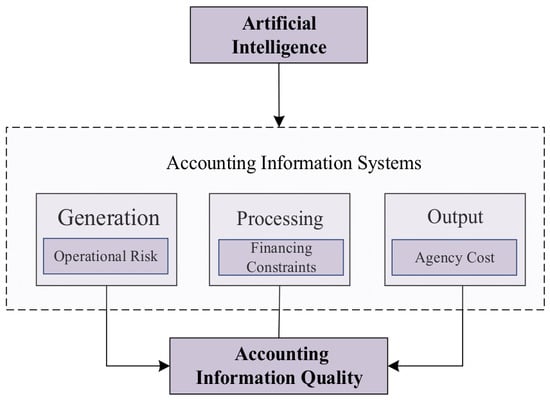
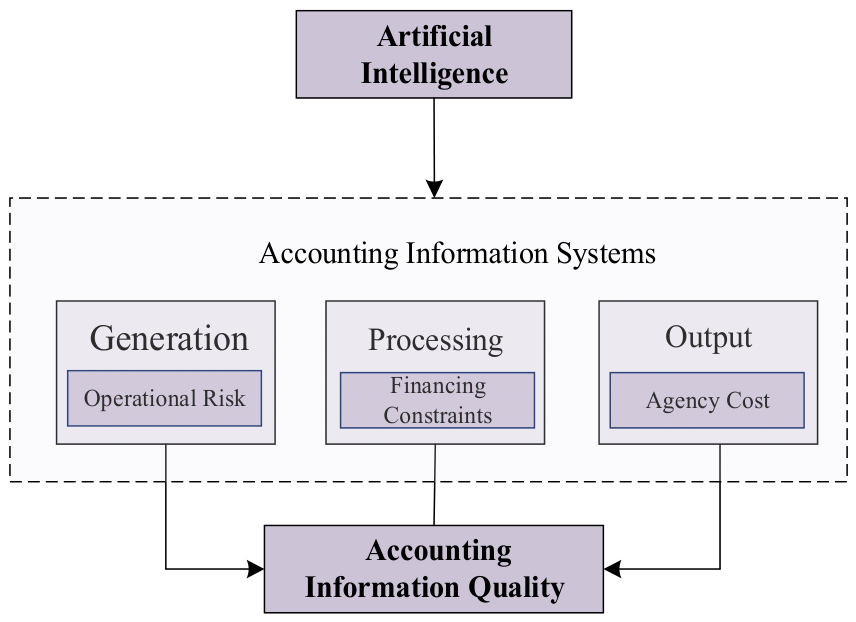

Disclaimer/Publisher’s Note: The statements, opinions and data contained in all publications are solely those of the individual author(s) and contributor(s) and not of MDPI and/or the editor(s). MDPI and/or the editor(s) disclaim responsibility for any injury to people or property resulting from any ideas, methods, instructions or products referred to in the content. |
© 2026 by the authors. Licensee MDPI, Basel, Switzerland. This article is an open access article distributed under the terms and conditions of the Creative Commons Attribution (CC BY) license.