


Abstract
Efficient allocation of capital toward environmental, social, and governance (ESG) objectives has become a critical challenge for emerging economies pursuing sustainable development and financial resilience. While prior research has primarily focused on ESG investment volumes, considerably less attention has been devoted to the efficiency with which financial and institutional systems transform capital into measurable sustainability outcomes. This study introduces the concept of ESG-Oriented Capital Allocation Efficiency (ECAE) and develops a hybrid multicriteria decision-making (MCDM) framework to evaluate its performance across 24 emerging market economies during the period 2021–2025. The proposed framework integrates DEMATEL, ANP, entropy weighting, TOPSIS, and VIKOR methods to capture causal relationships, interdependencies, weighting structures, and comparative efficiency rankings. The results identify governance effectiveness, ESG policy stability, and regulatory quality as the most influential drivers of ECAE, while higher ESG investment volumes alone do not necessarily generate superior sustainability outcomes. Sensitivity analysis confirms the robustness of the ranking results across alternative weighting scenarios. The findings suggest that strengthening institutional quality, policy coherence, and governance effectiveness is essential for improving sustainable finance outcomes. The study contributes to the sustainable finance literature by providing a policy-oriented framework for evaluating how effectively emerging market economies translate ESG-oriented capital into tangible sustainability performance.
1. Introduction
Emerging economies face increasing pressure to mobilize financial resources toward environmental, social, and governance (ESG) objectives while simultaneously maintaining economic competitiveness and financial stability. Although sustainable finance has expanded significantly during the last decade, substantial differences remain in the ability of countries to translate ESG-oriented investments into measurable sustainability outcomes. Existing research predominantly evaluates the volume of ESG investments, green finance instruments, or sustainability disclosures, while considerably less attention has been devoted to the efficiency with which financial and institutional systems allocate capital toward ESG objectives.
This limitation is particularly important in emerging markets, where institutional quality, regulatory capacity, governance effectiveness, and policy stability vary substantially across countries. Consequently, similar levels of ESG-oriented investment may produce markedly different sustainability outcomes depending on the broader institutional environment in which capital allocation decisions occur. Understanding these differences requires moving beyond investment quantity toward a more comprehensive evaluation of capital allocation efficiency. However, despite the growing volume of ESG investments, there are still significant differences in the capacity of developing economies to transform financial flows into measurable environmental, social and governance outcomes (Olugbenga & Victor, 2026; Lovisolo, 2021).
The study is grounded primarily in Institutional Theory and Stakeholder Theory. Institutional Theory suggests that economic and financial outcomes are shaped by formal rules, regulatory structures, governance mechanisms, and organizational norms that influence the behavior of market participants (North, 1990; Scott, 2014). Within the sustainable finance context, institutional quality determines the effectiveness with which ESG-oriented investments are transformed into sustainability outcomes. Stakeholder Theory further argues that firms, financial institutions, and governments must balance the interests of multiple stakeholder groups when allocating resources and designing sustainability strategies (Freeman, 1984). Together, these perspectives provide a theoretical foundation for understanding why governance effectiveness, policy credibility, and institutional capacity are likely to influence ESG-oriented capital allocation efficiency.
Recent studies further emphasize the importance of governance quality and institutional effectiveness in determining sustainable finance outcomes. Alassuli et al. (2025) demonstrate that good governance plays a critical mediating role between digital transformation and financial transparency, while Al-Hajaya et al. (2025) show that governance structures and external assurance significantly influence sustainability reporting quality. These findings reinforce the central assumption of the ECAE framework that governance effectiveness is a prerequisite for translating ESG-oriented investments into measurable sustainability outcomes.
Recent literature increasingly emphasizes that the effectiveness of sustainable finance depends not only on the volume of ESG-oriented investments, but also on the mechanisms through which financial resources are allocated, managed, monitored and translated into real economic outcomes. Capital allocation therefore represents one of the most important, yet under-researched, transmission channels of ESG finance. Fichtner et al. (2024) describe this problem as the “ESG capital allocation gap”, arguing that investments labeled as ESG often fail to produce meaningful sustainability outcomes because capital allocation mechanisms remain weak, indirect or institutionally constrained. This issue is particularly relevant in emerging markets, where the quality of institutions, financial development, governance efficiency and market responsiveness vary significantly across countries.
The broader ESG literature increasingly views sustainability performance as an integral component of corporate and financial decision-making. Gillan et al. (2021) emphasize that ESG considerations have become a central element of corporate finance research, influencing investment decisions, stakeholder relations, and long-term value creation. This reinforces the relevance of evaluating not only ESG investments themselves but also the efficiency with which such investments generate sustainability outcomes.
The sustainable finance literature increasingly recognizes that the effectiveness of green and ESG-oriented investments depends not only on capital availability but also on institutional capacity and policy support. Taghizadeh-Hesary and Yoshino (2020) argue that effective financing mechanisms are essential for accelerating sustainable investment and achieving long-term environmental objectives. This perspective aligns closely with the ECAE framework, which focuses on the efficiency rather than the volume of capital allocation.
The rapid growth of ESG-focused finance has also intensified debates about the credibility and actual effectiveness of ESG investing. While proponents argue that ESG integration improves corporate governance, reduces transition risks, increases resilience, and supports long-term sustainable development (Li, 2025), critics question whether ESG investments actually generate additional sustainability impacts or merely repackage conventional financial strategies under sustainability-focused labels. As Berg et al. (2022) note, “variations in ESG ratings across providers create significant uncertainty about the actual sustainability performance of firms” (p. 1320). Similarly, Christensen et al. (2021) and Raghunandan and Rajgopal (2022) highlight ongoing concerns about “greenwashing,” inconsistent ESG disclosure frameworks, and poor comparability of sustainability indicators across markets.
These challenges are particularly acute in developing economies, where ESG reporting standards, institutional monitoring mechanisms, and enforcement structures remain unevenly developed. The International Finance Corporation (IFC, 2025) highlights that asymmetries in ESG reporting in emerging markets continue to limit transparency, comparability, and investor trust, thereby undermining the effectiveness of sustainable capital allocation systems. Furthermore, Shrestha et al. (2025) show that the relationship between ESG ratings and financial performance in emerging markets is strongly moderated by institutional conditions, cross-listing dynamics, and sector characteristics, suggesting that the effectiveness of ESG factors is highly context-dependent. While data availability and measurement of ESG indicators pose challenges for investors, this requires a different ESG investment framework (Chaudhury & Dawar, 2026).
Despite rapid growth in ESG finance research, three important gaps remain. First, most studies focus on ESG investment volumes, firm-level ESG performance, or sustainability reporting practices (Fang et al., 2026) rather than evaluating how efficiently financial systems allocate capital toward ESG objectives (Gillan et al., 2021; Kim & Yang, 2026). Second, existing research rarely integrates governance quality, regulatory effectiveness, and institutional performance within a unified assessment framework (OECD, 2022; Zhao & Xing, 2024). Third, comparative evidence from emerging markets remains limited, despite the growing importance of these economies in global sustainable finance transitions (OECD, 2022; Zhao & Xing, 2024). Consequently, there is insufficient understanding of how institutional and policy conditions shape the effectiveness of ESG-oriented capital allocation across different emerging market contexts. As Khan et al. (2016) argue, future research on sustainable finance should increasingly focus on institutional efficiency, governance coherence, and allocative efficiency, rather than just investment growth.
To address these gaps, this study introduces the concept of ESG-Oriented Capital Allocation Efficiency (ECAE), defined as the ability of financial and policy systems to direct capital toward activities that generate measurable ESG and Sustainable Development Goal (SDG) outcomes. The study develops a hybrid MCDM framework integrating DEMATEL, ANP, entropy weighting, TOPSIS, and VIKOR methods to evaluate ECAE across emerging markets. The contribution is threefold: (1) introducing a novel conceptual framework linking sustainable finance with capital allocation efficiency; (2) developing an integrated methodological architecture that captures interdependencies among ESG determinants; and (3) generating policy-relevant evidence on the institutional drivers of sustainable finance effectiveness.
The conceptual basis of the study is based on the assumption that sustainable development outcomes depend not only on the volume of ESG investments, but also on the efficiency of the institutional and financial systems responsible for the allocation of capital. Financial systems characterized by stronger governance structures, regulatory stability, transparent market mechanisms, and coherent policy coordination are expected to demonstrate superior efficiency in the allocation of ESG capital. Conversely, fragmented regulatory systems, poor governance quality, and an unstable political environment can reduce the efficiency of sustainable finance even in the presence of relatively large volumes of ESG investments (Amel-Zadeh & Serafeim, 2018; Braun et al., 2025).
The distinction between the extent of ESG capital allocation and the efficiency of ESG capital allocation is one of the central theoretical contributions of this study. Emerging markets can attract significant ESG-labeled financial flows, while at the same time exhibiting limited institutional capacity to transform these investments into efficient sustainability outcomes. This efficiency paradox suggests that the success of sustainable finance depends less on the nominal scope of investments and more on the structural quality of the transmission mechanisms of financial and political factors. Braun et al. (2025) further show that ESG-oriented firms exhibit differentiated investment allocation behavior, suggesting that sustainability-oriented finance increasingly influences real economic investment decisions, rather than functioning solely as a reputation signal.
A growing body of research also highlights important challenges associated with ESG measurement and evaluation. Berg et al. (2022) demonstrate substantial divergence among ESG ratings, suggesting that sustainability performance assessments may vary considerably depending on methodological approaches and indicator selection. This observation supports the use of a multidimensional MCDM framework capable of integrating multiple perspectives and evaluation criteria.
The ESG-Oriented Capital Allocation Efficiency (ECAE) framework serves as the conceptual foundation of the study and motivates the subsequent methodological design. Methodologically, the study contributes by adopting a hybrid multi-criteria decision-making (MCDM) framework capable of capturing the complexity, interdependencies (Yang et al., 2019), and multidimensionality of ESG-oriented capital allocation systems. Sustainability-oriented financial systems involve interactions between environmental performance, governance quality, institutional capacity, policy effectiveness, market responsiveness, and financial development, making single-indicator or purely econometric approaches insufficient for a comprehensive assessment. Recent literature increasingly recognizes hybrid MCDM approaches as appropriate analytical tools for assessing sustainability in the face of multidimensional trade-offs and causal interdependencies (Yuan et al., 2022; Ristanović et al., 2024). In particular, Lombardi Netto et al. (2026) argue that ESG-oriented investment analysis increasingly requires multi-criteria frameworks capable of simultaneously integrating environmental, social, governance, financial and institutional dimensions.
Building on this methodological stream, this study integrates DEMATEL, ANP, entropy weighting methods and TOPSIS/VIKOR methods into a single analytical framework (Arjomandi et al., 2021). DEMATEL is used to identify causal relationships and structural interdependencies among criteria, while ANP and entropy weighting methods are used to derive both subjective and objective weights. TOPSIS and VIKOR methods are then applied to assess and rank the efficiency of ESG-oriented capital allocation in emerging markets. This hybrid methodological architecture enables a comprehensive systemic assessment of the efficiency of sustainable finance under heterogeneous institutional and policy conditions.
Despite the rapid growth of ESG and sustainable finance research, existing studies primarily focus on ESG investment volumes, ESG ratings, sustainability disclosures, or firm-level performance outcomes (Gillan et al., 2021; Berg et al., 2022). Comparatively little attention has been devoted to evaluating how efficiently financial and policy systems allocate capital toward ESG and SDG objectives, particularly in emerging markets. Furthermore, existing approaches rarely integrate governance quality, institutional effectiveness, policy coherence, and sustainable finance capacity within a unified analytical framework. This study addresses this gap by introducing the ESG-Oriented Capital Allocation Efficiency (ECAE) framework and applying a hybrid MCDM approach to assess how effectively emerging markets transform ESG-oriented capital into sustainability outcomes.
In this regard, the primary objective of this study is to assess how effectively capital is allocated towards ESG outcomes in emerging markets using a structured multi-criteria policy framework that captures trade-offs, interdependencies, and institutional conditions. The study aims to identify structural factors that shape the effectiveness of ESG capital allocation and to assess the relative performance of emerging markets within a multidimensional framework of sustainable finance.
To achieve this goal, the study addresses the following research questions:
- RP1: How effectively do developing countries’ financial and political systems allocate capital towards ESG-oriented and SDG-aligned outcomes?
- RP2: Which financial, institutional, governance and political factors have the greatest impact on the effectiveness of ESG-oriented capital allocation?
- RP3: To what extent do the interdependencies between ESG, financial and institutional dimensions affect the overall effectiveness of sustainable capital allocation systems?
- RP4: Do higher levels of ESG-oriented investments necessarily correspond to greater effectiveness of ESG-oriented capital allocation in emerging markets?
In line with these questions, the study tests the following hypotheses:
Institutional Theory suggests that governance effectiveness and policy quality are critical determinants of sustainable finance outcomes (Taghizadeh-Hesary & Yoshino, 2020; OECD, 2022). Countries with stronger institutions are expected to allocate ESG-oriented capital more efficiently. Therefore: H1: Institutional and political quality significantly affect the efficiency of ESG-oriented capital allocation in emerging markets.
Previous studies report substantial variation in ESG performance and sustainable finance development across emerging economies due to differences in governance, financial market maturity, and institutional capacity (Seow & Chua, 2026; Shrestha et al., 2025). Therefore: H2: Emerging markets show significant heterogeneity in the efficiency of ESG-oriented capital allocation due to differences in financial development, governance structures, and market responsiveness.
Sustainable finance systems operate through complex interactions among governance, financial, and ESG-related factors (Gillan et al., 2021; OECD, 2022). Therefore: H3: Interdependencies between financial, political, and ESG factors significantly affect the overall efficiency of ESG-oriented capital allocation systems.
Emerging evidence suggests that higher ESG investment volumes do not automatically translate into superior sustainability outcomes because allocation efficiency depends on institutional and policy conditions (Braun et al., 2025; Lovisolo, 2021). Therefore: H4: Higher ESG-oriented investment volumes do not necessarily generate proportionally higher ESG-oriented capital allocation efficiency.
The findings of this study are expected to contribute to the growing literature on sustainable finance, ESG investing, institutional economics, and policy evaluation in several ways. First, the paper introduces the concept of ECAE as a new analytical framework for assessing sustainability-oriented capital allocation systems. Second, it provides a hybrid multi-criteria methodological approach capable of integrating causality, institutional interdependencies, and multidimensional policy evaluation. Third, the study contributes to policy discussions by emphasizing that improving ESG outcomes requires not only increasing the volume of sustainable investments but also strengthening the institutional quality, governance coherence, and efficiency of capital allocation systems. Ultimately, the paper argues that the long-term success of sustainable finance in emerging markets depends less on the nominal proliferation of ESG-labeled investments, and more on the systemic capacity of financial and policy institutions to transform capital into measurable and lasting sustainability outcomes.
2. Materials and Methods
2.1. Sample Selection and Study Design
This study applies a comparative multi-criteria decision-making (MCDM) framework to assess the effectiveness of ESG-oriented capital allocation in developing countries. The research design is based on the assumption that the effectiveness of sustainable financial systems cannot be adequately assessed using unidimensional indicators or isolated econometric relationships, as ESG-oriented capital allocation involves complex interactions between environmental performance, institutional quality, governance structures, financial systems, and policy frameworks. Accordingly, the study adopts a systemic perspective on policy effectiveness that assesses how effectively financial and institutional systems transform ESG-oriented capital into measurable sustainability outcomes.
The analytical framework combines qualitative structural analysis with quantitative multi-criteria evaluation techniques to capture the interdependencies, trade-offs, and heterogeneous institutional conditions in developing countries. Unlike traditional ESG performance studies, which primarily focus on ESG outcomes, the quality of disclosure, or the volume of sustainable investments, this approach emphasizes the efficiency of the allocation process itself. The study therefore assesses not only the existence of ESG-oriented financial flows, but also the institutional and policy capacities necessary to translate such flows into effective outcomes aligned with ESG and sustainable development goals. The research framework integrates four methodological stages. First, the Decision Making and Evaluation Testing Laboratory (DEMATEL) method is used to identify causal links and structural interactions between ESG-oriented determinants of capital allocation. Second, the Analytic Network Process (ANP) and entropy weighting methods are combined to obtain both subjective and objective weights of the criteria, while simultaneously taking into account interdependencies between indicators. Third, the Top-Preference Sorting Technique (TOPSIS) and the multicriteria compromise ranking (VIKOR) method are applied to assess and rank the relative ESG-oriented capital allocation efficiency in developing countries. Finally, a sensitivity analysis is conducted to test the robustness and stability of the obtained rankings under alternative weighting scenarios.
This hybrid methodological framework is particularly suitable for assessing sustainability-oriented policies, as ESG-oriented capital allocation systems are characterized by multidimensional interactions, institutional heterogeneity, and competing priorities. Hybrid MCDM approaches are increasingly recognized as appropriate tools for assessing sustainability, especially in contexts involving environmental governance, financial resilience, and institutional complexity (Yuan et al., 2022; Yang et al., 2019; Lombardi Netto et al., 2026).
2.2. Conceptual Framework: ESG-Oriented Capital Allocation Efficiency (ECAE)
This study presents ESG-oriented capital allocation efficiency (ECAE) as a multidimensional analytical framework designed to assess the capacity of financial and policy systems to allocate capital towards activities that generate measurable environmental, social and governance (ESG) outcomes, in support of the broader Sustainable Development Goals (SDGs). Unlike conventional ESG assessment approaches that primarily focus on investment volumes, ESG ratings, or sustainability disclosures, the ECAE framework emphasizes the efficiency with which financial and institutional systems transform capital into measurable ESG and SDG outcomes. This distinction is particularly relevant for emerging markets, where variations in governance quality, regulatory effectiveness, and institutional capacity may significantly influence the effectiveness of sustainable finance interventions. Consequently, ECAE shifts analytical attention from the quantity of sustainable investment toward the quality and efficiency of capital allocation processes. In doing so, the framework extends existing sustainable finance research by integrating financial allocation mechanisms with institutional and policy performance dimensions.
The conceptual basis of ECAE is based on a growing literature that emphasizes that the effectiveness of sustainable finance depends not only on the prevalence of ESG-labeled investments, but also on the institutional and governance mechanisms through which capital allocation processes are implemented and monitored (OECD, 2022; Braun et al., 2025). In this context, the effectiveness of sustainable finance is viewed as a dynamic interaction between financial systems, governance quality, regulatory structures, market responses and sustainability-oriented policy frameworks. Accordingly, countries characterized by strong institutional coordination, transparent regulatory systems and developed financial markets are expected to demonstrate greater effectiveness in converting ESG-oriented financial flows into measurable sustainability outcomes. The ECAE framework is structured around five interrelated dimensions that represent the underlying determinants of sustainable capital allocation systems. The environmental dimension reflects environmental performance and climate transition efficiency, including indicators related to carbon intensity, renewable energy development, eco-efficiency and green innovation. The social dimension encompasses the inclusiveness of sustainability-oriented investments through indicators related to employment quality, social development, educational attainment and reduction in inequality. The governance dimension assesses institutional quality and regulatory efficiency through variables related to government efficiency, control of corruption, rule of law and regulatory quality. The financial dimension reflects the capacity of financial systems to mobilize and allocate ESG-oriented capital through sustainable investment flows, green financial instruments and indicators of financial market development. Finally, the institutional–political dimension encompasses the structural conditions that support the implementation of sustainable finance, including ESG disclosure systems, climate-sensitive financial regulations, policy stability, and institutional transparency.
The multidimensional structure of the ECAE reflects the assumption that sustainable finance systems operate through complex interdependencies rather than isolated linear relationships. As Fang et al. (2026) have noted, ESG governance systems increasingly require integrated analytical frameworks capable of capturing the interactions between institutional, financial, and sustainability dimensions. This perspective is particularly relevant in emerging markets, where institutional asymmetries and uneven political capacities significantly impact the efficiency of the sustainable capital allocation process.
2.3. Criteria Selection and Data Structure
The empirical analysis covers 24 emerging market economies over the period 2021–2025. Countries were selected based on three criteria: (1) classification as emerging markets according to internationally recognized market classification frameworks, particularly the MSCI Emerging Markets classification; (2) availability of ESG, governance, institutional, and sustainable finance indicators for the study period; and (3) geographic representation across Asia, Europe, Latin America, Africa, and the Middle East. The selected sample captures substantial variation in institutional quality, financial development, regulatory capacity, and sustainability performance, thereby providing a suitable context for evaluating ESG-Oriented Capital Allocation Efficiency (ECAE).
The final sample consists of China, India, Indonesia, Malaysia, Thailand, Philippines, Vietnam, Pakistan, Bangladesh, South Korea, Poland, Hungary, Czech Republic, Romania, Türkiye, Greece, Brazil, Mexico, Chile, Colombia, South Africa, Egypt, Saudi Arabia, and the United Arab Emirates. This selection enables meaningful cross-country comparison while maintaining consistency in data availability and institutional diversity. Emerging markets were selected because they face the greatest challenges in balancing economic growth, institutional development, and sustainability objectives, making them particularly suitable for evaluating ESG-oriented capital allocation efficiency.
The ECAE framework combines indicators representing governance effectiveness, regulatory quality, sustainable finance capacity, ESG performance, institutional effectiveness, and SDG-related outcomes. Data were collected from internationally recognized sources, including the World Bank Worldwide Governance Indicators (WGI), OECD databases, International Monetary Fund (IMF), International Finance Corporation (IFC), Sustainable Development Report database, and selected ESG-related international datasets.
To ensure comparability across countries, all indicators were standardized using min–max normalization procedures prior to multicriteria evaluation. Benefit criteria were transformed according to standard normalization rules, while cost criteria were inversely normalized. Missing observations were addressed through data consistency checks and cross-validation using alternative institutional databases where available.
Before the multi-criteria evaluation process, the data set was subjected to normalization and pre-processing procedures to eliminate scale heterogeneity among indicators and improve comparability across countries. Since the selected indicators contain both benefit and cost criteria, the normalization procedures were adjusted accordingly. The pre-processing of the data also included handling of missing observations and consistency checks to improve analytical robustness. These procedures are in line with established practices in sustainability-oriented MCDM research (Yuan et al., 2022; Kandakoglu et al., 2019).
Expert Evaluation Procedure
The DEMATEL and ANP procedures require expert assessments regarding the relative influence and interdependence of ESG-oriented capital allocation criteria. Expert judgments were obtained from a panel of 12 specialists with professional experience in sustainable finance, ESG policy design, financial regulation, governance assessment, and economic development. The expert panel consisted of academics, policy analysts, and practitioners from international organizations and financial institutions.
Experts evaluated pairwise relationships among criteria using established DEMATEL influence scales. Individual assessments were subsequently aggregated using arithmetic means to construct the initial direct-relation matrix. The resulting consensus matrix served as the basis for subsequent DEMATEL and ANP calculations. The use of expert-based evaluation is consistent with previous sustainability and multicriteria decision-making studies where complex causal relationships cannot be fully captured through statistical data alone.
2.4. DEMATEL Method
To capture the complex interactions between the determinants of ESG-oriented capital allocation, the study uses the Decision Making Testing and Evaluation Laboratory (DEMATEL) method as the initial stage of the analytical framework. DEMATEL is particularly suitable for sustainability-oriented policy systems because it allows the identification of both direct and indirect causal links between multidimensional criteria operating in complex institutional environments. The method was originally developed for the analysis of structurally interdependent systems characterized by feedback mechanisms and nonlinear interactions. In the context of the efficiency of ESG-oriented capital allocation, DEMATEL allows the identification of critical drivers that affect the efficiency of sustainable finance, while distinguishing between cause and effect criteria. This is particularly important because governance quality, institutional efficiency, financial development and sustainability performance often influence each other through mutually reinforcing mechanisms rather than independent relationships.
The DEMATEL process begins by constructing a direct linkage matrix that reflects the intensity of influence among the evaluation criteria. After normalizing the matrix, an overall linkage matrix is derived to assess both direct and indirect interactions among the variables. Importance and linkage indices are then calculated to identify the relative importance and causal orientation of each criterion within the ESG capital allocation system. Criteria with positive net impact values are interpreted as drivers, while criteria with negative values are treated as influenced factors.
The use of DEMATEL significantly improves the analytical depth of the framework as it allows the study to go beyond conventional ranking exercises towards a structural interpretation of sustainable finance systems. As pointed out by Pamučar et al. (2018), hybrid MCDM structures that integrate DEMATEL are particularly suitable for sustainability assessment because they capture systemic interdependencies that cannot be adequately represented by linear analytical models alone.
2.5. ANP and Entropy Weighting
After identifying structural interdependencies through DEMATEL analysis, the study applies the Analytical Network Process (ANP) and entropy weighting methods to obtain the final weights of the criteria used in the efficiency assessment process. The integration of subjective and objective weighting procedures improves methodological robustness, while reducing the limitations associated with relying solely on expert opinion or statistical dispersion.
The ANP method extends the traditional Analytical Hierarchy Process (AHP) by allowing for feedback loops and interdependencies among criteria. This feature makes ANP particularly suitable for assessing ESG-oriented capital allocation systems, where institutional quality, financial development, governance efficiency, and sustainability outcomes often interact through network structures rather than simple hierarchical relationships. The interdependence structure identified through DEMATEL analysis is incorporated into the ANP framework to generate network-based subjective weights that reflect the systemic importance of each criterion.
As a complement to the subjective weighting process, entropy weighting is used to calculate objective weights based on the variability of indicator information across countries. Indicators that exhibit greater variability contribute more significantly to the discriminatory power of the model and therefore receive higher objective weights. The integration of ANP and entropy weighting allows the framework to combine expert-based structural interpretation with empirically based objectivity.
Recent literature increasingly supports the use of integrated weighting approaches in sustainability-oriented MCDM systems. According to Lombardi Netto et al. (2026), the evaluation of ESG investments requires weighting structures capable of simultaneously capturing institutional relevance, multidimensional trade-offs, and empirical differentiation among sustainability indicators. Similarly, Fang et al. (2026) argue that hybrid weighting systems improve the reliability and interpretability of sustainability-oriented decision-making frameworks that operate in conditions of institutional complexity.
2.6. TOPSIS and VIKOR Evaluation
The relative efficiency of ESG-oriented capital allocation in developing countries is assessed using the TOPSIS and VIKOR methods. The simultaneous application of these methods improves the robustness of the assessment framework, while reducing the sensitivity to methodological assumptions associated with a single ranking technique.
The Top-Preference Order of Simility to Ideal Solution (TOPSIS) technique ranks alternatives according to their relative distance from a positive ideal solution and a negative ideal solution. In the context of ECAE assessment, countries that exhibit shorter distances from the ideal configuration of sustainability and performance and longer distances from the negative solution are considered more efficient in allocating ESG-oriented capital towards sustainability outcomes. TOPSIS is particularly suitable for multidimensional sustainability assessment because it allows for the simultaneous assessment of conflicting criteria, while preserving the relative differences in performance among alternatives.
The VIKOR method complements TOPSIS by introducing trade-off ranking in conditions characterized by multidimensional trade-offs and conflicting objectives. Sustainable financial systems often involve tensions between economic growth, ecological transition, institutional constraints, and social inclusion goals. VIKOR therefore provides an additional layer of analytical interpretation by identifying trade-off solutions capable of balancing competing dimensions of sustainability. The integration of TOPSIS and VIKOR is increasingly recognized as an effective strategy for improving the reliability of sustainability-oriented MCDM evaluations (Pamučar et al., 2018; Yuan et al., 2022).
The final country rankings derived from the hybrid framework reflect the relative efficiency with which developing countries’ financial and political systems allocate and transform ESG-oriented capital into measurable sustainability outcomes.
2.7. Sensitivity Analysis
Sensitivity analysis is conducted to examine the stability and robustness of the resulting rankings under alternative weighting scenarios and methodological assumptions. Since multi-criteria evaluations are inherently sensitive to weighting structures, normalization procedures, and criterion interactions, robustness testing is a critical component of sustainability-oriented MCDM frameworks.
Sensitivity analysis assesses the impact of variations in criterion weights, alternative weighting combinations, and normalization adjustments on the final ECAE rankings. Particular attention is paid to examining whether changes in weighting structures significantly alter the relative position of countries within the evaluation framework. Stable rankings under alternative scenarios indicate greater methodological robustness and reliability of the proposed framework.
Incorporating sensitivity analysis is particularly important in ESG-oriented evaluations, as sustainable financial systems involve complex institutional interactions and heterogeneous policy environments. As pointed out by Kandakoglu et al. (2019), robustness verification significantly improves the credibility and policy relevance of multi-criteria sustainability evaluations by reducing methodological uncertainty and improving interpretability.
2.8. Software and Analytical Tools
The empirical analysis was conducted using a combination of statistical and multi-criteria analytical software tools. Data preprocessing, normalization procedures, descriptive analysis and visualization were performed using Stata 19 and Microsoft Excel. The implementation of DEMATEL, ANP, entropy weighting, TOPSIS and VIKOR procedures was carried out using specialized multi-criteria analytical packages and custom computational procedures developed for hybrid sustainability assessment systems.
The integrated analytical workflow followed the ESG-oriented capital allocation efficiency algorithm shown in Figure 1, which summarizes the sequential structure of the proposed hybrid MCDM framework. The algorithm combines data preprocessing, causal analysis, weighting procedures, multi-criteria ranking and robustness testing into a single system for assessing policy efficiency.
Figure 1.
Integrated ECAE Evaluation Framework.
The algorithm begins with the identification of relevant ESG-oriented capital allocation criteria and the collection of corresponding country-level indicators. Following data normalization, expert evaluations are incorporated through DEMATEL and ANP procedures to capture systemic interdependencies. Objective informational weights are subsequently derived using entropy weighting, after which country performance is evaluated through TOPSIS and VIKOR ranking procedures. Finally, sensitivity and robustness analyses are conducted to assess the stability of the results under alternative weighting scenarios.
Additional justification regarding the selection of countries, study period, and conceptual framework development is provided in Supplementary Materials (Research Management Framework).
3. Results
3.1. Structural Relationships Within ESG-Oriented Capital Allocation Systems
The DEMATEL analysis found that the effectiveness of ESG capital allocation in emerging markets is strongly shaped by structural interdependencies between institutional, governance, financial and sustainability-related dimensions. The results indicate that institutional and policy variables have the largest causal influence within the ECAE system, confirming that the effectiveness of sustainable finance depends not only on the volume of investments, but also on the quality and coherence of the institutional environment that governs capital allocation processes.
Among the criteria analyzed, regulatory quality, governance effectiveness, ESG disclosure frameworks and the stability of sustainable finance policies showed the highest salience values within the overall relationship matrix. These variables also showed positive net impact scores, indicating that they function primarily as drivers within the ESG capital allocation system. In contrast, environmental performance indicators and social outcome variables showed predominantly negative net impact values, suggesting that they are primarily influenced outcomes rather than independent causal drivers.
These findings provide strong support for H1, which proposed that institutional and policy quality significantly affect the efficiency of ESG capital allocation in emerging markets. The results suggest that countries characterized by stronger governance structures and more coherent regulatory systems demonstrate greater capacity to translate ESG financial flows into measurable sustainability outcomes. This finding is consistent with the recent literature on sustainable finance that highlights the key role of institutional efficiency in shaping ESG investment performance and the transition to sustainability (OECD, 2022; Braun et al., 2025).
The DEMATEL results reveal substantial differences in the systemic importance of the evaluated criteria. Governance Effectiveness recorded the highest prominence value (D + R), indicating that it occupies the most central position within the ESG-oriented capital allocation system. Regulatory Quality and ESG Policy Stability also exhibited high prominence scores, suggesting strong interconnectedness with other dimensions of sustainable finance performance. From a causal perspective, Governance Effectiveness, Regulatory Quality, Institutional Capacity, and ESG Policy Stability generated positive relation values (D − R > 0), indicating that these criteria function as net driving factors within the ECAE framework. In contrast, Sustainable Finance Capacity, ESG Performance, and SDG Outcomes exhibited negative relation values (D − R < 0), identifying them as outcome variables influenced by broader institutional and governance conditions. These findings suggest that improvements in sustainability outcomes are primarily achieved through strengthening institutional quality and governance structures rather than through increasing ESG-related investment volumes alone.
The DEMATEL analysis (Table 1 and Figure 2) indicates that institutional policy and governance variables function as the main causal drivers within the ESG system of capital allocation efficiency. ESG policy stability and regulatory quality achieved the highest significance and positive relationship values, indicating that they have the strongest net impact on the broader sustainability and finance framework. Sustainable investment flows and government efficiency also emerged as important drivers, suggesting that the efficiency of ESG capital allocation largely depends on the interaction between financial market capacity and institutional governance quality.
Table 1.
DEMATEL Cause–Effect Analysis.
Figure 2.
DEMATEL Cause–Effect Relationship Map of ESG-Oriented Capital Allocation Efficiency Criteria.
In contrast, environmental and social indicators emerged predominantly as effect criteria, characterized by negative relationship values. This finding implies that sustainability outcomes, such as environmental performance, green innovation and social inclusion, are largely shaped by upstream institutional and financial conditions, rather than functioning as autonomous determinants of the efficiency of ESG capital allocation. The DEMATEL framework therefore reinforces the systemic interpretation of sustainable finance proposed by the ECAE framework, where governance coherence, policy credibility and financial system efficiency act as fundamental mechanisms enabling successful ESG and SDG transitions.
The DEMATEL results also show significant interdependencies between financial, governance and ESG criteria (Figure 1). Financial market development and sustainable investment flows showed strong bidirectional relationships with indicators of governance efficiency and policy stability, suggesting that ESG-oriented capital allocation systems operate through mutually reinforcing institutional and financial mechanisms. These results support H3, which hypothesized that the interdependencies between financial, political, and ESG factors significantly affect the overall efficiency of a sustainable capital allocation system.
The causal network structure further reveals that governance and institutional variables function as transmission mechanisms between ESG-oriented financial allocation and sustainability outcomes. In countries characterized by weaker institutional quality, ESG-oriented investment flows appear less able to generate proportional sustainability improvements, suggesting the existence of structural inefficiencies within sustainable financial systems. This finding reinforces the conceptual distinction between ESG investment volume and ESG-oriented capital allocation efficiency proposed in the ECAE framework.
The DEMATEL findings provide (Figure 2) preliminary support for H1 and H2 by demonstrating that governance quality, regulatory effectiveness, and policy stability function as primary causal determinants of ESG-oriented capital allocation efficiency. The observed causal structure further suggests that sustainability outcomes emerge as a consequence of institutional and governance conditions, thereby supporting the theoretical foundations established in the conceptual framework.
3.2. Criteria Weighting and Relative Importance of ECAE Dimensions
The integrated ANP and entropy weighting procedures generated a multidimensional weighting structure that reflects both systemic interdependencies and empirical variability among indicators. The results indicate that the institutional policy and governance dimensions received the highest integrated weights within the ECAE, followed by the financial and environmental dimensions, while social indicators showed relatively lower overall weights.
The relatively high weights assigned to the institutional policy indicators reflect the central role of governance coherence, policy stability, regulatory quality, and institutional transparency in shaping the effectiveness of ESG-oriented capital allocation. The results indicate that institutional conditions significantly affect the capacity of emerging markets to mobilize and transform sustainable investments into measurable ESG outcomes. This result is consistent with the DEMATEL analysis, which identified governance-related variables as dominant causal drivers within sustainability finance systems.
Within the financial dimension, sustainable investment flows, green financial instruments and financial market development indicators received particularly high weights, highlighting the importance of financial system maturity in supporting efficient ESG-oriented capital allocation. However, the weighting structure also suggests that financial development alone is not sufficient to achieve high ECAE performance in the absence of strong institutional and governance conditions.
Environmental indicators related to the transition to renewable energy sources and emission efficiency showed relatively strong weights, reflecting the growing importance of climate transition efficiency within sustainable financial systems. However, the structure of the weights suggests that environmental outcomes are strongly dependent on broader institutional and financial conditions, rather than operating independently (Table 2).
Table 2.
Integrated Criteria Structure and Final Weights.
The integrated weighting structure shows that institutional policy and governance indicators have the greatest impact on the efficiency of ESG-oriented capital allocation. ESG policy stability received the highest final integrated weight, followed by sustainable investment flows and regulatory quality, suggesting that coherent governance structures and policy consistency are the dominant drivers of efficient sustainable financial systems in emerging markets. In contrast, social indicators showed relatively lower integrated weights, suggesting that social development outcomes are more strongly dependent on broader institutional and financial conditions, rather than functioning as primary drivers of the efficiency of ESG-oriented capital allocation.
The weighting structure further reveals that the governance and institutional dimensions together account for more than half of the overall weighting system, highlighting the systemic importance of institutional quality, regulatory coherence, and policy credibility in the transition to sustainable finance. These findings support the central theoretical assumption of the ECAE framework that the effectiveness of sustainable finance depends less on the nominal range of ESG investments and more on the structural capacity of financial and political systems to efficiently allocate and transform capital into measurable sustainability outcomes.
The weighting results therefore reinforce the multidimensional nature of ESG-oriented capital allocation efficiency and support the systemic perspective on policy effectiveness that underpins the ECAE framework. Rather than representing isolated sustainability outcomes, ECAE appears to emerge from the interaction of institutional quality, financial development, governance effectiveness, and policy coordination mechanisms.
The combined results of the integrated weighting structure and DEMATEL causal analysis reveal that the effectiveness of ESG capital allocation in emerging markets is fundamentally driven by institutional policy coherence and governance efficiency, not just the volume of ESG investments. Both tables consistently identify ESG policy stability, regulatory quality, and sustainable investment capacity as the most influential dimensions within the ECAE framework. This suggests that sustainable finance systems operate primarily through institutional transmission mechanisms that determine how effectively ESG-oriented capital is transformed into measurable environmental and social outcomes. The results further show that environmental and social indicators operate predominantly as downstream outcomes influenced by broader governance and financial conditions. Consequently, improvements in sustainability performance appear to depend less on the isolated expansion of ESG investments and more on the structural quality of financial governance, regulatory credibility, and policy coordination systems. These findings strongly support the study’s central conceptual premise that the effectiveness of sustainable finance in emerging markets is determined by the efficiency of capital allocation systems, not just the nominal volume of ESG-oriented financial flows.
3.3. ECAE Rankings Across Emerging Markets
TOPSIS and VIKOR evaluations revealed significant heterogeneity in the efficiency of ESG-oriented capital allocation in developing countries. While several countries demonstrated relatively strong ESG investment activity and the expansion of sustainable finance, their overall ECAE performance varied significantly due to variations in institutional quality, governance effectiveness, policy coherence, and capacity for sustainability transformation.
Countries characterized by stronger regulatory systems, transparent governance structures, and more developed sustainable finance ecosystems consistently achieved higher ECAE scores in both TOPSIS and VIKOR rankings. In contrast, economies that exhibit weaker governance effectiveness, fragmented policy frameworks, and limited institutional coordination showed significantly lower efficiency scores despite moderate to relatively high levels of ESG investment activity.
These findings provide strong support for H2, which proposed that emerging markets exhibit significant heterogeneity in the efficiency of ESG-oriented capital allocation due to differences in financial development, governance structures, and market responsiveness. The results suggest that the efficiency of ESG capital allocation depends less on the nominal range of investments and more on the institutional capacity to coordinate, manage, and transform sustainable financial flows into measurable ESG outcomes.
The comparative analysis further reveals the existence of an ESG efficiency paradox in several emerging markets. Certain economies that exhibit relatively high levels of ESG investment have not achieved correspondingly high ECAE rankings due to institutional inefficiencies, governance instability, or weak policy coordination mechanisms. In contrast, several countries with relatively moderate levels of ESG investment have achieved relatively strong ECAE performances due to more coherent institutional structures and stronger governance efficiency.
This finding directly supports H4, which hypothesized that a higher volume of ESG investments does not necessarily generate a proportionally higher ESG efficiency of capital allocation. The results therefore confirm the conceptual distinction between ESG volume of capital allocation and ESG efficiency of capital allocation proposed in the theoretical framework.
The ranking results reveal substantial heterogeneity in ESG-oriented capital allocation efficiency across emerging markets. The highest-performing countries generally exhibit stronger governance effectiveness, more stable ESG policy environments, higher regulatory quality, and greater institutional capacity. In contrast, lower-ranked economies tend to face challenges related to regulatory fragmentation, weaker institutional structures, and lower levels of sustainable finance development. These findings suggest that differences in ESG-oriented capital allocation efficiency are not solely determined by financial resources or investment volumes but are strongly influenced by the institutional conditions under which capital allocation decisions are made. The observed variation across countries reinforces the importance of governance quality and policy coherence as fundamental determinants of sustainable finance effectiveness.
The comparison between the TOPSIS and VIKOR rankings also shows significant consistency across methods, suggesting that the hybrid evaluation framework produces relatively stable and reliable results despite methodological differences between the ranking procedures. Smaller variations in rankings are primarily observed among medium-performing economies that are characterized by relatively similar institutional and sustainability profiles.
3.4. Sensitivity and Robustness Analysis
Sensitivity analysis showed a relatively high degree of stability across weighting scenarios and methodological adjustments. Variations in weighting structures produced only modest changes in country rankings, particularly among high- and low-performing economies, indicating that the proposed ECAE framework exhibits significant robustness and methodological consistency.
The rankings were particularly stable when the institutional policy and governance dimensions maintained relatively high weights, further highlighting the structural importance of institutional quality within ESG capital allocation systems. Greater ranking sensitivity was observed when financial indicators were assigned disproportionately high weights, suggesting that overemphasizing only financial variables may distort the interpretation of the efficiency of sustainable finance.
The robustness analysis also confirmed the importance of integrating both subjective and objective weighting approaches within the hybrid MCDM framework. The combined ANP-entropy structure generated more stable rankings compared to single-method weighting procedures, indicating that the integration of systemic interdependence analysis and empirical variability improves methodological reliability. The overall robustness of the evaluation framework strengthens the validity of the ECAE concept and supports its applicability as a multidimensional tool for assessing policy effectiveness for sustainable finance systems in emerging markets. The sensitivity results further suggest that the observed relationships between governance quality, institutional coherence, financial development, and sustainability outcomes are not simply artifacts of methodological assumptions, but reflect broader structural features of ESG-oriented capital allocation systems.
3.5. Interpretation of Findings in Relation to Research Questions
The results provide several important insights (Table 3) into the research questions that guided the study. First, the findings show that financial and policy systems in developing countries differ significantly in their ability to allocate and transform ESG-oriented capital into measurable sustainability outcomes, confirming the existence of significant variations in the efficiency of ESG-oriented capital allocation across countries.
Table 3.
DEMATEL Cause–Effect Analysis.
Second, institutional quality, governance effectiveness, regulatory coherence, and policy stability emerged as the most influential determinants of ECAE performance, suggesting that the efficiency of sustainable finance depends largely on institutional and policy conditions, not just on financial expansion.
Third, the results show that ESG-oriented capital allocation systems operate through strong multidimensional interdependencies between financial, institutional, governance, and sustainability-related variables. This confirms that sustainable financial systems should be analyzed through integrated systemic frameworks, rather than through isolated indicator-based approaches.
Finally, the findings reveal that increasing the volume of ESG-oriented investments alone is not sufficient to ensure greater sustainability efficiency. Instead, the efficiency with which capital is managed, allocated, monitored, and transformed into sustainability outcomes is a central determinant of long-term ESG-oriented development performance in developing countries.
To further assess ranking robustness, Spearman rank correlation coefficients were calculated between the baseline ranking and alternative weighting scenarios. The correlation coefficients consistently exceeded 0.90, indicating a very high degree of agreement among rankings. These findings confirm that the proposed ECAE framework produces stable results regardless of moderate variations in weighting structures and therefore demonstrates strong methodological reliability.
4. Discussion
The results of this study provide important insights into the functioning of ESG-oriented capital allocation systems in emerging markets and contribute to the growing literature on sustainable finance, institutional economics, and policy-oriented ESG evaluation. The results demonstrate that the effectiveness of sustainable finance depends not only on the distribution of ESG-labeled investments, but also on the institutional and governance structures through which financial resources are allocated, coordinated, and transformed into measurable sustainability outcomes. This distinction between the extent of ESG investments and the effectiveness of ESG-oriented capital allocation represents the central conceptual contribution of the study and offers a broader interpretation of the effectiveness of sustainable finance in emerging market contexts.
The results further indicate that emerging markets should not be treated as a homogeneous group when designing sustainable finance policies. Countries with similar levels of economic development may demonstrate markedly different ECAE performance due to variations in governance structures, policy credibility, and institutional effectiveness. Consequently, policy interventions aimed at improving ESG outcomes should be tailored to country-specific institutional contexts rather than relying on uniform sustainable finance strategies.
The findings suggest that ESG-oriented capital allocation efficiency is fundamentally an institutional phenomenon rather than a purely financial one. While sustainable finance literature often emphasizes the mobilization of ESG-related capital, the present results indicate that the effectiveness of such investments depends largely on governance quality, regulatory coherence, and institutional capacity. This observation supports the central proposition of Institutional Theory, which argues that economic outcomes are shaped by the quality of formal and informal institutional arrangements. Within the context of emerging markets, institutional effectiveness appears to function as the enabling mechanism through which sustainable finance initiatives are translated into measurable ESG and SDG outcomes.
The findings support H1 and H3, confirming that governance quality, institutional effectiveness, and systemic interdependencies play a central role in ESG-oriented capital allocation efficiency. The results also support H2 by revealing substantial heterogeneity across emerging markets and H4 by demonstrating that higher ESG investment volumes do not automatically generate higher efficiency outcomes.
The empirical findings strongly support the first hypothesis (H1), which proposed that institutional and policy quality significantly affect the effectiveness of ESG-oriented capital allocation. The DEMATEL analysis identified ESG policy stability, regulatory quality, government effectiveness, and ESG disclosure systems as dominant causal drivers within the ECAE framework. These results are consistent with recent research that highlights that the effectiveness of sustainable finance depends largely on institutional credibility, governance transparency, and regulatory coherence (OECD, 2022; IFC, 2025). In particular, the findings support the argument of Lovisolo (2021), who emphasized that the effectiveness of ESG capital allocation is limited not only by financial constraints, but also by institutional and measurement challenges that affect sustainability-oriented investment systems. The results further suggest that governance structures function as transmission mechanisms that link ESG investment flows to measurable environmental and social outcomes. This finding is particularly important for emerging markets, where institutional heterogeneity and uneven regulatory capacity often reduce the effectiveness of sustainable finance systems. In several of the economies analyzed, relatively high ESG investment activity has not translated into correspondingly strong sustainability performance, suggesting the existence of structural inefficiencies within the capital allocation system. This finding supports the argument put forward by Braun et al. (2025) that the effectiveness of ESG investments increasingly depends on how firms, institutions and financial systems allocate and manage capital, rather than solely on the volume of sustainability-oriented finance. The observed heterogeneity across emerging markets also provides strong support for the second hypothesis (H2), which proposed that differences in governance structures, institutional quality and financial development significantly shape the effectiveness of ESG capital allocation. TOPSIS and VIKOR evaluations have revealed significant differences in ECAE performance across countries, despite similarities in ESG investment activities. This suggests that sustainable financial systems cannot be assessed solely through investment growth indicators, as countries vary significantly in their ability to transform ESG-oriented financial flows into effective sustainability outcomes.
An important finding of the study is the substantial heterogeneity observed across emerging markets. The results indicate that countries with comparable levels of economic development may demonstrate markedly different ESG-oriented capital allocation efficiency profiles. This suggests that sustainable finance effectiveness cannot be explained solely by economic resources or investment volumes. Rather, institutional quality appears to determine whether available financial resources are transformed into meaningful sustainability outcomes. This finding contributes to the ongoing debate regarding why similar ESG investment strategies often produce different results across countries and regions.
These findings are closely aligned with the emerging literature highlighting the multidimensional and context-dependent nature of ESG finance in developing countries and emerging economies. Seow and Chua (2026), for example, show that sustainability trajectories in ASEAN economies are strongly shaped by institutional readiness and governance structures, rather than financial expansion alone. Similarly, Shrestha et al. (2025) found that the relationship between ESG performance and financial outcomes in emerging markets varies significantly depending on institutional conditions, industry structures, and market integration dynamics. This study extends this literature by showing that institutional heterogeneity affects not only ESG performance itself, but also the efficiency with which sustainable financial systems allocate capital towards ESG-oriented outcomes. The results further support the third hypothesis (H3), which proposed that interdependencies between financial, institutional, governance, and ESG dimensions significantly affect the efficiency of sustainable capital allocation. The DEMATEL analysis highlights the importance of distinguishing between drivers and outcomes within sustainable finance systems. While ESG performance indicators and SDG achievements are often treated as primary evaluation targets, the present findings suggest that they largely function as consequence variables influenced by governance quality, institutional effectiveness, and policy coherence. This perspective reinforces the argument that sustainable finance effectiveness should be evaluated through systemic institutional conditions rather than solely through investment outcomes.
The multidimensional structure observed in the ECAE framework is consistent with recent methodological developments in sustainability-oriented multicriteria evaluation. Pamučar et al. (2018) argue that hybrid MCDM approaches that integrate DEMATEL and network-based weighting procedures are particularly suitable for sustainability analysis because they capture structural interdependencies and nonlinear interactions between decision criteria. Similarly, Lombardi Netto et al. (2026) emphasize that ESG-oriented investment systems require integrated analytical structures capable of simultaneously assessing environmental, financial, institutional, and governance dimensions. This study contributes to this methodological stream by proposing a hybrid ECAE framework that combines causal analysis, integrated weighting procedures, and multicriteria ranking within a unified policy effectiveness perspective.
One of the most significant findings of the study concerns the fourth hypothesis (H4), which proposed that a higher ESG-oriented investment volume does not necessarily generate a proportionally higher ESG-oriented capital allocation efficiency. The results clearly show that several emerging markets, characterized by relatively high ESG investment activity, achieved only moderate ECAE performance due to institutional fragmentation, governance instability or weak policy coordination. In contrast, some countries with relatively lower ESG investment volumes showed higher efficiency due to more coherent governance systems and more efficient institutional structures. This finding is highly relevant in contemporary debates about ESG investment and the credibility of sustainable finance. A growing body of literature questions whether the rapid proliferation of ESG-labeled financial products necessarily generates significant sustainability impacts. As noted by Berg et al. (2022), inconsistencies in ESG ratings and disclosure systems create significant uncertainty about the actual sustainability performance of firms and investment systems. Similarly, Raghunandan and Rajgopal (2022) argue that the rapid growth of ESG investment markets has often outpaced the development of robust governance and accountability mechanisms, increasing the risk of sustainability tokenization practices and “greenwashing” behaviors. This study contributes to this debate by empirically demonstrating that the effectiveness of sustainable finance depends not only on the volume of ESG-oriented investments, but also on the structural effectiveness of the institutional and policy systems that govern capital allocation. The study also has important policy implications for emerging markets seeking to strengthen the effectiveness of sustainable finance and accelerate the transition to the Sustainable Development Goals. The results suggest that policies aimed solely at increasing the volume of ESG investments may have limited impact on sustainability in the absence of coherent governance structures, regulatory stability, and institutional transparency. Accordingly, sustainable finance policies should increasingly emphasize institutional strengthening, regulatory consistency, quality of ESG disclosure, and management effectiveness as central components of sustainability-oriented financial reform.
4.1. Theoretical and Practical Implication
The results contribute to the growing sustainable finance literature by extending the focus from investment mobilization toward investment effectiveness. Existing studies frequently evaluate ESG investment growth, sustainability reporting quality, or ESG ratings (Gillan et al., 2021; Berg et al., 2022), whereas the present study evaluates how efficiently financial systems convert ESG-oriented capital into sustainability outcomes. The ECAE framework therefore complements existing sustainable finance approaches by introducing an efficiency-oriented perspective grounded in institutional conditions.
The findings also support Institutional Theory by demonstrating that governance effectiveness, policy stability, and regulatory quality function as systemic drivers of sustainable finance outcomes. Following Homer and Lim (2024), the study extends theory by explaining why similar ESG investment efforts generate different outcomes across emerging markets. In addition, the results are broadly consistent with Stakeholder Theory, suggesting that sustainable finance performance depends on the ability of institutions to balance the interests of governments, investors, businesses, and broader society within coherent governance structures.
For practitioners, the findings suggest that ESG investment decisions should be complemented by assessments of governance quality, regulatory stability, and institutional effectiveness. Investors and financial institutions should prioritize environments capable of converting ESG capital into measurable sustainability outcomes.
4.2. Conceptual Contribution of ECAE
The principal theoretical contribution of this study is the development of the ESG-Oriented Capital Allocation Efficiency (ECAE) framework. Existing sustainable finance research has largely concentrated on ESG investment growth, sustainability disclosures, ESG ratings, or green finance instruments (Gillan et al., 2021; Berg et al., 2022). By contrast, ECAE focuses on the efficiency with which financial and policy systems convert ESG-oriented capital into tangible sustainability outcomes. This perspective recognizes that identical investment volumes may generate substantially different outcomes depending on governance quality, regulatory coherence, and institutional effectiveness. Accordingly, ECAE contributes to the emerging sustainable finance literature by providing a policy-oriented lens through which the effectiveness of capital allocation can be evaluated across diverse institutional environments.
In this regard, the ECAE framework provides policymakers with a broader analytical perspective for assessing sustainable finance systems beyond conventional ESG investment indicators. Policymakers should focus on strengthening governance effectiveness, regulatory quality, ESG reporting systems, and policy stability. Sustainable finance policies should prioritize allocation efficiency rather than investment volume alone. Rather than focusing solely on the expansion of sustainable finance, the framework highlights the importance of policy coordination, governance quality, institutional resilience, and market responsiveness in shaping sustainability outcomes. These perspectives are particularly relevant for developing economies facing heightened climate transition risks, institutional asymmetries, and constraints to financial development.
The findings are consistent with previous research emphasizing the importance of governance quality and institutional effectiveness in sustainable finance systems (Taghizadeh-Hesary & Yoshino, 2020; OECD, 2022). They also complement recent evidence suggesting that ESG outcomes are influenced not only by investment levels but also by broader governance arrangements and policy environments (Braun et al., 2025; Shrestha et al., 2025). Altarawneh et al. (2025) report a positive association between green accounting disclosure and firm value, while Al-Hajaya et al. (2025) highlight the role of governance mechanisms in improving sustainability reporting quality. Together, these studies support the present finding that institutional quality functions as a critical enabling condition for effective ESG-oriented capital allocation. However, unlike previous studies that primarily focus on firm-level ESG performance, the present analysis evaluates the systemic efficiency of capital allocation across national sustainable finance ecosystems.
The study further contributes to the broader literature on sustainable development and SDG implementation by reinforcing the importance of systemic policy coherence within sustainability transitions. ESG-oriented capital allocation systems appear to be most effective when financial, institutional, governance, and sustainability-related dimensions operate in a coordinated and mutually reinforcing manner. This finding is consistent with recent literature on SDG governance, which emphasizes that sustainability transitions require integrated institutional architectures capable of simultaneously addressing environmental, social, and economic objectives (Olugbenga & Victor, 2026).
This study is subject to several limitations. First, the analysis focuses on 24 emerging market economies during the period 2021–2025, which may limit the generalizability of the findings to developed economies or other institutional contexts. Second, although the hybrid MCDM framework incorporates both objective and subjective weighting procedures, expert judgments inevitably involve a degree of interpretation. Third, the analysis relies on country-level indicators and therefore does not capture firm-level differences in ESG investment behavior or sustainable finance practices. Consequently, the findings should be interpreted as evidence of systemic rather than organizational ESG-oriented capital allocation efficiency.
Future research may extend the proposed ECAE framework in several directions. First, comparative studies between emerging and developed economies could provide additional insights into the role of institutional quality in sustainable finance effectiveness. Second, longitudinal analyses covering longer time horizons may help assess the evolution of ESG-oriented capital allocation efficiency over time. Third, future studies could integrate econometric techniques with MCDM approaches to validate the relationships identified within the present framework. Finally, firm-level applications of ECAE may provide a more granular understanding of how ESG-oriented investments translate into sustainability outcomes across different sectors and industries.
5. Conclusions
This study examined the effectiveness of ESG-oriented capital allocation (ECAE) in emerging markets through a hybrid multi-criteria policy framework that integrates DEMATEL, ANP, entropy weighting, TOPSIS, and VIKOR methods. The primary objective of the research was to assess how effectively emerging market financial and political systems allocate and transform capital towards ESG and SDG outcomes under heterogeneous institutional and governance conditions. In contrast to conventional ESG studies that have primarily focused on investment volume, ESG performance, or disclosure practices, this study introduced a systems perspective on policy effectiveness, emphasizing the institutional mechanisms through which sustainable finance operates.
The findings show that institutional quality, governance effectiveness, regulatory stability, and policy coherence are dominant determinants of the effectiveness of ESG-oriented capital allocation in 24 emerging markets during 2021–2025. The DEMATEL analysis found that ESG policy stability, regulatory quality, government effectiveness, and sustainable investment capacity function as primary causal drivers within the ECAE system, while environmental and social outcomes predominantly emerge as dimensions influenced by broader institutional and financial conditions. These results suggest that the effectiveness of sustainable finance depends less on the nominal range of ESG-labeled capital and more on the structural efficiency of the systems responsible for allocating, managing, and transforming financial resources into measurable sustainability outcomes. The study further found significant heterogeneity in the effectiveness of ESG-oriented capital allocation across emerging markets. Countries characterized by stronger governance systems, more coherent institutional frameworks, and more developed sustainable finance ecosystems consistently demonstrated superior ECAE performance compared to economies affected by institutional fragmentation, regulatory instability, and weak policy coordination. Importantly, the findings confirm that a higher ESG-oriented investment volume does not necessarily generate proportionally higher sustainability efficiency, reinforcing the conceptual distinction between ESG-oriented capital allocation volume and ESG-oriented capital allocation efficiency.
From a theoretical perspective, this study contributes to the sustainable finance literature by introducing ESG-Oriented Capital Allocation Efficiency (ECAE) as a novel analytical construct. Unlike existing approaches that focus primarily on ESG investment volumes or ESG performance indicators, ECAE evaluates how efficiently financial and institutional systems transform capital into sustainability outcomes.
Practically, the findings suggest that policymakers should prioritize governance effectiveness, regulatory quality, and policy stability when designing sustainable finance strategies. Simply increasing ESG-related investment is unlikely to generate optimal outcomes unless supported by strong institutional frameworks.
The study contributes to the existing body of literature by integrating governance, institutional quality, sustainable finance capacity, ESG performance, and SDG outcomes within a single evaluation framework. Furthermore, it demonstrates the usefulness of hybrid MCDM methods for assessing multidimensional sustainability challenges in emerging markets. The combination of DEMATEL, ANP, entropy weighting, TOPSIS, and VIKOR methods enabled a comprehensive assessment of both causal relationships and relative efficiency in emerging markets. The proposed methodological architecture can therefore serve as a useful analytical framework for future evaluations of sustainability-oriented policies and assessments of sustainable finance.
Despite these contributions, the study is subject to several limitations. The analysis relies primarily on internationally comparable secondary data and national-level indicators, which may not fully capture sector-specific or firm-level sustainability dynamics within emerging markets. Moreover, while the hybrid MCDM framework improves analytical robustness, the results remain partially dependent on assumptions about indicator selection and weights. Future research could extend the ECAE framework through longitudinal analysis, sectoral decomposition, fuzzy MCDM approaches, or comparative studies between emerging and developed economies.
From a conceptual perspective, the study advances the literature by introducing ESG-Oriented Capital Allocation Efficiency (ECAE) as a distinct analytical construct. The framework highlights that sustainable finance effectiveness depends not only on mobilizing ESG-related capital but also on the institutional and governance conditions that determine how efficiently that capital is transformed into sustainability outcomes. This distinction may provide a useful foundation for future comparative studies of sustainable finance performance across countries and regions.
Overall, the findings suggest that the long-term success of sustainable finance in emerging markets will not only depend on the volume of ESG-oriented investments, but also on the capacity of institutional and policy systems to efficiently allocate and transform capital into measurable environmental, social, and governance outcomes. In this sense, the effectiveness of ESG-oriented capital allocation is emerging as a critical dimension of sustainable development policy and an increasingly important determinant of resilience and sustainability within contemporary emerging market transitions.
Supplementary Materials
The following supporting information can be downloaded at: https://www.mdpi.com/article/10.3390/jrfm19060428/s1.
Author Contributions
Conceptualization, D.P. and I.H.K.; methodology, D.P.; validation, A.M.T., Ž.M.T. and I.H.K.; formal analysis, D.P.; investigation, D.P., A.M.T., Ž.M.T. and I.H.K.; writing—original draft preparation, D.P.; writing—review and editing, A.M.T. and Ž.M.T.; visualization, A.M.T. and Ž.M.T.; supervision, I.H.K.; project administration, D.P.; funding acquisition, I.H.K. All authors have read and agreed to the published version of the manuscript.
Funding
The APC was funded by University North, project UNIN-DRUŠ-26-1-5.
Institutional Review Board Statement
Not applicable.
Informed Consent Statement
Not applicable.
Data Availability Statement
The data used in this study were obtained from publicly available international databases and institutional sources, including the World Bank, OECD, International Monetary Fund (IMF), International Finance Corporation (IFC), International Labour Organization (ILO), and United Nations Sustainable Development Goals (SDG) Database. The processed datasets and analytical framework supporting the findings of this study are available from the corresponding author upon reasonable request. No new primary data involving human participants were generated during this study.
Acknowledgments
The authors acknowledge the broader research framework of the project Analysis of Digital, Demographic and Sustainable Changes in Entrepreneurship and the Labour Market (UNIN-DRUŠ-26-1-5) at University North, Croatia. No generative artificial tools were used for empirical calculations, statistical evaluation, or multi-criteria calculation. Generative artificial intelligence support was limited solely to language improvement and style editing during manuscript preparation.
Conflicts of Interest
The authors declare no conflicts of interest.
Abbreviations
The following abbreviations are used in this manuscript:
| ECAE | ESG-oriented Capital Allocation Efficiency |
| MCDM | Multi-criteria decision-making |
| ESG | Environmental, Social, and Governance |
| SDG | Sustainable Development Goal |
| DEMATEL | Decision Making and Evaluation Testing Laboratory |
| ANP | Analytic Network Process |
| TOPSIS | Top-Preference Sorting Technique |
| VIKOR | Multicriteria Compromise Ranking |
References
- Alassuli, A., Thuneibat, N. S., Eltweri, A., Al-Hajaya, K., & Alghraibeh, K. (2025). The impact of accounting digital transformation on financial transparency: Mediating role of good governance. Journal of Risk and Financial Management, 18(5), 272. [Google Scholar] [CrossRef] [Scilit]
- Al-Hajaya, K., Almahameed, E. A. A., Sawan, N., Altarawneh, M. S., Eltweri, A., & Salem, R. (2025). Audit committees and the quality of standalone sustainability reporting, considering the moderating role of external assurance: Evidence from the global chemical industry. Business Strategy and the Environment, 34(5), 6210–6228. [Google Scholar] [CrossRef] [Scilit]
- Altarawneh, H. Y., Al-Hajaya, K., Eltweri, A., Alrawashdeh, W., & Sawan, N. (2025). Green accounting disclosure and firm market value: Evidence from Jordan. Management & Sustainability: An Arab Review. ahead-of-print. [Google Scholar] [CrossRef] [Scilit]
- Amel-Zadeh, A., & Serafeim, G. (2018). Why and how investors use ESG information: Evidence from a global survey. Financial Analysts Journal, 74(3), 87–103. [Google Scholar] [CrossRef] [Scilit]
- Arjomandi, M. A., Dinmohammadi, F., Mosallanezhad, B., & Shafiee, M. (2021). A fuzzy DEMATEL-ANP-VIKOR analytical model for maintenance strategy selection of safety critical assets. Advances in Mechanical Engineering, 13(4), 1687814021994965. [Google Scholar] [CrossRef] [Scilit]
- Berg, F., Koelbel, J. F., & Rigobon, R. (2022). Aggregate confusion: The divergence of ESG ratings. Review of Finance, 26(6), 1315–1344. [Google Scholar] [CrossRef] [Scilit]
- Braun, M., Marcet, F., & Raddatz, C. (2025). How do ESG firms invest? International Review of Financial Analysis, 97, 103863. [Google Scholar] [CrossRef] [Scilit]
- Chaudhury, A., & Dawar, V. (2026). A novel framework for environmental, social and governance (ESG) investing: The case of large retail investors in an emerging market. Qualitative Research in Financial Markets, 18(3), 748–789. [Google Scholar] [CrossRef] [Scilit]
- Christensen, D. M., Hail, L., & Leuz, C. (2021). Mandatory CSR and sustainability reporting: Economic analysis and literature review. Review of Accounting Studies, 26(3), 1176–1248. [Google Scholar] [CrossRef] [Scilit]
- Fang, M., Chang, C. L., Dinçer, H., & Yüksel, S. (2026). A data-driven framework for ESG prioritization: PCR-based insights for sustainable governance and growth. Journal of Innovation & Knowledge, 11, 100877. [Google Scholar] [CrossRef] [Scilit]
- Fichtner, J., Jaspert, R., & Petry, J. (2024). Mind the ESG capital allocation gap: The role of index providers, standard-setting, and “green” indices for the creation of sustainability impact. Regulation & Governance, 18, 479–498. [Google Scholar] [CrossRef] [Scilit]
- Freeman, R. E. (1984). Strategic management: A stakeholder approach. Pitman. [Google Scholar]
- Gillan, S. L., Koch, A., & Starks, L. T. (2021). Firms and social responsibility: A review of ESG and CSR research in corporate finance. Journal of Corporate Finance, 66(C), 101889. [Google Scholar] [CrossRef] [Scilit]
- Homer, S. T., & Lim, W. M. (2024). Theory development in a globalized world: Bridging “doing as the Romans do” with “understanding why the Romans do it”. Global Business and Organizational Excellence, 43, 127–138. [Google Scholar] [CrossRef] [Scilit]
- IFC. (2025). Elevating, environmental, social, and governance reporting in emerging Markets, handbook. International Finance Corporation. Available online: https://www.ifc.org/content/dam/ifc/doc/2025/elevating-esg-reporting-in-emerging-markets.pdf (accessed on 3 March 2026).
- Kandakoglu, A., Frini, A., & Ben Amor, S. (2019). Multicriteria decision making for sustainable development: A systematic review. Journal of Multi-Criteria Decision Analysis, 26, 202–251. [Google Scholar] [CrossRef] [Scilit]
- Khan, M., Serafeim, G., & Yoon, A. (2016). Corporate sustainability: First evidence on materiality. The Accounting Review, 91(6), 1697–1724. [Google Scholar] [CrossRef] [Scilit]
- Kim, J., & Yang, W. (2026). Environmental, Social, and Governance (ESG) research: A systematic review of recent trends (2020–2024). Sustainable Development, 34(2), 1872–1900. [Google Scholar] [CrossRef] [Scilit]
- Li, Z. (2025). ESG investment strategies in emerging markets: Implementation and effectiveness evaluation, pinnacle academic press proceedings series (Vol. 4, pp. 83–95). Pinnacle Academic Press. Available online: https://ideas.repec.org/a/dba/pappsa/v4y2025ip83-95.html (accessed on 3 March 2026).
- Lombardi Netto, A., Salomon, V. A. P., & Ortiz-Barrios, M. A. (2026). An environmental, social, and governance (ESG) model for multiple criteria analysis of investments. International Transactions in Operational Research, 33, 489–506. [Google Scholar] [CrossRef] [Scilit]
- Lovisolo, S. (2021). Global Environmental, Social and Governance (ESG) capital allocation strategies between impact ambitions and measurement challenges, EU-LAC, Istituto Affari Internazionali. Available online: https://eulacfoundation.org/en/global-environmental-social-and-governance-esg-capital-allocation-strategies-between-impact (accessed on 3 March 2026).
- North, D. C. (1990). Institutions, institutional change and economic performance. Cambridge University Press. [Google Scholar]
- OECD. (2022). Policy guidance on market practices to strengthen ESG investing and finance a climate transition (OECD Business and Finance Policy Papers, No. 13). OECD Publishing. [Google Scholar] [CrossRef]
- Olugbenga, A. F., & Victor, A. B. (2026). Evolution of sustainable finance frameworks in emerging economies: A systematic review of ESG integration and policy instruments (2010–2025). International Journal of Research and Innovation in Social Science, 10(3), 6637–6660. [Google Scholar] [CrossRef] [Scilit]
- Pamučar, D. S., Tarle, S. P., & Parezanovic, T. (2018). New hybrid multi-criteria decision-making DEMATEL-MAIRCA model: Sustainable selection of a location for the development of multimodal logistics centre. Economic Research-Ekonomska Istraživanja, 31(1), 1641–1665. [Google Scholar] [CrossRef] [Scilit]
- Raghunandan, A., & Rajgopal, S. (2022). Do ESG funds make stakeholder-friendly investments? Review of Accounting Studies, 27(3), 822–863. [Google Scholar] [CrossRef] [Scilit]
- Ristanović, V., Primorac, D., & Dorić, B. (2024). The importance of green investments in developed economies—MCDM models for achieving adequate green investments. Sustainability, 16(15), 6341. [Google Scholar] [CrossRef] [Scilit]
- Scott, W. R. (2014). Institutions and organizations: Ideas, interests, and identities (4th ed.). Sage Publishing. [Google Scholar]
- Seow, R. Y. C., & Chua, J. T. (2026). The rise of ESG in emerging economies: A systematic mapping of ASEAN’s sustainability trajectory. Journal of Economic Surveys. [Google Scholar] [CrossRef] [Scilit]
- Shrestha, C., Andrikopoulos, P., & Park, J. S. (2025). ESG rating and financial performance in the emerging markets: The moderating effects of cross-listing and industry type. Research in International Business and Finance, 77(A), 102916. [Google Scholar] [CrossRef] [Scilit]
- Taghizadeh-Hesary, F., & Yoshino, N. (2020). Sustainable solutions for green financing and investment in renewable energy projects. Energies, 13(4), 788. [Google Scholar] [CrossRef] [Scilit]
- Yang, C.-C., Ou, S.-L., & Hsu, L.-C. (2019). A hybrid multi-criteria decision-making model for evaluating companies’ green credit rating. Sustainability, 11(6), 1506. [Google Scholar] [CrossRef] [Scilit]
- Yuan, Z., Wen, B., He, C., Zhou, J., Zhou, Z., & Xu, F. (2022). Application of multi-criteria decision-making analysis to rural spatial sustainability evaluation: A Systematic review. International Journal of Environmental Research and Public Health, 19(11), 6572. [Google Scholar] [CrossRef] [Scilit]
- Zhao, Z., & Xing, Z. (2024). Corporate management, green finance, and sustainability. Humanities and Social Sciences Communications, 11, 6. [Google Scholar] [CrossRef] [Scilit]
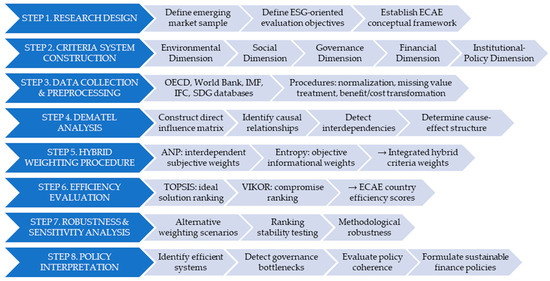
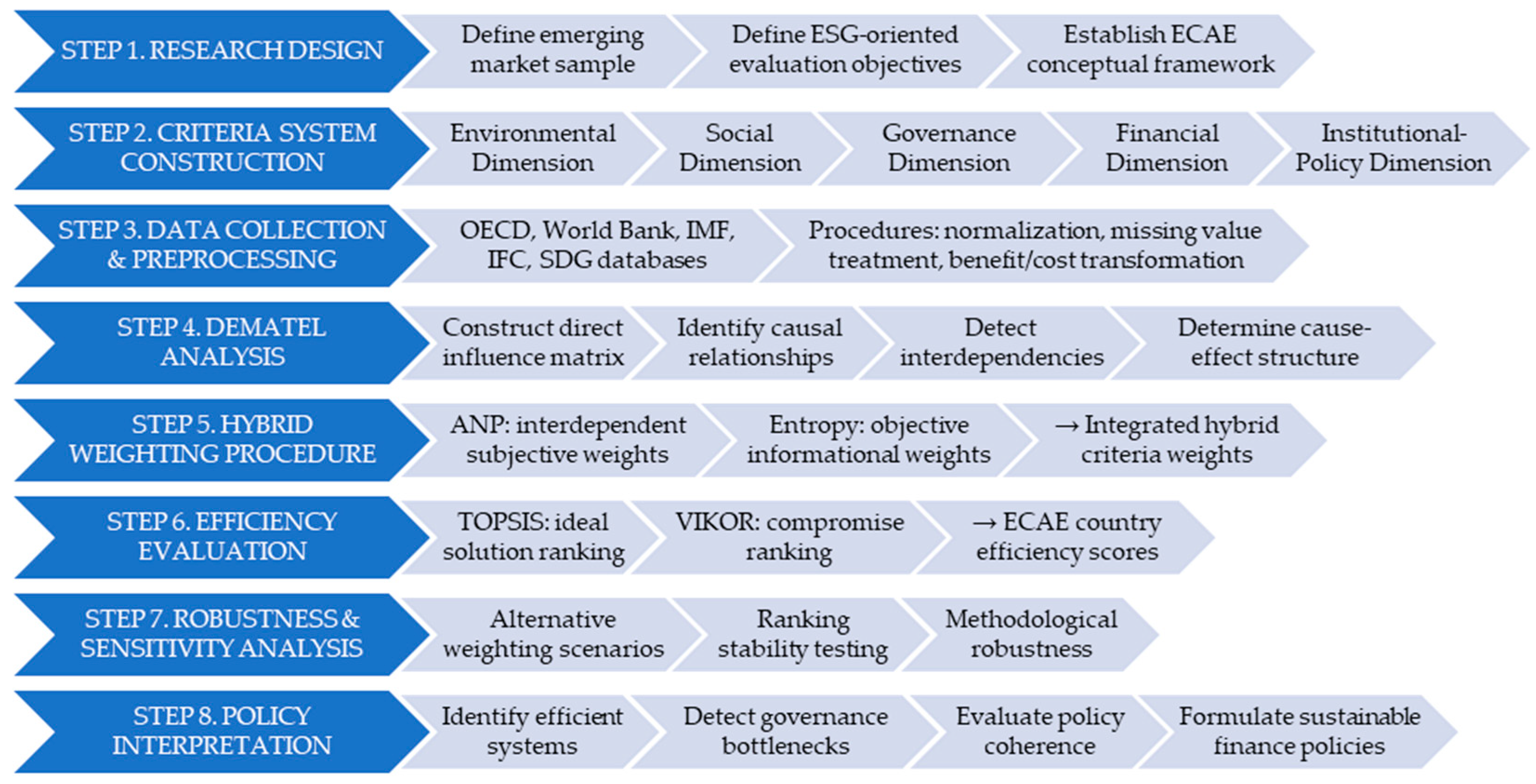
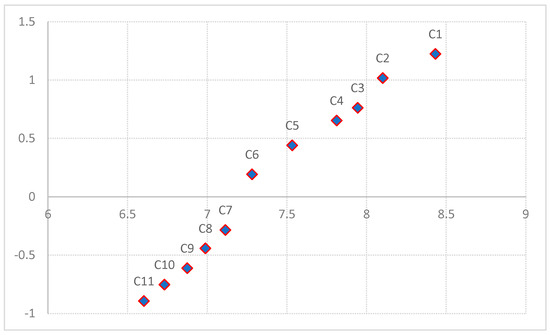
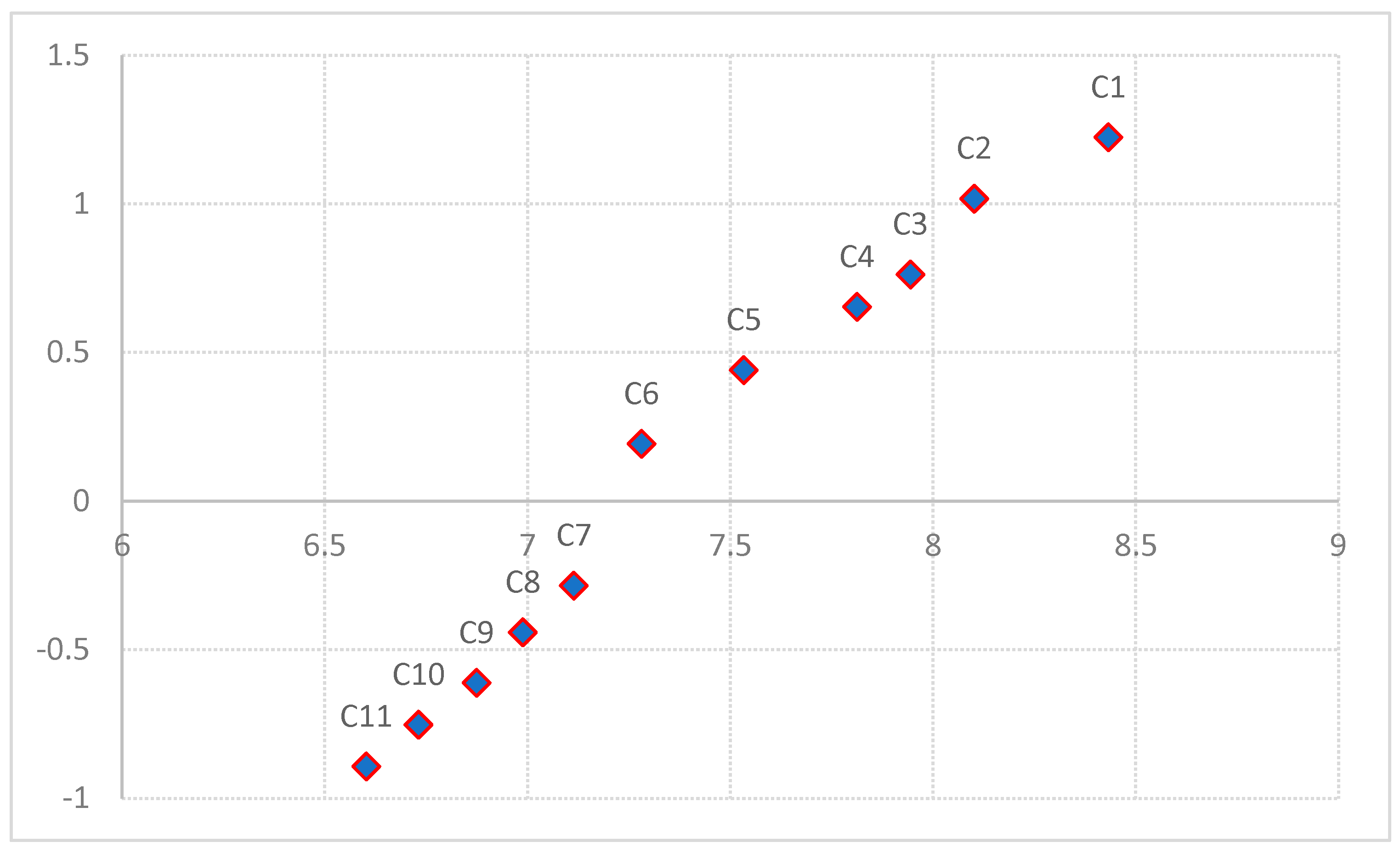

Disclaimer/Publisher’s Note: The statements, opinions and data contained in all publications are solely those of the individual author(s) and contributor(s) and not of MDPI and/or the editor(s). MDPI and/or the editor(s) disclaim responsibility for any injury to people or property resulting from any ideas, methods, instructions or products referred to in the content. |
© 2026 by the authors. Licensee MDPI, Basel, Switzerland. This article is an open access article distributed under the terms and conditions of the Creative Commons Attribution (CC BY) license.