


Abstract
Firms make substantial investments in environmental, social, and governance (ESG) initiatives, but there is limited understanding of whether such investments actually safeguard them from financial distress. In emerging economies, this is particularly relevant because unforeseen events such as crisis, regulatory changes, and industry dynamics can drive companies towards failure. Addressing these issues, this study analyses a panel dataset of 566 listed Indian companies from 2012 to 2024 and finds that sustainability performance consistently mitigates financial distress risk across the full distribution of firms, as validated through a method-of-moments quantile regression analysis. Context-based analyses further reveal that the favorable ESG effect remains stable during the COVID-19 crisis period and varies by industry affiliation. Simulation-based mediation analysis identifies firm leverage as a key transmission channel of the ESG-distress link. Lending support to risk management, trade-off, and strategic management theories, this work underscores the ‘insurance-like’ role of sustainability and deepens the conceptual understanding of how ESG can act as a strategic hedge against financial risks.
1. Introduction
Financial distress refers to a situation wherein a firm faces difficulties in meeting contractual obligations. At its most extreme, this can manifest as corporate failure, in the form of liquidation or bankruptcy (Altman, 1983; Turetsky & McEwen, 2002). Financial distress imposes substantial costs on not only the focal firm but on external actors as well (Atif & Ali, 2021). According to Davis (1992), financial fragility can worsen counterparty risks for creditors, investors, and employees, which can in turn generate contagion effects across supply chains and the broader economy. Higher financial distress risk (FDR) may also dampen credit expansion, exacerbate agency costs, and negatively influence savings and investment cycles. These effects may in turn impede GDP growth, exports and investment (Inekwe et al., 2018).
Evidently, assessing and addressing financial distress risk is of critical importance. Yet while an established field of study has identified pertinent macroeconomic and financial variables which influence FDR (A. Habib et al., 2020), an emerging discourse has illuminated the potential of non-financial factors to influence FDR. These factors include geopolitical risk, internal management practices, and notably, corporate sustainability (Vivel-Búa et al., 2024; Wang & Wang, 2025).
The early decades of the twenty-first century have been marked by growing socio-environmental concerns and recurring economic and financial crises. To address these, there has been an advent of international accords such as the 2015 Paris Agreement and the United Nations Sustainable Development Goals (SDGs), which in turn have spurred both market-based as well as regulatory initiatives aimed at mainstreaming sustainable business practices. Mandatory corporate disclosures relating to environmental, social, and governance factors (ESG) have been implemented across a number of jurisdictions including the European Union, India, the United Kingdom, Australia, and other Asia-Pacific economies. Investor-led collaborations for sustainable finance have also seen notable growth. To illustrate, the Principles for Responsible Investment is reported to represent more than 5000 signatories and over $139.6 trillion in assets under management as of 2025. Combined with research linking ESG performance to enhanced profitability, reputation, innovation, and access to resources (Coelho et al., 2023; Goel et al., 2025a; Gillan et al., 2021; Huang, 2021), these developments have contributed towards the growing recognition that sustainability practices are a strategic business imperative rather than merely a normative ideal (Ioannou & Serafeim, 2015; Weston & Nnadi, 2023).
Yet in spite of such developments, the impact of corporate sustainability on corporate financial distress risk remains a matter of debate. According to the strategic and insurance-like perspectives, strong ESG performance may signal superior risk management capabilities, reduce firm-level volatility, and build reputational and moral capital, thereby enhancing resilience during crises (Boubaker et al., 2020; Eisenkopf et al., 2023; Godfrey et al., 2009). From this lens, sustainability can be strategically leveraged to enhance stakeholder trust and stabilize cash flows in order to lower default risk (Atif & Ali, 2021; Brogi et al., 2022). Conversely, as per the ‘over-investment’ view (Masulis & Reza, 2015), ESG may impose superfluous costs on the company, reflect managerial opportunism, and lead to investor skepticism and uncertainty (Hill, 2001; Jo & Na, 2012; Landi et al., 2022; Palazzo & Richter, 2005). Resultantly, financing conditions may turn adverse, exposing the firm to a greater degree of fiscal risk. These competing perspectives leave the relationship between ESG performance and financial distress risk theoretically ambiguous (Hauch, 2025). This ambiguity is further compounded by the limited empirical evidence available across diverse institutional and economic contexts.
Relative to developed economies, emerging nations are typically characterized by greater vulnerability to sustainability risks, weaker institutional safeguards and greater informational opacity (Claessens & Yurtoglu, 2013; Nadarajah et al., 2025; Sarangi, 2021). In such settings, ESG may operate differently than in developed markets: either substituting for the governance protections that formal institutions provide, or amplifying agency distortions through symbolic compliance. Distinguishing between the insurance-like and overinvestment perspectives therefore requires empirical evidence from emerging markets where the underlying mechanisms of this relationship face stricter tests. In addition, little is known about how the ESG-risk relationship interacts with crises, regulatory shocks, and industry contexts. In particular, there exists restricted insight on whether sustainability performance continues to shield firms against distress during systemic downturns.
To address these gaps, the present study examines the impact of ESG performance on FDR in Indian companies. India represents a compelling research context since it constitutes one of the world’s largest emerging markets, while also being characterized by evolving regulatory institutions and heterogeneous corporate governance structures (Kansil, 2023; Mukherjee et al., 2022). According to estimates from the Indian Economic Survey 2026, as of March 2025 there was a pendency of over 30,600 cases in the National Company Law Tribunal; and until September 2025, 43 per cent of total cases undergoing the corporate insolvency resolution process resulted in liquidation orders, accounting for nearly 2900 individual firms (Ministry of Finance, 2026). These figures underscore the importance of examining the determinants of financial distress risk in India.
To conduct our analysis, we utilize a panel dataset of 566 listed Indian firms over the period from 2012 to 2024. We employ a distinctive econometric toolkit encompassing high-dimensional fixed effects regression, method-of-moments quantile regression, and simulation-based mediation analysis. Beyond direct relationships, we also examine more granular questions pertaining to the influence of the COVID-19 pandemic period, industry-wise effects, and distributional heterogeneities.
This study makes three main contributions to the literature. First, we provide robust evidence that ESG mitigates financial distress risk even in an emerging market context. India’s institutional environment, marked by weaker formal governance safeguards, provides a useful setting in which to examine this relationship. A significant negative association between ESG and FDR would imply that ESG carries intrinsic risk-reducing properties rather than merely complementing developed-market institutions. Relatedly, we also contribute to the India-focused ESG discourse which has remained largely restricted to examining implications for firm performance (Goel et al., 2025a; Suprabha et al., 2025). Our second contribution relates to our adoption of the method-of-moments quantile regression technique, in which we show that the protective effect is not confined to average firms but persists across the full distribution of financial distress, with particular salience at lower distress levels. These findings support a strategic interpretation of corporate sustainability, suggesting that ESG performance may be relevant to both corporate risk management and policy design. Third, we demonstrate that the ESG–distress relationship is shaped by exogenous events. Our finding that the baseline relationship holds during the COVID-19 crisis period points to the informational salience of non-financial disclosures. Complementing these contributions, our simulation-based mediation analysis identifies firm leverage as a concrete financial channel through which ESG translates into reduced distress risk, connecting these findings to trade-off theory and providing a mechanistic account that prior work has largely lacked.
Lending support to risk management, trade-off, and institutional theories, this work underscores the insurance-like role of sustainability and deepens the conceptual understanding of how ESG can act as a strategic hedge against financial risks. The study holds implications for firm strategy, investor decision-making, and sustainability-linked policy.
2. Literature Review and Hypothesis Development
Building on the above discussion, this section reviews the extant literature on the ESG–financial distress nexus and develops the study’s hypotheses. Figure 1 presents the resultant hypotheses in graphical form.
Figure 1.
Conceptual Framework of the study. Source: Authors’ own work.
Academic attention towards the issue of corporate survival has been a central theme in financial studies (Postiglione et al., 2025). Financial distress can manifest as reduced cash flows and dividends payments, loan defaults, troubled debt restructuring, or bankruptcy and liquidation. Regardless of manifestation however, FDR constitutes a major focal point for credit rating agencies, shareholders, creditors, and the macroeconomy (Turetsky & McEwen, 2002). Companies facing a situation of financial distress often experience poor reporting quality, earnings manipulation, adverse audit opinions, increased management turnover and board-related issues, operational challenges, and of course, negative externalities in financial markets (A. Habib et al., 2020). All this leads to default risk, often equated with bankruptcy likelihood (Habermann & Fischer, 2023).
Bonacorsi et al. (2024) state that ESG factors can be useful in predicting credit default. However, the relationship has attracted competing views on whether sustainability positively or negatively impacts FDR. Among studies suggesting that ESG may increase default risk, Habermann and Fischer (2023) found evidence that when considered amidst periods of economic upswing, increases in ESG scores resulted in increased bankruptcy risk in firms. Cohen (2023) too found similar evidence, particularly finding that the environmental and social dimensions of ESG negatively influence Altman Z-scores. Using samples of banks, both Korzeb et al. (2025) and Rastogi et al. (2024) find that ESG may worsen FDR. In the context of India, Nasrin and Sreejith (2023) find that ESG negatively impacts financial stability. A number of reasons may exist for the potential of ESG to worsen FDR. One particular explanation relates to greenwashing among firms and inherent defects in ESG scoring methodologies which can cause high divergence in different ESG ratings reducing reliability of such information (Bao et al., 2024; Korzeb et al., 2025). From a theoretical standpoint, such work draws upon agency-based and over-investment views, which see excessive ESG spending as a cause of elevated operating costs, investor skepticism, and worsened access to finance, leading to elevated distress risk (Cohen, 2023; Jo & Na, 2012).
In contrast, a growing body of evidence supports the insurance view which hypothesizes that ESG would mitigate FDR. Atif and Ali (2021) study a sample of non-financial institutions in the U.S. and conclude that ESG disclosure favorably relates to Merton’s distance to default and credit default swap spreads. Using a unique sample of 990 non-financial firms located in the Eurozone, Vivel-Búa et al. (2024) also find support for sustainability as a factor to reduce default risk proxied by the Altman Z-score. Yang et al. (2026) undertake a detailed study in the context of China and find that ESG performance reduces FDR. They find that this result is mediated by investor optimism, and that the negative impact of sustainability on credit risk applies also to extended periods. Likewise, studying Indian firms, Suprabha et al. (2025) find that ESG favorably impacts the Altman Z-score strengthening the view that sustainability risks represent a significant factor in contemporary operations, and that improving resilience to such risks can contribute to firm survivability. Past studies have argued that ESG performance helps improve firms’ crisis resilience and mitigate risk (Albuquerque et al., 2019; A. M. Habib, 2023; Hauch, 2025). According to Brogi et al. (2022), ESG can behave as a credit risk mitigator. Furthermore, Boubaker et al. (2020) argue that corporate responsibility mitigates firm risk and enhances access to finance which in turn reduces distress risk. Sustainable modes of operations have been argued to protect against agency conflicts, regulatory complications, reputational risks, and informational asymmetries. Together, these findings converge on the insurance view that sustainability engagement builds stakeholder trust and risk-management capacity, which in turn reduce a firm’s vulnerability to financial distress, particularly under conditions such as those prevailing in India where formal institutional safeguards are limited. Based upon this, we hypothesize:
H1.
ESG performance is negatively associated with FDR.
Apart from the effects of composite ESG scores, prior studies document heterogeneity in the effects of individual ESG dimensions across economic and industry contexts (Brogi et al., 2022; Helhel et al., 2024). Examining the effect of individual ESG pillars can thus help to capture distinct aspects of corporate conduct which may be masked by composite scores (Habermann & Fischer, 2023; Vivel-Búa et al., 2024). Accordingly, we perform an ESG dimension-wise analysis to complement H1. As this is a supplementary exercise, we do not propose separate directional hypotheses for each pillar.
Another under-explored nuance to the ESG-FDR relationship is the potential of ESG to have a differential impact depending on the degree of FDR for a particular firm. Recent work has begun to uncover non-linearities in the effect of sustainability factors on financial metrics driven by resource-based, strategic, and agency views (Dossa et al., 2026; Maqbool & Bakr, 2019). Veeravel et al. (2024) study the impact of ESG on financial performance and find that the positive influence of sustainability varies according to the distribution of financial performance, resulting in a stronger impact at higher levels of performance. From a risk management perspective, Galdos Urbizu et al. (2025) find that the impact of ESG risks manifests more severely in firms experiencing middling and middle-to-high firm risk as opposed to low-risk firms, potentially explained by greater investor and regulatory attention to otherwise riskier firms. This suggests that the insurance properties of ESG may be most consequential precisely where distress is most severe, that is, ESG may provide the greatest protection to firms that need it most. On the other hand, ESG may act as an amplifier of competitive advantage in already strong firms (Vishwanathan et al., 2020), consistent with the strategic competitive advantage perspective (Porter & Kramer, 2006). From this perspective, financially stable firms may be better positioned to translate sustainability investments into stakeholder trust, reputational benefits, and financial resilience (Abdellattif et al., 2025), whereas firms experiencing greater distress may face resource constraints that limit their ability to realize these benefits. In emerging market contexts, ESG performance may therefore reinforce positive perceptions of financially stable firms more effectively than it offsets adverse financial signals in distressed firms (Dossa et al., 2026). Favoring this strategic perspective, we anticipate that the risk-reducing association between ESG and FDR will be stronger among firms experiencing lower levels of distress. Accordingly, we hypothesize:
H2.
The negative association between ESG and FDR is stronger in firms experiencing lower levels of distress.
The world witnessed a massive crisis which peaked in the years 2020–2021. The virulent COVID-19 pandemic led to global lockdowns which caused major macroeconomic and exogenous demand shocks, impacting businesses, regulators, managerial executives, and the overall economy (Ariff et al., 2023; Goodell, 2020). In light of crises, businesses often experience heightened insolvency risk and increased need for external financing (Armanious & Zhao, 2024). In the case of the pandemic, drawing insights from China, Broadstock et al. (2021) documented evidence that ESG negatively influenced financial risk during the pandemic, an effect attenuated during non-crisis times. This is consistent with the insurance view on sustainability performance: that if ESG builds genuine resilience, its protective value should be most visible precisely when systemic shocks expose firms to elevated distress. However, scant research exists on the impact of COVID-19 in the ESG–FDR link. In light of the significant role that crises such as the COVID-19 pandemic can play in firm survival and stability (Goodell, 2020; Habermann & Fischer, 2023), we hypothesize the following:
H3.
During the COVID-19 pandemic crisis, the negative impact of ESG on FDR strengthened.
Numerous studies have documented industry-wide differences in the impact of ESG on financial outcomes (Brogi et al., 2022; Qureshi et al., 2020). This is essential given that ESG/CSR tend to have a significant industry component (Gillan et al., 2021). Particular industries may experience greater competition leading to effects on the ESG–FDR link (Yang et al., 2026). Furthermore, certain industries may value sustainability disclosures more (Malik & Kashiramka, 2025). The material relevance of specific ESG dimensions—environmental exposure in extractive industries, governance quality in financial firms, social license in consumer-facing sectors—implies that a uniform ESG effect across industries is unlikely. Therefore, as argued by Coelho et al. (2023), industry-based heterogeneities warrant explicit examination in the ESG-corporate finance literature. Hence, we propose:
H4.
Industry affiliation moderates the impact of ESG on FDR.
Finally, better sustainability practices can enhance companies’ ability to access finance and capital structure compositions (Boubaker et al., 2020; Goel et al., 2025b; Malik & Kashiramka, 2025). Corporate sustainability has also been extensively linked to firms’ costs of capital (Benlemlih & Cai, 2020; Dhaliwal et al., 2011). Leverage represents the relative proportion of debt to equity in a firm’s capital structure which directly impacts firm financial risk and investor interests. Studies have shown that higher leverage can increase distress risk (Benlemlih & Cai, 2020; Lee et al., 2011). Additionally, firms more inclined towards sustainability may exercise greater caution in their debt-taking behavior. ESG-engaged firms may therefore carry lower leverage, and it is through this reduced debt burden that sustainability engagement partially translates into lower distress risk. Accordingly, we propose:
H5.
Firm leverage mediates the negative impact of ESG on FDR.
3. Materials and Methods
3.1. Sample and Variables
We undertake an analysis of the impact of corporate sustainability on financial distress risk in listed Indian companies. We select a time frame spanning from 2012 to 2024 which coincides with a period of heightened Indian regulatory attention towards corporate sustainability originating from the National Voluntary Guidelines on CSR, 2011 and provisions of the Companies Act, 2013, extending up to the introduction of the Business Responsibility and Sustainability Report (BRSR) in 2021. We initially drew data for all listed Indian firms with available ESG data, and subsequently, in line with extant studies, excluded financial firms due to their differing regulatory and reporting norms. The final sample comprises an unbalanced panel of 566 companies and 2542 firm-year observations over the 13-year study period. The panel is unbalanced because the ESG coverage of Indian firms in the Refinitiv database expanded progressively over the period, a common feature of ESG data in emerging markets, which fixed-effects estimation accommodates.
Table 1 summarizes the variables used in this study. Our main dependent variable is the Altman Z-score (Altman, 1968), denoted by ZSCORE. The Altman Z-score is a widely used accounting-based measure of corporate default risk (Altman et al., 2017; Turetsky & McEwen, 2002). Rather than opt for later variants, we retain the original standard Z-score specification (Altman, 1968; Brogi et al., 2022) since it is among the most widely used in the literature and thus facilitates comparability with other studies. Also, non-manufacturing variants of the Z-score were developed mainly to address sectoral differences in asset turnover. Since all our models include industry fixed effects, which largely absorb such differences, we retain the original model. It is our objective to assess the directional effect of ESG on FDR rather than to classify firms. We therefore use the score in continuous form according to which higher values indicate lower financial distress risk, so a positive coefficient on ESG implies lower FDR. The Z-score is defined as:
Altman’s Z score = 1.2 × (Working Capital ÷ Total Assets) +1.4 × (Retained Earnings ÷ Total Assets) + 3.3 × (Earnings Before Interest and Taxation ÷
Total Assets) + 0.6 × (Market Value of Equity ÷ Total Liabilities) + 1.0 × (Sales ÷ Total Assets)
Total Assets) + 0.6 × (Market Value of Equity ÷ Total Liabilities) + 1.0 × (Sales ÷ Total Assets)
Table 1.
Variable Definitions.
For our independent variables, we use proprietary ESG scores obtained from Refinitiv, accessed via the London Stock Exchange Group (LSEG) Workspace platform. Refinitiv ESG scores are widely used in asset pricing and credit risk research as standard proxies for firms’ sustainability profiles. The Combined ESG score (ESG) is a composite of four individual dimension-wise scores: environmental scores (E), social scores (S), governance scores (G), and ESG Controversies scores (C). Apart from the separate disaggregate analysis we use the Combined ESG score in all other models. Refinitiv reports firms’ ESG performance on a scale of 0–100 such that scores closer to 100 indicate superior performance. For the ESG Controversy scores, a value of 100 indicates that the firm was not the subject of any media controversy relating to ESG issues.
To address potential confounding effects, we include several financial metrics as control variables. Return on assets (ROA) serves as an indicator of firm profitability and internal financing capacity. Sales growth (SG) proxies for firm growth and reflects firms’ financing needs. The current ratio (CR) is included to account for short-term liquidity risk. We incorporate asset tangibility (TANG) which represents firm collateral value and debt capacity. Finally, we use the logarithm of total assets (SIZE) to capture firm size since key evidence indicates this influences a firm’s access to capital markets. In our mediation analysis, we include leverage (LEV) defined as the natural logarithm of the debt-equity ratio to test whether ESG impacts FDR through capital structure. The choice of using log-transformed leverage helps improve distributional properties, handle skewness, and stabilize variance, consistent with past research in corporate finance (Frank & Goyal, 2008). For our moderation analyses, we use year-based dummies. We assign a value of ‘1’ for the financial year 2020–2021 to indicate the COVID-19 crisis and 0 otherwise. This year-based classification is consistent with prior studies in the Indian context (Anas et al., 2023; Prasad & Mondal, 2025) and reflects the country’s pandemic trajectory and the associated economic disruption which peaked during this period. Finally, for our industry-based moderation analysis, we use Global Industry Classification Standards (GICS) industry codes from the Refinitiv database. Although past studies have used broad industry classifications or sector-level groupings, in this study, we uniquely study more specific industry classifications leading to a total representation of 55 different industries. This is a novel attempt at addressing the need for more granular industry-based insights (Buchetti et al., 2025).
Data for all financial metrics are derived from the Bloomberg database. All continuous variables are winsorized at the 1% and 99% level.
3.2. Statistical Techniques
All statistical analyses are performed using STATA 18 BE. To address H1 relating to the impact of ESG on FDR, we construct the following baseline model:
where i represents firms, t represents years, YearFE represents year fixed effects, and IndustryFE represents industry fixed effects. In accordance with numerous past studies (Cao et al., 2026; Jia et al., 2022; Kiesewetter & Manthey, 2017) we apply the high-dimensional fixed effects regression technique (Correia, 2019). HDFE regression is an efficient technique to handle panel data with multiple fixed effects and helps reduce bias from unobserved heterogeneity while also supporting instrumental variable and GMM estimations. We cluster standard errors at the firm level. To capture ESG’s dimension-wise effects we perform separate analyses replacing the ESGit term in Equation (2) with Eit, Sit, Git, and Cit to examine the impact of environmental performance, social performance, governance performance, and ESG controversies.
ZSCOREit = β0 + β1ESGit + β2ROAit + β3SGit + β4CRit + β5TANGit + β6SIZEit + YearFE + IndustryFE + εit
For robustness, we perform instrumental variable regressions using the 2SLS technique as well as 2-step GMM. Following prior studies, we use industry-year mean ESG scores and one-year lagged ESG scores as instruments (Atif & Ali, 2021; Dua & Sharma, 2025; Shakil, 2021). Additionally, we perform a System-GMM analysis treating ESG and lagged values of the ZSCORE as endogenous variables. This is done to confirm our hypothesized relationship in a dynamic panel setting. As a final robustness check, we test an alternate measure of financial distress in the form of Bloomberg Default Probabilities. This helps to verify our baseline results using a market-based predictive measure of FDR.
For H2, we use the Method-of-Moments Quantile Regression (MMQREG) technique. This procedure allows us to examine the impact of ESG across different levels of FDR. MMQREG is a technique developed by Machado and Santos Silva (2019) which enables the examination of distributional effects in: panel data situations, in cases of heterogeneity, and when response variables are potentially endogenous. Furthermore, MMQREG is a favorable tool when individual effects may dominate the panel and when dealing with non-linear models while also preserving desirable data qualities (Pasupuleti et al., 2025; Veeravel et al., 2024).
To address H3 pertaining to the moderating impact of the COVID-19 pandemic, we introduce a dummy interaction term COVID in the baseline HDFE model:
ZSCOREit = β0 + β1ESGit + β2COVID + β3 (COVID × ESGit) + β4ROAit + β5SGit + β6CRit + β7TANGit + β8SIZEit + IndustryFE + εit
To address H4 concerning the moderating impact of GICS industry affiliation, we use a similar procedure with the INDUSTRY variable which represents the categorical industry affiliation of sampled firms. After obtaining the regression results, we compute marginal effects to obtain industry-wise coefficients and also perform a joint hypothesis test to ascertain the significance of industry affiliation on the ESG–FDR link. We examine the following model:
ZSCOREit = β0 + β1ESGit + β2INDUSTRY + β3 (INDUSTRY × ESGit) + β4ROAit + β5SGit + β6CRit + β7TANGit + β8SIZEit + YearFE + εit
Finally, for H5 concerning the mediating impact of firm leverage on the ESG–FDR linkage, we perform a bootstrapped mediation analysis (Preacher & Hayes, 2008). This approach relies on resampling the observed data with replacement to generate empirical distributions of the indirect effects, thus enabling reliable inferences. Using HDFE regression, we estimate: (1) the direct effect (the impact of ESG on FDR); (2) the mediator path (the impact of ESG on leverage); and (3) the outcome path (the impact of ESG and leverage simultaneously on FDR). We then proceed to estimate the indirect effect using 5000 bootstrap replications. This procedure allows us to construct bias-corrected confidence intervals for ascertaining significance, as well as enhancing robustness while accounting for heterogeneity.
4. Results
4.1. Descriptive Statistics and Correlation Analysis
Table 2 reports descriptive statistics. Despite notable deviation in ESG scores, the mean value of 45.952 signifies that Indian companies perform moderately on sustainability issues. Average environmental scores lag behind those of the social and governance pillars. A potential justification could be Indian regulators’ emphasis on social responsibility and governance norms in earlier years of the sample (Kabra, 2024). ESG Controversies are visibly high with a mean of 90.980, indicating that Indian firms suffer little on account of negative ESG-linked media. We observe wide dispersion in our dependent variable ZSCORE (Min −0.951 and Max 42.894), reflecting the presence of both highly distressed firms and highly stable firms in our sample. The ROA possesses a positive mean of 8.595 implying largely profitable firms. Sales growth depicts notable variability indicating the presence of shocks and outliers. The current ratio has a median value of 1.551 indicating moderate liquidity. Similarly, asset tangibility displays limited variability and the quantile values indicate that firms maintain a balance between borrowing capacity and operational flexibility. For firm size, our sample is visibly dominated by moderate to large-sized firms, reflected by the average value of log of total assets being 11.521. Our mediating variable leverage, defined as the log of the debt-to-equity ratio, evidences the presence of both highly levered firms in higher quantiles as well as conservative firms in the lower quantiles. Finally, our binary variable COVID contextualizes our study such that 7.5 per cent of observations correspond to the COVID-19 period.
Table 2.
Descriptive statistics.
Table 3 presents bivariate correlations between the studied variables. ESG has a modest yet statistically significant positive correlation with the Z-score indicating that sustainable businesses enjoy better financial stability. Interestingly, this relationship appears to be driven by the governance and controversies dimensions rather than the environmental and social pillars. All financial variables (ROA, sales growth, current ratio, tangibility, size and leverage) correlate significantly with the Z score. Tangibility, size, and leverage correlate negatively, implying greater firm orientation towards debt financing and that larger firms may be less susceptible to bankruptcy risks. All other controls relate positively to financial stability. As per expectations, ESG pillars display highly significant correlations amongst one another, with the exception of ESG Controversies which only moderately correlate to the environmental and social pillars. With the exception of size, other financials correlate weakly to ESG but comparatively strongly with ZSCORE underscoring the role of financial fundamentals.
Table 3.
Correlation matrix.
4.2. ESG and Financial Distress—Overall and Disaggregated Analysis
To test H1, we perform an HDFE regression analysis of ESG on the Altman Z-score. We control for industry and year fixed effects and cluster standard errors at the firm level.
Results are reported in Table 4. In Column (1), we show the impact of overall ESG scores on ZSCORE and find a significant positive association (β = 0.046; p < 0.01). Using descriptive statistics, we estimate the economic significance of our results and find that a one-standard deviation increase in ESG results in an approximately 10 per cent increase in the Z-score relative to the sample mean. This indicates that firms with stronger sustainability performance benefit from heightened financial stability.
Table 4.
ESG and financial distress—overall and disaggregated analysis.
In columns (2) to (5), we perform disaggregated analyses for each of the ESG dimensions. Our analysis reveals that the impact of ESG on FDR is driven by the environmental (β = 0.030; p <0.01) and social (β = 0.038; p < 0.01) dimensions. Conversely, ESG controversies appear to have a significant negative impact on financial stability (β = −0.014; p < 0.01), while the governance score exhibits a modest positive impact which is only significant at the 10% level (β = 0.015; p < 0.10).
Control variables behave as per expectations. Profitability and liquidity measured by the ROA and the current ratio enhance financial stability. Firm size negatively influences the Z-score implying that larger firms face greater financial risks. Tangibility and sales growth are statistically insignificant, although their signs (negative and positive respectively) are consistent with the perspective that greater borrowing capacity may signal credit risk, and that growth behaves as a positive signal.
Rather than R2 and adjusted-R2 values, when performing HDFE analyses, using within-R2 to evaluate model fit is preferred since within-R2 isolates the explanatory power of the included variables from the overall explanatory power inclusive of fixed effects. Based on within-R2, the model fit for our baseline and disaggregated analyses ranges from 0.4673 to 0.4751 indicating that after excluding fixed effects, we are able to explain nearly half of the variation in the Z-score. Based on the adjusted-R2, values range from 0.6270 to 0.6323 further supporting robust explanatory power.
The findings from this analysis support previous work that corporate sustainability mitigates FDR and improves financial health (Atif & Ali, 2021; Vivel-Búa et al., 2024). The disaggregated results, however, reveal a nuanced picture that is particularly informative in the Indian context. In line with Boubaker et al. (2020) and Brogi et al. (2022), we identify that the social dimension has the strongest impact on credit risk, while the governance dimension exhibits a positive but weaker association, significant only at the 10% level. We also identify that corporate environmentalism lowers FDR, a finding which supports Borsuk et al. (2026) who find that climate-linked corporate action affects climate risks and the impact of physical risks on credit ratings, in turn strengthening financial stability and resilience. The relatively stronger impact of the E and S dimensions is particularly interesting given the outsized focus on the governance pillar in India (Kabra, 2024). Since Indian regulation has historically emphasized corporate governance through mechanisms such as the Companies Act, 2013 and SEBI’s corporate governance guidelines, it has been argued that governance norms have become relatively more institutionalized and pervasive among listed firms (Abraham et al., 2015; Ganie and Wani, 2026). It may thus be argued that governance operates largely as a baseline requirement rather than a differentiating factor, since mandated board and disclosure norms are a precondition for market access. Accordingly, the marginal effect on distress risk may be smaller than that of discretionary E and S initiatives. Moreover, governance benefits, such as better monitoring and lower agency costs, tend to accrue over longer horizons, which a contemporaneous specification may not fully capture. Importantly, given that the governance coefficient, which is positive and statistically significant at the 10% level, indicates that corporate governance still contributes to reducing FDR, our results suggest that E and S carry a larger marginal signal; not that governance is unimportant. The more prominent role of environmental and social performance may be theorized as resulting from greater informational asymmetry on such factors, hence raising their salience as credible signals. E and S scores may function as proxies for broader organizational quality and risk management capacity, filling the informational void that formal governance mechanisms do not fully address. This interpretation is consistent with the institutional substitution view, under which ESG engagement compensates for gaps in formal institutional infrastructure (Claessens & Yurtoglu, 2013). The coefficient on ESG controversies runs against the E and S results. Since higher scores indicate fewer controversies, the negative coefficient implies that firms with fewer reported controversies exhibit higher distress risk. This should be read cautiously, as the controversy score may capture media visibility and external scrutiny as much as underlying conduct: prominent firms attract more coverage, whereas firms with few recorded controversies may be less closely monitored by creditors and the press, which weakens market discipline. The result also reverses the positive bivariate correlation in Table 3, indicating that it emerges only once firm characteristics are controlled for. In sum, our results support the positive influence of ESG on mitigating FDR, with the E and S dimensions serving as the primary signal carriers and governance playing a supportive, weaker role in the Indian institutional environment. Hence, H1 is supported.
4.3. Robustness Checks
4.3.1. Addressing Endogeneity
Though we find support for the ESG–FDR link in our HDFE regression, ESG is often cited as being endogenous and susceptible to reverse causality. Therefore, we re-run our baseline model using alternate specifications to account for endogeneity. Results are presented in Table 5.
Table 5.
Robustness checks: ESG and financial distress.
First, we employ instrumental variable regressions including IV-2SLS in column (1) and IV-2 Step GMM in column (2). For these, we use two instruments for the potentially endogenous regressor ESG. Following past studies we use industry-mean ESG scores and lagged ESG scores (Atif & Ali, 2021; Dua & Sharma, 2025; Shakil, 2021). For both IV-2SLS and IV-2 Step GMM, we obtain nearly identical results which support the stability of our baseline findings (β = 0.052 and β = 0.057; p < 0.01). These results suggest that the positive association between ESG and financial stability is robust to these alternative estimation approaches. The diagnostic tests provide support for instrument relevance and identification. The Kleibergen–Paap underidentification test (LM statistic = 163.52, p < 0.001), the Cragg–Donald weak identification test (F = 2059.58) and the Hansen J statistic (p = 0.351) all support the validity of our instruments. First-stage results are reported in Appendix A Table A1. Both excluded instruments are positively and statistically significantly associated with ESG, and the excluded instruments’ F-statistic indicates strong instrument relevance.
Beyond merely handling endogeneity in ESG, we also address endogeneity resulting from potential persistence in the Altman Z-score. For this, we conduct a dynamic analysis using system-GMM (Blundell & Bond, 1998; Roodman, 2009). Unlike instrumental variable analyses, system-GMM uses internal instruments to handle endogeneity. In our dynamic model we treat ESG and lagged Z-score as endogenous. Consistent with our baseline findings, column (3) of Table 5 indicates that ESG has a significant positive impact on Indian firms’ financial stability (β = 0.072; p < 0.05). Furthermore, the significant coefficient on lagged ZSCORE confirms persistence in distress risk, consistent with credit risk dynamics. The standard Arellano–Bond and Hansen diagnostic tests validate the robustness of the dynamic panel results.
While our approach to addressing endogeneity follows prior studies by employing IV-regressions and system GMM to account for potential endogeneity and persistence in the dependent variable, residual omitted-variable concerns cannot be entirely ruled out. In particular, unobserved factors such as managerial quality and ownership structure may jointly influence ESG performance and financial distress risk. Accordingly, the results should be interpreted with this possibility in mind.
4.3.2. Alternative Measure of FDR
The Altman Z-score is widely used in financial distress studies and is formulated based on historical accounting data from firms. However, to further establish the robustness of our results, we test the ESG–distress relationship using an alternative measure of FDR—Bloomberg Default Probabilities (2-year, 3-year, and 5-year). Bloomberg Default Probabilities allow multi-temporal analysis apart from being able to capture forward-looking market-based sentiments on credit risk (Yang et al., 2026).
Results are reported in Table 6 with columns (1), (2) and (3) respectively containing results corresponding to 2-Year, 3-Year, and 5-Year Default Probabilities. In contrast to Altman Z-scores, a higher Bloomberg Default Probability indicates higher FDR. Across all three models, ESG has a negative and statistically significant coefficient. This coincides with our Z-score-based findings that improved corporate sustainability practices mitigate distress risk.
Table 6.
ESG and financial distress—using alternate distress measure (Bloomberg Default Probabilities).
4.4. Distributional Analysis Using MMQREG
Table 7 presents the results of our Method-of-Moments Quantile Regression (MMQREG). Figure 2 provides a graphical depiction via quantile plots. MMQREG tests the impact of the independent variable (ESG) on the dependent variable (FDR) based upon the conditional distribution of the dependent variable. An additional advantage of using the MMQREG technique over standard quantile regressions is the location-scale component, which allows us to infer the impact of ESG on mean FDR (represented by the location component) as well as the variability in FDR (represented by the scale component). We perform the analysis at five quantiles: the 10th, 25th, 50th, 75th, and 90th.
Table 7.
MMQREG results.
Figure 2.
Quantile plot of MMQREG results. Source: Authors’ own work.
Our results show that ESG has a statistically significant positive association with the Altman Z-score across all quantiles of the FDR distribution. The coefficient is significant at the 10th quantile (β = 0.027; p < 0.05) and progressively grows in magnitude toward the upper end of the distribution, reaching its strongest value at the 90th quantile (β = 0.075; p < 0.01). This can be visualized in the upward slope of the ESG plot in Figure 2. This increasing pattern indicates that the risk-alleviating effects of ESG are most pronounced among firms with the lowest financial distress risk, rather than among the most distressed firms. Our results diverge from earlier evidence from Galdos Urbizu et al. (2025), who find stronger ESG effects in riskier firms, and imply that firms at the upper end of the Z-score distribution—that is, financially stabler firms—may be better positioned to translate ESG engagement into tangible financial benefits. This may result from such firms’ greater access to: the necessary resources to invest meaningfully in sustainability; the reputational capital to make ESG signals credible to capital markets; and the financial flexibility to optimize their capital structures. By contrast, highly distressed firms may face binding financing constraints that limit their ability to leverage ESG performance into improved market standing or reduced borrowing costs. This perspective aligns with the strategic view of corporate responsibility according to which ESG acts as an amplifier of competitive advantage and financial positioning in already strong firms, rather than merely insuring weaker ones against failure (Porter & Kramer, 2006; Vishwanathan et al., 2020). Importantly however, it should be noted that ESG remains significant and protective even at the lowest quantiles. This suggests that ESG performance continues to offer meaningful risk mitigation for distressed firms. Accordingly, H2 is supported.
The location and scale coefficients also offer insight. From the location coefficient (β = 0.047; p < 0.01), we can conclude that corporate sustainability enhances the mean or average Z-score of firms. From the scale coefficient which is also significant and positive (β = 0.014; p < 0.05) we can infer that ESG increases variability or dispersion in FDR, signifying that higher sustainability performance is associated with greater uncertainty or a wider spread in firm financial distress risk.
Control variables behave similarly to the baseline HDFE regressions and generally grow in magnitude toward the upper quantiles.
4.5. COVID-19 Moderation Analysis
Table 8 presents the results of our moderation analyses. Column (1) reports findings relating to the moderating impact of the peak pandemic year (F.Y. 2020–2021) on the ESG–FDR link. The interaction term ESG × COVID is negative but statistically insignificant (β = −0.004, p > 0.10). This suggests that directionally, the pandemic weakened the positive impact of ESG on financial stability, yet the insignificance of the interaction term implies that the risk-mitigating relevance of ESG neither strengthened nor collapsed during the pandemic. This indicates that creditors and investors continued to value ESG in terms of default risk assessments even under conditions of systemic macroeconomic stress. In this sense, the finding is consistent with an all-weather rather than fair-weather form of insurance. That is, the protective role of ESG does not require regular external conditions to remain operative. The absence of a significant amplification effect may reflect the relatively short duration of our crisis window, or the dampening influence of government policy interventions. This is evidenced in column (2), where excluding year fixed effects reveals that Indian firms recorded slightly higher average Z-scores during the COVID-19 year, reflecting the effect of institutional support through moratoria and liquidity support, among other measures. Taken together, these findings contribute to the understanding of ESG’s role during crisis periods (Goodell, 2020; Habermann & Fischer, 2023) and suggest that while the pandemic did not amplify the ESG–distress relationship, it did not erode it either. Thus, we do not find evidence to support H3 that the protective effect of ESG in any way changed during the COVID-19 crisis.
Table 8.
Moderating impact of COVID-19.
4.6. Industry-Wise Analysis
To examine the impact of industry affiliation, we perform an interaction-based regression and obtain marginal effects pertaining to each industry. We next perform a joint hypothesis test to ascertain the significance of industry-based heterogeneity. Results are given in Table 9.
Table 9.
Moderating effect of industry on ESG and financial distress.
Our findings show that the effect of ESG on default risk is highly industry-specific, validating H4. We find that the ESG × Industry interaction term is highly significant (F = 555.03, p < 0.01) confirming that the effect of corporate sustainability practices on FDR varies across industries. This finding is in line with past research which supports the industry-based heterogeneity in ESG (Brogi et al., 2022; Qureshi et al., 2020).
Figure 3 presents the marginal effects of ESG on FDR for the 55 industries in our sample. Industries are indicated on the x-axis and marginal coefficients on the y-axis. Diamond-shaped points in black represent marginal effects with p < 0.05 and square-shaped points in grey represent marginal effects with p > 0.05. Notable dispersion is visible. ESG reduces default risk in some industries but increases it in others. ESG is strongly linked with lower FDR in industries like Water Utilities, Healthcare Equipment, Consumer staples, and Tobacco. Interestingly, it exacerbates FDR in select industries such as Semiconductors, Entertainment, and Passenger Airlines. A likely explanation for such adverse marginal effects may be that ESG investments in highly cyclical or capital-intensive sectors can temporarily raise financial risk because these sectors are more sensitive to economic fluctuations and require significant capital outlays, which may lead to higher volatility during economic downturns. Apart from this, we find that ESG exhibits a non-significant effect on a large number of industries.
Figure 3.
Industry-wise marginal effects of ESG on financial distress. Source: Authors’ own work.
The findings support the existence of industry-specific elements which influence firm-level distress levels. Companies should calibrate their sustainability strategies and investors should evaluate ESG effects in consideration of the industry context. Furthermore, rather than adopting a one-size-fits-all approach policymakers should consider industry-based variations in risk-profiles and sub-issue materiality.
4.7. Mediating Effect of Leverage
Table 10 reports the results from our bootstrapped mediation analysis wherein we explore the mediating impact of firm leverage in transmitting the effect of ESG on FDR.
Table 10.
Mediation analysis.
For the ESG to leverage path, we obtain a negative and statistically significant coefficient (β = −0.002, p < 0.05) indicating that sustainability performance has a negative association with debt financing in corporate capital structures. The leverage to Z-score path results in a substantially negative coefficient (β = −3.484, p < 0.01). Aligning with extant views in the corporate finance literature, this result supports the view that an increased proportion of debt financing increases default probability.
The direct effect of ESG on Z-scores while controlling for leverage displays a weakly significant albeit positive coefficient (β = 0.017, p < 0.10). Furthermore, the total effect of ESG on Z-score remains significant and positive (β = 0.047, p < 0.01). These two pathways confirm that ESG reduces FDR, further validating our baseline results. Our main interest in this mediation analysis is the indirect pathway. We find that the indirect influence of ESG on Z-score through leverage is statistically significant and positive (β = 0.006, p < 0.05). This confirms that capital structure is a key channel through which ESG affects default risk, validating H5.
These findings are consistent with the trade-off theory which posits that firms which weigh potential costs of distress more heavily may reduce leverage to mitigate FDR (Kraus & Litzenberger, 1973). As per our findings, reductions in leverage translate into lowered FDR (Kalash, 2021). Furthermore, companies performing better on ESG tend to reduce leverage keeping in view the destabilizing potential of debt in their capital structures (Hsu et al., 2023; Mahmood et al., 2023). Interestingly, this outcome contradicts recent evidence from Malik and Kashiramka (2025) who find that in the Indian context, ESG increases debt financing.
5. Discussion
Indian regulators have served as frontrunners in the global sustainability agenda, enacting a slew of measures including corporate governance requirements, mandatory social expenditures under Section 135 of the Companies Act, 2013, and mandatory ESG disclosures under BRSR (Jarboui et al., 2023; Kabra, 2024). However, despite the nation’s rising economic prominence, research on the interplay between ESG and risk management in India remains nascent. This study provides some of the most methodologically comprehensive evidence till date on how corporate sustainability affects financial distress in Indian firms. Using a large panel of data drawn from the Refinitiv and Bloomberg proprietary databases, the analysis integrates high-dimensional fixed effects models, instrumental variable techniques, dynamic system-GMM, method-of-moments quantile regressions, and bootstrapped mediation, signifying a robust methodological toolkit. The findings demonstrate that stronger ESG performance is associated with lower financial distress and greater financial resilience. These findings are found to be robust even after using alternative measures of bankruptcy risk and addressing potential endogeneity and persistence in key variables. Disaggregated results reveal that the environmental and social pillars primarily drive this relationship, while a lesser degree of ESG controversies exacerbates financial risk and corporate governance exhibits a weakly significant role. Beyond mean effects, we find that the stabilizing impact of ESG is present across the entire distress distribution, and in fact strengthens some financially healthier firms corresponding with strategic views on business responsibility. Analyzing the effect of macro shocks, our results indicate that the favorable effect of ESG remained intact during the COVID-19 crisis. Finally, we uncover leverage as a key transmission mechanism through which ESG performance translates into reduced distress risk.
5.1. Implications for Theory
Our findings support and extend insight based on three theoretical perspectives. First, with respect to the risk management hypothesis, we show that the protective role of sustainability is not confined to means. Rather, it persists across the full distribution of financial distress and remains stable under the systemic shock of the COVID-19 pandemic. This stability refines the insurance view and indicates that ESG does not merely shield firms during normal periods but also offers resilience that creditors and investors continue to consider even under stress.
Second, our distributional analysis highlights how ESG delivers its strongest benefits to financially healthier firms, and hence suggests that the capacity to translate sustainability performance into financial rewards is conditioned on firm financial flexibility. We thus show that the strategic view acts complementary to the insurance view.
Finally, the mediation results pertaining to firm leverage support the trade-off theory by identifying corporate sustainability as a determinant of capital structure conservatism. ESG-engaged firms carry lower leverage, and it is through this channel that sustainability translates into lower distress risk, providing a precise mechanism that prior theoretical accounts have largely assumed rather than demonstrated.
5.2. Implications for Practice and Policy
Our findings carry several actionable implications. For managers, the most fundamental takeaway is that ESG engagement is not merely a normative obligation but a measurable risk-management tool that reduces default probability and stabilizes financial health. Importantly, our dimension-wise and industry-wise results provide granularity to the ESG discourse. Since the environmental and social pillars—rather than governance—serve as stronger drivers of the distress-mitigating effect in India, managers should direct sustainability investment toward environmental performance and social responsibility rather than governance compliance alone, which is already relatively institutionalized in the Indian listed-firm context. Additionally, since the ESG effect varies substantially across industries, firms should calibrate sustainability strategies to the material ESG risks and opportunities specific to their sector rather than adopting uniform approaches.
For policymakers, our findings offer encouraging evidence that sustainability performance proffers financial benefits, risk mitigation, and strengthens market discipline. This supports the case for extending and deepening sustainability disclosure requirements, particularly in emerging economies where informational asymmetry is higher and institutional safeguards are weaker. The COVID-19 analysis adds a further policy-relevant insight: ESG’s protective role remained stable, neither collapsing nor amplifying. This suggests that the financial benefits of sustainability are resilient to systemic shocks, strengthening the rationale for embedding ESG considerations into corporate risk frameworks and financial regulation.
5.3. Future Research
Despite this study’s various implications, certain avenues for further research remain. First, the measurement of ESG performance/disclosure continues to draw notable contention, driven by significant rating divergence and methodological inconsistencies across data providers. In light of this, future work may re-examine the relationships established in this study using alternative data sources to uncover potential disclosure- or ratings methodology-driven effects. Furthermore, studies may adopt primary data approaches to measure ESG performance while encapsulating context-specific factors. This may add important nuance to the sustainability literature. A second avenue for subsequent work relates to the exploration of financial channels which drive the sustainability-distress risk dynamic. Though we identify leverage as a mediator, future work may investigate the role of other factors such as cost of debt, credit ratings, debt maturity structure, operational resilience, financing conditions, or investor sentiment. Finally, our industry-based and quantile regression-based analyses suggest that ESG may function differently across sectors and financial conditions. To extend this line of thought, future researchers may perform comparative cross-country analyses and industry-level materiality assessments to identify the conditions under which ESG most effectively functions as a strategic risk-management tool.
Author Contributions
Conceptualization, K.K.G., R.S. (Ritu Sapra) and S.S.; methodology, K.K.G.; formal analysis, K.K.G.; investigation, R.S. (Rajdeep Singh), J.C.; data curation, K.K.G., J.C. and R.S. (Rajdeep Singh); visualization, K.K.G.; validation, K.K.G.; resources, R.S. (Ritu Sapra) and R.S. (Rajdeep Singh); writing—original draft preparation, K.K.G.; writing—review and editing, R.S. (Ritu Sapra), R.S. (Rajdeep Singh), J.C. and S.S.; supervision, R.S. (Ritu Sapra) and S.S. All authors have read and agreed to the published version of the manuscript.
Funding
This research received no external funding.
Institutional Review Board Statement
Not applicable.
Informed Consent Statement
Not applicable.
Data Availability Statement
Restrictions apply to the availability of these data. Data were obtained from the LSEG Workspace platform and Bloomberg Terminal and are available from the authors subject to the permission of these data providers.
Acknowledgments
Kishan Kumar Goel acknowledges the support of the Senior Research Fellowship from the University Grants Commission (UGC), India granted to him as a part of his Ph.D. program. However, UGC was not involved in study design; in the collection, analysis, and interpretation of data; in the writing of the report; and in the decision to submit the article for publication, for any of the authors.
Conflicts of Interest
The authors declare no conflicts of interest. The funders had no role in the design of the study; in the collection, analyses, or interpretation of data; in the writing of the manuscript; or in the decision to publish the results.
Appendix A
Table A1.
First-stage IV regression results.
References
- Abdellattif, D. H. E., Nomer, A. R. M., & Eldawayaty, D. M. A. (2025). Sustainability risk management and financial distress: The moderating role of financial performance in Saudi firms. Sustainability, 17(21), 9401. [Google Scholar] [CrossRef] [Scilit]
- Abraham, S., Marston, C., & Jones, E. (2015). Disclosure by Indian companies following corporate governance reform. Journal of Applied Accounting Research, 16(1), 114–137. [Google Scholar] [CrossRef] [Scilit]
- Agnese, P., Battaglia, F., Busato, F., & Taddeo, S. (2023). ESG controversies and governance: Evidence from the banking industry. Finance Research Letters, 53, 103397. [Google Scholar] [CrossRef] [Scilit]
- Albuquerque, R., Koskinen, Y., & Zhang, C. (2019). Corporate social responsibility and firm risk: Theory and empirical evidence. Management Science, 65(10), 4451–4469. [Google Scholar] [CrossRef] [Scilit]
- Altman, E. I. (1968). Financial ratios, discriminant analysis and the prediction of corporate bankruptcy. The Journal of Finance, 23(4), 589–609. [Google Scholar] [CrossRef]
- Altman, E. I. (1983). Corporate financial distress: A complete guide to predicting, avoiding, and dealing with bankruptcy. Wiley Interscience, John Wiley and Sons. [Google Scholar]
- Altman, E. I., Iwanicz-Drozdowska, M., Laitinen, E. K., & Suvas, A. (2017). Financial distress prediction in an international context: A review and empirical analysis of Altman’s Z-score model. Journal of International Financial Management & Accounting, 28(2), 131–171. [Google Scholar] [CrossRef] [Scilit]
- Anas, M., Gulzar, I., Tabash, M. I., Ahmad, G., Yazdani, W., & Alam, M. F. (2023). Investigating the nexus between corporate governance and firm performance in India: Evidence from COVID-19. Journal of Risk and Financial Management, 16(7), 307. [Google Scholar] [CrossRef] [Scilit]
- Ariff, A., Wan Ismail, W. A., Kamarudin, K. A., & Mohd Suffian, M. T. (2023). Financial distress and tax avoidance: The moderating effect of the COVID-19 pandemic. Asian Journal of Accounting Research, 8(3), 279–292. [Google Scholar] [CrossRef] [Scilit]
- Armanious, A., & Zhao, R. (2024). Stock liquidity effect on leverage: The role of debt security, financial constraint, and risk around the global financial crisis and COVID-19 pandemic. International Review of Financial Analysis, 92, 103093. [Google Scholar] [CrossRef] [Scilit]
- Atif, M., & Ali, S. (2021). Environmental, social and governance disclosure and default risk. Business Strategy and the Environment, 30(8), 3937–3959. [Google Scholar] [CrossRef] [Scilit]
- Bao, X., Sadiq, M., Tye, W., & Zhang, J. (2024). The impact of environmental, social, and governance (ESG) rating disparities on corporate risk: The mediating role of financing constraints. Journal of Environmental Management, 371, 123113. [Google Scholar] [CrossRef] [Scilit]
- Benlemlih, M., & Cai, L. (2020). Corporate environmental performance and financing decisions. Business Ethics: A European Review, 29(2), 248–265. [Google Scholar] [CrossRef] [Scilit]
- Blundell, R., & Bond, S. (1998). Initial conditions and moment restrictions in dynamic panel data models. Journal of Econometrics, 87(1), 115–143. [Google Scholar] [CrossRef] [Scilit]
- Bonacorsi, L., Cerasi, V., Galfrascoli, P., & Manera, M. (2024). ESG factors and firms’ credit risk. Journal of Climate Finance, 6, 100032. [Google Scholar] [CrossRef] [Scilit]
- Borsuk, M., Du, Z., Duan, T., Kowalewski, O., Qi, J., & Shrimali, G. (2026). Twin threats: The compound effect of transition and physical climate risks on firms’ credit ratings. Journal of Corporate Finance, 98, 102942. [Google Scholar] [CrossRef] [Scilit]
- Boubaker, S., Cellier, A., Manita, R., & Saeed, A. (2020). Does corporate social responsibility reduce financial distress risk? Economic Modelling, 91, 835–851. [Google Scholar] [CrossRef] [Scilit]
- Broadstock, D. C., Chan, K., Cheng, L. T., & Wang, X. (2021). The role of ESG performance during times of financial crisis: Evidence from COVID-19 in China. Finance Research Letters, 38, 101716. [Google Scholar] [CrossRef] [Scilit]
- Brogi, M., Lagasio, V., & Porretta, P. (2022). Be good to be wise: Environmental, social, and governance awareness as a potential credit risk mitigation factor. Journal of International Financial Management & Accounting, 33(3), 522–547. [Google Scholar] [CrossRef] [Scilit]
- Buchetti, B., Arduino, F. R., & Perdichizzi, S. (2025). A literature review on corporate governance and ESG research: Emerging trends and future directions. International Review of Financial Analysis, 97, 103759. [Google Scholar] [CrossRef] [Scilit]
- Cao, Q., Liang, S., Wu, J., & Huang, T. K. (2026). The impact of ESG rating divergence on excess cash holdings: Evidence from China A-share listed firms. Accounting & Finance, 66(3), 2537–2557. [Google Scholar] [CrossRef] [Scilit]
- Claessens, S., & Yurtoglu, B. B. (2013). Corporate governance in emerging markets: A survey. Emerging Markets Review, 15, 1–33. [Google Scholar] [CrossRef] [Scilit]
- Coelho, R., Jayantilal, S., & Ferreira, J. J. (2023). The impact of social responsibility on corporate financial performance: A systematic literature review. Corporate Social Responsibility and Environmental Management, 30(4), 1535–1560. [Google Scholar] [CrossRef] [Scilit]
- Cohen, G. (2023). ESG risks and corporate survival. Environment Systems and Decisions, 43(1), 16–21. [Google Scholar] [CrossRef] [Scilit]
- Correia, S. (2019). REGHDFE: Stata module to perform linear or instrumental-variable regression absorbing any number of high-dimensional fixed effects. Available online: https://econpapers.repec.org/software/bocbocode/S457874.htm (accessed on 14 April 2026).
- Davis, E. P. (1992). Debt, financial fragility, and systemic risk. Clarendon Press. [Google Scholar]
- Dhaliwal, D. S., Li, O. Z., Tsang, A., & Yang, Y. G. (2011). Voluntary nonfinancial disclosure and the cost of equity capital: The initiation of corporate social responsibility reporting. The Accounting Review, 86(1), 59–100. [Google Scholar] [CrossRef] [Scilit]
- Dossa, J. V., Gopang, A. A., Kapola, T. O., Ukwuoma, C. C., Thomas, D., & Dossa, J. M. (2026). When more isn’t better: The curvilinear effects of ESG on firm performance. Business Ethics, the Environment & Responsibility, 35(4), 3008–3024. [Google Scholar] [CrossRef] [Scilit]
- Dua, J., & Sharma, A. K. (2025). Financial accessibility and environmental, social, and governance issues: Examining the country-level context in emerging markets. Management Decision, 64(6), 2453–2483. [Google Scholar] [CrossRef] [Scilit]
- Eisenkopf, J., Juranek, S., & Walz, U. (2023). Responsible investment and stock market shocks: Short-term insurance without persistence. British Journal of Management, 34(3), 1420–1439. [Google Scholar] [CrossRef] [Scilit]
- Frank, M. Z., & Goyal, V. K. (2008). Trade-off and pecking order theories of debt. In Handbook of empirical corporate finance (pp. 135–202). Elsevier. [Google Scholar]
- Galdos Urbizu, L., Ortas, E., & Alvarez Etxeberria, I. (2025). ESG risk exposure, management and firm risk: New evidence from a panel quantile regression approach. Cogent Business & Management, 12(1), 2585542. [Google Scholar] [CrossRef] [Scilit]
- Ganie, I. R., & Wani, T. A. (2026). Do regulations enhance governance quality and boost firm value? Insights from an emerging market. Journal of Financial Regulation and Compliance, 34(5), 677–697. [Google Scholar] [CrossRef] [Scilit]
- Gillan, S. L., Koch, A., & Starks, L. T. (2021). Firms and social responsibility: A review of ESG and CSR research in corporate finance. Journal of Corporate Finance, 66, 101889. [Google Scholar] [CrossRef] [Scilit]
- Godfrey, P. C., Merrill, C. B., & Hansen, J. M. (2009). The relationship between corporate social responsibility and shareholder value: An empirical test of the risk management hypothesis. Strategic Management Journal, 30(4), 425–445. [Google Scholar] [CrossRef] [Scilit]
- Goel, K. K., Sapra, R., & Arya, P. K. (2025a). Mapping the ESG-corporate finance literature in India: Systematic literature review, bibliometric analysis and future directions. Journal of Indian Business Research, 17(2), 135–163. [Google Scholar] [CrossRef] [Scilit]
- Goel, K. K., Sapra, R., Sehrawat, N., Kumar, A., Paliwal, M., & SK, P. (2025b). Can corporate consciousness attract capital? Meta-analysing the link between corporate sustainability and access to finance. Australasian Accounting, Business and Finance Journal, 19(4), 185–209. [Google Scholar] [CrossRef] [Scilit]
- Goodell, J. W. (2020). COVID-19 and finance: Agendas for future research. Finance Research Letters, 35, 101512. [Google Scholar] [CrossRef] [Scilit]
- Habermann, F., & Fischer, F. B. (2023). Corporate social performance and the likelihood of bankruptcy: Evidence from a period of economic upswing. Journal of Business Ethics, 182(1), 243–259. [Google Scholar] [CrossRef] [Scilit]
- Habib, A., Costa, M. D., Huang, H. J., Bhuiyan, M. B. U., & Sun, L. (2020). Determinants and consequences of financial distress: Review of the empirical literature. Accounting & Finance, 60(S1), 1023–1075. [Google Scholar] [CrossRef] [Scilit]
- Habib, A. M. (2023). Do business strategies and environmental, social, and governance (ESG) performance mitigate the likelihood of financial distress? A multiple mediation model. Heliyon, 9(7), e17847. [Google Scholar] [CrossRef] [Scilit]
- Hauch, S. (2025). ESG rating divergence and corporate credit risk. The Journal of Risk Finance, 27(1), 132–157. [Google Scholar] [CrossRef] [Scilit]
- Helhel, A., Akgun, E., & Helhel, Y. (2024). Did ESG affect the financial performance of North American fast-moving consumer goods firms in the second period of the Kyoto protocol? Sustainability, 16(22), 10009. [Google Scholar] [CrossRef] [Scilit]
- Hill, J. (2001). Thinking about a more sustainable business—An indicators approach. Corporate Environmental Strategy, 8(1), 30–38. [Google Scholar] [CrossRef] [Scilit]
- Hsu, S.-C., Wu, K.-T., Wang, Q., & Chang, Y. (2023). Is capital structure associated with corporate social responsibility? International Journal of Corporate Social Responsibility, 8(1), 6. [Google Scholar] [CrossRef] [Scilit]
- Huang, D. Z. X. (2021). Environmental, social and governance (ESG) activity and firm performance: A review and consolidation. Accounting & Finance, 61(1), 335–360. [Google Scholar] [CrossRef] [Scilit]
- Inekwe, J. N., Jin, Y., & Valenzuela, M. R. (2018). The effects of financial distress: Evidence from US GDP growth. Economic Modelling, 72, 8–21. [Google Scholar] [CrossRef] [Scilit]
- Ioannou, I., & Serafeim, G. (2015). The impact of corporate social responsibility on investment recommendations: Analysts’ perceptions and shifting institutional logics. Strategic Management Journal, 36(7), 1053–1081. [Google Scholar] [CrossRef] [Scilit]
- Jarboui, A., Dammak Ben Hlima, N., & Bouaziz, D. (2023). Do sustainability committee characteristics affect CSR performance? Evidence from India. Benchmarking: An International Journal, 30(2), 628–652. [Google Scholar] [CrossRef] [Scilit]
- Jia, X., Liao, S., Van Der Heijden, B., & Li, W. (2022). Power and responsibility: How different sources of CEO power affect firms’ corporate social responsibility practices. Business Ethics, the Environment & Responsibility, 31(3), 682–701. [Google Scholar] [CrossRef] [Scilit]
- Jo, H., & Na, H. (2012). Does CSR reduce firm risk? Evidence from controversial industry sectors. Journal of Business Ethics, 110(4), 441–456. [Google Scholar] [CrossRef] [Scilit]
- Kabra, A. (2024). Locating the future of ESG in India’s present sustainability framework. Asian Journal of Business Ethics, 13(1), 137–173. [Google Scholar] [CrossRef] [Scilit]
- Kalash, I. (2021). The financial leverage–financial performance relationship in the emerging market of Turkey: The role of financial distress risk and currency crisis. EuroMed Journal of Business, 18(1), 1–20. [Google Scholar] [CrossRef] [Scilit]
- Kansil, R. (2023). Do socially responsible funds perform better? A case study of India. International Journal of Business and Globalisation, 35(4), 419–429. [Google Scholar] [CrossRef] [Scilit]
- Kiesewetter, D., & Manthey, J. (2017). Tax avoidance, value creation and CSR—A European perspective. Corporate Governance (Bingley), 17(5), 803–821. [Google Scholar] [CrossRef] [Scilit]
- Korzeb, Z., Karkowska, R., Matysek-Jędrych, A., & Niedziółka, P. (2025). How do ESG challenges affect default risk? An empirical analysis from the global banking sector perspective. Studies in Economics and Finance, 42(1), 89–114. [Google Scholar] [CrossRef] [Scilit]
- Kraus, A., & Litzenberger, R. H. (1973). A state-preference model of optimal financial leverage. The Journal of Finance, 28(4), 911–922. [Google Scholar] [CrossRef]
- Landi, G. C., Iandolo, F., Renzi, A., & Rey, A. (2022). Embedding sustainability in risk management: The impact of environmental, social, and governance ratings on corporate financial risk. Corporate Social Responsibility and Environmental Management, 29(4), 1096–1107. [Google Scholar] [CrossRef] [Scilit]
- Lee, S., Koh, Y., & Kang, K. H. (2011). Moderating effect of capital intensity on the relationship between leverage and financial distress in the US restaurant industry. International Journal of Hospitality Management, 30(2), 429–438. [Google Scholar] [CrossRef] [Scilit]
- Machado, J. A. F., & Santos Silva, J. M. C. (2019). Quantiles via moments. Annals: In Honor of Roger Koenker, 213(1), 145–173. [Google Scholar] [CrossRef] [Scilit]
- Mahmood, A. N., Arslan, H. M., Younas, Z. I., Komal, B., Ali, K., & Mubeen, M. (2023). Understanding the dynamics of capital structure, corporate governance, and corporate social responsibility in high- and low-leveraged US and Chinese firms. Environmental Science and Pollution Research, 30(16), 46204–46221. [Google Scholar] [CrossRef] [Scilit]
- Malik, N., & Kashiramka, S. (2025). ESG disclosure and its impact on firm leverage: Moderating role of quality of financial reporting and financial constraints. Global Finance Journal, 65, 101099. [Google Scholar] [CrossRef] [Scilit]
- Maqbool, S., & Bakr, A. (2019). The curvilinear relationship between corporate social performance and financial performance: Evidence from Indian companies. Journal of Global Responsibility, 10(1), 87–100. [Google Scholar] [CrossRef] [Scilit]
- Masulis, R. W., & Reza, S. W. (2015). Agency problems of corporate philanthropy. Review of Financial Studies, 28(2), 592–636. [Google Scholar] [CrossRef] [Scilit]
- Ministry of Finance. (2026). Economic survey 2025–26. Department of Economic Affairs, Government of India. Available online: https://www.indiabudget.gov.in/economicsurvey/ (accessed on 30 August 2026).
- Molina, C. A., & Preve, L. A. (2012). An empirical analysis of the effect of financial distress on trade credit. Financial Management, 41(1), 187–205. [Google Scholar] [CrossRef] [Scilit]
- Mukherjee, D., Kumar, S., Mukherjee, D., & Goyal, K. (2022). Mapping five decades of international business and management research on India: A bibliometric analysis and future directions. Journal of Business Research, 145, 864–891. [Google Scholar] [CrossRef] [Scilit]
- Nadarajah, S., Atif, M., Tawiah, V., Liu, J., & Wood, G. (2025). Corruption and default risk: Global evidence. Journal of Business Finance & Accounting, 52(3), 1604–1630. [Google Scholar] [CrossRef] [Scilit]
- Nasrin, S., & Sreejith, R. (2023). Impact of ESG performance on firms default risk. In A. T. Nguyen, T. T. Pham, J. Song, Y.-L. Lin, & M. C. Dong (Eds.), Contemporary economic issues in Asian countries: Proceeding of CEIAC 2022 (volume 2, pp. 39–48). Springer Nature. [Google Scholar] [CrossRef] [Scilit]
- Palazzo, G., & Richter, U. (2005). CSR business as usual? The case of the tobacco industry. Journal of Business Ethics, 61(4), 387–401. [Google Scholar] [CrossRef] [Scilit]
- Pasupuleti, A., Ayyagari, L. R., & Vadapalli, T. K. (2025). Sustainability through green finance: A quantile analysis of Indian manufacturing companies. Discover Sustainability, 6(1), 531. [Google Scholar] [CrossRef] [Scilit]
- Porter, M. E., & Kramer, M. R. (2006). The link between competitive advantage and corporate social responsibility. Harvard Business Review, 84(12), 78–92. [Google Scholar]
- Postiglione, M., Carini, C., & Falini, A. (2025). Assessing firm ESG performance through corporate survival: The moderating role of firm size. International Review of Financial Analysis, 100, 103973. [Google Scholar] [CrossRef] [Scilit]
- Prasad, R., & Mondal, A. (2025). Consequences of COVID-19 outbreak on Indian listed SMEs: Sector-specific analysis in the context of performance perspectives. Rajagiri Management Journal, 19(2), 86–97. [Google Scholar] [CrossRef] [Scilit]
- Preacher, K. J., & Hayes, A. F. (2008). Contemporary Approaches to Assessing Mediation in Communication Research. In A. Hayes, M. Slater, & L. Snyder (Eds.), The SAGE sourcebook of advanced data analysis methods for communication research (pp. 13–54). Sage Publications, Inc. [Google Scholar] [CrossRef] [Scilit]
- Qureshi, M. A., Kirkerud, S., Theresa, K., & Ahsan, T. (2020). The impact of sustainability (environmental, social, and governance) disclosure and board diversity on firm value: The moderating role of industry sensitivity. Business Strategy and the Environment, 29(3), 1199–1214. [Google Scholar] [CrossRef] [Scilit]
- Rastogi, S., Singh, K., & Kanoujiya, J. (2024). Firm’s value and ESG: The moderating role of ownership concentration and corporate disclosures. Asian Review of Accounting, 32(1), 70–90. [Google Scholar] [CrossRef] [Scilit]
- Roodman, D. (2009). How to do Xtabond2: An introduction to difference and system GMM in Stata. The Stata Journal, 9(1), 86–136. [Google Scholar] [CrossRef] [Scilit]
- Sarangi, G. K. (2021). Resurgence of ESG investments in India: Toward a sustainable economy (ADBI Working Paper, No. 1284). Asian Development Bank Institute. [Google Scholar]
- Shakil, M. H. (2021). Environmental, social and governance performance and financial risk: Moderating role of ESG controversies and board gender diversity. Resources Policy, 72, 102144. [Google Scholar] [CrossRef] [Scilit]
- Suprabha, K. R., Sreepriya, J., & Prasad, K. (2025). The impact of ESG disclosure on mitigating financial distress: Exploring the moderating role of firm life cycle. International Journal of Disclosure and Governance, 22(3), 577–590. [Google Scholar] [CrossRef] [Scilit]
- Turetsky, H. F., & McEwen, R. A. (2002). An empirical investigation of firm longevity: A model of the ex ante predictors of financial distress. CFA Digest, 32(2), 34–35. [Google Scholar] [CrossRef] [Scilit]
- Veeravel, V., Sadharma, E., & Kamaiah, B. (2024). Do ESG disclosures lead to superior firm performance? A method of moments panel quantile regression approach. Corporate Social Responsibility and Environmental Management, 31(1), 741–754. [Google Scholar] [CrossRef] [Scilit]
- Vishwanathan, P., Oosterhout, H. (J.) v., Hengens, P. P. M. A. R., Duran, P., & Essen, M. v. (2020). Strategic CSR: A concept building meta-analysis. Journal of Management Studies, 57(2), 314–350. [Google Scholar] [CrossRef] [Scilit]
- Vivel-Búa, M., Lado-Sestayo, R., Martínez-Salgueiro, A., & Díaz-Ballesteros, M. (2024). Environmental, social, and governance performance and default risk in the eurozone. Review of Managerial Science, 18(10), 2953–2980. [Google Scholar] [CrossRef] [Scilit]
- Wang, M., & Wang, X. (2025). Geopolitical risk and corporate maturity mismatch. Journal of Financial Stability, 78, 101408. [Google Scholar] [CrossRef] [Scilit]
- Weston, P., & Nnadi, M. (2023). Evaluation of strategic and financial variables of corporate sustainability and ESG policies on corporate finance performance. Journal of Sustainable Finance & Investment, 13(2), 1058–1074. [Google Scholar] [CrossRef] [Scilit]
- Yang, H., Li, X., & Li, M. (2026). ESG performance and corporate default risk: Insights from investor perspectives. Risk Management, 28(1), 7. [Google Scholar] [CrossRef] [Scilit]
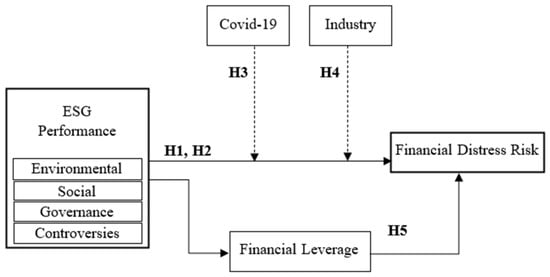
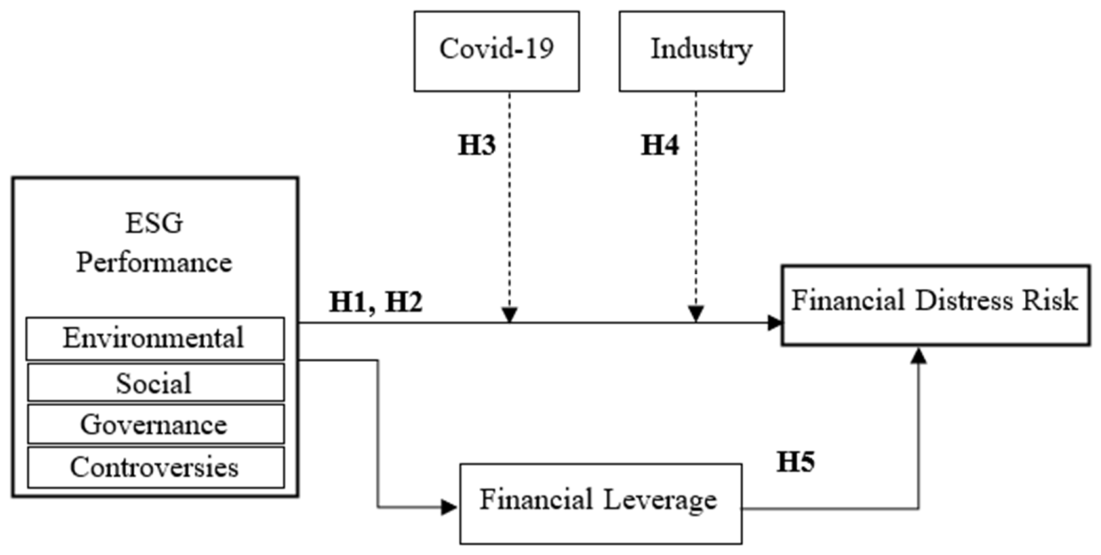
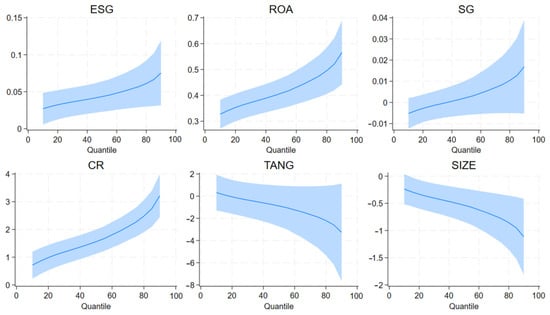
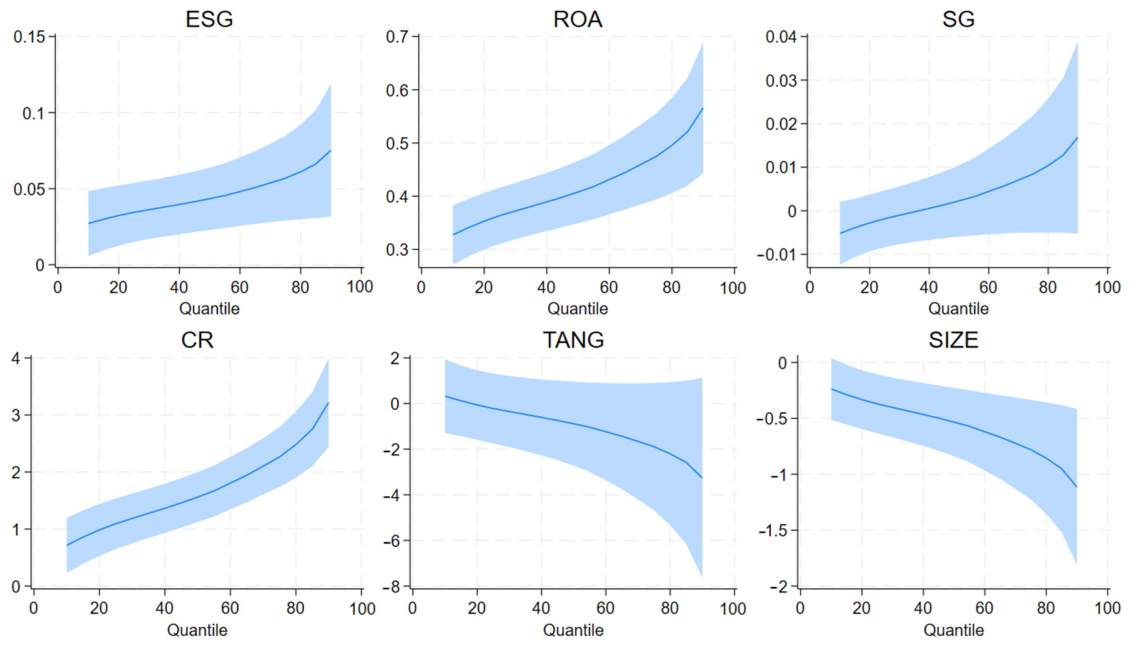
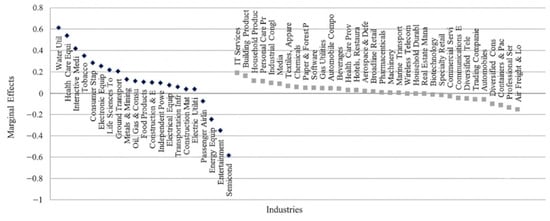
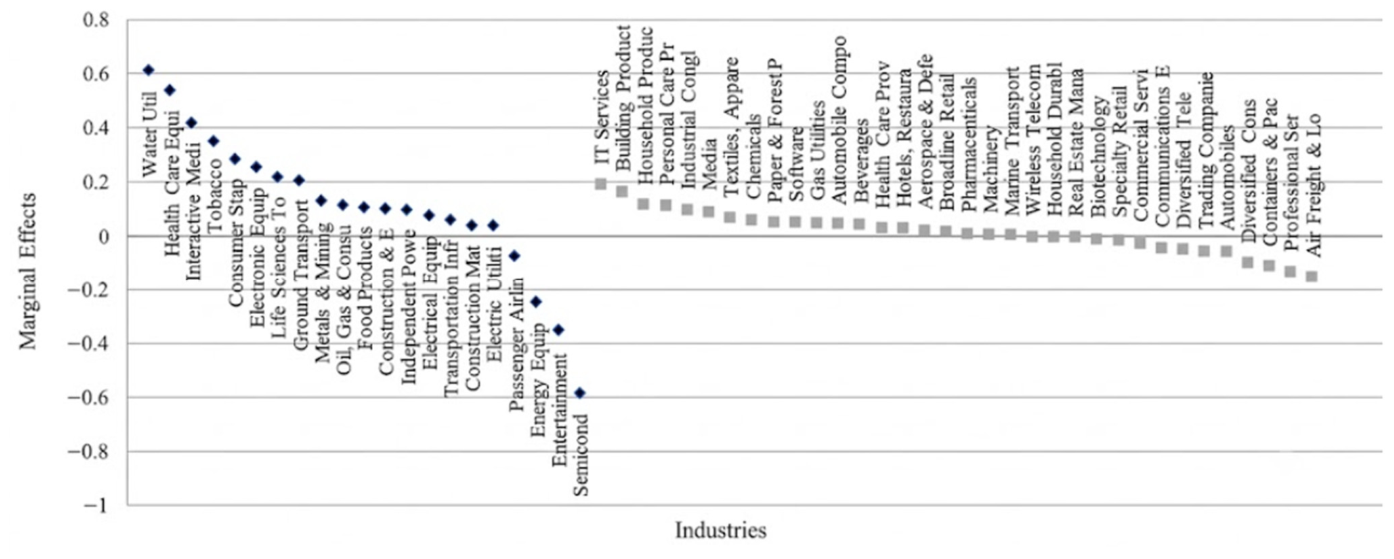

Disclaimer/Publisher’s Note: The statements, opinions and data contained in all publications are solely those of the individual author(s) and contributor(s) and not of MDPI and/or the editor(s). MDPI and/or the editor(s) disclaim responsibility for any injury to people or property resulting from any ideas, methods, instructions or products referred to in the content. |
© 2026 by the authors. Licensee MDPI, Basel, Switzerland. This article is an open access article distributed under the terms and conditions of the Creative Commons Attribution (CC BY) license.