


Abstract
This study investigates how sustainability reporting disclosure relates to earnings management and whether this relationship changes depending on board gender diversity and the effectiveness of the risk committee. Using 590 firm-year observations drawn from Jordanian listed companies, the study estimates the main relationships through pooled ordinary least squares (pooled OLS) regression. The findings indicate a significant negative association between sustainability reporting disclosure and accrual-based earnings management. This suggests that greater sustainability reporting disclosure is associated with less managerial discretion in financial reporting. However, the analysis does not provide statistically significant evidence that board gender diversity or risk committee effectiveness moderates this relationship. The results are robust to alternative earnings management proxies, as similar conclusions are obtained using Kothari-adjusted discretionary accruals and measures of real earnings management. To overcome potential endogeneity and selection issues, additional analyses with the two-step system GMM model yield similar main findings. By focusing on an emerging-market context, the study extends prior research on sustainability and corporate governance and shows that sustainability reporting may serve an important accountability role in strengthening the quality of financial reporting.
1. Introduction
Sustainability reporting is now seen as part of a wider system of corporate accountability along with financial reporting. ESG data is used by investors, regulators, and other stakeholders to assess companies’ long-term risks, strategic resilience, and vulnerability to non-financial uncertainties. Meanwhile, earnings continue to play a vital role in corporate assessment, in contracts for executives, in debt contracts, and in resource allocation decisions. An agency-theory analysis suggests that information disclosure can help address information asymmetry in the stock market, thereby limiting managerial discretion and decreasing informational advantage of the corporate insider (Jensen & Meckling, 1976; Healy & Wahlen, 1999). Other theories of reporting can be summarized by the stakeholder theory, which views reporting as a way of accountability, by which firms respond to the interests and expectations of investors, employees, local communities, regulators, and other affected constituencies (Freeman, 1984; Hahn & Kühnen, 2013; Bebbington & Larrinaga, 2014). When supported by substantive organizational practices, corporate responsibility may also strengthen firms’ financial resilience. For instance, Boubaker et al. (2020) report that the risk of financial distress decreases for companies with higher corporate social responsibility engagement.
The growing attention to sustainability reporting has created a stronger need for disclosures that are both comparable and useful for decision-making. In response to this need, the International Sustainability Standards Board (ISSB) introduced IFRS S1 and IFRS S2, providing a more structured basis for reporting sustainability-related financial information and enhancing its consistency and reliability (IFRS Foundation, 2023). The introduction of these standards also signals a closer connection between sustainability and financial reporting, as companies are increasingly expected to explain how sustainability-related issues may affect their risks and future opportunities. Despite these advances, sustainability reporting is still far from consistent in emerging markets, as both regulatory frameworks and institutional arrangements continue to evolve.
Even as sustainability reporting frameworks continue to develop, it is still uncertain how such reporting relates to earnings quality, with previous studies producing inconsistent empirical results. More sustainability disclosure could signal a higher ethical orientation, stakeholders’ responsiveness, and internal transparency, reducing managers’ incentives and opportunities to manipulate reported earnings from an accountability standpoint. But there is an alternative explanation in the form of legitimacy theory. A disclosure strategy can be employed to maintain the legitimacy of the organization, especially when substantive operational or governance changes are costly or difficult to achieve (Suchman, 1995; Deegan, 2002). In this context, it is possible for there to be selective narratives, symbolic compliance, organizational faces, and greenwashing practices (Boiral, 2013; Cho et al., 2015; Michelon et al., 2015; Yu et al., 2020) along with extensive sustainability reports. Sustainability reporting can thus serve as a substantive reporting mechanism for accountability or as a symbolic device to redirect the attention of stakeholders away from opportunistic managerial actions.
Theoretical mechanisms seem to be at war in the empirical evidence. Some studies link corporate responsibility and sustainability-oriented activities to better earnings quality and reduced earnings management (Gerged et al., 2023; Gerged et al., 2020; Kim et al., 2012; Litt et al., 2014; Jordaan et al., 2018; Ehsan et al., 2022). Firms that place greater emphasis on stakeholder interests appear less prone to reporting practices that could undermine the credibility of their financial statements. Other evidence, however, suggests that corporate responsibility does not always constrain earnings management, with some studies finding positive relationships or no statistically significant association at all (Prior et al., 2008; Muttakin et al., 2015; Buertey et al., 2020; Zhang et al., 2021). The inconsistency in prior findings indicates that variations in earnings management practices are unlikely to be explained by sustainability reporting on its own. Instead, the relationship may depend on the governance arrangements through which sustainability information is reviewed, challenged, and incorporated into corporate decisions.
This is a key issue especially in emerging markets, where sustainability reporting standards can evolve faster than the institutional frameworks needed to advance their credibility. More sustainability information is evident and available to regulators thanks to regulatory reform, but it does not always result in equivalent better enforcement, external assurance, internal reporting controls, or board-level oversight. Jordan is one of the most instructive transitional spaces where the question can be explored. In 2022, the Amman Stock Exchange (ASE) announced sustainability reporting rules that took effect in 2023, obliging companies in the sample of the ASE20 index to submit sustainability reports for the 2022 reporting period, as per the Global Reporting Initiative (GRI) framework. The ASE found a compliance rate of 95 per cent, and of the reports submitted, around 74 per cent were prepared by the first-time reporters (Amman Stock Exchange, 2023). This reform significantly raised the profile of sustainability reporting, but it did not guarantee consistent materiality assessments, effective internal controls or the quality, or the extent of independent external assurance of the disclosure.
The Jordanian context can therefore be used to differentiate between the presence or absence of sustainability reporting, and its substantive accountability implications. In institutions where the sustainability disclosure systems are still in the process of institutionalization, the effectiveness of reporting’s constraint on earnings management may be more a function of whether the boards have the capacity, independence, and specialized supervision to challenge management’s reporting decisions rather than the volume of disclosure. This study therefore focuses on two governance mechanisms that may condition the association between sustainability reporting and earnings management: board gender diversity and risk committee effectiveness.
Boards with more diverse gender representation may benefit from broader viewpoints and experiences, which can improve the quality of oversight and discussion. A more gender-diverse board may encourage broader discussion and reduce the tendency to accept managerial assumptions without sufficient challenge. The presence of women on the board does not automatically translate into stronger oversight. Their contribution may become more effective when they have sufficient independence, relevant expertise, real influence in board decisions, and enough representation to move beyond token participation (Adams & Ferreira, 2009; Adams & Funk, 2012; Gull et al., 2018). Board gender diversity may consequently enhance the credibility of firms’ sustainability reporting when different members of the board have the necessary authority and organizational resources to challenge any mismatch between firms’ sustainability reporting and their financial reporting processes.
Effectiveness of the risk committee is another form of governance, but a complementary one. Sustainability-related risks may have a direct impact on provisions, asset impairment assessments, expected cash flows, contingent liabilities, forecast assumptions, and other accounting estimates that are subject to managerial judgment. When the risk committee functions effectively, it can help bring sustainability-related risks into the company’s broader risk management and control processes, including the judgments involved in financial reporting (Subramaniam et al., 2009; Hines & Peters, 2015; Musa et al., 2025). Gender diversity may strengthen the board’s overall capacity to question management, whereas an effective risk committee offers a more specialized channel for linking sustainability-related risks to their financial reporting consequences. The question of the amount of sustainability information published is thus not just whether a company publishes it, but whether it is contestable, verifiable, and consequential for management behavior. Gerged et al. (2023) investigated the impact of corporate environmental disclosures and earnings management, with the corporate governance structures acting as a moderator. The study extends earlier work by adopting a more comprehensive GRI-based sustainability disclosure measure and by examining whether board gender diversity and risk committee effectiveness shape the relationship under investigation.
Against this background, the study investigates how sustainability reporting is associated with accrual-based earnings management and whether this association varies with the gender composition of the board and the effectiveness of the risk committee. It provides for two related questions. First, is increased sustainability reporting a constraint or an enabler to managerial discretion in reported earnings? Second, what governance conditions are related to the stronger association of sustainability reporting with financial reporting integrity? To conduct the empirical analysis, a balanced panel of 59 non-financial firms listed on the ASE during 2015–2024 is used, which yields 590 observations of firm-years. The firm and year fixed-effects models are estimated in addition to other specifications for earnings management measures and other specifications that consider endogeneity and sample-selection issues.
The four main contributions of this study are outlined below. First, it creates a conditional-accountability framework that incorporates agency, stakeholder, and legitimacy theories to account for the possibility of varying financial reporting outcomes among firms. Rather than treating a higher level of disclosure as automatically meaningful or merely symbolic, the framework argues that its accountability effect depends on how effectively governance mechanisms review, challenge, and enforce the reported information. Second, the study sees a relationship between sustainability reporting and earnings management as being embedded in a boundary condition (corporate governance) rather than considering governance characteristics as a set of standard control variables. This approach focuses not on whether sustainability reporting generally has an impact on earnings management, but on the institutional and organizational context within which this impact arises. Third, the study compares two theoretically different methods of monitoring and assesses them at the same time. Board gender diversity indicates the scope and independence and stakeholder focus in board discussion, while risk committee effectiveness indicates specific risk committee oversight of interdependent financial and non-financial risks. An analysis of both mechanisms offers more detailed insight in how the composition of the general board and specialized risk governance affects the credibility of sustainability reporting. Fourth, the study is empirically strengthened by using accrual-based and real earnings management proxies and multiple estimation methods. This design permits the assessment of the robustness of the observed relationships with respect to the specific measure of managerial discretion, as well as the consistency of the results with regard to alternative operationalizations and econometric assumptions. The study builds on sustainability accounting and corporate governance literature and offers the necessary supporting evidence for regulators, boards, and investors in emerging-market contexts where sustainability reporting needs are constantly changing.
2. Jordanian Institutional Setting
Jordan uses internationally recognized financial reporting rules with the monitoring constraints of a relatively small, emerging capital market. The degree of ownership concentration, degree of analyst following, international exposure, organizational size, and governance capacity vary widely across listed companies. These differences have implications for incentives to provide sustainability information, and for the questions that boards can ask about accounting choices.
Throughout the study period, sustainability reporting had become more of a mandatory reporting practice. The number of companies with formal participation increased quickly for the ASE20, with 95 percent complying and about 74 percent being first-time reporters (Amman Stock Exchange, 2023). This discontinuity implies that the reporting of breadth could have been growing more quickly than the processes for materiality, data systems, internal assurance, and integration of the board.
The governance environment is far from uniform across the sample. Female board representation remains limited, and firms differ in how they organize risk oversight, with these responsibilities assigned to different board-level or committee structures. Prior studies in the Jordanian context indicate that governance structures matter for sustainability-related disclosure and can affect how environmental disclosure is associated with earnings management practices (Alodat et al., 2023). Studies covering the wider MENA context indicate that the influence of board characteristics is not uniform, but may depend on the institutional environment and on whether earnings management is carried out through accruals or real activities (Almarayeh et al., 2024).
Theoretically, Jordan thus offers a context in which formal reporting development exists alongside varying organizational capacity. This mix makes it possible to directly test whether disclosure expansion is enough to enhance the earnings quality or whether substantive monitoring capacity decides the financial reporting outcomes of sustainability reporting.
3. Theoretical Framework and Hypotheses
3.1. Sustainability Reporting Disclosures and Earnings Management
The substantive accountabilities approach sees sustainability reporting as a way of reducing information asymmetry, improving reputational risks, and developing internal measures. Accrual choices might become more limited for firms that integrate sustainability into their strategy, as a result of more formal controls and longer decision horizons (Gerged et al., 2023; Eccles et al., 2014; Cuadrado-Ballesteros et al., 2017). In several contexts, the association between responsible behaviors or efforts to protect the environment and lower earnings management is found (Kim et al., 2012; Litt et al., 2014; Hickman et al., 2021). Moreover, authentic CSR can mitigate the financial distress exposure and enhance the resilience of the organization (Boubaker et al., 2020).
From a legitimacy perspective, corporate disclosure may be used to manage how the firm is viewed by stakeholders, even when the underlying incentives surrounding financial reporting remain unchanged. When disclosure is subject to limited verification, firms may use responsibility-related narratives in ways that obscure rather than reveal opportunistic managerial behavior (Prior et al., 2008; Muttakin et al., 2015; Hummel & Schlick, 2016). Chih et al. (2008), Buertey et al. (2020), and Zhang et al. (2021) found examples of disclosure and earnings manipulation being complementary. In this transitional area for Jordan, both mechanisms are possible, and therefore this study suggests competing hypotheses, not assuming that the disclosure volume is necessarily credible.
Different viewpoints are performed differently in different ways of organizing. Firms should define indicators, designate data owners, document assumptions, and create review processes, to be sure reporting is credible. These routines can help align the consistency of non-financial and financial reporting because many sustainability topics have a bearing on costs, asset values, contractual obligations, and future cash flow. However, positive sustainability narratives can also help to safeguard the company’s reputation or divert attention from hasty account estimates in poor verification settings.
Findings from previous empirical studies remain mixed. A negative relationship would be consistent with an accountability-based explanation, whereas a positive relationship could reflect symbolic reporting or efforts to protect corporate reputation. The sign of the relationship does not, by itself, reveal managers’ intentions. Abnormal accruals can arise for several reasons, including pressure to meet performance targets, differences in control systems, and the complexity of firm operations. Accordingly, the study develops competing hypotheses for the direct effect and uses governance interactions to provide a more refined test of the relationship. With an increase in board diversity or in risk oversight, the relationship between disclosure and earnings management should become more negative, if governance translates disclosure into monitoring and corrective.
H1.
Sustainability reporting is negatively associated with accrual-based earnings management.
3.2. Board Gender Diversity
Agency theory sees the board as a monitoring structure, while resource-dependence theory focuses on board knowledge, legitimacy, and external relationships (Hillman et al., 2000). Gender-diverse boards can broaden the scope of information being evaluated, limit conformity, and enhance board challenge (Adams & Ferreira, 2009; Bear et al., 2010). There are some studies that link to higher earnings quality with female leadership; the evidence depends on director attributes and the institutional context (Peni & Vahamaa, 2010; Srinidhi et al., 2011; Arun et al., 2015; Kyaw et al., 2015; Gull et al., 2018). The monitoring argument makes no assumption about the uniformity of preferences of all female directors. Broadly speaking, diversity in the composition of the board could bring in more professional experiences, networks, and interpretations. However, critical-mass research warns that isolated representation can be merely symbolic, especially if there is little support for independence, expertise, committee membership, or coalition membership (Kanter, 1977; Konrad et al., 2008; Torchia et al., 2011). The direct monitoring argument suggests a negative relationship to accrual-based earnings management.
Board gender diversity can show up more in a particular monitoring activity than in a direct effect. Environmental exposures, employee issues, community obligations, and commitments with a longer horizon are among the items in sustainability reports that demand directors to do the comparison between public and internal evidence. Female directors have been correlated to better sustainability and environmental disclosure (Liao et al., 2015; Al-Shaer & Zaman, 2016; Ben-Amar et al., 2017). A diverse board might include a greater number of members who wonder if board statements of sustainability are optimistic and consistent with provisions, capital expenditure, cost recognition, forecasts, and risk assumptions. Therefore, the hypothesized relationship should be negative: an increase in board gender diversity should have a negative effect on any positive relationship between sustainability reporting and earnings management, and a positive effect on any negative relationship. This prediction does not depend on the unconditional SRDI coefficient being negative. In the interaction model, the SRDI coefficient corresponds to the association at the baseline levels of the centered governance variables, while the moderation coefficient corresponds to the variation of that association in relation to a variation of the board gender diversity.
H2.
Board gender diversity negatively moderates the association between sustainability reporting and accrual-based earnings management.
3.3. Risk Committee Effectiveness
At the board level, risk committees are typically responsible for giving focused attention to a wide range of risks, including financial, operational, strategic, and compliance-related exposures. Specialization may alleviate the burden of monitoring and enhance the level of scrutiny of provisions, impairments, forecasts, and other forward-looking estimates. A risk committee is unlikely to add much value if it exists only in form. For it to provide meaningful oversight, its members need adequate independence and expertise, the committee must be properly constituted, and it should meet often enough to scrutinize and challenge management decisions (Subramaniam et al., 2009; Yatim, 2010; Hines & Peters, 2015).
The direct effect can be achieved by prevention, detection, and escalation. More defensible assumptions may be made by management when they know that their committee will be reviewing the report; the committee can compare risk reports, budgets, and accounting models for inconsistencies; and anything that is not resolved can be taken to the full board, audit committee, or external auditor. Consistent with this argument, Musa et al. (2025) report that stronger risk committee characteristics are associated with lower levels of both accrual-based and real earnings management in an emerging-market setting.
Sustainability disclosures may identify exposures that may have indirect or time-lagged impacts on the accounting. Provisions related to environmental obligations can have an impact on provisions and asset values, supply-chain disruptions can have an impact on inventory and revenue forecasts, and employee/safety issues can have an impact on costs, liabilities, and production assumptions. When sustainability and finance are separated, public narratives can diverge from the accounting estimates and risk assessment, which takes place within the company.
This disconnect can be reduced when the risk committee creates stronger links between sustainability reporting and the firm’s wider risk and financial processes, including shared risk ownership, enterprise risk assessment, capital-allocation decisions, and the preparation of financial statements. Therefore, more effective risk management should result in unsupported disclosure being more expensive and in moving the sustainability reporting–earnings management association even more negatively.
H3.
Risk committee effectiveness negatively moderates the association between sustainability reporting and accrual-based earnings management.
4. Research Methodology
4.1. Sample and Data
The population includes non-financial public shareholding companies quoted on the ASE. Financial institutions are not included since their financial statement footnote, structure, risk profile, and accrual-generating processes cannot be directly compared with those of industrial and service companies, as required by the regulatory requirements. The study spans 10 fiscal years (2015–2024). The number of companies observed in each year is 59, so the number of firm-year observations in the balanced panel is 590 (59 firms × 10 years). The 2020–2021 observations were kept to maintain the balanced-panel structure and processed in the same manner as the observations in the other years of the study.
Financial variables are taken from audited annual reports. Board and committee characteristics are derived from corporate governance reports and sustainability items from annual reports, standalone sustainability reports, and ASE filings. Firm names, ticker symbols, and fiscal years are reconciled before coding to ensure that the same financial year is observed for each governance and sustainability observation. Continuous variables are winsorized at the 1st and 99th percentiles.
4.2. Variable Measurement
4.2.1. Earnings Management
Accrual-based earnings management is captured through ABS_DAC, which represents the absolute value of the residual estimated from the modified Jones model. To derive total accruals, operating cash flow is deducted from net income before extraordinary items, and the difference is then standardized by total assets from the previous year. The estimation of expected accruals incorporates three main components: the inverse of prior-year total assets, changes in revenue net of receivable changes, and the firm’s gross property, plant, and equipment.
By using the absolute value of discretionary accruals, the analysis focuses on the extent of managerial discretion regardless of whether earnings are adjusted upward or downward. This approach is appropriate because both directions may signal weaker financial reporting quality. The signed residual is also examined separately to capture the direction of discretionary accruals and avoid offsetting positive and negative values.
To capture accrual-based earnings management, the study relies on the modified Jones approach developed by Dechow et al. (1995), which has been widely adopted in earlier empirical work as a measure of discretionary accruals.
where total assets at the end of year t − 1 is denoted as at −1, while ΔREVt represents the difference between the operating revenues in year t and year t − 1, ΔRECt represents the difference between the net receivables in year t and year t − 1, and PPEt represents the property, plant, and equipment at the end of year t. TACCt is the total accruals in year t, calculated as the difference between net profit and operating cash flows from activities in year t. The non-discretionary accruals (NDACC) are calculated using the coefficients identified in Equation (1).
Robustness tests involve absolute discretionary accruals that are performance-matched (KOTHARI_DAC), based on Kothari et al. (2005) and real earnings management (REM). REM is defined as abnormal cash flow from operations, production costs, and discretionary expenditure; higher scores are associated with higher abnormal operating activity aimed at boosting current period net earnings (Roychowdhury, 2006). These proxies are used to detect abnormal accounting or operating actions, not to detect managerial actions. Therefore, this paper introduces the term “earnings management proxy” and treats the REM evidence with caution. Managers can choose accrual-based or real methods based on their comparison in costs and detectability (Cohen et al., 2008; Zang, 2012).
4.2.2. Sustainability Reporting Disclosures
The study captures the extent of sustainability reporting through a binary disclosure index based on the GRI framework, with each applicable item receiving equal weight. The full list of codes and disclosure categories is included in Appendix A. A total of 40 items are assessed in constructing the disclosure index. For each item, a binary score is used, with 1 indicating that the information appears in the company’s reporting and 0 indicating its absence. A single researcher carried out the coding using a structured protocol developed before the data collection began. This procedure was intended to apply the same assessment criteria consistently across companies and over time. Once all items had been coded, the completed coding sheets were reviewed again by the researcher to identify any inconsistencies or recording errors.
The items of the sustainability disclosure were coded manually from the firms’ annual and sustainability reports. Prior to assigning disclosure scores, the researcher considered whether each GRI item was relevant to the company’s operations and whether the item could reasonably apply within that firm’s reporting context. The SRDI is calculated as the number of disclosed applicable items divided by the total number of applicable items:
SRDI takes values between 0 and 1, where a higher score reflects more extensive reporting across the sustainability items considered applicable to the firm. Using an unweighted index makes it possible to compare firms even when their reporting formats and levels of sustainability reporting maturity differ.
4.2.3. Moderating Variables
BGD is calculated as the proportion of female directors to the total number of directors on the board. The continuous proportion is a better indicator of variation in representation than a mere presence indicator, and is more consistent with the study’s critical-mass argument. But it does not include the independence, tenure, and expertise of the director, his nationality, or his committee assignments. RMCE is an additive index composed of the following five characteristics: explicit risk mandate at the board level; a minimum of three members; majority independence; relevant financial/accounting/risk expertise; and at least three meetings per year. They are assigned a value of 1, then scaled to a standardized score between 0 and 1 by dividing by 5. These attributes are all related to committee authority, capacity, independence, expertise, and activity. A higher RMCE is not necessarily a better formal risk structure of oversight, but cannot measure informal influence or the substance of risk deliberation.
4.2.4. Controls
The study controls for a number of firm-level and governance-related variables that have been included in past earnings management studies, to isolate the relationship between the disclosure of sustainability report information and accrual-based earnings management. In particular, firm size (SIZE), leverage (LEV), profitability (ROA), board independence (BOARDIND), Big Four auditor affiliation (BIG4), ownership concentration (OWNCON), audit committee independence (ACIND), and female representation on the audit committee (Female AC) are the control variables.
The measure of firm size (SIZE) is based on the natural log of total assets and reflects differences in complexity of operations, political visibility, and reporting incentives between firms. Controls for the possible effect of debt-related pressures and covenant incentives on managerial reporting decisions are included in the leverage (LEV) ratio (total liabilities/total assets). Profitability (ROA) is added in, as it can influence managerial incentives and the estimation of discretionary accruals.
To measure the general monitoring effectiveness beyond board gender diversity, governance-related controls are included here, such as board independence (BOARDIND): the proportion of independent directors on the board. Ownership concentration (OWNCON) adjusts for the effect of shareholder domination on the decisions made by management and the reporting to shareholders. Additional monitoring mechanisms that could limit earnings management activities are included, such as audit committee independence (ACIND) and the presence of female members on the audit committee (Female AC). Lastly, BIG4 is an indicator variable representing the presence of an external auditor in a Big Four audit network, which reflects audit quality, professional expertise, and reputational incentives.
4.3. Empirical Specification
The descriptive statistic and the correlation analysis are followed by a series of diagnostic tests to ensure the suitability and reliability of the regression models, with the empirical analysis starting with descriptive statistics and correlation analysis. Panel data diagnostics are employed to test for the choice of the best estimation approach, such as the Breusch–Pagan Lagrange Multiplier (LM) test and Hausman specification test to compare the pooled OLS, random-effects, and fixed-effects estimations. The variance inflation factors (VIFs) are also computed to check for multicollinearity in the explanatory variables.
Pooled ordinary least squares (pooled OLS) is used as the baseline estimation technique for the purpose of the study, considering the diagnostic results. Three regression models are estimated to investigate the hypothesized relationships. Model 1 focuses on the direct link between the disclosure of sustainability reporting and accrual-based earnings management (H1). Board gender diversity and its interactions with disclosure of sustainability reporting are introduced in Model 2, to examine the moderating effect of board gender diversity (H2). Risk committee effectiveness and interaction terms with sustainability reporting disclosure are added to model 3 to examine the moderating role of risk committee effectiveness (H3). Baseline regression models are specified below:
Model 1 (Direct effect model):
Model 2 (Board gender diversity moderation model):
Model 3 (Risk committee effectiveness moderation model):
is a proxy for accrual-based earnings management, where ABS stands for absolute discretionary accruals; SRDI denotes the sustainability reporting disclosure index; BGD represents the board gender diversity; and RMCE captures the effectiveness of the risk committee. Firm size (SIZE), leverage (LEV), profitability (ROA), board independence (BOARDIND), Big Four auditor presence (BIG4), ownership concentration (OWNCON), audit committee independence (ACIND), and female representation on the audit committee (Female AC) are included in the vector of control variables.
The coefficient of interest is β_1 in Model 1 for H1. A negative and statistically significant coefficient reflects that a greater level of disclosure on sustainability is related to a reduction in accrual-based earnings management. The coefficient of the interaction term β_3 in in Model 2 in the present study measures whether the association between the disclosure of sustainability reporting and earnings management is strengthened or weakened with board gender diversity for H2. The moderating effect of board gender diversity is supported by the negative and significant interaction coefficient. Likewise, in Model 3, the interaction between the sustainability reporting disclosure and the risk committee effectiveness is explored in the case of H3. A negative and significant coefficient suggests that effective risk committees aggravate the negative relationship of sustainability reporting disclosure and accrual-based earnings management.
Pooled OLS is the main estimation method, but robustness tests can be carried out with other specifications, including dynamic panel estimation (two-step system GMM). The system GMM approach uses lagged earnings management and a collapsed instrument matrix, and reports the Arellano and Bond (1991) AR(1), Blundell and Bond (1998) AR(2), Hansen, and Difference-in-Hansen tests.
5. Results and Analysis
5.1. Descriptive Analysis
The descriptive statistics for the variables in the empirical analysis are displayed in Table 1. There are 590 observations about the sample of firms by year. The dependent variable, accrual-based earnings management (ABS_DAC), has a mean of 0.206 and a standard deviation of 0.056, and ranges between 0.038 and 0.394. This suggests that there is some genuine earnings management by accrual at the sampled corporations.
Table 1.
Descriptive statistics.
The differences in sustainability reporting practices among firms are reflected in the sustainability reporting disclosure index (SRDI), with a mean value of 0.175 and a standard deviation of 0.096, ranging from 0 to 0.515. The mean value of BGD is 0.203, meaning that on average, 20.3% of the members of the board are female directors. There is variation in risk committee structure effectiveness across firms, as indicated by the mean value of risk committee effectiveness (RMCE) = 0.401, with a standard deviation of 0.170.
The descriptive statistics for the control variables show that the average leverage (LEV) of the sample firms is 0.409, the average SIZE is 18.956 and the average profitability (ROA) is 0.032. The mean value of board independence (BOARDIND) is 0.378, and 41.5% of firm-year observations are audited by Big Four audit firms (BIG4). The average of ownership concentration (OWNCON) is 0.500, which suggests that concentrated ownership is typical for the sample firms. The mean values of audit committee independence (ACIND) and female representation on audit committees (Female AC) are 0.484 and 0.156, respectively.
Table 1 also provides alternative measures of earnings management for robustness analyses. The mean and SD of the Kothari performance-adjusted discretionary accruals measure (KOTHARI DAC) are 0.179 and 0.051, respectively. The mean value of the real earnings management measure (REM) is −0.058, ranging from −0.406 to 0.289. These measures are not included in baseline regression models, but rather are used in supplemental analyses to test the robustness of the results to the use of other proxies for earnings management.
5.2. Correlation Analysis
The Pearson correlation coefficient among the study variables is reported in Table 2. The findings offer some initial insights into the linkages between disclosure of sustainability reporting, governance mechanisms, and earnings management. There is a negative and statistically significant correlation between the two variables (SRDI and ABS_DAC), with r = −0.303, p < 0.10, indicating that the firms with higher levels of sustainability reporting disclosure have lower levels of accrual-based earnings management. This initial location is in line with the anticipated direction of H1.
Table 2.
Pearson correlations.
Likewise, the negative correlations between board gender diversity (BGD) and risk committee effectiveness (RMCE) in this study are r = −0.248 and r = −0.249, respectively, suggesting that the better the board and risk committee’s governance, the less likely the earnings management is. Moreover, the two moderators are positively associated with SRDI (r = 0.549 and 0.540), indicating that companies with more robust governance are more likely to report on sustainability.
The other earnings management measures are also positively and significantly correlated with each other and with ABS_DAC, with KOTHARI_DAC being correlated at 0.255 and REM at 0.135. These associations offer initial supporting evidence that the multiple earnings management constructs have distinct and related aspects of managerial reporting.
As far as multicollinearity concerns, there are some governance variables that do have moderate correlations with other variables included in the analysis, such as BGD with RMCE = 0.567 and RMCE with BOARDIND = 0.538, but none of these are above the generally accepted threshold of 0.80, indicating a low likelihood of severe multicollinearity. Then, a second variance inflation factor (VIF) test is performed in the regression analysis to obtain confirmation.
Moreover, Figure 1 describes the time comparison of sustainability reporting disclosure before and after the implementation of the sustainability reporting mandate by the ASE. A comparison is based on a balanced sample of 59 non-financial firms observed over the study period and reflects temporal trends in SRDI and not differences among separate groups of firms. The study period is divided into a pre-mandate stage (2015–2022; N = 472 firm-years) coded as 0, and a post-mandate stage (2023–2024; N = 118 firm-years) coded as 1. The findings show that the level of SRDI increased over time after the more structured sustainability reporting requirements were introduced, as indicated by the higher level of coverage in the post-mandate period compared to the pre-mandate period.
Figure 1.
Sustainability reporting disclosure before and after the ASE mandate.
5.3. Multicollinearity Test
Variance inflation factors (VIFs) are obtained to check for possible multicollinearity among the explanatory variables. The VIF statistics and tolerance values (1/VIF) for all variables used in the regression are reported in Table 3. The results show that all VIF values are significantly lower than the widely accepted threshold of 10; thus, there is no problem with multicollinearity. Risk committee effectiveness (RMCE) has the highest VIF value of 1.960, followed by board gender diversity (BGD) with a value of 1.938, and sustainability reporting disclosure (SRDI) with a value of 1.870. The mean VIF value is 1.434, which is lower than a conservative threshold of 5. Furthermore, all the tolerance values are greater than 0.5, which again indicates that there are no problematic correlations between the independent variables. The results show that the explanatory variables (i.e., the governance moderators and control variables) can be added to the regression models without causing any estimation problems. Thus, the regression coefficients may be confidently interpreted.
Table 3.
Variance inflation factor (VIF) test.
5.4. Normality Assessment
Figure 2 shows the histogram and kernel density estimate of accrual-based earnings management (ABS_DAC). The distribution is relatively normal, with the observations clustering around the mean without any significant skewness or outliers. The shape of the density curve is very similar to the shape of the histogram, indicating that the variable has a fairly normal distribution that is appropriate for regression.
Figure 2.
Distribution of accrual-based earnings management (ABS_DAC).
6. Regression Results
6.1. Main Results
Table 4 reports the regression baseline results from the analysis of the relationship between sustainability reporting disclosure (SRDI) and accrual-based earnings management (ABS_DAC) for pooled ordinary least squares (pooled OLS). The model is statistically significant (F = 14.437; p < 0.01), indicating that the explanatory variables as a group have significant explanatory power. The model accounts for around 18.3% of the variation in accrual-based earnings management, and 590 firm-year observations are used in the analysis.
Table 4.
Sustainability reporting disclosure and accrual-based earnings management.
The coefficient of the sustainability reporting disclosure (SRDI) is negative and statistically significant (β = −0.118, p < 0.01). The results of this finding suggest that companies that disclose more information on sustainability reporting demonstrate less accrual-based earnings management. The negative relationship indicates that such transparency and accountability of sustainability reporting could limit management discretion in reporting. Hence, the findings support H1, which states that the level of disclosure of sustainability reporting is negatively related to the level of accrual-based earnings management.
As far as the control variables are concerned, highly leveraged companies may be more motivated to engage in earnings management to avoid debt pressures, as seen with the positive significant relationship between leverage (LEV) and ABS_DAC (β = 0.061, p < 0.01). The firm size (SIZE) is positively associated with ABS_DAC at the 10% level of significance (β = 0.003, p < 0.10). However, the relationship is negative and significant between Big Four auditor affiliation (BIG4) and ABS_DAC (β = −0.019, p < 0.01), suggesting that better audit quality could help to diminish opportunistic accrual-based earnings management. ABS_DAC is also found to have a weak negative relationship with audit committee independence (ACIND) (β = −0.035, p < 0.10), which implies that better audit committee monitoring can positively affect the reporting quality.
The other control variables, such as profitability (ROA), board independence (BOARDIND), ownership concentration (OWNCON), and female audit committee (Female AC), are statistically insignificant, indicating that the direct effect of these variables on accrual-based earnings management are insignificant in the baseline model.
The results of the diagnostic tests justify choosing pooled OLS to be the estimation method of choice. The Breusch–Pagan LM test is not significant (χ2 = 0.00, p = 0.4722), meaning that there is no preference for random-effects estimation over pooled OLS. In addition, the Hausman test yielded an insignificant result (χ2 = 9.33, p = 0.4078), suggesting that there is no systematic difference between the fixed-effects and random-effects estimators. Hence, it is felt that pooled OLS is suitable for the baseline analysis.
6.2. Moderating Effect of Board Gender Diversity
The findings of the moderation analysis to determine if the relationship between sustainability reporting disclosure (SRDI) and accrual-based earnings management (ABS_DAC) was moderated by board gender diversity (BGD) are shown in Table 5.
Table 5.
Moderating effect of board gender diversity.
The interaction term of the sustainability reporting disclosure and the board gender diversity (SRDI × BGD) is negative, but not statistically significant (β = −0.084, p = 0.658). The coefficient shows that the relationship between board gender diversity and the relationship between disclosure of sustainability reporting with accrual-based earnings management is in the direction predicted, but the result is negligible, suggesting that board gender diversity does not significantly affect the relationship between disclosure of sustainability reporting and accrual-based earnings management.
Thus, the evidence is inconsistent with H2, which theorizes that the relationship between disclosure of sustainability reporting and the use of accrual-based earnings management is negatively moderated by board members’ gender diversity.
In addition, the direct effect of SRDI is not statistically significant (β = −0.086, p = 0.122) after including the interaction term and the direct effect of BGD is also not significant (β = −0.019, p = 0.653). The model is still statistically valid (F = 11.956, p < 0.01) and accounts for around 18.5% of the variance in ABS_DAC based on 590 firm-years.
6.3. Moderating Effect of Risk Committee Effectiveness
The moderation analysis results presented in Table 6 indicate that the effect of sustainability reporting disclosure on accrual-based earnings management is immediate. As shown in Table 6, the moderation analysis result suggests there is no moderation effect between sustainability reporting disclosure and accrual-based earnings management.
Table 6.
Moderating effect of risk committee effectiveness.
The interaction term between sustainability reporting disclosure and risk committee effectiveness (SRDI × RMCE) is negative, but statistically insignificant (β = −0.021, p = 0.867). This result indicates that the moderating effect is not statistically supported, although the directionality is captured: better risk committee performance is correlated with a greater decrease in accrual-based earnings management.
Consequently, the negative moderation between the relationship between sustainability reporting disclosure and accrual-based earnings management is not supported by the results of the hypotheses test.
The direct effect of SRDI is still negative, although not statistically significant, when RMCE is entered into the model, along with the SRDI × RMCE interaction term (β = −0.100, p = 0.133). Likewise, the coefficient of RMCE is not statistically significant (β = −0.014, p = 0.570). The overall model is statistically significant, F = 11.894, p < 0.01, and has an R-squared of 0.185.
6.4. Sensitivity Test
Additional analyses are performed with alternative measures of earnings management to scrutinize the robustness of the main findings. In particular, the study substitutes two alternative proxies for absolute discretionary accruals (ABS_DAC) with the Kothari performance-adjusted discretionary accruals (KOTHARI_DAC) and real earnings management (REM). The results are reported in Table 7 based on an alternative measure of accrual-based earnings management, namely, Kothari_DAC. The coefficient of sustainability reporting disclosure (SRDI) is still negative and statistically significant (β = −0.148, p < 0.01), suggesting that the more a firm report on sustainability, the lower the discretionary accruals will be. This finding is in line with the baseline results and further supports H1. The model is statistically significant (F = 21.536, p < 0.01) and explains 25.0% of the variation in KOTHARI_DAC.
Table 7.
Robustness analysis using Kothari performance-adjusted discretionary accruals.
The results using the alternative dependent variable of real earnings management (REM) are presented in Table 8. The coefficient of SRDI is still negative and statistically significant (β = −0.232, p < 0.01), which indicates that companies reporting higher levels of sustainability disclosure are also less likely to conduct real earnings management. The findings suggest that the negative relationship between earnings management and the disclosure of sustainability reporting is strong for various measures of earnings management.
Table 8.
Robustness analysis using real earnings management.
6.5. Endogeneity Test: Two-Step System GMM
In order to mitigate the potential endogeneity issues and the dynamic nature of earnings management, a two-step system generalized method of moments (system GMM) estimation is used (Roodman, 2009). This method addresses the issue of persistence of earnings management by adding the lagged dependent variable (ABS_DAC.L) and incorporates internal instruments to control for possible reverse causality and omitted variable bias.
As shown in Table 9 the lagged value of accrual-based earnings management (ABS_DAC.L) is negative and statistically significant (β = −0.509, p < 0.05), suggesting that prior-period earnings management is significantly related to current-period earnings management. After controlling for endogeneity, the coefficient of sustainability reporting disclosure (SRDI) still has a negative and statistically significant value (β = −0.410, p < 0.05), which indicates that sustainability reporting disclosure and accrual-based earnings management are negatively related.
Table 9.
Two-step system GMM estimation results.
The validity and specification tests provide evidence of the reliability of the system GMM estimates. The Arellano–Bond test shows that there is no evidence of second-order serial correlation (AR(2): z = −0.80, p = 0.420). Moreover, the instrument set is not over-identified, as the Hansen test is insignificant (χ2 = 18.64, p = 0.230). The Difference-in-Hansen tests further validate the instruments used in the GMM, in terms of both the levels (χ2 = 0.07, p = 0.964) and instrumental variables (χ2 = 8.37, p = 0.398).
Overall, the system GMM results confirm the baseline pooled OLS results, which corroborate the presence of a statistically significant negative relationship between sustainability reporting disclosure and accrual-based earnings management after controlling for possible endogeneity issues.
6.6. Two-Part Robustness Analysis of Sustainability Reporting Disclosure
A two-part robustness analysis is performed to further investigate whether the baseline findings are due to sustainability disclosure or to disclosure intensity of reporting companies (see Table 10). In the first part, sustainability disclosure is depicted using a binary indicator of one if the value of SRDI is positive, and zero if it is not. The coefficient for disclosure presence is negative but not significant (β = −0.016, p = 0.462), suggesting that disclosure of sustainability information alone does not have a significant negative relationship with accrual-based earnings management. The second part of the analysis is limited to the firm-year observations for which SRDI is positive. The coefficient of SRDI is negative and statistically significant (β = −0.118, p < 0.001). Overall, the findings indicate that the baseline relationship is influenced more by the depth of the sustainability disclosure than by whether a firm discloses or not.
Table 10.
Two-part robustness analysis.
6.7. Robustness Analysis Controlling for the Post-ASE Mandate
To further test robustness, the baseline model is re-estimated using an additional indicator of the post-ASE period (one for observations after the period of the mandate; zero otherwise). The relationship between SRDI and accrual-based earnings management is still negative and statistically significant (β = −0.111, p < 0.001) even after controlling for the regulatory period (see Table 11). The post-mandate indicator has a negative coefficient that is not statistically significant (β = −0.007, p = 0.229). Findings suggest that the primary negative relationship between the disclosure of sustainability reports and accrual-based earnings management remains strong even after controlling for the regulatory-period effect.
Table 11.
Robustness analysis controlling for the post-ASE mandate period.
6.8. Additional Test of Accrual–Real Earnings Management Substitution
Given the potential substitution of real and accrual-based earnings management, and in keeping with the substitution logic advanced by Zang (2012), REM has been added to the accrual-based earnings management specification along with SRDI and the remaining control variables (see Table 12). In this specification, the coefficient on REM is positive but statistically insignificant (β = 0.013, p = 0.545), which gives no evidence of a substitution relationship between real and accrual-based earnings management. Notably, the negative relationship between disclosure of SRDI and accrual-based earnings management is still statistically significant (β = −0.115, p < 0.001) and robust even after controlling for real earnings management.
Table 12.
Additional Test of accrual–real earnings management substitution.
7. Discussion
7.1. Sustainability Reporting and Accrual-Based Earnings Management
The results confirm that there exists a negative significant relationship between sustainability reporting disclosure (SRDI) and accrual-based earnings management (ABS_DAC), which aligns with H1. The findings suggest that there is a negative relationship between sustainability reporting disclosure and the level of discretionary accruals for companies with more disclosure. This discovery implies that sustainability reporting could be used as a tool of accountability because it can enhance transparency, diminish information asymmetry, and limit managerial discretion in financial reporting.
This is in line with the stakeholder theory that posits that companies with higher expectations from stakeholders are more likely to disclose transparent and credible information. Sustainability reporting makes companies more visible to investors, regulators, and other stakeholders, and puts managerial activities under the spotlight. The result also supports agency theory, which argues that improved disclosure will help to alleviate information asymmetry and improve the external monitoring mechanism.
The results are consistent with previous studies that have linked responsible corporate practices to earnings quality (Kim et al., 2012; Litt et al., 2014; Jordaan et al., 2018; Ehsan et al., 2022). Nevertheless, the effectiveness of sustainability reports needs to be analyzed in the institutional setting in emerging markets. Sustainability reporting in Jordan is still evolving, and sustainability information may be integrated to some extent into governance and internal control framework of the companies. Hence, it is concluded that sustainability reporting disclosure has an impact on increasing the reporting discipline.
This is also supported by the robustness analyses. The negative relationship between disclosure of sustainability reporting and earnings management is still robust when other earnings management proxies are used, such as Kothari-adjusted discretionary accruals and real earnings management. Furthermore, the results from the main relationship are robust when using the system GMM, which offer further evidence of the robustness of the main relationship with regard to potential endogeneity and selection bias concerns.
7.2. Board Gender Diversity as a Moderating Mechanism
The results do not support the moderating effect of board gender diversity between sustainability reporting disclosure and accrual-based earnings management statistically. The interaction coefficient between sustainability reporting disclosure and board gender diversity is negative but not significant, which means that board gender diversity has no significant effect on strengthening the effect of sustainability reporting disclosure on reducing earnings management. This discovery indicates that having a diverse board of directors is not enough for sustainability reporting to become a better financial reporting discipline. While other studies have identified the potential for demographic diversity, including female directors, to contribute to sustainability orientation and effectiveness of monitoring systems, it was not always found to be the case that demographic diversity leads to effective monitoring, even if it is provided with adequate authority, expertise, independence, and decision-making processes. The result is especially significant where the governance frameworks and/or board composition of emerging markets may differ from that of developed markets. Thus, the impact of gender diversity on the board can be contingent upon the manner in which board members are involved in the oversight process, rather than simply the presence of a diverse mix of genders.
7.3. Risk Committee Effectiveness as a Moderating Mechanism
The results also failed to confirm the moderating role of the risk committee effectiveness in the relationship between the disclosure of sustainability reporting and accrual-based earnings management. The coefficient of the relationship between sustainability reporting disclosure and effectiveness of the risk committee is negative but is not statistically significant.
This result suggests that risk committees may not yet be fully integrated with sustainability reporting and financial reporting processes. In emerging markets, sustainability risks can be limited in being integrated in enterprise risk management systems, while traditional financial and operational risks remain the main concerns of the risk committees.
This does not mean that risk committees are ineffective, however. Instead, it suggests that risk committees will only be effective if they are linked to sustainability information as part of the internal control, risk assessment, accounting estimate, and strategic decision-making processes. In the future, risk committees could be better equipped to fulfill the monitoring function if there is better linkage between sustainability reporting and risk governance.
7.4. Sustainability Reporting and Alternative Earnings Management Measures
The findings from the additional analyses indicate that the links between the disclosure of sustainability reporting and earnings management are persistent across alternative measures. In particular, sustainability reporting disclosure is found to be negatively related to discretionary accruals and real earnings management (Kothari-adjusted).
The results presented here show that the monitoring function of sustainability reporting is not limited to accrual-based accounting decisions and can also impact managerial operational decisions. The negative association is consistent in both accrual-based and real earnings management strategies, as managers can use either approach (Cohen et al., 2008; Zang, 2012), suggesting that a positive association between sustainability and managerial accountability may be obtained from the components.
However, the difference between accounting-based and operational types of earnings management is crucial, since real activities lie within strategic choices concerning production, price, investment, and expenditure. Sustainability reporting should thus be seen as a part of a wider governance framework and not as an institution in itself.
8. Implications
8.1. Theoretical Implications
This study adds to the existing body of sustainability reporting and corporate governance literature by providing evidence that the link between sustainability reporting and earnings management is not just about the quantity of disclosure but about a wider range of accountability practices. The results indicate that there exists a negative relationship between accrual-based earnings management and sustainability reporting disclosure, which supports the idea that the increased transparency can lower information asymmetry and limit managerial opportunism. The research advances stakeholder theory by explaining how sustainability reporting can become a tool to which companies respond to wider stakeholders’ expectations and enhance financial reporting discipline. Sustainability disclosure can promote external transparency and accountability, which may push managers to report in a more transparent manner.
The results further support agency theory, shedding light on disclosure as an external monitoring mechanism. While prior research has emphasized the importance of governance structures in reducing agency problems, this study shows that sustainability reporting itself can contribute to reducing managerial discretion in financial reporting. Moreover, the study offers a better understanding of governance mechanisms. The governance characteristics alone do not necessarily increase the effect of sustainability reporting, as the moderation effects of board gender diversity and risk committee effectiveness were not significant. It indicates that governance tools are effective when they are in use, have authority and expertise, and are embedded in organizational processes.
8.2. Practical and Policy Implications
There are several practical implications for managers, regulators, and governance bodies based on the findings. First, companies need to understand that sustainability reporting is more than a communication exercise; it is also an accountability process that can enhance transparency and minimize opportunistic financial reporting. The value of sustainability disclosure can be strengthened by incorporating sustainability issues into strategic planning, internal control, and risk management procedures. The results underscore the importance of building sustainability reporting frameworks in emerging markets that focus on disclosure quality, consistency, materiality, and integration with financial reporting. Raising the reporting requirements of companies will not be enough unless companies develop the internal capacity to link sustainability information to decision-making and governance. The results also offer implications for boards of directors and risk committees. In this study, board gender diversity and the effectiveness of risk committees do not significantly moderate the link between sustainability reporting and earnings management, yet these are still considered as key elements of effective governance. Their contribution may be contingent on the ability of directors and committees to have the necessary knowledge, independence, access to information, and authority to question managerial decisions.
8.3. Implications for Auditors, Investors, and Corporate Stakeholders
The results indicate that sustainability reporting should be regarded as an extra source of information for auditors and investors as they evaluate the quality of financial reporting. Sustainability disclosures can offer more than just financial information, offering clues about a company’s orientation towards transparency and governance. The results show the significance of incorporating sustainability-related information in assessing business risks, management assumptions, and possible inconsistencies in sustainability reporting for auditors. However, auditors and investors are advised to not use the amount of sustainability disclosure as the key measure of reporting quality; also, disclosure credibility, assurance practices, governance involvement and the connection between disclosure information and financial results should be considered. The results highlight the importance of sustainability considerations in organizational systems for the effectiveness of corporate sustainability reporting for corporate stakeholders. Companies with sustainability risks linked with enterprise risk management, internal controls, and financial reporting processes are more likely to generate positive accountability results.
9. Limitations and Future Research
The study contributes important insights to the link between sustainability reporting disclosure, governance mechanisms, and earnings management, yet several opportunities exist for future research. First, this study is conducted on the Jordanian market, thereby giving evidence in an emerging market context. To explore whether differences in regulatory context, sustainability practice, and governance shape the relationships observed, this study should be extended to other countries and institutional contexts in future studies.
Secondly, the study utilizes sustainability reporting disclosure extent as a measure of sustainability reporting. This approach could be further enhanced in future studies by adding the other dimensions of sustainability reporting quality, such as disclosure credibility, external assurance, materiality, stakeholder engagement, and consistency with international sustainability reporting frameworks. These methods could offer a deeper understanding of the effect of the quality and content of sustainability reporting on corporate reporting practices.
Third, the study employs various robustness procedures, such as system GMM; yet, future research may use other research designs, such as longitudinal comparative studies, regulatory change settings, or quasi-experimental methods, to further examine how sustainability reporting influences earnings management.
Fourth, this study explores how the gender composition of the board and the effectiveness of the risk committee are significant governance mechanisms. Other governance traits that could be explored in future research include the experience of the board in sustainability issues, sustainability committees, external assurance practices, and sustainability risks in enterprise risk management systems.
Finally, another restriction is the manual coding of the sustainability reporting disclosure index. The coding was carried out by one researcher who employed a predetermined coding protocol and structured checklist, and was followed by consistency checks by the same researcher. Thus, an independent inter-coder reliability check was not available. The use of predefined coding criteria was designed to create a uniformity in coding by different firms and in different reporting periods, but some measure subjectivity may remain in the absence of an independent second coder. Future studies might increase the validity of disclosure measurement by using more than one independent coder and reporting formal inter-coder reliability data.
10. Conclusions
This study investigates the relationship between sustainability reporting disclosure and earnings management, and explores whether board gender diversity and risk committee effectiveness have an impact on this relationship. The study offers empirical evidence on associations between sustainability-related transparency and financial reporting practices in the context of emerging markets, using a sample of Jordanian listed companies.
The results show that sustainability reporting disclosure has a negative relationship to accrual-based earnings management, suggesting that firms with higher sustainability reporting practices have lower discretionary accruals. This correlation is still present for alternative earnings management measures, such as discretionary accruals after Kothari and real earnings management, and when potential endogeneity and selection concerns are addressed through additional robustness analyses.
The findings lack statistical significance, and thus do not support the moderating effect of board gender diversity and risk committee effectiveness. These results suggest that the existence of governance characteristics alone may not be sufficient to enhance the influence of sustainability reporting on financial reporting quality. Rather, governance mechanisms could be more effective based on their engagement, knowledge, and embedding in organizational controls and risk management frameworks.
The study adds to the sustainability and corporate governance literature by focusing on the fact that sustainability reporting can be used as an accountability mechanism which can facilitate higher financial reporting discipline. It also presents evidence from an emerging-market context, where sustainability practices and governance are still emerging. The findings have practical implications for companies, regulators, investors, and governance bodies, highlighting the need to enhance the quality of disclosure and reinforce underlying corporate governance systems to support meaningful sustainability practices.
Overall, the study confirms that sustainability reporting is not simply a communication device, but that it may be an important component of corporate responsibility. The future of sustainability governance, sustainability assurance, and the integration of sustainability risk can further enrich the function of sustainability reporting in effective disclosure and responsible corporate action.
Author Contributions
Conceptualization, I.A.; methodology, I.A. and A.A.A.; formal analysis, I.A. and A.A.A.; investigation, I.A., S.M.A. (Safaa M. Ahmad), and S.M.A. (Sajead Mowafaq Alshdaifat); data curation, I.A. and M.Y.A.; writing—original draft preparation, I.A.; writing—review and editing, I.A., S.M.A. (Sajead Mowafaq Alshdaifat), S.M.A. (Safaa M. Ahmad)., M.Y.A., and A.A.A.; supervision, I.A.; project administration, I.A. and S.M.A. (Sajead Mowafaq Alshdaifat). All authors have read and agreed to the published version of the manuscript.
Funding
This research received no external funding.
Institutional Review Board Statement
Not applicable.
Informed Consent Statement
Not applicable.
Data Availability Statement
The data used in this study were compiled from publicly available annual reports, sustainability reports, and Amman Stock Exchange disclosures.
Conflicts of Interest
The authors declare no conflicts of interest.
Appendix A. Sustainability Reporting Disclosure Index (SRDI) Coding Checklist
| No. | Sustainability Disclosure Item | GRI-Based Area | Coding |
| 1 | Reporting period and scope of sustainability reporting | General Disclosure | 1 = Disclosed; 0 = Not disclosed |
| 2 | Reference to the GRI Standards or GRI content index | Reporting Practice | 1 = Disclosed; 0 = Not disclosed |
| 3 | Process used to determine material sustainability topics | Materiality | 1 = Disclosed; 0 = Not disclosed |
| 4 | Identification of material sustainability topics | Materiality | 1 = Disclosed; 0 = Not disclosed |
| 5 | Stakeholder identification and engagement | Stakeholder Engagement | 1 = Disclosed; 0 = Not disclosed |
| 6 | Board or senior-governance oversight of sustainability matters | Governance | 1 = Disclosed; 0 = Not disclosed |
| 7 | Sustainability-related policies, commitments, or strategy | Governance/Strategy | 1 = Disclosed; 0 = Not disclosed |
| 8 | Ethics, integrity, and responsible-business principles | Governance | 1 = Disclosed; 0 = Not disclosed |
| 9 | External assurance of sustainability information | Reporting Assurance | 1 = Disclosed; 0 = Not disclosed |
| 10 | Direct economic value generated and distributed | Economic Performance | 1 = Disclosed; 0 = Not disclosed |
| 11 | Financial implications of climate-related or sustainability risks and opportunities | Economic Performance | 1 = Disclosed; 0 = Not disclosed |
| 12 | Significant indirect economic impacts | Economic Impacts | 1 = Disclosed; 0 = Not disclosed |
| 13 | Procurement practices and use of local suppliers | Procurement | 1 = Disclosed; 0 = Not disclosed |
| 14 | Anti-corruption policies, risks, incidents, and actions | Anti-Corruption | 1 = Disclosed; 0 = Not disclosed |
| 15 | Anti-competitive behavior and related compliance matters | Business Conduct | 1 = Disclosed; 0 = Not disclosed |
| 16 | Materials used in operations and production | Materials | 1 = Disclosed; 0 = Not disclosed |
| 17 | Energy consumption within the organization | Energy | 1 = Disclosed; 0 = Not disclosed |
| 18 | Initiatives or achievements in reducing energy consumption | Energy Efficiency | 1 = Disclosed; 0 = Not disclosed |
| 19 | Water withdrawal and consumption | Water | 1 = Disclosed; 0 = Not disclosed |
| 20 | Water discharge and effluent management | Water and Effluents | 1 = Disclosed; 0 = Not disclosed |
| 21 | Biodiversity impacts and conservation activities | Biodiversity | 1 = Disclosed; 0 = Not disclosed |
| 22 | Direct greenhouse-gas emissions (Scope 1) | Emissions | 1 = Disclosed; 0 = Not disclosed |
| 23 | Energy-related and/or other indirect greenhouse-gas emissions | Emissions | 1 = Disclosed; 0 = Not disclosed |
| 24 | Initiatives and achievements in reducing greenhouse-gas emissions | Emissions Reduction | 1 = Disclosed; 0 = Not disclosed |
| 25 | Other significant air emissions | Emissions | 1 = Disclosed; 0 = Not disclosed |
| 26 | Waste generation, recycling, recovery, and disposal | Waste | 1 = Disclosed; 0 = Not disclosed |
| 27 | Environmental assessment of suppliers and/or environmental compliance | Environmental Management | 1 = Disclosed; 0 = Not disclosed |
| 28 | Employment practices, workforce composition, and employee turnover | Employment | 1 = Disclosed; 0 = Not disclosed |
| 29 | Labor–management relations | Labor Relations | 1 = Disclosed; 0 = Not disclosed |
| 30 | Occupational health and safety management systems | Occupational Health and Safety | 1 = Disclosed; 0 = Not disclosed |
| 31 | Work-related injuries, illnesses, and safety performance | Occupational Health and Safety | 1 = Disclosed; 0 = Not disclosed |
| 32 | Employee training, education, and professional development | Training and Education | 1 = Disclosed; 0 = Not disclosed |
| 33 | Diversity and equal opportunity | Diversity | 1 = Disclosed; 0 = Not disclosed |
| 34 | Non-discrimination policies and incidents | Human Rights | 1 = Disclosed; 0 = Not disclosed |
| 35 | Freedom of association and collective bargaining | Labor Rights | 1 = Disclosed; 0 = Not disclosed |
| 36 | Prevention of child labor | Human Rights | 1 = Disclosed; 0 = Not disclosed |
| 37 | Prevention of forced or compulsory labor | Human Rights | 1 = Disclosed; 0 = Not disclosed |
| 38 | Local community engagement and assessment of community impacts | Local Communities | 1 = Disclosed; 0 = Not disclosed |
| 39 | Customer health and safety | Product Responsibility | 1 = Disclosed; 0 = Not disclosed |
| 40 | Customer privacy and protection of customer data | Customer Privacy | 1 = Disclosed; 0 = Not disclosed |
| Note: Each applicable item is marked 1 where relevant information is disclosed and 0 where it is not. Any items which do not apply to the firm are not included in the denominator. The SRDI is calculated as the number of disclosed applicable items divided by the total number of applicable items. | |||
References
- Adams, R. B., & Ferreira, D. (2009). Women in the boardroom and their impact on governance and performance. Journal of Financial Economics, 94(2), 291–309. [Google Scholar] [CrossRef] [Scilit]
- Adams, R. B., & Funk, P. (2012). Beyond the glass ceiling: Does gender matter? Management Science, 58(2), 219–235. [Google Scholar] [CrossRef] [Scilit]
- Almarayeh, T., Aibar-Guzman, B., & Suarez-Fernandez, O. (2024). Does the board of directors play a role in mitigating real and accrual-based earnings management in the MENA context? Corporate Governance: The International Journal of Business in Society, 24(5), 1103–1136. [Google Scholar] [CrossRef] [Scilit]
- Alodat, A. Y., Salleh, Z., & Hashim, H. A. (2023). Corporate governance and sustainability disclosure: Evidence from Jordan. Corporate Governance: The International Journal of Business in Society, 23(3), 587–606. [Google Scholar] [CrossRef] [Scilit]
- Al-Shaer, H., & Zaman, M. (2016). Board gender diversity and sustainability reporting quality. Journal of Contemporary Accounting & Economics, 12(3), 210–222. [Google Scholar] [CrossRef] [Scilit]
- Amman Stock Exchange. (2023, July 5). 95% of ASE listed companies included in the ASE20 index sample complied with the requirement to submit their sustainability reports. Available online: https://www.ase.com.jo/en/print/pdf/node/16046 (accessed on 28 July 2026).
- Arellano, M., & Bond, S. (1991). Some tests of specification for panel data: Monte Carlo evidence and an application to employment equations. Review of Economic Studies, 58(2), 277–297. [Google Scholar] [CrossRef] [Scilit]
- Arun, T. G., Almahrog, Y. E., & Ali Aribi, Z. (2015). Female directors and earnings management: Evidence from UK companies. International Review of Financial Analysis, 39, 137–146. [Google Scholar] [CrossRef] [Scilit]
- Bear, S., Rahman, N., & Post, C. (2010). The impact of board diversity and gender composition on corporate social responsibility and firm reputation. Journal of Business Ethics, 97(2), 207–221. [Google Scholar] [CrossRef] [Scilit]
- Bebbington, J., & Larrinaga, C. (2014). Accounting and sustainable development: An exploration. Accounting, Organizations and Society, 39(6), 395–413. [Google Scholar] [CrossRef] [Scilit]
- Ben-Amar, W., Chang, M., & McIlkenny, P. (2017). Board gender diversity and corporate response to sustainability initiatives: Evidence from the carbon disclosure project. Journal of Business Ethics, 142(2), 369–383. [Google Scholar] [CrossRef] [Scilit]
- Blundell, R., & Bond, S. (1998). Initial conditions and moment restrictions in dynamic panel data models. Journal of Econometrics, 87(1), 115–143. [Google Scholar] [CrossRef] [Scilit]
- Boiral, O. (2013). Sustainability reports as simulacra? A counter-account of A and A+ GRI reports. Accounting, Auditing & Accountability Journal, 26(7), 1036–1071. [Google Scholar] [CrossRef] [Scilit]
- Boubaker, S., Cellier, A., Manita, R., & Saeed, A. (2020). Does corporate social responsibility reduce financial distress risk? Economic Modelling, 91, 835–851. [Google Scholar] [CrossRef] [Scilit]
- Buertey, S., Sun, E. J., Lee, J. S., & Hwang, J. (2020). Corporate social responsibility and earnings management: The moderating effect of corporate governance mechanisms. Corporate Social Responsibility and Environmental Management, 27(1), 256–271. [Google Scholar] [CrossRef] [Scilit]
- Chih, H.-L., Shen, C.-H., & Kang, F.-C. (2008). Corporate social responsibility, investor protection, and earnings management: Some international evidence. Corporate Governance: An International Review, 16(3), 179–198. [Google Scholar] [CrossRef] [Scilit]
- Cho, C. H., Laine, M., Roberts, R. W., & Rodrigue, M. (2015). Organized hypocrisy, organizational facades, and sustainability reporting. Accounting, Organizations and Society, 40, 78–94. [Google Scholar] [CrossRef] [Scilit]
- Cohen, D. A., Dey, A., & Lys, T. Z. (2008). Real and accrual-based earnings management in the pre- and post-Sarbanes-Oxley periods. The Accounting Review, 83(3), 757–787. [Google Scholar] [CrossRef] [Scilit]
- Cuadrado-Ballesteros, B., Martinez-Ferrero, J., & Garcia-Sanchez, I.-M. (2017). Mitigating information asymmetry through sustainability assurance: The role of accountants and levels of assurance. International Business Review, 26(6), 1141–1156. [Google Scholar] [CrossRef] [Scilit]
- Dechow, P. M., Sloan, R. G., & Sweeney, A. P. (1995). Detecting earnings management. The Accounting Review, 70(2), 193–225. [Google Scholar] [CrossRef] [Scilit]
- Deegan, C. (2002). Introduction: The legitimising effect of social and environmental disclosures—A theoretical foundation. Accounting, Auditing & Accountability Journal, 15(3), 282–311. [Google Scholar]
- Eccles, R. G., Ioannou, I., & Serafeim, G. (2014). The impact of corporate sustainability on organizational processes and performance. Management Science, 60(11), 2835–2857. [Google Scholar] [CrossRef] [Scilit]
- Ehsan, S., Tariq, A., Nazir, M. S., Shabbir, M. S., Shabbir, R., Lopez, L. B., & Ullah, W. (2022). Nexus between corporate social responsibility and earnings management: Sustainable or opportunistic. Managerial and Decision Economics, 43(2), 478–495. [Google Scholar] [CrossRef] [Scilit]
- Freeman, R. E. (1984). Strategic management: A stakeholder approach. Pitman. [Google Scholar]
- Gerged, A. M., Albitar, K., & Al-Haddad, L. (2023). Corporate environmental disclosure and earnings management—The moderating role of corporate governance structures. International Journal of Finance & Economics, 28(3), 2789–2810. [Google Scholar] [CrossRef] [Scilit]
- Gerged, A. M., Al-Haddad, L. M., & Al-Hajri, M. O. (2020). Is earnings management associated with corporate environmental disclosure? Evidence from Kuwaiti listed firms. Accounting Research Journal, 33(1), 167–185. [Google Scholar]
- Gull, A. A., Nekhili, M., Nagati, H., & Chtioui, T. (2018). Beyond gender diversity: How specific attributes of female directors affect earnings management. The British Accounting Review, 50(3), 255–274. [Google Scholar] [CrossRef] [Scilit]
- Hahn, R., & Kühnen, M. (2013). Determinants of sustainability reporting: A review of results, trends, theory, and opportunities in an expanding field of research. Journal of Cleaner Production, 59, 5–21. [Google Scholar] [CrossRef] [Scilit]
- Healy, P. M., & Wahlen, J. M. (1999). A review of the earnings management literature and its implications for standard setting. Accounting Horizons, 13(4), 365–383. [Google Scholar] [CrossRef] [Scilit]
- Hickman, L. E., Iyer, S. R., & Jadiyappa, N. (2021). The effect of voluntary and mandatory corporate social responsibility on earnings management: Evidence from India and the 2% rule. Emerging Markets Review, 46, 100750. [Google Scholar] [CrossRef] [Scilit]
- Hillman, A. J., Cannella, A. A., & Paetzold, R. L. (2000). The resource dependence role of corporate directors: Strategic adaptation of board composition in response to environmental change. Academy of Management Review, 25(2), 235–256. [Google Scholar] [CrossRef] [Scilit]
- Hines, C. S., & Peters, G. F. (2015). Voluntary risk management committee formation: Determinants and short-term outcomes. Journal of Accounting and Public Policy, 34(3), 267–290. [Google Scholar] [CrossRef] [Scilit]
- Hummel, K., & Schlick, C. (2016). The relationship between sustainability performance and sustainability disclosure—Reconciling voluntary disclosure theory and legitimacy theory. Journal of Accounting and Public Policy, 35(5), 455–476. [Google Scholar] [CrossRef] [Scilit]
- IFRS Foundation. (2023). IFRS S1 general requirements for disclosure of sustainability-related financial information and IFRS S2 climate-related disclosures. International Sustainability Standards Board. Available online: https://www.ifrs.org/issued-standards/ifrs-sustainability-standards-navigator/ifrs-s1-general-requirements/ (accessed on 13 April 2026).
- Jensen, M. C., & Meckling, W. H. (1976). Theory of the firm: Managerial behavior, agency costs and ownership structure. Journal of Financial Economics, 3(4), 305–360. [Google Scholar] [CrossRef] [Scilit]
- Jordaan, L. A., De Klerk, M., & De Villiers, C. J. (2018). Corporate social responsibility and earnings management of South African companies. South African Journal of Economic and Management Sciences, 21(1), a1849. [Google Scholar] [CrossRef] [Scilit]
- Kanter, R. M. (1977). Men and women of the corporation. Basic Books. [Google Scholar]
- Kim, Y., Park, M. S., & Wier, B. (2012). Is earnings quality associated with corporate social responsibility? The Accounting Review, 87(3), 761–796. [Google Scholar] [CrossRef] [Scilit]
- Konrad, A. M., Kramer, V., & Erkut, S. (2008). Critical mass: The impact of three or more women on corporate boards. Organizational Dynamics, 37(2), 145–164. [Google Scholar]
- Kothari, S. P., Leone, A. J., & Wasley, C. E. (2005). Performance matched discretionary accrual measures. Journal of Accounting and Economics, 39(1), 163–197. [Google Scholar] [CrossRef] [Scilit]
- Kyaw, K., Olugbode, M., & Petracci, B. (2015). Does gender diverse board mean less earnings management? Finance Research Letters, 14, 135–141. [Google Scholar] [CrossRef] [Scilit]
- Liao, L., Luo, L., & Tang, Q. (2015). Gender diversity, board independence, environmental committee and greenhouse gas disclosure. The British Accounting Review, 47(4), 409–424. [Google Scholar] [CrossRef] [Scilit]
- Litt, B., Sharma, D. S., & Sharma, V. (2014). Environmental initiatives and earnings management. Managerial Auditing Journal, 29(1), 76–106. [Google Scholar] [CrossRef] [Scilit]
- Michelon, G., Pilonato, S., & Ricceri, F. (2015). CSR reporting practices and the quality of disclosure: An empirical analysis. Critical Perspectives on Accounting, 33, 59–78. [Google Scholar] [CrossRef] [Scilit]
- Musa, A., Abdul Latif, R., & Abdul Majid, J. (2025). Risk management committee and earnings management: Evidence from an emerging market. Journal of Accounting in Emerging Economies, 15(2), 273–305. [Google Scholar] [CrossRef] [Scilit]
- Muttakin, M. B., Khan, A., & Azim, M. I. (2015). Corporate social responsibility disclosures and earnings quality: Are they a reflection of managers’ opportunistic behavior? Managerial Auditing Journal, 30(3), 277–298. [Google Scholar]
- Peni, E., & Vahamaa, S. (2010). Female executives and earnings management. Managerial Finance, 36(7), 629–645. [Google Scholar] [CrossRef] [Scilit]
- Prior, D., Surroca, J., & Tribo, J. A. (2008). Are socially responsible managers really ethical? Exploring the relationship between earnings management and corporate social responsibility. Corporate Governance: An International Review, 16(3), 160–177. [Google Scholar] [CrossRef] [Scilit]
- Roodman, D. (2009). How to do xtabond2: An introduction to difference and system GMM in Stata. The Stata Journal, 9(1), 86–136. [Google Scholar] [CrossRef] [Scilit]
- Roychowdhury, S. (2006). Earnings management through real activities manipulation. Journal of Accounting and Economics, 42(3), 335–370. [Google Scholar] [CrossRef] [Scilit]
- Srinidhi, B., Gul, F. A., & Tsui, J. (2011). Female directors and earnings quality. Contemporary Accounting Research, 28(5), 1610–1644. [Google Scholar] [CrossRef] [Scilit]
- Subramaniam, N., McManus, L., & Zhang, J. (2009). Corporate governance, firm characteristics and risk management committee formation in Australian companies. Managerial Auditing Journal, 24(4), 316–339. [Google Scholar] [CrossRef] [Scilit]
- Suchman, M. C. (1995). Managing legitimacy: Strategic and institutional approaches. Academy of Management Review, 20(3), 571–610. [Google Scholar] [CrossRef] [Scilit]
- Torchia, M., Calabro, A., & Huse, M. (2011). Women directors on corporate boards: From tokenism to critical mass. Journal of Business Ethics, 102(2), 299–317. [Google Scholar] [CrossRef] [Scilit]
- Yatim, P. (2010). Board structures and the establishment of a risk management committee by Malaysian listed firms. Journal of Management & Governance, 14(1), 17–36. [Google Scholar] [CrossRef] [Scilit]
- Yu, E. P. Y., Van Luu, B., & Chen, C. H. (2020). Greenwashing in environmental, social and governance disclosures. Research in International Business and Finance, 52, 101192. [Google Scholar] [CrossRef] [Scilit]
- Zang, A. Y. (2012). Evidence on the trade-off between real activities manipulation and accrual-based earnings management. The Accounting Review, 87(2), 675–703. [Google Scholar] [CrossRef] [Scilit]
- Zhang, Z., Yap, T. L., & Park, J. (2021). Does voluntary CSR disclosure and CSR performance influence earnings management? Empirical evidence from China. International Journal of Disclosure and Governance, 18(2), 161–178. [Google Scholar] [CrossRef] [Scilit]
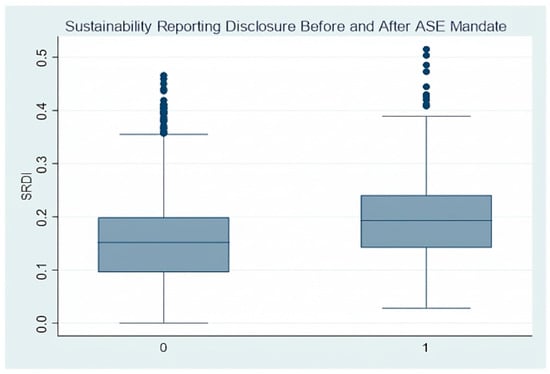
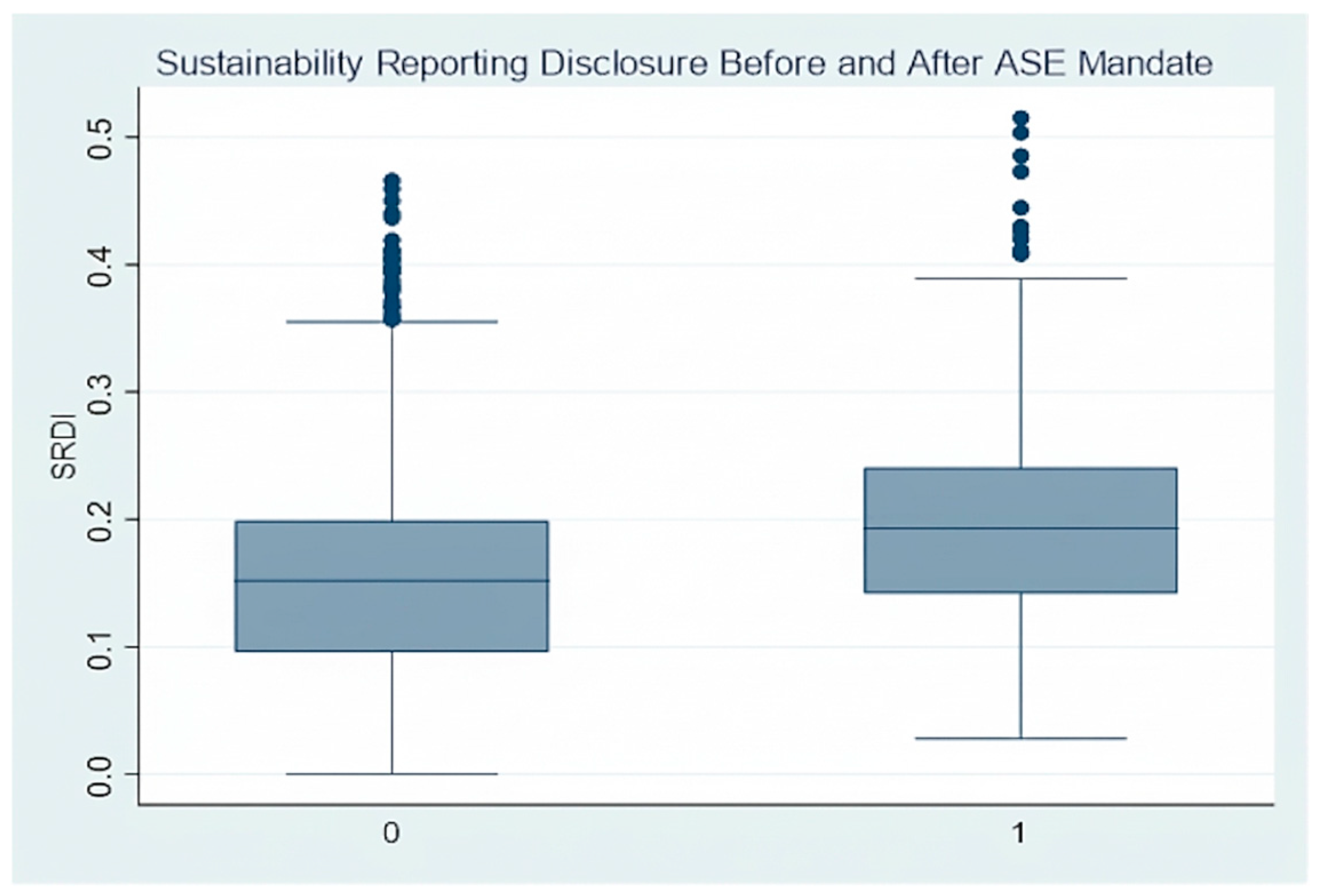
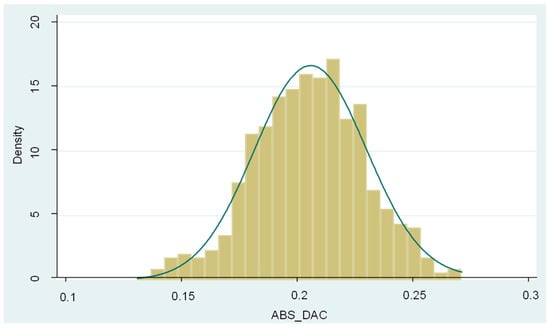
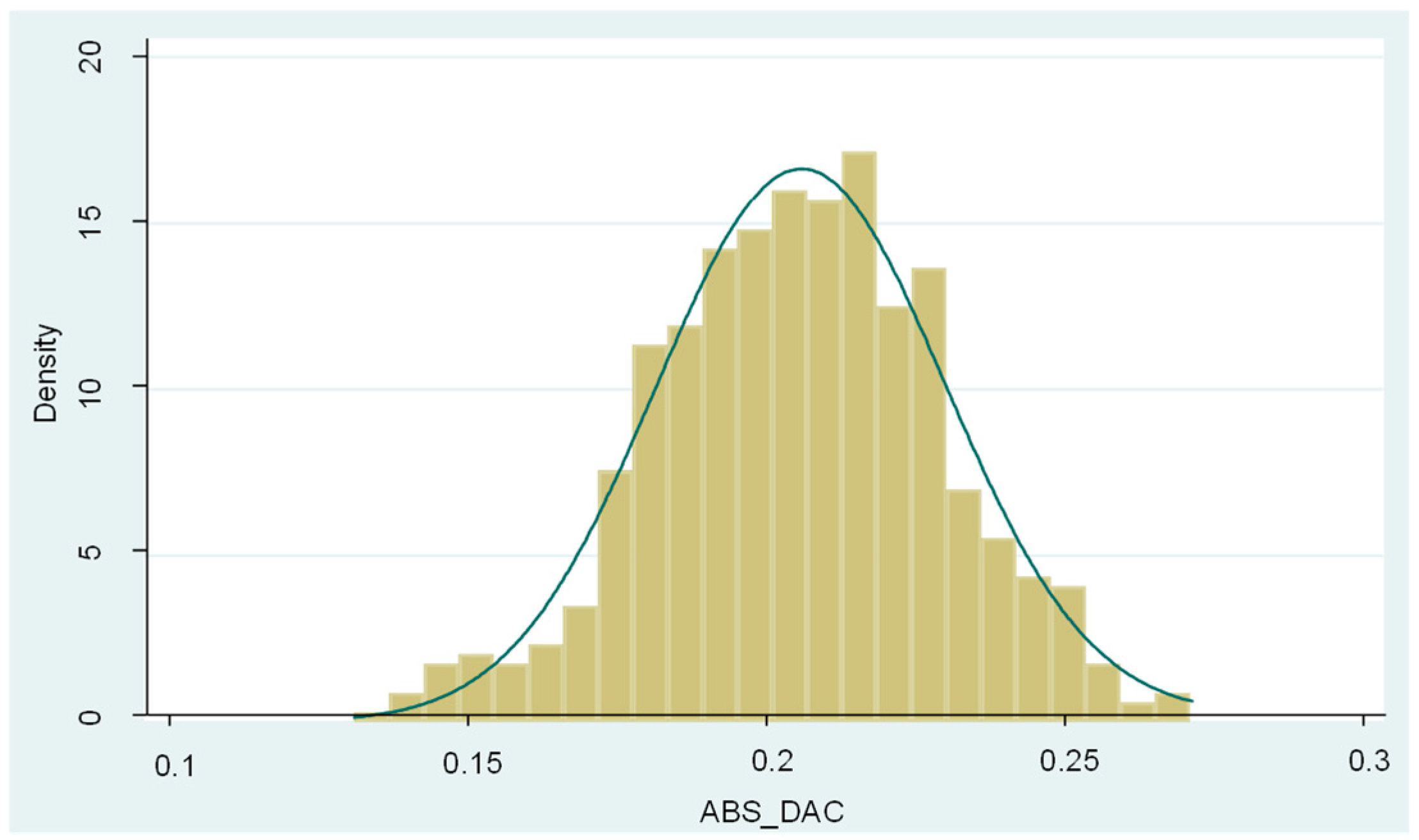

Disclaimer/Publisher’s Note: The statements, opinions and data contained in all publications are solely those of the individual author(s) and contributor(s) and not of MDPI and/or the editor(s). MDPI and/or the editor(s) disclaim responsibility for any injury to people or property resulting from any ideas, methods, instructions or products referred to in the content. |
© 2026 by the authors. Licensee MDPI, Basel, Switzerland. This article is an open access article distributed under the terms and conditions of the Creative Commons Attribution (CC BY) license.