


Abstract
Since the effectiveness of hospital management is influenced by financial management, healthcare professionals’ financial literacy has drawn the attention of researchers and policymakers. Previous research on medical students and healthcare professionals indicated that medical professionals frequently lack financial literacy; however, the evidence on the long-term status of financial literacy among healthcare providers throughout their careers is limited. In the current systematic review, we aim to examine the current evidence regarding financial literacy among healthcare providers throughout their career development. From the initial 1668 studies that were identified, 38 studies met the inclusion criteria and, thus, were included in the review. Twenty-eight studies evaluated financial literacy among either medical students or junior medical professionals, and ten studies were conducted on senior healthcare personnel. The body of evidence suggests that financial literacy is suboptimal in medical students and healthcare professionals, although it is of utmost importance for leading healthcare providers. Although senior healthcare providers or executive nurse leaders might be modestly financially literate, they are urged to cultivate skills and knowledge beyond their clinical expertise. Financial literacy depends on several factors, such as age, gender, qualification, or overall income. As the role of healthcare leaders is extended to their efficiency and participation in activities related to financial management, there is an urge for financial planning, financial monitoring, financial decision making, and financial control, while further studies are warranted to longitudinally explore the competencies of healthcare leaders in financial literacy.
1. Introduction
Within the last few years, organizations have been more motivated to enhance health sector management (Singh et al., 2020). Since the effectiveness of hospital management is influenced by financial management (Khosravi et al., 2022; Sepehri, 2014; Sohrabi et al., 2021; Torkzad & Beheshtinia, 2019), healthcare professionals’ financial literacy has drawn the attention of researchers and policymakers (Bar-Or et al., 2018; Cawyer et al., 2022; Connelly & List, 2018; Lall et al., 2019). Healthcare professionals are the best candidates for managerial positions in the healthcare sector because they have an extensive understanding of the field, even though financial literacy is crucial for effective management in the healthcare setting (Mtula et al., 2024a). Financial literacy is defined by the Organization for Economic Co-operation and Development (OECD) as the awareness, knowledge, skills, attitudes, and behaviors necessary to make wise financial choices and ultimately achieve personal financial well-being. In the healthcare industry, where professionals eventually move into management positions, incorporating financial knowledge becomes essential.
Previous research on medical students and healthcare professionals indicated that medical professionals frequently lack financial literacy despite having advanced degrees (Aery et al., 2017; Bhatacharya et al., 2023; Igu et al., 2022; Kovar et al., 2021; Royce et al., 2019; S. Sharma et al., 2021; Vengaloor Thomas et al., 2021). Research indicates that a large number of residents and medical students have low financial literacy (Ahmad et al., 2017; Bar-Or, 2015; Royce et al., 2019; Teichman et al., 2001), whereas even highly skilled medical personnel at prestigious hospitals are ignorant of the fundamentals of finance. Furthermore, medical professionals frequently have significant student loan debt, which makes their financial difficulties even worse (Jayakumar et al., 2017). Research that was conducted in the U.S. revealed that doctors had low levels of long-term savings, a poor credit score, and a lack of understanding of financial concepts. They were also discovered to be heavily indebted to college loans (Ahmad et al., 2017). Additionally, most surgical residents at one academic center had a moderate- to high-risk debt-to-asset ratio, indicating that the residents are overly indebted (Young et al., 2016). An international survey found that about 80% of residents in emergency medicine were not educated in financial planning during their training (Glaspy, 2005). Furthermore, from the standpoint of an educator, Lusco et al. showed that 92% of directors of surgical programs thought that residents lacked the necessary skills to manage their practices and personal money (Lusco et al., 2005).
In terms of financial education, studies also highlighted the policy and instructional gap. Formal financial education is not commonly included in the training programs of healthcare practitioners from undergraduate education to graduate school and beyond (Aery et al., 2017; Igu et al., 2022; Safarani et al., 2018; Vengaloor Thomas et al., 2021). This necessitates the inclusion of financial education in the medical curriculum (Millen & Stacey, 2022). Most doctors receive no formal training on how to handle and manage patient cost concerns, and many are unaware of intervention opportunities, despite the Accreditation Council for Graduate Medical Education’s view that patient advocacy and cost-appropriate care are essential components of graduate medical education (Fischer et al., 2021; Schrag & Hanger, 2007).
Navigating this challenging condition in addition to other resident-related financial concerns without financial education may lead to burnout, low productivity, and suboptimal patient care (Mirza et al., 2018). Numerous research has shown a correlation between physician resilience and wellness and financial well-being (Gianakos et al., 2023; Kovar et al., 2021). While the degree of burnout was linked to an increase in financial debt, financial pressure was linked to greater burnout severity and a detrimental effect on professionalism (Royce et al., 2019). Research revealed that increased medical residents’ debt loads were associated with increased rates of emotional weariness, depersonalization, cynicism, depressive symptoms, and burnout (Raj, 2016). According to Cawyer et al., there was a favorable relationship between financial literacy and a feeling of well-being, while doctors were willing to increase their financial literacy if given the chance (Cawyer et al., 2022). Furthermore, it was demonstrated that a low sense of well-being was associated with inferior patient outcomes (Escribe et al., 2022). According to Hopkins et al. and Collins-Nakai et al., most doctors lack the necessary skills to handle the leadership responsibilities that healthcare systems face (Collins-Nakai, 2009; Hopkins et al., 2015). Though a previous meta-analysis revealed a slight impact of finance education on future financial behavior, general financial education programs have been created with differing degrees of success in influencing future financial behavior and success (Fernandes et al., 2014).
Recent advances in the modern role of nursing and medical leaders have underscored the importance of financial literacy among healthcare providers who should possess similar knowledge and skills in the financial management of hospitals. Making a transition from the secure environment of medical school to the regimented world of residency or independent or licensed practice can be stressful and confusing (Grewal & Sweeney, 2021). The inability to adapt to one’s function in a hierarchical healthcare system, feelings of unpreparedness, and new duties frequently make these transitional challenges worse. While prior research has assessed the level of financial literacy among healthcare professionals at various career phases, there is little evidence that financial literacy is changing as professionals advance in their roles. The medical professional roadmap’s financial literacy gaps must be filled, and this requires an assessment of the available data to determine the learning gap and provide guidance on how to close it (Grant, 2002). The aim of this study was to explore the current state of financial literacy among healthcare professionals, from the early stages of medical school and residency to advanced professional practice.
2. Materials and Methods
This is a systematic review to provide a comprehensive investigation of financial literacy among healthcare providers throughout their career development. Specifically, this review aims (1) to present the basic principles of financial literacy and (2) to present the current evidence of published surveys exploring financial literacy among healthcare providers within their career, from the earliest phases of medical training and residency to the advanced professional practice.
2.1. Search Strategy
The Preferred Reporting Items for Systematic Reviews and Meta-Analyses (PRISMA) guidelines were adopted for this systematic review (Page et al., 2021). Two authors (G.P. and P.M.) independently performed a literature search in the PubMed database. Articles published in PubMed without restriction on the year of publication and until March 2024 were considered. The literature search was performed with the filter “humans” and search terms “healthcare provider” OR “healthcare professional” OR “medical resident” OR “medical student” OR “resident” OR “doctor” OR “nurse” and, with the Boolean operator “AND,” “financial literacy.” Specifically, search terms with MeSH included “health personnel’ OR “health” AND “personnel” OR “health personnel” OR “healthcare” AND “provider” OR “healthcare provider” OR “health personnel” OR “health” AND “personnel” OR “health personnel” OR “healthcare” AND “professional” OR “healthcare professional” OR “medic” OR “medical” OR “medicalization” OR “medicalization” OR “medicalizations” OR “medicalize” OR “medicalized” OR “medicalizes” OR “medicalizing” OR “medically” OR “medicals” OR “medicated” OR “medications” OR “medics” OR “pharmaceutical preparations” OR “pharmaceutical” AND “preparations” OR “pharmaceutical preparations” OR “medication” OR “medications” AND “internship and residency” OR “internship” AND “residency” OR “internship and residency” OR “residencies” OR “residency” OR “reside” OR “resided” OR “residence” OR “residences” OR “residences” OR “residencies” OR “resident” OR “residents” OR “residents” OR “resides” OR “residing” OR “students, medical” OR “students” AND “medical” OR “medical students” OR “medical” AND “student” OR “medical student” OR “internship and residency” OR “internship” AND “residency” OR “internship and residency” OR “residencies” OR “residency” OR “reside” OR “resided” OR “residence” OR “residences” OR “residences” OR “residencies” OR “resident” OR “residents” OR “residents” OR “resides” OR “residing” OR “doctors” OR “doctoral” OR “doctorally” OR “doctorate” OR “doctorates” OR “doctoring” OR “physicians” OR “physicians” OR “doctor” OR “doctors” OR “nurses” OR “nurses” OR “nurses” OR “nurse” OR “nurses” AND “economics” OR “economics” OR “financial” OR “financially” OR “financials” OR “financier” OR “financiers” AND “literacies” OR “literacy” OR “literacy” OR “literacies.” In addition, the reference list of all electronically retrieved articles was carefully reviewed for potentially relevant articles that had not been identified. The current article is based on previously published studies and does not include any studies performed by the authors.
2.2. Eligibility Criteria and Study Selection
We formulated eligibility criteria using the PICO (P—Populations, I—Intervention, C—Comparison, O—Outcome) worksheet and search strategy. Specifically, the population consisted of healthcare providers including medical and nursing students, nurses, and doctors, the intervention was defined by financial literacy evaluation, comparisons were between healthcare providers according to their financial literacy, and the outcome was the potential association between the financial literacy among healthcare providers and the healthcare management.
Eligible studies were those that included humans, with a full text available and published in English. Prospective, retrospective, longitudinal, and cross-sectional studies were included, whereas review articles and opinion articles not reporting original data were excluded.
2.3. Defining Financial Literacy
Over the years, the concept of financial literacy has been defined in a variety of ways. Financial literacy, according to the OECD and the International Network for Financial Education (OECD/INFE), is the set of awareness, knowledge, skills, attitudes, and behaviors required to make wise financial decisions and eventually attain personal financial well-being. Financial literacy includes the ‘knowledge of fundamental economic concepts, such as the compound function of interest, the distinction between nominal and real values, and the basic understanding of risk differentiation’ (Lusardi, 2008). Finally, debt literacy is a part of financial literacy and refers to ‘the ability to make decisions related to debt contracts, particularly applying basic knowledge in the intricate and measured context of everyday financial choices’ (Lusardi & Tufano, 2009). These definitions collectively underscore the multifaceted nature of financial literacy, encompassing not only theoretical knowledge but also the practical application of financial skills in real-world situations.
The conceptual model of financial literacy is based on financial behavior, attitude, and knowledge. There are several scales available for measuring financial literacy. Those scales are focused on measuring the understanding of the capital market, the financial institution’s system, the home cash flow, why emergency funds exist, and the basics of lending (Hung et al., 2009). Typically, the scales for assessing financial literacy include the assessment of financial knowledge, financial experiences, financial behavior, and debt confidence in a self-report manner. The OECD/INFE initiated the development of the OECD/INFE Toolkit for assessing financial literacy and financial inclusion (Kempson, 2009), which received endorsement from G20 leaders in September 2013. The Toolkit underwent a revision in 2015 and was utilized by approximately 40 countries and economies in 2015/16 for an international survey on adult financial literacy competencies. A subsequent update occurred in 2018 to refresh its content and expand its scope to cover subjective financial well-being. The Toolkit has also been applied to gather financial literacy data in various technical assistance projects by the OECD, with results featured in regional reports (OECD, 2018, 2020). While the financial literacy questions remain consistent, the 2022 version introduces new questions related to digital financial products and services, digital financial knowledge, attitudes, and behaviors, as well as sustainable finance products and attitudes. A harmonized questionnaire that addresses the determinants—attitude, knowledge, behavior, and social-demographic factors—is the OECD framework for assessing financial literacy. To cover each determinant, the instrument consists of 21 questions with different sections (Castañeda et al., 2022). It was initially created in 2010 and then updated in 2015 and 2018 to reflect studies conducted in 2019 and 2020. More recently, in 2022, the other questions were improved and updated to incorporate digital financial goods.
3. Results
3.1. Study Characteristics
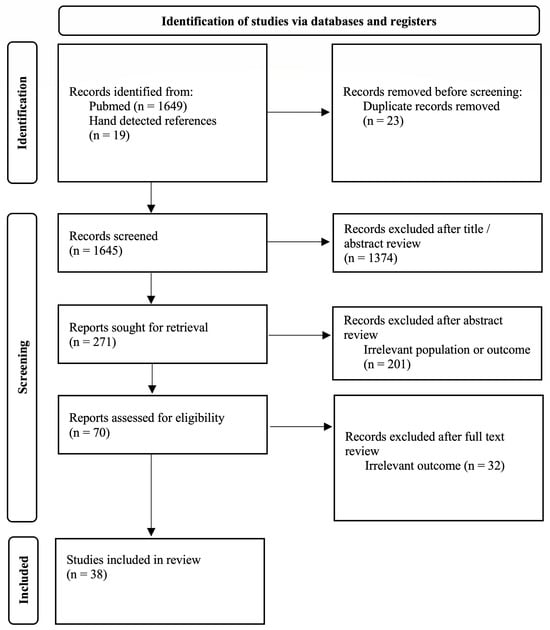
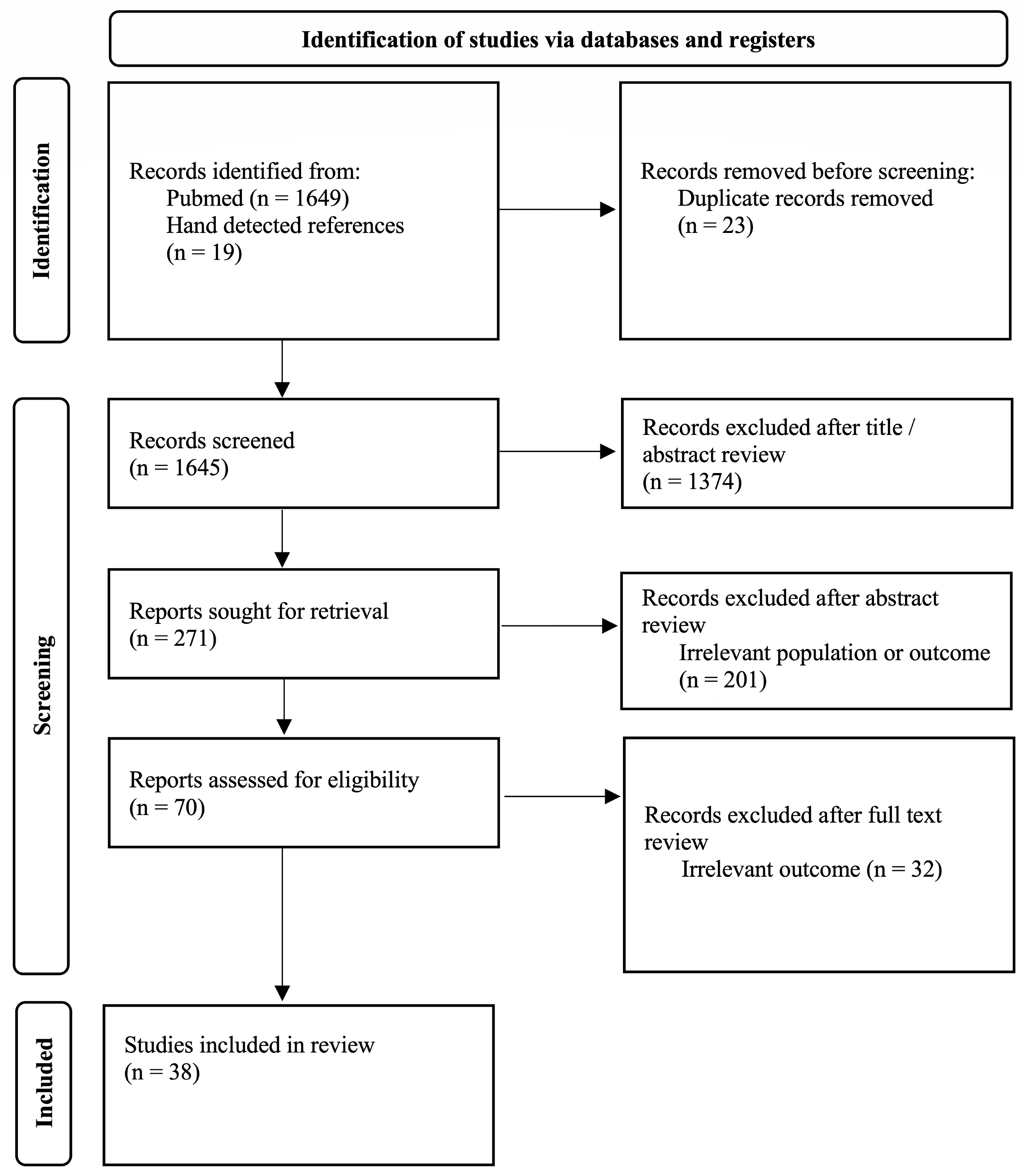
Among the 1668 studies that were initially identified, 38 studies met the inclusion criteria and, thus, were included in the review (Agarwal & Biswas, 2022; Ahmad et al., 2017; Bar-Or et al., 2018; Boehnke et al., 2018; Brydges et al., 2019; Cawyer et al., 2022; Cone et al., 2022; Dehmoobad Sharifabadi et al., 2024; Dhaliwal & Chou, 2007; Garrett et al., 2022; Grewal & Sweeney, 2021; Huebinger et al., 2021; Jain et al., 2022; Jayakumar et al., 2017; Lee et al., 2024; McKillip et al., 2018; Millen & Stacey, 2022; Mtula et al., 2024a, 2024b; Mulligan et al., 2020; Naranjee et al., 2019; Nowotny, 2022; Ozyesil et al., 2024; Payne et al., 2020; Poon et al., 2022; Rehman et al., 2015; Shahriari et al., 2024; Shappell et al., 2018; A. N. Sharma & Rojek, 2019; Teichman et al., 2005, 2001; Tevis et al., 2018; Topa et al., 2018; Wang et al., 2021; Witek et al., 2014; Wong et al., 2018; Woolley et al., 2024; Zubair et al., 2023) (Figure 1). Twenty-eight studies evaluated the financial literacy among either medical students or junior medical professionals (residents or fellows) (Ahmad et al., 2017; Bar-Or et al., 2018; Boehnke et al., 2018; Cawyer et al., 2022; Cone et al., 2022; Dehmoobad Sharifabadi et al., 2024; Dhaliwal & Chou, 2007; Garrett et al., 2022; Grewal & Sweeney, 2021; Jain et al., 2022; Jayakumar et al., 2017; Lee et al., 2024; McKillip et al., 2018; Mulligan et al., 2020; Nowotny, 2022; Payne et al., 2020; Poon et al., 2022; Rehman et al., 2015; Shahriari et al., 2024; Shappell et al., 2018; A. N. Sharma & Rojek, 2019; Teichman et al., 2005, 2001; Tevis et al., 2018; Wang et al., 2021; Witek et al., 2014; Wong et al., 2018; Woolley et al., 2024), whereas ten studies were conducted on senior healthcare personnel (i.e., senior healthcare providers, senior nurses, and executive nurse leaders) (Agarwal & Biswas, 2022; Brydges et al., 2019; Huebinger et al., 2021; Millen & Stacey, 2022; Mtula et al., 2024a, 2024b; Naranjee et al., 2019; Ozyesil et al., 2024; Topa et al., 2018; Zubair et al., 2023). Twenty-five studies were conducted in the U.S. (Ahmad et al., 2017; Bar-Or et al., 2018; Boehnke et al., 2018; Brydges et al., 2019; Cawyer et al., 2022; Cone et al., 2022; Dhaliwal & Chou, 2007; Garrett et al., 2022; Grewal & Sweeney, 2021; Huebinger et al., 2021; Jayakumar et al., 2017; Lee et al., 2024; McKillip et al., 2018; Mulligan et al., 2020; Nowotny, 2022; Payne et al., 2020; Shahriari et al., 2024; Shappell et al., 2018; A. N. Sharma & Rojek, 2019; Tevis et al., 2018; Wang et al., 2021; Witek et al., 2014; Wong et al., 2018; Woolley et al., 2024; Zubair et al., 2023), four in Canada (Dehmoobad Sharifabadi et al., 2024; Poon et al., 2022; Teichman et al., 2005, 2001), two each in South Africa (Millen & Stacey, 2022; Naranjee et al., 2019), Kenya (Mtula et al., 2024a, 2024b), and India (Agarwal & Biswas, 2022; Jain et al., 2022), and one each in Spain (Topa et al., 2018), Turkey (Ozyesil et al., 2024), and Pakistan (Rehman et al., 2015). All the studies used predefined questionnaires to evaluate financial literacy and were either cross-sectional-designed or pre- and post-implementation-designed surveys.
Figure 1.
The PRISMA flow diagram for study selection.
3.2. Financial Literacy Among Healthcare Providers
Several studies explored the current level of financial literacy among either medical students or junior medical professionals, namely residents or fellows. The overview of the studies’ characteristics and outcomes is depicted in Table 1. Since 2001 and 2005, Teichman et al. evaluated the financial literacy level among residents in Canadian universities and suggested that residents held a significantly higher median debt-to-household income ratio compared to the entire population (Teichman et al., 2005, 2001), while after graduation, residents expected to earn more than existing billings justified (Teichman et al., 2005). Increased student debt was consistent among medical students compared to the general population of the same age, as was reported in the studies by Wong et al., Wang et al., and Garrett et al. that were conducted in the U.S. (Garrett et al., 2022; Wang et al., 2021; Wong et al., 2018), and the study by Dehmoobad Sharifabadi et al., that was conducted in Canada (Dehmoobad Sharifabadi et al., 2024).
Table 1.
Characteristics of studies exploring the current financial literacy in medical students and junior healthcare providers.
Exploring the impact of debt on well-being among participants, Ahmad et al. reported that the satisfaction of trainees with debt was lower than that of trainees without debt, whereas the degree of knowledge was weakly connected with financial status satisfaction and moderately associated with investment-risk tolerance (Ahmad et al., 2017). Furthermore, Cone et al. demonstrated that retirement savings and reduced loan loads were associated with higher levels of financial happiness (Cone et al., 2022).
Among several factors that could influence the levels of financial literacy, self-assessed financial knowledge, confidence in personal financial management, male gender, joint MD/MBA degree, and undergraduate major in finance were all associated with a higher financial literacy performance (Jayakumar et al., 2017; Rehman et al., 2015). Males, overall, had higher mean financial wellness scores than females (Rehman et al., 2015). Male students also scored much better in ’Financial Security Wellness’ compared to their female counterparts (Rehman et al., 2015). Marital status, older age, and white non-Hispanic identity were also independent variables that showed a significant association with total financial literacy (Mulligan et al., 2020).
Studies in the U.S. by McKillip et al., Shappell et al., and Tevis et al. concluded that most residents expressed a lack of financial literacy, discomfort with the majority of financial issues, a strong need for financial education, and apprehension about where to obtain trustworthy financial guidance (McKillip et al., 2018; Shappell et al., 2018; Tevis et al., 2018). Stocks, special student/doctor loans, tax planning, life insurance, professional compensation, and tax/financial planning were all unfamiliar to most of the responders (Jain et al., 2022). Overall, medical students scored suboptimal in the financial literacy surveys (Jayakumar et al., 2017; Lee et al., 2024; Mulligan et al., 2020), and the majority of medical students reported that financial literacy instruction should be provided during their time in medical school (Lee et al., 2024). Regarding residents, as reported by Wang et al., personal research was the main source of financial knowledge among psychiatry residents (Wang et al., 2021). According to Shahriari et al., the participation among residents in the proposed retirement plan was greater in university-based programs (Shahriari et al., 2024), whereas Nowotny reported that 93% of residents were receptive to learning about financial matters (Nowotny, 2022). Overall, most of the residents were convinced that more financial education should be incorporated into residency programs (Tevis et al., 2018). A financial education curriculum in residency would be of interest to most of the responders (A. N. Sharma & Rojek, 2019), while the majority of the residents expressed a significant interest in a formal financial literacy curriculum (Dehmoobad Sharifabadi et al., 2024).
Nine studies evaluated the impact of financial courses and workshops on improving financial literacy among medical students and junior healthcare providers, as depicted in Table 2. Dhallwat et al. and Witek et al. both reported that even short-term financial sessions were beneficial for interns and residents, respectively (Dhaliwal & Chou, 2007; Witek et al., 2014). The same findings were also reported in subsequent studies that were conducted on medical students (Grewal & Sweeney, 2021; Payne et al., 2020; Poon et al., 2022; Woolley et al., 2024), medical residents (Bar-Or et al., 2018; Boehnke et al., 2018; Cawyer et al., 2022; Poon et al., 2022), or fellows (Boehnke et al., 2018; Cawyer et al., 2022). The body of evidence suggested that financial literacy scores were improved after financial workshops, although the effect declined gradually after six months following the session (Boehnke et al., 2018).
Table 2.
Characteristics of studies exploring financial literacy in medical students and junior healthcare providers with pre- and post-workshop surveys.
Among the studies that explored financial literacy in senior healthcare professionals, three studies were conducted on nurses (Brydges et al., 2019; Naranjee et al., 2019; Topa et al., 2018) and seven studies on doctors (Agarwal & Biswas, 2022; Huebinger et al., 2021; Millen & Stacey, 2022; Mtula et al., 2024a, 2024b; Ozyesil et al., 2024; Zubair et al., 2023) (Table 3). Brydges et al. found a significant difference in the cutoff scores between the executive nurse leaders’ financial literacy levels (Brydges et al., 2019), whereas Topa et al. reported significant gender disparities among nurses in relation to financial knowledge and public protection, with women having a weak but positive association (Topa et al., 2018). Finally, Naranjee et al. demonstrated that, in public healthcare institutions, nurse managers had financial management responsibility, but they needed more training due to a lack of requisite abilities, competencies, and knowledge (Naranjee et al., 2019). Studies in senior doctors reported inconsistent findings, demonstrating that the perceived confidence in financial literacy was relatively low (Huebinger et al., 2021), whereas Millen et al., Agarwal et al., and Mtula et al. reported that healthcare providers had a comparatively high level of financial knowledge (Agarwal & Biswas, 2022; Millen & Stacey, 2022; Mtula et al., 2024a). Variables like geographic location, work position, and degree of education had a discernible impact on financial literacy (Mtula et al., 2024a). Interestingly, Ozyesil et al. reported that younger healthcare professionals and males demonstrated higher financial literacy levels, which was probably attributed to the weak but positive relationship that was observed between financial literacy and digital assets (Ozyesil et al., 2024). Again, both junior and senior healthcare providers stated that their graduate education had not given them the skills necessary for their financial success (Zubair et al., 2023).
Table 3.
Characteristics of studies exploring financial literacy in senior healthcare providers.
4. Discussion
The importance of financial literacy and financial education has been well established, underscoring the difficulties in making informed decisions about saving and investing when financial illiteracy exists (Lusardi & Mitchell, 2007). Current evidence also suggests that early financial education and financial literacy are associated with human well-being (Lusardi & Mitchell, 2014). Financial education refers to the process of improving the understanding of financial products, services, and concepts, and gives the possibility to make appropriate choices, avoid unnecessary risks, and take appropriate actions to improve financial well-being (OECD, 2006). There is a strong correlation between financial education and the possession of wealth, with general knowledge/education and specialized knowledge/economic literacy contributing similarly to better-informed financial decision making (Bernheim & Scholz, 1993).
However, the incorporation of financial education in healthcare education is lacking. Medical professionals should be adequately prepared to make wise financial decisions for themselves and their professional practices. Although medical students, residents, and fellows reported a lower level of financial literacy and a higher level of financial stress (Jayakumar et al., 2017; Payne et al., 2020), given their role, they are typically only required to know how to use basic financial information in personal or limited institutional decision-making contexts. However, gaining essential knowledge for decision making should be ideally done before the urgent need for such decisions. Offering students a thorough foundation of financial literacy that they may modify to fit their situation would be the best course of action, and a critical mass of fundamental knowledge should be a part of that framework. In addition to enhancing financial health, there is growing evidence that financial literacy programs could benefit job performance and satisfaction in the workplace (Hira & Loibl, 2005). Medical school and graduate medical education curricula should include workshops on the fundamentals of personal financial planning as well as significant financial issues related to medical practice. Furthermore, evidence also suggests that even more senior healthcare professionals have suboptimal financial literacy. One independent factor influencing the level of healthcare professionals’ financial literacy is a lack of financial education (Jayakumar et al., 2017; Millen & Stacey, 2022), whereas the requirements of the position and healthcare competency are not aligned. Financial education would therefore empower physicians, by enabling them to take charge of their financial resources and make proactive decisions regarding their financial destiny.
The findings of the current review suggest that financial literacy varies among healthcare providers, depending on several factors. Several studies that were performed on medical students, residents, or fellows, suggested that financial literacy was suboptimal (Jayakumar et al., 2017; Rehman et al., 2015; Teichman et al., 2001, 2005). The vast majority of studies were performed in the U.S., where the impact of student loans on the medical career is more prominent. The body of evidence suggested that attending courses and workshops that targeted gaps in financial literacy aided medical students in improving their financial education. Moreover, surveys performed on senior healthcare providers indicated that although senior doctors or executive nurse leaders might be modestly financially literate, they were urged to cultivate skills and knowledge beyond their clinical expertise. Gender and age were proven to impact financial literacy; male sex, marriage, higher age, qualification, medical specialty, and annual family income were all associated with higher financial literacy. Evidence also suggested that among healthcare professionals, the perceived financial literacy confidence was low, despite the body of data suggesting that financial literacy was valued (Huebinger et al., 2021). Both residents and attendings had trouble with retirement, insurance, and tax difficulties, even though attendings outperformed residents overall, especially in the sections on investments, insurance, and taxes. While there is a significant degree of interest in financial knowledge, self-perceived financial literacy is thought to be low, according to a few previous studies assessing financial literacy (Ahmad et al., 2017; Shappell et al., 2018; Young et al., 2016).
Remarkably, few colleges offer their medical students and residents an official, planned co-curriculum in financial literacy (Bar-Or et al., 2018; Jennings et al., 2019; Royce et al., 2019). In general, from the undergraduate level to advanced medical profession, there is no structured method of learning and mastering financial literacy, although there is a need for budgeting, expense management, revenue management and pricing efficiency, estate planning, investment strategies, and retirement planning (Adetayo et al., 2019; Ahmad et al., 2017; Bar-Or, 2015; Boehnke et al., 2018; Jayakumar et al., 2017; McKillip et al., 2018; Mizell et al., 2014; Pisaniello et al., 2019; Satiani, 2004; A. N. Sharma & Rojek, 2019; Wagner & Walstad, 2018). By including personal financial education as a co-curriculum in medical education, this significant gap could be closed and the long-term financial stability of residents who are financially unstable could be improved. The Accreditation Council for Graduate Medical Education only incorporates finance-related topics pertaining to patient health decisions as a standard, not pertaining to resident career development, and the Royal College of Physicians and Surgeons of Canada does not include resident financial education as a requirement for residency program accreditation. The lack of financial literacy courses during university has been extensively reported in previous studies. The findings of previous surveys underscored the effectiveness of a small-scale, student-run initiative in enhancing financial literacy, to provide a foundation upon which to construct a formal personal and healthcare finance curriculum (Payne et al., 2020). Cumulative evidence suggests that a successful financial literacy curriculum must be tailored to specific, targeted groups, as there is variation in preferences and financial circumstances (Lusardi & Mitchell, 2014; Lusardi et al., 2010). Among numerous studies having evaluated financial literacy initiatives during residency training (Ahmad et al., 2017; Bar-Or et al., 2018; Mizell et al., 2014), Ahmad et al. proposed a mini-MBA 6-week program that emphasized teaching several areas, with variations in financial knowledge scores (Ahmad et al., 2017). Also, Mizell et al. used an 18 h curriculum during protected teaching time during grand rounds (Mizell et al., 2014), and Bar-Or et al., used four 2 h sessions over four weeks (Bar-Or et al., 2018). The studies demonstrated that both resident well-being and financial literacy increased after curricula were implemented. Gianakos et al., finally, suggested a five-year program that includes increasing and more specialized financial knowledge throughout residency (Gianakos et al., 2023).
In the modern era of the healthcare sector, the expertise of physicians is essential to daily management, providing high-quality care, conducting research, and developing new treatments, diagnostics, and health education initiatives. Among all healthcare professionals, doctors are the main human resource that supports the entire financial system (Bhatacharya et al., 2023). Making financial decisions and solving financial problems is a difficult task for doctors during their professional careers, and at the same time, they are incorrectly equipped (Ahmad et al., 2017; Boehnke et al., 2018; Jayakumar et al., 2017; Pisaniello et al., 2019; Satiani, 2004; A. N. Sharma & Rojek, 2019). However, high-level healthcare providers such as senior doctors or executive nurse leaders are required to know how to construct financial information and design financial plans for their institutions. Although evidence suggests that the financial literacy of high-level healthcare providers might be advanced, depending on their age and level of experience (Brydges et al., 2019; Topa et al., 2018), it might still be suboptimal to support their financial leading role (Gačić et al., 2023). It should be noted that the urge for financial education has been underscored, independent of the level of experience of the healthcare providers (Nowotny, 2022; Poon et al., 2022). Besides, the role of nursing leaders has changed significantly compared to 25 years ago when nursing leaders were trained. Currently, although financial management is not a mandatory function for nursing leaders, there is an expectation to understand and manage hospital finances once nurses take a leadership role (Waxman & Schaefer, 2010). However, nurses and nursing leaders might find it difficult to understand finances and take responsibility for the financial operation of nursing departments (Douglas, 2010), underscoring the significance of appropriate training in hospital financial management including fiscal control and financial planning, monitoring, and decision making (Asamani et al., 2013; Naranjee et al., 2019; Thew, 2015). Overall, from undergraduate medical school to a senior level of medical practice, healthcare professionals score low or suboptimal on financial literacy and education.
5. Future Perspectives
Although financial literacy increases with advanced clinical experience, medical professionals are urged to cultivate skills and knowledge beyond their clinical expertise. To address these issues, it could be proposed that medical institutions could offer financial education and training through seminars, workshops, and online courses by healthcare organizations and associations, and financial planning services, beginning with the internship, including retirement planning, term insurance, systemic investment plans, and other investment advice. Furthermore, institutions should encourage medical professionals to participate in retirement plans and make financial advisors available to medical professionals. To confirm that medical professionals have a strong foundation in financial management skills prior to starting their careers or internships, medical schools should integrate financial literacy into medical training and curriculum, and finally, foster a culture of financial literacy by supporting financial literacy initiatives and promoting open discussions about finances among medical professionals (Bhatacharya et al., 2023).
The curriculum for medical school and residency programs should include coursework on the fundamentals of personal financial planning, and financial literacy should be incorporated into medical associations’ official programs. Research indicates that residents with varying specializations and training years are highly motivated to pursue additional financial education (McKillip et al., 2018). Despite their broad appeal to trainees, there are not many experts on these subjects, thus virtual didactic material would be a good addition to on-site case discussions given by qualified local professors in academia or private practice. The promotion of financial literacy education among trainees might be the goal of special interest groups that interested academics and trainees could create within medical societies. Personal finance-related textual materials and online and in-person educational items should be eligible for continuing medical education credits. Retirement plans, life and disability insurance, tax-deferred flexible spending accounts for childcare and medical costs, and tuition benefits are common institutional offerings during training. While medical students can choose from a wide range of future careers with varying potential salaries, a more pertinent debate of financial possibilities may arise once in residency training due to the established range of predicted salaries. Investing, borrowing, budgeting, insurance, taxes, behavioral finance, retirement plans, estate planning, contract negotiations, and property purchasing are just a few of the subjects that should be covered. Business elements for managing a profitable private or academic practice could be included in addition to personal finance.
Future research is warranted to explore financial literacy in a more homogenous manner, expanded to many levels of experience and many other countries. Future studies are essential to identify the most efficient teaching and assessment methods. It is especially crucial to measure knowledge retention because the benefits of financial literacy programs diminish with time (Fernandes et al., 2014). The impact of financial literacy programs on wellness and decision making must be measured through rigorous longitudinal studies. Additionally, the needs of trainees, existing educational initiatives, and the long-term efficacy of financial literacy instruction require more investigation. Based on the results, a standardized curriculum that incorporates interactive learning should ideally be created. It is necessary to investigate whether asynchronous online presentations or webinars are more effective than traditional in-person instruction. Finding efficient alternate delivery strategies is crucial since new modalities may be able to solve scheduling issues. Additional research should evaluate the influence of personal financial education on medical students’ specialty decisions, specifically their choice of primary care occupations.
6. Limitations
The limitations of our study should be acknowledged. It is critical to distinguish between the financial literacy of chief financial officers, accountants, and middle managers who need to know how to construct financial information, while doctors or nurses need to know how to use financial literacy as they advance in their careers and obtain more significant managerial roles. The aim of our study was to evaluate the financial literacy among healthcare providers; therefore, we have limited our literature search to include only studies evaluating financial literacy among medical students, residents, fellows, physicians, or nurses throughout the advancement of their careers. Financial literacy plays a significant role in the new duties of healthcare providers. However, most of the surveys in the literature have explored financial literacy among medical students, whereas only limited studies have focused on senior healthcare providers, who nonetheless, face the challenge of the most significant financial decisions. Furthermore, there is heterogeneity in the evaluation of financial literacy, since different questionnaires have been used in different surveys. Thus, although gender, age, financial status, and qualification are among the factors that have been constantly associated with financial literacy, the differences in financial literacy evaluation make direct study comparison challenging. Moreover, in this systematic review, we have performed a literature search in the PubMed database. Although we have limited our research to one database, we have searched for articles without restriction on the year of publication, with a broad range of keywords. In addition, the reference list of all electronically retrieved articles was carefully reviewed for potentially relevant articles that had not been identified. Finally, our study included studies published only in the medical literature, excluding financial bloggers. Despite that the participation of financial advisors is favorable in terms of supplying pertinent content, their objectivity might be questionable as some of them receive funding from the financial services sector.
7. Conclusions
Financial literacy is suboptimal for medical students and healthcare professionals, although it is of utmost importance for leading healthcare providers. Although senior healthcare providers or executive nurse leaders might be modestly financially literate, they are urged to cultivate skills and knowledge beyond their clinical expertise. Financial literacy varies among healthcare providers, depending on several factors, such as age, gender, qualification, or overall income. Currently, the role of healthcare leaders is extended to their efficiency and participation in activities related to the financial management of their hospital duties. Thus, there is an urge for financial planning, financial monitoring, financial decision making, and financial control, while further studies are warranted to longitudinally explore the competencies of healthcare leaders in financial literacy.
Author Contributions
Conceptualization, G.P. and P.M.; methodology, G.P. and P.M.; software, G.P. and P.M.; formal analysis, G.P. and P.M.; investigation, G.P. and P.M.; resources, G.P. and P.M.; data curation, G.P. and P.M.; writing—original draft preparation, G.P.; writing—review and editing, P.M. All authors have read and agreed to the published version of the manuscript.
Funding
This research received no external funding.
Institutional Review Board Statement
Ethical review and approval were waived for this study as this review is based on the analysis of data from literature.
Informed Consent Statement
Not applicable.
Data Availability Statement
No new data were generated or analyzed in support of this research.
Conflicts of Interest
The authors declare no conflicts of interest.
References
- Adetayo, O. A., Ford, R. S., Nair, L., & Eliann Reinhardt, M. (2019). The Oxymoron of financial illiteracy in a highly educated population: Are we appropriately equipping trainees? Plastic and Reconstructive Surgery—Global Open, 7(7), e2329. [Google Scholar] [CrossRef] [Scilit]
- Aery, A., Rucchetto, A., Singer, A., Halas, G., Bloch, G., Goel, R., Raza, D., Upshur, R., Bellaire, J., Katz, A., & Pinto, A. D. (2017). Implementation and impact of an online tool used in primary care to improve access to financial benefits for patients: A study protocol. BMJ Open, 7(10), e015947. [Google Scholar] [CrossRef] [Scilit] [PubMed]
- Agarwal, N., & Biswas, B. (2022). Financial literacy and its correlates among healthcare professionals of India: An ignored educational need. Journal of Education and Health Promotion, 11, 246. [Google Scholar] [CrossRef] [Scilit] [PubMed] [PubMed Central]
- Ahmad, F. A., White, A. J., Hiller, K. M., Amini, R., & Jeffe, D. B. (2017). An assessment of residents’ and fellows’ personal finance literacy: An unmet medical education need. International Journal of Medical Education, 8, 192–204. [Google Scholar] [CrossRef] [Scilit]
- Asamani, J. A., Kwafo, E. O., & Ansah-Ofei, A. M. (2013). Planning among nurse managers in district hospitals in Ghana. Nursing Management, 20(8), 26–31. [Google Scholar] [CrossRef] [Scilit]
- Bar-Or, Y. D. (2015). Empowering physicians with financial literacy. The Journal of Medical Practice Management, 31(1), 46–49. [Google Scholar]
- Bar-Or, Y. D., Fessler, H. E., Desai, D. A., & Zakaria, S. (2018). Implementation of a comprehensive curriculum in personal finance for medical fellows. Cureus, 10(1), e2013. [Google Scholar] [CrossRef] [Scilit]
- Bernheim, B. D., & Scholz, J. (1993). Private saving and public policy. In Tax policy and the economy, volume 7 (pp. 73–110). National Bureau of Economic Research, Inc. [Google Scholar]
- Bhatacharya, S., Kumar, S., Panigrahi, S., Ayub, A., Boratne, A., Jahnavi, G., Singh, D., Venugopal, V., & Gautam, A. (2023). Financial literacy among health-care professionals in India. Journal of Public Health and Primary Care, 4(2), 59–62. [Google Scholar] [CrossRef] [Scilit]
- Boehnke, M., Pokharel, S., Nyberg, E., & Clark, T. (2018). Financial education for radiology residents: Significant improvement in measured financial literacy after a targeted intervention. Journal of the American College of Radiology, 15(1), 97–99.e91. [Google Scholar] [CrossRef] [Scilit]
- Brydges, G., Krepper, R., Nibert, A., Young, A., & Luquire, R. (2019). Assessing executive nurse leaders’ financial literacy level. JONA: The Journal of Nursing Administration, 49(12), 596–603. [Google Scholar] [CrossRef] [Scilit]
- Castañeda, F., Ormazábal, F., & Cisternas, C. (2022). Sociodemographic determinants of financial literacy levels. Studies in Business and Economics, 17(2), 44–61. [Google Scholar] [CrossRef] [Scilit]
- Cawyer, C. R., Blanchard, C., & Kim, K. H. (2022). Financial literacy and physician wellness: Can a financial curriculum improve an obstetrician/gynecologist resident and fellow’s well-being? American Journal of Perinatology Reports, 12(01), e64–e68. [Google Scholar] [CrossRef] [Scilit] [PubMed]
- Collins-Nakai, R. (2009). Leadership and medicine. Jama, 302(24), 2707. [Google Scholar] [CrossRef] [Scilit]
- Cone, R. J., Cone, B. M., Paul, K. D., Arguello, A. M., McCalman, D. M., McGwin, G., Porter, S., Ames, S., Johnson, M., Ponce, B., & COERG. (2022). Financial literacy in orthopaedic surgery residents: A COERG survey. JAAOS Global Research & Reviews, 6(2), e21. [Google Scholar] [CrossRef] [Scilit]
- Connelly, P., & List, C. (2018). The effect of understanding issues of personal finance on the well-being of physicians in training. WMJ, 117(4), 164–166. [Google Scholar]
- Dehmoobad Sharifabadi, A., Bellini, J., Alabousi, A., Monteiro, S., Mensinkai, A., & Al-Arnawoot, B. (2024). Investigating canadian radiology residents’ personal financial literacy: A nation-wide assessment. Canadian Association of Radiologists Journal, 75(4), 712–720. [Google Scholar] [CrossRef] [Scilit]
- Dhaliwal, G., & Chou, C. L. (2007). A Brief educational intervention in personal finance for medical residents. Journal of General Internal Medicine, 22(3), 374–377. [Google Scholar] [CrossRef] [Scilit]
- Douglas, K. (2010). Taking action to close the nursing-finance gap: Learning from success. Nursing Economics, 28(4), 270–272. [Google Scholar]
- Escribe, C., Eisenstat, S. A., Palamara, K., O’Donnell, W. J., Wasfy, J. H., Del Carmen, M. G., Lehrhoff, S. R., Bravard, M. A., & Levi, R. (2022). Understanding physician work and well-being through social network modeling using electronic health record data: A cohort study. Journal of General Internal Medicine, 37(15), 3789–3796. [Google Scholar] [CrossRef] [Scilit]
- Fernandes, D., Lynch, J. G., & Netemeyer, R. G. (2014). Financial literacy, financial education, and downstream financial behaviors. Management Science, 60(8), 1861–1883. [Google Scholar] [CrossRef] [Scilit]
- Fischer, K. A., Anand, S., Walling, A., Larson, S. M., & Glaspy, J. (2021). Cost-health literacy as an educational objective in fellowship training. Journal of Cancer Education, 37(5), 1479–1485. [Google Scholar] [CrossRef] [Scilit] [PubMed]
- Gačić, J., Milojević, S., Knežević, S., & Adamović, M. (2023). financial literacy of managers in serbian health care organizations as a path to sustainability. Sustainability, 15(7), 6113. [Google Scholar] [CrossRef] [Scilit]
- Garrett, C. C., Doonan, R. L., Pyle, C., & Azimov, M. B. (2022). Student loan debt and financial education: A qualitative analysis of resident perceptions and implications for resident well-being. Medical Education Online, 27(1), 2075303. [Google Scholar] [CrossRef] [Scilit] [PubMed]
- Gianakos, A. L., Semelsberger, S. D., Saeed, A. A., Lin, C., Weiss, J., & Navarro, R. (2023). The case for needed financial literacy curriculum during resident education. Journal of Surgical Education, 80(4), 597–612. [Google Scholar] [CrossRef] [Scilit]
- Glaspy, J. N. (2005). Survey of emergency medicine resident debt status and financial planning preparedness. Academic Emergency Medicine, 12(1), 52–56. [Google Scholar] [CrossRef] [Scilit]
- Grant, J. (2002). Learning needs assessment: Assessing the need. Bmj, 324(7330), 156–159. [Google Scholar] [CrossRef] [Scilit]
- Grewal, K., & Sweeney, M. J. (2021). An innovative approach to educating medical students about personal finance. Cureus, 13(6), e15579. [Google Scholar] [CrossRef] [Scilit]
- Hira, T. K., & Loibl, C. (2005). Understanding the impact of employer-provided financial education on workplace satisfaction. Journal of Consumer Affairs, 39(1), 173–194. [Google Scholar] [CrossRef] [Scilit]
- Hopkins, M. M., O’Neil, D. A., & Stoller, J. K. (2015). Distinguishing competencies of effective physician leaders. Journal of Management Development, 34(5), 566–584. [Google Scholar] [CrossRef] [Scilit]
- Huebinger, R. M., Hussain, R., Tupchong, K., Walia, S., Fairbrother, H., & Rogg, J. (2021). Survey-based evaluation of resident and attending financial literacy. The Western Journal of Emergency Medicine, 22(6), 1369–1373. [Google Scholar] [CrossRef] [Scilit]
- Hung, A., Parker, A. M., & Yoong, J. (2009). Defining and measuring financial literacy. SSRN Electronic Journal, 1–28. [Google Scholar] [CrossRef] [Scilit]
- Igu, J. A., Zakaria, S., & Bar-Or, Y. D. (2022). Systematic review of personal finance training for physicians and a proposed curriculum. BMJ Open, 12(12), e064733. [Google Scholar] [CrossRef] [Scilit] [PubMed]
- Jain, G., Agrawal, V., Sharma, D., Agarwal, P., Yadav, S. K., & Gupta, V. (2022). Personal financial literacy among Indian postgraduate residents. The National Medical Journal of India, 35(2), 105–107. [Google Scholar] [CrossRef] [Scilit] [PubMed]
- Jayakumar, K. L., Larkin, D. J., Ginzberg, S., & Patel, M. (2017). Personal financial literacy among U.S. medical students. MedEdPublish, 6, 35. [Google Scholar] [CrossRef] [Scilit]
- Jennings, J. D., Quinn, C., Ly, J. A., & Rehman, S. (2019). Orthopaedic surgery resident financial literacy: An assessment of knowledge in debt, investment, and retirement savings. The American Surgeon, 85(4), 353–358. [Google Scholar] [CrossRef] [Scilit]
- Kempson, E. (2009). Framework for the development of financial literacy baseline surveys a first international comparative analysis. OECD Working Papers on Finance, Insurance and Private Pensions, 1, 1–31. [Google Scholar] [CrossRef]
- Khosravi, M., Haqbin, A., Zare, Z., & Shojaei, P. (2022). Selecting the most suitable organizational structure for hospitals: An integrated fuzzy FUCOM-MARCOS method. Cost Effectiveness and Resource Allocation, 20(1), 29. [Google Scholar] [CrossRef] [Scilit]
- Kovar, A., Carmichael, H., Harms, B., Nehler, M., & Tevis, S. (2021). Over worked and under paid: How resident finances impact perceived stress, career choices, and family life. Journal of Surgical Research, 258, 82–87. [Google Scholar] [CrossRef] [Scilit]
- Lall, M. D., Gaeta, T. J., Chung, A. S., Chinai, S. A., Garg, M., Husain, A., Kanter, C., Khandelwal, S., Rublee, C. S., Tabatabai, R. R., Takayesu, J. K., Zaher, M., & Himelfarb, N. T. (2019). Assessment of physician well-being, part two: Beyond burnout. Western Journal of Emergency Medicine, 20(2), 291–304. [Google Scholar] [CrossRef] [Scilit]
- Lee, A., IV, Tarpeh, J. K., Manuel, E. C., Black, K. M., McMichael, B., Wilson, J., Matsuko, N., Englesbe, M. J., Fallon, B., Sandhu, G., & Tarpeh, J. K. (2024). Survey of medical student debt status, financial literacy, and desires for financial education. Michigan Journal of Medicine, 7, 7. [Google Scholar] [CrossRef] [Scilit]
- Lusardi, A. (2008). Financial literacy: An essential tool for informed consumer choice? Dartmouth college working paper. CFS Working Paper, No. 2008/19, Goethe University Frankfurt, Center for Financial Studies (CFS), Frankfurt a. M, 1–32. [Google Scholar] [CrossRef] [Scilit]
- Lusardi, A., & Mitchell, O. (2007). Baby boomer retirement security: The roles of planning, financial literacy, and housing wealth. Journal of Monetary Economics, 54(1), 205–224. [Google Scholar] [CrossRef] [Scilit]
- Lusardi, A., & Mitchell, O. S. (2014). The economic importance of financial literacy: Theory and evidence. Journal of Economic Literature, 52(1), 5–44. [Google Scholar] [CrossRef] [Scilit] [PubMed]
- Lusardi, A., Mitchell, O. S., & Curto, V. (2010). Financial literacy among the young. Journal of Consumer Affairs, 44(2), 358–380. [Google Scholar] [CrossRef] [Scilit]
- Lusardi, A., & Tufano, P. (2009). Debt literacy, financial experiences, and overindebtedness. National Bureau of Economic Research, Working Paper 1408. Available online: http://www.nber.org/papers/w14808 (accessed on 1 March 2024).
- Lusco, V. C., Martinez, S. A., & Polk, H. C. (2005). Program directors in surgery agree that residents should be formally trained in business and practice management. The American Journal of Surgery, 189(1), 11–13. [Google Scholar] [CrossRef] [Scilit]
- McKillip, R., Ernst, M., Ahn, J., Tekian, A., & Shappell, E. (2018). Toward a resident personal finance curriculum: Quantifying resident financial circumstances, needs, and interests. Cureus, 10(4), 2540. [Google Scholar] [CrossRef] [Scilit]
- Millen, A., & Stacey, A. (2022). Financial literacy in South African healthcare professionals: An unmet need in health professions education. South African Journal of Higher Education, 36(3), 123–142. [Google Scholar] [CrossRef] [Scilit]
- Mirza, W., Mirza, A. M., Saleem, M. S., Chacko, P. P., Ali, M., Tarar, M. N., Babar, A., Freiwald, J., & Talitskiy, K. (2018). Well-being assessment of medical professionals in progressive levels of training: Derived from the WHO-5 well-being index. Cureus, 10(12), e3790. [Google Scholar] [CrossRef] [Scilit]
- Mizell, J. S., Berry, K. S., Kimbrough, M. K., Bentley, F. R., Clardy, J. A., & Turnage, R. H. (2014). Money matters: A resident curriculum for financial management. Journal of Surgical Research, 192(2), 348–355. [Google Scholar] [CrossRef] [Scilit]
- Mtula, A. F., Son, B. W. K., & Wambalaba, F. W. (2024a). Developing tailored financial literacy programs for healthcare professionals: A comparative analysis. ISRG Journal of Economics, Business & Management, II, 110–121. [Google Scholar] [CrossRef]
- Mtula, A. F., Son, B. W. K., & Wambalaba, F. W. (2024b). What multi-level solutions can enhance the financial literacy of healthcare professionals in kenya? Athens Journal of Health and Medical Sciences, 11, 1–19. [Google Scholar] [CrossRef] [Scilit]
- Mulligan, E. P., Dickson, T., & DeVahl, J. (2020). Financial literacy among health professions graduate students. Journal of Allied Health, 49(3), 181–189. [Google Scholar] [PubMed]
- Naranjee, N., Ngxongo, T. S. P., & Sibiya, M. N. (2019). Financial management roles of nurse managers in selected public hospitals in KwaZulu-Natal province, South Africa. African Journal of Primary Health Care & Family Medicine, 11(1), 1–8. [Google Scholar] [CrossRef] [Scilit]
- Nowotny, D. J. (2022). Financial status and literacy among residents and medical students. The American Surgeon, 88(7), 1427–1431. [Google Scholar] [CrossRef] [Scilit]
- OECD. (2006). Improving financial literacy: Analysis of issues and policies. Financial Market Trends, 2005(2), 111–123. [Google Scholar]
- OECD. (2018). Levels of financial literacy in Eurasia. Available online: https://www.oecd.org/en/publications/levels-of-financial-literacy-in-eurasia_1a064de1-en.html (accessed on 1 March 2024).
- OECD. (2020). Financial literacy of adults in south east europe. OECD Publishing. [Google Scholar] [CrossRef] [Scilit]
- Ozyesil, M., Tembelo, H., & Sur, H. (2024). Examining the financial literacy of healthcare professionals: A research on a provincial health directorate. Florence Nightingale Journal of Nursing, 32(3), 244–253. [Google Scholar] [CrossRef] [Scilit]
- Page, M. J., McKenzie, J. E., Bossuyt, P. M., Boutron, I., Hoffmann, T. C., Mulrow, C. D., Shamseer, L., Tetzlaff, J. M., Akl, E. A., Brennan, S. E., Chou, R., Glanville, J., Grimshaw, J. M., Hróbjartsson, A., Lalu, M. M., Li, T., Loder, E. W., Mayo-Wilson, E., McDonald, S., … Moher, D. (2021). The PRISMA 2020 statement: An updated guideline for reporting systematic reviews. PLOS Medicine, 18(3), e1003583. [Google Scholar] [CrossRef]
- Payne, J., Haller, S., Flores, L. E., Baxter, J., Payton, W., & Nelson, K. (2020). Personal finance skills among health professionals: Piloting a student-led finance curriculum and a review of the current landscape. Graduate Medical Education Research Journal, 2(2), 6–10. [Google Scholar] [CrossRef] [Scilit]
- Pisaniello, M. S., Asahina, A. T., Bacchi, S., Wagner, M., Perry, S. W., Wong, M.-L., & Licinio, J. (2019). Effect of medical student debt on mental health, academic performance and specialty choice: A systematic review. BMJ Open, 9(7), e029980. [Google Scholar] [CrossRef] [Scilit]
- Poon, E., Bissonnette, P., Sedighi, S., MacNevin, W., & Kulkarni, K. (2022). Improving financial literacy using the medical mini-mba at a canadian medical school. Cureus, 14(6), e25595. [Google Scholar] [CrossRef] [Scilit] [PubMed]
- Raj, K. S. (2016). Well-Being in residency: A systematic review. Journal of Graduate Medical Education, 8(5), 674–684. [Google Scholar] [CrossRef] [Scilit] [PubMed]
- Rehman, R., Katpar, S. J., Hussain, M., & Khan, R. (2015). Producing financially literate medical graduates—A national need for a brighter Pakistan. Journal of the Pakistan Medical Association, 65(8), 847–850. [Google Scholar] [PubMed]
- Royce, T. J., Davenport, K. T., & Dahle, J. M. (2019). A burnout reduction and wellness strategy: Personal financial health for the medical trainee and early career radiation oncologist. Practical Radiation Oncology, 9(4), 231–238. [Google Scholar] [CrossRef] [Scilit] [PubMed]
- Safarani, S., Ravaghi, H., Raeissi, P., & Maleki, M. (2018). Financial challenges of teaching hospitals and providing solutions. Journal of Education and Health Promotion, 7(1), 155. [Google Scholar] [CrossRef] [Scilit]
- Satiani, B. (2004). Business knowledge in surgeons. The American Journal of Surgery, 188(1), 13–16. [Google Scholar] [CrossRef] [Scilit]
- Schrag, D., & Hanger, M. (2007). Medical oncologists’ views on communicating with patients about chemotherapy costs: A pilot survey. Journal of Clinical Oncology, 25(2), 233–237. [Google Scholar] [CrossRef] [Scilit]
- Sepehri, A. (2014). Does Autonomization of public hospitals and exposure to market pressure complement or debilitate social health insurance systems? evidence from a low-income country. International Journal of Health Services, 44(1), 73–92. [Google Scholar] [CrossRef] [Scilit]
- Shahriari, M., Hesami, M., Bar-Or, Y. D., Davoudmanesh, Z., Franck, B., & Yousem, D. M. (2024). Radiology trainee retirement programs: Options and participation. Current Problems in Diagnostic Radiology, 53(3), 389–394. [Google Scholar] [CrossRef] [Scilit]
- Shappell, E., Ahn, J., Ahmed, N., Harris, I., Park, Y. S., Tekian, A., & Jordan, J. (2018). Personal finance education for residents: A qualitative study of resident perspectives. AEM Education and Training, 2(3), 195–203. [Google Scholar] [CrossRef] [Scilit]
- Sharma, A. N., & Rojek, N. W. (2019). Assessing the financial literacy of dermatology residents: A nationwide survey. Journal of the American Academy of Dermatology, 83(2), 638–640. [Google Scholar] [CrossRef] [Scilit] [PubMed]
- Sharma, S., Arora, K., Chandrashekhar, Sinha, R. K., Akhtar, F., & Mehra, S. (2021). Evaluation of a training program for life skills education and financial literacy to community health workers in India: A quasi-experimental study. BMC Health Services Research, 21(1). [Google Scholar] [CrossRef] [Scilit] [PubMed]
- Singh, K., Rani, P., & Kiran, C. (2020). Relationship between various determinants and dimensions of financial literacy among working class. International Journal of Financial Research, 11(5), 319–333. [Google Scholar] [CrossRef] [Scilit]
- Sohrabi, R., Tourani, S., Jafari, M., Joudaki, H., Doshmangir, L., Moghri, J., & Bragazzi, N. L. (2021). A scoping review of public hospitals autonomy in Iran: From budgetary hospitals to corporate hospitals. BMC Health Services Research, 21(1), 1–16. [Google Scholar] [CrossRef] [Scilit] [PubMed]
- Teichman, J. M., Bernheim, B. D., Espinosa, E. A., Cecconi, P. P., Meyer, J., Pearle, M. S., Preminger, G. M., & Leveillee, R. J. (2001). How do urology residents manage personal finances? Urology, 57(5), 866–871. [Google Scholar] [CrossRef] [Scilit]
- Teichman, J. M., Matsumoto, E., Smart, M., Smith, A. E., Tongco, W., Hosking, D. E., MacNeily, A. E., & Jewett, M. A. (2005). Personal finances of residents at three Canadian universities. Canadian Journal of Surgery, 48(1), 27–32. [Google Scholar] [PubMed Central]
- Tevis, S. E., Rogers, A. P., Carchman, E. H., Foley, E. F., & Harms, B. A. (2018). Clinically competent and fiscally at risk: Impact of debt and financial parameters on the surgical resident. Journal of the American College of Surgeons, 227(2), 163–171.e7. [Google Scholar] [CrossRef] [Scilit]
- Thew, J. (2015). Nurses can’t afford to ignore healthcare costs. Health Leaders, 8(6), 26–41. [Google Scholar]
- Topa, G., Segura, A., & Pérez, S. (2018). Gender differences in retirement planning: A longitudinal study among Spanish Registered Nurses. Journal of Nursing Management, 26(5), 587–596. [Google Scholar] [CrossRef] [Scilit]
- Torkzad, A., & Beheshtinia, M. A. (2019). Evaluating and prioritizing hospital service quality. International Journal of Health Care Quality Assurance, 32(2), 332–346. [Google Scholar] [CrossRef] [Scilit]
- Vengaloor Thomas, T., Christian, R., Palokas, M., Hinton, E., & Pruett, C. (2021). Strategies to improve financial literacy and related outcomes among medical students, residents, and fellows in the United States: A scoping review protocol. JBI Evid Synth, 19(1), 257–262. [Google Scholar] [CrossRef] [Scilit] [PubMed]
- Wagner, J., & Walstad, W. B. (2018). The effects of financial education on short-term and long-term financial behaviors. Journal of Consumer Affairs, 53(1), 234–259. [Google Scholar] [CrossRef] [Scilit]
- Wang, A., Bera, K., Sharma, A. N., Nguyen, B.-N., Rojek, N. W., & Bera, R. (2021). Nationwide needs assessment survey of financial literacy among psychiatry residents. Academic Psychiatry, 46(3), 401–402. [Google Scholar] [CrossRef] [Scilit] [PubMed]
- Waxman, K. T., & Schaefer, N. (2010). Financial management in the hospital: The nurse’s role. In N. Rollins-Gantz (Ed.), 101 global leadership lessons for nurses: Shared legacies from leaders and their mentors (pp. 177–180). Sigma Theta Thau International. [Google Scholar]
- Witek, M., Siglin, J., Malatesta, T., Snook, A., Gressen, E., Rudoler, S., Bar-Ad, V., & Fisher, S. (2014). Is financial literacy necessary for radiation oncology residents? International Journal of Radiation Oncology*Biology*Physics, 90(5), 986–987. [Google Scholar] [CrossRef] [Scilit]
- Wong, R., Ng, P., Bonino, J., Gonzaga, A. M., & Mieczkowski, A. E. (2018). Financial attitudes and behaviors of internal medicine and internal medicine-pediatrics residents. Journal of Graduate Medical Education, 10(6), 639–645. [Google Scholar] [CrossRef] [Scilit] [PubMed Central]
- Woolley, P., Kendall, M., Tacvorian, S., & Asher, S. (2024). Integrating a personal finance workshop to enhance financial literacy among senior medical students: A single institution’s experience. Advances in Medical Education and Practice, 15, 885–891. [Google Scholar] [CrossRef] [Scilit]
- Young, T. P., Brown, M. M., Reibling, E. T., Ghassemzadeh, S., Gordon, D. M., Phan, T. H., Thomas, T. L., & Brown, L. (2016). Effect of educational debt on emergency medicine residents: A qualitative study using individual interviews. Annals of Emergency Medicine, 68(4), 409–418. [Google Scholar] [CrossRef] [Scilit]
- Zubair, A. S., Sivakolundu, D. K., DeVito, M., & Dewey, J. J. (2023). Financial literacy among medical trainees and faculty: A pilot study. Cureus, 15(9), e44829. [Google Scholar] [CrossRef] [Scilit]

Disclaimer/Publisher’s Note: The statements, opinions and data contained in all publications are solely those of the individual author(s) and contributor(s) and not of MDPI and/or the editor(s). MDPI and/or the editor(s) disclaim responsibility for any injury to people or property resulting from any ideas, methods, instructions or products referred to in the content. |
© 2025 by the authors. Licensee MDPI, Basel, Switzerland. This article is an open access article distributed under the terms and conditions of the Creative Commons Attribution (CC BY) license (https://creativecommons.org/licenses/by/4.0/).