


Highlights
What are the main findings?
- In animal and in vitro models, micro/nanoplastics are associated with disruption of several processes relevant to autism, including cortical neurogenesis, microglial synaptic pruning, and p53-linked cell death. These are experimental findings and do not show clinical autism.
- Plastic-associated chemicals (phthalates, bisphenol A, organophosphate esters, and the tire-derived 6PPD-quinone) are linked to neurodevelopmental outcomes in animal and human studies, but the human findings are often mixed or associational.
What are the implications of the main findings?
- The evidence does not show that plastics cause autism, so the review offers a graded, hypothesis-generating framework that evaluates, with graded evidence, the gut–microbial and immune pathways proposed in our earlier review alongside the particle and endocrine routes.
- The most important next step is prospective human studies that pair measured plastic or 6PPD-quinone exposure with clinically confirmed autism outcomes. Until then, simple exposure reduction advice during pregnancy is a reasonable precaution.
Abstract
Autism spectrum disorder (ASD) arises from genetic susceptibility acting together with malleable environmental exposures, with special sensitivity during fetal and early postnatal critical periods. This narrative review (original literature search performed on 1 September 2026, with a follow-up search on 31 October 2026) covers three linked exposure groups: micro/nanoplastics (MNPs), the endocrine-disrupting chemicals (EDCs) that accompany plastics, and tire wear particles together with their transformation product 6PPD-quinone. We pay particular attention to immune and gut–microbial routes toward neuroinflammation. MNPs have been detected in human placenta, the brain, and breast milk, although reported concentrations differ widely between methods and studies, and one small human study links placental microplastic burden to shifted cord blood hormone levels, whereas placental DNA damage has been reported only in experimental models. In rodents and brain organoids, early-life exposure is associated with disturbed cortical layer formation and microglial synaptic pruning and in mice with autism-like behaviors, but that model is not equivalent to clinical ASD. Associations of phthalates, bisphenol A, and organophosphate esters with autistic traits differ by sex; for bisphenol A, human cohort data and mouse experiments together outline a route from reduced aromatase activity to amygdala dysfunction. In pregnant mice, 6PPD-quinone crosses the placenta and engages nuclear receptor signaling. Plastic exposure has also been linked to altered gut microbial composition. We build on our earlier hypothesis that such changes, which may resemble the dysbiosis described in ASD, add to oxidative stress by lowering microbial folate/B vitamin production and weakening short-chain-fatty-acid-mediated anti-inflammatory protection. We combine these mechanisms into one convergent framework, grade the evidence, and identify research priorities. Because most data are preclinical or associational, the framework is hypothesis-generating and does not show that plastic exposure causes ASD in humans.
1. Introduction
Plastic production has grown rapidly over recent decades, and plastic debris breaks down in the environment into micro- and nano-sized particles [1]. Microplastics are commonly defined as plastic particles smaller than 5 mm and nanoplastics as particles smaller than about 1 µm, although size definitions vary between fields [2,3]. These micro/nanoplastics (MNPs) occur in air, water, food, and consumer products [4], and they have been detected in human tissues [5,6,7,8]. They also carry or release plastic-associated chemicals, so human exposure encompasses a mixture of particles and additives.
Many reviews of MNPs already exist. They have addressed environmental occurrence and mitigation [9], analytical challenges in aquatic ecosystems [10], and effects on organ systems such as bone [11]. Reviews of MNP neurotoxicity [12,13], prenatal and early-life exposure [14,15,16], and MNP-induced endocrine disruption and autism spectrum disorder (ASD) in rodents [17] come closer to the present topic. Three shortcomings remain. First, most of these reviews treat MNPs as a single exposure and do not consider the plastic-associated chemicals and tire-derived particles to which people are exposed at the same time. Second, they rarely separate human observational, animal, in vitro, and mechanistic evidence by level of evidence or ask what each can and cannot show about ASD. Third, few, to our knowledge, link particle, endocrine, and tire-derived routes with the immune and gut–microbial layer in one graded framework. This review addresses these gaps by building on, not replacing, the framework in our companion review [18], which already introduced the gut microbiome discussion and the proposed double-hit hypothesis (Section 1.2).
ASD is diagnosed far more often today than a few decades ago. Broader diagnostic criteria, heightened awareness, and better case finding probably explain much of the increase, but whether they explain all of it is still debated, and that uncertainty leaves space for a modifiable environmental contribution, which this review regards as plausible rather than proven. Full treatment of environmental pollutant classes within our broader ASD framework is given in a companion review [18]. In keeping with the critical period model we proposed earlier for folate status and oxidative stress reduction [19], we suggest that gestation and the first postnatal years form a sensitive period. During this period, exposures that act on neurogenesis, synaptogenesis, myelination, and activity-dependent synaptic pruning could push development toward or away from ASD-associated phenotypes [20]. Syntheses attributing as much as half of ASD risk variance to environmental domains (parental, prenatal, perinatal, and chemical) point the same way [21], as does our earlier work placing genetic susceptibility, maternal immune activation, autoimmune disease, and folate-related metabolic vulnerability under a shared inflammatory and oxidative stress umbrella [20,22].
The developmental neurotoxicant paradigm that this review builds on began with the identification by Grandjean and Landrigan in 2006 of lead, methylmercury, polychlorinated biphenyls (PCBs), arsenic, and toluene as human developmental neurotoxicants [23]. Their 2014 update added manganese, fluoride, chlorpyrifos, dichlorodiphenyltrichloroethane (DDT), tetrachloroethylene, and polybrominated diphenyl ethers (PBDEs) [24], and they connected the concurrent increase in ASD, attention deficit/hyperactivity disorder (ADHD), and dyslexia to a “pandemic of developmental neurotoxicity” [24]. We ask whether MNPs, tire-derived 6PPD-quinone (6PPD-Q), and the endocrine-disrupting chemicals (EDCs) that accompany them (Section 3, Section 4 and Section 5) merit consideration as candidates for this lineage. The agents on the original lists were confirmed over decades of consistent human evidence, whereas none of the exposures reviewed here has been designated a developmental neurotoxicant by expert consensus. The claim is therefore narrow: these exposures share widespread, hard to avoid exposure that coincides with sensitive prenatal and early postnatal periods, which justifies treating them as a research priority and not as established developmental neurotoxicants.
Unlike lead or methylmercury, which are single chemicals with well-defined exposure–response relationships, plastic particles and the chemicals they leach form mixed exposures that engage several toxicological mechanisms. Biomonitoring has moved beyond detecting plastics in the placenta, brain, and breast milk [5,6,7] to include experimental (non-human) evidence of placental genotoxicity and a preliminary, small-sample human signal of altered fetal endocrine function in cord blood [16,25], which are graded cautiously here. Rodent and organoid studies link early exposure to disturbed corticogenesis and impaired microglial synaptic pruning [26,27], a process performed by the brain’s resident immune cells. Tire wear particles (TWPs) and 6PPD-Q broaden the exposure class: 6PPD-Q crosses the mouse placenta and engages nuclear receptors that regulate neurodevelopmental genes [28]. Beneath these routes lies a less-studied immune and microbial layer. Plastic exposure has been reported to change gut microbial composition [29,30,31,32] in patterns that partly resemble ASD-associated dysbiosis. This raises the possibility, which remains hypothetical, that plastics also act indirectly by modulating immunity through the maternal and infant gut–brain axis, in addition to their direct particle and endocrine effects.
This grouping needs to be stated carefully. MNPs, plastic-associated EDCs, TWPs, and gut microbial disturbance differ substantially in toxicokinetics, exposure routes, and evidence, and we do not treat them as one causal entity with a single dose–response relationship. We group them because they share an origin in plastics production and use and because, as Section 7 argues, their mechanisms plausibly converge on one developmental pathway. Readers should weigh each exposure class based on its own evidence.
This review addresses three questions. First, what do human biomonitoring, cohort, animal, and in vitro studies show about exposure to MNPs, plastic-associated EDCs, and TWPs and 6PPD-Q during pregnancy and early life, and how strong is each line of evidence? Second, do these exposures plausibly converge on shared developmental, immune, and microbial pathways relevant to ASD? Third, which links in these pathways have been tested experimentally, which remain hypothetical, and what research would test them in humans?
This article narrows the broader pollutant–ASD treatment in our earlier work [18] to MNPs, plastic-associated EDCs, and TWPs, with emphasis on the immune and microbial links from exposure to neuroinflammation; the other pollutant classes are reviewed in the companion paper [18]. Section 1.1 and Section 1.2 describe the review methodology and the distinct contribution of this article. Section 2 presents human biomonitoring evidence relevant to maternal to fetal transfer. Section 3 covers preclinical evidence for direct particle neurotoxicity, Section 4 covers human cohort and experimental evidence on EDCs, and Section 5 turns to TWPs and 6PPD-Q as a chemically distinct plastic-related source. Section 6 treats the gut microbiome as a link between exposure, immune function, and neurodevelopment, Section 7 collects mechanisms that recur across routes and appraises the levels of evidence and the limitations of this review, Section 8 sets out translational implications and research priorities, and Section 9 concludes.
As in our previous work, most of the evidence is associational, epidemiological, or derived from animal and ex vivo studies rather than randomized trials, and we indicate design and strength throughout instead of weighting all citations equally. Where possible, each mechanism is matched to a human cohort result: TIDES, HOME/EARLI, the Barwon Infant Study, the Environmental influences on Child Health Outcomes (ECHO) consortium, MARBLES, CHARGE, and the ENVIRONAGE and Canadian placental cohorts (each defined where first discussed). Claims are graded with the three-tier scheme used in our earlier work [20]: RCT-supported (evidence from randomized controlled trials (RCTs), even at pilot scale); preliminary/plausible (supported by observational, mechanistic, ex vivo, or animal data but lacking controlled human trials); and hypothesis-generating/more data needed (biologically plausible but not yet tested). The second and third tiers cover most claims in Section 2, Section 3, Section 4, Section 5 and Section 6; exceptions are noted where they arise.
1.1. Review Type, Literature Search, and Evidence Handling
This article is a narrative review. It is not a systematic or scoping review, it followed no registered protocol, and it did not use a formal risk-of-bias or meta-analytic procedure. The original PubMed search was performed on 1 September 2026 and was restricted to records published from 2021 onward (a publication date restriction distinct from the date the search was run). A follow-up search with the same strategy was performed on 31 October 2026 during revision to identify records published after the original search, so final literature coverage extends to 31 October 2026. Both searches used combinations of the terms microplastic*, nanoplastic*, phthalate*, bisphenol A, organophosphate ester*, tire wear particle*, 6PPD-Q, gut microbiome, ASD, autism, and neurodevelopment. Reference lists of retrieved articles and recent reviews were also screened for additional relevant studies.
Eligible sources were human observational studies (biomonitoring studies, cohort studies, and meta-analyses), animal experiments, in vitro and ex vivo studies, and review articles that addressed plastic particles, plastic-associated chemicals, tire-derived particles or 6PPD-Q, or gut–microbial pathways in relation to neurodevelopment, ASD, ASD-related traits, or plausible mechanisms for these outcomes. Peer-reviewed, English-language, full-text articles were prioritized, as were studies of prenatal and early-life exposure and studies published in the last five years. Studies were excluded if they addressed only adult or environmental outcomes with no bearing on neurodevelopmental mechanisms. Selection and weighting reflect the author’s judgment of relevance to the review questions, exposure relevance, and methodological quality and were not scored, which is a source of selection bias (see Section 7.2).
Findings are identified in the text and tables by type of evidence (human observational, animal experimental, in vitro or ex vivo, or proposed mechanism), and claims are graded with the three-tier scheme described above. Preprints and other non-peer-reviewed sources are not used to support central claims and, where cited, are identified as such.
1.2. Relationship to Previous Work and Distinct Contribution
Four of the cited papers are our own: a companion review of environmental pollutants in ASD [18] and three earlier papers on critical periods, stress, and nutrition [19], genetic and inflammatory factors in ASD [20], and maternal immune activation, toxicants, and folate metabolism [22]. They are cited for specific purposes and not for general support: the companion review for study by study biomonitoring summaries and for pollutant classes outside of this review; the first earlier paper for the critical period and synaptic pruning framework used in Section 7; the second for the three-tier evidence-grading scheme and the schematic that Figure 1 updates; and the third for the folate pathway gene hypotheses in Section 7.
Material adapted from earlier publications is identified here. The companion review [18] also contains a gut microbiome section and first proposed the double-hit hypothesis that plastic-driven microbial shifts could reduce microbial folate/B vitamin production and weaken short-chain-fatty-acid-mediated anti-inflammatory buffering. That framework, and much of the evidence used to support it (the polyethylene mouse model [29], the exploratory MASLD study [30], the MARBLES infant microbiome cohort [33], and the 2026 probiotic pilot trial [34]), originate in [18] and are not claimed as new here. Figure 1 is adapted from the schematic in [20], and study summaries in Section 2, Section 3, Section 4, Section 5 and Section 6 that overlap with [18] have been condensed and revised from that work. The companion review [18] treats MNPs, plastic-associated EDCs, and TWPs with 6PPD-Q as three out of seven exposure categories, so Section 2, Section 3, Section 4 and Section 5 of this article overlap with it in subject matter. To limit duplication, Section 2 recaps only the main biomonitoring findings and refers readers to the companion review for study by study detail. The distinct contributions of this article are (i) a re-appraisal of the previously proposed gut microbiome and immune layer, in which the pathway is divided into four links with an evidence status for each and in which the interpretation of the MARBLES cohort is corrected (Section 6); (ii) an explicit comparison of exposure assessment, particle characterization, and bias across exposure classes (Table 5) and of preclinical and human evidence (Table 6); (iii) an appraisal of the levels of evidence, the limits of causal inference, and the limitations of this review (Section 7.1 and Section 7.2); (iv) a critical appraisal of analytical limitations in pyrolysis-based tissue measurements (Section 2); and (v) newer and additional evidence: the companion review’s last search was in June 2026, whereas the present searches were run on 1 September and 31 October 2026, and references newly cited here (on microplastic detection methods, gut microbiome and plastic exposure, animal and cell models, thyroid and tire-derived chemicals, and the published version of the ENVIRONAGE report) add content not discussed in [18]. The companion review described a placental DNA damage association from a preprint of the ENVIRONAGE study; the published article [35] does not report it, and it is not carried forward here.
2. Human Biomonitoring Evidence: Micro/Nanoplastics During Pregnancy and Infancy
Microplastic particles have been detected in human blood [8], placenta [5], and breast milk [6]. These spectroscopic studies detected and identified micrometer-scale particles; they cannot resolve the nanoplastic fraction below roughly 1 µm [3]. Mass-based pyrolysis methods, discussed below, can quantify total plastic mass but do not resolve particle size, so they cannot separate microplastics from nanoplastics. Detection therefore differs from quantitation, and microplastics differ from nanoplastics, in terms of what each study can support. Together, these findings suggest a possible route through which maternal exposure could reach the fetus, although detection in these tissues alone does not indicate delivery to the fetal brain. A study by study summary of the biomonitoring reports is available in our companion review [18], so only the main findings are recapped here.
Using pyrolysis gas chromatography–mass spectrometry, one group detected microplastics in all 62 placentas examined in a cohort at 6.5–685 µg/g of tissue [36]. The same group later found microplastics in all 24 post-mortem brains analyzed at concentrations about 7–30 times those in matched liver and kidney. Brain samples from 2024 contained more plastic by mass than samples from 2016, and brains of people with dementia held significantly more than age-matched controls, a correlation the authors explicitly separate from causation [7]. These pyrolysis-based figures have been questioned on analytical grounds, because lipid-rich tissue such as brain tissue can yield pyrolysis products resembling polyethylene and other polymers and so inflate estimates [37,38,39]; the original authors defend their quality control procedures [40]. Concentrations are therefore provisional until confirmed using independent methods. More generally, reported concentrations vary by orders of magnitude between studies partly because the methods differ. Spectroscopic methods (µFTIR, Raman) count particles above a size limit and miss smaller ones, whereas pyrolysis methods report mass without size. Units (particles per g or cm3 versus µg/g) cannot be interconverted without assumptions about particle size and density. Digestion and extraction steps can alter polymers or lose small particles, polymer libraries and blank correction practices differ, and contamination from plastic labware and air is hard to exclude completely at these low levels [37]. Values from different studies should therefore not be compared directly, and none establishes the dose that reaches the developing human brain. A newer histology-preserving extraction method applied to placentas from the ENVIRONAGE (Environment Influence on Early Aging) birth cohort gave concentrations one to several orders of magnitude above earlier estimates (thousands to millions of particles per cm3) [35]. In a Canadian cohort, Raman micro-spectroscopy found microplastics (polyethylene, polypropylene, polystyrene, and polyvinyl chloride) in every placenta, together with non-plastic particulates (carbon, graphite, and lead oxide), a reminder that real-world microplastic exposure coexists with, rather than replacing, metal and combustion particle exposures [41].
Two further findings connect the biomonitoring literature to mechanisms. In ex vivo human placental explants, polystyrene microplastics produced time-dependent cytotoxicity, oxidative stress, and metabolic disruption [42], providing a human tissue parallel to the oxidative stress mechanisms seen in animals. Separately, a larger placental microplastic burden accompanied altered hormone levels in umbilical cord blood, with lower glucocorticoids and shifted androgenic hormones [25]; this ties particle burden to the maternal stress (cortisol) axis and to the androgen/aromatase mechanism discussed for bisphenol A in Section 4. A small series of six fetuses from stillbirths or severe malformations found microplastics in every brain, heart, lung, liver, kidney, and intestine sample, with polyethylene accounting for 98.4% of particles and the highest counts on the maternal surface of the placenta, followed by the heart and liver [43]. Overall, the human data remain dominated by small single-center detection studies, yet they have progressed beyond the early pilot reports of placental crossing to include an ex vivo oxidative stress signal in human placental explants and a fetal endocrine correlate in cord blood. Placental DNA damage has been described only in experimental models, not in the human biomonitoring studies cited here. These lend plausibility, though not proof, to the animal mechanisms reviewed next.
The case series is best read as hypothesis-generating. Its largest particle (897 µm) was in the liver. After correction for multiple comparisons, only one organ-to-organ correlation remained robust: particle counts on the maternal placental surface and in fetal lungs were almost perfectly correlated (r = 0.986, false discovery rate (FDR)-adjusted p = 0.0084), which the authors attribute to fetal hemodynamics. Because the fetal lung receives only a small fraction of combined ventricular output in utero, shared circulatory routing is one explanation among several, and with six cases the results need cautious interpretation. Burden and distribution did not vary with malformation type or severity or with fetal death, which the authors read as reflecting maternal exposure and individual biology more than fetal pathology while noting that the sample is too small for causal inference. We cite it for descriptive tissue distribution detail, not as a population-level estimate.
3. Preclinical Evidence for Micro/Nanoplastic Neurodevelopmental Toxicity
Reviews of MNP neurotoxicity consistently describe blood–brain barrier (BBB) penetration, oxidative stress, mitochondrial dysfunction, protein aggregation, and chronic neuroinflammation in vitro and in vivo [12,13]. Relevant to fetal neurodevelopment, polystyrene nanoplastics (PS-NPs) are toxic to primary neuronal and glial cultures, causing apoptosis and oxidative stress [44]. In human iPSC-derived cortical spheroids, a three-dimensional model of fetal cortex short exposure to polystyrene (PS) microplastics paradoxically increased proliferation and progenitor gene expression, whereas longer exposure reduced viability and downregulated TBR1, a marker of early-born layer VI neurons, indicating disrupted corticogenesis [26].
A note on terminology applies throughout Section 3 and Section 4. In rodents, “ASD-like” or “autism-relevant” refers to behavioral endpoints, such as reduced social interaction or increased repetitive behavior, measured with standardized tests [45]. These endpoints model selected features of ASD; they do not reproduce the clinical diagnosis, which in humans rests on clinician-applied criteria for social communication and restricted, repetitive behavior across development [46] and which is highly heterogeneous. Organoids and cell cultures likewise model aspects of cortical development and not a diagnosed condition. Findings in these models are therefore described here as ASD-like, ASD-relevant, or neurodevelopmental phenotypes and are not equated with clinically diagnosed ASD.
Animal studies carry these effects into the intact developing brain. When dams ingest PS-NPs, the particles reach pups via breast milk, impairing neural stem cell function and producing cognitive deficits, particularly in female offspring [47]. In rats, maternal nanoplastic exposure caused particles to concentrate selectively in the fetal brain, notably the cerebellum, and impaired myelination [48]. A different rat model showed that maternal PS-NP exposure triggers p53-mediated ferritinophagy and ferroptosis in the hippocampus of offspring, accompanied by measurable learning and memory decline [49]. Ferritinophagy is NCOA4-dependent autophagic breakdown of ferritin that frees stored iron [50], and it promotes ferroptosis, an iron-dependent, non-apoptotic form of cell death [51]; the authors tie the process to activation of the tumor suppressor p53 [49].
A non-mammalian model offers indirect support for a DNA damage mechanism, with limited relevance to human neurodevelopment. Caenorhabditis elegans exposed to PS nanoplastics (0.1–10 mg/L, a range regarded as environmentally relevant in C. elegans work) from the L1 larval stage showed reproductive toxicity in the exposed generation, including smaller broods, fewer fertilized eggs and oocytes, impaired gonad development, and more germline apoptosis. The toxicity passed to the first unexposed generation (F1) and resolved by F2–F3. Exposure activated the DNA damage checkpoint kinase ATL-1 and the p53 ortholog CEP-1 (knocking out either rescued the phenotype) and suppressed the repair protein RAD-51, so the toxicity appears to reflect increased damage signaling plus reduced repair. This parallels the p53-mediated ferritinophagy/ferroptosis findings in a different organism and tissue and supports activation of the DNA damage response as a conserved route from nanoplastic exposure to germline injury. Its relevance to human neurodevelopment is indirect: C. elegans is an invertebrate, the endpoints were reproductive and not neurodevelopmental, the dose range was chosen by C. elegans convention, and the study did not test neurodevelopmental injury. Any extension to the developing human brain is therefore a hypothesis. The transgenerational effects were also reversible [52].
In rats exposed to PS nanoplastics during pregnancy and lactation, offspring had a thinner cortex, disordered neocortical migration (excess superficial layer and too few deep-layer neurons), broadened synaptic clefts and lower postsynaptic density in the hippocampus, and abnormal cortical monoamine and hippocampal amino acid neurotransmitter levels. They were also less anxious and had poorer spatial memory. Effects were more severe with exposure in pregnancy than with lactation alone, supporting the emphasis on the prenatal window [53].
Four recent mouse studies are most relevant to ASD research; three assess social behavior or ASD-like endpoints, which are behavioral phenotypes in mice and not clinical ASD. Maternal exposure to PS MNPs impairs offspring social behavior [54]. Neonatal PS nanoplastic exposure disrupts microglia-mediated synaptic pruning through effects on microglial autophagy and energy metabolism and leaves social deficits that persist into adulthood [27]; this implicates the pruning process we earlier connected with oxidative stress and taurine status [19]. Giving pregnant mice PS-NPs in drinking water brought forward eye opening in male pups only and left ex vivo MRI differences in the cortex, hippocampus, striatum, and corpus callosum [55]. Most notably, pre- and postnatal exposure to polyethylene (PE) microplastics, the most widely produced plastic, produced ASD-like behavioral phenotypes in mice: reduced social interaction, repetitive behavior, changes in brain glucose metabolism and gene expression, and gut microbiome shifts resembling those reported in ASD, documented by positron emission tomography (PET), magnetic resonance (MR) spectroscopy, and microbiome profiling [29]. A 2025 systematic review on MNP-induced endocrine disruption in rodents draws the connection to ASD explicitly and gathers the evidence for endocrine-mediated neurodevelopmental risk [17].
An important caveat applies to this literature. Most studies use polystyrene particles of uniform size at concentrations well above typical environmental levels, a design chosen to expose mechanisms within a practical experimental window rather than to mimic mixed-polymer, mixed-dose human exposure. A positive result at a high dose should not be read as evidence that ambient exposure has the same effect at the same magnitude. Where dose dependence has been tested, responses were graded rather than threshold-like: C. elegans toxicity increased across 0.1–10 mg/L, a range that is environmentally relevant by C. elegans convention but above typical measured environmental levels [52], and, as described in Section 4 and Section 5, coho salmon embryo mortality with 6PPD-Q and autistic trait scores with BCPP in the ECHO cohort both rose with dose at the highest levels [56,57]. Even so, dose–response data are the exception. Most rodent and human biomonitoring studies reviewed here use a single exposure level or a high/low contrast, so we cannot yet say what human exposure would be needed to reproduce these effects. We flag dose-ranging designs as a priority, and the lack of a human dose–response curve should not be taken as evidence against these mechanisms.
Another mouse study extended the behavioral findings beyond social behavior to an ADHD-like phenotype: lifelong PS nanoplastic exposure beginning in utero produced hyperactivity, increased risk-taking, and poorer motor learning and executive function in adult offspring, along with a lower seizure threshold and earlier markers of brain aging [58]. This is consistent with, though it does not prove, a lasting effect of gestational MNP exposure on attention- and impulse-related behavior. Human data that link plastics exposure to ASD severity, rather than preclinical phenotypes or diagnosis risk, are scarce. The CHARGE (Childhood Autism Risks from Genetics and Environment) study addressed this by relating parental occupational chemical exposures in the periconceptional and prenatal periods to validated measures of ASD severity and adaptive skills (the Autism Diagnostic Observation Schedule, Second Edition (ADOS-2) and the Vineland Adaptive Behavior Scales) in 532 parent–child pairs. Paternal and maternal occupational exposure to plastics and polymers was associated with greater irritability and hyperactivity, weaker receptive and visual reception language, and lower daily living skills, and phenol and ethylene oxide exposure showed additional signals [59]. The finding is notable for capturing a real-world occupational route distinct from dietary and inhalational exposure and for scoring severity rather than diagnosis.
Table 1 itemizes each of the findings, the systems studied, and their outcomes.
Table 1.
Preclinical and human findings on MNP neurodevelopmental toxicity (Section 3).
A Speculative Developmental Mechanism for Micro/Nanoplastics
Overall, the findings point to two distinct developmental mechanisms that may converge. One is impaired corticogenesis during neurogenesis, indicated by reduced TBR1 expression [26]. The other is disturbed activity-dependent synaptic pruning after birth, indicated by impaired microglial function [27].
Both processes already contribute to ASD pathophysiology independently of plastics, so MNPs may act as a novel upstream trigger for known downstream neurodevelopmental pathways rather than as a wholly separate mechanism.
Evidence status. Experimentally demonstrated (animal and in vitro): Reduced TBR1 expression after longer polystyrene exposure in human iPSC-derived cortical spheroids [26]; impaired microglia-mediated synaptic pruning with persistent social deficits after neonatal exposure in mice [27]; and cortical thinning with disordered neuronal migration after gestational and lactational exposure in rats [53]. Hypothetical: That these two processes converge into one pathway, that they are the processes disrupted in clinical ASD, and that they operate at human exposure levels. Not tested: Whether either process is disturbed in people exposed to MNPs. Corticogenesis and pruning can be altered by many insults and are not specific to ASD, so the step from these findings to ASD risk rests on biological plausibility and not a demonstrated causal chain. The main limitations are high-dose, single-polymer exposures, small animal studies, and the absence of paired human neuropathological or exposure data. The translational significance is mainly to justify prospective human studies with measured exposure; it does not by itself support clinical or policy conclusions beyond precautionary exposure reduction.
4. Plastic-Associated Endocrine-Disrupting Chemicals
Plastics also contain and release EDCs, whose epidemiological literature is more developed than that for particles. In the TIDES (The Infant Development and Environment Study) pregnancy cohort, each quintile increase in an early-pregnancy phthalate metabolite mixture was associated with a higher Social Responsiveness Scale (SRS-2) total score and poorer adaptive skills, more strongly in boys [60]. A joint analysis of HOME (Health Outcomes and Measures of the Environment) and EARLI (Early Autism Risk Longitudinal Investigation) used quantile g-computation and found small, cohort-specific associations of a six-metabolite phthalate mixture with SRS scores; the effect in EARLI, which is enriched for familial ASD risk, ran opposite to that in the general population HOME cohort, suggesting that baseline susceptibility modifies the phthalate–ASD relationship [61]. A meta-analysis of seven studies of phthalates and social behavior/ASD rated the overall evidence as weak and inconclusive, citing exposure misclassification and mixture effects as likely masks [62], whereas a later cohort-only meta-analysis found two metabolites, mono-3-carboxypropyl phthalate (MCPP) and monobutyl phthalate (MBP), significantly associated with ASD [63]. These analyses differ in scope and level of analysis and are not necessarily contradictory, but both pool associations and neither demonstrates causation. A 2024 mechanistic review proposes that phthalates and micronutrient status (including folate and B vitamins) jointly disturb prenatal one-carbon and lipid metabolism, linking the endocrine disruption and nutrient metabolism literatures [64].
Associations of bisphenol A (BPA) with behavioral outcomes are similarly modest. In a prospective cohort that measured seven phthalate metabolites together with BPA, trimester-specific associations emerged with motor, problem-solving, and social scores at 18 months, and free thyroxine (T4) partly explained the connection between low-molecular-weight phthalates and communication scores [65]. In the EDEN cohort (Étude des Déterminants pré et postnatals du développement et de la santé de l’Enfant), higher prenatal BPA predicted more relationship problems on the Strengths and Difficulties Questionnaire (SDQ) at age 3 and, in boys, more hyperactivity/inattention at age 5; these measures capture general behavioral difficulty, not ASD [66].
The strongest ASD-specific BPA evidence comes from a multimodal study that paired the Barwon Infant Study (BIS) birth cohort (n = 1074) with mouse and cell culture experiments. In BIS, higher prenatal maternal BPA was associated with more autism spectrum problems at age 2 and with a clinician-confirmed diagnosis at age 9 using Diagnostic and Statistical Manual of Mental Disorders, Fifth Edition (DSM-5) criteria, but exclusively in boys with a genotype that lowers brain aromatase activity (matched odds ratio (OR) 6.24 in this subgroup; population-attributable fraction 12.6%). Prenatal BPA also predicted greater methylation of the brain-specific CYP19A1 (aromatase) promoter in cord blood, replicated in a second cohort. In mice, mid-gestation BPA suppressed brain aromatase, reduced amygdala neuron number and activity, and produced social and repetitive behavior deficits (ASD-like behavior, not clinical ASD) in males only, mirroring aromatase knockout mice; treatment after birth with an estrogenic compound (10HDA) reversed these deficits. Few plastic EDC studies combine a genetically stratified human ASD diagnosis, a complete mechanistic chain (BPA → reduced aromatase → amygdala dysfunction → ASD-like behavior in males), and a candidate reversal strategy, which is why this work anchors the convergent mechanism discussion in Section 7. Even so, the human arm is observational, the mechanistic chain is demonstrated only in mice and cultured cells, and the link between them depends on the cross-species correspondence of the aromatase pathway [67].
Organophosphate esters (OPEs), used as flame retardants and plasticizers in place of phased-out brominated compounds, yield one of the more consistent recent signals. In a 15-cohort analysis from the NIH ECHO consortium (n = 4159 mother–child pairs), high exposure to bis(butoxyethyl) phosphate (BBOEP) was associated with higher autistic trait scores and greater odds of an autism diagnosis more strongly in males, and the metabolite bis(1-chloro-2-propyl) phosphate (BCPP) showed a similar dose-dependent association [57]. A separate ECHO analysis of the same OPE class examined a metabolic rather than neurodevelopmental outcome (5087 individuals, 14 cohorts): gestational dibutyl/di-isobutyl phosphate (DBUP/DIBP) was linked to higher childhood obesity risk and bis(1,3-dichloro-2-propyl) phosphate (BDCPP) to an unexpectedly inverse association, illustrating metabolite-specific and sometimes divergent population-level associations [68].
Another larger ECHO analysis (13 cohorts) related prenatal urinary metabolites of 27 phthalates and six non-phthalate substitute plasticizers to internalizing and externalizing behavior in early childhood. Monobenzyl phthalate (MBzP) and monohexyl phthalate (MHxP) were associated with higher externalizing scores; other associations varied between cohorts; the substitute plasticizer DINCH (di-isononyl cyclohexane-1,2-dicarboxylate) was unrelated to either domain; and child sex altered the direction of several externalizing associations [69]. The null result for DINCH matters because it is increasingly used to replace phthalates, and it suggests that regrettable substitution does not necessarily apply to all alternative plasticizers.
In MARBLES (Markers of Autism Risk in Babies—Learning Early Signs, 178 mother–child pairs with elevated familial ASD likelihood), 14 phthalate metabolites measured in maternal urine in the second and third trimesters, whether analyzed singly or as a mixture, were unrelated to Child Behavior Checklist (CBCL) scores at preschool age. Exploratory associations, none surviving false discovery rate correction, included inverse links of three metabolites with anxious/depressed or somatic symptoms and positive links of two second trimester metabolites (MCPP and monocarboxyisononyl phthalate) with somatic complaints. The authors found no clear evidence of an effect, though they tentatively noted the second trimester signal as a possible sensitive window [70]. Compared with the TIDES and HOME/EARLI findings, this largely null result, obtained in an ASD-enriched cohort (enrichment does not guarantee a larger effect, as the reversed EARLI result shows), fits a wider pattern: phthalate–behavior associations differ between cohorts and exposure assessment methods, probably reflecting real effect heterogeneity together with exposure misclassification rather than one consistently strong signal.
Additional MARBLES and ECHO analyses broaden the OPE and wider EDC picture. In 277 MARBLES mother–child pairs, gestational OPE exposure was not clearly associated with ASD risk overall, although homeownership may modify the association; a later corrigendum did not change the conclusions [70]. A larger ECHO analysis (2948 dyads, 12 cohorts, nine OPE biomarkers) examined general early childhood behavior (CBCL/1½–5 composite scores) instead of ASD. Low BBOEP exposure was associated with higher T-scores on the internalizing, externalizing, and total problems scales; low and high BCPP exposure with higher externalizing scores; and detectable dipropyl phosphate, unexpectedly, with lower externalizing scores. BDCPP and high BCPP associations were stronger in males, and the BCPP association was amplified among children in highly socially vulnerable neighborhoods [71]. Extending exposure beyond gestation, a MARBLES study measured 32 EDC biomarkers (phthalates, phenols, and parabens) in infant urine at 3 and/or 6 months in relation to later ASD, non-typical development, and cognition, one of few analyses of a postnatal window. Overall, the biomarkers did not predict higher risk of ASD or non-typical development (a few were inversely associated), but elevated monoethyl phthalate (MEP) was linked to lower Mullen Scales of Early Learning composite scores across four assessments between 6 and 36 months, a possible adverse cognitive signal [72]. Two more ECHO analyses address mechanisms and cognition. Prenatal BDCPP, a metabolite of tris(1,3-dichloro-2-propyl) phosphate (TDCPP), was associated with higher maternal interleukin-8, an inflammatory marker, in pooled data from three sites, suggesting a candidate immune-mediated pathway to child outcomes [73]. In an 831-pair cohort, prenatal diphenyl phosphate (DPHP; detected in more than 96% of samples) was linked to modestly lower child IQ scores, whereas several other OPE metabolites were linked to higher cognition scores, mainly in boys [74]. Cohort-level details for all of these analyses are tabulated below and summarized further in our companion review [18].
Table 2 itemizes each of the findings, the systems studied, and their outcomes.
Table 2.
Findings on plastic-associated endocrine-disrupting chemicals (EDCs) and neurodevelopmental outcomes (Section 4).
A Speculative Developmental Mechanism for Endocrine-Disrupting Chemicals
The EDC literature differs from the particle literature in Section 3 by pointing to endocrine disruption, particularly of thyroid hormones (one cohort suggests thyroid-mediated phthalate effects [65]), during the second and third trimesters, a period in which the fetal brain depends on thyroid hormones for myelination and neuronal migration [75]. A distinct second route is disturbance of one-carbon metabolism, expected to interact with maternal folate/B vitamin status [64]. Studies that model mixtures, for example of prenatal phthalate, paraben, and phenol co-exposure in the CHAMACOS (Center for the Health Assessment of Mothers and Children of Salinas) cohort [76], show that these compounds seldom occur in isolation. That study examined childhood adiposity rather than neurodevelopment, but a comparable approach has since been used for ASD-relevant endpoints [61].
Evidence status. Human observational: Associations of prenatal phthalate mixtures with autistic traits in TIDES [60], an opposite direction in a high-familial-risk cohort [61], and null results in MARBLES [70]; pooled analyses that range from weak and inconclusive [62] to two metabolites significantly associated with ASD [63]; and thyroid mediation of phthalate effects on communication scores in one cohort [65]. Experimentally demonstrated: The BPA–aromatase–amygdala chain in mice and cultured cells together with a human cohort [67]. Hypothetical: That thyroid disruption and one-carbon metabolism interference are the dominant routes for phthalates at human exposure levels [64]. Limitations include single or few spot urine measurements of short-lived chemicals, mixture effects, residual confounding, outcome scales that range from trait and behavior checklists to clinical diagnosis, and sex-stratified subgroup analyses with limited power. Causal inference from these studies is limited, and consistency across cohorts is modest at best; the mechanisms are plausible and testable but are not established as causes of ASD.
5. Tire Wear Particles and 6PPD-Quinone: A Convergent Plastic Exposure Route
TWPs, also called tire and road wear particles, are produced by abrasion between tires and pavement and rank among the main sources of environmental microplastics, positioned between MNP and ambient air pollution exposure routes. Tires consist of a complex matrix (styrene–butadiene and natural rubber, carbon black, silica, and sulfur/zinc vulcanization agents), and a 2023 comprehensive review of TWP formation, measurement, and properties reports that the particles often carry heavy metals and mineral residue acquired from the road [77]. Tires also contain the antioxidant 6PPD (N-(1,3-dimethylbutyl)-N′-phenyl-p-phenylenediamine), which reacts with atmospheric ozone to form 6PPD-Q, the cause of acute mass mortality in coho salmon [78] and increasingly implicated in mammalian developmental toxicity [28]. The air pollution evidence on which this source overlaps is reviewed in our companion paper [18].
The best tire-specific evidence for fetal exposure is that 6PPD-Q crosses the placenta. Mice dosed during the main organogenesis window accumulated 6PPD-Q at 1.5–8 times the level of the parent compound 6PPD in the placenta, the embryo body, and, importantly, the embryo brain; 6PPD-Q also activated retinoic acid receptor α (RARα) and retinoid X receptor α (RXRα), nuclear receptors that help regulate neurodevelopmental genes [28]. To our knowledge, this is the clearest demonstration in this review of a tire-derived chemical reaching the fetal brain during gestation.
6PPD-Q also shows reproductive toxicity. Chronic exposure of male mice reduced testosterone, impaired sperm quality and in vitro fertilization outcomes, and altered testicular transcriptomic and metabolomic profiles, with enrichment in spermatogenesis, apoptosis, arginine biosynthesis, and sphingolipid metabolism [79]. In a human trophoblast–endometrial coculture (BeWo spheroids and Ishikawa cells representing blastocyst and endometrial epithelium), both 6PPD and 6PPD-Q reduced spheroid attachment and outgrowth and lowered endometrial receptivity markers, which to our knowledge is the first direct indication that these compounds could impair implantation upstream of any later fetal exposure [80]. A different taxon gives consistent findings: brief embryonic 6PPD-Q exposure in coho salmon caused mortality at the highest doses (hatching survival as low as 21%) and disrupted transcription of vascular permeability pathways [56], indicating that developmental toxicity is not restricted to one species or organ system.
TWPs are a major microplastic source, so the prenatal microplastics literature in Section 2 and Section 3 may apply; however, they are vulcanized rubber composites, unlike the polystyrene or polyethylene particles in most of that work, and whether the findings transfer is untested. A comprehensive 2026 review concluded that microplastics pass the placental barrier, disturb placental function, and change fetal growth; it also documented reduced dopamine, serotonin, acetylcholine, GABA, and oxytocin in offspring, along with anxiety-like behavior, social deficits, and cognitive impairment [14]. A scoping review on child health detected microplastics across the placenta, amniotic fluid, cord, fetal membranes, and umbilical vein blood and noted that breast milk continues exposure after birth [15]. A review of placental penetration reported, in experimental cell and mouse models, microplastic (MP)-induced placental cytotoxicity and genotoxicity, plus changes in gestation length, offspring weight, and litter size in mice [16]. The p53-mediated ferroptosis pathway described for PS-NPs in Section 3 [49] also offers a plausible way for tire-derived nanoplastic fragments, independent of their 6PPD-Q content, to harm the fetal brain.
Table 3 itemizes each of the findings, the systems studied, and their outcomes.
Table 3.
Findings on tire wear particles and 6PPD-quinone (Section 5).
A Speculative Developmental Mechanism for Tire Wear Particles
We propose that TWPs act through two pathways: a particulate microplastic burden (mechanistically continuous with Section 3) and a chemically active leachate, 6PPD-Q, which independently crosses the placenta and acts through nuclear receptor signaling. We further speculate that associations between prenatal fine particulate matter (PM2.5) and ASD in the air pollution literature [81,82] may be partly confounded by, or overlap mechanistically with, tire particle exposure near roadways, as both originate from vehicular traffic and both are highest in the high-traffic urban settings that large air pollution cohorts identify as higher risk [82]. Cohorts with source-apportioned PM2.5 data or direct 6PPD-Q biomonitoring could test whether traffic-related signals such as nitrogen dioxide (NO2) are independent of tire-derived contributions or partly explained by them; sulfate and ammonium, largely secondary inorganic aerosols, would not be expected to be explained this way.
Evidence status. Experimentally demonstrated (animal and cell models): Transfer of 6PPD-Q across the mouse placenta into the embryo brain with activation of RARα and RXRα [28]; reproductive toxicity in male mice [79]; reduced trophoblast attachment in a human cell coculture [80]; and embryo mortality in coho salmon [56]. Human data are limited to detection: 6PPD-Q and related quinones have been measured in the urine of pregnant women and in cord blood [83,84,85]. Hypothetical: That fetal brain exposure to 6PPD-Q alters human neurodevelopment, that the particulate rubber fraction itself reaches the fetal brain, and that PM2.5–ASD associations are partly confounded by tire-derived exposure. Limitations: The placental and brain data come largely from one mouse study, the doses may exceed ambient human exposure, no study pairs 6PPD-Q exposure with a human neurodevelopmental outcome, and TWPs are chemically distinct from the polystyrene particles used in most MNP experiments. This section therefore remains in the hypothesis-generating tier.
6. The Gut Microbiome as an Immune and Nutritional Modifier of Plastic-Associated Neurodevelopmental Risk
Independent of the pollutant literature, the gut microbiome is an active, bidirectional participant in folate/B vitamin status rather than a passive bystander. Across 512 gastrointestinal reference genomes spanning six bacterial phyla, 13% carried the complete gene set for de novo folate synthesis and a further 39% could make folate when supplied with para-aminobenzoic acid (pABA) from diet or neighboring bacteria; Bifidobacterium and Lactobacillus strains were especially active producers, and strain-level variation was large (some Lactobacillus reuteri strains synthesize folate fully; others cannot). The same study found that microbially derived folate can modulate host folate–receptor expression, which bears directly on our model of folate receptor alpha (FRα)-autoantibody-mediated folate transport blockade in cerebral folate deficiency (CFD) [22]: gut microbial composition might, regardless of autoantibody status, alter folate receptor availability at the maternal–fetal or blood–brain barrier interface [86].
The relationship runs both ways. A comprehensive 2026 review of diet, the gut–brain axis, and micronutrients reports that lower intake of vitamins B9 and B12 is associated in humans with reduced microbial richness and evenness and a specific decline in Odoribacter, a short-chain fatty acid (SCFA)-producing genus involved in anti-inflammatory signaling and epigenetic regulation. Polyphenol-rich diets, such as the Mediterranean diet, increase Bifidobacterium and Lactobacillus, which produce folate, B6, and B12, creating the basis for a virtuous or vicious cycle that depends on baseline diet quality [87]. The review also describes a pathway relevant to our argument: Western-diet-related dysbiosis raises intestinal permeability and lipopolysaccharide (LPS) translocation, activating toll-like receptor 4 (TLR4) on intestinal immune cells and microglia, which drives NF-κB-mediated pro-inflammatory cytokine release, blood–brain barrier disruption, and neuroinflammation with altered microglial morphology and synaptic pruning. This is the pruning process we identified as convergent for MNP exposure in Section 3 [27,87]. The same source notes that gut-derived SCFAs, propionate especially, have been tied to ASD-relevant phenotypes, which complicates framing SCFAs as protective anti-inflammatory buffers (effects seem to depend on the specific SCFA, dose, and route, so SCFA “buffering” is treated here as a hypothesis): intraventricular propionate in adult rats altered social behavior and cognition and caused neuroinflammation, and autistic children show higher fecal SCFA concentrations than neurotypical peers [87].
A third more clinically direct data point is an exploratory human study. In adults evaluated for metabolic-dysfunction-associated steatotic liver disease (MASLD), fecal microplastic burden correlated with altered gut bacterial composition, specifically more Bifidobacterium (a major folate-producing genus) and less Lachnospiraceae, together with altered hepatic immune cell populations and differential expression of 19 hepatic genes involved in immune signaling and apoptosis [30]. The result is not a simple depletion story: microplastic burden tracked with an increase in a folate-producing genus, so microplastic–microbiome interactions likely do not follow one direction and may depend on which taxa an exposure displaces or favors. Because the data are correlational and come from adults with liver disease, they do not address pregnancy or infancy and cannot anchor this review’s developmental claims.
The MARBLES cohort examined early infant gut microbial composition in relation to later neurodevelopmental outcomes. Because plastic exposure was not measured, it cannot directly test a plastic-driven microbiome pathway; its relevance to the proposed plastic–microbiome–ASD pathway is indirect. Fecal samples from infants aged 0–7 months were profiled through 16S rRNA sequencing and compared with gold-standard clinical classification (ASD, typically developing (TD), or non-TD) at about 36 months. Alpha diversity, beta diversity, and individual taxa did not differ significantly between children who developed ASD or non-TD and those who stayed TD; the authors mention some early compositional differences that fall short of the primary null result and characterize the evidence as mixed. We interpret this like the MARBLES phthalate null result in Section 4: a prospectively designed study in an ASD-enriched cohort did not reveal a signal relating early microbial composition to later outcomes. It neither tests nor excludes the plastic–microbiome–ASD pathway; it tempers, but does not exclude, the general mechanistic case built on bacterial folate synthesis and diet–microbiome evidence; microbiome effects on ASD risk could be too subtle or variable or operate too early (in utero or via the maternal microbiome) for this sampling window and taxonomic resolution to detect [33].
A 2026 pilot double-blind randomized controlled trial in children aged 2–5 years that were confirmed ASD compared four months of a multi-strain probiotic (four Bifidobacterium species and four Lactobacillus/Lactiplantibacillus/Lacticaseibacillus species, 450 billion CFU) with placebo. Overall microbial community structure and diversity were similar in both groups, but fecal Bifidobacteriaceae rose significantly with the probiotic and not with placebo (p = 0.046), with an increase in six out of nine supplemented children. Lactobacillaceae, fecal SCFAs, and parent-reported behavior did not change significantly. The trial was substantially underpowered (23 out of a planned 40 children completed paired sampling), with COVID-19-related recruitment disruption cited as a major cause [34]. The authors note that a compositional shift without behavioral change is also seen in other small probiotic trials in ASD with different strains and that variation in baseline microbiome composition is a major unaddressed source of heterogeneity. We read this cautiously. The trial shows that Bifidobacterium-targeted supplementation is feasible and can shift the intended bacterial family in autistic children, but it did not assess folate or inflammatory markers and showed no behavioral benefit; larger, adequately powered trials with folate and inflammatory biomarkers as explicit secondary outcomes would be needed to test our hypothesis. Evidence grade: RCT-supported (pilot-scale) for the compositional shift; hypothesis-generating for any downstream folate, inflammatory, or behavioral benefit.
Table 4 itemizes each of the findings, the systems studied, and their outcomes.
Table 4.
Findings on the gut microbiome.
Speculative Developmental Correlate
As a hypothesis rather than a demonstrated mechanism, we suggest that the gut microbiome sits upstream of folate/B vitamin sufficiency, which this manuscript regards as a protective effect modifier. The limits of the evidence matter. Similarity between plastic-associated and ASD-associated dysbiosis (so far suggested mainly by the polyethylene mouse model in Section 3) would show compositional resemblance, not causation. None of the Section 6 studies establishes which way such an effect would run, whether folate or SCFA pathways carry it, or whether it acts apart from the maternal–fetal exposures of Section 2, Section 3, Section 4 and Section 5; the single human plastic–microbiome study found more of a folate-producing genus, and no study measured microbial folate or SCFA production under plastic exposure. The largely null MARBLES result for early gut composition and later ASD, in a cohort that did not measure plastic exposure and is therefore only indirectly relevant [33], does not test a plastic-driven pathway; it fits, without proving, the absence of a causal link between early gut composition and later ASD at the sampling window and taxonomic resolution examined.
To make the evidence status explicit, the proposed pathway (plastic exposure, altered gut microbiota, reduced microbial folate and SCFA support with increased neuroinflammation, altered neurodevelopment) can be divided into four links. Link 1, that plastic exposure alters gut microbial composition, has direct experimental support in mice [29] and observational or quasi-experimental support in humans [30,31,32], although the direction of change varies by taxon and exposure duration. Link 2, that these changes lower microbial folate or SCFA production, is hypothetical: no study measured microbial folate or SCFA output under plastic exposure. Link 3, that dysbiosis drives neuroinflammation and altered microglial function, has experimental support in the diet-related literature [87] but has not been shown for plastic-induced dysbiosis. Link 4, that these changes affect ASD risk in humans, is untested: the one prospective infant cohort relating early microbial composition to later outcomes did not measure plastic exposure, so it is only indirectly relevant, and it found largely null or mixed results [33], and a pilot trial that shifted a target bacterial family produced no behavioral change [34]. Only Link 1 therefore rests on direct experimental evidence for plastic exposure; Links 2–4 remain hypothetical for plastics.
Maternal nutrient status in this view depends not only on diet but also on the microbial capacity to synthesize and cross-feed these nutrients and potentially to modulate host receptor availability. This yields a testable hypothesis that neither body of evidence establishes alone: if MNP or other pollutant exposure independently alters gut microbial composition, as suggested by the ASD-associated microbiome shifts in the polyethylene mouse model in Section 3 [29], the result could be a double hit (a hypothesis first proposed in our companion review [18]) that lowers microbial folate/B vitamin production and weakens SCFA-mediated anti-inflammatory buffering just when both are needed most. Interventions that support a folate-producing, SCFA-generating microbiome (fiber or prebiotic intake, polyphenol-rich diets, or targeted Bifidobacterium/Lactobacillus supplementation as piloted above [34]) would then be a plausible, low-risk, testable strategy that complements, but does not replace, maternal folate/B vitamin supplementation.
Such a shift is not necessarily static. In a quasi-experimental study, adults who ate hot meals from disposable plastic tableware for one month had altered abundances of Actinomycetota, Proteobacteria, Firmicutes, and Bacteroidota that were still detectable a month after exposure ended, indicating a delayed and only partly reversible effect rather than a transient perturbation [31]. A 2026 synthesis of human microplastic–microbiome studies reports that the direction of change depends on taxon and exposure duration, with fewer SCFA- and butyrate-producing taxa recurring, though not universally [32]. This temporal dimension is a gap: no pregnancy or infancy cohort discussed here has sampled the microbiome densely enough across gestation and postnatal life to separate an acute perturbation from a durable exposure-driven shift, which determines whether a single-timepoint null result (as in MARBLES [33]) excludes a dynamic effect or simply misses it.
7. Convergent Mechanisms
Several mechanisms recur across the exposure routes. For MNPs, particle deposition, oxidative stress, and mitochondrial dysfunction are documented [12,13], whereas for tire-derived nanoplastic fragments they remain speculative. MNPs have been shown to cross or disrupt the placental barrier [5,14,15,16,36,42,43], as has 6PPD-Q in mice [28]; for plastic-associated EDCs, the evidence points to systemic endocrine effects rather than barrier disruption. Neuroinflammation and microglial dysfunction, including impaired activity-dependent pruning, connect the corticogenesis findings for MNPs [26] with the microglial pruning mechanism seen after neonatal PS nanoplastic exposure [27] and, as Section 6 describes, with gut-microbiome-mediated neuroinflammation. Endocrine disruption occurs in several classes through different pathways (proposed thyroid hormone effects for phthalates, aromatase-dependent sex steroid signaling for bisphenol A [67], and RARα/RXRα nuclear receptor activation for 6PPD-Q [28]), which we group under an endocrine heading without implying a single mechanism. The gut microbiome–immune axis from Section 6 supplies an integrating mechanism that is largely absent from the particle- and endocrine-focused literature: under the hypothesis first proposed in our companion review [18], plastic-driven microbial shifts could both reduce microbial folate/B vitamin synthesis and erode SCFA-mediated anti-inflammatory buffering, adding to the oxidative and inflammatory load from particle and endocrine mechanisms (this is untested; the diet-focused review we cite supports the nutrient–microbiome relationships but not an effect of plastics) [87].
We suspect that these mechanisms are not competing explanations for a plastics–ASD association but several entry points into a single pathway: disruption of the time-constrained sequence of neurogenesis → corticogenesis → synaptogenesis → activity-dependent synaptic pruning, which we have argued lies at the vulnerable core of ASD [19]. The exposure route, timing, and dose would determine which step is disrupted and whether the disruption comes through particle toxicity, endocrine signaling, or microbiome-mediated immune dysregulation, while the behavioral phenotype stays convergent because the same developmental program fails regardless of the upstream trigger. The companion review [18] extends this convergence argument to the other pollutant classes.
One pattern recurs often enough to merit comment: when effects differ by sex, they are more often, though not always, stronger in males. Prenatal phthalate mixtures were more strongly associated with autistic traits in boys in TIDES [60]; the BPA–aromatase–amygdala pathway is male-specific by design because it works through sex-differential androgen/aromatase signaling, and the elevated odds ratio applied only to boys with low-aromatase genotypes [67]; BBOEP-associated trait scores and diagnosis odds were stronger in males in ECHO [57]; and maternal PS-NP exposure in drinking water advanced a developmental milestone only in male offspring [55]. This is compatible with, but not proof of, a shared androgen- or aromatase-linked vulnerability. It is not universal: in one mouse model, breast milk transfer of PS-NPs caused cognitive deficits that were more pronounced in females [47], showing that male predominance is a tendency, not a rule, and that its direction probably depends on the mechanism involved.
A related, largely unanswered question is whether these exposures interact with genetic susceptibility to raise ASD odds beyond what either would produce alone. The clearest example is the BPA–aromatase finding, in which the elevated odds ratio appeared only in boys with a low brain aromatase genotype and not in boys generally [67], a gene × pollutant interaction rather than a main effect. We think the logic likely extends further. In related work, we proposed that variants in folate pathway genes (FOLR1, SLC19A1) and MTHFR lower a child’s baseline capacity to buffer oxidative stress through one-carbon metabolism [22] and that this vulnerability could amplify the oxidative and inflammatory burden from the plastics, EDC, and tire wear exposures reviewed here. That gene × pollutant hypothesis is untested and hypothesis-generating. Testing it would require genotyping FOLR1, SLC19A1, and MTHFR variants alongside pollutant biomarker panels already collected in cohorts such as MARBLES and ECHO, a tractable near-term extension of existing infrastructure.
Figure 1 schematically summarizes these convergent mechanisms; it updates our earlier schematic [20] to incorporate the findings presented here.
Figure 1.
Schematic showing how MNPs, plastic-associated EDCs, tire wear particles/6PPD-quinone, and gut microbiome disturbance converge on disrupted neurodevelopment. Adapted from our previous schematic [20] and updated with the present findings. Solid arrows indicate hypothesized exposure-driven pathways, and the dashed arrow indicates genetic or immune modifiers that may interact with exposure; no arrow implies an established causal relationship in humans. Abbreviations: 6PPD-Q, 6PPD-quinone; ASD, autism spectrum disorder; CYP19A1, cytochrome P450 family 19 subfamily A member 1 (aromatase gene); EDCs, endocrine-disrupting chemicals; FRα, folate receptor alpha; MTHFR, methylenetetrahydrofolate reductase; NF-κB, nuclear factor kappa-light-chain-enhancer of activated B cells; RARα, retinoic acid receptor alpha; RXRα, retinoid X receptor alpha; SCFA, short-chain fatty acid; TBR1, T-box brain protein 1; TLR4, Toll-like receptor 4; ↑, increased; ↓, decreased.
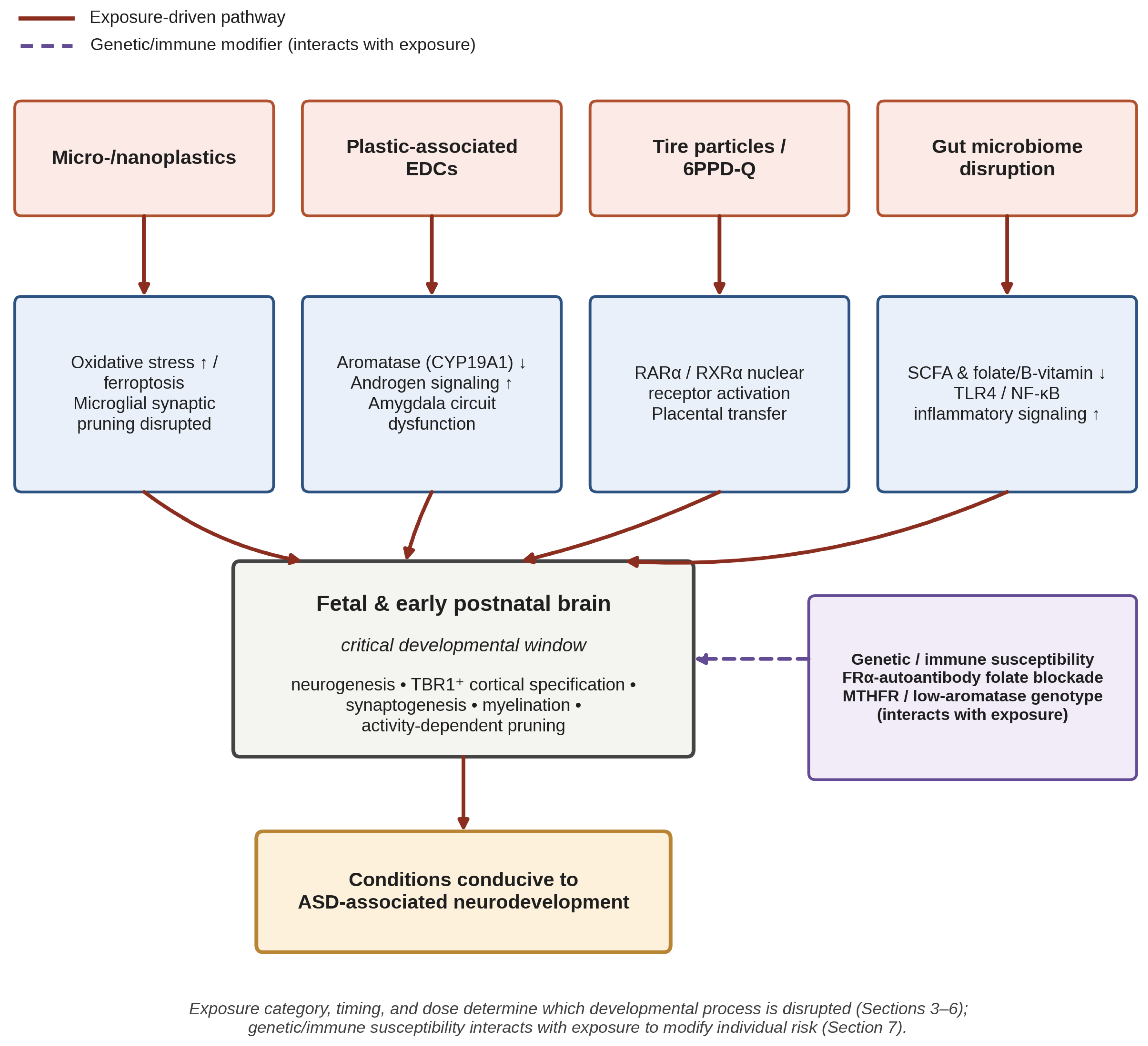
Table 5 compares, for eight representative studies from Section 2, Section 3, Section 4, Section 5 and Section 6, the exposure window, dose, material, particle characterization, model, outcome, bias, and human relevance so that strengths and limitations can be compared across exposure classes directly rather than narratively.
7.1. Critical Appraisal: Levels of Evidence and Limits of Causal Inference
Human observational findings, animal experiments, in vitro studies, and proposed mechanisms support different conclusions and should not be pooled into a single causal narrative. Human biomonitoring shows that exposure occurs, including in pregnancy, but given the analytical limits in Section 2 it does not show a neurodevelopmental effect. Human cohort studies of plastic-associated chemicals can relate measured exposure to ASD traits or diagnosis, but they are observational, rely on short-term urinary biomarkers, and yield small, inconsistent, and sex- or cohort-specific associations. Animal experiments show that exposure can alter brain development and behavior under controlled conditions, but they typically use single polymers at doses above environmental levels, and ASD-like behavior in rodents is not clinical ASD. In vitro and organoid studies identify cellular mechanisms but omit maternal–fetal transfer, immunity, and the microbiome. Proposed mechanisms, including the convergence model in this review, are hypotheses. Table 6 summarizes these differences.
Three further points temper the synthesis. First, exposure relevance differs among the studies reviewed: polystyrene particles of uniform size at high doses (Section 3), urinary metabolites of chemicals with short half-lives (Section 4), and a single mouse study of placental transfer of 6PPD-Q (Section 5) cannot be placed on one dose scale. Second, findings are inconsistent where they have been replicated: phthalate–ASD associations differ in direction or size across cohorts and meta-analyses, and the one prospective infant microbiome cohort, which did not measure plastic exposure and so bears only indirectly on the plastic–microbiome pathway, was largely null. Third, extrapolation from animal and organoid models to human neurodevelopment is limited by species differences in the timing of brain development, placental physiology, and gut microbiota and by the absence of human data that pair measured MNP exposure with clinically confirmed ASD. Based on the current evidence, the convergence model is a plausible organizing hypothesis; it is not evidence that plastics cause ASD.
Relative to the companion review [18] and our other earlier work, the contribution of this article is the explicit grading and comparison of evidence across exposure classes and the identification of which links in the immune–microbiome pathway first proposed in [18] are tested and which are hypothetical (see Section 1.2).
7.2. Limitations of This Review and of the Evidence Base
This review has several limitations. It is a narrative review without a registered protocol or formal risk-of-bias assessment, so study selection and weighting reflect the author’s judgment and may be subject to selection bias, and the original search was performed on 1 September 2026 with a follow-up search on 31 October 2026, so later publications are not captured. The studies themselves are heterogeneous in design, exposure measurement, and outcome definition. Particle characteristics (polymer, size, shape, surface chemistry, and aging) and exposure conditions (dose, route, timing, and duration) vary widely and are often incompletely reported, which prevents quantitative synthesis and direct comparison across studies. Analytical methods for MNPs in tissue are not yet harmonized or independently validated, and many cited studies are small, single-center, or cross-sectional. Finally, translating findings from cell and animal models to human health outcomes is uncertain, and no human cohort has yet tested the link between measured MNP exposure and clinically confirmed ASD. The conclusions should be read with these limits in mind.
8. Translational Implications and Research Priorities
Harm reduction, not elimination, is the realistic goal, because plastic exposure cannot be fully avoided. Practical low-burden measures include reducing plastic use where feasible; retiring food and drink storage containers that are scuffed, scratched, or degraded, because wear increases particle release [88]; avoiding heating food in plastic containers or packaging [88]; and filtering drinking water [89]. Broader household- and policy-level measures for reducing pollutant exposure are discussed in our companion review [18].
Evidence grade: Preliminary/plausible. The advice is extrapolated from the exposure reduction reasoning behind Section 2 and Section 3; no trial has tested these behaviors against a neurodevelopmental outcome.
Three research gaps deserve priority. First, to our knowledge (via literature searches performed 1 September and 31 October 2026), no human cohort has directly tested the link between microplastic particles and ASD using a validated diagnostic outcome, despite the animal evidence in Section 3 and the occupational severity data from CHARGE [59]. Second, 6PPD-Q has been quantified in the urine of pregnant women and detected in umbilical cord blood [83,84,85], yet biomonitoring paired with neurodevelopmental outcomes and measurement in fetal brain tissue are both lacking, despite proven placental transfer in mice [28]. Third, no cohort has tested whether plastic-driven gut microbial shifts precede or predict ASD rather than merely accompanying it. The one prospective cohort that examined early gut microbial composition in relation to later neurodevelopmental outcomes did not measure plastic exposure and found largely null or mixed results in an ASD-enriched sample, so its relevance to the plastic–microbiome–ASD pathway is indirect [33]. A single prospective cohort that jointly measures plastic/EDC exposure, gut microbial composition, and neurodevelopmental outcome would close all three gaps and, in our view, is the most valuable next step.
9. Conclusions
Together, MNPs, their accompanying EDCs, and tire-derived 6PPD-Q are candidates for the developmental neurotoxicant research agenda; they are not established developmental neurotoxicants. They may influence the fetal and early postnatal brain through direct particle toxicity, endocrine and nuclear receptor signaling, and, as hypothesized here, immune dysregulation mediated by the gut microbiome. Evidence strength differs widely among these routes: for MNPs, it includes a small human cord blood endocrine correlate and ex vivo human placental oxidative stress data (placental genotoxicity has been reported only in experimental models), and for bisphenol A it includes human cohort and mechanistic endocrine data, whereas for TWPs and the microbiome pathway it is mostly preclinical and inferential. Viewing the mechanisms jointly, instead of as separate literatures, is what drives the immune- and microbiome-focused agenda proposed here. The wider context of other pollutant classes is covered in our companion review [18].
Three conclusions follow from the evidence, and we state them plainly. First, MNPs have been found in placenta, fetal tissue, and breast milk and plastic-associated chemicals in maternal and child urine within the developmental windows covered here. Exposure during these windows therefore seems likely, although what it means for human neurodevelopment is still largely unknown. Second, the biological case converges: oxidative stress plus endocrine and nuclear receptor disruption have been documented in several exposure classes and models, while folate pathway interference and plastic-associated microbiome perturbation rest on limited or indirect data; all of these mechanisms could act in the same fetal and early postnatal window. Third, the most consequential gap is the absence of prospective human dose–response data that tie a measured level of micro/nanoplastic or 6PPD-Q exposure to a clinically ascertained ASD outcome (for some plastic-associated chemicals, including bisphenol A and organophosphate esters, such cohort data exist). Until ECHO, MARBLES, and similar cohorts combine particle and 6PPD-Q biomarkers with genotype and clinical diagnosis at scale, we keep these mechanisms at the preliminary/plausible tier rather than calling them confirmed. The message is not alarm but a concrete research program (Section 7 and Section 8): dose-ranging studies at realistic exposure levels, gene × pollutant analyses within existing cohorts, and repeated rather than single-timepoint microbiome sampling. These conclusions concern plausibility and research priority; they do not establish that plastic exposure causes ASD in humans.
Funding
This research received no external funding.
Institutional Review Board Statement
Not applicable.
Informed Consent Statement
Not applicable.
Data Availability Statement
No new data were created or analyzed in this study.
Acknowledgments
During the preparation of this manuscript, Claude AI (Anthropic, Sonnet 5.5) was used to prepare the figure and to check the grammar and wording. The author reviewed and edited all output and takes full responsibility for the content of this publication.
Conflicts of Interest
The author declares no conflicts of interest.
Abbreviations
The following abbreviations are used in this manuscript:
| 10HDA | 10-hydroxy-2-decenoic acid |
| 6PPD | N-(1,3-dimethylbutyl)-N′-phenyl-p-phenylenediamine |
| 6PPD-Q | 6PPD-quinone |
| ADHD | Attention-deficit/hyperactivity disorder |
| ASD | Autism spectrum disorder |
| ATL-1 | ATR-like DNA-damage checkpoint kinase (Caenorhabditis elegans) |
| B6, B9, B12 | Vitamins B6 (pyridoxine), B9 (folate), and B12 (cobalamin) |
| BBB | Blood–brain barrier |
| BBOEP | Bis(butoxyethyl) phosphate |
| BCPP | Bis(1-chloro-2-propyl) phosphate |
| BDCPP | Bis(1,3-dichloro-2-propyl) phosphate |
| BeWo | Human placental trophoblast cell line |
| BIS | Barwon Infant Study |
| BPA | Bisphenol A |
| CBCL | Child Behavior Checklist |
| CEP-1 | p53 ortholog in Caenorhabditis elegans |
| CFU | Colony-forming units |
| CHARGE | Childhood Autism Risks from Genetics and Environment |
| CYP19A1 | Cytochrome P450 family 19 subfamily A member 1 (aromatase gene) |
| DBUP | Dibutyl phosphate |
| DIBP | Di-isobutyl phosphate |
| DINCH | Di-isononyl cyclohexane-1,2-dicarboxylate |
| DNA | Deoxyribonucleic acid |
| DPHP | Diphenyl phosphate |
| EARLI | Early Autism Risk Longitudinal Investigation |
| ECHO | Environmental influences on Child Health Outcomes |
| EDCs | Endocrine-disrupting chemicals |
| EDEN | Étude des Déterminants pré et postnatals du développement et de la santé de l’Enfant |
| ENVIRONAGE | Environment Influence on Early Aging |
| F1, F2, F3 | First, second, and third offspring generations |
| FDR | False discovery rate |
| FOLR1 | Folate receptor alpha gene |
| GABA | γ-Aminobutyric acid |
| HOME | Health Outcomes and Measures of the Environment |
| iPSC | Induced pluripotent stem cell |
| IQ | Intelligence quotient |
| L1 | First larval stage |
| LPS | Lipopolysaccharide |
| MARBLES | Markers of Autism Risk in Babies–Learning Early Signs |
| MASLD | Metabolic dysfunction-associated steatotic liver disease |
| MBP | Monobutyl phthalate |
| MBzP | Monobenzyl phthalate |
| MCPP | Mono(3-carboxypropyl) phthalate |
| MHxP | Monohexyl phthalate |
| MNPs | Micro/nanoplastics |
| MRI | Magnetic resonance imaging |
| MTHFR | Methylenetetrahydrofolate reductase |
| NF-κB | Nuclear factor kappa-light-chain-enhancer of activated B cells |
| NIH | National Institutes of Health |
| OR | Odds ratio |
| p53 | Tumor protein p53 |
| pABA | para-Aminobenzoic acid |
| PE | Polyethylene |
| PM2.5 | Particulate matter ≤ 2.5 µm in diameter |
| PS-NPs | Polystyrene nanoplastics |
| RAD-51 | Homologous-recombination repair protein RAD51 |
| RARα | Retinoic acid receptor alpha |
| RCT | Randomized controlled trial |
| rRNA | Ribosomal ribonucleic acid |
| RXRα | Retinoid X receptor alpha |
| SCFA | Short-chain fatty acid |
| SDQ | Strengths and Difficulties Questionnaire |
| SLC19A1 | Solute carrier family 19 member 1 (reduced folate carrier) |
| SRS-2 | Social Responsiveness Scale, Second Edition |
| T4 | Thyroxine |
| TBR1 | T-box brain protein 1 |
| TD | Typically developing |
| TIDES | The Infant Development and Environment Study |
| TLR4 | Toll-like receptor 4 |
| TWPs | Tire wear particles |
References
- Geyer, R.; Jambeck, J.R.; Law, K.L. Production, Use, and Fate of All Plastics Ever Made. Sci. Adv. 2017, 3, e1700782. [Google Scholar] [CrossRef] [Scilit] [PubMed]
- Hartmann, N.B.; Hüffer, T.; Thompson, R.C.; Hassellöv, M.; Verschoor, A.; Daugaard, A.E.; Rist, S.; Karlsson, T.; Brennholt, N.; Cole, M.; et al. Are We Speaking the Same Language? Recommendations for a Definition and Categorization Framework for Plastic Debris. Environ. Sci. Technol. 2019, 53, 1039–1047. [Google Scholar] [CrossRef] [Scilit] [PubMed]
- Gigault, J.; Halle, A.T.; Baudrimont, M.; Pascal, P.-Y.; Gauffre, F.; Phi, T.-L.; El Hadri, H.; Grassl, B.; Reynaud, S. Current Opinion: What Is a Nanoplastic? Environ. Pollut. 2018, 235, 1030–1034. [Google Scholar] [CrossRef] [Scilit] [PubMed]
- Cox, K.D.; Covernton, G.A.; Davies, H.L.; Dower, J.F.; Juanes, F.; Dudas, S.E. Human Consumption of Microplastics. Environ. Sci. Technol. 2019, 53, 7068–7074, Correction in Environ. Sci. Technol. 2020, 54, 10974. https://doi.org/10.1021/acs.est.0c04032. [Google Scholar] [CrossRef] [Scilit] [PubMed]
- Ragusa, A.; Svelato, A.; Santacroce, C.; Catalano, P.; Notarstefano, V.; Carnevali, O.; Papa, F.; Rongioletti, M.C.A.; Baiocco, F.; Draghi, S.; et al. Plasticenta: First Evidence of Microplastics in Human Placenta. Environ. Int. 2021, 146, 106274. [Google Scholar] [CrossRef] [Scilit] [PubMed]
- Saraluck, A.; Techarang, T.; Bunyapipat, P.; Boonchuwong, K.; Pullaput, Y.; Mordmuang, A. Detection of Microplastics in Human Breast Milk and Its Association with Changes in Human Milk Bacterial Microbiota. J. Clin. Med. 2024, 13, 4029. [Google Scholar] [CrossRef] [Scilit] [PubMed]
- Nihart, A.J.; Garcia, M.A.; El Hayek, E.; Liu, R.; Olewine, M.; Kingston, J.D.; Castillo, E.F.; Gullapalli, R.R.; Howard, T.; Bleske, B.; et al. Bioaccumulation of Microplastics in Decedent Human Brains. Nat. Med. 2025, 31, 1114–1119, Correction in Nat. Med. 2025, 31, 1367. https://doi.org/10.1038/s41591-025-03675-x. [Google Scholar] [CrossRef] [Scilit] [PubMed]
- Leonard, S.; Liddle, C.R.; Atherall, C.A.; Chapman, E.; Watkins, M.; Calaminus, S.D.J.; Rotchell, J.M. Microplastics in Human Blood: Polymer Types, Concentrations and Characterisation Using μFTIR. Environ. Int. 2024, 188, 108751. [Google Scholar] [CrossRef] [Scilit] [PubMed]
- Bamigboye, O.; Alfred, M.O.; Bayode, A.A.; Unuabonah, E.I.; Omorogie, M.O. The Growing Threats and Mitigation of Environmental Microplastics. Environ. Chem. Ecotoxicol. 2024, 6, 259–268. [Google Scholar] [CrossRef] [Scilit]
- Zhi, L.; Li, R.; Li, Z.; Su, Z.; Chen, F.; Qin, Q.; Huang, Y.; Huang, X.; Wang, J. Micro/Nanoplastics in Aquatic Ecosystems: Analytical Challenges, Ecological Impacts, and Mitigation Strategies. Environ. Chem. Ecotoxicol. 2025, 7, 1480–1495. [Google Scholar] [CrossRef] [Scilit]
- Zhang, Y.-W.; Zhou, D.-Y.; Wang, S.-C.; Zhou, F.-J.; Wang, G.-C.; Su, J.-C. Bridging Relevance between Microplastics, Human Health and Bone Metabolism: Emerging Threats and Research Directions. Environ. Chem. Ecotoxicol. 2024, 6, 422–435. [Google Scholar] [CrossRef] [Scilit]
- Baroni, A.; Moulton, C.; Cristina, M.; Sansone, L.; Belli, M.; Tasciotti, E. Nano- and Microplastics in the Brain: An Emerging Threat to Neural Health. Nanomaterials 2025, 15, 1361. [Google Scholar] [CrossRef] [Scilit] [PubMed]
- Araújo, A.M.; Mota, C.; Ramos, H.; Faria, M.A.; Carvalho, M.; Ferreira, I.M.P.L.V.O. The Neurotoxic Threat of Micro- and Nanoplastics: Evidence from In Vitro and In Vivo Models. Arch. Toxicol. 2025, 99, 3505–3525. [Google Scholar] [CrossRef] [Scilit] [PubMed]
- Zhang, H.; Ding, X.; Zheng, H.; Ma, Q.; Zhang, T. Health Risks of Prenatal and Early-Life Microplastics Exposure: A Comprehensive Review. Environ. Health 2026, 4, 567–584. [Google Scholar] [CrossRef] [Scilit] [PubMed]
- Nadarasan, S.; Phuna, Z.X.; Zaman, R.; Tan, C.K.; Bustami, N.A.; Bin Ho, Y.; Kosasih, S.J.; Tan, E.S.S. Microplastics and Child Health: A Scoping Review of Prenatal and Early-Life Exposure Routes and Potential Health Risks. Toxicol. Rep. 2025, 15, 102143. [Google Scholar] [CrossRef] [Scilit] [PubMed]
- Mathew, A.S.; Harjith, A.; Guruvayoorappan, C. Assessing Microplastics as a Novel Threat to Maternal-Fetal Health: Placental Barrier Penetration and Fetal Developmental Consequences. Reprod. Toxicol. 2025, 137, 109021. [Google Scholar] [CrossRef] [Scilit] [PubMed]
- Fowler, L.F.; Burry, T.N.; Maekawa, A.S.; Cahill, L.S. A Systematic Review and Experimental Study of Micro/Nanoplastic-Induced Endocrine Disruption in Rodents: Potential Links to Autism Spectrum Disorder. Horm. Behav. 2025, 175, 105818. [Google Scholar] [CrossRef] [Scilit] [PubMed]
- Ayoub, G. Pollutant Burden in Autism Spectrum Disorder: Mechanistic Convergence, Genetic Susceptibility, and Clinical Translation. Curr. Issues Mol. Biol. 2026, 48, 878. [Google Scholar] [CrossRef] [Scilit] [PubMed]
- Ayoub, G. Neurodevelopment of Autism: Critical Periods, Stress and Nutrition. Cells 2024, 13, 1968. [Google Scholar] [CrossRef] [Scilit] [PubMed]
- Ayoub, G. Autism Spectrum Disorder as a Multifactorial Disorder: The Interplay of Genetic Factors and Inflammation. Int. J. Mol. Sci. 2025, 26, 6483. [Google Scholar] [CrossRef] [Scilit] [PubMed]
- Yenkoyan, K.; Mkhitaryan, M.; Bjørklund, G. Environmental Risk Factors in Autism Spectrum Disorder: A Narrative Review. Curr. Med. Chem. 2024, 31, 2345–2360. [Google Scholar] [CrossRef] [Scilit] [PubMed]
- Ayoub, G. Neurodevelopmental Impact of Maternal Immune Activation and Autoimmune Disorders, Environmental Toxicants and Folate Metabolism on Autism Spectrum Disorder. Curr. Issues Mol. Biol. 2025, 47, 721. [Google Scholar] [CrossRef] [Scilit] [PubMed]
- Grandjean, P.; Landrigan, P.J. Developmental Neurotoxicity of Industrial Chemicals. Lancet 2006, 368, 2167–2178. [Google Scholar] [CrossRef] [Scilit] [PubMed]
- Grandjean, P.; Landrigan, P.J. Neurobehavioural Effects of Developmental Toxicity. Lancet Neurol. 2014, 13, 330–338. [Google Scholar] [CrossRef] [Scilit] [PubMed]
- Liu, B.; Zheng, D.; Wang, J.; Wang, D.; Zhang, S.; Chu, D. Prenatal Microplastic Exposure and Umbilical Cord Blood Androgenic and Glucocorticoid Hormones. Ecotoxicol. Environ. Saf. 2025, 303, 118827. [Google Scholar] [CrossRef] [Scilit] [PubMed]
- Hua, T.; Kiran, S.; Li, Y.; Sang, Q.-X.A. Microplastics Exposure Affects Neural Development of Human Pluripotent Stem Cell-Derived Cortical Spheroids. J. Hazard. Mater. 2022, 435, 128884. [Google Scholar] [CrossRef] [Scilit] [PubMed]
- Zou, L.; Xu, X.; Wang, Y.; Lin, F.; Zhang, C.; Liu, R.; Hou, X.; Wang, J.; Jiang, X.; Zhang, Q.; et al. Neonatal Exposure to Polystyrene Nanoplastics Impairs Microglia-Mediated Synaptic Pruning and Causes Social Behavioral Defects in Adulthood. Environ. Sci. Technol. 2024, 58, 11945–11957. [Google Scholar] [CrossRef] [Scilit] [PubMed]
- Zhao, H.N.; Thomas, S.P.; Zylka, M.J.; Dorrestein, P.C.; Hu, W. Urine Excretion, Organ Distribution, and Placental Transfer of 6PPD and 6PPD-Quinone in Mice and Potential Developmental Toxicity through Nuclear Receptor Pathways. Environ. Sci. Technol. 2023, 57, 13429–13438. [Google Scholar] [CrossRef] [Scilit] [PubMed]
- Zaheer, J.; Kim, H.; Ko, I.O.; Jo, E.-K.; Choi, E.-J.; Lee, H.-J.; Shim, I.; Woo, H.-J.; Choi, J.; Kim, G.-H.; et al. Pre/Post-Natal Exposure to Microplastic as a Potential Risk Factor for Autism Spectrum Disorder. Environ. Int. 2022, 161, 107121. [Google Scholar] [CrossRef] [Scilit] [PubMed]
- Schwenger, K.J.P.; Ghorbani, Y.; Bharatselvam, S.; Chen, L.; Chomiak, K.M.; Tyler, A.C.; Eddingsaas, N.C.; Fischer, S.E.; Jackson, T.D.; Okrainec, A.; et al. Links between Fecal Microplastics and Parameters Related to Metabolic Dysfunction-Associated Steatotic Liver Disease (MASLD) in Humans: An Exploratory Study. Sci. Total Environ. 2024, 953, 176153. [Google Scholar] [CrossRef] [Scilit] [PubMed]
- Zhang, X.; He, X.; Pan, D.; Shi, L.; Wu, Y.; Yang, Y.; Zhu, Y.; Wang, Y.; Wang, H.; Pu, L.; et al. Effects of Thermal Exposure to Disposable Plastic Tableware on Human Gut Microbiota and Metabolites: A Quasi-Experimental Study. J. Hazard. Mater. 2024, 462, 132800. [Google Scholar] [CrossRef] [Scilit] [PubMed]
- Yang, X.-Y.; Zhang, Z.-W.; Chen, G.-D.; Yuan, S. Gut Microbiome Remodeling Induced by Microplastic Exposure in Humans. Gut Microbes 2026, 18, 2617696. [Google Scholar] [CrossRef] [Scilit] [PubMed]
- Sotelo-Orozco, J.; Taft, D.H.; Al-Oboudi, J.; Baikie, B.C.; Lake, C.; Miller, M.; Mills, D.A.; Tancredi, D.J.; Schmidt, R.J.; Hertz-Picciotto, I.; et al. Mixed Evidence for Impact of Early Infant Gut Microbiome and Later Development of Autism Spectrum Disorder in the MARBLES Prospective Cohort Study. Autism Res. 2026, 19, e70207. [Google Scholar] [CrossRef] [Scilit] [PubMed]
- Agrawal, S.; Rao, S.; Whitehouse, A.; Alvares, G.A.; Kulkarni, A.; Taylor, J.A.; Conway, P.L.; Thomas, T.; Patole, S. Effect of Probiotic Supplementation on Gut Microbiota in Children with Autism: A Pilot Randomised Controlled Trial. Nutrients 2026, 18, 2079. [Google Scholar] [CrossRef] [Scilit] [PubMed]
- Wouters, Q.; Abakumov, S.; Van Der Stukken, C.; Aslam, I.; Van Den Eede, I.; Dedecker, P.; Nawrot, T.S.; Roeffaers, M.B.J. Hydrogel Transformation Reveals a Conventionally Inaccessible Sub-Micrometer Microplastic Fraction in Intact Human Tissues. ACS Nano 2026, 20, 24123–24134. [Google Scholar] [CrossRef] [Scilit] [PubMed]
- Garcia, M.A.; Liu, R.; Nihart, A.; El Hayek, E.; Castillo, E.; Barrozo, E.R.; Suter, M.A.; Bleske, B.; Scott, J.; Forsythe, K.; et al. Quantitation and Identification of Microplastics Accumulation in Human Placental Specimens Using Pyrolysis Gas Chromatography Mass Spectrometry. Toxicol. Sci. 2024, 199, 81–88. [Google Scholar] [CrossRef] [Scilit] [PubMed]
- Monikh, F.; Materić, D.; Valsami-Jones, E.; Grossart, H.-P.; Altmann, K.; Holzinger, R.; Lynch, I.; Stubenrauch, J.; Peijnenburg, W. Challenges in Studying Microplastics in Human Brain. Nat. Med. 2025, 31, 4034–4035. [Google Scholar] [CrossRef] [Scilit] [PubMed]
- Rauert, C.; Charlton, N.; Bagley, A.; Dunlop, S.A.; Symeonides, C.; Thomas, K.V. Assessing the Efficacy of Pyrolysis–Gas Chromatography–Mass Spectrometry for Nanoplastic and Microplastic Analysis in Human Blood. Environ. Sci. Technol. 2025, 59, 1984–1994. [Google Scholar] [CrossRef] [Scilit] [PubMed]
- Rauert, C.; Pan, Y.; Okoffo, E.D.; O’Brien, J.W.; Thomas, K.V. Extraction and Pyrolysis-GC-MS Analysis of Polyethylene in Samples with Medium to High Lipid Content. J. Environ. Expo. Assess. 2022, 1, 13. [Google Scholar] [CrossRef] [Scilit]
- Campen, M.J.; West, A.B.; Garcia, M.; Gullapalli, R.; El Hayek, E. Reply to: Challenges in Studying Microplastics in Human Brain. Nat. Med. 2025, 31, 4036–4037. [Google Scholar] [CrossRef] [Scilit] [PubMed]
- Zurub, R.E.; Bainbridge, S.; Rahman, L.; Halappanavar, S.; El-Chaâr, D.; Wade, M.G. Particulate Contamination of Human Placenta: Plastic and Non-Plastic. Environ. Adv. 2024, 17, 100555. [Google Scholar] [CrossRef] [Scilit]
- de Sousa, A.K.A.; Pires, K.S.N.; Cavalcante, I.H.; Cavalcante, I.C.L.; Santos, J.D.; Queiroz, M.I.C.; Leite, A.C.R.; Crispim, A.C.; da Rocha Junior, E.R.; Aquino, T.M.; et al. Polystyrene Microplastics Exposition on Human Placental Explants Induces Time-Dependent Cytotoxicity, Oxidative Stress and Metabolic Alterations. Front. Endocrinol. 2024, 15. [Google Scholar] [CrossRef] [Scilit] [PubMed]
- Zhang, R.; Zhou, Y.I.; Zhao, X.; Chen, Q.; Li, X.; Chen, Y.; Xi, J.; Yang, R.; Xie, B.O.; Yang, Y.; et al. Identification and Analysis of Microplastics in Main Organs of Human Fetus. Ecotoxicol. Environ. Saf. 2026, 314, 120078. [Google Scholar] [CrossRef] [Scilit] [PubMed]
- Jung, B.-K.; Han, S.-W.; Park, S.-H.; Bae, J.-S.; Choi, J.; Ryu, K.-Y. Neurotoxic Potential of Polystyrene Nanoplastics in Primary Cells Originating from Mouse Brain. Neurotoxicology 2020, 81, 189–196. [Google Scholar] [CrossRef] [Scilit] [PubMed]
- Silverman, J.L.; Yang, M.; Lord, C.; Crawley, J.N. Behavioural Phenotyping Assays for Mouse Models of Autism. Nat. Rev. Neurosci. 2010, 11, 490–502. [Google Scholar] [CrossRef] [Scilit] [PubMed]
- American Psychiatric Association (Ed.) Diagnostic and Statistical Manual of Mental Disorders, 5th ed.; Text Revision (DSM-5-TR); American Psychiatric Association Publishing: Washington, DC, USA, 2022. [Google Scholar]
- Jeong, B.; Baek, J.Y.; Koo, J.; Park, S.; Ryu, Y.-K.; Kim, K.-S.; Zhang, S.; Chung, C.; Dogan, R.; Choi, H.-S.; et al. Maternal Exposure to Polystyrene Nanoplastics Causes Brain Abnormalities in Progeny. J. Hazard. Mater. 2022, 426, 127815. [Google Scholar] [CrossRef] [Scilit] [PubMed]
- Zhang, Y.; Tian, L.; Chen, J.; Liu, X.; Li, K.; Liu, H.; Lai, W.; Shi, Y.; Lin, B.; Xi, Z. Selective Bioaccumulation of Polystyrene Nanoplastics in Fetal Rat Brain and Damage to Myelin Development. Ecotoxicol. Environ. Saf. 2024, 278, 116393. [Google Scholar] [CrossRef] [Scilit] [PubMed]
- Chen, J.; Yan, L.; Zhang, Y.; Liu, X.; Wei, Y.; Zhao, Y.; Li, K.; Shi, Y.; Liu, H.; Lai, W.; et al. Maternal Exposure to Nanopolystyrene Induces Neurotoxicity in Offspring through P53-Mediated Ferritinophagy and Ferroptosis in the Rat Hippocampus. J. Nanobiotechnol. 2024, 22, 651. [Google Scholar] [CrossRef] [Scilit] [PubMed]
- Santana-Codina, N.; Mancias, J.D. The Role of NCOA4-Mediated Ferritinophagy in Health and Disease. Pharmaceuticals 2018, 11, 114. [Google Scholar] [CrossRef] [Scilit] [PubMed]
- Dixon, S.J.; Lemberg, K.M.; Lamprecht, M.R.; Skouta, R.; Zaitsev, E.M.; Gleason, C.E.; Patel, D.N.; Bauer, A.J.; Cantley, A.M.; Yang, W.S.; et al. Ferroptosis: An Iron-Dependent Form of Nonapoptotic Cell Death. Cell 2012, 149, 1060–1072. [Google Scholar] [CrossRef] [Scilit] [PubMed]
- Li, F.; Xu, X.; Wang, Z.; Xie, J.; Wei, S.; Ji, Z.; Liu, L.; Wu, H.; Zhao, Y. Polystyrene Nanoplastics Induced Transgenerational Reproductive Toxicity in Caenorhabditis Elegans through Enhanced DNA Damage Accompanied by DNA Repair Inhibition. Ecotoxicol. Environ. Saf. 2025, 301, 118500. [Google Scholar] [CrossRef] [Scilit] [PubMed]
- Tian, L.; Zhang, Y.; Chen, J.; Liu, X.; Nie, H.; Li, K.; Liu, H.; Lai, W.; Shi, Y.; Xi, Z.; et al. Effects of Nanoplastic Exposure during Pregnancy and Lactation on Neurodevelopment of Rat Offspring. J. Hazard. Mater. 2024, 474, 134800. [Google Scholar] [CrossRef] [Scilit] [PubMed]
- So, Y.H.; Shin, H.S.; Lee, S.H.; Moon, H.J.; Jang, H.J.; Lee, E.-H.; Jung, E.-M. Maternal Exposure to Polystyrene Microplastics Impairs Social Behavior in Mouse Offspring with a Potential Neurotoxicity. Neurotoxicology 2023, 99, 206–216. [Google Scholar] [CrossRef] [Scilit] [PubMed]
- Harvey, N.E.; Mercer, G.V.; Stapleton, D.; Steeves, K.L.; Hanrahan, J.; Cui, M.; Aghaei, Z.; Spring, S.; Helm, P.A.; Simpson, A.J.; et al. Maternal Exposure to Polystyrene Nanoplastics Impacts Developmental Milestones and Brain Structure in Mouse Offspring. Environ. Sci. Adv. 2023, 2, 622–628. [Google Scholar] [CrossRef] [Scilit]
- Greer, J.B.; Dalsky, E.M.; Lane, R.F.; Hansen, J.D. Tire-Derived Transformation Product 6PPD-Quinone Induces Mortality and Transcriptionally Disrupts Vascular Permeability Pathways in Developing Coho Salmon. Environ. Sci. Technol. 2023, 57, 10940–10950. [Google Scholar] [CrossRef] [Scilit] [PubMed]
- Ames, J.L.; Ferrara, A.; Feng, J.; Alexeeff, S.; Avalos, L.A.; Barrett, E.S.; Bastain, T.M.; Bennett, D.H.; Buckley, J.P.; Carignan, C.C.; et al. Exposure to Organophosphate Ester Flame Retardants and Plasticizers during Pregnancy and Autism-Related Outcomes in the ECHO Cohort. Environ. Health Perspect. 2025, 134, 423–437. [Google Scholar] [CrossRef] [Scilit]
- Vignon, A.N.; Dudon, G.; Oliva, G.; Thirard, S.; Alenda, U.G.; Brugoux, A.; Cazevieille, C.; Imbert, J.; Bellières, C.; Lehmann, S.; et al. Lifelong Exposure to Polystyrene-Nanoplastics Induces an Attention-Deficit Hyperactivity Disorder-like Phenotype and Impairs Brain Aging in Mice. J. Hazard. Mater. 2025, 494, 138640. [Google Scholar] [CrossRef] [Scilit] [PubMed]
- McCanlies, E.C.; Gu, J.K.; Ma, C.C.; Sanderson, W.T.; Ludeña-Rodriguez, Y.J.; Hertz-Picciotto, I. The Effects of Parental Occupational Exposures on Autism Spectrum Disorder Severity and Skills in Cognitive and Adaptive Domains in Children with Autism Spectrum Disorder. Int. J. Hyg. Environ. Health 2025, 268, 114613, Correction in Int. J. Hyg. Environ. Health 2026, 274, 114788. https://doi.org/10.1016/j.ijheh.2026.114788. [Google Scholar] [CrossRef] [Scilit] [PubMed]
- Day, D.B.; Collett, B.R.; Barrett, E.S.; Bush, N.R.; Swan, S.H.; Nguyen, R.H.N.; Szpiro, A.A.; Sathyanarayana, S. Phthalate Mixtures in Pregnancy, Autistic Traits, and Adverse Childhood Behavioral Outcomes. Environ. Int. 2021, 147, 106330. [Google Scholar] [CrossRef] [Scilit] [PubMed]
- Yu, E.X.; Braun, J.M.; Lyall, K.; Hertz-Picciotto, I.; Fallin, M.D.; Croen, L.A.; Chen, A.; Xu, Y.; Yolton, K.; Newschaffer, C.J.; et al. A Mixture of Urinary Phthalate Metabolite Concentrations During Pregnancy and Offspring Social Responsiveness Scale Scores. Epidemiology 2024, 35, 84–93. [Google Scholar] [CrossRef] [Scilit] [PubMed]
- Radke, E.G.; Braun, J.M.; Nachman, R.M.; Cooper, G.S. Phthalate Exposure and Neurodevelopment: A Systematic Review and Meta-Analysis of Human Epidemiological Evidence. Environ. Int. 2020, 137, 105408. [Google Scholar] [CrossRef] [Scilit] [PubMed]
- Duque-Cartagena, T.; Dalla, M.D.B.; Mundstock, E.; Neto, F.K.; Espinoza, S.A.R.; de Moura, S.K.; Zanirati, G.; Padoin, A.V.; Jimenez, J.G.P.; Stein, A.T.; et al. Environmental Pollutants as Risk Factors for Autism Spectrum Disorders: A Systematic Review and Meta-Analysis of Cohort Studies. BMC Public Health 2024, 24, 2388. [Google Scholar] [CrossRef] [Scilit] [PubMed]
- Parenti, M.; Slupsky, C.M. Disrupted Prenatal Metabolism May Explain the Etiology of Suboptimal Neurodevelopment: A Focus on Phthalates and Micronutrients and Their Relationship to Autism Spectrum Disorder. Adv. Nutr. 2024, 15, 100279. [Google Scholar] [CrossRef] [Scilit] [PubMed]
- Al-Saleh, I.; Aljerayed, Y.; Gheith, M.; Alobaid, N.; Alenazi, H.; Elkhatib, R.; Aldhalaan, H.; Alnemer, M.; Mohamed, G.; Shoukri, M. Longitudinal Analysis of Maternal Exposure to Phthalates and Bisphenol A and Their Impact on Infant Neurodevelopment and Autistic Behavior: The Potential Mediating Role of Thyroid Hormones. Int. J. Hyg. Environ. Health 2025, 269, 114647. [Google Scholar] [CrossRef] [Scilit] [PubMed]
- Philippat, C.; Nakiwala, D.; Calafat, A.M.; Botton, J.; De Agostini, M.; Heude, B.; Slama, R.; EDEN Mother–Child Study Group. Prenatal Exposure to Nonpersistent Endocrine Disruptors and Behavior in Boys at 3 and 5 Years. Environ. Health Perspect. 2017, 125, 097014. [Google Scholar] [CrossRef] [Scilit] [PubMed]
- Symeonides, C.; Vacy, K.; Thomson, S.; Tanner, S.; Chua, H.K.; Dixit, S.; Mansell, T.; O’Hely, M.; Novakovic, B.; Herbstman, J.B.; et al. Male Autism Spectrum Disorder Is Linked to Brain Aromatase Disruption by Prenatal BPA in Multimodal Investigations and 10HDA Ameliorates the Related Mouse Phenotype. Nat. Commun. 2024, 15, 6367. [Google Scholar] [CrossRef] [Scilit] [PubMed]
- Peterson, A.K.; Alexeeff, S.E.; Ames, J.L.; Feng, J.; Yoshida, C.; Avalos, L.A.; Barrett, E.S.; Bastain, T.M.; Bennett, D.H.; Buckley, J.P.; et al. Gestational Exposure to Organophosphate Ester Flame Retardants and Risk of Childhood Obesity in the Environmental Influences on Child Health Outcomes Consortium. Environ. Int. 2024, 193, 109071. [Google Scholar] [CrossRef] [Scilit] [PubMed]
- Oh, J.; Buckley, J.P.; Upadhyaya, S.; Kannan, K.; Barrett, E.S.; Bastain, T.M.; Breton, C.V.; Eick, S.M.; Geiger, S.D.; Ghassabian, A.; et al. Prenatal Exposure to Phthalates and Alternative Plasticizers and Emotional and Behavioral Outcomes in Early Childhood in the Environmental Influences on Child Health Outcomes (ECHO) Cohort. Environ. Int. 2025, 202, 109647. [Google Scholar] [CrossRef] [Scilit] [PubMed]
- Choi, J.W.; Oh, J.; Bennett, D.H.; Kannan, K.; Tancredi, D.J.; Miller, M.; Schmidt, R.J.; Shin, H.-M. Gestational Exposure to Organophosphate Esters and Autism Spectrum Disorder and Other Non-Typical Development in a Cohort with Elevated Familial Likelihood. Environ. Res. 2024, 263, 120141, Correction in Environ. Res. 2025, 265, 120492. https://doi.org/10.1016/j.envres.2024.120492. [Google Scholar] [CrossRef] [Scilit] [PubMed]
- Oh, J.; Quirós-Alcalá, L.; Li, X.; Kannan, K.; Lyu, W.; Avalos, L.A.; Barrett, E.S.; Bastain, T.M.; Buckley, J.P.; Cintora, P.; et al. Prenatal Exposure to Organophosphate Ester Flame Retardants and Behavioral Outcomes in Early Childhood in the Environmental Influences on Child Health Outcomes (ECHO) Cohort. Environ. Int. 2025, 202, 109649. [Google Scholar] [CrossRef] [Scilit] [PubMed]
- Sotelo-Orozco, J.; Calafat, A.M.; Cook Botelho, J.; Schmidt, R.J.; Hertz-Picciotto, I.; Bennett, D.H. Exposure to Endocrine Disrupting Chemicals Including Phthalates, Phenols, and Parabens in Infancy: Associations with Neurodevelopmental Outcomes in the MARBLES Study. Int. J. Hyg. Environ. Health 2024, 261, 114425, Correction in Int. J. Hyg. Environ. Health 2025, 270, 114590. https://doi.org/10.1016/j.ijheh.2025.114590. [Google Scholar] [CrossRef] [Scilit] [PubMed]
- Oh, J.; Van de Water, J.; O’Connor, T.G.; Scheible, K.; Starling, A.P.; Dabelea, D.M.; Fichorova, R.N.; Schmidt, R.J.; Hertz-Picciotto, I.; Bennett, D.H. Prenatal Exposure to Organophosphate Ester Flame Retardants and Plasticizers and Maternal Immune Responses in Three ECHO Cohorts. Environ. Res. 2026, 305, 124940. [Google Scholar] [CrossRef] [Scilit] [PubMed]
- Ghassabian, A.; Etzel, T.; Ames, J.L.; O’Connor, T.G.; Buckley, J.P.; Shahin, S.; Herbstman, J.B.; Barrett, E.S.; Liang, D.; Croen, L.A.; et al. Prenatal Exposure to Organophosphate Ester Flame Retardants and Child Cognition: Findings from the Environmental Influences on Child Health Outcomes Cohort. Environ. Pollut. 2026, 390, 127446. [Google Scholar] [CrossRef] [Scilit] [PubMed]
- Salas-Lucia, F. Mapping Thyroid Hormone Action in the Human Brain. Thyroid 2024, 34, 815–826. [Google Scholar] [CrossRef] [Scilit] [PubMed]
- Berger, K.; Hyland, C.; Ames, J.L.; Mora, A.M.; Huen, K.; Eskenazi, B.; Holland, N.; Harley, K.G. Prenatal Exposure to Mixtures of Phthalates, Parabens, and Other Phenols and Obesity in Five-Year-Olds in the CHAMACOS Cohort. Int. J. Environ. Res. Public Health 2021, 18, 1796. [Google Scholar] [CrossRef] [Scilit] [PubMed]
- Zhang, M.; Yin, H.; Tan, J.; Wang, X.; Yang, Z.; Hao, L.; Du, T.; Niu, Z.; Ge, Y. A Comprehensive Review of Tyre Wear Particles: Formation, Measurements, Properties, and Influencing Factors. Atmos. Environ. 2023, 297, 119597. [Google Scholar] [CrossRef] [Scilit]
- Tian, Z.; Zhao, H.; Peter, K.T.; Gonzalez, M.; Wetzel, J.; Wu, C.; Hu, X.; Prat, J.; Mudrock, E.; Hettinger, R.; et al. A Ubiquitous Tire Rubber–Derived Chemical Induces Acute Mortality in Coho Salmon. Science 2021, 371, 185–189, Correction in Science 2022, 375, eabo5785. https://doi.org/10.1126/science.abo5785. [Google Scholar] [CrossRef] [Scilit] [PubMed]
- Yao, K.; Kang, Q.; Liu, W.; Chen, D.; Wang, L.; Li, S. Chronic Exposure to Tire Rubber-Derived Contaminant 6PPD-Quinone Impairs Sperm Quality and Induces the Damage of Reproductive Capacity in Male Mice. J. Hazard. Mater. 2024, 470, 134165. [Google Scholar] [CrossRef] [Scilit] [PubMed]
- Lee, J.G.; Lee, S.M.; Hyun, M.; Heo, J.D. Tire Rubber-Derived Contaminants 6PPD and 6PPD-Quinone Reduce Attachment and Outgrowth of Trophoblast Spheroids onto Endometrial Epithelial Cells. Ecotoxicol. Environ. Saf. 2025, 290, 117744. [Google Scholar] [CrossRef] [Scilit] [PubMed]
- Oh, T.K.; Song, I.-A. Prenatal Exposure to Ambient Air Pollution and Risk of Neurodevelopmental Disorders in Offspring: A Nationwide Population-Based Cohort Study. J. Child. Psychol. Psychiatry 2026, 67, 1053–1061. [Google Scholar] [CrossRef] [Scilit] [PubMed]
- Cloutier, M.; Yu, C.; Talarico, R.; Hawken, S.; Chen, H.; Weichenthal, S.; Cakmak, S.; Hebbern, C.; Gunz, A.; van Donkelaar, A.; et al. Prenatal Exposure to Fine Particulate Matter Components and Autism Risk in Childhood. JAMA Netw. Open 2025, 8, e2538882. [Google Scholar] [CrossRef] [Scilit] [PubMed]
- Zhang, J.; Liu, H.; Zhao, H.; Dai, Q.; Wang, W.; Wang, F.; Cao, G.; Zhou, Y.; Xu, S.; Cai, Z. Patterns, Variability, and Predictors of p-Phenylenediamine Quinones and Parent p-Phenylenediamines in Pregnant Women across Three Trimesters. Environ. Int. 2025, 203, 109729. [Google Scholar] [CrossRef] [Scilit] [PubMed]
- Yang, Y.; Meng, W.; Zhang, Y.; Meng, W.; Li, J.; Liu, W.; Su, G. Characterizing the Metabolism of Tire Rubber-Derived p-Phenylenediamine Quinones to Identify Potential Exposure Biomarkers in Humans. Environ. Sci. Technol. 2024, 58, 18098–18108. [Google Scholar] [CrossRef] [Scilit] [PubMed]
- Zhang, S.; Cheng, Z.; Li, X.; Shi, Y.; Zhu, H.; Zhang, T.; Wang, L.; Sun, H. Trans-Placental Transfer Mechanisms of Aromatic Amine Antioxidants (AAs) and p-Phenylenediamine Quinones (PPD-Qs): Evidence from Human Gestation Exposure and the Rat Uterine Perfusion Model. Environ. Sci. Technol. 2024, 58, 21166–21176. [Google Scholar] [CrossRef] [Scilit] [PubMed]
- Engevik, M.A.; Morra, C.N.; Röth, D.; Engevik, K.; Spinler, J.K.; Devaraj, S.; Crawford, S.E.; Estes, M.K.; Kalkum, M.; Versalovic, J. Microbial Metabolic Capacity for Intestinal Folate Production and Modulation of Host Folate Receptors. Front. Microbiol. 2019, 10, 2305. [Google Scholar] [CrossRef] [Scilit] [PubMed]
- Michel, A.; Pourié, G.; Kökten, T. Consequences of Western and Mediterranean Diets’ Nutrients on the Microbiota-Gut-Brain Axis. Nutrients 2026, 18, 1258. [Google Scholar] [CrossRef] [Scilit] [PubMed]
- Liu, X.; Li, D.; Li, Z.; Ball, A.S.; Chen, C. Release of Microplastics from Commonly Used Plastic Containers: Combined Meta-Analysis and Case Study. J. Hazard. Mater. Plast. 2026, 2, 100028. [Google Scholar] [CrossRef] [Scilit]
- Cherian, A.G.; Liu, Z.; McKie, M.J.; Almuhtaram, H.; Andrews, R.C. Microplastic Removal from Drinking Water Using Point-of-Use Devices. Polymers 2023, 15, 1331. [Google Scholar] [CrossRef] [Scilit] [PubMed]

Disclaimer/Publisher’s Note: The statements, opinions and data contained in all publications are solely those of the individual author(s) and contributor(s) and not of MDPI and/or the editor(s). MDPI and/or the editor(s) disclaim responsibility for any injury to people or property resulting from any ideas, methods, instructions or products referred to in the content. |
© 2026 by the author. Licensee MDPI, Basel, Switzerland. This article is an open access article distributed under the terms and conditions of the Creative Commons Attribution (CC BY) license.