


Highlights
Public health relevance—How does this work relate to a public health issue?
- This study focuses on care, a key developmental, clinical, and educational outcome for university students.
- Promoting the virtue of care contributes to mental health and well-being in both individuals and society.
Public health significance—Why is this work of significance to public health?
- Existing Chinese care measures are conceptually narrow, fragmented, or lack longitudinal validation, which limits research and program evaluation.
- This study fills the gap by developing and validating the Chinese Care Scale (CCS), which can extend knowledge of care and facilitate holistic development initiatives.
Public health implications—What are the key implications or messages for practitioners, policy makers and/or researchers in public health?
- CCS provides a culturally grounded, longitudinally validated measure for assessing care in Chinese university students in Hong Kong. It comprises two subscales: intrapersonal caring orientation and interpersonal caring behavior. We recommend the total score as the primary indicator, with subscale scores as supplementary measures to be interpreted cautiously.
- CCS scores are predictive of social assets and can serve as a meaningful outcome indicator in university students’ whole-person development programs.
Abstract
Cultivating the virtue of care is vital to university students’ whole-person development and benefits society as a whole. However, a culturally appropriate, particularly for Chinese university students, and psychometrically sound measure of care is lacking. To fill this gap, we developed and validated the Chinese Care Scale (CCS). Integrating Chinese philosophies and traditions with Western caring theories, we framed care as a two-dimensional construct, comprising intrapersonal caring orientation and interpersonal caring behavior. Accordingly, we created and evaluated CCS across two studies. In Study 1, we developed an initial item pool of 26 items and assessed its content validity through an expert panel (N = 10). In Study 2, we evaluated the psychometric properties of the final 21-item CCS using a longitudinal sample of Chinese university students in Hong Kong (N = 963; two waves a year apart). Results demonstrated CCS’s time-invariant factor structure, adequate convergent, criterion-related, and discriminant validity, and high reliability. The two-factor model with two primary factors is the best-fitting simple-structure model and reflects the theoretical content. However, the two dimensions were very highly correlated, and a bifactor analysis showed that the general factor basically explains the common variance. We therefore recommend the total score as the primary indicator, with the subscales as theory-based, supplementary sub-scores for exploratory reference. CCS scores predicted participants’ social-asset outcomes a year later, above and beyond a set of covariates, including multilevel contextual influences, demographics, and baseline outcomes. CCS provides a reliable, valid tool for measuring care in research and applied contexts among Chinese university students in Hong Kong.
1. Introduction
Higher education plays a crucial role in fostering care, a fundamental virtue that links individual moral commitment with public social obligation [1,2,3]. People who care for others, especially those who do so intrinsically, tend to accumulate social capital [4], which, in turn, leads to greater personal success and promotes stronger organizational citizenship [5,6]. Moreover, recipients receiving care also tend to pay kindness forward to others, so the benefits spread far beyond the first dyad [7]. Hence, universities should nurture students into socially caring citizens, not merely academically competent individuals. In fact, cultivating care is a key foundation of whole-person development initiatives for university students [8]. Although care is such an important developmental and educational outcome, measurement of care among Chinese university students has been either limited to targeting a narrow cohort or fragmented within a broad framework [9,10,11]. This measurement gap constrains care-related research and intervention evaluation concerning this population. Thus, the current study aims to fill this void by developing and validating the Chinese Care Scale (CCS).
1.1. Concept of Care in Western Literature
Western theories have construed care via ethical philosophy, clinical application, and psychological operationalization. Gilligan [12] proposed a classic conceptualization of care as an ethical stance. In this view, care is a moral vision in which all persons are treated with equal worth and responded to, ensuring that no individual is left alone or hurt. Tronto [13] extended this ethical vision to a larger social and ecological range, conceptualizing care as a human practice dedicated to sustaining and restoring our collective social and material environment. Similarly, Dillon [14] argued that care is directed not only toward intimates, but toward all persons with whom we stand in relation. These early theories advocated care as an intrapersonal ethical orientation.
Beyond ethical philosophy, care is central to nursing and clinical science, in which its ethical orientation has been translated into a practice framework. Drawing on four caring theories, McCance et al. [15] asserted that care is a human mode of being through nurturing and supporting acts. By the same token, Swanson [16] proposed a theory of caring, delineating care as five interpersonal processes: knowing (striving to understand the other’s lived experience), being with (offering sustained emotional presence for the other), doing for (acting on the other’s behalf), enabling (assisting the other’s navigation of life transitions), and maintaining belief (trusting the other’s capacity to grow and recover). This practice framework offers concrete interpersonal caring behavioral indicators used in nursing science and education [17].
Care has been further unpacked in Western psychological literature in both intrapersonal and interpersonal dimensions. Intrapersonally, care involves a moral disposition characterized by attitudes and commitments. Specifically, it entails kindness, genuine concern for others’ well-being, sensitivity to others’ emotional states, and the capacity to be attuned to and understand another’s experience [18,19,20]. Interpersonally, care is enacted through nurturing and supporting others. In practice, central to these acts are encouraging others, providing the conditions necessary for another’s well-being, and offering guidance, help, or assistance directed toward the other’s growth [2,21]. Overall, care in Western theories comprises intrapersonal orientation and interpersonal behavior. The intrapersonal dimension sensitizes individuals to others’ needs, while the interpersonal dimension expresses care through concrete actions. Both of these concepts are very important for the field of mental health and well-being.
1.2. Concept of Care in Chinese Culture
Like Western theories, Chinese philosophical and cultural traditions echo and enrich the two-dimensional structure of care. Chinese lexicographic sources are instructive. The Chinese term closest to care is guān huái (關懷). Guān huái carries both the meaning of inner affective caring concern, worried preoccupation, longing for others (guān xīn: 關心; qiān guà: 牽掛; guà niàn: 掛念), and outer active helping, protecting, and looking after others (bāng zhù: 幫助; ài hù: 愛護; zhào gù: 照顧) [22]. Primarily, Confucianism provides a philosophical root for care in Chinese culture. Rén (仁, benevolence), the highest Confucian moral ideal, reflects an intrinsic love for humanity and a felt responsibility to act on its behalf, while such an inner virtue must be expressed through appropriate social conduct (lǐ, 禮) [23,24]. Without the spirit of rén, lǐ may be hollow; without the action of lǐ, rén may stay as an impulse. A similar idea is embedded in Mencius, who emphasized “cè yǐn zhī xīn” (惻隱之心, compassion). Also, care is emphasized in Buddhist and Taoist thoughts [25,26]. Buddhism views care as a mutual endeavor, where the inner feeling of universal caring translates into outer commitment. Care is an embedded concept of cí (慈, selfless caring) in Taoism, which is the first of the three treasures in the Dao De Jing, bridging internal ethic and external implementation. These Chinese philosophies underscore that inner orientation and outer practice are two distinct yet related dimensions of care.
Important in Chinese traditions of care is their alignment with relational and role-differentiated moral frameworks. As Fei [27] asserted, Chinese care spreads from the central self to concentric circles of relationship (e.g., family, friends, community), like ripples radiating from a stone cast in water. In this differential mode of association (chā xù gé jú: 差序格局), the proximity calibrates the depth of caring obligation—the closer, the deeper. Liang [28] extended this observation, arguing that Chinese society is ethics-centered (lún lǐ běn wèi: 倫理本位). In his framework, care is an expression of one’s relational obligations as the self is constituted through relational roles. Lin and Wang [24] also argued that Confucian moral capacity includes appropriate expression of care across relational spheres, from self-cultivation, to family harmony, to broader social contribution (xiū shēn, qí jiā, zhì guó, píng tiān xià: 修身,齊家,治國,平天下). Care in Chinese contexts carries the collective purposes of fulfilling role-based duties toward family and community (hù zhù: 互助), and maintaining social harmony (hé xié: 和諧) [8,24]. These insights suggest that it is necessary to design a care scale that captures the relational context for Chinese populations.
Empirical efforts to develop Chinese culturally situated measures of care have emerged. Kuo and colleagues [9] developed a multidimensional peer caring scale among Chinese university students, identifying behavioral, cognitive, and affective dimensions that reflect culturally specific relational practices. This instrument was designed for nursing students in fixed cohort classes. The Hong Kong Service Leadership Model addresses a more general population of Chinese university students with reference to leadership [29]. Care is fragmented into subcomponents and measured across separate subscales within this broad leadership framework. The Service Leadership Attitude Scale [10] and the Service Leadership Behavioral Scale [11] measure care from attitude and behavior aspects, respectively.
1.3. Conceptual and Methodological Gaps
Across Western caring theories and Chinese contexts, there is cross-cultural consensus that care comprises intrapersonal and interpersonal dimensions. In addition, measuring Chinese care should consider relational context. Accordingly, we conceptualize care as a moral virtue toward specific others, comprising the intrapersonal orientation of love and empathy, and the interpersonal behavior of nurturing and supporting others sensitively and responsively. Existing Chinese measures of care have failed to reflect this integrated construct, leaving three specific gaps that motivate the present research.
The first gap is cultural in nature. Chinese traditions place more emphasis on the relational context of care than the West. A culturally sensitive measure of care for Chinese populations should therefore capture this relational texture. In the Chinese tradition, depth and form of care obligations vary with relational proximity [27]. Moreover, care is expressed and experienced through mutual trust and social harmony [8,24,28]. However, many existing instruments do not assess the relational gradation that characterizes care in the Chinese context [30,31]. Kuo and colleagues’ [9] peer caring measure considered the Chinese cultural context, yet its applicability is limited to nursing students. A new measure of care developed for general Chinese university students, and honoring its cultural context, is required.
The second gap is fragmentation of measurement. Existing instruments have tended to operationalize care at either intrapersonal or interpersonal level. Some measures assess only one element of intrapersonal orientation, such as empathy, while leaving other intrapersonal elements and the interpersonal behavior dimension unaddressed [32]. Conversely, some measures assess one element of interpersonal behavior, such as supportive behavior, without attention to other interpersonal elements and the intrapersonal orientation dimension [33]. Some measures assess different parts of care through separate subscales embedded within a broad leadership framework [10,11]. Fragmented care measures fail to assess care comprehensively. Thus, a standalone measure that assesses both orientational and behavioral dimensions within a coherent framework is needed, particularly in the mental health and well-being fields.
The third gap concerns the psychometric inadequacies of care measures. Primarily, most care measures were validated cross-sectionally [9,31,34], with few longitudinal studies examining their stability over time [35,36,37]. Longitudinal measurement invariance is a prerequisite for meaningful comparison in developmental or educational research and practice [38,39]. Furthermore, a valuable scale should demonstrate that what it measures matters. In other words, scores of a care measure should prospectively predict relevant outcomes within the whole-person development framework [8], above and beyond covariates. To facilitate care-related research and evaluation among Chinese university students, a new tool of care with rigorous longitudinal validation is needed.
1.4. Measurement Criteria for Assessing Care in Late Adolescents and Emerging Adults
University students are in a critical period for cultivating care. During the transition from late adolescence to early or emerging adulthood, they expand relational commitments, take on more social and civic responsibilities, and consolidate moral identities [40]. These expansions, challenges, and growth stimulate fluctuations in care. To systematically assess levels and changes in care among Chinese university students, a valid and reliable Chinese Care Scale (CCS) should satisfy several requirements.
The basic requirement for an assessment tool is that its factor structure should align with its theoretical conceptualization [41]. For this study, CCS data from a target sample should fit the hypothesized two-dimensional structure of care. This factor structure should also be longitudinally stable, which is a prerequisite for a measure intended to capture increases and decreases in care in developmental research and intervention evaluation [38,39].
Beyond a stable structure internal to the measure itself, CCS should meaningfully relate to external measures. On the one hand, it should positively correlate with or predict theoretically relevant variables. CCS should demonstrate convergent validity [42], showing positive associations with variables that share a common theoretical foundation or are conceptually related, such as other virtues and prosocial attitude. CCS should also demonstrate criterion-related validity retrospectively and prospectively [43]. Retrospectively, known-groups comparison can offer evidence for concurrent criterion-related validity. For example, students who scored higher on CCS should report higher frequencies of prosocial behavior, compared to those having lower CCS scores. Prospectively, longitudinal predictive power is evidence for predictive criterion-related validity. For example, CCS scores at one time point should predict social-asset outcomes at a later time point, even after controlling for baseline outcome and other relevant covariates. Furthermore, CCS should show discriminant validity by being unrelated or negatively related to theoretically irrelevant or opposite variables, respectively [44]. For example, CCS scores should be negatively correlated with theoretically converse variables like egocentrism, and weakly correlated with theoretically irrelevant variables, such as preference for a specific sport. Additionally, the heterotrait–monotrait (HTMT) ratio of correlations between subscales should be below thresholds to exhibit sufficient discriminant validity between the subscales [45].
Alongside validity, CCS should also be reliable [46,47]. Within a wave, CCS should demonstrate internal consistency at the item level, with coefficients like Cronbach’s α and correlations between items within acceptable ranges. Across waves, CCS should show test–retest reliability at the scale level. Put differently, the correlation between CCS scores assessed at two time points should not be small in magnitude or nonsignificant.
1.5. The Present Research
To address the measurement gap and facilitate research and practice in care for Chinese university students, this study sought to develop and validate a culturally appropriate, psychometrically rigorous Chinese assessment tool for care. Grounded in a framework integrating Chinese contexts with Western theories, this study conceptualized care as a compound of two distinct yet related dimensions: intrapersonal caring orientation and interpersonal caring behavior. In Study 1, we created an initial item pool of 26 items, then assessed its content validity by structured expert review (N = 10) and identified the final items for the newly developed CCS. In Study 2, we comprehensively evaluated CCS’s psychometric properties by a longitudinal study of Chinese university students in Hong Kong (N = 963, two waves a year apart). We examined CCS’s factor structure and measurement invariance over time, and further validated its convergent, concurrent and predictive criterion-related, and discriminant validity. Additionally, Study 2 tested CCS’s internal consistency and test–retest reliability.
2. Study 1: Item Generation and Content Validity
Study 1 aimed to develop an initial item pool and establish CCS’s content validity. The integrated Western-Chinese framework derived from existing literature guided the process to ensure the scale accurately reflected the theoretical dimensions. Similar procedures were used to develop measures of responsibility [48] and acceptance [49].
2.1. Method
2.1.1. Item Generation
The literature on care from both Western theories [15,16,20] and Chinese philosophies and traditions [24,50,51] informed the framing and development of the initial item pool. We created it based on the theoretically identified two-dimensional structure, including corresponding items for each dimension. For the intrapersonal caring orientation dimension, the included items cover inner characteristics of caring dispositions (e.g., love, trust) and empathy (e.g., perspective-taking, emotional resonance). For the interpersonal caring behavior dimension, the included items cover outer acts of nurturance (e.g., enabling others’ growth) and supportiveness (e.g., practical assistance).
The Service Leadership Model [29] operationalizes care in a manner closely consistent with the two-dimensional framework. Thus, we drew items primarily from the Service Leadership Attitude Scale [10] and the Service Leadership Behavioral Scale [11]. To capture both dimensions fully, we also supplemented items from other relevant instruments and constructed new items.
To ensure these items align with cultural features of care in the Chinese context, we modified the wording. Echoing Fei’s [27] relational gradation of caring obligations, we phrased several items to refer to close others rather than general others (e.g., “When my friend feels upset, I spend time accompanying them.”). All items were declarative sentences to be rated on a 6-point Likert scale from 1 (very dissimilar) to 6 (very similar). Finally, we produced the initial 26 items.
2.1.2. Expert Review
We invited 10 experts to evaluate the content validity of the initial item pool. The expert panel included scholars and practitioners in Social Work, Psychology, and Education. They assessed the initial 26 items targeting Chinese university students with reference to three questions: relevance (“Is the item content consistent with the concept?”), clarity (“Is the item clearly expressed?”), and representativeness (“Are the items sufficient to express their theme?”). Experts rated relevance and clarity for each item, and representativeness for each item group within its covered facet. Experts rated items on 4-point Likert scales. Experts also provided qualitative feedback on rewording, combining, or deleting items. This approach is commonly used in content validation studies.
2.1.3. Analytic Plan
As recommended by Zamanzadeh et al. [52], we calculated both item-level content validity index (I-CVI) and the scale-level content validity index (S-CVI) using experts’ quantitative ratings. I-CVI indicates whether each item or item group is highly relevant, clear, and representative, while S-CVI, the average of all I-CVIs, presents the scale’s overall content validity. I-CVI or S-CVI values below 0.78 may suggest the need for item revision. We also computed modified Kappa coefficients to test inter-rater reliability. We further used experts’ qualitative feedback to revise or remove items [43].
2.2. Results
The initial item pool demonstrated high relevance, clarity, and representativeness at both the item and scale levels, with I-CVIs ranging from 0.80 to 1.00, and S-CVIs ranging from 0.93 to 0.98. Meanwhile, the ratings among experts demonstrated high inter-rater reliability, with average modified Kappa coefficients ranging from 0.93 to 0.98. No items were deleted solely due to low CVI scores, with 90% of the experts agreeing that the proposed domains adequately represented the concept of care. Removal and revision were driven by the experts’ qualitative feedback and the research team’s iterative discussion. Seven items were rephrased to improve clarity and theoretical alignment, and five items were removed to reduce redundancy and conceptual ambiguity. Of the deleted items, three were from the intrapersonal dimension, and two were from the interpersonal dimension. Finally, the 26-item pool was refined into a 21-item scale prior to the psychometric evaluation in Study 2, with 11 intrapersonal and 10 interpersonal items.
2.3. Discussion
Study 1 resulted in a 21-item CCS. Expert review rated the new tool’s content validity highly. Its items were relevant, clear, and representative for measuring care in Chinese university students. The overall scale covers items on both intrapersonal orientation and interpersonal behavior dimensions of care.
3. Study 2: Longitudinal Validation
Following the content validation study (Study 1), we evaluated the psychometric properties of the newly developed 21-item CCS in Study 2. Based on a longitudinal sample of Chinese university students in Hong Kong, we examined CCS’s factor structure, longitudinal measurement invariance, multifaceted validity, and reliability.
3.1. Research Questions and Hypotheses
Study 2 aimed to address eight key research questions following criteria for a rigorous assessment measure. For ease of reference, we compiled these questions in Table 1 (left column) with the corresponding hypotheses (right column).
Table 1.
Research Questions in Study 2 and Corresponding Hypotheses.
3.2. Method
3.2.1. Participants and Procedures
Participants were recruited from universities in Hong Kong SAR, China, through convenience sampling. They were recruited mainly through posters displayed, with permission, at participating universities. Student helpers at each university further shared the invitation within students’ social networks. Interested students scanned a QR code to access the online survey (Qualtrics), where they were informed about confidentiality and their right to withdraw at any time and provided informed consent before starting. At Wave 1, participants who agreed to take part in Wave 2 provided an email address, which was used only to follow up with them at Wave 2. The full questionnaire took about 45 min to complete and only measures relevant to the present study were reported later. Each participant who returned a survey with more than 50% of items completed received a supermarket voucher worth HKD 100 (roughly equivalent to USD 12.8) as compensation. Each participant was assigned a unique identifier for longitudinal matching. Ethics approval was obtained from the corresponding author’s affiliated institute.
Figure 1 shows the data collection procedure. We collected data at two waves (T1 and T2), one year apart. T1 was conducted from 1 July to 31 August 2024, during which 3406 participants were approached. We retained 1973 responses after excluding cases due to refusal, failure to answer any questions, high missing-data rates, missing follow-up contact information, or duplicate entries. T2 was conducted from 1 July to 20 October 2025, during which 1219 participants returned the survey. At each wave, we excluded empty questionnaires and responses with more than 30% (T1) or 50% (T2) missing data. 963 participants were valid at both waves and successfully matched. The questionnaire included four attention-check items across the two waves. Of the 963 matched participants, 705 (73.2%) passed all of them. We retained all matched participants to maximize sample size, and the results were consistent in a sensitivity analysis restricted to those who passed all checks.
Figure 1.
Details on the data collection procedures.
Comparing participants retained in the analytic sample with those who dropped out at T2, we did not find significant differences in CCS scores at T1 (t(1913) = –1.04, p = 0.30), or family background, as indicated by whether they received low-income social welfare, parental highest education level, and parental marriage status (ps > 0.05). However, participants who were male (χ2(1) = 8.04, p < 0.01), younger (t(1866) = –2.33, p < 0.05), and local (χ2(1) = 7.61, p < 0.01) were less likely to participate at T2. Table 2 presents the demographic distribution of the analytic sample at T1.
Table 2.
Demographic distribution at T1.
3.2.2. Measures
In addition to CCS, participants completed a battery of self-report measures to examine multifaceted validity. We administered all measures at both waves. For demographic variables and contextual covariates for predictive criterion-related validity, this study used participants’ self-reported information at baseline.
Convergent Validity Measures
First, participants completed scales for the other four virtues within the same whole-person development framework as care: Respect (28 items), Acceptance (20 items), Responsibility (21 items), and Integrity (16 items) [48]. Like CCS, each virtue scale assessed the extent to which participants perceived their character as matching the respective prototype, using a 6-point scale from 1 (very dissimilar) to 6 (very similar).
Second, participants also completed a set of measures theoretically related to care. We assessed prosocial moral functioning using the 10-item Treating Others Well Subscale of the Student Moral Character Scale [53], rated on a 5-point scale from 1 (very poor) to 5 (very good). We also assessed endorsement of prosocial values using the 4-item Prosocial Attitude Scale [54], rated on a 6-point scale from 1 (strongly disagree) to 6 (strongly agree). Additionally, we assessed filial piety using the Contemporary Filial Piety Scale [55], comprising pragmatic obligations (6 items) and compassionate reverence (4 items), rated on a 5-point agreement scale. We averaged all items for each measure.
Third, participants completed an item to report their self-evaluated morality, rated on a 5-point scale from 1 (very low) to 5 (very high). These measures collectively form a theoretically coherent, multifaceted nomological network against which we can evaluate CCS’s convergent validity.
Criterion-Related Validity Measures
To evaluate concurrent criterion-related validity, we assessed participants’ prosocial behaviors in the past 12 months using the 4-item Prosocial Behavior Scale [56]. Participants reported their past-year frequency of giving up seats, helping people with disabilities cross the road, donating to charities, and doing voluntary work, on a 7-point scale from 1 (never) to 7 (more than 10 times). We first averaged all items and then divided participants into high- versus low-frequency groups based on a median split of the average score.
To evaluate predictive criterion-related validity, we assessed the social-asset outcomes using the 4-item Positive Relations with Others Subscale of the Psychological Well-Being Scale [57], rated on a 5-point scale from 1 (strongly disagree) to 5 (strongly agree). Participants reported their psychological well-being in the social area across multiple dimensions, including perceived caring, willingness to invest time in others, mutual trust in friendships, and enjoyment of communication with family and friends.
We also assessed multilevel contextual influences and demographic variables that may confound the relation between care and the social-asset outcomes as covariates to examine predictive validity rigorously. We assessed family influence using the 9-item Family Functioning Scale [58], covering mutuality, conflict, and communication within the family, rated on a 5-point agreement scale. We assessed the school and community influences using the 3-item School Influence Scale (e.g., “The school values students’ character development.”) and Community Influence Scale (e.g., “Most people in this community care about it.”), respectively. Both of them were developed as part of the same large project and rated on a 5-point agreement scale. We averaged all items for each measure. Participants self-reported their demographic information, including age, gender, study year, birthplace, parental education, parental marital status, and eligibility for low-income social welfare. Based on the information they provided, we further computed parental highest education level to reflect socioeconomic background and dummy-coded parental marital status (i.e., first marriage vs. not) to reflect family stability.
Discriminant Validity Measures
Participants completed a theoretically contrasting measure, the 5-item Chinese Adolescent Egocentrism Scale [59], which assessed their self-focused tendencies on a 5-point scale from 1 (very inconsistent) to 5 (very consistent). We averaged all items. Participants also completed four theoretically unrelated single-item indicators: liking Korean movies, liking playing basketball, agreement that Hong Kong has a good climate, and agreement that Hong Kong is suitable for living. Related items have been used in previous studies [60]. All of them used 4-point response scales.
All multi-item measures administered in this study demonstrated acceptable to excellent internal consistency, with Cronbach’s α coefficients ranging from 0.70 to 0.95, and mean inter-item correlations from 0.31 to 0.67. The only exception was the Prosocial Attitude Scale, which showed slightly lower but still marginally acceptable consistency (α = 0.65 at T1, 0.66 at T2).
3.2.3. Analytic Plan
We computed descriptive statistics for all items of CCS. Normality for each item was assessed by considering skewness (absolute values < 2) and kurtosis (absolute values < 7) [61,62]. Given the theory-driven two-dimensional structure of CCS, we employed longitudinal confirmatory factor analysis (CFA) as the primary approach to examine its factor structure [41]. Before CFAs, we conducted exploratory factor analysis (EFA) at T1 to provide supplementary information. We used principal axis factoring with Oblimin rotation. To determine the number of factors, we considered eigenvalues (>1), scree plots, and theoretical interpretability.
As the primary investigation for examining factor structure, we ran a series of longitudinal CFA models. First, we loaded all 21 items onto a single factor (one-factor model). Then, we estimated the hypothesized two-dimensional structure (two-factor model). Additionally, we unpacked the dimensions into a smaller grid, separating intrapersonal orientation into caring dispositions and empathy, and interpersonal behaviors into nurturance and supportiveness (four-factor model). To evaluate model fit, we used conventional standards: comparative fit index (CFI ≥ 0.90), Tucker–Lewis index (TLI ≥ 0.90) [63], root mean square error of approximation (RMSEA ≤ 0.08) [64], and standardized root mean square residual (SRMR ≤ 0.08) [62,65]. We may add residual correlations in the final model based on modification indices and content rationale.
As supplementary analyses after the initial CFAs, we used second-order and bifactor models to assess the presence of an overarching common factor and implications for scoring. In the second-order model, the two first-order dimensional factors loaded on a higher-order care factor. In the bifactor model, all items loaded on a general care factor and on one of two orthogonal specific factors. We included the same residual correlations as in the final model from initial CFAs. To evaluate the relative strength of the general and specific factors, we computed the explained common variance (ECV), hierarchical omega (ωH), and hierarchical subscale omega (ωHS) [66].
To assess the measurement invariance of the hypothesized two-dimensional structure over time, a sequence of increasingly constrained models was tested: (a) configural invariance model, only constrained factor structure to be equal across waves; (b) weak invariance model, further constrained factor loadings to be equal across waves; (c) strong invariance model, further constrained item intercepts to be equal across waves; and (d) strict invariance model, further constrained residual variances to be equal across waves. To determine invariance, we considered changes in fit indices, as ∆χ2 is too sensitive for sample sizes over 700 [67]. If changes in model fit indices exceeded recommended thresholds (|∆CFI| > 0.010, |∆RMSEA| > 0.015), invariance would be rejected [38,62].
To examine convergent and discriminant validity, we computed Pearson correlation coefficients between CCS scores and corresponding measures. Correlations between CCS scores and convergent measures should be significant, positive, and medium to large in magnitude (rs > 0.30), while those with divergent measures should be negative, nonsignificant, or small (|r|s < 0.30) [68]. We also computed the HTMT ratio of correlations between the two subscales based on item-level correlations [45], with values below 0.90 supporting discriminant validity between the two subscales.
To examine concurrent criterion-related validity, we conducted independent-samples t-tests. We compared CCS scores between two groups of students classified by their reported frequency of prosocial behavior in the past year. To test predictive criterion-related validity, we first conducted bivariate correlation analyses between CCS, the outcome, and potential covariate scores to identify controlling variables. We then ran multiple regressions using social-asset outcomes at T2 as the dependent variable, and CCS scores at T1 as the independent variable. In these regressions, social-asset outcomes at T1 and covariates that significantly correlated with the dependent or independent variables were included as controlling variables.
To evaluate internal consistency, we calculated composite reliability, Cronbach’s α, McDonald’s ω, item-total correlations, and mean inter-item correlations. Composite reliability values, Cronbach’s α, and McDonald’s ω above 0.70 [69,70], mean inter-item correlations between 0.15 and 0.50 [71], and item-total correlations above 0.30 [72] were considered indicative of adequate internal consistency. We evaluated test–retest reliability using Pearson correlation coefficients between CCS scores at T1 and T2. Participants’ responses should not be too varied across waves [73]. Because the two waves were a year apart, a relatively long timeframe, we did not expect the values to be extremely high.
We conducted CFAs in Mplus 8.3 [74], and all other analyses in SPSS 30 [75]. For all CFAs, the robust maximum likelihood (MLR) estimator was used to ensure robust parameter estimation, and missing data were handled using full-information maximum likelihood (FIML) estimation, which produces less biased results than conventional methods [76]. Missingness among the CCS items was minimal (0.19% of responses at T1 and 0.20% at T2). Although Little’s test rejected the MCAR assumption, χ2(1661) = 1873.64, p < 0.001, FIML is appropriate for this level of missingness. All validity and reliability analyses were conducted at both the total CCS and subscale levels.
3.3. Results
3.3.1. Factor Structure and Longitudinal Invariance
Table 3 presents the mean, standard deviation, skewness, and kurtosis for each CCS item. Descriptive statistics for these items showed no substantial departures from normality, with skewness ranging from −1.00 to −0.42 and kurtosis from −0.26 to 1.79. As the data were not skewed and, as is usual in social science, we treated the technically ordinal Likert-scale items as continuous variables in the analyses [77].
Table 3.
Mean, standard deviation, skewness, and kurtosis of the CCS items at T1 and T2.
Regarding the preliminary EFA, the Kaiser–Meyer–Olkin (KMO = 0.96) and Bartlett’s test of sphericity (p < 0.001) indicated suitability for factor analysis. The eigenvalues and scree plots suggested CCS included two distinct factors (eigenvalues = 9.96 and 1.37). The two factors together explained 49.2% of the variance in CCS scores. Using factor loadings exceeding 0.30 as the criterion, 14 items loaded exclusively on their theoretically intended factor (loadings = 0.56–0.83), five items (items 4, 9, 14, 16, 20) loaded on the other factor (loadings < 0.30 on the intended factor vs. 0.45–0.72 on the unintended factor), and items 11 and 13 double-loaded (loadings = 0.34 on the intended factor vs. 0.37–0.39 on the unintended factor). Rather than reassigning or deleting items based on the EFA results, we retained the theory-based, content-validated item assignment in the subsequent CFA to maintain item relevance and full construct coverage. Additionally, we ran common-factor EFAs at T1 in Mplus with one to four factors. The two-factor solution with two primary factors showed acceptable fit (CFI = 0.911, TLI = 0.889, RMSEA = 0.060) and fit clearly better than the one-factor solution (CFI = 0.865, TLI = 0.850, RMSEA = 0.070). A third factor did not improve fit, and the additional factors in the four-factor solution were weakly defined (i.e., one factor was defined by a single item). These EFA results suggested the two-factor solution.
Next, we ran the primary longitudinal CFAs to compare the one-, two-, and four-factor models. As shown in Table 4, the one-factor model was the worst solution with the poorest fit. The four-factor model was not positive definite, indicating model instability. The two-factor model best represented the data among the three models. Furthermore, modification indices suggested residual correlations between three item pairs (1–2, 5–6, and 8–9). A subsequent review of item content justified adding these associations in the model. Items 1 and 2 are both about being empathetic with others. Items 5 and 6 both emphasize understanding others. Items 8 and 9 both concern supporting others with efforts, though one is from the behavior dimension while the other is from the orientation dimension. These content overlaps may account for shared variance beyond what the latent factors explain. We therefore allowed these residual correlations. The revised two-factor model showed acceptable fit and was retained for subsequent analyses.
Table 4.
Model fit comparison of longitudinal CFA.
As shown in Figure 2, standardized factor loadings ranged from 0.56 to 0.79 in the final model. Correlations between the two latent factors were strong within a wave (rs = 0.96) and across two waves (rs = 0.56 to 0.62). The mixed item-loading pattern in EFA and high within-wave latent factor correlations indicated limited empirical separation between the two factors. Thus, Hypothesis 1 received partial support.
Figure 2.
Standardized loadings and factor correlation of the final model. Estimates to the left of the slash are for T1, and estimates to the right are for T2.
We further examined supplementary second-order and bifactor models (see Table 4) to investigate whether a dominant common factor exists. The second-order model yielded an inadmissible solution, with a non-positive definite latent variable covariance matrix, suggesting that the findings could not be meaningfully interpreted. On the other hand, the bifactor model fit the data well. All items loaded substantially on the general factor (standardized loadings = 0.54–0.79), whereas loadings on the specific factors were mostly small or non-significant, and a few were negative. The general factor explained most of the common variance (both waves: ECV = 0.88; ωH = 0.92), whereas the specific factors explained little unique variance beyond it (ωHSs = 0.05–0.06 across specific factors and waves). Thus, the bifactor results indicate that the two subscales carry little unique empirical information, and a general factor explains most of the variance.
Taken together, although CCS covers two theoretically specified content domains, empirically it may be unidimensional. Accordingly, the total CCS score should be prioritized, and subscale scores should be interpreted cautiously.
Based on the final two-factor model, we tested four levels of longitudinal invariance. As shown in Table 5, changes in fit indices were within thresholds for both metric and scalar models (∆CFIs ≤ 0.001, ∆RMSEAs ≤ 0.001). Changes for the strict model also fell within the cutoffs (∆CFI = 0.003, ∆RMSEA = 0.000); however, the strict model’s absolute fit fell slightly below the conventional threshold (CFI = 0.899). Taken together, the results supported scalar invariance and marginally supported strict invariance. This suggested that CCS operated equivalently across waves, allowing meaningful comparisons of the construct over time, supporting Hypothesis 2.
Table 5.
Measurement invariance of CCS across waves.
3.3.2. Convergent Validity
Table 6 presents the convergent validity correlations. Across both waves, total CCS and its subscale scores were all positively and significantly associated with convergent measures. The strongest correlations were observed with the other four virtues within the same theory framework (rs = 0.61 to 0.73 within-wave, 0.37 to 0.47 between-wave), followed by treating others well (rs = 0.58 to 0.67 within-wave, 0.42 to 0.48 between-wave), prosocial attitude (rs = 0.46 to 0.54 within-wave, 0.33 to 0.39 between-wave), filial piety (rs = 0.28 to 0.40 within-wave, 0.22 to 0.31 between-wave), and self-rated morality (rs = 0.30 to 0.34 within-wave, 0.24 to 0.29 between-wave). These significant positive correlations provided evidence for convergent validity, supporting Hypothesis 3.
Table 6.
Pearson correlations between CCS scores and convergent measures.
3.3.3. Concurrent and Predictive Criterion-Related Validity
CCS showed concurrent criterion-related validity. As presented in Table 7, at both waves, participants who were more frequently engaged in prosocial behaviors in the past 12 months had significantly higher CCS scores than those who were less frequently engaged (ps < 0.001, Cohen’s ds = 0.32 to 0.42). Notably, the interpersonal caring behavior subscale, which is conceptually closer to prosocial behavior, showed the largest effect size, while the intrapersonal caring orientation subscale showed the smallest, and the total CCS fell in between. These patterns indicated that total CCS and its two subscales effectively distinguished students of varying levels of demonstrated prosocial engagement, supporting Hypothesis 4.
Table 7.
Comparison of CCS scores by past-year prosocial behavior frequency.
The CCS scores also showed predictive criterion-related validity. The exploratory bivariate correlations indicated that eligibility for low-income social welfare was unrelated to any dependent or independent variables (see Table 8). Thus, it was excluded from the subsequent regressions, while the remaining covariates were retained as controls. As shown in Table 9, multiple regressions found that the combination of CCS scores and covariates significantly predicted social-asset outcome, R2 = 0.36, F(10, 862) = 49.27, p < 0.001. After removing the effect of covariates, participants with higher total CCS scores at T1 reported higher social-asset outcome at T2 (β = 0.17, p < 0.001). Higher intrapersonal caring orientation (β = 0.14, p < 0.001) and interpersonal caring behavior (β = 0.17, p < 0.001) also predicted social-asset outcomes a year later. These predictions demonstrated CCS’s predictive utility, supporting Hypothesis 5.
Table 8.
Bivariate correlations among social-asset outcome, CCS scores, and potential covariates.
Table 9.
Prediction of T2 social-asset outcome from T1 CCS scores and covariates.
3.3.4. Discriminant Validity
Table 10 presents the discriminant validity correlations. Across both waves, total CCS and its subscale scores significantly and negatively correlated with egocentrism (rs = −0.16 to −0.06 within-wave, −0.17 to −0.08 between-wave). All p-values were below 0.05 except the correlation between egocentrism and interpersonal subscale scores at T2. The small but consistent negative associations suggested CCS was divergent from the self-centered measure, supporting Hypothesis 6a. Correlations between CCS scores and the four theoretically irrelevant single-item indicators (e.g., preferences for playing basketball) were negligible and mostly non-significant (rs = −0.05 to 0.10), supporting Hypothesis 6b. The HTMT ratio between the two subscales was 0.94 at T1 and 0.95 at T2, exceeding the recommended threshold. This indicates that the two dimensions may not be empirically well separated. Hence, Hypothesis 6c was not supported.
Table 10.
Pearson correlations between CCS scores and discriminant measures.
3.3.5. Internal Consistency and Test–Retest Reliability
Table 11 shows reliability estimates for total CCS and its two subscales across both waves. Composite reliability, Cronbach’s α, and McDonald’s ω were all above the 0.70 cutoff. Item-total correlations were all above the 0.30 cutoff. Mean inter-item correlations (rs = 0.44 to 0.48) were within an acceptable range. These results suggested CCS’s high internal consistency and supported Hypothesis 7.
Table 11.
Reliability of CCS across two time points.
Test–retest reliability for total CCS and its subscales ranged from 0.54 to 0.58 (ps < 0.001). As T1 and T2 were a year apart, the medium-to-large between-wave correlations were acceptable, indicating CCS’s moderate stability over time and supporting Hypothesis 8.
3.4. Discussion
As summarized in Table 12, Study 2 demonstrated CCS’s adequate psychometric properties for measuring care in Chinese university students in Hong Kong. CFA provided partial support for the two-factor structure, aligning with the theoretical hypothesis based on Western theories [15,16,20] and Chinese contexts [24,50,51]. These two dimensions reflect the nature of care, which involves both inner moral stance and outward action.
Table 12.
Study 2 Hypothesis Testing Summary.
The high correlation between the two dimensions seemed to challenge the value of separating them, but this does not negate their conceptual value. Conceptually, the two dimensions are nonredundant, and reducing either may compromise care as a comprehensive construct. The intrapersonal caring orientation dimension sensitizes individuals to others’ needs, while the interpersonal caring behavior dimension expresses care through actions. Caring orientation may motivate caring behavior; conversely, caring behavior may reinforce caring orientation. Without inherent orientation, caring behavior may feel like a forced duty. Similarly, without the phenotypic behavior, caring orientation may not be actualized [2,20]. Statistically, both EFA and CFA indicated that a two-factor solution best fit the data as a simple-structure representation. Thus, we argue that the two-factor rather than the one-factor model is the optimal model for CCS.
The high latent factor correlation, HTMT ratios, and bifactor analysis converge on the conclusion that the two dimensions represent conceptually meaningful distinct facets but may not be empirically well separated. It is noteworthy that latent constructs often manifest in diverse ways, requiring items from multiple domains to achieve content validity, which often yields data consistent with both multidimensional and unidimensional models [66]. Although the bifactor model showed better statistical fit than the two-factor model, we retained the two-factor solution as the primary model for two reasons. First, a two-factor model reflects the a priori theoretical framework and the breadth of care content. In contrast, the bifactor model assumes an orthogonal (i.e., uncorrelated) relation between the two specific factors after accounting for the general factor. However, it may be restrictive if the two dimensions share additional variance beyond the general factor. Second, better fit alone does not indicate that the more complex bifactor model is necessary. As the bifactor analysis showed that the specific factors were weakly defined, with little unique variance (ωHSs = 0.05–0.06) and mostly small, non-significant, or even negative loadings, interpreting them as meaningful dimensions was not warranted. We therefore used the bifactor model as a supplementary analysis assessing scoring accuracy. Because the general factor dominated the common variance, we recommend the total score as the primary indicator, with the subscales as theory-based, supplementary sub-scores for exploratory reference to be interpreted with caution.
Notably, we did not reassign or delete items as per the EFA but retained the original theory-driven item allocation. We made this decision for three reasons. First, reassigning these items would compromise the relevance of the validated item content. For instance, it makes no sense to reassign the behavioral item “4. When my friends feel frustrated, I spend time with them.” to the orientation dimension or reassign the orientational item “9. I am willing to spend time caring for others.” to the behavior dimension. Second, deleting these items would compromise content representativeness. For instance, items 4, 16, and 20 all focused on support behaviors (e.g., “When my friends feel anxious, I do my best to help them relieve their emotions.”). Deleting them would make the behavior dimension disproportionately represented by nurture behaviors (e.g., “I help others grow according to their needs.”) and degrade the construct coverage. Third, in CFAs, all items loaded highly on their intended factor. However, we acknowledge this limitation and recommend that future research refine these specific items and validate the refinement in more diverse samples.
Furthermore, the results support the hypothesis of longitudinal invariance of this two-dimensional structure across waves. The demonstrated longitudinal configural invariance suggested that the two-factor model of CCS applied appropriately and equivalently among Chinese university students in Hong Kong over time. The demonstrated longitudinal metric invariance suggested that the associations between each item and its intended dimension were equally strong. The demonstrated longitudinal scalar invariance suggested that latent means could be meaningfully compared across waves. The marginally supported longitudinal strict invariance does not conflict with the stability over a year discussed later (rs = 0.54–0.58), as equal residual variances imply equal measurement precision rather than the absence of individual change. In sum, these results suggest that changes in CCS scores over time can be interpreted as development of care. This is quite important before examining care-related longitudinal research questions and intervention effectiveness [38,39].
Collectively, convergent correlation results demonstrate that CCS captures care as a construct appropriately placed within its nomological network. The strongest associations were between CCS and the other virtue scales within the same virtue framework [48], followed by theoretically correlated variables [53,54,55] and, finally, the single-item moral self-evaluation. Among the two dimensions of filial piety [55], CCS scores correlated relatively more weakly with pragmatic obligations than with compassionate reverence. The former dimension is conceptually more compulsory, while the latter is more inherent. These differentiated correlations indicate CCS scores reflect a chosen virtue, rather than enforced duties, aligning with the nature of care [23]. Additionally, the moderate associations between CCS scores and self-rated morality suggest CCS assesses a specific moral indicator, rather than general morality. The gradient strength of associations supports CCS’s appropriate construct scope in measuring care within the Chinese moral network.
Retrospectively and prospectively, CCS demonstrates excellent criterion-related validity. Retrospectively, concurrent criterion-validity evidence showed CCS scores could differentiate participants’ high- or low-frequency prosocial behaviors during the past 12 months [56]. Notably, effect sizes were larger in the interpersonal behavioral dimension (Cohen’s d = 0.42 at T1, 0.39 at T2) than in the intrapersonal orientation dimension (Cohen’s d = 0.34 at T1, 0.32 at T2), though the differences do not override the high correlation between the two subscales. Prospectively, predictive criterion-related validity evidence showed that CCS scores predicted participants’ future social-asset outcomes above and beyond a set of covariates. To test this rigorously, we controlled for potential covariates identified through bivariate correlation analyses, including baseline outcome, relevant demographics, and multilevel influences from family, school, and community. Except for baseline outcome, CCS scores were the strongest predictor in the regressions. As care is a relational virtue in nature [3,78,79], and social asset accumulation is one of the key mechanisms that lead to long-term benefits of care [4], we used positive relations with others from the psychological well-being framework as the outcome indicator [57]. Accordingly, the findings suggest that students who scored higher on CCS tend to develop the relational fabric central to social thriving. The criterion-related evidence collectively supports CCS’s application as an index that contributes to long-term social flourishing in university students.
Regarding the discriminant validity of CCS, the near-zero or significantly negative correlations between CCS scores and divergent measures further demonstrate CCS’s construct validity. The near-zero associations between CCS and irrelevant items suggest that CCS is unlikely to only capture participants’ response tendencies or preferences. The association between CCS and egocentrism was significantly negative, which was consistent with prior Chinese moral research [80,81]. However, this (negative) association was small. One possible explanation for this is the partial overlap between self-cultivation and other-orientation within the Chinese moral framework. In its philosophy, building one’s own morality (xiū shēn: 修身) is an initial step before extending care beyond individuals (e.g., extending to family, country). Therefore, self-orientation does not absolutely conflict with other-orientation [24]. Another alternative explanation is that this weak (negative) association may reflect university students’ specific stages of moral development. During the transition from late adolescence to emerging adulthood, university students seek to balance growing personal needs with relational values [82]. Their focus on self or others may not be polarized and may fluctuate frequently. In light of this, university years may be a critical period for students to integrate self-cultivation with true care. Finally, regarding oneself as important does not necessarily mean neglecting the needs of other people. Regarding Hypothesis 6c, it is noteworthy that there was no support based on the HTMT ratios. Hence, future studies should further clarify the two dimensions in this scale.
Last but not least, CCS demonstrates both good internal consistency and test–retest reliability. The moderate to large 1-year test–retest reliability was rational given the long-term timeframe, during which meaningful change is possible. As a whole, the above evidence establishes adequate psychometric properties for using CCS to assess the development of care in Chinese university students in Hong Kong.
4. General Discussion
The present study developed and validated CCS, a new 21-item scale that measures the virtue of care in the Chinese context. We conceptualized care grounded in both Western theories and Chinese philosophies and traditions. CCS has two subscales, including intrapersonal caring orientation and interpersonal caring behavior. Its content validity was established via structured expert review regarding item relevance, clarity, and representativeness. Factor analyses based on primary factors indicated a two-factor solution, although the strong latent factor association and several items’ unintended loadings in EFA warrant caution. Further analyses showed CCS’s scalar invariance across time. Findings revealed that CCS and its subscales have good convergent, criterion-related, and discriminant validity with respect to external measures, as well as reliability. Collectively, pending validation in other samples and potential refinement in future studies, this investigation concludes that CCS is a culturally appropriate measure that meets psychometric standards for assessing care in research and applied settings in Chinese university students in Hong Kong. For instance, it could assess the development of care in general university students or evaluate changes in care for relevant intervention programs.
The current work was motivated by concerns about cultural inappropriateness, fragmented concepts, and psychometric inadequacies in measuring care among Chinese university students. Care is a well-established developmental and educational outcome for university students [5,6,8,29]. However, a limited amount of previous research developed Chinese care measures either for students in specific majors or covering only part of this concept [9,31,34]. These instruments are unlikely to fully capture care in general students. Thus, researchers and practitioners interested in care need a comprehensive measure with full concept coverage and validation in the target population. This study is a step toward this need. The final CCS covers both dimensions in the Western-Chinese combined conceptualization of care: intrapersonal caring orientation (e.g., “I am compassionate.”) and interpersonal caring behavior (e.g., “When people face difficulties, I actively listen to their thoughts.”). It also accounts for the role-differentiated moral framework within the Chinese context (e.g., “I often share useful information with friends in need.”). The scale development process also clarified the definition of care within the Chinese cultural context. In fact, findings based on different factor analyses suggest that the two dimensions may be two sides of the same coin.
The multifaceted validation of CCS provided insights into relevant factors, consequential outcomes, and the changeability of care. The association was strongest between CCS scores and the other virtue measures across all convergent correlations. It suggests that care measured by CCS is coherent with other virtues in the same Chinese moral framework [48]. In light of this, these virtues, including care, may share a common moral character (e.g., the character of jūn zǐ: 君子, which refers to high moral character in Chinese classics). Future exploration should examine the relations among these virtues and the features of their nomological network. The negative but small significant correlations between CCS and egocentrism indicate that positive care does not stand in absolute opposition to self-concern. This pattern agrees with previous studies showing that compassion for self and others may not be significantly correlated but may interact to contribute to well-being [83,84]. Overly focusing on others while neglecting oneself may even lead to psychological distress [85]. Confucian philosophy also places self-cultivation as an initial step before contributing to family, country, and society [24]. Additionally, the cohesive relation between students’ past-year prosocial behavior frequency and CCS scores, especially the stronger effect size in the interpersonal caring behavior dimension, provided behavioral evidence that care is reflected not only in students’ inner morality but also in their outward actions. The prospective predictive utility of CCS for students’ future social-asset outcomes reinforces the values of assessing and cultivating care in university students. Fortunately, the moderate 1-year test–retest reliability of CCS suggests that care is likely malleable and can probably be intervened in or improved.
Practically, the present study suggests that CCS can be used as a reliable and valid measure of care in different contexts. In particular, it can be used as an outcome measure in positive youth development and mental health programs addressing youth well-being under adversity. Despite its contributions, several limitations of this study should be noted. First, the convenience sampling may limit the generalizability of the psychometric properties. Participants in this study were all recruited from universities in Hong Kong, where Western and Eastern cultures blend more than in some other Chinese communities. Future research should validate CCS in more diverse samples to ensure its applicability across Chinese populations, such as recruiting participants from universities in the Chinese mainland. Future studies should also test cross-cultural measurement invariance and consider each item’s theoretical origin and cultural relevance. Second, the reliance on self-reported data is a main limitation. Responses may be influenced by social desirability, especially as care is a widely valued moral attribute. Moreover, associations between CCS scores and other self-report measures may partly reflect shared method variance rather than substantive relations alone. Informant-reported or behaviorally recorded data are less susceptible to these biases and can enhance the evidence. Future research should complement self-report with informant ratings (e.g., peer, faculty, recipient) and recorded behavioral indicators (e.g., logged volunteer service hours, peer tutoring records, observed behavior in prosocial tasks) when feasible. Third, as noted in Study 2, the existence of strong latent factor associations and loading issues in the EFA warrants caution. Considering item relevance and dimension coverage, although it is more reasonable to retain the content-validated item assignment in the current investigation, future research should refine specific items to further improve the psychometric properties of CCS. Fourth, while bifactor analysis suggests a general factor, its assumption of orthogonality between the two specific factors warrants further examination, as the specific factors may share additional variance beyond the general factor. Relatedly, in the final two-factor model, we added the three residual correlations post hoc based on modification indices. Although they have plausible content explanations, the factor structure should be replicated in independent samples. Lastly, the test–retest interval in this study was a year, which is longer than is typical for such testing. Future research should provide evidence for short-term test–retest reliability, for example, 2-week or 1-month intervals. The correlation between CCS scores at short-term intervals should be large in magnitude.
5. Conclusions
In conclusion, this study examined CCS, a culturally grounded, conceptually comprehensive, and longitudinally validated measure of care among Chinese university students in Hong Kong. This 21-item scale was designed to assess two dimensions of care, intrapersonal caring orientation and interpersonal caring behavior. It demonstrated longitudinal measurement invariance, good multifaceted validity, and high reliability. However, results showed that the two dimensions were very highly correlated in the primary two-factor model, and a bifactor model with two uncorrelated specific factors indicated that the general factor explained most of the common variance. We therefore recommend the total score as the primary indicator and the subscales as theory-based, supplemental sub-scores to be interpreted with caution, pending replication in more diverse samples. The development and validation of CCS not only provide insights into correlates and outcomes of care during late adolescence and emerging adulthood in the Chinese context but also help facilitate research on care and practice targeting whole-person development.
Author Contributions
Conceptualization, D.T.L.S.; methodology, D.T.L.S., T.Z. and D.D.; investigation, D.D.; formal analysis, T.Z.; resources, D.T.L.S.; writing—original draft preparation, T.Z. and H.L.; writing—review and editing, D.T.L.S., T.Z. and H.L.; visualization, T.Z.; supervision, D.T.L.S.; project administration, D.T.L.S.; funding acquisition, D.T.L.S. All authors have read and agreed to the published version of the manuscript.
Funding
This research was funded by the Wofoo Foundation, the Li and Fung Endowed Professorship in Service Leadership Education, the Research Matching Fund of the Research Grants Council (ZH4Q), and The Hong Kong Polytechnic University (ZZUE and W02W).
Institutional Review Board Statement
The study was conducted in accordance with the Declaration of Helsinki and approved by the Institutional Review Board (IRB) of The Hong Kong Polytechnic University (Approval No. HSEARS20240612005; approval date: 13 June 2024).
Informed Consent Statement
Informed consent was obtained from all subjects involved in the study.
Data Availability Statement
The data presented in this study are available on request from the corresponding author due to ethical and privacy restrictions related to the protection of participants’ confidential information.
Acknowledgments
The authors thank the participants who gave their time to this study. The authors are also thankful to the student helpers and team members who helped carry this study out.
Conflicts of Interest
The authors declare no conflicts of interest.
Abbreviations
The following abbreviations are used in this manuscript:
| CCS | Chinese Care Scale |
| I-CVI | Item-level content validity index |
| S-CVI | Scale-level content validity index |
| CFA | Confirmatory factor analysis |
| EFA | Exploratory factor analysis |
| CFI | Comparative fit index |
| TLI | Tucker–Lewis index |
| RMSEA | Root mean square error of approximation |
| SRMR | Standardized root mean square residual |
References
- Bozalek, V.; Mitchell, V.; Dison, A.; Alperstein, M. A diffractive reading of dialogical feedback through the political ethics of care. Teach. High. Educ. 2016, 21, 825–838. [Google Scholar] [CrossRef] [Scilit]
- Mayeroff, M. On Caring; Harper & Row: New York, NY, USA, 1971. [Google Scholar]
- Fraser, N. Contradictions of capital and care. New Left Rev. 2016, 100, 99–117. [Google Scholar] [CrossRef] [Scilit]
- Baker, W.E.; Bulkley, N. Paying it forward vs. rewarding reputation: Mechanisms of generalized reciprocity. Organ. Sci. 2014, 25, 1493–1510. [Google Scholar] [CrossRef] [Scilit]
- Bolino, M.C.; Grant, A.M. The bright side of being prosocial at work, and the dark side, too: A review and agenda for research on other-oriented motives, behavior, and impact in organizations. Acad. Manag. Ann. 2016, 10, 599–670. [Google Scholar] [CrossRef]
- Grant, A.M. Does intrinsic motivation fuel the prosocial fire? Motivational synergy in predicting persistence, performance, and productivity. J. Appl. Psychol. 2008, 93, 48–58. [Google Scholar] [CrossRef] [Scilit] [PubMed]
- Pressman, S.D.; Kraft, T.L.; Cross, M.P. It’s good to do good and receive good: The impact of a ‘pay it forward’ style kindness intervention on giver and receiver well-being. J. Posit. Psychol. 2015, 10, 293–302. [Google Scholar] [CrossRef] [Scilit]
- Ng, P.; Su, X.S.; Lai, G.; Chan, D.; Ho, E.; Chan, V.; Leung, H.; Kwan, V.; Li, C. A holistic model of student development: The validation of Whole Person Development Inventory for college students in Hong Kong. Meas. Eval. Couns. Dev. 2016. Advance online publication. [Google Scholar] [CrossRef] [Scilit]
- Kuo, C.-L.; Turton, M.A.; Lee-Hsieh, J.; Tseng, H.-F.; Hsu, C.-L. Measuring peer caring behaviors of nursing students: Scale development. Int. J. Nurs. Stud. 2007, 44, 105–114. [Google Scholar] [CrossRef] [Scilit] [PubMed]
- Shek, D.T.L.; Chai, W.Y. Psychometric properties of the service leadership attitude scale in Hong Kong. Front. Psychol. 2019, 10, 1070. [Google Scholar] [CrossRef] [Scilit] [PubMed]
- Shek, D.T.L.; Dou, D.; Ma, L.K. Development and validation of a pioneer scale on service leadership behavior in the service economies. Front. Psychol. 2019, 10, 1770. [Google Scholar] [CrossRef] [Scilit] [PubMed]
- Gilligan, C. In a Different Voice: Psychological Theory and Women’s Development; Harvard University Press: Cambridge, MA, USA, 1982. [Google Scholar]
- Tronto, J.C. Moral Boundaries: A Political Argument for an Ethic of Care; Routledge: New York, NY, USA, 1993. [Google Scholar] [CrossRef] [Scilit]
- Dillon, R.S. Respect and care: Toward moral integration. Can. J. Philos. 1992, 22, 105–131. [Google Scholar] [CrossRef] [Scilit]
- McCance, T.V.; McKenna, H.P.; Boore, J.R.P. Caring: Theoretical perspectives of relevance to nursing. J. Adv. Nurs. 1999, 30, 1388–1395. [Google Scholar] [CrossRef] [Scilit] [PubMed]
- Swanson, K.M. Empirical development of a middle range theory of caring. Nurs. Res. 1991, 40, 161–165. [Google Scholar] [CrossRef] [Scilit]
- Jarvis, K. Swanson’s theory of caring: An application to the role of nursing education. Int. J. Hum. Caring 2019, 23, 266–272. [Google Scholar] [CrossRef] [Scilit]
- Davis, M.H. Measuring individual differences in empathy: Evidence for a multidimensional approach. J. Personal. Soc. Psychol. 1983, 44, 113–126. [Google Scholar] [CrossRef]
- Eisenberg, N.; Carlo, G.; Murphy, B. Prosocial development in late adolescence: A longitudinal study. In Cognitive and Moral Development, Academic Achievement in Adolescence; Routledge: Abingdon, Oxon, UK, 2016; pp. 75–93. [Google Scholar]
- Noddings, N. Caring: A Relational Approach to Ethics and Moral Education; University of California Press: Berkeley, CA, USA, 2013. [Google Scholar] [CrossRef] [Scilit]
- Penner, L.A.; Dovidio, J.F.; Piliavin, J.A.; Schroeder, D.A. Prosocial behavior: Multilevel perspectives. Annu. Rev. Psychol. 2005, 56, 365–392. [Google Scholar] [CrossRef] [Scilit] [PubMed]
- Handian. 關懷 (Guān huái) [Care]. Available online: https://www.zdic.net/hans/%E5%85%B3%E6%80%80 (accessed on 7 May 2026).
- Li, C. The Confucian concept of Jen and the feminist ethics of care: A comparative study. Hypatia A J. Fem. Philos. 1994, 9, 70–89. [Google Scholar] [CrossRef] [Scilit]
- Lin, J.; Wang, Y. Confucius’ teachings of virtues: Implications for world peace and peace education. In Spirituality, Religion, and Peace Education; Brantmeier, E.J., Lin, J., Miller, J.P., Eds.; Information Age Publishing: Charlotte, NC, USA, 2010. [Google Scholar] [CrossRef] [Scilit]
- Allison, E. Collective responsibility and environmental caretaking: Toward an ecological care ethic with evidence from Bhutan. Ecol. Soc. 2023, 28, 10. [Google Scholar] [CrossRef] [Scilit]
- Pang-White, A.A. Daoist ci 慈, feminist ethics of care, and the dilemma of nature. J. Chin. Philos. 2016, 43, 275–294. [Google Scholar] [CrossRef] [Scilit]
- Fei, X. 鄉土中國 [From the Soil: The Foundations of Chinese Society]; Translated by Gary G. Hamilton and Wang Zheng; University of California Press: Berkeley, CA, USA, 1992. [Google Scholar]
- Liang, S. 中國文化要義 [The Essence of Chinese Culture]; Shanghai Century Publishing: Shanghai, China, 2005. [Google Scholar]
- Shek, D.T.L.; Li, X. Nurturing students to be caring service leaders. Int. J. Disabil. Hum. Dev. 2015, 14, 361–369. [Google Scholar] [CrossRef] [Scilit]
- Tian, Q.; Robertson, J.L. How and when does perceived CSR affect employees’ engagement in voluntary pro-environmental behavior? J. Bus. Ethics 2019, 155, 399–412. [Google Scholar] [CrossRef] [Scilit]
- Trent, N.L.; Beauregard, M.; Schwartz, G.E. Preliminary development and validation of a scale to measure universal love. Spiritual. Clin. Pract. 2020, 7, 51–64. [Google Scholar] [CrossRef] [Scilit]
- Mehrabian, A.; Epstein, N. A measure of emotional empathy. J. Personal. 1972, 40, 525–543. [Google Scholar] [CrossRef] [Scilit] [PubMed]
- Caruso, G.-A.L. The development of three scales to measure the supportiveness of relationships between parents and child care providers. Educ. Psychol. Meas. 1992, 52, 149–160. [Google Scholar] [CrossRef] [Scilit]
- Shek, D.T.L.; Zhu, A.Y.; Ma, L.K.; Lin, L. Validation of the service leadership attitude scale in Hong Kong. Int. J. Child Adolesc. Health 2018, 11, 467–477. [Google Scholar]
- Lai, L.; Ding, S.; Zhong, Z.; Mao, P.; Sun, N.; Zheng, F. Association between positive mental character and humanistic care ability in Chinese nursing students in Changsha, China. Front. Psychol. 2022, 13, 896415. [Google Scholar] [CrossRef] [Scilit] [PubMed]
- Pai, H.-C.; Eng, C.-J.; Ko, H.-L. Effect of caring behavior on disposition toward critical thinking of nursing students. J. Prof. Nurs. 2013, 29, 423–429. [Google Scholar] [CrossRef] [Scilit] [PubMed]
- Wang, Y.; Zhang, X.; Xie, Q.; Zhou, H.; Cheng, L. Humanistic caring ability of midwifery students in China and its associated factors: A multi-centre cross-sectional study. Nurse Educ. Today 2022, 111, 105276. [Google Scholar] [CrossRef] [Scilit] [PubMed]
- Chen, F.F. Sensitivity of goodness of fit indexes to lack of measurement invariance. Struct. Equ. Model. A Multidiscip. J. 2007, 14, 464–504. [Google Scholar] [CrossRef] [Scilit]
- Vandenberg, R.J.; Lance, C.E. A review and synthesis of the measurement invariance literature: Suggestions, practices, and recommendations for organizational research. Organ. Res. Methods 2000, 3, 4–70. [Google Scholar] [CrossRef] [Scilit]
- Arnett, J.J. Emerging adulthood: A theory of development from the late teens through the twenties. Am. Psychol. 2000, 55, 469–480. [Google Scholar] [CrossRef]
- Lambert, L.S.; Newman, D.A. Construct development and validation in three practical steps: Recommendations for reviewers, editors, and authors. Organ. Res. Methods 2023, 26, 574–607. [Google Scholar] [CrossRef] [Scilit]
- Messick, S. Validity of psychological assessment: Validation of inferences from persons’ responses and performances as scientific inquiry into score meaning. Am. Psychol. 1995, 50, 741–749. [Google Scholar] [CrossRef]
- Boateng, G.O.; Neilands, T.B.; Frongillo, E.A.; Melgar-Quiñonez, H.R.; Young, S.L. Best practices for developing and validating scales for health, social, and behavioral research: A primer. Front. Public Health 2018, 6, 149. [Google Scholar] [CrossRef] [Scilit] [PubMed]
- Westen, D.; Rosenthal, R. Quantifying construct validity: Two simple measures. J. Personal. Soc. Psychol. 2003, 84, 608–618. [Google Scholar] [CrossRef] [PubMed]
- Henseler, J.; Ringle, C.M.; Sarstedt, M. A new criterion for assessing discriminant validity in variance-based structural equation modeling. J. Acad. Mark. Sci. 2015, 43, 115–135. [Google Scholar] [CrossRef] [Scilit]
- Davenport, E.C.; Davison, M.L.; Liou, P.Y.; Love, Q.U. Reliability, dimensionality, and internal consistency as defined by Cronbach: Distinct albeit related concepts. Educ. Meas. Issues Pract. 2015, 34, 4–9. [Google Scholar] [CrossRef] [Scilit]
- Dunn, T.J.; Baguley, T.; Brunsden, V. From alpha to omega: A practical solution to the pervasive problem of internal consistency estimation. Br. J. Psychol. 2014, 105, 399–412. [Google Scholar] [CrossRef] [Scilit] [PubMed]
- Shek, D.T.L.; Sun, C.; Leung, J.T.Y.; Tan, L.; Guo, X. Psychometric properties of the Chinese Responsibility Scale in university students in Hong Kong, China. Front. Psychol. 2026, 17, 1843854. [Google Scholar] [CrossRef] [Scilit] [PubMed]
- Shek, D.T.L.; Luo, L.; Sun, C.; Li, X.; Tan, L.; Shek, E.Y.W. Development and validation of the Chinese Acceptance Scale for university students in Hong Kong, China. Front. Psychol. 2026, 17, 1965526. [Google Scholar] [CrossRef] [Scilit] [PubMed]
- Wada, Y. Relational care ethics from a comparative perspective: The ethics of care and Confucian ethics. Ethics Soc. Welf. 2014, 8, 350–363. [Google Scholar] [CrossRef] [Scilit]
- Li, C. The Confucian ren and care debate: Reassessment, development, and future directions. Philos. Compass 2022, 17, e12868. [Google Scholar] [CrossRef] [Scilit]
- Zamanzadeh, V.; Ghahramanian, A.; Rassouli, M.; Abbaszadeh, A.; Alavi-Majd, H.; Nikanfar, A.R. Design and implementation content validity study: Development of an instrument for measuring patient-centered communication. J. Caring Sci. 2015, 4, 165–178. [Google Scholar] [CrossRef] [Scilit] [PubMed]
- Zhou, Z.; Shek, D.T.L.; Zhu, X.; Lin, L. The influence of moral character attributes on adolescent life satisfaction: The mediating role of responsible behavior. Child Indic. Res. 2021, 14, 1293–1313. [Google Scholar] [CrossRef] [Scilit]
- Ma, H.K.; Cheung, P.C.; Shek, D.T.L. The relation of prosocial orientation to peer interactions, family social environment and personality of Chinese adolescents. Int. J. Behav. Dev. 2007, 31, 12–18. [Google Scholar] [CrossRef] [Scilit]
- Lum, T.Y.S.; Yan, E.C.W.; Ho, A.H.Y.; Shum, M.H.Y.; Wong, G.H.Y.; Lau, M.M.Y.; Wang, J. Measuring filial piety in the 21st century: Development, factor structure, and reliability of the 10-item Contemporary Filial Piety Scale. J. Appl. Gerontol. 2016, 35, 1235–1247. [Google Scholar] [CrossRef] [Scilit] [PubMed]
- Cheung, P.C.; Ma, H.K.; Shek, D.T.L. Conceptions of success: Their correlates with prosocial orientation and behaviour in Chinese adolescents. J. Adolesc. 1998, 21, 31–42. [Google Scholar] [CrossRef] [Scilit] [PubMed]
- Ryff, C.D. Happiness is everything, or is it? Explorations on the meaning of psychological well-being. J. Personal. Soc. Psychol. 1989, 57, 1069–1081. [Google Scholar] [CrossRef] [Scilit]
- Shek, D.T.L.; Leung, K.H.; Li, X.; Dou, D. Psychometric properties of the Chinese Family Assessment Instrument: Evidence from mainland China. Front. Psychol. 2023, 14, 1290224. [Google Scholar] [CrossRef] [Scilit] [PubMed]
- Shek, D.T.L.; Yu, L.; Siu, A.M.H. The Chinese Adolescent Egocentrism Scale: Psychometric properties and normative profiles. Int. J. Disabil. Hum. Dev. 2014, 13, 297–307. [Google Scholar] [CrossRef] [Scilit]
- Schumm, W.R.; Paff-Bergen, L.A.; Hatch, R.C.; Obiorah, F.C.; Copeland, J.M.; Meens, L.D.; Bugaighis, M.A. Concurrent and discriminant validity of the Kansas marital satisfaction scale. J. Marriage Fam. 1986, 48, 381–387. [Google Scholar] [CrossRef] [Scilit] [PubMed]
- Curran, P.J.; West, S.G.; Finch, J.F. The robustness of test statistics to nonnormality and specification error in confirmatory factor analysis. Psychol. Methods 1996, 1, 16–29. [Google Scholar] [CrossRef] [Scilit]
- Kline, R.B. Principles and Practice of Structural Equation Modeling, 5th ed.; Guilford Publications: New York, NY, USA, 2023. [Google Scholar]
- Hoyle, R.H. Structural Equation Modeling: Concepts, Issues, and Applications; SAGE Publications: Thousand Oaks, CA, USA, 1995. [Google Scholar]
- Browne, M.W.; Cudeck, R. Alternative ways of assessing model fit. Sociol. Methods Res. 1992, 21, 230–258. [Google Scholar] [CrossRef] [Scilit]
- Ximénez, C.; Maydeu-Olivares, A.; Shi, D.; Revuelta, J. Assessing cutoff values of SEM fit indices: Advantages of the unbiased SRMR index and its cutoff criterion based on communality. Struct. Equ. Model. A Multidiscip. J. 2022, 29, 368–380. [Google Scholar] [CrossRef] [Scilit]
- Rodriguez, A.; Reise, S.P.; Haviland, M.G. Evaluating bifactor models: Calculating and interpreting statistical indices. Psychol. Methods 2016, 21, 137–150. [Google Scholar] [CrossRef] [Scilit] [PubMed]
- Putnick, D.L.; Bornstein, M.H. Measurement invariance conventions and reporting: The state of the art and future directions for psychological research. Dev. Rev. 2016, 41, 71–90. [Google Scholar] [CrossRef] [Scilit] [PubMed]
- Cohen, J. Statistical Power Analysis for the Behavioral Sciences, 2nd ed.; Lawrence Erlbaum Associates: Hillsdale, NJ, USA, 1988. [Google Scholar]
- Hair, J.F.; Hult, G.T.M.; Ringle, C.M.; Sarstedt, M.; Danks, N.P.; Ray, S. Partial Least Squares Structural Equation Modeling (PLS-SEM) Using R: A Workbook; Springer: Cham, Switzerland, 2021. [Google Scholar]
- Hayes, A.F.; Coutts, J.J. Use omega rather than Cronbach’s alpha for estimating reliability. But…. Commun. Methods Meas. 2020, 14, 1–24. [Google Scholar] [CrossRef] [Scilit]
- Clark, L.A.; Watson, D. Constructing validity: Basic issues in objective scale development. Psychol. Assess. 1995, 7, 309–319. [Google Scholar] [CrossRef]
- Nunnally, J.C.; Bernstein, I.H. Psychometric Theory, 3rd ed.; McGraw-Hill: New York, NY, USA, 1994. [Google Scholar]
- Hair, J.F.; Black, W.C.; Babin, B.J.; Anderson, R.E. Multivariate Data Analysis; Pearson: Harlow, UK, 2013. [Google Scholar]
- Muthén, L.K.; Muthén, B.O. Mplus User’s Guide, 8th ed.; Muthén & Muthén: Los Angeles, CA, USA, 2017. [Google Scholar]
- IBM Corp. IBM SPSS Statistics for Windows, version 30.0; IBM Corp.: New York, NY, USA, 2025. [Google Scholar]
- Peters, C.L.O.; Enders, C. A primer for the estimation of structural equation models in the presence of missing data: Maximum likelihood algorithms. J. Target. Meas. Anal. Mark. 2002, 11, 81–95. [Google Scholar] [CrossRef] [Scilit]
- Rhemtulla, M.; Brosseau-Liard, P.É.; Savalei, V. When can categorical variables be treated as continuous? A comparison of robust continuous and categorical SEM estimation methods under suboptimal conditions. Psychol. Methods 2012, 17, 354–373. [Google Scholar] [CrossRef] [Scilit] [PubMed]
- Luo, S. Relation, virtue, and relational virtue: Three concepts of caring. Hypatia 2007, 22, 92–110. [Google Scholar] [CrossRef] [Scilit]
- Puig de la Bellacasa, M. ‘Nothing comes without its world’: Thinking with care. Sociol. Rev. 2012, 60, 197–216. [Google Scholar] [CrossRef] [Scilit]
- Shek, D.T.L.; Ma, C.M.S.; Lin, L. The Chinese Adolescent Materialism Scale: Psychometric properties and normative profiles. Int. J. Disabil. Hum. Dev. 2014, 13, 285–295. [Google Scholar] [CrossRef] [Scilit]
- Shek, D.T.L.; Ma, C.M.S.; Siu, A.M.H.; Lee, B.M. Materialism and egocentrism in Chinese adolescents in Hong Kong: Perceptions of teachers. Int. J. Child Health Hum. Dev. 2019, 12, 269–279. [Google Scholar]
- Kuang, J.; Zhong, J.; Arnett, J.J.; Hall, D.L.; Chen, E.; Markwart, M.; Yeung, A.; Zou, L. Conceptions of adulthood among Chinese emerging adults. J. Adult Dev. 2024, 31, 1–13. [Google Scholar] [CrossRef] [Scilit]
- Chio, F.H.N.; Mak, W.W.S.; Cheng, R.H.L. Dynamic duo is inseparable: Self-compassion and compassion for others interact to predict well-being. Appl. Psychol. Health Well-Being 2025, 17, e12641. [Google Scholar] [CrossRef] [Scilit] [PubMed]
- López, A.; Sanderman, R.; Ranchor, A.V.; Schroevers, M.J. Compassion for others and self-compassion: Levels, correlates, and relationship with psychological well-being. Mindfulness 2018, 9, 325–331. [Google Scholar] [CrossRef] [Scilit] [PubMed]
- Fritz, H.L.; Helgeson, V.S. Distinctions of unmitigated communion from communion: Self-neglect and overinvolvement with others. J. Personal. Soc. Psychol. 1998, 75, 121–140. [Google Scholar] [CrossRef] [PubMed]
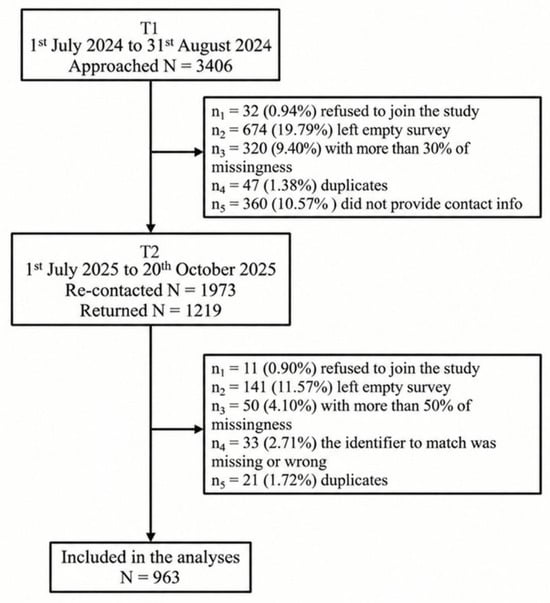
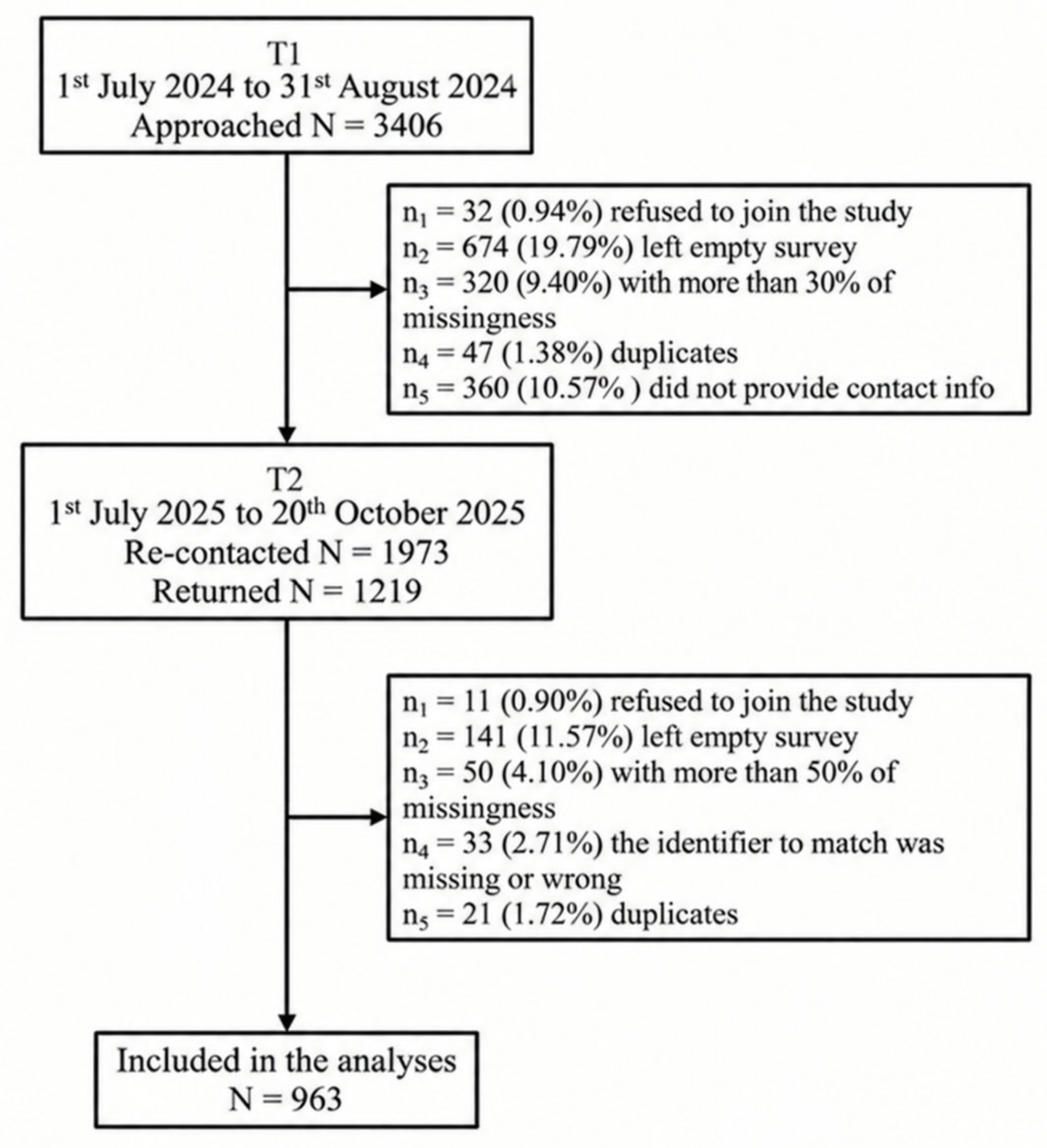
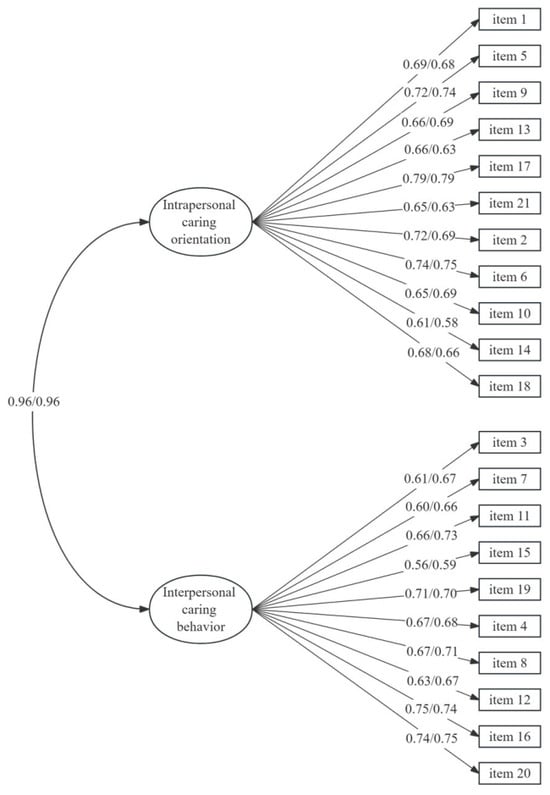
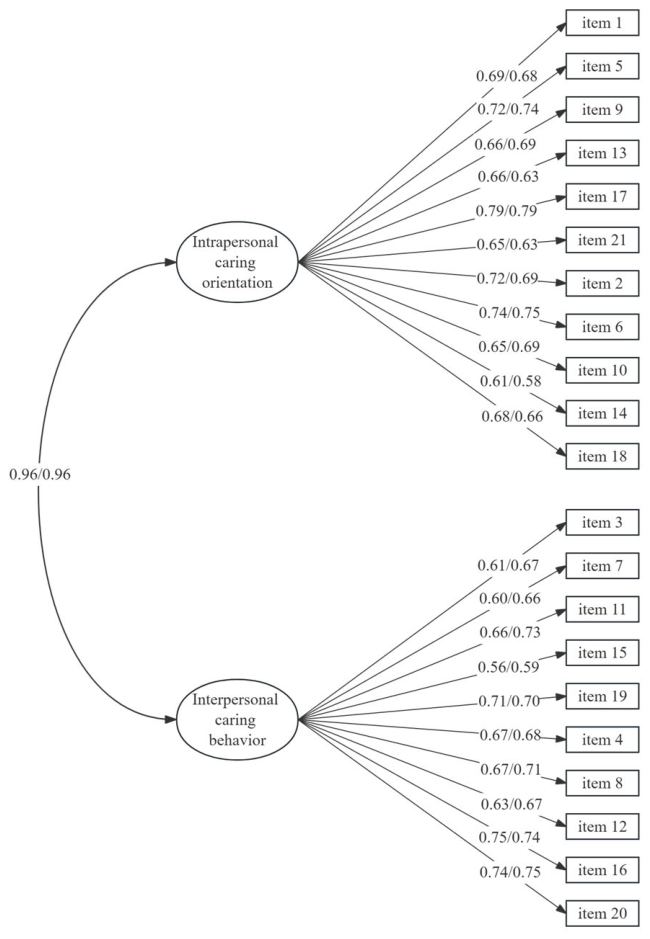

Disclaimer/Publisher’s Note: The statements, opinions and data contained in all publications are solely those of the individual author(s) and contributor(s) and not of MDPI and/or the editor(s). MDPI and/or the editor(s) disclaim responsibility for any injury to people or property resulting from any ideas, methods, instructions or products referred to in the content. |
© 2026 by the authors. Licensee MDPI, Basel, Switzerland. This article is an open access article distributed under the terms and conditions of the Creative Commons Attribution (CC BY) license.