


Highlights
Public health relevance—How does this work relate to a public health issue?
- •
- Sleep disturbances and cognitive impairment often co-occur in later life, and decisions about sleep care depend on how accurately sleep is assessed.
- •
- Older adults’ sleep reports often diverge from objective recordings, so relying on a single source may lead to over- or underestimation of sleep problems.
Public health significance—Why is this work of significance to public health?
- •
- This systematic review synthesizes 48 studies (12,111 older adults analyzed) that compared self-reported and objectively recorded sleep and assessed cognition; all analyses were cross-sectional.
- •
- Very-low-certainty evidence suggests that people with dementia report more or better sleep than objective recordings show; low-certainty evidence links insomnia with underestimation of sleep, and findings for specific cognitive domains were inconsistent.
Public health implications—What are the key implications or messages for practitioners, policy makers and/or researchers in public health?
- •
- Based on the included evidence, the absence of sleep complaints in older adults with dementia cannot be assumed to indicate undisturbed sleep; this statement rests on very-low-certainty evidence.
- •
- The authors propose, as a hypothesis that requires evaluation, combining self-report, staff or family ratings, and objective monitoring in nursing homes and hospitals; prospectively registered longitudinal studies are needed to test whether sleep discrepancy predicts decline.
Abstract
Older adults’ sleep reports often diverge from objective recordings. This systematic review examined whether this subjective–objective sleep discrepancy (SOSD) is associated with cognition. PubMed, Scopus, and Web of Science were searched on 15 August 2026, with complementary searches on 14 November 2026 and an update on 16 November 2026 that added APA PsycInfo, LILACS, SciELO, and a theses repository. Two independent reviewers, with third-reviewer adjudication, selected observational studies of older adults (mean age ≥ 60 years) that contrasted subjective and objective sleep and assessed cognition, extracted data, and appraised quality with the Mixed Methods Appraisal Tool. Findings were synthesized narratively following the Synthesis Without Meta-analysis (SWiM) guideline, and certainty was rated with the Grading of Recommendations Assessment, Development and Evaluation (GRADE) approach. Forty-eight studies (12,111 older adults analyzed) were included; all analyses were cross-sectional, which precludes causal inference. Of the 11 studies that tested individual-level associations, seven linked misestimation with poorer cognition, in directions that varied by parameter. In six studies (370 participants), people with dementia reported more or better sleep than was recorded (up to 115 min more total sleep time; very low certainty). Insomnia was associated with underestimation of sleep (five studies; low certainty). Findings for cognitive domains, mild cognitive impairment, and Alzheimer’s disease biomarkers were inconsistent (very low certainty). Evidence from nursing homes and acute hospitals was limited to one study each, so considerations for these settings are theoretical proposals extrapolated by the authors. SOSD may be a direction-dependent correlate of cognitive status; whether it predicts decline is unknown.
1. Introduction
Dementia affected an estimated 57.4 million people worldwide in 2019, and the number is projected to reach 152.8 million by 2050 [1]. Sleep problems are common in later life, and meta-analytic evidence links them with a higher risk of cognitive decline and dementia [2]. Sleep is therefore a frequent target of assessment in older adults with or at risk of cognitive impairment, but the way it is measured matters. Self-reports, such as sleep diaries and questionnaires, capture how a person experiences sleep; polysomnography (PSG), electroencephalography (EEG), actigraphy, and other devices estimate sleep from physiological or movement signals [3,4]. The two sources often disagree.
Subjective–objective sleep discrepancy (SOSD) is the difference between a self-reported and an objectively estimated value of the same sleep parameter [5,6]. In this review, it is defined as SOSD = subjective value − objective value; for example, for total sleep time (TST), SOSDTST = diary TST − actigraphic TST. Because higher values indicate worse sleep for sleep-onset latency (SOL) and wake after sleep onset (WASO), the same sign has opposite meanings for different parameters, and studies also differ in whether they subtract the objective from the subjective value or the reverse. We therefore express direction relative to sleep: sleep underestimation means reporting less or worse sleep than measured (negative SOSD for TST and sleep efficiency [SE], positive SOSD for SOL and WASO), and sleep overestimation means reporting more or better sleep than measured. Underestimation is characteristic of insomnia and is most pronounced in paradoxical insomnia [5,6]; among older adults, it has been associated with an insomnia diagnosis [7]. Overestimation has received less attention.
1.1. Explanatory Accounts of Sleep Discrepancy in Cognitive Aging
Four non-exclusive accounts make different predictions about how SOSD should relate to cognition. We assembled them during revision, after the results of the included studies were known, to organize the interpretation of the findings (Table 1); they did not guide the formulation of the research questions or the eligibility criteria and are therefore post hoc. The hyperarousal account proposes that cortical and physiological arousal during sleep causes sleep to be perceived as wakefulness [6,8]. Its neurobiological basis includes increased high-frequency EEG activity during non-rapid eye movement (NREM) sleep and altered activity in arousal-regulating and emotion-regulating networks in insomnia [9,10]. It predicts underestimation that co-occurs with insomnia, and associations with cognition that are at least partly shared with insomnia severity.
The monitoring-and-memory account starts from the premise that a sleep report is a retrospective judgment: people must register, and later recall, awakenings and the transition into sleep, and how wake and sleep are perceived differs between people with insomnia and good sleepers [6,11]. In people with memory impairment, poor encoding of brief awakenings and reduced awareness of deficits (anosognosia), which is frequent in Alzheimer’s disease (AD) [12,13], would be expected to produce overestimation that increases with the severity of impairment and is specifically related to episodic memory. Neuroimaging studies link anosognosia in mild cognitive impairment (MCI) and AD with medial temporal and frontal regions and with a disconnection between memory systems and cortical midline networks involved in self-referential processing [14,15]. Age-related prefrontal atrophy is associated with reduced NREM slow waves, which in turn are associated with impaired hippocampus-dependent memory consolidation [16,17]. In AD, amyloid-β and tau pathology are associated with disrupted sleep, and reduced NREM slow-wave activity has been associated with tau pathology and with poorer longitudinal cognitive performance [18,19,20]. These mechanisms are relevant here because they could affect both objective sleep and the capacity to monitor and report it.
The measurement account recognizes that objective methods are not error-free. Actigraphy detects sleep with high sensitivity but detects wakefulness poorly, so it tends to overestimate sleep in people who lie awake without moving [21,22], and consumer devices and home EEG headbands vary in their agreement with PSG [23,24]. Under this account, the size and even the direction of SOSD should depend on the device, the scoring algorithm, the number of recording nights, and whether subjective and objective data refer to the same nights. Finally, the reporting account emphasizes that retrospective ratings are shaped by mood, worry, and expectations [6]; associations between SOSD and cognition should then weaken after adjustment for depressive symptoms and insomnia severity. More than one account may operate in the same person.
Table 1.
Explanatory accounts of subjective–objective sleep discrepancy and the predictions used to organize the interpretation of the findings (post hoc framework proposed by the authors).
1.2. Previous Reviews and Rationale
Previous systematic reviews have characterized subjective and objective sleep separately across healthy aging, MCI, and AD [25,26,27], and recent consensus work has set priorities for sleep measurement in aging and AD research [4]. These reviews show that sleep is altered across the cognitive continuum, but they did not treat the discrepancy between subjective and objective sleep as a construct in its own right. To our knowledge, no systematic review has examined whether the magnitude and direction of SOSD are associated with cognitive performance and cognitive status in older adults, or has separated evidence that tests this association directly from evidence that only describes the correspondence between sources. This gap matters because clinical decisions about sleep in people with cognitive impairment usually rest on one source of information.
Sleep problems in older adults are often unrecognized. In a nationally representative sample of 1052 community-dwelling Medicare beneficiaries aged 65 years or older, 56% were estimated to be at high risk of obstructive sleep apnea (OSA), but only 8% of those at high risk had been tested [28]. In nursing homes and hospitals, sleep is usually judged from residents’ or patients’ reports, staff observation, or proxy questionnaires. In a meta-analysis of care-home residents with dementia, clinically significant sleep disturbance was identified in 20% of residents with validated proxy questionnaires and in 70% with an actigraphic SE criterion [29], and a systematic review found no sleep measure for people with dementia in nursing homes with acceptable psychometric properties, and recommended that residents’ own perspective be considered and complemented with proxy ratings when self-report is no longer fully possible [30]. Hospitalization itself disrupts sleep: medical inpatients reported sleeping 83 min less in hospital than at home and waking more often, frequently because of external factors [31]. This comparison concerns hospital versus home sleep rather than subjective–objective discrepancy, but it shows that sleep is a relevant clinical concern in hospital care. Advanced dementia in nursing homes is characterized by high mortality and frequent distressing symptoms [32], and person-centered dementia care begins by knowing the person and accepting their perspective [33]. Knowing when a person’s sleep report can be relied on, and when it should be complemented by observation or technology, is therefore relevant to long-term, hospital, and end-of-life care.
1.3. Objective and Research Questions
This systematic review aimed to synthesize observational evidence on the association between SOSD and cognition in older adults. It addressed four questions, phrased in associative rather than causal terms: (RQ1) Are the magnitude and direction of SOSD associated with cognitive performance? (RQ2) Which cognitive domains are associated with SOSD? (RQ3) Do SOSD metrics differ across cognitive-status groups (normal cognition, MCI, and dementia)? (RQ4) Which clinical and sociodemographic variables, such as insomnia, depressive symptoms, hypnotic medication, sleep-disordered breathing, and apolipoprotein E (ApoE) ε4 status, are associated with SOSD or with its relationship to cognition? Considerations for nursing homes and hospitals are discussed separately and labeled according to whether they derive from the evidence or are proposed by the authors.
2. Materials and Methods
2.1. Protocol, Registration, and Reporting
The review was reported according to the Preferred Reporting Items for Systematic Reviews and Meta-Analyses (PRISMA) 2020 statement [34], the searches according to its extension for literature searches (PRISMA-S) [35], and the synthesis according to the Synthesis Without Meta-analysis (SWiM) guideline [36]; completed checklists are provided in Tables S1 and S2. The review was not prospectively registered in PROSPERO or any other registry. This is a limitation, because prospective registration helps to protect against selective reporting and post hoc changes to review methods [37]. It could not be registered in PROSPERO retrospectively, because PROSPERO does not accept reviews in which data extraction has already started. The protocol (objectives, eligibility criteria structured by population, exposure, comparator, and outcome [PECO], information sources, selection procedure, appraisal with the Mixed Methods Appraisal Tool [MMAT], and narrative synthesis) was documented in August 2026. The searches were run on 15 August 2026, and the protocol and review materials were deposited in a public Open Science Framework (OSF) project created on 27 August 2026 [38], 12 days after the searches; the OSF project is not a time-stamped registration, so we cannot demonstrate that the protocol preceded the searches. The plan for the update and extension of the searches, the new data items, and the analyses added during revision was documented in a second public OSF project [39], created on 16 November 2026, the day the update searches were run; this project is not a time-stamped registration, so we cannot demonstrate that the plan preceded the searches, and it does not make the review prospectively registered. To limit the risk of bias arising from the absence of registration, we (i) reapplied the final eligibility criteria to all full texts with two independent reviewers during revision (Section 2.4); (ii) label as post hoc every element introduced after the results of the included studies were known, namely the explanatory framework, the harmonization of direction, the evidence tiers, the analysis of concurrency, the Grading of Recommendations Assessment, Development and Evaluation (GRADE) ratings, and the sensitivity analyses; and (iii) report every deviation, with its timing, in Table S3.
2.2. Eligibility Criteria
Eligibility was defined with the PECO framework [40] (Table 2). Studies were eligible if they included older adults with a mean age of 60 years or more at any point of the cognitive continuum; contrasted a subjective and an objective measure of sleep; compared participants by the presence, magnitude, or direction of discrepancy, by cognitive status, or examined the exposure in correlational analyses; and assessed cognition with validated neuropsychological tests or screening instruments or compared cognitive-status groups defined with validated tests and clinical criteria. Primary observational studies were eligible, with no restrictions on date, language, or country. When a study included a younger subgroup, only data from the subgroups that met the age criterion were synthesized.
Table 2.
Eligibility criteria based on the PECO framework.
Two operational definitions of the exposure were applied, as specified in the decision rules used by the reviewers. Under the strict definition, the same sleep parameter (for example, TST, SOL, WASO, or SE) was measured subjectively and objectively and contrasted as a difference, a ratio, or categories of over- or underestimation. Under the broad definition, correspondence or agreement was examined between measures of different parameters (for example, perceived sleep quality versus objective SE, or questionnaire-based apnea risk versus the objective apnea–hypopnea index [AHI]). Both definitions were eligible, every included study was classified by definition, and a sensitivity analysis restricted to studies that met the strict definition was performed (Section 2.8). Ratings of sleep by staff or family caregivers (proxy reports) were accepted as the subjective measure only in samples of people with clinically diagnosed dementia in which the source study had used a proxy because self-report was not feasible or not considered valid. No numerical cognitive threshold for accepting proxy reports was prespecified, and this rule, which was not stated explicitly in the original criteria, is reported as a post hoc deviation (Table S3). In the three studies that met it, the mean Mini-Mental State Examination (MMSE) score was 10.4 [41], 15.5 [42], and 18.1 [43], values within the range that corresponds to moderate dementia (11–20) or at its boundary with severe dementia (0–10) [44]. These three studies were synthesized separately from the studies that used self-report (Section 3.7); the corresponding finding was rated down for indirectness (Section 2.8), and a sensitivity analysis set them aside (Section 3.8).
2.3. Information Sources and Search Strategy
PubMed (MEDLINE), Scopus, and the Web of Science Core Collection (all available indices) were searched on 15 August 2026 without date, language, or document-type filters (Table 3). The strings combined free-text terms for sleep discrepancy or perception with terms for cognition and dementia, using field tags (title/abstract in PubMed, TITLE-ABS-KEY in Scopus, and TS in Web of Science), truncation, and proximity operators (W/10 in Scopus and NEAR/10 in Web of Science). No age limit was applied in the search; the age criterion was applied during screening.
Table 3.
Information sources, search dates, and records retrieved.
In response to peer review, complementary searches were run on 14 November 2026 (Table 3): (i) PubMed with Medical Subject Headings (MeSH), combining the headings Sleep, Sleep Wake Disorders, Self Report, Actigraphy, and Polysomnography with Cognition, Cognitive Dysfunction, Dementia, Memory, Neuropsychological Tests, and Mental Status and Dementia Tests, the heading Aged, and free-text terms; (ii) preprints indexed in Europe PMC; (iii) doctoral theses indexed in Europe PMC (EThOS records); and (iv) backward and forward citation searching of the 14 studies included in the submitted version, using the Semantic Scholar Graph application programming interface, supplemented by Crossref for references not listed in Semantic Scholar [45]. Embase, CINAHL, and APA PsycInfo were not available to the authors when the complementary searches were run; APA PsycInfo was searched in the update described below, strategies adapted with Emtree and CINAHL Headings for Embase and CINAHL are reported in Table S4 so that the search can be reproduced, and the omission of these two databases is discussed as a limitation, because database combinations that include Embase achieve higher recall [46]. The complementary searches were run through the public application programming interfaces of these services by an artificial intelligence agent (Perplexity Computer; Section 2.10), using strings reviewed by the authors, and every record was then screened by the human reviewers. Contact with experts was not used to identify studies.
All searches were updated on 16 November 2026, following the plan documented in the OSF project of the update [39] (Table 3). The original strings were re-run in PubMed, Scopus, and the Web of Science Core Collection; the PubMed MeSH string and the Europe PMC strings for preprints and theses were re-run; a free-text equivalent of the MeSH string was run in Scopus and the Web of Science Core Collection (harmonized extension); and APA PsycInfo (EBSCOhost), LILACS (Virtual Health Library portal), SciELO, and Open Access Theses and Dissertations (OATD), used because ProQuest Dissertations & Theses Global was not available, were searched for the first time. The update searches were run by one author in the native interfaces of each database, without date, language, or document-type limits, and the exact strings are reported in Table S4. Records were deduplicated by digital object identifier (DOI) and normalized title among themselves and against all records already screened, and every pair flagged as a duplicate was checked with both titles, years, and authors visible. Three problems arose and are reported as deviations (Table S3): the SciELO interface did not apply the planned string, the Europe PMC exports were not restricted to preprints and theses, and the original PubMed string returned 1492 records, compared with 179 on 15 August 2026. We examined this difference on 17 November 2026 through the PubMed E-utilities interface. The query translation returned by PubMed was identical to the string, in which every term carries a field tag, so automatic term mapping was not applied, and no syntax warning or error was reported; the string, run unchanged, returned 1493 records, of which 1432 had been added to PubMed (Entrez date) on or before 15 August 2026, so database growth accounts for only about 60 records. All 156 records of the August export that could be matched to a PubMed identifier were among these 1432 records, and none of the filters tested (language, publication type, species, age, years, or field restrictions) reproduced the August count. These checks rule out automatic term mapping, errors in parentheses or Boolean operators, and database growth, and are consistent with the August export having captured only part of the result set; the exact cause could not be established. Because all 1492 records of the update were deduplicated against the records already screened and the remaining records were screened by two reviewers, no record retrieved by the string was left unscreened (Table S3). CINAHL, Embase, Google Scholar, and ProQuest Dissertations & Theses Global were not searched: the authors sought access to Embase, CINAHL, and ProQuest Dissertations & Theses Global during revision but could not obtain it, and the planned Google Scholar search was not run (Table S3). The study identified through the update had been included on the basis of its conference abstract [47]; its full article [48] was obtained from the authors on 16 November 2026. On the same date, we searched its 87 references (backward citation searching, using the reference list of the article, which matched the references deposited in Crossref) and the 2 records citing it (forward citation searching in Semantic Scholar and Crossref, which included the single citing record in PubMed); OpenAlex could not be queried that day because its usage limit had been reached. Of the 89 records, 30 had already been screened and 59 were screened by two reviewers, as described in Section 2.4. To estimate the sensitivity of the database searches, we checked which included studies indexed in PubMed were retrieved by the PubMed strings of the update (relative recall) [46]: of the 41 included studies indexed in PubMed, the original and MeSH strings together retrieved 32 (78%; original string, 28; MeSH string, 30); the remaining nine were identified through the complementary searches (eight) or through citation searching (one) (Table S4).
2.4. Selection Process
Records from the original searches were downloaded in RIS format, imported into Mendeley Reference Manager (v2.145.0; Mendeley Ltd., London, UK), and exported to Microsoft Excel (Microsoft 365; Microsoft Corporation, Redmond, WA, USA), where duplicates were identified and removed. Before formal screening, two reviewers piloted the criteria on a random sample of 5% of the records (n = 47) and on 10 full texts. The two reviewers then screened all titles and abstracts independently and assessed the retrieved full texts independently, and disagreements were resolved by a third reviewer. Records from the complementary searches were deduplicated by DOI and normalized title, both among themselves and against the records screened in the original search, and were screened in the same way: two reviewers worked independently, and a third reviewer adjudicated every disagreement while blinded to which reviewer had made each decision. All screening, eligibility, extraction, and quality decisions reported in this version were made by human reviewers; the drafts prepared with the assistance of a generative artificial intelligence tool in October 2026 (Section 2.9 and Section 2.10) were superseded by these independent assessments, and no automation tool was used to screen records. Records from the update searches were screened in the same way by two reviewers and adjudicated by the same third reviewer; as planned, the two reviewers first calibrated on a random sample of 50 of these records, which were then screened formally. The same procedure, with adjudication by the same third reviewer, was used for the 59 records from the citation searching of the full article of the study identified through the update and for seven reports that had not been retrieved in the earlier phases and were obtained after the full-text assessment had been closed (five from the authors on 15 and 16 November 2026 and two in open access).
During revision, two reviewers also reapplied the final eligibility criteria independently to all 124 full texts assessed in the original search, including the four studies that had been added in October 2026 with the assistance of a generative artificial intelligence tool (Section 2.9), and a third reviewer adjudicated the disagreements blinded to reviewer identity. Agreement before adjudication was estimated for each phase with Cohen’s κ and interpreted with the Landis and Koch benchmarks (0.21–0.40, fair; 0.41–0.60, moderate; 0.61–0.80, substantial; 0.81–1.00, almost perfect) [49,50]; for the update, percentage agreement and the prevalence-adjusted bias-adjusted κ (PABAK) were also reported, because κ is depressed when one decision is much more frequent than the other [51]; agreement statistics for all phases are reported in Section 3.1 and Table S5. All κ values were computed by the authors from the reviewers’ decision records (derived values). Full texts were sought through institutional subscriptions, open-access repositories, interlibrary loan, and requests to the authors; reports that could not be obtained by any route were recorded as not retrieved, with the reason (Table S6).
2.5. Data Collection
Data were extracted independently by two reviewers using a standardized codebook in Microsoft Excel that covered bibliographic details, country, setting, sample, design, sleep and cognitive instruments, the number of objective recording nights, whether subjective and objective data referred to the same nights or episodes (concurrency), the formula and sign convention of each discrepancy index, the definition met (strict or broad), the covariates, results for each research question, and the location of each value in the source article. Results were extracted separately for participants with MCI and with dementia whenever the source reported them separately. For the ten studies of the initial assessment, agreement on the categorical coding fields was κ = 0.88 (almost perfect) [49]. The four studies added in October 2026 were re-extracted independently by two reviewers during revision, as were all studies identified at full text during revision. These included the study identified through the update, whose data were first extracted from its conference abstract and then extracted again, in the same way, from its full article once it had been obtained [48], and the study identified through citation searching [52]. Disagreements were adjudicated by a third reviewer blinded to reviewer identity. Numerical values were not compared with an agreement statistic but were cross-checked against the full texts, tables, and figures. Effect estimates are reported as given in the source articles, and values that we derived from reported data are labeled as derived; the verification of every extracted value against its source is documented in Table S7. During the second revision, reports were linked to studies, and studies that drew on the same cohort, clinic, registry, or registered study were identified by comparing their settings, recruitment periods, trial registrations, and authors, to check whether the same participants could have been counted twice within a synthesis (Section 3.2).
2.6. Data Items and Harmonization of Direction
For every result, we recorded the parameter (TST, SE, SOL, WASO, perceived sleep quality, nap perception, or sleep-disordered breathing), the formula used by the authors, and its sign convention, and we re-expressed direction as sleep underestimation or overestimation (Section 1). Studies were classified into three evidence tiers according to how directly they addressed the review question: tier A, an individual-level association between a discrepancy index and cognitive performance; tier B, a comparison of subjective–objective correspondence across cognitive-status groups; and tier C, correspondence or misperception analyses without a direct test of the discrepancy–cognition association. The definition, tier, and eligibility notes for every included study are provided in Table S8.
2.7. Study Quality Assessment
Two reviewers trained in the use of the MMAT, version 2018 [53], independently appraised each study using the two screening questions and the five criteria for quantitative non-randomized studies (3.1, representativeness; 3.2, appropriate measurements; 3.3, complete outcome data; 3.4, confounders accounted for; 3.5, exposure as intended). In line with MMAT guidance, no overall score was computed; ratings are reported per criterion (Appendix A, Table A1). Disagreements were adjudicated by a third reviewer blinded to reviewer identity. Because the measurement account predicts method-dependent results, the number of objective recording nights and the concurrency of subjective and objective data were also recorded descriptively for every study.
2.8. Synthesis Methods and Certainty of Evidence
Because designs, discrepancy metrics, and cognitive outcomes were too heterogeneous for meta-analysis, results were synthesized narratively following SWiM [36]. Studies were grouped by research question and evidence tier, and results for MCI and dementia were synthesized separately. Within groups, the direction of each association was summarized with an effect-direction approach rather than by counting statistically significant results, and the results of tier A and tier B studies were displayed in an effect-direction plot [54,55]. Effect measures were those reported in the source studies (for example, odds ratios, regression and correlation coefficients, group means of subjective and objective estimates, and Cohen’s d) and were not converted to a common metric, because the discrepancy indices, sleep parameters, and cognitive outcomes differed across studies. Each study contributed one entry per cognitive domain or comparison, and a study described in more than one report was counted once. Each entry was coded as poorer cognition with overestimation (▲) or with underestimation (▼) of sleep when the associations or group differences reported by the authors in that domain pointed in a single direction, as mixed (◆) when they pointed in different directions across parameters or measures, as no association (○) when the authors reported none, and as not reported (NR) when a comparison was made but its direction was not reported. Heterogeneity was explored descriptively by cognitive status, objective method, sleep parameter, and concurrency of measurement.
Certainty was rated for each main finding with the GRADE approach for bodies of evidence without a single pooled estimate [56,57]. Evidence from observational studies started at low certainty and was rated down by one or two levels for risk of bias (MMAT criteria 3.1, 3.3, and 3.4, using the logic of GRADE for non-randomized studies [58]), inconsistency (direction or presence of the association across studies), indirectness (tier C evidence, non-concurrent measurement, or proxy reports), imprecision (fewer than about 400 participants or single studies, in the absence of a pooled estimate), and publication bias; upgrading was not applied. Each finding is stated with the wording recommended by GRADE for informative statements (for example, “may” for low certainty and “the evidence is very uncertain” for very low certainty) [59]. Post hoc sensitivity analyses examined whether conclusions changed when the synthesis was restricted to studies meeting the strict definition, when tier C studies were set aside, when only studies with concurrent measurement were retained, and when studies rated “No” or “Can’t tell” on MMAT criterion 3.4 were set aside; as planned for the update [39], we also set aside the studies that used proxy reports and the study identified only through the update, and, post hoc, the study identified through citation searching of that study’s full article. An exploratory meta-analysis was planned for the update, conditional on at least three independent samples reporting the same comparison or association for the same sleep parameter with compatible data [39]. Because no finding was addressed by ten or more studies, reporting bias across studies could not be assessed with funnel plots or statistical tests; instead, in the second revision, the risk of bias due to missing results was considered qualitatively for each synthesis, as PRISMA 2020 requires [34], by recording the included studies that assessed cognition and both sleep measures without reporting a test of their association, the studies that made a comparison without reporting its direction, and the reports that could not be retrieved. Domain-level judgments are reported in Section 3.8 and Table S9.
2.9. Deviations from the Protocol
All deviations are listed, with their timing, in Table S3. Before submission, (i) the research questions were rephrased in associative terms; (ii) the outcome criterion was stated as it had been applied, explicitly including cognitive-status groups defined with validated tests and clinical criteria; (iii) the planned subgrouping by study design could not be applied, because all included studies were cross-sectional; and (iv) in October 2026, reports that had not been retrieved were sought again and three reports previously excluded for outcome or comparator reasons were re-examined; the draft eligibility decisions, extraction, and quality ratings of this re-assessment were prepared with the assistance of a generative artificial intelligence tool (Section 2.10) and verified by both reviewers, but were not produced independently. During revision in November 2026, (v) these drafts were superseded: the eligibility of all 124 full texts was re-assessed, and the four studies were re-extracted and reappraised, by two independent reviewers with blinded adjudication (Section 2.4); (vi) complementary searches with MeSH, preprints, theses, and citation searching were added; (vii) the explanatory framework, the harmonization of direction, the evidence tiers, the analysis of concurrency, the GRADE ratings, and the sensitivity analyses, all introduced after the results were known, are reported as post hoc; (viii) the strict and broad definitions of the exposure were made explicit and a strict-definition sensitivity analysis was added; (ix) the application of the exposure criterion to proxy reports, made explicit in the second revision (Section 2.2), is reported as a deviation; (x) the searches were updated and extended on 16 November 2026, following the plan documented in the OSF project of the update, and the deviations from that plan are reported with their reasons (Table S3); (xi) citation searching of the full article of the study identified through the update, which was obtained after the update searches, added one study (Table S3); and (xii) in the second revision, the risk of bias due to missing results was considered qualitatively, and studies drawing on the same source were identified (Section 2.5 and Section 2.8). The search strings of the original search and the PECO criteria were not changed.
2.10. Use of Artificial Intelligence Tools
Generative artificial intelligence (AI) tools were used in defined tasks, listed here by phase; none of them made a screening, eligibility, extraction, quality, or certainty decision in the current version. Submitted version (August–October 2026). Gemini 1.5 Pro (Google LLC, Mountain View, CA, USA) was used for translation from Spanish into English and for language editing; Elicit (Elicit Research, PBC, Oakland, CA, USA, web version, 2026) and Perplexity (Perplexity AI, Inc., San Francisco, CA, USA, Pro version, October 2026) were used to check the internal consistency of the manuscript and its Supplementary Materials, for language editing and formatting, and to prepare the draft records of the re-assessment of October 2026 (Section 2.9), which were later superseded by independent human assessments (Section 2.4). First revision (November 2026). Perplexity Computer (Perplexity AI, version 2.97) was used, through public application programming interfaces and with strings reviewed by the authors, to run the complementary searches (14 November 2026), the citation searching of the full article of the study identified through the update, the relative-recall check of the PubMed strings, and a check of the Europe PMC source filters; it was also used to deduplicate the records of the update, prepare blank decision matrices for the reviewers, compute agreement statistics from the reviewers’ decision records, check the consistency of the manuscript, Supplementary Materials, and references, and for language editing and drafting assistance. The update searches of 16 November 2026 were run by one author in the native database interfaces. Second revision (17 November 2026). Perplexity Computer was used to examine the PubMed record count through the E-utilities interface (Section 2.3), to recompute the agreement statistics, to check reference metadata against Crossref and Europe PMC, to redraw the effect-direction plot from the extracted data, and for language editing. Human oversight. Every record retrieved with AI assistance was screened by two human reviewers, every disagreement was adjudicated by a third human reviewer blinded to reviewer identity (Section 2.4), and the authors reviewed all AI outputs and take full responsibility for the content. Validation of the agreement statistics. For this version, every Cohen’s κ, expected agreement, and PABAK value was recomputed from the reviewers’ individual decisions in the anonymized decision matrices of the revision with three independent implementations: the closed-form expressions κ = (po − pe)/(1 − pe), where po is the observed and pe the chance-expected agreement computed from the marginal totals of both reviewers, and PABAK = (kpo − 1)/(k − 1) for k categories (2po − 1 for two categories) [51]; the cohen_kappa_score function of scikit-learn (version 1.9.1); and the cohens_kappa function of statsmodels (version 0.15.0), both run in Python 3.14 (Python Software Foundation, Wilmington, DE, USA). The three implementations gave identical values to four decimal places for every phase. The recomputation identified rounding errors in three expected-agreement values of the previous version, which were corrected without any change in κ, and showed that the κ previously given for the categorical coding fields of eight studies had been computed across fields with different sets of categories, so only the percentage agreement is now reported for that phase. The κ for the categorical coding fields of the initial assessment (Section 2.5) was taken from the records of that stage and was not recomputed. The contingency tables from which each value can be recomputed are reported in Table S5.
3. Results
3.1. Study Selection
The original searches identified 1490 records (PubMed, 179; Scopus, 678; Web of Science, 633). After 552 duplicates were removed, 938 records were screened by title and abstract, and 805 were excluded (population, 388; exposure, 299; comparator, 5; outcome, 113). Of the 133 reports sought for retrieval, 9 could not be obtained (8 were not accessible by any route, and 1 had a broken link). Agreement before adjudication was 99.5% at title and abstract screening (933 of 938 records; κ = 0.98, 95% confidence interval [CI] 0.96–1.00; almost perfect) and 95.8% at the initial full-text assessment (113 of 118 reports; κ = 0.78, 95% CI 0.58–0.97; substantial). When the final criteria were reapplied independently to the 124 full texts during revision, agreement was 80.6% (100 of 124; κ = 0.50; moderate); the third reviewer adjudicated the 24 disagreements (10 reports included and 14 excluded), and for 9 excluded reports, the main exclusion criterion was assigned by the prespecified order P → E → C → O → D. Of the 124 full texts, 96 were excluded (population, 43; exposure, 34; outcome, 17; design, 2) and 28 studies were included: 13 of the 14 studies of the submitted version and 15 studies that had been excluded or not identified as eligible before revision (Table S10). The study by Tadokoro et al. [60], included in the submitted version, was excluded by both reviewers because it compared sleep complaints with objective parameters across groups without contrasting subjective and objective measures of the same participants (exposure criterion).
The complementary searches identified 1979 records (PubMed with MeSH, 738; preprints, 22; theses, 0; backward citation searching, 647; forward citation searching, 572). We removed 12 records without a title or identifier, 280 duplicates, and 338 records that had already been screened in the original search (9 of them studies included in the submitted version), leaving 1349 records for title and abstract screening. Agreement before adjudication was 82.9% (1118 of 1349; κ = 0.29; fair); the third reviewer adjudicated 231 disagreements, sending 26 records to full-text assessment and excluding 205. In total, 1263 records were excluded (exposure, 633; population, 268; design, 256; outcome, 105; comparator, 1). Of the 86 reports sought, 2 were duplicate reports of already identified studies and 9 could not be retrieved (6 were not accessible by any route, 1 was available only in print, 1 was a book that could not be obtained, and 1 was a conference abstract without a full text); of the 75 full texts assessed, agreement was 83.3% for the 72 reports with paired decisions (κ = 0.52; moderate); 57 were excluded (exposure, 41; population, 12; outcome, 2; design, 2); and 18 studies were included (from the MeSH search, 6; preprints, 2; backward citation searching, 4; forward citation searching, 6). On 15 November 2026, full texts were requested from the authors of four of these nine reports and of six of the nine reports not retrieved in the original search; the other reports could not be requested (author deceased, conference abstract without a full text, book, article without a digital version, or broken link), and open-access copies of two reports (one from each search) were located on the same date (Table S6); the assessment of these reports is described below.
The update searches of 16 November 2026 identified 15,291 records (Table 3). After 4282 duplicates were removed, 2062 records that had already been screened and 8158 SciELO records that did not match the planned string were set aside, leaving 789 records for title and abstract screening. In the calibration sample of 50 records, agreement was 98.0% (κ = 0.66; PABAK = 0.96). For the 789 records, agreement before adjudication was 97.7% (771 of 789; κ = 0.69, 95% CI 0.55–0.83; substantial; PABAK = 0.95); the reviewers agreed to exclude 750 records and to retain 21, and the third reviewer adjudicated 18 disagreements (9 retained and 9 excluded). In total, 759 records were excluded (exposure, 508; population, 193; design, 31; outcome, 27); when the two reviewers excluded a record for different reasons, the first criterion in the order P → E → C → O → D was recorded. All 30 reports sought were assessed in full text. Agreement was 100% for the 24 reports with paired decisions (κ = 1.00); one reviewer could not obtain six reports, which the third reviewer assessed and excluded, four of them on the basis of the best available document (the published abstract or the repository record). Of the 30 reports, 26 were excluded (population, 11; exposure, 8; design, 6; outcome, 1; Table S10) and 4 were included: three were additional reports of studies already included [61,62], and one was the conference abstract of a new study [47], whose full article had been identified in the original search but could not be retrieved at that stage.
After the full-text assessment had been closed, seven reports that had not been retrieved were obtained: five from the original search, four of them sent by their authors and one located in open access, and two from the complementary searches, one sent by its authors and one located in open access (Table S6). Two reviewers assessed them independently and agreed on all seven decisions (κ = 1.00; the decisions of each reviewer are given in File S1); the third reviewer assigned the main criterion for the two reports that both reviewers excluded for different reasons. Six were excluded (population, 3; exposure, 2; design, 1), and one was the full article of the study already included through its conference abstract [48], which replaced the abstract as the source of data. Citation searching of this full article yielded 89 records, of which 30 had already been screened; for the other 59, agreement before adjudication was 98.3% (58 of 59; κ = 0.66; PABAK = 0.97), and the third reviewer excluded the only record on which the reviewers disagreed. Of the 59 records, 58 were excluded (exposure, 20; design, 19; population, 13; outcome, 6), and one, a preprint whose published version was located, was assessed in full text: one reviewer included it and the other excluded it for the exposure criterion, and the third reviewer included it under the strict definition [52]. Eleven reports remained not retrieved (four from the original search and seven from the complementary searches; Table S6). Overall, 48 studies were included (Figure 1). Agreement statistics for every phase, including data extraction and quality appraisal, are reported in Table S5.
Figure 1.
Preferred Reporting Items for Systematic Reviews and Meta-Analyses (PRISMA) 2020 flow diagram of study identification, screening, and inclusion for the original searches (15 August 2026), the complementary searches (14 November 2026), the update searches (16 November 2026), and the citation searching of the full article of an included study, together with the reports from earlier searches retrieved after the full-text assessment had closed (15–16 November 2026). Exclusion reasons are given by eligibility component: P, population; E, exposure; C, comparator; O, outcome; D, design. Abbreviations: MeSH, Medical Subject Headings; OATD, Open Access Theses and Dissertations; PMC, PubMed Central.
3.2. Characteristics of the Included Studies
The 48 studies were published between 1995 and 2026 and were conducted in the United States (n = 17), Australia (n = 7), Canada, France, and the United Kingdom (n = 3 each), China, Germany, The Netherlands, and Spain (n = 2 each), and Greece, Ireland, Italy, Japan, Norway, Republic of Korea, and Taiwan (n = 1 each) (Table 4). Two were preprints [63,64], and one was a doctoral thesis [65]. All analyses relevant to the review question were cross-sectional: several studies were cross-sectional analyses within cohorts, one followed participants over three waves without examining discrepancy as a predictor of cognitive change [66], one related objective and subjective sleep to change in cognitive screening scores during hospitalization without computing a discrepancy index [67], and none examined whether discrepancy predicted cognitive decline. The studies analyzed 12,111 older adults (median not computed; range, 15–3053); 2553 were analyzed in tier A, 1021 in tier B, and 8537 in tier C studies. Eleven studies were classified as tier A, 9 as tier B, and 28 as tier C, and 24 studies met the strict definition of the exposure and 24 the broad definition (Table S8).
Most studies recruited community-dwelling volunteers, population cohorts, or patients of memory clinics, sleep centers, or AD research centers. One study was conducted in nursing homes [41] and one in an acute hospital [67]; one included a subgroup living in assisted living [63], one included nonagenarians living at home or in residential care [68], and one included people with dementia receiving home-visit nursing [43]. No study was conducted in palliative care services.
Table 4.
Characteristics of the included studies (n = 48), by evidence tier.
Objective sleep was measured with wrist actigraphy in 31 studies, laboratory or home PSG in 11, single-channel or headband EEG in 3, a multisensor armband in 2, and a hip accelerometer, in-home motion sensors, peripheral arterial tonometry (PAT), home respiratory polygraphy, a bed sensor, and a consumer ring in 1 each; five studies used more than one method (Table 5). Twelve studies relied on a single objective night. Subjective and objective data referred to the same nights or episodes in 16 studies, did not refer to the same period in 22 (typically a retrospective questionnaire covering weeks or months contrasted with one or several recording nights), and both approaches were used in 10. Covariates and the operationalization of discrepancy differed widely across studies (Table S7).
Table 5.
Objective methods, recording characteristics, and reported direction of the discrepancy.
Three pairs of studies drew on the same source, so their participants may overlap: two reports from the same registered memory clinic study in Giessen, Germany (DRKS00010215) [75,96]; two studies from the same early-intervention memory clinic in Sydney, Australia, one of which recruited consecutive patients between 2009 and 2024 [93,102]; and two studies from the same Alzheimer’s disease research center at the University of Kansas, United States [52,80]. The studies of each pair did not contribute to the same finding: the three tier C studies [93,96,102] contributed to no finding rated with GRADE, and the other three contributed to the dementia finding [75,80] or to the MCI finding [52]. No participant could therefore have been counted twice within a synthesis, but the total of 12,111 older adults is an upper bound that may include up to 250 participants counted twice (the size of the smaller study of each pair, as derived by the authors).
3.3. Methodological Quality
Four studies met all five MMAT criteria [76,78,87,97] (Appendix A, Table A1). Representativeness of the sample (criterion 3.1) was the most frequent weakness: it was met in 7 studies, not met in 34, and could not be judged in 7. Measurements were appropriate (criterion 3.2) in 42 studies, could not be judged in 4, and were not appropriate in 2; outcome data were complete (criterion 3.3) in 36, could not be judged in 7, and were incomplete in 5; and confounders were accounted for (criterion 3.4) in 28 studies, not in 16, and could not be judged in 4. The exposure occurred as intended (criterion 3.5) in all 48 studies. Agreement on MMAT ratings before adjudication ranged from fair to substantial across phases (κ = 0.35 to 0.68) and was almost perfect in the initial assessment (κ = 1.00); for the full article of the study identified through the update and for the study identified through citation searching, the two reviewers agreed on three of the five MMAT criteria of each study before adjudication (Table S5). Beyond the MMAT criteria, single-night objective recordings (12 studies) and non-concurrent subjective and objective windows (22 studies, and 10 further studies for some estimates) limited the interpretability of the discrepancy estimates.
3.4. Discrepancy and Cognitive Performance (RQ1)
Eleven tier A studies (2553 participants) tested whether a discrepancy index was associated with cognitive performance; seven found at least one association, in directions that depended on the sample and the parameter, one reported nominal associations that did not survive correction for multiple testing, and three found none (Table 6; Figure 2). In 215 cognitively unimpaired community-dwelling adults (of 221 enrolled), clusters of SE discrepancy were associated with delayed memory: compared with accurate estimators, people who underestimated their SE were less likely to have higher delayed memory scores (odds ratio [OR] 0.68, 95% CI 0.49–0.93, p = 0.02), and the association held after adjustment for insomnia severity, depressive symptoms, and objective sleep [76]. A similar association for WASO was no longer significant after adjustment for insomnia severity and depressive symptoms, and no discrepancy cluster was associated with attention or executive function [76].
Table 6.
Direction of the associations between subjective–objective sleep discrepancy and cognition in tier A and tier B studies.
In 59 older adults with MCI and subsyndromal depression, agreement between perceived sleep quality and objective SE was negligible (r = −0.06, p = 0.64) [73]. Participants who overestimated their sleep had poorer immediate memory (90.1 vs. 101.3; t = 2.4, p = 0.02) and delayed memory (86.9 vs. 97.2; t = 2.5, p = 0.02) than those who underestimated it; neither group differed from participants without discrepancy [73]. In 65 cognitively healthy older adults with and without insomnia, poorer episodic memory was associated with reporting less WASO than was recorded by home EEG (overestimation of sleep continuity; b = 0.52, t = 2.05, p = 0.045), and poorer inhibitory control was associated with reporting a longer SOL than was recorded (underestimation at sleep onset; b = −0.30, t = −2.35, p = 0.02) [62]. Among 93 geriatric outpatients who napped during a multiple sleep latency test, an MMSE score of 26 or less was associated with not perceiving naps (nap underperception; adjusted OR 7.80, 95% CI 2.42–25.16) [71].
Figure 2.
Effect-direction plot for the 20 tier A and tier B studies, by cognitive domain or comparison. Categories as in Table 6, each shown with a distinct shape and color-blind-safe fill: upward triangle (orange), poorer cognition with overestimation of sleep; downward triangle (blue), poorer cognition with underestimation of sleep; open circle, no association; diamond (yellow), mixed direction; NR, direction not reported; dash, not assessed. Abbreviation: AD, Alzheimer’s disease. Marker size is proportional to the number of older adults analyzed (log scale). The plot displays direction only and does not represent effect magnitude or statistical significance [48,52,61,62,66,69,70,71,72,73,74,75,76,77,78,79,80,81,82,83].
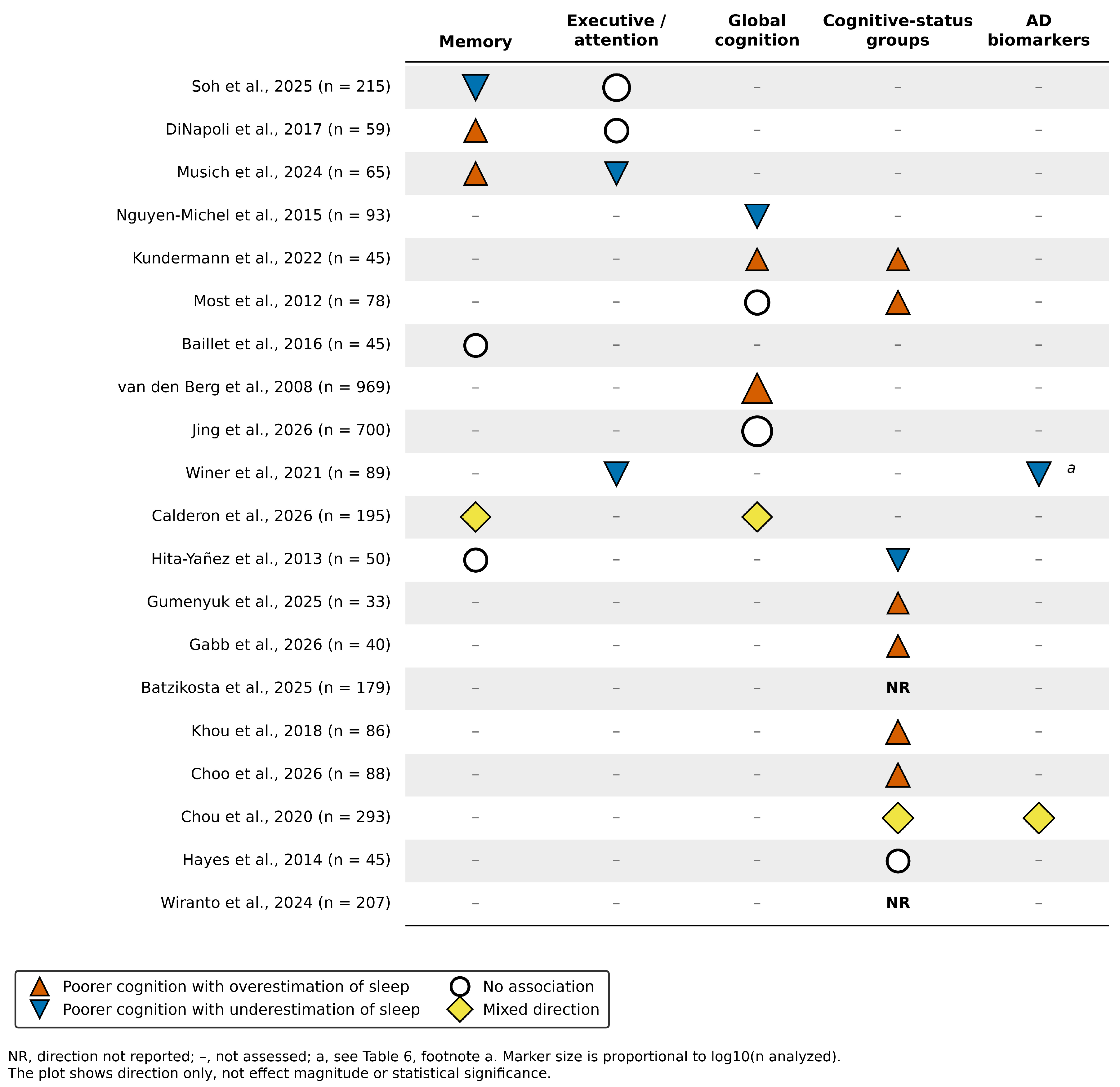
In a population-based cohort of 969 older adults, poorer MMSE scores were associated with greater disagreement between diary and actigraphic TST (β = −2.03, 95% CI −3.14 to −0.91) and with greater overestimation of TST in the diary (β = −3.30, 95% CI −4.96 to −1.64), after adjustment for age, sex, objective TST, depressive symptoms, disability, and joint pain; on average, diary TST exceeded actigraphic TST by 23 min (6:54 vs. 6:31 h), and 34% of participants differed by more than 1 h [69]. In 45 memory clinic patients, most of whom had dementia, the 10 patients who reported normal SE on the Pittsburgh Sleep Quality Index (PSQI) despite reduced actigraphic SE (overestimation) had the lowest MMSE scores of four concordance groups (χ2(3) = 13.72, p = 0.003), and dementia (Clinical Dementia Rating [CDR] 1) was more frequent in this group (χ2(1) = 4.82, p = 0.028); in a logistic regression that also included the CDR score and sleep-altering medication, only the MMSE score was associated with overestimation (Wald χ2 = 6.95, p = 0.008) [75]. In 89 cognitively unimpaired older adults, the signed mismatch between PSQI and actigraphic sleep quality (subjective minus objective z score; negative values indicate underestimation) was negatively associated with cortical amyloid-β (r = −0.26, p = 0.02) and with executive performance (Trail Making Test B − A, r = −0.24, p = 0.02), so that greater amyloid-β burden and poorer executive performance accompanied underestimation of sleep quality; the absolute mismatch was associated with tau in a temporal meta-region of interest (r = 0.37, p < 0.001) [74]. In 195 community-dwelling older adults without dementia, 48.2% of whom had MCI, discrepancy was computed as self-report minus actigraphy and classified as under-reporting, accurate reporting, or over-reporting with thresholds of ±15 min (±15% for SE). In multinomial models adjusted for covariates, a higher global cognition composite was associated with lower odds of over-reporting time in bed (TIB) on the PSQI (OR 0.12, 95% CI 0.02–0.72), and better verbal episodic memory was associated with lower odds of under-reporting TIB in the sleep diary (OR 0.32, 95% CI 0.13–0.76) and with higher odds of over-reporting SE on the PSQI (OR 2.11, 95% CI 1.10–4.07), but none of these associations remained significant after false discovery rate (FDR) correction (q = 0.083–0.088) [48]. Descriptively, 56.5% of participants without MCI under-reported their TST, whereas 54.5% of those with MCI over-reported it, and actigraphic WASO did not differ between these groups (W = 3540.5, p = 0.679) [48]. The data of this study were first extracted from its conference abstract (125 participants) [47], which reported associations between higher Montreal Cognitive Assessment (MoCA) scores and smaller actigraphy–self-report differences without defining their sign; the full article superseded these data.
Three studies found no association. In people with early- to moderate-stage AD, MMSE scores were not correlated with signed or absolute differences between subjective and actigraphic estimates (all p > 0.20) [70]; in 45 community-dwelling older adults followed with ecological momentary assessment, episodic memory was not associated with the magnitude of the TST discrepancy (γ = 0.050, p = 0.438) [72]; and in 700 patients with suspected OSA, scores on the MoCA did not differ across groups with sleep overestimation, underestimation, or accurate perception (p = 0.34) [77]. Taken together, 7 of the 11 studies found that misestimation, in either direction depending on the sleep parameter and the sample, was associated with poorer cognitive performance, and an eighth reported associations in both directions that did not survive correction for multiple testing [48]. When only the nine tier A studies meeting the strict definition were considered, five found an association and a sixth reported nominal associations only (Table 7).
Table 7.
Certainty of the main findings (GRADE for bodies of evidence without a pooled estimate) and sensitivity analyses.
3.5. Cognitive Domains (RQ2)
Memory was examined in six tier A or B studies (629 participants), and the findings were inconsistent. Poorer delayed memory accompanied underestimation of SE in cognitively unimpaired adults [76], poorer immediate and delayed memory accompanied overestimation of sleep quality in MCI [73], and poorer episodic memory accompanied overestimation of sleep continuity [62]. In contrast, no association was found between momentary episodic memory and the magnitude of the TST discrepancy [72], or between subjective or PSG sleep parameters and memory in either the MCI or the healthy group [78]. In older adults without dementia, better verbal episodic memory was associated with less under-reporting of TIB and more over-reporting of SE, but these associations did not survive correction for multiple testing [48]. Executive function and attention were examined in four studies (428 participants): discrepancy was associated with inhibitory control [62] and with Trail Making Test B − A [74], and was not associated with executive tests in two studies [73,76]; working memory was associated with underestimation of TST and SE only among participants with insomnia (interactions p = 0.03 and p = 0.046) [62]. Global cognition was examined in six studies (2080 participants): poorer scores were associated with overestimation in two [69,75], with nap underperception in one [71], with over-reporting of TIB, without significance after correction for multiple testing, in one [48], and with neither in two [70,77]. Associations reported for objective sleep alone, such as between actigraphic sleep and cognition in tier C studies [67,94,95,96], were not counted as evidence on discrepancy.
3.6. Differences Across Cognitive-Status Groups (RQ3)
3.6.1. Dementia
Six studies (370 participants) compared people with dementia, or with AD or Lewy body disease (LBD) at the MCI or mild dementia stage, with controls, and all six found that people with dementia reported more or better sleep, or fewer sleep problems, than was objectively recorded [61,70,75,80,82,83]. People with AD or LBD reported on the PSQI a TST that exceeded the average of about 8 weeks of actigraphy by 115 and 104 min, respectively, compared with 26.4 min in controls (Cohen’s d = 1.36 and 1.00), and the difference persisted after adjustment for age, sex, anxiety and depressive symptoms, sedative medication, and suspected sleep apnea (AD, +120 min; LBD, +62 min); people with AD also reported a shorter SOL than home EEG recorded on the same nights [61]. In early AD, habitual self-reported SE was 93.3%, compared with 69.8% on PSG [83]. Agreement between activity diaries and hip accelerometry was lower in mild AD than in controls (68% vs. 79% of reports within 30 min; χ2(1) = 7.98, p < 0.01) [80]. In people with AD, diary SE exceeded actigraphic SE (94.2% vs. 84.3%), and WASO was under-reported (4.9 vs. 43.7 min) [82]. People with early- to moderate-stage AD reported fewer insomnia complaints than controls despite a longer actigraphic SOL, more WASO, and a lower SE [70], and among memory clinic patients, overestimation of SE was concentrated in those with dementia [75]. Two of the six studies grouped participants at the MCI and mild dementia stages [61,83]; the remaining four studies showed the same direction.
3.6.2. Mild Cognitive Impairment
Six tier B studies (807 participants) reported results for MCI separately, and the findings were inconsistent. In MCI, diary SE exceeded actigraphic SE (91.0% vs. 74.3%, compared with 90.9% vs. 87.8% in older healthy participants), and WASO was under-reported (21.5 vs. 52.0 min) [82]; these differences were derived from group means in groups of 10 to 12 participants, and a young comparison group, not synthesized here, also overestimated SE (93.8% vs. 82.6%), which is consistent with a contribution of actigraphic measurement. In amnestic MCI, participants reported a longer SOL than PSG showed (34.3 vs. 14.7 min), but the group × measure interaction was not significant (F(1, 46) = 3.5, reported as p < 0.07; exact p = 0.068, derived by the authors from the reported F statistic), and perceived sleep duration did not differ from PSG in either group [78]. Agreement between a diary, actigraphy, and single-channel EEG was highest for TST and lower in participants with very mild impairment (CDR 0.5) and positive AD biomarkers [81]. In a sensor-monitored cohort, 47% of participants misreported the number of nightly bed exits, with similar proportions of over- and under-reporting, and people with amnestic MCI had less objectively measured WASO without an equivalent subjective difference [79]. A longitudinal study of amnestic and non-amnestic MCI reported sleep trajectories by group but no discrepancy estimate [66]. In the clinical research cohort of an AD research center, actigraphic TST correlated with the PSQI sleep-duration component (past month) only in cognitively normal men (r = −0.49; higher component scores indicate shorter reported sleep), and not in cognitively normal women or in either sex in the group with impairment, which the authors labeled MCI although it included 10 participants with CDR 1 (mild dementia); the direction of the discrepancy was not reported [52]. In a tier A study of older adults without dementia, 54.5% of participants with MCI over-reported their TST, whereas 56.5% of those without MCI under-reported it (descriptive comparison) [48]. Within an MCI sample, overestimation, accurate perception, and underestimation were similarly frequent (32.2%, 39.0%, and 28.8%) [73].
3.7. Clinical and Sociodemographic Correlates (RQ4)
Insomnia was the most consistent correlate of underestimation in the five tier A studies that examined it (627 participants). It was the strongest correlate of discrepancy group in MCI, and 65% of participants with threshold insomnia underestimated their sleep [73]; insomnia severity (Insomnia Severity Index [ISI] ≥ 11) was associated with nap underperception (adjusted OR 6.14, 95% CI 1.72–21.89) [71]; insomnia status moderated the association between working memory and TST or SE discrepancy [62]; adjustment for insomnia severity attenuated the WASO–memory association but not the SE–memory association [76]; and more severe insomnia symptoms were associated with lower odds of over-reporting SE on the PSQI (OR 0.82, 95% CI 0.72–0.94; the only association that remained significant after FDR correction) and, nominally, with higher odds of under-reporting TST (OR 1.31) [48]. In tier C evidence, subjective and PSG measures corresponded only in people with untreated insomnia [85], and older adults with chronic insomnia reported less TST (320.2 vs. 350.7 min) and a lower SE (68.4% vs. 76.9%) than PSG recorded [84]. Findings for mood were less consistent: depressive symptoms attenuated the WASO–memory association in one study [76] but were not associated with discrepancy in MCI [73] and did not differ across concordance groups in memory clinic patients [75]; more positive mood on waking was associated with a smaller TST discrepancy (γ = −0.271, p = 0.020) [72]; depressive symptoms were associated with under-reporting of TIB in the diary without significance after FDR correction (OR 1.31, 95% CI 1.04–1.66) [48]; and the larger discrepancy in AD and LBD persisted after adjustment for anxiety and depressive symptoms [61].
Evidence on medication was indirect. Benzodiazepine use was more frequent among nap underperceivers (54.7% vs. 29.0%), but the association disappeared after adjustment [71]; in benzodiazepine users with insomnia, subjective reports were not related to the corresponding PSG parameters [85]; sleep-altering medication was not associated with overestimation in a multivariable model [75]; and group differences persisted after adjustment for sedative medication [61]. Sleep-disordered breathing was examined in three tier A or B studies (805 participants): a higher AHI was associated with reporting a longer TST and a higher SE than recorded [62]; a higher AHI was associated with both overestimation and underestimation, and a higher percentage of slow-wave sleep with overestimation (OR 1.024, 95% CI 1.008–1.040) [77]; and the discrepancy in AD and LBD persisted after adjustment for suspected untreated OSA [61]. In tier C evidence, questionnaires under-recognized objectively defined OSA in a cohort in which 48.5% had moderate-to-severe OSA [101]. Pain was examined in one tier A study: more pain behavior expression was associated with higher odds of over-reporting TIB on the PSQI (OR 1.23, 95% CI 1.04–1.45), an association that did not remain significant after FDR correction [48]. Lower subjective sleepiness (Epworth Sleepiness Scale [ESS] ≤ 8) was associated with nap underperception (adjusted OR 5.75, 95% CI 1.83–18.0) [71]. ApoE ε4 status did not influence sleep perception in MCI [78]. AD biomarkers were examined in two studies (382 participants): amyloid-β and tau were associated with the signed and absolute mismatch between subjective and actigraphic sleep quality in cognitively unimpaired adults [74], and agreement between instruments was lower in biomarker-positive participants with CDR 0.5 [81].
Three tier C studies (203 participants) compared proxy ratings with objective recordings in people with dementia. In nursing home residents, staff ratings detected actigraphically defined sleep disturbance with a sensitivity of 21.9% (Neuropsychiatric Inventory–Nursing Home version) and 23.7% (Cornell Scale for Depression in Dementia), with κ between 0.019 and 0.105 [41]. Caregiver ratings on the Sleep Disorders Inventory were worse in people with AD who met an actigraphic criterion of sleep disturbance and were associated with poorer cognitive status [42], and in people with dementia receiving home-visit nursing, caregivers’ recognition of sleep problems was associated with incontinence and CDR severity, and patients’ complaints agreed with a bed-sensor criterion of low SE (below 75%) in 30.7% of cases [43]. Age and sex were not associated with the magnitude of discrepancy in one study [72], and age, sex, and education did not differ across concordance groups in another [75]; in the remaining studies, these variables were covariates rather than correlates.
3.8. Certainty of Evidence and Sensitivity Analyses
Certainty was low for one finding, that insomnia is associated with sleep underestimation (five tier A studies), and very low for all other findings (Table 7). The finding that people with dementia report more or better sleep than is recorded was consistent across six studies but was rated down to very low certainty for risk of bias, because five of the six studies did not account for confounding or could not be judged on this criterion and none was rated as having a representative sample, and for imprecision, because the six studies contributed 370 participants in total, with small dementia groups. The memory, executive function, global cognition, and MCI findings were rated down for inconsistency, and the MCI finding also for risk of bias and for imprecision, because the contributing studies included at most 321 participants with MCI; the sleep-disordered breathing finding was rated down for indirectness, and the biomarker and proxy-report findings for risk of bias, indirectness, and imprecision. No sensitivity analysis changed a conclusion, including the two analyses planned for the update. Restricted to studies meeting the strict definition, all six dementia studies, four of the five insomnia studies, and five of the six memory studies were retained, and the memory, executive, and MCI findings remained inconsistent; only one biomarker study remained [81]. Setting aside tier C studies removed only supporting evidence on insomnia, medication, OSA, and proxy reports. Restricted to studies with concurrent measurement, three dementia studies [61,80,82] and four insomnia studies remained, and the memory findings remained inconsistent [48,62,72,76]. Setting aside studies rated “No” or “Can’t tell” on control of confounding left a single dementia study [61], which is why certainty for this finding was rated down for risk of bias. Setting aside the three studies that used proxy reports changed no main finding, because these studies were synthesized separately. Setting aside the study identified through the update [48] removed one of five insomnia studies, one of six memory studies, and one of six global cognition studies, and setting aside the study identified through citation searching [52] removed one of six MCI studies, without changing any finding. Risk of bias due to missing results could not be assessed formally. Of the 48 studies, the 28 tier C studies assessed cognition and both sleep measures but did not report a test of the association between discrepancy and cognition, two tier B studies made comparisons across cognitive-status groups without reporting the direction of the discrepancy [52,66], and 11 reports could not be retrieved (Table S6). Whether these associations had been analyzed and not reported could not be determined, so selective non-reporting cannot be ruled out for any synthesis; this domain was recorded as not assessable and was not used to rate down certainty (Table 7). On the basis of the extracted data (Table S7), no comparison or association was reported with compatible data by three or more independent samples; for example, only one dementia study reported a standardized difference in TST discrepancy [61], and only one study reported a correlation between SE discrepancy and a global cognitive score [75]. The planned condition was therefore not met, and no meta-analysis was performed.
4. Discussion
4.1. Principal Findings
This review synthesized 48 studies, all with cross-sectional analyses relevant to the review question, on the relationship between SOSD and cognition in 12,111 older adults. The findings can be stated at three levels of certainty. First, as a descriptive observation not rated with GRADE, subjective and objective sleep frequently diverged across the cognitive continuum, and the direction of the divergence depended on the sleep parameter, the objective method, and the sample (Table 5 and Table 6). Second, with low certainty, insomnia may be associated with underestimation of sleep (five tier A studies). Third, the evidence is very uncertain for all other findings: people with dementia may report more or better sleep than is recorded, a finding that was consistent in direction across six studies but rests on small, non-representative samples with limited control of confounding; and the associations of discrepancy with memory, executive function, and global cognition, the differences between MCI and normal cognition, and the roles of sleep-disordered breathing, AD biomarkers, and proxy reports remain uncertain (Table 7). Whether discrepancy precedes or predicts cognitive decline could not be examined, because no included study analyzed discrepancy as a predictor of cognitive change.
Because all the evidence was cross-sectional, the associations do not establish direction or causality. An association between overestimation of sleep and poorer cognition is equally compatible with cognitive impairment leading to less accurate reports, with discrepancy contributing to impairment, and with shared determinants, such as neurodegenerative pathology, depressive symptoms, sleep-disordered breathing, or medication, influencing both. The findings should therefore be read as associations between concurrently measured variables, and terms such as “marker” or “predictor” are not supported by the current evidence.
4.2. Interpretation Through the Explanatory Accounts
The explanatory accounts were assembled after the results were known, so the following interpretation is exploratory. The pattern does not favor a single account. The hyperarousal and reporting accounts are consistent with the association between insomnia and underestimation in five tier A studies [48,62,71,73,76] and with the correspondence between subjective and PSG measures only in untreated insomnia [85]. Insomnia has been associated with increased high-frequency EEG activity during NREM sleep and with altered activity in arousal and emotion regulation networks, which may cause periods of light sleep to be perceived as wakefulness [9,10]. However, the association between underestimation of SE and delayed memory in cognitively unimpaired adults persisted after adjustment for insomnia severity, depressive symptoms, and objective sleep [76], and the larger discrepancy in AD and LBD persisted after adjustment for anxiety and depressive symptoms [61], so these findings are not fully explained by complaints or mood.
The monitoring-and-memory account is consistent with the direction of the dementia findings [61,70,75,80,82,83], with the concentration of overestimation among memory clinic patients with lower MMSE scores [75], with the association between lower screening scores and failure to perceive naps [71], and with the low sensitivity of staff ratings in nursing home residents with dementia [41]. Neuroimaging studies provide a plausible substrate. Reduced awareness of memory deficits in MCI and AD has been associated with hypometabolism and altered function in medial temporal and frontal regions, and with a disconnection between the medial temporal memory system and cortical midline regions involved in self-referential processing [14,15]; a similar failure to encode or retrieve nocturnal awakenings could lead to reports of better sleep than was recorded. In parallel, age-related atrophy of the medial prefrontal cortex is associated with reduced NREM slow-wave activity, which in turn is associated with impaired hippocampus-dependent memory consolidation [16,17], and amyloid-β and tau pathology are associated with disrupted sleep, reduced slow-wave activity, and poorer longitudinal cognitive performance [18,19,20]. The association of amyloid-β and tau with the mismatch between subjective and actigraphic sleep quality in cognitively unimpaired adults [74] fits this framework, but no included study measured awareness of deficits, brain structure, or slow-wave activity together with discrepancy, so these links remain hypotheses proposed by the authors. If impaired monitoring simply reduced accuracy, the absolute magnitude of discrepancy should increase with impairment, yet two studies found no association between absolute discrepancy and cognition [70,72]. The available evidence therefore points, with very low certainty, to a directional tendency toward reporting better sleep in dementia rather than a general loss of accuracy.
The measurement account cannot be ruled out. Wrist actigraphy, used in 31 studies, detects sleep with high sensitivity but wakefulness poorly, so quiet wakefulness in bed is scored as sleep [21,22]. In frail, bedridden, or sedated older adults who spend long periods lying still, this error would inflate objective sleep, which would mask overestimation and exaggerate underestimation of sleep; conversely, agitation or involuntary movements during sleep may be scored as wake. None of the included studies validated its device against PSG in frail or bedridden people, and the only nursing home and acute hospital studies relied on actigraphy [41,67]. In one actigraphy study, a young comparison group also overestimated SE [82], which is consistent with a contribution of the device. Overestimation was reported more often in actigraphy studies and underestimation more often in PSG studies (Table 5), but because PSG was used mainly in sleep-clinic and insomnia samples, the contribution of the method cannot be separated from that of the population. Consumer devices and EEG headbands also vary in their agreement with PSG [23,24].
Temporal concurrency matters because a retrospective questionnaire covering weeks or months and one or a few recording nights measure different periods; the resulting differences reflect night-to-night variability and recall as well as perception. Twenty-two studies did not use concurrent measurement, and twelve used a single objective night. Two observations argue against a purely methodological explanation of the main findings: when the synthesis was restricted to studies with concurrent measurement, three dementia studies and four insomnia studies remained and showed the same directions (Table 7), and people with AD reported a shorter SOL than home EEG recorded on the same nights [61]. Nevertheless, the number of concurrent studies per finding was small.
4.3. Comparison with Previous Reviews
Previous reviews have characterized subjective and objective sleep separately across healthy aging, MCI, and AD [25,26,27], have linked sleep problems with a higher risk of cognitive decline [2], and have discussed the strengths and limits of each measurement approach in MCI and dementia [3]. Recent international recommendations for sleep research in aging and AD call for combined subjective and objective assessment [4]. The present review adds that the relationship between the two sources may itself be informative about cognition, that its direction is not uniform, and that the evidence on it is of low to very low certainty. This may help to explain why self-reported and objective sleep relate differently to cognition in the same samples, as observed in several tier C studies in which objective but not subjective sleep was associated with cognition [87,94,96].
4.4. Exploratory Considerations for Nursing Homes and Hospitals
Only one included study was conducted in a nursing home [41] and only one in an acute hospital, and the latter did not compute a discrepancy index [67]; three other studies included some participants living in assisted living or residential care or receiving home-visit nursing [43,63,68], and none was conducted in palliative care. The evidence base for these settings is therefore too small to support recommendations. The considerations below are labeled according to their source: the first paragraph summarizes findings, and the second presents theoretical proposals that the authors extrapolated from community and clinic samples; these proposals have not been evaluated in nursing homes or hospitals and are offered as hypotheses for future research, not as recommendations for practice.
Based on the evidence. Across six studies, people with dementia reported more or better sleep than was objectively recorded; for example, people with AD or LBD reported on average 104 to 115 min more TST on the PSQI than was recorded with actigraphy [61] (very low certainty). In nursing home residents with dementia, staff ratings identified fewer than one in four residents with actigraphically defined sleep disturbance [41], and in a meta-analysis of care home residents with dementia, the prevalence of sleep disturbance was 20% with proxy questionnaires and 70% with an actigraphic criterion [29]. Insomnia was associated with underestimation of sleep (low certainty). These statements describe findings and do not by themselves establish how assessment should be organized.
Theoretical proposals extrapolated by the authors. The following proposals are conditional, rest on low- or very low-certainty evidence and on extrapolation from community and clinic samples, and require direct evaluation in nursing homes and hospitals before they can inform practice. (i) In people with cognitive impairment, the absence of sleep complaints should not, on its own, be taken as evidence of undisturbed sleep; when sleep is clinically relevant, the person’s account could be complemented by staff or family observation and, where appropriate and acceptable to the person, objective monitoring. (ii) In cognitively unimpaired older adults with insomnia, complaints of poor sleep may warrant attention even when objective recordings appear normal, because underestimation was associated with insomnia and, in one study, with poorer delayed memory [76]. (iii) Combining self-report, informant ratings, and monitoring, and treating disagreement between sources as clinically informative rather than as an error by the person, is consistent with recommendations to retain the self-perspective of people with dementia and to complement it with proxy ratings when needed [30] and with person-centered dementia care [33], but its accuracy, feasibility, and benefit have not been tested. (iv) Decisions about hypnotic medication should not rest on self-report alone in people with memory impairment; the included evidence on benzodiazepines was indirect and attenuated after adjustment [71,85]. (v) Actigraphy and contactless sensors should be interpreted cautiously in frail, immobile, or bedridden residents, and their use near the end of life raises questions of consent, privacy, and burden [32,33].
4.5. Strengths and Limitations
Strengths of this review include independent dual screening, eligibility assessment, data extraction, and quality appraisal by human reviewers in all phases, with adjudication by a third reviewer blinded to reviewer identity; the reapplication of the final eligibility criteria to all full texts of the original search; complementary searches with controlled vocabulary, preprints, theses, and backward and forward citation searching; an update of all searches, planned in a public OSF project, that added APA PsycInfo, LILACS, SciELO, and a theses repository; a check of the sensitivity of the PubMed strings against the included studies; the retrieval of seven previously unavailable reports through requests to their authors and open-access sources; the harmonization of the direction of discrepancy across heterogeneous sign conventions; domain-level GRADE judgments; and sensitivity analyses by definition, concurrency, and control of confounding.
The review has five main limitations. (i) It was not prospectively registered: the OSF project was created on 27 August 2026, after the original search of 15 August 2026, and the explanatory framework, the harmonization of direction, the evidence tiers, the analysis of concurrency, the GRADE ratings, and the sensitivity analyses were introduced after the results were known and are exploratory; the plan for the update of the searches and for the analyses added during revision was documented in a public OSF project created on the day of the update searches, which is not a time-stamped registration and cannot show that the plan preceded the searches [39]. (ii) The search was incomplete: Embase, CINAHL, and ProQuest Dissertations & Theses Global were not searched because access could not be obtained, the planned Google Scholar search was not run, and combinations that include Embase and Google Scholar achieve higher recall [46]; the SciELO search could not be run as planned; the PubMed strings retrieved 32 of the 41 included studies indexed in PubMed (78%), so the database searches depended on complementary and citation searching; and 11 reports could not be retrieved (Table S6). The update searches of seven databases and a theses repository added one study, and citation searching of its full article added another. (iii) Agreement before adjudication was fair at title and abstract screening of the complementary searches (κ = 0.29) and ranged from fair to substantial for quality appraisal, although every disagreement was adjudicated by a third reviewer; ratings by staff or caregivers were accepted as subjective measures for people who could not report reliably, which was not stated explicitly in the criteria, but these three studies were synthesized separately and did not contribute to the main findings; and all κ values and some contrasts were derived by the authors from reported data and are labeled as such. (iv) The primary evidence was weak: all analyses were cross-sectional, most samples were small and were not representative (criterion 3.1 was met in 7 of 48 studies), confounding was not accounted for, or could not be judged, in 20 studies, and discrepancy was defined with different parameters, formulas, devices, and time windows; moreover, 28 studies assessed cognition and both sleep measures without reporting a test of their association, and 11 reports could not be retrieved, so selective non-reporting cannot be ruled out (Section 3.8). (v) Transferability is limited: 46 studies were conducted in North America, Europe, Australia, Japan, Republic of Korea, or Taiwan, and two in China; none was conducted in Latin America, Africa, South Asia, or the Middle East, although LILACS and SciELO were searched; most samples were recruited through research centers, memory clinics, sleep clinics, and volunteer registries; and educational level was not extracted systematically, so the socioeducational profile of the evidence could not be quantified. These features limit the transferability of the findings to populations with different educational, cultural, and health-care contexts [104], including the Ecuadorian context of the authors.
4.6. Future Research
Future studies should (i) follow older adults longitudinally, with repeated measurement of discrepancy and cognition, to determine whether discrepancy precedes cognitive decline; (ii) report discrepancy with explicit formulas and sign conventions for each parameter, together with the absolute discrepancy; (iii) collect subjective and objective data on the same nights for at least seven consecutive nights, using PSG or home EEG validated against PSG in older adults with cognitive impairment, at least in a calibration subsample when multi-night PSG is not feasible; (iv) be powered for plausible effects (for example, detecting a correlation of r = 0.20 with 80% power and a two-sided α of 0.05 requires about 194 participants, as derived by the authors with the Fisher z approximation, which is more than were analyzed in 36 of the 48 included studies); (v) model insomnia, depressive symptoms, sleep-disordered breathing, and psychotropic medication as confounders or moderators; (vi) include nursing home residents, hospitalized older adults, and people receiving palliative care, combining self-report, proxy, and objective assessment; and (vii) include populations from Latin America, Africa, and South Asia. Observational studies of SOSD should be registered prospectively and reported with their full analysis plans, which would reduce the risk of selective reporting that limited the certainty of the current evidence [37].
5. Conclusions
Take-home message. Self-reported and objectively recorded sleep often diverge in older adults, and the direction of the divergence depends on the sleep parameter, the method, and the person’s cognitive status; whether this discrepancy predicts cognitive decline is unknown. The evidence supports three graded statements. First, subjective and objective sleep frequently diverge across the cognitive continuum (descriptive finding). Second, insomnia may be associated with underestimation of sleep (low certainty). Third, people with dementia may report more or better sleep than is recorded, and discrepancy may be associated with memory and other cognitive domains, but the evidence is very uncertain. Because all analyses were cross-sectional, SOSD can currently be described only as a correlate of cognitive status whose direction varies, not as a marker or predictor of decline. For nursing homes and hospitals, where the evidence was limited to one study each, combining the person’s account with informant observation and objective monitoring is a theoretical proposal extrapolated by the authors, not a recommendation, and requires direct evaluation. Longitudinal, prospectively registered studies with concurrent multi-night measurement are needed.
Supplementary Materials
The following supporting information can be downloaded at https://www.mdpi.com/article/10.3390/ijerph23121440/s1, Table S1: PRISMA 2020 for Abstracts checklist; Table S2: PRISMA 2020 checklist [34]; Table S3: Deviations from the protocol, with their timing; Table S4: Full search strategies of the original, complementary, and update searches, and adapted strategies for Embase and CINAHL; Table S5: Inter-rater agreement for each phase (Cohen’s κ and, for the update, PABAK); Table S6: Reports not retrieved at full-text assessment, retrieval attempts, requests to authors, and status at resubmission; Table S7: Data extracted from the included studies, with discrepancy formulas, sign conventions, covariates, and source locations; Table S8: Study-level eligibility audit of the included studies (definition of the exposure and evidence tier); Table S9: GRADE domain judgments and justifications; Table S10: Full-text reports excluded, with main criterion and specific reason; File S1: Anonymized decision matrices of the revision (screening, eligibility, extraction, quality appraisal, and adjudication).
Author Contributions
Conceptualization, L.F.C. and W.A.Z.V.; methodology, W.A.Z.V. and M.R.E.L.R.; software, L.F.C.; validation, W.A.Z.V., M.R.E.L.R. and M.L.G.C.; formal analysis, M.R.E.L.R. and M.L.G.C.; investigation, L.F.C., W.A.Z.V., M.R.E.L.R., M.L.G.C., C.O.L.-E., S.N.Z.J., W.J.A.R., V.P.C.E., E.M.P.P. and C.A.L.M.; resources, M.L.G.C.; data curation, L.F.C., C.O.L.-E. and M.R.E.L.R.; writing—original draft preparation, L.F.C. and W.A.Z.V.; writing—review and editing, M.R.E.L.R., M.L.G.C., C.O.L.-E., S.N.Z.J., W.J.A.R., V.P.C.E., E.M.P.P. and C.A.L.M.; visualization, L.F.C.; supervision, W.A.Z.V.; project administration, W.A.Z.V.; funding acquisition, W.A.Z.V. All authors have read and agreed to the published version of the manuscript.
Funding
This research was funded by Peninsula of Santa Elena State University (UPSE), grant number FCSYS_001.
Institutional Review Board Statement
Not applicable.
Informed Consent Statement
Not applicable.
Data Availability Statement
The protocol and the supporting data of the submitted version (search exports, screening and full-text decisions, extraction matrix, and quality ratings) are available on the Open Science Framework at https://doi.org/10.17605/OSF.IO/SYX8T [38], and the plan for the update of the searches and for the analyses added during revision is documented in a second public OSF project at https://doi.org/10.17605/OSF.IO/8ZNXJ [39]. The anonymized decision matrices of the revision, in which reviewers are identified by initials only, are provided as File S1.
Acknowledgments
The authors thank Peninsula of Santa Elena State University for its academic and institutional support, the members of the research team who took part in the search, organization, coding, and preliminary analysis of the literature, and the independent reviewers who took part in screening, eligibility assessment, data extraction, quality appraisal, and adjudication during revision. During the preparation of this manuscript, the authors used Gemini 1.5 Pro (Google LLC) for translation and language editing; Elicit (Elicit Research, web version, 2026) and Perplexity (Perplexity AI, Pro version, October 2026) for consistency checks, language editing, formatting, and draft records of the re-assessment of October 2026 that were later superseded; and Perplexity Computer (Perplexity AI, version 2.97, November 2026) for the searches, data-handling, statistical, and checking tasks described in Section 2.10 and for language editing and drafting assistance. No generative AI tool made screening, eligibility, extraction, quality, or certainty decisions. The authors have reviewed and edited the output and take full responsibility for the content of this publication.
Conflicts of Interest
The authors declare no conflicts of interest. The funders had no role in the design of the study; in the collection, analyses, or interpretation of data; in the writing of the manuscript; or in the decision to publish the results.
Abbreviations
The following abbreviations are used in this manuscript:
| AD | Alzheimer’s disease |
| AHI | Apnea–hypopnea index |
| AI | Artificial intelligence |
| ApoE | Apolipoprotein E |
| CDR | Clinical Dementia Rating |
| CI | Confidence interval |
| DOI | Digital object identifier |
| EEG | Electroencephalography |
| ESS | Epworth Sleepiness Scale |
| FDR | False discovery rate |
| GRADE | Grading of Recommendations Assessment, Development and Evaluation |
| ISI | Insomnia Severity Index |
| LBD | Lewy body disease |
| MCI | Mild cognitive impairment |
| MeSH | Medical Subject Headings |
| MMAT | Mixed Methods Appraisal Tool |
| MMSE | Mini-Mental State Examination |
| MoCA | Montreal Cognitive Assessment |
| NR | Not reported |
| NREM | Non-rapid eye movement |
| OATD | Open Access Theses and Dissertations |
| OR | Odds ratio |
| OSA | Obstructive sleep apnea |
| OSF | Open Science Framework |
| PABAK | Prevalence-adjusted bias-adjusted kappa |
| PAT | Peripheral arterial tonometry |
| PECO | Population, exposure, comparator, outcome |
| PRISMA | Preferred Reporting Items for Systematic Reviews and Meta-Analyses |
| PRISMA-S | PRISMA extension for literature searches |
| PSG | Polysomnography |
| PSQI | Pittsburgh Sleep Quality Index |
| RQ | Research question |
| SE | Sleep efficiency |
| SOL | Sleep-onset latency |
| SOSD | Subjective–objective sleep discrepancy |
| SWiM | Synthesis Without Meta-analysis |
| TIB | Time in bed |
| TST | Total sleep time |
| WASO | Wake after sleep onset |
References
- GBD 2019 Dementia Forecasting Collaborators. Estimation of the Global Prevalence of Dementia in 2019 and Forecasted Prevalence in 2050: An Analysis for the Global Burden of Disease Study 2019. Lancet Public Health 2022, 7, e105–e125. [Google Scholar] [CrossRef] [PubMed]
- Xu, W.; Tan, C.-C.; Zou, J.-J.; Cao, X.-P.; Tan, L. Sleep Problems and Risk of All-Cause Cognitive Decline or Dementia: An Updated Systematic Review and Meta-Analysis. J. Neurol. Neurosurg. Psychiatry 2020, 91, 236–244. [Google Scholar] [CrossRef] [Scilit] [PubMed]
- Blackman, J.; Morrison, H.D.; Lloyd, K.; Gimson, A.; Banerjee, L.V.; Green, S.; Cousins, R.; Rudd, S.; Harding, S.; Coulthard, E. The Past, Present, and Future of Sleep Measurement in Mild Cognitive Impairment and Early Dementia—Towards a Core Outcome Set: A Scoping Review. Sleep 2022, 45, zsac077. [Google Scholar] [CrossRef] [Scilit] [PubMed]
- André, C.; Stankeviciute, L.; Michaelian, J.C.; Antonsdottir, I.M.; Benca, R.M.; Coulthard, E.J.; D’Rozario, A.L.; Dijk, D.-J.; Gimenez, S.; Gorgoni, M.; et al. International Recommendations for Sleep and Circadian Research in Aging and Alzheimer’s Disease: A Delphi Consensus Study. Alzheimers Dement. 2025, 21, e70742. [Google Scholar] [CrossRef] [Scilit] [PubMed]
- Rezaie, L.; Fobian, A.D.; McCall, W.V.; Khazaie, H. Paradoxical Insomnia and Subjective–Objective Sleep Discrepancy: A Review. Sleep Med. Rev. 2018, 40, 196–202. [Google Scholar] [CrossRef] [Scilit] [PubMed]
- Harvey, A.G.; Tang, N.K.Y. (Mis)perception of Sleep in Insomnia: A Puzzle and a Resolution. Psychol. Bull. 2012, 138, 77–101. [Google Scholar] [CrossRef] [Scilit] [PubMed]
- Kay, D.B.; Buysse, D.J.; Germain, A.; Hall, M.; Monk, T.H. Subjective–Objective Sleep Discrepancy among Older Adults: Associations with Insomnia Diagnosis and Insomnia Treatment. J. Sleep Res. 2015, 24, 32–39. [Google Scholar] [CrossRef] [Scilit] [PubMed]
- Riemann, D.; Spiegelhalder, K.; Feige, B.; Voderholzer, U.; Berger, M.; Perlis, M.; Nissen, C. The Hyperarousal Model of Insomnia: A Review of the Concept and Its Evidence. Sleep Med. Rev. 2010, 14, 19–31. [Google Scholar] [CrossRef] [Scilit] [PubMed]
- Riemann, D.; Nissen, C.; Palagini, L.; Otte, A.; Perlis, M.L.; Spiegelhalder, K. The Neurobiology, Investigation, and Treatment of Chronic Insomnia. Lancet Neurol. 2015, 14, 547–558. [Google Scholar] [CrossRef] [Scilit] [PubMed]
- Van Someren, E.J.W. Brain Mechanisms of Insomnia: New Perspectives on Causes and Consequences. Physiol. Rev. 2021, 101, 995–1046. [Google Scholar] [CrossRef] [Scilit] [PubMed]
- Mercer, J.D.; Bootzin, R.R.; Lack, L.C. Insomniacs’ Perception of Wake Instead of Sleep. Sleep 2002, 25, 559–566. [Google Scholar] [CrossRef] [Scilit]
- Starkstein, S.E. Anosognosia in Alzheimer’s Disease: Diagnosis, Frequency, Mechanism and Clinical Correlates. Cortex 2014, 61, 64–73. [Google Scholar] [CrossRef] [Scilit] [PubMed]
- Mograbi, D.C.; Brown, R.G.; Morris, R.G. Anosognosia in Alzheimer’s Disease—The Petrified Self. Conscious. Cogn. 2009, 18, 989–1003. [Google Scholar] [CrossRef] [Scilit] [PubMed]
- Perrotin, A.; Desgranges, B.; Landeau, B.; Mézenge, F.; La Joie, R.; Egret, S.; Pélerin, A.; de la Sayette, V.; Eustache, F.; Chételat, G. Anosognosia in Alzheimer Disease: Disconnection between Memory and Self-Related Brain Networks. Ann. Neurol. 2015, 78, 477–486. [Google Scholar] [CrossRef] [Scilit] [PubMed]
- Mondragón, J.D.; Maurits, N.M.; De Deyn, P.P. Functional Neural Correlates of Anosognosia in Mild Cognitive Impairment and Alzheimer’s Disease: A Systematic Review. Neuropsychol. Rev. 2019, 29, 139–165. [Google Scholar] [CrossRef] [Scilit] [PubMed]
- Mander, B.A.; Rao, V.; Lu, B.; Saletin, J.M.; Lindquist, J.R.; Ancoli-Israel, S.; Jagust, W.; Walker, M.P. Prefrontal Atrophy, Disrupted NREM Slow Waves and Impaired Hippocampal-Dependent Memory in Aging. Nat. Neurosci. 2013, 16, 357–364. [Google Scholar] [CrossRef] [Scilit] [PubMed]
- Mander, B.A.; Winer, J.R.; Walker, M.P. Sleep and Human Aging. Neuron 2017, 94, 19–36. [Google Scholar] [CrossRef] [Scilit] [PubMed]
- Wang, C.; Holtzman, D.M. Bidirectional Relationship Between Sleep and Alzheimer’s Disease: Role of Amyloid, Tau, and Other Factors. Neuropsychopharmacology 2020, 45, 104–120. [Google Scholar] [CrossRef] [Scilit] [PubMed]
- Lucey, B.P.; McCullough, A.; Landsness, E.C.; Toedebusch, C.D.; McLeland, J.S.; Zaza, A.M.; Fagan, A.M.; McCue, L.; Xiong, C.; Morris, J.C.; et al. Reduced Non–Rapid Eye Movement Sleep Is Associated with Tau Pathology in Early Alzheimer’s Disease. Sci. Transl. Med. 2019, 11, eaau6550. [Google Scholar] [CrossRef] [Scilit] [PubMed]
- Lucey, B.P.; Wisch, J.; Boerwinkle, A.H.; Landsness, E.C.; Toedebusch, C.D.; McLeland, J.S.; Butt, O.H.; Hassenstab, J.; Morris, J.C.; Ances, B.M.; et al. Sleep and Longitudinal Cognitive Performance in Preclinical and Early Symptomatic Alzheimer’s Disease. Brain 2021, 144, 2852–2862. [Google Scholar] [CrossRef] [Scilit] [PubMed]
- Martin, J.L.; Hakim, A.D. Wrist Actigraphy. Chest 2011, 139, 1514–1527. [Google Scholar] [CrossRef] [Scilit] [PubMed]
- Smith, M.T.; McCrae, C.S.; Cheung, J.; Martin, J.L.; Harrod, C.G.; Heald, J.L.; Carden, K.A. Use of Actigraphy for the Evaluation of Sleep Disorders and Circadian Rhythm Sleep-Wake Disorders: An American Academy of Sleep Medicine Clinical Practice Guideline. J. Clin. Sleep Med. 2018, 14, 1231–1237. [Google Scholar] [CrossRef] [Scilit] [PubMed]
- Chinoy, E.D.; Cuellar, J.A.; Huwa, K.E.; Jameson, J.T.; Watson, C.H.; Bessman, S.C.; Hirsch, D.A.; Cooper, A.D.; Drummond, S.P.A.; Markwald, R.R. Performance of Seven Consumer Sleep-Tracking Devices Compared with Polysomnography. Sleep 2021, 44, zsaa291. [Google Scholar] [CrossRef] [Scilit] [PubMed]
- Ravindran, K.K.G.; della Monica, C.; Atzori, G.; Nilforooshan, R.; Hassanin, H.; Revell, V.; Dijk, D.-J. Evaluation of Dreem Headband for Sleep Staging and EEG Spectral Analysis in People Living with Alzheimer’s Disease and Older Adults. Sleep 2025, 48, zsaf122. [Google Scholar] [CrossRef] [Scilit] [PubMed]
- Casagrande, M.; Forte, G.; Favieri, F.; Corbo, I. Sleep Quality and Aging: A Systematic Review on Healthy Older People, Mild Cognitive Impairment and Alzheimer’s Disease. Int. J. Environ. Res. Public Health 2022, 19, 8457. [Google Scholar] [CrossRef] [Scilit] [PubMed]
- D’Rozario, A.L.; Chapman, J.L.; Phillips, C.L.; Palmer, J.R.; Hoyos, C.M.; Mowszowski, L.; Duffy, S.L.; Marshall, N.S.; Benca, R.; Mander, B.; et al. Objective Measurement of Sleep in Mild Cognitive Impairment: A Systematic Review and Meta-Analysis. Sleep Med. Rev. 2020, 52, 101308. [Google Scholar] [CrossRef] [Scilit] [PubMed]
- Zhang, Y.; Ren, R.; Feng, X.; Wang, M.; Huang, J.; Shi, J.; Lu, L.; Sanford, L.D.; Vitiello, M.V.; Tang, X. Sleep Abnormalities across Different Clinical Stages of Alzheimer’s Disease: A Systematic Review and Network Meta-Analysis. Sleep Med. Rev. 2026, 88, 102289. [Google Scholar] [CrossRef] [Scilit] [PubMed]
- Braley, T.J.; Dunietz, G.L.; Chervin, R.D.; Lisabeth, L.D.; Skolarus, L.E.; Burke, J.F. Recognition and Diagnosis of Obstructive Sleep Apnea in Older Americans. J. Am. Geriatr. Soc. 2018, 66, 1296–1302. [Google Scholar] [CrossRef] [Scilit] [PubMed]
- Webster, L.; Costafreda Gonzalez, S.; Stringer, A.; Lineham, A.; Budgett, J.; Kyle, S.; Barber, J.; Livingston, G. Measuring the Prevalence of Sleep Disturbances in People with Dementia Living in Care Homes: A Systematic Review and Meta-Analysis. Sleep 2020, 43, zsz251. [Google Scholar] [CrossRef] [Scilit] [PubMed]
- Dörner, J.; Wehner, K.; Halek, M.; Dichter, M.N. Sleep-Related Measurements to Assess Sleep Disturbances among People Living with Dementia in Nursing Homes: A Systematic Review. Int. Psychogeriatr. 2024, 36, 1128–1156. [Google Scholar] [CrossRef] [Scilit] [PubMed]
- Wesselius, H.M.; van den Ende, E.S.; Alsma, J.; ter Maaten, J.C.; Schuit, S.C.E.; Stassen, P.M.; de Vries, O.J.; Kaasjager, K.H.A.H.; Haak, H.R.; van Doormaal, F.F.; et al. Quality and Quantity of Sleep and Factors Associated with Sleep Disturbance in Hospitalized Patients. JAMA Intern. Med. 2018, 178, 1201–1208. [Google Scholar] [CrossRef] [Scilit] [PubMed]
- Mitchell, S.L.; Teno, J.M.; Kiely, D.K.; Shaffer, M.L.; Jones, R.N.; Prigerson, H.G.; Volicer, L.; Givens, J.L.; Hamel, M.B. The Clinical Course of Advanced Dementia. N. Engl. J. Med. 2009, 361, 1529–1538. [Google Scholar] [CrossRef] [Scilit] [PubMed]
- Fazio, S.; Pace, D.; Flinner, J.; Kallmyer, B. The Fundamentals of Person-Centered Care for Individuals with Dementia. Gerontologist 2018, 58, S10–S19. [Google Scholar] [CrossRef] [Scilit] [PubMed]
- Page, M.J.; McKenzie, J.E.; Bossuyt, P.M.; Boutron, I.; Hoffmann, T.C.; Mulrow, C.D.; Shamseer, L.; Tetzlaff, J.M.; Akl, E.A.; Brennan, S.E.; et al. The PRISMA 2020 Statement: An Updated Guideline for Reporting Systematic Reviews. BMJ 2021, 372, n71. [Google Scholar] [CrossRef] [Scilit] [PubMed]
- Rethlefsen, M.L.; Kirtley, S.; Waffenschmidt, S.; Ayala, A.P.; Moher, D.; Page, M.J.; Koffel, J.B.; PRISMA-S Group. PRISMA-S: An Extension to the PRISMA Statement for Reporting Literature Searches in Systematic Reviews. Syst. Rev. 2021, 10, 39. [Google Scholar] [CrossRef] [Scilit]
- Campbell, M.; McKenzie, J.E.; Sowden, A.; Katikireddi, S.V.; Brennan, S.E.; Ellis, S.; Hartmann-Boyce, J.; Ryan, R.; Shepperd, S.; Thomas, J.; et al. Synthesis without Meta-Analysis (SWiM) in Systematic Reviews: Reporting Guideline. BMJ 2020, 368, l6890. [Google Scholar] [CrossRef] [Scilit] [PubMed]
- Stewart, L.; Moher, D.; Shekelle, P. Why Prospective Registration of Systematic Reviews Makes Sense. Syst. Rev. 2012, 1, 7. [Google Scholar] [CrossRef] [Scilit] [PubMed]
- Folleco Calixto, L.; Zambrano Vélez, W.A.; Zavala Jara, S.N.; Loor Rivadeneira, M.R.E.; García Cedeño, M.L.; Alvarado Ramirez, W.J.; Clemente Echaiz, V.P.; Pintado Paltan, E.M.; Lucas Mero, C.A. Subjective–Objective Sleep Discrepancy and Cognitive Impairment in Older Adults: A Systematic Review with Implications for Person-Centered Sleep Assessment in Nursing Homes and Hospitals [OSF Project; Not a Registration]. Open Science Framework. 2026. Available online: https://osf.io/syx8t/overview (accessed on 15 November 2026).
- Folleco Calixto, L.; Zambrano Vélez, W.A.; Zavala Jara, S.N.; Loor Rivadeneira, M.R.E.; García Cedeño, M.L.; Alvarado Ramirez, W.J.; Clemente Echaiz, V.P.; Pintado Paltan, E.M.; Lucas Mero, C.A. Subjective–Objective Sleep Discrepancy and Cognitive Impairment in Older Adults: Registration of the Update and Extension of the Searches, and of the Analyses Pre-Specified for the Revision of a Systematic Review [OSF Project; Not a Registration]. Open Science Framework. 2026. Available online: https://osf.io/8znxj/overview (accessed on 16 November 2026).
- Morgan, R.L.; Whaley, P.; Thayer, K.A.; Schünemann, H.J. Identifying the PECO: A Framework for Formulating Good Questions to Explore the Association of Environmental and Other Exposures with Health Outcomes. Environ. Int. 2018, 121, 1027–1031. [Google Scholar] [CrossRef] [Scilit] [PubMed]
- Blytt, K.M.; Bjorvatn, B.; Husebo, B.; Flo, E. Clinically Significant Discrepancies between Sleep Problems Assessed by Standard Clinical Tools and Actigraphy. BMC Geriatr. 2017, 17, 253. [Google Scholar] [CrossRef] [Scilit] [PubMed]
- Tractenberg, R.E.; Singer, C.M.; Cummings, J.L.; Thal, L.J. The Sleep Disorders Inventory: An Instrument for Studies of Sleep Disturbance in Persons with Alzheimer’s Disease. J. Sleep Res. 2003, 12, 331–337. [Google Scholar] [CrossRef] [Scilit] [PubMed]
- Higami, Y.; Takeya, Y.; Takemura, Y.; Oguro, R.; Katsuma, K.; Matsukawa, N.; Rakugi, H.; Kamide, K. Sleep Disturbance in Elderly Patients with Dementia at Home and the Factors Associated with Its Identification: An Observational Study. Nihon Ronen Igakkai Zasshi 2022, 59, 200–208. (In Japanese) [Google Scholar] [CrossRef] [Scilit] [PubMed]
- Perneczky, R.; Wagenpfeil, S.; Komossa, K.; Grimmer, T.; Diehl, J.; Kurz, A. Mapping Scores onto Stages: Mini-Mental State Examination and Clinical Dementia Rating. Am. J. Geriatr. Psychiatry 2006, 14, 139–144. [Google Scholar] [CrossRef] [Scilit] [PubMed]
- Hirt, J.; Nordhausen, T.; Appenzeller-Herzog, C.; Ewald, H. Citation Tracking for Systematic Literature Searching: A Scoping Review. Res. Synth. Methods 2023, 14, 563–579. [Google Scholar] [CrossRef] [Scilit] [PubMed]
- Bramer, W.M.; Rethlefsen, M.L.; Kleijnen, J.; Franco, O.H. Optimal Database Combinations for Literature Searches in Systematic Reviews: A Prospective Exploratory Study. Syst. Rev. 2017, 6, 245. [Google Scholar] [CrossRef] [Scilit] [PubMed]
- Calderon, R.; Liu, S.; McPhillips, M.; Liu, M.; Liu, Y.; Li, J. Cognition and Pain Are Associated with Discrepancies in Actigraphy and Self-Reported Sleep Measures in Older Adults [Conference Abstract]. Innov. Aging 2024, 8, 161–162. [Google Scholar] [CrossRef] [Scilit]
- Calderon, R.; Liu, S.; Huang, J.; McPhillips, M.V.; Liu, M.; Li, J.; Li, J. Cognitive Function and Insomnia Symptoms Are Associated with Subjective-Objective Sleep Discrepancies in Older Adults without Dementia. J. Geriatr. Psychiatry Neurol. 2026, 39, 453–470. [Google Scholar] [CrossRef] [Scilit] [PubMed]
- Landis, J.R.; Koch, G.G. The Measurement of Observer Agreement for Categorical Data. Biometrics 1977, 33, 159–174. [Google Scholar] [CrossRef] [Scilit]
- McHugh, M.L. Interrater Reliability: The Kappa Statistic. Biochem. Med. 2012, 22, 276–282. [Google Scholar] [CrossRef] [Scilit]
- Byrt, T.; Bishop, J.; Carlin, J.B. Bias, Prevalence and Kappa. J. Clin. Epidemiol. 1993, 46, 423–429. [Google Scholar] [CrossRef] [Scilit] [PubMed]
- Wiranto, Y.; Siengsukon, C.; Mazzotti, D.R.; Burns, J.M.; Watts, A. Sex Differences in the Role of Sleep on Cognition in Older Adults. Sleep Adv. 2024, 5, zpae066. [Google Scholar] [CrossRef] [Scilit] [PubMed]
- Hong, Q.N.; Fàbregues, S.; Bartlett, G.; Boardman, F.; Cargo, M.; Dagenais, P.; Gagnon, M.-P.; Griffiths, F.; Nicolau, B.; O’Cathain, A.; et al. The Mixed Methods Appraisal Tool (MMAT) Version 2018 for Information Professionals and Researchers. Educ. Inf. 2018, 34, 285–291. [Google Scholar] [CrossRef] [Scilit]
- Thomson, H.J.; Thomas, S. The Effect Direction Plot: Visual Display of Non-Standardised Effects across Multiple Outcome Domains. Res. Synth. Methods 2013, 4, 95–101. [Google Scholar] [CrossRef] [Scilit] [PubMed]
- Boon, M.H.; Thomson, H. The Effect Direction Plot Revisited: Application of the 2019 Cochrane Handbook Guidance on Alternative Synthesis Methods. Res. Synth. Methods 2021, 12, 29–33. [Google Scholar] [CrossRef] [Scilit] [PubMed]
- Guyatt, G.; Oxman, A.D.; Akl, E.A.; Kunz, R.; Vist, G.; Brozek, J.; Norris, S.; Falck-Ytter, Y.; Glasziou, P.; deBeer, H.; et al. GRADE Guidelines: 1. Introduction—GRADE Evidence Profiles and Summary of Findings Tables. J. Clin. Epidemiol. 2011, 64, 383–394. [Google Scholar] [CrossRef] [Scilit] [PubMed]
- Murad, M.H.; Mustafa, R.A.; Schünemann, H.J.; Sultan, S.; Santesso, N. Rating the Certainty in Evidence in the Absence of a Single Estimate of Effect. Evid. Based Med. 2017, 22, 85–87. [Google Scholar] [CrossRef] [Scilit] [PubMed]
- Schünemann, H.J.; Cuello, C.; Akl, E.A.; Mustafa, R.A.; Meerpohl, J.J.; Thayer, K.; Morgan, R.L.; Gartlehner, G.; Kunz, R.; Katikireddi, S.V.; et al. GRADE Guidelines: 18. How ROBINS-I and Other Tools to Assess Risk of Bias in Nonrandomized Studies Should Be Used to Rate the Certainty of a Body of Evidence. J. Clin. Epidemiol. 2019, 111, 105–114. [Google Scholar] [CrossRef] [Scilit] [PubMed]
- Santesso, N.; Glenton, C.; Dahm, P.; Garner, P.; Akl, E.A.; Alper, B.; Brignardello-Petersen, R.; Carrasco-Labra, A.; De Beer, H.; Hultcrantz, M.; et al. GRADE Guidelines 26: Informative Statements to Communicate the Findings of Systematic Reviews of Interventions. J. Clin. Epidemiol. 2020, 119, 126–135. [Google Scholar] [CrossRef] [Scilit] [PubMed]
- Tadokoro, K.; Ohta, Y.; Hishikawa, N.; Nomura, E.; Wakutani, Y.; Takao, Y.; Omote, Y.; Takemoto, M.; Yamashita, T.; Abe, K. Discrepancy of Subjective and Objective Sleep Problems in Alzheimer’s Disease and Mild Cognitive Impairment Detected by a Home-Based Sleep Analysis. J. Clin. Neurosci. 2020, 74, 76–80. [Google Scholar] [CrossRef] [Scilit] [PubMed]
- Gabb, V.G.; Blackman, J.; Morrison, H.D.; Turner, N.; Heslegrave, A.; Coulthard, E. Mind the Gap: Obtaining Reliable Sleep Estimates and the Diagnostic Value of Sleep Discrepancy in Individuals with Alzheimer’s Disease and Lewy Body Disease. Alzheimers Dement. 2026, 22, e71377. [Google Scholar] [CrossRef] [Scilit] [PubMed]
- Musich, M.; Beversdorf, D.Q.; McCrae, C.S.; Curtis, A.F. Subjective–Objective Sleep Discrepancy in a Predominately White and Educated Older Adult Population: Examining the Associations with Cognition and Insomnia. J. Gerontol. B Psychol. Sci. Soc. Sci. 2024, 79, gbae074. [Google Scholar] [CrossRef] [Scilit] [PubMed]
- Magnison-Benoit, S.; Bates, E.; Naylor, J.; Longman, R.S.; Holroyd-Leduc, J.; Tsai, W.H.; Poulin, M.J. Objective Measures of Sleep Quality and Associations with Cognition in Assisted Living Residents: Comparison with Community Dwelling Residents. Res. Sq. 2026. [Google Scholar] [CrossRef] [Scilit] [PubMed]
- Wang, H.; Li, Y.; Chandrashekhar, R.; Shin, Y.C.; Arias, J.; Tietje, I.F.; Shah, S.; Gupta, I.; Stefaniak, E.; Patel, S.D.; et al. Integrating Wearable Sleep Monitoring with Repeated Balance and Cognitive Testing: A Six-Week Longitudinal Observational Cohort and Feasibility Study Among Older Adults. Res. Sq. 2026. [Google Scholar] [CrossRef] [Scilit] [PubMed]
- Mellor, A. The Impact of Sleep on Cognition in Older Adults: Does Depression Matter? Ph.D. Thesis, The University of Western Australia, Perth, Australia, 2014. Available online: https://api.research-repository.uwa.edu.au/ws/portalfiles/portal/5145958/Mellor_Alix_2014.pdf (accessed on 15 November 2026).
- Batzikosta, A.; Moraitou, D.; Steiropoulos, P.; Masoura, E.; Papantoniou, G.; Katsouri, I.-G.; Sofologi, M.; Tsentidou, G.; Tsolaki, M. Sleep Trajectories in Amnestic and Non-Amnestic MCI: Longitudinal Insights from Subjective and Objective Assessments. Diagnostics 2025, 15, 2815. [Google Scholar] [CrossRef] [Scilit] [PubMed]
- Blackwell, T.L.; Robinson, S.C.; Thompson, N.; Dean-Gilley, L.; Yu, P.; Pressman, A.; Stone, K.L. Objective and Subjective Sleep Characteristics in Hospitalized Older Adults and Their Associations to Hospital Outcomes. Front. Sleep 2024, 3, 1346642. [Google Scholar] [CrossRef] [Scilit] [PubMed]
- Binazzi, B.; Provini, F.; Pancani, S.; Grippo, A.; Vannetti, F.; Pasquini, G.; Frandi, R.; Turcan, N.; Razzolini, L.; Cecchi, F.; et al. Sleep Profile in a Population of Community-Dwelling Nonagenarians: Data from the Mugello Study. Psychogeriatrics 2023, 23, 487–493. [Google Scholar] [CrossRef] [Scilit] [PubMed]
- van den Berg, J.F.; van Rooij, F.J.A.; Vos, H.; Tulen, J.H.M.; Hofman, A.; Miedema, H.M.E.; Neven, A.K.; Tiemeier, H. Disagreement Between Subjective and Actigraphic Measures of Sleep Duration in a Population-Based Study of Elderly Persons. J. Sleep Res. 2008, 17, 295–302. [Google Scholar] [CrossRef] [Scilit] [PubMed]
- Most, E.I.S.; Aboudan, S.; Scheltens, P.; Van Someren, E.J.W. Discrepancy Between Subjective and Objective Sleep Disturbances in Early- and Moderate-Stage Alzheimer Disease. Am. J. Geriatr. Psychiatry 2012, 20, 460–467. [Google Scholar] [CrossRef] [Scilit] [PubMed]
- Nguyen-Michel, V.-H.; Lévy, P.P.; Pallanca, O.; Kinugawa, K.; Banica-Wolters, R.; Sebban, C.; Mariani, J.; Fournier, E.; Arnulf, I. Underperception of Naps in Older Adults Referred for a Sleep Assessment: An Insomnia Trait and a Cognitive Problem? J. Am. Geriatr. Soc. 2015, 63, 2001–2007. [Google Scholar] [CrossRef] [Scilit] [PubMed]
- Baillet, M.; Cosin, C.; Schweitzer, P.; Pérès, K.; Catheline, G.; Swendsen, J.; Mayo, W. Mood Influences the Concordance of Subjective and Objective Measures of Sleep Duration in Older Adults. Front. Aging Neurosci. 2016, 8, 181. [Google Scholar] [CrossRef] [Scilit] [PubMed]
- DiNapoli, E.A.; Gebara, M.A.; Kho, T.; Butters, M.A.; Gildengers, A.G.; Albert, S.M.; Dew, M.A.; Erickson, K.I.; Reynolds, C.F.; Karp, J.F. Subjective–Objective Sleep Discrepancy in Older Adults with MCI and Subsyndromal Depression. J. Geriatr. Psychiatry Neurol. 2017, 30, 316–323. [Google Scholar] [CrossRef] [Scilit] [PubMed]
- Winer, J.R.; Morehouse, A.; Fenton, L.; Harrison, T.M.; Ayangma, L.; Reed, M.; Kumar, S.; Baker, S.L.; Jagust, W.J.; Walker, M.P. Tau and β-Amyloid Burden Predict Actigraphy-Measured and Self-Reported Impairment and Misperception of Human Sleep. J. Neurosci. 2021, 41, 7687–7696. [Google Scholar] [CrossRef] [Scilit] [PubMed]
- Kundermann, B.; Müller, M.J.; Speier, C.; Cabanel, N. Schlaf bei Patienten einer Gedächtnissprechstunde: Klinische Charakteristika der Diskrepanz zwischen subjektiver und objektiver Erfassung [Sleep in Patients of a Memory Clinic: Clinical Characteristics of the Discrepancy between Subjective and Objective Assessment]. Z. Gerontol. Geriatr. 2022, 55, 680–688. [Google Scholar] [CrossRef] [Scilit] [PubMed]
- Soh, N.; Rainey-Smith, S.R.; Doecke, J.D.; Canovas, R.; Bucks, R.S.; Ree, M.; Weinborn, M. Sleep Discrepancy and Cognitive Function in Community-Dwelling Older Adults. J. Sleep Res. 2025, 34, e14288. [Google Scholar] [CrossRef] [Scilit] [PubMed]
- Jing, T.; Xu, M.; Wang, Y.; Cai, Y.; Gong, Y.; Zhu, L. Factors Associated with Sleep State Misperception in Patients with Obstructive Sleep Apnea: A Cross-Sectional Study. Front. Neurol. 2026, 17, 1925074. [Google Scholar] [CrossRef] [Scilit] [PubMed]
- Hita-Yañez, E.; Atienza, M.; Cantero, J.L. Polysomnographic and Subjective Sleep Markers of Mild Cognitive Impairment. Sleep 2013, 36, 1327–1334. [Google Scholar] [CrossRef] [Scilit] [PubMed]
- Hayes, T.L.; Riley, T.; Mattek, N.; Pavel, M.; Kaye, J.A. Sleep Habits in Mild Cognitive Impairment. Alzheimer Dis. Assoc. Disord. 2014, 28, 145–150. [Google Scholar] [CrossRef] [Scilit] [PubMed]
- Khou, C.S.; Rendzia, B.; Watts, A. Evaluation of Waist-Worn Actigraphy Monitors for the Assessment of Sleep in Older Adults with and Without Alzheimer’s Disease. J. Rehabil. Assist. Technol. Eng. 2018, 5, 2055668318777989. [Google Scholar] [CrossRef] [Scilit] [PubMed]
- Chou, C.A.; Toedebusch, C.D.; Redrick, T.; Freund, D.; McLeland, J.S.; Morris, J.C.; Holtzman, D.M.; Lucey, B.P. Comparison of Single-Channel EEG, Actigraphy, and Sleep Diary in Cognitively Normal and Mildly Impaired Older Adults. Sleep Adv. 2020, 1, zpaa006. [Google Scholar] [CrossRef] [Scilit] [PubMed]
- Gumenyuk, V.; Murman, D.L.; Roth, T.; Korzyukov, O.; Miller, N.R.; Parker, S.M.; Rizzo, M. Discrepancies between Subjective and Objective Evaluation of Sleep: Potential Marker for Mild Cognitive Impairment. Sleep Med. Res. 2025, 16, 33–41. [Google Scholar] [CrossRef] [Scilit] [PubMed]
- Choo, Y.-S.; Kang, H.; Yang, S.-Y.; Park, H.R.; Kim, J.P.; Seo, S.W.; Kim, H.J.; Joo, E.Y. Baseline Sleep Characteristics and Objective–Subjective Sleep Discordance in Early Alzheimer’s Disease Patients Prior to Lecanemab Therapy. Sleep Med. Res. 2026, 17, 198–208. [Google Scholar] [CrossRef] [Scilit]
- Hart, R.P.; Morin, C.M.; Best, A.M. Neuropsychological Performance in Elderly Insomnia Patients. Aging Neuropsychol. Cogn. 1995, 2, 268–278. [Google Scholar] [CrossRef] [Scilit]
- Bastien, C.H.; Fortier-Brochu, É.; Rioux, I.; LeBlanc, M.; Daley, M.; Morin, C.M. Cognitive Performance and Sleep Quality in the Elderly Suffering from Chronic Insomnia: Relationship between Objective and Subjective Measures. J. Psychosom. Res. 2003, 54, 39–49. [Google Scholar] [CrossRef] [Scilit] [PubMed]
- Westerberg, C.E.; Lundgren, E.M.; Florczak, S.M.; Mesulam, M.M.; Weintraub, S.; Zee, P.C.; Paller, K.A. Sleep Influences the Severity of Memory Disruption in Amnestic Mild Cognitive Impairment. Alzheimer Dis. Assoc. Disord. 2010, 24, 325–333. [Google Scholar] [CrossRef] [Scilit] [PubMed]
- Blackwell, T.; Yaffe, K.; Ancoli-Israel, S.; Redline, S.; Ensrud, K.E.; Stefanick, M.L.; Laffan, A.; Stone, K.L. Osteoporotic Fractures in Men (MrOS) Study Group. Association of Sleep Characteristics and Cognition in Older Community-Dwelling Men: The MrOS Sleep Study. Sleep 2011, 34, 1347–1356. [Google Scholar] [CrossRef] [Scilit] [PubMed]
- Saint Martin, M.; Sforza, E.; Barthélémy, J.C.; Thomas-Anterion, C.; Roche, F. Does Subjective Sleep Affect Cognitive Function in Healthy Elderly Subjects? The Proof Cohort. Sleep Med. 2012, 13, 1146–1152. [Google Scholar] [CrossRef] [Scilit] [PubMed]
- Bolitho, S.J.; Naismith, S.L.; Salahuddin, P.; Terpening, Z.; Grunstein, R.R.; Lewis, S.J.G. Objective Measurement of Daytime Napping, Cognitive Dysfunction and Subjective Sleepiness in Parkinson’s Disease. PLoS ONE 2013, 8, e81233. [Google Scholar] [CrossRef] [Scilit] [PubMed]
- Gong, Y.; Hong, Y.; Mao, C.-J.; Hu, W.-D.; Xiong, K.-P.; Shen, Y.; Liu, C.-F. The Study of Subjective and Objective Evaluation of Sleep Disturbances in Parkinson’s Disease. Chin. J. Contemp. Neurol. Neurosurg. 2013, 13, 704–711. (In Chinese) [Google Scholar] [CrossRef]
- Anderson, K.N.; Catt, M.; Collerton, J.; Davies, K.; von Zglinicki, T.; Kirkwood, T.B.L.; Jagger, C. Assessment of Sleep and Circadian Rhythm Disorders in the Very Old: The Newcastle 85+ Cohort Study. Age Ageing 2014, 43, 57–63. [Google Scholar] [CrossRef] [Scilit] [PubMed]
- Neikrug, A.B.; Avanzino, J.A.; Liu, L.; Maglione, J.E.; Natarajan, L.; Corey-Bloom, J.; Palmer, B.W.; Loredo, J.S.; Ancoli-Israel, S. Parkinson’s Disease and REM Sleep Behavior Disorder Result in Increased Non-Motor Symptoms. Sleep Med. 2014, 15, 959–966. [Google Scholar] [CrossRef] [Scilit] [PubMed]
- Cross, N.; Terpening, Z.; Rogers, N.L.; Duffy, S.L.; Hickie, I.B.; Lewis, S.J.G.; Naismith, S.L. Napping in Older People ‘at Risk’ of Dementia: Relationships with Depression, Cognition, Medical Burden and Sleep Quality. J. Sleep Res. 2015, 24, 494–502. [Google Scholar] [CrossRef] [Scilit] [PubMed]
- Cavuoto, M.G.; Ong, B.; Pike, K.E.; Nicholas, C.L.; Bei, B.; Kinsella, G.J. Objective but Not Subjective Sleep Predicts Memory in Community-Dwelling Older Adults. J. Sleep Res. 2016, 25, 475–485. [Google Scholar] [CrossRef] [Scilit] [PubMed]
- Falck, R.S.; Best, J.R.; Davis, J.C.; Liu-Ambrose, T. The Independent Associations of Physical Activity and Sleep with Cognitive Function in Older Adults. J. Alzheimers Dis. 2018, 63, 1469–1484. [Google Scholar] [CrossRef] [Scilit] [PubMed]
- Cabanel, N.; Speier, C.; Müller, M.J.; Kundermann, B. Actigraphic, but Not Subjective, Sleep Measures Are Associated with Cognitive Impairment in Memory Clinic Patients. Psychogeriatrics 2020, 20, 133–139. [Google Scholar] [CrossRef] [Scilit] [PubMed]
- Scarlett, S.; Kenny, R.A.; O’Connell, M.D.; Nolan, H.; de Looze, C. Associations Between Cognitive Function, Actigraphy-Based and Self-Reported Sleep in Older Community-Dwelling Adults: Findings from the Irish Longitudinal Study on Ageing. Int. J. Geriatr. Psychiatry 2021, 36, 731–742. [Google Scholar] [CrossRef] [Scilit] [PubMed]
- Balouch, S.; Dijk, D.A.D.; Rusted, J.; Skene, S.S.; Tabet, N.; Dijk, D.-J. Night-To-Night Variation in Sleep Associates with Day-To-Day Variation in Vigilance, Cognition, Memory, and Behavioral Problems in Alzheimer’s Disease. Alzheimers Dement. Diagn. Assess. Dis. Monit. 2022, 14, e12303. [Google Scholar] [CrossRef] [Scilit] [PubMed]
- Demichelis, O.P.; Grainger, S.A.; McKay, K.T.; Burr, L.; Kim, J.; Henry, J.D. Subjective and Objective Sleep Quality Does Not Predict Behavioural Episodic Foresight in Younger or Older Adults. Sci. Rep. 2023, 13, 1056. [Google Scholar] [CrossRef] [Scilit] [PubMed]
- Cody, S.L.; Bui, C.; Gunn, H.; Doudell, K.R.; Foster, P.P.; Nance, A.S.; Goodin, B.R.; Thomas, S.J.; Vance, D.E. Examining Objective and Subjective Sleep Measures and Neurocognition in Older Adults with HIV: A Cross-Sectional Study in the Deep South. Appl. Neuropsychol. Adult 2024, 33, 1103–1109. [Google Scholar] [CrossRef] [Scilit] [PubMed]
- Altuna, M.; García-Sebastián, M.; Ecay-Torres, M.; Saldias, J.; Cañada, M.; Estanga, A.; López, C.; Tainta, M.; Iriondo, A.; Arriba, M.; et al. Prevalence and Misperception: Exploring the Gap between Objective and Subjective Assessment of Sleep Apnea in a Population at Increased Risk for Dementia. J. Clin. Med. 2025, 14, 2607. [Google Scholar] [CrossRef] [Scilit] [PubMed]
- Lam, A.; Kong, D.; D’Rozario, A.L.; Ireland, C.; Ahmed, R.M.; Schrire, Z.M.; Mowszowski, L.; Michaelian, J.; Grunstein, R.R.; Naismith, S.L. Sleep Disturbances and Disorders in the Memory Clinic: Self-Report, Actigraphy, and Polysomnography. J. Alzheimers Dis. 2025, 106, 78–93. [Google Scholar] [CrossRef] [Scilit] [PubMed]
- Wijaya, M.T.; Fang, J.-T.; Liu, G.-H.; Yeh, Y.-M.; Chen, N.-H.; Lin, C.-M.; Wu, K.-Y.; Huang, C.-M.; Lee, S.-H.; Lee, T.M.C. Better Objective Sleep Quality Is Associated with Higher Gut Microbiota Richness in Older Adults. GeroScience 2025, 47, 4121–4137. [Google Scholar] [CrossRef] [Scilit] [PubMed]
- Henrich, J.; Heine, S.J.; Norenzayan, A. The Weirdest People in the World? Behav. Brain Sci. 2010, 33, 61–83. [Google Scholar] [CrossRef] [Scilit] [PubMed]
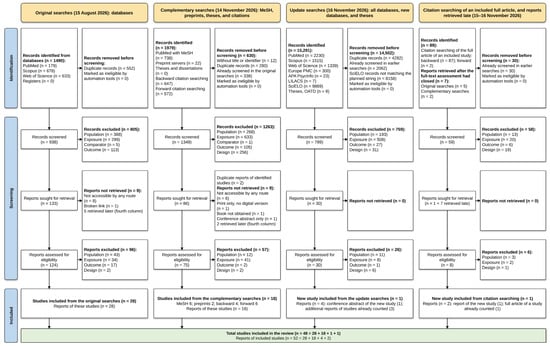
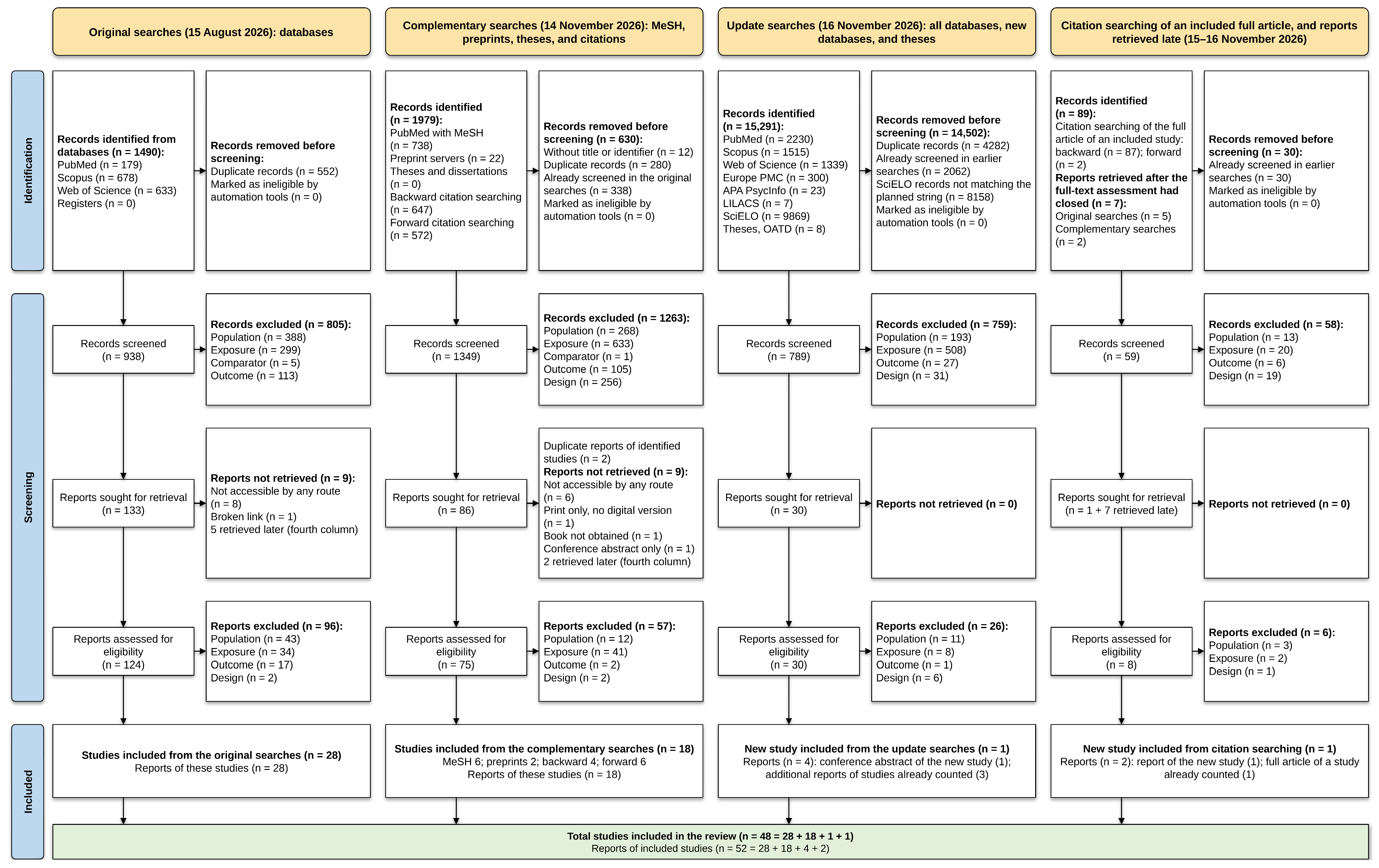

Disclaimer/Publisher’s Note: The statements, opinions and data contained in all publications are solely those of the individual author(s) and contributor(s) and not of MDPI and/or the editor(s). MDPI and/or the editor(s) disclaim responsibility for any injury to people or property resulting from any ideas, methods, instructions or products referred to in the content. |
© 2026 by the authors. Licensee MDPI, Basel, Switzerland. This article is an open access article distributed under the terms and conditions of the Creative Commons Attribution (CC BY) license.