


Abstract
Introduction: By 2050, older adults will constitute 16% of the world population; hence, there is an urgent demand and challenge to design solutions (products and services) that meet the needs of this age group. This study sought to analyse the needs that impact the well-being of Chilean older adults and present possible solutions through the design of products. Methodology: A qualitative study was used, where focus groups were held with older adults, industrial designers, health professionals, and entrepreneurs on the needs and design of solutions for older adults. Results: A general map was obtained that linked the categories and subcategories related to the relevant needs and solutions, which were then classified in a framework. Conclusions: The resulting proposal places the needs in different fields of expertise; and thus, enables positioning, broadening, and expanding upon the map to share knowledge, between the user and key experts, to co-create solutions.
1. Introduction
Life expectancies are progressively rising, causing a significant demographic shift known as population aging. Globally, the number of people aged 80 years and older is expected to triple by 2050, reaching 16% of the world population [1]. This means that more people will need help to cope with age-related impairments and maintain their quality of life [2]. However, it has also been seen that despite increased life expectancy, healthy life expectancy has not increased in the same proportion, meaning that many will reach this stage with health difficulties that could impair their quality of life [3].
People in this period of life are also exposed to changes in their nervous system, cognition, and memory, as well as in the sensory level and musculoskeletal system [4], which can affect their quality of life and, subsequently, life expectancy. In this aspect, design plays an essential role in generating solutions that can respond to the needs of this age group and contribute to their well-being and quality of life.
This work is part of ambitious research whose main challenge is to co-create solutions with older adults.
To explore co-creation with this age group, the focus first targeted self-supporting older adults; thus, reducing the complexity of both the research process (user) and compliance with ethical considerations. It is expected that, in the second stage, bedridden older adults with disabilities and a network of support persons can be incorporated.
Hence, the objective of this work, which focuses on self-sufficient older adults living in Chile, is to identify and categorize the needs of products and services directly related to aging, to support older adults in performing their daily activities.
1.1. Well-Being and Quality of Life in Older Adulthood
Healthy aging is a process that involves the promotion and upkeep of functional capacities that allow for well-being in old age. This is the interrelation between a person’s intrinsic capacity (physical and mental capacities) and the environment where they live, considering their relationships with other people, participation in the community, access to services, social and health policies, and their ability to interact with the physical environment [5].
Well-being at this stage of life considers physical (maintaining a good physical level), mental, and cognitive health (self-knowledge, ability to see things in perspective, lifelong learning, and faith), social participation (social support, financial security, community participation), and independence (having the physical and mental ability to live without support, as well as being financially autonomous from family and friends) [6,7].
In addition, it has been seen that aging and living autonomously generate a sense of identity and well-being in older people, and a sense of belonging to the community. Additionally, many daily activities generate a sense of satisfaction, contributing to older adults’ well-being [8,9,10].
With this in mind, home adaptations become very important to ensure the autonomy and well-being of older adults. Likewise, social participation and support through regular contact with friends and neighbours give them a sense of support and positively influence their well-being and survival [8,10]. These matters can be solved through product and service design by creating products that allow people to remain autonomous for as long as possible.
1.2. Designing Solutions for Older Adults
Older adults represent a growing population segment and are an active user group participating in all aspects of life [11]. Therefore, systems (products and services) that do not consider older users’ unique needs and abilities will likely fail in their ability to support their use and adoption by this increasingly growing population segment [12]. Moreover, in some cases, failure to consider older users in the design process may result in slow and error-prone system use [12]. In this scenario, errors can have serious consequences, exposing older users to an increased risk of injury or death.
Products and services are defined for this research as products, devices, objects, and services as well as product–service systems. This concept is a service–product combination that forms a marketable set of products and services, jointly capable of meeting a client’s needs [13]. For this research, the built environment, especially dwellings, serves as the backdrop for most of the activities performed by older adults.
Under this proviso, unless older adults are involved in the design process, designers may incorrectly anticipate their needs and preferences [12]. Hence, it is essential to create and implement new solutions that consider the active participation of different stakeholders, experts, and future users (older adults), as they will more closely represent the needs and possible solutions, and confirm that these solutions meet the needs raised [14].
It is in this aspect that user-centred design [15,16] proposes a designer expertise approach [17], who, as a specialist, seeks to best meet the users’ needs based on research and empathy to address an iterative process; and where the requirements of the users themselves are integrated to define the end-user profile, guiding the creative process through testing and feedback [18].
Participatory approaches to design [19,20] present perspectives to involve end users during the creative process. This approach comes from a participatory culture, where the user is considered an expert in their own life, seeking to be actively involved as co-creators in a process to ensure that the product or service addresses their needs [17].
Despite these guidelines, sectors as diverse as architecture [21] or product design [22] have excluded groups of users, either because of their age, gender, or social status; or because they present additional challenges to designers, such as difficulties in communicating or empathizing with their life experience, due to a lack of motor, cognitive, or social skills [23]. Considering and analysing these “extreme” users [24] offers valuable learning in understanding how they have to look for creative alternatives to face and handle needs not solved by a market that has excluded them.
The involvement of older adults in the design process has had social, technical, and economic justifications. First, the barriers and challenges faced by older adults that affect their quality of life, independence, and health have been made transparent [25], while involving them in decision-making may lead to greater acceptance of the products [25] and support them in healthy aging [26]. There are also high expectations in the use of technologies for well-being [27]; in particular, from the use of robots and virtual pets that support physical and mental health, combat isolation, and improve the quality of life for this age group [26]. However, if technological barriers are not considered, these products will not thrive. This is especially salient, given that the market aimed at meeting the needs and requirements of an older population, also called the “silver economy”, could reach an estimated €6.4 trillion by 2025, equivalent to 38% of Europe’s GDP, while generating 88 million jobs [28].
1.3. Needs Identification
The design process, to approach the design of solutions, seeks to identify needs and consequently, develop a solution that satisfies them. This begins by identifying a user profile and their needs; the problems that emerge from unmet needs; and then, through creative stages, developing ideas and concepts for solutions.
The Center for Research and Education on Aging and Technology Enhancement (CREATE) model analysed the needs and desires of users in this age group. Through research, they identified six activity domains: health, living environment, work, and volunteer activities; leisure activities, communication and social engagement; and transportation [29]. This model was created to guide the development of products and services explicitly oriented to older adults.
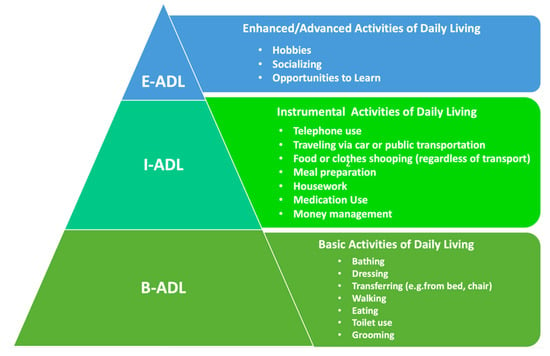
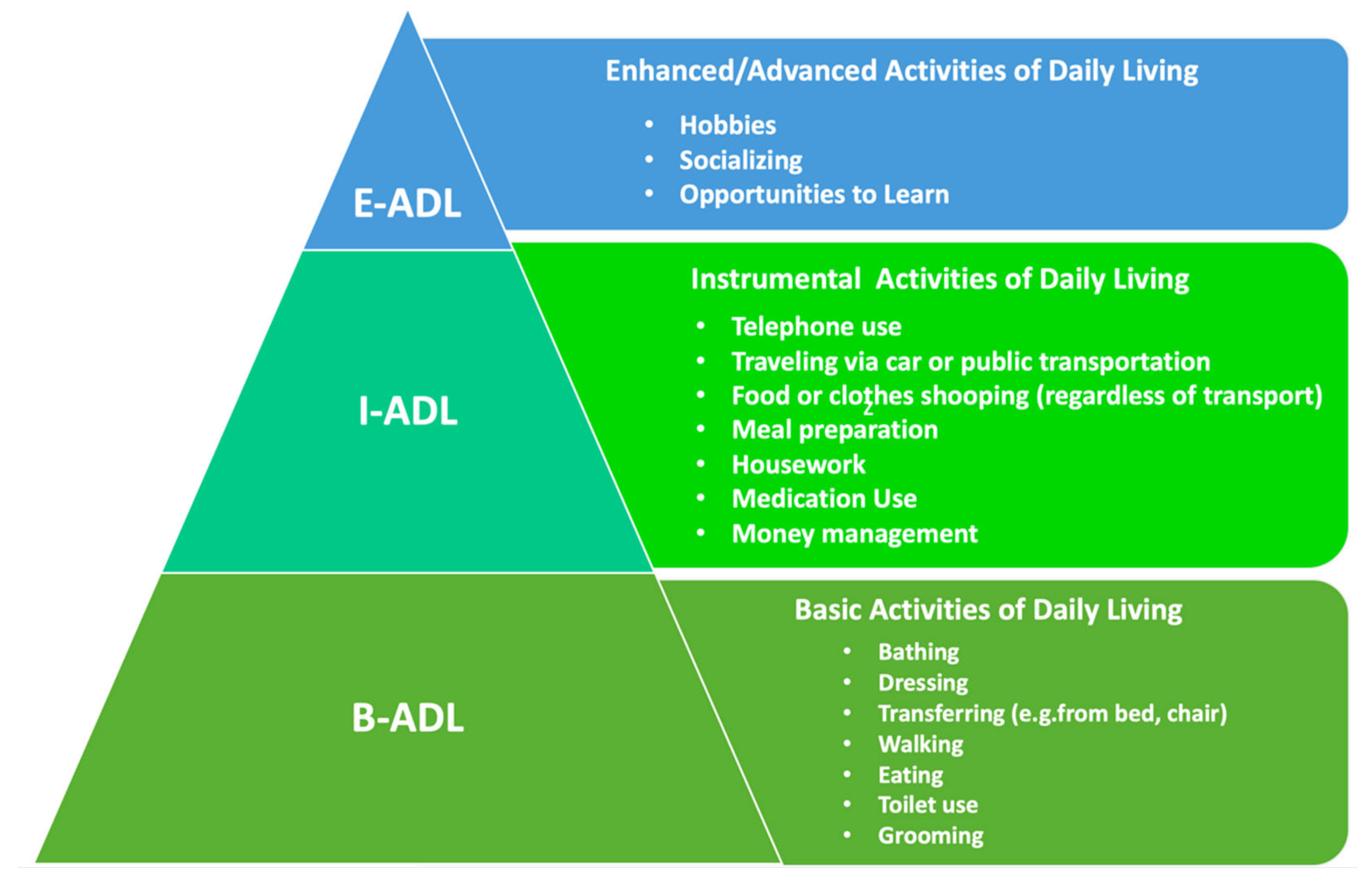
In Figure 1, the needs and desires of users can be seen, where each level of the pyramid refers to a type of need. At the base are basic activities of daily living (B-ADL), defined as “necessary for survival and a measure of autonomy,” followed by instrumental activities of daily living (I-ADL), which are “required for complete independence,”. At the top are enhanced/advanced activities of daily living (E-ADL), which are “important for a high level of life satisfaction and well-being” [29]. This model was made using the framework outlined by Czaja et al. [29] and De Vriendt et al. [30].
Figure 1.
Framework adapted from Czaja et al. p. 257 [29] and De Vriendt et al. [30]. Source: developed by the authors.
Considering that older adults are a fast-growing population with specific unmet needs, and using this framework as a reference, this work aimed to analyse the needs that impact the well-being of Chilean older adults and their possible solutions through the design of products and product-service systems.
2. Materials and Methods
2.1. Study Design
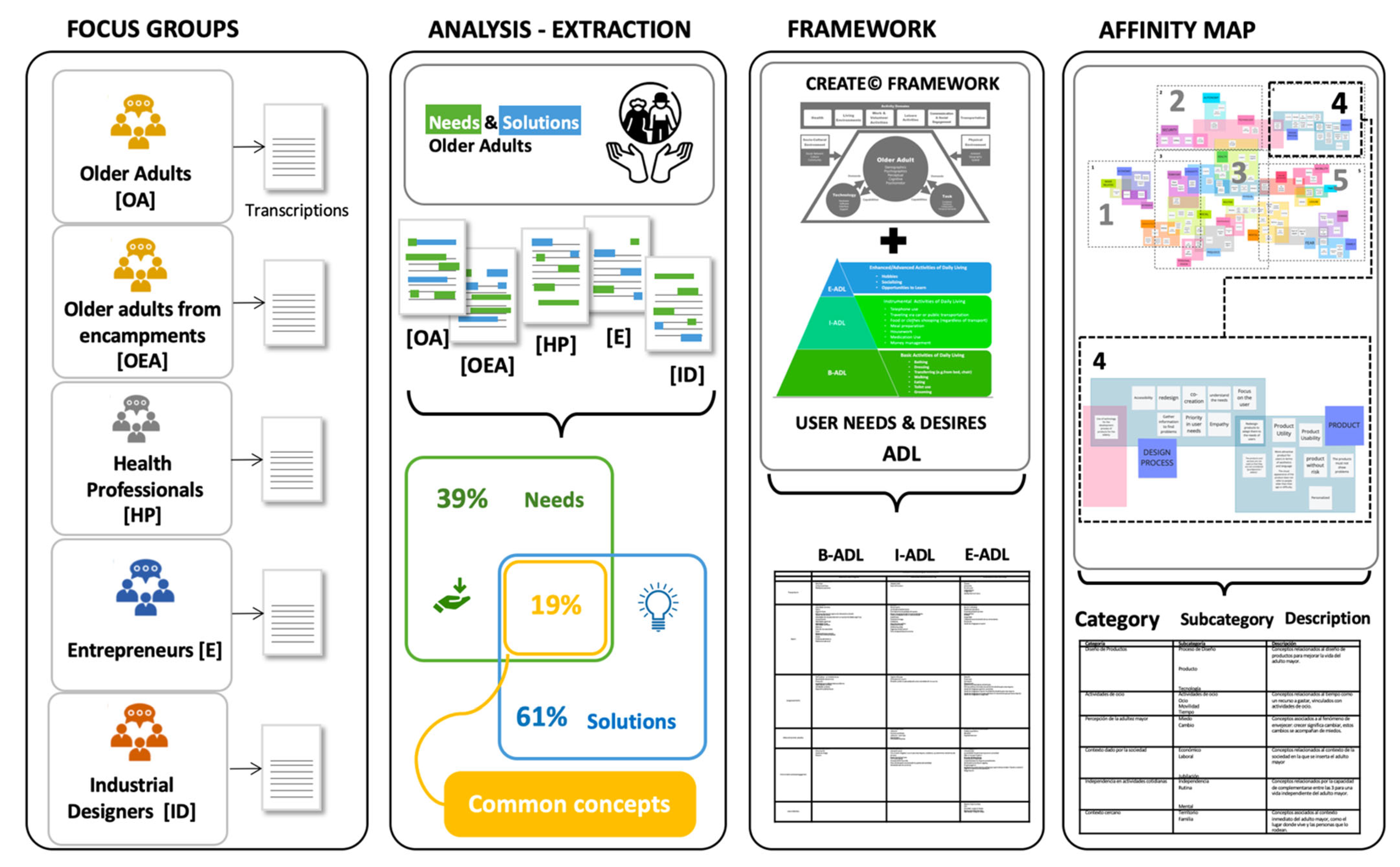
A qualitative study was made, that involved collecting and analysing non-numerical data (e.g., text, video, or audio) to understand concepts, opinions, or experiences. The advantage of this type of research is that it can be used to gather in-depth insights into a problem or generate new ideas for research with a phenomenological design [31]. The data gathered through a qualitative study reflects on how a person experiences or understands their world and showcases their particular worldview regarding the question or problem proposed by the researcher. This research method seeks to capture the participants’ perceptions and impressions, rather than find universal truths. This was important, as co-creation relies on users’ experiences and expertise to design products and services, and considers the experience that other professionals that interact with them (e.g., medical staff, among others) or who are considered in the design process (e.g., designers, entrepreneurs) have. The general methodological sequence used in the research is described in Figure 2.
Figure 2.
Methodological sequence addressed in the study. Source: developed by the authors.
2.2. Participants
The study had forty participants: sixteen older adults, nine industrial designers, five entrepreneurs, and ten health professionals who work with this type of user, from the cities of Santiago, Concepción, and Talcahuano. For participant selection, the inclusion criterion for professionals was to have at least 4 years of professional experience; and for older adults, to be over 60, classified as self-sufficient with 43 or more points in EFAM A [32], and have resided in the last 12 months in urban areas of the Biobío, and metropolitan regions. Participants were chosen through convenience sampling [33].
The study participants’ data, divided by focus group, are presented in Appendix A.
2.3. Data Collection Techniques
Focus groups were used to gain access to the participants’ narratives and experiences. In these, each participant shares their thoughts, feelings, perspectives, and perceptions about the topic presented [34,35,36], promoting a breadth of thoughts and motivation among participants [37]. This allows the researcher to understand the experience from the participant’s point of view through the verbal and nonverbal communication of data [35] arising from perceptions, interactions between participants, and the joint building of meanings [34,35,37,38]. Here, the researcher acts as a rather passive facilitator or moderator, opens the conversation, and intervenes sporadically, leaving the focus group participants to be the protagonists.
Six two-hour focus groups were held: 2 with older adults (Concepción and Talcahuano); 2 with industrial designers (Concepción and Santiago); 1 with entrepreneurs (Concepción); and 1 with health professionals (Concepción). Each focus group had between 4 and 10 participants.
In the focus groups, the research project was presented first, and information was presented didactically, by sharing a brief PowerPoint presentation with the goals of the project and a research context so that the participants could understand it. The focus groups of designers, entrepreneurs, and health professionals explored the following topics from a script of questions (Appendix B): older adult activities, products for activities, and opportunities for co-creation. The focus groups of older adults focused on a script of questions that addressed the following topics (Appendix C): household activities performed by older adults, the importance assigned to household activities, difficulties faced by older adults, suitability of commonly used products to the needs of older adults, and the proposal of products.
2.4. Procedure
Authorizations were obtained from the institutions participating in FONDECYT projects No. 11701137 and No. 1201987. Convenience sampling was used to recruit participants. Invitations were sent by e-mail to health professionals, design professionals, and entrepreneurs, while older adults were contacted by telephone. The meetings were held in a room at the Department of Medical Education in the Universidad de Concepción. In the case of industrial designers, two focus groups were held, one in Concepción (UdeC) and the other in Santiago (in a Coworking space).
Before starting the focus group, the researcher and the participants read and signed the informed consent form. Then, a list of the participants of each focus group was generated, the audio of all the sessions was recorded, and later, the transcription of each focus group was made. The anonymity of the subject was ensured in the transcription.
2.5. Data Analysis
For data analysis, content analysis of the focus groups was made, creating codes related to needs and solutions. The needs and solutions were analysed, grouping them and subsequently contrasting them with the needs identified in the analysed literature [29,30]. After that, concepts were linked together by affinity, and a needs/solutions map was created. This map was built considering the theoretical principles of the CREATE framework [29] and the model proposed by De Vriendt [30], but adapted and built using the codes obtained in the focus groups.
The Atlas ti version 7.5.4 software was used to code the focus groups; then, Microsoft Excel to analyse the identified concepts. After this, the Miro app was used to create the needs/solutions map.
3. Results
The focus groups were held in the cities of Santiago, Concepción, and Talcahuano. Participant recruitment was addressed by convenience sampling, leaving the gender variable open. A total of 16 subjects were older adults, with 9 industrial designers, 5 entrepreneurs, and 10 health professionals who work with older adults. Women represented 60%. This preponderance could be explained by their willingness to participate in social gatherings and a culture that taints everyday activities with a feminine bias. The same is true for care activities and can explain why 9 out of the 10 health professionals working with older adults were women. On the other hand, 8 out of the 9 industrial designers were men.
The key concepts (and/or key situations) from the focus group analysis, describing the needs of older adults as perceived by each focus group, are identified below. Preliminary results are described in Table 1.
Table 1.
Key concepts found in each focus group.
3.1. Analysis/Extraction
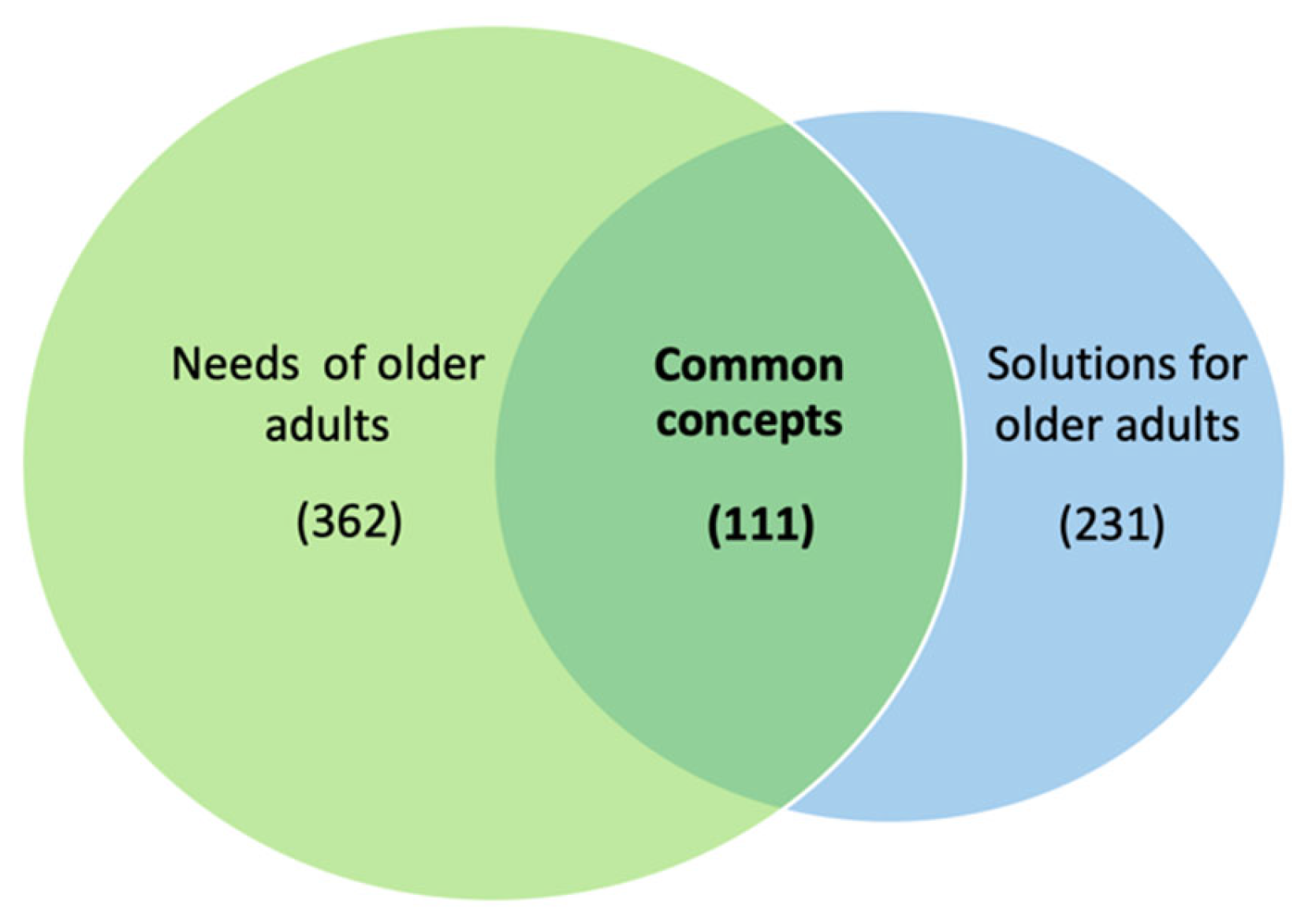
Two categories were identified that describe their relationship concerning the needs of older adults:
- (1)
- Needs of older adults: derived from health professionals and older adults.
- (2)
- Solutions for older adults: derived from industrial designers and entrepreneurs.
The number of concepts per category was:
- -
- needs: 362 concepts;
- -
- solutions: 231 concepts.
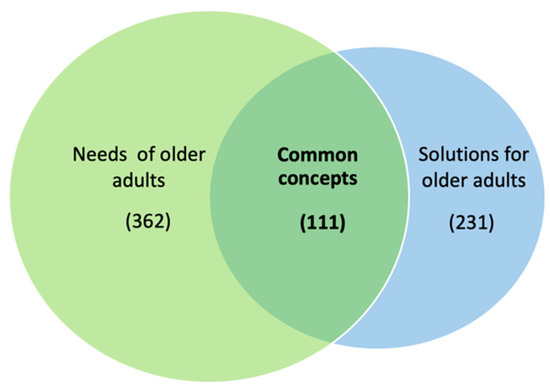
The key concepts were analysed sequentially to highlight those which the two categories had in common. A new category of “common concepts” was established; and, as a result, 111 common concepts were found (Figure 3).
Figure 3.
Concepts analysis chart. (Source: developed by the authors).
These common concepts are structured in four columns to compress the information (Table 2). These concepts are general, many of which could be sub-categories of others and with different levels (general and specific).
Table 2.
“Common concepts” category between the categories “Needs of older adults” and “Solutions for older adults”.
3.2. Framework: Needs Categorization Proposal
Based on the analyses, a proposal for classifying concepts is presented using the relationship between the theoretical frameworks and the results obtained in this study.
Since the purpose is to design products and/or services for older adults, the process of classifying the identified needs is conducted using the CREATE and the DeVriendt models. The latter classifies the activities and links them to the users’ human dimensions; the socio-cultural factors of the environment; the physical environment; and how these influence the specific aspects and characteristics of the older adult (demographic, psychographic, perceptual, cognitive, psychomotor), the use of technology, and the need to solve tasks (complexity, familiarity, collaboration, time demands).
To link the frameworks, first, the definitions of the six activity domains (transportation, health, etc.) were obtained using the theoretical proposals. However, two concepts were not defined: “Health” and “Work and voluntary activities”.
The bibliography behind the frameworks was reviewed to use terms already found within the study area to generate the levels of the activity domains. The books “Designing for Older Adults: Case studies, Methods, and Tools” [12], and “Designing for Older Adults: Principles and Creative Human Factors Approaches” [29], along with the article by De Vriendt et al. [30], were essential to obtain examples of activity domains and be able to generate the levels (Table 3).
Table 3.
Relationships between frameworks and data collected.
3.3. Affinity Map
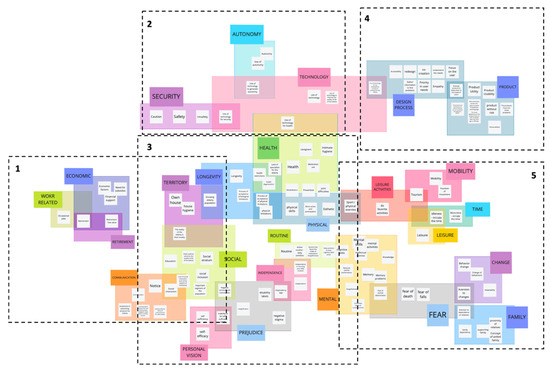
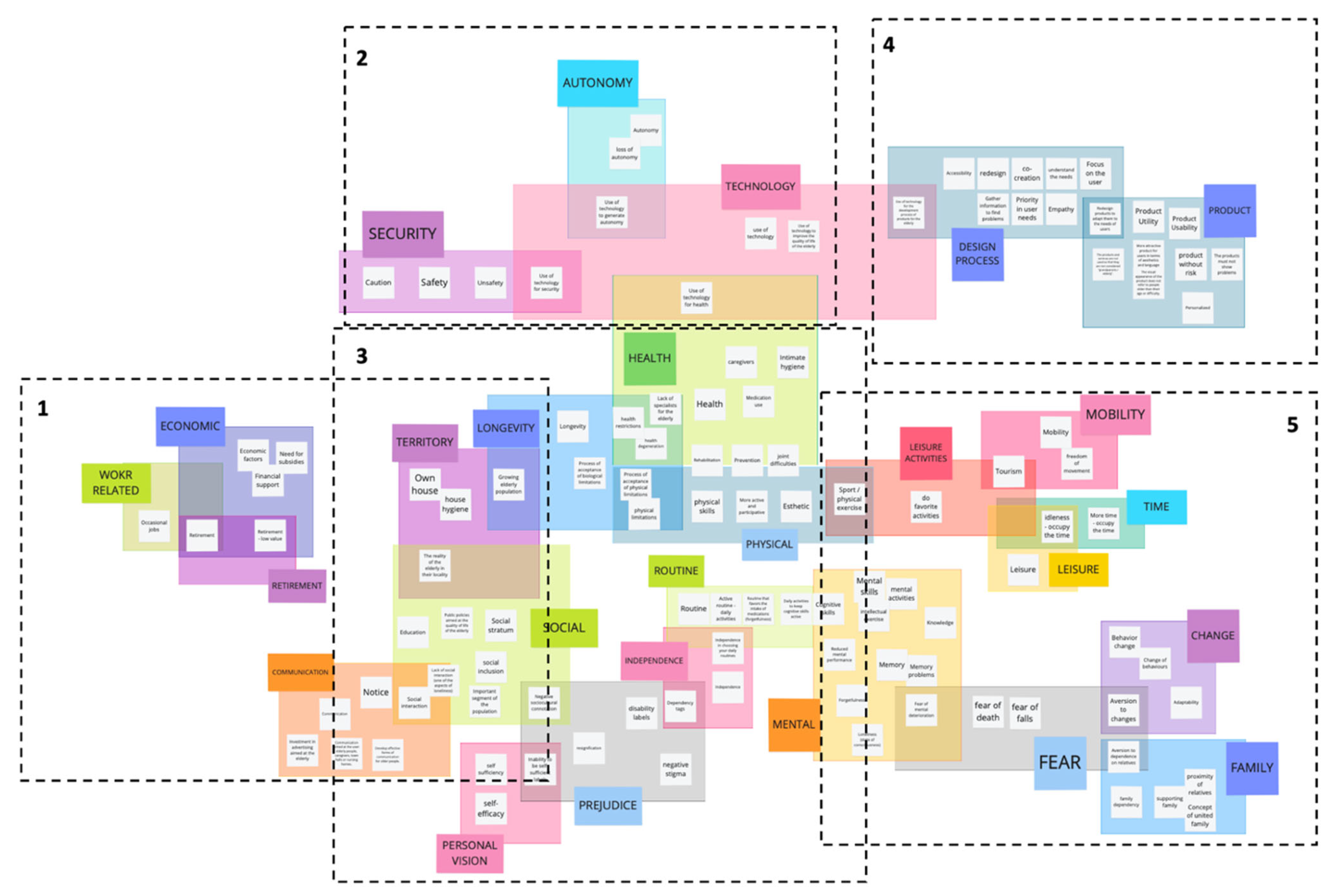
A map of the list of concepts (Figure 4) was drawn up to analyze them to identify similarities and relationships. Using the Miro platform (https://miro.com/es/ accessed on 15 September 2020), the concepts were organised as follows:
Figure 4.
Mapping of activities with categories and subcategories. Source: own elaboration.
- Those that shared terms were grouped. For example, “physical skills”, “mental skills”, and “cognitive skills” were grouped.
- Those that did not share words were linked by interpreting their meaning. For example, “caution” was grouped with “safety”, “insecurity”, and “use of technology for safety”. Other concepts were also grouped, but some remained unconnected.
- In this way, groups of words grew; however, their relationship became ambiguous. For example, the grouping of “physical abilities”, “process of accepting physical limitations”, and “physical limitations” became distant from the “mental abilities”, “mental activities”, and “intellectual exercise” group. Therefore, it was decided to separate the groups following their meaning rather than their word relationship, creating two new groups from the previous one.
- The new word groups were associated under a concept that encompassed them, creating 26 clusters, such as “Safety”, “Autonomy”, “Technology”, etc. This way, concepts that were left out in the other steps were classified, leaving a smaller group unclassified.
- Some concepts could be in more than one cluster; for example, “redesigning products to suit user needs” could be in both the “Design Process” and “Product” categories. It was decided that it should be in both, and background colours were used to mark their overlapping. Each color only had the function of showing the overlap.
- As overlaps appeared, clusters were organized for those concepts that could be in more than one category. For example, the term “tourism” was at the intersection of 2 clusters: mobility and leisure activities.
- The clusters were organised to share at least one relationship and were all linked. Twenty-three clusters were joined, leaving out three, namely labour, retirement, and education, linked together by the concept of “retirement”. Thus, a macro group of 23 clusters and a small group of 3 clusters were obtained.
- Within the clusters, the closeness between concepts was communicated by linking them. This was based on the repetition of words from step 1. For example, the concepts “routine”, “active routine—daily activities”, and “routines that favour medication intake (forgetfulness)” are linked in the cluster “Routine”; however, they are separated from the concept “daily activities to maintain active cognitive skills”. Similarly, the latter is on the boundary between the “Routine” and “Mental” clusters, communicating that it is close to this concept without overlapping.
- Some concepts could not be catalogued in the first 3 clusters (by words, interpretation, or cluster creation) as they had distant meanings and were catalogued at the end. For example, “education” is the only concept that alludes to this concept, or “warning” as it is ambiguous.
To facilitate the legibility of the contents of Figure 4, it was subdivided into five sections (Figure A1, Figure A2, Figure A3, Figure A4 and Figure A5), which are attached individually in the Appendix D.
Finally, with the mind map ready and the terms analyzed, the matrix in Table 2 was completed, obtaining the matrix for Table 3.
The frameworks facilitated the creation of clusters and the identification of relationships between concepts. This exercise was useful strictly for those concepts that were the last to be categorized due to their ambiguity, such as “warning”, “redesign”, and “education”; however, that made sense when they were within clusters and related to other terms.
The domain “Work and volunteer activities” does not to consider the level of “Basic Activities of Daily Living “, as these are not activities needed for survival. On the other hand, the domain “Leisure Activities” is restricted to the level of “Enhanced/Advanced Activities of Daily Living”. The 111 concepts were then classified into 15 categories of the 18 available ones, and the result in Table 4 was obtained.
Table 4.
Categorization of the concepts of needs and solutions using frameworks.
The concepts obtained from the focus groups generated clusters to group them by relationship. These clusters can also be categorized for better understanding. This is described in Table 5.
Table 5.
Categories and subcategories extracted from the mapping.
By organizing the numerous concepts using the theoretical frameworks model, it is possible to define which category an older adult product or service should be designed for, how to place the needs in different fields of expertise; and thus, be able to place, expand upon, and develop the map identified to share knowledge between the user and key experts, to co-create solutions.
4. Discussion
This study looked to identify the needs of older adults and the product design solutions that can be developed through co-creation.
The code categorization within the theoretical frameworks [29,30] already highlights similarities between the needs identified in both studies. In turn, other recurring themes are identified in studies addressing the needs of older adults.
Physical limitations are identified as a background for developing products that adapt to the specific needs of this age group based on these changes. Thus, the deterioration that could be experienced in mobility, cognitive functions, and the development of frailty [39] are also associated with a lower quality of life and fear of death [40,41]. These findings are consistent with other studies that also report these problems [6,7,42].
Furthermore, it is considered that quality of life in old age also implies social participation. However, this study, as well as others, highlights the isolation that older adults are exposed to due to a lack of support networks and opportunities for social participation in the community [40,42,43]. Likewise, it is seen that on an urban scale, the lack of pavement upkeep shows a disregard for the needs of older adults at a municipal level [42].
Work and leisure are also topics mentioned in this study, and similarities with other studies are also observed. The quality of life of older adults is affected by leaving work and the lack of space for leisure, given that life at this stage requires redefining purpose and time towards other interests and responsibilities [40,42]. A critical aspect is the economic situation of older adults, which tends to be quite precarious [43]. On the other hand, a large part of the routine is devoted to daily life activities, as well as to the family by caring for grandchildren, which gives some kind of social participation and transcendence to older people at this age [40,42,43].
One aspect that makes the context in which life develops during aging relevant is related to the person’s autonomy and the assistance and care required by others. Both in this study and others, it has been identified that autonomy is an aspect that needs to be prolonged as long as possible since it provides well-being in this period of life [8,9,10,43]. Given the universal needs identified in different contexts and the discovery in this study of 251 concepts not addressed by the solutions, the existence is highlighted of potential demands that require solutions in products and services for older adults. These values showcase the idea that greater interaction between the two categories can enable the development of products and/or services that are more closely aligned with the needs of older adults, explaining the importance of user-focused, expert-backed, co-creation projects. Furthermore, concept maps make the links between identified needs and solutions more explicit. Therefore, visually explaining the connections between concepts has the potential to assist the product development process for older adults.
4.1. Limitations
This study must be understood in the socio-cultural context of the participants and the reality of older adults in Chile. The methodology used to identify needs and solutions from focus groups can be replicated with other groups in different socio-cultural contexts. However, it is considered that the framework provides an important foundation that allows generalizing results, as similarities are found between the results of this research and the theoretical framework from research made in the United States [29] and Belgium [30].
4.2. Future Lines of Work
The mapping and findings are expected to be applied in co-creation workshops with older adults to deepen and break down the needs and solutions in a collaborative process aimed at developing a solution.
Future lines of work should also involve other groups of older adults with emerging age-related problems, and explore new techniques and considerations where the co-creation of solutions can be better conducted when working with older adults.
5. Conclusions
The inputs obtained in the various formats become a basis for starting the design of solutions using participatory methodologies such as co-creation, while narrowing and streamlining the intervention for relevant issues, and promoting exchange and socialization between users and stakeholders to contribute to a shared understanding of the design needs of older users.
The organizational structure that the frameworks include makes it a good instrument for starting co-creation processes regarding older people’s needs.
Author Contributions
Conceptualization, P.G.R.F., J.C.B.-W.; methodology, P.G.R.F., M.J.S.-N.; formal analysis, P.G.R.F.; research, J.C.B.-W., C.P.-V.; writing—original draft preparation, J.C.B.-W., P.G.R.F., M.J.S.-N.; writing—review and editing, J.C.B.-W., M.J.S.-N., C.P.-V.; funding acquisition, J.C.B.-W. All authors have read and agreed to the published version of the manuscript.
Funding
The present study was funded by the Agencia Nacional de Investigación y Desarrollo ANID, in Chile; the CONICYT FONDECYT 1171037 project; and ANID FONDECYT 1201987.
Institutional Review Board Statement
The study was conducted following the Declaration of Helsinki and approved by the Institutional Review Board (or Ethics Committee) of Universidad del Bío-Bío (protocol code EB 2731361).
Informed Consent Statement
Written informed consent for publication has been obtained from participants.
Data Availability Statement
The datasets used in this study are available from the corresponding author upon reasonable request.
Conflicts of Interest
The authors declare no conflict of interest.
Appendix A
Table A1.
Focus group participants of the study (part 1).
Table A2.
Focus group participants of the study (part 2).
Table A3.
Focus group participants of the study (part 3).
Appendix B
Script for focus group interviews designers, entrepreneurs, and health professionals.
| Theme | Sub-Theme | Health Professionals | Industrial Designers | Entrepreneurs |
| Older Adult activities | Daily routine | What are the typical activities in the life of a self-sufficient older adult? | Which typical activities of the older adult could the designer play a role in? What role can the designer play? How would you approach the reality of older adults to understand their daily routines? | What role do older adults play in your business niche? |
| Importance of activities | As a designer, which older adult activities would you pay more attention to? What makes an older adult activity more interesting for a designer? From the products you have developed, which one would be most relevant to the specific aspects of older adults and how? | Which of your company’s products target seniors? Which products that do not target seniors can be used by older adults? | ||
| Difficulties of Older Adults | What are the main difficulties experienced by older adults based on their age? How do older adults’ regulatory changes make it difficult to carry out activities? | What is the role of the industrial designer when faced with groups with specific needs such as older adults? Which of these specific needs could older adults contribute to? | Which characteristics of older adults are considered by your products? | |
| Products to perform activities | Utility | What would you like to achieve when designing a product for older adults? | ||
| Ease of use | Thinking about the ease of use of a product, which advantages and challenges do older adults represent for design? | |||
| Easy to learn | Thinking about product learning, what are the advantages and challenges of older adults for design? | |||
| Results | How would you conduct the product testing process with older adults, and how would it differ from the way you test products in general? | |||
| Opportunities to materialize proposals | Opportunity assessment | What are the advantages and disadvantages in the design of products for older adults? What would be the main limitations to be faced in this context? What would be the role of new technologies in this regard? Thinking about older adults as a user and potential consumers, what are the particular aspects to be addressed in this regard? | ||
| Government opportunities | In what contexts can support be obtained from government institutions to develop these ideas? Why would government institutions support them? Who can support these developments? How can they support these developments? | |||
| Trade and business opportunities | In what contexts can business support be obtained to develop these ideas? Why would business-related institutions support them? Who can support these developments? How can they support these developments? | |||
| Regional context | Thinking about regional skills, in which design stages can the region’s skills be involved, and which should be outsourced to other areas of the country and the world? Why? Which of the region’s skills are already in place to design products for older adults? Which are still to be installed? What is required to install them? | |||
| Designer competencies | Which designer competencies can be key in the development of older adults’ products? Which of these are trained? Which competencies are designers lacking to address older adults? How can you compensate for these shortcomings? |
(Source: developed by the authors).
Appendix C
Script for focus group interviews with older adults.
| Theme | Sub-Theme | Approach Questions |
| Household activities performed by older adults | Routine activities | What do you do during the day? What are your daily activities? In what order do you do them? What differentiates a day when you feel you have done well from a day when you feel you did not do so well? |
| Emerging activities | Which household activities do you have to perform occasionally? Why are these activities not performed daily? At what time of the day do you perform them? | |
| Importance assigned to domestic activities | Objective of the activity | What is the purpose you pursue with these daily activities? |
| Activity value | What is the most important activity for you during the day? What makes it important? What importance do you attach to those activities during the day? | |
| Difficulties that age represents for doing these. | Difficulties | What are the most difficult activities to do during the day? What makes them different from activities that are easy to do? What makes them difficult? |
| Facilitators | What factors help you to do these activities? What personal or environmental characteristics help you to do the activities? Which tools help you to do the activities? | |
| Obstacles | Which factors make it difficult for you to perform these activities? Which personal or environmental characteristics make it difficult for you to perform the activities? Which tools make it difficult for you to perform the activities? | |
| Adaptation of commonly used products to the needs of Older Adults | Products used | Which products do you use for these activities? How long have you been using them? What do you use them for? |
| Advantages of the products | Which features would you emphasize about the product? | |
| Disadvantages of the products | Which things would you change about the product if you could? | |
| Product proposals | Needs to be addressed | What should the product achieve? |
| Desirable features | Which features would be ideal in that product? | |
| Older adult factors to consider | When designing the product, which characteristics of older adults should the designer consider? |
(Source: developed by the authors).
Appendix D
Detail of activity-mapping sections for Figure 4.
Figure A1.
Map Section 1.
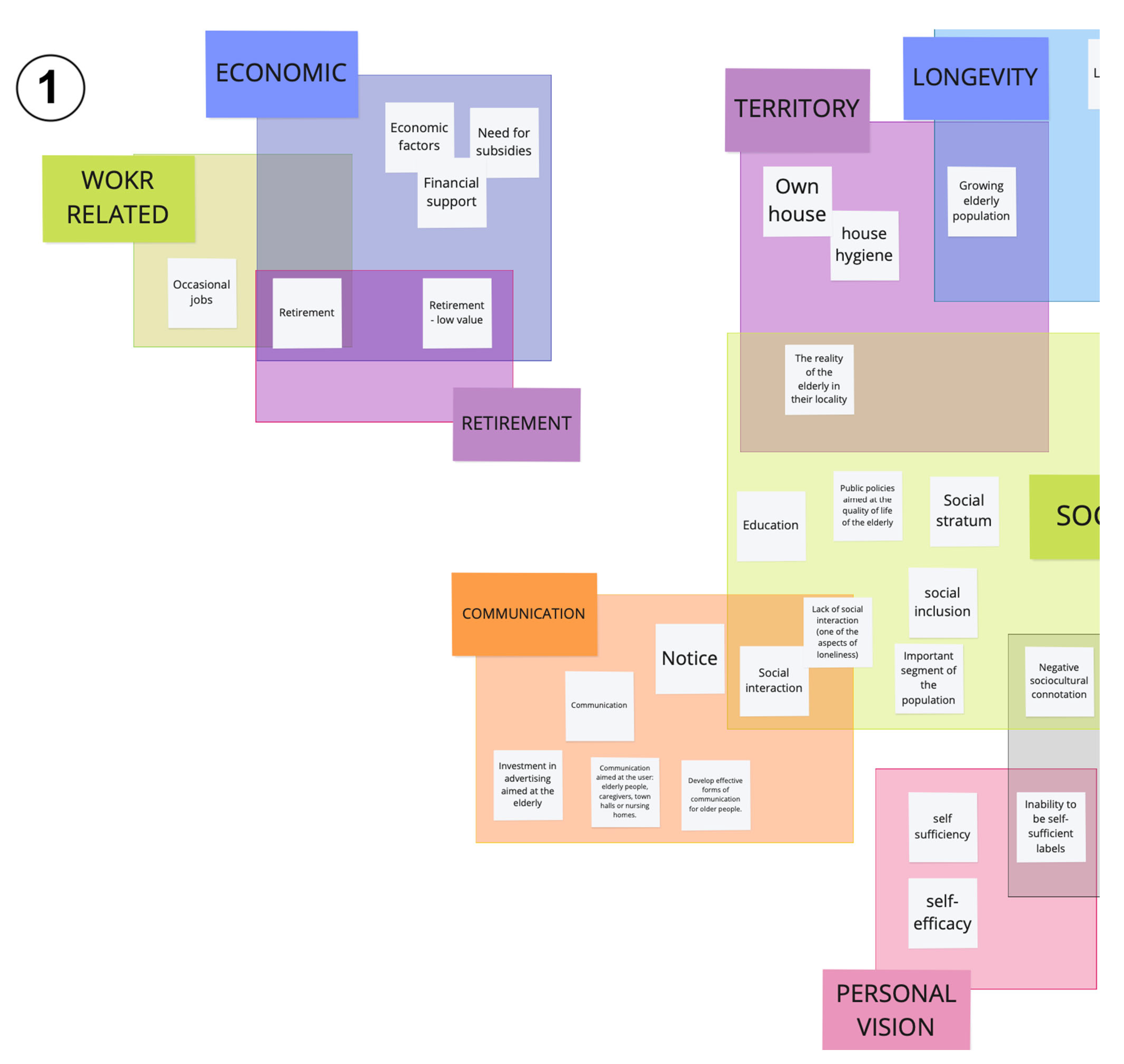
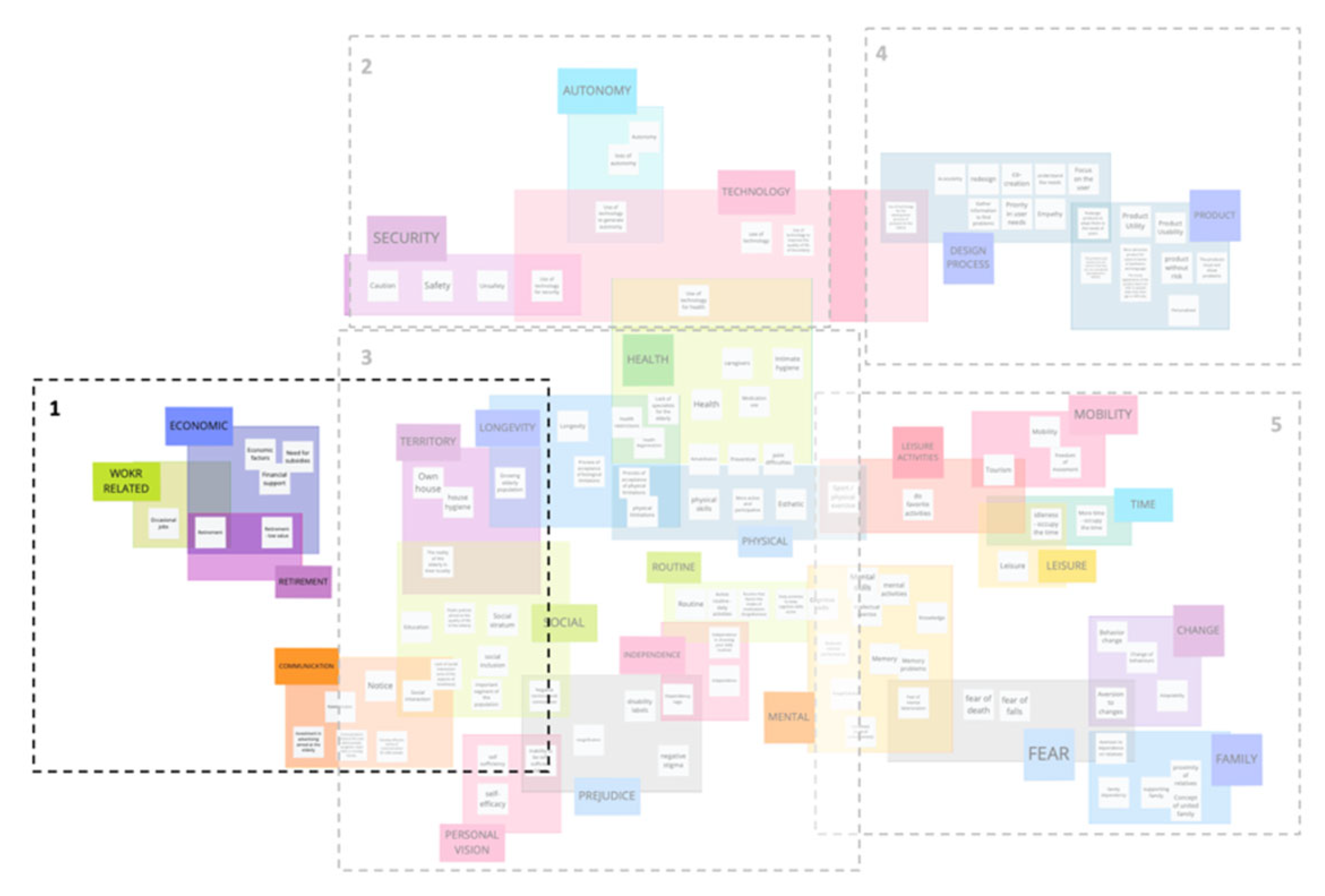
Figure A2.
Map Section 2.
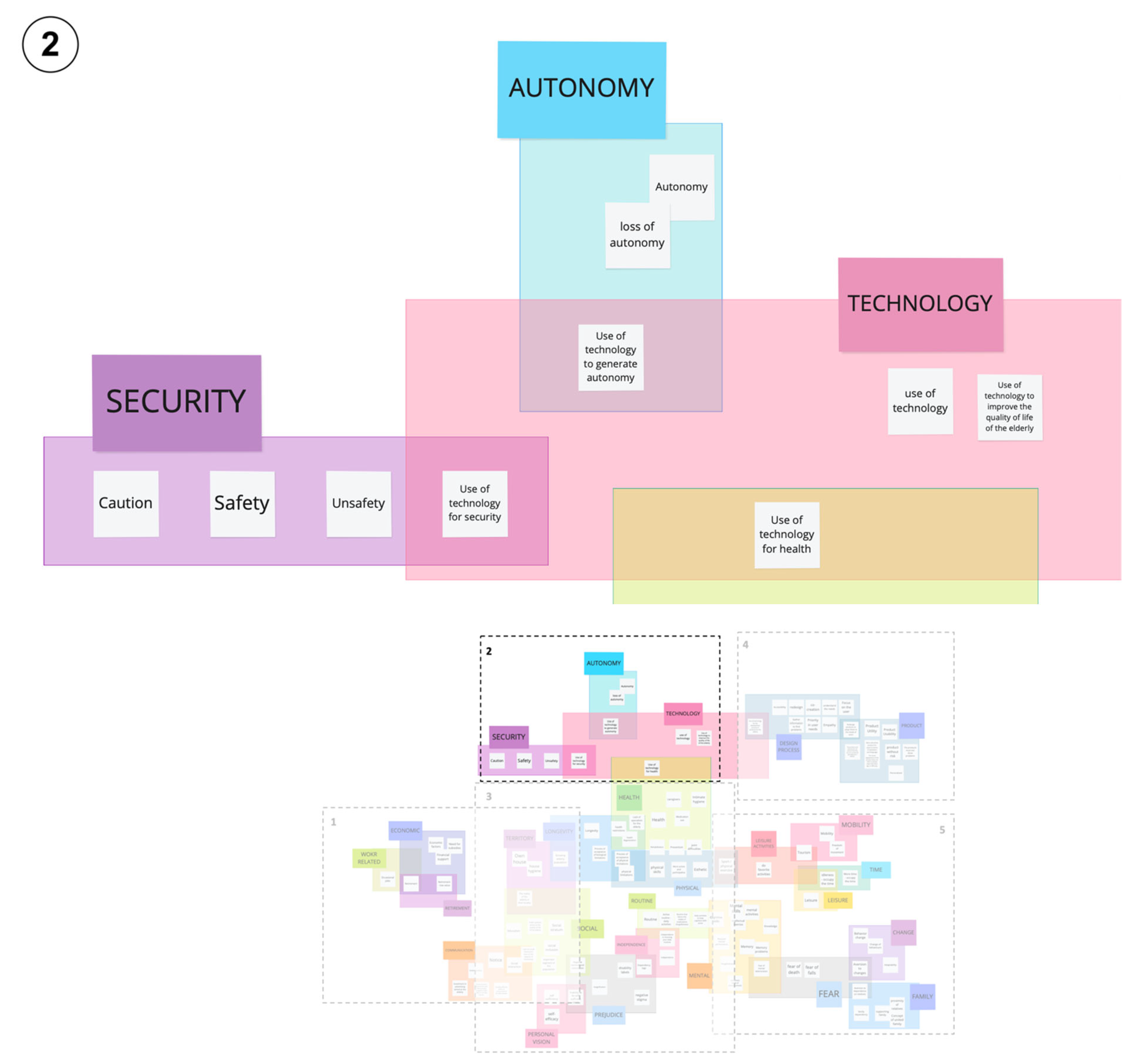
Figure A3.
Map Section 3.
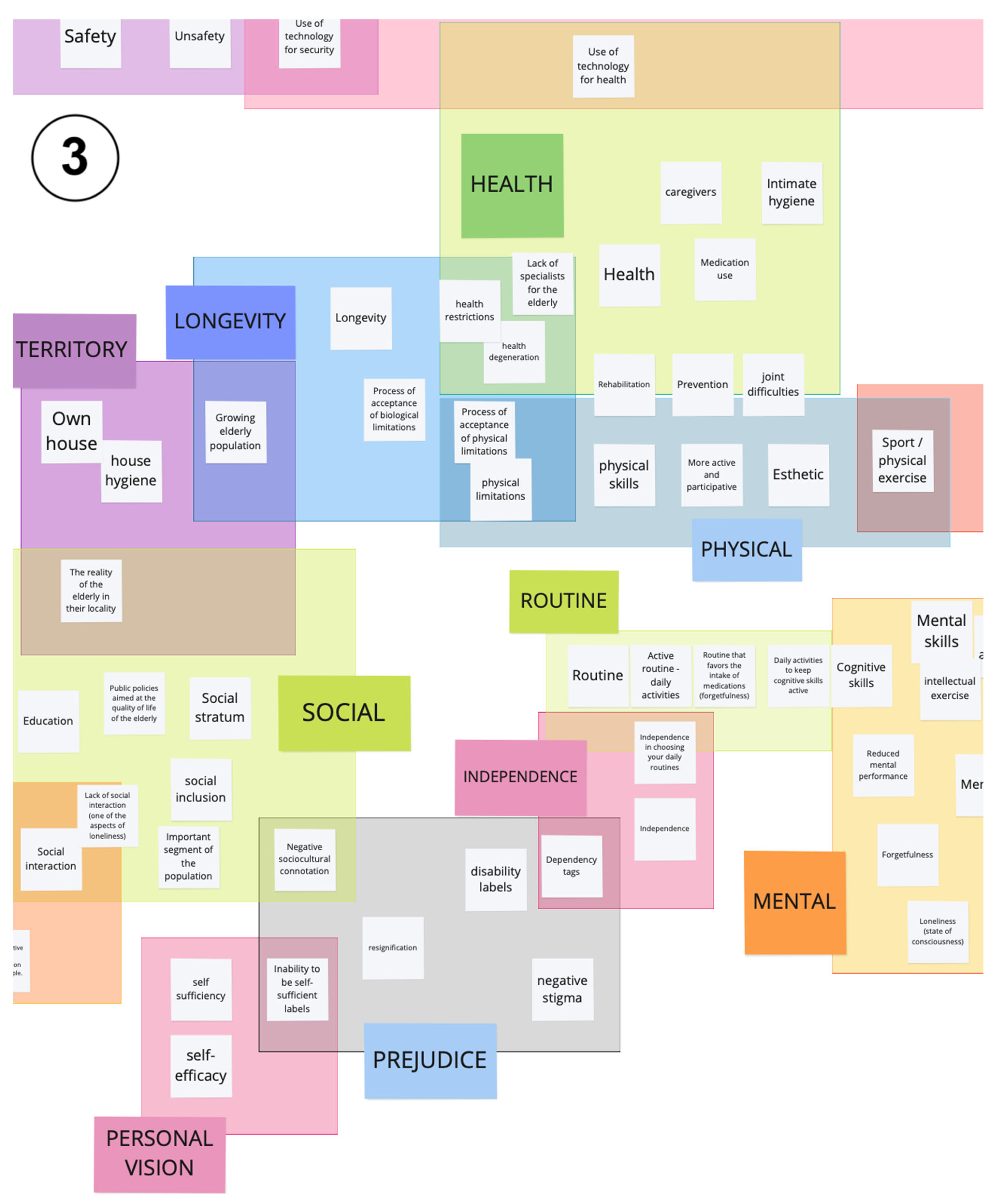
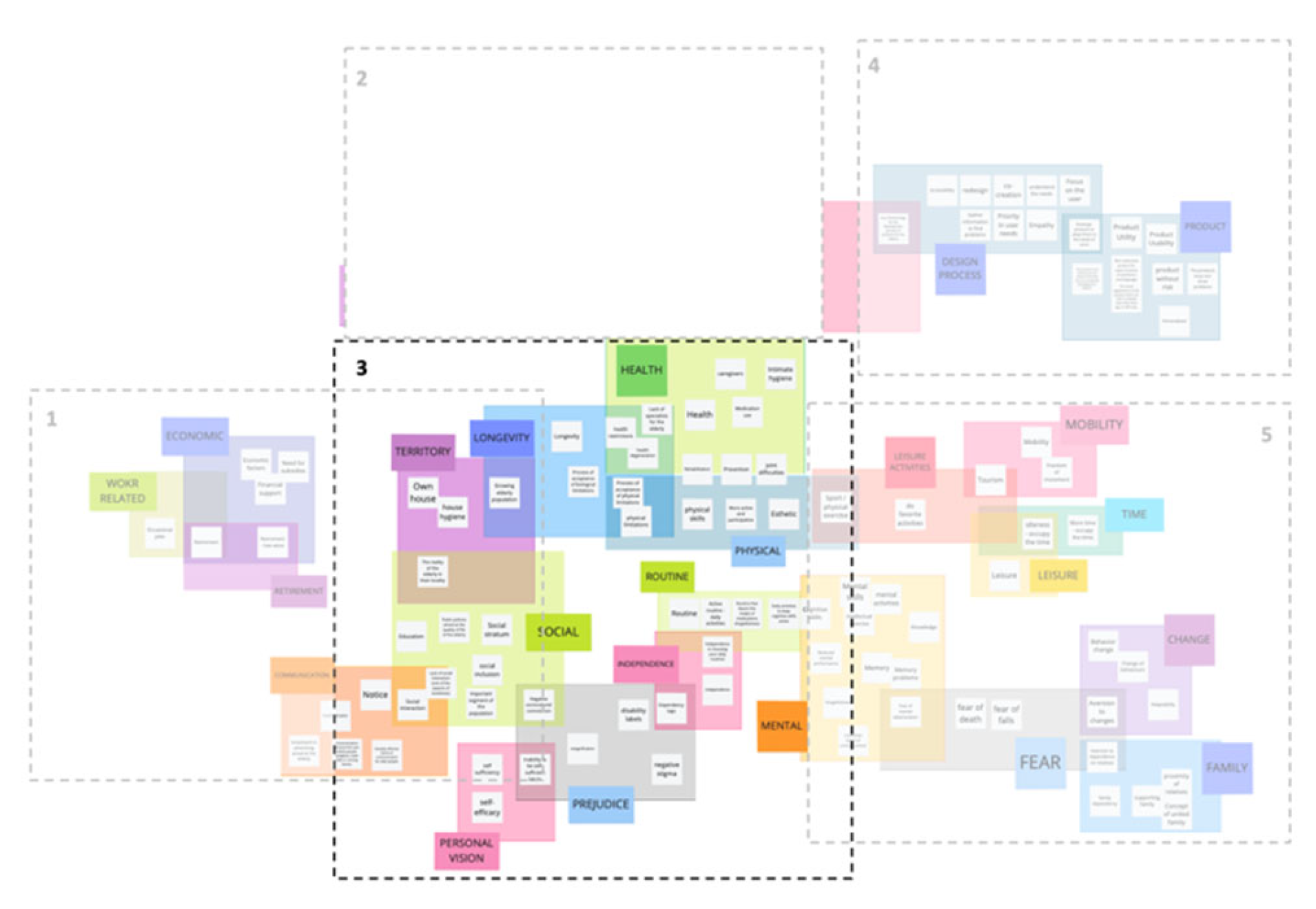
Figure A4.
Map Section 4.
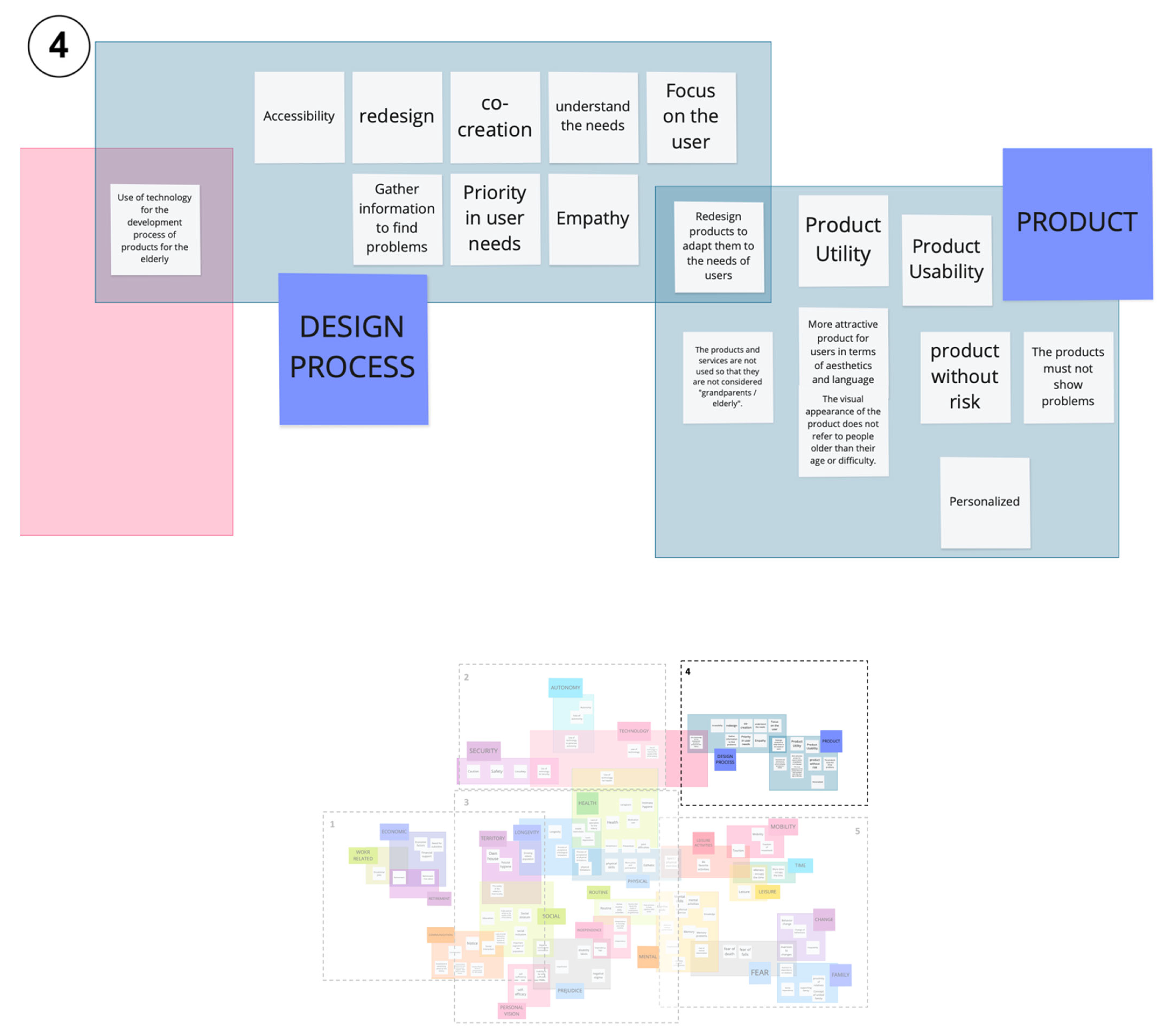
Figure A5.
Map Section 5.
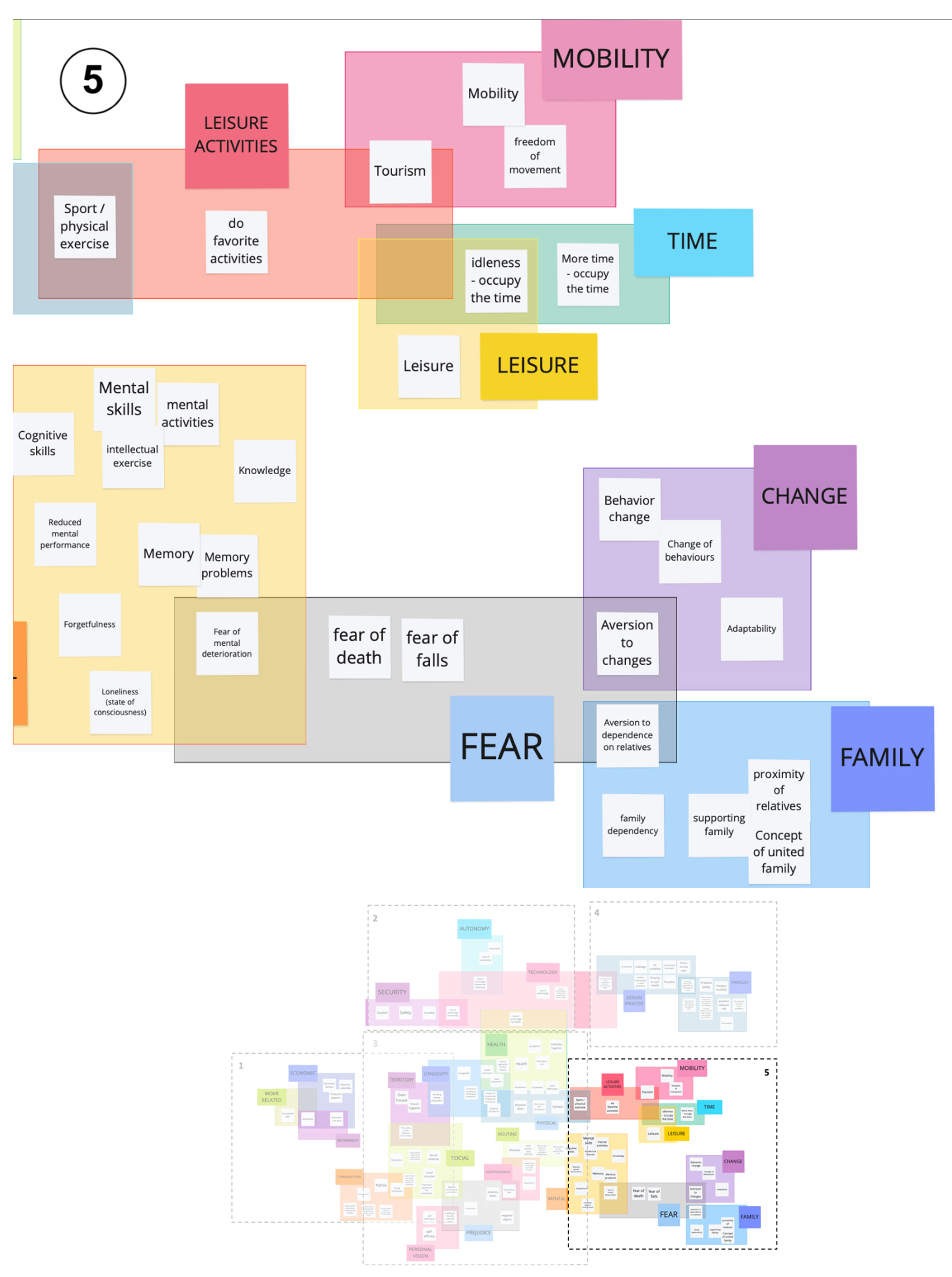
References
- United Nations. Peace, Dignity and Equality on a Healthy Planet. Ageing. 2022. Available online: https://www.un.org/en/UN-system/ageing (accessed on 15 October 2022).
- Abdi, S.; Spann, A.; Borilovic, J.; de Witte, L.; Hawley, M. Understanding the Care and Support Needs of Older People: A Scoping Review and Categorisation Using the Who International Classification of Functioning, Disability and Health Framework (Icf). BMC Geriatr. 2019, 19, 1–15. [Google Scholar] [CrossRef] [Scilit] [PubMed]
- GBD 2017 DALYs and HALE Collaborators. Global, Regional, and National Disability-Adjusted Life-Years (Dalys) for 359 Diseases and Injuries and Healthy Life Expectancy (Hale) for 195 Countries and Territories, 1990–2017: A Systematic Analysis for the Global Burden of Disease Study 2017. Lancet 2018, 392, 1859–1922. [Google Scholar] [CrossRef] [Scilit] [PubMed]
- World Health Organization. Ageing and Health. Available online: https://www.who.int/news-room/fact-sheets/detail/ageing-and-health (accessed on 30 January 2023).
- Rivadeneira, M.F.; Mendieta, M.J.; Villavicencio, J.; Caicedo-Gallardo, J.; Buendia, P. A Multidimensional Model of Healthy Ageing: Proposal and Evaluation of Determinants Based on a Population Survey in Ecuador. BMC Geriatr. 2021, 21, 615. [Google Scholar] [CrossRef] [Scilit] [PubMed]
- Abud, T.; Kounidas, G.; Martin, K.R.; Werth, M.; Cooper, K.; Myint, P.K. Determinants of Healthy Ageing: A Systematic Review of Contemporary Literature. Aging Clin. Exp. Res. 2022, 34, 1215–1223. [Google Scholar] [CrossRef] [Scilit]
- Toye, F.; Jenkins, C.; Barker, K. Understanding the Experience of Living Well, Beyond the Age of 85 Years: A Qualitative Analysis Using Themes from a Meta-Ethnography. Age Ageing 2021, 50, 2238–2245. [Google Scholar] [CrossRef] [Scilit]
- Bigonnesse, C.; Chaudhury, H. The Landscape of “Aging in Place” in Gerontology Literature: Emergence, Theoretical Perspectives, and Influencing Factors. J. Aging Environ. 2019, 34, 233–251. [Google Scholar] [CrossRef] [Scilit]
- Coleman, T.; Kearns, R.A.; Wiles, J. Older Adults’ Experiences of Home Maintenance Issues and Opportunities to Maintain Ageing in Place. Hous. Stud. 2016, 31, 964–983. [Google Scholar] [CrossRef] [Scilit]
- Kylén, M.; Löfqvist, C.; Haak, M.; Iwarsson, S. Meaning of Home and Health Dynamics among Younger Older People in Sweden. Eur. J. Ageing 2019, 16, 305–315. [Google Scholar] [CrossRef] [Scilit]
- Fukasawa, N. Chapter 1. Introduction and Conceptual Framework. In Designing for Older Adults: Principles and Creative Human Factor Approaches, 3rd ed; Czaja, S.J., Boot, W., Charness, N., Rogers, W.A., Eds.; CRC Press: Boca Raton, FL, USA, 2019. [Google Scholar]
- Boot, W.; Charness, N.; Czaja, S.J.; Rogers, W.A. Designing for older Adults: Case Studies, Methods, and Tools; CRC Press: Boca Raton, FL, USA, 2020. [Google Scholar]
- Goedkoop, M.J.; Van Halen, C.J.G.; Te Riele, H.R.M.; Rommes, P.J.M. Product Service System, Ecological and Economic Basic; Report No. 1999/36; Ministerje van Volkshuisvesting, Ruimtelijke Ordening en Milieubeheer: Hague, The Netherlands, 1999. [Google Scholar]
- Angelini, L.; Carrino, S.; Abou Khaled, O.; Riva-Mossman, S.; Mugellini, E. Senior Living Lab: An Ecological Approach to Foster Social Innovation in an Ageing Society. Future Internet 2016, 8, 50. [Google Scholar] [CrossRef] [Scilit]
- Gould, J.D.; Lewis, C. Designing for usability: Key principles and what designers think. Commun. ACM 1985, 28, 300–311. [Google Scholar] [CrossRef] [Scilit]
- Norman, D.A.; Draper, S.W. User Centered System Design. New Perspectives on Human-Computer Interaction; CRC Press: Boca Raton, FL, USA, 1986. [Google Scholar] [CrossRef] [Scilit]
- Sanders, L. On Modeling an Evolving Map of Design Practice and Design Research. Interact. 2008, 15, 13–17. [Google Scholar] [CrossRef] [Scilit]
- Spinsante, S.; Stara, V.; Felici, E.; Montanini, L.; Raffaeli, L.; Rossi, L.; Gambi, E. The human factor in the design of successful ambient assisted living technologies. In Ambient Assisted Living and Enhanced Living Environments; Elsevier: Amsterdam, The Netherlands, 2017; pp. 61–89. [Google Scholar]
- Schuler, D.; Namioka, A. Participatory Design: Principles and Practices; CRC Press: Boca Raton, FL, USA, 1993. [Google Scholar]
- Spinuzzi, C. The Methodology of Participatory Design. Tech. Commun. 2005, 52, 163–174. [Google Scholar]
- Scott, I. Mobility, Mood and Place—Co-Designing Age-Friendly Cities: A Report on Collaborations between Older People and Students of Architecture. Arts 2017, 6, 12. [Google Scholar] [CrossRef] [Scilit]
- Kwan, M.-y.; Yick, K.-l.; Wong, Y.-y. Impact of Co-Creation Footwear Workshops on Older Women in Elderly Centers in Hong Kong. Asia Pac. J. Health Manag. 2019, 14. [Google Scholar] [CrossRef] [Scilit]
- Culén, A.L.; Van Der Velden, M. The Digital Life of Vulnerable Users: Designing with Children, Patients, and Elderly. In Proceedings of the Nordic Contributions in IS Research: 4th Scandinavian Conference on Information Systems, SCIS 2013, Oslo, Norway, 11–14 August 2013; pp. 53–71. [Google Scholar]
- Hildebrandt, D.; Hindi, H. Extreme Users. J. Bus. Anthropol. 2020, 9, 407–419. [Google Scholar] [CrossRef] [Scilit]
- Brookfield, K.; Scott, I.; Tinker, A.; Ward Thompson, C. Perspectives on “Novel” Techniques for Designing Age-Friendly Homes and Neighborhoods with Older Adults. Int. J. Environ. Res. Public Health 2020, 17, 1800. [Google Scholar] [CrossRef] [Scilit]
- Wang, S.; Bolling, K.; Mao, W.; Reichstadt, J.; Jeste, D.; Kim, H.-C.; Nebeker, C. Technology to Support Aging in Place: Older Adults’ Perspectives. Healthcare 2019, 7, 60. [Google Scholar] [CrossRef] [Scilit]
- D’Onofrio, G.; Fiorini, L.; Hoshino, H.; Matsumori, A.; Okabe, Y.; Tsukamoto, M.; Limosani, R.; Vitanza, A.; Greco, F.; Greco, A. Assistive Robots for Socialization in Elderly People: Results Pertaining to the Needs of the Users. Aging Clin. Exp. Res. 2019, 31, 1313–1329. [Google Scholar] [CrossRef] [Scilit]
- Anderberg, P. Gerontechnology, Digitalization, and the Silver Economy. XRDS: Crossroads ACM Mag. Stud. 2020, 26, 46–49. [Google Scholar] [CrossRef] [Scilit]
- Czaja, S.J.; Boot, W.; Charness, N.; Rogers, W.A. Designing for Older Adults: Principles and Creative Human Factors Approaches; CRC Press: Boca Raton, FL, USA, 2019. [Google Scholar]
- De Vriendt, P.; Gorus, E.; Cornelis, E.; Velghe, A.; Petrovic, M.; Mets, T. The Process of Decline in Advanced Activities of Daily Living: A Qualitative Explorative Study in Mild Cognitive Impairment. Int. Psychogeriatr 2012, 24, 974–986. [Google Scholar] [CrossRef] [Scilit]
- Groenewald, T. A Phenomenological Research Design Illustrated. Int. J. Qual. Methods 2004, 3, 42–55. [Google Scholar] [CrossRef] [Scilit]
- Salud, M.d. Manual de Aplicación del Examen de Medicina Preventiva del Adulto Mayor; Subsecretaría de Salud Pública: Santiago de Chile, Chile, 2013. [Google Scholar]
- Casal, J.; Mateu, E. Tipos de Muestreo. Rev. Epidem. Med. Prev 2003, 1, 3–7. [Google Scholar]
- Bell, E.; Bryman, A.; Harley, B. Business Research Methods; Oxford University Press: Oxford, UK, 2022. [Google Scholar]
- Davis, C. Focus Groups: Applying Communication Theory through Design, Facilitation, and Analysis; Routledge: New York, NY, USA, 2016. [Google Scholar]
- Silverman, R.M.; Patterson, K.L. Qualitative Research Methods for Community Development; Routledge: New York, NY, USA, 2014. [Google Scholar]
- Russ-Eft, D.; Preskill, H. Evaluation in Organizations: A systematic Approach to Enhancing Learning, Performance, and Change; Basic Books: Cambridge, MA, USA, 2009. [Google Scholar]
- Morgan, D.L. Basic and Advanced Focus Groups; Sage Publications: Thousand Oaks, CA, USA, 2018. [Google Scholar]
- Jaul, E.; Barron, J. Age-Related Diseases and Clinical and Public Health Implications for the 85 Years Old and Over Population. Front Public Health 2017, 5, 335. [Google Scholar] [CrossRef] [Scilit] [PubMed]
- Agüero, J.A.; Moreno, N.E.; Salgado, C. Significados Atribuidos Al Envejecimiento: Una Revisión Integrativa. Gerokomos 2020, 31, 81–85. [Google Scholar] [CrossRef] [Scilit]
- Howard, B.; Baca, R.; Bilger, M.; Cali, S.; Kotarski, A.; Parrett, K.; Skibinski, K. Investigating Older Adults’ Expressed Needs Regarding Falls Prevention. Phys. Occup. Ther. Geriatr. 2018, 36, 201–220. [Google Scholar] [CrossRef] [Scilit]
- Abreu, A.; Noriega, N.; Pérez, M. Diagnóstico De Necesidades Educativas Para El Envejecimiento Activo En Una Comunidad. Revisa Cuba. De Salud Pública 2020, 46, e1164. [Google Scholar]
- Roldán Ramírez, E.L.; Eslava Jácome, N.L.; Ochoa Narváez, É.M.; Posada López, L.J.; Guzmán Cabrera, S. Positive and Negative Effects of the Role of the Elderly in the Consolidation of the Family Social Network. Investig. Desarro. 2021, 28, 57–80. [Google Scholar] [CrossRef] [Scilit]

Disclaimer/Publisher’s Note: The statements, opinions and data contained in all publications are solely those of the individual author(s) and contributor(s) and not of MDPI and/or the editor(s). MDPI and/or the editor(s) disclaim responsibility for any injury to people or property resulting from any ideas, methods, instructions or products referred to in the content. |
© 2023 by the authors. Licensee MDPI, Basel, Switzerland. This article is an open access article distributed under the terms and conditions of the Creative Commons Attribution (CC BY) license (https://creativecommons.org/licenses/by/4.0/).