


Abstract
Phaeodactylum tricornutum is one of the most well-characterized microalgae and serves as a pivotal model diatom in global carbon fixation and the mediation of biogeochemical cycling of essential nutrients. Over the past few decades, the availability of a complete genome assembly, coupled with the development of robust DNA manipulation tools and efficient DNA delivery methodologies, has established P. tricornutum as a promising photosynthetic chassis for the sustainable bioproduction of high-value compounds, including fucoxanthin and eicosapentaenoic acid (EPA). This review systematically summarizes the research progress in the strain improvement toolkit of P. tricornutum, encompassing both genetic and non-genetic engineering strategies. It elaborates on the types and applications of its representative bioactive products, as well as the molecular mechanisms underlying key synthetic pathways. Additionally, this work synthesizes the research findings on the optimization of critical cultivation conditions (e.g., light, temperature, and nutrient composition) that modulate the growth and product synthesis of P. tricornutum. On this basis, the challenges encountered by P. tricornutum in industrial applications are proposed for further discussion, aiming to provide a reference for in-depth exploration of related research directions and facilitate the expansion of its application scope in the field of biomanufacturing.
1. Introduction
Diatoms are the most abundant group of marine and freshwater phytoplankton that contribute more than 20% of global carbon fixation and mediate biogeochemical transfer of important nutrients, such as nitrogen, carbon, and silicon [1]. They are single-celled photosynthetic algae (although several chain-forming species exist, including members of the genera Skeletonema [2,3], Chaetoceros [4,5], and Thalassiosira [5,6,7]) and represent a highly diverse group with nearly 100,000 distinct species [8]. As a model diatom, Phaeodactylum tricornutum is arguably the best-characterized diatom to date. Its utility in elucidating the functions of genes, proteins, and metabolites in diatoms is enhanced by its easy cultivation along with reproducible genetic transformation and cryopreservation [9,10,11].
Synthetic biology is an emerging interdisciplinary field, broadly defined by the pursuit of designing, synthesizing, and “booting up” DNA within a target host organism to construct functional biological systems or produce desired products. Among photoautotrophic species, the diatom P. tricornutum has been successful in establishing genetic engineering approaches, including genome editing and gene expression, and it is commercially viable for large-scale cultivation, making it a promising candidate as a suitable chassis for sustainable bioproduction. To date, it is known for accumulating a diverse range of marketable bioproducts, including lipid-based nutraceuticals (e.g., eicosapentaenoic acid (EPA) [12]), anti-inflammatory agents (e.g., brassicosterol [13]), anti-tumor chemicals (e.g., betulin [13]), biofuels (e.g., triacylglycerols (TAG) [14]), bioplastics (e.g., polyhydroxybutyrate [15]), and recombinant monoclonal antibodies (e.g., human IgGαHBsAg [16]). It exhibits considerable potential as a chassis for sustainable bioproduction. However, compared with traditional chassis, such as Escherichia coli and Saccharomyces cerevisiae, it still has many application limitations that need to be addressed. These drawbacks include the poor economic viability of its production processes, which stem from low biomass and product titers, as well as suboptimal cultivation systems and low efficiency in strain engineering, which is attributed to incomplete genetic characterization and underdeveloped advanced gene-editing tools, among others. In this review, we aim to provide a comprehensive overview of P. tricornutum’s application potential as a photoautotrophic chassis, the key challenges limiting its industrialization, and optimization strategies (e.g., genetic engineering, metabolic regulation, and cultivation condition improvement) developed to address these bottlenecks.
2. Taxonomic, Morphological, and Genomic Characteristics of P. tricornutum
P. tricornutum has long served as a standard “lab rat” for research in marine planktonology. However, in the early literature on algal taxonomy and cultivation, this species was initially misidentified and classified under the genus Nitzschia [17]. It was not until 1958 that Lewin clarified the morphological and taxonomic characteristics distinguishing P. tricornutum from Nitzschia closterium (Ehr.) W.Sm. He further proposed establishing a new suborder, Phaeodactylineae, within the Bacillariales, with Phaeodactylum designated as the only known genus in this suborder [17,18]. Subsequently, molecular phylogenetic analysis provided further evidence to confirm that Phaeodactylum belongs to the Naviculales order [19]. Most recently, comparative genomic analysis further underscored the distinctiveness of P. tricornutum. The study of N. closterium f. minutissima and P. tricornutum revealed that the two species share only 26 gene families, providing molecular-level confirmation of their differences [20]. With advancements in molecular systematic techniques (e.g., whole-genome sequencing and phylogenomics), the classification system of diatoms continues to be refined. Currently, the hierarchical taxonomic status of “Naviculales–Phaeodactylaceae—Phaeodactylum” is widely recognized by the international algal taxonomy community. Beyond its classification, P. tricornutum has demonstrated remarkable ecological and taxonomic consistency: over the past few decades, isolates of this species have been reported and cultured from diverse global locations, and genetic and morphological evidence consistently confirm these isolates belong to the same species [21].
Most diatoms possess a unique box-shaped cell wall termed the frustule, a structure primarily composed of silica, with minor contributions from proteins and carbohydrates [22]. Compared with other diatom species, P. tricornutum is considered an “atypical diatom”, primarily due to its polymorphic morphotypes [17] and the morphotype-specific distribution of siliceous structures [23]. It exists in three major morphotypes: oval, fusiform, and triradiate (Figure 1). Only the oval morphotype contains organized silicified frustules, whereas the fusiform and triradiate morphotypes show poor silicification or even lack distinct silicified frustules entirely [24]. Moreover, morphological shifts between these three types are observable under specific culture conditions [25], suggesting this plasticity may be an adaptive response to environmental fluctuations [21]. Specifically, such morphotype changes are one plausible phenotypic alteration associated with transitions between planktonic and benthic habitats [26].
Figure 1.
The three major morphotypes of P. tricornutum. Chl: chloroplast; Nuc: nucleus; ER: endoplasmic reticulum; Gol: Golgi complex; Vac: vacuole; Mit: mitochondrion.
P. tricornutum exhibits metabolic flexibility across photoautotrophic and mixotrophic growth modes [27]. Autotrophic growth synthesizes organic matter using CO2 and light energy, enabling simultaneous carbon sequestration and sustainable biomass production. In addition, it can metabolize organic carbon in the presence of light; this mode, which involves the simultaneous utilization of photosynthesis and respiration, is of particular interest for understanding how these two major energy systems interact with one another. Most strains of P. tricornutum could use glycerol and urea as organic carbon and nitrogen sources, and biomass could reach 3~15 g/L under mixotrophic mode [28]. Notably, P. tricornutum is naturally an obligate photoautotroph primarily due to its lack of endogenous transporters for efficient organic carbon uptake [29]. Heterotrophic growth can be achieved by introducing a single gene, which encodes a glucose transporter protein (Glut1) [30,31,32].
The complete genome sequence of P. tricornutum was first reported in 2008 [33]. It spans approximately 27.4 megabases (Mb), with 33 predicted chromosomes and 10,402 annotated genes. More recently, third-generation sequencing has achieved telomere-to-telomere coverage of the 25 chromosomes present in the P. tricornutum nucleus [34], providing additional information for this species. Additionally, the chloroplast and mitochondrial genomes have also been published [35,36]. As the report indicated, its chloroplast genome is compact, with small intergenic regions and no introns, thereby rendering it a promising target for genetic engineering.
3. Strain Improvement Toolkit for P. tricornutum
The genetic toolkit developed for P. tricornutum is one of the most advanced, and both nuclear [37] and chloroplast [38] transformations have been achieved. Specifically, the fully sequenced nucleus [33,34], chloroplast [36], and mitochondrial [35] genomes of this species provide sufficient genetic information to support potential synthetic biology applications, enabling targeted manipulation of this microalgae cell factory. Since the first genetic transformation of P. tricornutum was achieved by microparticle bombardment in 1996 [39], various genetic tools have been developed, including novel transformation approaches, gene expression elements (selection markers, reporter genes, promoters, and vectors), and genome-editing tools (Figure 2).
Figure 2.
Strain improvement toolkit for P. tricornutum. Core components consist of gene expression elements (widely utilized promoters, selectable markers, reporter genes, terminators, and plasmid backbones), three established transformation methods (microparticle bombardment, electroporation, and conjugation), and gene editing systems (MNs, TALENs, and CRISPR/Cas9). LHCF1: the light-regulated fcpA promoter; LHCF2: the light-regulated fcpB promoter; METE: a vitamin B12-repressed methionine synthase promoter; NR: the nitrate reductase promoter; P49: the Phatr3_J49202 gene promoter; EF2: the elongation factor 2 promoter; Ble: bleomycin resistance gene; NAT: nourseothricin acetyltransferase gene; UMPS: Uridine 5’-monophosphate synthase; APT: adenine phosphoribosyltransferase; GFP: green fluorescent protein; Gus: β-glucuronidase; CEN6-ARSH4-HIS3: the yeast-derived sequence using for episomal plasmid maintenance; MN: meganucleases; TALEN: transcription activator-like effector nucleases; CRISPR/Cas9: clustered regularly interspaced short palindromic repeats system.
Transformation in P. tricornutum appears to be more reproducible and efficient than that of other diatoms, likely because its cell wall is only partially silicified and does not require absolute silicate [40]. In addition to microparticle bombardment, electroporation [41] and conjugation [42] have been successfully developed. Transformation in P. tricornutum is reproducible and efficient, and the ability to efficiently grow and to recover independent colonies on agar plates following transformation and appropriate selection has facilitated genetic modification of P. tricornutum compared to other diatoms.
To date, traditional selection strategies for genetic engineering, including antibiotic resistance genes (e.g., for zeocin, nourseothricin, and phleomycin), auxotrophic markers (e.g., 5′-monophosphate synthase (UMPS) and adenine phosphoribosyltransferase (APT)), and reporter genes (e.g., the β-glucuronidase gene (Gus) and green fluorescent protein gene (GFP)), have all proven effective for the genetic manipulation of P. tricornutum [43,44]. To regulate transgene expression, a variety of endogenous promoters have also been validated as effective in P. tricornutum. Among these, the light-regulated promoters fcpA (corresponding to gene LHCF1) and fcpB (corresponding to gene LHCF2) and the nitrate reductase (NR) promoter are the most widely used. The LHCF1 and LHCF2 promoters are constrained by light dependency and are inactive in the dark [45], whereas the NR promoter is regulated by changes in the nitrogen sources within the medium [46]. Recently, a vitamin B12-repressed methionine synthase (METE) promoter was also identified with a dynamic range > 100-fold [47]. Several constitutive promoters were identified, such as EF2 (encoding elongation factor 2) and P49 (corresponding to gene Phatr3_J49202). These constitutive promoters exhibit higher expression levels than LHCF2 and are not significantly affected by light. Furthermore, researchers have developed a promoter library for P. tricornutum containing various promoters with distinct transcriptional strengths, tailored to regulate gene expression [48]. In terms of gene expression vectors, several plasmids suitable for P. tricornutum gene editing have been developed, including pPhaT-1, p0521s, and their derivatives. The pPhaT-1 plasmid carries a zeocin resistance gene, often serves as a backbone for gene expression vectors [46,49], and is one of the most commonly used vectors in the genetic manipulation of P. tricornutum. The p0521s and its derivatives, such as PtGE34/35, contain a yeast-derived sequence (CEN6-ARSH4-HIS3), which endows these plasmids with the ability to replicate stably in P. tricornutum and maintain a copy number equivalent to that of native chromosomes [42].
Genome editing techniques serve as a cornerstone for enhancing the traits of chassis cells via genetic engineering approaches. In recent years, meganucleases (MNs) [50], transcription activator-like effector nucleases (TALENs) [50,51,52], and clustered regularly interspaced short palindromic repeat (CRISPR/Cas9) systems [51,53,54] have emerged as efficient genome-editing tools in P. tricornutum. Among these three tools, CRISPR/Cas9 systems have been successfully derived and optimized to enable multi-gene knockout [51,55]. Notably, the introduction of gene targeting via homologous recombination (HR) enables precise genetic modifications, specifically the knock-in of a target sequence at a predefined locus, rather than being limited to gene knockout alone. In P. tricornutum, both HR and nonhomologous end joining (NHEJ) pathways are present [49]. While HR-mediated gene targeting has been demonstrated in P. tricornutum, its efficiency remains relatively low regardless of whether nucleases are employed. For instance, a TALEN-mediated HR can achieve an efficiency of up to 27% [50,52], and CRISPR-mediated HR exhibits a biallelic HR efficiency of 17% [55]. Currently, randomly integrated chromosomal expression or the use of episomal expression remains the most common strategy for target sequence knock-in in P. tricornutum [56,57,58,59].
Random mutagenesis and adaptive laboratory evolution (ALE) have also been developed for the strain improvement of P. tricornutum (Table 1) [60,61]. Currently, various mutagens have been used to induce random mutagenesis, including non-ionizing mutagens (e.g., ultraviolet radiation (UV) and ethylmethanosulfonate (EMS)) and an ionizing mutagen (e.g., X-rays). Miller et al. [60] evaluated the mutagenic effects of UV, EMS, and X-rays on P. tricornutum and found that an EMS-induced mutant strain exhibited a maximum fucoxanthin content reaching 135 ± 10% of the wild-type level within 6 months post-treatment. In another study, Yi et al. [62] generated P. tricornutum mutants by EMS mutagenesis, and five selected mutants displayed a ≥ 33% increase in total carotenoid content compared with the wild-type strain. In fact, microorganisms can acquire beneficial phenotypes through random genetic mutations, enabling them to rapidly adapt to changing environments, which serves as the fundamental basis for ALE. During ALE, microorganisms are cultured repeatedly under specific stress conditions to elicit positive phenotypes [63]. Yi et al. [61] combined photo-oxidative stress-driven mutagenesis with 11 consecutive ALE cycles to generate a strain with a fucoxanthin content 2.1-fold higher than that of the initial strain. Su et al. [64] obtained strains capable of exhibiting growth increases of 110.4%, 46.1%, and 27.5% at pH 5.5, 6.0, and 6.5, respectively, compared with the parental wild-type strain via 16 cycles of acidic stress-based ALE. In contrast to genetic modification technology, ALE offers the advantage of concomitantly regulating multiple distinct genes without introducing exogenous genes, and numerous studies have leveraged this technique to enhance microalgal growth characteristics, stress tolerance, metabolic activity, and substrate utilization efficiency [65,66,67]. As such, it stands as a promising strategy to optimize the phenotype traits, physiological performance, and genetic stability of P. tricornutum. Moreover, several methods, such as fluorescence-activated cell sorting (FACS) [60], Nile red staining [61], and selectable markers [68], have been employed to accelerate the screening rate of target cells based on the desired phenotypes. However, it is important to note that mutants generated via random mutagenesis undergo reversion to the wild-type phenotype [60]; this reversion often occurs because the diploid genome retains a functional copy of the mutated gene, which can be expressed to restore the original phenotypic traits when the mutated allele is lost or silenced.
Table 1.
Strain improvement strategies of P. tricornutum.
4. Bioproducts and Their Strain Improvement Strategy in P. tricornutum
To date, P. tricornutum has been engineered to produce a wide range of bioproducts [81,82,83]. These include native compounds such as fucoxanthin and eicosapentaenoic acid (EPA), as well as heterologous products like recombinant proteins and bioplastics. These applications span the pharmaceutical, nutraceutical and industrial sectors.
4.1. Fucoxanthin
Fucoxanthin, an oxygenated isoprenoid compound belonging to the carotenoid class, has emerged as a highly valued active compound due to its remarkable efficacy in anticancer activity, fatty liver mitigation, sugar metabolism regulation, and lipid reduction [84]. Currently, the chemical synthesis of fucoxanthin has not yet been successfully achieved, nor has a comprehensive understanding of its complete biosynthetic pathway been established (Figure 3) [83]. Notably, the fucoxanthin content in P. tricornutum (Table 1) is significantly higher than that in common commercial sources (approximately 0.7–2.1 mg/g of dry cell weight (DCW)) [84], which are mainly derived from macroalgae. Additionally, P. tricornutum harbors a well-characterized genome that facilitates the systematic dissection of the molecular regulatory network and key functional genes in the fucoxanthin biosynthetic pathway. Coupled with its mature genetic engineering tools, this enables precise manipulation: overexpressing rate-limiting enzymes to direct carbon flux toward fucoxanthin synthesis, knocking out redundant pathways that compete for precursor metabolites, and optimizing promoter and terminator elements to fine-tune gene expression levels. These applications directly contribute to the elevation of fucoxanthin accumulation. Collectively, these advantageous attributes make P. tricornutum a promising microbial chassis for efficient fucoxanthin production.
Figure 3.
Biosynthetic pathway of fucoxanthin in P. tricornutum. MVA: mevalonate; MEP: 2-C-methylerythritol 4-phosphate; AACT: acetoacetyl-CoA thiolase; HMGS: 3-hydroxy-3-methylglutaryl-CoA synthase; HMGR: 3-hydroxy-3-methylglutaryl-CoA synthase; MVK: mevalonate kinase; PMK:phosphomevalonate kinase; MVD: diphospho-mevalonate decarboxylase; IDI: isopentenyl diphosphate Δ-isomerase; DXS: 1-deoxy-D-xylulose 5-phosphate synthase; DXR: 1-deoxy-D-xylulose 5-phosphate reducto-isomerase; CMS: 2-C-methyl-d-erythritol 4-phosphate cytidylyltransferase; CMK: 4-diphosphocytidyl-2-C-methyl-D-erythritol kinase; MDS: 2-C-methyl-D-erythritol 2,4-cyclodiphosphate synthase; HDS: 4-hydroxy-3-methylbut-2-enyl diphosphate synthase; HDR: 4-hydroxy-3-methylbut-2-enyl diphosphate reductase; GGPPS: geranylgeranyl diphosphate synthase; PSY: phytoene synthase; PDS: phytoene desaturase; ZISO: ζ-carotene isomerase; ZDS: ζ-carotene desaturase; CRISO: carotenoid isomerase; LCYB: lycopene β-cyclase; CYP97: heme-containing cytochrome P450 enzymes; VDE: violaxanthin deepoxidase; ZEP: zeoxanthin epoxidase; VDL1: violaxanthin deepoxidase-like protein 1; ZEP1: zeoxanthin epoxidase 1; IPP: isopentenyl diphosphate; DMAPP: dimethylallyl diphosphate; FPP: farnesyl diphosphate; GPP: geranyl diphosphate; GGPP: geranylgeranyl diphosphate. Dashed arrows: biosynthetic processes not yet fully elucidated.
Isopentenyl diphosphate (IPP) and dimethylallyl diphosphate (DMAPP) are the primary precursors for fucoxanthin synthesis. Therefore, increasing the levels of IPP and DMAPP is an effective strategy to boost fucoxanthin production. Notably, P. tricornutum possesses two distinct pathways for IPP and DMAPP biosynthesis: the 2-C-methylerythritol 4-phosphate (MEP) pathway in the chloroplast and the mevalonate (MVA) pathway in the cytosol [58]. Overexpression of 1-deoxy-D-xylulose 5-phosphate synthase (DXS), 4-diphosphocytidyl-2-C-methyl-D-erythritol kinase (CMK) and 2-C-methyl-d-erythritol 4-phosphate cytidylyltransferase (CMS) in the MEP pathway has been confirmed as an effective method to enhance fucoxanthin production [69,70]. However, the role of the cytosolic MVA pathway in fucoxanthin synthesis remains poorly understood to date. Studies in Arabidopsis thaliana have shown that shared metabolites of the MEP and MVS pathways, such as IPP or DMAPP, can translocate to the cytosol to sustain sterol biosynthesis when the MVA pathway is impaired [85]. While the regulation mechanisms underlying the crosstalk between the MEP and MVA pathways are still unclear, this crosstalk may represent another promising target for improving fucoxanthin production in P. tricornutum.
Three IPP molecules and one DMAPP molecule are condensed by geranylgeranyl diphosphate synthase (GGPPS) to form GGPP. Two GGPP molecules then undergo condensation catalyzed by phytoene synthase (PSY) to produce phytoene, which is subsequently converted to β-carotene via a series of sequential reactions. In algae, this process typically involves five key enzymes: phytoene desaturase (PDS), ζ-carotene isomerase (ZISO), ζ-carotene desaturase (ZDS), carotenoid isomerase (CRTISO), and lycopene β-cyclase (LCYB) [86]. All these genes have been identified in P. tricornutum [86], with the functions of PSY, PDS, ZDS, CRTISO, and LCYB experimentally validated [71,87,88]. Notably, this process in bacteria and fungi begins with a CrtI-type phytoene dehydrogenase, which catalyzes a four-step continuous dehydrogenation to form all-trans-lycopene. β-carotene is then synthesized from all-trans-lycopene: in bacteria, this reaction is catalyzed by lycopene cyclase (CrtY), while in fungi, it is catalyzed by phytoene-β-carotene synthase (CrtYB) [89]. Fewer enzymes in bacteria and fungi are required to synthesize β-carotene, representing an alternative strategy to heterologously express this pathway in P. tricornutum to enhance fucoxanthin production.
The biosynthesis pathway of fucoxanthin from β-carotene has not yet been fully elucidated. Previous studies have confirmed that violaxanthin and neoxanthin, two β-carotene derivatives, serve as intermediates in fucoxanthin biosynthesis [88,90]. Dinoxanthin, another carotenoid, was also identified as a direct precursor of fucoxanthin [91]. However, the biosynthetic route from neoxanthin to dinoxanthin or fucoxanthin has long remained elusive. In P. tricornutum, β-carotene undergoes hydroxylation at both terminals, which is catalyzed by the heme-containing cytochrome P450 enzymes (CYP97) to form the xanthophyll zeaxanthin [92]. Zeaxanthin and violaxanthin are interconvertible via the catalytic action of zeaxanthin epoxidase (ZEP) and violaxanthin deepoxidase (VDE). Additionally, violaxanthin can be converted to neoxanthin by the action of a violaxanthin deepoxidase-like protein 1 (VDL1) [93]. Furthermore, VDL2 catalyzes the tautomerization of diadinoxanthin to allenoxanthin [91]. Besides the violaxanthin cycle, P. tricornutum also harbors a diadinoxanthin cycle, which presumably relies on ZEP and VDE for the interconversion between diadinoxanthin and diatoxanthin. Notably, isoforms of ZEP exhibit distinct functional specificities: ZEP2/3 are implicated in the conversion of zeaxanthin to violaxanthin and diadinoxanthin to diatoxanthin, respectively, while ZEP1 is responsible for the conversion of haptoxanthin to phaneroxanthin [91]. A key insight into the terminal step of fucoxanthin biosynthesis comes from studies on mutants deficient in CRTISO5, a carotenoid isomerase-like protein. This mutant accumulates phaneroxanthin and is completely devoid of fucoxanthin. This finding not only indicates that CRTISO5 catalyzes the final step of fucoxanthin biosynthesis but also contradicts the previous notion that dinoxanthin acts as an intermediate in the fucoxanthin biosynthetic pathway in P. tricornutum [94]. Although the complete synthetic pathway of fucoxanthin remains elusive, several studies, such as those focusing on the overexpression of VDL1 [57,72] and ZEP3 [73], have confirmed that such genetic manipulation is an effective strategy to enhance fucoxanthin production in P. tricornutum.
Beyond direct pathway engineering, plastid lipid-associated protein (PAP) [74] and transcriptional regulators, including mediator subunit (MED8) [95], heat shock factor (HSF1) [96], and cryptochrome [75], have been shown to modulate the expression of carotenogenic genes, thereby further fine-tuning fucoxanthin production. These modifications, which employ diverse approaches to increase the yield of fucoxanthin and other carotenoids, represent promising targets for the construction of high-value carotenoid cell factories. Notably, fucoxanthin is synthesized in plastids and forms the fucoxanthin–chlorophyll a/c–protein complex (FCP) with chlorophyll a/c and antenna proteins, which localizes to the thylakoid membrane [97]. The stable chlorophyll/carotenoid molar ratio emphasizes the coordination between chlorophyll and fucoxanthin accumulation [62]. Thus, achieving fucoxanthin overproduction requires consideration of its storage form, such as concurrently increasing other components of the FCPs.
4.2. Eicosapentaenoic Acid (EPA)
EPA can effectively enhance cardiovascular function, alleviate depression, and reduce blood pressure in humans [98,99]. Compared to traditional fish oil, the conventional source of EPA, algae-derived EPA, has a simpler composition and is more easily extracted from cells. Thus, it serves as an excellent source for food supplements, health products, and pharmaceuticals [81]. P. tricornutum is well recognized for its ability to accumulate intracellular EPA, with its content accounting for up to 35% of total fatty acids [76,77]. In this species, most EPA accumulates in polar lipids, particularly galactolipids such as monogalactosyldiacylglycerol (MGDG) and digalactosyldiacylglycerol (DGDG); it is also present in some triacylglycerol (TAG) species, especially under nitrogen stress [100,101].
In terms of common mechanisms, de novo fatty acid synthesis in P. tricornutum occurs in plastids, where type II fatty acid synthase generates C16:0-acyl carrier protein (ACP) using acetyl-CoA and NADPH as the two main substrates [101]. These acyl-ACPs can be channeled into two metabolic pathways (Figure 4) [76]. First, they can undergo desaturation within the plastid: C16:0-ACP is converted to C16:1 n7 by Δ9 acyl-ACP desaturase and further sequentially desaturated by different soluble ACP desaturases (Δ12-desaturase, Δ6-desaturase, and ω3-desaturase) to form C16:2 n4, C16:3 n4, and C16:4 n1, respectively [101]. These fatty acids are then incorporated into plastidial membrane lipids. Second, acyl chains can be cleaved from ACP by thioesterase, producing free fatty acids such as C16:0 and C16:1n7, which are subsequently transported to the cytosol. Although the mechanism underlying plastid membrane crossing remains unclear, current models propose that fatty acids are exported to the cytosol [101]. There, free fatty acids are converted to acyl-CoA by long-chain acyl-CoA synthetase (LACS) and then transported to the endoplasmic reticulum (ER) via an as-yet-unidentified mechanism. Imported acyl-CoA can either be directly incorporated into glycerolipids or undergo elongation and desaturation to generate long and very long-chain polyunsaturated fatty acids, such as EPA (C22:5 n3). It has been shown that EPA can be synthesized in P. tricornutum by a number of different routes, with the predominant route proceeding via Δ6-desaturation of linoleic acid (Figure 4, red arrows) [77]. Once EPA is synthesized in the ER, further transport back to the plastid occurs for EPA chains, as this fatty acid is mostly found in plastidial galactolipids [100].
Figure 4.
Biosynthetic pathway of polyunsaturated fatty acids in P. tricornutum. Red arrows: the predominant route of EPA biosynthesis in P. tricornutum. Dashed arrows: possible fatty acid transport routes between the ER and the chloroplast. FASII: type II fatty acid synthase; ACP: acyl carrier protein; Elo: elongase; Des: desaturase; FAD: fatty acid desaturase; LACS: long-chain acyl-CoA synthetase; DGDG: digalactosyldiacylglycerol; MGDG: monogalactosyldiacylglycerol; DAG: diacylglycerols; SQDG: sulfoquinovosyldiacylglycerol; DGD: Digalactosyldiacylglycerol synthase; MGD: Monogalactosyldiacylglycerol synthase; SQD2: Sulfoquinovosyldiacylglycerol synthase 2; G3P: glycerol-3-phosphate; LPA: lysophosphatidic acid; PA: phosphatidic acid; PG: phosphatidylglycerol; LC-PUFA: long-chain polyunsaturated fatty acid; TAG: triacylglycerol.
To date, extensive efforts have been devoted to boosting EPA production in P. tricornutum, including three key strategies: first, enhancing the supply of fatty acid substrates (e.g., overexpressing malonyl CoA-acyl carrier protein transacylase [78]); second, reconstructing the competitive pathway (e.g., disrupting acyl-ACP Δ9-desaturase [76]); and third, strengthening the EPA synthetic pathway (e.g., overexpression of Δ5-fatty acid desaturase gene [79] and Δ6-fatty acid desaturase gene [80]). P. tricornutum accumulates a large proportion of its biomass as neutral lipids, predominantly TAG, which possess suitable properties for biodiesel conversion [101]. Therefore, redirecting more EPA toward TAG incorporation (rather than shuttling it back to the plastid for galactolipid synthesis) could serve as an alternative strategy to enhance EPA production.
4.3. Heterologous Products
Beyond its native metabolites, P. tricornutum has also been engineered as a cell factory for the production of heterologous compounds, with terpenoids serving as a typical example [58,102,103,104]. The majority of terpenoids are synthesized from the universal precursors dimethylallyl pyrophosphate (DMAPP) and isopentenyl pyrophosphate (IPP). In silico predictions have indicated that genetic engineering of industrial microorganisms to coexpress both pathways can increase the theoretical maximum yield for terpenoid precursors [105]. Yoon et al. introduced a heterologous MVA pathway into E. coli to significantly boost IPP and DMAPP supply, achieving a β-carotene titer of 465 mg/L [106]. Notably, P. tricornutum naturally produces these two terpenoid precursors via two distinct metabolic pathways: the MEP localized in the chloroplast and the MVA pathway in the cytosol, representing a significant advantage. This inherent dual-pathway system avoids complex, time-consuming genetic engineering to introduce exogenous pathways for boosting IPP and DMAPP, as each such pathway requires coexpression of over six genes (Figure 4). Instead, only targeted modulation of the rate-limiting steps in the MVA and MEP pathways, respectively, enables precursor efficient accumulation, thereby establishing P. tricornutum as a promising chassis for terpenoid production.
In addition to its potential for terpenoids, P. tricornutum has emerged as a promising microalgal cell factory for bioplastic production, particularly poly-3-hydroxybutyrate (PHB) [15,107]. It harbors substantial intracellular acetyl-CoA pools, which serve as the direct metabolic precursor for PHB biosynthesis via a three-step enzymatic cascade, with reported yields reaching up to 10.6% of dry cell weight [15]. Beyond bioplastics, P. tricornutum has also been exploited for the production of therapeutic recombinant proteins, such as monoclonal antibodies (mAbs) [108,109]. To date, full-length mAbs have been efficiently expressed in this host [16,109], with demonstrated N-glycosylation on their Fc moiety and robust binding affinity to human Fcγ receptors [110]. Notably, mAbs produced in P. tricornutum exclusively carry oligomannoside N-glycans that are found on mammalian proteins, thus avoiding potential immunogenicity in humans [111]. Collectively, these data highlight the suitability of diatom-derived antibodies for human therapeutic applications.
5. Cultivation of P. tricornutum
5.1. Cultivation Systems
A variety of cultivation systems are applicable for large-scale propagation of microalgae, including outdoor open ponds with different designs (circular and raceway) and various types of photobioreactors (PBRs) that can be used either indoors or outdoors, such as tubular (vertical, horizontal, and helical), flat-plate, and fermenter. Currently, P. tricornutum can be cultivated in deep tanks, open ponds, and photobioreactors (PBRs). Notably, PBRs have recently received increasing attention as the focus of indoor or outdoor research for the industrial cultivation of P. tricornutum (Table 2). According to a statistical analysis by Pang et al. [84], indoor cultivation of P. tricornutum generally yields higher biomass and fucoxanthin production than outdoor cultivation, with average increases of 2-fold and 3-fold, respectively. Buono et al. [112] evaluated the biomass productivity, carbon dioxide fixation rate, and biochemical composition of P. tricornutum in indoor high-technology photobioreactors (HT-PBRs) and outdoor systems (both pilot ponds and low-technology photobioreactors in a greenhouse in southern Italy). Their findings showed that the biomass productivity of P. tricornutum in 1/2 SWES standard medium was approximately doubled in HT-PRB compared to open ponds. However, although outdoor open ponds exhibit lower biomass productivity than indoor PBRs, PBRs are more costly. To reduce the cost of microalgal biomass, it is imperative to develop a large-scale cultivation system characterized by high biomass productivity, low production and downstream processing costs, and ease of operation.
Table 2.
Cultivation techniques of P. tricornutum.
5.2. Culture Media
To date, the F/2 medium and its derivatives remain the most widely used culture media for P. tricornutum [84,126]. Specifically, nitrogen-enriched F/2 formulations (with nitrogen concentrations adjusted to 2–25 times the standard F/2 level) have been extensively employed in research [113,126], consistently achieving higher fucoxanthin accumulation compared to non-nitrogen-supplemented F/2 media. This optimization strategy yields an average fucoxanthin content of 27 mg/g dry cell weight, with a maximum recorded value of 59.2 ± 22.8 mg/g dry cell weight [113].
As a core macronutrient, nitrogen significantly regulates the growth performance and metabolite biosynthesis of P. tricornutum. A variety of nitrogen sources (e.g., nitrate, ammonium, and urea) have been thoroughly evaluated for suitability in cultivating P. tricornutum. Among these, urea outperforms other single or mixed nitrogen sources in promoting both biomass accumulation and the biosynthesis of fucoxanthin and fatty acid [127]. Notably, nitrogen limitation is a well-established strategy for lipid production in diatoms, as it redirects cellular carbon flux from protein synthesis toward lipid biosynthesis. Compared with nitrate, urea possesses a key advantage: it does not accumulate as unassimilated nitrogen in the culture medium, thereby avoiding misjudgments of nitrogen sufficiency in large-scale cultivation systems [128].
Phosphorus is another key nutrient involved in cellular energy transfer and the biosynthesis of multiple cellular components (e.g., nucleic acids and phospholipids). P. tricornutum can utilize diverse phosphorus sources, with the inorganic form (Pi, PO43−) being more rapidly and efficiently assimilated compared to dissolved organic phosphorus (DOP) [129]. Under phosphorus limitation, biomolecule production in diatoms is enhanced during the transition from the logarithmic to the stationary phase. In this state, cell division eventually ceases, and a larger proportion of carbon flow is redirected toward triacylglycerol accumulation as storage compounds or excretion as extracellular polysaccharides (EPS) [130]. Conversely, increased phosphorus concentrations in the medium correlate with elevated cell division rates [129].
Generally, nitrogen or phosphorus is the primary limiting nutrient for P. tricornutum growth, as other minerals required for its proliferation are typically present in sufficient quantities. Alterations in nutrient supply are usually reflected in their relative ratios, and the calculated N:P ratio can predict the growth characteristics and metabolic product profiles of this diatom. Li et al. [131] found that the growth rate of P. tricornutum reached its maximum at an N:P ratio of 16:1 and decreased significantly when the ratio was either higher or lower than 16:1. Thus, when the N:P ratio exceeds 16:1, phosphorous becomes the limiting factor for organic carbon production; conversely, an N:P ratio below 16:1 indicates nitrogen limitation [131,132,133].
Silicate is a crucial nutrient for the cell wall biosynthesis in most diatoms; however, it is non-essential for P. tricornutum, as this species possesses both silicified (oval form) and non-silicified (fusiform and triradiate forms) organic cell wall morphotypes. Consistent with this characteristic, recent studies have demonstrated that supplementation with various concentrations of sodium metasilicate does not affect the growth or fatty acid profile of P. tricornutum [128]. Overall, silicate availability exerts minimal influence on the growth of P. tricornutum compared to nitrogen and phosphorus.
CO2 serves as the primary inorganic carbon source for the photosynthetic growth of P. tricornutum. Elevated CO2 concentrations have been shown to enhance both the growth rate and lipid productivity of P. tricornutum [134,135]. Notably, only dissolved CO2 is bioavailable to microalgae, as the speciation of inorganic carbon (i.e., CO2, H2CO3, HCO3− and CO32−) in the liquid phase is predominantly governed by the medium pH [136]. However, CO2 sparging induces a reduction in medium pH. Specifically, in a large-scale cultivation system, sparging with >5% CO2 (v/v) results in a solution pH of 5.6–6.5 [64]. A previous study has demonstrated that pH fluctuations between 6.5 and 9.5 have no significant impact on the maximal specific growth rate of P. tricornutum, while cultures maintained at pH < 6.5 or >9.5 exhibit substantially reduced growth performance [64].
In addition to inorganic carbon, most P. tricornutum strains are capable of utilizing organic carbon sources (e.g., glycerol, acetate, glucose, fructose and lactic acid) under mixotrophic mode [137]. Among these substrates, glycerol has been predominantly selected as the optimal supplement in most studies [138]. Compared to autotrophic culture, mixotrophy promotes cell growth and biomass accumulation but concomitantly reduces photosynthesis activity, leading to a decrease in photosynthetic pigment content [139]. Fucoxanthin, as a key photosynthetic pigment, is thus negatively affected by this trade-off. Consequently, achieving simultaneous high biomass yield and high fucoxanthin content in mixotrophically grown P. tricornutum remains a major challenge. The development of an efficient mixotrophic cultivation strategy is therefore critical for the commercial-scale production of fucoxanthin.
5.3. Temperature
Temperature is a crucial environmental factor that profoundly regulates the growth and metabolism of marine diatoms. P. tricornutum is considered a eurythermal species, capable of thriving within a broad temperature range of 5–30 °C [140]. The optimal growth temperature for P. tricornutum is generally recognized to be approximately 20 °C, with suboptimal growth observed at temperatures exceeding 25 °C or below 15 °C [141]. However, certain tropical strains (e.g., Pt9F28 °C) have been reported to exhibit enhanced growth rates at temperatures above 25 °C [142]. Recent studies have indicated that heat shock transcription factors (HSFs) play a potential key role in thermal tolerance [96,143], and overexpression of PtHSF2 can enhance the tolerance of P. tricornutum to 30 °C [143]. In general, metabolic rates increase with rising temperatures until reaching an optimal threshold; further temperature elevation can adversely affect metabolic rates, impairing processes such as photosynthesis and growth. However, for the biosynthesis of specific high-value compounds (e.g., EPA), modified temperature conditions often prove beneficial, as they promote metabolic flux toward the accumulation of target products [96,144].
5.4. Light
Light is the major energy source for photosynthesis, and the absorption of different light intensities and qualities can alter the growth and fucoxanthin production of P. tricornutum [145]. Previous studies have documented increased growth rates under high irradiance: for instance, Chrismadha and Borowitzka [146] observed this phenomenon at 56 to 1712 μmol photons m−2 s−1, and Nogueira et al. [147] reported similar results at 50, 300 and 600 μmol photons m−2 s−1. Conversely, photosynthetic pigments (e.g., chlorophyll a, chlorophyll c, and fucoxanthin) as well as PUFAs (e.g., EPA) show significant accumulation at relatively low irradiance levels. The photosynthetic capacity of diatoms depends on a specific range of light intensities, which may provide different mechanisms and strategies for optimizing the photosynthetic rates to maximize the utilization of available photons [148].
Diatoms are exposed not only to fluctuations of light intensity but also to changes in light quality. Specifically, red light promotes cell growth, while blue light enhances fucoxanthin accumulation [149]. Notably, the intracellular fucoxanthin content under green light is comparable to that observed under white light conditions. In response to these findings, two cultivation strategies—mixed blue and red light and the two-phase culture with dynamic light regime adjustment—have been developed to simultaneously enhance biomass and fucoxanthin production [28,149]. For example, a two-phase culture system was established by shifting the red: blue light ratio from 6:1 (phase 1, biomass accumulation stage) to 5:1 (phase 2, fucoxanthin synthesis stage), achieving a final biomass of 6.52 g/L and a fucoxanthin productivity of 8.22 mg/L/d [28]. Additionally, compared to red-blue LED light and white fluorescent light, single blue light-emitting diode (LED) illumination reduces energy input by 50% and 75%, respectively, which confers significant advantages for large-scale industrial applications [150].
6. Current Challenges and Perspectives
P. tricornutum exhibits considerable potential as a chassis for sustainable bioproduction, yet it remains a niche product within the algal industry. In Europe, for instance, its annual production volume was estimated to be a mere 4 tonnes [151]. Currently, large-scale cultivation of P. tricornutum primarily relies on autotrophic systems, which typically yield biomass concentrations below 3 g/L [116]. In contrast, mixotrophic cultivation can markedly boost biomass productivity; however, it has not been adopted for industrial-scale production due to key technological bottlenecks, including a high contamination risk associated with organic nutrient supplementation in open cultivation systems [152] and considerable production costs incurred when using photobioreactors [115]. Furthermore, while mixotrophic culture outperforms autotrophic culture in terms of cell growth rate and biomass accumulation, it often compromises photosynthetic activity, ultimately leading to reduced contents of photosynthetic pigments (one of the most valuable products in P. tricornutum) [139]. Thus, elucidating the molecular mechanisms underlying pigment biosynthesis and its regulation networks, followed by genetic modification of P. tricornutum to enhance target product accumulation under mixotrophic cultivation, holds great promise for advancing its commercial-scale application. In addition, heterotrophic modification of P. tricornutum can significantly enhance its biomass accumulation [30,31]. Accordingly, balancing biomass production and target product synthesis in P. tricornutum by genetic engineering, followed by heterotrophic fermentation, represents an alternative strategy for its industrial adoption.
To date, the metabolic profile and predicted intrinsic metabolic networks of P. tricornutum have been constructed primarily based on integrated omics data [153,154]. Nevertheless, biosynthesis pathways such as that of fucoxanthin encompass numerous enzymatic reactions, with the characterization of both the complete biosynthesis pathway and its rate-limiting steps remaining inadequate. Currently, flow cytometry [155] and fluorescence-activated cell sorting (FACS) [60] have been employed for strain screening in P. tricornutum, based on its fluorescence intensity. These high-throughput screening methods enable the acquisition of phenotypically diverse strains, thereby providing more opportunities to identify the complete biosynthesis pathway and deepen understanding of the species’ metabolic behavior. However, relying solely on spontaneous fluorescence is insufficient for sorting phenotypically diverse strains; additional methods such as Raman-activated cell sorting (RACS) [156] and high-throughput mass spectrometry [157] thus require further development.
As a photoautotrophic chassis cell, P. tricornutum holds substantial application potential. However, endowing it with competitive advantages and realizing large-scale production may not be merely by modifying one or a few genes. Currently, technical challenges persist in site-specific gene expression and continue multi-site editing, highlighting the need for efficient, precise gene editing techniques (e.g., multi-gene editing and seamless/traceless gene editing technologies). To date, CRISPR/Cas9-mediated homology-directed insertion has been successfully applied for antibiotic resistance gene insertion in P. tricornutum [91], but the proportion of correct transformants remains significantly lower than that of false positives. A previous study reported that knockdown of a DNA ligase IV homolog (ligIV) in P. tricornutum effectively enhances homologous recombination (HR) efficiency [49]. Meanwhile, knockout of KU70/KU80, key genes in the nonhomologous end joining (NHEJ) pathway, has been confirmed to improve HR efficiency in organisms such as Yarrowia lipolytica [158] and Ganoderma lucidum [159]. Accordingly, a modified strain with high HR efficiency may be constructed, which could be further used as the chassis for cell factories.
In summary, the diatom P. tricornutum stands out as a distinctive photosynthetic chassis for synthetic biology, boasting a fully sequenced and well-annotated genome, mature gene editing toolkits, the capacity to synthesize high-value metabolites, comprehensively characterized phenotypic traits, and inherent scalability for industrial deployment. However, compared to other well-established synthetic biology chassis, such as E. coli and S. cerevisiae, this algal strain faces critical bottlenecks that demand urgent resolution for industrial large-scale application, with persistently high product costs being the core limitation. In addition to optimizing algal growth traits and enhancing biomass accumulation efficiency and target product yields via genetic engineering, industrial-scale precision-controlled cultivation designed for stable, high-quality production of P. tricornutum-derived products also serves as a key pathway to overcoming these bottlenecks. Particularly against the backdrop of the rapid development of China’s green power industry, the high-value development and utilization of P. tricornutum is emerging as a highly promising route for the efficient conversion of green power resources. Therefore, technological breakthroughs should be advanced through a two-pronged strategy: (1) improving the photosynthetic efficiency and intracellular carbon fixation efficiency of algal strains via biotechnological approaches while enhancing their robustness for large-scale cultivation and their product synthesis capacity, and (2) upgrading the electricity–light–biomass conversion efficiency of cultivation systems through engineering methods, followed by developing an adaptive large-scale production system integrated with green power application scenarios to form a technical closed loop and accelerate industrialization.
Author Contributions
Writing—original draft preparation, S.W., Y.H., T.Q., R.Z., D.Y., H.W., Y.L. and Y.H.; writing—review and editing, S.W., Y.S., D.X., X.S. and K.P.; visualization, S.W. and Y.H.; supervision, X.S. and K.P.; project administration, S.W., X.S. and K.P.; funding acquisition, S.W., X.S. and Y.L. All authors have read and agreed to the published version of the manuscript.
Funding
This work was financially supported by Laoshan Laboratory (No. LSKJ2025001000) and Qingdao Natural Science Foundation (23-2-1-48-zyyd-jch).
Institutional Review Board Statement
Not applicable.
Data Availability Statement
No new data were created or analyzed in this study.
Conflicts of Interest
The authors declare no conflicts of interest.
References
- Falciatore, A.; Mock, T. The Molecular Life of Diatoms; Springer: Cham, Switzerland, 2022. [Google Scholar]
- Sarno, D.; Kooistra, W.H.C.F.; Medlin, L.K.; Percopo, I.; Zingone, A. Diversity in the Genus Skeletonema (Bacillariophyceae). II. An Assessment of the Taxonomy of S. costatum-Like Species with the Description of Four New Species. J. Phycol. 2005, 41, 151–176. [Google Scholar] [CrossRef] [Scilit]
- Stenow, R.; Olofsson, M.; Whitehouse, M.J.; Ploug, H. Chain forming diatoms use different strategies to avoid diffusion limited N assimilation. Limnol. Oceanogr. 2024, 69, 2391–2405. [Google Scholar] [CrossRef] [Scilit]
- Fryxell, G.A. Chain-Forming Diatoms: Three Species of Chaetoceraceae. J. Phycol. 1978, 14, 62–71. [Google Scholar] [CrossRef]
- Rigby, K.; Selander, E. Predatory cues drive colony size reduction in marine diatoms. Ecol. Evol. 2021, 11, 11020–11027. [Google Scholar] [CrossRef] [Scilit] [PubMed]
- Belcher, J.H.; Swale, E.M.F. Notes on some small Thalassiosiraspecies (Bacillariophyceae) from the plankton of the lower thames and other British Estuaries (identified by transmission electron microscopy). Br. Phycol. J. 1986, 21, 139–145. [Google Scholar] [CrossRef] [Scilit]
- Belcher, J.H.; Swale, E.M.F. Species of Thalassiosira (Diatoms, Bacillariophyceae) in the plankton of English rivers. Br. Phycol. J. 1977, 12, 291–296. [Google Scholar] [CrossRef] [Scilit]
- Malviya, S.; Scalco, E.; Audic, S.; Vincent, F.; Veluchamy, A.; Poulain, J.; Wincker, P.; Iudicone, D.; de Vargas, C.; Bittner, L.; et al. Insights into global diatom distribution and diversity in the world’s ocean. Proc. Natl. Acad. Sci. USA 2016, 113, E1516–E1525. [Google Scholar] [CrossRef] [Scilit]
- Yamaguchi, H.; Sumida, N.; Matsukawa, K.; Adachi, M.; Tomaru, Y.; Ishikawa, K.; Hotta, J.-I. Establishment of a simple method for cryopreservation of the marine diatoms, Chaetoceros and Phaeodactylum. J. Appl. Phycol. 2023, 35, 2285–2293. [Google Scholar] [CrossRef] [Scilit]
- Hipkin, R.; Day, J.G.; Rad-Menéndez, C.; Mock, T. The first evidence for genotypic stability in a cryopreserved transgenic diatom. J. Appl. Phycol. 2013, 26, 65–71. [Google Scholar] [CrossRef] [Scilit]
- Tsuru, S. Proceedings: Preservation of marine and fresh water algae by means of freezing and freeze-drying. Cryobiology 1973, 10, 445–452. [Google Scholar] [CrossRef] [Scilit]
- Fernandez Sevilla, J.M.; Ceron Garcia, M.C.; Sanchez Miron, A.; Belarbi, E.H.; Garcia Camacho, F.; Molina Grima, E. Pilot-plant-scale outdoor mixotrophic cultures of Phaeodactylum tricornutum using glycerol in vertical bubble column and airlift photobioreactors: Studies in fed-batch mode. Biotechnol. Prog. 2004, 20, 728–736. [Google Scholar] [CrossRef] [Scilit] [PubMed]
- D’Adamo, S.; Schiano di Visconte, G.; Lowe, G.; Szaub-Newton, J.; Beacham, T.; Landels, A.; Allen, M.J.; Spicer, A.; Matthijs, M. Engineering the unicellular alga Phaeodactylum tricornutum for high-value plant triterpenoid production. Plant Biotechnol. J. 2019, 17, 75–87. [Google Scholar] [CrossRef] [Scilit] [PubMed]
- Rodolfi, L.; Biondi, N.; Guccione, A.; Bassi, N.; D’Ottavio, M.; Arganaraz, G.; Tredici, M.R. Oil and eicosapentaenoic acid production by the diatom Phaeodactylum tricornutum cultivated outdoors in Green Wall Panel (GWP(R)) reactors. Biotechnol. Bioeng. 2017, 114, 2204–2210. [Google Scholar] [CrossRef] [Scilit] [PubMed]
- Hempel, F.; Bozarth, A.S.; Lindenkamp, N.; Klingl, A.; Zauner, S.; Linne, U.; Steinbuchel, A.; Maier, U.G. Microalgae as bioreactors for bioplastic production. Microb. Cell Factories 2011, 10, 81. [Google Scholar] [CrossRef] [Scilit]
- Hempel, F.; Lau, J.; Klingl, A.; Maier, U.G. Algae as protein factories: Expression of a human antibody and the respective antigen in the diatom Phaeodactylum tricornutum. PLoS ONE 2011, 6, e28424. [Google Scholar] [CrossRef] [Scilit]
- Lewin, J.C.; Lewin, R.A.; Philpott, D.E. Observations on Phaeodactylum tricornutum. J. Gen. Microbiol. 1958, 18, 418–426. [Google Scholar] [CrossRef] [Scilit]
- Lewin, J.C. The taxonomic position of Phaeodactylum tricornutum. J. Gen. Microbiol. 1958, 18, 427–432. [Google Scholar] [CrossRef] [Scilit]
- Sims, P.A.; Mann, D.G.; Medlin, L.K. Evolution of the diatoms: Insights from fossil, biological and molecular data. Phycologia 2006, 45, 361–402. [Google Scholar] [CrossRef] [Scilit]
- Li, Y.; He, J.; Zhang, X.; Deng, X. The draft genome of Nitzschia closterium f. minutissima and transcriptome analysis reveals novel insights into diatom biosilicification. BMC Genom. 2024, 25, 560. [Google Scholar] [CrossRef] [Scilit]
- Martino, A.D.; Meichenin, A.; Shi, J.; Pan, K.; Bowler, C. Genetic and phenotypic characterization of Phaeodactylum tricornutum (Bacillariophyceae) accessions. J. Phycol. 2007, 43, 992–1009. [Google Scholar] [CrossRef] [Scilit]
- Tesson, B.; Hildebrand, M. Characterization and localization of insoluble organic matrices associated with diatom cell walls: Insight into their roles during cell wall formation. PLoS ONE 2013, 8, e61675. [Google Scholar] [CrossRef] [Scilit] [PubMed]
- Francius, G.; Tesson, B.; Dague, E.; Martin-Jezequel, V.; Dufrene, Y.F. Nanostructure and nanomechanics of live Phaeodactylum tricornutum morphotypes. Environ. Microbiol. 2008, 10, 1344–1356. [Google Scholar] [CrossRef] [Scilit] [PubMed]
- Sabir, J.S.M.; Theriot, E.C.; Manning, S.R.; Al-Malki, A.L.; Khiyami, M.A.; Al-Ghamdi, A.K.; Sabir, M.J.; Romanovicz, D.K.; Hajrah, N.H.; El Omri, A.; et al. Phylogenetic analysis and a review of the history of the accidental phytoplankter, Phaeodactylum tricornutum Bohlin (Bacillariophyta). PLoS ONE 2018, 13, e0196744. [Google Scholar] [CrossRef] [Scilit] [PubMed]
- Galas, L.; Burel, C.; Schapman, D.; Ropitaux, M.; Bernard, S.; Benard, M.; Bardor, M. Comparative Structural and Functional Analyses of the Fusiform, Oval, and Triradiate Morphotypes of Phaeodactylum tricornutum Pt3 Strain. Front. Plant Sci. 2021, 12, 638181. [Google Scholar] [CrossRef] [Scilit]
- Vartanian, M.; Descles, J.; Quinet, M.; Douady, S.; Lopez, P.J. Plasticity and robustness of pattern formation in the model diatom Phaeodactylum tricornutum. New Phytol. 2009, 182, 429–442. [Google Scholar] [CrossRef] [Scilit]
- Villanova, V.; Fortunato, A.E.; Singh, D.; Bo, D.D.; Conte, M.; Obata, T.; Jouhet, J.; Fernie, A.R.; Marechal, E.; Falciatore, A.; et al. Investigating mixotrophic metabolism in the model diatom Phaeodactylum tricornutum. Philos. Trans. R. Soc. Lond. B Biol. Sci. 2017, 372, 20160404. [Google Scholar] [CrossRef] [Scilit]
- Yang, R.; Wei, D. Improving Fucoxanthin Production in Mixotrophic Culture of Marine Diatom Phaeodactylum tricornutum by LED Light Shift and Nitrogen Supplementation. Front. Bioeng. Biotechnol. 2020, 8, 820. [Google Scholar] [CrossRef] [Scilit]
- Chen, G.Q.; Chen, F. Growing phototrophic cells without light. Biotechnol. Lett. 2006, 28, 607–616. [Google Scholar] [CrossRef] [Scilit]
- Zaslavskaia, L.A.; Lippmeier, J.C.; Shih, C.; Ehrhardt, D.; Grossman, A.R.; Apt, K.E. Trophic Conversion of an Obligate Photoautotrophic Organism Through Metabolic Engineering. Science 2001, 292, 2073–2075. [Google Scholar] [CrossRef] [Scilit]
- Zhang, W.; Zhou, W.; Jiang, S.; Wang, Y.; Chen, L.; Yang, G.; Liu, T. Heterotrophic modification of Phaeodactylum tricornutum Bohlin. Algal Res. 2023, 72, 103137. [Google Scholar] [CrossRef] [Scilit]
- Krämer, L.C.; Wasser, D.; Haitz, F.; Sabel, B.; Büchel, C. Heterologous expression of HUP1 glucose transporter enables low-light mediated growth on glucose in Phaeodactylum tricornutum. Algal Res. 2022, 64, 102719. [Google Scholar] [CrossRef] [Scilit]
- Bowler, C.; Allen, A.E.; Badger, J.H.; Grimwood, J.; Jabbari, K.; Kuo, A.; Maheswari, U.; Martens, C.; Maumus, F.; Otillar, R.P.; et al. The Phaeodactylum genome reveals the evolutionary history of diatom genomes. Nature 2008, 456, 239–244. [Google Scholar] [CrossRef] [Scilit]
- Giguere, D.J.; Bahcheli, A.T.; Slattery, S.S.; Patel, R.R.; Browne, T.S.; Flatley, M.; Karas, B.J.; Edgell, D.R.; Gloor, G.B. Telomere-to-telomere genome assembly of Phaeodactylum tricornutum. PeerJ 2022, 10, e13607. [Google Scholar] [CrossRef] [Scilit]
- Oudot-Le Secq, M.P.; Green, B.R. Complex repeat structures and novel features in the mitochondrial genomes of the diatoms Phaeodactylum tricornutum and Thalassiosira pseudonana. Gene 2011, 476, 20–26. [Google Scholar] [CrossRef] [Scilit]
- Oudot-Le Secq, M.P.; Grimwood, J.; Shapiro, H.; Armbrust, E.V.; Bowler, C.; Green, B.R. Chloroplast genomes of the diatoms Phaeodactylum tricornutum and Thalassiosira pseudonana: Comparison with other plastid genomes of the red lineage. Mol. Genet. Genom. 2007, 277, 427–439. [Google Scholar] [CrossRef] [Scilit]
- Kira, N.; Ohnishi, K.; Miyagawa-Yamaguchi, A.; Kadono, T.; Adachi, M. Nuclear transformation of the diatom Phaeodactylum tricornutum using PCR-amplified DNA fragments by microparticle bombardment. Mar. Genom. 2016, 25, 49–56. [Google Scholar] [CrossRef] [Scilit]
- Xie, W.H.; Zhu, C.C.; Zhang, N.S.; Li, D.W.; Yang, W.D.; Liu, J.S.; Sathishkumar, R.; Li, H.Y. Construction of novel chloroplast expression vector and development of an efficient transformation system for the diatom Phaeodactylum tricornutum. Mar. Biotechnol. 2014, 16, 538–546. [Google Scholar] [CrossRef] [Scilit]
- Apt, K.E.; Kroth-Pancic, P.G.; Grossman, A.R. Stable nuclear transformation of the diatom Phaeodactylum tricornutum. Mol. Gen. Genet. 1996, 252, 572–579. [Google Scholar]
- Russo, M.T.; Rogato, A.; Jaubert, M.; Karas, B.J.; Falciatore, A. Phaeodactylum tricornutum: An established model species for diatom molecular research and an emerging chassis for algal synthetic biology. J. Phycol. 2023, 59, 1114–1122. [Google Scholar] [CrossRef] [Scilit]
- Niu, Y.F.; Yang, Z.K.; Zhang, M.H.; Zhu, C.C.; Yang, W.D.; Liu, J.S.; Li, H.Y. Transformation of diatom Phaeodactylum tricornutum by electroporation and establishment of inducible selection marker. Biotechniques 2012, 52, 1–3. [Google Scholar] [CrossRef] [Scilit]
- Karas, B.J.; Diner, R.E.; Lefebvre, S.C.; McQuaid, J.; Phillips, A.P.; Noddings, C.M.; Brunson, J.K.; Valas, R.E.; Deerinck, T.J.; Jablanovic, J.; et al. Designer diatom episomes delivered by bacterial conjugation. Nat. Commun. 2015, 6, 6925. [Google Scholar] [CrossRef] [Scilit]
- Zaslavskaia, L.A.; Lippmeier, J.C.; Kroth, P.G.; Grossman, A.R.; Apt, K.E. Transformation of the diatom Phaeodactylum tricornutum (Bacillariophyceae) with a variety of selectable marker and reporter genes. J. Phycol. 2001, 36, 379–386. [Google Scholar] [CrossRef] [Scilit]
- Jeon, S.; Lim, J.M.; Lee, H.G.; Shin, S.E.; Kang, N.K.; Park, Y.I.; Oh, H.M.; Jeong, W.J.; Jeong, B.R.; Chang, Y.K. Current status and perspectives of genome editing technology for microalgae. Biotechnol. Biofuels 2017, 10, 267. [Google Scholar] [CrossRef] [Scilit]
- Nymark, M.; Valle, K.C.; Hancke, K.; Winge, P.; Andresen, K.; Johnsen, G.; Bones, A.M.; Brembu, T. Molecular and photosynthetic responses to prolonged darkness and subsequent acclimation to re-illumination in the diatom Phaeodactylum tricornutum. PLoS ONE 2013, 8, e58722. [Google Scholar] [CrossRef] [Scilit]
- Chu, L.; Ewe, D.; Rio Bartulos, C.; Kroth, P.G.; Gruber, A. Rapid induction of GFP expression by the nitrate reductase promoter in the diatom Phaeodactylum tricornutum. PeerJ 2016, 4, e2344. [Google Scholar] [CrossRef] [Scilit]
- Hickland, P.R.; Geisler, K.; Newsad, S.; Pasquina, M.L.; Faessler, A.C.; Mendoza-Ochoa, G.I.; Holzer, A.; Mehrshahi, P.; Smith, A.G. A new tool for engineering Phaeodactylum tricornutum: The METE promoter drives both high expression and B(12)-tuneable regulation of transgenes. Plant J. 2025, 124, e70210. [Google Scholar] [CrossRef] [Scilit]
- Garza, E.A.; Bielinski, V.A.; Espinoza, J.L.; Orlandi, K.; Alfaro, J.R.; Bolt, T.M.; Beeri, K.; Weyman, P.D.; Dupont, C.L. Validating a Promoter Library for Application in Plasmid-Based Diatom Genetic Engineering. ACS Synth. Biol. 2023, 12, 3215–3228. [Google Scholar] [CrossRef] [Scilit]
- Angstenberger, M.; Krischer, J.; Aktas, O.; Buchel, C. Knock-Down of a ligIV Homologue Enables DNA Integration via Homologous Recombination in the Marine Diatom Phaeodactylum tricornutum. ACS Synth. Biol. 2019, 8, 57–69. [Google Scholar] [CrossRef] [Scilit]
- Daboussi, F.; Leduc, S.; Marechal, A.; Dubois, G.; Guyot, V.; Perez-Michaut, C.; Amato, A.; Falciatore, A.; Juillerat, A.; Beurdeley, M.; et al. Genome engineering empowers the diatom Phaeodactylum tricornutum for biotechnology. Nat. Commun. 2014, 5, 3831. [Google Scholar] [CrossRef] [Scilit]
- Serif, M.; Dubois, G.; Finoux, A.L.; Teste, M.A.; Jallet, D.; Daboussi, F. One-step generation of multiple gene knock-outs in the diatom Phaeodactylum tricornutum by DNA-free genome editing. Nat. Commun. 2018, 9, 3924. [Google Scholar] [CrossRef] [Scilit]
- Weyman, P.D.; Beeri, K.; Lefebvre, S.C.; Rivera, J.; McCarthy, J.K.; Heuberger, A.L.; Peers, G.; Allen, A.E.; Dupont, C.L. Inactivation of Phaeodactylum tricornutum urease gene using transcription activator-like effector nuclease-based targeted mutagenesis. Plant Biotechnol. J. 2015, 13, 460–470. [Google Scholar] [CrossRef] [Scilit]
- Slattery, S.S.; Diamond, A.; Wang, H.; Therrien, J.A.; Lant, J.T.; Jazey, T.; Lee, K.; Klassen, Z.; Desgagne-Penix, I.; Karas, B.J.; et al. An Expanded Plasmid-Based Genetic Toolbox Enables Cas9 Genome Editing and Stable Maintenance of Synthetic Pathways in Phaeodactylum tricornutum. ACS Synth. Biol. 2018, 7, 328–338. [Google Scholar] [CrossRef] [Scilit]
- Diner, R.E.; Bielinski, V.A.; Dupont, C.L.; Allen, A.E.; Weyman, P.D. Refinement of the Diatom Episome Maintenance Sequence and Improvement of Conjugation-Based DNA Delivery Methods. Front. Bioeng. Biotechnol. 2016, 4, 65. [Google Scholar] [CrossRef] [Scilit]
- Moosburner, M.A.; Gholami, P.; McCarthy, J.K.; Tan, M.; Bielinski, V.A.; Allen, A.E. Multiplexed Knockouts in the Model Diatom Phaeodactylum by Episomal Delivery of a Selectable Cas9. Front. Microbiol. 2020, 11, 5. [Google Scholar] [CrossRef] [Scilit]
- Madhuri, S.; Bártulos, C.R.; Serif, M.; Lepetit, B.; Kroth, P.G. A strategy to complement PtAUREO1a in TALEN knockout strains of. Algal Res. 2019, 39, 101469. [Google Scholar] [CrossRef] [Scilit]
- Li, C.; Pan, Y.; Yin, W.; Liu, J.; Hu, H. A key gene, violaxanthin de-epoxidase-like 1, enhances fucoxanthin accumulation in Phaeodactylum tricornutum. Biotechnol. Biofuels Bioprod. 2024, 17, 49. [Google Scholar] [CrossRef] [Scilit]
- Trevisan, N.; Fabris, M.; van der Oost, J.; Barbosa, M.; D’Adamo, S. Heterologous production of beta-pinene in the chloroplast of the marine diatom Phaeodactylum tricornutum. New Biotechnol. 2025, 90, 174–184. [Google Scholar] [CrossRef] [Scilit]
- Duan, J.; Zhang, Y.; Li, C.; Zheng, Y.; Zeng, Y.; Zhang, X.; Cai, X.; Long, H.; Ren, W.; Xie, Z.; et al. Functional characterization of lactate metabolism and its key regulatory genes reveals lactate-mediated modulation of carbon and nitrogen metabolism in Phaeodactylum tricornutum. Microb. Cell Factories 2025, 24, 216. [Google Scholar] [CrossRef] [Scilit]
- Macdonald Miller, S.; Abbriano, R.M.; Herdean, A.; Banati, R.; Ralph, P.J.; Pernice, M. Random mutagenesis of Phaeodactylum tricornutum using ultraviolet, chemical, and X-radiation demonstrates the need for temporal analysis of phenotype stability. Sci. Rep. 2023, 13, 22385. [Google Scholar] [CrossRef] [Scilit]
- Yi, Z.; Xu, M.; Magnusdottir, M.; Zhang, Y.; Brynjolfsson, S.; Fu, W. Photo-Oxidative Stress-Driven Mutagenesis and Adaptive Evolution on the Marine Diatom Phaeodactylum tricornutum for Enhanced Carotenoid Accumulation. Mar. Drugs 2015, 13, 6138–6151. [Google Scholar] [CrossRef] [Scilit]
- Yi, Z.; Su, Y.; Xu, M.; Bergmann, A.; Ingthorsson, S.; Rolfsson, O.; Salehi-Ashtiani, K.; Brynjolfsson, S.; Fu, W. Chemical Mutagenesis and Fluorescence-Based High-Throughput Screening for Enhanced Accumulation of Carotenoids in a Model Marine Diatom Phaeodactylum tricornutum. Mar. Drugs 2018, 16, 272. [Google Scholar] [CrossRef] [Scilit] [PubMed]
- Wang, S.; Wan, W.; Wang, Z.; Zhang, H.; Liu, H.; Arunakumara, K.; Cui, Q.; Song, X. A Two-Stage Adaptive Laboratory Evolution Strategy to Enhance Docosahexaenoic Acid Synthesis in Oleaginous Thraustochytrid. Front. Nutr. 2021, 8, 795491. [Google Scholar] [CrossRef] [Scilit] [PubMed]
- Su, Y.; Xu, M.; Brynjólfsson, S.; Fu, W. Physiological and molecular insights into adaptive evolution of the marine model diatom Phaeodactylum tricornutum under low-pH stress. J. Clean. Prod. 2023, 412, 137297. [Google Scholar] [CrossRef] [Scilit]
- Zhang, B.; Wu, J.; Meng, F. Adaptive Laboratory Evolution of Microalgae: A Review of the Regulation of Growth, Stress Resistance, Metabolic Processes, and Biodegradation of Pollutants. Front. Microbiol. 2021, 12, 737248. [Google Scholar] [CrossRef] [Scilit]
- Wang, L.; Xue, C.; Wang, L.; Zhao, Q.; Wei, W.; Sun, Y. Strain improvement of Chlorella sp. for phenol biodegradation by adaptive laboratory evolution. Bioresour. Technol. 2016, 205, 264–268. [Google Scholar] [CrossRef] [Scilit]
- Trentini, A.G.; Salvio, U.D.; Sánchez Novoa, J.G.; Groppa, M.D.; Navarro Llorens, J.M.; Marconi, P.L. Obtaining more contaminant-resistant variants from a native Chlorella vulgaris strain. Rev. Argent. Microbiol. 2024, 56, 241–248. [Google Scholar] [CrossRef] [Scilit]
- Taparia, Y.; Zarka, A.; Leu, S.; Zarivach, R.; Boussiba, S.; Khozin-Goldberg, I. A novel endogenous selection marker for the diatom Phaeodactylum tricornutum based on a unique mutation in phytoene desaturase. Sci. Rep. 2019, 9, 8217. [Google Scholar] [CrossRef] [Scilit]
- Eilers, U.; Bikoulis, A.; Breitenbach, J.; Büchel, C.; Sandmann, G. Limitations in the biosynthesis of fucoxanthin as targets for genetic engineering in Phaeodactylum tricornutum. J. Appl. Phycol. 2015, 28, 123–129. [Google Scholar] [CrossRef] [Scilit]
- Hao, T.B.; Lu, Y.; Zhang, Z.H.; Liu, S.F.; Wang, X.; Yang, W.D.; Balamurugan, S.; Li, H.Y. Hyperaccumulation of fucoxanthin by enhancing methylerythritol phosphate pathway in Phaeodactylum tricornutum. Appl. Microbiol. Biotechnol. 2021, 105, 8783–8793. [Google Scholar] [CrossRef] [Scilit]
- Kadono, T.; Kira, N.; Suzuki, K.; Iwata, O.; Ohama, T.; Okada, S.; Nishimura, T.; Akakabe, M.; Tsuda, M.; Adachi, M. Effect of an Introduced Phytoene Synthase Gene Expression on Carotenoid Biosynthesis in the Marine Diatom Phaeodactylum tricornutum. Mar. Drugs 2015, 13, 5334–5357. [Google Scholar] [CrossRef] [Scilit]
- Seo, S.; Chang, K.S.; Choi, M.S.; Jin, E. Overexpression of PtVDL1 in Phaeodactylum tricornutum Increases Fucoxanthin Content under Red Light. J. Microbiol. Biotechnol. 2024, 34, 198–206. [Google Scholar] [CrossRef] [Scilit] [PubMed]
- Manfellotto, F.; Stella, G.R.; Falciatore, A.; Brunet, C.; Ferrante, M.I. Engineering the Unicellular Alga Phaeodactylum tricornutum for Enhancing Carotenoid Production. Antioxidants 2020, 9, 757. [Google Scholar] [CrossRef] [Scilit] [PubMed]
- Jiang, E.Y.; Fan, Y.; Phung, N.V.; Xia, W.Y.; Hu, G.R.; Li, F.L. Overexpression of plastid lipid-associated protein in marine diatom enhances the xanthophyll synthesis and storage. Front. Microbiol. 2023, 14, 1143017. [Google Scholar] [CrossRef] [Scilit]
- Yang, W.; Zhou, L.; Wang, J.; Wang, L.; Gao, S.; Wang, G. Knockout of a diatom cryptochrome by CRISPR/Cas9 causes an increase in light-harvesting protein levels and accumulation of fucoxanthin. Algal Res. 2022, 66, 102822. [Google Scholar] [CrossRef] [Scilit]
- Smith, R.; Jouhet, J.; Gandini, C.; Nekrasov, V.; Marechal, E.; Napier, J.A.; Sayanova, O. Plastidial acyl carrier protein Δ9-desaturase modulates eicosapentaenoic acid biosynthesis and triacylglycerol accumulation in Phaeodactylum tricornutum. Plant J. 2021, 106, 1247–1259. [Google Scholar] [CrossRef] [Scilit]
- Hamilton, M.L.; Haslam, R.P.; Napier, J.A.; Sayanova, O. Metabolic engineering of Phaeodactylum tricornutum for the enhanced accumulation of omega-3 long chain polyunsaturated fatty acids. Metab. Eng. 2014, 22, 3–9. [Google Scholar] [CrossRef] [Scilit]
- Wang, X.; Liu, Y.H.; Wei, W.; Zhou, X.; Yuan, W.; Balamurugan, S.; Hao, T.B.; Yang, W.D.; Liu, J.S.; Li, H.Y. Enrichment of Long-Chain Polyunsaturated Fatty Acids by Coordinated Expression of Multiple Metabolic Nodes in the Oleaginous Microalga Phaeodactylum tricornutum. J. Agric. Food Chem. 2017, 65, 7713–7720. [Google Scholar] [CrossRef] [Scilit]
- Peng, K.T.; Zheng, C.N.; Xue, J.; Chen, X.Y.; Yang, W.D.; Liu, J.S.; Bai, W.; Li, H.Y. Delta 5 fatty acid desaturase upregulates the synthesis of polyunsaturated fatty acids in the marine diatom Phaeodactylum tricornutum. J. Agric. Food Chem. 2014, 62, 8773–8776. [Google Scholar] [CrossRef] [Scilit]
- Zhu, B.-H.; Tu, C.-C.; Shi, H.-P.; Yang, G.-P.; Pan, K.-H. Overexpression of endogenous delta-6 fatty acid desaturase gene enhances eicosapentaenoic acid accumulation in Phaeodactylum tricornutum. Process Biochem. 2017, 57, 43–49. [Google Scholar] [CrossRef] [Scilit]
- Yang, R.; Wei, D.; Xie, J. Diatoms as cell factories for high-value products: Chrysolaminarin, eicosapentaenoic acid, and fucoxanthin. Crit. Rev. Biotechnol. 2020, 40, 993–1009. [Google Scholar] [CrossRef] [Scilit]
- Wang, S.; Hu, Z. The marine diatom Phaeodactylum tricornutum as a versatile bioproduction chassis: Current progress, challenges and perspectives. Plant Commun. 2025, 6, 101519. [Google Scholar] [CrossRef] [Scilit] [PubMed]
- Tanaka, K.; Lan, J.C.; Kondo, A.; Hasunuma, T. Metabolic engineering and cultivation strategies for efficient production of fucoxanthin and related carotenoids. Appl. Microbiol. Biotechnol. 2025, 109, 57. [Google Scholar] [CrossRef] [Scilit] [PubMed]
- Pang, Y.; Duan, L.; Song, B.; Cui, Y.; Liu, X.; Wang, T. A Review of Fucoxanthin Biomanufacturing from Phaeodactylum tricornutum. Bioprocess. Biosyst. Eng. 2024, 47, 1951–1972. [Google Scholar] [CrossRef] [Scilit]
- Laule, O.; Fürholz, A.; Chang, H.S.; Zhu, T.; Wang, X.; Heifetz, P.B.; Gruissem, W.; Lange, B.M. Crosstalk between cytosolic and plastidial pathways of isoprenoid biosynthesis in Arabidopsis thaliana. Proc. Natl. Acad. Sci. USA 2003, 100, 6866–6871. [Google Scholar] [CrossRef] [Scilit] [PubMed]
- Ding, W.; Ye, Y.; Yu, L.; Liu, M.; Liu, J. Physiochemical and molecular responses of the diatom Phaeodactylum tricornutum to illumination transitions. Biotechnol. Biofuels Bioprod. 2023, 16, 103. [Google Scholar] [CrossRef] [Scilit]
- Sun, Y.; Xin, Y.; Zhang, L.; Wang, Y.; Liu, R.; Li, X.; Zhou, C.; Zhang, L.; Han, J. Enhancement of violaxanthin accumulation in Nannochloropsis oceanica by overexpressing a carotenoid isomerase gene from Phaeodactylum tricornutum. Front. Microbiol. 2022, 13, 942883. [Google Scholar] [CrossRef] [Scilit]
- Dambek, M.; Eilers, U.; Breitenbach, J.; Steiger, S.; Buchel, C.; Sandmann, G. Biosynthesis of fucoxanthin and diadinoxanthin and function of initial pathway genes in Phaeodactylum tricornutum. J. Exp. Bot. 2012, 63, 5607–5612. [Google Scholar] [CrossRef] [Scilit]
- Alcaíno, J.; Baeza, M.; Cifuentes, V. Carotenoids in Nature: Biosynthesis, Regulation and Function; Springer: Cham, Switzerland, 2016; Volume 79. [Google Scholar]
- Lohr, M.; Wilhelm, C. Xanthophyll synthesis in diatoms: Quantification of putative intermediates and comparison of pigment conversion kinetics with rate constants derived from a model. Planta 2001, 212, 382–391. [Google Scholar] [CrossRef] [Scilit]
- Bai, Y.; Cao, T.; Dautermann, O.; Buschbeck, P.; Cantrell, M.B.; Chen, Y.; Lein, C.D.; Shi, X.; Ware, M.A.; Yang, F.; et al. Green diatom mutants reveal an intricate biosynthetic pathway of fucoxanthin. Proc. Natl. Acad. Sci. USA 2022, 119, e2203708119. [Google Scholar] [CrossRef] [Scilit]
- Cui, H.; Ma, H.; Cui, Y.; Zhu, X.; Qin, S.; Li, R. Cloning, identification and functional characterization of two cytochrome P450 carotenoids hydroxylases from the diatom Phaeodactylum tricornutum. J. Biosci. Bioeng. 2019, 128, 755–765. [Google Scholar] [CrossRef] [Scilit]
- Dautermann, O.; Lyska, D.; Andersen-Ranberg, J.; Becker, M.; Fröhlich-Nowoisky, J.; Gartmann, H.; Krämer, L.C.; Mayr, K.; Pieper, D.; Rij, L.M.; et al. An algal enzyme required for biosynthesis of the most abundant marine carotenoids. Sci. Adv. 2020, 6, eaaw9183. [Google Scholar] [CrossRef] [Scilit]
- Cao, T.; Bai, Y.; Buschbeck, P.; Tan, Q.; Cantrell, M.B.; Chen, Y.; Jiang, Y.; Liu, R.Z.; Ries, N.K.; Shi, X.; et al. An unexpected hydratase synthesizes the green light-absorbing pigment fucoxanthin. Plant Cell 2023, 35, 3053–3072. [Google Scholar] [CrossRef] [Scilit] [PubMed]
- Zhao, H.; Liu, Y.; Zhu, Z.; Feng, Q.; Ye, Y.; Zhang, J.; Han, J.; Zhou, C.; Xu, J.; Yan, X.; et al. Mediator subunit MED8 interacts with heat shock transcription factor HSF3 to promote fucoxanthin synthesis in the diatom Phaeodactylum tricornutum. New Phytol. 2024, 241, 1574–1591. [Google Scholar] [CrossRef] [Scilit] [PubMed]
- Song, J.; Zhao, H.; Zhang, L.; Li, Z.; Han, J.; Zhou, C.; Xu, J.; Li, X.; Yan, X. The Heat Shock Transcription Factor PtHSF1 Mediates Triacylglycerol and Fucoxanthin Synthesis by Regulating the Expression of GPAT3 and DXS in Phaeodactylum tricornutum. Plant Cell Physiol. 2023, 64, 622–636. [Google Scholar] [CrossRef] [Scilit]
- Grunewald, K.; Hirschberg, J.; Hagen, C. Ketocarotenoid biosynthesis outside of plastids in the unicellular green alga Haematococcus pluvialis. J. Biol. Chem. 2001, 276, 6023–6029. [Google Scholar] [CrossRef] [Scilit] [PubMed]
- Watanabe, Y.; Tatsuno, I. Omega-3 polyunsaturated fatty acids focusing on eicosapentaenoic acid and docosahexaenoic acid in the prevention of cardiovascular diseases: A review of the state-of-the-art. Expert. Rev. Clin. Pharmacol. 2021, 14, 79–93. [Google Scholar] [CrossRef] [Scilit]
- Shahidi, F.; Ambigaipalan, P. Omega-3 Polyunsaturated Fatty Acids and Their Health Benefits. Annu. Rev. Food Sci. Technol. 2018, 9, 345–381. [Google Scholar] [CrossRef] [Scilit]
- Popko, J.; Herrfurth, C.; Feussner, K.; Ischebeck, T.; Iven, T.; Haslam, R.; Hamilton, M.; Sayanova, O.; Napier, J.; Khozin-Goldberg, I.; et al. Metabolome Analysis Reveals Betaine Lipids as Major Source for Triglyceride Formation, and the Accumulation of Sedoheptulose during Nitrogen-Starvation of Phaeodactylum tricornutum. PLoS ONE 2016, 11, e0164673. [Google Scholar] [CrossRef] [Scilit]
- Murison, V.; Herault, J.; Marchand, J.; Ulmann, L. Diatom triacylglycerol metabolism: From carbon fixation to lipid droplet degradation. Biol. Rev. Camb. Philos. Soc. 2025, 100, 1423–1443. [Google Scholar] [CrossRef] [Scilit]
- Awwad, F.; Fantino, E.I.; Heneault, M.; Diaz-Garza, A.M.; Merindol, N.; Custeau, A.; Gelinas, S.E.; Meddeb-Mouelhi, F.; Li, J.; Lemay, J.F.; et al. Bioengineering of the Marine Diatom Phaeodactylum tricornutum with Cannabis Genes Enables the Production of the Cannabinoid Precursor, Olivetolic Acid. Int. J. Mol. Sci. 2023, 24, 16624. [Google Scholar] [CrossRef] [Scilit]
- Fabris, M.; George, J.; Kuzhiumparambil, U.; Lawson, C.A.; Jaramillo-Madrid, A.C.; Abbriano, R.M.; Vickers, C.E.; Ralph, P. Extrachromosomal Genetic Engineering of the Marine Diatom Phaeodactylum tricornutum Enables the Heterologous Production of Monoterpenoids. ACS Synth. Biol. 2020, 9, 598–612. [Google Scholar] [CrossRef] [Scilit] [PubMed]
- Sene, N.; Goncalves Dos Santos, K.C.; Merindol, N.; Gelinas, S.E.; Custeau, A.; Awwad, F.; Fantino, E.; Meddeb-Mouelhi, F.; Germain, H.; Desgagne-Penix, I. Impact of heterologous expression of Cannabis sativa tetraketide synthase on Phaeodactylum tricornutum metabolic profile. Biotechnol. Biofuels Bioprod. 2025, 18, 42. [Google Scholar] [CrossRef] [Scilit] [PubMed]
- Gruchattka, E.; Klamt, S.; Schütz, V.; Kayser, O. In silico profiling of Escherichia coli and Saccharomyces cerevisiae as terpenoid factories. Microb. Cell Factories 2013, 12, 84. [Google Scholar] [CrossRef] [Scilit] [PubMed]
- Yoon, S.-H.; Lee, S.-H.; Das, A.; Ryu, H.-K.; Jang, H.-J.; Kim, J.-Y.; Oh, D.-K.; Keasling, J.D.; Kim, S.-W. Combinatorial expression of bacterial whole mevalonate pathway for the production of β-carotene in E. coli. J. Biotechnol. 2009, 140, 218–226. [Google Scholar] [CrossRef] [Scilit]
- Windhagauer, M.; Doblin, M.A.; Signal, B.; Kuzhiumparambil, U.; Fabris, M.; Abbriano, R.M. Metabolic response to a heterologous poly-3-hydroxybutyrate (PHB) pathway in Phaeodactylum tricornutum. Appl. Microbiol. Biotechnol. 2024, 108, 104. [Google Scholar] [CrossRef] [Scilit]
- Burel, C.; Ropitaux, M.; Lerouge, P.; Bardor, M. Monoclonal antibodies produced in the diatom Phaeodactylum tricornutum are susceptible to serine proteases secreted in the culture medium. J. Appl. Phycol. 2025, 37, 2339–2347. [Google Scholar] [CrossRef] [Scilit]
- Hempel, F.; Maurer, M.; Brockmann, B.; Mayer, C.; Biedenkopf, N.; Kelterbaum, A.; Becker, S.; Maier, U.G. From hybridomas to a robust microalgal-based production platform: Molecular design of a diatom secreting monoclonal antibodies directed against the Marburg virus nucleoprotein. Microb. Cell Factories 2017, 16, 131. [Google Scholar] [CrossRef] [Scilit]
- Vanier, G.; Stelter, S.; Vanier, J.; Hempel, F.; Maier, U.G.; Lerouge, P.; Ma, J.; Bardor, M. Alga-Made Anti-Hepatitis B Antibody Binds to Human Fcgamma Receptors. Biotechnol. J. 2018, 13, e1700496. [Google Scholar] [CrossRef] [Scilit]
- Dumontier, R.; Loutelier-Bourhis, C.; Walet-Balieu, M.L.; Burel, C.; Mareck, A.; Afonso, C.; Lerouge, P.; Bardor, M. Identification of N-glycan oligomannoside isomers in the diatom Phaeodactylum tricornutum. Carbohydr. Polym. 2021, 259, 117660. [Google Scholar] [CrossRef] [Scilit]
- Buono, S.; Colucci, A.; Angelini, A.; Langellotti, A.L.; Massa, M.; Martello, A.; Fogliano, V.; Dibenedetto, A. Productivity and biochemical composition of Tetradesmus obliquus and Phaeodactylum tricornutum: Effects of different cultivation approaches. J. Appl. Phycol. 2016, 28, 3179–3192. [Google Scholar] [CrossRef] [Scilit]
- McClure, D.D.; Luiz, A.; Gerber, B.; Barton, G.W.; Kavanagh, J.M. An investigation into the effect of culture conditions on fucoxanthin production using the marine microalgae Phaeodactylum tricornutum. Algal Res. 2018, 29, 41–48. [Google Scholar] [CrossRef] [Scilit]
- Zhang, W.; Wang, F.; Gao, B.; Huang, L.; Zhang, C. An integrated biorefinery process: Stepwise extraction of fucoxanthin, eicosapentaenoic acid and chrysolaminarin from the same Phaeodactylum tricornutum biomass. Algal Res. 2018, 32, 193–200. [Google Scholar] [CrossRef] [Scilit]
- Derwenskus, F.; Weickert, S.; Lewandowski, I.; Schmid-Staiger, U.; Hirth, T. Economic evaluation of up- and downstream scenarios for the co-production of fucoxanthin and eicosapentaenoic acid with P. tricornutum using flat-panel airlift photobioreactors with artificial light. Algal Res. 2020, 51, 102078. [Google Scholar] [CrossRef] [Scilit]
- Delgado-Ramallo, J.F.; Álvarez-Gil, M.; Casado-Bañares, V.; Suárez-Montes, D.; Sanjurjo-Muñíz, C. Phaeodactylum tricornutum as a stable platform for pilot scale production and investigation of the viability of spirulina fucoxanthin as a commercial lipolysis active novel compound. Front. Mar. Sci. 2024, 11, 1325159. [Google Scholar] [CrossRef] [Scilit]
- Sun, J.; Zhou, C.; Cheng, P.; Zhu, J.; Hou, Y.; Li, Y.; Zhang, J.; Yan, X. A simple and efficient strategy for fucoxanthin extraction from the microalga Phaeodactylum tricornutum. Algal Res. 2022, 61, 102610. [Google Scholar] [CrossRef] [Scilit]
- Wang, H.; Zhang, Y.; Chen, L.; Cheng, W.; Liu, T. Combined production of fucoxanthin and EPA from two diatom strains Phaeodactylum tricornutum and Cylindrotheca fusiformis cultures. Bioprocess Biosyst. Eng. 2018, 41, 1061–1071. [Google Scholar] [CrossRef] [Scilit]
- Delbrut, A.; Albina, P.; Lapierre, T.; Pradelles, R.; Dubreucq, E. Fucoxanthin and Polyunsaturated Fatty Acids Co-Extraction by a Green Process. Molecules 2018, 23, 874. [Google Scholar] [CrossRef] [Scilit]
- Gu, W.; Kavanagh, J.M.; McClure, D.D. A scalable model for EPA and fatty acid production by Phaeodactylum tricornutum. Front. Bioeng. Biotechnol. 2022, 10, 1011570. [Google Scholar] [CrossRef] [Scilit]
- Pereira, H.; Sá, M.; Maia, I.; Rodrigues, A.; Teles, I.; Wijffels, R.H.; Navalho, J.; Barbosa, M. Fucoxanthin production from Tisochrysis lutea and Phaeodactylum tricornutum at industrial scale. Algal Res. 2021, 56, 102322. [Google Scholar] [CrossRef] [Scilit]
- Branco-Vieira, M.; San Martin, S.; Agurto, C.; Freitas, M.A.V.; Martins, A.A.; Mata, T.M.; Caetano, N.S. Biotechnological potential of Phaeodactylum tricornutum for biorefinery processes. Fuel 2020, 268, 117357. [Google Scholar] [CrossRef] [Scilit]
- Sánchez-Camargo, A.d.P.; Pleite, N.; Herrero, M.; Cifuentes, A.; Ibáñez, E.; Gilbert-López, B. New approaches for the selective extraction of bioactive compounds employing bio-based solvents and pressurized green processes. J. Supercrit. Fluids 2017, 128, 112–120. [Google Scholar] [CrossRef] [Scilit]
- Simonazzi, M.; Pezzolesi, L.; Guerrini, F.; Vanucci, S.; Samorì, C.; Pistocchi, R. Use of waste carbon dioxide and pre-treated liquid digestate from biogas process for Phaeodactylum tricornutum cultivation in photobioreactors and open ponds. Bioresour. Technol. 2019, 292, 121921. [Google Scholar] [CrossRef] [Scilit]
- Silva Benavides, A.M.; Torzillo, G.; Kopecký, J.; Masojídek, J. Productivity and biochemical composition of Phaeodactylum tricornutum (Bacillariophyceae) cultures grown outdoors in tubular photobioreactors and open ponds. Biomass Bioenergy 2013, 54, 115–122. [Google Scholar] [CrossRef] [Scilit]
- Gao, B.; Chen, A.; Zhang, W.; Li, A.; Zhang, C. Co-production of lipids, eicosapentaenoic acid, fucoxanthin, and chrysolaminarin by Phaeodactylum tricornutum cultured in a flat-plate photobioreactor under varying nitrogen conditions. J. Ocean Univ. China 2017, 16, 916–924. [Google Scholar] [CrossRef] [Scilit]
- Wu, Z.; Qiu, S.; Abbew, A.-W.; Chen, Z.; Liu, Y.; Zuo, J.; Ge, S. Evaluation of nitrogen source, concentration and feeding mode for co-production of fucoxanthin and fatty acids in Phaeodactylum tricornutum. Algal Res. 2022, 63, 102655. [Google Scholar] [CrossRef] [Scilit]
- Araya, E.; Flaig, D.; Gómez, P.I. The combined effect of nitrogen source and silicate availability on the growth of the eicosapentaenoic acid-producing diatom Phaeodactylum tricornutum. J. Appl. Phycol. 2025, 37, 735–744. [Google Scholar] [CrossRef] [Scilit]
- Lovio-Fragoso, J.P.; de Jesus-Campos, D.; Lopez-Elias, J.A.; Medina-Juarez, L.A.; Fimbres-Olivarria, D.; Hayano-Kanashiro, C. Biochemical and Molecular Aspects of Phosphorus Limitation in Diatoms and Their Relationship with Biomolecule Accumulation. Biology 2021, 10, 565. [Google Scholar] [CrossRef] [Scilit]
- Brembu, T.; Muhlroth, A.; Alipanah, L.; Bones, A.M. The effects of phosphorus limitation on carbon metabolism in diatoms. Philos. Trans. R. Soc. Lond. B Biol. Sci. 2017, 372, 20160406. [Google Scholar] [CrossRef] [Scilit]
- Li, X.M.; Xia, J.R. Effects of Nitrogen or Phosphorus Limitation on Photosynthetic Inorganic Carbon Utilization. Acta Hydrobiol. Sin. 2013, 37, 405–412. [Google Scholar]
- Bi, R.; Arndt, C.; Sommer, U. Stoichiometric Responses of Phytoplankton Species to the Interactive Effect of Nutrient Supply Ratios and Growth Rates. J. Phycol. 2012, 48, 539–549. [Google Scholar] [CrossRef] [Scilit]
- Pitchaikani, J.S.; Lipton, A.P. Nutrients and phytoplankton dynamics in the fishing grounds off Tiruchendur coastal waters, Gulf of Mannar, India. Springerplus 2016, 5, 1405. [Google Scholar] [CrossRef] [Scilit]
- Wu, S.; Huang, A.; Zhang, B.; Huan, L.; Zhao, P.; Lin, A.; Wang, G. Enzyme activity highlights the importance of the oxidative pentose phosphate pathway in lipid accumulation and growth of Phaeodactylum tricornutum under CO2 concentration. Biotechnol. Biofuels 2015, 8, 78. [Google Scholar] [CrossRef] [Scilit]
- Wu, S.; Gu, W.; Huang, A.; Li, Y.; Kumar, M.; Lim, P.E.; Huan, L.; Gao, S.; Wang, G. Elevated CO2 improves both lipid accumulation and growth rate in the glucose-6-phosphate dehydrogenase engineered Phaeodactylum tricornutum. Microb. Cell Factories 2019, 18, 161. [Google Scholar] [CrossRef] [Scilit] [PubMed]
- Fu, J.; Huang, Y.; Liao, Q.; Xia, A.; Fu, Q.; Zhu, X. Photo-bioreactor design for microalgae: A review from the aspect of CO2 transfer and conversion. Bioresour. Technol. 2019, 292, 121947. [Google Scholar] [CrossRef] [Scilit] [PubMed]
- Wang, H.Y.; Fu, R.; Pei, G.F. A study on lipid production of the mixotrophic microalgae. on various carbon sources. Afr. J. Microbiol. Res. 2012, 6, 1041–1047. [Google Scholar]
- Nur, M.M.A.; Muizelaar, W.; Boelen, P.; Buma, A.G.J. Environmental and nutrient conditions influence fucoxanthin productivity of the marine diatom Phaeodactylum tricornutum grown on palm oil mill effluent. J. Appl. Phycol. 2018, 31, 111–122. [Google Scholar] [CrossRef] [Scilit]
- Liu, X.J.; Duan, S.S.; Li, A.F.; Sun, K.F. Effects of glycerol on the fluorescence spectra and chloroplast ultrastructure of Phaeodactylum tricornutum (Bacillariophyta). J. Integr. Plant Biol. 2009, 51, 272–278. [Google Scholar] [CrossRef] [Scilit]
- Kudo, I.; Miyamoto, M.; Noiri, Y.; Maita, Y. Combined Effects of Temperature and Iron on the Growth and Physiology of the Marine Diatom Phaeodactylum Tricornutum (Bacillariophyceae). J. Phycol. 2000, 36, 1096–1102. [Google Scholar] [CrossRef] [Scilit]
- Zhong, Z.; Liu, H.; Lu, W.; Jin, P.; Xia, J. Temperature-dependent photosynthesis and antioxidant system in the marine diatom Phaeodactylum tricornutum. Mar. Environ. Res. 2025, 209, 107217. [Google Scholar] [CrossRef] [Scilit]
- De Martino, A.; Bartual, A.; Willis, A.; Meichenin, A.; Villazan, B.; Maheswari, U.; Bowler, C. Physiological and molecular evidence that environmental changes elicit morphological interconversion in the model diatom Phaeodactylum tricornutum. Protist 2011, 162, 462–481. [Google Scholar] [CrossRef] [Scilit]
- Huang, D.; Cheng, C.Q.; Zhang, H.Y.; Huang, Y.; Li, S.Y.; Huang, Y.T.; Huang, X.L.; Pei, L.L.; Luo, Z.; Zou, L.G.; et al. Heat shock transcription factor-mediated thermal tolerance and cell size plasticity in marine diatoms. Nat. Commun. 2025, 16, 3404. [Google Scholar] [CrossRef] [Scilit]
- Seres, Y.; Serbutoviez-Verville, C.; Bonnarde, R.; Schilling, M.; Simon, M.; Salvaing, J.; Jouhet, J.; Marechal, E.; Amato, A. Decoupling of plastid and endomembrane homeoviscous response to low temperature and darkness in Phaeodactylum tricornutum. BMC Plant Biol. 2025, 25, 1436. [Google Scholar] [CrossRef] [Scilit] [PubMed]
- Truong, T.Q.; Park, Y.J.; Koo, S.Y.; Choi, J.-H.; Enkhbayar, A.; Song, D.-G.; Kim, S.M. Interdependence of fucoxanthin biosynthesis and fucoxanthin-chlorophyll a/c binding proteins in Phaeodactylum tricornutum under different light intensities. J. Appl. Phycol. 2022, 35, 25–42. [Google Scholar] [CrossRef] [Scilit]
- Chrismadha, T.; Borowitzka, M.A. Effect of Cell-Density and Irradiance on Growth, Proximate Composition and Eicosapentaenoic Acid Production of Phaeodactylum tricornutum Grown in a Tubular Photobioreactor. J. Appl. Phycol. 1994, 6, 67–74. [Google Scholar] [CrossRef] [Scilit]
- Kurpan Nogueira, D.P.; Silva, A.F.; Araújo, O.Q.F.; Chaloub, R.M. Impact of temperature and light intensity on triacylglycerol accumulation in marine microalgae. Biomass Bioenergy 2015, 72, 280–287. [Google Scholar] [CrossRef] [Scilit]
- Conceição, D.; Lopes, R.G.; Derner, R.B.; Cella, H.; do Carmo, A.P.B.; Montes D’Oca, M.G.; Petersen, R.; Passos, M.F.; Vargas, J.V.C.; Galli-Terasawa, L.V.; et al. The effect of light intensity on the production and accumulation of pigments and fatty acids in Phaeodactylum tricornutum. J. Appl. Phycol. 2020, 32, 1017–1025. [Google Scholar] [CrossRef] [Scilit]
- Sirisuk, P.; Ra, C.H.; Jeong, G.T.; Kim, S.K. Effects of wavelength mixing ratio and photoperiod on microalgal biomass and lipid production in a two-phase culture system using LED illumination. Bioresour. Technol. 2018, 253, 175–181. [Google Scholar] [CrossRef] [Scilit]
- Wang, S.; Verma, S.K.; Hakeem Said, I.; Thomsen, L.; Ullrich, M.S.; Kuhnert, N. Changes in the fucoxanthin production and protein profiles in Cylindrotheca closterium in response to blue light-emitting diode light. Microb. Cell Factories 2018, 17, 110. [Google Scholar] [CrossRef] [Scilit]
- Araújo, R.; Vázquez Calderón, F.; Sánchez López, J.; Azevedo, I.C.; Bruhn, A.; Fluch, S.; Garcia Tasende, M.; Ghaderiardakani, F.; Ilmjärv, T.; Laurans, M.; et al. Current Status of the Algae Production Industry in Europe: An Emerging Sector of the Blue Bioeconomy. Front. Mar. Sci. 2021, 7, 1247. [Google Scholar] [CrossRef] [Scilit]
- Matsumoto, M.; Nojima, D.; Nonoyama, T.; Ikeda, K.; Maeda, Y.; Yoshino, T.; Tanaka, T. Outdoor Cultivation of Marine Diatoms for Year-Round Production of Biofuels. Mar. Drugs 2017, 15, 94. [Google Scholar] [CrossRef] [Scilit]
- Kim, J.; Fabris, M.; Baart, G.; Kim, M.K.; Goossens, A.; Vyverman, W.; Falkowski, P.G.; Lun, D.S. Flux balance analysis of primary metabolism in the diatom Phaeodactylum tricornutum. Plant J. 2016, 85, 161–176. [Google Scholar] [CrossRef] [Scilit]
- Levering, J.; Broddrick, J.; Dupont, C.L.; Peers, G.; Beeri, K.; Mayers, J.; Gallina, A.A.; Allen, A.E.; Palsson, B.O.; Zengler, K. Genome-Scale Model Reveals Metabolic Basis of Biomass Partitioning in a Model Diatom. PLoS ONE 2016, 11, e0155038. [Google Scholar] [CrossRef] [Scilit]
- Fan, Y.; Ding, X.T.; Wang, L.J.; Jiang, E.Y.; Van, P.N.; Li, F.L. Rapid Sorting of Fucoxanthin-Producing Phaeodactylum tricornutum Mutants by Flow Cytometry. Mar. Drugs 2021, 19, 228. [Google Scholar] [CrossRef] [Scilit]
- Wang, X.; Wang, S.; Diao, Z.; Hou, X.; Gong, Y.; Sun, Q.; Zhang, J.; Ren, L.; Li, Y.; Ji, Y.; et al. Label-free high-throughput live-cell sorting of genome-wide random mutagenesis libraries for metabolic traits by Raman flow cytometry. Proc. Natl. Acad. Sci. USA 2025, 122, e2503641122. [Google Scholar] [CrossRef] [Scilit]
- Liu, H.; Gao, W.; Cui, T.; Wang, S.; Song, X.; Wang, Z.; Zhang, H.; Li, S.; Yu, Y.L.; Cui, Q. A high-throughput platform enables in situ screening of fatty acid-producing strains using laser ablation electrospray ionization mass spectrometry and a Python package. Talanta 2024, 268, 125234. [Google Scholar] [CrossRef] [Scilit]
- Jang, I.S.; Yu, B.J.; Jang, J.Y.; Jegal, J.; Lee, J.Y. Improving the efficiency of homologous recombination by chemical and biological approaches in Yarrowia lipolytica. PLoS ONE 2018, 13, e0194954. [Google Scholar] [CrossRef] [Scilit]
- Tu, J.L.; Bai, X.Y.; Xu, Y.L.; Li, N.; Xu, J.W. Targeted Gene Insertion and Replacement in the Basidiomycete Ganoderma lucidum by Inactivation of Nonhomologous End Joining Using CRISPR/Cas9. Appl. Environ. Microbiol. 2021, 87, e0151021. [Google Scholar] [CrossRef] [Scilit] [PubMed]
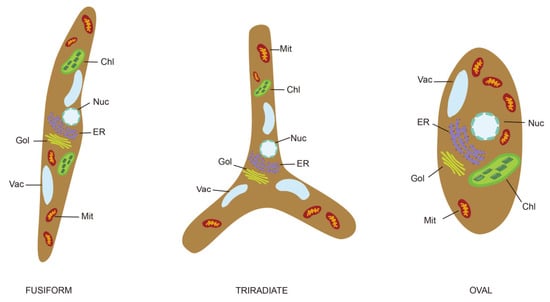
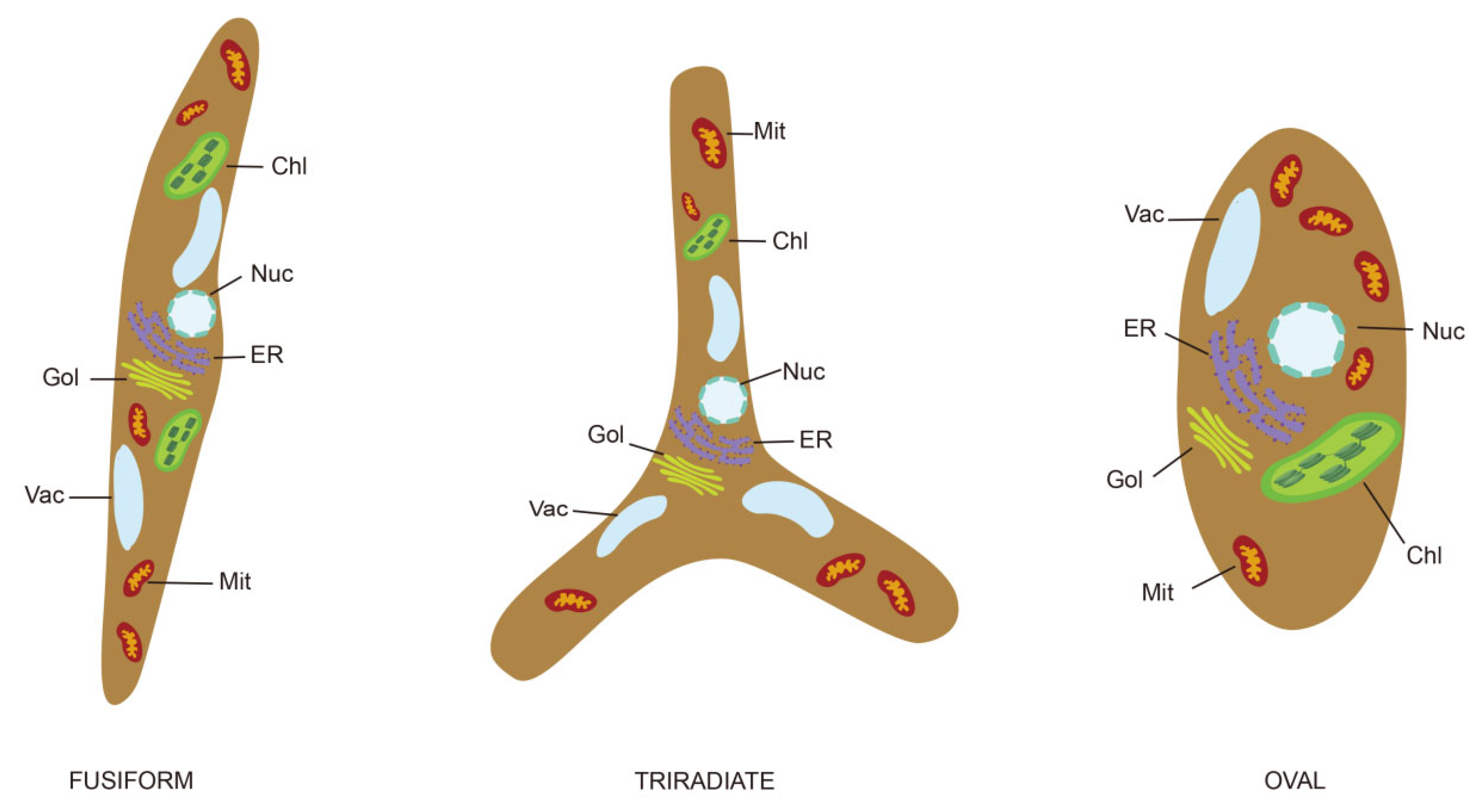
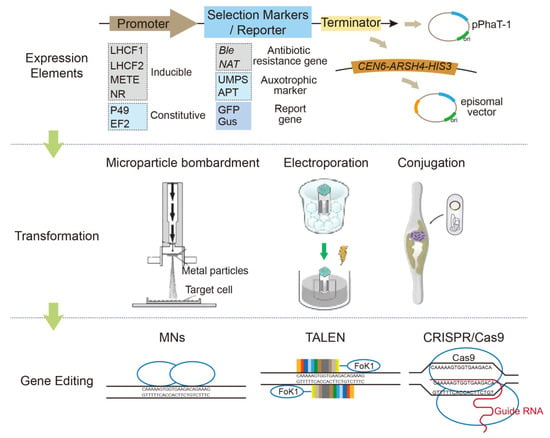
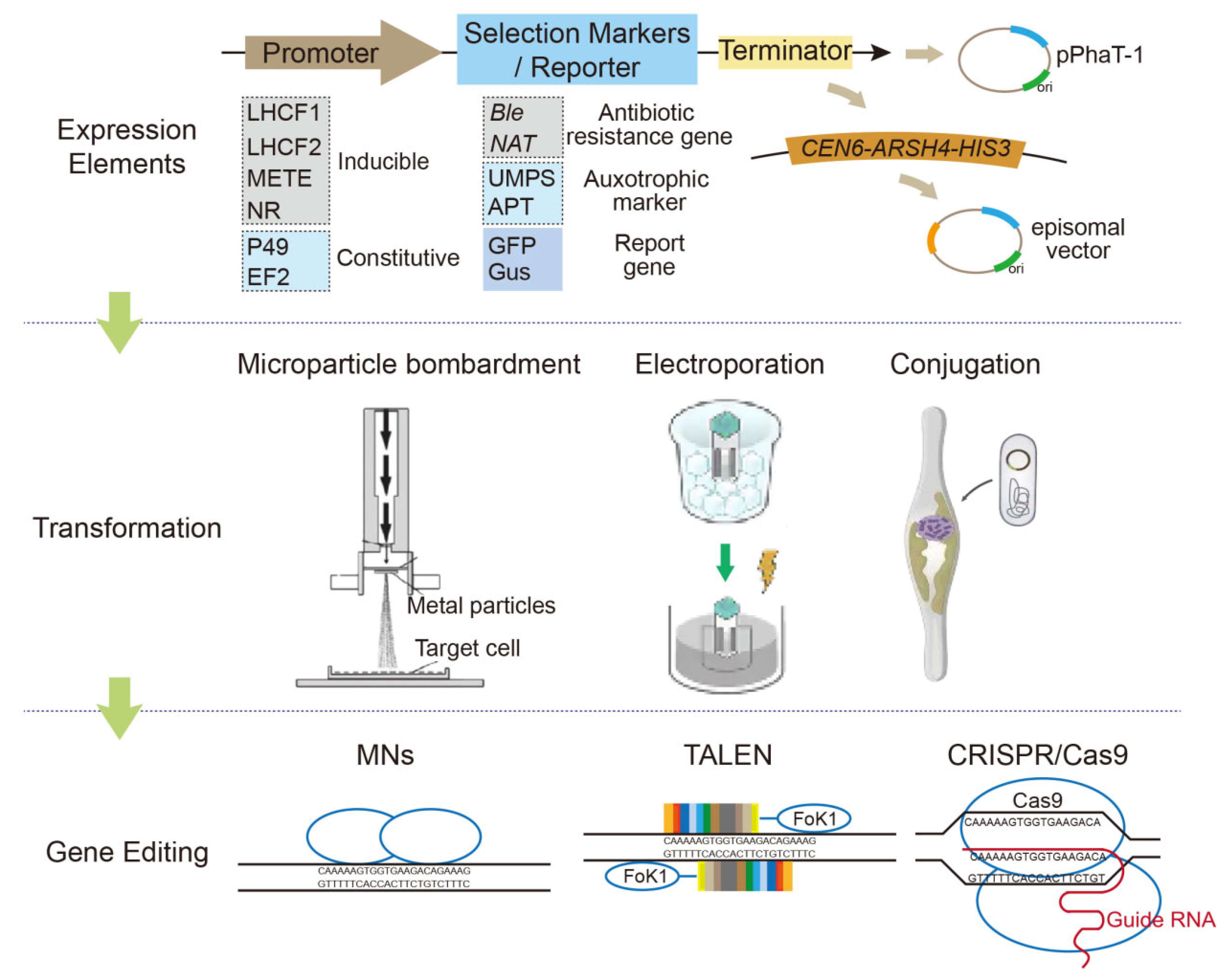
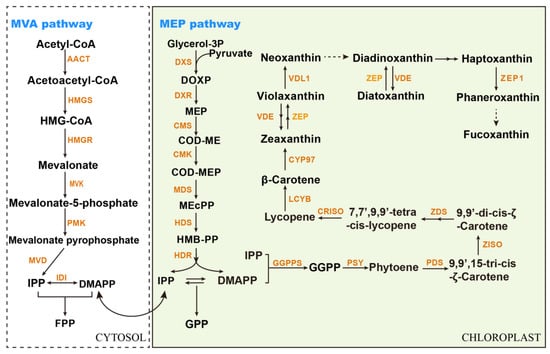
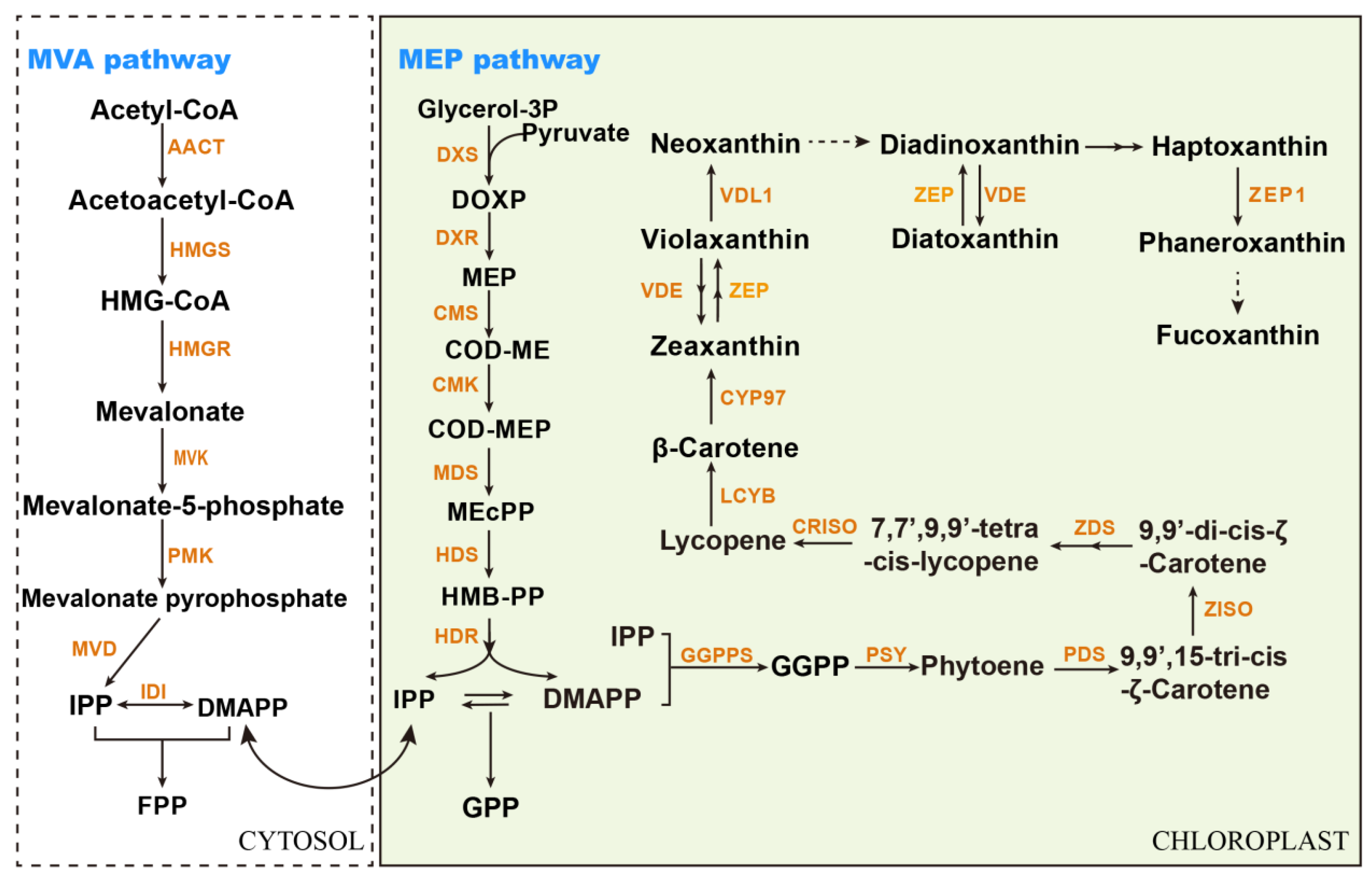
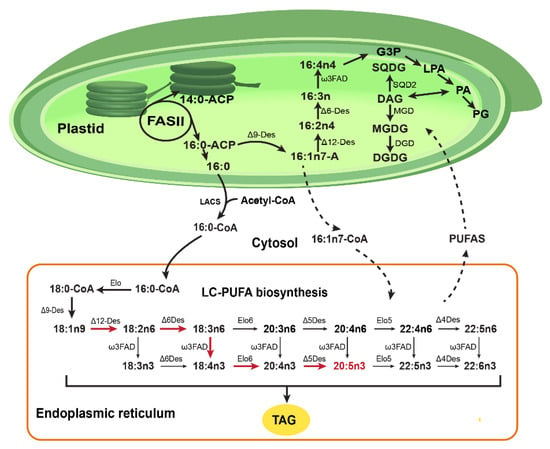
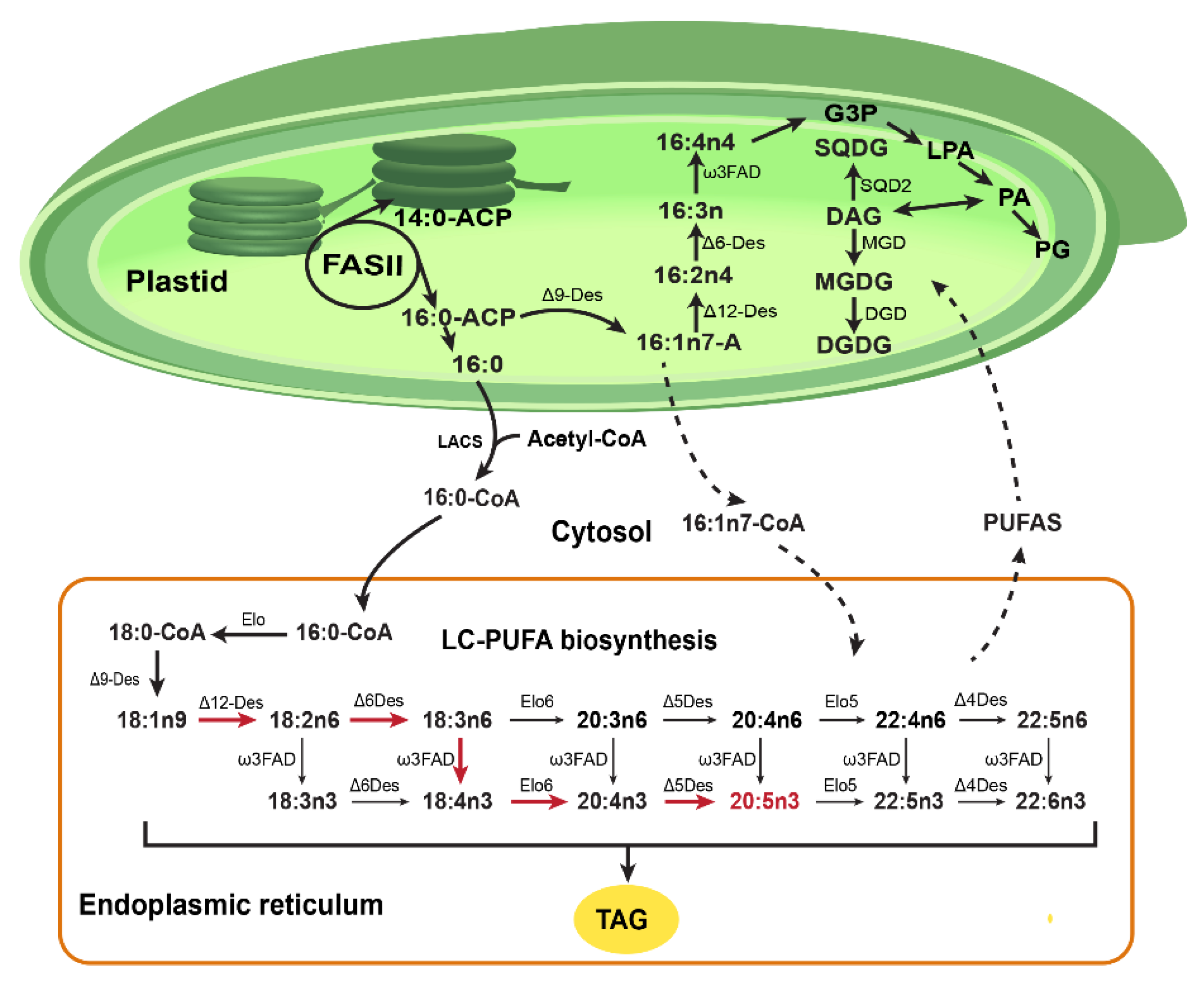

Disclaimer/Publisher’s Note: The statements, opinions and data contained in all publications are solely those of the individual author(s) and contributor(s) and not of MDPI and/or the editor(s). MDPI and/or the editor(s) disclaim responsibility for any injury to people or property resulting from any ideas, methods, instructions or products referred to in the content. |
© 2026 by the authors. Licensee MDPI, Basel, Switzerland. This article is an open access article distributed under the terms and conditions of the Creative Commons Attribution (CC BY) license.