


Abstract
Background and Objectives: Rhinosinusitis contributes to the development of sleep-disordered breathing (SDB) by causing nasal obstruction and airway inflammation; however, the extent to which treatment improves these conditions remains unclear. To address this, this study systematically evaluated the impact of rhinosinusitis-directed therapy on nasal symptoms, endoscopic findings, and sleep-related respiratory parameters. Materials and Methods: Methodologically, this systematic review followed the Preferred Reporting Items for Systematic Reviews and Meta-Analyses (PRISMA) 2020 guidelines. A comprehensive search was conducted across the PubMed, Medline, Web of Science, Science Direct, and Google scholar databases. Specifically, studies reporting pre- and post-treatment outcomes in patients with rhinosinusitis were included. Due to substantial clinical and methodological heterogeneity among the included studies, a quantitative meta-analysis was not performed; instead, findings were synthesized narratively. Results: Ultimately, fifteen studies met the inclusion criteria and demonstrated consistent improvements in sleep-related outcomes following the treatment of rhinosinusitis. Across the surgical and medical interventions, reductions in apnea-hypopnea index (AHI) and improvement in endoscopic findings were frequently reported. For instance, functional endoscopic sinus surgery (FESS) produced notable enhancements in sleep quality, daytime sleepiness, and sinonasal symptom scores in several studies, while biologic therapy and medical management also showed benefit in reducing nasal obstruction, rhinorrhea, and inflammatory markers. Conclusions: The available evidence suggests that rhinosinusitis treatment may be associated with improvements in measures of sleep-disordered breathing (SDB) and mucosal inflammation, although subjective nasal symptom outcomes were more variable across studies. Consequently, targeted sinonasal therapy may play an important role in reducing SDB burden, particularly in patients with inflammatory airway compromise.
1. Introduction
Sleep-disordered breathing (SDB) encompasses a range of disorders characterized by abnormal respiration during sleep, including primary snoring, upper airway resistance syndrome (UARS), and obstructive sleep apnea (OSA) [1]. These conditions represent a significant public health concern due to their widespread prevalence and serious health consequences. OSA, in particular, affects an estimated 9% to 38% of adults globally and is strongly linked to cardiovascular disease, hypertension, insulin resistance, neurocognitive decline, and a diminished quality of life [2,3].
Chronic or otherwise, rhinosinusitis, with or without nasal polyps, is a common inflammatory condition of the paranasal sinuses and nasal mucosa that can profoundly impair nasal airflow [4]. Chronic mucosal inflammation, mucosal thickening, and structural changes, such as turbinate hypertrophy and sinus ostial obstruction, contribute to increased nasal resistance and mouth breathing; these are pathophysiological mechanisms that predispose the patient to or exacerbate SDB [3,4]. In addition to mechanical obstruction, inflammatory mediators and mucosal edema may alter upper-airway collapsibility and neuromuscular control, thus influencing the occurrence and severity of sleep-related breathing disturbances [5].
Emerging evidence suggests that patients with rhinosinusitis frequently report sleep disturbances—insomnia, excessive daytime sleepiness, and non-restorative sleep, even in the absence of confirmed OSA [6,7]. Medical interventions such as endoscopic sinus surgery (ESS), topical corticosteroids, or biologic therapy, which aim to restore nasal function, have been associated with varying degrees of improvement in sleep quality and SDB parameters [6,7,8,9]. However, the strength and consistency of this evidence remain uncertain because studies differ in design, diagnostic criteria, and outcome assessment.
Given the growing recognition of the bidirectional relationship between sinonasal inflammation and sleep physiology, a systematic synthesis of the existing literature is warranted. This systematic review aimed to synthesize evidence regarding both the association between rhinosinusitis and sleep-disordered breathing (SDB) and the impact of rhinosinusitis-directed treatment on sleep-related outcomes. Specifically, we evaluated whether rhinosinusitis severity, phenotype, and treatment modalities influence sleep-study parameters and patient-reported sleep outcomes.
2. Materials and Methods
2.1. Search Strategy
This systematic review was conducted in accordance with the Preferred Reporting Items for Systematic Reviews and Meta-Analyses (PRISMA) 2020 [10] guidelines (Supplementary Material) to ensure methodological rigor, transparency, and reproducibility. The protocol was registered in the International Prospective Register of Systematic Reviews (PROSPERO; registration number CRD 420251178797) [11]. A comprehensive literature search was performed on the PubMed, Medline, Web of Science, Science Direct and Google scholar databases from inception through 31 October 2025. The search strategy combined Medical Subject Headings (MeSH) and free-text terms related to rhinosinusitis and sleep-disordered breathing (SDB). The studies were chosen using the web and mobile applications of Rayyan (Rayyan Systems Inc., Cambridge, MA, USA) [12]. The following key concepts were applied:
(“Rhinosinusitis”[Mesh] OR “Chronic Rhinosinusitis” OR CRS OR CRSwNP OR CRSsNP)
AND
(“Sleep Apnea Syndromes”[Mesh] OR “Obstructive Sleep Apnea” OR OSA OR “Sleep-disordered Breathing”)
AND
(“Treatment Outcome” OR “Endoscopic Sinus Surgery” OR FESS OR biologics OR corticosteroids).
No language or study-design filters were applied a priori to maximize search sensitivity. Titles, abstracts, and full-text articles were screened using the Rayyan web and mobile application (Rayyan Systems Inc., Cambridge, MA, USA) to facilitate blinded, duplicate screening and reduce reviewer bias.
2.2. Eligibility, Data Extraction, and Management
Two reviewers independently screened all records in duplicate based on pre-specified inclusion and exclusion criteria. Eligible full-text studies were retrieved for detailed evaluation. Data were extracted independently using a standardized, piloted form that captured citation details, study design, patient demographics, sample size, intervention type (medical vs. surgical), sleep-related outcomes, and follow-up duration.
Disagreements between reviewers were resolved through discussion or adjudication by a third reviewer.
2.3. Inclusion and Exclusion Criteria
Diagnosis of chronic rhinosinusitis (CRS) in the included studies was generally based on established clinical criteria, most commonly physician-diagnosed CRS supported by nasal endoscopy and/or computed tomography findings, consistent with internationally recognized guidelines. However, minor variability in diagnostic definitions across studies was noted and is acknowledged as a potential source of heterogeneity.
Obstructive sleep apnea (OSA) severity was primarily classified using standard apnea-hypopnea index (AHI) thresholds: mild (5–14.9 events/h), moderate (15–29.9 events/h), and severe (≥30 events/h). Where reported, AHI was measured using in-laboratory polysomnography or validated home sleep testing systems. Differences in sleep assessment modalities across studies were recorded and considered during the interpretation of results.
Studies were eligible for inclusion if they investigated patients of any age diagnosed with rhinosinusitis, encompassing both acute and chronic forms, with or without nasal polyps. Eligible studies evaluated either medical or surgical interventions aimed at treating rhinosinusitis, including but not limited to intranasal corticosteroids, systemic antibiotics, biologic therapies, or functional endoscopic sinus surgery (FESS). Comparisons of interest included pre-treatment versus post-treatment outcomes within the same cohort, as well as comparative analyses between different therapeutic modalities, such as medical versus surgical management.
To be included, studies were required to report at least one sleep-related outcome relevant to sleep-disordered breathing (SDB). Eligible study designs comprised RCTs, cohort studies, case–control studies, cross-sectional studies, and detailed case reports that provided quantifiable or descriptive data linking rhinosinusitis and sleep outcomes. Only human studies published in English and with adequate methodological quality and reporting completeness were considered for inclusion.
Studies were excluded if they focused on sleep disorders unrelated to rhinosinusitis, such as idiopathic obstructive sleep apnea, central sleep apnea, narcolepsy, or other primary sleep pathologies not linked to sinonasal disease. Animal studies, in vitro experiments, and non-human research models were likewise excluded. Systematic reviews, meta-analyses, narrative reviews, editorials, letters to the editor, and conference abstracts without full-text availability were also excluded. Risk-of-bias assessments informed interpretation of the narrative synthesis.
The research question was structured according to the PICO framework.
The population (P) included pediatric and adult patients diagnosed with rhinosinusitis, encompassing acute and chronic forms, with or without nasal polyps.
The interventions (I) comprised medical, surgical, and biologic treatments directed at rhinosinusitis, including intranasal or systemic corticosteroids, antibiotics, biologic agents, functional endoscopic sinus surgery, and other nasal surgical procedures.
Comparators (C) included pre-treatment versus post-treatment assessments within the same cohort, as well as comparisons between different treatment modalities or untreated control groups where available.
The outcomes (O) of interest included sleep-related measures relevant to sleep-disordered breathing, comprising both objective and subjective outcomes. Objective outcomes included physiological and polysomnographic parameters such as the apnea-hypopnea index and other sleep study measures, whereas subjective outcomes included patient-reported measures of sleep quality, daytime sleepiness, and sleep-related quality-of-life scores.
2.4. Statistical Analysis
We used Review Manager (RevMan) 5.4 for preliminary data exploration; however, a meta-analysis was ultimately not conducted due to substantial heterogeneity across study aims, outcomes, and methodologies. Risk of bias was assessed according to study design. Randomized controlled trials were evaluated using the Cochrane Risk of Bias 2 (RoB 2) tool, non-randomized intervention studies using ROBINS-I [13], and observational cohort studies using the Newcastle–Ottawa Scale (NOS). Each tool was selected because it was specifically designed for the methodological characteristics of the corresponding study design. Funnel-plot inspection indicated further inconsistency and potential publication bias. Given these limitations, a narrative synthesis was deemed more appropriate than quantitative pooling.
3. Results
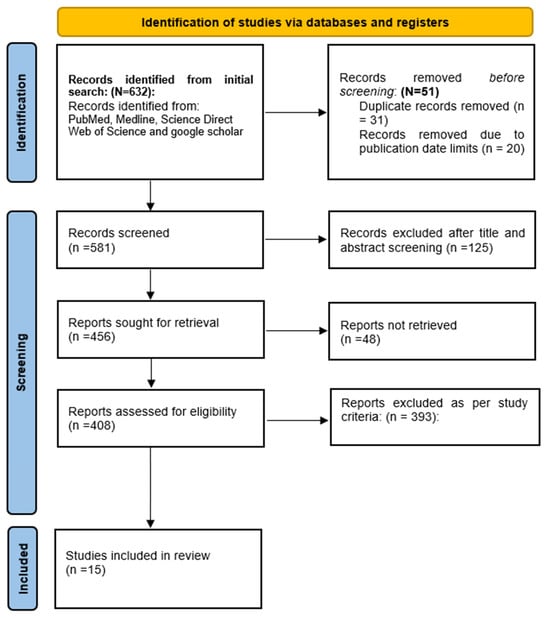
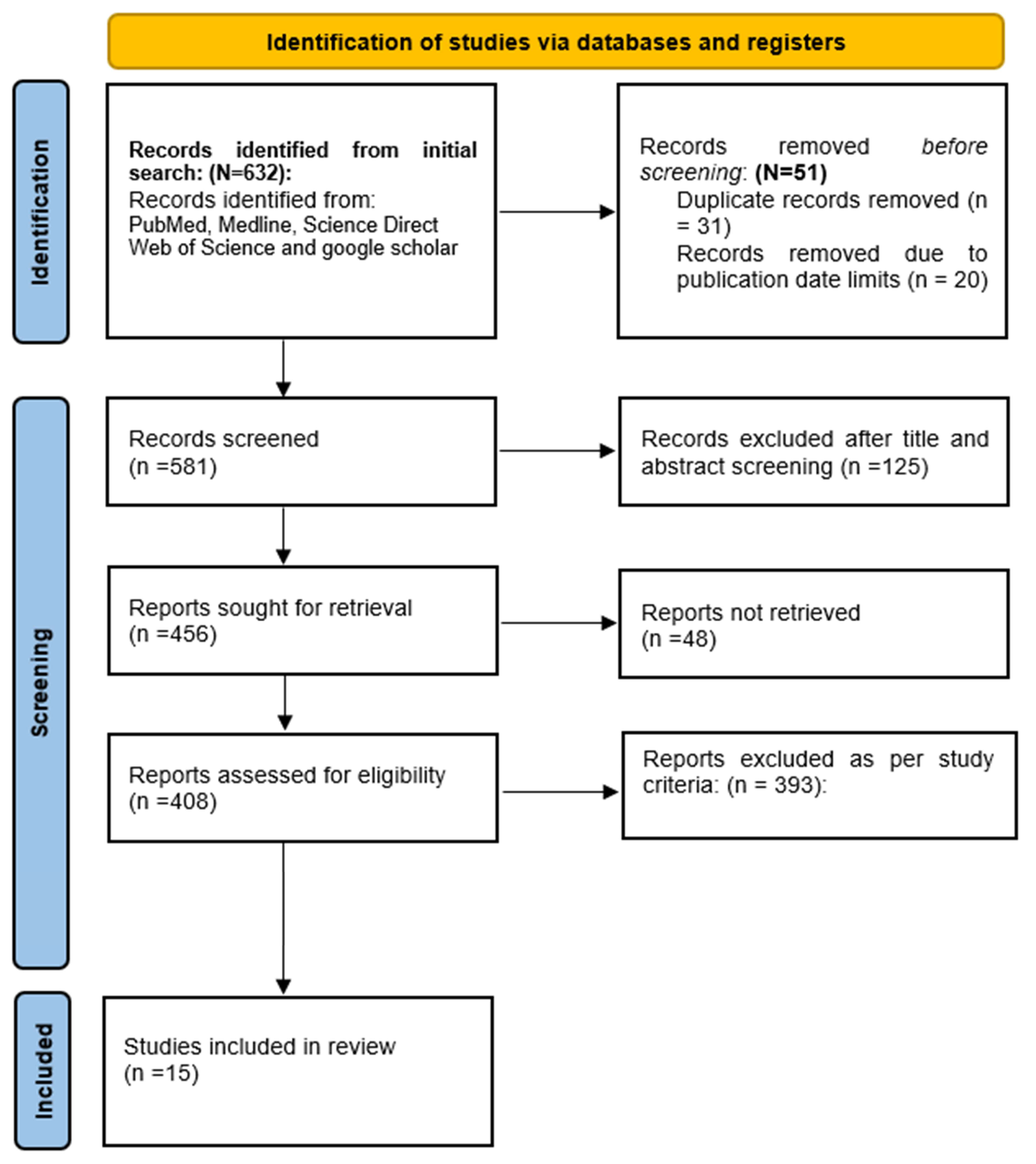
The initial search yielded 632 papers from several databases: PubMed (260), Medline (70), Web of Science (30), Google Scholar (215), and Science Direct (57). Following screening of the studies using the aforementioned eligibility criteria, 15 studies were ultimately found to be eligible for inclusion and analysis, as shown in Figure 1.
Figure 1.
Study selection process according to the PRISMA 2020 guidelines.
3.1. Study Characteristics
A total of 15 studies met the eligibility criteria and were included in this systematic review. These studies comprised a range of designs, including randomized controlled trials, prospective and retrospective cohort studies, and observational analyses. Sample sizes varied considerably, from small surgical cohorts to large database-driven populations. Interventions included medical therapies, endoscopic sinus surgery, septoplasty, and biologic treatment, while several studies also assessed non-intervention cohorts to explore associations between rhinosinusitis and sleep-disordered breathing. Key study characteristics, interventions, and main findings are summarized in Table 1.
Table 1.
Characteristics and key findings of the 15 studies included in the systematic review evaluating rhinosinusitis treatment outcomes on sleep-disordered breathing.
3.2. Risk of Bias Assessment
The ROBINS-I assessment demonstrated variability in the risk of bias across the included non-randomized studies. Four studies were rated as having a serious risk of bias, primarily due to concerns related to confounding and incomplete adjustment for baseline differences. The remaining studies were judged to have a moderate risk of bias, indicating some methodological limitations but acceptable control of key bias domains. Notably, none of the studies achieved a low overall risk of bias, highlighting methodological constraints within the available evidence base (see Table 2).
Table 2.
Risk of bias assessment for non-randomized studies using the ROBINS-I (Risk Of Bias In Non-randomized Studies of Interventions) tool.
According to the Newcastle–Ottawa Scale, the evaluated studies showed different bias risks. Three studies (Hui et al., Kim et al., Laababsi et al.) were assessed as “Moderate Risk”, and one study, Jiang et al., was rated as “Low Risk”. It was determined that one study, Poachanukoon et al., had a “High Risk” of bias (See Table 3).
Table 3.
Newcastle–Ottawa Scale (NOS) risk of bias assessment for observational cohort and cross-sectional studies (n = 5).
3.3. Cochrane Risk of Bias Assessment of the Included RCT
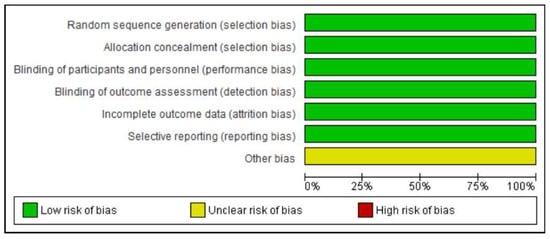
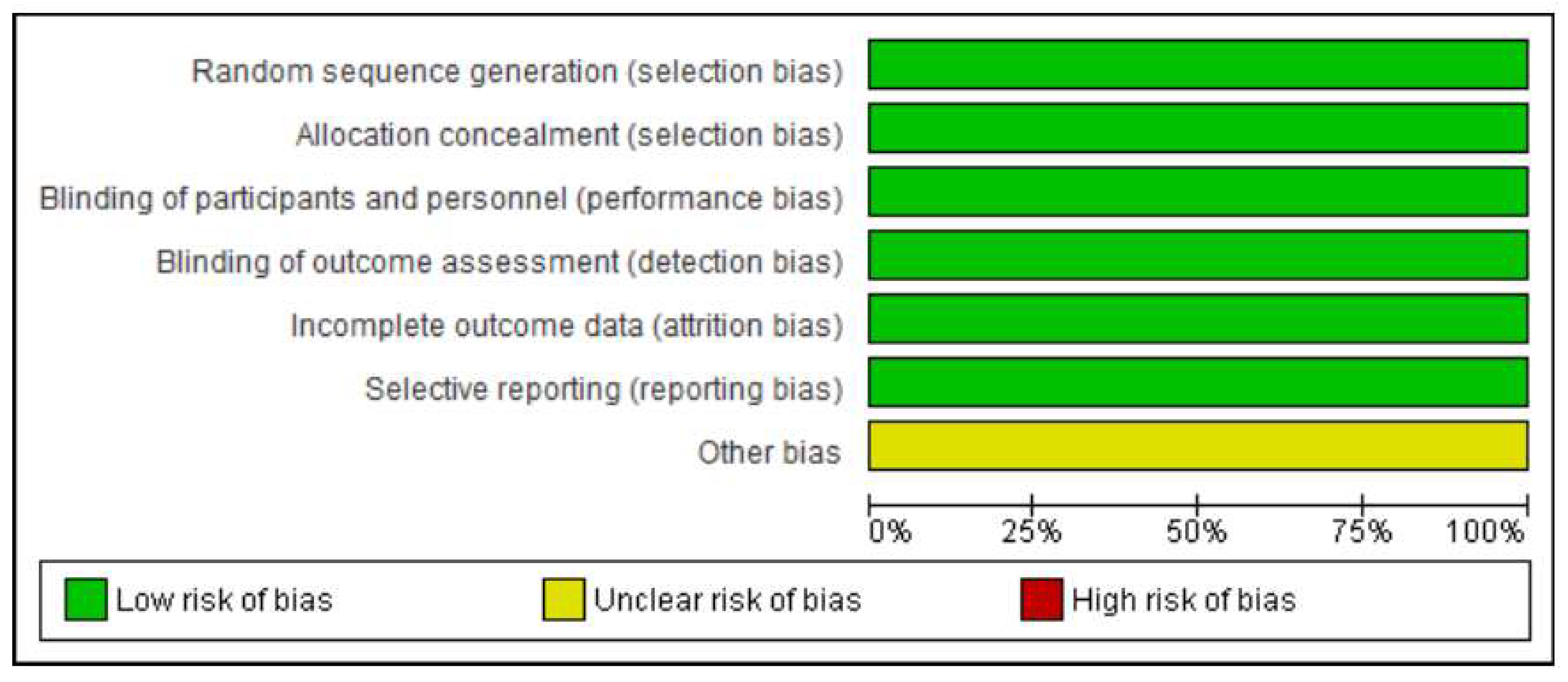
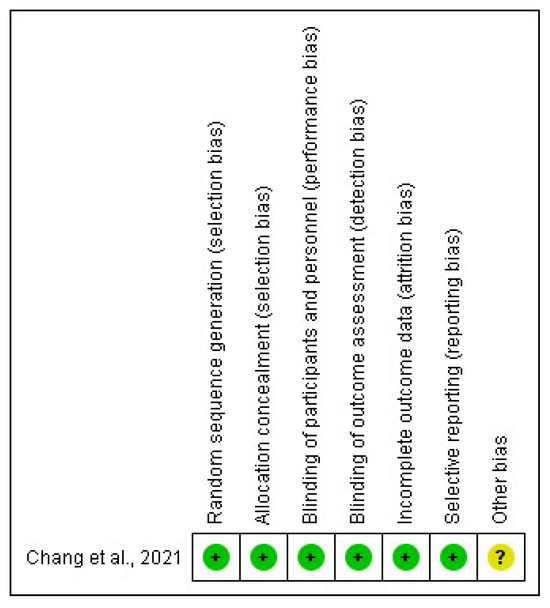
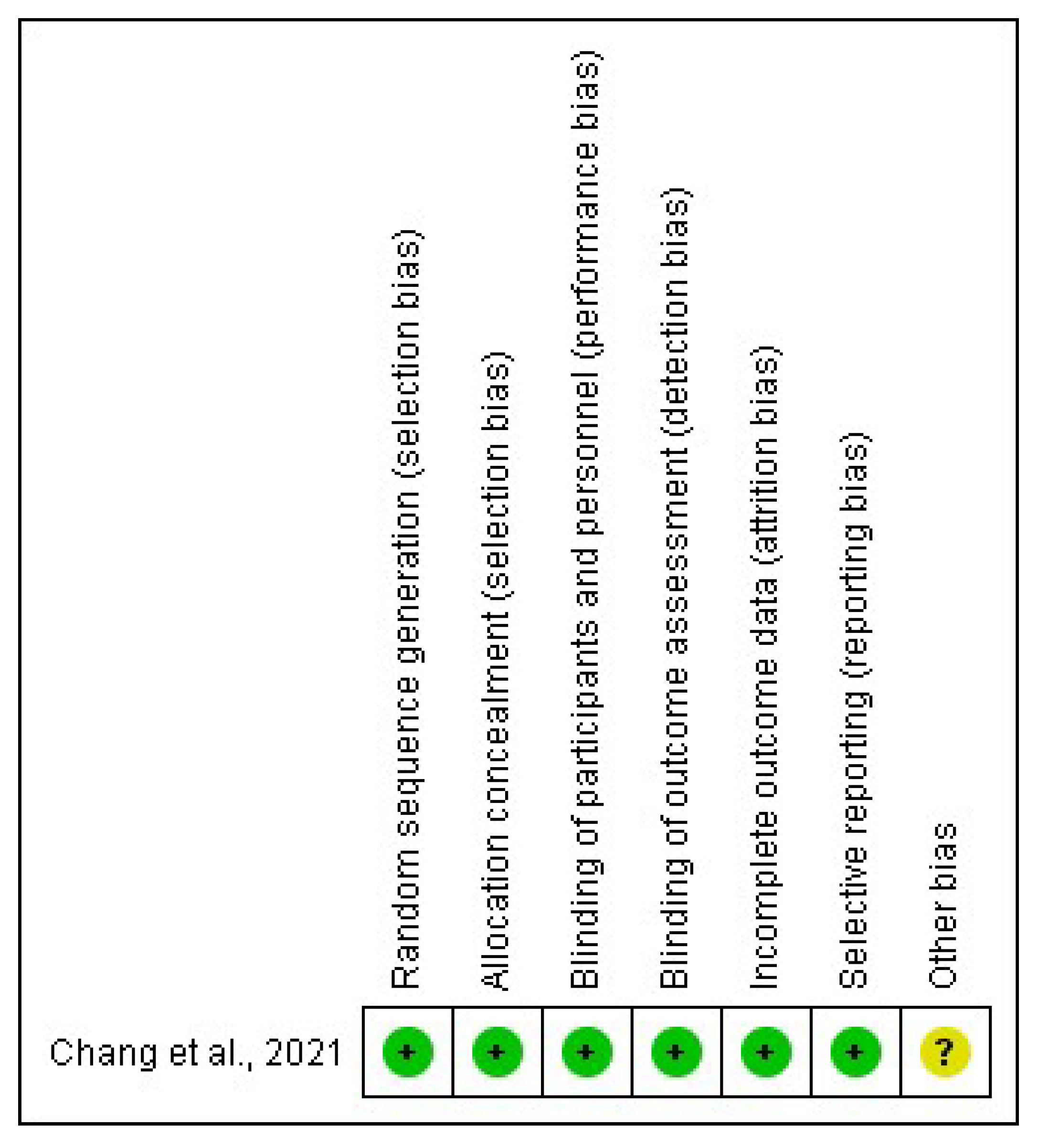
The study shows that the RCT was carefully planned, carried out, and had a minimal risk of bias in all important areas (see Figure 2 and Figure 3).
Figure 2.
Risk of bias graph summarizing the reviewers’ judgments about each risk of bias domain presented as percentages across all included randomized controlled trials.
Figure 3.
Risk of bias summary for the randomized controlled trial by Chang et al. (2021) [25] assessed using the Cochrane Risk of Bias 2.0 tool.
4. Discussion
This systematic review demonstrates that treating rhinosinusitis significantly improves objective parameters of sleep-disordered breathing (SDB) and sinonasal inflammation, although subjective symptom relief remains inconsistent. Across the included studies, interventions consistently improved polysomnographic indices such as the apnea-hypopnea index (AHI) and reduced mucosal disease burden on endoscopic examination. Importantly, objective and subjective sleep outcomes demonstrated different patterns of response. Improvements were more consistently observed in objective polysomnographic measures, whereas patient-reported measures of sleep quality, sinonasal symptoms, and quality of life were more variable across studies.
Several studies highlighted robust postoperative or post-treatment improvements. Uz et al. [14] demonstrated that functional endoscopic sinus surgery (FESS) for chronic rhinosinusitis with nasal polyps (CRSwNP) significantly lowered nasal resistance and improved both the apnea-hypopnea index and total apnea index. These objective improvements were accompanied by decreased Pittsburgh Sleep Quality Index (PSQI) scores, indicating better restorative sleep. Similarly, Värendh et al. [16] observed that FESS significantly improved the Sino-Nasal Outcome Test (SNOT) and Epworth Sleepiness Scale (ESS) scores, resulting in enhanced nasal patency and a reduced risk of OSA. Rotenberg et al. [19] confirmed that post-FESS improvements in sleep quality were independent of perceived nasal obstruction, emphasizing that sleep recovery may result from reduced mucosal inflammation rather than airflow mechanics alone. These findings were further supported by Alt et al. [26], who reported a 2.2-point improvement in PSQI scores and increased odds of achieving good sleep quality post-surgery (OR 5.94; p < 0.001). Together, these surgical studies establish that FESS and related interventions improve both objective and subjective sleep parameters, although the magnitude of benefit differs by baseline disease severity and comorbid OSA.
Evidence from large observational studies also shows the complex interaction between rhinosinusitis and SDB. Garvey et al. [17] found that patients with concurrent CRS and OSA exhibited higher rates of hypertension, diabetes, and asthma, as well as greater use of antibiotics and steroids, compared with those with either condition alone. This suggests that comorbid OSA amplifies CRS disease burden. Tajudeen et al. [22] corroborated these findings, showing that while patients with OSA initially reported poorer quality of life (QOL), both OSA and non-OSA CRS patients experienced comparable postoperative improvement following FESS. Importantly, disease severity and OSA status did not predict postoperative QOL outcomes after adjustment for confounding factors, implying that surgery benefits both groups equally. These data indicate a bidirectional relationship in which SDB worsens inflammatory sinonasal disease, yet its control improves overall symptom burden.
From an immunologic perspective, Kim et al. [15] provided mechanistic insights by showing that eosinophilic chronic rhinosinusitis with nasal polyps (ECRSwNP) is associated with elevated levels of IL-4, IL-6, IL-13, IL-17A, and CCL-24, reflecting activation of type 1, 2, and 3 immune pathways. These cytokine elevations were strongly correlated with moderate-to-severe OSA, whereas non-eosinophilic CRSwNP (NECRSwNP) patients showed no similar association. This reinforces the role of airway inflammation and immune heterogeneity in sleep impairment, suggesting that disease phenotype may determine the extent of sleep improvement following treatment. Complementary findings by Moffa et al. [18] demonstrated that biologic therapy with mepolizumab effectively reduced eosinophil counts, nasal obstruction, and rhinorrhea while improving the SNOT-22 and Nasal Polyp scores. However, olfactory recovery remained limited, consistent with persistent mucosal remodeling in severe CRSwNP.
Several studies further clarified the relationship between CRS and sleep disturbance independent of OSA severity. Jiang et al. [21] found that 64.7% of CRS patients had coexisting OSA, but its severity did not correlate with the extent of sinus inflammation, suggesting independent pathophysiological mechanisms driving sleep disturbance. A subsequent study by Jiang and Liang [23] confirmed that FESS improves sleep-related quality of life across most AHI groups, except in patients with severe OSAS. The only significant predictor of postoperative improvement was a lower preoperative AHI, suggesting that surgical intervention is most effective in mild-to-moderate disease. Similarly, Hui et al. [24] identified racial and phenotypic disparities, noting that African American patients and those with CRS without nasal polyps had nearly double the odds of developing OSA compared to White patients and CRSwNP subtypes. These findings suggest that demographic and inflammatory factors should be integrated into preoperative screening and counseling.
While the inflammation of the nose and sinuses and upper airway obstruction are known to be two mechanisms associated with rhinosinusitis and its association with sleep disordered breathing, recent studies indicate that obstructive sleep apnea is a multifactorial condition where anatomical, inflammatory, neurobiological, and genetic factors all interact. Thus, the benefits obtained from treating rhinosinusitis need to be considered in this broader context [29].
The influence of adjunctive therapies was also evaluated. Chang et al. [25] reported that postoperative oral prednisone provided no additional benefit in patients with CRSsNP undergoing ESS; rather, it was associated with worse psychological domain scores on SNOT-22. This highlights the potential risk–benefit imbalance of systemic corticosteroid uses in postoperative care. Similarly, Poachanukoon et al. [20] demonstrated that both acute and chronic rhinosinusitis responded well to antibiotic therapy alone, with notable symptom resolution and no surgical requirement. These findings underscore that medical management remains effective in milder or allergic subtypes of rhinosinusitis, while surgery should be reserved for refractory or anatomically obstructive disease.
Kim et al. [27] provided further evidence that isolated nasal surgery (septoplasty with turbinate reduction) may improve sleep-related symptoms such as snoring, fatigue, and apnea in patients with structural nasal obstruction, particularly when allergic rhinitis coexists. However, the overall surgical success rate was modest (14.3%), increasing to 50% among patients with moderate-to-severe obstruction, emphasizing the importance of careful patient selection. Finally, Laababsi et al. [28] reported that postoperative QOL improvement after FESS was most pronounced in patients with higher preoperative SNOT-22 scores (>20), while those with milder disease showed limited gains. Psychological and rhinologic symptom domains were the strongest predictors of meaningful clinical improvement, underscoring the necessity of individualized outcome expectations and preoperative evaluation.
4.1. Clinical Implications
The synthesized evidence base appears to support the use of functional endoscopic sinus surgery as the most effective approach for improving objective measures of SDB in patients with rhinosinusitis, especially when the phenotype includes nasal polyps or moderate to severe rhinosinusitis. Biologic therapy with mepolizumumab appears to hold promise for the subgroup of patients with severe eosinophilic CRSwNP, although the effect on polysomnographic parameters needs to be further explored. Nasal surgery alone appears to benefit selected patients with structural disease and allergic rhinitis. In contrast, the use of oral steroids appears to confer no benefit on SDB and may actually cause harm for the subgroup of patients with CRSsNP.
4.2. Strengths and Limitations
This SR has a number of strengths, including the evaluation of all aspects of the disease, including both medical and surgical approaches, and the use of validated tools such as the PSQI, ESS, and SNOT-22, among others. In addition, the use of objective outcomes such as the AHI and endoscopic scores also supports the positive impact of the treatment of sinonasal inflammation on the outcomes of sleep and airway function. Nevertheless, a number of limitations were also identified, including the high degree of clinical and methodological diversity of the studies, which makes it difficult to make comparisons between the studies. Most relied on measures that showed considerable inconsistency, and the overall methodological quality was moderate to serious, with no study achieving a low ROBINS-I risk rating. Acute and chronic rhinosinusitis, CRSwNP and CRSsNP phenotypes, pediatric and adult populations, and diverse interventions—including functional endoscopic sinus surgery, systemic corticosteroids, biologics, and antibiotics—were evaluated across studies. This variability limits direct comparability and precludes definitive pooled conclusions. As such, observed associations should be contextualized within specific disease phenotypes and treatment modalities rather than interpreted as uniform effects across all rhinosinusitis populations. Furthermore, because most published studies did not meet the predefined eligibility criteria, evidence regarding certain clinical interventions—particularly allergen desensitization immunotherapy and other targeted treatments for allergic multimorbidity—could not be included in this review. Consequently, the findings may not fully reflect the potential contribution of these therapies to improving sleep-related outcomes in patients with rhinosinusitis and associated allergic conditions. Hence, it is important to perform higher-quality randomized trials to clarify the effectiveness of integrated treatment approaches for rhinosinusitis-related sleep disturbances. Additionally, a funnel plot was not conducted due to the heterogeneity in outcomes, which would make interpretation of publication bias unreliable.
Although some studies have demonstrated positive outcomes in sleep-related parameters after the treatment of rhinosinusitis, these results should be interpreted with some caution. None of the studies included in this review demonstrated a low risk of bias. Many of the studies included in this review have been associated with confounding effects, selection bias, and subjective outcome measures. Therefore, although the results of this review indicate an association between reduced levels of sinonasal inflammation and sleep parameters, the strength of this association may still be limited. In addition, other limitations of this review include the fact that some of the studies have not consistently reported objective polysomnographic parameters. Furthermore, demographic factors, such as sex and comorbidity, have not been consistently described. In addition, the variation in obstructive sleep apnea-related parameters, which may include the measurement of AHI in the laboratory and at home, may have contributed to the variation in the results of this review. Finally, the broad eligibility criteria introduced substantial clinical and methodological heterogeneity, limiting direct comparisons between studies and precluding quantitative meta-analysis. In addition, a formal GRADE assessment was not performed because the review was based on a qualitative synthesis of highly heterogeneous studies. Therefore, the findings should be interpreted with caution.
5. Conclusions
In conclusion, this systematic review suggests that targeted treatment of rhinosinusitis, particularly endoscopic sinus surgery (ESS) and biologic therapy, may be associated with improvements in objective measures of sleep-disordered breathing, including the apnea-hypopnea index and endoscopic inflammatory scores. These findings highlight the importance of recognizing and managing sinonasal inflammation as a potentially modifiable contributor to sleep-disordered breathing. Future prospective studies and randomized controlled trials are needed to determine the long-term effects of rhinosinusitis treatment on sleep outcomes.
Supplementary Materials
The following supporting information can be downloaded at: https://www.mdpi.com/article/10.3390/medicina62071392/s1, PRISMA 2020 Checklist [10].
Author Contributions
T.M.A.: Conceptualization, Data curation, Formal analysis, Investigation, Methodology, Validation, Writing—original draft, Writing—review & editing. A.K.A.: Data curation, Methodology, Validation, Writing—original draft, Writing—review & editing. L.B.A.: Investigation, Writing—original draft, Conceptualization, Data curation, Writing—original draft, Investigation, Writing—original draft, Writing—review & editing. A.M.A.: Funding acquisition, Project administration, Resources, Writing—original draft, Writing—review & editing. R.A.A., Conceptualization, Formal analysis, Writing—original draft, Writing—review & editing. A.A.A.: Methodology, Visualization, Writing—original draft, Writing—review & editing. K.A.: Project administration, Resources, Writing—original draft, Writing—review & editing. All authors have read and agreed to the published version of the manuscript.
Funding
This research received no external funding.
Institutional Review Board Statement
Not applicable.
Informed Consent Statement
Not applicable.
Data Availability Statement
All data generated or analyzed during this study are included in this published article. Additional datasets or Supplementary Materials related to this systematic review are available from the corresponding author upon reasonable request.
Conflicts of Interest
The authors declare no conflict of interest.
References
- Sankari, A.; Maggard, M.D.; Cascella, M. Upper Airway Resistance Syndrome; StatPearls Publishing: Treasure Island, FL, USA, 2025. Available online: https://www.ncbi.nlm.nih.gov/books/NBK564402/ (accessed on 26 November 2025).
- Senaratna, C.V.; Perret, J.L.; Lodge, C.J.; Lowe, A.J.; Campbell, B.E.; Matheson, M.C.; Hamilton, G.S.; Dharmage, S.C. Prevalence of obstructive sleep apnea in the general population: A systematic review. Sleep Med. Rev. 2017, 34, 70–81. [Google Scholar] [CrossRef] [Scilit] [PubMed]
- Tasali, E.; Pamidi, S.; Covassin, N.; Somers, V.K. Obstructive Sleep Apnea and Cardiometabolic Disease: Obesity, Hypertension, and Diabetes. Circ. Res. 2025, 137, 764–787. [Google Scholar] [CrossRef] [Scilit] [PubMed]
- Young, T.; Finn, L.; Kim, H. Nasal obstruction as a risk factor for sleep-disordered breathing. J. Allergy Clin. Immunol. 1997, 99, S757–S762. [Google Scholar] [CrossRef] [Scilit] [PubMed]
- Lv, R.; Liu, X.; Zhang, Y.; Dong, N.; Wang, X.; He, Y.; Yue, H.; Yin, Q. Pathophysiological mechanisms and therapeutic approaches in obstructive sleep apnea syndrome. Signal Transduct. Target. Ther. 2023, 8, 218. [Google Scholar] [CrossRef] [Scilit] [PubMed]
- Mahdavinia, M.; Schleimer, R.P.; Keshavarzian, A. Sleep disruption in chronic rhinosinusitis. Expert Rev. Anti Infect. Ther. 2017, 15, 457–465. [Google Scholar] [CrossRef] [Scilit] [PubMed]
- Bengtsson, C.; Jonsson, L.; Holmström, M.; Hellgren, J.; Franklin, K.; Gíslason, T.; Holm, M.; Johannessen, A.; Jõgi, R.; Schlünssen, V.; et al. Incident Chronic Rhinosinusitis Is Associated with Impaired Sleep Quality: Results of the RHINE Study. J. Clin. Sleep Med. 2019, 15, 899–905. [Google Scholar] [CrossRef] [Scilit] [PubMed]
- Alharbi, S.F.; Al-Juaid, E.M.; Alghamdi, S.A.; Abdullah, D.A.; Al Hatem, A.A.; Almalki, A.S.; Alasiri, R.N.; Alrabie, S.S.; Wafa, O.T.; Almutairi, L.B.; et al. Efficacy of Topical Corticosteroid Therapy in Chronic Rhinosinusitis Post-endoscopic Sinus Surgery: A Narrative Synthesis of Randomized Controlled Trials. Cureus 2025, 17, e92274. [Google Scholar] [CrossRef] [Scilit] [PubMed] [PubMed Central]
- El Rassi, E.; Mace, J.C.; Steele, T.O.; Alt, J.A.; Smith, T.L. Improvements in sleep-related symptoms after endoscopic sinus surgery in patients with chronic rhinosinusitis. Int. Forum Allergy Rhinol. 2016, 6, 414–422. [Google Scholar] [CrossRef] [Scilit] [PubMed]
- Page, M.J.; McKenzie, J.E.; Bossuyt, P.M.; Boutron, I.; Hoffmann, T.C.; Mulrow, C.D.; Shamseer, L.; Tetzlaff, J.M.; Akl, E.A.; Brennan, S.E.; et al. The PRISMA 2020 statement: An updated guideline for reporting systematic reviews. BMJ 2021, 372, 71. [Google Scholar] [CrossRef] [Scilit] [PubMed]
- Page, M.J.; Shamseer, L.; Tricco, A.C. Registration of systematic reviews in PROSPERO: 30,000 records and counting. Syst. Rev. 2018, 7, 32. [Google Scholar] [CrossRef] [Scilit] [PubMed] [PubMed Central]
- Ouzzani, M.; Hammady, H.; Fedorowicz, Z.; Elmagarmid, A. Rayyan-a web and mobile app for systematic reviews. Syst. Rev. 2016, 5, 210. [Google Scholar] [CrossRef] [Scilit] [PubMed]
- Sterne, J.A.C.; Hernán, M.A.; Reeves, B.C.; Savović, J.; Berkman, N.D.; Viswanathan, M.; Henry, D.; Altman, D.G.; Ansari, M.T.; Boutron, I.; et al. ROBINS-I: A tool for assessing risk of bias in non-randomised studies of interventions. BMJ 2016, 355. Available online: https://www.bmj.com/content/355/bmj.i4919 (accessed on 26 November 2025). [CrossRef] [Scilit] [PubMed]
- Uz, U.; Günhan, K.; Yılmaz, H.; Ünlü, H. The evaluation of pattern and quality of sleep in patients with chronic rhinosinusitis with nasal polyps. Auris Nasus Larynx 2017, 44, 708–712. [Google Scholar] [CrossRef] [Scilit] [PubMed]
- Kim, D.K.; Lee, B.C.; Park, K.J.; Son, G.M. Effect of obstructive sleep apnea on immunity in cases of chronic rhinosinusitis with nasal polyps. Clin. Exp. Otorhinolaryngol. 2021, 14, 390–398. [Google Scholar] [CrossRef] [Scilit] [PubMed]
- Värendh, M.; Johannisson, A.; Hrubos-Strøm, H.; Andersson, M. Sleep quality improves with endoscopic sinus surgery in patients with chronic rhinosinusitis and nasal polyposis. Rhinology 2017, 55, 45–52. [Google Scholar] [CrossRef] [Scilit] [PubMed]
- Garvey, E.; Duffy, A.; Tekumalla, S.; Naimi, B.; Kahn, C.; Yang, A.; Urdang, Z.; Farquhar, D.; Rosen, M.; Nyquist, G.G.; et al. Obstructive sleep apnea and chronic rhinosinusitis: Understanding the impact of OSA on CRS disease burden. Otolaryngol. –Head Neck Surg. 2024, 171, 1879–1886. [Google Scholar] [CrossRef] [Scilit] [PubMed]
- Moffa, A.; Iafrati, F.; Giorgi, L.; Nardelli, D.; Carnuccio, L.; Baptista, P.; Olszewska, E.; Casale, M. Clinical Evidence of the Use of Mepolizumab in the Treatment of Chronic Rhinosinusitis with Nasal Polyps: A Prospective Observational Study. Healthcare 2025, 13, 419. [Google Scholar] [CrossRef] [Scilit] [PubMed]
- Rotenberg, B.W.; Pang, K.P. The impact of sinus surgery on sleep outcomes. Int. Forum Allergy Rhinol. 2015, 5, 329–332. [Google Scholar] [CrossRef] [Scilit] [PubMed]
- Poachanukoon, O.; Nanthapisal, S.; Chaumrattanakul, U. Pediatric acute and chronic rhinosinusitis: Comparison of clinical characteristics and outcome of treatment. Asian Pac. J. Allergy Immunol. 2012, 30, 146. [Google Scholar] [PubMed]
- Jiang, R.S.; Liang, K.L.; Hsin, C.H.; Su, M.C. The impact of chronic rhinosinusitis on sleep-disordered breathing. Rhinology 2016, 54, 75–79. [Google Scholar] [CrossRef] [Scilit] [PubMed]
- Tajudeen, B.A.; Brooks, S.G.; Yan, C.H.; Kuan, E.C.; Schwartz, J.S.; Suh, J.D.; Palmer, J.N.; Adappa, N.D. Quality-of-life improvement after endoscopic sinus surgery in patients with obstructive sleep apnea. Allergy Rhinol. 2017, 8, 25–31. [Google Scholar] [CrossRef] [Scilit]
- Jiang, R.S.; Liang, K.L. The influence of functional endoscopic sinus surgery on sleep related outcomes in patients with chronic rhinosinusitis. Int. J. Otolaryngol. 2019, 2019, 7951045. [Google Scholar] [CrossRef] [Scilit] [PubMed]
- Hui, J.W.; Ong, J.; Herdegen, J.J.; Kim, H.; Codispoti, C.D.; Kalantari, V.; Tobin, M.C.; Schleimer, R.P.; Batra, P.S.; LoSavio, P.S.; et al. Risk of obstructive sleep apnea in African American patients with chronic rhinosinusitis. Ann. Allergy Asthma Immunol. 2017, 118, 685–688. [Google Scholar] [CrossRef] [Scilit] [PubMed]
- Chang, M.T.; Noel, J.; Ayoub, N.F.; Qian, Z.J.; Dholakia, S.; Nayak, J.V.; Patel, Z.M.; Hwang, P.H. Oral corticosteroids following endoscopic sinus surgery for chronic rhinosinusitis without nasal polyposis: A randomized clinical trial. JAMA Otolaryngol. –Head Neck Surg. 2021, 147, 434–441. [Google Scholar] [CrossRef] [Scilit] [PubMed]
- Alt, J.A.; Smith, T.L.; Schlosser, R.J.; Mace, J.C.; Soler, Z.M. Sleep and quality of life improvements after endoscopic sinus surgery in patients with chronic rhinosinusitis. Int. Forum Allergy Rhinol. 2014, 4, 693–701. [Google Scholar] [CrossRef] [Scilit] [PubMed]
- Kim, S.D.; Jung, D.W.; Lee, J.W.; Park, J.H.; Mun, S.J.; Cho, K.S. Relationship between allergic rhinitis and nasal surgery success in patients with obstructive sleep apnea. Am. J. Otolaryngol. 2021, 42, 103079. [Google Scholar] [CrossRef] [Scilit] [PubMed]
- Laababsi, R.; Elkrimi, Z.; Allouane, A.; Rouadi, S.; Abada, R.; Roubal, M.; Mahtar, M. Quality of life outcomes of patients with chronic rhinosinusitis after functional endoscopic sinus surgery, prospective cohort study. Ann. Med. Surg. 2019, 40, 9–13. [Google Scholar] [CrossRef] [Scilit]
- Smardz, J.; Martynowicz, H.; Dratwa-Kuzmin, M.; Wojakowska, A.; Gac, P.; Bogunia-Kubik, K.; Wieckiewicz, M. The importance of dopamine levels and single-nucleotide polymorphism within COMT, DRD1 and DRD2 genes in obstructive sleep apnoea. Ann. Med. 2025, 57, 2548386. [Google Scholar] [CrossRef] [Scilit] [PubMed]

Disclaimer/Publisher’s Note: The statements, opinions and data contained in all publications are solely those of the individual author(s) and contributor(s) and not of MDPI and/or the editor(s). MDPI and/or the editor(s) disclaim responsibility for any injury to people or property resulting from any ideas, methods, instructions or products referred to in the content. |
© 2026 by the authors. Published by MDPI on behalf of the Lithuanian University of Health Sciences. Licensee MDPI, Basel, Switzerland. This article is an open access article distributed under the terms and conditions of the Creative Commons Attribution (CC BY) license.