


Abstract
Background and Objectives: Physician-supervised outpatient intravenous micronutrient therapy (IVMT) is increasingly used, yet procedure-level safety data from real-world practice remain scarce. This study aimed to characterize, at the procedure level, the adverse events occurring during individualized micronutrient and coenzyme infusions and within the subsequent 24 h. Materials and Methods: We conducted a retrospective single-centre cohort study of 155 consecutive adults who underwent 1433 peripheral intravenous infusion procedures between January and October 2025. Adverse events (AEs) occurring during the procedure or within 24 h were classified by category, severity, and timing (post-discharge ascertainment was passive); the 95% confidence interval (CI) of the overall rate accounted for within-patient clustering. Exploratory secondary outcomes were paired pre–post changes in SF-36 (RAND-36) domains and in a 36-analyte laboratory panel. Results: At least one AE was documented in 220 procedures (15.4%; 95% CI 12.4–18.5) and in 99 patients (63.9%). All events were mild (n = 106) or moderate (n = 114); no severe or serious AEs, emergency department referrals, or hospitalizations were documented. Procedural/access-related events were the most frequent category (6.1% of procedures). NAD+ monotherapy showed the highest crude AE frequency (65/76 sessions, 85.5%, mostly moderate; 29.5% of all AEs from 5.3% of procedures), compared with 11.4% for all other formulations combined. Seven of eight SF-36 domains and 24 of 36 laboratory analytes changed significantly after false discovery rate correction. Conclusions: In this cohort, physician-supervised outpatient IVMT was associated with frequent but exclusively mild-to-moderate, mostly intra-procedural AEs, whose documented frequency likely underestimates the true frequency. NAD+ infusions accounted for a disproportionate share; the study does not identify a safe dose or infusion rate, and cautious titration, close observation, and dedicated informed consent appear warranted. The secondary findings are hypothesis-generating and require confirmation in controlled prospective studies.
1. Introduction
Intravenous micronutrient therapy (IVMT) has gained substantial popularity in integrative and outpatient medicine over the past two decades. The approach entails the peripheral intravenous administration of pharmacological doses of water-soluble vitamins, minerals, amino acids, and endogenous coenzymes such as nicotinamide adenine dinucleotide (NAD+) and coenzyme Q10 (CoQ10) [1,2]. The pharmacokinetic rationale is that parenteral delivery bypasses gastrointestinal absorption, first-pass hepatic metabolism, and saturable intestinal transporters, thereby achieving plasma and tissue concentrations unattainable through oral supplementation [3,4,5,6]. The most widely referenced multicomponent protocol remains the Myers’ Cocktail, originally developed for the empirical management of fatigue, migraine, asthma, and fibromyalgia, with preliminary clinical activity reported in small open-label studies and investigated in a placebo-controlled pilot trial [1,7,8].
Beyond multicomponent protocols, several individual intravenous agents have accumulated component-level evidence in specific contexts: high-dose vitamin C has been investigated in oncology [9,10], magnesium has been evaluated for analgesic effects, partly attributed to N-methyl-D-aspartate receptor antagonism [11], and parenteral glutathione and N-acetylcysteine (NAC) have been studied in relation to endothelial function [12,13]. Endogenous coenzymes have attracted growing interest because tissue NAD+ levels decline by an estimated 10–80% with advancing age [14], and oral NAD+ precursors such as nicotinamide riboside and nicotinamide mononucleotide are safe and biochemically active in midlife adults [15]. However, intravenous NAD+ infusion remains poorly characterized in the peer-reviewed literature. A small pilot study described the metabolic fate of intravenously administered NAD+ [16], while a small retrospective real-world tolerability study that included six recipients of intravenous NAD+ reported transient infusion-related symptoms—including gastrointestinal discomfort, increased heart rate, and chest pressure—that frequently required a reduction in infusion rate [17]. Similarly, in a randomized pilot study in healthy adults (available as a preprint), most participants receiving 500 mg of intravenous NAD+ reported transient symptoms during the infusion, including chest tightness, gastrointestinal discomfort, and hot flushes [18], and a recent narrative review concluded that the clinical evidence on intravenous NAD+ remains preliminary and largely derived from small uncontrolled studies [19].
Real-world clinical use has expanded rapidly. A retrospective cross-sectional study of 45 patients receiving 280 supportive infusions in an integrative oncology setting reported high patient satisfaction and predominantly minor, infrequent self-reported side effects; questionnaire-based follow-up data, however, were available for only 20 patients [2], whereas isolated case reports have documented serious infectious complications—including Pseudomonas fluorescens bacteraemia—following a naturopathic intravenous vitamin infusion, for which contamination of the infused preparation was considered the probable source [20]. These contrasting observations underscore that the safety of IVMT is critically dependent on the clinical environment, aseptic technique, formulation quality, and physician oversight under which infusions are delivered.
Despite this expanding body of component-level evidence and growing clinical adoption, a notable gap persists: no large, multicomponent, real-world study has systematically quantified the procedure-level safety profile of physician-supervised outpatient IVMT across a broad range of micronutrient, vitamin, and coenzyme formulations in a consecutive patient cohort [21,22]. Most existing safety data derive from single-agent investigations, small pilot trials, or practitioner surveys that lack granular adverse-event characterization [22,23]. This gap is of practical relevance because intravenous micronutrient services are now widely offered outside hospital settings under heterogeneous oversight: a nationwide analysis of intravenous hydration spas in the United States conducted in 2024 found that, at that time, no state had enacted legislation specifically regulating these facilities and that clinician involvement, prescribing, and compounding oversight varied widely [24]. Clusters of endotoxin-related reactions after intravenous administration of compounded glutathione prepared from dietary supplement-grade ingredients have also prompted regulatory warnings [25]. From a clinical pharmacy and patient-safety perspective, individualized multicomponent parenteral admixtures, which often include compounded preparations, raise specific concerns regarding formulation, compatibility, and administration rate that cannot be inferred from component-level data. Furthermore, the extent to which the biochemical and patient-reported benefits suggested by component-level studies translate into a heterogeneous outpatient population receiving individualized multicomponent protocols remains largely unexplored. Although descriptive by design, consecutive procedure-level cohorts are a key source of information on the frequency and nature of adverse events in routine practice, because randomized trials are rarely designed or sized to characterize harms and observational data can provide valuable information on adverse effects [26,27]. A transparent, denominator-based description of all adverse events documented in a consecutive cohort can therefore inform clinicians, pharmacists, and regulators even in the absence of causal inference on efficacy.
The primary objective of this study was therefore to characterize the intra-procedural and early (within 24 h) safety profile of physician-supervised outpatient intravenous micronutrient and coenzyme infusion therapy at the procedure level in a consecutive cohort of 155 adults who underwent 1433 infusion procedures. Delayed events occurring beyond 24 h were outside the scope of the study. Adverse events were classified by category, severity, and timing. As secondary, exploratory objectives, pre–post changes in the eight domains of the SF-36 health survey and in a 36-analyte paired laboratory panel were examined to provide preliminary descriptive evidence of changes in patient-reported health status and biochemical measures. These secondary outcomes are explicitly framed as hypothesis-generating rather than confirmatory, given the single-arm, uncontrolled design.
2. Materials and Methods
2.1. Study Design and Reporting Framework
This investigation was designed as a retrospective, single-centre, observational cohort study based on routinely collected clinical data from a physician-supervised outpatient intravenous infusion service. The study was conceived primarily as a real-world safety analysis of customized peripheral intravenous drip therapy, with procedure-level safety as the principal analytical focus. Two secondary, exploratory outcome domains were prespecified at the patient level: (a) patient-reported health status, assessed by the SF-36 questionnaire, and (b) objective biochemical changes, assessed by a standardized paired laboratory panel measured before and after the treatment course. The analytic framework was hierarchical by design: the patient was the recruitment unit, whereas the infusion procedure was the primary unit for safety analyses because each patient could contribute multiple repeated procedures.
The study was structured and reported in accordance with the Strengthening the Reporting of Observational Studies in Epidemiology (STROBE) statement for observational cohort studies [28]. No formal interventional allocation occurred, and all therapeutic decisions were made in routine practice before the retrospective extraction of data for research purposes.
2.2. Setting, Study Period, and Source Population
The study was conducted in a specialist ambulatory practice dedicated to physician-supervised intravenous micronutrients, coenzyme, amino-acid, and supportive infusion therapy. The retrospective extraction window extended from 1 January 2025 to 10 October 2025. During this interval, the database contained 155 consecutive adult patients who collectively underwent 1433 peripheral intravenous infusion procedures. Indications for treatment spanned several pre-specified clinical groups: fatigue syndromes; chronic pain conditions; fibromyalgia; chronic arthropathies; sports-performance and recovery support; inflammatory bowel disease and other malabsorption states; and sleep–wake dysregulation associated with occupational stress. Because the study relied on routine care data, no formal sample-size calculation was performed a priori. Instead, all consecutively treated eligible patients and all eligible infusion procedures within the extraction window were included.
2.3. Eligibility Criteria
Patients were eligible if they were adults (≥18 years), had undergone physician-supervised peripheral intravenous infusion therapy in the outpatient setting during the study period, and had sufficient documentation to identify (i) the indication for treatment, (ii) the formulation administered, (iii) core procedural characteristics, and (iv) whether an infusion-related adverse event occurred during treatment or within the subsequent 24 h (ascertained through direct clinical observation during the session, spontaneous patient reporting to the clinic, and the review of interval symptoms and previous tolerability before the subsequent session; no scheduled active follow-up contact was performed). Each patient received a physician-prescribed treatment course whose length varied according to the indication; all 155 patients completed their prescribed course and underwent both baseline (T0) and post-treatment (T1) SF-36 and laboratory assessments, so no patient was excluded for incomplete follow-up. Pregnant or breastfeeding women were excluded a priori from infusion therapy as a matter of clinical policy and therefore do not appear in the source population. Patients receiving non-comparable emergency, inpatient, or hospital-administered intravenous therapies were not eligible. The patient-level source file recorded sex, year of birth, prior history of vasovagal reactions, history of difficult peripheral venous access, major comorbidities, the main indication group, and the more detailed clinical indication motivating treatment.
2.4. Clinical Workflow and Pre-Infusion Assessment
All treatments were delivered under physician supervision in an outpatient environment. Before each infusion, the attending clinician or delegated trained staff reviewed the patient’s current indication, interval symptoms, major comorbidities, previous tolerability, venous access history, and any prior vasovagal susceptibility. Before the first infusion, all patients were specifically asked about a personal or family history of favism or known glucose-6-phosphate dehydrogenase (G6PD) deficiency; laboratory G6PD testing was not routinely performed. The chosen formulation, carrier volume, and intended administration time were tailored to the indication, prior treatment response, and procedural tolerability profile. Peripheral venous access was established by trained personnel using standard aseptic technique. The number of cannulation attempts was recorded for each session. Successful access, completion of the planned infusion, interruption status, and the reason for interruption were documented contemporaneously.
2.5. Infusion Formulations and Administration Procedures
The outpatient service used a structured but clinically individualized formulary composed of physician-selected multicomponent micronutrient infusions and slow single-agent coenzyme infusions. The most common formulation classes were mixed micronutrient infusions, vitamin-based infusions, vitamin C-based infusions, magnesium-based infusions, gut support/malabsorption blends, sport-performance blends, and mind/sleep blends. In addition, two compounds—NAD+ and coenzyme Q10—were intentionally administered as stand-alone, slow-drip monotherapies. For combination infusions, the content of each drip was selected from an internal injectable formulary [29]. The composition of each drip class, listing the components and unit doses actually administered together with the number of procedures per formulation, is provided in Supplementary Table S1.
Across protocols, the injectable components available for physician selection included: B-complex 4 mL (thiamine hydrochloride 100 mg, riboflavin 2 mg, niacinamide 100 mg, calcium D-pantothenate 250 mg, pyridoxine hydrochloride 100 mg); magnesium chloride 1500 mg/4 mL; calcium gluconate 300 mg/3 mL; hydroxocobalamin 1 mg/4 mL; ascorbic acid (vitamin C) 2.5–5 g, capped at 5 g per session; reduced glutathione 600 mg/4 mL; ademetionine (S-adenosyl-L-methionine) 200 mg/5 mL; N-acetylcysteine 600 mg; hypothalamic phospholipids 28 mg/2 mL; L-carnitine 1 g/4 mL; taurine 200 mg/4 mL or 500 mg/10 mL; folic acid 15 mg/4 mL; zinc sulfate 10 mg/10 mL; L-methionine 80 mg/4 mL; L-arginine hydrochloride 400 mg/4 mL; glycine 150 mg/4 mL; L-glutamine 100 mg/4 mL; selenium 100 μg/4 mL; inositol 100 mg/4 mL; biotin 1 mg/4 mL; thiamine 800 mg/4 mL (supplied as a separate vial and administered in addition to the thiamine contained in the B-complex, for a total of 900 mg per session in vitamin-based infusions); L-tryptophan 100 mg/10 mL; and alpha-lipoic acid 600 mg/20 mL. All components were used in their commercially available injectable formulations or in galenic preparations compounded by an authorized pharmacy (Farmacia Ternelli S.r.l., Reggio Emilia, Italy). Galenic preparations were compounded and dispensed by the pharmacy according to the Norme di Buona Preparazione of the Italian Pharmacopoeia [30], under which the pharmacy is responsible for the quality of each preparation—including compliance with the Pharmacopoeia requirements for sterile preparations—and maintains batch documentation ensuring traceability. In line with routine outpatient practice, lot numbers were not linked to individual procedures in the clinical record unless an adverse event required reporting, and batch-level quality-control data (sterility and bacterial endotoxin testing) were not part of the research dataset.
Routine combination infusions were diluted in 250–500 mL and typically infused over 90–150 min. Admixtures were prepared in the clinic immediately before each infusion by trained staff, using aseptic technique in a dedicated clean preparation area: hand hygiene and sterile gloves, disinfection of vial stoppers and bag injection ports with 70% alcohol, single-use sterile syringes and needles, single-dose vials discarded after use, and administration started immediately after preparation [31]. Coenzyme Q10 (100 mg/35 mL) and NAD+ (125 mg, 300 mg, or 500 mg per session, escalated stepwise according to tolerability) were delivered over 150–180 min. NAD+ was diluted in 250 mL and infused over 150, 165, and 180 min for the 125, 300, and 500 mg doses, respectively (nominal rates of approximately 0.8, 1.8, and 2.8 mg/min); all NAD+ courses were scheduled to start at 125 mg, and escalation at subsequent sessions was decided by the treating physician. If intolerance symptoms emerged, the infusion rate could be reduced, temporarily paused, or stopped altogether.
2.6. Database Construction and Data Extraction
A structured relational research dataset was built retrospectively from routine source documentation at three linked analytical levels: patient-level (demographics, comorbidities, indication), procedure-level (one record per infusion: date, components, volume, duration, cannulation attempts, access, completion, adverse events), and adverse-event-level (one record per event: timing, category, severity, outcome). Extraction used a predefined dictionary and field structure to minimize ambiguity.
2.7. Outcome Definitions
Primary outcome. The primary outcome was the occurrence of any infusion-related adverse event at the procedure level, defined as any documented unfavorable event arising during the procedure (vascular access and infusion) or within 24 h. For this procedure-level outcome, each procedure was classified as having versus not having at least one adverse event, so the reported rate denotes the proportion of procedures with at least one documented event; because no procedure was associated with more than one recorded adverse event (concomitant symptoms arising during the same infusion were recorded as a single adverse-event episode under a composite term, for example, headache with flushing, and were classified as mixed/indeterminate when they spanned more than one category), this proportion coincides with the events-per-procedure count (220/1433). Adverse events were classified a priori into four operational categories: procedural/access-related, administration/rate-related, formulation/pharmacologic, and mixed/indeterminate. Serious adverse events were defined per ICH E2A [32]. Severity was graded as mild, moderate, or severe, aligned with CTCAE principles [33]. Timing was categorized as during the procedure (from vascular access to the end of the infusion), within 2 h after the end of the infusion, or more than 2 h and up to 24 h after the infusion. Adverse events were ascertained through direct clinical observation during the session and the immediate post-infusion period, spontaneous patient reporting to the clinic, and the review of interval symptoms before the subsequent session; no scheduled active follow-up contact (for example, a telephone call or a patient diary) was performed. Ascertainment after the in-clinic observation period was therefore passive, and the absence of documented events after discharge cannot be interpreted as evidence that no such events occurred [34].
Secondary outcomes. Two co-equal secondary outcome domains were prespecified at the patient level. The first was patient-reported health-related quality of life, assessed by the SF-36 questionnaire. The second was the paired pre–post change in a standardized panel of 36 laboratory analytes covering micronutrient status, organ safety, inflammatory burden, and metabolic function. Both secondary outcomes were explicitly designated as exploratory rather than confirmatory.
2.8. Patient-Reported Secondary Outcome: SF-36
Health-related quality of life was evaluated using the 36-Item Short Form Health Survey (SF-36), measuring eight domains: Physical Functioning (PF), Role-Physical (RP), Bodily Pain (BP), General Health (GH), Vitality (VT), Social Functioning (SF), Role-Emotional (RE), and Mental Health (MH) [35]. One baseline and one post-treatment assessment were extracted per patient. Domains were scored with the RAND-36 algorithm [36], in which each item is linearly transformed to a 0–100 scale, and each domain score is the unweighted mean of its items. Because the RAND-36 and the original SF-36 scoring algorithms differ for the Bodily Pain and General Health domains, results are reported as RAND-36 domain scores (0–100) and were not converted to norm-based scores.
2.9. Biochemical Secondary Outcome: Paired Laboratory Panel
The second secondary outcome was the paired change in a standardised laboratory panel measured at two timepoints: before the first infusion of the treatment course (T0, baseline) and at the end of the initial treatment course (T1, post-treatment). For each patient, the T1 SF-36 assessment and laboratory panel were obtained approximately one week after that patient’s final infusion of the initial course; because the number of infusions varied between patients, the absolute T0–T1 interval likewise varied across the cohort. All 36 analytes were measured at both T0 and T1 to allow systematic paired comparison. The panel served a dual purpose: documenting baseline organ function and micronutrient status for clinical safety, and quantifying objective biochemical changes that could corroborate or complement the patient-reported SF-36 findings.
All blood samples were collected by antecubital venipuncture under standardised pre-analytical conditions. Samples were drawn in the morning, between 07:30 and 09:30, after an overnight fast of at least 8 h for glucose, lipid, and metabolic analytes, in accordance with current recommendations for clinical laboratory testing [37,38]. Patients were instructed to refrain from vigorous physical activity for 24 h, alcohol for 48 h, and dietary supplements for 12 h before each blood draw. A seated rest period of at least 10 min was observed prior to venipuncture. The order of tube draw followed the Clinical and Laboratory Standards Institute (CLSI) H3-A6 guideline [39]. Samples were processed within 60 min of collection at the institutional reference laboratory affiliated with the clinical center. The same accredited laboratory performed all T0 and T1 assays, ensuring analytical consistency across time points. Samples were analyzed on the same platform of clinical chemistry and immunoassay analyzers throughout the study period, with internal quality-control procedures and external quality-assessment participation as mandated by national accreditation standards.
The panel comprised 36 analytes organised in eight groups: (1) haematology and iron status: complete blood count (CBC) with differential, serum ferritin, serum iron, transferrin, and transferrin saturation; (2) renal function and electrolytes: serum creatinine with estimated glomerular filtration rate (eGFR), blood urea nitrogen (BUN), sodium, potassium, serum calcium, serum magnesium, and fasting glucose; (3) hepatic function: aspartate aminotransferase (AST), alanine aminotransferase (ALT), gamma-glutamyl transferase (GGT), and total bilirubin; (4) inflammatory markers: C-reactive protein (CRP) and erythrocyte sedimentation rate (ESR); (5) vitamin status: serum vitamin B12 (cobalamin), serum folate, and 25-hydroxyvitamin D (25-OH vitamin D); (6) thyroid function: thyroid-stimulating hormone (TSH) and free thyroxine (free T4); (7) lipid profile: total cholesterol, high-density lipoprotein cholesterol (HDL-C), low-density lipoprotein cholesterol (LDL-C, directly measured), and triglycerides; and (8) metabolic markers: glycated haemoglobin (HbA1c), homocysteine, and uric acid. All results were reported with instrument-level precision (integer values for blood count indices, electrolytes, enzymes, and lipids; one or two decimal places for analytes customarily reported with fractional precision). CRP values below the lower limit of detection (0.3 mg/L) were censored and reported as 0.3 mg/L.
2.10. Statistical Analysis
All analyses were prespecified as observational association analyses and not as causal effect estimates. Continuous variables were summarized as mean ± standard deviation with 95% confidence intervals (95% CI); categorical variables as counts and percentages.
Safety analysis. The overall incidence of any adverse event and of each major category were calculated per procedure, with 95% CI accounting for within-patient clustering (nonparametric cluster bootstrap resampling patients, 20,000 replicates), with exact binomial intervals as a sensitivity analysis. Complementary patient-level summaries were also produced.
Secondary outcome analyses—general approach. Both secondary outcomes—the SF-36 domain scores and the laboratory panel—were analysed with the same two-tier strategy. The primary analysis for each consisted of paired-samples t-tests on the whole cohort (pooled analysis), with Benjamini–Hochberg false discovery rate (FDR) correction applied within each outcome domain (across the 8 SF-36 comparisons and across the 36 laboratory comparisons, respectively) to control for multiplicity [40]. For each comparison, the mean difference, standard deviation of the difference, and 95% CI of the mean difference were computed. As a prespecified sensitivity analysis, ANCOVA models were fitted to explore the associations of the observed changes with the corresponding baseline value (baseline SF-36 domain score or baseline analyte concentration), main indication group, comorbidity count, and number of procedures; in this uncontrolled cohort, these models describe associations and do not estimate treatment effects.
SF-36: pooled and ANCOVA analyses. For each of the eight domains, the within-patient change score (T1 minus T0) was tested using a paired t-test. ANCOVA models were then fitted for each domain with the change score as the dependent variable and the corresponding baseline score, main indication group, comorbidity count, and number of procedures as covariates. As a separate, purely exploratory and hypothesis-generating step, the mean overall SF-36 change was also compared between patients exposed versus not exposed to selected infusion components (glutathione-, vitamin C-, or NAD+-containing infusions) and between selected clinical indication subgroups (fatigue, chronic pain, and malabsorption) and their complementary reference groups (overall SF-36 change defined as the unweighted mean of the eight domain change scores, an exploratory summary rather than a validated RAND-36 composite; Welch’s t-test). Differences in overall SF-36 change across indication groups were examined by one-way ANOVA and associations with comorbidity count and number of procedures by Spearman’s rank correlation; these descriptive comparisons were not adjusted for multiplicity.
Laboratory panel: pooled and ANCOVA analyses. Paired t-tests were performed for each of the 36 analytes across the full cohort. For a prespecified subset of seven analytes, ANCOVA models were fitted to assess robustness. These seven analytes were selected a priori according to three criteria: (a) nutrients directly administered in the infusion formulations, for which a post-treatment rise was the primary pharmacological expectation (vitamin B12, folate, and magnesium; Supplementary Table S1); (b) a downstream functional biomarker of a treated metabolic pathway rather than a directly infused substance, namely homocysteine, an intermediate of one-carbon and methionine metabolism whose concentration depends on folate and vitamins B6 and B12; and (c) markers of systemic inflammation and iron storage potentially relevant to the treated conditions, namely C-reactive protein and erythrocyte sedimentation rate, the standard inflammatory indices in chronic pain, fibromyalgia, arthropathy, and inflammatory bowel disease, and ferritin, which reflects both iron stores and the acute-phase response. Because no iron-containing preparation was included in the formulary, ferritin was analysed as an exploratory marker of iron status and inflammation rather than of direct supplementation. The remaining 29 analytes were retained as safety and organ-function parameters for which no directional change was hypothesized; their pre–post patterns were examined descriptively to identify potential safety signals. For each of the seven selected analytes, ANCOVA models were fitted with the post-treatment value as the dependent variable, and the baseline value, main indication group, number of procedures, and comorbidity count as covariates.
No imputation of missing data was planned. As a post hoc sensitivity analysis for skewed or censored analytes, the laboratory comparisons were repeated with Wilcoxon signed-rank tests and the same FDR correction. All tests were two-sided with nominal p < 0.05. Analyses were performed in R (R Foundation for Statistical Computing, Vienna, Austria).
2.11. Ethics and Data Protection
The study was conducted in accordance with the Declaration of Helsinki [41] and was approved by the University of Rome “Tor Vergata” Institutional Ethics Committee (Reference number RS 60/20, date of vote: 24 July 2020). RS 60/20 is an umbrella protocol without a predefined end date, which also covers the present study period (January–October 2025). All patients provided written informed consent prior to initiating infusion therapy, including specific consent for the use of de-identified clinical data for research and publication purposes. Only de-identified data were used in the analyses reported here.
3. Results
3.1. Cohort and Treatment Exposure
During the prespecified study period, 155 consecutive adult outpatients underwent 1433 eligible physician-supervised peripheral intravenous infusion procedures, corresponding to a mean of 9.25 ± 2.14 procedures per patient (median 9, IQR 8–11; range 4–15). The number of infusions was not fixed by protocol and varied across patients according to indication and clinical course. Mean age was 44.9 ± 11.4 years, and 101/155 patients (65.2%) were women. A documented prior history of vasovagal reactions was present in 10 patients (6.5%), while 21 (13.5%) had a history of difficult peripheral venous access. The median comorbidity count was 1 (IQR 1–2). Detailed baseline characteristics, including baseline values for all 36 laboratory analytes, are reported in Table 1.
Table 1.
Socio-demographic, baseline clinical, and laboratory characteristics of the study population (n = 155).
The flow of participants through screening, eligibility assessment, and analysis, together with data completeness for each analytical component, is summarised in Supplementary Figure S1.
3.2. Procedure Characteristics and Safety Outcomes
At the procedure level, the most frequent infusion classes were mixed micronutrient drips (347/1433, 24.2%), vitamin C-based infusions (206/1433, 14.4%), magnesium-based infusions (163/1433, 11.4%), and gut-support/malabsorption blends (160/1433, 11.2%). Mean planned infusion volume was 270.6 ± 68.7 mL and mean recorded infusion duration was 122.7 ± 17.9 min. Peripheral access was obtained at the first attempt in 1105 procedures (77.1%). Overall, 48 procedures (3.3%) were not completed, 30 because of failed venous access and 18 because the infusion was stopped for an adverse event or intolerance (Table 2; Figure 1). The infusion was therefore initiated in 1403 procedures and completed in 1385; in 22 of the 30 procedures with unsuccessful access, the failed attempt was recorded as a procedural/access-related adverse event.
Table 2.
Procedure-level infusion characteristics and safety outcomes across 1433 intravenous infusion procedures in 155 patients.
Figure 1.
Study cohort and treatment exposure. Panel (A) displays summary study metrics for the cohort, including total eligible patients (n = 155), total infusion procedures (n = 1433), cumulative adverse-event count (n = 220, 15.4% of procedures), and the proportion of women (65.2%). Panel (B) shows the distribution of the eight main indication groups at the patient level, ordered by descending frequency; fatigue (n = 35) was the most common indication and fibromyalgia (n = 8) the least common. Panel (C) shows the distribution of the nine drip classes at the procedure level; mixed micronutrient infusions accounted for the largest share (n = 347, 24.2%), while NAD+ monotherapy was the least frequently administered class (n = 76, 5.3%).
A total of 220 procedures were associated with at least one documented infusion-related adverse event, corresponding to an overall procedure-level rate of 15.4% (95% CI 12.4 to 18.5, accounting for within-patient clustering). At least one adverse event occurred in 99/155 patients (63.9%). By category, 88 events (6.1%) were procedural/access-related, 61 (4.3%) administration/rate-related, 49 (3.4%) formulation/pharmacologic, and 22 (1.5%) mixed/indeterminate (Figure 2).
Figure 2.
Safety outcomes by adverse-event category. Panel (A) shows the crude adverse-event rate per 100 procedures for each of the four prespecified categories (horizontal bars): procedural/access-related (88 events, 6.1%), administration/rate-related (61, 4.3%), formulation/pharmacologic (49, 3.4%), and mixed/indeterminate (22, 1.5%). Panel (B) displays the severity composition within each category as stacked horizontal bars (orange = mild, dark red = moderate): procedural/access-related, 63 mild and 25 moderate; administration/rate-related, 43 and 18; formulation/pharmacologic, 0 and 49; mixed/indeterminate, 0 and 22; no severe events were recorded. Panel (C) shows the timing of all 220 adverse events across the 24 h observation window: 183 (83.2%) occurred during the procedure (including 22 failed vascular access attempts), 37 (16.8%) within 2 h of completion, and none documented between 2 and 24 h (passive ascertainment after discharge; see Section 2.7). The lower-right box reports key safety indicators: zero severe events, zero emergency-department referrals or hospitalisations, and 40 events (18.2% of all AEs) associated with a non-completed procedure (22 failed venous access and 18 infusions stopped for an adverse event or intolerance; Table 2, Panel A).
All events were mild or moderate (106 mild, 114 moderate); 178 events resolved without specific treatment and 42 after symptomatic treatment; no severe or serious adverse events, emergency department referrals, or hospitalisations were documented. With respect to timing, 183 events (83.2%) occurred during the procedure, including 22 failed vascular access attempts recorded as procedural events, and 37 (16.8%) within 2 h of completion; no adverse event was documented between 2 and 24 h after infusion. No delayed adverse events were reported by patients at their subsequent sessions; because this period was not covered by active follow-up, these findings indicate an absence of documented, rather than of actual, delayed events. All 12 vasovagal reactions occurred in patients with a known prior vasovagal history. All 49 formulation/pharmacologic events occurred during NAD+ monotherapy (Table 3). Crude adverse-event frequency was highest in NAD+ monotherapy (65/76, 85.5%) and lowest in sport-performance blend (2/151, 1.3%) and vitamin-based (3/140, 2.1%) infusions (Table 3). Among the 1403 procedures in which the infusion was initiated, at least one adverse event was documented in 198 (14.1%). Excluding NAD+ sessions, the adverse-event rate for the remaining formulations was 11.4% (155/1357; exact 95% CI 9.8–13.2). The 76 NAD+ sessions were scheduled for 59 patients, all of whom were scheduled to start at 125 mg (in one patient, the first 125 mg session was not administered because of failed vascular access and the first administered dose was 300 mg); 16 patients subsequently had sessions at 300 mg and 1 at 500 mg. At least one adverse event was documented in 50 of 59 sessions at 125 mg (84.7%), 14 of 16 at 300 mg (87.5%), and the single 500 mg session; events classified as formulation/pharmacologic occurred in 38 (64.4%), 10 (62.5%), and 1 of these sessions, respectively (Table 3). Of the 65 NAD+-associated events, 54 (83.1%) were moderate and all resolved, 53 without specific treatment and 12 after symptomatic treatment.
Table 3.
Crude adverse-event frequency by drip class, mechanistic category, and severity across 1433 intravenous infusion procedures (220 adverse events).
3.3. Secondary Patient-Reported Outcome: Pooled SF-36 Analysis
All 155 patients had evaluable paired SF-36 assessments. Statistically significant pre–post improvements were observed in seven of the eight domains (Table 4; Figure 3A,B).
Table 4.
Health-related quality of life assessed by the 36-Item Short Form Health Survey before and after the initial intravenous treatment course (n = 155).
Figure 3.
Exploratory pre–post changes in SF-36 domains and selected laboratory analytes. Panel (A) is a forest plot showing the mean within-patient post–pre change for each of the eight SF-36 domains scored with the RAND-36 algorithm, with 95% confidence intervals (horizontal lines). Domains are ordered by magnitude of mean change; Vitality showed the largest mean gain (+11.5 points) and Social Functioning the smallest (+2.3). After Benjamini–Hochberg FDR correction, improvements were statistically significant in seven of the eight domains (all q ≤ 0.011), while the change in Role-Emotional was not significant (q = 0.106). Panel (B) is a bar chart showing the exploratory difference in mean overall SF-36 improvement for selected subgroups, each compared with its complementary reference group: clinical indication subgroups (fatigue, chronic pain, and malabsorption), together with treatment-exposure subgroups defined by whether a patient received at least one infusion containing the specified component (glutathione, vitamin C, or NAD+). These comparisons (Welch’s t-test) are post hoc and hypothesis-generating and were not adjusted for multiplicity (after Benjamini–Hochberg correction across the six comparisons, none would remain below 0.05); green bars denote p < 0.05 and grey bars p ≥ 0.05. Panel (C) is a lollipop plot of the percentage change from baseline for 14 selected laboratory analytes (mean change divided by the mean baseline value; the lines connect zero to each estimate and are not confidence intervals); blue markers indicate significance after FDR correction (q < 0.05) and the grey marker indicates non-significance (total cholesterol, −0.3%); vitamin B12 exhibited the largest percentage increase (+39.0%) and CRP the largest percentage decrease (−41.7%). Panel (D) displays unadjusted mean changes, without measures of uncertainty, in vitamin B12 (left, pg/mL) and CRP (right, mg/L) by main indication group, each on its own axis; the malabsorption groups showed the largest vitamin B12 increases and, together with fibromyalgia and chronic pain, the largest CRP reductions (adjusted estimates in Supplementary Table S3). These analyses are exploratory.
The largest mean gains were in Vitality (VT; mean change ± SD, +11.5 ± 8.4; 95% CI 10.1 to 12.8), General Health (GH; +7.9 ± 7.5; 95% CI 6.8 to 9.1), and Mental Health (MH; +6.9 ± 7.5; 95% CI 5.7 to 8.1), followed by Role-Physical (RP; +5.5 ± 20.2; 95% CI 2.3 to 8.7), Physical Functioning (PF; +4.7 ± 7.4; 95% CI 3.6 to 5.9), Bodily Pain (BP; +4.1 ± 7.3; 95% CI 3.0 to 5.3), Role-Emotional (RE; +3.0 ± 22.9; 95% CI −0.6 to 6.6), and Social Functioning (SF; +2.3 ± 11.1; 95% CI 0.6 to 4.1). After Benjamini–Hochberg FDR correction, improvements remained significant in seven of eight domains (all q ≤ 0.011), with the largest mean changes observed in Vitality, General Health, and Mental Health (all q < 0.001); the change in Role-Emotional was not significant (q = 0.106). Covariate-adjusted (ANCOVA) estimates for each domain are reported in Supplementary Table S2 (Section 3.4).
In exploratory subgroup analyses, the mean overall SF-36 change differed modestly by main indication group (one-way ANOVA p = 0.012), with larger gains in chronic pain (+7.42), fatigue (+7.16), and malabsorption/IBD (+6.51) than in sports-performance support (+2.80). Comorbidity burden was not significantly associated with overall improvement (Spearman ρ = +0.15, p = 0.061), whereas a higher number of procedures showed a weak positive correlation (Spearman ρ = +0.31, p < 0.001). These exploratory analyses were not adjusted for multiple comparisons.
3.4. Secondary Patient-Reported Outcome: ANCOVA Sensitivity Analysis
ANCOVA models adjusting for the corresponding baseline domain score, main indication group, comorbidity count, and number of procedures were fitted for each SF-36 domain (Supplementary Table S2). After covariate adjustment, main indication group was nominally associated with change in only one of the eight domains—Vitality (F = 2.33, p = 0.028)—and was not associated with change in the remaining seven domains (all p > 0.18). In the Mental Health model, the fatigue (β = +6.2, p = 0.009) and sleep–wake/work stress (β = +6.9, p = 0.0497) coefficients were nominally significant despite a non-significant joint test. These analyses were exploratory and were not adjusted for multiple comparisons. Comorbidity count was not independently associated with change in any domain. The number of procedures was positively associated with improvement in Physical Functioning (p = 0.010) and Vitality (p = 0.027), an exploratory association that may reflect indication, course duration, or concurrent care. The baseline domain score was significantly associated with change magnitude only for Physical Functioning and General Health; regression to the mean cannot be excluded in this uncontrolled design.
3.5. Secondary Biochemical Outcome: Baseline Characterization
All 155 patients had complete paired laboratory panels (T0 and T1) for all 36 analytes, with no missing values. Baseline biochemistry revealed a population with heterogeneous micronutrient and inflammatory status consistent with clinical indications. Mean baseline hemoglobin was 13.6 ± 1.0 g/dL, mean ferritin was 56.8 ± 23.7 ng/mL, and mean transferrin saturation was 20.1 ± 5.6%; transferrin saturation was below 20% in 70 patients (45.2%). Mean serum magnesium was 1.88 ± 0.12 mg/dL, near the lower limit of the reference range. Mean vitamin B12 was 391 ± 103 pg/mL, folate 8.4 ± 1.8 ng/mL, and 25-OH vitamin D 26.3 ± 5.3 ng/mL, with values below 30 ng/mL in 122 patients (78.7%). Mean baseline CRP was 3.4 ± 2.6 mg/L and ESR 18 ± 9 mm/h, with higher values in chronic arthropathy (CRP 6.9), fibromyalgia (5.4), and IBD/malabsorption (5.5) than in sports-performance patients (1.0). Mean baseline homocysteine was 12.7 ± 2.2 μmol/L. Renal, hepatic, thyroid, and lipid parameters were within normal limits (Table 1, Panel D; Table 5).
Table 5.
Routine laboratory panel: paired pre–post changes across the treatment course (n = 155).
3.6. Secondary Biochemical Outcome: Pooled Pre–Post Changes
At the whole-cohort level, 24 of 36 laboratory analytes showed statistically significant pre–post changes after Benjamini–Hochberg FDR correction (Table 5; Figure 3C,D). The most pronounced mean changes involved micronutrient, iron-status, and inflammatory markers. Serum vitamin B12 increased from 391 ± 103 to 544 ± 109 pg/mL (Δ +153; 95% CI 131 to 174; q < 0.001), folate from 8.4 ± 1.8 to 11.0 ± 2.2 ng/mL (Δ +2.5; 95% CI 2.2 to 2.9; q < 0.001), and magnesium from 1.88 ± 0.12 to 2.07 ± 0.16 mg/dL (Δ +0.19; 95% CI 0.17 to 0.21; q < 0.001). Iron-status markers also changed: ferritin rose from 56.8 to 67.5 ng/mL (Δ +10.7; 95% CI 9.1 to 12.2; q < 0.001) and transferrin saturation from 20.1 to 24.0% (Δ +3.8; 95% CI 3.3 to 4.4; q < 0.001). Inflammatory markers declined: CRP from 3.4 to 2.0 mg/L (Δ −1.4; 95% CI −1.6 to −1.3; q < 0.001), ESR from 18.3 to 13.7 mm/h (Δ −4.6; 95% CI −5.2 to −4.1; q < 0.001). Homocysteine decreased from 12.7 to 10.7 μmol/L (Δ −1.9; 95% CI −2.2 to −1.7; q < 0.001). No statistically significant changes after FDR correction were detected in WBC, neutrophils, lymphocytes, platelets, sodium, potassium, total bilirubin, TSH, free T4, total cholesterol, HDL-C, or LDL-C (all q > 0.05). Statistically significant but numerically small changes were also observed in several organ-function and metabolic parameters (including creatinine, eGFR, transaminases, GGT, fasting glucose, triglycerides, HbA1c, and uric acid), with mean values remaining within reference ranges at both time points (Table 5). In the Wilcoxon signed-rank sensitivity analysis, the same 24 analytes remained significant after FDR correction.
3.7. Secondary Biochemical Outcome: ANCOVA Sensitivity Analysis
For the seven analytes selected a priori (three directly administered nutrients, one downstream metabolic marker, and three inflammatory or iron-storage markers; see Section 2.10), ANCOVA models adjusting for the corresponding baseline value, main indication group, number of procedures, and comorbidity count were fitted (Supplementary Table S3). The baseline value was strongly associated with the post-treatment value for all seven analytes (all p < 0.001). Critically, the main indication group retained a highly significant joint effect for all seven analytes (all F-test p < 0.001) after adjustment for baseline level, indicating that adjusted post-treatment values differed across indication groups. The number of infusions was not independently associated with post-treatment values for any of the seven analytes (all p ≥ 0.29).
Using sport-performance support as the reference group, the largest positive adjusted differences in post-treatment vitamin B12 and folate values were observed in malabsorption/IBD and other malabsorption groups (β = +258 and +216 pg/mL for B12; +4.8 and +4.3 ng/mL for folate; all p < 0.001). The largest magnesium increases were in fibromyalgia (β = +0.29 mg/dL), sleep–wake/stress (+0.24), chronic arthropathy (+0.22), and chronic pain (+0.21; all p < 0.001). The largest CRP and ESR reductions were in malabsorption/IBD (β = −2.2 mg/L and −6.7 mm/h) and fibromyalgia (−1.8 and −6.9). These patterns are consistent with the formulations predominantly administered in each group: malabsorption patients, who predominantly received gut-support blends containing hydroxocobalamin and folic acid, showed the largest B-vitamin changes (because no iron-containing preparation was administered, the concomitant ferritin changes in these groups cannot be attributed to the infusions and may reflect concurrent care or changes in the acute-phase response), whereas pain and musculoskeletal patients, who predominantly received magnesium-based and vitamin C-based infusions, showed the largest magnesium increases and inflammatory-marker reductions.
3.8. Convergence of Secondary Outcomes
The two secondary outcome domains—patient-reported SF-36 scores and objective biochemical changes—showed converging patterns. Indication groups with larger SF-36 gains (including fatigue, chronic pain, and fibromyalgia) also tended to exhibit larger biochemical changes, whereas sports-performance patients, who had the most favorable baseline biochemistry and the smallest laboratory changes, also reported the most modest subjective improvements. The ANCOVA sensitivity analysis for the biochemical panel confirmed that the main indication group was independently associated with the magnitude of change after adjustment for baseline values; for the patient-reported SF-36 domains, this independent association was confined to Vitality, so the convergence should be read as a broad directional pattern rather than a formally replicated phenotype effect. Nevertheless, as these were exploratory analyses in a single-arm observational study without a control group, causal inferences remain limited.
4. Discussion
This retrospective observational study provides, to our knowledge, the first systematic procedure-level characterization of the intra-procedural and 24 h safety of physician-supervised outpatient intravenous micronutrient and coenzyme infusion therapy across a broad formulary in a consecutive cohort of 155 adults undergoing 1433 procedures. The principal finding is that this mode of therapy, when delivered within a structured clinical workflow with physician oversight, was associated with a favorable documented safety profile: although 15.4% of procedures were associated with at least one documented adverse event, all events were mild or moderate in severity, and no severe or serious adverse events, emergency department referrals, or hospitalisations were documented (Figure 2; Table 2, Panel B). These findings must, however, be read in light of the ascertainment strategy: events occurring after the in-clinic observation period were captured only through spontaneous reporting and pre-session review, so the documented rate likely underestimates the true frequency, and the absence of documented serious events does not exclude their occurrence [34]. Although descriptive, these data provide procedure-level denominators that are unavailable from spontaneous reporting systems or practitioner surveys, and therefore represent an appropriate first step in characterizing the harms of a widely used but heterogeneously regulated intervention [24,26,27]. These data extend and contextualize the limited safety evidence previously available from single-agent trials, practitioner surveys, and small pilot studies.
The overall adverse-event rate of 15.4% per procedure merits careful interpretation. This figure is substantially higher than the 1.1% reported in a practitioner survey of 9328 patients receiving high-dose intravenous vitamin C [23], but the comparison is confounded by several factors. First, our study used contemporaneous per-procedure clinical documentation, retrospectively extracted for analysis, with a broad event definition encompassing transient symptoms such as local warmth and mild nausea, whereas survey-based studies rely on retrospective practitioner recall, which likely underestimates minor events. Second, the inclusion of NAD+ monotherapy—which accounted for only 5.3% of procedures but 29.5% of all adverse events (Figure 1C; Table 3)—disproportionately inflated the composite rate. When NAD+ sessions are excluded, the adverse-event rate for the remaining formulations falls to approximately 11.4%. This remains higher than the rate reported by Padayatty et al. [23], underscoring the limited comparability of studies using different formulations, populations, surveillance methods, and adverse-event definitions.
The categorical distribution of adverse events provides potentially useful information for clinical risk management. Procedural and access-related events constituted the largest category (88 events, 6.1% of procedures; Figure 2A), predominantly comprising difficult or failed venous access, local haematoma, IV-site pain, and mild phlebitis. Notably, all 12 documented vasovagal reactions occurred exclusively in patients with a known prior vasovagal history, supporting the utility of pre-procedural screening for vasovagal susceptibility as a means of risk stratification. Administration and rate-related events (61 events, 4.3%) included symptoms such as mild cramps, transient flushing, vasovagal crises, presyncope, a sensation of warmth, and nausea during rapid infusion, and clustered in vitamin C-based (n = 32), magnesium-based (n = 18), and NAD+ (n = 11) infusions; 53 of the 61 events resolved without specific treatment. This pattern is compatible with known rate-related effects of intravenous magnesium and with emerging observations from intravenous NAD+ administration [17,42]. A comparable rate dependence is well documented for intravenous N-acetylcysteine, a component of several vitamin C-based and magnesium-based formulations in our formulary (Supplementary Table S1), whose non-allergic anaphylactoid reactions are related to peak plasma concentrations and are markedly reduced by slower initial infusion rates [43,44]. Formulation and pharmacologic events (49 events, 3.4%) comprised tachycardia (n = 15), headache (n = 13), nausea (n = 11), and transient chest tightness (n = 10), and all occurred during NAD+ monotherapy (Table 3). The absence of documented severe allergic reactions is noteworthy given that anaphylaxis to parenteral thiamine has been historically cited as a safety concern, although its reported incidence is very low [45].
To contextualize these observations, we reviewed the available evidence on the short-term tolerability of the individual agents included in our formulary. For high-dose intravenous ascorbic acid, a survey of complementary and alternative medicine practitioners covering more than 9000 patients reported a low frequency of adverse effects, mainly lethargy or fatigue, changes in mental status, and vein irritation or phlebitis [23], and a phase I trial delivering up to 110 g/m2 at 1 g/min in patients with advanced cancer found the treatment generally well tolerated in patients with normal G6PD activity, although nausea, headache, and electrolyte disturbances were reported [46]. The most important, although rare, serious risks of intravenous vitamin C are acute oxidative haemolysis in patients with G6PD deficiency, reported after high-dose infusions including in an integrative care clinic [47,48], and oxalate nephropathy, reported after both oral and intravenous administration [49,50]; the doses used in our service (2.5–5 g per session) were lower than those used in oncology protocols and in the published haemolysis cases, although these reports do not define a safety threshold. Intravenous magnesium causes dose- and rate-dependent flushing, warmth, and transient hypotension [42], which is consistent with the clustering of administration/rate-related events in magnesium-based and vitamin C-based infusions observed here (Table 3). Parenteral thiamine has a very low incidence of anaphylaxis, with transient local irritation as the most common effect [45]. Intravenous glutathione was well tolerated in a randomized pilot trial in Parkinson’s disease [51], and intravenous alpha-lipoic acid 600 mg daily showed an adverse-event profile comparable to placebo in a randomized trial in diabetic polyneuropathy [52]. Importantly, the safety of compounded preparations depends on ingredient quality as much as on pharmacology: clusters of nausea, vomiting, chills, fever, and hypotension after intravenous glutathione have been linked to excessive endotoxin in powder sourced from dietary supplement-grade material [25], and contamination of compounded sterile products has caused large outbreaks of serious infection [53]. For the multicomponent admixtures used in routine practice, peer-reviewed tolerability data are essentially limited to small open-label or pilot studies of the Myers’ cocktail [7,8] and to a retrospective satisfaction survey in integrative oncology [2], which underlines the value of procedure-level data such as those reported here.
The strikingly elevated adverse-event rate for NAD+ monotherapy (85.5% of 76 sessions) warrants specific comment. NAD+ was administered as a slow-drip monotherapy over 150–180 min, with stepwise dose escalation from 125 mg to 500 mg (125 mg in 59 sessions, 300 mg in 16, and 500 mg in 1). Event frequency was similar at 125 mg (84.7%) and 300 mg (87.5%; Table 3), but dose was confounded with exposure sequence—125 mg was always the first scheduled NAD+ session and higher doses were given only at later sessions—and the higher-dose groups were small, so no dose–response relationship can be inferred. At the starting dose, the nominal rate (approximately 0.8 mg/min) was lower than that of a pharmacokinetic pilot study in healthy volunteers (approximately 2 mg/min; 750 mg over 6 h), in which no infusion-related adverse events were reported [16,19], and than the rates reported in real-world and pilot settings, where 500 mg was infused over a mean of approximately 1.5–3 h [17,18]. Differences in populations, adverse-event definitions, and ascertainment, as well as individual susceptibility and first exposure, may contribute to these discrepancies, but they could not be assessed in our dataset; the present data therefore do not identify a safe starting dose or infusion rate. Despite the high event frequency, all events were mild or moderate and predominantly systemic infusion-related symptoms (tachycardia, headache, nausea, and transient chest tightness), all of which resolved (53 without specific treatment and 12 after symptomatic treatment). This pattern is consistent with a recent small real-world tolerability study in which intravenous NAD+ was associated with transient gastrointestinal symptoms, increased heart rate, and chest pressure requiring slower infusion rates [17], and with a randomized pilot study (preprint) in which most healthy volunteers reported chest tightness, gastrointestinal symptoms, or hot flushes during a 500 mg infusion [18]. The sharp contrast between the adverse-event profile of NAD+ and that of other formulations in the same cohort—where CoQ10 monotherapy, vitamin-based drips, and sport-performance blends all exhibited rates ≤3.5%—underscores that the composite safety of a multicomponent IVMT service is heavily influenced by the specific agents administered (Supplementary Table S1). We emphasize that all comparisons between formulations reported here are crude and unadjusted (Table 3): drip classes were not randomly assigned but selected according to indication, prior tolerability, and clinical judgment; patients contributed different numbers of sessions to different classes, and NAD+ sessions were largely first exposures. Between-class differences may therefore partly reflect confounding by indication, patient characteristics, and exposure history rather than intrinsic differences in formulation toxicity.
Several mechanisms may plausibly contribute to the symptom profile of intravenous NAD+, although none was measured in our cohort. Under physiological conditions, NAD+ is almost exclusively intracellular; increases in extracellular NAD+, typically released during cell damage or inflammation, act as a damage-associated molecular pattern (DAMP) sensed by immune cells [54,55]. Extracellular NAD+ activates the human P2Y11 purinergic receptor in granulocytes [56] and, in murine T cells, drives ADP-ribosyltransferase 2 (ART2)-mediated ADP-ribosylation of the P2 × 7 receptor and NAD-induced cell death [57]; the latter pathway may be less relevant in humans, who lack a functional ART2 enzyme [54]. A second, non-mutually exclusive possibility is ectoenzymatic degradation: CD38 converts NAD+ to ADP-ribose, which CD203a (PC-1) and CD73 hydrolyse to AMP and adenosine [58,59], consistent with the rapid plasma clearance of infused NAD+ [16]. The symptoms observed in our NAD+ sessions—chest tightness, tachycardia, headache, nausea, and flushing—resemble the short-lived side effects of intravenous adenosine reported in pharmacological stress testing [60] and those of intravenous adenosine 5′-triphosphate (ATP), another nucleotide acting as a DAMP through P2 receptors [61,62], whose infusion-related chest discomfort, flushing, and nausea resolved within minutes of reducing the infusion rate in clinical trials [63,64]. NAD+, ATP, and adenosine are, however, pharmacologically distinct, and these analogies indicate biological plausibility rather than a demonstrated mechanism; pooled leukocyte, neutrophil, and lymphocyte counts did not change significantly (Table 5). Measurement of nucleotide metabolites and inflammatory mediators would be informative in future prospective studies.
From a risk-management perspective, and as general precautionary principles rather than a protocol validated by this cohort, services offering intravenous NAD+ should consider: (i) a dedicated informed-consent process disclosing the high probability of transient symptoms during the infusion; (ii) a low starting dose with slow initial rates and symptom-guided titration, recognizing that this study does not identify a safe dose or rate; (iii) close clinical observation with baseline and periodic measurement of heart rate and blood pressure, and electrocardiographic assessment in case of chest discomfort or palpitations; (iv) predefined stopping criteria; and (v) a post-infusion observation period with written instructions on symptoms to report. More broadly, the predominance of procedural/access-related events supports adherence to infusion-therapy standards for vascular access and site surveillance [31], and the occurrence of all vasovagal reactions in patients with a known history supports pre-procedural screening and supine positioning for these patients.
The secondary patient-reported outcomes showed statistically significant pre–post changes in seven of the eight health-related quality-of-life domains after FDR correction (Table 4). The Vitality domain gain of +11.5 points exceeds the 5-point threshold commonly cited as clinically meaningful for SF-36 scales [65], although a meaningful-change threshold has not been established for this heterogeneous population, and the domains with the largest improvements—Vitality, General Health, and Mental Health—are plausible targets for micronutrient repletion given that fatigue, low energy, and mood disturbances are cardinal features of the treated indications (Figure 3A,B). In the ANCOVA sensitivity analysis, the main indication group remained independently associated with SF-36 improvement only in the Vitality domain (Supplementary Table S2); no corresponding association was detected in the other seven domains. The patient-reported findings should therefore be interpreted as exploratory and hypothesis-generating, particularly because the analyses were not designed to distinguish treatment effects from placebo effects, natural variation, concurrent care, or regression to the mean.
The secondary biochemical outcomes show exploratory changes in micronutrient and inflammatory biomarkers (Table 1, Panel D; Figure 3C,D); increased concentrations do not by themselves demonstrate correction of clinically relevant deficiency. The increases in serum vitamin B12 (+39%), folate (+30%), and magnesium (+10%) are pharmacologically expected (Table 5). More informative are the downstream biochemical changes: the reduction in plasma homocysteine (−1.9 μmol/L, −15%) is consistent with enhanced one-carbon metabolism following B-vitamin repletion, a well-established pharmacological relationship [66]. The decline in CRP (−1.4 mg/L, −42%) and ESR (−4.6 mm/h, −25%) does not establish an anti-inflammatory treatment effect, given the uncontrolled design and the short-term kinetics of acute-phase reactants. The ANCOVA sensitivity analyses confirmed that indication group was independently associated with post-treatment values, with the largest vitamin B12 and folate increases in the malabsorption groups and the largest CRP and ESR reductions in malabsorption/IBD, fibromyalgia, and chronic pain (Supplementary Table S3), patterns consistent with the formulations administered.
The convergence between patient-reported and biochemical outcomes is directionally coherent: indication groups with the largest laboratory improvements also tended to report greater SF-36 gains. For the biochemical panel, indication group remained associated with post-treatment values after covariate adjustment, whereas for the SF-36 the independent indication-group effect in ANCOVA was limited to Vitality, so the patient-reported component of this convergence is suggestive rather than confirmatory. Nevertheless, convergence does not establish causality in the absence of a control group.
Several findings align with the existing component-level literature. The anti-inflammatory effect of high-dose intravenous vitamin C has been reported in oncological settings [9,10]. The vascular and antioxidant benefits of glutathione and NAC are supported by mechanistic studies demonstrating enhanced endothelium-dependent vasodilation [12,13]. The correction of glutathione deficiency through cysteine and glycine supplementation restores antioxidant defenses in ageing [6,67]. The potential for NAD+-boosting strategies to improve mitochondrial function and reduce inflammation is supported by clinical trials of oral supplementation [14,15]. Whether such component-level effects are additive when multiple agents are combined in individualized protocols cannot be determined from the present design.
This study has several strengths. The consecutive enrolment of all eligible patients reduces selection bias (Supplementary Figure S1). The granular per-procedure adverse-event documentation, with prespecified categorisation by type, severity, and timing, provides a level of safety characterisation absent from existing surveys and pilot trials. The inclusion of both patient-reported and biochemical secondary outcomes permits triangulation, and covariate-adjusted models describe the associations of baseline values and clinical characteristics with the observed changes. The hierarchical analytic framework is consistent with the STROBE recommendations for observational studies [28].
Several important limitations must be acknowledged. First, the single-arm, retrospective, observational design without a control group precludes causal inference for all secondary outcomes. The observed improvements may reflect natural disease course, regression to the mean, placebo effects, or confounding by concurrent treatments; they should be interpreted as hypothesis-generating. Second, the study was conducted at a single specialist center, limiting generalizability. Third, the relatively short follow-up does not permit assessment of long-term safety or durability of benefits. Fourth, the 24 h ascertainment window captures acute infusion reactions but not delayed events such as late-onset thrombophlebitis or delayed hypersensitivity; interval symptoms were reviewed before each subsequent infusion (median interval between sessions, 18 days; IQR 12–23) and no delayed events were reported, but such events were not systematically solicited, and the study was not designed to assess them. Fifth, the absence of a formal sample-size calculation for secondary outcomes means the study may have been underpowered for smaller biochemical changes. Finally, the heterogeneity of formulations, while reflecting real-world practice, complicates the attribution of effects to specific agents. Additional limitations concern the secondary outcomes and the compounded preparations. Because the post-treatment (T1) laboratory panel was drawn approximately one week after each patient’s final infusion, the acute-phase reactants C-reactive protein and ferritin may be affected by short-term kinetics, and the reductions observed in high-baseline patients are susceptible to regression to the mean; these biochemical signals should accordingly be read as hypothesis-generating. C-reactive protein and erythrocyte sedimentation rate are right-skewed, and C-reactive protein is left-censored at the assay limit of detection, and 26 post-treatment CRP values (versus 1 at baseline) were at the detection limit; although a Wilcoxon signed-rank sensitivity analysis yielded the same conclusions, censored-data methods should be applied in future work. Screening for G6PD deficiency relied on a history of favism or known deficiency, obtained in all patients before treatment, rather than on laboratory enzyme testing. G6PD deficiency has been estimated to affect about 400 million people worldwide [68]; the severe Mediterranean variant is the most frequent among affected individuals in Italy [69], and the condition may be undiagnosed in individuals never exposed to an oxidative trigger. Although the ascorbate doses used here (≤5 g per session) were lower than those in the published haemolysis reports [47,48], this study cannot quantify the risk in individuals with unrecognized G6PD deficiency, and pooled haemoglobin and bilirubin values at the end of the course cannot exclude transient or individual haemolytic events (Table 5). Laboratory G6PD testing should therefore be considered before vitamin C infusions, particularly with higher-dose protocols, as required in clinical trials of high-dose intravenous ascorbate [46]. Likewise, systematic surveillance for oxalate nephropathy [49,50] was not performed, and stable pooled creatinine and estimated glomerular filtration rate values cannot exclude renal events in individual patients. Post-discharge events were captured through routine clinician documentation rather than a structured active follow-up (for example, a scheduled telephone call or a patient diary), so events arising after the observation window may be under-ascertained and the reported rate likely underestimates the true frequency; spontaneous reporting is known to capture only a small fraction of adverse drug reactions [34]. Lastly, batch-level quality-control data for the galenic preparations were not part of the research dataset. Under the national compounding standards, the dispensing pharmacy is responsible for the quality and sterility of each preparation and maintains the batch documentation that ensures traceability [30,70]; consistent with routine outpatient practice, lot numbers were linked to individual procedures only when an adverse event required reporting. Because endotoxin contamination can cause infusion reactions—fever, chills, nausea, and hypotension—that may be clinically indistinguishable from pharmacological or rate-related events [25], a contribution of preparation quality to individual events cannot be formally excluded; however, no cluster of febrile reactions or infectious complications was documented in the present series.
5. Conclusions
In conclusion, physician-supervised outpatient intravenous micronutrient and coenzyme infusion therapy delivered within a structured clinical workflow was associated with predominantly mild-to-moderate documented adverse events and no documented severe or serious complications across 1433 procedures. Because post-infusion events were ascertained passively, the documented rate of 15.4% likely underestimates the true frequency. NAD+ monotherapy was the most important safety signal, with at least one adverse event in 85.5% of sessions—including 84.7% of sessions at the 125 mg starting dose—and nearly one-third of all events despite accounting for 5.3% of procedures. These events were mild-to-moderate and all resolved, but the study does not identify a safe dose or infusion rate; services offering intravenous NAD+ should apply cautious titration, close clinical observation, predefined stopping criteria, and a dedicated informed-consent process. Laboratory G6PD testing should also be considered before high-dose vitamin C protocols, in addition to the history-based screening applied here. The exploratory secondary analyses identified pre–post changes in selected patient-reported and biochemical measures, but the uncontrolled observational design does not permit these changes to be interpreted as evidence of therapeutic efficacy, targeted repletion, or anti-inflammatory action. Prospective studies with standardised follow-up, appropriate comparator groups, predefined formulation-specific hypotheses, and longer observation are required to confirm the safety findings and evaluate clinical effectiveness.
Supplementary Materials
The following supporting information can be downloaded at: https://www.mdpi.com/article/10.3390/medicina62112263/s1, Supplementary Table S1: Composition of the nine drip classes across all 1433 procedures; Supplementary Table S2: Analysis of covariance models for the eight SF-36 domains; Supplementary Table S3: Analysis of covariance models for seven laboratory analytes selected a priori. Supplementary Figure S1. Study flow diagram (STROBE). The diagram summarises the flow of participants from eligibility assessment through enrolment to analysis, together with data completeness at each analytical branch. During the study window, 155 consecutive adults attending the outpatient intravenous micronutrient/coenzyme service were assessed for eligibility and enrolled (retrospective cohort; 65.2% women); no patient was excluded, and all patients completed their physician-prescribed treatment course. Enrolled patients underwent 1433 physician-supervised infusion procedures (mean 9.25 per patient). The cohort was analysed along three parallel branches: the primary safety analysis at the procedure level (1433 procedures analysed; 220 adverse events recorded), the secondary patient-reported outcome (SF-36; 155 patients with paired baseline [T0] and end-of-course [T1] assessments), and the secondary biochemical outcome (36-analyte laboratory panel; 155 patients with paired T0 and T1 panels). No procedures were excluded and no data were missing in any branch, yielding a complete-case dataset in which 100% of procedures and patients were analysed with no loss to follow-up. All patients completed their prescribed course with paired T0 and T1 assessments; no imputation was required.
Author Contributions
Conceptualization, A.M., S.M.-S., I.G. and M.A.; methodology, A.M., S.M.-S. and M.A.; software, A.M. and S.M.; validation, S.M.-S., S.M. and A.V.; formal analysis, A.M., S.M.-S. and S.M.; investigation, A.M., I.G., E.G. and R.X.M.; resources, A.M. and I.G.; data curation, A.M., I.G., E.G. and R.X.M.; writing—original draft preparation, A.M. and S.M.-S.; writing—review and editing, S.M.-S., I.G., M.A., S.M., A.V., E.G. and R.X.M.; visualization, A.M. and S.M.-S.; supervision, M.A. and S.M.-S.; project administration, A.M. and I.G. All authors have read and agreed to the published version of the manuscript.
Funding
This research received no external funding.
Institutional Review Board Statement
The study was conducted in accordance with the Declaration of Helsinki and approved by the University of Rome “Tor Vergata” Institutional Ethics Committee (protocol code RS 60/20, date of approval 24 July 2020; umbrella protocol without a predefined end date).
Informed Consent Statement
Written informed consent was obtained from all patients involved in the study, including consent for the use of de-identified clinical data for research and publication.
Data Availability Statement
The de-identified data supporting the findings of this study are available from the corresponding author upon reasonable request.
Conflicts of Interest
The authors declare no conflicts of interest.
References
- Gaby, A.R. Intravenous nutrient therapy: The “Myers’ cocktail”. Altern. Med. Rev. 2002, 7, 389–403. [Google Scholar] [PubMed]
- Hack, C.C.; Antoniadis, S.; Beckmann, M.W.; Brandl, A.L.; Fasching, P.A.; Hackl, J.; Langemann, H.; Katja, S.; Weber, N.; Theuser, A.K. Supportive infusions in integrative breast and gynecological oncology—Report on patients’ satisfaction and self-reported effects and side effects. Geburtshilfe Frauenheilkd. 2018, 78, 1129–1137. [Google Scholar] [CrossRef] [Scilit] [PubMed]
- Padayatty, S.J.; Sun, H.; Wang, Y.; Riordan, H.D.; Hewitt, S.M.; Katz, A.; Wesley, R.A.; Levine, M. Vitamin C pharmacokinetics: Implications for oral and intravenous use. Ann. Intern. Med. 2004, 140, 533–537. [Google Scholar] [CrossRef] [Scilit] [PubMed]
- Witschi, A.; Reddy, S.; Stofer, B.; Lauterburg, B.H. The systemic availability of oral glutathione. Eur. J. Clin. Pharmacol. 1992, 43, 667–669. [Google Scholar] [CrossRef] [Scilit] [PubMed]
- Allen, J.; Bradley, R.D. Effects of oral glutathione supplementation on systemic oxidative stress biomarkers in human volunteers. J. Altern. Complement. Med. 2011, 17, 827–833. [Google Scholar] [CrossRef] [Scilit] [PubMed]
- Sekhar, R.V.; Patel, S.G.; Guthikonda, A.P.; Reid, M.; Balasubramanyam, A.; Taffet, G.E.; Jahoor, F. Deficient synthesis of glutathione underlies oxidative stress in aging and can be corrected by dietary cysteine and glycine supplementation. Am. J. Clin. Nutr. 2011, 94, 847–853. [Google Scholar] [CrossRef] [Scilit] [PubMed]
- Massey, P.B. Reduction of fibromyalgia symptoms through intravenous nutrient therapy: Results of a pilot clinical trial. Altern. Ther. Health Med. 2007, 13, 32–34. [Google Scholar] [PubMed]
- Ali, A.; Njike, V.Y.; Northrup, V.; Sabina, A.B.; Williams, A.L.; Liberti, L.S.; Perlman, A.I.; Adelson, H.; Katz, D.L. Intravenous micronutrient therapy (Myers’ Cocktail) for fibromyalgia: A placebo-controlled pilot study. J. Altern. Complement. Med. 2009, 15, 247–257. [Google Scholar] [CrossRef] [Scilit] [PubMed]
- Fritz, H.; Flower, G.; Weeks, L.; Cooley, K.; Callachan, M.; McGowan, J.; Skidmore, B.; Kirchner, L.; Seely, D. Intravenous vitamin C and cancer: A systematic review. Integr. Cancer Ther. 2014, 13, 280–300. [Google Scholar] [PubMed]
- Hoffer, L.J.; Robitaille, L.; Zakarian, R.; Melnychuk, D.; Kavan, P.; Agulnik, J.; Cohen, V.; Small, D.; Miller, W.H., Jr. High-dose intravenous vitamin C combined with cytotoxic chemotherapy in patients with advanced cancer: A phase I-II clinical trial. PLoS ONE 2015, 10, e0120228. [Google Scholar] [CrossRef] [Scilit] [PubMed]
- Anand, A. Role of magnesium in alleviating pain: Newer insights. J. Pain Symptom Manag. 2000, 20, 1–2. [Google Scholar]
- Prasad, A.; Andrews, N.P.; Padder, F.A.; Husain, M.; Quyyumi, A.A. Glutathione reverses endothelial dysfunction and improves nitric oxide bioavailability. J. Am. Coll. Cardiol. 1999, 34, 507–514. [Google Scholar] [CrossRef] [Scilit] [PubMed]
- Andrews, N.P.; Prasad, A.; Quyyumi, A.A. N-acetylcysteine improves coronary and peripheral vascular function. J. Am. Coll. Cardiol. 2001, 37, 117–123. [Google Scholar] [CrossRef] [Scilit] [PubMed]
- Freeberg, K.A.; Udovich, C.C.; Martens, C.R.; Seals, D.R.; Craighead, D.H. Dietary supplementation with NAD+-boosting compounds in humans: Current knowledge and future directions. J. Gerontol. A Biol. Sci. Med. Sci. 2023, 78, 2435–2448. [Google Scholar] [CrossRef] [Scilit] [PubMed]
- Martens, C.R.; Denman, B.A.; Mazzo, M.R.; Armstrong, M.L.; Reisdorph, N.; McQueen, M.B.; Chonchol, M.; Seals, D.R. Chronic nicotinamide riboside supplementation is well-tolerated and elevates NAD+ in healthy middle-aged and older adults. Nat. Commun. 2018, 9, 1286. [Google Scholar] [CrossRef] [Scilit] [PubMed]
- Grant, R.; Berg, J.; Mestayer, R.; Braidy, N.; Bennett, J.; Broom, S.; Watson, J. A pilot study investigating changes in the human plasma and urine NAD+ metabolome during a 6 hour intravenous infusion of NAD+. Front. Aging Neurosci. 2019, 11, 257. [Google Scholar] [CrossRef] [Scilit] [PubMed]
- Reyna, K.; Heinzen, G.; Patel, N.; Ritter, M.; Siojo, A.; Legere, H.; Pojednic, R. Intravenous infusion of nicotinamide adenine dinucleotide (NAD+) versus nicotinamide riboside (NR): A retrospective tolerability pilot study in a real-world setting. Front. Aging 2026, 7, 1652582. [Google Scholar] [CrossRef] [Scilit] [PubMed]
- Hawkins, J.; Idoine, R.; Kwon, J.; Shao, A.; Dunne, E.; Hawkins, E.; Dawson, K.; Nkrumah-Elie, Y. Randomized, placebo-controlled, pilot clinical study evaluating acute Niagen®+ IV and NAD+ IV in healthy adults. medRxiv 2024. preprint. [Google Scholar] [CrossRef] [Scilit]
- Alangari, A.; Arif, J.; Al Qureshah, F.; Alkhodairy, F. Narrative review of intravenous NAD+ and NAD+ precursors in wellness and translational medicine. Front. Aging 2026, 7, 1887175. [Google Scholar] [CrossRef] [Scilit] [PubMed]
- D’Souza, G.; Pandian, E.; Hosea, S. A nearly fatal case of Pseudomonas fluorescens bacteremia secondary to a naturopathic intravenous vitamin infusion. J. Investig. Med. High Impact Case Rep. 2021, 9, 23247096211026481. [Google Scholar] [CrossRef] [Scilit] [PubMed]
- Canadian Agency for Drugs and Technologies in Health. Intravenous Multivitamin Therapy Use in Hospital or Outpatient Settings: A Review of Clinical Effectiveness and Guidelines; CADTH Rapid Response Report; CADTH: Ottawa, ON, Canada, 2020.
- Evans, J.A.; Kim, A. Intravenous vitamin injections: Where is the evidence? Drug Ther. Bull. 2023, 61, 151–155. [Google Scholar] [CrossRef] [Scilit] [PubMed]
- Padayatty, S.J.; Sun, A.Y.; Chen, Q.; Espey, M.G.; Drisko, J.; Levine, M. Vitamin C: Intravenous use by complementary and alternative medicine practitioners and adverse effects. PLoS ONE 2010, 5, e11414. [Google Scholar] [CrossRef] [Scilit] [PubMed]
- Sivakumar, A.; Forman, H.; Wang, I.; Lurie, P.; Ross, J.S. State policies and facility practices of IV hydration spas in the US. JAMA Intern. Med. 2025, 185, 1455–1461. [Google Scholar] [CrossRef] [Scilit] [PubMed]
- U.S. Food and Drug Administration. FDA Highlights Concerns with Using Dietary Ingredient Glutathione to Compound Sterile Injectables. 7 June 2019. Available online: https://www.fda.gov/drugs/human-drug-compounding/fda-highlights-concerns-using-dietary-ingredient-glutathione-compound-sterile-injectables (accessed on 31 October 2026).
- Vandenbroucke, J.P. When are observational studies as credible as randomised trials? Lancet 2004, 363, 1728–1731. [Google Scholar] [CrossRef] [Scilit] [PubMed]
- Papanikolaou, P.N.; Christidi, G.D.; Ioannidis, J.P.A. Comparison of evidence on harms of medical interventions in randomized and nonrandomized studies. CMAJ 2006, 174, 635–641. [Google Scholar] [CrossRef] [Scilit] [PubMed]
- von Elm, E.; Altman, D.G.; Egger, M.; Pocock, S.J.; Gøtzsche, P.C.; Vandenbroucke, J.P. The Strengthening the Reporting of Observational Studies in Epidemiology (STROBE) statement: Guidelines for reporting observational studies. PLoS Med. 2007, 4, e296. [Google Scholar] [CrossRef] [Scilit] [PubMed]
- Farmacia Ternelli S.r.l. Iniettabili [Injectable Preparations]. Available online: https://www.laboratorioternelli.com/iniettabili/ (accessed on 12 November 2026).
- Ministero della Salute. Farmacopea Ufficiale della Repubblica Italiana; Norme di Buona Preparazione dei Medicinali in Farmacia, XII ed.; Istituto Poligrafico e Zecca dello Stato: Rome, Italy, 2008.
- Nickel, B.; Gorski, L.; Kleidon, T.; Kyes, A.; DeVries, M.; Keogh, S.; Meyer, B.; Sarver, M.J.; Crickman, R.; Ong, J.; et al. Infusion therapy standards of practice, 9th edition. J. Infus. Nurs. 2024, 47, S1–S285. [Google Scholar] [CrossRef] [Scilit] [PubMed]
- International Conference on Harmonisation (ICH). Clinical Safety Data Management: Definitions and Standards for Expedited Reporting E2A; ICH: Geneva, Switzerland, 1994. [Google Scholar]
- National Cancer Institute. Common Terminology Criteria for Adverse Events (CTCAE), Version 5.0; U.S. Department of Health and Human Services: Bethesda, MD, USA, 2017.
- Hazell, L.; Shakir, S.A.W. Under-reporting of adverse drug reactions: A systematic review. Drug Saf. 2006, 29, 385–396. [Google Scholar] [CrossRef] [Scilit]
- Ware, J.E., Jr.; Sherbourne, C.D. The MOS 36-item short-form health survey (SF-36). I. Conceptual framework and item selection. Med. Care 1992, 30, 473–483. [Google Scholar] [PubMed]
- Hays, R.D.; Sherbourne, C.D.; Mazel, R.M. The RAND 36-Item Health Survey 1.0. Health Econ. 1993, 2, 217–227. [Google Scholar] [CrossRef] [Scilit] [PubMed]
- Simundic, A.-M.; Bölenius, K.; Cadamuro, J.; Church, S.; Cornes, M.P.; van Dongen-Lases, E.C.; Eker, P.; Erdeljanovic, T.; Grankvist, K.; Guimaraes, J.T.; et al. Joint EFLM-COLABIOCLI Recommendation for venous blood sampling. Clin. Chem. Lab. Med. (CCLM) 2018, 56, 2015–2038. [Google Scholar] [CrossRef] [Scilit] [PubMed]
- Lippi, G.; Guidi, G.C.; Mattiuzzi, C.; Plebani, M. Preanalytical variability: The dark side of the moon in laboratory testing. Clin. Chem. Lab. Med. 2006, 44, 358–365. [Google Scholar] [CrossRef] [Scilit] [PubMed]
- CLSI Document H3-A6; Procedures for the Collection of Diagnostic Blood Specimens by Venipuncture; Approved Standard—Sixth Edition. Clinical and Laboratory Standards Institute CLSI: Wayne, PA, USA, 2007.
- Benjamini, Y.; Hochberg, Y. Controlling the false discovery rate: A practical and powerful approach to multiple testing. J. R. Stat. Soc. Ser. B 1995, 57, 289–300. [Google Scholar] [CrossRef] [Scilit]
- World Medical Association. World Medical Association Declaration of Helsinki: Ethical principles for medical research involving human subjects. JAMA 2013, 310, 2191–2194. [Google Scholar] [PubMed]
- Duley, L.; Gülmezoglu, A.M.; Henderson-Smart, D.J.; Chou, D. Magnesium sulphate and other anticonvulsants for women with pre-eclampsia. Cochrane Database Syst. Rev. 2010, 11, CD000025. [Google Scholar] [CrossRef] [Scilit] [PubMed]
- Sandilands, E.A.; Bateman, D.N. Adverse reactions associated with acetylcysteine. Clin. Toxicol. 2009, 47, 81–88. [Google Scholar] [CrossRef] [Scilit] [PubMed]
- Bateman, D.N.; Dear, J.W.; Thanacoody, H.K.R.; Thomas, S.H.; Eddleston, M.; Sandilands, E.A.; Coyle, J.; Cooper, J.G.; Rodriguez, A.; Butcher, I.; et al. Reduction of adverse effects from intravenous acetylcysteine treatment for paracetamol poisoning: A randomised controlled trial. Lancet 2014, 383, 697–704. [Google Scholar] [CrossRef] [Scilit] [PubMed]
- Wrenn, K.D.; Murphy, F.; Slovis, C.M. A toxicity study of parenteral thiamine hydrochloride. Ann. Emerg. Med. 1989, 18, 867–870. [Google Scholar] [CrossRef] [Scilit] [PubMed]
- Stephenson, C.M.; Levin, R.D.; Spector, T.; Lis, C.G. Phase I clinical trial to evaluate the safety, tolerability, and pharmacokinetics of high-dose intravenous ascorbic acid in patients with advanced cancer. Cancer Chemother. Pharmacol. 2013, 72, 139–146. [Google Scholar] [CrossRef] [Scilit] [PubMed]
- Rees, D.C.; Kelsey, H.; Richards, J.D. Acute haemolysis induced by high dose ascorbic acid in glucose-6-phosphate dehydrogenase deficiency. BMJ 1993, 306, 841–842. [Google Scholar] [CrossRef] [Scilit] [PubMed]
- Rees, M.J.; Strach, M.C.; Burbury, K.; Phillips, K.-A. Massive oxidative haemolysis and renal failure caused by high dose vitamin C. Med. J. Aust. 2018, 209, 248–249. [Google Scholar] [CrossRef] [Scilit] [PubMed]
- Lamarche, J.; Nair, R.; Peguero, A.; Courville, C. Vitamin C-induced oxalate nephropathy. Int. J. Nephrol. 2011, 2011, 146927. [Google Scholar] [CrossRef] [Scilit] [PubMed]
- Cossey, L.N.; Rahim, F.; Larsen, C.P. Oxalate nephropathy and intravenous vitamin C. Am. J. Kidney Dis. 2013, 61, 1032–1035. [Google Scholar] [CrossRef] [Scilit] [PubMed]
- Hauser, R.A.; Lyons, K.E.; McClain, T.; Carter, S.; Perlmutter, D. Randomized, double-blind, pilot evaluation of intravenous glutathione in Parkinson’s disease. Mov. Disord. 2009, 24, 979–983. [Google Scholar] [CrossRef] [Scilit] [PubMed]
- Ametov, A.S.; Barinov, A.; Dyck, P.J.; Hermann, R.; Kozlova, N.; Litchy, W.J.; Low, P.A.; Nehrdich, D.; Novosadova, M.; O’Brien, P.C. The sensory symptoms of diabetic polyneuropathy are improved with alpha-lipoic acid: The SYDNEY trial. Diabetes Care 2003, 26, 770–776. [Google Scholar] [PubMed]
- Smith, R.M.; Schaefer, M.K.; Kainer, M.A.; Wise, M.; Finks, J.; Duwve, J.; Fontaine, E.; Chu, A.; Carothers, B.; Reilly, A.; et al. Fungal Infections Associated with Contaminated Methylprednisolone Injections. N. Engl. J. Med. 2013, 369, 1598–1609. [Google Scholar] [CrossRef] [Scilit] [PubMed]
- Haag, F.; Adriouch, S.; Braß, A.; Jung, C.; Möller, S.; Scheuplein, F.; Bannas, P.; Seman, M.; Koch-Nolte, F. Extracellular NAD and ATP: Partners in immune cell modulation. Purinergic Signal. 2007, 3, 71–81. [Google Scholar] [CrossRef] [Scilit] [PubMed]
- Adriouch, S.; Haag, F.; Boyer, O.; Seman, M.; Koch-Nolte, F. Extracellular NAD+: A danger signal hindering regulatory T cells. Microbes Infect. 2012, 14, 1284–1292. [Google Scholar] [CrossRef] [Scilit] [PubMed]
- Moreschi, I.; Bruzzone, S.; Nicholas, R.A.; Fruscione, F.; Sturla, L.; Benvenuto, F.; Usai, C.; Meis, S.; Kassack, M.U.; Zocchi, E.; et al. Extracellular NAD+ is an agonist of the human P2Y11 purinergic receptor in human granulocytes. J. Biol. Chem. 2006, 281, 31419–31429. [Google Scholar] [CrossRef] [Scilit]
- Seman, M.; Adriouch, S.; Scheuplein, F.; Krebs, C.; Freese, D.; Glowacki, G.; Deterre, P.; Haag, F.; Koch-Nolte, F. NAD-induced T cell death: ADP-ribosylation of cell surface proteins by ART2 activates the cytolytic P2X7 purinoceptor. Immunity 2003, 19, 571–582. [Google Scholar] [PubMed]
- Horenstein, A.L.; Chillemi, A.; Zaccarello, G.; Bruzzone, S.; Quarona, V.; Zito, A.; Serra, S.; Malavasi, F. A CD38/CD203a/CD73 ectoenzymatic pathway independent of CD39 drives a novel adenosinergic loop in human T lymphocytes. OncoImmunology 2013, 2, e26246. [Google Scholar] [CrossRef] [Scilit] [PubMed]
- Covarrubias, A.J.; Perrone, R.; Grozio, A.; Verdin, E. NAD+ metabolism and its roles in cellular processes during ageing. Nat. Rev. Mol. Cell Biol. 2021, 22, 119–141. [Google Scholar] [CrossRef] [Scilit] [PubMed]
- Cerqueira, M.D.; Verani, M.S.; Schwaiger, M.; Heo, J.; Iskandrian, A.S. Safety profile of adenosine stress perfusion imaging: Results from the Adenoscan Multicenter Trial Registry. J. Am. Coll. Cardiol. 1994, 23, 384–389. [Google Scholar] [CrossRef] [Scilit] [PubMed]
- Idzko, M.; Ferrari, D.; Eltzschig, H.K. Nucleotide signalling during inflammation. Nature 2014, 509, 310–317. [Google Scholar] [CrossRef] [Scilit] [PubMed]
- Di Virgilio, F.; Dal Ben, D.; Sarti, A.C.; Giuliani, A.L.; Falzoni, S. The P2X7 receptor in infection and inflammation. Immunity 2017, 47, 15–31. [Google Scholar] [CrossRef] [Scilit] [PubMed]
- Agteresch, H.J.; Dagnelie, P.C.; van den Berg, J.W.O.; Wilson, J.H.P. Adenosine triphosphate: Established and potential clinical applications. Drugs 1999, 58, 211–232. [Google Scholar] [PubMed]
- Agteresch, H.J.; Dagnelie, P.C.; van der Gaast, A.; Stijnen, T.; Wilson, J.H.P. Randomized clinical trial of adenosine 5′-triphosphate in patients with advanced non-small-cell lung cancer. J. Natl. Cancer Inst. 2000, 92, 321–328. [Google Scholar] [CrossRef] [Scilit] [PubMed]
- Hays, R.D.; Morales, L.S. The RAND-36 measure of health-related quality of life. Ann. Med. 2001, 33, 350–357. [Google Scholar] [CrossRef] [Scilit] [PubMed]
- Homocysteine Lowering Trialists’ Collaboration. Lowering blood homocysteine with folic acid based supplements: Meta-analysis of randomised trials. BMJ 1998, 316, 894–898. [Google Scholar] [CrossRef] [Scilit]
- Matuz-Mares, D.; Riveros-Rosas, H.; Vilchis-Landeros, M.M.; Vázquez-Meza, H. Glutathione participation in the prevention of cardiovascular diseases. Antioxidants 2021, 10, 1220. [Google Scholar] [CrossRef] [Scilit] [PubMed]
- Cappellini, M.D.; Fiorelli, G. Glucose-6-phosphate dehydrogenase deficiency. Lancet 2008, 371, 64–74. [Google Scholar] [CrossRef] [Scilit] [PubMed]
- Martinez di Montemuros, F.; Dotti, C.; Tavazzi, D.; Fiorelli, G.; Cappellini, M.D. Molecular heterogeneity of glucose-6-phosphate dehydrogenase (G6PD) variants in Italy. Haematologica 1997, 82, 440–445. [Google Scholar] [PubMed]
- Council of Europe, Committee of Ministers. Resolution CM/Res(2016)1 on Quality and Safety Assurance Requirements for Medicinal Products Prepared in Pharmacies for the Special Needs of Patients; Council of Europe: Strasbourg, France, 2016. [Google Scholar]
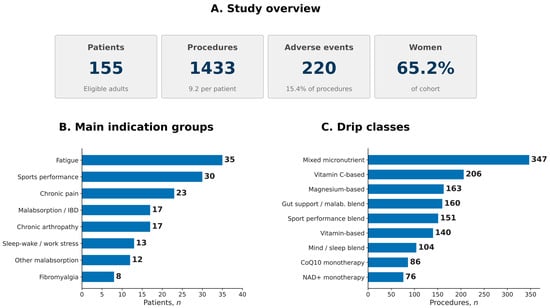
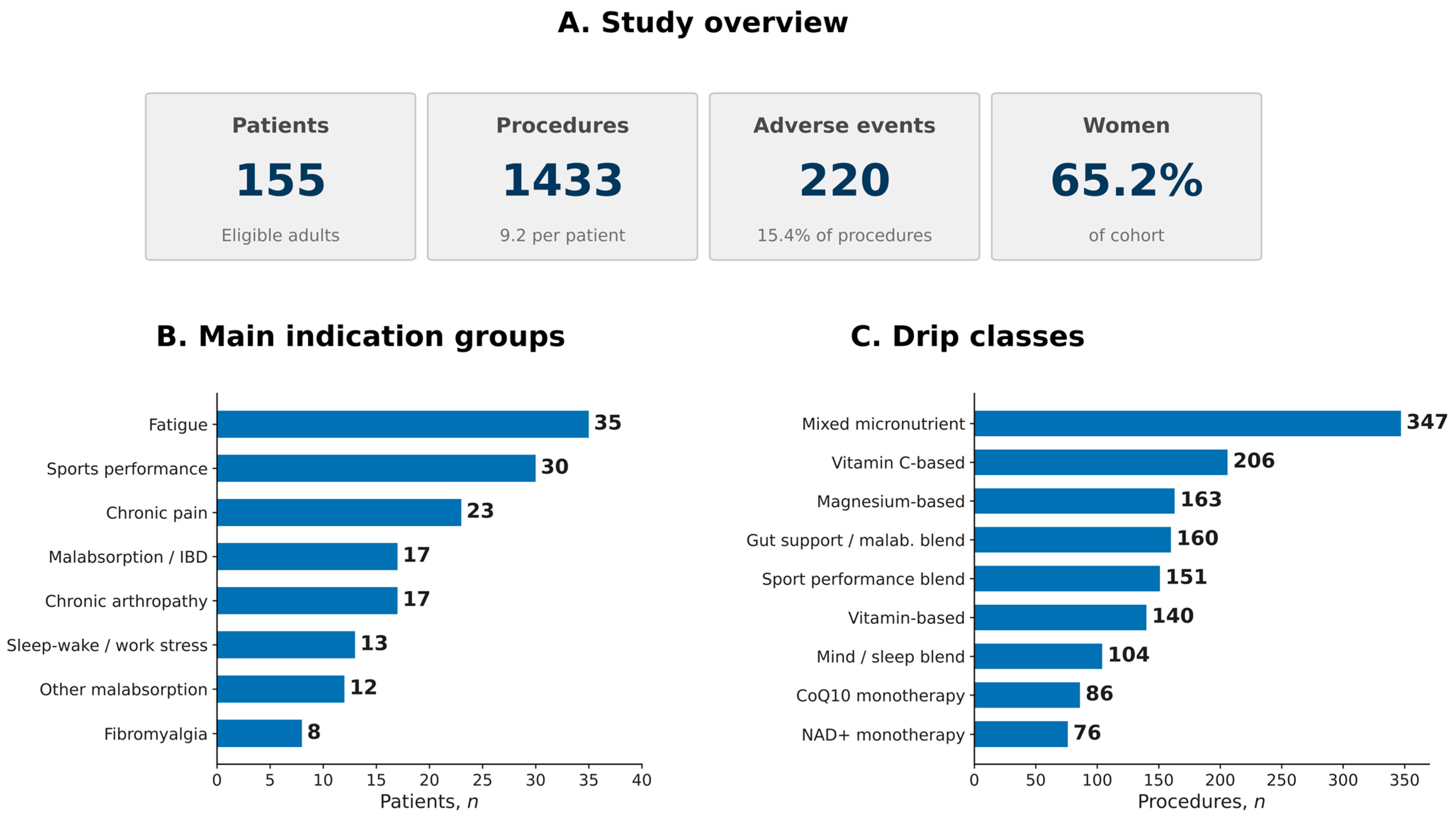
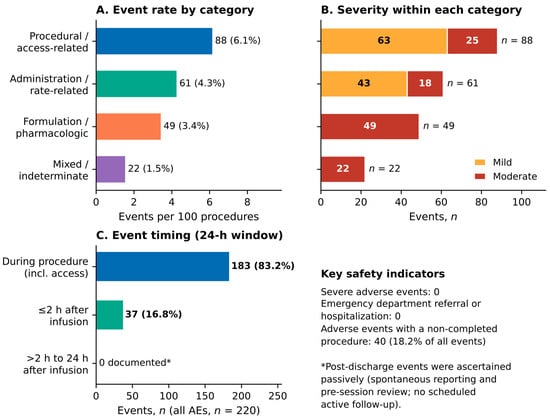
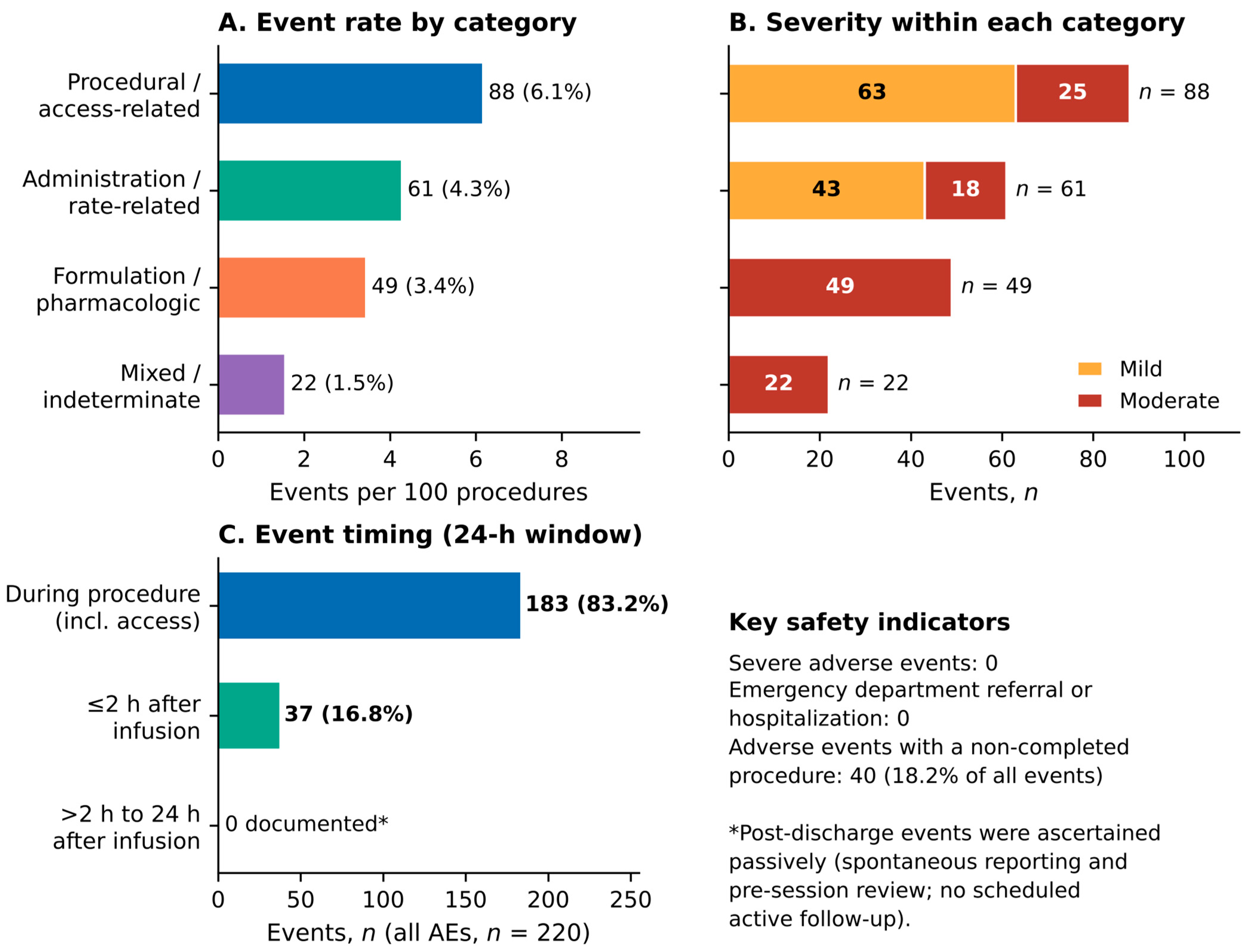
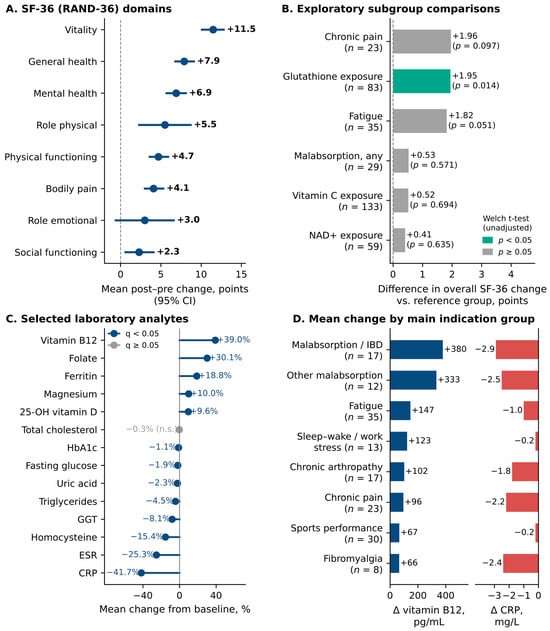
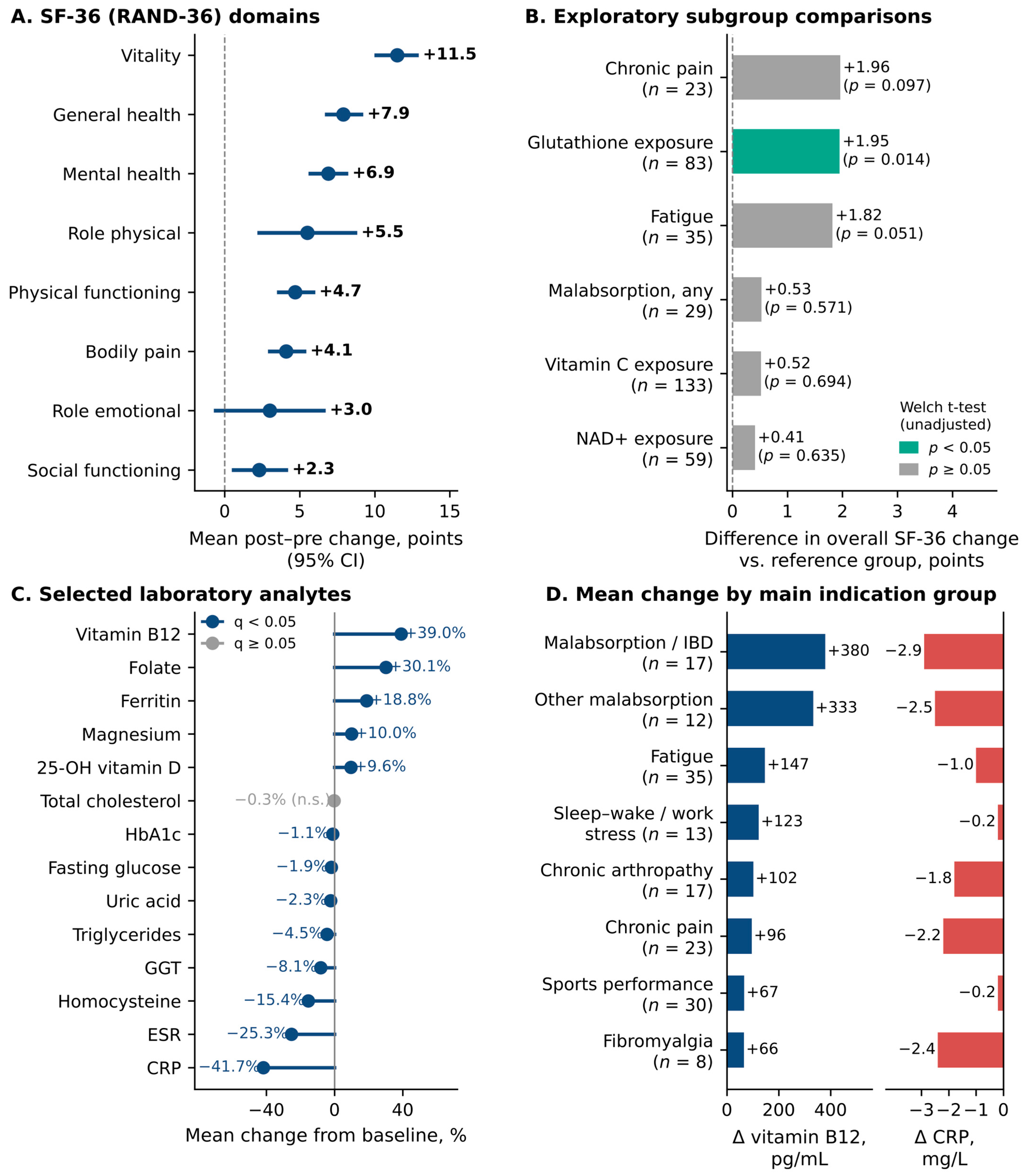

Disclaimer/Publisher’s Note: The statements, opinions and data contained in all publications are solely those of the individual author(s) and contributor(s) and not of MDPI and/or the editor(s). MDPI and/or the editor(s) disclaim responsibility for any injury to people or property resulting from any ideas, methods, instructions or products referred to in the content. |
© 2026 by the authors. Published by MDPI on behalf of the Lithuanian University of Health Sciences. Licensee MDPI, Basel, Switzerland. This article is an open access article distributed under the terms and conditions of the Creative Commons Attribution (CC BY) license.