


Abstract
Background: The emergence of multidrug-resistant (MDR) Gram-negative pathogens, namely Klebsiella pneumoniae, Pseudomonas aeruginosa, Acinetobacter baumannii and Helicobacter pylori, necessitates urgent therapeutic alternatives. This scoping review aimed to summarize the current evidence on the efficacy of lytic bacteriophages against these critical MDR pathogens, and to identify existing research gaps and implementation challenges. Methods: The literature search was conducted by searching PubMed, Web of Science, and Scopus AI for studies published from 2015 to 2025. The inclusion criteria focused on experimental and human studies evaluating phage therapy against MDR, extensively drug-resistant (XDR), or pan-drug-resistant (PDR) strains in the four target species. A total of 172 articles were included. Results: A number of studies showed an increasing trend (2015–2025), focusing mainly on K. pneumoniae (n = 65), P. aeruginosa (n = 55), and A. baumannii (n = 48). No eligible studies for MDR H. pylori were found. All 172 studies confirmed lytic activity, with phage cocktails showing superior antibacterial activity than single phages in four studies. Phages also demonstrated antibiofilm activity (n = 44). Most animal studies reported successful bacterial reduction in animals treated with phages, and 87.5% of 23 human case studies reported patient improvement or infection clearance. However, heterogeneity in the types of animal models used and in dosage and administration routes in human studies was notable. Conclusions: Lytic bacteriophages exhibit strong potential as a new therapeutic option. Key challenges include the lack of data for MDR H. pylori, heterogeneity in animal models, and a paucity of large-scale human clinical trials. Future research must prioritize standardization, mechanistic studies, and conducting robust human trials to enable clinical translation and regulatory acceptance.
1. Introduction
The emergence of multidrug-resistant bacteria has complicated treatment strategies for treating infections caused by clinically important bacteria [1]. Recently, the World Health Organization published a list of clinically important bacteria that require urgent attention in the research and development of new therapies beyond antibiotics. The list includes Gram-negative pathogens with critical priority in the research and discovery of new therapies, namely carbapenem-resistant Acinetobacter baumannii and Klebsiella pneumoniae. In addition, carbapenem-resistant Pseudomonas aeruginosa was also included as a high-priority pathogen. The pathogens were included in the priority list as they cause high mortality annually, are easily transmitted in a clinical setting, and are difficult to treat when they are resistant to last-resort antibiotic options [2]. Another clinically important Gram-negative bacterium is Helicobacter pylori. Although it is no longer included in the revised list of WHO high-priority pathogens, H. pylori is still regarded as a clinically important pathogen, as infection with this bacterium causes gastroduodenal diseases including gastric cancer and peptic ulcer [3]. Gastric cancer is one of the most common cancers in the world that results in almost a million deaths annually [4]. Thus, eradication of H. pylori is pertinent to prevent development of gastric cancer. However, the rise in antibiotic-resistant H. pylori has complicated eradication strategy [5].
Bacteriophages have been explored as alternative in combating antibiotic-resistant bacteria [6]. They are attractive option to be used in treatment of bacterial infection because they are safe, highly specific to targeted bacterial species, and are abundant in environment where they can be easily isolated [7]. While bacteriophages have been demonstrated to be good therapeutic option for bacterial infection in vitro and in vivo, studies in humans are lacking [8]. In addition, studies have focused on antibiotic-susceptible bacteria without taking into account the antibiotic resistance profile of bacteria used in the experiment [9]. Studies published are also heterogenous in terms of experimental design and approaches used [10]. Bacteria can also develop resistance to phages with mechanism not fully understood [11]. Thus, it is necessary to understand studies published to date on phages to identify gaps and highlight strategies for overcoming any challenges.
This scoping review aimed to summarize current evidence on efficacy of lytic bacteriophages against clinically important bacteria and to identify gaps in the studies published.
2. Materials and Methods
This scoping review was developed using the Arksey and O’Malley (2005) framework [12], and it was carried out in accordance with the Preferred Reporting Items for Systematic Reviews and Meta-Analysis Extension for Scoping Reviews [12]. The following steps were implemented: (1) defining the research question; (2) gathering the relevant studies; (3) selecting the studies; (4) extracting the data; (5) reporting the results.
2.1. Defining the Research Question
The research questions were as follows: What is the current evidence on the use of bacteriophage therapy for infections caused by MDR K. pneumoniae, A. baumannii, P. aeruginosa and H. pylori? We further refined the parameters to further sub-questions: (a) Which MDR Gram-negative pathogens are most studied? (b) What types of phage therapy approaches have been used against these MDR pathogens? (c) What clinical outcomes or experimental results are documented for these infections? (d) What are the limitations, knowledge gaps and barriers to translating page therapy into routine treatment for these pathogens?
2.2. Inclusion and Exclusion Criteria
Inclusion and exclusion criteria were defined according to the PCC framework (Population-Concept-Context) recommended by the Joanna Briggs Institute (JBI) [13] as follows:
Population (P): Multidrug-resistant Gram-negative bacterial pathogens—specifically Klebsiella pneumoniae, Acinetobacter baumannii, Pseudomonas aeruginosa and Helicobacter pylori, Concept (C): Use or evaluation of phage therapy (natural or phage cocktails or phage-antibiotic combinations) and Context (C): in vitro, in vivo (animal), and clinical or therapeutic applications across global settings.
Inclusion criteria for this study include: (1) Study focus: Studies investigating bacteriophage therapy or phage-based treatments targeting MDR K. pneumoniae, A. baumannii, P. aeruginosa or H. pylori. Only studies evaluating naturally occurring lytic bacteriophages for therapeutic purposes were included. (2) Bacterial resistance: Studies that explicitly mention antibiotic resistance, multidrug resistance (MDR), extensively drug-resistant (XDR), or pan-drug-resistant (PDR) strains, (3) Type of study: Experimental studies (in vitro, animal models, biofilm studies, infection models) and human studies (clinical trials, case reports, case series, and observational studies), (4) Phage type: Natural phages; phage cocktails; phage-antibiotic synergy studies, (5) Outcomes reported: Any outcomes related to antibacterial efficacy, resistance suppression, infection clearance, biofilm degradation, safety, or treatment response, (6) Publication type: Peer-reviewed journal articles, (7) Language: English and (8) Publication period:2015–2025.
Exclusion criteria for this study include: (1) Bacterial species: Studies not involving the four target species (K. pneumoniae, A. baumannii, P. aeruginosa, H. pylori). Studies on veterinary isolates. (2) Non-MDR strains: Studies using antibiotic-susceptible or unspecified strains without reference to resistance profiles. (3) Non-phage interventions: Studies on antibiotics, vaccines, probiotics, or non-phage antimicrobial agents (unless combined with phage therapy) and phage resistance. (4) Non-therapeutic studies: Studies focused only on phage isolation, taxonomy, or genome sequencing without testing therapeutic potential. Studies focusing exclusively on the molecular or mechanistic aspects of bacteriophages (e.g., phage biology, replication mechanisms, or host–phage interactions) without evaluating therapeutic applications. Studies investigating lysogenic (temperate) bacteriophages or phages with lysogenic life cycles. Studies involving genetically modified, engineered, or synthetic bacteriophages designed for therapeutic use. Studies focusing on temperate bacteriophages, prophage induction, or their roles in bacterial physiology, biofilm formation, or resistance modulation without direct therapeutic application were excluded. (5) Reviews, editorials, short communication, or commentaries: Excluded from data synthesis (may be used for background context only). (6) Language: Non-English papers. (7) Unavailable free full text: Abstract-only papers or inaccessible full texts including conference papers, proceedings, and theses/dissertations. (8) Grey literature such as conference papers, theses and reports were excluded from this scoping review due to lack of peer review process.
2.3. Identifying Relevant Studies
A literature search was performed via three electronic databases (PubMed, Scopus, and Web of Science) in October 2025 using the following search string: phage therapy AND (multidrug-resistant OR antimicrobial resistance) AND (Klebsiella pneumoniae OR Pseudomonas aeruginosa OR Acinetobacter baumannii OR Helicobacter pylori). Articles were selected and screened based on the inclusion and exclusion criteria stated above. First, all retrieved articles were screened by title, and those deemed irrelevant were excluded. Subsequently, the remaining articles underwent abstract screening, with non-relevant studies excluded at this stage. Articles that passed both title and abstract screening were then assessed for full-text eligibility. The inclusion and exclusion process were conducted independently by two researchers, and any disagreements were resolved through consultation with a third researcher. Backward citation searching was performed by screening the reference lists of all included studies to identify additional relevant articles not captured through database searching. All potentially eligible studies identified through this process were assessed against the predefined inclusion and exclusion criteria.
2.4. Study Selection
Zotero software (Version 9) was used to compile the literature. The search results from the three electronic databases were downloaded. The software was also used to identify and eliminate duplicate entries, and the list was then reviewed manually.
3. Results
3.1. Screening of Articles
In this scoping review, the literature search was conducted using three databases, namely PubMed, Web of Science, and Scopus AI. Overall, 582 articles were identified using keywords provided in Section 2. Of 582 articles, 399 articles were obtained from PubMed, 11 articles from Scopus AI, and 172 articles from Web of Science. In addition, 7 articles were obtained from backward screening of references from included studies. A total of 89 duplicates were identified and further excluded from this review. Screening of the title and abstract was conducted on 500 articles, and 214 articles were excluded. A total of 286 articles were eligible for full text evaluation. After full text evaluation, 114 articles were excluded because they did not fulfill the criteria of this study, i.e., the studies were not conducted on multidrug-resistant bacteria and the studies focused only on the mechanism of phage resistance (Figure 1). In total, 172 articles were included in this scoping review [14,15,16,17,18,19,20,21,22,23,24,25,26,27,28,29,30,31,32,33,34,35,36,37,38,39,40,41,42,43,44,45,46,47,48,49,50,51,52,53,54,55,56,57,58,59,60,61,62,63,64,65,66,67,68,69,70,71,72,73,74,75,76,77,78,79,80,81,82,83,84,85,86,87,88,89,90,91,92,93,94,95,96,97,98,99,100,101,102,103,104,105,106,107,108,109,110,111,112,113,114,115,116,117,118,119,120,121,122,123,124,125,126,127,128,129,130,131,132,133,134,135,136,137,138,139,140,141,142,143,144,145,146,147,148,149,150,151,152,153,154,155,156,157,158,159,160,161,162,163,164,165,166,167,168,169,170,171,172,173,174,175,176,177,178,179,180,181,182,183,184,185].
Figure 1.
Screening of articles using PRISMA guideline. * Consider, if feasible to do so, reporting the number of records identified from each database or register searched (rather than the total number across all databases/registers). ** If automation tools were used, indicate how many records were excluded by a human and how many were excluded by automation tools.
3.2. Types of Studies Included
The majority of the 172 articles included in this scoping review were published in 2025 (n = 39 articles) while the lowest publication was observed in 2016 with only one article (Figure 2).
Figure 2.
Trend on number of publications of phages as therapy from 2016 to 2025.
From 172 articles, 65 studies were conducted on K. pneumoniae, followed by 55 studies on P. aeruginosa, and 48 studies on A. baumannii. Database search managed to capture four studies on H. pylori. However, no H. pylori study was found to be eligible for inclusion into this review as studies published did not explicitly mention antibiotic susceptibility of H. pylori isolates or study focused on lysogenic phage [186,187,188,189]. Meanwhile, two studies included both K. pneumoniae and P. aeruginosa in their studies, one study included both P. aeruginosa and A. baumannii, and one study included K. pneumoniae, P. aeruginosa, and A. baumannii in the published work. The articles were published from 37 countries. Most publications were from China (n = 39), followed by USA (n = 16), Egypt (n = 14), India (n = 13), and Iran (n = 12) (Figure 3).
Figure 3.
Number of publications of phage therapy based on countries.
3.3. Samples and Study Approach
Analysis of bacteriophage samples used in the studies reveals that phages were isolated from many sources, including sewage and wastewater, water sources that include rivers, ponds, and lakes, the library of phage collection, patient sputum, and soil. Most studies isolated phages from sewage and wastewater (n = 127), followed by environmental sources such as river, lake, ponds, and soil (n = l5), and library collection of phages readily available at either institute or pharmaceutical companies (n = 8). One study isolated a phage from a patient’s sputum. Sewage and wastewater from where phage samples obtained were located in hospital and urban areas. Nevertheless, 21 studies did not mention the sources of the phages used in their studies. Almost all studies (n = 167) named the phages isolated in their studies while five studies did not mention the names of phages isolated in their studies. For bacterial samples, 157 studies used multidrug-resistant bacteria, eight studies used extensively resistant bacteria, and six studies used pandrug-resistant bacteria. Of the eight studies that used extensively resistant bacteria, three studies each were conducted on A. baumannii and P. aeruginosa, and two studies were conducted on K. pneumoniae. Phage cocktail antibacterial activity was examined in 28 studies, while the rest of the studies (n = 138) only examined single phage antibacterial activity. Most studies (n = 126) used transmission electron microscopy and whole genome sequencing to identify morphology and type of phages isolated while 46 studies did not explicitly state the methods used to identify phages isolated in their studies.
Most studies used in vitro models only (n = 78), followed by in vitro and in vivo (n = 55), and human only (n = 21). Meanwhile, 13 studies used in vivo models only and two studies used human and in vitro models. One study each used in vitro and ex vivo model; and in vitro, in silico and in vitro model. Finally, one study used human, in vitro, and in vivo models in its study to examine phage efficacy. Studies that adopted an in vivo model used Galleria mellonella, zebrafish, rats, and mice in their studies. Of the human studies, four were conducted on A. baumannii, four on K. pneumoniae, and 13 on P. aeruginosa. One study examined both A. baumannii and P. aeruginosa. One study examined the efficacy of phages in patients infected with extensively drug-resistant K. pneumoniae, while three studies examined the efficacy of phage in patients infected with pandrug-resistant K. pneumoniae and P. aeruginosa, respectively. Interestingly, most studies that involved humans were reported as case studies and not large-scale trial (Figure 4).
Figure 4.
Study models used in bacteriophage studies.
3.4. Antibacterial Efficacy of Bacteriophages
Findings of all studies included in this scoping review are available in Supplementary Table S1. All studies included in this scoping review reveals that bacteriophages isolated in their studies had lytic activity against the bacteria tested. This finding indicates that the phages isolated have the potential to be used as a new therapeutic option for K. pneumoniae, P. aeruginosa, and A. baumannii. Furthermore, 29 studies used phage cocktails in their studies. Of 29 studies, four studies assessed the efficacy of the phage cocktail compared to single phage therapy and found the cocktail had better antibacterial activity than single phage [79,86,132,178]. In 46 studies, assessment of antibiofilm activity of phage against bacteria shows that the phages examined had antibiofilm activity against the bacteria examined. Of those studies, 17 studies were conducted on P. aeruginosa, 16 studies were conducted on K. pneumoniae, 12 studies were conducted on A. baumannii and one study was conducted on K. pneumoniae and P. aeruginosa.
Of note, 70 in vivo studies examined the efficacy of phage as alternative treatment for bacterial infection in animals. Out of 70 studies, 64 studies showed that phage administration managed to reduce bacterial load in animal models used while the rest of studies (n = 6) did not assess bacterial reduction parameter. Meanwhile, 32 out of 70 studies demonstrated that phage treatment cleared bacterial infection in animal models, while 37 studies did not explicitly mention bacterial clearance in animal models. One study observed that phage administration did not clear bacterial infection [157]. A total of 15 studies observed a reduction in inflammation in animal models. Of studies that observed bacterial clearance in animals, 31 studies (44.3%) infected the animals with K. pneumoniae, 20 (28.6%) infected the animals with A. baumannii, and the rest (n = 19, 27.1%) infected the animals with P. aeruginosa. In total, 8 studies that demonstrated bacterial clearance in animal models used a phage cocktail, and 7 studies also demonstrated that phages with bacterial clearance activity in animal models also had antibiofilm activity in vitro.
3.5. Antibacterial Efficacy of Bacteriophages in Human Study
Out of 172 studies included in this review, only 24 studies (14%) were conducted on humans. The majority of the studies (n = 21) were conducted on human subjects only without determination of phage antibacterial activity in vitro and in vivo models. Most studies (n = 21; 87.5%) reveal that phage administration to patients resulted in patients’ improvement and managed to clear bacterial infection at the infection sites. However, three studies reported that phage administration did not result in patient improvement. In the studies with negative report on phage administration to the patients, one study was conducted on patients infected with multidrug-resistant A. baumannii, one study was conducted on pandrug P. aeruginosa, while another study was conducted on patients infected with extended beta lactamase K. pneumoniae. Of the 21 studies that reported success in treatment using phage, 14 studies were conducted on P. aeruginosa, five studies were conducted on K. pneumoniae, four studies were conducted on A. baumannii, and one study was conducted on patients infected with MDR P. aeruginosa and A. baumannii. Notably, all studies that examined phage activity in humans had a small sample size and most were case study reports.
Table 1 summarizes the findings, including the dosage and route of administration in human studies. The 24 studies exhibit significant methodological heterogeneity in administration routes, primarily determined by the specific anatomical site of infection and the need to bypass biological barriers. While systemic intravenous (IV) therapy was used for bloodstream infections or sepsis, a majority of the research (37.5%) favored localized delivery methods, such as nebulization for respiratory issues, bladder irrigation, or direct instillation into surgical sites. Furthermore, 33% of the studies adopted a “multi-compartment” or dual-route approach—most commonly combining IV infusions with nebulization or percutaneous drains—to ensure high phage titers reached localized biofilms while simultaneously maintaining systemic coverage. Unusual delivery methods, such as oral “swish and swallow” techniques or combined oral and intra-rectal administration, further highlight the lack of a standardized delivery protocol in current clinical practice. The heterogeneity is equally pronounced in both dosing and potency, with concentrations spanning a range of approximately nine orders of magnitude (102 to 1011 PFU/mL). Although most personalized salvage therapies targeted high concentrations between 108 and 1010 PFU/mL to maximize efficacy, systemic IV doses were often constrained by safety rather than therapeutic goals. For example, some high-titer stocks were diluted to levels as low as 2.14 × 10⁷ PFU/mL to comply with strict FDA endotoxin thresholds. Conversely, one study demonstrated how manufacturing inconsistencies can lead to sub-therapeutic dosing, where a drop in titer to 102 PFU/mL significantly hindered clinical outcomes. Temporal heterogeneity further complicates the landscape, as treatment durations ranged from a single intraoperative dose to prolonged courses lasting 86 days or even six months. Dosing frequency was similarly varied, with intervals ranging from once-daily applications to aggressive administration every two hours. Collectively, these findings suggest that while phage therapy offers high clinical flexibility, the extreme diversity in dosage and administration reflects a “personalized” phase of medicine that currently lacks universal guidelines, posing a challenge for standardized meta-analysis.
Table 1.
Summary of phage therapy heterogeneity (n = 24) in human studies.
3.6. Mechanistic Insights
A total of six studies examined mechanistic insights of phage therapy [18,53,54,164,177,183]. Bacteriophage antibacterial activity is primarily mediated through specific receptor recognition, particularly targeting bacterial capsular polysaccharides (CPS). Phages utilize capsule components as primary binding sites, often aided by capsular depolymerases that degrade the capsule and facilitate access to the bacterial cell surface. However, this receptor specificity also drives the rapid emergence of resistance, commonly through mutations or disruptions in genes involved in capsule biosynthesis, namely wbaP, wcaJ, and mshA. These alterations result in capsule loss or structural modification, thereby preventing phage adsorption. Beyond capsule-associated changes, resistance mechanisms frequently involve broader remodeling of the bacterial cell envelope, including modifications to outer membrane proteins and lipooligosaccharide structures. Notably, these adaptations are often associated with significant biological trade-offs, including reduced bacterial fitness and virulence. Importantly, phage-resistant mutants have been shown to exhibit increased susceptibility to antibiotics, such as colistin, despite retaining their original resistance determinants, highlighting a phenomenon of collateral sensitivity. To address the rapid development of resistance, phage cocktail strategies have been proposed, as combining multiple phages targeting distinct receptors can delay resistance emergence and enhance antibacterial efficacy. Furthermore, evidence of horizontal transfer of receptor-binding domains among phages underscores their genetic adaptability and potential to expand host range. Collectively, these findings emphasize the dynamic interplay between phage infection, bacterial resistance, and evolutionary trade-offs, which can be strategically exploited to improve phage-based therapeutic approaches.
4. Discussion
The aims of this scoping review were to summarize the findings of the antibacterial efficacy of bacteriophages against multidrug-resistant K. pneumoniae, P. aeruginosa, A. baumannii, and H. pylori. We focus on lytic phage therapy because they directly kill the bacteria and low risk of virulence or resistance gene horizontal transfer [190]. Furthermore, this review aimed to identify gaps in studies published over a 10-year period. While most studies were on MDR K. pneumoniae, P. aeruginosa, and A. baumannii, H. pylori associated study were notably absent suggesting a paucity of bacteriophage research and discovery in this area of H. pylori research. This highlights a potential translational gap in the development of phage therapy for gastrointestinal infections, despite the global burden of H. pylori-associated disease [191]. One explanation for this paucity is because H. pylori is a fastidious and slow-growing organism which makes it difficult as a model organism in day-to-day research compared to other organisms which can be easily grown under aerobic conditions [192]. Although we managed to capture the literature on H. pylori lytic phage studies, the studies conducted were excluded from this review because they did not examine the antibiotic susceptibility of H. pylori isolates. This suggests there is a need for future studies on phage to examine resistance profiles of H. pylori for translation of findings to MDR H. pylori. We also observed an increasing year-to-year trend of the publications from 2015 to 2025, suggesting an increasing interest in adopting bacteriophage as a therapeutic option to combat the emergence of antibiotic resistance. In addition to that, we also found a lot of phage studies were from China, India, USA, Egypt, and Iran, which may reflect differences in research capacity, funding priorities, and the local burden of multidrug-resistant infections. Sewage and wastewater were highlighted as the main sources for lytic phages, underscoring their role as rich environmental reservoirs. However, inconsistent reporting of isolation sources across studies may affect reproducibility and comparability of findings.
Variable study models used in the publications were discovered. Most studies adopted single study model to examine antibacterial activity as demonstrated by in vitro studies. While one study model can be used to screen bacteriophage activity, a gap persists as phage efficacy in a culture model may not be translated to in vivo or human study. In addition, we identified there is no consensus in animal models used in phage studies. Type of animals used are different among studies. This heterogeneity may contribute to variability in reported outcomes due to differences in physiological, immunological, and microbiome-related complexity between models. This can result in variability in the data reported, as the animal models used differ in biological complexity [193]. Thus, there should be consensus on which model to be used for consistency. We also found that there is a paucity in adopting phage therapy in large scale human trials although studies included in this review reported positive result in human studies with small sample sizes. Patient selection, ethical regulation, clinical trial design, and phage delivery are usually factors that contribute to lack of large-scale human studies [194]. While most studies reported techniques used to determine the morphology and classification of phages isolated, some studies did not conduct the identification of the phage. Classification of phages is essential to determine the evolutionary and stability of phages for manufacturing, and to identify the presence of antibiotic resistance genes and virulence factors that may be transferred to the targeted bacteria [195].
All studies included in this review demonstrated lytic activity against the bacteria tested, suggesting their potential as a new therapeutic option to combat antibiotic resistance. Although studies examined the lytic activity of phage isolates, most did not examine the mechanisms of antibacterial activity, including antibiofilm activity, the specificity of phage, whether it is broad- or narrow-spectrum, and targeted receptors. Therefore, future research should also include an assessment of the antibacterial mechanism of phages. In studies that examined antibiofilm activity of phages, all of them showed that phage had antibiofilm activity against bacteria tested. Biofilm formation is essential for bacteria to evade antibiotic action and to persist on fomites. P. aeruginosa and A. baumannii use biofilm formation to aid their transmission in clinical settings [196]. Antibiofilm activity of phage against these clinically important bacteria can help to mitigate their transmission to immunocompromised patients in healthcare settings. Phage cocktail demonstrated better antibacterial activity compared to single phage in some studies. This is because a phage cocktail can target multiple bacterial strains, providing a broader spectrum of antibacterial activity than a single phage. Nevertheless, phage cocktail is more difficult to design as they have different stability and difficulty in phage optimization than that of single phage [197].
In animal models, almost all studies reveal that phage had antibacterial efficacy when administered to the animals. However, this result should be interpreted with caution as the studies published on phage efficacy in animal models used different types of animals with no consensus on which animal should be used for a phage study. Given different biological complexity in distinct types of animal models, there should be a consensus on which animal is the right model for a phage study [198]. In addition, a toxicity study on phage demonstrated to possess antibacterial activity against the bacteria tested should also be evaluated [198]. Even though phage is usually regarded as safe, a toxicity study of phage in animals ensures that phage formulation does not have a toxic effect on organs and tissues. It also evaluates the host’s immune response to phage prior to the human study. Of note, a lack of mechanistic studies in phage studies were also noticed. Although all studies isolated and tested phage antibacterial efficacy in vitro or in vivo, most studies did not examine the mechanisms of antibacterial efficacy. Bacterial phage resistance can also develop and should be addressed by studies that conduct antibacterial efficacy of phage.
For human studies, most studies demonstrated that administration phage to infected patients improved patient’s conditions. Nevertheless, a gap in data collection from human studies with large sample size remains a barrier in implementation of phage therapy in humans. The majority of the studies used small sample size of patients. Thus, a lack of data from large-scale clinical trials to evaluate phage efficacy poses a challenge to developing personalized phage therapy in patients and standardized regulatory requirements in humans. The studies also exhibit significant methodological heterogeneity, primarily driven by the anatomical site of infection. Administration routes vary from systemic intravenous therapy to localized delivery, such as nebulization or surgical instillation, with 33% of studies employing dual-route strategies. Dosage is equally inconsistent, spanning seven orders of magnitude. These titers are often constrained by endotoxin safety limits rather than biological requirements. Treatment durations varied widely, ranging from single intraoperative administrations to prolonged regimens lasting up to 86 days. This variability reflects a largely personalized ‘salvage’ approach, highlighting the current lack of standardized protocols necessary for universal clinical guidelines. Toxicity assessment should also be conducted to ensure safety of phage treatment in humans. In addition to that, pharmacogenomics can also be evaluated in human study for development of personalized medicine to the patients [199] and the application of artificial intelligence for screening potential lytic phages [200].
The advantages of this scoping review include comprehensive summary of updated knowledge on lytic phage therapy studies in MDR clinically important bacteria. We identified gaps in the studies across in vitro, animal models, and human studies. However, this scoping review also has limitations where we exclude bioengineered phage and lysogenic phage that may also have antibacterial efficacy against MDR pathogens. Furthermore, we excluded studies more than 10 years ago and studies not published in English that may demonstrate antibacterial efficacy against the pathogens.
5. Conclusions
This scoping review confirms the growing interest in lytic bacteriophages as a viable alternative against MDR K. pneumoniae, P. aeruginosa, and A. baumannii. Phages demonstrated clear lytic activity across all studies, with phage cocktails and antibiofilm activity showing superior results in in vitro and in vivo animal models. While most human case studies reported patient improvement, significant gaps remain, notably the absence of research on MDR H. pylori and the urgency to implement studies using a large sample size. Future research should prioritize larger, well-designed clinical trials and standardized experimental models. Emerging tools such as artificial intelligence may accelerate phage discovery, host–phage matching, and phage cocktail design. In parallel, stronger regulatory frameworks, national phage banks, and international collaboration will be essential to support the translation of phage therapy into routine clinical practice in the fight against antimicrobial resistance. Future research must focus on standardizing animal models, fully characterizing antibacterial mechanisms, and, most critically, transitioning from small case reports to large-scale, well-designed human clinical trials to achieve widespread clinical implementation.
Supplementary Materials
The following supporting information can be downloaded at: https://www.mdpi.com/article/10.3390/ph19050727/s1, Table S1: Summary of articles included in this study.
Author Contributions
Conceptualization, A.H. and B.S.L.; methodology, A.S. and A.H.; validation, B.S.L.; formal analysis, A.S. and A.H.; data curation, A.S.; writing—original draft preparation, A.S.; writing—review and editing, B.S.L. and A.H. All authors have read and agreed to the published version of the manuscript.
Funding
This study was funded by the National University of Malaysia (Universiti Kebangsaan Malaysia) under Research University Grant Scheme with a grant no. GUP-2023-070.
Institutional Review Board Statement
Not applicable.
Informed Consent Statement
Not applicable.
Data Availability Statement
No new data were created or analyzed in this study. Data sharing is not applicable to this article.
Conflicts of Interest
The authors declare no conflicts of interest.
References
- Macesic, N.; Uhlemann, A.-C.; Peleg, A.Y. Multidrug-Resistant Gram-Negative Bacterial Infections. Lancet 2025, 405, 257–272. [Google Scholar] [CrossRef] [Scilit] [PubMed]
- Sati, H.; Carrara, E.; Savoldi, A.; Hansen, P.; Garlasco, J.; Campagnaro, E.; Boccia, S.; Castillo-Polo, J.A.; Magrini, E.; Garcia-Vello, P.; et al. The WHO Bacterial Priority Pathogens List 2024: A Prioritisation Study to Guide Research, Development, and Public Health Strategies against Antimicrobial Resistance. Lancet Infect. Dis. 2025, 25, 1033–1043. [Google Scholar] [CrossRef] [Scilit]
- Duan, Y.; Xu, Y.; Dou, Y.; Xu, D. Helicobacter Pylori and Gastric Cancer: Mechanisms and New Perspectives. J. Hematol. Oncol. 2025, 18, 10. [Google Scholar] [CrossRef] [Scilit] [PubMed]
- Mousavi, S.E.; Ilaghi, M.; Elahi Vahed, I.; Nejadghaderi, S.A. Epidemiology and Socioeconomic Correlates of Gastric Cancer in Asia: Results from the GLOBOCAN 2020 Data and Projections from 2020 to 2040. Sci. Rep. 2025, 15, 6529. [Google Scholar] [CrossRef] [Scilit]
- Liou, J.-M.; Malfertheiner, P.; Hong, T.-C.; Cheng, H.-C.; Sugano, K.; Shah, S.; Sheu, B.-S.; Chen, M.-J.; Chiang, T.-H.; Chen, Y.-C.; et al. Screening and Eradication of Helicobacter Pylori for Gastric Cancer Prevention: Taipei Global Consensus II. Gut 2025, 74, 1767–1791. [Google Scholar] [CrossRef] [Scilit]
- Sahoo, K.; Meshram, S. The Evolution of Phage Therapy: A Comprehensive Review of Current Applications and Future Innovations. Cureus 2024, 16, e70414. [Google Scholar] [CrossRef] [Scilit]
- Szymanski, C.M. Bacteriophages and Their Unique Components Provide Limitless Resources for Exploitation. Front. Microbiol. 2024, 15, 1342544. [Google Scholar] [CrossRef] [Scilit]
- Pires, D.P.; Costa, A.R.; Pinto, G.; Meneses, L.; Azeredo, J. Current Challenges and Future Opportunities of Phage Therapy. FEMS Microbiol. Rev. 2020, 44, 684–700. [Google Scholar] [CrossRef] [Scilit]
- Ibrahim, R.; Aranjani, J.M.; Kalikot Valappil, V.; Nair, G. Unveiling the Potential Bacteriophage Therapy: A Systematic Review. Future Sci. OA 2025, 11, 2468114. [Google Scholar] [CrossRef] [Scilit] [PubMed]
- Cui, L.; Watanabe, S.; Miyanaga, K.; Kiga, K.; Sasahara, T.; Aiba, Y.; Tan, X.-E.; Veeranarayanan, S.; Thitiananpakorn, K.; Nguyen, H.M.; et al. A Comprehensive Review on Phage Therapy and Phage-Based Drug Development. Antibiotics 2024, 13, 870. [Google Scholar] [CrossRef] [Scilit]
- Karamlou, S.; Aghajani, E.; Familsamavati, M.; Azad, N.F.; Arayesh, S.; Mohsenipour, Z. Bacterial Resistance to Phage Therapy: Mechanisms and Strategies to Overcome It. Curr. Mol. Pharmacol. 2025, 18, 108–122. [Google Scholar] [CrossRef] [Scilit]
- Arksey, H.; O’Malley, L. Scoping Studies: Towards a Methodological Framework. Int. J. Soc. Res. Methodol. 2005, 8, 19–32. [Google Scholar] [CrossRef] [Scilit]
- Peters, M.D.J.; Marnie, C.; Tricco, A.C.; Pollock, D.; Munn, Z.; Alexander, L.; McInerney, P.; Godfrey, C.M.; Khalil, H. Updated Methodological Guidance for the Conduct of Scoping Reviews. JBI Evid. Synth. 2020, 18, 2119–2126. [Google Scholar] [CrossRef] [Scilit]
- Abdel-Razek, M.A.; Nazeih, S.I.; Yousef, N.; Askoura, M. Analysis of a Novel Phage as a Promising Biological Agent Targeting Multidrug Resistant Klebsiella Pneumoniae. AMB Express 2025, 15, 37. [Google Scholar] [CrossRef] [Scilit]
- Abebe, A.A.; Birhanu, A.G.; Tessema, T.S. Isolation, Purification, and Phenotypic Characterization of Virulent Klebsiella Pneumoniae Phages from Environmental Samples in Addis Ababa, Ethiopia: A Synergistic Approach Combining Spot Assay and Streak Plating. PLoS ONE 2025, 20, e0331955. [Google Scholar] [CrossRef] [Scilit]
- Aghaee, B.L.; Khan Mirzaei, M.; Alikhani, M.Y.; Mojtahedi, A.; Maurice, C.F. Improving the Inhibitory Effect of Phages against Pseudomonas Aeruginosa Isolated from a Burn Patient Using a Combination of Phages and Antibiotics. Viruses 2021, 13, 334. [Google Scholar] [CrossRef] [Scilit] [PubMed]
- Aghaee, B.L.; Mirzaei, M.K.; Alikhani, M.Y.; Mojtahedi, A. Sewage and Sewage-Contaminated Environments Are the Most Prominent Sources to Isolate Phages against Pseudomonas Aeruginosa. BMC Microbiol. 2021, 21, 132. [Google Scholar] [CrossRef] [Scilit]
- Ajakkala, P.B.; Nayak, S.; Maiti, B.; Rohit, A.; Mohan Raj, J.R.; Karunasagar, I. Phenotypic Changes in Phage Survivors of Multidrug-Resistant Klebsiella Pneumoniae. Indian J. Microbiol. 2024, 64, 1379–1383. [Google Scholar] [CrossRef] [Scilit]
- Akremi, I.; Merabishvili, M.; Jlidi, M.; Haj Brahim, A.; Ben Ali, M.; Karoui, A.; Lavigne, R.; Wagemans, J.; Pirnay, J.-P.; Ben Ali, M. Isolation and Characterization of Lytic Pseudomonas Aeruginosa Bacteriophages Isolated from Sewage Samples from Tunisia. Viruses 2022, 14, 2339. [Google Scholar] [CrossRef] [Scilit]
- Al-Madboly, L.A.; Abdelaziz, A.A.; Abo-Kamer, A.M.; Nosair, A.M.; Abdelkader, K. Characterization and Genomic Analysis of Novel Bacteriophage NK20 to Revert Colistin Resistance and Combat Pandrug-Resistant Klebsiella Pneumoniae in a Rat Respiratory Infection Model. Life Sci. 2023, 322, 121639. [Google Scholar] [CrossRef] [Scilit] [PubMed]
- Alseth, E.O.; Roush, C.; Irby, I.; Kopylov, M.; Bobe, D.; Diggs, M.W.; Nguyen, K.; Xu, H.; Schmidt-Krey, I.; Bryksin, A.V.; et al. Mystique, a Broad Host Range Acinetobacter Phage, Reveals the Impact of Culturing Conditions on Phage Isolation and Infectivity. PLoS Pathog. 2025, 21, e1012986. [Google Scholar] [CrossRef] [Scilit]
- Gordillo Altamirano, F.L.; Kostoulias, X.; Subedi, D.; Korneev, D.; Peleg, A.Y.; Barr, J.J. Phage-Antibiotic Combination Is a Superior Treatment against Acinetobacter Baumannii in a Preclinical Study. eBioMedicine 2022, 80, 104045. [Google Scholar] [CrossRef] [Scilit]
- Arumugam, S.N.; Manohar, P.; Sukumaran, S.; Sadagopan, S.; Loh, B.; Leptihn, S.; Nachimuthu, R. Antibacterial Efficacy of Lytic Phages against Multidrug-Resistant Pseudomonas Aeruginosa Infections in Bacteraemia Mice Models. BMC Microbiol. 2022, 22, 187. [Google Scholar] [CrossRef] [Scilit]
- Asif, M.; Alvi, I.A.; Waqas, M.; Basit, A.; Raza, F.A.; Rehman, S. A K-17 Serotype Specific Klebsiella Phage JKP2 with Biofilm Reduction Potential. Virus Res. 2023, 329, 199107. [Google Scholar] [CrossRef] [Scilit] [PubMed]
- Askoura, M.; Saed, N.; Enan, G.; Askora, A. Characterization of Polyvalent Bacteriophages Targeting Multidrug-Resistant Klebsiella Pneumonia with Enhanced Anti-Biofilm Activity. Appl. Biochem. Microbiol. 2021, 57, 117–126. [Google Scholar] [CrossRef] [Scilit]
- Aslam, S.; Courtwright, A.M.; Koval, C.; Lehman, S.M.; Morales, S.; Furr, C.-L.L.; Rosas, F.; Brownstein, M.J.; Fackler, J.R.; Sisson, B.M.; et al. Early Clinical Experience of Bacteriophage Therapy in 3 Lung Transplant Recipients. Am. J. Transplant. 2019, 19, 2631–2639. [Google Scholar] [CrossRef] [Scilit] [PubMed]
- Aslam, S.; Lampley, E.; Wooten, D.; Karris, M.; Benson, C.; Strathdee, S.; Schooley, R.T. Lessons Learned From the First 10 Consecutive Cases of Intravenous Bacteriophage Therapy to Treat Multidrug-Resistant Bacterial Infections at a Single Center in the United States. Open Forum Infect. Dis. 2020, 7, ofaa389. [Google Scholar] [CrossRef] [Scilit]
- Assafiri, O.; Song, A.A.-L.; Tan, G.H.; Hanish, I.; Hashim, A.M.; Yusoff, K. Klebsiella Virus UPM2146 Lyses Multiple Drug-Resistant Klebsiella Pneumoniae In Vitro and In Vivo. PLoS ONE 2021, 16, e0245354. [Google Scholar] [CrossRef] [Scilit] [PubMed]
- Bagińska, N.; Harhala, M.A.; Cieślik, M.; Orwat, F.; Weber-Dąbrowska, B.; Dąbrowska, K.; Górski, A.; Jończyk-Matysiak, E. Biological Properties of 12 Newly Isolated Acinetobacter Baumannii-Specific Bacteriophages. Viruses 2023, 15, 231. [Google Scholar] [CrossRef] [Scilit]
- Bao, J.; Wu, N.; Zeng, Y.; Chen, L.; Li, L.; Yang, L.; Zhang, Y.; Guo, M.; Li, L.; Li, J.; et al. Non-Active Antibiotic and Bacteriophage Synergism to Successfully Treat Recurrent Urinary Tract Infection Caused by Extensively Drug-Resistant Klebsiella pneumoniae. Emerg. Microbes Infect. 2020, 9, 771–774. [Google Scholar] [CrossRef] [Scilit]
- Baqer, A.A.; Fang, K.; Mohd-Assaad, N.; Adnan, S.N.A.; Md Nor, N.S. In Vitro Activity, Stability and Molecular Characterization of Eight Potent Bacteriophages Infecting Carbapenem-Resistant Klebsiella Pneumoniae. Viruses 2022, 15, 117. [Google Scholar] [CrossRef] [Scilit]
- Camens, S.; Liu, S.; Hon, K.; Bouras, G.; Psaltis, A.; Wormald, P.-J.; Vreugde, S. Preclinical Development of a Bacteriophage Cocktail for Treating Multidrug Resistant Pseudomonas Aeruginosa Infections. Microorganisms 2021, 9, 2001. [Google Scholar] [CrossRef] [Scilit]
- Cao, F.; Wang, X.; Wang, L.; Li, Z.; Che, J.; Wang, L.; Li, X.; Cao, Z.; Zhang, J.; Jin, L.; et al. Evaluation of the Efficacy of a Bacteriophage in the Treatment of Pneumonia Induced by Multidrug Resistance Klebsiella Pneumoniae in Mice. BioMed Res. Int. 2015, 2015, 752930. [Google Scholar] [CrossRef] [Scilit]
- Cha, K.; Oh, H.K.; Jang, J.Y.; Jo, Y.; Kim, W.K.; Ha, G.U.; Ko, K.S.; Myung, H. Characterization of Two Novel Bacteriophages Infecting Multidrug-Resistant (MDR) Acinetobacter Baumannii and Evaluation of Their Therapeutic Efficacy In Vivo. Front. Microbiol. 2018, 9, 696. [Google Scholar] [CrossRef] [Scilit] [PubMed]
- Chan, B.K.; Stanley, G.L.; Kortright, K.E.; Vill, A.C.; Modak, M.; Ott, I.M.; Sun, Y.; Würstle, S.; Grun, C.N.; Kazmierczak, B.I.; et al. Personalized Inhaled Bacteriophage Therapy for Treatment of Multidrug-Resistant Pseudomonas Aeruginosa in Cystic Fibrosis. Nat. Med. 2025, 31, 1494–1501. [Google Scholar] [CrossRef] [Scilit] [PubMed]
- Chang, R.Y.K.; Chow, M.Y.T.; Wang, Y.; Liu, C.; Hong, Q.; Morales, S.; McLachlan, A.J.; Kutter, E.; Li, J.; Chan, H.-K. The Effects of Different Doses of Inhaled Bacteriophage Therapy for Pseudomonas Aeruginosa Pulmonary Infections in Mice. Clin. Microbiol. Infect. 2022, 28, 983–989. [Google Scholar] [CrossRef] [Scilit]
- Chaplin, A.V.; Sykilinda, N.N.; Skvortsov, G.A.; Troshin, K.S.; Vasilyeva, A.A.; Shuraleva, S.A.; Malkov, A.A.; Simonov, V.S.; Efimov, B.A.; Kafarskaia, L.I.; et al. Pseudomonas Phage Banzai: Genomic and Functional Analysis of Novel Pbunavirus with Lytic Activity Against Pseudomonas Aeruginosa. Viruses 2025, 17, 1088. [Google Scholar] [CrossRef] [Scilit] [PubMed]
- Chen, J.; Feng, J.; Cui, X.; Huang, L.; Du, B.; Xia, Y.; Xue, G.; Feng, Y.; Ke, Y.; Zhao, H.; et al. Genomic Analysis and Therapeutic Efficacy Evaluation of Bacteriophage PK2420 for Pneumonia Caused by Hypervirulent Klebsiella pneumoniae (K20 Serotype). mSystems 2025, 10, e01632-24. [Google Scholar] [CrossRef] [Scilit]
- Chen, L.-K.; Kuo, S.-C.; Chang, K.-C.; Cheng, C.-C.; Yu, P.-Y.; Chang, C.-H.; Chen, T.-Y.; Tseng, C.-C. Clinical Antibiotic-Resistant Acinetobacter Baumannii Strains with Higher Susceptibility to Environmental Phages than Antibiotic-Sensitive Strains. Sci. Rep. 2017, 7, 6319. [Google Scholar] [CrossRef] [Scilit]
- Chen, P.; Liu, Z.; Tan, X.; Wang, H.; Liang, Y.; Kong, Y.; Sun, W.; Sun, L.; Ma, Y.; Lu, H. Bacteriophage Therapy for Empyema Caused by Carbapenem-Resistant Pseudomonas aeruginosa. BST 2022, 16, 158–162. [Google Scholar] [CrossRef] [Scilit]
- Choi, Y.-J.; Kim, S.; Shin, M.; Kim, J. Synergistic Antimicrobial Effects of Phage vB_AbaSi_W9 and Antibiotics against Acinetobacter Baumannii Infection. Antibiotics 2024, 13, 680. [Google Scholar] [CrossRef] [Scilit]
- Choi, Y.-J.; Shamsuzzaman, M.; Park, C.; Kim, S.; Shin, M.; Kim, J. Overcoming Phage Resistance: Efficacy of Sequential Phage-Colistin Therapy against Carbapenem-Resistant Acinetobacter baumannii. Microbiol. Spectr. 2025, 13, e00855-25. [Google Scholar] [CrossRef] [Scilit]
- Chow, M.Y.T.; Chang, R.Y.K.; Li, M.; Wang, Y.; Lin, Y.; Morales, S.; McLachlan, A.J.; Kutter, E.; Li, J.; Chan, H.-K. Pharmacokinetics and Time-Kill Study of Inhaled Antipseudomonal Bacteriophage Therapy in Mice. Antimicrob. Agents Chemother. 2020, 65, e01470-20. [Google Scholar] [CrossRef] [Scilit]
- Cieślik, M.; Bajrak, O.; Wójcicki, M.; Orwat, F.; Łodej, N.; Błażejak, S.; Pawlak, E.; Pawlik, K.J.; Górski, A.; Jończyk-Matysiak, E. Biological Characterization and Stability of Three Lytic Wastewater-Derived Bacteriophages Targeting Multidrug-Resistant Acinetobacter Baumannii and A. Johnsonii Clinical Strains. Microbiol. Res. 2025, 301, 128320. [Google Scholar] [CrossRef] [Scilit]
- Corbellino, M.; Kieffer, N.; Kutateladze, M.; Balarjishvili, N.; Leshkasheli, L.; Askilashvili, L.; Tsertsvadze, G.; Rimoldi, S.G.; Nizharadze, D.; Hoyle, N.; et al. Eradication of a Multidrug-Resistant, Carbapenemase-Producing Klebsiella Pneumoniae Isolate Following Oral and Intra-Rectal Therapy with a Custom Made, Lytic Bacteriophage Preparation. Clin. Infect. Dis. 2020, 70, 1998–2001. [Google Scholar] [CrossRef] [Scilit]
- Duplessis, C.; Warawa, J.M.; Lawrenz, M.B.; Henry, M.; Biswas, B. Successful Intratracheal Treatment of Phage and Antibiotic Combination Therapy of a Multi-Drug Resistant Pseudomonas Aeruginosa Murine Model. Antibiotics 2021, 10, 946. [Google Scholar] [CrossRef] [Scilit] [PubMed]
- Ebrahimi, S.; Sisakhtpour, B.; Mirzaei, A.; Karbasizadeh, V.; Moghim, S. Efficacy of Isolated Bacteriophage against Biofilm Embedded Colistin-Resistant Acinetobacter Baumannii. Gene Rep. 2021, 22, 100984. [Google Scholar] [CrossRef] [Scilit]
- El-Din, E.M.R.S.; Zaki, B.M.; El-Aziz, A.M.A.; Ali, Y.M. Bacteriophage-Antibiotic Synergy Enhances Therapeutic Efficacy against Multidrug-Resistant Klebsiella pneumoniae Infections. J. Appl. Microbiol. 2025, 136, lxaf131. [Google Scholar] [CrossRef] [Scilit] [PubMed]
- Engeman, E.; Freyberger, H.R.; Corey, B.W.; Ward, A.M.; He, Y.; Nikolich, M.P.; Filippov, A.A.; Tyner, S.D.; Jacobs, A.C. Synergistic Killing and Re-Sensitization of Pseudomonas Aeruginosa to Antibiotics by Phage-Antibiotic Combination Treatment. Pharmaceuticals 2021, 14, 184. [Google Scholar] [CrossRef] [Scilit]
- Erol, H.B.; Kaskatepe, B.; Yildiz, S.; Altanlar, N. The Effect of Phage-Antibiotic Combination Strategy on Multidrug-Resistant Acinetobacter Baumannii Biofilms. J. Microbiol. Methods 2023, 210, 106752. [Google Scholar] [CrossRef] [Scilit]
- Eskenazi, A.; Lood, C.; Wubbolts, J.; Hites, M.; Balarjishvili, N.; Leshkasheli, L.; Askilashvili, L.; Kvachadze, L.; Van Noort, V.; Wagemans, J.; et al. Combination of Pre-Adapted Bacteriophage Therapy and Antibiotics for Treatment of Fracture-Related Infection Due to Pandrug-Resistant Klebsiella Pneumoniae. Nat. Commun. 2022, 13, 302. [Google Scholar] [CrossRef] [Scilit] [PubMed]
- Essam, K.; Kamel, A.G.; Zaki, B.M.; Elhadidy, M.; Aziz, A.A.A.; Fayed, A.; Roshdy, T.; El-Shibiny, A. Isolation and Characterization of Phages ΦZC2 and ΦZC3 against Carbapenem-Resistant Acinetobacter Baumannii, and Efficacy of ΦZC3 on A549 Cells. Virol. J. 2025, 22, 262. [Google Scholar] [CrossRef] [Scilit]
- Fang, Q.; Feng, Y.; McNally, A.; Zong, Z. Characterization of Phage Resistance and Phages Capable of Intestinal Decolonization of Carbapenem-Resistant Klebsiella Pneumoniae in Mice. Commun. Biol. 2022, 5, 48. [Google Scholar] [CrossRef] [Scilit]
- Fang, Q.; Zong, Z. Lytic Phages against ST11 K47 Carbapenem-Resistant Klebsiella Pneumoniae and the Corresponding Phage Resistance Mechanisms. mSphere 2022, 7, e00080-22. [Google Scholar] [CrossRef] [Scilit] [PubMed]
- Farooq, A.; Nang, S.C.; Yu, H.H.; Wickremasinghe, H.; Han, M.-L.; Lin, Y.-W.; Wicha, S.G.; Li, J. A Pharmacometric Model Assessing the In Vitro Synergistic Effect of a Bacteriophage-Polymyxin B Combination in a Clinical Multidrug-Resistant Klebsiella Pneumoniae Isolate. Int. J. Antimicrob. Agents 2025, 66, 107628. [Google Scholar] [CrossRef] [Scilit]
- Fayez, M.S.; Hakim, T.A.; Agwa, M.M.; Abdelmoteleb, M.; Aly, R.G.; Montaser, N.N.; Abdelsattar, A.S.; Rezk, N.; El-Shibiny, A. Topically Applied Bacteriophage to Control Multi-Drug Resistant Klebsiella Pneumoniae Infected Wound in a Rat Model. Antibiotics 2021, 10, 1048. [Google Scholar] [CrossRef] [Scilit]
- Fayez, M.S.; Hakim, T.A.; Zaki, B.M.; Makky, S.; Abdelmoteleb, M.; Essam, K.; Safwat, A.; Abdelsattar, A.S.; El-Shibiny, A. Morphological, Biological, and Genomic Characterization of Klebsiella Pneumoniae Phage vB_Kpn_ZC2. Virol. J. 2023, 20, 86. [Google Scholar] [CrossRef] [Scilit]
- Feng, J.; Li, F.; Sun, L.; Dong, L.; Gao, L.; Wang, H.; Yan, L.; Wu, C. Characterization and Genome Analysis of Phage vB_KpnS_SXFY507 against Klebsiella Pneumoniae and Efficacy Assessment in Galleria Mellonella Larvae. Front. Microbiol. 2023, 14, 1081715. [Google Scholar] [CrossRef] [Scilit]
- Feng, Y.; Fang, Q.; Luo, H.; Li, J.; Yin, X.; Zong, Z. Safety and Efficacy of a Phage Cocktail on Murine Wound Infections Caused by Carbapenem-Resistant Klebsiella Pneumoniae. Int. J. Antimicrob. Agents 2024, 63, 107088. [Google Scholar] [CrossRef] [Scilit] [PubMed]
- Ferriol-González, C.; Concha-Eloko, R.; Bernabéu-Gimeno, M.; Fernández-Cuenca, F.; Cañada-García, J.E.; García-Cobos, S.; Sanjuán, R.; Domingo-Calap, P. Targeted Phage Hunting to Specific Klebsiella Pneumoniae Clinical Isolates Is an Efficient Antibiotic Resistance and Infection Control Strategy. Microbiol. Spectr. 2024, 12, e00254-24. [Google Scholar] [CrossRef] [Scilit]
- Ferry, T.; Kolenda, C.; Laurent, F.; Leboucher, G.; Merabischvilli, M.; Djebara, S.; Gustave, C.-A.; Perpoint, T.; Barrey, C.; Pirnay, J.-P.; et al. Personalized Bacteriophage Therapy to Treat Pandrug-Resistant Spinal Pseudomonas Aeruginosa Infection. Nat. Commun. 2022, 13, 4239. [Google Scholar] [CrossRef] [Scilit] [PubMed]
- Fong, S.A.; Drilling, A.; Morales, S.; Cornet, M.E.; Woodworth, B.A.; Fokkens, W.J.; Psaltis, A.J.; Vreugde, S.; Wormald, P.-J. Activity of Bacteriophages in Removing Biofilms of Pseudomonas Aeruginosa Isolates from Chronic Rhinosinusitis Patients. Front. Cell. Infect. Microbiol. 2017, 7, 418. [Google Scholar] [CrossRef] [Scilit]
- Forti, F.; Roach, D.R.; Cafora, M.; Pasini, M.E.; Horner, D.S.; Fiscarelli, E.V.; Rossitto, M.; Cariani, L.; Briani, F.; Debarbieux, L.; et al. Design of a Broad-Range Bacteriophage Cocktail That Reduces Pseudomonas Aeruginosa Biofilms and Treats Acute Infections in Two Animal Models. Antimicrob. Agents Chemother. 2018, 62, e02573-17. [Google Scholar] [CrossRef] [Scilit]
- Gan, L.; Fu, H.; Tian, Z.; Cui, J.; Yan, C.; Xue, G.; Fan, Z.; Du, B.; Feng, J.; Zhao, H.; et al. Bacteriophage Effectively Rescues Pneumonia Caused by Prevalent Multidrug-Resistant Klebsiella Pneumoniae in the Early Stage. Microbiol. Spectr. 2022, 10, e02358-22. [Google Scholar] [CrossRef] [Scilit]
- Ghajavand, H.; Esfahani, B.; Havaei, A.; Fazeli, H.; Jafari, R.; Moghim, S. Isolation of Bacteriophages against Multidrug Resistant Acinetobacter Baumannii. Res. Pharma. Sci. 2017, 12, 373. [Google Scholar] [CrossRef] [Scilit]
- Ghanaim, A.M.; Foaad, M.A.; Gomaa, E.Z.; Dougdoug, K.A.E.; Mohamed, G.E.; Arisha, A.H.; Khamis, T. Bacteriophage Therapy as an Alternative Technique for Treatment of Multidrug-Resistant Bacteria Causing Diabetic Foot Infection. Int. Microbiol. 2022, 26, 343–359. [Google Scholar] [CrossRef] [Scilit]
- Ghaznavi-Rad, E.; Komijani, M.; Moradabadi, A.; Rezaei, M.; Shaykh-Baygloo, N. Isolation of a Lytic Bacteriophage against Extensively Drug-resistant Acinetobacter baumannii Infections and Its Dramatic Effect in Rat Model of Burn Infection. Clin. Lab. Anal. 2022, 36, e24497. [Google Scholar] [CrossRef] [Scilit]
- Gou, Z.; Yao, P.; Xiong, L.; Wang, X.; Yuan, Q.; Sun, F.; Cheng, Y.; Xia, P. Potential of a Phage Cocktail in the Treatment of Multidrug-Resistant Klebsiella Pneumoniae Pulmonary Infection in Mice. BMC Microbiol. 2025, 25, 151. [Google Scholar] [CrossRef] [Scilit]
- Guo, A.; Zuo, D.; Shi, L.; Guo, M.; Li, J.; Li, C.; Wang, P.; Sun, X.; Sang, M. Identification and Preclinical Efficacy Evaluation of Two Lytic Bacteriophages Targeting Highly Virulent and Multidrug-Resistant Klebsiella Pneumoniae. Ann. Clin. Microbiol. Antimicrob. 2025, 24, 46. [Google Scholar] [CrossRef] [Scilit] [PubMed]
- Hahn, A.; Sami, I.; Chaney, H.; Koumbourlis, A.C.; Del Valle Mojica, C.; Cochrane, C.; Chan, B.K.; Koff, J.L. Bacteriophage Therapy for Pan-Drug-Resistant Pseudomonas Aeruginosa in Two Persons with Cystic Fibrosis. J. Investig. Med. High Impact Case Rep. 2023, 11, 23247096231188243. [Google Scholar] [CrossRef] [Scilit] [PubMed]
- Hesse, S.; Malachowa, N.; Porter, A.R.; Freedman, B.; Kobayashi, S.D.; Gardner, D.J.; Scott, D.P.; Adhya, S.; DeLeo, F.R. Bacteriophage Treatment Rescues Mice Infected with Multidrug-Resistant Klebsiella Pneumoniae ST258. mBio 2021, 12, e00034-21. [Google Scholar] [CrossRef] [Scilit]
- Hussain, A.; Kousar, S.; Ullah, I.; Zulfiqar, A.; Ali, H.A.; Manzoor, A.; Aziz, A.; Javaid, A.; Aziz, M.; Khaliq, B.; et al. Investigations on Acinetophage, QAB 3.4, Targeting Extensively Drug-Resistant Acinetobacter Baumannii Isolates. IDR 2021, 14, 4261–4269. [Google Scholar] [CrossRef] [Scilit] [PubMed]
- Jansen, M.; Wahida, A.; Latz, S.; Krüttgen, A.; Häfner, H.; Buhl, E.M.; Ritter, K.; Horz, H.-P. Enhanced Antibacterial Effect of the Novel T4-like Bacteriophage KARL-1 in Combination with Antibiotics against Multi-Drug Resistant Acinetobacter Baumannii. Sci. Rep. 2018, 8, 14140. [Google Scholar] [CrossRef] [Scilit]
- Jault, P.; Leclerc, T.; Jennes, S.; Pirnay, J.P.; Que, Y.-A.; Resch, G.; Rousseau, A.F.; Ravat, F.; Carsin, H.; Le Floch, R.; et al. Efficacy and Tolerability of a Cocktail of Bacteriophages to Treat Burn Wounds Infected by Pseudomonas Aeruginosa (PhagoBurn): A Randomised, Controlled, Double-Blind Phase 1/2 Trial. Lancet Infect. Dis. 2019, 19, 35–45. [Google Scholar] [CrossRef] [Scilit] [PubMed]
- Jeon, J.; Park, J.-H.; Yong, D. Efficacy of Bacteriophage Treatment against Carbapenem-Resistant Acinetobacter Baumannii in Galleria Mellonella Larvae and a Mouse Model of Acute Pneumonia. BMC Microbiol. 2019, 19, 70. [Google Scholar] [CrossRef] [Scilit]
- Jeon, J.; Ryu, C.-M.; Lee, J.-Y.; Park, J.-H.; Yong, D.; Lee, K. In Vivo Application of Bacteriophage as a Potential Therapeutic Agent To Control OXA-66-Like Carbapenemase-Producing Acinetobacter Baumannii Strains Belonging to Sequence Type 357. Appl. Environ. Microbiol. 2016, 82, 4200–4208. [Google Scholar] [CrossRef] [Scilit]
- Jeon, J.; Yong, D. Two Novel Bacteriophages Improve Survival in Galleria mellonella Infection and Mouse Acute Pneumonia Models Infected with Extensively Drug-Resistant Pseudomonas aeruginosa. Appl. Environ. Microbiol. 2019, 85, e02900-18. [Google Scholar] [CrossRef] [Scilit]
- Jernigan, D.A.; Hentish, R.D. Successful Treatment of a Patient with Chronic Bronchiectasis Using an Induced Native Phage Cocktail: A Case Report. Cureus 2025, 17, e77681. [Google Scholar] [CrossRef] [Scilit]
- Jokar, J.; Saleh, R.O.; Rahimian, N.; Ghasemian, A.; Ghaznavi, G.; Radfar, A.; Zarenezhad, E.; Najafipour, S. Antibacterial Effects of Single Phage and Phage Cocktail against Multidrug-Resistant Klebsiella Pneumoniae Isolated from Diabetic Foot Ulcer. Virus Genes 2023, 59, 635–642. [Google Scholar] [CrossRef] [Scilit]
- Karthika, C.; Malligarjunan, N.; Jothi, R.; Kasthuri, T.; Alexpandi, R.; Ravi, A.V.; Pandian, S.K.; Gowrishankar, S. Two Novel Phages PSPa and APPa Inhibit Planktonic, Sessile and Persister Populations of Pseudomonas Aeruginosa, and Mitigate Its Virulence in Zebrafish Model. Sci. Rep. 2023, 13, 19033. [Google Scholar] [CrossRef] [Scilit] [PubMed]
- Kelishomi, F.Z.; Nikkhahi, F.; Amereh, S.; Ghayyaz, F.; Marashi, S.M.A.; Javadi, A.; Shahbazi, G.; Khakpour, M. Evaluation of the Therapeutic Effect of a Novel Bacteriophage in the Healing Process of Infected Wounds with Klebsiella Pneumoniae in Mice. J. Glob. Antimicrob. Resist. 2024, 36, 371–378. [Google Scholar] [CrossRef] [Scilit] [PubMed]
- Kifelew, L.G.; Warner, M.S.; Morales, S.; Gordon, D.L.; Thomas, N.; Mitchell, J.G.; Speck, P.G. Lytic Activity of Phages against Bacterial Pathogens Infecting Diabetic Foot Ulcers. Sci. Rep. 2024, 14, 3515. [Google Scholar] [CrossRef] [Scilit]
- Kim, M.K.; Chen, Q.; Echterhof, A.; Pennetzdorfer, N.; McBride, R.C.; Banaei, N.; Burgener, E.B.; Milla, C.E.; Bollyky, P.L. A Blueprint for Broadly Effective Bacteriophage-Antibiotic Cocktails against Bacterial Infections. Nat. Commun. 2024, 15, 9987. [Google Scholar] [CrossRef] [Scilit]
- Köhler, T.; Luscher, A.; Falconnet, L.; Resch, G.; McBride, R.; Mai, Q.-A.; Simonin, J.L.; Chanson, M.; Maco, B.; Galiotto, R.; et al. Personalized Aerosolised Bacteriophage Treatment of a Chronic Lung Infection Due to Multidrug-Resistant Pseudomonas Aeruginosa. Nat. Commun. 2023, 14, 3629. [Google Scholar] [CrossRef] [Scilit]
- Kondo, K.; Nakano, S.; Hisatsune, J.; Sugawara, Y.; Kataoka, M.; Kayama, S.; Sugai, M.; Kawano, M. Characterization of 29 Newly Isolated Bacteriophages as a Potential Therapeutic Agent against IMP-6-Producing Klebsiella Pneumoniae from Clinical Specimens. Microbiol. Spectr. 2023, 11, e04761-22. [Google Scholar] [CrossRef] [Scilit]
- Kovacs, C.J.; Rapp, E.M.; Rankin, W.R.; McKenzie, S.M.; Brasko, B.K.; Hebert, K.E.; Bachert, B.A.; Kick, A.R.; Burpo, F.J.; Barnhill, J.C. Combinations of Bacteriophage Are Efficacious against Multidrug-Resistant Pseudomonas Aeruginosa and Enhance Sensitivity to Carbapenem Antibiotics. Viruses 2024, 16, 1000. [Google Scholar] [CrossRef] [Scilit]
- Kuipers, S.; Ruth, M.M.; Mientjes, M.; De Sévaux, R.G.L.; Van Ingen, J. A Dutch Case Report of Successful Treatment of Chronic Relapsing Urinary Tract Infection with Bacteriophages in a Renal Transplant Patient. Antimicrob. Agents Chemother. 2019, 64, e01281-19. [Google Scholar] [CrossRef] [Scilit] [PubMed]
- Latz, S.; Krüttgen, A.; Häfner, H.; Buhl, E.; Ritter, K.; Horz, H.-P. Differential Effect of Newly Isolated Phages Belonging to PB1-Like, phiKZ-Like and LUZ24-Like Viruses against Multi-Drug Resistant Pseudomonas Aeruginosa under Varying Growth Conditions. Viruses 2017, 9, 315. [Google Scholar] [CrossRef] [Scilit]
- LaVergne, S.; Hamilton, T.; Biswas, B.; Kumaraswamy, M.; Schooley, R.T.; Wooten, D. Phage Therapy for a Multidrug-Resistant Acinetobacter Baumannii Craniectomy Site Infection. Open Forum Infect. Dis. 2018, 5, ofy064. [Google Scholar] [CrossRef] [Scilit]
- Lerdsittikul, V.; Thongdee, M.; Chaiwattanarungruengpaisan, S.; Atithep, T.; Apiratwarrasakul, S.; Withatanung, P.; Clokie, M.R.J.; Korbsrisate, S. A Novel Virulent Litunavirus Phage Possesses Therapeutic Value against Multidrug Resistant Pseudomonas Aeruginosa. Sci. Rep. 2022, 12, 21193. [Google Scholar] [CrossRef] [Scilit] [PubMed]
- Leshkasheli, L.; Kutateladze, M.; Balarjishvili, N.; Bolkvadze, D.; Save, J.; Oechslin, F.; Que, Y.-A.; Resch, G. Efficacy of Newly Isolated and Highly Potent Bacteriophages in a Mouse Model of Extensively Drug-Resistant Acinetobacter Baumannii Bacteraemia. J. Glob. Antimicrob. Resist. 2019, 19, 255–261. [Google Scholar] [CrossRef] [Scilit]
- Li, S.; Wei, B.; Xu, L.; Cong, C.; Murtaza, B.; Wang, L.; Li, X.; Li, J.; Xu, M.; Yin, J.; et al. In Vivo Efficacy of Phage Cocktails against Carbapenem Resistance Acinetobacter Baumannii in the Rat Pneumonia Model. J. Virol. 2024, 98, e00467-24. [Google Scholar] [CrossRef] [Scilit]
- Li, Z.; Fan, Z.; Fu, T.; Chen, Y.; Gan, L.; Du, B.; Cui, X.; Xue, G.; Feng, Y.; Zhao, H.; et al. A Novel Broad Host Range Phage phiA85 Displays a Synergistic Effect with Antibiotics Targeting Carbapenem-Resistant Klebsiella pneumoniae. Microbiol. Spectr. 2025, 13, e02019-25. [Google Scholar] [CrossRef] [Scilit]
- Liang, Z.; Shi, Y.-L.; Peng, Y.; Xu, C.; Zhang, C.; Chen, Y.; Luo, X.-Q.; Li, Q.-M.; Zhao, C.-L.; Lei, J.; et al. BL02, a Phage against Carbapenem- and Polymyxin-B Resistant Klebsiella Pneumoniae, Isolated from Sewage: A Preclinical Study. Virus Res. 2023, 331, 199126. [Google Scholar] [CrossRef] [Scilit]
- Lin, M.; Xiong, L.; Li, W.; Xiao, L.; Zhang, W.; Zhao, X.; Zheng, Y. Isolation and Identification of a Newly Discovered Broad-Spectrum Acinetobacter Baumannii Phage and Therapeutic Validation against Pan-Resistant Acinetobacter Baumannii. Virol. Sin. 2025, 40, 587–600. [Google Scholar] [CrossRef] [Scilit] [PubMed]
- Luo, J.; Liu, M.; Ai, W.; Zheng, X.; Liu, S.; Huang, K.; Zhang, C.; Li, Q.; Luo, C. Synergy of Lytic Phage pB23 and Meropenem Combination against Carbapenem-Resistant Acinetobacter baumannii. Antimicrob. Agents Chemother. 2024, 68, e00448-24. [Google Scholar] [CrossRef] [Scilit] [PubMed]
- Luo, J.; Xie, L.; Liu, M.; Li, Q.; Wang, P.; Luo, C. Bactericidal Synergism between Phage YC#06 and Antibiotics: A Combination Strategy to Target Multidrug-Resistant Acinetobacter Baumannii In Vitro and In Vivo. Microbiol. Spectr. 2022, 10, e00096-22. [Google Scholar] [CrossRef] [Scilit]
- Luo, J.; Xie, L.; Yang, M.; Liu, M.; Li, Q.; Wang, P.; Fan, J.; Jin, J.; Luo, C. Synergistic Antibacterial Effect of Phage pB3074 in Combination with Antibiotics Targeting Cell Wall against Multidrug-Resistant Acinetobacter Baumannii In Vitro and Ex Vivo. Microbiol. Spectr. 2023, 11, e00341-23. [Google Scholar] [CrossRef] [Scilit]
- Ma, J.; Pang, X.; Zhang, R.; Ding, C.; Zheng, Y.; Zhao, Y.; Qian, L.; Ni, J.; Ji, J.; Kong, X.; et al. vB_PaeP_PZH3, a Novel Bacteriophage for the Treatment of MDR Pseudomonas Aeruginosa in a Mouse Wound Infection Model. J. Glob. Antimicrob. Resist. 2025, 44, 197–206. [Google Scholar] [CrossRef] [Scilit] [PubMed]
- Maan, S.A.; Faiesal, A.A.; Gamar, G.M.; El Dougdoug, N.K. Efficacy of Bacteriophages with Aloe Vera Extract in Formulated Cosmetics to Combat Multidrug-Resistant Bacteria in Skin Diseases. Sci. Rep. 2025, 15, 4335. [Google Scholar] [CrossRef] [Scilit]
- Mani, A.; Shanmugha Mary, A.; Kalangadan, N.; Sundaresan, S.; Ghosh, S.; Prakash, J.; Durairajan, S.S.K.; Rajaram, K. Augmenting Phage Therapy Using Green Nanotechnology for Promising Infection Control, Wound Healing and Devoiding Phage Resistance in MDR Pseudomonas Aeruginosa. Sci. Rep. 2025, 15, 30439. [Google Scholar] [CrossRef] [Scilit]
- Manohar, P.; Nachimuthu, R.; Lopes, B.S. The Therapeutic Potential of Bacteriophages Targeting Gram-Negative Bacteria Using Galleria Mellonella Infection Model. BMC Microbiol. 2018, 18, 97. [Google Scholar] [CrossRef] [Scilit]
- Martin, I.; Morales, S.; Alton, E.W.F.W.; Davies, J.C. Lytic Bacteriophage Is a Promising Adjunct to Common Antibiotics across Cystic Fibrosis Clinical Strains and Culture Models of Pseudomonas Aeruginosa Infection. Antibiotics 2023, 12, 593. [Google Scholar] [CrossRef] [Scilit]
- Martins, W.M.B.S.; Li, M.; Sands, K.; Lenzi, M.H.; Portal, E.; Mathias, J.; Dantas, P.P.; Migliavacca, R.; Hunter, J.R.; Medeiros, E.A.; et al. Effective Phage Cocktail to Combat the Rising Incidence of Extensively Drug-Resistant Klebsiella Pneumoniae Sequence Type 16. Emerg. Microbes Infect. 2022, 11, 1015–1023. [Google Scholar] [CrossRef] [Scilit]
- Menon, N.D.; Kumar, M.S.; Satheesh Babu, T.G.; Bose, S.; Vijayakumar, G.; Baswe, M.; Chatterjee, M.; D’Silva, J.R.; Shetty, K.; Haripriyan, J.; et al. A Novel N4-Like Bacteriophage Isolated from a Wastewater Source in South India with Activity against Several Multidrug-Resistant Clinical Pseudomonas Aeruginosa Isolates. mSphere 2021, 6, e01215-20. [Google Scholar] [CrossRef] [Scilit]
- Michodigni, N.F.; Nyachieo, A.; Akhwale, J.K.; Magoma, G.; Ouédraogo, A.-S.; Kimang’a, A.N. Formulation of Phage Cocktails and Evaluation of Their Interaction with Antibiotics in Inhibiting Carbapenemase-Producing Klebsiella Pneumoniae In Vitro in Kenya. Afr. J. Lab. Med. 2022, 11, 1803. [Google Scholar] [CrossRef] [Scilit] [PubMed]
- Mohamed, A.A.; El-Zayat, E.M.; El-Shibiny, A. Efficacy of Phage vB_Ps_ZCPS13 in Controlling Pan-Drug-Resistant Pseudomonas Aeruginosa from Urinary Tract Infections (UTIs) and Eradicating Biofilms from Urinary Catheters. Virol. J. 2025, 22, 236. [Google Scholar] [CrossRef] [Scilit] [PubMed]
- Mohamed, W.F.; Askora, A.A.; Mahdy, M.M.H.; EL-Hussieny, E.A.; Abu-Shady, H.M. Isolation and Characterization of Bacteriophages Active against Pseudomonas Aeruginosa Strains Isolated from Diabetic Foot Infections. Arch. Razi Inst. 2022, 77, 2187. [Google Scholar] [CrossRef] [Scilit]
- Mohammadi, M.; Saffari, M.; Siadat, S.D.; Hejazi, S.H.; Shayestehpour, M.; Motallebi, M.; Eidi, M. Isolation, Characterization, Therapeutic Potency, and Genomic Analysis of a Novel Bacteriophage vB_KshKPC-M against Carbapenemase-Producing Klebsiella Pneumoniae Strains (CRKP) Isolated from Ventilator-Associated Pneumoniae (VAP) Infection of COVID-19 Patients. Ann. Clin. Microbiol. Antimicrob. 2023, 22, 18. [Google Scholar] [CrossRef] [Scilit] [PubMed]
- Morris, T.C.; Reyneke, B.; Khan, S.; Khan, W. Phage-Antibiotic Synergy to Combat Multidrug Resistant Strains of Gram-Negative ESKAPE Pathogens. Sci. Rep. 2025, 15, 17235. [Google Scholar] [CrossRef] [Scilit]
- Mukhopadhyay, S.; Zhang, P.; To, K.K.W.; Liu, Y.; Bai, C.; Leung, S.S.Y. Sequential Treatment Effects on Phage–Antibiotic Synergistic Application against Multi-Drug-Resistant Acinetobacter Baumannii. Int. J. Antimicrob. Agents 2023, 62, 106951. [Google Scholar] [CrossRef] [Scilit]
- Mulani, M.S.; Kumkar, S.N.; Pardesi, K.R. Characterization of Novel Klebsiella Phage PG14 and Its Antibiofilm Efficacy. Microbiol. Spectr. 2022, 10, e01994-22. [Google Scholar] [CrossRef] [Scilit]
- Munteanu, D.I.; Dunn, J.; Apjok, G.; Kintses, B.; Griselain, J.; Steurs, G.; Cochez, C.; Djebara, S.; Merabishvili, M.; Pirnay, J.-P.; et al. Phage Therapy for Orthopaedic Infections: The First Three Cases from the United Kingdom. Antibiotics 2025, 14, 114. [Google Scholar] [CrossRef] [Scilit]
- Nawaz, A.; Khalid, N.A.; Majid, A.; Shahzadi, M.; Zafar, S.; Khan, M.I.; Khan, N.; Khalid, A.; Shah, A.A.; Badshah, M.; et al. Characterization of Bacteriophages PAA and PAM and Evaluation of Their Antibiotic Synergy against Pseudomonas Aeruginosa PAZMYU Isolated from Urine Sample. BMC Microbiol. 2025, 25, 605. [Google Scholar] [CrossRef] [Scilit]
- Ndiaye, I.; Debarbieux, L.; Sow, O.; Sambe Ba, B.; Diagne, M.M.; Cissé, A.; Fall, C.; Dieye, Y.; Dia, N.; Constantin De Magny, G.; et al. Isolation and Characterization of Acinetobacter Phage vAbaIN10 Active against Carbapenem-Resistant Acinetobacter Baumannii (CRAB) Isolates from Healthcare-Associated Infections in Dakar, Senegal. J. Glob. Antimicrob. Resist. 2025, 41, 151–158. [Google Scholar] [CrossRef] [Scilit]
- Oliveira, V.C.; Macedo, A.P.; Melo, L.D.R.; Santos, S.B.; Hermann, P.R.S.; Silva-Lovato, C.H.; Paranhos, H.F.O.; Andrade, D.; Watanabe, E. Bacteriophage Cocktail-Mediated Inhibition of Pseudomonas Aeruginosa Biofilm on Endotracheal Tube Surface. Antibiotics 2021, 10, 78. [Google Scholar] [CrossRef] [Scilit] [PubMed]
- Orozco-Ochoa, A.K.; González-Gómez, J.P.; Quiñones, B.; Castro-del Campo, N.; Valdez-Torres, J.B.; Chaidez-Quiroz, C. Bacteriophage Indie Resensitizes Multidrug-Resistant Acinetobacter Baumannii to Antibiotics In Vitro. Sci. Rep. 2025, 15, 11578. [Google Scholar] [CrossRef] [Scilit] [PubMed]
- Pacios, O.; Fernández-García, L.; Bleriot, I.; Blasco, L.; González-Bardanca, M.; López, M.; Fernández-Cuenca, F.; Oteo, J.; Pascual, Á.; Martínez-Martínez, L.; et al. Enhanced Antibacterial Activity of Repurposed Mitomycin C and Imipenem in Combination with the Lytic Phage vB_KpnM-VAC13 against Clinical Isolates of Klebsiella Pneumoniae. Antimicrob. Agents Chemother. 2021, 65, e00900-21. [Google Scholar] [CrossRef] [Scilit]
- Pallavali, R.R.; Degati, V.L.; Lomada, D.; Reddy, M.C.; Durbaka, V.R.P. Isolation and In Vitro Evaluation of Bacteriophages against MDR-Bacterial Isolates from Septic Wound Infections. PLoS ONE 2017, 12, e0179245. [Google Scholar] [CrossRef] [Scilit]
- Paranos, P.; Skliros, D.; Zrelovs, N.; Georgiou, P.-C.; Svanberga, K.; Kazaks, A.; Kostakis, M.; Thomaidis, N.; Flemetakis, E.; Meletiadis, J. Therapeutic Application of a Jumbo Bacteriophage against Metallo-β-Lactamase Producing Pseudomonas Aeruginosa Clinical Isolates. J. Biomed. Sci. 2025, 32, 74. [Google Scholar] [CrossRef] [Scilit] [PubMed]
- Paranos, P.; Skliros, D.; Zrelovs, N.; Georgiou, P.-C.; Siopi, M.; Svanberga, K.; Kazaks, A.; Kostakis, M.; Thomaidis, N.; Flemetakis, E.; et al. Designing an Effective Phage Cocktail against Klebsiella Pneumoniae Covering Metallo-β-Lactamases Producing Multi-Drug Resistant Clinical Isolates. Microb. Pathog. 2025, 208, 107926. [Google Scholar] [CrossRef] [Scilit]
- Paranos, P.; Vourli, S.; Pournaras, S.; Meletiadis, J. In Vitro Interactions Between Bacteriophages and Antibacterial Agents of Various Classes Against Multidrug-Resistant Metallo-β-Lactamase-Producing Pseudomonas Aeruginosa Clinical Isolates. Pharmaceuticals 2025, 18, 343. [Google Scholar] [CrossRef] [Scilit]
- Patel, S.R.; Pratap, C.B.; Nath, G. Evaluation of Bacteriophage Cocktail on Septicaemia Caused by Colistin-Resistant Acinetobacter Baumannii in Immunocompromised Mice Model. Indian J. Med. Res. 2021, 154, 141–149. [Google Scholar] [CrossRef] [Scilit] [PubMed]
- Peng, Q.; Fang, M.; Liu, X.; Zhang, C.; Liu, Y.; Yuan, Y. Isolation and Characterization of a Novel Phage for Controlling Multidrug-Resistant Klebsiella Pneumoniae. Microorganisms 2020, 8, 542. [Google Scholar] [CrossRef] [Scilit]
- Pinto, A.M.; Faustino, A.; Pastrana, L.M.; Bañobre-López, M.; Sillankorva, S. Pseudomonas Aeruginosa PAO 1 In Vitro Time–Kill Kinetics Using Single Phages and Phage Formulations—Modulating Death, Adaptation, and Resistance. Antibiotics 2021, 10, 877. [Google Scholar] [CrossRef] [Scilit]
- Pu, M.; Li, Y.; Han, P.; Lin, W.; Geng, R.; Qu, F.; An, X.; Song, L.; Tong, Y.; Zhang, S.; et al. Genomic Characterization of a New Phage BUCT541 against Klebsiella Pneumoniae K1-ST23 and Efficacy Assessment in Mouse and Galleria Mellonella Larvae. Front. Microbiol. 2022, 13, 950737. [Google Scholar] [CrossRef] [Scilit]
- Qadri, I.; Harakeh, S.; Demeke Teklemariam, A.; Al Amri, T.; Al-Hindi, R. Isolation and Identification of a Wastewater Siphoviridae Bacteriophage Targeting Multidrug-Resistant Klebsiella Pneumoniae. Jundishapur J. Microbiol. 2021, 14, e118910. [Google Scholar] [CrossRef] [Scilit]
- Quispe-Villegas, G.; Alcántara-Lozano, G.I.; Cuicapuza, D.; Laureano, R.; Ayzanoa, B.; Tsukayama, P.; Tamariz, J. In Vivo Evaluation of Phage Therapy against Klebsiella Pneumoniae Using the Galleria Mellonella Model and Molecular Characterization of a Novel Drulisvirus Phage Species. Microbiol. Spectr. 2025, 13, e01145-24. [Google Scholar] [CrossRef] [Scilit] [PubMed]
- Qurat-ul-Ain, H.; Ijaz, M.; Siddique, A.B.; Muzammil, S.; Shafique, M.; Rasool, M.H.; Almatroudi, A.; Khurshid, M.; Chaudhry, T.H.; Aslam, B. Efficacy of Phage-Antibiotic Combinations Against Multidrug-Resistant Klebsiella Pneumoniae Clinical Isolates. Jundishapur J. Microbiol. 2021, 14, e111926. [Google Scholar] [CrossRef] [Scilit]
- Racenis, K.; Lacis, J.; Rezevska, D.; Mukane, L.; Vilde, A.; Putnins, I.; Djebara, S.; Merabishvili, M.; Pirnay, J.-P.; Kalnina, M.; et al. Successful Bacteriophage-Antibiotic Combination Therapy against Multidrug-Resistant Pseudomonas Aeruginosa Left Ventricular Assist Device Driveline Infection. Viruses 2023, 15, 1210. [Google Scholar] [CrossRef] [Scilit]
- Racenis, K.; Rezevska, D.; Madelane, M.; Lavrinovics, E.; Djebara, S.; Petersons, A.; Kroica, J. Use of Phage Cocktail BFC 1.10 in Combination with Ceftazidime-Avibactam in the Treatment of Multidrug-Resistant Pseudomonas Aeruginosa Femur Osteomyelitis—A Case Report. Front. Med. 2022, 9, 851310. [Google Scholar] [CrossRef] [Scilit]
- Nsaif Jasim, H.; Riadh Hafidh, R.; Sahib Abdulamir, A. Formation of Therapeutic Phage Cocktail and Endolysin to Highly Multi-Drug Resistant Acinetobacter Baumannii: In Vitro and In Vivo Study. Iran. J. Basic Med. Sci. 2018, 21, 1100–1108. [Google Scholar] [CrossRef] [Scilit]
- Rao, S.; Betancourt-Garcia, M.; Kare-Opaneye, Y.O.; Swierczewski, B.E.; Bennett, J.W.; Horne, B.; Fackler, J.; Suazo Hernandez, L.P.; Brownstein, M.J. Critically Ill Patient with Multidrug-Resistant Acinetobacter Baumannii Respiratory Infection Successfully Treated with Intravenous and Nebulized Bacteriophage Therapy. Antimicrob. Agents Chemother. 2022, 66, e00824-21. [Google Scholar] [CrossRef] [Scilit] [PubMed]
- Rastegar, S.; Sabouri, S.; Tadjrobehkar, O.; Samareh, A.; Niaz, H.; Sanjari, N.; Hosseini-Nave, H.; Skurnik, M. Characterization of Bacteriophage vB_AbaS_SA1 and Its Synergistic Effects with Antibiotics against Clinical Multidrug-Resistant Acinetobacter Baumannii Isolates. Pathog. Dis. 2024, 82, ftae028. [Google Scholar] [CrossRef] [Scilit] [PubMed]
- Rastegar, S.; Skurnik, M.; Tadjrobehkar, O.; Samareh, A.; Samare-Najaf, M.; Lotfian, Z.; Khajedadian, M.; Hosseini-Nave, H.; Sabouri, S. Synergistic Effects of Bacteriophage Cocktail and Antibiotics Combinations against Extensively Drug-Resistant Acinetobacter Baumannii. BMC Infect. Dis. 2024, 24, 1208. [Google Scholar] [CrossRef] [Scilit] [PubMed]
- Rezk, N.; Abdelsattar, A.S.; Elzoghby, D.; Agwa, M.M.; Abdelmoteleb, M.; Aly, R.G.; Fayez, M.S.; Essam, K.; Zaki, B.M.; El-Shibiny, A. Bacteriophage as a Potential Therapy to Control Antibiotic-Resistant Pseudomonas Aeruginosa Infection through Topical Application onto a Full-Thickness Wound in a Rat Model. J. Genet. Eng. Biotechnol. 2022, 20, 133. [Google Scholar] [CrossRef] [Scilit]
- Rodríguez-Recio, F.R.; Garza-Cervantes, J.A.; Balderas-Cisneros, F.D.J.; Morones-Ramírez, J.R. Genomic Insights into and Lytic Potential of Native Bacteriophages M8-2 and M8-3 Against Clinically Relevant Multidrug-Resistant Pseudomonas Aeruginosa. Antibiotics 2025, 14, 110. [Google Scholar] [CrossRef] [Scilit]
- Rotman, E.; McClure, S.; Glazier, J.; Fuerte-Stone, J.; Foldi, J.; Erani, A.; McGann, R.; Arnold, J.; Lin, H.; Valaitis, S.; et al. Rapid Design of Bacteriophage Cocktails to Suppress the Burden and Virulence of Gut-Resident Carbapenem-Resistant Klebsiella Pneumoniae. Cell Host Microbe 2024, 32, 1988–2003.e8. [Google Scholar] [CrossRef] [Scilit]
- Schooley, R.T.; Biswas, B.; Gill, J.J.; Hernandez-Morales, A.; Lancaster, J.; Lessor, L.; Barr, J.J.; Reed, S.L.; Rohwer, F.; Benler, S.; et al. Development and Use of Personalized Bacteriophage-Based Therapeutic Cocktails To Treat a Patient with a Disseminated Resistant Acinetobacter Baumannii Infection. Antimicrob. Agents Chemother. 2017, 61, e00954-17. [Google Scholar] [CrossRef] [Scilit]
- Senhaji-Kacha, A.; Bernabéu-Gimeno, M.; Domingo-Calap, P.; Aguilera-Correa, J.J.; Seoane-Blanco, M.; Otaegi-Ugartemendia, S.; Van Raaij, M.J.; Esteban, J.; García-Quintanilla, M. Isolation and Characterization of Two Novel Bacteriophages against Carbapenem-Resistant Klebsiella Pneumoniae. Front. Cell. Infect. Microbiol. 2024, 14, 1421724. [Google Scholar] [CrossRef] [Scilit]
- Shafigh Kheljan, F.; Sheikhzadeh Hesari, F.; Aminifazl, M.; Skurnik, M.; Goladze, S.; Zarrini, G. Design of Phage-Cocktail–Containing Hydrogel for the Treatment of Pseudomonas Aeruginosa–Infected Wounds. Viruses 2023, 15, 803. [Google Scholar] [CrossRef] [Scilit]
- Shah, M.R.A.; Bukhari, S.M.A.U.S.; Redaina; Adnan, M.; Imran, M.; Jamal, M. Isolation and Characterization of Lytic Bacteriophage from Waste Water to Control Clinical Multidrug Resistant Klebsiella Pneumoniae. Kuwait J. Sci. 2023, 50, 681–689. [Google Scholar] [CrossRef] [Scilit]
- Shein, A.M.S.; Wannigama, D.L.; Hurst, C.; Monk, P.N.; Amarasiri, M.; Wongsurawat, T.; Jenjaroenpun, P.; Phattharapornjaroen, P.; Ditcham, W.G.F.; Ounjai, P.; et al. Phage Cocktail Amikacin Combination as a Potential Therapy for Bacteremia Associated with Carbapenemase Producing Colistin Resistant Klebsiella Pneumoniae. Sci. Rep. 2024, 14, 28992. [Google Scholar] [CrossRef] [Scilit] [PubMed]
- Sherif, M.M.; Abdelaziz, N.A.; Alshahrani, M.Y.; Saleh, S.E.; Aboshanab, K.M. In Vitro, Genomic Characterization and Pre-Clinical Evaluation of a New Thermostable Lytic Obolenskvirus Phage Formulated as a Hydrogel against Carbapenem-Resistant Acinetobacter Baumannii. Sci. Rep. 2025, 15, 17149. [Google Scholar] [CrossRef] [Scilit]
- Shi, Y.; Peng, Y.; Zhang, Y.; Chen, Y.; Zhang, C.; Luo, X.; Chen, Y.; Yuan, Z.; Chen, J.; Gong, Y. Safety and Efficacy of a Phage, Kpssk3, in an In Vivo Model of Carbapenem-Resistant Hypermucoviscous Klebsiella Pneumoniae Bacteremia. Front. Microbiol. 2021, 12, 613356. [Google Scholar] [CrossRef] [Scilit]
- Shi, Z.; Hong, X.; Li, Z.; Zhang, M.; Zhou, J.; Zhao, Z.; Qiu, S.; Liu, G. Characterization of the Novel Broad-Spectrum Lytic Phage Phage_Pae01 and Its Antibiofilm Efficacy against Pseudomonas Aeruginosa. Front. Microbiol. 2024, 15, 1386830. [Google Scholar] [CrossRef] [Scilit]
- Shree, S.; Suman, E.; Kotian, H.; Paul, S.H.; Shenoy, S. Effect of Klebsiella-Specific Phage on Multidrug-Resistant Klebsiella Pneumoniae- an Experimental Study. Indian J. Med. Microbiol. 2024, 47, 100515. [Google Scholar] [CrossRef] [Scilit] [PubMed]
- Singh, A.N.; Singh, A.; Nath, G. Evaluation of Bacteriophage Cocktail on Urinary Tract Infection Caused by Colistin-Resistant Klebsiella Pneumoniae in Mice Model. J. Glob. Antimicrob. Resist. 2024, 39, 41–53. [Google Scholar] [CrossRef] [Scilit] [PubMed]
- Singh, A.; Singh, A.N.; Rathor, N.; Chaudhry, R.; Singh, S.K.; Nath, G. Evaluation of Bacteriophage Cocktail on Septicemia Caused by Colistin-Resistant Klebsiella Pneumoniae in Mice Model. Front. Pharmacol. 2022, 13, 778676. [Google Scholar] [CrossRef] [Scilit]
- Sisakhtpour, B.; Mirzaei, A.; Karbasizadeh, V.; Hosseini, N.; Shabani, M.; Moghim, S. The Characteristic and Potential Therapeutic Effect of Isolated Multidrug-Resistant Acinetobacter Baumannii Lytic Phage. Ann. Clin. Microbiol. Antimicrob. 2022, 21, 1. [Google Scholar] [CrossRef] [Scilit]
- Styles, K.M.; Thummeepak, R.; Leungtongkam, U.; Smith, S.E.; Christie, G.S.; Millard, A.; Moat, J.; Dowson, C.G.; Wellington, E.M.H.; Sitthisak, S.; et al. Investigating Bacteriophages Targeting the Opportunistic Pathogen Acinetobacter Baumannii. Antibiotics 2020, 9, 200. [Google Scholar] [CrossRef] [Scilit]
- Suchithra, K.V.; Hameed, A.; Rekha, P.D.; Arun, A.B. Description and Host-Range Determination of Phage PseuPha1, a New Species of Pakpunavirus Infecting Multidrug-Resistant Clinical Strains of Pseudomonas Aeruginosa. Virology 2023, 585, 222–231. [Google Scholar] [CrossRef] [Scilit]
- Sun, B.; Ma, C.; Liang, J.; Yang, Z.; Shao, J.; Meng, F.; Li, C.; Yang, R.; Yang, X.; Wang, Z. Characterization of a Lytic Phage and Its Efficacy against Carbapenem-Resistant Pseudomonas Aeruginosa Infection in Mice. BMC Microbiol. 2025, 25, 471. [Google Scholar] [CrossRef] [Scilit] [PubMed]
- Tan, D.; Zhang, Y.; Cheng, M.; Le, S.; Gu, J.; Bao, J.; Qin, J.; Guo, X.; Zhu, T. Characterization of Klebsiella Pneumoniae ST11 Isolates and Their Interactions with Lytic Phages. Viruses 2019, 11, 1080. [Google Scholar] [CrossRef] [Scilit]
- Tan, X.; Chen, H.; Zhang, M.; Zhao, Y.; Jiang, Y.; Liu, X.; Huang, W.; Ma, Y. Clinical Experience of Personalized Phage Therapy Against Carbapenem-Resistant Acinetobacter Baumannii Lung Infection in a Patient with Chronic Obstructive Pulmonary Disease. Front. Cell. Infect. Microbiol. 2021, 11, 631585. [Google Scholar] [CrossRef] [Scilit]
- Teney, C.; Poupelin, J.-C.; Briot, T.; Le Bouar, M.; Fevre, C.; Brosset, S.; Martin, O.; Valour, F.; Roussel-Gaillard, T.; Leboucher, G.; et al. Phage Therapy in a Burn Patient Colonized with Extensively Drug-Resistant Pseudomonas Aeruginosa Responsible for Relapsing Ventilator-Associated Pneumonia and Bacteriemia. Viruses 2024, 16, 1080. [Google Scholar] [CrossRef] [Scilit]
- Thiry, D.; Passet, V.; Danis-Wlodarczyk, K.; Lood, C.; Wagemans, J.; De Sordi, L.; Van Noort, V.; Dufour, N.; Debarbieux, L.; Mainil, J.G.; et al. New Bacteriophages against Emerging Lineages ST23 and ST258 of Klebsiella Pneumoniae and Efficacy Assessment in Galleria Mellonella Larvae. Viruses 2019, 11, 411. [Google Scholar] [CrossRef] [Scilit] [PubMed]
- Tian, X.; Liu, X.; Zhou, J.; Wang, L.; Wang, Q.; Qi, X.; Liu, J.; Zhao, D.; Hsiang, T.; Jiang, Y. Isolation, Characterization and Therapeutic Evaluation of a New Acinetobacter Virus Abgy202141 Lysing Acinetobacter Baumannii. Front. Microbiol. 2024, 15, 1379400. [Google Scholar] [CrossRef] [Scilit] [PubMed]
- Tkhilaishvili, T.; Winkler, T.; Müller, M.; Perka, C.; Trampuz, A. Bacteriophages as Adjuvant to Antibiotics for the Treatment of Periprosthetic Joint Infection Caused by Multidrug-Resistant Pseudomonas Aeruginosa. Antimicrob. Agents Chemother. 2019, 64, e00924-19. [Google Scholar] [CrossRef] [Scilit]
- Tsai, Y.-C.; Lee, Y.-P.; Lin, N.-T.; Yang, H.-H.; Teh, S.-H.; Lin, L.-C. Therapeutic Effect and Anti-Biofilm Ability Assessment of a Novel Phage, phiPA1-3, against Carbapenem-Resistant Pseudomonas Aeruginosa. Virus Res. 2023, 335, 199178. [Google Scholar] [CrossRef] [Scilit]
- Tunç, A.K.; Sarıtaş, B.M.; Çotak, M. Bacteriophage Isolation, Characterization and Antibiofilm Effect Against Multidrug Resistant Gram Negative Bacteria Isolated from Intensive Care Units; Therapeutic Approach. Bratisl. Med. J. 2025, 126, 3380–3394. [Google Scholar] [CrossRef] [Scilit]
- Urgeya, K.D.; Subedi, D.; Kumar, N.; Willcox, M. The Ability of Bacteriophages to Reduce Biofilms Produced by Pseudomonas Aeruginosa Isolated from Corneal Infections. Antibiotics 2025, 14, 629. [Google Scholar] [CrossRef] [Scilit]
- Van Nieuwenhuyse, B.; Van Der Linden, D.; Chatzis, O.; Lood, C.; Wagemans, J.; Lavigne, R.; Schroven, K.; Paeshuyse, J.; De Magnée, C.; Sokal, E.; et al. Bacteriophage-Antibiotic Combination Therapy against Extensively Drug-Resistant Pseudomonas Aeruginosa Infection to Allow Liver Transplantation in a Toddler. Nat. Commun. 2022, 13, 5725. [Google Scholar] [CrossRef] [Scilit] [PubMed]
- Wang, X.; Loh, B.; Gordillo Altamirano, F.; Yu, Y.; Hua, X.; Leptihn, S. Colistin-Phage Combinations Decrease Antibiotic Resistance in Acinetobacter Baumannii via Changes in Envelope Architecture. Emerg. Microbes Infect. 2021, 10, 2205–2219. [Google Scholar] [CrossRef] [Scilit]
- Wang, Z.; Xue, Y.; Gao, Y.; Guo, M.; Liu, Y.; Zou, X.; Cheng, Y.; Ma, J.; Wang, H.; Sun, J.; et al. Phage vB_PaeS-PAJD-1 Rescues Murine Mastitis Infected with Multidrug-Resistant Pseudomonas Aeruginosa. Front. Cell. Infect. Microbiol. 2021, 11, 689770. [Google Scholar] [CrossRef] [Scilit] [PubMed]
- Wang, Z.; Cai, R.; Wang, G.; Guo, Z.; Liu, X.; Guan, Y.; Ji, Y.; Zhang, H.; Xi, H.; Zhao, R.; et al. Combination Therapy of Phage vB_KpnM_P-KP2 and Gentamicin Combats Acute Pneumonia Caused by K47 Serotype Klebsiella Pneumoniae. Front. Microbiol. 2021, 12, 674068. [Google Scholar] [CrossRef] [Scilit] [PubMed]
- Wienhold, S.-M.; Brack, M.C.; Nouailles, G.; Krishnamoorthy, G.; Korf, I.H.E.; Seitz, C.; Wienecke, S.; Dietert, K.; Gurtner, C.; Kershaw, O.; et al. Preclinical Assessment of Bacteriophage Therapy against Experimental Acinetobacter Baumannii Lung Infection. Viruses 2021, 14, 33. [Google Scholar] [CrossRef] [Scilit]
- Wintachai, P.; Phaonakrop, N.; Roytrakul, S.; Naknaen, A.; Pomwised, R.; Voravuthikunchai, S.P.; Surachat, K.; Smith, D.R. Enhanced Antibacterial Effect of a Novel Friunavirus Phage vWU2001 in Combination with Colistin against Carbapenem-Resistant Acinetobacter Baumannii. Sci. Rep. 2022, 12, 2633. [Google Scholar] [CrossRef] [Scilit]
- Wintachai, P.; Santini, J.; Thonguppatham, R.; Stroyakovski, M.; Surachat, K.; Atipairin, A. Isolation, Characterization, and Anti-Biofilm Activity of a Novel Kaypoctavirus Against K24 Capsular Type, Multidrug-Resistant Klebsiella Pneumoniae Clinical Isolates. Antibiotics 2025, 14, 157. [Google Scholar] [CrossRef] [Scilit]
- Wintachai, P.; Surachat, K.; Chaimaha, G.; Septama, A.W.; Smith, D.R. Isolation and Characterization of a Phapecoctavirus Infecting Multidrug-Resistant Acinetobacter Baumannii in A549 Alveolar Epithelial Cells. Viruses 2022, 14, 2561. [Google Scholar] [CrossRef] [Scilit]
- Wintachai, P.; Surachat, K.; Singkhamanan, K. Isolation and Characterization of a Novel Autographiviridae Phage and Its Combined Effect with Tigecycline in Controlling Multidrug-Resistant Acinetobacter Baumannii-Associated Skin and Soft Tissue Infections. Viruses 2022, 14, 194. [Google Scholar] [CrossRef] [Scilit]
- Wintachai, P.; Voravuthikunchai, S. Characterization of Novel Lytic Myoviridae Phage Infecting Multidrug-Resistant Acinetobacter Baumannii and Synergistic Antimicrobial Efficacy between Phage and Sacha Inchi Oil. Pharmaceuticals 2022, 15, 291. [Google Scholar] [CrossRef] [Scilit]
- Xu, W.; Zhao, Y.; Qian, C.; Yao, Z.; Chen, T.; Wang, L.; Zhang, Y.; Chen, L.; Ye, J.; Zhou, T. The Identification of Phage vB_1086 of Multidrug-Resistant Klebsiella Pneumoniae and Its Synergistic Effects with Ceftriaxone. Microb. Pathog. 2022, 171, 105722. [Google Scholar] [CrossRef] [Scilit]
- Yakubovskij, V.I.; Morozova, V.V.; Kozlova, Y.N.; Tikunov, A.Y.; Fedorets, V.A.; Zhirakovskaya, E.V.; Babkin, I.V.; Bardasheva, A.V.; Tikunova, N.V. Phage vB_KlebPS_265 Active Against Resistant/MDR and Hypermucoid K2 Strains of Klebsiella Pneumoniae. Viruses 2025, 17, 83. [Google Scholar] [CrossRef] [Scilit]
- Yang, Y.; Tan, X.; Xiong, M.; Liu, Z.; Lu, S.; Ge, H.; Gao, R.; Zhang, J.; Luo, X.; Zhou, C.; et al. A Case Report of Bacteriophage Therapy for the Treatment of Lung Infection Due to Carbapenem-Resistant Pseudomonas Aeruginosa. Sci. Rep. 2025, 15, 33512. [Google Scholar] [CrossRef] [Scilit] [PubMed]
- Yin, S.; Huang, G.; Zhang, Y.; Jiang, B.; Yang, Z.; Dong, Z.; You, B.; Yuan, Z.; Hu, F.; Zhao, Y.; et al. Phage Abp1 Rescues Human Cells and Mice from Infection by Pan-Drug Resistant Acinetobacter Baumannii. Cell. Physiol. Biochem. 2017, 44, 2337–2345. [Google Scholar] [CrossRef] [Scilit] [PubMed]
- Yoo, S.; Lee, K.-M.; Kim, N.; Vu, T.N.; Abadie, R.; Yong, D. Designing Phage Cocktails to Combat the Emergence of Bacteriophage-Resistant Mutants in Multidrug-Resistant Klebsiella pneumoniae. Microbiol. Spectr. 2024, 12, e01258-23. [Google Scholar] [CrossRef] [Scilit] [PubMed]
- Yuan, Y.; Wang, L.; Li, X.; Tan, D.; Cong, C.; Xu, Y. Efficacy of a Phage Cocktail in Controlling Phage Resistance Development in Multidrug Resistant Acinetobacter Baumannii. Virus Res. 2019, 272, 197734. [Google Scholar] [CrossRef] [Scilit]
- Zagaliotis, P.; Michalik-Provasek, J.; Mavridou, E.; Naing, E.; Vizirianakis, I.S.; Chatzidimitriou, D.; Gill, J.J.; Walsh, T.J. Bacteriophage Treatment Is Effective against Carbapenem-Resistant Klebsiella pneumoniae (KPC) in a Neutropenic Murine Model of Gastrointestinal Translocation and Renal Infection. Antimicrob. Agents Chemother. 2025, 69, e00919-24. [Google Scholar] [CrossRef] [Scilit]
- Zaki, B.M.; Fahmy, N.A.; Aziz, R.K.; Samir, R.; El-Shibiny, A. Characterization and Comprehensive Genome Analysis of Novel Bacteriophage, vB_Kpn_ZCKp20p, with Lytic and Anti-Biofilm Potential against Clinical Multidrug-Resistant Klebsiella Pneumoniae. Front. Cell. Infect. Microbiol. 2023, 13, 1077995. [Google Scholar] [CrossRef] [Scilit]
- Zhang, Y.; Shao, Y.; You, H.; Shen, Y.; Miao, F.; Yuan, C.; Chen, X.; Zhai, M.; Shen, Y.; Zhang, J. Characterization and Therapeutic Potential of MRABP9, a Novel Lytic Bacteriophage Infecting Multidrug-Resistant Acinetobacter Baumannii Clinical Strains. Virology 2024, 595, 110098. [Google Scholar] [CrossRef] [Scilit]
- Zhao, M.; Li, H.; Gan, D.; Wang, M.; Deng, H.; Yang, Q.E. Antibacterial Effect of Phage Cocktails and Phage-Antibiotic Synergy against Pathogenic Klebsiella pneumoniae. mSystems 2024, 9, e00607-24. [Google Scholar] [CrossRef] [Scilit] [PubMed]
- Zheng, X.; Liu, M.; Li, P.; Xu, S.; Chen, L.; Xu, G.; Pang, X.; Du, H.; Zheng, Y.; Huo, X.; et al. Antibacterial Activity Evaluation of a Novel K3-Specific Phage against Acinetobacter Baumannii and Evidence for Receptor-Binding Domain Transfer across Morphologies. Virol. Sin. 2024, 39, 767–781. [Google Scholar] [CrossRef] [Scilit]
- Zhu, R.; Wang, R.; Fei, B.; Lu, R.; You, X.; Liu, X.; Wang, C.; Li, Y. In Vitro and In Vivo Antibacterial Efficacy of Bacteriophage Combined with Tigecycline against Carbapenem-Resistant Klebsiella Pneumoniae and Characterization of Phage Resistant Mutants. Front. Cell. Infect. Microbiol. 2025, 15, 1610625. [Google Scholar] [CrossRef] [Scilit]
- Ziller, L.; Blum, P.C.; Buhl, E.M.; Krüttgen, A.; Horz, H.-P.; Tagliaferri, T.L. Newly Isolated Drexlerviridae Phage LAPAZ Is Physically Robust and Fosters Eradication of Klebsiella Pneumoniae in Combination with Meropenem. Virus Res. 2024, 347, 199417. [Google Scholar] [CrossRef] [Scilit] [PubMed]
- Cuomo, P.; Papaianni, M.; Fulgione, A.; Guerra, F.; Capparelli, R.; Medaglia, C. An Innovative Approach to Control H. Pylori-Induced Persistent Inflammation and Colonization. Microorganisms 2020, 8, 1214. [Google Scholar] [CrossRef] [Scilit]
- Ferreira, R.; Sousa, C.; Gonçalves, R.F.S.; Pinheiro, A.C.; Oleastro, M.; Wagemans, J.; Lavigne, R.; Figueiredo, C.; Azeredo, J.; Melo, L.D.R. Characterization and Genomic Analysis of a New Phage Infecting Helicobacter Pylori. IJMS 2022, 23, 7885. [Google Scholar] [CrossRef] [Scilit]
- Hafez, R.; El-Didamony, G.; Wagih Abd Elkader, E.; Said Elazzoni, A.; Mohammed Basha, O.; Mohamed, A.M.; Mohammed, H. Anti-Helicobacter Pylori Activity of Egyptian Medicinal Plants and Bacteriophages. Microbes Infect. Dis. 2020, 1, 168–181. [Google Scholar] [CrossRef] [Scilit]
- Khosravi, S.; Amini, R.; Arabestani, M.R.; Talebi, S.S.; Jalilian, F.A. Isolation of a Lytic Bacteriophage for Helicobacter Pylori. Gene Rep. 2021, 23, 101107. [Google Scholar] [CrossRef] [Scilit]
- Roughgarden, J. Lytic/Lysogenic Transition as a Life-History Switch. Virus Evol. 2024, 10, veae028. [Google Scholar] [CrossRef] [Scilit]
- Namikawa, K.; Purisevic, F.L.; Thorsteinsson, J.B.; Bjornsson, E.S. Helicobacter Pylori Across Continents: Contrasts in Epidemiology, Genetics, Clinical Impact, and Management Between East and West. IJMS 2025, 26, 11408. [Google Scholar] [CrossRef] [Scilit]
- Malfertheiner, P.; Camargo, M.C.; El-Omar, E.; Liou, J.-M.; Peek, R.; Schulz, C.; Smith, S.I.; Suerbaum, S. Helicobacter Pylori Infection. Nat. Rev. Dis. Prim. 2023, 9, 19. [Google Scholar] [CrossRef] [Scilit] [PubMed]
- Löscher, W. Of Mice and Men: The Inter-Individual Variability of the Brain’s Response to Drugs. eNeuro 2024, 11, ENEURO.0518-23.2024. [Google Scholar] [CrossRef] [Scilit]
- Vickers, A.J.; Kramer, B.S.; Baker, S.G. Selecting Patients for Randomized Trials: A Systematic Approach Based on Risk Group. Trials 2006, 7, 30. [Google Scholar] [CrossRef] [Scilit] [PubMed]
- Ranveer, S.A.; Dasriya, V.; Ahmad, M.F.; Dhillon, H.S.; Samtiya, M.; Shama, E.; Anand, T.; Dhewa, T.; Chaudhary, V.; Chaudhary, P.; et al. Positive and Negative Aspects of Bacteriophages and Their Immense Role in the Food Chain. npj Sci. Food 2024, 8, 1. [Google Scholar] [CrossRef] [Scilit]
- Sharma, D.; Misba, L.; Khan, A.U. Antibiotics versus Biofilm: An Emerging Battleground in Microbial Communities. Antimicrob. Resist. Infect. Control 2019, 8, 76. [Google Scholar] [CrossRef] [Scilit] [PubMed]
- Yang, Y.; Shen, W.; Zhong, Q.; Chen, Q.; He, X.; Baker, J.L.; Xiong, K.; Jin, X.; Wang, J.; Hu, F.; et al. Development of a Bacteriophage Cocktail to Constrain the Emergence of Phage-Resistant Pseudomonas Aeruginosa. Front. Microbiol. 2020, 11, 327. [Google Scholar] [CrossRef] [Scilit]
- Abedon, S. Phage Therapy Pharmacology. In Advances in Applied Microbiology; Elsevier: Amsterdam, The Netherlands, 2011; Volume 77, pp. 1–40. [Google Scholar]
- Nang, S.C.; Lin, Y.-W.; Petrovic Fabijan, A.; Chang, R.Y.K.; Rao, G.G.; Iredell, J.; Chan, H.-K.; Li, J. Pharmacokinetics/Pharmacodynamics of Phage Therapy: A Major Hurdle to Clinical Translation. Clin. Microbiol. Infect. 2023, 29, 702–709. [Google Scholar] [CrossRef] [Scilit] [PubMed]
- Musnier, A.; Corde, Y.; Verdier, A.; Cortes, M.; Pallandre, J.-R.; Dumet, C.; Bouard, A.; Keskes, A.; Omahdi, Z.; Puard, V.; et al. AI-Enhanced Profiling of Phage-Display-Identified Anti-TIM3 and Anti-TIGIT Novel Antibodies. Front. Immunol. 2025, 16, 1499810. [Google Scholar] [CrossRef] [Scilit]
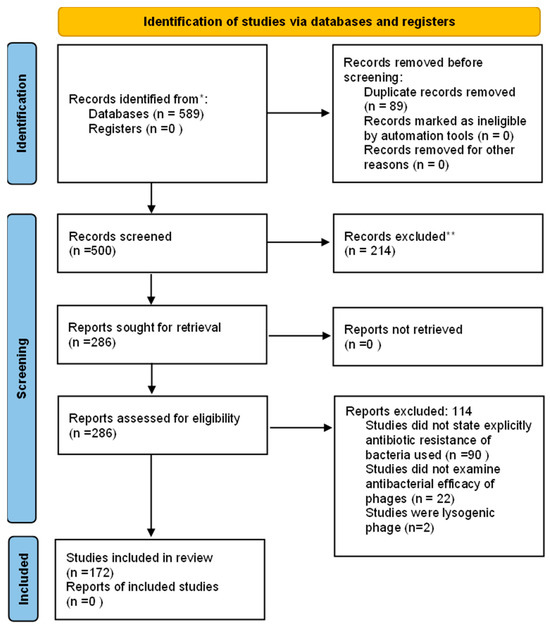
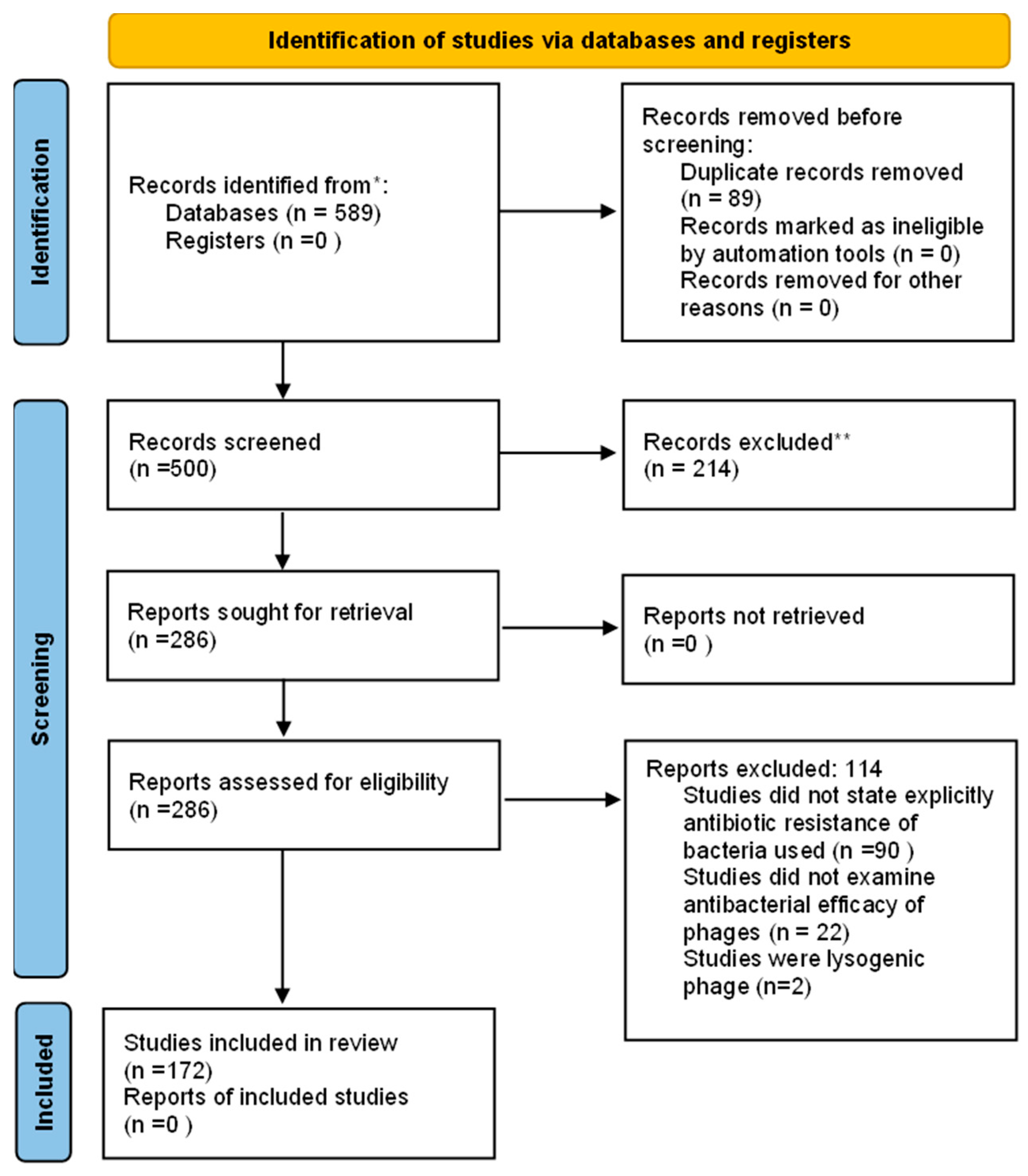
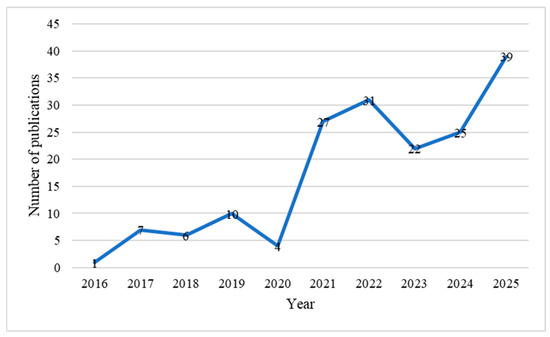
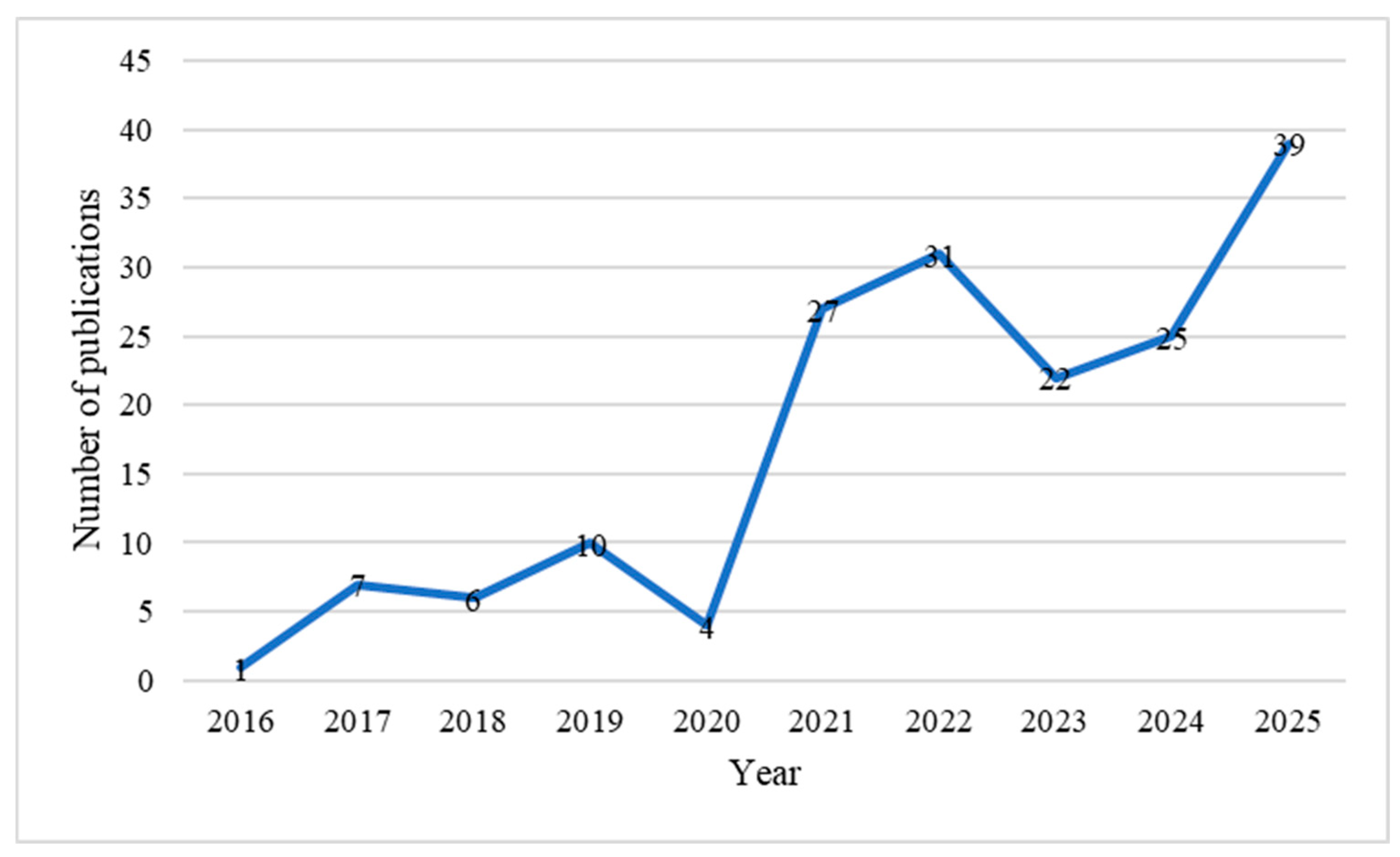
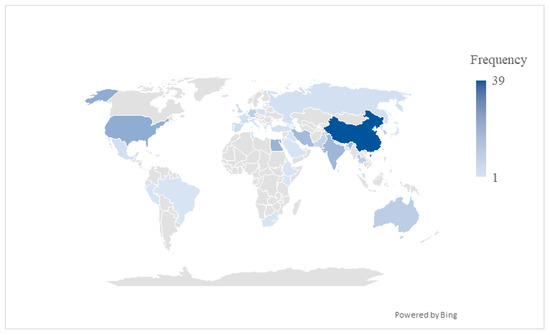
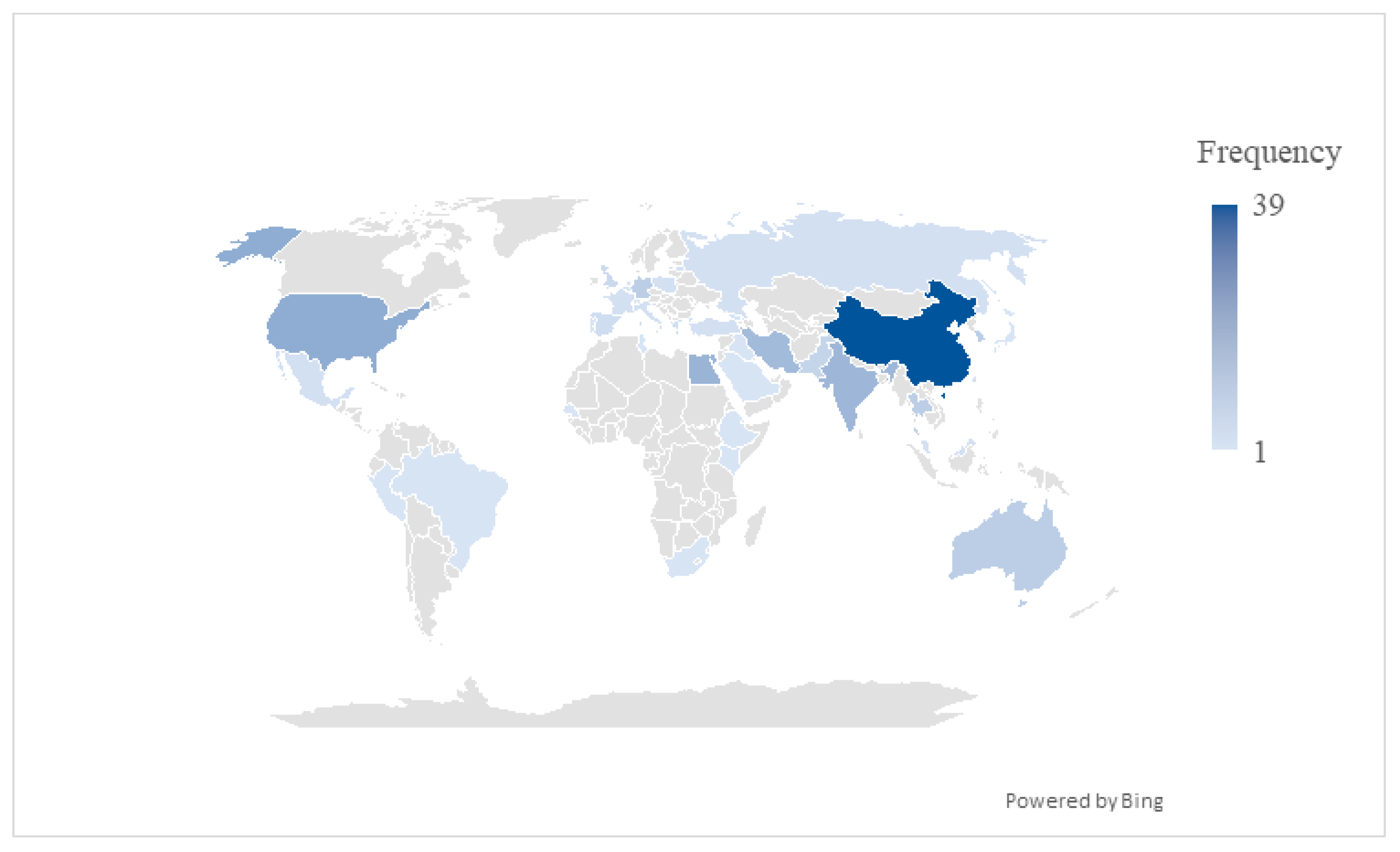
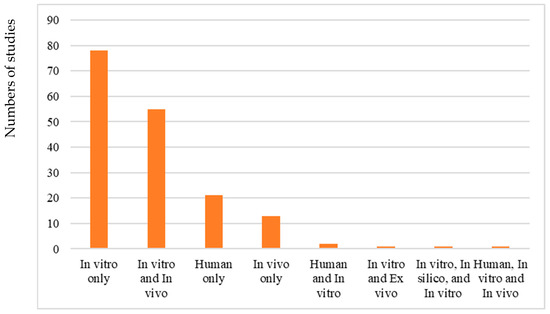
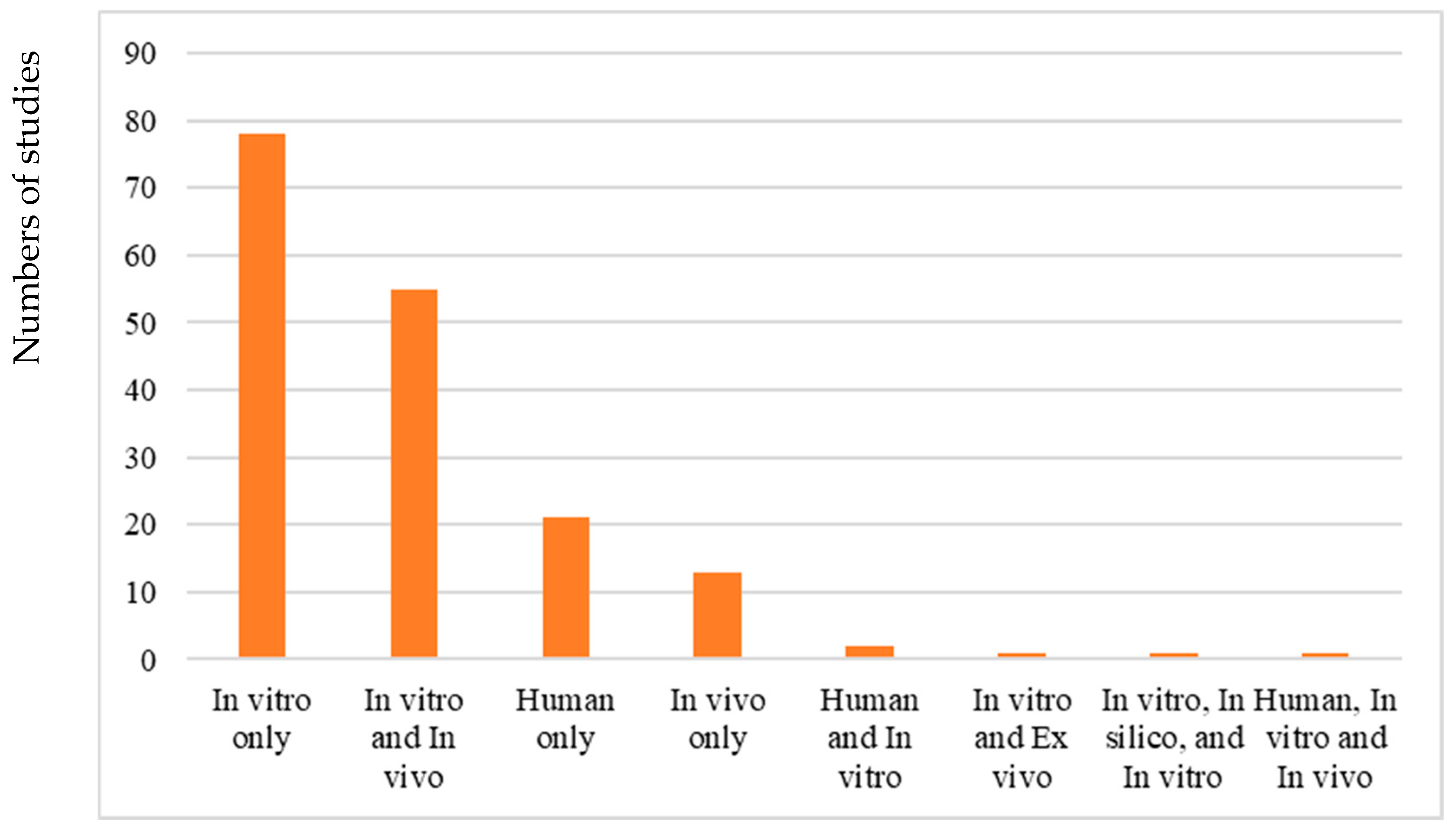

Disclaimer/Publisher’s Note: The statements, opinions and data contained in all publications are solely those of the individual author(s) and contributor(s) and not of MDPI and/or the editor(s). MDPI and/or the editor(s) disclaim responsibility for any injury to people or property resulting from any ideas, methods, instructions or products referred to in the content. |
© 2026 by the authors. Licensee MDPI, Basel, Switzerland. This article is an open access article distributed under the terms and conditions of the Creative Commons Attribution (CC BY) license.