


Abstract
Background/Objectives: Periodontitis is sustained by dysbiotic biofilms and dysregulated host responses, providing pharmacological targets for antimicrobial, host-modulating, phytochemical, regenerative, and locally delivered interventions. This scoping review mapped bioactive heterocyclic compounds investigated in periodontitis according to the structural family, pharmacological target, periodontal compartment, therapeutic maturity, selected periodontal–systemic interfaces, and a secondary geriatric cerebrovascular context. Methods: PubMed, Scopus, and the Web of Science Core Collection were searched for the principal review on 30 July 2026. Companion publications were linked at the study level, and design-specific appraisal was applied when sufficient methodological information was available. A separate cerebrovascular extension was searched on 6 August 2026 and analyzed independently of the principal evidence denominator. Results: The principal evidence map comprised 715 independent studies represented by 804 canonical eligible reports. Nitroimidazole-containing regimens formed the largest structural family (283 studies; 39.6%), followed by melatonin and indole-related agents (83; 11.6%), macrolides (77; 10.8%), berberine and isoquinoline-related compounds (29; 4.1%), and quinolones or fluoroquinolones (28; 3.9%). Human clinical evidence was concentrated mainly in established antimicrobial regimens, whereas many host-modulating, phytochemical, regenerative, signaling, and delivery-based approaches remained predominantly translational or preclinical. The detailed clinical subset comprised 48 human studies, including six core comparative studies; heterogeneity in population, regimen, treatment background, follow-up, outcome definition, and analysis unit precluded a clinically meaningful pooled estimate. Prespecified systemic interfaces included diabetes (35 studies), cardiovascular disease (13), and rheumatoid arthritis (2). The separate cerebrovascular component comprised 30 studies addressing the oral health burden, microbial and inflammatory associations, oral care interventions, and treatment safety considerations in older adults with ischemic stroke. Conclusions: The evidence supports compound- and formulation-specific interpretation rather than class-wide therapeutic recommendations. Clinical translation should integrate structural and mechanistic plausibility with periodontal target-site exposure, pharmacokinetic–pharmacodynamic evidence, clinically meaningful benefit, safety, and antimicrobial stewardship. The cerebrovascular evidence supports oral care integration and safety surveillance but does not establish causal periodontal effects on stroke, reperfusion outcomes, or thrombolysis eligibility.
1. Introduction
Periodontitis is a common chronic inflammatory disease characterized by the progressive destruction of the periodontal supporting tissues, with consequent tooth loss, impaired oral function, and reduced quality of life. In 2021, severe periodontitis affected more than one billion people worldwide, and its global burden is expected to increase further as populations age and grow [1].
The current periodontal classification integrates disease severity, complexity, progression, and relevant risk modifiers within a staging and grading framework [2,3]. These dimensions are particularly relevant to pharmacological research because treatment response and the potential value of adjunctive therapy may vary according to the periodontal phenotype, smoking status, metabolic conditions, previous treatment, and local tissue complexity.
The biological basis of periodontitis involves a dynamic interaction between dysbiotic subgingival microbial communities and a dysregulated host response. Microbial accumulation and ecological shifts may promote neutrophil recruitment, Th17-associated inflammation, oxidative stress, extracellular matrix degradation, osteoclast activation, and impaired tissue repair [4,5].
These processes involve several biologically distinct periodontal compartments, including the subgingival biofilm, gingival epithelium and connective tissue, periodontal extracellular matrix, periodontal ligament, and alveolar bone.
Accordingly, contemporary management remains centered on risk factor control, disruption of the subgingival biofilm, periodontal instrumentation, the management of residual disease, and supportive periodontal care [6].
Pharmacological agents may provide an additional benefit in selected situations, but their clinical value depends on the target, route, exposure, treatment background, safety profile, and expected incremental benefit.
Heterocyclic compounds represent a chemically diverse pharmacological space relevant to several of these therapeutic targets. A heterocyclic scaffold contains at least one ring atom other than carbon, and nitrogen-containing heterocycles are particularly prominent in medicinal chemistry, occurring in approximately 59% of FDA-approved small-molecule drugs [7].
Periodontal research has investigated compounds containing nitroimidazole, macrolide, quinolone, indole, isoquinoline, pyridine, pyrimidine, beta-lactam, and other heterocyclic frameworks. These structural families encompass agents with markedly different pharmacological functions, ranging from antimicrobial and antibiofilm activity to the modulation of inflammatory, immune, oxidative, matrix-degrading, bone-related, and regenerative pathways. Structural similarity therefore provides a useful chemical classification but does not imply pharmacological equivalence or a common level of therapeutic maturity.
This distinction becomes particularly important when chemical structure is related to the periodontal compartment in which an effect is investigated. Conventional antimicrobial heterocycles primarily target microbial survival, persistence, or biofilm ecology.
Host-modulating compounds may influence inflammatory, immune, or oxidative pathways within gingival and periodontal tissues. Other agents have been studied in relation to extracellular matrix turnover, matrix metalloproteinases, osteoclast–osteoblast balance, alveolar bone loss, or regenerative responses.
These biological levels are interconnected, but evidence of activity within one compartment should not automatically be interpreted as direct pharmacological action within another or as proof of clinical effectiveness.
The route and formulation add a further level of complexity. Systemic administration raises questions concerning exposure, drug interactions, adverse effects, ecological consequences, and antimicrobial resistance, whereas local delivery depends on retention, release kinetics, periodontal pocket exposure, tissue diffusion, and the characteristics of the carrier or device.
A delivery platform is therefore considered separately from the pharmacological identity of the active heterocyclic compound. The relevant translational unit is not the scaffold alone but the compound–target–formulation–exposure combination within a defined periodontal treatment context [8].
Clinical evidence is available for selected antimicrobial regimens, including amoxicillin–metronidazole combinations and azithromycin, although the reported effects differ according to the population, smoking status, disease phenotype, background periodontal therapy, outcome definition, follow-up, and analytical approach [9,10].
Non-antibiotic heterocyclic compounds occupy different positions along the translational continuum.
Melatonin has been investigated for antioxidant, immunomodulatory, and bone-related effects and has progressed to human clinical evaluation, including in patients with type 2 diabetes and periodontitis [11].
Berberine and related isoquinoline compounds remain more strongly represented in experimental and translational research, including work involving macrophage polarization and NF-kappa B-related pathways [12].
Additional medicinal chemistry studies illustrate a long tail of structurally diverse candidates, including oxadiazole-, triazole-, and quinoxaline-related compounds [13,14]. These examples illustrate why the research volume, mechanistic density, and clinical maturity should be considered separately.
The pharmacological context also extends to medically complex populations. Periodontitis frequently coexists with diabetes mellitus, cardiovascular disease, inflammatory disorders, polypharmacy, and other age-related clinical conditions. Investigations of endothelial function, systemic inflammation, metabolic control, and rheumatoid arthritis illustrate potential periodontal–systemic interfaces [15,16,17].
Such evidence may inform treatment planning, safety assessment, and biological interpretation, but associative or surrogate findings should not be interpreted as evidence that periodontal pharmacotherapy modifies long-term systemic disease outcomes.
Targeted systemic therapies used for chronic inflammatory diseases can also influence oral or periodontal safety and treatment planning [18].
The distinctive contribution of this review is therefore to integrate the chemical structure, pharmacological target, periodontal compartment, formulation, route of administration, delivery strategy, clinical evidence, safety, and therapeutic maturity within a single periodontitis-focused framework.
Rather than treating heterocyclic compounds as a pharmacologically uniform class, the review examines how individual compound–target–formulation combinations progress from molecular or experimental plausibility toward clinically evaluable interventions. This framework also permits the explicit separation of clinically established evidence from mechanistic, preclinical, and mixed translational research.
Against this background, the primary objective of this scoping review was to map bioactive heterocyclic compounds investigated for the drug-based management of periodontitis according to the structural family and level of evidence.
Particular attention was given to pharmacological targets, periodontal compartments, antimicrobial and host-modulating actions, systemic and local administration, formulation and delivery strategies, preclinical and translational evidence, clinical outcomes, safety, and therapeutic maturity.
Secondary objectives were to compare the evidence maturity across structural families and to characterize the prespecified periodontal–systemic interfaces involving diabetes mellitus, cardiovascular disease, and rheumatoid arthritis.
A separate secondary translational component, introduced through a documented post-protocol amendment, examined oral and periodontal evidence relevant to older adults with ischemic stroke.
This component addressed the oral health burden, dysphagia-related care needs, stroke-associated pneumonia, microbial and inflammatory findings, oral care interventions, and reperfusion-related oral safety observations.
It was analyzed independently of the principal heterocyclic evidence corpus and was intended to inform oral care integration, treatment safety surveillance, and future research rather than heterocycle-specific cerebrovascular efficacy.
The review additionally sought to identify evidence gaps and define priorities for clinically meaningful drug development, targeted delivery, pharmacological exposure, safety, and antimicrobial stewardship.
2. Results
2.1. Study Selection and Global Evidence Architecture
The 36 modular searches yielded 5515 raw database appearances: 1731 from PubMed, 2606 from Scopus, and 1178 from the Web of Science Core Collection. The removal of 1202 within-database duplicates and 1422 cross-database duplicates yielded 2891 unique records.
Eight retraction-related records were removed before screening, leaving 2883 records for title–abstract screening. Of these, 2050 were excluded and 833 advanced to full-source or highest-available-source assessment.
The final evidence architecture comprised 804 canonical eligible reports mapped to 715 independent studies. The difference between the report denominator and the study denominator reflects controlled publication family linkage rather than exclusion.
Figure 1 presents the confirmed study selection pathway, while Table 1 summarizes the database-level search architecture and yields.
Figure 1.
PRISMA-ScR-aligned study selection flow based on confirmed counts. The diagram presents verified record-level and final report/study endpoints; the intermediate report-level interval is shown without inferred counts. ID, identifier.
Table 1.
Search architecture and database yields.
Figure 1 emphasizes two distinct analytical layers. Bibliographic records were deduplicated and screened at the publication level, whereas primary, follow-up, microbiological, biomarker, pharmacokinetic, safety, subgroup, and conference reports from the same underlying study were subsequently linked to one final study ID. The preserved audit confirms the endpoints of 833 full-source assessments and 804 canonical eligible reports, but it does not support the reliable reconstruction of every intermediate report-level disposition; no arithmetic exclusion count was therefore inferred for this interval.
To quantify the database contributions before cross-database consolidation, Table 1 reports the raw appearances, within-database duplicates, and within-database unique records.
Publication family linkage preserved companion reports without counting the same cohort or experimental population more than once. The final evidence categories comprised 311 clinical human studies (43.5%), 282 mixed translational studies (39.4%), 99 in vitro or material-based studies (13.8%), 13 preclinical in vivo studies (1.8%), and 10 source-limited or unclassified studies (1.4%).
A detailed clinical evidence subset comprised 48 independent human studies selected for source-specific extraction and appraisal because they provided sufficient source-level characterization and at least one extractable periodontal clinical, microbiological, biomarker, pharmacokinetic, or safety outcome.
Entry into this subset was based on analytical suitability and source extractability, not on the direction, magnitude, or statistical significance of the reported effects. All 48 remained within the 715-study evidence map.
2.2. Structure-Based Heterocyclic Families, Pharmacological Targets, and Evidence Maturity
Five validated principal families accounted for 500 of 715 independent studies (69.9%): nitroimidazole-containing regimens (283; 39.6%), melatonin and indole-related agents (83; 11.6%), macrolides and related antibiotics (77; 10.8%), berberine and isoquinoline-related compounds (29; 4.1%), and quinolones or fluoroquinolones (28; 3.9%).
The remaining 215 studies were distributed across a heterogeneous long tail of 155 principal labels. Structural classification was used for chemical organization and did not imply pharmacological equivalence, equivalent therapeutic maturity, or a hierarchy of clinical effectiveness.
2.2.1. Nitroimidazole-Containing Regimens
Nitroimidazole-containing regimens represented the largest principal family (283 studies). The maturity profile comprised 187 clinical human, 79 mixed translational, 15 in vitro or material-based, and two source-limited or unclassified studies.
Metronidazole was the dominant representative, frequently used alone or in combination with amoxicillin. Combination regimens were counted once under the predefined principal family; beta-lactam content was retained as a secondary structural label where applicable.
2.2.2. Macrolides
Macrolides comprised 77 studies, including 55 clinical human, 17 mixed translational, and five in vitro or material-based studies. Azithromycin was the most prominent clinically evaluated representative, with spiramycin and other macrolides contributing historical or contextual evidence. Their periodontal literature is primarily antimicrobial, although host response effects were also investigated.
2.2.3. Quinolones and Fluoroquinolones
Quinolones and fluoroquinolones comprised 28 studies: 17 clinical human, six mixed translational, and five in vitro or material-based studies. Ciprofloxacin, moxifloxacin, and related agents were investigated principally for antibacterial activity, including systemic and local periodontal applications. The clinical evidence was smaller and more heterogeneous than for nitroimidazole-containing regimens or macrolides.
2.2.4. Indoles and Indole-Related Compounds
Melatonin and indole-related agents comprised 83 studies, with 22 clinical human, 46 mixed translational, 10 in vitro or material-based, three preclinical in vivo, and two source-limited or unclassified studies.
Melatonin dominated this family and was investigated across antioxidant, inflammatory, immune, bone-related, and regenerative domains. Its evidence base therefore spans clinical and translational layers rather than a single pharmacological mechanism.
2.2.5. Isoquinolines and Related Alkaloids
Berberine and isoquinoline-related compounds comprised 29 studies, with two clinical human, 16 mixed translational, eight in vitro or material-based, two preclinical in vivo, and one source-limited or unclassified study.
The evidence was concentrated in antimicrobial, macrophage-related, inflammatory signaling, and bone remodeling research and remained predominantly experimental or translational.
2.2.6. Pyridine-Containing Compounds
Pyridine-containing compounds occurred within the structurally heterogeneous long-tail evidence base. Modern experimental work included pyridine-based inhibitors directed at bacterial virulence or biofilm-related targets. Because pyridine labels were not maintained as a mutually exclusive principal denominator stratum, no retrospective family count was assigned.
2.2.7. Pyrimidine-Containing Compounds
Pyrimidine-containing compounds were represented by sparse and heterogeneous historical or experimental evidence. The available records were insufficient to support a common periodontal mechanism or a separately validated denominator stratum; they were therefore retained as structurally relevant long-tail candidates rather than treated as a mature therapeutic family.
2.2.8. Beta-Lactam-Containing Regimens
Beta-lactam structures are clinically relevant in periodontal combination regimens, particularly amoxicillin–metronidazole. However, beta-lactam-containing combinations were not counted again as an independent principal family because each study contributed once to the mutually exclusive 715-study architecture. Their role is therefore shown structurally, while combination trials remain assigned to the predefined principal family.
Table 2 summarizes representative structural motifs, pharmacological actions, periodontal target compartments, and evidence maturity. Counts are shown only for validated, mutually exclusive principal family strata; pyridine-, pyrimidine-, and beta-lactam-containing compounds are displayed structurally without retrospective denominator creation.
Table 2.
Structure-based pharmacological profile and evidence maturity of major heterocyclic families represented in periodontal research.
Design classification identified 179 in vitro, microbiological, cellular, or material-based studies; 154 randomized or controlled clinical interventions; 144 other or incompletely specified human studies; 114 mixed translational studies; 108 animal experiments; 10 observational human studies; and six studies with an unresolved design classification.
Route metadata included 140 systemic, 138 local or topical, 11 mixed systemic-and-local, and 12 material or delivery platform interventions; the route was not applicable to 273 experimental studies and unreported in 141.
Microbial or biofilm-related terms occurred in 436 studies (61.0%), representing the most frequent explicit theme. Host response content occurred in 122 studies, including inflammatory signaling in 86, immune modulation in 42, oxidative stress in 21, matrix degradation or matrix metalloproteinases in 15, and angiogenesis or endothelial biology in 12.
Bone metabolism or periodontal regeneration was explicitly investigated in 74 studies, while 50 included materials or delivery platform content. These non-mutually exclusive counts describe research domains and do not indicate a confirmed beneficial effect. The global distribution of the evidence categories, major compound families, and mechanistic themes is summarized in Figure 2.
Figure 2.
Global evidence map. (A) Mutually exclusive evidence categories. (B) Most frequent primary compound families; the final bar aggregates 155 additional labels. (C) Non-mutually exclusive pharmacological and biological themes identified from explicit structured metadata. Counts in panel (C) overlap and do not indicate confirmed benefit. MMP, matrix metalloproteinase.
Figure 2 demonstrates that the evidence volume and evidence maturity are not interchangeable. Human clinical evidence is concentrated mainly in established antimicrobial regimens, whereas many host-modulating, phytochemical, regenerative, signaling, and delivery-based approaches remain predominantly translational, experimental, or preclinical. Representative chemical scaffolds underlying the structural organization are shown in Figure 3.
Figure 3.
General chemical scaffolds of the major heterocyclic families represented in the periodontal pharmacology evidence map. The structures depict simplified parent scaffolds or characteristic structural motifs rather than the complete molecular structures of the compounds listed as representatives. The macrolide panel illustrates a generic macrocyclic lactone motif because individual macrolides differ in ring size and substitution pattern. Structural grouping was used for evidence classification and does not imply pharmacological equivalence, comparable potency, or equivalent clinical evidence across compound families.
Figure 3 provides a structural reference for the organization of the review. The panels intentionally depict general scaffolds rather than complete therapeutic molecules, so that chemically diverse families can be compared without implying identical substitution patterns, stereochemistry, mechanisms, or pharmacological performance. The corresponding structure-to-target relationships across periodontal compartments are summarized in Figure 4.
Figure 4.
Structure-to-target pharmacological framework of heterocyclic compounds investigated in periodontal tissues. The schematic links major structural families with the principal periodontal compartments and pharmacological domains in which their effects have been investigated. Delivery systems are shown separately as determinants of exposure, including the route, carrier characteristics, release, retention, diffusion, and target engagement. The horizontal arrows indicate conceptual relationships between structural families, periodontal targets, and delivery-related exposure, while the vertical arrows illustrate the sequence of delivery and exposure stages. Connections represent mapped research domains and do not imply direct causality, equivalent mechanisms across compounds, or established clinical efficacy. Mechanistic themes are non-mutually exclusive.
Figure 4 separates pharmacological targets from delivery and exposure. This distinction is especially important for locally delivered therapies, in which an observed effect may depend on the active compound, carrier or device, release kinetics, pocket retention, tissue diffusion, concomitant mechanical therapy, or combinations of these factors.
2.3. Clinical Drug Intervention Evidence, Local Delivery, and Safety
2.3.1. Evidence Readiness and Core Comparative Findings
The 48-study clinical evidence subset was dominated by antimicrobial interventions: 26 nitroimidazole-containing regimens, 11 macrolides or related antibiotics, seven antiseptic or non-antibiotic antimicrobial approaches, two fluoroquinolone studies, one biologic–antimicrobial combination, and one nonsteroidal host modulation study. Source completeness ranged from complete primary articles to abstracts and controlled bibliographic records; source grades reflected traceability and extractable information rather than methodological quality.
Six core comparative studies provided the most informative quantitatively extractable evidence. Five supported exact estimates with precision measures, while Oteo et al. contributed azithromycin point estimates because dispersion was unavailable. These studies were designated as core comparative evidence because they provided direct comparative interventions, adequate source characterization, relevant periodontal outcomes, and primary numerical information; the designation does not imply a uniformly low risk of bias. The six core comparative studies are summarized in Table 3.
Table 3.
Core comparative clinical evidence.
Table 3 shows that the most informative comparative evidence remains fragmented across clinically distinct questions. The five randomized studies with estimable precision retained RoB 2 judgements of some concerns, and Oteo et al. lacked dispersion for the selected point estimates. Source completeness and methodological appraisal were therefore kept as separate dimensions throughout interpretation.
2.3.2. Smokers, Local Delivery, Host Modulation, and Safety
In smokers, Matarazzo et al. reported probing depth differences favoring the adjunctive intervention of 0.40 mm for metronidazole and 0.30 mm for amoxicillin–metronidazole, although the corresponding confidence intervals included no difference [20]. Dastoor et al. reported a 0.23 mm attachment benefit in surgically treated teeth with azithromycin (95% CI, 0.09 to 0.37), whereas other selected probing depth, attachment, and bleeding outcomes were imprecise [21]. These findings indicate study-specific signals rather than a consistent antibiotic effect in smokers.
Thirteen studies evaluated local subgingival or site-level delivery, with substantial heterogeneity in agents, concentrations, dosing schedules, comparators, and analysis units. In the split mouth study by Jansson et al., 25% metronidazole gel produced a raw paired-site probing depth difference of 0.40 mm and an attachment change difference of 0.50 mm at 12 weeks [23]. The report did not provide paired variance, within-participant correlations, or another valid basis for reconstructing an inferential confidence interval; no paired SD, correlation coefficient, or ICC was imputed.
The principal host modulation study evaluated meloxicam. At day 10, the GCF MMP-8 total amount and concentration were lower than for the placebo, with mean differences of −59.40 ng per two sites (95% CI, −108.14 to −10.66) and −91.19 ng/uL (95% CI, −162.21 to −20.17), respectively [22]. These biomarker outcomes represented a distinct mechanistic stratum and were not combined with clinical antimicrobial effects.
Participant-level safety data comprised 23 event comparisons from five studies. Twenty-two risk ratios were estimable and one comparison had zero events in both groups. Sparse events, inconsistent adverse-event definitions, and wide confidence intervals support descriptive safety interpretation and do not establish equivalence or the absence of harm.
2.3.3. Sensitivity Evidence and Quantitative Boundary
Varela et al. was retained in the sensitivity analysis because the assignment effect appraisal indicated a high risk of bias related to post-randomization exclusions and the per-protocol analysis [24]. At six months, several periodontal estimates favored amoxicillin-metronidazole, whereas attachment and bleeding-on-probing estimates remained imprecise. These findings were therefore not transferred to the core comparative evidence set.
For Yek et al. and Xajigeorgiou et al., source-level quantitative extraction relied on study-labeled secondary estimates. These estimates were retained as direction-of-effect bridges, and the selected confidence intervals included no difference [25,26]. The nonrandomized ciprofloxacin study by Tezel et al. was likewise retained as narrative sensitivity evidence because exposure followed diagnostic group assignment and relevant prognostic differences were not adequately controlled [27].
Across 22 primary continuous results selected for study-level quantitative description, five confidence intervals favored the adjunctive intervention, 15 included no difference, and two azithromycin point estimates favored the adjunctive intervention but lacked estimable precision. The six core studies belonged to distinct compatibility groups across periodontal phenotypes, smoking status, agent or regimen, route, treatment background, comparator, outcome definition, follow-up, analysis unit, primary-source availability, variance information, and methodological appraisal. No two studies satisfied the full set of compatibility requirements for a clinically meaningful pooled primary estimate. Study-level effects from the core comparative evidence are displayed in Figure 5.
Figure 5.
Selected study-level effects from the core comparative clinical evidence. Circles and horizontal bars indicate study-level mean differences with 95% confidence intervals; diamonds indicate point estimates for which dispersion was unavailable. The dashed vertical line indicates the null value (mean difference = 0). Estimates are displayed independently because the studies differed in periodontal phenotype, treatment regimen, background therapy, outcome definition, follow-up, and analysis unit. No pooled effect estimate was calculated, and the figure should not be interpreted as a meta-analysis. AMX-MTZ, amoxicillin–metronidazole; CAL, clinical attachment level; MTZ, metronidazole; PPD, probing pocket depth; RAL, relative attachment level [9,10,19,20,21].
Figure 5 makes the quantitative boundary visible. The estimates span clinically distinct questions, several confidence intervals cross the null line, and the two azithromycin findings are shown as point estimates only. Displaying each estimate independently preserves differences in population, regimen, treatment background, follow-up, and analysis unit.
2.4. Periodontal–Systemic Pharmacological Interfaces
The three prespecified systemic interfaces comprised 50 non-overlapping studies: 35 diabetes, 13 cardiovascular, and two rheumatoid arthritis studies. These studies formed an interpretive interface layer within the principal evidence map and did not alter the 715-study independent-study denominator.
The diabetes interface contained 27 direct clinical investigations, five preclinical or translational studies, two historical or source-limited clinical records, and one resistance context study. Nitroimidazoles accounted for 14 studies, melatonin or indole-related agents for 11, and macrolides for five. Outcomes combined periodontal measures with glycemic, inflammatory, oxidative, microbiological, salivary, or bone-related variables. The evidence supports short-term periodontal and metabolic interpretation but not long-term diabetic disease modification.
The cardiovascular interface included two direct clinical studies, four preclinical or translational interventions, five mechanistic probe studies, one virulence context study, and one unresolved source-limited record. Investigations addressed endothelial function, systemic inflammation, atherosclerosis models, and periodontal pathogen signaling. Major cardiovascular events were not primary outcomes, and the evidence did not support claims of a cardiovascular event reduction.
The rheumatoid arthritis interface contained one clinical study of periodontal inflammation during baricitinib treatment and one mixed translational study of periodontal therapy and methotrexate in a combined periodontitis–arthritis model [16,17]. These observations remain hypothesis-generating and do not establish a pharmacological class effect.
Across the 50 interface studies, 30 were clinical investigations, 10 were direct preclinical or translational interventions, five were mechanistic probe studies, and five were historical, resistance context, virulence context, or unresolved records. The dedicated geriatric cerebrovascular component was analyzed separately and was not included within these 50 systemic interface studies.
2.5. Therapeutic Gaps and Drug Development Priorities
Recurring evidence gaps included inconsistent periodontal and systemic disease definitions; incomplete reporting of the disease stage, grade, smoking status, metabolic control, previous antimicrobial exposure, systemic medication, and systemic disease activity; missing dose, route, formulation, and treatment duration information; short follow-up; heterogeneous analysis units; and incomplete safety, microbiome, or antimicrobial resistance surveillance. Mechanistic studies frequently lacked pharmacokinetic confirmation, dose response characterization, or validation across independent experimental models.
Future trials should use standardized periodontal core outcomes, clearly specified estimands, adequate sample size calculations, prospectively defined analysis populations, clinically interpretable endpoints such as the residual pocket burden or pocket closure, and the appropriate handling of paired and clustered observations. Antimicrobial studies should document indications, prior exposure, durations, adherence, adverse events, susceptibility or resistance findings where relevant, resistance genes or microbiome/ecological changes where informative, and the contemporary stewardship context, including the WHO AWaRe classification when applicable [28,29].
Local delivery studies should distinguish the active heterocyclic compound from the carrier, release profile, local retention, device characteristics, and procedural background. Future exposure-informed work should link formulation properties with release kinetics, periodontal pocket fluid dynamics, tissue diffusion and retention, local concentration–time profiles, target engagement, and response. Pharmacokinetic–pharmacodynamic and physics-informed release models may support future formulation development but were not used to reinterpret the present treatment effect estimates.
Additional oral–systemic domains should be evaluated prospectively rather than inserted retrospectively into the current evidence map. Inflammatory bowel disease, for example, may justify a future dedicated oral gut evidence program with predefined search and eligibility criteria; it was not part of the prespecified systemic interface denominator in this review.
2.6. Secondary Geriatric Cerebrovascular Translational Context
2.6.1. Evidence Architecture and Oral Health Burden
The dedicated cerebrovascular component comprised 30 results studies: three strictly geriatric studies, two with separately extractable geriatric subgroups, and 25 geriatric-enriched studies. Thirty-one result-level appraisals were required because one study contributed analytically distinct observational and intervention components.
The final design profile comprised 11 cohort analyses, eight analytical cross-sectional studies, seven case–control studies, four quasi-experimental analyses, and one randomized comparison. Six studies had some methodological concerns and 24 had a high level of methodological concern at the study level; these judgements informed the narrative weighting rather than exclusion from the evidence map.
Oral disease and impaired oral self-care were frequent among older adults after ischemic stroke. In a strictly geriatric hospital cohort, dental decay and poor oral hygiene affected 91.7% and 92.2% of participants, respectively [30]. Worse admission oral condition scores were associated with poor functional outcomes and hospital-acquired pneumonia, while oral frailty was clustered with dysphagia, functional dependence, poorer oral-health-related quality of life, depression, and reduced self-care [31,32,33,34,35]. These findings identify clinically important care needs but do not demonstrate that periodontal treatment improves neurological recovery.
2.6.2. Periodontal, Microbiological, and Inflammatory Findings
Case–control studies reported poorer dental, plaque, and periodontal measures among stroke populations [36,37]. Severe radiographic periodontal bone loss was associated with lacunar infarction (odds ratio, 8.1; 95% CI, 4.1–16.3) [38], while periodontal status was associated with an early neurological trajectory in a prospective cohort [39].
Oral bacterial DNA and viridans streptococci were detected in thrombectomy specimens [40,41,42]. Gingipain staining was identified in 33.7% of thrombi and was associated with a lower probability of near-complete or complete reperfusion [43]. Additional studies linked oral Fusobacterium nucleatum, Campylobacter rectus, periodontal pathogen antibodies, systemic inflammatory markers, endothelial dysfunction, and periodontal biomarkers with cerebral small-vessel disease, cerebral microbleeds, lacunar infarction, or short-term stroke outcomes [44,45,46,47,48,49,50].
Collectively, these findings demonstrate a measurable oral–cerebrovascular overlap. They do not establish a periodontal origin of thrombi, the causal mediation of stroke by periodontitis, or the responsiveness of cerebrovascular outcomes to periodontal treatment.
2.6.3. Oral Care Interventions and Reperfusion-Related Safety
A pilot randomized trial reported improved swallowing and oral health scores after oral care with or without neuromuscular electrical stimulation, but the study was underpowered to establish a definitive difference between the intervention strategies [51].
A multidisciplinary care bundle incorporating oral care reduced stroke-associated pneumonia from 37.2% before implementation to 14.0% after implementation [52]. Other studies addressed acute dental management and cluster-based nursing interventions, but bundled or uncontrolled designs limited the attribution of the observed effects to individual oral care components [53,54].
Population-based evidence was heterogeneous. A favorable oral hygiene pattern was associated with a lower ischemic stroke risk in the overall cohort but not in the separately extractable subgroup aged 65 years or older [55]. Among older adults with chronic periodontitis and dyslipidemia, good statin adherence was associated with a lower stroke incidence [56]. The tooth number, preventive dental care, and oral care exposure were also examined [57,58], although residual confounding limited causal interpretation.
Only one eligible study reported age-stratified oral safety findings after intravenous alteplase [59]. All 70 participants received standard-dose alteplase. A composite cutaneous, oral, or gingival bleeding outcome occurred in 23.68% of participants aged 70 years or older and 6.25% of younger participants (p = 0.046). The study did not compare thrombolyzed with non-thrombolyzed older adults, isolate gingival bleeding as a distinct endpoint, or determine whether periodontal status modified bleeding risk.
Overall, the cerebrovascular evidence supports oral health assessment, oral care integration, and safety surveillance after ischemic stroke. It does not establish that periodontitis causes stroke, that periodontal treatment alters neurological or reperfusion outcomes, that periodontal status predicts thrombolysis-associated bleeding, or that oral findings determine reperfusion eligibility.
Table 4 summarizes the evidence volumes, main mapped foci, and interpretive boundaries of the three prespecified systemic interfaces and the analytically separate geriatric cerebrovascular extension. The translational relationship between the principal periodontal corpus, selected systemic interfaces, and the separate cerebrovascular extension is illustrated in Figure 6.
Table 4.
Selected periodontal–systemic interfaces and secondary geriatric cerebrovascular context.
Figure 6.
Translational drug intervention framework linking the 715-study periodontal heterocycle corpus to mapped pharmacological actions, selected periodontal-systemic interfaces, and the separate 30-study geriatric ischemic stroke component. Solid arrows indicate conceptual mapping between the principal evidence corpus, pharmacological domains, and contextual evidence components. Dashed arrows indicate hypothesis-generating connections to the interpretive boundary rather than demonstrated causal effects. The dashed boundary denotes translational relevance rather than a tested periodontal treatment pathway. Treatment-stratified geriatric reperfusion evidence remains a prospective research priority. MMPs, matrix metalloproteinases.
The cerebrovascular row is deliberately separated from the 50-study prespecified systemic interface denominator. It represents a post-protocol translational extension and should not be interpreted as a tested heterocycle-specific cerebrovascular treatment pathway.
Figure 6 preserves the hierarchy of interpretation: periodontal pharmacology constitutes the principal evidence corpus; diabetes, cardiovascular disease, and rheumatoid arthritis form selected systemic interfaces; and the geriatric cerebrovascular branch provides a separate oral care and safety context without altering the principal denominator or implying cerebrovascular efficacy.
3. Discussion
3.1. Principal Findings and Therapeutic Maturity
This review maps 715 independent studies within a structure-based pharmacological framework while preserving the distinction between chemical classification and pharmacological equivalence. Nitroimidazole-containing regimens represent the largest evidence family and the most clinically mature domain, followed by macrolides. Melatonin and indole-related agents show intermediate clinical-translational maturity, whereas berberine/isoquinoline candidates and many regenerative, signaling, or delivery-oriented approaches remain more strongly translational. The evidence map therefore describes research concentration and maturity rather than therapeutic ranking.
A second principal finding is the gap between the evidence volume and extractable comparative clinical evidence. Although 311 studies were classified as clinical human evidence, 48 met the source and analytical requirements for detailed clinical synthesis, and six formed the core comparative set.
Five supported precision estimates, whereas Oteo et al. contributed point estimates only. This maturity gradient reflects differences in source completeness, design, analysis unit, outcome definition, formulation, and treatment context rather than the direction of the reported findings.
The structural organization also clarifies why mechanistic activity cannot be used as a surrogate for clinical efficacy. A heterocyclic scaffold may support antimicrobial, inflammatory, immune, oxidative, matrix-related, bone-related, or delivery-associated research, but the clinically relevant unit is the compound–target–formulation–exposure–outcome combination. Translation therefore requires coherence between structural plausibility, target engagement, periodontal exposure, a reproducible biological response, and a demonstrable patient-level benefit.
3.2. Clinical Effects, Clinical Relevance, Safety, and Antimicrobial Stewardship
The study-level quantitative findings support an outcome-specific rather than class-wide interpretation. Of 22 primary continuous results selected for quantitative description, five confidence intervals favored the adjunctive intervention, 15 included no difference, and two favorable azithromycin point estimates lacked estimable precision. These results span the residual pocket burden, probing depth reduction, clinical attachment outcomes, and MMP-8 rather than a single replicated endpoint.
A pooled estimate was not calculated because the studies did not satisfy the full compatibility requirements across periodontal phenotypes, smoking, regimens, routes, treatment backgrounds, comparators, outcome definitions, follow-up, analysis units, source availability, variance information, and appraisal.
Clinical relevance should not be reduced to a universal retrospective millimeter threshold. Contemporary periodontal trial interpretation can instead use standardized core outcome domains and clinically interpretable endpoints.
The periodontal core outcome set developed by Lamont et al. includes the probing depth, quantified gingival inflammation, quantified plaque, oral health-related quality of life, and tooth loss [28]. Where appropriate, these domains may be complemented by the residual pocket burden or pocket closure, including EFP-compatible treatment endpoints such as shallow non-bleeding residual pockets and the absence of deep residual pockets [6].
The safety evidence remains too sparse and heterogeneous for equivalence claims. Participant-level comparisons identified adverse events, gastrointestinal and taste-related symptoms, oral effects, and periodontal complications, but low event frequencies and inconsistent definitions limited the precision. Future trials should prospectively define adverse-event ascertainment and report adherence, allergy, clinically relevant drug interactions, ecological effects, microbiome changes, and delayed events.
Antimicrobial stewardship is therefore part of therapeutic interpretation rather than an ancillary concern. The selection of a systemic antimicrobial should integrate the periodontal indication, phenotype and progression risk, prior antimicrobial exposure, expected incremental benefit, susceptibility or resistance information when available, adverse effects, and ecological burden.
WHO AWaRe may provide an additional stewardship framework where applicable, alongside local and national resistance patterns; it does not replace periodontal indication or clinical judgement [29,60]. Microbial detection alone should not determine the indication for adjunctive antimicrobial treatment.
3.3. Targeted Pharmacology, Periodontal Compartments, Drug Delivery, and Systemic Interfaces
The structural diversity of heterocyclic compounds is consistent with their broad importance in medicinal chemistry, but the presence of a heterocyclic ring does not imply a shared mechanism or therapeutic effect [7].
The mapped evidence can be organized across four main periodontal compartments: the subgingival microbial/biofilm environment; gingival and periodontal inflammatory or immune pathways; extracellular matrix and periodontal ligament processes; and alveolar bone or regenerative pathways. These compartments interact biologically, but a measured outcome in one compartment should not be interpreted as proof of direct pharmacological action in another.
Local delivery should be interpreted as an exposure layer rather than as an intrinsic mechanism of the heterocyclic scaffold. The active compound, carrier or device, release kinetics, periodontal pocket retention, tissue diffusion, local concentration–time profile, concomitant mechanical therapy, and formulation-specific adverse effects can each contribute to the observed outcomes. The contemporary nanotherapeutic literature reinforces the importance of separating drug activity from delivery platform performance [8].
Non-antibiotic families illustrate the resulting maturity gradient. Melatonin has progressed to randomized human evaluation and spans inflammatory, oxidative, and bone-related outcomes [11], whereas berberine remains predominantly experimental or mixed translational in the mapped corpus [12]. Other structurally diverse candidates, including oxadiazole-, triazole-, pyridine-, pyrimidine-, and quinoxaline-related compounds, are concentrated in medicinal chemistry, antimicrobial, mechanistic, or biomaterial research [13,14].
For these candidates, target engagement and biomarker change are development signals rather than evidence for routine clinical adoption. Recent reviews of natural bioactive compounds in periodontal disease further illustrate the breadth of mechanistic and translational candidates [61].
The prespecified systemic interfaces should likewise be interpreted as a clinical context rather than evidence of systemic efficacy. Diabetes has the broadest direct clinical representation [62,63]; cardiovascular evidence remains predominantly mechanistic, observational, or surrogate-based [64,65]; and rheumatoid arthritis evidence is sparse [16,17]. None establishes that periodontal pharmacotherapy modifies long-term systemic disease outcomes.
3.4. Geriatric Cerebrovascular Context for Oral Care, Bleeding Surveillance, and Drug Safety
The separate cerebrovascular extension supports structured oral assessment and oral care integration in older adults with ischemic stroke, but it does not establish a causal periodontal pathway to stroke. Across 30 studies, the oral disease burden, poor oral hygiene, oral frailty, dysphagia-related care dependency, impaired oral health-related quality of life, microbial findings, inflammatory signals, and pneumonia-related outcomes were recurrent. These findings identify care needs and biological overlap rather than evidence that periodontal treatment improves neurological recovery.
Microbiological and inflammatory observations provide plausibility for oral–cerebrovascular interaction but cannot establish a periodontal origin of cerebral thrombi, causal mediation, or responsiveness to periodontal treatment. Oral care and multidisciplinary intervention studies remain preliminary and heterogeneous. The care bundle evidence is consistent with the implementation value for pneumonia prevention, but bundled designs limit attribution to individual periodontal or oral care components.
The alteplase evidence is especially narrow. The only age-stratified study involved 70 participants who all received standard-dose alteplase and reported a composite cutaneous/oral/gingival bleeding outcome of 23.68% in participants aged 70 years or older and 6.25% in younger participants [59]. This is a within-treatment age comparison, not evidence of thrombolysis versus non-thrombolysis, and it does not isolate gingival bleeding or establish periodontal modification of bleeding risk. Oral findings should therefore not be used to infer reperfusion eligibility or efficacy. Post-search contextual evidence concerning pre-thrombolysis biological correlates of admission GCS in older thrombolysis-treated adults was used for interpretation only and did not alter the cerebrovascular denominator [66].
3.5. Clinical Implications for Drug-Based Management
The available evidence does not support a class-wide therapeutic recommendation for heterocyclic compounds in periodontitis. Stepwise periodontal therapy, behavioral and risk factor control, subgingival instrumentation, management of residual disease, and supportive periodontal care remain the clinical foundation [6]. A heterocyclic structure alone is neither an indication nor a surrogate for clinical effectiveness.
Adjunctive pharmacological treatment should be considered at the level of the specific agent, regimen, and indication, taking into account the periodontal phenotype, treatment background, dose, route, formulation, duration, target-site exposure, expected incremental benefit, safety, prior antimicrobial exposure, and available alternatives. Systemic antimicrobials should remain selectively indicated, with allergy, gastrointestinal and taste-related effects, drug interactions, adherence, ecological disturbance, previous exposure, and antimicrobial resistance considered alongside the periodontal benefit [29,60,67].
Local delivery systems require the separation of site-level improvement from patient-level benefit. The active compound, carrier or device, release and retention, treated-site burden, concomitant mechanical therapy, safety, durability, and cost can all influence clinical value. Host-modulating and non-antibiotic heterocycles should also not be treated as interchangeable; many remain mechanistic, cellular, animal, or mixed-translational candidates for which target engagement or biomarker change represents a development signal rather than routine clinical evidence.
The systemic interface findings support interdisciplinary awareness, not systemic therapeutic claims. In older adults with acute ischemic stroke, oral assessment and care should be coordinated with neurological stability, dysphagia precautions, assisted oral hygiene, antithrombotic and reperfusion exposure, and bleeding surveillance. Oral findings should not be interpreted as determinants of reperfusion eligibility. Reperfusion eligibility remains governed by established acute ischemic stroke criteria rather than periodontal findings [68].
The clinical role of heterocyclic compounds is therefore best defined by evidence-based selection and incremental benefit rather than chemical class membership. Progress toward broader use requires the convergence of mechanistic plausibility, target-site exposure, a reproducible clinical benefit, safety, stewardship, and demonstrable added value beyond optimized periodontal care.
3.6. Strengths and Limitations
Several methodological features strengthen the traceability of this scoping review. Three major bibliographic databases were searched without lower-year or language restrictions at the search stage. Publication-level deduplication was kept distinct from study-level linkage, and the final architecture mapped 804 canonical reports to 715 independent studies using record IDs, family IDs, and final study IDs. A 48-study detailed clinical subset and six-study core comparative set were defined by source and analytical suitability rather than the outcome direction. Quantitative calculations were restricted to directly reported denominators, dispersion measures, event counts, and paired information; no paired variance, correlation coefficient, ICC, or missing precision parameter was imputed.
Source completeness was explicitly separated from methodological quality. Eligibility for the scoping evidence map was also separated from eligibility for quantitative description, and mechanistic or preclinical evidence was separated from human clinical effectiveness. These distinctions reduce the risk of treating heterogeneous evidence layers as directly interchangeable.
The breadth of the review necessarily limited molecular-level extraction across all 715 studies. Global classifications relied on structured metadata and verified source fields, whereas detailed numerical extraction and design-specific appraisal were concentrated in analytically informative subsets. Historical or source-limited records therefore contribute to mapping and context with lower source resolution than complete primary reports.
Search reproducibility is strongest for Scopus and Web of Science, for which exact executed strategies were retained. For PubMed, all 20 set identifiers, purposes, export labels, search dates, and retrieval counts were archived, but the verbatim query histories executed on 30 July 2026 were not retained. Database-ready PubMed strategies were subsequently reconstructed from the archived search architecture for reproducibility support and are labeled explicitly as retrospective reconstructions; they did not alter the retrieval counts, screening, PRISMA denominators, or eligibility decisions. No dedicated systematic search of trial registries, gray literature databases, theses, or preprint servers was conducted. Conference and source-limited records encountered through the predefined databases or citation chasing were retained when eligible. This may underrepresent unpublished, negative, regional, or device/local delivery studies.
Study selection and charting were conducted within a single documented workflow with register-based reconciliation rather than independent duplicate screening and extraction with inter-reviewer agreement testing. Conservative retention was used at title–abstract screening when eligibility could not be confidently excluded, and the later numerical synthesis used confirmed source-level data without the arithmetic reconstruction of missing values.
The internal methodological protocol was locked before title–abstract screening but was not prospectively registered in a public registry. For transparency, the original locked protocol, search documentation, amendment history, report-to-study linkage, and reproducibility materials were subsequently deposited in the Open Science Framework as a retrospective public archive (OSF; https://doi.org/10.17605/OSF.IO/Y63ZD). The archive distinguishes the original locked protocol from later methodological amendments and separately labeled retrospective PubMed reproducibility reconstructions.
The absence of a meta-analysis reflects clinical and analytical incompatibility rather than a failed synthesis. The six core studies represented distinct compatibility groups across the population, smoking, regimen, route, background therapy, comparator, outcome, follow-up, unit of analysis, source availability, variance information, and appraisal.
The cerebrovascular extension has additional limitations. The source-level evaluation covered 93 of 195 candidate reports, while 102 remained outside the inferential synthesis and six priority reports remained source-limited for traceability. Only three included studies were strictly geriatric. Oral exposures and outcomes were heterogeneous, the alteplase study reported a composite oral-related bleeding endpoint, and no eligible study directly compared thrombolyzed and non-thrombolyzed older adults while reporting a substantive periodontal or oral outcome. This component should therefore be interpreted as a structured map of the oral health burden, care needs, associations, and safety-relevant signals rather than causal or treatment effect evidence.
Taken together, the principal value of the review lies in its structured map of therapeutic maturity, target compartments, clinical evidence, and translational gaps rather than in a universal hierarchy of heterocyclic therapies.
3.7. Drug Development Priorities and Translational Framework
The future development of heterocyclic compounds in periodontitis should begin with a clearly defined periodontal phenotype, biological or microbial target, formulation, route of administration, dose, treatment background, target estimand, and intended clinical role. Contemporary staging and grading, smoking status, metabolic control, systemic medication, previous periodontal and antimicrobial therapy, and adherence should be incorporated prospectively as design, stratification, or adjustment variables rather than introduced after outcome analysis.
Clinical trials should use standardized periodontal outcome domains, prespecified primary time points, appropriate sample-size calculations, and analysis strategies aligned with the unit of allocation. The periodontal core outcome set provides a useful minimum framework including the probing depth, quantified gingival inflammation, quantified plaque, oral health-related quality of life, and tooth loss [28]. These outcomes should be complemented, where relevant, by the residual pocket burden, pocket closure, microbiological, pharmacokinetic, biomarker, safety, or patient-reported outcomes appropriate to the intervention.
The statistical estimand and analysis population should be defined before study initiation, particularly for split-mouth, site-level, tooth-level, defect-level, or other clustered designs. Paired variance or within-participant correlations should be reported when applicable, and studies involving multiple periodontal sites per participant should provide cluster-adjusted estimates or sufficient information to characterize intraclass correlations.
Antimicrobial development should incorporate stewardship prospectively rather than treating resistance as a secondary issue. Trials should document previous antibiotic exposure, indications for antimicrobial use, treatment durations, adherence, adverse events, susceptibility findings or resistance genes where appropriate, and treatment-associated microbiome or ecological effects. Contemporary stewardship frameworks, including WHO AWaRe where applicable, should be considered together with national or local resistance patterns and periodontal indications [29]. Recent periodontal antimicrobial resistance reviews likewise emphasize ecological and multidrug resistance considerations [69].
Local delivery and biomaterial research should progress from descriptive formulation studies toward exposure-informed pharmacological development. Release kinetics, retention, carrier or device characteristics, periodontal pocket fluid conditions, local tissue penetration, concentration–time profiles, target engagement, and formulation-specific adverse events should be characterized where feasible. The pharmacological contribution of the active compound should be separated from effects attributable to the carrier, device, mechanical debridement, or surgical procedure.
Integrated pharmacokinetic–pharmacodynamic modeling may provide a useful bridge between formulation performance and clinical response. Experimentally informed models could relate local release and retention to periodontal exposure, tissue diffusion, target engagement, and biological response. Where sufficient physicochemical information is available, mechanistic or physics-informed release models could incorporate diffusion, degradation, dissolution, the carrier architecture, and local fluid exchange. These approaches remain future translational tools and were not applied retrospectively to the treatment effect estimates in this review.
Host-modulating, phytochemical, regenerative, and signaling-directed candidates require a similarly explicit translational sequence. Molecular or cellular activity should first be linked to a defined periodontal compartment and reproducible target engagement. Preclinical development should establish dose–response behavior and reproducibility across relevant models. Human development should then determine whether these effects translate into a clinically meaningful incremental benefit beyond optimized periodontal therapy. Biomarker change alone should not serve as a surrogate for clinical readiness.
The prespecified periodontal–systemic interfaces also require domain-specific research strategies. Diabetes studies should account prospectively for metabolic control and systemic medication and distinguish short-term metabolic or inflammatory changes from long-term diabetic outcomes. Cardiovascular studies should progress beyond inflammatory and endothelial surrogates toward clinically relevant event-oriented outcomes where scientifically and ethically justified. Rheumatoid arthritis research requires replication across treatment classes and periodontal treatment contexts.
Future extensions of the oral–systemic framework could prospectively evaluate additional chronic inflammatory conditions using dedicated search strategies and predefined eligibility criteria. Inflammatory bowel disease represents one potentially informative oral–gut interface because microbial, immune, and inflammatory pathways may overlap with periodontal biology. This domain was not included in the prespecified systemic interfaces and should therefore be investigated as a separate future evidence program rather than incorporated retrospectively into current denominators.
Geriatric cerebrovascular research should prospectively evaluate oral health and periodontal variables alongside neurological severity, frailty, dysphagia, antithrombotic treatment, reperfusion exposure, functional status, and predefined intracranial and extracranial bleeding outcomes. Where clinically and ethically feasible, treatment-stratified designs could compare thrombolyzed and non-thrombolyzed populations while accounting for confounding by indication and baseline stroke severity. Such studies should preserve the distinction between oral care needs and hypotheses concerning causal periodontal effects on stroke or reperfusion outcomes.
A practical translational framework can organize candidate development across five linked domains: (1) biological plausibility, (2) periodontal exposure, (3) preclinical reproducibility, (4) incremental clinical benefit, and (5) safety and antimicrobial stewardship burden. Advancement should depend on coherence across these domains rather than the accumulation of isolated positive experiments. This framework distinguishes comparatively mature adjunctive regimens from mechanistically promising compounds, experimental delivery platforms, and historical or source-limited signals and provides a transparent pathway from heterocyclic chemistry to clinically relevant periodontal pharmacology.
4. Materials and Methods
4.1. Review Design
This scoping review mapped evidence on bioactive heterocyclic compounds and related drug intervention strategies investigated in periodontitis. The methodology was informed by the updated Joanna Briggs Institute guidance [70], reporting followed PRISMA-ScR [71], and search documentation was organized with reference to PRISMA-S [72]. The review integrated molecular, cellular, microbiological, material-based, ex vivo, animal, translational, and human evidence and was designed to characterize the evidence breadth, structure, therapeutic development, and maturity rather than estimate a single pooled treatment effect.
An internal methodological protocol was finalized and locked on 30 July 2026 before title–abstract screening. It defined the review design, databases, eligibility framework, principal compound domains, selected systemic interfaces, and analytical boundaries. The protocol was not prospectively registered in a public registry. Methodological decisions arising during source recovery, publication family linkage, data harmonization, quantitative mapping, and the later geriatric cerebrovascular extension were documented through a dated amendment and audit trail. For transparency, the original locked protocol and associated methodological documentation were subsequently deposited in the Open Science Framework as a retrospective public archive (OSF; https://doi.org/10.17605/OSF.IO/Y63ZD), including a dated methodological amendment and version log. This deposition is explicitly retrospective and is not described as prospective registration.
Review documentation preserved the search provenance, deduplication decisions, screening outcomes, source recovery status, report-to-study linkages, data-charting revisions, and analytical changes. The final principal corpus comprised 804 canonical eligible reports representing 715 independent studies.
4.2. Eligibility Criteria
Eligibility was structured according to the Population–Concept–Context framework. Eligible populations included patients with periodontitis or historically defined periodontal phenotypes; periodontal tissues and biological samples; microbial or biofilm systems; and experimental models of periodontal inflammation, dysbiosis, tissue destruction, bone loss, or regeneration. Gingivitis evidence was retained only when the investigated compound, mechanism, or outcome was explicitly relevant to periodontitis.
The concept encompassed natural, semisynthetic, and synthetic heterocyclic compounds investigated for therapeutic, pharmacological, biological, or translational purposes. An eligible heterocyclic compound was a discrete molecular entity containing an identifiable ring system with at least one ring atom other than carbon. Classification followed a hierarchical rule: the most specific identifiable scaffold or family was assigned first; a broader principal family was used when appropriate for evidence mapping; and secondary structural labels were retained when a compound or combination contained additional eligible heterocyclic classes.
Macrolides were retained as a broad structural family because their defining pharmacophore is a heteroatom-containing macrocyclic lactone. Photosensitizers were eligible only when the active photosensitizing molecule itself contained an eligible heterocyclic structure. Delivery vehicles, carriers, biomaterials, and formulation platforms were not eligible merely because they delivered, incorporated, stabilized, or released an eligible heterocyclic compound. Combination regimens were counted once under the predefined principal family, while secondary compound labels were retained. Thus, amoxicillin–metronidazole combinations were counted once within the nitroimidazole-containing principal family, and beta-lactam content was retained as a secondary structural label.
Eligible primary evidence included randomized and nonrandomized clinical studies, observational studies, in vivo studies, in vitro or mechanistic studies, materials or delivery studies with an assessable active compound contribution, and relevant translational research. Reviews and guidelines supported citation chasing or contextual interpretation but were not counted as principal primary studies. There was no lower publication-year limit and no language restriction at the search stage. The final PCC framework and eligibility criteria are summarized in Table 5.
Table 5.
PCC framework and eligibility criteria.
4.3. Information Sources and Search Strategy
The principal electronic search was conducted on 30 July 2026 in PubMed, Scopus, and the Web of Science Core Collection. Twenty PubMed sets, eight Scopus searches, and eight Web of Science searches were used. No publication-year or language restriction was applied at the search stage. Publications released after the final principal search date were not incorporated into the prespecified evidence denominators and, when cited outside the Results, were used only for post-search contextual interpretation.
Exact executed Scopus and Web of Science strategies were preserved and are reported in the Supplementary Materials. For PubMed, the archived audit retained all 20 search-set identifiers, purposes, export-file labels, search dates, and individual retrieval counts, but the verbatim executed query histories were not retained. To strengthen the reproducibility without retrospectively altering the historical search record, database-ready PubMed strategies were reconstructed from the archived search architecture and corresponding terminology. They are explicitly labeled as retrospective reproducibility reconstructions and were not used to modify the retrieval counts, eligibility decisions, PRISMA denominators, or final evidence corpus.
Citations were additionally pursued through backward and forward citation chasing and targeted source recovery when needed to resolve study identity, companion publications, or source completeness. Reviews identified through the R1-R4 context sets supported citation chasing but were not counted as primary studies. A legacy PubMed COPD set was retained in the audit trail but excluded from the final prespecified systemic interface scope because comparable database coverage had not been implemented across all three databases.
No dedicated systematic search of clinical trial registries, gray literature databases, theses, dissertations, or preprint servers was conducted. Registry records encountered during source verification could be used for identity or context, and conference/source-limited evidence encountered through the predefined database searches or citation chasing could be retained when eligible. This search architecture is reported explicitly because it may underrepresent unpublished, negative, regional, or device/local delivery studies.
4.4. Record Management, Study Linkage, and Data Charting
PubMed records were exported as NBIB files, Scopus records as CSV files, and Web of Science records as Excel files and were managed in Microsoft Excel. Deduplication was performed first within individual databases and subsequently across databases using persistent identifiers and normalized bibliographic fields, followed by the manual review of translated or abbreviated titles, incomplete or discordant identifiers, online-first records, and potential companion publications. Publication-level deduplication was kept distinct from study-level linkage.
Study selection comprised title–abstract screening followed by full-text or highest-available-source assessment within a single documented workflow using predefined eligibility criteria and exclusion categories. At title–abstract screening, records were retained when eligibility could not be confidently excluded. No independent duplicate screening or duplicate extraction exercise with inter-reviewer agreement testing was performed; instead, the workflow used register reconciliation, source verification, and cross-checking across linked audit tables.
The counting unit was the independent cohort, trial, experimental population, or research program. Companion reports were linked using persistent identifiers together with author, title, year, intervention, population or model, design, and study context information. Record IDs, family IDs, and final study IDs were maintained so that primary, follow-up, microbiological, biomarker, pharmacokinetic, safety, subgroup, and conference reports from the same underlying study did not increase the study denominator. The 804-row report ledger includes 794 records explicitly assigned to final study IDs and ten intentionally non-counting companion or pooled reports documented by family and role. The final independent study denominator remained 715.
Data charting captured bibliographic and source information; structural family and secondary compound labels; molecular targets and signaling pathways; study models and periodontal phenotypes; design and sample characteristics; smoking and systemic context; interventions, doses, routes, formulations, comparators, treatment backgrounds, and follow-up; units of analysis; clinical, microbiological, biomarker, pharmacokinetic, tooth-related, and safety outcomes; numerical results; publication family linkage; and appraisal status. Missing or unavailable information was retained as such. The global register contains study-level metadata and source information. Detailed numerical extraction and design-specific appraisal were concentrated in the defined 48-study subset. The 804-row report-role ledger and final study register are supplied in the Supplementary Materials and the retrospective OSF archive (https://doi.org/10.17605/OSF.IO/Y63ZD).
4.5. Source Verification, Critical Appraisal, and Evidence Synthesis
The highest-available primary source was used to establish study identity and support claims regarding the design, intervention, and outcome. Source availability and completeness were assessed separately from methodological quality or risk of bias.
The detailed clinical subset comprised 48 human studies that directly evaluated an eligible intervention or treatment-associated exposure and provided sufficient source-level information for study characterization together with at least one extractable periodontal clinical, microbiological, biomarker, pharmacokinetic, or safety outcome. Entry was determined by analytical suitability and source-level extractability rather than the effect direction or statistical significance.
Six core comparative studies were identified because they combined direct comparative intervention data, adequate source characterization, relevant outcomes, and primary numerical information suitable for study-level comparison. Five allowed precision estimates; Oteo et al. provided point estimates only because dispersion was unavailable. The term “core comparative” does not denote a uniformly low risk of bias.
When sufficient methodological information was available, randomized studies were assessed using RoB 2 [73], nonrandomized comparative intervention studies using ROBINS-I [74], case-series evidence using the JBI case-series checklist [75], and quasi-experimental evidence using the revised JBI quasi-experimental tool [76]. The source completeness status did not determine the methodological appraisal judgement.
Continuous effects were described as unstandardized mean differences with 95% confidence intervals when exact values and appropriate variance information were available. Participant-level dichotomous outcomes were described using risk ratios and risk differences. Paired, split-mouth, site-level, tooth-level, defect-level, quadrant-level, and other clustered data retained their reported analysis structure. No paired standard deviation, within-participant correlation, or intraclass correlation coefficient was imputed. A Haldane–Anscombe correction was used only for participant-level comparisons with a single zero-event arm; zero-zero comparisons were reported descriptively.
Quantitative pooling required at least two studies that were sufficiently compatible in population, smoking status, agent or regimen, route, treatment background, comparator, outcome definition, follow-up, analysis unit, primary-source availability, variance information, and appraisal. The six core studies formed distinct compatibility groups; results were therefore displayed individually and supplemented by structured narrative synthesis rather than pooled.
Therapeutic maturity was treated as a descriptive evidence-mapping construct rather than a validated score. Clinical human evidence was distinguished explicitly from mixed translational, in vitro/material-based, preclinical in vivo, and source-limited evidence. Mechanistic activity, biomarker change, or preclinical tissue effects were not interpreted as established human clinical effectiveness.
4.6. Secondary Geriatric Cerebrovascular Translational Component
A controlled post-protocol extension was performed on 6 August 2026 to examine oral and periodontal status, post-stroke oral function, stroke-associated pneumonia, oral microbial and inflammatory findings, oral care interventions, and bleeding surveillance following reperfusion therapy in ischemic stroke. Dedicated PubMed, Scopus, and Web of Science searches were maintained separately from the principal periodontal heterocycle corpus. Search streams addressed oral/periodontal/frailty and microbiological outcomes, reperfusion with oral bleeding or care, and periodontitis–stroke evidence with relevant pharmacological families.
The extension generated 1249 raw database appearances and 723 unique records after deduplication. Of 195 reports selected for full-text or highest-available-source assessment, source-level evaluation was completed for 93; 30 studies entered the results set, 62 sources were retained for contextual interpretation, and one protocol was excluded from the results. The remaining 102 reports were not recovered at a sufficient source resolution for inferential inclusion. Six priority source-limited reports were retained for methodological traceability only.
Studies were classified as strictly geriatric when the entire cohort met the predefined older-age threshold, as extractable geriatric subgroup studies when a separate older subgroup could be extracted, or as geriatric-enriched when the population or central tendency was older but younger participants could remain. Mixed-age studies without separable older-adult evidence were contextual only. Direct inference about thrombolysis required a same-study comparison between thrombolyzed and non-thrombolyzed groups; no eligible study met this criterion.
The final results set contained 30 studies and 31 result-level appraisals: 11 cohort analyses, eight analytical cross-sectional studies, seven case–control studies, four quasi-experimental analyses, and one randomized comparison. RoB 2 was used for the randomized comparison, and the appropriate JBI tool was used for observational or quasi-experimental designs. GRADE was not applied because the component was a heterogeneous scoping evidence map rather than a focused intervention effect review.
4.7. Ethics, Software, and Data Availability
The review used published or publicly available aggregate evidence and involved no participant recruitment or identifiable participant-level data; institutional ethics review and informed consent were therefore not applicable to this evidence synthesis design. Records, screening decisions, study linkage, and data charting were managed in Microsoft Excel for Microsoft 365 (Version 2605, Build 16.0.20026.20166, 64-bit; Microsoft Corporation, Redmond, WA, USA). Study-level calculations were performed using Python 3.13.5 (Python Software Foundation), and quantitative plots were generated using Matplotlib 3.10.8 (Matplotlib Development Team).
No new primary participant-level data were generated. The final Supplementary Materials package provides the archived search documentation, retrospective PubMed reproducibility reconstructions, exact Scopus and Web of Science strategies, 715-study register, 804-row report-role ledger containing 794 explicitly mapped records and ten intentionally non-counting entries, 48-study clinical register, numerical outcomes, appraisals and calculations, 50-study systemic interface register, mechanistic mapping, 30-study cerebrovascular register with 31 result-level appraisals, study selection audit documenting verified counts, methodological amendment log, and machine-readable data; the PRISMA-ScR checklist is provided separately. The original locked protocol and associated methodological documentation are additionally available in the Open Science Framework as a retrospective public archive (https://doi.org/10.17605/OSF.IO/Y63ZD).
5. Conclusions
This scoping review mapped 715 independent studies within a structurally organized pharmacological framework for bioactive heterocyclic compounds investigated in periodontitis. Nitroimidazole-containing regimens represented the largest evidence domain, followed by melatonin and indole-related agents, macrolides, berberine and other isoquinoline-related compounds, and quinolones or fluoroquinolones. This distribution reflects the research volume and historical development rather than a hierarchy of therapeutic effectiveness.
Therapeutic maturity differed substantially among structural families. Human clinical evidence was concentrated mainly in established antimicrobial regimens, whereas many host-modulating, phytochemical, regenerative, signaling, and delivery-based approaches remained predominantly translational or preclinical. The detailed clinical synthesis identified regimen- and outcome-specific signals for selected probing depth, residual pocket, attachment level, biomarker, microbiological, and safety outcomes. However, heterogeneity in periodontal phenotype, smoking status, treatment background, route, regimen, comparator, follow-up, outcome definition, and analysis unit prevented a clinically meaningful pooled estimate.
The available evidence therefore supports compound- and formulation-specific interpretation rather than class-wide therapeutic recommendations. Systemic antimicrobials should remain selectively indicated within contemporary stepwise periodontal therapy and antimicrobial stewardship principles. Local delivery systems require the separation of the pharmacological contribution of the active compound from carrier, release, retention, device, and procedure-related effects. Mechanistic or preclinical activity involving inflammation, oxidative stress, immune regulation, extracellular matrix degradation, bone metabolism, regeneration, or targeted delivery should not be interpreted as established human clinical effectiveness without corresponding patient-level evidence.
Among the prespecified periodontal–systemic interfaces, diabetes was the most extensively represented; cardiovascular evidence remained predominantly mechanistic, observational, or surrogate-based; and rheumatoid arthritis evidence was sparse. None of these interfaces established that periodontal pharmacotherapy modifies long-term systemic disease outcomes.
The separate 30-study geriatric cerebrovascular component identified a clinically relevant oral health burden, oral care needs, microbial and inflammatory associations, and treatment safety signals in older adults with ischemic stroke. The evidence does not establish that periodontitis causes stroke, that periodontal treatment improves neurological or reperfusion outcomes, that periodontal status predicts thrombolysis-associated bleeding, or that oral findings determine reperfusion eligibility. No eligible study directly compared thrombolyzed and non-thrombolyzed older adults while reporting a substantive periodontal or oral outcome.
Future development should integrate chemical structure with a defined molecular or microbial target, periodontal target-site exposure, pharmacokinetic and pharmacodynamic evidence, reproducible preclinical validation, clinically meaningful core outcomes, the appropriate analysis of paired and clustered data, safety, microbiome or antimicrobial resistance surveillance where relevant, and a demonstrable incremental benefit beyond optimized periodontal care. A structure–target–exposure–response framework provides a coherent basis for distinguishing clinically mature adjuncts from biologically promising but incompletely validated therapeutic candidates.
Supplementary Materials
The following supporting information can be downloaded at https://www.mdpi.com/article/10.3390/ph19111698/s1. The supporting information includes: Table S1A, Archived PubMed Search-Set Documentation; Table S1B, Retrospective PubMed Search Reproducibility Reconstructions; Table S2, Scopus Search Strategies and Retrieval Documentation; Table S3, Web of Science Search Strategies and Retrieval Documentation; Table S4, Independent Study Register; Table S5, Source-Role and Publication-Family Linkage Register; Table S6, Clinical Study Register; Table S7, Numerical Outcome Extraction; Table S8, Clinical Methodological Appraisal; Table S9, Study-Level Effect Calculations; Table S10, Clinical Sensitivity Analyses; Table S11, Periodontal-Systemic Interface Register; Table S12, Mechanistic and Pharmacological Target Register; Table S13, Geriatric Cerebrovascular Study Register; Table S14, Cerebrovascular Methodological Appraisal; Table S15, Eligibility and Retrieval-Exception Audit; and Table S16, Methodological Amendments and Audit Trail. The PRISMA-ScR checklist is submitted separately.
Author Contributions
Conceptualization, A.S., M.M., T.M., S.N.M., A.R. and L.L.P.; methodology, A.S., M.M., T.M., S.N.M., A.P.-C., L.M.-T., B.R.B., A.R. and L.L.P.; software, A.S.; validation, A.S., M.M., T.M., S.N.M., A.P.-C., L.M.-T., B.R.B., A.R. and L.L.P.; formal analysis, A.S., M.M., T.M., S.N.M., A.P.-C., L.M.-T. and B.R.B.; investigation, A.S., M.M., T.M. and S.N.M.; data curation, A.S., M.M., T.M. and S.N.M.; writing—original draft preparation, A.S., M.M., T.M. and S.N.M.; writing—review and editing, A.S., M.M., T.M., A.P.-C., L.M.-T., B.R.B., S.N.M., A.R. and L.L.P.; visualization, A.S., M.M., T.M. and S.N.M.; supervision, M.M., A.P.-C., L.M.-T., B.R.B., A.R. and L.L.P.; project administration, A.S., M.M. and L.L.P., A.S., S.N.M. and T.M. contributed equally to this work. All authors have read and agreed to the published version of the manuscript.
Funding
This research received no external funding.
Institutional Review Board Statement
Not applicable. This scoping review was based exclusively on previously published studies and did not involve the collection of new data from human participants or animals.
Informed Consent Statement
Not applicable.
Data Availability Statement
No new primary participant-level data were generated in this study. The data supporting the evidence synthesis are provided in the Supplementary Materials, including the study-level registers, report-to-study linkage, clinical extraction, methodological appraisal, numerical calculations, systemic interface registers, and cerebrovascular evidence tables. The original locked protocol, search documentation, methodological amendment history, and reproducibility materials are additionally available in the Open Science Framework as a retrospective public archive: https://doi.org/10.17605/OSF.IO/Y63ZD.
Conflicts of Interest
The authors declare no conflicts of interest.
Abbreviations
The following abbreviations are used in this manuscript:
| AMX-MTZ | Amoxicillin–metronidazole |
| CAL | Clinical attachment level |
| CI | Confidence interval |
| COPD | Chronic obstructive pulmonary disease |
| DNA | Deoxyribonucleic acid |
| GCF | Gingival crevicular fluid |
| GRADE | Grading of Recommendations Assessment, Development and Evaluation |
| HbA1c | Glycated hemoglobin A1c |
| JBI | Joanna Briggs Institute |
| MAPK | Mitogen-activated protein kinase |
| MD | Mean difference |
| MMP | Matrix metalloproteinase |
| MTZ | Metronidazole |
| NF-κB | Nuclear factor kappa-light-chain-enhancer of activated B cells |
| PCC | Population–Concept–Context |
| PI3K | Phosphoinositide 3-kinase |
| PPD | Probing pocket depth |
| PRISMA-S | Preferred Reporting Items for Systematic Reviews and Meta-Analyses Literature Search Extension |
| PRISMA-ScR | Preferred Reporting Items for Systematic Reviews and Meta-Analyses Extension for Scoping Reviews |
| Rac1 | Ras-related C3 botulinum toxin substrate 1 |
| RAL | Relative attachment level |
| RCT | Randomized controlled trial |
| RoB 2 | Cochrane risk-of-bias tool for randomized trials, version 2 |
| ROBINS-I | Risk of Bias in Non-Randomized Studies of Interventions |
| SRP | Scaling and root planing |
| AMR | Antimicrobial resistance |
| OHRQoL | Oral health-related quality of life |
| PD | Pharmacodynamics |
| PK | Pharmacokinetics |
| WHO | World Health Organization |
References
- Nascimento, G.G.; Alves-Costa, S.; Romandini, M. Burden of severe periodontitis and edentulism in 2021, with projections up to 2050: The Global Burden of Disease 2021 study. J. Periodontal Res. 2024, 59, 823–867. [Google Scholar] [CrossRef] [Scilit] [PubMed]
- Papapanou, P.N.; Sanz, M.; Buduneli, N.; Dietrich, T.; Feres, M.; Fine, D.H.; Flemmig, T.F.; Garcia, R.; Giannobile, W.V.; Graziani, F.; et al. Periodontitis: Consensus report of Workgroup 2 of the 2017 World Workshop on the Classification of Periodontal and Peri-Implant Diseases and Conditions. J. Clin. Periodontol. 2018, 45, S162–S170. [Google Scholar] [CrossRef] [Scilit] [PubMed]
- Tonetti, M.S.; Greenwell, H.; Kornman, K.S. Staging and grading of periodontitis: Framework and proposal of a new classification and case definition. J. Clin. Periodontol. 2018, 45, S149–S161, Correction in J. Clin. Periodontol. 2019, 46, 787. [Google Scholar] [CrossRef] [Scilit] [PubMed]
- Abusleme, L.; Dupuy, A.K.; Dutzan, N.; Silva, N.; Burleson, J.A.; Strausbaugh, L.D.; Gamonal, J.; Diaz, P.I. The subgingival microbiome in health and periodontitis and its relationship with community biomass and inflammation. ISME J. 2013, 7, 1016–1025. [Google Scholar] [CrossRef] [Scilit] [PubMed]
- Dutzan, N.; Kajikawa, T.; Abusleme, L.; Greenwell-Wild, T.; Zuazo, C.E.; Ikeuchi, T.; Brenchley, L.; Abe, T.; Hurabielle, C.; Martin, D.; et al. A dysbiotic microbiome triggers TH17 cells to mediate oral mucosal immunopathology in mice and humans. Sci. Transl. Med. 2018, 10, eaat0797. [Google Scholar] [CrossRef] [Scilit] [PubMed]
- Sanz, M.; Herrera, D.; Kebschull, M.; Chapple, I.; Jepsen, S.; Berglundh, T.; Sculean, A.; Tonetti, M.S. Treatment of stage I–III periodontitis—The EFP S3 level clinical practice guideline. J. Clin. Periodontol. 2020, 47, 4–60, Correction in J. Clin. Periodontol. 2020, 48, 164–165. [Google Scholar] [CrossRef] [Scilit] [PubMed]
- Vitaku, E.; Smith, D.T.; Njardarson, J.T. Analysis of the structural diversity, substitution patterns, and frequency of nitrogen heterocycles among U.S. FDA approved pharmaceuticals. J. Med. Chem. 2014, 57, 10257–10274. [Google Scholar] [CrossRef] [Scilit] [PubMed]
- Li, J.; Wang, Y.; Tang, M.; Zhang, C.; Fei, Y.; Li, M.; Li, M.; Gui, S.; Guo, J. New insights into nanotherapeutics for periodontitis: A triple concerto of antimicrobial activity, immunomodulation and periodontium regeneration. J. Nanobiotechnol. 2024, 22, 19. [Google Scholar] [CrossRef] [Scilit] [PubMed]
- Cionca, N.; Giannopoulou, C.; Ugolotti, G.; Mombelli, A. Amoxicillin and metronidazole as an adjunct to full-mouth scaling and root planing of chronic periodontitis. J. Periodontol. 2009, 80, 364–371. [Google Scholar] [CrossRef] [Scilit] [PubMed]
- Oteo, A.; Herrera, D.; Figuero, E.; O’Connor, A.; González, I.; Sanz, M. Azithromycin as an adjunct to scaling and root planing in the treatment of Porphyromonas gingivalis-associated periodontitis: A pilot study. J. Clin. Periodontol. 2010, 37, 1005–1015. [Google Scholar] [CrossRef] [Scilit] [PubMed]
- Sarac Gul, Y.; Kose, O.; Altin, A.; Yemenoglu, H.; Arslan, H.; Akyildiz, K.; Yilmaz, A. Melatonin supports nonsurgical periodontal treatment in patients with type 2 diabetes mellitus and periodontitis: A randomized clinical trial. J. Periodontol. 2024, 95, 832–841. [Google Scholar] [CrossRef] [Scilit] [PubMed]
- Xia, S.; Jing, R.; Shi, M.; Yang, Y.; Feng, M.; Deng, L.; Luo, L. BBR affects macrophage polarization via inhibition of NF-κB pathway to protect against T2DM-associated periodontitis. J. Periodontal Res. 2024, 59, 728–737. [Google Scholar] [CrossRef] [Scilit] [PubMed]
- Kavitha, R.; Sa’ad, M.A.; Fuloria, S.; Fuloria, N.K.; Ravichandran, M.; Lalitha, P. Synthesis, Characterization, Cytotoxicity Analysis and Evaluation of Novel Heterocyclic Derivatives of Benzamidine against Periodontal Disease Triggering Bacteria. Antibiotics 2023, 12, 306. [Google Scholar] [CrossRef] [Scilit] [PubMed]
- Montana, M.; Vanelle, P. Quinoxalines in Oral Health: From Antimicrobials to Biomaterials. Mini-Rev. Med. Chem. 2025, 25, 1242–1250. [Google Scholar] [CrossRef] [Scilit] [PubMed]
- Tonetti, M.S.; D’Aiuto, F.; Nibali, L.; Donald, A.; Storry, C.; Parkar, M.; Suvan, J.; Hingorani, A.D.; Vallance, P.; Deanfield, J. Treatment of periodontitis and endothelial function. N. Engl. J. Med. 2007, 356, 911–920, Correction in N. Engl. J. Med. 2018, 378, 2450. [Google Scholar] [CrossRef] [Scilit] [PubMed]
- Ancuța, C.; Pomîrleanu, C.; Mihailov, C.; Chirieac, R.; Ancuța, E.; Iordache, C.; Bran, C.; Tanculescu, O. Efficacy of baricitinib on periodontal inflammation in patients with rheumatoid arthritis. Jt. Bone Spine 2020, 87, 235–239. [Google Scholar] [CrossRef] [Scilit] [PubMed]
- Lübcke, P.M.; Ebbers, M.N.B.; Völzke, J.; Bull, J.; Kneitz, S.; Engelmann, R.; Lang, H.; Kreikemeyer, B.; Müller-Hilke, B. Periodontal treatment prevents arthritis in mice and methotrexate ameliorates periodontal bone loss. Sci. Rep. 2019, 9, 8128. [Google Scholar] [CrossRef] [Scilit] [PubMed]
- Stan, A.; Munteanu, S.N.; Plesea-Condratovici, A.; Mititelu-Tartau, L.; Buca, B.R.; Romila, A.; Pavel, L.L.; Moisei, M. Monoclonal Antibody Therapies in Chronic Inflammatory Diseases: Periodontal Outcomes, Oral Safety, and Clinical Implications—A Scoping Review. Sci. Pharm. 2026, 94, 78. [Google Scholar] [CrossRef] [Scilit]
- Ribeiro, E.D.P.; Bittencourt, S.; Zanin, I.C.J.; Bovi Ambrosano, G.M.; Sallum, E.A.; Nociti, F.H., Jr.; Gonçalves, R.B.; Casati, M.Z. Full-mouth ultrasonic debridement associated with amoxicillin and metronidazole in the treatment of severe chronic periodontitis. J. Periodontol. 2009, 80, 1254–1264. [Google Scholar] [CrossRef] [Scilit] [PubMed]
- Matarazzo, F.; Figueiredo, L.C.; Cruz, S.E.B.; Faveri, M.; Feres, M. Clinical and microbiological benefits of systemic metronidazole and amoxicillin in the treatment of smokers with chronic periodontitis: A randomized placebo-controlled study. J. Clin. Periodontol. 2008, 35, 885–896. [Google Scholar] [CrossRef] [Scilit] [PubMed]
- Dastoor, S.F.; Travan, S.; Neiva, R.F.; Rayburn, L.A.; Giannobile, W.V.; Wang, H.L. Effect of adjunctive systemic azithromycin with periodontal surgery in the treatment of chronic periodontitis in smokers: A pilot study. J. Periodontol. 2007, 78, 1887–1896. [Google Scholar] [CrossRef] [Scilit] [PubMed]
- Buduneli, N.; Vardar, S.; Atilla, G.; Sorsa, T.; Luoto, H.; Baylas, H. Gingival crevicular fluid matrix metalloproteinase-8 levels following adjunctive use of meloxicam and initial phase of periodontal therapy. J. Periodontol. 2002, 73, 103–109. [Google Scholar] [CrossRef] [Scilit] [PubMed]
- Jansson, H.; Bratthall, G.; Söderholm, G. Clinical outcome observed in subjects with recurrent periodontal disease following local treatment with 25% metronidazole gel. J. Periodontol. 2003, 74, 372–377. [Google Scholar] [CrossRef] [Scilit] [PubMed]
- Varela, V.M.; Heller, D.; Silva-Senem, M.X.; Torres, M.C.M.B.; Colombo, A.P.V.; Feres-Filho, E.J. Systemic antimicrobials adjunctive to a repeated mechanical and antiseptic therapy for aggressive periodontitis: A 6-month randomized controlled trial. J. Periodontol. 2011, 82, 1121–1130. [Google Scholar] [CrossRef] [Scilit] [PubMed]
- Yek, E.C.; Cintan, S.; Topcuoglu, N.; Kulekci, G.; Issever, H.; Kantarci, A. Efficacy of amoxicillin and metronidazole combination for the management of generalized aggressive periodontitis. J. Periodontol. 2010, 81, 964–974. [Google Scholar] [CrossRef] [Scilit] [PubMed]
- Xajigeorgiou, C.; Sakellari, D.; Slini, T.; Baka, A.; Konstantinidis, A. Clinical and microbiological effects of different antimicrobials on generalized aggressive periodontitis. J. Clin. Periodontol. 2006, 33, 254–264. [Google Scholar] [CrossRef] [Scilit] [PubMed]
- Tezel, A.; Yucel, O.; Orbak, R.; Kara, C.; Kavrut, F.; Yagiz, H.; Sahin, T. The gingival crevicular fluid ciprofloxacin level in subjects with gingivitis and periodontitis, and its effects on clinical parameters. J. Periodontal Res. 2005, 40, 395–400. [Google Scholar] [CrossRef] [Scilit] [PubMed]
- Lamont, T.J.; Clarkson, J.E.; Ricketts, D.N.J.; Heasman, P.A.; Ramsay, C.R.; Gillies, K. Developing a core outcome set for periodontal trials. PLoS ONE 2021, 16, e0254123. [Google Scholar] [CrossRef] [Scilit] [PubMed]
- World Health Organization. The Selection and Use of Essential Medicines, 2025: WHO AWaRe (Access, Watch, Reserve) Classification of Antibiotics for Evaluation and Monitoring of Use; WHO Reference No. B09489; World Health Organization: Geneva, Switzerland, 2025. [Google Scholar]
- Wu, C.F.; Huang, H.; Xu, W.; Li, J.; Chen, M.; Zhao, Q. Influencing factors associated with oral health among older hospitalized patients with ischemic stroke: A cross-sectional survey. Int. J. Nurs. Sci. 2023, 10, 302–308. [Google Scholar] [CrossRef] [Scilit] [PubMed]
- Eto, F.; Nezu, T.; Nishi, H.; Aoki, S.; Tasaka, S.; Horikoshi, S.; Yano, K.; Kawaguchi, H.; Maruyama, H. Oral condition at admission predicts functional outcomes and hospital-acquired pneumonia development among acute ischemic stroke patients. Clin. Oral Investig. 2024, 28, 434. [Google Scholar] [CrossRef] [Scilit] [PubMed]
- Slowik, J.; Wrona, P.; Homa, T.; Kolodziejczyk, B.; Dzierzak, M.; Dec-Cwiek, M.; Wnuk, M. Stroke-related parameters affecting the deterioration of oral health-related quality of life as measured by OHIP-14 three months after ischemic stroke. BMC Oral Health 2025, 25, 1931. [Google Scholar] [CrossRef] [Scilit] [PubMed]
- Zhou, Y.; Xie, L.; Zhang, W.; Chen, Y.; Li, P.; Ou, Y.; Shi, H.; Yin, X. Oral frailty subtypes and influencing factors in older patients with ischemic stroke: A latent profile analysis. Front. Public Health 2025, 13, 1696147. [Google Scholar] [CrossRef] [Scilit] [PubMed]
- Cieplik, F.; Wiedenhofer, A.M.; Pietsch, V.; Hiller, K.A.; Hiergeist, A.; Wagner, A.; Baldaranov, D.; Linker, R.A.; Jantsch, J.; Buchalla, W.; et al. Oral health, oral microbiota, and incidence of stroke-associated pneumonia: A prospective observational study. Front. Neurol. 2020, 11, 528056. [Google Scholar] [CrossRef] [Scilit] [PubMed]
- Dec-Cwiek, M.; Slowik, J.; Pulyk, R.; Pelc, E.; Bosak, M.; Siwek, M.; Wnuk, M.A.; Slowik, A. Predictors of post-stroke depression and anxiety at three months following acute ischemic stroke. BMC Psychiatry 2026, 26, 549. [Google Scholar] [CrossRef] [Scilit] [PubMed]
- Dziewulska, A.; Pawlukowska, W.; Zawislak, A.; Masztalewicz, M.; Grocholewicz, K. Oral health in patients hospitalized because of ischemic stroke. J. Clin. Med. 2024, 13, 4556. [Google Scholar] [CrossRef] [Scilit] [PubMed]
- Radujkovic, V.; Lovrencic-Huzjan, A.; Puhar, I. Periodontal disease in patients with ischemic stroke: An exploratory study. Acta Stomatol. Croat. 2024, 58, 110–122. [Google Scholar] [CrossRef] [Scilit] [PubMed]
- Ito, K.; Muraoka, H.; Hirahara, N.; Sawada, E.; Okada, S.; Hirayama, T.; Kaneda, T. Risk assessment of lacunar infarct associated with oral conditions: A case-control study focused on radiographic bone loss and Eichner classification. J. Prosthodont. Res. 2022, 66, 312–317. [Google Scholar] [CrossRef] [Scilit] [PubMed]
- Pawlukowska, W.; Baumert, B.; Meller, A.; Dziewulska, A.; Zawislak, A.; Grocholewicz, K.; Nowacki, P.; Masztalewicz, M. The influence of periodontal diseases and the stimulation of saliva secretion on the course of the acute phase of ischemic stroke. J. Clin. Med. 2022, 11, 4321. [Google Scholar] [CrossRef] [Scilit] [PubMed]
- Patrakka, O.; Pienimaki, J.P.; Tuomisto, S.; Ollikainen, J.; Lehtimaki, T.; Karhunen, P.J.; Martiskainen, M. Oral bacterial signatures in cerebral thrombi of patients with acute ischemic stroke treated with thrombectomy. J. Am. Heart Assoc. 2019, 8, e012330. [Google Scholar] [CrossRef] [Scilit] [PubMed]
- Patrakka, O.; Mehtonen, H.; Tuomisto, S.; Pienimaki, J.P.; Ollikainen, J.; Huhtala, H.; Pessi, T.; Oksala, N.; Lehtimaki, T.; Jarnstedt, J.; et al. Association between oral pathology, carotid stenosis, and oral bacterial DNA in cerebral thrombi of patients with stroke. Stroke Res. Treat. 2021, 2021, 5402764. [Google Scholar] [CrossRef] [Scilit] [PubMed]
- Patrakka, O.; Tuomisto, S.; Pienimaki, J.P.; Ollikainen, J.; Oksala, N.; Lampinen, V.; Ojanen, M.J.T.; Huhtala, H.; Hytonen, V.P.; Lehtimaki, T.; et al. Thrombus aspirates from patients with acute ischemic stroke are infiltrated by viridans streptococci. J. Am. Heart Assoc. 2023, 12, e030639. [Google Scholar] [CrossRef] [Scilit] [PubMed]
- Freiherr Von Seckendorff, A.; Solo Nomenjanahary, M.; Labreuche, J.; Ollivier, V.; Di Meglio, L.; Dupont, S.; Hamdani, M.; Brikci-Nigassa, N.; Brun, A.; Boursin, P.; et al. Periodontitis in ischemic stroke: Impact of Porphyromonas gingivalis on thrombus composition and ischemic stroke outcomes. Res. Pract. Thromb. Haemost. 2024, 8, 102313. [Google Scholar] [CrossRef] [Scilit] [PubMed]
- Aoki, S.; Nishi, H.; Shiga, Y.; Nezu, T.; Eto, F.; Imamura, E.; Shimomura, R.; Kawada-Matsuo, M.; Komatsuzawa, H.; Kawaguchi, H.; et al. Fusobacterium nucleatum in the oral cavity is associated with cerebral small vessel disease in patients with ischemic stroke. J. Stroke Cerebrovasc. Dis. 2025, 34, 108183. [Google Scholar] [CrossRef] [Scilit] [PubMed]
- Shiga, Y.; Hosomi, N.; Nezu, T.; Nishi, H.; Aoki, S.; Nakamori, M.; Ishikawa, K.; Kinoshita, N.; Imamura, E.; Ueno, H.; et al. Association between periodontal disease due to Campylobacter rectus and cerebral microbleeds in acute stroke patients. PLoS ONE 2020, 15, e0239773. [Google Scholar] [CrossRef] [Scilit] [PubMed]
- Aoki, S.; Hosomi, N.; Nishi, H.; Nakamori, M.; Nezu, T.; Shiga, Y.; Kinoshita, N.; Ueno, H.; Ishikawa, K.; Imamura, E.; et al. Serum IgG titers to periodontal pathogens predict 3-month outcome in ischemic stroke patients. PLoS ONE 2020, 15, e0237185. [Google Scholar] [CrossRef] [Scilit] [PubMed]
- Leira, Y.; Rodriguez-Yanez, M.; Arias, S.; Lopez-Dequidt, I.; Campos, F.; Sobrino, T.; D’Aiuto, F.; Castillo, J.; Blanco, J. Periodontitis is associated with systemic inflammation and vascular endothelial dysfunction in patients with lacunar infarct. J. Periodontol. 2019, 90, 465–474, Correction in J. Periodontol. 2019, 90, 932. [Google Scholar] [CrossRef] [Scilit] [PubMed]
- Wytrykowska, A.; Prosba-Mackiewicz, M.; Nyka, W.M. IL-1β, TNF-α, and IL-6 levels in gingival fluid and serum of patients with ischemic stroke. J. Oral Sci. 2016, 58, 509–513. [Google Scholar] [CrossRef] [Scilit] [PubMed]
- Palm, F.; Lahdentausta, L.; Sorsa, T.; Tervahartiala, T.; Gokel, P.; Buggle, F.; Safer, A.; Becher, H.; Grau, A.J.; Pussinen, P. Biomarkers of periodontitis and inflammation in ischemic stroke: A case-control study. Innate Immun. 2014, 20, 511–518. [Google Scholar] [CrossRef] [Scilit] [PubMed]
- Tabeta, K.; Tanabe, N.; Yonezawa, D.; Miyashita, H.; Maekawa, T.; Takahashi, N.; Okui, T.; Nakajima, T.; Yamazaki, K. Elevated antibody titers to Porphyromonas gingivalis as a possible predictor of ischemic vascular disease: Results from the Tokamachi-Nakasato cohort study. J. Atheroscler. Thromb. 2011, 18, 808–817. [Google Scholar] [CrossRef] [Scilit] [PubMed]
- Huang, Y.T.; Tang, C.C.; Chung, C.C.; Chung, C.H. Effects of oral care combined with neuromuscular electrical stimulation on clinical outcomes in the acute phase of acute ischemic stroke: A pilot randomized controlled trial. J. Neuroeng. Rehabil. 2025, 22, 122. [Google Scholar] [CrossRef] [Scilit] [PubMed]
- Liu, Z.Y.; Wei, L.; Ye, R.C.; Chen, J.; Nie, D.; Zhang, G.; Zhang, X.P. Reducing the incidence of stroke-associated pneumonia: An evidence-based practice. BMC Neurol. 2022, 22, 297. [Google Scholar] [CrossRef] [Scilit] [PubMed]
- Maksimova, M.Y.; Ryazantsev, N.A.; Anisimova, E.N.; Anisimova, N.Y.; Piradov, M.A. Ischaemic stroke and oral inflammatory diseases. Ann. Clin. Exp. Neurol. 2021, 15, 26–34. [Google Scholar] [CrossRef] [Scilit]
- Hu, D.; Zhang, J. The application of cluster nursing to prevent bacterial pneumonia in stroke patients in neurology department. Medicine 2023, 102, e36657. [Google Scholar] [CrossRef] [Scilit] [PubMed]
- Park, S.; Kim, D.E.; Park, S.J.; Song, J.; Kim, H.J.; Lee, S.K.; Shin, H.Y.; Cho, H.J.; Park, S.M. Association of toothbrushing, dental flossing, and interdental brushing with stroke risk. J. Dent. 2026, 174, 106882. [Google Scholar] [CrossRef] [Scilit] [PubMed]
- Kim, S.R.; Son, M.; Kim, Y.R. The risk of stroke according to statin medication compliance in older people with chronic periodontitis: An analysis using the Korea National Health Insurance Service-Senior Cohort Database. Epidemiol. Health 2022, 44, e2022055. [Google Scholar] [CrossRef] [Scilit] [PubMed]
- Syrjala, A.M.H.; Ylostalo, P.; Hartikainen, S.; Sulkava, R.; Knuuttila, M.L. Number of teeth and myocardial infarction and stroke among elderly never smokers. J. Negat. Results Biomed. 2009, 8, 6. [Google Scholar] [CrossRef] [Scilit] [PubMed]
- Mikami, R.; Mizutani, K.; Ishimaru, M.; Gohda, T.; Iwata, T.; Aida, J. Preventive dental care reduces risk of cardiovascular disease and pneumonia in hemodialysis population: A nationwide claims database analysis. Sci. Rep. 2024, 14, 12372. [Google Scholar] [CrossRef] [Scilit] [PubMed]
- Wang, J.; Zhang, G.F. Analysis of short-term effects of rt-PA intravenous thrombolysis in patients with acute ischemic stroke in different age groups. Chin. J. Contemp. Neurol. Neurosurg. 2023, 23, 560–565. [Google Scholar] [CrossRef]
- World Health Organization. Global Antibiotic Resistance Surveillance Report 2025; World Health Organization: Geneva, Switzerland, 2025; ISBN 978-92-4-011633-7. [Google Scholar]
- Hashim, N.T.; Babiker, R.; Chaitanya, N.C.S.K.; Mohammed, R.; Priya, S.P.; Padmanabhan, V.; Ahmed, A.; Dasnadi, S.P.; Islam, M.S.; Gismalla, B.G.; et al. New Insights in Natural Bioactive Compounds for Periodontal Disease: Advanced Molecular Mechanisms and Therapeutic Potential. Molecules 2025, 30, 807. [Google Scholar] [CrossRef] [Scilit] [PubMed]
- Sanz, M.; Ceriello, A.; Buysschaert, M.; Chapple, I.; Demmer, R.T.; Graziani, F.; Herrera, D.; Jepsen, S.; Lione, L.; Madianos, P.; et al. Scientific evidence on the links between periodontal diseases and diabetes: Consensus report and guidelines of the joint workshop on periodontal diseases and diabetes by the International Diabetes Federation and the European Federation of Periodontology. J. Clin. Periodontol. 2018, 45, 138–149. [Google Scholar] [CrossRef] [PubMed]
- Stan, A.; Moisei, M.; Pavel, L.-L.; Mititelu-Tarțău, L.; Buca, B.R.; Decusară, M. Diabetes Mellitus and Endo-Periodontal Lesions: An HbA1c-Guided Framework for Clinical Decision-Making. Medicina 2026, 62, 1420. [Google Scholar] [CrossRef] [Scilit] [PubMed]
- Sanz, M.; Marco del Castillo, A.; Jepsen, S.; Gonzalez-Juanatey, J.R.; D’Aiuto, F.; Bouchard, P.; Chapple, I.; Dietrich, T.; Gotsman, I.; Graziani, F.; et al. Periodontitis and cardiovascular diseases: Consensus report. J. Clin. Periodontol. 2020, 47, 268–288. [Google Scholar] [CrossRef] [Scilit] [PubMed]
- Orlandi, M.; Graziani, F.; D’Aiuto, F. Periodontal therapy and cardiovascular risk. Periodontology 2000, 83, 107–124. [Google Scholar] [CrossRef] [Scilit] [PubMed]
- Munteanu, S.N.; Stan, A.; Nechita, A.; Firescu, D.; Marinescu, M.C.; Tanase, C.E.; Navalici, I.; Tutunaru, D.; Moisei, M.; Romila, A. Pre-Thrombolysis Biological Correlates of Admission Glasgow Coma Scale in Older Adults with Acute Ischemic Stroke: A Retrospective Single-Center Cohort Study. Medicina 2026, 62, 1692. [Google Scholar] [CrossRef] [Scilit] [PubMed]
- Winkler, P.C.; Benz, L.; Nickles, K.; Petsos, H.C.; Eickholz, P.; Dannewitz, B. Decision-making on systemic antibiotics in the management of periodontitis: A retrospective comparison of two concepts. J. Clin. Periodontol. 2024, 51, 1122–1133. [Google Scholar] [CrossRef] [Scilit] [PubMed]
- Prabhakaran, S.; Gonzalez, N.R.; Zachrison, K.S.; Adeoye, O.; Alexandrov, A.W.; Ansari, S.A.; Chapman, S.; Czap, A.L.; Dumitrascu, O.M.; Ishida, K.; et al. 2026 Guideline for the Early Management of Patients With Acute Ischemic Stroke: A Guideline From the American Heart Association/American Stroke Association. Stroke 2026, 57, e316–e436, Correction in Stroke 2026, 57, e461–e467. https://doi.org/10.1161/STR.0000000000000530. [Google Scholar] [CrossRef] [Scilit] [PubMed]
- Hashim, N.T.; Babiker, R.; Padmanabhan, V.; Islam, M.S.; Mohammed, R.; Priya, S.P.; Chaitanya, N.C.S.K.; Dasnadi, S.P.; Ahmed, A.; Gismalla, B.G.; et al. Polyphenolic compounds in combating MDR periodontal pathogens: Current research and future directions. Front. Pharmacol. 2025, 16, 1678979. [Google Scholar] [CrossRef] [Scilit] [PubMed]
- Peters, M.D.J.; Marnie, C.; Tricco, A.C.; Pollock, D.; Munn, Z.; Alexander, L.; McInerney, P.; Godfrey, C.M.; Khalil, H. Updated methodological guidance for the conduct of scoping reviews. JBI Evid. Synth. 2020, 18, 2119–2126. [Google Scholar] [CrossRef] [Scilit] [PubMed]
- Tricco, A.C.; Lillie, E.; Zarin, W.; O’Brien, K.K.; Colquhoun, H.; Levac, D.; Moher, D.; Peters, M.D.J.; Horsley, T.; Weeks, L.; et al. PRISMA Extension for Scoping Reviews (PRISMA-ScR): Checklist and explanation. Ann. Intern. Med. 2018, 169, 467–473. [Google Scholar] [CrossRef] [Scilit] [PubMed]
- Rethlefsen, M.L.; Kirtley, S.; Waffenschmidt, S.; Ayala, A.P.; Moher, D.; Page, M.J.; Koffel, J.B.; PRISMA-S Group. PRISMA-S: An extension to the PRISMA Statement for reporting literature searches in systematic reviews. Syst. Rev. 2021, 10, 39. [Google Scholar] [CrossRef] [Scilit] [PubMed]
- Sterne, J.A.C.; Savović, J.; Page, M.J.; Elbers, R.G.; Blencowe, N.S.; Boutron, I.; Cates, C.J.; Cheng, H.Y.; Corbett, M.S.; Eldridge, S.M.; et al. RoB 2: A revised tool for assessing risk of bias in randomised trials. BMJ 2019, 366, l4898. [Google Scholar] [CrossRef] [Scilit] [PubMed]
- Sterne, J.A.C.; Hernán, M.A.; Reeves, B.C.; Savović, J.; Berkman, N.D.; Viswanathan, M.; Henry, D.; Altman, D.G.; Ansari, M.T.; Boutron, I.; et al. ROBINS-I: A tool for assessing risk of bias in non-randomised studies of interventions. BMJ 2016, 355, i4919. [Google Scholar] [CrossRef] [Scilit] [PubMed]
- Munn, Z.; Barker, T.H.; Moola, S.; Tufanaru, C.; Stern, C.; McArthur, A.; Stephenson, M.; Aromataris, E. Methodological quality of case series studies: An introduction to the JBI critical appraisal tool. JBI Evid. Synth. 2020, 18, 2127–2133. [Google Scholar] [CrossRef] [Scilit] [PubMed]
- Barker, T.H.; Habibi, N.; Aromataris, E.; Stone, J.C.; Leonardi-Bee, J.; Sears, K.; Hasanoff, S.; Klugar, M.; Tufanaru, C.; Moola, S.; et al. The revised JBI critical appraisal tool for the assessment of risk of bias for quasi-experimental studies. JBI Evid. Synth. 2024, 22, 378–388. [Google Scholar] [CrossRef] [Scilit] [PubMed]
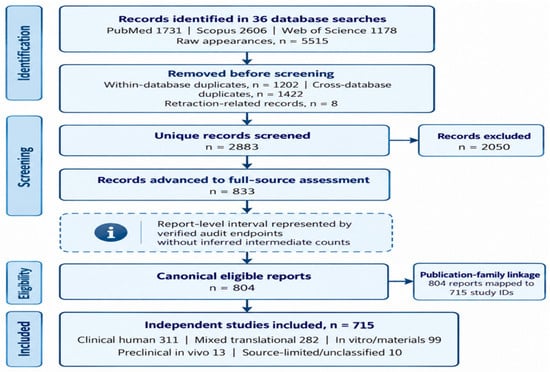
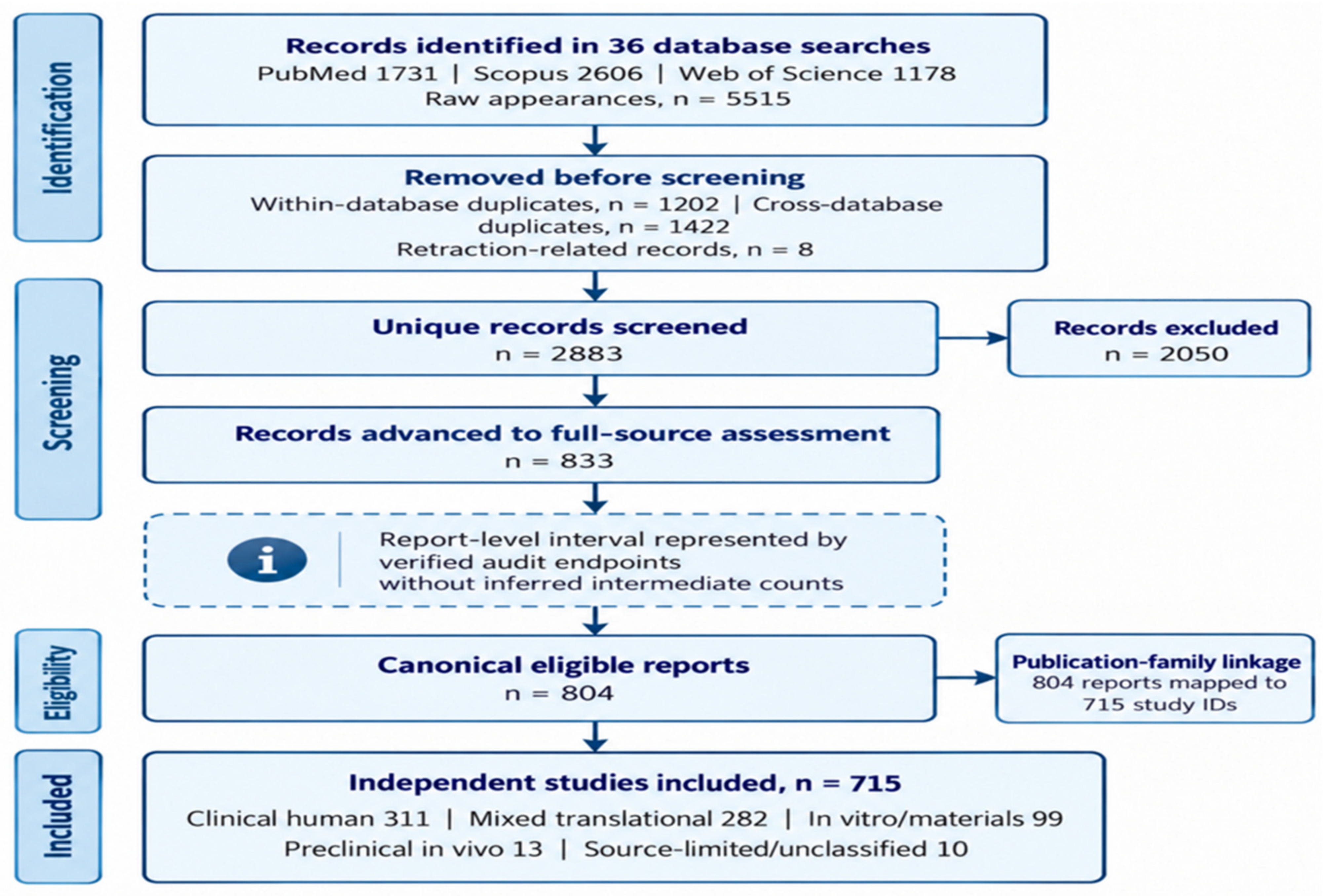
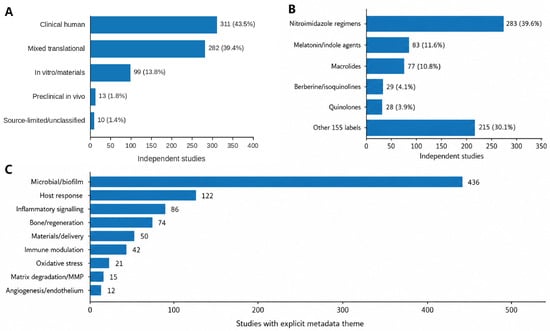
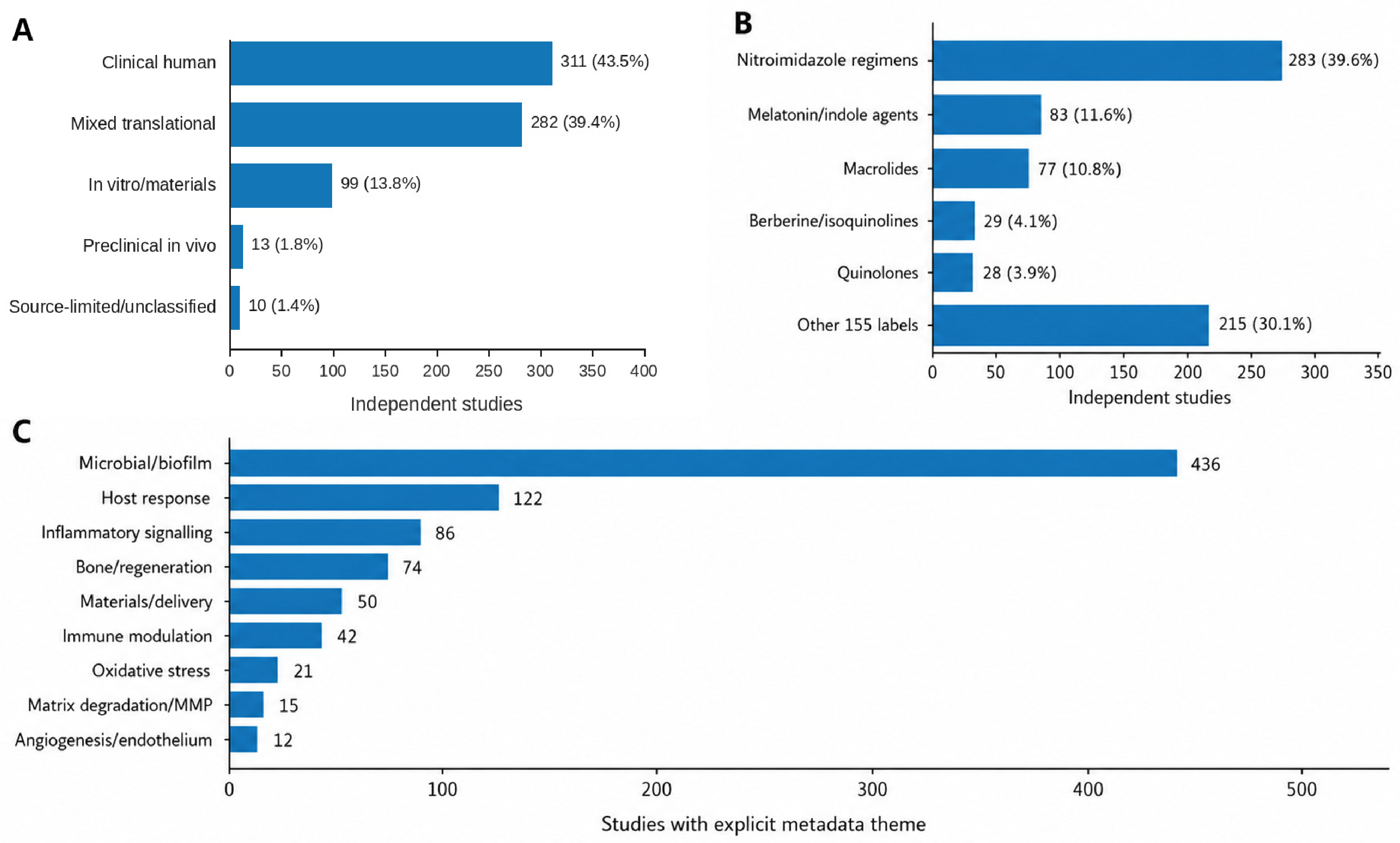
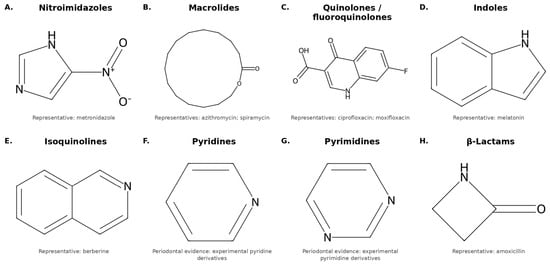
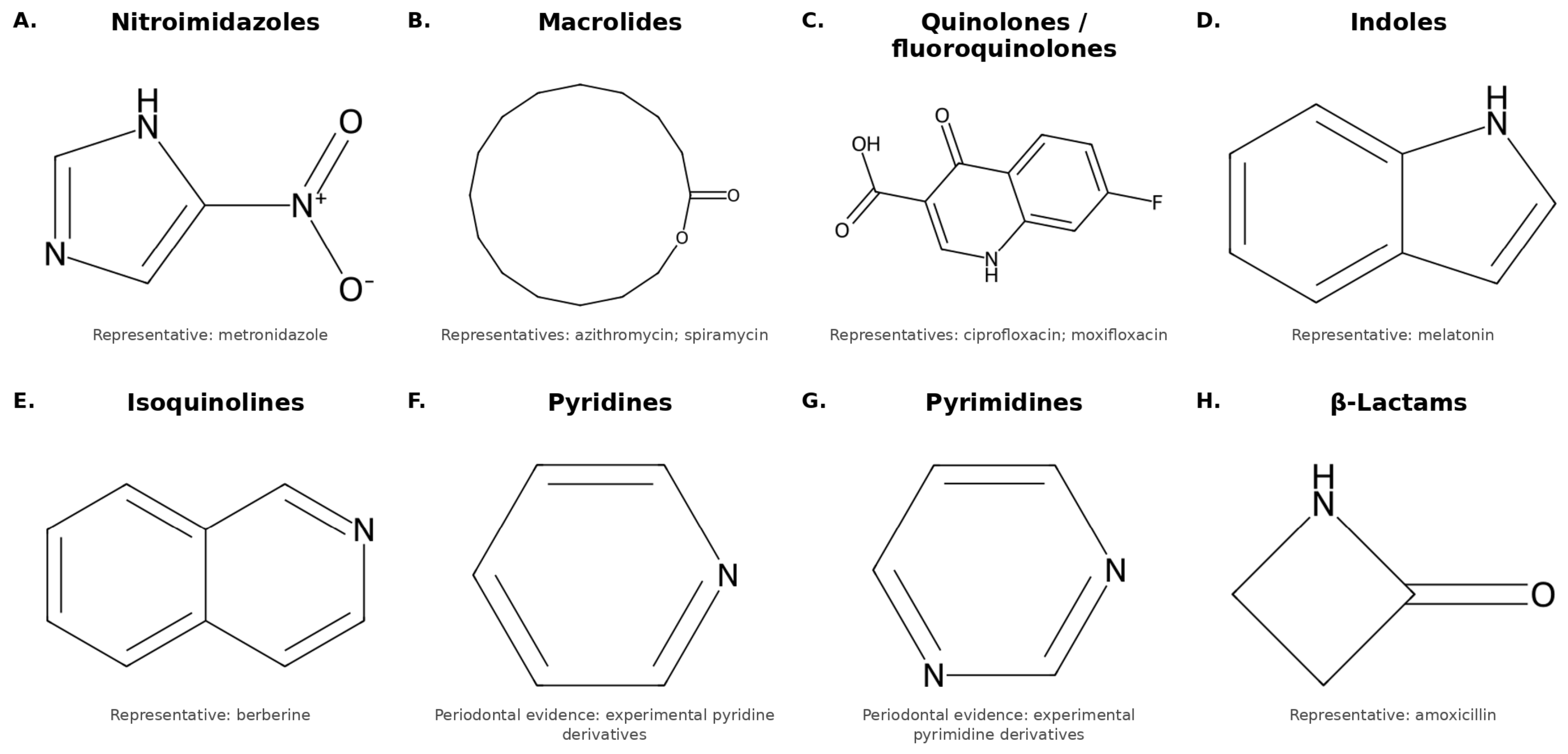
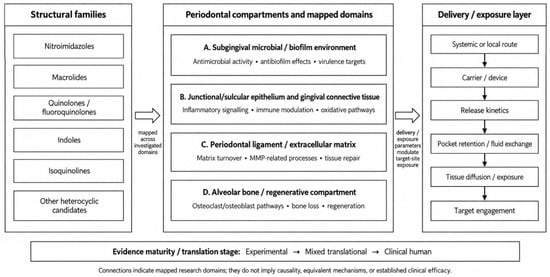
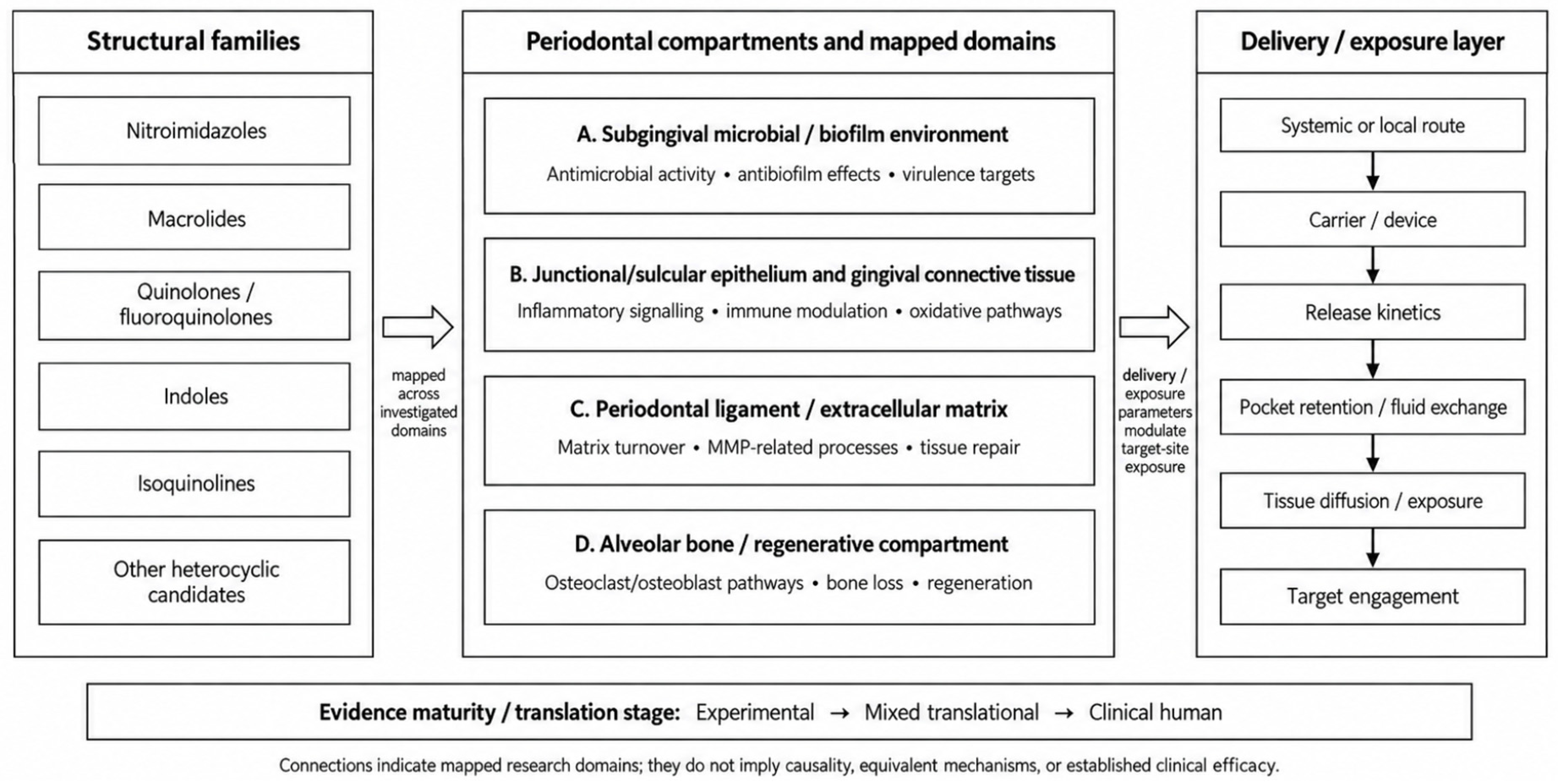
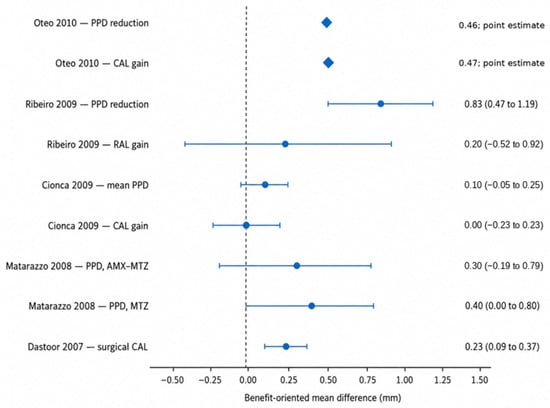
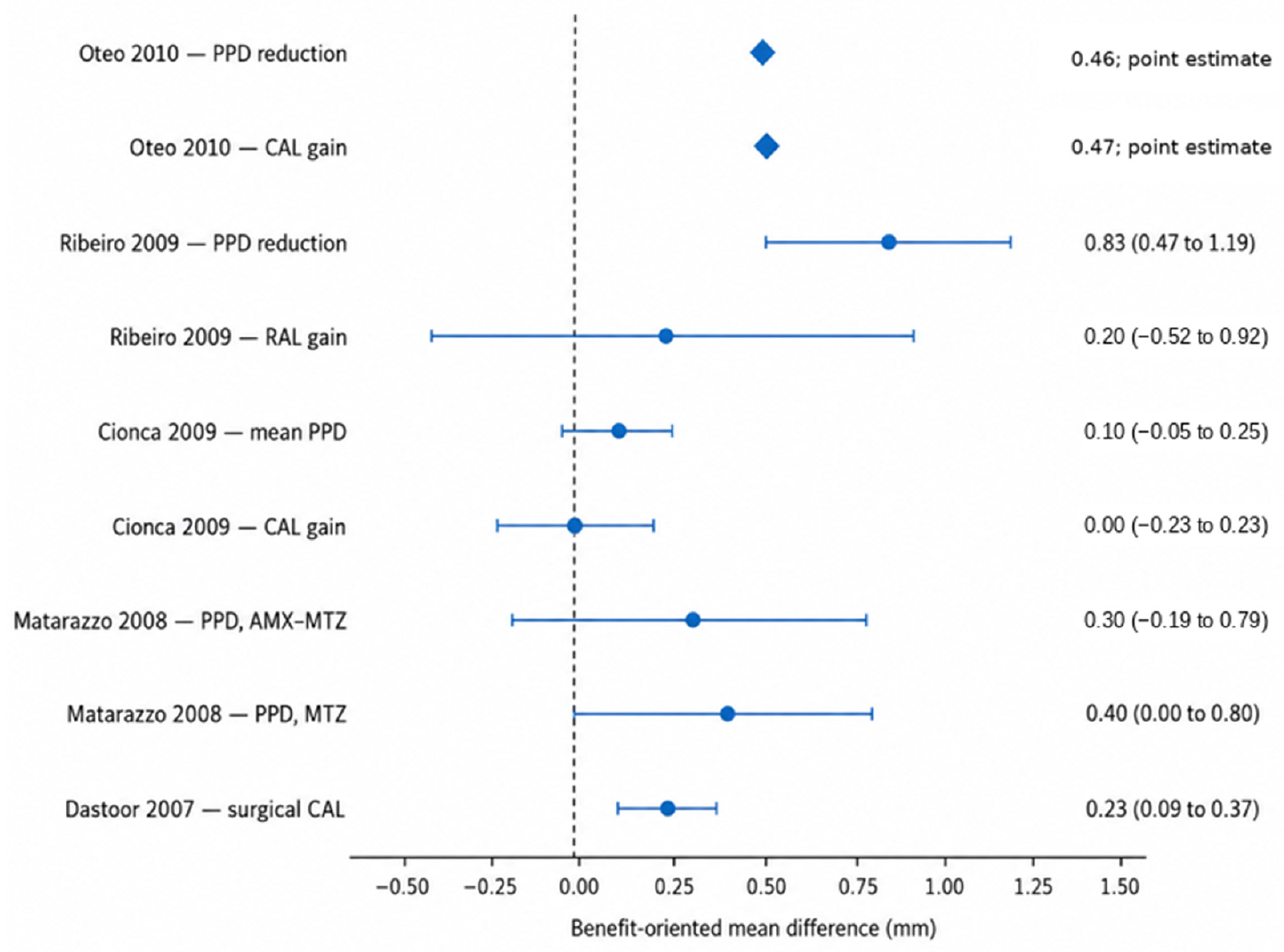
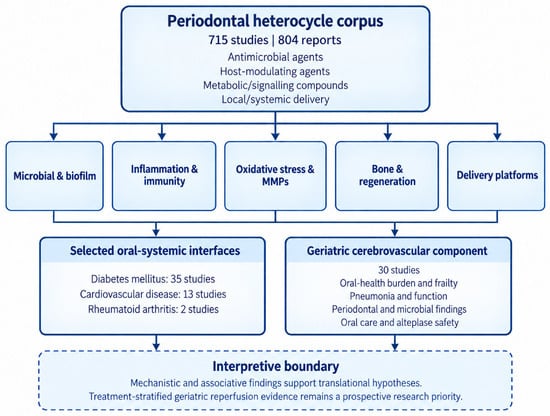
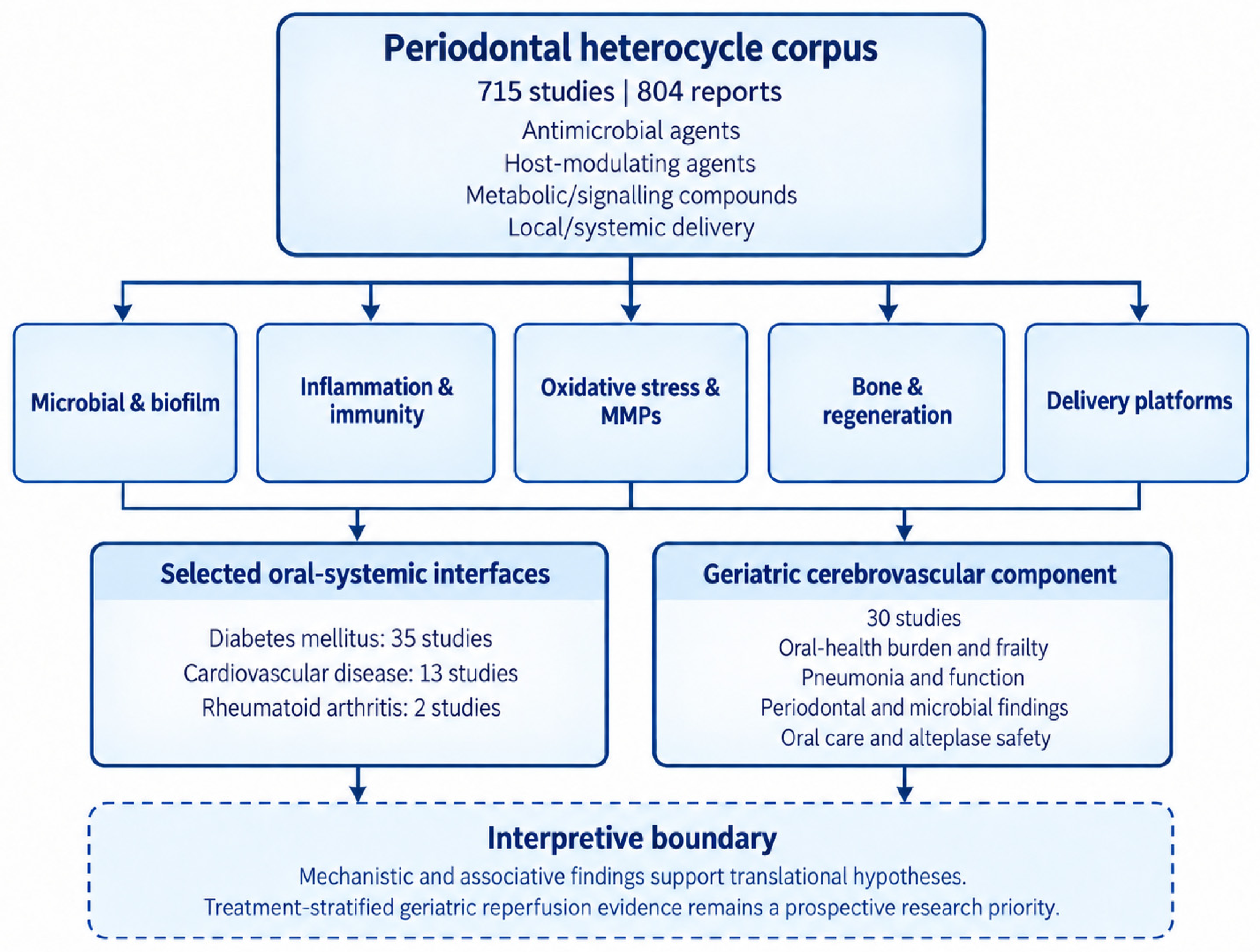

Disclaimer/Publisher’s Note: The statements, opinions and data contained in all publications are solely those of the individual author(s) and contributor(s) and not of MDPI and/or the editor(s). MDPI and/or the editor(s) disclaim responsibility for any injury to people or property resulting from any ideas, methods, instructions or products referred to in the content. |
© 2026 by the authors. Licensee MDPI, Basel, Switzerland. This article is an open access article distributed under the terms and conditions of the Creative Commons Attribution (CC BY) license.