


Abstract
In this study, pharmacotherapies of abdominal compartment syndrome (ACS) and intra-abdominal hypertension (IAH) in animal studies were reviewed from the perspective of ACS/IAH as failed cytoprotection issues, as non-specific injuries, and from the point of view of the cytoprotection concept as resolution. Therefore, this review challenges the unresolved theoretical and practical issues of severe multiorgan failure, acknowledged significance in clinics, and resolving outcomes (i.e., open abdomen). Generally, the reported agents not aligned with cytoprotection align with current pharmacotherapy limitations and have (non-)confirmed effectiveness, mostly in only one organ, mild/moderate IAH, prophylactic application, and provide only a tentative resolution. Contrarily, stable gastric pentadecapeptide BPC 157 therapy, as a novel and relevant cytoprotective mediator having pleiotropic beneficial effects, simultaneously resolves many targets, resolving established disturbances, specifically compression/ischemia (grade III and grade IV), and decompression/advanced reperfusion. BPC 157 therapy rapidly activates collateral bypassing pathways, and, in ACS and IAH, and later, in reperfusion, there is a “bypassing key” (i.e., azygos vein direct blood flow delivery). This serves to counteract multiorgan and vessel failure, including lesions and hemorrhages in the brain, heart, lung, liver, kidney and gastrointestinal tract, thrombosis, peripherally and centrally, intracranial (superior sagittal sinus), portal and caval hypertension and aortal hypotension, occlusion/occlusion-like syndrome, advanced Virchow triad circumstances, and free radical formation acting as a membrane stabilizer and free radical scavenger. Likewise, not only in ACS/IAH resolving, but also in other occlusion/occlusion-like syndromes, this “bypassing key” could be an effect of the essential endothelial cytoprotective capacity of BPC 157 and a particular modulatory effect on the NO-system, and a rescuing impact on vasomotor tone.
1. Introduction
Several recent reports indicate a particular role of cytoprotective stable gastric pentadecapeptide BPC 157 therapy in critical conditions. These were in therapy of severe vascular and multiorgan failure in occlusion/occlusion-like syndromes, induced with major vessel occlusion, peripheral [1,2,3,4,5] or central [6], several similar noxious procedures [7,8,9,10,11], and various damaging agents’ application [11,12,13,14,15,16,17]. Among them, specifically, there is the therapy of harms of abdominal compartment syndrome (ACS) and intra-abdominal hypertension (IAH), ischemia/compression [7], and decompression/advanced reperfusion [8]. From this viewpoint, this review highlights the unresolved theoretical and practical issues of ACS and IAH, acknowledged significance of severe multiorgan failure in clinics [18,19,20,21,22,23,24,25], and current resolving outcomes (i.e., open abdomen) [26,27,28,29]. Further focus was on animal studies, the limitations of pharmacotherapy attempts (mostly in rats) [30,31,32,33,34,35,36,37,38,39,40,41,42,43,44,45,46,47,48,49,50,51,52,53,54,55,56,57,58,59,60,61,62], and the therapeutic innovation advantage [7,8] of possible BPC 157 therapy applications.
In theory and practice, multiorgan failure during IAH and thereafter is a challenging problem [18,19,20,21,22,23,24,25,26,27,28,29], as the pleiotropic beneficial effects must simultaneously be achieved in opposing multiorgan failure during IAH. One possibility is simultaneously resolving multiorgan failure during and after IAH, achieved through the updated cytoprotection concept, targeting cell, epithelial, and endothelial protection [63,64,65,66]. However, as pointed out, it was not considered until recently for resolving the issue of complex multiorgan failure in ACS and IAH [7,8].
The cytoprotection concept was introduced initially in the rat stomach by Robert and Szabo, and since the early 1980s [67,68,69,70,71,72,73], has been extended into translation to other organ therapies via cytoprotective agent application (cytoprotection→organoprotection) [74,75,76]. For such translation, BPC 157, being native and capable of remaining stable in human gastric juice for more than 24 h, can be a cytoprotection mediator [63,64,65,66]. Thereby, there is a rapid pleiotropic beneficial effect [63,64,65,66], as mentioned, in overwhelming the severe multiorgan and vascular failure models (i.e., occlusion/occlusion-like syndrome [1,2,3,4,5,6,7,8,9,10,11,12,13,14,15,16,17], following occlusion of major vessels [1,2,3,4,5,6], peripherally [1,2,3,4,5] or centrally [6], noxious procedures [7,8,9,10,11] and noxious agents’ application [12,13,14,15,16,17]). There, this pleiotropic beneficial effect was updated consistently via activation of the collateral rescuing pathways (i.e., azygos vein direct blood flow delivery) to reestablish the reorganized blood flow. There were various noxious intra-abdominal procedures [63,64,65,66], i.e., inferior caval vein or superior mesenteric artery and/or vein occlusion [1,2,3,4], bile duct occlusion-induced acute pancreatitis [9], stomach perforation [10], all associated with ACS and IAH circumstances. In particular, considerable air insufflation leads to [7,8] grade III and grade IV IAH. Commonly, there was a counteraction of the multiple lesions and hemorrhage in the brain, heart, lung, liver, kidney, and gastrointestinal tract, and thrombosis, peripherally and centrally, intracranial (superior sagittal sinus), portal and caval hypertension, and aortal hypotension, via activation of collateral pathways (i.e., azygos vein direct blood flow delivery), advanced Virchow triad circumstances fully reversed [1,2,3,4,5,6,7,8,9,10,11,12,13,14,15,16,17].
Possibly, the long-standing lack of integration between cytoprotection and ACS/IAH management may stem from the limited efficacy of standard cytoprotective agents. Namely, they are effective primarily when used as pretreatment [67,68,69,70,71,72,73,74,75,76]. Another reason for the lack of integration may lie in the historical development of the cytoprotection concept, introduced in the early 1980s [67,68,69,70,71,72,73,74,75,76]. While IAH had been recognized earlier, in 1989, Fietsam introduced the term ACS [77,78]. Moreover, the full definition was even later created by guidelines (Abdominal Compartment Syndrome (WSACS), 2004). These guidelines define normal intra-abdominal pressure (IAP) in critically ill adults as approximately 5–7 mmHg. IAH is defined as a sustained or repeated IAP > 12 mmHg and is categorized into four grades: grade I (12–15 mmHg), grade II (16–20 mmHg), grade III (21–25 mmHg), and grade IV (>25 mmHg). ACS is defined as a sustained IAP > 20 mmHg associated with new organ dysfunction or failure [79].
2. Clinical Evidence
As pointed out [80], the generally acknowledged common goal is that treatment should aim to reduce risk and avoid permanent end-organ damage by reducing IAP and restoring regular systemic perfusion. Thereby, there is the improving of abdominal wall compliance (i.e., muscle relaxation, sedation, and neuromuscular blockade), evacuating of intra-luminal contents (i.e., nasogastric or rectal decompression, and prokinetic drugs), excessive abdominal fluid collections (i.e., paracentesis or percutaneous drainage), correcting positive fluid balance (diuretics, colloids or hypertonic fluids, hemodialysis and ultrafiltration) and supporting organs. Finally, there is abdominal decompression, the open abdomen therapy. Although proven to enhance renal function and urine output, and improve cardiac index and lung compliance [81], emergency laparotomy, whatever the type, is a high-risk operation; systemic inflammatory response syndrome, sepsis, and septic shock occur in 30% to 50% of EL patients, and mortality remains high [82,83,84,85,86,87,88,89,90,91].
To illustrate the complexity of the issue, decompressive laparotomy was commonly emphasized as a final solution. Additionally, the therapy problem arises as ACS occurs along with multifactorial disorders (i.e., typically attributed to critically unwell patients with trauma, burns, post-surgery, and massive ascites, but also gestation disorders, hernia, bulimia nervosa, COVID, and pancreatitis). There are also several predisposing factors (i.e., mechanical ventilation assistance, extracorporeal membrane oxygenation, elevated positive end-expiratory pressure, intestinal obstructions, excessive fluid replacement, major burns, and coagulopathies). Moreover, there is a high prevalence in intensive care unit patients (i.e., 59% medical and 41% surgical patients) [92,93]. Especially in grades III and IV, IAH occurs in over a third of patients and is associated with an increase in intra-abdominal sepsis, bleeding, renal failure, and death [94]. In addition, during laparoscopic surgery to provide intra-abdominal working space, permanent gas insufflation, commonly used, elevates IAP profoundly [95].
As indicated by [96], to illustrate clinical pathophysiology complex presentation, the most indicative may be the study of 102 severe traumatic brain injury patients with increased intra-abdominal, intrathoracic, and intracranial pressure, thereby, organ–organ interactions and resulting ‘multiple compartment syndrome’, and polycompartment syndromes [97]. Thus, as pointed out by Jacobs, with an increase in IAP, a negative impact on multiple organ systems occurs as a harmful network of the mutually interconnected disturbed systems, cardiovascular, respiratory, central nervous system, renal, and gastrointestinal tract [97,98,99,100,101,102,103,104,105,106,107,108]. Besides gastrointestinal failure (i.e., mesenteric vein compression, reduced perfusion, intestinal edema, bacterial translocation, and disturbances in the gut microbiome and immune function), it results in a general failure: There is reduced preload, increased afterload, lowered cardiac output, elevated diaphragm, decreased lung compliance, decreased lung functional residual capacity, intracranial hypertension, functional obstruction of cerebral venous outflow, and compression of both renal veins and arteries. The follow-up involves many specific syndromes, such as hepatic [109,110], renal [111,112,113], cardio-abdominal-renal [114,115], hepato-abdominal-renal [116,117], and hepato-abdominal-pulmonary [118,119] syndrome.
Therefore, the clinical evidence indicates that ACS is not a disease in itself [24,25]; Namely, it can have many causes and can develop within many disease processes, which can be multitude [24,26].
For basic studies, such a clinical multitude can represent an impending limitation (i.e., in basic studies, the elusive search for a single agent capable of addressing the complex and multifactorial nature of ACS (“magic bullet”) [120]) or an important insight for further therapy attempts [7,8]. In any case, to determine IAH and IAH consequences, such a multitude needs the largest possible extent of investigation, organs, and targets involved.
3. Basic Evidence
The recent introduction of the stable gastric pentadecapeptide BPC 157 as a possible therapy for acute ACS [7,8] follows extensive basic research of many agents, primarily in rats [30,31,32,33,34,35,36,37,38,39,40,41,42,43,44,45,46,47,48,49,50,51,52,53,54,55,56,57,58,59,60,61,62] (Table 1), but also in other species [121,122,123,124,125,126,127,128,129,130,131,132] (Table 2). Likewise, for BPC 157 therapy, this implicates a step forward and high effectiveness (i.e., effective in the 10 µg–10 ng/kg range) in terms of treatment. Furthermore, in toxicology studies, BPC 157 exhibited a negative limit test, 2 g/kg iv or ig without adverse effects in mice, with no lethal dose (LD1) identified [63,64,65,66]. Later, it was effectively used in ulcerative colitis trials (phase II) without adverse effects [63,64,65,66,133,134]. Also without adverse effects are subsequent therapy studies of knee pain [135] and interstitial cystitis [136]. Although these clinical studies are scarce in comparison with animal data (i.e., lacked a large sample size, ethnic variation, and sham control group), they reflect a wide range of therapeutic benefits consistent with findings from animal models [63,64,65,66].
Table 1.
Agents’ effectiveness in ACS and IAH in rat studies presented in the timeline. Studies included based on Pubmed search using the basic term “abdominal compartment syndrome, rats”.
Table 2.
Agents’ effectiveness in ACS and IAH in studies involving mice, rabbits, pigs, and dogs presented in the timeline. Studies included based on Pubmed search using the basic term “abdominal compartment syndrome, pigs”, “abdominal compartment syndrome, mice”, “abdominal compartment syndrome, rabbits”, and “abdominal compartment syndrome, dogs”.
Note, the pharmacotherapy, the extensive basic research and many agents’ effectiveness so far done in many basic studies in rats [30,31,32,33,34,35,36,37,38,39,40,41,42,43,44,45,46,47,48,49,50,51,52,53,54,55,56,57,58,59,60,61,62] (Table 1) and other species [121,122,123,124,125,126,127,128,129,130,131,132] (Table 2) should be the most important for resolving the clinical multitude of treatment options. However, general ACS/IAH animal reviews [137,138] more closely analyzed the different animal models and pathophysiological effects of IAH, while the effectiveness of these agents remained far less analyzed.
Thus, approaching agent administration, such a multitude would be essential. The potential of resolving such a multitude would include how the various organs were investigated, how various agents were suggested to counteract ACS (Table 1 and Table 2), and various models, IAP values, and periods of insufflation/desufflation, ischemia/reperfusion, all investigated with a common tool to approach and resolve the consequences of IAH.
Therefore, to perceive the limitation or advantage of a particular agent’s application and its noted effectiveness, several highlights were pointed out as follows. Illustratively, the effectiveness of IAH depends on the organ(s) investigated, but evaluating IAH with multiple organ systems provides a more accurate and comprehensive assessment of its overall impact and therapeutic significance (see Section 3.1). Likewise, there is an important point that claim of agents’ effectiveness depends on the IAH level(s) investigated. Therefore, evaluation of the effectiveness of an agent in relation to multiple IAH levels should be mandatory for more accurate and comprehensive assessment of its effectiveness (see Section 3.2). Furthermore, as agents’ effectiveness depends on the organ or organs investigated, more accurate and comprehensive assessment would include more organs (see Section 3.3). Finally, there is the issue that the effectiveness of an agent depends on the time of its application. Consequently, prophylactic, preconditioning application to prevent or attenuate injury development and the application as a therapy in reversing already advanced injury should be tested (see Section 3.4). Also, there is the issue of the animal model that could determine the efficacy of the agent (see Section 3.5). On the other hand, no uniformity between the models used could hamper the comparison between the noted effectiveness of the agents.
3.1. IAH’s Effectiveness Depending on the Organ(s) Investigated
As a rule, with the agents investigated in the mentioned studies [30,31,32,33,34,35,36,37,38,39,40,41,42,43,44,45,46,47,48,49,50,51,52,53,54,55,56,57,58,59,60,61,62], the IAH effect was not postulated simultaneously on all or many organs. Instead, the studies included a particular investigation of each of the implemented organs, thus, organ by organ in separate studies, as an indicative target (but regularly using not more than 20 mmHg IAH). Thereby, specifically investigated in rat studies were the brain [139,140,141], heart [142,143,144], lung [145,146,147,148,149,150], liver [146,151,152,153,154,155,156,157], kidney [146,158,159], and gastrointestinal tract [154,160,161,162,163,164,165,166,167,168], while only a few studies simultaneously investigated more than one organ [146,154,165].
In general, this approach presents several limitations. At the very least, it may overlook the complex inter-organ interactions and systemic consequences of IAH. Likewise, separate studies for different organs make it difficult to directly compare outcomes or to establish a unified model of IAH-induced pathophysiology.
These limitations underscore the need for integrated, multiorgan investigations that better reflect the systemic nature of IAH. This issue seems to be resolved with BPC 157 therapy [7,8] (see Section 4).
3.2. Agents’ Effectiveness Depending on the IAH’s Level(s) Investigated
Likewise, to perceive the effectiveness of various agents used in the mentioned studies [30,31,32,33,34,35,36,37,38,39,40,41,42,43,44,45,46,47,48,49,50,51,52,53,54,55,56,57,58,59,60,61,62], the IAH used was moderate or mild, within grades I and II, and in a large majority of studies, the range of the IAH was confined to one level. Specifically used as an indicative target was an IAH of 8 mmHg [62], 12 mmHg [30,32,34,43,46,49], 12.5 mmHg [36,37], 13 mmHg [56], 14 mmHg [39,57], 15 mmHg [33,38,42,44,45,123,124,128,129,130,131,132], and 20 mmHg [35,40,41,47,52,53,54,55,58,59,60,125]. There were only a few studies of grade III, 25 mmHg [48] or 30 mmHg [122,126].
Such a general approach confined to low or moderate IAH levels indicates several general limitations, as low or moderate IAH levels do not fully capture the pathological spectrum encountered in severe clinical cases [94], potentially limiting the translational relevance of the findings. Furthermore, while only a few studies simultaneously investigated more than one IAH level [50,61,126,127], specifically, 7, 10, and 14 mmHg [50], 2, 4, 6, 8, 10, and 12 mmHg [61], and 11–16 cmH2O [127] and one study also used a higher range, 15, 20, 30, or 40 cmH2O IAP [126], the use of a single IAH level in most studies hinders the ability to assess dose-dependent or pressure-dependent responses, which are crucial for determining the therapeutic thresholds and safety margins of tested agents. These exceptions underscore the need for more comprehensive, multi-level IAH models to better evaluate therapeutic efficacy and to simulate clinical conditions more accurately.
Again, this issue seems to be resolved with BPC 157 therapy [7,8] given the simultanoeus investigation of IAH, grade III and grade IV, and consequences counteraction (see Section 4).
3.3. Agents’ Effectiveness Depending on the Organ(s) Investigated
Furthermore, within the conditions described in the mentioned studies [30,31,32,33,34,35,36,37,38,39,40,41,42,43,44,45,46,47,48,49,50,51,52,53,54,55,56,57,58,59,60,61,62], the various agents’ efficacy was commonly based mostly (Table 1) or only on counteraction of the oxidative stress and inflammatory response [46,56], but the noted effect was on one single organ, specifically, the intestine [30,36,37,40,52,55], lung [38,42,49], kidney [39,47,50,53,57,62], liver [33,34,61], or brain [32,41].
The other studies postulated the effect on the specific organ combinations, i.e., pancreas and intestinal tissues [31], respiratory, liver, and renal dysfunction [35], liver, small intestine, and lungs [43], liver, kidney, lung, and intestine [44], and kidneys, testicles, and prostate [45].
Thus, none of the studies focused on one or a few organ lesion assessments simultaneously investigated the full range of organ lesions. This can be relevant as therapies designed to treat one physiological concern may have detrimental effects on other parts of the body. This single- or limited-organ focus represents a key limitation for the translational relevance of preclinical findings. Thus, again, there is a need for integrative, multiorgan assessment strategies in future research. Again, this issue seems to be resolved with BPC 157 therapy [7,8], given the large range of organs simultaneously investigated during and after IAHs at grade III and grade IV (see Section 4).
3.4. Agents’ Effectiveness Considering Application Time
There is also a significant limitation regarding the timing of agent administration in the referenced studies [30,31,32,33,34,35,36,37,38,39,40,41,42,43,44,45,46,47,48,49,50,51,52,53,54,55,56,57,58,59,60,61,62]. The efficacy observed in these studies [30,31,32,33,34,35,36,37,38,39,40,41,42,43,44,45,46,47,48,49,50,51,52,53,54,55,56,57,58,59,60,61,62]—already limited by the use of only grade I and II IAH and a narrow range of organ involvement—appears closely tied to the timing of agent application. Notably, in nearly all studies, agents were administered before the induction of IAH.
Some agents required long preconditioning (i.e., days) [30,31,50,54], some required shorter preconditioning, i.e., hours [38,47,52,57] or minutes [33,34,46,49], or were given immediately before [39,43,44,45,55,56,62]. Otherwise, the agents were given immediately before decompression [35,58,59,60], and in one study, later, at 1 h after decompression [53].
Therefore, since they were administered before IAH introduction and not after IAH introduction, it seems that during IAH all agents would act particularly prophylactically, rather than therapeutically, to reverse the consequences of the presented IAH. Thus, in general, these studies offer limited insight into the agents’ capacity to reverse or mitigate organ damage once IAH is already established. Likewise, given the agents’ application later during IAH [35,58,59,60] but before decompression, except for application at the time of the advanced reperfusion [53], the therapeutic effect on reperfusion could not be directly established. Similarly, these studies in which agents were applied before decompression do not clearly distinguish whether the observed benefits stem from protection during sustained IAH, mitigation of reperfusion injury, or both. Thus, it could be that novel BPC 157 studies [7,8] would resolve the absence of studies focusing on post-injury (therapeutic) administration during or after established IAH, and consequently, also the translational potential for treating active or ongoing IAH-related organ dysfunction that otherwise remains uncertain.
3.5. Agents’ Effectiveness Considering the Animal Model
Another important limitation concerns the diversity and complexity of experimental models used to evaluate agent efficacy across studies [30,31,32,33,34,35,36,37,38,39,40,41,42,43,44,45,46,47,48,49,50,51,52,53,54,55,56,57,58,59,60,61,62]. To demonstrate agent’s efficacy [30,31,32,33,34,35,36,37,38,39,40,41,42,43,44,45,46,47,48,49,50,51,52,53,54,55,56,57,58,59,60,61,62], many studies used complex, specially composed models of antecedent IAH. Illustratively, there were portal hypertensions of 1 h, an abdominal restraint device, hemorrhaging and blood reinfusion [36,37], hemorrhagic shock/resuscitation [40,41], compensated and decompensated chronic heart failure, myocardial infarction [50]), and where IAH, throughout its introduction [32] or development [31,36,51], appeared in a quick succession of events. Notably, complexity may complicate the attribution of effects solely to IAH. Moreover, frequently, the groups appear to provide their particular model, i.e., Chang et al. [36,37] vs. Liu et al. [40,41]. Additionally, simple abdominal insufflation applied in most of the studies used various durations [30,33,34,38,39,42,43,44,45,46,47,49,52,53,54,55,56,57,58,59,60,61,62].
Therefore, the agents’ effects could hardly be comparable since there is no uniformity between the used models. Thus, the efficacy of the agent appears as such, providing the given outcome. Consequently, this would impact BPC 157 studies [7,8] as well.
In summary, a large number of patients exhibit more severe IAH, grades III and IV [94]. Consequently, the agents in basic studies should complain about these requirements. Thus, considering the therapeutic potential of the used agents in IAH and ACS in rats [30,31,32,33,34,35,36,37,38,39,40,41,42,43,44,45,46,47,48,49,50,51,52,53,54,55,56,57,58,59,60,61,62] (Table 1), and other species [121,122,123,124,125,126,127,128,129,130,131,132] (Table 2), the mentioned studies demonstrate the limited effectiveness of the applied agents (mostly prophylactic potential within moderate IAH, grade I and grade II, mostly one organ target).
Thus, the efficacy of the given agents in the mentioned studies [30,31,32,33,34,35,36,37,38,39,40,41,42,43,44,45,46,47,48,49,50,51,52,53,54,55,56,57,58,59,60,61,62,121,122,123,124,125,126,127,128,129,130,131,132] needs confirmation with more severe IAH, and on the considerably higher organ targets. However, these studies [30,31,32,33,34,35,36,37,38,39,40,41,42,43,44,45,46,47,48,49,50,51,52,53,54,55,56,57,58,59,60,61,62,121,122,123,124,125,126,127,128,129,130,131,132] revealed the effectiveness of a considerable number of agents belonging to different drug classes and sharing various essential actions [30,31,32,33,34,35,36,37,38,39,40,41,42,43,44,45,46,47,48,49,50,51,52,53,54,55,56,57,58,59,60,61,62,121,122,123,124,125,126,127,128,129,130,131,132]. This may suggest a non-specific action for resolution. Notably, the approach of the issues of IAH and ACS comes from multiple mechanistic points. Likely, this should be the point of consideration for the cytoprotection concept. Additionally, abdominal compartment syndrome is not a disease but rather a condition that can arise from various causes and develop within different disease processes [24]. Therefore, considering BPC 157 studies [7,8], it may be best addressed using general concepts such as cytoprotection [7,8,63,64,65,66], which could provide targeted solutions through the application of cytoprotective agents.
4. BPC 157 Evidence
Thus, BPC 157 evidence stands alongside the cytoprotection concept [7,8,63,64,65,66] (cytoprotection → organoprotection). The multitude is implemented in a general concept (cell protection, epithelial, and endothelial [67,68,69,70,71,72,73,74,75,76], and updated via the activation of rescuing collateral pathways [7,8,63,64,65,66]). Thus, the reliable potential resolution of such a multitude of IAH and ACS [7,8] would overwhelm the mentioned studies and currently suggested agents [30,31,32,33,34,35,36,37,38,39,40,41,42,43,44,45,46,47,48,49,50,51,52,53,54,55,56,57,58,59,60,61,62,121,122,123,124,125,126,127,128,129,130,131,132] (Table 1 and Table 2), which have shown limited and mostly prophylactic effects under mild IAH conditions and in single-organ models.
The reliable potential resolution of such a multitude would request a stable model, easily introduced and maintained, deeper investigation of severe IAH, grade III and grade IV, and a full range of the implemented organs, as all three body cavities communicate with each other; the brain, heart, lung, liver, kidney, and gastrointestinal tract lesions must be simultaneously investigated along with severe vascular failure. Also, there is an assessment of the intracranial, caval, and portal hypertension, aortal hypotension, and thrombosis, peripherally and centrally, of Virchow triad circumstances. The agent should be applied in an advanced injury stage, specifically in ischemia and specifically in reperfusion conditions, to illustrate the therapy’s potential to reverse already advanced either ischemic (compression) or reperfusion (decompression) lesions.
To these points, in BPC 157 studies [7,8], the time of the agent’s application was consistently accommodated (after 10 min of compression [7]; after 3 min of reperfusion [8]). Further, as the reliable potential (i.e., vs. severe IAH, grade III and grade IV [7], or vs. severe reperfusion [8]), resolving such a multitude of IAH and ACS [7], and reperfusion [8], at least in rats, stable gastric pentadecapeptide BPC 157 was the therapy used to mitigate critical conditions. Both BPC 157 regimens (µg and ng) had a similar therapeutic effect in all of the investigated protocols of ACS and reperfusion.
First, this was therapy for established primary abdominal compartment syndrome (25 mmHg/60 min, 30 mmHg/30 min, 40 mmHg/30 min, 50 mmHg/15 min) [7] (see Section 4.1).
Then, in a separate study, BPC 157 was the therapy for advanced reperfusion following maintained intra-abdominal hypertension (grade III and IV) in rats [8] (see Section 4.2).
4.1. BPC 157 Primary Abdominal Compartment Syndrome
For compression studies, reliability is ascertained with the excessive IAH maintained during considerable periods, including 25 mmHg/60 min (or 25 mmHg/120 min), 30 mmHg/30 min, 40 mmHg/30 min, and 50 mmHg/15 min [7]. As such, in addition to gastrointestinal lesions and congestion, the ACS/IAH model ascertains the lesions in the brain (intracerebral/intraventricular hemorrhage), heart (congestion and infarctions), lung (hemorrhage), liver and kidney congestion, severe arrhythmias, intracranial (superior sagittal sinus)/caval/portal hypertension, aortal hypotension, widespread thrombosis, peripherally and centrally. Major vessels failed (congested (inferior caval vein, superior mesenteric vein), and collapsed (abdominal aorta, azygos vein)) (Figure 1) [7].
Figure 1.
In normal rats (A) three body cavities (abdominal (red outlines), thoracic (blue outlines), and cranial (green outlines)) freely communicate (yellow circles indicating normal presentations). Along with maintained IAH and compression (B), rats had severe ACS and IAH, grade III and grade IV, ischemia/compression induced severe vascular and multiorgan failure, and severe occlusion/occlusion-like syndrome (C) (red circles indicating disturbed presentations, enlargement or shrinking), illustrated with brain swelling (D), collapsed azygos vein (E) and congested major vessels, inferior caval vein and superior mesenteric vein (F). With BPC 157 therapy at 10 min IAH-time, at already established ACS and IAH (B), counteracted was severe vascular and multiorgan failures (G), illustrated with counteracted brain swelling (H), activated azygos vein (I) (i.e., direct blood flow delivery via azygos vein), counteracted congestion of inferior caval vein and superior mesenteric vein, vein presentation close to normal (J) (arrows), counteraction of ischemia/compression-induced occlusion/occlusion-like syndrome as a whole by BPC 157 therapy (yellow shape outlines). This was coined with almost annihilated thrombosis and hemorrhage (i.e., intracerebral hemorrhage), peripherally and centrally, eliminated/attenuated venous hypertension (intracranial (superior sagittal sinus), portal, and caval) and aortal hypotension and counteraction of organ lesions (brain, heart, lung, liver, kidney and gastrointestinal tract) [7].
Thus, it is evident that in addition to the failed gastrointestinal tract, there were harms indued due to the mutually interconnected disturbed systems, i.e., cardiovascular, respiratory, central nervous system, renal, and gastrointestinal tract [7]. Consequently, all disturbances mentioned before, and specified by Jacobs [20] as reduced preload, increased afterload, lowered cardiac output, elevated diaphragm, decreased lung compliance, decreased lung functional residual capacity, intracranial hypertension, functional obstruction of cerebral venous outflow, and compression of both renal veins and arteries, occurred concurrently [7]. Note that these disturbances were estimated as advanced Virchow triad circumstances, a particular occlusion/occlusion-like syndrome (coagulation disturbances were implicated in ACS and IAH [169,170], and BPC 157 recovered thrombocyte function without interfering with the coagulation cascade [171,172]).
In addition, a pleiotropic beneficial effect of BPC 157 therapy was also noted in the similar multiorgan and vascular failure, and lesions presentation as an occlusion/occlusion-like syndrome was also described with peripheral [1,2,3,4,5] and central [6] major vessel occlusion, the application of severe noxious procedures [7,8,9,10,11], and noxious agents’ application [12,13,14,15,16,17]. In principle, such notation is consistent with IAH and ACS caused by various severe noxious events [94], as well as the effect of BPC 157 therapy in critical conditions [1,2,3,4,5,6,7,8,9,10,11,12,13,14,15,16,17], such as IAH and ACS. For the therapeutic effect, this could be a suitable cause-consequence lesion framework.
There is compelling evidence that BPC 157 therapy acts as a curative principle in rats with established permanent intra-abdominal hypertension [7]. The evidence for the reversal of blood vessel failure (as increased IAP compresses all blood vessels) was a full pleiotropic effect, first as a “bypassing key,” i.e., an activated azygos vein as a rescuing pathway, avoiding both the lung and liver [7]. A compelling illustration was also noted in the counteraction of Budd–Chiari syndrome (i.e., suprahepatic occlusion of the inferior caval vein) [173], combining the inferior caval vein and superior caval vein via direct blood delivery. Commonly, this means strengthening previously collapsed azygos vein (i.e., activated azygos vein direct blood flow delivery), previously congested inferior caval vein, and superior mesenteric vein as normal vein presentation, verified by assessing the corresponding increase or decrease in relative volume [1,2,3,4,5,6,7,8,9,10,11,12,13,14,15,16,17].
Thus, the evidence that the activated azygos vein reorganizes blood flow and instantly attenuates the consequences of maintained high intra-abdominal pressure, both peripherally and centrally, was general rat recovery by BPC 157 therapy, overwhelming the constantly maintained IAH, grade III and grade IV [7]. That included reduced/eliminated intracranial (superior sagittal sinus), portal, and caval hypertension, as well as aortal hypotension [7]. Additionally, severe ECG disturbances, such as severe bradycardia and ST-elevation, were also reversed. Microscopically, transmural hyperemia of the gastrointestinal tract, intestinal mucosa villi reduction, crypt reduction with focal denudation of superficial epithelia, and large bowel dilatation were all inhibited [7]. In the liver, BPC 157 reduced congestion and severe sinusoid enlargement. In the lung, a normal presentation was observed, with no alveolar membrane focal thickening and no lung congestion or edema, and severe intra-alveolar hemorrhage was absent. Moreover, severe heart congestion, subendocardial infarction, renal hemorrhage, brain edema, hemorrhage, and neural damage did not occur despite continuous severe IAH that is otherwise increasingly harmful and even deadly [7]. As additional proof appears, thrombosis reversal was evidenced peripherally and centrally, showing that advanced Virchow circumstances were fully reversed, peripherally and centrally [7]. With BPC 157 therapy, the brain (regularly, brain lesions, in the order cerebellum cortex > hypothalamus/thalamus > cerebral cortex while hippocampus, with increased lesion severity at higher intra-abdominal pressures, was particularly targeted) was preserved both grossly (absent brain swelling) and microscopically (consistent beneficial effect in all brain areas). The beneficial effect of BPC 157 acted against the full range of brain lesions, as the vicious course induced by high intra-abdominal pressure can be simultaneously initiated and perpetuated from different sites [7].
In addition, the mentioned BPC 157 follow-up through the cytoprotection concept maintaining epithelial and endothelial cell integrity as one of the cytoprotection mediators [63,64,65,66], BPC 157’s endothelial effects and its function as a “bypassing key” confronting with established IAH and ACS [7,8], were ascribed to its particular interaction with the nitric oxide (NO) system (for a review, see [174,175]). These BPC 157 actions maintain a plethora of interactions with the NO system. The evidence shows that this could be the undisturbed NO-system functioning. This is the capability to induce the release of NO of its own [176,177]. Furthermore, there is the counteraction of the adverse effects of NO-blockade [174,175] (i.e., L-NAME hypertension [176] and prothrombotic effect [178]). Likewise, there is the counteraction of the adverse effects of NO-overstimulation [174,175] (i.e., L-arginine hypotension [176] and anti-coagulant effect [178]). Finally, BPC 157 therapy specifically activates the Src-caveolin-1-endothelial NO synthase (eNOS) pathway [179,180,181], underscoring the essential impact of BPC 157 on vasomotor tone. BPC 157 acts as a membrane stabilizer and free radical scavenger, and counteracts leaky gut syndrome, as shown in gastrointestinal tract cytoprotective studies [182]. BPC 157 also has a curative effect due to interactions with several molecular pathways [180,181,182,183,184,185,186,187,188,189,190].
4.2. BPC 157 and Reperfusion After Decompression
During the IAH and ACS, the failed abdominal, thoracic, and cranial cavities interact with each other [191]. Increased intra-abdominal pressure causes an increase in intracranial pressure [97,100,192,193]. Likewise, increased intra-abdominal pressure also increases intrathoracic pressure, which is rapidly transmitted up through the venous system, thereby further increasing intracranial pressure [97,100,192,193]. Thus, there is pleiotropic lesions presentation in abdominal, thoracic, and cranial cavities, and vice versa, and pleitropic beneficial effects in abdominal, thoracic, and cranial cavities [7,8]. Consequently, as a follow-up to its original beneficial effect, after the end of permanent intra-abdominal hypertension and decompression, during advanced reperfusion, BPC 157 therapy again has an immediate therapeutic effect and beneficial pleiotropic outcome, starting in the reperfusion conditions of already advanced severe lesions that would regularly finish toward the more perilous end (Figure 2) [8]. The noted pleiotropic beneficial findings along with reperfusion are compelling evidence of an even more rapid improvement of venous system function. This appears as an essential common point to prevent and reverse the noxious chain of events and attenuate all harmful consequences at any stage of the noxious course [7,8].
Figure 2.
In rats that had severe ACS and IAH, grade III and grade IV, ischemia/compression induced severe vascular and multiorgan failure, and severe occlusion/occlusion-like syndrome (A), illustrated with brain swelling (B), collapsed azygos vein (C) and congested major vessels, inferior caval vein and superior mesenteric vein (D), after decompression, reperfusion (E) leads to further aggravation, severe vascular and multiorgan failure in controls (F), illustrated with severe brain swelling (G), collapsed azygos vein (H) and congested inferior caval vein and superior mesenteric vein (I) (arrows), decompression/reperfusion-induced occlusion/occlusion-like syndrome (red shape outlines). With BPC 157 therapy at 3 min reperfusion time, at already advanced reperfusion (E), counteracted was severe vascular and multiorgan failures (J), illustrated with counteracted brain swelling (K), activated azygos vein (L) (i.e., direct blood flow delivery via azygos vein), counteracted congestion of inferior caval vein and superior mesenteric vein, vein presentation close to normal (M) (arrows), counteraction of decompression/reperfusion-induced occlusion/occlusion-like syndrome as a whole by BPC 157 therapy (yellow shape outlines). This was coined with almost annihilated thrombosis and hemorrhage (i.e., intracerebral hemorrhage, eliminated/attenuated venous hypertension (intracranial (superior sagittal sinus), portal, and caval) and aortal hypotension and counteraction of organ lesions (brain, heart, lung, liver, kidney and gastrointestinal tract) and malondialdehyde (MDA) values (blood ˃ heart, lungs, liver, kidney ˃ brain, gastrointestinal tract) [8].
Therefore, BPC 157 therapy potential is applicable in ischemia [7] as well as in reperfusion [8]. Before decompression (calvariectomy, laparotomy), rats had long-lasting severe intra-abdominal hypertension, grade III (25 mmHg/60 min) (i) and grade IV (30 mmHg/30 min; 40 mmHg/30 min) (ii/iii), and severe occlusion/occlusion-like syndrome. Further worsening was caused by reperfusion for 60 min (i) or 30 min (ii/iii). Thus, the consistent applicability to both antecedent ischemia and advanced reperfusion stands from the same periods of ischemia and reperfusion used in quick succession [8].
For the therapeutic effect, a suitable cause-and-consequence lesion course was established, which was counteracted as a whole.
Otherwise, without therapy, aggravation occurred with severe vascular and multiorgan failure (brain, heart, liver, kidney, and gastrointestinal lesions), widespread thrombosis (peripherally and centrally), severe arrhythmias, intracranial (superior sagittal sinus) hypertension, portal and caval hypertension, and aortal hypotension were aggravated, and increased malondialdehyde (MDA) values regularly presented (blood ˃ heart, lungs, liver, kidney ˃ brain, gastrointestinal tract) [8].
Contrarily, with BPC 157 therapy, a similar effect as in compression studies [7], vascular recovery promptly occurred (i.e., congested inferior caval and superior mesenteric veins reversed to the normal vessel presentation, the collapsed azygos vein reversed to a fully functioning state, the inferior caval vein–superior caval vein shunt was recovered, and direct blood delivery returned, severe arrhythmias counteracted). This was coined with eliminated/attenuated venous hypertension (intracranial (superior sagittal sinus), portal, and caval) and aortal hypotension and counteraction of organ lesions and malondialdehyde (MDA) values (blood ˃ heart, lungs, liver, kidney ˃ brain, gastrointestinal tract) [8]. BPC 157 therapy almost annihilated thrombosis and hemorrhage (i.e., intracerebral hemorrhage). Thus, as proof, there was the counteracted general stasis, Virchow triad circumstances and reorganized blood flow rapidly counteracting the reperfusion course, and also reversing previous ischemia-course lesions, thus, inducing complete recovery, and decompression/reperfusion-induced occlusion/occlusion-like syndrome counteracted as a whole by BPC 157 therapy [8].
Finally, BPC 157 therapy in rats is likely to be translated to patients. As emphasized [63,64,65,66], it is quite distinctive from standard peptide therapy and the need for a delivery vehicle, as it always acts alone and can be a suited therapy application, whatever the route of application, and also via the per-oral route [63,64,65,66]. Namely, BPC 157, a stable gastric pentadecapeptide native that is stable in human gastric juice, can be released into circulation as a cytoprotective mediator and sent to distant organs [63,64,65,66]. Indeed, by in situ hybridization and immunostaining, BPC 157 was found in humans, in both adult and fetal tissues, gastrointestinal mucosa, lung bronchial epithelium, the epidermal layer of the skin, and kidney glomeruli [194], and thereby, exhibited a regulatory role. On the other hand, given ACS-IAH lesions and abdominal, thoracic, and cranial cavities interactions during ischemia—compression-occlusion/occlusion-like syndrome and decompression-reperfusion-occlusion/occlusion-like syndrome, and vice versa, pleiotropic beneficial BPC 157 therapy effects in abdominal, thoracic, and cranial cavities [7,8], BPC 157 was found to have an important role in brain–gut axis functioning [195]. Noteworthy, in addition to brain lesions in occlusion/occlusion-like syndromes, ACS and IAH studies [1,2,3,4,5,6,7,8,9,10,11,12,13,14,15,16,17], BPC 157 has been shown to reduce various brain lesions, such as trauma-induced brain injury, compression-induced spinal cord injury, stroke, and severe encephalopathies (NSAID overdose, neurotoxin cuprizone-induced multiple sclerosis in a rat model, and magnesium overdose) (for review see [195]). Accordingly, it is suggested to act as a neurotransmitter (or neurotransmitter-like) as it counteracts dopamine, serotonin, glutamate, GABA, adrenalin/noradrenalin, acetylcholine, and NO-system disturbances, specifically related to their receptors, both blockade and over-activity, destruction, depletion, tolerance, sensitization, and channel disturbances counteraction [196]. Additionally, BPC 157 therapy has a particular effect on muscle healing (i.e., striated, smooth, and heart muscle), and failed function recovery, which could particularly contribute to acute abdominal compartment recovery and improve abdominal wall compliance [197,198]. This can be part of a network of interconnected evidence [191,192], previously envisaged in the implementation of the cytoprotection effects (i.e., a cytoprotection mediator holds a response specifically related to preventing or recovering damage as such [67]). Possibly, the similar beneficial effects in other species (i.e., birds [199] and insects [200,201,202]) may suggest that BPC 157 may also have an extended regulatory physiologic role in bodily functions.
4.3. Final Remarks for BPC 157 and Other Agents Used in ACS/IAH Studies
Note that, for ACS and IAH issues, multiorgan failure is generally unresolved. Therefore, the cytoprotection concept, which encompasses a wide range of lesions being investigated and a broad pleiotropic range of beneficial effects [67,68,69,70,71,72,73,74,75,76], may be useful, particularly in basic studies. However, previous basic studies have not considered the cytoprotection concept and have missed a general approach in rats [30,31,32,33,34,35,36,37,38,39,40,41,42,43,44,45,46,47,48,49,50,51,52,53,54,55,56,57,58,59,60,61,62] (Table 1) and in other species [121,122,123,124,125,126,127,128,129,130,131,132]. Thus, their particular beneficial evidence (i.e., organ(s) being studied, IAH level(s) used, targets appointed) [30,31,32,33,34,35,36,37,38,39,40,41,42,43,44,45,46,47,48,49,50,51,52,53,54,55,56,57,58,59,60,61,62,121,122,123,124,125,126,127,128,129,130,131,132] has been summarized to illustrate the achievements and limitations of the investigated agents (Table 1 and Table 2).
To postulate the achievements and limitations of the investigated agents [7,8,30,31,32,33,34,35,36,37,38,39,40,41,42,43,44,45,46,47,48,49,50,51,52,53,54,55,56,57,58,59,60,61,62,121,122,123,124,125,126,127,128,129,130,131,132], skipping the analysis of the multiple systems that could be involved, the review adopted a more practical approach. This involved focusing on key representative findings (i.e., organ lesions, IAH level, time of application) while acknowledging the complexity of ACS pathophysiology. This holds a necessity for more organ investigation, and more IAH level investigation. Such an expansion is essential for a more accurate and comprehensive verification of therapeutic efficacy, particularly in the context of resolving multiorgan failure, which is central to the clinical manifestation of abdominal compartment syndrome (ACS).
Taken together, unlike other agents [30,31,32,33,34,35,36,37,38,39,40,41,42,43,44,45,46,47,48,49,50,51,52,53,54,55,56,57,58,59,60,61,62,121,122,123,124,125,126,127,128,129,130,131,132] with BPC 157 therapy [7,8], it seems that there are strong arguments. There is a large range of organs investigated, and lesions resolved. Likewise, there is a large range of IAH levels studied, resolving the severe grade III and grade IV. Furthermore, there is a demonstration of the rapid activation of rescuing collateral pathways (i.e., azygos vein direct flow delivery) as a bypassing key. Resolving occlusion/occlusion-like syndrome as a whole, means also attenuated/eliminated intracranial, caval, portal hypertension and aortal hypotension, hemorrhage and thrombosis, peripherally and centrally, with Virchow triad circumstances being fully reversed. This goes in ischemic (compression) studies [7]. Likewise, this also occurs in decompression (reperfusion) studies [8]. In all cases, therapeutic application occurs after injury induction (after establishing IAH, or after reperfusion). Thus, even with an established advanced injury course, there is a therapeutic effect on ACS and IAH. Accordingly, even with an established advanced injury course, there is a therapeutic effect on reperfusion. Additionally, there was a counteraction of the increased malondialdehyde (MDA) values in all organs [8]. Together, these would be very close to resolving the multiorgan failure in ACS and IAH as a whole, as well as in ischemia and reperfusion conditions.
Note that, unlike BPC 157 [7,8,63,64,65,66,194,195,196,197,198,199], the standard cytoprotective agents [67,68,69,70,71,72,73,74,75,76], as well as the agents used in the ACS and IAH studies [30,31,32,33,34,35,36,37,38,39,40,41,42,43,44,45,46,47,48,49,50,51,52,53,54,55,56,57,58,59,60,61,62,121,122,123,124,125,126,127,128,129,130,131,132], were always given before injury induction, i.e., before IAH induction, and they have a lower number of organs being investigated (mostly only one organ), and with only moderate or mild IAH (grade I and grade II). Also, unlike BPC 157 evidence, providing special studies in ischemia/compression, and special studies in decompression/reperfusion, the ACS and IAH studies with other agents combined together resulted in a shorter period of maintained IAH and a longer period after decompression [30,31,32,33,34,35,36,37,38,39,40,41,42,43,44,45,46,47,48,49,50,51,52,53,54,55,56,57,58,59,60,61,62,121,122,123,124,125,126,127,128,129,130,131,132]. Thereby, with all these agents, the particular effect of the agent on ACS and IAH, and the particular effect of the agent on reperfusion after decompression, both specifically remained undemonstrated [30,31,32,33,34,35,36,37,38,39,40,41,42,43,44,45,46,47,48,49,50,51,52,53,54,55,56,57,58,59,60,61,62,121,122,123,124,125,126,127,128,129,130,131,132].
5. Conclusions
As a framework, there is the crisis that occurred with the high IAP-induced syndrome, in which IAH simultaneously affected all abdominal vessels and organs for a considerable period and restrained the ability to recruit alternative pathways, and noxious course even more after decompression and reperfusion, such that a situation was deadly if therapy could be not initiated [7,8]. On the other hand, there is still no consensus regarding the most appropriate animal model for ACS [138,203]. In general, animal-to-human translation is a complex issue (for review see i.e., [204,205,206,207]), even when the wide range of translational success rates is consistently evidenced [206]. For example, the percentage of overall correct predictions reported by Litchfield is 74% when both rats and dogs are considered [207]. These data were used to calculate specificity (72%), sensitivity (76%), positive predictive value (68%), and negative predictive value (79%) [207].
Finally, since this paper at times implies strong therapeutic potential for BPC 157 in humans, it should be noted that, while encouraging, this should be carefully framed within the context of the early-stage nature of clinical evidence, given that the current support is primarily preclinical, and that further human trials are essential.
Thus, with all these caveats, some both conceptual and practical points have to be conclusively emphasized.
Unlike the other agents’ studies implicated in ACS and IAH studies [30,31,32,33,34,35,36,37,38,39,40,41,42,43,44,45,46,47,48,49,50,51,52,53,54,55,56,57,58,59,60,61,62,121,122,123,124,125,126,127,128,129,130,131,132], for BPC 157 compression/ischemia and decompression/reperfusion, taking both as non-specific injurious events, and thereby, failed cytoprotection issues [67], the evidence shows BPC 157, as a novel and relevant cytoprotective mediator, has beneficial pleiotropic effects, rapidly activates collateral bypassing pathways, and alleviates vessel occlusion syndromes [7,8,63,64,65,66]. Therefore, the “bypassing key” (i.e., azygos vein direct blood flow delivery) serves to counteract multiorgan and vessel failure. The counteraction includes lesions and hemorrhages in the brain, heart, lung, liver, kidney, and gastrointestinal tract, thrombosis, peripherally and centrally, intracranial (superior sagittal sinus), portal and caval hypertension and aortal hypotension. Thus, counteraction includes occlusion/occlusion-like syndrome as a whole, advanced Virchow triad circumstances [7,8], and free radical formation acting as a membrane stabilizer and free radical scavenger [182,184]. Likewise, not only in acute abdominal compartment resolving [7,8], but also in other occlusion/occlusion-like syndromes [1,2,3,4,5,6,9,10,11,12,13,14,15,16,17], it has been theorized that this “bypassing key” appears to be an effect of the essential endothelial cytoprotective capacity of BPC 157 and a particular modulatory effect of the NO-system, and has a rescuing impact on vasomotor tone [174,175,176,177,178,179,180,181]. Possibly, this can be a prototype therapy for other compartment syndromes as well (i.e., pneumothorax) (Figure 3).
Figure 3.
Illustrative presentation of the dynamics of the right-sided pneumothorax (A–H), (black italic capital letters for controls, (A,B,E,F)), and the BPC 157 therapeutic effect (white italic capital letters, (C,D,G,H), 10 µg/kg, 10 ng/kg ip immediately after pneumothorax induction (C,D) or 1 h after pneumothorax induction (G,H)) in rats. Immediately after pneumothorax induction (A–D). Illustratively, controls presented with brain swelling (A), collapsed lung (B), and counteraction occurred in BPC 157 rats, coutneraction of lung collapse (C) and counteraction of brain swelling (D). At 4 h after pneumothorax induction (E–H). As before, controls presented with brain swelling (E), collapsed lung (F), and counteraction occurred in BPC 157 rats, coutneraction of lung collapse (G) and counteraction of brain swelling (H). Pneumothorax induction at localization of fifth intercostal space, 1 cm from the spine, with coaxial biopsy needle inserted to depth of 1 cm into thorax, followed by transthoracic lung biopsy, and 3 cm3 of air instilled into the right heithorax, providing intrathoracic pressure of 30 mmHg (Koprivanac, personal communication, report in preparation).
Thus, for ischemia-compression-occlusion/occlusion-like syndrome, conceptually, for ACS and IAH studies, this was the realization of the therapy effect simultaneously at the multiple locations affected by the severe compression (IAH occlusion/occlusion-like syndrome grade III and grade IV), given that the whole syndrome was counteracted as a whole [7]. Thereby, via BPC 157 therapy, an even more demanding therapy effect (vs. pleiotropic compression) than that in other occlusion/occlusion-like syndromes [1,2,3,4,5,6,9,10,11,12,13,14,15,16,17] —that BPC 157 therapy has consistently counteracted [1,2,3,4,5,6,9,10,11,12,13,14,15,16,17]—can be promptly achieved [7].
Thus, for decompression-reperfusion-occlusion/occlusion-like syndrome, even more complex circumstances are resolved. Severe ischemic conditions (compression) were instantly replaced by even more harmful reperfusion conditions (decompression) and post-decompression time (reperfusion, arising simultaneously from many sides after the end of compression, anticipating the imminent aggravation). There is also additional therapy potential for the activation of collateral pathways, i.e., azygos vein direct blood flow delivery, “bypassing key” that can be equally resolved [8].
Therefore, BPC 157 therapy in the post-decompression time resolved the worsening complexity of the advanced occlusion/occlusion-like syndrome [8]. As emphasized, antecedent to decompression, reperfusion, and therapy, there is a syndrome that barely survives by itself (i.e., severe bradycardia and ST elevation until asystole) during ischemia and compression, along with the consequent disturbances, thrombosis, stasis, vascular and multiorgan failure, and lesions, as mentioned before [7,8]. As such [8], it was also cured in reperfusion using the therapy, even in the worst conditions that occurred in reperfusion. Thus, BPC 157 therapy could be used in critical conditions, such as IAH and ACS, and subsequent reperfusion.
In conclusion, BPC 157 is proposed as a novel cytoprotective therapy that could effectively address the multifaceted challenges associated with ACS, IAH, reperfusion, and multiorgan failure, going beyond the limitations of current pharmacotherapy and surgical interventions like the open abdomen technique.
Author Contributions
Conceptualization, S.S. (Sven Seiwerth), M.T. and I.D.; Validation, T.B.; Data curation, D.B., D.D. and L.B.O.; Writing—original draft preparation, P.S., A.S., I.O. and A.B.B.; Writing—review and editing, S.S. (Sanja Strbe), S.S. (Suncana Sikiric) and L.N.; Visualization, A.V., T.P., Z.M. and M.S. (Mirjana Stupnisek); Supervision, M.S. (Mario Staresinic). All authors have read and agreed to the published version of the manuscript.
Funding
This work was supported by the University of Zagreb, Zagreb, Croatia (Grant BM 10106-22-3071).
Data Availability Statement
No new data were created or analyzed in this study. Data sharing is not applicable to this article.
Conflicts of Interest
The authors declare no conflict of interest.
References
- Vukojević, J.; Siroglavić, M.; Kašnik, K.; Kralj, T.; Stanćić, D.; Kokot, A.; Kolarić, D.; Drmić, D.; Sever, A.Z.; Barišić, I.; et al. Rat inferior caval vein (ICV) ligature and particular new insights with the stable gastric pentadecapeptide BPC 157. Vasc. Pharmacol. 2018, 106, 54–66. [Google Scholar] [CrossRef] [Scilit] [PubMed]
- Knezevic, M.; Gojkovic, S.; Krezic, I.; Zizek, H.; Vranes, H.; Malekinusic, D.; Vrdoljak, B.; Knezevic, T.; Horvat Pavlov, K.; Drmic, D.; et al. Complex syndrome of complete occlusion of the end of the superior mesenteric vein, opposed with the stable gastric pentadecapeptide BPC 157 in rats. Biomedicines 2021, 9, 1029. [Google Scholar] [CrossRef] [Scilit] [PubMed]
- Knezevic, M.; Gojkovic, S.; Krezic, I.; Zizek, H.; Malekinusic, D.; Vrdoljak, B.; Knezevic, T.; Vranes, H.; Drmic, D.; Staroveski, M.; et al. Occluded superior mesenteric artery and vein. Therapy with the stable gastric pentadecapeptide BPC 157. Biomedicines 2021, 9, 792. [Google Scholar] [CrossRef] [Scilit] [PubMed]
- Knezevic, M.; Gojkovic, S.; Krezic, I.; Zizek, H.; Malekinusic, D.; Vrdoljak, B.; Vranes, H.; Knezevic, T.; Barisic, I.; Horvat Pavlov, K.; et al. Occlusion of the superior mesenteric artery in rats reversed by collateral pathways activation: Gastric pentadecapeptide BPC 157 therapy counteracts multiple organ dysfunction syndrome, intracranial, portal and caval hypertension, and aortal hypotension. Biomedicines 2021, 9, 609. [Google Scholar] [CrossRef] [Scilit] [PubMed]
- Kralj, T.; Kokot, A.; Zlatar, M.; Masnec, S.; Kasnik Kovac, K.; Milkovic Perisa, M.; Batelja Vuletic, L.; Giljanovic, A.; Strbe, S.; Sikiric, S.; et al. Stable gastric pentadecapeptide BPC 157 therapy of rat glaucoma. Biomedicines 2021, 10, 89. [Google Scholar] [CrossRef] [Scilit] [PubMed]
- Gojkovic, S.; Krezic, I.; Vranes, H.; Zizek, H.; Drmic, D.; Horvat Pavlov, K.; Petrovic, A.; Batelja Vuletic, L.; Milavic, M.; Sikiric, S.; et al. BPC 157 therapy and permanent occlusion of the superior sagittal sinus in rats: Vascular recruitment. Biomedicines 2021, 9, 744. [Google Scholar] [CrossRef] [Scilit] [PubMed]
- Tepes, M.; Gojkovic, S.; Krezic, I.; Zizek, H.; Vranes, H.; Madzar, Z.; Santak, G.; Batelja, L.; Milavic, M.; Sikiric, S.; et al. Stable gastric pentadecapeptide BPC 157 therapy for primary abdominal compartment syndrome. Front. Pharmacol. 2021, 12, 718147. [Google Scholar] [CrossRef] [Scilit] [PubMed]
- Tepes, M.; Krezic, I.; Vranes, H.; Smoday, I.M.; Kalogjera, L.; Zizek, H.; Vukovic, V.; Oroz, K.; Kovac, K.K.; Madzar, Z.; et al. Stable gastric pentadecapeptide BPC 157: Effect on reperfusion following maintained intra-abdominal hypertension (grade III and grade IV) in rats. Pharmaceuticals 2023, 16, 1554. [Google Scholar] [CrossRef] [Scilit] [PubMed]
- Smoday, I.M.; Petrovic, I.; Kalogjera, L.; Vranes, H.; Zizek, H.; Krezic, I.; Gojkovic, S.; Skorak, I.; Hriberski, K.; Brizic, I.; et al. Therapy effect of the stable gastric pentadecapeptide BPC 157 on acute pancreatitis as vascular failure-induced severe peripheral and central syndrome in rats. Biomedicines 2022, 10, 1299. [Google Scholar] [CrossRef] [Scilit] [PubMed]
- Kalogjera, L.; Krezic, I.; Smoday, I.M.; Vranes, H.; Zizek, H.; Yago, H.; Oroz, K.; Vukovic, V.; Kavelj, I.; Novosel, L.; et al. Stomach perforation-induced general occlusion/occlusion-like syndrome and stable gastric pentadecapeptide BPC 157 therapy effect. World J. Gastroenterol. 2023, 29, 4289–4316. [Google Scholar] [CrossRef] [Scilit] [PubMed]
- Vukojević, J.; Vrdoljak, B.; Malekinušić, D.; Siroglavić, M.; Milavić, M.; Kolenc, D.; Boban Blagaić, A.; Batelja, L.; Drmić, D.; Seiverth, S.; et al. The effect of pentadecapeptide BPC 157 on hippocampal ischemia/reperfusion injuries in rats. Brain Behav. 2020, 10, e01726. [Google Scholar] [CrossRef] [Scilit] [PubMed]
- Barisic, I.; Balenovic, D.; Udovicic, M.; Bardak, D.; Strinic, D.; Vlainić, J.; Vranes, H.; Smoday, I.M.; Krezic, I.; Milavic, M.; et al. Stable gastric pentadecapeptide BPC 157 may counteract myocardial infarction induced by isoprenaline in rats. Biomedicines 2022, 10, 265. [Google Scholar] [CrossRef] [Scilit] [PubMed]
- Strbe, S.; Gojkovic, S.; Krezic, I.; Zizek, H.; Vranes, H.; Barisic, I.; Strinic, D.; Orct, T.; Vukojevic, J.; Ilic, S.; et al. Over-dose lithium toxicity as an occlusive-like syndrome in rats and gastric pentadecapeptide BPC 157. Biomedicines 2021, 9, 1506. [Google Scholar] [CrossRef] [Scilit] [PubMed]
- Gojkovic, S.; Krezic, I.; Vranes, H.; Zizek, H.; Drmic, D.; Batelja Vuletic, L.; Milavic, M.; Sikiric, S.; Stilinovic, I.; Simeon, P.; et al. Robert’s intragastric alcohol-induced gastric lesion model as an escalated general peripheral and central syndrome, counteracted by the stable gastric pentadecapeptide BPC 157. Biomedicines 2021, 9, 1300. [Google Scholar] [CrossRef] [Scilit] [PubMed]
- Smoday, I.M.; Krezic, I.; Kalogjera, L.; Vukovic, V.; Zizek, H.; Skoro, M.; Kovac, K.K.; Vranes, H.; Barisic, I.; Sikiric, S.; et al. Pentadecapeptide BPC 157 as therapy for inferior caval vein embolization: Recovery of sodium laurate-post-embolization syndrome in rats. Pharmaceuticals 2023, 16, 1507. [Google Scholar] [CrossRef] [Scilit] [PubMed]
- Premuzic Mestrovic, I.; Smoday, I.M.; Kalogjera, L.; Krezic, I.; Zizek, H.; Vranes, H.; Vukovic, V.; Oroz, K.; Skorak, I.; Brizic, I.; et al. Antiarrhythmic sotalol, occlusion/occlusion-like syndrome in rats, and stable gastric pentadecapeptide BPC 157 therapy. Pharmaceuticals 2023, 16, 977. [Google Scholar] [CrossRef] [Scilit] [PubMed]
- Strbe, S.; Smoday, I.M.; Krezic, I.; Kalogjera, L.; Vukovic, V.; Zizek, H.; Gojkovic, S.; Vranes, H.; Barisic, I.; Sikiric, S.; et al. Innate vascular failure by application of neuroleptics, amphetamine, and domperidone rapidly induced severe occlusion/occlusion-like syndromes in rats and stable gastric pentadecapeptide BPC 157 as therapy. Pharmaceuticals 2023, 16, 788. [Google Scholar] [CrossRef] [Scilit] [PubMed]
- Malbrain, M.L.; Roberts, D.J.; Sugrue, M.; De Keulenaer, B.L.; Ivatury, R.; Pelosi, P.; Verbrugge, F.; Wise, R.; Mullens, W. The polycompartment syndrome: A concise state-of-the-art review. Anaesthesiol. Intensive Ther. 2014, 46, 433–450. [Google Scholar] [CrossRef] [Scilit] [PubMed]
- De Laet, I.E.; Ravyts, M.; Vidts, W.; Valk, J.; De Waele, J.J.; Malbrain, M.L. Current insights in intra-abdominal hypertension and abdominal compartment syndrome: Open the abdomen and keep it open! Langenbecks Arch. Surg. 2008, 393, 833–847. [Google Scholar] [CrossRef] [Scilit] [PubMed]
- Jacobs, R.; Wise, R.D.; Myatchin, I.; Vanhonacker, D.; Minini, A.; Mekeirele, M.; Kirkpatrick, A.W.; Pereira, B.M.; Sugrue, M.; De Keulenaer, B.; et al. Fluid managenent, intra-abdominal hypertension and the abdominal compartment syndrome: A narrrative review. Life 2022, 12, 1390. [Google Scholar] [CrossRef] [Scilit] [PubMed]
- De Laet, I.E.; Malbrain, M.L.N.G.; De Waele, J.J. A clinician’s guide to managemet of intra-abdominal hypertensio and abdominal compartment syndrome in critically ill patients. Crit. Care 2020, 24, 97. [Google Scholar] [CrossRef] [Scilit] [PubMed]
- Malbrain, M.L.; De Laet, I.E.; De Waele, J.J.; Kirkpatrick, A.W. Intra-abdominal hypertension: Definitions, monitoring, interpretation and management. Best Pract. Res. Clin. Anaesthesiol. 2013, 27, 249–270. [Google Scholar] [CrossRef] [Scilit] [PubMed]
- Malbrain, M.L.; De Laet, I.E.; De Waele, J.J. IAH/ACS: The rationale for surveillance. World J. Surg. 2009, 33, 1110–1115. [Google Scholar] [CrossRef] [Scilit] [PubMed]
- Malbrain, M.L.; De Laet, I.E. Intra-abdominal hypertension: Evolving concepts. Clin. Chest Med. 2009, 30, 45–70. [Google Scholar] [CrossRef] [Scilit] [PubMed]
- Malbrain, M.L.; De Laet, I.E. Intra-abdominal hypertension: Evolving concepts. Crit. Care Nurs. Clin. N. Am. 2012, 24, 275–309. [Google Scholar] [CrossRef] [Scilit] [PubMed]
- Diaz, J.J., Jr.; Cullinane, D.C.; Dutton, W.D.; Jerome, R.; Bagdonas, R.; Bilaniuk, J.W.; Collier, B.R.; Como, J.J.; Cumming, J.; Griffen, M.; et al. The management of the open abdomen in trauma and emergency general surgery: Part 1—damage control. J. Trauma 2010, 68, 1425–1438. [Google Scholar] [CrossRef] [Scilit] [PubMed]
- Diaz, J.J., Jr.; Dutton, W.D.; Ott, M.M.; Cullinane, D.C.; Alouidor, R.; Armen, S.B.; Bilanuik, J.W.; Collier, B.R.; Gunter, O.L.; Jawa, R.; et al. Eastern Association for the Surgery of Trauma: A review of the management of the open abdomen—Part 2 “Management of the open abdomen”. J. Trauma 2011, 71, 502–512. [Google Scholar] [CrossRef] [Scilit] [PubMed]
- Ylimartimo, A.T.; Lahtinen, S.; Nurkkala, J.; Koskela, M.; Kaakinen, T.; Vakkala, M.; Hietanen, S.; Liisanantti, J. Long-term outcomes after emergency laparatomy: A retrospective study. J. Gastrointest. Surg. 2022, 26, 1942–1950. [Google Scholar] [CrossRef] [Scilit] [PubMed]
- Ylimartimo, A.T.; Nurkkala, J.; Koskela, M.; Lahtinen, S.; Kaakinen, M.; Vakkala, M.; Hietanene, S.; Liisanantti, J. Postoperative complications and outcome after emergency laparatomy: A retrospective study. J. Surg. 2023, 47, 119–129. [Google Scholar] [CrossRef] [Scilit]
- Li, F.; Jiang, L.; Pan, S.; Jiang, S.; Fan, Y.; Jiang, C.; Gao, C.; Leng, Y. Multi-omic profiling reveals that intra-abdominal-hypertension-induced intestinal damage can be prevented by microbiome and metabolic modulations with 5-hydroxyindoleacetic acid as a diagnostic marker. mSystems 2022, 7, e0120421. [Google Scholar] [CrossRef] [Scilit] [PubMed]
- Zhao, H.B.; Jia, L.; Yan, Q.Q.; Deng, Q.; Wei, B. Effect of Clostridium butyricum and butyrate on intestinal barrier functions: Study of a rat model of severe acute pancreatitis with intra-abdominal hypertension. Front. Physiol. 2020, 11, 561061. [Google Scholar] [CrossRef] [Scilit] [PubMed]
- Chen, P.; Tang, H.; Zhang, Q.; Xu, L.; Zhou, W.; Hu, X.; Deng, Y.; Zhang, L. Basic fibroblast growth factor (bFGF) protects the blood-brain barrier by binding of FGFR1 and activating the ERK signaling pathway after intra-abdominal hypertension and traumatic brain injury. Med. Sci. Monit. 2020, 26, e922009. [Google Scholar] [CrossRef] [Scilit] [PubMed]
- Chen, M.; Jiang, L.; Li, Y.; Bai, G.; Zhao, J.; Zhang, M.; Zhang, J. Hydrogen protects against liver injury during CO(2)pneumoperitoneum in rats. Oncotarget 2017, 9, 2631–2645. [Google Scholar] [CrossRef] [Scilit] [PubMed]
- Al-Saeedi, M.; Nickkholgh, A.; Schultze, D.; Flechtenmacher, C.; Zorn, M.; Liang, R.; Gutt, C.N.; Schemmer, P. Glycine protects liver from reperfusion injury following pneumoperitoneum. Eur. Surg. Res. 2018, 59, 91–99. [Google Scholar] [CrossRef] [Scilit] [PubMed]
- Murphy, P.B.; Bihari, A.; Parry, N.G.; Ball, I.; Leslie, K.; Vogt, K.; Lawendy, A.R. Carbon monoxide and hydrogen sulphide reduce reperfusion injury in abdominal compartment syndrome. J. Surg. Res. 2018, 222, 17–25. [Google Scholar] [CrossRef] [Scilit] [PubMed]
- Chang, M.; Tang, H.; Liu, D.; Li, Y.; Zhang, L. Comparison of melatonin, hypertonic saline and hydroxethyl starch for resuscitation of secondary intra-abdominal hypertension in an animal model. PLoS ONE 2016, 11, e0161688. [Google Scholar] [CrossRef] [Scilit] [PubMed]
- Chang, M.; Li, Y.; Liu, D.; Zhang, L.; Zhang, H.; Tang, H.; Zhang, H. Melatonin. Free Radic. Biol. Med. 2016, 97, 192–203. [Google Scholar] [CrossRef] [Scilit] [PubMed]
- Cho, J.S.; Oh, Y.J.; Kim, O.S.; Na, S. The effects of arginase inhibitor on lung oxidative stress and inflammation caused by pneumoperitoneum in rats. BMC Anesthesiol. 2015, 15, 129. [Google Scholar] [CrossRef] [Scilit] [PubMed]
- Ozturk, S.A.; Ceylan, C.; Serel, T.A.; Doluoglu, O.G.; Soyupek, A.S.; Guzel, A.; Özorak, A.; Uz, E.; Savas, H.B.; Baspinar, S. Protective effect of theophylline on renal functions in experimental pneumoperiotoneum model. Ren. Fail. 2015, 37, 1044–1049. [Google Scholar] [CrossRef] [Scilit] [PubMed]
- Liu, D.; Zhang, H.G.; Chang, M.T.; Li, Y.; Zhang, L.Y. Melanocortin-4 receptor agonists alleviate intestinal dysfunction in secondary intra-abdominal hypertension in rat model. J. Surg. Res. 2015, 195, 263–270. [Google Scholar] [CrossRef] [Scilit] [PubMed]
- Liu, D.; Zhang, H.G.; Zhao, Z.A.; Chang, M.T.; Li, Y.; Yu, J.; Zhang, Y.; Zhang, L.Y. Melanocortin MC4 receptor agonists alleviate brain damage in abdominal compartment syndrome in the rat. Neuropeptides 2015, 49, 55–61. [Google Scholar] [CrossRef] [Scilit] [PubMed]
- Davarci, I.; Alp, H.; Ozgur, T.; Karcioglu, M.; Tuzcu, K.; Evliyaoglu, O.; Motor, S.; Durgun Yetim, T. Ameliorating effects of CAPE on oxidative damage caused by pneumoperitoneum in rat lung tissue. Int. J. Clin. Exp. Med. 2014, 7, 1698–16705. [Google Scholar] [PubMed]
- Baltatzis, M.; Pavlidis, T.E.; Ouroumidis, O.; Koliakos, G.; Nikolaidou, C.; Venizelos, I.; Michopoulou, A.; Sakantamis, A.J. Aprotinin reduces oxidative stress induced by pneumoperitoneum in rats. Surg. Res. 2014, 189, 238–248. [Google Scholar] [CrossRef] [Scilit] [PubMed]
- Xingwei, X.; Xin, G.; Peng, Z.; Tao, F.; Bowen, D.; Xiaoming, K.; Wu, J.; Ning, L.; Jieshou, L. Low-dose ketamine pretreatment reduces oxidative damage and inflammatory response following CO2 pneumoperitoneum in rats. Clin. Investig. Med. 2014, 37, E124. [Google Scholar] [CrossRef] [Scilit] [PubMed]
- Rifaioglu, M.M.; Davarci, M.; Nacar, A.; Alp, H.; Celik, M.; Sefil, N.K.; Inci, M. Caffeic acid phenethyl ester (CAPE) protects against acute urogenital injury following pneumoperitoneum in the rat. Ren. Fail. 2014, 36, 98–103. [Google Scholar] [CrossRef] [Scilit] [PubMed]
- Cekic, B.; Geze, S.; Ozkan, G.; Besir, A.; Sonmez, M.; Karahan, S.C.; Mentese, A. The effect of dexmedetomidine on oxidative stress during pneumoperitoneum. BioMed Res. Int. 2014, 2014, 760323. [Google Scholar] [CrossRef] [Scilit] [PubMed]
- Saracoglu, K.T.; Saracoglu, A.; Umuroglu, T.; Ugurlu, M.U.; Deniz, M.; Gogus, F.Y. The preventive effect of dopamine infusion in rats with abdominal compartment syndrome. J. Investig. Surg. 2013, 26, 334–339. [Google Scholar] [CrossRef] [Scilit] [PubMed]
- Chen, C.H.; Tsai, P.S.; Huang, C.J. Minocycline ameliorates lung and liver dysfunction in a rodent model of hemorrhagic shock/resuscitation plus abdominal compartment syndrome. J. Surg. Res. 2013, 180, 301–309. [Google Scholar] [CrossRef] [Scilit] [PubMed]
- Geze, S.; Cekic, B.; Imamoğlu, M.; Yörük, M.F.; Yuluğ, E.; Alver, A.; Mentese, A.; Ertürk, E.; Tusat, M. Use of dexmedetomidine to prevent pulmonary injury after pneumoperitoneum in ventilated rats. Surg. Laparosc. Endosc. Percutaneous Tech. 2012, 22, 447–453. [Google Scholar] [CrossRef] [Scilit] [PubMed]
- Bishara, B.; Abu-Saleh, N.; Awad, H.; Ghrayeb, N.; Goltsman, I.; Aronson, D.; Khamaysi, I.; Assady, S.; Armaly, Z.; Haddad, S.; et al. Phosphodiesterase 5 inhibition protects against increased intra-abdominal pressure-induced renal dysfunction in experimental congestive heart failure. Eur. J. Heart Fail. 2012, 14, 1104–1111. [Google Scholar] [CrossRef] [Scilit] [PubMed]
- Wan, M.H.; Li, J.; Tang, W.F.; Gong, H.L.; Chen, G.Y.; Xue, P.; Zhao, X.L.; Xia, Q. The influence of dachengqi tang on acute lung injury and intraabdominal hypertension in rats with acute pancreatitis. J. Sichuan Univ. Med. Sci. Ed. 2011, 42, 707–711. [Google Scholar] [PubMed]
- Saracoglu, A.; Saracoglu, K.T.; Deniz, M.; Ercna, F.; Yavuz, Y.; Gogus, Y. Dopamine—A preventive agent for mesenteric ischemia and reperfusion injury in abdominal compartment syndrome. Adv. Clin. Exp. Med. 2011, 20, 613–621. [Google Scholar]
- Ihtiyar, E.; Yaşar, N.F.; Erkasap, N.; Köken, T.; Tosun, M.; Oner, S.; Erkasap, S. Effects of doxycycline on renal ischemia reperfusion injury induced by abdominal compartment syndrome. J. Surg. Res. 2011, 167, 113–120. [Google Scholar] [CrossRef] [Scilit] [PubMed]
- Tihan, D.N.; Erbil, Y.; Seven, R.; Arkaya, S.; Türkoğlu, U.; Hepgül, G.; Borucu, I. The effect of glutamine on oxidative damage in an experimental abdominal compartment syndrome model in rats. Ulus Travma Acil Cerrahi Derg. 2011, 17, 1–8. [Google Scholar] [CrossRef] [Scilit] [PubMed]
- Fatih Yaşar, N.; Ozdemir, R.; Ihtiyar, E.; Erkasap, N.; Köken, T.; Tosun, M.; Oner, S.; Erkasap, S. Effects of doxycycline on intestinal ischemia reperfusion injury induced by abdominal compartment syndrome in a rat model. Curr. Ther. Res. Clin. Exp. 2010, 71, 186–198. [Google Scholar] [CrossRef] [Scilit] [PubMed]
- Dinckan, A.; Sahin, E.; Ogus, M.; Emek, K.; Gumuslu, S. The effect of pentoxifylline on oxidative stress in CO2 pneumoperitoneum. Surg. Endosc. 2009, 23, 534–538. [Google Scholar] [CrossRef] [Scilit] [PubMed]
- Bishara, B.; Karram, T.; Khatib, S.; Ramadan, R.; Schwartz, H.; Hoffman, A.; Abassi, Z. Impact of pneumoperitoneum on renal perfusion and excretory function: Beneficial effects of nitroglycerine. Surg. Endosc. 2009, 23, 568–576. [Google Scholar] [CrossRef] [Scilit] [PubMed]
- Kaçmaz, A.; Polat, A.; User, Y.; Tilki, M.; Ozkan, S.; Sener, G. Octreotide improves reperfusion-induced oxidative injury in acute abdominal hypertension in rats. J. Gastrointest. Surg. 2004, 8, 113–119. [Google Scholar] [CrossRef] [Scilit] [PubMed]
- Sener, G.; Kaçmaz, A.; User, Y.; Ozkan, S.; Tilki, M.; Yeğen, B.C. Melatonin ameliorates oxidative organ damage induced by acute intra-abdominal compartment syndrome in rats. J. Pineal Res. 2003, 35, 163–168. [Google Scholar] [CrossRef] [Scilit] [PubMed]
- Kaçmaz, A.; Polat, A.; User, Y.; Tilki, M.; Ozkan, S.; Sener, G. Octreotide: A new approach to the management of acute abdominal hypertension. Peptides 2003, 24, 1381–1386. [Google Scholar] [CrossRef] [Scilit] [PubMed]
- Kim, Z.G.; Sanli, E.; Brinkmann, L.; Lorenz, M.; Gutt, C.N. Impact of dopamine and endothelin-1 antagonism on portal venous blood flow during laparoscopic surgery. Surg. Endosc. 2002, 16, 1292–1296. [Google Scholar] [CrossRef] [Scilit] [PubMed]
- Dolgor, B.; Kitano, S.; Yoshida, T.; Bandoh, T.; Ninomiya, K.; Matsumoto, T. Vasopressin. J. Surg. Res. 1998, 79, 109–114. [Google Scholar] [CrossRef] [Scilit] [PubMed]
- Bajramagic, S.; Sever, M.; Rasic, F.; Staresinic, M.; Skrtic, A.; Beketic Oreskovic, L.; Oreskovic, I.; Strbe, S.; Loga Zec, S.; Hrabar, J.; et al. Stable gastric pentadecapeptide BPC 157 and intestinal anastomoses therapy in rats. A review. Pharmaceuticals 2024, 17, 1081. [Google Scholar] [CrossRef] [Scilit] [PubMed]
- Sikiric, P.; Sever, M.; Krezic, I.; Vranes, H.; Kalogjera, L.; Smoday, I.M.; Vukovic, V.; Oroz, K.; Coric, L.; Skoro, M.; et al. New studies with stable gastric pentadecapeptide protecting gastrointestinal tract. Significance of counteraction of vascular and multiorgan failure of occlusion/occlusion-like syndrome in cytoprotection/organoprotection. Inflammopharmacology 2024, 32, 3119–3161. [Google Scholar] [CrossRef] [Scilit] [PubMed]
- Sikiric, P.; Gojkovic, S.; Knezevic, M.; Tepes, M.; Strbe, S.; Vukojevic, J.; Duzel, A.; Kralj, T.; Krezic, I.; Zizek, H.; et al. Stable gastric pentadecapeptide BPC 157: Prompt particular activation of collateral pathways. Curr. Med. Chem. 2023, 30, 1568–1573. [Google Scholar] [CrossRef] [Scilit] [PubMed]
- Sikiric, P.; Rucman, R.; Turkovic, B.; Sever, M.; Klicek, R.; Radic, B.; Drmic, D.; Stupnisek, M.; Misic, M.; Vuletic, L.B.; et al. Novel cytoprotective mediator, stable gastric pentadecapeptide BPC 157. Vascular recruitment and gastrointestinal tract healing. Curr. Pharm. Des. 2018, 24, 1990–2001. [Google Scholar] [CrossRef] [Scilit] [PubMed]
- Robert, A. Cytoprotection by prostaglandins. Gastroenterology 1979, 77, 761–767. [Google Scholar] [CrossRef] [Scilit] [PubMed]
- Robert, A. Current history of cytoprotection. Prostaglandins 1981, 21 (Suppl. 1), 89–96. [Google Scholar] [CrossRef] [Scilit] [PubMed]
- Robert, A.; Nezamis, J.E.; Lancaster, C.; Davis, J.P.; Field, S.O.; Hanchar, A.J. Mild irritants prevent gastric necrosis through “adaptive cytoprotection” mediated by prostaglandins. Am. J. Physiol. 1983, 245, G113–G121. [Google Scholar] [CrossRef] [Scilit] [PubMed]
- Szabó, S. Role of sulfhydryls and early vascular lesions in gastric mucosal injury. Acta Physiol. Hung. 1984, 64, 203–214. [Google Scholar] [PubMed]
- Trier, J.S.; Szabo, S.; Allan, C.H. Ethanol-induced damage to mucosal capillaries of rat stomach. Ultrastructural features and effects of prostaglandin F2 beta and cysteamine. Gastroenterology 1987, 92, 13–22. [Google Scholar] [CrossRef] [Scilit] [PubMed]
- Pihan, G.; Majzoubi, D.; Haudenschild, C.; Trier, J.S.; Szabo, S. Early microcirculatory stasis in acute gastric mucosal injury in the rat and prevention by 16;16-dimethyl prostaglandin E2 or sodium thiosulfate. Gastroenterology 1986, 91, 1415–2146. [Google Scholar] [CrossRef] [Scilit] [PubMed]
- Szabo, S.; Trier, J.S.; Brown, A.; Schnoor, J. Early vascular injury and increased vascular permeability in gastric mucosal injury caused by ethanol in the rat. Gastroenterology 1985, 88, 228–236. [Google Scholar] [CrossRef] [Scilit] [PubMed]
- Szabo, S. Experimental basis for a role for sulfhydryls and dopamine in ulcerogenesis: A primer for cytoprotection—Organoprotection. Klin. Wochenschr. 1986, 64 (Suppl. 7), 16–122. [Google Scholar] [PubMed]
- Szabo, S.; Usadel, K.H. Cytoprotection-organoprotection by somatostatin: Gastric and hepatic lesions. Experientia 1982, 38, 254–256. [Google Scholar] [CrossRef] [Scilit] [PubMed]
- Robert, A.; Lum, J.T.; Lancaster, C.; Olafsson, A.S.; Kolbasa, K.P.; Nezamis, J.E. Prevention by prostaglandins of caerulein-induced pancreatitis in rats. Lab. Investig. 1989, 60, 677–691. [Google Scholar] [PubMed]
- Fietsam, R., Jr.; Villalba, M.; Glover, J.L.; Clark, K. Intra-abdominal compartment syndrome as a complication of ruptured abdominal aortic aneurysm repair. Am. Surg. 1989, 55, 396–402. [Google Scholar] [PubMed]
- Wendt, E. Ueber den einflussdes intraabdominalen Druckes auf die absonderungs gechwindigkeit des harnes. Arch. Physiol. Heilk. 1867, 52, 7–575. [Google Scholar]
- Malbrain, M.L.; Cheatham, M.L.; Kirkpatrick, A.; Sugrue, M.; Parr, M.; De Waele, J.; Balogh, Z.; Leppäniemi, A.; Olvera, C.; Ivatury, R.; et al. Results from the International Conference of Experts on Intra-abdominal Hypertension and Abdominal Compartment Syndrome. I. Definitions. Intensive Care Med. 2006, 32, 1722–1732. [Google Scholar] [CrossRef] [Scilit]
- Łagosz, P.; Sokolski, M.; Biegus, J.; Tycinska, A.; Zymlinski, R. Elevated intra-abdominal pressure: A review of current knowledge. World J. Clin. Cases 2022, 10, 3005–3013. [Google Scholar] [CrossRef] [Scilit] [PubMed]
- Ertel, W.; Oberholzer, A.; Platz, A.; Stocker, R.; Trentz, O. Incidence and clinical pattern of the abdominal compartment syndrome after “damage-control” laparotomy in 311 patients with severe abdominal and/or pelvic trauma. Crit. Care Med. 2000, 28, 1747–1753. [Google Scholar] [CrossRef] [Scilit] [PubMed]
- Tengberg, L.T.; Cihoric, M.; Foss, N.B.; Bay-Nielsen, M.; Gögenur, I.; Henriksen, R.; Jensen, T.K.; Tolstrup, M.B.; Nielsen, L.B. Complications after emergency laparotomy beyond the immediate postoperative period—A retrospective, observational cohort study of 1139 patients. Anaesthesia 2017, 72, 309–316. [Google Scholar] [CrossRef] [Scilit] [PubMed]
- Havens, J.M.; Peetz, A.B.; Do, W.S.; Cooper, Z.; Kelly, E.; Askari, R.; Reznor, G.; Salim, A. The excess morbidity and mortality of emergency general surgery. J. Trauma Acute Care Surg. 2015, 78, 306–311. [Google Scholar] [CrossRef] [Scilit] [PubMed]
- Tolstrup, M.B.; Watt, S.K.; Gögenur, I. Morbidity and mortality rates after emergency abdominal surgery: An analysis of 4346 patients scheduled for emergency laparotomy or laparoscopy. Langenbecks Arch. Surg. 2017, 402, 615–623. [Google Scholar] [CrossRef] [Scilit] [PubMed]
- Sharoky, C.E.; Bailey, E.A.; Sellers, M.M.; Kaufman, E.J.; Sinnamon, A.J.; Wirtalla, C.J.; Holena, D.N.; Kelz, R.R. Outcomes of hospitalized patients undergoing emergency general surgery remote from admission. Surgery 2017, 162, 612–619. [Google Scholar] [CrossRef] [Scilit] [PubMed]
- Jeppesen, M.M.; Thygesen, L.C.; Ekeloef, S.; Gögenur, I. A nationwide cohort study of short- and long-term outcomes following emergency laparotomy. Dan. Med. J. 2019, 66, A5523. [Google Scholar] [PubMed]
- Awad, S.; Herrod, P.J.; Palmer, R.; Carty, H.M.; Abercrombie, J.F.; Brooks, A.; de Beer, T.; Mole, J.; Lobo, D.N. One- and two-year outcomes and predictors of mortality following emergency laparotomy: A consecutive series from a United Kingdom teaching hospital. World J. Surg. 2012, 36, 2060–2067. [Google Scholar] [CrossRef] [Scilit] [PubMed]
- Peden, C.; Scott, M.J. Anesthesia for emergency abdominal surgery. Anesthesiol. Clin. 2015, 33, 209–221. [Google Scholar] [CrossRef] [Scilit] [PubMed]
- Ogola, G.O.; Gale, S.C.; Haider, A.; Shafi, S. The financial burden of emergency general surgery: National estimates 2010 to 2060. J. Trauma Acute Care Surg. 2015, 79, 444–448. [Google Scholar] [CrossRef] [Scilit] [PubMed]
- Scott, J.W.; Olufajo, O.A.; Brat, G.A.; Rose, J.A.; Zogg, C.K.; Haider, A.H.; Salim, A.; Havens, J.M. Use of national burden to define operative emergency general surgery. JAMA Surg. 2016, 151, e160480. [Google Scholar] [CrossRef] [Scilit] [PubMed]
- Ingraham, A.M.; Cohen, M.E.; Raval, M.V.; Ko, C.Y.; Nathens, A.B. Comparison of hospital performance in emergency versus elective general surgery operations at 198 hospitals. J. Am. Coll. Surg. 2011, 212, 20–28.e1. [Google Scholar] [CrossRef] [Scilit] [PubMed]
- Malbrain, M.L.; Chiumello, D.; Pelosi, P.; Bihari, D.; Innes, R.; Ranieri, V.M.; Del Turco, M.; Wilmer, A.; Brienza, N.; Malcangi, V.; et al. Incidence and prognosis of intraabdominal hypertension in a mixed population of critically ill patients: A multiple-center epidemiological study. Crit. Care Med. 2005, 33, 315–322. [Google Scholar] [CrossRef] [Scilit] [PubMed]
- Malbrain, M.L.; Chiumello, D.; Pelosi, P.; Wilmer, A.; Brienza, N.; Malcangi, V.; Bihari, D.; Innes, R.; Cohen, J.; Singer, P.; et al. Prevalence of intra-abdominal hypertension in critically ill patients: A multicentre epidemiological study. Intensive Care Med. 2004, 30, 822–829. [Google Scholar] [CrossRef] [Scilit] [PubMed]
- Sugrue, M.; Buhkari, Y. Intra-abdominal pressure and abdominal compartment syndrome in acute general surgery. World J. Surg. 2009, 33, 1123–1127. [Google Scholar] [CrossRef] [Scilit] [PubMed]
- Gutt, C.N.; Schmandra, T.C. Portal venous flow during CO2 pneumoperitoneum in the rat. Surg. Endosc. 1999, 13, 902–905. [Google Scholar] [CrossRef] [Scilit] [PubMed]
- Nasa, P.; Wise, R.D.; Smit, M.; Acosta, S.; D’Amours, S.; Beaubien-Souligny, W.; Bodnar, Z.; Coccolini, F.; Dangayach, N.S.; Dabrowski, W.; et al. International cross-sectional survey on current and updated definitions of intra-abdominal hypertension and abdominal compartment syndrome. World J. Emerg. Surg. 2024, 19, 39. [Google Scholar] [CrossRef] [Scilit] [PubMed]
- Scalea, T.M.; Bochicchio, G.V.; Habashi, N.; McCunn, M.; Shih, D.; McQuillan, K.; Aarabi, B. Increased intra-abdominal, intrathoracic, and intracranial pressure after severe brain injury: Multiple compartment syndrome. J. Trauma 2007, 62, 647–656. [Google Scholar] [CrossRef] [Scilit] [PubMed]
- Kavanagh, B.P.; Meyer, L.J. Normalizing physiological variables in acute illness: Five reasons for caution. Intensive Care Med. 2005, 31, 1161–1167. [Google Scholar] [CrossRef] [Scilit] [PubMed]
- Wise, R.; Rodseth, R.; Blaser, A.; Roberts, D.; De Waele, J.; Kirkpatrick, A.; De Keulenaer, B.; Malbrain, M. The Abdominal Compartment Society FTW. Awareness and knowledge of intra-abdominal hypertension and abdominal compartment syndrome: Results of a repeat, international, cross-sectional survey. Anaesthesiol. Intensive Ther. 2019, 51, 186–199. [Google Scholar] [CrossRef] [Scilit] [PubMed]
- Malbrain, M.L.; Wilmer, A. The polycompartment syndrome: Towards an understanding of the interactions between different compartments! Intensive Care Med. 2007, 33, 1869–1872. [Google Scholar] [CrossRef] [Scilit] [PubMed]
- Balogh, Z.J.; Butcher, N.E. Compartment syndromes from head to toe. Crit. Care Med. 2010, 38 (Suppl. 9), S445–S451. [Google Scholar] [CrossRef] [Scilit] [PubMed]
- Kirkpatrick, A.W.; Roberts, D.J.; De Waele, J.; Jaeschke, R.; Malbrain, M.L.; De Keulenaer, B.; Duchesne, J.; Bjorck, M.; Leppaniemi, A.; Ejike, J.C.; et al. Intra-abdominal hypertension and the abdominal compartment syndrome: Updated consensus definitions and clinical practice guidelines from the World Society of the Abdominal Compartment Syndrome. Intensive Care Med. 2013, 39, 1190–1206. [Google Scholar] [CrossRef] [Scilit] [PubMed]
- Malbrain, M.L.; De Laet, I. AIDS is coming to your ICU: Be prepared for acute bowel injury and acute intestinal distress syndrome. Intensive Care Med. 2008, 34, 1565–1569. [Google Scholar] [CrossRef] [Scilit] [PubMed]
- De Laet, I.E.; De Waele, J.J.; Malbrain, M.L.N.G. Fluid resuscitation and intra-abdominal hypertension. In Yearbook of Intensive Care and Emergency Medicine; Vincent, J.L., Ed.; Springer: Berlin/Heidelberg, Germany, 2008; pp. 536–548. [Google Scholar]
- Malbrain, M.L.; De Laet, I. It’s all in the gut: Introducing the concept of acute bowel injury and acute intestinal distress syndrome. Crit Care Med. 2009, 37, 365–366. [Google Scholar] [CrossRef] [Scilit] [PubMed]
- Malbrain, M.L.; Vidts, W.; Ravyts, M.; De Laet, I.; De Waele, J. Acute intestinal distress syndrome: The importance of intra-abdominal pressure. Minerva Anestesiol. 2008, 74, 657–673. [Google Scholar] [PubMed]
- Andrews, P.J.; Citerio, G. Intracranial pressure. Part one: Historical overview and basic concepts. Intensive Care Med. 2004, 30, 1730–1733. [Google Scholar] [CrossRef] [Scilit] [PubMed]
- Citerio, G.; Andrews, P.J. Intracranial pressure. Part two: Clinical applications and technology. Intensive Care Med. 2004, 30, 1882–1885. [Google Scholar] [CrossRef] [Scilit] [PubMed]
- Goldman, R.; Zilkoski, M.; Mullins, R.; Mayberry, J.; Deveney, C.; Trunkey, D. Delayed celiotomy for the treatment of bile leak, compartment syndrome, and other hazards of nonoperative management of blunt liver injury. Am. J. Surg. 2003, 185, 492–497. [Google Scholar] [CrossRef] [Scilit] [PubMed]
- Pearl, L.B.; Trunkey, D.D. Compartment syndrome of the liver. J. Trauma 1999, 47, 796–798. [Google Scholar] [CrossRef] [Scilit] [PubMed]
- Kirkpatrick, A.W.; Colistro, R.; Laupland, K.B.; Fox, D.L.; Konkin, D.E.; Kock, V.; Mayo, J.R.; Nicolaou, S. Renal arterial resistive index response to intraabdominal hypertension in a porcine model. Crit. Care Med. 2007, 35, 207–213. [Google Scholar] [CrossRef] [Scilit] [PubMed]
- Wauters, J.; Claus, P.; Brosens, N.; McLaughlin, M.; Malbrain, M.; Wilmer, A. Pathophysiology of renal hemodynamics and renal cortical microcirculation in a porcine model of elevated intra-abdominal pressure. J. Trauma 2009, 66, 713–719. [Google Scholar] [CrossRef] [Scilit] [PubMed]
- Bradley, S.E.; Mudge, G.H.; Blake, W.D.; Alphonse, P. The effect of increased intra-abdominal pressure on the renal excretion of water and electrolytes in normal human subjects and in patients with diabetes insipidus. Acta Clin. Belg. 1955, 10, 209–223. [Google Scholar] [CrossRef] [Scilit] [PubMed]
- De Laet, I.; Malbrain, M.L.; Jadoul, J.L.; Rogiers, P.; Sugrue, M. Renal implications of increased intra-abdominal pressure: Are the kidneys the canary for abdominal hypertension? Acta Clin. Belg. 2007, 62 (Suppl. 1), 119–130. [Google Scholar] [CrossRef] [Scilit] [PubMed]
- Verbrugge, F.H.; Dupont, M.; Steels, P.; Grieten, L.; Malbrain, M.; Tang, W.H.; Mullens, W. Abdominal contributions to cardiorenal dysfunction in congestive heart failure. J. Am. Coll. Cardiol. 2013, 62, 485–495. [Google Scholar] [CrossRef] [Scilit] [PubMed]
- Hartleb, M.; Gutkowski, K. Kidneys in chronic liver diseases. World J. Gastroenterol. 2012, 18, 3035–3049. [Google Scholar] [CrossRef] [Scilit] [PubMed]
- Kramer, L.; Hörl, W.H. Hepatorenal syndrome. Semin. Nephrol. 2002, 22, 290–301. [Google Scholar] [CrossRef] [Scilit] [PubMed]
- Lambrecht, G.L.; Malbrain, M.L.; Coremans, P.; Verbist, L.; Verhaegen, H. Orthodeoxia and platypnea in liver cirrhosis: Effects of propranolol. Acta Clin. Belg. 1994, 49, 26–30. [Google Scholar] [CrossRef] [Scilit] [PubMed]
- Krowka, M.J.; Swanson, K.L.; Frantz, R.P.; McGoon, M.D.; Wiesner, R.H. Portopulmonary hypertension: Results from a 10-year screening algorithm. Hepatology 2006, 44, 1502–1510. [Google Scholar] [CrossRef] [Scilit] [PubMed]
- Guo, W.A. The search for a magic bullet to fight multiple organ failure secondary to ischemia/reperfusion injury and abdominal compartment syndrome. J. Surg. Res. 2013, 184, 792–793. [Google Scholar] [CrossRef] [Scilit] [PubMed]
- Skoog, P.; Seilitz, J.; Oikonomakis, I.; Hörer, T.M.; Nilsson, K.F. NO-donation increases visceral circulation in a porcine model of abdominal hypertension. J. Cardiovasc. Transl. Res. 2023, 16, 42–50. [Google Scholar] [CrossRef] [Scilit] [PubMed]
- Shi, J.; Du, S.H.; Yu, J.B.; Zhang, Y.F.; He, S.M.; Dong, S.A.; Zhang, Y.; Wu, L.L.; Li, C.; Li, H.B. Hydromorphone protects against CO(2) pneumoperitoneum induced lung injury via heme oxygenase-1-regulated mitochondrial dynamics. Oxidative Med. Cell. Longev. 2021, 2021, 9034376. [Google Scholar] [CrossRef] [Scilit] [PubMed]
- Sapegin, V.I.; Sapegin, I.D.; Il’chenko, F.N. Influence of mydocalm on the degree of intra-abdominal hypertension and local blood circulation in the intestinal wall in experiment. Eksp. Klin. Farmakol. 2014, 77, 15–19. [Google Scholar] [PubMed]
- Shimazutsu, K.; Uemura, K.; Auten, K.M.; Baldwin, M.F.; Belknap, S.W.; La Banca, F.; Jones, M.C.; McClaine, D.J.; McClaine, R.J.; Eubanks, W.S.; et al. Inclusion of a nitric oxide congener in the insufflation gas repletes S-nitrosohemoglobin and stabilizes physiologic status during prolonged carbon dioxide pneumoperitoneum. Clin. Transl. Sci. 2009, 2, 405–412. [Google Scholar] [CrossRef] [Scilit] [PubMed]
- Hamidian Jahromi, A.; Youssef, A.M. Potential cerebroprotective role of pentoxifyllin in preventing the detrimental cerebral consequences of intra-abdominal hypertension. Am. Surg. 2014, 80, 218. [Google Scholar] [CrossRef] [Scilit] [PubMed]
- He, Q.; Cai, L.; Zhang, S.; Chen, Y.; Liu, G.; Zhang, C. Oxygen inhalation improves survival time of mice with acute intra-abdominal hypertension and protects liver cells. Transplant. Proc. 2012, 44, 1201–1205. [Google Scholar] [CrossRef] [Scilit] [PubMed]
- Dörfelt, R.; Ambrisko, T.D.; Moens, Y. Influence of fentanyl on intra-abdominal pressure during laparoscopy in dogs. Vet. Anaesth. Analg. 2012, 39, 390–397. [Google Scholar] [CrossRef] [Scilit] [PubMed]
- Ali, N.A.; Eubanks, W.S.; Stamler, J.S.; Gow, A.J.; Lagoo-Deenadayalan, S.A.; Villegas, L.; El-Moalem, H.E.; Reynolds, J.D. A method to attenuate pneumoperitoneum-induced reductions in splanchnic blood flow. Ann. Surg. 2005, 241, 256–261. [Google Scholar] [CrossRef] [Scilit] [PubMed]
- Borba, M.R.; Lopes, R.I.; Carmona, M.; Neto, B.M.; Nahas, S.C.; Pereira, P.R. Effects of enalaprilat on the renin-angiotensin-aldosterone system and on renal function during CO2 pneumoperitoneum. J. Endourol. 2005, 19, 1026–1031. [Google Scholar] [CrossRef] [Scilit] [PubMed]
- Agustí, M.; Elizalde, J.I.; Adàlia, R.; Martínez-Pallí, G.; García-Valdecasas, J.C.; Piqué, J.M.; Taurà, P. The effects of vasoactive drugs on hepatic blood flow changes induced by CO2 laparoscopy: An animal study. Anesth. Analg. 2001, 93, 1121–1126. [Google Scholar] [CrossRef] [Scilit] [PubMed]
- Agustí, M.; Elizalde, J.I.; Adàlia, R.; Cifuentes, A.; Fontanals, J.; Taurà, P. Dobutamine restores intestinal mucosal blood flow in a porcine model of intra-abdominal hyperpressure. Crit. Care Med. 2000, 28, 467–472. [Google Scholar] [CrossRef] [Scilit] [PubMed]
- Chassard, D.; Berrada, K.; Tournadre, J.; Boulétreau, P. The effects of neuromuscular block on peak airway pressure and abdominal elastance during pneumoperitoneum. Anesth. Analg. 1996, 82, 525–527. [Google Scholar] [CrossRef] [Scilit] [PubMed]
- Ruenzi, M.; Stolte, M.; Veljaca, M.; Oreskovic, K.; Peterson, J.; Ulcerative Colitis Study Group. A multicenter, randomized, double blind, placebo-controlled phase II study of PL 14736 enema in the treatment of mild-to-moderate ulcerative colitis. Gastroenterology 2005, 128, A584. [Google Scholar] [CrossRef] [Scilit]
- Veljaca, M.; Pavic Sladoljev, D.; Mildner, B.; Brajsa, K.; Bubenik, M.; Stipanicic, S.; Parnham, M. Safety, tolerability and pharmacokinetics of PL14736, a novel agent for treatment of ulcerative colitis, in healthy male volunteers. Gut 2003, 51 (Suppl. III), A309. [Google Scholar]
- Lee, E.; Padgett, B. Intra-articular injection of BPC 157 for multiple types of knee pain. Altern. Ther. Health Med. 2021, 27, 8–13. [Google Scholar] [PubMed]
- Lee, E.; Walker, C.; Ayadi, B. Effect of BPC-157 on symptoms in patients with interstitial cystitis: A pilot study. Altern. Ther. Health Med. 2024, 30, 12–17. [Google Scholar] [PubMed]
- Csiszko, A.; Nemeth, N.; Peto, K.; Deak, A.; Balog, K.; Bodnar, Z.; Szentkereszty, Z. Experimental models on abdominal compartment syndrome. Emerg. Med. Investig. 2019, 4, 1094. [Google Scholar]
- Schachtrupp, A.; Wauters, J.; Wilmer, A. What is the best animal model for acs? Acta Clin. Belg. 2007, 62 (Suppl. 1), 225–232. [Google Scholar] [CrossRef] [Scilit] [PubMed]
- Jarosz, B.; Dabrowski, W.; Marciniak, A.; Wacinski, P.; Rzecki, Z.; Kotlinska, E.; Pilat, J. Increase in intra-abdominal pressure raises brain venous pressure; leads to brain ischaemia and decreases brain magnesium content. Magnes. Res. 2012, 25, 89–98. [Google Scholar] [CrossRef] [Scilit] [PubMed]
- Miranda, A.; Roque, S.; Pêgo, J.M.; Correia-Pinto, J. Neurodevelopment impact of CO(2)-pneumoperitoneum in neonates: Experimental study in a rat model. J. Surg. Res. 2018, 221, 293–303. [Google Scholar] [CrossRef] [Scilit] [PubMed]
- Sare, M.; Yürekli, M.; Kurukahvecioğlu, O.; Tekin, E.H.; Taneri, F.; Yusif-Zade, K.; Onuk, E. The effects of carbon dioxide pneumoperitoneum on tyrosine hydroxylase activity. Surg. Laparosc. Endosc. Percutaneous Tech. 2006, 16, 25–28. [Google Scholar] [CrossRef] [Scilit] [PubMed]
- Balci, C.; Akbulut, G.; Karabekir, H.S.; Karagoz, F.; Sungurtekin, H. Comparison of SPO2; hearth rate and body temperature values in abdominal compartment syndrome in a rat model with intraabdominal sepsis and intraabdominal hypertension. Saudi Med. J. 2006, 27, 1254–1257. [Google Scholar] [PubMed]
- Bishara, B.; Abu-Saleh, N.; Awad, H.; Goltsman, I.; Ramadan, R.; Khamaysi, I.; Abassi, Z. Pneumoperitoneum aggravates renal function in cases of decompensated but not compensated experimental congestive heart failure: Role of nitric oxide. J. Urol. 2011, 186, 310–317. [Google Scholar] [CrossRef] [Scilit] [PubMed]
- Hazebroek, E.J.; Haitsma, J.J.; Lachmann, B.; Steyerberg, E.W.; de Bruin, R.W.; Bouvy, N.D.; Bonjer, H.J. Impact of carbon dioxide and helium insufflation on cardiorespiratory function during prolonged pneumoperitoneum in an experimental rat model. Surg. Endosc. 2002, 16, 1073–1078. [Google Scholar] [CrossRef] [Scilit] [PubMed]
- Santos, C.L.; Santos, R.S.; Moraes, L.; Samary, C.S.; Felix, N.S.; Silva, J.D.; Morales, M.M.; Huhle, R.; Abreu, M.G.; Schanaider, A.; et al. Effects of pressure support and pressure-controlled ventilation on lung damage in a model of mild extrapulmonary acute lung injury with intra-abdominal hypertension. PLoS ONE 2017, 12, e0178207. [Google Scholar] [CrossRef] [Scilit] [PubMed]
- Lima, R.; Silva, P.L.; Capelozzi, V.L.; Oliveira, M.G.; Santana, M.C.E.; Cruz, F.F.; Pelosi, P.; Schanaider, A.; Malbrain, M.L.N.G.; Rocco, P.R.M. Early impact of abdominal compartment syndrome on liver, kidney and lung damage in a rodent model. Anaesthesiol. Intensive Ther. 2017, 49, 130–138. [Google Scholar] [CrossRef] [Scilit] [PubMed]
- Papakrivou, E.; Makris, D.; Manoulakas, E.; Mitroudi, M.; Tepetes, K.; Papazoglou, K.; Zakynthinos, E. Intra-Abdominal hypertension causes bacterial growth in lungs: An animal study. BioMed Res. Int. 2017, 2017, 4601348. [Google Scholar] [CrossRef] [Scilit] [PubMed]
- Santos, C.L.; Moraes, L.; Santos, R.S.; dos Santos Samary, C.; Silva, J.D.; Morales, M.M.; Capelozzi, V.L.; de Abreu, M.G.; Schanaider, A.; Silva, P.L.; et al. The biological effects of higher and lower positive end-expiratory pressure in pulmonary and extrapulmonary acute lung injury with intra-abdominal hypertension. Crit. Care 2014, 18, R121. [Google Scholar] [CrossRef] [Scilit] [PubMed]
- Runck, H.; Schumann, S.; Tacke, S.; Haberstroh, J.; Guttmann, J. Effects of intra-abdominal pressure on respiratory system mechanics in mechanically ventilated rats. Respir. Physiol. Neurobiol. 2012, 180, 204–210. [Google Scholar] [CrossRef] [Scilit]
- Akbulut, G.; Yazicioglu, M.B.; Şahin, Ö.; Tosun, M.; Dilek, O.N. Lung tissue apoptosis in abdominal hypertension: Apoptosis and necrosis of lung tissue in abdominal hypertension. Eur. J. Trauma Emerg. Surg. 2011, 37, 495–501. [Google Scholar] [CrossRef] [Scilit] [PubMed]
- Chadi, S.A.; Abdo, H.; Bihari, A.; Parry, N.; Lawendy, A.R. Hepatic microvascular changes in rat abdominal compartment syndrome. J. Surg. Res. 2015, 197, 398–404. [Google Scholar] [CrossRef] [Scilit] [PubMed]
- Chen, J.; Ren, J.A.; Zhang, W.W.; Gu, G.S.; Fan, C.G.; Wang, X.B.; Li, J.S. Experimental study of liver injury in rats of abdominal infection with abdominal compartment syndrome. Chin. J. Gastrointest. Surg. 2011, 14, 511–515. [Google Scholar] [PubMed]
- Chen, J.; Ren, J.A.; Zhang, W.W.; Gu, G.S.; Fan, C.G.; Wang, X.B.; Li, J.S. Open abdomen management treatment of liver injury in rats with abdominal compartment syndrome and sepsis. Chin. J. Gastrointest. Surg. 2011, 49, 335–340. [Google Scholar] [PubMed]
- Zabelin, M.V.; Zubritskiĭ, V.F.; Maĭorov, A.V.; Baranov, M.A. Pathomorphological alterations in the liver and small intestine in experimental modelling of abdominal compartment syndrome. Eksp. Klin. Gastroenterol. 2010, 6, 44–47. [Google Scholar] [PubMed]
- Mogilner, J.G.; Bitterman, H.; Hayari, L.; Brod, V.; Coran, A.G.; Shaoul, R.; Lurie, M.; Eldar, S.; Sukhotnik, I. Effect of elevated intra-abdominal pressure and hyperoxia on portal vein blood flow; hepatocyte proliferation and apoptosis in a rat model. Eur. J. Pediatr. Surg. 2008, 18, 380–386. [Google Scholar] [CrossRef] [Scilit] [PubMed]
- Muftuoglu, M.A.; Aktekin, A.; Ozdemir, N.C.; Saglam, A. Liver injury in sepsis and abdominal compartment syndrome in rats. Surg. Today 2006, 36, 519–524. [Google Scholar] [CrossRef] [Scilit] [PubMed]
- Hsu, Y.P.; Chen, R.J.; Fang, J.F.; Lin, B.C.; Huang, T.L.; Cheng, M.L.; Chiu, D.T.; Tsay, P.K. Increased susceptibility to oxidant injury in hepatocytes from rats with intra-abdominal hypertension. J. Trauma 2004, 57, 569–575. [Google Scholar] [CrossRef] [Scilit] [PubMed]
- Morozov, D.; Morozova, O.; Pervouchine, D.; Severgina, L.; Tsyplakov, A.; Zakharova, N.; Sushentsev, N.; Maltseva, L.; Budnik, I. Hypoxic renal injury in newborns with abdominal compartment syndrome (clinical and experimental study). Pediatr. Res. 2018, 83, 520–526. [Google Scholar] [CrossRef] [Scilit] [PubMed]
- Köşüm, A.; Borazan, E.; Maralcan, G.; Aytekin, A. Biochemical and histopathological changes of intra-abdominal hypertension on the kidneys: Experimental study in rats. Ulus Cerrahi Derg. 2013, 29, 49–53. [Google Scholar] [CrossRef] [Scilit] [PubMed]
- Strang, S.G.; van der Hoven, B.; Monkhorst, K.; Ali, S.; van Lieshout, E.M.M.; van Waes, O.J.F.; Verhofstad, M.H.J. Relation between intra-abdominal pressure and early intestinal ischemia in rats. Trauma Surg. Acute Care Open 2020, 5, e000595. [Google Scholar] [CrossRef] [Scilit]
- Strier, A.; Kravarusic, D.; Coran, A.G.; Srugo, I.; Bitterman, N.; Dorfman, T.; Pollak, Y.; Matter, I.; Sukhotnik, I. The effect of elevated intra-abdominal pressure on TLR4 signaling in intestinal mucosa and intestinal bacterial translocation in a rat. J. Laparoendosc. Adv. Surg. Tech. A 2017, 27, 211–216. [Google Scholar] [CrossRef] [Scilit] [PubMed]
- Leng, Y.; Yi, M.; Fan, J.; Bai, Y.; Ge, Q.; Yao, G. Effects of acute intra-abdominal hypertension on multiple intestinal barrier functions in rats. Sci. Rep. 2016, 6, 22814. [Google Scholar] [CrossRef] [Scilit] [PubMed]
- Leng, Y.; Zhang, K.; Fan, J.; Yi, M.; Ge, Q.; Chen, L.; Zhang, L.; Yao, G. Effect of acute, slightly increased intra-abdominal pressure on intestinal permeability and oxidative stress in a rat model. PLoS ONE 2014, 9, e109350. [Google Scholar] [CrossRef] [Scilit] [PubMed]
- Cheng, J.T.; Wei, Z.Y.; Liu, D.J.; Zhang, Y.; Li, X.Y.; Chen, Z.H.; Xiao, G.X. Influence of haemoxygenase 1 (HO-1) gene expression on intestinal mucosa injury induced by intra-abdominal hypertension in rats. Chin. J. Burns 2013, 29, 239–244. [Google Scholar] [PubMed]
- Deenichin, G.; Dimov, R. Intraabdominal hypertention—Predisposing factor for visceral alterations and abdominal compartment syndrome. Khirurgiia (Sofiia) 2013, 4, 19–24. [Google Scholar] [PubMed]
- Gong, G.; Wang, P.; Ding, W.; Zhao, Y.; Li, J. Microscopic and ultrastructural changes of the intestine in abdominal compartment syndrome. J. Investig. Surg. 2009, 22, 362–367. [Google Scholar] [CrossRef] [Scilit] [PubMed]
- Lou, Z.; Li, J.S. Interstitial cells of Cajal in abdominal sepsis and hypertension-induced ileus in rats. Eur. Surg. Res. 2009, 43, 47–52. [Google Scholar] [CrossRef] [Scilit] [PubMed]
- Sukhotnik, I.; Mogilner, J.; Hayari, L.; Brod, V.; Shaoul, R.; Slijper, N.; Bejar, Y.; Coran, A.G.; Bitterman, H. Effect of elevated intra-abdominal pressure and 100% oxygen on superior mesenteric artery blood flow and enterocyte turnover in a rat. Pediatr. Surg. Int. 2008, 24, 1347–1353. [Google Scholar] [CrossRef] [Scilit] [PubMed]
- Turgunov, Y.; Matyushko, D.; Nurbekov, A.; Kaliyeva, D.; Alibekov, A. Influence of the intra-abdominal hypertension on the blood coagulation system (experimental study). Georgian Med. News. 2016, 256–257, 97–106. [Google Scholar] [PubMed]
- Nemeth, N.; Peto, K.; Deak, A.; Sogor, V.; Varga, G.; Tanczos, B.; Balog, K.; Csiszko, A.; Godo, Z.; Szentkereszty, Z. Hemorheological factors can be informative in comparing treatment possibilities of abdominal compartment syndrome. Clin. Hemorheol. Microcirc. 2016, 64, 765–775. [Google Scholar] [CrossRef] [Scilit] [PubMed]
- Stupnisek, M.; Franjic, S.; Drmic, D.; Hrelec, M.; Kolenc, D.; Radic, B.; Bojic, D.; Vcev, A.; Seiwerth, S.; Sikiric, P. Pentadecapeptide BPC 157 reduces bleeding time and thrombocytopenia after amputation in rats treated with heparin; warfarin or aspirin. Thromb. Res. 2012, 129, 652–659. [Google Scholar] [CrossRef] [Scilit] [PubMed]
- Konosic, S.; Petricevic, M.; Ivancan, V.; Konosic, L.; Goluza, E.; Krtalic, B.; Drmic, D.; Stupnisek, M.; Seiwerth, S.; Sikiric, P. Intragastric application of aspirin, clopidogrel, cilostazol, and BPC 157 in rats: Platelet aggregation and blood clot. Oxidative Med. Cell. Longev. 2019, 2019, 9084643. [Google Scholar] [CrossRef] [Scilit] [PubMed]
- Gojkovic, S.; Krezic, I.; Vrdoljak, B.; Malekinusic, D.; Barisic, I.; Petrovic, A.; Horvat Pavlov, K.; Kolovrat, M.; Duzel, A.; Knezevic, M.; et al. Pentadecapeptide BPC 157 resolves suprahepatic occlusion of the inferior caval vein, Budd-Chiari syndrome model in rats. World J. Gastrointest. Pathophysiol. 2020, 11, 1–19. [Google Scholar] [CrossRef] [Scilit] [PubMed]
- Sikiric, P.; Drmic, D.; Boban Blagaic, A.; Tvrdeic, A.; Krezic, I.; Gojkovic, S.; Zizek, H.; Sikiric, S.; Strbe, S.; Smoday, I.M.; et al. Stable gastric pentadecapeptide BPC 157 and NO-system. In Nitric Oxide: From Research to Therapeutics; Advances in Biochemistry in Health and Disease 22; Ray, A., Gulati, K., Eds.; Springer Nature: Cham, Switzerland, 2023; pp. 349–375. [Google Scholar] [CrossRef] [Scilit]
- Sikiric, P.; Seiwerth, S.; Rucman, R.; Turkovic, B.; Rokotov, D.S.; Brcic, L.; Sever, M.; Klicek, R.; Radic, B.; Drmic, D.; et al. Stable gastric pentadecapeptide BPC 157-NO-system relation. Curr. Pharm. Des. 2014, 20, 1126–1135. [Google Scholar] [CrossRef] [Scilit] [PubMed]
- Sikirić, P.; Seiwerth, S.; Grabarević, Z.; Rucman, R.; Petek, M.; Jagić, V.; Turković, B.; Rotkvić, I.; Mise, S.; Zoricić, I.; et al. The influence of a novel pentadecapeptide, BPC 157, on N(G)-nitro-L-arginine methylester and L-arginine effects on stomach mucosa integrity and blood pressure. Eur. J. Pharmacol. 1997, 332, 23–33. [Google Scholar] [CrossRef] [Scilit] [PubMed]
- Turkovic, B.; Sikiric, P.; Seiwerth, S.; Mise, S.; Anic, T.; Petek, M. Stable gastric pentadecapeptide BPC 157 studied for inflammatory bowel disease (PLD-116, PL14736, Pliva) induces nitric oxide synthesis. Gastroenterology 2004, 126, 287. [Google Scholar] [CrossRef] [Scilit]
- Stupnisek, M.; Kokot, A.; Drmic, D.; Hrelec Patrlj, M.; Zenko Sever, A.; Kolenc, D.; Radic, B.; Suran, J.; Bojic, D.; Vcev, A.; et al. Pentadecapeptide BPC 157 reduces bleeding and thrombocytopenia after amputation in rats treated with heparin, warfarin, L-NAME and L-arginine. PLoS ONE 2015, 10, e0123454. [Google Scholar] [CrossRef] [Scilit] [PubMed]
- Wu, H.; Wei, M.; Li, N.; Lu, Q.; Shrestha, S.M.; Tan, J.; Zhang, Z.; Wu, G.; Shi, R. Clopidogrel-induced gastric injury in rats is attenuated by stable gastric pentadecapeptide BPC 157. Drug Des. Dev. Ther. 2020, 14, 5599–5610. [Google Scholar] [CrossRef] [Scilit] [PubMed]
- Hsieh, M.J.; Lee, C.H.; Chueh, H.Y.; Chang, G.J.; Huang, H.Y.; Lin, Y.; Pang, J.S. Modulatory effects of BPC 157 on vasomotor tone and the activation of Src-Caveolin-1-endothelial nitric oxide synthase pathway. Sci. Rep. 2020, 10, 17078. [Google Scholar] [CrossRef] [Scilit] [PubMed]
- Hsieh, M.J.; Liu, H.T.; Wang, C.N.; Huang, H.Y.; Lin, Y.; Ko, Y.S.; Wang, J.S.; Chang, V.H.; Pang, J.S. Therapeutic potential of pro-angiogenic BPC157 is associated with VEGFR2 activation and up-regulation. J. Mol. Med. 2017, 95, 323–333. [Google Scholar] [CrossRef] [Scilit] [PubMed]
- Park, J.M.; Lee, H.J.; Sikiric, P.; Hahm, K.B. BPC 157 rescued NSAID-cytotoxicity via stabilizing intestinal permeability and enhancing cytoprotection. Curr. Pharm. Des. 2020, 26, 2971–2981. [Google Scholar] [CrossRef] [Scilit] [PubMed]
- Tkalcević, V.I.; Cuzić, S.; Brajsa, K.; Mildner, B.; Bokulić, A.; Situm, K.; Perović, D.; Glojnarić, I.; Parnham, M.J. Enhancement by PL 14736 of granulation and collagen organization in healing wounds and the potential role of egr-1 expression. Eur. J. Pharmacol. 2007, 570, 212–221. [Google Scholar] [CrossRef] [Scilit] [PubMed]
- Kang, E.A.; Han, Y.M.; An, J.M.; Park, Y.J.; Sikiric, P.; Kim, D.H.; Kwon, K.A.; Kim, Y.J.; Yang, D.; Tchah, H.; et al. BPC157 as potential agent rescuing from cancer cachexia. Curr. Pharm. Des. 2018, 24, 1947–1956. [Google Scholar] [CrossRef] [Scilit] [PubMed]
- Radeljak, S.; Seiwerth, S.; Sikiric, P. BPC 157 inhibits cell growth and VEGF signalling via the MAPK kinase pathway in the human melanoma cell line. Melanoma Res. 2004, 14, A14–A15. [Google Scholar] [CrossRef] [Scilit]
- Huang, T.; Zhang, K.; Sun, L.; Xue, X.; Zhang, C.; Shu, Z.; Mu, N.; Gu, J.; Zhang, W.; Wang, Y.; et al. Body protective compound-157 enhances alkali-burn wound healing in vivo and promotes proliferation, migration, and angiogenesis in vitro. Drug Des. Dev. Ther. 2015, 9, 2485–2499. [Google Scholar] [CrossRef] [Scilit] [PubMed]
- Huang, B.S.; Huang, S.C.; Chen, F.H.; Chang, Y.; Mei, H.F.; Huang, H.Y.; Chen, W.Y.; Pang, J.S. Pentadecapeptide BPC 157 efficiently reduces radiation-induced liver injury and lipid accumulation through Kruppel-like factor 4 upregulation both in vivo and in vitro. Life Sci. 2022, 310, 121072. [Google Scholar] [CrossRef] [Scilit] [PubMed]
- Wang, X.Y.; Qu, M.; Duan, R.; Shi, D.; Jin, L.; Gao, J.; Wood, J.D.; Li, J.; Wang, G.D. Cytoprotective mechanism of the novel gastric peptide in gastrointestinal tract and cultured enteric neurons and glial cells. Neurosci. Bull. 2019, 35, 167–170. [Google Scholar] [CrossRef] [Scilit] [PubMed]
- Chang, C.H.; Tsai, W.C.; Hsu, Y.H.; Pang, J.H. Pentadecapeptide BPC 157 enhances the growth hormone receptor expression in tendon fibroblasts. Molecules 2014, 19, 19066–19077. [Google Scholar] [CrossRef] [Scilit] [PubMed]
- Chang, C.H.; Tsai, W.C.; Lin, M.S.; Hsu, Y.H.; Pang, J.H. The promoting effect of pentadecapeptide BPC 157 on tendon healing involves tendon outgrowth, cell survival, and cell migration. J. Appl. Physiol. 2011, 110, 74–780. [Google Scholar] [CrossRef] [Scilit] [PubMed]
- Depauw, P.R.A.M.; Groen, R.J.M.; Van Loon, J.; Peul, W.C.; Malbrain, M.L.N.G.; De Waele, J.J. The significance of intra-abdominal pressure in neurosurgery and neurological diseases: A narrative review and a conceptual proposal. Acta Neurochir. 2019, 161, 855–864. [Google Scholar] [CrossRef] [Scilit] [PubMed]
- Youssef, A.M.; Hamidian Jahromi, A.; Vijay, C.G.; Granger, D.N.; Alexander, J.S. Intra-abdominal hypertension causes reversible blood-brain barrier disruption. J. Trauma Acute Care Surg. 2012, 72, 183–188. [Google Scholar] [CrossRef] [Scilit] [PubMed]
- Chen, H.I. From neurogenic pulmonary edema to fat embolism syndrome: A brief review of experimental and clinical investigations of acute lung injury and acute respiratory distress syndrome. Chin. J. Physiol. 2009, 52 (Suppl. 5), 339–344. [Google Scholar] [CrossRef] [Scilit] [PubMed]
- Seiwerth, S.; Rucman, R.; Turkovic, B.; Sever, M.; Klicek, R.; Radic, B.; Drmic, D.; Stupnisek, M.; Misic, M.; Vuletic, L.B.; et al. BPC 157 and standard angiogenic growth factors. Gastrointestinal tract healing, lessons from tendon, ligament, muscle and bone healing. Curr. Pharm. Des. 2018, 24, 1972–1989. [Google Scholar] [CrossRef] [Scilit] [PubMed]
- Sikiric, P.; Gojkovic, S.; Krezic, I.; Smoday, I.M.; Kalogjera, L.; Zizek, H.; Oroz, K.; Vranes, H.; Vukovic, V.; Labidi, M.; et al. Stable gastric pentadecapeptide BPC 157 may recover brain-gut axis and gut-brain axis function. Pharmaceuticals 2023, 16, 676. [Google Scholar] [CrossRef] [Scilit] [PubMed]
- Sikiric, P.; Boban Blagaic, A.; Strbe, S.; Beketic Oreskovic, L.; Oreskovic, I.; Sikiric, S.; Staresinic, M.; Sever, M.; Kokot, A.; Jurjevic, I.; et al. The stable gastric pentadecapeptide BPC 157 pleiotropic beneficial activity and its possible relations with neurotransmitter activity. Pharmaceuticals 2024, 17, 461. [Google Scholar] [CrossRef] [Scilit] [PubMed]
- Staresinic, M.; Japjec, M.; Vranes, H.; Prtoric, A.; Zizek, H.; Krezic, I.; Gojkovic, S.; Smoday, I.M.; Oroz, K.; Staresinic, E.; et al. Stable gastric pentadecapeptide BPC 157 and striated, smooth, and heart muscle. Biomedicines 2022, 10, 3221. [Google Scholar] [CrossRef] [Scilit] [PubMed]
- Sikiric, P.; Udovicic, M.; Barisic, I.; Balenovic, D.; Zivanovic Posilovic, G.; Strinic, D.; Uzun, S.; Sikiric, S.; Krezic, I.; Zizek, H.; et al. Stable gastric pentadecapeptide BPC157 as useful cytoprotective peptide therapy in the heart disturbances, myocardial infarction, pulmonary hypertension, arrhythmias, and thrombosis presentation. Biomedicines 2022, 10, 2696. [Google Scholar] [CrossRef] [Scilit] [PubMed]
- Grabarevic, Z.; Tisljar, M.; Artukovic, B.; Bratulic, M.; Dzaja, P.; Seiwerth, S.; Sikiric, P.; Peric, J.; Geres, D.; Kos, J. The influence of BPC 157 on nitric oxide agonist and antagonist induced lesions in broiler chicken. J. Physiol. Paris 1997, 91, 139–149. [Google Scholar] [CrossRef] [Scilit] [PubMed]
- Tlak Gajger, I.; Smodiš Škerl, M.I.; Šoštarić, P.; Šuran, J.; Sikirić, P.; Vlainić, J. Physiological and immunological status of adult honeybees (Apis mellifera) fed sugar syrup supplemented with pentadecapeptide BPC 157. Biology 2021, 10, 891. [Google Scholar] [CrossRef] [Scilit] [PubMed]
- Tlak Gajger, I.; Ribarić, J.; Smodiš Škerl, M.; Vlainić, J.; Sikirić, P. Stable gastric pentadecapeptide BPC 157 in honeybee (Apis mellifera) therapy, to control Nosema ceranae invasions in apiary conditions. J. Vet. Pharmacol. Ther. 2018, 41, 614–621. [Google Scholar] [CrossRef] [Scilit] [PubMed]
- Filosevic, A.; Andretic Waldowski, R.; Sikiric, P.; Drmic, D. Stable gastric pentadecapeptide BPC 157 antagonizes hydrogen peroxide induced oxidative stress in Drosophila melanogaster. FASEB J. 2018, 31 (Suppl. S1), 667.14. [Google Scholar] [CrossRef] [Scilit]
- Gardner, A.K.; Schroeder, E.L. Pathophysiology of intraabdominal hypertension and abdominal compartment syndrome and relevance to veterinary critical care. J. Vet. Emerg. Crit. Care 2022, 32, 48–56. [Google Scholar] [CrossRef] [Scilit] [PubMed]
- Leenaars, C.H.C.; Teerenstra, S.; Meijboom, F.L.B.; Bleich, A. Methodical advances in reproducibility research: A proof of concept qualitative comparative analysis of reproducing animal data in humans. J. Neurosci. Methods 2023, 397, 109931. [Google Scholar] [CrossRef] [Scilit] [PubMed]
- Dirven, H.; Vist, G.E.; Bandhakavi, S.; Mehta, J.; Fitch, S.E.; Pound, P.; Ram, R.; Kincaid, B.; Leenaars, C.H.C.; Chen, M.; et al. Performance of preclinical models in predicting drug-induced liver injury in humans: A systematic review. Sci. Rep. 2021, 11, 6403. [Google Scholar] [CrossRef] [Scilit] [PubMed]
- Leenaars, C.H.C.; Kouwenaar, C.; Stafleu, F.R.; Bleich, A.; Ritskes-Hoitinga, M.; De Vries, R.B.-M.; Meijboom, F.L.B. Animal to human translation: A systematic scoping review of reported concordance rates. J. Transl. Med. 2019, 17, 223. [Google Scholar] [CrossRef] [Scilit] [PubMed]
- Litchfield, J.T., Jr. Symposium on clinical drug evaluation and human pharmacology. XVI. Evaluation of the safety of new drugs by means of tests in animals. Clin. Pharmacol. Ther. 1962, 3, 665–672. [Google Scholar] [CrossRef] [Scilit] [PubMed]
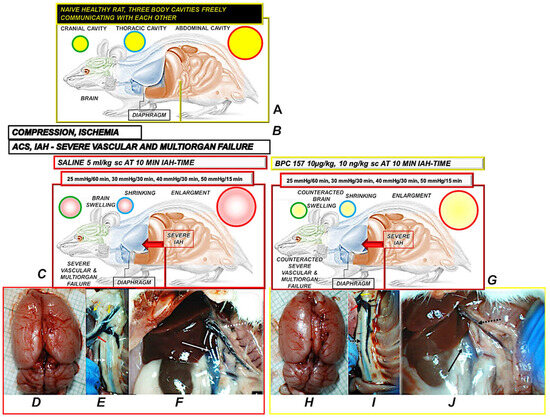
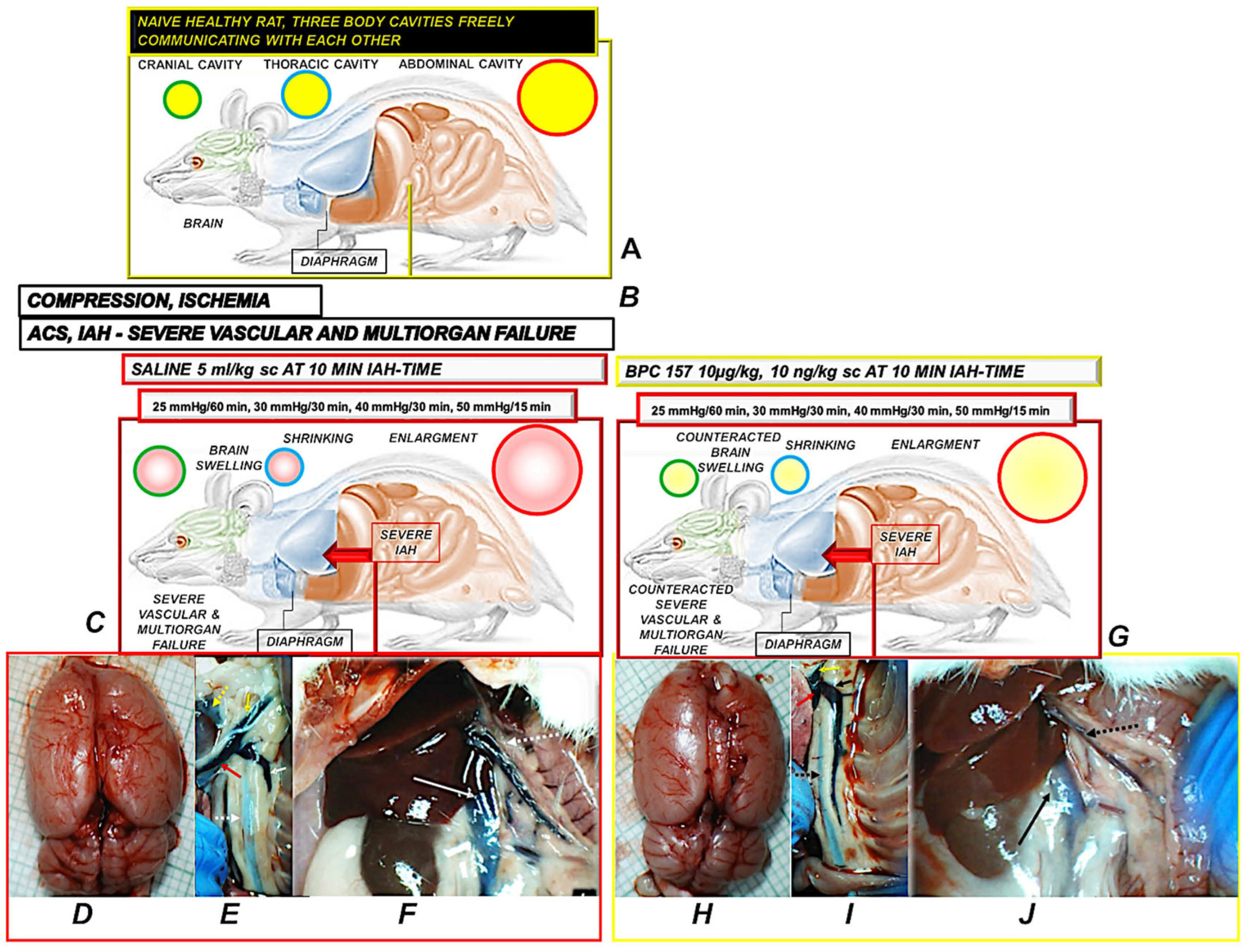
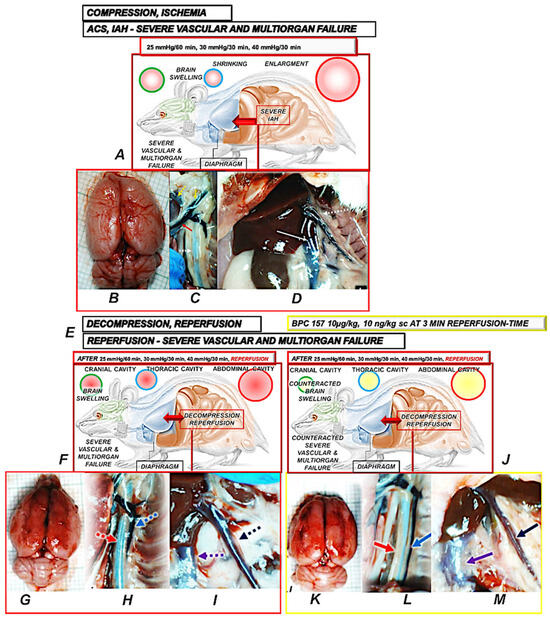
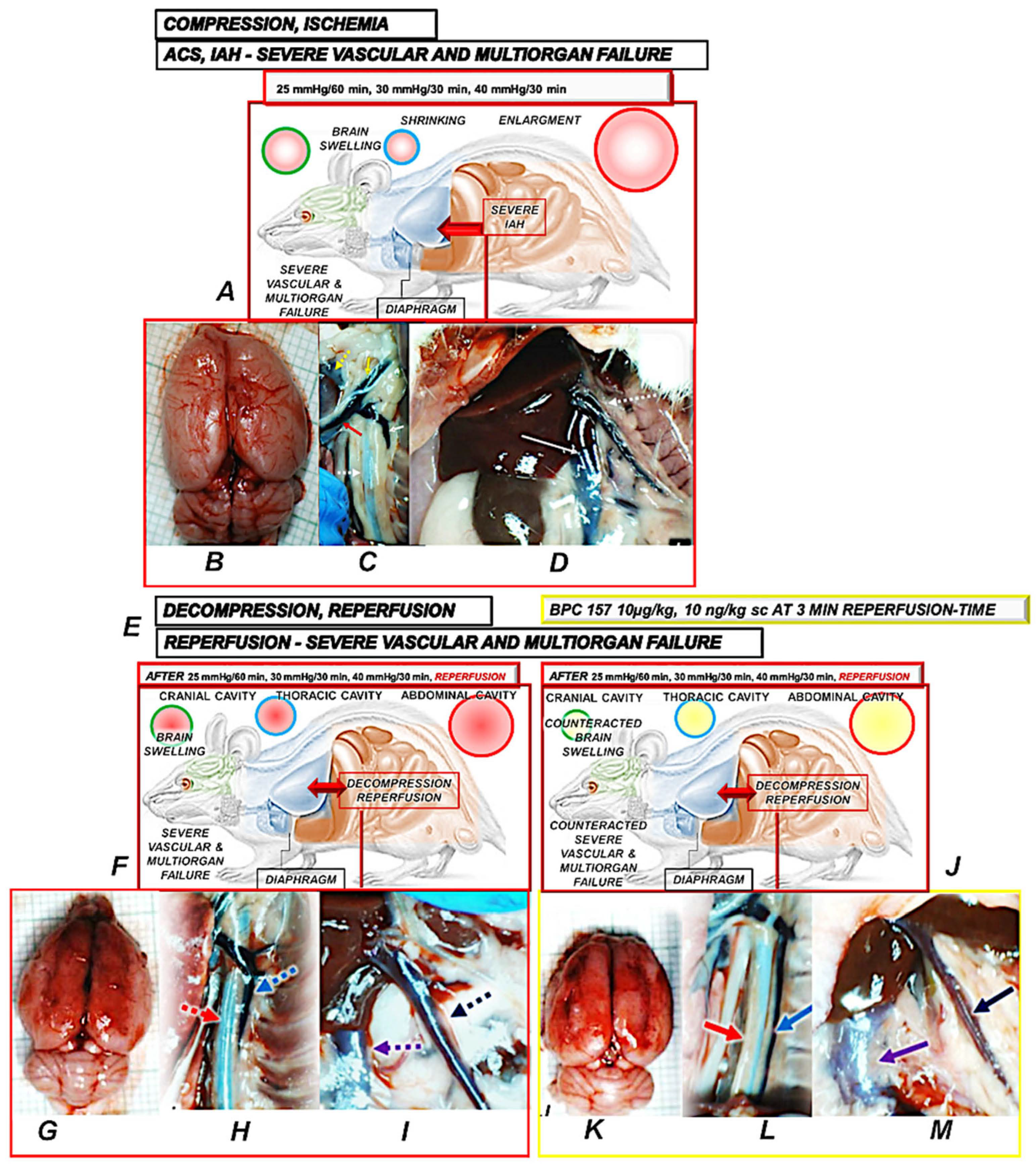
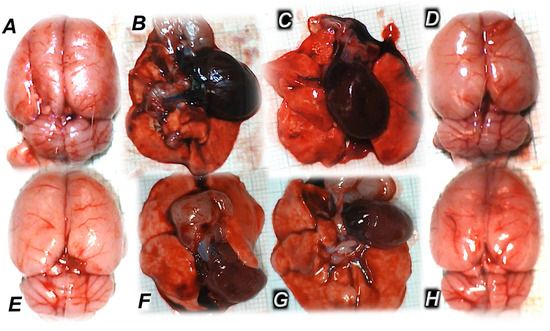
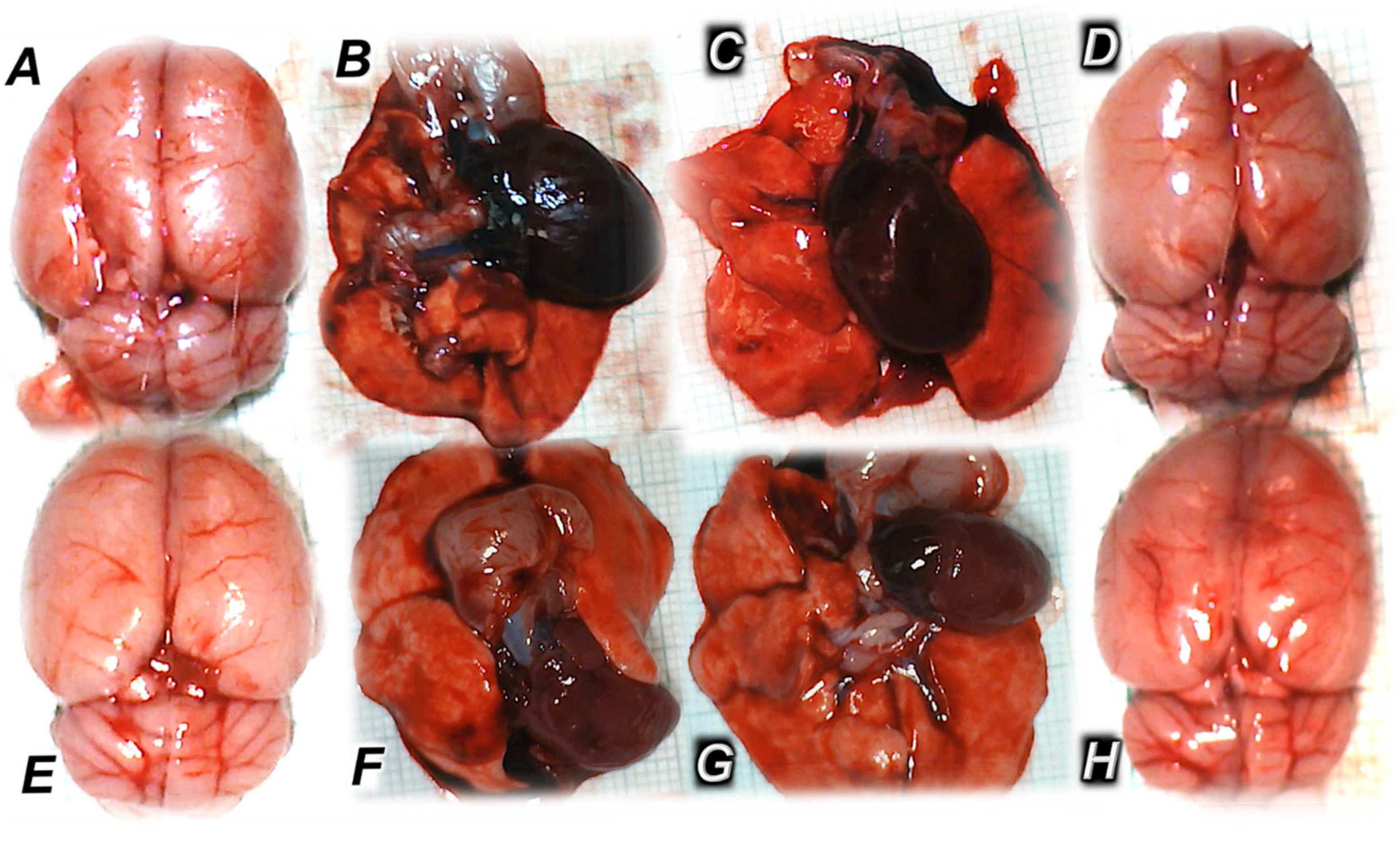

Disclaimer/Publisher’s Note: The statements, opinions and data contained in all publications are solely those of the individual author(s) and contributor(s) and not of MDPI and/or the editor(s). MDPI and/or the editor(s) disclaim responsibility for any injury to people or property resulting from any ideas, methods, instructions or products referred to in the content. |
© 2025 by the authors. Licensee MDPI, Basel, Switzerland. This article is an open access article distributed under the terms and conditions of the Creative Commons Attribution (CC BY) license (https://creativecommons.org/licenses/by/4.0/).