Article

Is the Assessment of the Non-Paretic Lower Limb in Patients After Stroke Important When Planning Rehabilitation?


by
Agnieszka Wareńczak-Pawlicka
* and
Przemysław Lisiński
Department of Rehabilitation and Physiotherapy, Poznan University of Medical Sciences, 60-545 Poznań, Poland
*
Author to whom correspondence should be addressed.
Sensors 2025, 25(4), 1082; https://doi.org/10.3390/s25041082
Submission received: 18 December 2024 / Revised: 31 January 2025 / Accepted: 7 February 2025 / Published: 11 February 2025
(This article belongs to the Section Wearables)

Abstract

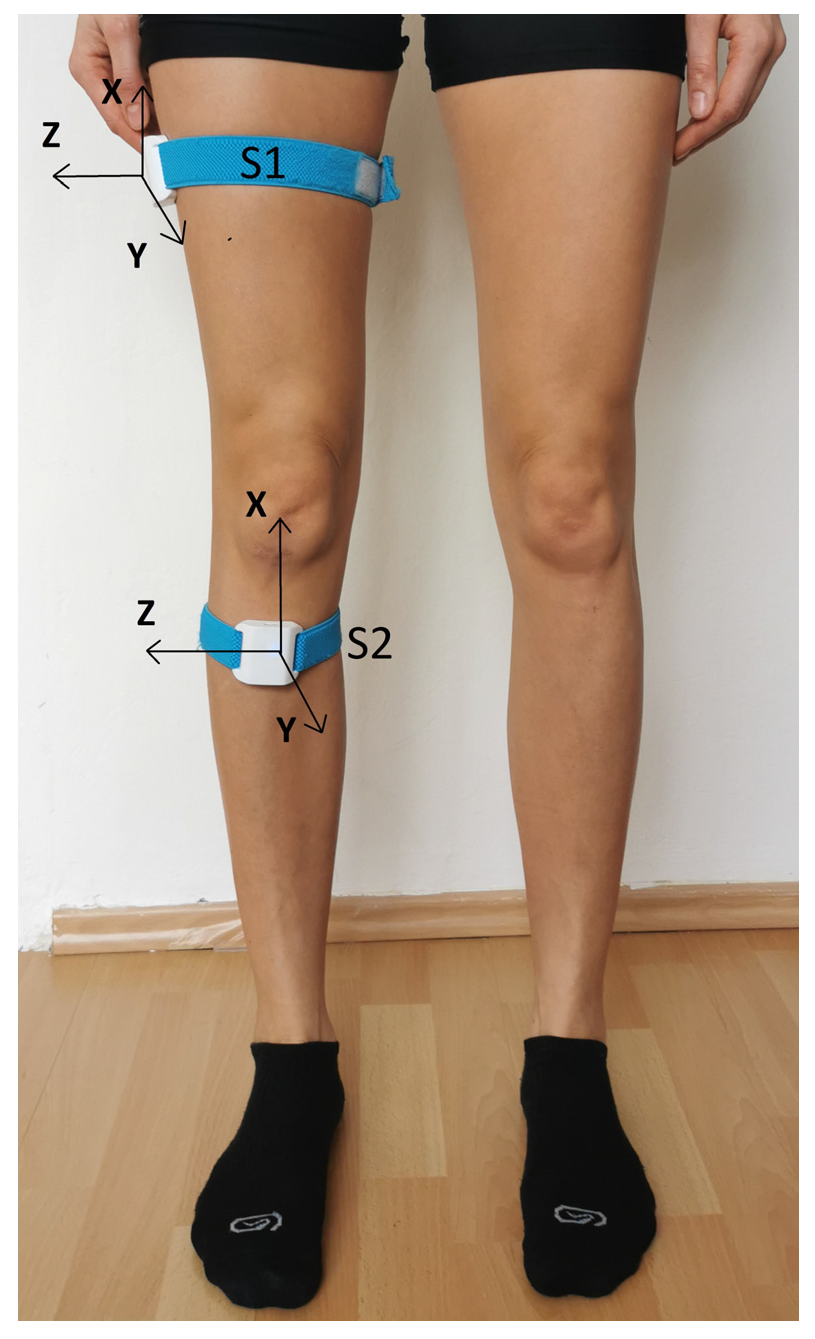
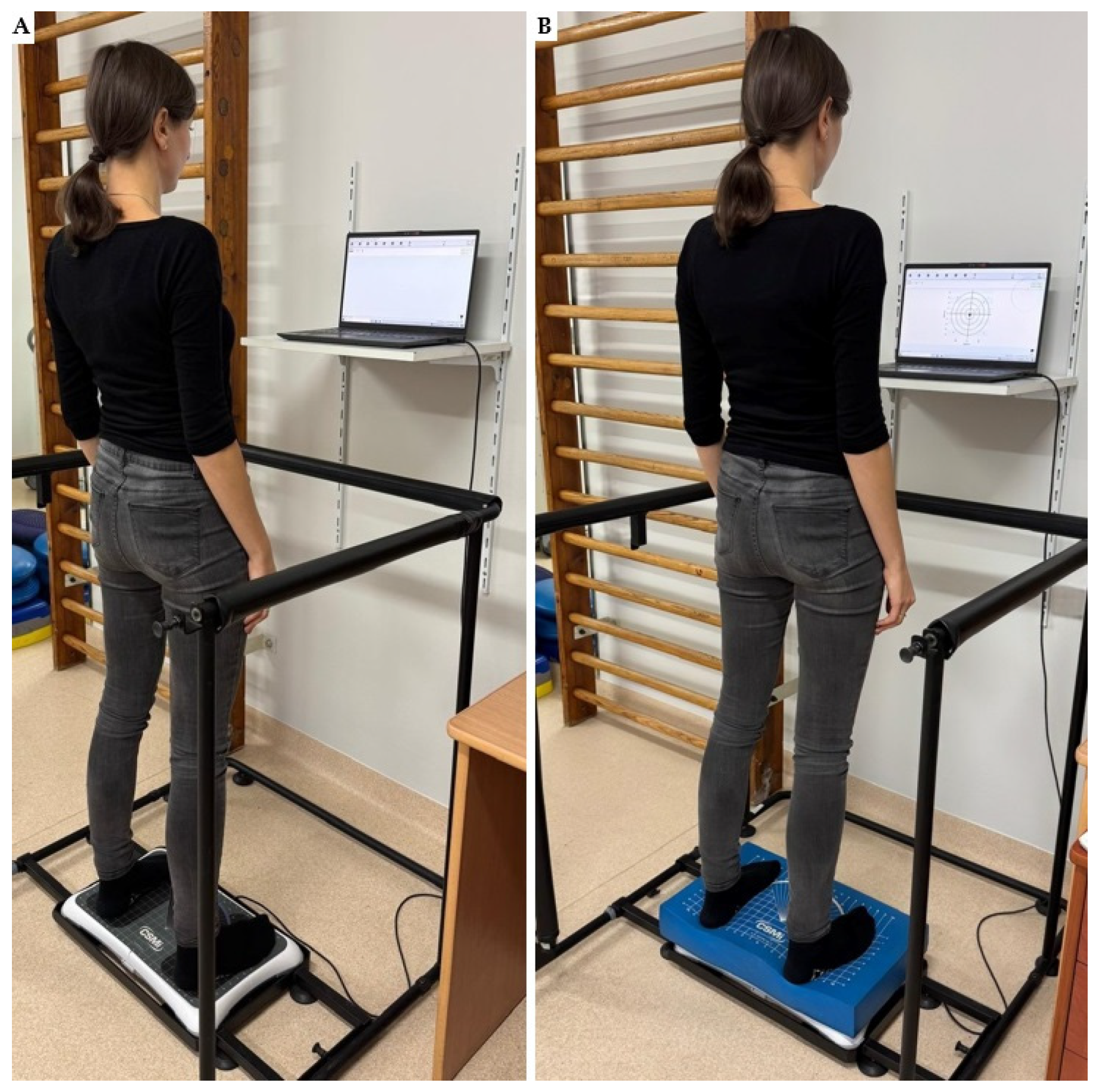
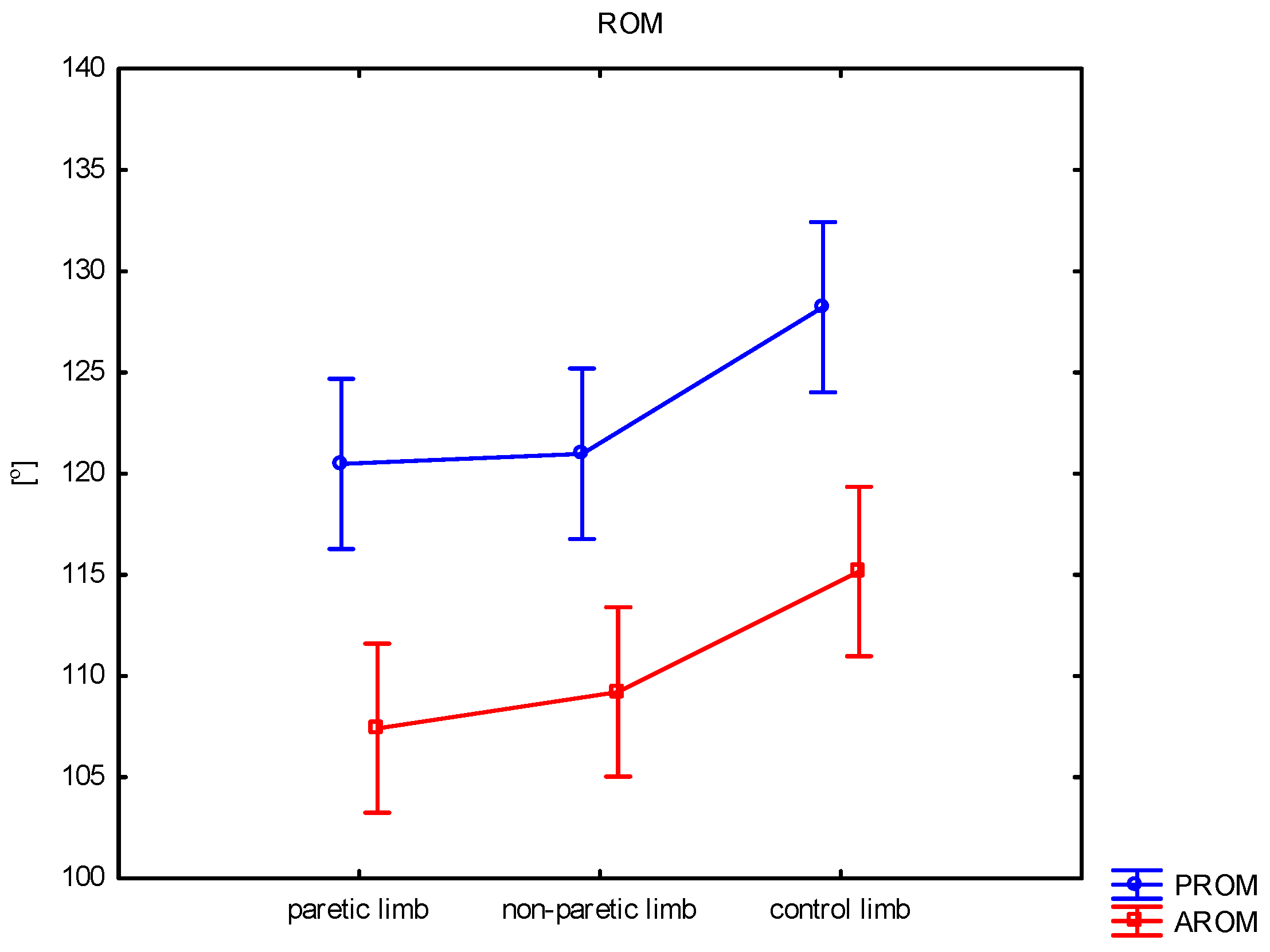
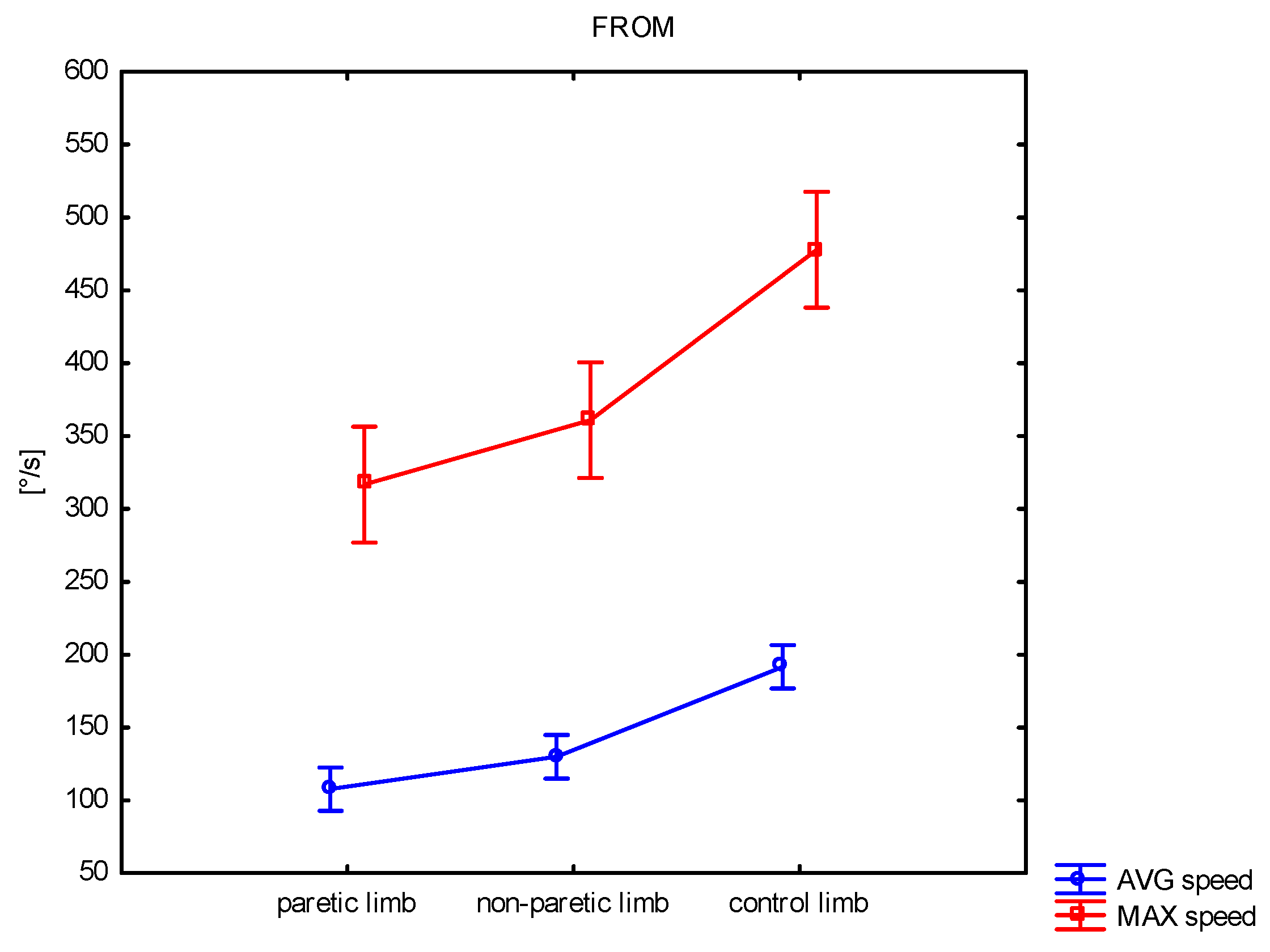
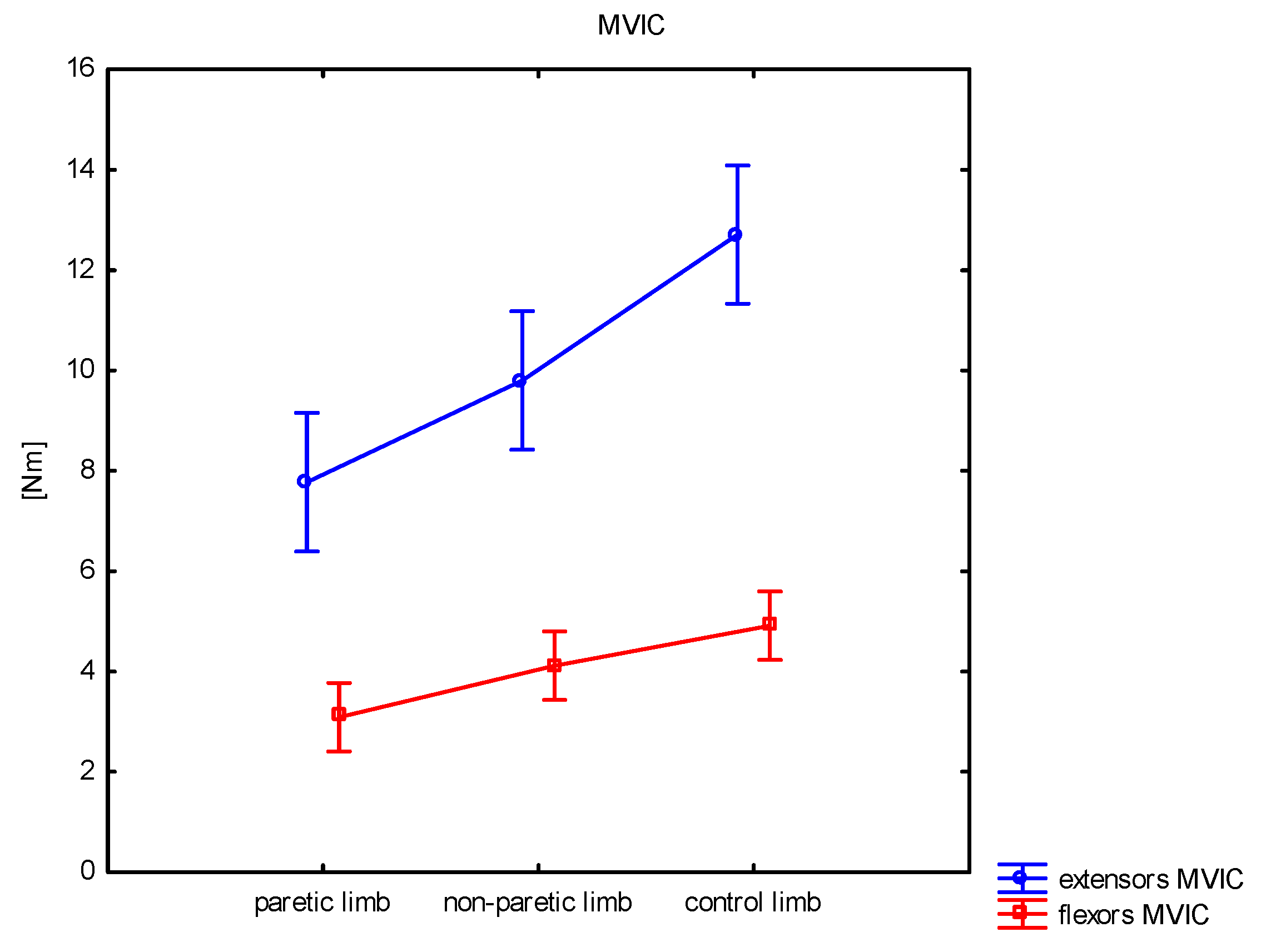
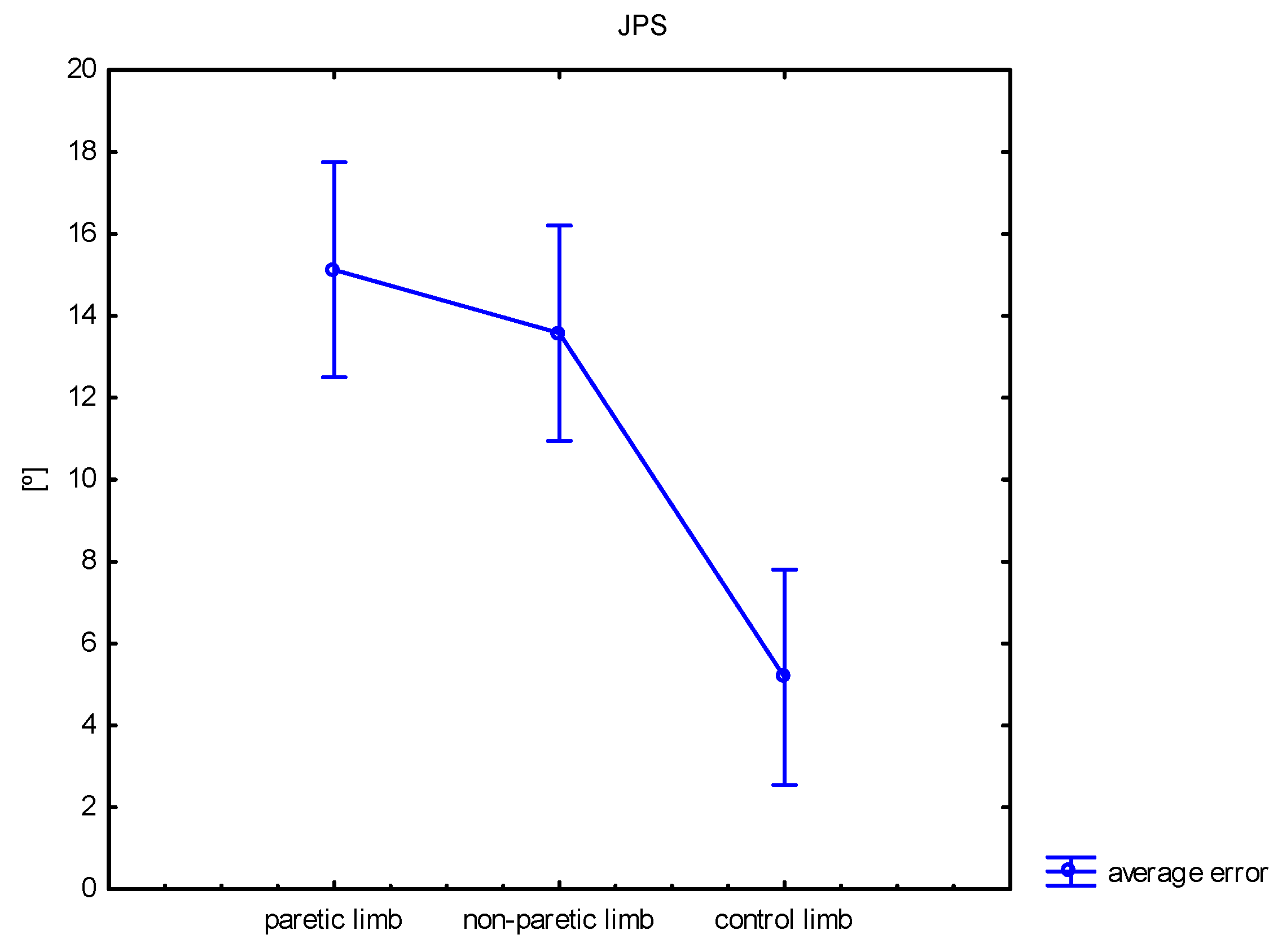
(1) Background: Hemiparetic patients after stroke have deficits on the side of the body opposite to the brain lesion. The aim of this study is to assess the occurrence of deficits in the ipsilesional lower limb. (2) Methods: Twenty-nine stroke patients (SG) and 29 healthy volunteers (CG) were recruited for this study. Passive (PROM), active (AROM), fast range of motion (FROM), and joint position sense (JPS) in the knee joint were measured using a wireless motion system. Participants were also assessed using the step test, balance platform, and the isometric protocol of measuring the strength of the extensor and flexor muscles of the knee. We compared non-paretic lower limb outcomes to the paretic side and a control group. (3) Results: The results showed a difference between the results of the ipsilesional side of the body of stroke patients and the control group. In the non-paretic limb, we observed deficits in PROM (p = 0.018) and AROM (p = 0.048), a lower average (p < 0.001) and maximum speed (p < 0.001) in FROM, worse proprioception (JPS, p < 0.001), and a lower number of repetitions in the step test (p < 0.001) compared to the control group. We also observed a decrease in the average isometric strength of the extensor (p < 0.001) and flexor (p = 0.040) muscles of the non-paretic knee joint compared to the CG. The balance assessment on a balance platform showed worse postural control in people after stroke in all tested conditions (eyes open and closed on a firm and foam surface; p < 0.001). (4) Conclusions: The non-paretic lower limb in stroke patients is characterized by limited ROM at the knee joint, reduced movement speed, decreased proprioception, weakness of the knee flexors and extensors, and resulting impaired balance. The deficits identified require improvement and should be considered when planning rehabilitation.
Keywords: stroke; non-paretic lower limb; ipsilateral side; ipsilesional side; wireless sensors; muscle strength; proprioception; range of motion; balance stroke; non-paretic lower limb; ipsilateral side; ipsilesional side; wireless sensors; muscle strength; proprioception; range of motion; balance